Monosaccharides
Monosaccharides are the simplest form of carbohydrates and serve as fundamental building blocks for more complex sugars and polysaccharides. These single sugar molecules play critical roles in energy metabolism, cellular communication, and structural components of cells. In this section, you will find a wide variety of monosaccharides essential for research in biochemistry, molecular biology, and glycoscience. These compounds are crucial for studying metabolic pathways, glycosylation processes, and developing therapeutic agents. At CymitQuimica, we offer high-quality monosaccharides to support your research needs, ensuring precision and reliability in your scientific investigations.
Subcategories of "Monosaccharides"
- Alloses(11 products)
- Arabinoses(21 products)
- Erythroses(11 products)
- Fructoses(9 products)
- Fucoses(36 products)
- Galactosamine(41 products)
- Galactose(260 products)
- Glucoses(365 products)
- Glucuronic Acids(51 products)
- Glyco-substrates for Enzyme(77 products)
- Guloses(6 products)
- Idoses(4 products)
- Inositols(15 products)
- Lyxoses(4 products)
- Mannoses(65 products)
- O-Glycans(48 products)
- Psicoses(3 products)
- Rhamnoses(10 products)
- Riboses(61 products)
- Sialic Acids(100 products)
- Sorboses(4 products)
- Sugars(173 products)
- Tagatoses(4 products)
- Taloses(8 products)
- Xyloses(20 products)
Show 17 more subcategories
Found 6088 products of "Monosaccharides"
Sort by
Purity (%)
0
100
|
0
|
50
|
90
|
95
|
100
5'-O-(2-Amino-2-deoxy-D-glucopyranosyl)-thymidine
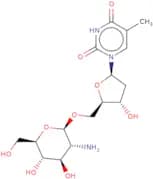
CAS:<p>5'-O-(2-Amino-2-deoxy-D-glucopyranosyl)-thymidine is a custom synthesis of saccharide that is fluorinated, methylated, and monosaccharide. This compound has been modified with a click modification and an oligosaccharide. The saccharide is glycosylated with sugar and Carbohydrate. 5'-O-(2-Amino-2-deoxy-D-glucopyranosyl)-thymidine has CAS No. 631842-24-5</p>Formula:C16H25N3O9Purity:Min. 95%Molecular weight:403.38 g/mol2-Azido-2-deoxy-(S)-3,4-O-phenylmethylene-D-Arabinonic acid 1,5-lactone
<p>2-Azido-2-deoxy-(S)-3,4-O-phenylmethylene-D-arabinonic acid 1,5-lactone is a custom synthesis. It is a modification of the natural sugar arabinose. The chemical structure has been modified by fluorination and methylation. This product can be used in the synthesis of monosaccharide and saccharide oligosaccharides. 2-Azido-2-deoxy-(S)-3,4-O-phenylmethylene-D-arabinonic acid 1,5 -lactone is an organic compound that belongs to the group of carbohydrates and polysaccharides.</p>Purity:Min. 95%D-Glucosamine hydrochloride - non-animal origin
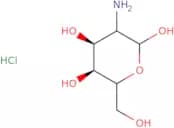
CAS:<p>D-Glucosamine (GlcN) is an aldohexose (2-Amino-2-deoxyglucose) in which the hydroxyl group at position 2 is replaced by an amino group (Collins, 2006). D-Glucosamine is found in chitosan as the N-Acetylated derivative in chitin (Rudrapatnam, 2003), glycoproteins, glycolipids and the glycosaminoglycan hyaluronic acid (Fallacara, 2018). Glucosamine, as its sulfate salt, often in combination with the polydisaccharide chondroitin, is marketed over-the-counter as a treatment for osteoarthritis inflammation and its accompanying pain. Only the D-enantiomer of glucosamine exists in nature.</p>Formula:C6H13NO5·HClPurity:(Hplc) 98.00 To 102.00%Color and Shape:White PowderMolecular weight:215.63 g/molMethylphenyl 2-O-benzyl-b-D-thiogalactopyranoside
<p>Methylphenyl 2-O-benzyl-b-D-thiogalactopyranoside (MPBGT) is a modification of the natural disaccharide, galactose. It is synthesized by the glycosylation and methylation of galactose with methyl phenyl b-D-thioglucopyranoside. MPBGT is typically used as a building block for oligosaccharides or polysaccharides. The MPBGT can be modified by fluorination or saccharide substitution to produce diverse products.</p>Formula:C20H24O5SPurity:Min. 95%Molecular weight:376.47 g/molD-Ribose-5-phosphate disodium salt hydrate
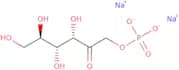
CAS:<p>Precursor for the synthesis of nucleotides;</p>Formula:C5H9Na2O8PColor and Shape:White Yellow PowderMolecular weight:274.07 g/mol(3S, 4R) - 2- [(1S) - 1, 2- Dihydroxyethyl] - 3, 4- pyrrolidinediol
<p>(3S, 4R) - 2- [(1S) - 1, 2- Dihydroxyethyl] - 3, 4- pyrrolidinediol is a Custom synthesis of an Oligosaccharide. It is a Polysaccharide and Modification of a saccharide with Methylation and Glycosylation. This Carbohydrate has been Fluorinated and Synthetically created to be High purity.</p>Purity:Min. 95%1-(Piperidine-2,6-dione-4-yl) - 4-([2-nitro] phenyl)-3- buten- 2- one
<p>Piperidine-2,6-dione-4-yl) - 4-[2-nitrophenyl]-3-buten-2-one is a custom synthesis of a high purity, methylated, glycosylated, and click modified carbohydrate. It is an oligosaccharide with a complex structure that includes saccharide units linked by glycosidic bonds. The saccharide units are made up of monosaccharides that are modified with fluorine atoms. This product is available through Custom Synthesis and can be ordered in bulk quantities.</p>Purity:Min. 95%(2S, 3S, 4R) -3- Azido- 4- [[[(1, 1- dimethylethyl) dimethylsilyl] oxy] methyl] - 1- (phenylmethyl) -2- azetidinecarboxylic acid met hyl ester
CAS:<p>(2S, 3S, 4R) -3- Azido-4-[[[(1,1-dimethylethyl) dimethylsilyl]oxy]methyl]-1-(phenylmethyl)-2-azetidinecarboxylic acid methyl ester is a fluorinated monosaccharide that is synthesized by the reaction of an aldehyde and 2-azidoethanol. It is a white crystalline powder that has the molecular formula C14H18N2O6 and molecular weight of 290.38. This compound has been shown to be an efficient glycosylation agent for the synthesis of complex carbohydrates. It has also been shown to be useful as a click modification reagent in the synthesis of oligosaccharides and polysaccharides.</p>Formula:C19H30N4O3SPurity:Min. 95%Molecular weight:394.53 g/mol(2R, 3R, 3aS, 9aR) -2, 3, 3a, 9a-Tetrahydro- 3- hydroxy- 2- (hydroxymethyl) - 3a- methyl- 6H- Furo[2', 3':4, 5] oxazolo[3, 2- a] pyr imidin- 6- one,
<p>This compound is a custom synthesis. It is an oligosaccharide that has a CAS number. The molecular weight of this compound is 5,871. This product is a sugar that contains glycosylation and methylation modifications, as well as click chemistry modifications. The purity of this product is high, with a purity level of 99%. This product also contains fluorination on the alpha-carbon atom in the 2 position.</p>Purity:Min. 95%1,5-Di-O-acetyl-2,3-O-isopropylidene-D-ribofuranose
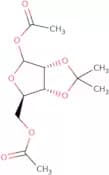
CAS:<p>1,5-Di-O-acetyl-2,3-O-isopropylidene-D-ribofuranose is a sugar that can be modified for various purposes. It is a synthetic sugar with a CAS number of 141979-56-8. The compound has fluoroquinolone resistance and is used in the synthesis of oligosaccharides and polysaccharides. This product can be custom synthesized. It has high purity and a modification of methylation or monosaccharide click modification. It also has complex carbohydrate properties.</p>Formula:C12H18O7Purity:(%) Min. 95%Color and Shape:PowderMolecular weight:274.27 g/mol2,3:5,6-Di-O-isopropylidene-α-D-mannofuranose
CAS:<p>2,3:5,6-Di-O-isopropylidene-a-D-mannofuranose is a nutrient solution that can be used in tissue culture. It is a complex sugar with an active hydroxyl group and a hydrogen bond. This compound has been shown to have antiviral activity against HIV in the laboratory. 2,3:5,6-Di-O-isopropylidene-a-D-mannofuranose is also able to inhibit the growth of liver cells and can be used for diagnostic purposes.</p>Formula:C12H20O6Purity:Min. 95%Color and Shape:PowderMolecular weight:260.28 g/mol(1S) -1- [(2S, 3R,4R) -4-Hydroxymethyl-3- hydroxy- 1- azetidinyl] -1, 2- ethanediol
<p>(1S) -1- [(2S, 3R,4R) -4-Hydroxymethyl-3- hydroxy- 1- azetidinyl] -1, 2- ethanediol is a synthetic sugar that can be used as a glycosylation or click modification agent. It is also used in the synthesis of complex carbohydrates. This product has been shown to have high purity and is available for custom synthesis.</p>Purity:Min. 95%2-Azido-2-deoxy-3,5-O-isopropylidene-D-xylono-1,4-lactone
<p>2-Azido-2-deoxy-3,5-O-isopropylidene-D-xylono-1,4-lactone is a methylated saccharide that has been synthesized from D-xylonolactone. It has a CAS Number of 122758-81-6 and is available for custom synthesis. This molecule is a modified form of the natural product xyloglucan. It can be used as a glycosylation or fluorination reagent to create more complex carbohydrates.<br>2-Azido -2 deoxy -3,5 O -isopropylidene -D -xylono -1,4 lactone is prepared by the reaction of 2 moles of nitrous acid with 1 mole of D -xylonolactone in an organic solvent such as ethanol or acetone at room temperature. The product can then be purified by recrystallization from a mixture of</p>Purity:Min. 95%4-Methylphenyl 2-O-acetyl-3-O-benzyl-4-O-Fmoc-b-D-glucopyranuronic acid methyl ester
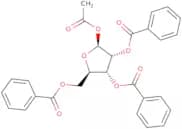
<p>4-Methylphenyl 2-O-acetyl-3-O-benzyl-4-O-Fmoc-b-D-glucopyranuronic acid methyl ester (4MPBA) is a custom synthesis of a sugar that belongs to the group of polysaccharides. It is a complex carbohydrate, which is an important component in living organisms. The modification of this sugar includes methylation and glycosylation. This product is available in high purity and has been fluorinated to increase its stability.</p>Purity:Min. 95%1-O-Acetyl-2,3,5-tri-O-benzoyl-b-D-ribofuranose
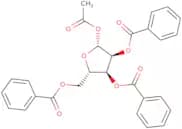
CAS:<p>1-O-Acetyl-2,3,5-tri-O-benzoyl-b-D-ribofuranose is an intermediate used to access a variety of ribonucleoside analogues. The ribosylation of substituted purines and pyrimidines with 1-O-Acetyl-2,3,5-tri-O-benzoyl-b-D-ribofuranose affords ribonucleoside analogues with the potential for biological and medicinal activity. Ribosylation requires the use of a catalyst such as trimethylsilyl trifluoromethane sulfonate and N,O-Bis(trimethylsilyl)trifluoroacetamide.</p>Formula:C28H24O9Purity:Min. 98 Area-%Color and Shape:White PowderMolecular weight:504.48 g/mol2-O-Benzyl-1-C-(1-butyl)-3,4-di-O-isopropylidene-2,4-di-C-methyl-L-arabinopyranose
<p>2-O-Benzyl-1-C-(1-butyl)-3,4-di-O-isopropylidene-2,4-di-C-methyl-L-arabinopyranose is a fluorinated monosaccharide that has been synthesized by the glycosylation of 2,3,6,7,8,-pentaoxaheptane with 2,4,6,-triacetoxybenzaldehyde. The molecule is a complex carbohydrate and contains 10 identical units of D-(+)-glycero 1,2:5,6:8--octahydroquinoline. This compound is also known as 1-(2'-carboxyethyl)piperidine. The molecular weight of this compound is 476.11 and the CAS number is 324965-70-0. This compound was modified with methylation and click chemistry reactions to produce an amine group at the C</p>Purity:Min. 95%1,2,3,4-Tetra-O-benzyl-6-O-tert-butyldimethylsilyl-a-D-mannopyranose
<p>This is a fluorinated monosaccharide, synthesized by the click modification of an oligosaccharide with an a-D-mannopyranose. The complex carbohydrate has been modified with methyl and benzyl groups, which can be removed using tert-butyldimethylsilyl chloride to yield 1,2,3,4-Tetra-O-benzyl-6-O--tert-butyldimethylsilyl a-D-mannopyranose.</p>Formula:C40H50O6SiPurity:Min. 95%Molecular weight:654.93 g/molD-Fructose 1-phosphate disodium salt
CAS:<p>D-Fructose 1-phosphate disodium salt is a high purity, custom synthesis sugar compound. It has CAS No. 71662-09-4 and Click modification. Fluorination and glycosylation are the two modifications that can be done on this product. This product is an oligosaccharide and it is a monosaccharide with saccharide as its complex carbohydrate.</p>Formula:C6H11Na2O9PPurity:Min. 90 Area-%Color and Shape:White PowderMolecular weight:304.1 g/mol2,3,4,5,6-Penta-O-acetyl-D-galactononitrile
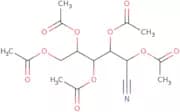
CAS:<p>2,3,4,5,6-Penta-O-acetyl-D-galactononitrile is a synthetic chemical compound that can be used in glycosylation reactions. It has been synthesized by the click modification of 2,3,4,5-tetra-O-acetyl-D-galactose with pentaerythritol tri(nitrile) followed by fluorination. The saccharide was then converted to the methyl ester and acetylated using acetic anhydride. This product is highly pure and can be custom synthesized according to your needs.<br>2,3,4,5,6-Penta-O-acetyl-D-galactononitrile has a molecular weight of 434.2 g/mol and its CAS number is 35439-42-0.</p>Formula:C16H21NO10Purity:Min. 95%Molecular weight:387.34 g/molMethyl 3-O-benzyl-4-O-(2,3,4-tri-O-benzyl-β-D-xylopyranosyl)-β-D-xylopyranoside
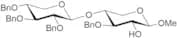
CAS:<p>A protected xylobiose analogue</p>Formula:C39H44O9Purity:Min. 95%Color and Shape:PowderMolecular weight:656.76 g/mol(2S, 3R, 4R) -3- Hydroxy- 4- (hydroxymethyl) - 2- azetidinecarboxylic acid
<p>(2S, 3R, 4R) -3- Hydroxy- 4- (hydroxymethyl) - 2- azetidinecarboxylic acid is a carbohydrate that has been modified for use in research and the biomedical industry. It is a monosaccharide that can be used as a building block for custom synthesis of saccharides or oligosaccharides. This product is also available with fluorination, methylation, glycosylation, or click modification.</p>Purity:Min. 95%3,4-O-Isopropylidene-2-C-methyl-D-arabinopyranose
<p>3,4-O-Isopropylidene-2-C-methyl-D-arabinopyranose is a glycosylation reagent that is synthesized by the fluorination of D-arabinose. It is an oligosaccharide sugar with a high purity and can be used for synthesis of complex carbohydrates.</p>Purity:Min. 95%3,4-O-Isopropylidene-2,3-di-C-mehtyl-6-O-tert.butyldimethylsilyl-D-allopyranose
<p>3,4-O-Isopropylidene-2,3-di-C-methyl-6-O-tert.butyldimethylsilyl-D-allopyranose is a fluorinated sugar that is synthesized by the reaction of 3,4-O-isopropylidene D-glucal with tert.butyldimethylsilyl chloride and allyl bromide in the presence of tetrapropylammonium perruthenate. This compound has been shown to be useful for glycosylation reactions and as an intermediate for the synthesis of oligosaccharides. It has also been used to introduce click modifications to sugars for applications such as immunoassays and molecular electronics. The compound is available to order from Sigma Aldrich in a custom synthesis or in stock form.</p>Purity:Min. 95%Methyl 5-Azido-3-O-benzyl-5-deoxy-1,2-O-isopropylidene-D-galactofuranoside
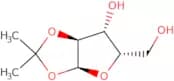
<p>Methyl 5-Azido-3-O-benzyl-5-deoxy-1,2-O-isopropylidene-D-galactofuranoside is a custom synthesis of a monosaccharide that can be fluorinated, methylated and modified with the click reaction. It is an oligosaccharide that can be saccharified by glycosylation or polysaccharided by glycosylation. It is a carbohydrate that contains a complex carbohydrate.<br>Methyl 5-Azido-3-O-benzyl-5-deoxy-1,2--O--isopropylidene--D--galactofuranoside has CAS No.</p>Purity:Min. 95%Methyl 2,3-di-O-acetyl-4,6-O-benzylidene-a-D-mannopyranoside
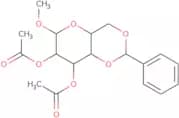
CAS:<p>Methyl 2,3-di-O-acetyl-4,6-O-benzylidene-a-D-mannopyranoside is a synthetic compound that has not been studied in vivo or in vitro. Methyl 2,3-di-O-acetyl-4,6-O-benzylidene-aDmannopyranoside is an oligosaccharide that can be modified with fluorination and methylation. It is synthesized by glycosylation of a Dmannopyranose using an acetate as the acyl donor. The acetate is then selectively benzylated to form the desired product.</p>Formula:C18H22O8Purity:Min. 95%Molecular weight:366.37 g/molN-[2-(4'-Nitrophenylacetonitrile)]-2,3,4,6-tetra-O-pivaloyl-D-glucopyranoside
<p>The chemical name for N-[2-(4'-Nitrophenylacetonitrile)]-2,3,4,6-tetra-O-pivaloyl-D-glucopyranoside is 4'-nitrophenyl 2,3,4,6-tetra-O-pivaloylmethyl glucopyranoside. It is a monosaccharide that has been custom synthesized and modified to contain a methyl group at the C2 position. This compound is also fluorinated at the C1 position and glycosylated at the C4 position. It is soluble in DMSO and methanol. The CAS number for this compound is 1263096-04-8.</p>Formula:C34H49N3O11Purity:Min. 95%Molecular weight:675.77 g/molMethyl 2,3-di-O-benzyl-4,6-O-benzylidene-a-D-galactopyranoside
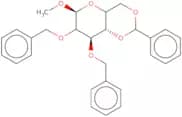
CAS:<p>Methyl 2,3-di-O-benzyl-4,6-O-benzylidene-a-D-galactopyranoside is a synthetic monosaccharide that is a glycosylation product of the natural galactose. This compound is used in the synthesis of complex carbohydrates and saccharides. It can be modified with methyl groups, fluorine, or click modification to produce various derivatives. Methyl 2,3-di-O-benzyl-4,6-O-benzylidene-a-D-galactopyranoside has been shown to be an effective candidate for the synthesis of polysaccharides as it can be modified with different reactive groups to produce desired structures. The high purity and custom synthesis make this compound suitable for use in pharmaceuticals, biotechnology, and other research studies.</p>Formula:C28H30O6Purity:Min. 95%Molecular weight:462.55 g/mol(2R, 3R, 4R, 5S) -3, 4- Dihydroxy- 5- (hydroxymethyl) - N- methyl-2- pyrrolidinecarboxami de
CAS:<p>Methylation of a saccharide with a methyl group is called methylation. The process is used in the synthesis of many important molecules, including biomedically-relevant compounds such as drugs and natural products. Methylation can be achieved by using various methods, such as by using an organometallic (e.g., Grignard reagent) or electrophilic reagent (e.g., dimethyl sulfate).</p>Purity:Min. 95%2,3-O-Isopropylidene-1,4-di-C-methyl-L-erythrofuranose
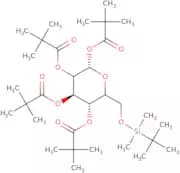
<p>2,3-O-Isopropylidene-1,4-di-C-methyl-L-erythrofuranose is a fluorinated monosaccharide. It is synthesized by the reaction of 2,3-O-isopropylidene L-erythroascorbic acid with sodium difluoromethanesulfinate in toluene under refluxing conditions. It can be used as an intermediate for the preparation of oligosaccharides and polysaccharides. This product has been shown to be resistant to degradation by enzymes such as glycosidases and esterases. It also has a high purity level and can be used for custom synthesis projects.</p>Purity:Min. 95%1,2,3,4-Tetra-O-pivaloyl-6-O-(tert-butyldimethylsilyl)-a-D-mannopyranose
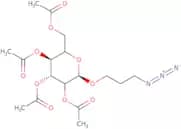
<p>1,2,3,4-Tetra-O-pivaloyl-6-O-(tert-butyldimethylsilyl)-a-D-mannopyranose is a synthetic compound that can be used as a fluorinated monosaccharide. It is synthesized from 1,2,3,4-tetra-O-pivaloyl-6-[(tert-butyldimethylsilyl)oxy]-aD mannopyranose. This product is also known as Tetra O Pivalate Mannose (TPM). This product has been shown to be effective in the synthesis of carbohydrates and complex carbohydrates.</p>Formula:C32H58O10SiPurity:Min. 95%Molecular weight:630.88 g/mol3-Azidopropyl 2,3,4,6-tetra-O-acetyl-b-D-galactopyranoside
CAS:<p>3-Azidopropyl 2,3,4,6-tetra-O-acetyl-b-D-galactopyranoside is a Custom synthesis of the monosaccharide galactose. It is modified with fluorine at the 3 and 4 positions on the carbon chain and also has an acetyl group at the 6 position. 3-Azidopropyl 2,3,4,6-tetra-O-acetyl-b-D-galactopyranoside is synthesized from the sugar glucose by methylation of the hydroxyl groups on C1 and C2. The chemical formula for this compound is C8H14N2O5. This molecule has a molecular weight of 204.22 g/mol and its CAS number is 819053-49-1.</p>Formula:C17H25N3O10Purity:Min. 95%Color and Shape:Colorless PowderMolecular weight:431.39 g/molD-Sedoheptulose-7-phosphate barium salt-2,3,4,5,6,7-13C6
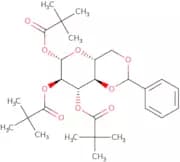
<p>D-Sedoheptulose-7-phosphate barium salt-2,3,4,5,6,7-13C6 is a high purity synthetic sugar. It is a custom synthesis that has been modified with fluorination and glycosylation. This product can be used in the production of complex carbohydrates such as oligosaccharides and monosaccharides.</p>Purity:Min. 95%4,6-O-Benzylidene-1,2,3-tri-O-pivaloyl-b-D-glucopyranose
CAS:<p>4,6-O-Benzylidene-1,2,3-tri-O-pivaloyl-b-D-glucopyranose is a carbohydrate that belongs to the group of saccharides. It is a simple sugar that has been modified with fluorination. This compound has been synthesized by custom synthesis and has high purity and can be used in research. 4,6-O-Benzylidene-1,2,3-tri-O-pivaloyl-b-D-glucopyranose is not currently available on the market.</p>Formula:C28H40O9Purity:Min. 95%Molecular weight:520.63 g/mol6-Deoxy-2,3:4,5-di-O-isopropylidene-D-gulonic acid methyl ester
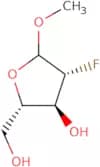
<p>6-Deoxy-2,3:4,5-di-O-isopropylidene-D-gulonic acid methyl ester is a monosaccharide that can be used as a glycosylation and methylation reagent. It's also an important building block in the synthesis of complex carbohydrate polymers. This product is custom synthesized to meet your requirements.</p>Purity:Min. 95%Methyl 2-deoxy-2-fluoro-L-arabinofuranoside
CAS:<p>Methyl 2-deoxy-2-fluoro-L-arabinofuranoside is a synthetic monosaccharide that can be used as a building block for the synthesis of oligosaccharides and polysaccharides. It has been shown to have high purity, and it can be custom synthesized. Methyl 2-deoxy-2-fluoro-L-arabinofuranoside is an excellent source of fluorine atoms, which are commonly used in glycosylation reactions. This product is also useful for click chemistry reactions with methyl groups, as well as other modifications such as oxidation, reduction, esterification, and acetylation.</p>Formula:C6H11FO4Purity:Min. 95%Color and Shape:PowderMolecular weight:166.15 g/mol1,2-O-Isopropylidene-a-L-xylofuranose
CAS:<p>1,2-O-Isopropylidene-a-L-xylofuranose is a sulfate transport molecule that is present in the blood plasma. It binds to sulfate anions which are then transported by the sodium/sulfate co-transporter from the blood and into cells. This process is called equilibrative or facilitated transport. 1,2-O-Isopropylidene-a-L-xylofuranose also binds to adenosine and transports it across membranes. This process is regulated by surface receptors and uptake transporters that regulate the rate of adenosine uptake at different parts of the body.</p>Formula:C8H14O5Purity:Min. 98 Area-%Color and Shape:White PowderMolecular weight:190.2 g/mol1-O-Acetyl-3,5-di-O-benzoyl-2-deoxy-2-fluoro-b-D-ribofuranoside
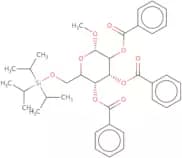
CAS:<p>1-O-Acetyl-3,5-di-O-benzoyl-2-deoxy-2-fluoro-betaDribofuranoside is a synthetic sugar that is used as a building block for the synthesis of oligosaccharides and glycosylations. It can be modified by click chemistry with other molecules to produce glycosides. This compound has CAS number 149623-91-6 and is also known as methyl 1, 3, 5 di O benzoyl beta D ribofuranoside.</p>Purity:Min. 95%Methyl 2,3,4-tri-O-benzoyl-6-O-triisopropylsilyl-a-D-mannopyranoside
<p>Methyl 2,3,4-tri-O-benzoyl-6-O-triisopropylsilyl-a-D-mannopyranoside is a synthetic glycosylation agent with high purity and custom synthesis. The product is used to modify saccharides and oligosaccharides with the addition of the methyl group at C2 of the sugar. It can be used for modification of complex carbohydrates, fluorination, and saccharide. Methyl 2,3,4-tri-O-benzoyl-6-O-triisopropylsilyl-a -D -mannopyranoside has CAS No. 617069–91–8. The product can be synthesized in various configurations to meet customer needs.</p>Formula:C37H46O9SiPurity:Min. 95%Molecular weight:662.86 g/mol2-Azidomethyl-2-deoxy-3,4-O-isopropylidene-4-C-methyl-L-ribono-1.5-lactone
<p>2-Azidomethyl-2-deoxy-3,4-O-isopropylidene-4-C-methyl-L-ribono-1.5-lactone is a modification of the sugar molecule ribose. It is synthesized by the methylation of 2,6 anhydroglucose with formaldehyde and sodium azide in methanol. This modification prevents the formation of cyclic hemiacetals and epimerization reactions that may occur during glycosylation or polysaccharide formation. 2A diol has been used as a model for oligosaccharides, carbohydrates, and complex carbohydrates. It is highly purified, has a CAS number, and can be used in custom synthesis projects.</p>Purity:Min. 95%Ethyl 2,3,4,6-tetra-O-acetyl-D-thiomannopyranoside - min 80% a-anomer
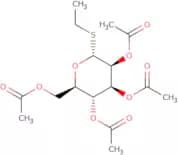
CAS:<p>Ethyl 2,3,4,6-tetra-O-acetyl-D-thiomannopyranoside is a high purity custom synthesis sugar that can be modified with fluorination, glycosylation and methylation. This compound has CAS No. 79389-52-9. Ethyl 2,3,4,6-tetra-O-acetyl-D-thiomannopyranoside is a complex carbohydrate that is also an oligosaccharide and monosaccharide. It has many applications in the food industry as well as pharmaceuticals.</p>Formula:C16H24O9SPurity:Min. 95%Color and Shape:PowderMolecular weight:392.42 g/mol(3S, 4S, 5S) -3, 4-Dihydroxy- 5- (hydroxymethyl) - L- proline
CAS:<p>(3S, 4S, 5S) -3, 4-Dihydroxy-5-(hydroxymethyl) -L-proline (1) is a modification of the amino acid proline. It is an oligosaccharide with a complex carbohydrate structure. The molecular weight of the compound was determined to be 1,664.1 g/mol by mass spectrometry analysis. This product is available for custom synthesis and can be purchased in high purity and synthetic form. It also has a CAS number of 1225455-73-1 and its chemical name is 3-[(2R)-2-(3,4-dihydroxypropanoyloxy)] -4-[(2R)-2-(3,4-dihydroxypropanoyloxy)] -5-[(2R)-2-(hydroxymethyl)oxido] -L-proline.</p>Formula:C6H11NO5Purity:Min. 95%Molecular weight:177.16 g/mol(2S, 3R, 4R) -3- Benzyloxy- 1- butyl-4- (hydroxymethyl) - N- methyl- 2- azetidinecarboxylic acid methyl ester
<p>(2S, 3R, 4R) -3-Benzyloxy-1-butyl-4-(hydroxymethyl)-N-methyl-2-azetidinecarboxylic acid methyl ester is a modification of an oligosaccharide. This product is custom synthesized and has a high purity. It is a methylated carbohydrate that contains a fluorinated saccharide.</p>Purity:Min. 95%1,2-Di-O-acetyl-3-deoxy-3-fluoro-5-O-toluoyl-D-ribofuranose
<p>1,2-Di-O-acetyl-3-deoxy-3-fluoro-5-O-toluoyl-D-ribofuranose is a monosaccharide. It has been custom synthesized and modified with a click modification. This product is available in high purity and has been shown to be a complex carbohydrate.</p>Formula:C18H23FO7Purity:Min. 95%Molecular weight:370.37 g/mol1,2:3,4:5,6-Tri-O-isopropylidene-L-glycero-L-gulo-heptitol
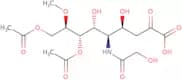
<p>1,2:3,4:5,6-Tri-O-isopropylidene-L-glycero-L-gulo-heptitol is a methylated saccharide. It is a synthetic carbohydrate with a molecular weight of 568.87 and a CAS No. of 310540-53-0. This product is soluble in water and has been shown to be resistant to the pH of stomach acid. 1,2:3,4:5,6-Tri-O-isopropylidene-L-glycero-L-gulo-heptitol can be used as a click modification or modification reaction to make oligosaccharides or polysaccharides. This product can also be used for glycosylation reactions or custom synthesis of carbohydrates such as sugars or complex carbohydrates. 1,2:3,4:5,6 -Tri -O -isopropylidene -</p>Purity:Min. 95%7,9-Di-O-acetyl-N-glycolyl-8-O-methylneuraminic acid
CAS:<p>7,9-Di-O-acetyl-N-glycolyl-8-O-methylneuraminic acid is a synthetic glycolylneuraminic acid analogue that can be used in the treatment of bacterial infections. It is a prodrug that is converted to glycolylneuraminic acid by monoclonal antibody and other enzymes. 7,9-Di-O-acetyl-N-glycolyl-8-O-methylneuraminic acid inhibits the activity of necrosis factor (TNF) by binding to its receptor, thereby preventing TNF from binding to cells and stimulating inflammation. This compound has been shown to be effective against many bacteria including methicillin resistant Staphylococcus aureus (MRSA). Techniques used for the synthesis include high performance liquid chromatography with mass spectrometry detection and cavity ring down spectroscopy.</p>Formula:C16H25NO12Purity:Min. 95%Molecular weight:423.37 g/mol(1S) -1- [(2R, 3S) -N-Benzyl-3-hydroxy- 1- azetidinyl] -1, 2- ethanediol
<p>This product is a custom-synthesized, complex carbohydrate with the CAS number of 12078-03-7. This product is an Oligosaccharide that has been modified with saccharides and methylated. It has been glycosylated and click modified. The product is a sugar that has been fluorinated and synthesized. It has high purity and is synthetic.</p>Purity:Min. 95%2-C-(tert.Butylmethylsilyloxy)methyl-2,3:5,6-di-O-isopropylidene-D-mannono-1.4-lactone
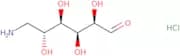
<p>2-C-(tert.Butylmethylsilyloxy)methyl-2,3:5,6-di-O-isopropylidene-D-mannono-1.4-lactone is a custom synthesis of a complex carbohydrate with Oligosaccharide, CAS No., Polysaccharide and Modification properties. It is a saccharide that is Methylation and Glycosylation modified. This product has Click modification and Carbohydrate properties. 2C-(tert.Butylmethylsilyloxy)methyl-2,3:5,6-di-O-isopropylidene-D-mannono 1,4 lactone is a high purity product with Fluorination and Synthetic properties.</p>Purity:Min. 95%6-Amino-6-deoxy-D-glucose hydrochloride
CAS:<p>6-Amino-6-deoxy-D-glucose hydrochloride is a chromatographic agent that is used to detect and identify viruses. It is also used to study antiviral drugs and the virus life cycle. 6-Amino-6-deoxy-D-glucose hydrochloride has been shown to inhibit protein synthesis in animal cells infected with paramyxoviruses, which may be due to its ability to inhibit acetylation of proteins. This drug has also been shown to inhibit influenza virus replication in cell culture. 6-Amino-6-deoxy--D--glucose hydrochloride binds to the viral ribonucleic acid (RNA) and inhibits the replication of the virus by binding competitively to the RNA polymerase enzyme.</p>Formula:C6H13NO5·(HCl)Purity:Min. 95%Color and Shape:White PowderMolecular weight:215.63 g/mol1-O-Acetyl-2,3,5-tri-O-benzoyl-b-L-ribofuranose
CAS:<p>1-O-Acetyl-2,3,5-tri-O-benzoyl-b-L-ribofuranose is a reactive proton that has been shown in kinetic studies to be able to react with chloride ions. It is a stereoselective molecule that can be used to produce xanthosine (X), guanosine (G), and 2-aminoadenosine (A) from the corresponding ribofuranosides. 1-O-Acetyl-2,3,5-tri-O-benzoyl ribofuranose has been shown to inhibit viral replication in the case of hepatitis B and C viruses. This compound also inhibits cross coupling reactions with anions such as chloride ions and can be used as a potential antiviral agent or drug candidate for treatment of chronic hepatitis C infections.</p>Formula:C28H24O9Purity:Min. 95%Color and Shape:White PowderMolecular weight:504.48 g/molEstriol 3-O-b-D-glucuronide sodium salt
CAS:<p>Estriol 3-O-b-D-glucuronide sodium salt is an estrogenic compound that is metabolized to 17β-estradiol, the most potent endogenous estrogen. Estriol 3-O-b-D-glucuronide sodium salt is found in wastewater and has been detected in effluent from various sources. The presence of estriol 3-O-b-D glucuronide sodium salt in wastewater indicates that it may be discharged from pharmaceutical manufacturing plants. It has been shown to be present at high concentrations in the effluent of a pharmaceutical plant that manufactures estrogens, which may have resulted from incomplete recovery during production. Estriol 3-O-b glucuronide sodium salt can be readily recovered by liquid chromatography with a reversed phase column and eluted with acetonitrile containing 0.1% trifluoroacetic acid (TFA). Recoveries are typically greater than 90%. Estrogen conjugates such</p>Formula:C24H31NaO9Purity:Min. 95%Color and Shape:PowderMolecular weight:486.49 g/mol(2S,3R,4R,5S)-5-Acetylamino-3,4-dihydroxy-2-formylpiperidine
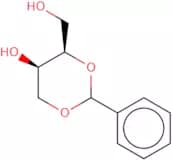
<p>(2S,3R,4R,5S)-5-Acetylamino-3,4-dihydroxy-2-formylpiperidine is a custom synthesis that can be modified to meet your needs. It is a fluorinated complex carbohydrate and has been shown to have high purity. The modification process of this chemical is simple and can be done in either the lab or in the field. (2S,3R,4R,5S)-5-Acetylamino-3,4-dihydroxy-2-formylpiperidine is synthesized by methylation of 5-(acetylamino)piperidinone with diazomethane followed by protection of the amine group with an acetyl group. This chemical also has Oligosaccharide and Polysaccharide properties.</p>Purity:Min. 95%1,3-O-Benzylidene-4-O-trityl-D-threitol
CAS:<p>1,3-O-Benzylidene-4-O-trityl-D-threitol is a carbohydrate that is modified with fluorine and contains a trityl group. It is used as a reagent in oligosaccharide synthesis, sugar modification, and glycosylation reactions. The compound can be custom synthesized to meet the desired specifications, such as high purity and low cost. The compound can also be methylated or glycosylated for custom synthesis.</p>Formula:C30H28O4Purity:Min. 95%Molecular weight:452.54 g/mol(2S,3S,4S)-N-Ethyl-2-hydroxymethyl-3,4-pyrrolidinediol
<p>(2S,3S,4S)-N-Ethyl-2-hydroxymethyl-3,4-pyrrolidinediol is a synthetic sugar that is commonly used in the synthesis of polysaccharides. It can also be used as a reagent for methylation and glycosylation reactions. This compound is available as a pure white powder with a melting point of 130°C to 135°C. (2S,3S,4S)-N-Ethyl-2-hydroxymethyl-3,4-pyrrolidinediol has been shown to be reactive with saccharide and polysaccharide substrates. Click modification can be performed on this product to make it reactive with other molecules or compounds. The purity of this compound exceeds 99%.</p>Purity:Min. 95%2-Deoxy-2-trifluoroacetamido-D-glucose
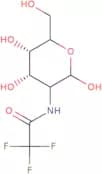
CAS:<p>2-Deoxy-2-trifluoroacetamido-D-glucose (dTFA) is an acetal that is formed from the reaction of trifluoroacetic acid with 2-deoxy-2-trifluoroacetamido-D-glucose. This compound yields aldehydes, and can be used to form glycosidic bonds. It also has the ability to react with amino groups on peptides and proteins, forming acetals. 2-Deoxy-2-trifluoroacetamido-D-glucose has been shown to have a variety of functions including being a carbohydrate, an acetal, and an inhibitor of peptide bond formation.</p>Formula:C8H12F3NO6Purity:Min. 95%Color and Shape:PowderMolecular weight:275.18 g/molEthyl 3,4-di-O-benzyl-2-O-levulinoyl-b-D-thioglucuronide benzyl ester
<p>Ethyl 3,4-di-O-benzyl-2-O-levulinoyl-b-D-thioglucuronide benzyl ester is a custom synthesis chemical. It is an oligosaccharide that contains a saccharide and a monosaccharide. The saccharide is a complex carbohydrate made up of sugar molecules. The monosaccharide is a sugar molecule that can be modified with fluorination to create high purity chemicals. Ethyl 3,4-di-O-benzyl-2-O-levulinoyl b -D thioglucuronide benzyl ester has been used in the synthesis of the polysaccharides and saccharides present in the human body. <br>Ethyl 3,4 -di -O -benzyl -2 -O -levulinoyl b D thioglucuronide benzyl ester is not used as a</p>Purity:Min. 95%Methyl 2,3,4-tri-O-benzyl-6-O-tert-butyldimethylsilyl-a-D-glucopyranoside
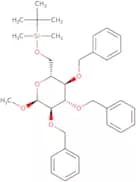
CAS:<p>Methyl 2,3,4-tri-O-benzyl-6-O-tert-butyldimethylsilyl-a-D-glucopyranoside is a glycosylation product of the glucopyranoside. It is a highly pure compound that is custom synthesized to suit the specific needs of customers. The synthesis includes fluorination, methylation and monosaccharide modification. This product has been shown to be useful in click chemistry and protein glycosylation studies.</p>Formula:C34H46O6SiPurity:Min. 95%Molecular weight:578.83 g/mol3-Deoxy-1,2:5,6-di-O-isopropylidene-3-trifluoromethyl-a-D-glucofuranose
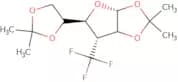
CAS:<p>3-Deoxy-1,2:5,6-di-O-isopropylidene-3-trifluoromethyl-a-D-glucofuranose is a carbohydrate that has the following modifications: methylation at the 6 position of the 3rd carbon atom, glycosylation at the 2nd and 4th positions of the 5th carbon atom, fluorination at the 1st position of the 5th carbon atom. This carbohydrate has a CAS number 1426243-44-8 and can be found under Polysaccharide in CAS.</p>Formula:C13H19F3O5Purity:Min. 95%Molecular weight:312.28 g/molMethyl 2,3-di-O-acetyl-4,6-O-(4-methoxybenzylidene)-a-D-galactopyranoside
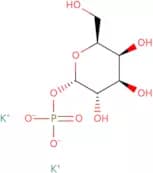
<p>Methyl 2,3-di-O-acetyl-4,6-O-(4-methoxybenzylidene)-a-D-galactopyranoside is a custom synthesis. It is an oligosaccharide and polysaccharide. It has been modified with fluorination and click chemistry. Methyl 2,3-di-O-acetyl-4,6-O-(4 methoxybenzylidene)-a D galactopyranoside is a synthetic sugar.</p>Formula:C19H24O9Purity:Min. 95%Molecular weight:396.4 g/mola-L-Galactose-1-phosphate dipotassium salt
CAS:<p>a-L-Galactose-1-phosphate dipotassium salt is an oligosaccharide that can be prepared by the methylation of a galactose molecule. It is a synthetic compound that has been shown to have antiviral properties. The modification of the sugar structure with fluorine atoms increases the stability of the molecule and prevents its degradation. This product is soluble in water and can be used as a pharmaceutical intermediate for other compounds.</p>Formula:C6H11K2O9PPurity:Min. 95%Color and Shape:PowderMolecular weight:336.33 g/mol(1R) -1- [(2S, 3R,4S) -4-(Acetylamino)methyl-3- hydroxy- 1- azetidinyl] -1, 2- ethanediol
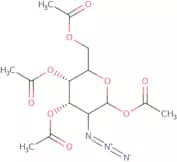
<p>(1R) -1- [(2S, 3R,4S) -4-(Acetylamino)methyl-3- hydroxy- 1- azetidinyl] -1, 2- ethanediol is a custom synthesis. It is a complex carbohydrate that consists of an oligosaccharide with the CAS No. 6056-89-2. This product has been modified by methylation and glycosylation and has been fluorinated in order to improve its stability. The purity of this product is high and it contains a saccharide or sugar which is a polysaccharide as well as a carbonyl group.</p>Purity:Min. 95%1,3,4,6-Tetra-O-acetyl-2-azido-2-deoxy-D-mannopyranose
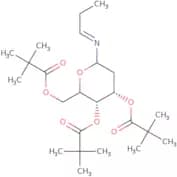
<p>1,3,4,6-Tetra-O-acetyl-2-azido-2-deoxy-D-mannopyranose is a sugar derivative that has been synthesized to be able to hydrogen bond with other sugar derivatives. This product can be utilized in the synthesis of several other compounds.</p>Formula:C14H19N3O9Purity:Min. 95%Molecular weight:373.32 g/molN-(Propylidenimino)-2-deoxy-3,4,6-tri-O-pivaloyl-D-glucopyranoside
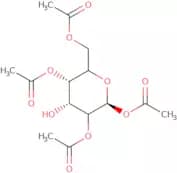
CAS:<p>N-(Propylidenimino)-2-deoxy-3,4,6-tri-O-pivaloyl-D-glucopyranoside is a custom synthesis that is modified with fluorine and methyl groups. It has been shown to be an effective inhibitor of glycosylation in the synthesis of oligosaccharides and polysaccharides. N-(Propylidenimino)-2-deoxy-3,4,6-tri-O-pivaloyl-D-glucopyranoside also has the ability to prevent glycosylation by binding to carbohydrate substrates.</p>Formula:C24H41NO7Purity:Min. 95%Molecular weight:455.58 g/mol1,2,4,6-Tetra-O-acetyl-β-D-glucopyranose
CAS:<p>1,2,4,6-Tetra-O-acetyl-b-D-glucopyranose is a synthetic sugar that can be used in the synthesis of oligosaccharides and polysaccharides. It is a high purity product with a purity of >99% by weight. This product is also available as a custom synthesis.</p>Formula:C14H20O10Purity:Min. 95%Color and Shape:White PowderMolecular weight:348.3 g/mol3,4,6-Tri-O-acetyl-2-azido-2-deoxy-a-D-glucopyranosyl trichloroacetimidate
CAS:<p>3,4,6-Tri-O-acetyl-2-azido-2-deoxy-a-D-glucopyranosyl trichloroacetimidate is a custom synthesis of complex carbohydrates. This compound has CAS number 94715-56-7 and can be used for the modification of saccharides or carbohydrates. 3,4,6-Tri-O-acetyl-2-azido-2-deoxy -aD glucopyranosyl trichloroacetimidate can be modified with methylation, glycosylation, or fluorination. It is also a synthetic compound and has high purity.</p>Formula:C14H17Cl3N4O8Purity:Min. 95%Molecular weight:475.67 g/molN- [(3R, 4R, 5R) - 4- Hydroxy- 5- (hydroxymethyl) - 3- pyrrolidinyl] -acetamide
CAS:<p>N- [(3R, 4R, 5R) - 4- Hydroxy- 5- (hydroxymethyl) - 3- pyrrolidinyl] -acetamide is a synthetic compound that is composed of two molecules of acetamide linked to each other by an ester linkage. The acetamide group is attached to the nitrogen atom of the heterocycle. The N-COOH carbonyl group is attached to the oxygen atom of the heterocycle. N-[(3R,4R,5R)-4-hydroxy-5-(hydroxymethyl)-3-(pyrrolidin-1-yl)pyrrolidinium]acetamide has not been studied in humans or animals.</p>Purity:Min. 95%(4S,9R)-4-Benzyloxy-N-benzyloxycarbonyl-8-oxo-9-methoxy-octahydro-pyrano[4,3-b]pyrrole
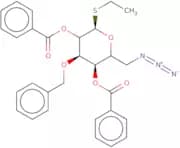
<p>The compound is a fluorinated, glycosylated, polysaccharide-linked, custom-synthesized and modified natural product. The compound is of high purity and has been shown to have a range of biological activities including:<br>1) Antibacterial activity against Gram (+) bacteria such as Staphylococcus aureus and Streptococcus pyogenes.<br>2) Anti-inflammatory activity in the carrageenan-induced paw edema model of inflammation in rats.<br>3) Antifungal activity against Candida albicans.<br>4) Inhibition of bacterial biofilm formation and cellular adhesion to surfaces.<br>5) Inhibition of HIV replication in vitro and inhibition of HIV integrase function in vitro.<br>6) Inhibition of TNF-α production by LPS activated macrophages. <br>7) Protection from phototoxicity induced by UVB irradiation in human skin cells.<br>8) Protection from</p>Purity:Min. 95%Ethyl 6-azido-2,4-di-O-benzoyl-3-O-benzyl-6-deoxy-a-D-thiomannopyranoside
<p>Ethyl 6-azido-2,4-di-O-benzoyl-3-O-benzyl-6-deoxy-a-D-thiomannopyranoside is a custom synthesis of a highly purified compound that has been modified to include fluorination. It is an oligosaccharide with a complex carbohydrate structure and high purity. The modification includes Click chemistry and the monosaccharides are sugar, which may be useful for pharmaceutical or biomedical applications.</p>Formula:C29H29N3O6SPurity:Min. 95%Molecular weight:547.62 g/mol6-O-tert-Butyldimethylsilyl-1,2,3,4-tetra-O-pivaloyl-b-D-galactopyranose
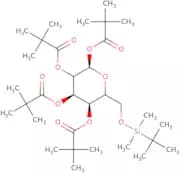
<p>6-O-tert-Butyldimethylsilyl-1,2,3,4-tetra-O-pivaloyl-b-D-galactopyranose is an oligosaccharide that is synthesized through a complex carbohydrate. This product has a CAS No. and is not natural. It is a modification of the sugar galactose and can be methylated or glycosylated. This product has high purity and can be used as a custom synthesis.</p>Formula:C32H58O10SiPurity:Min. 95%Molecular weight:630.9 g/mol7-Deoxy-3,4:5,6-di-O-isopropylidene-D-glycero-L-ido-heptitol
<p>7-Deoxy-3,4:5,6-di-O-isopropylidene-D-glycero-L-ido-heptitol is an oligosaccharide that can be custom synthesized. It has a number of applications in the chemical and pharmaceutical industries. 7DGILH is a modified sugar used as a building block for complex carbohydrate synthesis. This sugar can be fluorinated to form a variety of products with different properties. 7DGILH can also be used as a monomer to produce saccharides with modifications such as methylation or click modification.</p>Purity:Min. 95%2-Acetamido-1,3,4,6-tetra-O-acetyl-2-deoxy-b-D-mannopyranose
CAS:<p>2-Acetamido-1,3,4,6-tetra-O-acetyl-2-deoxy-b-D-mannopyranose is a synthetic carbohydrate. It is a modified form of the natural sugar mannose that has been fluorinated. This modification gives 2-Acetamido-1,3,4,6-tetra-O-acetyl-2-deoxy--b--D--mannopyranose an increased resistance to degradation by enzymes. The CAS number for this compound is 6730–10–5.</p>Formula:C16H23NO10Purity:Min. 95%Color and Shape:White Off-White PowderMolecular weight:389.35 g/mol5-Azido-5-deoxy-2,3-O-isopropylidene-L-lyxono-1.4-lactone
<p>5-Azido-5-deoxy-2,3-O-isopropylidene-L-lyxono-1.4-lactone is a carbohydrate that is a modification of the saccharide, oligosaccharide, sugar, and fluorinated complex carbohydrate group. It is synthesized from 5-(azidomethyl)-5'-deoxyfuranose by methylation and glycosylation followed by click modification. 5-(Azidomethyl)-5'-deoxyfuranose can be synthesized from L-(+)-glyceraldehyde and methyl azide in the presence of sodium hydride via a sequence of reactions involving hydrolysis, reduction, and hydrogenation.</p>Purity:Min. 95%(2S, 3S, 4R, 5R) - 3, 4-Dihydroxy- 2- methyl-1- oxa- 6, 9- diazaspiro[4.5] decane- 7, 10- dione
CAS:<p>(2S, 3S, 4R, 5R) - 3, 4-Dihydroxy-2-methyl-1-oxa-6,9-diazaspiro[4.5] decane-7,10-dione is a synthetic sugar that can be used in the synthesis of oligosaccharides and monosaccharides. This sugar has been fluorinated and glycosylated with saccharide moieties to produce a high purity product. The chemical name for this sugar is (2S,3S,4R,5R)-3-(3',4'-dihydroxyphenyl)-2-[(1E)-1-(hydroxymethyl)ethoxy]propanoate. CAS No. 915275-45-5.</p>Purity:Min. 95%D-Allose-6-phosphate disodium
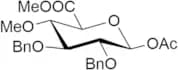
CAS:<p>D-Allose-6-phosphate disodium is a fluorinated sugar that is used in the synthesis of oligosaccharides and polysaccharides. It can be modified by methylation, fluorination, or click chemistry. This product has been custom synthesized to produce high purity and high quality.</p>Formula:C6H11O9PNa2Purity:Min. 95%Color and Shape:White Off-White PowderMolecular weight:304.1 g/molMethyl 1-O-acetyl-2,3-di-O-benzyl-4-O-methyl-β-D-glucopyranuronate
CAS:<p>A useful glucuronide building block.</p>Formula:C24H28O8Purity:Min. 95%Color and Shape:PowderMolecular weight:444.47 g/mol(2R, 3S, 4S, 5S) - 2-Methyl- 3, 4, 5- piperidinetriol
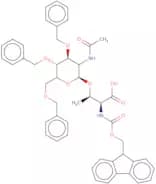
CAS:<p>D-Methylated pentaerythritol has been synthesized for the first time. The synthesis of D-methylated pentaerythritol was achieved via a modified version of the Click reaction, which is a three-component coupling reaction that involves an electrophilic carbonyl compound, an azide and a nucleophile. This product is suitable for use in the synthesis of oligosaccharides and polysaccharides. It can be used as a raw material for modification or as a sugar in the synthesis of complex carbohydrates, such as saccharides or carbohydrates.</p>Formula:C6H13NO3Purity:Min. 95%Molecular weight:147.17 g/mol2-Acetamido-3,4,6-tri-O-benzyl-2-deoxy-a-D-galactopyranosyl-(N-Fmoc)-L-threonine
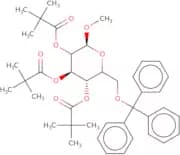
CAS:<p>2-Acetamido-3,4,6-tri-O-benzyl-2-deoxy-a-D-galactopyranosyl-(N-Fmoc)-L-threonine is a methylated sugar with a saccharide. It is custom synthesized by Click chemistry and modified to be an oligosaccharide. The CAS number for this product is 1398123-86-8. This product has a high purity level and is fluorinated. 2-Acetamido-3,4,6-triObenzyl2deoxyA D Galactopyranosyl-(N Fmoc)L Threonine can be used as a glycosylation agent in the synthesis of complex carbohydrates.</p>Formula:C48H50N2O10Purity:Min. 95%Molecular weight:814.92 g/molMethyl 2,3,4-tri-O-pivaloyl-6-O-trityl-a-D-galactopyranoside
<p>Methyl 2,3,4-tri-O-pivaloyl-6-O-trityl-a-D-galactopyranoside is a sugar with a molecular weight of 576.6 g/mol. The chemical formula for this compound is C36H50O24 and the structural formula is CH2(COOCH2)5(CHO)3(CHOH)4(COOCH2)5. This product can be custom synthesized to order.<br>Methyl 2,3,4-tri-O-pivaloyl-6-O-trityl-a-D galactopyranoside is used in glycosylation reactions as a protecting group for the hydroxyl groups on the carbohydrate chain. It can also be used as a fluorination agent or in Click modification reactions to modify sugars and oligosaccharides. Methyl 2,3,4 tri - O - p</p>Formula:C41H52O9Purity:Min. 95%Molecular weight:688.87 g/mol5-O-tert-Butyldimethylsilyl-2,3-O-isopropylidene-2-C-methyl-D-ribono-1,4-lactone
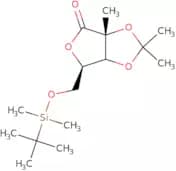
CAS:<p>5-O-tert-Butyldimethylsilyl-2,3-O-isopropylidene-2-C-methyl-D-ribono-1,4-lactone is a synthetic glycoside with a fluorinated methyl group. The compound is used for the modification of complex carbohydrates. This product is characterized by its high purity, custom synthesis and click modification.</p>Formula:C15H28O5SiPurity:Min. 95%Molecular weight:316.47 g/mol1,3,4,6-Tetra-O-acetyl-2-O-trifluoromethanesulfonyl-b-D-mannopyranose
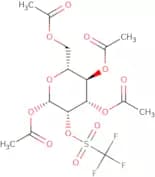
CAS:<p>1,3,4,6-Tetra-O-acetyl-2-O-trifluoromethanesulfonyl-b-D-mannopyranose is a chemical compound that belongs to the group of fatty acids. It is a product of chemical reactions and has been shown to be able to react with positrons in an organic solution. This compound can also react with potassium ions in water vapor. The reaction solution is suitable for testing samples and cell culture.</p>Formula:C15H19F3O12SPurity:Min. 98 Area-%Color and Shape:PowderMolecular weight:480.37 g/mol2-Deoxy-D-ribose 5-phosphate sodium salt
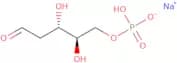
CAS:<p>2-Deoxy-D-ribose 5-phosphate sodium salt is a mutant of ribose 5-phosphate. It is an intermediate in the pentose phosphate pathway, which generates ribose 5-phosphate and NADPH. The 2nd step of this pathway is catalyzed by deacetylase, which converts acetaldehyde to acetyl CoA. 2-deoxy-D-ribose 5-phosphate sodium salt is also an oxidant that can react with hydrogen peroxide to form hydroxyl radicals. This intermediate has been shown to inhibit the growth of E. coli by causing mutations in the DNA and protein synthesis machinery, as well as by catalase activation.</p>Formula:C5H11O7P·xNaPurity:Min. 95%Color and Shape:PowderMolecular weight:214.11 g/mol2-Azido-2-deoxy-D-galactose
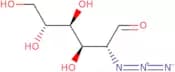
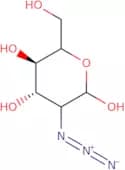
CAS:<p>2-Azido-2-deoxy-D-galactose is a disaccharide that is synthesized by the enzymatic addition of galactose to 2-azido-2-deoxyglucose. It has been shown to be antigenic in the test tube and is reactive with hydroxy groups. 2-Azido-2-deoxygalactose can be glycosylated by glycopeptides, which are glycoproteins containing one or more oligosaccharide chains covalently linked to a protein core. The hydrophilic nature of this sugar makes it an ideal candidate for conjugation with hydrophobic drugs such as antibiotics. This disaccharide was used in the synthesis of glycoconjugates, which are carbohydrate molecules attached to proteins or lipids, and can be found in bacteria such as Corynebacterium glutamicum. 2-Azido-2-deoxygalactose</p>Formula:C6H11N3O5Purity:Min. 98 Area-%Color and Shape:White PowderMolecular weight:205.17 g/mol2,5-Anhydro-D-glucitol
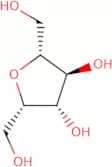
CAS:<p>2,5-Anhydro-D-glucitol is a sugar alcohol that is found naturally in the human body. It can be produced from D-glucose by the enzyme aldose reductase. This reaction involves an initial dehydration of D-glucose to form 2,5-anhydro-D-glucose, followed by a nucleophilic attack on the hydroxyl group of 2,5-anhydro-D-glucose by the phosphate group of ATP to form 2,5-anhydro-D-glucitol and ADP. The reaction mechanism for this process has been studied using kinetic and model studies. It has also been shown that metal ions are required for cationic polymerization reactions. A solid catalyst was used in this study because it could be easily removed after completion of the reaction. The 2,5-anhydro form of D-glucitol can undergo dehydration reactions to yield</p>Formula:C6H12O5Purity:Min. 95%Color and Shape:Clear LiquidMolecular weight:164.16 g/mol(5R, 6R, 7R, 8S) -5, 7-Dihydroxy- 8- (hydroxymethyl) - 1- azabicyclo[4.2.0] octan- 2- one
CAS:<p>This is a custom synthesis of (5R, 6R, 7R, 8S) -5, 7-dihydroxy-8- (hydroxymethyl) -1-azabicyclo[4.2.0]octan-2-one. This compound has been fluorinated and methylated and has a monosaccharide modification.</p>Purity:Min. 95%Phenyl 4,6-O-benzylidene-2-O-levulinoyl-3-O-(2-naphthylmethyl)-b-D-thioglucopyranoside
<p>Phenyl 4,6-O-benzylidene-2-O-levulinoyl-3-O-(2-naphthylmethyl)-b-D-thioglucopyranoside is a fluorinated monosaccharide. It can be synthesized in a custom synthesis and is available with high purity. This product is an oligosaccharide, which has glycosylation and polysaccharide properties. Phenyl 4,6-O-benzylidene-2-O-levulinoyl-3-O-(2-naphthylmethyl)-b-D -thioglucopyranoside is also a complex carbohydrate that has been modified by methylation and acetalization.</p>Purity:Min. 95%N-(Succinyl)-O-b-D-maltosylhydroxylamine
<p>N-Succinyl-O-b-D-maltosylhydroxylamine is a glycosylation reagent used in the synthesis of complex carbohydrates. Its CAS number is 87217-14-5.<br>N-Succinyl-O-b-D-maltosylhydroxylamine is a white to off-white crystalline powder with the molecular formula C4H8N2O6S and a molecular weight of 244.22. It has a melting point of 189°C. This product is soluble in water, ethanol, and chloroform. It does not dissolve in ether or hexane.</p>Purity:Min. 95%1-13C-D-Rhamnose
CAS:<p>1-13C-D-Rhamnose is a monosaccharide that belongs to the group of pentoses. It is an inhibitor of bacterial growth and has been shown to inhibit the growth of P. aeruginosa strains. The mechanism of action for 1-13C-D-Rhamnose is not yet known, but it may be due to its ability to inhibit bacterial DNA polymerase, which prevents chain reactions from occurring and leads to cell death. 1-13C-D-Rhamnose has a homologous structure to GDP-D-mannose and can interact with hydrogen bonding interactions. It is found in papillae on the tongue and inhibits taste receptor cells by binding to the sweet taste receptors on the surface of these cells. The optimal pH for 1-13C-D-Rhamnose's inhibitory properties is 5.5</p>Formula:C6H12O5Purity:Min. 95%Molecular weight:164.16 g/mol2-Acetamido-2,6-dideoxy-L-galactose
CAS:<p>2-Acetamido-2,6-dideoxy-L-galactose (ADG) is a sugar that belongs to the group of monosaccharides. It is produced by the enzyme synthase and is found in bacteria such as type strain S. mutans and P. aeruginosa. ADG has been shown to be an inhibitor of cell lysis and can be used for the treatment of staphylococcus infections. In addition, it has shown to have anti-inflammatory properties due to its ability to inhibit hydrogen fluoride induced inflammation in mice.</p>Formula:C8H15NO5Purity:Min. 98 Area-%Color and Shape:PowderMolecular weight:205.21 g/mol5-O-Benzyl-D-ribose
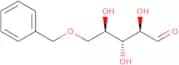
CAS:<p>5-O-Benzyl-D-ribose is an enantiomer of D-ribose. It has been used as an antiperspirant, although it does not stop the formation of sweat, but rather reduces the amount of perspiration. 5-O-Benzyl-D-ribose is also used in the synthesis of deodorants and enantiomers for optically active pharmaceuticals. The configurations are determined by the configuration of the substituents on the benzene ring and can be either R or S. The configurations can be separated into two groups:</p>Formula:C12H16O5Purity:Min. 95%Color and Shape:PowderMolecular weight:240.25 g/mol1-Deoxy-D-sorbose
<p>D-sorbose is a diastereomer of D-xylose. It inhibits the glycolysis pathway, which stops the production of energy and leads to cell death. D-sorbose is synthesized from D-xylose by enzymatic conversion with 1,4-dihydroxybenzene. The crystalline form of D-sorbose is polymorphic and can be identified using X-ray diffraction. It has been shown to have cytotoxic effects on C. elegans and A. actinomycetes, but not on E. coli or other Gram negative bacteria. The imbalance in the ratio of these organisms may lead to an increased risk for cancer in humans.</p>Purity:Min. 95%Muramic acid hydrate
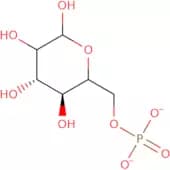
CAS:<p>Muramic acid hydrate as an amino sugar with a carboxylic acid group. It occurs in nature as N-acetylmuramic acid which is typically found in cell wall of bacterial.</p>Formula:C9H17NO7•(H2O)xPurity:Min. 95%Color and Shape:White PowderMolecular weight:269.25 g/molD-Glucose 6-phosphate, barium salt
CAS:<p>D-Glucose 6-phosphate is a high purity, custom synthesis sugar. It is a synthetic glycoside that is used in the production of fluorinated saccharides and oligosaccharides. D-Glucose 6-phosphate can be modified with methyl groups, fluorine atoms, and/or glycosylation. This compound has been shown to have properties as an antiviral agent against herpes simplex virus type 1 (HSV1) and cytomegalovirus (CMV).</p>Formula:C6H11BaO9PMolecular weight:395.46 g/molRef: 3D-G-3300
25gTo inquire50gTo inquire100gTo inquire250gTo inquire500gTo inquire-Unit-ggTo inquire3-O-Benzyl-1,2,4-tri-O-acetyl-D-xylopyranoside
<p>3-O-Benzyl-1,2,4-tri-O-acetyl-D-xylopyranoside is a methylated saccharide that has been modified with the click chemistry. This product can be used for the synthesis of complex carbohydrates and glycosylations. This product is available in high purity and custom synthesis. It is soluble in water or aqueous solutions, making it ideal for use in biological applications. 3-O-Benzyl-1,2,4-tri-O-acetyl-D-xylopyranoside can be used as an intermediate for the synthesis of oligosaccharides and glycoconjugates. It has CAS number 69936–76–5.</p>Purity:Min. 95%D-Xylulose 5-phosphate sodium
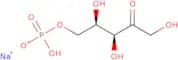
CAS:<p>D-Xylulose 5-phosphate sodium is a phosphorylated sugar derivative, which is a crucial intermediate in the pentose phosphate pathway, a metabolic pathway parallel to glycolysis. It is naturally sourced from biochemical processes within organisms where it plays a pivotal role in carbohydrate metabolism.The mode of action involves its function as a substrate in the non-oxidative phase of the pentose phosphate pathway, where it facilitates the interconversion of sugars necessary for nucleotide and amino acid biosynthesis. This intermediary step is vital for the production of ribose-5-phosphate and NADPH, which are essential for anabolic reactions and antioxidant defense mechanisms.D-Xylulose 5-phosphate sodium is predominantly used in biochemical research to study metabolic pathways. It helps researchers investigate cellular processes, understand disease mechanisms where metabolism is disrupted, and explore metabolic engineering applications. By examining its role and transformations, scientists gain insights into energy production, redox balance, and cellular growth, providing foundational knowledge crucial for the development of therapies targeting metabolic disorders and cancer.</p>Formula:C5H11O8P·xNaPurity:Min. 80 Area-%Color and Shape:PowderMolecular weight:230.11 g/molD-Mannono-1,5-lactone
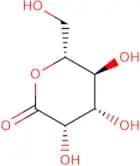
CAS:<p>D-Mannono-1,5-lactone is a custom synthesis. It is fluorinated to give 1,5-difluoro-D-mannono-1,4,6-lactone. The methylation of the C2 hydroxyl group and the C3 keto group gives 1,5-difluoro-D-mannono-1,4,6-(methylenedioxy)lactone. Click modification of this product with azide or acetylene gives 1,5-[(azido)-(acetylenyl)] D-mannono lactone or 1,5-[(acetylene)-(azido)] D manno lactone respectively. Monosaccharides can be synthesized from these products by glycosylation with a sugar donor. Polysaccharides can be synthesized from these products by glycosylation with a sugar donor and subsequent glycosidic linkage via an olig</p>Formula:C6H10O6Purity:Min. 95 Area-%Color and Shape:PowderMolecular weight:178.14 g/molN-Thioglycolyl-D-galactosamine
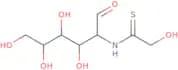
CAS:<p>D-Galactosamine is a glycosaminoglycan (GAG) that is found in the mammalian cell. N-Thioglycolyl-D-galactosamine is a synthetic analog of D-galactosamine that was developed to study the biosynthesis of GAGs and glycoconjugates in cells. This molecule can be activated by hematopoietic cells, which leads to an increase in o-glycosylation and galnac synthesis.</p>Formula:C8H15NO6SPurity:Min. 95%Molecular weight:253.27 g/mol2-Azido-2-deoxy-D-glucose
CAS:<p>2-Azido-2-deoxy-D-glucose is the azido analogue of D-glucosamine and may be used as a metabolic chemical reporter by direct labelling of glycans. The azide group is used to link to a fluorescent marker, enabling secondary visualisation and identification of glycoproteins. The azide moiety of 2-azido-2-deoxy-D-glucose has been used to form triazoles via a 1,3-dipolar cycloaddition reaction in the synthesis of molecules with improved solubility used to inhibit p38a MAPK for anti-inflammation.</p>Formula:C6H11N3O5Purity:Min. 97 Area-%Color and Shape:White PowderMolecular weight:205.17 g/mol2,3-Di-O-benzyl-4-deoxy-L-fucose
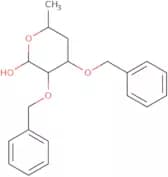
CAS:<p>2,3-Di-O-benzyl-4-deoxy--L-fucose is a methylated derivative of the fucose monosaccharide. It is synthesized through a click reaction that involves the use of an azide group on the sugar and an alkyne group on a thiol reagent. The synthesis utilizes one step, yielding 2,3-Di-O-benzyl-4-deoxy--L-fucose in high purity with low residual starting material. The product has been modified for glycosylation and can be used in oligosaccharides or polysaccharides.</p>Formula:C20H24O4Purity:Min. 95%Color and Shape:Clear Colourless LiquidMolecular weight:328.4 g/molDi-Lex-APE-BSA
<p>Di-Lex-APE-BSA is a synthetic oligosaccharide with a high purity. It is synthesized from glycosylation and has been modified by fluorination, methylation, and click chemistry. This product has CAS No. 56837-19-4 and can be custom synthesized to order.</p>Purity:Min. 95%Diethylgalactarate
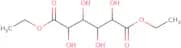
CAS:<p>Diethylgalactarate is a polymer that is solid at room temperature. It has a yield value of 10%. Diethylgalactarate is soluble in organic solvents, but insoluble in water. This polymer has been shown to have good thermal stability and microstructure when used as a monomer with other polymers. Diethylgalactarate has also been shown to have high permeability, which makes it an ideal candidate for use in drug delivery systems.</p>Formula:C10H18O8Purity:Min. 95%Molecular weight:266.25 g/mol(3S,5S) -1-Nonyl-3, 4, 5- piperidinetriol
<p>This is a high purity, custom synthesis of (3S,5S) -1-Nonyl-3, 4, 5- piperidinetriol. The starting material is an oligosaccharide and the product has been synthesized by a click modification reaction. It is a complex carbohydrate that has been fluorinated at the 3 position of the sugar moiety. This compound has been glycosylated and methylated with a high degree of purity.</p>Purity:Min. 95%


![(3S, 4R) - 2- [(1S) - 1, 2- Dihydroxyethyl] - 3, 4- pyrrolidinediol](/_next/image/?url=https%3A%2Fstatic.cymitquimica.com%2Fproducts%2F3D%2Fthumb-webp%2FMD163525.webp&w=3840&q=75)
![1-(Piperidine-2,6-dione-4-yl) - 4-([2-nitro] phenyl)-3- buten- 2- one](/_next/image/?url=https%3A%2Fstatic.cymitquimica.com%2Fproducts%2F3D%2Fthumb-webp%2FMP170734.webp&w=3840&q=75)
![(2S, 3S, 4R) -3- Azido- 4- [[[(1, 1- dimethylethyl) dimethylsilyl] oxy] methyl] - 1- (phenylmethyl…](/_next/image/?url=https%3A%2Fstatic.cymitquimica.com%2Fproducts%2F3D%2Fthumb-webp%2FMA163461.webp&w=3840&q=75)

![(1S) -1- [(2S, 3R,4R) -4-Hydroxymethyl-3- hydroxy- 1- azetidinyl] -1, 2- ethanediol](/_next/image/?url=https%3A%2Fstatic.cymitquimica.com%2Fproducts%2F3D%2Fthumb-webp%2FMH163401.webp&w=3840&q=75)

![N-[2-(4'-Nitrophenylacetonitrile)]-2,3,4,6-tetra-O-pivaloyl-D-glucopyranoside](/_next/image/?url=https%3A%2Fstatic.cymitquimica.com%2Fproducts%2F3D%2Fthumb-webp%2FMN08450.webp&w=3840&q=75)

![(1S) -1- [(2R, 3S) -N-Benzyl-3-hydroxy- 1- azetidinyl] -1, 2- ethanediol](/_next/image/?url=https%3A%2Fstatic.cymitquimica.com%2Fproducts%2F3D%2Fthumb-webp%2FMB163377.webp&w=3840&q=75)


![(1R) -1- [(2S, 3R,4S) -4-(Acetylamino)methyl-3- hydroxy- 1- azetidinyl] -1, 2- ethanediol](/_next/image/?url=https%3A%2Fstatic.cymitquimica.com%2Fproducts%2F3D%2Fthumb-webp%2FMA163403.webp&w=3840&q=75)

![N- [(3R, 4R, 5R) - 4- Hydroxy- 5- (hydroxymethyl) - 3- pyrrolidinyl] -acetamide](/_next/image/?url=https%3A%2Fstatic.cymitquimica.com%2Fproducts%2F3D%2Fthumb-webp%2FMH163543.webp&w=3840&q=75)
![(4S,9R)-4-Benzyloxy-N-benzyloxycarbonyl-8-oxo-9-methoxy-octahydro-pyrano[4,3-b]pyrrole](/_next/image/?url=https%3A%2Fstatic.cymitquimica.com%2Fproducts%2F3D%2Fthumb-webp%2FMB164009.webp&w=3840&q=75)


![(2S, 3S, 4R, 5R) - 3, 4-Dihydroxy- 2- methyl-1- oxa- 6, 9- diazaspiro[4.5] decane- 7, 10- dione](/_next/image/?url=https%3A%2Fstatic.cymitquimica.com%2Fproducts%2F3D%2Fthumb-webp%2FMD163949.webp&w=3840&q=75)
![(5R, 6R, 7R, 8S) -5, 7-Dihydroxy- 8- (hydroxymethyl) - 1- azabicyclo[4.2.0] octan- 2- one](/_next/image/?url=https%3A%2Fstatic.cymitquimica.com%2Fproducts%2F3D%2Fthumb-webp%2FMD163385.webp&w=3840&q=75)