Monosaccharides
Monosaccharides are the simplest form of carbohydrates and serve as fundamental building blocks for more complex sugars and polysaccharides. These single sugar molecules play critical roles in energy metabolism, cellular communication, and structural components of cells. In this section, you will find a wide variety of monosaccharides essential for research in biochemistry, molecular biology, and glycoscience. These compounds are crucial for studying metabolic pathways, glycosylation processes, and developing therapeutic agents. At CymitQuimica, we offer high-quality monosaccharides to support your research needs, ensuring precision and reliability in your scientific investigations.
Subcategories of "Monosaccharides"
- Alloses(11 products)
- Arabinoses(21 products)
- Erythroses(11 products)
- Fructoses(9 products)
- Fucoses(36 products)
- Galactosamine(41 products)
- Galactose(261 products)
- Glucoses(365 products)
- Glucuronic Acids(51 products)
- Glyco-substrates for Enzyme(77 products)
- Guloses(6 products)
- Idoses(4 products)
- Inositols(15 products)
- Lyxoses(4 products)
- Mannoses(65 products)
- O-Glycans(48 products)
- Psicoses(3 products)
- Rhamnoses(10 products)
- Riboses(61 products)
- Sialic Acids(100 products)
- Sorboses(4 products)
- Sugars(173 products)
- Tagatoses(4 products)
- Taloses(8 products)
- Xyloses(20 products)
Show 17 more subcategories
Found 6088 products of "Monosaccharides"
Sort by
Purity (%)
0
100
|
0
|
50
|
90
|
95
|
100
2-Acetamido-2,6-dideoxy-L-mannose
<p>2-Acetamido-2,6-dideoxy-L-mannose is a deoxyhexose that is found in lipopolysaccharides from Gram-negative bacteria. 2-Acetamido-2,6-dideoxy-L-mannose is the only hexose that can be used for O antigen synthesis, which makes it an important component of LPS and O antigens. It has been sequenced in many organisms including animals, plants, and bacteria. 2-Acetamido-2,6-dideoxy-L-mannose may be involved in the translocation of bacteria across the gut epithelium into the bloodstream. The monosaccharide also plays a role in serogrouping and serotyping of bacteria.</p>Purity:Min. 95%1-Deoxy- 4- C- methyl- 3, 4-isopropylidene-L- erythro- 2- pentulose
<p>1-Deoxy-4-C-methyl-3,4-isopropylidene-L-erythro-2-pentulose is a custom synthesis of saccharide in nature. It has fluorination and methylation modification. It is a monosaccharide, which can be modified to form an oligosaccharide or polysaccharide. The CAS number for this compound is</p>Purity:Min. 95%D-Xylo-Pentodialdose-5-hydrate
<p>D-Xylo-Pentodialdose-5-hydrate is a custom synthesis that is used for the preparation of oligosaccharides and polysaccharides. It is an active form that is synthesized by the fluorination of D-xylose. The monomeric sugar penta-D-xylo-D-galactopyranoside has a molecular weight of 259.28 g/mol and a purity of >99%. This compound has been modified in order to increase its activity.</p>Purity:Min. 95%1,2:4,5-Di-O-cyclohexylidene-b-D-fructopyranose
CAS:<p>1,2:4,5-Di-O-cyclohexylidene-b-D-fructopyranose is a modification of the natural carbohydrate 1,2:4,5-di-O-isopropylidene-b-D-fructopyranose. It is an oligosaccharide composed of three units of b-D-fructofuranose linked by α-(1,2) and β-(1,4) glycosidic bonds. The methylation and glycosylation of this saccharide can be customized to produce a wide range of products with different properties. 1,2:4,5 Di O cyclohexylidene b D fructopyranose can be used in applications such as pharmaceuticals and agrochemicals.<br>The molecular formula for this compound is C10H14O8 and its CAS number is 18608-92-9.</p>Formula:C18H28O6Purity:Min. 95%Molecular weight:340.41 g/mol6-Deoxy-2,3:4,5-di-O-isopropylidene-L-glucose
<p>6-Deoxy-2,3:4,5-di-O-isopropylidene-L-glucose is a methylated sugar that is custom synthesized for research purposes. It is an oligosaccharide with a polysaccharide backbone. 6DG has been modified with fluorination and the Click reaction to produce novel compounds. The compound has been shown to have various biological activities, including anti-inflammatory effects. 6DG is a sugar with a complex carbohydrate structure that can be used in synthetic chemistry for modification and modification reactions.</p>Purity:Min. 95%1,2:3,4-Di-O-isopropylidene-6-thio-a-D-galactopyranose
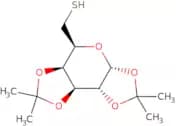
CAS:<p>1,2:3,4-Di-O-isopropylidene-6-thio-a-D-galactopyranose is a synthetic oligosaccharide that contains a fluorinated sugar. It has been used for the synthesis of glycoproteins and polysaccharides. This product is custom synthesized and can be modified to your specifications. It is typically used in the production of polysaccharides or glycoproteins. This product has a high purity and CAS No. 16714-07-1.</p>Formula:C12H20O5SPurity:Min. 95%Color and Shape:Clear LiquidMolecular weight:276.35 g/mol2-Amino-2-deoxy-D-fucose
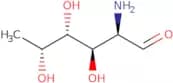
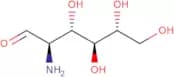
CAS:<p>2-Amino-2-deoxy-D-fucose is a sugar molecule that is found in the cell wall of bacteria, including Staphylococcus aureus. It may be used to treat microbial infections by binding to bacterial cell walls and causing them to lose their ability to adhere to host cells. This sugar molecule may also be effective against Pseudomonas aeruginosa. 2-Amino-2-deoxy-D-fucose has been shown to inhibit the growth of P. aeruginosa in vitro by inhibiting the synthesis of fatty acids and increasing the production of hydrogen fluoride, which leads to cell death.</p>Formula:C6H13NO4Purity:Min. 95%Molecular weight:163.17 g/moliminosugar 2
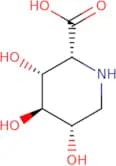
<p>Iminosugar 2 is a custom synthesis that is modified with fluorination, methylation, and click modification. This product is a monosaccharide and an oligosaccharide that has glycosylation. It is a saccharide that has polysaccharides as complex carbohydrates. Iminosugar 2 can be used in the production of polymers and pharmaceuticals.</p>Purity:Min. 95%4-Hydroxy-L-isoleucine
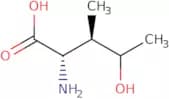
CAS:<p>Insulinotropic; anti-diabetic</p>Formula:C6H13NO3Purity:Min. 98 Area-%Color and Shape:White PowderMolecular weight:147.17 g/molD-Gluconic acid manganese salt
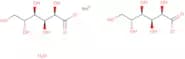
CAS:<p>D-Gluconic acid manganese salt (DGM) is a glycol ether that is used as an antimicrobial agent in the treatment of infectious diseases. It binds to the metal ions in bacterial cell walls and disrupts their function. DGM has been shown to inhibit enzymes such as phosphoglucoisomerase, glucose-6-phosphate dehydrogenase, and pyruvate kinase. DGM also has covalent linkages that may be involved in its antimicrobial activity. The structure of DGM has been determined by X-ray diffraction data and electrochemical impedance spectroscopy, which show that it belongs to group p2.</p>Formula:C6H11O7·MnPurity:Min. 98%Color and Shape:PowderMolecular weight:445.24 g/mol2, 5- Anhydro- 3- deoxy-D- xylo- hexonic acid 1-propyl ester
<p>2,5-Anhydro-3-deoxy-D-xylo-hexonic acid 1-propyl ester is a modification of the oligosaccharide xylan. The compound has been synthesized using chemical methods and can be used as a raw material in the production of other products. 2,5-Anhydro-3-deoxy-D-xylo-hexonic acid 1-propyl ester has been custom synthesized to produce high purity and is available with CAS number. It is a monosaccharide that can be methylated and glycosylated and is a polysaccharide made up of sugars (sucrose, glucose, fructose) with various types of saccharides (sugar).</p>Purity:Min. 95%[(2S, 3R,4S) - 3-Hydroxy-4-hydroxymethyl- 1- benzyl - 2- azetidinyl]carboxylic acid methylamide
<p>(2S, 3R,4S) - 3-Hydroxy-4-hydroxymethyl- 1- benzyl - 2- azetidinyl]carboxylic acid methylamide is a custom synthesis. It has been fluorinated at the 3 position. The glycosylation of this compound can be done by using a variety of sugars such as monosaccharides and disaccharides or oligosaccharides. This compound can also be methylated at the alpha position to produce (2S,3R,4S) - 3-methyoxy-4-hydroxymethyl-1-benzyl - 2-azetidinyl]carboxylic acid methylamide. This molecule is a carbohydrate. It is a complex carbohydrate that contains saccharide and oligosaccharide moieties.</p>Purity:Min. 95%UDP-α-L-rhamnose sodium
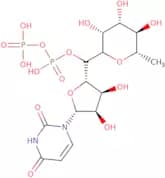
CAS:<p>UDP-α-L-rhamnose sodium is a non-invasive prenatal diagnosis (NIPD) technique that detects the chorionic villus sampling (CVS) or amniocentesis samples of women. It is an in vivo assay that can be performed on pregnant women at any gestational age. The test is based on the detection of the uptake of UDP-α-L-rhamnose by cells, and it accommodates a wide range of sample types. The procedure is rapid, inexpensive, and highly accurate. Furthermore, it can be used as a screening tool for certain genetic disorders such as Down syndrome and Klinefelter syndrome.</p>Formula:C15H22N2Na2O16P2Purity:Min. 95%Color and Shape:PowderMolecular weight:594.27 g/mol1-O-(trans-3-Hydroxycotinine)-b-D-glucuronide ammonium salt
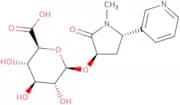
CAS:<p>The glucuronidation of 1-O-(trans-3-hydroxycotinine)-b-D-glucuronide ammonium salt is mediated by the enzyme UDP-glucuronosyltransferase. This reaction is catalyzed by the transfer of a glucuronic acid residue from UDP-glucuronic acid to a hydroxyl group on the side chain of 1-O-(trans-3-hydroxycotinine)-b-D-glucuronide ammonium salt. The kinetic analysis of human urine samples has shown that this reaction is significant. This metabolite can be detected in urine samples using next generation sequencing and its concentration can be used as an indicator for the consumption of tobacco or nicotine containing products. Epidemiological studies have shown that this metabolite has significant effects on cancer risk. Genotyping and genotype studies have shown that this metabolite is responsible for genetic polymorphisms that are associated with increased cancer risk.</p>Formula:C16H20N2O8•(NH3)xPurity:Min. 97%Color and Shape:White PowderMolecular weight:368.34 g/mol1,2,3,4-Tetra-O-acetyl-6-O-(tert-butyldimethylsilyl)-b-D-glucopyranose
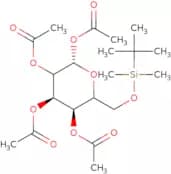
CAS:<p>1,2,3,4-Tetra-O-acetyl-6-O-(tert-butyldimethylsilyl)-b-D-glucopyranose is a custom synthesis of an Oligosaccharide. It is a complex carbohydrate that has been modified with Methylation and Glycosylation. Carbohydrate Click chemistry has been used to modify the sugar molecule with Fluorination. This product is manufactured in high purity and can be used for pharmaceutical purposes.</p>Formula:C20H34O10SiPurity:Min. 95%Molecular weight:462.57 g/mol2-Amino-2-deoxy-D-talose
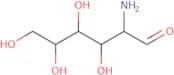
CAS:<p>2-Amino-2-deoxy-D-talose (2ADDT) is an intermediate in the synthesis of 2,3:4,5-di-O-acetylideneamino-2,3:4,5-di-O-methylideneamino D -talose. It is obtained by the hydrolysis of 2,3:4,5-di-O-acetylideneamino D -talose with hydrochloric acid and methanol. The product is a white solid that can be purified by recrystallization from water or ethanol.<br>2ADDT can be converted to 2,3:4,5-di - O - acetylideneamino D - talose by treatment with sodium methoxide in methanolic solution. 2ADDT also reacts with nitromethane in methanolic solution to produce d - lyxose and 1 deoxy 1 nitro</p>Purity:Min. 95%Methyl 2,3,4-tri-O-acetyl-6-O-trityl-a-D-mannopyranoside
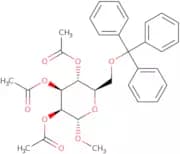
CAS:<p>Methyl 2,3,4-tri-O-acetyl-6-O-trityl-a-D-mannopyranoside is a custom synthesis that is fluorinated and acetylated. It is an oligosaccharide with a complex carbohydrate structure. Methyl 2,3,4-tri-O-acetyl-6-O-trityl -a D mannopyranoside has been modified to include fluorine atoms as well as acetyl groups. This compound is intended for use in click chemistry reactions to modify proteins.</p>Formula:C32H34O9Purity:Min. 95%Molecular weight:562.62 g/mol(1R) -1- [(2S, 3R) - 3- Hydroxy- 1- butyl - 2- azetidinyl] -1, 2- ethanediol
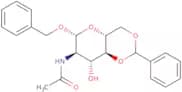
<p>(1R) -1- [(2S, 3R) - 3- Hydroxy- 1- butyl - 2- azetidinyl] -1, 2- ethanediol is a glycosylase that catalyzes the hydrolysis of terminal sialic acid residues from oligosaccharides and monosaccharides. It is used in the synthesis of complex carbohydrates. This glycosylase has been shown to be highly specific for terminal sialic acids and can also be used to produce oligosaccharides with desired linkages between the sugars. The enzyme is most active at low pH and high temperatures.</p>Purity:Min. 95%Benzyl 2-acetamido-4,6-O-benzylidene-2-deoxy-β-D-glucopyranoside
CAS:<p>This product is a computational, experimental, and acoustic expansion of benzyl 2-acetamido-4,6-O-benzylidene-2-deoxy-b-D-glucopyranoside. It is used as an additive to motorcycle fuel, with the purpose of preventing engine knock. The experiment was conducted by measuring the pressure levels in a cylinder at different temperatures. The results showed that the highest pressure level was obtained when the temperature was increased to 220 degrees Celsius and the pressure level decreased when it was lowered to 200 degrees Celsius.</p>Formula:C22H25NO6Purity:Min. 95%Color and Shape:White to off-white solid.Molecular weight:399.44 g/molL-Glycero-D-manno heptose peracetate
<p>L-Glycero-D-manno heptose peracetate is a custom make to order saccharide.</p>Purity:Min. 95%(5S, 8S, 9S) -8- [(4R) - 2, 2- Dimethyl- 1, 3- dioxolan- 4- yl] - 9- hydroxy- 2, 2- dimethyl- 1, 3, 7- trioxaspiro[4.4] nonan- 6- on e
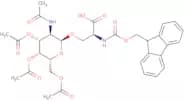
<p>(5S, 8S, 9S) -8- [(4R) - 2, 2- Dimethyl- 1, 3- dioxolan- 4- yl] - 9- hydroxy- 2, 2- dimethyl- 1, 3, 7- trioxaspiro[4.4] nonan- 6- on e is a Glycosylation product that is prepared by the modification of a monosaccharide with a fluorinated methyl group. This chemical has been custom synthesized and its CAS number is not available. It is a complex carbohydrate with high purity and it can be modified to produce other oligosaccharides.</p>Purity:Min. 95%2-Acetamido-3,4,6-tri-O-acetyl-2-deoxy-α-D-galactopyranosyl-Fmoc serine
CAS:<p>2-Acetamido-3,4,6-tri-O-acetyl-2-deoxy-α-D-galactopyranosyl-Fmoc serine is an amino sugar that has been shown to be a supplement for soybean cultivars. It is a basic compound that is obtained from the condensation of glycine and acetamidodeoxygalactose. This amino sugar can be used as a matrix in genetic engineering and tissue culture experiments with soybean plants. Transgenic soybeans have been created using 2AAGFS as the source of galactose for glycoprotein synthesis. Soybean plants with transgenes are also able to synthesize high levels of seed protein, which may increase the quality of soybean products.</p>Formula:C32H36N2O13Purity:Min. 95 Area-%Color and Shape:White PowderMolecular weight:656.63 g/mol1-Deoxy-L-fructose
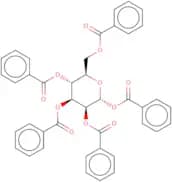
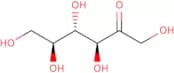
<p>Deoxy-L-fructose is a sugar that is synthesized by the cleavage of sucrose, which is a disaccharide composed of glucose and fructose. Deoxy-L-fructose can be obtained from the hydrolysis of sucrose or it can be synthesized by the hydrogenation of d-talitol. This compound is used in various industrial processes as an intermediate in the production of other sugars and alcohols. 1-Deoxy-L-fructose has been found to have antimicrobial properties against Enterobacter aerogenes, Lactobacillus plantarum, and Lactobacillus acidophilus. It also inhibits the growth of Escherichia coli (E. coli) bacteria when tested in vitro at concentrations between 0.2 and 2mM. The antibiotic activity against E. coli may be due to its ability to inhibit ribosome synthesis and protein synthesis in these cells</p>Purity:Min. 95%1,2,3,4,6-Penta-O-benzoyl-α-D-mannopyranose
CAS:<p>1,2,3,4,6-Penta-O-benzoyl-alpha-D-mannopyranose is a monosaccharide that can be synthesized by modification of the corresponding mannose. This sugar has been shown to form a complex carbohydrate with an oligosaccharide or saccharide. It can also be used in click chemistry as a linker between two amino acids or peptides. The chemical name for 1,2,3,4,6-Penta-O-benzoyl-alpha-D-mannopyranose is 1,2:3,4:6:1′′′′′′′″:5′″:8:1″″″″″″"’5″'8″1 (2R)-2-(3'-chloroacetyl)pentaerythritol 2,4'-diyl dianhydride.</p>Formula:C41H32O11Molecular weight:700.69 g/molPropargyl a-D-galactopyranoside
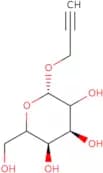
CAS:<p>Propargyl a-D-galactopyranoside (PGAL) is a synthetic compound that belongs to the group of oligosaccharides. PGAL can be used in the synthesis of glycosylated saccharides, such as glycoproteins and glycolipids. The modification of PGAL with fluorine atoms is known to increase its stability. It has been shown that PGAL can be modified with methyl groups without affecting its chemical properties. Furthermore, PGAL can be modified with click chemistry reactions, which are chemoselective reactions that are catalyzed by copper(I) ions.</p>Formula:C9H14O6Purity:Min. 95%Color and Shape:White to off-white oily solid.Molecular weight:218.21 g/mol3-Deoxy-3,3-difluoro-1,2-O-Di-O-isopropylidene-a-D-glucofuranose
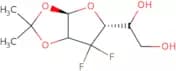
<p>3-Deoxy-3,3-difluoro-1,2-O-Di-O-isopropylidene-a-D-glucofuranose is an alpha, beta unsaturated carbonyl sugar. It can be used as a building block to synthesize oligosaccharides or glycosylations. It has been shown that 3DG reacts with the amino group of proteins and peptides leading to the formation of methylated sugars. This compound can also be used to modify saccharides such as by converting them into click or substitution derivatives. 3DG is readily available in high purity and is stable under a variety of conditions.</p>Formula:C9H14F2O5Purity:Min. 95%Molecular weight:240.2 g/molAdenosine-5'-b-D-glucuronic acid
<p>Adenosine-5'-b-D-glucuronic acid is a modified, complex carbohydrate that is synthesized by the reaction of adenosine and b-D-glucuronic acid. This product has a purity of >98% and is soluble in water. It can be used as an intermediate for the synthesis of polysaccharides or saccharides with different substitutions. Adenosine-5'-b-D-glucuronic acid has a CAS number of 73088-94-3 and can be found in the Monosaccharide, Methylation, Glycosylation, Polysaccharide, sugar category.</p>Purity:Min. 95%D-Allono-1,5-lactone
CAS:<p>D-Allono-1,5-lactone is a glycoside that has been custom synthesized. It is a high purity product with a variety of modification options. This compound can be used for the synthesis of sugars, Click modification, fluorination, and glycosylation. D-allono-1,5-lactone has CAS No. 894408-50-5 and is classified as an oligosaccharide or sugar. It can also be methylated or modified to create saccharides or complex carbohydrates.</p>Formula:C6H10O6Purity:Min. 95%Molecular weight:178.14 g/mol1,2,3,4-Tetra-O-pivaloyl-6-O-triisopropylsilyl-a-D-mannopyranose
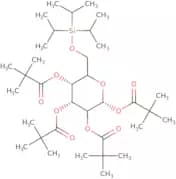
<p>1,2,3,4-Tetra-O-pivaloyl-6-O-triisopropylsilyl-a-D-mannopyranose is a glycosylation product that can be used as a model for the synthesis of complex carbohydrates. It is synthesized by reacting 1,2,3,4 tetra O pivaloyl a D mannopyranose with triisopropyl silyl chloride in the presence of DMAP and 4-(N,N dimethylamino)pyridine. This product can be used to study the methylation of saccharides. The fluorination and saccharide modification are performed using potassium fluoride or potassium chlorate respectively. This product is also available in custom synthesis quantities at high purity.</p>Formula:C35H64O10SiPurity:Min. 95%Molecular weight:672.98 g/molidoBR1 HCl salt
CAS:<p>Important bioactive principle in established anti-inflammatory herbal medicines</p>Formula:C6H11NO5·HClPurity:Min. 95 Area-%Color and Shape:White PowderMolecular weight:213.62 g/mol7-Azido-7-deoxy-2,3:5,6-di-O-isopropylidene-D-glycero-D-allo-heptono-1,4-lactone
<p>7-Azido-7-deoxy-2,3:5,6-di-O-isopropylidene-D-glycero-D-alloheptono-1,4lactone is a methylation product of saccharide and polysaccharides. It is a modification of the natural molecule with an azide group. It has CAS number 47927–03–9. 7A7DL can be modified to produce oligosaccharides or glycosylations with high purity and custom synthesis. It can be fluorinated to produce complex carbohydrates.</p>Purity:Min. 95%4-Methoxyphenyl 6-azido-2,3,4-tri-O-benzyl-6-deoxy-a-D-mannopyranoside
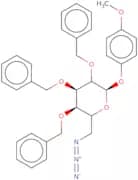
<p>4-Methoxyphenyl 6-azido-2,3,4-tri-O-benzyl-6-deoxy-a-D-mannopyranoside is a synthetic sugar molecule that has been modified to contain a benzyl ether moiety. This product can be custom synthesized and is available in high purity.</p>Formula:C34H35N3O6Purity:Min. 95%Molecular weight:581.66 g/mol1,4-Anhydro-6-chloro-6-deoxy-D-glucitol
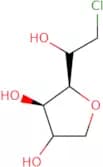
<p>1,4-Anhydro-6-chloro-6-deoxy-D-glucitol is a complex carbohydrate that has been fluorinated and modified with methyl groups. It can be custom synthesized to produce high purity compounds. 1,4-Anhydro-6-chloro-6-deoxy-D-glucitol is used in synthesis of saccharides and oligosaccharides. The compound has been modified with Click chemistry to produce glycosylation products. It can also be used as an intermediate for the synthesis of sugar derivatives.<br>1,4-Anhydro-6-chloro-6-deoxy--D--glucitol has the following chemical structure:</p>Formula:C6H11ClO4Purity:Min. 95%Molecular weight:182.61 g/molPhenyl 2,3,4,6-tetra-O-acetyl-b-D-thiogalactopyranoside
CAS:<p>Phenyl 2,3,4,6-tetra-O-acetyl-b-D-thiogalactopyranoside is a sugar that belongs to the class of glycosides. It is a white crystalline powder and has a molecular weight of 459.8. The chemical formula for this compound is C 12 H 18 O 9 . Phenyl 2,3,4,6-tetra-O-acetyl-b-D-thiogalactopyranoside is used in the synthesis of oligosaccharides and polysaccharides. It can be used to modify the structure of saccharides and sugar molecules by methylation or fluorination. This product also has CAS No. 24404-53-3 and can be custom synthesized according to your specifications.</p>Formula:C20H24O9SPurity:Min. 95%Color and Shape:PowderMolecular weight:440.47 g/molThiamet G
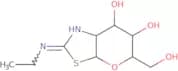
CAS:<p>Inhibits β-N-acetylglucosaminidase, also known as O-GlcNAcase (OGA), which cleaves the O-linked glycans from glycoproteins. Interferes with O-GlcNAc cycling and leads to the accumulation of O-GlcNAcylated proteins. Thiamet G elicits neuroprotective effects by modulating microglia/macrophages and inhibiting hyperphosphorylation of the microtubule-associated protein tau in models of stroke and Alzheimer’s disease. Thiamet G also has implications on diabetes and cardiovascular pathologies.</p>Formula:C9H16N2O4SPurity:Min. 95%Color and Shape:PowderMolecular weight:248.3 g/mol1-O-Benzyl-2,3:4,6-di-O-isopropylidene-a-L-sorbofuranoside
<p>1-O-Benzyl-2,3:4,6-di-O-isopropylidene-a-L-sorbofuranoside is an oligosaccharide that is used for the synthesis of saccharides and polysaccharides. It has a molecular weight of 296.1 g/mol and a CAS number of 257874-01-8. The product can be synthesized from 1,2,3,4,6,-O-isopropylidene sorbitol and benzaldehyde via methylation and click modification. This product is also used in the fluorination of complex carbohydrates. 1,2,3,4,6,-O-isopropylidene sorbitol can be modified by various methods to produce different products with different properties. It has a purity level of ≥98% (HPLC) and is made up of one monosaccharide sugar unit with a single reactive</p>Formula:C19H26O6Purity:Min. 95%Molecular weight:350.41 g/molOctahydro-1,2,9-tris-acetoxy- (1S,2R,9S,9aS) -quinolizin- 6- one
<p>Octahydro-1,2,9-tris-acetoxy-(1S,2R,9S,9aS)-quinolizin-6-one is an oligosaccharide that is a sugar modified with fluorine. It is a synthetic carbohydrate and has the CAS number 57714-00-3. The molecular weight of this compound is 784.61 g/mol. This compound can be custom synthesized to meet your needs and specifications. It has been methylated and glycosylated and has undergone click chemistry modifications.</p>Purity:Min. 95%2,3,4,6-Tetra-O-acetyl-1-azido-1-deoxy-α-D-galactopyranosyl cyanide
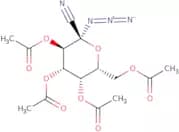
CAS:<p>A solar thermal collector is a device that absorbs the sun's heat, or thermal energy, and converts it to useful heat energy. It consists of a dark-colored surface (usually metal) that absorbs sunlight and transfers the heat by radiation to a fluid such as water or oil, which then carries the heat away for use. The efficiency of this type of collector depends on the quantity of sunlight that reaches it, the temperature difference between the hot fluid and ambient air, and its design. A typical solar thermal collector has an efficiency of about 10%.</p>Formula:C15H18N4O9Purity:Min. 95%Color and Shape:White/Off-White SolidMolecular weight:398.32 g/molL-Fucose
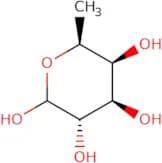
CAS:<p>Fucose (Fuc, 6-deoxy L-galactose) has a methyl group at C6 in place of a hydroxyl group and this gives the molecule a greater degree of hydrophobicity than galactose (Collins, 2006). L-fucose is found in fucoidan, a polysaccharide that occurs in the brown seaweeds (Phaeophyceae) (Percival, 1967). Fucose is also a key component in many mammalian N- and O-linked glycans, glycolipids, blood group substances and Lewis antigens (Becker, 2003). In human milk, neutral (fucosylated) oligosaccharides (HMO) contain fucose at the terminal position (e.g. 2â -fucosyllactose and lactodifucopentaose). They represent 35% to 50% of the total HMO content and many in vitro studies suggest that HMOs directly modulate immune responses, acting either locally on cells of the mucosa-associated lymphoid tissues or systemically to inhibit the expression of inflammatory genes, mainly cytokines (Plaza-Diaz, 2018).</p>Formula:C6H12O5Purity:Min. 98 Area-%Molecular weight:164.16 g/molBenzyl 3-amino-3-deoxy-a-D-mannopyranoside HCl
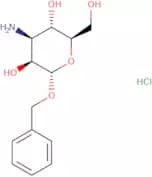
CAS:<p>Benzyl 3-amino-3-deoxy-a-D-mannopyranoside HCl is a high purity, custom synthesized, synthetic carbohydrate. It has been modified with fluorination and glycosylation. Modification of the carbohydrate is done by methylation or oligosaccharide addition. This product is a complex carbohydrate that has been synthesized from monosaccharides and saccharides. The carbohydrates are saccharide chains composed of carbon, hydrogen, and oxygen atoms in a straight or branched chain. Carbohydrates can be classified according to their number of sugar units: mono-, di-, tri-, tetra-, penta-, hexa-, hepta-, octa-, nona-.</p>Formula:C13H19NO5·HClPurity:Min. 95%Color and Shape:PowderMolecular weight:305.75 g/mol5,6-O-Isopropylidene-3-C-methyl-D-mannono-1.4-lactone
<p>5,6-O-Isopropylidene-3-C-methyl-D-mannono-1.4-lactone is a fluorinated monosaccharide that can be modified with other chemicals to create a variety of products. This chemical is used in the synthesis of oligosaccharides and polysaccharides. 5,6-O-Isopropylidene-3-C-methyl-D-mannono-1.4-lactone has a CAS number of 105853-. It has been shown to be high purity and is also available for custom synthesis. 5,6--O--isopropylidene--3--C--methyl--D--mannono--1.4--lactone can be synthesized from methylation, click modification, and fluorination reactions on glycolaldehyde.</p>Purity:Min. 95%5-O-Allyl-2,3,4-tri-O-benzyl-D-ribitol
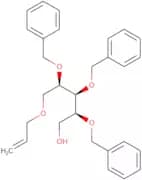
CAS:<p>5-O-Allyl-2,3,4-tri-O-benzyl-D-ribitol is an acid that has been used in preparative organic chemistry. It is a benzyloxymethyl derivative of ribose, which can be converted to the corresponding methyl ether by hydrolysis with sodium methoxide in methanol. 5-O-Allyl-2,3,4-tri-O-benzyl-D-ribitol functions as an isomer and dimerization reagent for the preparation of propenyl derivatives. 5-O-Allyl 2,3,4 tri O benzyl D ribitol has been shown to inhibit Influenza A H1N1 strains in vitro with a 50% inhibitory concentration (IC50) of 1 μM.</p>Formula:C29H34O5Purity:Min. 90.0 Area-%Color and Shape:Yellow Clear LiquidMolecular weight:462.58 g/mol2,3,4,6-Tetra-O-acetyl-a-D-mannopyranosyl bromide - stabilised with 2% CaCO3
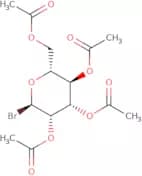
CAS:<p>Donor for Koenigs-Knorr type mannosylation and other anomeric substitutions</p>Formula:C14H19BrO9Purity:Min. 95%Color and Shape:Yellow PowderMolecular weight:411.2 g/mol2-Amino-2-deoxy-D-allose hydrochloride
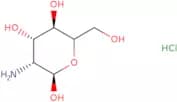
CAS:<p>2-Amino-2-deoxy-D-allose hydrochloride is a structural isomer of 2-amino-2-deoxy-daltrose. This substance has a nuclear magnetic resonance spectrum that is consistent with the proposed structure. The coupling constants are in agreement with the expected values for this type of molecule. A mass spectrum of this substance shows peaks corresponding to the molecular ion, a tetrazole fragment, and the two vicinal hydrogens. The measurement of 2-amino-2-deoxy-daltrose by nuclear magnetic resonance spectroscopy is shown below:</p>Formula:C6H13NO5·HClPurity:Min. 95%Molecular weight:215.63 g/molMethyl 2,3,4-tri-O-benzyl-6-O-triisopropylsilyl-a-D-glucopyranoside
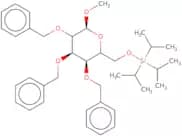
<p>Methyl 2,3,4-tri-O-benzyl-6-O-triisopropylsilyl-a-D-glucopyranoside is an oligosaccharide that is synthesized by the process of fluorination and glycosylation. It can be used as a synthetic building block to produce complex carbohydrates and polysaccharides. This compound is a monosaccharide that has been modified with methyl groups on the 2, 3, 4, and 6 positions. Methyl 2,3,4-tri-O-benzyl-6-O-triisopropylsilyl glucopyranoside can be used for click modification reactions. The CAS number for this compound is</p>Formula:C37H52O6SiPurity:Min. 95%Molecular weight:620.91 g/molN-Acetylneuraminic acid dihydrate
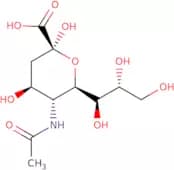
CAS:<p>N-Acetylneuraminic acid dihydrate, also known as sialic acid dehydrate or Neu5Ac dehydrate, is often present in the terminal chains of many oligosaccharides and has a cellular recognition function (Varki and Schauer, 2009). Together with its non-hydrated form, N-acetylneuraminic acid and derivatives function as neurotransmitters and are involved in many post-translational protein modifications. N-acetylneuraminic acids are present on the surface of the vertebrate cells and can interact with pathogens, such as, bacteria and viruses. Recent scientific studies have revealed that the spike glycoprotein of the SARS-COV 2 coronavirus, responsible of the COVID-19, shows a high affinity to N-acetylneuranimic acid (Baker, 2020).</p>Formula:C11H19NO9·2H2OPurity:Min. 95%Color and Shape:PowderMolecular weight:345.3 g/molD-Glucosaminic acid
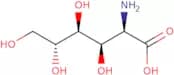
CAS:<p>D-Glucosaminic acid is a monosaccharide that is found in many glycosaminoglycans. It has been shown to have synergistic effects when combined with malonic acid and hydroxyl group. D-Glucosaminic acid can be used for wastewater treatment, as it is able to form stable complexes with the anionic groups of cell walls. D-Glucosaminic acid also shows antibacterial activity against bacterial strains, including Mycoplasma pneumoniae and Streptococcus pyogenes. The wild-type strain of Escherichia coli is not inhibited by this compound.</p>Formula:C6H13NO6Purity:Min. 96 Area-%Color and Shape:White Off-White PowderMolecular weight:195.17 g/molEstradiol 3-sulfate 17β-glucuronide dipotassium
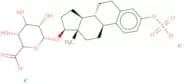
CAS:<p>Estradiol 3-sulfate 17b-glucuronide dipotassium salt is an estradiol ester that is a metabolite of estradiol. It has been shown to be an intermediate in the synthesis of estrone sulfate and other steroid hormones. Estradiol 3-sulfate 17b-glucuronide dipotassium salt is formed from estradiol by the addition of one molecule of sulfuric acid followed by the addition of glucuronic acid, which results in a salt form. It may also be formed by oxidation of allylic hydroperoxides and photooxygenation in families with oxygenated moieties. Irradiation leads to formation of oxygenated steroids. The alkene reactivity depends on the substitution pattern, the cyclic reactivity depends on the ring size and substitution pattern, and the reactivity with peroxides depends on the position of substitution.</p>Formula:C24H32O11S•K2Purity:Min. 95%Color and Shape:White to off-white solid.Molecular weight:606.77 g/molMethyl 2,3,5-tri-O-benzyl-β-D-ribofuranoside
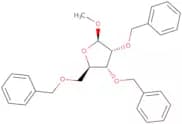
CAS:<p>Methyl 2,3,5-tri-O-benzyl-b-D-ribofuranoside is a glycosylation reagent that can be used in the synthesis of oligosaccharides and polysaccharides. It is used to modify saccharides with fluorine or methyl groups and can be used to synthesize complex carbohydrates. Methyl 2,3,5-tri-O-benzyl-b-D-ribofuranoside is also an intermediate for click chemistry reactions. This product has high purity and can be custom synthesized to meet customers' needs.</p>Formula:C27H30O5Purity:Min. 95%Color and Shape:Pale yellow oil.Molecular weight:434.52 g/mol1,2:3,5-Di-O-isopropylidene-a-D-xylofuranose
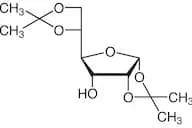
CAS:<p>1,2:3,5-Di-O-isopropylidene-a-D-xylofuranose is a synthetic glycoside that is used in the synthesis of complex carbohydrates. It has been used for the modification of polysaccharides and oligosaccharides. This compound has also been modified with fluorine to form 1,2:3,5-Di-O-isopropylidene-a-D-(1'-fluoro)-xylofuranose. The chemical name of this product is CAS No. 20881-04-3.</p>Formula:C11H18O5Purity:Min. 95%Color and Shape:White PowderMolecular weight:230.26 g/molmyo-Inositol 1,2,4,5,6-pentakisphosphate
<p>Myo-inositol 1,2,4,5,6-pentakisphosphate (IP) is a phosphate of inositol that is found in the cytosol. It is an important component of polyphosphates and can be used for oxygen transport. It has been shown to inhibit the growth of cancer cells by binding to monoclonal antibodies that are targeted against CD20 and CD22 on cancer cells. IP also inhibits the activity of kinases and phosphatases in mammalian cells. This may be due to the inhibition of cytokine release from macrophages treated with IL-1β. Inositol phosphates are involved in many cellular responses including platelet-derived growth factor activation, cell proliferation, and protein synthesis.</p>Formula:C6H17O21P5Purity:Min. 95%Molecular weight:580.06 g/molD-Glucal
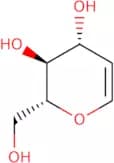
CAS:<p>D-Glucal is a protonated d-glucal, which is a simple sugar. It reacts with the electron acceptor oxygen to form an oxidized product. This product can be reduced back to the original molecule by using a reducing agent, such as sodium borohydride or sodium dithionite. D-Glucal has been shown to inhibit the growth of tumor cells in mice that are resistant to other anticancer drugs. D-Glucal inhibits transcription and replication of DNA by binding to the DNA-dependent RNA polymerase and blocking its ability to transcribe messenger RNA (mRNA). The enzyme is also inhibited by glycosidic bond architectures that prevent it from binding to the DNA template strand. D-Glucal also has an effect on protein synthesis because it binds to proteins and prevents them from performing their normal functions.<br>D-Glucal has been used as a model system for studying cellular processes in mammalian cells, such as oxidation</p>Formula:C6H10O4Purity:Min. 98 Area-%Color and Shape:White Off-White PowderMolecular weight:146.14 g/mol4-N-Trifluoroacetamidophenyl 2-azido-2-deoxy-a-D-galactopyranoside
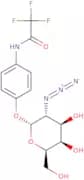
CAS:<p>4-N-Trifluoroacetamidophenyl 2-azido-2-deoxy-a-D-galactopyranoside is a custom synthesis. It is a complex carbohydrate that can be modified with glycosylation, methylation, and fluorination. The chemical formula for 4-N-Trifluoroacetamidophenyl 2-azido-2-deoxy-a-D-galactopyranoside is C12H22FN3O8. The CAS number for 4Ntrifluoroacetamidophenyl 2azido2deoxyadgalactopyranose is 2104260323. This product has high purity and is synthetic.</p>Formula:C14H15F3N4O6Purity:Min. 95%Molecular weight:392.29 g/mol5-O-tert-Butyldiphenylsilyl-2,3-O-isopropylidene-D-ribofuranose
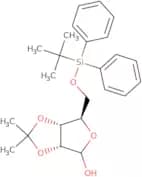
CAS:<p>5-O-tert-Butyldiphenylsilyl-2,3-O-isopropylidene-D-ribofuranose is a synthetic compound that is an inhibitor of adenosine deaminase. This drug has been shown to inhibit the synthesis of nucleic acids and other biological molecules such as amino acids and proteins. 5-O-tert-Butyldiphenylsilyl-2,3-O-isopropylidene ribofuranose is used in organic chemistry as a chiral analog for naturally occurring compounds such as adenosine. 5BPSSIROdR inhibits the enzyme adenosine deaminase by binding to its active site and preventing it from converting adenosine into inosine.</p>Formula:C24H32O5SiPurity:Min. 95%Color and Shape:PowderMolecular weight:428.59 g/molD-Galactosamine hydrochloride
CAS:<p>D-Galactosamine (GalN) is an aldohexose (2-Amino-2-deoxygalactose) in which the hydroxyl group at position 2 is replaced by an amino group (Collins, 2006). Galactosamine (as the N-Acetyl derivative) forms a key part of both N- and O-linked glycoproteins, glycolipids and glycosaminoglycans. Treatment of experimental animals with D-galactosamine / lipopolysaccharide causes lethal liver injury characterized by apoptosis of the hepatocyte and it is used as a laboratory model to study the effect of therapeutic agents (Hirono, 2001).</p>Formula:C6H14ClNO5Molecular weight:215.63 g/mol4-Penten-1-yl 2,3,4,6-tetra-O-acetyl-b-D-glucopyranoside
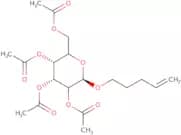
CAS:<p>4-Penten-1-yl 2,3,4,6-tetra-O-acetyl-b-D-glucopyranoside is a carbohydrate that is synthesized by the modification of an existing molecule. It is a custom synthesis and can be modified with click chemistry to create new compounds. This compound has a high purity and is soluble in water. It can be used for saccharide or polysaccharide synthesis as well as glycosylation reactions. This product's CAS number is 50256-33-2 and it has been assigned the chemical name Methylation, saccharide, Polysaccharide, Click modification, CAS No. 50256-33-2, Modification, Oligosaccharide, Custom synthesis, Glycosylation, High purity, Carbohydrate, sugar, Synthetic, Fluorination.</p>Formula:C19H28O10Purity:Min. 95%Molecular weight:416.42 g/molD-Xylose
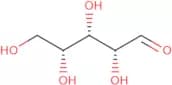
CAS:<p>Xylose (Xyl) is an aldopentose also known as wood sugar (Collins, 2006). The main sources of xylose are hemicelluloses found in hardwood and perennial plants, such as, grasses, cereals, and herbs (Petzold-Welcke, 2014) and some algae. Xylose is used in the production of xylitol, a low calory sugar substitute. Xylose is used in glycosaminoglycan (GAG) biosynthesis, which is initiated by peptide O-xylosyltransferases, which transfer xylose onto selected serine residues in the core proteins. The first enzyme in the pathway, peptide O-xylosyltransferase, catalyzes the transfer of xylose from uridine diphosphate (UDP)-α-D-xylose onto serine and thus determines the site(s) of GAG attachment on the core protein (Briggs, 2018).</p>Formula:C5H10O5Purity:Min. 98.0 Area-%Color and Shape:White PowderMolecular weight:150.13 g/molL-DMDP
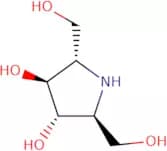
CAS:<p>a-âglucosidase inhibitor</p>Formula:C6H13NO4Purity:Min. 95%Molecular weight:163.17 g/molLincosamine
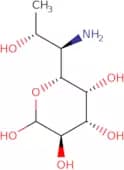
CAS:<p>Lincosamine is a nitrogen nucleophile that reacts with the electrophilic carbon of an activated aromatic ring in a chemical reaction. Lincosamine has been shown to be effective against infectious diseases caused by bacteria, such as Staphylococcus and Streptococcus, but not against viruses. The glycosidic bond between lincosamine and glucose is stereoselective. Lincosamine binds to the hybridoma cell strain through its monoclonal antibody and can be used for pharmacokinetic properties studies. Lincosamine has been used as an antimicrobial agent in biological samples such as urine, blood, and sputum.</p>Formula:C8H17NO6Purity:Min. 95%Molecular weight:223.22 g/mol2-Azido- 2- deoxy- 5, 6- O- isopropylidene -L- gulonic acid g- lactone
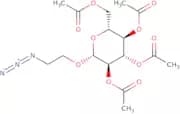
<p>2-Azido-2-deoxy-5,6-O-isopropylidene-L-gulonic acid g-lactone is a synthetic compound that is used as a building block in the synthesis of various saccharides. It can be modified to form glycosylation products and complex carbohydrates. The chemical name for this compound is 2-azido-2,3,4,5,6 -pentafluoroethane sulfonic acid. This molecule has a molecular weight of 162.14 and a molecular formula of C9H9F7O4S. It has an empirical formula of C8H12FO5S. 2-Azido-2,3,4,5,6 -pentafluoroethane sulfonic acid is soluble in water and ethanol and can be stored at room temperature for up to one year without decomposing.</p>Purity:Min. 95%2-Azidoethyl 2,3,4,6-tetra-O-acetyl-b-D-glucopyranoside
CAS:<p>2-Azidoethyl 2,3,4,6-tetra-O-acetyl-b-D-glucopyranoside is a sugar that is custom synthesized. It is a synthetic compound that has been fluorinated and methylated. This product can be used for glycosylation or oligosaccharide synthesis. It is a high purity product with a purity of 98% and has been modified with click chemistry. The CAS number for this product is 140428-81-5.</p>Formula:C16H23N3O10Color and Shape:White PowderMolecular weight:417.37 g/mol9-O-Acetyl-N-acetyl-neuraminic acid
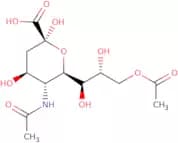
CAS:<p>9-O-Acetyl-N-acetyl-neuraminic acid is a sialic acid produced by the human body. It can be found in human serum and has been shown to have inhibitory properties against viruses, such as hepatitis B and C viruses. 9-O-Acetyl-N-acetylneuraminic acid binds to the α1-acid glycoprotein in the blood, which can reduce its ability to bind to other molecules. This leads to a lower concentration of 9-O-acetylneuraminic acid in the blood. This molecule also has chemical biology properties that are being studied for their effects on biological processes such as histological analysis, receptor molecule binding, polymerase chain reaction (PCR), and mucin gene transcription. 9-O-Acetylneuraminic acid also has antihistamine activities that may be due to its ability to block histamine receptors or inhibit histamine release.</p>Formula:C13H21NO10Purity:Min. 75 Area-%Color and Shape:White Off-White PowderMolecular weight:351.31 g/molL-Xylosamine
<p>L-Xylosamine is a carbohydrate that has been modified with fluorine. It is a monosaccharide and is found in plant cell walls. L-Xylosamine can be custom synthesized and has a high purity level. It is also methylated and glycosylated, which makes it an ideal compound for click chemistry.</p>Formula:C5H11NO4Purity:Min. 95%Molecular weight:149.15 g/mol1-Deoxy- 3, 4- O- isopropylidene-D- erythro- 2- pentulofuranose
<p>1-Deoxy- 3, 4- O- isopropylidene-D-erythro-2 pentulofuranose is a mannitol derivative. It is a carbohydrate that has been modified by fluorination and methylation and glycosylation. It can be synthesized from erythritol and 2,3,4-trihydroxybenzaldehyde. This product can be custom synthesized to order with high purity in quantities of 10 grams or more.</p>Purity:Min. 95%Rosuvastatin-D6 acyl-b-D-glucuronide
Controlled Product<p>Rosuvastatin-D6 acyl-b-D-glucuronide is a modification of rosuvastatin that is synthesized by the removal of the hydroxyl group on carbon 6 of rosuvastatin, followed by an acylation with b-D-glucuronic acid. It is a complex carbohydrate. The synthesis of this product is custom and requires synthetic chemistry. This product has high purity and CAS number. It is a monosaccharide that can be methylated or glycosylated. In addition to being a sugar, it can also be fluorinated or saccharided.</p>Formula:C28H30D6FN3O12SPurity:Min. 95%Molecular weight:663.7 g/mol4-Methylphenyl 2,3,4-tri-O-benzyl-b-D-thioglucuronide benzyl ester
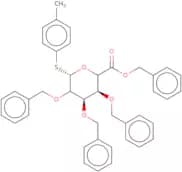
CAS:<p>4-Methylphenyl 2,3,4-tri-O-benzyl-b-D-thioglucuronide benzyl ester is a carbohydrate that is synthesized from the monosaccharide 4-methylphenol and bromoacetaldehyde. It is a custom synthesis that can be modified with fluorination or methylation. The purity of this product is high and it has been synthesized using a click modification.</p>Formula:C41H40O6SPurity:Min. 95%Molecular weight:660.82 g/molD-myo-Inositol 1,4,5-triphosphate sodium salt
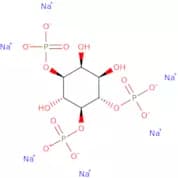
CAS:<p>D-myo-Inositol 1,4,5-triphosphate sodium salt is a diacylglycerol that is involved in intracellular signaling. It is synthesized by the hydrolysis of phosphatidylinositol 4,5-bisphosphate and dephosphorylation of inositol 1,4,5-trisphosphate. D-myo-Inositol 1,4,5-triphosphate sodium salt has been shown to be a potent agonist at the ryanodine receptor and can protect against neuronal death induced by glutamate or NMDA. It also has been shown to have beneficial effects on bowel disease and cytosolic Ca2+ levels.</p>Formula:C6H9Na6O15P3Purity:Min. 95%Color and Shape:Orange To Red SolidMolecular weight:551.99 g/mol2-O-b-D-Glucopyranosyl-L-ascorbic acid
CAS:<p>L-Ascorbic acid is a white crystalline solid that can be obtained from the tissues of many fruits and vegetables. L-Ascorbic acid is soluble in water, but insoluble in alcohol. It can be found in two forms: an oxidized form (dehydroascorbic acid) and a reduced form (L-ascorbic acid). The conversion between the two forms is catalyzed by ascorbate oxidase. L-Ascorbic acid has antioxidant properties, which scavenge free radicals, and prevent the oxidation of LDL cholesterol to its more atherogenic form. This compound also helps to alkalize bodily fluids and neutralizes pollution, making it useful for treating or preventing cervical cancer or diabetes. L-Ascorbic acid also acts as a preservative by inhibiting bacterial growth.</p>Formula:C12H18O11Purity:Min. 95%Molecular weight:338.26 g/mol3-O-Benzyl-1,2:5,6-di-O-isopropylidene-a-D-glucofuranose
CAS:<p>3-O-Benzyl-1,2:5,6-di-O-isopropylidene-a-D-glucofuranose is a custom synthesis for use in the methylation of oligosaccharides and polysaccharides. It has been used in the Click modification of saccharide derivatives, as well as in the fluorination of complex carbohydrates. 3-O-Benzyl-1,2:5,6-di-O-isopropylidene-a-D-glucofuranose is a monosaccharide that can be used to synthesize sugar. This chemical is also able to modify carbohydrate molecules with various functional groups. 3BzGluFur is a high purity product that can be used to create monosaccharides and sugars with various modifications.</p>Formula:C19H26O6Purity:Min. 95%Color and Shape:Slightly Yellow Clear LiquidMolecular weight:350.41 g/mol4-C-Methyl- 2, 3- O-isopropylidene -D- lyxono-1,5- lactone
<p>4-C-Methyl- 2, 3- O-isopropylidene -D- lyxono-1,5- lactone is a custom synthesis. It is a complex carbohydrate with the CAS number of 67903-96-6.<br>It has a molecular weight of 287.39 g/mol and a purity of >99%. 4CMMDL has been modified with methylation at the C4 position and glycosylation at the C2 position. The modification on this molecule is called Click chemistry.<br>This molecule contains a sugar group that is an oligosaccharide with 11 saccharides, which are all glucose molecules. This sugar group has been fluorinated at the C2 position to form 4CMMDLF (also known as Fluorogalactofuranose). <br>The chemical formula for 4CMMDLF is C12H8O11F2, and it has a molar mass of 5</p>Purity:Min. 95%Cotinine-N-b-glucuronide-D3
Controlled Product<p>Cotinine-N-b-glucuronide-D3 is a modification of the natural product cotinine, which is a methylated form of nicotine and can be synthesized from the plant Nicotiana tabacum. Cotinine-N-b-glucuronide-D3 is a complex carbohydrate that has been custom synthesized for the purpose of modifying an oligosaccharide. This modification will allow for the synthesis of high purity monosaccharides. Cotinine has been shown to have antiinflammatory properties, which may be due to its inhibition of prostaglandin synthesis.</p>Formula:C16H17N2O7D3Purity:Min. 95%Molecular weight:355.36 g/mol4-Methylphenyl 2,3,4,6-tetra-O-acetyl-β-D-thioglucopyranoside
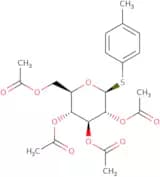
CAS:<p>4-Methylphenyl 2,3,4,6-tetra-O-acetyl-b-D-thioglucopyranoside is an antibiotic that is used to treat infections caused by a wide range of pathogens. This drug is active against Gram-negative and Gram-positive bacteria, including some resistant strains. 4MPTGA inhibits the growth of bacteria by binding to their ribosomes and preventing protein synthesis. It has been shown to have antimicrobial activity against E. coli and other Enterobacteriaceae species as well as other Gram negative bacteria such as Salmonella typhi and Proteus mirabilis. 4MPTGA has also been shown to be effective against the common animal health pathogen Staphylococcus aureus</p>Formula:C21H26O9SPurity:Min. 95%Color and Shape:White PowderMolecular weight:454.49 g/mol(2R, 3R, 4R) -3- Benzyloxy- 1- benzyl-4- (hydroxymethyl) - 2- azetidinecarboxylic acid N-methylamide
<p>(2R, 3R, 4R) -3- Benzyloxy- 1- benzyl-4- (hydroxymethyl) - 2- azetidinecarboxylic acid N-methylamide is a synthetic monosaccharide that can be used for carbohydrate modification. In addition to its use in the synthesis of saccharides and oligosaccharides, this compound has been shown to be useful as a fluorination reagent. This compound is also available with custom synthesis and high purity. (2R, 3R, 4R) -3-Benzyloxy-1-benzyl-4-(hydroxymethyl)-2-azetidinecarboxylic acid N-methylamide is an excellent methylation reagent and glycosylation agent. It can be used in the click chemistry modification of proteins and other biomolecules.</p>Purity:Min. 95%1,3,4,6-Tetra-O-acetyl-N-propanoyl-D-mannosamine
CAS:<p>1,3,4,6-Tetra-O-acetyl-N-propanoyl-D-mannosamine is a sugar that is used for the synthesis of novel glycosides. It is prepared by the methylation of D-mannose with acetic anhydride in the presence of sodium methoxide. This reaction can also be carried out on a variety of other sugars and carbohydrates, such as D-galactose, D-xylose, or L-arabinose. 1,3,4,6-Tetra-O-acetyl-N-propanoyl-D-mannosamine has been shown to react with 4-(pyridinium)butanoic acid to produce 4-(pyridinium)butanal (1), which reacts with glycine to produce 1-(pyridinium)butanediamide (2). The carbonyl group in 2 can</p>Formula:C17H25NO10Purity:Min. 95%Molecular weight:403.38 g/molN-(2-Phenyl-1-cyano-3-butene)-2,3,4,6-tetra-O-pivaloyl-D-glucopyranoside
<p>N-(2-Phenyl-1-cyano-3-butene)-2,3,4,6-tetra-O-pivaloyl-D-glucopyranoside is a compound that is used as an intermediate in the synthesis of glycosylated polysaccharides. It has been used to synthesize saccharides and oligosaccharides with a wide range of compositions. This compound can be custom synthesized to meet your specifications.</p>Formula:C37H54NO9Purity:Min. 95%Molecular weight:656.84 g/mol1,2,3,4-Tetra-O-acetyl-6-O-trityl-a-D-mannopyranose
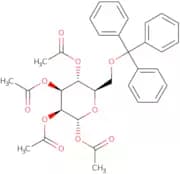
CAS:<p>Tetra-O-acetyl-6-O-trityl-a-D-mannopyranose is a synthetic glycoside that is used as an intermediate in the synthesis of oligosaccharides. It has been modified with a fluorine atom at C1 to form 1,2,3,4-tetra-O-acetyl 6-(trifluoromethyl)-a-D mannopyranoside. This modification can be done through a click reaction. Tetra-O acetyl 6-(trifluoromethyl)-a D mannopyranoside is soluble in water and has a melting point of about 210°C.</p>Formula:C33H34O10Purity:Min. 95%Color and Shape:White PowderMolecular weight:590.62 g/mol1,2,3,4-Tetra-O-benzyl-6-O-tert-butyldiphenylsilyl-b-D-galactopyranose
<p>1,2,3,4-Tetra-O-benzyl-6-O-tert-butyldiphenylsilyl-b-D-galactopyranose is a custom synthesis of an oligosaccharide. It is a complex carbohydrate that is composed of a glycosylated polysaccharide with a molecular weight of 676. It has been modified by methylation and fluorination (a click modification). The carbohydrate has been synthesized using high purity, fluoroquinolone resistant reagents.</p>Formula:C50H54O6SiPurity:Min. 95%Molecular weight:779.07 g/mol(3S,4S, 5S) -4,5-O-Isopropylidene-3-O-tert.butyldimethylsilyl-1- nonyl-3, 4, 5- piperidinetriol
<p>The following is a description of the product that was generated by a professional copywriter.</p>Purity:Min. 95%4- β- D-Ribofuranosyl-2, 6- piperidinedione
CAS:<p>4-beta-D-Ribofuranosyl-2,6-piperidinedione is a sugar that can be used as a building block in the synthesis of saccharides and oligosaccharides. It has been shown to be useful for glycosylation reactions and click reactions. 4-beta-D-Ribofuranosyl-2,6-piperidinedione is also used in the synthesis of complex carbohydrates.</p>Formula:C10H15NO6Purity:Min. 95%Molecular weight:245.23 g/mol(1S) -1- [(2S, 3R,4S) -4-(Acetoxy)methyl-3-benzyloxy- N-benzyl-1- azetidinyl] -di-O-acetyl-1, 2- ethanediol
<p>1,2-Ethanediol is a polyhydroxy alcohol that is used in the synthesis of complex carbohydrates. It can be found as an Oligosaccharide in plants, which are composed of three or more sugar molecules. 1,2-Ethanediol is also found in the glycosylation reaction for the modification of saccharides and carbohydrates. This process adds glucose to a protein or peptide molecule through a condensation reaction with the amino acid N-acetylglucosamine. Glycosylation usually occurs in animal cells, but can also occur in plants and microorganisms. The addition of methyl groups by Methylation to 1,2-ethanediol is used to create Methylated derivatives of this compound. A click modification to this compound can be done using a Copper(I) azide complex and an alkyne reagent to add a terminal alkene group to 1,2-ethanediol. Fluorination at</p>Purity:Min. 95%3-Deoxy-D-fructose
CAS:<p>3-Deoxy-D-fructose is a neutral sugar that is found in the human liver and has been shown to be metabolized by cells in the target tissue. 3-Deoxy-D-fructose is used as a marker for diabetic patients, as it is present in high quantities in their blood plasma. 3-Deoxy-D-fructose can be detected with liquid chromatography coupled with mass spectrometry (LC/MS) methods. It has been shown to induce necrotic cell death, which may be due to its ability to produce reactive oxygen species. 3-Deoxy-D-fructose also inhibits protein synthesis by inhibiting the activity of polymerase chain reaction and hydroxylation reactions.</p>Formula:C6H12O5Purity:Min. 95%Color and Shape:Off-White Beige PowderMolecular weight:164.16 g/molMethyl 3,4-di-O-benzyl-2-deoxy-a-D-glucopyranoside
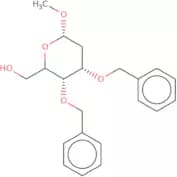
<p>Methyl 3,4-di-O-benzyl-2-deoxy-a-D-glucopyranoside (MBG) is a synthetic compound that is modified at the C3 position with a benzyl group. MBG is an oligosaccharide and polysaccharide that has been shown to have potential as a drug for the treatment of cancer. It has been shown to inhibit tumor growth in animals and human cells by inhibiting DNA synthesis and protein synthesis. Additionally, it can be used for the prevention of postoperative adhesions by inhibiting collagen formation.</p>Formula:C21H26O5Purity:Min. 95%Molecular weight:358.43 g/mol1,2,3,4-Tetra-O-benzoyl-6-O-triisopropylsilyl-b-D-glucopyranose
<p>1,2,3,4-Tetra-O-benzoyl-6-O-triisopropylsilyl-b-D-glucopyranose is a synthetic compound that belongs to the class of carbohydrates. It is a high purity custom synthesis that can be modified with fluorination, glycosylation, methylation, and modification. This product has CAS number 541087-49-0. 1,2,3,4-Tetra-O-benzoyl-6-O-triisopropylsilyl-b -D -glucopyranose is used in the synthesis of oligosaccharides and monosaccharides.</p>Formula:C46H54O10SiPurity:Min. 95%Molecular weight:795.02 g/mol2-Deoxy-2-fluoro-D-glucose 6-phosphate barium salt
CAS:<p>2-Deoxy-2-fluoro-D-glucose 6-phosphate barium salt is a glucose analogue used in positron emission tomography (PET) imaging of cancer. It is an inhibitor of glycolysis and phosphofructokinase, which are enzymes that catalyze the conversion of glucose to pyruvate. 2-Deoxy-2-fluoro-D-glucose 6-phosphate barium salt is taken up by the cell by active transport, then metabolized into 2 deoxy 2 fluoro D mannose phosphate and finally converted to glucosylceramide. The PET scan detects the accumulation of this molecule in cells with high glycolytic activity, such as cancer cells. This compound has been shown to inhibit hepatocellular carcinoma (HCC) cell growth in vitro and in vivo.</p>Formula:C6H10FO8P·BaPurity:Min. 95%Color and Shape:PowderMolecular weight:397.44 g/mol1,2-Dideoxy-D-ribofuranose
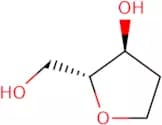
CAS:<p>Precursor for the preparation of abasic nucleoside analogues</p>Formula:C5H10O3Purity:Min. 98 Area-%Color and Shape:Clear LiquidMolecular weight:118.13 g/molL-Psicose
CAS:<p>L-Psicose is a monosaccharide that is the only metabolite of D-fructose. It is found in many living organisms, such as bacteria and fungi. L-Psicose has been shown to inhibit ribitol dehydrogenase, an enzyme involved in the production of ribitol, which catalyzes the conversion of ribitol to ribulose 5-phosphate. Ribulose 5-phosphate is an important precursor molecule for glycolysis and pentose phosphate pathways. In addition, L-psicose has been shown to bind to proteins through hydrogen bonding, which may prevent the protein from folding properly or interacting with other molecules. This binding can lead to cell death if it inhibits essential cellular functions.</p>Formula:C6H12O6Purity:Min. 95%Color and Shape:White PowderMolecular weight:180.16 g/mol4-Methoxyphenyl 2-Amino-3,6-di-O-benzyl-2-deoxy-β-D-glucopyranoside
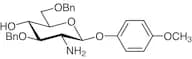
CAS:Formula:C27H31NO6Color and Shape:White to Almost white powder to crystalMolecular weight:465.55Diclofenac acyl-D-glucuronide
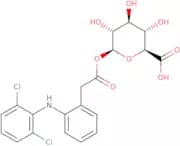
CAS:<p>Diclofenac acyl-D-glucuronide is a nonsteroidal anti-inflammatory drug that inhibits the enzyme activity of aminotransferase. This leads to a decrease in the production of prostaglandins, which are responsible for the inflammatory response. Diclofenac acyl-D-glucuronide has been shown to have antiulcer effects in vitro and in vivo. It also decreases the uptake of diclofenac by human tubule cells, which may be due to its reactive nature. The clinical relevance of this drug is still under investigation, but it is believed that diclofenac acyl-D-glucuronide could play a role in wastewater treatment because it can be easily extracted from water samples with analytical chemistry techniques.</p>Formula:C20H19Cl2NO8Purity:Min. 95 Area-%Color and Shape:Off-White Yellow PowderMolecular weight:472.27 g/molN-(7-Oxa-9,9,9-trifluorononyl)deoxynojirimycin
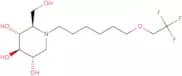
CAS:<p>N-(7-Oxa-9,9,9-trifluorononyl)deoxynojirimycin is a carbohydrate that belongs to the group of saccharides. It is an oligosaccharide with a complex structure containing seven monosaccharides and nine oxygens. N-(7-Oxa-9,9,9-trifluorononyl)deoxynojirimycin has been custom synthesized for use in click chemistry applications. This carbohydrate is freely soluble in water and has a high purity level. The product can be methylated, glycosylated, or modified with other functional groups.</p>Formula:C14H26F3NO5Purity:Min. 95%Color and Shape:PowderMolecular weight:345.36 g/mol1,2:5,6-Di-O-isopropylidene-α-D-allofuranose
CAS:Formula:C12H20O6Purity:>98.0%(GC)Color and Shape:White to Almost white powder to crystalMolecular weight:260.292,3:4,5-Di-O-isopropylidene-b-D-fructopyranose
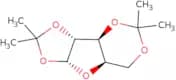
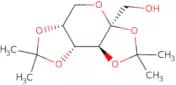
CAS:<p>2,3:4,5-Di-O-isopropylidene-b-D-fructopyranose (IDFP) is a natural compound that has been shown to have pharmacological properties. It is an inhibitor of the enzyme alpha-glucosidase and may be used as a treatment for diabetes mellitus type II. IDFP binds to the active site of the enzyme α-glucosidase, preventing access of the substrate glucose. This causes a decrease in blood glucose levels and has also been shown to reduce cholesterol levels in mice. IDFP is synthesized by reacting ethylene diamine with 2,3:4,5-di-O-isopropylidene b -D -fructofuranose. This reaction produces a heterocycle that undergoes asymmetric synthesis using sodium hydroxide solution and hydrogen fluoride as catalysts.</p>Formula:C12H20O6Purity:Min. 95%Color and Shape:White Off-White PowderMolecular weight:260.28 g/molGDP-2-deoxy-2-fluoro-L-fucose ammonium salt
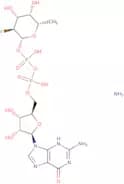
CAS:<p>Competitive inhibitor of fucosyltransferases FUT3, FUT5, FUT6 and FUT7 with Ki values in low micromolar range. This fluorinated GDP-fucose analog inhibits oligosaccharide core fucosylation of N-linked glycans in animal and plant cells.</p>Formula:C16H30FN7O14P2Purity:Min. 95%Color and Shape:PowderMolecular weight:625.39 g/molN-Acetyl-D-[2-¹³C]neuraminic acid
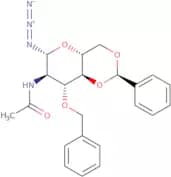
CAS:<p>N-Acetyl-D-[2-13C]neuraminic acid is a glycan that is found in human serum. The chemical structure of N-acetyl-D-[2-13C]neuraminic acid has been analyzed using nuclear magnetic resonance (NMR) and mass spectrometry, showing that it contains two 13C atoms. N-acetyl--D-[2-13C]neuraminic acid is a sialic acid that is bound to a protein called surface glycoprotein. It may be involved in the transport of adenosine triphosphate (ATP) across the membrane by an ATP-dependent transport system. It also acts as an enzyme inhibitor for glycoside hydrolases, which are enzymes that break down glycans. N-acetyl--D-[2-13C]neuraminic acid has been shown to have properties similar to those of other sialic acids and can be</p>Formula:CC10H19NO9Purity:Min. 95%Molecular weight:310.26 g/mol2-Acetamido-3-O-benzyl-4,6-O-benzylidene-2-deoxy-b-D-glucopyranosyl azide
CAS:<p>2-Acetamido-3-O-benzyl-4,6-O-benzylidene-2-deoxy-b-D-glucopyranosyl azide is a modified carbohydrate that is used in the synthesis of glycosides. It is a synthetic molecule that is fluorinated at the alpha position of the glycosidic bond to allow for reaction with other molecules. This product has been shown to be stable in acid and base reactions and can be used for oligosaccharide synthesis or modification.</p>Formula:C22H24N4O5Purity:Min. 95%Color and Shape:PowderMolecular weight:424.46 g/molCandesartan N2-glucuronide
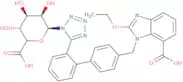
CAS:<p>Candesartan N-glucuronide is a metabolite of candesartan. It is produced by human UDP-glucuronosyltransferase, which belongs to the subfamily of uridine diphosphate (UDP)-glucuronosyltransferases. Candesartan N-glucuronide inhibits angiotensin II receptor type 1 (AT1) and has minimal effects on angiotensin II receptor type 2 (AT2). Candesartan N-glucuronide binds to the AT1 receptor and blocks its activation by angiotensin II. This binding inhibits the uptake of sodium ions into cells and causes an increase in potassium ion secretion, leading to vasodilation. Candesartan N-glucuronide also induces the expression of cytochrome P450 3A5, which results in increased metabolism of drugs such as paclitaxel.</p>Formula:C30H28N6O9Purity:Min. 95%Molecular weight:616.58 g/mol1,2,3,4-Tetra-O-acetyl-5-alkynyl-L-fucose
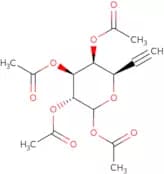
CAS:<p>1,2,3,4-Tetra-O-acetyl-5-alkynyl-L-fucose is a per-O-acetylated version of 5-alkynyl-L-fucose, an inhibitor of the cellular fucosylation pathway. 1,2,3,4-Tetra-O-acetyl-5-alkynyl-L-fucose can pass through the eukaryotic cell membrane somewhat better than 5-alkynyl-L-fucose can itself, is deacetylated by cellular esterases and interferes with the biosynthesis of the fucosyl-donor and fucosyltransferase substrate GDP-Fuc, thus reducing fucosylation levels during glycoprotein biosynthesis (Dekkers, 2016).</p>Formula:C15H18O9Purity:Min. 95%Color and Shape:Colorless Clear LiquidMolecular weight:342.3 g/mol4-Aminophenyl β-D-glucuronide sodium
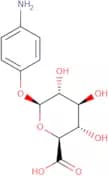
CAS:<p>4-Aminophenyl β-D-Glucuronide can be used to analyse acetaminophen and other metabolites in plasma.</p>Formula:C12H14NO7•NaPurity:Min. 95%Color and Shape:PowderMolecular weight:307.23 g/mol1,4:3,6-Dianhydro-2-O-acetyl-D-glucitol
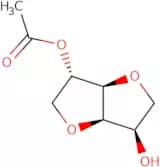
CAS:<p>1,4:3,6-Dianhydro-2-O-acetyl-D-glucitol is an isosorbide intermediate</p>Formula:C8H12O5Purity:Min. 95%Color and Shape:PowderMolecular weight:188.18 g/molα-D(+)Mannose 1-phosphate sodium hydrate
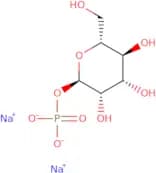
<p>a-D-Mannose-1-phosphate dipotassium salt (DMDK) is a synthetic oligosaccharide that was designed and synthesized for use as a potential drug in the treatment of cancer. DMDK has been shown to be an inhibitor of protein glycosylation, which may lead to the prevention of tumor formation. It also has anti-inflammatory properties and can inhibit the growth of bacteria by binding to bacterial 16S ribosomal RNA and inhibiting protein synthesis.</p>Formula:C6H13O9P·xNa·yH2OMolecular weight:260.14 g/mol



![[(2S, 3R,4S) - 3-Hydroxy-4-hydroxymethyl- 1- benzyl - 2- azetidinyl]carboxylic acid methylamide](/_next/image/?url=https%3A%2Fstatic.cymitquimica.com%2Fproducts%2F3D%2Fthumb-webp%2FMH163531.webp&w=3840&q=75)
![(1R) -1- [(2S, 3R) - 3- Hydroxy- 1- butyl - 2- azetidinyl] -1, 2- ethanediol](/_next/image/?url=https%3A%2Fstatic.cymitquimica.com%2Fproducts%2F3D%2Fthumb-webp%2FMH163534.webp&w=3840&q=75)
![(5S, 8S, 9S) -8- [(4R) - 2, 2- Dimethyl- 1, 3- dioxolan- 4- yl] - 9- hydroxy- 2, 2- dimethyl- 1, 3…](/_next/image/?url=https%3A%2Fstatic.cymitquimica.com%2Fproducts%2F3D%2Fthumb-webp%2FMD170670.webp&w=3840&q=75)












![(1S) -1- [(2S, 3R,4S) -4-(Acetoxy)methyl-3-benzyloxy- N-benzyl-1- azetidinyl] -di-O-acetyl-1, 2- e…](/_next/image/?url=https%3A%2Fstatic.cymitquimica.com%2Fproducts%2F3D%2Fthumb-webp%2FMA163358.webp&w=3840&q=75)




![N-Acetyl-D-[2-¹³C]neuraminic acid](/_next/image/?url=https%3A%2Fstatic.cymitquimica.com%2Fproducts%2F3D%2Fthumb-webp%2FMA15585.webp&w=3840&q=75)