Monosaccharides
Monosaccharides are the simplest form of carbohydrates and serve as fundamental building blocks for more complex sugars and polysaccharides. These single sugar molecules play critical roles in energy metabolism, cellular communication, and structural components of cells. In this section, you will find a wide variety of monosaccharides essential for research in biochemistry, molecular biology, and glycoscience. These compounds are crucial for studying metabolic pathways, glycosylation processes, and developing therapeutic agents. At CymitQuimica, we offer high-quality monosaccharides to support your research needs, ensuring precision and reliability in your scientific investigations.
Subcategories of "Monosaccharides"
- Alloses(11 products)
- Arabinoses(21 products)
- Erythroses(11 products)
- Fructoses(9 products)
- Fucoses(36 products)
- Galactosamine(41 products)
- Galactose(261 products)
- Glucoses(365 products)
- Glucuronic Acids(51 products)
- Glyco-substrates for Enzyme(77 products)
- Guloses(6 products)
- Idoses(4 products)
- Inositols(15 products)
- Lyxoses(4 products)
- Mannoses(65 products)
- O-Glycans(48 products)
- Psicoses(3 products)
- Rhamnoses(10 products)
- Riboses(61 products)
- Sialic Acids(100 products)
- Sorboses(4 products)
- Sugars(173 products)
- Tagatoses(4 products)
- Taloses(8 products)
- Xyloses(20 products)
Show 17 more subcategories
Found 6088 products of "Monosaccharides"
Sort by
Purity (%)
0
100
|
0
|
50
|
90
|
95
|
100
b-Core-APE-HSA
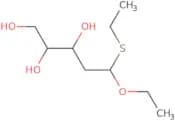
<p>b-Core-APE-HSA is a custom synthesis of an oligosaccharide. This product is a complex carbohydrate with a CAS number and the molecular weight range of 500 to 10,000 Daltons. It is a polysaccharide that has been modified by methylation or glycosylation. The saccharide in this product is either glucose or mannose and it can be modified using click chemistry, fluorination, or other modifications. This product has high purity and can be synthesized using synthetic techniques such as glycosylation or Methylation.</p>Purity:Min. 95%2-Deoxy-D-ribose diethyl thioacetal
CAS:<p>2-Deoxy-D-ribose diethyl thioacetal is a synthetic, fluorinated carbohydrate that is used in the modification of saccharides and oligosaccharides. It is a complex carbohydrate that has been synthesized from D-ribose and diethyl thioacetal. Fluorination of 2-deoxy-D-ribose diethyl thioacetal has been shown to lead to glycosylation reactions with glycosyl acceptors. Click chemistry reactions have been used to modify this compound with methyl groups. This product has a high purity and can be custom synthesized by request.</p>Formula:C9H20O3S2Purity:Min. 95%Molecular weight:240.39 g/mol1,6-Di-O-benzyl-a-D-glucopyranoside
<p>1,6-Di-O-benzyl-a-D-glucopyranoside is an oligosaccharide that has been synthesized by the Click chemistry method. It is a polysaccharide with a high purity and an excellent yield. The product contains a single monosaccharide unit of D-glucose with a 1,6 glycosylation pattern. The product has undergone methylation and fluorination to produce the desired structure. 1,6-Di-O-benzyl-a-D-glucopyranoside has been shown to have antihypertensive effects in rats and is thought to be due to its ability to inhibit angiotensin II receptor activity.</p>Purity:Min. 95%Rhein 8-b-D-glucuronide
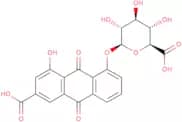
CAS:<p>Rhein 8-b-D-glucuronide is a synthetic glycosylate that has been modified with fluorine. It is soluble in water and methanol. Rhein 8-b-D-glucuronide is used as a reagent in sugar chemistry, such as the synthesis of oligosaccharides and monosaccharides. The compound can be used to modify saccharides as well, such as methylation and Click modification. Rhein 8-b-D-glucuronide has CAS number 70793-10-1 and a high purity level of >99%.</p>Formula:C21H16O12Purity:Min. 95%Molecular weight:460.34 g/mol1-O -Acetyl-2,5-di-O-benzoyl-3-fluoro-3-deoxy-D-ribofuranoside
CAS:<p>1-O -Acetyl-2,5-di-O-benzoyl-3-fluoro-3-deoxy-D-ribofuranoside is a synthetic carbohydrate that has been modified by fluorination and methylation. The molecule has a molecular weight of 581.1 g/mol, with the chemical formula C14H12F6O8N2. It is a white crystalline solid that can be used in the synthesis of glycosides, saccharides, oligosaccharides, and monosaccharides. 1-O -Acetyl-2,5-di-O-benzoyl-3-fluoro-3-deoxyribofuranoside can be useful for glycosylation reactions such as click chemistry or glycosidase reactions. This product is high purity and custom synthesis to order.</p>Formula:C21H19FO7Purity:Min. 95%Molecular weight:402.37 g/molcis-Resveratrol 4'-O-b-D-glucuronide
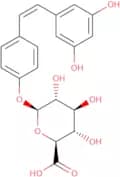
CAS:<p>cis-Resveratrol 4'-O-b-D-glucuronide is a synthetic compound that is a sugar, with a molecular weight of 598. It is an oligosaccharide and has been modified with fluorination on the C2 position. cis-Resveratrol 4'-O-b-D-glucuronide is the methylated form of resveratrol. It has been shown to have anti-inflammatory properties and can be used for the treatment of inflammation associated with arthritis, psoriasis, or septic shock. cis-Resveratrol 4'-O-b-D-glucuronide binds to polysaccharides in the body and inhibits their ability to bind to glycoproteins on cell surfaces. This results in a decrease in inflammation and other inflammatory responses that are mediated by these cells.</p>Formula:C20H20O9Purity:Min. 95%Molecular weight:404.37 g/molMethyl 6-azido-6-deoxy-2,3-di-O-benzyl-a-D-glucopyranoside
CAS:<p>Methyl 6-azido-6-deoxy-2,3-di-O-benzyl-a-D-glucopyranoside is a custom synthesized compound that belongs to the group of glycosylation. It is an Oligosaccharide, sugar, Synthetic, Fluorination, Custom synthesis, Methylation, Monosaccharide, Polysaccharide and saccharide. This compound has CAS No. 54522-58-6 and a molecular weight of 598.29 g/mol. The purity level is >99% and the modification level is Click modification.</p>Formula:C21H25N3O5Purity:Min. 95%Molecular weight:399.18 g/molMethyl 2,4,6-tri-O-methyl-a-D-glucopyranoside
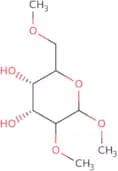
CAS:<p>Methyl 2,4,6-tri-O-methyl-a-D-glucopyranoside is a sugar that has been modified by the addition of a methyl group to the hydroxyl group at the C2 position. The chemical name for this sugar is methyl 2,4,6-tri-O-methyl-β--glucopyranoside. This modification of the sugar molecule can be achieved through either a Click or an Oligosaccharide synthesis approach.<br>Methyl 2,4,6-tri-O-methyl-a-D--glucopyranoside is used in various applications including as a synthetic intermediate for saccharides or as a carbohydrate building block for glycosylations. Methyl 2,4,6--tri--O--methyl--β--glucopyranoside is also used in fluorination reactions to produce fluoro sugars and can be used as a custom synthesis service with high purity</p>Purity:Min. 95%Phenyl 2,3,4,6-tetra-O-acetyl-a-D-glucopyranoside
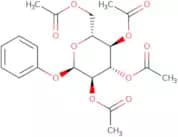
CAS:<p>Phenyl 2,3,4,6-tetra-O-acetyl-a-D-glucopyranoside is a custom synthesis of a monosaccharide. Phenyl 2,3,4,6-tetra-O-acetyl-a-D-glucopyranoside can be fluorinated and methylated to produce other compounds. It is also used in the modification of saccharides and oligosaccharides to produce polysaccharides. Phenyl 2,3,4,6-tetra-O-acetyl-a -D -glucopyranoside is soluble in water and has CAS No. 34274500.</p>Formula:C20H24O10Purity:Min. 95%Molecular weight:424.4 g/molN6-Benzyladenine-3-glucoside
CAS:<p>N6-Benzyladenine-3-glucoside is a carbohydrate that is modified with a click chemistry reaction. It is synthesized from D-mannose and 6-benzylaminopurine and has been glycosylated with 2,3,4,6-tetra-O-acetyl glucosamine. N6-Benzyladenine-3-glucoside is an important component of the bacterial cell wall. The compound consists of a single sugar chain and is fluorinated at the C2 position.</p>Formula:C18H21N5O5Purity:Min. 95%Color and Shape:PowderMolecular weight:387.39 g/molPerindopril acyl-a-D-glucuronide
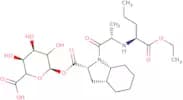
<p>Perindopril acyl-a-D-glucuronide is a synthetic small molecule that has been modified with fluorination, methylation, and click modification. It can be used for the synthesis of oligosaccharides and saccharides. Perindopril acyl-a-D-glucuronide is a highly reactive compound that is useful in glycosylation reactions, including Click chemistry. The CAS number for this compound is 217917-05-8. The molecular weight of perindopril acyl-a-D-glucuronide is 284.36 g/mol and the molecular formula is C14H24N2O6•C2H3O2•1/2 H2O.</p>Formula:C25H40N2O11Purity:Min. 95%Molecular weight:544.6 g/mol3,4-O-Isopropylidene-D-galactal
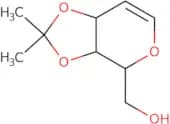
CAS:<p>3,4-O-Isopropylidene-D-galactal is a modified form of galactal. This compound is a methylated derivative of D-galactal that has been synthesized by the click reaction. It can be used in the synthesis of oligosaccharides and polysaccharides. 3,4-O-Isopropylidene-D-galactal is a high purity compound with a CAS number of 124477-12-9.</p>Purity:Min. 95%1,2,3-Tri-O-acetyl-5-deoxy-D-ribofuranoside
CAS:<p>1,2,3-Tri-O-acetyl-5-deoxy-D-ribofuranoside is an acetylated form of a sugar derivative. It is used as a reagent for the acetylation of alcohols and amines. The reaction yield for this compound is stereoselective and can be prepared from readily available starting materials in good yield. The compound crystallizes in cyclic form with an organic solvent such as n-hexane or pyridine. This product is soluble in organic solvents such as n-hexane, pyridine, or vinyl acetate.</p>Formula:C11H16O7Purity:Min. 95%Molecular weight:260.24 g/molPhenyl a-L-thiorhamnopyranoside
CAS:<p>Phenyl a-L-thiorhamnopyranoside is a monosaccharide that is synthesized by the methylation of alpha-D-glucose. It is a custom synthesis that is used in the synthesis of oligosaccharides, polysaccharides, and sugar drugs. Phenyl a-L-thiorhamnopyranoside can be fluorinated to create an active form that has antibacterial activity. This compound has shown no signs of toxicity in animal studies and has been used as a food additive.</p>Formula:C12H16O4SPurity:Min. 95%Molecular weight:256.32 g/molDiosmetin-d3-3'-O-glucuronide
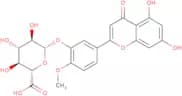
CAS:<p>Diosmetin-d3-3'-O-glucuronide is a synthetic sugar derivative that is used as a building block for the synthesis of oligosaccharides and polysaccharides. Diosmetin-d3-3'-O-glucuronide can be fluorinated and methylated, which makes it useful for click chemistry reactions, because it can be easily modified to create new structures. This product is available in high purity with custom synthesis options.</p>Formula:C22H17D3O12Purity:Min. 95%Molecular weight:479.4 g/molBenzyl b-D-arabinopyranoside
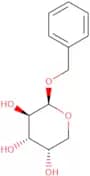
CAS:<p>Benzyl b-D-arabinopyranoside is a custom synthesis that can be used in the modification of complex carbohydrates, oligosaccharides, and polysaccharides. This product is a synthetic carbohydrate that can be fluorinated for use as a pharmaceutical or biological agent. It has CAS number 5329-50-0, and can be glycosylated, methylated, or click modified for different applications.</p>Formula:C12H16O5Purity:Min. 95%Color and Shape:White To Off-White SolidMolecular weight:240.25 g/molPropofol 2,3,4-tri-O-benzoyl-b-D-glucuronide methyl ester
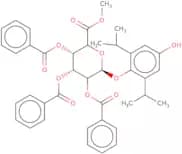
<p>Propofol is a general anesthetic that is used to induce and maintain anesthesia. It binds to GABA receptors in the brain, leading to suppression of neuronal activity. Propofol is metabolized by esterases in the liver, resulting in its active form 2,3,4-tri-O-benzoyl-b-D-glucuronide methyl ester. This active form inhibits glycolysis by inhibiting the conversion of glucose to fructose 1,6-bisphosphate and glyceraldehyde 3-phosphate by phosphoglucose isomerase and triose phosphate isomerase respectively. It also inhibits protein synthesis by binding to the ribosomes and preventing peptide bond formation on amino acids.</p>Formula:C40H40O10Purity:Min. 95%Molecular weight:680.74 g/mol2-Hydroxyestradiol 3-O-b-D-glucuronide
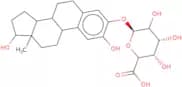
CAS:<p>2-Hydroxyestradiol 3-O-b-D-glucuronide is a high purity, custom synthesis compound. It is a fluorinated modification of estradiol and has been shown to have immunomodulatory properties. This compound can be used in the treatment of cancer cells and is an excellent candidate for methylation or click modification.</p>Formula:C24H32O9Purity:Min. 95%Molecular weight:464.51 g/mol5,7-Bis-(benzyloxy)-a-(4-(benzyloxy)phenyl)-3-[3,4-di-O-acetyl-a-O-acetyl-a-L-rhamnopyranosyloxyl]-4H-chromen-4-one
CAS:<p>This product is a custom synthesis. This product is a methylation, click modification, and oligosaccharide. This product is a polysaccharide and saccharide. This product is fluorinated and complex carbohydrate. This product is high purity with modification. This product has monosaccharides and sugar. This product is synthetic and CAS No. 849938-27-8.</p>Formula:C53H48O12Purity:Min. 95%Molecular weight:876.94 g/molN-Acetyl-D-glucosamine 6-acetate
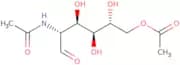
CAS:<p>N-Acetyl-D-glucosamine 6-acetate is a modification of the sugar N-acetyl-D-glucosamine. It is an Oligosaccharide, which is a complex carbohydrate consisting of two or more simple sugars. N-Acetyl-D-glucosamine 6-acetate can be custom synthesized and is available in high purity. The CAS number for this compound is 131832-93-4. Synthetic modifications of this compound include methylation, glycosylation and fluorination. This compound can also be considered a polysaccharide because it consists of many saccharides connected together by glycosidic bonds.</p>Formula:C10H17NO7Purity:Min. 97 Area-%Color and Shape:White PowderMolecular weight:263.24 g/molLasofoxifene b-D-glucuronide
CAS:<p>Lasofoxifene b-D-glucuronide is a synthetic, nonsteroidal estrogen that was developed to avoid the side effects of other estrogens. It is a prodrug that is hydrolyzed in vivo to lasofoxifene and then undergoes methylation and glucuronidation. Lasofoxifene b-D-glucuronide has been shown to inhibit tumor growth in animals by reducing the number of cancer cells and blocking their spread. This drug also prevents bone loss by inhibiting the production of osteoclasts, which are cells that break down bone tissue.</p>Formula:C34H39NO8Purity:Min. 95%Molecular weight:589.68 g/molMetronidazole b-D-glucuronide
CAS:<p>Metronidazole b-D-glucuronide is a glycosylated form of metronidazole that is rapidly hydrolyzed by esterases or glucuronidases to the parent drug. Metronidazole b-D-glucuronide has been shown to be an effective inhibitor of bacterial growth, which may be due to its inhibition of DNA synthesis. The drug also has anti-inflammatory and antiproliferative activity in vitro. Metronidazole b-D-glucuronide is a water soluble prodrug that is used as an antimicrobial agent for the treatment of infections caused by susceptible bacteria. It can be custom synthesized with high purity and good yield.</p>Formula:C12H17N3O9Purity:Min. 95%Molecular weight:347.28 g/molMethyl 2,3,5-tri-O-benzyl-a-D-arabinofuranoside
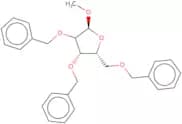
<p>Methyl 2,3,5-tri-O-benzyl-a-D-arabinofuranoside is a methylated sugar that belongs to the group of saccharides. It is often used as a Click modification and in custom synthesis of oligosaccharides. This product is also used for glycosylation and high purity modifications. Methyl 2,3,5-tri-O-benzyl-a-D-arabinofuranoside can be synthesized from arabinose and benzaldehyde with fluorination. The CAS number for this product is 51469-61-1.</p>Formula:C27H30O5Purity:Min. 95%Molecular weight:434.52 g/mol5-(Acetylamino)-4-amino-2,6-anhydro-3,4,5-trideoxy-7-O-methyl-D-glycero-D-galacto-non-2-enonic acid
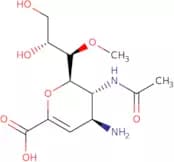
CAS:<p>5-(Acetylamino)-4-amino-2,6-anhydro-3,4,5-trideoxy-7-O-methyl-D-glycero-D-galacto-non-2-enonic acid is a custom synthesis. It is synthesized by modification of the 7th carbon in the glycosidic bond and fluorination of the 4th carbon on the sugar ring. The chemical structure is based on an amino sugar composed of two acetic acid residues, one anhydro sugar residue and one methyl group. This product is a white to off white solid with a molecular weight of 597.07 g/mol that has a melting point of 154°C.</p>Formula:C12H20N2O7Purity:Min. 95%Molecular weight:304.3 g/molL-Ribose
CAS:<p>L-Ribose is a monosaccharide that is a constituent of ribonucleic acid, deoxyribonucleic acid and other compounds. It can be found in small quantities in most living organisms. L-Ribose has been modified to include fluorine atoms at the C2 position. The addition of fluorine atoms increases the stability of the molecule and its resistance to hydrolysis by esterases. L-Ribose has also been modified with methyl groups at the C3 position and glycosylation at the C4 position. This modification preserves the biological activity of L-Ribose and increases its water solubility. L-Ribose is used as a building block for custom synthesis, such as peptides or oligosaccharides.>>END>></p>Formula:C5H10O5Molecular weight:150.13 g/molCys-spacer-Gly-Gly-Tyr-D-Thr-Gly-Phe-Leu-Ser(glucoside)-amide
<p>Custom synthesis, Modification, Fluorination, Methylation, Monosaccharide, Synthetic, Click modification, Oligosaccharide, saccharide<br>CAS No.: 1101-98-2<br>Polysaccharide: Glycosylated<br>Sugar: Carbohydrate<br>Complex carbohydrate: Glycosylated<br>Glycosylation: sugar</p>Purity:Min. 95%Methyl 2,3,5-tri-O-acetyl-D-arabinofuranoside
CAS:<p>Methyl 2,3,5-tri-O-acetyl-D-arabinofuranoside is a monosaccharide that is used in the synthesis of carbohydrates. It has been shown to inhibit the growth of Rhizopus stolonifer and other fungi. Methyl 2,3,5-tri-O-acetyl-D-arabinofuranoside has also been used for the quantitative analysis of deacetylated sugars. A chromatographic method was developed using an ion exchange resin and methyl glycosides as standards. The sugar was quantified by electron ionization mass spectrometry (EI) after conversion to its trimethylsilyl ether derivatives with triethylamine in methylene chloride. The spectrum obtained from EI analysis showed the presence of anomeric proton peaks at m/z 184 and 186, indicating that this sugar contains two anomeric hydroxyl groups on the same carbon atom.</p>Formula:C12H18O8Purity:Min. 95%Molecular weight:290.27 g/mol1,2,6-Tri-O-galloylglucose
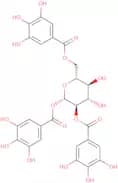
CAS:<p>1,2,6-Tri-O-galloylglucose is a natural compound that has been shown to have inhibitory effects on the human immunodeficiency virus (HIV) enzyme serine protease. This inhibits the viral replication process by preventing the protease from cleaving viral polyproteins. The compound also inhibits complement activation and has antioxidant properties. 1,2,6-Tri-O-galloylglucose is active against leukemia cells and has been shown to be more effective at lower pH levels. It also has an inhibitory effect on ellagitannins and anticomplement activity.</p>Formula:C27H24O18Purity:Min. 95%Molecular weight:636.47 g/molHesperetin 3'-O-β-D-glucuronide
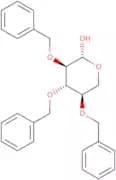
CAS:<p>Hesperetin 3'-O-beta-D-glucuronide is a glycosylate that is obtained by the glycosylation of hesperidin. Hesperetin 3'-O-beta-D-glucuronide is a sugar with a glycosylation site at the C3 position of the aglycone. It has shown to be an efficient inhibitor of Triglyceride Synthetase, which reduces triglycerides in the body. Hesperetin 3'-O-beta-D-glucuronide also has been shown to inhibit insulin release and increase insulin sensitivity in vitro.</p>Formula:C22H22O12Purity:Min. 95%Molecular weight:478.4 g/mol2,3,4-Tri-O-benzyl-D-xylopyranose
CAS:<p>Calystegine is a benzyl ester of D-xylose. It is the reaction product of D-xylose with benzaldehyde and hydrochloric acid. The condensation product of calystegine with chondroitin sulfate is calystegine B2, which has been shown to be an inhibitor of protein glycosylation in human erythrocytes. This compound inhibits the oxygenated form of D-xylose, which may be useful in inhibiting the growth of certain cancer cells. Calystegine also has anti-inflammatory properties that may be due to its ability to inhibit prostaglandin synthesis.</p>Purity:Min. 95%2-Deoxy-scyllo-inosose
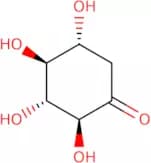
CAS:<p>2-Deoxy-scyllo-inosose is a biochemical with an unknown function. It is not a substrate for any known enzyme, but has been shown to be a substrate for the synthesis of corynebacterium glutamicum. The reaction mechanism of 2-deoxy-scyllo-inosose is still unclear, but it has been proposed that this molecule undergoes dehydration and then undergoes an acid catalyzed aldol cyclization to form 3-aminohexanol. This reaction produces fluorescence resonance energy transfer in group p2 subtilisin.<br>2DOS is also an antimicrobial agent which exhibits activity against Gram positive bacteria such as Streptococcus pyogenes, Enterococcus faecalis, and Bacillus subtilis.</p>Formula:C6H10O5Purity:Min. 95%Color and Shape:White PowderMolecular weight:162.14 g/molMethyl 2-deoxy-b-L-ribofuranoside
CAS:<p>Methyl 2-deoxy-β-L-ribofuranoside is a custom synthesis, modification, fluorination and methylation of the monosaccharide ribose. This product has been modified with the addition of a methyl group on the hydroxyl group at position 2. Methyl 2-deoxy-β-L-ribofuranoside can be used as an oligosaccharide or polysaccharide in glycosylation reactions. The CAS number for this product is 144301-85-9.</p>Formula:C6H12O4Purity:Min. 95%Molecular weight:148.16 g/molD-Glucose 6-phosphate, disodium salt
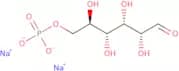
CAS:<p>D-Glucose 6-phosphate, disodium salt is an antibiotic that is used to treat gram-negative bacterial infections. It binds to the bacterial ribosome and inhibits protein synthesis, which leads to cell death by inhibiting the production of proteins vital for cell division. This drug has been shown to be active against a wide range of bacteria, including resistant strains such as Escherichia coli and Salmonella typhimurium. D-Glucose 6-phosphate, disodium salt also has anti-inflammatory properties and can be used as an anti-bacterial agent in the treatment of typhoid fever.</p>Formula:C6H11O9Na2PMolecular weight:304.10 g/molCurcumin b-D-glucuronide
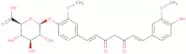
CAS:<p>Curcumin b-D-glucuronide is a glucuronide conjugate of the curcumin molecule. It has been shown to have anticancer activity in mouse tumor models and human metastatic colorectal cancer cell lines by inducing apoptosis. Curcumin b-D-glucuronide is metabolized by the liver microsomes of rats, and thus may be useful for the prevention of colon cancer. Curcumin b-D-glucuronide also has anti-inflammatory properties that are due to its inhibition of prostaglandin E2 (PGE2) levels in humans.</p>Formula:C27H28O12Purity:85%MinMolecular weight:544.158082-Octyldodecyl-D-xylopyranoside
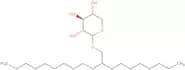
CAS:<p>2-Octyldodecyl-D-xylopyranoside is a synthetic, fluorinated glycosylated monosaccharide. The chemical name for this compound is 2-octyldodecyl-D-xylopyranoside and the CAS number is 423772-95-6. It is a white to off white solid that has Glycosylation and Methylation. This compound can be modified with Click modification and Polysaccharide. It has a molecular weight of 400.25 g/mol and it's molecular formula is C32H62O14F2N2O8S2. 2-Octyldodecyl-D-xylopyranoside can be used as a methyl donor in the synthesis of glycoproteins, glycolipids, glycopeptides, polysaccharides, oligosaccharides, or other complex carbohydrates. It is also used in fluor</p>Formula:C25H50O5Purity:Min. 95%Color and Shape:White solid.Molecular weight:430.66 g/moltrans-Cinnamoyl b-D-glucoside
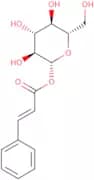
CAS:<p>Trans-Cinnamoyl b-D-glucoside is a plant tissue that can be used as a natural chemical transformation agent. Trans-Cinnamoyl b-D-glucoside is also a chemical catalyst in the synthesis of medicines. The structure of trans-Cinnamoyl b-D-glucoside has been shown to have a high degree of stereoselectivity and sensitivity to tissue culture conditions, which are due to its aldehydic group. This molecule is also able to form gels when combined with other molecules and exhibits endogenous activity.</p>Formula:C15H18O7Purity:Min. 95%Molecular weight:310.3 g/mol4-Methoxyphenyl-D-ribofuranoside
<p>4-Methoxyphenyl-D-ribofuranoside is a monosaccharide that is used in the synthesis of oligosaccharides and polysaccharides. It is a synthetic compound that can be fluorinated, methylated, or glycosylated. The chemical formula for 4-methoxyphenyl-D-ribofuranoside is C6H8O5. The molecular weight of 4-methoxyphenyl-D-ribofuranoside is 184.12 g/mol. This product does not contain any hazardous chemicals and can be custom synthesized to meet your needs.</p>Purity:Min. 95%D-Mannitol - EP
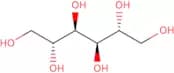
CAS:<p>Mannitol is a sugar alcohol occurring widely in plants and they are exudates, for example, in olive and plane trees (Collins, 2006). It is produced commercially by the catalytic hydrogenation of fructose (Zelin, 2019). Mannitol is used extensively in food and pharmaceutical industries because of its unique functional properties. It is about 50% as sweet as sucrose and has a desirable cooling effect often used to mask bitter tastes. Mannitol is non-cariogenic and has a low caloric content. Mannitol is an osmotic diuretic that is metabolically inert in humans and is used for: the promotion of diuresis before irreversible renal failure becomes established, the promotion of urinary excretion of toxic substances, as an Antiglaucoma agent, and as a renal function diagnostic aid (OâNeil, 2013). Additonally, in 2020, mannitol was approved by the FDA as add-on maintenance therapy for the control of pulmonary symptoms associated with cystic fibrosis in adult patients (McKenna, 2020).</p>Formula:C6H14O6Purity:Min. 97 Area-%Color and Shape:White PowderMolecular weight:182.17 g/mol4-Aminophenyl 2-acetamido-2-deoxy-a-D-galactopyranoside HCl
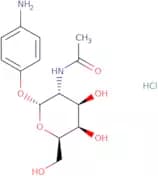
CAS:<p>4-Aminophenyl 2-acetamido-2-deoxy-a-D-galactopyranoside HCl is an oligosaccharide that is composed of glucose, galactose, and two amino acids. It has a molecular weight of 496.34 g/mol and a chemical formula of C14H20N2O8. This compound is synthesized by the click modification of 2,5-diaminopyridine with D -galactopyranosyl chloride. The methylation and glycosylation reactions are also performed to produce this compound.</p>Formula:C14H20N2O6·HClPurity:Min. 95%Molecular weight:348.78 g/mol2-Pyridyl 2,3,4,6-tetra-O-acetyl-b-D-thioglucopyranoside
CAS:<p>2-Pyridyl 2,3,4,6-tetra-O-acetyl-b-D-thioglucopyranoside is a custom synthesis of a monosaccharide with a polysaccharide. This compound is used in the modification of saccharides by fluorination and methylation. It also has click modification, which is the addition of an acetate to a glycosyl acceptor. The CAS number for this compound is 105120-89-6.</p>Formula:C19H23NO9SPurity:Min. 95%Molecular weight:441.45 g/molNorethindrone b-D-glucuronide
CAS:<p>Norethindrone b-D-glucuronide is a synthetic steroid that has been modified to include a sugar group. This modification increases the solubility of the compound, which is necessary for its use as a progestogen in oral contraceptives. Norethindrone b-D-glucuronide is an orally active contraceptive that contains two sugar molecules that are attached to the hormone norethindrone. One sugar molecule is linked to the C2 carbon and the other is linked to the C3 carbon of norethindrone, forming a glucuronide ester. The glucuronide esters are more soluble than unconjugated norethindrone and this increased solubility allows for better absorption through mucous membranes.</p>Formula:C26H34O8Purity:Min. 95%Molecular weight:474.54 g/molD-Glucose 6-phosphate - Powder
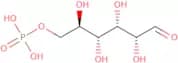
CAS:<p>D-glucose 6-phosphate is an intermediate in the hexose monophosphate shunt pathway. It is formed by the enzyme phosphoglucomutase from D-glucose 1-phosphate and UTP. D-glucose 6-phosphate is also an important intermediate in glycolysis. The conversion of D-glucose 6-phosphate to glucose 1,6-bisphosphate occurs through a series of reactions catalyzed by enzymes that are sensitive to inhibition by magnesium ions. These reactions include the phosphofructokinase, hexokinase, and pyruvate kinase reactions. The accumulation of glucose 6-phosphate leads to increased levels of lactate production and decreased levels of ATP production. This may be due to its ability to inhibit monoamine reuptake, which would lead to decreased synthesis of dopamine and serotonin.</p>Formula:C6H13O9PPurity:Min. 95%Color and Shape:PowderMolecular weight:260.14 g/mol2C-Hydroxymethyl-2,3:5,6-di-O-isopropylidene-D-talono-1,4-lactone
CAS:<p>2C-Hydroxymethyl-2,3:5,6-di-O-isopropylidene-D-talono-1,4-lactone is a synthetic monosaccharide that is used in the synthesis of oligosaccharides and polysaccharides. It can be fluorinated or methylated to form 2C-Fluoromethyl-2,3:5,6-di-O-(methyl)idene)-D-(talono)-1,4-lactone or 2C-(Methoxy)methyl -2,3:5,6 -di -O-(methyl)idene)-D-(talono)-1,4 -lactone. This product has been shown to have antiviral properties against HIV and influenza A virus.</p>Formula:C13H20O7Purity:Min. 95%Molecular weight:288.29 g/molNorcyclobenzaprine N-glucuronide
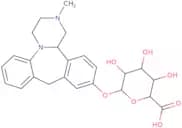
<p>Norcyclobenzaprine N-glucuronide is a custom synthesis of the complex carbohydrate, oligosaccharides. It has CAS No. and is a polysaccharide that is modified by methylation, glycosylation, click modification and fluorination. Norcyclobenzaprine N-glucuronide also has high purity and can be synthesized using sugar or carbohydrate. This product has been created through synthetic means with the addition of fluorine to the molecule.</p>Formula:C25H27NO6Purity:Min. 95%Molecular weight:437.49 g/molMethyl 2,3,6-tri-O-benzoyl-a-D-glucopyranoside
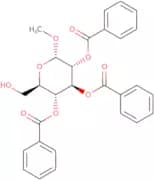
CAS:<p>Methyl 2,3,6-tri-O-benzoyl-a-D-glucopyranoside is a biodegradable polymer that can be used for the prevention of boron diffusion into a prosthesis. It is also resistant to corrosion. Methyl 2,3,6-tri-O-benzoyl-a-D-glucopyranoside has been shown to have a transition temperature of 232 °C and this property makes it suitable for use in high temperature applications. This material is resistant to refractory environments and can be used as an additive in thermodynamic systems.</p>Formula:C28H26O9Purity:Min. 98 Area-%Color and Shape:PowderMolecular weight:506.5 g/mol1,2:5,6-Di-O-isopropylidene-a-D-galactofuranose
CAS:<p>1,2:5,6-Di-O-isopropylidene-a-D-galactofuranose is an oligosaccharide that is a modification of the natural monosaccharide D-galactofuranose. This carbohydrate has been synthesized by methylation and glycosylation. The chemical structure of this oligosaccharide has been shown to be resistant to digestion by mammalian enzymes. This product is for research purposes only and should not be used as a food additive or in any drug product.</p>Formula:C12H20O6Purity:Min. 95%Molecular weight:260.28 g/mol1,4:3,6-Dianhydro-5-nitro-D-glucitol
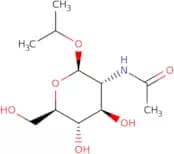
CAS:<p>Isosorbide is a naturally occurring sugar alcohol (polyol) that is found in small quantities in many plants and fruits. It is used as a pharmaceutical drug to treat angina pectoris, congestive heart failure, and high blood pressure. Isosorbide has been shown to inhibit the activity of matrix metalloproteinases (MMPs), which are enzymes that degrade extracellular matrix proteins. This effect may be beneficial for patients with disorders such as arthritis. Isosorbide also increases nitric oxide production, leading to vasodilation and improved blood flow. The therapeutic effect of isosorbide has been demonstrated in experimental models using mice with congestive heart failure due to myocardial infarction or chronic heart disease. Pharmacological treatment of these animals with isosorbide resulted in an improvement of left ventricular function, reduction of myocardial fibrosis, and reduced levels of cardiac markers.</p>Formula:C6H9NO6Purity:Min. 95%Molecular weight:191.14 g/molIsopropyl 2-acetamido-2-deoxy-b-D-glucopyranoside
CAS:<p>Isopropyl 2-acetamido-2-deoxy-b-D-glucopyranoside is a chromatographic agent used in liquid chromatography. It is a reaction product of polysaccharides and fatty acids, which are extracted from fruits. Isopropyl 2-acetamido-2-deoxy-b-D-glucopyranoside has been shown to inhibit the growth of typhimurium and other viruses in cell culture. The safety profile of this compound has not been established in humans and should be tested before use in vivo.</p>Formula:C11H21NO6Purity:Min. 95%Molecular weight:263.29 g/mol4'-Hydroxypropranolol-2-O-b-D-glucuronide
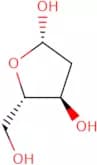
<p>4'-Hydroxypropranolol-2-O-b-D-glucuronide is a custom synthesis that has been modified with glycosylation, methylation, and fluorination. It is a complex carbohydrate that has CAS number and is a polysaccharide. 4'-Hydroxypropranolol-2-O-b-D-glucuronide is synthesized by the modification of an oligosaccharide, saccharide, or sugar with methylation and glycosylation. This product also contains a click modification.</p>Purity:Min. 95%2-Deoxy-b-L-erythro-pentofuranose
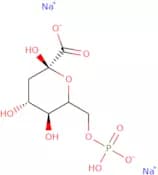
CAS:<p>2-Deoxy-b-L-erythro-pentofuranose is an experimental drug that is a protonation product of 2,3-dideoxyproline. It is the result of conformational changes in the deoxyribose ring and puckering of the ribose units. The puckering motion also results in a change in the orientation of the hydrogen atoms on the carbons. This has led to analogous carbon configurations with different numbers of hydrogens, which can lead to different solutions. 2-Deoxy-b-L-erythro-pentofuranose binds to ribosomes and inhibits protein synthesis, which may be due to its pyrrolidine ring or membered ring structure.</p>Formula:C5H10O4Purity:Min. 95%Molecular weight:134.13 g/mol3-Deoxy-D-arabino-heptulosonic acid 7-phosphate disodium salt
CAS:<p>3-Deoxy-D-arabinonoheptulosonic acid 7-phosphate disodium salt is a phosphate derivative of 3-deoxy-D-arabinoheptulosonic acid (DAHP), which is an intermediate in the biosynthesis of heparin. DAHP is synthesized by the enzyme DAHP synthetase, which catalyses the conversion of D-xylose to DAHP. The enzyme can be activated by adding xylose or other sugar phosphates, and it can be inhibited by adding anthranilate or arabinose. 3-Deoxy-D-arabinonoheptulosonic acid 7-phosphate disodium salt is used as a substrate for various enzymes, including enzymes in biological samples and model systems. It was also used to study the rate constant for the polymerase chain reaction (PCR).</p>Formula:C7H11Na2O10PPurity:Min. 95%Color and Shape:Off-White PowderMolecular weight:332.11 g/mol1-(4-methoxy-phenoxy)-a-D-talopyranose
<p>Methylation: The process of adding a methyl group to a molecule.<br>Saccharide: A carbohydrate that is composed of sugar units, such as glucose or sucrose.<br>Polysaccharide: A carbohydrate consisting of many sugar units linked together. <br>CAS No.: Chemical Abstracts Service number assigned to a chemical compound, which provides unique identification and allows for the tracking of chemical substances. <br>Modification: The process of altering the physical properties of an organic molecule by adding or removing functional groups. <br>Oligosaccharide: A carbohydrate consisting of three to ten sugar units linked together.<br>Carbohydrate: One type of macronutrient that contains carbon, hydrogen, and oxygen atoms in a ratio of 1:2:1 and can be classified as either simple or complex carbohydrates. <br>Sugar: Carbohydrates that are composed solely of one type of monosaccharide unit and typically have a sweet taste.</p>Purity:Min. 95%8-Hydroxymianserin b-D-glucuronide
CAS:<p>8-Hydroxymianserin b-D-glucuronide is a synthetic, fluorinated glycosylated analog of mianserin. It is a white to off-white powder that is soluble in water and methanol. This compound has been studied as a potential antihypertensive agent, but was never marketed. 8-Hydroxymianserin b-D-glucuronide is used in the synthesis of glycosylated oligosaccharides with click modification.</p>Formula:C24H28N2O7Purity:Min. 95%Molecular weight:456.5 g/mol2,3-O-Isopropylidene-1,4-di-O-tosyl-L-threitol
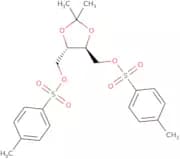
CAS:<p>2,3-O-Isopropylidene-1,4-di-O-tosyl-L-threitol is a custom synthesis of the sugar 2,3-O-isopropylidene-1,4-di(tosyl)-L-threitol. The monomeric sugar is fluorinated and methylated before glycosylation. This modification prevents enzymatic degradation and increases the stability of the compound.</p>Formula:C21H26O8S2Purity:Min. 95%Molecular weight:470.56 g/mol2-Deoxy-2,2-difluoro-D-threo-pentofuranos-1-ulose-3,5-dibenzoate
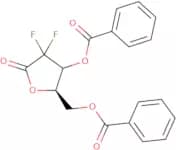
CAS:<p>2-Deoxy-2,2-difluoro-D-threo-pentofuranos-1-ulose-3,5-dibenzoate is a custom synthesis of an oligosaccharide. It is a polysaccharide that contains saccharides and other modifications such as methylation and glycosylation. This product is a sugar with high purity and fluorination. Click modification is the process by which 2,2'-dF (fluorine) is introduced into the furanose ring at the C4 position. Fluorination increases the stability of the molecule and increases its resistance to hydrolysis by enzymes. The addition of this fluorine group also decreases the reactivity of the molecule with water, making it more stable for storage.</p>Formula:C19H14F2O6Purity:Min. 95%Color and Shape:SolidMolecular weight:376.31 g/mol1,5-Anhydro-4,6-O-benzylidene-3-deoxy-2-O-toluoyl-D-glucitol
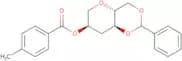
CAS:<p>1,5-Anhydro-4,6-O-benzylidene-3-deoxy-2-O-toluoyl-D-glucitol is a methylated saccharide that is used in the synthesis of complex carbohydrates. It was synthesized by a click modification reaction with 2-(1H-benzotriazole-1-yl)methyl 4,6-anhydro toluene and 1,5 anhydro 3,4,6 deoxy glucose. The compound has been shown to have an antiinflammatory effect in the mouse model of colitis.<br>Methylation: The addition of a methyl group to a molecule.<br>Saccharide: A sugar or sugar alcohol composed of carbon, hydrogen, and oxygen atoms.<br>Polysaccharide: A polymer (or macromolecule) consisting of multiple saccharides linked together.<br>CAS No.: Chemical Abstract Service Registry Number; 14</p>Formula:C21H22O5Purity:Min. 95%Molecular weight:354.4 g/mol2,5-Anhydro-D-mannitol tetraacetate
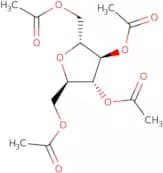
CAS:<p>2,5-Anhydro-D-mannitol tetraacetate (2,5-AMT) is a medicament that belongs to the group of tetraacetates. It is used as an oral preparation and has been shown to be effective in treating acute myeloid leukemia. 2,5-AMT is an analog of D-mannitol and it can be used for the treatment of cancer. 2,5-AMT has anticancer activity that is due to its ability to inhibit the growth of tumor cells by inhibiting the synthesis of proteins necessary for cell division. It also inhibits the production of fibrous tissue in chronic pancreatitis and fibrosis. This drug may cause allergic reactions such as skin rashes or lip swelling.</p>Formula:C14H20O9Purity:Min. 95%Molecular weight:332.3 g/mol2-Deoxy-3,5-di-O-toluoyl-b-D-ribofuranosyl cyanide
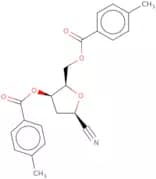
<p>2-Deoxy-3,5-di-O-toluoyl-b-D-ribofuranosyl cyanide is a fluorinated sugar that is synthesized from 2,6-dichloro-1,4,5,8,-tetraoxybenzene and 3,5-di-O-toluoyl bromide. It is a carbohydrate that belongs to the family of oligosaccharides.</p>Formula:C22H21NO5Purity:Min. 95%Molecular weight:379.41 g/mol3,6-Di-O-tert-butyldiphenylsilyl-D-glucal
CAS:<p>3,6-Di-O-tert-butyldiphenylsilyl-D-glucal is a monosaccharide that is synthesized from D-glucal. It can be modified with methyl groups and fluorine atoms. 3,6-Di-O-tert-butyldiphenylsilyl-D-glucal has been shown to be effective in modifying polysaccharides, glycosylation, and oligosaccharides. This compound is also used in the synthesis of complex carbohydrates.</p>Purity:Min. 95%1-Deoxy-L-idonojirimycin hydrochloride
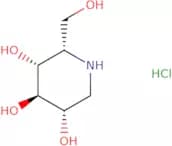
CAS:<p>1-Deoxy-L-idonojirimycin hydrochloride is a chaperone that is structurally related to the natural substrate, L-idonojirimycin. It has been found to interact with recombinant human Hsp70 and Hsp90. 1-Deoxy-L-idonojirimycin hydrochloride enhances the kinetic and thermodynamic parameters of these chaperones in vitro. The structural analysis of this compound revealed that it binds to both Hsp70 and Hsp90, which may be due to its ability to mimic the natural substrate's binding site on these chaperones.</p>Formula:C6H14ClNO4Purity:Min. 95%Molecular weight:199.63 g/molL-Xylose-BSA
<p>L-Xylose-BSA is a glycosylation product that has been modified with methylation, click modification, and fluorination. The compound is a complex carbohydrate that is classified as a polysaccharide. L-Xylose-BSA is a monosaccharide that has been synthesized using the Custom synthesis and high purity techniques. This saccharide is used in various types of research including glycosylation, methylation, click modification, and fluorination. L-Xylose-BSA can also be found under CAS No. 6525-83-8 or EC No. E 1451/1.</p>Purity:Min. 95%1,2,4,6-Tetra-O-acetyl-3-azido-3-deoxy-D-glucopyranose
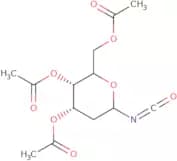
<p>1,2,4,6-Tetra-O-acetyl-3-azido-3-deoxy-D-glucopyranose is a custom synthesis that has been fluorinated and modified with methyl groups. It is used to synthesize complex carbohydrates and it can be used as a raw material for the production of oligosaccharides. 1,2,4,6-Tetra-O-acetyl-3-azido-3-deoxy--D--glucopyranose is soluble in water and ethanol and has a CAS number.</p>Formula:C14H19N3O9Purity:Min. 95%Molecular weight:373.32 g/mol3,4,6-Tri-O-acetyl-2-deoxy-D-glucopyranosyl isocyanate
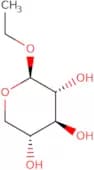
<p>3,4,6-Tri-O-acetyl-2-deoxy-D-glucopyranosyl isocyanate is a synthetic reagent that can be used to modify oligosaccharides, monosaccharides, and polysaccharides. It reacts with the hydroxyl group of the sugar molecule to form an ether linkage. This chemical reaction is called glycosylation. The product from this reaction is called as a glycoside. This product has a CAS number of 587-66-0 and can be synthesized in high purity.</p>Formula:C13H17NO8Purity:Min. 95%Molecular weight:315.28 g/molEthyl β-D-xylopyranoside
CAS:<p>Ethyl b-D-xylopyranoside is a sugar that is synthesized from the reaction of b-D-xylopyranoside with ethyl bromoacetate. The product of this reaction is a glycoside, which can be modified in many ways. It can be fluorinated, glycosylated, methylated, and/or modified in order to produce desired properties. Ethyl b-D-xylopyranoside has a molecular weight of 294.24 g/mol and a CAS number of 6743-62-0. This compound is used as an intermediate for the synthesis of complex carbohydrates or saccharides and it contains an oligosaccharide chain at its end.</p>Formula:C7H14O5Purity:Min. 95%Color and Shape:White PowderMolecular weight:178.19 g/molMethyl 2,3,4,6-tetra-O-acetyl-b-D-glucopyranose
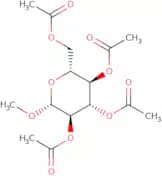
CAS:<p>Methyl 2,3,4,6-tetra-O-acetyl-b-D-glucopyranose is a fluorinated synthetic oligosaccharide. It is custom synthesized to meet your specifications. Methyl 2,3,4,6-tetra-O-acetyl-b-D-glucopyranose is a complex carbohydrate with a glycosylation pattern that can be modified and methylated. This product has CAS No. 486085 9 and purity of >99%.</p>Formula:C15H22O10Purity:Min. 95%Molecular weight:362.33 g/molKetoprofen acyl-β-D-glucuronide
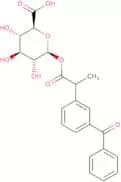
CAS:<p>Ketoprofen acyl-β-D-glucuronide is a nonsteroidal anti-inflammatory drug that inhibits prostaglandin synthesis. It binds to the enzyme cyclooxygenase, which prevents the formation of prostaglandins and thromboxanes. The binding constants have been measured using radiolabeled ketoprofen acyl-β-D-glucuronide in urine samples from patients taking ketoprofen. Ketoprofen acyl-β-D-glucuronide has also been shown to be stereoselective for liver cells and fatty acid metabolism in humans. This drug has not been shown to produce covalent adducts with DNA or RNA.</p>Formula:C22H22O9Purity:Min. 97 Area-%Color and Shape:White Off-White PowderMolecular weight:430.4 g/molMethyl 4-O-methyl-D-glucopyranosyluronate
<p>Methyl 4-O-methyl-D-glucopyranosyluronate is a fungal metabolite that is produced by the reaction of armillaria with methyl 4-O-methyl-D-glucopyranoside. Methyl 4-O-methylglucuronyluronate has been shown to have an esterase activity, which can hydrolyze esters and linkages in the cell wall of fungi. This enzyme has been shown to have kinetic parameters that are different for different substrates. The catalytic site of this enzyme has also been found to be glutamic acid, which plays a role in the synthesis and degradation of proteins. Methyl 4-O-methylglucuronyluronate has been found to be insoluble in water and is not active against bacteria.</p>Formula:C8H14O7Purity:Min. 95%Molecular weight:222.2 g/molHydroxy pioglitazone (M-VII) b-D-glucuronide
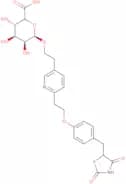
CAS:<p>Hydroxy pioglitazone (M-VII) b-D-glucuronide is a synthetic, fluorinated glucuronide of hydroxy pioglitazone. It has been shown to inhibit the activity of bacterial dna gyrase and topoisomerase IV enzymes.</p>Formula:C25H28N2O10SPurity:Min. 95%Molecular weight:548.56 g/mol3-Deoxy-3-fluoro-1,2:5,6-di-O-isopropylidene-a-D-glucofuranose
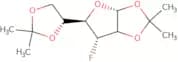
CAS:<p>3-Deoxy-3-fluoro-1,2:5,6-di-O-isopropylidene-a-D-glucofuranose (3DF) is a fluorinated sugar that is synthesized by reacting 2,3:5,6-di-O-isopropylidene a D glucofuranose with methyl iodide and trifluoromethanesulfonic acid. 3DF has been used for the synthesis of oligosaccharides and polysaccharides. It is also possible to use this compound for the preparation of other sugars as well as more complex carbohydrates. The purity of 3DF is 98% or higher. 3DF can be modified with click chemistry reactions and then reacted with amines to form amide bonds. This modification allows for the synthesis of high purity monosaccharides and disaccharides.</p>Formula:C12H19FO5Purity:Min. 95%Molecular weight:262.27 g/molMethyl 2-acetamido-3-O-benzyl-4,6-O-benzylidene-b-D-glucopyranoside
<p>Methyl 2-acetamido-3-O-benzyl-4,6-O-benzylidene-b-D-glucopyranoside is an acetamido sugar and a glycoside of methylated glucosamine. It is a custom synthesis product that can be used to modify the saccharides in polysaccharides or oligosaccharides. Methyl 2-acetamido-3-O-benzyl-4,6 -O ben zy lidene - b - D - gl u co pyran o s ide has no CAS number and is not on the market for purchase.<br>Methyl 2 acetamido 3 O benzyl 4,6 O benzylidene b D glucopyranoside is also known as Click modification and Modification. This product is most commonly used to synthesize oligosaccharides with fluorine groups. It has high purity and can be used</p>Purity:Min. 95%NBD-Fructose
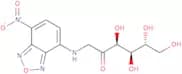
CAS:<p>Fluorescent substrate used to monitor fructose uptake</p>Formula:C12H14N4O8Purity:Min. 95%Molecular weight:342.26 g/molMethyl β-D-glucuronide sodium
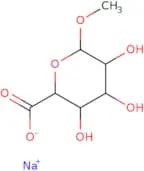
CAS:<p>Methyl β-D-glucuronide sodium is a synthetic sugar that is used as a building block for the synthesis of glycoconjugates. This compound has been shown to be an efficient reagent for the introduction of click modifications into saccharides and oligosaccharides in order to produce glycosylations. Methyl β-D-glucuronide sodium is also used in the modification of polysaccharides, such as starch, cellulose, and chitin.</p>Formula:C7H11NaO7Purity:Min. 95%Color and Shape:PowderMolecular weight:230.15 g/mol4-Deoxy-L-fucose
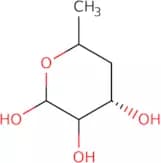
CAS:<p>4-Deoxy-l-fucose is a molecule that has been found to inhibit the synthesis of gangliosides. It is an acetylated derivative of l-fucose and can be synthesized from ethyl 4-deoxy-D-glucuronate with the help of a multivorans enzyme. This molecule is metabolically unstable and reacts with oxygen to form a divalent alcohol that can be identified by magnetic resonance spectroscopy. 4-Deoxy-l-fucose inhibits the biosynthesis of gangliosides, which are important molecules in cell signaling, through its ability to inhibit enzymes such as acetyltransferase.</p>Formula:C6H12O4Purity:Min. 95%Color and Shape:White To Off-White SolidMolecular weight:148.16 g/mol3-Deoxy-3-fluoro-D-mannose
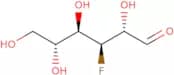
CAS:<p>3-Deoxy-3-fluoro-D-mannose (3DFM) is a synthetic sugar molecule that acts as an inhibitor of bacterial growth. It binds to the 6-phosphate group of nucleic acids, which prevents the addition of sugar molecules to ribose or deoxyribose groups. 3DFM also inhibits the synthesis of proteins and RNA, which are necessary for bacterial growth. 3DFM is a structural analog of mannose and glucose, and has been shown to be effective against chronic infections caused by bacteria that produce lectins, such as C. difficile. This drug can be used in combination with other antibiotics to enhance their effectiveness.</p>Formula:C6H11FO5Purity:Min. 95%Color and Shape:PowderMolecular weight:182.15 g/molMethyl b-D-altropyranoside
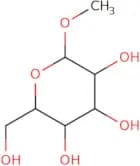
CAS:<p>Methyl b-D-altropyranoside is a methylated saccharide that can be used as a sugar substitute. It has the same sweetness as sugar and is also resistant to browning. Methyl b-D-altropyranoside is synthesized by treating an aldose or ketose with formaldehyde in the presence of sulfuric acid and an alkali. This product is water soluble, heat stable, and free from impurities such as glucose or fructose. Methyl b-D-altropyranoside can be used to modify polysaccharides and oligosaccharides, adding a methyl group to the carbon 2 position. In addition, it has been shown to have antioxidant properties due to its ability to quench reactive oxygen species (ROS).</p>Formula:C7H14O6Purity:Min. 95%Molecular weight:194.18 g/molPhenyl 2-acetamido-3,4,6-tri-O-acetyl-2-deoxy-a-D-glucopyranoside
CAS:<p>Phenyl 2-acetamido-3,4,6-tri-O-acetyl-2-deoxy-a-D-glucopyranoside is a high purity, custom synthesis sugar. It's Click modification has been fluorinated and glycosylated. This sugar can be used in the synthesis of oligosaccharides and monosaccharides. Phenyl 2-acetamido-3,4,6-tri-O-acetyl -2 deoxy -a D glucopyranoside is a carbohydrate that belongs to the complex carbohydrate group. It has CAS No. 1308919 5 and can be modified with methylation.</p>Formula:C20H25NO9Purity:Min. 95%Molecular weight:423.41 g/molBenzyl 2,3-O-isopropylidene-6-O-trityl-5-keto-a-D-mannofuranose
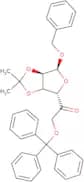
CAS:<p>Benzyl 2,3-O-isopropylidene-6-O-trityl-5-keto-a-D-mannofuranose is a modification of the monosaccharide mannose. It is synthesized by reacting the heterocyclic base benzaldehyde with the appropriate glycosyl acceptor. This modification has been shown to increase the stability of glycans.</p>Formula:C35H34O6Purity:Min. 95%Molecular weight:550.64 g/molD-Tagatose-6-phosphate lithium salt
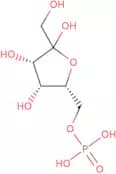
CAS:<p>D-Tagatose-6-phosphate lithium salt is a bacterial strain that belongs to the group of polyols. It is an epimerization product of D-tagatose, which is converted by the enzyme tagatose kinase to D-tagatose-6-phosphate. D-Tagatose-6-phosphate lithium salt can be used as a substrate for the enzymes galactitol dehydrogenase and galactitol 1,2-dioxygenase, which are involved in the metabolism of D-tagatose.</p>Formula:C6H13O9P·xLiPurity:Min. 95%Molecular weight:260.14 g/molβ-L-Fucopyranosyl phosphate
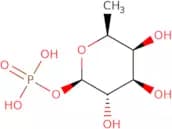
CAS:<p>b-L-Fucopyranosyl phosphate is a glycosylphosphate that is expressed on the cell surface of many organisms and is an analog of the natural sugar. It has been shown to be a competitive inhibitor, uncompetitive inhibitor, or stereoselective of glycoconjugates. b-L-Fucopyranosyl phosphate binds to the lectin receptor by binding at the monosaccharide in the terminal position, which prevents the attachment of glycoconjugates to this receptor. This binding decreases cellular adhesion and causes cells to become less adherent to other cells or surfaces. The ph optimum for b-L-fucopyranosyl phosphate is 7.5 and it can be used in vitro as a preparative hplc column eluent for lectins.</p>Formula:C6H13O8PPurity:Min. 95%Color and Shape:PowderMolecular weight:244.14 g/molGlucose pentasulfate potassium
CAS:<p>Glucose pentasulfate potassium is a synthetic, fluorinated sugar that can be used as a building block for the synthesis of glycoconjugates. It is also used in the modification of saccharides and oligosaccharides, and in click chemistry to produce complex carbohydrates. Glucose pentasulfate potassium is soluble in water, which makes it suitable for use in chemical reactions. The compound has been assigned CAS number 359435-44-2.</p>Formula:C6H7K5O21S5Purity:Min. 95%Color and Shape:PowderMolecular weight:770.92 g/molMethyl 3-acetamido-4-O-benzoyl-6-bromo-2,3,6-trideoxy-a-D-ribo-hexopyranoside
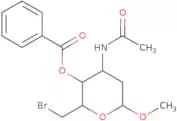
CAS:<p>Methyl 3-acetamido-4-O-benzoyl-6-bromo-2,3,6-trideoxy--aDribohexopyranoside is a Custom synthesis that is classified as an Oligosaccharide. It has a molecular weight of 576.07 and a purity of >99%. The chemical formula for this compound is C22H30BrNO8. Methyl 3-acetamido-4-O-benzoyl-6-bromo-2,3,6--trideoxy--aDribohexopyranoside is used in the modification of saccharides with the purpose of synthesizing polysaccharides. This compound has been shown to be effective for the synthesis of glycosylations and methylations.<br>Methyl 3 acetamido 4 O benzoyl 6 bromo 2,3,6 trideoxy - a D rib</p>Formula:C16H20BrNO5Purity:Min. 95%Molecular weight:386.25 g/mol5-Hydroxyvitamin D3 25-glucuronide
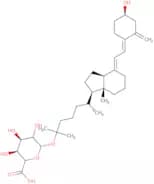
CAS:<p>5-Hydroxyvitamin D3 25-glucuronide is a glycosylated form of vitamin D that is synthesized by the addition of glucose to the 5-hydroxy group in the side chain. The synthesis of this product requires an intermediate step, which is the methylation of 25-hydroxyvitamin D. It is a complex carbohydrate that can be found in both natural and synthetic forms. The product has been modified using Click chemistry, fluorination, and saccharide modification to increase its stability and solubility. This product also has a high purity level.</p>Formula:C33H52O8Purity:Min. 95%Molecular weight:576.76 g/molN-[(e-Benzyloxycarbonylamino)caproyl]-b-L-fucopyranosylamine
CAS:<p>N-[(e-Benzyloxycarbonylamino)caproyl]-b-L-fucopyranosylamine is a high purity, methylated, glycosylated, custom synthesized carbohydrate. It's a complex carbohydrate with an oligosaccharide structure. This product can be used for research purposes.</p>Formula:C20H30N2O7Purity:Min. 95%Molecular weight:410.46 g/mol1,2,6-Tri-O-methyl-D-glucopyranoside
CAS:<p>1,2,6-Tri-O-methyl-D-glucopyranoside is a synthetic sugar that has been modified by fluorination and glycosylation. This product is a white crystalline powder with a melting point of 185°C. The chemical formula for this product is C5H12O5.</p>Formula:C9H18O6Purity:Min. 95%Molecular weight:222.24 g/mol3,4,5,6-Tetra-O-acetyl-myo-inositol-1,2-thiocarbonate
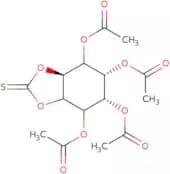
CAS:<p>3,4,5,6-Tetra-O-acetyl-myo-inositol-1,2-thiocarbonate is a carbohydrate that has been modified with fluorination and methylation. This compound can be used in the synthesis of oligosaccharides, monosaccharides, and glycosylations. 3,4,5,6-Tetra-O-acetyl-myo-inositol is synthesized by reacting myo-inositol with carbon disulfide and sodium hydroxide to form the intermediate methyl ester followed by hydrolysis to produce the final product. The purity of 3,4,5,6-Tetra-O-acetyl-myo-inositol is greater than 98%.</p>Formula:C15H18O10SPurity:Min. 95%Molecular weight:390.36 g/mol2-a-Methyl-5-a-androstan-3-a-ol-17-one glucuronide
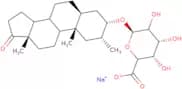
<p>2-A-Methyl-5-a-androstan-3-a-ol-17-one glucuronide is a high purity, custom synthesis, synthetic glycosylation product. It is a carbohydrate (saccharide) that is modified by fluorination, methylation and glycosylation. The CAS number for this carbohydrate is 535745-06-4. This product has the following properties: Oligosaccharide, sugar, complex carbohydrate.</p>Formula:C26H39O8·NaPurity:Min. 95%Molecular weight:502.57 g/mol6-(4-Azido-2-hydroxybenzamido)-6-deoxy-D-glucopyranose
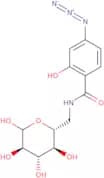
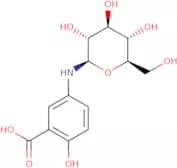
CAS:<p>6-(4-Azido-2-hydroxybenzamido)-6-deoxy-D-glucopyranose (AGB) is a potential photoaffinity label that can be used to identify and characterize the transporter. The photoaffinity label is synthesized by reacting 2,4-dinitrophenylhydrazine with 6-(4-azido-2-hydroxybenzamido)-6-deoxy-D-glucopyranose in the presence of sodium bicarbonate or potassium carbonate. The photolysis of AGB produces an azide radical cation that reacts with amino acid residues on the protein surface, forming a covalent bond. This labeling process is irreversible.</p>Formula:C13H16N4O7Purity:Min. 95%Molecular weight:340.29 g/molN-D-Glucopyranosyl-5-aminosalicylic acid
CAS:<p>5-Aminosalicylic acid (5-ASA) is an anti-inflammatory drug that belongs to the class of drugs called nonsteroidal anti-inflammatory drugs (NSAIDs). 5-ASA is an acidic compound that is a metabolite of salicylic acid. It is used in the treatment of rheumatoid arthritis, osteoarthritis, and other inflammatory diseases. The preparation of 5-ASA involves homogenizing liver tissue and then extracting it with water. This extract can be chromatographed using preparative high performance liquid chromatography (HPLC) or spectroscopically analyzed by mass spectrometry. 5-ASA has been shown to have hepatoprotective effects in rats when given at a dose of 400 mg/kg body weight by intraperitoneal injection.</p>Formula:C13H17NO8Purity:Min. 95%Molecular weight:315.28 g/molN-Acetyl-D-galactopyranosylthiosemicarbazide
<p>N-Acetyl-D-galactopyranosylthiosemicarbazide is a glycosylation reagent that is used in the synthesis of saccharides, oligosaccharides, and polysaccharides. N-Acetyl-D-galactopyranosylthiosemicarbazide is synthesized by reacting acetamidoacetonitrile with D-galactose and sodium thiosulfate. The reaction product can be easily purified by crystallization or recrystallization. N-Acetyl-D-galactopyranosylthiosemicarbazide has been shown to be a high purity compound, as it does not contain any residual solvents or impurities. The CAS number for this compound is 58437-66-7.</p>Purity:Min. 95%trans-Resveratrol 4'-O-b-D-glucuronide
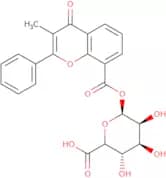
CAS:<p>Trans-resveratrol 4'-O-b-D-glucuronide is a natural compound that is found in red wine and other foods. It has been shown to inhibit the growth of cancer cells through the activation of adenosine receptors, which are found on cancer cells and are responsible for apoptosis. Trans-resveratrol 4'-O-b-D-glucuronide has been shown to be an agonist of the adenosine a3 receptor, with high concentrations leading to apoptosis in human colon cancer cells. This compound also inhibits colon carcinogenesis by inhibiting cell proliferation and inducing apoptosis.</p>Formula:C20H20O9Purity:Min. 95%Molecular weight:404.37 g/mol3-Methylflavone-8-carboxylic acid acyl-b-D-glucuronide
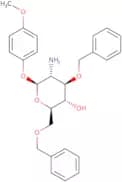
CAS:<p>3-Methylflavone-8-carboxylic acid acyl-b-D-glucuronide is a fluorinated synthetic compound that has been custom synthesized with a high purity. It is an oligosaccharide, monosaccharide, and complex carbohydrate. This chemical can be used for glycosylation, methylation, or click modification. The product is stable at room temperature and does not require any special storage conditions.</p>Formula:C23H20O10Purity:Min. 95%Molecular weight:456.4 g/mol4-Methoxyphenyl 2-amino-3,6-di-O-benzyl-2-deoxy-b-D-glucopyranoside
CAS:<p>4-Methoxyphenyl 2-amino-3,6-di-O-benzyl-2-deoxy-b-D-glucopyranoside (4MOP) is a drug that has been shown to be effective against colitis caused by viruses. 4MOP binds to single stranded DNA, which prevents the virus from replicating. 4MOP also inhibits the activity of papilloma viruses, such as human papilloma virus and typhimurium.</p>Formula:C27H31NO6Purity:Min. 95%Molecular weight:465.54 g/molrac N,O-didesmethyl venlafaxine b-D-glucuronide hydrochloride
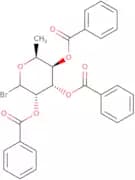
CAS:<p>RacN,O-didesmethylvenlafaxine b-D-glucuronide hydrochloride is a synthetic glycosylated active metabolite of venlafaxine. It is an N-desmethyl derivative of racemic venlafaxine, which has been modified by oxygenation and fluorination of the methyl group at the nitrogen atom. RacN,O-didesmethylvenlafaxine b-D-glucuronide hydrochloride is a complex carbohydrate with high purity. It is also a saccharide that can be modified with click chemistry for desired modifications. The CAS No. for this compound is 1021933-99-2.</p>Formula:C21H32ClNO8Purity:Min. 95%Molecular weight:461.93 g/mol2,3,4-Tri-O-benzoyl-L-fucopyranosyl bromide
CAS:<p>2,3,4-Tri-O-benzoyl-L-fucopyranosyl bromide is a synthetic compound that is used as a reagent in the synthesis of complex carbohydrates. It is also an intermediate in the synthesis of oligosaccharides and polysaccharides. This product can be modified by methylation, glycosylation and fluorination to generate desired products. The CAS number for this product is 855662-12-3.</p>Formula:C27H23BrO7Purity:Min. 95%Molecular weight:539.37 g/molNefopam glucuronide
<p>Nefopam is a compound that has been used as an analgesic and antipyretic. It is structurally related to the benzodiazepine class of drugs, but is not chemically equivalent to any other known drug. Nefopam has a low therapeutic index and can cause severe toxic effects in overdose. The most common adverse effects of nefopam are dizziness, drowsiness, headache, nausea and vomiting. An overdose can lead to death by respiratory paralysis or cardiac arrest.</p>Formula:C23H27NO7Purity:Min. 95%Molecular weight:429.46 g/molα-GalCer analog 8
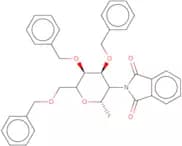
CAS:<p>α-GalCer analog 8 is a high purity, custom synthesis, synthetic α-galactocerebrosidase enzyme that has been modified to include 8 fluorine atoms. The enzyme is glycosylated at the N-terminal and methylated at the C-terminal. The modification of this enzyme with an oligosaccharide and monosaccharide moiety improves its stability in vivo. α-GalCer analog 8 is used for the treatment of Gaucher's disease, which is caused by the accumulation of complex carbohydrates in the body. This condition can be managed using α-GalCer analog 8 because it hydrolyzes these complex carbohydrates into their monosaccharides.</p>Formula:C50H97N3O8Purity:Min. 95%Molecular weight:868.32 g/mol3,4,6-Tri-O-benzyl-2-deoxy-2-phthalimdo-b-D-glucopyranosyl fluoride
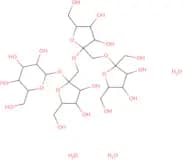
<p>3,4,6-Tri-O-benzyl-2-deoxy-2-phthalimdo-b-D-glucopyranosyl fluoride is a modified sugar that is synthesized by the addition of a benzyl group to the 3' hydroxyl group. It's a white powder that is soluble in water and ethanol. This product has been shown to be stable in acid environments and can be used in glycosylation reactions.</p>Formula:C35H32FNO6Purity:Min. 95%Molecular weight:581.63 g/molNistose trihydrate
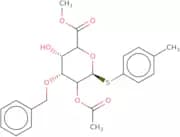
CAS:<p>Nistose trihydrate is a polysaccharide that is found in the cell walls of plants, including inulin and d-biotin. It has been shown that nistose trihydrate can be used as an additive to mammalian cells to improve enzymatic reactions. In addition, nistose trihydrate can be used as a food additive to reduce cholesterol levels and modulate blood sugar levels. Nistose trihydrate also has antimicrobial activity against staphylococcus, which are gram-positive bacteria.</p>Formula:C24H42O21•3H2OPurity:Min. 95%Molecular weight:720.6 g/mol4-Methylphenyl 2-O-acetyl-3-O-benzyl-b-D-thioglucuronide methyl ester
CAS:<p>4-Methylphenyl 2-O-acetyl-3-O-benzyl-b-D-thioglucuronide methyl ester is a custom synthesis of an oligosaccharide. It has been modified with fluorination and methylation, which are chemical reactions that alter the structure of the substance. Click modification is also a type of chemical reaction involving this substance.</p>Formula:C23H26O7SPurity:Min. 95%Molecular weight:446.51 g/mol







![5,7-Bis-(benzyloxy)-a-(4-(benzyloxy)phenyl)-3-[3,4-di-O-acetyl-a-O-acetyl-a-L-rhamnopyranosyloxyl]…](/_next/image/?url=https%3A%2Fstatic.cymitquimica.com%2Fproducts%2F3D%2Fthumb-webp%2FMB16635.webp&w=3840&q=75)















![N-[(e-Benzyloxycarbonylamino)caproyl]-b-L-fucopyranosylamine](/_next/image/?url=https%3A%2Fstatic.cymitquimica.com%2Fproducts%2F3D%2Fthumb-webp%2FMB04503.webp&w=3840&q=75)