Monosaccharides
Monosaccharides are the simplest form of carbohydrates and serve as fundamental building blocks for more complex sugars and polysaccharides. These single sugar molecules play critical roles in energy metabolism, cellular communication, and structural components of cells. In this section, you will find a wide variety of monosaccharides essential for research in biochemistry, molecular biology, and glycoscience. These compounds are crucial for studying metabolic pathways, glycosylation processes, and developing therapeutic agents. At CymitQuimica, we offer high-quality monosaccharides to support your research needs, ensuring precision and reliability in your scientific investigations.
Subcategories of "Monosaccharides"
- Alloses(11 products)
- Arabinoses(21 products)
- Erythroses(11 products)
- Fructoses(9 products)
- Fucoses(36 products)
- Galactosamine(41 products)
- Galactose(261 products)
- Glucoses(365 products)
- Glucuronic Acids(51 products)
- Glyco-substrates for Enzyme(77 products)
- Guloses(6 products)
- Idoses(4 products)
- Inositols(15 products)
- Lyxoses(4 products)
- Mannoses(65 products)
- O-Glycans(48 products)
- Psicoses(3 products)
- Rhamnoses(10 products)
- Riboses(61 products)
- Sialic Acids(100 products)
- Sorboses(4 products)
- Sugars(173 products)
- Tagatoses(4 products)
- Taloses(8 products)
- Xyloses(20 products)
Show 17 more subcategories
Found 6088 products of "Monosaccharides"
Sort by
Purity (%)
0
100
|
0
|
50
|
90
|
95
|
100
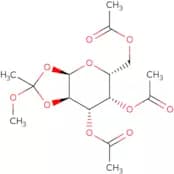
3,4,6-Tri-O-acetyl-a-D-galactopyranose 1,2-(methyl orthoacetate)
CAS:<p>The survey was conducted to understand the current workforce and their feedback on the automated testing. The median number of respondents exceeded the number that was needed for a statistically significant result. The automated testing has helped to reduce the time it takes to test new features and has also improved the resilience of the developers. Feedback from testers has been positive, with many saying that they would recommend automated testing to other companies. This survey was conducted by an analyst who had an understanding of human-computer interaction and software development.</p>Formula:C15H22O10Purity:Min. 95%Molecular weight:362.33 g/mol1,3,4,6-Tetra-O-acetyl-2-O-nonafluorobutane-sulfonyl-b-D-mannopyranose
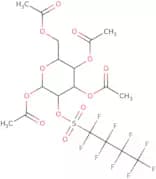
CAS:<p>1,3,4,6-Tetra-O-acetyl-2-O-nonafluorobutane-sulfonyl-b-D-mannopyranose is a fluorinated saccharide that can be custom synthesized. It is a glycosylated carbohydrate with a 1,3,4,6 tetra acetyl substitution at the 2 position of the b D mannopyranose moiety. The chemical formula for this compound is C12H28O8FS2. It has been shown to have potential as an antihyperglycemic agent and has been found to be active in tumor models.</p>Formula:C18H19O12SF9Purity:Min. 95%Molecular weight:630.39 g/mol2-Acetamido-3-O-allyl-4,6-O-benzylidene-2-deoxy-b-D-glucopyranosyl azide
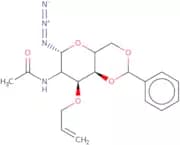
CAS:<p>2-Acetamido-3-O-allyl-4,6-O-benzylidene-2,3-deoxy-bDglucopyranosyl azide is a sugar that can be synthesized from an acetamido group and an allyl group. It is used in the synthesis of complex carbohydrates. 2A3BPGA is a monosaccharide with a glycosylation pattern of alpha 1,2. The methylation of the hydroxyl groups on the glucose rings leads to the formation of 2A3BPGAM. This modification has been shown to alter the solubility and reactivity of this sugar.</p>Formula:C18H22N4O5Purity:Min. 95%Molecular weight:374.4 g/mol2-C-(2,3,4,6-Tetra-O-acetyl-a-D-glucopyranosyl) ethyne
CAS:<p>2-C-(2,3,4,6-Tetra-O-acetyl-a-D-glucopyranosyl) ethyne is a custom synthesis that has been modified with fluorination. It is a monosaccharide sugar with a CAS number of 1236069-71-8. This chemical is also known as Oligo(2,3,4,6-tetraacetyl aD glucopyranosyl) ethyne. The chemical is used in the synthesis of oligosaccharides and polysaccharides.</p>Formula:C16H20O9Purity:Min. 95%Molecular weight:356.32 g/molMethyl 2-acetamido-3,6-di-O-benzyl-2-deoxy-b-D-glucopyranoside
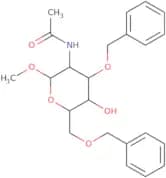
CAS:<p>Methyl 2-acetamido-3,6-di-O-benzyl-2-deoxy-b-D-glucopyranoside is a modified oligosaccharide. It has been shown to be useful for the synthesis of complex carbohydrates and sugar derivatives. The synthesis of this product involves the use of click chemistry, which is a chemoselective reaction that uses copper as a catalyst. This product can be used in the production of polysaccharides and saccharides, as well as other related compounds. Methyl 2-acetamido-3,6-di-O-benzyl-2-deoxy -b -D -glucopyranoside is synthesized from methyl 3,6 di O benzyl 2 deoxy b D glucopyranoside by reacting with acetamide in the presence of palladium acetate and ammonium formate in DMF at room temperature.</p>Formula:C23H29NO6Purity:Min. 95%Molecular weight:415.48 g/mol5-Azido-5-deoxy-1,2-O-isopropylidene-b-D-fructose
CAS:<p>5-Azido-5-deoxy-1,2-O-isopropylidene-b-D-fructose is an oligosaccharide that is custom synthesized to your specifications. This compound has been modified with a methyl group at position C1 and has been fluorinated at C2. It has also undergone glycosylation at the reducing end of the molecule and can be used as a saccharide in the synthesis of complex carbohydrates.</p>Formula:C9H15N3O5Purity:Min. 95%Molecular weight:245.23 g/molBromoxynil D-glucuronide methyl ester
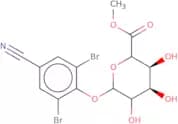
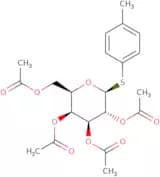
<p>Bromoxynil D-glucuronide methyl ester is a synthetic, high-purity chemical with a CAS number of 2512-06-3. It is an Oligosaccharide and sugar that is Glycosylated and Click modified. This product can be used in Custom synthesis or as a Modification to saccharides.</p>Formula:C14H13Br2NO7Purity:Min. 95%Molecular weight:467.06 g/mol4-Methylphenyl 2,3,4,6-tetra-O-acetyl-β-D-thiogalactopyranoside
CAS:<p>4-Methylphenyl 2,3,4,6-tetra-O-acetyl-b-D-thiogalactopyranoside is a custom synthesis of an oligosaccharide with a polysaccharide. It is a high purity glycosylated carbohydrate with a CAS number of 28244-99-7. The sugar has been modified by methylation and fluorination, as well as the Click modification.</p>Formula:C21H26O9SPurity:Min. 95%Color and Shape:PowderMolecular weight:454.49 g/mol2-Deoxy-D-glucose 1-14C
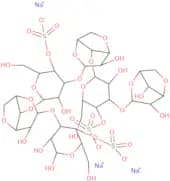
CAS:<p>2-Deoxy-D-glucose 1-14C is a radioactive isotope of glucose. It is synthesized by the fluorination and methylation of D-glucose, followed by the addition of a 14C atom. The compound can be used in the study of glycosylations, oligosaccharides, and saccharides.<br>2-Deoxy-D-glucose 1-14C has been shown to react with various sugars to form new compounds that are used in glycobiology research. This compound is highly purified, as it does not undergo any reactions with other compounds or impurities. It is also available for custom synthesis and modification.</p>Purity:Min. 95%Neocarrahexaose-41,3,5-tri-O-sulfate sodium
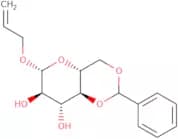
CAS:<p>Neocarrahexaose-41,3,5-tri-O-sulfate sodium salt is a high purity custom synthesis that has been modified with a click modification and fluorination. It can also be glycosylated and methylated. The CAS number for this product is 133628-76-9. This product is a saccharide that belongs to the group of complex carbohydrates.</p>Formula:C36H56O37S3•Na3Purity:Min. 95%Color and Shape:White SolidMolecular weight:1,245.98 g/molAllyl 4,6-O-benzylidene-b-D-glucopyranoside
CAS:<p>Allyl 4,6-O-benzylidene-b-D-glucopyranoside is a custom synthesis molecule that can be modified to suit your needs. It has been used in the synthesis of oligosaccharides and polysaccharides. Allyl 4,6-O-benzylidene-b-D-glucopyranoside is a high purity product that has been fluorinated with allyl bromide and benzoyl chloride. This product is a monosaccharide and sugar that can be synthesized from a variety of raw materials.</p>Formula:C16H20O6Purity:Min. 95%Molecular weight:308.33 g/mol4-Methoxyphenyl 3-O-allyl-2-azido-4,6-O-benzylidene-2-deoxy-b-D-galactopyranoside
CAS:<p>4-Methoxyphenyl 3-O-allyl-2-azido-4,6-O-benzylidene-2-deoxy-b-D-galactopyranoside is a glycosaminoglycan. It is used in the treatment of cancer to prevent metastasis and as an antiviral agent. 4MOP has been shown to inhibit the growth of virus in tissue culture by preventing the formation of new virus particles. The antiviral activity may be due to its ability to inhibit the replication of viruses at an early stage of the process. 4MOP also inhibits coagulation and antibody production, which are important for fighting infection.</p>Formula:C23H25N3O6Purity:Min. 95%Molecular weight:439.46 g/mol2-Fluoroethyl a-L-fucopyranoside
<p>2-Fluoroethyl a-L-fucopyranoside is a custom synthesis that belongs to the class of methylated sugar derivatives. It is used as a glycosylation agent and has been shown to be useful in the synthesis of oligosaccharides, polysaccharides, and saccharides. 2-Fluoroethyl a-L-fucopyranoside can be fluorinated by heating with elemental fluorine or chlorine gas in an inert atmosphere. This modification can be used for the synthesis of high purity monosaccharides or sugars.</p>Formula:C8H15FO5Purity:Min. 95%Color and Shape:White to off-white solid.Molecular weight:210.2 g/molO-(2-Acetamido-3,4,6-tri-O-acetyl-D-glucopyranosylidene)amino N-phenyl carbamate
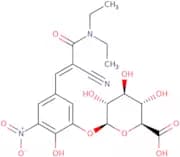
CAS:<p>O-(2-Acetamido-3,4,6-tri-O-acetyl-D-glucopyranosylidene)amino N-phenyl carbamate (3,4,6-OAAC) is a custom synthesis that can be modified with fluorination and methylation. 3,4,6OAAC is an oligosaccharide that contains a saccharide with glycosylation. The saccharides in the oligosaccharide are polysaccharides and complex carbohydrates.</p>Formula:C21H25N3O10Purity:Min. 95%Molecular weight:479.44 g/molEntacapone 3-b-D-glucuronide
CAS:Controlled Product<p>Entacapone 3-b-D-glucuronide is a product of the human UDP-glucuronosyltransferase enzyme. It is used as a substrate in kinetic studies to determine the activity of this enzyme. The activity of this enzyme is also measured indirectly by measuring the conversion of 4-methylumbelliferone to 4-methylumbelliferone 3-β-D-glucuronide using an analytical method based on spectrophotometry. Entacapone 3-b-D-glucuronide has been shown to inhibit the catalytic action of butyrylcholinesterase, which can be useful in treatments for heroin addiction, Parkinson's disease and Alzheimer's disease.</p>Formula:C20H23N3O11Purity:Min. 95%Molecular weight:481.41 g/molO-(2-Acetamido-3,4,6-tri-O-acetyl-2-deoxy-D-glucopyranosylidene)amino N-(4-nitrophenyl)carbamate
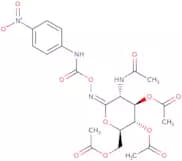
CAS:<p>O-(2-Acetamido-3,4,6-tri-O-acetyl-2-deoxy-D-glucopyranosylidene)amino N-(4-nitrophenyl)carbamate is a modification of an oligosaccharide that is synthesized by the reaction of an alpha, beta unsaturated nitrophenyl carbamate with a 2,6-anhydro glucose. The product is a white solid that can be used as a source for polysaccharides and monosaccharides. It has been shown to be modified by methylation, glycosylation and fluorination.</p>Formula:C21H23N3O12Purity:Min. 95%Molecular weight:509.42 g/mol3,4,6-Tri-O-acetyl-2-deoxy-2-phthalimido-a-D-galactopyranosyl fluoride
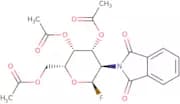
CAS:<p>3,4,6-Tri-O-acetyl-2-deoxy-2-phthalimido-a-D-galactopyranosyl fluoride is a synthetic glycoside of anhydrogalactose. It is a white crystalline powder and is soluble in water. 3,4,6-Tri-O-acetyl-2-deoxygalactofuranose has been used to study the reaction of glycosides with fluorinating agents. This product can be custom synthesized.</p>Formula:C20H20FNO9Purity:Min. 95%Molecular weight:437.37 g/mola-Spinasterol glucoside
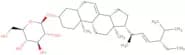
CAS:<p>a-Spinasterol glucoside is a glucopyranoside that belongs to the group of triterpenoid. It has a bitter taste, and its chemical structure was first isolated from the seeds of Trichosanthes bracteata. This compound can be found in other plants such as cucurbitacin and cucumeroides. These two compounds are bitter and are used in Chinese traditional medicine for treating inflammation, pain, or even cancer. The chemical structure of a-spinasterol glucoside is related to vanillic acid, glyceryl palmitate, and vanillic acid.</p>Purity:Min. 95%4-Methylphenyl 2,3-O-isopropylidene-1-thio-α-L-rhamnopyranoside
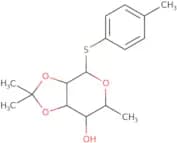
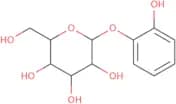
CAS:<p>4-Methylphenyl 2,3-O-isopropylidene-1-thio-α-L-rhamnopyranoside is a custom synthetic sugar that can be modified with different fluorination and modifications. It is an Oligosaccharide, Polysaccharide, saccharide, sugar, Carbohydrate. CAS No. 903906-55-8.</p>Formula:C16H22O4SPurity:Min. 95%Molecular weight:310.41 g/molPyrocatechol monoglucoside
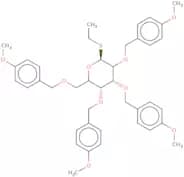
CAS:<p>Pyrocatechol monoglucoside is a phenolic compound that is found in many plants. It has an anti-thrombotic effect, inhibits bacterial growth, and has anticarcinogenic effects. Pyrocatechol monoglucoside is also hepatoprotective and can be used as a natural food preservative. It has a bitter taste and can be found in leuconostoc mesenteroides and mesenteroides strains of bacteria.</p>Purity:Min. 95%Ethyl 2,3,4,6-tetra-O-(4-methoxybenzyl)-b-D-thioglucopyranoside
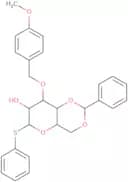
<p>Ethyl 2,3,4,6-tetra-O-(4-methoxybenzyl)-b-D-thioglucopyranoside is a sugar that belongs to the class of oligosaccharides. It is a complex carbohydrate with an average degree of polymerization (DP) of 17. The sugar is synthesized by the glycosylation and methylation of glucose in the presence of ethyl 2,3,4,6-tetra-O-(4-methoxybenzyl)-b-D-thioglucopyranoside. This sugar has been used as a synthetic building block for the synthesis of other sugars. The molecular weight and purity are custom made to your specifications.</p>Formula:C40H48O9SPurity:Min. 95%Molecular weight:704.87 g/molPhenyl 4,6-O-benzylidene-3-O-(4-methoxybenzyl)-a-D-thiomannopyranoside
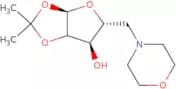
CAS:<p>Phenyl 4,6-O-benzylidene-3-O-(4-methoxybenzyl)-a-D-thiomannopyranoside is a custom synthetic sugar with a molecular weight of 514.87 and an empirical formula of C11H12FNO8. It has fluorination at the 2-, 3-, 4-, and 6-positions and methylation at the 2-, 3-, 4-, 5-, and 6-positions. Phenyl 4,6-O-benzylidene-3-O-(4-methoxybenzyl)-a-D-thiomannopyranoside is a modification of the natural product that is used in the synthesis of Oligosaccharides, Glycosylations, and Click modifications. This product is available for sale to qualified buyers.</p>Purity:Min. 95%5-Deoxy-1,2-O-isopropylidene-5-(morpholin-1-yl)-a-D-xylofuranose
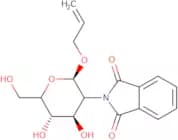
CAS:<p>5-Deoxy-1,2-O-isopropylidene-5-(morpholin-1-yl)-a-D-xylofuranose is a glycosylated monosaccharide. It is also known as 5DIMOF and is a synthetic compound that can be used for the synthesis of oligosaccharides. This compound has been shown to have antiviral, antiparasitic, and anticancer activities.</p>Formula:C12H21NO5Purity:Min. 95%Molecular weight:259.3 g/molAllyl 2-deoxy-2-phthalimido-b-D-glucopyranoside
CAS:<p>Allyl 2-deoxy-2-phthalimido-b-D-glucopyranoside is a modification of a sugar. It is an oligosaccharide that is synthesized and modified by methylation and glycosylation. Allyl 2-deoxy-2-phthalimido-b-D-glucopyranoside has high purity and is a monosaccharide. This modification contains fluorine atoms, which are added to the saccharide backbone to increase its stability.</p>Formula:C17H19NO7Purity:Min. 95%Molecular weight:349.34 g/molAtreleuton Glucuronide
<p>Atreleuton Glucuronide is a custom synthetic carbohydrate with an atreleuton core and a glucuronic acid moiety. It has been modified by fluorination, methylation, glycosylation, and click chemistry. Atreleuton Glucuronide is a high-purity product that can be synthesized in complex carbohydrate form or in monosaccharide form. This product is available for custom synthesis on request.</p>Formula:C22H22FN2O8SPurity:Min. 95%Molecular weight:493.48 g/mol2-Acetamido-2-deoxy-a-D-galactopyranosyl-(N-Fmoc)-L-threonine tert-butyl ester
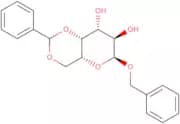
CAS:<p>2-Acetamido-2-deoxy-a-D-galactopyranosyl-(N-Fmoc)-L-threonine tert-butyl ester is a fluorinated carbohydrate that is synthesized from 2,3,4,6-tetraacetylorthoquinone and L-threonine tert butyl ester. It has a purity of 99%.</p>Formula:C31H40N2O10Purity:Min. 95%Molecular weight:600.66 g/molBenzyl 4,6-O-benzylidene-a-D-galactopyranoside
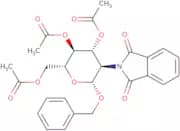
CAS:<p>4,6-O-Benzylidene-a-D-galactopyranoside is an artificial sweetener that has a high purity and can be custom synthesized. This compound is also known as an oligosaccharide or complex carbohydrate. It is a member of the saccharide family, which includes monosaccharides and disaccharides. 4,6-O-Benzylidene-a-D-galactopyranoside is a sugar that has been modified by glycosylation and methylation. This product has CAS No. 57783-86-5 and can be found in the Glycosides section of the Chemical Directory.</p>Formula:C20H22O6Purity:Min. 95%Molecular weight:358.39 g/molBenzyl 3,4,6-tri-O-acetyl-2-deoxy-2-phthalimido-b-D-glucopyranoside
CAS:<p>Benzyl 3,4,6-tri-O-acetyl-2-deoxy-2-phthalimido-b-D-glucopyranoside is a carbohydrate compound that is used in the synthesis of complex carbohydrates and glycoproteins. This product can be custom synthesized to customer specifications using our unique capabilities. It is a high purity, methylated, glycosylated, and click modified sugar.</p>Formula:C27H27NO10Purity:Min. 95%Molecular weight:525.52 g/mol2-Deoxy-3,4-O-isopropylidene-D-arabinopyranose
<p>2-Deoxy-3,4-O-isopropylidene-D-arabinopyranose is a synthetic sugar that has a high purity and can be custom synthesized. It is an oligosaccharide with a methylation and fluorination modification. This sugar can be used in glycosylation reactions to produce polysaccharides or complex carbohydrates. 2-Deoxy-3,4-O-isopropylidene-D-arabinopyranose is also used in click modifications. The CAS number for this compound is 5263038-92-2.</p>Purity:Min. 95%N,N-Dimethyl-D-glucosamine
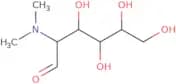
CAS:<p>N,N-Dimethyl-D-glucosamine is a natural amino sugar that yields pyrazoles, triazoles, and formaldehyde. It can be prepared by the reaction of acetyl chloride with potassium hydroxide in hydrochloric acid. The synthesis of N,N-Dimethyl-D-glucosamine has been optimized on a Raney nickel catalyst to produce high yields of the desired product. This product is a broad spectrum antibiotic that has been shown to inhibit bacterial growth through inhibition of protein synthesis. The salt form of N,N-Dimethyl-D-glucosamine is sodium salt.</p>Formula:C8H17NO5Purity:Min. 95%Molecular weight:207.22 g/mol3-O-Acetyl-1,2-O-isopropylidene-6-O-trityl-b-L-arabino-hexofuranos-5-ulose
CAS:<p>3-O-Acetyl-1,2-O-isopropylidene-6-O-trityl-b-L-arabino hexofuranos 5 Urolose is a custom synthesis of a complex carbohydrate that is not found in nature. This molecule has a number of modifications, including methylation and glycosylation. 3-O-Acetyl b L arabinoxylan can be used as a substitute for other complex carbohydrates, such as starch or glycogen. It can be manufactured by the click modification of D-xylose and D maltotriose with nitrous acid to form an acetal linkage. The methyl groups are then added to the sugar molecule with phosphorous pentoxide to form this product.</p>Formula:C30H30O7Purity:Min. 95%Molecular weight:502.56 g/molTrandolaprilat acyl-D-glucuronide
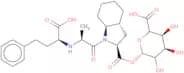
CAS:<p>Trandolaprilat acyl-D-glucuronide is a synthetic compound that has been designed for the treatment of hypertension. Trandolaprilat acyl-D-glucuronide is an active metabolite of trandolapril, which is a prodrug of trandolaprilat. Trandolaprilat acyl-D-glucuronide is glycosylated and has high purity with low impurities. It can be custom synthesized to meet your requirements. The CAS number for this compound is 1260610-97-6.</p>Formula:C28H38N2O11Purity:Min. 95%Molecular weight:578.61 g/molL-Glycero-D-gluco-heptose
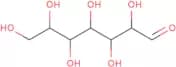
CAS:<p>L-Glycero-D-gluco-heptose is a hexadecanoic acid that is used as a synthetic intermediate. L-Glycero-D-gluco-heptose can be synthesized from benzyl alcohol and galactose in a two step process. The first step involves the esterification of benzyl alcohol with galactose to form an acetal, while the second step involves hydrolysis of this acetal to form L-Glycero-D-gluco-heptose. The chemical data for L-Glycero-D-gluco-heptose has been determined by gas chromatography (GC) and mass spectrometry (MS). GC allows for the separation and identification of fatty acids, oligosaccharides, and other organic compounds, which are then identified by MS.</p>Formula:C7H14O7Purity:Min. 95%Color and Shape:PowderMolecular weight:210.18 g/mol3,4,6-Tri-O-acetyl-1,2-O-isopropylidene-b-D-fructofuranose
CAS:<p>3,4,6-Tri-O-acetyl-1,2-O-isopropylidene-b-D-fructofuranose is a modification of the monosaccharide fructose. It is a complex carbohydrate that can be synthesized using custom synthesis or by modifying the monosaccharide fructose. 3,4,6-Tri-O-acetyl-1,2-O-isopropylideneb -D -fructofuranose has high purity and is available in the form of an oligosaccharide. This compound can be methylated and glycosylated and has CAS No. 7651289 5. 3,4,6 Tri O acetyl 1 2 O isopropylidene b D fructofuranose is used for research purposes as a methylating agent and for glycosylation reactions in order to modify saccharides such as sugars or polysacchar</p>Formula:C15H22O9Purity:Min. 95%Molecular weight:346.4 g/mol1,2,4,6-Tetra-O-acetyl-3-O-allyl-b-D-glucopyranose
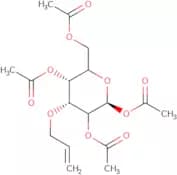
CAS:<p>1,2,4,6-Tetra-O-acetyl-3-O-allyl-b-D-glucopyranose is a high purity and custom synthesis compound. It is a synthetic monosaccharide with CAS number 39698-00-5. This product is methylated at the C1 and C6 positions. It can be used to modify natural or synthetic oligosaccharides and polysaccharides by click chemistry. The complex carbohydrate has also been fluorinated at the C2 position.</p>Formula:C17H24O10Purity:Min. 95%Molecular weight:388.37 g/mol4-(Methylnitrosamino)-1-(3-pyridyl)-1-butanone-N-b-D-glucuronide
CAS:<p>4-(Methylnitrosamino)-1-(3-pyridyl)-1-butanone-N-b-D-glucuronide is a high purity, custom synthesis, sugar modified, fluorinated, glycosylated and carbonylated synthetic compound. It belongs to the class of saccharides and has a CAS No. 350508-26-8. This complex carbohydrate has been shown to have antiarthritic activities in rats.</p>Formula:C16H21N3O8Purity:Min. 95%Molecular weight:383.35 g/molL-Galacturonic acid
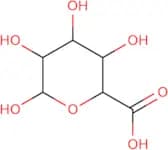
CAS:<p>L-Galacturonic acid is an acidic polysaccharide that is a constituent of many plants, especially in the cell walls of pectin. L-Galacturonic acid has biochemical properties, such as growth factor activity and anticoagulant properties. It also has nucleophilic properties, which means it can be used to extract other substances. The chemical structures of L-galacturonic acid are C6H8O7 with hydroxyl groups on both carbons 1 and 4. The hydroxyl group on carbon 1 makes it a good reactant for nucleophilic attack by sodium carbonate. This reaction increases the number of negative charges on the molecule, which make it a good carbohydrate chemistry reagent. L-Galacturonic acid is not soluble in water but can be dissolved in hydrochloric acid or sodium carbonate solution. It is not toxic when ingested orally and has been shown to have anti-coagulant properties in</p>Purity:Min. 95%Methyl 2,3-di-O-benzyl-4,6-O-benzylidene-a-D-mannopyranoside
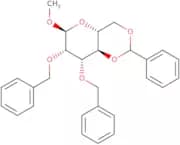
CAS:<p>Methyl 2,3-di-O-benzyl-4,6-O-benzylidene-a-D-mannopyranoside is a custom synthesis of a complex carbohydrate. It is an Oligosaccharide and Polysaccharide that has been modified by methylation and glycosylation. This carbohydrate is saccharide with a high purity and a high degree of Fluorination. Methyl 2,3-di-O-benzyl-4,6-O-benzylidene-a-D-mannopyranoside is synthesized by Click chemistry using sugar as the starting material. The synthesis involves two steps: first, the sugar moiety was protected by benzylation to yield benzyl 2,3 di O acetate; second, it was methylated to give the desired product.</p>Formula:C28H30O6Purity:Min. 95%Molecular weight:462.55 g/mol4-Acetylphenyl 2,3,4,6-tetra-O-acetyl-b-D-glucopyranoside
CAS:<p>4-Acetylphenyl 2,3,4,6-tetra-O-acetyl-b-D-glucopyranoside is a diagnostic marker for cancer. It is an exosome biomarker that can be used to diagnose and measure the progression of cancer. The measurement of this substance provides a new way to detect and diagnose cancers. This compound has been found in diagnostics samples from patients with lung cancer, colorectal cancer, prostate cancer and breast cancer. 4-Acetylphenyl 2,3,4,6-tetra-O-acetyl-b-D-glucopyranoside is an example of a type of molecule called mirnas that regulate gene expression by binding to messenger RNA (mRNA). Mirnas are used as biomarkers in the diagnosis of cancers because they are over expressed or under expressed in cancers compared to normal cells.</p>Formula:C22H26O11Purity:Min. 95%Molecular weight:466.45 g/molPhenyl 2,3-di-O-benzyl-b-D-thiogalactopyranoside
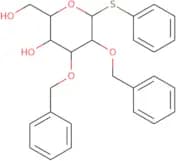
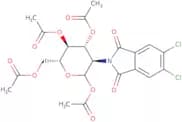
CAS:<p>Phenyl 2,3-di-O-benzyl-b-D-thiogalactopyranoside is an organic compound that is used in the synthesis of saccharides. It is a custom synthesis product and can be modified to create a variety of products. Phenyl 2,3-di-O-benzyl-b-D-thiogalactopyranoside has been shown to have high purity and quality, as well as excellent stability. This product is also available in a variety of grades.</p>Purity:Min. 95%1,3,4,6-Tetra-O-acetyl-2-deoxy-2-(4,5-dichlorophthalimido)-D-glucopyranose
CAS:<p>1,3,4,6-Tetra-O-acetyl-2-deoxy-2-(4,5-dichlorophthalimido)-D-glucopyranose is a Modification of the Carbohydrate. It is a synthetic compound that is used as a building block for the synthesis of complex carbohydrates. This product has been shown to be effective in the modification of glycoproteins and polysaccharides. The product can be used in applications such as fluorination reactions, saccharide methylation reactions, glycosylation reactions, and sugar polymerization reactions.</p>Formula:C22H21Cl2NO11Purity:Min. 95%Molecular weight:546.31 g/molPhenylethyl 2-acetamido-3,4,6-tri-O-acetyl-2-deoxy-b-D-glucopyranoside
CAS:<p>Phenylethyl 2-acetamido-3,4,6-tri-O-acetyl-2-deoxy-b-D-glucopyranoside is a high purity custom synthesis sugar. It is synthesized by Click modification of the terminal hydroxyl group of an oligosaccharide with glycals derived from phenylethyl alcohol and glycerol. This process yields a modified sugar with two acetamido groups in the reducing end and one acetamido group at the nonreducing end. Phenylethyl 2-acetamido-3,4,6-tri-O-acetyl-2-deoxy-b-D--glucopyranoside has been fluorinated to increase its stability and modified to reduce its reactivity towards glycosidases. The complex carbohydrate has a CAS number of 197574–92–8.</p>Formula:C22H29NO9Purity:Min. 95%Molecular weight:451.47 g/mol2-Amino-2-deoxy-D-ribose hydrochloride
CAS:<p>2-Amino-2-deoxy-D-ribose hydrochloride is a synthetic sugar that can be used to produce oligosaccharides and polysaccharides. It has been shown to have high purity and to be custom synthesized as per requirements. This sugar can also be modified with fluorination, methylation, or click modification.</p>Formula:C5H11NO4•HClPurity:Min. 95%Color and Shape:PowderMolecular weight:185.61 g/molN-Acetyl-D-glucosamine-d3
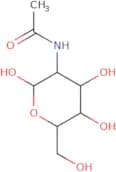
CAS:<p>N-acetyl-D-glucosamine is a regiospecific and stereoselective hydrochloride of D-glucosamine. It is used as a building block for the synthesis of peptides, proteins, and other biological molecules. N-Acetyl-D-glucosamine is synthesized by reacting ethylene diamine with trifluoroacetic acid in the presence of hydrochloric acid. The proton at C2 in the NMR spectrum was found to be diagnostic for the compound. Solid phase microextraction (SPME) was used to extract this compound from a mixture of many components, and it was then analyzed using magnetic resonance spectroscopy (NMR).</p>Formula:C8H12D3NO6Purity:Min. 95%Molecular weight:224.23 g/molTrifluoroacetamidopropyl b-D-galactopyranoside
<p>Trifluoroacetamidopropyl b-D-galactopyranoside is a custom synthesis that is an Oligosaccharide. It is a complex carbohydrate with CAS No., and can be modified with methylation, glycosylation, and click modification. Trifluoroacetamidopropyl b-D-galactopyranoside has high purity and fluoride, which makes it a Synthetic.</p>Purity:Min. 95%1,2,3,4-Tetra-O-acetyl-L-arabinopyranose
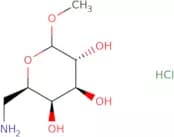
CAS:<p>1,2,3,4-Tetra-O-acetyl-L-arabinopyranose is a custom synthesis that has been modified with fluorination and methylation. The monosaccharide is synthesized by using a Click modification and the oligosaccharides and polysaccharides are glycosylated. This compound has CAS No. 123163-97-3 and is a complex carbohydrate.</p>Purity:Min. 95%Methyl 6-amino-6-deoxy-a-D-glucopyranoside HCl
CAS:<p>Methyl 6-amino-6-deoxy-a-D-glucopyranoside HCl is a custom synthesis that can be modified with fluorination, methylation, and click modification. This compound has CAS No. 14257-74-0 and is a monosaccharide. It has been shown to have glycosylation and sugar properties. Methyl 6-amino-6-deoxy-a-D-glucopyranoside HCl is a polysaccharide that can be synthesized or derived from a saccharide. It has been shown to have carbohydrate properties and complex carbohydrate activity.</p>Formula:C7H15NO5·HClPurity:Min. 95%Molecular weight:229.66 g/mol1,2:5,6-Di-O-isopropylidene-a-D-glucofuranose S-methyl dithiocarbonate
CAS:<p>1,2:5,6-Di-O-isopropylidene-a-D-glucofuranose S-methyl dithiocarbonate is an organic compound that is used in the synthesis of 3,4-dihydroquinazolines. 1,2:5,6-Di-O-isopropylidene-a-D-glucofuranose S-methyl dithiocarbonate is a reagent that reacts with alkenes to form acrylonitrile and methyl iodide. It can also be used to synthesize phenyl substituted alkyl iodides by reacting with an aldehyde or substituents.</p>Formula:C14H22O6S2Purity:Min. 95%Molecular weight:350.45 g/molMethyl 2-deoxy-5-O-[(1,1-dimethylethyl)diphenylsilyl]-β-D-erythro-pentofuranoside
CAS:<p>Methyl 5-O-(tert-butyldiphenylsilyl)-2-deoxy-b-D-ribofuranoside is a modified sugar that is used in the synthesis of oligosaccharides. This compound has been shown to be easily synthesized from 2,3,4,6-tetraacetylbenzoyl chloride and methyl 5-hydroxyisophthalate. Methyl 5-O-(tert-butyldiphenylsilyl)-2-deoxy-b-D-ribofuranoside is not found in nature and can be used as a precursor for glycosylation reactions.</p>Formula:C22H30O4SiPurity:Min. 95%Molecular weight:386.56 g/mol4-Chlorophenyl 2-acetamido-3,4,6-tri-O-acetyl-2-deoxy-b-D-glucopyranoside
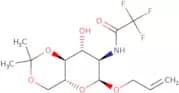
CAS:<p>4-Chlorophenyl 2-acetamido-3,4,6-tri-O-acetyl-2-deoxy-β-D-glucopyranoside is a molecule that has been synthesized using the techniques of nucleic acid molecules. The fluorescence technique is used to measure the amount of this molecule in a sample. This molecule is used as a substrate for DNA and RNA synthesis and can be used to monitor enzyme activity in corynebacterium glutamicum. This compound can be expressed by transferring it into an expression vector and monitoring its progress with a light source at different temperatures.</p>Formula:C20H24ClNO9Purity:Min. 95%Molecular weight:457.86 g/molAllyl 2-deoxy-4,6-O-isopropylidene-2-(trifluoroacetamido)-a-D-glucopyranoside
CAS:<p>Allyl 2-deoxy-4,6-O-isopropylidene-2-(trifluoroacetamido)-a-D-glucopyranoside is a custom synthesis of methylated oligosaccharides. It is a complex carbohydrate that contains a saccharide and monosaccharide. This compound can be used as an intermediate for the production of other drugs or pharmaceuticals. Allyl 2-deoxy-4,6-O-isopropylidene-2-(trifluoroacetamido)-a-D-glucopyranoside has CAS No. 139629-59-7 and a purity of >98%.</p>Formula:C14H20F3NO6Purity:Min. 95%Molecular weight:355.31 g/mol4-Methoxyphenyl 3,4-O-isopropylidene-b-D-galactopyranoside
CAS:<p>4-Methoxyphenyl 3,4-O-isopropylidene-b-D-galactopyranoside is a synthetic, conjugated prodrug that is metabolized to its active form by esterases. It has been shown to inhibit the h2 receptor and coagulation in vitro. 4-Methoxyphenyl 3,4-O-isopropylidene-b-D-galactopyranoside has also been shown to be a diagnostic marker for lymphocytic leukemia cells.</p>Formula:C16H22O7Purity:Min. 95%Molecular weight:326.34 g/mol2-Deoxy-2-N-(2'-thioacetyl)-D-glucosamine
CAS:<p>2-Deoxy-2-N-(2'-thioacetyl)-D-glucosamine is a synthetic sugar that is custom synthesized. It is a monosaccharide with a high purity and can be used as an oligosaccharide or complex carbohydrate. This compound has been fluorinated and has been modified with Click chemistry to produce the desired glycosylation, methylation, and saccharide modification. 2-Deoxy-2-N-(2'-thioacetyl)-D-glucosamine can be used in the synthesis of glycoproteins, glycolipids, polysaccharides, and other carbohydrates.</p>Formula:C8H15NO6SPurity:Min. 95%Molecular weight:253.27 g/molN-Fmoc-O-(2,3,4,6-tetra-O-acetyl-b-D-galactopyranosyl)-L-tyrosine
<p>This compound is a custom synthesis that is fluorinated, methylated, and acetylated. It contains a monosaccharide and oligosaccharide sugar with glycosylation at the reducing end of the sugar. The molecular weight of this compound is 812.14 g/mol. This compound has CAS number 725-36-6 and its name is N-Fmoc-O-(2,3,4,6-tetra-O-acetyl-b-D-galactopyranosyl)-L-tyrosine.</p>Formula:C39H39NO14Purity:Min. 95%Molecular weight:733.71 g/molPhenyl 2,3,6-tri-O-benzyl-b-D-thioglucopyranoside
CAS:<p>Phenyl 2,3,6-tri-O-benzyl-b-D-thioglucopyranoside is a high purity, custom synthesis sugar that has been modified with Click modification, fluorination and glycosylation. It is a synthetic compound in the form of an oligosaccharide and monosaccharide. Phenyl 2,3,6-tri-O-benzyl-b-D-thioglucopyranoside has CAS No. 97974-20-4 and can be found under Modification.</p>Formula:C33H34O5SPurity:Min. 95%Molecular weight:542.69 g/molMethyl 2-deoxy-2-fluoro-D-arabinofuranoside
CAS:<p>Methyl 2-deoxy-2-fluoro-D-arabinofuranoside is a fluorinated sugar that is used as a building block for the synthesis of oligosaccharides and polysaccharides. It is also used in click chemistry to modify saccharides. This product has been purified to > 98% purity, and is available with custom synthesis.</p>Formula:C6H11FO4Purity:Min. 95%Molecular weight:166.15 g/molPhenyl 3-azido-2,4,6-tri-O-benzyl-3-deoxy-b-D-thioglucopyranoside
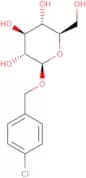
CAS:<p>Phenyl 3-azido-2,4,6-tri-O-benzyl-3-deoxy-b-D-thioglucopyranoside is a custom synthesis. The compound is an oligosaccharide and polysaccharide with a complex carbohydrate structure. Phenyl 3-azido-2,4,6-tri-O-benzyl-3-deoxyglucopyranoside has been modified by methylation and glycosylation. It has also been fluorinated and synthesized.</p>Formula:C33H36N3O4SPurity:Min. 95%Molecular weight:570.72 g/mol(4-Chlorophenyl)methyl-β-D-glucopyranoside
CAS:<p>4-Chlorophenyl)methyl-beta-D-glucopyranoside is a modified saccharide that is used as a synthetic building block in the synthesis of complex carbohydrates. It is also possible to use 4-chlorophenyl)methyl-beta-D-glucopyranoside as an intermediate in the synthesis of oligosaccharides. The compound has been shown to be stable under acidic conditions, making it useful for the modification of polysaccharides.</p>Formula:C13H17ClO6Purity:Min. 95%Molecular weight:304.72 g/molUDP-a-D-Xylose disodium
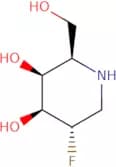
CAS:<p>UDP-a-D-Xylose disodium is a fluorinated synthetic monosaccharide that has been synthesized to produce an oligosaccharide. It is a complex carbohydrate with glycosylation and polysaccharide modifications, which can be modified by methylation or click chemistry. This product is usually used as a custom synthesis for research purposes.</p>Purity:Min. 95%1,2-Dideoxy-2-fluoro-galactonojirimycin
CAS:<p>1,2-Dideoxy-2-fluoro-galactonojirimycin is a synthetic glycoside derived from galactonojirimycin. It has been modified to include fluorine and methyl groups. 1,2-Dideoxy-2-fluoro-galactonojirimycin is an oligosaccharide with a complex carbohydrate structure. It can be synthesized by Click modification of the sugar moiety with fluoroacetate followed by glycosylation and methylation of the saccharide chain.</p>Formula:C6H12NO3FPurity:Min. 95%Molecular weight:165.16 g/mol5-O-tert-Butyldimethylsilyl-2,3-O-isopropylidene-D-lyxono-1,4-lactone
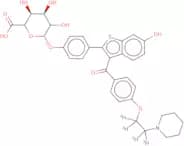
CAS:<p>5-O-tert-Butyldimethylsilyl-2,3-O-isopropylidene-D-lyxono-1,4-lactone is a synthetic monosaccharide that has been modified with fluorine. It is an oligosaccharide that has been synthesized from D-lyxose by glycosylation and methylation. The CAS number for this product is 1266546-70-6. This chemical can be used in the synthesis of complex carbohydrates such as polysaccharides or glycoconjugates. 5SDMTDSL is a white crystalline powder that can be custom synthesized to meet the requirements of customers.</p>Formula:C14H26O5SiPurity:Min. 95%Molecular weight:302.45 g/molRaloxifene 4'-D-glucuronide D4
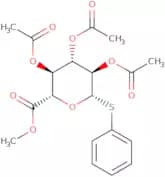
Controlled Product<p>Raloxifene 4'-D-glucuronide D4 is an Oligosaccharide, Carbohydrate, complex carbohydrate. It is a Custom synthesis, Synthetic and it has a CAS No. It is also Monosaccharide, Methylation and Glycosylation. This product contains Fluorination and saccharide.</p>Formula:C34H31NO10SD4Purity:Min. 95%Molecular weight:653.73 g/molMethyl (Phenyl 2,3,4-Tri-O-acetyl-1-thio-b-D-glucopyranosid)uronate
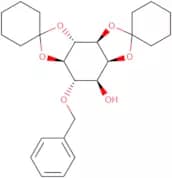
CAS:<p>Methyl (Phenyl 2,3,4-Tri-O-acetyl-1-thio-b-D-glucopyranosid)uronate is a modified sugar that can be used as a building block to synthesize complex carbohydrates. It is an important intermediate for the synthesis of saccharides and oligosaccharides. This product is a white powder with a molecular weight of 594.87. Methyl (Phenyl 2,3,4-Tri-O-acetyl-1-thio-b-D-glucopyranosid)uronate has been assigned CAS No. 62812-42-4 and has been approved for use in food production.</p>Formula:C19H22O9SPurity:Min. 95%Molecular weight:426.44 g/mol6-O-Benzyl-2,3:4,5-di-O-cyclohexylidene-D-myo-inositol
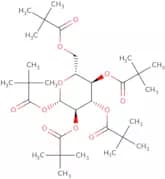
CAS:<p>6-O-Benzyl-2,3:4,5-di-O-cyclohexylidene-D-myo-inositol is a complex carbohydrate that is synthesized from 6-O-benzyl-2,3:4,5-di-O-(cyclohexylidene)-D-myo-[1]-inositol. It can be used in the synthesis of glycosylations and other modifications. This product has been custom synthesized to high purity and is available for purchase.</p>Formula:C26H34O6Purity:Min. 95%Molecular weight:442.54 g/mol1,2,3,4,6-Penta-O-pivaloyl-b-D-glucopyranose
CAS:<p>1,2,3,4,6-Penta-O-pivaloyl-b-D-glucopyranose is a glycosylation that is used in the synthesis of complex carbohydrates. This product can be custom synthesized to meet your needs. It is also available in high purity and with a CAS No. of 81058-26-6.</p>Formula:C31H52O11Purity:Min. 95%Molecular weight:600.74 g/mol3-Deoxy-D-[UL-13C6]fructose
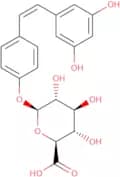
<p>3-Deoxy-D-[UL-13C6]fructose is a high purity, custom synthesis, modification, and fluorination of a methylated oligosaccharide. It is a synthetic molecule that can be used to study the methylation of complex carbohydrates. 3-Deoxy-D-[UL-13C6]fructose can be used as an intermediate in the synthesis of other sugar molecules. The structure is shown below:</p>Purity:Min. 95%cis-Resveratrol 4'-O-b-D-glucuronide
CAS:<p>cis-Resveratrol 4'-O-b-D-glucuronide is a synthetic compound that is a sugar, with a molecular weight of 598. It is an oligosaccharide and has been modified with fluorination on the C2 position. cis-Resveratrol 4'-O-b-D-glucuronide is the methylated form of resveratrol. It has been shown to have anti-inflammatory properties and can be used for the treatment of inflammation associated with arthritis, psoriasis, or septic shock. cis-Resveratrol 4'-O-b-D-glucuronide binds to polysaccharides in the body and inhibits their ability to bind to glycoproteins on cell surfaces. This results in a decrease in inflammation and other inflammatory responses that are mediated by these cells.</p>Formula:C20H20O9Purity:Min. 95%Molecular weight:404.37 g/molMethyl 6-azido-6-deoxy-2,3-di-O-benzyl-a-D-glucopyranoside
CAS:<p>Methyl 6-azido-6-deoxy-2,3-di-O-benzyl-a-D-glucopyranoside is a custom synthesized compound that belongs to the group of glycosylation. It is an Oligosaccharide, sugar, Synthetic, Fluorination, Custom synthesis, Methylation, Monosaccharide, Polysaccharide and saccharide. This compound has CAS No. 54522-58-6 and a molecular weight of 598.29 g/mol. The purity level is >99% and the modification level is Click modification.</p>Formula:C21H25N3O5Purity:Min. 95%Molecular weight:399.18 g/molMethyl 2,4,6-tri-O-methyl-a-D-glucopyranoside
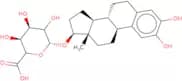
CAS:<p>Methyl 2,4,6-tri-O-methyl-a-D-glucopyranoside is a sugar that has been modified by the addition of a methyl group to the hydroxyl group at the C2 position. The chemical name for this sugar is methyl 2,4,6-tri-O-methyl-β--glucopyranoside. This modification of the sugar molecule can be achieved through either a Click or an Oligosaccharide synthesis approach.<br>Methyl 2,4,6-tri-O-methyl-a-D--glucopyranoside is used in various applications including as a synthetic intermediate for saccharides or as a carbohydrate building block for glycosylations. Methyl 2,4,6--tri--O--methyl--β--glucopyranoside is also used in fluorination reactions to produce fluoro sugars and can be used as a custom synthesis service with high purity</p>Purity:Min. 95%2-Hydroxyestradiol-17-O-b-D-glucuronide
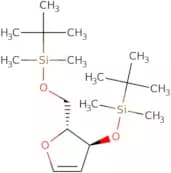
CAS:<p>2-Hydroxyestradiol-17-O-b-D-glucuronide is a custom synthesis of an oligosaccharide and polysaccharide. It is modified with methylation, glycosylation, and carbamylation, and fluorinated to produce a high purity product. This product can be synthesized with a click modification or glycosylation, but is not available for purchase as a monosaccharide.</p>Formula:C24H32O9Purity:Min. 95%Molecular weight:464.51 g/mol1,4-Anhydro-2-deoxy-3,5-bis-O-(t-butyldimethylsilyl)-D-erythro-pent-1-enitol
CAS:<p>1,4-Anhydro-2-deoxy-3,5-bis-O-(t-butyldimethylsilyl)-D-erythro-pent-1-enitol is a custom synthesis that has been fluorinated. It is a high purity oligosaccharide with a complex carbohydrate structure. This product was synthesized by click modification and methylation of the saccharide. It is a monosaccharide and sugar with a molecular formula C8H14FNO6S.</p>Formula:C17H36O3Si2Purity:Min. 95%Color and Shape:Clear LiquidMolecular weight:344.64 g/mol3,4,6-Tri-O-acetyl-2-deoxy-2-phthalimido-a-D-glucopyranosyl fluoride
CAS:<p>3,4,6-Tri-O-acetyl-2-deoxy-2-phthalimido-a-D-glucopyranosyl fluoride is a synthetic saccharide that has been modified with the Click chemistry. It is an acetylated derivative of 2,3,4,6-trihydroxybenzoic acid and was prepared by the fluorination of 3,4,6-trihydroxybenzoic acid followed by glycosylation with 4-(N-(1-(ethoxycarbonyl)ethyl)amino)-benzeneboronic acid. The product is a white to off white powder that is soluble in water and low solvents. The purity of this product is >98% as determined by HPLC analysis.</p>Formula:C20H20FNO9Purity:Min. 95%Molecular weight:437.37 g/molPropofol 2,3,4-tri-O-benzoyl-b-D-glucuronide methyl ester
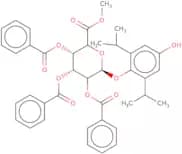
<p>Propofol is a general anesthetic that is used to induce and maintain anesthesia. It binds to GABA receptors in the brain, leading to suppression of neuronal activity. Propofol is metabolized by esterases in the liver, resulting in its active form 2,3,4-tri-O-benzoyl-b-D-glucuronide methyl ester. This active form inhibits glycolysis by inhibiting the conversion of glucose to fructose 1,6-bisphosphate and glyceraldehyde 3-phosphate by phosphoglucose isomerase and triose phosphate isomerase respectively. It also inhibits protein synthesis by binding to the ribosomes and preventing peptide bond formation on amino acids.</p>Formula:C40H40O10Purity:Min. 95%Molecular weight:680.74 g/mol5,7-Bis-(benzyloxy)-a-(4-(benzyloxy)phenyl)-3-[3,4-di-O-acetyl-a-O-acetyl-a-L-rhamnopyranosyloxyl]-4H-chromen-4-one
CAS:<p>This product is a custom synthesis. This product is a methylation, click modification, and oligosaccharide. This product is a polysaccharide and saccharide. This product is fluorinated and complex carbohydrate. This product is high purity with modification. This product has monosaccharides and sugar. This product is synthetic and CAS No. 849938-27-8.</p>Formula:C53H48O12Purity:Min. 95%Molecular weight:876.94 g/molPomolic acid 28-O-b-D-glucopyranosyl ester
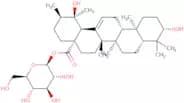
CAS:<p>Pomolic acid is a saponin isolated from the ethanol extract of Astragalus membranaceus. Pomolic acid has a nitrite reductase inhibitory effect and inhibits cell proliferation in certain cells, such as those found in the pancreas. The chemical structure of pomolic acid and its derivatives are similar to those of steroid glycosides and steroid alkaloids. It also has the ability to disrupt DNA replication and reduce insulin resistance. The use of pomolic acid in Chinese medicine formulas is reported to be effective for treating diabetes mellitus type 2, hyperlipidemia, and obesity.</p>Purity:Min. 95%5-(Acetylamino)-4-amino-2,6-anhydro-3,4,5-trideoxy-7-O-methyl-D-glycero-D-galacto-non-2-enonic acid
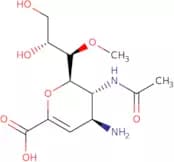
CAS:<p>5-(Acetylamino)-4-amino-2,6-anhydro-3,4,5-trideoxy-7-O-methyl-D-glycero-D-galacto-non-2-enonic acid is a custom synthesis. It is synthesized by modification of the 7th carbon in the glycosidic bond and fluorination of the 4th carbon on the sugar ring. The chemical structure is based on an amino sugar composed of two acetic acid residues, one anhydro sugar residue and one methyl group. This product is a white to off white solid with a molecular weight of 597.07 g/mol that has a melting point of 154°C.</p>Formula:C12H20N2O7Purity:Min. 95%Molecular weight:304.3 g/molBromo-2-tetraacetyl galactose
<p>Bromo-2-tetraacetyl galactose is a glycosylation agent that is used for the post-translational modification of proteins. It can be applied to many types of polysaccharides such as saccharide, oligosaccharide, and glycoconjugates. Bromo-2-tetraacetyl galactose has been shown to be an effective methylation agent and can be used in click chemistry. This product has a CAS number and is custom synthesized for high purity.</p>Purity:Min. 95%Cys-spacer-Gly-Gly-Tyr-D-Thr-Gly-Phe-Leu-Ser(glucoside)-amide
<p>Custom synthesis, Modification, Fluorination, Methylation, Monosaccharide, Synthetic, Click modification, Oligosaccharide, saccharide<br>CAS No.: 1101-98-2<br>Polysaccharide: Glycosylated<br>Sugar: Carbohydrate<br>Complex carbohydrate: Glycosylated<br>Glycosylation: sugar</p>Purity:Min. 95%Methyl 2,3,5-tri-O-acetyl-D-arabinofuranoside
CAS:<p>Methyl 2,3,5-tri-O-acetyl-D-arabinofuranoside is a monosaccharide that is used in the synthesis of carbohydrates. It has been shown to inhibit the growth of Rhizopus stolonifer and other fungi. Methyl 2,3,5-tri-O-acetyl-D-arabinofuranoside has also been used for the quantitative analysis of deacetylated sugars. A chromatographic method was developed using an ion exchange resin and methyl glycosides as standards. The sugar was quantified by electron ionization mass spectrometry (EI) after conversion to its trimethylsilyl ether derivatives with triethylamine in methylene chloride. The spectrum obtained from EI analysis showed the presence of anomeric proton peaks at m/z 184 and 186, indicating that this sugar contains two anomeric hydroxyl groups on the same carbon atom.</p>Formula:C12H18O8Purity:Min. 95%Molecular weight:290.27 g/mol3-[(2,3,4,6-Tetra-O-acetyl-b-D-glucopyranosyl)thio]-propanoic acid
CAS:<p>3-[(2,3,4,6-Tetra-O-acetyl-b-D-glucopyranosyl)thio]-propanoic acid is a modification of an oligosaccharide. It is a complex carbohydrate that has been modified with methylation and glycosylation. This product is synthesized from the raw material, which is a high purity monosaccharide or polysaccharide. 3-[(2,3,4,6-Tetra-O-acetyl-b-D-glucopyranosyl)thio]-propanoic acid has CAS No. 325410 2 and Mw of 835.5 g/mol. The molecular weight and purity are determined by high performance liquid chromatography (HPLC). The product is soluble in water and ethanol.</p>Formula:C17H24O11SPurity:Min. 95%Molecular weight:436.43 g/molMethyl 2,3,6-tri-O-benzoyl-a-D-glucopyranoside
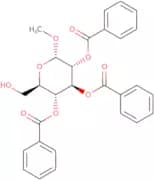
CAS:<p>Methyl 2,3,6-tri-O-benzoyl-a-D-glucopyranoside is a biodegradable polymer that can be used for the prevention of boron diffusion into a prosthesis. It is also resistant to corrosion. Methyl 2,3,6-tri-O-benzoyl-a-D-glucopyranoside has been shown to have a transition temperature of 232 °C and this property makes it suitable for use in high temperature applications. This material is resistant to refractory environments and can be used as an additive in thermodynamic systems.</p>Formula:C28H26O9Purity:Min. 98 Area-%Color and Shape:PowderMolecular weight:506.5 g/molMethyl 2-acetamido-4,6-O-benzylidene-2-deoxy-b-D-glucopyranoside
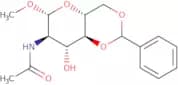
CAS:<p>Methyl 2-acetamido-4,6-O-benzylidene-2-deoxy-b-D-glucopyranoside is a custom synthesis of an oligosaccharide that can be modified with methylation, glycosylation, or fluorination. It is a complex carbohydrate that has been synthesized using a click modification and high purity. This product is available for purchase as a white to off white powder.</p>Formula:C16H21NO6Purity:Min. 95%Molecular weight:323.34 g/mol3-Deoxy-D-arabino-heptulosonic acid 7-phosphate disodium salt
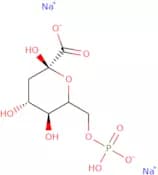
CAS:<p>3-Deoxy-D-arabinonoheptulosonic acid 7-phosphate disodium salt is a phosphate derivative of 3-deoxy-D-arabinoheptulosonic acid (DAHP), which is an intermediate in the biosynthesis of heparin. DAHP is synthesized by the enzyme DAHP synthetase, which catalyses the conversion of D-xylose to DAHP. The enzyme can be activated by adding xylose or other sugar phosphates, and it can be inhibited by adding anthranilate or arabinose. 3-Deoxy-D-arabinonoheptulosonic acid 7-phosphate disodium salt is used as a substrate for various enzymes, including enzymes in biological samples and model systems. It was also used to study the rate constant for the polymerase chain reaction (PCR).</p>Formula:C7H11Na2O10PPurity:Min. 95%Color and Shape:Off-White PowderMolecular weight:332.11 g/molNicotine-N-(4-deoxy-4,5-didehydro)-b-D-glucuronide
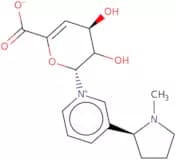
CAS:<p>Nicotine-N-(4-deoxy-4,5-didehydro)-b-D-glucuronide is a synthetic glycosylated nicotine derivative. It is a white to slightly yellow powder that is soluble in water and alcohol. Nicotine-N-(4-deoxy-4,5-didehydro)-b-D-glucuronide has been shown to be effective against methicillin resistant Staphylococcus aureus (MRSA) and Clostridium perfringens, although is not active against acid fast bacteria such as Mycobacterium tuberculosis or Mycobacterium avium complex. This product has been custom synthesized with the goal of providing high purity and modification.</p>Formula:C16H20N2O5Purity:Min. 95%Molecular weight:320.34 g/mol2-Deoxy-3,5-di-O-toluoyl-b-D-ribofuranosyl cyanide
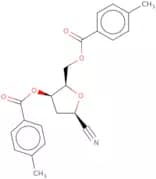
<p>2-Deoxy-3,5-di-O-toluoyl-b-D-ribofuranosyl cyanide is a fluorinated sugar that is synthesized from 2,6-dichloro-1,4,5,8,-tetraoxybenzene and 3,5-di-O-toluoyl bromide. It is a carbohydrate that belongs to the family of oligosaccharides.</p>Formula:C22H21NO5Purity:Min. 95%Molecular weight:379.41 g/mol3,6-Di-O-tert-butyldiphenylsilyl-D-glucal
CAS:<p>3,6-Di-O-tert-butyldiphenylsilyl-D-glucal is a monosaccharide that is synthesized from D-glucal. It can be modified with methyl groups and fluorine atoms. 3,6-Di-O-tert-butyldiphenylsilyl-D-glucal has been shown to be effective in modifying polysaccharides, glycosylation, and oligosaccharides. This compound is also used in the synthesis of complex carbohydrates.</p>Purity:Min. 95%2-Acetamido-3,4,6-tri-O-acetyl-1-O-(N-Cbz-6-aminohexyl)-2-deoxy-b-D-galactopyranose
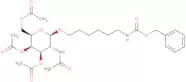
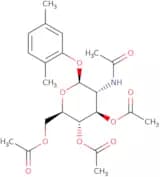
CAS:<p>2-Acetamido-3,4,6-tri-O-acetyl-1-O-(N-Cbz-6-aminohexyl)-2-deoxy-b-D-galactopyranose is a glycosylation agent that is used in the preparation of complex carbohydrates. It is also a methylation agent, fluorinated saccharide and an oligosaccharide. This compound can be custom synthesized for your specific needs. It is a white to off white powder and has a purity of 99%. The CAS number for this product is 159173 -77 -0.</p>Formula:C28H40N2O11Purity:Min. 95%Molecular weight:580.62 g/mol2-Methylphenyl 2-acetamido-3,4,6-tri-O-acetyl-2-deoxy-b-D-glucopyranoside
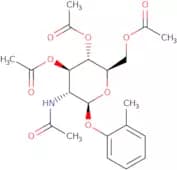
CAS:<p>2-Methylphenyl 2-acetamido-3,4,6-tri-O-acetyl-2-deoxy-b-D-glucopyranoside is a high purity custom synthesis that has undergone a click modification (a reaction in which an azide group is transferred from an alkyne group to an electron rich atom such as nitrogen). The product has been fluorinated and modified with the addition of a saccharide group. This complex carbohydrate can be used in the synthesis of oligosaccharides or polysaccharides. It is also used as a sugar substitute.</p>Formula:C21H27NO9Purity:Min. 95%Molecular weight:437.44 g/molMethyl 2,3,4,6-tetra-O-acetyl-b-D-glucopyranose
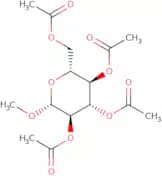
CAS:<p>Methyl 2,3,4,6-tetra-O-acetyl-b-D-glucopyranose is a fluorinated synthetic oligosaccharide. It is custom synthesized to meet your specifications. Methyl 2,3,4,6-tetra-O-acetyl-b-D-glucopyranose is a complex carbohydrate with a glycosylation pattern that can be modified and methylated. This product has CAS No. 486085 9 and purity of >99%.</p>Formula:C15H22O10Purity:Min. 95%Molecular weight:362.33 g/molHydroxy pioglitazone (M-VII) b-D-glucuronide
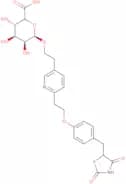
CAS:<p>Hydroxy pioglitazone (M-VII) b-D-glucuronide is a synthetic, fluorinated glucuronide of hydroxy pioglitazone. It has been shown to inhibit the activity of bacterial dna gyrase and topoisomerase IV enzymes.</p>Formula:C25H28N2O10SPurity:Min. 95%Molecular weight:548.56 g/mol1-(2,3,4,6-Tetra-O-acetyl-b-D-glucopyranosyl)imidazole
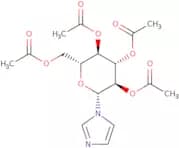
CAS:<p>1-(2,3,4,6-Tetra-O-acetyl-b-D-glucopyranosyl)imidazole (1A2G) is an acidic sugar that is found in plants from the genus Desmodium. It is a component of the biomass and has been shown to have anti-inflammatory properties. 1A2G can be extracted from plants such as Centrosema, Pueraria and Phaseolus edulis, which are commonly grown in tropical regions. This sugar can be used as a nutrient or as a treatment for diseases such as diabetes mellitus or cancer.</p>Purity:Min. 95%D-Glucose 2-phosphate
CAS:<p>D-Glucose 2-phosphate (D-G6P) is a glycolysis intermediate that is generated by the enzyme phosphoglucose isomerase. It is necessary for the synthesis of glycogen and starch, as well as for the formation of glucose 6-phosphate in glycolysis. D-G6P has been shown to be an important substrate for enzymes involved in phosphate transfer. D-G6P also plays a role in mitochondrial function, as it can be converted to ATP by the enzyme pyruvate kinase. D-G6P has been shown to alter physiological effects in wild type strains of yeast and plants, as well as having disease activity against human serum.</p>Formula:C6H13O9PPurity:Min. 95 Area-%Color and Shape:PowderMolecular weight:260.14 g/molMethyl 3-acetamido-4-O-benzoyl-6-bromo-2,3,6-trideoxy-a-D-ribo-hexopyranoside
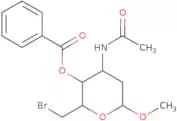
CAS:<p>Methyl 3-acetamido-4-O-benzoyl-6-bromo-2,3,6-trideoxy--aDribohexopyranoside is a Custom synthesis that is classified as an Oligosaccharide. It has a molecular weight of 576.07 and a purity of >99%. The chemical formula for this compound is C22H30BrNO8. Methyl 3-acetamido-4-O-benzoyl-6-bromo-2,3,6--trideoxy--aDribohexopyranoside is used in the modification of saccharides with the purpose of synthesizing polysaccharides. This compound has been shown to be effective for the synthesis of glycosylations and methylations.<br>Methyl 3 acetamido 4 O benzoyl 6 bromo 2,3,6 trideoxy - a D rib</p>Formula:C16H20BrNO5Purity:Min. 95%Molecular weight:386.25 g/mol6-(4-Azido-2-hydroxybenzamido)-6-deoxy-D-glucopyranose
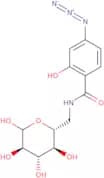
CAS:<p>6-(4-Azido-2-hydroxybenzamido)-6-deoxy-D-glucopyranose (AGB) is a potential photoaffinity label that can be used to identify and characterize the transporter. The photoaffinity label is synthesized by reacting 2,4-dinitrophenylhydrazine with 6-(4-azido-2-hydroxybenzamido)-6-deoxy-D-glucopyranose in the presence of sodium bicarbonate or potassium carbonate. The photolysis of AGB produces an azide radical cation that reacts with amino acid residues on the protein surface, forming a covalent bond. This labeling process is irreversible.</p>Formula:C13H16N4O7Purity:Min. 95%Molecular weight:340.29 g/molMomordicoside G
CAS:<p>Momordicoside G is a plant-derived compound that belongs to the group of monoterpenoids. It has been shown to stimulate cell growth and differentiation in vitro by binding to epidermal growth factor (EGF) and colony-stimulating factor (CSF) receptors. Momordicoside G has also been shown to inhibit pentobarbital sodium-induced lung cell lysis, which may be due to its ability to induce synthesis of fatty acids. This molecule has been found in a variety of model organisms, including bacteria and yeast. The fluorescence emission spectrum of momordicoside G has been reported and it was shown that this molecule binds to DNA polymerase. Studies have also shown that momordicoside G can inhibit RNA extraction from lung fibroblasts, which may be due to its ability to bind with RNA polymerase II.</p>Formula:C37H60O8Purity:Min. 95%Molecular weight:632.87 g/moltrans-Resveratrol 4'-O-b-D-glucuronide
CAS:<p>Trans-resveratrol 4'-O-b-D-glucuronide is a natural compound that is found in red wine and other foods. It has been shown to inhibit the growth of cancer cells through the activation of adenosine receptors, which are found on cancer cells and are responsible for apoptosis. Trans-resveratrol 4'-O-b-D-glucuronide has been shown to be an agonist of the adenosine a3 receptor, with high concentrations leading to apoptosis in human colon cancer cells. This compound also inhibits colon carcinogenesis by inhibiting cell proliferation and inducing apoptosis.</p>Formula:C20H20O9Purity:Min. 95%Molecular weight:404.37 g/molRibaric acid disodium salt
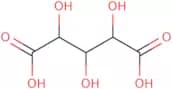
CAS:<p>Ribaric acid is a polycarboxylic acid that is used as a disinfectant and corrosion inhibitor. It has been shown to have synergistic effects with other compounds, such as azobenzene. Ribaric acid also has the ability to inhibit the growth of bacteria, enzymes and fungi. The structure of ribaric acid is composed of alternating carboxylate groups and hydroxyl groups, which give it its biodegradable properties. It can be used in deionized water due to its high resistance to hydrolysis. One study showed that ribaric acid inhibited the growth of bacteria by disrupting their cell wall synthesis and inhibiting their DNA synthesis by interacting with bacterial DNA gyrase.</p>Formula:C5H6Na2O7Purity:Min. 95%Molecular weight:224.08 g/mol3-Methylflavone-8-carboxylic acid acyl-b-D-glucuronide
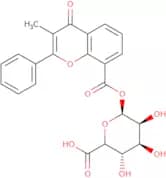
CAS:<p>3-Methylflavone-8-carboxylic acid acyl-b-D-glucuronide is a fluorinated synthetic compound that has been custom synthesized with a high purity. It is an oligosaccharide, monosaccharide, and complex carbohydrate. This chemical can be used for glycosylation, methylation, or click modification. The product is stable at room temperature and does not require any special storage conditions.</p>Formula:C23H20O10Purity:Min. 95%Molecular weight:456.4 g/molrac N,O-didesmethyl venlafaxine b-D-glucuronide hydrochloride
CAS:<p>RacN,O-didesmethylvenlafaxine b-D-glucuronide hydrochloride is a synthetic glycosylated active metabolite of venlafaxine. It is an N-desmethyl derivative of racemic venlafaxine, which has been modified by oxygenation and fluorination of the methyl group at the nitrogen atom. RacN,O-didesmethylvenlafaxine b-D-glucuronide hydrochloride is a complex carbohydrate with high purity. It is also a saccharide that can be modified with click chemistry for desired modifications. The CAS No. for this compound is 1021933-99-2.</p>Formula:C21H32ClNO8Purity:Min. 95%Molecular weight:461.93 g/mol2,3,4-Tri-O-benzoyl-L-fucopyranosyl bromide
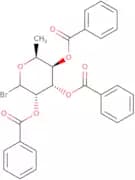
CAS:<p>2,3,4-Tri-O-benzoyl-L-fucopyranosyl bromide is a synthetic compound that is used as a reagent in the synthesis of complex carbohydrates. It is also an intermediate in the synthesis of oligosaccharides and polysaccharides. This product can be modified by methylation, glycosylation and fluorination to generate desired products. The CAS number for this product is 855662-12-3.</p>Formula:C27H23BrO7Purity:Min. 95%Molecular weight:539.37 g/mol














![Methyl 2-deoxy-5-O-[(1,1-dimethylethyl)diphenylsilyl]-β-D-erythro-pentofuranoside](/_next/image/?url=https%3A%2Fstatic.cymitquimica.com%2Fproducts%2F3D%2Fthumb-webp%2FMM06067.webp&w=3840&q=75)







![3-Deoxy-D-[UL-13C6]fructose](/_next/image/?url=https%3A%2Fstatic.cymitquimica.com%2Fproducts%2F3D%2Fthumb-webp%2FMD14754.webp&w=3840&q=75)



![5,7-Bis-(benzyloxy)-a-(4-(benzyloxy)phenyl)-3-[3,4-di-O-acetyl-a-O-acetyl-a-L-rhamnopyranosyloxyl]…](/_next/image/?url=https%3A%2Fstatic.cymitquimica.com%2Fproducts%2F3D%2Fthumb-webp%2FMB16635.webp&w=3840&q=75)

![3-[(2,3,4,6-Tetra-O-acetyl-b-D-glucopyranosyl)thio]-propanoic acid](/_next/image/?url=https%3A%2Fstatic.cymitquimica.com%2Fproducts%2F3D%2Fthumb-webp%2FMT01467.webp&w=3840&q=75)