Monosaccharides
Monosaccharides are the simplest form of carbohydrates and serve as fundamental building blocks for more complex sugars and polysaccharides. These single sugar molecules play critical roles in energy metabolism, cellular communication, and structural components of cells. In this section, you will find a wide variety of monosaccharides essential for research in biochemistry, molecular biology, and glycoscience. These compounds are crucial for studying metabolic pathways, glycosylation processes, and developing therapeutic agents. At CymitQuimica, we offer high-quality monosaccharides to support your research needs, ensuring precision and reliability in your scientific investigations.
Subcategories of "Monosaccharides"
- Alloses(11 products)
- Arabinoses(21 products)
- Erythroses(11 products)
- Fructoses(9 products)
- Fucoses(36 products)
- Galactosamine(41 products)
- Galactose(261 products)
- Glucoses(365 products)
- Glucuronic Acids(51 products)
- Glyco-substrates for Enzyme(77 products)
- Guloses(6 products)
- Idoses(4 products)
- Inositols(15 products)
- Lyxoses(4 products)
- Mannoses(65 products)
- O-Glycans(48 products)
- Psicoses(3 products)
- Rhamnoses(10 products)
- Riboses(61 products)
- Sialic Acids(100 products)
- Sorboses(4 products)
- Sugars(173 products)
- Tagatoses(4 products)
- Taloses(8 products)
- Xyloses(20 products)
Show 17 more subcategories
Found 6088 products of "Monosaccharides"
Sort by
Purity (%)
0
100
|
0
|
50
|
90
|
95
|
100
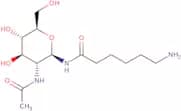
2-Acetamido-N-(e-aminocaproyl)-2-deoxy-b-D-glucopyranosyl amine
CAS:<p>2-Acetamido-N-(e-aminocaproyl)-2-deoxy-b-D-glucopyranosyl amine (Km) is a compound that has been shown to have hexosaminidase activity. It is a human liver enzyme that catalyzes the cleavage of the terminal alpha-1,4 linkage between N-acetylglucosamine and D-glucose residues from the nonreducing end of the beta 1,4 linked N-acetylglucosamine molecule. The KM value for this enzyme is 3.2 mM. This compound also has affinity chromatography properties, which allows it to be used in affinity chromatography experiments as a ligand for concanavalin A. 2KA can be used in gel electrophoresis to separate polypeptides by their size or charge. The corresponding KM value for this process is 22.5 mM. Denaturing conditions are required to</p>Formula:C14H27N3O6Purity:Min. 95%Molecular weight:333.38 g/mol3,4,6-Tri-O-acetyl-2-azido-2-deoxy-a-D-galactopyranosyl fluoride
<p>3,4,6-Tri-O-acetyl-2-azido-2-deoxy-a-D-galactopyranosyl fluoride is a custom synthesis that has been modified. It has fluorination and methylation at the 6 position and a click modification at the 2 position. The monosaccharide is a galactose with an acetyl group at the 3 position, while the oligosaccharide is a triantennary saccharide. This compound is used in glycosylation reactions to create complex carbohydrates.</p>Purity:Min. 95%(1R,3S,4R,8S)-3-Acetoxy-1-acetoxymethyl-8-benzloxy-2,6-dioxabicyclo[3,2,1]octane
CAS:<p>(1R,3S,4R,8S)-3-Acetoxy-1-acetoxymethyl-8-benzloxy-2,6-dioxabicyclo[3,2,1]octane is a modification of a complex carbohydrate. It is synthesized by the methylation and glycosylation of the monosaccharide (1R,3S,4R,8S)-3-acetoxy-1-acetoxymethylcyclohexanecarboxylic acid. This product has a CAS number of 229469-37-8 and is available in high purity with 98% to 99% purity. This product can be used as an ingredient in pharmaceuticals or other chemical products.</p>Formula:C18H22O7Purity:Min. 95%Molecular weight:350.36 g/mol3-Deoxy-3-fluoro-D-myo-inositol
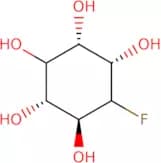
CAS:<p>3-Deoxy-3-fluoro-D-myo-inositol, also known as myo-inositol 3-O-(2'-deoxy) (dFMI), is a natural product found in the brain that has been shown to selectively inhibit the growth of trophozoites. It can bind to nonselective cations and block intracellular Ca2+ channels. This causes an increase in cytosolic Ca2+ concentration, which activates a cytosolic Ca2+ signal cascade. These effects show that dFMI is capable of inhibiting the growth of trophozoites by blocking the function of Ca2+ channels and increasing cytosolic Ca2+.</p>Formula:C6H11FO5Purity:Min. 95%Molecular weight:182.15 g/mol?-Gal-nonoate
CAS:<p>β-Gal-nonoate is a high purity, custom synthesis, sugar modified with fluorination, glycosylation, and methylation. It is a synthetic molecule that has CAS No. 357192-77-9. β-Gal-nonoate is a modification of β-galactoside and it's glycosylated with oligosaccharides and monosaccharides. It is an oligosaccharide that can be complex carbohydrate.</p>Formula:C10H19N3O7Purity:Min. 95%Molecular weight:293.27 g/molAzido 2-acetamido-2-deoxy-3,4,6-tri-o-acetyl-β-D-galactopyranosyl
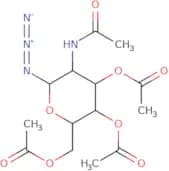
CAS:<p>Azido 2-acetamido-2-deoxy-3,4,6-tri-O-acetyl-β-D-galactopyranosyl is a high purity and custom synthesis sugar. Azido 2-acetamido-2-deoxy-3,4,6-triO acetyl βD galactopyranosyl can be fluorinated, glycosylated, modified with methylation and other methods. It can also be used to synthesize oligosaccharides or monosaccharides. This carbohydrate is used in complex carbohydrates.</p>Formula:C14H20N4O8Purity:Min. 95%Molecular weight:372.33 g/molD-Glucose-6-18O
CAS:<p>D-Glucose-6-18O is a modified form of glucose, which is an important monosaccharide. It can be synthesized by the methylation and glycosylation of glucose. This compound has a CAS number of 7978-38-1. D-Glucose-6-18O is used in the synthesis of oligosaccharides and polysaccharides, and can be fluorinated to form 6Fluoro-3-indoxylglucopyranoside or 3Fluoro D Glucopyranoside.</p>Formula:OC6H12O5Purity:Min. 95%Molecular weight:182.16 g/mol2,3,4,6-Tetra-O-benzyl-D-galactopyranosyl trichloroacetimidate
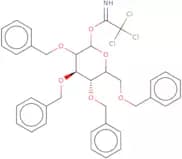
CAS:<p>2,3,4,6-Tetra-O-benzyl-D-galactopyranosyl trichloroacetimidate (TBG) is a glycosylation agent that is used in the synthesis of d-chiro-inositol. It is an effective glycosylation agent because TBG can react with a variety of alcohols and amines to produce products of high purity. The product has been shown to be effective in the synthesis of fagopyritol and other related compounds.</p>Formula:C36H36Cl3NO6Purity:Min. 95%Color and Shape:Off-White SolidMolecular weight:685.03 g/molN-(2-Fluoroacetyl)-D-glucosamine
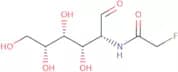
CAS:<p>N-(2-Fluoroacetyl)-D-glucosamine is a fluorinated derivative of D-glucosamine that has been used as a substrate in biochemical studies of glycosyltransferases. It has been found to be synthesized by lactobacillus acidophilus, which is an acidic bacterium that inhabits the human stomach and intestine. The biological properties of N-(2-fluoroacetyl)-D-glucosamine have not yet been studied in depth, but it has shown potential as a nonsteroidal anti-inflammatory drug.</p>Formula:C8H14FNO6Purity:Min. 95%Molecular weight:239.2 g/mol2,3-O-Isopropylidene-1,6-di-O-p-toluenesulfonyl-a-L-sorbofuranose
CAS:<p>2,3-O-Isopropylidene-1,6-di-O-p-toluenesulfonyl-a-L-sorbofuranose is a synthetic sugar that has been modified with fluorine. It has a molecular weight of 594.65 and melting point of 190°C. The compound is used as a precursor for the synthesis of oligosaccharides and polysaccharides.</p>Formula:C23H28O10S2Purity:Min. 95%Molecular weight:528.59 g/molN1-a-L-Arabinopyranosylamino-guanidine HNO3
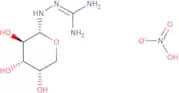
CAS:<p>This compound is a custom synthesis with a complex carbohydrate. It has CAS No. 109853-80-7 and is a polysaccharide that is modified, methylated, glycosylated, and fluorinated. This compound is a sugar with high purity and a click modification. It can be used as an intermediate in the synthesis of other compounds or saccharides.</p>Formula:C6H14N4O4·HNO3Purity:Min. 95%Molecular weight:269.21 g/mol22-Dehydroclerosterol glucoside
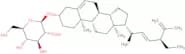
CAS:<p>22-Dehydroclerosterol glucoside is a biochemical that has been shown to have antihepatotoxic activity. It has been shown to inhibit the production of glutamate and oxaloacetate in the liver, as well as phosphatase activity, which may be due to its ability to inhibit glutamate oxaloacetate transaminase. 22-Dehydroclerosterol glucoside can be extracted from clerodendrum species or synthesized from 22-dehydrocholesterol. This product is an alkaline substance with a chemical structure similar to that of cholesterol. It is used in parameters for determining glutamic oxaloacetic transaminase (GOT).</p>Purity:Min. 95%Desmethyl ranolazine b-D-glucuronide
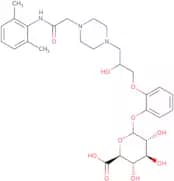
CAS:<p>Desmethyl ranolazine b-D-glucuronide is a complex carbohydrate that is a modification of the sugar, glycosylation and carbohydrate. It is a fluorinated synthetic compound that has been modified with methyl groups, click chemistry and glycosylation. Desmethyl ranolazine b-D-glucuronide is soluble in water and methanol, and insoluble in ethanol. The CAS number for this compound is 172300-93-5.</p>Formula:C29H39N3O10Purity:Min. 95%Molecular weight:589.65 g/mol2-O-Methyl-b-D-N-acetylneuraminic acid methyl ester
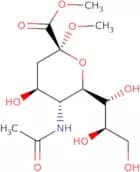
CAS:<p>2-O-Methyl-b-D-N-acetylneuraminic acid methyl ester is a synthetic sugar with the chemical formula C7H11NO5. It is a monosaccharide and an important intermediate in the synthesis of glycosides and other saccharides. 2-O-Methyl-b-D-N-acetylneuraminic acid methyl ester can be used for the modification of complex carbohydrates, such as oligosaccharides and polysaccharides. This product also has many applications in the food industry and biotechnology.</p>Formula:C13H23NO9Purity:Min. 95%Molecular weight:337.32 g/molRamiprilat acyl-b-D-glucuronide
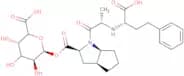
CAS:<p>Ramiprilat acyl-b-D-glucuronide is a modified form of ramipril, an angiotensin converting enzyme inhibitor that belongs to the class of angiotensin II receptor antagonists. It is used in the treatment of hypertension and congestive heart failure. The modifications are performed by methylation, saccharide, polysaccharide, click modification, and modification. This active compound has CAS number 1357570-22-9. The chemical formula for this product is C37H53NO4. Ramiprilat acyl-b-D-glucuronide has high purity and is a complex carbohydrate with glycosylation on the sugar moiety that contains a fluorination at the 3 position on the glucose ring.</p>Formula:C27H36N2O11Purity:Min. 95%Molecular weight:564.59 g/molTri-Lewis x-APE, HSA conjugate
<p>Tri-Lewis x-APE, HSA conjugate is a high purity, custom synthesized tri-Lewis x oligosaccharide with a Click modification. This product is used in the synthesis of glycosylated proteins and polysaccharides. It has been shown to have high purity and can be used for complex carbohydrate synthesis.</p>Purity:Min. 95%D-[6-13C]Galacturonic acid potassium salt
<p>D-[6-13C]Galacturonic acid potassium salt is a synthetic, water-soluble complex carbohydrate with a molecular weight of 744.2. It is used as a fluorescence probe in magnetic resonance imaging (MRI) and also has applications in the synthesis of oligosaccharides and polysaccharides. D-[6-13C]Galacturonic acid potassium salt is soluble in water and has an average pH of 5.0. This compound is available for custom synthesis with high purity and can be found under CAS number 144561-27-4.</p>Purity:Min. 95%1,2-O-Di-O-acetyl-5-O-benzoyl-3-O-methyl-D-ribofuranose
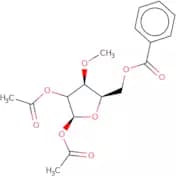
CAS:<p>1,2-O-Di-O-acetyl-5-O-benzoyl-3-O-methyl -D-ribofuranose is a custom synthesis of a fluorinated sugar. It has been modified through fluorination at the C5 position and methylation at the O1 and O2 positions. This product can be used in the synthesis of oligosaccharides and saccharides that are glycosylated with sugars.</p>Formula:C17H20O8Purity:Min. 95%Molecular weight:352.34 g/molCatechol a-D-glucopyranoside
<p>Catechol a-D-glucopyranoside is a synthetic monosaccharide, which can be used as the starting material for the synthesis of polysaccharides and oligosaccharides. It has the same molecular formula as glucose, but with an additional hydroxyl group on carbon 2.</p>Formula:C12H16O7Purity:Min. 95%Molecular weight:272.25 g/molCelecoxib carboxylic acid acyl-b-D-glucuronide
CAS:<p>Celecoxib is a nonsteroidal anti-inflammatory drug (NSAID) that has been used to treat pain and inflammation. Celecoxib carboxylic acid acyl-b-D-glucuronide is an active metabolite of celecoxib that is formed by the conjugation of celecoxib with glucuronic acid. It has been shown to inhibit the synthesis of prostaglandins, which are inflammatory mediators.</p>Formula:C23H20F3N3O10SPurity:Min. 95%Molecular weight:587.48 g/molMethyl 5-deoxy-2,3-O-isopropylidene-a-D-ribofuranoside
<p>Methyl 5-deoxy-2,3-O-isopropylidene-a-D-ribofuranoside is a synthetic modification of the natural sugar ribose. It is used in the synthesis of oligosaccharides and saccharides. Click chemistry has been used to attach a fluorine atom to the carbon at position 2 of the sugar ring, which has led to improved reactivity. Methyl 5-deoxy-2,3-O-isopropylidene-a-D-ribofuranoside is also used in glycosylation reactions and is an important component in the production of complex carbohydrates.</p>Formula:C9H16O4Purity:Min. 95%Molecular weight:188.22 g/molBenzyl 2-amino-2-deoxy-a-D-galactopyranoside
CAS:<p>Benzyl 2-amino-2-deoxy-a-D-galactopyranoside is a fluorinated sugar that is used as a building block in the synthesis of oligosaccharides, polysaccharides, and complex carbohydrates. It can be used for the synthesis of saccharides via click chemistry or for modification of saccharides by methylation, monosaccharide, or polysaccharide. Benzyl 2-amino-2-deoxy-a-D-galactopyranoside has high purity.</p>Formula:C13H19NO5Purity:Min. 95%Molecular weight:269.29 g/molThiosophorose
CAS:<p>Thiosophorose is a nutrient that is found in microalgae. It is also known as d-arabinose and has been shown to be an inactivating agent for viruses, such as HIV-1. Thiosophorose has been used in skin care products due to its ability to produce fatty acids, which are important for healthy skin. It is also useful for the production of biofuels from microalgae. This molecule can be used to catalyze the reaction between amines and triflates and it is insoluble in water. The viscosity of this compound will increase with increasing temperature.</p>Formula:C12H22O10SPurity:Min. 95%Molecular weight:358.4 g/mol6-O-Benzyl-D-glucose
CAS:<p>6-O-Benzyl-D-glucose is an aglycon of 6-O-benzylglycosides, which are synthesized from glucose by alkaline hydrolysis in the presence of silver oxide. The benzyl group can be removed by a variety of methods, including treatment with hydrogen chloride gas. 6-O-Benzyl-D-glucose has been used in research to demonstrate that carbohydrates have a common structural feature that can be identified by looking at their molecular structure. This molecule has also been used to study the synthesis and reactivity of benzyl groups.</p>Formula:C13H18O6Purity:Min. 95%Molecular weight:270.28 g/molBenzyl 2-acetamido-3,6-di-O-benzoyl-2,4-dideoxy-4-fluoro-a-D-glucopyranoside
CAS:<p>Benzyl 2-acetamido-3,6-di-O-benzoyl-2,4-dideoxy-4-fluoro-a-D-glucopyranoside is an oligosaccharide that possesses a complex sugar structure. It is custom synthesized in our laboratory and can be fluorinated, methylated, or modified with click chemistry. The compound is stable in water and has a high purity level.</p>Formula:C29H28FNO7Purity:Min. 95%Molecular weight:521.53 g/mol1,2:5,6-Di-O-isopropylidene-3,4-di-O-benzyl-D-myo-inositol
CAS:<p>1,2:5,6-Di-O-isopropylidene-3,4-di-O-benzyl-D-myo-inositol is a synthetic compound that is used as a building block for the synthesis of oligosaccharides. It is a monosaccharide and can be methylated to form a glycosylation. 1,2:5,6-Di-O-isopropylidene-3,4-di-O-benzyl-D myo inositol can also be fluorinated to form a saccharide.</p>Formula:C26H32O6Purity:Min. 95%Molecular weight:440.53 g/molL-a-Phosphatidyl-(1,2-dipalmitoyl)-D-myo-inositol
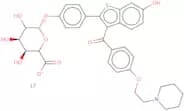
CAS:<p>L-a-Phosphatidyl-(1,2-dipalmitoyl)-D-myo-inositol is a phospholipid that is a major component of the cell membrane. It is derived from myo-inositol and palmitic acid. L-a-Phosphatidyl-(1,2-dipalmitoyl)-D-myo-inositol has been shown to have anticoagulant properties. It binds to the thrombin receptor and inhibits the binding of thrombin to this receptor. This inhibitor does not affect the activity of other proteases such as trypsin or chymotrypsin. L-a-Phosphatidyl-(1,2-dipalmitoyl)-D-myo-inositol can also be used for industrial purposes as an emulsifier or polymer conjugate.</p>Formula:C41H79O13PPurity:Min. 95%Molecular weight:811.03 g/molRaloxifene-4'-D-glucuronide lithium salt
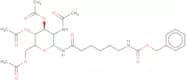
CAS:<p>Raloxifene-4'-D-glucuronide lithium salt is a metabolite of raloxifene, an estrogen receptor modulator. It has been used in the treatment of osteoporosis and breast cancer. Raloxifene-4'-D-glucuronide lithium salt inhibits protein synthesis by inhibiting the activity of ribosomes. Raloxifene-4'-D-glucuronide lithium salt binds to microsomal preparations, which are organelles found in liver cells that synthesize proteins. This binding slows down the rate at which proteins are synthesized, leading to its anti-cancer properties.</p>Formula:C34H34NO10S·LiPurity:Min. 95%Molecular weight:655.64 g/mol2-Acetamido-3,4,6-tri-O-acetyl-N',N-cbz-ε-aminocaproyl-2-deoxy-b-D-glucopyranosyl amine
CAS:<p>2-Acetamido-3,4,6-tri-O-acetyl-N',N-cbz-epsilonaminocaproyl-2-deoxy-bDglucopyranosyl amine is a custom synthesis of an oligosaccharide. It is a complex carbohydrate that is synthesized by the modification of an acetamido group on the 2 position and a glycosylation at the 3' position. This product is also fluorinated at the 4' position and has been shown to have high purity with a CAS number of 56146-88-4. The structure of this compound has not been determined due to its complexity.</p>Formula:C28H39N3O11Purity:Min. 95%Molecular weight:593.62 g/mol1,2:5,6-Di-O-isopropylidene-L-chiro-inositol
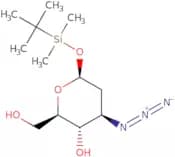
CAS:<p>1,2:5,6-Di-O-isopropylidene-L-chiro-inositol is a custom synthesis that can be modified by fluorination, methylation and click modification. The product is a monosaccharide and an oligosaccharide. It is also a synthetic saccharide and a polysaccharide. The product can be glycosylated or sugar modified with carbohydrates such as complex carbohydrate to form 1,2:5,6-Di-O-isopropylidene-L-chiro-inositol.</p>Formula:C12H20O6Purity:Min. 95%Molecular weight:260.28 g/mol3-Azido-2,3-dideoxy-1-O-(tert-butyldimethylsilyl)-b-D-arabino-hexopyranose
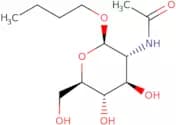
CAS:<p>3-Azido-2,3-dideoxy-1-O-(tert-butyldimethylsilyl)-b-D-arabino-hexopyranose is a synthetic sugar with the chemical formula (C6H11NO5)n. It is a white crystalline solid that is soluble in water and slightly soluble in ethanol. 3-Azido-2,3-dideoxy-1-O-(tert-butyldimethylsilyl)-b-D-arabinohexopyranose has been used as a building block for the synthesis of various carbohydrate derivatives, such as saccharides, oligosaccharides, and polysaccharides. The chemical structure of 3 azido 2,3 dideoxy 1 O tert butyldimethylsilyl b D arabinohexopyranose may be modified using click chemistry to produce new derivatives.</p>Formula:C12H25N3O4SiPurity:Min. 95%Molecular weight:303.43 g/molButyl 2-acetamido-2-deoxy-b-D-glucopyranoside
CAS:<p>Butyl 2-acetamido-2-deoxy-β-D-glucopyranoside is a photosynthetic organism that functions as an anti-EGFR antibody. It binds to the EGFR receptor on cancer cells and blocks its activation, preventing tumor growth. This product has been shown to be effective against a wide variety of cancers, including lung, breast, head and neck, ovarian, prostate and bladder cancers.</p>Formula:C12H23NO6Purity:Min. 95%Molecular weight:277.31 g/mol4-Methoxyphenyl 2-O-benzoyl-3,6-di-O-benzyl-b-D-glucopyranoside
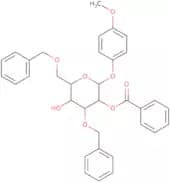
CAS:<p>4-Methoxyphenyl 2-O-benzoyl-3,6-di-O-benzyl-b-D-glucopyranoside is a mutant that has been identified in patients with cirrhosis. This variant is characterized by a transition from G to T at nucleotide position 1 of the coding region, which encodes for methionine at amino acid position 5. The mutant allele was found to be present in 53% of patients who had undergone abdominal ultrasonography and had liver cancer. In laboratory tests, this mutant demonstrated increased sensitivity to azide and an increased susceptibility to hepatoma. This variant has also been shown to be associated with an increased risk of developing cancer.</p>Formula:C34H34O8Purity:Min. 95%Molecular weight:570.63 g/molMethyl 6-O-trityl-a-D-galactopyranoside
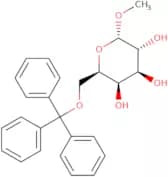
CAS:<p>Methyl 6-O-trityl-a-D-galactopyranoside is a custom synthesis, Click modification, and Oligosaccharide. It is a polysaccharide that consists of monosaccharides linked together with glycosidic bonds. This substance can be modified by fluorination and has a high purity. Methyl 6-O-trityl-a-D-galactopyranoside has CAS No. 35920-83-3 and is available in the form of white crystals.</p>Formula:C26H28O6Purity:Min. 95%Molecular weight:436.51 g/molMethyl 2,3-dideoxy-3-fluoro-5-O-(4-phenylbenzoyl)-β-D-erythro pentofuranoside
CAS:<p>Methyl 2,3-dideoxy-3-fluoro-5-O-(4-phenylbenzoyl)-beta-D-erythro pentofuranoside is a custom synthesis of an oligosaccharide and polysaccharide. It is a modification of the natural compound 2,3,5,-trihydroxybenzoic acid. It has CAS No. 129468-51-5 and Methylation, Glycosylation, Carbohydrate as its properties. Methyl 2,3-dideoxy-3-fluoro-5-O-(4-phenylbenzoyl)-beta-D-erythro pentofuranoside is a high purity product that contains Fluorination, Synthetic as its properties.</p>Purity:Min. 95%1,2,3,5-Tetra-O-acetyl-D-ribofuranose
CAS:<p>1,2,3,5-Tetra-O-acetyl-D-ribofuranose is a dietary supplement that can be found in the form of palladium complexes. This compound has been shown to have anti-inflammatory properties and may be effective against cancer cells. 1,2,3,5-Tetra-O-acetyl-D-ribofuranose is an acetylated pyridazine derivative with antimicrobial and antibacterial effects. It has also been shown to inhibit the synthesis of purines and pyrimidines by cleaving the 6th carbon from ribose. 1,2,3,5-Tetra-O-acetyl-D-ribofuranose is synthesized by chlorination of 2,6-, 3-, 5-, or 7-(chloropurinomethyl)pyridine with mercuric chloride or nitrosyl chloride. The cleavage products are hydroxyl group</p>Purity:Min. 95%6-Azido-1,6-dideoxy-3,4-O-isopropylidene-D-lyxo-2-hexulofuranose
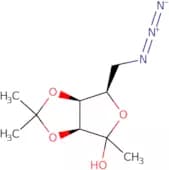
CAS:<p>6-Azido-1,6-dideoxy-3,4-O-isopropylidene-D-lyxo-2-hexulofuranose is a synthetic sugar that can be modified to form an oligosaccharide and polysaccharide. It has been fluorinated and methylated to create a glycosylation site for the attachment of other sugars. This sugar is used in the synthesis of complex carbohydrates. 6-Azido-1,6-dideoxy -3,4-O -isopropylidene -D -lyxo -2 -hexulofuranose has a CAS number of 122194 05 2 and is soluble in water. It has a purity level of ≥ 98% and can be custom synthesized to meet your specifications.</p>Formula:C9H15N3O4Purity:Min. 95%Molecular weight:229.23 g/mol1,2:5,6-Di-O-isopropylidene-D-glucofuranosulose enolacetate
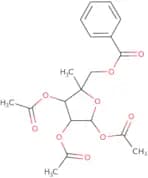
<p>1,2:5,6-Di-O-isopropylidene-D-glucofuranosulose enolacetate is a synthetic sugar that is used as a click modification to carbohydrates. It has been shown to have activity against methicillin resistant Staphylococcus aureus (MRSA) and Mycobacterium tuberculosis. This compound has been synthesized for the first time in 2018 by using a new approach of glycosylation. In this process, 1,2:5,6-Di-O-isopropylidene-D-glucofuranosulose enolacetate is modified with methyl groups at the C1 position and then fluorinated. The final product was obtained by reacting this sugar with glycine ethyl ester hydrochloride in the presence of sodium azide in refluxing ethanol.</p>Purity:Min. 95%1,2,3-Tri-O-acetyl-5-O-benzoyl-4-C-methyl-D-ribofuranose
CAS:<p>1,2,3-Tri-O-acetyl-5-O-benzoyl-4-C-methyl-D-ribofuranose is a fluorinated carbohydrate that is synthesized by the click chemistry reaction. It is an oligosaccharide with three acetyl groups and four methyl groups on the sugar. This compound has a molecular weight of 514.92 g/mol and a CAS number of 503543-44-0.</p>Purity:Min. 95%Moexiprilat acyl D-glucuronide
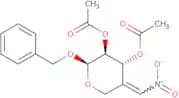
<p>Moexiprilat acyl D-glucuronide is a modification of the parent drug moexipril. It is an oligosaccharide that is synthesized by custom synthesis and has a high purity. The CAS number for this substance is 59710-80-0. Moexiprilat acyl D-glucuronide is a modified form of moexipril. It is a carbohydrate that contains glycosyls, saccharides, and other organic compounds with a variety of chemical structures. The name "glycosyl" refers to the sugar at the end of glycosidic linkage. Moexiprilat acyl D-glucuronide can be synthesized by methylation, glycosylation, or fluorination reactions on either monosaccharides or polysaccharides.</p>Purity:Min. 95%Benzyl 2,3-di-O-acetyl-4-deoxy-4-C-nitromethylene-b-D-arabinopyranoside
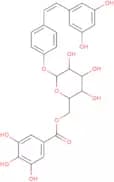
CAS:<p>Benzyl 2,3-di-O-acetyl-4-deoxy-4-C-nitromethylene-b-D-arabinopyranoside is a synthetic sugar. It is a complex carbohydrate with two saccharides and one monosaccharide. The saccharides are glucose and galactose, and the monosaccharide is arabinose. Benzyl 2,3-di-O-acetyl-4-deoxy-4C nitromethylene bD arabinopyranoside has been modified by fluorination, methylation, glycosylation and click chemistry to create a high purity product.</p>Formula:C17H19NO8Purity:Min. 95%Molecular weight:365.33 g/molResveratrol-4’-O-(6”-galloyl)glucoside
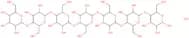
CAS:<p>Resveratrol-4’-O-(6”-galloyl)glucoside is a methylated, saccharide complex carbohydrate. It is an oligosaccharide that has been modified with click chemistry and glycosylation. Resveratrol-4’-O-(6”-galloyl)glucoside is synthesized in high purity through a custom synthesis process that includes fluorination and modification of the sugar. This product can be used as an ingredient in pharmaceuticals, food additives, or dietary supplements.</p>Formula:C27H26O12Purity:Min. 95%Molecular weight:542.49 g/molMaltoheptaose hydrate
CAS:<p>Maltoheptaose hydrate is a mixture of oligosaccharides and monosaccharides that has been shown to be effective as a biocide. Maltoheptaose hydrate has been shown to be an effective radiation absorber, with the ability to absorb microwaves and other forms of radiation. The compound also has the capacity to form hydrogen bonds, which can lead to the formation of alcohols in solution. This property makes maltoheptaose hydrate a useful recording agent for microwave radiation, as well as being able to absorb alcohols. Maltoheptaose hydrate is composed of both monomeric and monosaccharides, which are saccharides.</p>Formula:C42H74O37Purity:Min. 95%Molecular weight:1,171 g/mol4-Benzyl-4-deoxy-4-C-nitromethyl-b-D-arabinopyranoside
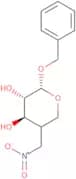
CAS:<p>4-Benzyl-4-deoxy-4-C-nitromethyl-b-D-arabinopyranoside is an Oligosaccharide, sugar, Synthetic, Fluorination, Custom synthesis, Methylation, Monosaccharide, Polysaccharide, saccharide. It is a 4-benzyl glycosylamine derivative of arabinose that has been fluorinated and nitrated. This product also has Click modification and complex carbohydrate. The CAS No. for this product is 383173-66-8.</p>Formula:C13H17NO6Purity:Min. 95%Molecular weight:283.28 g/molMethyl 2,3-di-O-benzyl-5-deoxy-5-iodo-D-xylofuranoside
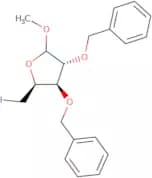
CAS:<p>Methyl 2,3-di-O-benzyl-5-deoxy-5-iodo-D-xylofuranoside is a sugar derivative that is a glycosylation product of the sugar xylose. It has been methylated and fluorinated to generate a complex carbohydrate. This product has been modified with click chemistry, which is a reaction that generates an alkyne on the C2 position of the xylose. The oligosaccharides were synthesized using custom synthesis and high purity was confirmed by HPLC analysis.</p>Purity:Min. 95%2-Acetamido-3-O-benzoyl-2-deoxy-a-D-galactopyranosyl Fmoc serine phenacyl ester
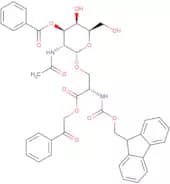
CAS:<p>2-Acetamido-3-O-benzoyl-2-deoxy-a-D-galactopyranosyl Fmoc serine phenacyl ester is a complex carbohydrate. It is an oligosaccharide with a molecular weight of 902 Da that is synthesized from 2,4,6,-trihydroxybenzoic acid and 2,3,4,6,-tetraacetylphenylserine. The carbohydrate has been modified by methylation, glycosylation and fluorination. The synthesis of this compound has been carried out using the click chemistry reaction. This product has a purity of 99+% and can be used in the modification of other carbohydrates.</p>Formula:C41H40N2O12Purity:Min. 95%Molecular weight:752.78 g/mol2-(D-Galacto-pentylhydroxypentyl-4(R)-1,3-thiazolidine-4-carboxylic acid
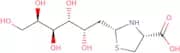
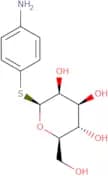
CAS:<p>2-(D-Galacto-pentylhydroxypentyl)-4(R)-1,3-thiazolidine-4-carboxylic acid is a synthetic glycosylated polysaccharide that has been modified with fluorination and methylation. This compound is a sugar that can be modified to create an oligosaccharide or monosaccharide. 2-(D-Galacto-pentylhydroxypentyl)-4(R)-1,3-thiazolidine-4-carboxylic acid can be used in the synthesis of complex carbohydrates, including glycans and polysaccharides. The CAS number for this compound is 124650-46-0.</p>Formula:C10H19NO7SPurity:Min. 95%Molecular weight:297.4 g/mol4-Aminophenyl b-D-thiomannopyranoside
CAS:<p>4-Aminophenyl b-D-thiomannopyranoside is a drug that has been used to treat spittlebugs, tropical vegetation, and brain tumours. It is also used to diagnose the process flow of population functions. This drug is a substrate for the enzyme transducer, which converts it into an active form. The enzyme recording then converts this active form back into 4-aminophenyl b-D-thiomannopyranoside.</p>Formula:C12H17NO5SPurity:Min. 95%Molecular weight:287.33 g/mol2-O-Carboxymethyl-D-glucose
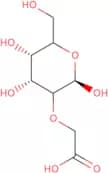
CAS:<p>2-O-Carboxymethyl-D-glucose is a reaction product of D-glucose and chloroacetate. It is often used in the production of sulfoxide and fibre. 2-O-Carboxymethyl-D-glucose can be used as a precursor for other chemical compounds, such as functional groups, acidic monomers, or reactive monomers. It has been shown to react with anhydroglucose at a rate of 1:1. The reaction time for this process is dependent on the concentration of the reactants.</p>Formula:C8H14O8Purity:Min. 95%Color and Shape:White Off-White PowderMolecular weight:238.19 g/molN-1-b-D-Arabinopyranosylamino guanidine HNO3
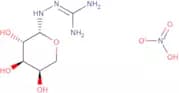
CAS:<p>N-1-b-D-Arabinopyranosylamino guanidine HNO3 is a synthetic compound that has been modified with fluorination, saccharide modification, and glycosylation. This compound can be used for the synthesis of oligosaccharides and polysaccharides. N-1-b-D-Arabinopyranosylamino guanidine HNO3 is also useful in click chemistry and has CAS number 368452-60-2.</p>Formula:C6H13N3O4·HNO3Purity:Min. 95%Molecular weight:254.2 g/molD-Glucose hydrazon
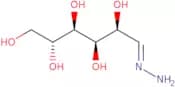
CAS:<p>D-Glucose hydrazon is a custom synthesis of complex carbohydrate. It is made by the reaction of Methylation, Click modification, and Fluorination with saccharide and sugar. The product is a white crystalline solid that is soluble in water.</p>Purity:Min. 95%Ivermectin b1 monosaccharide
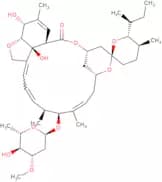
CAS:<p>Ivermectin is a derivative of avermectin that is used for the treatment of parasitic infections. Ivermectin b1 monosaccharide is an analog of the parent molecule, which lacks a carbon atom at position 1 and has a spiroketal group at position 2. It is known to be more potent than ivermectin in animal studies.</p>Formula:C41H62O11Purity:Min. 95%Color and Shape:PowderMolecular weight:730.92 g/molD-Ribal
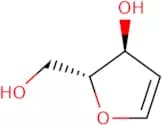
CAS:<p>D-Ribal is a drug that inhibits the growth of tumor cells by binding to epidermal growth factor receptor (EGFR), which is found on the surface of most cells in the body. This binding prevents EGFR from binding to epidermal growth factor, which is needed for cell division and proliferation. The effect of D-Ribal can be enhanced if used in combination with other drugs that inhibit EGFR signaling pathways. D-Ribal has been shown to be effective against urothelial carcinoma and bladder cancer, but not against primary tumors such as breast cancer or prostate cancer.</p>Formula:C5H8O3Purity:Min. 95%Molecular weight:116.12 g/mol3-Deoxy-3,3-difluoro-1,2-O-isopropylidene-a-D-xylofuranose
<p>3-Deoxy-3,3-difluoro-1,2-O-isopropylidene-a-D-xylofuranose is a custom synthesis that is a complex carbohydrate. This product has CAS No. and is a polysaccharide with methylation and glycosylation. 3DDFIOPY has high purity, fluorination, and click modification. It is a sugar or carbohydrate with a saccharide that can be modified with methylation and glycosylation.</p>Formula:C8H12F2O4Purity:Min. 95%Molecular weight:210.18 g/molBenzyl 5-amino-5-deoxy-2,3-O-isopropylidene-6-O-trityl-a-D-mannofuranoside
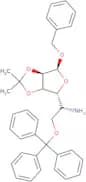
CAS:<p>Benzyl 5-amino-5-deoxy-2,3-O-isopropylidene-6-O-trityl-a-D-mannofuranoside is a complex carbohydrate that is synthesized by the glycosylation of benzyl 5-amino-5,6,7,8,9,10,11,12,13,14-, 2,3,4-, or 6-(N","N"-dimethylamino)ethyl 5-[(2","N"-dimethylamino)-ethoxycarbonyl]-5-[(2","N"-dimethylamino)ethoxycarbonyl]-4H-[1]benzopyranose with 6-(N","N"-dimethylaminomethylene)-a-"D"mannofuranose. The chemical modification includes fluorination and methylation. This product has a CAS number of 9136415 and purity of more than</p>Formula:C35H37NO5Purity:Min. 95%Molecular weight:551.67 g/mol3-Chloro-3-deoxy-D-glucose
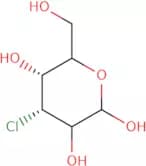
CAS:<p>3-Chloro-3-deoxy-D-glucose is a synthetic compound that has been used to study substituent effects on the transport of molecules across membranes. 3-Chloro-3-deoxy-D-glucose is hydrophobic and can be transported across membranes by a passive diffusion mechanism. It is also capable of transporting other hydrophobic compounds, such as l-arabinose, across membranes. 3-Chloro-3-deoxyglucose contains a transition metal halogeno group and has an affinity for divalent cations, which may explain its ability to bind with the sugar d -xylose.</p>Formula:C6H11ClO5Purity:Min. 95%Color and Shape:PowderMolecular weight:198.6 g/mol1,4,6-Tri-O-acetyl-2,3-O-isopropylidene-a-D-mannopyranose
<p>1,4,6-Tri-O-acetyl-2,3-O-isopropylidene-a-D-mannopyranose is an oligosaccharide that is modified with a methyl group on the C1 atom of the glucose molecule. This modification is used to produce saccharides for use in glycoproteins and glycolipids. 1,4,6-Tri-O-acetyl-2,3-O-isopropylidene-a-D-mannopyranose has a CAS number of 378539–92–8.</p>Purity:Min. 95%Color and Shape:Solid.1,3,5-Tri-O-benzoyl-2-bromo-2-deoxy-a-L-arabinofuranose
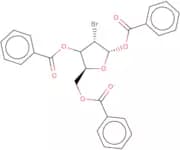
CAS:<p>1,3,5-Tri-O-benzoyl-2-bromo-2-deoxy-a-L-arabinofuranose is a synthetic sugar molecule. It is a complex carbohydrate that can be modified by methylation and glycosylation. The carbons in the sugar backbone have been fluorinated to create a high purity product. The CAS number for this compound is 2011707-39-2.</p>Formula:C26H21BrO7Purity:Min. 95%Molecular weight:525.34 g/mol6-Ethoxygeniposide
CAS:<p>6-Ethoxygeniposide is a fluorinated monosaccharide that is used in the synthesis of complex carbohydrates. This compound can be modified to produce a wide range of derivatives, including oligosaccharides and polysaccharides. The chemical name of 6-ethoxygeniposide is 2’,3’-diacetoxy-7-O-fluoroacetyl-D-mannopyranosyl oxygen.</p>Formula:C19H28O11Purity:Min. 95%Molecular weight:432.42 g/molEtoposide-d4
CAS:Controlled Product<p>Etoposide is a cytotoxic drug used in cancer chemotherapy. It inhibits DNA replication through inhibition of DNA topoisomerase II, thus catalysing cell cycle arrest and apoptosis. This compoud, Etoposide-d4, is a deuterated form of the drug.</p>Formula:C29H32O13Purity:Min. 95%4-Methylphenyl 2,3,4-tri-O-benzyl-b-D-thioglucuronide
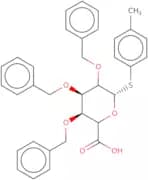
CAS:<p>4-Methylphenyl 2,3,4-tri-O-benzyl-b-D-thioglucuronide is a carbohydrate that has been modified with a methyl group and fluorine atom. This compound was synthesized using click chemistry to modify the hydroxyl groups of an oligosaccharide in order to create a new saccharide. The compound is also available as a high purity custom synthesis.</p>Formula:C34H34O6SPurity:Min. 95%Molecular weight:570.71 g/mol2,3,4-Tri-O-acetyl-6-azido-6-deoxy-a-D-glucopyranosyl trichloroacetimidate
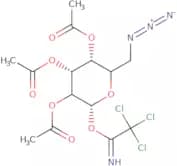
CAS:<p>2,3,4-Tri-O-acetyl-6-azido-6-deoxy-a-D-glucopyranosyl trichloroacetimidate is a modification of a carbohydrate. It can be custom synthesized to order and is available in high purity. This product is an oligosaccharide that has been methylated and glycosylated. It can also be used as a monosaccharide or polysaccharide. The 2,3,4-Tri-O-acetyl-6-azido-6-deoxy--a -D--glucopyranosyl trichloroacetimidate is fluorinated and saccharide.</p>Formula:C14H17Cl3N4O8Purity:Min. 95%Molecular weight:475.67 g/molTri-O-acetyl-b-D-GlcNAc-Fmoc Asn tert-Butyl Ester
<p>Tri-O-acetyl-b-D-GlcNAc-Fmoc Asn tert-Butyl Ester is a synthetic, high purity, custom synthesis, and glycosylation agent. It is a fluorinated, methylated, and modified monosaccharide. Tri-O-acetyl-b-D-GlcNAc-Fmoc Asn tert-Butyl Ester is used in the synthesis of oligosaccharides and complex carbohydrates. CAS number: 203883–42–7</p>Formula:C34H45N3O13Purity:Min. 95%Molecular weight:703.73 g/mol4-(Methylnitrosamino)-1-(3-pyridyl)-1-butanol-N-b-D-glucuronide
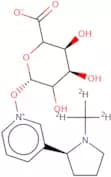
CAS:<p>4-(Methylnitrosamino)-1-(3-pyridyl)-1-butanol-N-b-D-glucuronide is a glycosylated, modified sugar with a fluorinated methyl group. It is synthesized in the laboratory and does not occur naturally. The sugar moiety of this compound contains an oligosaccharide that consists of a complex carbohydrate, including saccharides, monosaccharides, and polysaccharides. This modification can be done by click chemistry or by other methods. 4-(Methylnitrosamino)-1-(3-pyridyl)-1-butanol-N-b-D-glucuronide is high purity and modification products are available upon request.</p>Formula:C16H23N3O8Purity:Min. 95%Molecular weight:385.37 g/molNicotine-N-b-D-glucuronide-D3
Controlled Product<p>Nicotine-N-b-D-glucuronide-D3 is a high purity custom synthesized sugar that can be modified with click chemistry, fluorination, glycosylation, and methylation. It is sold as a white powder and can be used in the synthesis of oligosaccharides, monosaccharides, saccharides, and complex carbohydrates. Nicotine-N-b-D-glucuronide D3 has CAS No. 43487-07-8 and an Oligosaccharide/Monosaccharide ratio of 1.0.</p>Formula:C16H19N2O7D3Purity:Min. 95%Molecular weight:357.37 g/molBis-(5-aldo-1,2-O-isopropylidene-D-xylo-pentofuranose) 5,5':3',5-Cyclic acetal
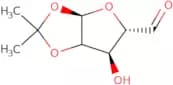
CAS:<p>Bis-(5-aldo-1,2-O-isopropylidene-D-xylo-pentofuranose) 5,5':3',5-Cyclic acetal is a synthetic saccharide that is used in the synthesis of complex carbohydrates. The compound is composed of an aldohexose and five cyclic acetal groups. It has a molecular weight of 618.11 g/mol and chemical formula C12H24O6. Bis-(5-aldo-1,2-O-isopropylidene-D-xylo-pentofuranose) 5,5':3',5 -cyclic acetal can be synthesized via the click chemistry reaction between 2′,3′,4′,6′,8′,9′ -octahydrobenzoin (1) and 4'-hydroxybutyric acid (2).</p>Purity:Min. 95%3,4-O-Isopropylidene-b-D-arabinopyranose
CAS:<p>3,4-O-Isopropylidene-b-D-arabinopyranose is a synthetic monosaccharide that is used in the synthesis of oligosaccharides and polysaccharides. It can be fluorinated, methylated, or glycosylated to produce a range of compounds with different properties. 3,4-O-Isopropylidene-b-D-arabinopyranose is not active against bacteria, but it does inhibit the growth of yeast cells. In addition to its use in biochemistry and as a nutritional supplement for animals and humans, 3,4-O-Isopropylidene-b-D-arabinopyranose can be used as an additive for plastics and other materials.</p>Formula:C8H14O5Purity:Min. 95%Molecular weight:190.19 g/molBenzyl 4-C-nitromethyl-b-D-arabinopyranoside
CAS:<p>Benzyl 4-C-nitromethyl-b-D-arabinopyranoside is a synthetic glycosylation agent that is used in the synthesis of complex carbohydrates. It has been shown to react with methyl, fluorine, and saccharide groups. This product can be modified to include a wide range of saccharides, including monosaccharides, disaccharides, and polysaccharides. Benzyl 4-C-nitromethyl-b-D-arabinopyranoside is also available in custom synthesis and high purity.</p>Formula:C13H17NO7Purity:Min. 95%Molecular weight:299.28 g/mol1,2,4,6-Tetra-O-acetyl-a-D-mannopyranose
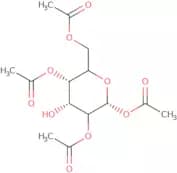
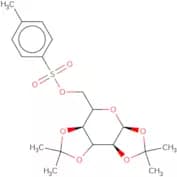
CAS:<p>1,2,4,6-Tetra-O-acetyl-a-D-mannopyranose is a high purity synthetic sugar with an acetyl group at the 1,2,4 and 6 positions. This sugar can be used in glycosylation reactions. The acetyl groups on this sugar can be fluorinated and methylated. It can also be modified with a click modification or glycosylation. This sugar is found in nature as a complex carbohydrate.</p>Formula:C14H20O10Purity:Min. 95%Molecular weight:348.3 g/mol1,2:3,4-Di-O-isopropylidene-6-deoxy-6-tosyl-a-D-galactopyranose
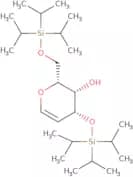
CAS:<p>1,2:3,4-Di-O-isopropylidene-6-deoxy-6-tosyl-a-D-galactopyranose is a synthetic compound that has been modified by fluorination and glycosylation. It is used as an intermediate in the synthesis of oligosaccharides and polysaccharides. The compound has been custom synthesized to a high purity level with minimal impurities. The product is available in monosaccharide form or as a complex carbohydrate.</p>Formula:C19H26O8SPurity:Min. 95%Molecular weight:414.47 g/mol3,6-Di-O-triisopropylsilyl-D-galactal
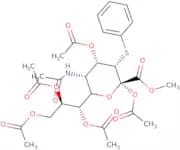
CAS:<p>3,6-Di-O-triisopropylsilyl-D-galactal is a synthetic sugar that is used as a reagent for glycosylation. It has been shown to react with the aldehyde group of an alcohol to form an acetal. The product can be hydrolyzed under acidic conditions to release the desired sugar product. 3,6-Di-O-triisopropylsilyl-D-galactal is soluble in water and ethanol and has CAS number 201053-37-4.</p>Purity:Min. 95%5-(Acetylamino)-5-deoxy-3-S-phenyl-3-thio-D-erythro-a-L-gluco-2-nonulopyranosonic acid methyl ester 2,4,7,8,9-pentaacetate
CAS:<p>5-(Acetylamino)-5-deoxy-3-S-phenyl-3-thio-D-erythro-a-L-gluco-2-nonulopyranosonic acid methyl ester 2,4,7,8,9-pentaacetate is a synthetic monosaccharide that can be used for glycosylation and polysaccharide modification. It can also be used as a click chemistry building block to modify sugars. This product has been custom synthesized for the specific needs of our customers. The purity of this compound is greater than 98%.</p>Formula:C28H35NO14SPurity:Min. 95%Molecular weight:641.64 g/molNeu5Acα(2-6)GalNAc-α-PNP
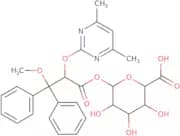
CAS:<p>Neu5Acα(2-6)GalNAc-α-PNP is a modification of the oligosaccharide, carbohydrate, complex carbohydrate. It is synthesized by custom synthesis and has CAS No. 1858224-04-0. Neu5Acα(2-6)GalNAc-α-PNP is a monosaccharide that is methylated and glycosylated with polysaccharides. The product can be fluorinated or saccharided, and it has high purity.</p>Formula:C25H35N3O16Purity:Min. 95%Molecular weight:633.6 g/molR,S-Ambrisentan-acyl-b-D-glucuronide
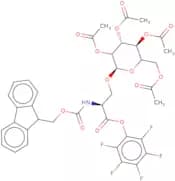
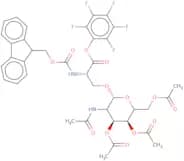
CAS:<p>Ambrisentan is a synthetic, complex carbohydrate that belongs to the group of glycosylations. It has been shown to have anti-inflammatory and vasodilatory effects in animal studies. Ambrisentan is an inhibitor of angiotensin II type 1 receptor (AT1). It binds to the AT1 receptor and blocks the binding of angiotensin II, resulting in reduced blood pressure. The drug also inhibits the activity of sodium channels in vascular smooth muscle cells, which leads to decreased heart rate. Ambrisentan is used for the treatment of pulmonary hypertension.</p>Formula:C28H30N2O10Purity:Min. 95%Molecular weight:554.55 g/mol2-Acetamido-3,4,6-tri-O-acetyl-2-deoxy-b-D-glucopyranosyl-(N-Fmoc)-L-serine pentafluorophenyl ester
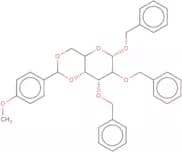
CAS:<p>2-Acetamido-3,4,6-tri-O-acetyl-2-deoxy-b-D-glucopyranosyl-(N-Fmoc)-L-serine pentafluorophenyl ester is a custom synthesis product. The synthesis of this compound was done by methylating 2,3,4,6-tetra O acetyl b D glucopyranoside with N Fmoc protected serine and then click modification to the carbonyl group. This product is a saccharide that has been fluorinated at the C5 position. It is an oligosaccharide that contains a complex carbohydrate that has been modified by monosaccharides and sugars. This product has high purity and is synthesized to order.</p>Formula:C38F5H35N2O13Purity:Min. 95%Molecular weight:822.68 g/mol1,2,3-Tri-O-benzyl-4,6-O-(4-methoxybenzylidene)-a-D-mannopyranoside
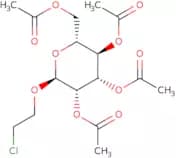
<p>Ai Product Descriptions 50 Creative</p>Formula:C35H36O7Purity:Min. 95%Molecular weight:568.66 g/mol2-Chloroethyl-2,3,4,6-tetra-O-acetyl-a-D-mannopyranoside
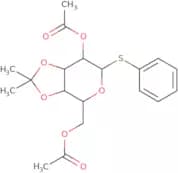
CAS:<p>2-Chloroethyl-2,3,4,6-tetra-O-acetyl-a-D-mannopyranoside is a glycosylation agent. It can be used to modify glycoproteins and glycolipids by reacting with the hydroxyl groups of saccharides. 2-Chloroethyl-2,3,4,6-tetra-O-acetyl-a-D-mannopyranoside is also used for the synthesis of oligosaccharides and monosaccharides. This product has been shown to react with proteins at a rate of around 1% per hour in aqueous media at pH 7.5 at room temperature.</p>Formula:C16H23ClO10Purity:Min. 95%Molecular weight:410.8 g/molPhenyl 2,6-di-O-acetyl-3,4-O-isopropylidene-b-D-thiogalactopyranoside
CAS:<p>Phenyl 2,6-di-O-acetyl-3,4-O-isopropylidene-b-D-thiogalactopyranoside is a fluorinated monosaccharide that exhibits high purity and custom synthesis. It is used as a building block for the synthesis of complex carbohydrates. This product is also used for glycosylation, polysaccharide modification, or click modification. Phenyl 2,6-di-O-acetyl-3,4-O-isopropylidene b -D thiogalactopyranoside has CAS number 12447699 and molecular weight of 390.38g/mol.</p>Formula:C19H24O7SPurity:Min. 95%Molecular weight:396.46 g/mol6,6'-Di-O-tert-butyldimethylsilyl-lactal
CAS:<p>6,6'-Di-O-tert-butyldimethylsilyl-lactal is a synthetic glycosylation reagent that has been used in the synthesis of oligosaccharides and sugar derivatives. This compound is known to have a high purity and can be custom synthesized to meet your specifications. The fluorination reaction of this compound yields 6,6'-di-O-tert-butyldimethylsilyl-lactal, which can be methylated to yield 6,6'-di-O-methyl-lactal. The methylation reaction can be used to introduce a click modification onto the molecule. A complex carbohydrate is formed by the reaction of 6,6'-di-O-methyl lactal with other monosaccharide or polysaccharide. The saccharide group can also be modified with a click modification.</p>Purity:Min. 95%1-O-Oleoyl-2-O-acetyl-3-O-(b-D-galactopyranosyl) syn-glycerol
<p>1-O-Oleoyl-2-O-acetyl-3-O-(b-D-galactopyranosyl) syn-glycerol is a complex carbohydrate that is custom synthesized for use in modification reactions. It has been shown to be compatible with a variety of other saccharides and can be methylated, glycosylated, or fluorinated. This product is available in high purity and can be ordered as either a monosaccharide or a polysaccharide.</p>Formula:C29H52O10Purity:Min. 95%Molecular weight:560.72 g/mol2,3,4,6-Tetra-O-acetyl-b-D-galactopyranosyl-N-Fmoc-L-threonine pentafluorophenyl ester
CAS:<p>2,3,4,6-Tetra-O-acetyl-b-D-galactopyranosyl-N-Fmoc-L-threonine pentafluorophenyl ester (2,3,4,6TAP) is a sugar that has been modified by methylation and glycosylation. It is a custom synthesis with CAS No. 182369-92-2. 2,3,4,6TAP can be used for the preparation of oligosaccharides and polysaccharides with different structures. It has high purity and is fluorinated. This compound can be used in click chemistry reactions to modify carbohydrates on a peptide or protein.</p>Formula:C39F5H36NO14Purity:Min. 95%Molecular weight:837.71 g/mol4-Amino-7-(2-deoxy-b-D-ribofuranosyl)-1,7-dihydro-2H-pyrrolo[2,3-d]pyrimidin-2-one
CAS:<p>4-Amino-7-(2-deoxy-b-D-ribofuranosyl)-1,7-dihydro-2H-pyrrolo[2,3-d]pyrimidin-2-one is a synthetic modified carbohydrate that has a variety of applications in the food and pharmaceutical industries. This compound can be used as an ingredient in dietary supplements or food products to increase the sweetness. 4AADFP also acts as an antihypertensive agent and can be used to treat high blood pressure. This product is not intended for use in humans and should only be handled by qualified laboratories.</p>Formula:C11H14N4O4Purity:Min. 95%Molecular weight:266.25 g/molRiboflavin galactoside
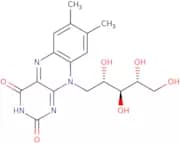
CAS:<p>Riboflavin galactoside (RGG) is a fluorescent compound that can be used as a marker for cell proliferation. It is particularly useful in immunohistochemical techniques, which are used to detect the presence of antigens in tissue. RGG is sensitive to light, and thus it can be detected using techniques such as disintegrations per minute (DPM). RGG has been shown to be an efficient cellular target for amplifying RNA in cells. This compound also interacts with molecules that are involved in cellular growth and development, including antibodies.</p>Formula:C23H30N4O11Purity:Min. 95%Molecular weight:538.5 g/molPhosphatidyl 1-(3-deoxy-2-O-methyl-D-myo-inositol)
CAS:<p>Phosphatidyl 1-(3-deoxy-2-O-methyl-D-myo-inositol), also known as phosphatidylinositol (PI) is a lipid molecule that is the main component of cell membranes. PI is synthesized from glucose in the cytosol and then transported to the Golgi where it is converted into its final form, phosphatidylcholine. PI has been shown to inhibit chitinase activity in human HL60 cells and leukemia cells and may be an effective treatment for cancer.</p>Formula:C29H59O10PPurity:Min. 95%Molecular weight:598.75 g/molBenzyl 2-acetamido-3,4-di-O-acetyl-2-deoxy-6-O-DMT-a-D-galactopyranoside
<p>Benzyl 2-acetamido-3,4-di-O-acetyl-2-deoxy-6-O-DMT-a-D-galactopyranoside is a custom synthesis that is available in high purity. This product can be used for methylation, click modification, and fluorination. It is an oligosaccharide with a saccharide or carbohydrate as the main component. The molecular weight of this product is about 567.9 Da and the CAS number of this product is 103487-13-0.</p>Formula:C40H43NO10Purity:Min. 95%Molecular weight:697.77 g/mol2-Azido-4,6-O-benzylidene-N-(tert-butoxycarbonyl)-1,2,5-trideoxy-1,5-imino-D-glucitol
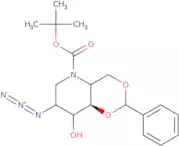
CAS:<p>2-Azido-4,6-O-benzylidene-N-(tert-butoxycarbonyl)-1,2,5-trideoxy-1,5-imino-D-glucitol is a custom synthesis of an oligosaccharide. It is a complex carbohydrate that contains saccharide units linked by glycosidic bonds. 2-Azido-4,6-O-benzylidene -N-(tert butoxycarbonyl)-1,2,5 trideoxy 1,5 imino D glucitol has been modified with methylation and fluorination. The modification can be accomplished with the click chemistry method. This product is offered in high purity and is synthesized in a laboratory setting.</p>Formula:C18H24N4O5Purity:Min. 95%Molecular weight:376.41 g/mol1,6-Anhydro-3,4-O-isopropylidene-2-O-p-toluenesulfonyl-b-D-galactopyranose
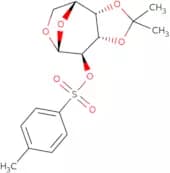
CAS:<p>1,6-Anhydro-3,4-O-isopropylidene-2-O-p-toluenesulfonyl-b-D-galactopyranose is a custom synthesis, complex carbohydrate that has been modified by methylation and glycosylation. It is an Oligosaccharide with CAS No. 81028-98-0. This compound is also a Polysaccharide with Modification and saccharide, which can be found in Methylation and Glycosylation. The compound is a Carbohydrate with Click modification, sugar, High purity and Fluorination.</p>Formula:C16H20O7SPurity:Min. 95%Color and Shape:Off-White SolidMolecular weight:356.39 g/molPentaerythritol dibromide b-D-glucuronide
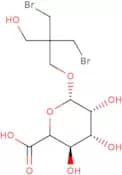
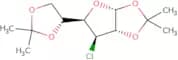
CAS:<p>Pentaerythritol dibromide b-D-glucuronide is a high purity, custom synthesis, oligosaccharide with many potential applications. It is a complex carbohydrate that can be used for glycosylation and polysaccharide modifications. The fluorination of this compound allows for the synthesis of a wide variety of sugars including: monosaccharides, disaccharides, and polysaccharides. This product is available in powder form and has been shown to have excellent solubility in water.</p>Formula:C11H18Br2O8Purity:Min. 95%Molecular weight:438.06 g/mol3-Chloro-3-deoxy-1,2:5,6-di-O-isopropylidene-a-D-glucofuranose
CAS:<p>3-Chloro-3-deoxy-1,2:5,6-di-O-isopropylidene-a-D-glucofuranose is a monosaccharide that is used as an intermediate in the synthesis of complex carbohydrates. It is synthesized by the Click reaction of 3,4,5,6,-tetrachlorohexanoic acid with 2,3:5,6-diisopropylidene glucose. This product has been modified by fluorination and saccharide modification. Custom synthesis can be performed on this product to produce any desired oligosaccharides or polysaccharides. The purity of this product is >98%.</p>Formula:C12H19ClO5Purity:Min. 95%Molecular weight:278.73 g/molAllyl 2,3-di-O-benzyl-b-D-glucopyranoside
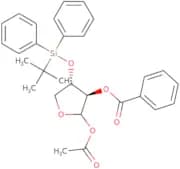
CAS:<p>Allyl 2,3-di-O-benzyl-b-D-glucopyranoside is a compound with a molecular weight of 276.2 g/mol and an empirical formula of C12H22O10. It has a white crystalline appearance with a melting point of 220°C. Allyl 2,3-di-O-benzyl-b-D-glucopyranoside is soluble in water and methanol but not in ethanol. It can be used as an additive for plastics and rubber to improve conductivity or as a plasticizer for cellulose acetate.</p>Formula:C23H28O6Purity:Min. 95%Molecular weight:400.46 g/mol1-OAcetyl-2-O-benzoyl-3-O-tert-butyldiphenylsilyl-L-threofuranose
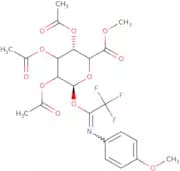
CAS:<p>1-OAcetyl-2-O-benzoyl-3-O-tert-butyldiphenylsilyl-L-threofuranose is a modification of the carbohydrate. It is an oligosaccharide that has been synthesized by custom synthesis. It is an artificial monosaccharide type with a methyl group at C1 and a tertiary butyldiphenylsilyl group at C2. The CAS number for this compound is 1971879-01-2, and it has been fluorinated. This compound belongs to the saccharide class, which includes sugars and polysaccharides.</p>Purity:Min. 95%Methyl 2,3,4-triacetyl-D-glucopyranosiduronyl 1-(N-4-methoxyphenyl)-2,2,2-trifluoroacetimidate
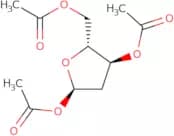
CAS:<p>Methyl 2,3,4-triacetyl-D-glucopyranosiduronyl 1-(N-4-methoxyphenyl)-2,2,2-trifluoroacetimidate is a synthetic saccharide that can be used for the modification of polysaccharides and oligosaccharides. It is often used in glycosylation reactions to produce complex carbohydrates with high purity. This chemical compound has been shown to methylate sugars at their C1 position with high selectivity and efficiency. Methyl 2,3,4-triacetyl-D-glucopyranosiduronyl 1-(N-4-methoxyphenyl)-2,2,2-trifluoroacetimidate is also known as CAS No. 918158-52-8.</p>Formula:C22H24F3NO11Purity:Min. 95%Molecular weight:535.42 g/mol1,3,5-Tri-O-acetyl-2-deoxy-a-D-ribofuranose
CAS:<p>1,3,5-Tri-O-acetyl-2-deoxy-a-D-ribofuranose is a monosaccharide with a modified sugar residue that is obtained by the fluorination of 1,3,5-triacetyl-2,6'-dideoxyglucose. It is a complex carbohydrate that can be used as an additive in food and beverage products. The chemical formula for 1,3,5-triacetyl-2,6'-dideoxyglucose is C10H14O8 and the molecular weight is 392.24 g/mol.</p>Formula:C11H16O7Purity:Min. 95%Molecular weight:260.24 g/molPhenyl 2,3,4-tri-O-methyl-a-L-thiorhamnopyranoside
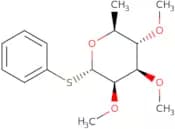
CAS:<p>Phenyl 2,3,4-tri-O-methyl-a-L-thiorhamnopyranoside is a custom synthesis. It is an Oligosaccharide, Polysaccharide, saccharide, Carbohydrate that is Fluorinated and has a high purity. Phenyl 2,3,4-tri-O-methyl-a-L-thiorhamnopyranoside is also Modification and has Monosaccharides as well as sugar. It was synthetically made in the lab.</p>Formula:C15H22O4SPurity:Min. 95%Color and Shape:White solid.Molecular weight:298.4 g/mol4,6-O-Benzylidene-D-mannose
<p>4,6-O-Benzylidene-D-mannose is an aromatic compound that can be used in the synthesis of various sugars. It is a precursor to d-glucose and d-galactose and can be synthesized by deacetylation of mannose with sodium hydride. The hydridization of 4,6-O-benzylidene D-mannose yields 4,6-O-(benzylidene)-D-mannitol.</p>Formula:C13H16O6Purity:Min. 95%Color and Shape:PowderMolecular weight:268.26 g/molPropargyl 2,3,4,6-tetra-O-acetyl-a-D-galactopyranoside
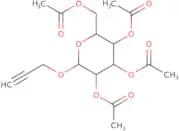
CAS:<p>Propargyl 2,3,4,6-tetra-O-acetyl-a-D-galactopyranoside is a modification of the carbohydrate that is a complex carbohydrate. It is a synthetic oligosaccharide with glycosylation and methylation. This compound has been found to have many potential applications in medicine and biotechnology. The fluorination of this saccharide may be used to create an antiangiogenic drug for cancer treatment.</p>Purity:Min. 95%1,2,6-Tri-O-benzyl-2-deoxy-4-O-[phenoxy(thiocarbonyl)]-2-phthalimido-b-D-glucopyranoside
<p>This compound is a modification of a complex carbohydrate, which is a saccharide with one or more sugar molecules. It has been synthesized by custom synthesis and is pure, but not monosaccharide. It has been fluorinated and methylated and glycosylated. The CAS number for this compound is</p>Formula:C42H37NO8SPurity:Min. 95%Molecular weight:715.81 g/mol6-O-Benzoyl-3-O-triisopropylsilyl-D-glucal
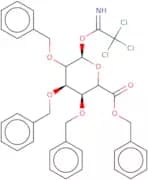
<p>6-O-Benzoyl-3-O-triisopropylsilyl-D-glucal is a saccharide that contains an O-benzoyl group and a triisopropylsilyl protecting group. It is also referred to as benzoylglucal. 6-O-Benzoyl-3-O-triisopropylsilyl-D-glucal can be used as a Click modification, which is the addition of a carbon atom in the form of a methylene bridge using copper catalysis in the presence of azide or acetate. In this synthesis, an O6 ether from the glycosylation reaction reacts with an activated carbon atom from the Click modification. This product may be used for glycosylation, which is the process by which sugars are added to proteins or other molecules. 6-O-Benzoylglycosides can be synthesized to modify carbohydrates</p>Formula:C22H34O5SiPurity:Min. 95%Molecular weight:406.59 g/mol2,3,4-Tri-O-benzyl-a-D-glucuronic acid benzyl ester trichloroacetimidate
CAS:<p>2,3,4-Tri-O-benzyl-a-D-glucuronic acid benzyl ester trichloroacetimidate is a glycosyl donor set up for oligosaccharide assembly.</p>Formula:C36H34Cl3NO7Purity:Min. 95%Molecular weight:699.02 g/mol2,3,4,6-Tetra-O-acetyl-b-D-galactopyranosyl-(N2-Fmoc)-L-serine pentafluorophenyl ester
CAS:<p>2,3,4,6-Tetra-O-acetyl-b-D-galactopyranosyl-(N2-Fmoc)-L-serine pentafluorophenyl ester is a carbohydrate that has been modified. This sugar has a CAS number of 243469-45-6 and is classified as an oligosaccharide. Carbohydrates are saccharides that are made up of monosaccharides. The modification of this carbohydrate is fluorination. Fluorination is the process by which a fluorine atom replaces an atom in another compound, typically hydrogen or chlorine. The synthesis of this carbohydrate was custom. Custom synthesis refers to the production of chemicals according to specifications provided by the customer for specific purposes. This carbohydrate has high purity, methylation, glycosylation and click modification.</p>Formula:C38F5H34NO14Purity:Min. 95%Molecular weight:823.68 g/mol

![(1R,3S,4R,8S)-3-Acetoxy-1-acetoxymethyl-8-benzloxy-2,6-dioxabicyclo[3,2,1]octane](/_next/image/?url=https%3A%2Fstatic.cymitquimica.com%2Fproducts%2F3D%2Fthumb-webp%2FMA10599.webp&w=3840&q=75)


![D-[6-13C]Galacturonic acid potassium salt](/_next/image/?url=https%3A%2Fstatic.cymitquimica.com%2Fproducts%2F3D%2Fthumb-webp%2FMG170938.webp&w=3840&q=75)


















![4-Amino-7-(2-deoxy-b-D-ribofuranosyl)-1,7-dihydro-2H-pyrrolo[2,3-d]pyrimidin-2-one](/_next/image/?url=https%3A%2Fstatic.cymitquimica.com%2Fproducts%2F3D%2Fthumb-webp%2FMA145597.webp&w=3840&q=75)



![1,2,6-Tri-O-benzyl-2-deoxy-4-O-[phenoxy(thiocarbonyl)]-2-phthalimido-b-D-glucopyranoside](/_next/image/?url=https%3A%2Fstatic.cymitquimica.com%2Fproducts%2F3D%2Fthumb-webp%2FMT07405.webp&w=3840&q=75)