Monosaccharides
Subcategories of "Monosaccharides"
- Alloses(11 products)
- Arabinoses(21 products)
- Erythroses(11 products)
- Fructoses(9 products)
- Fucoses(36 products)
- Galactosamine(41 products)
- Galactose(261 products)
- Glucoses(365 products)
- Glucuronic Acids(52 products)
- Glyco-substrates for Enzyme(78 products)
- Guloses(6 products)
- Idoses(4 products)
- Inositols(15 products)
- Lyxoses(4 products)
- Mannoses(65 products)
- O-Glycans(48 products)
- Psicoses(3 products)
- Rhamnoses(10 products)
- Riboses(61 products)
- Sialic Acids(100 products)
- Sorboses(4 products)
- Sugars(173 products)
- Tagatoses(4 products)
- Taloses(8 products)
- Xyloses(20 products)
Found 6085 products of "Monosaccharides"
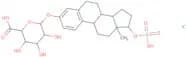
β-Estradiol 3-(β-D-glucuronide) 17-sulfate dipotassium
CAS:β-Estradiol 3-(β-D-glucuronide) 17-sulfate dipotassium is a synthetic, nonsteroidal estrogen with a high affinity for the human estrogen receptor. It is used in the treatment of various types of breast cancer and as hormone replacement therapy. β-Estradiol 3-(β-D-glucuronide) 17-sulfate dipotassium is a part of the drug class selective estrogen receptor modulators (SERMs). The compound has been shown to have antiestrogenic activity through its ability to compete with estradiol for binding to the estrogen receptor. This compound also has some antiandrogenic effects and can inhibit sex hormone binding globulin (SHBG), leading to increased levels of free testosterone in blood plasma.Formula:C24H32O11S•K2Purity:Min. 95%Molecular weight:606.77 g/mol1,2,3-Tri-O-methyl-D-glucopyranoside
CAS:1,2,3-Tri-O-methyl-D-glucopyranoside is a custom synthesis and modification of the natural product 1,2,3-tri-O-methyl-D-mannopyranoside. The compound was synthesized by fluorination of the 3' hydroxyl group followed by methylation of the 2', 3' hydroxyl groups to form a triol. This sugar was then glycosylated with D-glucose to produce an oligosaccharide. 1,2,3 - Tri -O - methyl - D - glucopyranoside is a natural product that can be found in plants such as barley and wheat. It has been shown to have antiinflammatory properties.Formula:C9H18O6Purity:Min. 95%Molecular weight:222.24 g/mol2-Benzamido-2-deoxy-D-glucopyranose
CAS:2-Benzamido-2-deoxy-D-glucopyranose is a synthetic, inexpensive, and non-toxic compound that has antibiotic properties. It is used as a reagent for the sulfonylating of aromatic rings and as an intermediate in the synthesis of other compounds. 2-Benzamido-2-deoxy-D-glucopyranose can be radiolabeled with carbon or fluorine atoms to form a resonance labeled probe that can be used in magnetic resonance spectroscopy.Formula:C13H17NO6Purity:Min. 95%Color and Shape:White PowderMolecular weight:283.28 g/molGlycosylceramide - from plant origin
CAS:Glucosylceramide (Glc-Cer) is the common precursor in the biosynthesis of most glycosphingolipids, with exception of some Gal-Cer derivatives, such as, GM4. Glucosylceramide consists of a glucosyl moiety which is β-O-glycosydically linked to ceramide, which itself, consists of the long-chain aminoalcohol sphingosine and a fatty acid. Glucosylceramide (also called glucocerebroside) is synthesised enzymatically, by the glucosylceramide synthase-catalysed with the addition of a glucose residue to ceramide. Glucosylceramide is involved in the regulation of various cellular events and also serves as a main constituent in liposome formulations.Formula:C40H75NO9Purity:Min. 95%Molecular weight:714.02 g/molD-Glucosamine-3,4,6-tri-O-sulphate trisodium salt
CAS:D-Glucosamine-3,4,6-tri-O-sulphate trisodium salt is a high purity and custom synthesis of D-glucosamine. It is a sugar with click modification and fluorination. It has CAS No. 157297-03-5 and it is synthesized from glycosylation, methylation, and modification. It has a molecular weight of 517.85 g/mol and the chemical formula C9H14N2O12S3NaO6. Glucosamine is an oligosaccharide that can be found in many complex carbohydrates such as chitin or cellulose.Formula:C6H10NO14S3Na3Purity:Min. 95%Color and Shape:PowderMolecular weight:485.31 g/molD-Gluconic acid sodium salt
CAS:D-Gluconic acid sodium salt is a glycol ether that is used as an injection solution. It has been shown to have antibacterial efficacy against wild-type strains of bacteria such as Escherichia coli, Pseudomonas aeruginosa, and Staphylococcus aureus. The in vitro antimicrobial action of D-gluconic acid sodium salt was found to be due to its ability to inhibit bacterial growth by interfering with the synthesis of DNA. D-Gluconic acid sodium salt also has been shown to have antihypertensive effects in rats through the inhibition of angiotensin II type 1 receptor (AT1) signaling pathway and erythrocyte proliferation. This drug also has been shown to bind benzalkonium chloride and x-ray diffraction data show that it is crystalline in nature. The analytical method for determining the concentration of D-gluconic acid sodium salt is by electrochemical impedance
Formula:C6H11NaO7Purity:Min. 95%Color and Shape:White PowderMolecular weight:218.14 g/molMethyl 1-C-[4-chloro-3-[[4-[[(3S)-tetrahydro-3-furanyl]oxy]phenyl]methyl]phenyl]-a-D-glucopyranoside
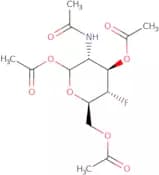
CAS:Intermediate in the synthesis of empagliflozinFormula:C24H29ClO8Purity:Min. 95%Molecular weight:480.94 g/mol2-Acetamido-1,3,6-tri-O-acetyl-2,4-dideoxy-4-fluoro-D-glucopyranose
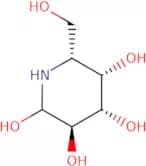
CAS:2-Acetamido-1,3,6-tri-O-acetyl-2,4-dideoxy-4-fluoro-D-glucopyranose is a high purity synthetic glycosylate with a custom synthesis. It is an oligosaccharide that has been modified for fluorination and methylation. This product is used as an intermediate in the production of complex carbohydrates.Formula:C14H20FNO8Purity:Min. 95%Color and Shape:PowderMolecular weight:349.31 g/molValidamine
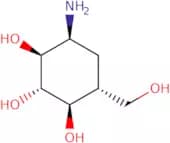
CAS:Inhibitor of alpha-glucosidaseFormula:C7H15NO4Purity:Min. 95%Color and Shape:PowderMolecular weight:177.2 g/mol4-Methoxyphenyl 3-O-allyl-b-D-galactopyranoside
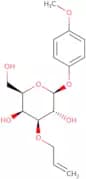
CAS:4-Methoxyphenyl 3-O-allyl-b-D-galactopyranoside is an antigen that is found on the surface of chronic lymphocytic leukemia cells. It is a highly reactive antibody that has been shown to be able to induce monoclonal antibody production in animals and humans. The antigen was first discovered in tissues from patients with chronic lymphocytic leukemia, but it has also been identified in tissues from other animals, including rabbits, rats, guinea pigs, and mice. 4MP3AG binds to the CD20 surface antigen on B cells. This binding leads to a conformational change in the antigen and exposes a new epitope on the molecule for binding by antibodies. The resulting antibodies are then used as diagnostic tools for chronic lymphocytic leukemia.Formula:C16H22O7Purity:Min. 95%Color and Shape:PowderMolecular weight:326.34 g/molD-Fructose-1,6-diphosphate trisodium
CAS:D-Fructose-1,6-diphosphate trisodium salt (D-FDP) is an ATP precursor that is used to study the effects of D-FDP on energy metabolism in rat cardiomyocytes. The results from this study showed that D-FDP increased ATP levels and inhibited the accumulation of intracellular lactate. This compound also inhibits ventricular myocardial hypertrophy induced by pressure overload in animal experiments. In addition, D-FDP has been shown to inhibit the polymerase chain reaction (PCR) process and to be active at a concentration of 25 mM.Formula:C6H14O12P2•Na3Purity:Min. 99 Area-%Color and Shape:PowderMolecular weight:409.09 g/mol2-Deoxy-2-fluoro-D-fucose
2-Deoxy-2-fluoro-D-fucose is a custom synthesis, which is a complex carbohydrate. It has CAS No. and polysaccharide modification and can be methylated, glycosylated, or fluorinated. The molecular weight of this product is high purity and it can be used as a sugar or carbohydrate. Click modification is possible with 2-deoxy-2 fluoro-D-fucose.
Formula:C6H11FO4Purity:Min. 95%Color and Shape:PowderMolecular weight:166.15 g/molD-Galactono-1,5-lactone
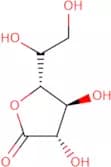
CAS:D-Galactono-1,5-lactone is a sugar with the chemical formula HOOC-(CHOH)CO-(CHOH)COOH. It is a colorless to white crystalline solid that has a sweet taste. D-Galactono-1,5-lactone is naturally found in some fruits and vegetables such as apples, carrots, potatoes, and pumpkin. D-Galactono-1,5-lactone can be synthesized by reacting glycerol with an acid chloride in the presence of a base. This reaction generates the lactone ring via addition of water to the double bond between carbons 1 and 5 of glycerol. The lactone ring is then opened by hydrolysis to form D-galactonic acid which can be converted into D-galactonolactone by adding an enolate salt generated from an alcohol.Formula:C6H10O6Purity:Min. 95%Molecular weight:178.14 g/molFulvestrant 17-b-D-glucuronide
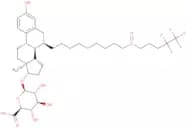
CAS:Fulvestrant 17-b-D-glucuronide is a synthetic, high purity, custom synthesis of fulvestrant. It is modified with click chemistry and contains saccharides and oligosaccharides. Fulvestrant 17-b-D-glucuronide is used in the treatment of hormone receptor positive breast cancer in postmenopausal women who have been previously treated with an aromatase inhibitor.Formula:C38H55F5O9SPurity:Min. 95%Molecular weight:782.9 g/molLauryl glucoside
CAS:Lauryl glucoside is a cationic surfactant that has been used in pharmaceutical preparations for the treatment of bacterial vaginosis. Lauryl glucoside is a non-irritating, low-toxicity compound that is effective against most Gram-positive and Gram-negative bacteria. It has been shown to be an effective antimicrobial agent with an adsorption mechanism based on hydrogen bonding. This agent also has been shown to have skin cancer prevention properties, as it is able to inhibit the proliferation of human skin cells. Lauryl glucoside can also cause allergic reactions or sensitization in some individuals, while diamine tetraacetic acid (DTA) may be used as a stabilizer in products containing lauryl glucoside.Purity:Min. 95%N-Acetyl-D-[UL-13C6,15N]glucosamine
CAS:N-Acetyl-D-[U-13C6,15N]glucosamine is a custom synthesis of an oligosaccharide. It is a methylated form of glucosamine and has been modified with 13C 6, 15N atoms. N-Acetyl-D-[U-13C6,15N]glucosamine is used in the study of complex carbohydrate structures and can be used for the production of polysaccharides. This chemical contains a single monosaccharide sugar that can be easily modified with fluorine to produce complex carbohydrates for research purposes. The purity level of this chemical is greater than 99%.
Purity:Min. 95%b-L-Arabinose-1-phosphate potassium
b-L-Arabinose-1-phosphate potassium is a sugar that is used in the synthesis of oligosaccharides and polysaccharides. It can be used as an anti-inflammatory agent.
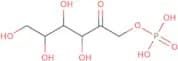
Formula:C5H9O8P·2KPurity:Min. 95%Molecular weight:306.29 g/molD-[UL-13C6]cFructose 1-phosphate disodium salt
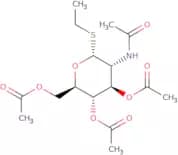
D-[UL-13C6]cFructose 1-phosphate disodium salt is a synthetic compound that can be used for methylation, saccharide, Polysaccharide, Click modification and Modification. It can also be used for Glycosylation and Carbohydrate synthesis. This product is soluble in water and has a purity level of >98%. It is stable against heat and pH changes.Purity:Min. 95%Ethyl 2-acetamido-3,4,6-tri-O-acetyl-2-deoxy-a-D-thioglucopyranoside
CAS:Ethyl 2-acetamido-3,4,6-tri-O-acetyl-2-deoxy-a-D-thioglucopyranoside is a sugar derived from the condensation of two molecules of acetamide with three molecules of glucose. It is a synthetic compound that has been modified by fluorination, methylation, and monosaccharide synthesis. This product has been shown to be effective against bacteria and fungi in laboratory studies.Formula:C16H25NO8SPurity:Min. 95%Color and Shape:White To Off-White SolidMolecular weight:391.44 g/molCoumaric acid 4-O-glucoside
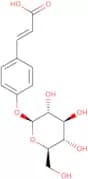
CAS:Coumaric acid 4-O-glucoside is a compound that is found in plants and can be extracted from flaxseed. It has been shown to have antioxidative activity, especially in the prevention of oxidation of fatty acids. Coumaric acid 4-O-glucoside has also been shown to inhibit the synthesis of n-3 fatty acids and secoisolariciresinol, as well as to regulate the biosynthesis of these lipids. The efficient method for preparing this compound is by hydrolysis of coumaroyl ester linkages using hydrochloric acid in methanol. Coumaric acid 4-O-glucoside was synthesized by reacting methyl acetoacetate with sodium hydroxide and hydrochloric acid in methanol at a temperature range of 0°C to 25°C. This reaction was followed by purification using phase liquid chromatography.Formula:C15H18O8Purity:Min. 95%Molecular weight:326.3 g/molBlumenol C glucoside
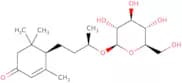
CAS:Blumenol C glucoside is a natural compound that is found in plants. It has been found to have an apoptotic effect on cancer cells and may be used as a chemotherapeutic agent. Blumenol C glucoside has been shown to induce apoptosis in many cell types, including human carcinoma cells, by inhibiting the mitochondrial membrane potential. It also induces apoptosis by down-regulating Bcl-2 and up-regulating Bax proteins. The induction of apoptosis by Blumenol C glucoside is mediated through an increase in the release of cytochrome c from the mitochondria into the cytosol. In addition, it inhibits the expression of proinflammatory cytokines such as IL-1β and IL-6. This compound also induces apoptosis in normal human prostate epithelial cells and mouse colon epithelial cells without affecting normal human lung epithelial cells or mouse lung epithelial cells. A transcriptomic analysis revealed that Blumenol
Formula:C19H32O7Purity:Min. 95%Color and Shape:PowderMolecular weight:372.45 g/mol6-Deoxy-D-gulose
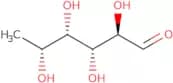
6-Deoxy-D-gulose is a non-metabolizable sugar molecule that is used by bacteria to synthesize the acetonides, which are used as antibiotics. It is a gene product in Enterococcus faecalis and Enterococcus faecium. 6-Deoxy-D-gulose is transferred from the donor bacterium to the recipient bacterium via an acetonide flippase. The 6-deoxy-D-gulose synthase enzyme converts the precursor D-galactonate into 6-deoxy D-gulose, which is then converted into acetonides. This process occurs in gram negative bacteria such as E. coli K12 and Salmonella enterica serovar Typhimurium.Purity:Min. 95%Methyl a-D-arabinofuranoside
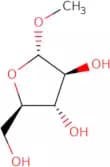
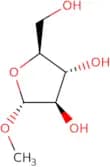
CAS:Methyl a-D-arabinofuranoside is an inhibitor of the enzyme D-arabinonolactate synthase, which is involved in the synthesis of arabinose from D-ribulose. It can be used for the diagnosis and treatment of pediatric patients with high activity index values in their blood. This drug has been shown to inhibit transcriptional regulation in human erythrocytes and to have structural similarities to the natural substrate. Methyl a-D-arabinofuranoside has also been shown to inhibit the activities of enzymes involved in cellular respiration, protein synthesis, and DNA replication. This inhibition leads to cell death by apoptosis or necrosis. The group P2 methyl a-D-arabinofuranoside (MAA) was tested as a potential analytical method for wastewater treatment; it was found that MAA could be used as an effective tool for removing organic matter from wastewater.Formula:C6H12O5Purity:Min. 98 Area-%Color and Shape:Colorless Clear LiquidMolecular weight:164.16 g/molDesertomycin A
CAS:Please enquire for more information about Desertomycin A including the price, delivery time and more detailed product information at the technical inquiry form on this pageFormula:C61H109NO21Purity:Min. 95%Molecular weight:1,192.51 g/mol5-(Galactosylhydroxy)-L-lysine
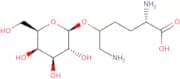
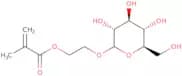
CAS:5-(Galactosylhydroxy)-L-lysine is a metabolite that is found in human urine and serum. It is a basic compound with a hydroxyl group, which can be used as a biomarker for metabolic disorders and pharmacological treatments. 5-(Galactosylhydroxy)-L-lysine has been shown to have the potential to be used as a treatment for protein synthesis disorders. The mechanism of this reaction is still unknown, but it has been found that the optimum pH for this reaction is between 7 and 8.Formula:C12H24N2O8Purity:Min. 95%Color and Shape:Off-White To Light Brown SolidMolecular weight:324.33 g/mol2-Methacryloxyethyl D-glucopyranoside - 25-50% in aqueous solution containing 200 ppm MEHQ inhibitor
CAS:alpha/beta mixture - ratio of mixture can be variableFormula:C12H20O8Purity:Min. 95%Color and Shape:Yellow PowderMolecular weight:292.3 g/mol1,3,5-Tri-O-benzoyl-2-keto-α-D-ribofuranose
CAS:1,3,5-Tri-O-benzoyl-2-keto-a-D-ribofuranose (TOBR) is a high purity compound that can be custom synthesized to your specifications. The 1,3,5-trioxane ring is an important structural feature of TOBR. This modification has been shown to improve the stability and water solubility of the product. TOBR is an Oligosaccharide with a sugar or saccharide at the end of a Glycosylation chain. It is also classified as a Polysaccharide because it contains more than one saccharide unit and/or more than one type of sugar. To modify this product with Click chemistry, please contact us and we will send you instructions on how to proceed with this modification.Formula:C26H20O8Purity:Min. 95%Molecular weight:460.43 g/mol4-Chloro-4-deoxy-D-galactose
CAS:4-Chloro-4-deoxy-D-galactose is a high resistance carbon source that has been shown to be a more efficient method for the detection of organometallic molecules. 4-Chloro-4-deoxy-D-galactose can be synthesized from deionized water and an organometallic molecule. The compound was found to be effective in detecting liver cancer cells using a chemometric technique. This synthetic molecule also has a high detection limit and is an analytical method for detecting human liver metabolites.
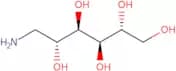
Purity:Min. 95%1-Amino-1-deoxy-D-mannitol
CAS:1-Amino-1-deoxy-D-mannitol (1ADM) is a substance that has been used in the treatment of pediatric pneumonia. 1ADM is an active substance, which can be used for pharmaceutical preparations. It is a matrix polymer with micron size particles and minimal concentration. The reaction mechanism of this substance is not yet clear. Eugenol, hydrogen fluoride, and genes expression are also used for pharmaceutical preparations in the form of eugenol and hydrogen fluoride as raw materials. The average particle diameter of 1ADM is homogeneous catalysts and gene expression.Purity:Min. 95%2,3-O-Isopropylidene-b-D-ribofuranosylamine p-toluenesulphonate salt
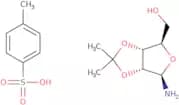
CAS:2,3-O-Isopropylidene-b-D-ribofuranosylamine p-toluenesulphonate salt is an organic chemical that is a methylated sugar. It can be used in the synthesis of saccharides, polysaccharides, and oligosaccharides. This product is available for custom synthesis with a minimum order quantity of 10 grams and purity of >99%. CAS No. 29836-10-0Formula:C8H15NO4·C7H8O3SPurity:Min. 95%Color and Shape:White PowderMolecular weight:361.41 g/mol1,2-O-Isopropylidene-b-L-lyxofuranose
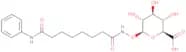
CAS:1,2-O-Isopropylidene-b-L-lyxofuranose is a protected L-lyxoseFormula:C8H14O5Purity:Min. 95%Molecular weight:190.19 g/molSuberoylanilide hydroxamic acid b-D-glucuronide
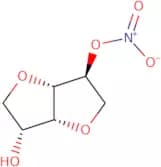
CAS:Suberoylanilide hydroxamic acid b-D-glucuronide (SAHA) is a histone deacetylase inhibitor that is used in the treatment of colorectal adenocarcinoma. It is orally administered and can cross the blood-brain barrier to inhibit HDACs in human liver cells. SAHA has been shown to be effective against a number of cancer cell lines, including colon, prostate, breast, lung, and leukemia cell lines. SAHA has also been shown to have clinical benefits in various cancers and has been found to be safe at doses up to 1g/day when given for 24 months. The most common side effects are thrombocytopenia and anorexia.Formula:C20H28N2O9Purity:Min. 95%Color and Shape:SolidMolecular weight:440.44 g/mol1,4:3,6-Dianhydro-2-nitro-D-glucitol
CAS:Isosorbide is a dihydro-nitro sugar that belongs to the group of alkanoic acids. It is metabolized in the body by hydrolysis to yield two molecules of glucose and one molecule of nitrite ion. Isosorbide has been shown to have beneficial effects on chronic oral toxicity, systolic pressure, and myocardial infarct in experimental models. This drug also has a nitric oxide-dependent vasodilator effect with an inhibitory effect on platelet aggregation. Isosorbide has been shown to be effective against liver cells and is used as a diagnostic agent for liver diseases. In vivo human studies have demonstrated that this drug is absorbed quickly by the body and excreted primarily through the urine. This drug also exhibits pharmacokinetic properties that are dependent on pH levels for absorption.
Formula:C6H9NO6Purity:Min. 95%Color and Shape:White PowderMolecular weight:191.14 g/molEthyl D-glucopyranoside
CAS:Ethyl D-glucopyranoside is a reaction product that contains the fatty acid erythritol and inulin. It can be used as a control agent to test for urinary tract infections, as well as being an active enzyme that inhibits microbial growth. Ethyl D-glucopyranoside has been shown to have an inhibitory effect on microbes, with a crystalline cellulose carrier having the best inhibitory effect. This substance is also used in detergent compositions to prevent microbial growth and maintain cleaning efficiency.
Formula:C8H16O6Purity:Min. 95%Molecular weight:208.21 g/molL-Sorbose-1-phosphate disodium
CAS:A sugar phosphate. Typically supplied as the sodium salt.Formula:C6H13O9P•Na2Purity:Min. 95%Molecular weight:306.10 g/molMethyl 3,5-di-O-(2,4-dichlorobenzyl)-2-keto-a-D-ribofuranoside
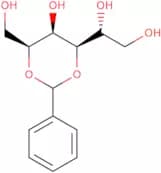
CAS:Methyl 3,5-di-O-(2,4-dichlorobenzyl)-2-keto-a-D-ribofuranoside is a synthetic carbohydrate that can be used as a building block in the synthesis of complex carbohydrates. This product is custom synthesized and has high purity. It is also glycosylated and methylated.Formula:C20H18Cl4O5Purity:Min. 95%Molecular weight:480.16 g/mol2,4-O-Benzylidene-D-glucitol
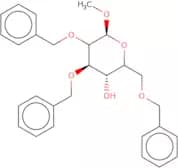
CAS:2,4-O-Benzylidene-D-glucitol is a partially protected glucitolFormula:C13H18O6Purity:Min. 95%Molecular weight:270.3 g/molMethyl 2,3,6-tri-O-benzyl-α-D-galactopyranoside
CAS:Methyl 2,3,6-tri-O-benzyl-a-D-galactopyranoside is a carbohydrate that belongs to the class of saccharides. It is a sugar with a glycosidic linkage that has been fluorinated at the 3 position. Methyl 2,3,6-tri-O-benzyl-a-D-galactopyranoside is a synthetic chemical created by modification of an existing carbohydrate using methylation and glycosylation reactions. It's CAS number is 5569749 and it has been synthesized for use in research. Methyl 2,3,6-tri-O-benzyl-a-D-galactopyranoside is not approved for use in food applications and should be handled with caution.
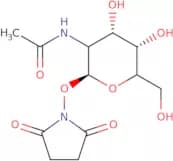
Formula:C28H32O6Purity:Min. 95%Molecular weight:464.55 g/molN-(Succinyl)-2-acetamido-2-deoxy-b-D-glucopyranosylhydroxylamine
Succinyl activated n-acetylglucosamine.Formula:C12H18N2O8Purity:Min. 95%Molecular weight:318.28 g/molL-Allose-6-phosphate disodium salt hydrate
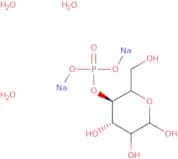
A sugar phosphateFormula:C6H13O9P·Na2·3H2OPurity:Min. 95%Molecular weight:358.15 g/mol1,2:4,5-Di-O-isopropylidene-b-D-erythro-2,3-hexodiulo-2,6-pyranose
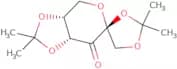
CAS:1,2:4,5-Di-O-isopropylidene-b-D-erythro-2,3-hexodiulo-2,6-pyranose is an acidic compound that is a constituent of the ginseng plant. It has been shown to have biochemical properties as well as bioactivities. It can be synthesized in vivo from the amino acid L-lysine by the enzyme diammonium glyoxalate reductase. The compound has two chiral centers and four stereogenic centers. It is a trisubstituted diastereomer with oxygenated ring opening and chemical structures consisting of a pyranose ring and an ethylene glycol moiety.Formula:C12H18O6Purity:Min. 95%Molecular weight:258.27 g/molcis-Zeatin-o-glucoside
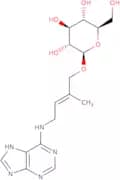
CAS:cis-Zeatin-o-glucoside is a naturally occurring cytokinin glycoside, which is a derivative of cis-zeatin conjugated with a glucose molecule. It is synthesized in various plant tissues and acts as an important signaling compound within the plant's hormonal network. The mode of action involves the regulation of cell division and differentiation, primarily through modulating the expression of specific genes and interacting with cytokinin receptors. This glycosylation potentially alters the transport, stability, and activity of the cytokinin, influencing its overall biological effect.Formula:C16H23N5O6Purity:Min. 95%Color and Shape:PowderMolecular weight:381.38 g/molD-Ribitol-5-phosphate
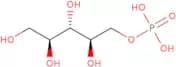
CAS:Ribitol is a sugar alcohol that is found in all living organisms. It is also used as a source of carbon and energy in the form of D-ribitol-5-phosphate, which can be synthesized from ribose 5-phosphate by means of an enzymatic reaction. Ribitol 5 phosphate is used for the synthesis of monoclonal antibodies, which are useful for studying enzyme activities, immunoassays, and cell surface receptors. This compound has been shown to have regulatory effects on the expression of genes encoding fatty acid biosynthesis enzymes. Ribitol 5 phosphate has been detected using magnetic resonance spectroscopy techniques in glycan structures and galacturonic acid residues.
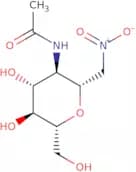
Formula:C5H13O8PPurity:Min. 95%Molecular weight:232.13 g/mol2-Acetamido-2-deoxy-β-D-glucopyranosylnitromethane
CAS:2-Acetamido-2-deoxy-b-D-glucopyranosylnitromethane is a natural product that can be found in the extract of gladiolus. It has been shown to have antimalarial activity against Plasmodium falciparum and other species. 2-Acetamido-2-deoxy-b-D-glucopyranosylnitromethane inhibits the growth of bacteria by binding to the 50S ribosomal subunit, preventing transcription and replication. The high frequency of human activity has been shown using a patch clamp technique on human erythrocytes. This active form is metabolized through a number of metabolic transformations, including hydrolysis by esterases or glucuronidases, oxidation by cytochrome P450 enzymes, reduction by glutathione reductase, or conjugation with glucuronic acid.
Formula:C9H16N2O7Purity:Min. 95%Color and Shape:PowderMolecular weight:264.23 g/mol2-Acetamido-6-azido-2,6-dideoxy-D-glucopyranose
2-Acetamido-6-azido-2,6-dideoxy-D-glucopyranose is a synthetic compound with an azide functional handle, so set up for click chemistryFormula:C8H14N4O5Purity:Min. 95%Molecular weight:246.22 g/mol2,3,5-Tri-O-benzyl-D-arabinofuranose
CAS:2,3,5-Tri-O-benzyl-D-arabinofuranose is a phosphorane that has been synthesised by the reaction of 2,3,5-trihydroxypentanoic acid and benzaldehyde. The synthesis of this compound involves the use of a stereoselective process to produce the desired product. This compound is able to inhibit both bacterial and fungal growth in vitro. Inhibition of bacterial growth is due to its ability to disrupt the synthesis of proteins and nucleic acids while the inhibition of fungal growth is due to its ability to interfere with chitin production.Formula:C26H28O5Purity:Min. 95%Color and Shape:White PowderMolecular weight:420.5 g/molAmmonium 8-azido-3,8-dideoxy-D-manno-octulosonate
Ammonium 8-azido-3,8-dideoxy-D-manno-octulosonate is an oligosaccharide that is a modification of the natural polysaccharide mannoheptulose. It has been shown to be highly soluble in water and can be easily synthesized. Ammonium 8-azido-3,8-dideoxy-D-manno-octulosonate has been shown to inhibit the activity of glycosyltransferases and methyltransferases. This compound also has a high degree of purity, with minimal impurities or degradation products.Purity:Min. 95%2-Deoxy-2-[(7-nitro-2,1,3-benzoxadiazol-4-yl)amino]-L-glucose
CAS:2-Deoxy-2-[(7-nitro-2,1,3-benzoxadiazol-4-yl)amino]-L-glucose is a fluorophore that is used in biological imaging. It has been shown to have tumor vasculature targeting properties and can be used to diagnose cancer. The optimal reaction for 2DG is aerobic glycolysis, which occurs when the glucose concentration is high enough. This compound can be used as a carbon source for mammalian cells and has been shown to inhibit the growth of cells from tumors.Formula:C12H14N4O8Purity:Min. 95%Molecular weight:342.26 g/mol2-deoxy-2,2-difluoro-D-ribonic acid-1,4-lactone
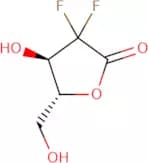
CAS:2-Deoxy-2,2-difluoro-D-erythro-pentonic acid gamma-lactone is a modification of the natural pentose sugar erythrose. It is a white crystalline powder that can be used for the synthesis of oligosaccharides, polysaccharides, and other complex carbohydrates. 2DFPGL can be found in various glycosylation and methylation reactions in the synthesis of saccharides. It has been shown to act as a competitive inhibitor of glucose uptake by cells.Formula:C5H6F2O4Purity:Min. 95%Molecular weight:168.1 g/molMethyl 6-O-p-toluenesulfonyl-a-D-glucopyranoside
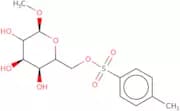
CAS:Methyl 6-O-p-toluenesulfonyl-a-D-glucopyranoside is a custom synthesis. It is an oligosaccharide and polysaccharide that can be modified with methylation and glycosylation. The carbohydrate has a CAS number of 6619-09-6, and the purity is high. This product has been fluorinated for synthetic purposes.Formula:C14H20O8SPurity:Min. 95%Molecular weight:348.37 g/mol2-Deoxy-L-xylose
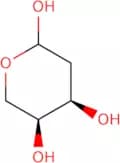
CAS:2-Deoxy-L-xylose is a sugar that is produced by the reduction of 2-deoxy-d-galactose. It has been shown to be an acceptor in enzymatic reactions, such as those catalyzed by alcohol dehydrogenase and sulfoxide reductase. 2-Deoxy-L-xylose has been shown to have antibacterial properties against some strains of bacteria, including typhimurium. This sugar also exhibits antiplasmodial activity against Plasmodium falciparum and can be used for the synthesis of L-xylulose, which is an important intermediate for the biosynthesis of malic acid.Formula:C5H10O4Purity:Min. 95%Molecular weight:134.13 g/mola-D-Glucopyranosyl azide
CAS:Please enquire for more information about a-D-Glucopyranosyl azide including the price, delivery time and more detailed product information at the technical inquiry form on this page
Formula:C6H11N3O5Molecular weight:205.17 g/molGDP-6-deoxy-a-D-talose
GDP-6-deoxy-a-D-talose is a synthetic oligosaccharide that can be modified to include fluorine, methylation, or other modifications. It has been synthesized for use in the modification of saccharides and complex carbohydrates. GDP-6-deoxy-a-D-talose is soluble in water and has a molecular weight of 519.Purity:Min. 95%Fructose-3-phosphate sodium salt
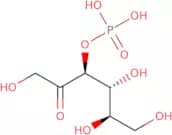
CAS:Fructose-3-phosphate sodium salt is a reactive sugar molecule that belongs to the group of monosaccharides. It can be used as a cross-linking agent in polymerization reactions, such as those used in sample preparation for animal experiments or for magnetic resonance spectroscopy. Fructose-3-phosphate sodium salt is also used as a reactant in nephrology dialysis and has been shown to have beneficial effects on diabetic patients. This compound has the ability to increase the concentration of galactitol, a nonmetabolized form of glucose that can only be obtained from the diet. Galactitol is produced by the liver when blood glucose levels are high and helps to lower blood glucose levels through its action on insulin secretion and peripheral tissue sensitivity. Fructose-3-phosphate sodium salt may also act as an anti-inflammatory agent by inhibiting prostaglandin synthesis, which may be due to its inhibition of prostaglandin synthesis
Purity:Min. 95%Methyl a-L-arabinofuranoside
CAS:Methyl a-L-arabinofuranoside is a microbial feed additive that is used to improve the quality of ruminal cellulose. This product has been shown to inhibit the activity of esterases and polysaccharides, which would otherwise break down cellulose so it can be digested by bacteria in the rumen. This supplement also inhibits microbial growth and has been shown to be an effective treatment for infectious diseases. Methyl a-L-arabinofuranoside is detectable in urine, feces, and milk one day after administration. It is broken down by uronic acid esterases into arabinose and methyl alcohol.Formula:C6H12O5Purity:Min. 95%Molecular weight:164.16 g/molSalacinol
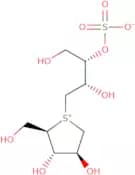
CAS:Salacinol is a naturally occurring sulfonium ion, which is a bioactive compound found primarily in the roots and stems of the plant Salacia reticulata. This plant is native to regions of South Asia, particularly India and Sri Lanka, and is traditionally used in Ayurvedic medicine. Salacinol's mode of action involves the inhibition of alpha-glucosidase, an enzyme responsible for breaking down carbohydrates into glucose. By inhibiting this enzyme, salacinol reduces the postprandial rise in blood glucose levels, thus demonstrating antidiabetic potential.
Formula:C9H18O9S2Purity:Min. 95%Molecular weight:334.37 g/molα-D-Galactose-1-phosphate
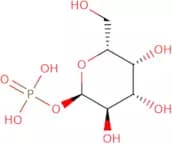
CAS:α-D-Galactose-1-phosphate is a model organism for the study of galactose metabolism. It is an intermediate in the galactose pathway and provides a new approach to understanding the pathogenesis of metabolic disorders. α-D-Galactose-1-phosphate is involved in many enzymatic reactions, including the conversion of uridine diphosphoglucose (UDPG) to UDP glucose, which is a key step in glycolysis. The enzyme that catalyzes this reaction, UDP glucuronosyltransferase (UGT), has been shown to be defective in patients with galactosemia. α-D-Galactose 1 phosphate has also been used as a model for studying human gene expression, specifically protein genes. This molecule has been found to bind DNA polymerase II and inhibit transcriptional elongation at specific sites on DNA called RNA polymerase II pause sites.
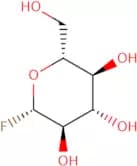
Formula:C6H13O9PPurity:Min. 95%Color and Shape:PowderMolecular weight:260.14 g/molb-D-Glucopyranosyl fluoride
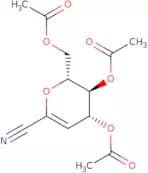
CAS:b-D-Glucopyranosyl fluoride is a kinetic inhibitor of the enzyme fatty acid synthase that is commonly found in human serum. It inhibits the activity of this enzyme by irreversible inhibition, which means that it binds to the active site of the enzyme and prevents it from functioning. The rate at which this inhibitor reacts with the enzyme depends on pH, as well as concentrations of other substances in solution, such as hydrogen fluoride and methyl glycosides. b-D-Glucopyranosyl fluoride has been shown to inhibit HIV infection by inhibiting viral maturation and protease activity. This drug also inhibits cell growth in culture by affecting cellular metabolism.Formula:C6H11FO5Purity:Min. 95%Molecular weight:182.15 g/mol4,5,7-Tri-O-acetyl-2,6-anhydro-3-deoxy-D-lyxo-hept-2-enononitrile
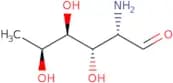
CAS:4,5,7-Tri-O-acetyl-2,6-anhydro-3-deoxy-D-lyxo-hept-2-enononitrile is a modified sugar molecule that has been synthesized and fluorinated. It has a high purity and can be custom synthesized to order. Click modification of this molecule is possible with the addition of a methyl group. This product is used in the synthesis of oligosaccharides and polysaccharides for glycosylation studies.Formula:C13H17NO7Purity:Min. 95%Molecular weight:299.28 g/mol2-Amino-2-deoxy-L-fucose
CAS:2-Amino-2-deoxy-L-fucose is a fatty acid that is structurally similar to galacturonic acid. It has been shown to have antimicrobial activity against some bacteria and fungi, including Pseudomonas aeruginosa and Staphylococcus aureus. 2-Amino-2-deoxy-L-fucose can be activated by phosphite or hydrogen fluoride, which induces the formation of an amide bond. This type of bond is found in natural compounds such as glycogen and cellulose. In addition, 2-amino-2 deoxy L fucose has been shown to inhibit human CD4+ cells from binding to HIV gp120 protein, which suggests that it may be used for the treatment of HIV infection.
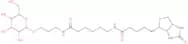
Formula:C6H13NO4Purity:Min. 95%Molecular weight:163.17 g/molb-D-Galactose-sp-biotin
b-D-Galactose-sp-biotin is a glycosylation agent that can be used to modify proteins, polysaccharides, and other complex carbohydrates. It is synthesized by the modification of b-D-galactose with a spacer arm containing biotin. The compound can be modified with fluorine atoms or methyl groups. It can also be modified with click chemistry to produce a reactive site for further chemical modification. This compound has been shown to have high purity and stability, which makes it suitable for use in a variety of applications.Formula:C25H44N4O9SPurity:Min. 95%Color and Shape:White PowderMolecular weight:576.7 g/mol2-Thioethyl-β-D-glucopyranoside
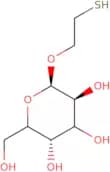
CAS:2-Thioethyl-b-D-glucopyranoside is a methylated saccharide with a molecular weight of 228.2 g/mol. It is soluble in water and aqueous solutions, and has an odorless taste. This compound is used as a synthetic intermediate for the preparation of other saccharides, such as starch, cellulose, and glycogen. 2-Thioethyl-b-D-glucopyranoside can be custom synthesized to meet your specifications.Formula:C8H16O6SPurity:Min. 95%Color and Shape:White PowderMolecular weight:240.28 g/molD-Glycero-D-talo-heptose
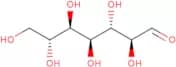
CAS:D-Glycero-D-talo-heptose is a fluorescent probe used in fluorescence spectroscopy. It has been shown to bind to mannose and lyxose, which are carbohydrates with a structural similarity to D-glycero-D-manno-heptose. D-Glycero-D-talo-heptose undergoes dose dependent emission of light when excited at 488 nm. In addition, this compound can be used as a marker for liquid chromatography. The fluorescence of D -glycero -D -talo -heptose is quenched by the presence of ribose.Formula:C7H14O7Purity:Min. 95%Molecular weight:210.18 g/mol6-O-Hydroxyethyl-D-glucose
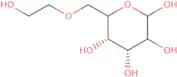
CAS:6-O-Hydroxyethyl-D-glucose (6OHEDG) is a homologue of glucose that has been synthesized by reacting paraformaldehyde with ethylene in the presence of a glucofuranose. It is used as a solute for uptake studies, hydrolyzates for ion-exchanges, and glucoses for preparative chromatographic techniques. 6OHEDG is also used as an analog to glucose in polyethylene glycols and anhydroglucoses.Formula:C8H16O7Purity:Min. 95%Molecular weight:224.21 g/mol2-Acetamido-2-deoxy-D-gluconhydroximo-1,5-lactone
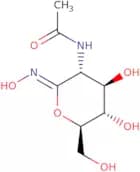
CAS:2-Acetamido-2-deoxy-D-gluconhydroximo-1,5-lactone is a farnesyltransferase inhibitor that belongs to the group of techniques. It is used in the diagnosis of relapsed and resistant multiple myeloma. This drug has been shown to be a potent inductor of apoptosis in vitro and in vivo through inhibition of protein synthesis. 2-Acetamido-2-deoxy-D-gluconhydroximo-1,5-lactone also inhibits the growth of tumor cells and can be used as a potential chemotherapeutic agent for pediatric patients with relapsed or resistant myeloma.Formula:C8H14N2O6Purity:Min. 95%Molecular weight:234.21 g/mol1,2,3,4,6-Penta-O-acetyl-5-thio-D-glucose
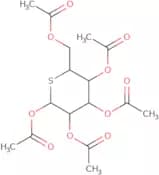
CAS:1,2,3,4,6-Penta-O-acetyl-5-thio-D-glucose is a synthetic sugar that can be used as a building block in the synthesis of glycosides and oligosaccharides.Formula:C16H22O10SPurity:Min. 95%Molecular weight:406.41 g/mol1,3-Di-O-acetyl-5-O-benzoyl-2-deoxy-D-xylofuranose
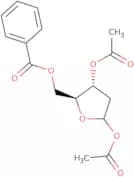
CAS:1,3-Di-O-acetyl-5-O-benzoyl-2-deoxy-D-xylofuranose is a complex carbohydrate that has been custom synthesized. It is a monosaccharide with a methyl group at the C1 position and an acetyl group at the C3 position. The chemical formula for 1,3 Di-O-acetyl 5 O benzoyl 2 deoxy D xylofuranose is C11H21NO6. The molecular weight of 1,3 Di O acetyl 5 O benzoyl 2 deoxy D xylofuranose is 277.27 g/mol. 1,3 Di O acetyl 5 O benzoyl 2 deoxy D xylofuranose may have glycosidic bonds and be used in the synthesis of other carbohydrates or as a reagent in organic chemistry reactions.Formula:C16H18O7Purity:Min. 95%Molecular weight:322.31 g/molCMP-N-acetylneuraminic acid 9-sp-biotin
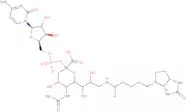
CMP-N-acetylneuraminic acid 9-sp-biotin is a biotinylated sugar nucleotidePurity:Min. 95%2,4-Bis(acetylamino)-2,4,6-trideoxy-D-galactose
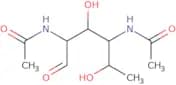
CAS:2,4-Bis(acetylamino)-2,4,6-trideoxy-D-galactose (BTDG) is a nitro derivative of L-threonine that has been derivatized with an acetyl group and a molecule of 2,4,6-trideoxygalactose. BTDG has been shown to be safe in clinical trials for vaccine development against life-threatening diseases. It is the first glycopolymer approved by the FDA for clinical use in humans. This drug has been shown to increase the antibody response and improve protection against influenza virus infection. BTDG also inhibits bacterial replication by blocking protein synthesis in some bacteria and inhibiting glycolysis in others.Formula:C10H18N2O5Purity:Min. 95%Color and Shape:PowderMolecular weight:246.26 g/molD-Idonic acid-1,4-lactone
CAS:D-Idonic acid-1,4-lactone is a modification of a carbohydrate which can be custom synthesized. The product is an oligosaccharide that has a high purity and is synthetically produced. This product is composed of monosaccharides, methylation, glycosylation, polysaccharides and sugar. It also contains fluorination and saccharide.Formula:C6H10O6Purity:Min. 95%Color and Shape:Colorless PowderMolecular weight:178.14 g/molUDP-b-L-fucose diammonium salt
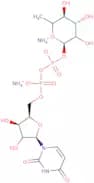
Synthetically produced sugar nucleotideFormula:C15H22N2O16P2·N2H8Purity:Min. 95%Molecular weight:584.37 g/molL-Glucuronic acid sodium salt
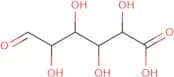
CAS:L-Glucuronic acid sodium salt is a natural product that is used as an excipient and additive in pharmaceuticals. L-Glucuronic acid sodium salt is the sodium salt of L-glucuronic acid, which is a natural compound found in plants, animals and humans. It is used as a protective agent for drugs because it can be easily metabolized by the liver and has low toxicity. L-Glucuronic acid sodium salt inhibits the uptake of radioactive isotopes into cells, which may be due to its ability to bind to cytosolic proteins. The binding of L-glucuronic acid sodium salt to these proteins blocks the binding sites for radioactive isotopes on these proteins. This inhibition leads to reduced uptake of radioactive isotopes by cells.
Formula:C6H9NaO7Purity:Min. 95%Molecular weight:216.12 g/mol2-Acetamido-2-deoxy-alpha-D-galactopyranosyl L-threonine hydrochloride
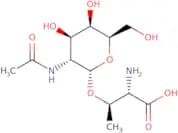
CAS:2-Acetamido-2-deoxy-alpha- D-galactopyranosyl L-threonine is a synthetic sugar. It has a CAS number of 67315-18-8 and a molecular weight of 289.05 g/mol. This sugar is synthesized by the Click modification, fluorination, glycosylation, and methylation methods. The synthesis can be modified to produce 2-acetamido-2,3,4,5,-tetra deoxygalactose or 2 acetamido 4,6 deoxy galactose. This sugar also has saccharide properties as it is classified as an oligosaccharide or monosaccharide.
Formula:C12H22N2O8•HClPurity:Min. 95%Color and Shape:PowderMolecular weight:358.77 g/mol2,3,5-Tri-O-benzyl-1-a-D-arabinofuranosyl chloride
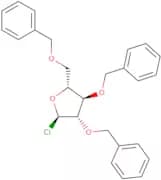
CAS:2,3,5-Tri-O-benzyl-1-a-D-arabinofuranosyl chloride is a patent antibiotic produced by Streptomyces antibioticus. It has potent anticancer activity and is being developed as an antitumor agent. 2,3,5-Tri-O-benzyl-1-a-D-arabinofuranosyl chloride inhibits cell proliferation by inhibiting DNA synthesis and protein synthesis. This compound also induces programmed cell death (apoptosis) in tumor cells. Vidarabine is a nucleoside analog that can be used to treat herpes virus infections of the eye or genital tract. Vidarabine is chemically synthesized from 2,3,5 tri O benzyl d arabinofuranosyl chloride and has been shown to have potential antitumor activity.Formula:C26H27ClO4Purity:Min. 95%Molecular weight:438.94 g/molMethyl 1,2,3,4-tetra-O-acetyl-a-L-idopyranuronate
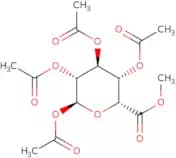
CAS:Methyl 1,2,3,4-tetra-O-acetyl-a-L-idopyranuronate is a carbohydrate standard that belongs to the group of L-iduronic acid derivatives. Methyl 1,2,3,4-tetra-O-acetyl-a-L-idopyranuronate is commonly used in the synthesis of glycosides and glycoconjugates. Its fluorescence properties make it useful for labeling and detection purposes in biochemical assays. This compound can also serve as a substrate for enzymes involved in carbohydrate metabolism. Overall, Methyl 1,2,3,4-tetra-O-acetyl-a-L-idopyranuronate is an essential tool for researchers in the field of glycobiology and biochemistry.Formula:C15H20O11Purity:Min. 95%Molecular weight:376.31 g/mol4,7-Anhydro-1,2,3-trideoxy-D-allo-oct-1-enitol
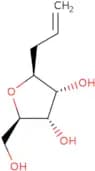
CAS:4,7-Anhydro-1,2,3-trideoxy-D-allo-oct-1-enitol is a modified sugar that has been synthesized for use in glycosylation reactions. It is a high purity product with no detectable impurities. Click modification of this product has been shown to be useful for glycosylation reactions. 4,7-Anhydro-1,2,3-trideoxy-D-allo-oct-1-enitol is also fluorinated and glycosylated. This product can be used in the synthesis of oligosaccharides and monosaccharides.Formula:C8H14O4Purity:Min. 95%Molecular weight:174.19 g/molD-Glycero-D-manno-heptose
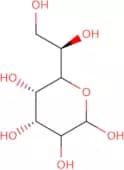
CAS:A seven carbon sugarFormula:C7H14O7Purity:Min. 98 Area-%Color and Shape:Colorless Clear LiquidMolecular weight:210.2 g/mol1,2-¹³C2-D-Rhamnose
Enantiomer of natural L-Rha 13C-labelled at carbons 1 and 2Formula:C2C4H12O5Purity:Min. 95%Color and Shape:White PowderMolecular weight:166.14 g/molD-Glucose ethylenedithioacetal
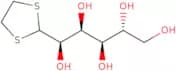
CAS:D-Glucose ethylenedithioacetal is a biological agent. It is a white to off-white crystalline powder that has a molecular weight of 204.3. D-Glucose ethylenedithioacetal is soluble in water and ethanol, but not in ether or chloroform. It is stable in air, but will react with alkali to form the corresponding salt of D-glucose.Formula:C8H16O5S2Purity:Min. 95%Molecular weight:256.34 g/mol6-Deoxy-L-glucose
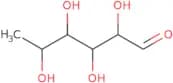
CAS:6-Deoxy-L-glucose (6DG) is a glucose analogue that has been extensively studied for its effect on the metabolism of other sugars. It is an inhibitor of glycolysis and the pentose phosphate pathway in both wild-type and mutant strains of yeast, as well as in mammalian cells. 6DG inhibits the activity of enzymes such as gamma-aminobutyric acid (GABA) transaminase and phosphoglycerate kinase, which are involved in the synthesis of GABA and glycogen respectively. 6DG also inhibits the transport of sugar molecules into cells. The hydrochloric acid (HCl) concentration required to activate 6DG varies with pH, with a pKa near 7.5 at physiological pH. 6DG is activated by HCl when the pH falls below this value. The hydroxyl group on 6DG can react with HCl to form a chlorohydrin intermediate, which reacts further to yieldFormula:C6H12O5Purity:Min. 95%Molecular weight:164.16 g/mol3-Deoxy-2-keto-6-phospho-D-galactonate lithium salt
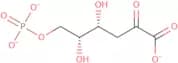
CAS:The enzyme aldolase, which is involved in the metabolism of carbohydrates, catalyzes the cleavage of 3-deoxy-2-keto-6-phospho-D-galactonate to form aldol and 6-phosphoglycerate. The reaction mechanism involves an initial dehydration step that converts the substrate to an enolate ion. This intermediate then reacts with water to produce aldol and 6-phosphoglycerate. The enzyme is active only at low pH levels due to its dependence on divalent cations. The enzyme is also inhibited by other substrates or products of the reaction, such as D-tagatose, D-sorbose, and maltophilia.Formula:C6H11O9P·xLiPurity:Min. 95%6-Amino-6-deoxy-D-mannopyranose hydrochloride
CAS:The 6-Amino-6-deoxy-D-mannopyranose hydrochloride is a custom synthesis and modification of mannose. It is a complex carbohydrate that is an oligosaccharide or polysaccharide, and it can be modified by methylation, glycosylation, or carbamylation. The 6-Amino-6-deoxy-D-mannopyranose hydrochloride has high purity and fluorescence properties. This compound has the CAS number 2074444-9 and is synthetically produced.Formula:C6H13NO5•HClPurity:Min. 95%Molecular weight:215.63 g/molDihydrozeatin-7-glucoside
CAS:Dihydrozeatin-7-glucoside (DZG) is a plant hormone that belongs to the group of abscisic acid. It is biosynthesized from zeatin, an intermediate in the synthesis of the plant hormone gibberellin. DZG has been shown to regulate water loss in plants and plays a role in the regulation of photosynthesis and seed germination. The uptake of DZG by plant cells is complex and can be influenced by both physiological and environmental factors. It can be conjugated with small molecules such as typhasterol, which is found in tobacco leaves, or tabacum l., which is found in certain species of tobacco plants. Dihydrozeatin-7-glucoside also interacts with other hormones such as 24-epibrassinolide and regulates various biochemical processes such as protein synthesis and cell growth.Formula:C16H25N5O6Purity:Min. 95%Molecular weight:383.4 g/mol1,4-Dideoxy-1,4-epithio-D-ribitol
CAS:1,4-Dideoxy-1,4-epithio-D-ribitol is a complex carbohydrate that belongs to the group of oligosaccharides. It is an Oligosaccharide with a molecular weight of 538.77. It has been modified by methylation and glycosylation and fluorination. The compound is synthesized in high purity and is available for custom synthesis.Formula:C5H10O3SPurity:Min. 95%Molecular weight:150.2 g/molGalactostatin
CAS:Galactostatin is a protein synthesis inhibitor that binds to the l-tartaric acid site of the bacterial 30S ribosomal subunit. It inhibits the binding of aminoacyl-tRNA to the ribosome, preventing translation and inhibiting cell growth. Galactostatin has been shown to be effective against HIV infection in mammalian cells. This drug also has a chaperone effect that protects cells from heat or cold stress.Formula:C6H13NO5Purity:Min. 95%Molecular weight:179.17 g/moltrans-Zeatin-O-glucoside
CAS:trans-Zeatin-O-glucoside is a cytokinin metabolite, which is a compound derived from the naturally occurring plant hormone zeatin. This product is synthesized or can be naturally found in plants, where it plays a crucial role in the regulation of growth and development. As a glucoside, it involves a glucose molecule attached to the cytokinin, which affects the compound's solubility, stability, and transport within the plant system.
Formula:C16H23N5O6Purity:Min. 95%Molecular weight:381.38 g/mol(±)-Muscarine chloride
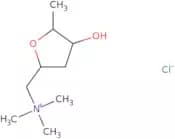
CAS:Controlled ProductMuscarine chloride is a potent acetylcholine receptor agonist that causes activation of the postsynaptic membrane by increasing the K+ concentration and hyperpolarizing the membrane. Muscarine chloride increases spontaneous activity in muscle and ganglion cells, which may be due to its ability to activate cholinergic receptors. Muscarine chloride has been shown to cause paralysis of skeletal muscle when injected into frog sciatic nerve, which is caused by its ability to block nerve impulses. Muscarine chloride is effective at doses as low as 0.1 ug/kg and can be used for research purposes when activating acetylcholine receptors.br> br>
Formula:C9H20NO2•ClPurity:Min. 95%Color and Shape:PowderMolecular weight:209.71 g/mol3-Deoxy-2-keto-D-xylonate lithium
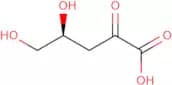
CAS:3-Deoxy-2-keto-D-xylonate lithium salt is a synthetic compound that is used in the synthesis of protamine. It is produced by the reduction of an aldehyde with borohydride. 3-Deoxy-2-keto-D-xylonate lithium salt has been shown to be active against E. cloacae, which can cause diarrhea and other gastrointestinal disorders. 3-Deoxy-2-keto-D-xylonate lithium salt inhibits the growth of E. cloacae by inhibiting glycolaldehyde reductase and aldolases, which are enzymes that are essential for glycolysis and citrate metabolism, respectively. The cleavage products formed by this reaction inhibit bacterial growth by interfering with cell wall biosynthesis, preventing protein synthesis, or blocking ATP production (oxidative phosphorylation).Formula:C5H8O5•LixPurity:Min. 95%Color and Shape:PowderMolecular weight:148.11 g/molL-Psicose
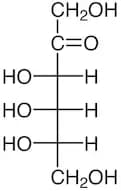
CAS:Formula:C6H12O6Purity:>98.0%(HPLC)Color and Shape:White to Almost white powder to crystalMolecular weight:180.16Heptyl β-D-glucopyranoside, 99%
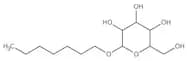
CAS:This Thermo Scientific Chemicals brand product was originally part of the Alfa Aesar product portfolio. Some documentation and label information may refer to the legacy brand. The original Alfa Aesar product / item code or SKU reference has not changed as a part of the brand transition to Thermo Scientific Chemicals.
Formula:C13H26O6Purity:99%Molecular weight:278.342,3,5-Tri-O-benzyl-L-arabinofuranose, 98%
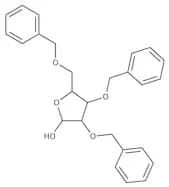
CAS:This Thermo Scientific Chemicals brand product was originally part of the Alfa Aesar product portfolio. Some documentation and label information may refer to the legacy brand. The original Alfa Aesar product / item code or SKU reference has not changed as a part of the brand transition to Thermo Scientific Chemicals.
Formula:C26H28O5Purity:98%Molecular weight:420.5D-Fructose-1,6-diphosphate dicalcium salt, 95%
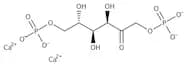
CAS:D-Fructose-1,6-diphosphate dicalcium salt is essential for glycolysis to occur efficiently. It links to adenine nucleotides which regulate 6-phosphofructokinases (Pfks) that catalyze one of the rate limiting steps of glycolysis. This Thermo Scientific Chemicals brand product was originally part of the Alfa Aesar product portfolio. Some documentation and label information may refer to the legacy brand. The original Alfa Aesar product / item code or SKU reference has not changed as a part of the brand transition to Thermo Scientific Chemicals.
Formula:C6H12Ca2O12PPurity:95%Molecular weight:418.24b-D-Glucopyranoside,(1aR,2S,3aR,5R,5aR,5bS)-5b-[(benzoyloxy)methyl]tetrahydro-5-hydroxy-2-methyl-2,5-methano-1H-3,4-dioxacyclobuta[cd]pentalen-1a(2H)-yl
CAS:Formula:C23H28O11Purity:95%Color and Shape:SolidMolecular weight:480.4618Methyl (Phenyl 5-Acetamido-7,8,9-tri-O-acetyl-5-N,4-O-carbonyl-3,5-dideoxy-2-thio-β-D-glycero-D-galacto-2-nonulopyranosid)onate
CAS:Formula:C25H29NO12SPurity:96%Color and Shape:SolidMolecular weight:567.5623Ref: IN-DA00GWLG
Discontinued productTetra- O- benzoyl- b- D- xylofuranose
CAS:Tetra-O-benzoyl-b-D-xylofuranose is a custom synthesis. It is an oligosaccharide with a saccharide chain of four sugar units that are linked by glycosylation. The first and third sugars have a benzoyl group, while the second and fourth sugars are xylopyranosyl residues. The molecule has been modified with fluorination, methylation, and click chemistry. Tetra-O-benzoyl-b-D-xylofuranose is soluble in water, methanol, acetone, chloroform, ethanol, ethylene glycol ethers, and acetonitrile.
Tetra-O-benzoyl-b-D-xylofuranose has CAS number 18530–90–0.Formula:C33H26O9Purity:Min. 95%Molecular weight:566.55 g/molL-Idose - Aqueous solution
CAS:L-Idose is an aqueous solution of dextrose and anhydrous dextrose. It is a carbohydrate that provides energy to the body. L-Idose can be used to minimize the effects of certain organisms, such as bacteria, yeast, and fungi. It also helps to maintain blood glucose levels in people with diabetes by providing a source of glucose for their metabolism. L-Idose can be found in fruits and other foods that contain carbohydrates, such as breads, cereals, pastas, rice, potatoes, pasta sauces, chips, and crackers.
Formula:C6H12O6Purity:Min. 98 Area-%Color and Shape:Colorless Clear LiquidMolecular weight:180.16 g/molRef: 3D-MI04205
Discontinued productD-Galactosamine hydrochloride
CAS:D-Galactosamine (GalN) is an aldohexose (2-Amino-2-deoxygalactose) in which the hydroxyl group at position 2 is replaced by an amino group (Collins, 2006). Galactosamine (as the N-Acetyl derivative) forms a key part of both N- and O-linked glycoproteins, glycolipids and glycosaminoglycans. Treatment of experimental animals with D-galactosamine / lipopolysaccharide causes lethal liver injury characterized by apoptosis of the hepatocyte and it is used as a laboratory model to study the effect of therapeutic agents (Hirono, 2001).
Formula:C6H14ClNO5Molecular weight:215.63 g/molRef: 3D-G-1500
Discontinued product


![Methyl 1-C-[4-chloro-3-[[4-[[(3S)-tetrahydro-3-furanyl]oxy]phenyl]methyl]phenyl]-a-D-glucopyranosi…](/_next/image/?url=https%3A%2Fstatic.cymitquimica.com%2Fproducts%2F3D%2Fthumb-webp%2FMM137435.webp&w=3840&q=75)



![N-Acetyl-D-[UL-13C6,15N]glucosamine](/_next/image/?url=https%3A%2Fstatic.cymitquimica.com%2Fproducts%2F3D%2Fthumb-webp%2FMA15631.webp&w=3840&q=75)
![D-[UL-13C6]cFructose 1-phosphate disodium salt](/_next/image/?url=https%3A%2Fstatic.cymitquimica.com%2Fproducts%2F3D%2Fthumb-webp%2FMF167930.webp&w=3840&q=75)

![GDP-L-[1-13C]fucose disodium salt](/_next/image/?url=https%3A%2Fstatic.cymitquimica.com%2Fproducts%2F3D%2Fthumb-webp%2FMG170098.webp&w=3840&q=75)






![2-Deoxy-2-[(7-nitro-2,1,3-benzoxadiazol-4-yl)amino]-L-glucose](/_next/image/?url=https%3A%2Fstatic.cymitquimica.com%2Fproducts%2F3D%2Fthumb-webp%2FMD58731.webp&w=3840&q=75)





![b-D-Glucopyranoside,(1aR,2S,3aR,5R,5aR,5bS)-5b-[(benzoyloxy)methyl]tetrahydro-5-hydroxy-2-methyl-2…](/_next/image/?url=https%3A%2Fstatic.cymitquimica.com%2Fproducts%2FIN%2Fthumb-webp%2FDA00I4J3.webp&w=3840&q=75)