Monosaccharides
Monosaccharides are the simplest form of carbohydrates and serve as fundamental building blocks for more complex sugars and polysaccharides. These single sugar molecules play critical roles in energy metabolism, cellular communication, and structural components of cells. In this section, you will find a wide variety of monosaccharides essential for research in biochemistry, molecular biology, and glycoscience. These compounds are crucial for studying metabolic pathways, glycosylation processes, and developing therapeutic agents. At CymitQuimica, we offer high-quality monosaccharides to support your research needs, ensuring precision and reliability in your scientific investigations.
Subcategories of "Monosaccharides"
- Alloses(11 products)
- Arabinoses(21 products)
- Erythroses(11 products)
- Fructoses(9 products)
- Fucoses(36 products)
- Galactosamine(41 products)
- Galactose(260 products)
- Glucoses(365 products)
- Glucuronic Acids(51 products)
- Glyco-substrates for Enzyme(77 products)
- Guloses(6 products)
- Idoses(4 products)
- Inositols(15 products)
- Lyxoses(4 products)
- Mannoses(65 products)
- O-Glycans(48 products)
- Psicoses(3 products)
- Rhamnoses(10 products)
- Riboses(61 products)
- Sialic Acids(100 products)
- Sorboses(4 products)
- Sugars(173 products)
- Tagatoses(4 products)
- Taloses(8 products)
- Xyloses(20 products)
Show 17 more subcategories
Found 6088 products of "Monosaccharides"
Sort by
Purity (%)
0
100
|
0
|
50
|
90
|
95
|
100
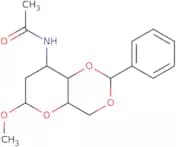
Methyl 3-acetamido-4,6-O-benzylidene-2,3-dideoxy-a-D-ribo-hexopyranoside
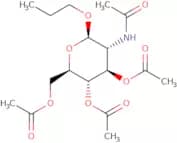
CAS:<p>Methyl 3-acetamido-4,6-O-benzylidene-2,3-dideoxy-a-D-ribohexopyranoside is an organic compound. It is a fluorescent glycosylation reagent used in the synthesis of oligosaccharides and polysaccharides. The modification of this product can be customized to suit your needs. This product is available in high purity and with a CAS No. 23819-31-0.</p>Formula:C16H21NO5Purity:Min. 95%Molecular weight:307.35 g/molPropyl 2-acetamido-3,4,6-tri-O-acetyl-2-deoxy-b-D-glucopyranoside
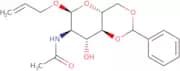
CAS:<p>Propyl 2-acetamido-3,4,6-tri-O-acetyl-2-deoxy-b-D-glucopyranoside is a synthetic glycosylamine that has been fluorinated at the C2 position and modified with a methyl group. It is used in the synthesis of complex carbohydrates for use as antigens or vaccines. This product can be custom synthesized to order and is available in high purity form.</p>Formula:C17H27NO9Purity:Min. 95%Molecular weight:389.4 g/molAllyl 2-acetamido-4,6,-O-benzylidene-2-deoxy-a-D-glucopyranoside
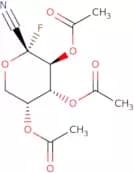
CAS:<p>Allyl 2-acetamido-4,6,-O-benzylidene-2-deoxy-a-D-glucopyranoside is a sugar that is used as a custom synthesis or modification. It is also called allyl 2-(1,3-dioxo-1,3,4,-thiadiazolidinium)acetamido 4,6,-O-(benzylidene)-2 deoxy erythro -a D glucopyranoside. Allyl 2 acetamido 4,6,-O -benzylidene -2 deoxy erythro -a D glucopyranoside is used in the glycosylation of proteins and oligosaccharides and in the synthesis of saccharides. This compound has been shown to be useful in identifying glycosaminoglycan chains in complex carbohydrates.</p>Formula:C18H23NO6Purity:Min. 95%Molecular weight:349.39 g/mol2,3,4-Tri-O-acetyl-1-deoxy-1-fluoro-b-D-arabinopyranosyl cyanide
CAS:<p>2,3,4-Tri-O-acetyl-1-deoxy-1-fluoro-b-D-arabinopyranosyl cyanide is a high purity synthetic sugar that is custom synthesized to order. It has CAS No. 215942-92-0 and can be used for Click modification, fluorination, glycosylation, methylation and modification of oligosaccharides and monosaccharides. This compound has many uses in the synthesis of complex carbohydrates such as saccharides and oligosaccharides.</p>Formula:C12H14FNO7Purity:Min. 95%Molecular weight:303.24 g/mol2,3,4,6-Tetra-O-acetyl-b-D-glucopyranosyl-N-Fmoc-L-serine pentafluorophenyl ester
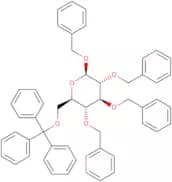
CAS:<p>2,3,4,6-Tetra-O-acetyl-b-D-glucopyranosyl-N-Fmoc-L-serine pentafluorophenyl ester is a glycosylation agent that can be used in the synthesis of complex carbohydrates. It has been shown to react with various sugars and polysaccharides to form polymers. This chemical has also been used for the click modification of polymers and as a fluorinating agent in the synthesis of saccharides. 2,3,4,6-Tetra-O-acetyl-b-D-glucopyranosyl -N--Fmoc--L--serine pentafluorophenyl ester is soluble in water and organic solvents. It has been shown to be stable at high temperatures (up to 200°C) and is highly reactive.</p>Formula:C38F5H34NO14Purity:Min. 95%Molecular weight:823.68 g/mol1,2,3,4-Tetra-O-benzyl-6-O-trityl-b-D-glucopyranose
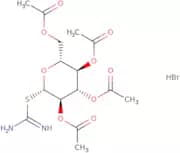
CAS:<p>1,2,3,4-Tetra-O-benzyl-6-O-trityl-b-D-glucopyranose is a fluorinated monosaccharide. It is synthesized by the reaction of 1,2,3,4 tetra-O-benzyl bromoacetone with sodium cyanoborohydride in sodium hydroxide solution. 1,2,3,4 Tetra-O-benzyl 6O trityl glucopyranose has been used as a glycosylation and polysaccharide modification agent for the synthesis of complex carbohydrates. This compound has also been shown to be an effective methylation agent for sugars.</p>Formula:C53H50O6Purity:Min. 95%Molecular weight:782.96 g/mol2-(2,3,4,6-Tetra-O-acetyl-b-D-glucopyranosyl)thiopseudourea hydrobromide
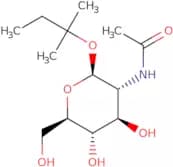
CAS:<p>2-(2,3,4,6-Tetra-O-acetyl-b-D-glucopyranosyl)thiopseudourea hydrobromide is a glycosylated sugar molecule that is used in the preparation of custom polysaccharides. This compound is synthesized by the reaction of thiopseudourea with 2,3,4,6-tetraacetyl bromoacetone. 2-(2,3,4,6-Tetra-O-acetyl-b-D-glucopyranosyl)thiopseudourea hydrobromide can be modified with fluorine or methyl groups to create complex carbohydrate derivatives for use in research and drug development.</p>Formula:C15H23BrN2O9SPurity:Min. 95%Molecular weight:487.32 g/moltert-Amyl 2-acetamido-2-deoxy-b-D-glucopyranoside
CAS:<p>Tert-Amyl 2-acetamido-2-deoxy-b-D-glucopyranoside is a synthetic derivative of the natural sugar nucleotide, UDP-N-acetylgalactosamine. It is a precursor for the synthesis of glycosaminoglycans, which are important components of proteoglycans and glycosaminoglycan aggregates. Tert-Amyl 2-acetamido-2-deoxy-b-D-glucopyranoside has been modified by fluorination and methylation to provide increased stability and reactivity. This product is available in high purity with a CAS number of 262849-66-1.</p>Formula:C13H25NO6Purity:Min. 95%Molecular weight:291.34 g/molNeocarrahexadecaose-41,3,5,7,9,11,13,15-octa-O-sulfate sodium salt
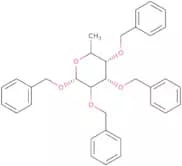
CAS:<p>Neocarrahexadecaose-41,3,5,7,9,11,13,15-octa-O-sulfate sodium salt is a carbohydrate that belongs to the group of modified saccharides. It is synthesized by modifying a sugar with fluorine and methylation. Neocarrahexadecaose-41,3,5,7,9,11,13,15-octa-O-sulfate sodium salt is an oligosaccharide with a high purity and custom synthesis. It is a synthetic compound that has been modified in order to create methylated and glycosylated sugars as well as a click modification. This carbohydrate has not yet been tested for toxicity or side effects in humans.</p>Formula:C96H138Na8O97S8Purity:Min. 95%Molecular weight:3,284.51 g/mol1,2,3,4-Tetra-O-benzyl-L-rhamnopyranoside
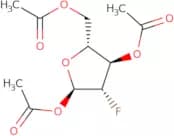
CAS:<p>Tetra-O-benzyl-L-rhamnopyranoside is a modification of L-rhamnopyranoside, an oligosaccharide with the formula CHO. It is a complex carbohydrate that can be synthesized from monosaccharides and polysaccharides. Tetra-O-benzyl-L-rhamnopyranoside is a high purity, custom synthesis, and synthetic product. The product is soluble in water and has a sweet taste. Tetra-O-benzyl-L-rhamnopyranoside is used in the synthesis of saccharides, glycosylation, methylation, fluorination, and click chemistry reactions.</p>Formula:C34H36O5Purity:Min. 95%Molecular weight:524.65 g/mol1,3,5-Tri-O-acetyl-2-deoxy-2-fluoro-a-D-arabinofuranose
CAS:<p>1,3,5-Tri-O-acetyl-2-deoxy-2-fluoro-a-D-arabinofuranose is a sugar that is modified with fluorine. It has been synthesized using the "click" reaction methodology and is available for custom synthesis. This synthetic sugar can be used in glycosylation reactions or as a monosaccharide or polysaccharide in complex carbohydrate click chemistry. This product is of high purity and can be modified with methyl groups or other functional groups to suit your needs.</p>Formula:C11H15FO7Purity:Min. 95%Molecular weight:278.23 g/mol1,2,3,6-Tetra-O-benzoyl-b-D-mannopyranose
CAS:<p>1,2,3,6-Tetra-O-benzoyl-b-D-mannopyranose is an oligosaccharide of the type b-D-mannopyranose. It is a synthetic compound that has been modified with a fluorine atom at the 1 position and with a benzoyl group at the 2 position. The compound is soluble in water and has an average molecular weight of 619.</p>Formula:C34H28O10Purity:Min. 95%Molecular weight:596.58 g/molMethyl 2,3,4,6-tetra-O-acetyl-α-D-thiomannopyranoside
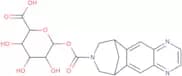
CAS:<p>Methyl 2,3,4,6-tetra-O-acetyl-a-D-thiomannopyranoside is a linker that is used in the synthesis of oligodeoxyribonucleotides. This compound has been shown to inhibit the expression of factor receptor α subunit in plant cells. In human studies, methyl 2,3,4,6-tetra-O-acetyl-a-D-thiomannopyranoside has been found to be effective against infectious diseases such as HIV and malaria by suppressing the production of growth factors. It also inhibits protein synthesis and cell division. Methyl 2,3,4,6-tetra-O-acetyl-a -D -thiomannopyranoside is synthesized from D -mannose and acetaldehyde in plants. The biosynthesis of this compound occurs by means of a sequence that begins with phosphorylation of D -mannose</p>Formula:C15H22O9SPurity:Min. 95%Molecular weight:378.4 g/molVarenicline carbamoyl b-D-glucuronide
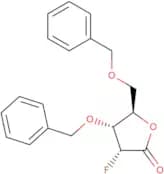
CAS:<p>Varenicline is a glycosylation product with a sugar, which is synthesized by the methylation and fluorination of carbamoyl b-D-glucuronide. This drug is used for the treatment of nicotine dependence in adults. It acts on nicotinic acetylcholine receptors in the brain to reduce cravings and withdrawal symptoms from smoking, as well as increasing the release of dopamine. Varenicline binds to alpha4beta2 nicotinic acetylcholine receptors, which are located in the brain and other organs, such as the stomach and pancreas. The drug has been shown to be effective for smoking cessation when used alone or in combination with nicotine replacement therapy.</p>Formula:C20H21N3O8Purity:Min. 95%Molecular weight:431.4 g/mol3,5-Di-O-benzyl-2-deoxy-2-fluoro-D-ribono-1,4-lactone
CAS:<p>Synthetic building block</p>Formula:C19H19FO4Purity:Min. 95%Color and Shape:PowderMolecular weight:330.35 g/mol2-O-Acetyl-3,4,6-tri-O-benzyl-a-D-mannopyranosyl trichloroacetimidate
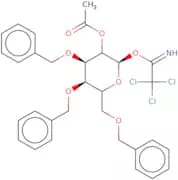
CAS:<p>2-O-Acetyl-3,4,6-tri-O-benzyl-a-D-mannopyranosyl trichloroacetimidate is a complex carbohydrate that can be modified. It can be synthesized by Methylation, Glycosylation, Carbohydrate, Click modification and fluorination of 2-(2'-deoxyribofuranosyl)propionic acid. This product has CAS No. 108869-64-3 and a purity of greater than 98%.</p>Formula:C31H32Cl3NO7Purity:Min. 95%Molecular weight:636.95 g/mol1,3,4,6-Tetra-O-acetyl-2-deoxy-D-glucopyranose
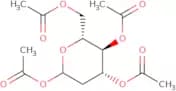
CAS:<p>1,3,4,6-Tetra-O-acetyl-2-deoxy-D-glucopyranose is a custom synthesis that has been modified with fluorination and methylation. The product is a monosaccharide that is synthetic and click modification. It is an oligosaccharide or complex carbohydrate that contains saccharide units. 1,3,4,6-Tetra-O-acetyl-2-deoxy-D-glucopyranose is a sugar that has the CAS number 6951591. It can be used in glycosylation reactions to produce polysaccharides.</p>Formula:C14H20O9Purity:Min. 95%Color and Shape:White To Off-White SolidMolecular weight:332.3 g/mol4,6-O-Benzylidene-2,3-di-O-(4-methoxybenzyl)-a-D-galactopyranosyl fluoride
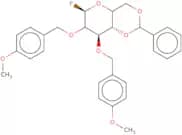
<p>4,6-O-Benzylidene-2,3-di-O-(4-methoxybenzyl)-a-D-galactopyranosyl fluoride is a glycosylation reagent that is used in the synthesis of complex carbohydrates. This product is a fluorinated sugar with a CAS number and a high purity. It can be custom synthesized to order.</p>Formula:C29H31FO7Purity:Min. 95%Molecular weight:510.55 g/mol2-Aminoethyl 2,3,4,6-tetra-O-acetyl-β-D-mannopyranoside HCl
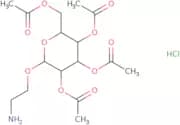
CAS:<p>2-Aminoethyl 2,3,4,6-tetra-O-acetyl-beta-D-mannopyranoside HCl is a synthetic compound that contains a glycosylation and fluorination. This product is a custom synthesis and is available in high purity. It has been modified with methylation and click chemistry.</p>Formula:C16H25NO10·HClPurity:Min. 95%Color and Shape:SolidMolecular weight:427.83 g/molVitamin D2 b-D-glucuronide sodium salt
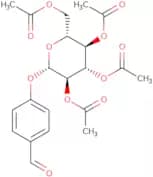
CAS:<p>Vitamin D2 b-D-glucuronide sodium salt is a custom synthesis, modification, and fluorination of vitamin D2. The monosaccharide is methylated, then it is modified with a click chemistry to create the sugar. This sugar is then glycosylated with a polysaccharide, which results in the final product. It has CAS No. 85701-30-0 and has properties as both a saccharide and carbohydrate.</p>Formula:C34H51NaO7Purity:Min. 95%Molecular weight:594.75 g/mol4-Formylphenyl 2,3,4,6-tetra-O-acetyl-b-D-glucopyranoside
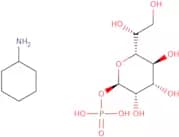
CAS:<p>4-Formylphenyl 2,3,4,6-tetra-O-acetyl-b-D-glucopyranoside is a custom synthesis that is modified with fluorine, methylated and acetylated. This compound has CAS No. 31873-42-4 and is a monosaccharide. It also can be used to synthesize oligosaccharides and polysaccharides. 4-Formylphenyl 2,3,4,6-tetra-O-acetyl-b-D-glucopyranoside is an example of a carbohydrate that has been glycosylated and modified with click chemistry.</p>Formula:C21H24O11Purity:Min. 95%Molecular weight:452.4 g/mol(D-Glycero-a-D-manno-heptopyranosyl)-dihydrogenphosphate cyclohexylammonium salt
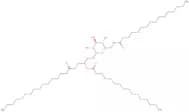
CAS:<p>The D-Glycero-a-D-manno-heptopyranosyl)-dihydrogenphosphate cyclohexylammonium salt, also known as Glyceroheptaose, is a complex carbohydrate. It is a white powder that can be used in the modification of polysaccharides, oligosaccharides, and saccharides. The CAS number for this substance is 359435-45-3.</p>Formula:C7H15O10P·C6H13NPurity:Min. 95%Molecular weight:389.34 g/mol1,2-Dipalmitoyl-3-(N-palmitoyl-6'-amino-6'-deoxy-a-D-glucosyl)-sn-glycerol
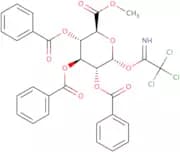
CAS:<p>Dipalmitoyl-3-(N-palmitoyl-6'-amino-6'-deoxy-a-D-glucosyl)-sn-glycerol is a marine glycoglycerolipid that has been shown to have potent inhibitory activity against human and bacterial enzymes. This molecule was synthesized using multistep, stereoselective synthetic methods. It is a lipid molecule with two domains: the first domain is palmitic acid and the second domain is a glycosylated amino acid. The first domain has been shown to inhibit human and bacterial enzyme activity.</p>Formula:C57H109NO10Purity:Min. 95%Molecular weight:968.48 g/mol2,3,4-Tri-O-benzoyl-a-D-glucuronide methyl ester trichloroacetimidate
CAS:<p>2,3,4-Tri-O-benzoyl-a-D-glucuronide methyl ester trichloroacetimidate is a custom synthesis. It is a modification of the original molecule that is fluorinated, methylated and modified with a trichloroacetimidate group. This compound can be used to synthesize oligosaccharides and polysaccharides. It has high purity and is available in large quantities.</p>Formula:C30H24Cl3NO10Purity:Min. 95%Color and Shape:PowderMolecular weight:664.87 g/mola-L-Rhamnopyranosyl bromide tribenzoate
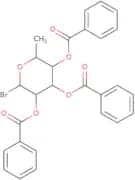
CAS:<p>a-L-Rhamnopyranosyl bromide tribenzoate is a methylated saccharide that can be used in the synthesis of oligosaccharides and polysaccharides. It is a fluorinated compound, which can be used in click chemistry and has been shown to have anti-inflammatory properties. a-L-Rhamnopyranosyl bromide tribenzoate has been shown to inhibit the growth of cancer cells by inhibiting protein synthesis. This methylation product is water soluble and is available as a white powder at high purity. It can also be used in glycosylation reactions as well as custom syntheses.</p>Purity:Min. 95%Methyl 2,3-di-O-benzoyl-4,6-O-benzylidene-a-D-mannopyranoside
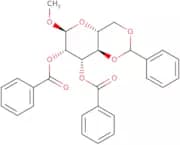
CAS:<p>Methyl 2,3-di-O-benzoyl-4,6-O-benzylidene-a-D-mannopyranoside is a custom synthesized compound that has been modified with fluorination and methylation. It is a monosaccharide sugar that has been synthetically produced. The synthesis of this compound includes the click modification of the benzoyl group to introduce fluoro groups. Methyl 2,3-di-O-benzoyl 4,6 O benzylidene a D mannopyranoside is an oligosaccharide sugar that is glycosylated and polysaccharides. This compound is made up of complex carbohydrates and high purity for research purposes.</p>Formula:C28H26O8Purity:Min. 95%Molecular weight:490.51 g/molMethyl 2,3,4-tri-O-acetyl-a-D-glucopyranoside
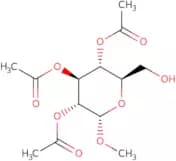
CAS:<p>Methyl 2,3,4-tri-O-acetyl-a-D-glucopyranoside is a methylated saccharide. It is a white to yellowish crystalline powder that is soluble in water and ethanol. Methyl 2,3,4-tri-O-acetyl-a-D-glucopyranoside can be used as an intermediate for the synthesis of complex carbohydrates or oligosaccharides. The chemical name for this product is Methyl 4-(2,3,4 triacetoxybenzoyl)-alpha D glucopyranoside and it has CAS No. 7432-72-6. This product can also be custom synthesized according to specifications provided by the customer.</p>Formula:C13H20O9Purity:Min. 95%Molecular weight:320.3 g/mol3,4,6-Tri-O-benzyl-2-deoxy-D-galactopyranose
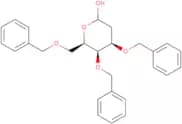
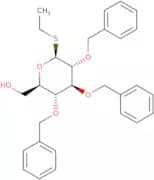
CAS:<p>3,4,6-Tri-O-benzyl-2-deoxy-D-galactopyranose is a synthetic monosaccharide. It is custom synthesized with the desired modifications and can be used in glycosylation, polysaccharide modification, or click chemistry to modify other molecules. 3,4,6-Tri-O-benzyl-2-deoxy-D-galactopyranose is an amber glassy solid that is soluble in water and ethanol. This product has a CAS No. of 94189-64-7 and a molecular weight of 438.23 g/mol.</p>Formula:C27H30O5Purity:Min. 95%Molecular weight:434.52 g/molEthyl 2,3,4-tri-O-benzyl-b-D-thioglucopyranoside
CAS:<p>Ethyl 2,3,4-tri-O-benzyl-b-D-thioglucopyranoside is a sugar that has been modified with three benzyl groups at the 3-, 4-, and 5-positions. It is used as a building block for oligosaccharides and polysaccharides. This compound can be synthesized using a click reaction between an acetylated benzaldehyde derivative and a protected thiogalactose. Ethyl 2,3,4-tri-O-benzyl-b-D-thioglucopyranoside is also known by its CAS number 126461-54-9 and has a molecular weight of 360.</p>Formula:C29H34O5SPurity:Min. 95%Molecular weight:494.64 g/mol1,2,3,4-Tetra-O-acetyl-6-O-(tert-butyldimethylsilyl)-a-D-mannopyranose
<p>1,2,3,4-Tetra-O-acetyl-6-O-(tert-butyldimethylsilyl)-a-D-mannopyranose is a synthetic sugar that is used in the synthesis of glycosylations. It has been shown to be a substrate for methylation and click modification. This product is also useful in the synthesis of oligosaccharides and polysaccharides. 1,2,3,4-Tetra-O-acetyl-6-O-(tert-butyldimethylsilyl)-a-D-mannopyranose is a high purity carbohydrate with a CAS number.</p>Formula:C20H34O10SiPurity:Min. 95%Molecular weight:462.57 g/molN-Methyl-b-D-glucopyranosylamine (hydrochloride or other salt)
CAS:<p>Methylation of saccharides is a chemical process that adds methyl groups to the hydroxyl groups of sugars. The most common form of this reaction is the conversion of glucose to mannose. Methylation can be achieved by reacting the sugar with sodium cyanoborohydride, which converts the sugar into a reactive form that can be used in other reactions. This product is a synthetic compound and an intermediate for various glycosylations or modifications. It is a high-purity, white powder with molecular formula C6H17NO5 and molecular weight 191.22 g/mol and CAS Number 114761-39-6 (hydrochloride).</p>Formula:C7H15NO5·HClPurity:Min. 95%Molecular weight:229.7 g/molBenzyl 2-acetamido-3,4,6-tri-O-acetyl-2-deoxy-a-D-galactopyranoside
CAS:<p>Benzyl 2-acetamido-3,4,6-tri-O-acetyl-2-deoxy-a-D-galactopyranoside is a custom synthesis of a complex carbohydrate. It reacts with the terminal hydroxyl group of an oligosaccharide to form an ether bond and also has fluorescent properties.</p>Formula:C21H27NO9Purity:Min. 95%Molecular weight:437.44 g/mol1,2,3-Tri-O-benzyl-4,6-O-benzylidene-b-D-galactopyranose
CAS:<p>1,2,3-Tri-O-benzyl-4,6-O-benzylidene-b-D-galactopyranose is a saccharide that is used as a building block for the synthesis of oligosaccharides and polysaccharides. It has been modified with fluorination, methylation, and click chemistry. 1,2,3-Tri-O-benzyl-4,6-O-benzylidene-b-D-galactopyranose is CAS No. 57783–80–9. This product can be custom synthesized to meet your needs.</p>Formula:C34H34O6Purity:Min. 95%Molecular weight:538.63 g/molEthyl 4,6-O-(4-methoxybenzylidene)-b-D-thiogalactopyranoside
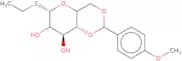
<p>Ethyl 4,6-O-(4-methoxybenzylidene)-b-D-thiogalactopyranoside is a custom synthesis of a carbohydrate. It is a high purity product with a purity of at least 99.0%. It has the following properties: Custom synthesis, sugar, Click modification, Fluorination, Glycosylation, Synthetic, Methylation, Modification.<br>This product is registered under CAS No. 100735-66-8 and has the molecular formula C51H75NO17. The molecular weight is 905.1 g/mol and the structural formula is as follows:</p>Formula:C16H22O6SPurity:Min. 95%Molecular weight:342.41 g/molPhenyl 6-azido-6-deoxy-2,3,4-tri-O-benzyl-b-D-thioglucopyranoside
CAS:<p>Phenyl 6-azido-6-deoxy-2,3,4-tri-O-benzyl-b-D-thioglucopyranoside is a methylated saccharide that can be modified with click chemistry. It is a synthetic compound that is used in the synthesis of oligosaccharides and glycosylations. The chemical formula for this compound is C12H19N5O7.</p>Formula:C33H36N3O4SPurity:Min. 95%Molecular weight:570.72 g/molN-Benzyl-2,3,4,6-tetra-O-benzyl-1,5-dideoxy-imino-L-iditol
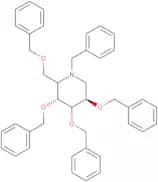
CAS:<p>N-Benzyl-2,3,4,6-tetra-O-benzyl-1,5-dideoxy-imino-L-iditol is a synthetic oligosaccharide with the formula CH(CH)COH. It can be used in the synthesis of glycosides and polysaccharides. This compound has been shown to have antihypertensive activity.</p>Formula:C41H42NO4Purity:Min. 95%Molecular weight:613.8 g/molEthyl 3-O-benzyl-4,6-O-benzylidene-2-deoxy-2-N-phthalamido-a-D-thioglucopyranoside
CAS:<p>Ethyl 3-O-benzyl-4,6-O-benzylidene-2-deoxy-2-N-phthalamido-a-D-thioglucopyranoside is a custom synthesis of a complex carbohydrate made up of saccharides. This compound is an oligosaccharide with four monosaccharides and two other saccharides. It has been shown to be a potent inhibitor of bacterial growth in the presence of various antibiotics, including penicillin G, erythromycin, tetracycline, and ampicillin. It also inhibits the growth of fungi by binding to their cell walls and disrupting membrane integrity.</p>Purity:Min. 95%Methyl 6-deoxy-3,4-O-isopropylidene-a-D-galactopyranoside
CAS:<p>Methyl 6-deoxy-3,4-O-isopropylidene-a-D-galactopyranoside is a saccharide that has been modified by a click reaction. It is used in the synthesis of complex carbohydrates and in the modification of glycosylations. This product is manufactured using high purity reagents and can be purchased with custom synthesis options. Methyl 6-deoxy-3,4-O-isopropylidene-a-D-galactopyranoside has CAS number 71772-35-5.</p>Formula:C10H18O5Purity:Min. 95%Molecular weight:218.25 g/mol1,4:3,6-Dianhydro-2,5-di-O-ethyl-D-glucitol
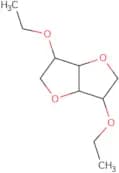
CAS:<p>1,4:3,6-Dianhydro-2,5-di-O-ethyl-D-glucitol (1,4:3,6-DDG) is a synthetic monosaccharide that has been modified with fluorination. It is a complex carbohydrate that can be used in the synthesis of glycosylations and polysaccharides. The chemical modification of 1,4:3,6-DDG with fluorination results in its increased stability under acidic conditions. This product is custom synthesized to meet the requirements of our clients.</p>Purity:Min. 95%4-Methylumbelliferyl 2,3,4-tri-O-acetyl-a-L-idopyranosiduronic acid methyl ester
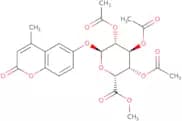
CAS:<p>4-Methylumbelliferyl 2,3,4-tri-O-acetyl-a-L-idopyranosiduronic acid methyl ester is a custom synthesis of a monosaccharide. It is fluorinated, methylated, and modified with the click reaction. This product has been used in the modification of oligosaccharides and polysaccharides.</p>Formula:C23H24O12Purity:Min. 95%Molecular weight:492.43 g/mol4-C-Acetoxymethyl-1,2-di-O-acetyl-3,5-di-O-benzyl-D-ribofuranose
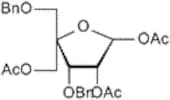
CAS:<p>4-C-Acetoxymethyl-1,2-di-O-acetyl-3,5-di-O-benzyl-D-ribofuranose is a custom synthesis that can be modified according to your requirements. It is an oligosaccharide with a complex carbohydrate structure. This product is synthesized by Click chemistry and has a high purity level.</p>Formula:C26H30O9Purity:Min. 95%Color and Shape:Colourless syrup.Molecular weight:486.51 g/mol1,6:2,3-Dianhydro-4-O-benzyl-b-D-mannopyranose
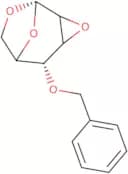
CAS:<p>1,6:2,3-Dianhydro-4-O-benzyl-b-D-mannopyranose is a modification of the natural sugar D-mannopyranose. It is an oligosaccharide with a complex carbohydrate structure that has been synthesized by modifying the natural sugar. 1,6:2,3-Dianhydro-4-O-benzyl-b-D-mannopyranose is a high purity and monosaccharide that has been methylated and glycosylated to produce a polysaccharide sugar. This product can be used for many applications in the chemical industry including as a fluorination agent or as a saccharide in research or medical applications.</p>Formula:C13H14O4Purity:Min. 95%Molecular weight:234.25 g/mol3,4,6-Tri-O-benzyl-a-D-galactopyranose 1,2-(methyl orthoacetate)
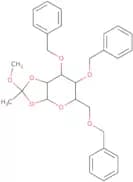
CAS:<p>3,4,6-Tri-O-benzyl-a-D-galactopyranose 1,2-(methyl orthoacetate) is a synthetic glycoside. It is a triaryl ether of D-galactopyranose and a methyl orthoacetate. This product can be used for the modification of saccharides and oligosaccharides. It also has high purity.</p>Formula:C30H34O7Purity:Min. 95%Molecular weight:506.59 g/molMethyl 2,3,6-tri-O-benzoyl-4-O-trifluoromethanesulfonyl-a-D-galactopyranoside
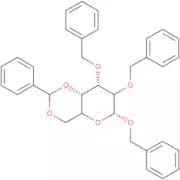
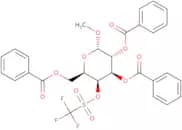
CAS:<p>Methyl 2,3,6-tri-O-benzoyl-4-O-trifluoromethanesulfonyl-a-D-galactopyranoside is a glycosylation product that is synthesized by the reaction of methyl 4,6-dichlorohexanoate and D-galactose. The compound has been modified with a trifluoromethanesulfonyl group at the 6 position on the benzene ring. This modification allows for an increased stability in acidic conditions.</p>Formula:C29H25F3O11SPurity:Min. 95%Molecular weight:638.56 g/molAllyl 2,3,4-tri-O-benzyl a-D-galactopyranoside
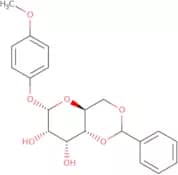
CAS:<p>Allyl 2,3,4-tri-O-benzyl a-D-galactopyranoside is an Oligosaccharide with a CAS No. of 56083-16-0. It is a complex carbohydrate that has been modified by methylation and glycosylation. This product is also fluorinated and synthesized. It has high purity and can be custom synthesized.</p>Purity:Min. 95%4-Methoxyphenyl 4,6-O-Benzylidene-b-D-galactopyranoside
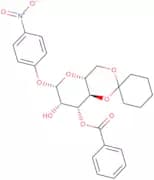
CAS:<p>4-Methoxyphenyl 4,6-O-Benzylidene-b-D-galactopyranoside is a diagnostic agent that reacts with the magnesium salt of 4,6-O-benzylidene b-D-galactopyranoside to form a bright red complex. The reaction of the complex with the magnesium oxide is rapid and highly specific for this substrate. The intensity of color can be measured spectrophotometrically at a wavelength of 420 nm. This product may be used in medical research to diagnose Alzheimer's Disease or other neurological disorders that are characterized by impaired cognition and memory.</p>Formula:C20H22O7Purity:Min. 95%Molecular weight:374.38 g/mol4-Nitrophenyl 3-O-benzoyl-4,6-cyclohexylidene-b-D-mannopyranoside
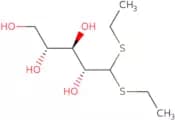
CAS:<p>4-Nitrophenyl 3-O-benzoyl-4,6-cyclohexylidene-b-D-mannopyranoside is a Custom synthesis. It is an Oligosaccharide that consists of a Polysaccharide with Modification. The CAS No. 102717-17-9 is Methylation and Glycosylation and Carbohydrate. Click modification and saccharide are sugar and High purity. Fluorination is Synthetic.</p>Formula:C25H27NO9Purity:Min. 95%Molecular weight:485.48 g/molD-Arabinose diethyldithioacetal
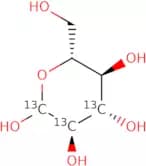
CAS:<p>D-Arabinose diethyldithioacetal is a nitro compound that is used as an anticoagulant. It has a high degree of water solubility and can be administered intravenously. D-Arabinose diethyldithioacetal is formed from d-arabinose and diethyl dithiocarbamate by reaction with boron trifluoride etherate in the presence of hydrochloric acid. This produces the nitro group, which can then react with a hydroxymethyl group to form the final product. The reaction proceeds through two steps: first, the hydroxy methyl group converts to a trifluoroacetic acid derivative, followed by addition of nitric acid to produce the desired product. The final product contains two benzyl groups and two functional groups, which are responsible for its anticoagulant properties.</p>Formula:C9H20O4S2Purity:Min. 95%Color and Shape:Off-white solid.Molecular weight:256.38 g/molD-Glucose-1,2,3-13C3
CAS:<p>D-Glucose-1,2,3-13C3 is a synthetic monosaccharide that has been fluorinated at the 1, 2 and 3 positions. The 13C isotope has been used to study the glycosylation of this compound. This product is available in custom synthesis quantities.</p>Formula:C3C3H12O6Purity:Min. 95%Molecular weight:183.16 g/molL-Galactose-6-O-sulphate sodium salt
<p>L-Galactose-6-O-sulphate sodium salt is a modified carbohydrate that is synthesized by modifying the chemical structure of L-galactose. This modification can be accomplished using chemical reactions such as methylation, saccharide, polysaccharide, and click modification. The CAS number for this product is 68891-70-8.</p>Formula:C6H11O9SNaPurity:Min. 95%Molecular weight:282.2 g/mol1-Deoxy-L-erythrulose
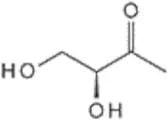
CAS:<p>1-Deoxy-L-erythrulose is an electron acceptor that is a non-essential cofactor for the enzyme reductoisomerase. It binds to the active site of the enzyme and stabilizes its conformation, which leads to the formation of a dianion. 1-Deoxy-L-erythrulose also acts as an activator for phosphite, which is a transition state analog. This activation leads to the formation of ATP and NADPH as products.</p>Formula:C4H8O3Purity:Min. 95%Molecular weight:104.1 g/mol4-Deoxy-4-fluoro-a-D-glucopyranose
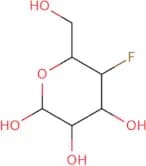
CAS:<p>4-Deoxy-4-fluoro-a-D-glucopyranose is a carbohydrate that belongs to the group of carbohydrates. It has enthalpy and entropy values of -1,865.2 kJ/mol and -3,363.6 J/(mol·K) at 298 K, respectively. This compound has been shown to interact with water molecules in solution phase. 4-Deoxy-4-fluoro-a-D-glucopyranose is soluble in water and interacts with other carbohydrate molecules at an intermolecular level. 4DFA has an extrapolated melting point of about 216 degrees Celsius.</p>Formula:C6H11FO5Purity:Min. 95%Molecular weight:182.15 g/molPitavastatin 3-O-glucuronide
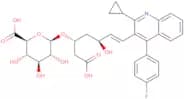
CAS:<p>Pitavastatin 3-O-glucuronide is a synthetic, water soluble glycosylate prodrug of pitavastatin, a third generation HMG-CoA reductase inhibitor. Pitavastatin 3-O-glucuronide has been shown to be effective in lowering serum cholesterol and triglycerides in humans. This drug is metabolized by hydrolysis of the glucuronide moiety and cleavage of the sugar moiety to form active pitavastatin. Pitavastatin 3-O-glucuronide also has an increased stability against oxidation compared to pitavastatin.</p>Formula:C31H31FNO10Purity:Min. 95%Molecular weight:596.58 g/mol1-Deoxy-1-nitro-L-galactitol
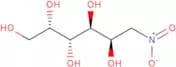
CAS:<p>1-Deoxy-1-nitro-L-galactitol is a compound that has been shown to inhibit serine protease and glutaminyl cyclase activity. It is commonly used in laboratory settings as a potassium substitute in media formulations. This compound belongs to the class of monosaccharides known as glutaminyl derivatives. It has been studied for its potential as an inhibitor of nafamostat, a serine protease inhibitor used in the treatment of pancreatitis and disseminated intravascular coagulation (DIC). Additionally, 1-Deoxy-1-nitro-L-galactitol has been investigated for its potential as a disinfectant and as an adrenergic receptor agonist. Preliminary studies have also suggested antiviral properties against certain viruses. Further research is needed to fully understand the potential applications of this compound.</p>Formula:C6H13NO7Purity:Min. 95%Molecular weight:211.17 g/mol3,6-Di-O-benzoyl-D-galactal
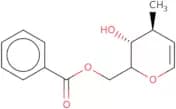
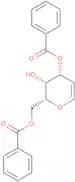
CAS:<p>3,6-Di-O-benzoyl-D-galactal is a complex carbohydrate with CAS No. 130323-36-3 and a molecular weight of 538. It is an oligosaccharide that can be modified by methylation, glycosylation, or carbamylation. This product can also be fluorinated to form 3,6-di-O-(4'-fluoro)benzoyl-D-[2]galactal.</p>Purity:Min. 95%3,5-O-Benzylidene-L-lyxono-1,4-lactone
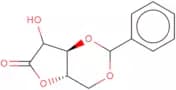
<p>3,5-O-Benzylidene-L-lyxono-1,4-lactone is a custom synthesis that has been modified with fluorination, methylation and monosaccharide. This product is also synthesized from a saccharide and may be modified with glycosylation. These modifications will create an oligosaccharide or complex carbohydrate. 3,5-O-Benzylidene-L-lyxono-1,4-lactone can be found in the CAS registry number 177538-08-3.</p>Formula:C11H10O5Purity:Min. 95%Molecular weight:222.2 g/molPhenyl a-L-thioglucopyranoside
<p>Phenyl a-L-thioglucopyranoside is an intermediate in the synthesis of glycosides. It is used as a fluorinating or methylating agent, and as a glycosylating or modifying agent. Phenyl a-L-thioglucopyranoside can be synthesized by the click modification of thioglycolic acid with phenol, followed by glycination. It has been shown to react with monosaccharides to form oligosaccharides and polysaccharides. Phenyl a-L-thioglucopyranoside can also react with saccharides to form complex carbohydrates.</p>Purity:Min. 95%Molecular weight:272.32 g/molPerindopril acyl-a-D-glucuronide
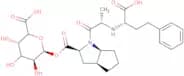
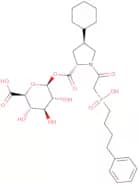
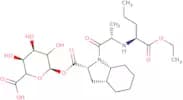
<p>Perindopril acyl-a-D-glucuronide is a synthetic small molecule that has been modified with fluorination, methylation, and click modification. It can be used for the synthesis of oligosaccharides and saccharides. Perindopril acyl-a-D-glucuronide is a highly reactive compound that is useful in glycosylation reactions, including Click chemistry. The CAS number for this compound is 217917-05-8. The molecular weight of perindopril acyl-a-D-glucuronide is 284.36 g/mol and the molecular formula is C14H24N2O6•C2H3O2•1/2 H2O.</p>Formula:C25H40N2O11Purity:Min. 95%Molecular weight:544.6 g/mol1-13C-L-Arabinose
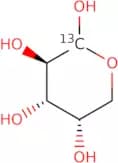
CAS:<p>1-13C-L-Arabinose is a metabolite of the sugar, L-arabinose. This compound is formed by escherichia bacteria and can be found in the urine of mice. 1-13C-L-Arabinose has been shown to inhibit the growth of escherichia coli and has a six membered ring structure.</p>Formula:CC4H10O5Purity:Min. 95%Color and Shape:White PowderMolecular weight:151.13 g/molGlycerone phosphate lithium salt
CAS:<p>Glycerone phosphate lithium salt is a reactive molecule that serves as an intermediate in the synthesis of rapamycin, a complex of glycerone phosphate and rapamycin. Glycerone phosphate lithium salt is used to detect the presence of glutamate dehydrogenase and to purify monoclonal antibodies. Glycerone phosphate lithium salt has been shown to react with platinum-based chemotherapy, which may be due to its ability to bind to active sites on cancer cells. This molecule also has been shown to reduce high cholesterol levels in mice and inhibit skin cancer tumor growth. Glycerone phosphate lithium salt's physiological effects have not been fully determined, but it may have some anticancer activity.</p>Formula:C3H7O6P·xLiPurity:Min. 95%Molecular weight:170.06 g/mol1,6-Anhydro-b-D-glucofuranose
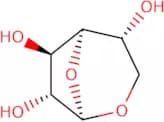
CAS:<p>B-D-glucofuranose is a natural compound with the molecular formula C6H12O6. It is found in plants, specifically in the seeds of the granatum tree. The calibration of this compound can be done using anions and ion chromatography. B-D-glucofuranose has antibacterial activity against Gram-positive bacteria, but not against Gram-negative bacteria or fungi. It also inhibits fatty acid synthesis and may have nutritional value for humans as a source of 5-hydroxymethylfurfural (HMF). HMF has been shown to inhibit the growth of cancer cells in vitro and induce apoptosis in cancer cells by uv irradiation. Mass spectrometric analysis and spectrometric methods are used to identify this compound.</p>Formula:C6H10O5Purity:Min. 95%Color and Shape:White PowderMolecular weight:162.14 g/molLuteolin 7,3'-di-O-glucuronide
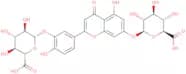
CAS:<p>Luteolin 7,3'-di-O-glucuronide is a flavonoid that is structurally similar to luteolin. It has been characterized by deglycosylation and the technique of fluitans. The deglycosylation step was carried out using glycosidase from liverwort, which cleaves the glycosidic linkage between the sugar and the aglycone. Luteolin 7,3'-di-O-glucuronide has been found in Chrysoeriol and Fluitans, which are flavonoid glycosides from Liverwort. Luteolin 7,3'-di-O-glucuronide also exhibits antiplatelet activity due to its ability to inhibit platelet aggregation and thrombus formation.</p>Formula:C27H26O18Purity:Min. 95%Color and Shape:PowderMolecular weight:638.48 g/molInositol nicotinate
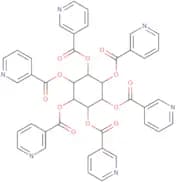
CAS:<p>Inositol nicotinate is a combination of two substances, inositol and nicotinate. It is used to reduce the risk of heart disease by lowering low-density lipoprotein-cholesterol (LDL) levels. Inositol nicotinate has been shown to increase the surface area of mitochondria, which may be due to its ability to inhibit the release of fatty acids from fat cells. Inositol nicotinate also increases magnesium levels in cells and induces mitochondrial functions. This drug has been tested in cell culture for its effects on skin cells and found that it can reduce the amount of x-linked adrenoleukodystrophy protein (XALD), a substance that accumulates in patients with X-linked adrenoleukodystrophy, an inherited disorder that causes progressive damage to the nervous system. The drugs also have been shown to have beneficial effects on cholesterol metabolism, reducing LDL cholesterol levels, as well as inhibiting platelet aggregation.</p>Formula:C42H30N6O12Purity:Min. 95%Color and Shape:White PowderMolecular weight:810.72 g/molo-Methoxytopolin-9-glucoside
CAS:<p>O-Methoxytopolin-9-glucoside is a sugar that is used in the synthesis of glycoproteins, glycosaminoglycans, and glycoconjugates. It can be used as a fluorinated sugar probe to study glycosylation. This compound has been synthesized with a variety of modifications such as methylation, fluorination, and click chemistry. O-Methoxytopolin-9-glucoside is an oligosaccharide with a monosaccharide at its reducing end. The saccharides are linked through beta 1→4 glycosidic bonds with alpha 1→2 glycosidic bonds at their other ends.<br>O-Methoxytopolin-9-glucoside has been shown to be stable under acidic conditions and can act as both an antioxidant and prooxidant depending on the pH level.</p>Formula:C19H23N5O6Purity:Min. 95%Molecular weight:417.42 g/molLosartan N1-glucuronide
CAS:<p>Losartan N1-glucuronide is a glucuronidated metabolite of losartan that is produced naturally in the human body. It is converted from losartan by the enzyme UDP-glucuronosyltransferase, which is found in humans and other animals. The rate of glucuronidation varies between individuals and is determined by genetic factors. Losartan N1-glucuronide has shown to be an effective inhibitor of angiotensin II, with an IC50 value of 1.4 μM. This inhibition can be reversed by dobutamine or recombinant human UGT2B7 enzyme, which are both competitive inhibitors of the enzyme UGT2B7. Magnetic resonance spectroscopy has been used to study the kinetic properties of this inhibitor and its effect on dobutamine-induced changes in cardiac function.</p>Formula:C28H31ClN6O7Purity:Min. 95%Molecular weight:599.03 g/molD-[6,6'-2H2]Glucose
CAS:Controlled Product<p>D-[6,6'-2H2]Glucose is a carbohydrate that is present in many foods and also produced by the cells of the human body. It can be used as a biomarker for cancer cells because it is taken up by malignant cells at a higher rate than normal cells. D-[6,6'-2H2]Glucose is often used to assess the response of patients to chemotherapy treatment. The uptake of D-[6,6'-2H2]Glucose by malignant cells can be measured using vibrational spectroscopy or chromatographic science. The deformation of glucose molecules can be quantified using nuclear magnetic resonance (NMR) spectroscopy and this data can then be used to estimate the degree of glycolysis in specific tissues.</p>Formula:C6D2H10O6Purity:Min. 95%Molecular weight:182.17 g/mol1-Deoxy-D-glucitol
CAS:<p>1-Deoxy-D-glucitol is a sugar alcohol that is a reduction product of glucose. It can be produced by the reduction of glucose 6-phosphate in muscle cells. The enzyme dehydrogenase catalyzes this reaction, which is influenced by the presence of gemini surfactants such as DMSO. 1-Deoxy-D-glucitol has been shown to have anti-fungal properties against Aspergillus parasiticus and other organisms. This activity may be due to its ability to inhibit phosphofructokinase, hexokinases, or other enzymes that are involved in the metabolism of glucose by these organisms.</p>Formula:C6H14O5Purity:Min. 95%Molecular weight:166.17 g/molAmiprilose
CAS:<p>Amiprilose is a nonsteroidal anti-inflammatory drug that inhibits the production of IL-2. Amiprilose has been shown to inhibit IL-17a, which is an inflammatory cytokine, in skin cells and mononuclear cells. It also inhibits cell proliferation by binding to the il-2 receptor on muscle cells. Amiprilose has been shown to be effective as a pharmacological agent for treating autoimmune diseases such as rheumatoid arthritis and psoriasis.</p>Formula:C14H27NOPurity:Min. 95%Molecular weight:225.37 g/mol4-Aminophlorizin
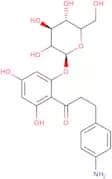
CAS:<p>4-Aminophlorizin is a chemical compound that inhibits the uptake of azide by red blood cells. It has been shown to be effective against intestinal parasites and trophozoites. 4-Aminophlorizin is a potent inhibitor of the membrane system, which may be due to its interaction with the semenza, or membrane protein.</p>Formula:C21H25NO9Purity:Min. 95%Molecular weight:435.42 g/molNeosamine
<p>Neosamine is an antimicrobial agent that is activated by the addition of fatty acids. It has a low potency and is used to diagnose infections caused by bacteria. Neosamine has been shown to inhibit the growth of bacteria, fungi, and parasites on electron microscopy. Neosamine also inhibits protease activity and may be useful in detergent compositions for removing fats, oils, and greases from surfaces. This chemical is stable in acidic solutions and does not react with carbostyril or other diagnostic agents.</p>Formula:C6H14N2O4Purity:Min. 95%Molecular weight:178.19 g/molSecoxyloganin
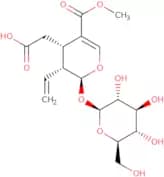
CAS:<p>Secoxyloganin is a 4-hydroxycinnamic acid that belongs to the group of caffeic acids. It is an iridoid, which is a type of monoterpene indole alkaloid that has been found in various plants. Secoxyloganin can be found in the roots, stems, and leaves of plants such as Securigera varia and Digitalis purpurea. Secoxyloganin has shown antimicrobial activity against Gram-positive bacteria such as Staphylococcus aureus and Gram-negative bacteria such as Pseudomonas aeruginosa. It also has antiviral properties, which may be due to its ability to inhibit RNA synthesis and protein synthesis.<br>Secoxyloganin has been shown to have physiological effects in vitro assays, including an increase in glucose uptake by cells after injection of glucose into the cell culture medium.</p>Formula:C17H24O11Purity:Min. 95%Molecular weight:404.37 g/molRaltegravir b-D-glucuronide methyl ester
<p>Raltegravir is an HIV protease inhibitor that belongs to the class of glycosylated polymers. This compound is synthesized by a click modification of d-glucose with a methyl group and then fluorinated. The sugar moiety is attached to the backbone through a glycosyl linkage, which results in the formation of a complex carbohydrate. Raltegravir b-D-glucuronide methyl ester is soluble in water, alcohols, and organic solvents. It has been shown to be active against HIV type 1 strains resistant to other drugs. The synthesis of this compound was custom designed for high purity and high yield.</p>Formula:C27H31FN6O11Purity:Min. 95%Molecular weight:634.57 g/mol1,5-Anhydroxylitol
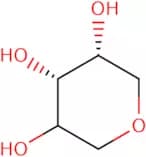
CAS:<p>1,5-Anhydroxylitol is a white crystalline solid that is soluble in water and methanol. 1,5-Anhydroxylitol is an intermediate in the metabolic pathway of glyceric acid. It can be produced by the oxidation of sulfoxide or by reduction of glycols. 1,5-Anhydroxylitol has been shown to have acidic properties with a pKa value of 3.2. The protonation of 1,5-anhydroxylitol is postulated to involve hydroxide ions from water or hydroxide solution. The hydroxide ion reacts with the hydroxyl group on the ring at the 5th carbon atom to produce a reactive metastable form that quickly decomposes into glyceric acid and water.</p>Formula:C5H10O4Purity:Min. 95%Molecular weight:134.13 g/molMethyl 2-deoxy-D-arabinopyranoside
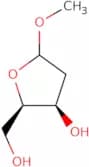
CAS:<p>Methyl 2-deoxy-D-arabinopyranoside is a fluorinated monosaccharide with an alpha,beta-unsaturated carbonyl group. It is used as a building block for the synthesis of complex carbohydrates and oligosaccharides. Methyl 2-deoxy-D-arabinopyranoside has been shown to be modified by methylation, glycosylation, and polysaccharide formation. This product can be custom synthesized to meet the needs of the customer.</p>Formula:C6H12O5Purity:Min. 95%Molecular weight:164.16 g/mol3-O-tert-Butyldimethylsilyl-D-galactal
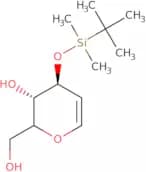
<p>3-O-tert-Butyldimethylsilyl-D-galactal is a synthetic, fluorinated monosaccharide that has been used as a substrate for glycosylation reactions. The compound is synthesized by the reaction of 3,4,6-trichloro-2,5,7,8-tetrafluorohexanal with D-galactal in the presence of a base such as potassium carbonate. The product is purified by column chromatography and recrystallization from methanol to provide a white powder with a melting point of 176 °C.</p>Formula:C12H24O4SiPurity:Min. 95%Molecular weight:260.4 g/molEmodin-1-O-b-D-glucopyranoside
<p>Emodin-1-O-b-D-glucopyranoside is a synthetic, fluorinated, glycosylated oligosaccharide. It can be used as a high purity, non-fluorinated carbohydrate for research purposes. Emodin-1-O-b-D-glucopyranoside has been modified via Click chemistry to provide the desired functional group and is available in various sizes.</p>Purity:Min. 95%Thyroxine acyl-b-D-glucuronide
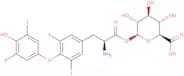
CAS:<p>Thyroxine acyl-b-D-glucuronide is a synthetic, modified thyroxine that has been modified with a saccharide moiety. The saccharide moiety is an oligosaccharide containing glucose, mannose and galactose residues. This product is a sugar with the molecular formula C24H40O14. Thyroxine acyl-b-D-glucuronide is soluble in water and alcohol. It has a molecular weight of 562.5 g/mol and a melting point of 230°C.</p>Formula:C21H19I4NO10Purity:Min. 95%Molecular weight:952.99 g/molRamiprilat acyl-b-D-glucuronide
CAS:<p>Ramiprilat acyl-b-D-glucuronide is a modified form of ramipril, an angiotensin converting enzyme inhibitor that belongs to the class of angiotensin II receptor antagonists. It is used in the treatment of hypertension and congestive heart failure. The modifications are performed by methylation, saccharide, polysaccharide, click modification, and modification. This active compound has CAS number 1357570-22-9. The chemical formula for this product is C37H53NO4. Ramiprilat acyl-b-D-glucuronide has high purity and is a complex carbohydrate with glycosylation on the sugar moiety that contains a fluorination at the 3 position on the glucose ring.</p>Formula:C27H36N2O11Purity:Min. 95%Molecular weight:564.59 g/molBenzyl 2,3-di-O-acetyl-4-deoxy-4-C-nitromethylene-b-D-arabinopyranoside
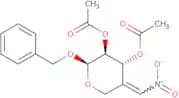
CAS:<p>Benzyl 2,3-di-O-acetyl-4-deoxy-4-C-nitromethylene-b-D-arabinopyranoside is a synthetic sugar. It is a complex carbohydrate with two saccharides and one monosaccharide. The saccharides are glucose and galactose, and the monosaccharide is arabinose. Benzyl 2,3-di-O-acetyl-4-deoxy-4C nitromethylene bD arabinopyranoside has been modified by fluorination, methylation, glycosylation and click chemistry to create a high purity product.</p>Formula:C17H19NO8Purity:Min. 95%Molecular weight:365.33 g/mol2,6-Di-O-Carboxymethyl-D-glucose
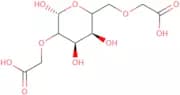
CAS:<p>2,6-di-O-carboxymethyl-D-glucose (2,6-CMG) is a modification of D-glucose. 2,6-CMG is a complex carbohydrate with CAS No. 95350-37-1 and has the molecular formula C8H14O9. It is an oligosaccharide that can be custom synthesized to meet customer specifications. 2,6-CMG has high purity and can be used as a sugar or polysaccharide. It also has been fluorinated to meet customer requirements. The glycosylation of 2,6-CMG is methylated and saccharides are then added to it in order to produce a monosaccharide or polysaccharide. This product can be used in the synthesis of glycoproteins and other biomolecules.</p>Formula:C10H16O10Purity:Min. 95%Color and Shape:Colourless LiquidMolecular weight:296.23 g/molFosinoprilat acyl-b-D-glucuronide
CAS:<p>Fosinoprilat acyl-b-D-glucuronide is a modified fosinoprilat which is an orally active, potent and long lasting inhibitor of angiotensin-converting enzyme (ACE) with a high degree of selectivity for ACE. It has been shown to be effective in the treatment of hypertension, congestive heart failure, and diabetic nephropathy. Fosinoprilat acyl-b-D-glucuronide has been synthesized by click modification from L-fosinoprilat. The carbohydrate moiety is attached to the methyl group of the amine group on the saccharide backbone. This drug exhibits low toxicity and good stability in vivo.</p>Formula:C29H42NO11PPurity:Min. 95%Molecular weight:611.62 g/mol6-O-Benzoyl-3-O-triisopropylsilyl-D-galactal
<p>This is a synthetic sugar that can be custom synthesized based on the customer's specifications. 6-O-Benzoyl-3-O-triisopropylsilyl-D-galactal is a monosaccharide and an oligosaccharide that can be modified with a click modification, methylation, and glycosylation. It is a complex carbohydrate that has been shown to have anti-inflammatory properties. The glycosylation of this sugar can also be customized for specific purposes. This product has CAS number 132702-24-2 and is available at 95% purity or higher.</p>Formula:C22H34O5SiPurity:Min. 95%Molecular weight:406.59 g/molUDP-D-galactosamine disodium salt
CAS:<p>UDP-D-galactosamine disodium salt is a type of sugar that is a substrate for UDP-glucuronosyltransferase (UGT), which catalyzes the transfer of galactose from UDP-D-galactose to other molecules. The product of this reaction is UDP-D-galacturonic acid. It is produced in the liver, where it participates in the synthesis of glycoproteins, glycolipids, and glycosaminoglycans. In addition, it can be found in the distal tubule of the kidney and in leukemia cells. The histological analysis of rat liver tissue showed that UDP-D-galactosamine disodium salt is present in hepatocytes. This sugar also helps with protein synthesis and activates uridine, which can be used as a carbon source. Histological analysis also revealed that UDP-D-galactosamine disodium salt plays an important role in glucose metabolism, as well as</p>Formula:C15H23N3O16P2Na2Purity:Min. 95%Color and Shape:PowderMolecular weight:609.28 g/molIsofagomine hydrochloride
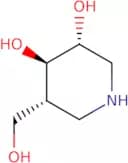
CAS:<p>Inhibitor of lysosomal acid β-glucosidase (GlcCerase/glucocerebrosidase) with IC50 in nanomolar range for wildtype and mutant enzyme. It behaves as pharmacological chaperon by binding to instable GlcCerase active site at neutral pH values and facilitating the protein folding. In acidic lysosomes, isofagomine gets release from the enzyme active site. This results in increased levels of functional glucocerebrosidase and brings therapeutic benefits to patients with Gaucher disease.</p>Formula:C6H13NO3·HClPurity:Min. 95%Color and Shape:PowderMolecular weight:183.63 g/mol1,6:3,4-Dianhydro-b-D-altropyranose
CAS:<p>1,6:3,4-Dianhydro-b-D-altropyranose is a sugar that has been modified by methylation. It is a white powder with a melting point of 197°C. This product can be used as an intermediate in the synthesis of saccharides and polysaccharides. It can also be used as an intermediate for glycosylations and fluorinations. 1,6:3,4-Dianhydro-b-D-altropyranose is available in high purity and custom synthesis options.</p>Formula:C6H8O4Purity:Min. 95%Molecular weight:144.13 g/mol3,4-Di-O-benzyl-L-rhamnal
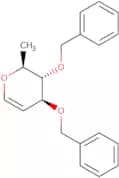
CAS:<p>3,4-Di-O-benzyl-L-rhamnal is a high purity Glycosylation Oligosaccharide with a CAS No. 117249-17-9 that is synthesized by Click modification and methylation. It can be used as a raw material in the synthesis of complex carbohydrate. 3,4-Di-O-benzyl-L-rhamnal is water soluble and has an excellent stability in acidic conditions.</p>Purity:Min. 95%4,7,8,9-Tetra-O-acetyl-N-acetyl-D-neuraminic acid methyl ester
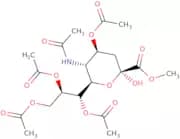
CAS:<p>4,7,8,9-Tetra-O-acetyl-N-acetyl-D-neuraminic acid methyl ester is a modified form of sialic acid. This compound is a glycosylation product that has been modified with methyl groups and fluorine atoms. The fluorination of the molecule increases its stability and prevents it from being hydrolyzed by enzymes such as β-galactosidase. 4,7,8,9-Tetra-O-acetyl-N-acetyl-D-neuraminic acid methyl ester is often used in the synthesis of polysaccharides and oligosaccharides for medical purposes. This compound can be custom synthesized for research purposes or to meet special requirements.</p>Formula:C20H29NO13Purity:Min. 95%Color and Shape:White to off-white solid.Molecular weight:491.44 g/mol1,2,3-Tri-O-Acetyl-5-deoxy-D-ribose
CAS:<p>1,2,3-Tri-O-acetyl-5-deoxy-D-ribose is an efficient and environmentally benign method for the synthesis of acyclic acetals. The condensation process involves the use of a chloroformate to introduce the carbonyl group into a hydroxyl group on the sugar. This reaction can be carried out in an organic solvent or water as well. The reaction rate is fast due to a high nucleophilicity of the chloride ion. The product can then be converted into an amide by reacting it with ammonia in a basic medium. This reaction results in a high yield and is useful for recycling acetonitrile that would otherwise be released into the environment.</p>Formula:C11H16O7Purity:Min. 95%Molecular weight:260.24 g/molEthyl a-D-thioglucopyranoside
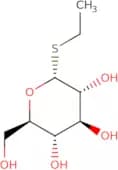
CAS:<p>Ethyl a-D-thioglucopyranoside is an organic compound that is used as a precursor in the synthesis of complex sugars. Ethyl a-D-thioglucopyranoside is an oligosaccharide that contains a methylated and glycosylated sugar. The glycosidic bond in this product can be modified by fluorination to give ethyl 2,3,4,5-tetrafluorothioglucopyranoside.</p>Formula:C8H16O5SPurity:Min. 95%Molecular weight:224.28 g/molD-Fructose-6-phosphate sodium hydrate
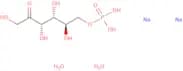
CAS:<p>D-Fructose-6-phosphate sodium hydrate is a polyvalent bioactive compound that can be found in plants, fungi, and bacteria. It has been used as a sealant for wounds and to treat damaged skin. D-Fructose-6-phosphate sodium hydrate is also used to activate the hydrophobic or dextran molecules in some drug delivery systems. This compound can be found in many products such as polyester fabrics, thermoplastic materials, and hydrophilic plastics. D-Fructose-6-phosphate sodium hydrate is an important intermediate in the metabolic pathways of glucose and sucrose.</p>Formula:C6H13O9P·2NaH2O)Purity:Min. 95%Molecular weight:342.1 g/molDipalmitin
CAS:<p>Dipalmitin is a chemical substance that belongs to the group of fatty acid esters. It has been shown to inhibit the activity of a number of enzymes, including proteases and lipases. Dipalmitin also inhibits the production of diacylglycerol and glycerides in cells, which are necessary for cellular growth. The exact mechanism by which dipalmitin inhibits these enzymes is unknown, but it has been hypothesized that it may function as a competitive inhibitor or an allosteric inhibitor. Dipalmitin also has been shown to have antiviral properties against HIV infection in model systems. The antiviral activity has been attributed to its ability to inhibit viral protein synthesis and block the assembly of viral particles at the cell membrane.</p>Formula:C35H68O5Purity:Min. 95%Molecular weight:568.91 g/molEstriol 16-glucuronide
CAS:<p>Estriol 16-glucuronide is a synthetic, fluorinated and methylated estriol glucuronide. It has been modified with a click modification and contains an oligosaccharide. The saccharides in this compound are glycosylated with sugar.</p>Formula:C24H32O9Purity:Min. 95%Molecular weight:464.51 g/molSodium L-rhamnonate
CAS:<p>Sodium L-rhamnonate is an organic compound that is a monosaccharide with the molecular formula CHONa. It can be synthesized from D-ribose, which is a pentose sugar, and rhamnose, which is a hexose sugar. Sodium L-rhamnonate has been used in click chemistry to modify oligosaccharides and glycosylate proteins. This compound also has applications in pharmaceuticals and as a food additive.</p>Formula:C6H11NaO6Purity:Min. 95%Molecular weight:202.14 g/molNaloxone 3-β-D-glucuronide
CAS:Controlled Product<p>Please enquire for more information about Naloxone 3-β-D-glucuronide including the price, delivery time and more detailed product information at the technical inquiry form on this page</p>Formula:C25H29NO10Purity:Min. 95%Molecular weight:503.51 g/mol6-O-Feruloylsucrose
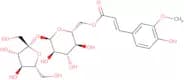
CAS:<p>6-O-Feruloylsucrose is a phenylpropanoid glycoside that has been shown to inhibit the growth of Gram-positive and Gram-negative bacteria. It is also hepatoprotective and has been shown to have antimicrobial activity against fungi, such as Candida albicans. The 6-O-feruloylsucrose inhibits microbial infections by binding to metal cations, which are essential for bacterial cell wall synthesis. This leads to a decrease in the production of microbial cell walls, inhibiting their growth. 6-O-Feruloylsucrose can be used as an additive in food products or as a preservative in cosmetics.</p>Formula:C22H30O14Purity:Min. 95%Color and Shape:White To Off-White SolidMolecular weight:518.47 g/mola-L-Fucose-1-phosphate
<p>a-L-Fucose-1-phosphate is a Glycosylation, complex carbohydrate, Methylation, Click modification, Polysaccharide, Fluorination, saccharide, Modification, sugar, Oligosaccharide and Synthetic product. a-L-Fucose-1-phosphate is available for custom synthesis and can be ordered with high purity.</p>Purity:Min. 95%1,4-Dideoxy-1,4-imino-D-xylitol HCl
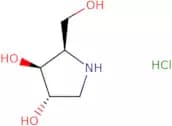
CAS:<p>1,4-Dideoxy-1,4-imino-D-xylitol HCl (DDX) is a potent inhibitor of the enzyme carboxypeptidase A2. DDX has been shown to inhibit the growth of HIV in vitro and in vivo. DDX also inhibits the production of proinflammatory cytokines and neurotrophic factors from HL60 cells. It has been shown to be a potential drug target for the treatment of infectious diseases such as alphaviruses, which produce a severe neuroinvasive disease in humans. DDX binds to dna with high affinity and specificity, but does not bind to RNA or proteins. DDX inhibits mitochondrial membrane potential by binding to ATP synthase and blocking the synthesis of ATP. DDX has also been shown to have an anti-oxidative injury effect on mitochondria, which may contribute to its inhibition of viral replication.</p>Formula:C5H11NO3·HClPurity:Min. 95%Molecular weight:169.61 g/mol4-Epi-daunosamine
CAS:<p>4-Epi-daunosamine is a glycopeptide antibiotic that is used to treat infections caused by Gram-positive bacteria. It binds to the cell wall of these bacteria and inhibits the synthesis of new cell walls. This causes the cells to burst and die, which leads to bacterial death. 4-Epi-daunosamine has been shown to be effective against animal pathogens such as Streptococcus pneumoniae, Haemophilus influenzae, and Clostridium perfringens. 4-Epi-daunosamine also has a low level of toxicity in humans, but can cause adverse effects such as nausea and vomiting if taken in large doses.</p>Formula:C6H11NO3Purity:Min. 95%Molecular weight:145.16 g/molGlufosfamide
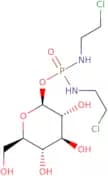
CAS:<p>Glufosfamide is a cytotoxic drug that is used in the treatment of some types of cancer. It is a prodrug that requires conversion to its active form, glufosfamid, by esterase enzymes before it can exert its genotoxic effects. Glufosfamide has shown to be active against platinum-resistant ovarian cancer and solid tumours. This drug also has been shown to inhibit the growth of prostate cancer cells and miapaca-2 cells, which are derived from pancreatic cancer. Glufosfamide has been found to have low toxicity in mice, but there may be adverse reactions when combined with other drugs such as erythromycin or ketoconazole.</p>Formula:C10H21Cl2N2O7PPurity:Min. 95%Molecular weight:383.16 g/molFusidic acid acyl glucuronide
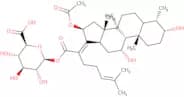
CAS:<p>Fusidic acid acyl glucuronide is a high purity, custom synthesis, click modification of fusidic acid. It has been modified by fluorination and methylation. Fusidic acid acyl glucuronide is an Oligosaccharide, Polysaccharide, saccharide, sugar with a CAS No. 13013-66-6. It is a complex carbohydrate that has been synthesized using high purity, monosaccharides and polysaccharides.</p>Formula:C37H56O12Purity:Min. 95%Molecular weight:692.83 g/mol












![D-[6,6'-2H2]Glucose](/_next/image/?url=https%3A%2Fstatic.cymitquimica.com%2Fproducts%2F3D%2Fthumb-webp%2FMG74985.webp&w=3840&q=75)