Monosaccharides
Subcategories of "Monosaccharides"
- Alloses(11 products)
- Arabinoses(21 products)
- Erythroses(11 products)
- Fructoses(9 products)
- Fucoses(36 products)
- Galactosamine(41 products)
- Galactose(261 products)
- Glucoses(365 products)
- Glucuronic Acids(52 products)
- Glyco-substrates for Enzyme(78 products)
- Guloses(6 products)
- Idoses(4 products)
- Inositols(15 products)
- Lyxoses(4 products)
- Mannoses(65 products)
- O-Glycans(48 products)
- Psicoses(3 products)
- Rhamnoses(10 products)
- Riboses(61 products)
- Sialic Acids(100 products)
- Sorboses(4 products)
- Sugars(173 products)
- Tagatoses(4 products)
- Taloses(8 products)
- Xyloses(20 products)
Found 6084 products of "Monosaccharides"
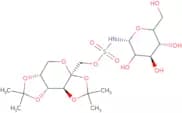
Topiramate D-galactopyranose
Topiramate D-galactopyranose is a custom synthesis, modification, fluorination, methylation and monosaccharide. It is synthesized by clicking modification and oligosaccharide. Topiramate D-galactopyranose has CAS No. and polysaccharide. This product has sugar and complex carbohydrate. It can be used as a fluoroquinolone antibiotic for the treatment of bacterial infections such as tuberculosis, leprosy, mycobacterium avium complex, or staphylococcus aureus infection.
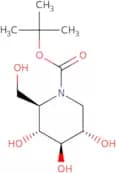
!--Formula:C18H31NO13SPurity:Min. 95%Molecular weight:501.5 g/molN-Boc-1,5-imino-1,5-dideoxy-D-glucitol
CAS:N-Boc-1,5-imino-1,5-dideoxy-D-glucitol is a custom synthesis product that is synthesized by methylation and click chemistry. The chemical name of N-Boc-1,5-imino-1,5-dideoxyglucitol is 1,5-(N′-(tertiary butyloxycarbonyl)-L-serine)-1,5-dideoxyglucitol. It has a CAS number of 1305391207 and molecular weight of 478.18 g/mol. It is a modified carbohydrate with the molecular formula C14H27NO8 and molecular weight of 478.18 g/mol. It has an Oligosaccharide with the molecular formula C14H27NO8 and molecular weight of 478.18 g/mol. It has a Polysaccharide with the molecular formula C14H27NO8 andFormula:C11H21NO6Purity:Min. 95%Color and Shape:Beige solid.Molecular weight:263.29 g/mol3-Deoxy-L- threo- 2- hexulosaric acid
CAS:3-Deoxy-L-threo-2-hexulosaric acid is a sugar that is modified by the addition of a fluorine atom to one of its hydroxyl groups. 3-Deoxy-L-threo-2-hexulosaric acid is used in the synthesis of complex carbohydrates and oligosaccharides. It is also used in the modification of saccharides, sugars, and polysaccharides. 3-Deoxy-L-threo-2-hexulosaric acid can be custom synthesized according to your specifications. It can be synthesized with high purity at our labs.
Purity:Min. 95%2-Keto-D-gluconic acid hemicalcium monohydrate
CAS:Enhances dissolution of soil minerals; intermediate in L-ascorbic acid syntheses
Formula:C6H9O7•(Ca)•H2OPurity:Min. 99 Area-%Color and Shape:White PowderMolecular weight:231.19 g/molLincosamine
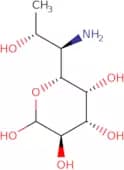
CAS:Lincosamine is a nitrogen nucleophile that reacts with the electrophilic carbon of an activated aromatic ring in a chemical reaction. Lincosamine has been shown to be effective against infectious diseases caused by bacteria, such as Staphylococcus and Streptococcus, but not against viruses. The glycosidic bond between lincosamine and glucose is stereoselective. Lincosamine binds to the hybridoma cell strain through its monoclonal antibody and can be used for pharmacokinetic properties studies. Lincosamine has been used as an antimicrobial agent in biological samples such as urine, blood, and sputum.
Formula:C8H17NO6Purity:Min. 95%Molecular weight:223.22 g/molN-Acetylglucosamine-BSA (14 atom spacer)
N-Acetylglucosamine-BSA is a modified form of N-acetylglucosamine that is used as a carrier protein in the production of monoclonal antibodies. It binds to sugar residues and enhances antibody response. N-Acetylglucosamine-BSA binds to receptor molecules on liver cells and facilitates uptake into these cells, which then process it into glucose. This molecule has been shown to increase hematopoietic cell proliferation in vitro and stimulate the release of spermatozoa from the testes in vivo. Lectins can be used to detect this molecule by binding to its carbohydrate binding sites.
Purity:Min. 95%Color and Shape:White Powder2-Azido-((R)-3,5-O-benzylidene)-2,6-dideoxy- L-manno-hexitol
2-Azido-((R)-3,5-O-benzylidene)-2,6-dideoxy-L-manno-hexitol is a methylated sugar that can be custom synthesized. It has CAS number of 4783-79-8. The chemical formula for this compound is C12H22N2O11 and the molecular weight is 538.3 g/mol. This product is a white to off white crystalline powder with a melting point of 200 degrees Celsius and an assay of 98%. This product is not soluble in water or alcohol. In addition, this product does not contain any heavy metals or toxic residues.
Purity:Min. 95%3-C-Methyl- 5, 6- O- isopropylidene)-D- mannonic acid g- lactone
3-C-Methyl- 5, 6- O- isopropylidene)-D- mannonic acid g- lactone is a modification of the natural sugar D-mannonic acid. It can be used as an intermediate for the synthesis of oligosaccharides and complex carbohydrates. 3-C-Methyl-5,6 -O-isopropylidene)-D -mannonic acid g -lactone is synthesized by methylation and glycosylation. This product is available in high purity and CAS No.
Purity:Min. 95%D-Galactosamine hydrochloride
CAS:D-Galactosamine (GalN) is an aldohexose (2-amino-2-deoxygalactose) in which the hydroxyl group at position 2 is replaced by an amino group (Collins, 2006). Galactosamine (as the N-acetyl derivative) forms a key part of both N- and O-linked glycoproteins, glycolipids and glycosaminoglycans. Treatment of experimental animals with D-galactosamine / lipopolysaccharide causes lethal liver injury characterized by apoptosis of the hepatocyte and it is used as a laboratory model to study the effect of therapeutic agents (Hirono, 2001).
Formula:C6H13NO5·HClPurity:Min. 98 Area-%Color and Shape:White Off-White PowderMolecular weight:215.63 g/molRef: 3D-MG05030
Discontinued productMethyl β-D-arabinopyranoside
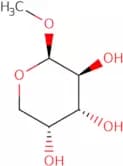
CAS:Methyl b-D-arabinopyranoside is a fluorine containing molecule that has been shown to be an excellent marker for suberin. It is insoluble in water, and can be detected by resonator diffraction. The chemical composition of methyl b-D-arabinopyranoside was determined using liquid crystal composition and plates. A polymer particle with a macroscopic size was used to determine the fluorescence of methyl b-D-arabinopyranoside. Fluorescence analysis showed that methyl b-D-arabinopyranoside is a green fluorescent material with a maximum emission wavelength of 514 nm. Hydroalcoholic extraction was used to isolate this compound from the plant Ricinus communis L., where it was found in constant proportions.Formula:C6H12O5Purity:Min. 95%Color and Shape:PowderMolecular weight:164.16 g/molRef: 3D-MM04721
Discontinued productD-Altrose
CAS:D-Altrose is an alpha-hydroxy acid that is synthesized from D-arabinose and trifluoroacetic acid. It has been shown to be a substrate for the synthesis of oligosaccharides, which are important in carbohydrate chemistry. This molecule can also be used as a reagent in the preparation of carbohydrates with a specific configuration at C2. One use of this product is in generating analytical methods that can distinguish between D-altrose and D-arabinose by monitoring the ratio of hydrogen fluoride to carbonyl group signals. D-Altrose may also be used in asymmetric synthesis, where it is a useful chiral building block for the construction of galacturonic acid derivatives.
Formula:C6H12O6Purity:Min. 98 Area-%Color and Shape:White PowderMolecular weight:180.16 g/molRef: 3D-MA06614
Discontinued productPhenyl 2,3,4-tri-O-acetyl-b-D-thioglucuronide methyl ester
CAS:Phenyl 2,3,4-tri-O-acetyl-b-D-thioglucuronide methyl ester is a custom synthesis. It is a complex carbohydrate with an Oligosaccharide and Polysaccharide structure. The modification of saccharides with Methylation, Glycosylation, or Carbohydrate changes the chemical properties of this compound. Phenyl 2,3,4-tri-O-acetyl-b-D-thioglucuronide methyl ester has a CAS No. 62812-42-2 and is also known as sugar. This compound is fluorinated at the phenolic hydroxyl group to produce a stable molecule with high purity.
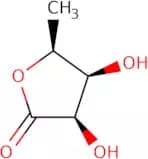
Purity:Min. 95%5-Deoxy-L-arabonic acid 1,4-lactone
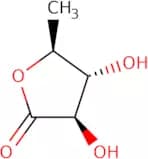
CAS:5-Deoxy-L-arabonic acid 1,4-lactone is a phytochemical present in the flowers of some plants. It has been shown to have anti-cancer properties in lung cancer cells by inhibiting the growth of these cells. 5-Deoxy-L-arabonic acid 1,4-lactone inhibits cell division and induces apoptosis by binding to DNA, preventing replication. This compound also inhibits the production of prostaglandins that promote inflammation, which may be related to its anti-cancer effects. 5-Deoxy-L-arabonic acid 1,4-lactone has been shown to inhibit the production of phenolic compounds such as vanillic acid and apigenin in lung cancer cell lines. These compounds have been shown to have chemopreventive activities against various cancers including breast cancer and colon cancer.
Formula:C5H8O4Purity:Min. 95%Color and Shape:PowderMolecular weight:132.12 g/molL(+)-Ascorbic acid sodium salt
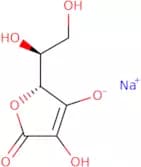
CAS:L(+)-Ascorbic acid sodium salt is the L-isomer of ascorbic acid. It is an essential nutrient for humans and animals, and a cofactor for many enzymes involved in cellular metabolism. Ascorbic acid is an effective metal chelator, which can be used to treat infectious diseases such as tuberculosis. L(+)-Ascorbic acid sodium salt has been shown to have antioxidant properties. It also has antineoplastic activity against skin tumors when used at optimum concentration.
Formula:C6H7NaO6Purity:Min. 97 Area-%Color and Shape:White PowderMolecular weight:198.11 g/molRef: 3D-MA29975
Discontinued product2-Deoxy-2-fluoro-D-galactose
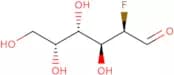
CAS:2-Deoxy-2-fluoro-D-galactose, also called 3-fluoro-6-hydroxymethyl-tetrahydro-pyran-2,4,5-triol, can be added to the medium of primary cultured rat hepatocytes to inhibit N-glycosylation of proteins. Immunoglobulin G (IgG) is the most common antibody found in blood and 2-deoxy-2-fluoro-D-galactose modifies the galactosylation of the N-linked glycan in the IgG-Fc receptor. We also have this product from a non-animal origin, MD71984.
Formula:C6H11FO5Purity:Min. 97 Area-%Color and Shape:White PowderMolecular weight:182.15 g/molRef: 3D-MD04718
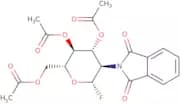
Discontinued product3,4,6-Tri-O-acetyl-2-deoxy-2-phthalimido-b-D-glucopyranosyl fluoride
CAS:3,4,6-Tri-O-acetyl-2-deoxy-2-phthalimido-b-D-glucopyranosyl fluoride is a synthetic glycoside that has been synthesized by the click modification of a fluorinated saccharide. The compound has an acetyl group at C3 and C6 positions with an OCH3 group at the C4 position. This compound has been used in glycosylation reactions to modify the carbohydrate moiety of peptides and proteins. It has also been used in research on complex carbohydrate chemistry.
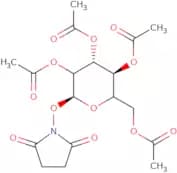
Formula:C20H20FNO9Purity:Min. 95%Molecular weight:437.37 g/molO-(2,3,4,6-Tetra-O-acetyl-b-D-galactopyranosyl)-N-hydroxysuccinimide
CAS:O-(2,3,4,6-Tetra-O-acetyl-b-D-galactopyranosyl)-N-hydroxysuccinimide is a synthetic glycosylation reagent. It has the CAS number 896730-84-0 and is available for custom synthesis. O-(2,3,4,6-Tetra-O-acetyl-b-D-galactopyranosyl)-N-hydroxysuccinimide is used in the synthesis of oligosaccharides and saccharides. It is also used in click chemistry to modify proteins and other biomolecules. This product has a purity of 99% or higher and can be modified at any position with fluorination or methylation.
Formula:C18H23NO12Purity:Min. 95%Molecular weight:445.37 g/mol(2R, 3S, 4S, 5S) - 2-Methyl- 3, 4, 5- piperidinetriol
CAS:D-Methylated pentaerythritol has been synthesized for the first time. The synthesis of D-methylated pentaerythritol was achieved via a modified version of the Click reaction, which is a three-component coupling reaction that involves an electrophilic carbonyl compound, an azide and a nucleophile. This product is suitable for use in the synthesis of oligosaccharides and polysaccharides. It can be used as a raw material for modification or as a sugar in the synthesis of complex carbohydrates, such as saccharides or carbohydrates.
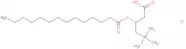
Formula:C6H13NO3Purity:Min. 95%Molecular weight:147.17 g/molMyristoyl-DL-carnitine chloride
CAS:Myristoyl-DL-carnitine chloride (MC) is a prodrug that is hydrolyzed to form L-carnitine and myristic acid. The drug has been shown to be absorbed intranasally, and its absorption kinetics are enhanced by the presence of lipids. MC was found to increase the level of human growth hormone in Sprague-Dawley rats. It also decreased the amount of chloride excreted in the urine by inhibiting intestinal epithelial cells from absorbing chloride ions. This drug may be used as a nasal spray for treatment of gastrointestinal disorders such as chronic constipation.
Formula:C21H42ClNO4Purity:Min. 95%Color and Shape:PowderMolecular weight:408.02 g/molGDP-D-mannose diammonium salt
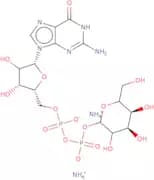
GDP-D-mannose diammonium salt is a custom synthesis. It has been modified with fluorination, methylation, and monosaccharide substitution. The structure of this compound consists of a glucose molecule bonded to a D-mannose molecule by an oxygen linkage at the 1-position. This product has been synthetically modified to include a click modification and oligosaccharides. GDP-D-mannose diammonium salt is used for the production of polysaccharides as well as glycosylation reactions.
Formula:C16H23N5O16P2·N2H8Purity:Min. 95%Molecular weight:639.4 g/molD-Glucosamine sulfate
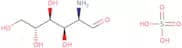
CAS:D-Glucosamine sulfate is a pharmacological agent that has been shown to have activity against oxidative injury in vitro and in vivo. It inhibits the production of reactive oxygen species and lipid peroxidation, which are believed to be responsible for the development of liver disease. D-Glucosamine sulfate has also been shown to have activity against infectious diseases, with a particular focus on the inhibition of Toll-like receptor 4 signaling. The polymerase chain reaction (PCR) technique was used to detect the expression of glucosamine synthetase and other genes encoding enzymes that synthesize glucosamine in Mycobacterium tuberculosis. This drug may also be useful for treatment of inflammatory diseases such as rheumatoid arthritis, as it has been shown to inhibit prostaglandin synthesis, which is involved in the inflammatory response.
Formula:C6H13NO5•H2SO4Purity:Min. 95%Color and Shape:White PowderMolecular weight:277.25 g/molRef: 3D-MG05263
Discontinued productD-Glucosamine 6-phosphate
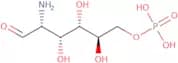
CAS:D-Glucosamine 6-phosphate is a non-essential amino acid that belongs to the group of nucleotide sugar phosphates. It is a metabolite of the sugar D-glucose and it plays an important role in the energy metabolism of bacteria, plants, and animals. It has been shown to have anti-cancer effects on prostate cancer cells. D-Glucosamine 6-phosphate inhibits methyltransferase activity by binding to the enzyme's active site. This inhibition prevents DNA synthesis, leading to cell death. The structural analysis has been done using NMR spectroscopy on d-arabinose as a model substrate.
Formula:C6H14NO8PPurity:Min. 98 Area-%Color and Shape:White PowderMolecular weight:259.15 g/molRef: 3D-MG09772
Discontinued product2,3:5,6-Di-O-isopropylidene-D-talose
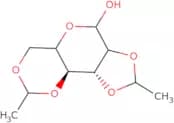
2,3:5,6-Di-O-isopropylidene-D-talose is a custom synthesis of methylated oligosaccharides. It is a complex carbohydrate that contains both a monosaccharide and a polysaccharide. 2,3:5,6-Di-O-isopropylidene-D-talose is a modification of the sugar D(+)-talose (a pentasaccharide), which has been fluorinated to make it more stable. This product has high purity, and can be used in many different applications such as click chemistry, oligosaccharide synthesis, or fluorination reactions.
2,3:5,6-Di-O-isopropylidene-D-talose is an Oligosaccharide that is a Polysaccharide. It can be used as an inhibitor for DNA polymerase α and β enzymes in PCR reactionsFormula:C10H16O6Purity:Min. 95%Molecular weight:232.23 g/mol1,5-Anhydro-D-glucitol
CAS:Short-term marker of glycemic control
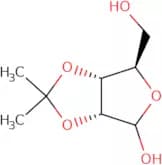
Formula:C6H12O5Purity:Min. 95%Color and Shape:White Off-White PowderMolecular weight:164.16 g/mol2,3-O-Isopropylidene-D-ribofuranose
CAS:Pharmaceutical intermediate
Formula:C8H14O5Purity:Min. 95%Color and Shape:PowderMolecular weight:190.19 g/molRef: 3D-MI05290
Discontinued productN-Benzyl-3,5-dideoxy-3,5-imino-D-lyxofuranose
N-Benzyl-3,5-dideoxy-3,5-imino-D-lyxofuranose is a fluorinated sugar with a complex carbohydrate. It is synthesized by glycosylation of N-benzylglycine and D-lyxofuranose. This compound can be used for the synthesis of glycoproteins, polysaccharides and other complex carbohydrates. It has been modified using methylation and click chemistry to produce a wide range of derivatives. The compound can be used for research purposes in glycobiology, biochemistry, and materials science.
Purity:Min. 95%Varenicline N-glucoside
CAS:Varenicline N-glucoside is a modification of varenicline, which is an antagonist of the nicotinic acetylcholine receptor. This compound has been synthesized using custom synthesis and glycosylation to obtain high purity. It has been methylated and fluorinated in order to remove any impurities. Varenicline N-glucoside is a carbohydrate with a molecular weight of 581.5 g/mol, consisting of one monosaccharide and one disaccharide. It also contains a complex carbohydrate with an oligosaccharide chain that is composed of glycosylation and saccharide units. The CAS number for this compound is 873302-31-9.
Formula:C19H23N3O5Purity:Min. 95%Color and Shape:PowderMolecular weight:373.4 g/molRef: 3D-MV16891
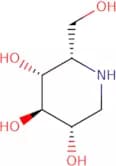
Discontinued product(2S, 3R, 4R, 5S) -2- (Hydroxymethyl) - 3, 4, 5- piperidinetriol
CAS:(2S, 3R, 4R, 5S) -2- (Hydroxymethyl) - 3, 4, 5- piperidinetriol is a naturally occurring metabolite of the amino acid tryptophan. It is a structural analog of glucosylceramide and has been shown to have inhibitory properties against β-glucosidase. Structural studies have shown that this compound has similar stereoselective properties as the natural product glucosylceramide. This compound was also found to be a competitive inhibitor of amines and a non-competitive inhibitor of β-glucosidase.
Formula:C6H13NO4Purity:Min. 95%Molecular weight:163.17 g/molα-Chloralose (max. 20% β-anomer)
CAS:Alpha-Chloralose (max. 20% beta-anomer) is a chemical compound primarily used as a sedative and for rodent control. It is synthesized through a chemical reaction involving glucose and chloral, creating a substance with unique physiological properties. Its mode of action primarily involves depressing the central nervous system, leading to reduced responsiveness and hypothermia in targeted organisms. Alpha-Chloralose induces symptoms that facilitate its application as a tranquilizer, particularly in small mammals and birds during scientific research. Additionally, due to its efficacy in lowering metabolic rates, it is utilized as a rodenticide. Within this context, it serves to humanely control rodent populations by inducing hypothermic conditions, leading to a humane death. Its dual functionality—both as a sedative and a rodenticide—makes it a versatile tool in scientific research and pest management. The specification of a maximum 20% beta-anomer content ensures a standardized formulation, enhancing its reliability and consistency for experimental and practical applications.
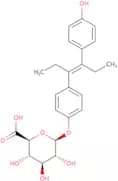
Formula:C8H11Cl3O6Molecular weight:309.53 g/molDiethyl stilbestrol β-D-glucuronide
CAS:Diethylstilbestrol (DES) is an endogenous substance that has been shown to be a potent estrogen. It is metabolized in the body to form stilbestrol glucuronide, which is excreted in the urine. Radiolabeling studies have shown that DES has a chemical structure similar to estradiol, although its pharmacologic effects are not as potent. Diethylstilbestrol glucuronide can be used for the diagnosis of cancer and other diseases by using nuclear medicine techniques such as positron emission tomography (PET) and single-photon emission computed tomography (SPECT). Studies have also demonstrated that DES can induce erythropoietic protoporphyria in animals.
Formula:C24H28O8Purity:Min. 95%Color and Shape:White to off-white powder.Molecular weight:444.47 g/molEthyl 3-O-benzyl-4,6-O-benzylidene-2-deoxy-2-N-phthalimido-b-D-thioglucopyranoside
CAS:Ethyl 3-O-benzyl-4,6-O-benzylidene-2-deoxy-2-N-phthalimido-b-D-thioglucopyranoside is a synthetically modified sugar. It is a monosaccharide that has been fluorinated and methylated. This modification has been shown to increase the stability of the sugar in the presence of water. The sugar also has an oligosaccharide and polysaccharide moiety attached to it. These saccharides are glycosylated and have a complex carbohydrate structure.
Formula:C30H29NO6SPurity:Min. 95%Color and Shape:PowderMolecular weight:531.62 g/molRef: 3D-ME08389
Discontinued productb-D-Glucose - 95%
CAS:B-D-glucose is a monosaccharide with the molecular formula C6H12O6. It is the major form of glucose in plants, and is one of the simplest carbohydrates. B-D-glucose is synthesized by photosynthesis in plants and used as an energy source for cellular respiration. The hydroxyl group of b-D-glucose reacts with p-hydroxybenzoic acid to form a new compound called glucopyranosiduronic acid. The hydroxyl group also reacts with sodium citrate to form sodium hydrogen citrate. This reaction can be used to measure the concentration of b-D-glucose in an unknown solution using high performance liquid chromatography (HPLC). B-D-glucose has been shown to have antidiabetic activity, as it improves insulin sensitivity, reduces blood glucose levels, and decrease body mass index (BMI) in animal models. A model system
Formula:C6H12O6Purity:Min. 95 Area-%Color and Shape:PowderMolecular weight:180.16 g/molN-(3-Nitrobenzyliden)imino-2,3,4,6-tetra-O-pivaloyl-D-glucopyranoside
3-Nitrobenzylidenimino-2,3,4,6-tetra-O-pivaloyl-D-glucopyranoside is a fluorinated carbohydrate that is synthesized from 2,3,4,6-tetra-O-pivaloyl-D-glucopyranose. It has been modified with a nitrobenzylidene group. This compound can be used in the synthesis of glycosides and polysaccharides.
Formula:C33H48N2O11Purity:Min. 95%Molecular weight:648.74 g/mol2,3-O-Isopropylidene-5-O-tosyl-D-ribonic acid-1,4-lactone
CAS:2,3-O-Isopropylidene-5-O-tosyl-D-ribonic acid-1,4-lactone is a synthetic 2,3:5,6-diisopropylidene glycoside of D-ribose. It is a methylated sugar with an alpha-(2,3)-linked D-(+)-glucopyranosyl moiety and an alpha-(2,5)-linked L(+)-fucopyranosyl moiety. This compound can be used as a building block for the synthesis of polysaccharides and glycoconjugates. 2,3:5,6-Diisopropylidene glycoside of D-ribose is also used to synthesize oligosaccharides in carbohydrate chemistry.
Formula:C12H14O7SPurity:Min. 95%Color and Shape:White PowderMolecular weight:302.04 g/molN-Acetylmuramyl-L-alanyl-D-isoglutamine hydrate
CAS:Muramyl dipeptide is a component of the bacterial cell wall and is found in mycobacteria, mycoplasmas, spirochetes, and gram-positive bacteria. Muramyl dipeptide has been shown to induce the activation of macrophages and other cells by stimulating toll-like receptor 4. It also has significant cytotoxicity against various cancer cells, as well as potent inducers of ubiquitin ligases. The use of muramyl dipeptide in vitro was shown to inhibit replication of HIV-1 virus in human lymphocytes. This agent has also been used for the treatment of bowel disease.Formula:C19H32N4O11·xH2OPurity:Min. 96 Area-%Color and Shape:PowderMolecular weight:492.48 g/molRef: 3D-MA58738
Discontinued product1,3,4,6-Tetra-O-acetyl-N-propanoyl-D-mannosamine
CAS:1,3,4,6-Tetra-O-acetyl-N-propanoyl-D-mannosamine is a sugar that is used for the synthesis of novel glycosides. It is prepared by the methylation of D-mannose with acetic anhydride in the presence of sodium methoxide. This reaction can also be carried out on a variety of other sugars and carbohydrates, such as D-galactose, D-xylose, or L-arabinose. 1,3,4,6-Tetra-O-acetyl-N-propanoyl-D-mannosamine has been shown to react with 4-(pyridinium)butanoic acid to produce 4-(pyridinium)butanal (1), which reacts with glycine to produce 1-(pyridinium)butanediamide (2). The carbonyl group in 2 can
Formula:C17H25NO10Purity:Min. 95%Molecular weight:403.38 g/molRef: 3D-MT162101
Discontinued productSimvastatin acyl-b-D-glucuronide
CAS:Simvastatin acyl-b-D-glucuronide is a modification of simvastatin that has been synthesized and modified to provide high purity. It is a white, crystalline solid with a melting point of about 200°C. This compound can be used as an intermediate in the synthesis of oligosaccharides, polysaccharides, or other carbohydrate derivatives.
Formula:C31H48O12Purity:Min. 97 Area-%Color and Shape:White Off-White PowderMolecular weight:612.71 g/molD-Quinovosamine hydrochloride
CAS:Quinovosamine hydrochloride (QNH) is a fatty acid that belongs to the group of galacturonic acid. It has been shown to be biologically active in wild-type strains and in some bacterial strains, including Pseudomonas aeruginosa. QNH has also been used for preparation of monoclonal antibodies directed against receptor activity, which are activated by QNH.
Formula:C6H13NO4·HClPurity:Min. 95%Color and Shape:PowderMolecular weight:199.63 g/molRef: 3D-MQ31639
Discontinued product1-Deoxy-D-psicose
1-deoxy-D-psicose is a deoxy sugar that can be used as a reagent for the conversion of 1-deoxy-d-fructose to d-psicose. It is useful in the synthesis of rhamnose, which is a precursor to pharmaceuticals and agrochemicals. 1-Deoxy-D-psicose can be used in the synthesis of l-rhamnose from d-psicose or vice versa. This process of converting one epimer to another isomerization is very efficient, with an 88% yield.
Purity:Min. 95%D-Xylose
CAS:Xylose (Xyl) is an aldopentose also known as wood sugar (Collins, 2006). The main sources of xylose are hemicelluloses found in hardwood and perennial plants, such as, grasses, cereals, and herbs (Petzold-Welcke, 2014) and some algae. Xylose is used in the production of xylitol, a low calory sugar substitute. Xylose is used in glycosaminoglycan (GAG) biosynthesis, which is initiated by peptide O-xylosyltransferases, which transfer xylose onto selected serine residues in the core proteins. The first enzyme in the pathway, peptide O-xylosyltransferase, catalyzes the transfer of xylose from uridine diphosphate (UDP)-α-D-xylose onto serine and thus determines the site(s) of GAG attachment on the core protein (Briggs, 2018).
Formula:C5H10O5Purity:Min. 98.0 Area-%Color and Shape:White PowderMolecular weight:150.13 g/molXylitol - BP/EP
CAS:Xylitol is a sugar alcohol that has been shown to have antimicrobial properties. It has been found to be effective in inhibiting the growth of bacteria, yeast, and fungi by disrupting their cell membranes. In addition, xylitol appears to have the ability to reduce plasma glucose levels in animals and humans. Xylitol has also been shown to inhibit the growth of bacteria in acidic environments by binding with proteins on the bacterial cell membrane. This binding prevents the transport of nutrients into the cell and results in cell death. Xylitol is not metabolized by human cells because it cannot be broken down into acetaldehyde or acetate. However, xylitol can be metabolized by certain types of liver cells.
Xylitol BP/EP is a drug that belongs to the class of antidiabetic agents used for lowering blood sugar levels in patients with diabetes mellitus type II (insulin-dependent diabetes). It is an exogenous insulin secretagogue that stimulates insulin secretion from pancreaticFormula:C5H12O5Purity:Min. 95%Molecular weight:152.15 g/molRef: 3D-MX01244
Discontinued product1-Amino-D-butane-2,3,4-triol
1-Amino-D-butane-2,3,4-triol is a custom synthesis of 1,2,3,4-1-amino butane. It has been modified with fluorination and methylation. This product has a CAS number of 20897-16-0. The molecular weight is 152.17 g/mol and the molecular formula is C6H11NO3. This product is a synthetic compound that consists of monosaccharides and oligosaccharides. The glycosylation is Oligosaccharide and saccharide. It can be found in the carbohydrate category as it contains complex carbohydrates.
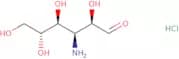
Purity:Min. 95%3-Amino-3-deoxy-D-glucose HCl
CAS:3-Amino-3-deoxy-D-glucose HCl is a synthetic compound that inhibits the efflux of glucose from cells. It has been shown to inhibit growth in Saccharomyces cerevisiae, which may be due to its ability to inhibit the function of an efflux pump. 3-Amino-3-deoxy-D-glucose HCl has also shown antifungal activity against Candida albicans and Aspergillus fumigatus.
Formula:C6H13NO5·HClPurity:Min. 98 Area-%Color and Shape:Slightly Yellow PowderMolecular weight:215.63 g/molRef: 3D-MA05156
Discontinued product(+)-syringaresinol-4,4'-bis-O-b-D-glucopyranoside
(+)-syringaresinol-4,4'-bis-O-b-D-glucopyranoside is a synthetic compound that is fluorinated with (2,2,2-trifluoroethyl)trimethylsilane. It is a sugar molecule that is an oligosaccharide. This compound has been synthesized from syringic acid and (+)-syringaresinol by glycosylation and methylation. It is insoluble in water and has a melting point of 129°C. The CAS number for this compound is 73987-07-8.
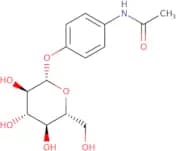
Purity:Min. 95%Paracetamol glucoside
CAS:Paracetamol glucoside is a prodrug that is hydrolyzed in vivo to paracetamol. It has an inhibitory effect on the uptake of photosynthetic pigments, and has been shown to have a chronic exposure inhibitory effect on the activity of enzymes such as catalase, peroxidase, and glutathione reductase. The uptake and toxic effects of paracetamol glucoside have been studied in vitro and also in vivo. In vitro studies have shown that animals are less sensitive to the toxicity of this compound than humans.
Formula:C14H19NO7Purity:Min. 95%Color and Shape:PowderMolecular weight:313.3 g/molRef: 3D-MP182735
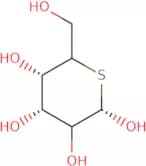
Discontinued product5-Thio-a-D-mannose
CAS:5-Thio-a-D-mannose is a disaccharide that contains a sulfhydryl group. It has been shown to be a cellular and trackable molecule, which can be acetylated by mercuric chloride. The glycosidases of this molecule are mannosidases, which cleave the 5th carbon from the glycosidic linkage of the sugar. This is an important process for a variety of biological functions, such as the synthesis of DNA and proteins. In addition, this disaccharide is involved in various metabolic pathways, including glycolysis and gluconeogenesis.
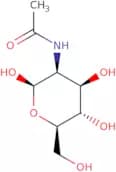
Formula:C6H12O5SPurity:Min. 95%Molecular weight:196.22 g/molN-Acetyl-D-mannosamine
CAS:N-Acetyl D-mannosamine (ManNAc) is an aldohexose (2-acetamido-2-deoxymannose) in which the axial hydroxyl group at position 2 is replaced by a N-acetyl group (Collins, 2006). It has been reported that N-acetyl D-mannosamine supplementation, may provide novel means to break the link between obesity and hypertension (Peng, 2019). N-Acetyl-D-mannosamine and N-acetyl-D-glucosamine are the essential precursors of sialic acid, the specific monomer of polysialic acid, a bacterial pathogenic determinant, for example, Escherichia coli K1 uses both amino sugars as carbon sources. It has been reported that ManNAc can be used as a treatment for hereditary inclusion body myopathy, an adult-onset, progressive neuromuscular disorder and also for renal disorders involving proteinuria and hematuria due to podocytopathy and/or segmental splitting of the glomerular basement membrane (Galeano, 2007).
Formula:C8H15NO6Purity:Min. 98 Area-%Color and Shape:White PowderMolecular weight:221.21 g/molRef: 3D-MA05269
Discontinued product5-O-tert-Butyldimethylsilyl-2,3-O-isopropylidene-L-ribono-1,4-lactone
CAS:5-O-tert-Butyldimethylsilyl-2,3-O-isopropylidene-L-ribono-1,4-lactone is a high purity custom synthesis and custom synthesis of complex carbohydrates. 5-O-tert-Butyldimethylsilyl-2,3-O-isopropylidene-L-ribono--1,4--lactone is a fluorination and an oligosaccharide that contains methylated sugar. It is a polysaccharide with a click modification that can be used for glycosylation and methylation. This product has been shown to be effective in the synthesis of oligosaccharides.
Formula:C15H28O5SiPurity:Min. 95%Molecular weight:316.47 g/moln-Dodecyl-β-D-maltoside
CAS:Dodecyl maltoside (DDM) is a non-ionic detergent that consists of a hydrophilic maltose head and a hydrophobic long chain alkyl tail. It has a relatively low critical micelle concentration of 0.17 mM and is considered a gentle but powerful detergent. DDM is often the best tool for solubilising/crystallising membrane proteins. Membrane proteins usually have α-helical structures that are easily destroyed when the protein is released from its membrane environment. DDM can often preserve these structures during the solubilisation. In addition, membrane proteins can often be renatured when isolated with DDM.
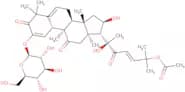
Formula:C24H46O11Molecular weight:510.63 g/mol2-O-b-D-Glucopyranosylcucurbitacin E
CAS:2-O-b-D-glucopyranosylcucurbitacin E is a natural product that has been isolated from the roots of Cucurbita maxima. This compound has been shown to have bioactive properties, including antioxidant and antimicrobial activity. The extract was tested on chronic cough patients with type 2 diabetes mellitus. The treatment group showed significant improvements in symptoms and bioactive phytochemical levels compared to the control group.
2-O-b-D-glucopyranosylcucurbitacin E is a white powder that is soluble in methanol and water but not in chloroform or ether. It can be analyzed by liquid chromatography, which separates the different components of a sample by passing it through a column filled with an adsorbent material that retains some components more than others.Formula:C38H54O13Purity:Min. 95%Molecular weight:718.83 g/mol6-Deoxy-L-psicose
CAS:6-Deoxy-L-psicose is a d-arabinose analog that can be used as a substrate in the enzymatic synthesis of L-arabinose. It has been shown to inhibit the activity of phosphatase and glutamicum enzymes in vitro. 6-Deoxy-L-psicose binds to the active site of the enzyme through its phosphate group, which prevents access by an incoming substrate. The phosphate group also acts as an electron donor for the enzyme, stabilizing it through hydrogen bonding interactions. X-ray structures of 6-deoxy-L-psicose bound to corynebacterium glutamicum have revealed a ternary complex with two molecules of corynebacterium glutamicum and one molecule of 6-deoxy-L-psicose.
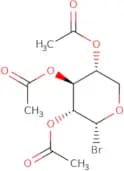
Formula:C6H12O5Purity:Min. 95%Molecular weight:164.16 g/mola-Acetobromo-D-xylose
CAS:a-Acetobromo-D-xylose is an oligosaccharide sugar used in glycosylation and polysaccharide modifications. It is synthesized by the fluorination of xylose with acetic acid, bromine, and a base. The product is purified by vacuum distillation and recrystallization. In addition to its use as a carbohydrate, this product can be modified using methylation or click chemistry to create derivatives.
Formula:C11H15BrO7Purity:Min. 95%Molecular weight:339.14 g/mol2-Deoxy-D-galactose
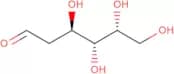
CAS:2-Deoxy-D-galactose is a metabolite of the carbohydrate galactose. It is found in the rat striatum and has been shown to inhibit glutamate dehydrogenase activity. 2-Deoxy-D-galactose also inhibits 2,3,4,5 tetrahydropyridine (MPTP) induced neurotoxicity in mice by increasing levels of uridine and nucleotides in the brain. This agent also has an effect on glomerular filtration rate and on protein synthesis. The glycoside derivatives of 2-deoxy-D-galactose are formed by joining a sugar molecule to hydroxyl group. These derivatives are then transported into cells via glucose transport proteins.
Formula:C6H12O5Purity:(%) Min. 99.0%Color and Shape:White PowderMolecular weight:164.16 g/mol(2, 4- Anhydro- 6- deoxy- L- mannonoyl)-glycine methyl ester
This is a custom synthesized product. It has been modified to include a methyl group at the 2,4-positions on the anhydro-6-deoxy-L-mannopyranose molecule. This modification is done using Click chemistry and the product contains a high level of purity. The modification can be used to create saccharides with high carbohydrate content and polysaccharides with different degrees of polymerization.
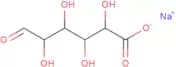
Purity:Min. 95%L-Iduronic acid sodium salt
CAS:L-iduronic acid (IdoA) (Collins, 2006) is the major uronic acid component of the glycosaminoglycans dermatan sulfate, chondroitin sulfate and heparin. Iduronic acid is also present in heparan sulfate, although in a minor amount relative to glucuronic acid. Glycosaminoglycans represent a physiologically important group of molecules involved in a variety of biological functions, such as, cell proliferation, cell-to-cell communication, wound healing, coagulation, morphogenesis, and pathogenesis. Glycosaminoglycans present an intriguing target for the design of new approaches for diagnostic and therapeutic agents against various infectious diseases (Kamhi, 2013).
Formula:C6H9NaO7Purity:Min. 95%Color and Shape:Slightly Yellow PowderMolecular weight:216.12 g/molRef: 3D-MI05148
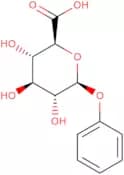
Discontinued productPhenyl-beta-D-glucuronic acid monohydrate
CAS:Phenyl-beta-D-glucuronic acid monohydrate is a genotoxic agent that is metabolized to S-phenylmercapturic acid. This metabolite can be detected in urine as an indicator of exposure to the compound. Phenyl-beta-D-glucuronic acid monohydrate has been shown to have toxic effects on humans, such as decreasing the glomerular filtration rate and increasing reactive oxygen species levels. It also decreases antioxidant vitamin levels and causes blood disorders, including hemolytic anemia. Phenyl-beta-D-glucuronic acid monohydrate may also be used for the treatment of autoimmune diseases by inhibiting certain enzymes involved in inflammation and immune response.Formula:C12H16O8Purity:Min. 98 Area-%Color and Shape:White PowderMolecular weight:288.26 g/mol1,3-O-Benzylidene-4-O-trityl-D-threitol
CAS:1,3-O-Benzylidene-4-O-trityl-D-threitol is a carbohydrate that is modified with fluorine and contains a trityl group. It is used as a reagent in oligosaccharide synthesis, sugar modification, and glycosylation reactions. The compound can be custom synthesized to meet the desired specifications, such as high purity and low cost. The compound can also be methylated or glycosylated for custom synthesis.
Formula:C30H28O4Purity:Min. 95%Molecular weight:452.54 g/molD-Xylonic-1,4-lactone
CAS:D-Xylonic acid-1,4-lactone is a substrate that participates in the synthesis of glyceric acid. It has been shown to be a synthetic substrate for benzyl groups and leukemia HL-60 cells. D-Xylonic acid-1,4-lactone can react with chloride ions to form D-xylose. The product of this reaction is an epimerization reaction that occurs when the hydroxyl group on the carbon atom adjacent to the carbonyl group (C1) reacts with a proton from water to form a double bond at C2. This conversion produces xylonic acid and lactone.
Formula:C5H8O5Purity:Min. 97 Area-%Color and Shape:White PowderMolecular weight:148.11 g/molRef: 3D-MX00474
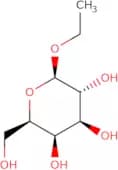
Discontinued productEthyl b-D-galactopyranoside
CAS:Ethyl b-D-galactopyranoside is a galactosylated glycoside that can be synthesized by the transfer of an acetyl group from ethyl alcohol to a sugar. It has antibacterial activity and is used in solvents as a stabilizer. The chemical structure of this compound consists of two benzene rings with an -OH group on one end, which are linked together by a covalent bond. The spacing between these two benzene rings is important for the stability of this compound, and it will break down when there is not enough space for the electron clouds to interact with each other. Ethyl b-D-galactopyranoside has been shown to be effective against tuberculosis bacteria, Mycobacterium tuberculosis, and Mycobacterium avium complex.
Formula:C8H16O6Color and Shape:White PowderMolecular weight:208.21 g/mol(3R,4R)-2-Methyl-2,3,4,5-tetrahydroxypentane
(3R,4R)-2-Methyl-2,3,4,5-tetrahydroxypentane is a synthetic compound. It is a glycosylation reagent that can be used to modify the sugar moiety in oligosaccharides and complex carbohydrates. (3R,4R)-2-Methyl-2,3,4,5-tetrahydroxypentane is also used for fluorination reactions and click chemistry modifications. This product has been shown to have high purity and can be custom synthesized. The CAS number for this compound is 36610-02-6.
Purity:Min. 95%Glucosylceramide
CAS:Glucosylceramide (Glc-Cer) is the common precursor in the biosynthesis of most glycosphingolipids, with exception of some Gal-Cer derivatives, such as, GM4. Glucosylceramide consists of a glucosyl moiety which is β-O-glycosydically linked to ceramide, which itself, consists of the long-chain aminoalcohol sphingosine and a fatty acid. Glucosylceramide (also called glucocerebroside) is synthesised enzymatically, by the glucosylceramide synthase-catalysed with the addition of a glucose residue to ceramide. Glucosylceramide is involved in the regulation of various cellular events and also serves as a main constituent in liposome formulations.
Formula:C40H75NO9Purity:Min. 98 Area-%Color and Shape:White Off-White PowderMolecular weight:714.02 g/molRef: 3D-MG16326
Discontinued product2-Azido-2-deoxy-3,5-O-benzylidene-D-xylono-1,4-lactone
2-Azido-2-deoxy-3,5-O-benzylidene-D-xylono-1,4-lactone is a synthetic sugar that is used in the synthesis of glycosylation, methylation and click modification reactions. It has been shown to be a potential precursor for polysaccharides and fluorinated saccharides. This product can be custom synthesized and is available at high purity.
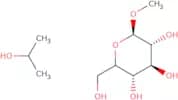
Purity:Min. 95%Methyl β-D-mannopyranoside isopropylate
CAS:Controlled ProductMethyl b-D-mannopyranoside isopropylate is a high purity synthetic oligosaccharide. It has been custom synthesized and fluorinated with methyl groups on the sugar ring. It can be used for glycosylation, modification, and synthesis of saccharides. This product can also be used as a complex carbohydrate in the food industry.
Formula:C7H14O6•C3H8OPurity:Min. 95%Color and Shape:White PowderMolecular weight:254.28 g/molRef: 3D-MM04937
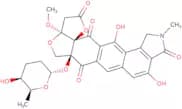
Discontinued productLactonamycin
CAS:Lactonamycin is a linker that contains an oxygenated functional group. It can be found in some active natural products and has been synthesized in the laboratory. Lactonamycin is used as a model system for biosynthesis, where it was shown to efficiently produce glycosidic bonds when supplied with carbon sources such as glucose. The biological properties of Lactonamycin include its ability to inhibit microbial infection and inflammation, which may be due to its hydroxy group.
Formula:C28H27NO12Purity:Min. 95%Molecular weight:569.51 g/mol2,3,4,6-Tetra-O-acetyl-a-D-galactopyranosyl azide
CAS:Please enquire for more information about 2,3,4,6-Tetra-O-acetyl-a-D-galactopyranosyl azide including the price, delivery time and more detailed product information at the technical inquiry form on this page
Formula:C14H19N3O9Purity:Min. 98 Area-%Color and Shape:PowderMolecular weight:373.32 g/mol(3R, 4R, 5S) -3, 4-Dihydroxy- 5- (hydroxymethyl) - 2- pyrrolidinone
3, 4-Dihydroxy-5-(hydroxymethyl)pyrrolidinone (3R,4R,5S) is a custom synthesis of a fluorinated compound that has been modified through methylation and monosaccharide substitution. This product has been designed for use in Click chemistry applications. The CAS number for this product is 100906-64-6.
Purity:Min. 95%Candesartan N2-glucuronide
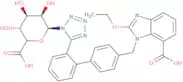
CAS:Candesartan N-glucuronide is a metabolite of candesartan. It is produced by human UDP-glucuronosyltransferase, which belongs to the subfamily of uridine diphosphate (UDP)-glucuronosyltransferases. Candesartan N-glucuronide inhibits angiotensin II receptor type 1 (AT1) and has minimal effects on angiotensin II receptor type 2 (AT2). Candesartan N-glucuronide binds to the AT1 receptor and blocks its activation by angiotensin II. This binding inhibits the uptake of sodium ions into cells and causes an increase in potassium ion secretion, leading to vasodilation. Candesartan N-glucuronide also induces the expression of cytochrome P450 3A5, which results in increased metabolism of drugs such as paclitaxel.
Formula:C30H28N6O9Purity:Min. 95%Molecular weight:616.58 g/molSilodosin O-beta-D-glucuronide
CAS:Silodosin O-beta-D-glucuronide is a metabolite of silodosin, a drug used to treat benign prostatic hyperplasia. It is the glucuronide conjugate of silodosin and its presence in plasma can be quantified by high performance liquid chromatography (HPLC). The solvents used in HPLC are acetonitrile and ammonium formate. The chromatographic separation is achieved with a mobile phase consisting of an organic solvent (acetonitrile) and an ion pairing agent (ammonium formate) that interacts with the analyte and forms an ion pair. The sensitivity of HPLC for this analyte can be improved by using deuterated solvents.
Formula:C31H40F3N3O10Purity:Min. 95 Area-%Color and Shape:PowderMolecular weight:671.7 g/molD-Ribulose 5-phosphate sodium
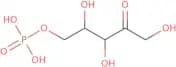
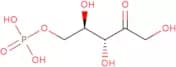
CAS:Ribulose 5-phosphate sodium is a chemical that can be used to inhibit the enzyme ribulose phosphate reductase. Ribulose 5-phosphate sodium has been shown to inhibit glycolaldehyde production in the chloroplasts of plants, effectively reducing the amount of carbon dioxide produced. This chemical has also been shown to have an inhibitory effect on other enzymes involved in carbon fixation and assimilation. The effectiveness of this chemical is dependent on the specific plant species and environmental conditions.
Formula:C5H11O8P•NaxPurity:Min. 95%Color and Shape:PowderMolecular weight:230.11 g/molRef: 3D-AAA09387
Discontinued product4-Aminophenyl β-D-Galactopyranoside
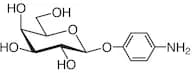
CAS:Formula:C12H17NO6Purity:>98.0%(HPLC)Color and Shape:White to Almost white powder to crystalMolecular weight:271.27D-Erythrono-1,4-lactone
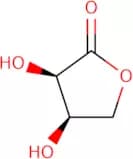
CAS:Chiral synthon; used to synthesise analgoues of natural products
Formula:C4H6O4Purity:Min. 98 Area-%Color and Shape:White PowderMolecular weight:118.09 g/molPhenyl α-D-Glucopyranoside
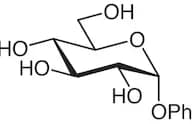
CAS:Formula:C12H16O6Purity:>97.0%(GC)Color and Shape:White to Light yellow powder to crystalMolecular weight:256.25L-Threonic acid-1,4-lactone
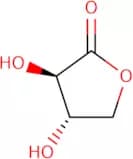
CAS:L-Threonic acid-1,4-lactone is a nutrient solution for mammalian tissue. It is a coenzyme that acts as an intermediate in the conversion of dehydroascorbic acid to erythronate and participates in the synthesis of 4-hydroxycinnamic acid from 4-hydroxyphenylpyruvic acid. L-Threonic acid-1,4-lactone has been shown to inhibit the replication of human immunodeficiency virus (HIV) in vitro. The physiological levels of L-Threonic acid-1,4-lactone are not yet known, but it has been shown to have inhibitory properties on HIV infection at concentrations that do not affect cellular metabolism or induce reactive oxygen species production. L-Threonic acid-1,4-lactone also has been shown to prevent hepatic steatosis and fatty liver disease by inhibiting lipid accumulation via its ability to
Formula:C4H6O4Purity:Min. 95%Color and Shape:PowderMolecular weight:118.09 g/molRef: 3D-MT08297
Discontinued productD-Ribulose 5-phosphate sodium salt
CAS:Reference compound for metabolites of the pentosephosphate pathway
Formula:C5H11O8P·xNaPurity:Min. 96 Area-%Color and Shape:White Yellow PowderMolecular weight:230.11 g/molRef: 3D-MR45852
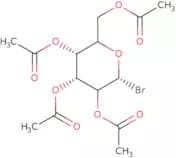
Discontinued productAcetobromo-D-glucose
CAS:Intermediate for β-glucosides; potential PET surface modification reagent
Formula:C14H19BrO9Purity:Min. 95%Color and Shape:White Off-White PowderMolecular weight:411.2 g/molRef: 3D-MT03359
Discontinued productDigalactosyl diglyceride
CAS:Digalactosyl diglyceride is a lipid that is found in the wax of plants. It has been shown to have anti-inflammatory properties and can be used as a nonsteroidal anti-inflammatory drug. Digalactosyl diglyceride binds to nuclear DNA and inhibits fatty acid synthesis, which leads to membrane destabilization.
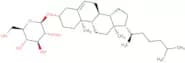
Formula:C18H34O13Purity:Min. 95%Color and Shape:SolidMolecular weight:458.45 g/molCholesterol b-D-glucoside
CAS:Cholesterol b-D-glucoside is a modified cholesterol that has been fluorinated and methylated. It is a complex carbohydrate that can be used in the synthesis of oligosaccharides and monosaccharides. Cholesterol b-D-glucoside is soluble in water, alcohols, and ethers and is insoluble in chloroform. The CAS number for Cholesterol b-D-glucoside 7073-61-2. This product is available for custom synthesis, which means it can be made to order with the specifications you need.
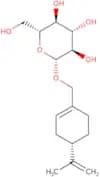
Purity:Min. 95%S-(-)-Perillyl alcohol glucoside
CAS:S-(-)-Perillyl alcohol glucoside is a glycoconjugate that has been shown to inhibit β-glucosidase and pancreatic lipase. It is used in the treatment of cancers, such as colorectal cancer, by inhibiting glucose uptake into cells. S-(-)-Perillyl alcohol glucoside may also have anticancer effects by inhibiting glucose transporters and caspases.
Formula:C16H26O6Purity:Min. 95%Color and Shape:PowderMolecular weight:314.37 g/molRef: 3D-MP182736
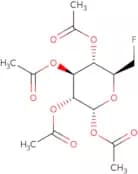
Discontinued product1,2,3,4-Tetra-O-acetyl-6-deoxy-6-fluoro-a-D-glucopyranose
CAS:1,2,3,4-Tetra-O-acetyl-6-deoxy-6-fluoro-a-D-glucopyranose is a synthetic sugar that contains four acetyl groups and one fluorine atom. It can be used for the synthesis of oligosaccharides and glycosylations. This product is custom synthesized according to customers' requirements, with high purity and good quality.
Formula:C14H19FO9Purity:Min. 95%Molecular weight:350.29 g/mol1,2,3,4-Tetra-O-acetyl-D-xylopyranose
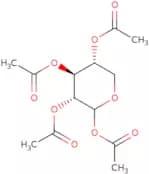
CAS:1,2,3,4-Tetra-O-acetyl-D-xylopyranose is a molecule that is derived from D-xylose. It has been shown to inhibit the growth of fungi such as T. rubrum and L. candidum by acetylation of l-threonine at the C2 position. This molecule can be recycled and its inhibitory activity can be increased through acetylation of the hydroxymethyl group on the C4 position. The mechanism of inhibition is not known but it may be due to steric hindrance or peracylation.
Formula:C13H18O9Purity:Min. 95%Molecular weight:318.28 g/molRef: 3D-MT04869
Discontinued product3-O-Triisopropylsilyl-D-galactal
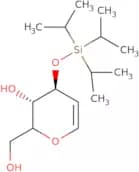
3-O-Triisopropylsilyl-D-galactal is a carbohydrate that belongs to the group of sugars. It is an oligosaccharide with a complex structure, which is synthesized from D-galactal by treatment with triisopropylsilyl chloride in pyridine. 3-O-Triisopropylsilyl-D-galactal is used as a reagent for the methylation and glycosylation of proteins and nucleic acids. This compound has been shown to inhibit the enzyme carboxypeptidase A, which may be due to its ability to act as an inhibitor of carbohydrate binding. 3-O-Triisopropylsilyl-D-galactal has also been shown to bind specifically to erythrocyte membranes, suggesting that it could be used as a potential diagnostic marker for glycogen storage diseases.
Formula:C15H30O4SiPurity:Min. 95%Molecular weight:302.48 g/molDaunorubicin
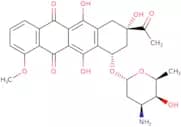
CAS:Anthracycline antibiotic with potent anti-tumoral activity. The compound interferes with DNA replication and RNA transcription since it intercalates between the base pairs of nucleic acids. It also inhibits the topoisomerase II, proteasome and generates free radicals, which leads to cell death of treated cells. Moreover, daunorubicin triggers apoptosis trough the stimulation of ceramide synthesis. It has been used as chemotherapy agent for the treatment of myeloid leukaemia (AML) and acute lymphocytic leukaemia (ALL).
Formula:C27H29NO10Purity:Min. 95%Molecular weight:527.52 g/mol2,4-O-Ethylidene-D-erythrose
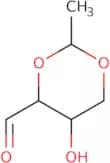
CAS:2,4-O-Ethylidene-D-erythrose is a trimerization product of glyoxal and acetaldehyde. It is an aldehyde that can be used as a precursor to other compounds. The hydrated form of 2,4-O-ethylidene-D-erythrose has been rationalized by the mesoxalic acid and water molecules to form the trimer. This compound can be produced from the glycolaldehyde and sulfoxide in an oxidation reaction with hydrogen peroxide. The acetylation of 2,4-O-ethylidene-D-erythrose produces isoxazolidines which are stereoselective.
Formula:C6H10O4Purity:Min. 95%Molecular weight:146.14 g/mol3'-a-Sialyl-N-acetyllactosamine sodium salt
CAS:3'-a-Sialyl-N-acetyllactosamine sodium salt is a high purity, custom synthesis sugar. It has been modified with fluorination, glycosylation, and methylation to provide the desired properties. This product is also available in other forms such as monosaccharide and saccharide. 3'-a-Sialyl-N-acetyllactosamine sodium salt can be used in various applications including Click modification, fluoroamination, glycosylation, carbonylation and methylation. CAS No. 350697-53-9
Formula:C25H42N2O19NaPurity:Min. 95%Molecular weight:697.59 g/molRef: 3D-MS182937
Discontinued product4-Deoxy-L-fucose
CAS:4-Deoxy-l-fucose is a molecule that has been found to inhibit the synthesis of gangliosides. It is an acetylated derivative of l-fucose and can be synthesized from ethyl 4-deoxy-D-glucuronate with the help of a multivorans enzyme. This molecule is metabolically unstable and reacts with oxygen to form a divalent alcohol that can be identified by magnetic resonance spectroscopy. 4-Deoxy-l-fucose inhibits the biosynthesis of gangliosides, which are important molecules in cell signaling, through its ability to inhibit enzymes such as acetyltransferase.
Formula:C6H12O4Purity:Min. 95%Color and Shape:White To Off-White SolidMolecular weight:148.16 g/molRef: 3D-MD03942
Discontinued productMyo-inositol-d6
CAS:Myo-inositol-d6 is a stable isotope of myo-inositol. It is used to monitor the biosynthesis of myo-inositol in yeast cells. Myo-inositol is a carbohydrate that has regulatory functions in yeast cells. Myo-inositol-d6 can be used as an extracellular bioassay for determining the uptake and intracellular distribution of myo-inositol in mammalian cells.
Formula:C6H12O6Purity:Min. 95%Color and Shape:PowderMolecular weight:186.19 g/molRef: 3D-TCA92244
Discontinued productN-Boc-1,5-imino-D-glucitol
CAS:N-Boc-1,5-imino-D-glucitol is a complex carbohydrate that is synthesized by the N-Boc protection group. It is an oligosaccharide with a molecular weight of about 190 daltons and it can be modified at the C1 position to produce various saccharides. N-Boc-1,5-imino-D-glucitol has been shown to be effective as a glycosylation agent for protein modification and for its ability to form stable complexes with other complex carbohydrates. This compound has also been used in the synthesis of polysaccharides and as a fluorination reagent.
Formula:C11H21NO6Purity:Min. 95%Molecular weight:263.29 g/molRef: 3D-MB16638
Discontinued productb-Core-APE-HSA
b-Core-APE-HSA is a custom synthesis of an oligosaccharide. This product is a complex carbohydrate with a CAS number and the molecular weight range of 500 to 10,000 Daltons. It is a polysaccharide that has been modified by methylation or glycosylation. The saccharide in this product is either glucose or mannose and it can be modified using click chemistry, fluorination, or other modifications. This product has high purity and can be synthesized using synthetic techniques such as glycosylation or Methylation.
Purity:Min. 95%m-Topolin-9-glucoside
CAS:M-topolin-9-glucoside is a synthetic sugar that has been modified by the introduction of fluorine atoms at C-2, C-3, and C-4. This sugar is used to study the interactions between carbohydrates and proteins. It is also used for the synthesis of oligosaccharides as well as for glycosylation and methylation reactions. M-topolin-9-glucoside is a monosaccharide that has been glycosylated and methylated. It can be used as a replacement for glucose in some reactions due to its stability and low cost.
Formula:C18H21N5O6Purity:Min. 95%Color and Shape:PowderMolecular weight:403.39 g/molRaltegravir b-D-glucuronide
CAS:Raltegravir b-D-glucuronide is a synthetic, fluorinated analog of raltegravir. It is a potent HIV-1 integrase inhibitor that has been shown to be active against the majority of HIV-1 strains. Raltegravir b-D-glucuronide is less potent than the parent compound and exhibits reduced antiviral activity in vitro. Raltegravir b-D-glucuronide is metabolized to raltegravir and eliminated in urine as the glucuronide conjugate.
Formula:C26H29FN6O11Purity:Min. 95%Color and Shape:White PowderMolecular weight:620.54 g/molIvermectin monosaccharide
CAS:Ivermectin monosaccharide is a molecule that has been shown to have an inhibitory effect on the uptake of glucose by cyathostomes. This molecule does not bind to inulin, but it does bind to the receptor binding site for ivermectin. Ivermectin monosaccharide has been shown to have a high affinity for the receptor binding site and can be used as an alternative method for detecting low concentrations of ivermectin.
Formula:C41H62O11Purity:Min. 95%Molecular weight:730.92 g/molL-Sorbosone
CAS:L-Sorbosone is an antioxidant that can be used as a food additive or dietary supplement. It has been shown to have antioxidative properties and has the ability to inhibit oxidation reactions. The optimum concentration of L-sorbosone is 0.1 milligrams per liter and it is effective at inhibiting chemical reactions in a wide range of pH levels, from 2 to 8. L-Sorbosone belongs to the genus sorbose, which is a sugar alcohol that does not contain an aldehyde group. It also converts sorbose into dehydroascorbic acid and inhibits the enzyme activities of two important enzymes involved in cell culture, namely glutathione reductase and cytochrome p450, which are necessary for maintaining cellular redox balance.
Formula:C6H10O6Purity:Min. 95%Molecular weight:178.14 g/molPhenyl 6-deoxy-6-fluoro-a-D-glucopyranoside
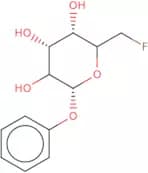
Phenyl 6-deoxy-6-fluoro-a-D-glucopyranoside is a modification of the natural sugar, deoxyglucose. It is an oligosaccharide with a complex carbohydrate structure that has been modified by methylation and glycosylation. This product is synthesized from monosaccharides, and it can be fluorinated or saccharided. Phenyl 6-deoxy-6-fluoro-a-D-glucopyranoside is used in the synthesis of polysaccharides.
Formula:C12H15FO5Purity:Min. 95%Molecular weight:258.24 g/molRamipril acyl-b-D-glucuronide
CAS:Ramipril acyl-b-D-glucuronide is a glycosylated prodrug that is the active form of ramipril, an ACE inhibitor. It is metabolized in the liver to ramipril and excreted in the urine. Ramipril acyl-b-D-glucuronide has been shown to have an increased bioavailability and a longer half-life than ramipril due to its glycosylation. The synthesis of this drug has been modified by methylation, fluorination, and saccharide modification. This compound is also available as a custom synthesis for research purposes with high purity.
Formula:C29H40N2O11Purity:Min. 95%Molecular weight:592.63 g/mol2-Bromoethyl a-L-fucopyranoside
This compound is a modification of the 2-bromoethyl a-L-fucopyranoside. It is an oligosaccharide that is a carbohydrate. It is made up of many monosaccharides, which are sugar molecules linked together. This modified carbohydrate has been synthesized from other carbohydrates and then fluorinated to make it more stable.
Purity:Min. 95%1,4:3,6-Dianhydro- 2- O- methyl-D- glucitol
CAS:1,4:3,6-Dianhydro-2-O-methyl-D-glucitol is a modified sugar that belongs to the group of carbohydrates. It is synthesized by the modification of 1,4:3,6-dianhydro-2,5-diO-methyl D glucitol with methyl iodide and sodium methoxide. The compound is used in pharmaceuticals as an excipient and in cosmetics as a moisturizer. It has been shown to be effective against influenza A virus.
Formula:C7H12O4Purity:Min. 95%Molecular weight:160.17 g/molPsicose diacetonide
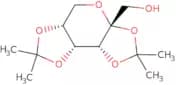
CAS:Psicose diacetonide is a synthetic, custom-synthesized carbohydrate. It is a complex carbohydrate that is made of saccharides and has been modified to have a fluorinated monosaccharide. Psicose diacetonide is an oligosaccharide with a high purity and has been methylated and glycosylated.
Purity:Min. 95%Dipalmitin
CAS:Dipalmitin is a chemical substance that belongs to the group of fatty acid esters. It has been shown to inhibit the activity of a number of enzymes, including proteases and lipases. Dipalmitin also inhibits the production of diacylglycerol and glycerides in cells, which are necessary for cellular growth. The exact mechanism by which dipalmitin inhibits these enzymes is unknown, but it has been hypothesized that it may function as a competitive inhibitor or an allosteric inhibitor. Dipalmitin also has been shown to have antiviral properties against HIV infection in model systems. The antiviral activity has been attributed to its ability to inhibit viral protein synthesis and block the assembly of viral particles at the cell membrane.
Formula:C35H68O5Purity:Min. 95%Molecular weight:568.91 g/molRef: 3D-BBA65795
Discontinued product1-Deoxy-L-ribose
CAS:1-Deoxy-L-ribose is a metabolite of acetone. It is a monosaccharide that contains one less oxygen atom than its parent compound. 1-Deoxy-L-ribose is found in the urine and blood of humans and animals. In animals, it can be synthesized from glucose by the enzyme ribose 1-phosphate reductase. This reaction requires an energy source such as ATP or NADH to reduce ribose 1,5-bisphosphate to 1,4-dihydroxyacetone phosphate, which then undergoes spontaneous dehydration to form 1-deoxy-D-ribose.
Formula:C5H10O4Purity:Min. 95%Molecular weight:134.13 g/mol5-Deoxy-L-lyxono-1,4-lactone
CAS:5-Deoxy-L-lyxono-1,4-lactone is a crystalline solid that belongs to the class of hydroxamic acids. This compound has been shown to react with hydroxylamine in an aldonic reaction and to inhibit the enzyme xanthin oxidase. The monoclinic crystal structure of 5-Deoxy-L-lyxono-1,4-lactone was determined by XRD analysis. This compound is synthesized from glyoxylate and malonitrile in an efficient manner. It also inhibits glucose oxidation and can be used as an additive for food products.
Formula:C5H8O4Purity:Min. 95%Molecular weight:132.12 g/molRef: 3D-MD09167
Discontinued product