Monosaccharides
Monosaccharides are the simplest form of carbohydrates and serve as fundamental building blocks for more complex sugars and polysaccharides. These single sugar molecules play critical roles in energy metabolism, cellular communication, and structural components of cells. In this section, you will find a wide variety of monosaccharides essential for research in biochemistry, molecular biology, and glycoscience. These compounds are crucial for studying metabolic pathways, glycosylation processes, and developing therapeutic agents. At CymitQuimica, we offer high-quality monosaccharides to support your research needs, ensuring precision and reliability in your scientific investigations.
Subcategories of "Monosaccharides"
- Alloses(11 products)
- Arabinoses(21 products)
- Erythroses(11 products)
- Fructoses(9 products)
- Fucoses(36 products)
- Galactosamine(41 products)
- Galactose(260 products)
- Glucoses(365 products)
- Glucuronic Acids(51 products)
- Glyco-substrates for Enzyme(77 products)
- Guloses(6 products)
- Idoses(4 products)
- Inositols(15 products)
- Lyxoses(4 products)
- Mannoses(65 products)
- O-Glycans(48 products)
- Psicoses(3 products)
- Rhamnoses(10 products)
- Riboses(61 products)
- Sialic Acids(100 products)
- Sorboses(4 products)
- Sugars(173 products)
- Tagatoses(4 products)
- Taloses(8 products)
- Xyloses(20 products)
Show 17 more subcategories
Found 6088 products of "Monosaccharides"
Sort by
Purity (%)
0
100
|
0
|
50
|
90
|
95
|
100
2-Deoxy-D-Ribose 5-Phosphate-13C5 Disodium Salt
CAS:Formula:C5H9O7P2·2NaMolecular weight:217.06 2*22.99L-Iduronic Acid Sodium Salt
CAS:<p>Stability Hygroscopic<br>Applications A constituent of certain mucopolysaccharides.<br>References Hoffman, P., et al.: Science, 124, 1252 (1956), Meyer, K: Biochim et Biophys. Acta, 21, 506 (1956), Cifonelli, J.A., et al.: Federation Proc., 16, 165 (1957), Cifonelli, J.A., et al.: J. Biol. Chem., 233, 541 (1958)<br></p>Formula:C6H9NaO7Color and Shape:Light Orange Colour To Dark BrownMolecular weight:216.12D-Erythrulose (~0.3 M in Water, ~90%)
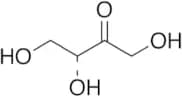
CAS:Controlled Product<p>Applications D-Erythrulose is a tetrose carbohydrate that is used in various self-tanning cosmetics combined with dihydroxyacetone.<br>References Maeda, M., et al.: J. Biochem., 123, 602 (1998); Baykal, A., et al.: Bioorg. Chem., 34, 380 (2006);<br></p>Formula:C4H8O4Purity:~90%Color and Shape:NeatMolecular weight:120.10D-(+)-Cellotriose
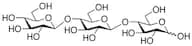
CAS:Controlled Product<p>Stability Hygroscopic<br>Applications D-(+)-Cellotriose (cas# 33404-34-1) is a compound useful in organic synthesis.<br></p>Formula:C18H32O16Color and Shape:NeatMolecular weight:504.44D-Idose (0.141M Solution)
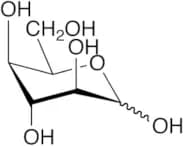
CAS:<p>Applications D-Idose is a monosaccharide that is an important component of dermatan sulfate and heparan sulfate.<br>References Olsen, S.G., et al.: J. Biol. Chem., 264, 15982 (1989);<br></p>Formula:C6H12O6Color and Shape:Single SolutionMolecular weight:180.15591,6-Anhydro-β-D-mannopyranose
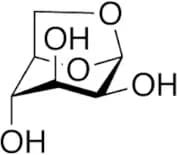
CAS:Controlled Product<p>Applications Monosaccharide anhydrides, new markers of toasted oak wood used for ageing wines and distillates.<br>References Goldberg, D., et al.: J. Agric. Food Chem., 47, 3978 (1999), Fu, P., et al.: Environ. Sci. Technol., 43, 286 (2009),<br></p>Formula:C6H10O5Color and Shape:Off-WhiteMolecular weight:162.14Ethylmalonic Acid
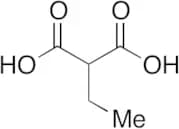
CAS:<p>Applications Ethylmalonic Acid is used as a diagnostic agent used in the diagnosis of Ethylmalonic encephalopathy which is a rare autosomal recessive inborn error of metabolism.<br>References Baertling, F. et al.: Eur. J. Pediat., 173, 1719 (2014); Sudo, Y. et al.: Hu,am Genome Var., 1, 15016 (2014);<br></p>Formula:C5H8O4Color and Shape:NeatMolecular weight:132.121,6-Anhydro-β-D-galactose
CAS:Controlled Product<p>Applications 1,6-Anhydro-β-D-glucopyranose is a carbohydrate contains in liquid smoke flavorings.<br>References Kim, K., et al.: Agric. Biol. Chem., 38, 53 (1974), Guillen, M., et al.: Food Chem., 58, 97 (1997), Guillen, M., et al.: J. Agric. Food Chem., 46, 1276 (1998),<br></p>Formula:C6H10O5Color and Shape:White To BeigeMolecular weight:162.14D-Gulose
CAS:<p>Applications D-Glucose is a aldohexose sugar that is very rare in nature but has been found in archaea, bacteria and other eukaryotes. Gulose is the C-3 Epimer of galactose (G155250).<br>References Sun, Y.X., et al.: Biosci. Biotech. Biochem., 70, 598 (2006); Bhuiyan, S.H., et al.: J. Biosci. Bioengin., 88, 567 (1999);<br></p>Formula:C6H12O6Color and Shape:Off White SolidMolecular weight:180.1559Oxalic Acid Ethyl Ester
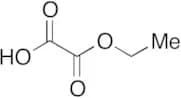
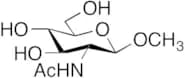
CAS:Controlled Product<p>Applications Oxalic Acid Ethyl Ester is a useful synthetic intermediate. It is used to synthesize 2-substituted 3-aryl-4(3H)-quinazolinones with anticonvulsant activities. It is also used to prepare nonbenzamidine tetrazole derivatives as factor Xa inhibitors.<br>References Wolfe, J., et al.: J. Med. Chem., 33, 161 (1009); Quan, M., et al.: bioorg. Med. Chem. Lett., 13, 369 (2003)<br></p>Formula:C4H6O4Color and Shape:NeatMolecular weight:118.09Methyl 2-Acetamido-2-deoxy-β-D-glucopyranoside
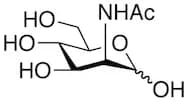
CAS:Controlled ProductFormula:C9H17NO6Color and Shape:NeatMolecular weight:235.23N-Acetyl-D-mannosamine
CAS:Controlled Product<p>Stability Hygroscopic<br>Applications A derivative of D-Mannosamine (M167000).<br>References Pukanud, P. et al.: Drug Delivery, 16, 289 (2009);<br></p>Formula:C8H15NO6Color and Shape:NeatMolecular weight:221.21α-Methylglyceric Acid
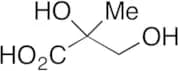
CAS:Controlled Product<p>Applications α-Methylglyceric Acid is a biogenic secondary organic aerosol used in air quality diagnosis.<br>References Ru, P., et. al.: Environ. Sci. Technol., 48, 8491 (2014); Napelenok, S.L., et. al.: Environ. Sci. Technol., 48, 464 (2014); Stone, E.A., et. al.: Environ. Chem., 9, 263 (2012)<br></p>Formula:C4H8O4Color and Shape:NeatMolecular weight:120.1Ethyl β-D-Thiogalactopyranoside
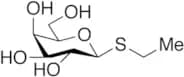
CAS:Controlled Product<p>Applications Ethyl β-D-Thiogalactopyranoside (cas# 56245-60-4) is a compound useful in organic synthesis.<br></p>Formula:C8H16O5SColor and Shape:NeatMolecular weight:224.272,5-Anhydro-D-mannitol
CAS:Controlled Product<p>Applications A carbohydrate metabolism regulator that has been shown to inhibit gluconeogenesis from lactate plus pyruvate and from substrates that enter the gluconeogenic pathway as triose phosphate.<br>References Joet, T., et al.: Biochem. J., 381, 905 (2004), Girardin, E., et al.: J. Biol. Chem., 280, 38059 (2005), Nghiem, N., et al.: App. Biochem. Biotechnol., 141, 335 (2007),<br></p>Formula:C6H12O5Color and Shape:NeatMolecular weight:164.16Benzyl β-D-Glucopyranoside
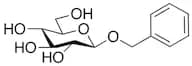
CAS:Controlled Product<p>Applications Benzyl β-D-Glucopyranoside (cas# 4304-12-5) is a compound useful in organic synthesis.<br>References Yoshikawa, M., et al.: Chem. Pharm. Bull., 56, 1297 (2008), Takeda, Y., et al.: J. Nat. Med., 62, 476 (2008),<br></p>Formula:C13H18O6Color and Shape:Off WhiteMolecular weight:270.28D-Arabinose
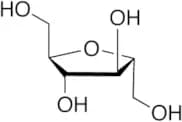
CAS:<p>Applications An inhibitor of the enzyme glucose dehydrogenase.<br>References Cozier, G.E. et al.: Biochem. J., 340, 639 (1999);<br></p>Formula:C5H10O5Color and Shape:White SolidMolecular weight:150.131-Deoxy- 6- O- tert.butyl dimethylsilyl]- 3, 4- O- isopropylidene-D- Psicofuranose
<p>This complex carbohydrate is a modification of the 6-O-tert.butyl dimethylsilyl]psicofuranose. It is an Oligosaccharide that has been modified with methylation, glycosylation, and Click modification of the sugar moieties. The CAS number for this complex carbohydrate is 10963-29-3, and it has a purity of 99%.</p>Purity:Min. 95%Benzyl 4,6-O-benzylidene-2-deoxy-2-phthalimido-b-D-glucopyranoside
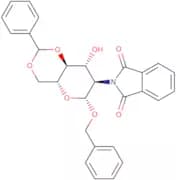
CAS:<p>Benzyl 4,6-O-benzylidene-2-deoxy-2-phthalimido-b-D-glucopyranoside is a modified glycosylated deoxyhexose. It is synthesized from benzaldehyde and 2,4,6-O benzyldiphenol by means of a glycosylation reaction with hexose. This product has been fluorinated to give it the desired properties. Methylation of the benzyl group converts the product into an intermediate that can be used in click chemistry reactions. Monosaccharides are then added to produce oligosaccharides. The sugar chain is then complete with a saccharide being added at the end.</p>Formula:C28H25NO7Purity:Min. 95%Color and Shape:White PowderMolecular weight:487.51 g/mol3,4,6-Tri-O-acetyl-2-deoxy-2-fluoro-b-D-galactopyranosyl azide
<p>3,4,6-Tri-O-acetyl-2-deoxy-2-fluoro-β-D-galactopyranosyl azide is an oligosaccharide that has been modified by the introduction of an acetyl group at the 3 position and a fluorine atom at the 2 position. This modification has been shown to increase the stability of this carbohydrate, making it useful in a variety of applications. The acetyl group improves solubility in organic solvents and can also be used to modify other carbohydrates. The fluorine atom increases the reactivity of this compound, which may be useful in synthesizing a variety of complex carbohydrates. 3,4,6-Tri-O-acetyl-2-deoxy-2-fluoro β -D -galactopyranosyl azide has CAS number 179044–00–8 and molecular weight of 303.3 g/mol.</p>Purity:Min. 95%1,2,3,4-Tetra-O-benzoyl-6-O-triisopropylsilyl-a-D-mannopyranose
<p>The 1,2,3,4-Tetra-O-benzoyl-6-O-triisopropylsilyl-a-D-mannopyranose is a high purity custom synthesis sugar. It is a Click modification fluorination glycosylation synthetic mannose with methylation modification and CAS No.<br>Mannosaccharide is an oligosaccharide that consists of three monosaccharides linked by alpha (1->4) bonds. Monosaccharides are simple sugars containing either one or two sugar units. Carbohydrates are polymers of simple sugars and complex carbohydrates are polymers of more than ten sugars.</p>Formula:C43H48O10SiPurity:Min. 95%Molecular weight:752.92 g/molPropofol b-D-glucuronide sodium salt
CAS:<p>Propofol b-D-glucuronide sodium salt is a white crystalline powder that is soluble in water. It is not known whether or not this product contains any impurities. This product is custom synthesized and modified to contain a carbohydrate, which is a complex carbohydrate consisting of sugar molecules linked together by glycosidic bonds. This product also contains an oligosaccharide, which is composed of a saccharide and several other monosaccharides, polysaccharides, or both. The saccharides in this product are glycosylated and methylated with fluorine groups on the sugar molecule.</p>Formula:C18H25NaO7Purity:Min. 95%Molecular weight:376.38 g/mol2-Azido-2-deoxy-3,4:5,6-di-O-isopropylidene-L-gulonic acid methyl ester
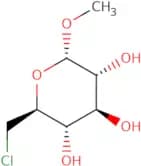
<p>This product is a custom synthesized and modified monosaccharide. It is an oligosaccharide, which is made up of two or more sugars that are linked together by glycosidic bonds. The sugar in this product is a glycosylation, which is a type of sugar that has been modified by adding a new chemical group to it. This modification can be done by fluorination, methylation, or click modification. This product also contains a saccharide, which is a large carbohydrate molecule that consists of many sugar molecules. This type of carbohydrate can be either polysaccharides or complex carbohydrates. This product has high purity and CAS number (CAS No.).</p>Purity:Min. 95%Methyl 6-chloro-6-deoxy-a-D-glucopyranoside
CAS:<p>Methyl 6-chloro-6-deoxy-a-D-glucopyranoside is a custom chemical synthesis that can be modified, fluorinated, methylated, monosaccharide and polysaccharide. It is an oligosaccharide sugar with CAS No. 4144-87-0. This chemical is synthesized by glycosylation of the saccharide.</p>Formula:C7H13ClO5Purity:Min. 95%Molecular weight:212.63 g/mol7-Deoxy-D-glycero-D-gluco-heptitol
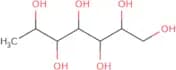
CAS:<p>7-Deoxy-D-glycero-D-gluco-heptitol is a synthetic sugar that can be used as a building block for the synthesis of complex carbohydrates. 7DGDG has shown to be a good substrate for glycosylation and has been modified with fluorine, methyl, and click chemistry. This sugar also shows high reactivity towards saccharide and oligosaccharides. 7DGDG may be useful in the production of polysaccharides or glycosylations.</p>Purity:Min. 95%N-[(4'-Methoxyphenyl)-1-propenyl]imino-2,3,4,6-tetra-O-pivaloyl-D-glucopyranoside
<p>4-Methoxybenzaldehyde (4-MB) is an organic compound that is a simple aromatic aldehyde. It can be used to synthesize a variety of biologically active molecules, including saccharides and other carbohydrates. The synthesis of 4-MB starts with the direct oxidation of benzyl alcohol using hydrogen peroxide in the presence of a persulfate catalyst. The resulting 4-hydroxybenzaldehyde is then converted into 4-methoxybenzaldehyde by reaction with sodium hydroxide in methanol. This process produces high purity 4-methoxybenzaldehyde and avoids the use of toxic chromium reagents, which are required for the classical method for its preparation.</p>Formula:C36H53NO10Purity:Min. 95%Molecular weight:659.81 g/mol1-S-Phenyl-2-O-acetyl-3,4-di-O-benzyl-a-L-thiorhamnopyranose
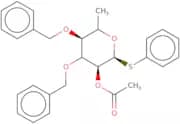
CAS:<p>1-S-Phenyl-2-O-acetyl-3,4-di-O-benzyl-a-L-thiorhamnopyranose is a fluorinated monosaccharide. It is a custom synthesis that is an oligosaccharide with complex carbohydrate. The sugar has been modified by glycosylation and polysaccharide. It also has click modification and methylation. 1-S-Phenyl-2-O-acetyl -3,4 di O benzyl a L thiorhamnopyranose is the CAS No. 636559 71 2. This product is high purity, making it suitable for industrial applications such as pharmaceuticals, agrochemicals, and cosmetics.</p>Formula:C28H30O5SPurity:Min. 95%Molecular weight:478.6 g/mol2, 4- Anhydro- 6- deoxy- L- mannonic acid methyl ester
CAS:<p>2, 4-Anhydro-6-deoxy-L-mannonic acid methyl ester is a modified oligosaccharide that is synthesized from D-mannose. This compound can be used as a building block for the synthesis of complex carbohydrates and glycosides. It can also be used for the fluorination of saccharides and glucose derivatives. 2,4-Anhydro-6-deoxy-L-mannonic acid methyl ester is an important intermediate in the production of fluoroquinolones and other pharmaceuticals. It is also a precursor to antihistamines, antiarrhythmics, antibiotics, anticancer drugs, and antimalarial drugs.</p>Formula:C7H12O5Purity:Min. 95%Molecular weight:176.17 g/molL-Lyxose
CAS:<p>Starting material for chiral-pool based organic synthesis</p>Formula:C5H10O5Purity:Min. 98 Area-%Color and Shape:White PowderMolecular weight:150.13 g/molN- [[(2S, 3S, 4R) - 4- [(Acetyloxy) methyl] - 3- (phenylmethoxy) - 1-acetamide
<p>N- [[(2S, 3S, 4R) - 4- [(Acetyloxy) methyl] - 3- (phenylmethoxy) - 1-acetamide is a synthetic glycoside. It has been modified for fluorination and methylation. The complex carbohydrate has been synthesized with high purity and it has a CAS No..</p>Purity:Min. 95%N-Methyl-D-glucosamine
CAS:<p>N-Methyl-D-glucosamine is a nucleotide that is found in the adenine nucleotide pool. It can be synthesized from glucose, which is converted to glucosamine-6-phosphate by the enzyme glucosamine synthetase. This compound can also be obtained from dietary sources. N-Methyl-D-glucosamine has been shown to have cytotoxic activity against mouse tumor cells and inhibit skin cancer in mice. It binds with DNA and inhibits cell growth through a glycosidic bond with terminal residues of DNA, preventing transcription and replication. N-Methyl-D-glucosamine has also been shown to inhibit the growth of resistant microorganisms such as C. glabrata, including antibiotic resistant strains, and bacteria such as E. coli and P. aeruginosa when used in combination with an experimental model of biocompatible polymers.<br>NMTG has been shown to</p>Formula:C7H15NO5Purity:Min. 95%Color and Shape:PowderMolecular weight:193.2 g/mol(1S) -1- [(2S, 3R) - 3- Hydroxy- 1- (2-hydroxyethyl) - 2- azetidinyl] -1, 2- ethanediol
<p>(1S) -1- [(2S, 3R) - 3- Hydroxy- 1- (2-hydroxyethyl) - 2- azetidinyl] -1, 2- ethanediol is a carbohydrate that is modified by fluorination and methylation. This product is custom synthesized to your specifications. It has been shown to be effective in glycosylation reactions and click chemistry.</p>Purity:Min. 95%2-Acetamido- 2- deoxy- 3, 4, 6- tri- O- methyl-D- glucose
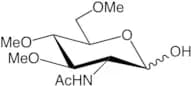
CAS:<p>2-Acetamido-2-deoxy-3,4,6-tri-O-methyl-D-glucose is a modified sugar. It can be used as a feedstock in glycosylation reactions. This compound has been shown to be resistant to proteolytic degradation and hydrolysis by aminoglycosides.</p>Formula:C11H21NO6Purity:Min. 95%Molecular weight:263.29 g/mol1,2-Di-O-acetyl-3-deoxy-3-fluoro-5-toluoyl-D-ribofuranose
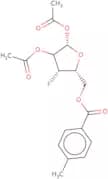
CAS:<p>1,2-Di-O-acetyl-3-deoxy-3-fluoro-5-toluoyl-D-ribofuranose is a custom synthesis product that is used as a glycosylation and methylation agent. It can be used in the synthesis of complex carbohydrates, Methylation, Click modification, or Fluorination. The product is available in different quantities and can be custom synthesized to meet your needs. It has CAS No. 1612192-28-5 and can be used for research purposes. This product has been shown to have high purity and is synthesized by a qualified manufacturer with over 20 years of experience.</p>Formula:C17H19FO7Purity:Min. 95%Molecular weight:354.33 g/molMethyl 2,3,4-tri-O-benzoyl-6-O-trityl-a-D-mannopyranoside
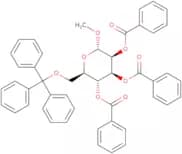
CAS:<p>Methyl 2,3,4-tri-O-benzoyl-6-O-trityl-a-D-mannopyranoside is an oligosaccharide that has been modified with fluorine. It is synthesized from a monosaccharide and a disaccharide. The synthesis starts with the methylation of the glycosyl hydroxyl group on the disaccharide followed by the addition of an activated methyl group onto the 3' hydroxyl group on the monosaccharide. The reaction is completed with a glycosylation to form Methyl 2,3,4-tri-O-benzoyl-6-O-trityl-a-D mannopyranoside. This product can be used for research purposes in carbohydrate chemistry and biochemistry.</p>Formula:C47H40O9Purity:Min. 95%Molecular weight:748.84 g/mol(2R, 3S, 4R) -3-Acetyloxy - 4- azido- 1- benzyl -2- pyrrolidinemethanol 2- acetate
<p>(2R, 3S, 4R) -3-Acetyloxy - 4-azido-1-benzyl-2-pyrrolidinemethanol 2-acetate is a fluorinated monosaccharide that exhibits high purity and custom synthesis. It is used in the production of oligosaccharides, polysaccharides, and complex carbohydrates. The CAS number for this product is 53795-42-3.</p>Purity:Min. 95%3, 6-Anhydro- 1, 2-O- isopropylidene -7-O-tert butyldimethylsilyl-D- glycero- D- altro- heptitol
<p>3,6-Anhydro-1,2-O-isopropylidene-7-O-tert butyldimethylsilyl-D-glycero-D-altroheptitol is a methylated saccharide that belongs to the class of polysaccharides. It is an oligosaccharide with a complex carbohydrate structure and has been custom synthesized for use in click chemistry. 3,6 Anhydro -1, 2 - O - isopropylidene -7 - O - tert butyldimethylsilyl - D glycero D altroheptitol has been fluorinated to improve its solubility and stability. This product has high purity and is available in bulk quantities.</p>Purity:Min. 95%4-Deoxy-D-glucose
CAS:<p>4-Deoxy-D-glucose is a neutral, odorless chemical that is used in the synthesis of glycosides. It has a hydroxy group and a methyl group attached to the 4th carbon atom. The hydroxy group on the 4th carbon atom can act as a nucleophile and react with electrophilic groups such as ketones or alcohols. This reaction mechanism leads to the formation of sugar products called methyl glycosides. There are many side effects associated with this chemical, including allergic reactions, which can be due to its structural similarity to glucose. The optimum pH for this chemical is 7.4, which makes it an acid-stable molecule. 4-Deoxy-D-glucose is found in nature and is biosynthesized by plants and animals in order to produce blood group antigens (ABO system). It also plays an important role in the ternary complex that regulates cell division in bacteria.</p>Formula:C6H12O5Purity:Min. 98 Area-%Color and Shape:PowderMolecular weight:164.16 g/molAlkylsophorolipids
<p>Alkylsophorolipids are custom-synthesized complex carbohydrates. They are composed of an oligosaccharide and methylated saccharides, which have been modified with fluorine at the C3 position. This modification increases the hydrophobicity of the molecule, which makes it more soluble in organic solvents such as chloroform. Alkylsophorolipids have a CAS number of 1269-61-6.</p>Purity:Min. 95%1,4-Dideoxy-1,4-imino-D-mannitol HCl
CAS:<p>1,4-Dideoxy-1,4-imino-D-mannitol HCl is a custom synthesis, modification and fluorination of mannitol. This compound is synthesized by the click modification of a monosaccharide and oligosaccharide. It is a saccharide with an average molecular weight of 584.45 g/mol. 1,4-Dideoxy-1,4-imino-D-mannitol HCl has been used to study glycosylation and sugar binding in carbohydrate research. CAS No.: 114976-76-0</p>Formula:C6H13NO4·HClPurity:Min. 95%Color and Shape:PowderMolecular weight:199.63 g/mol(2R, 3R, 4R, 5S) -3,4-Dihydroxy-2, 5- pyrrolidinedimethano l
CAS:<p>(2R, 3R, 4R, 5S) -3,4-Dihydroxy-2, 5- pyrrolidinedimethanol is an organic compound that is a modification of the sugar erythrose. It has been synthesized from 2,3,4,5-tetrahydroxybenzaldehyde and 2-fluoro-1-(trifluoromethyl)benzene. The compound has been used for the preparation of oligosaccharides and polysaccharides. It is also used as a raw material for the synthesis of complex carbohydrate compounds and saccharide derivatives. (2R, 3R, 4R, 5S) -3,4-Dihydroxy-2, 5- pyrrolidinedimethanol is used in the production of fluorinated saccharides.</p>Purity:Min. 95%1,3,4,6-Tetra-O-acetyl-2-[(2-aminoacetyl)amino]-2-deoxy-a-D-glucopyranose
CAS:<p>1,3,4,6-Tetra-O-acetyl-2-[(2-aminoacetyl)amino]-2-deoxy-a-D-glucopyranose is an example of a sugar that has been modified by fluorination. This modification takes place at the 2 position of the sugar's aldehyde group. It is also an example of a monosaccharide with a glycosylation site at C1' and an acetylated hydroxyl group on C6'. The chemical name for this sugar is 1,3,4,6-Tetra-O-(2-(N-[2-(glycolyl)amino]acetyl)-N-[3-(glycolyl)amino]propionyl)-2-[(2-(N-[2-(glycolyl)amino]acetyl)amino]-2-deoxy--aD--glucop</p>Formula:C16H24N2O10Purity:Min. 95%Molecular weight:404.37 g/molMethyl 2,3,4-tri-O-benzoyl-6-O-tert-butyldiphenylsilyl-a-D-mannopyranoside
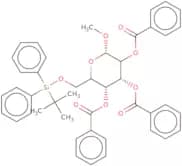
<p>Methyl 2,3,4-tri-O-benzoyl-6-O-tert-butyldiphenylsilyl-a-D-mannopyranoside (MTBDPS) is a synthetic glycoside that is modified by fluorination, methylation and silylation. It is used as a monosaccharide or polysaccharide in the synthesis of complex carbohydrates. The product has a CAS number and can be custom synthesized to customer specifications. MTBDPS is available in high purity and can be used for click modification.</p>Formula:C44H44O9SiPurity:Min. 95%Molecular weight:744.92 g/mol2,4,7,8,9-Pentaacetyl-N- [(2- propyn- 1- yloxy) carbonyl] - b- neuraminic acid methyl ester
CAS:<p>2,4,7,8,9-Pentaacetyl-N-[(2-propen-1-yloxy)carbonyl]-b-neuraminic acid methyl ester is a Glycosylation reagent that is used in the synthesis of oligosaccharide and polysaccharide. The product can be modified to produce Click modifications and complex carbohydrates. It has been shown to have high purity and can be custom synthesized.</p>Formula:C24H31NO15Purity:Min. 95%Molecular weight:573.5 g/molN-Acetyl-D-galactosamine-6-O-sulphate sodium
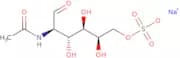
CAS:<p>N-Acetyl-D-galactosamine-6-O-sulphate sodium is a carbohydrate that is used in the synthesis of oligosaccharides. The saccharide is fluorinated, methylated, and glycosylated. It also has a click modification at the reducing end. N-Acetyl-D-galactosamine-6-O-sulphate sodium is synthesized by custom synthesis and has high purity.</p>Formula:C8H14NO9SNaPurity:Min. 95%Color and Shape:PowderMolecular weight:323.25 g/molN-(4-Nitrobenzyliden)imino-2,3,4,6-tetra-O-pivaloyl-D-glucopyranoside
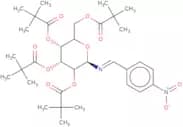
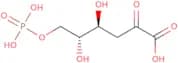
<p>N-(4-Nitrobenzyliden)imino-2,3,4,6-tetra-O-pivaloyl-D-glucopyranoside is a synthetic saccharide that is modified with fluorine atom. This compound is a monosaccharide that has been synthesized from the carbohydrate D-glucopyranose. The molecular weight of this compound is 437.5 g/mol and it has CAS No. 105380-10-1. The purity of this compound is 98%. N-(4-Nitrobenzyliden)imino-2,3,4,6-tetra-O-pivaloyl D glucopyranoside is a high purity carbohydrate that can be custom synthesized in methylated and glycosylated form.</p>Formula:C33H48N2O11Purity:Min. 95%Molecular weight:648.74 g/mol3-Deoxy-2-keto-6-phospho-D-gluconate lithium
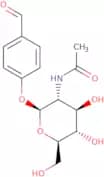
CAS:<p>3-Deoxy-2-keto-6-phospho-D-gluconate lithium is a high purity, custom synthesis material. It is a sugar with a molecular weight of 280.27 g/mol and the chemical formula C6H8O7P. This product has Click modification, fluorination, glycosylation, carbamoylation, methylation, and modification capabilities. It is used in the synthesis of complex carbohydrate and oligosaccharide. 3-Deoxy-2-keto-6-phospho-D-gluconate lithium is also known as CAS No. 27244-54-8.</p>Formula:C6H11O9P·xLiPurity:Min. 95 Area-%Molecular weight:258.12 g/mol4-Formylphenyl 2-acetamido-2-deoxy-b-D-glucopyranoside
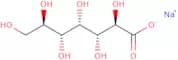
CAS:<p>This product is a custom synthesis of a complex carbohydrate. It has the CAS number 135608-48-9, and is a fluorinated saccharide with an acetamide group in the 4-position. It is synthesized from 2,3-dihydroxybenzoic acid and methyl bromoacetate, which are reacted to form the mesylate ester. This product can be modified by methylation or glycosylation to produce desired derivatives. The purity of this compound is high, with no contaminants detected.</p>Formula:C15H19NO7Purity:Min. 95%Color and Shape:PowderMolecular weight:325.31 g/mola-D-Glucoheptonic acid sodium salt dihydrate
CAS:<p>a-D-Glucoheptonic acid sodium salt dihydrate is a diagnostic agent that can be used to diagnose myocardial infarct. It is a glycol ether with a molecular weight of 168, which is used in the preparation of diagnostic agents for the detection of cardiac lesions. The compound is also used as an excipient in pharmaceutical preparations. In addition, it has been shown to have anti-inflammatory properties due to its ability to inhibit prostaglandin synthesis.</p>Formula:C7H13O8NaPurity:Min. 95%Color and Shape:White Off-White PowderMolecular weight:248.16 g/mol2-C-Methyl- 2, 3- O- benzylidene- D- ribonic acid g- lactone
<p>2-C-Methyl- 2, 3- O- benzylidene- D- ribonic acid g- lactone is a synthetic carbohydrate that is used in the synthesis of oligosaccharides. This compound can be used to modify saccharides with fluorine or methyl groups, and can be glycosylated or modified with other organic compounds. 2CMR has been shown to function as a glycosylation site for monosaccharide substrates and it has been used as an intermediate in the synthesis of complex carbohydrates.</p>Purity:Min. 95%1,3,4-Tri-O-acetyl-2,6-dideoxy-2-fluoro-L-mannose(glucose)
<p>1,3,4-Tri-O-acetyl-2,6-dideoxy-2-fluoro-L-mannose (TOMF) is a modified sugar that can be synthesized from glucose. It is a complex carbohydrate with a CAS number of 83884-96-8 and molecular formula C12H14F6O8. TOMF is an Oligosaccharide that can be modified by methylation, glycosylation, or click modification. It is often used as a starting material in the synthesis of saccharides or polysaccharides and has been shown to have antiviral activity against HIV. TOMF can also be fluorinated to create 1,3,4-tri-O-(2′,6′Dideoxyfluorofluoro)-2-[(1′R)-1′-(3′R)-3′-(trifluoromethyl)butyryl]-L-</p>Purity:Min. 95%(2S, 3S, 4S) -4- (Hydroxymethyl) - N- methyl- 3- (phenylmethoxy) - 1- (phenylmethyl) -2- azetidinecarboxamide
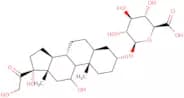
CAS:<p>(2S, 3S, 4S) -4- (Hydroxymethyl) - N- methyl- 3- (phenylmethoxy) - 1- (phenylmethyl) -2- azetidinecarboxamide is a synthetic glycosylinase inhibitor. It is an Oligosaccharide which contains a sugar and a saccharide. The synthesis of this product can be customized according to the customer's needs. This product has been fluorinated and custom synthesized. It is a high purity, complex carbohydrate with click modification.</p>Formula:C20H24N2O3Purity:Min. 95%Molecular weight:340.42 g/molAllo-3a-tetrahydro cortisol 3-O-b-D-glucuronide
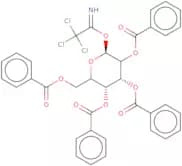
CAS:<p>Allo-3a-tetrahydro cortisol 3-O-b-D-glucuronide is a methylated glucuronide of allo-3a,4b,5,6,7,9b tetrahydrocortisol. It is a synthetic modification of the natural hormone cortisol and has been shown to stimulate glycogenolysis in rat liver cells. Allo-3a,4b,5,6,7,9b tetrahydrocortisol has been shown to have antiinflammatory effects on skin cells and has been used as an analgesic in veterinary medicine. The compound is also used for the preparation of polysaccharides and glycosylations.</p>Formula:C27H42O11Purity:Min. 95%Molecular weight:542.62 g/mol2,3,4,6-Tetra-O-benzoyl-b-D-glucopyranosyl trichloroacetimidate
CAS:<p>2,3,4,6-Tetra-O-benzoyl-b-D-glucopyranosyl trichloroacetimidate is a chemical compound that has been shown to be an effective anti-inflammatory agent. It is a pharmaceutical formulation that can be fabricated into tablets or capsules and is used for the treatment of acute phase response. 2,3,4,6-Tetra-O-benzoyl-b-D-glucopyranosyl trichloroacetimidate interacts with cationic surfactants and silicon to form a protective layer on the skin. The frequency shift of light in the optical system indicates that there are no acid molecules in this formulation. Acute phase response occurs when there is an inflammatory disease or infection where the body produces proteins such as fibrinogen and C reactive protein (CRP). These proteins are released by cells in order to stop bleeding and fight infection.</p>Formula:C36H28Cl3NO10Purity:Min. 95%Molecular weight:740.97 g/mol(2R,3R,4R)-N-Benzyloxycarbonyl-2-hydroxymethyl-3,4-pyrrolidinediol
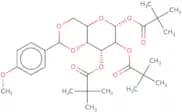
<p>(2R,3R,4R)-N-Benzyloxycarbonyl-2-hydroxymethyl-3,4-pyrrolidinediol is a custom synthesis of polysaccharide that is modified with methylation and glycosylation. It is a complex carbohydrate that has been synthesized using Click chemistry. The product is fluorinated and has high purity.</p>Purity:Min. 95%4,6-O-(4-Methoxybenzylidene)-1,2,3-tri-O-pivaloyl-a-D-mannopyranose
<p>4,6-O-(4-Methoxybenzylidene)-1,2,3-tri-O-pivaloyl-a-D-mannopyranose is a sugar with the following characteristics: Glycosylation, complex carbohydrate, Methylation, Click modification, Polysaccharide, Fluorination and saccharide. The CAS No. of this compound is 44915-12-2. This compound can be synthesized to custom specifications or ordered as a stock chemical.</p>Formula:C29H42O10Purity:Min. 95%Molecular weight:550.65 g/molD-Psicose
CAS:<p>D-Psicose is a rare ketohexose carbohydrate that is water-soluble and has a sweet taste. It is also known as D-allulose or d-psicose, and is the C3 epimer of L-fructose. D-Psicose can be used as a sweetener in various food and beverage products, providing a low-calorie alternative to traditional sugar. This natural sweetener is derived from corn and has been found to have minimal impact on blood sugar levels, making it suitable for individuals with diabetes or those following a low-carbohydrate diet. Additionally, D-Psicose has been studied for its potential health benefits, including its ability to reduce the risk of hyperuricemia and improve insulin sensitivity. It is also a intestinal beta-glucosidase inhibitor.</p>Formula:C6H12O6Purity:Min. 98 Area-%Color and Shape:White PowderMolecular weight:180.16 g/mol(3R, 5S, 6R) -2, 6-Bis(hydroxymethyl) - 3, 4, 5- piperidinetriol
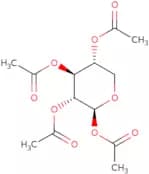
<p>(3R, 5S, 6R) -2, 6-Bis(hydroxymethyl) - 3, 4, 5- piperidinetriol is a Custom synthesis. The chemical modification of the monosaccharide (3R, 5S, 6R)-2,6-bis(hydroxymethyl)-3,4,5-piperidinetriol to form (3R, 5S, 6R) -2,6-bis(hydroxymethyl) - 3-O-(α-D-galactopyranosyl)-β-D-glucopyranose and its subsequent methylation with formaldehyde and sodium methoxide yields a product that is structurally related to the naturally occurring oligosaccharides. This modification has been shown to inhibit the activity of bacterial glycosyltransferases and thus inhibits bacterial growth.</p>Purity:Min. 95%1,2,3,4-Tetra-O-acetyl-β-D-xylopyranose
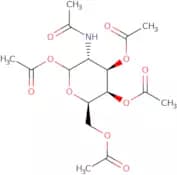
CAS:<p>1,2,3,4-Tetra-O-acetyl-b-D-xylopyranose is a sugar that is used as a regulatory agent in the synthesis of other sugars. It has been shown to inhibit the activity of lipolytic enzymes in vitro and may be useful for controlling obesity. 1,2,3,4-Tetra-O-acetyl-b-D-xylopyranose is also able to disrupt the structure of bacterial membranes and has been shown to have an inhibitory effect on p. aeruginosa. The element analysis indicates that this compound contains carbon, hydrogen, oxygen, and nitrogen.</p>Formula:C13H18O9Purity:Min. 95%Color and Shape:PowderMolecular weight:318.28 g/mol2-Acetamido-1,3,4,6-tetra-O-acetyl-2-deoxy-D-galactopyranose
CAS:<p>2-Acetamido-1,3,4,6-tetra-O-acetyl-2-deoxy-D-galactopyranose is fully acetylated D-Galactosamine (C4 epimer of D-Glucosamine). 2-Acetamido-1,3,4,6-tetra-O-acetyl-2-deoxy-D-galactopyranose is used in the synthesis of α- and β-linked acetamido pyranosides, which have anti-inflammatory properties as inhibitors of TLR4.</p>Formula:C16H23NO10Purity:Min. 95%Color and Shape:White PowderMolecular weight:389.35 g/mol(2S, 3S, 4R) -3- [[[(2S, 3S, 4R) - 3- Azido- 4- [[[(1, 1- dimethylethyl) dimethylsilyl] oxy] methyl] - 1- (phenylmethyl) - 2- azetid inyl] carbonyl] amino] - 4- [[[(1, 1- dimethylethyl) dimethylsilyl] oxy] methyl] - 1- (phenylmethyl) -2- azetidinecarb
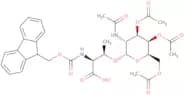
CAS:<p>The product is a custom synthesis of the amino acid azetidine-2-carboxylic acid. It is synthesized from 2-acetamido-3,4-dihydroxybenzoic acid and 1,1'-dimethylethyl dimethylsilyl ether as starting materials. The product is used in glycosylation reactions to form complex carbohydrates with sugars. The product has been shown to be useful in Click chemistry, which is a type of chemical reaction where biotinylated molecules are used to attach other molecules in lab experiments. The CAS number for the product is 1992035-15-0.</p>Formula:C37H58N6O5Si2Purity:Min. 95%Molecular weight:723.06 g/mol2-Acetamido-3,4,6-tri-O-acetyl-2-deoxy-α-D-galactopyranosyl-Fmoc threonine
CAS:<p>2-Acetamido-3,4,6-tri-O-acetyl-2-deoxy-α-D-galactopyranosyl-Fmoc threonine is a glycoside that has been synthesized on a solid phase. The synthesis of this compound has been accomplished by the stepwise addition of Fmoc protected amino acids to the growing peptide chain. Cleavage from the resin and deprotection of the side chains are followed by purification by RP HPLC.</p>Formula:C33H38N2O13Purity:Min. 95 Area-%Molecular weight:670.67 g/mol2-C-Methyl- 2, 3- O-isopropylidene)-D- ribofuranose
<p>2-C-Methyl-2,3-O-isopropylidene)-D-ribofuranose is a custom synthesis modified with fluorine and methyl groups. It is an oligosaccharide that can be used to synthesize saccharides. This compound has shown potential for use in the treatment of cancer. 2-C-Methyl-2,3-O-isopropylidene)-D-ribofuranose is a monosaccharide that is synthesized from D Ribose and Methyl Acetate in the presence of sodium bicarbonate and hydrochloric acid.</p>Purity:Min. 95%Methyl 3-Deoxy-3-fluoro-6-O-triphenylmethyl-b-D-glucopyranoside
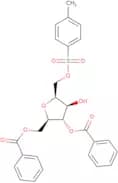
<p>Methyl 3-Deoxy-3-fluoro-6-O-triphenylmethyl-b-D-glucopyranoside is a synthetic sugar that belongs to the class of carbohydrates. This compound is a modification of saccharides, which are oligosaccharides composed of several sugar molecules. Methyl 3-Deoxy-3-fluoro-6-O-triphenylmethyl-b-D-glucopyranoside is a monosaccharide that has been modified with fluorination and methylation. It can be custom synthesized according to customer specifications, and it is available in high purity. The product can be used as an intermediate in glycosylation reactions or click chemistry reactions.</p>Purity:Min. 95%2,5-Anhydro-4,6-di-O-benzoyl-1-(p-toluenesulfonyl)-D-glucitol
CAS:<p>2,5-Anhydro-4,6-di-O-benzoyl-1-(p-toluenesulfonyl)-D-glucitol is a modification of an oligosaccharide. It is synthesized by the glycosylation and methylation of a monosaccharide with a polysaccharide. This product has high purity and can be used for research purposes.</p>Formula:C27H26O9SPurity:Min. 95%Molecular weight:526.57 g/molCharantoside
<p>Charantoside is a natural flavone glycoside that belongs to the group of c-glycosides. It has significant anti-inflammatory activity, inhibiting tumor necrosis factor-α (TNF-α) and matrix metalloproteinase-7 (MMP-7), which are proinflammatory cytokines. Charantoside also has anti-diabetic properties, as it inhibits glucose uptake and stimulates insulin release from pancreatic β cells in vitro. Charantoside is found in plants of the Cucurbitaceae family, such as cucumber and pumpkin. This compound can be detected by fingerprinting techniques and was found to have been present in at least two plant families. Charantoside has been shown to inhibit TNF-α production in vivo studies conducted on mice.</p>Purity:Min. 95%4-O-Allyl-3,6-di-O-tert-butyldimethylsilyl-D-glucal
<p>4-O-Allyl-3,6-di-O-tert-butyldimethylsilyl-D-glucal is a custom synthesis of an oligosaccharide. It has been modified with fluorination, methylation, and click chemistry. 4-O-Allyl-3,6-di-O-tert-butyldimethylsilyl-D-glucal has been shown to be a high purity product that can be used in glycosylation reactions. This compound is very reactive and can be used in the synthesis of complex carbohydrates such as saccharides and polysaccharides.</p>Purity:Min. 95%6-Deoxy-6-iodo-2,3:4,5-di-O-isopropylidene-D-gulonic acid methyl ester
<p>6-Deoxy-6-iodo-2,3:4,5-di-O-isopropylidene-D-gulonic acid methyl ester is a synthetic compound that can be used in the synthesis of complex carbohydrates and polysaccharides. It has been shown to have a high degree of fluorescence. This compound is also resistant to hydrolysis and can be used as a model for glycosylation. 6-Deoxy-6-iodo-2,3:4,5-di-O-isopropylidene -D gulonic acid methyl ester is an intermediate in the synthesis of saccharides and oligosaccharides. This compound can be custom synthesized with high purity.</p>Purity:Min. 95%3-O-Benzyl-1-O-tert-butyldimethylsilyl- D- glucitol cyclic 5, 6- carbonate
<p>3-O-Benzyl-1-O-tert-butyldimethylsilyl- D- glucitol cyclic 5, 6- carbonate (3BTBDMS) is an organic compound that is used as a synthetic intermediate. It can be used for the synthesis of oligosaccharides and saccharides. 3BTBDMS can also be fluorinated, glycosylated, or methylated to create other compounds. This product has a molecular weight of 288.36 g/mol and a CAS number of 106929–04–8.</p>Purity:Min. 95%3,5-Di-C-methyl-L-mannose
<p>3,5-Di-C-methyl-L-mannose is a custom synthesis that is an Oligosaccharide with a CAS number of <br>83683-03-1. It is a polysaccharide that is modified by methylation and glycosylation. 3,5-Di-C-methyl-L-mannose has been shown to be effective in inhibiting the growth of cancer cells through modification of glycosylations on proteins and other molecules. 3,5-Di-C-methyl-L-mannose also has high purity and can be synthesized using fluorination reactions.</p>Purity:Min. 95%Isopropyl 2,5-anhydro-6-O-methanesulfonyl-D-gulonate
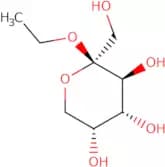
<p>Isopropyl 2,5-anhydro-6-O-methanesulfonyl-D-gulonate is a compound that can be used as a monosaccharide and is also a synthetic sugar. It is an Oligosaccharide, which is a type of sugar that consists of more than two saccharide units. This compound has been synthesized by the process of glycosylation and has been modified to include fluorination. Click modification, methylation, and monosaccharide are all modifications that have been done to this sugar. Isopropyl 2,5-anhydro-6-O-methanesulfonyl-D-gulonate is also known by its CAS number: 106585-36-1.</p>Purity:Min. 95%Ethyl b-D-fructopyranoside
CAS:<p>Salidroside is a phenylpropanoid, a type of secondary metabolite. It is found in the plant family Ranunculaceae and can be extracted from the roots of Rhodiola rosea (golden root) and other plants in this family. Salidroside has been shown to have anti-inflammatory properties, which may be due to its inhibition of prostaglandin synthesis. Salidroside also has strong antioxidant properties, which may be due to its ability to scavenge free radicals. Salidroside can be used as an additive for foods such as breads and pastries because it inhibits the formation of phthalic acid that is produced by baking.</p>Formula:C8H16O6Purity:Min. 95%Molecular weight:208.21 g/mol2-Azido-2-deoxy-3,4-O-isopropylidene-L-gulonic acid methyl ester
<p>2-Azido-2-deoxy-3,4-O-isopropylidene-L-gulonic acid methyl ester is a custom synthesis that is a complex carbohydrate. It has CAS No., and can be modified with saccharide, methylation, glycosylation, and click modification. The product is of high purity and can be synthesized with fluorination or other modifications.</p>Purity:Min. 95%2-Amino-β-D-arabinofurano[1,2;4,5]oxazoline
CAS:<p>2-Amino-b-D-arabinofurano[1,2;4,5]oxazoline is an organic compound that can be used in the synthesis of saccharides. It is also a fluorescent probe for amino acids and sugars. 2-Amino-b-D-arabinofurano[1,2;4,5]oxazoline has been shown to be a high purity product and can be custom synthesized. This compound is often used in glycosylation reactions with sugar or saccharide donors. The synthesis of 2-amino b D arabinofurano [1,2;4,5] oxazoline is not complicated and can be achieved by modifying the methyl group on the ring at C2 position. The CAS number for this compound is 27963-98-0.</p>Formula:C6H10N2O4Purity:Min. 95%Color and Shape:PowderMolecular weight:174.15 g/mol5-Deoxy-5-fluoro-1,2-O-isopropylidene-D-iduronic acid-3,6 lactone
<p>5-Deoxy-5-fluoro-1,2-O-isopropylidene-D-iduronic acid is a custom synthesis of oligosaccharide. It is a glycosylation that has been modified with fluorination, methylation, and click modification. This complex carbohydrate has an CAS number. The molecular weight of this polysaccharide is not determined. 5D5FIA3L is a saccharide sugar that has the ability to form glycosidic bonds with other saccharides and proteins in the body. This property makes it an important component in the human diet as well as in biochemistry and structural biology research.</p>Purity:Min. 95%Glycerone phosphate dilithium salt
CAS:<p>Glycerone phosphate dilithium salt is a cross-linking agent that has been used in clinical trials as a dietary supplement. It has been shown to reduce the levels of ATP, adenine nucleotides, and 6-phosphate. Glycerone phosphate dilithium salt is not metabolized by cellular enzymes and can be used as an alternate energy source for cells that are low in ATP or have high rates of glycolysis. When glycerone phosphate dilithium salt is added to fat cells in culture, it increases the rate of lipid synthesis.</p>Formula:C3H5Li2O6PPurity:Min. 93%Color and Shape:PowderMolecular weight:181.92 g/molN-[2-(4'-Methylphenylacetonitrile)]-2,3,4,6-tetra-O-pivaloyl-D-glucopyranoside
CAS:<p>Ramipril is a drug used for the treatment of high blood pressure and congestive heart failure. It belongs to the group of ACE inhibitors, which inhibit the enzyme angiotensin-converting enzyme (ACE). Ramipril is not active in its prodrug form, but is converted in vivo to enalaprilat, its active metabolite. This conversion takes place mainly in the liver. Enalaprilat prevents the conversion of angiotensin I to angiotensin II, reducing vasoconstriction. Ramipril also improves mental function by enhancing memory and cognition and may have an effect on improving learning ability. The effective dose for ramipril is 5-20 mg/kg per day, with captopril being an alternative medication that has similar effects.</p>Formula:C35H52N2O9Purity:Min. 95%Molecular weight:644.8 g/mol2,3:4,5-Di-O-isopropylidene-1-O-methacryloyl-b-D-fructopyranose - Stabilised with Mono Methyl Ether of Hydroquinone
CAS:<p>2,3:4,5-Di-O-isopropylidene-1-O-methacryloyl-b-D-fructopyranose - Stabilised with Mono Methyl Ether of Hydroquinone is a custom synthesized carbohydrate with a complex structure. It has been modified using methylation and glycosylation reactions to produce different saccharide structures. This product is fluorinated at the 2,3,4,5 positions and is commercially available with high purity.</p>Formula:C16H24O7Purity:Min. 95%Color and Shape:PowderMolecular weight:328.36 g/mol6-Deoxy-3,5-O-[(R)-benzylidene]-L-gluconic acid g-lactone
CAS:<p>6-Deoxy-3,5-O-[(R)-benzylidene]-L-gluconic acid g-lactone is a synthetic sugar that is used in the synthesis of complex carbohydrates. It can be modified with fluorination, glycosylation, and methylation reactions to produce other derivatives. 6-Deoxy-3,5-O-[(R)-benzylidene]-L-gluconic acid g-lactone has CAS No. 322726-64-7 and a molecular weight of 247.</p>Purity:Min. 95%meso-Erythritol
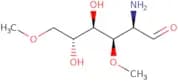
CAS:<p>Natural sweetener; vasodilator</p>Formula:C4H10O4Purity:Min. 98 Area-%Color and Shape:White PowderMolecular weight:122.12 g/mol2-Amino- 2- deoxy- 3, 6- di- O- methyl-D- glucose
CAS:<p>2-Amino- 2-deoxy-3,6-di-O-methyl-D-glucose is a modified saccharide that is synthesized by the coupling of two amino acids: an alpha amino group and a beta hydroxyl group. It is also known as N-[2,6-bis(1,1-dimethylethyl)amino]-2,3,4,5,6 tetrahydrobenzofuran with the CAS number 25521-11-3. This compound can be custom synthesized to meet specific requirements. It has been used in research on glycosylation reactions and methylation reactions.</p>Formula:C8H17NO5Purity:Min. 95%Molecular weight:207.22 g/molMethyl 2-deoxy-2-phthalimido-β-D-glucopyranoside
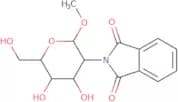
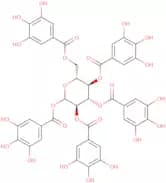
CAS:<p>Methyl 2-deoxy-2-phthalimido-b-D-glucopyranoside is a synthetic sugar that has been modified with fluorine. It is an important building block for the synthesis of complex carbohydrates.<br>Methyl 2-deoxy-2-phthalimido-b-D-glucopyranoside can be used to modify saccharides and oligosaccharides, as well as to add fluorine atoms to glycosyl units. This modification can be done using a click chemistry reaction with azide functionalized molecules. The chemical structure of Methyl 2-deoxy-2-phthalimido-b-D-glucopyranoside is shown below:</p>Formula:C15H17NO7Purity:Min. 95%Color and Shape:White to off-white solid.Molecular weight:323.3 g/mol1,2,3,4,6-Penta-O-galloyl-D-glucopyranose
CAS:<p>1,2,3,4,6-Penta-O-galloyl-D-glucopyranose (PGG) is a naturally occurring compound that has been shown to be involved in the transport of glucose across cell membranes. It increases the blood glucose levels in animals and is an inhibitor of phosphatase. PGG has also been shown to have potential therapeutic properties for diabetes. Studies have shown that PGG inhibits the enzymes involved in glycogen synthesis and glycogenolysis, which are important for maintaining normal blood glucose levels. This inhibition may be due to its affinity for receptor binding sites or its ability to act as a competitive inhibitor of these enzymes.</p>Formula:C41H32O26Purity:Min. 95%Molecular weight:940.68 g/mol3-(N-(3R, 4R) -3, 4-Dihydroxy- L- prolinyl)-propanoic acid
<p>3-(N-(3R, 4R) -3, 4-Dihydroxy- L- prolinyl)-propanoic acid is a synthetic compound. It is a sugar that can be modified with fluorination and methylation to produce 3-(N-(3R,4S)-3,4-dihydroxy-L-prolinyl)-propanoic acid. This product can be used for glycosylation of oligosaccharides or sugars. It has high purity and is available in bulk quantities.</p>Purity:Min. 95%2-Deoxy-L-fucose
CAS:<p>2-Deoxy-L-fucose is a sugar that is found in the human body. It has been shown to have anti-tumour properties and can be used as a chemotherapeutic agent in the treatment of solid tumours. 2DFL binds to the receptor for fucose, which is expressed in many types of cancer cells. It also inhibits DNA synthesis by stabilizing a complex between the sugar and dna template, inhibiting the binding of monoclonal antibodies to cancer cells, and preventing glycosidic bond formation on cancer cells. 2DFL has also been shown to inhibit microbial biotransformation and cell culture.</p>Formula:C6H12O4Purity:Min. 95%Color and Shape:PowderMolecular weight:148.16 g/mol(2S, 3R, 4S) -N-Benzyl-2- [(1S) - 1- hydroxyethyl] - 3, 4- pyrrolidinediol
<p>(2S, 3R, 4S) -N-Benzyl-2-[(1S)-1-hydroxyethyl]--3,4-pyrrolidinediol is a fluorinated monosaccharide. It is synthesized by the glycosylation of 2,3,4-trihydroxybenzaldehyde with 1,2-dihydroxyethylene glycol and catalyzed by an acid catalyst. (2S, 3R, 4S) -N-Benzyl--2-[(1S)-1-hydroxyethyl]--3,4-pyrrolidinediol has been modified for use in click chemistry with a methyl group at the C5 position. The compound is soluble in water and has a CAS number of 70521-14-6.</p>Purity:Min. 95%5-Azido-5-deoxy-6,7-O-isopropylidene-D-glycero-L-gluco-heptono-1.4-lactone
<p>5-Azido-5-deoxy-6,7-O-isopropylidene-D-glycero-L-gluco-heptono-1.4-lactone is a methylated glycoside that can be used in the synthesis of complex carbohydrates. The compound has a CAS number of 66827–16–0 and can also be found under the name 5-[3-(2,3,4,6,7,8,-Hexahydrobenzo[b]thiophenium Sulfonyl)propyl]-5′-[3-(2,3,4,6,7,8,-Hexahydrobenzo[b]thiophenium Sulfonyl)propyl]-5′-[(2S)-1-(hydroxymethyl)piperidinium]dithiocarbamate. 5‑Azido‑5‑deoxy‑</p>Purity:Min. 95%5-Deoxy-iso-DMDP HCl
<p>5-Deoxy-iso-DMDP HCl is a custom synthesis sugar that can be modified with Click chemistry. It is fluorinated, glycosylated, and methylated. The CAS number for 5-Deoxy-iso-DMDP HCl is 97790-10-2. This oligosaccharide has a molecular weight of about 607.5 Daltons and contains monosaccharides and saccharides. The carbohydrate complex has a molecular weight of about 1201 Daltons and includes complex carbohydrates such as polysaccharides, glycoproteins, glycogen, and polysaccharolytic enzymes.</p>Purity:Min. 95%Sugammadex sodium
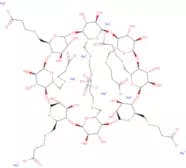
CAS:<p>Steroid-based neuromuscular blocker reversing agent</p>Formula:C72H112O48S8·8NaPurity:Min. 95%Color and Shape:PowderMolecular weight:2,186.08 g/molD-Xylose
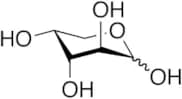
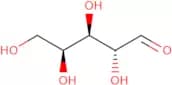
CAS:<p>Xylose (Xyl) is an aldopentose also known as wood sugar (Collins, 2006). The main sources of xylose are hemicelluloses found in hardwood and perennial plants, such as, grasses, cereals, and herbs (Petzold-Welcke, 2014) and some algae. Xylose is used in the production of xylitol, a low calory sugar substitute. Xylose is used in glycosaminoglycan (GAG) biosynthesis, which is initiated by peptide O-xylosyltransferases, which transfer xylose onto selected serine residues in the core proteins. The first enzyme in the pathway, peptide O-xylosyltransferase, catalyzes the transfer of xylose from uridine diphosphate (UDP)-α-D-xylose onto serine and thus determines the site(s) of GAG attachment on the core protein (Briggs, 2018).</p>Formula:C5H10O5Purity:Min. 99.0 Area-%Molecular weight:150.13 g/molN- (2, 5- Anhydro- 3- azido- 3- deoxy-4,6-O-isopropylidene- D- idonoyl) - 2, 5- anhydro- 3- amino- 3- deoxy-4,6-O-isopropylidene- D- idonic acid propyl ester
<p>N- (2, 5-Anhydro-3-azido-3-deoxy-4,6-O-isopropylidene-D-idonoyl)-2,5-anhydro-3-amino-3-deoxy--4,6--O--isopropylidene--D-- idonic acid propyl ester is a glycoconjugate consisting of a saccharide and an azido group. It is synthesized by the Click chemistry method. This compound has shown to inhibit the growth of bacteria in vitro by binding to bacterial ribosomes. N-(2, 5 -Anhydro - 3 -azido - 3 -deoxy - 4, 6 - O - isopropylidene - D - idonoyl) 2, 5 anhydro 3 amino 3 deoxy 4, 6 O isopropylidene D idonic acid propyl ester consists of</p>Purity:Min. 95%Phenyl 4,6-O-benzylidene-3-O-(2-naphthylmethyl)-b-D-thioglucopyranoside
<p>Phenyl 4,6-O-benzylidene-3-O-(2-naphthylmethyl)-b-D-thioglucopyranoside is a synthetic sugar that has been modified by the addition of two fluorine atoms. This molecule is used in research as a model for the synthesis of complex carbohydrates. Phenyl 4,6-O-benzylidene-3-O-(2-naphthylmethyl)-b-D-thioglucopyranoside is also a major component of polysaccharides. It is available for custom synthesis and can be ordered in high purity.</p>Purity:Min. 95%Ethyl 2-O-benzoyl-4,6-di-O-benzyl-3-Fmoc-b-D-thiogalactopyranoside
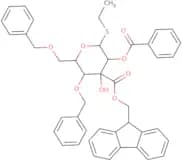
CAS:<p>Ethyl 2-O-benzoyl-4,6-di-O-benzyl-3-Fmoc-b-D-thiogalactopyranoside is a synthetic monosaccharide with a benzoyl protecting group. It belongs to the class of saccharides and is used in the synthesis of oligosaccharides, which are carbohydrates consisting of two or more simple sugars. The chemical name for this compound is 3-(2'-benzoyloxy)-2'-deoxygalactose. This product can be custom ordered in high purity and has been modified with methylation and glycosylation.</p>Purity:Min. 95%Valibose
CAS:<p>Inhibitor of alpha-glucosidase</p>Formula:C10H21NO6Purity:Min. 95%Molecular weight:251.28 g/mol




![1-Deoxy- 6- O- tert.butyl dimethylsilyl]- 3, 4- O- isopropylidene-D- Psicofuranose](/_next/image/?url=https%3A%2Fstatic.cymitquimica.com%2Fproducts%2F3D%2Fthumb-webp%2FMD170320.webp&w=3840&q=75)


![N-[(4'-Methoxyphenyl)-1-propenyl]imino-2,3,4,6-tetra-O-pivaloyl-D-glucopyranoside](/_next/image/?url=https%3A%2Fstatic.cymitquimica.com%2Fproducts%2F3D%2Fthumb-webp%2FMM08498.webp&w=3840&q=75)
![N- [[(2S, 3S, 4R) - 4- [(Acetyloxy) methyl] - 3- (phenylmethoxy) - 1-acetamide](/_next/image/?url=https%3A%2Fstatic.cymitquimica.com%2Fproducts%2F3D%2Fthumb-webp%2FMA163434.webp&w=3840&q=75)

![(1S) -1- [(2S, 3R) - 3- Hydroxy- 1- (2-hydroxyethyl) - 2- azetidinyl] -1, 2- ethanediol](/_next/image/?url=https%3A%2Fstatic.cymitquimica.com%2Fproducts%2F3D%2Fthumb-webp%2FMH163536.webp&w=3840&q=75)


![1,3,4,6-Tetra-O-acetyl-2-[(2-aminoacetyl)amino]-2-deoxy-a-D-glucopyranose](/_next/image/?url=https%3A%2Fstatic.cymitquimica.com%2Fproducts%2F3D%2Fthumb-webp%2FMT145108.webp&w=3840&q=75)
![2,4,7,8,9-Pentaacetyl-N- [(2- propyn- 1- yloxy) carbonyl] - b- neuraminic acid methyl ester](/_next/image/?url=https%3A%2Fstatic.cymitquimica.com%2Fproducts%2F3D%2Fthumb-webp%2FMP168633.webp&w=3840&q=75)
![(2S, 3S, 4R) -3- [[[(2S, 3S, 4R) - 3- Azido- 4- [[[(1, 1- dimethylethyl) dimethylsilyl] oxy] methy…](/_next/image/?url=https%3A%2Fstatic.cymitquimica.com%2Fproducts%2F3D%2Fthumb-webp%2FMA163463.webp&w=3840&q=75)


![2-Amino-β-D-arabinofurano[1,2;4,5]oxazoline](/_next/image/?url=https%3A%2Fstatic.cymitquimica.com%2Fproducts%2F3D%2Fthumb-webp%2FMA05416.webp&w=3840&q=75)

![N-[2-(4'-Methylphenylacetonitrile)]-2,3,4,6-tetra-O-pivaloyl-D-glucopyranoside](/_next/image/?url=https%3A%2Fstatic.cymitquimica.com%2Fproducts%2F3D%2Fthumb-webp%2FMM08499.webp&w=3840&q=75)
![6-Deoxy-3,5-O-[(R)-benzylidene]-L-gluconic acid g-lactone](/_next/image/?url=https%3A%2Fstatic.cymitquimica.com%2Fproducts%2F3D%2Fthumb-webp%2FMD163973.webp&w=3840&q=75)


![(2S, 3R, 4S) -N-Benzyl-2- [(1S) - 1- hydroxyethyl] - 3, 4- pyrrolidinediol](/_next/image/?url=https%3A%2Fstatic.cymitquimica.com%2Fproducts%2F3D%2Fthumb-webp%2FMB163320.webp&w=3840&q=75)