Monosaccharides
Monosaccharides are the simplest form of carbohydrates and serve as fundamental building blocks for more complex sugars and polysaccharides. These single sugar molecules play critical roles in energy metabolism, cellular communication, and structural components of cells. In this section, you will find a wide variety of monosaccharides essential for research in biochemistry, molecular biology, and glycoscience. These compounds are crucial for studying metabolic pathways, glycosylation processes, and developing therapeutic agents. At CymitQuimica, we offer high-quality monosaccharides to support your research needs, ensuring precision and reliability in your scientific investigations.
Subcategories of "Monosaccharides"
- Alloses(11 products)
- Arabinoses(21 products)
- Erythroses(11 products)
- Fructoses(9 products)
- Fucoses(36 products)
- Galactosamine(41 products)
- Galactose(261 products)
- Glucoses(365 products)
- Glucuronic Acids(51 products)
- Glyco-substrates for Enzyme(77 products)
- Guloses(6 products)
- Idoses(4 products)
- Inositols(15 products)
- Lyxoses(4 products)
- Mannoses(65 products)
- O-Glycans(48 products)
- Psicoses(3 products)
- Rhamnoses(10 products)
- Riboses(61 products)
- Sialic Acids(100 products)
- Sorboses(4 products)
- Sugars(173 products)
- Tagatoses(4 products)
- Taloses(8 products)
- Xyloses(20 products)
Show 17 more subcategories
Found 6088 products of "Monosaccharides"
Sort by
Purity (%)
0
100
|
0
|
50
|
90
|
95
|
100
(2R,3R,4R)-N-Benzyloxycarbonyl-2-hydroxymethyl-3,4-pyrrolidinediol
<p>(2R,3R,4R)-N-Benzyloxycarbonyl-2-hydroxymethyl-3,4-pyrrolidinediol is a custom synthesis of polysaccharide that is modified with methylation and glycosylation. It is a complex carbohydrate that has been synthesized using Click chemistry. The product is fluorinated and has high purity.</p>Purity:Min. 95%4,6-O-(4-Methoxybenzylidene)-1,2,3-tri-O-pivaloyl-a-D-mannopyranose
<p>4,6-O-(4-Methoxybenzylidene)-1,2,3-tri-O-pivaloyl-a-D-mannopyranose is a sugar with the following characteristics: Glycosylation, complex carbohydrate, Methylation, Click modification, Polysaccharide, Fluorination and saccharide. The CAS No. of this compound is 44915-12-2. This compound can be synthesized to custom specifications or ordered as a stock chemical.</p>Formula:C29H42O10Purity:Min. 95%Molecular weight:550.65 g/mol(3R, 5S, 6R) -2, 6-Bis(hydroxymethyl) - 3, 4, 5- piperidinetriol
<p>(3R, 5S, 6R) -2, 6-Bis(hydroxymethyl) - 3, 4, 5- piperidinetriol is a Custom synthesis. The chemical modification of the monosaccharide (3R, 5S, 6R)-2,6-bis(hydroxymethyl)-3,4,5-piperidinetriol to form (3R, 5S, 6R) -2,6-bis(hydroxymethyl) - 3-O-(α-D-galactopyranosyl)-β-D-glucopyranose and its subsequent methylation with formaldehyde and sodium methoxide yields a product that is structurally related to the naturally occurring oligosaccharides. This modification has been shown to inhibit the activity of bacterial glycosyltransferases and thus inhibits bacterial growth.</p>Purity:Min. 95%2-Acetamido-1,3,4,6-tetra-O-acetyl-2-deoxy-D-galactopyranose
CAS:<p>2-Acetamido-1,3,4,6-tetra-O-acetyl-2-deoxy-D-galactopyranose is fully acetylated D-Galactosamine (C4 epimer of D-Glucosamine). 2-Acetamido-1,3,4,6-tetra-O-acetyl-2-deoxy-D-galactopyranose is used in the synthesis of α- and β-linked acetamido pyranosides, which have anti-inflammatory properties as inhibitors of TLR4.</p>Formula:C16H23NO10Purity:Min. 95%Color and Shape:White PowderMolecular weight:389.35 g/mol(2S, 3S, 4R) -3- [[[(2S, 3S, 4R) - 3- Azido- 4- [[[(1, 1- dimethylethyl) dimethylsilyl] oxy] methyl] - 1- (phenylmethyl) - 2- azetid inyl] carbonyl] amino] - 4- [[[(1, 1- dimethylethyl) dimethylsilyl] oxy] methyl] - 1- (phenylmethyl) -2- azetidinecarb
CAS:<p>The product is a custom synthesis of the amino acid azetidine-2-carboxylic acid. It is synthesized from 2-acetamido-3,4-dihydroxybenzoic acid and 1,1'-dimethylethyl dimethylsilyl ether as starting materials. The product is used in glycosylation reactions to form complex carbohydrates with sugars. The product has been shown to be useful in Click chemistry, which is a type of chemical reaction where biotinylated molecules are used to attach other molecules in lab experiments. The CAS number for the product is 1992035-15-0.</p>Formula:C37H58N6O5Si2Purity:Min. 95%Molecular weight:723.06 g/mol2-Acetamido-3,4,6-tri-O-acetyl-2-deoxy-α-D-galactopyranosyl-Fmoc threonine
CAS:<p>2-Acetamido-3,4,6-tri-O-acetyl-2-deoxy-α-D-galactopyranosyl-Fmoc threonine is a glycoside that has been synthesized on a solid phase. The synthesis of this compound has been accomplished by the stepwise addition of Fmoc protected amino acids to the growing peptide chain. Cleavage from the resin and deprotection of the side chains are followed by purification by RP HPLC.</p>Formula:C33H38N2O13Purity:Min. 95 Area-%Molecular weight:670.67 g/mol2-C-Methyl- 2, 3- O-isopropylidene)-D- ribofuranose
<p>2-C-Methyl-2,3-O-isopropylidene)-D-ribofuranose is a custom synthesis modified with fluorine and methyl groups. It is an oligosaccharide that can be used to synthesize saccharides. This compound has shown potential for use in the treatment of cancer. 2-C-Methyl-2,3-O-isopropylidene)-D-ribofuranose is a monosaccharide that is synthesized from D Ribose and Methyl Acetate in the presence of sodium bicarbonate and hydrochloric acid.</p>Purity:Min. 95%Methyl 3-Deoxy-3-fluoro-6-O-triphenylmethyl-b-D-glucopyranoside
<p>Methyl 3-Deoxy-3-fluoro-6-O-triphenylmethyl-b-D-glucopyranoside is a synthetic sugar that belongs to the class of carbohydrates. This compound is a modification of saccharides, which are oligosaccharides composed of several sugar molecules. Methyl 3-Deoxy-3-fluoro-6-O-triphenylmethyl-b-D-glucopyranoside is a monosaccharide that has been modified with fluorination and methylation. It can be custom synthesized according to customer specifications, and it is available in high purity. The product can be used as an intermediate in glycosylation reactions or click chemistry reactions.</p>Purity:Min. 95%2,5-Anhydro-4,6-di-O-benzoyl-1-(p-toluenesulfonyl)-D-glucitol
CAS:<p>2,5-Anhydro-4,6-di-O-benzoyl-1-(p-toluenesulfonyl)-D-glucitol is a modification of an oligosaccharide. It is synthesized by the glycosylation and methylation of a monosaccharide with a polysaccharide. This product has high purity and can be used for research purposes.</p>Formula:C27H26O9SPurity:Min. 95%Molecular weight:526.57 g/mol6-Deoxy-6-iodo-2,3:4,5-di-O-isopropylidene-D-gulonic acid methyl ester
<p>6-Deoxy-6-iodo-2,3:4,5-di-O-isopropylidene-D-gulonic acid methyl ester is a synthetic compound that can be used in the synthesis of complex carbohydrates and polysaccharides. It has been shown to have a high degree of fluorescence. This compound is also resistant to hydrolysis and can be used as a model for glycosylation. 6-Deoxy-6-iodo-2,3:4,5-di-O-isopropylidene -D gulonic acid methyl ester is an intermediate in the synthesis of saccharides and oligosaccharides. This compound can be custom synthesized with high purity.</p>Purity:Min. 95%3-O-Benzyl-1-O-tert-butyldimethylsilyl- D- glucitol cyclic 5, 6- carbonate
<p>3-O-Benzyl-1-O-tert-butyldimethylsilyl- D- glucitol cyclic 5, 6- carbonate (3BTBDMS) is an organic compound that is used as a synthetic intermediate. It can be used for the synthesis of oligosaccharides and saccharides. 3BTBDMS can also be fluorinated, glycosylated, or methylated to create other compounds. This product has a molecular weight of 288.36 g/mol and a CAS number of 106929–04–8.</p>Purity:Min. 95%2-Azido-2-deoxy-3,4-O-isopropylidene-L-gulonic acid methyl ester
<p>2-Azido-2-deoxy-3,4-O-isopropylidene-L-gulonic acid methyl ester is a custom synthesis that is a complex carbohydrate. It has CAS No., and can be modified with saccharide, methylation, glycosylation, and click modification. The product is of high purity and can be synthesized with fluorination or other modifications.</p>Purity:Min. 95%Methyl 2,3,4-tri-O-benzyl-6-O-tert-butyldiphenylsilyl-a-D-mannopyranoside
CAS:<p>Methyl 2,3,4-tri-O-benzyl-6-O-tert-butyldiphenylsilyl-a-D-mannopyranoside is a synthetic glycosylation product. It has a complex carbohydrate structure and is fluorinated at the O2 position of the sugar. Methylated at the C2 position of the sugar, this saccharide is modified with Click chemistry to attach polysaccharides and oligosaccharides. This product can be custom synthesized in high purity for various purposes.</p>Formula:C44H50O6SiPurity:Min. 95%Molecular weight:702.97 g/mol(5R, 6R, 7R, 8S) -8- (HydroxymHthyl) - 1- azabicyclo[4.2.0] octane- 5, 7- diol
CAS:<p>(5R, 6R, 7R, 8S) -8- (Hydroxymethyl) - 1- azabicyclo[4.2.0] octane- 5,7-diol is a synthetic compound that belongs to the group of sugar derivatives and is used in the synthesis of oligosaccharides. It is a white solid with an mp of 153°C and a molecular weight of 226.3 g/mol. This compound is soluble in water and ethanol but insoluble in ether or hexane. It has been shown to have high purity and can be modified with fluorination, glycosylation, methylation, or saccharide modification.</p>Purity:Min. 95%Methyl(methyl 2,3,4-tri-O-methyl-α-D-galactopyranoside)uronate
CAS:<p>A methyl galactoside analogue</p>Formula:C11H20O7Purity:Min. 95%Color and Shape:PowderMolecular weight:264.27 g/molPhenyl 2,3,4-tri-O-acetyl-b-D-thioglucuronide methyl ester
CAS:<p>Phenyl 2,3,4-tri-O-acetyl-b-D-thioglucuronide methyl ester is a custom synthesis. It is a complex carbohydrate with an Oligosaccharide and Polysaccharide structure. The modification of saccharides with Methylation, Glycosylation, or Carbohydrate changes the chemical properties of this compound. Phenyl 2,3,4-tri-O-acetyl-b-D-thioglucuronide methyl ester has a CAS No. 62812-42-2 and is also known as sugar. This compound is fluorinated at the phenolic hydroxyl group to produce a stable molecule with high purity.</p>Purity:Min. 95%1,2:3,4-Di-O-isopropylidene-a-L-galactopyranose
CAS:<p>1,2:3,4-Di-O-isopropylidene-a-L-galactopyranose is a synthetic sugar that is used for the saccharide modification of proteins. It has been shown to be an efficient and cost effective way to synthetically modify proteins with oligosaccharides or polysaccharides. 1,2:3,4-Di-O-isopropylidene-a-L-galactopyranose can be modified with fluorine atoms using a click chemistry reaction. This reaction is catalyzed by copper ions and generates a reactive thiol group on the sugar molecule that can then react with amino groups on protein molecules. The resulting product is a glycosylation site on the protein that can be further modified with other sugars or molecules. The fluorination step eliminates any possibility of adverse reactions being caused by the presence of reactive hydroxyl groups.</p>Formula:C12H20O6Purity:Min. 95%Color and Shape:Colorless Clear LiquidMolecular weight:260.28 g/mol2-Acetamido-2-deoxy-L-lyxojirimycin
CAS:<p>2-Acetamido-2-deoxy-L-lyxojirimycin is a custom synthesis of a complex carbohydrate. It is an Oligosaccharide and Polysaccharide. This compound is modification, saccharide, Methylation, Glycosylation, Carbohydrate, Click modification, sugar, High purity, Fluorination, Synthetic.</p>Formula:C7H14N2O3Purity:Min. 95%Molecular weight:174.2 g/mol2-Acetamido-3,4,6-tri-O-acetyl-2-deoxy-b-D-glucopyranosyl isothiocyanate
CAS:<p>2-Acetamido-3,4,6-tri-O-acetyl-2-deoxy-b-D-glucopyranosyl isothiocyanate is a synthetic glycosylating agent that has been shown to be effective in the synthesis of complex carbohydrates. It is used for the modification of saccharides and polysaccharides with click chemistry. Click chemistry is an organic reaction that synthesizes carbon–carbon bonds by the addition of a copper catalyst at room temperature without the need for high energy input. 2AATIGI can also be used to modify oligosaccharides and glycosylates proteins. For example, this compound was found to be effective in modifying a protein with a carbohydrate moiety that was derived from 2′,3′,5′ triacetylhexaose (2T3H).</p>Formula:C15H20N2O8SPurity:Min. 95%Color and Shape:Off-White PowderMolecular weight:388.39 g/mol2,4-Di-C-methyl-3,4-isopropylidene-D-arabinonic acid γ-lactone
<p>2,4-Di-C-methyl-3,4-isopropylidene-D-arabinonic acid gamma-lactone is a custom synthesis that has been modified with fluorination and methylation. It is a monosaccharide that can be found in synthetic oligosaccharides and saccharides. This product is CAS No. 9011-05-2.</p>Purity:Min. 95%2-Acetamido-3,4,6-tri-O-acetyl-2-deoxy-D-galactopyranose
CAS:<p>2-Acetamido-3,4,6-tri-O-acetyl-2-deoxy-D-galactopyranose is a sugar that is used in the synthesis of glycosides and other carbohydrate derivatives. It can be modified with various groups to produce new compounds. This product is an important raw material for the synthesis of saccharides and oligosaccharides with specific properties.</p>Formula:C14H21NO9Purity:Min. 95%Color and Shape:PowderMolecular weight:347.32 g/mol1,2,3,4,6-Penta-O-galloyl-D-glucopyranose
CAS:<p>1,2,3,4,6-Penta-O-galloyl-D-glucopyranose (PGG) is a naturally occurring compound that has been shown to be involved in the transport of glucose across cell membranes. It increases the blood glucose levels in animals and is an inhibitor of phosphatase. PGG has also been shown to have potential therapeutic properties for diabetes. Studies have shown that PGG inhibits the enzymes involved in glycogen synthesis and glycogenolysis, which are important for maintaining normal blood glucose levels. This inhibition may be due to its affinity for receptor binding sites or its ability to act as a competitive inhibitor of these enzymes.</p>Formula:C41H32O26Purity:Min. 95%Molecular weight:940.68 g/mol5-Azido-5-deoxy-6,7-O-isopropylidene-D-glycero-L-gluco-heptono-1.4-lactone
<p>5-Azido-5-deoxy-6,7-O-isopropylidene-D-glycero-L-gluco-heptono-1.4-lactone is a methylated glycoside that can be used in the synthesis of complex carbohydrates. The compound has a CAS number of 66827–16–0 and can also be found under the name 5-[3-(2,3,4,6,7,8,-Hexahydrobenzo[b]thiophenium Sulfonyl)propyl]-5′-[3-(2,3,4,6,7,8,-Hexahydrobenzo[b]thiophenium Sulfonyl)propyl]-5′-[(2S)-1-(hydroxymethyl)piperidinium]dithiocarbamate. 5‑Azido‑5‑deoxy‑</p>Purity:Min. 95%N- (2, 5- Anhydro- 3- azido- 3- deoxy-4,6-O-isopropylidene- D- idonoyl) - 2, 5- anhydro- 3- amino- 3- deoxy-4,6-O-isopropylidene- D- idonic acid propyl ester
<p>N- (2, 5-Anhydro-3-azido-3-deoxy-4,6-O-isopropylidene-D-idonoyl)-2,5-anhydro-3-amino-3-deoxy--4,6--O--isopropylidene--D-- idonic acid propyl ester is a glycoconjugate consisting of a saccharide and an azido group. It is synthesized by the Click chemistry method. This compound has shown to inhibit the growth of bacteria in vitro by binding to bacterial ribosomes. N-(2, 5 -Anhydro - 3 -azido - 3 -deoxy - 4, 6 - O - isopropylidene - D - idonoyl) 2, 5 anhydro 3 amino 3 deoxy 4, 6 O isopropylidene D idonic acid propyl ester consists of</p>Purity:Min. 95%Phenyl 4,6-O-benzylidene-3-O-(2-naphthylmethyl)-b-D-thioglucopyranoside
<p>Phenyl 4,6-O-benzylidene-3-O-(2-naphthylmethyl)-b-D-thioglucopyranoside is a synthetic sugar that has been modified by the addition of two fluorine atoms. This molecule is used in research as a model for the synthesis of complex carbohydrates. Phenyl 4,6-O-benzylidene-3-O-(2-naphthylmethyl)-b-D-thioglucopyranoside is also a major component of polysaccharides. It is available for custom synthesis and can be ordered in high purity.</p>Purity:Min. 95%Ethyl 2-O-benzoyl-4,6-di-O-benzyl-3-Fmoc-b-D-thiogalactopyranoside
CAS:<p>Ethyl 2-O-benzoyl-4,6-di-O-benzyl-3-Fmoc-b-D-thiogalactopyranoside is a synthetic monosaccharide with a benzoyl protecting group. It belongs to the class of saccharides and is used in the synthesis of oligosaccharides, which are carbohydrates consisting of two or more simple sugars. The chemical name for this compound is 3-(2'-benzoyloxy)-2'-deoxygalactose. This product can be custom ordered in high purity and has been modified with methylation and glycosylation.</p>Purity:Min. 95%(2R,3R,4S,5S)- 2-[(1R)-1,2-Dihydroxyethyl]-3,4-dihydroxy-1-oxa-6,9-diazaspiro[4.5]decane-7,10-dione
<p>(2R,3R,4S,5S)-2-[(1R)-1,2-Dihydroxyethyl]-3,4-dihydroxy-1-oxa-6,9-diazaspiro[4.5]decane-7,10-dione is a glycosylation agent that can be used in organic synthesis. This compound has been shown to have complex carbohydrate and methylation properties. It is also fluorinated and saccharide modified. (2R,3R,4S,5S)-2-[(1R)-1,2-Dihydroxyethyl]-3,4-dihydroxy-1-oxa-6,9-diazaspiro[4.5]decane-7,10-dione is a custom synthesized product with a CAS number of 17098094.</p>Purity:Min. 95%Ethyl 2-O-benzoyl-4-O-benzyl-3-O-levulinoyl-b-D-thioglucuronide methyl ester
<p>Ethyl 2-O-benzyl-4-O-benzyl-3-O-levulinoyl-b-D-thioglucuronide methyl ester is a custom synthesis, modification, fluorination, methylation and glycosylation of an oligosaccharide. This compound is a synthetic derivative of the natural product bryostatin. The chemical structure contains a monosaccharide that is modified with two benzoyl groups and one levulinoyl group at the C2 position. Ethyl 2-O-benzoyl-4-O-benzyl-3-O-levulinoyl -b D thioglucuronide methyl ester has been shown to have antiviral properties and can be used as an antiinflammatory agent.</p>Purity:Min. 95%α-D-Glucose-1-phosphate dipotassium hydrate
CAS:<p>a-D-Glucose-1-phosphate dipotassium salt hydrate (aDG1P) is a glycogen synthesis inhibitor that inhibits the phosphorylases in the breakdown of glycogen. It also inhibits the synthesis of glycogen by inhibiting ATPase activity, which is required for the conversion of glucose to glucose 6-phosphate. The inhibition of phosphorylases and ATPase activity prevents the phosphorylation of glucose and leads to a decrease in glycogen synthesis. aDG1P has been shown to be effective in both animal models and human subjects for treating muscle disease such as Duchenne muscular dystrophy.</p>Formula:C6H13O9P•K2•(H2O)xPurity:(%) Min. 95%Color and Shape:PowderMolecular weight:336.32 g/mol(1S) -1- [(2R, 3S) -3- Benzyloxy-N-butyl- 1- azetidinyl] -1, 2- ethanediol
<p>(1S) -1- [(2R, 3S) -3- Benzyloxy-N-butyl- 1- azetidinyl] -1, 2- ethanediol is a synthetic compound that has been modified on the sugar moiety. It is a fluorinated oligosaccharide with an Oligosaccharide group consisting of an alpha (1→4) glycosidic linkage between two glucose molecules and a beta (1→6) glycosidic linkage between two galactose molecules. This compound can be custom synthesized to meet the needs of your project.</p>Purity:Min. 95%(3R, 4S, 5R, 6R, 7S) -1- Azabicyclo[4.2.0] octane- 3, 4, 5, 7- tetrol
CAS:<p>Fluorination, Monosaccharide, Synthetic, Oligosaccharide, complex carbohydrate, Custom synthesis, Glycosylation, Polysaccharide, Click modification, Methylation<br>Fluorination is a chemical reaction that introduces fluorine into organic compounds. The reactant is typically an alcohol or phenol and the product is a fluoroalcohol or fluoroether.<br>Monosaccharides are simple sugars that cannot be hydrolyzed to smaller carbohydrates. <br>Oligosaccharides are saccharides composed of two to ten monosaccharides. Complex carbohydrates are polymers of saccharides. <br>Click chemistry is a type of chemical reaction used in organic chemistry to create new molecules and modify existing ones with high selectivity and efficiency. <br>Methylation is the process by which methyl groups are introduced into organic compounds such as fats and oils. It can also refer to the addition of a methyl group at one specific</p>Purity:Min. 95%7-Deoxy-3,4:5,6-di-O-isopropylidene-L-glycero-L-gulo-heptitol
<p>7-Deoxy-3,4:5,6-di-O-isopropylidene-L-glycero-L-guloheptitol is a custom synthesis of a monosaccharide that is modified with fluorination, methylation, and click modification. It has been shown to be a polysaccharide and complex carbohydrate.</p>Purity:Min. 95%2-Azido-2-deoxy-3,4-(R)-benzylidene-D-arabino-1.5-lactone
<p>2-Azido-2-deoxy-3,4-(R)-benzylidene-D-arabino-1.5-lactone is a fluorinated sugar that can be used for glycosylation reactions. It is a custom synthesis and its CAS number is 54856-82-9. This sugar has been modified with methyl groups to increase its stability in the presence of water. The sugar is highly pure and has a purity of 98%.</p>Purity:Min. 95%Methyl 2-benzyloxycarbonylamino-2-deoxy-a-D-glucopyranoside
CAS:<p>Methyl 2-benzyloxycarbonylamino-2-deoxy-a-D-glucopyranoside is a monosaccharide that is modified with fluorine. The modification of the sugar molecule can be done by either a click or an oxidative process. In the case of this product, the modification was done by addition of fluorine to the methyl group on the second carbon atom of the benzyloxycarbonyl group. This product belongs to CAS No. 4704-15-8 and has a high purity. It is also a complex carbohydrate and consists of saccharides and sugars. Methyl 2-benzyloxycarbonylamino-2-deoxy-a-D-glucopyranoside can be used in polysaccharides and saccharides, as well as other applications related to carbohydrates such as modifying glycoproteins and glycolipids, as well as being used in pharmaceuticals such</p>Formula:C15H21NO7Purity:Min. 95%Molecular weight:327.33 g/mol(4R)-3-O-Benzyl-1,2-O-isopropylidene-4-(2,6-piperidinedione-4-yl)-D-threose
<p>(4R)-3-O-Benzyl-1,2-O-isopropylidene-4-(2,6-piperidinedione-4-yl)-D-threose is a methylated sugar. It is synthesized by the modification of a natural sugar molecule with a fluorinated group. This product can be used in the synthesis of complex carbohydrates and pharmaceuticals. (4R)-3-O-Benzyl-1,2-O-isopropylidene-4-(2,6 piperidinedione) -D -threose has high purity and can be modified to have a range of different properties. It is an important synthetic intermediate for monosaccharides and oligosaccharides.</p>Purity:Min. 95%Methyl 2,3,4-tri-O-benzyl-6-O-triisopropylsilyl-a-D-mannopyranoside
CAS:<p>Methyl 2,3,4-tri-O-benzyl-6-O-triisopropylsilyl-a-D-mannopyranoside is a glycosylation agent that can be used in the synthesis of oligosaccharides and polysaccharides. The compound is fluorinated at the C2 position and methylated at the C3 position. The final product is a white solid with a purity level of >99%. The molecular formula is CHO and the molecular weight is 522.9 g/mol.<br>Methyl 2,3,4-tri-O-benzyl-6-O-(1,1'-biphenyl)-aD manno pyranoside can be synthesized through click chemistry by reacting an alkyne (1) with trimethylsilylacetylene (2). This reaction yields an α,β unsaturated carbonyl (3), which undergoes pall</p>Formula:C37H52O6SiPurity:Min. 95%Molecular weight:620.91 g/mol(1S) -1- [(2S, 3S,4R) -N-Butyl-4-hydroxymethyl-3- hydroxy- 1- azetidinyl] -1, 2- ethanediol
<p>(1S) -1- [(2S, 3S,4R) -N-Butyl-4-hydroxymethyl-3- hydroxy- 1- azetidinyl] -1, 2- ethanediol is a synthetic monosaccharide that belongs to the group of complex carbohydrates. It has been modified by fluorination and methylation. This product can be synthesized according to customer specifications. The CAS number for this product is 97911-51-7. It is highly pure with a purity level of 98%. This product can be glycosylated or click modified according to customer specifications.</p>Purity:Min. 95%2-Methoxycarbonylphenyl 2-acetamido-2-deoxy-β-D-glucopyranoside
CAS:<p>2-Methoxycarbonylphenyl 2-acetamido-2-deoxy-b-D-glucopyranoside is a fluorinated monosaccharide that can be used as a glycosylation and polysaccharide modification agent. It has been shown to be useful for the synthesis of complex carbohydrates. This product is available in high purity, custom synthesis, and CAS No. 1093406-94-0.</p>Formula:C16H21NO8Purity:Min. 95%Molecular weight:355.34 g/mol2-Deoxy-α-D-ribose-1-phosphate bis(cyclohexylammonium)
CAS:<p>2-Deoxy-a-D-ribose-1-phosphate bis(cyclohexylammonium) salt is a modification of the 2-deoxy-a-D-ribose 1 phosphate. It is an oligosaccharide that synthesized by custom synthesis and is high purity. It has CAS No. 102783-28-8, which is a polysaccharide that is a sugar and has methylation and glycosylation. This product can be used in pharmaceuticals, diagnostic agents, or other applications where it is necessary to modify the carbohydrate chain or add glycosylations and methylations.</p>Formula:C5H11O7P•(C6H13N)2Purity:(%) Min. 97%Color and Shape:White PowderMolecular weight:412.46 g/molN-(2-Furyl)imino-2,3,4,6-tetra-O-pivaloyl-b-D-glucopyranoside
<p>2-Furyl imino-2,3,4,6-tetra-O-pivaloyl-b-D-glucopyranoside is a carbohydrate that belongs to the group of saccharides. It is a synthetic oligosaccharide that has a high purity and can be custom synthesized with high efficiency. The chemical name for this compound is 2-(2'-furyl)iminobis(2,3,4,6-tetraoxypentyl) pivalate. This carbohydrate has been fluorinated in our laboratory with an 18F isotope. The fluorination process was done by reacting the compound with sodium fluoride in methanol. The resulting product was purified by HPLC and its structure confirmed by mass spectrometry and nuclear magnetic resonance (NMR).</p>Formula:C31H47NO10Purity:Min. 95%Molecular weight:593.72 g/molBenzyl 2,3,5-tri-O-benzyl-1,4 dithio-D-ribofuranoside
CAS:<p>Benzyl 2,3,5-tri-O-benzyl-1,4 dithio-D-ribofuranoside is a glycosylation agent that is used to modify the structure of polysaccharides. It reacts with a saccharide in a stepwise manner to form an oligosaccharide or a custom synthesis. This modification can be achieved through methylation, click modification and fluorination. Benzyl 2,3,5-tri-O-benzyl-1,4 dithio-D-ribofuranoside has been shown to be effective for modifying complex carbohydrates such as saccharides and oligosaccharides. The chemical is also used in the production of sugar alcohols such as maltitol and sorbitol.</p>Purity:Min. 95%Ethyl 2,3,4,6-tetra-O-acetyl-b-D-thioglucopyranoside
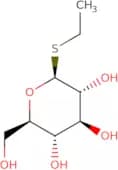
CAS:<p>Polyimides are polymers that are used in a variety of industrial and consumer products. Ethyl 2,3,4,6-tetra-O-acetyl-b-D-thioglucopyranoside is a type of polyimide that has been shown to be photosynthetic. Polyimides are synthesized by condensing acetylene with formaldehyde in the presence of an acid catalyst. This compound has been investigated for use as an active component in photonic and optoelectronic devices such as solar cells and light emitting diodes (LEDs). The material is also being explored for use in the fabrication of microelectronic devices such as field effect transistors (FETs) and optical switches. It can be used to investigate organisms’ photosynthetic activity qualitatively or quantitatively by observing color changes or measuring oxygen production.</p>Formula:C16H24O9SPurity:Min. 95%Color and Shape:White PowderMolecular weight:392.5 g/mol(+)-Lyoniresinol-3a-O-(6''-3-methoxy-4-hydroxybenzoyl)-b-D-glucopyranoside
<p>The compound is a synthetic, complex carbohydrate composed of glucose and methyl-D-glucoside units. It can be custom synthesized to meet your specifications.</p>Purity:Min. 95%3-Deoxy-3-fluoro-1,2:5,6-di-O-isopropylidene-a-D-allofuranose
<p>3-Deoxy-3-fluoro-1,2:5,6-di-O-isopropylidene-a-D-allofuranose is a modification of the naturally occurring 3,6-anhydro form of D allofuranose. It is an oligosaccharide that is the product of a synthetic process and has been shown to be useful in glycosylation reactions. 3DFIODA can be methylated at its hydroxyl groups and glycosylated with saccharides. It is also fluorinated at C3 and C6 positions. This compound has CAS number 141173-26-8 and molecular weight of 228.</p>Formula:C12H19FO5Purity:Min. 95%Molecular weight:262.27 g/mol(1R) -1- [(2S, 3R,4R) -4-(Acetylamino)methyl-N-butyl-3- hydroxy- 1- azetidinyl] -1, 2- ethanediol
<p>(1R) -1- [(2S, 3R,4R) -4-(Acetylamino)methyl-N-butyl-3- hydroxy- 1- azetidinyl] -1, 2- ethanediol is a Glycosylation that is synthesized by the Click modification of a polysaccharide. It is custom synthesis with high purity and CAS No.</p>Purity:Min. 95%3,4,6-Tri-O-acetyl-1,2-O-(1-isopropoxy-1-alkoxyethylidene)-b-D-mannopyranose
<p>This is a synthetic, high purity, and custom synthesis oligosaccharide that is used in the modification of complex carbohydrates. It is an O-acetylated form of 1,2-O-(1-isopropoxy-1-alkoxyethylidene)-b-D-mannopyranose. The CAS number for this product is 306928-06-3.</p>Purity:Min. 95%1,2,3,4-Tetra-O-pivaloyl-6-O-triisopropylsilyl-b-D-galactopyranose
<p>One of the most important properties of this product is that it has a high degree of purity. It is a custom synthesis, complex carbohydrate and an oligosaccharide. This product is a CAS No., Polysaccharide, Modification, saccharide, Methylation, Glycosylation, Click modification, Carbohydrate and sugar. The molecular weight of this product is 1,2,3,4-Tetra-O-pivaloyl-6-O-triisopropylsilyl-b-D-galactopyranose. It also has a fluorination and synthetic modification.</p>Formula:C35H64O10SiPurity:Min. 95%Molecular weight:672.98 g/mol5-O-Benzoyl-1,2-di-O-isopropylidene-3-O-methyl-a-D-ribofuranose
CAS:<p>5-O-Benzoyl-1,2-di-O-isopropylidene-3-O-methyl-aDribofuranose is a carbohydrate that is used in the synthesis of oligosaccharides and polysaccharides. It is an important component of many natural products, including glycoproteins and glycosphingolipids. 5-O-Benzoyl-1,2-di-(O)isopropylidene-(3) O -methyla Dribofuranose is a synthetic carbohydrate that can be custom synthesized to meet your desired specifications. This product has been modified by methylation and glycosylation to increase the purity and quality of this product.</p>Purity:Min. 95%1,6-Anhydro-2-O-acetyl-3,4-dideoxy-b-D-erythro-hex-3-enopyranose
CAS:<p>The 1,6-anhydro-2-O-acetyl-3,4-dideoxy-b-D-erythrohexopyranose is a modified monosaccharide that has been fluorinated and methylated at the C1 position. This modification has shown to affect the susceptibility of bacteria to antibiotics. Fluorination and methylation at the C1 position of the sugar molecule can alter antibiotic binding affinity, which may be used as an alternative strategy for treating drug resistant bacterial infections.</p>Formula:C8H10O4Purity:Min. 95%Molecular weight:170.16 g/molMethyl 2,3,4-tri-O-benzyl-6-O-triisopropylsilyl-a-D-galactopyranoside
CAS:<p>Methyl 2,3,4-tri-O-benzyl-6-O-triisopropylsilyl-a-D-galactopyranoside is a synthetic oligosaccharide that has been modified with fluorination and methylation. It belongs to the class of carbohydrates and is used in custom synthesis. This product can be used to modify glycosylated proteins and nucleic acids.</p>Formula:C37H52O6SiPurity:Min. 95%Molecular weight:620.89 g/mol(3R, 4R, 5S, 6R) - 6- Methyl-3, 4, 5- trihydroxy-2- piperidinone
CAS:<p>(3R, 4R, 5S, 6R) - 6- Methyl-3, 4, 5- trihydroxy-2- piperidinone is an Oligosaccharide. It's a Custom synthesis that has a high purity and CAS No. 185741-53-1. This product is synthesized by Monosaccharide, Methylation, Glycosylation and Polysaccharide. (3R, 4R, 5S, 6R) - 6- Methyl-3, 4, 5- trihydroxy-2- piperidinone is a Fluorination that has the saccharides of sugar and Carbohydrate.</p>Purity:Min. 95%3,5-Dideoxy-3,5-imino-1,2-O-isopropylidene-N-allyl-6-O-tert.butyldimethylsilyl-b-D-mannofuranose
<p>3,5-Dideoxy-3,5-imino-1,2-O-isopropylidene-N-allyl-6-O-tert.butyldimethylsilyl-b-D-mannofuranose is a custom synthesis of a monosaccharide. It is fluorinated and methylated with tert.butyldimethylsilyl groups on the 3' and 5' hydroxyl groups. The sugar has been modified with a click modification to the hydroxyl group at C4 position on the mannose ring. Modification of the sugar with an oligosaccharide assists in glycosylation reactions by providing reactive sites for glycosidic bonds. The CAS number for this compound is 512580-11-8.</p>Purity:Min. 95%(2S,3S,4R)-2,4-bis(hydroxymethyl)pyrrolidine-3,4-diol
CAS:<p>(2S,3S,4R)-2,4-bis(hydroxymethyl)pyrrolidine-3,4-diol is a synthetic glycosylation product with a purity of 99% or higher. It is a white powder that can be used in the synthesis of complex carbohydrates and polysaccharides. (2S,3S,4R)-2,4-bis(hydroxymethyl)pyrrolidine-3,4-diol has been modified to include fluorination and saccharide modification. Its CAS number is 1322748-90-2. This product can be custom synthesized to meet your specifications.</p>Formula:C6H13NO4Purity:Min. 95%Molecular weight:163.17 g/molN, N- Bis(2, 2- Dimethyl- 1, 3- dioxan- 5- yl) - 4- nitro-benzamide
CAS:<p>N,N-Bis(2,2-dimethyl-1,3-dioxan-5-yl)-4-nitrobenzamide is a synthetic compound that has been modified with Click chemistry. It contains a 2,2'-dithiodiethanol moiety and is glycosylated with glucose. This compound has been used in the synthesis of complex carbohydrates such as oligosaccharides and monosaccharides.</p>Purity:Min. 95%(2S, 3S, 4R) -2- [(1R) - 1, 2-Dihydroxyethyl] -3, 4- pyrrolidinediol
CAS:<p>(2S, 3S, 4R) -2- [(1R) - 1, 2-Dihydroxyethyl] -3, 4- pyrrolidinediol is a benzyl-containing compound that is used as a glycoside hydrolase inhibitor. It has been shown to be an effective treatment for inflammatory bowel disease. This drug binds to the active site of glycosidases and blocks the hydrolysis of c-glycosides in the intestine. (2S, 3S, 4R) -2- [(1R) - 1, 2-Dihydroxyethyl] -3, 4- pyrrolidinediol also inhibits chloride channels and has been shown to have antiinflammatory properties.</p>Formula:C6H13NO4Purity:Min. 95%Molecular weight:163.17 g/mol1,2,3-Tri-O-benzoyl-4,6-O-(4-methoxybenzylidene)-b-D-galactopyranose
<p>1,2,3-Tri-O-benzoyl-4,6-O-(4-methoxybenzylidene)-b-D-galactopyranose is a synthetic glycosylation product of 3,6-dideoxygalactose and 1,2,3,4,6-pentaacetyl bromide. It has been subjected to fluorination and methylation reactions. The compound has been found to be effective in the treatment of tuberculosis.</p>Formula:C35H30O10Purity:Min. 95%Molecular weight:610.61 g/molMethyl β-xylobioside penta-O-acetate
CAS:<p>Methyl β-xylobioside penta-O-acetate is a methyl glycoside of xylobiose</p>Formula:C21H30O14Purity:Min. 95%Color and Shape:PowderMolecular weight:506.45 g/mol2-Acetamido-2-deoxy-3-O-methyl-D-glucopyranose
CAS:<p>2-Acetamido-2-deoxy-3-O-methyl-D-glucopyranose (2A2DMG) is a nonsteroidal antiinflammatory drug that belongs to the class of drugs known as Cox inhibitors. This agent has been shown to inhibit ATP sensitive K+ channels in primary cells from rat urinary bladder, which leads to a decrease in intracellular Ca2+ levels. 2A2DMG also inhibits COX enzymes, which are responsible for the synthesis of prostaglandins and thromboxanes. This decreases inflammation and pain. 2A2DMG has antineoplastic properties and has been shown to inhibit cancer cell growth in vitro. It also prevents cell proliferation by interfering with the synthesis of collagen, the main structural protein of connective tissue.</p>Formula:C9H17NO6Purity:Min. 95%Color and Shape:PowderMolecular weight:235.23 g/mol1-Chloro-2-deoxy-3,5-di-O-(p-chlorobenzoyl)-L-ribofuranose
<p>1-Chloro-2-deoxy-3,5-di-O-(p-chlorobenzoyl)-L-ribofuranose is a fluorinated sugar that is synthesized by the glycosylation of 1,2:3,4:6-dianhydrohexitol (1) with chloroacetone followed by selective protection of the anomeric position. The compound can be used to study the effects of fluorination on carbohydrate chemistry and biology. 1,2:3,4:6-Dianhydrohexitol (1) was first prepared by methylation of 5-(p-chlorobenzoyl)-L-ribofuranose (2). The 2'-position was then protected as a trityl ether in order to prevent further glycosylation. The final product was obtained after removal of the protecting group from the anomeric position.</p>Purity:Min. 95%Phenylmethyl 2,3-O-(1-methylethylidene)- a-D-lyxofuranoside
CAS:<p>Phenylmethyl 2,3-O-(1-methylethylidene)- a-D-lyxofuranoside is a Custom synthesis that has been modified with fluorination and methylation. It is a monosaccharide that is part of an oligosaccharide, which is the saccharide unit in complex carbohydrates. The CAS number for this compound is 20786-73-6.</p>Purity:Min. 95%5-Azido-5-deoxy-1,2-O-isopropylidene-a-D-galactofuranose
<p>5-Azido-5-deoxy-1,2-O-isopropylidene-a-D-galactofuranose is a synthetic sugar that can be modified to create oligosaccharide and polysaccharides. It has been used in click chemistry to modify proteins and other biomolecules. This product is used for fluorination of sugars, methylation of monosaccharides, and modification of saccharides with a variety of functional groups. 5-Azido-5-deoxy-1,2-O-isopropylidene-a-D galactofuranose is also used for the synthesis of complex carbohydrates. This product can be purchased in large quantities for custom synthesis orders.</p>Purity:Min. 95%2-Azidomethyl-2-deoxy-5,6-O-isopropylidene-L-gulono-1.4-lactone
<p>2-Azidomethyl-2-deoxy-5,6-O-isopropylidene-L-gulono-1.4-lactone is a custom synthesis of a monosaccharide. This compound has been modified with fluorination, methylation, and click chemistry to create a glycosylated sugar. The CAS number for this compound is 628379-06-8. This synthetic carbohydrate can be used in the modification or synthesis of other carbohydrates.</p>Purity:Min. 95%N-Acetylneuraminic acid sodium salt
CAS:<p>N-Acetylneuraminic acid sodium salt is present in various natural sources, including glycoproteins and glycolipids found in animal tissues. As a sialic acid, N-Acetylneuraminic acid sodium salt plays a critical role in cellular recognition processes due to its involvement in the terminal position of glycan chains. This position allows it to participate in cellular communication, influencing processes like cell adhesion and pathogen interactions.The compound is extensively utilized in the fields of biochemistry and molecular biology, primarily for studies concerning cell surface glycoconjugates. Its ability to modulate interactions at the cell surface makes it invaluable for research into mechanisms of infection, immunity, and cell signaling. Additionally, N-Acetylneuraminic acid sodium salt finds applications in pharmaceutical research, particularly in the development of antiviral drugs where modulation of sialic acid interactions is key. The compound’s biochemical properties enable scientists to explore and elucidate complex biological phenomena, contributing to advances in therapeutic strategies and molecular pathology.</p>Formula:C11H18NO9NaPurity:Min. 95%Molecular weight:331.25 g/molHaloperidol-1-hydroxy-2'-b-D-glucuronide
CAS:<p>Haloperidol-1-hydroxy-2'-b-D-glucuronide is a modified carbohydrate that is synthesized from the sugar glucose. This product has been custom synthesized and is fluorinated at the 1 position of the sugar ring. The glycosylation of this product can be customized to your specifications. Haloperidol-1-hydroxy-2'-b-D-glucuronide has a CAS number of 100442-86-2.</p>Formula:C27H33ClFNO9Purity:Min. 95%Molecular weight:570 g/mol1-O -Acetyl-2,5-di-O-benzoyl-3-fluoro-3-deoxy-b-D-ribofuranoside
CAS:<p>1-O -Acetyl-2,5-di-O-benzoyl-3-fluoro-3-deoxy-b-D-ribofuranoside is a synthetic sugar that belongs to the class of saccharides. It is a modification of fluorinated sugar that has been modified with acetylation and benzoylation. This compound can be used as an intermediate in the synthesis of oligosaccharides and glycosylations.</p>Purity:Min. 95%1-Deoxy-1-nitro-L-iditol hemihydrate
CAS:<p>1-Deoxy-1-nitro-L-iditol hemihydrate is a carbohydrate that has been modified with fluorination and methylation. It is used in the synthesis of oligosaccharides and sugars, as well as in the modification of complex carbohydrates. This product is also used for custom synthesis, glycosylation, and click chemistry. The purity of this product ranges from 98% to 100%.</p>Formula:C6H13NO7H2OPurity:Min. 95%Molecular weight:220.18 g/mol1,2,3,4,6-Penta-O-acetyl-5-thio-b-D-galactopyranoside
<p>The 1,2,3,4,6-Penta-O-acetyl-5-thio-b-D-galactopyranoside is a custom synthesis. The compound is a complex carbohydrate that belongs to the group of Oligosaccharides. It is a saccharide with six hydroxyl groups and one acetate ester group. The CAS number for this compound is CID:270145-25-0. This compound has been modified by methylation and glycosylation. The 1,2,3,4,6-Penta-O-acetyl-5-thio-b-D-galactopyranoside can be used as an intermediate in the synthesis of other compounds with similar structures.</p>Purity:Min. 95%3-Deoxy-3-fluoro-1,2-O-isopropylidene-a-D-xylofuranose
<p>3-Deoxy-3-fluoro-1,2-O-isopropylidene-a-D-xylofuranose is a custom synthesis that has been modified by substitution of the hydroxyl group with fluorine. It is an oligosaccharide with a glycosylation site at C3. This product has been synthesized by a click modification reaction, which is followed by methylation to produce the desired product. 3-Deoxy-3-fluoro-1,2-O-isopropylidene-a-D-xylofuranose is soluble in water and has high purity.</p>Purity:Min. 95%Methyl 2,3,4-tri-O-benzoyl-6-O-triisopropylsilyl-a-D-galactopyranoside
CAS:<p>Methyl 2,3,4-tri-O-benzoyl-6-O-triisopropylsilyl-a-D-galactopyranoside is a custom synthesis with CAS No. 356060-82-7. It is a high purity Glycosylation and Carbohydrate that has been modified with fluorination and synthesized using the Click modification. This product is a complex carbohydrate with an Oligosaccharide and Polysaccharide structure. Methyl 2,3,4-tri-O-benzoyl-6-O-triisopropylsilyl -a -D -galactopyranoside has been methylated and glycosylated.</p>Formula:C37H46O9SiPurity:Min. 95%Molecular weight:662.84 g/mol2,5-Anhydro-3-deoxy-D-xylo-hexonic acid methyl ester
<p>2,5-Anhydro-3-deoxy-D-xylo-hexonic acid methyl ester is a modification of the sugar xylohexose. It is an oligosaccharide that is found in many plants and animals. 2,5-Anhydro-3-deoxy-D-xylo-hexonic acid methyl ester's chemical formula is C6H12O6. It has a molecular weight of 180.17 g/mol and a CAS number of 39766-984. 2,5-Anhydro-3-deoxy--D--xylo--hexonic acid methyl ester is soluble in water and ethanol, with a solubility of 0.1 mg/mL at 25°C for water and 1 mg/mL at 25°C for ethanol. This product can be custom synthesized to meet your needs or you can buy it from our catalog at the link below!</p>Purity:Min. 95%(1S) -1- [(2S, 3R) - N-(Methoxyphenyl)methyl-3- hydroxy- 1- azetidinyl] -1, 2- ethanediol
<p>(1S) -1- [(2S, 3R) - N-(Methoxyphenyl)methyl-3- hydroxy- 1- azetidinyl] -1, 2- ethanediol is a synthetic modification of the sugar glucose. It has been fluorinated at the hydroxyl group of the C2 position to produce (1S) -1-[(2S, 3R)-N-(methoxyphenyl)methyl]-3-hydroxy-1-azetidinol. This compound can be used as an intermediate for glycosylation and methylation reactions. It is also available with high purity and custom synthesis.</p>Purity:Min. 95%1,2,3,4,6-Penta-O-acetyl-b-D-glucopyranose
CAS:<p>1,2,3,4,6-Penta-O-acetyl-b-D-glucopyranose, also known as beta-D-glucose pentaacetate, has high chemical stability and long shelf life. This protected form of glucose is a key building block of any chemical synthesis of glucose-containing oligosaccharides or glycoconjugates. In the presence of Lewis acids it can be used as a glycosyl donor to make simple glycosides. In order to perform more complex glycosylations, it can be converted into more reactive donors, such as glycosyl halides or thioglycosides. Beta-D-glucose pentaacetate is also used as a food additive and flavouring agent.</p>Formula:C16H22O11Purity:Min. 97.5 Area-%Color and Shape:White PowderMolecular weight:390.34 g/molMethyl 4,6-O-benzylidene-2,3-di-O-pivaloyl-a-D-mannopyranoside
<p>Methyl 4,6-O-benzylidene-2,3-di-O-pivaloyl-a-D-mannopyranoside is a synthetic carbohydrate. It is a methylated saccharide that has been modified with a click modification and an Oligosaccharide. This product is also fluorinated and complexed with other sugars.</p>Formula:C24H34O8Purity:Min. 95%Molecular weight:450.53 g/molEthyl 2-acetamido-2-deoxy-b-D-galactopyranoside
<p>Ethyl 2-acetamido-2-deoxy-b-D-galactopyranoside is a custom synthesis, fluorinated, modified with methyl and acetamido groups, monosaccharide with a CAS number. It is synthesized by the modification of galactose with an acetamido group and then reacting it with ethyl bromoacetate. It is a saccharide that can be used to modify glycoproteins. This compound has been used in the synthesis of oligosaccharides and polysaccharides. Ethyl 2-acetamido-2-deoxy-b-D-galactopyranoside is also known as a sugar or carbohydrate.</p>Formula:C10H19NO6Purity:Min. 95%Color and Shape:SolidMolecular weight:249.26 g/molMethyl 4,6-O-benzylidene-2-deoxy-a-D-allopyranoside
<p>Methyl 4,6-O-benzylidene-2-deoxy-a-D-allopyranoside is an oligosaccharide that has a complex carbohydrate structure with a fluorination modification. It is synthesized by the methylation of 4,6-O-benzylidene-2,3,4,6 tetra deoxy aldopyranose and the glycosylation with methylated glucose. Methyl 4,6-O-benzylidene-2-deoxy-a -D allopyranoside is used in research to study the synthesis of saccharides and glycoconjugates. Its CAS number is 6891–51–8. This product is available for custom synthesis.</p>Formula:C14H18O5Purity:Min. 95%Molecular weight:266.29 g/mol(5S, 8S, 9S) -8- [(4S) - 2, 2-Dimethyl- 1, 3- dioxolan- 4- yl] - 9- hydroxy- 2, 2- dimethyl- 1, 3, 7- trioxaspiro[4.4] nonan- 6- one
<p>(5S, 8S, 9S) -8- [(4S) - 2, 2-Dimethyl- 1, 3- dioxolan- 4- yl] - 9- hydroxy- 2, 2- dimethyl- 1, 3, 7- trioxaspiro[4.4] nonan- 6- one is a synthetic molecule that has been modified to include fluorine atoms at the C3 and C4 positions. It is a sugar that is found in many plants and animals. This sugar can be methylated or modified with other molecules to form complex carbohydrates. The ability of this sugar to form oligosaccharides and polysaccharides makes it an important part of carbohydrate metabolism.</p>Purity:Min. 95%Methyl 5-O-Benzoyl-4-C-hydroxymethyl-2,3-O-isopropylidene-b-D-ribofuranoside
CAS:<p>Methyl 5-O-benzoyl-4-C-hydroxymethyl-2,3-O-isopropylidene-β-D-ribofuranoside is a monosaccharide. The methyl group is attached to the 5th carbon atom on the furan ring. This modification can be used in glycosylation reactions to produce complex carbohydrates, such as oligosaccharides and polysaccharides. Methyl 5-O-benzoyl4C hydroxymethyl2,3O isopropylideneb D ribofuranoside has a molecular formula of C6H8O6 and a molecular weight of 180.1 daltons. It is soluble in water and alcohols.</p>Purity:Min. 95%(3aS, 7S, 9S, 9aR, 9bR) -9- [[(1, 1- Dimethylethyl) dimethylsilyl] oxy] - 2, 2- diethylhexahydro- 7- methyl-1, 3- dioxolo[4, 5- a] i ndolizin- 6(4H) - one
<p>(3aS, 7S, 9S, 9aR, 9bR) -9- [[(1, 1- Dimethylethyl) dimethylsilyl] oxy] - 2, 2- diethylhexahydro- 7- methyl-1, 3- dioxolo[4, 5- a] i ndolizin- 6(4H) - one is an oligosaccharide made of sugar and saccharide. This compound is synthesized in the laboratory by clicking modification. It has a high purity and is custom synthesis. The CAS No. for this compound is 251788-72-8.</p>Purity:Min. 95%(2R, 3S, 4R, 5S) -3,4-O-Isopropylidene-2- butyl-3, 4, 5- piperidinetriol
<p>The following product descriptions are from the company's website:</p>Purity:Min. 95%5-O-Benzyl-2,3-O-Isopropylidene-L-lyxonic acid-1,4-lactone
<p>5-O-Benzyl-2,3-O-isopropylidene-L-lyxonic acid-1,4-lactone is a modification of the Oligosaccharide. It is an oligomeric sugar that has a complex carbohydrate structure. The 5-O-Benzyl group is a methylation of the hydroxyl group on C5 in the sugar. This compound has been synthetically prepared and is available for custom synthesis. It can also be found as a CAS No., which is assigned to a substance that has been assigned an International Chemical Identifier (CAS) number. The CAS number for 5-O-Benzyl-2,3-O-isopropylidene - L - lyxonic acid - 1,4 - lactone is 90160–28–9. The monosaccharide form of this compound is methylated at C5 and glycosylated at C6</p>Purity:Min. 95%1,2-Di-O-acetyl-3-O-benzyl-4-C-(phenylmethoxy)methyl-L-Lyxofuranose 5-methanesulfonate
CAS:<p>1,2-Di-O-acetyl-3-O-benzyl-4-C-(phenylmethoxy)methyl-L-Lyxofuranose 5-methanesulfonate is a high purity, custom synthesis sugar that has been modified with fluorination, glycosylation and methylation. It is also a synthetic saccharide that can be used in the modification of oligosaccharides and monosaccharides. This product is available in a variety of different quantities.</p>Formula:C25H30O10SPurity:Min. 95%Molecular weight:522.57 g/molD-Fructose-1,6-diphosphate tetra(cyclohexylammonium) salt
CAS:<p>D-Fructose-1,6-diphosphate tetra(cyclohexylammonium) salt is a white to off-white crystalline powder. It is soluble in water and ethanol and insoluble in ether, chloroform, and benzene. D-Fructose-1,6-diphosphate tetra(cyclohexylammonium) salt is used as a raw material for the production of mono and oligosaccharides by click chemistry or glycosylation. The chemical formula for this substance is CHNO4.H2O4C8H11N.</p>Formula:C6H14O12P2·4C6H13NPurity:Min. 95%Molecular weight:736.81 g/mol(2R, 3R, 4R, 5S) -3, 4, 5- Trihydroxy- 2- (hydroxymethyl) - 1- piperidinepropanoic acid
CAS:<p>Glycosylation, complex carbohydrate, Methylation, Click modification, Polysaccharide, Fluorination, saccharide and Modification of sugars are some of the reactions that can be performed on this compound. It is a synthetic monosaccharide with CAS No. 78013-18-0. This product is available for custom synthesis and has been shown to have high purity.</p>Formula:C9H17NO6Purity:Min. 95%Molecular weight:235.23 g/mol1,2,3,4-Tetra-O-benzyl-6-O-triisopropylsilyl-b-D-glucopyranose
<p>1,2,3,4-Tetra-O-benzyl-6-O-triisopropylsilyl-b-D-glucopyranose is a Fluorination reagent for glycosylation. It is used to introduce fluorine atoms into the sugar molecule and can be used in a variety of synthesis reactions. It is often used as a precursor to other sugars or carbohydrates and it provides a high degree of purity. Click modification of 1,2,3,4-Tetra-O-benzyl-6-O-triisopropylsilyl-b-D-glucopyranose has been shown to be an effective way to increase the stability of this compound.</p>Formula:C43H56O6SiPurity:Min. 95%Molecular weight:697.01 g/mol(1S,3S,4R,8S)-8-Benzyloxy-1-hydroxymethyl-3-methoxy-2,6-dioxabicyclo[3,2,1]octane
CAS:<p>1-Hydroxymethyl-8-benzyloxy-3-methoxy-2,6-dioxabicyclo[3,2,1]octane is a sugar that can be modified with various functional groups. This compound is synthesized by modification of the 1S,3S,4R,8S configuration of 8-Benzyloxy-1-(hydroxymethyl)-3-methoxy-2,6 dioxabicyclo[3,2,1]octane. The synthesis can be performed in two steps: first the hydroxymethyl group is replaced by benzyloxymethyl using 1-(benzyloxy)propanol and then the methoxy group is replaced by a methoxy group with sodium methoxide.</p>Formula:C15H20O5Purity:Min. 95%Molecular weight:280.32 g/molMethyl N-benzyl-4,6-dideoxy-4,6-imino-2,3-O-isopropylidene-b-D-talopyranoside
<p>Methyl N-benzyl-4,6-dideoxy-4,6-imino-2,3-O-isopropylidene-b-D-talopyranoside is a fluorinated monosaccharide with a custom synthesis. It is a synthetic oligosaccharide that has undergone glycosylation and polysaccharide modification. This compound has been modified by methylation, click chemistry, and sugar formation. It is available in high purity with a CAS number of 29059-07-1.</p>Purity:Min. 95%(1R) -1- [(2S, 3R) - N-Benzyl-3- hydroxy- 1- azetidinyl] -1, 2- ethanediol
<p>(1R) -1- [(2S, 3R) - N-Benzyl-3- hydroxy- 1- azetidinyl] -1, 2- ethanediol is a synthetic product that can be custom synthesized. It has been used in glycosylation reactions to produce oligosaccharides and monosaccharides. The chemical composition of the product is: C6H10O5 (CAS No. ).</p>Purity:Min. 95%5-Azido-6-benzylamino-N-benzyloxycarbonyl-5,6-dideoxy-1,2-O-isopropylidene-a-L-idofuranose
<p>5-Azido-6-benzylamino-N-benzyloxycarbonyl-5,6-dideoxy-1,2-O-isopropylidene-a-L-idofuranose (5ABB) is a methylated and fluorinated oligosaccharide. This compound is a synthetic monosaccharide that can be used in the modification of complex carbohydrate structures. 5ABB is an excellent choice for the synthesis of oligosaccharides because it offers high purity and quality.</p>Purity:Min. 95%Dimethylthexylsilyl 2-azido-2-deoxy-b-L-fucopyranoside
<p>Dimethylthexylsilyl 2-azido-2-deoxy-b-L-fucopyranoside is a custom synthesis, complex carbohydrate. It is an Oligosaccharide with CAS No. and Polysaccharide that has been modified with Methylation, Glycosylation, Click modification and Carbohydrate. This compound is a sugar and a high purity. The compound has been fluorinated and it's synthetic.</p>Purity:Min. 95%(1S) -1- [(2R, 3R,4S) -4-Hydroxymethyl-3- hydroxy- 1- azetidinyl] -1, 2- ethanediol hydrochloride
<p>(1S) -1- [(2R, 3R,4S) -4-Hydroxymethyl-3- hydroxy- 1- azetidinyl] -1, 2- ethanediol hydrochloride is a synthetic sugar that can be used in the synthesis of complex carbohydrates. The sugar is not naturally occurring and must be custom synthesized. It has been modified using fluorination, monosaccharides, and oligosaccharides to produce a glycosylation product. This modification is important for the production of polysaccharides with high purity.</p>Purity:Min. 95%N-[(4'-Dimethylaminophenyl)-1-propenyl]imino-2,3,4,6-tetra-O-pivaloyl-D-glucopyranose
CAS:<p>N-[(4'-Dimethylaminophenyl)-1-propenyl]imino-2,3,4,6-tetra-O-pivaloyl-D-glucopyranose is a fluorinated sugar that can be used for the synthesis of glycoconjugates. It is an oligosaccharide with an acetal linkage to the hydroxyl group at C2 and a pivaloyl group linked to the hydroxyl group at C3. This compound has been shown to be effective in methylation reactions.</p>Formula:C37H58N2O9Purity:Min. 95%Molecular weight:674.88 g/molMethyl 2,3,4-tri-O-benzyl-6-O-trityl-a-D-galactopyranoside
CAS:<p>Methyl 2,3,4-tri-O-benzyl-6-O-trityl-a-D-galactopyranoside is a synthetic modified oligosaccharide. It has been shown to have potent antiplaque activity in animal models of dental caries and has been demonstrated to be an effective inhibitor of the glycosylation reaction. Methyl 2,3,4-tri-O-benzyl-6-O-trityl galactopyranoside is soluble in water and can be used as a fluorinated monosaccharide. The compound can also be used as a click modification with other sugars or saccharides.</p>Formula:C47H46O6Purity:Min. 95%Molecular weight:706.89 g/molUDP-a-D-galactose ammonium salt
CAS:<p>UDP-a-D-galactose ammonium salt is a nucleotide sugar that is synthesized from uridine and D-galactose. It plays a role in cellular energy metabolism by providing substrate for the synthesis of phospholipids and glycolipids. UDP-a-D-galactose ammonium salt has been shown to be involved in the transcriptional regulation of genes encoding enzymes involved in galactose metabolism. This nucleotide sugar also has been shown to be an exogenous acceptor for various oligosaccharides, including those present on glycoproteins and glycolipids.</p>Formula:C15H30N4O17P2Purity:Min. 95%Molecular weight:600.36 g/mol4-Toluoyl 3,4-di-O-acetyl-2-O-benzyl-a-L-thiofucopyranoside
CAS:<p>4-Toluoyl 3,4-di-O-acetyl-2-O-benzyl-a-L-thiofucopyranoside is a custom synthesis that has been modified with fluorination and methylation. It is a monosaccharide with a CAS No. 1632312-32-3. 4Toluoyl 3,4 di O acetyl 2 O benzyl A L thiofucopyranoside is an oligosaccharide and polysaccharide. The Carbohydrate complex has been glycosylated and saccharified with the addition of a sugar or carbohydrate to form glycoproteins or glycopeptides.</p>Purity:Min. 95%2-Azido-((R)-3,5-O-benzylidene)-2,6-dideoxy- L-manno-hexitol
<p>2-Azido-((R)-3,5-O-benzylidene)-2,6-dideoxy-L-manno-hexitol is a methylated sugar that can be custom synthesized. It has CAS number of 4783-79-8. The chemical formula for this compound is C12H22N2O11 and the molecular weight is 538.3 g/mol. This product is a white to off white crystalline powder with a melting point of 200 degrees Celsius and an assay of 98%. This product is not soluble in water or alcohol. In addition, this product does not contain any heavy metals or toxic residues.</p>Purity:Min. 95%2,5-Anhydro-3-deoxy-6-O-methyl-4-O-tert.butyldimethylsilyl-L-arabino-hexonic acid methyl ester
<p>2,5-Anhydro-3-deoxy-6-O-methyl-4-O-tert.butyldimethylsilyl-L-arabinohexonic acid methyl ester (2,5Anh3DMA) is a custom synthesis that is used as an intermediate for the preparation of oligosaccharides and polysaccharides. This compound has a CAS number of 51357-61-1 and is soluble in water. 2,5Anh3DMA can be modified with different groups such as methylation, glycosylation, or fluorination to produce desired products. It can be synthesized by the click reaction between an acetaldehyde and a silyl enolate.</p>Purity:Min. 95%1-Deoxy-3,4-O-isopropylidene-D-allitol(D-altritol)
<p>1-Deoxy-3,4-O-isopropylidene-D-allitol (D-altritol) is a glycosylation product of D-mannitol. It is a methylated, fluorinated, saccharide with a complex carbohydrate structure that has been synthesized to be used as a reagent in Click chemistry. This compound serves as an alternative to the natural product D-mannitol and can be custom synthesized to meet your needs. 1-Deoxy-3,4-O-isopropylidene-D-allitol (D-altritol) has CAS number 225570–83–8.</p>Purity:Min. 95%D-Glucose 6-phosphate, monosodium salt
CAS:<p>D-Glucose 6-phosphate, monosodium salt is a natural compound found in honeybush (Cyclopia species) and other plants. The compound is also found in the human body as a result of its synthesis from glucose. D-Glucose 6-phosphate, monosodium salt is an inhibitor of NADPH cytochrome P450 reductase, which is an enzyme that converts NADPH to NADP+. This inhibition prevents the formation of nadph and causes an accumulation of reduced nicotinamide adenine dinucleotide (NADH), which leads to the inhibition of cell growth. D-Glucose 6-phosphate, monosodium salt has been shown to inhibit cancer cells and bacterial growth. It does this by inhibiting enzymes such as cytosolic phosphoglycerate kinase and phosphofructokinase.</p>Formula:C6H12O9PNaPurity:Min. 98.0 Area-%Molecular weight:282.12 g/mol3-Deoxy-1,2-O-isopropylidene-5-p-toluoyl-b-L-threo pentofuranose
<p>3-Deoxy-1,2-O-isopropylidene-5-p-toluoyl-b-L-threo pentofuranose is an Oligosaccharide with a molecular weight of 1094.00 Da. It is a synthetic sugar that is fluorinated at the 1' position and methylated at the 5' position. 3DOTF can be used as a substrate for glycosylation to produce glycans with desired terminal functionality. This product can also be modified using click chemistry to generate saccharides with novel functional groups.</p>Purity:Min. 95%4-O-(2-Acetamido-2-deoxy-b-D-glucopyranosyl)-L-fucopyranose
<p>4-O-(2-Acetamido-2-deoxy-b-D-glucopyranosyl)-L-fucopyranose is a synthetic oligosaccharide that is synthesized from the sugar 4-O-(2,3,4,6 tetraacetyl) fucose. It can be used as a substrate for glycosylation reactions and may also be used to modify other compounds. This product can be fluorinated or methylated and has a CAS number. The purity of this product is high with no detectable impurities.</p>Formula:C14H25NO10Purity:Min. 95%Molecular weight:367.35 g/molD-Erythrose - min 50% purity as a 70% aq. solution
CAS:<p>Erythrose is a sugar that is used in the biosynthesis of other sugars, such as ribose and D-erythrose. It is also an intermediate in the pentose phosphate pathway for the production of NADPH. Erythrose can be converted to erythritol by reductase enzymes, which are necessary for the synthesis of DNA. The enzyme erythrose reductase has been shown to act on wild-type strains. Erythrose reduces d-erythrose to erythritol, which inhibits polymerase chain reactions by blocking transcription and replication of DNA. Erythrose has also been shown to have inhibitory properties against Toll-like receptor signaling pathways, which may be due to its ability to reduce reactive oxygen species (ROS) and hydrogen peroxide levels in cells.</p>Formula:C4H8O4Purity:Min. 50 Area-%Color and Shape:Clear LiquidMolecular weight:120.1 g/mol2-Deoxy-3,4-O-benzylidene-2-methylidene-D-ribono-1,5-lactone
<p>2-Deoxy-3,4-O-benzylidene-2-methylidene-D-ribono-1,5-lactone is a synthetic sugar that has been modified at the 3 and 4 positions of the sugar ring. The 2 position on the sugar ring has been fluorinated. It is monosaccharide that has been methylated at the 2 position of the sugar ring. The saccharide is a glycosylate and it has been glycosylated at the 1 and 5 positions of the sugar ring. It is a carbohydrate that belongs to a complex carbohydrate class.</p>Purity:Min. 95%2-Azido-2,6-dideoxy-3,5-((R)-benzylidene-L-mannofuranose
<p>2-Azido-2,6-dideoxy-3,5-((R)-benzylidene-L-mannofuranose) is a synthetic, fluorinated carbohydrate that can be used to modify saccharides, oligosaccharides, or polysaccharides with click chemistry. This product has been modified by the addition of an azido group at the 2 position and a fluoride atom at the 6 position. The CAS number for this product is 52765-69-0.</p>Purity:Min. 95%(2R, 3R, 4R) -3, 4- Dihydroxy- 2- (hydroxymethyl) - 1- pyrrolidinepropanoic acid
CAS:<p>(2R, 3R, 4R) -3, 4-Dihydroxy-2-(hydroxymethyl)-1-pyrrolidinepropanoic acid is a sugar derivative of Glycosylation. The compound is a custom synthesis that can be modified to meet your requirements. The CAS number is 1207674-35-8. This product has purity of >99% and can be used in the laboratory or as an intermediate in chemical synthesis.</p>Purity:Min. 95%3,5-Dideoxy-3,5-imino-1,2-O-isopropylidene-N-methyl-L-idofuranose
<p>3,5-Dideoxy-3,5-imino-1,2-O-isopropylidene-N-methyl-L-idofuranose is a custom synthesis that can be modified to the customer's specifications. This product has CAS No. and is a polysaccharide with modification. It is a carbohydrate that is a saccharide with methylation, glycosylation and click modification. This product is high purity, fluorinated and synthetic.</p>Purity:Min. 95%3-O-Benzyl-1,2-O-isoproylidene-4-C-(phenylmethoxy)methyl-β-L-lyxofuranose
CAS:<p>3-O-Benzyl-1,2-O-isoproylidene-4-C-(phenylmethoxy)methyl-b-L-lyxofuranose is a monosaccharide that belongs to the group of carbohydrates. It is used as a raw material in the synthesis of complex carbohydrates by click chemistry, glycosylation and methylation. 3-O-Benzyl--1,2--O--isoproylidene--4--C-(phenylmethoxy)methyl--b--L--lyxofuranose has been modified for use in fluoroformations and glycosylations. This compound can also be used as an intermediate for the synthesis of other saccharides.</p>Formula:C23H28O6Purity:Min. 95%Color and Shape:PowderMolecular weight:400.46 g/mol(S)-3-((2R,3S,5S)-5-Allyl-3-(benzyloxy)-4-oxotetrahydrofuran-2-yl)propane-1,2-diyl dibenzoate
CAS:<p>(S)-3-((2R,3S,5S)-5-Allyl-3-(benzyloxy)-4-oxotetrahydrofuran-2-yl)propane-1,2-diyl dibenzoate is a small molecule that inhibits the activity of the epidermal growth factor receptor (EGFR). The EGFR is a transmembrane protein that binds to and signals through growth factor proteins. Inhibition of EGFR signaling prevents activation of downstream proteins such as extracellular signal regulated kinase 1/2 and phosphatidylinositol 3 kinase. This stabilized form has been shown to inhibit the growth of tumor cells in vitro and in vivo.</p>Purity:Min. 95%2,3,4,6-Tetra-O-acetyl-a-D-glucopyranosyl azide
CAS:<p>This compound is a custom synthesis. It is used to synthesize complex carbohydrates, such as oligosaccharides and polysaccharides. This product has been modified with methylation and glycosylation. It is a carbohydrate that is classified as a saccharide. The CAS number for this product is 20379-61-7. This product has high purity, with the purity being over 99%. This product has been fluorinated and synthesized using Click chemistry.</p>Formula:C14H19N3O9Purity:Min. 95%Color and Shape:PowderMolecular weight:373.32 g/molMethyl 3,5-di-O-(p-chlorobenzoyl)-2-deoxy-b-D-ribofuranoside
<p>Methyl 3,5-di-O-(p-chlorobenzoyl)-2-deoxy-b-D-ribofuranoside is a synthetic oligosaccharide. It has been synthesized by the modification of the glycosylation site on an existing saccharide with a methyl group and fluorination at the 3’ position. This molecule is a monosaccharide with a p-chlorobenzoyl group attached to its 2’ position.</p>Purity:Min. 95%1,5-Anhydro-4,6-O-benzylidene-3-deoxy-D-glucitol
CAS:<p>1,5-Anhydro-4,6-O-benzylidene-3-deoxy-D-glucitol (1,5BPG) is a form compound that is conformationally restricted to the chair conformation. It has inhibitory activity against human macrophages and low activity against thp-1 cells. The 1,5BPG inhibits the activation of Nlrp3 and induces apoptosis in macrophages. These effects are mediated through binding to the hydroxyl group of C2 on the glucose moiety of 1,5BPG. The 1,5BPG also has high activity against marrow derived macrophages. This is due to its ability to inhibit the synthesis of phosphatidic acid and other lipids in these cells.</p>Formula:C13H16O4Purity:Min. 95%Color and Shape:PowderMolecular weight:236.26 g/mol(2E) -2, 3- Dideoxy- 3- methyl- 4, 5- O- isopropylidene - D- erythro- Hex- 2- enonic acid methyl ester
<p>(2E) -2, 3- Dideoxy- 3- methyl- 4, 5- O- isopropylidene - D- erythro- Hex- 2- enonic acid methyl ester is a custom synthesis sugar that can be fluorinated and glycosylated. It is a monosaccharide or saccharide carbohydrate that has the CAS No. of 91428-07-3. This sugar can be modified with methylation, modification, and Click modification to create new sugars for use in biotechnology and pharmaceuticals.</p>Purity:Min. 95%Formononetin-β-D-glucuronide sodium
CAS:<p>Formononetin-b-D-glucuronide sodium salt is a synthetic compound that is commonly used as a building block in the synthesis of oligosaccharides and polysaccharides. Formononetin-b-D-glucuronide sodium salt is also known to be an inhibitor of human DNA polymerase alpha, which has been shown to inhibit the replication of human immunodeficiency virus (HIV) and herpes simplex virus type 1 (HSV1). Formononetin-b-D-glucuronide sodium salt has high purity, with a purity level of >99%.</p>Formula:C22H19O10NaPurity:Min. 95%Color and Shape:White To Off-White SolidMolecular weight:466.37 g/molEthyl 2-amino-2-deoxy-b-D-glucopyranoside HCl
CAS:<p>Ethyl 2-amino-2-deoxy-b-D-glucopyranoside HCl is a synthetic monosaccharide that has a molecular weight of 174.14 g/mol. It is soluble in water and acidic solvents, and it can be used as a reactant for click chemistry and glycosylation reactions. Ethyl 2-amino-2-deoxy-b-D-glucopyranoside HCl is an intermediate in the synthesis of oligosaccharides, polysaccharides, and complex carbohydrates. This compound can be fluorinated with trifluoromethanesulfonic acid to produce ethyl 2-(trifluoromethanesulfonyl)amino-2-(trifluoromethanesulfonyl)deoxy-b-(trifluoromethanesulfonyl)glucopyranoside HCl. Ethyl 2 am</p>Purity:Min. 95%(1R) -1- [(2R, 3S,4S) -4-Hydroxymethyl-3- hydroxy- 1- azetidinyl] -1, 2- ethanediol
<p>1-Azetidinecarboxylic acid, 3-[(2R,3S,4S)-4-hydroxymethyl-3- hydroxy-1-azetidinyl]-, (1R) -1- [(2R, 3S,4S) -4-hydroxymethyl-3- hydroxy-1-azetidinyl] -1, 2-ethanediol is a complex carbohydrate that belongs to the group of polysaccharides. It has been modified by methylation and glycosylation. This product has high purity and is fluorinated for solubility.</p>Purity:Min. 95%1-O-Acetyl-2-O-benzoyl-3-O-tert-butyldimethylsilyl-L-threofuranose
<p>1-O-Acetyl-2-O-benzoyl-3-O-tert-butyldimethylsilyl-L-threofuranose is a carbohydrate that can be synthesized to serve as a monosaccharide. Carbohydrates are polysaccharides composed of repeating units of sugar, which may be either glucose or fructose. This carbohydrate has been modified with fluorination and acetylation. It can also be modified with methylation, click modification, or polysaccharide synthesis. This product is custom made and can be ordered in high purity for research purposes.</p>Purity:Min. 95%Methyl 2,3-anhydro-4,6-O-benzylidene-α-D-allopyranose
CAS:<p>The device is a leafed, solid-state, responsive device that connects with the user's skin. It measures the user's skin conductance and then produces a signal corresponding to the degree of deliquescence based on a theory that links biophilia to evolutionary circuitry. The device has been shown to be effective in combination with other devices.</p>Formula:C14H16O5Purity:Min. 95%Color and Shape:PowderMolecular weight:264.27 g/mol3,4-O-Isopropylidene-2,3-di-C-mehtyl-6-O-tert.butyldimethylsilyl-D-allopyranose
<p>3,4-O-Isopropylidene-2,3-di-C-methyl-6-O-tert.butyldimethylsilyl-D-allopyranose is a fluorinated sugar that is synthesized by the reaction of 3,4-O-isopropylidene D-glucal with tert.butyldimethylsilyl chloride and allyl bromide in the presence of tetrapropylammonium perruthenate. This compound has been shown to be useful for glycosylation reactions and as an intermediate for the synthesis of oligosaccharides. It has also been used to introduce click modifications to sugars for applications such as immunoassays and molecular electronics. The compound is available to order from Sigma Aldrich in a custom synthesis or in stock form.</p>Purity:Min. 95%Methyl 5-Azido-3-O-benzyl-5-deoxy-1,2-O-isopropylidene-D-galactofuranoside
<p>Methyl 5-Azido-3-O-benzyl-5-deoxy-1,2-O-isopropylidene-D-galactofuranoside is a custom synthesis of a monosaccharide that can be fluorinated, methylated and modified with the click reaction. It is an oligosaccharide that can be saccharified by glycosylation or polysaccharided by glycosylation. It is a carbohydrate that contains a complex carbohydrate.<br>Methyl 5-Azido-3-O-benzyl-5-deoxy-1,2--O--isopropylidene--D--galactofuranoside has CAS No.</p>Purity:Min. 95%Methyl 2,3-di-O-acetyl-4,6-O-benzylidene-a-D-mannopyranoside
CAS:<p>Methyl 2,3-di-O-acetyl-4,6-O-benzylidene-a-D-mannopyranoside is a synthetic compound that has not been studied in vivo or in vitro. Methyl 2,3-di-O-acetyl-4,6-O-benzylidene-aDmannopyranoside is an oligosaccharide that can be modified with fluorination and methylation. It is synthesized by glycosylation of a Dmannopyranose using an acetate as the acyl donor. The acetate is then selectively benzylated to form the desired product.</p>Formula:C18H22O8Purity:Min. 95%Molecular weight:366.37 g/mol4,6-O-Benzylidene-1,2,3-tri-O-pivaloyl-b-D-glucopyranose
CAS:<p>4,6-O-Benzylidene-1,2,3-tri-O-pivaloyl-b-D-glucopyranose is a carbohydrate that belongs to the group of saccharides. It is a simple sugar that has been modified with fluorination. This compound has been synthesized by custom synthesis and has high purity and can be used in research. 4,6-O-Benzylidene-1,2,3-tri-O-pivaloyl-b-D-glucopyranose is not currently available on the market.</p>Formula:C28H40O9Purity:Min. 95%Molecular weight:520.63 g/mol6-Deoxy-2,3:4,5-di-O-isopropylidene-D-gulonic acid methyl ester
<p>6-Deoxy-2,3:4,5-di-O-isopropylidene-D-gulonic acid methyl ester is a monosaccharide that can be used as a glycosylation and methylation reagent. It's also an important building block in the synthesis of complex carbohydrate polymers. This product is custom synthesized to meet your requirements.</p>Purity:Min. 95%Methyl 2-deoxy-2-fluoro-L-arabinofuranoside
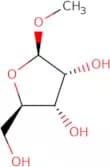
CAS:<p>Methyl 2-deoxy-2-fluoro-L-arabinofuranoside is a synthetic monosaccharide that can be used as a building block for the synthesis of oligosaccharides and polysaccharides. It has been shown to have high purity, and it can be custom synthesized. Methyl 2-deoxy-2-fluoro-L-arabinofuranoside is an excellent source of fluorine atoms, which are commonly used in glycosylation reactions. This product is also useful for click chemistry reactions with methyl groups, as well as other modifications such as oxidation, reduction, esterification, and acetylation.</p>Formula:C6H11FO4Purity:Min. 95%Color and Shape:PowderMolecular weight:166.15 g/mol1,2-O-Isopropylidene-a-L-xylofuranose
CAS:<p>1,2-O-Isopropylidene-a-L-xylofuranose is a sulfate transport molecule that is present in the blood plasma. It binds to sulfate anions which are then transported by the sodium/sulfate co-transporter from the blood and into cells. This process is called equilibrative or facilitated transport. 1,2-O-Isopropylidene-a-L-xylofuranose also binds to adenosine and transports it across membranes. This process is regulated by surface receptors and uptake transporters that regulate the rate of adenosine uptake at different parts of the body.</p>Formula:C8H14O5Purity:Min. 98 Area-%Color and Shape:White PowderMolecular weight:190.2 g/mol2-Deoxy-2-trifluoroacetamido-D-glucose
CAS:<p>2-Deoxy-2-trifluoroacetamido-D-glucose (dTFA) is an acetal that is formed from the reaction of trifluoroacetic acid with 2-deoxy-2-trifluoroacetamido-D-glucose. This compound yields aldehydes, and can be used to form glycosidic bonds. It also has the ability to react with amino groups on peptides and proteins, forming acetals. 2-Deoxy-2-trifluoroacetamido-D-glucose has been shown to have a variety of functions including being a carbohydrate, an acetal, and an inhibitor of peptide bond formation.</p>Formula:C8H12F3NO6Purity:Min. 95%Color and Shape:PowderMolecular weight:275.18 g/molEthyl 3,4-di-O-benzyl-2-O-levulinoyl-b-D-thioglucuronide benzyl ester
<p>Ethyl 3,4-di-O-benzyl-2-O-levulinoyl-b-D-thioglucuronide benzyl ester is a custom synthesis chemical. It is an oligosaccharide that contains a saccharide and a monosaccharide. The saccharide is a complex carbohydrate made up of sugar molecules. The monosaccharide is a sugar molecule that can be modified with fluorination to create high purity chemicals. Ethyl 3,4-di-O-benzyl-2-O-levulinoyl b -D thioglucuronide benzyl ester has been used in the synthesis of the polysaccharides and saccharides present in the human body. <br>Ethyl 3,4 -di -O -benzyl -2 -O -levulinoyl b D thioglucuronide benzyl ester is not used as a</p>Purity:Min. 95%Methyl 2,3,4-tri-O-benzyl-6-O-tert-butyldimethylsilyl-a-D-glucopyranoside
CAS:<p>Methyl 2,3,4-tri-O-benzyl-6-O-tert-butyldimethylsilyl-a-D-glucopyranoside is a glycosylation product of the glucopyranoside. It is a highly pure compound that is custom synthesized to suit the specific needs of customers. The synthesis includes fluorination, methylation and monosaccharide modification. This product has been shown to be useful in click chemistry and protein glycosylation studies.</p>Formula:C34H46O6SiPurity:Min. 95%Molecular weight:578.83 g/molMethyl 2,3-di-O-acetyl-4,6-O-(4-methoxybenzylidene)-a-D-galactopyranoside
<p>Methyl 2,3-di-O-acetyl-4,6-O-(4-methoxybenzylidene)-a-D-galactopyranoside is a custom synthesis. It is an oligosaccharide and polysaccharide. It has been modified with fluorination and click chemistry. Methyl 2,3-di-O-acetyl-4,6-O-(4 methoxybenzylidene)-a D galactopyranoside is a synthetic sugar.</p>Formula:C19H24O9Purity:Min. 95%Molecular weight:396.4 g/mol(4S,9R)-4-Benzyloxy-N-benzyloxycarbonyl-8-oxo-9-methoxy-octahydro-pyrano[4,3-b]pyrrole
<p>The compound is a fluorinated, glycosylated, polysaccharide-linked, custom-synthesized and modified natural product. The compound is of high purity and has been shown to have a range of biological activities including:<br>1) Antibacterial activity against Gram (+) bacteria such as Staphylococcus aureus and Streptococcus pyogenes.<br>2) Anti-inflammatory activity in the carrageenan-induced paw edema model of inflammation in rats.<br>3) Antifungal activity against Candida albicans.<br>4) Inhibition of bacterial biofilm formation and cellular adhesion to surfaces.<br>5) Inhibition of HIV replication in vitro and inhibition of HIV integrase function in vitro.<br>6) Inhibition of TNF-α production by LPS activated macrophages. <br>7) Protection from phototoxicity induced by UVB irradiation in human skin cells.<br>8) Protection from</p>Purity:Min. 95%Ethyl 6-azido-2,4-di-O-benzoyl-3-O-benzyl-6-deoxy-a-D-thiomannopyranoside
<p>Ethyl 6-azido-2,4-di-O-benzoyl-3-O-benzyl-6-deoxy-a-D-thiomannopyranoside is a custom synthesis of a highly purified compound that has been modified to include fluorination. It is an oligosaccharide with a complex carbohydrate structure and high purity. The modification includes Click chemistry and the monosaccharides are sugar, which may be useful for pharmaceutical or biomedical applications.</p>Formula:C29H29N3O6SPurity:Min. 95%Molecular weight:547.62 g/molN-(Succinyl)-O-b-D-maltosylhydroxylamine
<p>N-Succinyl-O-b-D-maltosylhydroxylamine is a glycosylation reagent used in the synthesis of complex carbohydrates. Its CAS number is 87217-14-5.<br>N-Succinyl-O-b-D-maltosylhydroxylamine is a white to off-white crystalline powder with the molecular formula C4H8N2O6S and a molecular weight of 244.22. It has a melting point of 189°C. This product is soluble in water, ethanol, and chloroform. It does not dissolve in ether or hexane.</p>Purity:Min. 95%1-13C-D-Rhamnose
CAS:<p>1-13C-D-Rhamnose is a monosaccharide that belongs to the group of pentoses. It is an inhibitor of bacterial growth and has been shown to inhibit the growth of P. aeruginosa strains. The mechanism of action for 1-13C-D-Rhamnose is not yet known, but it may be due to its ability to inhibit bacterial DNA polymerase, which prevents chain reactions from occurring and leads to cell death. 1-13C-D-Rhamnose has a homologous structure to GDP-D-mannose and can interact with hydrogen bonding interactions. It is found in papillae on the tongue and inhibits taste receptor cells by binding to the sweet taste receptors on the surface of these cells. The optimal pH for 1-13C-D-Rhamnose's inhibitory properties is 5.5</p>Formula:C6H12O5Purity:Min. 95%Molecular weight:164.16 g/mol2-Acetamido-2,6-dideoxy-L-galactose
CAS:<p>2-Acetamido-2,6-dideoxy-L-galactose (ADG) is a sugar that belongs to the group of monosaccharides. It is produced by the enzyme synthase and is found in bacteria such as type strain S. mutans and P. aeruginosa. ADG has been shown to be an inhibitor of cell lysis and can be used for the treatment of staphylococcus infections. In addition, it has shown to have anti-inflammatory properties due to its ability to inhibit hydrogen fluoride induced inflammation in mice.</p>Formula:C8H15NO5Purity:Min. 98 Area-%Color and Shape:PowderMolecular weight:205.21 g/mol5-O-Benzyl-D-ribose
CAS:<p>5-O-Benzyl-D-ribose is an enantiomer of D-ribose. It has been used as an antiperspirant, although it does not stop the formation of sweat, but rather reduces the amount of perspiration. 5-O-Benzyl-D-ribose is also used in the synthesis of deodorants and enantiomers for optically active pharmaceuticals. The configurations are determined by the configuration of the substituents on the benzene ring and can be either R or S. The configurations can be separated into two groups:</p>Formula:C12H16O5Purity:Min. 95%Color and Shape:PowderMolecular weight:240.25 g/mol1-Deoxy-D-sorbose
<p>D-sorbose is a diastereomer of D-xylose. It inhibits the glycolysis pathway, which stops the production of energy and leads to cell death. D-sorbose is synthesized from D-xylose by enzymatic conversion with 1,4-dihydroxybenzene. The crystalline form of D-sorbose is polymorphic and can be identified using X-ray diffraction. It has been shown to have cytotoxic effects on C. elegans and A. actinomycetes, but not on E. coli or other Gram negative bacteria. The imbalance in the ratio of these organisms may lead to an increased risk for cancer in humans.</p>Purity:Min. 95%Muramic acid hydrate
CAS:<p>Muramic acid hydrate as an amino sugar with a carboxylic acid group. It occurs in nature as N-acetylmuramic acid which is typically found in cell wall of bacterial.</p>Formula:C9H17NO7•(H2O)xPurity:Min. 95%Color and Shape:White PowderMolecular weight:269.25 g/molD-Glucose 6-phosphate, barium salt
CAS:<p>D-Glucose 6-phosphate is a high purity, custom synthesis sugar. It is a synthetic glycoside that is used in the production of fluorinated saccharides and oligosaccharides. D-Glucose 6-phosphate can be modified with methyl groups, fluorine atoms, and/or glycosylation. This compound has been shown to have properties as an antiviral agent against herpes simplex virus type 1 (HSV1) and cytomegalovirus (CMV).</p>Formula:C6H11BaO9PMolecular weight:395.46 g/molRef: 3D-G-3300
25gTo inquire50gTo inquire100gTo inquire250gTo inquire500gTo inquire-Unit-ggTo inquire3-O-Benzyl-1,2,4-tri-O-acetyl-D-xylopyranoside
<p>3-O-Benzyl-1,2,4-tri-O-acetyl-D-xylopyranoside is a methylated saccharide that has been modified with the click chemistry. This product can be used for the synthesis of complex carbohydrates and glycosylations. This product is available in high purity and custom synthesis. It is soluble in water or aqueous solutions, making it ideal for use in biological applications. 3-O-Benzyl-1,2,4-tri-O-acetyl-D-xylopyranoside can be used as an intermediate for the synthesis of oligosaccharides and glycoconjugates. It has CAS number 69936–76–5.</p>Purity:Min. 95%2-(Piperidine-2,6-dione-4-yl)-acetic acid
<p>2-(Piperidine-2,6-dione-4-yl)-acetic acid is a modification of an oligosaccharide. It is a monosaccharide that has been methylated and glycosylated. 2-(Piperidine-2,6-dione-4-yl)-acetic acid can be used as a building block for the synthesis of complex carbohydrates. This compound has been synthesized by fluorination and saccharide.</p>Purity:Min. 95%UDP-N-Lev-galactosamine
CAS:<p>UDP-N-Lev-galactosamine is a glycosylation agent that is used in the synthesis of complex carbohydrates, such as methylated and fluorinated saccharides. It can be used to modify saccharides, oligosaccharides, and sugars. This compound can also be used for the synthesis of monosaccharides. UDP-N-Lev-galactosamine is a custom synthesis that has been shown to have a high purity.</p>Purity:Min. 95%(2R, 3R, 4R, 5R) -3, 4- Dihydroxy- 2, 5- bis(hydroxymethyl) -1- pyrrolidinepropanoic acid
CAS:<p>2, 5-Bis(hydroxymethyl)-1-pyrrolidinepropanoic acid is a sugar that has the chemical formula HOCCH(OH)CHCOH. It is synthesized by the Click modification of 2, 5-dihydroxy-1-pyrrolidinepropanoic acid. The most common use of this compound is in glycosylation reactions, which are used to modify complex carbohydrates.</p>Purity:Min. 95%D-myo-Inositol-1,3,6-triphosphate
<p>1,3-Diphosphoglycerate is a glycosylation product of D-glyceraldehyde 3-phosphate and was first described in 1957. It is a key intermediate in the glycolytic pathway and is also found in the synthesis of polysaccharides. D-myo-Inositol-1,3,6-triphosphate (IP3) is an intracellular second messenger that regulates calcium release from intracellular stores. IP3 binds to the IP3 receptor on the endoplasmic reticulum to activate protein kinase C (PKC). PKC then phosphorylates downstream proteins involved in cell growth and proliferation. IP3 can be modified by methylation, glycosylation, or fluorination to produce modified forms with different biological activities.</p>Formula:C6H15O15P3Purity:Min. 95%Molecular weight:420.1 g/molUDP-a-D-apiofuranose
<p>UDP-a-D-apiofuranose is a modification of the sugar UDP-a-D-apiofuranosyl. It is a compound of high purity that can be custom synthesized by our scientists. The CAS number for this product is 56829-08-8 and it's molecular weight is 300.</p>Purity:Min. 95%Methyl 2,4-di-O-methyl-α-D-glucopyranoside
CAS:<p>Methyl 2,4-di-O-methyl-α-D-glucopyranoside is a selectively protected glucose glycoside</p>Formula:C9H18O6Purity:Min. 95%Color and Shape:PowderMolecular weight:224.24 g/molReduced nicotinamide riboside
CAS:<p>The reduced form of nicotinamide riboside or NRH is a potent NAD+ precursor that helps to replenish its levels in the cell. The reduced nicotinamide riboside form has shown high tolerance against degradation in plasma, which is why it is beneficial as a metabolite for the synthesis of NAD/NADH.</p>Formula:C11H16N2O5Purity:Min. 95 Area-%Color and Shape:Clear Viscous LiquidMolecular weight:256.26 g/molBenzyl 2-O-benzyl-b-D-arabinopyranoside
<p>Benzyl 2-O-benzyl-b-D-arabinopyranoside is a custom synthesis that is a complex carbohydrate. It is an oligosaccharide with CAS No. and has the molecular weight of 947. It is modified by methylation, glycosylation, and click modification. This product is made using sugar as a raw material and has high purity. The product has been fluorinated to increase its stability. The product is synthetic and can be used in research applications such as the modification of saccharides, methylation, glycosylation, or click chemistry.</p>Purity:Min. 95%Caffeic acid 3-O-β-D-glucuronide
CAS:<p>Caffeic acid 3-O-b-D-glucuronide (3BGA) is a phenolic compound that is found in plants. It has been shown to inhibit the growth of viruses, including influenza virus, and chlorogenic acid isomers have been shown to inhibit the growth of bacteria. The highest concentration of 3BGA was found in the heartwood of the plant. Recent pharmacokinetic studies have shown that caffeic acid 3-O-b-D-glucuronide is metabolized by gut bacteria and excreted in human urine.</p>Formula:C15H16O10Purity:Min. 95%Color and Shape:PowderMolecular weight:356.28 g/molN-Methyl-D-glucamine
CAS:<p>N-Methyl-D-glucamine is a gadolinium chelate that has been used as a contrast agent in magnetic resonance imaging. It is also an antimicrobial agent that binds to DNA and RNA, inhibiting their synthesis. N-Methyl-D-glucamine has been shown to have strong antitumor activity against carcinoma cell lines in vitro. This drug also inhibits the growth of bacteria such as Leishmania, which causes cutaneous leishmaniasis. N-Methyl-D-glucamine can be used for the treatment of infections caused by methicillin resistant Staphylococcus aureus (MRSA) or Mycobacterium tuberculosis due to its ability to inhibit protein synthesis and bacterial growth. MEGLUMINE is an experimental model for human serum with high water solubility and low toxicity. It belongs to the class of nonsteroidal anti-inflammatory drugs (NSAIDs). The MEGLUM</p>Formula:C7H17NO5Purity:Min. 95%Color and Shape:White PowderMolecular weight:195.21 g/mol2,3-O-Carbonyl-a-D-mannopyranose
CAS:<p>2,3-O-Carbonyl-a-D-mannopyranose is a modified sugar that can be synthesized from D-mannose. It is used to produce oligosaccharides and polysaccharides. This compound has been shown to be useful for the fluorination of proteins and for click modification reactions. 2,3-O-Carbonyl-a-D-mannopyranose has high purity and can be custom synthesized for quality assurance purposes.</p>Formula:C7H10O7Purity:Min. 95%Color and Shape:PowderMolecular weight:206.15 g/molD-Fructose-¹³C6
CAS:<p>D-Fructose-¹³C6 is a liquid chromatograph that can be used for the analysis of alditols. It can also be used as a cavity, dissolvable, or quadrupole mass spectrometer. The chemical diversity of D-fructose-¹³C6 makes it an important research tool that can be used to study different products. Its use in tobacco and humectant production is also quite common. The quadrupole mass spectrometer has been shown to have a global reach in its applications.</p>Formula:C6H12O6Purity:Min. 95%Color and Shape:White PowderMolecular weight:186.11 g/molL-Glucosamine hydrochloride
CAS:<p>L-Glucosamine hydrochloride is a fluorescent derivative of L-glucosamine, which is an amino sugar that occurs naturally in the human body. L-glucosamine hydrochloride can be used to measure the uptake of glucose by cells and tissues. The hydroxyl group on the glucosamine molecule is responsible for this activity. L-glucosamine hydrochloride has been shown to have anticancer activity against leukemia cells in tissue cultures and it may be useful as a cancer treatment. It is also capable of inducing cytokine responses when it binds to antigen sites on T cells, which may lead to its use as an immunotherapy agent.</p>Formula:C6H13NO5•HClPurity:Min. 95%Color and Shape:PowderMolecular weight:215.63 g/molEthyl β-D-glucuronide
CAS:<p>Ethyl β-D-glucuronide (EBG) is a metabolite of ethanol that is formed by the conjugation of glucuronic acid to ethanol in the liver. EBG has been shown to be a potential biomarker for alcohol consumption, as it can be detected in urine and blood. The presence of this molecule has also been associated with an increased risk of developing type 2 diabetes mellitus, cardiovascular disease, and cancer. EBG may also have pharmacological effects as it has been shown to inhibit lipid oxidation and increase insulin sensitivity. This molecule can be extracted from human serum using solid phase microextraction</p>Formula:C8H14O7Purity:Min. 98 Area-%Color and Shape:Slightly Brown PowderMolecular weight:222.19 g/mol5-Amino-3-β-D-ribofuranosylthiazolo[4,5-d]pyrimidin-2,7(3H,6H)-dione
CAS:<p>5-Amino-3-β-D-ribofuranosylthiazolo[4,5-d]pyrimidin-2,7(3H,6H)-dione (ATZ) is a prodrug that is converted to the active drug ATZ. ATZ has been shown to be effective against hepatitis C virus in vitro assays and in vivo in animal models. It inhibits viral replication by inhibiting the protein synthesis of the virus and its ability to replicate. ATZ also has been shown to be effective against infectious diseases such as herpes simplex virus, inflammatory diseases such as rheumatoid arthritis, and cancer. The drug is an oral prodrug that must be activated by intestinal bacteria before it can be absorbed into the bloodstream. It is chemically stable and does not undergo significant metabolism after being absorbed into the body.</p>Formula:C10H12N4O6SPurity:Min. 95%Color and Shape:PowderMolecular weight:316.29 g/molIsomaltol
CAS:<p>Isomaltol is a sugar alcohol that is used as a food additive. It is a white, crystalline powder that is soluble in water and has an intense sweet taste. Isomaltol is produced by hydrogenating the reducing ends of sucrose to form maltose, which then undergoes hydrolysis to form maltitol. Isomaltol can be used as a replacement for sugar in foods and drinks. Isomaltol has been shown to inhibit tyrosinase activity, which may be beneficial for skin care products. It also has antimicrobial properties due to its ability to react with aluminium ions.</p>Formula:C6H6O3Purity:Min. 95%Molecular weight:126.11 g/molD-Glucosamine-oxime hydrochloride
CAS:<p>D-Glucosamine-oxime HCl is a hydrocyanic acid derivative that contains a polyhydroxy group. It can exist as two isomers, D-glucosamine and D-glucosamine-oxime. These isomers are distinguished by the presence or absence of acetyl groups on the nitrogen atoms. D-Glucosamine-oxime HCl functions as a divalent metal ion chelator and sequestering agent that has been shown to be useful in the treatment of lead poisoning. It also has been used in the synthesis of hydrocyanic acid, which is an important chemical for organic synthesis.END></p>Formula:C6H12N2O5•HClPurity:Min. 95%Color and Shape:SolidMolecular weight:228.63 g/molEmodin 8-O-b-D-glucopyranoside
CAS:<p>Emodin is a natural product that can be extracted from the rhizome of Curcuma aromatica, a chinese herb. It has been shown to have neuroprotective effects in animal studies and has been used as an adjuvant in the treatment of cervical cancer. Emodin also inhibits the replication of human immunodeficiency virus type 1 (HIV-1) and herpes simplex virus type 1 (HSV-1). Emodin is also active against microbial infection, including bacterial infections, such as those caused by Staphylococcus aureus, and viral infections, such as influenza A virus. The main mechanism of action of emodin is its inhibition of DNA synthesis by binding to viral dna or bacterial rna polymerase. Emodin has also been found to inhibit protein synthesis by binding to ribosomes. This drug binds to urea nitrogen molecules in bacteria and disrupts their growth by inhibiting protein synthesis.</p>Formula:C21H20O10Purity:Min. 95%Color and Shape:PowderMolecular weight:432.38 g/molD-Galactose non-animal origin
CAS:<p>Galactose from plant origin, animal free production</p>Formula:C6H12O6Purity:Min. 99.0 Area-%Color and Shape:White PowderMolecular weight:180.16 g/mol3,4-Di-O-acetyl-L-fucal
CAS:<p>3,4-Di-O-acetyl-L-fucal is a phosphate derivative that is synthetically derived from ethyl diazoacetate. It has cytotoxic properties and is readily activated by phosphorylation to form the active form. 3,4-Di-O-acetyl-L-fucal has been shown to be effective against leukemia cells in vitro and may be useful as an adjuvant treatment for lymphocytic leukemia. 3,4-Di-O-acetyl-L-fucal also inhibits the growth of staphylococci in vitro, but it is not active against other bacteria such as Escherichia coli or Pseudomonas aeruginosa. The enantiomer of 3,4 Di O acetyl - L - fucal is inactive because it cannot be phosphorylated.</p>Formula:C10H14O5Purity:Min. 95%Color and Shape:White PowderMolecular weight:214.22 g/mol4-Deoxy-4-fluoro-D-glucosamine
<p>4-Deoxy-4-fluoro-D-glucosamine is a carbohydrate that is used as an inhibitor of the enzyme l1210. This enzyme is required for the biosynthesis of the glycoprotein on the surface of some types of leukemia cells. 4-Deoxy-4-fluoro-D-glucosamine has been shown to be effective in inhibiting leukemia cell growth, and in some cases it has been shown to induce tumor regression. It inhibits protein synthesis by binding to the enzymes responsible for this process.</p>Purity:Min. 95%3-Deoxy-3-fluoro-D-galactitol
CAS:<p>3-Deoxy-3-fluoro-D-galactitol is a fluorinated sugar that is synthesized through the use of glycosylation and fluorination. This product can be used as a raw material for the production of oligosaccharides, polysaccharides, and other complex carbohydrates. It can also be used in custom synthesis and click modification. The CAS number for this product is 1241800-31-6.</p>Formula:C6H13FO5Purity:Min. 95%Molecular weight:184.16 g/molD-Tagatose-6-phosphate barium salt
<p>D-Tagatose-6-phosphate barium salt is a custom synthesis, modification, fluorination, methylation, and monosaccharide. It has CAS No. and is a polysaccharide. D-tagatose-6-phosphate barium salt is a complex carbohydrate with glycosylation and sugar.</p>Purity:Min. 95%Ethyl β-D-thioglucopyranoside
CAS:<p>Ethyl β-D-thioglucopyranoside is a custom synthesis that has been modified with fluorination and methylation, which has made it a monosaccharide. This product is synthetic and can be used for click modification. It is also an oligosaccharide, saccharide, and polysaccharide. Ethyl β-D-thioglucopyranoside is a sugar that belongs to the complex carbohydrate group. It is highly pure and has no impurities.</p>Formula:C8H16O5SPurity:Min. 95%Color and Shape:White PowderMolecular weight:224.28 g/mol6-Chloro-6-deoxy-D-allose
<p>6-Chloro-6-deoxy-D-allose is a synthetic sugar that has been fluorinated to produce the 6-chloro-6-deoxy sugar. The product is soluble in water and ethanol, and has a CAS number of 56982-08-3. It can be custom synthesized for customers with high purity and methylated at any position on the sugar chain. This product can be glycosylated or click modified, depending on customer needs.</p>Formula:C6H11ClO5Purity:Min. 95%Molecular weight:198.6 g/molD-Xylonic acid ammonium
CAS:<p>D-Xylonic acid ammonium salt is a synthetic glycosylation agent that is used in the synthesis of oligosaccharides, polysaccharides, and monosaccharides. D-Xylonic acid ammonium salt is also used to modify glycoproteins and proteoglycans for use in the treatment of various diseases. D-Xylonic acid ammonium salt can be synthesized by the fluorination of D-xylose followed by methylation. This agent can be modified through click chemistry or complex carbohydrate modification. It has a high purity and is readily available for purchase.</p>Formula:C5H10O6•H3NPurity:Min. 95%Molecular weight:183.16 g/molMethyl b-D-ribofuranoside
CAS:<p>Methyl b-D-ribofuranoside is a compound that has been found to be a substrate for the phosphodiesterase enzyme. This natural product can be used to study the function of this enzyme and its effect on cellular processes. The rate of hydrolysis at 25 degrees Celsius is about 0.03 min-1, which is about one order of magnitude faster than the rate at 37 degrees Celsius, which is about 0.003 min-1. In addition, methyl b-D-ribofuranoside hydrolyzes more rapidly in anaerobic conditions than in aerobic conditions. It also has a constant sedimentation coefficient of 1.10 ± 0.01 Svedbergs, which indicates that it consists of long unbranched chains with a high molecular weight (e.g., dodecyl). Methyl b-D-ribofuranoside has been found to inhibit intramolecular hydrogen transfer reactions, such as those catalyzed</p>Formula:C6H12O5Purity:Min. 95%Color and Shape:White PowderMolecular weight:164.16 g/molN-Acetyl-D-glucosamine
CAS:<p>N-acetyl D-glucosamine (GlcNAc) is an aldohexose (2-acetamido-2-deoxyglucose) in which the hydroxyl group at position 2 is replaced by NHAc (Collins, 2006). N-acetyl D-glucosamine forms the exoskeletons of molluscs and insects as the building block of the polysaccharide chitin (Rudrapatnam, 2003). N-acetyl D-glucosamine is a key component of N- and O-linked glycans, present in glycolipids and the glycosaminoglycan hyaluronic acid (Fallacara, 2018). A recent study has suggested that N-acetyl D-glucosamine may have therapeutic potential for COVID-19 as it affects the spike protein-ACE2 receptor interaction during the infection with SARS-CoV-2 virus (Baysal, 2021).</p>Formula:C8H15NO6Purity:Min. 98.0 Area-%Molecular weight:221.21 g/molRef: 3D-A-1200
5gTo inquire1kgTo inquire5kgTo inquire100gTo inquire2500gTo inquire-Unit-kgkgTo inquireN-Acetyl-D-glucosamine - plant source
CAS:<p>Please enquire for more information about N-Acetyl-D-glucosamine - plant source including the price, delivery time and more detailed product information at the technical inquiry form on this page</p>Formula:C8H15NO6Purity:Min. 98 Area-%Molecular weight:221.21 g/mol3,5-Dideoxy-N-(1-hexyl)-3,5-imino-D-xylopentitol
<p>3,5-Dideoxy-N-(1-hexyl)-3,5-imino-D-xylopentitol is a synthetic monosaccharide that is used in the production of complex carbohydrates. It can be modified with fluorination and methylation to produce 3,5-dideoxy-N-(1-hexyl)-3,5-[(2-[(2,6-difluoro phenoxy)methyl]phenyl]imino)D-xylopentitol. The compound has been shown to have antiviral properties and has been used in the synthesis of glycosaminoglycans.</p>Purity:Min. 95%3-C-Methyl-1-deoxy-psicose
<p>3-C-Methyl-1-deoxy-psicose is a sugar that is used in the synthesis of complex carbohydrates. This synthetic sugar is synthesized by the click modification of 3,4-dihydroxybenzaldehyde with 1,2,3,4-tetraacetylated benzyl chloride. The compound has a molecular weight of 228.22 and an empirical formula of C6H8O6F2. It's CAS number is 52714-32-0 and it's Oligosaccharide number is 976.</p>Purity:Min. 95%L-Glucose
CAS:<p>L-Glucose is a monosaccharide that belongs to the group of carbohydrates. L-Glucose is an important energy source for living organisms and plays a role in many metabolic pathways, including glycolysis and gluconeogenesis, as well as cell signaling. It is also an essential component of DNA and RNA. L-Glucose has been shown to have effects on brain functions such as memory and learning ability, which may be due to its ability to signal neurons. L-Glucose can be used in model systems to study the effects of diabetes on cells and has been shown to have pluripotent effects on cells. In addition, this molecule has been shown to inhibit the growth of bacteria by binding to the enzyme polysaccharide kinase and reducing its activity. This inhibition leads to decreased synthesis of polysaccharides (e.g., glycogen) that are necessary for cell division.</p>Formula:C6H12O6Purity:Min. 99.5 Area-%Molecular weight:180.16 g/molCorn Cob - Syrup
<p>Corn Cob Syrup is a custom synthesis of polysaccharides, which are complex carbohydrates. This syrup is made from corn cobs and has been modified with fluorine and methyl groups. The monosaccharides in this syrup have been modified with a click modification and the oligosaccharides have been modified with glycosylation. This product contains sugar that has been modified by glycosylation.</p>Purity:Min. 95%O-(2,3,4,6-Tetra-O-acetyl-b-D-galactopyranosyl)-N-hydroxysuccinimide
CAS:<p>O-(2,3,4,6-Tetra-O-acetyl-b-D-galactopyranosyl)-N-hydroxysuccinimide is a synthetic glycosylation reagent. It has the CAS number 896730-84-0 and is available for custom synthesis. O-(2,3,4,6-Tetra-O-acetyl-b-D-galactopyranosyl)-N-hydroxysuccinimide is used in the synthesis of oligosaccharides and saccharides. It is also used in click chemistry to modify proteins and other biomolecules. This product has a purity of 99% or higher and can be modified at any position with fluorination or methylation.</p>Formula:C18H23NO12Purity:Min. 95%Molecular weight:445.37 g/molGDP-D-mannose diammonium salt
<p>GDP-D-mannose diammonium salt is a custom synthesis. It has been modified with fluorination, methylation, and monosaccharide substitution. The structure of this compound consists of a glucose molecule bonded to a D-mannose molecule by an oxygen linkage at the 1-position. This product has been synthetically modified to include a click modification and oligosaccharides. GDP-D-mannose diammonium salt is used for the production of polysaccharides as well as glycosylation reactions.</p>Formula:C16H23N5O16P2·N2H8Purity:Min. 95%Molecular weight:639.4 g/mol1-D-3-Deoxy-myo-inositol
CAS:<p>Myoinositol is a cyclitol and a member of the group of hexahydroxycyclohexanes. It is found in many plants and animals, especially in brain tissue, and plays an important role as a component of cell membranes. Myoinositol has been shown to inhibit cellular glycosidases, which are enzymes that break down complex sugars. In addition, myoinositol has been shown to have anti-cancer properties. Myoinositol is used as an analytical reagent in phase chromatography to separate molecules based on their hydrophobicities. 1-D-3-Deoxy-myo-inositol also has corrosion inhibition properties and can be used as a pesticide or agrochemical.</p>Formula:C6H12O5Purity:Min. 95 Area-%Color and Shape:White PowderMolecular weight:164.16 g/mol4-Aminophenyl β-D-galactopyranoside
CAS:<p>4-Aminophenyl-beta-D-galactopyranoside is a substrate for beta-galactosidase. 4-aminophenol is released upon cleavage by beta-galactosidase. 4-aminophenol can be assayed by electro-oxidation to 4-imino quinone while recording changes in potential or current of a galvanic system. 4-Aminophenyl-beta-D-galactopyranoside can be used in affinity chromatography for the isolation of galactose-binding lectins.</p>Formula:C12H17NO6Purity:Min. 95%Color and Shape:PowderMolecular weight:271.27 g/mol6-Deoxy-L-glucitol
CAS:<p>6-Deoxy-L-glucitol is a sugar alcohol that is found in the body and has been used as a substitute for sucrose. 6-Deoxy-L-glucitol is metabolized by deamination and reduction to produce lactobionic acid. This reaction can be catalyzed by either an enzyme or by chemical means. 6-Deoxy-L-glucitol can also be partially reduced to form 6-phospho--erythritol, which can be further reduced to form erythritol. Muscle cells contain hexokinases and phosphofructokinase, which are required for the final step in glucose metabolism. These enzymes are important in the regulation of blood sugar levels and energy production. In addition, these enzymes play a role in the metabolism of other sugars such as fructose and galactose.</p>Formula:C6H14O5Purity:Min. 95%Molecular weight:166.17 g/molCyclohexyl b-D-glucopyranoside
<p>Cyclohexyl b-D-glucopyranoside is a synthetic sugar that is modified with fluorine. Cyclohexyl b-D-glucopyranoside can be custom synthesized to meet your specific needs. This product has a high purity and is methylated and glycosylated. Cyclohexyl b-D-glucopyranoside's CAS number is 113488-25-8.</p>Purity:Min. 95%2,5-Deoxyfructosazine
CAS:<p>2,5-Deoxyfructosazine is a physiological agent that inhibits the growth of bacteria and fungi. 2,5-Deoxyfructosazine is active against Gram-positive and Gram-negative bacteria, as well as Candida albicans and other yeasts. This drug is effective in inhibiting water vapor loss in the lungs and has been shown to be an effective antimicrobial agent for the treatment of acute lung infections. 2,5-Deoxyfructosazine has been shown to reduce the development of antibiotic resistance in bacteria by preventing cell wall synthesis. The mechanism of action is thought to involve a matrix effect with cationic compounds, which are deposited on the surface of bacterial cells and destroy them by osmotic lysis. 2,5-Deoxyfructosazine also has antidiabetic effects due to its ability to inhibit glucose uptake into cells by binding to glucose transporters on the cell membrane. A reaction mechanism for this process involves hydrogen</p>Formula:C12H20N2O7Purity:Min. 98 Area-%Color and Shape:PowderMolecular weight:304.3 g/mol3-O-Benzyl-1,2-O-isopropylidene-6-O-trityl-a-D-glucofuranose
CAS:<p>3-O-Benzyl-1,2-O-isopropylidene-6-O-trityl-a-D-glucofuranose is a synthetic oligosaccharide. It is a glycosylation product of the 6′ position of β-(3,4-)dihydroxybenzoyl α-(1,6)-Dglucopyranosyl bromide with 3,5,-O-(tetraisopropyldisiloxanyl) benzyl alcohol. The molecular weight is 588.8 g/mol and it has the molecular formula C28H31NO14. 3BBIG is soluble in water and methanol, but insoluble in ethanol or ether. This compound can be used for methylation reactions or click chemistry modifications.</p>Formula:C35H36O6Purity:Min. 95%Molecular weight:552.66 g/mol2-Iodoethyl α-L-fucopyranoside
<p>2-Iodoethyl a-L-fucopyranoside is an organic compound that belongs to the group of fluorinated saccharides. It is used in the synthesis of oligosaccharides, polysaccharides, and complex carbohydrates. 2-Iodoethyl a-L-fucopyranoside can be modified with click chemistry at the C4 position for the synthesis of monosaccharides or sugar derivatives. This modification leads to high purity and chemical stability.</p>Formula:C8H15IO5Purity:Min. 95%Color and Shape:White to off-white solid.Molecular weight:318.11 g/mol2-C-Methyl-D-arabino-1,4-lactone
<p>2-C-Methyl-D-arabinose is a modification of the sugar arabinose. It is an oligosaccharide that can be synthesized in the laboratory. 2-C-Methyl-D-arabinose can be used as a custom synthesis and has been identified by its CAS number, which is 76447-07-6. This compound is a monosaccharide that has a molecular formula of C5H10O4 and an atomic weight of 150.12 g/mol. It is also referred to as methylated arabinose or D(+)-2,3,4,5,6 tetra‑O-methyl‑D‑arabino‑1,4‑lactone. 2-C-Methyl-D-arabinose is also a polysaccharide that contains glucose subunits with modifications such as fluorination or saccharides with glycosylation or methylation.</p>Purity:Min. 95%Ethyl 4-amino-b-D-glucuronide
<p>Ethyl 4-amino-b-D-glucuronide is a custom synthesis of an oligosaccharide with a saccharide backbone. The sugar moiety is a monosaccharide that is linked to the saccharide via an amide bond. This compound is fluorinated at the C4 position and methylated at the C2 position, which renders it unreactive to other molecules.</p>Formula:C8H15NO6Purity:Min. 95%Molecular weight:221.21 g/molD-Glucuronic acid, free acid
CAS:<p>D-Glucuronic acid (GlcA) is D-glucose with position six oxidised to a carboxyl group (Collins, 2006). It is a common component of a number of gums and mucilages structurally related to pectins, where it is can be present as a terminal non reducing end residue (Renard, 1999). Glucuronic acid is also found in bacterial polysaccharides, such as, xanthan gum produced by Xanthomonas campestris (Faria, 2011), and in glycosaminoglycans, such as, heparan sulfate (Casale, 2020).</p>Formula:C6H10O7Molecular weight:194.14 g/mol(+)-syringaresinol-4,4'-bis-O-b-D-glucopyranoside
<p>(+)-syringaresinol-4,4'-bis-O-b-D-glucopyranoside is a synthetic compound that is fluorinated with (2,2,2-trifluoroethyl)trimethylsilane. It is a sugar molecule that is an oligosaccharide. This compound has been synthesized from syringic acid and (+)-syringaresinol by glycosylation and methylation. It is insoluble in water and has a melting point of 129°C. The CAS number for this compound is 73987-07-8.</p>Purity:Min. 95%Calcium lactobionate dihydrate
CAS:<p>Food additive; stabilizer</p>Formula:C12H22O12•Ca0•H2OPurity:Min. 96.0%Color and Shape:White PowderMolecular weight:754.66 g/molN-Cbz-D-glucosamine
CAS:<p>N-Cbz-D-glucosamine is a synthetic molecule that is used in the synthesis of oligosaccharides. It is an acceptor for choline hydroxylase and participates in the biosynthesis of glycoproteins. N-Cbz-D-glucosamine inhibits virus RNA synthesis and has been shown to be effective against uninfected cells. The ring opening of the molecule leads to the formation of a cyclic amide, which can inhibit protein synthesis by binding to ribosomes.</p>Formula:C14H19NO7Purity:Min. 95%Color and Shape:PowderMolecular weight:313.3 g/mol6-Chloro-6-deoxy-D-mannono-1,4-lactone
<p>6-Chloro-6-deoxy-D-mannono-1,4-lactone is a saccharide that belongs to the group of polysaccharides. It can be custom synthesized and modified to meet your needs. 6CMDL is a synthetic carbohydrate product with high purity, which can be used in the synthesis of glycosylations or as a fluorinated mannose analogue.<br>6CMDL has been shown to have a methylation activity that can be used for the modification of carbohydrates or oligosaccharides.</p>Formula:C6H9ClO5Purity:Min. 95%Molecular weight:196.59 g/molN-(2,4-Dinitrophenyl-deoxynojirimycin
<p>N-2,4-Dinitrophenyl-deoxynojirimycin (DNPDNJ) is a methylated derivative of deoxynojirimycin. It is an inhibitor of glycosylation that can be used to study the structure and function of carbohydrates. DNPDNJ is a synthetic saccharide that can be custom synthesized. Click modification and modification with Oligosaccharides are common modifications for DNPDNJ. DNPDNJ is available in high purity and has been fluorinated for use in fluorescence studies.</p>Purity:Min. 95%Furaneol β-D-glucopyranoside
CAS:<p>Furaneol beta-D-glucopyranoside is a synthetic sugar that is used as an intermediate in the synthesis of complex carbohydrates. Furaneol beta-D-glucopyranoside has been modified by methylation and fluorination, which allows it to be used in click chemistry. Furaneol beta-D-glucopyranoside is also a high purity compound with a custom synthesis available for purchase.</p>Formula:C12H18O8Purity:Min. 97 Area-%Color and Shape:PowderMolecular weight:290.27 g/molL-Glycero-L-galacto-heptose
CAS:<p>L-Glycero-L-galacto-heptose is a cyclitol that is structurally similar to glycerol and galactose. It has been found in the Australian sea urchin Strongylocentrotus franciscanus. L-Glycero-L-galacto-heptose can be synthesized by reacting methyl glycosides with calcium ions. This reaction produces an electrophoretic mobility that is greater than that of glycerol, which may be due to the greater degree of hydrogen bonding between methyl glycosides and calcium ions. The presence of hydroxyl groups on the sugar residue allows for the formation of hydrogen bonds with neighboring molecules. These interactions lead to a conformation that is different from other cyclitols, such as D-glycero-D-galactopyranose, which has no hydroxyl group on its sugar residue.</p>Formula:C7H14O7Purity:Min. 95%Molecular weight:210.2 g/molL-g-Ethylidene glutanic acid
<p>L-g-Ethylidene glutamic acid is an organic compound that is used in the production of pharmaceuticals, agrochemicals, and other chemicals. It can be synthesized by the methylation of L-glutamic acid with formaldehyde and sodium cyanoborohydride. L-g-Ethylidene glutamic acid has also been modified by a click reaction to create a fluorinated derivative. This product is a white crystalline solid that has a CAS number. The product is available at high purity and can be ordered as either monosaccharide or polysaccharide.<br>L-g-Ethylidene glutamic acid is a sugar that belongs to the carbohydrate family and can be classified as complex carbohydrates because it comprises two or more sugars linked together. This product may also be referred to as an oligosaccharide or polysaccharide, depending on its molecular size.</p>Purity:Min. 95%Calcium-D-arabonate
CAS:<p>Calcium-D-arabonate is a fatty acid that is used as a functional ingredient in the food industry. It has been shown to increase the rate of reactions, such as glycosidic bond cleavage and polymerization, by acting as an oxidation catalyst. This product also has a high molecular weight and can be used to modify the structure of polymers. Calcium-D-arabonate is often used in model systems because it reacts with other substances at a pH optimum of 6.0-7.5.</p>Formula:C5H9O6CaPurity:Min. 98%Color and Shape:White PowderMolecular weight:185.16 g/molEthyl b-D-fructopyranoside
CAS:<p>Salidroside is a phenylpropanoid, a type of secondary metabolite. It is found in the plant family Ranunculaceae and can be extracted from the roots of Rhodiola rosea (golden root) and other plants in this family. Salidroside has been shown to have anti-inflammatory properties, which may be due to its inhibition of prostaglandin synthesis. Salidroside also has strong antioxidant properties, which may be due to its ability to scavenge free radicals. Salidroside can be used as an additive for foods such as breads and pastries because it inhibits the formation of phthalic acid that is produced by baking.</p>Formula:C8H16O6Purity:Min. 95%Molecular weight:208.21 g/molN-Methyl-D-glucosamine
CAS:<p>N-Methyl-D-glucosamine is a nucleotide that is found in the adenine nucleotide pool. It can be synthesized from glucose, which is converted to glucosamine-6-phosphate by the enzyme glucosamine synthetase. This compound can also be obtained from dietary sources. N-Methyl-D-glucosamine has been shown to have cytotoxic activity against mouse tumor cells and inhibit skin cancer in mice. It binds with DNA and inhibits cell growth through a glycosidic bond with terminal residues of DNA, preventing transcription and replication. N-Methyl-D-glucosamine has also been shown to inhibit the growth of resistant microorganisms such as C. glabrata, including antibiotic resistant strains, and bacteria such as E. coli and P. aeruginosa when used in combination with an experimental model of biocompatible polymers.<br>NMTG has been shown to</p>Formula:C7H15NO5Purity:Min. 95%Color and Shape:PowderMolecular weight:193.2 g/mol3,4-O-Isopropylidene-D-arabinose
CAS:<p>3,4-O-Isopropylidene-D-arabinose is a synthetic compound that has been used as an active analogue for the study of nucleophile reactions. 3,4-O-Isopropylidene-D-arabinose undergoes nucleophilic addition with potassium azide to form a thiazolidine intermediate. The stereospecificity of this reaction was shown by the chemists and biochemists who synthesized it. It has also been shown to react with an anion in a similar manner. This chemical is used in the synthesis of d-arabinose, which can be used for the production of other compounds.</p>Formula:C8H14O5Purity:Min. 95%Molecular weight:190.2 g/mol4-O-Methyl-β-L-arabinopyranose
CAS:<p>4-O-Methyl-β-L-arabinopyranose is an L-arabinose glycoside</p>Formula:C6H12O5Purity:Min. 95%Color and Shape:PowderMolecular weight:164.16 g/molMyristoyl-DL-carnitine chloride
CAS:<p>Myristoyl-DL-carnitine chloride (MC) is a prodrug that is hydrolyzed to form L-carnitine and myristic acid. The drug has been shown to be absorbed intranasally, and its absorption kinetics are enhanced by the presence of lipids. MC was found to increase the level of human growth hormone in Sprague-Dawley rats. It also decreased the amount of chloride excreted in the urine by inhibiting intestinal epithelial cells from absorbing chloride ions. This drug may be used as a nasal spray for treatment of gastrointestinal disorders such as chronic constipation.</p>Formula:C21H42ClNO4Purity:Min. 95%Color and Shape:PowderMolecular weight:408.02 g/molDeoxygalactonojirimycin acetonide
<p>Deoxygalactonojirimycin acetonide is a custom-synthesized, complex carbohydrate that belongs to the group of Oligosaccharides. It is a modified saccharide with methylation and glycosylation. Deoxygalactonojirimycin acetonide is an active ingredient that has been synthesized for use in cancer research. This compound is a high-purity, fluorinated sugar with Click modification that can be used to study the structure-activity relationships of carbohydrate-based drugs.</p>Purity:Min. 95%β-Xylobiose hexa-O-acetate
CAS:<p>β-Xylobiose hexa-O-acetate is an acetyl protected xylobiose</p>Formula:C22H30O15Purity:Min. 95%Color and Shape:PowderMolecular weight:534.46 g/mol(Piperidine-2,6-dione-4-yl) b-D-ribofuranoside
<p>Methylation of a saccharide is the covalent addition of a methyl group to one of the hydroxyl groups. This process may be achieved through an electrophilic substitution reaction with a methylating agent such as dimethyl sulfate. In the case of polysaccharides, this process can be carried out in vitro using enzymes called glycosyltransferases. The mechanism for glycosyltransferase-mediated methylation was elucidated by Michaelis and Menten in 1913.</p>Purity:Min. 95%Allyl 4,6-O-benzylidene-L-glucopyranoside
<p>Allyl 4,6-O-benzylidene-L-glucopyranoside is a modification of the carbohydrate allyl 4,6-O-benzylidene-D-glucopyranoside. This modification can be synthesized from benzyl alcohol and sodium hydroxide in the presence of sodium borohydride. Allyl 4,6-O-benzylidene-L-glucopyranoside is a monosaccharide with a CAS number of 159430-38-3. It is an important component of many polysaccharides and glycosides. This compound has been fluorinated to produce allyl 4,6-(difluoroacetoxy)-L glucopyranoside (CAS No. 160105). <br>Allyl 4,6 - O - benzyldene - L - glucopyranoside has high purity and is available for custom</p>Formula:C16H20O6Purity:Min. 95%Color and Shape:White to off-white solid.Molecular weight:308.33 g/mol

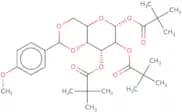
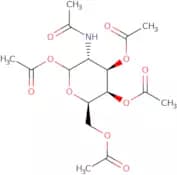
![(2S, 3S, 4R) -3- [[[(2S, 3S, 4R) - 3- Azido- 4- [[[(1, 1- dimethylethyl) dimethylsilyl] oxy] methy…](/_next/image/?url=https%3A%2Fstatic.cymitquimica.com%2Fproducts%2F3D%2Fthumb-webp%2FMA163463.webp&w=3840&q=75)
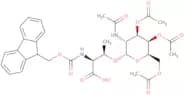
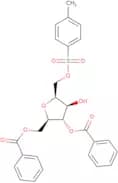
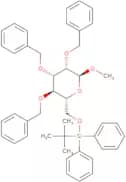
![(5R, 6R, 7R, 8S) -8- (HydroxymHthyl) - 1- azabicyclo[4.2.0] octane- 5, 7- diol](/_next/image/?url=https%3A%2Fstatic.cymitquimica.com%2Fproducts%2F3D%2Fthumb-webp%2FMH163378.webp&w=3840&q=75)


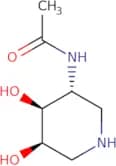
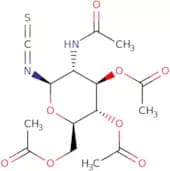

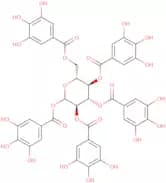


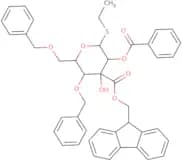
![(2R,3R,4S,5S)- 2-[(1R)-1,2-Dihydroxyethyl]-3,4-dihydroxy-1-oxa-6,9-diazaspiro[4.5]decane-7,10-dione](/_next/image/?url=https%3A%2Fstatic.cymitquimica.com%2Fproducts%2F3D%2Fthumb-webp%2FMD163941.webp&w=3840&q=75)


![(1S) -1- [(2R, 3S) -3- Benzyloxy-N-butyl- 1- azetidinyl] -1, 2- ethanediol](/_next/image/?url=https%3A%2Fstatic.cymitquimica.com%2Fproducts%2F3D%2Fthumb-webp%2FMB163382.webp&w=3840&q=75)
![(3R, 4S, 5R, 6R, 7S) -1- Azabicyclo[4.2.0] octane- 3, 4, 5, 7- tetrol](/_next/image/?url=https%3A%2Fstatic.cymitquimica.com%2Fproducts%2F3D%2Fthumb-webp%2FMA163391.webp&w=3840&q=75)
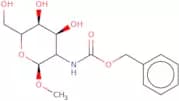
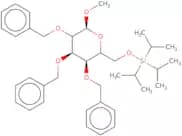
![(1S) -1- [(2S, 3S,4R) -N-Butyl-4-hydroxymethyl-3- hydroxy- 1- azetidinyl] -1, 2- ethanediol](/_next/image/?url=https%3A%2Fstatic.cymitquimica.com%2Fproducts%2F3D%2Fthumb-webp%2FMB163384.webp&w=3840&q=75)
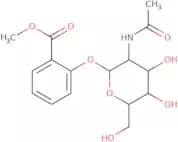
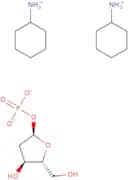
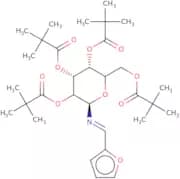
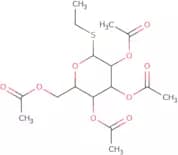
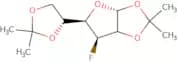
![(1R) -1- [(2S, 3R,4R) -4-(Acetylamino)methyl-N-butyl-3- hydroxy- 1- azetidinyl] -1, 2- ethanediol](/_next/image/?url=https%3A%2Fstatic.cymitquimica.com%2Fproducts%2F3D%2Fthumb-webp%2FMA163407.webp&w=3840&q=75)
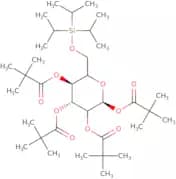
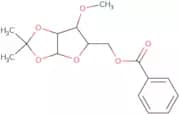

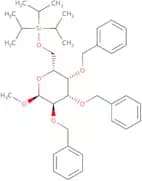
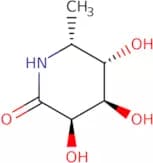

![(2S, 3S, 4R) -2- [(1R) - 1, 2-Dihydroxyethyl] -3, 4- pyrrolidinediol](/_next/image/?url=https%3A%2Fstatic.cymitquimica.com%2Fproducts%2F3D%2Fthumb-webp%2FMD163930.webp&w=3840&q=75)
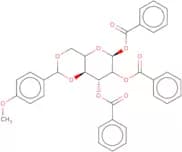
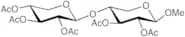
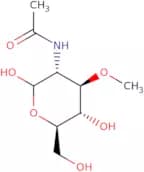
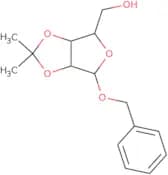
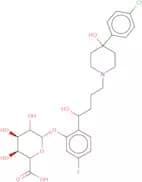
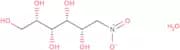


![(1S) -1- [(2S, 3R) - N-(Methoxyphenyl)methyl-3- hydroxy- 1- azetidinyl] -1, 2- ethanediol](/_next/image/?url=https%3A%2Fstatic.cymitquimica.com%2Fproducts%2F3D%2Fthumb-webp%2FMM163410.webp&w=3840&q=75)
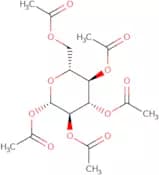
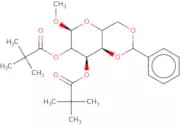

![(5S, 8S, 9S) -8- [(4S) - 2, 2-Dimethyl- 1, 3- dioxolan- 4- yl] - 9- hydroxy- 2, 2- dimethyl- 1, 3,…](/_next/image/?url=https%3A%2Fstatic.cymitquimica.com%2Fproducts%2F3D%2Fthumb-webp%2FMD170667.webp&w=3840&q=75)
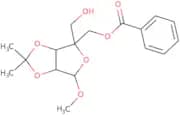
![(3aS, 7S, 9S, 9aR, 9bR) -9- [[(1, 1- Dimethylethyl) dimethylsilyl] oxy] - 2, 2- diethylhexahydro- …](/_next/image/?url=https%3A%2Fstatic.cymitquimica.com%2Fproducts%2F3D%2Fthumb-webp%2FMD168732.webp&w=3840&q=75)

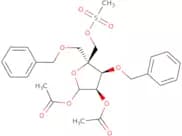
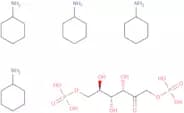

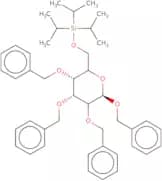
![(1S,3S,4R,8S)-8-Benzyloxy-1-hydroxymethyl-3-methoxy-2,6-dioxabicyclo[3,2,1]octane](/_next/image/?url=https%3A%2Fstatic.cymitquimica.com%2Fproducts%2F3D%2Fthumb-webp%2FMB10613.webp&w=3840&q=75)
![(1R) -1- [(2S, 3R) - N-Benzyl-3- hydroxy- 1- azetidinyl] -1, 2- ethanediol](/_next/image/?url=https%3A%2Fstatic.cymitquimica.com%2Fproducts%2F3D%2Fthumb-webp%2FMB163413.webp&w=3840&q=75)
![(1S) -1- [(2R, 3R,4S) -4-Hydroxymethyl-3- hydroxy- 1- azetidinyl] -1, 2- ethanediol hydrochloride](/_next/image/?url=https%3A%2Fstatic.cymitquimica.com%2Fproducts%2F3D%2Fthumb-webp%2FMH163376.webp&w=3840&q=75)
![N-[(4'-Dimethylaminophenyl)-1-propenyl]imino-2,3,4,6-tetra-O-pivaloyl-D-glucopyranose](/_next/image/?url=https%3A%2Fstatic.cymitquimica.com%2Fproducts%2F3D%2Fthumb-webp%2FMD08489.webp&w=3840&q=75)
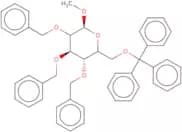
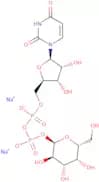
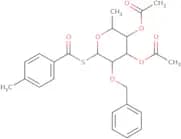

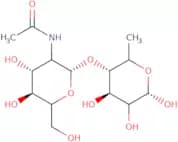
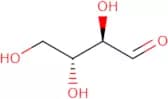

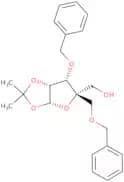
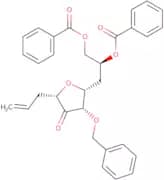
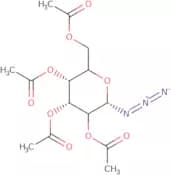
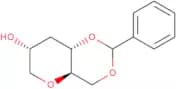

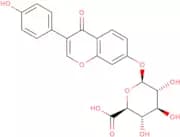
![(1R) -1- [(2R, 3S,4S) -4-Hydroxymethyl-3- hydroxy- 1- azetidinyl] -1, 2- ethanediol](/_next/image/?url=https%3A%2Fstatic.cymitquimica.com%2Fproducts%2F3D%2Fthumb-webp%2FMH163381.webp&w=3840&q=75)
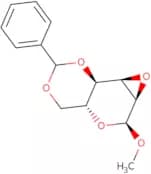
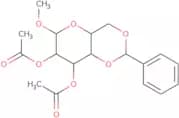
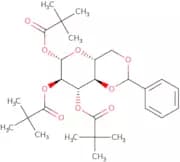
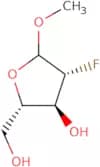
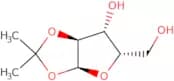
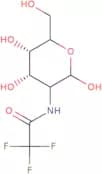
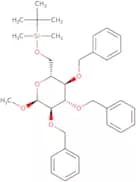

![(4S,9R)-4-Benzyloxy-N-benzyloxycarbonyl-8-oxo-9-methoxy-octahydro-pyrano[4,3-b]pyrrole](/_next/image/?url=https%3A%2Fstatic.cymitquimica.com%2Fproducts%2F3D%2Fthumb-webp%2FMB164009.webp&w=3840&q=75)
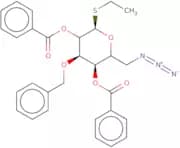
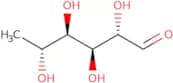
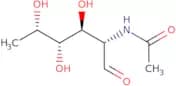
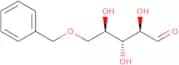




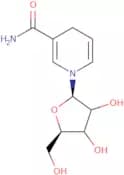
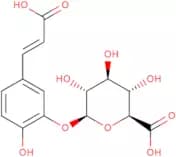
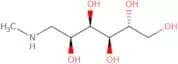
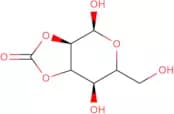
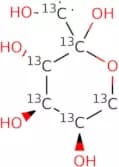
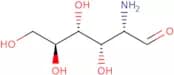
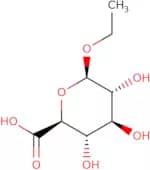
![5-Amino-3-β-D-ribofuranosylthiazolo[4,5-d]pyrimidin-2,7(3H,6H)-dione](/_next/image/?url=https%3A%2Fstatic.cymitquimica.com%2Fproducts%2F3D%2Fthumb-webp%2FXEA97040.webp&w=3840&q=75)