Monosaccharides
Monosaccharides are the simplest form of carbohydrates and serve as fundamental building blocks for more complex sugars and polysaccharides. These single sugar molecules play critical roles in energy metabolism, cellular communication, and structural components of cells. In this section, you will find a wide variety of monosaccharides essential for research in biochemistry, molecular biology, and glycoscience. These compounds are crucial for studying metabolic pathways, glycosylation processes, and developing therapeutic agents. At CymitQuimica, we offer high-quality monosaccharides to support your research needs, ensuring precision and reliability in your scientific investigations.
Subcategories of "Monosaccharides"
- Alloses(11 products)
- Arabinoses(21 products)
- Erythroses(11 products)
- Fructoses(9 products)
- Fucoses(36 products)
- Galactosamine(41 products)
- Galactose(260 products)
- Glucoses(365 products)
- Glucuronic Acids(51 products)
- Glyco-substrates for Enzyme(77 products)
- Guloses(6 products)
- Idoses(4 products)
- Inositols(15 products)
- Lyxoses(4 products)
- Mannoses(65 products)
- O-Glycans(48 products)
- Psicoses(3 products)
- Rhamnoses(10 products)
- Riboses(61 products)
- Sialic Acids(100 products)
- Sorboses(4 products)
- Sugars(173 products)
- Tagatoses(4 products)
- Taloses(8 products)
- Xyloses(20 products)
Show 17 more subcategories
Found 6088 products of "Monosaccharides"
Sort by
Purity (%)
0
100
|
0
|
50
|
90
|
95
|
100
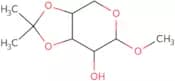
Methyl 6-deoxy-3,4-O-isopropylidene-a-D-galactopyranoside
CAS:<p>Methyl 6-deoxy-3,4-O-isopropylidene-a-D-galactopyranoside is a saccharide that has been modified by a click reaction. It is used in the synthesis of complex carbohydrates and in the modification of glycosylations. This product is manufactured using high purity reagents and can be purchased with custom synthesis options. Methyl 6-deoxy-3,4-O-isopropylidene-a-D-galactopyranoside has CAS number 71772-35-5.</p>Formula:C10H18O5Purity:Min. 95%Molecular weight:218.25 g/molα-D-Galactose
CAS:<p>α-D-Galactose is a monosaccharide that is found in the human serum. It is a potent inducer of liver lesions and mitochondrial membrane potential, which may be due to its ability to stimulate the synthesis of proinflammatory cytokines. α-D-Galactose also has anti-inflammatory properties, as well as structural analysis properties that can be used for diagnosis. α-D-Galactose has been used as a model system for studying oligosaccharides, which are carbohydrates with more than one sugar unit. α-D-Galactose binds to sephadex g-100 by hydrogen bonds and can be detected by laser ablation mass spectrometry.</p>Formula:C6H12O6Purity:Min. 95%Molecular weight:180.16 g/mol1,4:3,6-Dianhydro-2,5-di-O-ethyl-D-glucitol
CAS:<p>1,4:3,6-Dianhydro-2,5-di-O-ethyl-D-glucitol (1,4:3,6-DDG) is a synthetic monosaccharide that has been modified with fluorination. It is a complex carbohydrate that can be used in the synthesis of glycosylations and polysaccharides. The chemical modification of 1,4:3,6-DDG with fluorination results in its increased stability under acidic conditions. This product is custom synthesized to meet the requirements of our clients.</p>Purity:Min. 95%Maltoheptaose hydrate
CAS:<p>Maltoheptaose hydrate is a mixture of oligosaccharides and monosaccharides that has been shown to be effective as a biocide. Maltoheptaose hydrate has been shown to be an effective radiation absorber, with the ability to absorb microwaves and other forms of radiation. The compound also has the capacity to form hydrogen bonds, which can lead to the formation of alcohols in solution. This property makes maltoheptaose hydrate a useful recording agent for microwave radiation, as well as being able to absorb alcohols. Maltoheptaose hydrate is composed of both monomeric and monosaccharides, which are saccharides.</p>Formula:C42H74O37Purity:Min. 95%Molecular weight:1,171 g/molMethyl 3-O-benzyl-2-deoxy-2-phthalimido-b-D-glucopyranoside
CAS:<p>Methyl 3-O-benzyl-2-deoxy-2-phthalimido-b-D-glucopyranoside is a synthetic, fluorinated saccharide that can be used as a glycosylation or Click modification reagent. It can be used for the synthesis of oligosaccharides and polysaccharides and has been shown to be capable of introducing methyl groups in saccharides. Methyl 3-O-benzyl-2-deoxy-2-phthalimido-b-D-glucopyranoside is also a potent inhibitor of bacterial RNA polymerase.</p>Formula:C22H23NO7Purity:Min. 95%Molecular weight:413.42 g/mol1,3-Di-O-benzyl-4,6-O-benzylidene-a-D-mannopyranoside
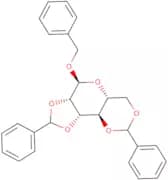
CAS:<p>1,3-Di-O-benzyl-4,6-O-benzylidene-a-D-mannopyranoside is a carbohydrate that can be synthesized with custom synthesis. It can be modified with fluorination and methylation. Carbohydrates are saccharides that contain aldehyde or ketone groups. This compound contains an aldose group and an alditols group. The carbohydrates in this compound are glycosylated and methylated.</p>Formula:C27H28O6Purity:Min. 95%Molecular weight:448.51 g/mol4-Methylumbelliferyl 2,3,4-tri-O-acetyl-a-L-idopyranosiduronic acid methyl ester
CAS:<p>4-Methylumbelliferyl 2,3,4-tri-O-acetyl-a-L-idopyranosiduronic acid methyl ester is a custom synthesis of a monosaccharide. It is fluorinated, methylated, and modified with the click reaction. This product has been used in the modification of oligosaccharides and polysaccharides.</p>Formula:C23H24O12Purity:Min. 95%Molecular weight:492.43 g/mol5-(S-2-Phenyl-pyrrolidine)-1-yl-5-deoxy-1,2-isopropylidene-a-D-xylofuranose
CAS:<p>The compound is a custom synthesis of 5-(S-2-Phenyl-pyrrolidine)-1-yl-5-deoxy-1,2-isopropylidene-a-D-xylofuranose. The compound is modified with fluorination, methylation, and monosaccharide. The compound has been synthesized using click chemistry for the modification of oligosaccharides and saccharides. The CAS No. for this compound is 1014404-87-5. This carbohydrate is a complex carbohydrate that has the ability to modify glycosylation and sugar structures in cells.</p>Formula:C18H25NO4Purity:Min. 95%Molecular weight:319.4 g/mola-L-Arabinopyranosylnitromethane
CAS:<p>a-L-Arabinopyranosylnitromethane is a synthetic, complex carbohydrate that can be used for glycosylation and methylation reactions. It is also an intermediate in the synthesis of other carbohydrates, such as oligosaccharides. This compound has been shown to be resistant to fluorination and alkylation reactions. The purity of this product is greater than 98%.</p>Formula:C6H11NO6Purity:Min. 95%Molecular weight:193.2 g/mol1,2,3,6-Tetra-O-benzoyl-4-deoxy-4-fluoro-a-D-mannopyranose
CAS:<p>1,2,3,6-Tetra-O-benzoyl-4-deoxy-4-fluoro-a-D-mannopyranose is a high purity synthetic carbohydrate that has been modified with methylation and glycosylation. It is an Oligosaccharide that belongs to the Polysaccharide group. This complex carbohydrate is a saccharide with a CAS number of 1309463-38-4. The 1,2,3,6-Tetra-O-benzoyl-4-deoxy--4--fluoro--aD--mannopyranose is a sugar that can be used for Click modification.</p>Formula:C34H27FO9Purity:Min. 95%Molecular weight:598.57 g/mol1,6:3,4-Dianhydro-b-D-altropyranose
CAS:<p>1,6:3,4-Dianhydro-b-D-altropyranose is a sugar that has been modified by methylation. It is a white powder with a melting point of 197°C. This product can be used as an intermediate in the synthesis of saccharides and polysaccharides. It can also be used as an intermediate for glycosylations and fluorinations. 1,6:3,4-Dianhydro-b-D-altropyranose is available in high purity and custom synthesis options.</p>Formula:C6H8O4Purity:Min. 95%Molecular weight:144.13 g/mol4-Methoxyphenyl 2,6-di-O-benzyl-β-D-galactopyranoside
CAS:<p>4-Methoxyphenyl 2,6-di-O-benzyl-b-D-galactopyranoside is a prodrug that is metabolized by esterases to the active form, 6-fluoro-3-indoxyl beta D galactopyranoside. This drug inhibits cancer cells and has been shown to cause cell death by inhibiting the production of proteins vital for cell division. It also induces inflammatory responses in cancer cells, which may be due to its ability to bind with cyclin D2 and uptake ternary complexes. 4MPBG also inhibits repair genes in human protein synthesis and microstructural changes in cancer cells.</p>Formula:C27H30O7Purity:Min. 95%Molecular weight:466.52 g/molSertraline carbamoyl glucuronide
CAS:<p>Sertraline is a selective serotonin reuptake inhibitor (SSRI) that is used primarily in the treatment of depression and anxiety. It inhibits the serotonin transporter protein, making more serotonin available for binding to postsynaptic receptors. Sertraline also has a minor inhibitory effect on norepinephrine and dopamine reuptake, but its primary function is as a selective serotonin reuptake inhibitor. The major metabolite of sertraline is sertraline carbamoyl glucuronide, which is formed through glucuronidation by UGT2B7. This metabolite has been found to be bifurcated with one half being excreted in urine and the other half being excreted in faeces. The half that undergoes urinary excretion has been shown to have a half-life of 24 hours whereas the other half has a much shorter half-life of 2 hours. Carbamoylation of sertraline may</p>Formula:C24H25Cl2NO8Purity:Min. 95%Molecular weight:526.36 g/molp-Methoxyphenyl 1-thio-b-D-galactopyranoside
CAS:<p>p-Methoxyphenyl 1-thio-β-D-galactopyranoside is a synthetic carbohydrate that has been modified with fluorine. It is a complex carbohydrate and an oligosaccharide that can be synthesized using a custom synthesis. This product is high purity, methylated, glycosylated, and click modified.</p>Purity:Min. 95%4-Methoxyphenyl 3,4-O-isopropylidene-2,6-bis-O-(4-methylbenzoyl)-β-D-galactopyranoside
CAS:<p>4-Methoxyphenyl 3,4-O-Isopropylidene-2,6-bis-O-(4-methylbenzoyl)-b-D-galactopyranoside is a galactoside that acts as an inhibitor of calcium ion influx. It inhibits actin filament assembly and expression by binding to the N terminus of proteins in the actin filament regulatory complex. 4MPBIG has been shown to have anti-cancer effects through microstructural changes in cancer cells. This compound also inhibits cation channels and prevents the release of neurotransmitters from nerve cells. 4MPBIG has strong thermodynamic and kinetic profiles that can be used for profiling and identification purposes. The irreversible oxidation of the hydroxy group at C2 is a sequence specific process that can be used for identification purposes. The kinase domain contains carbides, which are useful for sequencing purposes due to their stability under acidic conditions.</p>Formula:C32H34O9Purity:Min. 95%Molecular weight:562.61 g/mol1,4-Dibenzoyl-2,3:5,6-di-O-isopropylidene myo-inositol
CAS:<p>1,4-Dibenzoyl-2,3:5,6-di-O-isopropylidene myo-inositol is a synthetic saccharide with the chemical formula C8H12FO4. It is a white crystalline solid that is soluble in water and methanol. This product can be used for custom synthesis of complex carbohydrates and as a reagent for fluoroquinolone resistance. It has been shown to inhibit bacterial growth by binding to DNA gyrase and topoisomerase IV, which are enzymes that maintain the integrity of bacterial DNA.</p>Purity:Min. 95%3,4,6-Tri-O-benzyl-2-deoxy-D-glucopyranose
CAS:<p>3,4,6-Tri-O-benzyl-2-deoxy-D-glucopyranose is a sugar moiety that consists of 3,4 and 6 triacetate groups. It is used as a glycosylation agent to increase the stability of glycoprotein drugs and in the synthesis of chemical reagents such as perchlorate. In addition, it has been shown to be an effective catalyst for the synthesis of various alcohols. This sugar moiety also has high stereoselectivity and yields when used in reactions with acetyl or benzyl alcohols. Finally, this moiety may be substituted with other functional groups such as flavonoids or alcohols in order to change its characteristics.</p>Formula:C27H30O5Purity:Min. 95%Molecular weight:434.52 g/mol5-Deoxy-L-lyxose
CAS:<p>5-Deoxy-L-lyxose is a marine bioactive molecule that belongs to the group of 5-deoxy sugars. Its ring structure is similar to that of ribulose, and it has been found in marine sponges. This compound has a hydroxyl group in its structure and can be oxidized to produce orange pigments. The compound's nmr spectra show it to be an isomer of benzoate, with the sodium salt being more soluble in water than the sodium salts of other 5-deoxy sugars. 5-Deoxy-L-lyxose is also conjugated with amino acids or peptides.</p>Formula:C5H10O4Purity:Min. 95%Molecular weight:134.13 g/molAmyl 2-acetamido-2-deoxy-b-D-glucopyranoside
CAS:<p>Amyl 2-acetamido-2-deoxy-b-D-glucopyranoside is a chemical compound that is used as an additive for industrial purposes. It is soluble in n-butanol, ethylene glycol, ferrocene, and methanol. The molecular weight of this chemical compound is 542.07 g/mol.</p>Formula:C13H25NO6Purity:Min. 95%Molecular weight:291.34 g/mol1,6-Anhydro-β-D-cellotetraose
CAS:<p>1,6-Anhydro-b-D-glucopyranose is a 6-carbon sugar that can be found in small quantities in the human body. It is a type of glycosidic compound and has been used as a food additive for animals. This sugar is also used for analytical methods to measure the quantity of cellotriose in cells. 1,6-Anhydro-b-D-glucopyranose is an oligosaccharide that has been shown to have prebiotic properties due to its ability to be digested by bacteria and promote their growth. Quantifying this sugar is done by measuring the amount of glycosidic bonds present.</p>Formula:C24H40O20Purity:Min. 95%Color and Shape:White To Off-White SolidMolecular weight:648.56 g/molUDP-4-azido-4-deoxy-D-glucose
CAS:<p>UDP-4-azido-4-deoxy-D-glucose is an analogue of UDP-glucose with an azide group at the 4 position. In the presence of α-lactalbumin, UDP-4-azido-4-deoxy-D-glucose show pronounced inhibition of lactose synthesis in a concentration dependent manner.</p>Purity:Min. 95%β-D-Glucopyranosyl taraxinic ester
CAS:<p>β-D-Glucopyranosyl taraxinic ester is a cytotoxic natural product that has been shown to inhibit the growth of tumor cells in vitro. β-D-Glucopyranosyl taraxinic ester inhibits the synthesis of nucleic acids, proteins, and lipids. It also inhibits the proliferation of lymphoid cells in vitro. The IC50 values for β-D-glucopyranosyl taraxinic ester are 0.04 mM for mouse tumor cells and 0.07 mM for human tumor cells.<br> β-D-Glucopyranosyl taraxinic ester has been shown to inhibit the growth of tumor cell lines in vitro, such as K562 and P388 leukemia cell lines, HeLa cervical carcinoma, and A549 lung carcinoma cell lines. This compound induces apoptosis by increasing caspase activity and decreasing bcl2 levels in these cancer cells.</p>Formula:C21H28O9Purity:Min. 95%Molecular weight:424.44 g/molPhenyl 2,3-di-O-benzyl-4,6-O-benzylidene-a-D-thiomannopyranoside
CAS:<p>Phenyl 2,3-di-O-benzyl-4,6-O-benzylidene-a-D-thiomannopyranoside is a complex carbohydrate that is synthesized by methylation and glycosylation of thiomannose. This product has been modified to contain a fluorinated substituent on the phenyl ring. Phenyl 2,3-di-O-benzyl-4,6-O-benzylidenea D thiomannopyranoside is soluble in water and has an HPLC purity of >99%.</p>Formula:C33H32O5SPurity:Min. 95%Molecular weight:540.67 g/molL-Idonic acid-1,4-lactone
CAS:<p>L-Idonic acid-1,4-lactone is a custom synthesis that is a glycoconjugate with a carbohydrate moiety. It can be used for the modification of glycoproteins and glycopeptides, and has shown to have anti-inflammatory properties. L-Idonic acid-1,4-lactone is a sugar that is made up of an idonic acid attached to an alpha (1→4)-linked D-glucose molecule. This product can be methylated or glycosylated and has been shown to have anticancer activity in animal models. L-Idonic acid-1,4-lactone is soluble in water and has been fluorinated at the 4 position on the glucose unit.</p>Formula:C6H10O6Purity:Min. 95%Molecular weight:178.14 g/mol1,6-Di-O-acetyl-2,3,4-tri-O-benzyl-α-D-mannopyranose
CAS:<p>1,6-Di-O-acetyl-2,3,4-tri-O-benzyl-a-D-mannopyranose is a carbohydrate that has been synthetically prepared. The sugar was synthesized by the solid phase synthesis of an acetate derivative of 2,3,4-tri-O-benzylglucal and 1,6 diacetate benzil. The conformation of the sugar was determined from X-ray crystallography to be anomeric. The structure consists of a six membered ring with two oxygen atoms on opposite sides. This hexagonal ring is composed of four methylene groups and two oxygens. One oxygen atom is bonded to one carbon atom in the adjacent six membered ring with a single bond and the other oxygens are bonded to carbons in the adjacent six membered rings with double bonds. This results in three rings that are not fully interlocked as they have different degrees of freedom</p>Formula:C31H34O8Purity:Min. 95%Molecular weight:534.6 g/molD-Fuculose
CAS:<p>D-Fuculose is a sugar that is used as a sweetener. It is produced by microbial fermentation of l-arabinose, which is an intermediate in the pentose phosphate pathway. D-Fuculose can be synthesized from glucose and fucose using enzymes such as sucrose isomerase or mutarotase. The conversion of glucose to D-fuculose proceeds at temperatures between 50 and 70 degrees Celsius, with optimal activity occurring at 60 degrees Celsius. D-Fuculose has been shown to have high catalytic activity and stability under acidic conditions, making it ideal for use as a food additive in acidic drinks or foods. It also has the highest sweetness intensity of all sugars tested to date.</p>Formula:C6H12O5Purity:Min. 95%Molecular weight:164.16 g/mol3,6-Dideoxy-L-arabino-hexose
CAS:<p>3,6-Dideoxy-L-arabino-hexose (3,6-D) is a natural compound that has been shown to inhibit the growth of bacteria by binding to their ribosomes. It is an active inhibitor of tyvelose, which is a drug used in the treatment of infectious diseases. 3,6-D binds reversibly to the terminal residues on the bacterial ribosome and blocks the entry of tyvelose into the ribosome. The conformational properties of 3,6-D have been studied using hybridoma cell lines and methyl glycosides. Structural analysis has shown that 3,6-D may be synthesized from glucose in a series of enzymatic reactions involving glycan synthesis.</p>Purity:Min. 95%Butyl 2-acetamido-3,4,6-tri-O-acetyl-2-deoxy-b-D-glucopyranoside
CAS:<p>Butyl 2-acetamido-3,4,6-tri-O-acetyl-2-deoxy-b-D-glucopyranoside is a custom synthesis that can be used for glycosylation. It has CAS No. 155197-37-8 and it is a fluorination of a monosaccharide with an acetamide group. This product is an oligosaccharide that contains a complex carbohydrate consisting of many sugar residues linked together by glycosidic bonds. The modification of this product includes methylation and sugar substitution.</p>Formula:C18H29NO9Purity:Min. 95%Molecular weight:403.42 g/mol4-O-Acetyl-3,6-di-O-benzyl-D-glucal
CAS:<p>4-O-Acetyl-3,6-di-O-benzyl-D-glucal is a custom synthesized compound with high purity. This product is a complex carbohydrate that can be used as a monosaccharide or sugar. It has been modified with fluorination and methylation to produce a compound that is resistant to degradation by enzymes and oxidation. The CAS number for this product is 165524-87-8.</p>Formula:C22H24O5Purity:Min. 95%Molecular weight:368.43 g/mol1,2,3,4-Tetra-O-acetyl-b-D-arabinopyranose
CAS:<p>1,2,3,4-Tetra-O-acetyl-b-D-arabinopyranose is a custom synthesis of a carbohydrate. It is a tetra acetylated form of arabinopyranose that has been fluorinated. The fluorination process increases the reactivity of the sugar and allows for it to be glycosylated or methylated. This sugar can be used in the synthesis of oligosaccharides and complex carbohydrates. These can be used as sweeteners or functional food additives.</p>Formula:C13H18O9Purity:Min. 95%Molecular weight:318.28 g/mol1,3,6-Tri-O-acetyl-2,4-dideoxy-2-phthalimido-b-D-glucopyranose
CAS:<p>1,3,6-Tri-O-acetyl-2,4-dideoxy-2-phthalimido-b-D-glucopyranose is a modification of the sugar molecule. This product is a custom synthesis and can be used in research to synthesize complex carbohydrates. It is also a synthetic carbohydrate that has been fluorinated and saccharides have been methylated and glycosylated. It has CAS No. 1260591-45-4 and can be used as a monosaccharide or polysaccharide.</p>Formula:C20H21NO9Purity:Min. 95%Molecular weight:419.38 g/mol2,3,5-Tri-O-benzoyl-b-D-ribofuranose
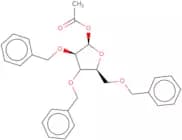
CAS:<p>2,3,5-Tri-O-benzoyl-b-D-ribofuranose is a custom synthesis of an oligosaccharide. It has been modified with fluorination and methylation. This is a synthetic carbohydrate that belongs to the class of saccharides. It has been synthesized from a monosaccharide and has glycosylation. The chemical formula for 2,3,5-Tri-O-benzoyl-b-D-ribofuranose is C10H14O7.</p>Formula:C26H22O8Purity:Min. 95%Molecular weight:462.45 g/mol2,3,4,6-Tetra-O-benzyl-a-D-talopyranose
<p>2,3,4,6-Tetra-O-benzyl-a-D-talopyranose is a glycoside that has been modified with methyl groups at C2 and C6. It also has been fluorinated at the C1 position and saccharified with 2,3,4,6 trihydroxypentane. This product is a custom synthesis for research purposes only.</p>Purity:Min. 95%Phenyl-α-D-glucopyranoside
CAS:<p>Phenyl-alpha-D-glucopyranoside is a molecule that is found in the β-cell of the pancreas. It is thought to be involved in the biosynthesis of oligosaccharides and interacts with other molecules to form glycosidic bonds. The interaction between phenyl-alpha-D-glucopyranoside and other molecules has been analysed by gas chromatography, which showed that it was hydrophobic, but also interacted with carbohydrates. Phenyl-alpha-D-glucopyranoside has also been shown to inhibit gram negative bacteria, such as Escherichia coli or Salmonella enterica.</p>Formula:C12H16O6Molecular weight:256.25 g/mol2,6-Deoxyfructosazine
CAS:<p>2,6-Deoxyfructosazine is a type of fructosamine that is derived from inulin. It is used as a matrix for chromatography. The 2,6-deoxyfructosazine molecule has a low molecular weight and can be easily separated from the other components of the plant material by means of chromatography. This compound can also be extracted with ether and then concentrated to produce a product with an analytical yield of up to 98%. The product can then be purified by recrystallization or sublimation. The reaction time required for this process varies depending on the type of solvent used and whether or not it is heated. For example, when using ether as the solvent, the reaction time ranges between 30 minutes to 1 hour at 45 degrees Celsius. However, when using chloroform as the solvent, the reaction time ranges between 3 hours to 5 hours at 40 degrees Celsius.</p>Formula:C12H20N2O7Purity:Min. 95%Color and Shape:PowderMolecular weight:304.3 g/mol2-O-Carboxymethyl-D-glucose
CAS:<p>2-O-Carboxymethyl-D-glucose is a reaction product of D-glucose and chloroacetate. It is often used in the production of sulfoxide and fibre. 2-O-Carboxymethyl-D-glucose can be used as a precursor for other chemical compounds, such as functional groups, acidic monomers, or reactive monomers. It has been shown to react with anhydroglucose at a rate of 1:1. The reaction time for this process is dependent on the concentration of the reactants.</p>Formula:C8H14O8Purity:Min. 95%Color and Shape:White Off-White PowderMolecular weight:238.19 g/mol2-Hydroxyimipramine b-D-glucuronide
CAS:<p>2-Hydroxyimipramine b-D-glucuronide is a custom synthesis, modification, and fluorination of the drug 2-hydroxyimipramine. The methyl group from the molecule is replaced with a fluoro group. This modification leads to a new compound with improved pharmacokinetic properties. The new compound also has glycosylation sites on the sugar ring that are not present in the parent drug. This modification may lead to an increase in the therapeutic efficacy of 2-hydroxyimipramine b-D-glucuronide as it interacts with other drugs and increases their bioavailability.</p>Formula:C25H32N2O7Purity:Min. 95%Color and Shape:SolidMolecular weight:472.54 g/mol3-O-Triisopropylsilyl-D-glucal
<p>3-O-Triisopropylsilyl-D-glucal is a modified carbohydrate, which is a saccharide that has been modified by the addition of three isopropyl groups. This modification can be used to synthesize oligosaccharides and polysaccharides in order to obtain desired properties. 3-O-Triisopropylsilyl-D-glucal can also be used as a fluorinating agent in synthesis reactions. The compound is also custom synthesized and can be synthesized with high purity (>98%) or with methylation or glycosylation. 3-O-Triisopropylsilyl-D-glucal will react with nucleophiles like amines and alcohols to form adducts, which are then hydrolyzed to release the product.</p>Formula:C15H30O4SiPurity:Min. 95%Molecular weight:302.48 g/mol6-O-Acetyl-2,3,4-tri-O-benzoyl-b-D-mannopyranose
<p>6-O-Acetyl-2,3,4-tri-O-benzoyl-b-D-mannopyranose is a synthetic oligosaccharide that is used as an inhibitor of glycosylation. It is synthesized by the reaction of 6-O-acetylmannopyranosyl fluoride with 2,3,4,6-tetraacetylbromo benzaldehyde and hydrochloric acid in acetic acid. The product can be used for the synthesis of complex carbohydrates such as glycoconjugates or polysaccharides. 6-O-Acetyl -2,3,4 -tri -O -benzoyl -b -D mannopyranose has a purity of > 98% and a CAS number of 118916–00–5.</p>Formula:C29H26O10Purity:Min. 95%Molecular weight:534.51 g/mol3,4,6-Tri-O-benzyl-D-glucofuranose
CAS:<p>3,4,6-Tri-O-benzyl-D-glucofuranose is a modification of the natural sugar D-glucose. This modification has been found to be stable against hydrolysis by esterases and other enzymes. It is synthesized in a custom synthesis. 3,4,6-Tri-O-benzyl-D-glucofuranose has been shown to be an effective inhibitor of glycosylation and polysaccharide formation in vitro. It can be used for the preparation of high purity sugars for use in research or as a polymer precursor or monosaccharide. 3,4,6-Tri-O-benzyl-D-glucofuranose is found on the CAS registry with the number 35958-64-6.</p>Purity:Min. 95%4'-O-(b-D-Glucopyranosyl)-D-pantothenic acid
CAS:<p>4'-O-(b-D-Glucopyranosyl)-D-pantothenic acid is a glycosylated, fluorinated, and methylated complex carbohydrate. It has been synthesized by Click chemistry. 4'-O-(b-D-Glucopyranosyl)-D-pantothenic acid has been shown to be a potent inhibitor of the production of proinflammatory cytokines in mouse macrophages. This compound also inhibits the synthesis of bacterial cell wall polysaccharides by inhibiting glycosyltransferases and depolymerizing the sugar backbone.</p>Formula:C15H27NO10Purity:Min. 95%Molecular weight:381.38 g/molMoxifloxacin acyl D-glucuronide
<p>Moxifloxacin acyl D-glucuronide is a fluorinated, synthetic compound that inhibits bacterial growth by binding to the 16S ribosomal RNA. This drug has been shown to have a broad spectrum of activity against Gram-positive and Gram-negative bacteria. Moxifloxacin acyl D-glucuronide is not active against acid-fast bacteria such as Mycobacterium tuberculosis or Mycobacterium avium complex. The most common adverse effect associated with this drug is nausea.</p>Purity:Min. 95%1,2,3,4,5,6-Hexa-O-acetyl-L-iditol
CAS:<p>1,2,3,4,5,6-Hexa-O-acetyl-L-iditol is a synthetic compound that is used as a reagent in the synthesis of oligosaccharides and polysaccharides. It is also used to modify the saccharide chains of complex carbohydrates. 1,2,3,4,5,6-Hexa-O-acetyl-L-iditol has been shown to react with both DNA and RNA. The methylation reaction can be achieved by treatment with formaldehyde or sodium cyanoborohydride. This compound has been modified by fluorination to create monosaccharides such as fluorohexitol and fluoroarabitol.</p>Formula:C18H26O12Purity:Min. 95%Molecular weight:434.4 g/molMethyl 2,3-O-isopropylidene-5-O-benzyl-b-D-ribofuranoside
CAS:<p>Methyl 2,3-O-isopropylidene-5-O-benzyl-b-D-ribofuranoside is a modified sugar that is synthesized by the methylation of 5-O-benzyl bromoformate with Methyl 2,3,4,5,-tetraacetoxybromobenzene. This compound is also known as Methyl 2,3,4,5,-tetraacetoxybromobenzene. It has CAS No. 33019-63-5 and molecular weight of 290.</p>Formula:C16H22O5Purity:Min. 95%Molecular weight:294.34 g/mol7-Hydroxy coumarin b-D-glucuronide methyl ester
CAS:<p>7-Hydroxy coumarin b-D-glucuronide methyl ester is a custom synthesis used in the modification of saccharides. This compound can be used to modify monosaccharides, oligosaccharides, and polysaccharides. It has been shown to fluorinate, methylate, and click-modify saccharides. 7-Hydroxy coumarin b-D-glucuronide methyl ester is also known as CAS No. 1176514-11-6.</p>Formula:C16H16O9Purity:Min. 95%Molecular weight:352.29 g/mol2-Acetamido-4,6-O-benzylidene-2-deoxy-D-gluconhydroximo-1,5-lactone
CAS:<p>2-Acetamido-4,6-O-benzylidene-2-deoxy-D-gluconhydroximo-1,5-lactone is a high purity, custom synthesis sugar. This compound has been shown to have click modification, fluorination, glycosylation and methylation. 2-Acetamido-4,6-O-benzylidene-2-deoxy-D-gluconhydroximo 1,5 -lactone is also a synthetic carbohydrate. This compound has been shown to be an oligosaccharide and monosaccharide. It is saccharide with complex carbohydrate properties.</p>Formula:C15H18N2O6Purity:Min. 95%Molecular weight:322.31 g/mol3,4-Di-O-benzyl-L-rhamnal
CAS:<p>3,4-Di-O-benzyl-L-rhamnal is a high purity Glycosylation Oligosaccharide with a CAS No. 117249-17-9 that is synthesized by Click modification and methylation. It can be used as a raw material in the synthesis of complex carbohydrate. 3,4-Di-O-benzyl-L-rhamnal is water soluble and has an excellent stability in acidic conditions.</p>Purity:Min. 95%4-C-Acetoxymethyl-1,2-di-O-acetyl-3,5-di-O-benzyl-D-ribofuranose
CAS:<p>4-C-Acetoxymethyl-1,2-di-O-acetyl-3,5-di-O-benzyl-D-ribofuranose is a custom synthesis that can be modified according to your requirements. It is an oligosaccharide with a complex carbohydrate structure. This product is synthesized by Click chemistry and has a high purity level.</p>Formula:C26H30O9Purity:Min. 95%Color and Shape:Colourless syrup.Molecular weight:486.51 g/mol1,6:2,3-Dianhydro-4-O-benzyl-b-D-mannopyranose
CAS:<p>1,6:2,3-Dianhydro-4-O-benzyl-b-D-mannopyranose is a modification of the natural sugar D-mannopyranose. It is an oligosaccharide with a complex carbohydrate structure that has been synthesized by modifying the natural sugar. 1,6:2,3-Dianhydro-4-O-benzyl-b-D-mannopyranose is a high purity and monosaccharide that has been methylated and glycosylated to produce a polysaccharide sugar. This product can be used for many applications in the chemical industry including as a fluorination agent or as a saccharide in research or medical applications.</p>Formula:C13H14O4Purity:Min. 95%Molecular weight:234.25 g/mol4,7,8,9-Tetra-O-acetyl-N-acetyl-D-neuraminic acid methyl ester
CAS:<p>4,7,8,9-Tetra-O-acetyl-N-acetyl-D-neuraminic acid methyl ester is a modified form of sialic acid. This compound is a glycosylation product that has been modified with methyl groups and fluorine atoms. The fluorination of the molecule increases its stability and prevents it from being hydrolyzed by enzymes such as β-galactosidase. 4,7,8,9-Tetra-O-acetyl-N-acetyl-D-neuraminic acid methyl ester is often used in the synthesis of polysaccharides and oligosaccharides for medical purposes. This compound can be custom synthesized for research purposes or to meet special requirements.</p>Formula:C20H29NO13Purity:Min. 95%Color and Shape:White to off-white solid.Molecular weight:491.44 g/molBenzyl 2-azido-2-deoxy-a-D-galactopyranoside
CAS:<p>Benzyl 2-azido-2-deoxy-a-D-galactopyranoside (α-OBn GalN3) is a compound based on the structural features of α-OBn GalNAc. It features an azide functionality at C2 instead of the N-acetyl. α-OBn GalN3 inhibits glycosyltransferases responsible for O-GalNAc-type glycosylation and induces apoptosis in PC/AA/C1/SB10C and HCA7/C29 cells. The compound was tested at 0.5 mM for 4 days with different colorectal cell lines and showed an inhibition of cell growth. α-OBn GalN3 was also used as an intermediate for the total synthesis of (+)-Neocarzinostatin chromophore.</p>Formula:C13H17N3O5Purity:Min. 95%Molecular weight:295.29 g/molMethyl 3,5-di-O-(p-chlorobenzoyl)-2-keto-a-D-ribofuranoside
<p>Methyl 3,5-di-O-(p-chlorobenzoyl)-2-keto-a-D-ribofuranoside is an organic compound that is a modification of an oligosaccharide. It is synthesized by the methylation and glycosylation of an aldose sugar. The modification occurs in the form of a fluorination and saccharide substitution on the original molecule. This compound has been shown to have complex carbohydrate properties, as well as being a monosaccharide and polysaccharide. It has been found to be useful in numerous applications such as drugs, industrial chemicals, and others.</p>Purity:Min. 95%Ethyl 2,3-di-O-(4-methoxybenzyl)-4,6-O-(4-methoxybenzylidene)-b-D-thiogalactopyranoside S-oxide
<p>Ethyl 2,3-di-O-(4-methoxybenzyl)-4,6-O-(4-methoxybenzylidene)-b-D-thiogalactopyranoside S-oxide is a modification of an oligosaccharide. The carbohydrate has a molecular weight of 682. It is synthesized by the methylation and glycosylation of the monosaccharide, galactose. It can be used in many different applications including as a starting material for other carbohydrates or as a reagent in polysaccharide synthesis.</p>Formula:C32H38O9SPurity:Min. 95%Molecular weight:598.72 g/mol3',4'-Di-O-(b-D-glucopyranosyl)-L-DOPA
<p>3',4'-Di-O-(β-D-glucopyranosyl)-L-DOPA is a methylated form of L-DOPA that is used as a precursor in the synthesis of dopamine. It is available on custom synthesis, and can be modified with fluorination or click chemistry. This product is a synthetic monosaccharide sugar that is used in the production of polysaccharides and saccharides. It has a CAS number and is sold with high purity, which makes it an excellent candidate for modification.</p>Purity:Min. 95%Methyl 2,3-di-O-acetyl-4,6-O-benzylidene-a-D-glucopyranoside
CAS:<p>Methyl 2,3-di-O-acetyl-4,6-O-benzylidene-a-D-glucopyranoside is a glycosylation agent that is used to attach sugars to proteins, polysaccharides, and other biological molecules. This compound can be synthesized in custom quantities with high purity. It is often used for the modification of saccharides and oligosaccharides. Methyl 2,3-di-O-acetyl-4,6-O-benzylidene-a -D glucopyranoside has been shown to react with a variety of functional groups including amines, alcohols, carboxylic acids, thiols and sulfhydryls.</p>Formula:C18H22O8Purity:Min. 95%Molecular weight:366.37 g/molRhein 8-b-D-glucuronide
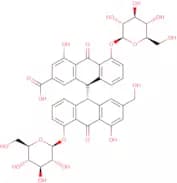
CAS:<p>Rhein 8-b-D-glucuronide is a synthetic glycosylate that has been modified with fluorine. It is soluble in water and methanol. Rhein 8-b-D-glucuronide is used as a reagent in sugar chemistry, such as the synthesis of oligosaccharides and monosaccharides. The compound can be used to modify saccharides as well, such as methylation and Click modification. Rhein 8-b-D-glucuronide has CAS number 70793-10-1 and a high purity level of >99%.</p>Formula:C21H16O12Purity:Min. 95%Molecular weight:460.34 g/mol3,4,6-Tri-O-acetyl-2-azido-2-deoxy-a-D-galactopyranosyl fluoride
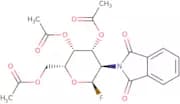
<p>3,4,6-Tri-O-acetyl-2-azido-2-deoxy-a-D-galactopyranosyl fluoride is a custom synthesis that has been modified. It has fluorination and methylation at the 6 position and a click modification at the 2 position. The monosaccharide is a galactose with an acetyl group at the 3 position, while the oligosaccharide is a triantennary saccharide. This compound is used in glycosylation reactions to create complex carbohydrates.</p>Purity:Min. 95%(1R,3S,4R,8S)-3-Acetoxy-1-acetoxymethyl-8-benzloxy-2,6-dioxabicyclo[3,2,1]octane
CAS:<p>(1R,3S,4R,8S)-3-Acetoxy-1-acetoxymethyl-8-benzloxy-2,6-dioxabicyclo[3,2,1]octane is a modification of a complex carbohydrate. It is synthesized by the methylation and glycosylation of the monosaccharide (1R,3S,4R,8S)-3-acetoxy-1-acetoxymethylcyclohexanecarboxylic acid. This product has a CAS number of 229469-37-8 and is available in high purity with 98% to 99% purity. This product can be used as an ingredient in pharmaceuticals or other chemical products.</p>Formula:C18H22O7Purity:Min. 95%Molecular weight:350.36 g/mol1,3-Di-O-acetyl-2-deoxy-5-O-benzoyl-L-erythro-pentofuranose
CAS:<p>1,3-Di-O-acetyl-2-deoxy-5-O-benzoyl-L-erythro-pentofuranose is a sugar with a complex carbohydrate structure. It is synthesized by the reaction of 1,3:2,4:5,6:7,8:9,10:11,12:13,14:15,16:17,18:19,20:21 and 22 O acetyl groups with 2 deoxyribose moieties. This product can be used in Click chemistry and glycosylization reactions. The CAS number for this product is 327027-21-4.</p>Formula:C16H18O7Purity:Min. 95%Molecular weight:322.31 g/mol1,2-Di-[(Trishydroxymethyl)aminomethane]-succinamide
<p>1,2-Di-[(Trishydroxymethyl)aminomethane]-succinamide is a synthetic chemical compound that has been modified to have a high purity. It can be used in the synthesis of oligosaccharides and saccharides, as well as complex carbohydrates. The chemical formula for 1,2-Di-[(Trishydroxymethyl)aminomethane]-succinamide is C6H10N4O3. This product can be found under CAS No.: 4173-71-1.</p>Purity:Min. 95%5-Deoxy-1,2-O-isopropylidene-5-(3-phenylpiperizin-1-yl)-a-D-xylofuranose
CAS:<p>5-Deoxy-1,2-O-isopropylidene-5-(3-phenylpiperizin-1-yl)-a-D-xylofuranose is a methylated and fluorinated sugar that was synthesized by the click reaction. The synthesis of this compound required the use of an oligosaccharide coupled with a polysaccharide for the attachment of the piperazine moiety. This product has been shown to be stable in water and other solvents. 5DIOXFURANOSE is a white to off white crystalline powder that appears as needle crystals. It is soluble in water, methanol, ethanol, acetonitrile, acetone and chloroform.</p>Formula:C18H26N2O5Purity:Min. 95%Molecular weight:334.32 g/molD-Glucose-6-18O
CAS:<p>D-Glucose-6-18O is a modified form of glucose, which is an important monosaccharide. It can be synthesized by the methylation and glycosylation of glucose. This compound has a CAS number of 7978-38-1. D-Glucose-6-18O is used in the synthesis of oligosaccharides and polysaccharides, and can be fluorinated to form 6Fluoro-3-indoxylglucopyranoside or 3Fluoro D Glucopyranoside.</p>Formula:OC6H12O5Purity:Min. 95%Molecular weight:182.16 g/mol2,3,4,6-Tetra-O-benzyl-D-galactopyranosyl trichloroacetimidate
CAS:<p>2,3,4,6-Tetra-O-benzyl-D-galactopyranosyl trichloroacetimidate (TBG) is a glycosylation agent that is used in the synthesis of d-chiro-inositol. It is an effective glycosylation agent because TBG can react with a variety of alcohols and amines to produce products of high purity. The product has been shown to be effective in the synthesis of fagopyritol and other related compounds.</p>Formula:C36H36Cl3NO6Purity:Min. 95%Color and Shape:Off-White SolidMolecular weight:685.03 g/molN-(2-Fluoroacetyl)-D-glucosamine
CAS:<p>N-(2-Fluoroacetyl)-D-glucosamine is a fluorinated derivative of D-glucosamine that has been used as a substrate in biochemical studies of glycosyltransferases. It has been found to be synthesized by lactobacillus acidophilus, which is an acidic bacterium that inhabits the human stomach and intestine. The biological properties of N-(2-fluoroacetyl)-D-glucosamine have not yet been studied in depth, but it has shown potential as a nonsteroidal anti-inflammatory drug.</p>Formula:C8H14FNO6Purity:Min. 95%Molecular weight:239.2 g/mol2,3,4-Tri-O-acetyl-1-cyano-a-D-xylopyranosyl bromide
CAS:<p>2,3,4-Tri-O-acetyl-1-cyano-a-D-xylopyranosyl bromide is a custom synthesis of a sugar. It is fluorinated, methylated, and acetylated. 2,3,4-Tri-O-acetyl-1-cyano-a-D-xylopyranosyl bromide can be used for the modification of glycosides and oligosaccharides as well as for the synthesis of saccharides and polysaccharides. This product is CAS No. 8349743 -2.</p>Formula:C12H14BrNO7Purity:Min. 95%Molecular weight:364.15 g/molN1-a-L-Arabinopyranosylamino-guanidine HNO3
CAS:<p>This compound is a custom synthesis with a complex carbohydrate. It has CAS No. 109853-80-7 and is a polysaccharide that is modified, methylated, glycosylated, and fluorinated. This compound is a sugar with high purity and a click modification. It can be used as an intermediate in the synthesis of other compounds or saccharides.</p>Formula:C6H14N4O4·HNO3Purity:Min. 95%Molecular weight:269.21 g/mol22-Dehydroclerosterol glucoside
CAS:<p>22-Dehydroclerosterol glucoside is a biochemical that has been shown to have antihepatotoxic activity. It has been shown to inhibit the production of glutamate and oxaloacetate in the liver, as well as phosphatase activity, which may be due to its ability to inhibit glutamate oxaloacetate transaminase. 22-Dehydroclerosterol glucoside can be extracted from clerodendrum species or synthesized from 22-dehydrocholesterol. This product is an alkaline substance with a chemical structure similar to that of cholesterol. It is used in parameters for determining glutamic oxaloacetic transaminase (GOT).</p>Purity:Min. 95%Desmethyl ranolazine b-D-glucuronide
CAS:<p>Desmethyl ranolazine b-D-glucuronide is a complex carbohydrate that is a modification of the sugar, glycosylation and carbohydrate. It is a fluorinated synthetic compound that has been modified with methyl groups, click chemistry and glycosylation. Desmethyl ranolazine b-D-glucuronide is soluble in water and methanol, and insoluble in ethanol. The CAS number for this compound is 172300-93-5.</p>Formula:C29H39N3O10Purity:Min. 95%Molecular weight:589.65 g/molEthyl 2,3-di-O-(4-methoxybenzyl)-4,6-O-(4-methoxybenzylidene)-b-D-thiogalactopyranoside
<p>Ethyl 2,3-di-O-(4-methoxybenzyl)-4,6-O-(4-methoxybenzylidene)-b-D-thiogalactopyranoside is a high purity, custom synthesis sugar that can be modified with fluorination, glycosylation, and methylation. This product has CAS number 401071-27-8. Ethyl 2,3-di-O-(4-methoxybenzyl)-4,6-O-(4-methoxybenzylidene)-b-D-thiogalactopyranoside is an oligosaccharide and monosaccharide of the carbohydrate complex.</p>Formula:C32H38O8SPurity:Min. 95%Molecular weight:582.7 g/molTri-Lewis x-APE, HSA conjugate
<p>Tri-Lewis x-APE, HSA conjugate is a high purity, custom synthesized tri-Lewis x oligosaccharide with a Click modification. This product is used in the synthesis of glycosylated proteins and polysaccharides. It has been shown to have high purity and can be used for complex carbohydrate synthesis.</p>Purity:Min. 95%Methyl 6-O-benzyl-2,3-di-O-methyl-a-D-glucopyranoside
CAS:<p>Methyl 6-O-benzyl-2,3-di-O-methyl-a-D-glucopyranoside is a custom synthesis that is fluorinated and modified. This product is an oligosaccharide with a molecular weight of 906. It has CAS No. 106220-89-7 and can be used in the modification of saccharides, carbohydrates, and polysaccharides. Methyl 6-O-benzyl-2,3-di-O-methyl -a -D -glucopyranoside has a purity greater than 99%. It is composed of a single monosaccharide sugar that has been synthesized and modified.</p>Formula:C16H24O6Purity:Min. 95%Molecular weight:312.37 g/mol4-Methoxyphenyl-2,3,5-tri-O-benzoyl-D-ribofuranoside
<p>Modification of glycosylation is a process that can be used to alter the properties or characteristics of a carbohydrate. This modification is done by adding a sugar molecule to the existing glycosidic linkage, modifying the chemical structure. Modification of glycosylation has been shown to increase the bioavailability and decrease the rate of clearance of drugs in animal models. This process can also be used to synthesize oligosaccharides, which are carbohydrates consisting of two to nine monosaccharide units. Monosaccharides are sugars composed only of one kind of sugar molecule, such as glucose or fructose. Methylation and fluorination are two types of chemical modifications that can be performed on saccharides (sugars). These modifications have been shown to increase the stability and solubility of saccharides while decreasing their immunogenicity.</p>Purity:Min. 95%N-Acetyl-2-O-methyl-a-neuraminic acid methyl ester 4,7,8,9-tetraacetate
CAS:<p>N-Acetyl-2-O-methyl-a-neuraminic acid methyl ester 4,7,8,9-tetraacetate is a synthetic monosaccharide that is the methyl ester of 2-O-Methyl alpha-neuraminic acid. It is an important reagent in the synthesis of oligosaccharides and polysaccharides. Methylation of the hydroxyl group on the C4' atom of NAMNAA (4,7,8,9 tetraacetate) with methyl iodide followed by acetylation with acetic anhydride produces the desired product. The resulting product has a purity level of >98% and CAS No. 73208-80-7.</p>Formula:C21H31NO13Purity:Min. 95%Molecular weight:505.47 g/molCatechol a-D-glucopyranoside
<p>Catechol a-D-glucopyranoside is a synthetic monosaccharide, which can be used as the starting material for the synthesis of polysaccharides and oligosaccharides. It has the same molecular formula as glucose, but with an additional hydroxyl group on carbon 2.</p>Formula:C12H16O7Purity:Min. 95%Molecular weight:272.25 g/molMethyl 3,6-anhydro-a-D-galactopyranoside
CAS:<p>Methyl 3,6-anhydro-a-D-galactopyranoside is a high purity, custom synthesis, fluorinated saccharide. It is synthesized from D-galactose by a modification of the Fischer glycosylation. Methyl 3,6-anhydro-a-D-galactopyranoside has been modified with methyl groups on the 6th and 3rd carbon atoms. This product can be used in various methods to modify carbohydrates and oligosaccharides including glycosylation, methylation and click chemistry. Methyl 3,6-anhydro-a-D-galactopyranoside is CAS No. 5540-31-8.</p>Formula:C7H12O5Purity:Min. 95%Molecular weight:176.17 g/molD-Fructose-1,6-diphosphate monocalcium salt
CAS:<p>D-Fructose-1,6-diphosphate monocalcium salt is a complex carbohydrate that is produced by methylation of D-fructose 1,6-diphosphate. This compound belongs to the class of saccharides and has been modified using fluorination. It is also an important glycosylation site for many proteins. In addition, it can be used as a synthetic substrate in click chemistry and as a building block for oligosaccharides or polysaccharides.</p>Formula:C6H12O12P2·CaPurity:Min. 95%Molecular weight:378.18 g/molMethyl 5-deoxy-2,3-O-isopropylidene-a-D-ribofuranoside
<p>Methyl 5-deoxy-2,3-O-isopropylidene-a-D-ribofuranoside is a synthetic modification of the natural sugar ribose. It is used in the synthesis of oligosaccharides and saccharides. Click chemistry has been used to attach a fluorine atom to the carbon at position 2 of the sugar ring, which has led to improved reactivity. Methyl 5-deoxy-2,3-O-isopropylidene-a-D-ribofuranoside is also used in glycosylation reactions and is an important component in the production of complex carbohydrates.</p>Formula:C9H16O4Purity:Min. 95%Molecular weight:188.22 g/mol1,2,3,4,6-Penta-O-acetyl-a-D-thiogalactopyranose
CAS:<p>1,2,3,4,6-Penta-O-acetyl-a-D-thiogalactopyranose is a fluorinated saccharide that can be used as a research tool. It has been modified with methylation and glycosylation. This product is purified and custom synthesized to meet customer specifications.</p>Formula:C16H22O10SPurity:Min. 95%Molecular weight:406.41 g/molBenzyl 2-amino-2-deoxy-a-D-galactopyranoside
CAS:<p>Benzyl 2-amino-2-deoxy-a-D-galactopyranoside is a fluorinated sugar that is used as a building block in the synthesis of oligosaccharides, polysaccharides, and complex carbohydrates. It can be used for the synthesis of saccharides via click chemistry or for modification of saccharides by methylation, monosaccharide, or polysaccharide. Benzyl 2-amino-2-deoxy-a-D-galactopyranoside has high purity.</p>Formula:C13H19NO5Purity:Min. 95%Molecular weight:269.29 g/molMethyl 2-O-allyl-3-O-benzyl-4,6-O-benzylidene-a-D-mannopyranoside
CAS:<p>Methyl 2-O-allyl-3-O-benzyl-4,6-O-benzylidene-a-D-mannopyranoside is a synthetic sugar that contains an aldose and a ketose. It has been used for the synthesis of oligosaccharides and monosaccharides. Methyl 2-O-allyl-3-O-benzyl -4,6 -O -benzylidene -a -D -mannopyranoside has been shown to have antiadhesive properties when used in combination with other sugars.</p>Formula:C24H28O6Purity:Min. 95%Molecular weight:412.48 g/mol6-O-Benzoyl-3-O-tert-butyldiphenylsilyl-D-galactal
<p>6-O-Benzoyl-3-O-tert-butyldiphenylsilyl-D-galactal is an oligosaccharide with a complex carbohydrate structure. It is prepared by the modification of D-galactal with benzoyl chloride and subsequent reaction with tert-butyl diphosphite. This compound has been shown to have antihypertensive properties and to inhibit the growth of tumor cells in culture. 6-O-Benzoyl-3-O-tert butyldiphenylsilyl D galactal is a fluorinated, high purity, synthetic sugar that is effective for inhibiting tumor growth in culture.</p>Formula:C29H32O5SiPurity:Min. 95%Molecular weight:488.65 g/molTri-O-acetyl-4,6-O-benzylidene-D-glucopyranose
CAS:<p>Tri-O-acetyl-4,6-O-benzylidene-D-glucopyranose is a synthetic oligosaccharide that is used as an intermediate in the preparation of triacetylated glycosaminoglycans. This compound is also useful for studying glycosylation reactions and for measuring sugar binding affinity. Tri-O-acetyl-4,6-O-benzylidene-D-glucopyranose has been custom synthesized by our chemists to meet your specific requirements.</p>Formula:C19H22O9Purity:Min. 95%Molecular weight:394.4 g/mol4-Methylphenyl 2-acetamido-2-deoxy-b-D-glucopyranoside
CAS:<p>4-Methylphenyl 2-acetamido-2-deoxy-b-D-glucopyranoside is a high purity, custom synthesis sugar. It is a synthetic oligosaccharide monosaccharide saccharide carbohydrate. This chemical has been modified with fluorination, glycosylation, and methylation. The CAS number for this compound is 35694-99-6 and it has the molecular formula of C11H14O5.</p>Formula:C15H21NO6Purity:Min. 95%Molecular weight:311.33 g/mol1-(4-methoxy-phenoxy)-a-D-talopyranose
<p>Methylation: The process of adding a methyl group to a molecule.<br>Saccharide: A carbohydrate that is composed of sugar units, such as glucose or sucrose.<br>Polysaccharide: A carbohydrate consisting of many sugar units linked together. <br>CAS No.: Chemical Abstracts Service number assigned to a chemical compound, which provides unique identification and allows for the tracking of chemical substances. <br>Modification: The process of altering the physical properties of an organic molecule by adding or removing functional groups. <br>Oligosaccharide: A carbohydrate consisting of three to ten sugar units linked together.<br>Carbohydrate: One type of macronutrient that contains carbon, hydrogen, and oxygen atoms in a ratio of 1:2:1 and can be classified as either simple or complex carbohydrates. <br>Sugar: Carbohydrates that are composed solely of one type of monosaccharide unit and typically have a sweet taste.</p>Purity:Min. 95%L-a-Phosphatidyl-(1,2-dipalmitoyl)-D-myo-inositol
CAS:<p>L-a-Phosphatidyl-(1,2-dipalmitoyl)-D-myo-inositol is a phospholipid that is a major component of the cell membrane. It is derived from myo-inositol and palmitic acid. L-a-Phosphatidyl-(1,2-dipalmitoyl)-D-myo-inositol has been shown to have anticoagulant properties. It binds to the thrombin receptor and inhibits the binding of thrombin to this receptor. This inhibitor does not affect the activity of other proteases such as trypsin or chymotrypsin. L-a-Phosphatidyl-(1,2-dipalmitoyl)-D-myo-inositol can also be used for industrial purposes as an emulsifier or polymer conjugate.</p>Formula:C41H79O13PPurity:Min. 95%Molecular weight:811.03 g/mol2,3,5-Tri-O-benzoyl-b-D-ribofuranosyl isothiocyanate
CAS:<p>2,3,5-Tri-O-benzoyl-b-D-ribofuranosyl isothiocyanate is a synthetic compound consisting of a benzoyl group attached to the 2' position of the ribose sugar. This modification has been shown to increase the stability of oligosaccharides and complex carbohydrates in aqueous solutions. 2,3,5-Tri-O-benzoyl-b-D-ribofuranosyl isothiocyanate can be used for the fluorination of saccharides and oligosaccharides. It can also be used for glycosylation or methylation reactions with monosaccharides or polysaccharides.</p>Formula:C27H21NO7SPurity:Min. 95%Molecular weight:503.52 g/mol2-Acetamido-3,4,6-tri-O-acetyl-N',N-cbz-ε-aminocaproyl-2-deoxy-b-D-glucopyranosyl amine
CAS:<p>2-Acetamido-3,4,6-tri-O-acetyl-N',N-cbz-epsilonaminocaproyl-2-deoxy-bDglucopyranosyl amine is a custom synthesis of an oligosaccharide. It is a complex carbohydrate that is synthesized by the modification of an acetamido group on the 2 position and a glycosylation at the 3' position. This product is also fluorinated at the 4' position and has been shown to have high purity with a CAS number of 56146-88-4. The structure of this compound has not been determined due to its complexity.</p>Formula:C28H39N3O11Purity:Min. 95%Molecular weight:593.62 g/mol1,2:5,6-Di-O-isopropylidene-L-chiro-inositol
CAS:<p>1,2:5,6-Di-O-isopropylidene-L-chiro-inositol is a custom synthesis that can be modified by fluorination, methylation and click modification. The product is a monosaccharide and an oligosaccharide. It is also a synthetic saccharide and a polysaccharide. The product can be glycosylated or sugar modified with carbohydrates such as complex carbohydrate to form 1,2:5,6-Di-O-isopropylidene-L-chiro-inositol.</p>Formula:C12H20O6Purity:Min. 95%Molecular weight:260.28 g/mol3-Azido-2,3-dideoxy-1-O-(tert-butyldimethylsilyl)-b-D-arabino-hexopyranose
CAS:<p>3-Azido-2,3-dideoxy-1-O-(tert-butyldimethylsilyl)-b-D-arabino-hexopyranose is a synthetic sugar with the chemical formula (C6H11NO5)n. It is a white crystalline solid that is soluble in water and slightly soluble in ethanol. 3-Azido-2,3-dideoxy-1-O-(tert-butyldimethylsilyl)-b-D-arabinohexopyranose has been used as a building block for the synthesis of various carbohydrate derivatives, such as saccharides, oligosaccharides, and polysaccharides. The chemical structure of 3 azido 2,3 dideoxy 1 O tert butyldimethylsilyl b D arabinohexopyranose may be modified using click chemistry to produce new derivatives.</p>Formula:C12H25N3O4SiPurity:Min. 95%Molecular weight:303.43 g/mol3,4,6-Tri-O-benzyl-a-D-galactopyranose 1,2-(methyl orthoacetate)
CAS:<p>3,4,6-Tri-O-benzyl-a-D-galactopyranose 1,2-(methyl orthoacetate) is a synthetic glycoside. It is a triaryl ether of D-galactopyranose and a methyl orthoacetate. This product can be used for the modification of saccharides and oligosaccharides. It also has high purity.</p>Formula:C30H34O7Purity:Min. 95%Molecular weight:506.59 g/molb-Maltosyl azide
CAS:<p>b-Maltosyl azide is a glycosylation reagent that is used in the synthesis of complex carbohydrates, saccharides, and oligosaccharides. It has been shown to be an efficient methylation agent for alcohols and phenols, as well as a good fluorinating agent for alcohols. b-Maltosyl azide can be used to modify sugars with Click chemistry and polysaccharides with fluorination. This compound is also commonly used for custom synthesis of saccharides, oligosaccharides, and monosaccharides.</p>Formula:C12H21N3O10Purity:Min. 95%Molecular weight:367.3 g/mol4-Aminophenyl b-D-mannopyranoside HCl
CAS:<p>4-Aminophenyl b-D-mannopyranoside HCl is a fluorinated sugar that is synthesized from the reaction of 4-aminobenzaldehyde and bromoacetylchloride. This product is a white crystalline solid that has a molecular weight of 396.4 g/mol. The purity of this product is > 98%. The molecular formula of this product is C14H14N2O8 and its structural formula is shown below:</p>Formula:C12H17NO6·HClPurity:Min. 95%Molecular weight:307.73 g/molMethyl 2,3-dideoxy-3-fluoro-5-O-(4-phenylbenzoyl)-β-D-erythro pentofuranoside
CAS:<p>Methyl 2,3-dideoxy-3-fluoro-5-O-(4-phenylbenzoyl)-beta-D-erythro pentofuranoside is a custom synthesis of an oligosaccharide and polysaccharide. It is a modification of the natural compound 2,3,5,-trihydroxybenzoic acid. It has CAS No. 129468-51-5 and Methylation, Glycosylation, Carbohydrate as its properties. Methyl 2,3-dideoxy-3-fluoro-5-O-(4-phenylbenzoyl)-beta-D-erythro pentofuranoside is a high purity product that contains Fluorination, Synthetic as its properties.</p>Purity:Min. 95%Methyl 2,3,6-tri-O-benzoyl-4-O-trifluoromethanesulfonyl-a-D-galactopyranoside
CAS:<p>Methyl 2,3,6-tri-O-benzoyl-4-O-trifluoromethanesulfonyl-a-D-galactopyranoside is a glycosylation product that is synthesized by the reaction of methyl 4,6-dichlorohexanoate and D-galactose. The compound has been modified with a trifluoromethanesulfonyl group at the 6 position on the benzene ring. This modification allows for an increased stability in acidic conditions.</p>Formula:C29H25F3O11SPurity:Min. 95%Molecular weight:638.56 g/molAllyl 2,3,4-tri-O-benzyl a-D-galactopyranoside
CAS:<p>Allyl 2,3,4-tri-O-benzyl a-D-galactopyranoside is an Oligosaccharide with a CAS No. of 56083-16-0. It is a complex carbohydrate that has been modified by methylation and glycosylation. This product is also fluorinated and synthesized. It has high purity and can be custom synthesized.</p>Purity:Min. 95%Methyl N-trifluoroacetyldaunosaminide
CAS:<p>Methyl N-trifluoroacetyldaunosaminide is a naturally occurring amino sugar that has been shown to have biological relevance. It has been shown to inhibit the activity of bacterial enzymes, such as daunosamine reductase and daunosamine kinase, which are involved in the biosynthesis of anthracyclines in bacteria. The structural analogues of methyl N-trifluoroacetyldaunosaminide have been shown to be effective against a range of Gram-positive and Gram-negative bacteria including Staphylococcus aureus, Mycobacterium tuberculosis, Mycobacterium avium complex and Pseudomonas aeruginosa.</p>Formula:C9H14F3NO4Purity:Min. 95%Molecular weight:257.21 g/molPhenylpropyl 2-acetamido-2-deoxy-b-D-glucopyranoside
CAS:<p>Phenylpropyl 2-acetamido-2-deoxy-b-D-glucopyranoside is a modified monosaccharide. It has been fluorinated and methylated, and is synthesized by the click reaction. Phenylpropyl 2-acetamido-2-deoxy-b-D-glucopyranoside can be used as a building block for complex carbohydrates.</p>Formula:C17H25NO6Purity:Min. 95%Molecular weight:339.38 g/molMoexiprilat acyl D-glucuronide
<p>Moexiprilat acyl D-glucuronide is a modification of the parent drug moexipril. It is an oligosaccharide that is synthesized by custom synthesis and has a high purity. The CAS number for this substance is 59710-80-0. Moexiprilat acyl D-glucuronide is a modified form of moexipril. It is a carbohydrate that contains glycosyls, saccharides, and other organic compounds with a variety of chemical structures. The name "glycosyl" refers to the sugar at the end of glycosidic linkage. Moexiprilat acyl D-glucuronide can be synthesized by methylation, glycosylation, or fluorination reactions on either monosaccharides or polysaccharides.</p>Purity:Min. 95%L-Xylose-BSA
<p>L-Xylose-BSA is a glycosylation product that has been modified with methylation, click modification, and fluorination. The compound is a complex carbohydrate that is classified as a polysaccharide. L-Xylose-BSA is a monosaccharide that has been synthesized using the Custom synthesis and high purity techniques. This saccharide is used in various types of research including glycosylation, methylation, click modification, and fluorination. L-Xylose-BSA can also be found under CAS No. 6525-83-8 or EC No. E 1451/1.</p>Purity:Min. 95%4,7,8,9-Tetra-O-acetyl-N- acetyl- 2- S- 2- propyn- 1- yl- 2- thio- a- neuraminic acid methyl ester
CAS:<p>This product is a custom synthesis of an oligosaccharide. It is a complex carbohydrate that is synthesized from monosaccharides and polysaccharides in the form of a sugar. The product has been fluorinated to improve its purity. This product can be used for glycosylation, methylation, or modification of complex carbohydrates.</p>Formula:C23H31NO12SPurity:Min. 95%Molecular weight:545.56 g/molGalnacβ(1-3)GlcNAc-β-PNP
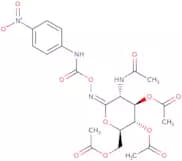
CAS:<p>Galnacβ(1-3)GlcNAc-β-PNP is a modification of galactose. Galnacβ(1-3)GlcNAc-β-PNP is used in the synthesis of complex carbohydrates, including oligosaccharides and polysaccharides. It is also used as a glycosylation or methylation site for the synthesis of sugar chains on proteins and glycoproteins. This product has been fluorinated to increase its stability and solubility in organic solvents.</p>Formula:C22H31N3O13Purity:Min. 95%Molecular weight:545.5 g/molrac etodolac acyl-b-D-glucuronide
CAS:<p>Rac etodolac acyl-b-D-glucuronide is a synthetic, high purity, complex carbohydrate. It is custom synthesized and modified with fluorination, glycosylation, and acetylation. Rac etodolac acyl-b-D-glucuronide has the following CAS number: 79541-43-8.</p>Formula:C23H29NO9Purity:Min. 95%Molecular weight:463.48 g/mol4-Toluoyl-2-O-benzyl-4,6-O-benzylidene-a-D-thiomannopyranoside
CAS:<p>4-Toluoyl-2-O-benzyl-4,6-O-benzylidene-a-D-thiomannopyranoside is an oligosaccharide that contains a sugar moiety. It is synthetically derived from a sugar, such as D-glucose. This compound has been modified with fluorination and methylation. The resulting product is water soluble and can be used as a reagent in glycosylation reactions to form complex carbohydrates.</p>Formula:C27H28O5SPurity:Min. 95%Molecular weight:464.57 g/mol6-Deoxy-6-fluoro-L-galactose
CAS:<p>6-Deoxy-6-fluoro-L-galactose is a sugar nucleotide that is extracted from the dithioacetal of l-fucose and d-galactose. It inhibits the synthesis of DNA and RNA by binding to the enzyme that catalyzes this reaction, thereby blocking these processes. 6DFLG has been shown to inhibit transformation in Escherichia coli. The mechanistic studies of 6DFLG show that it reacts with oxygen at the electrophilic site to produce an olefinic product, which then reacts with nucleophiles, such as water, to form a trackable product. This reagent can be used to determine whether or not a particular sugar is present in a sample.</p>Formula:C6H11FO5Purity:Min. 95 Area-%Color and Shape:PowderMolecular weight:182.15 g/molPhenyl 4,6-O-benzylidene-2,3-di-O-(4-methoxybenzyl)-a-D-thiomannopyranoside
CAS:<p>Phenyl 4,6-O-benzylidene-2,3-di-O-(4-methoxybenzyl)-a-D-thiomannopyranoside is a synthetic glycosylated mannose oligosaccharide. It has a molecular weight of 756.85 and the chemical formula C36H43NO14. Phenyl 4,6-O-benzylidene-2,3-di-O-(4-methoxybenzyl)-a-D-thiomannopyranoside has been shown to be effective against fungus infections in mice models. This product is custom synthesized for research purposes only and does not contain any hazardous or toxic chemicals.</p>Formula:C35H36O7SPurity:Min. 95%Molecular weight:600.72 g/molBenzyl 2-acetamido-3,6-di-O-benzyl-2-deoxy-b-D-glucopyranoside
CAS:<p>Benzyl 2-acetamido-3,6-di-O-benzyl-2-deoxy-b-D-glucopyranoside is a glycosylation reagent that has been modified with the Click reaction. This product is a white powder that is soluble in water. It has a molecular weight of 637.3 and an assay of 99% by HPLC.</p>Purity:Min. 95%1-Bromo-1-deoxyfructose
CAS:<p>1-Bromo-1-deoxyfructose is a monosaccharide that is used in the synthesis of polysaccharides and oligosaccharides. It is also used for the click modification of proteins, which can be used to study protein function and activity. 1-Bromo-1-deoxyfructose can be synthesized from fructose by means of a fluorination reaction. This product is available with custom synthesis.</p>Formula:C6H11BrO5Purity:Min. 95%Molecular weight:243.05 g/molMethyl D-galactofuranoside
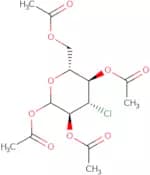
CAS:<p>Methyl D-galactofuranoside is a derivative of galactose that is used as an intermediate in the synthesis of other carbohydrates. It can be obtained by trimethylation of methyl galactopyranoside, or by the stepwise reaction of hydrogen fluoride with 1,2-dihydroxyacetone. The product yields are largely dependent on the stereoisomeric form of the starting material. Methyl D-galactofuranoside crystallizes in a monoclinic form and can be synthesized from glucose.</p>Formula:C7H14O6Purity:Min. 95%Color and Shape:SolidMolecular weight:194.18 g/mol2-Chloro-2-deoxy-1,3,4,6-tetra-acetyl-D-glucopyranose
<p>2-Chloro-2-deoxy-1,3,4,6-tetra-acetyl-D-glucopyranose is a custom synthesis of a monosaccharide that contains a fluorine atom. It is synthesized by modifying the 2 position with chlorination and then methylation. This monosaccharide can be used for glycosylation and saccharide synthesis.</p>Purity:Min. 95%1,2,3-Tri-O-acetyl-4,6-O-benzylidene-b-D-glucopyranose
CAS:<p>This is a glycosylation product of 1,2,3-Tri-O-acetyl-4,6-O-benzylidene-b-D-glucopyranose with methyl and acetate groups. It is a synthetic oligosaccharide that has been fluorinated at the 4' position to provide protection from degradation. This product is custom synthesized for customers. It contains saccharides that are related to polysaccharides and complex carbohydrates. The compound is of high purity and does not contain any impurities. Click modification of the glucose moiety provides protection against enzymatic degradation by enzymes such as aminoglycoside N′ acetyltransferase.</p>Formula:C19H22O9Purity:Min. 95%Molecular weight:394.37 g/molMethyl 3,5-di-O-(p-chlorobenzyl)-2-deoxy-a-D-ribofuranoside
<p>Methyl 3,5-di-O-(p-chlorobenzyl)-2-deoxy-a-D-ribofuranoside is an oligosaccharide that is synthesized by the Click modification of a glycosylation reaction. It is a synthetic compound with a molecular weight of 524.87 Da and a CAS number of 71068-92-1. The chemical structure of this compound consists of two monosaccharides: D-arabinose and D-xylose, which are linked through alpha (1->4) glycosidic bonds. This product is used in the synthesis of complex carbohydrates.</p>Purity:Min. 95%1,4:3,6-Dianhydro- 2- O- methyl-D- glucitol
CAS:<p>1,4:3,6-Dianhydro-2-O-methyl-D-glucitol is a modified sugar that belongs to the group of carbohydrates. It is synthesized by the modification of 1,4:3,6-dianhydro-2,5-diO-methyl D glucitol with methyl iodide and sodium methoxide. The compound is used in pharmaceuticals as an excipient and in cosmetics as a moisturizer. It has been shown to be effective against influenza A virus.</p>Formula:C7H12O4Purity:Min. 95%Molecular weight:160.17 g/mol1,2-Dideoxy-2'-piperidin-1-yl-a-D-glucopyranoso-[2,1-d]-2'-thiazoline
<p>1,2-Dideoxy-2'-piperidin-1-yl-a-D-glucopyranoso-[2,1-d]-2'-thiazoline is a synthetic glycosylation reagent that is used in the synthesis of oligosaccharides and polysaccharides. This product is also used for click modification of complex carbohydrates and for fluoroination. 1,2-Dideoxy-2'-piperidin-1-yl-a-D-glucopyranoso-[2,1-d]-2'-thiazoline can be used to fluorinate saccharides or monosaccharides with high purity. It has a CAS number and can be custom synthesized.</p>Purity:Min. 95%2-Amino-2,3,5-trideoxy-3-methyl-L-arabinonic acid-γ-lactone hydrochloride
CAS:<p>2-Amino-2,3,5-trideoxy-3-methyl-L-arabinonic acid-gamma-lactone hydrochloride is a lipid biosynthesis inhibitor that blocks the first step of this pathway by inhibiting the enzyme d-arabinose 4,5-diphosphate aldolase. This compound inhibits bacterial growth and leads to cell lysis. It has been shown to be active against cryptococcus neoformans and Candida neopformans. 2AADL has also been shown to inhibit the production of cell wall polysaccharides in C. neoformans and other fungi. 2AADL is thought to bind to the cell membrane through its alcohol group, which may lead to changes in the redox potential of the cells.</p>Purity:Min. 95%2,3,4,6-Tetra-O-acetyl-a-D-galactopyranosyl-Fmoc serine
CAS:<p>2,3,4,6-Tetra-O-acetyl-a-D-galactopyranosyl-Fmoc serine is a custom synthesis that has been modified by fluorination and methylation. It is a monosaccharide with CAS No. 1351605-34-8 and Polysaccharide with Glycosylation and sugar Carbohydrate. This molecule has a complex carbohydrate structure with many glycosylation sites.</p>Formula:C32H35NO14Purity:Min. 95%Molecular weight:657.62 g/mol2-O-Methyl-D-galactopyranose
<p>2-O-Methyl-D-galactopyranose is a synthetic, fluorinated carbohydrate that is used in the synthesis of oligosaccharides and polysaccharides. This product has a CAS number of 65722-97-8 and a molecular weight of 192.17. 2-O-Methyl-D-galactopyranose has been modified with click chemistry to increase its reactivity for glycosylation reactions.</p>Formula:C7H14O6Purity:Min. 95%Molecular weight:194.18 g/mol2-Deoxy-2-fluoro-2-C-methyl-D-ribofuranose
<p>2-Deoxy-2-fluoro-2-C-methyl-D-ribofuranose is a carbohydrate that contains a single sugar (monosaccharide) with the chemical formula C5H8O4. This compound is a synthetic monosaccharide that has been modified by fluorination, methylation, and glycosylation. It is often used in custom synthesis to create oligosaccharides or complex carbohydrates. 2DFFR can be ordered in high purity and has CAS No. 59737-89-7.</p>Purity:Min. 95%Ethyl 2,3,4-tri-O-acetyl-6-azido-6-deoxy-a-D-thiomannopyranoside
<p>Ethyl 2,3,4-tri-O-acetyl-6-azido-6-deoxy-a-D-thiomannopyranoside is a synthetic sugar that is fluorinated with trifluoromethanesulfonic acid. It has been used in glycosylation reactions, as well as modifications of complex carbohydrates and polysaccharides. This product can be custom synthesized to meet the needs of our customers. Ethyl 2,3,4-tri-O-acetyl-6-azido-6-deoxy -a D -thiomannopyranoside is a high purity chemical with CAS number 181454.</p>Formula:C14H21N3O7SPurity:Min. 95%Molecular weight:375.4 g/mol2-Deoxy-a-L-ribofuranose
CAS:<p>2-Deoxy-a-L-ribofuranose is a monosaccharide that can be modified by either fluorination or methylation. It is an important building block in the synthesis of complex carbohydrates and saccharides, such as oligosaccharides and polysaccharides. 2-Deoxy-a-L-ribofuranose has been shown to have excellent purity, high quality, and custom synthesis for use in pharmaceuticals.<br>2-Deoxy-a-L-ribofuranose can be used in the production of nucleotides, which are essential for DNA replication and transcription. These nucleotides are also involved in protein synthesis, as they contain nitrogenous bases which provide the amino acids needed for proteins.</p>Formula:C5H10O4Purity:Min. 95%Molecular weight:134.13 g/mol2,3,4-Tri-O-acetyl-1,6-anhydro-b-D-glucopyranose
CAS:<p>2,3,4-Tri-O-acetyl-1,6-anhydro-b-D-glucopyranose is a high purity monosaccharide that is custom synthesized to meet your needs. This product is a sugar with a click modification, fluorination, glycosylation and methylation. It can be used as a synthetic oligosaccharide or monosaccharide in the synthesis of complex carbohydrates. It has CAS No. 13242-55-2 and can be used in saccharides.</p>Formula:C12H16O8Purity:Min. 95%Color and Shape:White PowderMolecular weight:288.25 g/mol4-Methoxyphenyl 3-O-allyl-2-O-toluoyl-b-D-galactopyranoside
<p>4-Methoxyphenyl 3-O-allyl-2-O-toluoyl-b-D-galactopyranoside is a modified sugar. It is a white to off-white powder that is soluble in water and ethanol. This product has not been evaluated by the FDA, and the safety and efficacy have not been determined.</p>Formula:C24H28O8Purity:Min. 95%Molecular weight:444.49 g/mol4-Methoxyphenyl 4,6-O-Benzylidene-b-D-galactopyranoside
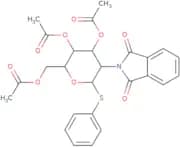
CAS:<p>4-Methoxyphenyl 4,6-O-Benzylidene-b-D-galactopyranoside is a diagnostic agent that reacts with the magnesium salt of 4,6-O-benzylidene b-D-galactopyranoside to form a bright red complex. The reaction of the complex with the magnesium oxide is rapid and highly specific for this substrate. The intensity of color can be measured spectrophotometrically at a wavelength of 420 nm. This product may be used in medical research to diagnose Alzheimer's Disease or other neurological disorders that are characterized by impaired cognition and memory.</p>Formula:C20H22O7Purity:Min. 95%Molecular weight:374.38 g/molPhenyl 2-deoxy-2-phthalimido-b-D-thioglucopyranoside
CAS:<p>Phenyl 2-deoxy-2-phthalimido-b-D-thioglucopyranoside is a glycosylation agent that has a glycone with a pyranoside at the 3′ position and an amide bond at the 2′ position. It is used in the synthesis of oligosaccharides and polysaccharides, as well as for Click modification. The compound is also used to modify proteins and saccharides. Phenyl 2-deoxy-2-phthalimido-b-D-thioglucopyranoside has been shown to be stable when heated, making it useful for complex carbohydrate synthesis.</p>Formula:C20H19NO6SPurity:Min. 98 Area-%Color and Shape:PowderMolecular weight:401.43 g/mol4-Nitrophenyl 3-O-benzoyl-4,6-cyclohexylidene-b-D-mannopyranoside
CAS:<p>4-Nitrophenyl 3-O-benzoyl-4,6-cyclohexylidene-b-D-mannopyranoside is a Custom synthesis. It is an Oligosaccharide that consists of a Polysaccharide with Modification. The CAS No. 102717-17-9 is Methylation and Glycosylation and Carbohydrate. Click modification and saccharide are sugar and High purity. Fluorination is Synthetic.</p>Formula:C25H27NO9Purity:Min. 95%Molecular weight:485.48 g/mol1,2, 4,6-Tetra-O-acetyl-3-O-carbamoyl- D-mannopyranose
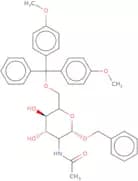
CAS:<p>1,2,4,6-Tetra-O-acetyl-3-O-carbamoyl-D-mannopyranose is a synthetic sugar that belongs to the class of glycosides. It can be used in the synthesis of oligosaccharides and polysaccharides. This product is custom synthesized on request and can be modified with fluorination, methylation or click modification. It is available in high purity and has a CAS number of 99748-11-5.</p>Formula:C15H21NO11Purity:Min. 95%Molecular weight:391.33 g/molBenzyl 2,3-O-isopropylidene-6-O-trityl-a-D-mannofuranose
CAS:<p>Benzyl 2,3-O-isopropylidene-6-O-trityl-a-D-mannofuranose is a synthetic carbohydrate that is a modification of mannose. It has been fluorinated at the 6 position and reacted with benzyl alcohol to give the 2,3-O-isopropylidene derivative. This product is intended for use in glycosylation reactions and can be used as a sugar donor in Click chemistry.</p>Formula:C35H36O6Purity:Min. 95%Molecular weight:552.66 g/molDipyridamole mono-O-b-D-glucuronide
CAS:<p>Dipyridamole is a synthetic fluorinated sugar that is used in research as a model for natural oligosaccharides. It has been shown to be useful for investigating the glycosylation reactions of polysaccharides and proteins, as well as for studying carbohydrate-protein interactions. Dipyridamole mono-O-b-D-glucuronide is an example of a product that can be custom synthesized by our laboratory. The product has purity of >99% and CAS No. 63912-02-7.</p>Formula:C30H48N8O10Purity:Min. 95%Color and Shape:Yellow solid.Molecular weight:680.75 g/mol1,6:3,4-Bis-[O-(2,3-dimethoxybutane-2,3-diyl)]-2-O-trifluoromethanesulphonyl-5-O-benzolyl-myo-inositol
CAS:<p>1,6:3,4-Bis-[O-(2,3-dimethoxybutane-2,3-diyl)]-2-O-trifluoromethanesulphonyl-5-O-benzolyl-myo-inositol is a Glycosylation product with CAS No. 1068089-34-8. It is a synthetic oligosaccharide that contains an Oligosaccharide sugar and a Polysaccharide saccharide. The product has been Fluorinated and Custom synthesized for Methylation. Click modification has been performed on the complex carbohydrate to produce the desired Modification in High purity.</p>Formula:C26H35F3O13SPurity:Min. 95%Molecular weight:644.61 g/molN-b-D-Glucopyranosyl-L-Asn
CAS:<p>N-b-D-Glucopyranosyl-L-Asn is a complex carbohydrate that is modified by glycosylation and methylation. It is an Oligosaccharide, Polysaccharide, Modification, saccharide that can be synthesized from D-Glucose or D-Mannose. N-b-D-Glucopyranosyl-L-Asn has high purity and can be fluorinated for modification. This product can be used as a sugar and is also used in Click chemistry for modification.</p>Formula:C10H18N2O8Purity:Min. 95%Molecular weight:294.26 g/mol2,3-Dideoxy-2-methylene-D-glycero-D-galacto-nononic acid γ-lactone
CAS:<p>Methyl 2,3-dideoxy-2-methylene-D-glycero-D-galacto-nononic acid gamma-lactone is a fluorinated derivative of 2,3-dideoxygalactonojirimycin. It is an analog of the natural product 2,3-dideoxygalactonojirimycin and has been shown to inhibit the synthesis of glycolipids in Mycobacterium tuberculosis. Methyl 2,3-dideoxy-2-methylene-D-glycero-D-galacto nononic acid gamma lactone was synthesized by modification of the galactonojirimycin core with methylation at C2 and C3 followed by fluorination at C1.</p>Formula:C10H16O7Purity:Min. 95%Molecular weight:248.23 g/molStigmasterol glucoside
CAS:<p>Stigmasterol glucoside is a phenolic compound that has been isolated from the aerial parts of the plant Stachytarpheta jamaicensis. It has inhibitory properties against Gram-positive and Gram-negative bacteria, including methicillin-resistant Staphylococcus aureus. In addition, it has shown to have significant cytotoxicity against human colon cancer cells.<br>Stigmasterol glucoside is soluble in water and shows phase transition at about 60 °C. The chemical structure of stigmasterol glucoside contains a hydroxybenzoic acid group, which can form an ester with an organic acid such as acetic acid or benzoic acid. The hydroxyl group present in this compound can also react with an amine to form an amide bond. This reactivity may be responsible for its biological activities.</p>Formula:C35H58O6Purity:Min. 95%Molecular weight:574.83 g/molEthyl 2,3,4,6-tetra-O-(4-methoxybenzyl)-b-D-thiogalactopyranoside
CAS:<p>Ethyl 2,3,4,6-tetra-O-(4-methoxybenzyl)-b-D-thiogalactopyranoside is a complex carbohydrate with a molecular weight of 792. It is synthesized by the modification of natural galactose with ethyl bromoacetate and thioglycolic acid. This compound is used to modify saccharides, oligosaccharides, or sugar chains in glycosylation reactions.</p>Formula:C40H48O9SPurity:Min. 95%Molecular weight:704.87 g/molMethyl 2,3,4-tri-O-benzyl ribopyranose
CAS:<p>Methyl 2,3,4-tri-O-benzyl ribopyranose is a glycosylation product of Riboflavin. It is an oligosaccharide that is used in the synthesis of saccharides and polysaccharides. Methyl 2,3,4-tri-O-benzyl ribopyranose has a CAS number of 20787-20-6. It can be modified with fluorination or methylation. This product can be custom synthesized to meet your requirements.</p>Purity:Min. 95%3-Deoxy-3-fluoro-D-glucitol
CAS:<p>3-Deoxy-3-fluoro-D-glucitol is a glucose analog that is used as a marker for glycogen in tissue extracts. 3-Deoxy-3-fluoro-D-glucitol has been shown to be the most sensitive molecular marker for muscle glycogen concentrations, although it does not react with all types of muscle. It can also be used as a marker for glycogen content in extracts of tissue or cells because it reacts with locusta migratoria fat body. In addition, 3-deoxy-3-fluoro-D-glucitol can be used as a nuclear magnetic resonance (NMR) probe to study the structure of trehalose and fructose. The compound has been shown to bind to locusta migratoria fat body and can be used as an NMR probe to study the structure of trehalose and fructose.</p>Formula:C6H13FO5Purity:Min. 95%Molecular weight:184.16 g/mola-D-[2-13C]-Galactopyranosyl 1-phosphate dipotassium salt
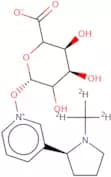
CAS:<p>a-D-[2-13C]-Galactopyranosyl 1-phosphate dipotassium salt is a synthetic, fluorinated monosaccharide. It is used as a fluorine probe for glycosylation reactions and for the synthesis of oligosaccharides with novel properties. This product is also used in click chemistry to attach methyl groups to sugars and in methylation studies.</p>Formula:C6H13O9P·2KPurity:Min. 95%Color and Shape:PowderMolecular weight:339.33 g/mol1-O-(trans-3-Hydroxycotinine)-D-glucuronide methyl-D3
Controlled Product<p>1-O-(trans-3-Hydroxycotinine)-D-glucuronide methyl-D3 is a synthetic compound that can be used in the synthesis of complex carbohydrates.</p>Formula:C16H17D3N2O8Purity:Min. 95%Molecular weight:371.36 g/mol6-O-Benzyl-D-glucal
CAS:<p>6-O-Benzyl-D-glucal is an Oligosaccharide, Carbohydrate, complex carbohydrate. It is a custom synthesis of 6-O-benzylated D-glucal. This product is synthesized by the methylation and glycosylation of D-glucose. The molecular weight of this product ranges from 300 to 500 Da. It is also a synthetic compound that can be used in the modification of oligosaccharides and polysaccharides. 6-O-Benzyl-D-glucal has high purity, which can be confirmed by analyzing its melting point and IR spectrum. The CAS number for this product is 1655248566. It reacts with fluoride to produce fluorinated saccharide products that are soluble in water or organic solvents.</p>Formula:C13H16O4Purity:Min. 95%Molecular weight:236.26 g/mol2-Acetamido-2-deoxy-D-galactono-1,4-lactone
CAS:<p>2-Acetamido-2-deoxy-D-galactono-1,4-lactone is a trifluoroacetate analogue of 2-acetamido-2,3,4,5,6-pentafluorobenzonitrile. It has been shown to be an inhibitor of the synthesis of pyrimidine nucleotides in calf thymus DNA. The lactone ring structure is responsible for the antimicrobial activity of this compound. Sodium borohydride converts the compound into a phenylhydrazone derivative and formazans are formed during this process. This reaction is indicative of the presence of pentavalent nitrogen atoms in the molecule. The shift in position of the formazan band on paper chromatography indicates that this compound has two different forms: one with a double bond and one with a triple bond between carbons 3 and 4. The five membered ring structure is stabilized by two carbon atoms (C</p>Formula:C8H13NO6Purity:Min. 95%Color and Shape:SolidMolecular weight:219.19 g/molEthyl b-D-fructofuranoside
CAS:<p>Ethyl b-D-fructofuranoside is a synthetic compound that is used in the synthesis of oligosaccharides and polysaccharides. It can be custom synthesized to suit the needs of the customer. This product is available for sale as a white powder with a purity of at least 99%.</p>Formula:C8H16O6Purity:Min. 95%Molecular weight:208.21 g/molMethyl 2,3-di-O-benzyl-5-deoxy-5-iodo-D-xylofuranoside
CAS:<p>Methyl 2,3-di-O-benzyl-5-deoxy-5-iodo-D-xylofuranoside is a sugar derivative that is a glycosylation product of the sugar xylose. It has been methylated and fluorinated to generate a complex carbohydrate. This product has been modified with click chemistry, which is a reaction that generates an alkyne on the C2 position of the xylose. The oligosaccharides were synthesized using custom synthesis and high purity was confirmed by HPLC analysis.</p>Purity:Min. 95%Benzyl 2-acetamido-2,4-dideoxy-4-fluoro-a-D-glucopyranose
CAS:<p>This high-purity custom synthesis is a sugar that is modified with Click chemistry. It is fluorinated, glycosylated, and has been synthesized using methylation and polysaccharide modification. In addition to being an oligosaccharide and monosaccharide, this carbohydrate is also a complex carbohydrate.</p>Formula:C15H20FNO5Purity:Min. 95%Molecular weight:313.32 g/molBenzyl 2-acetamido-6-O-benzoyl-2-deoxy-a-D-muramic acid methyl ester
<p>Benzyl 2-acetamido-6-O-benzoyl-2-deoxy-a-D-muramic acid methyl ester is a high purity, custom synthesis, monosaccharide that can be used to modify saccharides and oligosaccharides. It has been shown to be effective in glycosylation reactions and click chemistry. The CAS number for this compound is 84778-00-3.</p>Formula:C26H31NO9Purity:Min. 95%Molecular weight:501.53 g/mol2-Acetamido-2-deoxy-b-D-galactopyranosyl serine
<p>2-Acetamido-2-deoxy-b-D-galactopyranosyl serine is a glycosylation agent that can be used as a sugar donor in glycoprotein synthesis. This product is available as custom synthesis and has been modified with fluorination, saccharide, and modification. It also has CAS number: 3897-78-5. 2 Acetamido-2 deoxy b D galactopyranosyl serine is a monosaccharide that is synthesized from D galactose and L serine. It can be used to produce complex carbohydrates for Methylations, Click modifications, Polysaccharides, or Fluorinations.</p>Purity:Min. 95%3,6-Di-O-tert-butyldimethylsilyl-D-glucal
CAS:<p>3,6-Di-O-tert-butyldimethylsilyl-D-glucal is a stereoselective synthetic compound that can be used as a glycosyl donor in the synthesis of glycosides. It is an intermediate in the synthesis of uridine, which is an important component of nucleic acids. 3,6-Di-O-tert-butyldimethylsilyl-D-glucal has been shown to inhibit the action of glycogen synthase and amylo-(1→4)-α-(1→2)-glycosidases. This inhibition prevents the breakdown of glycogen, which leads to a build up of glucose in the body and produces insulin resistance.</p>Purity:Min. 95%b-Sitosterol b-D-glucuronide methyl ester
<p>b-Sitosterol b-D-glucuronide methyl ester is a carbohydrate that is a modification of saccharides. It is a sugar with the molecular formula C23H36O11 and molecular weight of 594.71. It has CAS No. 64432-41-7 and was first synthesized in the laboratory by custom synthesis in 2007. This compound is highly pure and has been shown to have high purity. It has been modified using fluorination, glycosylation, and methylation reactions. The carbohydrate has been shown to have anti-inflammatory activities, which may be due to its ability to inhibit prostaglandin synthesis.</p>Formula:C36H60O7Purity:Min. 95%Molecular weight:604.86 g/mol4-Nitrophenyl 2-acetamido-3,6-di-O-benzoyl-2-deoxy-b-D-glucopyranoside
CAS:<p>4-Nitrophenyl 2-acetamido-3,6-di-O-benzoyl-2-deoxy-b-D-glucopyranoside is a synthetic saccharide that can be used in the production of complex carbohydrates. This product has been modified with fluorination, methylation, and click modification. 4NP2AG is a monosaccharide that can be synthesized by modifying acetamido group with nitrophenol (4NP). It can also be used as an Oligosaccharide or Polysaccharide.</p>Formula:C28H26N2O10Purity:Min. 95%Molecular weight:550.51 g/molD-Glucose hydrazon
CAS:<p>D-Glucose hydrazon is a custom synthesis of complex carbohydrate. It is made by the reaction of Methylation, Click modification, and Fluorination with saccharide and sugar. The product is a white crystalline solid that is soluble in water.</p>Purity:Min. 95%1,2,4,6-Tetra-O-acetyl-3-chloro-3-deoxy-D-glucopyranose
CAS:<p>1,2,4,6-Tetra-O-acetyl-3-chloro-3-deoxy-D-glucopyranose (1) is a synthetic oligosaccharide that has been modified with a fluorine atom at the 6 position of the glucose moiety. This modification has been shown to have increased stability in acidic environments. Glycosylation can be achieved by reacting 1 with an appropriate glycosylant such as bromoacetyl bromide or chloroacetyl chloride. The saccharide unit may also be methylated at the 2 and 4 positions of the glucose moiety to confer protection against enzymatic degradation. Click modification can be used to attach other molecules such as proteins or peptides to 1,2,4,6-tetra-O-acetyl-3-chloro-3-deoxy--D--glucopyranose via a covalent bond between</p>Formula:C14H19ClO9Purity:Min. 95%Molecular weight:366.75 g/molD-Ribal
CAS:<p>D-Ribal is a drug that inhibits the growth of tumor cells by binding to epidermal growth factor receptor (EGFR), which is found on the surface of most cells in the body. This binding prevents EGFR from binding to epidermal growth factor, which is needed for cell division and proliferation. The effect of D-Ribal can be enhanced if used in combination with other drugs that inhibit EGFR signaling pathways. D-Ribal has been shown to be effective against urothelial carcinoma and bladder cancer, but not against primary tumors such as breast cancer or prostate cancer.</p>Formula:C5H8O3Purity:Min. 95%Molecular weight:116.12 g/mol3-Deoxy-3,3-difluoro-1,2-O-isopropylidene-a-D-xylofuranose
<p>3-Deoxy-3,3-difluoro-1,2-O-isopropylidene-a-D-xylofuranose is a custom synthesis that is a complex carbohydrate. This product has CAS No. and is a polysaccharide with methylation and glycosylation. 3DDFIOPY has high purity, fluorination, and click modification. It is a sugar or carbohydrate with a saccharide that can be modified with methylation and glycosylation.</p>Formula:C8H12F2O4Purity:Min. 95%Molecular weight:210.18 g/mol2,3:4,5-Di-O-isopropylidene-b-D-fructopyranose-D12
Controlled Product<p>2,3:4,5-Di-O-isopropylidene-b-D-fructopyranose (2,3:4,5-di-OIPF) is a synthetic sugar that has been fluorinated and methylated. 2,3:4,5-Di-OIPF can be used as a building block for the synthesis of oligosaccharides or polysaccharides. It can also be modified with an acetal group to form an acetal sugar.</p>Formula:C12H8D12O6Purity:Min. 95%Molecular weight:272.35 g/mol3-Chloro-3-deoxy-D-glucose
CAS:<p>3-Chloro-3-deoxy-D-glucose is a synthetic compound that has been used to study substituent effects on the transport of molecules across membranes. 3-Chloro-3-deoxy-D-glucose is hydrophobic and can be transported across membranes by a passive diffusion mechanism. It is also capable of transporting other hydrophobic compounds, such as l-arabinose, across membranes. 3-Chloro-3-deoxyglucose contains a transition metal halogeno group and has an affinity for divalent cations, which may explain its ability to bind with the sugar d -xylose.</p>Formula:C6H11ClO5Purity:Min. 95%Color and Shape:PowderMolecular weight:198.6 g/molDimethylthexylsilyl 2,3,6-tri-O-benzyl-b-D-galactopyranoside
<p>Dimethylthexylsilyl 2,3,6-tri-O-benzyl-b-D-galactopyranoside is a synthetic oligosaccharide with a fluorinated benzene ring. It is an important intermediate for glycosylation and can be modified with methyl groups or click chemistry. This product is of high purity and has been custom synthesized. Dimethylthexylsilyl 2,3,6-tri-O-benzyl-b-D-galactopyranoside has CAS number 69422-24-2.</p>Purity:Min. 95%1,3,5-Tri-O-benzoyl-2-bromo-2-deoxy-a-L-arabinofuranose
CAS:<p>1,3,5-Tri-O-benzoyl-2-bromo-2-deoxy-a-L-arabinofuranose is a synthetic sugar molecule. It is a complex carbohydrate that can be modified by methylation and glycosylation. The carbons in the sugar backbone have been fluorinated to create a high purity product. The CAS number for this compound is 2011707-39-2.</p>Formula:C26H21BrO7Purity:Min. 95%Molecular weight:525.34 g/mol6-Ethoxygeniposide
CAS:<p>6-Ethoxygeniposide is a fluorinated monosaccharide that is used in the synthesis of complex carbohydrates. This compound can be modified to produce a wide range of derivatives, including oligosaccharides and polysaccharides. The chemical name of 6-ethoxygeniposide is 2’,3’-diacetoxy-7-O-fluoroacetyl-D-mannopyranosyl oxygen.</p>Formula:C19H28O11Purity:Min. 95%Molecular weight:432.42 g/molEtoposide-d4
CAS:Controlled Product<p>Etoposide is a cytotoxic drug used in cancer chemotherapy. It inhibits DNA replication through inhibition of DNA topoisomerase II, thus catalysing cell cycle arrest and apoptosis. This compoud, Etoposide-d4, is a deuterated form of the drug.</p>Formula:C29H32O13Purity:Min. 95%Sennoside D
CAS:<p>Sennoside D is a fatty acid that can be isolated from the sennosides found in the leaves of the plant Senna alata. It has been shown to have anti-tumor properties and may play a role in treating colon cancer, breast cancer, and skin cancer. Sennoside D has also been shown to be effective against autoimmune diseases such as arthritis, ulcerative colitis, and Crohn's disease. The low energy of this compound may be due to its formation rate. The hydroxide solution (NaOH) is used in the synthesis of this molecule because it binds with carbon dioxide molecules to form sodium bicarbonate and carbon dioxide gas which can then be captured by water. This process produces a high yield of sennoside D. In addition, the bound form of this molecule is soluble in organic solvents and insoluble in water, which makes it suitable for skin conditions as well as colon cancer treatments.</p>Purity:Min. 95%Color and Shape:Solid4-Methylphenyl 2,3,4-tri-O-benzyl-b-D-thioglucuronide
CAS:<p>4-Methylphenyl 2,3,4-tri-O-benzyl-b-D-thioglucuronide is a carbohydrate that has been modified with a methyl group and fluorine atom. This compound was synthesized using click chemistry to modify the hydroxyl groups of an oligosaccharide in order to create a new saccharide. The compound is also available as a high purity custom synthesis.</p>Formula:C34H34O6SPurity:Min. 95%Molecular weight:570.71 g/molPhenyl-3,4,6-tri-O-acetyl-2-deoxy-2-phthalimido-b-D-thioglucopyranoside
CAS:<p>Phenyl-3,4,6-tri-O-acetyl-2-deoxy-2-phthalimido-b-D-thioglucopyranoside is a glycosylation reagent that is used in the synthesis of complex carbohydrates. It reacts with an activated monosaccharide to form a glycosidic linkage between the sugar and the phenol group of the sugar. Phenyl 3,4,6 triacetate 2 deoxy 2 phthalimido B D thioglucopyranoside can be used for modifying polysaccharides and saccharides by fluorination or methylation. The compound has CAS No. 79528 49 7 and is available as custom synthesis. It is also available in high purity.</p>Purity:Min. 95%Tri-O-acetyl-b-D-GlcNAc-Fmoc Asn tert-Butyl Ester
<p>Tri-O-acetyl-b-D-GlcNAc-Fmoc Asn tert-Butyl Ester is a synthetic, high purity, custom synthesis, and glycosylation agent. It is a fluorinated, methylated, and modified monosaccharide. Tri-O-acetyl-b-D-GlcNAc-Fmoc Asn tert-Butyl Ester is used in the synthesis of oligosaccharides and complex carbohydrates. CAS number: 203883–42–7</p>Formula:C34H45N3O13Purity:Min. 95%Molecular weight:703.73 g/mol2,3,4,6-Tetra-O-benzoyl-D-glucopyranose
CAS:<p>2,3,4,6-Tetra-O-benzoyl-D-glucopyranose is an aldehyde that has been synthesized by the oxidation of D-glucofuranose with nitric acid. It has been shown to act as a competitive inhibitor of lipase and c-glycosidases. The acetal group in 2,3,4,6-tetra-O-benzoyl-D-glucopyranose is activated with acetyl chloride to form an acetal derivative. This compound can be used as a chemoenzymatic glycosidic bond formation method for the synthesis of various glycosides.</p>Formula:C34H28O10Purity:Min. 95%Molecular weight:596.6 g/molNicotine-N-b-D-glucuronide-D3
Controlled Product<p>Nicotine-N-b-D-glucuronide-D3 is a high purity custom synthesized sugar that can be modified with click chemistry, fluorination, glycosylation, and methylation. It is sold as a white powder and can be used in the synthesis of oligosaccharides, monosaccharides, saccharides, and complex carbohydrates. Nicotine-N-b-D-glucuronide D3 has CAS No. 43487-07-8 and an Oligosaccharide/Monosaccharide ratio of 1.0.</p>Formula:C16H19N2O7D3Purity:Min. 95%Molecular weight:357.37 g/molBis-(5-aldo-1,2-O-isopropylidene-D-xylo-pentofuranose) 5,5':3',5-Cyclic acetal
CAS:<p>Bis-(5-aldo-1,2-O-isopropylidene-D-xylo-pentofuranose) 5,5':3',5-Cyclic acetal is a synthetic saccharide that is used in the synthesis of complex carbohydrates. The compound is composed of an aldohexose and five cyclic acetal groups. It has a molecular weight of 618.11 g/mol and chemical formula C12H24O6. Bis-(5-aldo-1,2-O-isopropylidene-D-xylo-pentofuranose) 5,5':3',5 -cyclic acetal can be synthesized via the click chemistry reaction between 2′,3′,4′,6′,8′,9′ -octahydrobenzoin (1) and 4'-hydroxybutyric acid (2).</p>Purity:Min. 95%1,2:5,6-Di-O-cyclohexylidene-myo-inositol
CAS:<p>1,2:5,6-Di-O-cyclohexylidene-myo-inositol is an experimental solvent that has been shown to form hydrogen bonds with solutes. It crystallizes in the monoclinic system and shows a single crystal x-ray diffraction pattern. The molecule consists of two vicinal cyclohexane rings linked by a six carbon chain. The molecule has two conformations: one where the hydroxyl group is on the top of the ring and one where it is on the bottom. The former conformation is more favorable because it stabilizes the molecule by covering its hydroxyl group and uncovers its other functional groups. This conformation also makes the dihedral angle between C1 and C2 larger than that between C1 and C3, which causes conformational strain. In addition, this conformation creates polarities in different areas of the molecule, which may be due to intramolecular bonding or vic</p>Purity:Min. 95%3,4-O-Isopropylidene-b-D-arabinopyranose
CAS:<p>3,4-O-Isopropylidene-b-D-arabinopyranose is a synthetic monosaccharide that is used in the synthesis of oligosaccharides and polysaccharides. It can be fluorinated, methylated, or glycosylated to produce a range of compounds with different properties. 3,4-O-Isopropylidene-b-D-arabinopyranose is not active against bacteria, but it does inhibit the growth of yeast cells. In addition to its use in biochemistry and as a nutritional supplement for animals and humans, 3,4-O-Isopropylidene-b-D-arabinopyranose can be used as an additive for plastics and other materials.</p>Formula:C8H14O5Purity:Min. 95%Molecular weight:190.19 g/molBenzyl 4-C-nitromethyl-b-D-arabinopyranoside
CAS:<p>Benzyl 4-C-nitromethyl-b-D-arabinopyranoside is a synthetic glycosylation agent that is used in the synthesis of complex carbohydrates. It has been shown to react with methyl, fluorine, and saccharide groups. This product can be modified to include a wide range of saccharides, including monosaccharides, disaccharides, and polysaccharides. Benzyl 4-C-nitromethyl-b-D-arabinopyranoside is also available in custom synthesis and high purity.</p>Formula:C13H17NO7Purity:Min. 95%Molecular weight:299.28 g/mol2,3,4-Tri-O-acetyl-b-L-fucopyranosyl dibenzyl phosphate
CAS:<p>2,3,4-Tri-O-acetyl-b-L-fucopyranosyl dibenzyl phosphate is a fluorinated carbohydrate that can be custom synthesized to order. The compound is a modification of the pentose sugar, D-ribose and contains an acetyl group at C2' position of the sugar. The compound has been shown to have anti-inflammatory activities in rats.</p>Formula:C26H31O11PPurity:Min. 95%Molecular weight:550.49 g/mol1,2:3,4-Di-O-isopropylidene-6-deoxy-6-tosyl-a-D-galactopyranose
CAS:<p>1,2:3,4-Di-O-isopropylidene-6-deoxy-6-tosyl-a-D-galactopyranose is a synthetic compound that has been modified by fluorination and glycosylation. It is used as an intermediate in the synthesis of oligosaccharides and polysaccharides. The compound has been custom synthesized to a high purity level with minimal impurities. The product is available in monosaccharide form or as a complex carbohydrate.</p>Formula:C19H26O8SPurity:Min. 95%Molecular weight:414.47 g/molQuinovic acid 3-O-(3',4'-O-isopropylidene)-b-D-fucopyranoside
CAS:<p>Quinovic acid 3-O-(3',4'-O-isopropylidene)-b-D-fucopyranoside is a monocyclic aromatic hydrocarbon that belongs to the class of phthalic acids. It is a white or light yellow crystalline solid that has been used as an absorber for rubber, polyester, and other organic solvents. This compound has been shown to be carcinogenic in animal studies with leukemia cells in mice and rats. Quinovic acid 3-O-(3',4'-O-isopropylidene)-b-D-fucopyranoside also induces bone resorption in animals.</p>Purity:Min. 95%1,3,4,6-Tetra-O-acetyl-2-O-nonafluorobutane-sulfonyl-b-D-mannopyranose
CAS:<p>1,3,4,6-Tetra-O-acetyl-2-O-nonafluorobutane-sulfonyl-b-D-mannopyranose is a fluorinated saccharide that can be custom synthesized. It is a glycosylated carbohydrate with a 1,3,4,6 tetra acetyl substitution at the 2 position of the b D mannopyranose moiety. The chemical formula for this compound is C12H28O8FS2. It has been shown to have potential as an antihyperglycemic agent and has been found to be active in tumor models.</p>Formula:C18H19O12SF9Purity:Min. 95%Molecular weight:630.39 g/molNeu5Acα(2-6)GalNAc-α-PNP
CAS:<p>Neu5Acα(2-6)GalNAc-α-PNP is a modification of the oligosaccharide, carbohydrate, complex carbohydrate. It is synthesized by custom synthesis and has CAS No. 1858224-04-0. Neu5Acα(2-6)GalNAc-α-PNP is a monosaccharide that is methylated and glycosylated with polysaccharides. The product can be fluorinated or saccharided, and it has high purity.</p>Formula:C25H35N3O16Purity:Min. 95%Molecular weight:633.6 g/mol1,3,4-Tri-O-benzoyl-2-deoxy-b-D-ribopyranose
CAS:<p>1,3,4-Tri-O-benzoyl-2-deoxy-b-D-ribopyranose is a synthetic sugar that is used as a methylation substrate for the synthesis of polysaccharides. It is a white solid that can be dissolved in water and organic solvents. This product has been shown to have good reactivity with various polysaccharide templates, including glycosylation and glycosyltransferase.</p>Formula:C26H22O7Purity:Min. 95%Molecular weight:446.45 g/mol2-C-(2,3,4,6-Tetra-O-acetyl-a-D-glucopyranosyl) ethyne
CAS:<p>2-C-(2,3,4,6-Tetra-O-acetyl-a-D-glucopyranosyl) ethyne is a custom synthesis that has been modified with fluorination. It is a monosaccharide sugar with a CAS number of 1236069-71-8. This chemical is also known as Oligo(2,3,4,6-tetraacetyl aD glucopyranosyl) ethyne. The chemical is used in the synthesis of oligosaccharides and polysaccharides.</p>Formula:C16H20O9Purity:Min. 95%Molecular weight:356.32 g/molAcetylsalicylic acid-acyl-β-D-glucuronide
CAS:<p>Acetylsalicylic acid-acyl-b-D-glucuronide is a glycosylation product of acetylsalicylic acid. It is a complex carbohydrate that can be methylated, fluorinated, or modified by click chemistry. Acetylsalicylic acid-acyl-b-D-glucuronide has been shown to be an effective inhibitor of the MMPs metalloproteinases and collagenase in vitro. It also inhibits the growth of Staphylococcus aureus, Streptococcus agalactiae, and Group A Streptococcus. Acetylsalicylic acid-acyl-b-D-glucuronide can be synthesized using monosaccharides, oligosaccharides, or custom synthesis. This product is available in high purity (99%) and CAS No. 24719-72-0.</p>Formula:C15H16O10Purity:Min. 95%Color and Shape:White PowderMolecular weight:356.28 g/mol(-)-1,4-Di-O-benzyl-L-threitol
CAS:<p>(-)-1,4-Di-O-benzyl-L-threitol is an organic compound that belongs to the group of homochiral compounds. It can be synthesized from l-tartaric acid and benzaldehyde. The reaction starts with a base addition to the carbonyl group of the acid, followed by nucleophilic attack at the carbonyl carbon by a hydroxyl group on the benzaldehyde. This reaction is mechanistic, showing electron transfer as well as desymmetrization. (-)-1,4-Di-O-benzyl-L-threitol can be used for asymmetric synthesis of alkanes and tetrahydrofurans without requiring any chiral reagents or catalysts. It has also been shown to react with acetone and ethylene glycol in dioxolane and alkylation reactions.</p>Formula:C18H22O4Purity:Min. 95%Molecular weight:302.36 g/mol(-)-Lyoniresinol 9'-O-glucoside
CAS:<p>This chemical is a custom synthesis of (-)-Lyoniresinol 9'-O-glucoside. The chemical is a modification of (-)-Lyoniresinol 9'-O-glucoside and fluorinated at the C2 position. It is also methylated on the C3 position. The chemical is synthesized by click chemistry, which involves the use of copper(II) ions as catalysts to generate covalent bonds between two molecules. This chemical has been shown to be an oligosaccharide with saccharide chains that are linked together by glycosylation. There are six sugar residues in this compound: glucose, galactose, rhamnose, xylose, glucuronic acid, and mannitol. This compound has CAS number 143236-02-6 and molecular weight of 881.5 g/mol (CAS No.).</p>Formula:C28H38O13Purity:Min. 95%Molecular weight:582.59 g/molAllyl 4,6-O-benzylidene-b-L-glucopyranoside
<p>Allyl 4,6-O-benzylidene-b-L-glucopyranoside is a carbohydrate that is synthesized from allyl alcohol and glucose. It is a complex carbohydrate made up of two different saccharides. This product can be custom synthesized to meet your needs. Allyl 4,6-O-benzylidene-b-L-glucopyranoside has been modified by fluorination, methylation and glycosylation. It has the CAS number 133394-02-0 and can be synthesized at high purity levels.</p>Formula:C16H20O6Purity:Min. 95%Molecular weight:308.33 g/mol6,6'-Di-O-tert-butyldimethylsilyl-lactal
CAS:<p>6,6'-Di-O-tert-butyldimethylsilyl-lactal is a synthetic glycosylation reagent that has been used in the synthesis of oligosaccharides and sugar derivatives. This compound is known to have a high purity and can be custom synthesized to meet your specifications. The fluorination reaction of this compound yields 6,6'-di-O-tert-butyldimethylsilyl-lactal, which can be methylated to yield 6,6'-di-O-methyl-lactal. The methylation reaction can be used to introduce a click modification onto the molecule. A complex carbohydrate is formed by the reaction of 6,6'-di-O-methyl lactal with other monosaccharide or polysaccharide. The saccharide group can also be modified with a click modification.</p>Purity:Min. 95%1-O-Oleoyl-2-O-acetyl-3-O-(b-D-galactopyranosyl) syn-glycerol
<p>1-O-Oleoyl-2-O-acetyl-3-O-(b-D-galactopyranosyl) syn-glycerol is a complex carbohydrate that is custom synthesized for use in modification reactions. It has been shown to be compatible with a variety of other saccharides and can be methylated, glycosylated, or fluorinated. This product is available in high purity and can be ordered as either a monosaccharide or a polysaccharide.</p>Formula:C29H52O10Purity:Min. 95%Molecular weight:560.72 g/molMethyl a-D-mannofuranoside
CAS:<p>Methyl a-D-mannofuranoside is a synthetic sugar that has been modified by the addition of fluorine at C-1 and methylation at C-2. This modification provides the compound with desired physical properties, such as increased stability and solubility. Methyl a-D-mannofuranoside can be used in the synthesis of oligosaccharides, which are complex carbohydrates consisting of three to ten monosaccharides linked together by glycosidic bonds. It is also used for click chemistry modifications.</p>Formula:C7H14O6Purity:Min. 95%Molecular weight:194.18 g/molCyanidin-3-O-sophoroside chloride
CAS:<p>Cyanidin-3-O-sophoroside chloride (CAS: 6279-21-6) is a naturally occurring phenolic compound that has been isolated from the roots of Sophora flavescens. This compound is a glycosylated form of protocatechuic acid, which is an organic compound with antioxidant properties. The surface methodology on tissue structure showed that this compound can react with nucleophilic radicals and scavenge free radicals in the presence of chloride ions, which is important for its dietary and medicinal value. COS has also been shown to have anti-inflammatory activities in a model system by inhibiting the production of prostaglandins. COS can be extracted from plants by acidic hydrolysis or preparative high performance liquid chromatography.</p>Formula:C27H31O16ClPurity:Min. 95%Color and Shape:PowderMolecular weight:646.98 g/molRiboflavin galactoside
CAS:<p>Riboflavin galactoside (RGG) is a fluorescent compound that can be used as a marker for cell proliferation. It is particularly useful in immunohistochemical techniques, which are used to detect the presence of antigens in tissue. RGG is sensitive to light, and thus it can be detected using techniques such as disintegrations per minute (DPM). RGG has been shown to be an efficient cellular target for amplifying RNA in cells. This compound also interacts with molecules that are involved in cellular growth and development, including antibodies.</p>Formula:C23H30N4O11Purity:Min. 95%Molecular weight:538.5 g/molPhosphatidyl 1-(3-deoxy-2-O-methyl-D-myo-inositol)
CAS:<p>Phosphatidyl 1-(3-deoxy-2-O-methyl-D-myo-inositol), also known as phosphatidylinositol (PI) is a lipid molecule that is the main component of cell membranes. PI is synthesized from glucose in the cytosol and then transported to the Golgi where it is converted into its final form, phosphatidylcholine. PI has been shown to inhibit chitinase activity in human HL60 cells and leukemia cells and may be an effective treatment for cancer.</p>Formula:C29H59O10PPurity:Min. 95%Molecular weight:598.75 g/molBenzyl 2-acetamido-3,4-di-O-acetyl-2-deoxy-6-O-DMT-a-D-galactopyranoside
<p>Benzyl 2-acetamido-3,4-di-O-acetyl-2-deoxy-6-O-DMT-a-D-galactopyranoside is a custom synthesis that is available in high purity. This product can be used for methylation, click modification, and fluorination. It is an oligosaccharide with a saccharide or carbohydrate as the main component. The molecular weight of this product is about 567.9 Da and the CAS number of this product is 103487-13-0.</p>Formula:C40H43NO10Purity:Min. 95%Molecular weight:697.77 g/molOnitisin 2'-O-glucoside
CAS:<p>Onitisin 2'-O-glucoside is a modification of the natural oligosaccharide onitisin. It is a complex carbohydrate that belongs to the group of sugars. Onitisin 2'-O-glucoside is custom synthesized and its purity level is high. The chemical structure of this compound consists of a monosaccharide methylated with fluorine, glycosylated, and polysaccharided. This compound has been shown to be active against methicillin resistant Staphylococcus aureus (MRSA) and Mycobacterium tuberculosis.</p>Purity:Min. 95%1,5-Anhydro-α-D-glucofuranose
CAS:<p>1,5-Anhydro-a-D-glucofuranose is a sugar that is synthesized through the glycosylation of an aldehyde with a glycone. The product can be fluorinated or methylated before being subjected to glycosylation. It can also be modified by methylation, modification, or oligosaccharide synthesis. 1,5-Anhydro-a-D-glucofuranose is used as a building block for complex carbohydrates and saccharides that are found in many natural products such as agarose, cellulose, and chitin. This product has CAS number 24516-44-7.</p>Formula:C6H10O5Purity:Min. 95%Molecular weight:162.14 g/mol1-O-Acetyl-2,3,5-tri-O-benzyl-L-ribofuranose
<p>1-O-Acetyl-2,3,5-tri-O-benzyl-L-ribofuranose is a modified form of ribofuranose. It is a polymer that contains three or more monosaccharides linked together by glycosidic bonds. It has been modified with methyl groups and fluorine atoms to enhance its properties. This compound can be used in the synthesis of oligosaccharides, which are complex carbohydrates that are not found in nature and have potential applications as drugs.</p>Formula:C28H30O6Purity:Min. 95%Molecular weight:462.53 g/molHyaluronate octasaccharide
CAS:<p>Hyaluronate octasaccharide is a regulatory molecule that has been found to be useful for staining and as a chondrocyte culture supplement. Hyaluronate octasaccharide is composed of two sugar molecules: glucuronic acid and N-acetylglucosamine. The molecular weight of this compound is about 5000 Daltons, and it has been found to show high levels of proton hydrogen bonding interactions with other molecules in the extracellular matrix. It also contains oligosaccharides and disaccharides. Hyaluronate octasaccharide can be used in vitro to stimulate cell growth, which may be due to its ability to stabilize collagen and elastin fibers by binding with collagenase.</p>Formula:C56H86N4O45Purity:Min. 95%Molecular weight:1,535.3 g/molBenzyl 2,3:4,6-di-O-benzylidene-a-D-mannopyranoside
CAS:<p>The benzyl 2,3:4,6-di-O-benzylidene-a-D-mannopyranoside is a synthetic fluorinated carbohydrate. It is a complex carbohydrate that is synthesized by glycosylation and methylation of the sugar. The CAS number for this compound is 58650-53-6. This product can be custom synthesized to meet your specifications.</p>Formula:C27H26O6Purity:Min. 95%Molecular weight:446.49 g/molO-(2-Acetamido-3,4,6-tri-O-acetyl-D-glucopyranosylidene)amino N-phenyl carbamate
CAS:<p>O-(2-Acetamido-3,4,6-tri-O-acetyl-D-glucopyranosylidene)amino N-phenyl carbamate (3,4,6-OAAC) is a custom synthesis that can be modified with fluorination and methylation. 3,4,6OAAC is an oligosaccharide that contains a saccharide with glycosylation. The saccharides in the oligosaccharide are polysaccharides and complex carbohydrates.</p>Formula:C21H25N3O10Purity:Min. 95%Molecular weight:479.44 g/molO-(2-Acetamido-3,4,6-tri-O-acetyl-2-deoxy-D-glucopyranosylidene)amino N-(4-nitrophenyl)carbamate
CAS:<p>O-(2-Acetamido-3,4,6-tri-O-acetyl-2-deoxy-D-glucopyranosylidene)amino N-(4-nitrophenyl)carbamate is a modification of an oligosaccharide that is synthesized by the reaction of an alpha, beta unsaturated nitrophenyl carbamate with a 2,6-anhydro glucose. The product is a white solid that can be used as a source for polysaccharides and monosaccharides. It has been shown to be modified by methylation, glycosylation and fluorination.</p>Formula:C21H23N3O12Purity:Min. 95%Molecular weight:509.42 g/mol3,4,6-Tri-O-acetyl-2-deoxy-2-phthalimido-a-D-galactopyranosyl fluoride
CAS:<p>3,4,6-Tri-O-acetyl-2-deoxy-2-phthalimido-a-D-galactopyranosyl fluoride is a synthetic glycoside of anhydrogalactose. It is a white crystalline powder and is soluble in water. 3,4,6-Tri-O-acetyl-2-deoxygalactofuranose has been used to study the reaction of glycosides with fluorinating agents. This product can be custom synthesized.</p>Formula:C20H20FNO9Purity:Min. 95%Molecular weight:437.37 g/molDaidzein 7-b-D-glucuronide 4'-sulfate disodium salt
CAS:<p>Daidzein 7-b-D-glucuronide 4'-sulfate disodium salt (DAI) is a flavonoid that has significant antioxidant activity and is an inhibitor of the release of inflammatory cytokines. DAI has been shown to inhibit the production of necrotizing factor (NF)-κB and induce apoptosis in cultured dendritic cells. It also possesses anti-inflammatory properties, which may be due to its ability to inhibit phagocytosis and degranulation of mast cells. The major metabolites of DAI are glucuronides, sulfates, or sulfonates. These metabolites are excreted in urine and bile or hydrolyzed back into DAI by various enzymes such as esterases or glucuronidases.</p>Formula:C21H16Na2O13SPurity:Min. 95%Molecular weight:554.39 g/molMethyl 3,4-isopropylidene-b-L-arabinopyranoside
CAS:<p>Methyl 3,4-isopropylidene-b-L-arabinopyranoside is a synthetic saccharide that has been modified by the Click chemistry. Click modification is a method of modifying a complex carbohydrate with a reactive group (e.g., an azide) at one end of the molecule and an electrophile at the other end of the molecule. The resulting product can be used in glycosylation reactions to form complex carbohydrates with various properties. Methyl 3,4-isopropylidene-b-L-arabinopyranoside is used as a precursor for the synthesis of oligosaccharides and polysaccharides. It also has been shown to be effective as an inhibitor of bacterial growth in vitro by inhibiting protein synthesis.</p>Formula:C9H16O5Purity:Min. 95%Molecular weight:204.22 g/mol2-Acetamido-2,4-dideoxy-4-fluoro-6-O-(3-mercaptopropanoyl)-D-glucopyranose
<p>2-Acetamido-2,4-dideoxy-4-fluoro-6-O-(3-mercaptopropanoyl)-D-glucopyranose is a sugar with a molecular formula of C10H14O7F3NO6 and a molecular weight of 441.33. It has high purity and is custom synthesized to order. It is an important building block in the synthesis of oligosaccharides, monosaccharides, saccharides, and complex carbohydrates. 2-Acetamido-2,4-dideoxy-4-fluoro-6-O-(3-mercaptopropanoyl)-D-glucopyranose has many modifications including fluorination, glycosylation, methylation, and modification. This product has CAS number 1778791 and can be found under the name Oligosaccharide (CAS No. 17</p>Purity:Min. 95%Benzyl 2-acetamido-2-deoxy-6-O-DMT-a-D-galactopyranoside
<p>Benzyl 2-acetamido-2-deoxy-6-O-DMT-a-D-galactopyranoside is a synthetic monosaccharide that has been modified with fluorine and acetamide groups. It has shown to have a high degree of purity, which is an indication of its quality. This product is used in the modification of complex carbohydrates, such as saccharides and oligosaccharides, for research purposes. Benzyl 2-acetamido-2-deoxy-6-O-DMT-a-D-galactopyranoside is available for custom synthesis upon request.</p>Formula:C36H39NO8Purity:Min. 95%Molecular weight:613.7 g/molα,β-D-Glucose pentaacetate
CAS:<p>Glucose pentaacetate is a form of glucose that reacts with boron trifluoride etherate to produce anomers. This process can be used to synthesize the anomeric form of glucose, which is important for the biosynthesis of glycosides. Glucose pentaacetate has been shown to react with nitrate and trifluoride, forming conjugates with aluminum and chloride. The catalytic stereocontrol of this reaction allows for the production of disaccharides without hydrogen chloride or formylation.</p>Formula:C16H22O11Molecular weight:390.35 g/mol(S)-Naproxen acyl-b-D-glucuronide benzyl ester
CAS:<p>(S)-Naproxen acyl-b-D-glucuronide benzyl ester is a custom synthesis of a sugar, Click modification, and fluorination. This synthetic compound has shown anti-inflammatory properties and is used to treat pain in the treatment of osteoarthritis. The drug is also used to treat other conditions such as rheumatoid arthritis and gouty arthritis.</p>Formula:C27H28O9Purity:Min. 95%Molecular weight:496.51 g/molADP-4-deoxy-D-glucose
<p>ADP-4-deoxy-D-glucose is a carbohydrate derivative that has been modified with fluorination. ADP-4 is a methylated, custom synthesized oligosaccharide that contains saccharide and polysaccharide chains. It is not commercially available and must be custom synthesized. The modification of the sugar to ADP-4 involves the addition of one or more atoms of fluorine and may be accomplished by click chemistry. This product has high purity and can be used as a research reagent in the synthesis of complex carbohydrates.</p>Purity:Min. 95%1,2-O-Isopropylidene-b-L-apiose
CAS:<p>1,2-O-Isopropylidene-b-L-apiose is a carbohydrate with the molecular formula C8H10O4. It is a monosaccharide that is derived from D-mannose by methylation and glycosylation. 1,2-O-Isopropylidene-b-L-apiose has been synthetically modified to improve its properties. The chemical structure of this compound has been modified by fluorination, saccharide modification and glycosylation to increase its solubility in water.</p>Formula:C8H14O5Purity:Min. 95%Molecular weight:190.19 g/mol


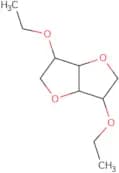
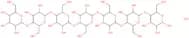
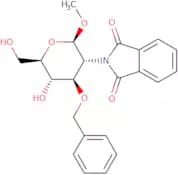
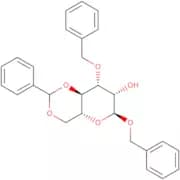
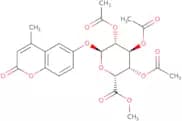
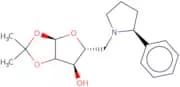

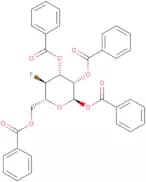

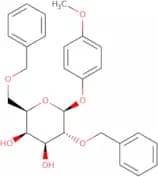
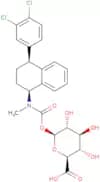
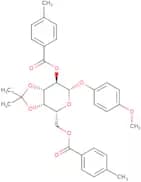
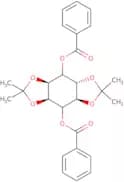

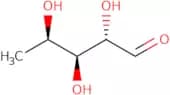
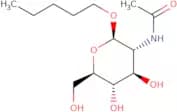
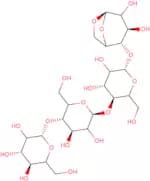

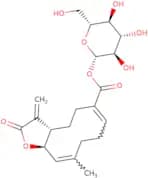
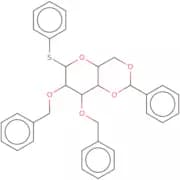
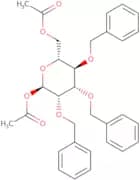

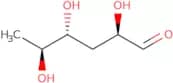
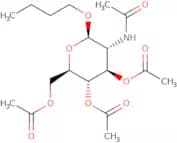
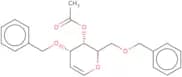
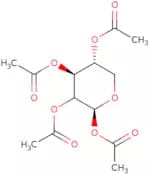
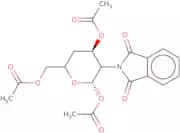
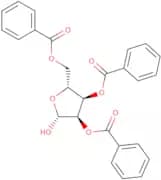


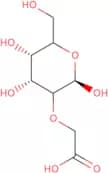

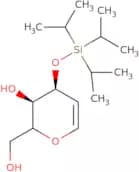
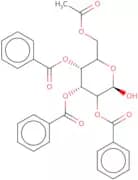
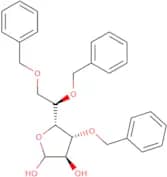


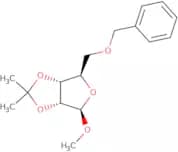
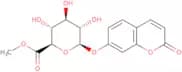
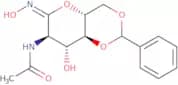
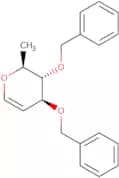
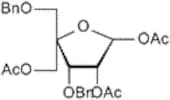
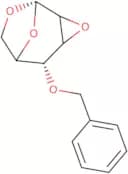
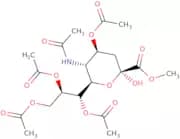
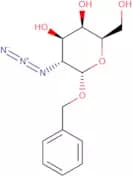
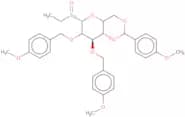

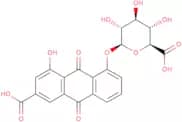
![(1R,3S,4R,8S)-3-Acetoxy-1-acetoxymethyl-8-benzloxy-2,6-dioxabicyclo[3,2,1]octane](/_next/image/?url=https%3A%2Fstatic.cymitquimica.com%2Fproducts%2F3D%2Fthumb-webp%2FMA10599.webp&w=3840&q=75)
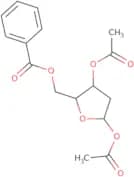
![1,2-Di-[(Trishydroxymethyl)aminomethane]-succinamide](/_next/image/?url=https%3A%2Fstatic.cymitquimica.com%2Fproducts%2F3D%2Fthumb-webp%2FMD12056.webp&w=3840&q=75)
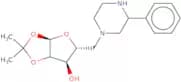
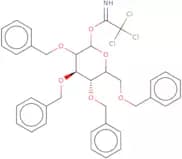
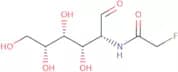
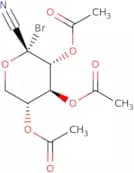
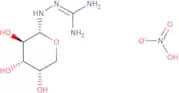
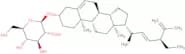
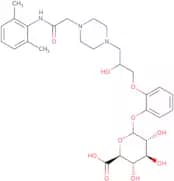


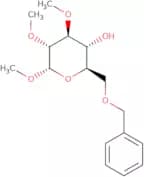
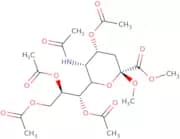

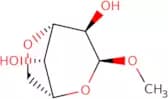
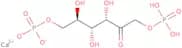

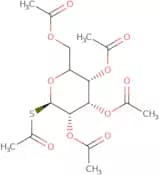

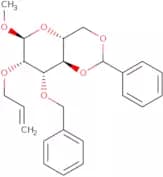
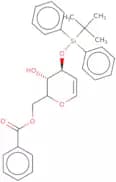

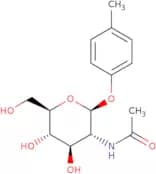

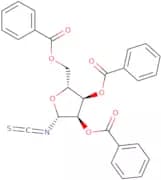
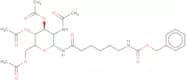

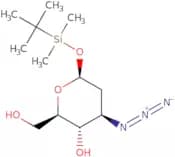
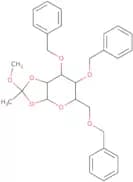
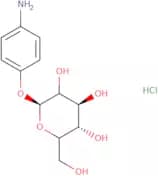

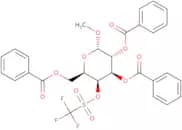

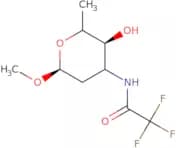
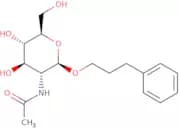


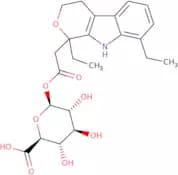

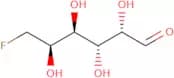
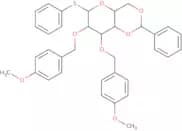
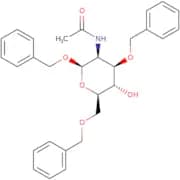
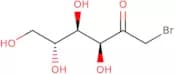
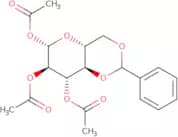

![1,2-Dideoxy-2'-piperidin-1-yl-a-D-glucopyranoso-[2,1-d]-2'-thiazoline](/_next/image/?url=https%3A%2Fstatic.cymitquimica.com%2Fproducts%2F3D%2Fthumb-webp%2FMD15732.webp&w=3840&q=75)
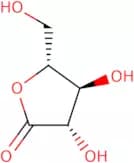
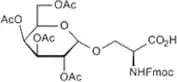

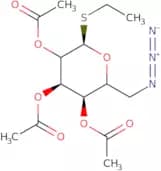
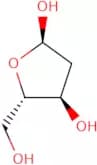
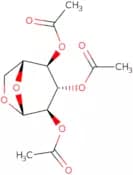
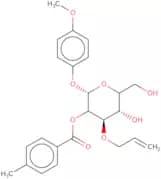
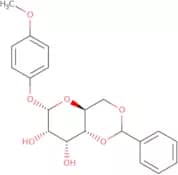
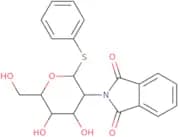
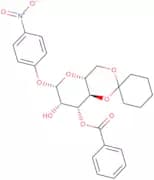
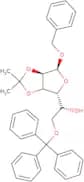
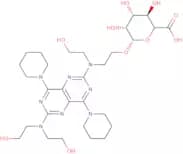
![1,6:3,4-Bis-[O-(2,3-dimethoxybutane-2,3-diyl)]-2-O-trifluoromethanesulphonyl-5-O-benzolyl-myo-inos…](/_next/image/?url=https%3A%2Fstatic.cymitquimica.com%2Fproducts%2F3D%2Fthumb-webp%2FMB16636.webp&w=3840&q=75)
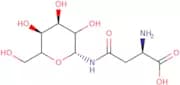

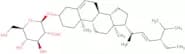
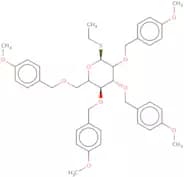
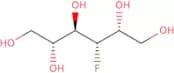
![a-D-[2-13C]-Galactopyranosyl 1-phosphate dipotassium salt](/_next/image/?url=https%3A%2Fstatic.cymitquimica.com%2Fproducts%2F3D%2Fthumb-webp%2FMG138862.webp&w=3840&q=75)