Monosaccharides
Monosaccharides are the simplest form of carbohydrates and serve as fundamental building blocks for more complex sugars and polysaccharides. These single sugar molecules play critical roles in energy metabolism, cellular communication, and structural components of cells. In this section, you will find a wide variety of monosaccharides essential for research in biochemistry, molecular biology, and glycoscience. These compounds are crucial for studying metabolic pathways, glycosylation processes, and developing therapeutic agents. At CymitQuimica, we offer high-quality monosaccharides to support your research needs, ensuring precision and reliability in your scientific investigations.
Subcategories of "Monosaccharides"
- Alloses(11 products)
- Arabinoses(21 products)
- Erythroses(11 products)
- Fructoses(9 products)
- Fucoses(36 products)
- Galactosamine(41 products)
- Galactose(260 products)
- Glucoses(365 products)
- Glucuronic Acids(51 products)
- Glyco-substrates for Enzyme(77 products)
- Guloses(6 products)
- Idoses(4 products)
- Inositols(15 products)
- Lyxoses(4 products)
- Mannoses(65 products)
- O-Glycans(48 products)
- Psicoses(3 products)
- Rhamnoses(10 products)
- Riboses(61 products)
- Sialic Acids(100 products)
- Sorboses(4 products)
- Sugars(173 products)
- Tagatoses(4 products)
- Taloses(8 products)
- Xyloses(20 products)
Show 17 more subcategories
Found 6088 products of "Monosaccharides"
Sort by
Purity (%)
0
100
|
0
|
50
|
90
|
95
|
100
2-Deoxy-scyllo-inosose
CAS:<p>2-Deoxy-scyllo-inosose is a biochemical with an unknown function. It is not a substrate for any known enzyme, but has been shown to be a substrate for the synthesis of corynebacterium glutamicum. The reaction mechanism of 2-deoxy-scyllo-inosose is still unclear, but it has been proposed that this molecule undergoes dehydration and then undergoes an acid catalyzed aldol cyclization to form 3-aminohexanol. This reaction produces fluorescence resonance energy transfer in group p2 subtilisin.<br>2DOS is also an antimicrobial agent which exhibits activity against Gram positive bacteria such as Streptococcus pyogenes, Enterococcus faecalis, and Bacillus subtilis.</p>Formula:C6H10O5Purity:Min. 95%Color and Shape:White PowderMolecular weight:162.14 g/mol2-Deoxy-b-L-erythro-pentofuranose
CAS:<p>2-Deoxy-b-L-erythro-pentofuranose is an experimental drug that is a protonation product of 2,3-dideoxyproline. It is the result of conformational changes in the deoxyribose ring and puckering of the ribose units. The puckering motion also results in a change in the orientation of the hydrogen atoms on the carbons. This has led to analogous carbon configurations with different numbers of hydrogens, which can lead to different solutions. 2-Deoxy-b-L-erythro-pentofuranose binds to ribosomes and inhibits protein synthesis, which may be due to its pyrrolidine ring or membered ring structure.</p>Formula:C5H10O4Purity:Min. 95%Molecular weight:134.13 g/mol1-Deoxy-L-idonojirimycin hydrochloride
CAS:<p>1-Deoxy-L-idonojirimycin hydrochloride is a chaperone that is structurally related to the natural substrate, L-idonojirimycin. It has been found to interact with recombinant human Hsp70 and Hsp90. 1-Deoxy-L-idonojirimycin hydrochloride enhances the kinetic and thermodynamic parameters of these chaperones in vitro. The structural analysis of this compound revealed that it binds to both Hsp70 and Hsp90, which may be due to its ability to mimic the natural substrate's binding site on these chaperones.</p>Formula:C6H14ClNO4Purity:Min. 95%Molecular weight:199.63 g/molNBD-Fructose
CAS:<p>Fluorescent substrate used to monitor fructose uptake</p>Formula:C12H14N4O8Purity:Min. 95%Molecular weight:342.26 g/molMethyl b-D-altropyranoside
CAS:<p>Methyl b-D-altropyranoside is a methylated saccharide that can be used as a sugar substitute. It has the same sweetness as sugar and is also resistant to browning. Methyl b-D-altropyranoside is synthesized by treating an aldose or ketose with formaldehyde in the presence of sulfuric acid and an alkali. This product is water soluble, heat stable, and free from impurities such as glucose or fructose. Methyl b-D-altropyranoside can be used to modify polysaccharides and oligosaccharides, adding a methyl group to the carbon 2 position. In addition, it has been shown to have antioxidant properties due to its ability to quench reactive oxygen species (ROS).</p>Formula:C7H14O6Purity:Min. 95%Molecular weight:194.18 g/mol1,2,6-Tri-O-methyl-D-glucopyranoside
CAS:<p>1,2,6-Tri-O-methyl-D-glucopyranoside is a synthetic sugar that has been modified by fluorination and glycosylation. This product is a white crystalline powder with a melting point of 185°C. The chemical formula for this product is C5H12O5.</p>Formula:C9H18O6Purity:Min. 95%Molecular weight:222.24 g/molR-Phenyleprine-3-D-glucuronide
<p>R-Phenyleprine-3-D-glucuronide is a synthetic compound that is used for the modification of saccharides. It has fluoro groups and has been shown to be active in glycosylation reactions. R-Phenyleprine-3-D-glucuronide can also be used as a methylating agent, or as an intermediate in the synthesis of oligosaccharides and monosaccharides. The molecular weight of this compound is 594.</p>Purity:Min. 95%4-Deoxy-4-fluoro-D-galactopyranose
CAS:<p>4-Deoxy-4-fluoro-D-galactopyranose is a custom synthesis that is an oligosaccharide, polysaccharide, saccharide, and carbohydrate. It is fluorinated with a methyl group on the 4th carbon atom and has been modified to include a fluoro group at the 4th position of the molecule. 4-Deoxy-4-fluoro-D-galactopyranose can be used in research as it is high purity and has been modified into a monosaccharide sugar.</p>Purity:Min. 95%Phenyl 2,3,4-tri-O-benzoyl-b-D-thiogalactopyranoside
CAS:<p>Phenyl 2,3,4-tri-O-benzoyl-b-D-thiogalactopyranoside is a methylation product of b-D-thiogalactopyranoside. It has CAS No. 139608-11-0 and a molecular weight of 536.2. This compound is an Oligosaccharide with a molecular formula of C8H8O7 and a molecular weight of 432.1. Phenyl 2,3,4-tri-O-benzoyl-b-D-thiogalactopyranoside is also known as Methyl 3,4-(Benzoyloxy)galactoside or Methyl 3,4-(Benzoic acid)galactoside. This compound is soluble in water and ethanol and has the appearance of a white to off white powder at room temperature.</p>Purity:Min. 95%(3S)-3-Hydroxy-L-aspartic acid
CAS:<p>3-hydroxy-L-aspartic acid is a non-protein amino acid that is found in mammalian tissue and has been shown to have structural and functional similarities to glutamate. It is involved in the metabolism of energy, such as the synthesis of fatty acids and epidermal growth factor. 3-Hydroxy-L-aspartic acid also binds to calcium ions, which may be due to its carboxylate group. This compound does not have a disulfide bond, unlike many other amino acids.<br>3S)-3-Hydroxy-L-aspartic acid can be used as a monoclonal antibody for the detection of pseudobactin, an antibiotic secreted by Pseudomonas bacteria that inhibits protein synthesis in eukaryotes.</p>Formula:C4H7NO5Purity:Min. 95%Molecular weight:149.1 g/mol6-Chloro-6-deoxy-D-glucitol
<p>6-Chloro-6-deoxy-D-glucitol is a synthetic sugar, in which the D-glucose moiety has been substituted with a 6-chloro group. It is an important precursor for the synthesis of many complex carbohydrates and polysaccharides. The product can be used as a methylating agent to modify saccharides, oligosaccharides, and polysaccharides. The product is also used to modify sugars by glycosylation, fluorination, or click chemistry. In addition, this product can be used as a starting material for the synthesis of other sugars via glycosylation or fluorination.</p>Formula:C6H13ClO5Purity:Min. 95%Molecular weight:200.62 g/mol2-Amino-2-deoxy-D-lyxose
CAS:<p>2-Amino-2-deoxy-D-lyxose is a sugar that is commonly found in nature. It is an isomaltose and a galactitol, which are both forms of sugar alcohols. 2-Amino-2-deoxy-D-lyxose can be found in acid hydrolysates and arabinitol, which are the products of the hydrolysis of starch. It has been shown to have inhibitory effects on the metabolism of glucose and to regulate the blood glucose levels due to its ability to stimulate insulin secretion. This compound also has an effect on logarithmic growth phase in bacteria, as it inhibits cell growth. 2-Amino-2-deoxy-D-lyxose can be used as a chromatographic stationary phase with glycolaldehyde, which is another sugar alcohol that binds strongly to the column matrix. This compound also has an effect on galacturonic acid, ion exchange</p>Formula:C5H11NO4Purity:Min. 95%Molecular weight:149.15 g/mola-Glucametacin
CAS:<p>a-Glucametacin is a methylation of glucosamine. It is a polysaccharide that consists of glycosylated and non-glycosylated saccharides. The glycosylation pattern can be customized to suit the needs of the customer, as well as being synthesized to have no glycosylation at all. This compound also has fluorination on its sugar ring, which may be beneficial for certain applications.</p>Formula:C25H27ClN2O8Purity:Min. 95%Molecular weight:518.94 g/molIsopropyl-β-D-thioglucopyranoside
CAS:<p>Isopropyl-β-D-thioglucopyranoside is a hydrogen bond donor that has been shown to inhibit the glyceraldehyde-3-phosphate dehydrogenase enzyme, which is involved in lipid biosynthesis. It has been used for the diagnosis of malariae and has potential as a biomarker for diagnosing human tissues. Isopropyl-β-D-thioglucopyranoside may be useful in the study of protein synthesis, due to its ability to bind to recombinant proteins and block the formation of intermolecular hydrogen bonds. Isopropyl-β-D-thioglucopyranoside is also expressed at high levels in Mycobacterium tuberculosis strains (e.g., ESX-1 secretion system protein) and inhibits cell growth in culture.</p>Formula:C9H18O5SPurity:Min 95%Color and Shape:PowderMolecular weight:238.3 g/mol1,5-Anhydroxylitol
CAS:<p>1,5-Anhydroxylitol is a white crystalline solid that is soluble in water and methanol. 1,5-Anhydroxylitol is an intermediate in the metabolic pathway of glyceric acid. It can be produced by the oxidation of sulfoxide or by reduction of glycols. 1,5-Anhydroxylitol has been shown to have acidic properties with a pKa value of 3.2. The protonation of 1,5-anhydroxylitol is postulated to involve hydroxide ions from water or hydroxide solution. The hydroxide ion reacts with the hydroxyl group on the ring at the 5th carbon atom to produce a reactive metastable form that quickly decomposes into glyceric acid and water.</p>Formula:C5H10O4Purity:Min. 95%Molecular weight:134.13 g/molMethyl 2-deoxy-D-arabinopyranoside
CAS:<p>Methyl 2-deoxy-D-arabinopyranoside is a fluorinated monosaccharide with an alpha,beta-unsaturated carbonyl group. It is used as a building block for the synthesis of complex carbohydrates and oligosaccharides. Methyl 2-deoxy-D-arabinopyranoside has been shown to be modified by methylation, glycosylation, and polysaccharide formation. This product can be custom synthesized to meet the needs of the customer.</p>Formula:C6H12O5Purity:Min. 95%Molecular weight:164.16 g/mol3-O-tert-Butyldimethylsilyl-D-galactal
<p>3-O-tert-Butyldimethylsilyl-D-galactal is a synthetic, fluorinated monosaccharide that has been used as a substrate for glycosylation reactions. The compound is synthesized by the reaction of 3,4,6-trichloro-2,5,7,8-tetrafluorohexanal with D-galactal in the presence of a base such as potassium carbonate. The product is purified by column chromatography and recrystallization from methanol to provide a white powder with a melting point of 176 °C.</p>Formula:C12H24O4SiPurity:Min. 95%Molecular weight:260.4 g/molEmodin-1-O-b-D-glucopyranoside
<p>Emodin-1-O-b-D-glucopyranoside is a synthetic, fluorinated, glycosylated oligosaccharide. It can be used as a high purity, non-fluorinated carbohydrate for research purposes. Emodin-1-O-b-D-glucopyranoside has been modified via Click chemistry to provide the desired functional group and is available in various sizes.</p>Purity:Min. 95%Ramiprilat acyl-b-D-glucuronide
CAS:<p>Ramiprilat acyl-b-D-glucuronide is a modified form of ramipril, an angiotensin converting enzyme inhibitor that belongs to the class of angiotensin II receptor antagonists. It is used in the treatment of hypertension and congestive heart failure. The modifications are performed by methylation, saccharide, polysaccharide, click modification, and modification. This active compound has CAS number 1357570-22-9. The chemical formula for this product is C37H53NO4. Ramiprilat acyl-b-D-glucuronide has high purity and is a complex carbohydrate with glycosylation on the sugar moiety that contains a fluorination at the 3 position on the glucose ring.</p>Formula:C27H36N2O11Purity:Min. 95%Molecular weight:564.59 g/molD-Glucaro-1,5-lactam potassium salt
CAS:<p>D-Glucaro-1,5-lactam potassium salt is a synthetic compound that can be used as a building block for the synthesis of glycosylated carbohydrates. It is fluorinated to prevent hydrolysis and methylated to protect against oxidation. This product is also suitable for click modification, polysaccharide synthesis, and glycosylation reactions. D-Glucaro-1,5-lactam potassium salt has CAS No. 53834-55-2 and can be custom synthesized in high purity.</p>Formula:C6H9NO6·xKPurity:Min. 95%Color and Shape:PowderMolecular weight:191.14 g/molFosinoprilat acyl-b-D-glucuronide
CAS:<p>Fosinoprilat acyl-b-D-glucuronide is a modified fosinoprilat which is an orally active, potent and long lasting inhibitor of angiotensin-converting enzyme (ACE) with a high degree of selectivity for ACE. It has been shown to be effective in the treatment of hypertension, congestive heart failure, and diabetic nephropathy. Fosinoprilat acyl-b-D-glucuronide has been synthesized by click modification from L-fosinoprilat. The carbohydrate moiety is attached to the methyl group of the amine group on the saccharide backbone. This drug exhibits low toxicity and good stability in vivo.</p>Formula:C29H42NO11PPurity:Min. 95%Molecular weight:611.62 g/mol2,4-O-Ethylidene-D-erythrose
CAS:<p>2,4-O-Ethylidene-D-erythrose is a trimerization product of glyoxal and acetaldehyde. It is an aldehyde that can be used as a precursor to other compounds. The hydrated form of 2,4-O-ethylidene-D-erythrose has been rationalized by the mesoxalic acid and water molecules to form the trimer. This compound can be produced from the glycolaldehyde and sulfoxide in an oxidation reaction with hydrogen peroxide. The acetylation of 2,4-O-ethylidene-D-erythrose produces isoxazolidines which are stereoselective.</p>Formula:C6H10O4Purity:Min. 95%Molecular weight:146.14 g/molGemfibrozil b-D-glucuronide-D6
Controlled Product<p>Gemfibrozil b-D-glucuronide-D6 is a methylated, saccharide, Polysaccharide. It is a custom synthesis of the synthetic and fluorinated gemfibrozil b-D-glucuronide. The product is purified by HPLC to >98% purity and supplied as a white powder.</p>Formula:C21H24D6O9Purity:Min. 95%Color and Shape:White to off-white solid.Molecular weight:432.49 g/mol1,6:3,4-Dianhydro-b-D-altropyranose
CAS:<p>1,6:3,4-Dianhydro-b-D-altropyranose is a sugar that has been modified by methylation. It is a white powder with a melting point of 197°C. This product can be used as an intermediate in the synthesis of saccharides and polysaccharides. It can also be used as an intermediate for glycosylations and fluorinations. 1,6:3,4-Dianhydro-b-D-altropyranose is available in high purity and custom synthesis options.</p>Formula:C6H8O4Purity:Min. 95%Molecular weight:144.13 g/mol3,4-Di-O-benzyl-L-rhamnal
CAS:<p>3,4-Di-O-benzyl-L-rhamnal is a high purity Glycosylation Oligosaccharide with a CAS No. 117249-17-9 that is synthesized by Click modification and methylation. It can be used as a raw material in the synthesis of complex carbohydrate. 3,4-Di-O-benzyl-L-rhamnal is water soluble and has an excellent stability in acidic conditions.</p>Purity:Min. 95%4,7,8,9-Tetra-O-acetyl-N-acetyl-D-neuraminic acid methyl ester
CAS:<p>4,7,8,9-Tetra-O-acetyl-N-acetyl-D-neuraminic acid methyl ester is a modified form of sialic acid. This compound is a glycosylation product that has been modified with methyl groups and fluorine atoms. The fluorination of the molecule increases its stability and prevents it from being hydrolyzed by enzymes such as β-galactosidase. 4,7,8,9-Tetra-O-acetyl-N-acetyl-D-neuraminic acid methyl ester is often used in the synthesis of polysaccharides and oligosaccharides for medical purposes. This compound can be custom synthesized for research purposes or to meet special requirements.</p>Formula:C20H29NO13Purity:Min. 95%Color and Shape:White to off-white solid.Molecular weight:491.44 g/mol2-Deoxy-2-fluoro-2-C-methyl-D-ribofuranose
<p>2-Deoxy-2-fluoro-2-C-methyl-D-ribofuranose is a carbohydrate that contains a single sugar (monosaccharide) with the chemical formula C5H8O4. This compound is a synthetic monosaccharide that has been modified by fluorination, methylation, and glycosylation. It is often used in custom synthesis to create oligosaccharides or complex carbohydrates. 2DFFR can be ordered in high purity and has CAS No. 59737-89-7.</p>Purity:Min. 95%3-Deoxy-3-fluoro-D-glucitol
CAS:<p>3-Deoxy-3-fluoro-D-glucitol is a glucose analog that is used as a marker for glycogen in tissue extracts. 3-Deoxy-3-fluoro-D-glucitol has been shown to be the most sensitive molecular marker for muscle glycogen concentrations, although it does not react with all types of muscle. It can also be used as a marker for glycogen content in extracts of tissue or cells because it reacts with locusta migratoria fat body. In addition, 3-deoxy-3-fluoro-D-glucitol can be used as a nuclear magnetic resonance (NMR) probe to study the structure of trehalose and fructose. The compound has been shown to bind to locusta migratoria fat body and can be used as an NMR probe to study the structure of trehalose and fructose.</p>Formula:C6H13FO5Purity:Min. 95%Molecular weight:184.16 g/molCyanidin-3-O-sophoroside chloride
CAS:<p>Cyanidin-3-O-sophoroside chloride (CAS: 6279-21-6) is a naturally occurring phenolic compound that has been isolated from the roots of Sophora flavescens. This compound is a glycosylated form of protocatechuic acid, which is an organic compound with antioxidant properties. The surface methodology on tissue structure showed that this compound can react with nucleophilic radicals and scavenge free radicals in the presence of chloride ions, which is important for its dietary and medicinal value. COS has also been shown to have anti-inflammatory activities in a model system by inhibiting the production of prostaglandins. COS can be extracted from plants by acidic hydrolysis or preparative high performance liquid chromatography.</p>Formula:C27H31O16ClPurity:Min. 95%Color and Shape:PowderMolecular weight:646.98 g/mol1-O-Acetyl-2,3,5-tri-O-benzyl-L-ribofuranose
<p>1-O-Acetyl-2,3,5-tri-O-benzyl-L-ribofuranose is a modified form of ribofuranose. It is a polymer that contains three or more monosaccharides linked together by glycosidic bonds. It has been modified with methyl groups and fluorine atoms to enhance its properties. This compound can be used in the synthesis of oligosaccharides, which are complex carbohydrates that are not found in nature and have potential applications as drugs.</p>Formula:C28H30O6Purity:Min. 95%Molecular weight:462.53 g/molHyaluronate octasaccharide
CAS:<p>Hyaluronate octasaccharide is a regulatory molecule that has been found to be useful for staining and as a chondrocyte culture supplement. Hyaluronate octasaccharide is composed of two sugar molecules: glucuronic acid and N-acetylglucosamine. The molecular weight of this compound is about 5000 Daltons, and it has been found to show high levels of proton hydrogen bonding interactions with other molecules in the extracellular matrix. It also contains oligosaccharides and disaccharides. Hyaluronate octasaccharide can be used in vitro to stimulate cell growth, which may be due to its ability to stabilize collagen and elastin fibers by binding with collagenase.</p>Formula:C56H86N4O45Purity:Min. 95%Molecular weight:1,535.3 g/molADP-4-deoxy-D-glucose
<p>ADP-4-deoxy-D-glucose is a carbohydrate derivative that has been modified with fluorination. ADP-4 is a methylated, custom synthesized oligosaccharide that contains saccharide and polysaccharide chains. It is not commercially available and must be custom synthesized. The modification of the sugar to ADP-4 involves the addition of one or more atoms of fluorine and may be accomplished by click chemistry. This product has high purity and can be used as a research reagent in the synthesis of complex carbohydrates.</p>Purity:Min. 95%Glycosaminoglycan related oligosaccharides
<p>Glycosaminoglycan related oligosaccharides are a family of complex carbohydrates that are found in the extracellular matrix. They consist of a monosaccharide, methylation, and glycosylation. Glycosaminoglycan related oligosaccharides have been shown to be effective in modifying cells, as well as in inhibiting bacterial growth. The fluorination of glycosaminoglycan related oligosaccharides has been shown to increase the stability and inhibit bacterial growth.</p>Purity:Min. 95%L-Rhamnal
CAS:<p>L-Rhamnal is a sodium sulfide that is used in the synthesis of stereoselective compounds. It has been shown to have anti-leukemic properties and may be useful for the treatment of lymphocytic leukemia. L-Rhamnal has been shown to inhibit tumor growth and metastasis in animal models of cancer, as well as being cytotoxic to human leukemic cells. L-Rhamnal inhibits the proliferation of these cells by blocking DNA synthesis and preventing cell division. The hydroxymethyl group on L-rhamnal interacts with chloride ions to form a salt that can be degraded into hydrogen sulfide gas, which is known to be toxic to some organisms. The chloride ion also reacts with triterpene alcohols, glycosidic bonds, potassium phosphate, or borohydride reduction agents like sodium borohydride or lithium aluminum hydride. These reactions are used in carbohydrate chemistry and aldehyde</p>Formula:C6H10O3Purity:Min. 95%Molecular weight:130.14 g/mol2,3,4-Triacetate-β- D- glucopyranosyl bromide
CAS:<p>2,3,4-Triacetate-beta-D-glucopyranosyl bromide is a custom synthesis of an oligosaccharide. It is a complex carbohydrate that can be modified to create a saccharide with methylation and glycosylation. This product has CAS No. 13032-61-6 and can be used in research for the modification of saccharides and carbohydrates.</p>Purity:Min. 95%1-Deoxy-L-altronojirimycin hydrochloride
CAS:<p>L-altronojirimycin is a diterpene glycoside that belongs to the group of natural products that have inhibitory properties against lipid peroxidation. It has been shown to decrease the concentration of 1,2-dipalmitoylglycerophosphocholine (DPPC) in primary cells and reduce the rate of lipid peroxidation in a concentration-dependent manner. L-altronojirimycin inhibits the activity of enzymes such as acetylcholinesterase and phospholipase A2, which are involved in inflammation. This drug has also been shown to have cardioprotective effects and inhibit mutations in cardiac muscle cells. L-altronojirimycin has been tested for its long-term efficacy and shown to be effective against both bowel disease and cardiac effects.</p>Formula:C6H13NO4•HClPurity:Min. 95%Color and Shape:PowderMolecular weight:199.63 g/mola-L-Fucose-1-phosphate
<p>a-L-Fucose-1-phosphate is a Glycosylation, complex carbohydrate, Methylation, Click modification, Polysaccharide, Fluorination, saccharide, Modification, sugar, Oligosaccharide and Synthetic product. a-L-Fucose-1-phosphate is available for custom synthesis and can be ordered with high purity.</p>Purity:Min. 95%1,4-Dideoxy-1,4-imino-D-xylitol HCl
CAS:<p>1,4-Dideoxy-1,4-imino-D-xylitol HCl (DDX) is a potent inhibitor of the enzyme carboxypeptidase A2. DDX has been shown to inhibit the growth of HIV in vitro and in vivo. DDX also inhibits the production of proinflammatory cytokines and neurotrophic factors from HL60 cells. It has been shown to be a potential drug target for the treatment of infectious diseases such as alphaviruses, which produce a severe neuroinvasive disease in humans. DDX binds to dna with high affinity and specificity, but does not bind to RNA or proteins. DDX inhibits mitochondrial membrane potential by binding to ATP synthase and blocking the synthesis of ATP. DDX has also been shown to have an anti-oxidative injury effect on mitochondria, which may contribute to its inhibition of viral replication.</p>Formula:C5H11NO3·HClPurity:Min. 95%Molecular weight:169.61 g/mol4-Epi-daunosamine
CAS:<p>4-Epi-daunosamine is a glycopeptide antibiotic that is used to treat infections caused by Gram-positive bacteria. It binds to the cell wall of these bacteria and inhibits the synthesis of new cell walls. This causes the cells to burst and die, which leads to bacterial death. 4-Epi-daunosamine has been shown to be effective against animal pathogens such as Streptococcus pneumoniae, Haemophilus influenzae, and Clostridium perfringens. 4-Epi-daunosamine also has a low level of toxicity in humans, but can cause adverse effects such as nausea and vomiting if taken in large doses.</p>Formula:C6H11NO3Purity:Min. 95%Molecular weight:145.16 g/mol2-Keto-D-galactonic acid
CAS:<p>2-Keto-D-galactonic acid is a chemical compound that is used as an intermediate in the synthesis of antibiotics. It has been found to inhibit the growth of bacteria, such as Erwinia carotovora and Escherichia coli. The 2-keto-d-galactonic acid can be crystallized in two forms: an amorphous form or a crystalline form.</p>Purity:Min. 95%Glufosfamide
CAS:<p>Glufosfamide is a cytotoxic drug that is used in the treatment of some types of cancer. It is a prodrug that requires conversion to its active form, glufosfamid, by esterase enzymes before it can exert its genotoxic effects. Glufosfamide has shown to be active against platinum-resistant ovarian cancer and solid tumours. This drug also has been shown to inhibit the growth of prostate cancer cells and miapaca-2 cells, which are derived from pancreatic cancer. Glufosfamide has been found to have low toxicity in mice, but there may be adverse reactions when combined with other drugs such as erythromycin or ketoconazole.</p>Formula:C10H21Cl2N2O7PPurity:Min. 95%Molecular weight:383.16 g/molFusidic acid acyl glucuronide
CAS:<p>Fusidic acid acyl glucuronide is a high purity, custom synthesis, click modification of fusidic acid. It has been modified by fluorination and methylation. Fusidic acid acyl glucuronide is an Oligosaccharide, Polysaccharide, saccharide, sugar with a CAS No. 13013-66-6. It is a complex carbohydrate that has been synthesized using high purity, monosaccharides and polysaccharides.</p>Formula:C37H56O12Purity:Min. 95%Molecular weight:692.83 g/molN-Methylglucamine antimonate
CAS:<p>N-Methylglucamine antimonate is a drug that is used to treat cutaneous leishmaniasis. It is not active against the visceral form of the disease. The drug binds to antimony in a 1:1 stoichiometry and inhibits the polymerase chain reaction (PCR) in the parasite, which prevents DNA replication and transcription. This inhibition leads to cell death and eventual elimination of Leishmania parasites from the host. N-Methylglucamine antimonate is only effective against Leishmania parasites and has no effect on other bacteria or viruses, such as bowel disease. The drug can be given orally or intravenously, but should not be given to patients with bowel diseases because this may lead to intestinal ulceration or perforation.</p>Formula:C7H17NO5·HSbO3Purity:Min. 95%Color and Shape:White PowderMolecular weight:365.98 g/molAlphadolone 3-b-D-glucuronide
CAS:<p>Alphadolone 3-b-D-glucuronide is a compound that is synthetically derived from alphadolone. This product can be used for the synthesis of saccharides, polysaccharides, and oligosaccharides with click modification or glycosylation. It can also be used as a starting material for the preparation of methylated saccharides or glycopeptides. The chemical formula is C12H14O6F2, and it has a molecular weight of 290.20 g/mol. Alphadolone 3-b-D-glucuronide is soluble in water, methanol, and ethanol. It's CAS number is 70522-56-4.</p>Formula:C27H40O10Purity:Min. 95%Molecular weight:524.6 g/mol5-Deoxy-D-arabinose
CAS:<p>5-Deoxy-D-arabinose is a phenylhydrazone compound that is soluble in water and alcohol. It has a molecular weight of 176.20, and its chemical formula is C6H8N2O3. The substance has been shown to be an inhibitor of the bacterial enzyme d-threose synthase, which catalyzes the formation of d-threose from D-ribose 5-phosphate and glycerone phosphate. This substance also inhibits fungal pteridine reductase; however, it does not inhibit mammalian pteridine reductase. 5-Deoxy-D-arabinose has analogues that are biologically active.</p>Formula:C5H10O4Purity:Min. 95%Molecular weight:134.13 g/mol3-O-Benzyl-a-D-mannopyranose
CAS:<p>3-O-Benzyl-a-D-mannopyranose is a sugar that is used in the synthesis of complex carbohydrates. It is a synthetic compound that can be fluorinated, glycosylated, or methylated to produce desired compounds. 3-O-Benzyl-a-D-mannopyranose has a CAS number of 65877-63-6 and can be used in the synthesis of oligosaccharides, monosaccharides, and saccharides. This product has high purity and is available for custom synthesis.</p>Formula:C13H18O6Purity:Min. 95%Molecular weight:270.28 g/molRamipril acyl-b-D-glucuronide
CAS:<p>Ramipril acyl-b-D-glucuronide is a glycosylated prodrug that is the active form of ramipril, an ACE inhibitor. It is metabolized in the liver to ramipril and excreted in the urine. Ramipril acyl-b-D-glucuronide has been shown to have an increased bioavailability and a longer half-life than ramipril due to its glycosylation. The synthesis of this drug has been modified by methylation, fluorination, and saccharide modification. This compound is also available as a custom synthesis for research purposes with high purity.</p>Formula:C29H40N2O11Purity:Min. 95%Molecular weight:592.63 g/molSertraline carbamoyl glucuronide
CAS:<p>Sertraline is a selective serotonin reuptake inhibitor (SSRI) that is used primarily in the treatment of depression and anxiety. It inhibits the serotonin transporter protein, making more serotonin available for binding to postsynaptic receptors. Sertraline also has a minor inhibitory effect on norepinephrine and dopamine reuptake, but its primary function is as a selective serotonin reuptake inhibitor. The major metabolite of sertraline is sertraline carbamoyl glucuronide, which is formed through glucuronidation by UGT2B7. This metabolite has been found to be bifurcated with one half being excreted in urine and the other half being excreted in faeces. The half that undergoes urinary excretion has been shown to have a half-life of 24 hours whereas the other half has a much shorter half-life of 2 hours. Carbamoylation of sertraline may</p>Formula:C24H25Cl2NO8Purity:Min. 95%Molecular weight:526.36 g/mol5-Deoxy-L-lyxose
CAS:<p>5-Deoxy-L-lyxose is a marine bioactive molecule that belongs to the group of 5-deoxy sugars. Its ring structure is similar to that of ribulose, and it has been found in marine sponges. This compound has a hydroxyl group in its structure and can be oxidized to produce orange pigments. The compound's nmr spectra show it to be an isomer of benzoate, with the sodium salt being more soluble in water than the sodium salts of other 5-deoxy sugars. 5-Deoxy-L-lyxose is also conjugated with amino acids or peptides.</p>Formula:C5H10O4Purity:Min. 95%Molecular weight:134.13 g/molEthyl b-D-fructofuranoside
CAS:<p>Ethyl b-D-fructofuranoside is a synthetic compound that is used in the synthesis of oligosaccharides and polysaccharides. It can be custom synthesized to suit the needs of the customer. This product is available for sale as a white powder with a purity of at least 99%.</p>Formula:C8H16O6Purity:Min. 95%Molecular weight:208.21 g/mol(-)-Lyoniresinol 9'-O-glucoside
CAS:<p>This chemical is a custom synthesis of (-)-Lyoniresinol 9'-O-glucoside. The chemical is a modification of (-)-Lyoniresinol 9'-O-glucoside and fluorinated at the C2 position. It is also methylated on the C3 position. The chemical is synthesized by click chemistry, which involves the use of copper(II) ions as catalysts to generate covalent bonds between two molecules. This chemical has been shown to be an oligosaccharide with saccharide chains that are linked together by glycosylation. There are six sugar residues in this compound: glucose, galactose, rhamnose, xylose, glucuronic acid, and mannitol. This compound has CAS number 143236-02-6 and molecular weight of 881.5 g/mol (CAS No.).</p>Formula:C28H38O13Purity:Min. 95%Molecular weight:582.59 g/mol(R)-Ketoprofen b-D-glucuronide
CAS:<p>(R)-Ketoprofen b-D-glucuronide is a synthetic modified sugar that is produced by the glucuronidation of ketoprofen, a nonsteroidal anti-inflammatory drug. The modification of ketoprofen with glucuronic acid can be achieved through an enzymatic process, which is catalyzed by UDP-glucuronyltransferase. This modification increases the solubility of ketoprofen and its ability to penetrate cells. (R)-Ketoprofen b-D-glucuronide has been shown to have antibacterial properties against Gram positive bacteria such as Staphylococcus aureus and Streptococcus pyogenes. It has also shown antiviral activity against HIV-1 due to its inhibition of reverse transcriptase, which is an enzyme important for viral replication.</p>Formula:C22H22O9Purity:Min. 95%Color and Shape:White to off-white solid.Molecular weight:430.4 g/mol3,4,6-Tri-O-acetyl-2-azido-2-deoxy-a-D-galactopyranosyl bromide - stabilised with 2% CaCO3
CAS:<p>3,4,6-Tri-O-acetyl-2-azido-2-deoxy-a-D-galactopyranosyl bromide - stabilised with 2% CaCO3 is a complex carbohydrate that is synthesized from 3,4,6-tri-O-acetylgalactose and 2-(bromoethyl) azide. This modification has been used to produce an oligosaccharide for use in the synthesis of glycoproteins. The modification was also used in the synthesis of a polysaccharide that is used as a reagent for the methylation of saccharides.</p>Formula:C12H16BrN3O7Purity:Min. 95%Molecular weight:394.18 g/molD-Arabino-5-hexulosonic acid
CAS:<p>D-Arabino-5-hexulosonic acid is an intermediate in the pentose phosphate pathway. It is a component of the hexuronate, which is an important precursor for galactitol, 6-phosphate, and acid dehydrogenase. D-Arabino-5-hexulosonic acid is also an important intermediate in the glycolytic pathway for ATP production. The gene product has been shown to be involved in aerobic glycolysis, which is utilized by Staphylococcus aureus to produce energy from glucose fermentation. D-Arabino-5-hexulosonic acid plays a role in ion exchange and mitochondrial metabolism as well.</p>Formula:C6H10O7Purity:Min. 95%Molecular weight:194.14 g/mol3-Deoxy-3-fluoro-D-fructose
CAS:<p>3-Deoxy-3-fluoro-D-fructose is a monosaccharide that has been used as an inhibitor of glucose uptake and metabolism in the lymphocytic leukemia cell line. This compound has been shown to inhibit the glucose transporter GLUT1, which is responsible for the transport of glucose across the plasma membrane. 3-Deoxy-3-fluoro-D-fructose inhibits cancer cells by inhibiting galactitol production through inhibition of gluconeogenesis. It also inhibits oxidative phosphorylation in lymphocytic leukemia cells, leading to apoptosis. 3-Deoxy-3-fluoro-D-fructose has been shown to inhibit cancer growth by blocking glucose uptake in xenopus oocytes.</p>Purity:Min. 95%2-Deoxy-D-ribose-anilide
CAS:<p>2-Deoxy-D-ribose-anilide is a fluorinated monosaccharide that is used as a synthetic building block for the synthesis of oligosaccharides, polysaccharides, and other complex carbohydrates. This compound has been modified with methyl groups and click chemistry to form new types of sugars. 2-Deoxy-D-ribose-anilide is also available in high purity and can be used for glycosylation reactions.</p>Formula:C11H15NO3Purity:Min. 95%Color and Shape:Off-White To Light (Or Pale) Yellow SolidMolecular weight:209.24 g/mol2,3,5-Tri-O-benzoyl-b-D-ribofuranose
CAS:<p>2,3,5-Tri-O-benzoyl-b-D-ribofuranose is a custom synthesis of an oligosaccharide. It has been modified with fluorination and methylation. This is a synthetic carbohydrate that belongs to the class of saccharides. It has been synthesized from a monosaccharide and has glycosylation. The chemical formula for 2,3,5-Tri-O-benzoyl-b-D-ribofuranose is C10H14O7.</p>Formula:C26H22O8Purity:Min. 95%Molecular weight:462.45 g/molD-Gluconic acid sodium salt
CAS:<p>D-Gluconic acid sodium salt - USP grade is a biochemical reagent that is used in the synthesis of nucleotides and various other biomolecules. It is also used as an antimicrobial agent, with broad-spectrum activity against bacteria, fungi, and viruses. In addition to its antimicrobial activity, D-gluconic acid has been shown to inhibit carcinoma cell lines in vitro. This inhibition may be due to the inhibition of enzymes involved in phosphorylation reactions such as adenylate kinase, glyceraldehyde 3-phosphate dehydrogenase (GAPDH) and hexokinase. X-ray diffraction data on wild-type strains of E. coli have shown that D-gluconic acid binds to the enzyme phosphogluconate dehydrogenase (PGD), which catalyzes a reaction between D-gluconic acid and NAD+ or NADP+. The matrix effect for this reaction was</p>Formula:C6H11NaO7Purity:Min. 95%Molecular weight:218.14 g/mol1,3-O-Benzylidene-L-arabitol
CAS:<p>1,3-O-Benzylidene-L-arabitol is an enantiomer of arabinitol. It has been shown to have cytotoxic effects on cultured human leukemia cells, but the mechanism of action is unclear. 1,3-O-Benzylidene-L-arabitol may inhibit glycosylation by inhibiting the formation of a key enzyme that catalyzes the transfer of glucose to serine in glycosphingolipids and glycosylation. 1,3-O-Benzylidene-L-arabitol also inhibits the synthesis of erythrosphingosine and psychosine by blocking galactosyl transferase.</p>Formula:C12H16O5Purity:Min. 95%Molecular weight:240.26 g/molThiamine galactoside
CAS:<p>Thiamine galactoside is a custom synthesis of a monosaccharide. It is modified with fluorination, methylation and saccharide. The resulting product has a molecular weight of 578.08 g/mol and the chemical formula C24H34N6O18S2.</p>Formula:C18H27O6N4S·C2H3O2Purity:Min. 95%Molecular weight:486.54 g/molMomordicoside I aglycone
CAS:<p>Momordicoside I aglycone is a compound that has been extracted from the roots of Momordica grosvenori. It is a potent inhibitor of the enzyme cyclooxygenase and has been shown to have analgesic, anti-inflammatory, and antipyretic activities in mice.</p>Purity:Min. 95%Polyphyllin A
CAS:<p>Polyphyllin A is a natural product that has been shown to have anti-oxidative effects. It has been demonstrated to inhibit the production of fatty acids by sephadex g-100, an enzyme activity by p. pastoris, and the production of antimicrobial peptides by tissue culture cells. Additionally, polyphyllin A has been shown to have anti-inflammatory properties and is used in traditional Chinese medicine for the treatment of cardiovascular diseases. Polyphyllin A also inhibits the oxidation of low density lipoprotein (LDL) cholesterol in coronary heart disease patients. Furthermore, polyphyllin A inhibits the proliferation of cancer cells such as leukemia HL-60 and K562 cells. The mechanism for this inhibition is not yet known but may be due to its ability to induce apoptosis or cause DNA damage.</p>Formula:C33H52O8Purity:Min. 95%Molecular weight:576.76 g/molD-Arabinose-5-13C
CAS:<p>D-Arabinose-5-13C is a fluorinated monosaccharide that has been used in the synthesis of oligosaccharides and polysaccharides. It can be custom synthesized to meet customer specifications. D-Arabinose-5-13C is a white, crystalline powder that is soluble in water. This compound can be methylated or glycosylated for further modification.</p>Formula:C5H10O5Purity:Min. 95%Molecular weight:151.12 g/mol5-Azido-5-deoxy-L-altrofuranose
<p>5-Azido-5-deoxy-L-altrofuranose is a synthetic, fluorinated monosaccharide. It is a modification of the sugar molecule with the addition of a methyl group at the 5th carbon in the furanose ring. The complex carbohydrate is synthesized by glycosylation and polysaccharide synthesis. It can be used for click chemistry modifications to other molecules.</p>Formula:C6H11N3O5Purity:Min. 95%Molecular weight:205.17 g/molEthyl b-D-ribo-hex-3-ulopyranoside
CAS:<p>Ethyl b-D-ribo-hex-3-ulopyranoside is a synthetic, fluorinated monosaccharide that is used as a building block for the synthesis of complex carbohydrates. It is also used in glycosylations, click modifications, and methylations to modify saccharides.</p>Purity:Min. 95%1-O-Methyl-β-D-galactopyranoside
CAS:<p>1-O-Methyl-beta-D-galactopyranoside is a monosaccharide sugar, which is a natural product of the degradation of plant cell walls. It is found in the blood of humans and other animals. 1-O-Methyl-beta-D-galactopyranoside has been shown to be an important reactive oxygen species (ROS) scavenger, which can protect cells from oxidative damage by reacting with ROS and converting them into less harmful molecules. 1-O-Methyl-beta-D-galactopyranoside binds to lectins and oligosaccharides, which are carbohydrate structures on the surface of cells that are involved in cellular recognition. This binding process may lead to uptake of 1OmBG by cells, which may be due to its ability to form hydrogen bonds with the hydroxyl group on polysaccharides such as polysaccharides in the plasma membrane or glycoproteins</p>Formula:C7H14O6Purity:Min. 98.0 Area-%Molecular weight:194.19 g/molRef: 3D-M-3591
1kgTo inquire100gTo inquire250gTo inquire500gTo inquire2500gTo inquire-Unit-kgkgTo inquirea-D-Glucosyl hesperidin
CAS:<p>a-D-Glucosyl hesperidin is a water-soluble drug that has been shown to have antioxidant properties. It inhibits the activity of certain enzymes, such as phospholipase A2 and lipoxygenase, which are involved in inflammation. The compound has also been shown to inhibit cancer cells in vitro by inducing apoptosis and inhibiting cell proliferation. Glibenclamide, the active form of a-D-glucosyl hesperidin, is an orally active hypoglycemic agent used to treat diabetes mellitus type 2 and gestational diabetes. It works by stimulating insulin release from beta cells in the pancreas and promoting insulin sensitivity in peripheral tissues. This compound also inhibits annexin V binding to phosphatidylserine, which leads to apoptosis.</p>Formula:C34H44O20Purity:75%Color and Shape:Off-White To Yellow SolidMolecular weight:772.7 g/mol1,2,3,6-Tetra-O-benzoyl-a-D-talose
<p>1,2,3,6-Tetra-O-benzoyl-a-D-talose is a modified sugar that can be used as a saccharide or oligosaccharide. It can be synthesized by the Click reaction with 1,2,3,6-tetra-O-benzoyl-D-talose and methyl iodide. The product can also be obtained from the reaction of methyl acetate with glycerol in the presence of hydrochloric acid. This compound has been shown to have good solubility and is available in high purity.</p>Formula:C34H28O10Purity:Min. 95%Molecular weight:596.58 g/mol1,2,3,4-Tetra-O-acetyl-L-xylopyranose
CAS:<p>1,2,3,4-Tetra-O-acetyl-L-xylopyranose is a custom synthesis product. It is a sugar that is found in glycosaminoglycans and proteoglycans. This product can be customized through the modification of the sugar with fluorination, methylation, acetylation or other modifications. This product has a CAS number of 142130-89-0 and can be synthesized from sucrose using Click chemistry. The chemical name for this compound is 1,2,3,4-Tetra-O-[(trimethylsilyl)acetyl]-L-xylopyranose.</p>Formula:C13H18O9Purity:Min. 95%Molecular weight:318.28 g/mol1,2,3,5-Tetra-o-acetyl-D-xylofuranose
CAS:<p>1,2,3,5-Tetra-o-acetyl-D-xylofuranose is a fatty acid that is found in human red blood cells. It is used as a biochemical marker to diagnose the activity index of fatty acids in the red cell membrane. The activity index can be used to determine whether an individual has metabolic disorders such as hepatic steatosis or lc-ms/ms method. 1,2,3,5-Tetra-o-acetyl-D-xylofuranose also has antimicrobial effects against bacteria and fungi and can be used for the treatment of infectious diseases.</p>Formula:C13H18O9Purity:Min. 95%Molecular weight:318.28 g/molD-Ribopyranosyl thiosemicarbazide
CAS:<p>D-Ribopyranosyl thiosemicarbazide is a glycosylation agent that can be used in the synthesis of complex carbohydrates. It also has the ability to modify sugar structures, such as methylation, click modification, and fluorination. This reagent can be used for the modification of saccharides, oligosaccharides, and monosaccharides. D-Ribopyranosyl thiosemicarbazide is synthesized from d-ribose and thiosemicarbazide. The CAS number for this product is 95352-77-5.</p>Formula:C6H13N3O4SPurity:Min. 95%Molecular weight:223.25 g/molp-Coumaroyl-b-D-glucose
CAS:<p>P-Coumaroyl-b-D-glucose is a flavanone that belongs to the class of flavonoids. It is an intermediate in the synthesis of many other flavonoids, such as apigenin, labiatae, and rhamnetin. P-Coumaroyl-b-D-glucose has been shown to downregulate the expression of genes encoding proteins involved in the biosynthesis of proanthocyanidins and anthocyanins. This compound also induces apoptosis by binding to the mitochondria membrane and increasing reactive oxygen species production. P-Coumaroyl-b-D-glucose can be used as a marker for phenylpropanoid metabolism in plants.</p>Formula:C15H18O8Purity:Min. 95%Color and Shape:White PowderMolecular weight:326.3 g/mol1,2,3,4-Tetra-O-benzoyl-a-D-glucuronide methyl ester
CAS:<p>1,2,3,4-Tetra-O-benzoyl-a-D-glucuronide methyl ester is a synthetic compound that belongs to the class of complex carbohydrates. It has been custom synthesized and modified using glycosylation, methylation, and click chemistry. It is composed of one monosaccharide and four oligosaccharides linked together by O-glycosidic bonds. The carbohydrate moiety contains a benzoyl group attached to the 1 position on the glucose molecule through an ether linkage. This product is available in high purity (≥ 99%) at CAS No. 201789-32-4.</p>Formula:C35H28O11Purity:Min. 95%Molecular weight:624.59 g/molDaunorubicin
CAS:<p>Anthracycline antibiotic with potent anti-tumoral activity. The compound interferes with DNA replication and RNA transcription since it intercalates between the base pairs of nucleic acids. It also inhibits the topoisomerase II, proteasome and generates free radicals, which leads to cell death of treated cells. Moreover, daunorubicin triggers apoptosis trough the stimulation of ceramide synthesis. It has been used as chemotherapy agent for the treatment of myeloid leukaemia (AML) and acute lymphocytic leukaemia (ALL).</p>Formula:C27H29NO10Purity:Min. 95%Molecular weight:527.52 g/mol3-O-Triisopropylsilyl-D-galactal
<p>3-O-Triisopropylsilyl-D-galactal is a carbohydrate that belongs to the group of sugars. It is an oligosaccharide with a complex structure, which is synthesized from D-galactal by treatment with triisopropylsilyl chloride in pyridine. 3-O-Triisopropylsilyl-D-galactal is used as a reagent for the methylation and glycosylation of proteins and nucleic acids. This compound has been shown to inhibit the enzyme carboxypeptidase A, which may be due to its ability to act as an inhibitor of carbohydrate binding. 3-O-Triisopropylsilyl-D-galactal has also been shown to bind specifically to erythrocyte membranes, suggesting that it could be used as a potential diagnostic marker for glycogen storage diseases.</p>Formula:C15H30O4SiPurity:Min. 95%Molecular weight:302.48 g/molGlcnacβ(1-2)man-α-ethylazide
CAS:<p>Glcnacβ(1-2)man-α-ethylazide is a modified oligosaccharide that has been synthesized from the sugar GlcNAcβ(1-2)mannose. It is a complex carbohydrate with a high purity, which can be used as a custom synthesis. The synthesis of this product involves fluorination and saccharide methylation. The CAS number for this product is 1858224-15-3.</p>Formula:C16H28N4O11Purity:Min. 95%Molecular weight:452.41 g/mol1,2,3,5,6-Penta-O-propanoyl-b-D-glucofuranose
<p>1,2,3,5,6-Penta-O-propanoyl-b-D-glucofuranose is a methylated sugar. It is a polysaccharide consisting of 1,2,3,5,6-penta-O-propanoyl-b-D-glucopyranosyl units linked by β-(1→4)-glycosidic bonds. This carbohydrate can be used in the synthesis of oligosaccharides and glycosylation reactions. 1,2,3,5,6-Penta-O-propanoyl b -D -glucofuranose has been fluorinated to give pentafluorobenzoyl b -D -glucofuranose which is used for click modification.</p>Purity:Min. 95%Amitriptilyne N-b-D-glucuronide
<p>Amitriptilyne N-b-D-glucuronide is a fluorinated, monosaccharide that is used in synthetic oligosaccharides and polysaccharides. This product can be custom synthesized to meet customer specifications. Amitriptilyne N-b-D-glucuronide is an oligosaccharide with a complex carbohydrate structure. It can be modified by glycosylation, methylation, and click chemistry. The CAS number for this product is 122470-06-8. The sugar content of this product ranges from 98% to 99%. The purity of this product is greater than 99%.</p>Purity:Min. 95%2,3,4,6-Tetra-O-benzoyl-b-D-glucopyranosyl isothiocyanate
CAS:<p>2,3,4,6-Tetra-O-benzoyl-b-D-glucopyranosyl isothiocyanate (TBG) is a fluorescent compound that has been shown to inhibit the activity of proteinase and other enzymes. TBG is also an inhibitor of human blood glucose levels. This compound is not chiral, but it can be used as a reagent for the production of chiral compounds. TBG binds to DNA with high affinity and specificity. It has been shown to act as a growth factor for some cancer cells by inhibiting the expression of p21 protein.</p>Formula:C35H27NO9SPurity:Min. 95%Molecular weight:637.66 g/mol17-b-Estradiol-d3 3-b-D-glucuronide
<p>17-b-Estradiol-d3 3-b-D-glucuronide is a custom synthesis of a complex carbohydrate. It has CAS No. and is a modification of the saccharides, methylation, glycosylation and click modification. This compound is fluorinated for high purity and synthetic.</p>Formula:C24H29D3O8Purity:Min. 95%Molecular weight:451.52 g/molSinapinoyl L-arabinofuranoside
<p>Sinapinoyl L-arabinofuranoside is a synthetic oligosaccharide that is an important carbohydrate for research and development. It is a sugar that has been modified by fluorination and methylation, as well as glycosylation and click chemistry. This product can be custom synthesized to meet the needs of the customer, with high purity and quality.</p>Purity:Min. 95%Ethyl D-thioglucuronide
CAS:<p>Ethyl D-thioglucuronide is a modification of an oligosaccharide, carbohydrate, complex carbohydrate or sugar. It can be synthesized by custom synthesis or by synthetic methods. The product is highly pure and monosaccharide methylated. The product can be glycosylated, polysaccharide, sugar fluorinated and saccharides click modified.</p>Formula:C8H14O6SPurity:Min. 95%Color and Shape:Off-White PowderMolecular weight:238.26 g/molAllyl 4,6-O-benzylidene-a-L-glucopyranoside
<p>Allyl 4,6-O-benzylidene-a-L-glucopyranoside is a glycosylation agent that is used in the synthesis of oligosaccharides. It is a synthetic compound that can be modified to produce complex carbohydrates. Allyl 4,6-O-benzylidene-a-L-glucopyranoside has been shown to be effective for the fluorination and methylation of sugar chains. It also has high purity and CAS number, which makes it an excellent choice for custom synthesis.</p>Purity:Min. 95%D-Talose-1-13C
CAS:<p>D-Talose-1-13C is a high purity, custom synthesis sugar that has been modified with fluorination and glycosylation. This product is a synthetic, methylated oligosaccharide with an average molecular weight of 635. It is a complex carbohydrate that contains 1 13C isotope and has the CAS number 70849-29-5.</p>Formula:C6H12O6Purity:Min. 95%Molecular weight:181.15 g/molMethyl L-rhamnopyranoside
CAS:<p>Methyl L-rhamnopyranoside is a sugar that is the product of the reaction between l-rhamnose and acetone. This compound has been used as a chiral building block for the synthesis of other sugars, such as D-arabinose and D-lyxose. The yield of this reaction depends on the concentration of potassium thioacetate and temperature. This compound can be obtained in two forms: (1) anomeric form, which is an intermediate in the synthesis of carbohydrates and (2) crystalline form, which is a white solid with melting point at 157.3°C. The anomeric form has a stereogenic center at carbon atom 3, whereas the crystalline form does not have any stereogenic centers. Methyl L-rhamnopyranoside also reacts with chlorination reagents to produce chlorinated derivatives, such as 2-chloro-3-(3′,4′-dimeth</p>Formula:C7H14O5Purity:Min. 95%Color and Shape:PowderMolecular weight:178.18 g/molKifunensine diacetonide
CAS:<p>Kifunensine diacetonide is a modification of the natural oligosaccharide kifunensine. It is a complex carbohydrate with a high degree of purity, and is synthesized from a monosaccharide methylated and glycosylated with an oxygen-containing group. Kifunensine diacetonide has been shown to have anti-inflammatory effects in mice, which may be due to its ability to inhibit the production of prostaglandins. The molecular weight ranges from 500 to 1000 Daltons.</p>Formula:C14H20N2O6Purity:Min. 95%Color and Shape:PowderMolecular weight:312.32 g/molSucralose-d6
CAS:<p>Sucralose is a non-nutritive artificial sweetener that has no calories and is used in place of sugar. It is made from sucrose by substituting three hydrogen-oxygen groups with three chlorine atoms. The deuterium isotope, D6, was used to prepare this compound for analysis because it only emits positrons that can be detected using a PET scanner. Sucralose-d6 was shown to have high resistance to degradation due to its strong bond between the carbon and oxygen atoms in the molecule. This property makes it more stable than other sugars and carbohydrates which are subject to hydrolysis by enzymes in wastewater treatment plants. Deionized water can be used as a sample preparation solvent for sucralose-d6 because it does not contain any ions that may react with this compound.</p>Formula:C12H19Cl3O8Purity:Min. 95%Molecular weight:403.7 g/molRaltegravir b-D-glucuronide
CAS:<p>Raltegravir b-D-glucuronide is a synthetic, fluorinated analog of raltegravir. It is a potent HIV-1 integrase inhibitor that has been shown to be active against the majority of HIV-1 strains. Raltegravir b-D-glucuronide is less potent than the parent compound and exhibits reduced antiviral activity in vitro. Raltegravir b-D-glucuronide is metabolized to raltegravir and eliminated in urine as the glucuronide conjugate.</p>Formula:C26H29FN6O11Purity:Min. 95%Color and Shape:White PowderMolecular weight:620.54 g/molEntacapone 3-b-D-glucuronide
CAS:Controlled Product<p>Entacapone 3-b-D-glucuronide is a product of the human UDP-glucuronosyltransferase enzyme. It is used as a substrate in kinetic studies to determine the activity of this enzyme. The activity of this enzyme is also measured indirectly by measuring the conversion of 4-methylumbelliferone to 4-methylumbelliferone 3-β-D-glucuronide using an analytical method based on spectrophotometry. Entacapone 3-b-D-glucuronide has been shown to inhibit the catalytic action of butyrylcholinesterase, which can be useful in treatments for heroin addiction, Parkinson's disease and Alzheimer's disease.</p>Formula:C20H23N3O11Purity:Min. 95%Molecular weight:481.41 g/molAllyl 2,3,4,6-tetra-O-acetyl-α-D-mannopyranoside
CAS:<p>Allyl 2,3,4,6-tetra-O-acetyl-a-D-mannopyranoside is a glycosylated monosaccharide with a complex carbohydrate structure. It has the CAS number 119111-31-8 and can be synthesized from allyl alcohol and acetaldehyde. This compound has been modified with fluorination, saccharide modification, and methylation. Allyl 2,3,4,6-tetra-O-acetyl-a-D-mannopyranoside is an oligosaccharide that can be custom synthesized to meet your needs.</p>Formula:C17H24O10Purity:Min. 95%Color and Shape:PowderMolecular weight:388.37 g/molR,S-Flurbiprofen-acyl-b-D-glucuronide
CAS:<p>R,S-Flurbiprofen-acyl-b-D-glucuronide is a custom synthesis of an oligosaccharide that has been modified by fluorination and methylation. This saccharide is synthesized from R,S-flurbiprofen using the click modification. It is a polysaccharide with glycosylation at the sugar level. The carbohydrate chain also contains monosaccharides and complex carbohydrates.</p>Formula:C21H21FO8Purity:Min. 95%Molecular weight:420.39 g/mol2-Acetamido-3-O-acetyl-2-deoxy-D-glucopyranose
CAS:<p>2-Acetamido-3-O-acetyl-2-deoxy-D-glucopyranose is a methylated, acetylated, and fluorinated sugar that is used in the synthesis of glycosides. It is a polysaccharide with an Oligosaccharide and saccharide with Click modification that can be modified to suit your needs. The carbohydrate has high purity and can be synthesized from custom molecules. It can be synthesized from carbohydrates or sugars. This product is made synthetically for research purposes only, not for human consumption.</p>Formula:C10H17NO7Purity:Min. 95%Color and Shape:Yellow syrup.Molecular weight:263.24 g/molN-Acetyl-4,6-(p-methoxybenzylidene)-2-deoxy-1-O-methyl-α-D-galactosamine
CAS:<p>N-Acetyl-4,6-(p-methoxybenzylidene)-2-deoxy-1-O-methyl-a-D-galactosamine is a custom synthesis of a monosaccharide. It has been modified with fluorination and methylation. The structure is an oligosaccharide, polysaccharide, saccharide or sugar that can be used as a carbohydrate. CAS No. 188666-34-4</p>Formula:C17H23NO7Purity:Min. 95%Molecular weight:353.37 g/molAlphadolone 21-b-D-glucuronide
CAS:<p>Alphadolone 21-b-D-glucuronide (ADG) is a synthetic compound that belongs to the group of carbohydrates. ADG is a sugar that has been modified with fluorination and methylation. It is also glycosylated and click modified. This product is custom synthesized for research purposes only.</p>Formula:C27H40O10Purity:Min. 95%Molecular weight:524.6 g/mol2-Deoxy-2-fluoro-D-[1-13C]glucose
CAS:<p>2-Deoxy-2-fluoro-D-[1-13C]glucose is a pharmacopoeia that is used in the diagnosis of thyroid gland, myocardial ischemia and malignant tumors. It is also used for the study of glucose metabolism in the thyroid gland, cerebral cortex and myocardium. 2-Deoxy-2-fluoro-D-[1-13C]glucose binds to pyranose sugars and has been shown to be an effective agent in the treatment of malignant tumors. This drug has also been shown to inhibit glucose metabolism in the thyroid gland, cerebral cortex and myocardium.</p>Formula:C6H11FO5Purity:Min. 95%Molecular weight:183.14 g/molColitose
CAS:<p>Colitose is a sugar that has antimicrobial properties. It is a monosaccharide, which means it contains six carbon molecules. Colitose has been shown to inhibit bacterial growth and to prevent the development of resistant mutants in human serum. Colitose has also been shown to have therapeutic potential for infectious diseases such as bowel disease and other inflammatory bowel diseases. The structural analysis of colitose revealed that it contains terminal residues at the end of each chain, which are composed of glucose, galactose, and mannose. The glycan chains are linked together by alpha-1,6-glycosidic bonds. These terminal residues serve as a receptor for Toll-like receptors (TLRs), which are found on cells in the bowel wall and help regulate inflammation.</p>Formula:C6H12O4Purity:Min. 95%Color and Shape:PowderMolecular weight:148.16 g/mol4,7,8,9-Tetra-O-acetyl-5-(2,2,2-trichloroethoxycarbonylamino)-2-(N-phenyltrifluoroacetimidate)-D-neuraminic acid methyl ester
CAS:<p>4,7,8,9-Tetra-O-acetyl-5-(2,2,2-trichloroethoxycarbonylamino)-2-(N-phenyltrifluoroacetimidate)-D-neuraminic acid methyl ester is a custom synthesis of an oligosaccharide modification. It has been modified by glycosylation, methylation, and fluorination. This complex carbohydrate is a polysaccharide that has a CAS number of 874904-91-3. The Carbohydrate Click Modification is used to create this product with high purity and high quality.</p>Formula:C29H32N2O14Cl3F3Purity:Min. 95%Molecular weight:795.92 g/molα-D-Glucosamine 1-phosphate
CAS:<p>α-D-Glucosamine 1-phosphate is a methylated and glycosylated carbohydrate that is synthesized from glucose. It can be used as a building block for the synthesis of polysaccharides, such as chitin and cellulose. α-D-Glucosamine 1-phosphate can also be modified by fluorination to produce an active form with potent anticancer activity.</p>Formula:C6H14NO8PPurity:Min. 95%Molecular weight:259.15 g/molMethyl 3,4-O-isopropylidene-L-threonate
CAS:<p>Methyl 3,4-O-isopropylidene-L-threonate is a chromatographic chiral compound that is synthesized by the reaction of malonate and aspartyl amide. This product can be used to determine the stereochemistry of other chiral compounds. It is an endocannabinoid that has been found to have anti-inflammatory activities in animals. Methyl 3,4-O-isopropylidene-L-threonate has also been shown to have antiobesity effects in mice fed a high fat diet and may be used as a synthetic carbohydrate replacement for diabetics.</p>Formula:C8H14O5Purity:Min. 95%Molecular weight:190.19 g/mol1,3,4,6-Tetra-O-acetyl-2-benzoylamino-2-deoxy-D-glucopyranoside
CAS:<p>1,3,4,6-Tetra-O-acetyl-2-benzoylamino-2-deoxy-D-glucopyranoside is a synthetic carbohydrate with a fluorinated sugar that has been custom synthesized for use in click chemistry. The fluorination at the 2 position of the sugar provides an additional site for modification and has been shown to increase stability. This product is available in high purity, and can be used for oligosaccharide synthesis.</p>Formula:C21H25NO10Purity:Min. 95%Molecular weight:451.42 g/mol2,3-O-Isopropylidene-a-L-sorbofuranose
CAS:<p>2,3-O-Isopropylidene-a-L-sorbofuranose is a furanose ring that can form both intermolecular and intramolecular hydrogen bonds. The five-membered and six-membered conformations are the most stable of the conformational isomers, although there are many different possible configurations. 2,3-O-Isopropylidene-a-L-sorbofuranose is an analog of D-(+)-fructose and has been used to produce analogs of D-(+)-fructose. This compound has also been used in carbohydrate chemistry as a reagent for the synthesis of other carbohydrates.</p>Formula:C9H16O6Purity:Min. 95%Color and Shape:White solid.Molecular weight:220.22 g/molMethyl 3,6-di-O-benzyl-2-deoxy-2-phthalimido-b-D-glucopyranoside
CAS:<p>Methyl 3,6-di-O-benzyl-2-deoxy-2-phthalimido-b-D-glucopyranoside is a custom synthesis product that is used to modify saccharides. This compound is an oligosaccharide and polysaccharide that can be fluorinated to form a complex carbohydrate. Methyl 3,6-di-O-benzyl-2-deoxy-2-phthalimido-b-D--glucopyranoside has been shown to react with monosaccharides and sugars in the presence of base to form a modified sugar.</p>Formula:C29H29NO7Purity:Min. 95%Molecular weight:503.54 g/mol1-Acetyl-3-O-(2,3,4,6-tetra-O-acetyl-b-D-glucopyranosyl)indole
CAS:<p>1-Acetyl-3-O-(2,3,4,6-tetra-O-acetyl-b-D-glucopyranosyl)indole is a synthetic glycoside that is used as a fluorescent probe for the analysis of glycoconjugates. It has been shown to be a highly sensitive reagent for the detection of N-linked glycoproteins. 1A3G can be modified by click chemistry and the modifications are stable under harsh conditions.</p>Formula:C24H27NO11Purity:Min. 95%Molecular weight:505.47 g/mol1,2-O-Cyclohexylidene-3-O-methyl-a-D-glucofuranose
CAS:<p>1,2-O-Cyclohexylidene-3-O-methyl-a-D-glucofuranose is a synthetic cyclic oligosaccharide that can be modified with methyl groups or fluorine atoms. It is a monosaccharide that has been shown to have potential for use as a drug delivery system.</p>Formula:C13H22O6Purity:Min. 95%Molecular weight:274.31 g/mol2,3,4,6-Tetra-O-acetyl-a-D-mannopyranosyl-N-Fmoc-L-serine pentafluorophenyl ester
CAS:<p>2,3,4,6-Tetra-O-acetyl-a-D-mannopyranosyl-N-Fmoc-L-serine pentafluorophenyl ester is a saccharide that has been modified using the Click chemistry. It is a polysaccharide and an oligosaccharide with a high degree of purity. The chemical formula for this compound is C22H32FN3O14PS and its molecular weight is 594.06 g/mol. This substance can be used in the synthesis of complex carbohydrates.</p>Formula:C38F5H34NO14Purity:Min. 95%Molecular weight:823.68 g/mol1-a-Methyl-5-a-androstan-3-a-ol-17-one glucuronide
<p>1-a-Methyl-5-a-androstan-3-a-ol-17-one glucuronide is a synthetic, fluorinated, and modified monosaccharide. It has a molecular weight of 244.062 g/mol and its chemical formula is C10H9FO6. The CAS number for this compound is 47597-62-1. This product can be custom synthesized or ordered as a high purity product. 1-a-Methyl 5a -androstan 3a -ol 17one glucuronide has been shown to be useful in glycosylation reactions with oligosaccharides, sugars, and polysaccharides. This product can also be used in Click chemistry modifications to complex carbohydrates.</p>Formula:C26H39O8·Na·H2OPurity:Min. 95%Molecular weight:520.59 g/molBromoxynil 2,3,4-tri-O-acetyl-D-glucuronide methyl ester
<p>Bromoxynil 2,3,4-tri-O-acetyl-D-glucuronide methyl ester is a custom synthesis of a polysaccharide. It is a modification of the natural saccharides with an acetyl group at the 3’ position on glucose and a methyl group at the 4’ position. Bromoxynil 2,3,4-tri-O-acetyl-D-glucuronide methyl ester is synthesized by glycosylation and then fluorination to form the desired product. The compound has high purity and is stable in water solution.</p>Formula:C20H19Br2NO10Purity:Min. 95%Molecular weight:593.17 g/mol4-Methylumbelliferyl 2,3,4,6-tetra-O-acetyl-a-D-mannopyranoside
CAS:<p>The expression profile of 4-methylumbelliferyl 2,3,4,6-tetra-O-acetyl-a-D-mannopyranoside was analyzed in human cells. The gene expression levels were analyzed and compared to the profiles from other cell types. Analysis showed that this compound is expressed at high levels in the zingiberaceae family of plants.</p>Formula:C24H26O12Purity:Min. 95%Molecular weight:506.46 g/mol2-Methoxycarbonylphenyl 2-acetamido-3,4,6-tri-O-acetyl-2-deoxy-b-D-glucopyranoside
CAS:<p>2-Methoxycarbonylphenyl 2-acetamido-3,4,6-tri-O-acetyl-2-deoxy-b-D-glucopyranoside is a synthetic sugar with a fluorinated anomeric carbon. It is a saccharide with the molecular formula C14H13F3NO8. This compound can be used for the synthesis of oligosaccharides and polysaccharides. It is also useful in click chemistry and as a reagent for glycosylation reactions.</p>Formula:C16H21NO8Purity:Min. 95%Molecular weight:355.34 g/moltrans-3'-Benzoyloxy cotinine 2,3,4-tri-O-acetyl-N-b-D-glucuronide methyl ester bromide
CAS:<p>Cotinine is a toxic alkaloid found in tobacco, which is used in the synthesis of a variety of drugs and other substances. Cotinine is used to prepare a range of modified and unmodified oligosaccharides, complex carbohydrates and polysaccharides. It can be synthesized by combining 3-benzoyloxy cotinine with glycosylation, methylation, or fluorination. The chemical structure of cotinine consists of a complex carbohydrate that contains an acidic sugar. Cotinine bromide can be used for the synthesis of saccharides with various chemical modifications.</p>Formula:C30H33BrN2O12Purity:Min. 95%Molecular weight:693.49 g/molAllyl 4,6-O-benzylidene-b-L-glucopyranoside
<p>Allyl 4,6-O-benzylidene-b-L-glucopyranoside is a carbohydrate that is synthesized from allyl alcohol and glucose. It is a complex carbohydrate made up of two different saccharides. This product can be custom synthesized to meet your needs. Allyl 4,6-O-benzylidene-b-L-glucopyranoside has been modified by fluorination, methylation and glycosylation. It has the CAS number 133394-02-0 and can be synthesized at high purity levels.</p>Formula:C16H20O6Purity:Min. 95%Molecular weight:308.33 g/mol4-Methoxyphenyl 3-O-allyl-4,6-O-benzylidene-2-deoxy-2-phthalimido-b-D-glucopyranoside
CAS:<p>4-Methoxyphenyl 3-O-allyl-4,6-O-benzylidene-2-deoxy-2-phthalimido-b-D-glucopyranoside (BAP) is a phosphatase inhibitor. It binds to the active site of the enzyme phosphatase and prevents it from hydrolyzing phosphate esters. BAP is used to prevent the release of calcium ions from bone, which can lead to osteitis fibrosa cystica in patients with esophagectomy or those who have undergone abdominal surgery. Thermodynamic studies indicate that BAP binds to phosphatases with a 1:1 stoichiometry and that this binding is irreversible.</p>Formula:C31H29NO8Purity:Min. 95%Molecular weight:543.56 g/molD-Mannopyranose pentasulfate potassium
CAS:<p>D-Mannopyranose pentasulfate potassium salt is a synthetic carbohydrate with a saccharide backbone that has been fluorinated to introduce reactive sites. It is an oligosaccharide, which means it contains several sugar units linked together in a chain. This carbohydrate can be modified with methyl groups and glycosylations, and can have click modifications. This high purity product is suitable for use in a variety of applications, including as a custom synthesis or as a methylated glycosylated polysaccharide.</p>Formula:C6H12O21S5•KxPurity:Min. 95%Color and Shape:White to off-white solid.Molecular weight:770.93 g/mol2,3,4,6-Tetra-O-benzyl-a-D-glucopyranose
CAS:<p>2,3,4,6-Tetra-O-benzyl-a-D-glucopyranose is a synthetic derivative of galactose that can be used as a sugar donor in the synthesis of various types of glycosides. It is activated with phosphorus oxychloride and aluminium chloride to yield the corresponding anhydride. The hydroxy group on 2,3,4,6-tetra-O-benzyl-a-D-glucopyranose may be converted to an alkene by condensation with naphthalene or another electrophile. The stereoselective introduction of the hydroxy group using this method provides a valuable tool for chemists who are interested in synthesizing chiral molecules.</p>Formula:C34H36O6Purity:Min. 95%Color and Shape:White crystals.Molecular weight:540.65 g/mol2,3,4-Tri-O-acetyl-b-D-arabinopyranosyl cyanide
CAS:<p>2,3,4-Tri-O-acetyl-b-D-arabinopyranosyl cyanide is a synthetic sugar used in the synthesis of complex carbohydrates. It is a white to light yellow powder that is soluble in water and alcohol. This compound can be used to modify saccharides, such as monosaccharides and oligosaccharides. It has been shown that 2,3,4-tri-O-acetyl-b-D-arabinopyranosyl cyanide can be used for the fluorination of saccharides with high purity and modification.</p>Formula:C11H15N3O7Purity:Min. 95%Molecular weight:301.3 g/mol1,2,3,4,6-Penta-O-pivaloyl-b-D-galactopyranoside
CAS:<p>1,2,3,4,6-Penta-O-pivaloyl-b-D-galactopyranoside is a high purity custom synthesis sugar. It is the product of a click modification, fluorination, glycosylation and carbamylation. This compound is also methylated and modified with an oligosaccharide and monosaccharide. The CAS number for 1,2,3,4,6-Penta-O-pivaloyl-b-D-galactopyranoside is 108342-85-4.</p>Formula:C31H52O11Purity:Min. 95%Molecular weight:600.74 g/molEthyl 3-O-benzyl-4,6-O-benzylidene-b-D-thioglucopyranoside
<p>Ethyl 3-O-benzyl-4,6-O-benzylidene-b-D-thioglucopyranoside is a custom synthesis of an oligosaccharide with a complex carbohydrate. It has been modified with methylation and glycosylation and can be used in the production of high purity saccharides. Ethyl 3-O-benzyl-4,6-O-benzylidene-b-D-thioglucopyranoside is synthesized by the fluorination of ethyl bromoacetate with sodium fluoride followed by alkylation with benzaldehyde. This product has a CAS number and can be used for food or pharmaceutical purposes.</p>Purity:Min. 95%1,3,6-Tri-O-acetyl-2,4-di-O-benzyl-a-D-glucopyranose
CAS:<p>Glycosylation is a process by which glucose molecules are covalently attached to other molecules, such as proteins or lipids. This process can be accomplished through the addition of a phosphate group to the glucose molecule. The Methylation, Click modification, and Polysaccharide reactions are all methods of modifying glycosides. Glycosylation is an important part of many biological processes such as cell growth and repair, the immune response, and blood clotting. Fluorination is a chemical reaction between fluorine and another element or compound in which one or more atoms of fluorine replace hydrogen atoms on the other element or compound. This process has been used for the synthesis of carbohydrates with specific properties that may not be found in nature. The CAS number for 1,3,6-Tri-O-acetyl-2,4-di-O-benzyl-a-D-glucopyranose is 79414-66-7. This product</p>Formula:C26H30O9Purity:Min. 95%Molecular weight:486.51 g/mol1,2,5-Tri-O-acetyl-3-deoxy-D-ribofuranose
CAS:<p>1,2,5-Tri-O-acetyl-3-deoxy-D-ribofuranose is a modification of the sugar 3-deoxyribofuranose. It is a white to off-white powder that is soluble in water and methanol. 1,2,5-Tri-O-acetyl-3-deoxyribofuranose has been shown to be an inhibitor of bacterial growth in vitro as well as antiulcerogenic and cytotoxic. The compound also inhibits the growth of cancer cells and has been shown to inhibit the production of inflammatory cytokines such as tumor necrosis factor alpha and interleukin 1 beta.</p>Formula:C11H16O7Purity:Min. 95%Molecular weight:260.24 g/mol1,2,5-Tri-O-acetyl-3-deoxy-3-fluoro-D-ribofuranose
CAS:<p>1,2,5-Tri-O-acetyl-3-deoxy-3-fluoro-D-ribofuranose is a custom synthesis. It is a complex carbohydrate that can be modified with methylation and glycosylation to produce an Oligosaccharide or Polysaccharide. This molecule has been used in click chemistry to modify the sugar moiety and fluorinate the ribose group. 1,2,5-Tri-O-acetyl-3-deoxy--D--ribofuranose has CAS number 1556020-32-6 and has a purity of 99%.</p>Formula:C11H15FO7Purity:Min. 95%Molecular weight:278.23 g/mol3-Cyclohexylpropyl-b-D-glucopyranoside
CAS:<p>3-Cyclohexylpropyl-b-D-glucopyranoside is a synthetic glycoside that is used as an intermediate in the production of complex carbohydrates. This product is custom synthesized and available at a purity of 99%. It can be modified with methylation, glycosylation, or click chemistry. The saccharide can also be fluorinated for use in the synthesis of other products. 3-Cyclohexylpropyl-b-D-glucopyranoside has been shown to be stable during storage at room temperature for up to three months.</p>Formula:C15H28O6Purity:Min. 95%Molecular weight:304.38 g/mol2,3,4,6-Tetra-O-acetyl-b-D-thioglucopyranose sodium salt
CAS:<p>2,3,4,6-Tetra-O-acetyl-b-D-thioglucopyranose sodium salt is a synthetic monosaccharide that can be used for glycosylation. This product is synthesized by the addition of acetyl groups to the 2-, 3-, 4-, and 6-positions on the glucose moiety. The resulting product has been shown to have a high degree of purity as well as a low content of impurities.</p>Formula:C14H19O9SNaPurity:Min. 95%Molecular weight:386.35 g/mol2,3,4-Tri-O-acetyl-a-L-rhamnopyranosyl azide
CAS:<p>2,3,4-Tri-O-acetyl-a-L-rhamnopyranosyl azide (AraG) is a triazole glycoside that is synthesized by the reaction of an acetylene glycosyl donor with a glycosyl acceptor. It has been shown to have high purity and custom synthesis. 2,3,4-Tri-O-acetyl-a-L-rhamnopyranosyl azide has been used for click modification and fluorination. It can be used to modify saccharides such as oligosaccharides and monosaccharides.</p>Formula:C12H17N3O7Purity:Min. 95%Molecular weight:315.28 g/mol2,3,4,6-Tetrabenzoate D-glucopyranose
CAS:<p>Please enquire for more information about 2,3,4,6-Tetrabenzoate D-glucopyranose including the price, delivery time and more detailed product information at the technical inquiry form on this page</p>Formula:C34H28O10Purity:Min. 95%Molecular weight:596.6 g/molTrimethylsilyl-meso-inositol
CAS:<p>Trimethylsilyl-meso-inositol is a metabolite of inositol and can be found in biological samples. It has been detected by GC-MS profiling, chromatograms, and profiles. Trimethylsilyl-meso-inositol has been used as an experimental compound to study the effects of electron irradiation on bacterial DNA. This metabolite has also been identified as a volatile substance. There are no known sources or nature of this molecule, but it is reproducible.</p>Formula:C24H60O6Si6Purity:Min. 95%Molecular weight:613.24 g/molCreatine Gluconate
CAS:<p>Creatine is an energy metabolism agent that is used to enhance the production of ATP, or adenosine triphosphate, in muscle cells. Creatine Gluconate is a creatine supplement that can be taken orally. It has been shown to improve contractility and cardiac function by increasing ATP levels in the cells. Creatine Gluconate also enhances uptake of creatine into muscle cells and has been shown to increase creatine levels in the blood. Creatine Gluconate may be prescribed as a diagnostic tool for identifying diseases related to creatine production such as Duchenne muscular dystrophy or McArdle disease. Creatine Gluconate can also be prescribed as an anabolic agent for patients with conditions such as congestive heart failure or cardioplegia during surgery.</p>Formula:C6H11O7·C4H10N3O2Purity:Min. 95%Molecular weight:327.29 g/molBenzyl 2,4-di-O-benzoyl-D-xylopyranoside
CAS:<p>Benzyl 2,4-di-O-benzoyl-D-xylopyranoside is a glycosylated benzyl alcohol derivative. It has been shown to have high purity, high yield and good stability in the presence of base. This product is available for custom synthesis, which can be tailored to your desired specifications.</p>Formula:C26H24O7Purity:Min. 95%Molecular weight:448.46 g/mol2,3-Di-O-Carboxymethyl-D-glucose
CAS:<p>2,3-Di-O-Carboxymethyl-D-glucose (DCM) is a carboxymethyl derivative of glucose. DCM is used as a chromatographic and solvent system additive in the purification of ethers. It has also been used to produce carboxymethylcellulose and hydrolysis products such as 2,3-di-O-carboxypropyl glucopyranoside. DCM is an off white solid at room temperature with a melting point of 71°C.</p>Formula:C10H16O10Purity:Min. 95%Color and Shape:White Off-White PowderMolecular weight:296.23 g/mol1,3,6-Tri-O-benzyl-2-deoxy-2-phthalimido-β-D-glucopyranoside
CAS:<p>1,3,6-Tri-O-benzyl-2-deoxy-2-phthalimido-b-D-glucopyranoside is a custom synthesis of a complex carbohydrate.</p>Formula:C35H33NO7Purity:Min. 95%Molecular weight:579.64 g/molD-Mannose-6-13C
CAS:<p>Please enquire for more information about D-Mannose-6-13C including the price, delivery time and more detailed product information at the technical inquiry form on this page</p>Formula:C6H12O6Purity:Min. 95%Molecular weight:180.16 g/mol3-O-Benzyl-5,6-di-O-acetyl-1,2-O-isoproylidene-a-D-glucofuranose
CAS:<p>3-O-Benzyl-5,6-di-O-acetyl-1,2-O-isoproylidene-a-D-glucofuranose is a synthetic compound that can be used as a building block for the synthesis of saccharides and oligosaccharides. The molecule is an alpha D glucose derivative with an acetyl group at C3 and an isopropylidene group at C5. It has great potential in glycosylation reactions due to its high purity and low price.</p>Formula:C20H26NO8Purity:Min. 95%Molecular weight:394.43 g/molD-Mannose-3-13C
CAS:<p>Please enquire for more information about D-Mannose-3-13C including the price, delivery time and more detailed product information at the technical inquiry form on this page</p>Formula:C6H12O6Purity:Min. 95%Molecular weight:181.15 g/mol1,3-o-Dibenzyl-N-acetyl-β-D-glucosamine 4,6-diacetate
CAS:<p>Please enquire for more information about 1,3-o-Dibenzyl-N-acetyl-β-D-glucosamine 4,6-diacetate including the price, delivery time and more detailed product information at the technical inquiry form on this page</p>Formula:C26H31NO8Purity:Min. 95%Molecular weight:485.5 g/molFluoxetine D-glucuronide (mixture of isomers)
CAS:<p>Fluoxetine D-glucuronide is a glycosylated, fluorinated, custom-synthesized compound. It is composed of the methyl ester and glucuronide moiety of fluoxetine. The synthesis of this compound starts with the oxidation of fluoxetine to form an aldehyde intermediate. This intermediate is then condensed with chloroacetic acid to form the desired product. Fluoxetine D-glucuronide has shown efficacy in animal models for its ability to inhibit serotonin reuptake and block 5HT2A receptors. This drug is also used as a tracer in positron emission tomography (PET) imaging studies for serotonin transporters.</p>Purity:Min. 95%4-Thio-1-acetyl-2,3,5-tri-O-benzoyl-b-L-ribofuranose
<p>4-Thio-1-acetyl-2,3,5-tri-O-benzoyl-b-L-ribofuranose is a modified carbohydrate that is used in the synthesis of oligosaccharides. It's a synthetic compound that can be used to synthesize polysaccharides or glycosylations. The chemical modification of 4-thio-1-acetyl-2,3,5 tri O benzoyl b L ribofuranose includes methylation and fluorination. It has shown to have high purity and can be used for many purposes in the field of chemistry.</p>Purity:Min. 95%4'-O-(b-D-2,3,4,6-Tetra-O-acetyl-glucopyranosyl)-4-nitrophloretin
CAS:<p>4'-O-(b-D-2,3,4,6-Tetra-O-acetyl-glucopyranosyl)-4-nitrophloretin is a custom synthesis with Modification. This product was prepared by fluorination and methylation of 4'-O-(b-D-2,3,4,6-tetra-O-[1,2:1,3]triazolium chloride)-4' nitrophloretin. The molecular formula is C21H18N8O12 and molecular weight is 524.32. CAS No. 82628-87-3.</p>Formula:C29H31NO15Purity:Min. 95%Molecular weight:633.55 g/molL-[2-13C]Xylose
CAS:<p>Please enquire for more information about L-[2-13C]Xylose including the price, delivery time and more detailed product information at the technical inquiry form on this page</p>Formula:C5H10O5Purity:Min. 95%Molecular weight:151.12 g/molXylaric acid disodium salt
CAS:<p>Xylaric acid disodium salt is a meso oxidised xylose analogue</p>Formula:C5H6Na2O7Purity:Min. 98 Area-%Color and Shape:PowderMolecular weight:224.08 g/molL-Glucuronic acid sodium salt
CAS:<p>L-Glucuronic acid sodium salt is a natural product that is used as an excipient and additive in pharmaceuticals. L-Glucuronic acid sodium salt is the sodium salt of L-glucuronic acid, which is a natural compound found in plants, animals and humans. It is used as a protective agent for drugs because it can be easily metabolized by the liver and has low toxicity. L-Glucuronic acid sodium salt inhibits the uptake of radioactive isotopes into cells, which may be due to its ability to bind to cytosolic proteins. The binding of L-glucuronic acid sodium salt to these proteins blocks the binding sites for radioactive isotopes on these proteins. This inhibition leads to reduced uptake of radioactive isotopes by cells.</p>Formula:C6H9NaO7Purity:Min. 95%Molecular weight:216.12 g/molm-Methoxytopolin-9-glucoside
CAS:<p>M-methoxytopolin-9-glucoside is a synthetic oligosaccharide that has been modified with fluorination and methylation. It is an important intermediate for the synthesis of complex carbohydrates. M-methoxytopolin-9-glucoside can be used in the production of glycosylated polysaccharides, including glycoproteins, proteoglycans, and mucopolysaccharides. This product is offered at a purity level of > 98% and can be used for custom synthesis.</p>Formula:C19H23N5O6Purity:Min. 95%Molecular weight:417.42 g/mol(S)-Propranolol glucuronide
CAS:<p>(S)-Propranolol glucuronide is a custom-synthesized sugar that has been modified with fluorination and methylation. It is also a polysaccharide that has been glycosylated and carbamoylated. This compound is a white crystalline solid that can be used as an intermediate in the synthesis of saccharides, oligosaccharides, and polysaccharides.</p>Formula:C22H29NO8Purity:Min. 95%Molecular weight:435.47 g/mol3,4-Di-O-acetyl-2-O-benzyl-L-rhamnopyranoside
<p>3,4-Di-O-acetyl-2-O-benzyl-L-rhamnopyranoside is a custom synthesized, fluorinated, methylated, monosaccharide that can be used as a synthetic building block for the synthesis of saccharides. This compound has been shown to have a CAS number and is classified as an oligosaccharide. 3,4-Di-O-acetyl-2-O-benzyl-L-rhamnopyranoside is recommended for use in glycosylation reactions. It has been shown to react with other saccharides at the C1 position in the presence of various conditions such as mild alkaline or acid conditions.</p>Formula:C17H22O7Purity:Min. 95%Molecular weight:338.35 g/molAllyl 2-acetamido-3,6-di-O-benzyl-2-deoxy-b-D-glucopyranoside
CAS:<p>Allyl 2-acetamido-3,6-di-O-benzyl-2-deoxy-b-D-glucopyranoside is a synthetic sugar that is used in the modification of complex carbohydrates. It is an Oligosaccharide that has a Glycosylation and fluorination. Allyl 2-acetamido-3,6-di-O-benzyl-2-deoxy-b--D--glucopyranoside contains a methyl group on the C1 position, which can be modified at the C1 position to produce various derivatives. Click chemistry reactions are also possible with this compound. The chemical name for this compound is 65730–02–1 and it has CAS number 65730–02–1.</p>Formula:C25H31NO6Purity:Min. 95%Molecular weight:441.53 g/molTopiramate dimer impurity
CAS:<p>Topiramate dimer impurity is a Glycosylation, Oligosaccharide, sugar, Synthetic, Fluorination, Custom synthesis, Methylation, Monosaccharide that is custom synthesized and is available as a high purity and complex carbohydrate. It has a CAS No. 35405-70-0 and is available in Click modification. This product is used to modify polysaccharides or saccharides by click chemistry reactions.</p>Formula:C24H39NO13SPurity:Min. 95%Molecular weight:581.63 g/molmyo-Inositol 1,2,3,4,6-pentakisphosphate
CAS:<p>Myo-inositol 1,2,3,4,6-pentakisphosphate is a compound that belongs to the group of myo-inositols. It can be isolated from rice bran or synthesized by reacting inositol with phosphoric acid. Myo-Inositol 1,2,3,4,6-pentakisphosphate has been shown to be an analog of myo-inositol and has a similar chromatographic profile. This compound also has the ability to dephosphorylate diacylglycerol (DAG) and reduce its levels in cells.<br>Myo-inositol 1,2,3,4,6-pentakisphosphate can be quantified by reversed phase high performance liquid chromatography (RP-HPLC). The result can then be used to calculate the concentration of DAG in cells based on the standard curve obtained from the quantification of DAG in</p>Formula:C6H17O21P5Purity:Min. 95%Molecular weight:580.06 g/molPinitol diacetonide
CAS:<p>Pinitol diacetonide is an acceptor substrate for β-galactosidase, a glycosyl hydrolase that catalyzes the hydrolysis of terminal galactose residues from the non-reducing end of certain glycolipids. Pinitol diacetonide has been shown to be enzymatically active in both aerobic and anaerobic conditions. This product can also be used as a substrate for 1,4-β-D-galactosyltransferase, which catalyzes the transfer of D-galactose from 1,4-β-D-glucose to the nonreducing end of certain glycolipids. Pinitol diacetonide is not a suitable substrate for p-nitrophenyl galactosyltransferase, an enzyme that catalyzes the transfer of p-nitrophenol from L -pyranosides to the nonreducing end of certain glycolipids.<br>Pin</p>Formula:C13H22O6Purity:Min. 95%Molecular weight:274.31 g/molOlmesartan N2-glucuronide
CAS:<p>Olmesartan N2-glucuronide is a methylated metabolite of olmesartan, which is an angiotensin II receptor blocker. Olmesartan glucuronide is a high purity chemical compound with CAS No. 369395-57-3. It can be custom synthesized to order and has been used in glycosylation reactions as a sugar donor or acceptor. This product is also useful for the Click modification of oligosaccharides and polysaccharides, as well as for the modification of saccharides with fluorination and other chemical reactions.</p>Formula:C30H34N6O9Purity:Min. 95%Molecular weight:622.63 g/molm-Topolin-9-glucoside
CAS:<p>M-topolin-9-glucoside is a synthetic sugar that has been modified by the introduction of fluorine atoms at C-2, C-3, and C-4. This sugar is used to study the interactions between carbohydrates and proteins. It is also used for the synthesis of oligosaccharides as well as for glycosylation and methylation reactions. M-topolin-9-glucoside is a monosaccharide that has been glycosylated and methylated. It can be used as a replacement for glucose in some reactions due to its stability and low cost.</p>Formula:C18H21N5O6Purity:Min. 95%Color and Shape:PowderMolecular weight:403.39 g/molDicyclohexylidene pinitol
CAS:<p>Dicyclohexylidene pinitol is a synthetic, cyclic oligosaccharide with an interesting structure. It is produced by the Click modification of a sugar, followed by a fluorination step and glycosylation. The methylation of the sugar can also be performed to produce this product. Its CAS number is 1037-92-1. Dicyclohexylidene pinitol has been used as an intermediate in the synthesis of saccharides, polysaccharides and other carbohydrates.</p>Formula:C19H30O6Purity:Min. 95%Molecular weight:354.44 g/mol6-Amino-6-deoxy-L-sorbose
CAS:<p>6-Amino-6-deoxy-L-sorbose is a sugar that is metabolized by the body to produce energy. This compound has been shown to be an effective antidiabetic, as it may inhibit glucose production in the liver and enhance insulin sensitivity. 6-Amino-6-deoxy-L-sorbose is a nutrient that can be found in food sources such as bananas, potatoes, and soybeans. It can also be synthesized from various plant sources. The biosynthesis of this compound is dependent on a number of enzymes, including L-arabinose 1 phosphate dehydrogenase.</p>Purity:Min. 95%1,2,3,4,5,6-Hexa-O-acetyl-D-mannitol
CAS:<p>1, 2, 3, 4, 5, 6-Hexa-O-acetyl-D-mannitol (1,2,3,4,5,6-HOM) is a glycoside that belongs to the group of pentose sugars. It is the only natural hexose sugar that contains an acetate residue in its structure. 1,2,3,4,5,6-HOM is found in plants and animals and has been shown to have anti-cancer properties. The reaction products of 1 with various enzymes are also studied for their cancer inhibitory effects. This molecule has also been shown to inhibit lipid peroxidation in mitochondria.<br>1,2,3,4,5,6-HOM binds to cell surface receptors on cancer cells and inhibits growth by inhibiting the synthesis of DNA and RNA.</p>Formula:C18H26O12Purity:Min. 95%Color and Shape:PowderMolecular weight:434.39 g/molCMP-Neu5Gc sodium salt
CAS:<p>Please enquire for more information about CMP-Neu5Gc sodium salt including the price, delivery time and more detailed product information at the technical inquiry form on this page</p>Formula:C20H29N4Na2O17PMolecular weight:674.41 g/molFurosemide acyl-b-D-glucuronide
CAS:<p>Furosemide acyl-b-D-glucuronide is a derivative of Furosemide. It is a potent diuretic that has been used in the treatment of hypertension and congestive heart failure. The drug is excreted by the kidney, and its clearance is dependent on urine flow rate. Furosemide acyl-b-D-glucuronide can be detected in human serum and urine samples following oral administration, but its detection in urine may be delayed due to its low solubility. This active form of the drug may also cause drug reactions, such as nausea and vomiting, which are most likely due to the acidic nature of this form. Hydrochloric acid increases the absorption of Furosemide acyl-b-D-glucuronide, so it is recommended to take this medication with an acidic beverage containing hydrochloric acid or food high in pyridinium content. The elimination half life for this active</p>Formula:C18H19ClN2O11SPurity:Min. 95%Color and Shape:Yellow PowderMolecular weight:506.87 g/molMethyl 1-thiolincosaminide
CAS:<p>Intermediate in the production of biosynthetic antibiotics</p>Formula:C9H19NO5SPurity:Min. 95%Molecular weight:253.32 g/molL-Fucal
CAS:<p>L-Fucal is a chemical that belongs to the group of glycosidic bonds. It is synthesized by reacting ethyl diazoacetate with an activated hydroxyl group. L-Fucal has been shown to inhibit the growth of cancer cells and lymphocytic leukemia cells. It binds to the receptors on the surface of cancer cells and inhibits their growth by interfering with cellular metabolism and DNA synthesis.</p>Purity:Min. 95%3-Amino-2,3,6-trideoxy-β-L-lyxo-hexopyranose hydrochloride
CAS:<p>Please enquire for more information about 3-Amino-2,3,6-trideoxy-β-L-lyxo-hexopyranose hydrochloride including the price, delivery time and more detailed product information at the technical inquiry form on this page</p>Formula:C6H13NO3•HClPurity:Min. 95%Molecular weight:183.63 g/molD-Xylonic acid lithium
CAS:<p>D-Xylonic acid lithium salt is a redox potential regulator that belongs to the class of nucleotide phosphate. It has been shown to inhibit the transcriptional regulation of genes in Saccharomyces cerevisiae strain. D-Xylonic acid lithium salt inhibits the growth of bacteria by binding to a hydroxyl group on the surface of bacterial cells, which disrupts the cell membrane and causes cell death. This drug also has film-forming properties and can be used as a model system for studying glycolaldehyde, an intermediate in sugar metabolism.</p>Formula:C5H10O6•LiPurity:Min. 95%Molecular weight:173.07 g/mol3,5-O-Isopropylidene-L-arabinofuranose
<p>3,5-O-Isopropylidene-L-arabinofuranose is a sugar that is used in the synthesis of saccharides. It is a monosaccharide that can be modified by fluorination, methylation, and custom synthesis. This product has been shown to be an excellent substrate for click chemistry and can be used as an intermediate in the production of oligosaccharides and polysaccharides. 3,5-O-Isopropylidene-L-arabinofuranose has a high purity level and can be used as a replacement for other sugars in complex carbohydrate synthesis.</p>Purity:Min. 95%1,2,3,4-Tetra-O-benzoyl-6-O-tert-butyldimethylsilyl-b-D-galactopyranose
<p>Tetra-O-benzoyl-6-O-tert-butyldimethylsilyl-b-D-galactopyranose is a tetrasaccharide that has been modified with the fluoride ion. This compound is synthesized from 1,2,3,4-tetraacetyl bromoacetone and 2,3,4,6-tetraacetyl bromoethanol by an acetalization reaction followed by a silylation reaction. Tetra-O-benzoyl-6-O-tert butyldimethylsilyl b D galactopyranose may be used in glycosylation reactions. The product is soluble in water or ethanol and can be stored for up to 2 weeks at 4°C.</p>Formula:C40H42O10SiPurity:Min. 95%Molecular weight:710.86 g/molIsopropyl-β-D-thioglucopyranoside
CAS:<p>Isopropyl-beta-D-thioglucopyranoside is a carbohydrate derivative that has the same chemical formula as glucose but with a different spatial arrangement. It is also known as beta-D-thioglucose or thioisopropylglucose, and it is an intermolecular hydrogen bond donor and acceptor. Isopropyl-beta-D-thioglucopyranoside absorbs light at wavelengths of 265 nm, 280 nm, and 320 nm. Carbohydrates are compounds containing carbon, hydrogen and oxygen atoms in a ratio of 1:2:1 by weight, with the general formula CHON. They consist of many isomers that differ from each other in the configurations of their carbonyl group and hydroxyl group. The molecular system for isopropyl-beta-D-thioglucopyranoside consists of one molecule with two hydrogen bonds to two other molecules.</p>Formula:C9H18O5SMolecular weight:238.3 g/mol2-O-Methyl-b-D-N-acetylneuraminic acid methyl ester
CAS:<p>2-O-Methyl-b-D-N-acetylneuraminic acid methyl ester is a synthetic sugar with the chemical formula C7H11NO5. It is a monosaccharide and an important intermediate in the synthesis of glycosides and other saccharides. 2-O-Methyl-b-D-N-acetylneuraminic acid methyl ester can be used for the modification of complex carbohydrates, such as oligosaccharides and polysaccharides. This product also has many applications in the food industry and biotechnology.</p>Formula:C13H23NO9Purity:Min. 95%Molecular weight:337.32 g/molMethyl 2,3-anhydro-b-D-ribopyranoside
CAS:<p>Methyl 2,3-anhydro-b-D-ribopyranoside is a custom synthesis chemical with CAS No. 3150-13-8. This product is an oligosaccharide that is a polysaccharide and saccharide. It has fluorination and modification properties. This product is high purity and can be modified to suit the needs of customers. Methyl 2,3-anhydro-b-D-ribopyranoside is a monosaccharide sugar with a carbonyl group on the second carbon atom of the chain.</p>Formula:C6H10O4Purity:Min. 95%Molecular weight:146.1 g/mol3,7,7a-Triepicasuarine
CAS:<p>3,7,7a-Triepicasuarine is a synthetic compound that belongs to the group of polysaccharides. It can be used as a fluorinated reagent for the synthesis of complex carbohydrates and sugar molecules. 3,7,7a-Triepicasuarine is one of the most widely applied reagents in organic synthesis because it can be easily modified with various functional groups. This product has been shown to have high purity and may be used as an additive in other products.</p>Formula:C8H15NO5Purity:Min. 95%Molecular weight:205.21 g/mol1,3-O-Benzylidene-L-erythritol
CAS:<p>1,3-O-Benzylidene-L-erythritol is a potent inhibitor of the intestinal maltase. It has two diastereomers, one of which is more potent than the other. The more potent diastereomer inhibits both the maltase and L-arabinose isomerase enzymes in the intestine. This inhibition prevents digestion of complex carbohydrates such as starch and sucrose into simple sugars that can be absorbed by the body. 1,3-O-Benzylidene-L-erythritol also inhibits salacinol synthase and thiosugar synthetases from bacteria and plants, preventing synthesis of these important compounds.</p>Purity:Min. 95%Phenyl 6-deoxy-6-fluoro-a-D-glucopyranoside
<p>Phenyl 6-deoxy-6-fluoro-a-D-glucopyranoside is a modification of the natural sugar, deoxyglucose. It is an oligosaccharide with a complex carbohydrate structure that has been modified by methylation and glycosylation. This product is synthesized from monosaccharides, and it can be fluorinated or saccharided. Phenyl 6-deoxy-6-fluoro-a-D-glucopyranoside is used in the synthesis of polysaccharides.</p>Formula:C12H15FO5Purity:Min. 95%Molecular weight:258.24 g/molEthynyl estradiol 3-b-D-glucuronide
CAS:<p>Ethynyl estradiol 3-b-D-glucuronide is a synthetic derivative of the endogenous estrogen, 17β-estradiol. It is a glycosylated, complex carbohydrate with a methylation and fluorination modification. Ethynyl estradiol 3-b-D-glucuronide is synthesized by reacting ethynyl estradiol with β-D-glucuronic acid to form an ester linkage between the sugar and steroid molecules. This process also produces an Oligosaccharide as well as Monosaccharides. The synthesis of this compound can be customized for specific needs and is available in high purity.</p>Formula:C26H32O8Purity:Min. 95%Color and Shape:PowderMolecular weight:472.53 g/molMethyl 5-acetamido-4,7,8,9-tetra-O-acetyl-3,5-dideoxy-2-thiophenyl-D-glycero-a-D-galacto-2-nonulopyranosylonate
CAS:<p>Methyl 5-acetamido-4,7,8,9-tetra-O-acetyl-3,5-dideoxy-2-thiophenyl-D-glycero-a-D-galacto-2--nonulopyranosylonate is a synthetic monosaccharide with a high purity. It is an oligosaccharide consisting of one methylated acetamido group and four acetyl groups on the nonulopyranosyl ring. Methyl 5 Acetamido 4,7,8,9 Tetra O Acetyl 3 Dideoxy 2 Thiophenyl D Glycero A D Galacto 2 Nonulopyranosylonate is used in glycosylation reactions in the synthesis of complex carbohydrates. The compound has been modified by fluorination to increase its stability in harsh conditions.</p>Formula:C26H33NO12SPurity:Min. 95%Molecular weight:583.61 g/mol4-Toluoyl 2-O-benzoyl-3,4-di-O-benzyl-6-O-(9-fluorenylmethoxycarbonyl)-a-D-thiomannopyranoside
<p>This is a custom synthesis that has not been previously described. The molecule is a type of glycosylated mannose compound that contains methyl groups and fluorine atoms. The structure of the molecule is shown below: <br>[[File:4-Toluoyl 2-O-benzoyl-3,4-di-O-benzyl-6-O-(9-fluorenylmethoxycarbonyl)-a-D-thiomannopyranoside.png|thumb|300px|right]]</p>Purity:Min. 95%N-Valinyl-1-deoxy-D-glucitol
CAS:<p>N-Valinyl-1-deoxy-D-glucitol is an inhibitor of protein glycosylation. It prevents the formation of N-glycans on proteins by inhibiting the addition of glucose from UDP-glucose to proteins. This leads to a reduction in the total carbohydrate content of cell membranes and other glycoconjugates. N-Valinyl-1-deoxy-D-glucitol has been shown to be useful for reducing blood sugar levels in diabetic patients, as well as decreasing serum concentrations of hemoglobins and serum albumin in these patients. The use of N-Valinyl-1-deoxy-D-glucitol has also been shown to reduce glycosylation of human albumin, leading to an increase in its solubility. This drug can be used as a control substance for antihuman IgG polyclonal antibody assays.</p>Formula:C11H23NO7Purity:Min. 95%Molecular weight:281.3 g/mol1,4:3,6-Dianhydro-5-nitro-D-glucitol
CAS:<p>Isosorbide is a naturally occurring sugar alcohol (polyol) that is found in small quantities in many plants and fruits. It is used as a pharmaceutical drug to treat angina pectoris, congestive heart failure, and high blood pressure. Isosorbide has been shown to inhibit the activity of matrix metalloproteinases (MMPs), which are enzymes that degrade extracellular matrix proteins. This effect may be beneficial for patients with disorders such as arthritis. Isosorbide also increases nitric oxide production, leading to vasodilation and improved blood flow. The therapeutic effect of isosorbide has been demonstrated in experimental models using mice with congestive heart failure due to myocardial infarction or chronic heart disease. Pharmacological treatment of these animals with isosorbide resulted in an improvement of left ventricular function, reduction of myocardial fibrosis, and reduced levels of cardiac markers.</p>Formula:C6H9NO6Purity:Min. 95%Molecular weight:191.14 g/mol6-Deoxy L-glucose
CAS:<p>6-Deoxy L-glucose is a sugar analogue that inhibits the transport of glucose in bacteria. It competes with glucose for binding to transporter proteins and prevents glucose from being transported into the cell. 6-Deoxy L-glucose has been shown to inhibit the growth of wild-type strains, such as E. coli K12, in a dose-dependent manner. The antibiotic also reduces ATP production by inhibiting enzymes critical for glycolysis and gluconeogenesis. 6-Deoxy L-glucose has an optimum pH of 7.5 and is activated by hydrochloric acid or hydroxyl groups at the gamma position.</p>Purity:Min. 95%1,4,5,6-Tetra-O-benzyl-myo-inositol
CAS:<p>1,4,5,6-Tetra-O-benzyl-myo-inositol is a benzylated derivative of myo-inositol. It is a pharmacological agent that has been shown to inhibit the growth of human colon adenocarcinoma cells and human glioblastoma cells in vitro. 1,4,5,6-Tetra-O-benzyl-myo-inositol also binds to cell membrane receptors and inhibits the activity of enzymes involved in the synthesis of phosphatidylcholine. The compound has been shown to be selective for axial glioblastoma tumors in animal models. The compound can be conjugated with different molecules and used as an assay for cytotoxicity studies on tumor cells. 1,4,5,6-Tetra-O-benzyl-myo-inositol has hydroxyl groups that are easily oxidized</p>Formula:C34H36O6Purity:Min. 95%Molecular weight:540.65 g/mol1,2,4,5-Di-O-cyclohexylidene-b-D-fructofuranose
<p>1,2,4,5-Di-O-cyclohexylidene-b-D-fructofuranose is a cyclic oligosaccharide with a six-member ring structure. The sugar is synthesized by the reaction of 1,2,4,5-di-O-isopropylidene b-D-fructofuranose and ethylene oxide. It is used in the synthesis of glycosides and as a building block for complex carbohydrates. This product can be custom synthesized to meet your needs. It's high purity and low price make it an excellent choice for research purposes.</p>Purity:Min. 95%Methyl 2-deoxy-a-D-ribofuranoside diacetate
<p>Methyl 2-deoxy-a-D-ribofuranoside diacetate is a custom synthesis that is used for modification of natural and synthetic saccharides. This compound can be fluorinated, methylated, or modified with the click reaction. It can also be used to synthesize oligosaccharides and polysaccharides. Methyl 2-deoxy-a-D-ribofuranoside diacetate has been used as a monosaccharide and in glycosylation reactions. The CAS number is 5892-77-8 and it has the molecular formula C11H19NO9.</p>Purity:Min. 95%3,4,6-Tri-O-acetyl-2-azido-2-deoxy-D-galactose - non-animal origin
CAS:<p>3,4,6-Tri-O-acetyl-2-azido-2-deoxy-D-galactose (TADA) is a non-animal origin sugar that can be custom synthesized to meet your needs. TADA is modified with fluorination, glycosylation, and methylation to increase its stability and improve its properties. It also has an acetate group at the 3 position of the glucose molecule for easy conjugation with proteins. TADA is used in glycosylations to produce oligosaccharides and monosaccharides.</p>Formula:C12H17N3O8Purity:Min. 98 Area-%Molecular weight:331.28 g/mol1,2,3,6-Tetra-O-benzyl-b-D-galactopyranoside
CAS:<p>The chemical structure of 1,2,3,6-Tetra-O-benzyl-b-D-galactopyranoside is the product of a custom synthesis. It is a synthetic oligosaccharide with a high purity and high degree of methylation. The chemical modification includes fluorination and glycosylation. This compound has been shown to have potent anti-tuberculosis activity in vitro and in vivo.</p>Formula:C34H36O6Purity:Min. 95%Molecular weight:540.65 g/molCaffeoyl L-arabinofuranoside
<p>Caffeoyl L-arabinofuranoside is a methylated saccharide that has been modified with fluorine and is used as a synthetic sugar. It can be used in the synthesis of complex carbohydrates. Caffeoyl L-arabinofuranoside has CAS No. 748-04-6 and can be custom synthesized to your specifications. It is available in high purity at 98% or higher and can be synthesized with a variety of modifications, including Click modification, Modification, Oligosaccharide, Glycosylation, Carbohydrate, Synthetic, and Fluorination.</p>Purity:Min. 95%N-Nonyldeoxygalactonojirimycin
CAS:<p>N-Nonyldeoxygalactonojirimycin (NDGJ) is a novel antiviral agent that inhibits the activity of viral enzymes, such as polymerase chain reaction and reverse transcriptase. NDGJ has been shown to inhibit the replication of hepatitis viruses in primary cells and human macrophages. The drug also inhibits the replication of human pathogens, such as HIV-1, herpes simplex virus type 1, and cytomegalovirus in cell culture. NDGJ has an effect on hydrophobic amino acids in protein synthesis by binding to them and preventing their attachment to the ribosomal surface. This leads to cell lysis through a process called osmotic shock.</p>Formula:C15H31NO4Purity:Min. 95 Area-%Color and Shape:White Off-White PowderMolecular weight:289.41 g/molN-ω-(2-Acetamido-2-deoxy-b-D-glucopyranosyl)-N-a-Boc-L-asparagine
CAS:<p>N-omega-(2-Acetamido-2-deoxy-b-D-glucopyranosyl)-N-aBocL-asparagine is a custom synthesis of an oligosaccharide that has been modified by fluorination, methylation and Click chemistry. This product is also a monosaccharide, saccharide or carbohydrate that is used in the modification of proteins. It has CAS No. 137255-40-4 and can be used as a synthetic building block for the synthesis of various saccharides with glycosylation reactions.</p>Formula:C17H29N3O10Purity:Min. 95%Molecular weight:435.43 g/mol2,3,5-Tri-O-p-chlorobenzyl-L-fucopyranoside
CAS:<p>2,3,5-Tri-O-p-chlorobenzyl-L-fucopyranoside is a modified sugar and an effective inhibitor of the glycosidase enzymes. It has been shown to inhibit the synthesis of glycogen in vitro. 2,3,5-Tri-O-p-chlorobenzyl-L-fucopyranoside is a major component of commercially available agarose gel electrophoresis buffers and is also used for modification of proteins by click chemistry. The compound can be custom synthesised with a high degree of purity and can be fluorinated for use in mass spectrometry.</p>Formula:C27H27Cl3O5Purity:Min. 95%Molecular weight:537.86 g/molMethyl 3,6-dideoxy-a-D-arabino-hexopyranoside
CAS:<p>Methyl 3,6-dideoxy-a-D-arabino-hexopyranoside is a fluorinated sugar analog. It is a monosaccharide that has been synthesized and modified to include an amine group for the purpose of glycosylation. Methyl 3,6-dideoxy-a-D-arabino-hexopyranoside has CAS number 6154-71-8 and can be found in the Polysaccharides category. The compound is soluble in water, ethanol, methanol, acetone, ethyl acetate and chloroform. Methyl 3,6-dideoxy-a-D-arabino-hexopyranoside has a molecular weight of 392.5 grams per mole and a density of 1.3 grams per cubic centimeter. Methyl 3,6 -dideoxy -a -D -arabino -hexopyranoside is</p>Formula:C7H14O4Purity:Min. 95%Molecular weight:162.19 g/molD-Glycero-D-gulo-heptonic acid γ-lactone
CAS:<p>Please enquire for more information about D-Glycero-D-gulo-heptonic acid γ-lactone including the price, delivery time and more detailed product information at the technical inquiry form on this page</p>Formula:C7H12O7Molecular weight:208.17 g/molMethyl 3-O-benzyl-a-L-rhamnopyranoside
CAS:<p>Methyl 3-O-benzyl-a-L-rhamnopyranoside is a synthetic, fluorinated sugar that is used as a glycosylation and methylation reagent. It can be used for the synthesis of oligosaccharides, polysaccharides, and saccharides in the laboratory. Methyl 3-O-benzyl-a-L-rhamnopyranoside is not found in any natural sources.</p>Formula:C14H20O5Purity:Min. 95%Molecular weight:268.31 g/molN-(Dithiocarboxy)-N-methyl-D-glucamine sodium salt
CAS:<p>N-(Dithiocarboxy)-N-methyl-D-glucamine sodium salt is a carbohydrate that can be synthesized by the reaction of D-glucamine with 2,4,6-trichlorobenzene dicarboxylic acid. This product is often used as a modifying agent for saccharides and oligosaccharides. N-(Dithiocarboxy)-N-methyl-D-glucamine sodium salt has CAS No. 91840-27-6 and the molecular formula C12H14Cl3NO5S2Na. The molecular weight is 503.95 g/mol.</p>Formula:C8H16NO5S2NaPurity:Min. 95 Area-%Color and Shape:PowderMolecular weight:293.34 g/molPhenyl 2,4,6-Tri-O-acetyl-3-O-allyl-b-D-thiogalactopyranoside
CAS:<p>Phenyl 2,4,6-Tri-O-acetyl-3-O-allyl-b-D-thiogalactopyranoside is a custom synthesis that can be modified to suit your needs. This product is a complex carbohydrate that is used in glycosylation reactions as an Oligosaccharide. It is fluorinated at the hydroxyl group of the sugar and methylated at the C5 position of the sugar. The CAS number for this product is 1820572-28-8.</p>Formula:C21H26O8SPurity:Min. 95%Molecular weight:438.49 g/mol6-O-Trityl-D-glucose
CAS:<p>6-O-Trityl-D-glucose is a sugar derivative that is synthesized by reacting 6,6'-dichloro-1,1'-binaphthyl with D-glucose. It has been used as a model for the stereospecific hydrolysis of polystyrene catalyzed by lipase. The reactive carbonyl group in the molecule allows for substitution reactions to occur at the hydroxyl groups and yields are dependent on the substituent effects.</p>Formula:C25H26O6Purity:Min. 95%Color and Shape:White To Off-White SolidMolecular weight:422.47 g/mol4-Methoxyphenyl 3-O-allyl-4,6-O-benzylidene-2-O-(4-methylbenzoyl)-b-D-galactopyranoside
<p>4-Methoxyphenyl 3-O-allyl-4,6-O-benzylidene-2-O-(4-methylbenzoyl)-b-D-galactopyranoside is a custom synthesis of saccharide, CAS No. 90423-62-9. This compound has been modified by fluorination and methylation. It has also been shown to be useful for click modification, oligosaccharides, saccharides, and polysaccharides.</p>Formula:C31H32O8Purity:Min. 95%Molecular weight:532.58 g/mol1-Deoxy-D-glucitol
CAS:<p>1-Deoxy-D-glucitol is a sugar alcohol that is a reduction product of glucose. It can be produced by the reduction of glucose 6-phosphate in muscle cells. The enzyme dehydrogenase catalyzes this reaction, which is influenced by the presence of gemini surfactants such as DMSO. 1-Deoxy-D-glucitol has been shown to have anti-fungal properties against Aspergillus parasiticus and other organisms. This activity may be due to its ability to inhibit phosphofructokinase, hexokinases, or other enzymes that are involved in the metabolism of glucose by these organisms.</p>Formula:C6H14O5Purity:Min. 95%Molecular weight:166.17 g/molMethylphenyl 2,3,4-tri-O-benzyl-b-L-thiorhamnopyranose
<p>Methylphenyl 2,3,4-tri-O-benzyl-b-L-thiorhamnopyranose is a modification of the natural sugar thiorhamnopyranose. It has been synthesized by methylation and glycosylation of the monosaccharide. This carbohydrate has been custom synthesized with high purity and CAS number. The chemical formula is C18H22O11. Methylphenyl 2,3,4-tri-O-benzyl-b-L-thiorhamnopyranose is a complex carbohydrate that can be used in biomedical applications.</p>Purity:Min. 95%Ezetimibe hydroxy-b-D-glucuronide
CAS:<p>Ezetimibe hydroxy-b-D-glucuronide is an oligosaccharide that can be synthesized from the modified sugar, L-glucuronic acid. It has a molecular weight of 536 and is soluble in water and methanol. This compound has been used in the synthesis of glycosides, saccharides, and polysaccharides. The chemical name for this compound is 1-(2-hydroxyethyl)-3-(((4'-carboxybenzyl)oxy)carbonyl)-2,6-diazaoctane glucuronide. Ezetimibe hydroxy-b-D-glucuronide has been shown to increase the absorption of cholesterol and decrease low density lipoprotein (LDL) levels in the blood by inhibiting intestinal cholesterol absorption.</p>Formula:C30H29F2NO9Purity:Min. 95%Molecular weight:585.55 g/mol3,4-Di-O-acetyl-1,6-anhydro-2-O-p-toluenesulfonyl-b-D-glucopyranose
CAS:<p>3,4-Di-O-acetyl-1,6-anhydro-2-O-p-toluenesulfonyl-b-D-glucopyranose is a synthetic, high purity carbohydrate with a CAS number of 84207-46-5. This carbohydrate is synthesized by the methylation and glycosylation of 3,4 di O acetyl 1,6 anhydro 2 O p toluenesulfonyl b D glucopyranose. It is an oligosaccharide with a complex structure that has been modified by fluorination and glycosylation. This carbohydrate can be used in the production of drugs or other chemicals.</p>Formula:C17H20O9SPurity:Min. 95%Molecular weight:400.4 g/molAmiprilose
CAS:<p>Amiprilose is a nonsteroidal anti-inflammatory drug that inhibits the production of IL-2. Amiprilose has been shown to inhibit IL-17a, which is an inflammatory cytokine, in skin cells and mononuclear cells. It also inhibits cell proliferation by binding to the il-2 receptor on muscle cells. Amiprilose has been shown to be effective as a pharmacological agent for treating autoimmune diseases such as rheumatoid arthritis and psoriasis.</p>Formula:C14H27NOPurity:Min. 95%Molecular weight:225.37 g/molMethyl 3-acetamido-2-chloro-2,3-dideoxy-a-D-altropyranoside
CAS:<p>Methyl 3-acetamido-2-chloro-2,3-dideoxy-a-D-altropyranoside is a high purity and custom synthesis Glycosylation product. It is a synthetic sugar that is used in the modification of complex carbohydrates. Methyl 3-acetamido-2-chloro-2,3-dideoxy-a-D-altropyranoside can be synthesized by fluorination and methylation of glycosylates or saccharides.</p>Formula:C9H16ClNO5Purity:Min. 95%Molecular weight:253.68 g/mol(2R,4R)-2-[L-Xylo-tetrahydroxybut-1-yl]-1,3-thiazolidine-4-carboxylic acid
CAS:<p>(2R,4R)-2-[L-Xylo-tetrahydroxybut-1-yl]-1,3-thiazolidine-4-carboxylic acid is a methylated saccharide that can be used for the synthesis of glycosides and other carbohydrate derivatives. (2R,4R)-2-[L-Xylo-tetrahydroxybut-1-yl]-1,3-thiazolidine-4-carboxylic acid has been shown to react with various reagents such as iodine and bromine. This product has been synthesized by Click modification.</p>Formula:C8H15NO6SPurity:Min. 95%Molecular weight:253.27 g/mol4-Methylphenyl b-D-thioglucuronide methyl ester
<p>4-Methylphenyl b-D-thioglucuronide methyl ester is a Carbohydrate, Modification, saccharide, Oligosaccharide, sugar. It is a synthetic monosaccharide that has been modified with fluorination and methylation. This chemical is typically used as a reagent in glycosylation reactions to synthesize complex carbohydrates.</p>Formula:C14H18O6SPurity:Min. 95%Molecular weight:314.36 g/mol2,3,4-Tri-O-benzoyl-D-glucuronide methyl ester
CAS:<p>2,3,4-Tri-O-benzoyl-D-glucuronide methyl ester is a modification of an oligosaccharide. It has a molecular formula of C12H22O11 and a molecular weight of 342.34 g/mol. This compound has been synthesized by custom synthesis and has high purity. 2,3,4-Tri-O-benzoyl-D-glucuronide methyl ester can be used as a pharmaceutical intermediate or in the manufacture of other chemicals such as glycosides or polysaccharides. It is also used in the synthesis of sugars such as glucose and fructose and can be found in many foods such as honey and milk.br>br>2,3,4-Tri-O-benzoyl-D-glucuronide methyl ester may be used to identify complex carbohydrates with a specific structure based on its fluorescence properties. This compound is registered under</p>Formula:C28H24O10Purity:Min. 95%Molecular weight:520.14 g/molHydroxyterbinafine b-D-glucuronide
CAS:<p>Hydroxyterbinafine b-D-glucuronide is a synthetic monosaccharide that has been modified by the addition of a fluorine atom. Hydroxyterbinafine b-D-glucuronide is an oligosaccharide or polysaccharide, which is composed of at least two saccharides. It is obtained from the hydrolysis of methylated hydroxyterbinafine. This compound has been shown to have antiviral, antifungal and anticancer activities.</p>Formula:C27H33NO7Purity:Min. 95%Molecular weight:483.57 g/molCladinose
CAS:<p>Cladinose is a natural compound that has been shown to have potent inhibitory properties against microorganisms, such as bacteria and fungi. Cladinose has been shown to inhibit the growth of bacteria by reacting with the ribosomes of cells in the bacterial cytoplasm. It inhibits bacterial protein synthesis by binding to the ribosomal RNA and blocking access to the mRNA template. Cladinose also inhibits fungal growth by inhibiting ergosterol biosynthesis, which prevents fungal cell membrane formation. Cladinose has been shown to have antiinflammatory activity in mice with induced inflammation. This is due to its ability to bind to cyclooxygenase-2 (COX-2) and prevent its activation, thereby preventing prostaglandin synthesis.</p>Formula:C8H16O4Purity:Min. 95%Molecular weight:176.21 g/mol(S,S)-(-)-1,4-Dimethoxy-2,3-butanediol
CAS:<p>(S,S)-(-)-1,4-Dimethoxy-2,3-butanediol is an organic compound with the chemical formula CH(OCH)CHOH. This colorless liquid is a chiral molecule that can exist in two enantiomeric forms. The asymmetric carbon atom (C-1) is of high stereoselectivity and has been shown to undergo nucleophilic attack by a wide variety of nucleophiles. The reaction product can be either the corresponding enolate or enolates depending on whether the nucleophile is a base or acid. In addition, this compound yields a stereoselective synthesis of chiral products when reacted with carbonyls.</p>Formula:C6H14O4Purity:Min. 95%Molecular weight:150.17 g/mol
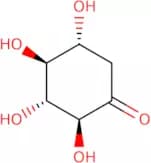


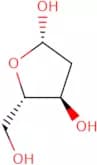
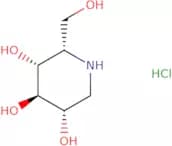
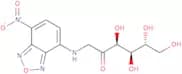
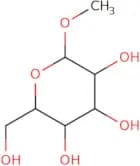
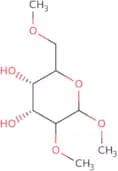

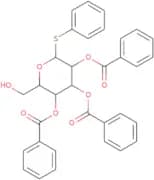
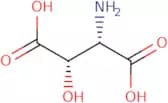

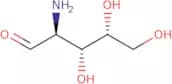
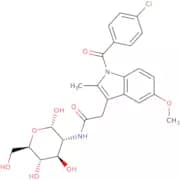
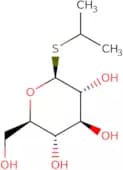
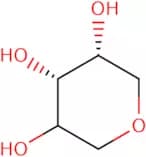
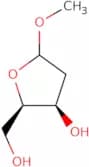
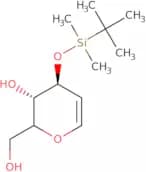
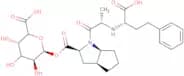
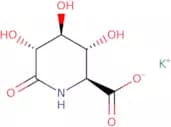
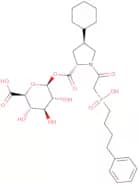
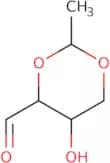
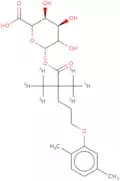

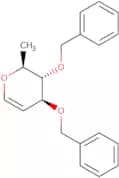
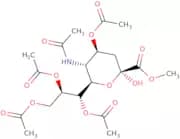
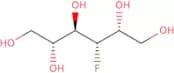
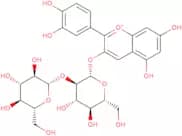
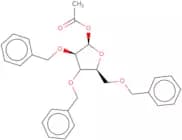
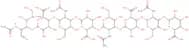

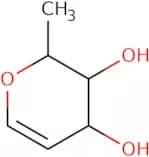
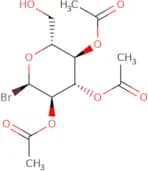
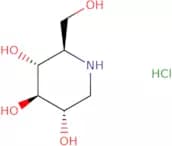
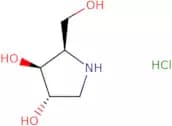

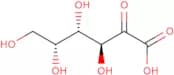
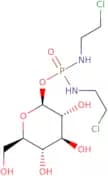
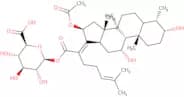
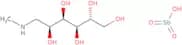
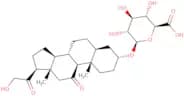
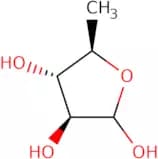
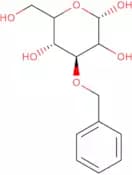

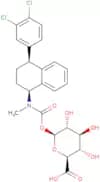
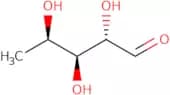
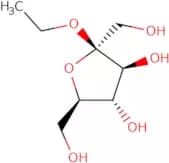

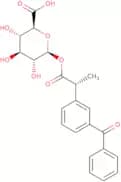
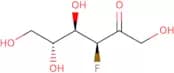
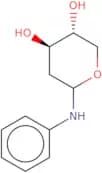
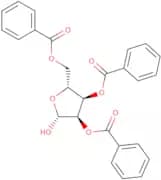
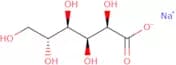

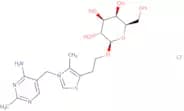
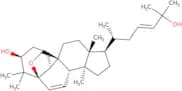
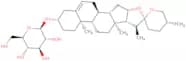
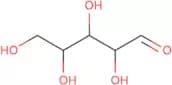


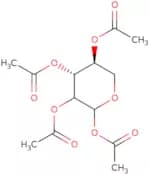
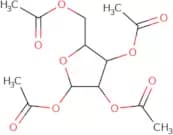

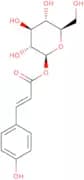
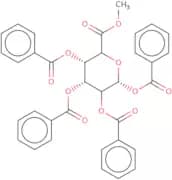
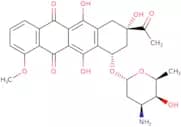
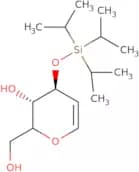



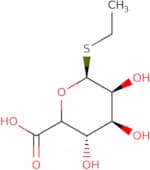

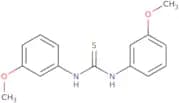


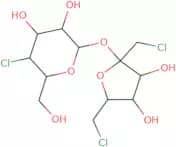

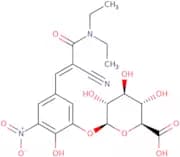
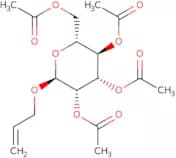
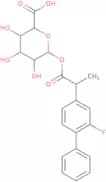
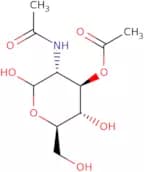
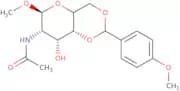
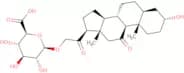
![2-Deoxy-2-fluoro-D-[1-13C]glucose](/_next/image/?url=https%3A%2Fstatic.cymitquimica.com%2Fproducts%2F3D%2Fthumb-webp%2FMD45025.webp&w=3840&q=75)
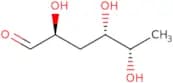
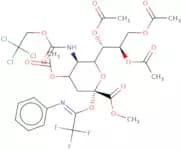


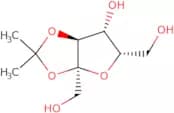
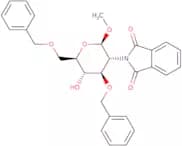

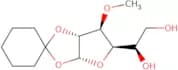

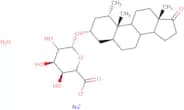
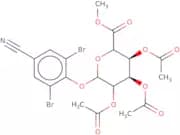
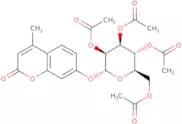
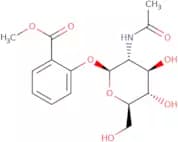
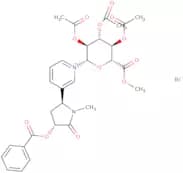

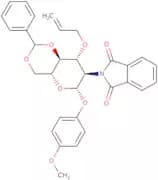
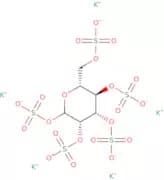
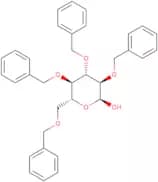
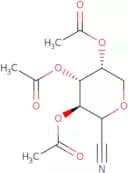
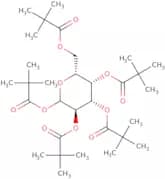
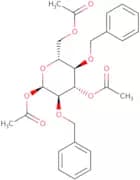
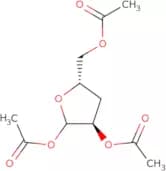
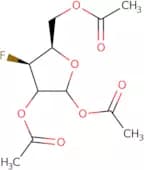
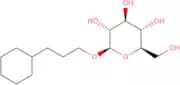
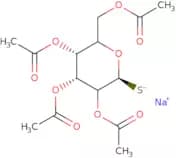
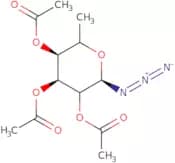


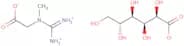
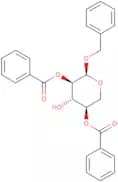

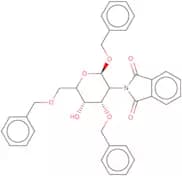
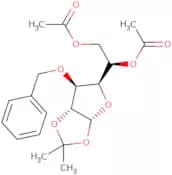
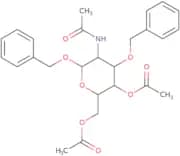
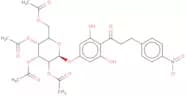
![L-[2-13C]Xylose](/_next/image/?url=https%3A%2Fstatic.cymitquimica.com%2Fproducts%2F3D%2Fthumb-webp%2FDUA50663.webp&w=3840&q=75)
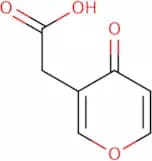
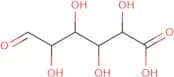
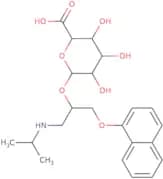
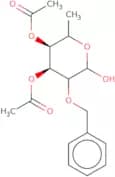
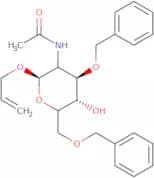

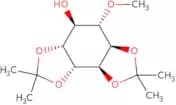
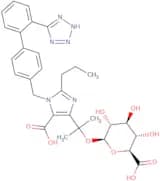
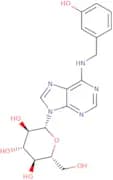
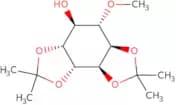
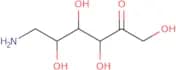

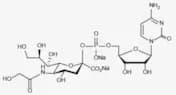
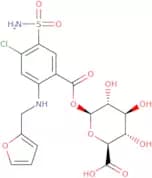
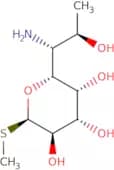
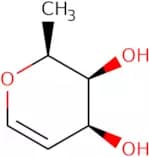

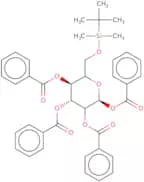
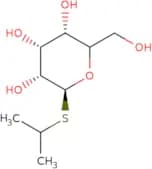
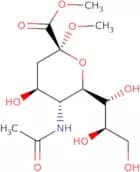
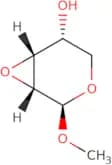
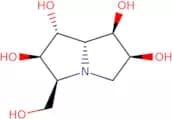
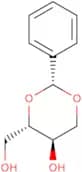
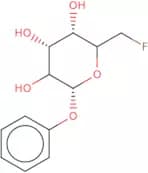
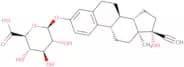
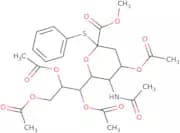


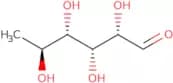
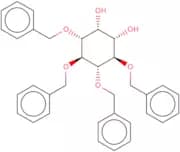


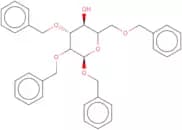
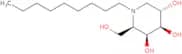
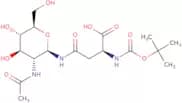
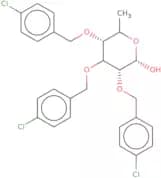


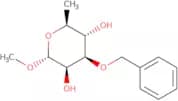

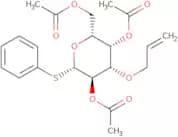
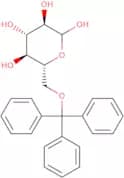
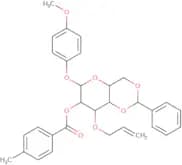

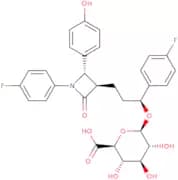
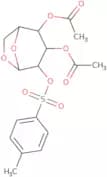
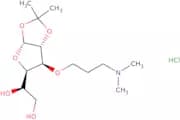

![(2R,4R)-2-[L-Xylo-tetrahydroxybut-1-yl]-1,3-thiazolidine-4-carboxylic acid](/_next/image/?url=https%3A%2Fstatic.cymitquimica.com%2Fproducts%2F3D%2Fthumb-webp%2FMX01046.webp&w=3840&q=75)