Monosaccharides
Monosaccharides are the simplest form of carbohydrates and serve as fundamental building blocks for more complex sugars and polysaccharides. These single sugar molecules play critical roles in energy metabolism, cellular communication, and structural components of cells. In this section, you will find a wide variety of monosaccharides essential for research in biochemistry, molecular biology, and glycoscience. These compounds are crucial for studying metabolic pathways, glycosylation processes, and developing therapeutic agents. At CymitQuimica, we offer high-quality monosaccharides to support your research needs, ensuring precision and reliability in your scientific investigations.
Subcategories of "Monosaccharides"
- Alloses(11 products)
- Arabinoses(21 products)
- Erythroses(11 products)
- Fructoses(9 products)
- Fucoses(36 products)
- Galactosamine(41 products)
- Galactose(260 products)
- Glucoses(365 products)
- Glucuronic Acids(51 products)
- Glyco-substrates for Enzyme(77 products)
- Guloses(6 products)
- Idoses(4 products)
- Inositols(15 products)
- Lyxoses(4 products)
- Mannoses(65 products)
- O-Glycans(48 products)
- Psicoses(3 products)
- Rhamnoses(10 products)
- Riboses(61 products)
- Sialic Acids(100 products)
- Sorboses(4 products)
- Sugars(173 products)
- Tagatoses(4 products)
- Taloses(8 products)
- Xyloses(20 products)
Show 17 more subcategories
Found 6088 products of "Monosaccharides"
Sort by
Purity (%)
0
100
|
0
|
50
|
90
|
95
|
100
m-Methoxytopolin-9-glucoside
CAS:<p>M-methoxytopolin-9-glucoside is a synthetic oligosaccharide that has been modified with fluorination and methylation. It is an important intermediate for the synthesis of complex carbohydrates. M-methoxytopolin-9-glucoside can be used in the production of glycosylated polysaccharides, including glycoproteins, proteoglycans, and mucopolysaccharides. This product is offered at a purity level of > 98% and can be used for custom synthesis.</p>Formula:C19H23N5O6Purity:Min. 95%Molecular weight:417.42 g/molXylaric acid disodium salt
CAS:<p>Xylaric acid disodium salt is a meso oxidised xylose analogue</p>Formula:C5H6Na2O7Purity:Min. 98 Area-%Color and Shape:PowderMolecular weight:224.08 g/mol2-Hydroxyimipramine b-D-glucuronide
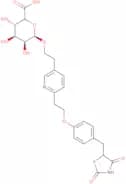
CAS:<p>2-Hydroxyimipramine b-D-glucuronide is a custom synthesis, modification, and fluorination of the drug 2-hydroxyimipramine. The methyl group from the molecule is replaced with a fluoro group. This modification leads to a new compound with improved pharmacokinetic properties. The new compound also has glycosylation sites on the sugar ring that are not present in the parent drug. This modification may lead to an increase in the therapeutic efficacy of 2-hydroxyimipramine b-D-glucuronide as it interacts with other drugs and increases their bioavailability.</p>Formula:C25H32N2O7Purity:Min. 95%Color and Shape:SolidMolecular weight:472.54 g/molMethyl D-galactofuranoside
CAS:<p>Methyl D-galactofuranoside is a derivative of galactose that is used as an intermediate in the synthesis of other carbohydrates. It can be obtained by trimethylation of methyl galactopyranoside, or by the stepwise reaction of hydrogen fluoride with 1,2-dihydroxyacetone. The product yields are largely dependent on the stereoisomeric form of the starting material. Methyl D-galactofuranoside crystallizes in a monoclinic form and can be synthesized from glucose.</p>Formula:C7H14O6Purity:Min. 95%Color and Shape:SolidMolecular weight:194.18 g/molErgosterol peroxide glucoside
CAS:<p>Ergosterol peroxide glucoside is a glycosylated compound that has been modified with methyl and fluorine groups. It can be custom synthesized to order, and is available in high purity. Ergosterol peroxide glucoside is a complex carbohydrate that has been modified with methyl and fluorine groups. This modification provides stability to the molecule, making it an ideal candidate for use as a pharmaceutical excipient. The sugar moiety is also modified to contain a click-reaction site for the covalent attachment of other molecules. The synthesis of this compound requires glycosylation, methylation, and fluorination reactions.</p>Purity:Min. 95%L-[2-13C]Xylose
CAS:<p>Please enquire for more information about L-[2-13C]Xylose including the price, delivery time and more detailed product information at the technical inquiry form on this page</p>Formula:C5H10O5Purity:Min. 95%Molecular weight:151.12 g/mol1-O-Methyl-β-D-galactopyranoside
CAS:<p>1-O-Methyl-beta-D-galactopyranoside is a monosaccharide sugar, which is a natural product of the degradation of plant cell walls. It is found in the blood of humans and other animals. 1-O-Methyl-beta-D-galactopyranoside has been shown to be an important reactive oxygen species (ROS) scavenger, which can protect cells from oxidative damage by reacting with ROS and converting them into less harmful molecules. 1-O-Methyl-beta-D-galactopyranoside binds to lectins and oligosaccharides, which are carbohydrate structures on the surface of cells that are involved in cellular recognition. This binding process may lead to uptake of 1OmBG by cells, which may be due to its ability to form hydrogen bonds with the hydroxyl group on polysaccharides such as polysaccharides in the plasma membrane or glycoproteins</p>Formula:C7H14O6Purity:Min. 98.0 Area-%Molecular weight:194.19 g/molRef: 3D-M-3591
1kgTo inquire100gTo inquire250gTo inquire500gTo inquire2500gTo inquire-Unit-kgkgTo inquirea-D-Glucosyl hesperidin
CAS:<p>a-D-Glucosyl hesperidin is a water-soluble drug that has been shown to have antioxidant properties. It inhibits the activity of certain enzymes, such as phospholipase A2 and lipoxygenase, which are involved in inflammation. The compound has also been shown to inhibit cancer cells in vitro by inducing apoptosis and inhibiting cell proliferation. Glibenclamide, the active form of a-D-glucosyl hesperidin, is an orally active hypoglycemic agent used to treat diabetes mellitus type 2 and gestational diabetes. It works by stimulating insulin release from beta cells in the pancreas and promoting insulin sensitivity in peripheral tissues. This compound also inhibits annexin V binding to phosphatidylserine, which leads to apoptosis.</p>Formula:C34H44O20Purity:75%Color and Shape:Off-White To Yellow SolidMolecular weight:772.7 g/mol1,2,3,6-Tetra-O-benzoyl-a-D-talose
<p>1,2,3,6-Tetra-O-benzoyl-a-D-talose is a modified sugar that can be used as a saccharide or oligosaccharide. It can be synthesized by the Click reaction with 1,2,3,6-tetra-O-benzoyl-D-talose and methyl iodide. The product can also be obtained from the reaction of methyl acetate with glycerol in the presence of hydrochloric acid. This compound has been shown to have good solubility and is available in high purity.</p>Formula:C34H28O10Purity:Min. 95%Molecular weight:596.58 g/mol4'-O-(b-D-2,3,4,6-Tetra-O-acetyl-glucopyranosyl)-4-nitrophloretin
CAS:<p>4'-O-(b-D-2,3,4,6-Tetra-O-acetyl-glucopyranosyl)-4-nitrophloretin is a custom synthesis with Modification. This product was prepared by fluorination and methylation of 4'-O-(b-D-2,3,4,6-tetra-O-[1,2:1,3]triazolium chloride)-4' nitrophloretin. The molecular formula is C21H18N8O12 and molecular weight is 524.32. CAS No. 82628-87-3.</p>Formula:C29H31NO15Purity:Min. 95%Molecular weight:633.55 g/molcis-Zeatin-9-glucoside
CAS:<p>Cis-Zeatin-9-glucoside is a plant hormone known as a cytokinin, which is primarily synthesized in plants such as Zea mays (corn) and other monocots. Cytokinins play a critical role in regulating plant growth and development by promoting cell division, influencing nutrient allocation, and delaying leaf senescence. The mode of action of cis-Zeatin-9-glucoside involves its role as a signaling molecule that interacts with specific receptors in plant cells, thereby triggering a cascade of gene expression changes that modulate physiological processes.</p>Formula:C16H23N5O6Purity:Min. 95%Color and Shape:PowderMolecular weight:381.38 g/mol1,2,3,5-Tetra-o-acetyl-D-xylofuranose
CAS:<p>1,2,3,5-Tetra-o-acetyl-D-xylofuranose is a fatty acid that is found in human red blood cells. It is used as a biochemical marker to diagnose the activity index of fatty acids in the red cell membrane. The activity index can be used to determine whether an individual has metabolic disorders such as hepatic steatosis or lc-ms/ms method. 1,2,3,5-Tetra-o-acetyl-D-xylofuranose also has antimicrobial effects against bacteria and fungi and can be used for the treatment of infectious diseases.</p>Formula:C13H18O9Purity:Min. 95%Molecular weight:318.28 g/mol1,2,3,4-Tetra-O-benzoyl-a-D-glucuronide methyl ester
CAS:<p>1,2,3,4-Tetra-O-benzoyl-a-D-glucuronide methyl ester is a synthetic compound that belongs to the class of complex carbohydrates. It has been custom synthesized and modified using glycosylation, methylation, and click chemistry. It is composed of one monosaccharide and four oligosaccharides linked together by O-glycosidic bonds. The carbohydrate moiety contains a benzoyl group attached to the 1 position on the glucose molecule through an ether linkage. This product is available in high purity (≥ 99%) at CAS No. 201789-32-4.</p>Formula:C35H28O11Purity:Min. 95%Molecular weight:624.59 g/molDaunorubicin
CAS:<p>Anthracycline antibiotic with potent anti-tumoral activity. The compound interferes with DNA replication and RNA transcription since it intercalates between the base pairs of nucleic acids. It also inhibits the topoisomerase II, proteasome and generates free radicals, which leads to cell death of treated cells. Moreover, daunorubicin triggers apoptosis trough the stimulation of ceramide synthesis. It has been used as chemotherapy agent for the treatment of myeloid leukaemia (AML) and acute lymphocytic leukaemia (ALL).</p>Formula:C27H29NO10Purity:Min. 95%Molecular weight:527.52 g/molFluoxetine D-glucuronide (mixture of isomers)
CAS:<p>Fluoxetine D-glucuronide is a glycosylated, fluorinated, custom-synthesized compound. It is composed of the methyl ester and glucuronide moiety of fluoxetine. The synthesis of this compound starts with the oxidation of fluoxetine to form an aldehyde intermediate. This intermediate is then condensed with chloroacetic acid to form the desired product. Fluoxetine D-glucuronide has shown efficacy in animal models for its ability to inhibit serotonin reuptake and block 5HT2A receptors. This drug is also used as a tracer in positron emission tomography (PET) imaging studies for serotonin transporters.</p>Purity:Min. 95%Ezetimibe hydroxy-b-D-glucuronide
CAS:<p>Ezetimibe hydroxy-b-D-glucuronide is an oligosaccharide that can be synthesized from the modified sugar, L-glucuronic acid. It has a molecular weight of 536 and is soluble in water and methanol. This compound has been used in the synthesis of glycosides, saccharides, and polysaccharides. The chemical name for this compound is 1-(2-hydroxyethyl)-3-(((4'-carboxybenzyl)oxy)carbonyl)-2,6-diazaoctane glucuronide. Ezetimibe hydroxy-b-D-glucuronide has been shown to increase the absorption of cholesterol and decrease low density lipoprotein (LDL) levels in the blood by inhibiting intestinal cholesterol absorption.</p>Formula:C30H29F2NO9Purity:Min. 95%Molecular weight:585.55 g/molMethyl 2-deoxy-a-D-ribofuranoside diacetate
<p>Methyl 2-deoxy-a-D-ribofuranoside diacetate is a custom synthesis that is used for modification of natural and synthetic saccharides. This compound can be fluorinated, methylated, or modified with the click reaction. It can also be used to synthesize oligosaccharides and polysaccharides. Methyl 2-deoxy-a-D-ribofuranoside diacetate has been used as a monosaccharide and in glycosylation reactions. The CAS number is 5892-77-8 and it has the molecular formula C11H19NO9.</p>Purity:Min. 95%D-Mannose-6-13C
CAS:<p>Please enquire for more information about D-Mannose-6-13C including the price, delivery time and more detailed product information at the technical inquiry form on this page</p>Formula:C6H12O6Purity:Min. 95%Molecular weight:180.16 g/molD-Galactosamine-2-N-sulfate sodium
CAS:<p>D-Galactosamine-2-N-sulfate sodium is a chemical compound with potential applications in cancer treatment. It has been shown to enhance the cytotoxic effects of certain drugs, such as Tolvaptan and Luliconazole, in human cancer cells. Additionally, D-Galactosamine-2-N-sulfate sodium has been reported to inhibit kinase activity in Staphylococcus aureus and induce apoptosis in cancer cells. This compound may also have potential as an inhibitor of betamethasone-induced apoptosis and as an analog of cytisine and gossypol. Further research is needed to fully understand the potential therapeutic benefits of D-Galactosamine-2-N-sulfate sodium for cancer treatment.</p>Formula:C6H12NNaO8SPurity:Min. 95%Molecular weight:281.22 g/mol2-N-(S'-Acetyl-2'-thioacetyl)-2-deoxy-D-glucamine
<p>2-N-(S'-Acetyl-2'-thioacetyl)-2-deoxy-D-glucamine is a monosaccharide and is the acetylated form of 2-deoxyglucose. It can be used as a methyl donor, click reagent, or fluorinating agent. This product has been custom synthesized to meet your specifications and has been shown to have purity greater than 99%.</p>Formula:C10H17NO7SPurity:Min. 95%Color and Shape:White to off-white solid.Molecular weight:295.31 g/molOctyl L-glucopyranoside
CAS:<p>Octyl L-glucopyranoside is a detergent that is used in biochemical research. It is used as a signal peptide to purify proteins by binding to the hydrophobic region of the protein. In addition, it binds to human polymorphonuclear leukocytes and dextran sulfate. Octyl L-glucopyranoside also has a rate constant of 8 × 10 M-1 s-1 and an analytical method for glycol ethers. The octyl glucopyranoside has been shown to inhibit axonal growth, which may be due to its ability to bind toll-like receptor 4 (TLR4) on dendritic cells.</p>Formula:C14H28O6Purity:Min. 95%Molecular weight:292.37 g/molMethyl b-D-thioxylopyranoside
CAS:<p>Methyl b-D-thioxylopyranoside is a synthetic sugar that is used in the synthesis of saccharides and oligosaccharides. It is also used to modify saccharides, such as glucosamine, by adding methyl groups to the sugar's hydroxyl group. Methyl b-D-thioxylopyranoside can be used for glycans with high purity and high yield. This product does not contain any other substances except for water and ethanol. The chemical formula for this product is C6H8O6.</p>Purity:Min. 95%1,6-Di-O-benzyl-a-D-glucopyranoside
<p>1,6-Di-O-benzyl-a-D-glucopyranoside is an oligosaccharide that has been synthesized by the Click chemistry method. It is a polysaccharide with a high purity and an excellent yield. The product contains a single monosaccharide unit of D-glucose with a 1,6 glycosylation pattern. The product has undergone methylation and fluorination to produce the desired structure. 1,6-Di-O-benzyl-a-D-glucopyranoside has been shown to have antihypertensive effects in rats and is thought to be due to its ability to inhibit angiotensin II receptor activity.</p>Purity:Min. 95%1,3-o-Dibenzyl-N-acetyl-β-D-glucosamine 4,6-diacetate
CAS:<p>Please enquire for more information about 1,3-o-Dibenzyl-N-acetyl-β-D-glucosamine 4,6-diacetate including the price, delivery time and more detailed product information at the technical inquiry form on this page</p>Formula:C26H31NO8Purity:Min. 95%Molecular weight:485.5 g/molAnthrose
CAS:<p>Anthrose is a natural product that has been isolated from the larvae of Galleria mellonella, an insect. It has been shown to have antiviral activity against anthracis, a bacterium that causes anthrax. Anthrose treatment leads to cell lysis and DNA degradation in both prokaryotic and eukaryotic cells. The mechanism of action of this compound is not yet known, but it may be due to its ability to act as a competitive inhibitor for the enzyme aminotransferase activity. It also has antimicrobial properties and has been shown to inhibit Mycobacterium tuberculosis growth.</p>Formula:C12H23NO6Purity:Min. 95%Color and Shape:PowderMolecular weight:277.31 g/mol6-O-Carboxymethyl-D-glucose
CAS:<p>6-O-Carboxymethyl-D-glucose (CMG) is a trityl glucanotransferase substrate that is used in the synthesis of carboxymethylated polysaccharides. This compound can be obtained from glucose by treatment with a glucanotransferase enzyme. CMG has been shown to have an inhibitory effect on pancreatic acinar cells and also inhibits acidic proteases in saliva, which leads to its use as an anti-inflammatory drug.</p>Formula:C8H14O8Purity:Min. 95%Color and Shape:White Off-White PowderMolecular weight:238.19 g/molFurosemide acyl-b-D-glucuronide
CAS:<p>Furosemide acyl-b-D-glucuronide is a derivative of Furosemide. It is a potent diuretic that has been used in the treatment of hypertension and congestive heart failure. The drug is excreted by the kidney, and its clearance is dependent on urine flow rate. Furosemide acyl-b-D-glucuronide can be detected in human serum and urine samples following oral administration, but its detection in urine may be delayed due to its low solubility. This active form of the drug may also cause drug reactions, such as nausea and vomiting, which are most likely due to the acidic nature of this form. Hydrochloric acid increases the absorption of Furosemide acyl-b-D-glucuronide, so it is recommended to take this medication with an acidic beverage containing hydrochloric acid or food high in pyridinium content. The elimination half life for this active</p>Formula:C18H19ClN2O11SPurity:Min. 95%Color and Shape:Yellow PowderMolecular weight:506.87 g/molMethyl 1-thiolincosaminide
CAS:<p>Intermediate in the production of biosynthetic antibiotics</p>Formula:C9H19NO5SPurity:Min. 95%Molecular weight:253.32 g/molPalbociclib N-glucuronide
<p>Palbociclib N-glucuronide is a synthetic, modified sugar that is used in the synthesis of carbohydrates. It has a molecular weight of 542.34 and was originally synthesized by glycosylation and methylation of palbociclib. The chemical formula for Palbociclib N-glucuronide is C10H18N4O5•C6H7O6•2HCOOH.</p>Formula:C30H37N7O8Purity:Min. 95%Molecular weight:623.66 g/molN-Acetyl-glucosaminyl thiazoline triaacetate
CAS:<p>N-Acetyl-glucosaminyl thiazoline triaacetate is a custom synthesis that is fluorinated. It has been modified for methylation and Click chemistry. This chemical is an oligosaccharide, polysaccharide, saccharide, carbohydrate, or sugar. It is purified with high purity and has a monosaccharide modification. N-Acetyl-glucosaminyl thiazoline triaacetate is used in the modification of complex carbohydrates and can be synthesized from methylated glucosamine and acetamidomethylthiazoline.</p>Purity:Min. 95%3,5-Di-O-Benzyl-1,2-O-isopropylidene-a-D-ribofuranose
CAS:<p>3,5-Di-O-Benzyl-1,2-O-isopropylidene-a-D-ribofuranose is a modification of a sugar that has been synthesized and modified to increase its stability. It has been synthesized by methylation, glycosylation, and polysaccharide synthesis.br>br><br>3,5-Di-O-Benzyl-1,2-O-isopropylidene -a -D -ribofuranose is a monosaccharide with the chemical formula C6H12O6. It is also known as ribose or deoxyribose. This compound is found in many biological systems including DNA and RNA. Ribose can be found naturally in such things as fruit juices and honey. 3,5 Di--O--Benzyl--1,2--O--isopropylidene -a -D -ribofuranose is an</p>Formula:C22H26O5Purity:Min. 95%Molecular weight:370.44 g/mol3-Azido-5-O-benzoyl-3-deoxy-1,2-O-isopropylidene-a-D-ribofuranose
<p>3-Azido-5-O-benzoyl-3-deoxy-1,2-O-isopropylidene a D-ribofuranose (3ABI) is a synthetic monosaccharide that can be synthesized via a custom synthesis. 3ABI is an oligosaccharide that has the ability to modify glycosylation and polysaccharide synthesis. The fluorination of this sugar provides it with high purity and stability. 3ABI has been shown to have a CAS number of 44793-23-2.</p>Formula:C15H17N3O5Purity:Min. 95%Molecular weight:319.31 g/molEthyl 2,3,4-tri-O-acetyl-b-D-glucuronide methyl ester
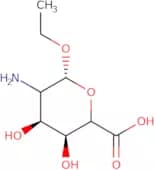
CAS:<p>Ethyl 2,3,4-tri-O-acetyl-b-D-glucuronide methyl ester is a fluorinated monosaccharide. It can be used as a synthetic intermediate for the production of oligosaccharides and polysaccharides. This product is also used in the glycosylation of sugar molecules.</p>Formula:C15H22O10Purity:Min. 95%Molecular weight:362.33 g/mol3-Deoxy-3-fluoro-D-myo-inositol 1,4,5-trisphosphate hexasodium salt
CAS:<p>3-Deoxy-3-fluoro-D-myo-inositol 1,4,5-trisphosphate hexasodium salt is a synthetic sugar that has been modified with fluorination and glycosylation. It is used for the synthesis of oligosaccharides and monosaccharides. 3-Deoxy-3-fluoro-D-myo-inositol 1,4,5-trisphosphate hexasodium salt is a carbohydrate that can be found in complex carbohydrates such as glycolipids and glycoproteins. The CAS number for this compound is 129365–68–0.</p>Formula:C6H8FO14P3Na6Purity:Min. 95%Molecular weight:553.98 g/mol2-Acetamido-3,4,6-tri-O-acetyl-2-deoxy-D-glucopyranosyl chloride - Stabilised with 2% CaCO3
CAS:<p>2-Acetamido-3,4,6-tri-O-acetyl-2-deoxy-D-glucopyranosyl chloride - Stabilised with 2% CaCO3 is a complex carbohydrate. It is synthesized by the reaction of 2 Acetamido-3,4,6 triacetyl-2 deoxy D glucose and Chloromethyl chloroformate in presence of sodium carbonate at pH 8.5 for 3 hours. The product is purified using column chromatography and recrystallized with water to give white crystalline powder. It has been used as an inhibitor of glycosidases and methyltransferases as well as a glycoprotein crosslinking agent.</p>Formula:C14H20ClNO8Purity:Min. 95%Color and Shape:Off-White PowderMolecular weight:365.76 g/molAllyl 2-acetamido-3-O-benzyl-2-deoxy-b-D-glucopyranose
CAS:<p>Allyl 2-acetamido-3-O-benzyl-2-deoxy-b-D-glucopyranose is a modification of allyl 2,3,4,6,7,8,-hexahydroxyheptopyranose. It is an oligosaccharide that is a member of the carbohydrate family. Allyl 2-acetamido-3-O-benzyl -2deoxy-b D glucopyranose is synthesized by methylating and glycosylating allyl 2,3,4,6,7,8 hexahydroxyheptopyranose with acetic acid in the presence of sulfuric acid. This compound has CAS number 65730-00-9.</p>Formula:C18H25NO6Purity:Min. 95%Molecular weight:351.4 g/mol1,2,3,4,6-Penta-O-pivaloyl-a-D-mannopyranose
CAS:<p>1,2,3,4,6-Penta-O-pivaloyl-a-D-mannopyranose is a sugar that belongs to the group of complex carbohydrates. It is custom synthesized and can be modified to suit customer requirements. The synthesis process includes glycosylation, fluorination and methylation. 1,2,3,4,6-Penta-O-pivaloyl-a-D-mannopyranose is used as a raw material for saccharide and oligosaccharide production. It also has applications in the food industry as a sweetener or flavor enhancer.</p>Formula:C31H52O11Purity:Min. 95%Molecular weight:600.74 g/mol3-Deoxy-3,3-difluoro-1,2:5,6-di-O-isopropylidene-a-D-glucofuranose
<p>3-Deoxy-3,3-difluoro-1,2:5,6-di-O-isopropylidene-a-D-glucofuranose is a sugar. It is a glycosylation product of the natural amino acid lysine with glucose. This modification increases the solubility and stability of lysine in biological systems. 3DG can be methylated to form 3DG monomethyl ether and 3DG dimethyl ether. Both these derivatives are also used as a fluorescent probe for detecting saccharides at low concentrations. 3DG can be fluorinated to form 3DG difluoromethyl ether, which has been shown to have anti-inflammatory properties. These properties may be due to its ability to inhibit prostaglandin synthesis by inhibiting prostaglandin synthase activity.</p>Formula:C12H18F2O5Purity:Min. 95%Molecular weight:280.27 g/molMethyl 2,4-di-O-acetyl-b-D-xylopyranoside
CAS:<p>Methyl 2,4-di-O-acetyl-b-D-xylopyranoside (MDX) is an epoxide that has been found to stimulate the growth of Schizophyllum commune and other fungi. It is structurally related to vicinal diols, which are known to inhibit esterases and hydrolyze acetyl groups. The acetyl groups on MDX can be reduced by hydride reduction or by hydrolysis with acetylated esters. MDX inhibits bacterial growth by inhibiting protein synthesis through its structural similarity to deoxyribose phosphate, a component of DNA.</p>Formula:C10H16O7Purity:Min. 95%Molecular weight:248.2 g/mol4-Isothiocyanatophenyl-b-D-glucopyranoside
CAS:<p>4-Isothiocyanatophenyl-b-D-glucopyranoside is an electrophilic compound that can be used as a reagent in organic synthesis. It reacts with nucleophiles and is used for nitro reduction, sulfoxide formation, and phenoxy formation. The structure of the molecule is characterized by two chiral centers. The reactivity of this molecule depends on the orientation of the substituents on the two chiral centers. 4-Isothiocyanatophenyl-b-D-glucopyranoside can also be used to form esters. The ethoxycarbonyl group (C=O) on one end of the molecule reacts with carboxylic acids to form esters, while at the other end of the molecule, hydroxy groups (OH) react with alcohols to form ethers.</p>Formula:C13H15NO6SPurity:Min. 95%Molecular weight:313.33 g/mol2,3,4,5-Tetra-O-acetyl-1,6-dibromo-1,6-dideoxy-D-mannitol
CAS:<p>2,3,4,5-Tetra-O-acetyl-1,6-dibromo-1,6-dideoxy-D-mannitol is a methylated oligosaccharide obtained by the chemical modification of mannitol. This product has a CAS number of 15410-49-8 and can be used as a saccharide in pharmaceuticals. It is also used as a reagent in the synthesis of polysaccharides. This product is also known to have high purity and can be modified to suit specific needs. 2,3,4,5-Tetra-O-acetyl-1,6-dibromo-1,6-dideoxy--D--mannitol may be useful for the treatment of diabetes mellitus type 2 and hyperglycemia.</p>Formula:C14H20Br2O8Purity:Min. 95%Molecular weight:476.11 g/mol1-Amino-1-deoxy-D-lyxitol hydrobromide
CAS:<p>1-Amino-1-deoxy-D-lyxitol hydrobromide is a synthetic monosaccharide with an aldehyde group at the 1 position. It belongs to the group of oligosaccharides and is a component of glycosyls, which are complex carbohydrates. This chemical has been modified by fluorination, methylation, and click chemistry. The chemical is available in high purity and can be custom synthesized to order.</p>Purity:Min. 95%Phenyl 2,3-di-O-benzyl-6-deoxy-b-D-thioglucopyranoside
CAS:<p>Phenyl 2,3-di-O-benzyl-6-deoxy-b-D-thioglucopyranoside is a synthetic glycosylated sugar with a fluorinated benzene ring. It is used as an intermediate in the synthesis of oligosaccharides, polysaccharides and saccharides. Phenyl 2,3-di-O-benzyl-6-deoxy-b-D-thioglucopyranoside has an appearance of a white powder and a melting point of around 100°C. This compound has been evaluated for its purity and quality by analytical methods such as high performance liquid chromatography (HPLC), gas chromatography (GC) and nuclear magnetic resonance (NMR).</p>Formula:C26H28O4SPurity:Min. 95%Molecular weight:436.56 g/mol2,3,4,6-Tetra-O-(4-methoxybenzyl)-D-galactopyranosyl fluoride
CAS:<p>2,3,4,6-Tetra-O-(4-methoxybenzyl)-D-galactopyranosyl fluoride is a custom synthesis. It is a complex carbohydrate that belongs to the group of carbohydrates and saccharides. This product has been modified by glycosylation, carbamoylation, methylation, and fluorination. The purity of this product is high.</p>Formula:C38H43FO9Purity:Min. 95%Molecular weight:662.74 g/molIsopropyl 2-amino-2-deoxy-b-D-glucopyranoside HCl
<p>Isopropyl 2-amino-2-deoxy-b-D-glucopyranoside HCl is a modification of the sugar glucose. It can be synthesized by reacting an amine with an aldehyde. Isopropyl 2-amino-2-deoxy-b-D-glucopyranoside HCl is a white solid that has a melting point of about 110°C and a molecular weight of 204.22 g/mol. This compound is used in the synthesis of oligosaccharides, carbohydrates, complex carbohydrates, and synthetic saccharides. Isopropyl 2-amino-2-deoxy-b-D-glucopyranoside HCl has high purity and CAS No., which are monosaccharides, methylation, glycosylation and polysaccharides that have been fluorinated or saccharides that have been modified with methyl groups or glycosyl</p>Purity:Min. 95%1,2,3,4-Tetra-O-isobutyryl-b-D-glucuronide methyl ester
CAS:<p>1,2,3,4-Tetra-O-isobutyryl-b-D-glucuronide methyl ester is a custom synthesis that is used to modify oligosaccharides and polysaccharides. It is a high purity product with a purity of >99%. This product has been fluorinated and modified to create a complex carbohydrate. 1,2,3,4-Tetra-O-isobutyryl-b-D-glucuronide methyl ester is an example of a sugar that has been synthesized in the lab.</p>Formula:C23H36O11Purity:Min. 95%Color and Shape:White PowderMolecular weight:488.53 g/mol3-O-Acetyl-1,2:5,6-di-O-isopropylidene-a-D-gulofur-3-enose
CAS:<p>3-O-Acetyl-1,2:5,6-di-O-isopropylidene-a-D-gulofur-3-enose is a carbohydrate that belongs to the group of saccharides. It is a synthetic sugar that has been modified with fluorination and methylation. This compound has high purity and can be custom synthesized to meet your requirements. 3-O-Acetyl-1,2:5,6-di-O--isopropylidene--a--D--gulofur--3--enose is an important sugar in glycosylation reactions. It can react with proteins or peptides to form glycosidic bonds in a process called click chemistry.</p>Formula:C14H20O7Purity:Min. 95%Molecular weight:300.31 g/molMycophenolic acid phenolic b-D-glucoside
CAS:<p>Mycophenolic acid phenolic b-D-glucoside is a high purity custom synthesis that can be modified to suit customer requirements. It is a complex carbohydrate with a methyl group, fluorine atom, and glycosylation. The chemical name for Mycophenolic acid phenolic b-D-glucoside is CAS No. 55533-52-3. This product is also known as Glycosylation, Oligosaccharide, sugar, Synthetic, Fluorination, Custom synthesis, Methylation, Monosaccharide, Polysaccharide, saccharide. Click modification or Modification.</p>Formula:C23H30O11Purity:Min. 95%Molecular weight:482.48 g/mol3-Desmethylthiocolchicine-3-O-D-glucuronide
CAS:<p>3-Desmethylthiocolchicine-3-O-D-glucuronide is a compound that has been custom synthesized, with a purity of >95%. The compound is an oligosaccharide and polysaccharide containing saccharides and carbohydrates.</p>Formula:C27H31NO11SPurity:Min. 95%Molecular weight:577.6 g/molN-Formyl varenicline
CAS:<p>N-Formyl varenicline is a drug substance that is used as a pharmaceutical preparation. It has the regulatory status of an investigational new drug (IND). N-Formyl varenicline is supplied in the form of a white to off-white powder and is incompatible with iron oxides, so care must be taken when handling this product. This material has been shown to have fluorescence properties and can be detected using a fluorimetric detector. The drug substance has not been evaluated for excipients or diode compatibility.</p>Formula:C14H13N3OPurity:Min. 95%Molecular weight:239.27 g/mol6-Chloro-6-deoxy-D-allitol
<p>6-Chloro-6-deoxy-D-allitol is a custom synthesis, complex carbohydrate that belongs to the group of oligosaccharides. It is an Oligosaccharide, which is a type of polymer containing a small number of monomer units. This product can be found in CAS No., Polysaccharide, Modification, saccharide, Methylation, Glycosylation, Click modification and Carbohydrate. This product has been modified using fluorination and it’s high purity with a purity greater than 95%.</p>Formula:C6H13ClO5Purity:Min. 95%Molecular weight:200.62 g/molBenzyl b-D-galactopyranoside
CAS:<p>Benzyl b-D-galactopyranoside is a synthetic compound that can be used in the synthesis of complex carbohydrates. This compound has been modified with fluorination, methylation and click chemistry. The monosaccharide benzyl b-D-galactopyranoside is an important building block for the glycosylation of saccharides and polysaccharides. This compound can also be used as a fluorescent probe for complementary DNA hybridization in microarrays.</p>Purity:Min. 95%Benzyl 2-acetamido-4,6-di-O-acetyl-2-deoxy-a-D-glucopyranoside
CAS:<p>Benzyl 2-acetamido-4,6-di-O-acetyl-2-deoxy-a-D-glucopyranoside is a custom synthesis that has been modified with fluorination. This product is a white crystalline solid and can be used as an Oligosaccharide, Polysaccharide and saccharide. It has been shown to have high purity and can be used for Carbohydrate Modification.</p>Formula:C19H25NO8Purity:Min. 95%Molecular weight:395.41 g/molMethyl 4,6-O-(4-nitrophenyl)methylene-a-D-galactopyranoside
CAS:<p>Methyl 4,6-O-(4-nitrophenyl)methylene-a-D-galactopyranoside is a custom synthesis of a complex carbohydrate. This glycosylation can be modified by methylation and fluorination. The product is available in high purity and has CAS No. 849366-08-1.</p>Purity:Min. 95%(2R,4R)-2-[D-Xylo-tetrahydroxybut-1-yl]-1,3-thiazolidine-4-carboxylic acid
CAS:<p>(2R,4R)-2-[D-Xylo-tetrahydroxybut-1-yl]-1,3-thiazolidine-4-carboxylic acid is a methylated saccharide that has been modified by the click chemistry method. It is a synthetic product with high purity and good quality. This compound can be used for glycosylation and oligosaccharide synthesis. (2R,4R)-2-[D-Xylo-tetrahydroxybut-1-yl]-1,3-thiazolidine-4-carboxylic acid has CAS No. 110270-19-4 and can be found in complex carbohydrates in nature.</p>Formula:C8H15NO6SPurity:Min. 95%Molecular weight:253.27 g/molN-Cyclohexylpropyl deoxynorjirimycin
CAS:<p>N-Cyclohexylpropyl deoxynorjirimycin is a sugar that belongs to the group of carbohydrates. It is an analog of deoxynojirimycin and has been synthesized by glycosylation, methylation, and fluorination of the natural product. N-Cyclohexylpropyl deoxynorjirimycin can be used as an intermediate for the synthesis of other carbohydrate compounds.</p>Formula:C15H29NO4Purity:Min. 95%Molecular weight:287.4 g/molMethyl (methyl 5-acetamido-4,7,8,9-tetra-O-acetyl-3,5-dideoxy-2-thio-D-glycero-D-galacto-2-nonulopyranosid)onate
CAS:<p>Methyl (methyl 5-acetamido-4,7,8,9-tetra-O-acetyl-3,5-dideoxy-2-thio-D-glycero-D-galacto-2-nonulopyranosid)onate is a sugar that is used in the synthesis of complex carbohydrates. It can be synthesized by modification of the glycosylation of monosaccharides or oligosaccharides. Methyl (methyl 5-acetamido-4,7,8,9--tetra--O--acetyl--3,5--dideoxy--2--thio--D---glycero---D---galacto---2--nonulopyranosid)onate has CAS No. 1442403688 and molecular weight of 486.</p>Formula:C23H31NO12SPurity:Min. 95%Molecular weight:545.56 g/mol1,2:5,6-Di-O-isopropylidene-a-D-galactofuranose
CAS:<p>1,2:5,6-Di-O-isopropylidene-a-D-galactofuranose is an oligosaccharide that is a modification of the natural monosaccharide D-galactofuranose. This carbohydrate has been synthesized by methylation and glycosylation. The chemical structure of this oligosaccharide has been shown to be resistant to digestion by mammalian enzymes. This product is for research purposes only and should not be used as a food additive or in any drug product.</p>Formula:C12H20O6Purity:Min. 95%Molecular weight:260.28 g/mol6-Amino-6-deoxy-D-galactopyranose HCl
CAS:<p>6-Amino-6-deoxy-D-galactopyranose HCl is a sugar that is synthesized by the modification of 6-amino-6-deoxygalactose with hydrochloric acid. It is used as an intermediate in the synthesis of complex carbohydrates, polysaccharides and oligosaccharides. 6-Amino-6-deoxygalactose HCL has been modified to introduce fluorine atoms at different positions. This chemical compound has been shown to have antimicrobial activity against methicillin resistant Staphylococcus aureus (MRSA) in vitro, but not against other bacterial strains tested.</p>Formula:C6H13NO5·HClPurity:Min. 95%Molecular weight:215.63 g/mol2C-Hydroxymethyl-2,3:5,6-di-O-isopropylidene-D-talono-1,4-lactone
CAS:<p>2C-Hydroxymethyl-2,3:5,6-di-O-isopropylidene-D-talono-1,4-lactone is a synthetic monosaccharide that is used in the synthesis of oligosaccharides and polysaccharides. It can be fluorinated or methylated to form 2C-Fluoromethyl-2,3:5,6-di-O-(methyl)idene)-D-(talono)-1,4-lactone or 2C-(Methoxy)methyl -2,3:5,6 -di -O-(methyl)idene)-D-(talono)-1,4 -lactone. This product has been shown to have antiviral properties against HIV and influenza A virus.</p>Formula:C13H20O7Purity:Min. 95%Molecular weight:288.29 g/mol4-Methylphenyl 1-thio-2,3,4,6-tetra-O-(trimethylsilyl)-b-D-glucopyranoside
CAS:<p>4-Methylphenyl 1-thio-2,3,4,6-tetra-O-(trimethylsilyl)-b-D-glucopyranoside is a carbohydrate that can be made in custom synthesis. This product is a high purity and has a CAS number of 942043-17-6. The chemical name for this product is 4-(methylphenyl)-1-[(trimethylsilyl)oxy]-2,3,4,6-tetra‑O‑benzoyl--b‑D‑glucopyranoside. It has been fluorinated and methylated.</p>Purity:Min. 95%4-Aminophenyl 2,3,4,6-tetra-O-acetyl-a-D-mannopyranoside
CAS:<p>4-Aminophenyl 2,3,4,6-tetra-O-acetyl-a-D-mannopyranoside is a modified oligosaccharide that has been synthesized by the glycosylation of methylated 4-aminophenol with 1,2,3,5-tetra-O-(acetyl)-D-mannitol. The acetyl group at the sixth position on the mannose residue is introduced by acetic anhydride. The chemical formula for this compound is C10H11NO7 and it has a molecular weight of 285.24 g/mol. This compound was tested for its ability to inhibit bacterial growth in vitro and found to be active against E. coli and S. aureus (ATCC 25923).</p>Purity:Min. 95%α-D-Mannose-1-phosphate bis(cyclohexylammonium)
CAS:<p>a-D-Mannose-1-phosphate bis(cyclohexylammonium) salt is a sugar that has the CAS number 51306-17-3 and is listed as a synthetic compound. It is a white to off-white powder that can be used in many different applications, including as an enzyme inhibitor, protein modifier, and prodrug. The modification of this sugar can include fluorination, glycosylation, methylation, or modification with other sugars. This product also has a high purity and custom synthesis.</p>Formula:C6H13O9P•C12H26N2Purity:Min. 95%Color and Shape:PowderMolecular weight:458.48 g/molNorethindrone b-D-glucuronide
CAS:<p>Norethindrone b-D-glucuronide is a synthetic steroid that has been modified to include a sugar group. This modification increases the solubility of the compound, which is necessary for its use as a progestogen in oral contraceptives. Norethindrone b-D-glucuronide is an orally active contraceptive that contains two sugar molecules that are attached to the hormone norethindrone. One sugar molecule is linked to the C2 carbon and the other is linked to the C3 carbon of norethindrone, forming a glucuronide ester. The glucuronide esters are more soluble than unconjugated norethindrone and this increased solubility allows for better absorption through mucous membranes.</p>Formula:C26H34O8Purity:Min. 95%Molecular weight:474.54 g/molTrimethylsilyl-2,3,4,6-tetra-O-benzyl-b-D-glucopyranoside
CAS:<p>Trimethylsilyl-2,3,4,6-tetra-O-benzyl-b-D-glucopyranoside is a modified carbohydrate that has been fluorinated and silylated. It is used as an intermediate in the synthesis of glycosylated compounds. Trimethylsilyl-2,3,4,6-tetra-O-benzyl-b-D-glucopyranoside can be custom synthesized to meet your needs. It is a white powder that is soluble in water and alcohols. The CAS number for this compound is 89825-08-1.</p>Formula:C37H42O8Purity:Min. 95%Molecular weight:614.72 g/mol2-Pyridyl 2,3,4,6-tetra-O-acetyl-b-D-thioglucopyranoside
CAS:<p>2-Pyridyl 2,3,4,6-tetra-O-acetyl-b-D-thioglucopyranoside is a custom synthesis of a monosaccharide with a polysaccharide. This compound is used in the modification of saccharides by fluorination and methylation. It also has click modification, which is the addition of an acetate to a glycosyl acceptor. The CAS number for this compound is 105120-89-6.</p>Formula:C19H23NO9SPurity:Min. 95%Molecular weight:441.45 g/mol4-Aminophenyl 2-acetamido-2-deoxy-a-D-galactopyranoside HCl
CAS:<p>4-Aminophenyl 2-acetamido-2-deoxy-a-D-galactopyranoside HCl is an oligosaccharide that is composed of glucose, galactose, and two amino acids. It has a molecular weight of 496.34 g/mol and a chemical formula of C14H20N2O8. This compound is synthesized by the click modification of 2,5-diaminopyridine with D -galactopyranosyl chloride. The methylation and glycosylation reactions are also performed to produce this compound.</p>Formula:C14H20N2O6·HClPurity:Min. 95%Molecular weight:348.78 g/molBenzyl 2,3,4-tri-O-acetyl-4-nitromethyl-b-D-arabinopyranose
CAS:<p>Benzyl 2,3,4-tri-O-acetyl-4-nitromethyl-b-D-arabinopyranose is a water soluble, white solid that is a glycosylation product of Benzyl 2,3,4-tri-O-acetyl b D arabinopyranose and 4 nitrobenzaldehyde. It can be used for the modification of polysaccharides and as an intermediate in the synthesis of oligosaccharides. This compound has been shown to be effective in inhibiting the growth of Mycobacterium tuberculosis and Mycobacterium avium complex.</p>Formula:C19H23NO10Purity:Min. 95%Molecular weight:425.39 g/molD-Mannitol - EP
CAS:<p>Mannitol is a sugar alcohol occurring widely in plants and they are exudates, for example, in olive and plane trees (Collins, 2006). It is produced commercially by the catalytic hydrogenation of fructose (Zelin, 2019). Mannitol is used extensively in food and pharmaceutical industries because of its unique functional properties. It is about 50% as sweet as sucrose and has a desirable cooling effect often used to mask bitter tastes. Mannitol is non-cariogenic and has a low caloric content. Mannitol is an osmotic diuretic that is metabolically inert in humans and is used for: the promotion of diuresis before irreversible renal failure becomes established, the promotion of urinary excretion of toxic substances, as an Antiglaucoma agent, and as a renal function diagnostic aid (OâNeil, 2013). Additonally, in 2020, mannitol was approved by the FDA as add-on maintenance therapy for the control of pulmonary symptoms associated with cystic fibrosis in adult patients (McKenna, 2020).</p>Formula:C6H14O6Purity:Min. 97 Area-%Color and Shape:White PowderMolecular weight:182.17 g/mol4-Methoxyphenyl-D-ribofuranoside
<p>4-Methoxyphenyl-D-ribofuranoside is a monosaccharide that is used in the synthesis of oligosaccharides and polysaccharides. It is a synthetic compound that can be fluorinated, methylated, or glycosylated. The chemical formula for 4-methoxyphenyl-D-ribofuranoside is C6H8O5. The molecular weight of 4-methoxyphenyl-D-ribofuranoside is 184.12 g/mol. This product does not contain any hazardous chemicals and can be custom synthesized to meet your needs.</p>Purity:Min. 95%Curcumin b-D-glucuronide
CAS:<p>Curcumin b-D-glucuronide is a glucuronide conjugate of the curcumin molecule. It has been shown to have anticancer activity in mouse tumor models and human metastatic colorectal cancer cell lines by inducing apoptosis. Curcumin b-D-glucuronide is metabolized by the liver microsomes of rats, and thus may be useful for the prevention of colon cancer. Curcumin b-D-glucuronide also has anti-inflammatory properties that are due to its inhibition of prostaglandin E2 (PGE2) levels in humans.</p>Formula:C27H28O12Purity:85%MinMolecular weight:544.15808Benzyl 4,6-O-benzylidene-b-D-glucopyranoside
CAS:<p>Benzyl 4,6-O-benzylidene-b-D-glucopyranoside is a synthetic monosaccharide. It is an oligosaccharide that has undergone glycosylation and polysaccharide modifications. Benzyl 4,6-O-benzylidene-b-D-glucopyranoside can be used for the preparation of various carbohydrates with customized structures. This product can be synthesized in high purity.</p>Formula:C20H22O6Purity:Min. 95%Color and Shape:PowderMolecular weight:358.39 g/mol8-Methoxycarbonyloctyl 2-deoxy-2-phthalimido-b-D-glucopyranoside
CAS:<p>8-Methoxycarbonyloctyl 2-deoxy-2-phthalimido-b-D-glucopyranoside is a glycoconjugate that is used as an anti-tumor agent. It is a synthetic glycosaminoglycan with a polysaccharide backbone and fluorinated saccharide branches. The monosaccharides are linked by methylene bridges, and the oligosaccharides are modified with methoxycarbonyl groups. This compound has been shown to have activity against tumor cells in vitro and in vivo, and it may be useful for the treatment of cancer. 8-Methoxycarbonyloctyl 2-deoxy-2-phthalimido-b-D-glucopyranoside can be synthesized on request.</p>Formula:C24H33NO9Purity:Min. 95%Molecular weight:479.52 g/mol2,6-Di-O-acetyl-3,4-di-O-benzyl-a-D-mannopyranosyl trichloroactimidate
CAS:<p>2,6-Di-O-acetyl-3,4-di-O-benzyl-a-D-mannopyranosyl trichloroactimidate is a synthetic, glycosylate sugar that can be used in the synthesis of oligosaccharides and polysaccharides. This molecule has been fluorinated to increase its lipophilicity and stability. It has been modified with methyl groups to improve its reactivity with other molecules. The purity of 2,6-Di-O-acetyl-3,4-di-O-benzyl-a-D-mannopyranosyl trichloroactimidate is greater than 98%.</p>Formula:C26H28Cl3NO8Purity:Min. 95%Molecular weight:588.86 g/molD-Glucose 6-phosphate, disodium salt
CAS:<p>D-Glucose 6-phosphate, disodium salt is an antibiotic that is used to treat gram-negative bacterial infections. It binds to the bacterial ribosome and inhibits protein synthesis, which leads to cell death by inhibiting the production of proteins vital for cell division. This drug has been shown to be active against a wide range of bacteria, including resistant strains such as Escherichia coli and Salmonella typhimurium. D-Glucose 6-phosphate, disodium salt also has anti-inflammatory properties and can be used as an anti-bacterial agent in the treatment of typhoid fever.</p>Formula:C6H11O9Na2PMolecular weight:304.10 g/molPhenyl a-L-thiorhamnopyranoside
CAS:<p>Phenyl a-L-thiorhamnopyranoside is a monosaccharide that is synthesized by the methylation of alpha-D-glucose. It is a custom synthesis that is used in the synthesis of oligosaccharides, polysaccharides, and sugar drugs. Phenyl a-L-thiorhamnopyranoside can be fluorinated to create an active form that has antibacterial activity. This compound has shown no signs of toxicity in animal studies and has been used as a food additive.</p>Formula:C12H16O4SPurity:Min. 95%Molecular weight:256.32 g/mol(2S- trans) -4- Hydroxy- N- methyl 2- pyrrolidinecarboxami de
CAS:<p>(2S- trans)-4-Hydroxy-N-methyl 2-pyrrolidinecarboxamide is a modification of the sugar molecule. It is a complex carbohydrate that belongs to the group of oligosaccharides. It has CAS number 143035-54-5 and can be synthesized in high purity with a glycosylation process. This chemical can also be fluorinated and saccharide substituted to create a wide range of products with different properties.</p>Purity:Min. 95%1,2,3-Tri-O-acetyl-5-deoxy-D-ribofuranoside
CAS:<p>1,2,3-Tri-O-acetyl-5-deoxy-D-ribofuranoside is an acetylated form of a sugar derivative. It is used as a reagent for the acetylation of alcohols and amines. The reaction yield for this compound is stereoselective and can be prepared from readily available starting materials in good yield. The compound crystallizes in cyclic form with an organic solvent such as n-hexane or pyridine. This product is soluble in organic solvents such as n-hexane, pyridine, or vinyl acetate.</p>Formula:C11H16O7Purity:Min. 95%Molecular weight:260.24 g/molN6-Benzyladenine-3-glucoside
CAS:<p>N6-Benzyladenine-3-glucoside is a carbohydrate that is modified with a click chemistry reaction. It is synthesized from D-mannose and 6-benzylaminopurine and has been glycosylated with 2,3,4,6-tetra-O-acetyl glucosamine. N6-Benzyladenine-3-glucoside is an important component of the bacterial cell wall. The compound consists of a single sugar chain and is fluorinated at the C2 position.</p>Formula:C18H21N5O5Purity:Min. 95%Color and Shape:PowderMolecular weight:387.39 g/mol4-Iodophenyl 2-acetamido-2-deoxy-b-D-glucopyranoside
CAS:<p>4-Iodophenyl 2-acetamido-2-deoxy-b-D-glucopyranoside is a modification of an oligosaccharide. It is synthesized using custom chemistry and purified to high purity. This compound is a monosaccharide that is methylated and glycosylated. CAS No. 38229-81-1</p>Formula:C14H18INO6Purity:Min. 95%Molecular weight:423.2 g/molL-Fucal
CAS:<p>L-Fucal is a chemical that belongs to the group of glycosidic bonds. It is synthesized by reacting ethyl diazoacetate with an activated hydroxyl group. L-Fucal has been shown to inhibit the growth of cancer cells and lymphocytic leukemia cells. It binds to the receptors on the surface of cancer cells and inhibits their growth by interfering with cellular metabolism and DNA synthesis.</p>Purity:Min. 95%Methyl 3,6-anhydro-a-D-galactopyranoside
CAS:<p>Methyl 3,6-anhydro-a-D-galactopyranoside is a high purity, custom synthesis, fluorinated saccharide. It is synthesized from D-galactose by a modification of the Fischer glycosylation. Methyl 3,6-anhydro-a-D-galactopyranoside has been modified with methyl groups on the 6th and 3rd carbon atoms. This product can be used in various methods to modify carbohydrates and oligosaccharides including glycosylation, methylation and click chemistry. Methyl 3,6-anhydro-a-D-galactopyranoside is CAS No. 5540-31-8.</p>Formula:C7H12O5Purity:Min. 95%Molecular weight:176.17 g/molPhenyl 2,3,4,6-tetra-O-acetyl-a-D-glucopyranoside
CAS:<p>Phenyl 2,3,4,6-tetra-O-acetyl-a-D-glucopyranoside is a custom synthesis of a monosaccharide. Phenyl 2,3,4,6-tetra-O-acetyl-a-D-glucopyranoside can be fluorinated and methylated to produce other compounds. It is also used in the modification of saccharides and oligosaccharides to produce polysaccharides. Phenyl 2,3,4,6-tetra-O-acetyl-a -D -glucopyranoside is soluble in water and has CAS No. 34274500.</p>Formula:C20H24O10Purity:Min. 95%Molecular weight:424.4 g/mol1,2,3,4,6-Penta-O-acetyl-a-D-thiogalactopyranose
CAS:<p>1,2,3,4,6-Penta-O-acetyl-a-D-thiogalactopyranose is a fluorinated saccharide that can be used as a research tool. It has been modified with methylation and glycosylation. This product is purified and custom synthesized to meet customer specifications.</p>Formula:C16H22O10SPurity:Min. 95%Molecular weight:406.41 g/mol1-O -Acetyl-2,5-di-O-benzoyl-3-fluoro-3-deoxy-D-ribofuranoside
CAS:<p>1-O -Acetyl-2,5-di-O-benzoyl-3-fluoro-3-deoxy-D-ribofuranoside is a synthetic carbohydrate that has been modified by fluorination and methylation. The molecule has a molecular weight of 581.1 g/mol, with the chemical formula C14H12F6O8N2. It is a white crystalline solid that can be used in the synthesis of glycosides, saccharides, oligosaccharides, and monosaccharides. 1-O -Acetyl-2,5-di-O-benzoyl-3-fluoro-3-deoxyribofuranoside can be useful for glycosylation reactions such as click chemistry or glycosidase reactions. This product is high purity and custom synthesis to order.</p>Formula:C21H19FO7Purity:Min. 95%Molecular weight:402.37 g/mol6-O-Benzoyl-3-O-tert-butyldiphenylsilyl-D-galactal
<p>6-O-Benzoyl-3-O-tert-butyldiphenylsilyl-D-galactal is an oligosaccharide with a complex carbohydrate structure. It is prepared by the modification of D-galactal with benzoyl chloride and subsequent reaction with tert-butyl diphosphite. This compound has been shown to have antihypertensive properties and to inhibit the growth of tumor cells in culture. 6-O-Benzoyl-3-O-tert butyldiphenylsilyl D galactal is a fluorinated, high purity, synthetic sugar that is effective for inhibiting tumor growth in culture.</p>Formula:C29H32O5SiPurity:Min. 95%Molecular weight:488.65 g/molTri-O-acetyl-4,6-O-benzylidene-D-glucopyranose
CAS:<p>Tri-O-acetyl-4,6-O-benzylidene-D-glucopyranose is a synthetic oligosaccharide that is used as an intermediate in the preparation of triacetylated glycosaminoglycans. This compound is also useful for studying glycosylation reactions and for measuring sugar binding affinity. Tri-O-acetyl-4,6-O-benzylidene-D-glucopyranose has been custom synthesized by our chemists to meet your specific requirements.</p>Formula:C19H22O9Purity:Min. 95%Molecular weight:394.4 g/mol4-Methylphenyl 2-acetamido-2-deoxy-b-D-glucopyranoside
CAS:<p>4-Methylphenyl 2-acetamido-2-deoxy-b-D-glucopyranoside is a high purity, custom synthesis sugar. It is a synthetic oligosaccharide monosaccharide saccharide carbohydrate. This chemical has been modified with fluorination, glycosylation, and methylation. The CAS number for this compound is 35694-99-6 and it has the molecular formula of C11H14O5.</p>Formula:C15H21NO6Purity:Min. 95%Molecular weight:311.33 g/mol2-Deoxy-D-ribose diethyl thioacetal
CAS:<p>2-Deoxy-D-ribose diethyl thioacetal is a synthetic, fluorinated carbohydrate that is used in the modification of saccharides and oligosaccharides. It is a complex carbohydrate that has been synthesized from D-ribose and diethyl thioacetal. Fluorination of 2-deoxy-D-ribose diethyl thioacetal has been shown to lead to glycosylation reactions with glycosyl acceptors. Click chemistry reactions have been used to modify this compound with methyl groups. This product has a high purity and can be custom synthesized by request.</p>Formula:C9H20O3S2Purity:Min. 95%Molecular weight:240.39 g/mol2,3,5-Tri-O-benzoyl-b-D-ribofuranosyl isothiocyanate
CAS:<p>2,3,5-Tri-O-benzoyl-b-D-ribofuranosyl isothiocyanate is a synthetic compound consisting of a benzoyl group attached to the 2' position of the ribose sugar. This modification has been shown to increase the stability of oligosaccharides and complex carbohydrates in aqueous solutions. 2,3,5-Tri-O-benzoyl-b-D-ribofuranosyl isothiocyanate can be used for the fluorination of saccharides and oligosaccharides. It can also be used for glycosylation or methylation reactions with monosaccharides or polysaccharides.</p>Formula:C27H21NO7SPurity:Min. 95%Molecular weight:503.52 g/mol1,2,3,6-Tetra-O-benzoyl-5-thio-D-glucopyranose
<p>1,2,3,6-Tetra-O-benzoyl-5-thio-D-glucopyranose is a monosaccharide that can be synthesized by the methylation of 1,2,3,6-tetra-O-(benzoyl) D-glucopyranose. The synthesis of this compound is accomplished by a click modification and the use of a fluoroquinolone to modify the sugar at C1. This compound has been shown to be an excellent substrate for polysaccharide and saccharide synthesis as well as fluorination. Purity levels are high with this product.</p>Purity:Min. 95%2-Acetamido-4,6-O-benzylidene-N-Boc-1,2,5-trideoxy-1,5-imino-D-glucitol
CAS:<p>2-Acetamido-4,6-O-benzylidene-N-Boc-1,2,5-trideoxy-1,5-imino-D-glucitol is a complex carbohydrate that belongs to the class of oligosaccharides. It is a methylated and glycosylated saccharide. 2ACBG has been modified with Click chemistry to introduce a fluorine atom at the C2 position on the glucose moiety. This modification prevents the formation of an intramolecular hemiacetal linkage between C2 and C3 in the ring structure, thereby preventing cyclization and stabilizing the linear configuration of 2ACBG. 2ACBG can be synthesized using high purity raw materials such as glucose and acetic acid in a two step process using ethyl bromoacetate as a reagent for acetylation followed by NBS (N-(3-bromopropyl)phthal</p>Formula:C20H28N2O6Purity:Min. 95%Molecular weight:392.45 g/mol4-Aminophenyl b-D-mannopyranoside HCl
CAS:<p>4-Aminophenyl b-D-mannopyranoside HCl is a fluorinated sugar that is synthesized from the reaction of 4-aminobenzaldehyde and bromoacetylchloride. This product is a white crystalline solid that has a molecular weight of 396.4 g/mol. The purity of this product is > 98%. The molecular formula of this product is C14H14N2O8 and its structural formula is shown below:</p>Formula:C12H17NO6·HClPurity:Min. 95%Molecular weight:307.73 g/molMethyl 3-O-benzyl-6-deoxy-2-O-methyl-a-D-galactopyranoside
CAS:<p>Methyl 3-O-benzyl-6-deoxy-2-O-methyl-a-D-galactopyranoside is a custom synthesis that has been modified by fluorination, methylation and click modification. This product is a monosaccharide that can be used in the synthesis of oligosaccharides and polysaccharides. It has been shown to have many applications including glycosylation, sugar, and carbohydrate.</p>Formula:C15H22O5Purity:Min. 95%Molecular weight:282.34 g/mol2-Deoxy-D-glucose-6-phosphate
CAS:<p>2-Deoxy-D-glucose-6-phosphate is a glucose analogue that is phosphorylated by hexokinase to 2-deoxy-D-glucose. It has been shown to inhibit the activity of enzymes involved in energy metabolism, such as atp synthase and dpp IV. This drug can also inhibit the synthesis of proteins and RNA by binding to response elements, which are DNA sequences that regulate gene expression. The 2-deoxy glucose analogue has been shown to be a potent inhibitor of ventricular myocardium contractility via its ability to reduce mitochondrial membrane potential.</p>Formula:C6H13O8PPurity:Min. 95%Molecular weight:244.14 g/molMethyl N-trifluoroacetyldaunosaminide
CAS:<p>Methyl N-trifluoroacetyldaunosaminide is a naturally occurring amino sugar that has been shown to have biological relevance. It has been shown to inhibit the activity of bacterial enzymes, such as daunosamine reductase and daunosamine kinase, which are involved in the biosynthesis of anthracyclines in bacteria. The structural analogues of methyl N-trifluoroacetyldaunosaminide have been shown to be effective against a range of Gram-positive and Gram-negative bacteria including Staphylococcus aureus, Mycobacterium tuberculosis, Mycobacterium avium complex and Pseudomonas aeruginosa.</p>Formula:C9H14F3NO4Purity:Min. 95%Molecular weight:257.21 g/molPhenylpropyl 2-acetamido-2-deoxy-b-D-glucopyranoside
CAS:<p>Phenylpropyl 2-acetamido-2-deoxy-b-D-glucopyranoside is a modified monosaccharide. It has been fluorinated and methylated, and is synthesized by the click reaction. Phenylpropyl 2-acetamido-2-deoxy-b-D-glucopyranoside can be used as a building block for complex carbohydrates.</p>Formula:C17H25NO6Purity:Min. 95%Molecular weight:339.38 g/molC-(2,3,4,6-Tetra-O-acetyl-1-azido-1-deoxy-a-D-galactopyranosyl)formamide
CAS:<p>C-(2,3,4,6-Tetra-O-acetyl-1-azido-1-deoxy-a-D-galactopyranosyl)formamide is a sugar that can be custom synthesized. It is an aldose sugar with the chemical formula C12H22N2O8. This compound is often used as a fluorination agent in glycosylation and methylation reactions due to its high purity.</p>Formula:C15H20N4O10Purity:Min. 95%Molecular weight:416.34 g/mol4-Toluoyl-2-O-benzyl-4,6-O-benzylidene-a-D-thiomannopyranoside
CAS:<p>4-Toluoyl-2-O-benzyl-4,6-O-benzylidene-a-D-thiomannopyranoside is an oligosaccharide that contains a sugar moiety. It is synthetically derived from a sugar, such as D-glucose. This compound has been modified with fluorination and methylation. The resulting product is water soluble and can be used as a reagent in glycosylation reactions to form complex carbohydrates.</p>Formula:C27H28O5SPurity:Min. 95%Molecular weight:464.57 g/mol4-Azido-2,3-di-O-benzoyl-4-deoxy-6-O-trityl-a-D-glucopyranoside
<p>4-Azido-2,3-di-O-benzoyl-4-deoxy-6-O-trityl-a-D-glucopyranoside is a synthetic glycosylation reagent that can be used for the synthesis of oligosaccharides. It is a fluorinated sugar that can be custom synthesized to order. 4A2B4D6OATG is a high purity product with CAS No. 62990-51-1 and has been modified using click chemistry to incorporate azide functional groups.</p>Formula:C39H33N3O7Purity:Min. 95%Molecular weight:655.7 g/molMethyl 3,4-O-isopropylidene-D-lyxonate
CAS:<p>Methyl 3,4-O-isopropylidene-D-lyxonate is a glycosylation product of L-xylose. It has been used in click chemistry as a fluorinated building block for the synthesis of polysaccharides and saccharides. Methyl 3,4-O-isopropylidene-D-lyxonate can be custom synthesized to any desired purity.</p>Formula:C9H16O6Purity:Min. 95%Molecular weight:220.22 g/mol1-Amino-1-deoxy-D-psicose hydrochloride
CAS:<p>1-Amino-1-deoxy-D-psicose hydrochloride is a Glycosylation product with the CAS No. 51296-39-0(free basis). It is a white crystalline powder that is soluble in water and ethanol, but insoluble in ether. This compound is used for complex carbohydrate synthesis, methylation, click modification, polysaccharide modification, fluorination, saccharide modification, sugar modification and oligosaccharide synthesis. The purity of this product ranges from 98% to 99%, and it can be customized depending on the customer's needs.</p>Formula:C6H13NO5·HClPurity:Min. 95%Molecular weight:215.63 g/molEstrone D5 b-D-glucuronide
<p>Estrone D5 b-D-glucuronide is a synthetic compound. It is a methylated estrone derivative with the D5 configuration of the steroid nucleus. Estrone D5 b-D-glucuronide is also known as estrone 5-O-(2,3,4,5,6-pentafluorobenzoyl)glucuronide and has CAS number 70630-03-6. This compound is used in research on oligosaccharides and polysaccharides because it can be used to modify the sugar moiety at the reducing end of the saccharide chain. It can also be used to synthesize complex carbohydrate structures with fluorinated substituents. The chemical structure is shown below:</p>Purity:Min. 95%1,2-O-Isopropylidene-4-hydroxymethyl-3-O-(2-methylnaphthyl)-a-D-ribofuranose
<p>1,2-O-Isopropylidene-4-hydroxymethyl-3-O-(2-methylnaphthyl)-a-D-ribofuranose is a fluorinated saccharide that is synthesized by the Click reaction. It has the CAS number of 29098-01-9 and can be used as a custom synthesis or modification to sugars. This carbohydrate is an oligosaccharide with a high purity level and can be used as a glycosylation reagent. The methylation of this product has been shown to modify the properties of polysaccharides and glycoconjugates.</p>Formula:C20H24O6Purity:Min. 95%Molecular weight:360.4 g/mol2,3,4,6-Tetra-O-acetyl-a-D-mannopyranosyl-(N2-Fmoc)-L-threonine pentafluorophenyl ester
CAS:<p>2,3,4,6-Tetra-O-acetyl-a-D-mannopyranosyl-(N2-Fmoc)-L-threonine pentafluorophenyl ester is a glycosylation reagent that can be used to synthesize oligosaccharides. This compound is the product of the reaction between 2,3,4,6-tetra-O-acetylmannose and L-(N2-Fmoc)-threonine. It has been modified with a fluorinated phenyl group at the C5 position as well as methylation at the C2 position. The purity of this compound is high (> 95%) and it is available for custom synthesis.</p>Formula:C39F5H36NO14Purity:Min. 95%Molecular weight:837.71 g/mol4,5,7-Tri-O-acetyl-2,6-anhydro-3-deoxy-D-lyxo-hept-2-enonamide
CAS:<p>4,5,7-Tri-O-acetyl-2,6-anhydro-3-deoxy-D-lyxo-hept-2-enonamide is a carbohydrate that belongs to the group of oligosaccharides. It is a synthetic compound that has been modified with fluorination and methylation. This compound has been synthesized with high purity and custom synthesis. The modification process includes glycosylation and click chemistry.</p>Formula:C13H17NO8Purity:Min. 95%Molecular weight:315.28 g/mol2-Acetamido-2-deoxy-b-D-glucopyranosyl methylamine HCl
CAS:<p>2-Acetamido-2-deoxy-b-D-glucopyranosyl methylamine HCl is a synthetic, high purity, complex carbohydrate. It is a custom synthesis that has been modified with fluorination and methylation. The oligosaccharide has been glycosylated and polysaccharide click modification to give it a wide range of applications. 2-Acetamido-2-deoxy-b-D-glucopyranosyl methylamine HCl is used for the synthesis of glycoproteins, which are carbohydrates that are attached to proteins. It is also used in the production of research chemicals such as Fluorination, Monosaccharide, Synthetic, Oligosaccharide.</p>Formula:C9H18N2O5·HClPurity:Min. 95%Molecular weight:270.71 g/mol1,2, 4,6-Tetra-O-acetyl-3-O-carbamoyl- D-mannopyranose
CAS:<p>1,2,4,6-Tetra-O-acetyl-3-O-carbamoyl-D-mannopyranose is a synthetic sugar that belongs to the class of glycosides. It can be used in the synthesis of oligosaccharides and polysaccharides. This product is custom synthesized on request and can be modified with fluorination, methylation or click modification. It is available in high purity and has a CAS number of 99748-11-5.</p>Formula:C15H21NO11Purity:Min. 95%Molecular weight:391.33 g/molBenzyl 2,3-O-isopropylidene-6-O-trityl-a-D-mannofuranose
CAS:<p>Benzyl 2,3-O-isopropylidene-6-O-trityl-a-D-mannofuranose is a synthetic carbohydrate that is a modification of mannose. It has been fluorinated at the 6 position and reacted with benzyl alcohol to give the 2,3-O-isopropylidene derivative. This product is intended for use in glycosylation reactions and can be used as a sugar donor in Click chemistry.</p>Formula:C35H36O6Purity:Min. 95%Molecular weight:552.66 g/mol2,3-Dideoxy-2-methylene-D-glycero-D-galacto-nononic acid γ-lactone
CAS:<p>Methyl 2,3-dideoxy-2-methylene-D-glycero-D-galacto-nononic acid gamma-lactone is a fluorinated derivative of 2,3-dideoxygalactonojirimycin. It is an analog of the natural product 2,3-dideoxygalactonojirimycin and has been shown to inhibit the synthesis of glycolipids in Mycobacterium tuberculosis. Methyl 2,3-dideoxy-2-methylene-D-glycero-D-galacto nononic acid gamma lactone was synthesized by modification of the galactonojirimycin core with methylation at C2 and C3 followed by fluorination at C1.</p>Formula:C10H16O7Purity:Min. 95%Molecular weight:248.23 g/molEthyl 2,3,4,6-tetra-O-(4-methoxybenzyl)-b-D-thiogalactopyranoside
CAS:<p>Ethyl 2,3,4,6-tetra-O-(4-methoxybenzyl)-b-D-thiogalactopyranoside is a complex carbohydrate with a molecular weight of 792. It is synthesized by the modification of natural galactose with ethyl bromoacetate and thioglycolic acid. This compound is used to modify saccharides, oligosaccharides, or sugar chains in glycosylation reactions.</p>Formula:C40H48O9SPurity:Min. 95%Molecular weight:704.87 g/molMethyl 3,5-di-O-acetyl-2-deoxy-2-(trifluoromethyl)-a-D-ribofuranoside
CAS:<p>Methyl 3,5-di-O-acetyl-2-deoxy-2-(trifluoromethyl)-a-D-ribofuranoside is a methylated sugar that can be custom synthesized. It is a monosaccharide with the molecular formula C4H8F3O7. Methyl 3,5-di-O-acetyl-2-deoxy-2-(trifluoromethyl)-a-D-ribofuranoside has been modified by fluorination and is used to study carbohydrate structures and functions. This chemical has an average purity of 98%.</p>Purity:Min. 95%Benzyl 2-acetamido-2,4-dideoxy-4-fluoro-a-D-glucopyranose
CAS:<p>This high-purity custom synthesis is a sugar that is modified with Click chemistry. It is fluorinated, glycosylated, and has been synthesized using methylation and polysaccharide modification. In addition to being an oligosaccharide and monosaccharide, this carbohydrate is also a complex carbohydrate.</p>Formula:C15H20FNO5Purity:Min. 95%Molecular weight:313.32 g/molD-Mannose- 4- 13C
CAS:<p>D-Mannose is a sugar that is found in many plants and animals. It can be extracted from natural sources or synthesized with the use of Click modification, fluorination, glycosylation, and methylation. D-Mannose has been shown to inhibit bacterial adhesion and prevent the formation of biofilms. In addition, it has been shown to have anti-inflammatory activities. D-Mannose is a complex carbohydrate that is composed of saccharides joined together in chains and rings.</p>Purity:Min. 95%Molecular weight:181.15 g/mol1,2:5,6-Dianhydrogalactitol
CAS:<p>1,2:5,6-Dianhydrogalactitol is a drug that has been shown to reduce the growth of tumors in mice. It is an antitumor agent that inhibits the activity of enzymes such as protein kinase A and phosphorylase kinase. This drug also inhibits the activity of the mitochondrial membrane potential, which is necessary for normal cellular function. The structure of 1,2:5,6-dianhydrogalactitol was first determined by analytical methods on mouse tumor tissue and then verified by a preparative high performance liquid chromatography (HPLC) experiment. It has been shown to be effective against pediatric tumors and is currently being evaluated for use in other cancer models.</p>Formula:C6H10O4Purity:Min. 95%Color and Shape:PowderMolecular weight:146.14 g/mol3,6-Di-O-tert-butyldimethylsilyl-D-glucal
CAS:<p>3,6-Di-O-tert-butyldimethylsilyl-D-glucal is a stereoselective synthetic compound that can be used as a glycosyl donor in the synthesis of glycosides. It is an intermediate in the synthesis of uridine, which is an important component of nucleic acids. 3,6-Di-O-tert-butyldimethylsilyl-D-glucal has been shown to inhibit the action of glycogen synthase and amylo-(1→4)-α-(1→2)-glycosidases. This inhibition prevents the breakdown of glycogen, which leads to a build up of glucose in the body and produces insulin resistance.</p>Purity:Min. 95%4-Nitrophenyl 2-acetamido-3,6-di-O-benzoyl-2-deoxy-b-D-glucopyranoside
CAS:<p>4-Nitrophenyl 2-acetamido-3,6-di-O-benzoyl-2-deoxy-b-D-glucopyranoside is a synthetic saccharide that can be used in the production of complex carbohydrates. This product has been modified with fluorination, methylation, and click modification. 4NP2AG is a monosaccharide that can be synthesized by modifying acetamido group with nitrophenol (4NP). It can also be used as an Oligosaccharide or Polysaccharide.</p>Formula:C28H26N2O10Purity:Min. 95%Molecular weight:550.51 g/mol1,2,4,6-Tetra-O-acetyl-3-chloro-3-deoxy-D-glucopyranose
CAS:<p>1,2,4,6-Tetra-O-acetyl-3-chloro-3-deoxy-D-glucopyranose (1) is a synthetic oligosaccharide that has been modified with a fluorine atom at the 6 position of the glucose moiety. This modification has been shown to have increased stability in acidic environments. Glycosylation can be achieved by reacting 1 with an appropriate glycosylant such as bromoacetyl bromide or chloroacetyl chloride. The saccharide unit may also be methylated at the 2 and 4 positions of the glucose moiety to confer protection against enzymatic degradation. Click modification can be used to attach other molecules such as proteins or peptides to 1,2,4,6-tetra-O-acetyl-3-chloro-3-deoxy--D--glucopyranose via a covalent bond between</p>Formula:C14H19ClO9Purity:Min. 95%Molecular weight:366.75 g/mol2,3:4,5-Di-O-isopropylidene-b-D-fructopyranose-D12
Controlled Product<p>2,3:4,5-Di-O-isopropylidene-b-D-fructopyranose (2,3:4,5-di-OIPF) is a synthetic sugar that has been fluorinated and methylated. 2,3:4,5-Di-OIPF can be used as a building block for the synthesis of oligosaccharides or polysaccharides. It can also be modified with an acetal group to form an acetal sugar.</p>Formula:C12H8D12O6Purity:Min. 95%Molecular weight:272.35 g/mol2,3-O-Isopropylidene-1,1,4,4-tetraphenyl-L-threitol
CAS:<p>2,3-O-Isopropylidene-1,1,4,4-tetraphenyl-L-threitol is an organic compound that has been synthesized in a reaction mechanism that involves a β-amino acid and enantiomerically pure (S)-succinic anhydride. The molecular weight of this compound is 266.2 g/mol. It has a stable complex with the hydrogen bond between two molecules in a p2 group. This compound can be used as an optical sensor for the detection of β-amino acids and its enantiomers. The asymmetric synthesis of this molecule is steric interactions.</p>Formula:C31H30O4Purity:Min. 95%Color and Shape:White PowderMolecular weight:466.57 g/molPhenyl-3,4,6-tri-O-acetyl-2-deoxy-2-phthalimido-b-D-thioglucopyranoside
CAS:<p>Phenyl-3,4,6-tri-O-acetyl-2-deoxy-2-phthalimido-b-D-thioglucopyranoside is a glycosylation reagent that is used in the synthesis of complex carbohydrates. It reacts with an activated monosaccharide to form a glycosidic linkage between the sugar and the phenol group of the sugar. Phenyl 3,4,6 triacetate 2 deoxy 2 phthalimido B D thioglucopyranoside can be used for modifying polysaccharides and saccharides by fluorination or methylation. The compound has CAS No. 79528 49 7 and is available as custom synthesis. It is also available in high purity.</p>Purity:Min. 95%D-Galactose-3-O-sulphate sodium salt
<p>A sulfated galactose analogue</p>Formula:C6H11NaO9SPurity:Min. 95%Molecular weight:282.19 g/molVanillic acid 4-β-D-glucoside
CAS:<p>Vanillic acid 4-beta-D-glucoside is a Custom synthesis that is used as an Oligosaccharide. It is Polysaccharide and Modification of the natural product vanillin. Vanillic acid 4-beta-D-glucoside has CAS No. 32142-31-7, Methylation, Glycosylation, Carbohydrate, Click modification, saccharide, sugar, High purity and Fluorination. It is also Synthetic.</p>Formula:C14H18O9Purity:Min. 95%Molecular weight:330.29 g/mol1-O-tert-Butyldimethylsilyl-2-azido-2-deoxy-b-D-glucopyranoside
CAS:<p>1-O-tert-Butyldimethylsilyl-2-azido-2-deoxy-b-D-glucopyranoside is a Carbohydrate, Modification, saccharide, Oligosaccharide, sugar that has been fluorinated and methylated. It is a custom synthesis. The CAS No. 99049-65-7 is 9904965.</p>Formula:C12H25N3O5SiPurity:Min. 95%Molecular weight:319.43 g/molMethyl 1-(6-tert-butylmethylsilyl-4'-hydroxyraloxifene)-2,3,4,-tri-O-acetyl-b-D-glycopyranuronate
CAS:<p>This is a complex carbohydrate, which is a modification of an oligosaccharide. The structure of this carbohydrate is based on the sugar methyl 1-(6-tert-butylmethylsilyl-4'-hydroxyraloxifene)-2,3,4,-tri-O-acetyl-b-D-glycopyranuronate. This modification has been shown to be useful for glycosylation and polysaccharide synthesis. This compound can be synthesized by click chemistry and has high purity with little or no impurities.</p>Formula:C46H55NO13SSiPurity:Min. 95%Molecular weight:890.08 g/mol1,3,4,6-Tetra-O-acetyl-2-O-nonafluorobutane-sulfonyl-b-D-mannopyranose
CAS:<p>1,3,4,6-Tetra-O-acetyl-2-O-nonafluorobutane-sulfonyl-b-D-mannopyranose is a fluorinated saccharide that can be custom synthesized. It is a glycosylated carbohydrate with a 1,3,4,6 tetra acetyl substitution at the 2 position of the b D mannopyranose moiety. The chemical formula for this compound is C12H28O8FS2. It has been shown to have potential as an antihyperglycemic agent and has been found to be active in tumor models.</p>Formula:C18H19O12SF9Purity:Min. 95%Molecular weight:630.39 g/mol2-C-(2,3,4,6-Tetra-O-acetyl-a-D-glucopyranosyl) ethyne
CAS:<p>2-C-(2,3,4,6-Tetra-O-acetyl-a-D-glucopyranosyl) ethyne is a custom synthesis that has been modified with fluorination. It is a monosaccharide sugar with a CAS number of 1236069-71-8. This chemical is also known as Oligo(2,3,4,6-tetraacetyl aD glucopyranosyl) ethyne. The chemical is used in the synthesis of oligosaccharides and polysaccharides.</p>Formula:C16H20O9Purity:Min. 95%Molecular weight:356.32 g/mol6-O-Benzoyl-3-O-tert-butyldiphenylsilyl-D-glucal
<p>6-O-Benzoyl-3-O-tert-butyldiphenylsilyl-D-glucal is a modification of the oligosaccharide, 6-O-(benzoyloxy)hexyl glucal. The product is used as a synthetic intermediate in the synthesis of complex carbohydrates. It is also used in the production of high purity monosaccharides and polysaccharides. This product has been shown to be effective in methylation reactions, glycosylation reactions, and fluorination reactions.</p>Purity:Min. 95%1,2,3-Tri-O-benzyl-4,6-O-benzylidene-a-D-galactopyranoside
CAS:<p>The 1,2,3-Tri-O-benzyl-4,6-O-benzylidene-a-D-galactopyranoside is a synthetic glycoside that can be used as a saccharide in the synthesis of complex carbohydrates. This compound has been shown to have high purity and can be custom synthesized. It has been modified with methylation and fluorination. The CAS No. for this compound is 53929-36-5.</p>Formula:C34H34O6Purity:Min. 95%Molecular weight:538.63 g/molAnhydro-4-azido-5,6,8-tri-O-benzyl-1,2,4-trideoxy-D-glycero-D-gulo-oct-1-ynitol
CAS:<p>Anhydro-4-azido-5,6,8-tri-O-benzyl-1,2,4-trideoxy -D-glycero-D-gulo-oct 1 -ynitol is a methylated saccharide. It is a fluorinated sugar that can be used as an intermediate in the synthesis of oligosaccharides and polysaccharides. This compound has been modified by click chemistry to allow for the incorporation of azide groups at the 3′ position of the sugar moiety. The modification allows for the synthesis of complex carbohydrates with high purity and high yield. The product is a white powder that is soluble in water.</p>Formula:C29H29N3O4Purity:Min. 95%Color and Shape:Colourless syrupMolecular weight:483.56 g/molD-Ribose-2,3,4,5-13C4
CAS:<p>D-Ribose-2,3,4,5-13C4 is a complex carbohydrate with saccharide units. It is synthesized by the chemical modification of D-ribose. This product can be used to modify or methylate glucose and other carbohydrates. It has been shown to inhibit the formation of amyloid plaques in Alzheimer's disease, which may be due to its ability to reduce nitric oxide and reactive oxygen species levels. The purity of this product is at least 98%.</p>Formula:C5H10O5Purity:Min. 95%Molecular weight:154.1 g/mol3,4-Dideoxyglucosone-3-ene
CAS:<p>3,4-di-deoxyglucosone-3-ene is a bioreactive glucose degradation product which can be formed during heat sterilisation of glucose containing peritoneal dialysis solutions. Chemically, 3,4-Dideoxyglucosone-3-ene is an α,β-unsaturated carbonyl compound which increases its reactivity with cellular sulfhydryl, amino groups, proteins, and DNA. 3,4-Dideoxyglucosone-3-ene induces apoptosis in neutrophils, renal cells and peripheral blood mononuclear cells. Such induction leads to impaired peritoneal antibacterial defence.</p>Formula:C6H8O4Purity:Min. 95 Area-%Color and Shape:Colorless PowderMolecular weight:144.13 g/mol4-O-Acetyl-2,5-anhydro-1,3-O-isopropylidene-6-O-trityl-D-glucitol
CAS:<p>4-O-Acetyl-2,5-anhydro-1,3-O-isopropylidene-6-O-trityl-D-glucitol is a custom synthesis of an oligosaccharide. It is a complex carbohydrate that has been modified by methylation and glycosylation. 4OATG has been fluorinated with 1,4 difluorobenzene and then reacted with Ac 2 O to make the glycosylate form. The compound was obtained in high purity and as a white solid.</p>Formula:C30H32O6Purity:Min. 95%Molecular weight:488.57 g/mol4-O-Acetyl-3,6-di-O-tert-butyldimethylsilyl-D-glucal
CAS:<p>4-O-Acetyl-3,6-di-O-tert-butyldimethylsilyl-D-glucal is a methylated derivative of D-glucal which has been synthesized by the click reaction using acetyl chloride, triethylamine, and dimethyl sulfate. 4OATBDMSDG is a high purity sugar with a CAS number of 132891-79-3. This sugar can be used in the synthesis of polysaccharides or as an intermediate for custom synthesis.</p>Purity:Min. 95%scyllo-Inosamine hydrochloride
CAS:<p>Scyllo-inosamine is a synthetic compound that is used as an oxime for the treatment of ascites tumors. It is synthesized from benzyl cyanide and cyclohexane. The benzyl groups are removed by catalytic hydrogenation, and the resulting product is hydrolyzed to scyllo-inosamine. Scyllo-inosamine has been shown to have a stereogenic center at C3, which allows it to act as an aminocyclitol, with the nitrogen atom acting as a nucleophile in the ring opening reaction. Scyllo-inosamine has been shown to be active against a number of tumor cells in culture and has been investigated as chemotherapeutic agent for cancer treatment.</p>Formula:C6H13NO4·HClPurity:Min. 95%Molecular weight:199.63 g/mol1,2,4,6-Tetra-O-acetyl-3-deoxy-3-phthalimido-D-galactopyranoside
<p>This product is a custom synthesis of 1,2,4,6-Tetra-O-acetyl-3-deoxy-3-phthalimido-D-galactopyranoside. It is a sugar that is synthesized from 4 acetyl groups and 6 hydroxyl groups. The compound has a CAS number of 71034-05-4 and can be modified by fluorination, glycosylation, methylation, or modification. This product is an oligosaccharide that contains a saccharide with more than one monosaccharide unit. It is a complex carbohydrate with the formula C12H20O11.</p>Formula:C22H23NO11Purity:Min. 95%Molecular weight:477.42 g/molO-(2-Acetamido-3,4,6-tri-O-acetyl-D-glucopyranosylidene)amino N-phenyl carbamate
CAS:<p>O-(2-Acetamido-3,4,6-tri-O-acetyl-D-glucopyranosylidene)amino N-phenyl carbamate (3,4,6-OAAC) is a custom synthesis that can be modified with fluorination and methylation. 3,4,6OAAC is an oligosaccharide that contains a saccharide with glycosylation. The saccharides in the oligosaccharide are polysaccharides and complex carbohydrates.</p>Formula:C21H25N3O10Purity:Min. 95%Molecular weight:479.44 g/molMethyl L-rhamnopyranoside
CAS:<p>Methyl L-rhamnopyranoside is a sugar that is the product of the reaction between l-rhamnose and acetone. This compound has been used as a chiral building block for the synthesis of other sugars, such as D-arabinose and D-lyxose. The yield of this reaction depends on the concentration of potassium thioacetate and temperature. This compound can be obtained in two forms: (1) anomeric form, which is an intermediate in the synthesis of carbohydrates and (2) crystalline form, which is a white solid with melting point at 157.3°C. The anomeric form has a stereogenic center at carbon atom 3, whereas the crystalline form does not have any stereogenic centers. Methyl L-rhamnopyranoside also reacts with chlorination reagents to produce chlorinated derivatives, such as 2-chloro-3-(3′,4′-dimeth</p>Formula:C7H14O5Purity:Min. 95%Color and Shape:PowderMolecular weight:178.18 g/molO-(2-Acetamido-3,4,6-tri-O-acetyl-2-deoxy-D-glucopyranosylidene)amino N-(4-nitrophenyl)carbamate
CAS:<p>O-(2-Acetamido-3,4,6-tri-O-acetyl-2-deoxy-D-glucopyranosylidene)amino N-(4-nitrophenyl)carbamate is a modification of an oligosaccharide that is synthesized by the reaction of an alpha, beta unsaturated nitrophenyl carbamate with a 2,6-anhydro glucose. The product is a white solid that can be used as a source for polysaccharides and monosaccharides. It has been shown to be modified by methylation, glycosylation and fluorination.</p>Formula:C21H23N3O12Purity:Min. 95%Molecular weight:509.42 g/mol3,4,6-Tri-O-acetyl-2-deoxy-2-phthalimido-a-D-galactopyranosyl fluoride
CAS:<p>3,4,6-Tri-O-acetyl-2-deoxy-2-phthalimido-a-D-galactopyranosyl fluoride is a synthetic glycoside of anhydrogalactose. It is a white crystalline powder and is soluble in water. 3,4,6-Tri-O-acetyl-2-deoxygalactofuranose has been used to study the reaction of glycosides with fluorinating agents. This product can be custom synthesized.</p>Formula:C20H20FNO9Purity:Min. 95%Molecular weight:437.37 g/mol5-Deoxy-1,2-O-isopropylidene-5-[(2S-pyridin-2-yl-pyrrolidine)-1-yl]-a-D-xylofuranose
CAS:<p>5-Deoxy-1,2-O-isopropylidene-5-[(2S-pyridin-2-yl-pyrrolidine)-1-yl]-a-D-xylofuranose is a kind of modified oligosaccharide. It has been used as a building block for the synthesis of glycoproteins and glycopeptides. This product is synthesized by our company with high purity and custom synthesis.</p>Formula:C17H24N2O4Purity:Min. 95%Molecular weight:320.39 g/mol1,2:4,5-Di-O-isopropylidene-D-mannitol
CAS:<p>1,2:4,5-Di-O-isopropylidene-D-mannitol is a synthetic compound that is used as a non-ionic surfactant. It has been shown to have an enzymatic reaction with lipases and acetonitrile. The isomers of this compound are also synthesised from acetonitrile. 1,2:4,5-Di-O-isopropylidene-D-mannitol is found in human liver cells and can be used to synthesise polyols. This molecule forms orthoacids when it reacts with methoxyethylidene and the surfactant nonylphenoxypolyethoxyethanol (NPEE).</p>Formula:C12H22O6Purity:Min. 95%Color and Shape:PowderMolecular weight:262.3 g/mol1-Methyl-2-propenylbeta-D-glucopyranoside
CAS:<p>1-Methyl-2-propenylbeta-D-glucopyranoside is a fluorinated carbohydrate that may be used for the modification of carbohydrates. It is a synthetic oligosaccharide that has been custom synthesized and modified with methylation, glycosylation, and click chemistry. This product is offered at high purity levels.</p>Formula:C10H18O6Purity:Min. 95%Molecular weight:234.25 g/mol1-Amino-1-deoxy-D-xylitol hydrochloride
CAS:<p>1-Amino-1-deoxy-D-xylitol hydrochloride is a sugar that is used in the synthesis of complex carbohydrates and polysaccharides. It is also used to introduce fluorine atoms into saccharides or oligosaccharides, and can be custom synthesized to suit the needs of a customer. The chemical formula for 1-amino-1-deoxy-D-xylitol hydrochloride is C6H11NO4•HCl. Its CAS number is 22566-18-3. This product has a purity of ≥99%.</p>Purity:Min. 95%trans-3'-Hydroxycotinine-O-b-D-glucuronide D3 sodium salt
Controlled Product<p>Trans-3'-Hydroxycotinine-O-b-D-glucuronide D3 sodium salt is a modification of the natural product trans-3'-hydroxycotinine. It is an oligosaccharide with a complex carbohydrate structure, which may be synthesized by custom synthesis or by glycosylation. This modification has a high purity and may be monosaccharide or polysaccharide. Trans-3'-hydroxycotinine-O-b-D-glucuronide D3 sodium salt may have CAS number and fluorination. It has been shown to have antihistamine activities, which are due to its ability to inhibit the release of histamine from mast cells in the lungs.</p>Formula:C16H16N2O8D3·NaPurity:Min. 95%Molecular weight:393.34 g/molMethyl 2-deoxy-3,5-di-O-pivaloyl-a-D-ribofuranoside
<p>Methyl 2-deoxy-3,5-di-O-pivaloyl-alpha-D-ribofuranoside is a custom synthesis of a complex carbohydrate that can be used in glycosylation and polysaccharide synthesis. This product is a sugar with a CAS No. that has been modified with methylation, fluorination, and click chemistry. <br>This product is synthesized by reacting the corresponding reactant monosaccharides with an acylating agent in the presence of a base to form 2,3,5-trihydroxybenzaldehyde esters. The 2,3,5-trihydroxybenzaldehyde esters are then reacted with an alcohol or phenol to form 2,4,6-trihydroxybenzalacetone derivatives which are converted into the desired product by hydrolysis.</p>Formula:C16H28O6Purity:Min. 95%Color and Shape:Oil.Molecular weight:316.39 g/mol1,2,3,4-Tetra-O-pivaloyl-b-D-glucuronide methyl ester
CAS:<p>Protected glucuronide</p>Formula:C27H44O11Purity:Min. 95%Molecular weight:544.63 g/mol1,6-Anhydro-2,3-dideoxy-b-D-threo-hex-2-enopyranose
CAS:<p>1,6-Anhydro-2,3-dideoxy-b-D-threo-hex-2-enopyranose is a carbohydrate that is synthesized from the sugar D-ribose. It can be used as a fluoroquinolone antibiotic. 1,6-Anhydro-2,3-dideoxy-b-D-threohexenopyranose has been modified with fluorine in order to increase its antibacterial activity. This modification makes the compound resistant to bacterial enzymes and allows it to bind to bacterial DNA. 1,6-Anhydro 2,3dideoxy bDthreo hexenopyranose also reacts with sugars and proteins to form glycosides and oligosaccharides that have high purity.</p>Formula:C6H8O3Purity:Min. 95%Molecular weight:128.13 g/molp-Topolin-9-glucoside
CAS:<p>p-Topolin-9-glucoside is a custom synthesis that has been modified with fluorination, methylation, and click modification. It is a monosaccharide that is synthetically made and has been shown to have antiviral activity against herpes simplex virus type 1 (HSV-1) in vitro. p-Topolin-9-glucoside is also an oligosaccharide that can be glycosylated and contains saccharides. It is a synthetic carbohydrate with CAS No. 1046433-04-8.</p>Formula:C18H21N5O6Purity:Min. 95%Molecular weight:403.39 g/mol1-Chloro-2-deoxy-3,5-di-O-benzoyl-a-D-ribofuranose
CAS:<p>1-Chloro-2-deoxy-3,5-di-O-benzoyl-a-D-ribofuranose is a fluorinated sugar that has been modified using click chemistry. This fluorinated sugar is used in the synthesis of glycosylations and methylations. 1-Chloro-2-deoxy-3,5-di-O benzoyl a D ribofuranose is available as custom syntheses with high purity and can be used for methylation studies.</p>Formula:C19H17ClO5Purity:Min. 95%Molecular weight:360.79 g/molC-(2,3,4,6-Tetra-O-acetyl-1-bromo-1-deoxy-b-D-galactopyranosyl)formamide
CAS:<p>C-(2,3,4,6-Tetra-O-acetyl-1-bromo-1-deoxy-b-D-galactopyranosyl)formamide is a custom synthesis that is used as a building block for the synthesis of oligosaccharides, polysaccharides and other complex carbohydrates. It is also used for the modification of saccharide chains with methylation or glycosylation. This compound has CAS number 159895-07-5 and can be synthesized by click chemistry. It has high purity and fluoro in order to make it synthetically more stable.</p>Formula:C15H20BrNO10Purity:Min. 95%Molecular weight:456.3 g/molPhenyl 2-azido-3-O-benzyl-4,6-O-benzylidene-2-deoxy-b-D-thioglucopyranoside
<p>Phenyl 2-azido-3-O-benzyl-4,6-O-benzylidene-2-deoxy-b-D-thioglucopyranoside is a synthetically modified carbohydrate. It is a saccharide with an Oligosaccharide structure and has been fluorinated. The CAS No. for this compound is 104984-61-5. Phenyl 2-azido-3,6,2″′′′′′′′'-O-(benzylidene)-b-[D]thioglucopyranoside is a methylated glycoside which has been click modified.</p>Purity:Min. 95%(3aR,3bS,6aR,7aR)-2,2-Dimethylhexahydrofuro[2',3':4,5]furo[2,3-d][1,3]dioxol-5-ol
CAS:<p>(3aR,3bS,6aR,7aR)-2,2-Dimethylhexahydrofuro[2',3':4,5]furo[2,3-d][1,3]dioxol-5-ol is a novel compound that induces the expression of an inducible gene. This compound has been shown to activate guanine and guanosine receptors and modulate the activity of guanosine triphosphatase. It has been shown to be effective in cancer cells and may have diagnostic applications. The mechanism of action for this drug is not fully understood but it has been suggested that it may act as a neuromodulator.</p>Purity:Min. 95%2-Acetamido-1,2-dideoxynojirimycin hydrochloride
CAS:<p>2-Acetamido-1,2-dideoxynojirimycin hydrochloride is used in the treatment of human ovarian carcinoma. It has been shown to inhibit glycosidase enzymes with binding constants in the micromolar range. 2-Acetamido-1,2-dideoxynojirimycin hydrochloride has been shown to be a potential inhibitor of mammalian cell transport involving complex oligosaccharides. This drug also inhibits the enzymatic degradation of glycoproteins and other proteins by glycosidases. 2-Acetamido-1,2-dideoxynojirimycin hydrochloride is a synthetic analog of nijirimycin, which is a naturally occurring antibiotic obtained from cultures of Streptomyces nijirimensis. The clinical significance of this drug is that it can be used as an antiangiogenic agent and chemo sensitizing</p>Formula:C8H16N2O4·HClPurity:(%) Min. 97%Color and Shape:White PowderMolecular weight:204.22 g/molFulvestrant 3-b-D-glucuronide
CAS:<p>Fulvestrant 3-b-D-glucuronide is a synthetic hormone that has been modified with the Click chemistry. This modification allows for the attachment of saccharides, such as polysaccharides and oligosaccharides. The modification also provides protection against degradative enzymes, which may be useful in increasing drug stability in vivo. Fulvestrant 3-b-D-glucuronide can be custom synthesized to meet your requirements and specifications. It is a high purity product with a CAS number of 261506-27-8 and an appearance of white crystalline powder. Fulvestrant 3-b-D-glucuronide is a complex carbohydrate and sugar that can be used for methylation reactions or glycosylation reactions.</p>Formula:C38H55F5O9SPurity:Min. 95%Molecular weight:782.9 g/mol3-O-tert-Butyldiphenylsilyl-D-galactal
<p>3-O-tert-Butyldiphenylsilyl-D-galactal is a glycosylation agent that can be used in the synthesis of oligosaccharides, sugar derivatives, and polysaccharides. It is synthesized by reacting 3-bromoacetophenone with D-galactal. This product is a white powder that is soluble in methanol and DMF. The CAS number for this product is 53533-71-3.</p>Purity:Min. 95%2-O-Acetyl-1,3,4,6-tetra-O-benzyl-b-D-galactopyranoside
CAS:<p>2-O-Acetyl-1,3,4,6-tetra-O-benzyl-b-D-galactopyranoside is a custom synthesis that belongs to the class of complex carbohydrates. This compound contains a saccharide with a sugar group and is fluorinated at the 2 position. It has been modified by methylation on the C2 position and has an acetyl group on the C3 position.</p>Formula:C36H38O7Purity:Min. 95%Molecular weight:582.68 g/molMethyl 4,6-O-benzylidene-2-deoxy-2-phthalimido-b-D-glucopyranoside
CAS:<p>Methyl 4,6-O-benzylidene-2-deoxy-2-phthalimido-b-D-glucopyranoside is a custom synthesis that is fluorinated, methylated and monosaccharided. This compound has a CAS number of 97276-95-4, which indicates that this is an oligosaccharide. Methyl 4,6-O-benzylidene-2-deoxy-2-phthalimido (4,6) b D glucopyranoside is polysaccharide that is glycosylated and sugar. It is also complex carbohydrate with saccharide and carbonyl groups.</p>Formula:C22H21NO7Purity:Min. 95%Molecular weight:411.42 g/mol1-O-(trans-3-Hydroxycotinine)-4-deoxy-4,5-didehydro-b-D-glucuronide methyl ester
CAS:<p>1-O-(trans-3-Hydroxycotinine)-4-deoxy-4,5-didehydro-b-D-glucuronide methyl ester is a synthetic compound that is used as an intermediate in the synthesis of saccharides and oligosaccharides. It has been shown to be a potent inhibitor of glycosylation and can be used to modify complex carbohydrates. The chemical name for this compound is 1-[(trans)-3-hydroxycotinine]-4,5didehydrobis[deoxy]glucuronic acid methyl ester. This product should not be confused with 1-[(trans)-3 hydroxycotinine]-4,5 didehydro b D glucuronic acid methyl ester.</p>Formula:C17H20N2O7Purity:Min. 95%Molecular weight:364.35 g/mol1,2,3,4-Tetra-O-acetyl-L-lyxopyranose
CAS:<p>1,2,3,4-Tetra-O-acetyl-L-lyxopyranose is a sugar that is modified with a click reaction to create an acetal. The acetal can be used for glycosylation or methylation in order to produce complex carbohydrates. This carbohydrate has been shown to be useful for the synthesis of oligosaccharides and monosaccharides.</p>Formula:C13H18O9Purity:Min. 95%Molecular weight:318.28 g/molBenzyl 2,3,4,6-tetra-O-acetyl-b-D-glucopyranoside
CAS:<p>Benzyl 2,3,4,6-tetra-O-acetyl-b-D-glucopyranoside is a synthetic compound that is used as a reagent to modify oligosaccharides and polysaccharides. It is also used in the synthesis of complex carbohydrates. Benzyl 2,3,4,6-tetra-O-acetyl-b-D-glucopyranoside can be fluorinated to yield benzyl 4,6-(O)fluoro-(2R)-2,3,4,6 tetra -O acetyltetra -O acetyl b D glucopyranoside. This product has high purity with a CAS number of 10343-13-2.</p>Formula:C21H26O10Purity:Min. 95%Molecular weight:438.43 g/mol4-Aminophenyl b-D-thiomannopyranoside HCl
CAS:<p>4-Aminophenyl b-D-thiomannopyranoside HCl is a synthetic glycosylation agent that has been modified with fluorination, saccharide modification, and methylation. It can be used in the synthesis of complex carbohydrates, such as oligosaccharides and polysaccharides. This compound also has applications in click chemistry and fluoroquinolone resistance. 4-Aminophenyl b-D-thiomannopyranoside HCl is soluble in organic solvents such as dichloromethane or chloroform. The purity level of this product is high and the CAS number is 1174234-26-4.</p>Formula:C12H17NO5S·HClPurity:Min. 95%Molecular weight:323.79 g/mol3,4,6-Tri-O-acetyl-2-azido-2-deoxy-a-D-glucopyranosyl fluoride
<p>3,4,6-Tri-O-acetyl-2-azido-2-deoxy-a-D-glucopyranosyl fluoride is a custom synthesis that can be synthesized with a range of modifications. It is an azide glycosylation product that has been modified with fluorination and methylation. This compound is high purity and can be used in the synthesis of oligosaccharides or saccharides.</p>Purity:Min. 95%Ethyl 3-O-allyl-4,6-O-benzylidene-2-O-levulinoyl-b-D-thioglucopyranoside
<p>Ai Product Descriptions 50 Creative</p>Purity:Min. 95%1,2-Dideoxy-2-fluoro-galactonojirimycin
CAS:<p>1,2-Dideoxy-2-fluoro-galactonojirimycin is a synthetic glycoside derived from galactonojirimycin. It has been modified to include fluorine and methyl groups. 1,2-Dideoxy-2-fluoro-galactonojirimycin is an oligosaccharide with a complex carbohydrate structure. It can be synthesized by Click modification of the sugar moiety with fluoroacetate followed by glycosylation and methylation of the saccharide chain.</p>Formula:C6H12NO3FPurity:Min. 95%Molecular weight:165.16 g/mol5-O-tert-Butyldimethylsilyl-2,3-O-isopropylidene-D-lyxono-1,4-lactone
CAS:<p>5-O-tert-Butyldimethylsilyl-2,3-O-isopropylidene-D-lyxono-1,4-lactone is a synthetic monosaccharide that has been modified with fluorine. It is an oligosaccharide that has been synthesized from D-lyxose by glycosylation and methylation. The CAS number for this product is 1266546-70-6. This chemical can be used in the synthesis of complex carbohydrates such as polysaccharides or glycoconjugates. 5SDMTDSL is a white crystalline powder that can be custom synthesized to meet the requirements of customers.</p>Formula:C14H26O5SiPurity:Min. 95%Molecular weight:302.45 g/molMethyl 2,3-di-O-allyl-4,6-O-benzylidene-a-D-mannopyranoside
CAS:<p>Methyl 2,3-di-O-allyl-4,6-O-benzylidene-a-D-mannopyranoside is a high purity and custom synthesis of a sugar. It can be used for the modification of the carbohydrate and saccharide. Methyl 2,3-di-O-allyl-4,6-O-benzylidene-a-Dmannopyranoside is an oligosaccharide that has been modified with fluorination. It is also a polysaccharide that contains saccharides.</p>Formula:C20H26O6Purity:Min. 95%Molecular weight:362.42 g/molD3-Ethyl β-D-glucuronide
CAS:<p>D3-Ethyl β-D-glucuronide is a metabolite of ethanol. Detection of this compound may be used to diagnose alcohol consumption during pregnancy. The detection time is approximately 5 hours after a single drink. D3-Ethyl β-D-glucuronide can be reliably detected in maternal blood using solid phase microextraction and LC-MS/MS methods. The body mass index (BMI) can be used to determine the risk for alcohol consumption during pregnancy, with higher BMIs indicating an increased risk. Logistic regression models were created to estimate the probability of D3-Ethyl β-D glucuronide being present in maternal blood and the probability of alcohol consumption during pregnancy given a positive result. These models were then used to create diagnostic tools that are sensitive enough for clinical use.</p>Formula:C8H11D3O7Purity:Min. 95%Color and Shape:White Off-White PowderMolecular weight:225.21 g/mol5-Azido-1,2,3,6-tetra-O-pivaloyl-2-deoxy-D-galactofuranoside
<p>5-Azido-1,2,3,6-tetra-O-pivaloyl-2-deoxy-D-galactofuranoside is a custom synthesis of a fluorinated sugar. It is an oligosaccharide that is synthesized through a glycosylation reaction with the use of a click modification. 5-Azido-1,2,3,6-tetra-O-pivaloyl-2-deoxy-D -galactofuranoside has been modified with methyl groups to produce high purity.</p>Formula:C26H43N3O9Purity:Min. 95%Molecular weight:541.63 g/molAtreleuton Glucuronide
<p>Atreleuton Glucuronide is a custom synthetic carbohydrate with an atreleuton core and a glucuronic acid moiety. It has been modified by fluorination, methylation, glycosylation, and click chemistry. Atreleuton Glucuronide is a high-purity product that can be synthesized in complex carbohydrate form or in monosaccharide form. This product is available for custom synthesis on request.</p>Formula:C22H22FN2O8SPurity:Min. 95%Molecular weight:493.48 g/molPyridoxal galactoside
CAS:<p>Pyridoxal galactoside is a synthetic carbohydrate that is glycosylated and methylated. It is soluble in water and sparingly soluble in ethanol and acetone. Pyridoxal galactoside has a CAS number of 644-88-2. The chemical formula for pyridoxal galactoside is C6H7NO3, with a molecular weight of 171.12 g/mol. This product can be custom synthesized to meet customer specifications.</p>Formula:C14H19O8NPurity:Min. 95%Color and Shape:Pale brown solid.Molecular weight:329.31 g/molcis-Resveratrol 4'-O-b-D-glucuronide
CAS:<p>cis-Resveratrol 4'-O-b-D-glucuronide is a synthetic compound that is a sugar, with a molecular weight of 598. It is an oligosaccharide and has been modified with fluorination on the C2 position. cis-Resveratrol 4'-O-b-D-glucuronide is the methylated form of resveratrol. It has been shown to have anti-inflammatory properties and can be used for the treatment of inflammation associated with arthritis, psoriasis, or septic shock. cis-Resveratrol 4'-O-b-D-glucuronide binds to polysaccharides in the body and inhibits their ability to bind to glycoproteins on cell surfaces. This results in a decrease in inflammation and other inflammatory responses that are mediated by these cells.</p>Formula:C20H20O9Purity:Min. 95%Molecular weight:404.37 g/molMethyl 6-azido-6-deoxy-2,3-di-O-benzyl-a-D-glucopyranoside
CAS:<p>Methyl 6-azido-6-deoxy-2,3-di-O-benzyl-a-D-glucopyranoside is a custom synthesized compound that belongs to the group of glycosylation. It is an Oligosaccharide, sugar, Synthetic, Fluorination, Custom synthesis, Methylation, Monosaccharide, Polysaccharide and saccharide. This compound has CAS No. 54522-58-6 and a molecular weight of 598.29 g/mol. The purity level is >99% and the modification level is Click modification.</p>Formula:C21H25N3O5Purity:Min. 95%Molecular weight:399.18 g/molMethyl 2,4,6-tri-O-methyl-a-D-glucopyranoside
CAS:<p>Methyl 2,4,6-tri-O-methyl-a-D-glucopyranoside is a sugar that has been modified by the addition of a methyl group to the hydroxyl group at the C2 position. The chemical name for this sugar is methyl 2,4,6-tri-O-methyl-β--glucopyranoside. This modification of the sugar molecule can be achieved through either a Click or an Oligosaccharide synthesis approach.<br>Methyl 2,4,6-tri-O-methyl-a-D--glucopyranoside is used in various applications including as a synthetic intermediate for saccharides or as a carbohydrate building block for glycosylations. Methyl 2,4,6--tri--O--methyl--β--glucopyranoside is also used in fluorination reactions to produce fluoro sugars and can be used as a custom synthesis service with high purity</p>Purity:Min. 95%3,4,6-Tri-O-acetyl-a-D-glucopyranose 1,2-(methyl orthoacetate)
CAS:<p>3,4,6-Tri-O-acetyl-a-D-glucopyranose 1,2-(methyl orthoacetate) is an iridoid glucoside. It has been shown to have a protective effect against eye disorders in rats and was found to have low toxicity in the eye. 3,4,6-Tri-O-acetyl-a-D-glucopyranose 1,2-(methyl orthoacetate) can be used for treatment of cardiac diseases such as heart disease. The compound may also be able to provide protection against neurologic impairment by inhibiting the production of free radicals due to its antioxidant properties.</p>Formula:C15H22O10Purity:Min. 95%Color and Shape:PowderMolecular weight:362.33 g/molDelphinidin 3-glucoside chloride
CAS:<p>Delphinidin 3-glucoside chloride is a natural, water-soluble compound that exhibits antimicrobial activity against Staphylococcus aureus. It has been shown to inhibit the growth of this bacteria by inhibiting detoxification enzymes and intracellular cGMP production. Delphinidin 3-glucoside chloride also inhibits uptake of this bacterium by human cells, which may be due to its synergistic interaction with other compounds such as cinnamic acid derivatives. This compound has been shown to have cardiac effects in animals and is being studied for its potential use in treating heart disease.</p>Formula:C21H21O12ClPurity:Min. 95%Color and Shape:PowderMolecular weight:500.84 g/mol6-O-Trityl-1,2,3,4-Tetra-O-acetyl-D-mannopyranose
CAS:<p>6-O-Trityl-1,2,3,4-Tetra-O-acetyl-D-mannopyranose is a custom synthesis that is used as a methylation or Click modification. It has been shown to be an effective oligosaccharide and polysaccharide synthesis. 6-O-Trityl-1,2,3,4-Tetra-O-acetyl-D-mannopyranose has been shown to have high purity and high quality. It is a fluorinated compound with a CAS number of 1307296 - 38 - 3.</p>Formula:C33H34O10Purity:Min. 95%Molecular weight:590.62 g/molPropofol 2,3,4-tri-O-benzoyl-b-D-glucuronide methyl ester
<p>Propofol is a general anesthetic that is used to induce and maintain anesthesia. It binds to GABA receptors in the brain, leading to suppression of neuronal activity. Propofol is metabolized by esterases in the liver, resulting in its active form 2,3,4-tri-O-benzoyl-b-D-glucuronide methyl ester. This active form inhibits glycolysis by inhibiting the conversion of glucose to fructose 1,6-bisphosphate and glyceraldehyde 3-phosphate by phosphoglucose isomerase and triose phosphate isomerase respectively. It also inhibits protein synthesis by binding to the ribosomes and preventing peptide bond formation on amino acids.</p>Formula:C40H40O10Purity:Min. 95%Molecular weight:680.74 g/mol5,7-Bis-(benzyloxy)-a-(4-(benzyloxy)phenyl)-3-[3,4-di-O-acetyl-a-O-acetyl-a-L-rhamnopyranosyloxyl]-4H-chromen-4-one
CAS:<p>This product is a custom synthesis. This product is a methylation, click modification, and oligosaccharide. This product is a polysaccharide and saccharide. This product is fluorinated and complex carbohydrate. This product is high purity with modification. This product has monosaccharides and sugar. This product is synthetic and CAS No. 849938-27-8.</p>Formula:C53H48O12Purity:Min. 95%Molecular weight:876.94 g/molEthyl 2-amino-b-D-glucuronide
<p>Ethyl 2-amino-b-D-glucuronide is a Carbohydrate, Modification, saccharide, Oligosaccharide, sugar. The CAS number for this compound is 6058-91-9. This product can be synthesized in the lab using Custom synthesis and High purity. Ethyl 2-amino-b-D-glucuronide is a Synthetic and Monosaccharide. This product has Click modification and Methylation. Ethyl 2-amino-b-D-glucuronide is also Glycosylated.</p>Formula:C8H15NO6Purity:Min. 95%Molecular weight:221.21 g/mol5-(Acetylamino)-4-amino-2,6-anhydro-3,4,5-trideoxy-7-O-methyl-D-glycero-D-galacto-non-2-enonic acid
CAS:<p>5-(Acetylamino)-4-amino-2,6-anhydro-3,4,5-trideoxy-7-O-methyl-D-glycero-D-galacto-non-2-enonic acid is a custom synthesis. It is synthesized by modification of the 7th carbon in the glycosidic bond and fluorination of the 4th carbon on the sugar ring. The chemical structure is based on an amino sugar composed of two acetic acid residues, one anhydro sugar residue and one methyl group. This product is a white to off white solid with a molecular weight of 597.07 g/mol that has a melting point of 154°C.</p>Formula:C12H20N2O7Purity:Min. 95%Molecular weight:304.3 g/molMethyl 4,6-O-isopropylidene-a-D-mannopyranoside
CAS:<p>Methyl 4,6-O-isopropylidene-a-D-mannopyranoside is a modified oligosaccharide. It is a custom synthesis and has high purity. The CAS number for this product is 63167-67-9. This product can be used as a monosaccharide or polysaccharide, which is a sugar with multiple saccharides joined together. It has been fluorinated and glycosylated, which are two modifications that can be done to this product.</p>Formula:C10H18O6Purity:Min. 95%Molecular weight:234.25 g/molCys-spacer-Gly-Gly-Tyr-D-Thr-Gly-Phe-Leu-Ser(glucoside)-amide
<p>Custom synthesis, Modification, Fluorination, Methylation, Monosaccharide, Synthetic, Click modification, Oligosaccharide, saccharide<br>CAS No.: 1101-98-2<br>Polysaccharide: Glycosylated<br>Sugar: Carbohydrate<br>Complex carbohydrate: Glycosylated<br>Glycosylation: sugar</p>Purity:Min. 95%Methyl 2,3,5-tri-O-acetyl-D-arabinofuranoside
CAS:<p>Methyl 2,3,5-tri-O-acetyl-D-arabinofuranoside is a monosaccharide that is used in the synthesis of carbohydrates. It has been shown to inhibit the growth of Rhizopus stolonifer and other fungi. Methyl 2,3,5-tri-O-acetyl-D-arabinofuranoside has also been used for the quantitative analysis of deacetylated sugars. A chromatographic method was developed using an ion exchange resin and methyl glycosides as standards. The sugar was quantified by electron ionization mass spectrometry (EI) after conversion to its trimethylsilyl ether derivatives with triethylamine in methylene chloride. The spectrum obtained from EI analysis showed the presence of anomeric proton peaks at m/z 184 and 186, indicating that this sugar contains two anomeric hydroxyl groups on the same carbon atom.</p>Formula:C12H18O8Purity:Min. 95%Molecular weight:290.27 g/molN-(trans-3-Hydroxycotinine)-b-D-glucuronide methyl-D3
Controlled Product<p>N-(trans-3-Hydroxycotinine)-b-D-glucuronide methyl-D3 is a high purity synthetic oligosaccharide that can be used in the synthesis of complex carbohydrates. It is a glycosylation product of 3-hydroxycotinine, which is a fluorinated monosaccharide, and b-D-glucuronic acid, which is an Oligosaccharide. N-(trans-3-Hydroxycotinine)-b-D-glucuronide methyl-D3 has been shown to exhibit antibacterial activity against Gram positive bacteria such as Staphylococcus aureus and Clostridium perfringens.</p>Formula:C16H17D3N2O8Purity:Min. 95%Molecular weight:371.36 g/mol2,4:3,5-Di-O-benzylidene-L-idaric acid
CAS:<p>2,4:3,5-Di-O-benzylidene-L-idaric acid is a high purity natural product with a custom synthesis. It is one of the most important compounds in glycosylation and saccharide synthesis. 2,4:3,5-Di-O-benzylidene-L-idaric acid can be used to synthesize complex carbohydrates with excellent quality. This product is also an important building block for the modification of oligosaccharides and monosaccharides. The CAS number for this compound is 1219147-84-8.</p>Formula:C20H18O8Purity:Min. 95%Molecular weight:386.35 g/molMethyl 2,3,6-tri-O-benzoyl-a-D-glucopyranoside
CAS:<p>Methyl 2,3,6-tri-O-benzoyl-a-D-glucopyranoside is a biodegradable polymer that can be used for the prevention of boron diffusion into a prosthesis. It is also resistant to corrosion. Methyl 2,3,6-tri-O-benzoyl-a-D-glucopyranoside has been shown to have a transition temperature of 232 °C and this property makes it suitable for use in high temperature applications. This material is resistant to refractory environments and can be used as an additive in thermodynamic systems.</p>Formula:C28H26O9Purity:Min. 98 Area-%Color and Shape:PowderMolecular weight:506.5 g/mol1,2-O-Isopropylidene-a-D-xylofuranuronic acid
CAS:<p>1,2-O-Isopropylidene-a-D-xylofuranuronic acid is a methylated form of the sugar xylofuranose. It is also known as 1,2-di-O-methylxylofuranuronic acid. The compound belongs to the class of oligosaccharides and polysaccharides. It has CAS number 35522-89-5 and molecular weight of 206.24 g/mol. It is soluble in water and ethanol but insoluble in ether. It can be used for chemical synthesis and modification of saccharide chains.</p>Formula:C8H12O6Purity:Min. 95%Molecular weight:204.18 g/mol3-Deoxy-D-arabino-heptulosonic acid 7-phosphate disodium salt
CAS:<p>3-Deoxy-D-arabinonoheptulosonic acid 7-phosphate disodium salt is a phosphate derivative of 3-deoxy-D-arabinoheptulosonic acid (DAHP), which is an intermediate in the biosynthesis of heparin. DAHP is synthesized by the enzyme DAHP synthetase, which catalyses the conversion of D-xylose to DAHP. The enzyme can be activated by adding xylose or other sugar phosphates, and it can be inhibited by adding anthranilate or arabinose. 3-Deoxy-D-arabinonoheptulosonic acid 7-phosphate disodium salt is used as a substrate for various enzymes, including enzymes in biological samples and model systems. It was also used to study the rate constant for the polymerase chain reaction (PCR).</p>Formula:C7H11Na2O10PPurity:Min. 95%Color and Shape:Off-White PowderMolecular weight:332.11 g/mol3,4-Di-O-acetyl-1,6-anhydro-2-deoxy-2-iodo-b-D-glucopyranose
CAS:<p>3,4-Di-O-acetyl-1,6-anhydro-2-deoxy-2-iodo-b-D-glucopyranose is a synthetic sugar that is used in the synthesis of polysaccharides. It can be methylated at C3 and C4 to yield 3,4,5'-triacetyl 1,6 anhydro 2 deoxy 2 iodo b D glucopyranose. This compound has been shown to have antiulcerogenic activity due to its ability to inhibit gastric acid secretion and reduce the incidence of gastric ulcers. 3,4 Di acetyl 1 6 anhydro 2 deoxy 2 iodo b D glucopyranose has also been shown to selectively inhibit the growth of cancer cells. The compound is fluorinated at C3 and C4 with a high purity which allows for modification of the molecular structure.</p>Formula:C10H13IO6Purity:Min. 95%Molecular weight:356.11 g/mol2-Deoxy-3,5-di-O-toluoyl-b-D-ribofuranosyl cyanide
<p>2-Deoxy-3,5-di-O-toluoyl-b-D-ribofuranosyl cyanide is a fluorinated sugar that is synthesized from 2,6-dichloro-1,4,5,8,-tetraoxybenzene and 3,5-di-O-toluoyl bromide. It is a carbohydrate that belongs to the family of oligosaccharides.</p>Formula:C22H21NO5Purity:Min. 95%Molecular weight:379.41 g/mol3,6-Di-O-tert-butyldiphenylsilyl-D-glucal
CAS:<p>3,6-Di-O-tert-butyldiphenylsilyl-D-glucal is a monosaccharide that is synthesized from D-glucal. It can be modified with methyl groups and fluorine atoms. 3,6-Di-O-tert-butyldiphenylsilyl-D-glucal has been shown to be effective in modifying polysaccharides, glycosylation, and oligosaccharides. This compound is also used in the synthesis of complex carbohydrates.</p>Purity:Min. 95%Methyl 6-amino-6-deoxy-a-D-glucopyranoside HCl
CAS:<p>Methyl 6-amino-6-deoxy-a-D-glucopyranoside HCl is a custom synthesis that can be modified with fluorination, methylation, and click modification. This compound has CAS No. 14257-74-0 and is a monosaccharide. It has been shown to have glycosylation and sugar properties. Methyl 6-amino-6-deoxy-a-D-glucopyranoside HCl is a polysaccharide that can be synthesized or derived from a saccharide. It has been shown to have carbohydrate properties and complex carbohydrate activity.</p>Formula:C7H15NO5·HClPurity:Min. 95%Molecular weight:229.66 g/molMethyl 2,3,4,6-tetra-O-acetyl-b-D-glucopyranose
CAS:<p>Methyl 2,3,4,6-tetra-O-acetyl-b-D-glucopyranose is a fluorinated synthetic oligosaccharide. It is custom synthesized to meet your specifications. Methyl 2,3,4,6-tetra-O-acetyl-b-D-glucopyranose is a complex carbohydrate with a glycosylation pattern that can be modified and methylated. This product has CAS No. 486085 9 and purity of >99%.</p>Formula:C15H22O10Purity:Min. 95%Molecular weight:362.33 g/molHydroxy pioglitazone (M-VII) b-D-glucuronide
CAS:<p>Hydroxy pioglitazone (M-VII) b-D-glucuronide is a synthetic, fluorinated glucuronide of hydroxy pioglitazone. It has been shown to inhibit the activity of bacterial dna gyrase and topoisomerase IV enzymes.</p>Formula:C25H28N2O10SPurity:Min. 95%Molecular weight:548.56 g/mol4-Chlorophenyl 2-acetamido-3,4,6-tri-O-acetyl-2-deoxy-b-D-glucopyranoside
CAS:<p>4-Chlorophenyl 2-acetamido-3,4,6-tri-O-acetyl-2-deoxy-β-D-glucopyranoside is a molecule that has been synthesized using the techniques of nucleic acid molecules. The fluorescence technique is used to measure the amount of this molecule in a sample. This molecule is used as a substrate for DNA and RNA synthesis and can be used to monitor enzyme activity in corynebacterium glutamicum. This compound can be expressed by transferring it into an expression vector and monitoring its progress with a light source at different temperatures.</p>Formula:C20H24ClNO9Purity:Min. 95%Molecular weight:457.86 g/molN-(2-Amino-2-deoxy-β-D-glucopyranosyl)acetamide
CAS:<p>Etanercept is a recombinant protein that is used to treat ankylosing spondylitis and other inflammatory diseases. It is a TNF blocker that binds to soluble TNF receptors, preventing them from activating the TNF receptors on cells. Etanercept has been shown to be effective in both adults and children with these disease. Etanercept also has an immunogenicity of about 10%.</p>Formula:C8H16N2O5Purity:Min. 95%Color and Shape:SolidMolecular weight:220.22 g/molMethyl 3-acetamido-4-O-benzoyl-6-bromo-2,3,6-trideoxy-a-D-ribo-hexopyranoside
CAS:<p>Methyl 3-acetamido-4-O-benzoyl-6-bromo-2,3,6-trideoxy--aDribohexopyranoside is a Custom synthesis that is classified as an Oligosaccharide. It has a molecular weight of 576.07 and a purity of >99%. The chemical formula for this compound is C22H30BrNO8. Methyl 3-acetamido-4-O-benzoyl-6-bromo-2,3,6--trideoxy--aDribohexopyranoside is used in the modification of saccharides with the purpose of synthesizing polysaccharides. This compound has been shown to be effective for the synthesis of glycosylations and methylations.<br>Methyl 3 acetamido 4 O benzoyl 6 bromo 2,3,6 trideoxy - a D rib</p>Formula:C16H20BrNO5Purity:Min. 95%Molecular weight:386.25 g/molFluphenazine b-D-glucuronide
CAS:Controlled Product<p>Fluphenazine is a phenothiazine antipsychotic agent that is metabolized by the liver to form fluphenazine b-D-glucuronide. This compound has been shown to have high yield and an electron affinity. Fluphenazine b-D-glucuronide is a primary alcohol with a phenolic hydroxyl group. It can be synthesized using immobilized enzyme, which is an electron donor, and an aliphatic substrate such as methanol. The reaction product is incubated for six hours before it undergoes glucuronidation.</p>Formula:C28H34F3N3O7SPurity:Min. 95%Molecular weight:613.65 g/mol6-(4-Azido-2-hydroxybenzamido)-6-deoxy-D-glucopyranose
CAS:<p>6-(4-Azido-2-hydroxybenzamido)-6-deoxy-D-glucopyranose (AGB) is a potential photoaffinity label that can be used to identify and characterize the transporter. The photoaffinity label is synthesized by reacting 2,4-dinitrophenylhydrazine with 6-(4-azido-2-hydroxybenzamido)-6-deoxy-D-glucopyranose in the presence of sodium bicarbonate or potassium carbonate. The photolysis of AGB produces an azide radical cation that reacts with amino acid residues on the protein surface, forming a covalent bond. This labeling process is irreversible.</p>Formula:C13H16N4O7Purity:Min. 95%Molecular weight:340.29 g/mol

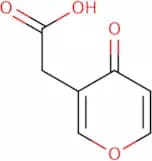


![L-[2-13C]Xylose](/_next/image/?url=https%3A%2Fstatic.cymitquimica.com%2Fproducts%2F3D%2Fthumb-webp%2FDUA50663.webp&w=3840&q=75)


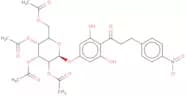

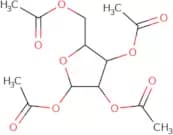
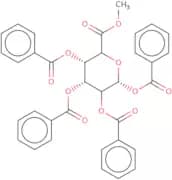
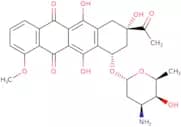
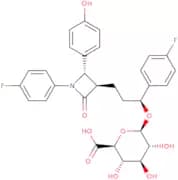

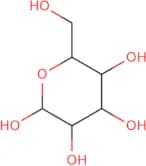
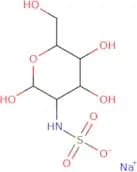


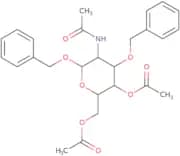
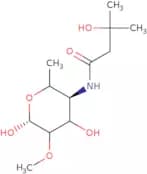

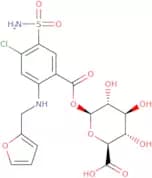
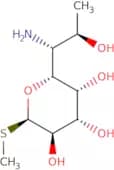


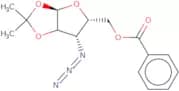
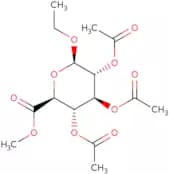


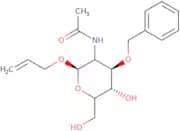
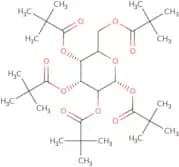
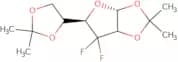


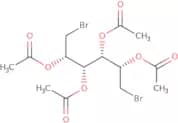
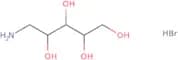
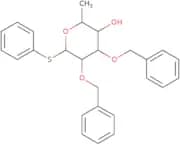


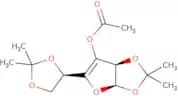

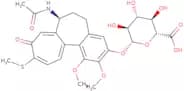
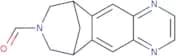


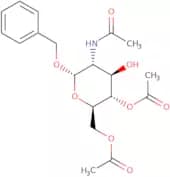
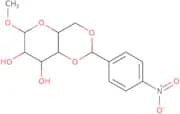
![(2R,4R)-2-[D-Xylo-tetrahydroxybut-1-yl]-1,3-thiazolidine-4-carboxylic acid](/_next/image/?url=https%3A%2Fstatic.cymitquimica.com%2Fproducts%2F3D%2Fthumb-webp%2FMX01042.webp&w=3840&q=75)




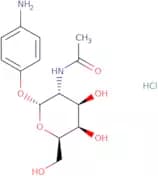

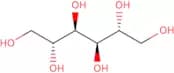
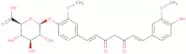


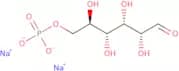


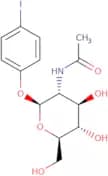
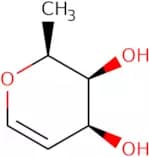
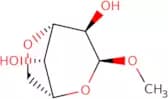
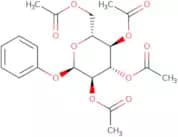
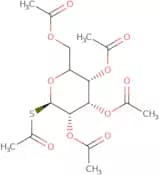

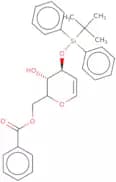

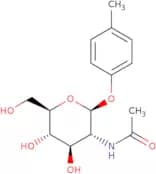
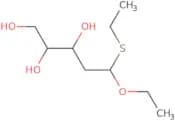
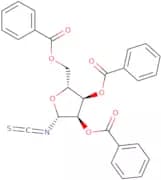
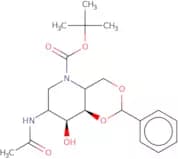
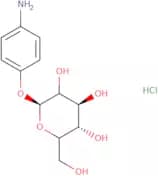
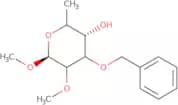
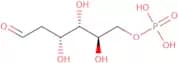
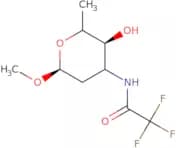
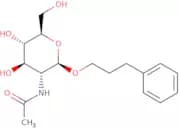
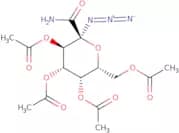

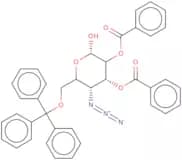
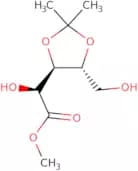
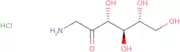
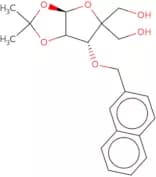
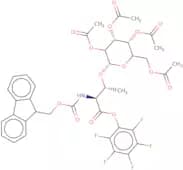
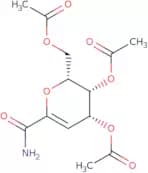

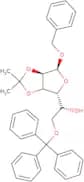

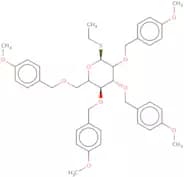


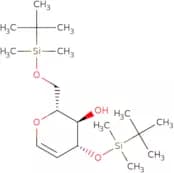

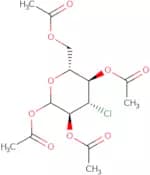


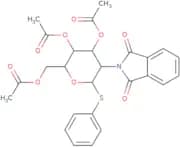

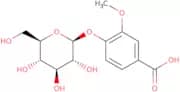
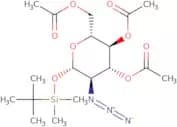
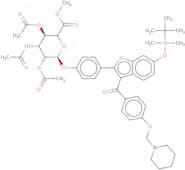
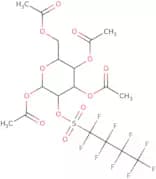

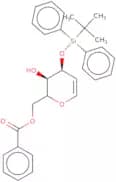





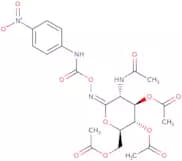
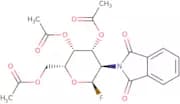
![5-Deoxy-1,2-O-isopropylidene-5-[(2S-pyridin-2-yl-pyrrolidine)-1-yl]-a-D-xylofuranose](/_next/image/?url=https%3A%2Fstatic.cymitquimica.com%2Fproducts%2F3D%2Fthumb-webp%2FMD07490.webp&w=3840&q=75)

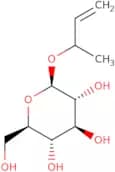
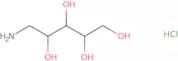
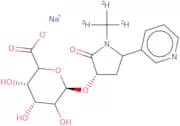
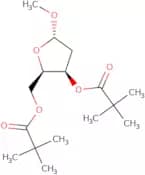
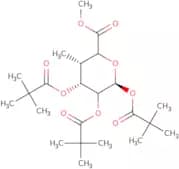
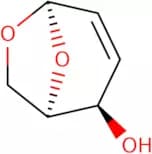


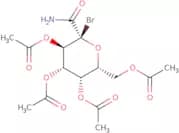
![(3aR,3bS,6aR,7aR)-2,2-Dimethylhexahydrofuro[2',3':4,5]furo[2,3-d][1,3]dioxol-5-ol](/_next/image/?url=https%3A%2Fstatic.cymitquimica.com%2Fproducts%2F3D%2Fthumb-webp%2FMD45372.webp&w=3840&q=75)
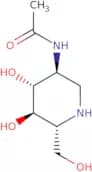

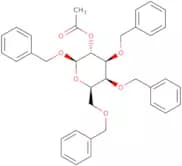
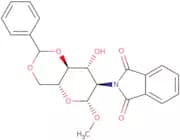


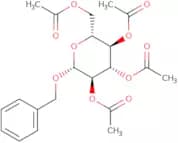
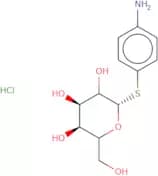
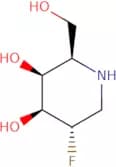

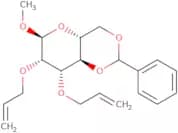
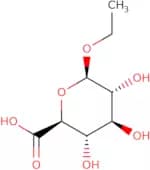
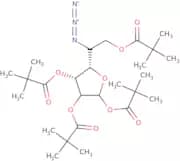
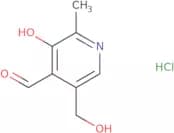
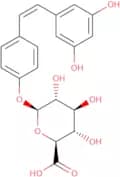


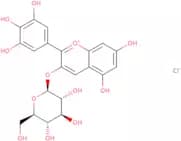

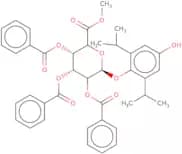
![5,7-Bis-(benzyloxy)-a-(4-(benzyloxy)phenyl)-3-[3,4-di-O-acetyl-a-O-acetyl-a-L-rhamnopyranosyloxyl]…](/_next/image/?url=https%3A%2Fstatic.cymitquimica.com%2Fproducts%2F3D%2Fthumb-webp%2FMB16635.webp&w=3840&q=75)