Monosaccharides
Monosaccharides are the simplest form of carbohydrates and serve as fundamental building blocks for more complex sugars and polysaccharides. These single sugar molecules play critical roles in energy metabolism, cellular communication, and structural components of cells. In this section, you will find a wide variety of monosaccharides essential for research in biochemistry, molecular biology, and glycoscience. These compounds are crucial for studying metabolic pathways, glycosylation processes, and developing therapeutic agents. At CymitQuimica, we offer high-quality monosaccharides to support your research needs, ensuring precision and reliability in your scientific investigations.
Subcategories of "Monosaccharides"
- Alloses(11 products)
- Arabinoses(21 products)
- Erythroses(11 products)
- Fructoses(9 products)
- Fucoses(36 products)
- Galactosamine(41 products)
- Galactose(261 products)
- Glucoses(365 products)
- Glucuronic Acids(51 products)
- Glyco-substrates for Enzyme(77 products)
- Guloses(6 products)
- Idoses(4 products)
- Inositols(15 products)
- Lyxoses(4 products)
- Mannoses(65 products)
- O-Glycans(48 products)
- Psicoses(3 products)
- Rhamnoses(10 products)
- Riboses(61 products)
- Sialic Acids(100 products)
- Sorboses(4 products)
- Sugars(173 products)
- Tagatoses(4 products)
- Taloses(8 products)
- Xyloses(20 products)
Show 17 more subcategories
Found 6088 products of "Monosaccharides"
Sort by
Purity (%)
0
100
|
0
|
50
|
90
|
95
|
100
D-Mannose-6-13C
CAS:<p>Please enquire for more information about D-Mannose-6-13C including the price, delivery time and more detailed product information at the technical inquiry form on this page</p>Formula:C6H12O6Purity:Min. 95%Molecular weight:180.16 g/mol1,2,3,4-Tetra-O-benzoyl-6-O-tert-butyldimethylsilyl-b-D-galactopyranose
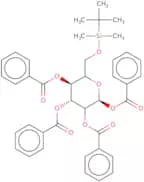
<p>Tetra-O-benzoyl-6-O-tert-butyldimethylsilyl-b-D-galactopyranose is a tetrasaccharide that has been modified with the fluoride ion. This compound is synthesized from 1,2,3,4-tetraacetyl bromoacetone and 2,3,4,6-tetraacetyl bromoethanol by an acetalization reaction followed by a silylation reaction. Tetra-O-benzoyl-6-O-tert butyldimethylsilyl b D galactopyranose may be used in glycosylation reactions. The product is soluble in water or ethanol and can be stored for up to 2 weeks at 4°C.</p>Formula:C40H42O10SiPurity:Min. 95%Molecular weight:710.86 g/molD-Tagatose 1-phosphate
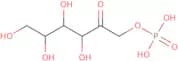
CAS:<p>D-tagatose 1-phosphate is a cytosolic intermediate of tagatose, which is found in many dietary sources. It has been shown to have regulatory effects on mitochondrial membrane potential and peroxisome proliferation in human cells. D-tagatose 1-phosphate also has been shown to have clinical relevance for humans with liver disease, as it enhances aerobic glycolysis and increases adenine nucleotide levels.</p>Formula:C6H13O9PPurity:Min. 95%Molecular weight:260.14 g/mol1,3-O-Benzylidene-L-erythritol
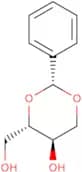
CAS:<p>1,3-O-Benzylidene-L-erythritol is a potent inhibitor of the intestinal maltase. It has two diastereomers, one of which is more potent than the other. The more potent diastereomer inhibits both the maltase and L-arabinose isomerase enzymes in the intestine. This inhibition prevents digestion of complex carbohydrates such as starch and sucrose into simple sugars that can be absorbed by the body. 1,3-O-Benzylidene-L-erythritol also inhibits salacinol synthase and thiosugar synthetases from bacteria and plants, preventing synthesis of these important compounds.</p>Purity:Min. 95%1,2,5-Tri-O-acetyl-3-deoxy-D-ribofuranose
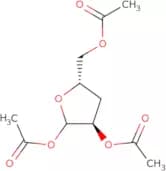
CAS:<p>1,2,5-Tri-O-acetyl-3-deoxy-D-ribofuranose is a modification of the sugar 3-deoxyribofuranose. It is a white to off-white powder that is soluble in water and methanol. 1,2,5-Tri-O-acetyl-3-deoxyribofuranose has been shown to be an inhibitor of bacterial growth in vitro as well as antiulcerogenic and cytotoxic. The compound also inhibits the growth of cancer cells and has been shown to inhibit the production of inflammatory cytokines such as tumor necrosis factor alpha and interleukin 1 beta.</p>Formula:C11H16O7Purity:Min. 95%Molecular weight:260.24 g/molL-[6-13C]Sorbose
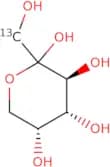
CAS:<p>L-[6-13C]Sorbose is a modified sugar that is synthesized from D-glucose, L-sorbose, and 13C-labeled methyl groups. This compound can be used to study the methylation and glycosylation of polysaccharides and oligosaccharides.</p>Formula:C513CH12O6Purity:Min. 95%Molecular weight:181.15 g/molOlmesartan acid O-b-D-glucuronide
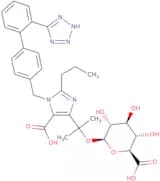
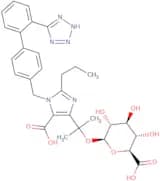
CAS:<p>Olmesartan acid O-b-D-glucuronide is a synthetic, high purity, and custom synthesis oligosaccharide. It can be fluorinated in the presence of a base to give a fluorinated compound with the following CAS number: 369395-57-3. Olmesartan acid O-b-D-glucuronide is an oligosaccharide that has been modified by click chemistry. This modification results in a polysaccharide that contains saccharides connected through ether linkages. The saccharides are made up of monosaccharides and disaccharides, which are all sugars.</p>Formula:C30H34N6O9Purity:Min. 95%Molecular weight:622.63 g/mol2,4-Di-O-Benzyl-D-mannopyranose
<p>2,4-Di-O-Benzyl-D-mannopyranose is a custom synthesis of a carbohydrate. It is a fluorinated derivative of D-mannopyranose that has been modified with methylation and glycosylation.</p>Purity:Min. 95%6,6'-Di-O-triisopropylsilyl-lactal
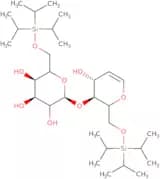
CAS:<p>6,6'-Di-O-triisopropylsilyl-lactal is a synthetic oligosaccharide with a complex carbohydrate structure. It can be used as a monomer in the synthesis of glycosylides and glycopolymers, which are modified by fluorination, methylation, and click chemistry. This compound has been shown to have high purity and can be custom synthesized to meet your needs.</p>Formula:C30H60O9Si2Purity:Min. 95%Molecular weight:620.96 g/molFluoxetine D-glucuronide (mixture of isomers)
CAS:<p>Fluoxetine D-glucuronide is a glycosylated, fluorinated, custom-synthesized compound. It is composed of the methyl ester and glucuronide moiety of fluoxetine. The synthesis of this compound starts with the oxidation of fluoxetine to form an aldehyde intermediate. This intermediate is then condensed with chloroacetic acid to form the desired product. Fluoxetine D-glucuronide has shown efficacy in animal models for its ability to inhibit serotonin reuptake and block 5HT2A receptors. This drug is also used as a tracer in positron emission tomography (PET) imaging studies for serotonin transporters.</p>Purity:Min. 95%Benzyl 2,4-di-O-benzoyl-D-xylopyranoside
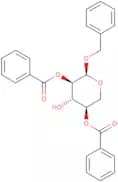
CAS:<p>Benzyl 2,4-di-O-benzoyl-D-xylopyranoside is a glycosylated benzyl alcohol derivative. It has been shown to have high purity, high yield and good stability in the presence of base. This product is available for custom synthesis, which can be tailored to your desired specifications.</p>Formula:C26H24O7Purity:Min. 95%Molecular weight:448.46 g/mol4'-O-(b-D-2,3,4,6-Tetra-O-acetyl-glucopyranosyl)-4-nitrophloretin
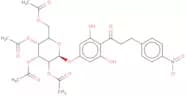
CAS:<p>4'-O-(b-D-2,3,4,6-Tetra-O-acetyl-glucopyranosyl)-4-nitrophloretin is a custom synthesis with Modification. This product was prepared by fluorination and methylation of 4'-O-(b-D-2,3,4,6-tetra-O-[1,2:1,3]triazolium chloride)-4' nitrophloretin. The molecular formula is C21H18N8O12 and molecular weight is 524.32. CAS No. 82628-87-3.</p>Formula:C29H31NO15Purity:Min. 95%Molecular weight:633.55 g/molL-[2-13C]Xylose
CAS:<p>Please enquire for more information about L-[2-13C]Xylose including the price, delivery time and more detailed product information at the technical inquiry form on this page</p>Formula:C5H10O5Purity:Min. 95%Molecular weight:151.12 g/molXylaric acid disodium salt
CAS:<p>Xylaric acid disodium salt is a meso oxidised xylose analogue</p>Formula:C5H6Na2O7Purity:Min. 98 Area-%Color and Shape:PowderMolecular weight:224.08 g/mol3-O-Benzyl-5,6-di-O-acetyl-1,2-O-isoproylidene-a-D-glucofuranose
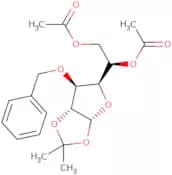
CAS:<p>3-O-Benzyl-5,6-di-O-acetyl-1,2-O-isoproylidene-a-D-glucofuranose is a synthetic compound that can be used as a building block for the synthesis of saccharides and oligosaccharides. The molecule is an alpha D glucose derivative with an acetyl group at C3 and an isopropylidene group at C5. It has great potential in glycosylation reactions due to its high purity and low price.</p>Formula:C20H26NO8Purity:Min. 95%Molecular weight:394.43 g/molm-Methoxytopolin-9-glucoside
CAS:<p>M-methoxytopolin-9-glucoside is a synthetic oligosaccharide that has been modified with fluorination and methylation. It is an important intermediate for the synthesis of complex carbohydrates. M-methoxytopolin-9-glucoside can be used in the production of glycosylated polysaccharides, including glycoproteins, proteoglycans, and mucopolysaccharides. This product is offered at a purity level of > 98% and can be used for custom synthesis.</p>Formula:C19H23N5O6Purity:Min. 95%Molecular weight:417.42 g/mol(S)-Propranolol glucuronide
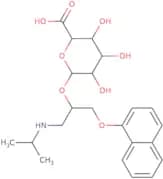
CAS:<p>(S)-Propranolol glucuronide is a custom-synthesized sugar that has been modified with fluorination and methylation. It is also a polysaccharide that has been glycosylated and carbamoylated. This compound is a white crystalline solid that can be used as an intermediate in the synthesis of saccharides, oligosaccharides, and polysaccharides.</p>Formula:C22H29NO8Purity:Min. 95%Molecular weight:435.47 g/mol3,4-Di-O-acetyl-2-O-benzyl-L-rhamnopyranoside
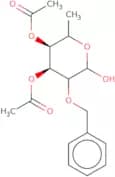
<p>3,4-Di-O-acetyl-2-O-benzyl-L-rhamnopyranoside is a custom synthesized, fluorinated, methylated, monosaccharide that can be used as a synthetic building block for the synthesis of saccharides. This compound has been shown to have a CAS number and is classified as an oligosaccharide. 3,4-Di-O-acetyl-2-O-benzyl-L-rhamnopyranoside is recommended for use in glycosylation reactions. It has been shown to react with other saccharides at the C1 position in the presence of various conditions such as mild alkaline or acid conditions.</p>Formula:C17H22O7Purity:Min. 95%Molecular weight:338.35 g/mol2,3,5-Tri-O-benzyl-L-lyxono-1,4-lactone
<p>Tri-O-benzyl-L-lyxono-1,4-lactone is a methylated saccharide. It can be used as a building block for the synthesis of oligosaccharides and glycosylations. It can also be used as a click modification to modify proteins and polymers.</p>Formula:C26H26O5Purity:Min. 95%Color and Shape:PowderMolecular weight:418.48 g/mol1,2,3,5-Tetra-O-acetyl-D-ribofuranose
CAS:<p>1,2,3,5-Tetra-O-acetyl-D-ribofuranose is a dietary supplement that can be found in the form of palladium complexes. This compound has been shown to have anti-inflammatory properties and may be effective against cancer cells. 1,2,3,5-Tetra-O-acetyl-D-ribofuranose is an acetylated pyridazine derivative with antimicrobial and antibacterial effects. It has also been shown to inhibit the synthesis of purines and pyrimidines by cleaving the 6th carbon from ribose. 1,2,3,5-Tetra-O-acetyl-D-ribofuranose is synthesized by chlorination of 2,6-, 3-, 5-, or 7-(chloropurinomethyl)pyridine with mercuric chloride or nitrosyl chloride. The cleavage products are hydroxyl group</p>Purity:Min. 95%2-O-Methyl-b-D-N-acetylneuraminic acid methyl ester
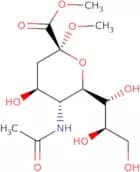
CAS:<p>2-O-Methyl-b-D-N-acetylneuraminic acid methyl ester is a synthetic sugar with the chemical formula C7H11NO5. It is a monosaccharide and an important intermediate in the synthesis of glycosides and other saccharides. 2-O-Methyl-b-D-N-acetylneuraminic acid methyl ester can be used for the modification of complex carbohydrates, such as oligosaccharides and polysaccharides. This product also has many applications in the food industry and biotechnology.</p>Formula:C13H23NO9Purity:Min. 95%Molecular weight:337.32 g/molPinitol diacetonide
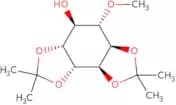
CAS:<p>Pinitol diacetonide is an acceptor substrate for β-galactosidase, a glycosyl hydrolase that catalyzes the hydrolysis of terminal galactose residues from the non-reducing end of certain glycolipids. Pinitol diacetonide has been shown to be enzymatically active in both aerobic and anaerobic conditions. This product can also be used as a substrate for 1,4-β-D-galactosyltransferase, which catalyzes the transfer of D-galactose from 1,4-β-D-glucose to the nonreducing end of certain glycolipids. Pinitol diacetonide is not a suitable substrate for p-nitrophenyl galactosyltransferase, an enzyme that catalyzes the transfer of p-nitrophenol from L -pyranosides to the nonreducing end of certain glycolipids.<br>Pin</p>Formula:C13H22O6Purity:Min. 95%Molecular weight:274.31 g/molOlmesartan N2-glucuronide
CAS:<p>Olmesartan N2-glucuronide is a methylated metabolite of olmesartan, which is an angiotensin II receptor blocker. Olmesartan glucuronide is a high purity chemical compound with CAS No. 369395-57-3. It can be custom synthesized to order and has been used in glycosylation reactions as a sugar donor or acceptor. This product is also useful for the Click modification of oligosaccharides and polysaccharides, as well as for the modification of saccharides with fluorination and other chemical reactions.</p>Formula:C30H34N6O9Purity:Min. 95%Molecular weight:622.63 g/molb-L-Fucopyranosyl nitromethane
<p>b-L-Fucopyranosyl nitromethane is a synthetic carbohydrate that has been modified by fluorination and methylation. It can be used as a building block for the synthesis of complex carbohydrates including saccharides, oligosaccharides, and monosaccharides.</p>Formula:C7H13NO6Purity:Min. 95%Molecular weight:207.2 g/molGalβ(1-3)[neu5acα(2-6)]GalNAc-α-PNP
CAS:<p>Galβ(1-3)[neu5acα(2-6)]GalNAc-α-PNP is a complex carbohydrate that has been synthesized. It is a modification of the natural monosaccharide galactose by the addition of an alpha-N-acetylneuraminic acid residue. This product is highly pure and can be custom synthesized to customer specifications. Galβ(1-3)[neu5acα(2-6)]GalNAc-α-PNP has been fluorinated and methylated and has glycosylation and click chemistry modifications.</p>Formula:C31H45N3O21Purity:Min. 95%Molecular weight:795.7 g/molQuercetin 7-O-b-D-glucuronide
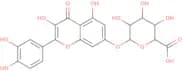
CAS:<p>Quercetin 7-O-b-D-glucuronide is a methylated glycoside of quercetin. Quercetin 7-O-b-D-glucuronide has been shown to inhibit the activity of Saccharomyces cerevisiae alpha amylase, alpha and beta amylases, and alpha glucosidase, which are enzymes that hydrolyze starch. This product also inhibits the growth of Candida albicans and Saccharomyces cerevisiae. Quercetin 7-O-b-D-glucuronide is available for custom synthesis in order to meet customers' specific needs.</p>Formula:C21H18O13Purity:Min. 95%Molecular weight:478.36 g/molb-L-Glucose-1-phosphate ammonium salt
<p>b-L-Glucose-1-phosphate ammonium salt is a modification of the natural glucose molecule. It is used in the synthesis of oligosaccharides and complex carbohydrates. This compound can be custom synthesized and has a high purity level. It is often used as a starting material for other chemical modifications, such as methylation, glycosylation, and fluorination. b-L-Glucose-1-phosphate ammonium salt is found naturally in nature as one of the building blocks of polysaccharides, which are long chains of sugar molecules that make up many organic compounds.</p>Formula:C6H19N2O9PPurity:Min. 95%Color and Shape:PowderMolecular weight:294.2 g/molD-muco-Inositol
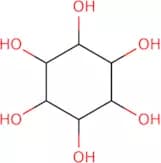
CAS:<p>D-Mucinol is an inositol that is structurally similar to scyllo-inositol. It has been shown to inhibit the growth of cancer cells and also inhibits the release of calcium ions from the mitochondria, which may be due to its ability to inhibit polymerase chain reaction. D-Mucinol is a potential treatment for ovarian cancer and other cancers.<br>D-Mucinol is a dinucleotide phosphate that binds with guanine nucleotides on DNA, inhibiting transcriptional elongation by binding to the RNA polymerase II enzyme. This prevents the production of mRNA, inhibiting protein synthesis and leading to cell death.<br>D-Mucinol has been shown to have cytostatic effects against HL60 cells in vitro, which are thought to be related to its ability to inhibit mononucleotide phosphates, including p-nitrophenyl phosphate (PNPP), at high concentrations. D-Mucin</p>Formula:C6H12O6Purity:Min. 95%Molecular weight:180.16 g/molPropylthiouracil N-b-D-glucuronide
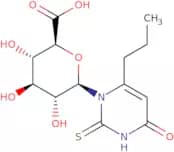
CAS:<p>Propylthiouracil N-b-D-glucuronide is a glycosylation product of propylthiouracil, which is the active form of this drug. It has been shown to inhibit thyroid hormone synthesis by binding to the enzyme thyroid peroxidase. Propylthiouracil N-b-D-glucuronide is used in the treatment of thyrotoxicosis, and can also be used as an antithyroid agent for hyperthyroidism. It is chemically synthesized from propylthiouracil with a glycosyl group added at the C3 position on the thiourea ring by glycosyltransferases. This compound has also been fluorinated and polysaccharided, modified and saccharided, oligosaccharided or sugar, synthetic or monosaccharide, custom synthesis or high purity.</p>Formula:C13H18N2O7SPurity:Min. 95%Molecular weight:346.36 g/molMethyl 2,3,4,6-tetra-O-acetyl-b-D-mannopyranoside
CAS:<p>Methyl 2,3,4,6-tetra-O-acetyl-b-D-mannopyranoside is a high purity methylated glycosylated oligosaccharide. This product has been custom synthesized on demand using state of the art technology and is available in a variety of purities and modifications.<br> Methyl 2,3,4,6-tetra-O-acetyl-b-D-mannopyranoside is used as a fluorescent probe for carbohydrate binding proteins. It has also been used in the synthesis of glycoproteins.</p>Formula:C15H22O10Purity:Min. 95%Molecular weight:362.33 g/molD-Fructose-13C1
CAS:<p>D-Fructose-13C1 is a custom synthesis that belongs to the class of carbohydrates. It is an oligosaccharide, polysaccharide, and a modification of saccharides. D-Fructose-13C1 is methylated and glycosylated and has a carbonyl group on the C1 position. This product can be used in click chemistry as well as fluorination reactions. The purity of this product is high and it has been synthesized using high purity methods.</p>Formula:C513CH12O6Purity:Min. 95%Molecular weight:181.15 g/molPBS 57
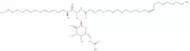
CAS:<p>PBS 57 is a pluripotent cell-derived protein that has been shown to be a potent vaccine adjuvant. PBS 57 is derived from the plasma of pregnant women and contains the following antigenic determinants: glucose, human albumin, and human immunoglobulin G. PBS 57 can stimulate both humoral and cellular immunity in mice with deficiencies in antibody production or T cells. PBS 57 has also been shown to have strong pro-inflammatory cytokine activity, which may be due to its ability to induce galacturonic acid release from macrophages.</p>Formula:C50H96N2O9Purity:Min. 95%Molecular weight:869.31 g/mol3-Deoxy-2-keto-D-galactonate lithium salt
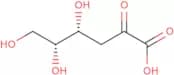
CAS:<p>3-Deoxy-2-keto-D-galactonate lithium salt is an enzyme inhibitor that belongs to the group of galacturonosyltransferases. It is a competitive inhibitor that binds to the enzyme active site and inhibits the transfer of galacturonic acid from UDP-galactose to various acceptor molecules, including oligosaccharides, polysaccharides, glycoproteins, and glycolipids. 3-Deoxy-2-keto-D-galactonate lithium salt has been shown to inhibit wild type strains of Escherichia coli and Saccharomyces cerevisiae. This compound also inhibits acid analysis enzymes such as catalase and triosephosphate isomerase in Escherichia coli. 3DGLS also inhibits protein synthesis by inhibiting the activity of enzymes such as ribonucleotide reductase and xanthine oxidase in Escherichia coli. The</p>Formula:C6H10O6·xLiPurity:Min. 95%1,4:6,3-Glucarodilactone
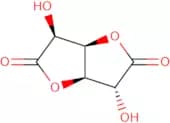
CAS:<p>1,4:6,3-Glucarodilactone is an undecenoate with a sustainable and degradable structure. It can be used as a monomer in the production of polyols that are used in various industries, such as the plastics industry. 1,4:6,3-Glucarodilactone is also an acidic compound that has been shown to have a crystalline product and isomeric transition. It is possible to produce this compound by ring-opening polymerization of p-xylylenediamine with butyl vinyl ether or isobutyl vinyl ether.</p>Formula:C6H6O6Purity:Min. 95%Molecular weight:174.11 g/molPropofol-D-glucuronide methyl ester
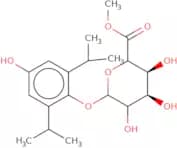
<p>Propofol-D-glucuronide methyl ester is a modification of propofol, which is an anesthetic drug. It is also known as a polysaccharide or saccharide. The modification is made by the addition of methyl groups to the phenolic hydroxyl group on the sugar ring. This modification has been shown to have properties that are similar to those of propofol, but with greater solubility in water and a longer duration of action. Propofol-D-glucuronide methyl ester is synthesized from D-glucuronic acid, which is obtained from glucose through Oligosaccharide synthesis. This compound can be used for glycosylation reactions.</p>Formula:C19H28O7Purity:Min. 95%Molecular weight:368.42 g/molD-Glucose-BSA
<p>Glucose covalently bound to BSA through a 3 atom spacer.</p>Purity:Min. 95%Color and Shape:Powder1,2:5,6-Di-O-cyclohexylidene-D-mannitol
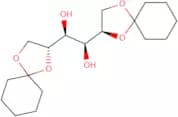
CAS:<p>1,2:5,6-Di-O-cyclohexylidene-D-mannitol is a ligand that binds to metal ions. It forms a complex with nitro groups, which has been shown to have synergistic effects in transfer reactions. The structure of 1,2:5,6-Di-O-cyclohexylidene-D-mannitol was determined by x-ray diffraction and the crystal structure was confirmed by single crystal x-ray diffraction. This ligand can be used for the synthesis of alkenes and it reacts with magnesium chloride to form a grignard reagent. As a ligand, this compound has anticancer activity and can be used as an antiangiogenic agent.</p>Formula:C18H30O6Purity:Min. 95%Molecular weight:342.43 g/molD-Glucofuranuronic acid,γ-lactone,1,6-13C2
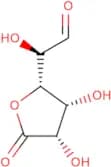
CAS:<p>D-Glucofuranuronic acid,gamma-lactone,1,6-13C2 is an organic compound that is a glycosidic acid with a uronic acid group. It is composed of a hydrocarbon group and an acetylated d-xylose. This compound has been shown to have inhibitory activities against glycosidases and glycoside hydrolases. D-Glucofuranuronic acid,gamma-lactone,1,6-13C2 is synthesized by the reaction of trifluoroacetic acid with glyceraldehyde in the presence of water and an acid catalyst. It can be used as medicine for treating blood sugar levels but should not be taken in conjunction with other medicines because it inhibits their absorption.</p>Formula:C2C4H8O6Purity:Min. 95%Molecular weight:178.12 g/mol2-Deoxy-2-fluoro-L-[UL-13C]fucose
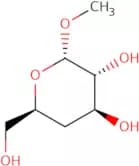
CAS:<p>2-Deoxy-2-fluoro-L-[UL-13C]fucose is a modified sugar molecule used in various scientific applications, particularly in glycobiology and drug development. It's used to study fucose-containing glycans, enzyme interactions, metabolic pathways, and glycoengineering. For instance, it can be incorporated into proteins to investigate the effects of fucose modifications on their function or used to develop drugs targeting fucose-metabolizing enzymes</p>Formula:C6H12O5Purity:Min. 95%Molecular weight:164.16 g/molMethyl 4-deoxy-a-D-glucopyranoside
CAS:<p>Methyl 4-deoxy-a-D-glucopyranoside is a high purity synthetic sugar with the molecular formula C5H10O5. It has been custom synthesized for Click modification, fluorination, glycosylation and methylation. Methyl 4-deoxy-a-D-glucopyranoside is used in glycosylation as a monosaccharide or saccharide to form complex carbohydrates. This product can be used in the synthesis of oligosaccharides and polysaccharides.</p>Formula:C7H14O5Purity:Min. 95%Molecular weight:178.19 g/molPyrogallol a-D-glucopyranoside
<p>Pyrogallol a-D-glucopyranoside is a synthetic carbohydrate that is used in the synthesis of various saccharides and oligosaccharides. Pyrogallol a-D-glucopyranoside is also used in the modification of saccharides and oligosaccharides through glycosylation, methylation, and fluorination. This carbohydrate has CAS No. 810-12-0 and molecular weight of 368.</p>Formula:C12H16O8Purity:Min. 95%Molecular weight:288.25 g/molPentenylglycoside derivatives
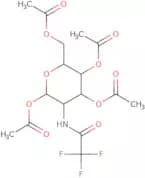
<p>Pentenylglycoside derivatives are synthetic compounds that have a sugar as their core. These compounds are synthesized by glycosylation of pentenyl alcohols with sugars. They are highly soluble in water and have good stability. The molecules have been modified to increase their activity and reduce the toxicity. Some examples of modifications include fluorination, methylation, and click chemistry. This product is not available for sale in the United States because it has not been evaluated by the Food and Drug Administration (FDA).</p>Purity:Min. 95%1,3,4,6-Tetra-O-acetyl-2-deoxy-2-trifluoroacetamido-D-glucopyranose
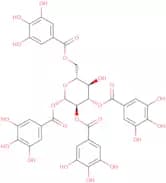
CAS:<p>1,3,4,6-Tetra-O-acetyl-2-deoxy-2-trifluoroacetamido-D-glucopyranose is a carbohydrate that has been modified with fluorine and acetyl groups. It is used as a precursor to other saccharides. The compound is synthesized by the reaction of 1,3,4,6-tetra -O-acetyl glucose with trifluoroacetic anhydride in methylene chloride. It can be custom synthesized for research purposes. This product has high purity and is sold in both liquid and powder form.</p>Formula:C16H20F3NO10Purity:Min. 95%Molecular weight:443.33 g/mol1,2,3,6-Tetra-O-galloylglucose
CAS:<p>1,2,3,6-Tetra-O-galloylglucose is a biologically active compound that has been shown to have inhibitory effects on influenza virus and human pathogenic bacteria. It has also been shown to have anticomplementary activity and anti-infective properties against human pathogens. This molecule also exhibits anion radical scavenging activities and can be utilized as a natural antioxidant in food products. The ellagitannins found in this molecule are responsible for its antioxidant properties. 1) 6-Fluoro-3-indoxyl-beta-D-galactopyranoside (Rifapentine) Rifapentine is an antituberculosis drug that belongs to the class of rifamycins. It is the most active of the rifamycins for the treatment of tuberculosis. Rifapentine inhibits bacterial growth by binding to DNA-dependent RNA polymerase, thereby preventing</p>Formula:C34H28O22Purity:Min. 95%Molecular weight:788.57 g/mol1,2,3-Tri-O-benzyl-4,6-O-(4-methoxybenzylidene)-b-D-glucopyranoside
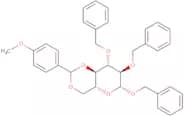
CAS:<p>1,2,3-Tri-O-benzyl-4,6-O-(4-methoxybenzylidene)-b-D-glucopyranoside is a synthetic compound that has been fluorinated and methylated. It is used as a glycosylation reagent for oligosaccharides, sugar and polysaccharides. The product is soluble in organic solvents such as acetone and chloroform. 1,2,3-Tri-O-benzyl-4,6-O-(4-methoxybenzylidene)-b-D-glucopyranoside is also a custom synthesis that can be modified to meet the specific needs of the customer.</p>Formula:C35H36O7Purity:Min. 95%Molecular weight:568.66 g/molIsopropyl-β-D-thioglucopyranoside
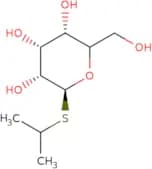
CAS:<p>Isopropyl-beta-D-thioglucopyranoside is a carbohydrate derivative that has the same chemical formula as glucose but with a different spatial arrangement. It is also known as beta-D-thioglucose or thioisopropylglucose, and it is an intermolecular hydrogen bond donor and acceptor. Isopropyl-beta-D-thioglucopyranoside absorbs light at wavelengths of 265 nm, 280 nm, and 320 nm. Carbohydrates are compounds containing carbon, hydrogen and oxygen atoms in a ratio of 1:2:1 by weight, with the general formula CHON. They consist of many isomers that differ from each other in the configurations of their carbonyl group and hydroxyl group. The molecular system for isopropyl-beta-D-thioglucopyranoside consists of one molecule with two hydrogen bonds to two other molecules.</p>Formula:C9H18O5SMolecular weight:238.3 g/molThyroxine acyl-b-D-glucuronide
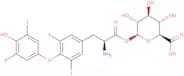
CAS:<p>Thyroxine acyl-b-D-glucuronide is a synthetic, modified thyroxine that has been modified with a saccharide moiety. The saccharide moiety is an oligosaccharide containing glucose, mannose and galactose residues. This product is a sugar with the molecular formula C24H40O14. Thyroxine acyl-b-D-glucuronide is soluble in water and alcohol. It has a molecular weight of 562.5 g/mol and a melting point of 230°C.</p>Formula:C21H19I4NO10Purity:Min. 95%Molecular weight:952.99 g/molb-L-Xylose-1-phosphate
<p>b-L-Xylose-1-phosphate is a methylated, fluorinated, and custom synthesized monosaccharide that can be modified to produce an oligosaccharide or polysaccharide. This monomer is a sugar that is found in complex carbohydrates and has a purity of greater than 99%. It can be used for the synthesis of saccharides or as a fluorination agent.</p>Purity:Min. 95%rac-Lotaustralin
<p>Lotaustralin is a glycosylated, fluorinated, methylated, and modified synthetic compound. Lotaustralin has been shown to inhibit the growth of bacteria by binding to the ribosomes in bacterial cells. It also inhibits the production of inflammatory cytokines and lipopolysaccharide in mice. Lotaustralin is made synthetically through custom synthesis and modification. The purity of the drug exceeds 99%.</p>Formula:C11H19NO6Purity:Min. 95%Molecular weight:261.27 g/mola-D-Galactose-PAA-biotin
<p>a-D-Galactose-PAA-biotin is a carbohydrate compound that has been modified by the addition of a PAA group and biotin. This compound can be synthesized with high purity and is available for custom synthesis. It is an oligosaccharide, a sugar, and a saccharide. The CAS number for this compound is 97320-93-4.</p>Purity:Min. 95%Color and Shape:Solid

![L-[6-13C]Sorbose](/_next/image/?url=https%3A%2Fstatic.cymitquimica.com%2Fproducts%2F3D%2Fthumb-webp%2FMS35536.webp&w=3840&q=75)

![L-[2-13C]Xylose](/_next/image/?url=https%3A%2Fstatic.cymitquimica.com%2Fproducts%2F3D%2Fthumb-webp%2FDUA50663.webp&w=3840&q=75)


![Galβ(1-3)[neu5acα(2-6)]GalNAc-α-PNP](/_next/image/?url=https%3A%2Fstatic.cymitquimica.com%2Fproducts%2F3D%2Fthumb-webp%2FRCC82290.webp&w=3840&q=75)


![2-Deoxy-2-fluoro-L-[UL-13C]fucose](/_next/image/?url=https%3A%2Fstatic.cymitquimica.com%2Fproducts%2F3D%2Fthumb-webp%2FMD45885.webp&w=3840&q=75)