Monosaccharides
Monosaccharides are the simplest form of carbohydrates and serve as fundamental building blocks for more complex sugars and polysaccharides. These single sugar molecules play critical roles in energy metabolism, cellular communication, and structural components of cells. In this section, you will find a wide variety of monosaccharides essential for research in biochemistry, molecular biology, and glycoscience. These compounds are crucial for studying metabolic pathways, glycosylation processes, and developing therapeutic agents. At CymitQuimica, we offer high-quality monosaccharides to support your research needs, ensuring precision and reliability in your scientific investigations.
Subcategories of "Monosaccharides"
- Alloses(11 products)
- Arabinoses(21 products)
- Erythroses(11 products)
- Fructoses(9 products)
- Fucoses(36 products)
- Galactosamine(41 products)
- Galactose(261 products)
- Glucoses(365 products)
- Glucuronic Acids(51 products)
- Glyco-substrates for Enzyme(77 products)
- Guloses(6 products)
- Idoses(4 products)
- Inositols(15 products)
- Lyxoses(4 products)
- Mannoses(65 products)
- O-Glycans(48 products)
- Psicoses(3 products)
- Rhamnoses(10 products)
- Riboses(61 products)
- Sialic Acids(100 products)
- Sorboses(4 products)
- Sugars(173 products)
- Tagatoses(4 products)
- Taloses(8 products)
- Xyloses(20 products)
Show 17 more subcategories
Found 6088 products of "Monosaccharides"
Sort by
Purity (%)
0
100
|
0
|
50
|
90
|
95
|
100
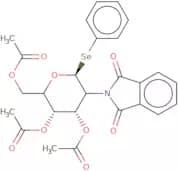
Phenyl 3,4,6-tri-O-acetyl-2-deoxy-2-phthalimido-b-D-selenoglucopyranoside
CAS:<p>Phenyl 3,4,6-tri-O-acetyl-2-deoxy-2-phthalimido b-D-selenoglucopyranoside is a chemical compound that is used in the synthesis of saccharides and oligosaccharides. It has been modified with the Click reaction to give it a reactive group. This modification can be used for glycosylation or for incorporation into polysaccharides such as starch. Phenyl 3,4,6-tri-O-acetyl-2-deoxy b -D selenoglucopyranoside is a high purity synthetic compound that is available in custom synthesis quantities.</p>Formula:C26H25NO9SePurity:Min. 95%Molecular weight:574.44 g/molL-Fucose-1-phosphate disodium
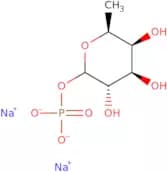
CAS:<p>L-Fucose-1-phosphate disodium salt is a high purity, synthetic, fluorinated carbohydrate that is used to modify saccharides. This modification can be accomplished by methylation or glycosylation. L-Fucose-1-phosphate disodium salt has been shown to be useful for glycosylation reactions with click chemistry. It has been shown to have a wide range of applications including modification of oligosaccharides and polysaccharides in the field of biotechnology.</p>Formula:C6H13O8P•Na2Purity:Min. 95 Area-%Color and Shape:White PowderMolecular weight:290.12 g/mol1,2,3,4-Tetra-O-acetyl-6-azido-6-deoxy-α-D-glucopyranose
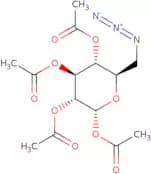
CAS:<p>Tetra-O-acetyl-6-azido-6-deoxy-a-D-glucopyranose is a carbohydrate that has been modified to include a fluorine atom. This modification can be carried out using a variety of methods, including chlorination or bromination with elemental fluorine or chlorine gas, or by direct replacement of the hydroxyl group with a fluorine atom. Tetra-O-acetyl-6-azido-6-deoxy-aDglucopyranose is used in the synthesis of complex carbohydrates and glycosides. It can also be methylated, glycosylated, and click modified.</p>Formula:C14H19N3O9Purity:Min. 95%Molecular weight:373.32 g/mol2-Acetamido-2,4-dideoxy-4-fluoro-D-glucopyranose
CAS:<p>2-Acetamido-2,4-dideoxy-4-fluoro-D-glucopyranose (2ADFG) is a glycosaminoglycan that inhibits the biosynthesis of glycosaminoglycans by binding to the enzyme UDP-N-acetylglucosamine 2-epimerase. It is used in cellular control experiments to determine if cells are hepatocytes or not. This compound binds to glycosaminoglycans and prevents them from being synthesized, which leads to cell death. The binding of 2ADFG also results in a decrease in cellular protein synthesis and an increase in cellular lysosomal activity.</p>Formula:C8H14FNO5Purity:Min. 95%Molecular weight:223.2 g/mol1-Deoxymannojirimycin HCl
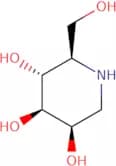
CAS:<p>Potent and specific inhibitor of α-mannosidase I. It is active against the Golgi isoform (GMI) of the enzyme and blocks carbohydrate branch elongation from immature to complex and hybrid N-glycans. Its anti-viral activity against HIV-1 is characterized by the alteration of N-glycan pattern and shift to high-mannose glycans on viral glycoprotein gp120, resulting in decreased infectivity of newly synthesized virions.</p>Formula:C6H13NO4·HClPurity:Min. 98 Area-%Color and Shape:White Off-White PowderMolecular weight:199.63 g/mol1,6-Anhydro-2,3,4-tri-O-benzyl-b-D-glucopyranose
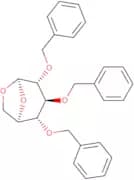
CAS:<p>1,6-Anhydro-2,3,4-tri-O-benzyl-b-D-glucopyranose is a polymer that can be synthesized by copolymerizing the monomer with other reagents. The acetal linkage between the two glucose units allows for a cyclic structure, and this compound is soluble in water and methanol. 1,6-Anhydro-2,3,4-tri-O-benzyl-b-D-glucopyranose has been used to synthesize a variety of polymers such as polyacetals and polyesters.</p>Formula:C27H28O5Purity:Min. 95%Color and Shape:White PowderMolecular weight:432.51 g/mol1,6-Anhydro-2-deoxy-2-iodo-β-D-glucopyranose
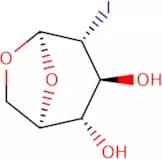
CAS:<p>1,6-Anhydro-2-deoxy-2-iodo-b-D-glucopyranose is a sugar that has been used in the synthesis of a number of organic compounds. It is an intermolecular hydrogen bond donor, and it forms hydrogen bonds with other molecules. The molecular structure of 1,6-Anhydro-2-deoxy-2-iodo-b-D-glucopyranose consists of a six carbon chain with three hydroxyl groups and two ether groups.</p>Formula:C6H9IO4Purity:Min. 95%Color and Shape:Off-White To Tan SolidMolecular weight:272.04 g/mol3-Deoxy-3-fluoro-D-galactose - Aqueous solution
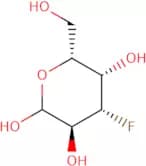
CAS:<p>3-Deoxy-3-fluoro-D-galactose (3DFGal) is a potential drug that has been shown to shift the metabolic pathway of gram-positive pathogens from glycolysis to gluconeogenesis. This compound may be used as a tool for studying the enzymatic reaction catalyzed by galactokinase, which is involved in the conversion of 3DFGal to D-galactose. 3DFGal is a stereospecific carbohydrate and can be used as a substrate for biochemical studies. The bacterial surface profile of 3DFGal has been investigated and it has been found that 3DFGal is not significantly toxic to Gram-negative bacteria. The kinetics of 3DFGal hydrolysis have been studied and it was found that the hydrolysis rate was increased when the solution was acidified with hydrofluoric acid.</p>Formula:C6H11FO5Purity:Min. 98 Area-%Color and Shape:PowderMolecular weight:182.15 g/mol1,2,3,4,6-Penta-O-trimethylsilyl-D-glucopyranose
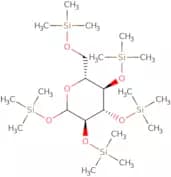
CAS:<p>1,2,3,4,6-Penta-O-trimethylsilyl-D-glucopyranose is a high purity product custom synthesized for research purposes. It is a sugar that has been modified by the Click modification and fluorination. 1,2,3,4,6-Penta-O-trimethylsilyl-D-glucopyranose is an oligosaccharide with a complex carbohydrate structure that can be used in glycosylation reactions. This product is a saccharide with a CAS number of 19126-99-9.</p>Formula:C21H52O6Si5Purity:Min. 95%Color and Shape:Colorless PowderMolecular weight:541.07 g/molBenzyl 3-O-benzyl-4,6-O-benzylidene-2-deoxy-2-N-phthalamido-a-D-glucopyranoside
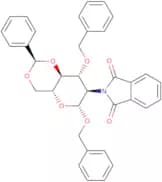
CAS:<p>Benzyl 3-O-benzyl-4,6-O-benzylidene-2-deoxy-2-N-phthalamido-a-D-glucopyranoside is a sugar that is used as a building block for the synthesis of glycosaminoglycans. This sugar can be fluorinated, glycosylated, or methylated and is a synthetically modified oligosaccharide with an average molecular weight of about 880 Da. The monomer unit consists of two glucose residues linked by an α(1→4) glycosidic bond. It has been shown to have antihypertensive properties in vitro and in vivo.</p>Formula:C35H31NO7Purity:Min. 95%Color and Shape:White to off-white solid.Molecular weight:577.62 g/molEmodin 1-glucoside
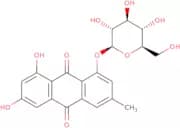
CAS:<p>Emodin 1-glucoside is a natural anthraquinone glycoside that is produced by plants and has been shown to have cytotoxic effects against human cells. Emodin 1-glucoside inhibits the function of enzymes, such as glycosidases, phosphatases, and proteases. This compound is activated by calcium ions and has been shown to disrupt mitochondrial membrane potential. Emodin 1-glucoside also inhibits sugar residues and has shown significant cytotoxicity against cultured human cells at higher concentrations. It may be used as a medicine for the treatment of inflammation or cancer.</p>Formula:C21H20O10Purity:Min. 95%Color and Shape:PowderMolecular weight:432.38 g/mol2,3,4,6-Tetra-O-acetyl-α-D-glucopyranosyl chloride
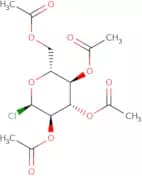
CAS:<p>2,3,4,6-Tetra-O-acetyl-a-D-glucopyranosyl chloride (TAOC) is a nuclear magnetic resonance (NMR) probe that has been used to study the structure of nuclei. It is synthesised by reacting acetyl chloride with sucrose in a reaction catalyzed by sodium hydroxide. The compound can be detected in quadrupole and resonance spectroscopy due to its high sensitivity to nuclear magnetic resonance. This NMR probe is typically used to study the structures of nuclei or for the analysis of polysaccharides.</p>Formula:C14H19ClO9Purity:Min. 95%Color and Shape:PowderMolecular weight:366.8 g/mol1,2,3,4-Tetra-O-benzyl-α-D-mannopyranoside
CAS:<p>1,2,3,4-Tetra-O-benzyl-a-D-mannopyranoside is an active drug that belongs to the group of thyromimetics. It is a prodrug that is hydrolyzed in vivo to 1,2,3,4-tetra-O-acetyl-a-D-mannopyranose. This drug has been shown to be effective in treating nervous system diseases such as sclerosis and endogenous disease. The acetylation of the benzyl group on this molecule prevents it from being metabolized by enzymes that are found in the liver. The unmodified form of this drug is rapidly absorbed into the blood and reaches high concentrations quickly.</p>Formula:C34H36O6Purity:Min. 95%Color and Shape:Clear LiquidMolecular weight:540.65 g/mol2,3,5-Tri-O-benzyl-L-arabinofuranose - technical grade
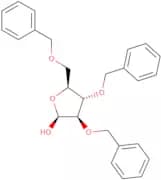
CAS:<p>2,3,5-Tri-O-benzyl-L-arabinofuranose is a benzyl ester of an anomeric mixture that can be prepared by hydrogenolysis of 2,3,5-tri-O-benzyl L-arabinofuranose. It is an experimental compound that may be used for the synthesis of optical anomers or as a starting material for the preparation of other compounds. The reactivity of the carbonyl group in this compound is determined by the steric hindrance from the benzyl esters. This compound also has chloride and trifluoromethanesulfonic acid esters.</p>Formula:C26H28O5Purity:Min. 95%Color and Shape:White PowderMolecular weight:420.5 g/mol1,6-Anhydro-β-D-glucopyranose
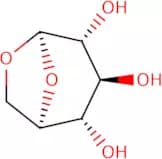
CAS:<p>Used for preparation of biologically active compounds</p>Formula:C6H10O5Purity:Min. 98 Area-%Color and Shape:White PowderMolecular weight:162.14 g/molAllyl 2-acetamido-2-deoxy-?-D-glucopyranoside
CAS:<p>Allyl 2-acetamido-2-deoxy-a-D-glucopyranoside is a synthetic oligosaccharide that has the ability to bind to the O antigen of bacterial cells. It is used in vaccines as an adjuvant and has been shown to increase antibody production and provide protection against Shigella, a bacterial infection. This compound also shows chemoenzymatic activity, which allows for regiospecifically catalytic conversion of glycosides. Allyl 2-acetamido-2-deoxy-a-D-glucopyranoside binds to specific microbial enzymes that contain an acceptor site, with its catalytic function being activated by these enzymes.</p>Formula:C11H19NO6Purity:Min. 95%Color and Shape:PowderMolecular weight:261.27 g/molMethyl 2,3,4-tri-O-benzyl-α-D-glucuronide benzyl ester
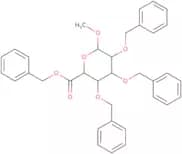
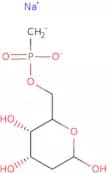
CAS:<p>Methyl 2,3,4-tri-O-benzyl-α-D-glucuronide benzyl ester is a Carbohydrate. It is soluble in water and insoluble in alcohol. The molecular weight of Methyl 2,3,4-tri-O-benzyl-α-D-glucuronide benzyl ester is 584.1 g/mol. The CAS Registry Number for Methyl 2,3,4-tri-O-benzyl-α-D-glucuronide benzyl ester is 14279733.</p>Formula:C35H36O7Purity:Min. 95%Color and Shape:Colorless Clear LiquidMolecular weight:568.66 g/mol2-Deoxy-D-glucose-6-phosphate sodium salt
CAS:<p>Glucose 6-phosphatase substrate</p>Formula:C6H12NaO8PPurity:Min. 98 Area-%Color and Shape:White PowderMolecular weight:266.12 g/molPeonidin-3-O-arabinoside chloride
CAS:<p>Peonidin-3-O-arabinoside chloride is a flavonol glycoside that is found in the plant peony and inhibits lipid absorption. It has inhibitory properties on fat absorption in vitro. Peonidin-3-O-arabinoside chloride also inhibits the activity of enzymes that break down dietary fats, such as pancreatic lipase, thereby preventing fat absorption. This compound has been shown to lower serum cholesterol levels and reduce blood pressure in vivo human trials. Peonidin-3-O-arabinoside chloride is extracted from the bark of the tree species Paeonia suffruticosa and is used as an ingredient in some weight loss supplements.</p>Formula:C21H21O10·ClPurity:Min. 95%Color and Shape:White Off-White PowderMolecular weight:468.84 g/molPhenyl-β-D-thioglucuronic acid
CAS:<p>Phenyl-beta-D-thioglucuronic acid is a drug that is used to treat inflammatory diseases and autoimmune diseases. It is a basic structure that has been shown to have anti-estrogenic effects in vitro, although the mechanism of action is not well understood. Phenyl-beta-D-thioglucuronic acid can be crosslinked with proteins to form a matrix for wound healing. This drug has also been shown to be a potent inhibitor of proteases, and may inhibit other enzymes such as matrix metalloproteinases and serine proteases.</p>Formula:C12H14O6SMolecular weight:286.31 g/molRef: 3D-P-4300
1gTo inquire5gTo inquire10gTo inquire500mgTo inquire2500mgTo inquire-Unit-ggTo inquire1,2,3,4-Tetra-O-acetyl-6-deoxy-6,6,6-trifluoro-L-galactose
CAS:<p>fucosylation inhibitor</p>Formula:C14H17F3O9Molecular weight:386.28 g/molUDP-D-Fucose
<p>sugar nucleotide</p>Formula:C15H24N2O16P2Purity:Min. 95 Area-%Molecular weight:550.31 g/molButyl α-D-glucopyranoside
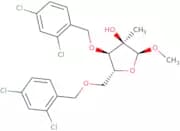
CAS:<p>Butyl a-D-glucopyranoside is an antimicrobial agent that inhibits the growth of photosynthetic organisms. It has been shown to have high cytotoxicity against Gram-positive bacteria, including Enterobacter and Bacillus. Butyl a-D-glucopyranoside also exhibits strong antimicrobial activity against Gram-negative bacteria such as Escherichia coli, Salmonella enterica, Klebsiella pneumoniae, and Pseudomonas aeruginosa. This compound also has potent activity against fungi and yeast. The mechanism of action is not known but may involve the inhibition of tyrosol synthesis or the disruption of microbial membranes.</p>Formula:C10H20O6Purity:Min. 95%Color and Shape:PowderMolecular weight:236.26 g/molMethyl 3,5-di-O-(2,4-dichlorobenzyl)-2-C-methyl-α-D-ribofuranoside
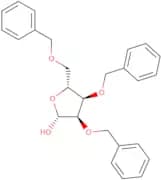
CAS:<p>Building block for the synthesis of 2'-âC-âmethyl substituted nucleosides</p>Formula:C21H22Cl4O5Purity:Min. 95%Color and Shape:Yellow PowderMolecular weight:496.21 g/mol2,3,5-Tri-O-benzyl-b-D-ribofuranose
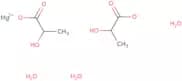
CAS:<p>2,3,5-Tri-O-benzyl-b-D-ribofuranose is a synthetic monosaccharide that is used in the synthesis of complex carbohydrates such as glycosylation and polysaccharides. One use for this chemical is to modify the sugar moiety with methyl groups, yielding 2,3,5-tri-O-methyl b-D-ribofuranose. This modification helps prevent the sugar from being metabolized by enzymes in the body. The chemical can also be fluorinated to yield 2,3,5-trifluoro b-D-ribofuranose.</p>Formula:C26H28O5Purity:Min. 95%Color and Shape:White PowderMolecular weight:420.5 g/molMagnesium L-lactate
CAS:<p>Magnesium L-lactate is a form of magnesium that is found in the human body, and it is often used to treat women with depressive disorders. This drug works by reducing the synthesis of cholesterol and increasing the level of serotonin in the brain. Magnesium L-lactate is not readily absorbed by the body, so it has low bioavailability. It also has an adverse effect on heart rate and cardiac rhythm, so people who have these conditions should avoid using this drug. The particle size of this drug is high, which can lead to low bioavailability.</p>Formula:C6H10MgO6Purity:Min. 95%Molecular weight:202.45 g/mol2,7-Anhydro-D-sedoheptulose-2,3,4,5,6,7-13C6
<p>2,7-Anhydro-D-sedoheptulose-2,3,4,5,6,7-13C6 is a custom synthesis of a complex carbohydrate. It is an oligosaccharide that is modified with methylation and glycosylation. This compound has been synthesized by Click modification and fluorination. 2,7-Anhydro-D-sedoheptulose-2,3,4,5,6,7-13C6 is water soluble and has a high purity. It is used as a research tool in the field of saccharides and carbohydrates.</p>Purity:Min. 95%2-Acetamido-2-deoxy-b-D-glucopyranosyl L-asparagine
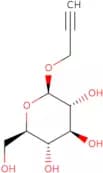
CAS:<p>Acetamido-2-deoxy-b-D-glucopyranosyl L-asparagine is used in studies of Aspartylglycosaminuria (AGU) which is a rare, inherited lysosomal storage disease caused by a deficiency in the enzyme aspartylglucosaminidase.</p>Formula:C12H21N3O8Purity:Min. 98 Area-%Color and Shape:White PowderMolecular weight:335.31 g/molPropargyl β-D-glucopyranoside
CAS:<p>A beta glycoside with an alkyne handle suitable to click chemistry</p>Formula:C9H14O6Purity:Min. 95%Color and Shape:PowderMolecular weight:218.2 g/mol1,7,7a-Triepialexine
CAS:<p>The compound 1,7,7a-Triepialexine is an alkaloid that is found in plants of the genus Trientalis. It has been shown to have anti-inflammatory properties due to its ability to inhibit prostaglandin synthesis. The compound also has a stereoselective synthesis and a stereoselective syntheses.</p>Purity:Min. 95%4-Methylphenyl 2,3,4-tri-O-benzyl-β-L-thiofucopyranoside
<p>4-Methylphenyl 2,3,4-tri-O-benzyl-b-L-thiofucopyranoside is a custom synthesis of an oligosaccharide. It is a complex carbohydrate with CAS No. that belongs to the class of saccharide and sugar. Polysaccharides are made up of several monosaccharides linked together by glycosidic bonds, which are formed by the action of enzymes called glycosyltransferases or glycosidases. Glycosylation is the process in which a sugar molecule (usually glucose) is added to another molecule by means of a glycosidic bond. Carbohydrates are one type of macromolecule and they are important sources of energy in living things. They also play important roles in cell walls and as structural components in plants and animals. The chemical modification carried out on this compound is methylation, which refers to the addition of one or more methyl</p>Formula:C34H36O4SPurity:Min. 95%Molecular weight:540.71 g/molN-Acetyl-L-talosaminuronic acid
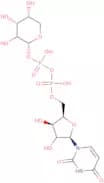
CAS:<p>N-Acetyl-L-talosaminuronic acid is a natural product that has been shown to have anti-inflammatory activity in experimental models of inflammatory bowel disease. N-Acetyl-L-talosaminuronic acid inhibits the production of proinflammatory cytokines, such as tumor necrosis factor alpha (TNFα), by binding to TNFα receptors on the surface of cells. This can be attributed to its ability to inhibit ATP levels and reduce oxidative stress, which are both factors that contribute to inflammation. N-Acetyl-L-talosaminuronic acid also has been shown to inhibit inflammatory responses in human monocytes and neutrophils. It binds specifically to her2+ breast cancer cells and inhibits their growth in culture. Furthermore, it has been shown to have cytotoxic effects on bladder cancer cells and can be used for the treatment of bladder cancer.</p>Formula:C8H13NO7Purity:Min. 95 Area-%Color and Shape:PowderMolecular weight:235.19 g/molUDP-a-D-xylose
CAS:<p>Substrate for xylosyltransferases</p>Formula:C14H22N2O16P2Purity:Min. 90 Area-%Color and Shape:PowderMolecular weight:536.28 g/mol1-O-Benzyl-2N, 3-O-carbonyl-α-L-sorbofuranosylamine
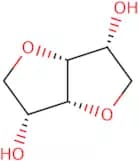
CAS:<p>Apigenin is a flavone, which is a type of phenolic compound. It is one of the most widely distributed plant flavonoids found in nature. Apigenin has been shown to inhibit glucose uptake and intestinal transport in mice. Apigenin also has been shown to have anti-inflammatory properties, as well as the ability to suppress the growth of cancer cells in vitro. The expression of apigenin was observed after incubation with caco-2 cells and was upregulated when maltose was added to the media. Apigenin can be used as an additive for food products that are high in sugar content, such as cakes and cookies.</p>Formula:C14H17NO6Purity:Min. 95%Color and Shape:Colourless LiquidMolecular weight:295.29 g/mol1,4:3,6-Dianhydro-D-mannitol
CAS:<p>Building block for polymers synthesis, ionic liquids and chiral auxiliaries</p>Formula:C6H10O4Purity:Min. 95%Color and Shape:PowderMolecular weight:146.14 g/mol4-Methoxyphenyl 3-O-benzyl-4,6-O-benzylidene-2-deoxy-2-phthalimido-β-D-glucopyranoside
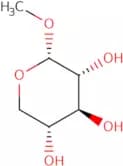
CAS:<p>4-Methoxyphenyl 3-O-benzyl-4,6-O-benzylidene-2-deoxy-2-phthalimido-b-D-glucopyranoside is a complex carbohydrate that has been modified with methylation and glycosylation. It has been synthesized using the following reactants: 4-(methoxy)phenol, benzaldehyde, and 2,3,4,6,-tetraacetylpiperidine. This product has a CAS number of 129575–88–8 and is available for custom synthesis in quantities from 1 gram to 50 kilograms. This product is used as a custom synthesis for oligosaccharides or polysaccharides.</p>Formula:C35H31NO8Purity:Min. 95%Molecular weight:593.62 g/molMethyl a-D-xylopyranoside
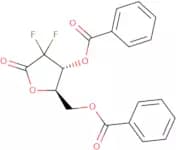
CAS:<p>Methyl a-D-xylopyranoside is an iron chelator that can be used as a mycobacterial drug candidate. It binds to both ferric and ferrous iron, and has been shown to inhibit the uptake of ferric iron by Mycobacterium tuberculosis. It also inhibits the synthesis of siderophores, which are molecules produced by bacteria in order to acquire iron from their environment. Methyl a-D-xylopyranoside does not bind to the alpha-d-glucopyranoside moiety typically found in iron complexes. This is due to its hydroxamate group, which causes it to have an increased affinity for Fe3+. This compound is active against gram negative bacteria such as E. coli and Salmonella enterica serovar Typhimurium, but not against gram positive organisms such as Staphylococcus aureus or Streptococcus pneumoniae.</p>Formula:C6H12O5Purity:Min. 95%Color and Shape:White Off-White PowderMolecular weight:164.16 g/mol3,5-Di-O-benzoyl-2-deoxy-2,2-difluoro-D-ribonic acid-1,4-lactone
CAS:<p>3,5-Di-O-benzoyl-2-deoxy-2,2-difluoro-D-ribonic acid-1,4-lactone (3DBR) is a nucleoside that has been shown to have antiaging properties. It has been found to be an effective scavenger of peroxyl radicals and reactive oxygen species (ROS). 3DBR also inhibits the formation of aluminum oxide and styrene by catalyzing the salt formation reaction. This compound also has anti-tumour activity and can be used as a chemotherapeutic agent for the treatment of cancer. It is heat resistant and can be combined with gemcitabine hydrochloride in chemotherapy.</p>Formula:C19H14F2O6Purity:Min. 95%Color and Shape:White PowderMolecular weight:376.31 g/molβ,β-Trehalose
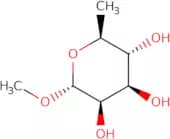
CAS:<p>β,β-Trehalose is a carbohydrate that is synthesized by the expression of a trehalose synthase enzyme from the yeast Saccharomyces cerevisiae. β,β-Trehalose is an acidic sugar with two glucose subunits. It has been shown to have an enzymatic mechanism similar to that of glucose. β,β-Trehalose has been found to increase the solubility and stability of proteins in acidic phs (pHs) by binding to hydroxyl groups on protein surfaces. β,β-Trehalose also binds to alcohols such as ethanol and methanol, which may be due to its ability to form hydrogen bonds between oxygen atoms. This sugar also forms hexamers in solution, which may contribute to its effectiveness as a stabilizer for proteins and other molecules. The optimum ph for β,β-trehalose synthesis is around 5.5-6.0 and it can be used at higher ph</p>Formula:C12H22O11Purity:Min. 99 Area-%Color and Shape:White Off-White PowderMolecular weight:342.3 g/molMethyl α-L-rhamnopyranoside
CAS:<p>Methyl α-L-rhamnopyranoside is a conjugate molecule made via a Fisher glycosylation with MeOH. It has been shown to have pesticidal activities and can be used in the production of pesticides or glycoconjugates. Methyl α-L-rhamnopyranoside is of interest as a vaccine adjuvant, due to its ability to activate the immune system. This compound also has anti-inflammatory properties, which may be due to its inhibition of prostaglandin synthesis.</p>Formula:C7H14O5Purity:Min. 95 Area-%Color and Shape:White PowderMolecular weight:178.18 g/mol1,2,3,4,6-Penta-O-acetyl-D-mannopyranose
CAS:<p>1,2,3,4,6-Penta-O-acetyl-D-mannopyranose is an organic chemical compound that belongs to the group of sugars. It is a synthetic compound that can be used as an analytical reagent in hepg2 cells and chloride. 1,2,3,4,6-Penta-O-acetyl-D-mannopyranose has been shown to have a protective effect against adenosine receptors and phosphotungstic acid in brain cells. This sugar also has a strong affinity for lectins and can be used to study the binding of sugars to proteins by titration calorimetry.</p>Formula:C16H22O11Purity:Min. 98 Area-%Color and Shape:White PowderMolecular weight:390.34 g/mol2,3,4,6-Tetra-O-benzyl-D-glucopyranose
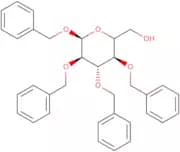
CAS:<p>2,3,4,6-Tetra-O-benzyl-D-glucopyranose is a selectively protected intermediate, where the anomeric 1-O-hydroxyl group is free. This hemiacetal has been used successfully as an intermediate for glucosylation couplings, where it was converted into 2,3,4,6-tetra-O-benzyl-D-glucopyranose trichloroacetimidate using trichloroacetonitrile in the presence of a base such as potassium carbonate and DBU. Importantly, this imidate donor with no neighbouring participating groups is commonly used for the selective formation of α-glucosides. 2,3,4,6-tetra-O-benzyl-D-glucopyranose can also be oxidized to the lactone, or reduced to give the open chain form. Additionally, 2,3,4,6-tetra-O-benzyl-D-glucopyranose can be used for the preparation of glucono-1,5-lactone hydrazine, which was used, in-turn, to form a glucosylidene-spirocyclopropane.</p>Formula:C34H36O6Purity:Min. 98.0 Area-%Molecular weight:540.66 g/molRef: 3D-T-1900
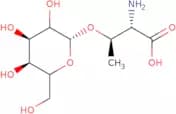
1kgTo inquire50gTo inquire250gTo inquire500gTo inquire2500gTo inquire-Unit-ggTo inquireα-D-Mannopyranosyl L-threonine
CAS:<p>a-D-Mannopyranosyl L-threonine is a carbohydrate with the molecular formula C6H14O5. It is a white crystalline powder that has a sweet taste. This product can be used as an ingredient in food and beverage products, such as confectionery products, soft drinks, dairy products, baked goods, and chewing gum. It may also be used in pharmaceuticals, such as chewable tablets or capsules for oral use.</p>Formula:C10H19NO8Purity:Min. 95%Color and Shape:PowderMolecular weight:281.26 g/mol1,2,3,4-Tetra-O-acetyl-6-azido-6-deoxy-D-galactopyranose
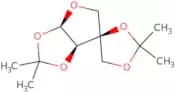
CAS:<p>Synthetic carbohydrate building block</p>Formula:C14H19N3O9Purity:Min. 95%Molecular weight:373.32 g/mol2,3-O-Isopropylidene-D-apiose
CAS:<p>2,3-O-Isopropylidene-D-apiose is a high purity product that can be custom synthesized. It is a sugar that can be modified with fluorination, glycosylation, and methylation. 2,3-O-Isopropylidene-D-apiose has been shown to be an effective synthetic carbohydrate and can be used as a drug delivery system. This product is soluble in methanol and water and has the CAS number 94943-41-6.</p>Formula:C11H18O5Purity:Min. 98 Area-%Color and Shape:PowderMolecular weight:230.26 g/mol4-Methoxyphenyl 2,3,4,6-tetra-O-acetyl-α-D-mannopyranoside
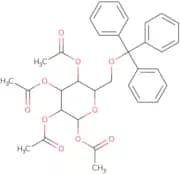
CAS:<p>4-Methoxyphenyl 2,3,4,6-tetra-O-acetyl-a-D-mannopyranoside is an extracellular calcium modulator that can be used to treat viral infections. It binds to the viral envelope and alters the virus's ability to fuse with cells. 4MPTAA also has antiviral activity against herpes simplex virus type 1 (HSV1) and influenza A virus (IAV). The compound also has anticancer activity by blocking the growth of cancer cells. 4MPTAA can be used for the treatment of microprocessor viruses such as tenella and myxoma. This drug also has a structural analysis profile that can be accessed using a variety of methodologies, including thermodynamic profiling and coagulation profiling.</p>Formula:C21H26O11Purity:Min. 95%Molecular weight:454.42 g/mol1,2,3,4-Tetra-O-acetyl-6-O-trityl-b-D-mannopyranose
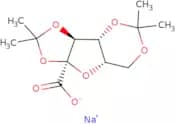
CAS:<p>1,2,3,4-Tetra-O-acetyl-6-O-trityl-b-D-mannopyranose is a synthetic sugar that can be used as a building block for the synthesis of oligosaccharides. It is also used to alter the properties of sugars and polysaccharides by modifying their glycosidic linkages. The product is insoluble in water and organic solvents. It is stable under acidic conditions and can be hydrolyzed with acids or alkalis. It is also soluble in methanol and methylene chloride. The CAS number for this product is 92621-31-3.End></p>Purity:Min. 95%2,3:4,6-Di-O-isopropylidene-2-keto-L-gulonic acid sodium salt
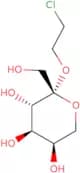
CAS:<p>2,3:4,6-Di-O-isopropylidene-2-keto-L-gulonic acid sodium salt is a fatty acid that has been used as an antipsychotic drug. It is the active metabolite of clozapine and has been shown to have similar efficacy to other first generation antipsychotics such as chlorpromazine and haloperidol. 2,3:4,6-Di-O-isopropylidene-2-keto-L-gulonic acid sodium salt also has a low energy content and can be audited for its locomotor activity. This drug is a metabolic product of clozapine and has been shown to have similar efficacy to other first generation antipsychotics such as chlorpromazine and haloperidol. 2,3:4,6-Di-O-isopropylidene-2-keto--L--gulonic acid</p>Formula:C12H17NaO7Color and Shape:White Off-White PowderMolecular weight:296.25 g/mol2-Chloroethyl-b-D-fructopyranoside
CAS:<p>2-Chloroethyl-b-D-fructopyranoside is a stable reagent that is used to prepare 2,4-dichloroacetophenone (2,4-DAAP), which can be used as a crosslinking agent. This reagent is reactive and should be handled with care. It forms a hemoglobin adduct by reacting with the amino groups of hemoglobin. The reaction can be catalyzed by dialdehydes. Affinities for tissue proteins are created through stepwise reactions involving ring-opening reactions or methemoglobin formation. 2-Chloroethyl-b-D-fructopyranoside can be used to synthesize a polymerized affinity column by using the ring opening reaction in an affinity chromatography process.</p>Formula:C8H15ClO6Purity:Min. 95%Color and Shape:PowderMolecular weight:242.65 g/molMethyl a-D-fucopyranoside
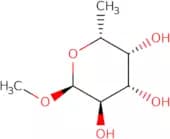
CAS:<p>Methyl a-D-fucopyranoside is a monoclonal antibody that binds to the O-antigen of the polysaccharide chain. It is a synthetic trisaccharide consisting of an o-antigen, an α-linked D-fucose residue, and an α-linked galactose residue. This antibody interacts with the serologic subtypes of Group A Streptococcus, but not with other serogroups. Methyl a-D-fucopyranoside utilizes conformational epitopes and disaccharides which are not accessible to other antibodies in order to bind to the o-antigen. The o-antigen is composed of two serologically distinct regions: one region for binding by anti-A antibodies, and another for binding by anti-B antibodies.</p>Formula:C7H14O5Purity:Min. 98 Area-%Color and Shape:White Off-White PowderMolecular weight:178.18 g/mol