Monosaccharides
Subcategories of "Monosaccharides"
- Alloses(11 products)
- Arabinoses(21 products)
- Erythroses(11 products)
- Fructoses(9 products)
- Fucoses(36 products)
- Galactosamine(41 products)
- Galactose(261 products)
- Glucoses(365 products)
- Glucuronic Acids(52 products)
- Glyco-substrates for Enzyme(78 products)
- Guloses(6 products)
- Idoses(4 products)
- Inositols(15 products)
- Lyxoses(4 products)
- Mannoses(65 products)
- O-Glycans(48 products)
- Psicoses(3 products)
- Rhamnoses(10 products)
- Riboses(61 products)
- Sialic Acids(100 products)
- Sorboses(4 products)
- Sugars(173 products)
- Tagatoses(4 products)
- Taloses(8 products)
- Xyloses(20 products)
Found 6085 products of "Monosaccharides"
3,5-Dideoxy-3,5-imino-1,2-O-isopropylidene-N-methyl-6-O-tert.butyldimethylsilyl-b-L-glucofuranose
3,5-Dideoxy-3,5-imino-1,2-O-isopropylidene-N-methyl-6-O-tert.butyldimethylsilyl-b-L-glucofuranose is a modified sugar that is used as a chemical intermediate for the synthesis of saccharides, oligosaccharides, and other carbohydrate molecules. It can be synthesized from 3,5,-dichloroisonicotinic acid by the reaction with sodium methylate in methanol. This compound has been shown to form glycosidic bonds with sugars such as glucose and galactose and is used in click chemistry reactions.Purity:Min. 95%D-Galactose - non-animal origin
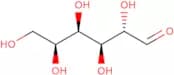
CAS:D-Galactose is a monosaccharide that is found in the form of a white, odorless powder. It has many applications, including as an additive in foods and beverages, as an intermediate in the production of other modified sugars, and as an important component of glycoproteins. D-Galactose is also used to produce glycogen or lactose by modifying it with phosphate or acetate groups. The synthesis of D-galactose is done by methylation of D-glucose followed by glycosylation reactions. This product can be custom synthesized to meet your needs.Formula:C6H12O6Purity:Min. 99 Area-%Molecular weight:180.16 g/molMethyl [(R)-4,6-O-benzylidene-]-2,3-di-O-toluensulfonyl-a-D-glucopyranoside
CAS:Methyl [(R)-4,6-O-benzylidene-]-2,3-di-O-toluensulfonyl-a-D-glucopyranoside is a complex carbohydrate compound that is composed of a sugar molecule and a methoxy group. It has been custom synthesized for use in glycosylation reactions, which are used to produce oligosaccharides and polysaccharides. This compound is also useful in the production of therapeutic drugs and other chemical compounds due to its high purity.Formula:C28H30O10S2Purity:Min. 95%Molecular weight:590.66 g/mol2-Deoxy-2-fluoro-L-fucose
CAS:2-Deoxy-2-fluoro-L-fucose (2FF) is a fluorinated analogue of fucose that can be converted to GDP (Guanosine Diphosphate)-2FF in vitro, a competitive inhibitor of alpha-1,3-fucosyltransferase V. It can also be metabolised inside the cell to a substrate-based inhibitor of fucosyltransferases. 2FF reduces fucosylation of IgG in antibodies, which increases therapeutic efficacies of antibodies that cause antibody-dependent cellular cytotoxicity.Formula:C6H11FO4Purity:Min. 98.0 Area-%Color and Shape:White PowderMolecular weight:166.15 g/molN-Acetyl-D-glucosamine - plant source
CAS:Please enquire for more information about N-Acetyl-D-glucosamine - plant source including the price, delivery time and more detailed product information at the technical inquiry form on this page
Formula:C8H15NO6Purity:Min. 98 Area-%Molecular weight:221.21 g/mol5-Azido-5-deoxy-2-C-(hydroxymethyl)-L-lyxono-1.4-lactone
5-Azido-5-deoxy-2-C-(hydroxymethyl)-L-lyxono-1.4-lactone (5AZDOL) is a modified oligosaccharide with a molecular weight of 558. It is synthesized from L-lyxonic acid, which is obtained from the hydrolysis of L-xylose. The methylation and glycosylation reactions are carried out in the presence of DMSO and ammonium hydroxide respectively. The final product is purified by crystallization and characterized by IR and NMR spectroscopy. 5AZDOL has CAS No. 607634-06-7, an M 1 monosaccharide, an Oligosaccharide, a Carbohydrate, a complex carbohydrate, and Synthetic.br>br>Purity:Min. 95%L-Arabitol
CAS:Used as source of carbon in culture medium.
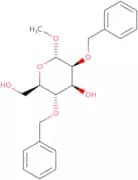
Formula:C5H12O5Purity:Min. 98.0 Area-%Molecular weight:152.15 g/molMethyl 2,4-di-O-benzyl-a-D-mannopyranoside
CAS:Methyl 2,4-di-O-benzyl-a-D-mannopyranoside is a monosaccharide that is used in the synthesis of complex carbohydrates and polysaccharides. It can be custom synthesized to meet specific requirements. This product has been fluorinated at the 2, 4, and 6 positions with a purity of 99%. Methyl 2,4-di-O-benzyl-a-D-mannopyranoside can be modified by methylation or glycosylation, which can change its properties such as solubility or reactivity. The product is also available in an Oligosaccharide form. This product has been successfully used for Click modification.Formula:C21H26O6Purity:Min. 95%Molecular weight:374.43 g/mol1,2:3,4-Di-O-isopropylidene-a-D-galacturonide methyl ester
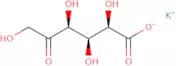
CAS:1,2:3,4-Di-O-isopropylidene-a-D-galacturonide methyl ester is a synthetic monosaccharide that is used in the synthesis of oligosaccharides and polysaccharides. This product has been synthesized by fluorination of galacturonic acid and methylation of the resulting alcohol with methanol. The desired product can be obtained through glycosylation using a variety of sugars or click modification using an azide building block. This product has been shown to have high purity, which is determined by HPLC analysis.Formula:C13H20O7Purity:Min. 95%Molecular weight:288.29 g/mol5-Keto-D-gluconic acid potassium salt
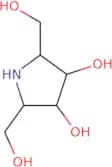
CAS:Intermediate in L-idonate degradation and ketogluconate metabolismFormula:C6H9KO7Purity:Min. 99.0%Color and Shape:White PowderMolecular weight:232.23 g/mol(2R, 3S, 4R, 5S) -3,4-Dihydroxy-2, 5- pyrrolidinedimethano l
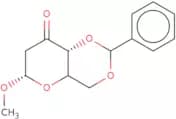
CAS:(2R, 3S, 4R, 5S) -3,4-Dihydroxy-2,5-pyrrolidinedimethanol is a methylated form of levoglucosan. It is a synthetic compound that can be produced by the modification of glucose or by the fluorination of glycerol. This white crystalline solid can be used in various applications such as the synthesis of oligosaccharides and polysaccharides or as a sugar for use in high purity experiments. This product is available for custom synthesis and has been shown to have an excellent quality.Purity:Min. 95%Methyl 4,6-O-benzylidene-2-deoxy-a-D-glucpyranosid-3-ulose
CAS:Methyl 4,6-O-benzylidene-2-deoxy-a-D-glucpyranosid-3-ulose is a custom synthesis of a complex carbohydrate. It is an Oligosaccharide with a Polysaccharide backbone. The modification of the saccharide is Methylation and Glycosylation. Click chemistry was used to introduce fluorine atoms into the sugar ring. The Carbohydrate is a sugar, which is a chemical compound that consists of carbon, hydrogen and oxygen atoms. It has high purity and fluoroination at the C1 position. This synthetic product can be used in various applications such as food additives, pharmaceuticals, or agrochemicals.Formula:C14H16O5Purity:Min. 95%Molecular weight:264.27 g/mol1,2:5,6-Di-O-isopropylidene-a-D-gulofuranose
CAS:Synthetic building blockFormula:C12H20O6Purity:Min. 98 Area-%Color and Shape:White PowderMolecular weight:260.28 g/mol4-Aminophenyl-α-D-glucopyranoside
CAS:4-Aminophenyl-alpha-D-glucopyranoside is a natural product that has been found to be an antigen. The compound has been shown to have anticancer activity, which may be due to its ability to inhibit the growth of cells and induce apoptosis. 4-Aminophenyl-alpha-D-glucopyranoside also possesses magnetic properties. The chemical structure of this compound is characterized by an acrylate group, which is a small organic molecule with two carbon atoms and one oxygen atom. This compound is synthesized in a preparative manner using methoxy, ethyl bromoacetate, and mesitylene in the presence of irradiation. NMR spectroscopy can be used for the characterization of this compound as well as other compounds with similar structures that are catalytic in nature.Formula:C12H17NO6Purity:Min. 98.0 Area-%Molecular weight:271.27 g/molTriclosan-β-D-glucopyranoside
Triclosan-beta-D-glucopyranoside is a sugar that is custom synthesized to your specifications. The sugar can be modified by fluorination, glycosylation, methylation, or modification. Triclosan-beta-D-glucopyranoside is an oligosaccharide that has a molecular weight of 534.2 and is soluble in water. This compound has CAS number 6051-08-4.Formula:C18H17Cl3O7Purity:Min. 98.0 Area-%Molecular weight:451.68 g/molD-Arabinose
CAS:D-Arabinose is a dinucleotide phosphate that is an important metabolic intermediate in the pentose phosphate pathway. It has been shown to have pharmacological effects, such as enzyme inhibition and binding to DNA. D-Arabinose has been used in biochemical studies of energy metabolism and related areas. D-Arabinose is converted to ribitol by ribitol dehydrogenase, which can be oxidized to ribulose 5-phosphate by ribulose 5-phosphate dehydrogenase. The conversion of D-arabinose to ribitol requires NAD(P)H, which provides the reducing power for this reaction. The conversion of ribitol to ribulose 5-phosphate also requires NAD(P)H, but does not produce any reducing power. A redox potential measurement was used to determine the relative reduction potentials of the two reactions and found that they are equal at -0.5 volts (V).
Formula:C5H10O5Molecular weight:150.13 g/molRef: 3D-A-8200
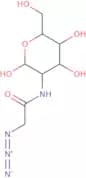
1kgTo inquire5kgTo inquire10kgTo inquire25kgTo inquire2500gTo inquire-Unit-kgkgTo inquireN-Azidoacetylmannosamine
CAS:N-Azidoacetylmannosamine, also called ManNAz and 2-[(2-azidoacetyl)amino]-2-deoxy-D-mannose, is a click reagent for metabolic labelling of ManNAc. The azide is able to react with an alkyne in a 1,3-dipolar cycloaddition reaction (click chemistry) to enable linking to a fluorescent probe or a biotin. N-Azidoacetylmannosamine has been used in the chemical modification of glycoproteins to improve their in vivo efficacy and to label them for detection.Formula:C8H14N4O6Purity:Min. 90%Color and Shape:White PowderMolecular weight:262.22 g/mol2-Deoxy-D-glucose
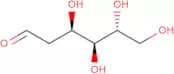
CAS:Glycolytic inhibitor; pro-apoptotic; anti-cancer agent
Formula:C6H12O5Purity:Min. 98 Area-%Color and Shape:White Off-White PowderMolecular weight:164.16 g/molDelphinidin 3-glucoside chloride
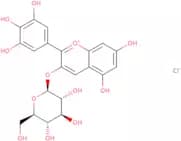
CAS:Delphinidin 3-glucoside chloride is a natural, water-soluble compound that exhibits antimicrobial activity against Staphylococcus aureus. It has been shown to inhibit the growth of this bacteria by inhibiting detoxification enzymes and intracellular cGMP production. Delphinidin 3-glucoside chloride also inhibits uptake of this bacterium by human cells, which may be due to its synergistic interaction with other compounds such as cinnamic acid derivatives. This compound has been shown to have cardiac effects in animals and is being studied for its potential use in treating heart disease.Formula:C21H21O12ClPurity:Min. 95%Color and Shape:PowderMolecular weight:500.84 g/molMethyl 2-deoxy-D-ribofuranoside
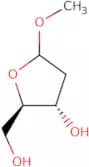
CAS:Methyl 2-deoxy-D-ribofuranoside is a methylglucoside that is synthesized by the reaction of thiourea with chloroacetic acid. The anomers of this compound are atypical and the product can be obtained in high yield (70%) by the use of chromatographic purification. This chemical has been used to produce a variety of compounds including carbamates, chloroacetamides, sulfonamides and others. Methyl 2-deoxy-D-ribofuranoside is also an intermediate for asymmetric synthesis. It can act as a catalyst for reactions involving alkali metals and nucleophiles such as chloride, hydantoin and dimethylformamide. The structure of this molecule has been determined by nmr spectroscopy and its 1H NMR spectrum is consistent with that predicted from its molecular formula.
Formula:C6H12O4Purity:Min. 95%Color and Shape:Slightly Yellow Clear LiquidMolecular weight:148.16 g/molCotinine-N-b-glucuronide-D3
Controlled ProductCotinine-N-b-glucuronide-D3 is a modification of the natural product cotinine, which is a methylated form of nicotine and can be synthesized from the plant Nicotiana tabacum. Cotinine-N-b-glucuronide-D3 is a complex carbohydrate that has been custom synthesized for the purpose of modifying an oligosaccharide. This modification will allow for the synthesis of high purity monosaccharides. Cotinine has been shown to have antiinflammatory properties, which may be due to its inhibition of prostaglandin synthesis.Formula:C16H17N2O7D3Purity:Min. 95%Molecular weight:355.36 g/molMethyl 2-deoxy-a-D-ribopyranoside
CAS:Methyl 2-deoxy-a-D-ribopyranoside is a sugar molecule that is used in the synthesis of glycosides, saccharides, oligosaccharides, and polysaccharides. It has been shown to be an effective reagent for the fluorination of saccharides and sugars. Methyl 2-deoxy-a-D-ribopyranoside is also used for modification of complex carbohydrates and other organic molecules.
Formula:C6H12O4Purity:Min. 95%Molecular weight:148.16 g/molL-Gulose
CAS:L-Gulose is a carbohydrate that is used in biochemical research. It can be found in plant sources such as sugar cane, sugar beet, and fruit, but it is not naturally present in mammals. L-Gulose has antioxidant properties and can act as an antiviral agent. It also has some structural similarities to vitamin C. L-Gulose can be synthesized from D-glucose by oxidation of the hydroxyl group with sodium hypochlorite or hydrogen peroxide. L-Gulose is a structural analog of D-mannitol, which has been shown to have transcriptional regulation activity. L-Gulose has been shown to inhibit the growth of tumor cells and induce apoptosis in vitro by increasing intracellular reactive oxygen species (ROS) levels.Formula:C6H12O6Purity:Min. 98 Area-%Color and Shape:PowderMolecular weight:180.16 g/molL-Glucose
CAS:L-Glucose is a monosaccharide that belongs to the group of carbohydrates. L-Glucose is an important energy source for living organisms and plays a role in many metabolic pathways, including glycolysis and gluconeogenesis, as well as cell signaling. It is also an essential component of DNA and RNA. L-Glucose has been shown to have effects on brain functions such as memory and learning ability, which may be due to its ability to signal neurons. L-Glucose can be used in model systems to study the effects of diabetes on cells and has been shown to have pluripotent effects on cells. In addition, this molecule has been shown to inhibit the growth of bacteria by binding to the enzyme polysaccharide kinase and reducing its activity. This inhibition leads to decreased synthesis of polysaccharides (e.g., glycogen) that are necessary for cell division.Formula:C6H12O6Purity:Min. 99.5 Area-%Molecular weight:180.16 g/molClopidogrel acyl glucuronide
CAS:Clopidogrel is a prodrug that is metabolized to the active form, clopidogrel acyl glucuronide (CPG). The glucuronide conjugate of CPG is excreted in urine and can be used as a potential biomarker for drug interactions. Clopidogrel acyl glucuronide is an inhibitor of CYP2C19, CYP1A2, and CYP3A4 which may lead to drug-drug interactions. Clopidogrel also inhibits uptake by P-glycoprotein and efflux by MRPs. The uptake of CPG in the liver cells from the blood stream is low due to its high affinity for proteins such as albumin. This makes it difficult to measure plasma concentrations of CPG and its metabolites. However, CPG can be detected in human liver microsomes using liquid chromatography with tandem mass spectrometry (LC-MS/MS) analysis. The metaboliteFormula:C21H22ClNO8SPurity:Min. 95%Molecular weight:483.92 g/mol3-Deoxy-D-fructose
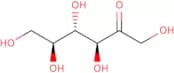
CAS:3-Deoxy-D-fructose is a neutral sugar that is found in the human liver and has been shown to be metabolized by cells in the target tissue. 3-Deoxy-D-fructose is used as a marker for diabetic patients, as it is present in high quantities in their blood plasma. 3-Deoxy-D-fructose can be detected with liquid chromatography coupled with mass spectrometry (LC/MS) methods. It has been shown to induce necrotic cell death, which may be due to its ability to produce reactive oxygen species. 3-Deoxy-D-fructose also inhibits protein synthesis by inhibiting the activity of polymerase chain reaction and hydroxylation reactions.
Formula:C6H12O5Purity:Min. 95%Color and Shape:Off-White Beige PowderMolecular weight:164.16 g/mol1-O-Benzyl-2,3:4,6-di-O-isopropylidene-a-L-sorbofuranoside
1-O-Benzyl-2,3:4,6-di-O-isopropylidene-a-L-sorbofuranoside is an oligosaccharide that is used for the synthesis of saccharides and polysaccharides. It has a molecular weight of 296.1 g/mol and a CAS number of 257874-01-8. The product can be synthesized from 1,2,3,4,6,-O-isopropylidene sorbitol and benzaldehyde via methylation and click modification. This product is also used in the fluorination of complex carbohydrates. 1,2,3,4,6,-O-isopropylidene sorbitol can be modified by various methods to produce different products with different properties. It has a purity level of ≥98% (HPLC) and is made up of one monosaccharide sugar unit with a single reactiveFormula:C19H26O6Purity:Min. 95%Molecular weight:350.41 g/mol3-O-Benzyl-6-O-tert-butyldimethylsilyl-1,2-O-isopropylidene-a-D-glucofuranose
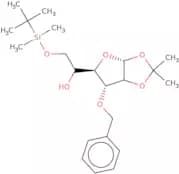
3-O-Benzyl-6-O-tert-butyldimethylsilyl-1,2-O-isopropylidene-a-D-glucofuranose is a custom synthesis of a monosaccharide. It is synthesized by fluorinating the hydroxyl group on C3 and then methylating the benzyl group. The resulting product is a glycosylation that can be used as a carbohydrate for biosynthesis or as a research tool for studying saccharides.Formula:C22H36O6SiPurity:Min. 95%Molecular weight:424.6 g/molb-D-Galactoheptose
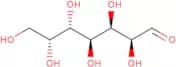
CAS:B-D-Galactoheptose is a short-chain carbohydrate that is found in Citrus. It can be used as a food additive, but it also serves as an intermediate in the synthesis of other sugars. The stereospecificity of this sugar is determined by the orientation of its hydroxyl group on carbon atom 2. This sugar has been shown to inhibit the growth of food-borne pathogens, such as Salmonella and Staphylococcus, and has been shown to have anti-inflammatory properties. The biosynthesis of b-D-galactoheptose begins with the conversion of glucose into erythrose 4 phosphate. This process requires ATP and pyruvate kinase and proceeds through two reactions: erythrose 4 phosphate dehydrogenase, which converts erythrose 4 phosphate into erythronate 4 phosphate; and aldolase, which converts erythronate 4 phosphate into b-DFormula:C7H14O7Purity:Min. 95%Color and Shape:PowderMolecular weight:210.18 g/mol3,4,6-Tri-O-acetyl-2-azido-2-deoxy-D-galactose
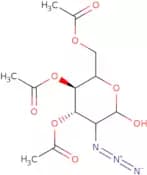
CAS:3,4,6-Tri-O-acetyl-2-azido-2-deoxy-D-galactose is a sialylated glycoside with a carbohydrate and an amino sugar. It is a stereoselective analog of sialoside, which is the product of the reaction between neuraminic acid with D-galactose. The enzyme that catalyzes this reaction is called sialoglycolysis. 3,4,6-Tri-O-acetyl-2-azido-2-deoxy -D -galactose has been shown to be an efficient catalyst for the synthesis of glycosylamines from disaccharides and trifluoromethanesulfonate in solid phase.Formula:C12H17N3O8Purity:Min. 98 Area-%Color and Shape:PowderMolecular weight:331.28 g/molBenzyl 3-amino-3-deoxy-a-D-mannopyranoside HCl
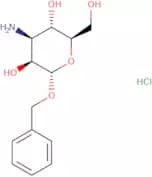
CAS:Benzyl 3-amino-3-deoxy-a-D-mannopyranoside HCl is a high purity, custom synthesized, synthetic carbohydrate. It has been modified with fluorination and glycosylation. Modification of the carbohydrate is done by methylation or oligosaccharide addition. This product is a complex carbohydrate that has been synthesized from monosaccharides and saccharides. The carbohydrates are saccharide chains composed of carbon, hydrogen, and oxygen atoms in a straight or branched chain. Carbohydrates can be classified according to their number of sugar units: mono-, di-, tri-, tetra-, penta-, hexa-, hepta-, octa-, nona-.Formula:C13H19NO5·HClPurity:Min. 95%Color and Shape:PowderMolecular weight:305.75 g/molGalNAc benzyloxy beta-pentanoic acid
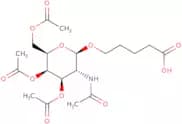
CAS:Trivalent GalNAc precursorFormula:C19H29NO11Purity:Min. 95%Color and Shape:PowderMolecular weight:447.43 g/mol(2E) -3-((2,3:5,6-Di-O-isopropylidene)-D-mannit-1-yl)-2- butenoic acid methyl ester (or tert.butyl ester)
(2E) -3-((2,3:5,6-Di-O-isopropylidene)-D-mannit-1-yl)-2- butenoic acid methyl ester (or tert.butyl ester) is a synthetic compound that is used in the modification of complex carbohydrates and sugars. It is an ester of 2,3:5,6-di-O-(isopropylidene)-D-mannitol and 2,2’-(propane 1,3 diol). The CAS number for this product is 53724-59-8.Purity:Min. 95%UDP-3-O-(R-3-hydroxymyristoyl)-GlcNAc disodium
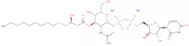
Substrate for UDP-3-O-acyl-N-acetylglucosamine deacetylase (LpxC)
Formula:C31H53N3O19P2•Na2Purity:Min. 95%Color and Shape:White PowderMolecular weight:879.67 g/molN-Acetylneuraminic acid dihydrate
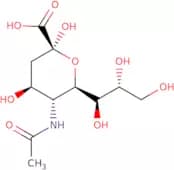
CAS:N-Acetylneuraminic acid dihydrate, also known as sialic acid dehydrate or Neu5Ac dehydrate, is often present in the terminal chains of many oligosaccharides and has a cellular recognition function (Varki and Schauer, 2009). Together with its non-hydrated form, N-acetylneuraminic acid and derivatives function as neurotransmitters and are involved in many post-translational protein modifications. N-acetylneuraminic acids are present on the surface of the vertebrate cells and can interact with pathogens, such as, bacteria and viruses. Recent scientific studies have revealed that the spike glycoprotein of the SARS-COV 2 coronavirus, responsible of the COVID-19, shows a high affinity to N-acetylneuranimic acid (Baker, 2020).Formula:C11H19NO9·2H2OPurity:Min. 95%Color and Shape:PowderMolecular weight:345.3 g/molD-Glucosaminic acid
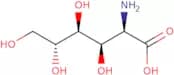
CAS:D-Glucosaminic acid is a monosaccharide that is found in many glycosaminoglycans. It has been shown to have synergistic effects when combined with malonic acid and hydroxyl group. D-Glucosaminic acid can be used for wastewater treatment, as it is able to form stable complexes with the anionic groups of cell walls. D-Glucosaminic acid also shows antibacterial activity against bacterial strains, including Mycoplasma pneumoniae and Streptococcus pyogenes. The wild-type strain of Escherichia coli is not inhibited by this compound.Formula:C6H13NO6Purity:Min. 96 Area-%Color and Shape:White Off-White PowderMolecular weight:195.17 g/mol(5S, 8S, 9S) -8- [(4S) - 2, 2- Dimethyl- 1, 3- dioxolan- 4- yl] - 9- hydroxy- 2, 2- dimethyl- 1, 3, 7- trioxaspiro[4.4] nonan- 6- on e
(5S, 8S, 9S) -8- [(4S) - 2, 2- Dimethyl- 1, 3- dioxolan- 4- yl] - 9- hydroxy- 2, 2- dimethyl- 1, 3, 7- trioxaspiro[4.4] nonan- 6- on e is a synthetic glycosyl (saccharide) that has been modified with methylation and fluorination reactions. It is an oligosaccharide with a molecular weight of 536.1 g/mol and a CAS number of 120941-61-5. This product can be custom synthesized to your specifications or purchased as a stock item from our catalog.Purity:Min. 95%5-Deoxy-L-ribose
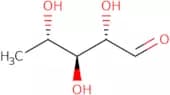
CAS:5-Deoxy-L-ribose is found in a variety of organisms, including humans. It is stereoselective, with the (-) form being more common than the (+) form. 5-Deoxy-L-ribose is synthesized by the glycosidic bond between l-arabinose and D-ribose. This compound is an inexpensive way to produce 5-deoxy analogs of other sugars, such as glucose, fructose, and mannose. The biosynthesis of 5-deoxy-L-ribose relies on a molybdenum cofactor and involves oxidation of L-arabinonate by aldehyde oxidase to give L-xylulose. Lactate dehydrogenase converts this into D-xylulose. Dihydroorotate reductase then reduces this to give D-(+)-5--deoxy--D--erythro--pentitol phosphate, which cyclFormula:C5H10O4Purity:Min. 95%Color and Shape:Slightly Yellow Clear LiquidMolecular weight:134.13 g/mol4-N-Trifluoroacetamidophenyl 2-azido-2-deoxy-a-D-galactopyranoside
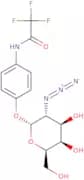
CAS:4-N-Trifluoroacetamidophenyl 2-azido-2-deoxy-a-D-galactopyranoside is a custom synthesis. It is a complex carbohydrate that can be modified with glycosylation, methylation, and fluorination. The chemical formula for 4-N-Trifluoroacetamidophenyl 2-azido-2-deoxy-a-D-galactopyranoside is C12H22FN3O8. The CAS number for 4Ntrifluoroacetamidophenyl 2azido2deoxyadgalactopyranose is 2104260323. This product has high purity and is synthetic.Formula:C14H15F3N4O6Purity:Min. 95%Molecular weight:392.29 g/mol(2R, 3S, 4R, 5S) -3,4- Dihydroxy- 3,4-O-isopropylidene-2,5-bis- [(tert butyldimethylsilyloxy) methyl] - 1- benzyl -2- pyrrolidine
Glycosylation is the process of adding a sugar to a protein. In this process, the sugar molecule is first activated by reacting with an enzyme called glycosyltransferase. The activated sugar molecule then reacts with the protein to form a glycosidic linkage. This type of reaction is irreversible and can be classified as a condensation reaction. Methylation is the addition of a methyl group to an organic compound such as an amino acid, DNA, or RNA. Click modification is the covalent attachment of a molecule that contains an azide group to another molecule via copper catalysis. Polysaccharides are carbohydrates consisting of long chains of monosaccharides joined together by glycosidic bonds. Fluorination is the substitution of one atom in a molecule with another atom or radical; in chemistry it usually means substitution by fluorine (F). Saccharide refers to any carbohydrate that has been built up from two simple sugars (monosaccharides) andPurity:Min. 95%Corn Cob - Syrup
Corn Cob Syrup is a custom synthesis of polysaccharides, which are complex carbohydrates. This syrup is made from corn cobs and has been modified with fluorine and methyl groups. The monosaccharides in this syrup have been modified with a click modification and the oligosaccharides have been modified with glycosylation. This product contains sugar that has been modified by glycosylation.
Purity:Min. 95%5-O-Acetyl-a-L-arabinofuranose
CAS:5-O-Acetyl-a-L-arabinofuranose (5OAA) is an acetylated aldonic acid. It is a custom synthesized, high purity, complex carbohydrate that has been modified by fluorination, monosaccharide modification, and glycosylation. This compound can be used to modify proteins and nucleic acids. 5OAA can be used in the synthesis of oligosaccharides and polysaccharides. 5OAA has been shown to have click chemistry modifications with methyl groups and sugars.Formula:C7H12O6Purity:Min. 95%Molecular weight:192.17 g/molIsopropyl-beta-D-thioglucuronic acid, sodium salt
CAS:Isopropyl-β-D-thioglucuronic acid is a β-D-glucuronidase inducer. It enhances the sensitivity of β-glucuronidase assays in E. coli.
Formula:C9H15NaO6SPurity:Min. 98 Area-%Molecular weight:274.27 g/molD-myo-Inositol 1,4,5-triphosphate sodium salt
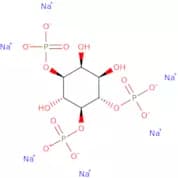
CAS:D-myo-Inositol 1,4,5-triphosphate sodium salt is a diacylglycerol that is involved in intracellular signaling. It is synthesized by the hydrolysis of phosphatidylinositol 4,5-bisphosphate and dephosphorylation of inositol 1,4,5-trisphosphate. D-myo-Inositol 1,4,5-triphosphate sodium salt has been shown to be a potent agonist at the ryanodine receptor and can protect against neuronal death induced by glutamate or NMDA. It also has been shown to have beneficial effects on bowel disease and cytosolic Ca2+ levels.Formula:C6H9Na6O15P3Purity:Min. 95%Color and Shape:Orange To Red SolidMolecular weight:551.99 g/molPhenyl a-D-glucopyranoside
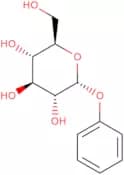
CAS:Phenyl a-D-glucopyranoside is a specific inhibitor of the enzyme α-glucosidase. It is used to study the mechanism of carbohydrate metabolism and its role in diabetes. Phenyl a-D-glucopyranoside binds to the active site of α-glucosidase, which prevents it from hydrolyzing α-1,4 glycosidic bonds in carbohydrates. The compound has been shown to inhibit pancreatic α-glucosidase activity, but not the activity of intestinal enzymes such as sucrase and maltase. Phenyl a-D-glucopyranoside also inhibits β cells by preventing glucose release from glycogen stores, which may be due to an isotope effect. This compound can act as an acceptor for isotopes such as carbon 14 and deuterium oxide (heavy water).Formula:C12H16O6Purity:Min. 95%Color and Shape:PowderMolecular weight:256.25 g/mol3’-O-Acetyl-1,2,5-tri-O-benzoyl-4-a-C-vinyl-D-ribofuranose
3’-O-Acetyl-1,2,5-tri-O-benzoyl-4-a-C-vinyl-D-ribofuranose is a modified sugar that is synthesized by the click chemistry method. It has been fluorinated and methylated on the 2’ and 3’ positions of the ribose ring. The compound is also glycosylated with a CDP chitosan to increase stability in plasma. This product has high purity and can be custom synthesized to customer specifications.Purity:Min. 95%Ethyl 2,3,4,6-tetra-O-benzoyl-b-D-thiogalactopyranoside
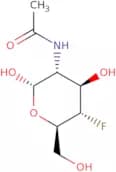
CAS:Ethyl 2,3,4,6-tetra-O-benzoyl-b-D-thiogalactopyranoside is a glycosylation reagent that is synthesized by reacting ethyl 2,3,4,6-tetra-O-benzoyl-b-D-thioglucopyranoside with sodium borohydride in ethanol. The product can be used to modify complex carbohydrates such as oligosaccharides and polysaccharides. Ethyl 2,3,4,6-tetra-O-benzoyl-b-D--thiogalactopyranoside has a CAS number of 138661–53–7.Formula:C36H32O9SPurity:Min. 95%Molecular weight:640.70 g/mol2-Acetamido-2,4-dideoxy-4-fluoro-α-D-glucopyranose
CAS:2-Acetamido-2,4-dideoxy-4-fluoro-a-D-glucopyranose is a synthetic, fluorinated carbohydrate. It is a monosaccharide that is made by the substitution of an acetamido group with a fluoro group at C2 and C4 of the glucose molecule. This product has been synthesized using Click chemistry to modify the 2’ position and methylation at C5. The target use for this product is as a sugar in order to glycosylate or polysaccharide. This compound has been shown to have high purity and can be custom synthesized, depending on the needs of the customer.Formula:C8H14FNO5Purity:Min. 95 Area-%Color and Shape:PowderMolecular weight:223.2 g/molL-Psicose
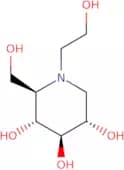
CAS:L-Psicose is a monosaccharide that is the only metabolite of D-fructose. It is found in many living organisms, such as bacteria and fungi. L-Psicose has been shown to inhibit ribitol dehydrogenase, an enzyme involved in the production of ribitol, which catalyzes the conversion of ribitol to ribulose 5-phosphate. Ribulose 5-phosphate is an important precursor molecule for glycolysis and pentose phosphate pathways. In addition, L-psicose has been shown to bind to proteins through hydrogen bonding, which may prevent the protein from folding properly or interacting with other molecules. This binding can lead to cell death if it inhibits essential cellular functions.Formula:C6H12O6Purity:Min. 95%Color and Shape:White PowderMolecular weight:180.16 g/molN-(b-Hydroxyethyl)-1-deoxynojirimycin
CAS:Inhibitor of α-glucosidase with applications in diabetes therapy for control of post-prandial blood glucose fluctuations. The compound inhibits the digestive breakdown of complex carbohydrates to absorbable monosaccharides and smoothens hyperglycaemic peaks in type 2 diabetes mellitus. It also possesses anti-obesity effects thanks to activation of brown adipose tissue and increasing energy expenditure.
Formula:C8H17NO5Purity:Min. 95%Color and Shape:White PowderMolecular weight:207.22 g/mol


![Methyl [(R)-4,6-O-benzylidene-]-2,3-di-O-toluensulfonyl-a-D-glucopyranoside](/_next/image/?url=https%3A%2Fstatic.cymitquimica.com%2Fproducts%2F3D%2Fthumb-webp%2FMM163567.webp&w=3840&q=75)








![(5S, 8S, 9S) -8- [(4S) - 2, 2- Dimethyl- 1, 3- dioxolan- 4- yl] - 9- hydroxy- 2, 2- dimethyl- 1, 3…](/_next/image/?url=https%3A%2Fstatic.cymitquimica.com%2Fproducts%2F3D%2Fthumb-webp%2FMD170674.webp&w=3840&q=75)