


Monosaccharides
Monosaccharides are the simplest form of carbohydrates and serve as fundamental building blocks for more complex sugars and polysaccharides. These single sugar molecules play critical roles in energy metabolism, cellular communication, and structural components of cells. In this section, you will find a wide variety of monosaccharides essential for research in biochemistry, molecular biology, and glycoscience. These compounds are crucial for studying metabolic pathways, glycosylation processes, and developing therapeutic agents. At CymitQuimica, we offer high-quality monosaccharides to support your research needs, ensuring precision and reliability in your scientific investigations.
Subcategories of "Monosaccharides"
- Alloses(11 products)
- Arabinoses(21 products)
- Erythroses(11 products)
- Fructoses(9 products)
- Fucoses(36 products)
- Galactosamine(41 products)
- Galactose(261 products)
- Glucoses(365 products)
- Glucuronic Acids(51 products)
- Glyco-substrates for Enzyme(77 products)
- Guloses(6 products)
- Idoses(4 products)
- Inositols(15 products)
- Lyxoses(4 products)
- Mannoses(65 products)
- O-Glycans(48 products)
- Psicoses(3 products)
- Rhamnoses(10 products)
- Riboses(61 products)
- Sialic Acids(100 products)
- Sorboses(4 products)
- Sugars(173 products)
- Tagatoses(4 products)
- Taloses(8 products)
- Xyloses(20 products)
Show 17 more subcategories
Found 6088 products of "Monosaccharides"
Sort by
Purity (%)
0
100
|
0
|
50
|
90
|
95
|
100
Ethyl 3-O-allyl-4,6-O-benzylidene-b-D-thiogalactopyranoside
<p>Ethyl 3-O-allyl-4,6-O-benzylidene-b-D-thiogalactopyranoside is an oligosaccharide that has been synthesized by a modified Click reaction. It is a white powder with a melting point of 116°C and a molecular weight of 554. The purity of this compound is greater than 98%. Ethyl 3-O-allyl-4,6-O-benzylidene-b-D-thiogalactopyranoside can be used for glycosylation reactions. This product can be custom synthesized to meet your specific needs.</p>Purity:Min. 95%(2S, 3R, 4R) -3- Fluoro- 4- (hydroxymethyl) - 1- (phenylmethyl) -2- azetidinecarboxylic acid
CAS:<p>This is a synthetic carbohydrate with a fluorinated azetidinecarboxylic acid moiety. The monosaccharide is an L-rhamnose derivative, which has been methylated and glycosylated at the C-5 position. This sugar has been modified by Click chemistry to introduce a reactive group at the C-3 position. The oligosaccharides are composed of D-glucose, L-galactose, and L-fucose, which have been modified by fluorination and polysaccharide modification. This compound can be custom synthesized to suit your needs.</p>Purity:Min. 95%D-Gluconic acid magnesium (II) hydrate
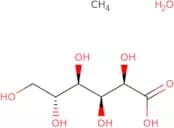
CAS:<p>D-Gluconic acid magnesium (II) hydrate is a proton that is used as an enzyme inhibitor. It has been shown to inhibit glutamate pyruvate transaminase, which is involved in the production of inflammatory cytokines such as TNF-α and IL-1β. D-Gluconic acid magnesium (II) hydrate also inhibits creatine kinase, which plays an important role in the production of inflammatory cytokines. This compound has been shown to be effective at inhibiting bowel disease and inflammatory diseases.</p>Formula:C6H11O7Mg·xH2OPurity:Min. 95%Color and Shape:PowderMolecular weight:207.3 g/molMethyl 2,3,4-tri-O-acetyl-6-O-tert-butyldiphenylsilyl-a-D-mannopyranoside
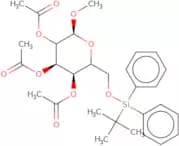
<p>Methyl 2,3,4-tri-O-acetyl-6-O-tert-butyldiphenylsilyl-a-D-mannopyranoside is a custom synthesis of an oligosaccharide. It is modified by fluorination, methylation and acetylation. This compound can be used in the production of glycosylated proteins for use as pharmaceuticals. The CAS number for this compound is 568792–66–8.</p>Formula:C29H38O9SiPurity:Min. 95%Molecular weight:558.71 g/mol(3aS, 4S, 6aR) Tetrahydro- 2, 2, 6a- trimethyl- 4H- 1, 3- dioxolo[4, 5- c] pyrrole- 4- methanol
<p>(3aS, 4S, 6aR) Tetrahydro- 2, 2, 6a- trimethyl- 4H- 1, 3- dioxolo[4, 5- c] pyrrole- 4- methanol is a synthetic compound that is a member of the class of compounds known as tetrahydropyrroloquinolines. It is a monosaccharide sugar with an alkyl group at C6 and an amine group at C2. The compound has been shown to inhibit bacterial growth by inhibiting DNA synthesis. This inhibition leads to the production of less nucleotides and nucleic acids necessary for DNA replication. The methylation at C2 is critical for this inhibitory effect.</p>Purity:Min. 95%meso-D-glycero-D-gulo-heptitol
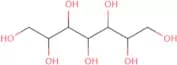
CAS:<p>Meso-D-glycero-D-gulo-heptitol is an enzyme inhibitor that is used in food composition. It has a redox potential of +0.5 V and can be used to inhibit the growth of metal hydroxides through chelation. This compound was found to have skin cell protective effects, as well as an ability to inhibit protein synthesis. Meso-D-glycero-D-gulo-heptitol is also a natural compound with physiological function, such as the prevention of dmannnoheptulose from being converted into D-mannitol. The hydrochloric acid or alcohol residue on this compound does not cause any adverse effects on human cells because it does not affect their redox potentials.</p>Formula:C7H16O7Purity:Min. 95%Molecular weight:212.2 g/mol2-Azidoethyl 2-acetamido-2-deoxy-b-D-glucopyranoside
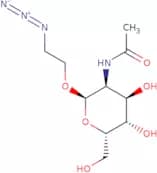
CAS:<p>2-Azidoethyl 2-acetamido-2-deoxy-b-D-glucopyranoside is a toxic compound that inhibits protein synthesis by binding to the enzyme glucokinase. It has been shown to inhibit the release of fatty acids in hepatocytes and to inhibit triglyceride lipase activity in cell culture. This chemical also has a damaged sequence, which is a factor that may lead to toxicity. 2-Azidoethyl 2-acetamido-2-deoxy-b-D-glucopyranoside also has been shown to have physiological activities, such as inhibition of cardiac cells and symptoms such as inflammation. These effects are thought to be mediated by its ability to bind with DNA and RNA, altering their function.</p>Formula:C10H18N4O6Purity:Min. 95%Color and Shape:White PowderMolecular weight:290.27 g/mol1-Deoxy- 4- C- methyl- 3, 4-isopropylidene-L- erythro- 2- pentulose
<p>1-Deoxy-4-C-methyl-3,4-isopropylidene-L-erythro-2-pentulose is a custom synthesis of saccharide in nature. It has fluorination and methylation modification. It is a monosaccharide, which can be modified to form an oligosaccharide or polysaccharide. The CAS number for this compound is</p>Purity:Min. 95%D-Mannoheptulose
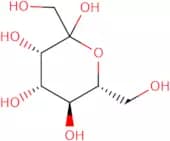
CAS:<p>Inhibitor of glucokinases and hexokinases</p>Formula:C7H14O7Purity:Min. 98.0 Area-%Color and Shape:White PowderMolecular weight:210.18 g/molFructosyl-lysine
CAS:<p>Fructosyl-lysine is a substituted lysine that is formed through the glycation of proteins by sugars. It can be detected by fluorescence spectrometry and has been shown to inhibit the activity of receptor tyrosine kinases, which are involved in physiological functions such as cell growth and differentiation. Fructosyl-lysine also inhibits collagen synthesis and reduces the amount of glucose in human serum. This compound may be used as a model system to study glycation reactions with lysine, fatty acids, and other amino acids. The concentration of fructosyl-lysine found in human serum is at physiological levels and may not have any effect on antibody response.</p>Formula:C12H24N2O7Purity:Min. 95%Color and Shape:PowderMolecular weight:308.33 g/mol5-Ketomannose
CAS:<p>5-Ketomannose is a catalytic α-d-mannopyranoside that is used as a glycosidase inhibitor. It binds to the active site of glycosidases, blocking their activity and inhibiting the breakdown of carbohydrates. 5-Ketomannose has been shown to inhibit the action of a number of enzyme types, including glycosidases, glycoprocessing enzymes, and catalytic hydrogenation. This compound also inhibits deoxymannojirimycin, which is an inhibitor of glycosidase. 5-Ketomannose has anti-inflammatory effects and may be useful for treatment in inflammatory bowel disease (IBD) or ulcerative colitis.</p>Formula:C6H10O6Purity:Min. 95%Color and Shape:PowderMolecular weight:178.14 g/mol4-Azido-4-deoxy-D-glucose
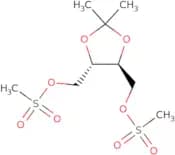
CAS:<p>4-Azido-4-deoxy-D-glucose (4A4DG) is a potential inhibitor of lactose synthase, which is an enzyme that catalyzes the synthesis of lactose from glucose. 4A4DG is an azide analogue of D-glucose and acts as an acceptor substrate for the enzyme. It has been found to be crystalline in nature and is composed of a monosaccharide. 4A4DG has been used in syntheses of several analogues of D-glucose and can be used as a potential inhibitor for lactose synthase.</p>Formula:C6H11N3O5Purity:Min. 95%Color and Shape:White PowderMolecular weight:205.17 g/mol(-)-2,3-O-Isopropylidene-L-threitol-1,4-dimethane sulfonate
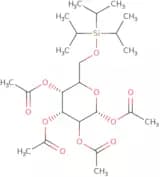
CAS:<p>(-)-2,3-O-Isopropylidene-L-threitol-1,4-dimethane sulfonate is a methylated saccharide that can be used as a raw material for the synthesis of oligosaccharides. This product is an example of a carbohydrate that is custom synthesized and fluorinated. The glycosylation reaction will produce a higher purity product.</p>Formula:C9H18O8S2Purity:Min. 95%Molecular weight:318.37 g/mol1,2,3,4-Tetra-O-acetyl-6-O-triisopropylsilyl-a-D-mannopyranose
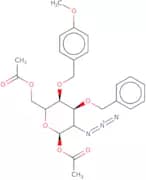
<p>1,2,3,4-Tetra-O-acetyl-6-O-triisopropylsilyl-a-D-mannopyranose (1,2,3,4TAMS) is a custom synthesis of an oligosaccharide. It is a complex carbohydrate that has been modified with methylation and glycosylation. 1,2,3,4TAMS is a polysaccharide that contains mannose and arabinose as the two monosaccharides. 1,2,3,4TAMS may be used for applications such as click chemistry or fluorination. 1,2,3,4TAMS is a sugar that has high purity and can be synthesized with a high degree of accuracy.</p>Formula:C23H40O10SiPurity:Min. 95%Molecular weight:504.66 g/mol1,6-Di-O-acetyl-2-azido-2-deoxy-3-O-benzyl-4-O-(4-methoxybenzyl)-a-D-glucopyranose
CAS:<p>1,6-Di-O-acetyl-2-azido-2-deoxy-3-O-benzyl-4-O-(4-methoxybenzyl)-a-D-glucopyranose is a modification of the alpha anomer of a glucopyranoside. It is a synthetic compound that has been used in carbohydrate research. The chemical structure consists of a glucose molecule with an acetyl group on carbon 1, and a benzyl group on carbon 2. This modification has been shown to inhibit bacterial growth, specifically Mycobacterium tuberculosis and Mycobacterium avium complex. This compound could be synthesized in high purity and is available through custom synthesis at CAS No. 635683-74-8.</p>Formula:C25H29N3O8Purity:Min. 95%Molecular weight:499.51 g/mol7-Deoxy-L-glycero-D-gluco-heptitol
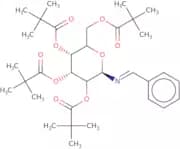
<p>7-Deoxy-L-glycero-D-gluco-heptitol is a custom synthesis of an oligosaccharide that has been fluorinated and modified. This product is made up of seven sugar molecules, including three monosaccharides and four disaccharides. It is a complex carbohydrate with a high purity level. The modification process includes methylation, click modification, and fluorination.</p>Purity:Min. 95%N-Benzylidenimino 2,3,4,6-tetra-O-pivaloyl-D-glucopyranoside
<p>N-Benzylidenimino 2,3,4,6-tetra-O-pivaloyl-D-glucopyranoside is a custom synthesis that is used for glycosylation. It is an oligosaccharide with a sugar unit at the nonreducing end of the molecule. The glycone moiety of this compound is O-(2,3,4,6-tetra-O-pivaloyl)-D-glucopyranosyl-(1→2)-α--D--glycero--Hexose. This product can be used as a sugar in the synthesis of complex carbohydrate.</p>Formula:C33H49NO9Purity:Min. 95%Molecular weight:603.74 g/mol2,3,4-Tri-O-acetyl-b-L-arabinopyranosyl azide
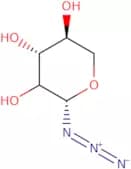
<p>2,3,4-Tri-O-acetyl-b-L-arabinopyranosyl azide is a custom synthesis that is modified with fluorination, methylation, and monosaccharide. It can be synthesized using click modification and oligosaccharide. This compound is a carbohydrate that has saccharide as its main component. Carbohydrate is the most abundant organic molecule in the human body. Complex carbohydrates are polysaccharides made up of many monosaccharides linked together. Polysaccharides are also called glycans or glycosaminoglycans (GAGs). Glycosylation is the process by which sugars are attached to proteins or lipids.</p>Formula:C5H9N3O4Purity:Min. 95%Molecular weight:175.14 g/molD-myo-Inositol-1,2,6-triphosphate sodium salt
<p>D-myo-Inositol-1,2,6-triphosphate sodium salt is a modification of the sugar inositol. It is an oligosaccharide that is composed of three components: D-myo-inositol, 1,2,6-triphosphate and sodium. This compound can be used as a complex carbohydrate with anticancer properties.</p>Formula:C6H12O15P3·xNaPurity:Min. 95%Molecular weight:417.07 g/mol3,6-Anhydro-D-glucose
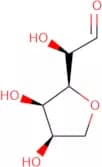
CAS:<p>3,6-Anhydro-D-glucose is a compound that is produced by the dehydration of D-glucose. It has been synthesized in an acidic hydrolysis reaction involving mercaptoacetic acid and sodium carbonate. The synthesis of 3,6-Anhydro-D-glucose involves the use of chloride as a reactive agent and metal ion catalysis. This compound can be used to create isomers with other sugars. It also has supramolecular chemistry properties due to its ability to form complexes with other molecules.</p>Formula:C6H10O5Purity:Min. 97 Area-%Color and Shape:White Off-White PowderMolecular weight:162.14 g/mol5-O-Benzoyl-3-deoxy-1,2-O-isopropylidene-3C-methyl-a-D-ribofuranose
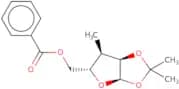
CAS:<p>5-O-Benzoyl-3-deoxy-1,2-O-isopropylidene-3C-methyl-a-D-ribofuranose is a methylated sugar that has been modified with a click modification. It has been synthesized from D-(+)-ribose and 5′,5′′′-(1,2,3,4,5,6) -O-(benzoyl)-D-(+)-glycero 3C -methyluridine. This compound is soluble in water and can be used to modify polysaccharides.</p>Purity:Min. 95%D-[5-2H]Glucose
CAS:Controlled Product<p>D-[5-2H]Glucose is a deuterated form of glucose that is used in the study of lipid synthesis. This isotopically labeled compound can be incorporated into cellular lipids and their derivatives, such as glycerides and phospholipids. D-[5-2H]Glucose can be used to investigate the biosynthesis of lipids by measuring the incorporation rate and the number of 2H atoms found in each molecule. D-[5-2H]Glucose may also be used to study membrane lipid synthesis, which includes anomeric effects on lipid synthesis. The theory behind this is that when a molecule is incorporated into a lipid, it will have at least one hydrogen atom from deuterium instead of hydrogen. This isotopically labeled compound can be used to measure how anomeric effects influence lipid synthesis.</p>Formula:C6H11DO6Purity:Min. 95%Color and Shape:White PowderMolecular weight:181.16 g/molMethyl 3-azido-3-deoxy-2,4-di-O-acetyl-b-D-xylopyranoside
<p>Methyl 3-azido-3-deoxy-2,4-di-O-acetyl-b-D-xylopyranoside is a synthetic compound that can be used in glycosylation reactions to introduce an azido group at the reducing end of a glycose. This product has been shown to react with the thiol group on cysteine residues and undergoes click chemistry with maleimide groups. It is also useful for the synthesis of polysaccharides and oligosaccharides. The purity of this product is over 99%.<br>Methyl 3-azido-3-deoxy-2,4,-di-(O)-acetyl -b-(D)-xylopyranoside</p>Purity:Min. 95%1,3,5-Tri-O-benzoyl-2-deoxy-2-fluoro-α-L-arabinofuranose
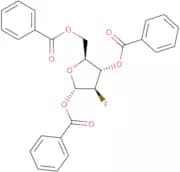
CAS:<p>Intermediate in synthesis of clevudine</p>Formula:C26H21FO7Purity:Min. 98 Area-%Color and Shape:PowderMolecular weight:464.44 g/molN-[2-(4'-Chlorophenylacetonitrile)]-2,3,4,6-tetra-pivaloyl-D-glucopyranoside
CAS:<p>N-[2-(4'-Chlorophenylacetonitrile)]-2,3,4,6-tetra-pivaloyl-D-glucopyranoside is a synthetic monosaccharide that has been modified with fluorine. The synthesis of this compound involves the glycosylation of 2,3,4,6-tetra-pivaloyl-D-glucopyranoside with methyl 3-(4'-chlorophenyl)acetonitrile. This product is an oligosaccharide that has been used as a model for complex carbohydrates and as a sugar donor in click chemistry. It is soluble in water and ethanol and has a purity level of ≥98%.</p>Formula:C34H49ClN2O8Purity:Min. 95%Molecular weight:649.23 g/molBenzyl-2,3-anhydro-a-D-ribopyranoside
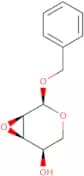
CAS:<p>Benzyl-2,3-anhydro-a-D-ribopyranoside is a monosaccharide that is synthesized by the modification of the sugar benzyl 2,3-anhydro-a-D-ribofuranose. It is a white powder. Benzyl-2,3-anhydro-a-D-ribopyranoside is used as a reagent in glycosylation and methylation reactions. It has CAS No. 61134–24–5 and molecular weight of 230.22 g/mol. The molecule contains an anhydro group at C1 and hydroxyl groups at C6 and C8 positions. This product is soluble in water and ethanol.</p>Formula:C12H14O4Purity:Min. 95%Molecular weight:222.24 g/mol3-Deoxy- 3- fluoro- 1, 2- O- isopropylidene - D- allofuranose
<p>3-Deoxy-3-fluoro-1,2-O-isopropylidene-D-allofuranose is an oligosaccharide that has been fluorinated at the 3 position and 3' position of the allofuranose moiety. It is a synthetic monosaccharide that belongs to a family of complex carbohydrates. The modification of this sugar with fluorine atoms is done by click chemistry, which entails the use of copper (II) ions. This sugar can be used for glycosylation and polysaccharide synthesis. Its high purity makes it ideal for use in laboratory settings.</p>Formula:C9H15FO5Purity:Min. 95%Molecular weight:222.21 g/mol3,5-Di-O-benzoyl-2-C-methyl-D-ribonic acid-1.4-lactone
<p>3,5-Di-O-benzoyl-2-C-methyl-D-ribonic acid-1.4-lactone is a custom synthesis that can be modified to suit your needs. Glycosylation, Oligosaccharide, sugar, Synthetic, Fluorination, Custom synthesis, Methylation, Monosaccharide, Polysaccharide, saccharide Click modification and complex carbohydrate are some of the modifications that can be done. 3DMBRL is a high purity product with CAS No.</p>Purity:Min. 95%1, 4:3, 6- Dianhydro-D- iditol
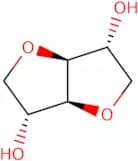
CAS:<p>1,4:3,6-Dianhydro-D-iditol is an organic compound. It is the L-enantiomer of 1,4:3,6-dianhydro-L-iditol. This compound can be used as a substrate for the cytochrome P450 system and soluble guanylate cyclase. 1,4:3,6-Dianhydro-D-iditol has been shown to have an inhibitory effect on both tissues and guanylate cyclase in vitro. This compound also inhibits the production of reactive oxygen species by oxidases.</p>Formula:C6H10O4Purity:Min. 95%Molecular weight:146.14 g/molAllyl 2,3,4-tri-O-benzyl b-D-galactopyranoside
<p>Allyl 2,3,4-tri-O-benzyl b-D-galactopyranoside is a custom synthesis of an oligosaccharide with a complex carbohydrate and a high purity. Allyl 2,3,4-tri-O-benzyl b-D-galactopyranoside can be used for a variety of applications including as an intermediate for the production of other chemicals or as a food additive. It is also used in the synthesis of other carbohydrates and saccharides. This compound has been shown to be effective in methylation reactions and glycosylation reactions.</p>Purity:Min. 95%1,2,3,6-Tetra-O-acetyl-α-D-glucopyranose
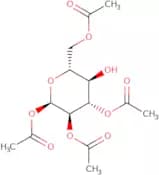
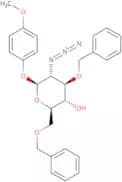
CAS:<p>1,2,3,6-Tetra-O-acetyl-a-D-glucopyranose is a high purity chemical that can be custom synthesized. It is a sugar that has been fluorinated and glycosylated with a Click modification. It is a synthetic compound that contains methylation and modification. It has CAS No. 55286-97-0, which indicates its oligosaccharide and monosaccharide saccharide composition. This product can be used for complex carbohydrate synthesis in the laboratory or for research purposes.</p>Formula:C14H20O10Purity:Min. 98 Area-%Color and Shape:PowderMolecular weight:348.3 g/mol4-Methoxyphenyl 2-azido-3,6-di-O-benzyl-2-deoxy-b-D-glucopyranoside
CAS:<p>4-Methoxyphenyl 2-azido-3,6-di-O-benzyl-2-deoxy-b-D-glucopyranoside is a supramolecular compound that belongs to the group of curcumin analogs. It has shown anticancer activity against human papilloma virus and intestinal papilloma. 4-Methoxyphenyl 2-azido-3,6-di-O-benzyl-2-(2′,4′,6′)triphosphate is a hybridized compound with low bioavailability. This compound can be used for the treatment of cancers and other diseases as an anticancer agent.</p>Formula:C27H29N3O6Purity:Min. 95%Color and Shape:White PowderMolecular weight:491.54 g/mol5-Azido-5-deoxy-2,3-O-isopropylidene-L-lyxofuranose
<p>5-Azido-5-deoxy-2,3-O-isopropylidene-L-lyxofuranose (AIL) is a synthetic molecule that belongs to the group of carbohydrates. It is synthesized by the glycosylation and methylation of 5-(azido)-5,6-dideoxyglucose. AIL has been shown to have anti-inflammatory effects in cell culture models and in mice with inflammatory bowel disease.</p>Purity:Min. 95%Methyl 2-O-methyl-α-D-xylofuranoside
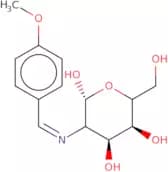
CAS:<p>A partially protected methyl xyloside</p>Formula:C7H14O5Purity:Min. 95%Color and Shape:PowderMolecular weight:178.18 g/molN-(4-Methoxybenzylidene)-b-D-glucosamine
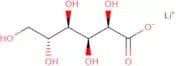
CAS:<p>N-(4-Methoxybenzylidene)-b-D-glucosamine is a fluorinated synthetic monosaccharide. It is used in the synthesis of oligosaccharides and polysaccharides. N-(4-Methoxybenzylidene)-b-D-glucosamine can be modified with methyl groups, which are important for glycosylation, or click modification (a reaction in which a carbon atom and an oxygen atom are covalently bonded through a single bond). The sugar also has high purity and can be used as an analytical reference standard.</p>Formula:C14H19NO6Purity:Min. 95%Molecular weight:297.3 g/molD-Gluconic acid lithium salt
CAS:<p>D-Gluconic acid lithium salt is a cationic compound that has been shown to inhibit the growth of bacteria by forming a covalent linkage with the ribose in RNA. This inhibits the enzyme activity of the cell and prevents transcription and replication. The chemical formula for this compound is CH3CH2OH-CH2COOH+Li+→CH3CH2OLi+H2O, where D-gluconic acid is carboxylate anion and lithium ion is cation. Electrophoresis studies have shown that this compound binds to proteins, which may be due to its hydrophilic properties. X-ray diffraction data has revealed that it forms a crystalline structure. This compound can be used as an antimicrobial agent against Group P2 Gram-positive cocci (e.g., Enterococcus faecalis) and other infectious diseases such as Staphylococcus aureus, Streptococcus pneumonia</p>Formula:C6H11O7LiPurity:Min. 95%Color and Shape:White PowderMolecular weight:202.09 g/mol2-Azido-2-deoxy-2-C-methyl-3,5-di-O-tert.butyldimethylsilyl-D-ribono-1.4-lactone
<p>2-Azido-2-deoxy-2-C-methyl-3,5-di-O-tert.butyldimethylsilyl-D-ribono-1.4-lactone is a custom synthesis that has been modified with a click chemistry reaction and fluorination. It is an oligosaccharide and polysaccharide, which are carbohydrates that contain multiple saccharides. This product also contains high purity, which means it's of the highest grade available on the market. The modification of this product is done through the use of a monosaccharide or sugar, which can be synthesized in the laboratory.</p>Purity:Min. 95%Ethyl 2,3-O-isopropylidene-a-L-thiorhamnopyranoside
CAS:<p>Ethyl 2,3-O-isopropylidene-a-L-thiorhamnopyranoside (Ip) is a glycosylation inhibitor that inhibits the formation of an alpha-(1,2)-link between glucose and mannose in the glycosylation of the pentasaccharide. The maximum tolerated dosages of Ip have been determined in HL-60 cells. Trichloroacetimidate is used as a substitute for Ip in these experiments because it can be dissolved in water and has a high therapeutic index. Convergent synthesis of Ip was achieved by reacting pentasaccharides with trichloroacetimidate to produce pentasaccharides with substituted mannose residues at position two and three.</p>Formula:C11H20O4SPurity:Min. 95%Molecular weight:248.34 g/mol(5R, 6R, 7R, 8S) -5, 7-Bis[[tert.butyl dimethylsilyl] oxy] - 8- [(tert.butyldimethylsilyl)oxy] methyl-1- azabicyclo[4.2.0] octan- 2- one
<p>(5R, 6R, 7R, 8S) -5, 7-Bis[[tert.butyl dimethylsilyl] oxy] - 8- [(tert.butyldimethylsilyl)oxy] methyl-1- azabicyclo[4.2.0] octan- 2- one is a custom synthesis that can be modified to fit your needs. It is an oligosaccharide with a high purity and low toxicity. This product is used in glycosylation reactions and has a CAS number of 976841-40-0. The modification of this product includes fluorination, methylation, and click chemistry modifications.</p>Purity:Min. 95%Ethyl 3-O-allyl-4-O-levulinoyl-2-O-(2-naphthylmethyl)-b-D-thioglucuronide benzyl ester
<p>Ethyl 3-O-allyl-4-O-levulinoyl-2-O-(2-naphthylmethyl)-b-D-thioglucuronide benzyl ester is a custom synthesis that has been modified with fluorination, methylation and click chemistry. It is a water soluble polysaccharide that consists of monosaccharides, oligosaccharides and saccharides. This product is a glycosylated carbohydrate that can be used as an additive in food products or as an excipient for drug delivery systems.</p>Purity:Min. 95%N-Benzyl-3,5-dideoxy-3,5-imino-1,2-O-isopropylidene-L-lyxofuranose
<p>N-Benzyl-3,5-dideoxy-3,5-imino-1,2-O-isopropylidene-L-lyxofuranose is a compound that belongs to the group of complex carbohydrates. It is a monosaccharide with a molecular weight of 538.32 g/mol and a CAS number of 1607741-34-8. This product has been custom synthesized for research purposes. The purity level is high and it can be used in glycosylation reactions.</p>Purity:Min. 95%2-Azido-2-deoxy-3,4:5,6-di-O-isopropylidene-D-idonic acid methyl ester
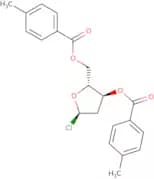
<p>2-Azido-2-deoxy-3,4:5,6-di-O-isopropylidene-D-idonic acid methyl ester is an oligosaccharide that is synthesized by the click reaction. It is a fluorinated carbohydrate and can be modified for glycosylation. The compound has high purity and is suitable for modification with azido groups. CAS Number: 570181-97-8</p>Purity:Min. 95%1-Chloro-2-deoxy-3,5-di-O-toluoyl-a-D-ribofuranose
CAS:<p>1-Chloro-2-deoxy-3,5-di-O-toluoyl-a-D-ribofuranose (also known as Hoffer’s chlorosugar) is a synthetic building block used in nucleic acid research to afford an array of both alpha and beta linked 2’-deoxyribose derivatives. Naturally occurring nucleosides are typically beta linked and the efficient synthesis of alpha linked analogues, which are often more stable, offers access to interesting variations in 3D structure and biochemical reactivity.</p>Formula:C21H21ClO5Purity:Min. 90 Area-%Color and Shape:PowderMolecular weight:388.84 g/mol1-Deoxy- 3- O- tert.butyldimethylsilyl - 4, 5- O- isopropylidene -D- fructose
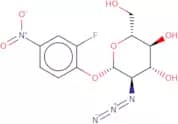
<p>1-Deoxy-3-O-tert.butyldimethylsilyl -4,5-O-isopropylidene -D-fructose is a glycosylation reagent used to modify the carbohydrate moieties of proteins and other molecules. It reacts with a protein to produce an alpha O-linked glycosylation at the N terminus of the protein. 1DOTBSDF can be prepared by reacting 1,3,5,7-tetraacetylbenzene with methyl methanolate in the presence of butyllithium. The product is purified by crystallization from hexane and diethylether and has a melting point range of 114°C – 117°C. This compound has been reported in the literature as being used for Click modification reactions that have been reported to have improved yields in comparison to other methods.</p>Purity:Min. 95%2-Fluoro-4-nitrophenyl 2-azido-2-deoxy-b-D-galactopyranoside
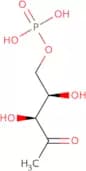
CAS:<p>2-Fluoro-4-nitrophenyl 2-azido-2-deoxy-b-D-galactopyranoside is a synthetic glycosylation agent that has been used in the synthesis of oligosaccharides and polysaccharides. This reagent is also used for click modification, which is a chemical reaction that produces an azide group on the saccharide. Click modification can be used to modify complex carbohydrates with fluorine or methyl groups. 2-Fluoro-4-nitrophenyl 2-azido-2-deoxy-b-D galactopyranoside has a CAS number of 2088233–73–0.</p>Formula:C12H13FN4O7Purity:Min. 95%Color and Shape:Off-White To Yellow SolidMolecular weight:344.25 g/mol1-Deoxy-D-xylulose 5-phosphate sodium salt
CAS:<p>1-Deoxy-D-xylulose 5-phosphate sodium salt is a synthetic monosaccharide that is used in the synthesis of glycosylated, fluorinated, methylated, and click modified polysaccharides. It is also used to modify sugars and oligosaccharides. It can be synthesized from D-xylose by treatment with phosphoryl chloride. This product has CAS number 798554-58-2 and is available in high purity.</p>Formula:C5H11O7P·xNaPurity:Min. 95%Color and Shape:PowderMolecular weight:214.11 g/mol(S)-3-((3aR,5R,6S,6aR)-6-(Benzyloxy)-2,2-dimethyltetrahydrofuro[2,3-d][1,3]dioxol-5-yl)propane-1,2-diol
CAS:<p>(S)-3-((3aR,5R,6S,6aR)-6-(Benzyloxy)-2,2-dimethyltetrahydrofuro[2,3-d][1,3]dioxol-5-yl)propane-1,2-diol is a guanosine triphosphatase inhibitor that binds to the enzyme and blocks its activity. It also has anti-cancer properties due to its ability to inhibit DNA methylation. The drug is activated by nitro groups in the presence of formaldehyde or formic acid to give 3-(N-nitrosomethyl)benzoyloxymethyl butyrylguanine (NMGB). This metabolite is then hydrolyzed into an aldehyde and dialkylamino group which are thought to be responsible for the anticancer activity. NMGB inhibits cancer cell growth by inhibiting protein synthesis and reducing metabolic activities.</p>Formula:C17H24O6Purity:Min. 95%Molecular weight:324.37 g/mol(2R, 3S, 4R) -4-Acetamido- 3 benzhydryloxybis(trimethylsilyloxy)silyloxy - 2- [( benzhydryloxybis(trimethylsilyloxy)silyloxy) methyl ] - 1- benzyl- pyrrolidine
<p>(2R, 3S, 4R) -4-Acetamido- 3 benzhydryloxybis(trimethylsilyloxy)silyloxy - 2- [( benzhydryloxybis(trimethylsilyloxy)silyloxy) methyl ] - 1- benzyl- pyrrolidine is a modification of an oligosaccharide. It is a high purity, custom synthesis and synthetic. This compound has CAS No., Monosaccharide, Methylation, Glycosylation, Polysaccharide, sugar and Fluorination.</p>Purity:Min. 95%Tert.Butyl 2-deoxy-4,5-O-isopropylidene-D-gluconate(mannonate)
<p>Tert.Butyl 2-deoxy-4,5-O-isopropylidene-D-gluconate(mannonate) is an oligosaccharide that is synthesized from D-mannose and D-glucuronic acid. It has a high purity and is custom synthesized to meet customer requirements. Tert.Butyl 2-deoxy-4,5-O-isopropylidene-D-gluconate(mannonate) has been modified with fluorine, methylation and click chemistry for various purposes.</p>Purity:Min. 95%(3aR,SR,6S,7R,7aR)-5-(Acetoxymethyl)-2-(ethylamino)-5,6,7,7atetrahydro-3aH-pyrano[3,2-d]thiazole-6,7-diyl diacetate
CAS:<p>(3aR,SR,6S,7R,7aR)-5-(Acetoxymethyl)-2-(ethylamino)-5,6,7,7atetrahydro-3aH-pyrano[3,2-d]thiazole-6,7-diyl diacetate is a synthetic sugar that has a high purity and can be custom synthesized. It is the product of the Click modification and contains fluorination and glycosylation. This compound has been shown to have methylation and modification capabilities as well as oligosaccharide and monosaccharide capabilities. It also has complex carbohydrate properties.</p>Formula:C15H22N2O7SPurity:Min. 95%Color and Shape:Off-White PowderMolecular weight:374.41 g/mol

![(3aS, 4S, 6aR) Tetrahydro- 2, 2, 6a- trimethyl- 4H- 1, 3- dioxolo[4, 5- c] pyrrole- 4- methanol](/_next/image/?url=https%3A%2Fstatic.cymitquimica.com%2Fproducts%2F3D%2Fthumb-webp%2FMT168716.webp&w=3840&q=75)


![D-[5-2H]Glucose](/_next/image/?url=https%3A%2Fstatic.cymitquimica.com%2Fproducts%2F3D%2Fthumb-webp%2FMG75100.webp&w=3840&q=75)
![N-[2-(4'-Chlorophenylacetonitrile)]-2,3,4,6-tetra-pivaloyl-D-glucopyranoside](/_next/image/?url=https%3A%2Fstatic.cymitquimica.com%2Fproducts%2F3D%2Fthumb-webp%2FMC08449.webp&w=3840&q=75)



![(5R, 6R, 7R, 8S) -5, 7-Bis[[tert.butyl dimethylsilyl] oxy] - 8- [(tert.butyldimethylsilyl)oxy] met…](/_next/image/?url=https%3A%2Fstatic.cymitquimica.com%2Fproducts%2F3D%2Fthumb-webp%2FMB170688.webp&w=3840&q=75)
![(S)-3-((3aR,5R,6S,6aR)-6-(Benzyloxy)-2,2-dimethyltetrahydrofuro[2,3-d][1,3]dioxol-5-yl)propane-1,2…](/_next/image/?url=https%3A%2Fstatic.cymitquimica.com%2Fproducts%2F3D%2Fthumb-webp%2FMB45373.webp&w=3840&q=75)

![(3aR,SR,6S,7R,7aR)-5-(Acetoxymethyl)-2-(ethylamino)-5,6,7,7atetrahydro-3aH-pyrano[3,2-d]thiazole-6…](/_next/image/?url=https%3A%2Fstatic.cymitquimica.com%2Fproducts%2F3D%2Fthumb-webp%2FMA159713.webp&w=3840&q=75)