Metal Salts
In this section, you can find various metal salts, which are compounds characterized by containing both metal and non-metal atoms. Essentially, metal salts are composed of cations that are one or more metal atoms. These salts play a crucial role in numerous chemical reactions and applications, serving as catalysts, reactants, or intermediates in various industrial and research processes. At CymitQuimica, we offer a wide selection of high-quality metal salts to meet your research and industrial needs, ensuring reliable and effective performance in your applications.
Found 2870 products of "Metal Salts"
Sort by
Purity (%)
0
100
|
0
|
50
|
90
|
95
|
100
3-(Trimethylsilyl)propionic Acid-d4 Sodium Salt
CAS:Controlled Product<p>Applications 3-(Trimethylsilyl)propionic Acid-d4 Sodium Salt (cas# 24493-21-8) is a compound useful in organic synthesis.<br>References Tynkkynen, T. et al.; Anal. Chim. Acta 648, 105 (2009)<br></p>Formula:C62H4H9O2Si·NaColor and Shape:NeatMolecular weight:172.272,3,3-Trimethyl-1-(3-sulfonatopropyl)-indolinium-5-sulfonic Acid, Potassium Salt (90%)
CAS:Controlled Product<p>Applications 2,3,3-Trimethyl-1-(3-sulfonatopropyl)-indolinium-5-sulfonic Acid, Potassium Salt (90%) (cas# 427882-78-8) is a compound useful in organic synthesis.<br></p>Formula:C14H18NO6S2·KPurity:90%Color and Shape:NeatMolecular weight:399.52Potassium Hydrogen Oxalate
CAS:<p>Applications Potassium Hydrogen Oxalate (cas# 127-95-7) is a useful research chemical.<br></p>Formula:C2H2O4KColor and Shape:NeatMolecular weight:129.13Sulfosuccinic Acid Sodium Salt
CAS:Controlled Product<p>Applications Succinic Acid derivative.<br> Not a dangerous good if item is equal to or less than 1g/ml and there is less than 100g/ml in the package<br></p>Formula:C4H5NaO7SColor and Shape:NeatMolecular weight:220.1332-Acetylthioethanesulfonic Acid-d4 Sodium Salt
CAS:Controlled Product<p>Applications Labelled 2-acetylthioethanesulfonic acid. Mesna (M225750) impurity.<br></p>Formula:C4D4H3NaO4S2Color and Shape:NeatMolecular weight:210.24Sodium 4-Decylbenzenesulfonate
CAS:Controlled Product<p>Applications Sodium 4-decylbenzenesulfonate acts primarily as an alkylbenzene sulfonate surfactant, allowing for application towards mechanical washing units.<br>References Van Os, N.M. et al: Tenside Surf. Det., 29, 175 (1992);<br></p>Formula:C16H25O3S·NaColor and Shape:Off-WhiteMolecular weight:320.42Sodium Methanethiolate (95%)
CAS:Controlled ProductFormula:CH3S·NaPurity:95%Color and Shape:NeatMolecular weight:70.09Sodium 2-Ethylhexanoate
CAS:Controlled Product<p>Applications Sodium 2-Ethylhexanoic Acid is used in biological studies as flavor precursor extraction from different grape varieties and its effect on wine aroma during alcohol fermentation. Sodium 2-Ethylhexanoic Acid is required for complete removal of carbohydrate anomeric acetates using ammonium acetate<br>References Loscos, N., et al.: J. Agric. Food Chem., 55, 6674 (2007); Advances in Chemical Engineering and Science, 2012, 2, 379-383<br></p>Formula:C8H15NaO2Color and Shape:NeatMolecular weight:166.19Pyruvic Acid Sodium Salt
CAS:Controlled Product<p>Applications Intermediate in sugar metabolism and in enzymatic carbohydrate degradation (alcoholic fermentation) where it is converted to acetaldehyde and CO2 by carboxylase. In muscle, Pyruvic acid (derived from glycogen) is reduced to lactic acid during exertion, which is reoxidized and partially retransformed to glycogen during rest. The liver can convert Pyruvic acid to alanine by amination. A diagnostic agent for Parkinson disease.<br>References Wenzel, A., et al.: J. Neurosci., 21, 53 (2001), Martinez., et al.: Development, 6, 851 (2002), Nakayama, K., et al.: J. Biochem., 146, 757 (2009), Tanaka, T., et al.: J. Pharmacol. Sci., 109, 24 (2009),<br></p>Formula:C3H3O3·NaColor and Shape:NeatMolecular weight:110.04(1-Hydroxyethylidene)bis-phosphonic Acid Tetrasodium Salt
CAS:Controlled Product<p>Applications (1-Hydroxyethylidene)bis-phosphonic acid tetrasodium salt (cas# 3794-83-0) is a useful research chemical.<br></p>Formula:C2H4O7P2·4NaColor and Shape:NeatMolecular weight:293.9564-Hydroxy-2-oxovaleric Acid Potassium Salt (>90%)
CAS:Controlled Product<p>Applications 4-Hydroxy-2-oxovaleric acid potassium salt is converted from pyrocatechol metabolism by Pseudomonas.<br>References Dagley, S., et al.: J. Biol. Chem., 239, PC1284 (1964);<br></p>Formula:C5H7KO4Purity:>90%Color and Shape:NeatMolecular weight:170.205Azomethine-H Monosodium (>90%)
CAS:Controlled Product<p>Applications Azomethine-H Monosodium is used to make optically transparent thin films with photochromic properties.<br>References Wang, X.R., et. al.: Chem. Phys. Lett., 493, 333 (2010)<br></p>Formula:C17H12NNaO8S2Purity:>90%Color and Shape:NeatMolecular weight:445.4Silver(I) Perchlorate Anhydrous
CAS:Controlled Product<p>Applications Anhydrous silver(I) perchlorate is used in the engineering/chemical process of controlling silver nanoprism growth through plasmon excitation.<br> Not a dangerous good if item is equal to or less than 1g/ml and there is less than 100g/ml in the package<br>References Jin, R., et al.: Nature, 425, 487 (2003)<br></p>Formula:ClO4·AgColor and Shape:NeatMolecular weight:99.45 + (107.87)Sodium Trifluoroacetate-13C2
CAS:Controlled Product<p>Stability Very Hygroscopic<br>Applications Labelled Sodium Trifluoroacetate, a compound used as an intermediate for various pharmaceutical, agricultural and chemical applications.<br></p>Formula:C2F3NaO2Color and Shape:NeatMolecular weight:137.99Arsenazo-I Sodium Salt Hydrate
CAS:Formula:C16H13AsN2O11S2·x(Na)·x(H2O)Color and Shape:Dark Purple To BlackPotassium p-Aminophenyl Sulphate
CAS:Controlled Product<p>Applications Potassium p-Aminophenyl Sulphate (cas# 37763-28-3) is a compound useful in organic synthesis.<br></p>Formula:C6H6NO4S·KColor and Shape:NeatMolecular weight:227.28Dioctyloxotin >90%
CAS:Controlled Product<p>Applications Dioctyloxotin, cna be used in various chemical synthesis such as in preparation of trinuclear seven-coordinated tin complexes, having possible antioxidant, and anti-inflammatory activity.<br>References Chans, G., et al.: Journal of Coordination Chemistry, Vol.68, P: 3741-3758 (2015);<br></p>Formula:C16H34OSnPurity:>90%Color and Shape:NeatMolecular weight:361.155-Hydroxypentanoic Acid Sodium Salt
CAS:Controlled Product<p>Applications 5-Hydroxypentanoic acid sodium salt<br></p>Formula:C5H9NaO3Color and Shape:NeatMolecular weight:140.117-Hydroxy-1,3,6-naphthalenetrisulfonic Acid Trisodium
CAS:<p>Applications 7-Hydroxy-1,3,6-naphthalenetrisulfonic Acid is a pollutant that is found in waste water.<br>References Cristiano, N., et al.: Ind, Eng. Chem. Res., 46, 6674 (2007)<br></p>Formula:C10H5O10S3·3NaColor and Shape:NeatMolecular weight:450.30Sodium Sulfite
CAS:<p>Applications Sodium sulfite is mainly used for the manufacture of detergents and in the Kraft process of paper pulping. Sodium sulfite is also used as a fining agent, to help remove small air bubbles from molten glass, in the glass industry.<br>References Brooks, M., et al.: Chem. Eng. Res. Des., 84, 139 (2006); Evans, J., et al.: Paper Trade J., 143, 42 (1959); Skvara, F.: Chemicky Prumysl, 28, 425 (1978)<br></p>Formula:Na2O3SColor and Shape:White To Off-WhiteMolecular weight:126.04Cefodizime Sodium
CAS:Controlled Product<p>Stability Hygroscopic<br>Applications Cefodizime Sodium (cas# 86329-79-5) is a compound useful in organic synthesis.<br></p>Formula:C20H18N6Na2O7S4Color and Shape:NeatMolecular weight:628.63Dimethyl Phosphate-13C2 Sodium Salt
CAS:Controlled ProductFormula:C2H6NaO4PColor and Shape:NeatMolecular weight:150.0163-Hydroxy-2,7-naphthalenedisulfonic Acid Sodium Salt > 90%
CAS:<p>Applications 3-Hydroxy-2,7-naphthalenedisulfonic Acid is a coupling component used in preparation of disazo urea dyes and dyes derived from 4-4'-diaminodiphenylurea.<br>References Szadowski, J., et al.: Dyes and Pgiments, 50, 87 (2001); Amjad, R., et al.: J. Chem. Soc. Pakistan, 33, 107 (2011)<br></p>Formula:C10H8O7S2Purity:>90%Color and Shape:NeatMolecular weight:304.30Potassium Sulphate
CAS:Controlled Product<p>Applications Potassium Sulphate is used in the preparation of chloride-free potash fertilizers by electrodialysis metathesis.<br>References Han, X., et al.: Sep. Purif. Technol., 191, 144 (2018)<br></p>Formula:K2O4SColor and Shape:Off-WhiteMolecular weight:174.26Ethametsulfuron-methyl Sodium Salt
CAS:Controlled Product<p>Applications Ethametsulfuron-methyl Sodium Salt, a regulator of the early steps of complement activation on mucosal surfaces. It can be used in combination treatment of ohmic heating with various essential oil components for inactivation of food-borne pathogens in buffered peptone water and salsa.<br>References Kim, S. S., et al.: Food Control, 80, 29 (2017); Reichhardt, M. P., et al.: Front Immunol, 7, 85 (2016)<br></p>Formula:C15H17N6NaO6SColor and Shape:NeatMolecular weight:432.387Potassium Carbonate
CAS:<p>Applications Potassium Carbonate is a common chemical reagent used in various organic reactions. It is used, for example, in the synthesis of Diazoxon (D416890); the oxidized form of Diazinon (D416880) which is an organophosphate insecticide. Diazoxon is shown to be a more potent acetylcholinesterase (AChE) inhibitor.<br>References Lazarevic-Pasti, T. D., et al.: J. Electroanal. Chem., 692 (2013); Pasti, T. L., J. Environ. Protect. Ecology, 12, 1168 (2011)<br></p>Formula:CO3·2KColor and Shape:NeatMolecular weight:138.21Sodium 2,3-Dimercaptopropanesulfonate Monohydrate
CAS:Controlled Product<p>Applications Sodium 2,3-Dimercaptopropanesulfonate Monohydrate is a chelating agent for heavy metals.<br></p>Formula:C3H7NaO3S3•H2OColor and Shape:White To Off-WhiteMolecular weight:210.27 + (18.02)Iron(III) Chloride
CAS:<p>Applications Iron(III) Chloride is commonly employed as a Lewis acid for catalysing reactions such as chlorination of aromatic compounds and Friedel-Crafts reaction of aromatics. In industrial application, iron(III) chloride is used in sewage treatment and drinking water production. It is also used as a leaching agent in chloride hydrometallurgy.<br> Not a dangerous good if item is equal to or less than 1g/ml and there is less than 100g/ml in the package<br>References Cox, D., et al.: J. Am. Chem. Soc., 110, 8085 (1988); Tauxe-Wuersch, A., et al.: Water Res., 39, 1761 (2005); Trebouet, D., et al.: Water Res., 35, 2935 (2001)<br></p>Formula:Cl3FeColor and Shape:NeatMolecular weight:162.2044-Hydroxybenzenesulfonic Acid Sodium Salt
CAS:Controlled Product<p>Applications 4-Hydroxybenzenesulfonic Acid is a useful synthetic intermediate. It is used in the synthesis of difluoromethyl sulfonates. It can be also used to prepare Famphur Oxon (F102330) which is a metabolite of Famphur (F102325), an organophosphate insecticide and pesticide.<br>References Eisler, R.: US Dept. Int. Nat. Biol. Surv., 20, No pp. given (1994); Henny, C., et al.: J. Wild. Manag., No vol. given, 648 (1985); Loomis, E. & Schock, R.: J. Med. Entomol., 14, 649 (1978); Wright, J., & Schwarz, M.: J. Econ. Entomol., 65, 1644 (1972)<br></p>Formula:C6H5NaO4SColor and Shape:NeatMolecular weight:196.16Sodium Formate-d
CAS:Controlled Product<p>Applications Labelled Sodium Formate is used in various organic reactions and syntheses. It is used in the preparation of [3,2b]pyridines as well as the palladium-catalyzed coupling of vinyl triflates with organostannanes.<br>References Mathes, B. et al.: Tetra., 44, 725 (2003); Scott, W. et al.: J. Am. Chem. Soc., 108, 3033 (1986);<br></p>Formula:C2HO2·NaColor and Shape:NeatMolecular weight:69.01α-Tocopherol Phosphate Disodium Salt
CAS:Controlled ProductFormula:C29H49Na2O5PColor and Shape:White To Off-WhiteMolecular weight:554.65Carboxyethylsilanetriol Sodium Salt - 25% in water
CAS:Controlled Product<p>Applications Carboxyethylsilanetriol sodium salt - 25% in water (cas# 18191-40-7) is a useful research chemical.<br></p>Formula:C3H6O5Si·2NaColor and Shape:ColourlessMolecular weight:196.1427-Hydroxy-1,3-naphthalenedisulfonic Acid Dipotassium Salt
CAS:Controlled Product<p>Applications 7-Hydroxy-1,3-naphthalenedisulfonic acid is a coupling component used to prepare heterocyclic monoazo dyes.<br>References Naik, D., et al., Dyes and Pigments., 14,1 (1990); Bilimoria, J., et al.: Colourage, 57, 72 (2010)<br></p>Formula:C10H6O7S2·2KColor and Shape:Off White SolidMolecular weight:380.483-Indoxyl Phosphate, Di-Sodium Salt
CAS:Controlled Product<p>Stability Keep dry under inert atmosphere at all times - discolours readily upon exposure<br>Applications A useful histochemical substrate for alkaline phosphatase.<br>References Heyman, H. and Seligman, A.J. : J. Med. Chem., 10, 662 (1967)<br></p>Formula:C8H6NO4P·2NaColor and Shape:NeatMolecular weight:257.09Calcium Malate
CAS:Controlled Product<p>Applications Calcium malate (cas# 17482-42-7) is a useful research chemical.<br></p>Formula:C4H4O5·CaColor and Shape:NeatMolecular weight:172.15Homopiperazine-N,N’-bis-[2-(ethanesulfonic acid)] Disodium Salt
CAS:Controlled Product<p>Applications Used in the immunoassay studies. Pretreatment reagents and methods, and application to assays for immunosuppressant drugs. Buffered, phosphate-containing media suitable for aluminum toxicity studies.<br> Not a dangerous good if item is equal to or less than 1g/ml and there is less than 100g/ml in the package<br>References Kinraide, T., et al.: Plant Cell Environ., 12, 479 (1989), Wright, R., et al.: Soil Sci., 148, 293 (1989), Parker, D., et al.: Environ. Sci. Technol., 26, 908 (1992),<br></p>Formula:C9H18N2Na2O6S2Color and Shape:NeatMolecular weight:360.359EDTA Calcium Disodium Salt
CAS:<p>Stability Very Hygroscopic<br>Applications EDTA calcium disodium salt (cas# 62-33-9) is a useful research chemical.<br></p>Formula:C10H12CaN2O8·2NaColor and Shape:NeatMolecular weight:374.274-Phenolsulfonic Acid Sodium Salt Dihydrate
CAS:Controlled Product<p>Stability Hygroscopic<br>Applications 4-Phenolsulfonic Acid Sodium Salt Dihydrate preparation of N-pyrazolylbenzenesulfonylamide derivatives as activators of PPARs<br>References Vedananda, T., et al.: PCT Int. Appl., 61 (2005)<br></p>Formula:C6H5NaO4S·2H2OColor and Shape:Off-WhiteMolecular weight:196.16 + 2(18.02)Holmium(III) Oxide
CAS:<p>Applications Ho2O3 (cas# 12055-62-8) is a useful research chemical.<br></p>Formula:Ho2O3Color and Shape:NeatMolecular weight:377.86Potassium Hydrogen Sulfate
CAS:Controlled Product<p>Applications Potassium Hydrogen Sulfate is a reagent used in organic synthesis and ceramics production.<br> Not a dangerous good if item is equal to or less than 1g/ml and there is less than 100g/ml in the package<br>References Kromer, M. et al.: Langmuir, 33, 13295 (2017); Sevsek, A. et al.: MedChemComm., 8, 2050 (2017);<br></p>Formula:HKO4SColor and Shape:NeatMolecular weight:136.16Potassium Thiocyanate-13C,15N
CAS:Controlled Product<p>Stability Moisture Sensitive<br>Applications Isotope labelled Potassium Thiocyanate has been used as a catalyst in a one-pot reaction of dialkyl acetylenedicarboxylates with indane-1,3-dione. Potassium Thiocyanate has been used as a selective bacterial inhibitor to create ESS-3 broth to allow co-enrichment of the target pathogens and suppress growth of some non-target pathogens<br>References Hassanabadi, A., Zhiani, R., et. al.: J. Chem. Res., 37, 458 (2013); Zhang, Q., et. al.: Plant. Biotech., 29, 103 (2012)<br></p>Formula:C15NS·KColor and Shape:NeatMolecular weight:99.17Sodium Sulfate
CAS:Controlled Product<p>Stability Hygroscopic<br>Applications Sodium Sulfate is a chemical reagent with a wide variety of uses, ranging from filler in laundry detergents, to manufacture of textiles. Also used in the process of paper pulping.<br>References Quina, F. et al.: J. Phys. Chem., 99, 17028 (1995); Wartena, R. et al.: J. App. Electrochem., 32, 415 (2002);<br></p>Formula:Na·O4SColor and Shape:WhiteMolecular weight:142.04Sodium 2,2'-Methylene-bis(4,6-di-tert-butylphenyl)phosphate
CAS:Controlled Product<p>Applications Sodium 2,2'-Methylene-bis(4,6-di-tert-butylphenyl)phosphate is an organophosphate nucleating agent.<br>References Li, J., et al.: Suliao, 43, 47-50 (2014);<br></p>Formula:C29H42O4P·NaColor and Shape:White PowderMolecular weight:508.60Mercury(II) Cyanide
CAS:Controlled ProductFormula:C2HgN2Color and Shape:White To Light BrownMolecular weight:252.62Potassium Bicarbonate
CAS:Controlled Product<p>Applications Potassium bicarbonate is a catalyst in synthetic fiber polymerization and olefin dehydrogenation.<br></p>Formula:CHO3·KColor and Shape:White To Off-WhiteMolecular weight:100.12Tetrahydro-2,5-dioxo-3-furansulfonic Acid, Sodium Salt
CAS:Controlled Product<p>Applications Succinic Acid derivative.<br></p>Formula:C4H3O6S·NaColor and Shape:White To Off-WhiteMolecular weight:202.12Colominic Acid Sodium Salt from Escherichia coli
CAS:Controlled Product<p>Applications Colominic Acid Sodium Salt from Escherichia coli can be used as reactant/reagent for polysialic acid-based micelles for encapsulation of hydrophobic drugs.<br>References Bader, R. A., et al.: Biomacromolecules, 12, 314 (2011)<br></p>Formula:C13H19NOColor and Shape:NeatMolecular weight:205.296Tris(3-sulfophenyl)phosphine Trisodium (~85%)
CAS:Controlled Product<p>Stability Hygroscopic<br>Applications Tris(3-sulfophenyl)phosphine Trisodium Salt is a reagent used in organic synthesis such as benzothiazole-based cycloplatinated chromophores.<br>References Lalinde, E. et al.: Chem. A Eur. J., 24. 2440 (2018);<br></p>Formula:C18H12Na3O9PS3Purity:~85%Color and Shape:NeatMolecular weight:568.42Edetate Calcium Disodium Dihydrate
CAS:Controlled Product<p>Applications Edetate calcium disodium dihydrate (cas# 6766-87-6) is a useful research chemical.<br></p>Formula:C10H12CaN2O8·2H2O·2NaColor and Shape:NeatMolecular weight:410.3Sodium Acetate-d3
CAS:Controlled Product<p>Applications Sodium Acetate-d3, is the labeled analogue of Sodium Acetate, the sodium salt of acetic acid, with a wide range of uses. Sodium Acetate is used in the textile industry to neutralize sulfuric acid waste streams, and as a photoresist while using aniline dyes. Sodium Acetate may be added to foods as a seasoning.<br>References Clayden, j., et al.: Org. Chem., 1st ed. (2001);<br></p>Formula:C2D3HO2·C2D3O2·NaColor and Shape:NeatMolecular weight:85.05Calcium Chloride (Anhydrous)
CAS:Controlled Product<p>Applications Calcium Chloride (Anhydrous) is primarily used as a drying agent for organic liquids and gases and in desicators.<br>References Subhash, B. et al.: Indo Am. J. Pharm. Sci., 2, 552 (2015);<br></p>Formula:Ca·2ClColor and Shape:NeatMolecular weight:110.98Nicotinic Anilide
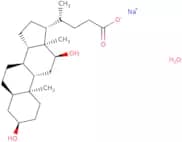
CAS:Controlled Product<p>Applications Nicotinic Anilide (cas# 1752-96-1) is a compound useful in organic synthesis.<br></p>Formula:C12H10N2OColor and Shape:NeatMolecular weight:198.22Sodium Cholate
CAS:Controlled Product<p>Stability Hygroscopic<br>Applications Sodium cholate is a non-denaturing detergent used for membrane protein extraction.<br></p>Formula:C24H39NaO5Color and Shape:NeatMolecular weight:430.55Sodium Trifluoroacetate
CAS:Controlled Product<p>Applications Sodium trifluoroacetate (cas# 2923-18-4) is a useful research chemical.<br></p>Formula:C2F3O2·NaColor and Shape:White To Off-WhiteMolecular weight:136.01L-Threonic Acid Calcium Salt
CAS:Controlled Product<p>Applications L-Threonic acid calcium salt is the salt of L-Threonic acid, a naturally occurring compound that can be found in the leaves of Pelargonium crispum. L-Threonic acid is also the degradation product of Dehydroascorbate (DHA), a metabolite of Vitamin C (A786990).<br>References Helsper, J. & Loewus, F.: Plant Phys., 69, 1365 (1982); Koch, C. & Biaglow, J.: J. Cell. Phys., 94, 299 (1978); Nielsen J., et al.: J. Agr. Food Chem., 49, 2998 (2001)<br></p>Formula:C4H7O5·CaColor and Shape:NeatMolecular weight:310.269Sodium DL-Lactate-2,3,3,3-d4 (60% w/w in H2O)
CAS:Controlled Product<p>Applications Sodium DL-Lactate-2,3,3,3-d4 (60% w/w in H2O) (CAS# 344299-52-1) is a useful isotopically labeled research compound.<br></p>Formula:C3D4HO3·NaColor and Shape:ColourlessMolecular weight:116.08Methylparaben Sodium Salt
CAS:<p>Applications Methylparaben Sodium Salt is used as postharvest treatment against citrus green and blue molds since it possess curative antifungal activity.<br>References Moscoso-Ramirez, P., et al.: Postharvest Biol. Technol., 77, 128 (2013);<br></p>Formula:C8H7O3·NaColor and Shape:WhiteMolecular weight:174.13Oxalic-13C2 Acid Disodium Salt
CAS:Controlled Product<p>Applications Oxalic Acid, Disodium Salt (1,2-13c2, 99%) (cas# 260429-91-2) is a useful research chemical.<br></p>Formula:C2Na2O4Color and Shape:NeatMolecular weight:135.98T-705RTP-13C5 Sodium Salt (>75%)
CAS:Controlled Product<p>Applications T-705RTP-13C5 Sodium Salt is a labeled salt derivative of T-705 (F103350) which has activity against the lethal H5N1 influenza A viruses.<br>References Yousuke, F., et al.: Antimicrob Agent Chemother., 49, 981 (2005); Kiso, M., et al.: Proc. Natl. Acad. Sci. U.S.A., 107, 882 (2010)<br></p>Formula:C5C5H15FN3O15P3•xNaPurity:>75%Color and Shape:NeatMolecular weight:534.12 + x(22.99)2-Naphthol-6,8-disulfonic Acid Potassium Salt
CAS:<p>Applications 2-Naphthol-6,8-disulfonic Acid Potassium Salt is a salt of 2-Naphthol-6,8-disulfonic Acid (N368023). 2-Naphthol-6,8-disulfonic acid is a useful research chemical for organic synthesis and other chemical processes. A reagent used in the preparation of food dyes with numerous applications.<br>References Baltac, T., et al.: Revista de Chimie, 63, 618 (2012)<br></p>Formula:C10H8O7S2•x(K)Color and Shape:Off-WhiteMolecular weight:304.30391Calcium Hydroxide
CAS:Controlled Product<p>Applications Calcium Hydroxide is used in the preparation of highly substituted hydroxyapatite. Also used in the preparation of nanofillers like hydroxyapatite.<br>References Cho, J. et al.: J. Biomed. Mat. Res., 102, 455 (2014); Palacios, J. et al.: Polym. Eng. Sci., 53, 1414 (2013);<br></p>Formula:CaH2O2Color and Shape:NeatMolecular weight:74.09Sodium Pyrophosphate Decahydrate
CAS:Controlled Product<p>Applications Sodium Pyrophosphate Decahydrate is a tetrabasic pyrophosphate salt used in buffers.<br></p>Formula:Na4O7P2·10H2OColor and Shape:NeatMolecular weight:265.90 + 10(18.02)Copper(II) Sulfate Pentahydrate
CAS:<p>Applications Copper(II) Sulfate Pentahydrate is a chemical reagent used as a fungicide. Used to control fungus growth on various fruits and the spread of aquatic plants primarily.<br> Not a dangerous good if item is equal to or less than 1g/ml and there is less than 100g/ml in the package<br>References Michaud, J. et al.: J. Insect. Sci., 3, 16 (2003);<br></p>Formula:Cu·SO4H2OColor and Shape:NeatMolecular weight:249.68Sodium Lauryl Ether Sulfate
CAS:<p>Applications Sodium lauryl ether sulfate (cas# 68585-34-2) is a useful research chemical.<br></p>Formula:C24H50O·2Na·O4SColor and Shape:Off-WhiteMolecular weight:496.70Inosine-5'-monophosphate Disodium Salt Hydrate
CAS:Controlled Product<p>Applications Inosine-5'-monophosphate Disodium Salt Hydrate is used in Raman spectra of alkali and alkaline earth metal salts of inosine 5'-monophosphoric acid.<br>References Carmona, P., et al.: J. Raman Spectrosc., 27, 817 (1996)<br></p>Formula:C10H11N4O8PNa·xH2OColor and Shape:NeatMolecular weight:392.17+144.12Sodium Chloride
CAS:<p>Applications Sodium Chloride is the source, directly or indirectly, for the production of many chemicals, in addition to the familiar domestic uses of salt. It is the starting point for the Chloralkali process, which provides the world with chlorine and sodium hydroxide. Via the Solvay process, sodium chloride is used to produce sodium carbonate and calcium chloride.<br>References Saksono, N., et al.: Int. J. Chem. Eng. Appl., 4, 266 (2013); Clow, A., et al.: Chem. Revolution, 65 (1952); Kiefer, D.: Today's Chemist at Work, 11, 45 (2002);<br></p>Formula:ClNaColor and Shape:NeatMolecular weight:58.44Dimethyl Phosphate-d6 (Major) Sodium Salt
CAS:Controlled Product<p>Applications Labelled Dimethyl Phosphate (D477600). Used in the synthesis of L,L- and L,D-di-myo-inositolphosphates.<br> Not a dangerous good if item is equal to or less than 1g/ml and there is less than 100g/ml in the package<br>References Stieglitz, K., et al.: J. Biol. Chem., 277, 22863 (2002),<br></p>Formula:C10H13NO2·HClColor and Shape:White To Light BeigeMolecular weight:215.677Dibutyltin(IV) Oxide
CAS:Controlled Product<p>Applications Dibutyltin(IV) Oxide is used in studies pertaining to discovering novel antitumor agents. Antifungal activity.<br> Not a dangerous good if item is equal to or less than 1g/ml and there is less than 100g/ml in the package<br>References Boualam, M. et al.: App. Organometal. Chem., 6, 197 (1992); Hadi, S. et al.: Ori. J. Chem., 26, 775 (2010); Hadi, S. et al.: Modern. App. Sci., 3, 12 (2009);<br></p>Formula:C8H18OSnColor and Shape:WhiteMolecular weight:248.94Sodium 1-Decanesulfonate
CAS:Controlled Product<p>Applications Anionic surfactants, Sodium 1-Decanesulfonate which acts as a reactants to generate defined ubiquitin-protein conjugates by up to 10-fold resulting in high yields even at low concentrations.<br>References Schneider, D., et al.: Bioorg. Med. Chem., 24, 995-1001 (2016)<br></p>Formula:C10H21O3S·NaColor and Shape:White To Off-WhiteMolecular weight:244.327Sodium 2-Ethylhexyl Sulfate (40%-60% in Water)
CAS:<p>Applications Sodium 2-ethylhexyl sulfate hydrate(40% in water) (cas# 126-92-1) is a useful research chemical.<br></p>Formula:C8H17NaO4SColor and Shape:Single SolutionMolecular weight:232.27Calcium Carbonate
CAS:Controlled Product<p>Applications Calcium Carbonate is a common chemical reagent used in various organic reactions. It is used in the synthesis of small molecules which disrupt Wnp-dependent signalling in tissue regeneration and cancer. Also used in the preparation of non-cytotoxic, silver nanoparticle-polysaccharide nanocomposites shown to provide antimicrobial activity.<br>References Chen, B. et al.: Nat. Chem. Biol., 5, 100 (2009); Travan, A. et al.: Biomacromol., 10, 1429 (2009);<br></p>Formula:CCaO3Color and Shape:NeatMolecular weight:100.09Bismuth(III) Oxide
CAS:Controlled Product<p>Applications Bismuth(III) oxide, (cas# 1304-76-3) is a useful research chemical.<br></p>Formula:O3Bi2Color and Shape:NeatMolecular weight:465.95Potassium 2,2,3,3-tetrafluoropropionate
CAS:Controlled Product<p>Applications Potassium 2,2,3,3-tetrafluoropropionate (cas# 71592-16-0) is a useful research chemical.<br></p>Formula:C3HF4O2·KColor and Shape:NeatMolecular weight:184.131Potassium (Butoxycarbonothioyl)sulfide
CAS:Controlled Product<p>Applications potassium (butoxycarbonothioyl)sulfide (cas# 871-58-9) is a useful research chemical.<br></p>Formula:C5H9OS2·KColor and Shape:Light YellowMolecular weight:188.35Phosphocholine-d9 Chloride Calcium Salt
CAS:Controlled Product<p>Stability Hygroscopic<br>Applications Labelled Phosphocholine Chloride, a specific promoter of heparin and serum β-lipoprotein interaction. Phosphocholine Chloride protected the membranes of platelets, erythrocytes, and lysosomes against the labilizing action of various known membrane labilizers.<br>References Mookerjea, S. et al.: Biochem. Res. Biophys. Res. Comm., 53, 580 (1973); Caputi, A.P. et al.: Boll. Chim. Farmac., 117, 553 (1978):<br></p>Formula:C5H4D9CaClNO4PColor and Shape:NeatMolecular weight:266.72Iron(III) Perchlorate Hydrate
CAS:<p>Applications Iron(III) perchlorate hydrate (cas# 15201-61-3) is a useful research chemical.<br></p>Formula:O4Cl·Fe•HOColor and Shape:NeatMolecular weight:372.21Zinc Oxide
CAS:<p>Applications Zinc Oxide, has numerous applicaltions. It is widely used as an additive in many materials and products including plastics, ceramics, glass, cement, lubricants, etc.<br> Not a dangerous good if item is equal to or less than 1g/ml and there is less than 100g/ml in the package<br>References Hernandezbattez, A., et al.: Wear, 265 (3-4), 422 (2008);<br></p>Formula:ZnOColor and Shape:NeatMolecular weight:81.41Sodium Oleate
CAS:Controlled Product<p>Applications Sodium oleate (cas# 143-19-1) is a useful research chemical.<br></p>Formula:C18H33NaO2Color and Shape:NeatMolecular weight:304.44Pemetrexed-13C5 Disodium Heptahydrate
CAS:Controlled Product<p>Applications Pemetrexed-13C5 Disodium Salt, is the labeled analogue of Pemetrexed Disodium (P219500), used as Antineoplastic agent.<br>References McDonald, A.C., et al.: Clin. Cancer Res., 4, 605 (1998), John, W., et al.: Cancer, 88, 1807 (2000), Miller, K.D., et al.: Ann. Oncol., 11, 101 (2000),<br></p>Formula:C1513C5H19N5Na2O6•7(H2O)Color and Shape:Off-WhiteMolecular weight:476.3471802α-D-Galactose-13C6 1-Phosphate Dipotassium Salt
CAS:<p>Applications Isotope labelled analog of α-D-Galactose 1-Phosphate, the phosphate conjugate of α-D-Galactose (G155260), a natural aldohexose which is ubiquitous in bacteria, plants, and animals, including human brains.<br>References Sang, J.L., et al.: J. Bacteriol., 190, 7932 (2008);<br></p>Formula:C6H11O9PKColor and Shape:NeatMolecular weight:342.272Potassium Orotate
CAS:Controlled Product<p>Applications Potassium orotate (cas# 24598-73-0) is a useful research chemical.<br></p>Formula:C5H3N2O4KColor and Shape:NeatMolecular weight:194.19D-Fructose 6-phosphate Disodium Hydrate
CAS:<p>Applications D-Fructose-6-phosphate Disodium Salt is useful reagent in biological study of functional genomics of Rhodococcus opacus PD630 for biofuels development.<br>References Holder, J., et al.: PLoS Gen., 7, 1002219 (2011);<br></p>Formula:C6H11Na2O9PColor and Shape:White To Off-WhiteMolecular weight:304.099Zinc 2-Mercaptobenzothiazole
CAS:Controlled Product<p>Applications Zinc 2-Mercaptobenzothiazole is an additive which is used in flooring material to allow excellent hardening at low temperatures.<br>References Lee, B. G., et al.: Repub. Korean Kongkae Taeho Kongbo (2020), KR 2020105566 A<br></p>Formula:C14H8N2S4ZnColor and Shape:NeatMolecular weight:397.85rac 3-Hydroxybutyric Acid Sodium Salt
CAS:Controlled Product<p>Stability Hygroscopic<br>Applications Optically active 3-hydroxybutyric acids are key intermediates of the biosynthesis and metabolism of fatty acids and exist widely in biological systems.<br>References Freeman, J., et al.: Pediatrics, 102, 1358 (1998), Thio, L., et al.: Neurology, 54, 325 (2000), Rho, J., et al.: Epilepsia, 43, 358 (2002),<br></p>Formula:C4H7NaO3Color and Shape:WhiteMolecular weight:126.09Sodium Oxalate
CAS:<p>Applications Sodium Oxalate illustrate the elimination of broadening due to 2nd-order quadrupolar effects leading to a 30-fold increase in resolution compared to magic-angle spinningin NMR of polycrystalline.<br>References Samoson, A., et al.: Mol. Phys., 65, 1013 (1988);<br></p>Formula:C2O4·2NaColor and Shape:NeatMolecular weight:134.00Potassium Hexadecyl Hydrogenphosphate (~90%)
CAS:Controlled Product<p>Applications Potassium Hexadecyl Hydrogenphosphate is used in the formulation of sunscreens with high SPF formulas.<br>References McCormick, Paul, et al.: Cosmetics & Toiletries, 125(2), 50, 52-57 (2010)<br></p>Formula:C16H34KO4PPurity:~90%Color and Shape:NeatMolecular weight:360.51Sodium 1-Pentanesulfonate
CAS:Controlled Product<p>Applications SODIUM 1-PENTANESULFONATE (cas# 22767-49-3) is a useful research chemical.<br></p>Formula:C5H11SO3NaColor and Shape:Off-WhiteMolecular weight:174.19Sodium Dichloromethanesulfonate
CAS:<p>Applications Sodium Dichloromethanesulfonate acts as a reagent in alkaline hydrolysis of trichloromethanesulfeny chloride and in simple preparation of dichloromethanesulfinates.<br>References Silhanek, J., et al.: Int. J. Sulfur Chem., 8, 423 (1973)<br></p>Formula:CHCl2NaO3SColor and Shape:White To Off-WhiteMolecular weight:186.98Azoniaspironortropanol-d8 Chloride
CAS:Controlled Product<p>Applications Azoniaspironortropanol-d8 Chloride is the labeled analogue of Azoniaspironortropanol Chloride (A965125), an intermediate used for the synthesis of Trospium Chloride (T892800), an Antispasmodic, used in treatment of urinary incontinence.<br>References Antweiler, H., et al.: Arzneim.-Forsch., 16, 1581 (1966); Lux, G., et al.: Fortschr. Med., 96, 2113 (1978); Madersbacher, H., et al.: Br. J. Urol., 75, 452 (1995); Zinner, N.R., et al.: Expert Opin. Pharmacother., 6, 1409 (2005)<br></p>Formula:C11D8H12NO·ClColor and Shape:NeatMolecular weight:225.785Lithium Tetrafluoroborate
CAS:Controlled Product<p>Applications Lithium Tetrafluoroborate is a reagent used in the preparariton of rechargable lithium-ion batteries.<br> Not a dangerous good if item is equal to or less than 1g/ml and there is less than 100g/ml in the package<br>References Ueno, K. et al. J. Phys. Chem. C., 117, 20509 (2013); Leggesse, E. et al.: J. Phys. Chem. A., 117, 7959 (2013);<br></p>Formula:BF4LiColor and Shape:NeatMolecular weight:93.75Hydroxypyruvic Acid Phosphate Barium Salt (>90%)
CAS:Controlled Product<p>Applications One of the essential metabolite for microbial growth.<br>References Allegra, C., et al.: J. Biol. Chem., 262, 13520 (1987), Santi, D., et al.: Biochemistry, 13, 471 (1974),<br></p>Formula:C3H5O7PBa)Purity:>90%Color and Shape:Off-WhiteMolecular weight:390.02Sodium Citrate
CAS:Controlled Product<p>Applications Sodium Citrate is useful and commonly used reagent.<br></p>Formula:C6H5Na3O7Color and Shape:WhiteMolecular weight:258.07Triphenylbismuth
CAS:Controlled Product<p>Applications TRIPHENYLBISMUTH (cas# 603-33-8) is a useful research chemical.<br></p>Formula:C18H15BiColor and Shape:White To Off-WhiteMolecular weight:440.29Methylsulfuric Acid Potassium Salt
CAS:Controlled Product<p>Applications Methylsulfuric acid potassium salt (cas# 562-54-9) is used as a multifunctional printing and dyeing scouring agent.<br>References Ding, J., et al.:Faming Zhuanli Shenqing. 12pp. (2019)<br></p>Formula:CH3O4SKColor and Shape:NeatMolecular weight:150.2Barium Chloride Dihydrate
CAS:Controlled Product<p>Applications Barium chloride dihydrate is used in the synthesis of 2R, 3S-Dihydroxy-4-oxo-butanoic Acid (D450800).<br> Not a dangerous good if item is equal to or less than 1g/ml and there is less than 100g/ml in the package<br></p>Formula:BaCl2H4O2Color and Shape:NeatMolecular weight:244.26Sodium Octanoate-8,8,8-d3
CAS:Controlled Product<p>Applications Sodium Octanoate-8,8,8-d3 (CAS# 1219795-01-3) is a useful isotopically labeled research compound.<br></p>Formula:C8H12D3NaO2Color and Shape:NeatMolecular weight:169.212Sodium Borohydride
CAS:<p>Applications Sodium Borohydride is used as a reagent in the reduction of amino acids and their derivatives. Also used in the catalysis of ammonia borane dehydrogenation.<br> E0<br>References McKennon, M. et al.: J. Org. Chem., 58, 3568 (1993); Denney, M. et al.: J. Am. Chem. Soc., 128, 12048 (2006);<br></p>Formula:BH4NaColor and Shape:White To Off-WhiteMolecular weight:37.83Sodium Hydroxide
CAS:<p>Applications Sodium Hydroxide, also known as lye, is a very common chemical reagent. It is a strong base used in industrial chemical applications. Used in the textile, food and medicinal industries. Its ability to digest tissues allows for analysis of various effects of pharmaceutical agents in rodent tissue.<br> Not a dangerous good if item is equal to or less than 1g/ml and there is less than 100g/ml in the package<br>References McMillan, A. et al.: Ind. Eng. Chem., 10, 488 (1918); Nymul, K. et al.: J. Chem. Eng., 24, 35 (2006); Gilbert, D. et al.: Antimicrob. Agents Chemother., 30, 361 (1986);<br></p>Formula:NaOHColor and Shape:NeatMolecular weight:40.00Dimethylarsinodithioic Acid Sodium Salt
CAS:<p>Stability Air Sensitive<br>Applications Dimethylarsinodithioic Acid Sodium Salt is used as a standard for arsenic inspection. It is used as an aid to help in determining the level of toxicity in humans. Metabolite in some mammals and microbiota.<br> Not a dangerous good if item is equal to or less than 1g/ml and there is less than 100g/ml in the package<br>References Fricke, M. et al.: Anal. Chim. Acta., 583, 78 (2007); Pinyayev, T. et al.: Chem. Res. Toxicol., 24, 475 (2011);<br></p>Formula:C2H6AsNaS2Color and Shape:NeatMolecular weight:192.114,4'-Diazoaminodibenzenesulfonic Acid Disodium Salt
CAS:<p>Applications 4,4'-Diazoaminodibenzenesulfonic Acid is an intermediate in sunset yellow FCF.<br>References Yamada, M., et al.: Food Additives Contam., 17, 665 (2000); Tsuji, S., et al.: Shokuhin Eiseigaku Zasshi (2000), 41, 357 (2000)<br></p>Formula:C12H9N3O6S2·2NaColor and Shape:Light Yellow To OrangeMolecular weight:401.33Sodium Ethyl Sulfate
CAS:Controlled Product<p>Stability Hygroscopic<br>Applications A metabolite of ethanol in humans and a potential biomarker of acute alcohol intake.<br>References Jones, A., et al.: Forensic Sci. Int., 45, 217 (1990), Schmitt, G., et al.: J. Anal. Toxicol., 19, 91 (1995), Dahl, H., et al.: J. Anal. Toxicol., 26, 201 (2002), Stephanson, N., et al.: Ther. Drug Monit., 24, 645 (2002), Helander, A., et al.: Clin. Chem., 50, 936 (2004),<br></p>Formula:C2H5NaO4SColor and Shape:Off-WhiteMolecular weight:148.116 Pyruvic Acid Sodium Salt-13C2
CAS:<p>Applications Pyruvic Acid-13C2 is an intermediate in synthesizing L-Lactic Acid-d3 Sodium Salt (L113503), a labelled sodium salt of L-Lactic Acid (L113500). L-Lactic Acid occurs in small quantities in the blood and muscle fluid of man and animals. The lactic acid concentration increases in muscle and blood after vigorous activity. L-(+)-Lactic acid is also present in liver, kidney, thymus gland, human amniotic fluid, and other organs and body fluids.<br>References Wenzel, A., et al.: J. Neurosci., 21, 53 (2001); Martinez., et al.: Development, 6, 851 (2002); Nakayama, K., et al.: J. Biochem., 146, 757 (2009); Tanaka, T., et al.: J. Pharmacol. Sci., 109, 24 (2009)<br></p>Formula:C2CH3O3·NaColor and Shape:Off WhiteMolecular weight:112.03Potassium Biphthalate
CAS:<p>Applications Potassium Biphthalate is used as buffer solution.<br>References Mussini, P., et al.: Pure Appl. Chem., 69, 1007 (1997);<br></p>Formula:C8H5O4·KColor and Shape:NeatMolecular weight:204.22Potassium Cyanide
CAS:Controlled Product<p>Applications Potassium Cyanide, a reagent widely used in organic synthesis for the preparation of nitriles and carboxylic acids, particularly in the von Richter reaction.<br> Not a dangerous good if item is equal to or less than 1g/ml and there is less than 100g/ml in the package<br>References Kollenz, G. et al.: Org. Prep. Proc. Int., 12, 244 (1980); Subramanian, L. R.: Sci. Synth., 19, 173 (2004);<br></p>Formula:CKNColor and Shape:White To Off-WhiteMolecular weight:65.12Lead(IV) Acetate, Stabilized
CAS:Controlled Product<p>Stability Hygroscopic, Moisture Sensitive<br>Applications Lead(IV) acetate is most commonly used in synthetic chemistry as an oxidizing agent, and is a versatile precursor for lead-containing compounds. Lead(IV) acetate is a toxic substance to humans, and is also known to induce oxidative damage and hyperlipidemia in rats.<br> Not a dangerous good if item is equal to or less than 1g/ml and there is less than 100g/ml in the package<br>References Newairy, A., et al.: Food Chem. Toxicol., 47, 813 (2009); Rahman, S. & Sultana, S.: Chem.-Biol. Int., 160, 61 (2006); Yadav, R.: Synlett, 2012, 1262 (2012)<br></p>Formula:C8H12O8PbColor and Shape:NeatMolecular weight:443.38Sodium 2-Nitrophenolate
CAS:<p>Applications Sodium 2-nitrophenolate (cas# 824-39-5) is a useful research chemical.<br></p>Formula:C6H4NO3·NaColor and Shape:NeatMolecular weight:161.09Calcium D-gluconate monohydrate
CAS:Controlled Product<p>Applications Calcium D-gluconate monohydrate (cas# 66905-23-5) is a useful research chemical.<br></p>Formula:C6H11O7·Ca·H2OColor and Shape:NeatMolecular weight:448.39α-D-Galactose-1,2-13C2 1-Phosphate Dipotassium Salt
CAS:Controlled Product<p>Stability Hygroscopic<br>Applications Isotope labelled analog of α-D-Galactose 1-Phosphate, the phosphate conjugate of α-D-Galactose (G155260), a natural aldohexose which is ubiquitous in bacteria, plants, and animals, including human brains.<br>References Sang, J.L., et al.: J. Bacteriol., 190, 7932 (2008);<br></p>Formula:C4C2H11K2O9PColor and Shape:White To Off-WhiteMolecular weight:338.302Calcium Phenylpyruvate
CAS:Controlled Product<p>Stability Hygroscopic<br>Applications Calcium phenylpyruvate (cas# 51828-93-4) is a useful research chemical.<br></p>Formula:(C9H7O3)2CaColor and Shape:White To Off-WhiteMolecular weight:366.38Difluoromethylthioacetic Acid Potassium Salt
CAS:<p>Applications Difluoromethylthioacetic Acid Potassium Salt is a reagent used in the preparation of oxacephem antibiotics.<br>References Tsuji, T. et al.: J. Antibiot., 38, 466 (1985):<br></p>Formula:C3H3F2KO2SColor and Shape:NeatMolecular weight:180.21Sodium Bisulfite (mixture of NaHSO3 and Na2S2O5)
CAS:Controlled Product<p>Applications Sodium Bisulfite has been used as an additive used in the food and beverage industry. It is used to preserve apparent freshness. Used as a common general reagent in reduction reactions.<br>References W. Wright. et al.: Am. review Resp. Dis., 141, 1400 (1990);<br></p>Formula:NaHSO3Color and Shape:White To Off-WhiteMolecular weight:104.064-Aminobenzenesulfinic Acid Sodium Salt Hydrate
CAS:Controlled Product<p>Applications 4-Aminobenzenesulfinic Acid is an analogue of 4-Acetamidobenzenesulfinic Acid a component in the preparation of Cyanine dyes.<br>References Kim, H., et al.: J. Pharm. Biomed. Anal., 27, 51 (2002), Santelli-Rouvier, C., et al.: Eur. J. Med. Chem., 39, 735 (2004),<br></p>Formula:C6H6NNaO2S·xH2OColor and Shape:NeatMolecular weight:179.17Barium Carbonate
CAS:Controlled Product<p>Applications BARIUM CARBONATE (cas# 513-77-9) is a useful research chemical.<br></p>Formula:BaCO3Color and Shape:NeatMolecular weight:197.34Potassium phloroglucinol carboxylate
CAS:<p>Potassium phloroglucinol carboxylate is a fine chemical that can be used as a versatile building block, complex compound, research chemical, reagent, speciality chemical and useful intermediate. It is also a useful scaffold for the synthesis of other compounds. Potassium phloroglucinol carboxylate has been shown to react with a wide variety of functional groups and has been used in the preparation of new compounds. The CAS number for potassium phloroglucinol carboxylate is 91313-55-2.</p>Formula:C7H5O5·KPurity:Min. 95%Color and Shape:PowderMolecular weight:208.21 g/molDipotassium 7-hydroxynaphthalene-1,3-disulphonate
CAS:<p>Dipotassium 7-hydroxynaphthalene-1,3-disulphonate is a drug that binds to basic proteins and inhibits the activity of the enzyme spermatocyte meiosis. It has been used in clinical trials for the treatment of male infertility, which have shown improved sperm motility and reduced sperm abnormalities. The drug also has an effect on the cells of acute lymphoblastic leukemia (ALL) patients, but these effects are dependent on radiation therapy. Dipotassium 7-hydroxynaphthalene-1,3-disulphonate slows down the growth of ALL cells by binding to their receptors and blocking DNA synthesis.</p>Formula:C10H6K2O7S2Purity:Min. 98 Area-%Color and Shape:PowderMolecular weight:380.48 g/molBis(4-Nitrophenyl)phosphoric acid sodium
CAS:<p>Bis(4-nitrophenyl)phosphoric acid sodium is a synthetic compound that has been used as an antibiotic. It is a nitro group donor and may be oxidized to p-nitrophenol phosphate. Bis(4-nitrophenyl)phosphoric acid sodium inhibits bacterial growth by binding to the 30S ribosomal subunit, which prevents protein synthesis and cell division. The rate constant of this reaction has been determined using x-ray diffraction data obtained on crystals of the product with signal peptide. Bis(4-nitrophenyl)phosphoric acid sodium also has biochemical properties, such as pyrazinoic acid formation and polymerase chain reactions, which have been reported in recombinant cytochrome P450s from rat liver microsomes. The disulfide bond coordination geometry and mechanism of the reaction are still unknown but it is thought that the reaction proceeds through a single electron transfer mechanism.</p>Formula:C12H9N2O8P·NaPurity:Min. 95%Color and Shape:White PowderMolecular weight:363.17 g/molSulbenicillin sodium
CAS:<p>Sulbenicillin sodium is an acylation reaction of sulbenicillin, a natural antibiotic produced by the bacterium Serratia marcescens. It has been used in the treatment of opportunistic fungal infections and as an alternative to penicillin for the treatment of nervous system diseases. This drug is used to diagnose microbial infections and infectious diseases, and also shows serological activity. Sulbenicillin sodium is not active against gram-positive bacteria such as Staphylococcus aureus or Streptococcus pyogenes.</p>Formula:C16H16N2Na2O7S2Purity:Min. 95%Molecular weight:458.42 g/mol6b-Hydroxy-7a-(thiomethyl) spironolactone
CAS:<p>6b-Hydroxy-7a-(thiomethyl) spironolactone is a drug that is metabolized in the liver and excreted in the bile. It has been found to be safe and effective for the treatment of ascites due to cirrhosis. The pharmacokinetics of 6b-hydroxy-7a-(thiomethyl) spironolactone are linear, with a plasma elimination rate of 0.3 mg/kg/h. The elimination half-life for 6b-hydroxy-7a-(thiomethyl) spironolactone is about 3 hours. 6b-Hydroxy-7a-(thiomethyl) spironolactone has been found to be eliminated from the body at a constant rate, regardless of age, gender or weight. The population studied was healthy adult males who ingested 6b-hydroxy-7a-(thiometh</p>Formula:C23H32O4SPurity:Min. 95%Color and Shape:PowderMolecular weight:404.56 g/molLithium iron phosphate
CAS:<p>Lithium iron phosphate is a chemical compound with the empirical formula LiFePO4. It is a lithium-containing salt that is used as an additive in the production of glass, paper, and steel. Lithium iron phosphate is prepared by mixing lithium hydroxide, phosphoric acid, and iron(III) oxide together at high temperature. The reaction mechanism consists of three steps: hydrolysis, formation of lithium phosphate (Li3PO4), and precipitation of FePO4. The particle size distribution was found to be dependent on the reaction time. A model system was developed to study the effect of sodium carbonate on the thermal decomposition process. The activation energies for reactions between Li3PO4 and Na2CO3 were found to be 33 kJ/mol for the endothermic reaction and 13 kJ/mol for the exothermic reaction. Lithium iron phosphate has been investigated as an electrode material for electrochemical impedance spectroscopy experiments because it has a low electronic</p>Formula:FeLiO4PPurity:Min. 95%Color and Shape:PowderMolecular weight:157.76 g/molL-Tyrosine disodium salt hydrate
CAS:<p>L-Tyrosine is a precursor of thyroid hormones and catalyzes the conversion of iodide to iodine. It also converts 3-iodo-l-tyrosine to thyroxine. L-Tyrosine is used in vitro assays as an inhibitor of diiodination, a process that involves the use of hydrogen peroxide and produces iodinating agents such as 3-iodo-l-tyrosine. L-Tyrosine has been shown to inhibit peroxidase activity mediated by the enzyme myeloperoxidase. This inhibition may be due to its ability to act as an antioxidant.</p>Formula:C9H9NNa2O3·xH2OPurity:Min. 98 Area-%Color and Shape:PowderMolecular weight:225.15 g/molZinc methionine sulfate
CAS:<p>Zinc methionine sulfate is a dietary supplement that has been shown to be effective in the treatment of polycystic ovarian syndrome. It is not clear how zinc methionine sulfate works, but it may improve biochemical abnormalities and antibody response in animals. Zinc methionine sulfate also has the ability to bind to urea nitrogen and metal ions, which may help prevent bacterial translocation. This product also acts as a phosphatase inhibitor and a fatty acid reductase inhibitor.</p>Formula:C5H11NO6S2ZnColor and Shape:White PowderMolecular weight:310.66 g/molSodium cholate anhydrous
CAS:Controlled Product<p>Sodium cholate anhydrous is a surfactant that prevents the formation of insoluble polymer in bowel disease. It has been shown to have anticancer effects on cancer tissues and also stimulates an antibody response. Sodium cholate anhydrous has been shown to be useful as a model system for studying the reaction between proteins and fatty acids, and it is also used in pharmaceutical preparations.</p>Formula:C24H39O5NaPurity:Min. 95%Color and Shape:White PowderMolecular weight:430.55 g/molSalinomycin sodium
CAS:<p>Salinomycin sodium is a model system for the study of the toxicity of drugs and chemicals. Salinomycin sodium can be used to study the effects of sublethal doses of salinomycin on metabolic enzymes in vitro. Salinomycin sodium has been shown to inhibit complex enzymes by intramolecular hydrogen bonding. This inhibition may lead to cell death or cytotoxicity.<br>Salinomycin is a compound that inhibits bacterial protein synthesis, which may be due to its interference with ribosome function or the binding of tRNA molecules to the ribosome. It also inhibits DNA replication, leading to cell death by inhibiting RNA synthesis or preventing DNA from being replicated. Salinomycin can also disrupt membrane permeability and induce lipid peroxidation in cells, leading to cell death.</p>Formula:C42H69NaO11Purity:Min. 95%Color and Shape:White PowderMolecular weight:772.98 g/molArsenazo III
CAS:<p>Arsenazo III is a metal-binding dye that has been shown to bind to the cytosolic calcium ion. The binding of Arsenazo III to calcium has been shown to inhibit the voltage-dependent calcium channels, leading to a decrease in cytosolic calcium concentration. This reduction in cytosolic calcium is associated with energy metabolism and human serum titration calorimetry experiments. The binding of Arsenazo III to calcium is also responsible for its light signal. Arsenazo III binds to copper chloride and forms an insoluble precipitate when reacted with acidic solutions. This reaction can be used for analytical purposes as it produces a quantifiable end-point with plasma mass spectrometry.</p>Formula:C22H18As2N4O14S2Purity:(%) Min. 85%Molecular weight:776.37 g/molTicarcillin disodium
CAS:<p>Ticarcillin is a bactericidal antibiotic that is used to treat many types of infections caused by gram-positive bacteria, such as Streptococcus pneumoniae, Enterococcus faecalis and Enterococcus faecium. Ticarcillin has been shown to be effective against antibiotic-resistant strains of bacteria, including multidrug efflux pumps. This drug also has been shown to inhibit the growth of gram-negative bacteria such as Escherichia coli and Pseudomonas aeruginosa. Ticarcillin is used in combination with clavulanic acid for the treatment of infections caused by beta-lactamase producing organisms. It is also used in wastewater treatment to inhibit the growth of gram-negative bacteria that are resistant to other antibiotics. Ticarcillin can interfere with other medications by inhibiting their metabolism through cytochrome P450 enzymes or through competition for protein binding sites.</p>Formula:C15H16N2Na2O6S2Purity:Min. 80.0 Area-%Color and Shape:White PowderMolecular weight:430.41 g/molFluvastatin sodium
CAS:<p>Fluvastatin is a statin that lowers blood cholesterol and triglycerides by inhibiting HMG-CoA reductase, an enzyme that plays a critical role in the synthesis of cholesterol. Fluvastatin has also been shown to reduce the incidence of myocardial infarction, and to reduce atherosclerotic lesions in animal models, reducing the incidence of cardiovascular disease. Fluvastatin also has been shown to inhibit the activation of toll-like receptor 4 (TLR4) by lipopolysaccharide (LPS), which may be related to its anti-inflammatory effects. Furthermore, through lowering blood cholesterol, Fluvastatin also inhibits tubulointerstitial injury and prevents renal damage caused by high concentrations of the lipid.</p>Formula:C24H25FNNaO4Purity:Min. 98%Color and Shape:Off-White PowderMolecular weight:433.45 g/molSalcaprozate sodium
CAS:<p>Salcaprozate sodium (SNAC) is used as an excipient in drug formulation as a chemical permeation enhancer (PE) to aid the oral absorption of macromolecules, peptides and proteins such as insulin (diabetes), heparin (heart attacks and angina) and cyanocobalamin (vitamin B12 deficiency and anaemia) which would otherwise have poor bioavailability. SNAC is considered to be safe for human consumption (GRAS) by the FDA.Salcaprozate sodium (SNAC) and sodium caprate (C10) are two of the most advanced intestinal permeation enhancers (PEs) that have been tested in clinical trials for oral delivery of macromolecules.</p>Formula:C15H20NO4NaPurity:Min. 98 Area-%Color and Shape:PowderMolecular weight:301.31 g/molN-Ethyl-N-(3-sulfopropyl)-3-methoxyaniline sodium
CAS:<p>N-Ethyl-N-(3-sulfopropyl)-3-methoxyaniline sodium (ESP) is a selective agonist of the CB2 receptor. It is structurally unrelated to other CB2 receptor ligands, and has been shown to act as a selective, low affinity antagonist of the epidermal growth factor receptor. ESP has also been shown to be an ATP binding cassette transporter substrate and acts as a voltage sensor in whole cell recordings. ESP has potential therapeutic applications in diabetic neuropathy and chronic pain.</p>Formula:C12H19NO4S•NaPurity:Min. 95%Color and Shape:PowderMolecular weight:296.34 g/molSodium triphosphate
CAS:<p>Sodium triphosphate is a sodium salt that is used as a surfactant and water softener. It is soluble in water, but insoluble in organic solvents. Sodium triphosphate has been shown to be toxic at high doses. Sodium triphosphate may be used for wastewater treatment by removing phosphates from the water, which can cause eutrophication of lakes and streams. The anhydrous form of sodium triphosphate can also be used to remove these phosphates. The anhydrous form of sodium triphosphate is not soluble in water and has a high resistance to heat and chemical attack. This compound is often used as a reagent in analytical chemistry applications such as titration calorimetry, surface methodology, toxicity studies, electrochemical impedance spectroscopy, or as an additive in glycol ethers or chitosan quaternary ammonium compounds. It may also be used as a preservative for food products like</p>Formula:Na5P3O10Purity:Min. 95%Color and Shape:PowderMolecular weight:367.86 g/molPotassium sulfate
CAS:<p>Potassium sulfate is a salt of potassium and sulfuric acid. It has a synergistic effect with sodium salts in the treatment of water hardness, which leads to a phase transition temperature below that of sodium sulfate alone. Potassium sulfate is also used as an analytical reagent for the determination of sulfate in solution. The reaction solution is heated to release the adsorbed gas, which is then analyzed by gas chromatography or infrared spectroscopy. Structural analysis was performed using X-ray crystallography on potassium sulfate crystals. Potassium sulfate has been shown to have physiological effects such as an increase in the concentration of iron in blood plasma and an increase in phosphate excretion from the kidneys at high doses. It has also been shown to have biological properties such as thermal expansion and phosphorus pentoxide reactivity.</p>Formula:K2SO4Purity:Min. 95%Color and Shape:PowderMolecular weight:174.26 g/molCholic acid sodium salt
CAS:Controlled Product<p>Cholic acid sodium salt is a bile acid sodium salt, which is primarily derived from the bile of mammals. It functions as a surfactant that facilitates the emulsification of fats and lipids, enhancing their subsequent absorption and digestion. This compound plays a critical role in the synthesis and regulation of cholesterol in the body.</p>Formula:C24H39NaO5Purity:Min. 95%Color and Shape:PowderMolecular weight:430.55 g/mol5,10,15,20-Tetraphenyl-21H,23H-porphine Zn(II)
CAS:<p>Tetraphenylporphyrin is a natural organic compound that can be found in the human body. It has been shown to have anti-angiogenic properties and can be used for the treatment of choroidal neovascularization (CNV). Tetraphenylporphyrin is a redox active molecule that has a high redox potential, which makes it an ideal candidate for use in photoactive systems. Tetraphenylporphyrin has been shown to inhibit the proliferation of tumor cells by interfering with lipid synthesis and transferring electrons from one molecule to another. The chemical structure of tetraphenylporphyrin makes it possible for light exposure to induce a frequency shift, which leads to light emission at 590 nm. This emission is due to the hydroxyl group present on tetraphenylporphyrin, which acts as an electron donor.</p>Formula:C44H28N4ZnPurity:Min. 95%Color and Shape:SolidMolecular weight:678.1 g/molZinc ethylphenyl dithiocarbamate
CAS:<p>Zinc ethylphenyl dithiocarbamate is a hydrogenated zinc diethyldithiocarbamate that is used as an industrial chemical. The process of hydrogenation changes the chemical properties of the molecule by replacing one or more hydrogens with a hydrogen atom. It has been shown to have strong antioxidant properties and to inhibit the oxidation of fats, oils, and other organic substances. Zinc ethylphenyl dithiocarbamate has also been shown to be anti-inflammatory and to have hemolytic activity. This product is a white powder that is soluble in organic solvents such as ethers, benzene, and chloroform. It can be mixed into molten waxes and oils at high temperatures without decomposing.</p>Formula:C18H20N2S4ZnPurity:Min. 95%Color and Shape:White PowderMolecular weight:458.01 g/molSodium Salicylate
CAS:<p>Sodium salicylate is a nonsteroidal anti-inflammatory drug that is used to treat inflammatory bowel disease. It has been shown to inhibit leukemia inhibitory factor (LIF) and nf-κb binding activity, which leads to the suppression of inflammation and cancer. Sodium salicylate also binds to DNA, inhibiting dna binding activity and preventing transcription. This drug also inhibits mitochondrial membrane potential as well as signal pathways, which may lead to apoptosis. Sodium salicylate has been shown to have an anti-inflammatory effect by inhibiting the synthesis of proinflammatory proteins such as COX-2, prostaglandins, nitric oxide synthase, and inducible nitric oxide synthase. It also has a hypoglycemic effect.</p>Formula:C7H5NaO3Purity:Min. 95%Color and Shape:White Clear LiquidMolecular weight:160.1 g/molCopper(II) acetylacetonate
CAS:<p>Copper acetylacetonate is a copper(II) chelate. Copper acetylacetonate has a high resistance to corrosion, which makes it an ideal catalyst for electrochemical reactions. This metal chelate is also used in the production of polymers and pharmaceuticals. Copper acetylacetonate can be used as a catalyst for water vapor reduction or as a structural material in the manufacture of semiconductors or touch screens. The thermal expansion coefficient of copper acetylacetonate is 4×10^-6/°C, which is lower than that of many other materials. The phase transition temperature of copper acetylacetonate is approximately 124°C, making it suitable for use in molten salt systems.</p>Formula:C10H14CuO4Purity:(%) Min. 98%Color and Shape:Green PowderMolecular weight:261.76 g/mol3-Sulfobenzaldehyde sodium salt
CAS:<p>3-Sulfobenzaldehyde sodium salt is a novel anticancer agent that inhibits the activity of HDACs. It has shown a strong inhibitory effect on cancer cells in vivo, and can be used for the treatment of tumors. 3-Sulfobenzaldehyde sodium salt has an anti-proliferative effect on cancer cells, which may be due to its ability to inhibit the activity of HDACs and acetylation mediated by these enzymes. This drug also has an anti-proliferative effect in tumor growth, which may be due to its ability to inhibit the HDAC cycle and acetylation, leading to cell death.</p>Formula:C7H5NaO4SPurity:85%MinColor and Shape:PowderMolecular weight:208.17 g/molCreatine zinc chloride
CAS:<p>Creatine zinc chloride is a basic protein that is metabolized to creatinine and guanidinoacetate. Creatine zinc chloride has been shown to inhibit the mitochondrial membrane potential, leading to the inhibition of cardiac muscle contraction and myocardial infarct size. Creatine zinc chloride also has physiological functions in energy metabolism, cytosolic calcium regulation, and glomerular filtration rate. Creatine zinc chloride may be used for the treatment of metabolic disorders, such as obesity and diabetes mellitus type II.</p>Formula:C4H9N3O2·ZnCl2Purity:Min. 99%Color and Shape:PowderMolecular weight:267.43 g/molCarbonic acid ammonium zirconium salt
CAS:<p>Carbonic acid ammonium zirconium salt is a high quality, complex compound that is used as a reagent and an intermediate. It has been shown to be useful in the synthesis of fine chemicals and speciality chemicals. Carbonic acid ammonium zirconium salt can also be used as a building block for research chemicals and versatile building blocks.</p>Formula:CH2O3·xH3N·xZrPurity:Min. 95%Color and Shape:Colorless Clear LiquidMontelukast sodium
CAS:<p>Montelukast sodium is a leukotriene receptor antagonist that blocks the binding of leukotrienes to their receptors. It is used for the treatment of chronic cough, as well as for the relief of symptoms of seasonal and perennial allergic rhinitis. Montelukast sodium binds to leukotriene receptors on cells in the airways, preventing them from attaching to leukotrienes and triggering an inflammatory response. This drug has been shown to be effective in controlling asthma symptoms by reducing bronchial hyperresponsiveness and relieving respiratory obstruction due to inflammation. Montelukast sodium also has anti-inflammatory properties, which are thought to be due to its ability to inhibit production of pro-inflammatory cytokines such as IL-6.</p>Formula:C35H35ClNNaO3SPurity:Min. 95%Color and Shape:PowderMolecular weight:608.17 g/molMethylsulfuric acid potassium
CAS:<p>Methylsulfuric acid potassium salt is a chloride salt of methylsulfuric acid. It is used as a contrast agent in optical imaging and diagnosis, as well as in the treatment of radiation-induced fatty liver disease. In addition, it can be used to diagnose ventricular myocardium diseases and reversibly inhibit GABA-mediated inhibition of postsynaptic potentials. Methylsulfuric acid potassium salt binds to fatty acids in the myocardium and prevents their uptake, leading to an accumulation of fatty acids and subsequent cell damage. This drug has been shown to have an excitatory effect on neurons in the geniculate nucleus, which may result from its ability to inhibit gamma-aminobutyric acid (GABA) synthesis.</p>Formula:CH4O4S•KPurity:(Titration) Min. 97.0%Color and Shape:PowderMolecular weight:150.2 g/molGlycodeoxycholic acid sodium salt
CAS:Controlled Product<p>Glycodeoxycholic acid sodium salt is a bile acid derivative, which is a biochemical compound sourced from the metabolism of bile acids in the liver. It plays a role in bile acid signaling pathways and lipid emulsification. The mode of action involves mimicking natural bile acids, facilitating the emulsification and absorption of dietary fats in the gastrointestinal tract, and potentially participating in signaling pathways that regulate cholesterol metabolism.</p>Formula:C26H42NNaO5Purity:Min. 95 Area-%Color and Shape:White PowderMolecular weight:471.61 g/molPropiolic acid sodium
CAS:<p>Propiolic acid sodium salt (PAPS) is a corrosion inhibitor that prevents the formation of rust on metal surfaces. It contains a carbonyl group and a hydroxide ion. PAPS has been shown to react in a non-polar solvent such as n-dimethylformamide with nitrogen atoms or an amine to produce a proton, which can then be used to reduce fatty acids. This reaction is expressed in the following equation:</p>Formula:C3HNaO2Purity:Min. 95%Color and Shape:PowderMolecular weight:92.03 g/molPotassium 4-fluorophenyl glycinate
CAS:<p>Potassium 4-fluorophenyl glycinate is a compound that has the potential for use as a building block in organic synthesis. It can be used as an intermediate in the synthesis of various other compounds, and is also useful as a reagent in organic reactions. Potassium 4-fluorophenyl glycinate is also used in research to develop new therapeutic agents. This compound has a number of applications, including being used as a building block for pharmaceuticals, agrochemicals, and specialty chemicals.</p>Formula:C8H8FNO2•KPurity:Min. 90%Color and Shape:PowderMolecular weight:208.25 g/molCesium carbonate - 98% min
CAS:<p>Cesium carbonate is a base used in organic synthesis with applications in N-alkylation of carbamates, amines, indoles, sulfonamides and aromatic imides. Cesium carbonate also promotes O-alkylation of alcohols to give mixed alkyl carbonates and has been used extensively in Suzuki, Heck and Sonogashira coupling reactions. Cesium carbonate finds also application in energy conversion devices such as photovoltaic cells. Efficiency of inverted polymer solar cells has been shown to increase when cesium carbonate is used as a component of the electron collecting layer.</p>Formula:Cs2CO3Purity:Min. 99%Color and Shape:PowderMolecular weight:325.82 g/molPalladium(II) trifluoroacetate
CAS:<p>Palladium(II) trifluoroacetate is a palladium complex with the chemical formula PdCl(CF3CO2). It is soluble in water and reacts with hydroxide solution to form palladium oxide. Palladium complexes have been used as diagnostic agents for their ability to selectively bind to specific proteins. Palladium-catalyzed asymmetric syntheses of organic compounds, such as natural products and pharmaceuticals, are also possible. Palladium complexes often undergo metathesis reactions, which involve the transfer of one ligand from one metal complex to another. The use of deuterium isotopes can be used to differentiate between the two types of palladium complexes that undergo metathesis reactions.</p>Formula:C4F6O4PdPurity:Min. 95%Color and Shape:PowderMolecular weight:332.45 g/molSilver sulfadiazine
CAS:<p>Silver sulfadiazine is a topical antibiotic that is used to prevent and treat burns. It has been shown to have antibacterial efficacy against antibiotic-resistant strains, such as methicillin-resistant Staphylococcus aureus (MRSA). Silver sulfadiazine inhibits bacterial growth by binding to the bacterial cell wall and altering its permeability. This prevents the synthesis of proteins necessary for cell division, leading to cell death. It also exerts an anti-inflammatory effect by inhibiting the production of prostaglandins and leukotrienes. The basic structure of silver sulfadiazine is similar to that of sulfadiazine, which is a known antifungal agent. Silver sulfadiazine has not been shown to be toxic in animal studies or human clinical trials. However, it should not be applied if there are open wounds or burns on the skin because it may cause localized pain and irritation due to its caustic nature.</p>Formula:C10H9AgN4O2SPurity:Min. 95%Color and Shape:White Off-White PowderMolecular weight:357.14 g/molAtorvastatin calcium
CAS:<p>HMG-CoA reductase inhibitor; anti-hypercholesterolemia agent</p>Formula:C66H68CaF2N4O10Purity:Min. 97 Area-%Color and Shape:White PowderMolecular weight:1,155.34 g/molHydrocortisone sodium phosphate
CAS:<p>Hydrocortisone sodium phosphate is a potent anti-inflammatory agent that belongs to a class of drugs called corticosteroids. It is used to treat inflammatory bowel disease, rheumatoid arthritis, and other autoimmune diseases. Hydrocortisone sodium phosphate inhibits the production of cytokines and mediators of inflammation by inhibiting the activity of leukocytes such as human polymorphonuclear leukocytes (PMN) and lymphocytes. Hydrocortisone sodium phosphate also has antimicrobial effects against bacteria that are sensitive to this drug. This agent is metabolized in vivo to hydrocortisone by esterases, which are found in the kidney, liver, or gut wall. Hydrocortisone sodium phosphate can inhibit drug metabolism by cytochrome P450 enzymes (CYP3A4).</p>Formula:C21H29Na2O8PPurity:Min. 95%Color and Shape:White PowderMolecular weight:486.4 g/molBenzohydroxamic acid potassium
CAS:<p>Benzohydroxamic acid potassium salt is an organic compound that is soluble in water, but insoluble in organic solvents. It has a molecular weight of 134.2, and its chemical formula is C7H6N4O3K. It can react with acid solutions to form hydroxamic acids (e.g., benzohydroxamic acid). The nmr spectra of these compounds have been shown to be sensitive to the presence of molybdenum or other metal ions. Benzohydroxamic acid potassium salt can be synthesized by reacting hydrochloric acid with zirconium tetrachloride and carbon tetrachloride in the presence of ethyl bromoacetate. This reaction produces insoluble benzohydroxamic acid potassium salt together with ethyl bromoacetate as a byproduct.<br>Molecular weight: 134.2<br>Chemical formula: C7H6N4O3K<br>Soluble</p>Formula:C7H7NO2•KPurity:Min. 95%Color and Shape:PowderMolecular weight:176.23 g/molTris(triphenylphosphine)rhodium(I) chloride
CAS:<p>Homogeneous hydrogenation catalyst</p>Formula:C54H45ClP3RhPurity:Min. 95%Color and Shape:PowderMolecular weight:925.21 g/molEDTA calcium disodium salt
CAS:<p>Chelating agent used to treat lead poisoning</p>Formula:C10H12CaN2Na2O8Purity:Min. 95%Color and Shape:White PowderMolecular weight:374.27 g/molSodium monododecyl phosphate(contains<10% sodium didodecyl phosphate)
CAS:<p>Please enquire for more information about Sodium monododecyl phosphate(contains<10% sodium didodecyl phosphate) including the price, delivery time and more detailed product information at the technical inquiry form on this page</p>Formula:C12H27O4P•NaxPurity:Min. 75 Area-%Saccharin sodium salt
CAS:<p>Saccharin sodium salt is a non-nutritive sweetener that is used as a sugar substitute. It has been shown to inhibit the production of fatty acids in the liver, which can lead to chronic exposure and increased risk for cancer. Saccharin sodium salt also has been shown to have toxic effects on heart tissue and other organs in animals. Saccharin sodium salt is not metabolized by the body, but has been shown to be resistant to metabolism in vitro through various methods. This may be due to its ability to bind with benzalkonium chloride and pyridoxine hydrochloride, which are important for metabolic pathways. Saccharin sodium salt has been shown to have physiological activities, including inhibition of neuronal function and energy metabolism.</p>Formula:C7H5NNaO3SColor and Shape:White PowderMolecular weight:206.18 g/molPotassium dimethyldithiocarbamate - 50% aqueous solution
CAS:<p>Potassium dimethyldithiocarbamate is a biocide that is used for the treatment of wastewater. It has been shown to inhibit the growth of bacteria and fungi through its antimicrobial activity. Potassium dimethyldithiocarbamate prevents bacterial attachment to surfaces, which may be due to its ability to bind covalently with proteins and form a protective layer on metal surfaces. This agent also has an inhibitory effect on complex enzyme reactions, such as transfer reactions, which are important in microbial metabolism.</p>Formula:C3H7NS2·KPurity:Min. 95%Color and Shape:Clear LiquidMolecular weight:160.32 g/molDisodium hydrogen phosphate anhydrous
CAS:<p>Disodium hydrogen phosphate anhydrous is a sodium salt of phosphoric acid. It is used in the formulation of medicinal products as a buffering agent and as a source of sodium ions. Disodium hydrogen phosphate anhydrous also has synergistic effects with other drugs, such as calcium pantothenate and ambroxol hydrochloride injection, which are used for the treatment of infectious diseases. Disodium hydrogen phosphate anhydrous has phase transition temperature that is low enough to permit dissolution in water vapor, making it suitable for use in liquid formulations. The solubility of this drug can be increased by combining it with other compounds such as calcium pantothenate or ambroxol hydrochloride injection. This compound can be analyzed using chromatographic methods and microdialysis probes to determine its concentration in reaction solutions.</p>Formula:HNa2O4PPurity:Min. 95%Color and Shape:PowderMolecular weight:141.96 g/molCadmium diethyldithiocarbamate
CAS:<p>Cadmium diethyldithiocarbamate is a chemical compound with the molecular formula Cd(C2H5)2S2Cl, which contains a disulfide bond. It is a light-sensitive powder that can be prepared in a variety of ways. Cadmium diethyldithiocarbamate can be used as an analytical reagent for metal ions and other compounds. It is also used in the synthesis of zinc diethyldithiocarbamate, which has been shown to have anti-inflammatory properties in rat models. The divalent hydrocarbon nature of cadmium diethyldithiocarbamate makes it useful as a solid dispersant in liquid chromatography methods.</p>Formula:C10H20CdN2S4Purity:Area-% Min. 95 Area-%Color and Shape:PowderMolecular weight:408.95 g/molPemirolast potassium
CAS:<p>Histamine release inhibitor</p>Formula:C10H8N6O•KPurity:Min. 95%Color and Shape:PowderMolecular weight:267.31 g/mol1,3,6,8-Pyrenetetrasulfonic acid tetrasodium salt - powder
CAS:<p>1,3,6,8-Pyrenetetrasulfonic acid tetrasodium salt is a fluorescent dye that belongs to the group of hydroxide salts. It has been shown to have an absorption maximum at 524 nm and emission maximum at 585 nm. The molecule has a constant pressure of 0.1 mmHg when dissolved in water. 1,3,6,8-Pyrenetetrasulfonic acid tetrasodium salt is soluble in water and hydrochloric acid and has been used as a microcapsule encapsulation agent for copper complexes. This substance also absorbs light due to its dipole moment and can be used as a control experiment for other substances with different optical properties.</p>Formula:C16H6Na4O12S4Purity:Min. 97 Area-%Color and Shape:PowderMolecular weight:610.43 g/molSulfo-SMCC sodium
CAS:<p>Crosslinker reacting rapidly with primary amines. It is used as a protein crosslinker where it reacts with cysteine to yield specific conjugates. The cyclohexane bridge confers added stability to the maleimide group making it ideal for maleimide activation of proteins. It is soluble in water and many other aqueous buffers although it is less stable then in DMSO or DMF.</p>Formula:C16H17N2O9SNaPurity:Min. 95 Area-%Color and Shape:White Off-White PowderMolecular weight:436.37 g/molSodium 1-decanesulfonate
CAS:<p>Sodium 1-decanesulfonate is a chemical compound that has been shown to have an inhibitory effect on the drug transporter P-glycoprotein. The inhibition of this transporter by sodium 1-decanesulfonate may be due to its ability to bind to the drug in the membrane, thereby preventing it from being transported out of the cell. Sodium 1-decanesulfonate was also found to increase the amount of sn-38, a radioactive form of sodium, in metastatic colorectal cancer cells. It has also been shown that sodium 1-decanesulfonate is thermally stable and chemically stable at high temperatures. This compound can be used as a standard in analytical methods such as titration calorimetry and polyvinyl chloride (PVC) analysis. Sodium 1-decanesulfonate can also be used as a fluorescent dye for particle size distribution measurements.</p>Formula:C10H22O3S•NaPurity:Min. 95%Color and Shape:PowderMolecular weight:245.34 g/molSodium ammonium phosphate tetrahydrate
CAS:<p>Sodium ammonium phosphate tetrahydrate is an inorganic compound that is a salt. It is used as a test compound to measure the inhibition of viral growth. The test compound binds to the virus and prevents it from binding to cells, thus inhibiting viral replication. Sodium ammonium phosphate tetrahydrate can also be used as a means of preventing cavities by lowering the pH level in the mouth and inhibiting bacterial growth. Selenium compounds have been shown to have antiviral properties when tested on the typhimurium virus. Selenium compounds are not active against herpes simplex virus, but protocatechuic acid has been shown to inhibit herpes simplex virus replication in vitro and in vivo. Protocatechuic acid has also been shown to inhibit fatty acid synthesis and chloride ion uptake into cells, which may be responsible for its anti-viral properties.</p>Formula:NaNH5PO4·4H2OPurity:Min. 95%Color and Shape:PowderMolecular weight:209.07 g/mol5-Methyltetrahydrofolic acid disodium salt
CAS:<p>5-Methyltetrahydrofolic acid disodium salt is a form of vitamin B9 that is produced by the body from 5,10-methylenetetrahydrofolate. It also can be obtained through the diet in foods such as milk, eggs, and leafy vegetables. This vitamin is necessary for many cellular processes, including amino acid metabolism. 5-Methyltetrahydrofolic acid disodium salt has been shown to have a significant effect on neuron cell growth and health. It has been shown to stimulate the enzyme activities of catecholamine-O-methyltransferase and dopamine beta hydroxylase in vitro. The effects were seen with both acidic and neutral pHs. 5-Methyltetrahydrofolic acid disodium salt has been found to be a selective inhibitor of receptor α (rho) uptake in Caco-2 cells at acidic pHs but not at neutral pHs. In addition</p>Formula:C20H23N7Na2O6Color and Shape:PowderMolecular weight:503.42 g/molPotassium hexafluoraluminate
CAS:<p>Potassium hexafluoromalonate is a chemical compound that is used as an intermediate in the production of other chemicals. It has been shown to be a useful building block in organic synthesis and can also be used as a research chemical. Potassium hexafluoromalonate is prepared by reacting fluoroaluminate with potassium hydroxide, producing potassium hexafluoromalonate. This reaction produces hydrogen fluoride gas, which must be removed from the product before use. Potassium hexafluoromalonate is soluble in water and is stable at room temperature for up to one year.</p>Formula:K3AlF6Purity:Min 97%Color and Shape:Colorless White PowderMolecular weight:258.27 g/molSuramin hexasodium salt hydrate
CAS:<p>Treatment of trypanosomiasis in heamolytic stage</p>Formula:C51H34N6O23S6·6Na·13H2OPurity:Min. 95%Color and Shape:PowderMolecular weight:1,663.38 g/molSodium bromate
CAS:<p>Sodium bromate is a particle that has a neutral pH and can be used as a catalyst for epoxidation reactions. In the presence of copper ions, sodium bromate reacts with organic compounds to produce epoxide products. The reaction mechanism of sodium bromate involves the formation of a copper complex, which binds to protocatechuic acid to form an intermediate. This intermediate then reacts with malonic acid to form an epoxide product. This process is also known as the Sabatier Reaction. The genotoxic effects of sodium bromate are due to its ability to cause DNA strand breaks and cross-links between DNA strands. Sodium bromate can also react with hydrochloric acid or sodium carbonate in solution, leading to cell lysis and release of cellular contents into the environment.</p>Formula:NaBrO3Purity:Min. 95%Color and Shape:White Clear LiquidMolecular weight:150.89 g/molZinc dibutyldithiocarbamate
CAS:<p>Zinc dibutyldithiocarbamate is a chemical compound that forms a complex with fatty acids. It is used as an absorbent and sample preparation agent in uv spectroscopy. Zinc dibutyldithiocarbamate can also cause allergic reactions and is toxic to cells in the presence of calcium stearate. This chemical is found in reaction solutions, where it reacts with hydrochloric acid and boron nitride to form zinc diethyldithiocarbamate. Zinc dibutyldithiocarbamate has shown growth factor-like properties and was shown to enhance the rate of cell growth on V79 cells when combined with polyene.</p>Formula:C18H36N2S4ZnPurity:Min. 95%Color and Shape:PowderMolecular weight:474.14 g/molDihydro caffeic acid 3-O-sulfate sodium salt
CAS:<p>Dihydro caffeic acid 3-O-sulfate sodium salt is a flavonol that is found in plants. It has been shown to have antioxidant properties and may be effective in the treatment of diseases associated with oxidative stress, such as diabetes mellitus and cancer. Dihydrocaffeic acid 3-O-sulfate sodium salt has also been shown to inhibit the growth of bacteria by modulating the production of nitric oxide. This agent has been quantified in human urine, which provides evidence for its potential use as a biomarker for disease risk due to its association with phenolic metabolites.</p>Formula:C9H8Na2O7SPurity:Min. 95%Color and Shape:White Off-White PowderMolecular weight:306.2 g/molIron hydroxide
CAS:<p>Iron hydroxide is a type of iron oxide, which is a chemical compound that is composed of iron and oxygen. Iron hydroxide has been shown to inhibit the growth of bacteria by binding to pyrite and other minerals in the soil. The inhibition caused by iron hydroxide is due to its ability to increase the concentration of free calcium ions in the environment and thus disrupt bacterial metabolism. Iron hydroxide can be found in dry soils, especially those with high amounts of pyrite. Iron hydroxide binds to pyrite because it has a higher affinity for it than for Ca2+. This occurs because pyrite has more surface area than Ca2+ and so more molecules are able to bind to it. Iron hydroxide can also be found in women’s urine where it inhibits the growth of bacteria such as Escherichia coli, Enterococcus faecalis, Klebsiella pneumoniae, Proteus mirabilis, Pseud</p>Formula:Fe(OH)3Color and Shape:PowderMolecular weight:106.87 g/molPotassium 3,3,4,4,5,5,6,6,7,7,8,8,8-tridecafluorooctanesulphonate
CAS:<p>Potassium 3,3,4,4,5,5,6,6,7,7,8,8,8-tridecafluorooctanesulphonate is a potassium salt of the perfluoroalkanesulfonic acid. It is a versatile building block with a wide range of applications in the research chemical and fine chemical industries. Potassium 3,3,4,4,5,5,6,6... 8-tridecafluorooctanesulphonate can be used as an intermediate for the synthesis of complex compounds or as a reagent in organic synthesis. It is also useful for making high quality resins and polymers. CAS No.: 59587-38-1.</p>Formula:C8H4F13KO3SPurity:(¹H-Nmr) Min. 95 Area-%Color and Shape:PowderMolecular weight:466.26 g/molN-Ethyl-N-(2-hydroxy-3-sulfopropyl)-3-methylaniline sodium salt dihydrate
CAS:<p>N-Ethyl-N-(2-hydroxy-3-sulfopropyl)-3-methylaniline sodium salt dihydrate (NMS) is a functional group with a side effect profile that is characterized by low incidence of adverse events. This drug has been shown to be well tolerated in clinical use, and there is evidence that it may be useful for the treatment of infectious diseases. Clinical studies have demonstrated that NMS can improve fatty acid and cholesterol levels, as well as reducing carnitine palmitoyltransferase activity. These effects are due to the inhibition of lipoprotein lipase, cholesterol esterase and carnitine palmitoyltransferase enzymes. In addition, NMS has been shown to be effective against dermatitis caused by atopic dermatitis or psoriasis.</p>Formula:C12H18NNaO4S·2H2OPurity:Min. 98 Area-%Color and Shape:White PowderMolecular weight:331.36 g/mol1,2-Dipalmitoyl-sn-glycero-3-phosphatidic acid sodium
CAS:<p>1,2-Dipalmitoyl-sn-glycero-3-phosphatidic acid sodium (DPPA) is a drug substance that has been used in primary culture to study the cell membrane of hepatocytes. This compound is a phospholipid with a cavity at one end and contains two hydroxy groups that can be conjugated to other molecules. It has been shown to be effective against Hepatitis B virus and mesenchymal stromal cells. DPPA has also been used as an adjuvant for gadolinium contrast agents for magnetic resonance imaging. Gadolinium may bind to the hydroxy groups on DPPA, which increases its birefringence and brightness on MRI scans.</p>Formula:C35H69Na2O8PPurity:Min. 98 Area-%Color and Shape:White PowderMolecular weight:694.87 g/molTropaeolin O sodium salt
CAS:<p>Tropaeolin O sodium salt is a reactive dye that possesses the ability to form hydrogen bonds with hydroxyl groups. Tropaeolin O sodium salt has been used in pharmaceutical preparations as a dye for serum and urine samples. It is also used as an indicator for the presence of fatty acids in human serum. The reactive dye is cationic and can be used to detect anionic surfactants, such as sodium dodecyl sulfate, which are commonly found in detergents and soaps. Tropaeolin O sodium salt exhibits synchronous fluorescence when it reacts with hydroxyl ions. This property can be useful for detecting the presence of hydrochloric acid in a sample or identifying p-hydroxybenzoic acid (a product of human metabolism) in urine samples.</p>Formula:C12H9N2O5SNaPurity:Min. 95%Color and Shape:PowderMolecular weight:316.27 g/mol5-Methoxysalicylic acid sodium
CAS:<p>5-Methoxysalicylic acid sodium (MSAS) is a drug that is used to treat intestinal ulcers. It is also used to reduce the viscosity of blood and as an adjuvant in the treatment of rheumatoid arthritis. The bioavailability of MSAS is increased when it is administered with cefmetazole, which enhances the absorption of this drug in the small intestine. MSAS has a hypoglycemic effect and can be used to treat high blood sugar levels. This drug binds to muscle cells and prevents their contraction, which can lead to relief from muscle pain or spasms. MSAS may also have a pharmacological effect on ligation, which occurs when tissue is cut off from its blood supply.</p>Formula:C8H7O4·NaPurity:Min. 95%Color and Shape:PowderMolecular weight:190.13 g/molDimethylglyoxime disodium salt octahydrate
CAS:<p>Dimethylglyoxime is a pesticide that has been used to control insects and nematodes. It has been found to be effective in controlling mosquitoes, flies, and other pests. This compound is also used as an extractor in microextraction. Dimethylglyoxime is not toxic to humans and does not cause any adverse effects on the environment or human health. It can be used with chlorine for wastewater treatment.</p>Formula:C4H8N2Na2O2·8H2OPurity:Min. 95%Color and Shape:PowderMolecular weight:306.22 g/molOlsalazine sodium salt
CAS:<p>Olsalazine sodium salt is a drug that is used to treat bowel disease. It has been shown to be effective in treating ulcerative colitis and other hyperproliferative diseases, such as dermatitis herpetiformis, with the matrix effect of dextran sulfate. Olsalazine sodium salt is a combination therapy group drug that includes olsalazine, which is an anti-inflammatory drug, and dextran sulfate, which increases the surface area of the bowel and improves absorption. The chemiluminescence method was used to measure the cytosolic Ca2+ concentration in experimental models of colitis. The results showed that olsalazine sodium salt significantly reduced the level of cytosolic Ca2+, suggesting it may have anti-inflammatory properties.</p>Formula:C14H8N2Na2O6Purity:Min. 95%Color and Shape:Yellow PowderMolecular weight:346.2 g/molZinc isopropylxanthate
CAS:<p>Zinc isopropylxanthate is a chemical that has a chemical stability in the presence of fatty acids and organic solvents. It can be used as a zinc supplement, or to reduce the viscosity of glycerin. Zinc isopropylxanthate also has anti-inflammatory properties, which may be due to its ability to inhibit prostaglandin synthesis.</p>Formula:C8H14O2S4ZnPurity:Min. 95%Color and Shape:PowderMolecular weight:335.84 g/molSodium 2-(4-Methoxyphenoxy)propionate
CAS:<p>Sodium 2-(4-methoxyphenoxy)propionate is a chemical compound that inhibits the activity of protein kinase A (PKA). This inhibition is due to the binding of Sodium 2-(4-methoxyphenoxy)propionate to the catalytic site of PKA, which blocks access by ATP. Sodium 2-(4-methoxyphenoxy)propionate has been shown to inhibit the production of inflammatory cytokines in vitro. It also has been shown to be a potent inducer of sweet taste receptors in vivo and in vitro. The inhibition of PKA may be useful for treating bowel diseases such as ulcerative colitis.</p>Formula:C10H12O4•NaPurity:Min. 95%Color and Shape:PowderMolecular weight:219.19 g/molPotassium 4-anisate
CAS:<p>4-Anisate is a ligand that binds to metal ions. It has high resistance to light and UV spectroscopy, and it catalyzes the reaction of styrene with potassium ions under alkaline conditions. The skeleton of 4-anisate is composed of a cyclic anhydride ring with two methoxy groups. This compound also exhibits anion activity, which is characteristic of the flavone class of compounds.</p>Formula:C8H8O3•KPurity:Min. 95%Color and Shape:PowderMolecular weight:191.25 g/molMalonic acid disodium salt monohydrate
CAS:<p>Malonic acid disodium salt monohydrate is a water-soluble alkanoic acid that is used as a cross-linking agent in the manufacture of polymers. Malonic acid disodium salt monohydrate is also used to produce immunogenic antigens for cancer research and as a synthetic intermediate in the synthesis of pharmaceuticals or agricultural chemicals. Malonic acid disodium salt monohydrate is converted to malic acid by the enzyme cytosolic malate dehydrogenase. Malonic acid disodium salt monohydrate has an acidic pH and can be used to neutralize sodium salts such as sodium bicarbonate. Cell culture studies have shown that exposure to malonic acid disodium salt monohydrate inhibits protein synthesis and cell growth, which may be due to its ability to bind with DNA during transcription.</p>Formula:C3H2Na2O4·H2OPurity:Min 98%Color and Shape:White PowderMolecular weight:166.04 g/molPalladium chloride
CAS:Controlled Product<p>Palladium chloride is a palladium-containing compound that reacts with sodium-dependent glucose to produce hydrogen and palladium metal. Palladium chloride is also known as the "carbonyl" of palladium. It can be used in the laboratory as a catalyst for ethylene diamine synthesis, and has been shown to have clinical relevance in the treatment of high blood sugar levels. The reaction mechanism between palladium chloride and glucose involves a diazonium salt and hydrochloric acid, which forms ethylene diamine, chloride, and hydrogen gas. The biological studies of palladium chloride are mostly related to its ability to form hydrogen bonds with proteins. Palladium is an effective catalyst for reactions involving organic compounds called carbonyls, such as ethylene diamine. High values for this compound have been found in patients with acute pancreatitis, who also had elevated levels of potassium dichromate (a type of chromium).</p>Formula:PdCl2Purity:Min. 95%Color and Shape:PowderMolecular weight:177.33 g/molDisodium methylenebisnaphthalenesulfonate
CAS:<p>Disodium methylenebisnaphthalenesulfonate is an organic compound that belongs to the group of bisnaphthyl-sulfones. It is a white solid with a melting point of 236°C. Disodium methylenebisnaphthalenesulfonate is used as a reagent in organic synthesis and as a building block for other compounds. The compound has been shown to be useful in the synthesis of 2-amino-5-methyl-1,3,4-thiadiazole derivatives, which are important building blocks for pharmaceuticals. Disodium methylenebisnaphthalenesulfonate can also be used as a scaffold for complex compounds with new or unknown structures.</p>Formula:C21H16O6S2·2NaPurity:Min. 95%Color and Shape:Beige To Brown SolidMolecular weight:474.46 g/molSodium 2-(3,3-bis(4-(dimethylamino)phenyl)ureido)acetate
CAS:<p>Please enquire for more information about Sodium 2-(3,3-bis(4-(dimethylamino)phenyl)ureido)acetate including the price, delivery time and more detailed product information at the technical inquiry form on this page</p>Formula:C19H23N4NaO3Purity:Min. 95%Molecular weight:378.4 g/molN-(2-Hydroxy-3-sulfopropyl)-3,5-dimethoxyaniline sodium
CAS:<p>N-(2-Hydroxy-3-sulfopropyl)-3,5-dimethoxyaniline sodium is a chemical compound that has been shown to have antidiabetic activity in animal studies. It is a competitive inhibitor of the enzyme cholesterol esterase and has been shown to reduce the level of fatty acids and cholesterol in blood plasma. N-(2-Hydroxy-3-sulfopropyl)-3,5-dimethoxyaniline sodium binds to dextran sulfate as well as other amines and can be used for the analysis of test samples. This chemical also binds to monoclonal antibodies, which are proteins produced by B lymphocytes that recognize specific structures on foreign objects such as bacteria or viruses.</p>Formula:C11H16NO6SNaPurity:Min. 95%Color and Shape:White PowderMolecular weight:313.3 g/mol2-Cyanoethyl phosphate barium salt hydrate
CAS:<p>2-Cyanoethyl phosphate barium salt hydrate is an alkaline compound that is soluble in water. It has been used to synthesize phosphodiesters, benzene, dioxan and alcohols. The chemical was originally developed as a reagent for the quantitative conversion of ethyl acetate esters to their corresponding acid chlorides. This reaction can be carried out quantitatively in tetrahydrofuran at room temperature with yields of about 95%. 2-Cyanoethyl phosphate barium salt hydrate also converts alcohols to their corresponding monophosphates quantitatively in alkaline conditions. Crystalline forms are obtained by reacting the compound with triethylamine and benzene.</p>Formula:C3H6BaNO4P•xH2OPurity:Min. 95%Color and Shape:PowderMolecular weight:324.42 g/molEdetate calcium disodium dihydrate
CAS:<p>Edetate calcium disodium dihydrate is an antidote for poisoning by lead, mercury, or arsenic. It is a chelating agent that binds to the metal ions and prevents their absorption into the body. The chemical reaction of edetate calcium disodium dihydrate with lead, mercury, or arsenic produces a stable precipitate that is eliminated in urine. This drug has been shown to be effective when given as a single dose and has been used in clinical trials for long-term efficacy and optimum concentration. Edetate calcium disodium dihydrate has also been used to treat bowel disease and symptoms of lead toxicity such as abdominal pain, nausea, vomiting, constipation, headache, and muscle weakness.</p>Formula:C10H12CaN2O8·2H2O·2NaColor and Shape:White PowderMolecular weight:410.3 g/molSodium 2-[[3-(trifluoromethyl)phenyl]amino]benzoate
CAS:<p>Sodium 2-[[3-(trifluoromethyl)phenyl]amino]benzoate (TFPB) is a synthetic substrate that has been used in the synthesis of microcapsules. TFPB is soluble in water, which allows it to be administered orally and provides a non-toxic environment for the release of protein drugs. TFPB is also able to bind with receptors on polymorphonuclear leucocytes and can be used as an adjuvant therapy in women.</p>Formula:C14H9F3NNaO2Purity:Min. 95%Color and Shape:PowderMolecular weight:303.21 g/molXanthine sodium salt monohydrate
CAS:<p>Xanthine sodium salt monohydrate is a dietary supplement that is used to treat metabolic disorders such as hyperuricemia and gout. It also has antiviral effects against herpes simplex virus-1 (HSV-1) and type-2 (HSV-2). Xanthine sodium salt monohydrate inhibits the production of viral DNA polymerase, which causes cell death by inhibiting the synthesis of proteins vital for cell division. Xanthine sodium salt monohydrate can be used to inhibit the growth of cancer cells in vitro. The mechanism of action is not yet fully understood, but it is thought that xanthine may inhibit phosphodiesterase activity or have a direct effect on the cell membrane.</p>Formula:C5H3N4NaO2•H2OPurity:Min. 95 Area-%Color and Shape:PowderMolecular weight:192.11 g/molFerrocenecarboxylic acid
CAS:Controlled Product<p>Ferrocenecarboxylic acid is a ferrocene compound that has been used as a polymerase chain reaction (PCR) probe. It has been shown to have an antiproliferative effect on leukemia cells, and can be used in the treatment of cancers. Ferrocenecarboxylic acid is membrane permeable and can therefore be used as a cell-impermeable chemotherapeutic agent. This drug also has the ability to bind to target DNA, with this binding being dependent on the functional groups present on the molecule. The ferrocene carboxylate conjugates are also able to react with nucleophiles such as dithiopyridine or pyridinium salts, which may serve as strategies for converting the drug into an MRI contrast agent.</p>Formula:C11H10FeO2Purity:Min. 98 Area-%Color and Shape:Yellow PowderMolecular weight:230.04 g/molAcetyl phosphate dilithium salt
CAS:<p>Acetyl phosphate dilithium salt is a chemical compound that belongs to the group of acetylating agents. Acetyl phosphate has been shown to inhibit cholesterol synthesis in the liver by competitive inhibition of 3-hydroxy-3-methylglutaryl-coenzyme A reductase (HMGCR), an enzyme involved in this process. It also inhibits the formation of disulfide bonds, which are important for proper protein folding and function. Acetyl phosphate binds to proteins by nucleophilic attack, forming a covalent bond with a carbonyl group on the target protein. This binding prevents the protein from functioning properly in a variety of biological processes, including transcriptional regulation.</p>Formula:C2H3O5P·2LiPurity:Min. 95%Color and Shape:White PowderMolecular weight:151.9 g/molSodium metasilicate nonahydrate
CAS:<p>Sodium metasilicate nonahydrate is a chemical that is used as a surfactant in water treatment and as a food additive. It has been shown to reduce the surface tension of water, which allows for more efficient cleaning. Sodium metasilicate nonahydrate has been used to remove heavy metals from wastewater, such as potassium dichromate and sodium citrate. This chemical also reacts with hydroxides of metals such as sodium carbonate and glycol ethers to form soluble silicates. The solubility data for this compound was obtained by measuring the solubility of anhydrous sodium metasilicate in water at different temperatures using a particle technique.</p>Formula:Na2SiO3•(H2O)9Purity:Min. 95%Color and Shape:PowderMolecular weight:284.2 g/molSodium phosphate monobasic monohydrate
CAS:<p>Sodium phosphate monobasic monohydrate is a nonsteroidal anti-inflammatory drug that belongs to the class of sodium salts. It is used to treat bowel disease and has been shown to reduce the production of prostaglandins in the stomach, which are mediators of inflammation. Sodium phosphate monobasic monohydrate can also be used for its anti-inflammatory effects on other parts of the body, such as joints or muscles. This drug is often used for rheumatoid arthritis, osteoarthritis, or ankylosing spondylitis. The molecular weight of this compound is 288.3 g/mol and it has a melting point of 519°C. Sodium phosphate monobasic monohydrate can be administered orally or intravenously and should not be given with food or antacids due to its high solubility in water. Sodium phosphate monobasic monohydrate also has potential cytotoxicity and significant cytotoxicity against human cells in vitro</p>Formula:H2NaO4P·H2OPurity:Min. 98 Area-%Color and Shape:PowderMolecular weight:137.99 g/molDL-Isocitric acid trisodium
CAS:<p>DL-Isocitric acid trisodium salt hydrate is a nutrient solution that is used to provide energy for bacterial growth. DL-Isocitric acid trisodium salt hydrate provides sodium citrate, sodium succinate, and sodium carbonate which are essential for the metabolism of fatty acids. It also stabilizes chemical compounds and can be used as an alternative to the use of antibiotics. DL-Isocitric acid trisodium salt hydrate has been shown to inhibit enzyme activity in bacteria by binding to the active site of enzymes, inhibiting protein synthesis and cell division. The addition of colloidal gold particles can enhance its effectiveness in preventing bacterial growth.</p>Formula:C6H8O7•Na3Purity:Min. 95%Color and Shape:PowderMolecular weight:261.09 g/molPhenol red sodium salt
CAS:<p>Phenol red is a pH indicator that finds broad applications from chemistry to microbiology. Colour varies from yellow at pH<6.8 (lmax 443nm) through to light red/pink at 6.8<pH<8.2 (lmax 570 nm) to vivid purple/red at pH>8.2. It is widely used in cell culture to monitor pH and for colorimetric titration. For example, phenol red can be used to quantify Br- content in sea or fresh water. It is added to VTM as pH indicator, at the concentration of 10mg/ml, maintaining a pink colour at neutral pH.</p>Formula:C19H13NaO5SColor and Shape:Slightly Brown Red PowderMolecular weight:376.36 g/molPhosphocholine chloride sodium salt hydrate
CAS:<p>Phosphocholine chloride sodium salt hydrate is an organic compound that is used as a cross-linking agent in the production of polymers. It is also used as a reactant in ring-opening reactions and as an intermediate in the synthesis of pyridinium salts. This product has been shown to be metabolized by human serum to form fatty acids, which may play a role in metabolic disorders such as obesity and diabetes. The reagent can also be used for the chromatographic determination of cholesterol and other lipids.</p>Formula:C5H13ClNNa2O4P·xH2OPurity:Min. 95%Color and Shape:White PowderMolecular weight:263.58 g/molNetobimin sodium salt
CAS:<p>Netobimin sodium salt is a versatile building block with a CAS number of 88254-99-3. It is used in the synthesis of complex compounds and research chemicals, as well as in the preparation of reagents, specialty chemicals, and useful intermediates. Netobimin sodium salt can be used as a reaction component or scaffold for generating high-quality compounds. Netobimin sodium salt has been shown to be a useful intermediate for synthesizing pharmaceuticals, agrochemicals, and other fine chemicals.</p>Formula:C14H19N4O7S2NaPurity:Min. 95 Area-%Color and Shape:Yellow PowderMolecular weight:442.45 g/molSodium 3-nitrobenzoate
CAS:<p>Sodium 3-nitrobenzoate trihydrate is a salt of the chemical compound sodium 3-nitrobenzoate. It is an analytical chemistry reagent that is commonly used as a standard in solute analysis. Sodium 3-nitrobenzoate trihydrate has been shown to be soluble in water vapor, but not in anhydrous sodium. The hydrogen bond between this molecule and water molecules has been observed using vibrational spectroscopy and quantum theory. This solubility data can be used to calculate an activation energy for the dissociation of the hydrogen bond with water molecules.</p>Formula:C7H5NO4•NaPurity:Min. 95%Color and Shape:PowderMolecular weight:190.11 g/mol4-Hydroxybutanesulfonate sodium salt
CAS:<p>4-Hydroxybutanesulfonate is a reagent that is used in research, as well as industrial and pharmaceutical applications. It is a versatile building block that can be used to synthesize complex compounds with high purity. 4-Hydroxybutanesulfonate is also a useful intermediate for the synthesis of many organic compounds, such as pharmaceuticals. The CAS number for this compound is 31465-25-5.</p>Formula:C4H9NaO4SPurity:Min. 95%Color and Shape:White To Off-White SolidMolecular weight:176.17 g/molSodium deoxycholate monohydrate
CAS:Controlled Product<p>Deoxycholic acid is a bile acid that plays an important role in the digestion of fat. Sodium deoxycholate is used as a detergent to solubilize biological samples and increase their sensitivity to analysis. Deoxycholic acid has been shown to bind to toll-like receptor 4 (TLR4) and induce a response in cells that can be measured using fluorescence probes. It also has shown activity against infectious diseases, such as primary sclerosing cholangitis, by inducing apoptosis. Sodium deoxycholate monohydrate is used as an injection solution for bowel disease.</p>Formula:C24H39O4Na·H2OPurity:Min. 95%Color and Shape:PowderMolecular weight:432.57 g/molTetrakis(triphenylphosphine) palladium
CAS:<p>Catalyst for coupling reactions (e.g. Suzuki, Sonogashira, Negishi and Stille)</p>Formula:C72H60P4PdPurity:(Elemental Analysis) Min. 99%Color and Shape:Yellow PowderMolecular weight:1,155.58 g/mol6-Sulfatoxy melatonin sodium salt
CAS:<p>6-Sulfatoxy melatonin sodium salt is a fine chemical that is a useful scaffold, versatile building block, and useful intermediate. It is used in research chemicals as well as in the manufacture of pharmaceuticals, agrochemicals, and other specialty chemicals. 6-Sulfatoxy melatonin sodium salt is a complex compound with a high quality and has CAS No. 76290-78-3.</p>Formula:C13H15N2NaO6SPurity:Min. 95 Area-%Color and Shape:PowderMolecular weight:350.32 g/mol
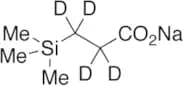

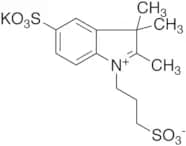
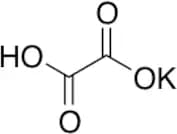
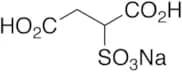
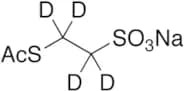

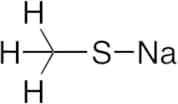

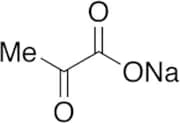


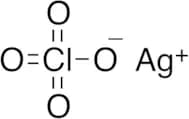


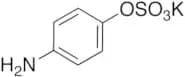

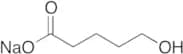

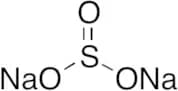
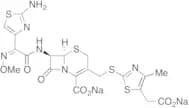
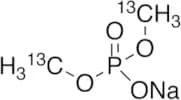


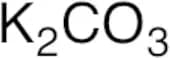
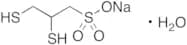

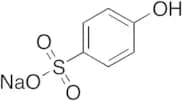
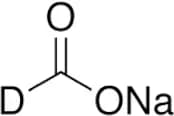
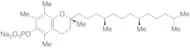
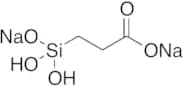
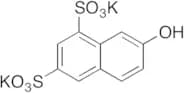

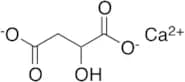
![Homopiperazine-N,N’-bis-[2-(ethanesulfonic acid)] Disodium Salt](/_next/image/?url=https%3A%2Fstatic.cymitquimica.com%2Fproducts%2FTR%2Fthumb-webp%2FH601500.webp&w=3840&q=75)
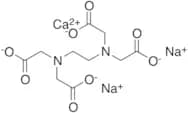
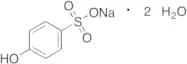

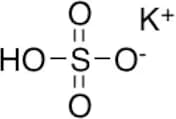

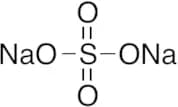


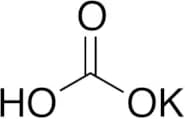


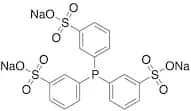
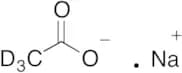
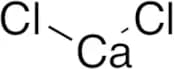
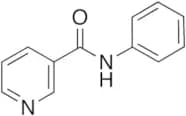
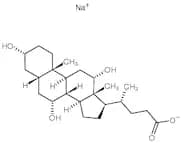
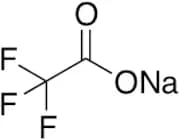
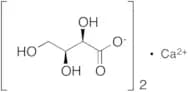
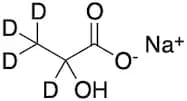

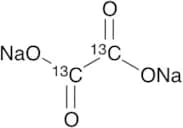
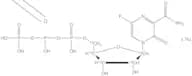
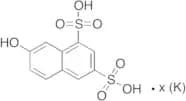
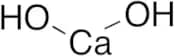





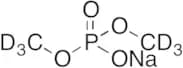
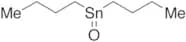


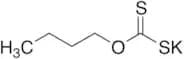
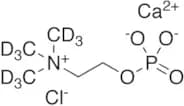
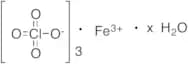


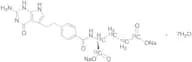
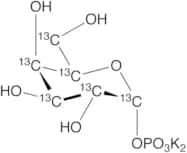
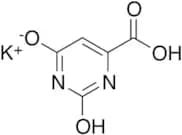
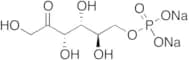
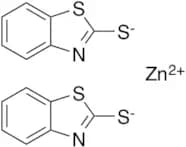
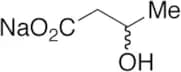
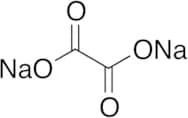

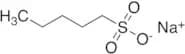
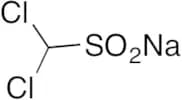

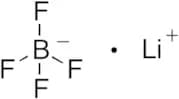
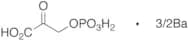
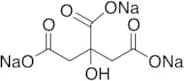

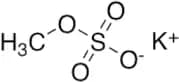

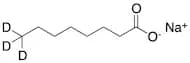
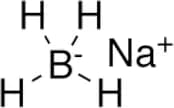

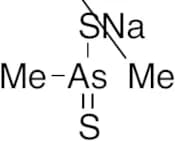
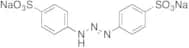
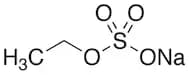
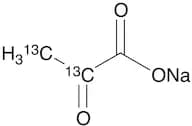


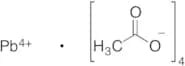
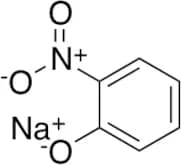
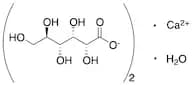
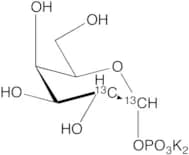
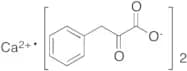
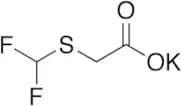
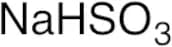
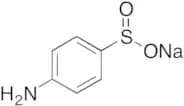
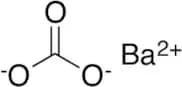
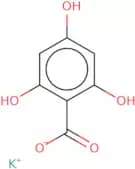


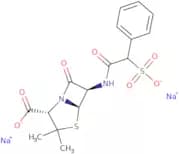
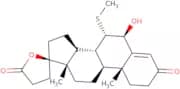

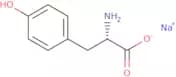
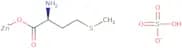
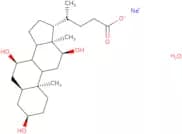
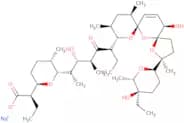
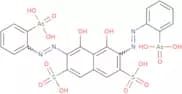

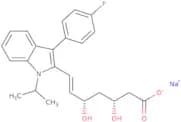
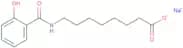


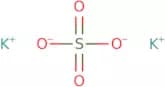
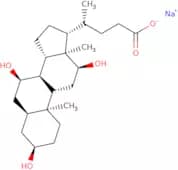

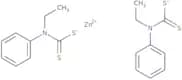
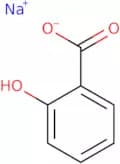

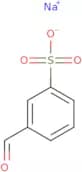

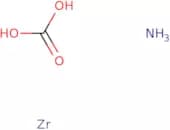
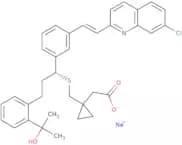

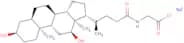
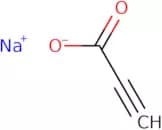
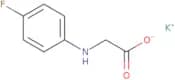
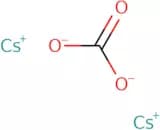
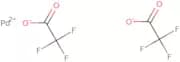

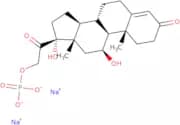

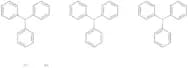
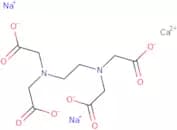
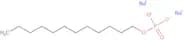
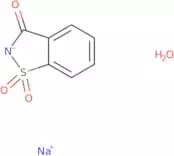
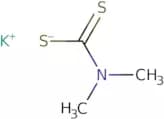
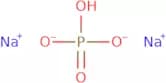

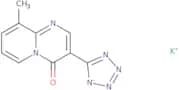
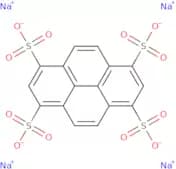
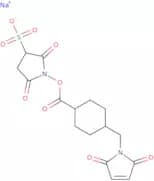


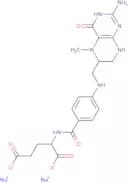
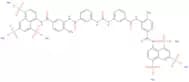
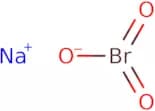

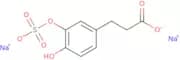

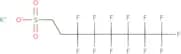
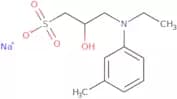


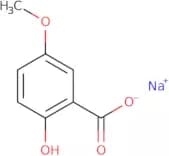
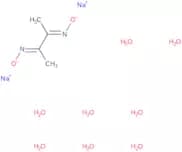
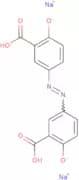
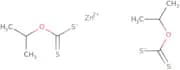

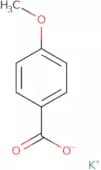


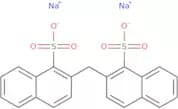
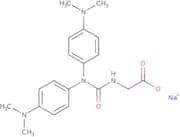
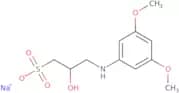
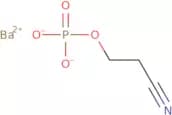
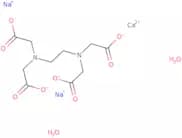
![Sodium 2-[[3-(trifluoromethyl)phenyl]amino]benzoate](/_next/image/?url=https%3A%2Fstatic.cymitquimica.com%2Fproducts%2F3D%2Fthumb-webp%2FFS92420.webp&w=3840&q=75)