APIs for research and impurities
Active Pharmaceutical Ingredients (APIs) are the substances in drugs responsible for their therapeutic effects. In this section, you will find a wide variety of APIs intended for research use. These compounds are essential for the development, testing, and validation of new pharmaceutical formulations. CymitQuimica offers high-quality APIs to support research in drug discovery and development.
Subcategories of "APIs for research and impurities"
- Aminoacids and derivatives(12,328 products)
- Anthraquinones and derivatives(405 products)
- Benzimidazole and Imidazole Derivatives(10,438 products)
- Benzodiazepine Derivatives(335 products)
- Carbohydrates and glycoconjugates(5,016 products)
- Esters and Derivatives(42,240 products)
- Fatty Acids and Lypidic Derivatives(32,395 products)
- Flavonoids and Polyphenols(17,087 products)
- Free Radicals and Oxidant/Reducing Agents(213 products)
- Ketones and derivatives(2,402 products)
- Natural and semi-synthetic antibiotics(6,380 products)
- Nitriles and Cyano Derivatives(3,067 products)
- Nitrosamines and Derivatives(55 products)
- Nucleosides and Nucleotides(3,431 products)
- Organic Phosphates and Phosphonates(1,202 products)
- Organic Sulphonates and Sulphates(10,434 products)
- Organometallics(4,422 products)
- Others(6,292 products)
- Peptides and Proteins(3,153 products)
- Polymers and Derivatives(100 products)
- Purines and Pyrimidine Derivatives(8,948 products)
- Quinazoline and Quinoline Derivatives(65,966 products)
- Quinones and Derivatives(24,349 products)
- Salts and Derivatives of Active Pharmaceutical Ingredients (API)(79,696 products)
- Steroids and Derivatives(4,975 products)
- Sulfonamides and Derivatives(2,594 products)
- Terpenoids and Derivatives(3,846 products)
- Thiazolidinediones and Thiopyrans(2,752 products)
- β-Adrenergic Compounds(230 products)
Show 21 more subcategories
Found 57012 products of "APIs for research and impurities"
Sort by
Purity (%)
0
100
|
0
|
50
|
90
|
95
|
100
NLRP3i
CAS:<p>NLRP3i is a molecule that is orally administered and has been shown to have anti-inflammatory effects in the heart. NLRP3i reduces pro-inflammatory cytokines and protects against cardiac dysfunction in mice with chronic kidney disease. It also protects against heart failure caused by ischemia reperfusion. This drug has been shown to be effective as a therapy for cancer, with some patients being resistant to chemotherapy, although it is not yet approved for this use.</p>Formula:C16H17ClN2O4SPurity:Min. 95%Molecular weight:368.84 g/molD-Gln19-Tirzepatide
<p>Tirzepatide impurities.</p>Formula:C225H348N48O68Molecular weight:4,813.5 g/molN-[1-(R)-(+)-(2-Naphthyl)ethyl]-3-[3-(trifluoromethyl)phenyl]-1-aminopropane hydrochloride
CAS:<p>N-[1-(R)-(+)-(2-Naphthyl)ethyl]-3-[3-(trifluoromethyl)phenyl]-1-aminopropane hydrochloride is a metabolite that is produced by the metabolism of naphthalene. It is an impurity in the naphthalene standard, which is used as an API to assess the purity of other substances. N-[1-(R)-(+)-(2-Naphthyl)ethyl]-3-[3-(trifluoromethyl)phenyl]-1-aminopropane hydrochloride has been shown to be a substrate for CYP2D6. This metabolite is also found in pharmaceuticals and other drugs.</p>Formula:C22H22F3N•HClPurity:Min. 95%Molecular weight:393.87 g/mol(RS)-Methyl ethyl 1,4-dihydro-2,6-dimethyl-4-(3-nitrophenyl)pyridine-3,5-dicarboxylate
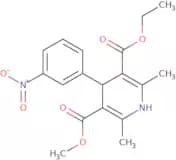
CAS:<p>Methyl ethyl 1,4-dihydro-2,6-dimethyl-4-(3-nitrophenyl)pyridine-3,5-dicarboxylate is a propranolol hydrochloride derivative that has vasodilatory effects. It is used as a nitrovasodilator to treat angina pectoris and high blood pressure. Methyl ethyl 1,4-dihydro-2,6-dimethyl-4-(3-nitrophenyl)pyridine-3,5-dicarboxylate binds to the alpha1 adrenergic receptors in the heart and causes vasodilation by inhibiting the release of norepinephrine from sympathetic nerves. This drug also inhibits the binding of norepinephrine to cardiac beta receptors which decreases the heart rate and contractility of cardiac muscle. Methyl ethyl 1,4-dihydro-2,6</p>Formula:C18H20N2O6Purity:Min. 95%Color and Shape:Yellow PowderMolecular weight:360.36 g/molD-Lys-16-Tirzepatide
<p>Tirzepatide impurity.</p>Formula:C225H348N48O68Molecular weight:4,813.5 g/molSemaglutide Impurity 101 (D-Glu 3)
<p>D-Glu(3)-Semaglutide is a semaglutide impurity. The amino acid at position 3 has been replaced by the D-form of the amino acid D-glutamic acid (D-Glu). Semaglutide impurities are structurally related compounds that arise during synthesis, purification, or storage of semaglutide, a long-acting GLP-1 receptor agonist for managing type 2 diabetes and obesity.</p>Formula:C187H291N45O59Molecular weight:4,113.64 g/mol3-N-didesmethyl-3-N-tosyl azithromycin
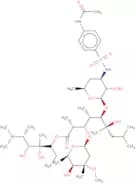
<p>3-N-didesmethyl-3-N-tosyl azithromycin is an impurity of azithromycin. It is a white crystalline solid that is soluble in methanol and acetone, but insoluble in water. 3-N-didesmethylazithromycin has been shown to be a metabolite of azithromycin, which can be found as an impurity in the drug product.</p>Formula:C45H79N3O15SPurity:Min. 95%Molecular weight:934.19 g/molEsomeprazole Impurity Q
<p>Esomeprazole Impurity Q is a drug product. It is an impurity standard of esomeprazole, CAS No. 131428-60-1, which is used in the development of drugs and as an analytical reagent. It is synthesized from natural materials and has a purity of 99%. The metabolite can be found in animal and human metabolism studies. Esomeprazole Impurity Q is used for niche purposes such as HPLC standards, analytical reagents, or pharmacopoeia reference substances.</p>Purity:Min. 95%Pantoprazole sulfide N-oxide
CAS:<p>Pantoprazole sulfide N-oxide is a metabolite of pantoprazole, which is a proton pump inhibitor used to reduce stomach acid production. Pantoprazole sulfide N-oxide is an impurity in pantoprazole that can be detected by HPLC. It has been shown to have about the same biological activity as pantoprazole when given orally.</p>Formula:C16H15F2N3O4SPurity:Min. 95%Color and Shape:Off-White To Yellow SolidMolecular weight:383.37 g/mol2-(N-Methyl-propanamine)-3-(2-naphthyl) thiophene
CAS:2-(N-Methyl-propanamine)-3-(2-naphthyl) thiophene is a synthetic compound that has been used as an impurity standard for the drug product and API. It has also been used for the pharmacopoeia, research and development, and analytical purposes. This compound is a metabolite of erythromycin.Formula:C18H19NOSPurity:Min. 95%Color and Shape:White To Pink Or Yellow SolidMolecular weight:297.42 g/mol2-[4-(2-Methylpropanoyl)phenyl] propanoic acid
CAS:<p>2-[4-(2-Methylpropanoyl)phenyl] propanoic acid is a pharmaceutical intermediate that is used for the production of carprofen. It has been found to be an analytical method for the determination of 4-hydroxybenzoic acid and 4-isobutylacetophenone. The compound is analyzed by chromatographic methods and electrophoresis methods. The optimization of the solvent composition, flow rate, and impurities during the synthesis process are also studied in this research. 2-[4-(2-Methylpropanoyl)phenyl] propanoic acid has been found to be a meaningful validation of analytical methods for medicines, with an impurity limit of 0.1%.</p>Formula:C13H16O3Purity:Min. 98 Area-%Color and Shape:PowderMolecular weight:220.26 g/mol2'-Nor thiaMine
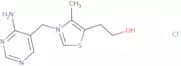
CAS:<p>2'-Nor thiaMine is a drug product, analytical and impurity standard for the manufacture of pharmaceuticals. It is a natural substance found in plants, animals and humans. 2'-Nor thiaMine has been shown to be an impurity of the drug 2-mercaptopurine (2MP), which is used to treat leukemia, lymphoma and psoriasis. This compound can also be used as a research tool or as an impurity standard.<br>2'-Nor thiaMine is used in metabolism studies of drugs that are metabolized by liver enzymes such as cytochrome P450. It has been shown to inhibit the activity of these enzymes in vitro at concentrations less than 1 μM.<br>CAS No.: 7770-93-6</p>Formula:C11H15ClN4OSPurity:Min. 95%Molecular weight:286.78 g/mol5-Chloro-N-[[(5R)-2-oxo-3-[4-(3-oxo-4-morpholinyl)phenyl]-5-oxazolidinyl]methyl]-2-thiophenecarboxamide
CAS:5-chloro-N-[[(5R)-2-oxo-3-[4-(3-oxo-4-morpholinyl)phenyl]-5-oxazolidinyl]methyl]-2-thiophenecarboxamide (CTP) is a potent inhibitor of the cytochrome P450 enzyme CYP3A4. CTP has been shown to inhibit the metabolism of midazolam, an important drug for general anesthesia and sedation, in a study investigating the interaction between CYP3A4 inhibitors and midazolam. Ketoconazole, another inhibitor of CYP3A4, inhibited the metabolism of midazolam in vitro as well. In addition, CTP was shown to be a substrate for CYP2D6 and CYP1A2 in vitro.Formula:C19H18ClN3O5SPurity:Min. 95%Color and Shape:White PowderMolecular weight:435.88 g/mol(17a)-13-Ethyl-17-hydroxy-18,19-dinorpregn-5-en-20-yn-3-one
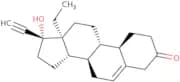
CAS:Controlled Product(17a)-13-Ethyl-17-hydroxy-18,19-dinorpregn-5-en-20-yn-3-one is a progestin that acts as an inhibitor of the P450 enzyme. It has been used in the treatment of women with fertility problems. (17a)-13-Ethyl-17-hydroxy-18,19-dinorpregn-5-en--20--yn--3--one has shown inhibitory effects on voltage dependent calcium channels and thus may have contraceptive properties. It has also been shown to be effective in the long term treatment of intrauterine devices. Low bioavailability is a disadvantage of this drug.br>br>Formula:C21H28O2Purity:Min. 95%Color and Shape:PowderMolecular weight:312.45 g/molrac N-Demethyl promethazine hydrochloride
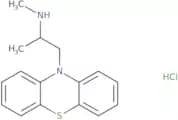
CAS:<p>Rac-N-Demethylpromethazine hydrochloride is a racemic mixture of promethazine. It is an analytical reference material that is offered as a high purity API impurity standard, which can be used for HPLC analysis. Rac-N-Demethylpromethazine hydrochloride is also offered as a drug development and drug product impurity standard for the manufacture of drugs. The racemic mixture of promethazine has been shown to inhibit the growth of bacteria by competitive inhibition of bacterial enzymes. Rac-N-Demethylpromethazine hydrochloride acts on bacterial DNA gyrase and topoisomerase IV, which maintain the integrity of bacterial DNA by inhibiting the production of proteins vital for cell division. Rac-N-Demethylpromethazine hydrochloride has also been shown to have antiinflammatory properties in animal studies.</p>Formula:C16H19ClN2SPurity:Min. 95%Color and Shape:PowderMolecular weight:306.86 g/mol7-epi-Taxol
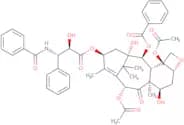
CAS:Paclitaxel is an anticancer drug that belongs to the class of taxanes. Paclitaxel binds to cell membranes and interferes with cell division by preventing the polymerization of microtubule proteins. This drug can be prepared by high-performance liquid chromatography (HPLC) and has minimal toxicity in humans, but is highly toxic in rats. Paclitaxel also inhibits glucose uptake in breast cancer cells, leading to significant cytotoxicity. It has inhibitory properties against toll-like receptor 4, which may contribute to its anti-inflammatory effects.Formula:C47H51NO14Purity:Min. 95%Color and Shape:PowderMolecular weight:853.91 g/molLisdexamfetamine dimesylate impurity C
<p>Lisdexamfetamine dimesylate impurity C is a research and development chemical with CAS No. 1207-0284-00-6 that belongs to the class of drugs. It is a custom synthesis, high purity, pharmacopoeia grade drug product that exhibits analytical properties similar to the drug product. Lisdexamfetamine dimesylate impurity C has been shown to be a metabolite of lisdexamfetamine dimesylate and is used for metabolism studies.</p>Purity:Min. 95%Phytofluene
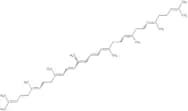
CAS:Phytofluene is a natural compound that has been found to have potential as an anticancer agent. It acts as an inhibitor of cancer cell growth and induces apoptosis, or programmed cell death, in tumor cells. Phytofluene has been shown to inhibit the activity of several important proteins involved in cancer development, including chitinase and heparin-binding protein. It is derived from Chinese medicinal plants and has been used for centuries for its anti-inflammatory and antioxidant properties. In addition to its anticancer effects, phytofluene has also been found to inhibit the activity of kinases in human urine, suggesting a potential role in the treatment of other diseases such as diabetes and cardiovascular disease.Formula:C40H62Purity:Min. 95%Molecular weight:542.9 g/molN-[[2'-(2H-Tetrazol-5-yl)[1,1'-biphenyl]-4-yl]methyl]-L-Valine
CAS:<p>N-[[2'-(2H-Tetrazol-5-yl)[1,1'-biphenyl]-4-yl]methyl]-L-Valine is a synthetic, nonstandardized HPLC standard that is used in drug development and metabolism studies. It is not available as a natural product, but can be made synthetically. N-[[2'-(2H-Tetrazol-5-yl)[1,1'-biphenyl]-4-yl]methyl]-L-Valine has the CAS No. 676129-92-3 and impurity standards are available for this compound.</p>Formula:C19H21N5O2Purity:Min. 95%Color and Shape:PowderMolecular weight:351.4 g/molDes-Glu(3)-Semaglutide
<p>Des-Glu(3)-semaglutide is a semaglutide-related impurity. This des-amino acid form has got the glutamic acid or glutamate (Glu) amino acid from position 3 removed from the peptide chain. Semaglutide impurities are structurally related compounds that arise during synthesis, purification, or storage of semaglutide, a long-acting GLP-1 receptor agonist used for managing type 2 diabetes and obesity.</p>Formula:C182H284N44O56Molecular weight:3,984.53 g/molN-(5-Aminopentyl) methotrexate amide
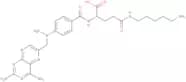
CAS:<p>N-(5-Aminopentyl) methotrexate amide is a fluorescent probe that is used to study the transport of drugs across cell membranes. It binds to the plasma membrane of cells and can be visualized with a fluorescence microscope. N-(5-Aminopentyl) methotrexate amide has been shown to bind to leukemia cells in murine leukemia models. It has a high affinity for drug-resistant cells, which makes it useful for studying drug resistance mechanisms. This probe can be used at nanomolar concentrations for imaging studies, as well as for measuring the uptake of drugs into cancer cells by flow cytometry.</p>Formula:C25H34N10O4Purity:Min. 95%Color and Shape:Yellow PowderMolecular weight:538.6 g/molAcetylenedicarboxylic acid methyl ester
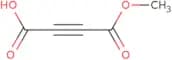
CAS:Acetylenedicarboxylic acid methyl ester (ADME) is a potent inhibitor of kinases that play a crucial role in cancer cell growth and apoptosis. It has been shown to exhibit anticancer activity against various tumor cell lines, including Chinese hamster ovary cells and human bladder carcinoma cells. ADME has also been found in urine samples from healthy individuals, indicating its presence in the human body. This compound specifically targets D-xylose kinases, which are overexpressed in certain cancer cells, leading to their growth inhibition and apoptosis induction. As an inhibitor of these kinases, ADME has potential as a therapeutic agent for the treatment of cancer.Formula:C5H4O4Purity:Min. 95%Molecular weight:128.08 g/molCimetidine
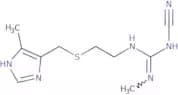
CAS:<p>Cimetidine is a histamine-2 receptor antagonist that inhibits gastric acid secretion and reduces the activity of stomach enzymes. It is used to treat peptic ulcers, gastroesophageal reflux disease, and Zollinger-Ellison syndrome. Cimetidine has been shown to inhibit the activity of drug-metabolizing enzymes such as cytochrome P450. Cimetidine also inhibits the transport protein P-glycoprotein (P-gp), which leads to increased concentrations of some drugs in the blood and tissues. This inhibition may lead to an increase in cardiac effects with certain drugs, such as x-ray diffraction data with taxol or h1 antagonists.</p>Formula:C10H16N6SPurity:Min. 95%Color and Shape:White PowderMolecular weight:252.34 g/molD-His(1)-Semaglutide
<p>D-His(1)-Semaglutide is a semaglutide impurity. The amino acid at position 1 has been replaced by the D-form of the amino acid D-histidine (D-His). Semaglutide impurities are structurally related compounds that arise during synthesis, purification, or storage of semaglutide, a long-acting GLP-1 receptor agonist for managing type 2 diabetes and obesity.</p>Formula:C187H291N45O59Molecular weight:4,113.64 g/molLinear Semaglutide
<p>Linear semaglutide, or simply L-Sema, is the semaglutide compound without the lipid side chain modification. It is essentially a linear version of the peptide.</p>Formula:C152H230N42O47Molecular weight:3,397.76 g/mol6-Epi pravastatin sodium
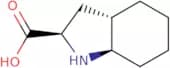
CAS:<p>6-Epi pravastatin sodium salt is a synthetic compound with the same molecular formula and chemical structure as the natural product. It has been used in pharmacological studies, drug development, and research. 6-Epi pravastatin sodium salt is a metabolite of pravastatin.</p>Formula:C23H36O7•NaPurity:Min. 92.0 Area-%Molecular weight:447.51 g/mol(2R,3aS,7aR)-Octahydro-1H-indole-2-carboxylic acid
CAS:<p>(2R,3aS,7aR)-Octahydro-1H-indole-2-carboxylic acid is a drug product that is an analytical standard used in the study of metabolism. It is a natural compound that can be synthesized and purified. This chemical has been used as an impurity standard to identify other compounds. It has been used in the synthesis of other drugs and can be custom synthesized for research and development purposes. (2R,3aS,7aR)-Octahydro-1H-indole-2-carboxylic acid can be used as an HPLC standard or high purity chemical. This compound has shown pharmacopoeia activity and is used in drug development and research studies.</p>Formula:C9H15NO2Purity:Min. 95%Molecular weight:169.22 g/molBusulfan propyl mesylate
Busulfan propyl mesylate is a synthetic drug that is used as an antineoplastic agent. It is a prodrug of busulfan, which is converted to its active form through metabolic processes. Busulfan proplyl mesylate has been shown to be effective in the treatment of several types of cancer, including leukemia and lymphoma. Busulfan proplyl mesylate binds to DNA and prevents RNA synthesis, which prevents protein synthesis and cell division. This drug has been shown to have few side effects when compared with other chemotherapeutic agents.Formula:C10H22O9S3Purity:Min. 95%Molecular weight:382.47 g/molSemaglutide Impurity 54 (D-Ala 18)
<p>D-Ala(18)-Semaglutide is a semaglutide impurity. The amino acid at position 18 has been replaced by the D-form of the amino acid D-alanine (D-Ala). Semaglutide impurities are structurally related compounds that arise during synthesis, purification, or storage of semaglutide, a long-acting GLP-1 receptor agonist for managing type 2 diabetes and obesity.</p>Formula:C187H291N45O59Molecular weight:4,113.64 g/molBis{2-[(2S-trans)-Methyl 7-chloro-6,7,8-trideoxy-6-[((1-methyl-4-propyl-2-pyrrolidinyl)-carbonyl)amino]-1-thio-L-threo-a-D-galacto-o ctopyranoside]} pyrophosphate
CAS:<p>CAS No. 37450-78-5, drug product, Custom synthesis, High purity, analytical, Metabolism studies, Natural, Drug development, pharmacopoeia, Metabolite, niche, Synthetic</p>Formula:C36H66Cl2N4O15P2S2Purity:Min. 95%Molecular weight:991.91 g/mol1,4-Dihydro-2,6-dimethyl-4-(3-nitrophenyl)-3,5-pyridinedicarboxylic acid diethyl ester
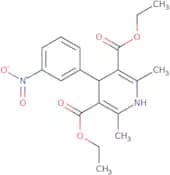
CAS:<p>1,4-Dihydro-2,6-dimethyl-4-(3-nitrophenyl)-3,5-pyridinedicarboxylic acid diethyl ester is an API impurity. It is a white or cream powder with a melting point of about 135°C. This impurity can be used as an impurity standard for HPLC applications to determine the purity of drug products. It is also suitable for use as a pharmacopoeia analytical reference material and as a synthetic intermediate in research and development (R&D) studies.</p>Formula:C19H22N2O6Purity:Min. 95%Color and Shape:Yellow PowderMolecular weight:374.39 g/mol2-Mercaptobenzimidazole
CAS:<p>2-Mercaptobenzimidazole is a chemical compound that can be used for the treatment of infectious diseases. It has been shown to have antioxidative properties and inhibit the growth of bacteria. 2-Mercaptobenzimidazole also has an effect on human serum, which may be due to its ability to bind with proteins in serum and form hydrogen bonds. 2-Mercaptobenzimidazole is stable at high temperatures and has been shown as an effective antimicrobial agent against gram positive and gram negative bacteria.</p>Formula:C7H6N2SPurity:Min. 99 Area-%Color and Shape:White/Off-White SolidMolecular weight:150.19 g/mol2,3-Dichlorobenzoic acid
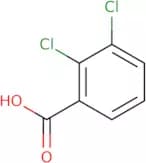
CAS:<p>2,3-Dichlorobenzoic acid is an organic compound that belongs to the class of carboxylates. It is used as a drug substance in the treatment of mycobacterial infections. 2,3-Dichlorobenzoic acid has been shown to have antimicrobial activity against Mycobacterium tuberculosis and other mycobacteria. The sensitivity index for this compound was determined using a chromatographic method with human erythrocytes as the test organism. 2,3-Dichlorobenzoic acid displays its antibacterial activity by inhibiting protein synthesis and cell division. This drug also forms crystalline solids that are soluble in organic solvents such as chloroform or benzene.</p>Formula:C7H4Cl2O2Purity:Min. 95%Color and Shape:PowderMolecular weight:191.01 g/molDesethylene Ciprofloxacin hydrochloride
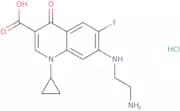
CAS:<p>Desethylene ciprofloxacin hydrochloride is a metabolite of ciprofloxacin that is converted to the active form of the drug. Desethylene ciprofloxacin hydrochloride has a concentration-response relationship, which can be used for in vitro testing of pharmaceutical preparations. The chromatographic evaluation of this metabolite can be used to identify the presence of antibiotics in environmental samples. Desethylene ciprofloxacin hydrochloride is also a substrate for carbonyl reductase and piperazine, which are enzymes that produce an activated form of the metabolite.</p>Formula:C15H16FN3O3·HClPurity:Min. 95%Color and Shape:Off-White Yellow PowderMolecular weight:341.77 g/molMicafungin impurity B
<p>Micafungin impurity B is a natural metabolite of micafungin. It is a synthetic impurity standard used in HPLC analysis. Micafungin impurity B has been shown to be the primary metabolite of micafungin in humans and is excreted in the urine and feces. Metabolism studies have shown that it may be formed by oxidation of the hydroxyl group at position C-3 or by hydrolysis of the amide bond between carbons C-4 and C-5.</p>Purity:Min. 95%Dehydrocorybulbine chloride
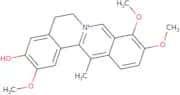
CAS:Dehydrocorybulbine chloride salt is a medicinal compound that has shown potential as an anticancer agent. It is an analog of the Chinese herb Corydalis yanhusuo and has been found to inhibit protein kinases, which are enzymes that play a key role in cancer cell growth and proliferation. Dehydrocorybulbine chloride salt has been shown to induce apoptosis (programmed cell death) in various types of cancer cells, including bladder, lung, and breast cancer cells. This compound also exhibits low toxicity towards normal human cells and has shown promise as a possible treatment for certain types of cancer.Formula:C21H22ClNO4Purity:Min. 95%Color and Shape:PowderMolecular weight:352.4 g/mol5-Aminolevulinic acid hydrochloride
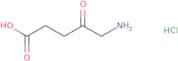
CAS:<p>Photodynamic Therapy of Actinic Keratosis. Porphobilinogen synthase substrate that produces endogenous porphyrins useful for sensitizing cells in photodynamic therapy. Intermediate in heme and chlorophyll biosynthesis. Estimation of 5-aminolevulinic acid dehydratase. PBG formed in the assay is determined spectrophotometrically with Ehrlich's reagent. Used in Porphyrin test for differentiation of Haemophilus species. Enzymes that convert ALA to porphyrins in the biosynthesis of hemin (X factor) are not produced by H. influenzae, H.aegyptius and H. canis. These enzymes are produced by H. parainfluenzae, H. parahaemolyticus, H. gallinarum, H. parasuis, H. parahaemolyticus and H. aphrophilus. A positive reaction is indicated by an orange-red fluorescence.</p>Formula:C5H10ClNO3Purity:Min. 98.0 Area-%Molecular weight:167.59 g/molMethyl 2-disazobenzoate hydrochloride
CAS:Methyl 2-disazobenzoate hydrochloride is a drug product that is used as an HPLC standard and as a metabolite in the development of drugs. It has been found to be naturally occurring and is a research and development metabolite. Methyl 2-disazobenzoate hydrochloride is also an impurity of API, which can be quantified in analytical studies. It is a synthetic compound with CAS No. 35358-78-2 and it can be used to manufacture high purity pharmaceuticals. Methyl 2-disazobenzoate hydrochloride has been shown to have niche pharmacological effects, such as anti-inflammatory activities.Formula:C8H7N2O2ClPurity:Min. 95%Molecular weight:198.61 g/mol2-(3-(1-Benzylpiperidin-4-yl)-2-oxopropyl)-4,5-dimethoxybenzoic acid sodium salt
<p>2-(3-(1-Benzylpiperidin-4-yl)-2-oxopropyl)-4,5-dimethoxybenzoic acid sodium salt is a white to off-white crystalline powder. It is soluble in water and sparingly soluble in alcohol. This product is used as an analytical standard and has been found to be a metabolite of the drug clozapine. 2-(3-(1-Benzylpiperidin-4-yl)-2-oxopropyl)-4,5-dimethoxybenzoic acid sodium salt has also been found to be an impurity in the drug product lamotrigine.</p>Formula:C24H29NO5•NaPurity:Min. 95%Molecular weight:434.49 g/molβ-Epoxyabiraterone acetate
CAS:Beta-Epoxyabiraterone acetate is a synthetic and natural metabolite of abiraterone that is used as an API impurity in the synthesis of abiraterone acetate. The drug product is a niche compound with CAS No. 52464-96-6. The Metabolite is an impurity found in the synthesis of beta-epoxyabiraterone acetate. Drug development research and development, analytical methods, and pharmacopoeia are all involved in the production of this compound.Formula:C26H33NO3Purity:Min. 90 Area-%Color and Shape:White Off-White PowderMolecular weight:407.55 g/molNaltrexone impurity A
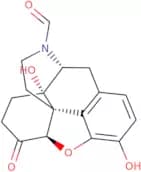
CAS:Controlled Product<p>Naltrexone impurity A is a synthetic, high-purity drug product that is used as an analytical reference standard in the development and manufacture of pharmaceuticals. It is also used as a pharmacopoeia reference standard and to study metabolism. Naltrexone impurity A has been shown to be a major metabolite of naltrexone and can be found in the urine at concentrations of 1-2% following oral administration. This impurity is not active when given orally, but may have activity if injected intravenously or intramuscularly.</p>Formula:C17H17NO5Purity:Min. 95%Color and Shape:PowderMolecular weight:315.32 g/molAmoxicillin trihydrate impurity N
<p>Amoxicillin trihydrate impurity N is a drug product that is an impurity in amoxicillin trihydrate. It is a natural, API impurity, which has been synthesized and tested for use as an impurity standard for HPLC analysis of amoxicillin trihydrate. The CAS number for Amoxicillin trihydrate impurity N is 592-84-1.</p>Purity:Min. 95%2-EPIIvermectin B1a
2-EPIivermectin B1a is a drug product that is used as an analytical standard for the detection of impurities in API and in the synthesis of Metabolite. It is also used as a natural product for drug development. 2-EPIivermectin B1a is not intended for use as an active pharmaceutical ingredient. This product has been shown to have pharmacopoeia purity, which means it meets the specifications set by the following organizations: USP, EP, JP, BP, and CP.Purity:Min. 95%4-[(3,4-Dimethoxyphenethyl)methylamino]-2-(3,4-dimethoxyphenyl)-2-isopropylbutyronitrile monohydrochloride
CAS:Metoclopramide is a dopamine receptor ligand used as an antiemetic in the treatment of nausea and vomiting. It also has been shown to be effective in the treatment of neuropathic pain, including post-herpetic neuralgia, diabetic neuropathy, and post-mastectomy pain syndrome. Metoclopramide has been shown to relieve allodynia by binding to opioid receptors in the central nervous system. It also has been found to have metabolic effects that may help reduce the risk of developing metabolic syndrome and other related conditions such as diabetes mellitus type 2, which are associated with chronic pain conditions. Metoclopramide is used as a medicament for chemotherapy patients experiencing severe nausea or vomiting.Formula:C26H36N2O4•HClPurity:Min. 95%Color and Shape:PowderMolecular weight:477.04 g/molDarunavir urea Impurity
<p>Darunavir Urea Impurity is an impurity of Darunavir which is used in the treatment of HIV. It is produced as a result of the metabolism of Darunavir by Cytochrome P450 enzymes. This impurity has been shown to be present in drug products that contain Darunavir and are manufactured using a process involving the use of urea. The CAS number for this impurity is 557-87-2.</p>Purity:Min. 95%3-[[[2-[(Aminoiminomethyl)amino]-4-thiazolyl]methyl]thio]-propanoic acid methyl ester
CAS:<p>3-[[[2-[(Aminoiminomethyl)amino]-4-thiazolyl]methyl]thio]-propanoic acid methyl ester is an impurity standard for HPLC. The compound is a metabolite of the drug product and is naturally occurring. The CAS number for 3-[[[2-[(Aminoiminomethyl)amino]-4-thiazolyl]methyl]thio]-propanoic acid methyl ester is 76824-14-1. It has a purity of > 99% and can be used in research and development, analytical applications, or as an impurity standard for HPLC.</p>Formula:C9H14N4O2S2Purity:Min. 95%Molecular weight:274.37 g/molN-[4-Amido-3-(trifluoromethyl)phenyl-3-[(4-fluorophenyl)sulphinyl]-2-hydroxy-2-methylpropanamide
CAS:<p>This drug product is a custom synthesis, CAS No. 2200280-97-1, drug development, Metabolite, Synthetic, Impurity standard, Metabolism studies, API impurity, Natural (pharmacopoeia), analytical (HPLC standard), Research and Development (High purity). It is a metabolite of the drug N-[4-amido-3-(trifluoromethyl)phenyl-3-[(4-fluorophenyl)sulphinyl]-2-hydroxy-2-methylpropanamide. This compound has been shown to have high affinity for the dopamine receptor with an IC50 of 0.5 nM.</p>Formula:C18H16F4N2O5SPurity:Min. 95 Area-%Color and Shape:White to off-white solid.Molecular weight:448.39 g/mol7-(4-Bromobutoxy)-3,4-dihydroquinolin-2-one
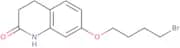
CAS:<p>7-(4-Bromobutoxy)-3,4-dihydroquinolin-2-one is a palladium catalyst that can be used in a Buchwald reaction. This reaction is an industrially scalable process that has been developed to produce high yields of valuable organic compounds from inexpensive starting materials. The catalytic cycle involves the formation of the palladium species Pd(0) followed by its oxidative addition to an alkyl halide. This addition leads to the formation of a palladium(II) species and subsequent reductive elimination of hydrogen halide. 7-(4-Bromobutoxy)-3,4-dihydroquinolin-2-one is used as a catalyst in this process because it selectively reacts with electron rich aromatic substrates to form substituted benzoquinones or phenols. The product distribution is determined by the reactivity of the substrate and the relative rates of competing reactions. Impurities are formed during synthesis due to</p>Formula:C13H16BrNO2Purity:Min. 95%Molecular weight:298.18 g/molChlorthalidone impurity H
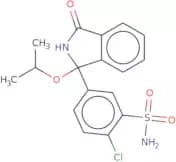
CAS:<p>Chlorthalidone impurity H is an impurity standard for chlorthalidone. It is a synthetic chemical and its CAS number is 2200280-98-2. It has the molecular formula C14H14ClN4O4S, molecular weight of 336.36 g/mol, and melting point of 174°C. Chlorthalidone impurity H is soluble in water and ethanol, but insoluble in ether or chloroform. It can be used as an analytical standard for HPLC and as an API impurity in the pharmacopoeia. This drug can also be used in drug development, natural product synthesis, metabolism studies, and drug product manufacturing.</p>Formula:C17H17ClN2O4SPurity:Min. 95%Color and Shape:White To Off-White SolidMolecular weight:380.85 g/molEthyl 3-(dimethylamino)-2-(4-methoxyphenyl)propanoate
CAS:Ethyl 3-(dimethylamino)-2-(4-methoxyphenyl)propanoate is an impurity standard for drug product. It is a high purity, API impurity, HPLC standard and niche chemical that is found in the CAS No. 323176-93-8. This compound is used in drug development and analytical research. It is a synthetic compound that can be custom synthesized, natural or found in research and development.Formula:C14H21NO3Purity:(%) Min. 95%Color and Shape:Clear Viscous LiquidMolecular weight:251.32 g/molBis-[[2-[(diaminomethylene)amino]thiazol-4-yl]methyl]disulfide
CAS:<p>Bis-[[2-[(diaminomethylene)amino]thiazol-4-yl]methyl]disulfide is a disulfide derivative of famotidine. It has been used as an analytical reagent for the determination of impurities in famotidine and other related compounds. Bis-[[2-[(diaminomethylene)amino]thiazol-4-yl]methyl]disulfide is soluble in methanol, ethanol and water, but not in acetone. The compound can be prepared by reacting 4-(dimethylamino)-1H-1,2,3-benzothiadiazole with 2-[(diaminomethylene)amino]-4-(N'-methoxycarbonylthio)benzaldehyde and then reductive amination with sodium bisulfite.</p>Formula:C10H14N8S4Purity:Min. 95%Color and Shape:PowderMolecular weight:374.54 g/molAlbendazole sulfoxide
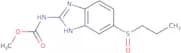
CAS:<p>Albendazole sulfoxide is a sulfoxide of albendazole. The molecular docking analysis of the two molecules showed that the sulfoxide group is located in the same position as the hydroxyl group on albendazole. It has been shown that this replacement of hydroxyl with a sulfoxide group increases the solubility and stability of albendazole, which may be due to hydrogen bonding interactions between these groups. Albendazole sulfoxide has been shown to be an effective treatment for infections caused by parasites such as helminths. However, it should not be used in combination with drugs that are metabolized by cytochrome P450 enzymes because it can inhibit their activity.</p>Formula:C12H15N3O3SPurity:Min. 97 Area-%Color and Shape:White PowderMolecular weight:281.33 g/molN-(2-Amino-4-thiazolyl)acetyl mirabegron
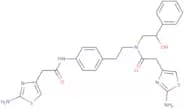
CAS:<p>N-(2-Amino-4-thiazolyl)acetyl mirabegron is a research chemical that belongs to the category of drugs. It is custom synthesized and purified through analytical methods. N-(2-Amino-4-thiazolyl)acetyl mirabegron has been studied for its metabolism in vivo, including its pharmacokinetics and pharmacodynamics. This drug product is a metabolite of mirabegron, an agent used for the treatment of overactive bladder syndrome (OAB). The metabolite is also present in urine and plasma samples.</p>Formula:C26H28N6O3S2Purity:Min. 95%Molecular weight:536.7 g/molMethyl-3-[5-(2-methoxycarbonylethyl)pyrazin-2-yl]propionate
CAS:<p>Methyl-3-[5-(2-methoxycarbonylethyl)pyrazin-2-yl]propionate is a hydrophobic, colorless liquid with a pungent odor. It is an additive that can be used in the manufacturing of epoxy resins to increase their light resistance and corrosion resistance. This product also has immunity properties and may be used as an immunotherapy agent for the treatment of viral infections. Methyl-3-[5-(2-methoxycarbonylethyl)pyrazin-2-yl]propionate has been shown to activate immune cells and promote cell immunity by increasing the production of cytokines. It may also be used as a virus transfer agent for the prevention of viral infection.</p>Formula:C12H16N2O4Purity:Min. 95%Color and Shape:White to off-white powder.Molecular weight:252.27 g/mol(5α)-17-(3-Pyridinyl)androst-16-en-3-one
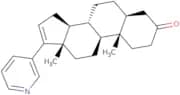
CAS:Controlled Product(5α)-17-(3-Pyridinyl)androst-16-en-3-one is a natural metabolite of testosterone that is produced in the liver. It has been identified as an impurity in API, which can be found in drugs used for the treatment of high blood pressure and prostate cancer. (5α)-17-(3-Pyridinyl)androst-16-en-3-one is not active as a drug itself, but it can be used as a standard to study the metabolism of testosterone and other steroids.Formula:C24H31NOPurity:Min. 98 Area-%Color and Shape:White PowderMolecular weight:349.51 g/molFluticasone furoate impurity I
<p>Fluticasone furoate impurity I is a drug product that is custom synthesized for research and development. It is an analytical standard that is used in metabolism studies. The metabolite of this impurity has been identified as the natural product, 4-fluoro-5-hydroxybenzoic acid. Fluticasone furoate impurity I is a synthetic standard for HPLC that can be used to calibrate the equipment and prepare stock solutions.</p>Purity:Min. 95%N-[(1R)-1-(1-Naphthalenyl)ethyl]carbamic acid 3-[3-(trifluoromethyl)phenyl]propyl] ester
CAS:<p>N-[(1R)-1-(1-Naphthalenyl)ethyl]carbamic acid 3-[3-(trifluoromethyl)phenyl]propyl] ester is a drug product. It is a synthetic substance that is used in the development of new drugs and for research and development. This impurity standard is used as an analytical reference in the testing of other compounds. N-[(1R)-1-(1-Naphthalenyl)ethyl]carbamic acid 3-[3-(trifluoromethyl)phenyl]propyl] ester has been shown to be a metabolite of CAS No. 915979-44-1, which is also known as N-[(2S)-2-[[5-[3-(Trifluoromethoxy)phenoxy]-2-pyridinyl]methyl]-2,5-dioxopyrrolidin-1-yl]-3,</p>Formula:C23H22F3NO2Purity:Min. 95%Color and Shape:Colorless to yellow liquid.Molecular weight:401.42 g/molAztreonam impurity D
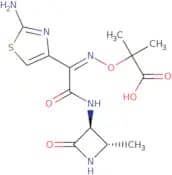
CAS:Aztreonam impurity D is a metabolite of aztreonam. Aztreonam impurity D is an impurity standard for the pharmacopoeia and API industry, as well as for drug development and research. It has been shown that this compound inhibits bacterial growth by binding to DNA-dependent RNA polymerase, thereby preventing transcription and replication. The high frequency of human activity has been shown using a patch-clamp technique on human erythrocytes. This active form is metabolized through a number of metabolic transformations, including hydrolysis by esterases or glucuronidases, oxidation by cytochrome P450 enzymes, reduction by glutathione reductase, or conjugation with glucuronic acid. Aztreonam impurity D also specifically binds to markers expressed at high levels in Mycobacterium tuberculosis strains (e.g., ESX-1 secretion system protein) and inhibits cell growth in culture.Formula:C13H17N5O5SPurity:Min. 95 Area-%Color and Shape:PowderMolecular weight:355.37 g/molLevonorgestrel EP Impurity P
CAS:<p>Soluble in Chloroform & in Methanol Confirmed<br>Insoluble in Wate</p>Purity:90% minColor and Shape:Off White or Beige SolidMolecular weight:312.453-Oxo-4-aza-5a-androst-1-ene-17b-carboxylic acid
CAS:3-Oxo-4-aza-5a-androst-1-ene-17b-carboxylic acid is a covalently bonded prodrug that is metabolized to its active form, finasteride, in the body. It has been shown to have physiological activities such as skin permeation and cell growth. 3-Oxo-4-aza-5a-androst-1-ene 17b carboxylic acid also has immunotherapy properties and can be conjugated with other compounds for use in cancer treatment.Formula:C19H27NO3Purity:Min. 98 Area-%Color and Shape:PowderMolecular weight:317.42 g/mol(+/-)-N-Benzyl-N-methyl-3-phenyl-3-[4-(trifluoromethyl)phenoxy]-propylamine hydrochloride
CAS:(+/-)-N-Benzyl-N-methyl-3-phenyl-3-[4-(trifluoromethyl)phenoxy]-propylamine hydrochloride is a synthetic drug product with the chemical name of (+/-)-N-Benzyl-N-methyl-3-phenyl-3-[4-(trifluoromethyl)phenoxy]-propylamine hydrochloride. It is an analytical standard, and its CAS No. is 660414-56-2. It has the purity of 99% and a molecular weight of 377.5. The impurities in this product are less than 1%. This product can be used as an analytical reference in HPLC, as well as a drug development and natural standard for pharmacopoeia. This product was synthesized by a process that included: (1) 3,4-(trifluoromethyl)benzaldehyde; (2) A mixture ofFormula:C24H24F3NO·HClPurity:Min. 95%Color and Shape:PowderMolecular weight:435.91 g/mol1-Benzyl-1,4-diazepan-5-one
CAS:Formula:C12H16N2OPurity:95%Color and Shape:SolidMolecular weight:204.2735-Oxo-[1,4]diazepane-1-carboxylic acid benzylester
CAS:Formula:C13H16N2O3Purity:97%Color and Shape:Solid, Tan powderMolecular weight:248.282Benzyl 1,4-diazepane-1-carboxylate
CAS:Formula:C13H18N2O2Purity:95%Color and Shape:LiquidMolecular weight:234.2991-(3-Nitropyridin-2-yl)-1,4-diazepane
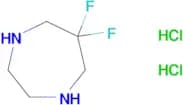
CAS:Formula:C10H14N4O2Purity:95%Color and Shape:Liquid, OilMolecular weight:222.2486,6-DIFLUORO-[1,4]DIAZEPANE-1-CARBOXYLIC ACID TERT-BUTYL ESTER
CAS:Formula:C10H18F2N2O2Purity:98%Color and Shape:SolidMolecular weight:236.263Ref: 10-F745755
1g623.00€5g2,793.00€10g4,141.00€2.5g1,429.00€50mg210.00€100mg250.00€250mg386.00€500mg552.00€5-Oxo-[1,4]diazepane-1-carboxylic acid tert-butylester
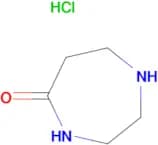
CAS:Formula:C10H18N2O3Purity:95%Color and Shape:SolidMolecular weight:214.2651,4-Diazepan-5-one hydrochloride
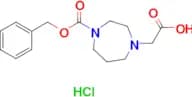
CAS:Formula:C5H11ClN2OPurity:95%Color and Shape:White powderMolecular weight:150.612-(4-((Benzyloxy)carbonyl)-1,4-diazepan-1-yl)acetic acid hydrochloride
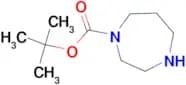
Purity:95%Molecular weight:328.79tert-Butyl 1,4-diazepane-1-carboxylate
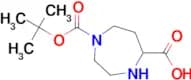
CAS:Formula:C10H20N2O2Purity:98%Color and Shape:LiquidMolecular weight:200.2821-(tert-Butoxycarbonyl)-1,4-diazepane-5-carboxylic acid
CAS:Formula:C11H20N2O4Purity:97%Molecular weight:244.291(R)-Benzyl 5-methyl-1,4-diazepane-1-carboxylate
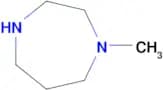
CAS:Formula:C14H20N2O2Purity:98%Color and Shape:No data available.Molecular weight:248.3266-FLUORO-[1,4]DIAZEPANE-1-CARBOXYLIC ACID TERT-BUTYL ESTER
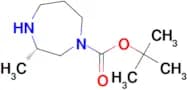
CAS:Formula:C10H19FN2O2Purity:95+%Molecular weight:218.272(S)-tert-Butyl 3-methyl-1,4-diazepane-1-carboxylate
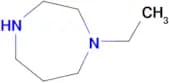
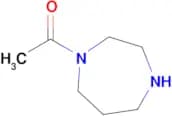
CAS:Formula:C11H22N2O2Purity:95%Color and Shape:SolidMolecular weight:214.3091-(1,4-Diazepan-1-yl)ethanone
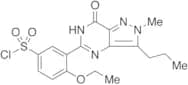
CAS:Formula:C7H14N2OPurity:98%Color and Shape:ClearMolecular weight:142.202Demethylpiperazinyl Iso Sildenafil Sulfonyl Chloride
CAS:Controlled Product<p>Applications Iso Sildenafil (I900800) derivative. Intermediate in the preparation of Iso Sildenafil and Iso Viagra.<br>References El-Abadelah, M. et al.; J. Heterocyclic Chem. 39, 1055 (2002)<br></p>Formula:C17H19ClN4O4SColor and Shape:NeatMolecular weight:410.883a-Hydroxy Pravastatin-d3 Sodium Salt
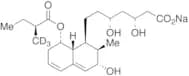
CAS:Controlled Product<p>Stability Hygroscopic<br>Applications A metabolite of Pravastatin, a competitive inhibitor of HMG-CoA reductase. Bioactive metabolite of mevastatin.<br>References Serizawa, N., et al.: J. Antibiot., 36, 604 (1983), White, H.D, et al.: N. Engl. J. Med., 343, 317 (2000),<br></p>Formula:C23H32D3NaO7Color and Shape:NeatMolecular weight:449.53N-Carboxy Ertapenem-d4 Di-(4-Nitrobenzyl) Ester
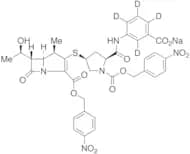
CAS:Controlled Product<p>Applications Intermediate in the preparation of Ertapenem (E635000).<br></p>Formula:C37D4H30N5NaO13SColor and Shape:NeatMolecular weight:815.771rac Ketoprofen-13C,d3 Acyl-b-D-glucuronide(Mixture of diastereomers)
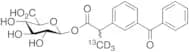
CAS:Controlled Product<p>Applications A labelled metabolite of Ketoprofen (K200800).<br> Not a dangerous good if item is equal to or less than 1g/ml and there is less than 100g/ml in the package<br>References Skordi, E., et al.: Xenobiotica, 34, 1075 (2004),<br></p>Formula:CC21D3H19O9Color and Shape:NeatMolecular weight:434.42N-Desmethyl Regorafenib
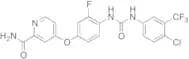
CAS:<p>Applications N-Desmethyl Regorafenib is a synthetic metabolite of Regorafenib (R143000) and is used for treatment and prevention of cancer.<br>References Wilhelm, S.: PCT Int. Appl. WO 2011130728 A1 20111020. Oct 20, 2011<br></p>Formula:C20H13ClF4N4O3Color and Shape:NeatMolecular weight:468.795-O-Desmethyl Omeprazole-d3
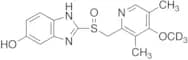
CAS:Controlled Product<p>Stability Hygroscopic<br>Applications A labeled metabolite of Omeprazole, an antiulcerative.<br>References Andersson, T., et al.: Ther. Drug Monit., 12, 415 (1990), de Morais, S., et al.: J. Biol. Chem., 269, 15419 (1994), Tanigawara, Y., et al.: Clin. Pharmacol. Ther., 66, 528 (1999), Abelo, A., et al.: Drug Metab. Disos., 28, 966 (2000),<br></p>Formula:C16H14D3N3O3SColor and Shape:NeatMolecular weight:334.41Podophyllin
CAS:<p>Applications Podophyllin is a resin extracted from the root of the plant Podophyllum sp. Berberidaceae (mandrake), which contains numerous compounds, among which podophyllotoxin.<br></p>Color and Shape:Light Brown To GreenN’-[2-[[[2-[(Dimethylamino)methyl]-4-thiazolyl]methyl]thio]ethyl] Nizatidine
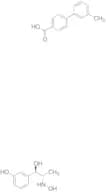
CAS:Controlled Product<p>Applications N’-[2-[[[2-[(Dimethylamino)methyl]-4-thiazolyl]methyl]thio]ethyl] Nizatidine is an impurity of the histamine H2-receptor antagonist Nizatidine (N598500).<br></p>Formula:C20H33N7O2S4Color and Shape:Dark Orange To Dark BrownMolecular weight:531.78N-Hydroxy Metaraminol
CAS:Controlled ProductFormula:C9H13NO3Color and Shape:NeatMolecular weight:183.2Piperidin-4-one Ethylene Ketal
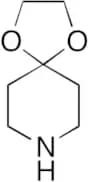
CAS:Controlled Product<p>Applications Piperidin-4-one Ethylene Ketal is a derivative formed from the condensation of cyclohexanone.<br></p>Formula:C7H13NO2Color and Shape:NeatMolecular weight:143.18N-[2-(2-Methoxyphenoxy)ethyl]benzylamine
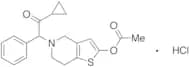
CAS:<p>Applications Intermediate in the preparation of Carvedilol derivatives.<br>References Mewshaw, R., et al.: J. Med. Chem., 47, 3823 (2004),<br></p>Formula:C16H19NO2Color and Shape:NeatMolecular weight:257.328Defluoro Prasugrel Hydrochloride
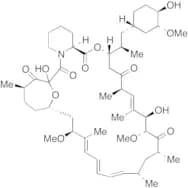
CAS:Controlled Product<p>Stability Hygroscopic<br>Applications Desfluoroprasugrel is a defluorinated impurity of the antiplatelet agent, Prasugrel (P701150).<br></p>Formula:C20H22ClNO3SColor and Shape:NeatMolecular weight:391.919,14-Deepoxy-15-deoxo-14-deoxy-9,15-epoxy-15-hydroxy-14-oxorapamycin (>80%)
CAS:Controlled Product<p>Applications 9,14-Deepoxy-15-deoxo-14-deoxy-9,15-epoxy-15-hydroxy-14-oxorapamycin can be prepared as an immunosuppressant.<br>References Hughes, P.F.: U.S. 4 pp. Patent 1993 CODEN:USXXAM<br></p>Formula:C51H79NO13Purity:>80%Color and Shape:NeatMolecular weight:914.17Methylacrylyl-CoA
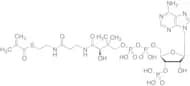
CAS:Controlled Product<p>Applications Methacrylyl-CoA is an intermediate in the serine cycle that converts acetyl CoA (acetyl-CoA) to glyoxylate.<br>References Korotkova, N., et al.: J. Bacteriol., 184, 1750 (2002)<br></p>Formula:C25H40N7O17P3SColor and Shape:NeatMolecular weight:835.61

![N-[1-(R)-(+)-(2-Naphthyl)ethyl]-3-[3-(trifluoromethyl)phenyl]-1-aminopropane hydrochloride](/_next/image/?url=https%3A%2Fstatic.cymitquimica.com%2Fproducts%2F3D%2Fthumb-webp%2FIN58182.webp&w=3840&q=75)



![2-[4-(2-Methylpropanoyl)phenyl] propanoic acid](/_next/image/?url=https%3A%2Fstatic.cymitquimica.com%2Fproducts%2F3D%2Fthumb-webp%2FIM15852.webp&w=3840&q=75)
![5-Chloro-N-[[(5R)-2-oxo-3-[4-(3-oxo-4-morpholinyl)phenyl]-5-oxazolidinyl]methyl]-2-thiophenecarbox…](/_next/image/?url=https%3A%2Fstatic.cymitquimica.com%2Fproducts%2F3D%2Fthumb-webp%2FIC71688.webp&w=3840&q=75)
![N-[[2'-(2H-Tetrazol-5-yl)[1,1'-biphenyl]-4-yl]methyl]-L-Valine](/_next/image/?url=https%3A%2Fstatic.cymitquimica.com%2Fproducts%2F3D%2Fthumb-webp%2FIT106480.webp&w=3840&q=75)






![4-[(3,4-Dimethoxyphenethyl)methylamino]-2-(3,4-dimethoxyphenyl)-2-isopropylbutyronitrile monohydro…](/_next/image/?url=https%3A%2Fstatic.cymitquimica.com%2Fproducts%2F3D%2Fthumb-webp%2FID20771.webp&w=3840&q=75)
![3-[[[2-[(Aminoiminomethyl)amino]-4-thiazolyl]methyl]thio]-propanoic acid methyl ester](/_next/image/?url=https%3A%2Fstatic.cymitquimica.com%2Fproducts%2F3D%2Fthumb-webp%2FIA23223.webp&w=3840&q=75)
![N-[4-Amido-3-(trifluoromethyl)phenyl-3-[(4-fluorophenyl)sulphinyl]-2-hydroxy-2-methylpropanamide](/_next/image/?url=https%3A%2Fstatic.cymitquimica.com%2Fproducts%2F3D%2Fthumb-webp%2FIA58277.webp&w=3840&q=75)

![Bis-[[2-[(diaminomethylene)amino]thiazol-4-yl]methyl]disulfide](/_next/image/?url=https%3A%2Fstatic.cymitquimica.com%2Fproducts%2F3D%2Fthumb-webp%2FIB58076.webp&w=3840&q=75)
![Methyl-3-[5-(2-methoxycarbonylethyl)pyrazin-2-yl]propionate](/_next/image/?url=https%3A%2Fstatic.cymitquimica.com%2Fproducts%2F3D%2Fthumb-webp%2FIM07158.webp&w=3840&q=75)
![N-[(1R)-1-(1-Naphthalenyl)ethyl]carbamic acid 3-[3-(trifluoromethyl)phenyl]propyl] ester](/_next/image/?url=https%3A%2Fstatic.cymitquimica.com%2Fproducts%2F3D%2Fthumb-webp%2FIN58184.webp&w=3840&q=75)


![(+/-)-N-Benzyl-N-methyl-3-phenyl-3-[4-(trifluoromethyl)phenoxy]-propylamine hydrochloride](/_next/image/?url=https%3A%2Fstatic.cymitquimica.com%2Fproducts%2F3D%2Fthumb-webp%2FIB58068.webp&w=3840&q=75)

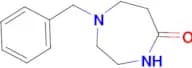
![5-Oxo-[1,4]diazepane-1-carboxylic acid benzylester](/_next/image/?url=https%3A%2Fstatic.cymitquimica.com%2Fproducts%2F10%2Fthumb-webp%2FF011833.webp&w=3840&q=75)
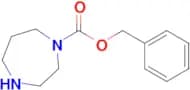
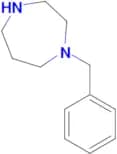
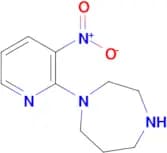
![6,6-DIFLUORO-[1,4]DIAZEPANE-1-CARBOXYLIC ACID TERT-BUTYL ESTER](/_next/image/?url=https%3A%2Fstatic.cymitquimica.com%2Fproducts%2F10%2Fthumb-webp%2FF469286.webp&w=3840&q=75)
![5-Oxo-[1,4]diazepane-1-carboxylic acid tert-butylester](/_next/image/?url=https%3A%2Fstatic.cymitquimica.com%2Fproducts%2F10%2Fthumb-webp%2FF040633.webp&w=3840&q=75)


![6-FLUORO-[1,4]DIAZEPANE-1-CARBOXYLIC ACID TERT-BUTYL ESTER](/_next/image/?url=https%3A%2Fstatic.cymitquimica.com%2Fproducts%2F10%2Fthumb-webp%2FF469333.webp&w=3840&q=75)



![N’-[2-[[[2-[(Dimethylamino)methyl]-4-thiazolyl]methyl]thio]ethyl] Nizatidine](/_next/image/?url=https%3A%2Fstatic.cymitquimica.com%2Fproducts%2FTR%2Fthumb-webp%2FD470980.webp&w=3840&q=75)
![N-[2-(2-Methoxyphenoxy)ethyl]benzylamine](/_next/image/?url=https%3A%2Fstatic.cymitquimica.com%2Fproducts%2FTR%2Fthumb-webp%2FM265670.webp&w=3840&q=75)