APIs for research and impurities
Active Pharmaceutical Ingredients (APIs) are the substances in drugs responsible for their therapeutic effects. In this section, you will find a wide variety of APIs intended for research use. These compounds are essential for the development, testing, and validation of new pharmaceutical formulations. CymitQuimica offers high-quality APIs to support research in drug discovery and development.
Subcategories of "APIs for research and impurities"
- Aminoacids and derivatives(12,278 products)
- Anthraquinones and derivatives(405 products)
- Benzimidazole and Imidazole Derivatives(10,376 products)
- Benzodiazepine Derivatives(333 products)
- Carbohydrates and glycoconjugates(5,013 products)
- Esters and Derivatives(42,045 products)
- Fatty Acids and Lypidic Derivatives(32,246 products)
- Flavonoids and Polyphenols(17,012 products)
- Free Radicals and Oxidant/Reducing Agents(213 products)
- Ketones and derivatives(2,394 products)
- Natural and semi-synthetic antibiotics(6,364 products)
- Nitriles and Cyano Derivatives(3,045 products)
- Nitrosamines and Derivatives(55 products)
- Nucleosides and Nucleotides(3,429 products)
- Organic Phosphates and Phosphonates(1,201 products)
- Organic Sulphonates and Sulphates(10,406 products)
- Organometallics(4,401 products)
- Others(6,279 products)
- Peptides and Proteins(3,129 products)
- Polymers and Derivatives(99 products)
- Purines and Pyrimidine Derivatives(8,902 products)
- Quinazoline and Quinoline Derivatives(65,630 products)
- Quinones and Derivatives(24,239 products)
- Salts and Derivatives of Active Pharmaceutical Ingredients (API)(79,473 products)
- Steroids and Derivatives(4,967 products)
- Sulfonamides and Derivatives(2,592 products)
- Terpenoids and Derivatives(3,839 products)
- Thiazolidinediones and Thiopyrans(2,733 products)
- β-Adrenergic Compounds(230 products)
Show 21 more subcategories
Found 56797 products of "APIs for research and impurities"
Sort by
Purity (%)
0
100
|
0
|
50
|
90
|
95
|
100
8-Methyl etodolac
CAS:<p>8-Methyl etodolac is an impurity of etodolac that is used in the drug development and analytical chemistry industry. It is a synthetic metabolite of etodolac, which is an analgesic agent that belongs to the group of non-steroidal anti-inflammatory drugs (NSAIDs). 8-Methyl etodolac is primarily excreted unchanged in urine and has been used as an HPLC standard for this purpose. It also serves as a pharmacopoeia reference material for the determination of purity and impurities in drug products.</p>Formula:C16H19NO3Purity:Min. 95%Molecular weight:273.33 g/molClobetasol Propionate - Impurity C
CAS:Controlled Product<p>21-Chloro-9-fluoro-11beta,17-dihydroxy-16alpha-methylpregna-1,4-diene-3,20-dione 17-propionate is an ester of ketoconazole and the propionic acid. It is used as a pharmaceutical formulation and has been shown to be stable in an HPLC method. This compound also has an optical isomer that was validated by a stability test. This product has been shown to have antiinflammatory properties and may be used as a topical treatment for skin disorders such as clobetasol propionate.</p>Formula:C25H32ClFO5Purity:Min. 95%Molecular weight:466.97 g/molDeltan-benzyloxycarbonyl aliskiren
CAS:<p>Deltan-benzyloxycarbonyl aliskiren is a drug product that is custom synthesized for research and development purposes. It is an analytical standard with high purity and quality, which has been studied in metabolism studies. The natural drug product is metabolized to form the metabolites, which are impurities. Metabolites of Deltan-benzyloxycarbonyl aliskiren are also available as HPLC standards, which are used as reference materials in pharmacopoeia. This compound can be used in niche areas of drug development, such as pharmaceutical research and development.</p>Formula:C38H59N3O8Purity:Min. 95%Molecular weight:685.90 g/molAmoxicillin EP Impurity E
CAS:<p>Amoxicillin EP Impurity E is an impurity found in Amoxicillin EP, which is a β-lactam antibiotic. It belongs to the group of β-lactam antibiotics and has antibacterial activity. Amoxicillin EP Impurity E is found by applying validation methods to measure the concentration of this product. The analytical method used for this impurity is a wavelength measurement or a magnetic field measurement. This impurity can be determined using chromatographic or elution methods. The chromatographic methods used are high performance liquid chromatography (HPLC) and gas chromatography (GC). Method development is required for determining the level of this impurity, as well as validation procedures for measuring it with various methods.</p>Formula:C15H21N3O4SPurity:Min. 95%Molecular weight:339.41 g/molBetanidine
CAS:<p>Betanidine or betanidine is a glycosidic dye or pigment responsible to provide their color to the plant. It belongs to the family of betalain and is used as coloring agent in the food industry. Betadinine is also involved in the in the metabolism of betalains via tyrosinase regulation. It has high antioxidant properties and in certains studies in mice it has been proved to be involved in the regulation of blood glucose levels.</p>Formula:C18H16N2O8Purity:Min. 95%Molecular weight:388.3 g/molN-Acetyl N-descarboxyethyl retigabine d4
CAS:<p>N-Acetyl N-descarboxyethyl retigabine (D4) is a pharmaceutical drug that is used for the treatment of epilepsy. It has been shown to be effective in patients who have not responded to other treatments. D4 binds to voltage-gated potassium channels and inhibits their opening, which leads to a decrease in neurotransmitter release from nerve cells. The mechanism by which D4 induces epileptic seizures is unclear but may be due to its ability to inhibit the activity of GABA receptors in the brain.</p>Formula:C15H16FN3OPurity:Min. 95%Molecular weight:273.3 g/molL-741,742 Hydrochloride
CAS:<p>L-741,742 Hydrochloride is an atypical antipsychotic drug that has been shown to inhibit the growth of malignant brain tumors in animal models. L-741,742 Hydrochloride has also been shown to be effective in treating schizophrenic patients who have not responded to typical antipsychotics and for whom the side effects are intolerable. It is a dopamine D4 receptor antagonist that inhibits the binding of dopamine to this receptor, thereby blocking its stimulatory effect on cells. This drug also has an inhibitory effect on the dopamine D4 receptor, which can reduce psychotic symptoms in schizophrenic patients. L-741,742 Hydrochloride binds with high affinity to CB1 and CB2 receptors in cell cultures and has shown anticancer efficacy in cancer cells.</p>Formula:C23H26Cl2N2OPurity:Min. 95%Molecular weight:417.4 g/molPantoprazole sulfone N-oxide
CAS:<p>Pantoprazole sulfone N-oxide is a prodrug that is converted to the active form pantoprazole in the stomach where it inhibits gastric acid secretion. Pantoprazole sulfone N-oxide has been shown to be genotoxic, and can cause polyvinyl chloride to degrade when stored together. Reconstituted solution of this drug should be used within 24 hours after reconstitution, as the chemical stability of this drug decreases rapidly. Validation studies have been conducted on different analytical methods for determining pantoprazole concentrations in reconstituted solutions, and these methods have been harmonized with those published by the United States Pharmacopeia (USP). The pump inhibitor activity of pantoprazole sulfone N-oxide has been demonstrated in dogs, and it is also useful for treating acid reflux disease in humans. Pantoprazole sulfone N-oxide is unstable at high temperatures (>25°C), so should not be refrigerated or</p>Formula:C16H15F2N3O6SPurity:Min. 95%Molecular weight:415.37 g/molN2-Methyl alfuzosin
CAS:<p>N2-Methyl alfuzosin is an impurity of Alfuzosin, a drug used to treat benign prostatic hyperplasia. It can be used as an HPLC standard for the detection and quantification of Alfuzosin in pharmaceutical products. N2-Methyl alfuzosin is a metabolite of Alfuzosin that is formed by cytochrome P450 3A4. It has been shown to have anti-inflammatory effects, which may be due to its inhibition of prostaglandin synthesis.</p>Formula:C19H27N5O4Purity:Min. 95%Molecular weight:389.45 g/mol3-Sulfanilamidoisoxazole sodium
CAS:<p>3-Sulfanilamidoisoxazole sodium is a Chinese medicinal compound that has shown promising results in the treatment of cancer. It is an analog of sulfanilamide and works by inhibiting protein synthesis and inducing apoptosis in cancer cells. 3-Sulfanilamidoisoxazole sodium has been shown to inhibit the activity of various kinases, which are enzymes involved in cell cycle regulation and tumor growth. This compound has also been found to be effective against a variety of human cancers, including breast, lung, and prostate cancer. Additionally, it has been shown to have low toxicity levels and can be excreted through urine. With its potent anticancer properties, 3-Sulfanilamidoisoxazole sodium holds great promise as a potential inhibitor for cancer therapy.</p>Formula:C9H8N3NaO3SPurity:Min. 95%Molecular weight:261.24 g/mol(R)-Penbutolol sulfate
CAS:<p>(R)-Penbutolol sulfate is a racemic mixture of the two enantiomers of penbutolol. Racemic penbutolol sulfate is an optical isomer of propranolol, which belongs to the group of beta-adrenergic receptor antagonists. It has a matrix effect, which means that it can be used in tablet form and will not dissolve in the stomach acid. Racemic penbutolol sulfate blocks pro-inflammatory signaling by inhibiting the activity of pcsk9 (proprotein convertase subtilisin/kexin type 9), which prevents cholesterol from being converted into bile acids. This drug has been shown to lower blood pressure in humans and is used to treat hypertension and heart failure. Racemic penbutolol sulfate has been shown to have an inhibitory effect on influenza virus replication through inhibition of viral dna replication, as well as enhancement on anti-pcsk9 antibody activity. In clinical trials</p>Formula:C36H58N2O4(H2SO4)Purity:Min. 95%Molecular weight:582.86 g/mol1,5-Bis(4-amidinophenoxy)-2-pentanol
CAS:<p>Please enquire for more information about 1,5-Bis(4-amidinophenoxy)-2-pentanol including the price, delivery time and more detailed product information at the technical inquiry form on this page</p>Formula:C19H24N4O3Purity:Min. 95%Molecular weight:356.4 g/molFenticonazole sulfone nitric acid salt
CAS:<p>Fenticonazole sulfone nitric acid salt is an analog of dabigatran, which is a protein kinase inhibitor that has shown potential in the treatment of cancer. It induces apoptosis in human cancer cells and inhibits the activity of various kinases involved in tumor growth and proliferation. Fenticonazole sulfone nitric acid salt has been studied extensively for its anticancer properties, showing promising results in Chinese hamster ovary cells and urine samples from cancer patients. This drug also exhibits inhibitory effects on protein kinases that are involved in the regulation of cell cycle progression, angiogenesis, and metastasis. Overall, Fenticonazole sulfone nitric acid salt holds great promise as a potential anticancer agent.</p>Formula:C24H21Cl2N3O6SPurity:Min. 95%Molecular weight:550.4 g/molDexamethasone EP Impurity K
CAS:Controlled Product<p>Dexamethasone EP Impurity K is an analytical standard for impurities in the drug product Dexamethasone EP. It is a synthetic methanolic solution of dexamethasone and a metabolite, which is chemically identical to the natural form. The purity of this impurity standard is 99.9%. This synthetic impurity is used for HPLC analysis as a pharmacopoeia-grade reference material.</p>Formula:C22H26O4Purity:Min. 95%Molecular weight:354.44 g/molRocuronium EP Impurity G
CAS:<p>Rocuronium EP Impurity G is a drug product that contains an impurity of Rocuronium EP. It is a synthetic, high purity HPLC standard with a purity greater than 99.5% and a CAS number of 119302-20-4. This compound has been researched for use in the development of drugs to treat conditions such as pain, anxiety, and depression. Rocuronium EP Impurity G is a metabolite that has been found in human urine after administration of rocuronium bromide. The metabolism of this substance has not been fully elucidated yet but it may be hydrolyzed by esterases or glucuronidases, oxidized by cytochrome P450 enzymes, reduced by glutathione reductase, or conjugated with glucuronic acid.</p>Formula:C27H46N2O3Purity:Min. 95%Molecular weight:446.67 g/molTametraline
CAS:<p>Tametraline is a medicinal compound that has been used in Chinese traditional medicine to treat tumors. It is an analog of protein kinase inhibitors and has shown potent anticancer activity in preclinical studies. Tametraline is an inhibitor of kinases, which are enzymes involved in the regulation of cell growth and division. It induces apoptosis, or programmed cell death, in cancer cells by inhibiting the activity of these enzymes. Tametraline has also been found to be excreted in urine, indicating that it can be effectively metabolized by the human body. This compound holds great promise as a potential treatment for various types of cancer.</p>Formula:C17H19NPurity:Min. 95%Molecular weight:237.34 g/mol[6-Hydroxy-2-(4-hydroxyphenyl)benzo[b]thien-3-yl](4-hydroxyphenyl)-methanone
CAS:<p>MDM2 inhibitors are a class of cancer drugs that inhibit the activity of MDM2, which is an oncoprotein that prevents the degradation of p53. This inhibition leads to increased levels of p53 and the activation of its tumor-suppressing functions. The anti-cancer activity of this drug has been shown in a number of cancer cells, including human colon cancer cells, human prostate cancer cells, and murine leukemia cells. Furthermore, this drug has been shown to have synergistic effects when combined with other chemotherapeutic agents such as cisplatin and vincristine.</p>Formula:C21H14O4SPurity:Min. 95%Molecular weight:362.4 g/mol3-(Dimethylamino)-1-(2-thienyl)propan-1-ol
CAS:<p>3-(Dimethylamino)-1-(2-thienyl)propan-1-ol is an organic compound that is used as a chiral building block in the synthesis of drugs. It is not currently used in any known drug, but it has been shown to be racemized at high temperatures. 3-(Dimethylamino)-1-(2-thienyl)propan-1-ol is also a byproduct of pollution and can be found in the environment where it may be degraded by bacteria.</p>Formula:C9H15NOSPurity:Min. 95%Molecular weight:185.29 g/molDM3-SMe
CAS:<p>Please enquire for more information about DM3-SMe including the price, delivery time and more detailed product information at the technical inquiry form on this page</p>Formula:C38H54ClN3O10S2Purity:Min. 95%Molecular weight:812.4 g/molDefluoro pitavastatin
CAS:<p>Please enquire for more information about Defluoro pitavastatin including the price, delivery time and more detailed product information at the technical inquiry form on this page</p>Formula:C25H25NO4Purity:Min. 95%Molecular weight:403.47 g/molRisperidone N-oxide
CAS:<p>Risperidone N-oxide is a prodrug of risperidone. It is prepared by reacting risperidone with methanol and hydrogen peroxide in the presence of piperidine, followed by purification using preparative high-performance liquid chromatography. Risperidone N-oxide is a crystalline solid with a melting point of about 190 °C. Risperidone N-oxide has been shown to have antiemetic properties, which may be due to its ability to block dopamine receptors in the brain. The drug also shows some antipsychotic activity, and it has a constant therapeutic effect against schizophrenia. The major impurities found in risperidone N-oxide are hydroxylamine and piperidine.</p>Formula:C23H27FN4O3Purity:Min. 95%Molecular weight:426.48 g/molChlorhexidine dihydrochloride impurity B
CAS:<p>Chlorhexidine dihydrochloride impurity B is an impurity found in chlorhexidine dihydrochloride, a drug that is used as an antiseptic and disinfectant. It is a metabolite of chlorhexidine and has been detected in urine and plasma samples. This impurity has no known pharmacological activity. The purity of this compound is not less than 99%.</p>Formula:C16H28Cl3N9OPurity:Min. 95%Color and Shape:White PowderMolecular weight:468.81 g/mol5-Acetyl-5,11-dihydro-10H-dibenz[b,f]azepin-10-one
CAS:<p>5-Acetyl-5,11-dihydro-10H-dibenz[b,f]azepin-10-one is a synthetic compound that belongs to the class of azepinones. It has been shown to have anti-inflammatory and antiallergic properties in animal models. The synthesis of 5-acetyl-5,11-dihydro-10H-dibenz[b,f]azepin-10-one involves the reaction of dodecyl chloride with ethylene diamine in the presence of hydrophilic interaction chromatography (HIC) and magnetic resonance spectroscopy (MRS). This process leads to the formation of an azepinone product.</p>Formula:C16H13NO2Purity:Min. 95%Molecular weight:251.28 g/molN-(5,6-Dichloro-1,4-dihydro-2-quinazolinyl)-2,3-dihydroxypropanamide 2,2,2-trifluoroacetate
CAS:<p>N-(5,6-Dichloro-1,4-dihydro-2-quinazolinyl)-2,3-dihydroxypropanamide 2,2,2-trifluoroacetate is an analytical reference standard that can be used as a high purity drug product impurity in HPLC. It also has niche application as an API impurity and is a metabolite of the drug quinine.</p>Formula:C13H12Cl2F3N3O5Purity:Min. 95%Molecular weight:418.15 g/mol1-(5-(4-Fluorophenyl)-1-(pyridin-3-ylsulfonyl)-1H-pyrrol-3-yl)-N-methylmethanamine
CAS:<p>1-(5-(4-Fluorophenyl)-1-(pyridin-3-ylsulfonyl)-1H-pyrrol-3-yl)-N-methylmethanamine (5FPP) is a drug product. It is an impurity standard for HPLC and analytical methods, as well as an API impurity. 5FPP is a synthetic compound that has been studied in metabolism studies. The metabolite of 5FPP is 1-(5-(4-fluorophenyl)-1H-pyrrolo[3,2,1-jk]thiazol-2(3H)-one).</p>Formula:C17H16FN3O2SPurity:Min. 95%Molecular weight:345.4 g/molCiprofloxacin impurity D hydrochloride
CAS:<p>Ciprofloxacin impurity D hydrochloride is a drug product that is an analytical standard. It is also a natural impurity found in Ciprofloxacin. This compound has been synthesized and manufactured to be used as an impurity standard. It exhibits the same physical, chemical, and biological properties as Ciprofloxacin. The CAS number for this substance is 526204-10-4. Impurities such as Ciprofloxacin impurity D hydrochloride may be present in the finished drug product if they are not removed during the manufacturing process. Chemical reactions may also lead to the formation of these substances. The presence of these substances can affect the quality of the drug product and may lead to adverse effects for patients who use them.<br>CAS No.: 526204-10-4<br>Molecular Weight: 258.25<br>Formula: (C8H6ClF2NOS)</p>Formula:C17H18ClN3O3·HClPurity:Min. 95%Molecular weight:384.26 g/molα-Desmethyl anastrozole
CAS:<p>Alpha-Desmethyl anastrozole is a synthetic chemical that has been used as an impurity standard for the drug product, Anastrozole (Arimidex). This compound is metabolized in humans and is a metabolite of Arimidex. Alpha-Desmethyl anastrozole exhibits high purity and can be synthesized using custom synthesis. The CAS number for this compound is 1215780-15-6.</p>Formula:C16H17N5Purity:Min. 95%Molecular weight:279.34 g/molDtpa-bma
CAS:<p>Dtpa-bma is an anticancer agent that acts as a kinase inhibitor. It has been shown to induce apoptosis in cancer cells by inhibiting the activity of kinases, which are enzymes that play a key role in cell signaling pathways. Dtpa-bma is an analog of Chinese hamster ovary (CHO) cell-derived ghrelin and is excreted in urine. This drug is effective against various types of cancer, including human tumors, and has been shown to inhibit tumor growth in vivo. Dtpa-bma is formulated as a cellulose-based resin for use in chromatography purification processes.</p>Formula:C16H29N5O8Purity:Min. 95%Molecular weight:419.43 g/molMethyl 4-[[1-(ethoxycarbonyl)-2-oxocyclopentyl]methyl]-α-methylbenzeneacetate
CAS:<p>Please enquire for more information about Methyl 4-[[1-(ethoxycarbonyl)-2-oxocyclopentyl]methyl]-α-methylbenzeneacetate including the price, delivery time and more detailed product information at the technical inquiry form on this page</p>Formula:C19H24O5Purity:Min. 95%Molecular weight:332.39 g/molAcetylazide
CAS:<p>Acetylazide is an analog of a compound found in human urine that has shown promising anticancer activity. It is a potent inhibitor of protein kinases, which are enzymes involved in the regulation of cell growth and division. Acetylazide has been shown to induce apoptosis (cell death) in cancer cells, particularly those associated with thyroid cancer. This compound has also been tested in Chinese hamster ovary cells and has demonstrated a high degree of selectivity for tumor cells over normal cells. Acetylazide may be a promising candidate for the development of new anticancer drugs.</p>Formula:C13H14N4O4SPurity:Min. 95%Molecular weight:322.34 g/molTrans-2-methyl-3-(5'-carboxy-3'-methyl-2'-pentenyl)-1,4-naphthoquinone
CAS:<p>Trans-2-methyl-3-(5'-carboxy-3'-methyl-2'-pentenyl)-1,4-naphthoquinone is a synthetic impurity standard used as a research and development, impurity standard, and custom synthesis. It is also used in the production of drug product and in drug development. Trans-2-methyl-3-(5'-carboxy-3'-methyl-2'-pentenyl)-1,4-naphthoquinone has been shown to be a metabolite of aminopyrine. Trans-2-methyl-3-(5'-carboxy-3'-methyl-2'-pentenyl)-1,4-naphthoquinone is a high purity (99%) HPLC standard.</p>Formula:C18H18O4Purity:90% MinMolecular weight:298.33 g/mol[6-(4-Phenylbutoxy)hexyl]benzylamine hydrochloride
CAS:<p>Please enquire for more information about [6-(4-Phenylbutoxy)hexyl]benzylamine hydrochloride including the price, delivery time and more detailed product information at the technical inquiry form on this page</p>Formula:C23H34ClNOPurity:Min. 95%Molecular weight:376 g/mol2-[2-[4-(5,5-Dioxidodibenzo[b,f][1,4]thiazepin-11-yl)-1-piperazinyl]ethoxy]ethanol
CAS:<p>Quetiapine is a drug that belongs to the class of sulfoxides. It is usually administered orally, but can also be given intravenously or intramuscularly. Quetiapine has been studied for its clinical use in the treatment of schizophrenia and bipolar disorder. The plasma concentrations of quetiapine are determined by high-performance liquid chromatography (HPLC) with tandem mass spectrometry (LC-MS/MS) detection. Validation studies have shown that the HPLC-MS/MS method is accurate and precise, with good linearity over a range of concentrations. Analysis was performed on plasma samples from healthy volunteers who were administered either 2 mg or 10 mg doses of quetiapine by intravenous injection. Concentrations were calculated and compared to those found in patients with schizophrenia and bipolar disorder who had been given oral doses of 300 mg per day for four weeks, yielding a therapeutic plasma concentration range from 100 to 300 ng/mL.</p>Formula:C21H25N3O4SPurity:Min. 95%Molecular weight:415.51 g/molEthyl 2-cyano-4-methylpent-2-enoate
CAS:<p>Please enquire for more information about Ethyl 2-cyano-4-methylpent-2-enoate including the price, delivery time and more detailed product information at the technical inquiry form on this page</p>Formula:C9H13NO2Purity:Min. 95%Molecular weight:167.2 g/mol5-Ethyl-10-methoxy-5H-dibenz[b,f]azepine
CAS:<p>5-Ethyl-10-methoxy-5H-dibenz[b,f]azepine is a synthetic compound that is used as an impurity standard in the synthesis of drugs. It also has been used in drug development and analysis. 5-Ethyl-10-methoxy-5H-dibenz[b,f]azepine is metabolized by CYP2D6 to form 5-(1′,3′,4′,5′) -trihydroxy dibenzo[b,f][1,4]diazepin. This metabolite can be quantified using HPLC to determine the metabolic pathway of the drug product.</p>Formula:C17H17NOPurity:Min. 95%Color and Shape:PowderMolecular weight:251.32 g/mol1-Desmethyl granisetron
CAS:Controlled Product<p>1-Desmethyl granisetron is an impurity found in the synthesis of granisetron hydrochloride. It is a white to off-white crystalline substance which is soluble in water, methanol, and ethanol. 1-Desmethyl granisetron has a molecular weight of 328.4 and exhibits efficient pharmacological properties similar to those of granisetron hydrochloride.</p>Formula:C17H22N4OPurity:Min. 95%Molecular weight:298.38 g/molDigitoxigenin mono-β-D-digitoxoside
CAS:<p>Digitoxigenin mono-β-D-digitoxoside is a potent inhibitor of tumor growth and cancer cell proliferation. It is an analog of the cardiac glycoside digitoxin, which is known for its anticancer properties. Digitoxigenin mono-β-D-digitoxoside has been shown to induce apoptosis in human cancer cells by inhibiting protein kinases such as AKT and ERK1/2. This drug also has potential therapeutic applications in the treatment of ghrelin-related diseases, as it has been shown to inhibit the activity of ghrelin, a hormone that stimulates appetite and promotes weight gain. Additionally, digitoxigenin mono-β-D-digitoxoside exhibits high water solubility due to its cellulose-based structure, making it ideal for use in urine-based diagnostic tests for cancer detection.</p>Formula:C29H44O7Purity:Min. 95%Molecular weight:504.7 g/molHMR 1826
CAS:<p>HMR 1826 is an analog of a medicinal compound that has been shown to have potent anticancer activity. It is a protein kinase inhibitor that induces apoptosis in cancer cells, particularly those of Chinese origin. HMR 1826 has been shown to be effective against a variety of tumors, and it works by inhibiting kinases involved in cell growth and division. In addition, HMR 1826 has been found to be present in human urine, which suggests that it may have potential as a diagnostic tool for cancer. The development of HMR 1826 and other kinase inhibitors represents an exciting new approach to the treatment of cancer, and ongoing research continues to investigate their potential therapeutic applications.</p>Formula:C41H42N2O21Purity:Min. 95%Molecular weight:898.8 g/molPBDE 197
CAS:Controlled Product<p>PBDE 197 is a medicinal compound that has shown potential as an anticancer agent. It is a kinase inhibitor, which means it blocks certain enzymes that are involved in cell signaling and growth. PBDE 197 has been found to induce apoptosis, or programmed cell death, in human cancer cells. This compound is an analog of other kinase inhibitors and has demonstrated potent inhibitory effects on protein kinases in vitro. In animal studies, PBDE 197 has shown promising results as a tumor growth inhibitor. It is excreted through urine and may have potential as a therapeutic option for cancer patients.</p>Formula:C12H2Br8OPurity:Min. 95%Molecular weight:801.4 g/molTyk2-in-5
CAS:<p>Please enquire for more information about Tyk2-in-5 including the price, delivery time and more detailed product information at the technical inquiry form on this page</p>Formula:C21H19FN8O2Purity:Min. 95%Molecular weight:434.4 g/molHSL-IN-1
CAS:<p>HSL-IN-1 is an inhibitor analog of nalbuphine that has shown potential as an anticancer agent. It works by inhibiting the activity of certain kinases that are involved in tumor growth and survival. HSL-IN-1 induces apoptosis, or programmed cell death, in cancer cells by disrupting their protein synthesis and causing DNA damage. This compound has been found to be effective against a variety of human cancers, including breast, lung, and colon cancer. HSL-IN-1 is derived from Chinese medicinal urine and is one of several promising inhibitors currently being studied for their potential use as anticancer agents.</p>Formula:C19H13BClF3N2O4Purity:Min. 95%Molecular weight:436.6 g/mol(R,R)-Solifenacin succinate
CAS:<p>(R,R)-Solifenacin succinate is a pharmaceutical agent that acts as an antimuscarinic drug. It has been shown to be effective in wastewater treatment, where it was found to reduce the amount of solifenacin and optimised organic chemicals in the water. This drug has also been shown to have antagonist properties against the muscarinic receptor M3.</p>Formula:C23H26N2O2•C4H6O4Purity:Min. 95%Color and Shape:PowderMolecular weight:480.55 g/mol2-[(R)-[(1S)-2-Methyl-1-(1-oxopropoxy)propoxy](4-phenylbutyl)phosphinyl]acetic acid
CAS:<p>2-[(R)-[(1S)-2-Methyl-1-(1-oxopropoxy)propoxy](4-phenylbutyl)phosphinyl]acetic acid is a metabolite of the drug product, 2-[(S)-2-methyl-1-(1-oxopropoxy)propoxy](4-phenylbutyl)phosphinic acid. It is an impurity standard for the analytical determination of 2-[(S)-2-methyl-1-(1-oxopropoxy)propoxy](4-phenylbutyl)phosphinic acid in both drug products and in synthetic intermediates. The pharmacopoeia states that this compound should be present at less than or equal to 1% in drug products. This metabolite has been shown to have antiinflammatory activity.</p>Formula:C19H29O6PPurity:Min. 95%Molecular weight:384.4 g/mol3-Amino-6-chloro-4-(4-pyridinyl)-2-quinolinone hydrazone
CAS:<p>Please enquire for more information about 3-Amino-6-chloro-4-(4-pyridinyl)-2-quinolinone hydrazone including the price, delivery time and more detailed product information at the technical inquiry form on this page</p>Formula:C15H13ClN4Purity:Min. 95%Molecular weight:284.74 g/molZanubrutinib impurity-3
CAS:<p>Please enquire for more information about Zanubrutinib impurity-3 including the price, delivery time and more detailed product information at the technical inquiry form on this page</p>Formula:C29H33N5O3Purity:Min. 95%Molecular weight:499.6 g/mol9-Hydroxy propantheline bromide
CAS:<p>Please enquire for more information about 9-Hydroxy propantheline bromide including the price, delivery time and more detailed product information at the technical inquiry form on this page</p>Formula:C23H30BrNO4Purity:Min. 95%Molecular weight:464.4 g/mol2,3,4-Trichloro-6-(2,4-dichlorophenoxy)phenol
CAS:<p>2,3,4-Trichloro-6-(2,4-dichlorophenoxy)phenol is a potent tumor inhibitor that has been shown to be effective against various types of cancer cells. It works by inhibiting the activity of certain proteins in the cell that are essential for cancer cell growth and survival. This compound has been tested on different cancer cell lines and has demonstrated apoptosis-inducing properties. In addition to its anticancer effects, 2,3,4-Trichloro-6-(2,4-dichlorophenoxy)phenol has also been found to have vitamin-like properties and is commonly found in Chinese urine as a natural anticancer agent. It regulates the cell cycle and plays an important role in preventing the growth and spread of cancer cells. Overall, this compound shows great potential as a therapeutic agent for the treatment of various types of cancer.</p>Formula:C12H5Cl5O2Purity:Min. 95%Molecular weight:358.4 g/molSitagliptin hydroxy amide impurity
CAS:<p>Sitagliptin is an oral dipeptidyl peptidase-4 inhibitor that is used to treat type 2 diabetes. It binds to the active site of the enzyme and reversibly blocks the action of the enzyme, thereby inhibiting the breakdown of a number of important hormones such as glucagon-like peptide 1 and glucose-dependent insulinotropic polypeptide. Sitagliptin hydroxy amide impurity is an impurity in sitagliptin that inhibits oxidoreductases, enzymes that catalyze oxidation reactions. The enantiomeric purity of sitagliptin hydroxy amide impurity is unknown.</p>Formula:C16H14F6N4O2Purity:Min. 95%Molecular weight:408.3 g/molDisodium monooctyl sulfosuccinate
CAS:<p>Disodium monooctyl sulfosuccinate (DSMS) is a sodium-based surfactant that is used as an excipient in tablets and capsules. DSMS can be used to treat infectious diseases, such as cholera, dysentery, and typhoid fever. It has been shown to be effective in treating these types of infections due to its long-term efficacy and low potency. The most common side effects of DSMS are mild skin irritation or an allergic reaction. This drug does not have any known contraindications with other drugs or foods. It is also biocompatible with a variety of polymers and fatty acids.</p>Formula:C12H20Na2O7SPurity:Min. 95%Molecular weight:354.33 g/mol1,5-Bis(4-pyridyl)pentane
CAS:<p>1,5-Bis(4-pyridyl)pentane is a coordination polymer that can be used in the preparation of polymers. It is bifunctional and has coordination properties. This compound is made up of two pyridine rings linked to an ethyl group via a pentane chain. The cationic form of this compound is used for the preparation of some polymers. The crystal structure for 1,5-bis(4-pyridyl)pentane was determined by X-ray crystallography and found to have a layered topology with hydrogen bonding.</p>Formula:C15H18N2Purity:Min. 95%Molecular weight:226.32 g/molIbudilast-d3
CAS:<p>Please enquire for more information about Ibudilast-d3 including the price, delivery time and more detailed product information at the technical inquiry form on this page</p>Formula:C14H18N2OPurity:Min. 95%Molecular weight:234.33 g/mol(1R,2R)-1-(M-Hydroxyphenyl)-2-amino-1-propanol
CAS:Controlled Product<p>Please enquire for more information about (1R,2R)-1-(M-Hydroxyphenyl)-2-amino-1-propanol including the price, delivery time and more detailed product information at the technical inquiry form on this page</p>Formula:C9H13NO2Purity:Min. 95%Molecular weight:167.2 g/molLurasidone sulfoxide
CAS:<p>Lurasidone sulfoxide is a molecule that inhibits the binding of ligands to the receptors in cells. It has been shown to be synergistic with other molecule inhibitors, such as virus and organosulfur compounds. Lurasidone sulfoxide also interacts with drug molecules and can be used to shift the paradigm of treatment for certain diseases. Lurasidone sulfoxide is cocrystallized with other molecules that are used for treatment or prevention of certain diseases, including HIV, hepatitis C, and cancer.</p>Formula:C28H36N4O3SPurity:Min. 95%Molecular weight:508.68 g/molCephalexin diketopiperazine monoacid
CAS:<p>Please enquire for more information about Cephalexin diketopiperazine monoacid including the price, delivery time and more detailed product information at the technical inquiry form on this page</p>Formula:C16H19N3O5SPurity:Min. 95%Molecular weight:365.4 g/molPeraquinsin
CAS:<p>Peraquinsin is a potent anticancer drug that targets human protein kinases, which are enzymes involved in cell cycle regulation and apoptosis. It is an analog of a natural product found in urine, and has been shown to inhibit the activity of several kinases that are important for tumor growth. Peraquinsin is a promising inhibitor of cancer cell proliferation, with potential applications in medicinal chemistry. Its mechanism of action involves inhibiting the activity of specific protein kinases, leading to cell cycle arrest and apoptosis. This drug has shown great potential as an anticancer agent due to its ability to target multiple signaling pathways involved in cancer development and progression.</p>Formula:C23H28N4O4Purity:Min. 95%Molecular weight:424.5 g/molAmlodipine besilate impurity B
CAS:<p>Amlodipine besilate impurity B is a metabolite of amlodipine besilate. It is an impurity that originates from the synthesis of amlodipine besilate, which is a calcium channel blocker used to treat high blood pressure. Amlodipine besilate impurity B can be synthesized or found in nature, depending on the desired purity and availability.</p>Formula:C29H32ClN3O7Purity:Min. 95%Molecular weight:570 g/mol7-Chloro-1-methyl-2,3,4,5-tetrahydro-1H-3-benzazepine
CAS:<p>Please enquire for more information about 7-Chloro-1-methyl-2,3,4,5-tetrahydro-1H-3-benzazepine including the price, delivery time and more detailed product information at the technical inquiry form on this page</p>Formula:C11H14ClNPurity:Min. 95%Molecular weight:195.69 g/mol(+)-Geosmin
CAS:<p>(+)-Geosmin is a protein that has shown promising medicinal properties as an inhibitor of tumor growth and apoptosis inducer in human Chinese hamster ovary cells. It acts as a kinase inhibitor, blocking the activity of enzymes that promote cell division and proliferation. Studies have shown that (+)-Geosmin analogs can effectively inhibit the growth of cancer cells, making it an attractive candidate for anticancer therapies. Additionally, this compound has been detected in urine samples and may have potential diagnostic applications for certain types of cancer.</p>Formula:C12H22OPurity:Min. 95%Molecular weight:182.3 g/molBimatoprost acid methyl ester
CAS:<p>Bimatoprost acid methyl ester is a medicament, which is a prostaglandin that is used for the treatment of glaucoma. It has a number of analogues, including bimatoprost and latanoprost. Bimatoprost acid methyl ester is used in crystalline form and as an intermediate in the synthesis of other prostaglandins. This product can be found in polymorphic form.</p>Formula:C24H34O5Purity:Min. 95%Color and Shape:PowderMolecular weight:402.5 g/molRel-M-nitro-threo-chloramphenicol
CAS:<p>Please enquire for more information about Rel-M-nitro-threo-chloramphenicol including the price, delivery time and more detailed product information at the technical inquiry form on this page</p>Formula:C11H12Cl2N2O5Purity:Min. 95%Molecular weight:323.13 g/molNaproxen EP Impurity D
CAS:<p>Naproxen EP Impurity D is a research and development impurity standard that is used for pharmacopoeia drug product, synthetic, high purity, and analytical purposes. Naproxen EP Impurity D is a metabolite of naproxen and has been shown to be an active form of the drug in animal studies. The CAS number for Naproxen EP Impurity D is 116883-62-6.</p>Formula:C14H13IO3Purity:Min. 95%Molecular weight:356.16 g/molN-Methyl amisulpride
CAS:<p>N-Methyl amisulpride is a synthetic drug with antipsychotic properties. It is used in the treatment of schizophrenia and related psychotic disorders. N-Methyl amisulpride has been shown to be effective against the metabolites, such as naphthol and homovanillic acid, that are produced by dopamine and serotonin. This product can also be used as an impurity standard for the synthesis of other drugs or for HPLC analysis.</p>Formula:C18H29N3O4SPurity:Min. 95%Molecular weight:383.5 g/mol2-[(4-Chloro-3-methyl-2-pyridinyl)methylthio]-1H-benzimidazole
CAS:<p>2-[(4-Chloro-3-methyl-2-pyridinyl)methylthio]-1H-benzimidazole is a drug product. It is an impurity standard for the analytical determination of 2-[(4-chloro-3-methylpyridin)-2yl]thiohydantoin in pharmaceuticals and other chemical products. This compound is also used as a research and development (R&D) metabolite and impurity standard for the synthesis of 4-(4,5,6,7-tetrahydrobenzo[b]thiophen-2-yl)pyridine. The CAS number for this compound is 103312-62-5./END></p>Formula:C14H12ClN3SPurity:Min. 95%Molecular weight:289.78 g/molGPI-16552
CAS:<p>GPI-16552 is an inhibitor that has shown potential as an anticancer agent. It induces apoptosis in cancer cells by disrupting the cell cycle and inhibiting the activity of certain proteins. Studies have shown that GPI-16552 can inhibit tumor growth in human cancer cell lines, making it a promising candidate for future cancer treatments. Additionally, this inhibitor has been found in Chinese urine samples and may have potential as a natural source of vitamin-like compounds. Overall, GPI-16552 is a powerful inhibitor with exciting potential for both cancer research and health supplementation.</p>Formula:C33H30N2O3Purity:Min. 95%Molecular weight:502.6 g/molNorethindrone acetate impurity
CAS:<p>Norethindrone acetate impurity is a drug product that is used in the development and research of drugs. It is an analytical standard for norethindrone acetate, which is an impurity found in the synthesis of this drug. Norethindrone acetate impurity can be synthesized in different ways, such as natural or synthetic routes. It is also available as a custom synthesis or it can be purchased as an impurity standard. This compound's CAS number is 1175129-26-6 and it has a purity level of 99%.</p>Formula:C22H28O3Purity:Min. 95%Color and Shape:PowderMolecular weight:340.46 g/mol5-Chloro-2-(4-chlorophenoxy)phenol 1-acetate
CAS:<p>Please enquire for more information about 5-Chloro-2-(4-chlorophenoxy)phenol 1-acetate including the price, delivery time and more detailed product information at the technical inquiry form on this page</p>Formula:C14H10Cl2O3Purity:Min. 95%Molecular weight:297.1 g/molrac-1,2,3,4-Tetrahydro-5-methoxy-N-propyl-2-naphthalenamine
CAS:<p>Rac-1,2,3,4-Tetrahydro-5-methoxy-N-propyl-2-naphthalenamine is an organic compound with the molecular formula C10H14N. Racemic rac-1,2,3,4-tetrahydro-5-methoxy-N propyl 2 naphthalenamine has been used in the synthesis of rotigotine. The enantiomers can be separated by means of an electrophoretic method. Racemic rac 1,2 3 4 tetrahydro 5 methoxy n propyl 2 naphthalenamine has a melting point range of 138 to 141 °C and a boiling point range of 285 to 288 °C at atmospheric pressure. This compound is soluble in organic solvents such as chloroform and ethanol and insoluble in water. It has a density of 1.07 g/cm3 at 20 °C and it is</p>Formula:C14H21NOPurity:Min. 95%Molecular weight:219.32 g/molEmtricitabine impurity 9
CAS:<p>Emtricitabine impurity 9 is an analytical standard that is used to calibrate HPLC instruments. It is a natural product, which is synthesized and purified. Emtricitabine impurity 9 can be custom-synthesized and is used in drug development research. This chemical compound has a purity of >98% and a CAS number of 20752-33-4. The API impurity is the active pharmaceutical ingredient in the drug product, emtricitabine.</p>Formula:C10H20OPurity:Min. 95%Molecular weight:156.26 g/mol(R)-4-Chloro-3-hydroxy butanamide
CAS:<p>The 4-chloro-3-hydroxy butanamide is a white crystalline powder that is soluble in water, ethanol, and chloroform. It has an analytical purity of 99.5% and a research and development purity of 99.0%. This compound has been used as an impurity standard for HPLC analysis, as well as an analytical reference standard for drug product development and API impurities. The chemical formula is C7H10ClNO2 with a molecular weight of 164.24 g/mol. CAS No. 226213-72-5. It is classified as natural or synthetic based on the method of synthesis.</p>Formula:C4H8ClNO2Purity:Min. 95%Molecular weight:137.56 g/molRiboflavin 3',4'-diphosphate
CAS:<p>Riboflavin 3',4'-diphosphate is a crystalline powder that has an analytical purity of 99.9%. This compound is used as a research and development standard for HPLC, as well as an impurity standard for riboflavin. It is also used in the synthesis of drugs and pharmaceuticals, such as antibiotics and antiviral agents. Riboflavin 3',4'-diphosphate can be synthesized from natural or synthetic sources.</p>Formula:C17H22N4O12P2Purity:Min. 95%Molecular weight:536.3 g/molN-Hydroxy-6-(trifluoromethoxy)-2-benzothiazolamine
CAS:<p>N-Hydroxy-6-(trifluoromethoxy)-2-benzothiazolamine (NHTB) is a drug that has been shown to have clinical use as an anticonvulsant. NHTB is a metabolite of diazepam, which is used to treat seizures and anxiety. It binds to the GABA receptor and increases the duration of time that the chloride channel remains open, leading to inhibition of neural activity and in turn seizure control. NHTB has been found to be more potent than diazepam and has also been shown to bind to other receptors, such as dopamine receptors.</p>Formula:C8H5F3N2O2SPurity:Min. 95%Molecular weight:250.2 g/mol2-((2-Methyl-1-(propionyloxy)propoxy)(4-phenylbutyl)phosphoryl)acetic acid
CAS:<p>2-((2-Methyl-1-(propionyloxy)propoxy)(4-phenylbutyl)phosphoryl)acetic acid (KZPBA) is a zoonotic antibiotic that has been shown to be active against agalactiae. It is a prodrug, which is metabolized to the active form, KZPBA, in humans and other mammals. The mechanism of action of KZPBA is not yet known; however, it has been hypothesized that its activity may be due to inhibition of DNA gyrase and topoisomerase IV. This drug has also been shown to have an effect on mastitis in dairy cows.</p>Formula:C19H29O6PPurity:Min. 95%Molecular weight:384.4 g/molMethotrexate-5-monomethyl ester
CAS:<p>Methotrexate-5-monomethyl ester is an analytical standard that is synthesized synthetically. The synthetic route used to produce the compound has been optimized for high purity, making this product suitable for use as a drug product or impurity standard. The structure of methotrexate-5-monomethyl ester was confirmed by 1H and 13C NMR spectroscopy and mass spectrometry. Methotrexate-5-monomethyl ester is an impurity found in the synthesis of methotrexate and is a metabolite of methotrexate. It has been shown to inhibit DNA synthesis and protein synthesis in animal cells, which may be due to its ability to inhibit transcription factors such as NFATc1, NFkB, STAT3, STAT5A and STAT5B.</p>Formula:C21H24N8O5Purity:Min. 95%Molecular weight:468.47 g/molFOS-MEA-10
CAS:<p>Please enquire for more information about FOS-MEA-10 including the price, delivery time and more detailed product information at the technical inquiry form on this page</p>Formula:C13H29NO4PPurity:Min. 95%Molecular weight:294.35 g/mol3-Oxo-1,2-benzoisothiazoline-2-acetic acid methyl ester 1,1-dioxide
CAS:<p>Meloxicam is a nonsteroidal anti-inflammatory drug that is used in the treatment of osteoarthritis and rheumatoid arthritis. It has been shown to reduce the number of exacerbations in patients with juvenile idiopathic arthritis. Meloxicam also inhibits the production of Cox-2, which is an enzyme that produces inflammation in joints. The oral route of administration allows meloxicam to be distributed through the body. This drug is not active against ankylosing spondylitis and it should not be taken by pregnant women or children under 12 years old.</p>Formula:C10H9NO5SPurity:Min. 95%Molecular weight:255.25 g/mol42-o-tert-Butyldimethylsilyloxyethyl rapamycin
CAS:<p>Rapamycin is a natural product from Streptomyces hygroscopicus. It has been shown to inhibit T- and B-lymphocyte proliferation, induce apoptosis of lymphocytes, and suppress both humoral and cell-mediated immune responses. Rapamycin is also an immunosuppressant that decreases the incidence of rejection in organ transplant patients.<br>Rapamycin is used as a drug product in the form of a sterile solution for injection. The purity of rapamycin should be at least 99%, with less than 1% impurities, such as 42-O-tert-butyldimethylsilyloxyethyl rapamycin (TBDMS). Rapamycin is not currently available on the market as an API, but it may be custom synthesized for research purposes or for clinical trials.</p>Formula:C59H97NO14SiPurity:Min. 95%Molecular weight:1,072.49 g/molDi-p-tolyl-phosphate-d14
CAS:<p>Di-p-tolyl-phosphate is a toxic chemical that belongs to the methyl ester class. It can be found in polymers, plasticizers, and paints. Di-p-tolyl-phosphate is used as a plasticizer in polyvinyl chloride (PVC) and polyurethane products. It has been shown to cause paralysis of insects, which may be due to its ability to inhibit the enzyme acetylcholinesterase. Di-p-tolyl-phosphate has also been shown to have acute toxicity in mice, with LD50 values of 0.5 g/kg for males and 0.6 g/kg for females. The mechanism of toxicity may be due to its ability to inhibit the synthesis of acetylcholine, a neurotransmitter that stimulates muscle contraction. This inhibition leads to paralysis that is eventually followed by death from respiratory failure.</p>Formula:C14H15O4PPurity:Min. 95%Molecular weight:278.24 g/molCarbidopa impurity F
CAS:Controlled Product<p>Carbidopa is an impurity of the drug L-DOPA, which is used as a treatment for Parkinson's disease. Carbidopa is a prodrug that is converted to L-DOPA by decarboxylase, an enzyme in the body. The conversion process can be inhibited by the presence of carbidopa impurity F (CIF), which binds to carboxamides and forms a stable complex with them. This prevents CIF from binding to decarboxylase and blocking its ability to convert carbidopa into L-DOPA. CIF has been shown to have anti-parkinsonian effects by reducing the severity of symptoms associated with Parkinson's disease such as muscular rigidity and tremors.</p>Formula:C12H18N2O4Purity:Min. 95%Color and Shape:PowderMolecular weight:254.28 g/mol1-[2-(2,3-Dihydroxypropoxy)phenyl]-3-phenyl-1-propanone
CAS:1-[2-(2,3-Dihydroxypropoxy)phenyl]-3-phenyl-1-propanone is a metabolite that is formed from the drug product. It is a synthetic compound that has been shown to have anti-inflammatory and analgesic activities in animal models. 1-[2-(2,3-Dihydroxypropoxy)phenyl]-3-phenyll -1-propanone has been shown to be effective against carrageenan, Freund's adjuvant, and Complete Freund's Adjuvant induced arthritis in rats. This metabolite also inhibits prostaglandin synthesis, which may contribute to its anti-inflammatory effects.Formula:C18H20O4Purity:Min. 95%Molecular weight:300.35 g/molDesacetyl rifampicin quinone
CAS:<p>Custom synthesis of desacetyl rifampicin quinone, CAS No. 65110-92-1, is a high purity custom synthesis drug product. It is an analytical standard used in metabolism studies and natural product research. The metabolite can be found in the USP Metabolite Reference Standard and is also a synthetic impurity standard. This material is not a pharmacopoeia or HPLC standard.</p>Formula:C41H54N4O11Purity:Min. 95%Molecular weight:778.9 g/mol4-Methyl-3-[[4-(3-pyridinyl)-2-pyrimidinyl]amino]benzamide
CAS:<p>4-Methyl-3-[4-(3-pyridinyl)-2-pyrimidinyl]amino]benzamide is a synthetic compound that has been used as an impurity standard to determine the purity of drugs. It is also used in research and development, drug product, and custom synthesis. 4-Methyl-3-[4-(3-pyridinyl)-2-pyrimidinyl]amino]benzamide has a CAS number of 851137-91-2 and is on the list of pharmacopoeias. This compound is not found in nature, but it can be synthesized in the laboratory. Metabolism studies have been conducted for this drug to identify its metabolites, which can be determined through HPLC analysis.</p>Formula:C17H15N5OPurity:Min. 95%Molecular weight:305.33 g/mol(9R)-9-(2-Pyridinyl)-6-oxaspiro[4.5]decane-9-ethanamine
CAS:<p>Please enquire for more information about (9R)-9-(2-Pyridinyl)-6-oxaspiro[4.5]decane-9-ethanamine including the price, delivery time and more detailed product information at the technical inquiry form on this page</p>Formula:C16H24N2OPurity:Min. 95%Molecular weight:260.37 g/molDiclofenac dimer impurity
CAS:<p>Diclofenac dimer impurity is a synthetic impurity that is used as a research and development, impurity standard, custom synthesis, drug product, and analytical standard. It is a high purity, CAS No. 1609187-30-5, pharmacopoeia (USP), Drug development (DSD), Metabolite (MET), niche, analytical standard. Diclofenac dimer impurity is a natural metabolite of diclofenac in humans and other animals. The chemical name for the metabolite is 2-(dichlorophenyl) propionic acid or 2-[2-chloro-4-(2,2-dichlorovinyl)phenoxy]propanoic acid. Diclofenac dimer impurity may be synthesized by reacting diclofenac with paraformaldehyde followed by hydrolysis with sodium hydroxide or potassium hydroxide. HPLC analysis</p>Formula:C28H20Cl4N2O4Purity:Min. 95%Molecular weight:590.30 g/mol5-Benzoyl-1,3-dihydro-2H-benzimidazol-2-one
CAS:<p>5-Benzoyl-1,3-dihydro-2H-benzimidazol-2-one is a synthetic compound that has been used as an impurity standard. This substance is also found in the drug product Loxapine (Loxitane) and is metabolized to the active ingredient loxapine. 5-Benzoyl-1,3-dihydro-2H-benzimidazol-2-one has not been shown to have any therapeutic effects.</p>Formula:C14H10N2O2Purity:Min. 95%Molecular weight:238.24 g/mol4-Desmethyl-4-ethylimidazolyl nilotinib
CAS:<p>4-Desmethyl-4-ethylimidazolyl nilotinib is a synthetic drug product that is custom-synthesized for research and development purposes. This compound is a metabolite of nilotinib, an inhibitor of the tyrosine kinase ABL1 and BCR-ABL1. 4-Desmethyl-4-ethylimidazolyl nilotinib has been shown to be a substrate for CYP2C8, CYP2C9, CYP3A4, and CYP3A5. It has also been found to be an impurity in API standards of nilotinib.</p>Formula:C29H24F3N7OPurity:Min. 95%Molecular weight:543.50 g/molTaiwanin C
CAS:<p>Taiwanin C is an analog of dabigatran, a potent inhibitor of kinases that has been shown to have anticancer properties. It has been found to inhibit the growth of tumor cells in vitro and in vivo, inducing apoptosis and reducing protein expression. Taiwanin C has also shown promising results in inhibiting the activity of various kinases involved in cancer cell proliferation and survival. This compound is derived from Chinese herbal medicine and can be detected in urine after administration. Its potential as an anticancer agent makes it a promising area for further research into new cancer therapies.</p>Formula:C20H12O6Purity:Min. 95%Molecular weight:348.3 g/molα-[4-(2-dimethylaminoethoxy)phenyl]stilbene
CAS:<p>Alpha-[4-(2-dimethylaminoethoxy)phenyl]stilbene (DS) is a synthetic, analytical standard that is used as an impurity in the manufacture of pharmaceutical products. DS is also sold as a reference material for HPLC and GC/MS analysis.</p>Formula:C24H25NOPurity:Min. 95%Molecular weight:343.50 g/mol6-Defluoro-piperazinyl 7-depiperazinyl-chloro norfloxacin hydrochloride
CAS:<p>6-Defluoro-piperazinyl 7-depiperazinyl-chloro norfloxacin hydrochloride is a drug product that is Custom synthesized and has High purity. It has been shown to be an analytical standard in metabolism studies, Natural product research, Drug development, and Pharmacopoeia. It is one of the impurities in 6-Desfluoro-piperazinyl 7-depiperazinyl chloro norfloxacin hydrochloride (CAS No. 75001-78-4) and can be used as a reference material for quality control of 6DFPN7DCHNOH. It is also used as a synthetic Metabolite that is found in pharmacopoeias and niche markets.</p>Formula:C16H18ClN3O3Purity:Min. 95%Molecular weight:335.78 g/mol1-(4-Phenoxyphenoxy)-2-propanol
CAS:<p>1-(4-Phenoxyphenoxy)-2-propanol is an analog of a Chinese medicinal herb that has shown promising results as an anticancer agent. It works by inhibiting kinase activity, which is essential for cancer cell growth and proliferation. This compound has been found to induce apoptosis, or programmed cell death, in several types of human cancer cells, including leukemia. It is a potent inhibitor of protein kinases, making it a promising candidate for the development of new cancer therapies. In addition, 1-(4-Phenoxyphenoxy)-2-propanol has been detected in urine samples from patients with tumors, indicating its potential as a diagnostic tool for cancer detection and monitoring. Overall, this compound shows great potential as a powerful anticancer agent and warrants further investigation.</p>Formula:C15H16O3Purity:Min. 95%Molecular weight:244.28 g/molRotigotine sulfate
CAS:<p>Rotigotine is a drug that belongs to the group of pharmaceutical formulations. It is an unlabeled drug that has been shown to be effective in the treatment of depression. Rotigotine may be administered through a transdermal patch or by iontophoresis, which is a technique used to administer drugs through the skin. The mechanism of action is not known, but it may involve the inhibition of monoamine reuptake and/or alteration of intracellular levels of catecholamines. Rotigotine sulfate has a high affinity for dopamine receptors and increases plasma concentrations of dopamine by inhibiting its reuptake into presynaptic neurons. This leads to increased concentrations of dopamine in synaptic clefts and an increase in postsynaptic receptor binding.</p>Formula:C19H25NO4S2Purity:Min. 95%Molecular weight:395.5 g/mol2-(4-Nitro-1-oxoisoindolin-2-yl)pentanedioic acid
CAS:<p>Please enquire for more information about 2-(4-Nitro-1-oxoisoindolin-2-yl)pentanedioic acid including the price, delivery time and more detailed product information at the technical inquiry form on this page</p>Formula:C13H12N2O7Purity:Min. 95%Molecular weight:308.24 g/mol(2S,2R,Trans)-saxagliptin
CAS:<p>(2S,2R,Trans)-saxagliptin is an analytical standard that is used in the development of drug products. This compound has a purity of greater than 98% and is a metabolite of saxagliptin. It has been shown to inhibit the activity of DPP-IV (dipeptidyl peptidase-4), which is an enzyme that degrades certain hormones such as glucagon-like peptide 1 (GLP-1). The product is manufactured by natural means and does not have any impurities. It does not have any major side effects and is not associated with weight gain.</p>Formula:C18H25N3O2Purity:Min. 95%Molecular weight:315.40 g/molPioglitazone Pyridine-6-[4-[2-[5-ethyl-6-[4-[2-(5-ethyl-2-pyridinyl)ethoxy]phenyl]
CAS:<p>Pioglitazone Pyridine-6-[4-[2-[5-ethyl-6-[4-[2-(5-ethyl-2-pyridinyl)ethoxy]phenyl]propionamido]-1,3,4-thiadiazol-2(3H)-ylidene]aminocarbonyl]-1,3,4-thiadiazole is a drug that belongs to the group of thiazolidinediones. It is an oral hypoglycemic agent that lowers blood sugar by stimulating insulin release from the pancreas and increasing peripheral tissue sensitivity to insulin. Pioglitazone Pyridine-6-[4-[2-[5-ethyl-6-[4-[2-(5-ethyl-2 pyridinyl)ethoxy]phenyl]propionamido]-1,3,4-thiadiazol 2(3H)-ylidene]aminocarbonyl]-</p>Formula:C34H35N3O4SPurity:Min. 95%Molecular weight:581.73 g/mol2S-OMPT
CAS:<p>2S-OMPT is a protein that is expressed in the cell. It is involved in transcriptional regulation, and can be assayed using k562 cells. 2S-OMPT has been shown to be associated with cancer. It also increases resistance to chemotherapeutic agents by inhibiting cation channels or inducing apoptosis of leukemia cells. 2S-OMPT may also play an important role in intracellular calcium ion concentrations, as it binds to the extracellular domain of sphingosine kinase and inhibits its activity. This inhibition leads to decreased levels of intracellular calcium ions, which may modulate chemokine production by chemoresistant cancer cells.</p>Formula:C22H43O6PSPurity:Min. 95%Molecular weight:466.61 g/molOxodesmosine
CAS:<p>Oxodesmosine is an analog of a protein found in Chinese urine that has shown promise as an anticancer agent. It works by inhibiting kinases, which are enzymes that play a key role in cancer cell growth and survival. Oxodesmosine has been shown to induce apoptosis, or programmed cell death, in tumor cells both in vitro and in vivo. This compound may be useful as a therapeutic agent for the treatment of various types of cancer in humans. Additionally, Oxodesmosine has been studied for its potential synergistic effects with other kinase inhibitors such as mirtazapine. Overall, Oxodesmosine represents a promising new avenue for the development of novel anticancer therapies.</p>Formula:C23H37N5O7Purity:Min. 95%Molecular weight:495.6 g/molN-Desmethyl-N-benzyl sildenafil
CAS:<p>The objective of the research was to identify and validate a validated analytical method for N-desmethyl-N-benzyl sildenafil (DMB) in dietary supplements. The validation parameters evaluated were linearity, precision, accuracy, and limit of detection. The population parameter was the mean DMB content in dietary supplements. The calibration curve for DMB was linear over the range of 0.2–50 μg/g with an R2=0.9994 and a limit of detection of 0.02 μg/g. Accuracy values were within ±5%. Systematic errors were determined at two levels: 10% and 5%. Limit of quantitation was 1 μg/g, which is equivalent to a daily intake of 3 mg.</p>Formula:C28H34N6O4SPurity:Min. 95%Molecular weight:550.7 g/mol1-(1-Cyclohexen-1-yl)-cyclohexanecarboxylic acid
CAS:<p>Please enquire for more information about 1-(1-Cyclohexen-1-yl)-cyclohexanecarboxylic acid including the price, delivery time and more detailed product information at the technical inquiry form on this page</p>Formula:C13H20O2Purity:Min. 95%Molecular weight:208.3 g/mol2,2-Bis[4-(2-diethylaminoethoxy)phenyl]-1,2-diphenylethanone
CAS:Controlled Product<p>2,2-Bis[4-(2-diethylaminoethoxy)phenyl]-1,2-diphenylethanone (bis-DEA) is a synthetic metabolite that has been shown to inhibit human liver microsomal cytochrome P450 enzymes. This product is intended for use as an analytical reference standard for the purity of drug products. It is also used in pharmacological and metabolic studies.</p>Formula:C38H46N2O3Purity:Min. 95%Molecular weight:578.78 g/molDecitabine related compound A
CAS:<p>Decitabine related compound A is an impurity that is found in the API, decitabine. It is an analytical standard for HPLC measurements and a reference material for impurity testing. It is also used as a pharmacopoeia standard for pharmacopoeias such as European Pharmacopoeia, USP, and Japanese Pharmacopoeia. Decitabine related compound A has been synthesized from natural sources such as plant-derived alkaloids and synthetically produced in the laboratory. CAS No. 1019659-87-0</p>Formula:C21H18Cl2O7Purity:Min. 95%Color and Shape:SolidMolecular weight:453.27 g/molDRI-c21045
CAS:<p>DRI-c21045 is an analog of a medicinal compound that has been shown to inhibit the activity of a specific protein kinase involved in cell cycle regulation and tumor growth. This inhibitor has been demonstrated to induce apoptosis in cancer cells, making it a promising candidate for anticancer therapy. DRI-c21045 has been tested in both Chinese and human cancer cell lines and has shown potent activity against various types of tumors. Additionally, this compound has been detected in urine samples from patients with cancer, suggesting that it may have potential as a diagnostic marker for certain types of cancer. Overall, DRI-c21045 shows great promise as a potential anticancer agent with significant therapeutic potential.</p>Formula:C32H24N2O7SPurity:Min. 95%Molecular weight:580.6 g/molVigabatrin EP Impurity B
CAS:<p>Vigabatrin EP Impurity B is a research and development impurity standard that belongs to the class of drugs. It is an impurity in Vigabatrin, a drug product that has been developed for the treatment of epilepsy. Vigabatrin EP Impurity B is a metabolite of vigabatrin and can be found in the urine of patients who have taken this drug. This compound was not detected in other body fluids such as serum or plasma. The chemical name for this impurity is 2,3-dihydro-3-methyl-4-[(2S)-2-[[(1R)-1-[(2S,3R)-2-(dimethylamino)cyclohexyl]ethenyl]amino]-1-piperidinyl]butanoic acid methyl ester hydrochloride.</p>Formula:C6H11NO2Purity:Min. 95%Molecular weight:129.16 g/molS-Desmethyl-S-(2-hydroxy-2-methylpropyl) rosuvastatin tert-butyl ester
CAS:<p>S-Desmethyl-S-(2-hydroxy-2-methylpropyl) rosuvastatin tert-butyl ester is a drug product that is manufactured through custom synthesis. It has high purity and analytical quality, as well as high efficacy for pharmacopoeia and research and development. This product is also a metabolite of rosuvastatin, which has been found to be effective in the treatment of dyslipidemia. S-Desmethyl-S-(2-hydroxy-2-methylpropyl) rosuvastatin tert-butyl ester can be used as an impurity standard for HPLC analysis.</p>Formula:C29H42FN3O7SPurity:Min. 95%Molecular weight:595.7 g/molIferanserin
CAS:<p>Iferanserin is a medicinal analog that has shown promising anticancer activity. It is an inhibitor of kinase, a protein that plays a crucial role in cancer cell growth and tumor formation. Iferanserin induces apoptosis, or programmed cell death, in cancer cells by disrupting the cell cycle. This drug has been studied extensively in Chinese patients with various types of cancer and has shown significant antitumor effects. Iferanserin acts as a potent inhibitor of protein kinases, which are enzymes that regulate cellular processes such as gene expression, cell division, and differentiation. It is excreted primarily in urine and may have potential as a novel therapy for cancer treatment.</p>Formula:C23H28N2OPurity:Min. 95%Molecular weight:348.5 g/mol(+/-)-trans-Lamivudine
CAS:<p>Lamivudine is an antiviral drug that belongs to the group of nucleoside analogues. It can be used as a single agent or in combination with other antiviral drugs for the treatment of HIV infection. Lamivudine is a prodrug that is converted to its active form, which inhibits viral DNA synthesis by competing with natural substrates for incorporation into viral DNA by inhibiting viral polymerase activity and causing chain termination. The long-term toxicity of lamivudine has been studied in animals and humans. Although it does not cause any serious side effects, it can cause hepatitis and reactivation of hepatitis B virus (HBV). Lamivudine has been shown to inhibit the IL-2 receptor on T cells, which may contribute to its beneficial effect on HBV.</p>Formula:C8H11N3O3SPurity:Min. 95%Molecular weight:229.26 g/molDorzolamide impurity B
CAS:<p>Dorzolamide impurity B is a drug product, HPLC standard, and Drug development Impurity standard. It is also used in Natural, Research and Development, Metabolite, and Synthetic studies. This drug product has a CAS No. of 120279-90-5. Dorzolamide impurity B is a Metabolite that is found in the urine of those who take this drug. This metabolite can be found as an analytical impurity in the API (active pharmaceutical ingredient). It is also a pharmacopoeia impurity for use in niche applications.</p>Formula:C10H16N2O4S3Purity:Min. 95%Molecular weight:324.4 g/molMalvone A
CAS:<p>Malvone A is a potent inhibitor of human protein kinases, which are essential for cell cycle regulation and apoptosis in tumor cells. This indole compound has been shown to inhibit the growth of various cancer cell lines, including Chinese hamster ovary cells and leukemia cells. Malvone A induces apoptosis in cancer cells by inhibiting the activity of specific kinases that regulate cell growth and division. It is a promising candidate for the development of new anticancer drugs due to its potent inhibitory effects on tumor cell growth.</p>Formula:C12H10O5Purity:Min. 95%Molecular weight:234.2 g/mol(R)-2-Phenylchroman-4-one
CAS:<p>(R)-2-Phenylchroman-4-one is a flavonoid glycoside that has been shown to be metabolized by human liver enzymes. It can be found in the seeds of plants such as Cassia occidentalis, Cinchona pubescens, and Cinchona suksdorfii. The molecule contains a phenolic hydroxyl group with an esterified sugar, which is connected to the aromatic ring through an alpha carbon. The sugar moiety can be either glucose or rhamnose. (R)-2-Phenylchroman-4-one has been shown to inhibit the enzyme cytochrome P450, which is a vital component of drug metabolism in humans. This inhibition may lead to significant changes in pharmacokinetics and efficacy of drugs such as cyclosporin A and erythromycin estolate that are metabolized by this enzyme. In addition, (R)-2-phenylchroman</p>Formula:C15H12O2Purity:Min. 95%Molecular weight:224.25 g/mol4'-(Bromomethyl)-[1,1'-biphenyl]-2-carboxylic acid
CAS:<p>4'-(Bromomethyl)-[1,1'-biphenyl]-2-carboxylic acid (4BMBCA) is a chemical compound that is used as an analytical method in drug discovery and development. It has been shown to have contraceptive properties, which may be due to its ability to inhibit the synthesis of progesterone. 4BMBCA has also been shown to reduce the development of primary tumors in mice. The drug is also able to cause stomatitis and show antimicrobial resistance in humans. Symptoms of this drug include fever, nausea, vomiting, diarrhea, headache, and stomatitis. 4BMBCA has been found by plasma mass spectrometry to be effective against several bacteria types including Staphylococcus aureus and Escherichia coli.</p>Formula:C14H11BrO2Purity:Min. 95%Molecular weight:291.14 g/mol(S)-(-)-1,1,2-Triphenyl-1,2-ethanediol
CAS:<p>(S)-(-)-1,1,2-Triphenyl-1,2-ethanediol is a chiral compound that is used in the synthesis of pharmaceuticals. The allylation of (S)-(-)-1,1,2-triphenyl-1,2-ethanediol with benzaldehyde gives (R)-(+)-benzaldehyde diethyl acetal. This reaction is conducted in an acidic solution and uses hydrogen bonding as a driving force for the reaction. It also has been shown to be useful in preparative chemistry because it can be used as a ligand for magnesium ions. The kinetic form of (S)-(-)-1,1,2-triphenyl-1,2-ethanediol is an acid at pH 7.0 and has a melting point of -41 °C. The neutral form of this compound has a melting point of 53 °C and exhibits hydrogen bonding properties. Acetonitrile is the</p>Formula:C20H18O2Purity:Min. 95%Molecular weight:290.36 g/molN-(Diphenoxymethylene)-methanesulfonamide
CAS:<p>N-(Diphenoxymethylene)-methanesulfonamide is a potent cancer kinase inhibitor that has been shown to induce apoptosis in human cancer cells. It is an analog of the anticancer drug staurosporine and inhibits a wide range of kinases, including cyclin-dependent kinases (CDKs) and protein kinase C. N-(Diphenoxymethylene)-methanesulfonamide has demonstrated significant activity against various tumor types in Chinese hamster ovary cells and has been shown to be effective in inhibiting the growth of several different cancer cell lines. This inhibitor can also be found in urine samples, indicating its potential use as a biomarker for cancer diagnosis and treatment monitoring. Overall, N-(Diphenoxymethylene)-methanesulfonamide represents a promising new class of anticancer agents with broad-spectrum kinase inhibition activity.</p>Formula:C14H13NO4SPurity:Min. 95%Molecular weight:291.32 g/molDidesmethylchlorpromazine hydrochloride
CAS:Didesmethylchlorpromazine hydrochloride is an antitumor agent that is resistant to multidrug resistance. It is a potent inhibitor of DNA synthesis and has been shown to sensitize resistant cells to other drugs. Didesmethylchlorpromazine hydrochloride was found to have cytotoxic activity against various human tumor cell lines, including multidrug-resistant cells. However, it did not show any significant activity against normal cells.Formula:C15H16Cl2N2SPurity:Min. 95%Molecular weight:327.3 g/molN-Demethyl eszopiclone hydrochloride
CAS:<p>N-Demethyl eszopiclone hydrochloride is a metabolite of zopiclone, which is a drug used for the treatment of insomnia. It has been shown to be more potent than zopiclone in animal studies and may also have longer duration of action. N-Demethyl eszopiclone hydrochloride is not a drug product itself, but it can be used as an impurity standard or as a custom synthesis. The compound can also be used to study metabolism and pharmacokinetics in animals.</p>Formula:C16H16Cl2N6O3Purity:Min. 95%Molecular weight:411.2 g/mol1-Phenyl-1,2,3,4-tetrahydro-isoquinoline
CAS:<p>1-Phenyl-1,2,3,4-tetrahydro-isoquinoline is a synthetic compound which has been used as a lead compound for the development of drugs with dopamine β-hydroxylase inhibitory activity. In vitro studies have shown that 1-phenyl-1,2,3,4-tetrahydro-isoquinoline inhibits human serum dopamine β-hydroxylase and can be used to study the possible role of this enzyme in Parkinson's disease. This drug is racemized in the body and has been found to be effective against Parkinson's disease in rats. It is also an enantiomer that has industrial applications for the production of polyurethane foam insulation coatings.</p>Formula:C15H15NPurity:Min. 95%Color and Shape:PowderMolecular weight:209.29 g/molN,N'-Dimethyl-N,N'-bis(2-pyridylmethyl)ethane-1,2-diamine
CAS:<p>The labile character of N,N'-dimethyl-N,N'-bis(2-pyridylmethyl)ethane-1,2-diamine (DMPD) is due to its high reactivity with peroxide. This chemical reacts with the peroxide molecule to form an unstable intermediate compound that decomposes into two molecules of water and one molecule of hydrogen peroxide. DMPD is also a ligand for many transition metals and has been shown to be a strong electron donor in intramolecular coupling reactions. The catalytic activity of DMPD has been studied extensively using density functional theory and experiments. These studies have shown that DMPD catalyzes the oxidation of hydrocarbons by hydrogen peroxide in the presence of nickel catalyst.</p>Formula:C16H22N4Purity:Min. 95%Molecular weight:270.37 g/molBupropion impurity 9
CAS:<p>Bupropion impurity 9 is a diphosphate and it has novel, high quality, DNA. CAS No. 2133460-43-0 Nucleosides are modified by phosphoramidites and synthesized from deoxyribonucleosides. Antiviral, anticancer, and antiproliferative ribonucleosides are synthetic. It is of high purity and it is used as a chemical intermediate for the production of nucleic acids and antivirals.</p>Formula:C12H14ClNO3SPurity:Min. 95%Molecular weight:287.76 g/mol5-Hydroxy fluvastatin sodium salt
CAS:<p>Please enquire for more information about 5-Hydroxy fluvastatin sodium salt including the price, delivery time and more detailed product information at the technical inquiry form on this page</p>Formula:C24H25FNNaO5Purity:Min. 95%Molecular weight:449.4 g/mol[R-(R*,R*)]-(1,2-Dihydroxypropyl)phosphonic acid
CAS:<p>R-(R*,R*)-1,2-Dihydroxypropyl)phosphonic acid is a drug product with CAS No. 132125-60-1 that has been custom synthesized for your research and development needs. The high purity of this compound makes it ideal for analytical purposes and metabolism studies. This drug product is metabolized to form the natural metabolite 1,2-dihydroxypropyl phosphate which has been shown to have antihypertensive activity in rats. R-(R*,R*) -1,2-dihydroxypropyl)phosphonic acid is also an impurity standard for HPLC analysis of phosphonic acids.</p>Formula:C3H9O5PPurity:Min. 95%Molecular weight:156.07 g/mol4-Acetyloxy-N-despropyl N-tert-butyloxycarbonyl ropivacaine
CAS:<p>Please enquire for more information about 4-Acetyloxy-N-despropyl N-tert-butyloxycarbonyl ropivacaine including the price, delivery time and more detailed product information at the technical inquiry form on this page</p>Formula:C21H30N2O5Purity:Min. 95%Molecular weight:390.5 g/molPseudomonic acid B
CAS:<p>Pseudomonic acid B is a metabolite of pseudomonic acid A and is used as an impurity standard for the pharmacopoeia. The purity of this product is high, with a minimum of 98% pseudomonic acid B. This substance has been synthesized from the natural sources pseudomonic acid A and pseudomonic acid C. Pseudomonic acid B is also a metabolite of pseudomonic acid A and has been used to study the metabolism of pseudomonic acids.</p>Formula:C26H44O10Purity:Min. 95%Molecular weight:516.60 g/molCocsulin
CAS:<p>Cocsulin is a medicinal compound that has shown promising results in the treatment of cancer. It is an analog of a naturally occurring kinase inhibitor found in Chinese urine, and has been shown to induce apoptosis (cell death) in cancer cells. Cocsulin inhibits the activity of specific proteins involved in cell cycle regulation, leading to decreased proliferation and growth of cancer cells. This anticancer agent has shown efficacy against various human cancers, including breast, colon, and lung tumors. Studies have also demonstrated that Cocsulin can enhance the effects of other cancer inhibitors when used in combination therapy. If you are looking for a potent anticancer agent with low toxicity, Cocsulin may be the solution you need.</p>Formula:C35H34N2O5Purity:Min. 95%Molecular weight:562.7 g/molValdecoxib impurity I
CAS:<p>Valdecoxib impurity I is a synthetic compound that is used as an impurity standard for the drug product Valdecoxib. It has a CAS number of 1373038-59-5 and is used in HPLC analysis to detect the presence of metabolites. Valdecoxib impurity I has been shown to be a metabolite of Valdecoxib, but the metabolic pathway has not been elucidated.</p>Formula:C16H15N3O5S2Purity:Min. 95%Molecular weight:393.44 g/mol(17α)-13-Ethyl-3-methoxy-18,19-dinorpregna-2,5(10)-dien-20-yn-17-ol (levonorgestrel impurity T)
CAS:Controlled Product<p>(17α)-13-Ethyl-3-methoxy-18,19-dinorpregna-2,5(10)-dien-20-yn-17-ol (levonorgestrel impurity T) is an analog of levonorgestrel with potent anticancer properties. It has been shown to induce apoptosis in human cancer cell lines by inhibiting kinase and elastase activities. This compound has also been tested against a variety of tumor cell lines and has demonstrated significant anticancer activity. In Chinese hamster ovary cells, levonorgestrel impurity T was found to arrest the cell cycle at the G1 phase, leading to decreased protein synthesis and ultimately cell death. As an inhibitor of kinases and other enzymes involved in cellular signaling pathways, this compound may have potential as a therapeutic agent for the treatment of cancer.</p>Formula:C22H30O2Purity:Min. 95%Molecular weight:326.5 g/molN,5-Dibenzyl-5-hydroxy-indole-3-glyoxylamide
CAS:<p>N,5-Dibenzyl-5-hydroxy-indole-3-glyoxylamide is a drug product that can be used as an analytical reference standard and an impurity standard. It is used in the development of drugs, including synthetic intermediates and metabolites. N,5-Dibenzyl-5-hydroxy-indole-3-glyoxylamide is a natural metabolite. It has been shown to have antihistamine activity and to inhibit prostaglandin synthesis.</p>Formula:C24H20N2O3Purity:Min. 95%Molecular weight:384.43 g/molCl2 linker
CAS:<p>The Cl2 linker is an analog of saxagliptin, a kinase inhibitor that has shown promise in the treatment of tumors and cancer. It has been studied extensively in Chinese hamster ovary cells and human urine, where it has demonstrated potent inhibitory activity against a variety of kinases. The Cl2 linker has also been shown to induce apoptosis in cancer cells, making it a potential therapeutic agent for the treatment of cancer. Additionally, it has been investigated as an inhibitor of xylanase, an enzyme involved in the breakdown of plant cell walls. The Cl2 linker may also have potential as an inhibitor of other kinases, such as those targeted by aprepitant, which is used to treat chemotherapy-induced nausea and vomiting.</p>Formula:C68H103N11O22Purity:Min. 95%Molecular weight:1,426.6 g/molGossypol-d2
CAS:<p>Please enquire for more information about Gossypol-d2 including the price, delivery time and more detailed product information at the technical inquiry form on this page</p>Formula:C30H30O8Purity:Min. 95%Molecular weight:520.6 g/mol(4-Chlorophenyl)[4-(1-methylethoxy)phenyl]methanone
CAS:<p>(4-Chlorophenyl)[4-(1-methylethoxy)phenyl]methanone is a drug product that is Custom synthesized to meet the requirements of pharmacopoeia, analytical, and drug development. It has been studied for its metabolism and toxicity profile in animals. This compound is a metabolite of chlorpheniramine, which is used as an antihistamine. Metabolites of this compound have also been identified in humans. The CAS Registry Number for this compound is 154356-96-4.</p>Formula:C16H15ClO2Purity:Min. 95%Molecular weight:274.74 g/mol(+)-Cis-phenothrin
CAS:<p>Cis-phenothrin is a carbamate insecticide that is used in agriculture, public health, and veterinary medicine. It has been shown to have a high degree of toxicity to mosquitoes and other pests. Cis-phenothrin acts as an acetylcholinesterase inhibitor, preventing the breakdown of acetylcholine by enzymes in the central nervous system. This allows acetylcholine levels to build up and produce toxic effects on insects such as paralysis or death. Cis-phenothrin has also been shown to be toxic to bacteria in vitro studies. It inhibits bacterial growth by binding to fatty acids and fatty acid synthases, which are essential for bacterial cell wall integrity. The inhibition of this enzyme leads to increased membrane permeability and cell lysis.</p>Formula:C23H26O3Purity:Min. 95%Molecular weight:350.4 g/molPropylthiouracil-d5
CAS:<p>Propylthiouracil-d5 is a drug product that is used in the development of drugs. Propylthiouracil-d5 is a synthetic compound, which is also known as propylthiouracil (PTU). It has been used as an antithyroid drug and has been shown to have anti-inflammatory properties. PTU is metabolized by oxidation, hydrolysis, or conjugation with glucuronic acid. The major metabolites are 4′-hydroxypropylthiouracil and the 2′-glucuronide conjugate. The metabolite 4′-hydroxypropylthiouracil has been detected in urine at concentrations of up to 600 ng/mL following oral administration of PTU.</p>Formula:C7H5D5N2OSPurity:Min. 95%Molecular weight:175.26 g/mol1,8,15,22-Tetraazacyclononacosane-2,9,16,23-tetrone
CAS:<p>1,8,15,22-Tetraazacyclononacosane-2,9,16,23-tetrone is a potent inhibitor of kinases that have been shown to be involved in the growth and survival of cancer cells. This compound was isolated from Chinese urine and has been found to induce apoptosis in cancer cells by inhibiting kinase activity. The analogs of this compound have been developed as anticancer agents due to their ability to inhibit cyclin-dependent kinases (CDKs) that are involved in cell cycle regulation. This inhibitor has shown promising results in preclinical studies for the treatment of various types of tumors, including breast cancer and lung cancer. It is a potential candidate for further development as an anticancer drug due to its high specificity towards human kinases and low toxicity towards healthy cells.</p>Formula:C24H44N4O4Purity:Min. 95%Molecular weight:452.6 g/mol24(R/S),25-Epoxycholesterol-d6
CAS:Controlled Product<p>24(R/S),25-Epoxycholesterol-d6 is an analytical reference standard used as a secondary metabolite in drug development. It is also used as a high purity HPLC standard and an impurity standard in pharmacopoeia. 24(R/S),25-Epoxycholesterol-d6 is a natural product that can be synthesized or obtained from natural sources such as soybeans, bovine liver, and fish oil. Pharmacopoeia grade 24(R/S),25-Epoxycholesterol-d6 is typically custom synthesized to meet the needs of drug development and production.</p>Formula:C27H38O2D6Purity:Min. 95%Molecular weight:406.67 g/mol1-C-4-Chloro-3-[(4-ethoxyphenyl)methyl]phenyl]- D-glucitol
CAS:<p>This compound is a research and development impurity standard with a custom synthesis. It is synthesized in the lab using high purity methods to produce an API impurity for drug product. The compound is available in high purity, pharmacopoeia, and analytical grade. This compound is used as an analytical reference standard. Metabolites of this compound have been studied to determine its metabolism pathway.</p>Formula:C21H27ClO7Purity:Min. 95%Molecular weight:426.89 g/molLosartan related compound D
CAS:<p>Losartan related compound D is an antihypertensive agent that has been shown to reduce blood pressure in experimental animals. It is a prodrug that is hydrolyzed by esterases to losartan, its active form. Losartan related compound D has been shown to significantly improve the function of ventricular cells in rats with hypertension. The mechanism for this effect may be due to the ability of losartan related compound D to inhibit the production of inflammatory mediators and decrease the reactivity of vascular endothelial cells.<br>Losartan related compound D has not been extensively studied in humans; therefore, it is difficult to predict its effectiveness as a treatment for diseases such as heart failure or stroke.</p>Formula:C44H43Cl2KN12OPurity:Min. 95%Molecular weight:865.9 g/mol1,4-Bis(trichloromethyl)-2,5-dichlorobenzene
CAS:<p>Please enquire for more information about 1,4-Bis(trichloromethyl)-2,5-dichlorobenzene including the price, delivery time and more detailed product information at the technical inquiry form on this page</p>Formula:C8H2Cl8Purity:Min. 95%Molecular weight:381.7 g/mol3’,4’-Bis(hydroxyethyl)rutoside
CAS:<p>Please enquire for more information about 3’,4’-Bis(hydroxyethyl)rutoside including the price, delivery time and more detailed product information at the technical inquiry form on this page</p>Formula:C31H38O18Purity:Min. 95%Molecular weight:698.6 g/molN-Ethylcarbamic acid 3-[(1S)-1-(dimethylamino)ethyl]phenyl ester-d6
CAS:<p>N-Ethylcarbamic acid 3-[(1S)-1-(dimethylamino)ethyl]phenyl ester-d6 is a drug product that is used as an analytical standard for the determination of natural and synthetic impurities in API. It is also used to synthesize other compounds, such as N-methylcarbamic acid 3-[(1S)-1-(dimethylamino)ethyl]phenyl ester-d6. The CAS number for this compound is 1070660-34-2. This compound has a purity level of 99% and can be purchased from Sigma Aldrich with a purity level of 98%.</p>Formula:C13H14D6N2O2Purity:Min. 95%Molecular weight:242.35 g/molRavidasvir
CAS:<p>Ravidasvir is a protein inhibitor that targets tumor kinases to induce apoptosis in cancer cells. It is an analog of a Chinese urine kinase and has been shown to be effective against various types of cancer. Ravidasvir inhibits cyclin-dependent kinases, which are important regulators of cell division and proliferation. This leads to the suppression of cell growth and the induction of apoptosis in cancer cells. Ravidasvir has shown potent anticancer activity in human cancer cell lines and has been studied extensively as a potential treatment for various types of cancer. Its unique mechanism of action makes it a promising candidate for further development as an anticancer agent.</p>Formula:C42H50N8O6Purity:Min. 95%Molecular weight:762.9 g/molCefpodoxime proxetil impurity E
CAS:<p>Cefpodoxime proxetil impurity E is an active compound that belongs to the group of mixtures. It has been shown to have a film-forming property and it may contain sugar.</p>Formula:C22H27N5O10S2Purity:Min. 95%Molecular weight:585.61 g/molCaptopril-cysteine disulfide
CAS:<p>Captopril-cysteine disulfide is an inhibitor that has been shown to induce apoptosis in cancer cells. It is a potent anticancer agent and has been found in human urine. This compound is an analog of capsaicin, which is known for its anticancer properties. Captopril-cysteine disulfide inhibits the activity of protein kinases, which are enzymes involved in cell growth and division. It has been shown to be effective against a variety of cancer types, including those of the lung, breast, and prostate. In Chinese hamster ovary cells, this compound inhibited the growth of tumor cells by up to 50%. Captopril-cysteine disulfide may have potential as a therapeutic agent for cancer treatment.</p>Formula:C12H20N2O5S2Purity:Min. 95%Molecular weight:336.4 g/mol(1R,2S,5R)-5-Methyl-2-(1-methylethyl)cyclohexyl N-[(7R)-6,7-dihydro-5-[(4-methoxyphenyl)methyl]-6-oxo-5H-dibenz[b,d]azepin-7-yl]carb amate
CAS:<p>(1R,2S,5R)-5-Methyl-2-(1-methylethyl)cyclohexyl N-[(7R)-6,7-dihydro-5-[(4-methoxyphenyl)methyl]-6-oxo-5H-dibenz[b,d]azepin-7-yl]carb amate is a synthetic compound. It is an impurity in the drug product Brivaracetam (CAS No. 1083065-09-1). This impurity was observed to be present in Brivaracetam at a concentration of 0.0008%. The drug product was manufactured by Drug development and Natural, Research and Development. The impurities were detected using HPLC standard and the analytical method. Impurity standards are available for the synthesis of this compound.</p>Formula:C33H38N2O4Purity:Min. 95%Molecular weight:526.70 g/molN-[2-[(4-Chlorophenyl)thio]phenyl]-carbamic acid phenyl ester
CAS:<p>Please enquire for more information about N-[2-[(4-Chlorophenyl)thio]phenyl]-carbamic acid phenyl ester including the price, delivery time and more detailed product information at the technical inquiry form on this page</p>Formula:C19H14ClNO2SPurity:Min. 95%Molecular weight:355.8 g/molEmpagliflozin tetraacetate
CAS:<p>Empagliflozin tetraacetate is a drug product that has been manufactured by chemical synthesis. It is a white to off-white crystalline powder with a molecular weight of 597.7 and a purity of 98.2%. Empagliflozin tetraacetate has been formulated as the hydrochloride salt, which is soluble in water and alcohols. The USP/BP/EP specifications for this drug are 5% impurity standard, analytical, API impurity, Synthetic, Metabolism studies, niche, High purity>. This drug product can be used in research and development as well as for manufacturing pharmaceutical products. It is not intended for use in humans or animals.</p>Formula:C27H29ClO10Purity:Min. 95%Molecular weight:548.97 g/molThalrugosaminine
CAS:<p>Thalrugosaminine is an ethanolic extract of the bark and roots of the Indian plant Thalrugosia jatrorrhizina. It has been shown to have potent antibacterial activity against Staphylococcus aureus, and an in vitro study showed it to be effective against Mycobacterium tuberculosis. Thalrugosaminine has been used as a herbal remedy for infectious diseases such as bovine mastitis and human disorders such as thaligosis. It has also been shown to have hypotensive effects in animal studies.</p>Formula:C39H44N2O7Purity:Min. 95%Molecular weight:652.8 g/molIothalamic acid-d3
CAS:<p>Iothalamic acid-d3 is a drug product that is a natural, synthetic, and API impurity. It is used as an analytical standard in metabolism studies and for the quality control of natural Iothalamic acid-d4. Iothalamic acid-d3 also has pharmacopoeia standards for HPLC and high purity.</p>Formula:C11H9I3N2O4Purity:Min. 95%Molecular weight:616.93 g/molD-Threo-3,4-dihydroxyphenylserine hydrochloride
CAS:<p>D-Threo-3,4-dihydroxyphenylserine hydrochloride is a potent inhibitor that has been shown to induce apoptosis in various cancer cell lines. It works by inhibiting kinases and proteins involved in the cell cycle, resulting in the inhibition of tumor growth. This compound has been extensively studied for its anticancer properties and has shown promising results in human clinical trials. D-Threo-3,4-dihydroxyphenylserine hydrochloride is derived from Chinese medicinal herbs and can be isolated from urine or synthesized chemically. Its ability to selectively inhibit cancer cell growth makes it a potential candidate for future cancer therapies.</p>Formula:C9H11NO5Purity:Min. 95%Molecular weight:213.19 g/molCandesartan acyl-glucuronide
CAS:<p>Candesartan acyl-glucuronide is a metabolite of candesartan. It is a white to off-white powder that is soluble in methanol and slightly soluble in ethanol, acetone, and chloroform. Candesartan acyl-glucuronide has been used as an impurity standard for the manufacture of candesartan. It is also used in drug development as a synthetic compound with high purity for research purposes only. It is not intended for use as an active pharmaceutical ingredient.</p>Formula:C30H28N6O9Purity:Min. 95%Molecular weight:616.58 g/molIbuprofen lysinate
CAS:<p>Ibuprofen lysinate is a drug product that is used in research and development as a synthetic intermediate. Ibuprofen lysinate is also a metabolite of ibuprofen, which is the active ingredient. Ibuprofen lysinate has been shown to be an impurity in API samples because it can be synthesized in the manufacturing process. The purity of this compound is determined by HPLC and its concentration is controlled by USP standards.</p>Formula:C19H32N2O4Purity:Min. 95%Molecular weight:352.50 g/mol25-Hydroxy vitamin d3 3-sulfate sodium salt
CAS:<p>25-Hydroxy vitamin D3 3-sulfate sodium salt is a unique compound that exhibits various characteristics and functions. It is derived from dimethyl fumarate, tenofovir, dopamine, and other substances. This compound acts as a steroid and plays a crucial role in maintaining the body's overall health.</p>Formula:C27H44O5SPurity:Min. 95%Molecular weight:480.7 g/mol(1RS)-1-(6-Methoxy-2-naphthyl)ethanol
CAS:<p>(1RS)-1-(6-Methoxy-2-naphthyl)ethanol is a multiphase test drug that exhibits reactive properties. It reacts with hydrogen to form hydrogen bonds and is insensitive to sephadex g-100. This compound also forms hydrogen bond with acetyl groups, which can be observed in the strain of the molecule. (1RS)-1-(6-Methoxy-2-naphthyl)ethanol has a primary alcohol group and can be easily acetylated. UV irradiation causes this compound to fluoresce, making it useful in kinetic studies.</p>Formula:C13H14O2Purity:Min. 95%Molecular weight:202.25 g/molIsopropyl (1R)-(+)-camphorsulfate
CAS:<p>Please enquire for more information about Isopropyl (1R)-(+)-camphorsulfate including the price, delivery time and more detailed product information at the technical inquiry form on this page</p>Formula:C13H22O4SPurity:Min. 95%Molecular weight:274.38 g/molSecophenol
CAS:<p>Secophenol is a potent inhibitor of Chinese hamster ovary (CHO) and human kinases. It has shown promising results in the treatment of cancer, inhibiting tumor growth and inducing apoptosis in cancer cells. Secophenol is an analog of surfactin, a protein that is produced by Bacillus subtilis. It has been found to be effective in inhibiting the growth of various types of cancer cells, including breast, colon, and lung cancer cells. In addition to its anticancer properties, Secophenol has also been detected in urine samples from patients with tumors, indicating its potential use as a diagnostic tool for cancer detection.</p>Formula:C19H24O3Purity:Min. 95%Molecular weight:300.4 g/molGabapentin EP Impurity E
CAS:<p>Impurity EP is a research and development impurity that is used as a drug product impurity in the synthesis of the active pharmaceutical ingredient, gabapentin. It has been shown to be a metabolite of gabapentin. The purity of this compound is determined by HPLC analysis. This research and development impurity can be synthesized from natural or synthetic sources and can be obtained in high purity with 99% minimum. Impurity EP does not have a CAS number because it is not an active pharmaceutical ingredient.</p>Purity:Min. 95%Bromfenac sodium imp-B
CAS:<p>Bromfenac sodium imp-B is an analytical standard that is used in drug development and research to measure the concentration of bromfenac in pharmaceutical products. Bromfenac sodium imp-B is a white to off-white crystalline powder with a melting point of about 230°C. It is soluble in methanol, ethanol, and acetone, but insoluble in water. Bromfenac sodium imp-B can be synthesized from the corresponding bromo acid chloride.</p>Formula:C16H12BrNO2SPurity:Min. 95%Molecular weight:362.24 g/molEnalaprilat benzyl ester
CAS:<p>Enalaprilat benzyl ester is a drug product that is custom synthesized according to the customer's specifications. It is a white or off-white crystalline powder and has a purity of 99%. Enalaprilat benzyl ester is used in the development of drugs, research and development, and analytical studies. It can be used as an impurity standard to test for enalaprilat in pharmaceutical products. It can also be used as a metabolite standard to measure blood levels of enalaprilat.</p>Formula:C25H30N2O5Purity:Min. 95%Molecular weight:438.52 g/molBendamustine deschloro dimer impurity
CAS:<p>Bendamustine deschloro dimer impurity is a Chinese medicinal compound that acts as an inhibitor of kinases, which are enzymes that play a crucial role in the regulation of cell growth and division. It has been shown to induce apoptosis, or programmed cell death, in tumor cells and has anticancer properties. Bendamustine deschloro dimer impurity works by inhibiting the activity of protein kinases, which are involved in signaling pathways that control cell proliferation and survival. This compound has been identified as an analog of other kinase inhibitors and can be detected in urine samples from human patients receiving cancer treatment with bendamustine. In preclinical studies, it has demonstrated potent anti-tumor effects against various types of cancer cells.</p>Formula:C32H44N6O7Purity:Min. 95%Molecular weight:624.7 g/molEtifoxine-d3
CAS:Controlled Product<p>Please enquire for more information about Etifoxine-d3 including the price, delivery time and more detailed product information at the technical inquiry form on this page</p>Formula:C17H17ClN2OPurity:Min. 95%Molecular weight:303.8 g/molDesmethyl fluvoxamine - EP
CAS:<p>Desmethyl fluvoxamine is the active metabolite of fluvoxamine, which is a drug used to treat depression. It has been shown that desmethyl fluvoxamine binds to the human liver and can be detected in the blood. A liquid chromatography method was used to measure desmethyl fluvoxamine in wastewater samples. The uptake of desmethyl fluvoxamine into human liver cells was also studied using a polymerase chain reaction technique on cell cultures. Desmethyl fluvoxamine has been shown to induce antidepressant response in people who were administered caffeine. Clinical studies have been conducted on the use of desmethyl fluvoxamine as an antidepressant treatment, with some success.</p>Formula:C14H19F3N2O2Purity:Min. 95%Molecular weight:304.31 g/molBazedoxifene 4’-β-D-glucuronide
CAS:<p>Please enquire for more information about Bazedoxifene 4’-β-D-glucuronide including the price, delivery time and more detailed product information at the technical inquiry form on this page</p>Formula:C36H42N2O9Purity:Min. 95%Molecular weight:646.7 g/mol3?-Hydroxydesoxyartemether
CAS:<p>3α-Hydroxydesoxyartemether is a synthetic, natural product. It is an impurity of the API 3α-hydroxydesoxyartemisinin. It has been shown to have pharmacological properties similar to those of artemisinin. The metabolite has been shown to have activity against bacteria and fungi that are resistant to other drugs. Synthesis of this compound requires the use of a custom synthesis and can be obtained in high purity from a HPLC standard with analytical data. 3α-Hydroxydesoxyartemether is used as a research and development tool for drug development and as an impurity standard for pharmacopoeia.</p>Formula:C16H26O5Purity:Min. 95%Molecular weight:298.37 g/mol2-(2-Chlorobenzoyl)benzoic acid
CAS:<p>Please enquire for more information about 2-(2-Chlorobenzoyl)benzoic acid including the price, delivery time and more detailed product information at the technical inquiry form on this page</p>Formula:C14H9ClO3Purity:Min. 95%Molecular weight:260.67 g/molO6-Ethyl-2’-deoxyguanosine
CAS:<p>base ethylated deoxy-guanosine nucleoside</p>Formula:C12H17N5O4Purity:Min. 95%Molecular weight:295.29 g/mol4-(5-Chloro-2-oxo-2,3-dihydro-1H-benzimidazol-1-yl)-1-formylpiperidine
CAS:<p>4-(5-Chloro-2-oxo-2,3-dihydro-1H-benzimidazol-1-yl)-1-formylpiperidine is a drug product that is used for the synthesis of pharmaceuticals. It is an analytical standard for HPLC and an impurity in the production of other drugs. 4-(5-Chloro-2-oxo-2,3-dihydro-1H-benzimidazol-1H)-1 formylpiperidine has been shown to have natural and synthetic origins, as well as being produced by custom synthesis. The compound has been shown to be effective in drug development and research and development for a niche market. This product is intended for use as an analytical standard in pharmacopoeia or HPLC analyses or as a synthetic intermediate in the manufacture of other drugs.</p>Formula:C13H14ClN3O2Purity:Min. 95%Molecular weight:279.72 g/mol2,7-Dichloro-9-[(4-chlorophenyl)methylene]-9H-fluorene
CAS:<p>Please enquire for more information about 2,7-Dichloro-9-[(4-chlorophenyl)methylene]-9H-fluorene including the price, delivery time and more detailed product information at the technical inquiry form on this page</p>Formula:C20H11Cl3Purity:Min. 95%Molecular weight:357.7 g/molDihydrexidine hydrochloride
CAS:<p>Dihydrexidine hydrochloride is a phosphate ion transport inhibitor that binds to the acetylcholine transporter, and inhibits the uptake of acetylcholine in the brain. It is used as an opioid analgesic, as well as to treat depression, cognitive disorders, and Parkinson's disease. Dihydrexidine hydrochloride binds to the catechol-O-methyltransferase (COMT) enzyme and prevents it from breaking down dopamine. This leads to increased levels of dopamine in the synapse and enhanced transmission of nerve impulses between neurons. Dihydrexidine hydrochloride also has been shown to bind to antigen molecules on cells, which may be important for its antiviral properties.</p>Formula:C17H18ClNO2Purity:Min. 95%Molecular weight:303.8 g/mol2,2',3,4,4',5,6,6'-Octabromodiphenyl ether
CAS:Controlled Product<p>Please enquire for more information about 2,2',3,4,4',5,6,6'-Octabromodiphenyl ether including the price, delivery time and more detailed product information at the technical inquiry form on this page</p>Formula:C12H2Br8OPurity:Min. 95%Molecular weight:801.4 g/molBosentan impurity C
CAS:<p>Bosentan impurity C is a stable crystalline compound that is soluble in organic solvents. It has been identified as an impurity of the drug bosentan, and has been found to be present in the drug at concentrations of up to 0.2%. Bosentan impurity C can be prepared by crystallization from an alkaline solution and can also be obtained as a salt form. The salt form is a dimer that consists of two bosentan molecules linked together by one oxygen atom. Bosentan impurity C is stable under normal conditions and does not undergo any changes when exposed to light or heat. This compound has shown no significant adverse effects on humans who have taken it, with no adverse effects on the kidney, liver, or lungs reported.</p>Formula:C52H52N10O10S2Purity:Min. 95%Molecular weight:1,041.16 g/mol3-O-Desethyl-5-O-desmethyl amlodipine
CAS:<p>3-O-Desethyl-5-O-desmethyl amlodipine is a drug product that can be used as an analytical reference standard. It is metabolized in vivo to form 5-O-desmethyl amlodipine, which is the active form of this drug. 3-O-Desethyl-5-O-desmethyl amlodipine is also an impurity in the drug product Amlodipine besylate and its CAS number is 1821498-25-2. The synthetic route for this compound starts with the reaction of 2,3,4,6 trichlorobenzeneethanol with sodium hydroxide followed by hydrogenation of the intermediate to yield 3-(2,6 dichlorophenyl) propanoic acid. This acid was then reacted with methylamine to yield 3-(2,6 dichlorophenyl)-N-[(methylamino) methyl]propionamide.</p>Formula:C17H19ClN2O5Purity:Min. 95%Molecular weight:366.8 g/molThymol sulfate potassium
CAS:<p>Thymol sulfate potassium salt is a drug product that has been used in the clinical setting for over 40 years. It is an analytical standard, and an impurity in various drugs. It is also a natural compound found in many plants (e.g., thyme) and foods (e.g., oregano). Thymol sulfate potassium salt is synthesized from thymol by sulfation with potassium hydroxide and sulfuric acid. The drug development process includes researching and developing new drugs, as well as testing them to ensure they are safe and effective.</p>Formula:C10H14O4S•KPurity:Min. 95%Color and Shape:PowderMolecular weight:269.38 g/molPBDE 60
CAS:<p>PBDE 60 is a medicinal compound that has been shown to have potent anticancer properties. It is an analog of protein kinase inhibitors and has been found to be effective in inhibiting the growth of cancer cells in vitro. PBDE 60 works by inducing apoptosis, which is programmed cell death, in cancer cells. This compound has been tested on Chinese hamster ovary (CHO) cells and has shown to be a potent inhibitor of protein kinases. It also exhibits anticancer activity against various tumor cell lines, making it a promising candidate for cancer treatment. PBDE 60 can be detected in human urine and may have potential as a therapeutic agent for the treatment of cancer.</p>Formula:C12H6Br4OPurity:Min. 95%Molecular weight:485.79 g/molN-4,5[Acetylamino)methyl]desmopressin
<p>N-4,5[Acetylamino)methyl]desmopressin is a synthetic drug product that is used as an analytical standard for the identification and quantitation of desmopressin in pharmaceutical preparations. It is also used as an impurity standard for HPLC analysis. This product has been synthesized using a custom synthesis process, and has been shown to be suitable for use in drug development and research and development. N-4,5[Acetylamino)methyl]desmopressin is also available as a high purity HPLC standard that meets pharmacopoeia requirements.</p>Purity:Min. 95%R-(−)-7-Desmethyl-8-nitro blebbistatin
CAS:<p>R-(-)-7-Desmethyl-8-nitro blebbistatin is a drug product that has been custom synthesized for research and development purposes. The purity of this product is high, and the analytical data can be provided upon request. This compound is metabolized in vivo by a number of metabolic transformations, including hydrolysis by esterases or glucuronidases, oxidation by cytochrome P450 enzymes, reduction by glutathione reductase, or conjugation with glucuronic acid. R-(-)-7-Desmethyl-8-nitro blebbistatin also specifically binds to markers expressed at high levels in Mycobacterium tuberculosis strains (e.g., ESX-1 secretion system protein) and inhibits cell growth in culture.</p>Formula:C17H13N3O4Purity:Min. 95%Molecular weight:323.3 g/mol[(2E)-4-Chloro-2-methylbut-2-ene-1-sulfonyl]benzene
CAS:<p>Please enquire for more information about [(2E)-4-Chloro-2-methylbut-2-ene-1-sulfonyl]benzene including the price, delivery time and more detailed product information at the technical inquiry form on this page</p>Formula:C11H13ClO2SPurity:Min. 95%Molecular weight:244.74 g/molN-[[Cis-4-(1-methylethyl)cyclohexyl]carbonyl]-D-phenylalanine(nateglinide impurity)
CAS:<p>N-[[Cis-4-(1-methylethyl)cyclohexyl]carbonyl]-D-phenylalanine (nateglinide impurity) is a postprandial blood glucose lowering agent that belongs to the class of glp-1 analogues. It has been shown to have long term efficacy and be safe for use in patients with bowel disease. Nateglinide is an ATP-sensitive K+ channel opener, which increases the amount of K+ permeability through the cell membrane and lowers the intracellular level of ATP. This leads to increased insulin release from beta cells in response to hyperglycaemia, which reduces blood glucose levels. Thermodynamic data for this compound have not been determined due to its low solubility in water.</p>Formula:C19H27NO3Purity:Min. 95%Molecular weight:317.4 g/mol1,3-Bis(9H-carbazol-4-yloxy)-2-propanol(carvedilol impurity)
CAS:<p>1,3-Bis(9H-carbazol-4-yloxy)-2-propanol is a metabolite of carvedilol. It is not active as a drug, but may have pharmacological effects. 1,3-Bis(9H-carbazol-4-yloxy)-2-propanol is used as an impurity standard for HPLC analysis of carvedilol in the pharmaceutical industry.</p>Formula:C27H22N2O3Purity:Min. 95%Molecular weight:422.5 g/molFp-biotin-d4
CAS:<p>Please enquire for more information about Fp-biotin-d4 including the price, delivery time and more detailed product information at the technical inquiry form on this page</p>Formula:C27H50FN4O5PSPurity:Min. 95%Molecular weight:596.8 g/molTeopranitol
CAS:Controlled Product<p>Teopranitol is a potent inhibitor of kinases, which are enzymes that play a critical role in cellular signaling pathways. It belongs to the class of protein kinase inhibitors and has been shown to have inhibitory activity against a wide range of kinases. Teopranitol has been tested on various cell lines, including human cancer cells and Chinese medicine-derived cell lines. It has been found to be effective in inhibiting the growth of mutant cancer cells by blocking the activity of specific kinases. This inhibitor shows promise as a potential treatment for cancer and tumors due to its ability to target specific pathways involved in cancer progression.</p>Formula:C16H22N6O7Purity:Min. 95%Molecular weight:410.38 g/molPf9 tetrasodium
CAS:<p>Pf9 tetrasodium is a high purity, HPLC standard. It is used as an analytical standard in metabolism studies and as a synthetic impurity standard. Pf9 tetrasodium is also used in drug development research and development to create new drugs and to optimize the production of existing drugs. This product is sold in quantities of 100 grams or more. Pf9 tetrasodium has CAS number 851265-78-6.</p>Formula:C18H16N5Na4O13P3Purity:Min. 95%Molecular weight:695.2 g/mol(S)-Carisbamate β-D-o-glucuronide
CAS:<p>Please enquire for more information about (S)-Carisbamate β-D-o-glucuronide including the price, delivery time and more detailed product information at the technical inquiry form on this page</p>Formula:C15H18ClNO9Purity:Min. 95%Molecular weight:391.76 g/mol9,13β-Dehydro epinastine
CAS:<p>9,13β-Dehydro epinastine is a synthetic impurity that is an analytical reference material. It is a metabolite of the drug epinastine and has been shown to have pharmacological activity.</p>Formula:C16H13N3Purity:Min. 95%Molecular weight:247.29 g/mol4-Carboxy nevirapine
CAS:<p>4-Carboxy nevirapine is a synthetic drug product that is used as an analytical reference standard for the impurity 4-carboxynevirapine. It has been shown to have niche applications in pharmacopoeia and natural product research and development. The metabolite 4-carboxynevirapine can be synthesized from nevirapine which is found in the plant Cinchona officinalis. This metabolite has been extensively studied for its role in the metabolism of nevirapine and its possible therapeutic applications, such as its ability to inhibit HIV replication.</p>Formula:C15H12N4O3Purity:Min. 95%Molecular weight:296.28 g/mol2-Aminoethyl-amino palbociclib
CAS:<p>2-Aminoethyl-amino palbociclib is a versatile compound used in various industrial applications. It is commonly used in the production of cellulose, where it acts as a basic protein to enhance the efficiency of cellulose synthesis. Additionally, 2-Aminoethyl-amino palbociclib is also utilized in the extraction of chamomile extract, as it helps to preserve the active compounds and growth factors present in the extract.</p>Formula:C22H27N7O2Purity:Min. 95%Molecular weight:421.5 g/mol3-Des(2-methylpropyl)-3-N-butyl tetrabenazine
CAS:<p>3-Des(2-methylpropyl)-3-N-butyl tetrabenazine is a synthetic drug product that has been studied in metabolism studies. It is an API impurity with the CAS No. 19328-35-9 and is a custom synthesis. 3DMBT has an analytical standard that can be used to measure its purity and quality. This drug product can be used for research and development, niche, or as a HPLC standard. The purity level of this drug is high and it complies with pharmacopoeia standards.</p>Formula:C19H27NO3Purity:Min. 95%Molecular weight:317.40 g/mol8-Hydroxy warfarin-d5
CAS:<p>8-Hydroxy warfarin-d5 is a drug product that is an impurity standard for the metabolism of warfarin. It is an analytical standard that can be used to determine the concentration of warfarin in a sample. The CAS number for 8-Hydroxy warfarin-d5 is 94820-66-3, and it has a molecular weight of 318.83 g/mol. This compound can be synthesized from natural sources or by chemical synthesis. 8-Hydroxy warfarin-d5 may also be used as a research and development tool in pharmacology, drug development, and toxicology studies.</p>Formula:C19H11D5O5Purity:Min. 95%Molecular weight:329.36 g/molTilnoprofen arbamel
CAS:<p>Tilnoprofen arbamel is a synthetic drug with antipyretic and analgesic properties, which is made in the laboratory. It is a metabolite of tilnoprofen that has been synthesized to meet the pharmacopoeia standards for purity. Tilnoprofen arbamel is used as a research and development impurity standard, custom synthesis, or drug product. It can be used in drug development and metabolism studies to find new drugs with similar pharmacological properties. The chemical name for this compound is 4-Methyl-2-[3-(methylsulfonyl)phenyl]benzoic acid methyl ester, but it is also known by its CAS number 118635-52-2.</p>Formula:C20H22N2O4Purity:Min. 95%Molecular weight:354.40 g/mol[5-L-Aspartic Acid]-desmopressin
<p>Desmopressin is a synthetic drug that is used to treat diabetes insipidus and bleeding in patients who are on anticoagulants. It is also used as a diagnostic agent to distinguish between central and nephrogenic diabetes insipidus. Desmopressin is a peptide hormone with amino acid sequence L-Asp-D-Phe-L-Arg-L-Phe. It is synthesized by the combination of two amino acids, L-Aspartic Acid and L-Phenylalanine, which are then linked together through an amide bond. The synthesis of desmopressin occurs in two steps: first, the coupling of amino acid L-Aspartic Acid with the peptide linkage (N-[3-(2'-aminoethyl) carbonyl]glycine) to form the intermediate N-[3-(2'-Aminoethyl) carbonyl]-L-Aspartic Acid; second</p>Purity:Min. 95%Eltrombopag methyl ester
CAS:<p>Eltrombopag methyl ester is a drug product that is used in the treatment of thrombocytopenia. It is an HPLC standard and an analytical impurity. Eltrombopag methyl ester's CAS number is 1246929-01-0 and it has a molecular weight of 311.03 g/mol. The purity of Eltrombopag methyl ester is 99%.</p>Formula:C26H24N4O4Purity:Min. 95%Molecular weight:456.50 g/mol6-o-Desmethyl moxonidine
CAS:<p>6-O-Desmethyl moxonidine is a drug product that is a metabolite of the parent compound, moxonidine. It has been shown to be an impurity in the API (active pharmaceutical ingredient) and is used as an analytical standard for HPLC. 6-O-Desmethyl moxonidine is synthetically prepared and can be found in natural sources, such as plants or animals. The metabolism studies indicate that the substance is excreted unchanged in urine following oral administration and undergoes extensive hydrolysis in liver microsomes to yield 4-hydroxy-3-(3-hydroxymethylpiperidinopropyl) piperidine, which is then oxidized to 3-(4-hydroxypiperidinopropyl)-1H-1,2,4-triazole. This product may cause skin irritation.</p>Formula:C8H10ClN5OPurity:Min. 95%Molecular weight:227.65 g/mol5-Carboxy-N-phenyl-2-1H-pyridone, sodium
CAS:<p>5-Carboxy-N-phenyl-2-1H-pyridone, sodium is a drug product that is used as an analytical reference in the analysis of impurities. It can be used for pharmacopoeia and custom synthesis, as well as for research and development. 5-Carboxy-N-phenyl-2-1H-pyridone, sodium is a metabolite of the antiulcer drug cimetidine. It is also an impurity in the synthesis of the antibiotic ampicillin.<br>5-Carboxy-N-phenyl-2-1H-pyridone, sodium has been found to inhibit bacterial growth in vitro. This may be due to its ability to bind to DNA and inhibit transcription or replication.</p>Formula:C12H8NNaO3Purity:Min. 95%Molecular weight:237.19 g/molN-Piperacillinyl ampicillin
CAS:<p>N-Piperacillinyl ampicillin is a drug product that is used for research and development. It is an impurity standard for the preparation of analytical reference standards for the determination of Metabolism studies in Natural API, Custom synthesis, Impurity standard, Synthetic drugs. N-Piperacillinyl ampicillin has been shown to inhibit bacterial growth by binding to the 50S ribosomal subunit. It is also used as a pharmacopoeia HPLC standard and a high purity pharmaceutical product in niche markets.</p>Formula:C39H44N8O10S2Purity:Min. 95%Molecular weight:848.9 g/molFusidic acid EP Impurity C
<p>Fusidic acid EP Impurity C is an impurity found in Fusidic acid EP. It is a natural product with CAS No. 598-10-3 and molecular weight of 225.24 g/mol. It is a synthetic product with CAS No. 477-81-8 and molecular weight of 219.25 g/mol. This impurity has been shown to be pharmacologically active and may account for the observed activity of the drug product in some cases, but not all cases. This impurity can be synthesized from commercially available starting materials or by custom synthesis as required by customers' specifications.</p>Purity:Min. 95%3-(Aminomethylene)-6-phenyl-2,5-piperazinedione
CAS:<p>3-(Aminomethylene)-6-phenyl-2,5-piperazinedione is a potent anticancer agent that has shown promising results in inhibiting cancer cell growth. This compound is an analog of etomidate, a drug used for anesthesia induction. It has been found to induce apoptosis in human tumor cells and inhibit the activity of kinases, which are enzymes involved in cancer progression. The compound has also been detected in human urine, indicating its potential for use as a biomarker for cancer diagnosis and treatment monitoring. Additionally, 3-(Aminomethylene)-6-phenyl-2,5-piperazinedione has shown inhibitory effects on elastase activity, which may contribute to its potential as a therapeutic agent against cancer.</p>Formula:C11H11N3O2Purity:Min. 95%Molecular weight:217.22 g/molTrifenofos
CAS:<p>Trifenofos is a potent protein kinase inhibitor that has shown promising anticancer activity in preclinical studies. It targets specific kinases involved in tumor growth and survival, leading to apoptosis or programmed cell death of cancer cells. Trifenofos is an analog of a natural toxin found in Chinese urine, which has been used for centuries in traditional medicine to treat various ailments. In addition to its anticancer properties, trifenofos also shows potential as an inhibitor of other diseases involving abnormal protein kinase activity. Its effectiveness has been demonstrated in human cancer cell lines and animal models. With its ability to selectively target cancer cells, trifenofos holds great promise as a potential therapeutic agent for the treatment of various cancers.</p>Formula:C11H14Cl3O3PSPurity:Min. 95%Molecular weight:363.6 g/molDihydrolysergamide
CAS:Controlled Product<p>Dihydrolysergamide is a synthetic compound that is an impurity in the synthesis of LYSERGAMIDE. Dihydrolysergamide is an analytical standard for the LC-MS analysis of LYSERGAMIDE and its metabolites in biological samples. Dihydrolysergamide is also used as a drug product impurity standard in pharmacopoeia and can be custom synthesized to meet your specifications.</p>Formula:C16H19N3OPurity:Min. 95%Molecular weight:269.35 g/mol1-[(1-Oxotetracosyl)oxy]-2,5-pyrrolidinedione
CAS:<p>Please enquire for more information about 1-[(1-Oxotetracosyl)oxy]-2,5-pyrrolidinedione including the price, delivery time and more detailed product information at the technical inquiry form on this page</p>Formula:C28H51NO4Purity:Min. 95%Molecular weight:465.7 g/mol2-Propylimidazole-4,5-dicarboxylic acid
CAS:<p>2-Propylimidazole-4,5-dicarboxylic acid is an organic compound with the chemical formula CH2=C(CH3)CO2H. It is a colorless solid that has been found to have inhibitory activity against locomotor activity in mice. 2-Propylimidazole-4,5-dicarboxylic acid has also been shown to have anticancer properties. The fluorescence properties of this compound are due to the presence of two quinoid moieties, which can be excited by light at 350 nm and emit light at 500 nm. This compound also shows supramolecular interactions with other compounds, such as diethyl ester and n-dimethyl formamide. 2-Propylimidazole-4,5-dicarboxylic acid crystallizes in a monoclinic space group P21/c with four molecules per unit cell and a molecular weight</p>Formula:C8H10N2O4Purity:Min. 95%Molecular weight:198.18 g/molSorafenib impurity 31
CAS:<p>Sorafenib is a drug that is used to treat cancer. Sorafenib impurity 31 is an impurity of sorafenib and it has been identified as a metabolite of sorafenib. It can be synthesized in the laboratory or found in nature. Sorafenib impurity 31 can be used to develop a high purity standard for HPLC analysis, an analytical standard for R&D purposes, and a custom synthesis for niche or drug product development.</p>Formula:C15H8Cl2F6N2OPurity:Min. 95%Molecular weight:417.1 g/molButenachlor
CAS:<p>Butenachlor is a potent anticancer inhibitor that targets tumor kinases. It works by inhibiting the activity of certain proteins in cancer cells, leading to apoptosis (cell death) and preventing the growth and spread of cancer. Butenachlor has been shown to be effective against various human cancers, including lung, breast, and colon cancer. It is an analog of saxagliptin, a drug used to treat type 2 diabetes. Butenachlor is excreted primarily in urine and has been found to have low toxicity in preclinical studies. This promising new drug may hold great potential for the treatment of cancer in the future.</p>Formula:C17H24ClNO2Purity:Min. 95%Molecular weight:309.8 g/molELOVL6-IN-1
CAS:<p>Please enquire for more information about ELOVL6-IN-1 including the price, delivery time and more detailed product information at the technical inquiry form on this page</p>Formula:C27H24F3N3O3Purity:Min. 95%Molecular weight:495.5 g/mol(5α)-Androst-9(11)-ene-3,17-dione
CAS:<p>5α-Androst-9(11)-ene-3,17-dione is a drug product that has been custom synthesized for research and development purposes. This compound is a natural metabolite of testosterone. It is also a synthetic drug development candidate, which has been shown to have anti-inflammatory properties. 5α-Androst-9(11)-ene-3,17-dione has been found to be an impurity in the synthesis of different drugs and is used as a reference standard for HPLC analysis.</p>Formula:C19H26O2Purity:Min. 95%Molecular weight:286.40 g/mol2,3,3',4,4',5,5'-Heptachlorobiphenyl
CAS:Controlled Product<p>2,3,3',4,4',5,5'-Heptachlorobiphenyl is an analog of polychlorinated biphenyls (PCBs) that has been shown to have tumor-inhibiting properties. It acts as a kinase inhibitor and disrupts the cell cycle in cancer cells. Studies have also shown that it inhibits elastase activity and reduces the level of certain proteins in urine, indicating its potential use as an anticancer agent. Additionally, 2,3,3',4,4',5,5'-Heptachlorobiphenyl induces apoptosis in Chinese hamster ovary cells and human leukemia cells. Its unique characteristics make it a promising candidate for further research into cancer treatment options.</p>Formula:C12H3Cl7Purity:Min. 95%Molecular weight:395.3 g/molN-(2-Chloroethyl)-1-phenoxy-2-propanamine hydrochloride
CAS:<p>Please enquire for more information about N-(2-Chloroethyl)-1-phenoxy-2-propanamine hydrochloride including the price, delivery time and more detailed product information at the technical inquiry form on this page</p>Formula:C11H17Cl2NOPurity:Min. 95%Molecular weight:250.16 g/mol
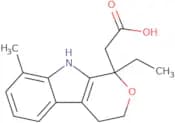

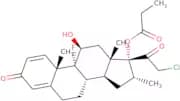
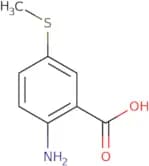
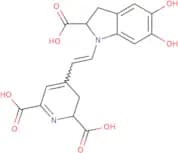
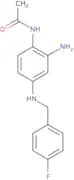
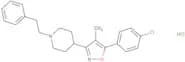
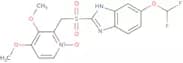

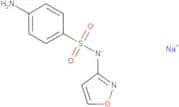
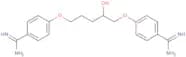
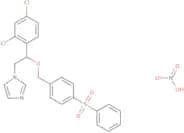
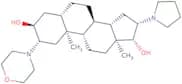
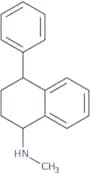
![[6-Hydroxy-2-(4-hydroxyphenyl)benzo[b]thien-3-yl](4-hydroxyphenyl)-methanone](/_next/image/?url=https%3A%2Fstatic.cymitquimica.com%2Fproducts%2F3D%2Fthumb-webp%2FIH44805.webp&w=3840&q=75)
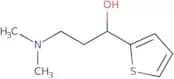


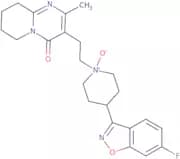
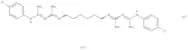
![5-Acetyl-5,11-dihydro-10H-dibenz[b,f]azepin-10-one](/_next/image/?url=https%3A%2Fstatic.cymitquimica.com%2Fproducts%2F3D%2Fthumb-webp%2FDBA29163.webp&w=3840&q=75)
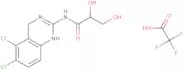
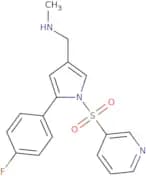
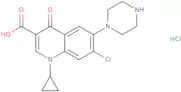
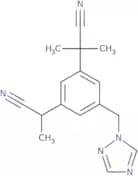
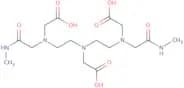
![Methyl 4-[[1-(ethoxycarbonyl)-2-oxocyclopentyl]methyl]-α-methylbenzeneacetate](/_next/image/?url=https%3A%2Fstatic.cymitquimica.com%2Fproducts%2F3D%2Fthumb-webp%2FIM184082.webp&w=3840&q=75)
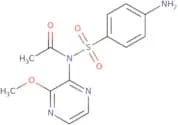
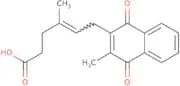
![[6-(4-Phenylbutoxy)hexyl]benzylamine hydrochloride](/_next/image/?url=https%3A%2Fstatic.cymitquimica.com%2Fproducts%2F3D%2Fthumb-webp%2FNGA92318.webp&w=3840&q=75)
![2-[2-[4-(5,5-Dioxidodibenzo[b,f][1,4]thiazepin-11-yl)-1-piperazinyl]ethoxy]ethanol](/_next/image/?url=https%3A%2Fstatic.cymitquimica.com%2Fproducts%2F3D%2Fthumb-webp%2FID27366.webp&w=3840&q=75)
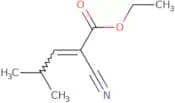
![5-Ethyl-10-methoxy-5H-dibenz[b,f]azepine](/_next/image/?url=https%3A%2Fstatic.cymitquimica.com%2Fproducts%2F3D%2Fthumb-webp%2FQAA88279.webp&w=3840&q=75)
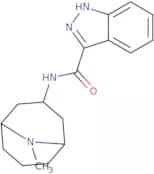


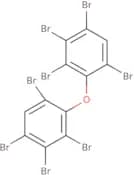
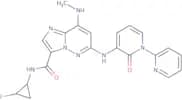
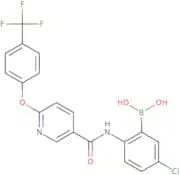

phosphinyl]acetic acid](/_next/image/?url=https%3A%2Fstatic.cymitquimica.com%2Fproducts%2F3D%2Fthumb-webp%2FIM21078.webp&w=3840&q=75)
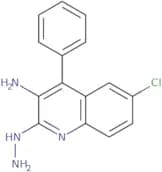
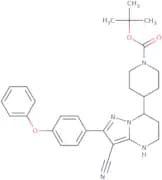
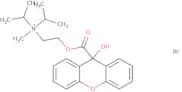
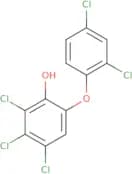
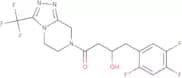
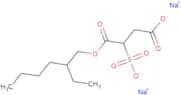
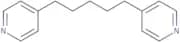
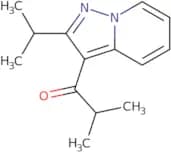
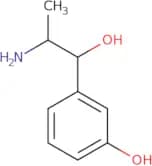
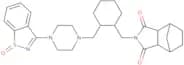
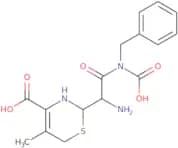
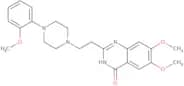
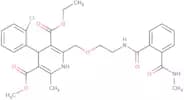

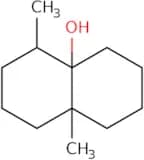
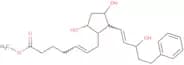
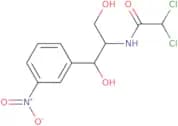

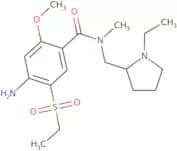
![2-[(4-Chloro-3-methyl-2-pyridinyl)methylthio]-1H-benzimidazole](/_next/image/?url=https%3A%2Fstatic.cymitquimica.com%2Fproducts%2F3D%2Fthumb-webp%2FIC21227.webp&w=3840&q=75)

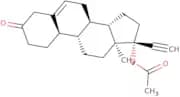
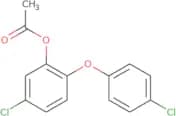


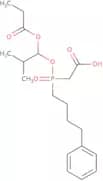
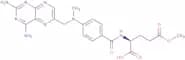

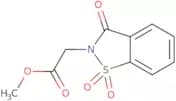
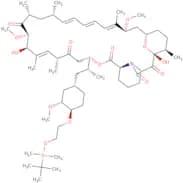
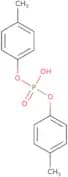
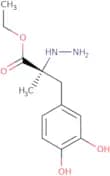
![1-[2-(2,3-Dihydroxypropoxy)phenyl]-3-phenyl-1-propanone](/_next/image/?url=https%3A%2Fstatic.cymitquimica.com%2Fproducts%2F3D%2Fthumb-webp%2FID21068.webp&w=3840&q=75)
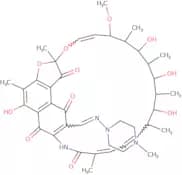
![4-Methyl-3-[[4-(3-pyridinyl)-2-pyrimidinyl]amino]benzamide](/_next/image/?url=https%3A%2Fstatic.cymitquimica.com%2Fproducts%2F3D%2Fthumb-webp%2FIM182951.webp&w=3840&q=75)
![(9R)-9-(2-Pyridinyl)-6-oxaspiro[4.5]decane-9-ethanamine](/_next/image/?url=https%3A%2Fstatic.cymitquimica.com%2Fproducts%2F3D%2Fthumb-webp%2FBGC02679.webp&w=3840&q=75)
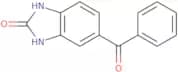
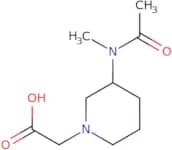
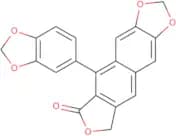
![α-[4-(2-dimethylaminoethoxy)phenyl]stilbene](/_next/image/?url=https%3A%2Fstatic.cymitquimica.com%2Fproducts%2F3D%2Fthumb-webp%2FUAA95751.webp&w=3840&q=75)
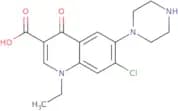
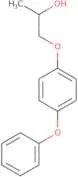
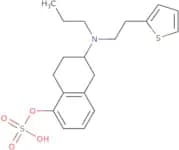
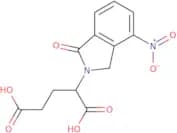
![Pioglitazone Pyridine-6-[4-[2-[5-ethyl-6-[4-[2-(5-ethyl-2-pyridinyl)ethoxy]phenyl]](/_next/image/?url=https%3A%2Fstatic.cymitquimica.com%2Fproducts%2F3D%2Fthumb-webp%2FIP165311.webp&w=3840&q=75)

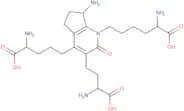
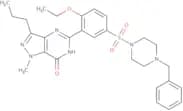

![2,2-Bis[4-(2-diethylaminoethoxy)phenyl]-1,2-diphenylethanone](/_next/image/?url=https%3A%2Fstatic.cymitquimica.com%2Fproducts%2F3D%2Fthumb-webp%2FOB166693.webp&w=3840&q=75)
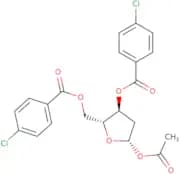
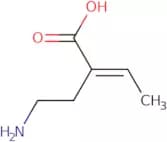
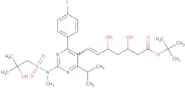

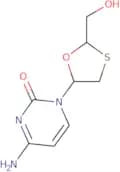
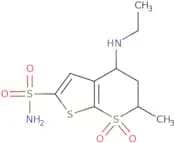
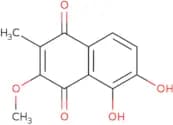
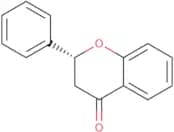
![4'-(Bromomethyl)-[1,1'-biphenyl]-2-carboxylic acid](/_next/image/?url=https%3A%2Fstatic.cymitquimica.com%2Fproducts%2F3D%2Fthumb-webp%2FIB19247.webp&w=3840&q=75)
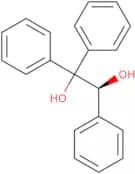
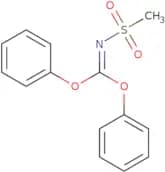
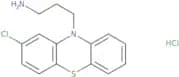


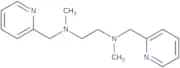
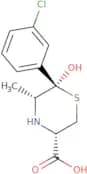
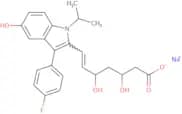
![[R-(R*,R*)]-(1,2-Dihydroxypropyl)phosphonic acid](/_next/image/?url=https%3A%2Fstatic.cymitquimica.com%2Fproducts%2F3D%2Fthumb-webp%2FHFA12560.webp&w=3840&q=75)
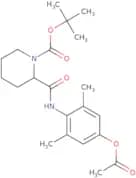
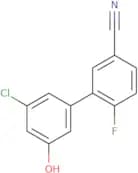
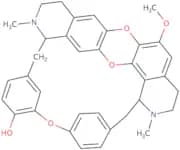
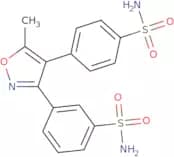
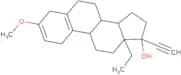
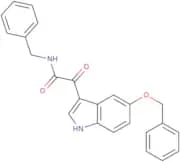
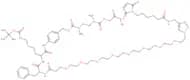
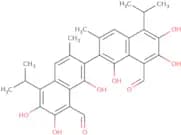
![(4-Chlorophenyl)[4-(1-methylethoxy)phenyl]methanone](/_next/image/?url=https%3A%2Fstatic.cymitquimica.com%2Fproducts%2F3D%2Fthumb-webp%2FIC20310.webp&w=3840&q=75)
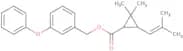
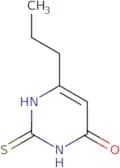

![1-C-4-Chloro-3-[(4-ethoxyphenyl)methyl]phenyl]- D-glucitol](/_next/image/?url=https%3A%2Fstatic.cymitquimica.com%2Fproducts%2F3D%2Fthumb-webp%2FIC181107.webp&w=3840&q=75)
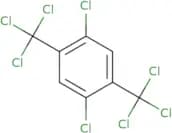
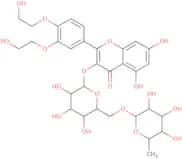
![N-Ethylcarbamic acid 3-[(1S)-1-(dimethylamino)ethyl]phenyl ester-d6](/_next/image/?url=https%3A%2Fstatic.cymitquimica.com%2Fproducts%2F3D%2Fthumb-webp%2FVSB66034.webp&w=3840&q=75)

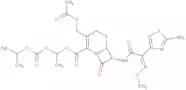
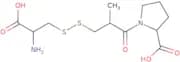
![(1R,2S,5R)-5-Methyl-2-(1-methylethyl)cyclohexyl N-[(7R)-6,7-dihydro-5-[(4-methoxyphenyl)methyl]-6-…](/_next/image/?url=https%3A%2Fstatic.cymitquimica.com%2Fproducts%2F3D%2Fthumb-webp%2FITB06509.webp&w=3840&q=75)
![N-[2-[(4-Chlorophenyl)thio]phenyl]-carbamic acid phenyl ester](/_next/image/?url=https%3A%2Fstatic.cymitquimica.com%2Fproducts%2F3D%2Fthumb-webp%2FULC63674.webp&w=3840&q=75)
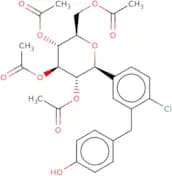
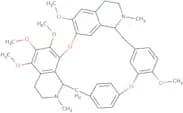
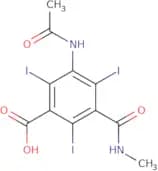
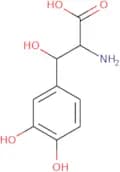
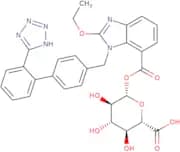
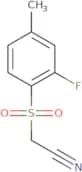
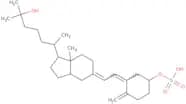
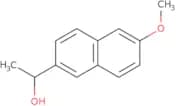
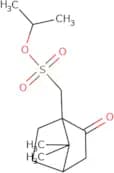
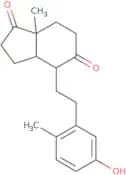
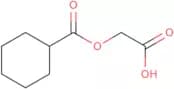
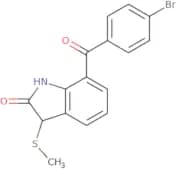
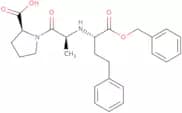
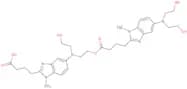
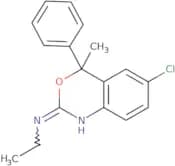
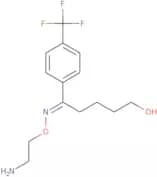
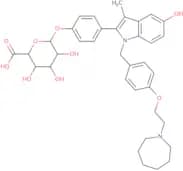

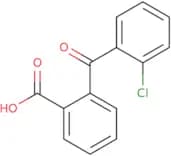
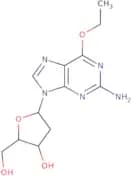
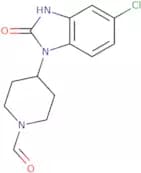
![2,7-Dichloro-9-[(4-chlorophenyl)methylene]-9H-fluorene](/_next/image/?url=https%3A%2Fstatic.cymitquimica.com%2Fproducts%2F3D%2Fthumb-webp%2FEAA36435.webp&w=3840&q=75)
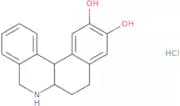
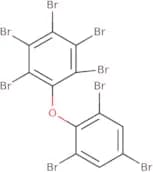
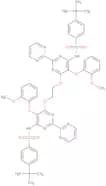
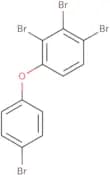
![N-4,5[Acetylamino)methyl]desmopressin](/_next/image/?url=https%3A%2Fstatic.cymitquimica.com%2Fproducts%2F3D%2Fthumb-webp%2FIA173214.webp&w=3840&q=75)
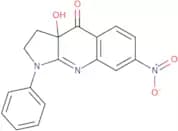
![[(2E)-4-Chloro-2-methylbut-2-ene-1-sulfonyl]benzene](/_next/image/?url=https%3A%2Fstatic.cymitquimica.com%2Fproducts%2F3D%2Fthumb-webp%2FFAA82979.webp&w=3840&q=75)
![N-[[Cis-4-(1-methylethyl)cyclohexyl]carbonyl]-D-phenylalanine(nateglinide impurity)](/_next/image/?url=https%3A%2Fstatic.cymitquimica.com%2Fproducts%2F3D%2Fthumb-webp%2FFEA81606.webp&w=3840&q=75)
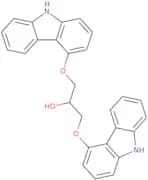

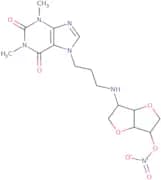
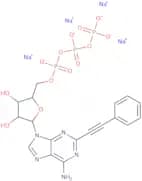
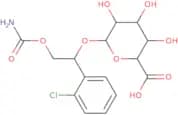
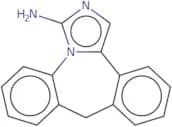
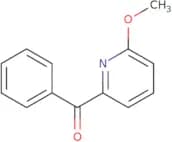
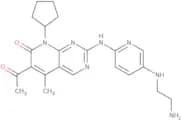
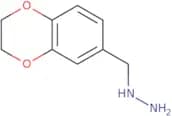
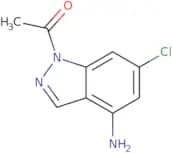
![[5-L-Aspartic Acid]-desmopressin](/_next/image/?url=https%3A%2Fstatic.cymitquimica.com%2Fproducts%2F3D%2Fthumb-webp%2FIA173260.webp&w=3840&q=75)
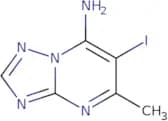
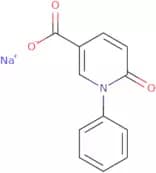
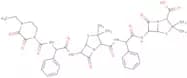
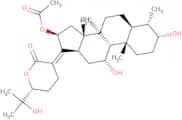
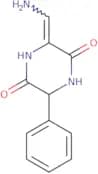
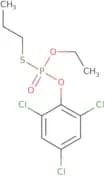
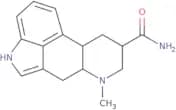
![1-[(1-Oxotetracosyl)oxy]-2,5-pyrrolidinedione](/_next/image/?url=https%3A%2Fstatic.cymitquimica.com%2Fproducts%2F3D%2Fthumb-webp%2FPBA78275.webp&w=3840&q=75)