APIs for research and impurities
Active Pharmaceutical Ingredients (APIs) are the substances in drugs responsible for their therapeutic effects. In this section, you will find a wide variety of APIs intended for research use. These compounds are essential for the development, testing, and validation of new pharmaceutical formulations. CymitQuimica offers high-quality APIs to support research in drug discovery and development.
Subcategories of "APIs for research and impurities"
- Aminoacids and derivatives(12,278 products)
- Anthraquinones and derivatives(405 products)
- Benzimidazole and Imidazole Derivatives(10,376 products)
- Benzodiazepine Derivatives(333 products)
- Carbohydrates and glycoconjugates(5,013 products)
- Esters and Derivatives(42,045 products)
- Fatty Acids and Lypidic Derivatives(32,246 products)
- Flavonoids and Polyphenols(17,012 products)
- Free Radicals and Oxidant/Reducing Agents(213 products)
- Ketones and derivatives(2,394 products)
- Natural and semi-synthetic antibiotics(6,364 products)
- Nitriles and Cyano Derivatives(3,045 products)
- Nitrosamines and Derivatives(55 products)
- Nucleosides and Nucleotides(3,429 products)
- Organic Phosphates and Phosphonates(1,201 products)
- Organic Sulphonates and Sulphates(10,406 products)
- Organometallics(4,401 products)
- Others(6,279 products)
- Peptides and Proteins(3,129 products)
- Polymers and Derivatives(99 products)
- Purines and Pyrimidine Derivatives(8,902 products)
- Quinazoline and Quinoline Derivatives(65,630 products)
- Quinones and Derivatives(24,239 products)
- Salts and Derivatives of Active Pharmaceutical Ingredients (API)(79,473 products)
- Steroids and Derivatives(4,967 products)
- Sulfonamides and Derivatives(2,592 products)
- Terpenoids and Derivatives(3,839 products)
- Thiazolidinediones and Thiopyrans(2,733 products)
- β-Adrenergic Compounds(230 products)
Show 21 more subcategories
Found 56797 products of "APIs for research and impurities"
Sort by
Purity (%)
0
100
|
0
|
50
|
90
|
95
|
100
N9-Des(4-acetoxy-3-(acetoxymethyl)but-1-yl) N7-[4-acetoxy-3-(acetoxymethyl)but-1-yl] famciclovir
CAS:<p>N9-Des(4-acetoxy-3-(acetoxymethyl)but-1-yl) N7-[4-acetoxy-3-(acetoxymethyl)but-1-yl] famciclovir is an analytical standard that is used for drug development and as an impurity in the production of famciclovir. It has a purity of 99.0% and a melting point of 176°C. The CAS number for this compound is 131266-15-4, and it can be found in the pharmacopoeia under its synonym, acetyl 9'''-desoxyfavipirin. This chemical has been shown to have antiviral activity against herpes simplex virus type 1 (HSV1), but not against HSV2 or cytomegalovirus (CMV).</p>Formula:C14H19N5O4Purity:Min. 95%Molecular weight:321.33 g/molTaiwanin C
CAS:<p>Taiwanin C is an analog of dabigatran, a potent inhibitor of kinases that has been shown to have anticancer properties. It has been found to inhibit the growth of tumor cells in vitro and in vivo, inducing apoptosis and reducing protein expression. Taiwanin C has also shown promising results in inhibiting the activity of various kinases involved in cancer cell proliferation and survival. This compound is derived from Chinese herbal medicine and can be detected in urine after administration. Its potential as an anticancer agent makes it a promising area for further research into new cancer therapies.</p>Formula:C20H12O6Purity:Min. 95%Molecular weight:348.3 g/molClobetasol Propionate - Impurity D
CAS:Controlled Product<p>Please enquire for more information about Clobetasol Propionate - Impurity D including the price, delivery time and more detailed product information at the technical inquiry form on this page</p>Formula:C25H34ClFO5Purity:Min. 95%Molecular weight:468.99 g/molα,α'-Bis[(2-methoxyphenoxy)methyl]-1,4-piperazinediethanol
CAS:<p>α,α'-Bis[(2-methoxyphenoxy)methyl]-1,4-piperazinediethanol is an impurity in the drug ranolazine. It is a dimer of the active compound α,α'-bis[2-(methoxy)phenoxy]methyl-1,4-piperazine. This impurity has been shown to have antiarrhythmic properties.</p>Formula:C24H34N2O6Purity:Min. 95%Molecular weight:446.5 g/mol6-Des(1-methyl-2-benzimidazolyl)-6-carboxy telmisartan
CAS:<p>Telmisartan is a drug that belongs to the class of angiotensin II receptor antagonists and is used in the treatment of hypertension. Telmisartan can be quantitatively analyzed with high sensitivity by liquid chromatography. Impurities in telmisartan can be analyzed qualitatively and quantitatively by liquid chromatography, which requires a shorter time than GC analysis.</p>Formula:C26H24N2O4Purity:Min. 95%Molecular weight:428.48 g/mol8-(2-Pyrimidinyl)-8-aza-5-azoniaspiro[4.5]decane bromide
CAS:<p>8-(2-Pyrimidinyl)-8-aza-5-azoniaspiro[4.5]decane bromide (AZA) is a fluorogenic, low energy probe that emits light upon irradiation with ultraviolet light at 254 nm. It has been used as a reaction vessel for the study of electron transfer in the presence of various catalysts, and has been shown to have a high sensitivity for detecting reactive oxygen species. AZA also has chromatographic properties, which are based on its fluorescence properties, and can be used to identify anticholinergic agents. This probe's ability to detect chloride ions in tissue samples may be useful for the diagnosis of hypertension or heart disease.<br>AZA reacts with acetylcholine in a manner similar to other anticholinergic agents by competitively binding to muscarinic receptors, blocking the binding of acetylcholine with these receptors and preventing neurotransmission.</p>Formula:C12H19BrN4Purity:Min. 95%Molecular weight:299.21 g/mol7-Hydroxy chlorpromazine hydrochloride
CAS:<p>Chlorpromazine is a cholinergic drug that is used to treat psychiatric patients. It has been shown to be effective in the treatment of schizophrenia and other psychotic disorders. Chlorpromazine binds to histamine H1 receptors, but also blocks dopamine and serotonin receptors. This drug has a long half-life in plasma (14.4 hours) and tissues, which may be due to its metabolites. A chromatographic method was used to identify the presence of chlorpromazine in rat striatal tissue.</p>Formula:C17H20Cl2N2OSPurity:Min. 95%Molecular weight:371.32 g/molMethapyrilene fumarate
CAS:<p>Methapyrilene fumarate is a synthetic maleate salt of methapyrilene. This drug is used in the treatment of high blood pressure. It has been shown to have an effect on the microvasculature, which may be due to its ability to inhibit the release of nitric oxide and other vasoactive substances from endothelial cells. Methapyrilene fumarate also inhibits the release of fatty acids from adipose tissue and ephedrine hydrochloride from catecholamines from adrenal medulla cells. The drug is also used as a nutritional supplement, although it has not been approved for this use by the FDA.</p>Formula:C40H50N6O12S2Purity:Min. 95%Molecular weight:871 g/molBenzo[b]thien-2-yl ketone (zileuton impurity)
CAS:<p>Benzo[b]thien-2-yl ketone (zileuton impurity) is a metabolite of the drug zileuton, which is used to treat asthma. Benzo[b]thien-2-yl ketone is formed by the oxidation of benzo[b]thiophene in the presence of cytochrome P450 enzyme system. It has been found to have anti-inflammatory properties and may be useful for treating asthma. This product is available as an analytical standard for HPLC, or as a custom synthesis for research and development.</p>Formula:C17H10OS2Purity:Min. 95%Molecular weight:294.4 g/molN-Des[2-(1-methyl-2-pyrrolidinyl)ethyl] udenafil
CAS:<p>N-Des[2-(1-methyl-2-pyrrolidinyl)ethyl] udenafil is an impurity in the drug product. It is a synthetic compound and is a metabolite of the drug product. N-Des[2-(1-methyl-2-pyrrolidinyl)ethyl] udenafil is present as a byproduct of the metabolism of the active ingredient. The CAS number for this substance is 319491-68-4. This impurity has been observed to have niche applications in research and development and analytical studies. It has also been found to be pharmacopoeia grade, which means it meets or exceeds purity standards set by regulatory authorities.</p>Formula:C18H23N5O4SPurity:Min. 95%Molecular weight:405.5 g/molPBDE 197
CAS:Controlled Product<p>PBDE 197 is a medicinal compound that has shown potential as an anticancer agent. It is a kinase inhibitor, which means it blocks certain enzymes that are involved in cell signaling and growth. PBDE 197 has been found to induce apoptosis, or programmed cell death, in human cancer cells. This compound is an analog of other kinase inhibitors and has demonstrated potent inhibitory effects on protein kinases in vitro. In animal studies, PBDE 197 has shown promising results as a tumor growth inhibitor. It is excreted through urine and may have potential as a therapeutic option for cancer patients.</p>Formula:C12H2Br8OPurity:Min. 95%Molecular weight:801.4 g/molAtropine impurity G
<p>Atropine impurity G is a natural metabolite that is found in the body as an impurity of atropine. It is a synthetic drug product that is used as an analytical standard for the quantification of atropine and other drugs. Atropine impurity G has been shown to inhibit metabolism studies, which may be due to its ability to inhibit CYP3A4 activity. This impurity can be detected using HPLC with UV detection.</p>Purity:Min. 95%Bletilol B
CAS:<p>Bletilol B is a medicinal compound that has been shown to induce apoptosis in human cancer cells. It acts as a cyclin-dependent kinase (CDK) inhibitor, disrupting the cell cycle and preventing tumor growth. Bletilol B has been tested on various cancer cell lines and has demonstrated potent anticancer activity by inhibiting the proliferation of cancer cells. This compound works by binding to the active site of CDKs and blocking their activity, leading to cell cycle arrest and ultimately causing apoptosis. In addition, Bletilol B also inhibits the expression of proteins involved in cancer cell survival, making it an attractive candidate for future anticancer therapies.</p>Formula:C27H26O7Purity:Min. 95%Molecular weight:462.5 g/mol3-Hydroxy mepivacaine
CAS:<p>3-Hydroxy mepivacaine is a drug product that is synthesized in the laboratory for research and development purposes. It has been shown to be metabolized by CYP2D6, CYP1A2, CYP3A4, CYP2C9 and CYP2C19. The metabolite of 3-hydroxy mepivacaine is not known at this time. 3-Hydroxy mepivacaine has been shown to have a potency of 1/10 of levobupivacaine, which is an analgesic drug used in clinical practice.</p>Formula:C15H22N2O2Purity:Min. 95%Color and Shape:PowderMolecular weight:262.35 g/mol3-Des[2-(dimethylamino)ethyl] zolmitriptan acetonitrile
CAS:<p>Please enquire for more information about 3-Des[2-(dimethylamino)ethyl] zolmitriptan acetonitrile including the price, delivery time and more detailed product information at the technical inquiry form on this page</p>Formula:C14H13N3O2Purity:Min. 95%Molecular weight:255.27 g/molSolifenacin Impurity D
CAS:<p>Solifenacin Impurity D is a synthetic impurity of solifenacin. Solifenacin is an anti-cholinergic drug used to treat overactive bladder and urinary incontinence. The purity of this product is 99%. It is soluble in methanol, ethanol, chloroform, and acetone. Solifenacin Impurity D can be used as a reference material for analytical purposes or as an impurity standard in the development of new drugs.</p>Formula:C31H28N2OPurity:Min. 96 Area-%Color and Shape:White PowderMolecular weight:444.57 g/mol4-(Phthalazin-1-yloxy)aniline
CAS:<p>4-(Phthalazin-1-yloxy)aniline is an analog of cyclin-dependent kinase (CDK) inhibitors that has shown promising anticancer activity. It inhibits the activity of CDKs, which are enzymes involved in regulating cell division and proliferation. This compound has been tested on Chinese hamster ovary cells and has demonstrated potent antiproliferative activity against various cancer cell lines. 4-(Phthalazin-1-yloxy)aniline induces apoptosis in tumor cells, leading to their death. This compound may be a potential candidate for the development of novel anticancer drugs that target CDKs and promote tumor cell death. Additionally, this compound can be detected in urine samples, making it a useful biomarker for cancer diagnosis and monitoring.</p>Formula:C14H11N3OPurity:Min. 95%Molecular weight:237.26 g/molRisperidone pyrimidinone-N-oxide(risperidone impurity)
CAS:<p>Risperidone pyrimidinone-N-oxide (ROPN) is a metabolite of risperidone. It is an impurity that is used as a reference standard for HPLC in the drug development process. ROPN can be synthesized from risperidone, but it is also found naturally in some plants and fungi. It has been shown to have anti-inflammatory properties, which may be due to its inhibition of prostaglandin synthesis.</p>Formula:C23H27FN4O3Purity:Min. 95%Molecular weight:426.5 g/mol3-Carboxy-a-methyl-benzeneacetic acid
CAS:<p>3-Carboxy-a-methyl-benzeneacetic acid (3CMA) is an impurity in the synthesis of 3,4-methylenedioxyphenylacetone. It is a preservative that has been analysed as a potential source of contamination in pharmaceutical preparations. 3CMA has been shown to be effective at inhibiting the growth of bacteria, yeast and moulds. The analysis time for 3CMA is typically 8 hours or less. The parameters that are used to analyse 3CMA include the use of acetonitrile, optimal porosity and efficiency. The analytical methods used for 3CMA include chromatographic and chromolith methods.</p>Formula:C10H10O4Purity:Min. 95%Molecular weight:194.18 g/mol(S)-3''-Hydroxy pravastatin sodium salt
CAS:<p>(S)-3''-Hydroxy pravastatin sodium salt is a drug product that is custom synthesized. It is the sodium salt of (S)-3''-hydroxypravastatin, which has been shown to be a natural product with high purity. The metabolite of (S)-3''-hydroxypravastatin sodium salt is 3'-hydroxypravastatin. This product can be used for analytical purposes as well as in pharmacopoeia, drug development, and research and development. It can also be used as an impurity standard for HPLC and GC analysis.</p>Formula:C23H35NaO8Purity:Min. 95%Molecular weight:462.51 g/molLumiflavin 5-oxide
CAS:<p>Lumiflavin 5-oxide is a metabolite of lumiflavin. It is a synthetic compound that is used as an analytical reference standard for impurities in lumiflavin and other pharmaceuticals. Lumiflavin 5-oxide has been shown to be metabolized through the cytochrome P450 system, with oxidative metabolites being formed by CYP1A2 and CYP3A4. Lumiflavin 5-oxide has also been shown to be a competitive inhibitor of NAD+-dependent enzymes such as glycerol kinase, phosphofructokinase, lactate dehydrogenase, alcohol dehydrogenase, and glucose 6-phosphate dehydrogenase.</p>Formula:C13H12N4O3Purity:Min. 95%Molecular weight:272.26 g/mol(1R)-Perindopril t-butylamine
CAS:<p>Enantiomer of Perindopril t-Butylamine</p>Formula:C23H43N3O5Purity:Min. 95%Molecular weight:441.6 g/molSolifenacin EP impurity F succinate
CAS:<p>Solifenacin is an anti-cholinergic drug that has been shown to have a potent antagonistic effect on muscarinic receptors. It is used in the treatment of overactive bladder, urinary incontinence, and irritable bowel syndrome. Solifenacin succinate is a metabolite of solifenacin and it has been found to be an antagonist of M3 muscarinic receptors. The presence of solifenacin and its metabolites in wastewater can interfere with treatment processes by inhibiting the removal of other organic chemicals such as tamsulosin hydrochloride. Optimisation studies for solifenacin production have shown that famotidine can be used as a process aid to reduce solifenacin impurities. Famotidine is also an antagonist of M3 muscarinic receptors and can be used to remove solifenacin from wastewater. Analytes detected in wastewater samples include solifenacin, famot</p>Formula:C27H32N2O6Purity:Min. 95%Molecular weight:480.55 g/molFenbufen-d9
CAS:<p>Please enquire for more information about Fenbufen-d9 including the price, delivery time and more detailed product information at the technical inquiry form on this page</p>Formula:C16H14O3Purity:Min. 95%Molecular weight:263.33 g/molN2-Methyl alfuzosin hydrochloride (1:1)
CAS:<p>N2-Methyl alfuzosin hydrochloride (1:1) is a synthetic compound that is used as an impurity standard for the drug product Alfuzosin. It has been shown to be metabolized by the liver, and its metabolites are excreted through the bile. The N2-methyl group of this compound provides a marker for metabolism studies and it has been shown to inhibit bacterial growth in vitro.</p>Formula:C19H28ClN5O4Purity:Min. 95%Molecular weight:425.91 g/molRoxindole hydrochloride
CAS:<p>Roxindole hydrochloride is a synthetic compound that is used to treat bowel disease. It belongs to the group of pharmaceutical preparations and has been shown to inhibit 5-HT1A receptors in the brain. Roxindole hydrochloride has been shown to have therapeutic effects on patients with ischemic brain damage, as well as dopamine-related diseases such as Parkinson's Disease and restless legs syndrome. This drug also inhibits the synthesis of proinflammatory cytokines in the gastrointestinal tract, which may be due to its ability to bind CB2 receptors.</p>Formula:C23H27ClN2OPurity:Min. 95%Molecular weight:382.9 g/mol22-Hydroxycholest-4-en-3-one
CAS:Controlled Product<p>22-Hydroxycholest-4-en-3-one is an analog that has been shown to have potent anticancer activity. It works by inhibiting kinase activity, which plays a key role in the regulation of cell cycle and apoptosis. This inhibitor has been found to induce apoptosis in cancer cells, leading to tumor regression. 22-Hydroxycholest-4-en-3-one has also been shown to inhibit protein synthesis and inhibit the growth of human cancer cell lines. In Chinese medicine, it is used for its medicinal properties and is present in urine as a natural metabolite. Its potential as an anticancer agent makes it a promising candidate for further research and development of cancer therapies.</p>Formula:C27H44O2Purity:Min. 95%Molecular weight:400.6 g/molDes(N-methyl-2-nitro-1,1-ethenediamino) N-methylureido nizatidine
CAS:<p>Des(N-methyl-2-nitro-1,1-ethenediamino) N-methylureido nizatidine is a drug product that belongs to the group of ureidos. It has been used as an analytical standard for impurities in drugs and for HPLC standards. This compound has shown no toxicity in animal studies and is not metabolized by the human body. It does not bind to plasma proteins and is excreted unchanged in urine. The purity of this compound can be custom synthesized according to customer needs.</p>Formula:C11H20N4OS2Purity:Min. 95%Molecular weight:288.40 g/molAtorvastatin EP Impurity B
CAS:<p>Atorvastatin is a drug product that is designed for the treatment of dyslipidemia, hypercholesterolemia, and mixed dyslipidemia. It is an impurity in the drug product Atorvastatin EP. Impurity B is a natural metabolite that has been found to have a niche market as an analytical standard for HPLC. The metabolite can be synthesized with high purity and quality standards, which are suitable for use in pharmacopoeia and research and development.</p>Formula:C33H35N2O5Purity:Min. 95%Molecular weight:558.64 g/mol3-Desmethyl-3-(5-oxohexyl) pentoxifylline
CAS:Controlled Product<p>Please enquire for more information about 3-Desmethyl-3-(5-oxohexyl) pentoxifylline including the price, delivery time and more detailed product information at the technical inquiry form on this page</p>Formula:C18H26N4O4Purity:Min. 95%Molecular weight:362.4 g/molN-Ethoxycarbonyl norfloxacin
CAS:<p>N-Ethoxycarbonyl norfloxacin is a custom synthesis for research and development. It is an impurity standard used to determine the purity of drug product. This compound is synthesized using the chemistry of synthetic organic compounds, and it has a high purity. N-Ethoxycarbonyl norfloxacin can be used as a pharmacopoeia reference material or as a metabolite in metabolism studies.</p>Formula:C19H22FN3O5Purity:Min. 95%Molecular weight:391.4 g/mol(S)-2-Amino-3-(3,5-diiodo-4-(4-methoxyphenoxy)phenyl propanoic acid
CAS:<p>(S)-2-Amino-3-(3,5-diiodo-4-(4-methoxyphenoxy)phenyl propanoic acid is a synthetic compound that is used as an impurity standard. It has been shown to be metabolized by cytochrome P450 enzyme system and its metabolites are excreted in the urine. This chemical can also act as an analytical reference for HPLC analysis of other compounds.</p>Formula:C16H15I2NO4Purity:Min. 95%Molecular weight:539.1 g/molRemdesivir impurity 14
<p>Remdesivir impurity 14 is a research and development product that belongs to the class of drugs. It is a synthetic metabolite with high purity. Remdesivir impurity 14 meets the pharmacopoeia standard for drug products and drug development. It has been synthesized to be used as an analytical standard for HPLC analysis of remdesivir. This product also has niche applications in metabolism studies, because it is a natural metabolite with its own metabolic pathway.</p>Formula:C18H18N5O7PPurity:Min. 95%Molecular weight:447.34 g/mol6-Amino-2-(1-(2-fluorobenzyl)-1H-pyrazolo[3,4-b]pyridin-3-yl)-7,9-dimethyl-7H-purin-8(9H)-one
CAS:<p>6-Amino-2-(1-(2-fluorobenzyl)-1H-pyrazolo[3,4-b]pyridin-3-yl)-7,9-dimethyl-7H-purin-8(9H)-one is a drug product that belongs to the class of purine derivatives. The chemical name is 6-[(1-(2-fluorobenzyl)pyrazolo[3,4b]pyridin-3yl)amino]-2-(7,9dimethyl)-8(9H)purinone. It has been shown to be metabolized by esterases or glucuronidases, oxidation by cytochrome P450 enzymes, reduction by glutathione reductase, or conjugation with glucuronic acid. This active form is also bound to markers expressed at high levels in Mycobacterium tuberculosis strains (e.g., ESX</p>Formula:C20H17FN8OPurity:Min. 95%Molecular weight:404.4 g/mol7-Hydroxyhyoscyamine
CAS:<p>7-Hydroxyhyoscyamine is an antibacterial agent that is used in the treatment of bacterial infections. It has been shown to inhibit the growth of a number of bacteria including Staphylococcus aureus, Streptococcus pyogenes, and Escherichia coli. 7-Hydroxyhyoscyamine has been shown to be more potent than 6-hydroxyhyoscyamine (6-OH Hya) for inhibiting protein synthesis in the bacteria. The compound does not have any psychoactive effects, unlike atropine sulfate, which is also an alkaloid found in plants from the Solanaceae family. 7-Hydroxyhyoscyamine can be synthesized by reacting atropine with nitrous acid or hydrochloric acid. This synthetic process leads to n-oxides as impurities, which can be removed by using a reversed phase high performance liquid chromatography (RP HPLC). Validation of this</p>Formula:C17H23NO4Purity:Min. 95%Color and Shape:PowderMolecular weight:305.4 g/molPyrazole N-demethyl sildenafil-d3
CAS:<p>Pyrazole N-demethyl sildenafil-d3 is a synthetic impurity standard for drug development and research. It is used as an analytical reference material for the study of metabolism in humans, animals, and other species. Pyrazole N-demethyl sildenafil-d3 has been shown to inhibit the CYP2C9 enzyme from metabolizing sildenafil, leading to increased plasma levels of active sildenafil.</p>Formula:C21H25D3N6O4SPurity:Min. 95%Molecular weight:463.57 g/molN-Demethyl-N-(ethylsuccinyl) erythromycin
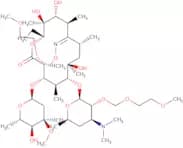
<p>Please enquire for more information about N-Demethyl-N-(ethylsuccinyl) erythromycin including the price, delivery time and more detailed product information at the technical inquiry form on this page</p>Formula:C42H73NO16Purity:Min. 95%Molecular weight:848.03 g/mol5-Chloro-N-[3-[[(5-chloro-2-thienyl)carbonyl]amino]-2-hydroxypropyl]-N-[4-(3-oxo-4-morpholinyl)phenyl]-2-thiophenecarboxamide
CAS:<p>Please enquire for more information about 5-Chloro-N-[3-[[(5-chloro-2-thienyl)carbonyl]amino]-2-hydroxypropyl]-N-[4-(3-oxo-4-morpholinyl)phenyl]-2-thiophenecarboxamide including the price, delivery time and more detailed product information at the technical inquiry form on this page</p>Formula:C23H21Cl2N3O5S2Purity:Min. 95%Molecular weight:554.47 g/molN5-(5-Hydroxy-4,6-dimethyl-2-pyrimidinyl)-L-ornithine hydrochloride hydrate
CAS:<p>N5-(5-Hydroxy-4,6-dimethyl-2-pyrimidinyl)-L-ornithine hydrochloride hydrate is a monoclonal antibody that is specific to lysine residues. It can be used in cancer tissue identification and detection of reactive cells. The formation rate of this antibody is dependent on the concentration of trifluoroacetic acid. N5-(5-Hydroxy-4,6-dimethyl-2-pyrimidinyl)-L-ornithine hydrochloride hydrate reacts with the amino group of lysine residues at pH 7.4 and has a logistic regression coefficient of 0.934 (95% confidence interval: 0.837 - 1.000). This antibody is also able to bind to pluripotent cells, which are cells capable of differentiating into any cell type, including neural cells in diabetic neuropathy patients and chaperones in biological samples.</p>Formula:C11H18N4O3Purity:Min. 95%Molecular weight:254.29 g/molRotigotine Impurity 18
CAS:Controlled Product<p>Rotigotine Impurity 18 is a drug product that is an analytical standard for impurities. It is a synthetic impurity that is not found in natural sources. Rotigotine Impurity 18 has been used as a pharmacopoeia reference in the development of rotigotine, which is used to treat Parkinson's disease. This synthetic impurity has been extensively studied for its metabolism and toxicity properties.</p>Formula:C21H27NO2SPurity:Min. 95%Molecular weight:357.5 g/molN-Nitroso N-hydroxy cyclohexanamine
CAS:<p>N-Nitroso N-hydroxy cyclohexanamine is an analog of betamethasone and a potent inhibitor of kinases. It has been shown to have anticancer properties by inducing apoptosis in cancer cells. This compound is excreted in urine and has been studied extensively in Chinese populations for its potential as an anticancer agent. N-Nitroso N-hydroxy cyclohexanamine inhibits the activity of kinases, which are important enzymes involved in cell signaling pathways that regulate cell growth and division. This inhibition leads to the suppression of tumor growth and the induction of apoptosis in cancer cells. Additionally, this compound has been found to be a potent inhibitor of vitamin D receptor (VDR) and may play a role in regulating VDR-mediated gene expression.</p>Formula:C6H12N2O2Purity:Min. 95%Molecular weight:144.17 g/moltrans-4-[[(2-Amino-5-bromophenyl)methyl]amino]cyclohexanol
CAS:<p>Please enquire for more information about trans-4-[[(2-Amino-5-bromophenyl)methyl]amino]cyclohexanol including the price, delivery time and more detailed product information at the technical inquiry form on this page</p>Formula:C13H19BrN2OPurity:Min. 95%Molecular weight:299.21 g/molS 14506 Hydrochloride
CAS:<p>S 14506 Hydrochloride is a selective 5-HT1A receptor agonist that has been shown to have proapoptotic activity in prostate cancer cells. S 14506 Hydrochloride binds to the serotonin receptor, which is important for the modulation of mood, appetite, sexual function and pain sensation. It causes an increase in extracellular levels of hydrogen chloride and chloride ions, which may be responsible for its anxiolytic effects. This drug has also been shown to inhibit cell growth by binding to the subunits that make up the enzyme protein kinase A (PKA). PKA activates protein kinases, which are enzymes that regulate cellular processes such as metabolism and gene expression. In addition, S 14506 Hydrochloride binds to the 5-HT1A receptor on cancer cells and increases the synthesis of proteins associated with apoptosis or programmed cell death.</p>Formula:C24H27ClFN3O2Purity:Min. 95%Molecular weight:443.9 g/molLamivudine S-oxide
CAS:<p>Lamivudine is an antiviral drug that belongs to the group of nucleoside analogues. It is a prodrug that is activated by intracellular phosphorylation to form the active compound, lamivudine triphosphate (L-TTP). L-TTP inhibits viral replication by competing with natural substrates for incorporation into viral DNA. The antiviral activity of L-TTP has been shown in animals and humans with hepatitis B virus or human immunodeficiency virus type 1 (HIV-1) infections. Lamivudine S-oxide is a stereoselective form of lamivudine, which can be used for chemoprophylaxis against the pandemic H1N1 virus. This drug has shown to have a lower toxicity profile than other drugs used for this purpose.</p>Formula:C8H11N3O4SPurity:Min. 95%Molecular weight:245.26 g/molMeropenem EP Impurity B Disodium Salt
CAS:<p>Please enquire for more information about Meropenem EP Impurity B Disodium Salt including the price, delivery time and more detailed product information at the technical inquiry form on this page</p>Formula:C34H48N6O10S2·2NaPurity:Min. 95%Molecular weight:810.26 g/molAcyclovir EP Impurity Q
<p>Acyclovir EP Impurity Q is a drug product that is used as the impurity standard for Acyclovir EP. It is a natural metabolite of acyclovir and may be found in the urine of patients taking this drug. Acyclovir EP Impurity Q has shown to have antiviral activity against herpes simplex virus type 1 and type 2. The structure of this compound has been determined by nuclear magnetic resonance (NMR) spectroscopy and mass spectrometry.</p>Purity:Min. 95%Doxazosin-d8 hydrochloride
CAS:<p>Doxazosin-d8 hydrochloride is an analytical reference standard for HPLC and LCMS, and a drug development impurity. It is a metabolite of doxazosin that is used as an impurity in the manufacture of doxazosin. Doxazosin-d8 hydrochloride has been shown to be a substrate for CYP3A4, where it undergoes oxidation to form 2-(2-hydroxyphenyl)-N-[(1S)-1-[[(2R)-2-methylpropyl]sulfonyl]-2,3-dihydro-1H-pyrrolo[2,3-b]pyridin-5-yl]-N-(2,6 dimethylphenyl)acetamide (CYP3A4). This metabolite may contribute to the pharmacological activity of doxazosin.</p>Formula:C23H18D8ClN5O5Purity:Min. 95%Molecular weight:495.99 g/mol2-Methoxy-5-methyl-γ-phenylbenzenepropanol
CAS:<p>2-Methoxy-5-methyl-gamma-phenylbenzenepropanol is a synthetic compound that is used as an intermediate in the synthesis of coumarin derivatives. Reaction with sulfonating agents produces sulfones, and reaction with borohydride reagents produces boronates. The synthesis of 2-methoxy-5-methyl-gamma-phenylbenzenepropanol can be accomplished by the reduction of diphenyl ethers with lithium aluminum hydride or borohydride. The reduction can also be carried out using lanthanum oxide and potassium borohydride. The reaction proceeds smoothly at room temperature in nonpolar solvents.<br>2-Methoxy-5-methyl-gamma-phenylbenzenepropanol reacts with chloride to produce the corresponding chlorides, which are useful intermediates for the synthesis of tolterodine tartrate, a drug used to treat urinary inc</p>Formula:C17H20O2Purity:Min. 95%Molecular weight:256.34 g/molDutasteride EP impurity E
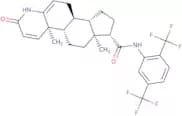
CAS:<p>Please enquire for more information about Dutasteride EP impurity E including the price, delivery time and more detailed product information at the technical inquiry form on this page</p>Formula:C27H30F6N2O2Purity:Min. 95%Molecular weight:528.54 g/mol15-Epi travoprost
CAS:<p>15-Epi travoprost is a synthetic, natural, and impurity standard drug product. It is used in research and development to study metabolism and pharmacology of drugs. 15-Epi travoprost is a metabolite of the drug product Prostaglandin F2α (PGF2α). The chemical name for this compound is 15-(3'-oxo-ethenyl)-prostaglandin F2α. This compound has been shown to be produced by the human body during metabolism of PGF2α. The CAS number for this compound is 1420791-14-5.</p>Formula:C26H35F3O6Purity:Min. 95%Molecular weight:500.5 g/molChlorhexidine digluconate EP Impurity L
<p>Chlorhexidine digluconate EP Impurity L is a metabolite of chlorhexidine digluconate. It is an impurity found in the drug product, which is used for the treatment of skin and mucous membrane infections. The mechanism of action for chlorhexidine digluconate EP Impurity L is not known. However, it has been shown to be metabolized by CYP3A4 and CYP2C9 enzymes to form chlorhexidine acetate, a metabolite that inhibits bacterial growth, and hydrolyzed by esterases to form 2-hydroxychlorhexidine acetate. This metabolite has been found in the urine of rats following oral administration with chlorhexidine digluconate EP Impurity L.</p>Formula:C13H15ClN2O6Purity:Min. 95%Molecular weight:330.72 g/molDapoxetine N-oxide
CAS:<p>Dapoxetine N-oxide is a pharmaceutical agent that inhibits serotonin reuptake and has been shown to be effective in the treatment of premature ejaculation. It is a metabolite of dapoxetine, which is an antidepressant drug. Dapoxetine N-oxide has a terminal half-life of about 10 hours, which is shorter than that of its parent compound. Dapoxetine N-oxide also has a lower carcinogenic potential than its parent compound. This agent can inhibit the activity of rat liver microsomes, as well as human liver microsomes at high concentrations. It also has no effect on plasma concentrations at low doses, but does show dose proportionality at higher doses. Dapoxetine N-oxide also does not have any impurities or other drugs added to it.</p>Formula:C21H23NO2Purity:Min. 95%Molecular weight:321.41 g/mol2-[[4-(2-Pyridylsulfamoyl)phenyl]azo]hydroxybenzene
CAS:<p>2-[[4-(2-Pyridylsulfamoyl)phenyl]azo]hydroxybenzene is an impurity found in sulfasalazine. It is a metabolite that is formed by the P450 system in the liver. The metabolic process of 2-[[4-(2-Pyridylsulfamoyl)phenyl]azo]hydroxybenzene has been studied in detail and has been shown to be a major contributor to the pharmacokinetic profile of sulfasalazine. This substance also exhibits antimicrobial activity and inhibits the growth of bacteria, fungi, and viruses.</p>Formula:C17H14N4O3SPurity:Min. 95%Molecular weight:354.38 g/molN-(3-Trifluoromethylphenyl)-phenylamine
CAS:<p>N-(3-Trifluoromethylphenyl)-phenylamine is a research and development drug product that is used as an analytical impurity standard. It has a CAS number of 101-23-5 and is classified under the trade name 3TFPPA. The chemical formula for N-(3-Trifluoromethylphenyl)-phenylamine is C12H8F3NO. This compound can be synthesized from phenylamine, 3-trifluoromethylaniline, and hydrochloric acid. The molecular weight of this compound is 197.19 g/mol, which falls within the range of 195 to 200 g/mol. N-(3-Trifluoromethylphenyl)-phenylamine can be found in the following pharmacopoeia: USP (United States Pharmacopeia), EP (European Pharmacopoeia), JP (Japanese Pharmacopeia), BP</p>Formula:C13H10F3NPurity:Min. 95%Molecular weight:237.22 g/mol(2S, 4’R, 8’S)-α-Tocopherol
CAS:<p>(2S, 4’R, 8’S)-α-Tocopherol is a vitamin E compound that has been shown to have various health benefits. It acts as an antioxidant and protects cells from oxidative damage. Additionally, it has been found to inhibit the growth of cancer cells by inducing apoptosis, inhibiting protein kinase C activity, and blocking the cell cycle. Studies have shown that (2S, 4’R, 8’S)-α-Tocopherol is a potent inhibitor of tumor growth in Chinese hamster ovary cells and human breast cancer cell lines. This vitamin has also been detected in urine samples of individuals who consume a diet rich in vitamin E. Overall, (2S, 4’R, 8’S)-α-Tocopherol is an important anticancer agent with promising therapeutic potential for cancer treatment.</p>Formula:C29H50O2Purity:Min. 95%Molecular weight:430.7 g/molMethyl 4-methyl-3-[2-(propylamino)acetamido)thiophene-2-carboxylate
CAS:<p>Methyl 4-methyl-3-[2-(propylamino)acetamido]thiophene-2-carboxylate is an impurity that can be found in the drug product. It is a metabolite of clozapine, which is used to treat schizophrenia and other psychiatric disorders. This impurity can be detected by HPLC or LC/MS analysis and quantified using a calibration curve generated from standards. Methyl 4-methyl-3-[2-(propylamino)acetamido]thiophene-2-carboxylate may also be found in the urine as an indicator of clozapine use.</p>Formula:C12H18N2O3SPurity:Min. 95%Molecular weight:270.35 g/mol(4R)-1-(4-O-b-D-Galactopyranosyl-b-D-glucopyranosyl)-4-(2-methylpropyl)-2-pyrrolidinone
CAS:<p>(4R)-1-(4-O-b-D-Galactopyranosyl-b-D-glucopyranosyl)-4-(2-methylpropyl)-2-pyrrolidinone is a synthetic, impurity standard and research and development compound. (4R)-1-(4-O-b-D-Galactopyranosyl-b-D-glucopyranosyl)-4-(2-methylpropyl)-2pyrrolidinone is used as an analytical reference in the synthesis of other compounds. It is also used in drug development for the treatment of tuberculosis. This product has a high purity level and is pharmacopoeia grade.</p>Formula:C20H35NO11Purity:Min. 95%Molecular weight:465.49 g/molDMAC-PDB
CAS:<p>DMAC-PDB is an aromatic cleavable linker commonly used in protein and drug conjugation. It enables controlled release of payloads under specific chemical conditions.</p>Formula:C12H16N2O3S2Purity:Min. 95%Molecular weight:300.4 g/molDiethyl 2-propylimidazole-4,5-dicarboxylate
CAS:<p>Diethyl 2-propylimidazole-4,5-dicarboxylate is a synthesized intermediate that can be used in the synthesis of other organic compounds. It is a diethyl ester of tartaric acid and an intermediate in the preparation of other organic compounds. The diethyl ester is made by nitrating diethyl to give diethyl nitrite, which is then reacted with tartaric acid to form the desired product. Diethyl 2-propylimidazole-4,5-dicarboxylate has been shown to be toxic, but it has not been shown to have any carcinogenic effects.</p>Formula:C12H18N2O4Purity:Min. 95%Molecular weight:254.28 g/molOlsalazine sodium impurity A
<p>Olsalazine sodium impurity A is a synthetic drug that is used as an active pharmaceutical ingredient (API) in the development of drug products. It is a metabolite of olsalazine sodium, which is a natural product. Olsalazine sodium impurity A has been shown to be an analytical impurity for HPLC standards and is also used in metabolism studies. This impurity has niche applications as an analytical standard or as a pharmacopoeia reference material.END></p>Formula:C15H12N2O6Purity:Min. 95%Molecular weight:316.27 g/mol6-(tert-Butylamino)-3-methyl-1,3,5-triazine-2,4(1H,3H)-dione
CAS:<p>Please enquire for more information about 6-(tert-Butylamino)-3-methyl-1,3,5-triazine-2,4(1H,3H)-dione including the price, delivery time and more detailed product information at the technical inquiry form on this page</p>Formula:C8H14N4O2Purity:Min. 95%Molecular weight:198.22 g/molMonophenyl succinate
CAS:<p>Monophenyl succinate is an organic compound that is a derivative of succinic acid. It contains a hydroxyl group, which reacts with hydrogen chloride to form a cross-linking agent. The diameters of the particles are between 1 and 100 nm. Monophenyl succinate can be used as a cross-linking agent in polymers and coatings, as well as an antihypertensive drug. The hydroxy group on the monophenyl group has ester linkages with the methyl and ethoxycarbonyl groups on the phenyl group. This compound also has methoxy groups and chlorine atoms attached to it. The reaction products of this compound are hydrogen chloride, hydroxyl group, and diameter.</p>Formula:C10H10O4Purity:Min. 95%Molecular weight:194.18 g/mol4'-(Bromomethyl)-[1,1'-biphenyl]-2-carboxamide
CAS:<p>4'-(Bromomethyl)-[1,1'-biphenyl]-2-carboxamide is a custom synthesis drug product. It is used as an analytical standard and has been shown to be metabolized in vitro. The main metabolites are 4'-hydroxymethyl-[1,1'-biphenyl]-2-carboxamide and 4'-carboxy-[1,1'-biphenyl]-2-carboxamide. The drug product is also a natural product and can be found in the human body.</p>Formula:C14H12BrNOPurity:Min. 95%Molecular weight:290.16 g/molUlifloxacin acyl-β-D-glucuronide
CAS:<p>Ulifloxacin acyl-β-D-glucuronide is an inhibitor of protein kinases that has been shown to induce apoptosis in cancer cells. This compound is a metabolite of ulifloxacin, a fluoroquinolone antibiotic used to treat urinary tract infections. Ulifloxacin acyl-β-D-glucuronide has potent anticancer activity and has been shown to inhibit the growth of tumor cells in vitro. This compound is an analog of other kinase inhibitors and has been extensively studied in Chinese hamster ovary (CHO) cells, where it was found to be effective against various types of cancer. Ulifloxacin acyl-β-D-glucuronide also possesses toxin-binding properties and may have potential as an anti-toxin agent.</p>Formula:C22H24FN3O9SPurity:Min. 95%Molecular weight:525.5 g/molProbimane
CAS:<p>Probimane is an anticancer drug that belongs to the class of kinase inhibitors. It is a synthetic analog of the Chinese herb, curcumol, and has been shown to inhibit the growth of tumor cells in vitro and in vivo. Probimane targets cyclin-dependent kinases (CDKs) and other protein kinases involved in cell cycle regulation, leading to apoptosis or programmed cell death. This drug has demonstrated potent activity against a range of human cancer cell lines, including breast, lung, and colon cancer. Probimane has also been found to be excreted in urine, making it a potential candidate for non-invasive monitoring of treatment efficacy.</p>Formula:C21H34N6O6Purity:Min. 95%Molecular weight:466.5 g/molBCL6-IN-5
CAS:<p>Please enquire for more information about BCL6-IN-5 including the price, delivery time and more detailed product information at the technical inquiry form on this page</p>Formula:C17H19Cl2N5O2Purity:Min. 95%Molecular weight:396.3 g/molAdenosine cyclic 2',3'-phosphate 5'-phosphate
CAS:<p>Adenosine cyclic 2',3'-phosphate 5'-phosphate is an inhibitor that has been shown to induce apoptosis in cancer cells. It is a urinary metabolite of nifedipine, an anti-hypertensive drug. Adenosine cyclic 2',3'-phosphate 5'-phosphate has anticancer activity and can inhibit protein kinase A, which plays a role in tumor growth and progression. This compound is an analog of cyclic adenosine monophosphate (cAMP) and can compete with cAMP for binding to regulatory subunits of protein kinases. Adenosine cyclic 2',3'-phosphate 5'-phosphate has been shown to inhibit the activity of several kinases, including protein kinase C, GSK-3β, and ERK1/2 in human cancer cells. It may have therapeutic potential as a targeted therapy for certain types of cancer.</p>Formula:C10H13N5O9P2Purity:Min. 95%Molecular weight:409.19 g/molN,N-Bis[2-(2-hydroxyethoxy)ethyl] quetiapine chloride
<p>N,N-Bis[2-(2-hydroxyethoxy)ethyl] quetiapine chloride is a synthetic drug product with a purity of >98% and low impurity content, which is used in research and development. It can be custom synthesized to meet the needs of a particular research or development project. This compound has an analytical purity of >98% and low impurity content, making it suitable for use as an API impurity standard. N,N-Bis[2-(2-hydroxyethoxy)ethyl] quetiapine chloride is not currently regulated by any pharmacopoeia.</p>Formula:C25H34ClN3O4SPurity:Min. 95%Molecular weight:508.07 g/molO-De(3-fluorobenzyl) lapatinib ditosylate
CAS:<p>O-De(3-fluorobenzyl) lapatinib ditosylate (OFLB) is a drug product that is supplied as a white to light yellow crystalline powder. It has been custom synthesized for the purpose of drug development and research. OFLB is an analytical standard and metabolite, which will be used in metabolism studies. This product is not intended for use in humans or animals.</p>Formula:C22H21ClN4O4S•(C7H8O3S)2Purity:Min. 95%Molecular weight:817.35 g/molZanapezil
CAS:<p>Zanapezil is a human and Chinese analog of mirtazapine that has been studied for its potential anticancer properties. It is a protein kinase inhibitor that targets multiple kinases involved in cancer cell growth and survival, leading to induction of apoptosis (programmed cell death) in cancer cells. Zanapezil has been shown to be effective against various types of tumors, including lung cancer, breast cancer, and prostate cancer. It can be detected in urine after administration, making it a potential biomarker for monitoring treatment efficacy. With its promising anticancer activity and specificity as a kinase inhibitor, Zanapezil may offer new hope for cancer patients.</p>Formula:C25H32N2OPurity:Min. 95%Molecular weight:376.5 g/molEvixapodlin
CAS:<p>Please enquire for more information about Evixapodlin including the price, delivery time and more detailed product information at the technical inquiry form on this page</p>Formula:C34H36Cl2N8O4Purity:Min. 95%Molecular weight:691.6 g/molMoclobemide N-oxide
CAS:<p>Moclobemide N-oxide is a metabolite of moclobemide, an antidepressant drug. It is a white to off-white crystalline powder with a molecular formula of C14H14N2O4 and a molecular weight of 237.3. Moclobemide N-oxide is used in the treatment of depression, but it has not been approved for clinical use in the United States. Moclobemide N-oxide is extensively metabolized by cytochrome P450 enzymes, which may lead to variations in its activity among patients.</p>Formula:C13H17ClN2O3Purity:Min. 95%Molecular weight:284.74 g/mol2-(Hydroxymethyl)-1-phenylcyclopropanecarbonitrile
CAS:<p>Please enquire for more information about 2-(Hydroxymethyl)-1-phenylcyclopropanecarbonitrile including the price, delivery time and more detailed product information at the technical inquiry form on this page</p>Formula:C11H11NOPurity:Min. 95%Molecular weight:173.21 g/molRivaroxaban N-Hydrolyse N-5-Chlorothiophene-2-carbaldehyde
CAS:<p>Rivaroxaban N-Hydrolyse N-5-Chlorothiophene-2-carbaldehyde is a drug product that is used as an analytical standard to study the metabolism of rivaroxaban. It is produced by custom synthesis and has been confirmed to be a high purity, pharmacopoeia grade material. This API impurity has CAS No. 1151893-81-0 and is classified as a natural material.</p>Formula:C24H21Cl2N3O7S2Purity:Min. 95%Molecular weight:598.48 g/molTivantinib
CAS:Tivantinib is a potent inhibitor of the c-Met receptor tyrosine kinase, which plays a role in tumor growth and metastasis. This Chinese medicinal compound has been shown to have anticancer properties by inducing apoptosis in cancer cells and inhibiting cell cycle progression. Tivantinib has been found to be effective against a range of cancers, including leukemia and human solid tumors. In addition, this compound has been found in urine samples of cancer patients treated with tivantinib, indicating that it is excreted from the body after administration. Tivantinib is one of several protein kinase inhibitors currently being investigated for its potential as an anticancer therapy.Formula:C23H19N3O2Purity:Min. 95%Molecular weight:369.4 g/mol2-tert-Butyl-1,2,3,4-tetrahydro-isoquinoline-4,6,8-triol
CAS:<p>2-tert-Butyl-1,2,3,4-tetrahydro-isoquinoline-4,6,8-triol is an impurity found in the drug product 2-tert-butyl-1,2,3,4-tetrahydroisoquinoline. It is a synthetic compound with pharmacological properties that have been studied in animals and humans. The chemical name for 2-tert-butyl isoquinoline is 4-(2'-methylpropoxy)-isoquinoline. The structure of this compound is shown below:</p>Formula:C13H19NO3Purity:Min. 95%Molecular weight:237.29 g/mol3,5-Dimethyl-2-(ethoxycarbonyl)-4-pyrone
CAS:<p>3,5-Dimethyl-2-(ethoxycarbonyl)-4-pyrone is a drug product that has been used as an HPLC standard. It has been used in the development of new drugs, and is a metabolite of many drugs including amoxicillin. 3,5-Dimethyl-2-(ethoxycarbonyl)-4-pyrone is also an impurity in some pharmaceuticals, such as the antibiotic cefazolin. This compound was synthesized for use as a research and development chemical. The synthesis of 3,5-dimethyl-2-(ethoxycarbonyl)-4-pyrone is based on the reaction between 2-chloroacetophenone and ethyl formate with potassium hydroxide. 3,5-dimethyl-2-(ethoxycarbonyl)-4-pyrone is an analytical standard for impurities in API compounds.</p>Formula:C10H12O4Purity:Min. 95%Molecular weight:196.2 g/molPropafenone β-D-glucuronide
CAS:<p>Propafenone beta-D-glucuronide is a drug product that is used as an analytical reference standard. It has been shown to be metabolized in the rat, dog, and human by hydrolysis of the glucuronide group. The natural form of propafenone is found in various plants and fruits. Research and Development includes the synthesis of Propafenone beta-D-glucuronide from synthetic precursors. CAS No. 91411-76-6 is a Metabolite impurity standard for API Impurities testing which is found in pharmaceuticals, including propafenone, as an impurity.</p>Formula:C27H35NO9Purity:Min. 95%Molecular weight:517.60 g/molAripiprazole EP Impurity E
CAS:<p>Aripiprazole EP Impurity E is a potential impurity of aripiprazole, which is an antipsychotic drug. It has been detected as a major impurity in the drug. Aripiprazole EP Impurity E has been found to be present in human plasma and it is thought that this impurity may have pharmacological effects on humans similar to those of aripiprazole. The detection of this impurity has been achieved using LC-MS/MS methods. This method can be used for wastewater treatment due to the matrix effect of nitrogen atoms. Aripiprazole EP Impurity E may have significant implications in the diagnosis, prevention, and treatment of obesity and other metabolic disorders.</p>Formula:C23H25Cl2N3O2Purity:Min. 95%Molecular weight:446.37 g/molN-Desmethyltoremifene
CAS:<p>N-Desmethyltoremifene is an anti-estrogen that has been shown to have genotoxic effects. It inhibits DNA synthesis and protein synthesis in human breast cancer cells. N-Desmethyltoremifene is a potent inducer of CYP3A4, which metabolizes many drugs. This drug also binds to α1-acid glycoprotein, which can lead to reduced plasma concentrations and pharmacokinetics. N-Desmethyltoremifene has been shown to inhibit the growth of renal cell carcinoma in animals, but not normal tissue, at high doses.</p>Formula:C25H26ClNOPurity:Min. 95%Molecular weight:391.93 g/molSimvastatin 4'-methyl ether
CAS:<p>Simvastatin 4'-methyl ether is a metabolite of simvastatin. It is an impurity in the drug product and can be used as an analytical standard for HPLC. It is not a drug product or a pharmaceutical ingredient, but it can serve as an impurity standard for pharmacopoeia.</p>Formula:C26H40O5Purity:Min. 95%Molecular weight:432.59 g/molDahurinol
CAS:<p>Dahurinol is an analog of teriparatide and a potent inhibitor of replication kinase. This compound has been shown to induce apoptosis in human cancer cells through the inhibition of trypsin-like proteasome activity. Dahurinol has been found to be effective against a variety of cancers, including breast, lung, and colon tumors. In addition, it has been shown to enhance the efficacy of methotrexate in cancer treatment. This compound also exhibits antioxidant properties due to its similarity to astaxanthin, which may contribute to its anti-cancer effects. Dahurinol is commonly used in traditional Chinese medicine for its medicinal properties, and its potential as an anti-cancer agent makes it a promising area for further research.</p>Formula:C30H48O5Purity:Min. 95%Molecular weight:488.7 g/mol(R)-Valiolamine voglibose dihydrochloride
CAS:<p>(R)-Valiolamine voglibose dihydrochloride is an analog of voglibose that acts as a potent inhibitor of alpha-glucosidases. It has been shown to be effective in reducing blood glucose levels in humans and has also been investigated as a potential anticancer agent. (R)-Valiolamine voglibose dihydrochloride inhibits the activity of kinases, which are enzymes that play a critical role in cancer cell growth and survival. This inhibition leads to the induction of apoptosis and the suppression of tumor growth. Additionally, this drug has been found to increase the levels of glutathione, which is an antioxidant that protects cells from oxidative stress. (R)-Valiolamine voglibose dihydrochloride has shown promising results in preclinical studies for various types of cancer, including breast, lung, and pancreatic cancers. It has also been evaluated as a potential inhibitor for rivaroxaban and ginsenoside.</p>Formula:C17H34N2O11Purity:Min. 95%Molecular weight:442.5 g/molMeclofenamate sodium hydrate
CAS:<p>Meclofenamate sodium hydrate is a non-steroidal anti-inflammatory drug that inhibits cyclooxygenase, lipoxygenase, and phospholipase A 2 . It has been shown to be effective in the treatment of many diseases such as rheumatoid arthritis, osteoarthritis, ankylosing spondylitis, and gout. Meclofenamate sodium hydrate is a potent inducer of polymorphonuclear leucocytes, which are cells involved in the inflammatory response. It also reduces the production of prostaglandins and leukotrienes by inhibiting cyclooxygenase and lipoxygenase enzymes. This agent is very potent in inhibiting diphosphatidylinositol 4-kinase (DPP IV), which is involved in the degradation of glucocorticoids.</p>Formula:C14H12Cl2NNaO3Purity:Min. 95%Molecular weight:336.1 g/mol2-Aminoethyl-amino palbociclib
CAS:<p>2-Aminoethyl-amino palbociclib is a versatile compound used in various industrial applications. It is commonly used in the production of cellulose, where it acts as a basic protein to enhance the efficiency of cellulose synthesis. Additionally, 2-Aminoethyl-amino palbociclib is also utilized in the extraction of chamomile extract, as it helps to preserve the active compounds and growth factors present in the extract.</p>Formula:C22H27N7O2Purity:Min. 95%Molecular weight:421.5 g/mol(S)-Carisbamate β-D-o-glucuronide
CAS:<p>Please enquire for more information about (S)-Carisbamate β-D-o-glucuronide including the price, delivery time and more detailed product information at the technical inquiry form on this page</p>Formula:C15H18ClNO9Purity:Min. 95%Molecular weight:391.76 g/mol2-Demethoxy-4-methoxy urapidil
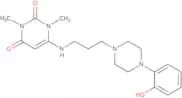
CAS:<p>2-Demethoxy-4-methoxy urapidil is a drug product that is used in the development of new drugs. It is a synthetic compound that is metabolized to form its natural metabolite, 2-demethoxyurapidil. This impurity standard has been shown to have anti-inflammatory effects and can be used as an API impurity for pharmacopoeia. 2DMO4MU has been shown to be useful in the study of metabolism and has been found to inhibit prostaglandin synthesis.</p>Formula:C20H29N5O3Purity:Min. 95%Molecular weight:387.48 g/mol8-Hydroxy warfarin-d5
CAS:<p>8-Hydroxy warfarin-d5 is a drug product that is an impurity standard for the metabolism of warfarin. It is an analytical standard that can be used to determine the concentration of warfarin in a sample. The CAS number for 8-Hydroxy warfarin-d5 is 94820-66-3, and it has a molecular weight of 318.83 g/mol. This compound can be synthesized from natural sources or by chemical synthesis. 8-Hydroxy warfarin-d5 may also be used as a research and development tool in pharmacology, drug development, and toxicology studies.</p>Formula:C19H11D5O5Purity:Min. 95%Molecular weight:329.36 g/mol7,8,9,10-Dehydro doxorubicinone
CAS:<p>Please enquire for more information about 7,8,9,10-Dehydro doxorubicinone including the price, delivery time and more detailed product information at the technical inquiry form on this page</p>Formula:C21H14O8Purity:Min. 95%Molecular weight:394.3 g/mol1-β-D-Arabinofuranosyl-5-methylcytosine
CAS:<p>1-β-D-Arabinofuranosyl-5-methylcytosine is an analog of the anticancer drug indirubin that has been shown to induce apoptosis in cancer cells. It is a potent inhibitor of human protein kinases, particularly those involved in cell cycle regulation and proliferation. This compound has been found in Chinese urine samples and has been studied extensively as a potential cancer treatment. 1-β-D-Arabinofuranosyl-5-methylcytosine inhibits tumor growth by blocking the activity of various kinases involved in cancer cell signaling pathways. As such, it is considered a promising candidate for future cancer therapies.</p>Formula:C10H15N3O5Purity:Min. 95%Molecular weight:257.24 g/molTaxine A
CAS:<p>Taxine A is a potent inhibitor of kinases that has been isolated from the Chinese yew tree. It has shown promising results in inhibiting the growth of cancer cells and inducing apoptosis. Taxine A exhibits a unique mechanism of action by binding to a specific site on the kinase, which prevents its activation and subsequent downstream signaling. This analog of linezolid has been shown to have potent anticancer activity against various tumor cell lines, including human breast cancer and lung cancer. Taxine A is also excreted in urine, making it an attractive candidate for non-invasive diagnostic tests for cancer. Its ability to inhibit kinases makes it a potential therapeutic agent for a wide range of cancers.</p>Formula:C35H47NO10Purity:Min. 95%Molecular weight:641.7 g/mol6-Chloro-3-(dimethylamino)-2,4(1H,3H)-quinazolinedione
CAS:<p>Please enquire for more information about 6-Chloro-3-(dimethylamino)-2,4(1H,3H)-quinazolinedione including the price, delivery time and more detailed product information at the technical inquiry form on this page</p>Formula:C10H10ClN3O2Purity:Min. 95%Molecular weight:239.66 g/mol9,13β-Dehydro epinastine
CAS:<p>9,13β-Dehydro epinastine is a synthetic impurity that is an analytical reference material. It is a metabolite of the drug epinastine and has been shown to have pharmacological activity.</p>Formula:C16H13N3Purity:Min. 95%Molecular weight:247.29 g/molo-Cresol-d7
CAS:<p>Please enquire for more information about o-Cresol-d7 including the price, delivery time and more detailed product information at the technical inquiry form on this page</p>Formula:C7H8OPurity:Min. 95%Molecular weight:115.18 g/molSudan R- d3
CAS:<p>Sudan R-d3 is a medicinal compound that acts as a kinase inhibitor, targeting kinases involved in cancer cell growth and proliferation. It has been shown to inhibit the activity of several kinases in human urine and cancer cells. Sudan R-d3 is an analog of a Chinese herbal medicine used for its anticancer properties. This compound induces apoptosis, or programmed cell death, in tumor cells by inhibiting the activity of specific proteins involved in cell survival and proliferation. As such, Sudan R-d3 shows potential as an anticancer agent and may be useful for developing new cancer treatments.</p>Formula:C17H14N2O2Purity:Min. 95%Molecular weight:281.32 g/molFadolmidine hydrochloride
CAS:<p>Fadolmidine hydrochloride is a drug that has been shown to increase the movement of bowel contents in people with constipation. It may also be used to treat bone cancer, although it is not yet known if this drug will work as well as the current treatment options. Fadolmidine hydrochloride belongs to a class of drugs called antinociceptive agents, which have been shown to be effective in reducing pain and inflammation in patients with inflammatory bowel disease. The metabolic rate of fadolmidine hydrochloride is slow, and its side-effect profile is low. Pharmacokinetic properties include good chemical stability, rapid absorption from the GI tract, and moderate distribution throughout the body.</p>Formula:C13H15ClN2OPurity:Min. 95%Molecular weight:250.72 g/molN-[(2E)-6,6-Dimethyl-2-hepten-4-yn-1-yl]-N-methyl-2-naphthalenemethanamine hydrochloride
CAS:<p>N-[(2E)-6,6-Dimethyl-2-hepten-4-yn-1-yl]-N-methyl-2-naphthalenemethanamine hydrochloride is a synthetic compound that has been used as an impurity standard for the synthesis of drug products. It is also used for research and development purposes. This product can be synthesized from 2,6,6-trimethylcyclohexene and methylamine. N-[(2E)-6,6-Dimethyl-2-hepten-4-yn-1-yl]-N methyl 2 naphthalenemethanamine hydrochloride may be metabolized by CYP450 enzymes to form metabolites such as HNE and 4-(hydroxymethyl)naphthalene 1,2 diol. The compound is water soluble and has a melting point of 183°C. N-[(2E)-6,6</p>Formula:C21H26ClNPurity:Min. 95%Molecular weight:327.9 g/molPravastatin diol lactone
CAS:<p>Pravastatin diol lactone is a lipase inhibitor that prevents the hydrolysis of triglycerides in the intestines. It also inhibits the synthesis of cholesterol by inhibiting hydroxymethylglutaryl-coenzyme A (HMG-CoA) reductase. Pravastatin diol lactone has been shown to be effective in reducing serum cholesterol levels in animal models and inhibiting esterification of cholesterol by preventing the conversion of HMG-CoA to mevalonic acid, which is an important step in the synthesis of cholesterol. Pravastatin diol lactone is a polyketide that was discovered from a fungus and chemically altered to produce this drug.</p>Formula:C18H26O5Purity:Min. 95%Molecular weight:322.4 g/mol1-(4-Chloro-3-trifluoromethylphenyl)-3-(4-hydroxyphenyl)urea
CAS:<p>Please enquire for more information about 1-(4-Chloro-3-trifluoromethylphenyl)-3-(4-hydroxyphenyl)urea including the price, delivery time and more detailed product information at the technical inquiry form on this page</p>Formula:C14H10ClF3N2O2Purity:Min. 95%Molecular weight:330.69 g/mol1-Desmethyl 2-methyl granisetron
CAS:Controlled Product<p>Granisetron is a serotonin 5-hydroxytryptamine 3 (5-HT3) receptor antagonist. It is used in the prevention and treatment of nausea and vomiting caused by cytotoxic chemotherapy, radiation therapy, or surgery. Granisetron hydrochloride is a white to off-white powder with a molecular weight of 476.0. The chemical formula for granisetron hydrochloride is C22H24ClN2O2S. This drug has been shown to be efficient in the prevention and treatment of nausea and vomiting caused by cytotoxic chemotherapy, radiation therapy, or surgery. The potential impurities are as follows: <br>1) 1-Desmethyl 2-methyl granisetron <br>2) 2-Methyl granisetron <br>3) 2-Methyl 3-(4'-hydroxyphenyl)propionitrile <br>4) 2-(4'-Hydroxyphenyl)-3-(</p>Formula:C18H24N4OPurity:Min. 95%Molecular weight:312.41 g/molR401553
CAS:<p>R401553 is a potent protein kinase inhibitor that has been shown to induce apoptosis and arrest the cell cycle in various human cancer cell lines. It belongs to the class of indole derivatives and has been found to be particularly effective against leukemia and tumor cells. R401553 selectively inhibits kinases that are involved in cell proliferation, survival, and angiogenesis. This inhibitor has been tested on Chinese hamster ovary (CHO) cells and human cancer cell lines, showing promising results in inhibiting tumor growth. R401553 may have potential as a therapeutic agent for the treatment of various cancers.</p>Formula:C11H7N3O2Purity:Min. 95%Molecular weight:213.19 g/mol1-[2,3,4-Tris(methoxymethoxy)phenyl]-ethanone
CAS:<p>Please enquire for more information about 1-[2,3,4-Tris(methoxymethoxy)phenyl]-ethanone including the price, delivery time and more detailed product information at the technical inquiry form on this page</p>Formula:C14H20O7Purity:Min. 95%Molecular weight:300.3 g/molThreo ifenprodil hemitartrate
CAS:<p>Threo ifenprodil hemitartrate is a drug product that has been synthesized and analyzed. It is an impurity standard for the synthesis of ifenprodil HCl. The purity of this product is greater than 99% and meets the requirements of the USP-NF, EP, BP, JP, and the pharmacopoeias of other countries. This product can be used in drug development research and development to develop drugs for niche markets.</p>Formula:C21H27NO2Purity:Min. 95%Molecular weight:325.40 g/molCandesartan acyl-glucuronide
CAS:<p>Candesartan acyl-glucuronide is a metabolite of candesartan. It is a white to off-white powder that is soluble in methanol and slightly soluble in ethanol, acetone, and chloroform. Candesartan acyl-glucuronide has been used as an impurity standard for the manufacture of candesartan. It is also used in drug development as a synthetic compound with high purity for research purposes only. It is not intended for use as an active pharmaceutical ingredient.</p>Formula:C30H28N6O9Purity:Min. 95%Molecular weight:616.58 g/molEmpagliflozin tetraacetate
CAS:<p>Empagliflozin tetraacetate is a drug product that has been manufactured by chemical synthesis. It is a white to off-white crystalline powder with a molecular weight of 597.7 and a purity of 98.2%. Empagliflozin tetraacetate has been formulated as the hydrochloride salt, which is soluble in water and alcohols. The USP/BP/EP specifications for this drug are 5% impurity standard, analytical, API impurity, Synthetic, Metabolism studies, niche, High purity>. This drug product can be used in research and development as well as for manufacturing pharmaceutical products. It is not intended for use in humans or animals.</p>Formula:C27H29ClO10Purity:Min. 95%Molecular weight:548.97 g/molBgc 20-1531 hydrochloride
CAS:<p>BGC 20-1531 is a synthetic drug product that is an impurity standard for the API, with a purity of 99.7%. BGC 20-1531 is also used as an analytical reference material and has been shown to be metabolized in both rats and humans. It can be used to study metabolism in animals and humans. The chemical name for this compound is 3-(2,4-dichlorophenyl)-5-[(1R,2S)-2-hydroxypropyl]-thiophene-2-carbonitrile hydrochloride.</p>Formula:C26H25ClN2O6SPurity:Min. 95%Molecular weight:529 g/mol5-Hydroxyindole-3-acetic acid-d2
CAS:<p>5-Hydroxyindole-3-acetic acid-d2 is a drug product that can be used as an analytical reference standard for HPLC. It is also used as a metabolite in the metabolism studies of 5-hydroxyindole-3-acetic acid, a natural and synthetic compound. This product is manufactured synthetically and has been shown to have a purity of >98%. It is also manufactured for use in pharmacopoeias and can be used as an API impurity standard.</p>Formula:C10H7D2NO3Purity:Min. 95%Color and Shape:PowderMolecular weight:193.2 g/molTovinontrine
CAS:<p>Tovinontrine is a potent Chinese anticancer drug that targets the kinase pathway in cancer cells. It has been shown to inhibit cell cycle progression and induce apoptosis in cancer cells, making it a promising candidate for cancer treatment. Tovinontrine also has protein kinase inhibitory activity and can be used as an inhibitor of tumor growth. This drug is highly effective against various types of human cancers, including breast, lung, prostate, and colon cancer. Additionally, Tovinontrine has been shown to have synergistic effects with other anticancer drugs such as betamethasone and vitamin D3. The urine concentration of Tovinontrine can be used as a biomarker for the diagnosis and monitoring of cancer patients undergoing treatment with this drug.</p>Formula:C21H26N6O2Purity:Min. 95%Molecular weight:394.5 g/mol(S)-Ibu-phox
CAS:<p>Please enquire for more information about (S)-Ibu-phox including the price, delivery time and more detailed product information at the technical inquiry form on this page</p>Formula:C25H26NOPPurity:Min. 95%Molecular weight:387.5 g/molHydroxymethyl tolperisone
CAS:<p>Hydroxymethyl tolperisone is a medicinal compound that has been identified as a kinase inhibitor with potential anticancer properties. It has shown promising results in inhibiting the growth of leukemia cells and tumor cell lines in human studies. Hydroxymethyl tolperisone works by interfering with protein synthesis, disrupting the cell cycle, and inducing apoptosis in cancer cells. This compound has also been found to be effective against various types of cancer, including breast, lung, and colon cancer. Hydroxymethyl tolperisone is an analog of tolperisone, a muscle relaxant that is excreted primarily through urine. The use of this compound as an anticancer agent is still under investigation, but it holds great promise for the future of cancer treatment.</p>Formula:C16H23NO2Purity:Min. 95%Molecular weight:261.36 g/mol(±)-Mandelic-2,3,4,5,6-d5 acid
CAS:Controlled Product<p>Mandelic acid is a naturally occurring organic compound that is the simplest aromatic carboxylic acid. It is used as an intermediate in chemical synthesis, and as a reagent in analytical chemistry. Mandelic acid can be produced synthetically by the oxidation of benzaldehyde or benzoic acid. Mandelic acid has been shown to inhibit the metabolism of many drugs, including diazepam, phenobarbital and propranolol. It also shows anti-inflammatory effects due to its ability to inhibit prostaglandin synthesis.</p>Formula:C8H3D5O3Purity:Min. 95%Molecular weight:157.18 g/molAnapterin
CAS:<p>Anapterin is an analog of capsaicin, a compound found in chili peppers. It acts as an inhibitor of kinases, which are enzymes involved in cell signaling and regulation. Anapterin has been shown to induce apoptosis (cell death) in cancer cells, making it a potential anticancer drug. In Chinese hamster ovary cells, Anapterin inhibited the activity of protein kinase C (PKC), leading to reduced cell proliferation and increased cell death. This compound has also been studied for its potential use as a urinary inhibitor for the prevention of kidney stones. Overall, Anapterin shows promise as a potent inhibitor with potential therapeutic applications in cancer treatment and other diseases involving abnormal kinase activity.</p>Formula:C9H11N5O3Purity:Min. 95%Molecular weight:237.22 g/molDecitabine related compound A
CAS:<p>Decitabine related compound A is an impurity that is found in the API, decitabine. It is an analytical standard for HPLC measurements and a reference material for impurity testing. It is also used as a pharmacopoeia standard for pharmacopoeias such as European Pharmacopoeia, USP, and Japanese Pharmacopoeia. Decitabine related compound A has been synthesized from natural sources such as plant-derived alkaloids and synthetically produced in the laboratory. CAS No. 1019659-87-0</p>Formula:C21H18Cl2O7Purity:Min. 95%Color and Shape:SolidMolecular weight:453.27 g/mol2,3-Dimethyl-N-phenylbenzenamine
CAS:<p>2,3-Dimethyl-N-phenylbenzenamine is a medicinal compound that has been found in urine and has shown potential as an anticancer agent. It acts as a kinase inhibitor, specifically targeting proteins involved in cancer cell growth and survival. In Chinese hamster ovary cells, this compound has been shown to inhibit the activity of protein kinases and induce apoptosis, or programmed cell death. This analog also displays potent antitumor activity against leukemia cells in vitro. As a promising candidate for cancer treatment, 2,3-Dimethyl-N-phenylbenzenamine may serve as a valuable tool in developing novel inhibitors for various types of cancers.</p>Formula:C14H15NPurity:Min. 95%Molecular weight:197.27 g/molGuaimesal
CAS:<p>Guaimesal is a protein analog that acts as an inhibitor of tumor growth and induces apoptosis in human cancer cells. It has been shown to inhibit the activity of kinases, including cyclin-dependent kinases, which play a key role in regulating cell division. Guaimesal has been isolated from Chinese urine and has demonstrated potent anticancer activity both in vitro and in vivo. This compound shows promise as a novel therapeutic agent for the treatment of cancer.</p>Formula:C16H14O5Purity:Min. 95%Molecular weight:286.28 g/mol4-(2-Hydroxy-3-isopropylaminopropoxy)benzoic acid 2-hydroxyethyl ester
CAS:<p>4-(2-Hydroxy-3-isopropylaminopropoxy)benzoic acid 2-hydroxyethyl ester is a synthetic drug product that can be used as an HPLC standard. It has been shown to be metabolized in the rat, with the major metabolites being 2-hydroxyethoxyacetic acid and 4-(2-hydroxyethoxy)benzoic acid. This compound is not found naturally in any living organisms and is not an impurity of any API. The purity of this compound is >98%.</p>Formula:C15H23NO5Purity:Min. 95%Molecular weight:297.35 g/molN-Desmethyl azithromycin B
CAS:<p>N-Desmethyl azithromycin B is a metabolite of the macrolide antibiotic azithromycin. It is an impurity in the drug product, and is present as an analytical standard for HPLC. N-Desmethyl azithromycin B can be found in the urine of patients taking azithromycin, but at much lower concentrations than the parent drug. This impurity is not toxicologically relevant, but may interfere with some analytical methods.</p>Formula:C37H70N2O11Purity:Min. 95%Molecular weight:718.96 g/molChlorpromazine EP Impurity F
CAS:<p>Chlorpromazine EP Impurity F is a research and development impurity standard for the drug product, chlorpromazine. This product is synthesized in high purity and meets pharmacopeia standards. It has been shown to have low toxicity in animals, with no negative effects on the liver or kidneys. The metabolite of chlorpromazine EP Impurity F has been identified as being formed by hydrolysis of the ester linkage. Chlorpromazine EP Impurity F can be used as a reference material to support the quality control of drug products that contain chlorpromazine.</p>Purity:Min. 95%(4-Chlorophenyl)[4-(1-methylethoxy)phenyl]methanone
CAS:<p>(4-Chlorophenyl)[4-(1-methylethoxy)phenyl]methanone is a drug product that is Custom synthesized to meet the requirements of pharmacopoeia, analytical, and drug development. It has been studied for its metabolism and toxicity profile in animals. This compound is a metabolite of chlorpheniramine, which is used as an antihistamine. Metabolites of this compound have also been identified in humans. The CAS Registry Number for this compound is 154356-96-4.</p>Formula:C16H15ClO2Purity:Min. 95%Molecular weight:274.74 g/molMirtazapine bromide
CAS:<p>Mirtazapine bromide is a substance that belongs to the class of monohydrates. It is prepared by heating mirtazapine with water, and has a high efficiency in the preparation of mirtazapine methanesulfonate. Mirtazapine bromide has an enantiomerically pure form in solid state. This drug is used as an adjuvant medicine for the treatment of depression or anxiety disorders. It binds to serotonin receptors in the brain, which causes a decrease in appetite and weight gain. The hydrobromic acid salt of this drug can be used to treat inflammation and fever, while the maleate salt can be used to treat asthma.</p>Formula:C17H18BrN3Purity:Min. 95%Molecular weight:344.2 g/molTazarotenic acid sulfone
CAS:<p>Tazarotenic acid sulfone is a retinoic acid, which is a metabolite of vitamin A. It is an all-trans retinoic acid that has been chemically modified to increase its water solubility and stability. Tazarotenic acid sulfone has been shown to inhibit the formation of metabolites by hydroxylase enzymes and the photolytic decomposition of tazarotene. Tazarotenic acid sulfone also interacts with the substrate binding site on cytochrome P450 enzyme, inhibiting the metabolic activation of exogenous substances such as acetonitrile and ammonium formate. The chemical structure of tazarotenic acid sulfone is acidic, which may be responsible for its inhibition of cytochrome P450 enzymes.</p>Formula:C19H17NO4SPurity:Min. 95%Molecular weight:355.4 g/mol6-Deoxypenciclovir hydrochloride
CAS:<p>6-Deoxypenciclovir hydrochloride is a synthetic intermediate that is used in the synthesis of penciclovir, an antiviral drug. 6-Deoxypenciclovir hydrochloride can be used as an analytical standard for HPLC and as a research and development (R&D) API impurity. This product has been shown to be metabolized to penciclovir, a natural metabolite of penciclovir. The CAS number for this product is 246021-75-0.</p>Formula:C10H16ClN5O2Purity:Min. 95%Molecular weight:273.72 g/molUrea nitrate
CAS:<p>Urea nitrate is an analog of urea that has been shown to have potent anticancer activity. It acts as a kinase inhibitor, specifically targeting the chitin kinase pathway, which is involved in cell growth and apoptosis. Urea nitrate has been tested in Chinese hamster ovary cells and has demonstrated significant tumor inhibition. It has also been shown to be effective against various types of cancer cells, including those resistant to other inhibitors such as heparin. Urea nitrate can be found in urine and is a potential candidate for the development of new cancer therapies. However, caution should be taken when handling urea nitrate as it can form explosive mixtures with potassium and other oxidizing agents.</p>Formula:CH4N2O·HNO3Purity:Min. 95%Molecular weight:123.07 g/mol2-Cyclopropyl-1-nitro-naphthalene
CAS:<p>Please enquire for more information about 2-Cyclopropyl-1-nitro-naphthalene including the price, delivery time and more detailed product information at the technical inquiry form on this page</p>Formula:C13H11NO2Purity:Min. 95%Molecular weight:213.23 g/molDihydro lafutidine
CAS:<p>Dihydro lafutidine is a drug product that is used in the treatment of acid-related disorders. It is an analytical standard and impurity control compound for HPLC. Dihydro lafutidine has been shown to inhibit the production of gastric acid by blocking the histamine H2 receptor, which is involved in regulating stomach pH. It also inhibits the growth of Helicobacter pylori, which may be due to its ability to bind to bacterial 16S ribosomal RNA and inhibit protein synthesis.</p>Formula:C22H31N3O4SPurity:Min. 95%Molecular weight:433.60 g/mol4-Hydroxy atorvastatin lactone-d5
CAS:<p>4-Hydroxy atorvastatin lactone-d5 is a stable isotope that is used to characterize the 3-hydroxy-3-methylglutaryl-coa reductase (HMGCR) inhibition constant of atorvastatin. It is used for calibration and quantification in the analysis of atorvastatin in human liver supernatants and interactions with cytochrome P450 enzymes. The high degree of hydrophilicity of 4-hydroxy atorvastatin lactone-d5 makes it suitable for hydrophilic interaction chromatography (HILIC) separation.</p>Formula:C33H33FN2O5Purity:Min. 95%Molecular weight:556.6 g/molN-Desmethyl phenyltoloxamine hydrochloride
CAS:<p>N-Desmethyl phenyltoloxamine hydrochloride is a white crystalline powder that is soluble in water and slightly soluble in ethanol. It has an analytical purity of greater than 99% with a melting point of 188-190°C. This compound is a metabolite of phenyltoloxamine, which is used as an analgesic and anti-inflammatory drug. N-Desmethyl phenyltoloxamine hydrochloride can be used as a pharmacopoeia reference standard for the analysis of this metabolite and also as a research and development starting material for the synthesis of other compounds.</p>Formula:C16H20ClNOPurity:Min. 95%Molecular weight:277.79 g/mol(+)-Cis-phenothrin
CAS:<p>Cis-phenothrin is a carbamate insecticide that is used in agriculture, public health, and veterinary medicine. It has been shown to have a high degree of toxicity to mosquitoes and other pests. Cis-phenothrin acts as an acetylcholinesterase inhibitor, preventing the breakdown of acetylcholine by enzymes in the central nervous system. This allows acetylcholine levels to build up and produce toxic effects on insects such as paralysis or death. Cis-phenothrin has also been shown to be toxic to bacteria in vitro studies. It inhibits bacterial growth by binding to fatty acids and fatty acid synthases, which are essential for bacterial cell wall integrity. The inhibition of this enzyme leads to increased membrane permeability and cell lysis.</p>Formula:C23H26O3Purity:Min. 95%Molecular weight:350.4 g/mol1,1'-[Hydroxypropane-1,3-diylbis(oxy-2,1-phenylene)]bis(3-phenylpropan-1-one)
CAS:<p>1,1'-[Hydroxypropane-1,3-diylbis(oxy-2,1-phenylene)]bis(3-phenylpropan-1-one) is an analytical standard for HPLC. It is a natural and synthetic metabolite of the drug product. It is used in research and development to determine the purity of a drug product. The CAS number is 1329643-40-4.</p>Formula:C33H32O5Purity:Min. 95%Molecular weight:508.6 g/molMoexipril diketopiperazine
CAS:<p>Moexipril diketopiperazine is a drug product that is custom synthesized in a high purity and analytical grade. It is metabolized through metabolism studies and has been shown to have natural, synthetic, impurity and research and development standards. Moexipril diketopiperazine has CAS No. 103733-51-3. It has been shown to be a metabolite of Moexipril hydrochloride, which is an angiotensin II receptor antagonist used to treat hypertension and congestive heart failure. This product is also used as a standard for HPLC analysis.</p>Formula:C27H32N2O6Purity:Min. 95%Molecular weight:480.6 g/mol(E,Z)-Epalrestat methyl ester
CAS:<p>(E,Z)-Epalrestat methyl ester is a drug product that is custom-synthesized for research and development purposes. It is a natural metabolite of (E,Z)-epalrestat acid. The chemical name for this compound is 3-[(2-chlorophenyl)methyl]-N-(1H-indol-3-ylmethylene)malonamide. The molecular weight of this compound is 284.87 g/mol and it has an empirical formula of C24H27ClN2O2. It has been found to inhibit the activity of phosphodiesterase (PDE), which plays a role in the breakdown of cyclic nucleotides such as cAMP and cGMP. This product has high purity and analytical data that can be used for metabolism studies or clinical trials.</p>Formula:C16H15NO3S2Purity:Min. 95%Molecular weight:333.43 g/molCervicarcin
CAS:<p>Cervicarcin is a potent inhibitor of human kinases and a promising analog for the treatment of tumors. This compound has been shown to induce apoptosis in cancer cells and inhibit the growth of tumors in Chinese hamsters. Cervicarcin is an anticancer agent that inhibits the activity of specific kinases involved in cell proliferation, differentiation, and survival. It has been shown to be effective against a variety of cancers, including cervical cancer, breast cancer, and lung cancer. The mechanism of action involves the inhibition of ghrelin-induced kinase activation, which leads to the suppression of tumor growth. Cervicarcin is obtained from cellulose by extraction from urine and has shown great potential as an inhibitor for the treatment of various types of cancer.</p>Formula:C19H20O9Purity:Min. 95%Molecular weight:392.4 g/molN,5-Dibenzyl-5-hydroxy-indole-3-glyoxylamide
CAS:<p>N,5-Dibenzyl-5-hydroxy-indole-3-glyoxylamide is a drug product that can be used as an analytical reference standard and an impurity standard. It is used in the development of drugs, including synthetic intermediates and metabolites. N,5-Dibenzyl-5-hydroxy-indole-3-glyoxylamide is a natural metabolite. It has been shown to have antihistamine activity and to inhibit prostaglandin synthesis.</p>Formula:C24H20N2O3Purity:Min. 95%Molecular weight:384.43 g/molHydrocotarnine hydrochloride
CAS:<p>Hydrocotarnine hydrochloride is a medicinal compound that has been found to have anticancer properties. It is an inhibitor of protein kinases, which are enzymes that play a key role in regulating cell cycle progression and apoptosis. Hydrocotarnine hydrochloride has been shown to induce apoptosis in cancer cells, making it a promising candidate for the development of novel cancer therapies. This compound has also been identified as a potential inhibitor of tumor growth in Chinese medicine. In vitro studies have demonstrated that hydrocotarnine hydrochloride inhibits the proliferation of various cancer cell lines, suggesting its potential as a therapeutic agent for the treatment of cancer.</p>Formula:C12H16ClNO3Purity:Min. 95%Molecular weight:257.71 g/molBrimonidine-2,3-dione
CAS:<p>Brimonidine-2,3-dione is a synthetic compound that is used as an impurity standard in the research and development of drugs. It has a CAS number of 182627-95-8. The synthesis of Brimonidine-2,3-dione is not disclosed to the public. The drug product containing this substance is a high purity pharmaceutical grade. It has been shown to be metabolized in animal studies.</p>Formula:C11H10BrN5O2Purity:Min. 95%Molecular weight:324.13 g/mol3-Benzyloxy-2-bromo-9H-carbazole N-carboxylic acid tert-butyl ester
CAS:<p>This compound is an analytical reference standard that is used in drug development, research and analysis. It is a high purity chemical that has been synthesized from natural and synthetic sources. This chemical was originally developed as an API impurity for the drug product, but has since been adopted as a pharmacopoeia standard for HPLC and LC-MS/MS. The CAS number for this compound is 1798043-12-5.</p>Formula:C24H22BrNO3Purity:Min. 95%Molecular weight:452.3 g/mol(+)-Anatoxin A hydrochloride
CAS:<p>(+)-Anatoxin A hydrochloride is a tumor inhibitor that has medicinal properties for the treatment of cancer. It is an analog of protein kinase inhibitors and works by inhibiting kinases in cancer cells, leading to apoptosis or programmed cell death. (+)-Anatoxin A hydrochloride has been shown to be effective against Chinese hamster ovary cells and human tumor cell lines. This drug also has potential as an anticancer agent due to its ability to induce apoptosis in cancer cells. Additionally, it has been found in urine samples of patients with bladder cancer and may serve as a diagnostic marker for this disease. Overall, (+)-Anatoxin A hydrochloride shows great promise as a potent and selective kinase inhibitor with potential therapeutic applications for the treatment of cancer.</p>Formula:C10H16ClNOPurity:Min. 95%Molecular weight:201.69 g/mol3-((1R)-3-Hydroxy-1-phenyl-propyl)-4-hydroxy-benzoic acid methyl ester
CAS:<p>3-((1R)-3-Hydroxy-1-phenyl-propyl)-4-hydroxy-benzoic acid methyl ester is a drug product that is used to synthesize standards for HPLC. It is an impurity in the API, Metabolism studies, Natural, CAS No. 1292905-33-9. This compound has been synthesized and can be custom synthesized. The purity of this compound is high with a purity of 99% or greater for the 3-(2′,4′-dihydroxyphenyl)propionic acid methyl ester.</p>Formula:C17H18O4Purity:Min. 95%Molecular weight:286.32 g/molTetrahydrocurcumin monoglucuronide
CAS:<p>Tetrahydrocurcumin monoglucuronide is an analog of curcumin, a natural compound found in turmeric. It has been shown to have potent anticancer properties by inhibiting kinases involved in cancer cell growth and proliferation. Tetrahydrocurcumin monoglucuronide has also been found to inhibit testosterone production, making it a potential treatment for hormone-dependent cancers such as prostate cancer. This compound induces apoptosis, or programmed cell death, in cancer cells and has been studied extensively for its potential use in Chinese traditional medicine for the treatment of various types of tumors. Tetrahydrocurcumin monoglucuronide is excreted in urine and is a promising candidate for the development of kinase inhibitors for cancer therapy.</p>Formula:C27H32O12Purity:Min. 95%Molecular weight:548.5 g/molMonodes(N-carboxymethyl)valine daclatasvir-d3
CAS:<p>Monodes(N-carboxymethyl)valine daclatasvir-d3 is a drug product that is a metabolite of daclatasvir. It is an analytical standard for the determination of daclatasvir in human plasma and urine. Monodes(N-carboxymethyl)valine daclatasvir-d3 has been shown to be a natural metabolite of daclatasvir, which is derived from the hydrolysis of the ester bond between valine and N-carboxymethylated valine. This product can be used as an impurity standard for HPLC analysis.</p>Formula:C33H36D3N7O3Purity:Min. 95%Molecular weight:584.73 g/mol4-HO-DPHP
CAS:<p>4-HO-DPHP is a cyclic analog of a Chinese plant-derived compound that has been shown to have anticancer properties. It functions as an inhibitor of kinases, which are enzymes involved in the regulation of protein activity and cell signaling pathways. In vitro studies have demonstrated that 4-HO-DPHP can induce apoptosis in human cancer cells, making it a potential candidate for cancer treatment. Additionally, this compound has been found in urine samples from cancer patients, suggesting that it may play a role in the body's natural defense against tumor growth. Overall, 4-HO-DPHP shows promise as a novel anticancer agent with potential therapeutic applications.</p>Formula:C12H10O5PPurity:Min. 95%Molecular weight:265.18 g/mol1,5-Bis(4-pyridyl)pentane
CAS:<p>1,5-Bis(4-pyridyl)pentane is a coordination polymer that can be used in the preparation of polymers. It is bifunctional and has coordination properties. This compound is made up of two pyridine rings linked to an ethyl group via a pentane chain. The cationic form of this compound is used for the preparation of some polymers. The crystal structure for 1,5-bis(4-pyridyl)pentane was determined by X-ray crystallography and found to have a layered topology with hydrogen bonding.</p>Formula:C15H18N2Purity:Min. 95%Molecular weight:226.32 g/molM1-Enrofloxacin hydrochloride
CAS:<p>Please enquire for more information about M1-Enrofloxacin hydrochloride including the price, delivery time and more detailed product information at the technical inquiry form on this page</p>Formula:C17H20FN3O3Purity:Min. 95%Molecular weight:333.36 g/mol5-Deoxy-Δ5,6-8-epi-tacrolimus
CAS:<p>Please enquire for more information about 5-Deoxy-Δ5,6-8-epi-tacrolimus including the price, delivery time and more detailed product information at the technical inquiry form on this page</p>Formula:C44H67NO11Purity:Min. 95%Molecular weight:786 g/molN2'-Deacetyl-N2'-[3-(methylthio)-1-oxopropyl]-maytansine
CAS:<p>N2'-Deacetyl-N2'-[3-(methylthio)-1-oxopropyl]-maytansine is a cytotoxic drug that belongs to the class of maytansinoids. It is metabolized in vivo to produce cytotoxic metabolites which inhibit protein synthesis by binding to ribosomes, preventing peptide bond formation. The preclinical studies have shown that N2'-deacetyl-N2'-[3-(methylthio)-1-oxopropyl]-maytansine has a better therapeutic index than other maytansinoids, with fewer side effects. In animal models, N2'-deacetyl-N2'-[3-(methylthio)-1-oxopropyl]-maytansine showed efficacy against human tumor cells and was not toxic to normal cells. This agent also showed no impurities when incubated with human liver microsomes and it was well tolerated in clinical trials in humans</p>Formula:C36H50ClN3O10SPurity:Min. 95%Molecular weight:752.3 g/molCladribine Impurity D
CAS:<p>Cladribine Impurity D is a polymerase chain reaction (PCR) diagnostic agent that is used to identify the presence of Cladribine in the blood. Cladribine Impurity D binds to an RNA polymerase enzyme, which prevents it from synthesizing DNA and RNA, resulting in a lack of cell proliferation. This drug has been shown to be effective in treating bowel disease and solid tumours. It also has a number of side effects including interactions with other medications, such as natural compounds and autoimmune diseases, as well as bronchiolitis obliterans and lymphoma. Cladribine Impurity D also interacts with the IL-2 receptor on cells, which may cause allergic reactions. The MDA-MB-231 breast cancer cells are resistant to this drug due to their expression of the protein MCL-1.</p>Formula:C10H12ClN5O3Purity:Min. 95%Molecular weight:285.69 g/molLamivudine acid
CAS:<p>Lamivudine acid is a synthetic orotate prodrug that is converted to the active form, lamivudine. It inhibits the synthesis of viral DNA by inhibiting the reverse transcriptase enzyme and has been used as a treatment for HIV infection. Lamivudine acid is soluble in organic solvents such as acetone and cyclohexane. The crystal structure of this compound has been determined using X-ray crystallography and exhibits a zwitterion structure with a hydrogen bond between the carboxylate group and the amide nitrogen atom of the molecule.</p>Formula:C8H9N3O4SPurity:Min. 95%Molecular weight:243.24 g/mol(S,S)-Dihydro bupropion hydrochloride
CAS:Controlled Product<p>(S,S)-Dihydro bupropion hydrochloride (Bupropion) is an antidepressant that is used for the treatment of major depressive disorder and seasonal affective disorder. It is a racemic mixture of the two enantiomers, (S,S) and (R,R), with the former being more active than the latter. The drug product contains a racemic mixture of (S,S) and (R,R) in a ratio of approximately 97:3. The analytical impurity in this product is N-desmethyl-bupropion. This impurity has not been found to be pharmacologically active. Bupropion may be synthesized by reacting benzaldehyde with propargyl bromide in presence of sodium hydroxide in ethanol to form a cyclic imine intermediate which is then hydrolyzed to yield bupropion</p>Formula:C13H20ClNO·HClPurity:Min. 95%Molecular weight:241.76 g/molCantharene
CAS:<p>Cantharene is a medicinal compound that has been shown to have potent anticancer properties. It is an analog of cantharidin, a natural compound found in Chinese blister beetles. Cantharene works by inhibiting the activity of certain protein kinases, which are enzymes that play a critical role in cell cycle regulation and tumor growth. This inhibition has been shown to induce apoptosis, or programmed cell death, in cancer cells. Cantharene has been tested on human cancer cell lines and has demonstrated significant tumor-inhibitory effects. It is a promising candidate for the development of new cancer therapies and inhibitors.</p>Formula:C8H12Purity:Min. 95%Molecular weight:108.18 g/molBenserazide EP Impurity B hydrochloride
<p>Please enquire for more information about Benserazide EP Impurity B hydrochloride including the price, delivery time and more detailed product information at the technical inquiry form on this page</p>Formula:C17H21N3O8•HClPurity:Min. 95%Molecular weight:431.83 g/molBenidipine 5-(1-benzylpiperidin-3-yl)
CAS:<p>Benidipine 5-(1-benzylpiperidin-3-yl) is a potent calcium channel blocker that is used to treat hypertension. It contains mannitol and acts as a kinase inhibitor, which has been shown to have anticancer properties. Benidipine inhibits the growth of cancer cells by inducing apoptosis and suppressing protein synthesis. This drug has been studied extensively in Chinese medicinal research for its tumor-inhibiting effects, and it has demonstrated promising results in human urine samples. Benidipine is an analog of other medicinal inhibitors and has shown efficacy against various types of cancer cells.</p>Formula:C28H31N3O6Purity:Min. 95%Molecular weight:505.6 g/molAzilsartan cyano-des-1,2,4-oxadiazol-5-ol ketone
CAS:<p>Azilsartan cyano-des-1,2,4-oxadiazol-5-ol ketone is a compound used in various industrial applications. It is commonly used as an impurity reference standard for quality control purposes. Azilsartan cyano-des-1,2,4-oxadiazol-5-ol ketone has been found to be stable in xylose and methanol solutions and does not show any significant degradation or interaction with these substances. Additionally, it has been observed that Azilsartan cyano-des-1,2,4-oxadiazol-5-ol ketone does not react with glutamate or chamomile extract.</p>Formula:C24H19N3O3Purity:Min. 95%Molecular weight:397.4 g/molN-Acetyl zonisamide
CAS:<p>N-Acetyl zonisamide is a drug that is used in the treatment of epilepsy. It has a broad spectrum of activity and has been shown to be effective against seizures caused by both genetic and acquired conditions. N-Acetyl zonisamide's mechanism of action is not fully understood, but it may involve inhibition of carbonic anhydrase, modulation of serotonergic systems, and antagonism at adenosine receptors. Zonisamide also binds to glutamate and dopamine receptors in the brain, which may contribute to its clinical effects.</p>Formula:C10H10N2O4SPurity:Min. 95%Color and Shape:PowderMolecular weight:254.26 g/mol3-[2-[4-(1,2-Benzisoxazol-3-yl)-1-piperidinyl]ethyl]-6,7,8,9-tetrahydro-2-methyl-4H-pyrido[1,2-a]pyrimidin-4-one
CAS:<p>3-[2-[4-(1,2-Benzisoxazol-3-yl)-1-piperidinyl]ethyl]-6,7,8,9-tetrahydro-2-methyl-4H-pyrido[1,2-a]pyrimidin-4-one is an analog of the antibacterial drug cefuroxime. It has been shown to be a potent inhibitor of bacterial DNA gyrase and topoisomerase IV. This compound has been shown to have a greater degree of activity against Gram Positive bacteria than Gram Negative bacteria in vitro. 3-[2-[4-(1,2-Benzisoxazol-3-yl)-1-piperidinyl]ethyl]-6,7,8,9-tetrahydro-- 2 -methyl-- 4H-- pyrido[1,2-- a]pyrimidin-- 4 -one is not active against acid</p>Formula:C23H28N4O2Purity:Min. 95%Molecular weight:392.49 g/molo-Acetamidodiphenyl ether
CAS:<p>Acetamidodiphenyl ether (AEP) is a toxic environmental chemical that is used in the manufacture of plastics, rubber and pesticides. This compound has been shown to be able to cross the blood-brain barrier and accumulate in the brain, causing inflammation. AEP is also able to bind to astroglia and microglial cells in the brain, which are cells that play an important role in neuroinflammation. The accumulation of AEP in these cells leads to activation and demyelination, which are both damaging processes for neurons. Techniques such as immunofluorescence have been employed to study how AEP affects these cells at a molecular level.</p>Formula:C14H13NO2Purity:Min. 95%Molecular weight:227.26 g/molOxo Simvastatin
CAS:<p>Oxo Simvastatin is a synthetic drug product that belongs to the class of statins. It is used as a research and development impurity standard in pharmacopoeia, and as a high-purity analytical standard in niche applications. Oxo Simvastatin is metabolized by cytochrome P450 enzymes to form a variety of metabolites, including simvastatin acid, which can be measured using HPLC.</p>Formula:C25H36O5Purity:Min. 95%Molecular weight:416.55 g/molMonobenzyl fosaprepitant
CAS:<p>Monobenzyl fosaprepitant is a drug product that is used for research and development purposes. It is an impurity standard for the analysis of API (Active Pharmaceutical Ingredient) impurities, which are synthetic products. Monobenzyl fosaprepitant has been shown to be metabolized in vitro. The metabolism studies have shown that this compound can be hydrolyzed by esterases or glucuronidases, oxidized by cytochrome P450 enzymes, reduced by glutathione reductase, or conjugated with glucuronic acid. Monobenzyl fosaprepitant is a high-purity analytical standard and is used as a pharmacopoeia monograph material.</p>Formula:C30H28F7N4O6PPurity:Min. 95%Molecular weight:704.50 g/mol1-[[3-Methyl-4-(2,2,2-trifluoroethoxy)-2-pyridinyl]methyl]-2-[[[3-methyl-4-(2,2,2-trifluoroethoxy)-2-pyridinyl]methyl]thio]-1H-benzi midazole
CAS:<p>1-[[3-Methyl-4-(2,2,2-trifluoroethoxy)-2-pyridinyl]methyl]-2-[[[3-methyl-4-(2,2,2-trifluoroethoxy)-2-pyridinyl]methyl]thio]-1H-benzi midazole is a high purity analytical standard that is used to calibrate HPLC. It is found as an impurity in the drug product and as a metabolite. 1-[(3-Methyl-4-(2,2,2 -trifluoroethoxy) - 2 - pyridinyl) methyl] - 2 - [[[3 - methyl (4 ( 2 , 2 , 2 - trifluoroethoxy) - 2 pyridinyl) methyl] thio] - 1 H benzimidazole is the IUPAC name for this compound. This chemical has been synthesized</p>Formula:C25H22F6N4O2SPurity:Min. 95%Molecular weight:556.52 g/mol2-[2-(4-Dibenzo[b,f][1,4]thiazepin-11-yl-1-piperazinyl)ethoxy]ethanol N-oxide
CAS:<p>2-[2-(4-Dibenzo[b,f][1,4]thiazepin-11-yl-1-piperazinyl)ethoxy]ethanol N-oxide is a peroxide that is used in pharmaceutical preparations as an antioxidant. It is a white solid that is insoluble in water and has a molecular weight of 168.13. 2-[2-(4-Dibenzo[b,f][1,4]thiazepin-11-yl-1-piperazinyl)ethoxy]ethanol N-oxide has been shown to be effective against the development of cholesterol gallstones and can be used as a prophylactic agent against cardiovascular disease. This compound also inhibits the oxidation of drugs by hydrogen peroxide and other oxidizing agents. 2-[2-(4-Dibenzo[b,f][1,4]thiazepin-11-yl-1-piperazinyl)eth</p>Formula:C21H25N3O3SPurity:Min. 95%Color and Shape:Tan to pale orange solid.Molecular weight:399.51 g/molThromboxane A2 potassium salt
CAS:<p>Please enquire for more information about Thromboxane A2 potassium salt including the price, delivery time and more detailed product information at the technical inquiry form on this page</p>Formula:C20H31KO5Purity:Min. 95%Molecular weight:390.6 g/mol9-(1,3-Dioxolan-2-ylmethyl)-3,9-dihydro-1,3-dimethyl-1H-purine-2,6-dione
CAS:<p>9-(1,3-Dioxolan-2-ylmethyl)-3,9-dihydro-1,3-dimethyl-1H-purine-2,6-dione is a metabolite of the drug 9-(1,3-Dioxolan-2-ylmethyl)-1,3,9 dihydrobenzo[g]pteridine. It is an impurity in the synthesis of 9-(1,3 Dioxolan 2 ylmethyl)-3,9 dihydrobenzo [g]pteridine. The purity of this compound is > 99%, with a melting point range of 233 to 235 °C and a molecular weight of 244.24 g/mol. It is soluble in methanol and acetonitrile. This compound has been characterized by IR spectroscopy (ATR), 1H NMR (400 MHz) spectroscopy (CDCl 3 ), and mass spectrometry (HRMS</p>Formula:C11H14N4O4Purity:Min. 95%Molecular weight:266.25 g/molaS1810722
CAS:<p>aS1810722 is a potent inhibitor of kinases that has shown promise in the treatment of cancer. This protein analog is derived from human urine and has been found to inhibit the activity of ghrelin, which is known to promote tumor growth. In preclinical studies, aS1810722 has demonstrated strong anticancer activity by inducing apoptosis in cancer cells and inhibiting tumor growth. This inhibitor has been tested on Chinese hamster ovary cells and has shown promising results as a potential therapeutic agent for the treatment of various cancers. Its specificity for kinases makes it an attractive candidate for targeted cancer therapy.</p>Formula:C25H25F2N7OPurity:Min. 95%Molecular weight:477.5 g/mol2-(2-(4-(Dibenzo[b,f][1,4]thiazepin-11-yl)piperazin-1-yl)ethoxy)ethyl acetatequetiapine acetate
CAS:<p>2-(2-(4-(Dibenzo[b,f][1,4]thiazepin-11-yl)piperazin-1-yl)ethoxy)ethyl acetatequetiapine acetate is a drug product that is synthesized and purified by HPLC. It is a metabolite of quetiapine, an antipsychotic drug used for the treatment of schizophrenia and bipolar disorder. 2-(2-(4-(Dibenzo[b,f][1,4]thiazepin-11-yl)piperazin-1-yl)ethoxy)ethyl acetatequetiapine acetate has been shown to be more potent than quetiapine in inhibiting dopamine release in rat brain synaptosomes and dopamine transporter activity in human cells. This compound also inhibits the binding of ligands to the serotonin transporter at higher concentrations than those required for inhibition of dopamine uptake.</p>Formula:C23H27N3O3SPurity:Min. 95%Molecular weight:425.50 g/molElsinochrome A
CAS:<p>Elsinochrome A is a drug product that has not been approved for human use. It belongs to the class of drugs called natural products and has not been synthesized. Elsinochrome A is a metabolite of erythromycin, which is produced by the fungus Elsinoë sp. The chemical structure of this natural product was determined using spectral analysis, and it was found to be similar to the antibiotic erythromycin. Elsinochrome A has shown promising results in pharmacological studies as a potential drug candidate for tuberculosis treatment because it inhibits bacterial growth by binding to DNA-dependent RNA polymerase, thereby preventing transcription and replication.</p>Formula:C30H24O10Purity:Min. 95%Molecular weight:544.50 g/mol6-o-Benzyl-4-dehydroxy-4-dimethylphenylsilyl entecavir
CAS:<p>6-o-Benzyl-4-dehydroxy-4-dimethylphenylsilyl entecavir is a synthetic drug product with an API impurity. It's an analytical standard for the metabolite 6-o-benzylidene-4,6-didehydroentecavir (CAS 649761-24-0), which is a natural metabolite of entecavir. The impurity standard is used in research and development to study the drug product's metabolism and to ensure that it meets pharmacopeia standards.</p>Formula:C27H31N5O2SiPurity:Min. 95%Molecular weight:485.7 g/mol14-Epiandrographolide
CAS:<p>14-Epiandrographolide is a natural product that can be found in the plant Andrographis paniculata. It has been shown to have anti-inflammatory, anticancer, and antibacterial properties. 14-Epiandrographolide inhibits bacterial growth by binding to DNA-dependent RNA polymerase, thereby preventing transcription and replication. The high frequency of human activity has been shown using a patch-clamp technique on human erythrocytes. This active form is metabolized through a number of metabolic transformations, including hydrolysis by esterases or glucuronidases, oxidation by cytochrome P450 enzymes, reduction by glutathione reductase, or conjugation with glucuronic acid. Rifapentine also specifically binds to markers expressed at high levels in Mycobacterium tuberculosis strains (e.g., ESX-1 secretion system protein) and inhibits cell growth in culture.</p>Formula:C20H30O5Purity:Min. 95%Molecular weight:350.45 g/mol3-Hydroxy-4-methoxycinnamic acid-d3 (isoferulic acid-d3)
CAS:<p>3-Hydroxy-4-methoxycinnamic acid-d3 (isoferulic acid-d3) is a natural compound that belongs to the class of isoflavones. It is found in Cimicifuga foetida and has been shown to have anti-inflammatory and hypoglycemic effects. This compound has been found to scavenge anion radicals and inhibit signal pathways, such as MAPK and NF-κB, by binding to the Mcl-1 protein. Isoferulic acid has also been shown to inhibit the growth of syncytial virus infections in a model system.</p>Formula:C10H10O4Purity:Min. 95%Molecular weight:197.2 g/molGlimepiride EP Impurity J hydrochloride
<p>Please enquire for more information about Glimepiride EP Impurity J hydrochloride including the price, delivery time and more detailed product information at the technical inquiry form on this page</p>Formula:C16H25N3O3S•(HCl)xPurity:Min. 95%4-Methylbenzylidene camphor-d4
CAS:<p>4-Methylbenzylidene camphor-d4 is an analytical reference standard. It is used as a high purity drug development API impurity, HPLC standard, and CAS No. 1219806-41-3. 4-Methylbenzylidene camphor-d4 is also used in the manufacture of niche drug products that require Impurity standards and Metabolites.</p>Formula:C18H18D4OPurity:Min. 95%Molecular weight:258.39 g/mol(3R,5S,6E)-7-[4-(4-Fluorophenyl)-6-(1-methylethyl)-2-[methyl[(2-hydroxy-2-methylpropyl)sulfonyl]amino]-5-pyrimidinyl]-3,5-dihydroxy- 6-heptenoic acid sodium salt
CAS:<p>(3R,5S,6E)-7-[4-(4-Fluorophenyl)-6-(1-methylethyl)-2-[methyl[(2-hydroxy-2-methylpropyl)sulfonyl]amino]-5-pyrimidinyl]-3,5-dihydroxy- 6-heptenoic acid sodium salt is a synthetic drug product. It is an impurity standard in the synthesis of Metabolism studies. The CAS number is 1714147-50-8 and the chemical name is (3R,5S,6E)-7-[4-(4-fluorophenyl)-6-(1-methylethyl)-2-[methyl[(2-hydroxy-2 methylpropyl)sulfonyl]amino]-5-pyrimidinyl]-3,5dihydroxyheptenoic acid sodium salt. The molecular weight is 781</p>Formula:C25H33FN3NaO7SPurity:Min. 95%Molecular weight:561.6 g/molDechloro anagrelide
CAS:<p>Dechloro anagrelide is a synthetic product that has been developed for use in drug development. It is a white powder and is insoluble in water. Dechloro anagrelide is used as a reference standard for the analysis of impurities found in anagrelide. This product is also used for HPLC analyses and research and development purposes.</p>Formula:C10H8ClNO3Purity:Min. 95%Molecular weight:225.63 g/mol3-Isobutyl-1-methyl-4-nitro-1H-pyrazole-5-carboxylic acid
CAS:<p>3-Isobutyl-1-methyl-4-nitro-1H-pyrazole-5-carboxylic acid is a synthetic drug product that is used as an analytical reference standard. It is an impurity in the API 3,4,5,6,7,8,9,10 erythromycin (CAS No. 1004455-71-3). 3Isobutyl-1methyl 4nitro 1H pyrazole 5carboxylic acid has been custom synthesized for use in research and development of drugs for niche markets. It can be used as a HPLC standard for high purity and pharmacopoeia grade.</p>Formula:C9H13N3O4Purity:Min. 95%Molecular weight:227.22 g/molCetirizine impurity F
CAS:<p>Cetirizine impurity F is a potential impurity of cetirizine and ranitidine. It has been shown to be present in the final drug substance and has been found to have the same profile as cetirizine. Cetirizine impurity F can be synthesized from metformin, which is an active ingredient in diabetes treatment. This agent belongs to the group of medicines called antihistamines that are used for relieving allergy symptoms such as runny nose, sneezing, itchy eyes, and itchy throat. Cetirizine impurity F is a member of the drug class called H1-antihistamines that competitively binds to histamine receptors on cells responsible for allergic reactions.</p>Formula:C21H26N2O3Purity:Min. 95%Molecular weight:354.44 g/molDr 4485 hydrochloride
CAS:<p>Dr 4485 hydrochloride is a synthetic, semi-synthetic drug product that is used as an analytical reference material and in the development of drugs. Dr 4485 hydrochloride is also a metabolite of Dr 4485. The compound has been found to have natural origin from plants, but can also be synthetically made. It is not on the current USP/BP/EP monographs and does not have a CAS number. Dr 4485 hydrochloride has been shown to be metabolized through N-dealkylation, oxidation, and hydroxylation reactions. Dr 4485 hydrochloride may show various impurities that are related to the synthesis process or its metabolism. This compound has been studied for its ability to affect the growth of cancer cells via inhibition of protein synthesis by binding to ribosomes in the cytoplasmic membrane of cancer cells.</p>Formula:C26H29Cl3N2OPurity:Min. 95%Molecular weight:491.9 g/mol3,4-Di-o-benzyl droxidopa-13C2,15N hydrochloride
CAS:<p>Please enquire for more information about 3,4-Di-o-benzyl droxidopa-13C2,15N hydrochloride including the price, delivery time and more detailed product information at the technical inquiry form on this page</p>Formula:C23H24ClNO5Purity:Min. 95%Molecular weight:432.9 g/molPDdEC-NB
CAS:<p>Please enquire for more information about PDdEC-NB including the price, delivery time and more detailed product information at the technical inquiry form on this page</p>Formula:C16H16N2O5S2Purity:Min. 95%Molecular weight:380.4 g/mol5-(4-Amidinophenoxy)-1-pentanol
CAS:<p>Please enquire for more information about 5-(4-Amidinophenoxy)-1-pentanol including the price, delivery time and more detailed product information at the technical inquiry form on this page</p>Formula:C12H18N2O2Purity:Min. 95%Molecular weight:222.28 g/mol2-Phenylbutyramide
CAS:<p>2-Phenylbutyramide is a drug that acts as a potent, nonselective agonist at adenosine A3 receptors. It has been shown to have therapeutic potential for the treatment of bowel disease and cardiac diseases. 2-Phenylbutyramide binds to the adenosine A3 receptor and triggers an increase in intracellular calcium levels, which leads to smooth muscle relaxation in the gut. This drug also has been found to be effective against autoimmune diseases and organometallic toxicity. It is not active against bacterial infections such as hepatitis or inflammatory bowel disease.</p>Formula:C10H13NOPurity:Min. 95%Molecular weight:163.22 g/mol2-[3,5-Dichloro-4-[(4-chlorophenyl)methyl]phenyl]-1,2,4-triazine-3,5(2H,4H)-dione
CAS:<p>2-[3,5-Dichloro-4-[(4-chlorophenyl)methyl]phenyl]-1,2,4-triazine-3,5(2H,4H)-dione is a research and development impurity standard. It is custom synthesized for drug product synthesis and analysis. This chemical is high purity with a purity of > 98% and has been tested in the pharmacopoeia for quality assurance. 2-[3,5-Dichloro-4-[(4-chlorophenyl)methyl]phenyl]-1,2,4-triazine-3,5(2H,4H)-dione can be used as a metabolite marker in metabolism studies due to its structural similarity to the parent compound.</p>Formula:C16H10Cl3N3O2Purity:Min. 95%Molecular weight:382.6 g/mol1,4-Bis[(tetrahydro-2-furanyl)carbonyl]-piperazine
CAS:<p>1,4-Bis[(tetrahydro-2-furanyl)carbonyl]-piperazine is a synthetic drug product. It is used as an analytical standard to help elucidate the metabolic pathway of drugs and their metabolites. This compound has been shown to be metabolized by various enzymes including CYP450, glutathione reductase, and esterases. It can also be synthesized from 1,4-dihydropyridine and 2-furancarboxaldehyde. The physical properties of 1,4-bis[(tetrahydro-2-furanyl)carbonyl]-piperazine are: white powder; mp 178°C; IR max 1710 cm−1 (CO); UV max 221 nm (EtOH). The impurities in this product are: 1-(2H)-Quinolinone (CAS No. 2467-94-1) which may have a maximum concentration</p>Formula:C14H22N2O4Purity:Min. 95%Molecular weight:282.34 g/molRemdesivir impurity 3 HCl
CAS:<p>Remdesivir impurity 3 HCl is a drug product that is a metabolite of Remdesivir. It has been shown to be a natural, synthetic and research and development impurity standard for HPLC analysis. CAS No.: 2096981-79-0</p>Formula:C9H19NO2·HClPurity:Min. 95%Molecular weight:209.71 g/mol(Z)-2-(2-Oxopyrrolidin-1-yl)but-2-enoic acid
CAS:<p>(Z)-2-(2-Oxopyrrolidin-1-yl)but-2-enoic acid is an impurity that is found in the drug product, Metabolite, which is a pharmacopoeia. The CAS number for this compound is 358629-39-7. This compound can be found in the natural and synthetic forms.</p>Formula:C8H11NO3Purity:Min. 95%Molecular weight:169.18 g/molAcyclovir Impurity O
<p>Acyclovir Impurity O is an impurity found in the drug Acyclovir. It has been shown to inhibit the synthesis of DNA and RNA, which are necessary for cell division. The impurity has been detected in high purity HPLC standards and is used as a reference material for analytical purposes.<br>Acyclovir Impurity O can be synthesized either naturally or synthetically. It is an impurity that is regulated by the USP, BP, and EP pharmacopeias.</p>Formula:C9H13N5O4Purity:Min. 95%Molecular weight:255.23 g/molAbiraterone dimer impurity
CAS:Controlled Product<p>Abiraterone dimer impurity is a drug product that is used as an analytical standard for HPLC, as well as in research and development of drugs. It is also a metabolite of abiraterone and has been detected in the urine of patients receiving the drug. Abiraterone dimer impurity is found in trace amounts in abiraterone acetate but its pharmacological significance is not known. This impurity has been detected in the urine of patients receiving abiraterone acetate therapy.</p>Formula:C43H57NO2Purity:Min. 95%Molecular weight:619.92 g/molPreterramide C
CAS:<p>Preterramide C is a drug that belongs to the class of drugs known as aminopyridines. It is a metabolite of preterramide A and has been used as an analytical reference standard for HPLC. This product is available in the form of a pure white crystalline powder with a purity greater than 98%. It has been shown to be an impurity in drug products and can be used as an impurity standard, as well as being synthesized by natural or synthetic means.</p>Formula:C24H23N3O7Purity:Min. 95%Molecular weight:465.50 g/mol1,1-Bis-(methylthio)-2-nitroethene
CAS:<p>1,1-Bis-(methylthio)-2-nitroethene is a versatile molecule that can be used as an imine. It is synthesized by reacting trifluoromethanesulfonic acid with the amine in the presence of a base. The imine product has been shown to bind to amines and is therefore a potential drug candidate for prostate cancer cells. 1,1-Bis-(methylthio)-2-nitroethene reacts with triflic acid to produce an intramolecular hydrogen bond, leading to its efficient synthesis. The resulting compound then undergoes reactions that are characterized by nmr spectra and profiles. This functional group is inhibitory against prostate cancer cell lines at high concentrations, although it has no effect on other cell lines.</p>Formula:C4H7NO2S2Purity:Min. 95%Molecular weight:165.24 g/molN-Formyl-L-leucine (3S,4S,6S)-3-hexyltetrahydro-2-oxo-6-undecyl-2H-pyran-4-yl ester
CAS:Controlled Product<p>N-Formyl-L-leucine (3S,4S,6S)-3-hexyltetrahydro-2-oxo-6-undecyl-2H-pyran-4-yl ester is a synthetic compound that has been used as an impurity standard and as a pharmacopoeia. It is also used in drug development and metabolism studies. The CAS number of this compound is 130676-65-2. HPLC analysis of this compound is available upon request.</p>Formula:C29H53NO5Purity:Min. 95%Molecular weight:495.73 g/molDiethylstilbestrol monomethyl ether
CAS:<p>Diethylstilbestrol monomethyl ether is a drug product that is custom synthesized for the purpose of research and development. This product is made to pharmacopoeia standards and has a purity level of >98%. The analytical data for this product includes HPLC standard, which is used to ensure the quality of the product. Metabolism studies have been conducted on this product, which shows that it has a natural metabolite. Diethylstilbestrol monomethyl ether is also an impurity standard, which means it can be used as reference material in order to test for other substances.</p>Formula:C19H22O2Purity:Min. 95%Molecular weight:282.40 g/molRoxithromycin impurity I
CAS:<p>Roxithromycin impurity I is a natural metabolite of roxithromycin. The substance has been synthesized in order to serve as an analytical impurity standard for HPLC. Roxithromycin impurity 1 is also a metabolite of roxithromycin, which has been shown to produce pharmacological effects similar to those seen with the parent compound. Roxithromycin impurity I is not an API, but has been developed as a HPLC analytical impurity standard and will be used for metabolism studies.</p>Formula:C45H84N2O17Purity:Min. 95%Color and Shape:PowderMolecular weight:925.15 g/molO-Desmethyl urapidil
CAS:<p>O-Desmethyl urapidil is an impurity of the drug product, urapidil. It is a synthetic compound that is not found in nature. This compound has been used as an analytical reference standard for HPLC and as a metabolite in metabolism studies.</p>Formula:C19H27N5O3Purity:Min. 95%Molecular weight:373.45 g/mol5-Oxo pitavastatin
CAS:<p>5-Oxo pitavastatin is a research and development drug product that is synthesized by custom synthesis. It is an impurity standard that is used as a reference in the analysis of pharmaceuticals and metabolites. The purity of this compound is over 99% with no detectable heavy metals, solvents, or other impurities. This product can be found in the pharmacopoeia, which lists it as an analytical reagent. 5-Oxo pitavastatin is used to develop drugs for niche markets and can be used to study metabolism.</p>Formula:C25H22FNO4Purity:Min. 95%Color and Shape:PowderMolecular weight:419.45 g/molM,M-Quaterphenyl
CAS:<p>M,M-Quaterphenyl is a low energy fluorescent molecule that emits light in the near ultraviolet region of the electromagnetic spectrum. It is chemically stable and has a high quantum yield. The structure of M,M-Quaterphenyl consists of a skeleton made up of alternating carbon and chlorine atoms. This molecule can be synthesized from the reaction of biphenyl with hydrochloric acid and sodium carbonate.</p>Formula:C24H18Purity:Min. 95%Molecular weight:306.4 g/molDefluoropitavastatin calcium Salt
CAS:<p>Defluoropitavastatin calcium salt is a synthetic, high purity, pharmacopoeia drug product. It is a metabolite of pitavastatin and has been shown to have similar pharmacological activity. Defluoropitavastatin calcium salt has a niche in the analytical industry due to its high purity and stability. It has been used as an impurity standard for HPLC analysis. Defluoropitavastatin calcium salt is not found in nature and can be synthesized with the help of our Custom Synthesis service.</p>Purity:Min. 95%3,4-Dimethoxyphenyl isopropyl ketone
CAS:<p>3,4-Dimethoxyphenyl isopropyl ketone (DMPK) is a calcium antagonist that has been shown to be hypotensive in rats. It is also used as a pharmacological agent to study muscle physiology and biotransformations. DMPK has been shown to have microbial uptake and chronotropic properties, which may explain its use in the treatment of bacterial infections. DMPK binds to sulfoxides and chiral compounds, blocking their activity by inhibiting the enzyme systems involved in oxidation reactions. The drug is an analog of benzyl alcohol, with which it shares similar pharmacological profile.</p>Formula:C12H16O3Purity:Min. 95%Molecular weight:208.25 g/molRemdesivir impurity 8
<p>Remdesivir impurity 8 is a metabolite of remdesivir, a drug product that belongs to the class of synthetic compounds. Remdesivir impurity 8 has been used as a research and development standard for HPLC analysis. It is also used as an impurity standard in pharmacopoeia and drug development. This impurity has shown natural activity in metabolism studies, but it is not known if this activity is due to the compound itself or an artifact from its synthesis.</p>Formula:C30H39N6O8PPurity:Min. 95%Molecular weight:642.64 g/mol5,6-Dehydro-17β-dutasteride
CAS:<p>5,6-Dehydro-17beta-dutasteride is a synthetic drug product that is used as an analytical standard for the determination of metabolites and impurities in pharmaceuticals. It also has been used as a natural metabolite, which can be found in human urine. 5,6-Dehydro-17beta-dutasteride is a metabolite of dutasteride, which is an antiandrogen medication for the treatment of benign prostatic hyperplasia (BPH). It is also known to inhibit the metabolism of other drugs such as ketoconazole and metoprolol.</p>Formula:C27H28F6N2O2Purity:Min. 95%Molecular weight:526.51 g/molN-Boc-4-azido-L-homoalanine (dicyclohexylammonium)
CAS:Controlled Product<p>N-Boc-4-azido-L-homoalanine (dicyclohexylammonium) is an impurity that may be found in drugs. It is a synthetic compound with CAS number 1217459-14-7. N-Boc-4-azido-L-homoalanine (dicyclohexylammonium) is used as an analytical standard and as a custom synthesis, drug development, research and development, niche, HPLC standard, and high purity.</p>Formula:C21H39N5O4Purity:Min. 95%Molecular weight:425.6 g/molDapagliflozin Impurity 2
CAS:<p>Dapagliflozin impurity 2 is an impurity of dapagliflozin. It has been shown to be metabolized by erythrocytes and to be excreted in urine. Dapagliflozin impurity 2 has been identified in the USP Reference Standard for Dapagliflozin Impurity 2 (1830346-16-1). This material is available for custom synthesis, research, and development.</p>Formula:C15H14BrClOPurity:Min. 95%Molecular weight:325.63 g/molFluorobexarotene
CAS:<p>Fluorobexarotene is a fatty acid that has been shown to induce the expression of inflammatory genes in animal models. It has also been shown to inhibit the growth of human cancer cells in vitro and in vivo. Fluorobexarotene is used for the diagnosis of x-linked adrenoleukodystrophy and is currently being studied as a treatment for liver cancer. This molecule is also an agonist of retinoic acid receptors, which may be responsible for its effects on gene transcription.</p>Formula:C24H27FO2Purity:Min. 95%Molecular weight:366.5 g/mol(8aS)-2-(2,6-Dimethylphenyl)-3,3-dimethylhexahydroimidazo(1,5-A)pyridin-1(5H)-one
CAS:<p>(8aS)-2-(2,6-Dimethylphenyl)-3,3-dimethylhexahydroimidazo(1,5-A)pyridin-1(5H)-one is a synthetic compound that is used as an impurity standard to help detect and quantify other compounds in the research and development of new drugs. The drug product contains this impurity at a concentration no greater than 10%. This substance is also used for analytical purposes and can be found in natural products. Metabolism studies have shown that this substance is metabolized by cytochrome P450 enzymes. (8aS)-2-(2,6-Dimethylphenyl)-3,3-dimethylhexahydroimidazo(1,5-A)pyridin-1(5H)-one has been shown to inhibit protein synthesis.</p>Formula:C17H24N2OPurity:Min. 95%Molecular weight:272.4 g/mol
![N9-Des(4-acetoxy-3-(acetoxymethyl)but-1-yl) N7-[4-acetoxy-3-(acetoxymethyl)but-1-yl] famciclovir](/_next/image/?url=https%3A%2Fstatic.cymitquimica.com%2Fproducts%2F3D%2Fthumb-webp%2FGFA26615.webp&w=3840&q=75)

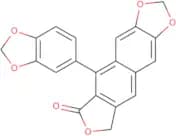
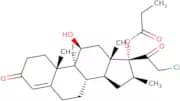
![α,α'-Bis[(2-methoxyphenoxy)methyl]-1,4-piperazinediethanol](/_next/image/?url=https%3A%2Fstatic.cymitquimica.com%2Fproducts%2F3D%2Fthumb-webp%2FINA74957.webp&w=3840&q=75)
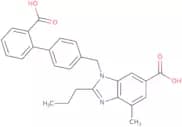
![8-(2-Pyrimidinyl)-8-aza-5-azoniaspiro[4.5]decane bromide](/_next/image/?url=https%3A%2Fstatic.cymitquimica.com%2Fproducts%2F3D%2Fthumb-webp%2FGDA46173.webp&w=3840&q=75)
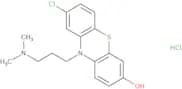
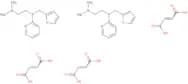
![Benzo[b]thien-2-yl ketone (zileuton impurity)](/_next/image/?url=https%3A%2Fstatic.cymitquimica.com%2Fproducts%2F3D%2Fthumb-webp%2FXDA97807.webp&w=3840&q=75)
![N-Des[2-(1-methyl-2-pyrrolidinyl)ethyl] udenafil](/_next/image/?url=https%3A%2Fstatic.cymitquimica.com%2Fproducts%2F3D%2Fthumb-webp%2FUMA49168.webp&w=3840&q=75)
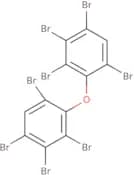

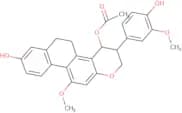
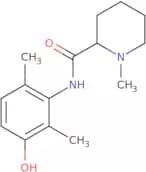
![3-Des[2-(dimethylamino)ethyl] zolmitriptan acetonitrile](/_next/image/?url=https%3A%2Fstatic.cymitquimica.com%2Fproducts%2F3D%2Fthumb-webp%2FRFC05364.webp&w=3840&q=75)
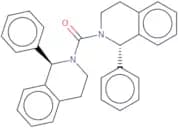
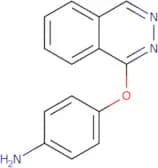
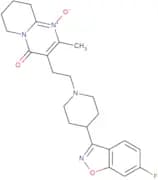

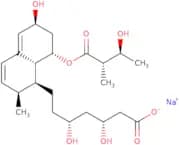
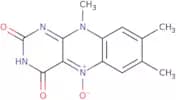


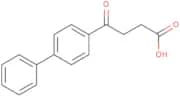

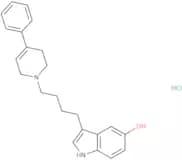
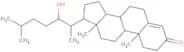
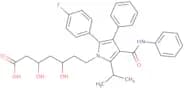
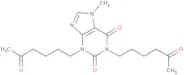
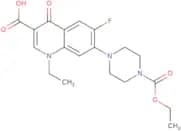
![6-Amino-2-(1-(2-fluorobenzyl)-1H-pyrazolo[3,4-b]pyridin-3-yl)-7,9-dimethyl-7H-purin-8(9H)-one](/_next/image/?url=https%3A%2Fstatic.cymitquimica.com%2Fproducts%2F3D%2Fthumb-webp%2FLEC56923.webp&w=3840&q=75)
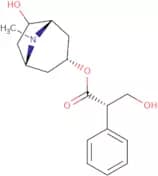

![5-Chloro-N-[3-[[(5-chloro-2-thienyl)carbonyl]amino]-2-hydroxypropyl]-N-[4-(3-oxo-4-morpholinyl)phe…](/_next/image/?url=https%3A%2Fstatic.cymitquimica.com%2Fproducts%2F3D%2Fthumb-webp%2FIC183209.webp&w=3840&q=75)
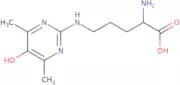
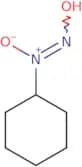
![trans-4-[[(2-Amino-5-bromophenyl)methyl]amino]cyclohexanol](/_next/image/?url=https%3A%2Fstatic.cymitquimica.com%2Fproducts%2F3D%2Fthumb-webp%2FIA183210.webp&w=3840&q=75)
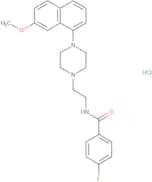
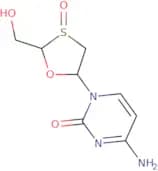
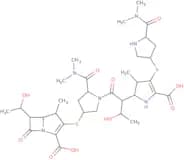
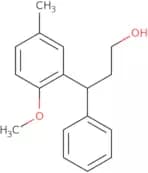


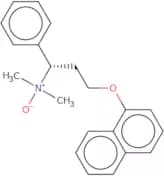
![2-[[4-(2-Pyridylsulfamoyl)phenyl]azo]hydroxybenzene](/_next/image/?url=https%3A%2Fstatic.cymitquimica.com%2Fproducts%2F3D%2Fthumb-webp%2FIP27340.webp&w=3840&q=75)
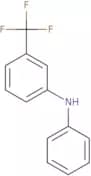
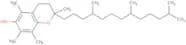

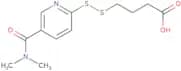
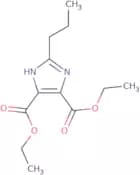

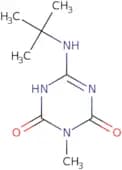
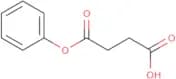
![4'-(Bromomethyl)-[1,1'-biphenyl]-2-carboxamide](/_next/image/?url=https%3A%2Fstatic.cymitquimica.com%2Fproducts%2F3D%2Fthumb-webp%2FIB19246.webp&w=3840&q=75)

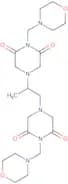
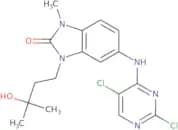
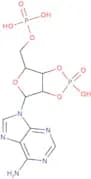
![N,N-Bis[2-(2-hydroxyethoxy)ethyl] quetiapine chloride](/_next/image/?url=https%3A%2Fstatic.cymitquimica.com%2Fproducts%2F3D%2Fthumb-webp%2FIB76470.webp&w=3840&q=75)

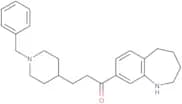
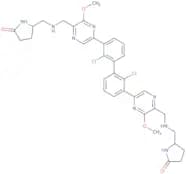
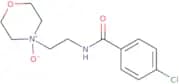
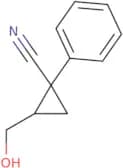
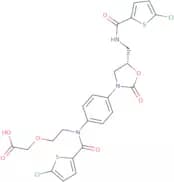
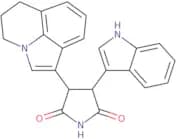
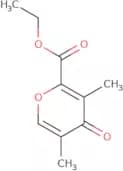
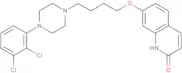
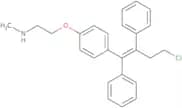
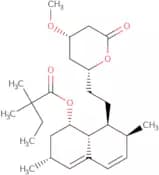
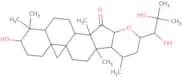
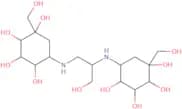
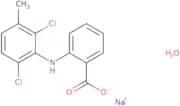
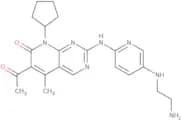
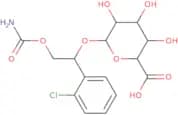

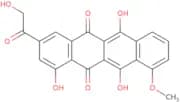
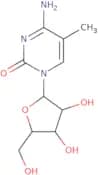
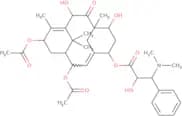
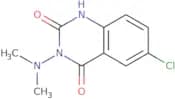
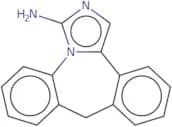
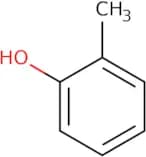
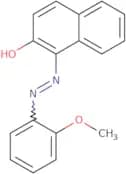
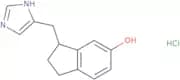
![N-[(2E)-6,6-Dimethyl-2-hepten-4-yn-1-yl]-N-methyl-2-naphthalenemethanamine hydrochloride](/_next/image/?url=https%3A%2Fstatic.cymitquimica.com%2Fproducts%2F3D%2Fthumb-webp%2FCKB26530.webp&w=3840&q=75)
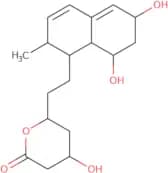
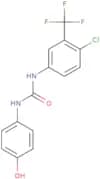
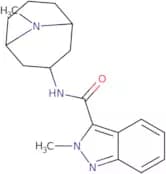
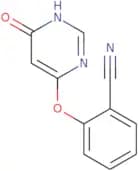
![1-[2,3,4-Tris(methoxymethoxy)phenyl]-ethanone](/_next/image/?url=https%3A%2Fstatic.cymitquimica.com%2Fproducts%2F3D%2Fthumb-webp%2FSXB21424.webp&w=3840&q=75)
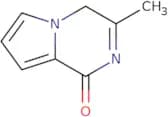
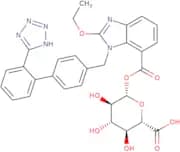
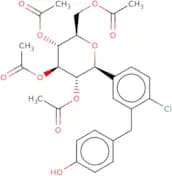


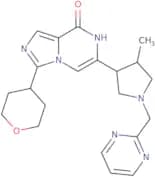
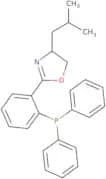
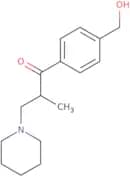
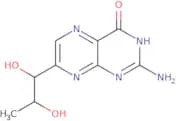
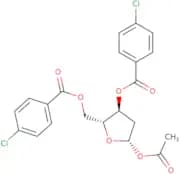
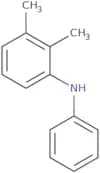
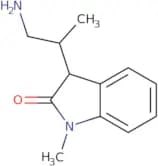
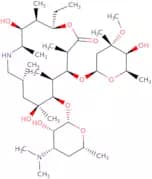
![(4-Chlorophenyl)[4-(1-methylethoxy)phenyl]methanone](/_next/image/?url=https%3A%2Fstatic.cymitquimica.com%2Fproducts%2F3D%2Fthumb-webp%2FIC20310.webp&w=3840&q=75)
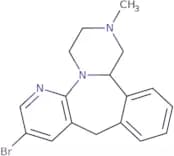
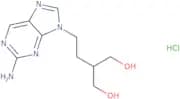
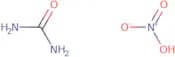

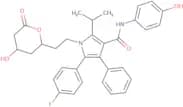
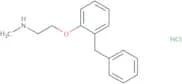
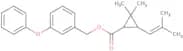
![1,1'-[Hydroxypropane-1,3-diylbis(oxy-2,1-phenylene)]bis(3-phenylpropan-1-one)](/_next/image/?url=https%3A%2Fstatic.cymitquimica.com%2Fproducts%2F3D%2Fthumb-webp%2FIH63819.webp&w=3840&q=75)
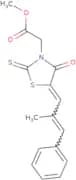
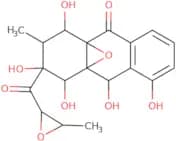
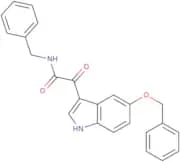
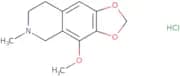
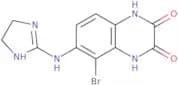
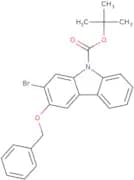
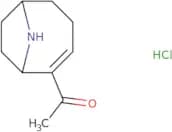
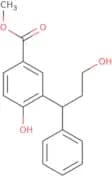

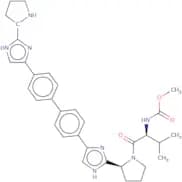
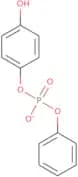
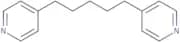
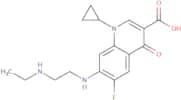

![N2'-Deacetyl-N2'-[3-(methylthio)-1-oxopropyl]-maytansine](/_next/image/?url=https%3A%2Fstatic.cymitquimica.com%2Fproducts%2F3D%2Fthumb-webp%2FMLB56984.webp&w=3840&q=75)
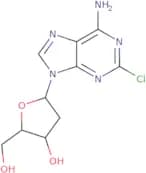
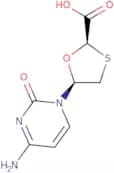
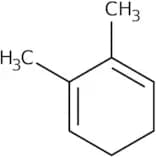
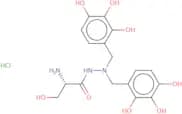
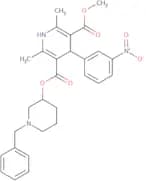
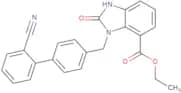
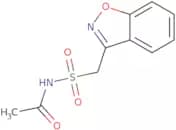
![3-[2-[4-(1,2-Benzisoxazol-3-yl)-1-piperidinyl]ethyl]-6,7,8,9-tetrahydro-2-methyl-4H-pyrido[1,2-a]p…](/_next/image/?url=https%3A%2Fstatic.cymitquimica.com%2Fproducts%2F3D%2Fthumb-webp%2FIB21194.webp&w=3840&q=75)
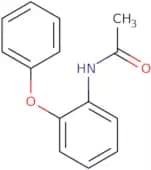
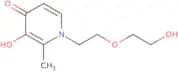
![1-[[3-Methyl-4-(2,2,2-trifluoroethoxy)-2-pyridinyl]methyl]-2-[[[3-methyl-4-(2,2,2-trifluoroethoxy)…](/_next/image/?url=https%3A%2Fstatic.cymitquimica.com%2Fproducts%2F3D%2Fthumb-webp%2FIM25690.webp&w=3840&q=75)
![2-[2-(4-Dibenzo[b,f][1,4]thiazepin-11-yl-1-piperazinyl)ethoxy]ethanol N-oxide](/_next/image/?url=https%3A%2Fstatic.cymitquimica.com%2Fproducts%2F3D%2Fthumb-webp%2FID27365.webp&w=3840&q=75)
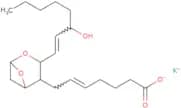
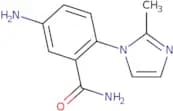
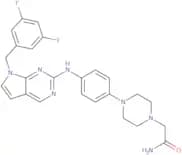
![2-(2-(4-(Dibenzo[b,f][1,4]thiazepin-11-yl)piperazin-1-yl)ethoxy)ethyl acetatequetiapine acetate](/_next/image/?url=https%3A%2Fstatic.cymitquimica.com%2Fproducts%2F3D%2Fthumb-webp%2FUIB63907.webp&w=3840&q=75)
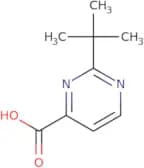
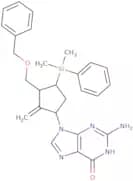
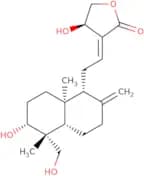
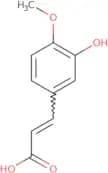

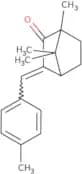
![(3R,5S,6E)-7-[4-(4-Fluorophenyl)-6-(1-methylethyl)-2-[methyl[(2-hydroxy-2-methylpropyl)sulfonyl]am…](/_next/image/?url=https%3A%2Fstatic.cymitquimica.com%2Fproducts%2F3D%2Fthumb-webp%2FIF156830.webp&w=3840&q=75)
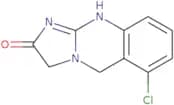
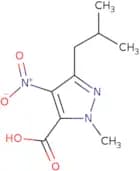
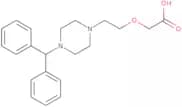
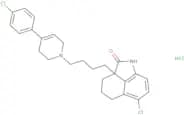
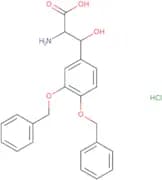
![2-[3,5-Dichloro-4-[(4-chlorophenyl)methyl]phenyl]-1,2,4-triazine-3,5(2H,4H)-dione](/_next/image/?url=https%3A%2Fstatic.cymitquimica.com%2Fproducts%2F3D%2Fthumb-webp%2FIFA64880.webp&w=3840&q=75)
![1,4-Bis[(tetrahydro-2-furanyl)carbonyl]-piperazine](/_next/image/?url=https%3A%2Fstatic.cymitquimica.com%2Fproducts%2F3D%2Fthumb-webp%2FIB63853.webp&w=3840&q=75)