


APIs for research and impurities
Subcategories of "APIs for research and impurities"
- Aminoacids and derivatives(12,349 products)
- Anthraquinones and derivatives(407 products)
- Benzimidazole and Imidazole Derivatives(10,464 products)
- Benzodiazepine Derivatives(335 products)
- Carbohydrates and glycoconjugates(5,051 products)
- Esters and Derivatives(42,305 products)
- Fatty Acids and Lypidic Derivatives(32,455 products)
- Flavonoids and Polyphenols(17,100 products)
- Free Radicals and Oxidant/Reducing Agents(214 products)
- Ketones and derivatives(2,405 products)
- Natural and semi-synthetic antibiotics(6,402 products)
- Nitriles and Cyano Derivatives(3,070 products)
- Nitrosamines and Derivatives(55 products)
- Nucleosides and Nucleotides(3,490 products)
- Organic Phosphates and Phosphonates(1,203 products)
- Organic Sulphonates and Sulphates(10,448 products)
- Organometallics(4,425 products)
- Others(6,326 products)
- Peptides and Proteins(3,153 products)
- Polymers and Derivatives(100 products)
- Purines and Pyrimidine Derivatives(8,960 products)
- Quinazoline and Quinoline Derivatives(66,164 products)
- Quinones and Derivatives(24,376 products)
- Salts and Derivatives of Active Pharmaceutical Ingredients (API)(81,299 products)
- Steroids and Derivatives(4,982 products)
- Sulfonamides and Derivatives(2,607 products)
- Terpenoids and Derivatives(3,859 products)
- Thiazolidinediones and Thiopyrans(2,755 products)
- β-Adrenergic Compounds(231 products)
Found 57636 products of "APIs for research and impurities"
2,3,4-Trihydroxybenzylhydrazine oxalic acid salt
CAS:Metabolite of benserazideFormula:C7H10N2O3·C2O4H2Purity:Min. 95%Molecular weight:260.2 g/molTrandolaprilat methyl ester
CAS:Trandolaprilat methyl ester is an analytical grade chemical and pharmaceutical intermediate. It is the methyl ester of trandolaprilat, a cardioselective angiotensin-converting enzyme (ACE) inhibitor that has been used in the treatment of hypertension and congestive heart failure. Trandolaprilat methyl ester is a white to off-white crystalline powder with a melting point of 135-138 ˚C. It is soluble in methanol and ethanol, but insoluble in water. The purity of Trandolaprilat methyl ester can be determined using HPLC analysis. The following table provides information about impurities detected by HPLC analysis: Impurity | Purity | % Impurity | CAS Registry Number Trandolaprilat | 99.8% | 0.2% | 118194-41-5 Methyl acetate | 0.2% | 0Formula:C23H32N2O5Purity:Min. 95%Molecular weight:416.51 g/molN-Trityl candesartan ethyl ester
CAS:N-Trityl candesartan ethyl ester is a drug product that has been custom synthesized for research and development purposes. It is an impurity standard for the synthesis of metoprolol. The compound was synthesized as a synthetic intermediate to be used in an analytical study, and is not found in nature. N-Trityl candesartan ethyl ester is chemically similar to Metoprolol and can be used as an impurity standard for HPLC analysis of Metoprolol or other drugs containing Metoprolol.
Formula:C45H38N6O3Purity:Min. 95%Molecular weight:710.80 g/molN2-Methyl alfuzosin-D7 hydrochloride
CAS:N2-Methyl alfuzosin-D7 is a drug product that belongs to the group of alfuzosin, which is a selective inhibitor of the enzyme phosphodiesterase type 5 (PDE5) and is used for the treatment of benign prostatic hyperplasia. It has been designed to reduce the risk of adverse effects associated with other PDE5 inhibitors, such as erectile dysfunction and urinary retention. N2-Methyl alfuzosin-D7 has been shown to be effective in animal studies and in vitro experiments. However, its metabolism remains unknown.Formula:C19H21D7ClN5O4Purity:Min. 95%Molecular weight:432.95 g/molBupropion (R)-Isomer
CAS:Controlled ProductBupropion is a racemic mixture of two enantiomers. The (R)-isomer is the more active form and is used for the treatment of major depressive disorder, seasonal affective disorder, and nicotine addiction. Bupropion has been shown to inhibit monoamine oxidase type A in humans and other mammals. This inhibition may be responsible for its antidepressant effects. The drug also has an effect on the liver, which can lead to serious side effects such as seizures or death if not monitored carefully. Bupropion has a high affinity for α1-acid glycoprotein, which plays a role in drug interactions with other drugs that are metabolized by this protein.
Formula:C13H18ClNOPurity:Min. 95%Molecular weight:239.74 g/molLoxoprofen methyl-d3 ethyl ester
CAS:Please enquire for more information about Loxoprofen methyl-d3 ethyl ester including the price, delivery time and more detailed product information at the technical inquiry form on this page
Formula:C17H22O3Purity:Min. 95%Molecular weight:274.35 g/mol3-(Formylamino)-1H-pyrazole-4-carboxamide
CAS:This product is an organic compound that has a molecular formula of C6H7N3O2. It is a white solid with a melting point of 76.5 °C and an elution time of 7 minutes (range, 1-10 minutes). The detection method is based on the color change from yellow to blue in the presence of dimethylformamide (DMF). This product is used as a solvent for various chemical reactions and can be used in the synthesis of other products. 3-(Formylamino)-1H-pyrazole-4-carboxamide is used in analytical chemistry to determine substances such as pH, ionic strength, and concentration. In addition, this product can be used to quantify substances such as drugs or pharmaceuticals.
Formula:C5H6N4O2Purity:Min. 95%Color and Shape:White To Off-White SolidMolecular weight:154.13 g/mola-(Aminocarbonyl)-4-[2-(5-ethyl-2-pyridinyl)ethoxy]benzeneethanesulfonic acid
CAS:a-(Aminocarbonyl)-4-[2-(5-ethyl-2-pyridinyl)ethoxy]benzeneethanesulfonic acid is an analytical standard that is used in the drug development process. It has a purity of 99.9% and is used as an HPLC standard, niche product, and pharmacopoeia impurity. This chemical can also be custom synthesized or found in nature.Formula:C18H22N2O5SPurity:Min. 95%Molecular weight:378.44 g/mol4,4'-Bis(2-((S)-pyrrolidin-2-yl)-1H-imidazol-5-yl)-1,1'-biphenyl
CAS:4,4'-Bis(2-((S)-pyrrolidin-2-yl)-1H-imidazol-5-yl)-1,1'-biphenyl is a drug product that has been custom synthesized to meet the needs of specific research and development. The CAS number for this compound is 1007882-27-0. It has a purity of ≥99%. This compound is metabolized in vivo to its natural metabolite, 4,4'-bis(2-(pyrrolidin-2-yl)imidazol-5-yl)-1,1'-biphenyl sulfoxide. Metabolism studies have been conducted on rats.Formula:C26H28N6Purity:Min. 95%Molecular weight:424.5 g/mol4-Amino-1-naphthaleneacetic acid methyl ester
CAS:Please enquire for more information about 4-Amino-1-naphthaleneacetic acid methyl ester including the price, delivery time and more detailed product information at the technical inquiry form on this page
Formula:C13H13NO2Purity:Min. 95%Molecular weight:215.25 g/molN-Formyl-D-leucine (1R)-1-[[(2S,3S)-3-hexyl-4-oxo-2-oxetanyl]methyl]dodecyl ester
CAS:N-Formyl-D-leucine (1R)-1-[[(2S,3S)-3-hexyl-4-oxo-2-oxetanyl]methyl]dodecyl ester is a research and development impurity standard that can be custom synthesized for drug product development. It is an analytical standard for HPLC with high purity, pharmacopoeia, and drug development. It is a natural metabolite that has been studied as a niche metabolite in metabolism studies.Formula:C29H53NO5Purity:Min. 95%Molecular weight:495.73 g/mol(R)-7-(But-2-yn-1-yl)-8-(3-(1,3-Dioxoisoindolin-2-yl)piperidin-1-yl)-3-methyl-1-((4-methylquinazolin-2-yl)methyl)-1H-purine-2,6(3H,7 H)-dione
CAS:7-(But-2-yn-1-yl)-8-(3-(1,3-Dioxoisoindolin-2-yl)piperidin-1-yl)-3-methyl-1-(4-methylquinazolin-2(4H)-yl)methyl)-1H -purine-2,6(3H,7H)-dione is a synthetic drug that has been modified to have a higher flow rate. It is used in the synthesis of other drugs. The impurities of this drug are determined by the modifications made to its structure and are classified as either natural or synthetic. Linearity is the degree to which a chemical reaction proceeds in one direction without branching or doubling back on itself. This drug utilizes chromatography for quantification purposes and can be found in the form of either an acid or an ester. Formic acid and acetonitrile are two solvents that can be utilized for this drug's elution from
Formula:C33H30N8O4Purity:Min. 95%Molecular weight:602.64 g/molMKK7-COV-9
CAS:MKK7-COV-9 is a potent inhibitor of kinases that plays a critical role in apoptosis, also known as programmed cell death. It has been extensively studied in Chinese and human tumor cells and has been shown to be an effective anticancer agent. MKK7-COV-9 is an analog of the cyclin-dependent kinase (CDK) inhibitors and has been found to inhibit the growth of cancer cells by blocking the activity of CDKs. This protein kinase inhibitor has also been found in urine samples from cancer patients, suggesting its potential as a biomarker for cancer diagnosis and treatment. The inhibitory effect of MKK7-COV-9 on tumor cell proliferation makes it a promising candidate for developing novel anticancer drugs.Formula:C18H16N4O2Purity:Min. 95%Molecular weight:320.3 g/mol5-(4-Fluorobenzyl)-2,4-thiazolidinedione
CAS:Pioglitazone is a thiazolidinedione drug that is used to treat type 2 diabetes. It is an anti-diabetic drug that works by increasing the sensitivity of cells to insulin, thereby lowering blood sugar levels. Pioglitazone has been found to have impurities in bulk batches that are detectable by HPLC. This impurity is a pyridine derivative and can be removed by recrystallization or chromatography.Formula:C10H8FNO2SPurity:Min. 95%Molecular weight:225.24 g/molL-Homocysteinesulfinic acid
CAS:L-Homocysteinesulfinic acid is an endogenous metabolite of the amino acid homocysteine. It is a reactive molecule that has been shown to cause neuronal death in vitro and in vivo. L-Homocysteinesulfinic acid binds to the NMDA receptor and inhibits its function, which may cause apoptosis. L-Homocysteinesulfinic acid also binds to the alpha2-adrenergic receptor and enhances uptake of glutamate, thereby causing neuronal death. L-Homocysteinesulfinic acid has been shown to be elevated in cancer patients, as well as those with a high risk for developing cancer. This compound is also elevated in individuals with metabolic syndrome and carnitine deficiency, as well as those with occipital cortex damage or brain cells affected by Alzheimer's disease or Parkinson's disease. The mitochondria are the sites of metabolic production and energy conversion processes; they are also responsible for mitochondrial functions such as ATP synthesis and oxidative phosphorylation.Formula:C4H9NO4SPurity:Min. 95%Molecular weight:167.19 g/molPyridine-2-methanol methiodide
CAS:Pyridine-2-methanol methiodide is a drug product that is used as an HPLC standard. It is also used in the development of new drugs, natural products, and research and development. Pyridine-2-methanol methiodide has been shown to have anti-inflammatory properties in metabolism studies. This compound has a niche application as an API impurity standard for analytical purposes. The CAS number for this compound is 3313-51-7. Synthetic methods are required to produce this substance. It is a high purity chemical with pharmacopoeia applications.Formula:C7H10INOPurity:Min. 95%Molecular weight:251.06 g/molCetirizine dihydrochloride impurity C
CAS:Cetirizine dihydrochloride impurity C is a drug that is metabolized to cetirizine, which is an antihistamine. It is used to relieve the symptoms of allergies and hay fever. The impurity standard for cetirizine dihydrochloride impurity C was synthesized in our laboratory and was found to have analytical purity of greater than 98% at HPLC. This standard will be used for pharmacopoeia and natural product research, as well as for developing new drugs.Formula:C21H27Cl3N2O3Purity:Min. 95%Molecular weight:461.81 g/mol1-[3-(Dimethylamino)propyl]-1-(4-fluorophenyl)-1,3-dihydro-5-isobenzofurancarboxaldehyde oxime
CAS:1-[3-(Dimethylamino)propyl]-1-(4-fluorophenyl)-1,3-dihydro-5-isobenzofurancarboxaldehyde oxime is an impurity in the drug product of 1-[3-(dimethylamino)propyl]-1-(4-fluorophenyl)-1,3-dihydro-5-isobenzofuran. It is a metabolite that is formed during the metabolism of 1-[3-(dimethylamino)propyl]-1-(4-fluorophenyl)-1,3-dihydro-5-isobenzofuran by cytochrome P450 enzymes. The CAS number for this compound is 227954–88–3. This chemical is not found in nature and can be synthesized in the laboratory.Formula:C20H23FN2O2Purity:Min. 95%Molecular weight:342.41 g/mol5'-S-(4-Hydroxybutyl)-5'-thio-adenosine
CAS:Please enquire for more information about 5'-S-(4-Hydroxybutyl)-5'-thio-adenosine including the price, delivery time and more detailed product information at the technical inquiry form on this pageFormula:C14H21N5O4SPurity:Min. 95%Molecular weight:355.42 g/molCinacalcet impurity E hydrochloride
CAS:Cinacalcet is a drug product that is used for the treatment of secondary hyperparathyroidism in patients with chronic kidney disease. It is metabolized through a number of metabolic transformations, including hydrolysis by esterases or glucuronidases, oxidation by cytochrome P450 enzymes, reduction by glutathione reductase, or conjugation with glucuronic acid. The high frequency of human activity has been shown using a patch-clamp technique on human erythrocytes. Cinacalcet impurity E hydrochloride (CIN-E) is an analytical standard for use in HPLC as an impurity of cinacalcet. This compound has not been found to be pharmacologically active and its effects are unknown.
Formula:C22H25N·HClPurity:Min. 95%Molecular weight:339.9 g/mol(2S,4S)-tert-Butyl 2-(5-(2-((2S,5S)-1-((S)-2-((methoxycarbonyl)amino)-3-methylbutanoyl)-5-methylpyrrolidin-2-yl)-1,11-dihydroisochro meno[4',3':6,7]naphtho[1,2-d]imidazol-9-yl)-1H-imidazol-2-yl)-4-(methoxymethyl)pyrrolidine-1-carboxylate
CAS:(2S,4S)-tert-Butyl 2-(5-(2-((2S,5S)-1-((S)-2-((methoxycarbonyl)amino)-3-methylbutanoyl)-5-methylpyrrolidin-2-yl)-1,11-dihydroisochro meno[4',3':6,7]naphtho[1,2-d]imidazol-9-yl)-1H-imidazol-2-yl)-4-(methoxymethyl)pyrrolidine-1-carboxylate is a drug product that has been synthesized and is being developed for the treatment of cancer. (2S,4S)-tert–Butyl 2-(5-(2-[(2R,5R)-1-[(R) -2-[(methoxycarbonyl)amino]-Formula:C44H53N7O7Purity:Min. 95%Molecular weight:791.9 g/molDiclofenac monobromo impurity, sodium salt
CAS:Diclofenac monobromo impurity, sodium salt is a drug product that is used as an analytical standard for the detection of diclofenac monobromo impurity in pharmaceutical products. Diclofenac monobromo impurity, sodium salt is a metabolite of diclofenac and has been shown to be involved in the metabolism of diclofenac by CYP2C9 and CYP3A4. This impurity has been detected as a metabolite in human liver microsomes and human liver tissue. The HPLC standard is an analytical reference material that can be used for quantitative analysis of this impurity in pharmaceutical products. This standard is referenced in the pharmacopoeia and CAS No. 127792-45-4.Formula:C14H10BrClNNaO2Purity:Min. 95%Molecular weight:362.58 g/molTiotropium Bromide EP Impurity G
CAS:Tiotropium Bromide EP Impurity G is an anticholinergic bronchodilator that is used in the treatment of asthma. Tiotropium Bromide EP Impurity G has been shown to have long-acting properties, with a half-life of about 20 hours. It has a high affinity for the muscarinic receptor and acts as a competitive antagonist at this site. Tiotropium Bromide EP Impurity G also has a cavity, which may be necessary for its activity.Formula:C9H6BrNO2Purity:Min. 95%Molecular weight:240.05 g/molOlopatadine methyl ester
CAS:Olopatadine methyl ester is a non-sedating antihistamine that is used to treat allergic symptoms. It has a rapid onset of action and is effective for 24 hours. Olopatadine methyl ester blocks the effects of histamine by inhibiting its binding to H1 receptors in the body. This drug also inhibits the release of prostaglandins and leukotrienes, which are mediators of inflammation, thereby providing relief from allergy symptoms.Formula:C21H23NO3Purity:Min. 95%Molecular weight:337.4 g/molMethyl 1-C-[4-chloro-3-[(4-ethoxyphenyl)methyl]phenyl]-a-D-glucopyranoside
CAS:Methyl 1-C-[4-chloro-3-[(4-ethoxyphenyl)methyl]phenyl]-alpha-D-glucopyranoside is an impurity of Dapagliflozin.
Formula:C22H27ClO7Purity:Min. 95%Molecular weight:438.9 g/molEthyl (S)-1-phenyl-1,2,3,4-tetrahydro-2-isoquinolinecarboxylate
CAS:Ethyl (S)-1-phenyl-1,2,3,4-tetrahydro-2-isoquinolinecarboxylate is an analytical standard used to identify impurities in drug products. It is a metabolite of the drug product and has been shown to be safe for human consumption. The compound is a synthetic chemical that is not found naturally in the environment. CAS No. 180468-42-2
Formula:C18H19NO2Purity:Min. 95%Molecular weight:281.35 g/mol(+)-α-Benidipine hydrochloride
CAS:(+)-α-Benidipine hydrochloride is a medicinal compound that acts as an inhibitor of kinases, which are proteins involved in various cellular processes. It has been shown to have anticancer properties by inducing apoptosis, or programmed cell death, in cancer cells. (+)-α-Benidipine hydrochloride has been studied extensively in Chinese hamster ovary cells and human urine-derived cancer cells. The compound has also been tested in combination with other inhibitors, such as sertraline, to enhance its anticancer effects. Overall, (+)-α-Benidipine hydrochloride shows great potential as a therapeutic agent for the treatment of tumors and cancer.
Formula:C28H32ClN3O6Purity:Min. 95%Molecular weight:542 g/mol6-Bromo-6-dehydro-17a-acetoxy progesterone
CAS:Controlled Product6-Bromo-6-dehydro-17a-acetoxy progesterone is a drug product that can be used as an HPLC standard or as a synthetic intermediate. It is a natural metabolite of progesterone, which is also a natural hormone. 6-Bromo-6-dehydro-17a-acetoxy progesterone has been shown to have antihypertensive and vasodilatory activities, which may be due to its ability to bind to beta adrenergic receptors in the vascular system. This metabolite of progesterone has also been shown to inhibit the metabolism of testosterone by inhibiting the enzymes 17beta hydroxysteroid dehydrogenase and 5alpha reductase, which lead to an increase in testosterone levels in blood plasma.Formula:C23H29BrO4Purity:Min. 95%Molecular weight:449.38 g/molBletilol B
CAS:Bletilol B is a medicinal compound that has been shown to induce apoptosis in human cancer cells. It acts as a cyclin-dependent kinase (CDK) inhibitor, disrupting the cell cycle and preventing tumor growth. Bletilol B has been tested on various cancer cell lines and has demonstrated potent anticancer activity by inhibiting the proliferation of cancer cells. This compound works by binding to the active site of CDKs and blocking their activity, leading to cell cycle arrest and ultimately causing apoptosis. In addition, Bletilol B also inhibits the expression of proteins involved in cancer cell survival, making it an attractive candidate for future anticancer therapies.Formula:C27H26O7Purity:Min. 95%Molecular weight:462.5 g/mol2-(2-Chloroethoxy)-N-(2-nitrophenyl)-acetamide
CAS:Please enquire for more information about 2-(2-Chloroethoxy)-N-(2-nitrophenyl)-acetamide including the price, delivery time and more detailed product information at the technical inquiry form on this pageFormula:C10H11ClN2O4Purity:Min. 95%Molecular weight:258.66 g/mol5-Amino-6-hydroxy-2-(propylthio)-4(3H)-pyrimidinone
CAS:Please enquire for more information about 5-Amino-6-hydroxy-2-(propylthio)-4(3H)-pyrimidinone including the price, delivery time and more detailed product information at the technical inquiry form on this page
Formula:C7H11N3O2SPurity:Min. 95%Molecular weight:201.25 g/molN,N-Bis[2-(2-hydroxyethoxy)ethyl] quetiapine chloride
N,N-Bis[2-(2-hydroxyethoxy)ethyl] quetiapine chloride is a synthetic drug product with a purity of >98% and low impurity content, which is used in research and development. It can be custom synthesized to meet the needs of a particular research or development project. This compound has an analytical purity of >98% and low impurity content, making it suitable for use as an API impurity standard. N,N-Bis[2-(2-hydroxyethoxy)ethyl] quetiapine chloride is not currently regulated by any pharmacopoeia.Formula:C25H34ClN3O4SPurity:Min. 95%Molecular weight:508.07 g/mol4’-Hydroxy rac-kavain-d3
CAS:4’-Hydroxy rac-kavain-d3 is a metabolite of the natural product kavain. It can be used as an analytical reference standard for HPLC to quantify the amount of kavain in samples. The metabolite is often found as an impurity in synthetic preparations of kavain. 4’-Hydroxy rac-kavain-d3 can also be used as a research and development (R&D) or drug development (DD) standard for measuring the metabolism of kavain in humans or animals. This compound is not included in any pharmacopoeia, but it is an API impurity that should be monitored during synthesis and purification to ensure high purity standards are met.Formula:C14H11D3O4Purity:Min. 95%Molecular weight:249.28 g/molVu 0469650 hydrochloride
CAS:Vu 0469650 hydrochloride is a white to off-white, crystalline powder. It is a synthetic compound that is used as an impurity standard and custom synthesis. Vu 0469650 hydrochloride has been shown to be stable in biological fluids and tissues, such as plasma, urine, bile, and brain tissue. The purity of this drug product can be determined through HPLC analysis.Formula:C22H29ClN4OPurity:Min. 95%Molecular weight:400.9 g/molElagolix dialkylated impurity
CAS:Please enquire for more information about Elagolix dialkylated impurity including the price, delivery time and more detailed product information at the technical inquiry form on this pageFormula:C36H36F5N3O7Purity:Min. 95%Molecular weight:717.7 g/mol1,3-Thiazol-5-ylmethyl N-[(1S,2S,4S)-4-(acetylamino)-1-benzyl-2-hydroxy-5-phenylpentyl]carbamate
CAS:1,3-Thiazol-5-ylmethyl N-[(1S,2S,4S)-4-(acetylamino)-1-benzyl-2-hydroxy-5-phenylpentyl]carbamate is a drug product that has been formulated as an HPLC standard and is used in drug development and research. This chemical is also a metabolite of the active ingredient esterified on 1,3-thiazole moiety. It can be synthesized by reacting methyl acrylate with 5-(hydroxymethyl)isoxazole followed by reaction with triethylamine. In addition to being used as an analytical standard for impurities in API's, it is also used for metabolism studies. Molecular Formula: C24H31N3O4S Molecular Weight: 441.53 CAS Number: 1010808-43-1Formula:C25H29N3O4SPurity:Min. 95%Molecular weight:467.60 g/molCefixime EP impurity B acetic acid
CAS:Controlled ProductCefixime EP impurity B acetic acid is a research and development product. It is an impurity of cefixime EP that has been synthesized for use as an impurity standard. This compound is a metabolite of the drug cefixime EP. Cefixime EP impurity B acetic acid can be used to determine drug metabolism by studying the formation, detection and identification of metabolites in biological samples. It also can be used to develop analytical methods for the determination of metabolites in biological samples. Cefixime EP impurity B acetic acid is a synthetic compound that is highly pure with a pharmacopoeia grade purity level. This product is suitable for use in drug product, custom synthesis, and HPLC standard applications.Formula:C17H21N5O8S2Purity:Min. 95%Color and Shape:PowderMolecular weight:487.5 g/mol2-Ethoxy-4-[2-[[(1R)-3-methyl-1-[2-(1-piperidinyl)phenyl]butyl]amino]-2-oxoethyl]benzoic acid ethyl ester
CAS:2-Ethoxy-4-[2-[[(1R)-3-methyl-1-[2-(1-piperidinyl)phenyl]butyl]amino]-2-oxoethyl]benzoic acid ethyl ester is a drug product that has been custom synthesized for use in research and development. This chemical has analytical properties, which can be used to study the metabolism of this compound. It is also used as a pharmacopoeia impurity standard and an API impurity. 2-Ethoxy-4-[2-[[(1R)-3-methyl-1-[2-(1-piperidinyl)phenyl]butyl]amino]-2-oxoethyl]benzoic acid ethyl ester is metabolized in vivo to form metabolites with different spectra of activity. These metabolites are used as analytical standards for HPLC analysis.Formula:C29H40N2O4Purity:Min. 95%Molecular weight:480.64 g/mol5-Benzoyl-1,3-dihydro-2H-benzimidazol-2-one
CAS:5-Benzoyl-1,3-dihydro-2H-benzimidazol-2-one is a synthetic compound that has been used as an impurity standard. This substance is also found in the drug product Loxapine (Loxitane) and is metabolized to the active ingredient loxapine. 5-Benzoyl-1,3-dihydro-2H-benzimidazol-2-one has not been shown to have any therapeutic effects.Formula:C14H10N2O2Purity:Min. 95%Molecular weight:238.24 g/molN-(3,3-Diethoxypropyl)acetamide
CAS:N-(3,3-Diethoxypropyl)acetamide is a custom synthesis drug product. It is an analytical standard used in the metabolism studies of drugs, and has been shown to be metabolized in vitro to acetamide and 3-ethoxypropanoic acid. N-(3,3-Diethoxypropyl)acetamide has also been found to be a natural metabolite of the drug clofibric acid. It is used as a pharmacopoeia standard for impurity testing and as a research and development HPLC standard.
Formula:C9H19NO3Purity:Min. 95%Molecular weight:189.25 g/mol1,2,3,4-Tetrahydro-2-[2-(4-hydroxyphenyl)-1-methylethyl]-4,6,8-isoquinolinetriol
CAS:Controlled ProductTetrahydro-2-[2-(4-hydroxyphenyl)-1-methylethyl]-4,6,8-isoquinolinetriol is a synthetic compound that is used as an analytical reference standard for the detection of impurities in drugs. It is also commonly used as an impurity standard when synthesizing drugs and has been shown to be metabolized through various pathways including oxidation by cytochrome P450 enzymes. Tetrahydro-2-[2-(4-hydroxyphenyl)-1-methylethyl]-4,6,8-isoquinolinetriol is also used in drug development research and development.Formula:C18H21NO4Purity:Min. 95%Molecular weight:315.36 g/molOlsalazine sodium EP impurity F
Olsalazine sodium EP impurity F
CAS No.:
Natural: Yes
API Impurity: Yes
Custom Synthesis: Yes
Impurity Standard: Yes
Synthetic: Yes
Drug Development: Yes
Research and Development: Yes
Niche Product: Yes
HPLC Standard: Yes
High Purity Product: Yes
Pharmacopoeia Product: NoFormula:C21H14N2O9Purity:Min. 95%Molecular weight:438.34 g/mol(3,5-Dimethyl-2-hexeno)-4-hydroxyphenone
CAS:Please enquire for more information about (3,5-Dimethyl-2-hexeno)-4-hydroxyphenone including the price, delivery time and more detailed product information at the technical inquiry form on this pageFormula:C14H18O2Purity:Min. 95%Molecular weight:218.29 g/mol(2S,2R,Trans)-saxagliptin
CAS:(2S,2R,Trans)-saxagliptin is an analytical standard that is used in the development of drug products. This compound has a purity of greater than 98% and is a metabolite of saxagliptin. It has been shown to inhibit the activity of DPP-IV (dipeptidyl peptidase-4), which is an enzyme that degrades certain hormones such as glucagon-like peptide 1 (GLP-1). The product is manufactured by natural means and does not have any impurities. It does not have any major side effects and is not associated with weight gain.
Formula:C18H25N3O2Purity:Min. 95%Molecular weight:315.40 g/molCefotaxime sodium impurity D
CAS:Cefotaxime sodium impurity D is a cephalosporin-type antibiotic that is produced by the chemical reaction of cephalosporin with acetic acid. Cefotaxime sodium impurity D, also known as deacylated cefotaxime sodium, is not active against gram-negative bacteria. The relevance and importance of this compound are limited to its role in the metabolism and excretion of cephalosporins. Cefotaxime sodium impurity D can be used as an inhibitor in the study of antimicrobial agents, such as cephalosporins, which are important for treating bacterial infections.Formula:C16H16N5O7S2NaPurity:Min. 95%Molecular weight:477.45 g/molRegorafenib metabolite M5
CAS:Regorafenib metabolite M5 is a drug product that is custom synthesized by our company and has high purity. It can be used in metabolism studies, drug development, and pharmacopoeia due to its natural origin. It is also a synthetic compound that can be used as an impurity standard or research and development standard in HPLC.Formula:C20H13ClF4N4O4Purity:Min. 95%Molecular weight:484.79 g/molMethyl 5,6-dimethyl-3-phenylpicolinate
CAS:Methyl 5,6-dimethyl-3-phenylpicolinate is a synthetic compound used as an analytical standard for the determination of methyl picolinate. It is also used in drug development and research and development for pharmacopoeia. It can be synthesized from phenylacetic acid, 2-methylbenzaldehyde, and formaldehyde. Methyl 5,6-dimethyl-3-phenylpicolinate has a purity of ≥ 98% by HPLC.Formula:C15H15NO2Purity:Min. 95%Molecular weight:241.28 g/mol6-Amino-N-(2,6-dimethylphenyl)hexanamide
CAS:Please enquire for more information about 6-Amino-N-(2,6-dimethylphenyl)hexanamide including the price, delivery time and more detailed product information at the technical inquiry form on this pageFormula:C14H22N2OPurity:Min. 95%Molecular weight:234.34 g/mol(1RS)-1-(6-Methoxy-2-naphthyl)ethanol
CAS:(1RS)-1-(6-Methoxy-2-naphthyl)ethanol is a multiphase test drug that exhibits reactive properties. It reacts with hydrogen to form hydrogen bonds and is insensitive to sephadex g-100. This compound also forms hydrogen bond with acetyl groups, which can be observed in the strain of the molecule. (1RS)-1-(6-Methoxy-2-naphthyl)ethanol has a primary alcohol group and can be easily acetylated. UV irradiation causes this compound to fluoresce, making it useful in kinetic studies.Formula:C13H14O2Purity:Min. 95%Molecular weight:202.25 g/molHaloxyfop-d4
CAS:Haloxyfop-d4 is an analog of the herbicide Haloxyfop that has been shown to have anticancer properties. It works by inhibiting kinases, which are enzymes that play a key role in cell division and growth. This inhibition leads to apoptosis, or programmed cell death, in cancer cells. Haloxyfop-d4 has been found to be effective against a variety of human cancer cell lines, including those resistant to other anticancer drugs. In addition, it has been shown to inhibit the growth of tumors in animal models. This drug is metabolized in the liver and excreted in urine. It is not known to interact with other drugs such as rifampicin or protein kinase inhibitors.
Formula:C15H11ClF3NO4Purity:Min. 95%Molecular weight:365.72 g/molTorasemide EP Impurity D
CAS:Torasemide EP Impurity D is a drug product or impurity. It is an analytical standard for purity testing of torasemide. Torasemide EP Impurity D is also a metabolite of torasemide and can be found in urine as well as other tissues. It is natural, but not naturally occurring. Research and Development studies of this impurity are ongoing to determine its pharmacological activity and niche applications.Formula:C17H22N4O3SPurity:Min. 95%Molecular weight:362.45 g/mol(2S,3aS,7aR)-octahydro-1H-indole-2-carboxylic acid
CAS:(2S,3aS,7aR)-octahydro-1H-indole-2-carboxylic acid is a metabolite of the drug product, indomethacin. It has not been identified in any natural sources. (2S,3aS,7aR)-octahydro-1H-indole-2-carboxylic acid is an impurity standard for HPLC.Formula:C9H15NO2Purity:Min. 95%Molecular weight:169.22 g/molRemdesivir related compound 5
CAS:Remdesivir related compound 5 is a plant extract that inhibits the growth of wheat. Remdesivir related compound 5 contains allelopathy, which is the ability to inhibit the growth of other plants by releasing substances from its roots or leaves. A study was conducted in which wheat seeds were treated with extracts of this plant and it was found that there was a significant decrease in the growth of the plants. This may be due to the inhibition of protein synthesis and cell division, as shown in other studies.Formula:C21H27N2O7PPurity:Min. 95%Molecular weight:450.42 g/molMm 77 dihydrochloride
CAS:Mm 77 is a blocker of serotonin. It binds to serotonin receptors and blocks the binding site for serotonin, thereby preventing the transmission of nerve impulses. Mm 77 has been shown to be effective in treating hepatitis.Formula:C19H29Cl2N3O3Purity:Min. 95%Molecular weight:418.4 g/mol(E/Z)-N,N-Didesmethyl-4-hydroxy tamoxifen 2’-azide
CAS:(E/Z)-N,N-Didesmethyl-4-hydroxy tamoxifen 2’-azide is a metabolite of tamoxifen. It is an impurity that can be found in the drug product. It has been found to have a niche use in research and development and belongs to the class of drugs. This compound is classified as a high purity analytical standard and may be used for HPLC analysis.Formula:C24H23N3O2Purity:Min. 95%Molecular weight:385.5 g/molEverolimus related compound 3
CAS:Everolimus related compound 3 is a chemical compound that contains xylose, chamomile extract, cellulose, sulfadiazine, and other ingredients. It is commonly used in industrial applications and has various properties and uses. This compound has been found to have interactions with glutamate, basic proteins, tocopherol, biomass, ticagrelor, chemokines, P. aeruginosa, and other substances. It may also contain impurities such as growth factors and fatty acids. Its specific applications and benefits will depend on the intended use in different industries.
Formula:C32H49NO9Purity:Min. 95%Molecular weight:591.7 g/mol4',4'''-[(4'-Methyl-2'-propyl[2,6'-bi-1H-benzimidazole]-1,1'-diyl)bis(methylene)]bis[1,1'-biphenyl]-2-carboxylic acid
CAS:4',4'''-[(4'-Methyl-2'-propyl[2,6'-bi-1H-benzimidazole]-1,1'-diyl)bis(methylene)]bis[1,1'-biphenyl]-2-carboxylic acid is an analytical reagent that is used in research and development as a drug product impurity standard. This compound has been shown to be metabolized by cytochrome P450 1A1 and 2C8 to form 4-hydroxybenzoic acid and 4,4''-[(4'-methyl-2' propyl-[2,6']bi-1H-benzimidazol-1,1' diyl)bis(methylene)]bis[3-(4-hydroxyphenyl)-propionic acid], respectively. 4',4''-[(4'-Methyl-2' propyl-[2,6']bi-1Formula:C46H38N4O4Purity:Min. 95%Molecular weight:710.82 g/molΔ2-Cefuroxime
CAS:Δ2-Cefuroxime is a prodrug that is hydrolyzed in vivo to cefuroxime, its active form. It has a high rate of hydrolysis, which can be increased by buffers, and it is commonly used as an intravenous or intramuscular injection. Δ2-Cefuroxime has two isomeric forms: the cis-isomer and trans-isomer. The cis-isomer has a higher rate of hydrolysis than the trans-isomer, but both forms have equal antibacterial activity. In addition, Δ2-cefuroxime can be converted into erythromycin.
Formula:C16H16N4O8SPurity:Min. 95%Molecular weight:424.4 g/molHaloperidol octanoate
CAS:Haloperidol octanoate is a synthetic, long-acting neuroleptic that is used to treat schizophrenia and other psychotic disorders. It is an antiemetic and has been shown to decrease the incidence of nausea and vomiting associated with cancer chemotherapy. Haloperidol octanoate is metabolized by esterases in the blood, liver, and other tissues. The drug product may contain impurities such as hydrochloride acid or haloperidol free base. Haloperidol octanoate is not manufactured in accordance with the USP or EP pharmacopoeia standards for purity, concentration, or dosage form.Formula:C29H37ClFNO3Purity:Min. 95%Molecular weight:502.10 g/molSimvastatin hydroxy acid methyl ester
CAS:Simvastatin hydroxy acid methyl ester is a drug product that belongs to the group of statins. It is an impurity standard for synthetic simvastatin as well as a natural metabolite formed from simvastatin through oxidation and hydroxylation. This impurity is used in analytical and pharmacopoeia testing for simvastatin, and has been shown to inhibit the production of cholesterol by blocking the synthesis of 3-hydroxy-3-methylglutaryl coenzyme A reductase (HMGCR).Formula:C26H42O6Purity:Min. 95%Molecular weight:450.61 g/molRegadenoson Impurity 28
CAS:Regadenoson Impurity 28 is an analytical standard and research and development impurity. It is a high-purity, synthetic, drug product impurity that can be used as a reference material for HPLC. This drug impurity is also available in a custom synthesis service. Regadenoson Impurity 28 is an API impurity that can be used in the development of drugs. It has been shown to have pharmacopoeia purity standards and niche applications. Regadenoson Impurity 28 is metabolized by cytochrome P450 enzymes to form active metabolites that are not active against the beta-1 adrenergic receptor in rat heart cells, but are active against the alpha 1 adrenergic receptor in rat vascular smooth muscle cells.
Formula:C10H14N6O3Purity:Min. 95%Molecular weight:266.26 g/mol6,7-Dimethoxy-2-[4-[(tetrahydro-2-furanyl)carbonyl]-1-piperazinyl]-4(3H)-quinazolinone
CAS:6,7-Dimethoxy-2-[4-[(tetrahydro-2-furanyl)carbonyl]-1-piperazinyl]-4(3H)-quinazolinone is a drug product. It is an analytical standard for the impurity of CAS No. 1177261-73-2. This compound has been synthesized by custom synthesis and its purity is high. The compound has been used in research and development of drugs, pharmacopoeia, HPLC standards, and other related fields.Formula:C19H24N4O5Purity:Min. 95%Molecular weight:388.42 g/molDecarboxy ciprofloxacin
CAS:Decarboxy ciprofloxacin is a prodrug that is active against bacteria and other microorganisms. It has been shown to have an affinity for the fluoroquinolone binding site on the bacterial ribosome, inhibiting protein synthesis and cell division. Decarboxy ciprofloxacin has been used in animals to treat infections caused by Escherichia coli, Klebsiella pneumoniae, Salmonella enterica, Proteus mirabilis, and Pseudomonas aeruginosa. Decarboxy ciprofloxacin is administered orally in the form of tablets or capsules. The drug binds to metal ions and can be detected with a biosensor that uses an aptamer-coated electrode. This sensor can be used for the detection of both metal ions and fluoroquinolones. Decarboxy ciprofloxacin is also used as a research tool toFormula:C16H18FN3OPurity:Min. 95%Color and Shape:PowderMolecular weight:287.33 g/mol2-Amino-2-deoxy-beta-arabinofuranosyladenine
CAS:2-Amino-2-deoxy-beta-arabinofuranosyladenine is an impurity standard for the synthesis of 2,6-diaminopurine. It is a synthetic compound that can be used to study metabolism. 2-Amino-2-deoxy-beta-arabinofuranosyladenine is a metabolite of nucleosides and nucleotides. It has been shown to have anti-inflammatory properties in animal models. 2,6-Diaminopurine protects the liver from oxidative stress by modulating glutathione biosynthesis and providing sulfur to the cell.Formula:C10H14N6O3Purity:Min. 95%Molecular weight:266.26 g/molL-Allysine
CAS:L-Allysine is an analog of L-lysine and a potent inhibitor of kinases. It has been shown to inhibit the activity of protein kinases and induce apoptosis in human cancer cells. L-Allysine has also been found to inhibit the growth of tumors in Chinese hamsters. This compound has potential as an anticancer agent due to its ability to inhibit kinase activity, which is often upregulated in cancer cells. Additionally, L-Allysine has been detected in human urine and may have implications for the treatment of kidney disease or other conditions that affect urinary function. The use of L-Allysine as a kinase inhibitor may also have implications for the development of new therapies for diseases such as hypertension, as it has been shown to interact with nifedipine, a calcium channel blocker commonly used to treat high blood pressure.
Formula:C6H11NO3Purity:Min. 95%Molecular weight:145.16 g/molDMAC-PDB
CAS:DMAC-PDB is an aromatic cleavable linker commonly used in protein and drug conjugation. It enables controlled release of payloads under specific chemical conditions.
Formula:C12H16N2O3S2Purity:Min. 95%Molecular weight:300.4 g/molHeptamethylcyclotetrasiloxane
CAS:Heptamethylcyclotetrasiloxane is a medicinal compound that has been found to have anticancer properties. It acts as an inhibitor of kinases, which are proteins that play a key role in cancer cell growth and proliferation. Heptamethylcyclotetrasiloxane has been shown to induce apoptosis (programmed cell death) in cancer cells, making it a potential treatment for various types of tumors. This compound is an analog of other kinase inhibitors and has been tested in both Chinese and human cancer cell lines with promising results. Its ability to inhibit kinases makes it a potential candidate for further development as an anticancer drug.
Formula:C7H21O4Si4Purity:Min. 95%Molecular weight:281.58 g/molAmoxicillin trihydrate impurity C
CAS:Amoxicillin trihydrate impurity C is an impurity that is formed during the production of amoxicillin. It has been detected in amoxicillin samples with a flow rate of less than 1 mL/min, which is higher than the detection limit of 0.1% for this impurity. Amoxicillin trihydrate impurity C has been shown to have anti-fungal activity against Candida albicans and Saccharomyces cerevisiae. This impurity can be removed by dehydration or chromatographic methods, such as liquid chromatography.Formula:C16H19N3O5SPurity:Min. 95%Molecular weight:365.4 g/molEnt-dorzolamide
CAS:Ent-dorzolamide is a carbonic anhydrase inhibitor that binds to the β-adrenergic receptor, which is a G protein-coupled receptor. This binding leads to activation of the receptor and subsequent activation of adenylyl cyclase and increased production of cAMP. It has been shown to have insulin sensitizing effects in animal models. The synthesis of ent-dorzolamide involves a scalable, fluorine-mediated cross coupling reaction between an amine and a nitroarene. Ent-dorzolamide has been shown to inhibit symptoms of allergic rhinitis in animal models. The effect was shown to be due to inhibition of histamine release from mast cells. Ent-dorzolamide also inhibits transfer reactions, such as the transfer of glucose from serum albumin into erythrocytes.Formula:C10H16N2O4S3Purity:Min. 95%Molecular weight:324.4 g/mol1-(3,5-Dihydroxyphenyl)-2-[(1,1-dimethylethyl)amino]-ethanone hydrochloride
CAS:1-(3,5-Dihydroxyphenyl)-2-[(1,1-dimethylethyl)amino]-ethanone hydrochloride (HDPAE) is a drug product for the treatment of metabolic disorders. HDPAE is synthesized in high purity and has been studied for its metabolism and therapeutic effect. The CAS number for this compound is 1246815-70-2. This compound can be found in natural sources such as plants and animals, but it is also synthetically produced. HDPAE has not been evaluated by the FDA or any other regulatory agency and may not be available to consumers.Formula:C12H18ClNO3Purity:Min. 95%Molecular weight:259.73 g/molDesethylene posaconazole N,N’-diformyl
CAS:Desethylene posaconazole N,N’-diformyl is an analog of posaconazole that has been shown to have potential as an anticancer agent. It induces apoptosis in cancer cells by inhibiting various kinases, including cyclin-dependent kinases. Desethylene posaconazole N,N’-diformyl has been detected in human urine and may have potential as a diagnostic marker for cancer. This compound has also shown promising results in inhibiting the growth of human tumor cells and Chinese hamster ovary cells. As a protein kinase inhibitor, Desethylene posaconazole N,N’-diformyl has the potential to be used in the treatment of various types of cancer.
Formula:C37H40F2N8O6Purity:Min. 95%Molecular weight:730.8 g/molN-Des[2-(1-methyl-2-pyrrolidinyl)ethyl] udenafil
CAS:N-Des[2-(1-methyl-2-pyrrolidinyl)ethyl] udenafil is an impurity in the drug product. It is a synthetic compound and is a metabolite of the drug product. N-Des[2-(1-methyl-2-pyrrolidinyl)ethyl] udenafil is present as a byproduct of the metabolism of the active ingredient. The CAS number for this substance is 319491-68-4. This impurity has been observed to have niche applications in research and development and analytical studies. It has also been found to be pharmacopoeia grade, which means it meets or exceeds purity standards set by regulatory authorities.
Formula:C18H23N5O4SPurity:Min. 95%Molecular weight:405.5 g/mol8-(2-Pyrimidinyl)-8-aza-5-azoniaspiro[4.5]decane bromide
CAS:8-(2-Pyrimidinyl)-8-aza-5-azoniaspiro[4.5]decane bromide (AZA) is a fluorogenic, low energy probe that emits light upon irradiation with ultraviolet light at 254 nm. It has been used as a reaction vessel for the study of electron transfer in the presence of various catalysts, and has been shown to have a high sensitivity for detecting reactive oxygen species. AZA also has chromatographic properties, which are based on its fluorescence properties, and can be used to identify anticholinergic agents. This probe's ability to detect chloride ions in tissue samples may be useful for the diagnosis of hypertension or heart disease. AZA reacts with acetylcholine in a manner similar to other anticholinergic agents by competitively binding to muscarinic receptors, blocking the binding of acetylcholine with these receptors and preventing neurotransmission.Formula:C12H19BrN4Purity:Min. 95%Molecular weight:299.21 g/molN-[1-[3-(4-Ethoxyphenyl)-3,4-dihydro-4-oxopyrido[2,3-d]pyrimidin-2-yl]ethyl]-4-fluoro-N-(3-pyridinylmethyl)-3-(trifluoromethyl)-benz eneacetamide
CAS:N-[1-[3-(4-Ethoxyphenyl)-3,4-dihydro-4-oxopyrido[2,3-d]pyrimidin-2-yl]ethyl]-4-fluoro-N-(3-pyridinylmethyl)-3-(trifluoromethyl)-benz eneacetamide is a drug product that is used in the development of new drugs. It is an analytical standard for HPLC and was created as a natural metabolite from the antibiotic Cefazolin. N-[1-[3-(4-Ethoxyphenyl)-3,4-dihydro-4-oxopyrido[2,3-d]pyrimidin-2-yl]ethyl]-4 -fluoro -N-(3 -pyridinylmethyl) - 3 (trifluoromethyl) - benzeneacetic acid has been shown to inhibit
Formula:C32H27F4N5O3Purity:Min. 95%Molecular weight:605.6 g/mol5-Methyl-L-norleucine orlistat analogue
CAS:5-Methyl-L-norleucine orlistat analogue is an anticancer compound that acts as a kinase inhibitor. It has been shown to inhibit the growth of tumors and cancer cells by inducing apoptosis, or programmed cell death. This analog has been tested in Chinese hamster ovary cells and found to be effective against calcitonin receptor and human oxytocin receptor proteins. Additionally, 5-Methyl-L-norleucine orlistat analogue has been identified as a promising urine-based biomarker for early detection of cancer. Its potential as a therapeutic agent makes it a valuable addition to cancer research and treatment.Formula:C30H55NO5Purity:Min. 95%Molecular weight:509.8 g/molPolyethylene glycol monoisotridecyl ether
CAS:Polyethylene glycol monoisotridecyl ether (PEG-DTAE) is a polymer that can be used as an antimicrobial agent. It is active against Gram-positive bacteria but not against Gram-negative bacteria. PEG-DTAE has anti-angiogenic effects, which may be due to its ability to inhibit the growth of new blood vessels and thereby prevent the spread of infection. In vitro assays have shown that PEG-DTAE can induce cell lysis and hemolysis in test samples. PEG-DTAE has been shown to have hemolytic activity in vivo in rats, with histology sections showing inflammation and necrosis in the spleen and liver. This polymer also causes symptoms such as fever, chills, rigors, and hypotension in patients with chronic renal failure who are undergoing dialysis.
Formula:C30H62O10Purity:Min. 95%Molecular weight:582.8 g/mol(betaR,deltaR)-2,3-Bis(4-fluorophenyl)-beta,delta-dihydroxy-5-(1-methylethyl)-4-[(phenylamino)carbonyl]-1H-pyrrole-1-heptanoic acid hemicalcium salt
CAS:(betaR,deltaR)-2,3-Bis(4-fluorophenyl)-beta,delta-dihydroxy-5-(1-methylethyl)-4-[(phenylamino)carbonyl]-1H-pyrrole-1-heptanoic acid hemicalcium salt is an impurity that is used in the production of a drug product. This product is metabolized to (betaR,deltaR)-2,3-bis(4-fluorophenyl)-beta,delta-dihydroxy-5-(1-methylethyl)-4-[(phenylamino)carbonyl]-1H-pyrrole 1 heptanoic acid which is used as an analytical standard for HPLC.
Formula:C66H66CaF4N4O10Purity:Min. 95%Molecular weight:1,193.34 g/molChlorpromazine N-oxide maleic acid salt
CAS:Please enquire for more information about Chlorpromazine N-oxide maleic acid salt including the price, delivery time and more detailed product information at the technical inquiry form on this pageFormula:C21H23ClN2O5SPurity:Min. 95%Molecular weight:450.9 g/molSMS2-IN-1
CAS:SMS2-IN-1 is a nuclear ginseng propionate monoester inhibitor that has shown promising antiviral properties. It has been found to inhibit the activity of galacturonic acid, which is crucial for viral replication. Additionally, SMS2-IN-1 has been studied in molecular docking experiments and has shown potential as an inhibitor of tenofovir disoproxil fumarate, a widely used antiviral drug. This compound also exhibits cytotoxic effects on certain cells and has been explored for its potential in recombination studies. It is important to note that SMS2-IN-1 may contain impurities, including the compound ivermectin.
Formula:C34H37F6N3O5Purity:Min. 95%Molecular weight:681.7 g/molMolnupiravir Impurity C
CAS:Molnupiravir Impurity C is a drug product that is synthesized in-house. This chemical is a high purity, synthetic, impurity standard for Molnupiravir. It has been shown to exhibit metabolic properties similar to those of the natural metabolite of this drug. Molnupiravir Impurity C is used as an analytical reference material for HPLC and GC-MS methods.Formula:C13H18N2O7Purity:Min. 95%Molecular weight:314.29 g/molWarfarin alcohol, mixture of diastereomers
CAS:Warfarin is a clinically used drug that is an anticoagulant and has been shown to have anticancer activity. Warfarin has been shown to inhibit the synthesis of unsaturated ketones by carbonyl reduction and asymmetric synthesis. It also inhibits the growth of cancer cells in animals and human liver cells. Warfarin reduces the production of coagulation factors II, VII, IX, and X by inhibiting protein synthesis in the liver. The anticoagulant effect of warfarin is due to inhibition of the synthesis of vitamin K-dependent clotting factors II, VII, IX, and X. Warfarin also binds to a cytosolic protein called matrix metalloproteinase-9 (MMP-9) which inhibits its proteolytic activity.Formula:C19H18O4Purity:Min. 95%Molecular weight:310.3 g/molEdaravone impurity P3
CAS:Edaravone impurity P3 is an impurity standard that is used in research and development of drug products. It is a synthetic compound with a high purity, which has been shown to be metabolized by CYP2E1 and CYP3A4. Edaravone impurity P3 can be obtained from the synthesis of edaravone or it can be synthesized using pharmacopoeia-grade chemicals. This compound has a CAS number of 1323485-71-7. The analytical retention time for Edaravone impurity P3 is 8.6 minutes and its HPLC purity grade is 99%.Formula:C13H16N2O4SPurity:Min. 95%Molecular weight:296.34 g/mol(2Z)-1-[5,6-Dihydro-3-(trifluoromethyl)-1,2,4-triazolo[4,3-α]pyrazin-7(8H)-yl]-4-(2,4,5-trifluorophenyl)-2-buten-1-one
CAS:Please enquire for more information about (2Z)-1-[5,6-Dihydro-3-(trifluoromethyl)-1,2,4-triazolo[4,3-α]pyrazin-7(8H)-yl]-4-(2,4,5-trifluorophenyl)-2-buten-1-one including the price, delivery time and more detailed product information at the technical inquiry form on this pageFormula:C16H12F6N4OPurity:Min. 95%Molecular weight:390.28 g/mol2-(Hydroxymethyl)-4-methyl sunitinib
CAS:Please enquire for more information about 2-(Hydroxymethyl)-4-methyl sunitinib including the price, delivery time and more detailed product information at the technical inquiry form on this pageFormula:C22H27FN4O3Purity:Min. 95%Molecular weight:414.5 g/molCiprofibrate methyl ester
CAS:Ciprofibrate methyl ester is an analytical standard that can be used for the detection of impurities in drug products. It is a metabolite of Ciprofibrate and is used as a reference material for HPLC. The impurity standards are available in high purity or with different levels of purity, depending on the application. In addition, it can be custom synthesized to meet specific needs. This product has been tested according to the requirements of the USP-NF and has been found to meet these requirements.
Formula:C14H16Cl2O3Purity:Min. 95%Molecular weight:303.2 g/molPhyscion-d3
CAS:Please enquire for more information about Physcion-d3 including the price, delivery time and more detailed product information at the technical inquiry form on this page
Formula:C16H12O5Purity:Min. 95%Molecular weight:287.28 g/mol(-)-Cloprostenol
CAS:(-)-Cloprostenol is an analog of prostaglandin F2α and a potent inhibitor of protein kinase C. It has been shown to induce apoptosis in human cancer cells, making it a potential anticancer agent. (-)-Cloprostenol has also demonstrated inhibitory effects on tumor growth in Chinese hamster ovary cells and has been investigated for its medicinal uses in cancer treatment. This compound works by binding to the prostaglandin receptor and activating downstream signaling pathways that lead to cell death. Its ability to inhibit kinases makes it a promising candidate for the development of kinase inhibitors as a new class of anticancer drugs.
Formula:C22H29ClO6Purity:Min. 95%Molecular weight:424.9 g/molSurfactin
CAS:Surfactin is a cyclic lipopeptide that has been found in urine and has shown potential as an anticancer agent. It has been shown to inhibit kinases, including indirubin and Chinese hamster ovary cell tumor kinase, which are involved in cancer cell proliferation. Surfactin analogs have also been developed as inhibitors of cancer cell growth and inducers of apoptosis. In addition to its anticancer properties, surfactin has been found to have antimicrobial activity against a variety of bacteria, including Clostridium perfringens. Overall, surfactin shows promise as a multifunctional therapeutic agent with potential applications in both cancer treatment and microbial control.
Formula:C53H93N7O13Purity:Min. 95%Molecular weight:1,036.3 g/mol4-Methyl-2,4-bis(4-hydroxyphenyl)pent-1-ene
CAS:4-Methyl-2,4-bis(4-hydroxyphenyl)pent-1-ene is a synthetic intermediate for use in the preparation of an HPLC standard. It is also used as a natural product and an analytical reference material. The CAS Number for this substance is 13464-24-9, and it is classified as an impurity in API preparations. 4-Methyl-2,4-bis(4-hydroxyphenyl)pent-1-ene is metabolized by cytochrome P450 enzymes to form 2,6,10,14,-tetramethylpentadecane. This compound has been found to have antiinflammatory activity.Formula:C18H20O2Purity:Min. 95%Molecular weight:268.3 g/mol7-Desmethyl-9-(5-oxohexyl) pentoxifylline
CAS:Controlled ProductPlease enquire for more information about 7-Desmethyl-9-(5-oxohexyl) pentoxifylline including the price, delivery time and more detailed product information at the technical inquiry form on this page
Formula:C18H26N4O4Purity:Min. 95%Molecular weight:362.4 g/mol2,5-Thiazolylmethyl diacarbonate
CAS:2,5-Thiazolylmethyl diacarbonate is a pure chemical intermediate used in the manufacture of pharmaceuticals. It has been shown to inhibit the growth of bacteria and fungi. This product is an impurity in some drugs and is also used as a reference material for HPLC analysis. 2,5-Thiazolylmethyl diacarbonate is manufactured synthetically or it can be isolated from natural sources such as plants.Formula:C28H30N4O5S2Purity:Min. 95%Molecular weight:566.70 g/molFOS-12-PDT
CAS:Please enquire for more information about FOS-12-PDT including the price, delivery time and more detailed product information at the technical inquiry form on this pageFormula:C17H38NO4PPurity:Min. 95%Molecular weight:376.61 g/molBenzylpenicillin diethylaminoethyl ester hydroiodide
CAS:Benzylpenicillin diethylaminoethyl ester hydroiodide is a potent broad-spectrum antimicrobial agent that inhibits the growth of bacteria by inhibiting protein synthesis. It is used to treat microbial infections and has been shown to be effective against Streptococcus species, including Streptococcus pneumoniae, Streptococcus pyogenes, and Streptococcus viridans. Benzylpenicillin diethylaminoethyl ester hydroiodide binds to the 50S ribosome subunit of bacteria and prevents the formation of an antibiotic-inhibitor complex with the enzyme cell wall synthesis that is required for cell wall biosynthesis. This binding prevents protein synthesis and cell division.Formula:C22H32IN3O4SPurity:Min. 95%Molecular weight:561.5 g/mol11-Cis-3,4-didehydro retinal
CAS:11-Cis-3,4-didehydro retinal is an analog of retinal that has been shown to inhibit apoptosis in human cells. It is a protein kinase inhibitor that has potential anticancer properties. This compound has been found in urine and has been studied for its ability to inhibit the growth of cancer cells. 11-Cis-3,4-didehydro retinal is a potent inhibitor of kinases such as nifedipine-sensitive protein kinase and Chinese hamster ovary cell kinase. Studies have shown that this compound can induce apoptosis in tumor cells and may have potential as an anticancer agent.Formula:C20H26OPurity:Min. 95%Molecular weight:282.4 g/molBortezomib impurity 76
CAS:Bortezomib impurity 76 is an analytical reference material that is used in the development and production of pharmaceuticals. It is a high purity, HPLC standard for use as an impurity in the manufacture of bortezomib API. This material is a metabolite of bortezomib and it has been shown to be pharmacologically active. Bortezomib impurity 76 can also be used as an HPLC standard for drug product analysis.
Formula:C21H44BNO2Si2Purity:Min. 95%Color and Shape:PowderMolecular weight:409.56 g/molPBDE 194
CAS:Controlled ProductPBDE 194 is an analog of a kinase inhibitor that has shown potential as an anticancer agent. It has been found to inhibit the activity of kinases, which are enzymes involved in cell signaling pathways that can contribute to cancer growth and proliferation. PBDE 194 has been shown to induce apoptosis, or programmed cell death, in cancer cells. Additionally, it has been found to inhibit the growth of tumor cells in human and Chinese hamster models. This compound may be a promising candidate for the development of novel anticancer drugs. Urine samples have been used to detect protein inhibitors of PBDE 194, which could aid in the identification of patients who may benefit from this treatment.Formula:C12H2Br8OC6HBr4OC6HBr4Purity:Min. 95%Molecular weight:801.4 g/molIndoxacarb impurity 6
CAS:Indoxacarb is a racemic compound that is used as an insecticide. It belongs to the class of carbamate insecticides and is marketed under the trade name of "Provaunt". Indoxacarb inhibits acetylcholinesterase, which leads to increased acetylcholine in the synapse, resulting in death. The production of indoxacarb has been optimized to yield a high-level of stereoselectivity. This optimization was achieved through a biocatalytic process that uses a strain of Escherichia coli with high stereoselectivity. This strain produces indoxacarb with a high level of stereoselectivity, which can be confirmed by NMR analysis.Formula:C11H9ClO4Purity:Min. 95%Color and Shape:PowderMolecular weight:240.64 g/molRAD51-IN-2
CAS:Please enquire for more information about RAD51-IN-2 including the price, delivery time and more detailed product information at the technical inquiry form on this page
Formula:C27H40N4O6S2Purity:Min. 95%Molecular weight:580.8 g/molTolvaptan gamma-hydroxybutanoic acid impurity
CAS:Tolvaptan is a drug product that is used to treat patients with congestive heart failure. Tolvaptan is an impurity in the API marketed as Toviaz. Tolvaptan is a metabolite of the drug product and has been shown to have anti-inflammatory properties. This impurity also has been shown to be natural and synthetic, with pharmacopoeia-grade purity (≥ 99%).Formula:C26H25ClN2O5Purity:Min. 95%Molecular weight:480.90 g/molAtorvastatin lactam allyl ester
CAS:Please enquire for more information about Atorvastatin lactam allyl ester including the price, delivery time and more detailed product information at the technical inquiry form on this page
Formula:C36H39FN2O6Purity:Min. 95%Molecular weight:614.7 g/molDesmethyl fluvoxamine - EP
CAS:Desmethyl fluvoxamine is the active metabolite of fluvoxamine, which is a drug used to treat depression. It has been shown that desmethyl fluvoxamine binds to the human liver and can be detected in the blood. A liquid chromatography method was used to measure desmethyl fluvoxamine in wastewater samples. The uptake of desmethyl fluvoxamine into human liver cells was also studied using a polymerase chain reaction technique on cell cultures. Desmethyl fluvoxamine has been shown to induce antidepressant response in people who were administered caffeine. Clinical studies have been conducted on the use of desmethyl fluvoxamine as an antidepressant treatment, with some success.Formula:C14H19F3N2O2Purity:Min. 95%Molecular weight:304.31 g/molN-Boc-(R)-2-(3-thiazolidinylcarbonyl)pyrrolidine
CAS:N-Boc-(R)-2-(3-thiazolidinylcarbonyl)pyrrolidine is a molecule that is used to develop analytical methods. It is a key intermediate in the synthesis of metformin hydrochloride, an anti-diabetic drug. N-Boc-(R)-2-(3-thiazolidinylcarbonyl)pyrrolidine can be used as a surrogate for impurities in pharmaceuticals and other substances. This product can be used to validate analytical methods and has been shown to have high sensitivity. N-Boc-(R)-2-(3-thiazolidinylcarbonyl)pyrrolidine can be synthesized by reacting acetonitrile with melamine, which is an impurity found in products such as milk powder, baby formula, and wheat gluten. The compound is then purified using RP-HPLC.Formula:C13H22N2O3SPurity:Min. 95%Molecular weight:286.39 g/molDiclomezin
CAS:Diclomezin is a medicinal analog that has been shown to inhibit the activity of tumor kinases in human cancer cells. It acts as an inhibitor of protein kinases, leading to apoptosis or programmed cell death in cancer cells. Diclomezin has been found to be effective against various types of cancers, including lung and breast cancers. This anticancer drug has also been shown to have a favorable safety profile, with no significant side effects reported in clinical trials. Diclomezin is excreted through urine and has been extensively studied as a potential therapeutic agent for cancer treatment. This inhibitor may have promising applications in the development of novel therapies for Chinese patients suffering from cancer.Formula:C11H8Cl2N2OPurity:Min. 95%Molecular weight:255.1 g/molStilbamidine
CAS:Stilbamidine is a potent inhibitor of cancer cell growth that has been shown to induce apoptosis in Chinese hamster ovary cells. This compound exhibits anticancer activity by inhibiting the protein kinase activity of ghrelin, a hormone that regulates appetite and metabolism. Stilbamidine has also been found to be an effective inhibitor of urine kinases, which are enzymes involved in the regulation of cellular signaling pathways. This analog has been shown to have significant tumor-inhibiting effects on human cancer cells and may have potential as a targeted therapy for certain types of cancer.Formula:C16H16N4Purity:Min. 95%Molecular weight:264.32 g/molCereulide
CAS:Cereulide is a potent inhibitor of apoptosis and has been shown to have medicinal properties in Chinese traditional medicine. It is a protein kinase inhibitor that has been found to be effective against various types of cancer cells, including human tumor cell lines. Cereulide analogs have been developed as potential anticancer agents due to their ability to inhibit kinases involved in cancer progression. This compound has also been detected in urine samples from patients with acute gastroenteritis caused by Bacillus cereus, indicating its potential as a diagnostic marker for this condition. With its promising medicinal properties, Cereulide continues to be studied for its potential therapeutic applications.Formula:C57H96N6O18Purity:Min. 95%Molecular weight:1,153.4 g/mol3-Methylene simvastatin impurity
CAS:3-Methylene simvastatin impurity is an impurity that is formed during the synthesis of simvastatin. It has a molecular formula of C14H24O2 and its molecular weight is 256. 3-Methylene simvastatin impurity can be synthesized by reacting acetone with hydrochloric acid in the presence of hydroxyl groups. The target product, simvastatin, can then be obtained by reacting the hydroxyl groups with chloroacetic acid and sodium methoxide.Formula:C26H38O5Purity:Min. 95%Molecular weight:430.58 g/mol4,7-Dihydro megestrol acetate
CAS:4,7-Dihydro megestrol acetate is a drug product that has been custom synthesized for research and development purposes. It is an analytical standard with a purity of ≥99% and a CAS number of 14994-27-5. Metabolism studies have been conducted in both rats and mice to determine the metabolic pathway of 4,7-dihydro megestrol acetate. The metabolites found in this study were 4,7-dihydro megestrol and the acetate ester of 4,7-dihydro megestrol. Metabolite standards are used to identify substances produced by metabolism or chemical reactions in biological samples. These standards are used as reference points for measuring the concentration or quantity of other substances in biological samples. Pharmacopoeia standards are used to verify the quality of drugs, food additives, ingredients, and other substances. They also serve as reference points for identifying impurities in substances that may be harmful
Formula:C24H34O4Purity:Min. 95%Molecular weight:386.50 g/molTioxazafen
CAS:Tioxazafen is an anticancer drug that has been shown to inhibit tumor growth by targeting kinases and inducing apoptosis in cancer cells. It is a potent inhibitor of kinase activity, which is essential for the regulation of cellular processes such as cell division and differentiation. Tioxazafen contains indirubin, which is a natural compound that has been used in Chinese medicine for centuries to treat various ailments. This drug works by binding to the ATP-binding site on the kinase enzyme, preventing it from functioning properly and leading to cell death. Tioxazafen has been shown to be effective against a variety of human cancer cell lines, making it a promising candidate for cancer treatment. Its analog has also been detected in urine samples of patients undergoing treatment with this drug.Formula:C12H8N2OSPurity:Min. 95%Molecular weight:228.27 g/mol2,3,3',4,4',5,5'-Heptachlorobiphenyl
CAS:Controlled Product2,3,3',4,4',5,5'-Heptachlorobiphenyl is an analog of polychlorinated biphenyls (PCBs) that has been shown to have tumor-inhibiting properties. It acts as a kinase inhibitor and disrupts the cell cycle in cancer cells. Studies have also shown that it inhibits elastase activity and reduces the level of certain proteins in urine, indicating its potential use as an anticancer agent. Additionally, 2,3,3',4,4',5,5'-Heptachlorobiphenyl induces apoptosis in Chinese hamster ovary cells and human leukemia cells. Its unique characteristics make it a promising candidate for further research into cancer treatment options.Formula:C12H3Cl7Purity:Min. 95%Molecular weight:395.3 g/mol7-Hydroxy-3-oxo-cholest-4-en-26-oic acid
CAS:Controlled Product7-Hydroxy-3-oxo-cholest-4-en-26-oic acid is a potent inhibitor of protein kinase activity and has been shown to induce apoptosis in cancer cells. This analog is derived from Chinese medicinal plants and has been found in human urine. It has demonstrated anticancer activity by inhibiting cell cycle progression and inducing apoptosis in tumor cells. Additionally, 7-Hydroxy-3-oxo-cholest-4-en-26-oic acid has been identified as a potential therapeutic target for cancer treatment due to its ability to inhibit the growth of cancer cells. Its unique characteristics make it an effective inhibitor for proteins involved in cancer development and progression.Formula:C27H42O4Purity:Min. 95%Molecular weight:430.6 g/molNonanal-d18
CAS:Please enquire for more information about Nonanal-d18 including the price, delivery time and more detailed product information at the technical inquiry form on this pageFormula:C9H18OPurity:Min. 95%Molecular weight:160.35 g/molBetanidine
CAS:Betanidine or betanidine is a glycosidic dye or pigment responsible to provide their color to the plant. It belongs to the family of betalain and is used as coloring agent in the food industry. Betadinine is also involved in the in the metabolism of betalains via tyrosinase regulation. It has high antioxidant properties and in certains studies in mice it has been proved to be involved in the regulation of blood glucose levels.Formula:C18H16N2O8Purity:Min. 95%Molecular weight:388.3 g/molPaliperidone Z-oxime
CAS:Paliperidone Z-oxime is a metabolite of paliperidone that is used as an impurity standard. It is a white crystalline powder with a molecular weight of 437.2 g/mol. Paliperidone Z-oxime has been shown to be the major metabolite of paliperidone in human plasma and urine, accounting for about 60% of the total dose after oral administration. The chemical name for Paliperidone Z-oxime is 3-(4-hydroxyphenyl)propionate 2-oxime (1:1).Formula:C23H28F2N4O3Purity:Min. 95%Molecular weight:446.5 g/mol1-Hexacosene
CAS:1-Hexacosene is a medicinal compound with potential anticancer properties. It has been shown to inhibit the activity of certain kinases, which are enzymes involved in cell signaling and regulation. This inhibition leads to increased apoptosis, or programmed cell death, in cancer cells. 1-Hexacosene has also demonstrated inhibitory effects on tumor growth in Chinese hamsters. In addition, this compound has been found in human urine and may have potential as a biomarker for cancer diagnosis or monitoring. Further research is needed to fully understand the therapeutic potential of 1-Hexacosene as an inhibitor of protein kinases in cancer treatment.
Formula:C26H52Purity:Min. 95%Molecular weight:364.7 g/molN-Acetyl-o-tert-butoxycarbonyl serotonin
CAS:Please enquire for more information about N-Acetyl-o-tert-butoxycarbonyl serotonin including the price, delivery time and more detailed product information at the technical inquiry form on this pageFormula:C17H22N2O4Purity:Min. 95%Molecular weight:318.4 g/molDesphenol 1-hydroxyethyl cefoperazone furolactone
CAS:Please enquire for more information about Desphenol 1-hydroxyethyl cefoperazone furolactone including the price, delivery time and more detailed product information at the technical inquiry form on this pageFormula:C20H25N5O9SPurity:Min. 95%Molecular weight:511.5 g/molDesdifluoromethoxy hydroxy pantoprazole
CAS:Desdifluoromethoxy hydroxy pantoprazole is a synthetic compound that is used as an impurity standard for the drug product Pantoprazole. It has a purity of ≥98% and is stable under ambient conditions. Desdifluoromethoxy hydroxy pantoprazole is not active on its own, but it is a metabolite of pantoprazole. It can be used to study the metabolism of pantoprazole.Formula:C15H15N3O4SPurity:Min. 95%Molecular weight:333.36 g/molBromfenac sodium imp-B
CAS:Bromfenac sodium imp-B is an analytical standard that is used in drug development and research to measure the concentration of bromfenac in pharmaceutical products. Bromfenac sodium imp-B is a white to off-white crystalline powder with a melting point of about 230°C. It is soluble in methanol, ethanol, and acetone, but insoluble in water. Bromfenac sodium imp-B can be synthesized from the corresponding bromo acid chloride.Formula:C16H12BrNO2SPurity:Min. 95%Molecular weight:362.24 g/molIsoginsenoside rh3
CAS:Isoginsenoside Rh3 is a metabolite of the natural product ginseng. It has been reported to have anti-inflammatory properties in vitro and in vivo, but it has not been studied extensively. Isoginsenoside Rh3 is not found in the human body, but it is an impurity of Ginseng extract that is routinely measured by HPLC. The concentration of this metabolite can be used as a quality control measure for Ginseng extracts.Formula:C36H60O7Purity:Min. 95%Molecular weight:604.9 g/mol13-Ethyl-3-methoxygona-2,5(10)-dien-17β-ol
CAS:Controlled Product13-Ethyl-3-methoxygona-2,5(10)-dien-17β-ol is an analog of a naturally occurring hormone that has been shown to have anticancer properties. It induces apoptosis in human cancer cells and inhibits tumor growth. This compound also has the ability to inhibit hyaluronan synthesis, which is important for cancer cell proliferation and migration. Additionally, 13-Ethyl-3-methoxygona-2,5(10)-dien-17β-ol has been studied as a potential inhibitor of somatostatin kinases, which play a role in regulating cell division and growth. In Chinese hamster ovary cells, this compound was found to be a potent kinase inhibitor that could potentially be used as an anticancer agent. 13-Ethyl-3-methoxygona-2,5(10)-dien-17β-ol is excreted in urine and may have potential therapeuticFormula:C20H30O2Purity:Min. 95%Molecular weight:302.5 g/mol1-Desmethyl 2-methyl granisetron
CAS:Controlled ProductGranisetron is a serotonin 5-hydroxytryptamine 3 (5-HT3) receptor antagonist. It is used in the prevention and treatment of nausea and vomiting caused by cytotoxic chemotherapy, radiation therapy, or surgery. Granisetron hydrochloride is a white to off-white powder with a molecular weight of 476.0. The chemical formula for granisetron hydrochloride is C22H24ClN2O2S. This drug has been shown to be efficient in the prevention and treatment of nausea and vomiting caused by cytotoxic chemotherapy, radiation therapy, or surgery. The potential impurities are as follows:
1) 1-Desmethyl 2-methyl granisetron
2) 2-Methyl granisetron
3) 2-Methyl 3-(4'-hydroxyphenyl)propionitrile
4) 2-(4'-Hydroxyphenyl)-3-(Formula:C18H24N4OPurity:Min. 95%Molecular weight:312.41 g/mol1-Hydroxy-ibuprofen - Mixture of diastereoisomers
CAS:Ibuprofen is a nonsteroidal anti-inflammatory drug that is used to treat arthritis, rheumatoid arthritis, menstrual cramps and pain. Ibuprofen is a racemic mixture of two enantiomers, ibuprofen and S (+) -ibuprofen. The dextran sulfate method is an analytical method used to determine the concentration of ibuprofen in biological fluids such as human serum or urine. This test can be done by first treating the sample with trifluoroacetic acid (TFA) to convert ibuprofen to its glucuronide conjugate. The glucuronide conjugates are then deproteinized with hydrochloric acid, which converts them into their corresponding carboxylated derivatives. This conversion allows for the separation of ibuprofen from interfering substances using preparative hplc and quantification using mass spectrometry. Toxicity studies have been conducted on bacteria strains and inflammatory bowelFormula:C13H18O3Purity:Min. 95%Color and Shape:White PowderMolecular weight:222.28 g/mol1-[2-(2,3-Dihydroxypropoxy)phenyl]-3-phenyl-1-propanone
CAS:1-[2-(2,3-Dihydroxypropoxy)phenyl]-3-phenyl-1-propanone is a metabolite that is formed from the drug product. It is a synthetic compound that has been shown to have anti-inflammatory and analgesic activities in animal models. 1-[2-(2,3-Dihydroxypropoxy)phenyl]-3-phenyll -1-propanone has been shown to be effective against carrageenan, Freund's adjuvant, and Complete Freund's Adjuvant induced arthritis in rats. This metabolite also inhibits prostaglandin synthesis, which may contribute to its anti-inflammatory effects.Formula:C18H20O4Purity:Min. 95%Molecular weight:300.35 g/mol2-(Methoxyimino)-3-oxo-butanoic acid ethyl ester
CAS:Please enquire for more information about 2-(Methoxyimino)-3-oxo-butanoic acid ethyl ester including the price, delivery time and more detailed product information at the technical inquiry form on this pageFormula:C7H11NO4Purity:Min. 95%Molecular weight:173.17 g/molBenz[A]anthracene-7-acetonitrile
CAS:Please enquire for more information about Benz[A]anthracene-7-acetonitrile including the price, delivery time and more detailed product information at the technical inquiry form on this page
Formula:C20H13NPurity:Min. 95%Molecular weight:267.3 g/mol4-(2-Hydroxy-3-isopropylaminopropoxy)benzoic acid 2-hydroxyethyl ester
CAS:4-(2-Hydroxy-3-isopropylaminopropoxy)benzoic acid 2-hydroxyethyl ester is a synthetic drug product that can be used as an HPLC standard. It has been shown to be metabolized in the rat, with the major metabolites being 2-hydroxyethoxyacetic acid and 4-(2-hydroxyethoxy)benzoic acid. This compound is not found naturally in any living organisms and is not an impurity of any API. The purity of this compound is >98%.Formula:C15H23NO5Purity:Min. 95%Molecular weight:297.35 g/molTriacontanol
CAS:Triacontanol is a medicinal compound that has been shown to have inhibitory activity against cancer cells, particularly breast cancer. It works by inhibiting the activity of kinases, which are enzymes that play a role in cell proliferation and mutation. Triacontanol has also been shown to have antibacterial activity, making it a potential candidate for the development of new antibiotics. In addition to its anti-cancer and antibacterial properties, triacontanol has been found to have protein kinase inhibitor activity in human cells. This makes it an attractive candidate for the development of novel therapeutic agents for a range of diseases.
Formula:C30H62OPurity:Min. 95%Molecular weight:438.8 g/molLincomycin EP impurity B
CAS:Lincomycin impurity B is a chemical substance which is the result of the metabolism of lincomycin. It is found in the urine and feces of patients who have taken lincomycin orally. Lincomycin impurity B has been detected in various commercial formulations of lincomycin, but its concentration varies with different batches. The HPLC standard purity for lincomycin impurity B is up to 99%. Lincomycin impurity B can be used as an analytical standard for HPLC analysis and as an API impurity in drug development. It also may be used as a research metabolite or pharmacopoeia reference material.
Formula:C18H32N2O6SPurity:Min. 95%Molecular weight:404.52 g/molGentamicin B1
CAS:Gentamicin B1 is a gentamicin antibiotic that is used to treat skin cancer. It inhibits bacterial growth by binding to the 50S ribosomal subunit and blocking protein synthesis. Gentamicin B1 has shown clinical response in patients with wild-type strains of Streptococcus faecalis, but not in those with a mutant strain. The mechanism of action for this drug may involve its ability to inhibit epidermal growth factor (EGF) production. Gentamicin B1 also has been shown to inhibit the proliferation of human cancer cells and induce apoptosis in some tumor cells.Formula:C20H40N4O10Purity:Min. 95%Color and Shape:SolidMolecular weight:496.55 g/mol1,2,3,4,5-Pentabromo-6-(2,3,4-tribromophenoxy)benzene
CAS:Controlled Product1,2,3,4,5-Pentabromo-6-(2,3,4-tribromophenoxy)benzene is a medicinal compound that has been used in Chinese traditional medicine as an anticancer agent. It is an analog of a natural product found in urine that inhibits kinases involved in cancer cell growth and survival. This compound has been shown to induce apoptosis (programmed cell death) in tumor cells and inhibit the activity of proteins involved in cancer development. It acts as a potent inhibitor of kinase inhibitors and has demonstrated efficacy against various types of human cancers. Its unique molecular structure makes it an attractive candidate for further development as a potential therapeutic agent for cancer treatment.
Formula:C12H2Br8OPurity:Min. 95%Molecular weight:801.4 g/molDihydro lafutidine
CAS:Dihydro lafutidine is a drug product that is used in the treatment of acid-related disorders. It is an analytical standard and impurity control compound for HPLC. Dihydro lafutidine has been shown to inhibit the production of gastric acid by blocking the histamine H2 receptor, which is involved in regulating stomach pH. It also inhibits the growth of Helicobacter pylori, which may be due to its ability to bind to bacterial 16S ribosomal RNA and inhibit protein synthesis.Formula:C22H31N3O4SPurity:Min. 95%Molecular weight:433.60 g/molErgosterone
CAS:Controlled ProductErgosterone is a potent anticancer agent that has been shown to induce apoptosis in various human cancer cell lines. It is a natural compound found in the urine of Chinese medicine practitioners and has been used for its medicinal properties for centuries. Ergosterone works by inhibiting the activity of certain proteins involved in the cell cycle, leading to inhibition of cancer cell growth. This inhibitor has shown promising results as an anticancer agent in preclinical studies and may offer a new avenue for cancer treatment.
Formula:C28H42OPurity:Min. 95%Molecular weight:394.6 g/molRemdesivir impurity 4
CAS:Remdesivir is an antiviral drug that inhibits the viral enzyme, RNA-dependent RNA polymerase. Remdesivir is administered in combination with other antiviral drugs to treat HIV-1 infection. The analytical impurity 4 is a metabolite of remdesivir and has been identified as a potential impurity in the drug product. CAS No. 2096985-18-9 is the molecular weight of this impurity. This impurity can be found in the pharmacopoeia, custom synthesis, natural, or synthetic form.Formula:C21H27N2O7PPurity:Min. 95%Molecular weight:450.42 g/mol2,3-Dihydroxypropyl valproate
CAS:Controlled ProductPlease enquire for more information about 2,3-Dihydroxypropyl valproate including the price, delivery time and more detailed product information at the technical inquiry form on this pageFormula:C11H22O4Purity:Min. 95%Molecular weight:218.29 g/mol2-Dodecenol
CAS:2-Dodecenol is an analog of a natural compound found in Chinese medicinal herbs. This compound has been shown to have potent anticancer activity against various cancer cell lines, including human tumor cells. 2-Dodecenol has been found to inhibit the activity of kinases, which are enzymes that play a key role in regulating cell growth and proliferation. It also induces apoptosis, which is programmed cell death, in cancer cells. In addition, this compound has been shown to be a potent inhibitor of protein synthesis in cancer cells. Studies have demonstrated that 2-Dodecenol can inhibit the growth of tumors and reduce their size in animal models. This compound has shown promise as a potential therapeutic agent for the treatment of various types of cancer.Formula:C12H24OPurity:Min. 95%Molecular weight:184.32 g/molDesloratadine N-carboxylic acid methyl ester
CAS:Desloratadine N-carboxylic acid methyl ester is an impurity in the drug product, Desloratadine. The chemical name for this impurity is desloratadine N-carboxylic acid methyl ester. This product can be found in the Metabolism studies section of our catalog under natural products. Desloratadine N-carboxylic acid methyl ester is a custom synthesis with a purity level of 99%. It is used as an analytical standard and has been shown to have similar retention times as the CAS No. 165740-03-4 reference standard.
Formula:C21H21ClN2O2Purity:Min. 95%Molecular weight:368.9 g/mol5-Bromo-4-chloro-N-cyclopentylpyrimidin-2-amine
CAS:5-Bromo-4-chloro-N-cyclopentylpyrimidin-2-amine is a chemical compound that is used in various industries. It is commonly used as an intermediate or starting material for the synthesis of other compounds. This compound may contain impurities such as sulfadiazine, glutamate, fatty acids, basic proteins, methanol, acetyltransferase, chemokines, chamomile extract, cellulose, biomass, industrial products, epidermal growth factors, xylose, and growth factors. Please note that this compound is not intended for human consumption and should be handled with care.
Formula:C9H11BrClN3Purity:Min. 95%Molecular weight:276.56 g/mol3-Chloro-2-hydroxyimipramine
CAS:3-Chloro-2-hydroxyimipramine is a potent anticancer agent that has shown promising results in preclinical studies. This compound is a kinase inhibitor that targets cancer cells and induces apoptosis, leading to tumor regression. It has been found in urine samples of Chinese medicinal herb users and shows an analog structure to imipramine, an antidepressant drug. 3-Chloro-2-hydroxyimipramine inhibits kinases involved in cell proliferation and survival, making it a potential treatment option for various types of cancer in humans. Its anti-cancer properties make it an attractive candidate for further research and development as a potential therapeutic agent.
Formula:C19H23ClN2OPurity:Min. 95%Molecular weight:330.8 g/mol1-[5-(Hydroxymethyl)-2-furyl]-2-methyl-1,2,3,4-tetrahydroisochinolin-4,6-diol
CAS:1-[5-(Hydroxymethyl)-2-furyl]-2-methyl-1,2,3,4-tetrahydroisochinolin-4,6-diol is an analytical standard in the form of a white solid. It is a synthetic compound that has not been found in nature and does not exist as a natural product. It is used to provide a calibration or quality control for HPLC testing. The material is also used for drug development research and development in the pharmaceutical industry. 1-[5-(Hydroxymethyl)-2-furyl]-2-methyl-1,2,3,4-tetrahydroisochinolin-4,6-diol (CAS No. 1312706-19) is an analytical standard in the form of a white solid. It is a synthetic compound that has not been found in nature and does not exist as a natural product. It is used to provideFormula:C15H17NO4Purity:Min. 95%Molecular weight:275.3 g/molAtorvastatin lactam lactone
CAS:Atorvastatin lactam lactone is a synthetic drug product that has been used in the research and development of atorvastatin. It is an impurity standard for atorvastatin and has been shown to be the major metabolite of atorvastatin. Atorvastatin lactam lactone is a white powder with a melting point of 122-124°C, soluble in ethanol and acetone, but insoluble in water. This substance is not found naturally in any plants or animals, but it can be synthesized by reacting 3-hydroxyatorvastatin (3HA) with lithium hydroxide.Formula:C33H31FN2O5Purity:Min. 95%Molecular weight:554.60 g/molN-(2,6-Dichlorophenyl)-carbonimidic dichloride
CAS:2,6-Dichlorophenyl carbonimidic dichloride is an analytical reference material that is used as a high purity and drug development API impurity standard. The compound has been found to be a metabolite of the anti-inflammatory drug ibuprofen. It is also used as a pharmacopoeia impurity standard in the United States, Japan, and Europe. CAS No. 21709-18-2 is the assigned number for this compound.Formula:C7H3Cl4NPurity:Min. 95%Molecular weight:242.9 g/mol[1-Hydroxy-3-(methylisopentylamino)propylidene] bisphosphonic acid monosodium (ibandronic acid impurity)
CAS:[1-Hydroxy-3-(methylisopentylamino)propylidene] bisphosphonic acid monosodium (ibandronic acid impurity) is a metabolite of ibandronate, which is used in the treatment of osteoporosis. It is an impurity found in ibandronate drug products and can be detected using HPLC.
Formula:C9H22NNaO7P2Purity:Min. 95%Molecular weight:341.21 g/molKSI-3716
CAS:KSI-3716 is a potent inhibitor of kinases, which are enzymes that play a critical role in cancer cell growth and survival. This inhibitor has been shown to be effective against Chinese and human kinases, making it a promising candidate for the treatment of various types of cancer. KSI-3716 is an analog of oseltamivir, a drug used to treat influenza. It has been found to induce apoptosis in tumor cells by inhibiting the activity of protein kinases. KSI-3716 also shows anticancer activity in vivo, as demonstrated by its ability to inhibit tumor growth in mice models. This inhibitor may have potential therapeutic applications for the treatment of cancer and other diseases related to kinase dysregulation.
Formula:C17H11BrCl2N2O2Purity:Min. 95%Molecular weight:426.1 g/mol[5-[(Dimethylamino)methyl]furan-2-yl]methanol
CAS:Dimethylaminoethyl methacrylate is a chemical compound that belongs to the group of dimeric monomers. It is an activated form of methacrylates, which are compounds containing the -C(O)OC-CH2-CH2-O-CO-R functional group. The activated form is prepared by the reaction of a primary amine with acetic acid and acrylic acid. Dimethylaminoethyl methacrylate has been used as a carbohydrate adduct to create glycoconjugates and it has been shown to have anti-mutagenic properties. This product can be found in high concentrations in China.Formula:C8H13NO2Purity:Min. 95%Molecular weight:155.19 g/mol3'-Acetyl-4'-(2,3-epoxypropoxy)butyranilide
CAS:3'-Acetyl-4'-(2,3-epoxypropoxy)butyranilide is an impurity found in the drug product of 3'-acetyl-4'-(2,3-epoxypropoxy)butyranilide hydrochloride. It has a molecular weight of 268.9 and chemical formula C12H18O6N2. 3'-Acetyl-4'-(2,3-epoxypropoxy)butyranilide is a synthetic compound that can be used as an analytical reference material for HPLC standardization or as an impurity standard for synthesis.
Formula:C15H19NO4Purity:Min. 95%Molecular weight:277.32 g/molThreo ifenprodil hemitartrate
CAS:Threo ifenprodil hemitartrate is a drug product that has been synthesized and analyzed. It is an impurity standard for the synthesis of ifenprodil HCl. The purity of this product is greater than 99% and meets the requirements of the USP-NF, EP, BP, JP, and the pharmacopoeias of other countries. This product can be used in drug development research and development to develop drugs for niche markets.Formula:C21H27NO2Purity:Min. 95%Molecular weight:325.40 g/molClobetasol Propionate - Impurity D
CAS:Controlled ProductPlease enquire for more information about Clobetasol Propionate - Impurity D including the price, delivery time and more detailed product information at the technical inquiry form on this pageFormula:C25H34ClFO5Purity:Min. 95%Molecular weight:468.99 g/molLevofloxacin carboxylic acid
CAS:Levofloxacin is a synthetic molecule with an asymmetric carbon atom in its heterocycle. It is synthesized by reacting chloroform with 2-fluoro-5-nitrobenzaldehyde, which reacts further with sodium hydroxide and hydrochloric acid to form the levofloxacin carboxylic acid. Impurities can be found in the reaction product due to chlorine atoms that are formed during the synthesis. The amount of impurities present in the final product can be determined using a titration method or through HPLC analysis. Levofloxacin has been shown to be effective against methicillin-resistant Staphylococcus aureus (MRSA) and Clostridium perfringens, although is not active against acid-fast bacteria such as Mycobacterium tuberculosis or Mycobacterium avium complex.
Formula:C13H9F2NO4Purity:Min. 95%Color and Shape:PowderMolecular weight:281.21 g/molFluocortolone Impurity 4
CAS:Fluocortolone Impurity 4 is a drug product that is custom synthesized to meet the high purity requirement of analytical standards. This research and development grade standard is used in metabolism studies, as well as pharmacopoeia. Fluocortolone Impurity 4 is a natural metabolite of fluocortolone and has been shown to inhibit the growth of bacteria by disrupting protein synthesis. It can be found in the urine, feces, and plasma of humans. Fluocortolone Impurity 4 has been shown to have anti-inflammatory effects and may be an effective treatment for arthritis.
Purity:Min. 95%3-{[(4R)-4-Hydroxy-L-prolyl]amino}benzoic acid
CAS:(4R)-4-Hydroxy-L-prolyl]amino}benzoic acid is a chemical compound that is used as an analytical standard, research and development, high purity, drug development, API impurity, HPLC standard, niche drug product, impurity standard and metabolite. It has the molecular formula C9H8O5 and the molecular weight of 212.13 g/mol. The CAS number for (4R)-4-Hydroxy-L-prolyl]amino}benzoic acid is 770703-11-2.Formula:C12H14N2O4Purity:Min. 95%Molecular weight:250.25 g/mol8-[2-(Diphenylmethoxy)-N-methylethylamino]-1,3-dimethylxanthine
CAS:Controlled Product8-[2-(Diphenylmethoxy)-N-methylethylamino]-1,3-dimethylxanthine is a drug product that is used as an HPLC standard and as a metabolite in drug development. It is a natural product that has been found to be a potent inhibitor of phosphodiesterase (PDE) type IV. 8-[2-(Diphenylmethoxy)-N-methylethylamino]-1,3-dimethylxanthine can be synthesized from the corresponding phenol derivative through oxidation with potassium permanganate followed by treatment with dimethyl sulfate and sodium methoxide. This compound is also used in analytical methods for the detection of impurities in APIs and for the investigation of metabolic pathways.Formula:C23H25N5O3Purity:Min. 95%Molecular weight:419.5 g/mol8-[[(1,1-Dimethylethyl)dimethylsilyl]oxy]-1-octen-4-ol
CAS:Please enquire for more information about 8-[[(1,1-Dimethylethyl)dimethylsilyl]oxy]-1-octen-4-ol including the price, delivery time and more detailed product information at the technical inquiry form on this page
Formula:C14H30O2SiPurity:Min. 95%Molecular weight:258.47 g/molrac-N-Desbutyroyl acebutolol
CAS:rac-N-Desbutyroyl acebutolol is a prodrug that is metabolized to the active form, acebutolol. The metabolism of rac-N-desbutyroyl acebutolol is mediated through cytochrome P450 (CYP) enzymes, specifically CYP2D6. Rac-N-desbutyroyl acebutolol has been shown to inhibit the growth of bacteria in vitro and in vivo. It has also been shown to have therapeutic effects on diabetic patients with high levels of fatty acids in their blood. Rac-N-desbutyroyl acebutolol has also been found to be effective for the treatment of patients with polycarboxylic acid exposure and dna replication diseases.Formula:C14H22N2O3Purity:Min. 95%Molecular weight:266.34 g/molcis 5-Fluoro-1-[2-(hydroxymethyl)-1,3-oxathiolan-5-yl]-2,4(1H,3H)- pyrimidinedione
CAS:cis 5-Fluoro-1-[2-(hydroxymethyl)-1,3-oxathiolan-5-yl]-2,4(1H,3H)-pyrimidinedione is a drug product that has been custom synthesized for use as an analytical reference material and an impurity standard. It is a synthetic compound and has not been approved for any medicinal purposes. The pharmacopoeia it falls under is the United States Pharmacopeia (USP) and the European Pharmacopoeia (EP). cis 5-Fluoro-1-[2-(hydroxymethyl)-1,3-oxathiolan-5-yl]-2,4(1H,3H)-pyrimidinedione is used to determine the purity of active pharmaceutical ingredients in finished drug products. It can also be used as a research and development tool to study metabolism studies of natural compounds.Formula:C8H9FN2O4SPurity:Min. 95%Molecular weight:248.23 g/mol2-Amino-5-[[4-[2-(5-ethyl-2-pyridinyl)ethoxy]phenyl]methyl]-4(5H)-thiazolone
CAS:2-Amino-5-[4-[2-(5-ethyl-2-pyridinyl)ethoxy]phenyl]-4(5H)-thiazolone is a structural analog of nitrite. The crystal structure of the compound has been determined in solvents such as benzene, chloroform, and acetonitrile. It is soluble in alkali and hydrochloric acid, but not in water. 2-Amino-5-[4-[2-(5-ethyl-2-pyridinyl)ethoxy]phenyl]-4(5H)-thiazolone crystallizes as a dimerized molecule with an acrylate group at each end. It can be prepared by reacting thiourea with copper (II) chloride. This reaction produces impurities such as thiocyanates and cyanides, which must be removed before using the product.Formula:C19H21N3O2SPurity:Min. 95%Molecular weight:355.46 g/molGastrofensin an 5
CAS:Gastrofensin an 5 is a drug product that is undergoing research and development. It is not yet approved for use in humans. Gastrofensin an 5 is used as a reference substance in analytical work, metabolism studies, and natural product analysis. The CAS No. for this compound is 89845-16-9. Gastrofensin an 5 has the following impurities: 0.1% (m/m) of 2-(6-chloroquinolin-2-yl)acetic acid; 0.1% (m/m) of 2-(6-chloroquinolin-3-yl)acetic acid; 0.1% (m/m) of 2-(6,7-dichloroquinolyl)-acetic acid; 0.1% (m/m) of 3-(6,7 dichloroquinolyl)-acetic acid; 0.1% (Formula:C19H21ClN2O2Purity:Min. 95%Molecular weight:344.8 g/molAcyclovir Impurity K
CAS:Acyclovir Impurity K is a drug product that is used as an analytical reference standard for metabolism studies. Acyclovir Impurity K is a natural product and an impurity of acyclovir, which has CAS No. 1797131-64-6. The chemical name of this drug is 3-hydroxy-2,5,6,7-tetrahydro-1H-[1]benzopyran-2,4(3H)-dione. It can be synthesized in the laboratory by custom synthesis or it can be obtained from a commercial supplier as an impurity standard. This product is used to help with drug development and research and development in the pharmaceutical industry. It can also be used as a high purity HPLC standard for pharmacopoeia testing purposes.
Formula:C17H22N10O6Purity:Min. 95%Molecular weight:462.42 g/molRosuvastatin anhydro lactone
CAS:Rosuvastatin anhydro lactone is a pure chemical compound that is used as an analytical reference standard for high-performance liquid chromatography (HPLC) for the determination of purity and identification of impurities in pharmaceuticals. It is also utilized as a drug development, API impurity, and HPLC standard. Rosuvastatin anhydro lactone is a metabolite of rosuvastatin and is chemically designated as C22H29NO3. The CAS number for rosuvastatin anhydro lactone is 1246665-85-9.
Formula:C22H24FN3O4SPurity:Min. 95%Molecular weight:445.50 g/mol(2-Amino-2-(hydroxymethyl)propane-3-ol-1-yl) (5-benzoyl-2,3-dihydro-1H-pyrrolizine-1-carboxylate), racemic
Racemic 2-amino-2-(hydroxymethyl)propane-3-ol-1-yl (5-benzoyl-2,3-dihydro-1H-pyrrolizine-1-carboxylate) is a synthetic drug product. It is used in research and development as an impurity standard. It is also used to synthesize drug products, which are custom synthesis and not commercially available. The racemate is a metabolite of the natural compound "Lysergic acid" and has been studied for its effects on metabolism.Formula:C19H22N2O5Purity:Min. 95%Molecular weight:358.39 g/mol(S)-(+)-Hydroxy chloroquine diphosphate
CAS:(S)-(+)-Hydroxy chloroquine diphosphate is a drug that can be used to treat chronic kidney disease. It is a prodrug of hydroxychloroquine, which is also an anti-inflammatory agent. (S)-(+)-Hydroxychloroquine diphosphate has been shown to inhibit the growth of cancer cells in vitro and in vivo by inducing autophagy. This drug inhibits the tyrosine kinase receptor on cancer cells and blocks the downstream signaling pathways that lead to tumor cell proliferation. (S)-(+)-Hydroxychloroquine diphosphate has been shown to have a higher activity than hydroxychloroquine when tested against skin tumors in animals. The liposomal formulation of this drug allows for high concentrations to be achieved at the site of inflammation, making it more effective for treatment of cutaneous lesions.Formula:C18H26ClN3OPurity:Min. 95%Molecular weight:335.9 g/molVortioxetine Impurity 25
CAS:Vortioxetine Impurity 25 is a drug product that is an analytical impurity. It is a natural impurity found in the synthetic process of Vortioxetine, which is an active pharmaceutical ingredient (API). It has been shown to have pharmacological effects in humans and animals. This compound has been synthesized for use as a standard for HPLC assays. The CAS number for this substance is 1639263-80-1.
Formula:C18H22N2O2SPurity:Min. 95%Molecular weight:330.4 g/mol2-(Tritylamino)-4-thiazolylacetic acid
CAS:Please enquire for more information about 2-(Tritylamino)-4-thiazolylacetic acid including the price, delivery time and more detailed product information at the technical inquiry form on this pageFormula:C24H20N2O2SPurity:Min. 95%Molecular weight:400.5 g/mol7-Aminopyrazolo[1,5-a]pyrimidine-3,6-dicarboxylic acid 3,6-diethyl ester
CAS:7-Aminopyrazolo[1,5-a]pyrimidine-3,6-dicarboxylic acid 3,6-diethyl ester is an impurity in the synthesis of drugs. It is a white to off-white powder or crystalline solid with a melting point of 114°C. 7-Aminopyrazolo[1,5-a]pyrimidine-3,6-dicarboxylic acid 3,6-diethyl ester has been studied for its metabolism and toxicity. It is not naturally occurring and was synthesized in the laboratory. It may be used as a reference material for pharmacopoeia standards.Formula:C12H14N4O4Purity:Min. 95%Molecular weight:278.26 g/molLosartan related compound E
CAS:Losartan is a drug that is used to treat high blood pressure and congestive heart failure. It is an angiotensin II receptor antagonist that blocks the binding of angiotensin II to its receptor, preventing the activation of protein kinase A and the release of aldosterone. Losartan is also known as losartan-related compound E (LZE). LZE has been shown to have a papain-like protease activity with a light chain. This activity may be responsible for its anti-diabetic effects. LZE has been shown to inhibit hyperglycemia in mice by reducing serum glucose levels and increasing insulin sensitivity. In addition, LZE has been shown to reduce cardiac death in rats by activating nuclear factor erythroid 2-related factor 2 (Nrf2), which induces expression of antioxidant enzymes such as heme oxygenase 1 and superoxide dismutase 1 (SOD1).Formula:C44H43Cl2KN12OPurity:Min. 95%Molecular weight:865.9 g/molPBDE 155
CAS:PBDE 155 is an analog of PBDE, a kinase inhibitor that has shown potential as an anticancer agent. It induces apoptosis in cancer cells and inhibits the activity of kinases involved in tumor growth. PBDE 155 has been studied extensively in Chinese hamster ovary cells and human urine samples, where it has demonstrated potent anticancer activity. It has also been shown to be effective against a variety of cancer types and may be useful as a therapeutic agent for the treatment of cancer. Additionally, PBDE 155 has been found to have cysteamine-like properties, which may contribute to its ability to inhibit protein kinases and induce apoptosis.
Formula:C12H4Br6OPurity:Min. 95%Molecular weight:643.6 g/molThromboxane A2 potassium salt
CAS:Please enquire for more information about Thromboxane A2 potassium salt including the price, delivery time and more detailed product information at the technical inquiry form on this page
Formula:C20H31KO5Purity:Min. 95%Molecular weight:390.6 g/molQuetiapine ep impurity J
CAS:Controlled ProductQuetiapine ep impurity J is a drug product that is custom synthesized to meet the needs of our clients. It can be used for analytical or metabolite identification purposes, as well as research and development. Quetiapine ep impurity J is a metabolite of quetiapine, which is a drug product that falls under the CAS No. 2250242-46-5. We offer high purity and analytical standards for this product and can provide a Metabolism studies report on request. Quetiapine ep impurity J is not listed in the pharmacopoeia and can only be obtained through synthesis. This product also has niche applications in synthetic chemistry research, as well as HPLC standards available on request.Formula:C25H34ClN3O4SPurity:Min. 95%Molecular weight:508.1 g/molFrovatriptan related compound A
CAS:Frovatriptan is a drug used to treat migraine attacks. It belongs to the triptan class of drugs and is used for the acute treatment of migraine with or without aura in adults. Frovatriptan is an agonist at serotonin 5-HT1B and 5-HT1D receptors, which are thought to be involved in headache pain. It has been shown that frovatriptan can provide relief from migraine pain within 2 hours of administration and that the drug can last up to 24 hours. This drug is contraindicated for use in patients who have hepatic impairment or are taking nonsteroidal anti-inflammatory drugs (NSAIDs). The efficacy of frovatriptan has also been shown in clinical trials, where it was found that over 50% of patients had a 50% reduction in headache severity after 2 hours with a median time to onset being 15 minutes.Formula:C13H15N3OPurity:Min. 95%Molecular weight:229.28 g/mol3’,4’-Bis(hydroxyethyl)rutoside
CAS:Please enquire for more information about 3’,4’-Bis(hydroxyethyl)rutoside including the price, delivery time and more detailed product information at the technical inquiry form on this pageFormula:C31H38O18Purity:Min. 95%Molecular weight:698.6 g/molS 14506 Hydrochloride
CAS:S 14506 Hydrochloride is a selective 5-HT1A receptor agonist that has been shown to have proapoptotic activity in prostate cancer cells. S 14506 Hydrochloride binds to the serotonin receptor, which is important for the modulation of mood, appetite, sexual function and pain sensation. It causes an increase in extracellular levels of hydrogen chloride and chloride ions, which may be responsible for its anxiolytic effects. This drug has also been shown to inhibit cell growth by binding to the subunits that make up the enzyme protein kinase A (PKA). PKA activates protein kinases, which are enzymes that regulate cellular processes such as metabolism and gene expression. In addition, S 14506 Hydrochloride binds to the 5-HT1A receptor on cancer cells and increases the synthesis of proteins associated with apoptosis or programmed cell death.Formula:C24H27ClFN3O2Purity:Min. 95%Molecular weight:443.9 g/mol2-Oxo clopidogrel hydrochloride
CAS:2-Oxo clopidogrel hydrochloride is a drug product that belongs to the class of drugs called platelet aggregation inhibitors. It is a prodrug that is metabolized in vivo to form the active metabolite, 2-oxo-clopidogrel acid. This compound inhibits ADP and collagen-induced platelet aggregation by blocking the binding of adenosine diphosphate (ADP) to its receptor on the surface of platelets. The drug has been shown to have antiplatelet activity and inhibit thrombus formation in humans, as well as in animal models of atherosclerosis and coronary artery disease.Formula:C16H17Cl2NO3SPurity:Min. 95%Molecular weight:374.3 g/mol3’,4’-Dimethoxy flurbiprofen
CAS:3’,4’-Dimethoxy flurbiprofen is a synthetic drug product with the molecular formula C17H18O3 and CAS No. 1346601-72-6. It is a metabolite of Ibuprofen, which is an active ingredient in many over-the-counter pain relievers. 3’,4’-Dimethoxy flurbiprofen is used in research and development as a standard for impurity testing and quality control. 3’,4’-Dimethoxy flurbiprofen has also been used as a pharmacopoeia to provide standards for HPLC analysis of ibuprofen metabolites.Formula:C17H17FO4Purity:Min. 95%Molecular weight:304.31 g/molCarbamazepine-10,11-epoxide-d10 (rings-d10)
CAS:Controlled ProductCarbamazepine-10,11-epoxide-d10 (rings-d10) is a metabolite of carbamazepine that has been shown to have pharmacological properties similar to those of the parent compound. It is used in drug development, metabolism studies, and as an impurity standard for pharmaceutical products. Carbamazepine-10,11-epoxide-d10 (rings-d10) is not found in nature and can be synthesized from carbamazepine. This metabolite has a purity of at least 98% and may be used as an analytical standard or as a research and development compound for pharmacopoeia.Formula:C15H2D10N2O2Purity:Min. 95%Molecular weight:262.33 g/molL-693,403 Maleate
CAS:L-693,403 Maleate is an analytical and research chemical with a purity of > 99%. L-693,403 Maleate is used as an impurity standard for HPLC analysis and drug development. It can also be used as a reference standard in the production of APIs. L-693,403 Maleate is an impurity in the synthesis of several drugs, including clozapine, fluoxetine, and loratadine. The natural form of L-693,403 Maleate can be found in the leaves of the plant Acacia holosericea. Synthetic L-693,403 Maleate can be synthesized from 3-(4'-chlorophenyl)propionic acid.
Formula:C24H27NO4Purity:Min. 95%Molecular weight:393.5 g/mol1-(3'-Pyridylmethyl)-3-(4'-nitrophenyl)urea
CAS:1-(3'-Pyridylmethyl)-3-(4'-nitrophenyl)urea is a medicinal compound that has been used in Chinese traditional medicine for its tumor-fighting properties. It acts as a potent inhibitor of protein kinases, which are enzymes involved in cell signaling and proliferation. This analog has been shown to induce apoptosis, or programmed cell death, in cancer cells by inhibiting the activity of specific kinases. The compound has also demonstrated anticancer activity in human cancer cell lines and may have potential as a therapeutic agent for the treatment of various types of cancer. Additionally, 1-(3'-Pyridylmethyl)-3-(4'-nitrophenyl)urea can be detected in urine and may serve as a biomarker for kinase inhibitor activity.
Formula:C13H11N3O4Purity:Min. 95%Molecular weight:273.24 g/molJTE 013
CAS:JTE 013 is a medicinal compound that acts as an inhibitor of kinases, which are enzymes involved in cell cycle regulation and tumor growth. It has been shown to induce apoptosis, or programmed cell death, in cancer cells and has potential as an anticancer agent. JTE 013 has been tested on human cancer cell lines and found to be effective at inhibiting protein expression related to the growth of tumors. This compound has also been found in urine samples of Chinese patients with various forms of cancer, indicating its potential for use as a diagnostic tool. Overall, JTE 013 shows promise as a potent inhibitor of kinases for use in the treatment of cancer.Formula:C17H19Cl2N7OPurity:Min. 95%Molecular weight:408.3 g/molSalmeterol Dimer Impurity (Mixture of Diastereomers)
CAS:Salmeterol dimer impurity is a drug product. It is a custom synthesis with high purity. The metabolite of this compound is salmeterol, which is an active ingredient in the asthma medication Serevent (salmeterol xinafoate). Salmeterol dimer impurity has been shown to be a natural metabolite of salmeterol. Salmeterol dimer impurity has also been shown to have anti-inflammatory properties. This compound can be found as an analytical standard for HPLC and used for research and development purposes.
Formula:C50H72N2O7Purity:Min. 95%Molecular weight:812.53395Diethyl 2-(2,4,5-trifluoro-3-methoxybenzoyl)malonate
CAS:Diethyl 2-(2,4,5-trifluoro-3-methoxybenzoyl)malonate is a drug product that is used as an analytical reagent. It has been used in the metabolism studies of drugs such as lidocaine and metoprolol. The CAS number for this compound is 112811-67-3. Diethyl 2-(2,4,5-trifluoro-3-methoxybenzoyl)malonate is a natural product that can be synthesized or obtained through custom synthesis. This compound's impurities are found to be at levels below 0.1%. This compound's impurity standards are available for HPLC analysis. Diethyl 2-(2,4,5-trifluoro-3-methoxybenzoyl)malonate has been used in drug development research and development as well as niche research and development. This compound meetsFormula:C15H15F3O6Purity:Min. 95%Molecular weight:348.27 g/mol6-Acetoxymethyl-4-methoxy-5-methyl-3-pyridylmethanol o-toluate
CAS:6-Acetoxymethyl-4-methoxy-5-methyl-3-pyridylmethanol o-toluate is a synthetic compound that is used as an analytical reference standard for the metabolism studies. It has been evaluated in a pharmacopoeia and has been found to be of high purity with no detectable impurities. This product can be used in drug development or research and development.
Formula:C19H21NO5Purity:Min. 95%Molecular weight:343.40 g/molMontelukast acyl-b-D-glucuronide acetic acid salt
CAS:Metabolite of montelukastFormula:C41H44ClNO9S·CH3CO2HPurity:Min. 95%Color and Shape:Off-White PowderMolecular weight:822.36 g/molDehydro benidipine
CAS:Dehydro benidipine is a drug product that has been manufactured to the HPLC standard and is CAS No. 118935-44-7. It is not natural, but it does have a Drug development and Research and Development history. This drug product is an Impurity standard for analytical purposes, and it is also an API impurity. Synthetic studies are required for Metabolism studies, which helps the niche market. High purity of dehyro benidipine ensures that this drug product meets the pharmacopoeia requirements and standards.Formula:C28H28N3O6Purity:Min. 95%Molecular weight:502.5 g/mol[5-L-Aspartic Acid]-desmopressin
Desmopressin is a synthetic drug that is used to treat diabetes insipidus and bleeding in patients who are on anticoagulants. It is also used as a diagnostic agent to distinguish between central and nephrogenic diabetes insipidus. Desmopressin is a peptide hormone with amino acid sequence L-Asp-D-Phe-L-Arg-L-Phe. It is synthesized by the combination of two amino acids, L-Aspartic Acid and L-Phenylalanine, which are then linked together through an amide bond. The synthesis of desmopressin occurs in two steps: first, the coupling of amino acid L-Aspartic Acid with the peptide linkage (N-[3-(2'-aminoethyl) carbonyl]glycine) to form the intermediate N-[3-(2'-Aminoethyl) carbonyl]-L-Aspartic Acid; second
Purity:Min. 95%Tobramycin Impurity 4 dihydrochloride (Mixture of Isomers)
Tobramycin Impurity 4 dihydrochloride (Mixture of Isomers) is an analytical standard that is used in the manufacture of drugs. It is a mixture of two dihydrochloride isomers, which have been separated by high-performance liquid chromatography (HPLC). The impurity's purity is determined by HPLC and it has a retention time of 8.8 minutes. This impurity can be used to create a pharmacopoeia reference standard or as an analyte for the determination of drug product quality.Purity:Min. 95%6-Benzoyl-2,3-dihydro-1H-pyrrolizine-1-carboxylic acid, racemic
CAS:6-Benzoyl-2,3-dihydro-1H-pyrrolizine-1-carboxylic acid, racemic is a drug product that is used as an analytical standard in the development of new drugs. It is also used to study the metabolism of drugs. 6BPDC has been shown to inhibit bacterial growth by binding to DNA and RNA, thereby preventing transcription and replication. This metabolite can be synthesized in the laboratory.Formula:C15H13NO3Purity:Min. 95%Molecular weight:255.27 g/molPyrimido[1,2-a]purin-10(1H)-one
CAS:Pyrimido[1,2-a]purin-10(1H)-one is a cytotoxic drug used in the treatment of various cancers. It is an analog of purine nucleoside and has been shown to inhibit mitochondrial functions and nuclear DNA synthesis, as well as to induce malondialdehyde production. Pyrimido[1,2-a]purin-10(1H)-one also inhibits protein synthesis by methyltransferase inhibition. The detection sensitivity of pyrimido[1,2-a]purin-10(1H)-one has been demonstrated using titration calorimetry on sephadex g-100 columns. This compound is not active against E. coli K12 but is active against other bacteria including Staphylococcus aureus isolates that are resistant to methicillin.
Formula:C8H5N5OPurity:Min. 95%Molecular weight:187.16 g/molSpirolaxine
CAS:Spirolaxine is a coumarin derivative that has been shown to have anti-cancer properties. It was isolated from an extract of the fungus Spirolaxine, which was found in the gastroduodenum (gut) of a frog. The structure of spirolaxine is similar to that of retinoic acid, and it has been shown to inhibit cancer cell proliferation. Spirolaxine also inhibits the production of proinflammatory cytokines in mice with colitis. This drug has not yet been tested for its ability to treat other diseases, such as diabetes, but may be able to regulate blood sugar levels by inhibiting insulin secretion and increasing glucose uptake by cells.
Formula:C23H32O6Purity:Min. 95%Molecular weight:404.5 g/molSolifenacin impurity C
CAS:Solifenacin impurity C is an impurity that is found in the drug product Solifenacin. It has been shown to be a natural metabolite and has been detected in human urine. Solifenacin impurity C is used as an analytical standard for HPLC analyses of solifenacin, and can also be used as a reference material for pharmacopoeia. The purity of this compound is 99%.Formula:C31H28N2OPurity:Min. 95 Area-%Color and Shape:White PowderMolecular weight:444.57 g/mol4-Methyl-5-[(2-aminoethyl)thiomethyl]imidazole dihydrochloride
CAS:4-Methyl-5-[(2-aminoethyl)thiomethyl]imidazole dihydrochloride is a synthetic drug product that has been purified to high purity. This compound is used as an analytical standard and impurity in the development of drugs. 4-Methyl-5-[(2-aminoethyl)thiomethyl]imidazole dihydrochloride is a metabolite of imidazole, which is a natural substance with unknown pharmacological activity. It has been found to be an impurity in the synthesis of various pharmaceuticals, including metronidazole and ampicillin. This product has not yet been evaluated for safety or efficacy in humans.Formula:C7H13N3S·2HClPurity:Min. 95%Molecular weight:244.19 g/molN’-(4-Acetylaminophenyl)-N,N-dimethylacetamidine
CAS:N’-(4-Acetylaminophenyl)-N,N-dimethylacetamidine is a drug product that is used in the development of new drugs. It has high purity, analytical grade and natural origin. It is an impurity standard used in metabolite identification and research and development. The CAS number for this compound is 1358054-66-6.Formula:C12H17N3OPurity:Min. 95%Molecular weight:219.28 g/mol3-(2-Fluorophenyl) ezetimibe
CAS:3-(2-Fluorophenyl) ezetimibe is an impurity of the drug product Ezetimibe. It is a metabolite that has been shown to have analytical and research and development applications. 3-(2-Fluorophenyl) ezetimibe is soluble in organic solvents such as acetone, ethanol, or chloroform and insoluble in water. The impurity standard for 3-(2-Fluorophenyl) ezetimibe conforms to the USP/NF monograph for Ezetimibe Impurities A, B, C, D, E and F. The CAS number for this impurity is 1798008-25-9.
Formula:C24H21F2NO3Purity:Min. 95%Molecular weight:409.40 g/mol(R)-Norfluoxetine phthalimide
CAS:(R)-Norfluoxetine phthalimide is a metabolite of fluoxetine. It is an impurity in the drug product and is subject to USP 797> Metabolite Standard. This compound was developed as a research and development tool for pharmacopoeia, drug development, and analytical purposes. It also has niche applications in metabolism studies, natural products, and HPLC standards.Formula:C24H18F3NO3Purity:Min. 95%Molecular weight:425.4 g/molN6-Methyladenosine-d3
CAS:Controlled ProductN6-Methyladenosine-d3 is a drug product that is used as an HPLC standard. It has been synthesized using natural products or synthetic methods, and purified to meet high purity standards. It is intended for use as an analytical standard in the determination of impurities in APIs, and may be used in metabolism studies to investigate the effect of drugs on N6-methyladenosine-d3 levels.Formula:C11H12D3N5O4Purity:Min. 95%Molecular weight:284.29 g/mol((E)-5-((M-[(2-Carboxyethyl)carbamoyl]phenyl)azo)-2-salicylic acid)
CAS:((E)-5-((M-[(2-Carboxyethyl)carbamoyl]phenyl)azo)-2-salicylic acid) is a drug product. It is a synthetic, white to off-white powder that has a molecular weight of 246.9 g/mol and an assay of 99%. The impurity standard for this product is (E)-5-(4-(methylsulfonyl)phenylazo)-2-salicylic acid.
Formula:C17H15N3O6Purity:Min. 95%Molecular weight:357.32 g/mol1,4-Di-2-furoylpiperazine
CAS:1,4-Di-2-furoylpiperazine is a synthetic compound that has been shown to have anti-inflammatory and analgesic properties. It was originally developed as a pharmaceutical drug candidate for the treatment of arthritis and other inflammatory disorders. 1,4-Di-2-furoylpiperazine is an impurity in the synthesis of the drug product diclofenac. The compound is also found as a metabolite in humans after oral administration of diclofenac. 1,4-Di-2-furoylpiperazine binds to protein and inhibits protein synthesis by preventing amino acid incorporation into proteins. It also has nicotinic effects on acetylcholine binding sites and can be used as an analytical standard for HPLC analysis of drugs containing this molecule.Formula:C14H14N2O4Purity:Min. 95%Molecular weight:274.27 g/molAnhydrovinblastine N’B-oxide sulfate salt
CAS:Please enquire for more information about Anhydrovinblastine N’B-oxide sulfate salt including the price, delivery time and more detailed product information at the technical inquiry form on this pageFormula:C46H58N4O13SPurity:Min. 95%Molecular weight:907 g/mol6-Defluoro-piperazinyl 7-depiperazinyl-chloro norfloxacin hydrochloride
CAS:6-Defluoro-piperazinyl 7-depiperazinyl-chloro norfloxacin hydrochloride is a drug product that is Custom synthesized and has High purity. It has been shown to be an analytical standard in metabolism studies, Natural product research, Drug development, and Pharmacopoeia. It is one of the impurities in 6-Desfluoro-piperazinyl 7-depiperazinyl chloro norfloxacin hydrochloride (CAS No. 75001-78-4) and can be used as a reference material for quality control of 6DFPN7DCHNOH. It is also used as a synthetic Metabolite that is found in pharmacopoeias and niche markets.Formula:C16H18ClN3O3Purity:Min. 95%Molecular weight:335.78 g/molDimethrimol
CAS:Dimethrimol is a medicinal compound that has shown potential as an anticancer agent. It is an analog of inhibitors found in Chinese urine that have been used for their apoptotic effects on cancer cells. Dimethrimol has been shown to inhibit kinases, which are enzymes involved in cell signaling and proliferation. This inhibition leads to apoptosis, or programmed cell death, in human cancer cells. Dimethrimol is a promising inhibitor of tumor kinase activity and may be useful in the development of new anticancer therapies. Its protein kinase inhibitory activity makes it a valuable tool for studying the molecular mechanisms underlying cancer cell growth and survival.
Formula:C11H19N3OPurity:Min. 95%Molecular weight:209.29 g/mol[4-(4-Amino-6-hydroxy-7-methoxy-2-quinazolinyl)-1-piperazinyl](tetrahydro-2-furanyl)-methanone
CAS:4-(4-Amino-6-hydroxy-7-methoxy-2-quinazolinyl)-1-piperazinyl](tetrahydro-2-furanyl)-methanone (CAS No. 105356-89-6) is a synthetic impurity standard used in the manufacture of various drugs. Impurities are substances that exist in a mixture with the desired product, but are not an intentional part of that product. Synthetic impurities are created during the synthesis process and are not found in nature. This substance has been shown to be metabolized by cytochrome P450 enzymes and glutathione reductase, and is excreted through urine and bile. It also binds to markers expressed at high levels in Mycobacterium tuberculosis strains (e.g., ESX-1 secretion system protein) and inhibits cell growth in culture.Formula:C18H23N5O4Purity:Min. 95%Molecular weight:373.41 g/mol5-[(Hydroxyacetyl)amino]-N,N'-bis [2-hydroxy-1-(hydroxymethyl)ethyl]-2,4,6-triiodo-1,3-benzenedicarboxamide
CAS:5-[(Hydroxyacetyl)amino]-N,N'-bis [2-hydroxy-1-(hydroxymethyl)ethyl]-2,4,6-triiodo-1,3-benzenedicarboxamide is a drug product that was synthesized for research purposes. It is an analytical standard for HPLC and has not been approved for clinical use. 5-[(Hydroxylacetyl)amino]-N,N'-bis [2-hydroxy-1-(hydroxymethyl)ethyl]-2,4,6-triiodo-1,3-benzenedicarboxamide is a compound with natural origin and has been classified as an API impurity. This synthetic drug product is custom synthesized to meet the requirements of pharmacopoeia standards.Formula:C16H20I3N3O8Purity:Min. 95%Molecular weight:763.06 g/mol2-[[[3-Methyl-4-(methylthio)-2-pyridinyl]methyl]sulfinyl]-1H-benzimidazole
CAS:2-[[[3-Methyl-4-(methylthio)-2-pyridinyl]methyl]sulfinyl]-1H-benzimidazole is a synthetic, nonsteroidal anti-inflammatory drug. It is soluble in methanol and ethanol, not soluble in water. The impurity standard of 2-[[[3-Methyl-4-(methylthio)-2-pyridinyl]methyl]sulfinyl]-1H-benzimidazole is 3-[2-[(3,4,5-trimethoxyphenyl)amino]-1H-benzimidazolium methyl sulfate].
Formula:C15H15N3OS2Purity:Min. 95%Molecular weight:317.43 g/mol
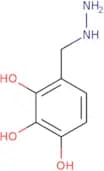

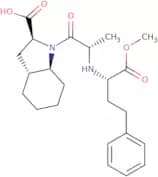
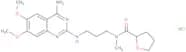
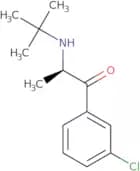
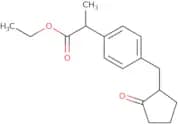
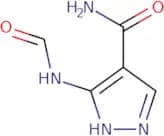
![a-(Aminocarbonyl)-4-[2-(5-ethyl-2-pyridinyl)ethoxy]benzeneethanesulfonic acid](/_next/image/?url=https%3A%2Fstatic.cymitquimica.com%2Fproducts%2F3D%2Fthumb-webp%2FIA27057.webp&w=3840&q=75)
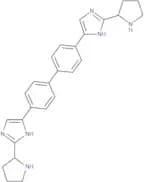
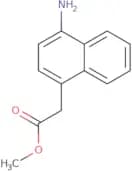
![N-Formyl-D-leucine (1R)-1-[[(2S,3S)-3-hexyl-4-oxo-2-oxetanyl]methyl]dodecyl ester](/_next/image/?url=https%3A%2Fstatic.cymitquimica.com%2Fproducts%2F3D%2Fthumb-webp%2FIF26577.webp&w=3840&q=75)
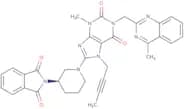
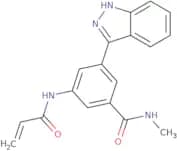
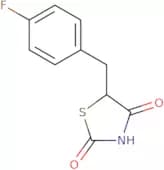
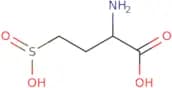
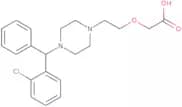
![1-[3-(Dimethylamino)propyl]-1-(4-fluorophenyl)-1,3-dihydro-5-isobenzofurancarboxaldehyde oxime](/_next/image/?url=https%3A%2Fstatic.cymitquimica.com%2Fproducts%2F3D%2Fthumb-webp%2FID182715.webp&w=3840&q=75)
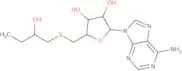
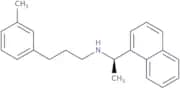
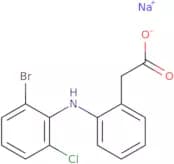
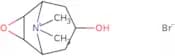
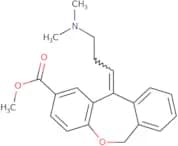
![Methyl 1-C-[4-chloro-3-[(4-ethoxyphenyl)methyl]phenyl]-a-D-glucopyranoside](/_next/image/?url=https%3A%2Fstatic.cymitquimica.com%2Fproducts%2F3D%2Fthumb-webp%2FFE171681.webp&w=3840&q=75)
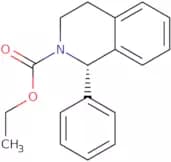
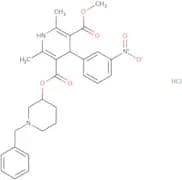
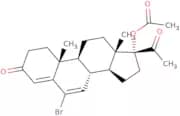
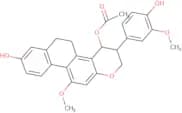
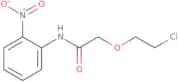
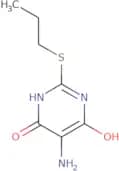
![N,N-Bis[2-(2-hydroxyethoxy)ethyl] quetiapine chloride](/_next/image/?url=https%3A%2Fstatic.cymitquimica.com%2Fproducts%2F3D%2Fthumb-webp%2FIB76470.webp&w=3840&q=75)
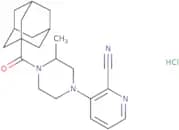
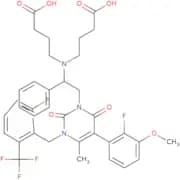
![1,3-Thiazol-5-ylmethyl N-[(1S,2S,4S)-4-(acetylamino)-1-benzyl-2-hydroxy-5-phenylpentyl]carbamate](/_next/image/?url=https%3A%2Fstatic.cymitquimica.com%2Fproducts%2F3D%2Fthumb-webp%2FKQB80843.webp&w=3840&q=75)
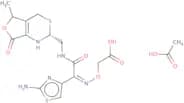
![2-Ethoxy-4-[2-[[(1R)-3-methyl-1-[2-(1-piperidinyl)phenyl]butyl]amino]-2-oxoethyl]benzoic acid ethy…](/_next/image/?url=https%3A%2Fstatic.cymitquimica.com%2Fproducts%2F3D%2Fthumb-webp%2FIE32567.webp&w=3840&q=75)
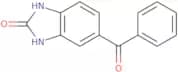
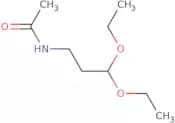
![1,2,3,4-Tetrahydro-2-[2-(4-hydroxyphenyl)-1-methylethyl]-4,6,8-isoquinolinetriol](/_next/image/?url=https%3A%2Fstatic.cymitquimica.com%2Fproducts%2F3D%2Fthumb-webp%2FLGA04025.webp&w=3840&q=75)
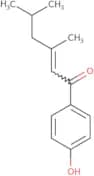
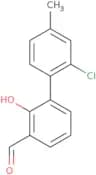


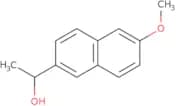
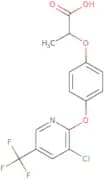

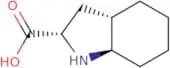
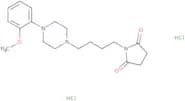
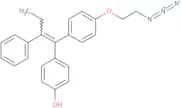
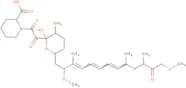
![4',4'''-[(4'-Methyl-2'-propyl[2,6'-bi-1H-benzimidazole]-1,1'-diyl)bis(methylene)]bis[1,1'-biphenyl…](/_next/image/?url=https%3A%2Fstatic.cymitquimica.com%2Fproducts%2F3D%2Fthumb-webp%2FIM28023.webp&w=3840&q=75)
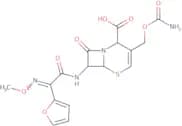

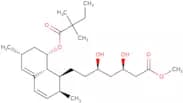
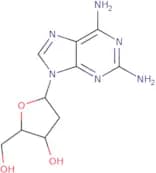
![6,7-Dimethoxy-2-[4-[(tetrahydro-2-furanyl)carbonyl]-1-piperazinyl]-4(3H)-quinazolinone](/_next/image/?url=https%3A%2Fstatic.cymitquimica.com%2Fproducts%2F3D%2Fthumb-webp%2FID63842.webp&w=3840&q=75)
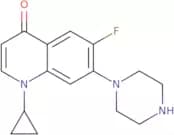
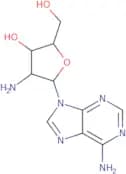
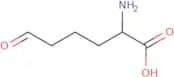
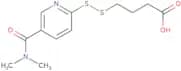
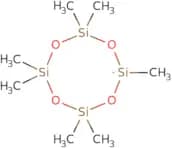
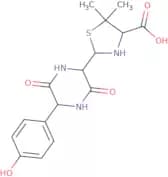
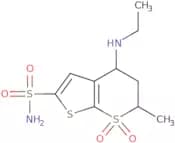
![1-(3,5-Dihydroxyphenyl)-2-[(1,1-dimethylethyl)amino]-ethanone hydrochloride](/_next/image/?url=https%3A%2Fstatic.cymitquimica.com%2Fproducts%2F3D%2Fthumb-webp%2FWZB81570.webp&w=3840&q=75)
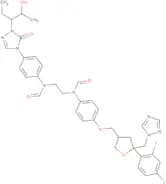
![N-Des[2-(1-methyl-2-pyrrolidinyl)ethyl] udenafil](/_next/image/?url=https%3A%2Fstatic.cymitquimica.com%2Fproducts%2F3D%2Fthumb-webp%2FUMA49168.webp&w=3840&q=75)
![8-(2-Pyrimidinyl)-8-aza-5-azoniaspiro[4.5]decane bromide](/_next/image/?url=https%3A%2Fstatic.cymitquimica.com%2Fproducts%2F3D%2Fthumb-webp%2FGDA46173.webp&w=3840&q=75)
![N-[1-[3-(4-Ethoxyphenyl)-3,4-dihydro-4-oxopyrido[2,3-d]pyrimidin-2-yl]ethyl]-4-fluoro-N-(3-pyridin…](/_next/image/?url=https%3A%2Fstatic.cymitquimica.com%2Fproducts%2F3D%2Fthumb-webp%2FYTA72268.webp&w=3840&q=75)
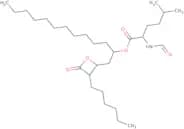

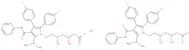
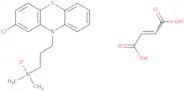
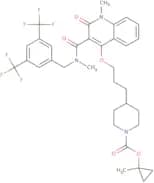
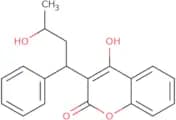
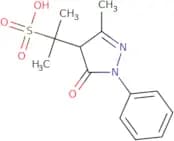
![(2Z)-1-[5,6-Dihydro-3-(trifluoromethyl)-1,2,4-triazolo[4,3-α]pyrazin-7(8H)-yl]-4-(2,4,5-trifluorop…](/_next/image/?url=https%3A%2Fstatic.cymitquimica.com%2Fproducts%2F3D%2Fthumb-webp%2FID183167.webp&w=3840&q=75)

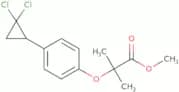
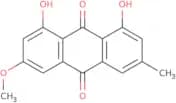
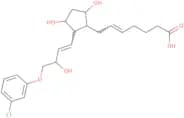
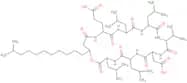
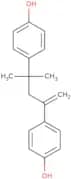

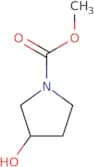
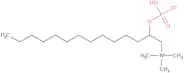
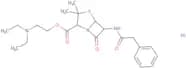
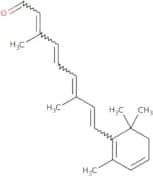
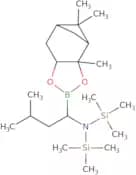
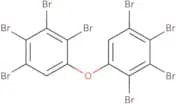
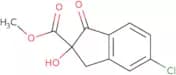
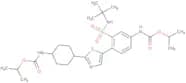
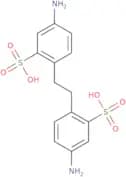

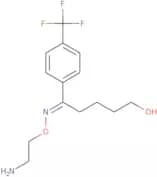
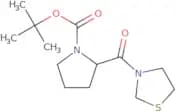
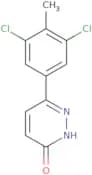
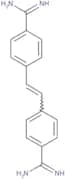
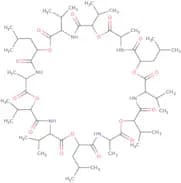

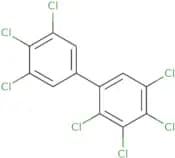
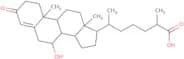

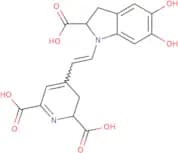
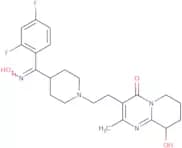

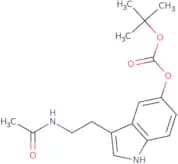
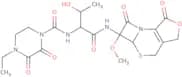

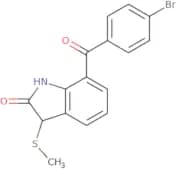
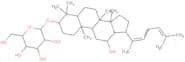

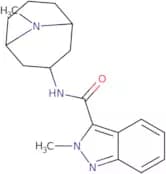
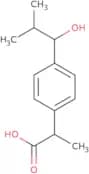
![1-[2-(2,3-Dihydroxypropoxy)phenyl]-3-phenyl-1-propanone](/_next/image/?url=https%3A%2Fstatic.cymitquimica.com%2Fproducts%2F3D%2Fthumb-webp%2FID21068.webp&w=3840&q=75)
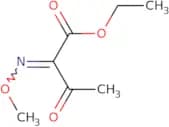
![Benz[A]anthracene-7-acetonitrile](/_next/image/?url=https%3A%2Fstatic.cymitquimica.com%2Fproducts%2F3D%2Fthumb-webp%2FNCA01869.webp&w=3840&q=75)
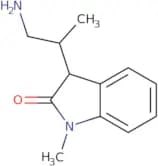


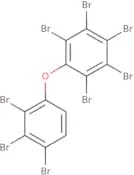
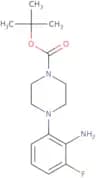
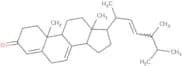
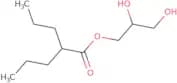

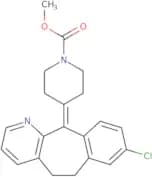
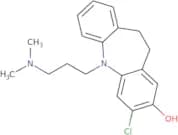
![1-[5-(Hydroxymethyl)-2-furyl]-2-methyl-1,2,3,4-tetrahydroisochinolin-4,6-diol](/_next/image/?url=https%3A%2Fstatic.cymitquimica.com%2Fproducts%2F3D%2Fthumb-webp%2FMCC70619.webp&w=3840&q=75)
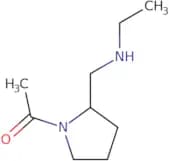
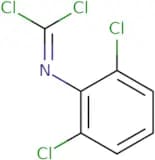
![[1-Hydroxy-3-(methylisopentylamino)propylidene] bisphosphonic acid monosodium (ibandronic acid imp…](/_next/image/?url=https%3A%2Fstatic.cymitquimica.com%2Fproducts%2F3D%2Fthumb-webp%2FXWC98436.webp&w=3840&q=75)
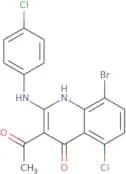
![[5-[(Dimethylamino)methyl]furan-2-yl]methanol](/_next/image/?url=https%3A%2Fstatic.cymitquimica.com%2Fproducts%2F3D%2Fthumb-webp%2FID57850.webp&w=3840&q=75)
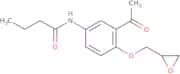
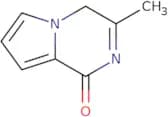
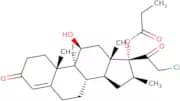
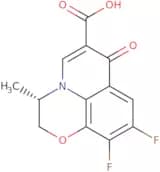
![3-{[(4R)-4-Hydroxy-L-prolyl]amino}benzoic acid](/_next/image/?url=https%3A%2Fstatic.cymitquimica.com%2Fproducts%2F3D%2Fthumb-webp%2FVFB70311.webp&w=3840&q=75)
![8-[2-(Diphenylmethoxy)-N-methylethylamino]-1,3-dimethylxanthine](/_next/image/?url=https%3A%2Fstatic.cymitquimica.com%2Fproducts%2F3D%2Fthumb-webp%2FIBA12034.webp&w=3840&q=75)
![8-[[(1,1-Dimethylethyl)dimethylsilyl]oxy]-1-octen-4-ol](/_next/image/?url=https%3A%2Fstatic.cymitquimica.com%2Fproducts%2F3D%2Fthumb-webp%2FPNA56366.webp&w=3840&q=75)

![cis 5-Fluoro-1-[2-(hydroxymethyl)-1,3-oxathiolan-5-yl]-2,4(1H,3H)- pyrimidinedione](/_next/image/?url=https%3A%2Fstatic.cymitquimica.com%2Fproducts%2F3D%2Fthumb-webp%2FFF23363.webp&w=3840&q=75)
![2-Amino-5-[[4-[2-(5-ethyl-2-pyridinyl)ethoxy]phenyl]methyl]-4(5H)-thiazolone](/_next/image/?url=https%3A%2Fstatic.cymitquimica.com%2Fproducts%2F3D%2Fthumb-webp%2FIA27055.webp&w=3840&q=75)
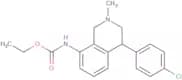
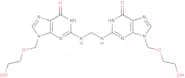

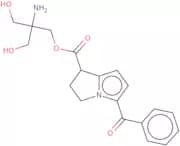
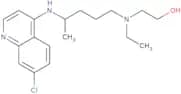
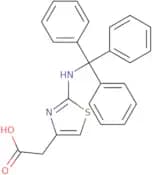
![7-Aminopyrazolo[1,5-a]pyrimidine-3,6-dicarboxylic acid 3,6-diethyl ester](/_next/image/?url=https%3A%2Fstatic.cymitquimica.com%2Fproducts%2F3D%2Fthumb-webp%2FTBA02467.webp&w=3840&q=75)
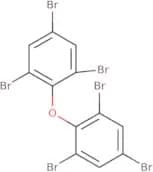
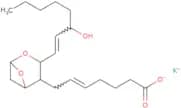
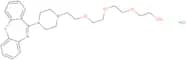
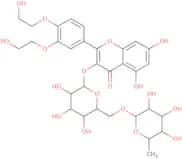
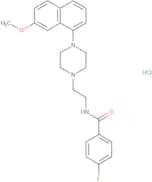
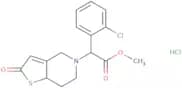
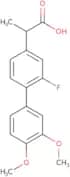
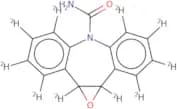


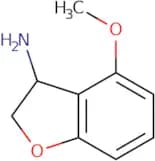
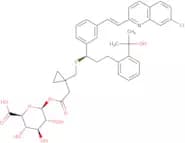
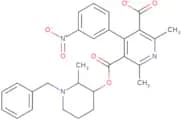
![[5-L-Aspartic Acid]-desmopressin](/_next/image/?url=https%3A%2Fstatic.cymitquimica.com%2Fproducts%2F3D%2Fthumb-webp%2FIA173260.webp&w=3840&q=75)
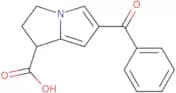
![Pyrimido[1,2-a]purin-10(1H)-one](/_next/image/?url=https%3A%2Fstatic.cymitquimica.com%2Fproducts%2F3D%2Fthumb-webp%2FDEA40845.webp&w=3840&q=75)
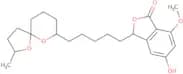
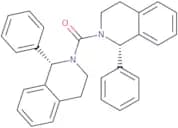
![4-Methyl-5-[(2-aminoethyl)thiomethyl]imidazole dihydrochloride](/_next/image/?url=https%3A%2Fstatic.cymitquimica.com%2Fproducts%2F3D%2Fthumb-webp%2FIM58265.webp&w=3840&q=75)
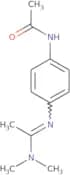
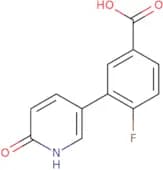
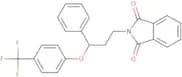
![((E)-5-((M-[(2-Carboxyethyl)carbamoyl]phenyl)azo)-2-salicylic acid)](/_next/image/?url=https%3A%2Fstatic.cymitquimica.com%2Fproducts%2F3D%2Fthumb-webp%2FYWC39596.webp&w=3840&q=75)

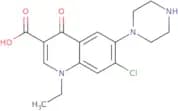
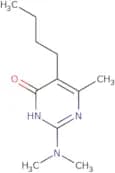
-methanone](/_next/image/?url=https%3A%2Fstatic.cymitquimica.com%2Fproducts%2F3D%2Fthumb-webp%2FIA63846.webp&w=3840&q=75)
![5-[(Hydroxyacetyl)amino]-N,N'-bis [2-hydroxy-1-(hydroxymethyl)ethyl]-2,4,6-triiodo-1,3-benzenedica…](/_next/image/?url=https%3A%2Fstatic.cymitquimica.com%2Fproducts%2F3D%2Fthumb-webp%2FIH138513.webp&w=3840&q=75)
![2-[[[3-Methyl-4-(methylthio)-2-pyridinyl]methyl]sulfinyl]-1H-benzimidazole](/_next/image/?url=https%3A%2Fstatic.cymitquimica.com%2Fproducts%2F3D%2Fthumb-webp%2FIM21229.webp&w=3840&q=75)