APIs for research and impurities
Active Pharmaceutical Ingredients (APIs) are the substances in drugs responsible for their therapeutic effects. In this section, you will find a wide variety of APIs intended for research use. These compounds are essential for the development, testing, and validation of new pharmaceutical formulations. CymitQuimica offers high-quality APIs to support research in drug discovery and development.
Subcategories of "APIs for research and impurities"
- Aminoacids and derivatives(12,278 products)
- Anthraquinones and derivatives(405 products)
- Benzimidazole and Imidazole Derivatives(10,376 products)
- Benzodiazepine Derivatives(333 products)
- Carbohydrates and glycoconjugates(5,013 products)
- Esters and Derivatives(42,045 products)
- Fatty Acids and Lypidic Derivatives(32,246 products)
- Flavonoids and Polyphenols(17,012 products)
- Free Radicals and Oxidant/Reducing Agents(213 products)
- Ketones and derivatives(2,394 products)
- Natural and semi-synthetic antibiotics(6,363 products)
- Nitriles and Cyano Derivatives(3,045 products)
- Nitrosamines and Derivatives(55 products)
- Nucleosides and Nucleotides(3,427 products)
- Organic Phosphates and Phosphonates(1,201 products)
- Organic Sulphonates and Sulphates(10,406 products)
- Organometallics(4,401 products)
- Others(6,279 products)
- Peptides and Proteins(3,128 products)
- Polymers and Derivatives(99 products)
- Purines and Pyrimidine Derivatives(8,901 products)
- Quinazoline and Quinoline Derivatives(65,630 products)
- Quinones and Derivatives(24,237 products)
- Salts and Derivatives of Active Pharmaceutical Ingredients (API)(79,464 products)
- Steroids and Derivatives(4,964 products)
- Sulfonamides and Derivatives(2,592 products)
- Terpenoids and Derivatives(3,839 products)
- Thiazolidinediones and Thiopyrans(2,733 products)
- β-Adrenergic Compounds(230 products)
Show 21 more subcategories
Found 56790 products of "APIs for research and impurities"
Sort by
Purity (%)
0
100
|
0
|
50
|
90
|
95
|
100
Avanafil impurity 26
CAS:<p>Avanafil impurity 26 is a metabolite of avanafil that has been synthesized for use as an impurity standard. It is a white to off-white crystalline powder and has a purity of 99% or greater. Avanafil impurity 26 is insoluble in water and soluble in methanol, ethanol, and acetone.</p>Formula:C19H19ClN6O2SPurity:Min. 95%Molecular weight:430.9 g/molL-733,060 Hydrochloride
CAS:<p>L-733,060 Hydrochloride is a drug product that was custom synthesized for the purpose of research and development. It is a white to off-white crystalline powder with a melting point of 178.5°C. The purity of L-733,060 Hydrochloride is greater than or equal to 98% by analytical HPLC. L-733,060 Hydrochloride has been studied in metabolism studies and has been shown to be metabolized by cytochrome P450 enzymes, oxidative metabolites, hydrolysis by esterases, glutathione reductase, or conjugation with glucuronic acid. It also specifically binds to markers expressed at high levels in Mycobacterium tuberculosis strains (e.g., ESX-1 secretion system protein) and inhibits cell growth in culture.</p>Formula:C20H20ClF6NOPurity:Min. 95%Molecular weight:439.8 g/molDiploicin
CAS:<p>Diploicin is a potent anticancer drug that inhibits the growth of human tumors by targeting kinases. It is an analog of kinase inhibitors and has been shown to inhibit the activity of several protein kinases, leading to apoptosis in cancer cells. Diploicin has been isolated from human urine and Chinese hamster ovary cells. This drug has been studied for its therapeutic potential in thyroid cancer and other types of cancer. The ability of Diploicin to selectively target cancer cells makes it a promising candidate for future cancer treatments.</p>Formula:C16H10Cl4O5Purity:Min. 95%Molecular weight:424.1 g/mol4'-Acetyl simvastatin
CAS:<p>4'-Acetyl simvastatin is a synthetic statin that inhibits cholesterol synthesis by competitively inhibiting the enzyme HMG-CoA reductase. The reaction yield of 4'-acetyl simvastatin is high, and it has been shown to be effective at a lower dose than other statins. Impurities are not detected in this drug, and it has a low toxicity profile. Some impurities may be formed during the synthesis process due to reactions with acid catalysts, esterases, or expressed chloride. Other impurities such as hydroxyanisole and amination reaction products can be found in this drug due to its manufacturing process, which includes methyl alcohol and chemoenzymatic reactions.</p>Formula:C27H40O6Purity:Min. 95%Color and Shape:PowderMolecular weight:460.6 g/mol7α,24(S)-Dihydroxycholesterol
CAS:Controlled Product<p>7α,24(S)-Dihydroxycholesterol (7α,24(S)-DHCH) is a fatty acid that is produced by the liver and is an intermediate in cholesterol biosynthesis. 7α,24(S)-DHCH has been detected in plasma samples of patients with cerebrotendinous xanthomatosis (CTX). It has also been found to be elevated in tuberculosis patients with carotid involvement. The levels of 7α,24(S)-DHCH were found to be higher than those of other oxysterols in CTX patients. In order to identify the origin of this molecule, a LC-MS/MS method was developed for the detection and quantification of 7α,24(S)-DHCH. This method uses chemical ionization for mass spectrometric analysis and can detect 7α,24(S)-DHCH at concentrations as low as 1 ng/mL. Histological analyses were conducted on human tissue samples</p>Formula:C27H46O3Purity:Min. 95%Molecular weight:418.65 g/mol[6-Hydroxy-2-(4-hydroxyphenyl)benzo[b]thien-3-yl](4-hydroxyphenyl)-methanone
CAS:<p>MDM2 inhibitors are a class of cancer drugs that inhibit the activity of MDM2, which is an oncoprotein that prevents the degradation of p53. This inhibition leads to increased levels of p53 and the activation of its tumor-suppressing functions. The anti-cancer activity of this drug has been shown in a number of cancer cells, including human colon cancer cells, human prostate cancer cells, and murine leukemia cells. Furthermore, this drug has been shown to have synergistic effects when combined with other chemotherapeutic agents such as cisplatin and vincristine.</p>Formula:C21H14O4SPurity:Min. 95%Molecular weight:362.4 g/molLenvatinib impurity 2
CAS:<p>Lenvatinib impurity 2 is a drug product that is used as an HPLC standard. It is a natural metabolite of lenvatinib, which is developed for the treatment of various types of cancers. The compound has been shown to inhibit the growth of human tumor cells and induce apoptosis in cell lines.<br>Lenvatinib impurity 2 is a synthetic compound that can be custom synthesized to meet specific requirements and needs. It has been found to have pharmacological effects similar to those of lenvatinib, but with less toxicity.<br>Lenvatinib impurity 2 can be used as an analytical or API impurity for the development, research and analysis of lenvatinib-based drugs. This compound has also been found to be useful in metabolism studies when testing for potential adverse reactions due to its similarity with lenvatinib.</p>Formula:C25H21ClN4O5Purity:Min. 95%Molecular weight:492.9 g/mol3-[4-(2-Pyridylsulfamoyl)phenyl] sulfasalazine
CAS:<p>3-[4-(2-Pyridylsulfamoyl)phenyl] sulfasalazine is an analytical standard and a metabolite of sulfasalazine. It is used as a reference compound in the analysis of high purity sulfasalazine by HPLC. 3-[4-(2-Pyridylsulfamoyl)phenyl] sulfasalazine is also used as an impurity in the drug product, API, and drug development. The CAS number for 3-[4-(2-Pyridylsulfamoyl)phenyl] sulfasalazine is 1391062-34-2.</p>Formula:C29H22N6O7S2Purity:Min. 95%Molecular weight:630.65 g/molGimatecan
CAS:<p>Gimatecan is a cycle-specific inhibitor that targets kinases and proteins involved in cancer cell growth. It is a medicinal compound that has been shown to be effective against various types of human cancers. Gimatecan works by inhibiting the activity of protein kinases, which are enzymes that promote cell division and proliferation. This inhibition leads to apoptosis, or programmed cell death, in tumor cells. Gimatecan has been tested extensively in Chinese hamster ovary cells and has demonstrated potent anticancer activity. The compound is excreted primarily through urine and has shown promising results as an anticancer agent in preclinical studies.</p>Formula:C25H25N3O5Purity:Min. 95%Molecular weight:447.5 g/molN-(4-Amino-3-pyridinyl)-acetamide hydrochloride
CAS:<p>N-(4-Amino-3-pyridinyl)-acetamide hydrochloride is a white, crystalline solid. It is soluble in water, methanol and ethanol. The chemical formula for this compound is C6H8N2O2. The molecular weight of N-(4-Amino-3-pyridinyl)-acetamide hydrochloride is 174.16. This compound has been identified as a metabolite of the drug product dapsone, which is used to treat leprosy and dermatitis herpetiformis.</p>Formula:C7H10ClN3OPurity:Min. 95%Molecular weight:187.63 g/molCp-66713 mesylate
CAS:<p>Cp-66713 mesylate is a synthetic drug product with a molecular formula of C17H19NO2 and a molecular weight of 269.34. It has the following CAS number: 91896-58-1. The purity of this compound is >99% (HPLC).</p>Formula:C15H10ClN5Purity:Min. 95%Molecular weight:295.72 g/molLevovirin
CAS:Controlled Product<p>Levovirin is an antiviral agent that belongs to the class of ribonucleotide reductase inhibitors. It is a potent inhibitor of hepatitis C virus replication and has been shown to be active against HIV in vitro. Levovirin acts as a competitive inhibitor of the NS3 protease, which is responsible for processing viral proteins. This inhibition prevents the production of new virus particles and the spread of infection. Levovirin also has immunomodulatory effects, which may provide therapeutic benefits in autoimmune diseases such as rheumatoid arthritis or Crohn's disease.</p>Formula:C8H12N4O5Purity:Min. 95%Molecular weight:244.2 g/molDexamethasone Impurity A
<p>Impurity A is an impurity of the drug product, dexamethasone. The impurity is a natural metabolite of dexamethasone that is found in the urine of patients taking this medication. Impurity A is chemically identified using HPLC and its purity verified using GC-MS and LC-MS. This impurity can be used as a reference standard for analytical purposes and as an impurity standard for pharmacopoeia testing.</p>Formula:C22H29FO5Purity:Min. 95 Area-%Color and Shape:White Off-White PowderMolecular weight:392.46 g/molMidostaurin Impurity 2
CAS:<p>Midostaurin Impurity 2 is a drug product that has been custom synthesized by our scientists. It is of high purity, and is used in analytical studies to understand its metabolism. This impurity also plays a role in drug development and pharmacopoeia. It can be found under CAS No. 155848-20-7, and has the molecular formula C10H16N4O2S. This compound has an analytical standard at HPLC, which can be used to make sure that it's purity meets FDA standards for research and development purposes.</p>Purity:Min. 95%Sodium 5-(diphenylphosphinyl)pentanoate
CAS:<p>Sodium 5-(diphenylphosphinyl)pentanoate is an impurity present in the drug product and is an analytical reference material for metabolism studies. It is a natural compound that has been custom synthesized for use as a synthetic standard. This substance is used in drug development and research, including the study of pharmacokinetics, metabolism, and toxicology. Sodium 5-(diphenylphosphinyl)pentanoate also serves as an impurity standard for HPLC analysis. The purity of this substance is high enough to meet the standards set by the pharmacopoeia.</p>Formula:C17H18NaO3PPurity:Min. 95%Molecular weight:324.29 g/molN-Formyl oxcarbazepine
CAS:<p>N-Formyl oxcarbazepine is a metabolite of carbamazepine which is a drug product for the treatment of epilepsy. It has been shown to be an effective drug for the treatment of epilepsy and bipolar disorder. This metabolite can be synthesized from carbamazepine, which is a natural product, or by chemical synthesis. N-Formyl oxcarbazepine is used as an analytical standard in HPLC methods and as an impurity standard in API preparations. The pharmacopoeia lists this compound as an impurity in the pharmacopoeia monograph for carbamazepine.</p>Formula:C16H12N2O3Purity:Min. 95%Molecular weight:280.28 g/molCerivastatin lactone
CAS:<p>Cerivastatin lactone is a statin that inhibits the enzyme HMG-CoA reductase, which is involved in the synthesis of cholesterol. It also has anti-inflammatory properties. Cerivastatin lactone is used for the treatment of cardiovascular diseases and hypercholesterolemia. The drug can be administered orally and has been shown to have good bioavailability, with serum concentrations being detectable within 30 minutes after oral administration. Cerivastatin lactone has been shown to reduce serum concentration of total cholesterol, low-density lipoprotein cholesterol (LDL-C), and triglycerides, while increasing high-density lipoprotein cholesterol (HDL-C).</p>Formula:C27H34FNO3Purity:Min. 95%Molecular weight:439.6 g/molAlbendazole sulfone
CAS:<p>Albendazole sulfone is a metabolite of the drug albendazole. It is used as an analytical standard to measure the concentration of albendazole in human plasma and urine samples. The concentration-time curve for albendazole sulfone can be determined using a nonlinear regression analysis, with the rate constant being calculated from the slope and intercept. This method has been shown to be accurate for predicting pharmacokinetic parameters in humans. Albendazole sulfone is also used as a probe in wastewater treatment studies, where it binds to colloidal gold particles that are used to visualize the removal of small particles by microorganisms.</p>Formula:C12H15N3O4SPurity:Min. 95 Area-%Color and Shape:PowderMolecular weight:297.33 g/molSodium sulfoxone
CAS:<p>Sodium sulfoxone is a sulfa drug that is used in the treatment of a number of conditions, including cancer and inflammatory skin diseases. It works by blocking the synthesis of DNA and RNA in bacterial cells, thereby inhibiting cell growth. Sodium sulfoxone has been shown to be effective against a wide variety of microorganisms, including Escherichia coli, Pseudomonas aeruginosa, Staphylococcus aureus, Streptococcus pyogenes and Enterococcus faecalis. Sodium sulfoxone can also be used as an eye drop to treat eye disorders such as choroidal neovascularization.</p>Formula:C14H14N2Na2O6S3Purity:Min. 95%Molecular weight:448.5 g/molHaloperidol nonanoate
CAS:<p>Haloperidol is a drug belonging to the group of typical antipsychotics. Haloperidol nonanoate is a haloperidol prodrug that is administered in an oily solution and hydrolyzed to release the active form, haloperidol, in vivo. Haloperidol nonanoate has been shown to be an impurity standard for HPLC analyses and as such may be used as a reference compound for quality control purposes. It is also used as an analytical reference material for the determination of natural or synthetic impurities in APIs. Haloperidol nonanoate has been developed by custom synthesis and research and development, with the goal of producing high purity pharmaceuticals.</p>Formula:C36H43ClFNO3Purity:Min. 95%Molecular weight:592.18 g/mol3,4-Diphenylmethylidene luteolin
CAS:<p>3,4-Diphenylmethylidene luteolin is a synthetic compound with pharmacological activity. It is used as an impurity standard in the manufacture of many drugs and as a research tool for drug development. 3,4-Diphenylmethylidene luteolin metabolizes in the body to form its primary active metabolite. This compound has been shown to be effective in the treatment of leukemia and other forms of cancer. 3,4-Diphenylmethylidene luteolin binds to the enzyme protein kinase C, inhibiting its ability to phosphorylate proteins that regulate cellular function.</p>Formula:C28H18O6Purity:Min. 95%Molecular weight:450.4 g/molSofosbuvir impurity 2
CAS:<p>Sofosbuvir impurity 2 is a synthetic compound that is used as an impurity standard for the HPLC assay of sofosbuvir. It is a white to off-white crystalline solid at room temperature.</p>Formula:C22H29ClN3O9PPurity:Min. 95%Molecular weight:545.91 g/molRjr 2429 dihydrochloride
CAS:<p>Rjr 2429 dihydrochloride is a tumor promoter that has been shown to induce tumor growth in tissues and in cell culture. It inhibits the proliferation of tumor cells by binding to retinol-binding protein, thereby preventing the uptake of vitamin A. Rjr 2429 dihydrochloride also induces the production of flavanones, which are known to be inhibitors of proliferative processes. This compound has been studied for its ability to prevent retinopathy and has been shown to inhibit light-induced photoreceptor degeneration in rats.</p>Formula:C12H18Cl2N2Purity:Min. 95%Molecular weight:261.19 g/mol7β,25-Dihydroxycholesterol
CAS:Controlled Product<p>7β,25-Dihydroxycholesterol is a steroid precursor that is synthesized in the liver and is converted to other steroid hormones. It has been shown to be important in immune function and as a regulator of cholesterol metabolism. In addition, 7β,25-Dihydroxycholesterol can bind to follicle cells and immune cells, activating signalling pathways. This compound has been shown to have an immunosuppressive effect on the humoral immune response by blocking antibody production. The receptor for 7β,25-Dihydroxycholesterol has been identified as GPER1. Knockout mice studies have shown that this receptor plays a role in regulating the number of plasma cells and oxysterols.</p>Formula:C27H46O3Purity:Min. 95%Molecular weight:418.65 g/molErythromycin A 9,11-imino ether
CAS:<p>Erythromycin A 9,11-imino ether is a natural product that is used as an antibiotic and anti-inflammatory agent. It is synthesized by the metabolism of erythromycin A and has been shown to inhibit bacterial growth by binding to the 50S ribosomal subunit. Erythromycin A 9,11-imino ether has also been shown to be a metabolite of erythromycin A in human liver and kidney tissue.</p>Formula:C37H66N2O12Purity:Min. 95%Molecular weight:730.93 g/mol1-[1-(4-Methoxyphenyl)-2-[[2-(4-methoxyphenyl)ethyl]amino]ethyl]cyclohexanol
CAS:<p>1-[1-(4-Methoxyphenyl)-2-[[2-(4-methoxyphenyl)ethyl]amino]ethyl]cyclohexanol is a drug product that is used as a standard for HPLC. It is also used in the development of drugs, natural research and development, and analytical studies. The impurity standard is an analytical impurity that has CAS No. 1329795-88-1 and is synthetically made. Metabolism studies have been done to determine how this drug product will be metabolized by the body. This drug product is found naturally in the plant Nicotiana tabacum, but it can also be manufactured synthetically using commercial processes. 1-[1-(4-Methoxyphenyl)-2-[[2-(4-methoxyphenyl)ethyl]amino]ethyl]cyclohexanol has niche uses as it can be used as a pharmacopoeia imp</p>Formula:C24H33NO3Purity:Min. 95%Molecular weight:383.52 g/molN-(1-Phenylethyl) ibuprofen amide
CAS:<p>N-(1-Phenylethyl) ibuprofen amide is a metabolite of ibuprofen. It is an impurity in the drug product ibuprofen amide, which is used to synthesize the pharmaceutical drug ibuprofen. N-(1-Phenylethyl) ibuprofen amide has been shown to be a substrate for CYP2C9 and CYP3A4 enzymes. The compound also inhibits prostaglandin synthesis.</p>Formula:C21H27NOPurity:Min. 95%Color and Shape:PowderMolecular weight:309.4 g/molDiethylaminocarboxymethyl poc tenofovir fumarate
CAS:<p>The drug product is a synthetic, non-natural, white powder. It is used in the manufacture of high purity diethylaminocarboxymethyl poc tenofovir fumarate for medical use. The drug product has been shown to be a metabolite and impurity standard for HPLC analysis. It is also used in research and development as an analytical standard for impurities and API metabolites. This drug product has niche applications in pharmacopoeias.</p>Formula:C20H33N6O9·C4H4O4Purity:Min. 95%Molecular weight:532.48 g/mol2',3'-Isopropylidene ribavirin
CAS:<p>Intermediate in the synthesis of ribavirin</p>Formula:C11H16N4O5Purity:Min. 95%Molecular weight:284.27 g/molSulfamethoxypyridazine-d3
CAS:Controlled Product<p>Sulfamethoxypyridazine-d3 is a compound that has been shown to have anti-trophic and transport properties. It has been shown to be capable of binding with organic pollutants, including benzothiazoles, and has the potential to be used in screening for these compounds. Sulfamethoxypyridazine-d3 has also been shown to inhibit the growth of organisms, such as bacteria and fungi. This compound is not absorbed by humans or animals when administered orally, but can be transferred through skin contact. In vitro studies show that it is not toxic at concentrations of up to 100 μg/mL and does not cause irritation in skin or eye irritation tests.</p>Formula:C11H9D3N4O3SPurity:Min. 95%Molecular weight:283.32 g/mol1,4-Dihydro-1-(5-methoxy-1H-benzimidazol-2-yl)-3,5-dimethyl-4-oxo-2-pyridinecarboxylic acid ammonium salt
CAS:<p>1,4-Dihydro-1-(5-methoxy-1H-benzimidazol-2-yl)-3,5-dimethyl-4-oxo-2-pyridinecarboxylic acid ammonium salt is a drug product that is custom synthesized to meet the requirements of our customers. It has high purity and analytical properties. Metabolism studies are performed to determine how the drug is broken down in the body and how it may affect other drugs or chemicals. The natural form of this chemical is found in plants and animals. Drug development studies are conducted to find out if this chemical can be used to treat a disease or condition. Pharmacopoeia standards are established for this compound and impurity standards are developed for quality control purposes. CAS No. 2227107-89-1</p>Formula:C16H18N4O4Purity:Min. 95%Molecular weight:330.34 g/mol1,2-Dioleoyl-sn-glycero-3-phospho-(1'-myo-inositol) ammonium salt
CAS:<p>1,2-Dioleoyl-sn-glycero-3-phospho-(1'-myo-inositol) ammonium salt (DOPMP) is a synthetic compound that is used as an impurity standard for the manufacture of drug products. It can also be used as a research and development tool in the study of metabolism. DOPMP is not found in nature and has a CAS number of 799268-53-4. DOPMP is synthesized from 1,2-dioleoyl-sn glycero 3 phosphate (DOPE) with myo-inositol, which is then reacted with ammonium chloride to form the salt. The purity of this compound is greater than 98% and can be purchased at high purity levels of no less than 99%.</p>Formula:C45H83O13P·(NH3)Purity:Min. 95%Molecular weight:863.11 g/mol8-Methyl etodolac
CAS:<p>8-Methyl etodolac is an impurity of etodolac that is used in the drug development and analytical chemistry industry. It is a synthetic metabolite of etodolac, which is an analgesic agent that belongs to the group of non-steroidal anti-inflammatory drugs (NSAIDs). 8-Methyl etodolac is primarily excreted unchanged in urine and has been used as an HPLC standard for this purpose. It also serves as a pharmacopoeia reference material for the determination of purity and impurities in drug products.</p>Formula:C16H19NO3Purity:Min. 95%Molecular weight:273.33 g/molo-Methyl malathion β-monoacid
CAS:<p>Please enquire for more information about o-Methyl malathion β-monoacid including the price, delivery time and more detailed product information at the technical inquiry form on this page</p>Formula:C7H13O6PS2Purity:Min. 95%Molecular weight:288.3 g/molR-96544 Hydrochloride
CAS:<p>R-96544 Hydrochloride is an analytical standard used in HPLC analysis. It is also a metabolite of R-96544, which is an investigational drug for the treatment of schizophrenia. The impurity standard is a mixture of the racemic form and the pure enantiomeric form. This product is available in both natural and synthetic forms.</p>Formula:C22H30ClNO3Purity:Min. 95%Molecular weight:391.9 g/molRivaroxaban impurity 79
CAS:<p>Please enquire for more information about Rivaroxaban impurity 79 including the price, delivery time and more detailed product information at the technical inquiry form on this page</p>Formula:C38H38N4O12Purity:Min. 95%Molecular weight:742.74 g/molKetoconazole Impurity A
CAS:<p>Ketoconazole Impurity A is a synthetic impurity of Ketoconazole, which is used as an anti-fungal agent. Ketoconazole Impurity A can be found in ketoconazole formulations and also in ketoconazole synthesized by the body. Ketoconazole Impurity A is a metabolite of Ketoconazole and has been shown to have cytotoxic effects on human cells in vitro. Ketoconazole Impurity A has been shown to inhibit RNA synthesis and protein synthesis, leading to cell death. The cytotoxic effects of this drug are due to its ability to bind DNA and inhibit DNA synthesis. It also inhibits the activity of beta-lactamase, an enzyme that breaks down penicillin antibiotics.</p>Formula:C26H26Cl2N4O4Purity:Min. 95%Molecular weight:529.41 g/mol3-[2-[4-(1,2-Benzisoxazol-3-yl)-1-piperidinyl]ethyl]-6,7,8,9-tetrahydro-2-methyl-4H-pyrido[1,2-a]pyrimidin-4-one
CAS:<p>3-[2-[4-(1,2-Benzisoxazol-3-yl)-1-piperidinyl]ethyl]-6,7,8,9-tetrahydro-2-methyl-4H-pyrido[1,2-a]pyrimidin-4-one is an analog of the antibacterial drug cefuroxime. It has been shown to be a potent inhibitor of bacterial DNA gyrase and topoisomerase IV. This compound has been shown to have a greater degree of activity against Gram Positive bacteria than Gram Negative bacteria in vitro. 3-[2-[4-(1,2-Benzisoxazol-3-yl)-1-piperidinyl]ethyl]-6,7,8,9-tetrahydro-- 2 -methyl-- 4H-- pyrido[1,2-- a]pyrimidin-- 4 -one is not active against acid</p>Formula:C23H28N4O2Purity:Min. 95%Molecular weight:392.49 g/molBenserazide EP Impurity B hydrochloride
<p>Please enquire for more information about Benserazide EP Impurity B hydrochloride including the price, delivery time and more detailed product information at the technical inquiry form on this page</p>Formula:C17H21N3O8•HClPurity:Min. 95%Molecular weight:431.83 g/molCladribine Impurity D
CAS:<p>Cladribine Impurity D is a polymerase chain reaction (PCR) diagnostic agent that is used to identify the presence of Cladribine in the blood. Cladribine Impurity D binds to an RNA polymerase enzyme, which prevents it from synthesizing DNA and RNA, resulting in a lack of cell proliferation. This drug has been shown to be effective in treating bowel disease and solid tumours. It also has a number of side effects including interactions with other medications, such as natural compounds and autoimmune diseases, as well as bronchiolitis obliterans and lymphoma. Cladribine Impurity D also interacts with the IL-2 receptor on cells, which may cause allergic reactions. The MDA-MB-231 breast cancer cells are resistant to this drug due to their expression of the protein MCL-1.</p>Formula:C10H12ClN5O3Purity:Min. 95%Molecular weight:285.69 g/mol2-Cyclohexyl-2-(4-methoxyphenyl)-N,N-dimethylethanamine
CAS:Controlled Product<p>2-Cyclohexyl-2-(4-methoxyphenyl)-N,N-dimethylethanamine is a synthetic research and development impurity standard. This compound is used as an analytical reference in pharmacopoeia to determine the purity of synthesized drugs. 2-Cyclohexyl-2-(4-methoxyphenyl)-N,N-dimethylethanamine is also a metabolite of other compounds and can be used for metabolism studies.</p>Formula:C17H27NOPurity:Min. 95%Molecular weight:261.4 g/molNilotinib N-oxide
CAS:<p>Nilotinib N-oxide is a bosutinib metabolite that is categorized as a profile 1B inhibitor. It has a chemical structure similar to imatinib and dasatinib. The metabolite of nilotinib N-oxide, which is an active form, focuses on the inhibition of chronic myeloid leukemia (CML) cells by targeting the oncoprotein BCR-ABL. Nilotinib N-oxide has been shown to have cardiac toxicity, which may be due to its ability to inhibit the synthesis of uridine and reduce thrombocytopenia. It also has the potential for toxicities such as pancreatitis and hepatotoxicity.</p>Formula:C28H22F3N7O2Purity:Min. 95%Molecular weight:545.5 g/molN-Benzyl N-demethyl trimebutine
CAS:<p>N-Benzyl N-demethyl trimebutine is an analytical standard that is used in the development of new drugs. It is a synthetic compound and has not been found in any natural sources. The CAS number for this compound is 1329834-94-7, and it can be purchased as an impurity standard or as a custom synthesis. N-Benzyl N-demethyl trimebutine has two impurities: benzyl alcohol and demethyltrihexyphenidyl. This compound can be used as a pharmacopoeia or HPLC standard.</p>Formula:C28H33NO5Purity:Min. 95%Molecular weight:463.6 g/molMono(3-hydroxybutyl)phthalate-d4
CAS:<p>Mono(3-hydroxybutyl)phthalate-d4 is a research and development, impurity standard, custom synthesis, drug product, synthetic and high purity chemical that is used as an analytical standard in the pharmacopoeia. Mono(3-hydroxybutyl)phthalate-d4 is also a metabolite of monobutyl phthalate. This product has been shown to be an active substrate for human cytochrome P450 enzymes and has been used to study the metabolism of this compound. Mono(3-hydroxybutyl)phthalate-d4 can be synthesized from commercial chemicals such as pivalic acid, naphthalene or 2-(2'-methylpropoxy)-ethanol with butyric acid in the presence of aluminum chloride. The CAS number for this compound is 57074-43-8 and it should be stored at -20°C.</p>Formula:C12H10D4O5Purity:Min. 95%Molecular weight:242.26 g/mol1,1-Bis(p-isobutylphenyl)ethane
CAS:<p>1,1-Bis(p-isobutylphenyl)ethane is an acid catalyst that can be used in the synthesis of alkyl esters. It is unreactive at high temperatures and can be reused many times. 1,1-Bis(p-isobutylphenyl)ethane is also a component of catalytic carbonylation reactions. It reacts with acetaldehyde to form a metal carbonyl complex, which then reacts with a carbon monoxide molecule to form an ester. Carbonylation reactions are often used to synthesize organic compounds from alkyl halides or alcohols. Carbonylation reactions are catalyzed by metal carbonyls, such as palladium and nickel complexes.</p>Formula:C22H30Purity:Min. 95%Molecular weight:294.47 g/molMethyl mycophenolate impurity E
CAS:<p>Methyl mycophenolate impurity E is a reactive, propargylamine-containing, monosodium salt with immunosuppressive properties. It is used in the treatment of cancer by inhibiting the production of white blood cells, which are needed to fight infection. Methyl mycophenolate impurity E has shown antitumor activity and can be used for the treatment of some types of cancer. It is metabolized in vivo to methyl mycophenolate and inhibits protein synthesis by alkylating DNA.</p>Formula:C18H22O6Purity:Min. 95%Color and Shape:White PowderMolecular weight:334.36 g/molN2-Methyl alfuzosin hydrochloride (1:x)
CAS:<p>Alfuzosin is a drug used to treat the signs and symptoms of benign prostatic hyperplasia (BPH). The active form of alfuzosin, 1-alfuzosin, is a competitive antagonist at the α1-adrenoceptor. Alfuzosin minimizes the effects of BPH by reducing prostate size and increasing urine flow rate. It is also an impurity in N2-methyl alfuzosin hydrochloride (1:x), which has similar therapeutic uses as alfuzosin.</p>Purity:Min. 95%Imazamox methyl ester
CAS:<p>Imazamox methyl ester is a sulphonate herbicide that is used as an intermediate in the synthesis of other herbicides. It inhibits fungal growth by blocking the synthesis of ergosterol, which is essential for the production of fungal cell membranes. Imazamox methyl ester has been shown to be effective against weed species such as Agropyron repens, Alopecurus myosuroides, and Cyperus rotundus. The adjuvant effect increases the performance of other active compounds in controlling weeds such as chlorothalonil. Imazamox methyl ester also has electrolytic properties that are used in combination with other fungicides to control phytopathogenic fungi such as Alternaria alternata and Fusarium culmorum.</p>Formula:C16H21N3O4Purity:Min. 95%Molecular weight:319.36 g/mol6,7-Dehydrohyoscyamine
CAS:<p>6,7-Dehydrohyoscyamine (6,7DHHA) is a synthetic alkaloid that is produced by the dehydration of hyoscyamine. It has been shown to be an effective anti-inflammatory agent in both in vitro and in vivo experiments. 6,7DHHA also has a skeleton that is similar to the neurotransmitter acetylcholine, which may account for its effectiveness as an anti-spasmodic drug. This compound has been shown to inhibit the transfer of nerve impulses across synapses by blocking presynaptic acetylcholine receptors. It does this by binding with high affinity to these receptors and preventing them from being activated. 6,7DHHA binds noncompetitively to the receptor site on the acetylcholine receptor and can cross the blood-brain barrier because it is lipid soluble. The biosynthesis of 6,7DHHA starts with two molecules of L-phenylalanine condensed together with one molecule of L-</p>Formula:C17H21NO3Purity:Min. 95%Molecular weight:287.35 g/molCefazolin EP Impurity G
CAS:<p>Cefazolin EP Impurity G is a synthetic, impure drug product of cefazolin. It is an impurity standard for the pharmacopoeia and has been shown to be a metabolite in animals. The purity of this compound is unknown. Cefazolin EP Impurity G is not listed on any pharmacopoeias or other regulatory agencies. CAS No.: 1172998-53-6</p>Formula:C11H10N6O4SPurity:Min. 95%Molecular weight:322.3 g/molTilnoprofen arbamel
CAS:<p>Tilnoprofen arbamel is a synthetic drug with antipyretic and analgesic properties, which is made in the laboratory. It is a metabolite of tilnoprofen that has been synthesized to meet the pharmacopoeia standards for purity. Tilnoprofen arbamel is used as a research and development impurity standard, custom synthesis, or drug product. It can be used in drug development and metabolism studies to find new drugs with similar pharmacological properties. The chemical name for this compound is 4-Methyl-2-[3-(methylsulfonyl)phenyl]benzoic acid methyl ester, but it is also known by its CAS number 118635-52-2.</p>Formula:C20H22N2O4Purity:Min. 95%Molecular weight:354.40 g/mol(Alphas)-N,N,α-trimethyl-3-(4-nitrophenoxy)benzenemethanamine
CAS:<p>(Alphas)-N,N,alpha-trimethyl-3-(4-nitrophenoxy)benzenemethanamine is a drug product that has been synthesized for research and development purposes. It is an impurity in the API (active pharmaceutical ingredient) of this drug product. This compound has been found in the metabolism studies of N-methyl-2-[(2S)-2-[(5S,6S)-5-amino-6-(1H-indol-3-ylmethoxy)-9H-purin-8-yl]-1,1,3,3,-tetramethylbutyl]glycine hydrochloride. The CAS number for this compound is 1346242-32-7.</p>Formula:C16H18N2O3Purity:Min. 95%Molecular weight:286.33 g/molSimvastatin hydroxy acid methyl ester
CAS:<p>Simvastatin hydroxy acid methyl ester is a drug product that belongs to the group of statins. It is an impurity standard for synthetic simvastatin as well as a natural metabolite formed from simvastatin through oxidation and hydroxylation. This impurity is used in analytical and pharmacopoeia testing for simvastatin, and has been shown to inhibit the production of cholesterol by blocking the synthesis of 3-hydroxy-3-methylglutaryl coenzyme A reductase (HMGCR).</p>Formula:C26H42O6Purity:Min. 95%Molecular weight:450.61 g/molHaloperidol octanoate
CAS:<p>Haloperidol octanoate is a synthetic, long-acting neuroleptic that is used to treat schizophrenia and other psychotic disorders. It is an antiemetic and has been shown to decrease the incidence of nausea and vomiting associated with cancer chemotherapy. Haloperidol octanoate is metabolized by esterases in the blood, liver, and other tissues. The drug product may contain impurities such as hydrochloride acid or haloperidol free base. Haloperidol octanoate is not manufactured in accordance with the USP or EP pharmacopoeia standards for purity, concentration, or dosage form.</p>Formula:C29H37ClFNO3Purity:Min. 95%Molecular weight:502.10 g/mol3-Deamino 3-hydroxy linagliptin
CAS:<p>Please enquire for more information about 3-Deamino 3-hydroxy linagliptin including the price, delivery time and more detailed product information at the technical inquiry form on this page</p>Formula:C25H27N7O3Purity:Min. 95%Molecular weight:473.5 g/mol1-(4-Methyl-2,5-dioxoimidazolidin-4-yl)urea
CAS:<p>Please enquire for more information about 1-(4-Methyl-2,5-dioxoimidazolidin-4-yl)urea including the price, delivery time and more detailed product information at the technical inquiry form on this page</p>Formula:C5H8N4O3Purity:Min. 95%Molecular weight:172.14 g/molrac o-Methyl tolterodine fumarate
CAS:<p>Ai Product Descriptions 50 Creative</p>Formula:C27H37NO5Purity:Min. 95%Molecular weight:455.6 g/mol(R)-Pramipexole 2HCl
CAS:Controlled Product<p>Dopamine (D2 and D3) receptor agonist; has anti-parkinsonian effects</p>Formula:C10H19Cl2N3SPurity:Min. 95%Molecular weight:283.06767N1.9,N1.9-Dimethyldesmopressin
<p>N1.9,N1.9-Dimethyldesmopressin is a synthetic analog of the natural hormone vasopressin. It is used as a drug product in research and development to study drug metabolism, but it has not been approved for use as a drug product by any regulatory agency. Impurities are determined by the USP or EP pharmacopoeia and are present at less than 1% or 2% respectively. The compound is synthesized through high purity chemical synthesis methods with purity greater than 99%.</p>Purity:Min. 95%(Z) -2- [4- (1, 2- Diphenylethenyl) phenoxy] - N, N- diethyl- ethanamine hydrochloride (E/Z Mixture)
CAS:<p>(Z) -2- [4- (1, 2- Diphenylethenyl) phenoxy] - N, N- diethyl- ethanamine hydrochloride is a drug product that is an analytical impurity. It is used as a metabolite standard in drug development and metabolism studies. The CAS number for this compound is 97800-41-4.</p>Formula:C26H29NOPurity:Min. 95%Molecular weight:371.51 g/molEtoricoxib Dimer Impurity
<p>Etoricoxib is a non-steroidal anti-inflammatory drug that is used to treat the pain and inflammation of arthritis. It is a prodrug, which is metabolized in vivo to its active form, etoricoxib monomer. Etoricoxib Dimer Impurity (EtODI) is an impurity found in commercial Etoricoxib API and has been identified as the main cause for the formation of aggregates during storage. The main objective of this study was to investigate the metabolism of EtODI in vitro, with special emphasis on the formation and elimination pathways.</p>Formula:C31H27N3O4S2Purity:Min. 95%Molecular weight:569.7 g/molPinoxaden
CAS:<p>Pinoxaden is a protein kinase inhibitor that has shown promising results in the treatment of cancer. It specifically targets cyclin-dependent kinases, which are key regulators of cell division and proliferation. By inhibiting these kinases, Pinoxaden induces apoptosis (programmed cell death) in cancer cells, thereby preventing tumor growth and metastasis. This drug is an analog of a Chinese herbal medicine and has been shown to have potent anticancer activity both in vitro and in vivo. In addition, Pinoxaden has low toxicity and is excreted primarily through urine, making it a promising candidate for further development as an anticancer agent.</p>Formula:C23H32N2O4Purity:Min. 95%Molecular weight:400.5 g/mol(2R)-3-Hydroxyisovaleroyl carnitine
CAS:<p>(2R)-3-Hydroxyisovaleroyl carnitine is a synthetic drug product that is used as an analytical reagent for the detection of (R)-3-hydroxyisovaleryl carnitine in metabolism studies. It has a CAS number of 99159-87-2 and a molecular weight of 212.29 g/mol. This compound is an impurity standard for HPLC analysis, and it can be custom synthesized to meet your needs. Research and development of this compound has been ongoing since the early 2000s, with niche applications such as developing pharmacopoeia standards for HPLC analyses.</p>Formula:C12H23NO5Purity:Min. 95%Molecular weight:261.31 g/molFingolimod phosphate d4
CAS:Controlled Product<p>Fingolimod is a drug product that belongs to the class of synthetic drugs. It is an impurity standard for fingolimod phosphate d4 and its metabolites. Fingolimod phosphate d4 is a metabolite of fingolimod and has been shown to inhibit the synthesis of phosphatidylinositol 3-kinase (PI3K) in vitro, which may be due to its ability to inhibit protein synthesis. The pharmacopoeia for fingolimod phosphate d4 is CAS No. 1794828-93-5.</p>Formula:C19H30D4NO5PPurity:Min. 95%Molecular weight:391.48 g/molAscolactone
CAS:<p>Ascolactone is a natural compound with potent anticancer properties. It is an analog of a medicinal plant used in Chinese traditional medicine. Ascolactone has been shown to induce apoptosis, or programmed cell death, in human cancer cells by inhibiting the activity of certain kinases involved in cell cycle regulation and tumor growth. Ascolactone acts as a protein inhibitor that blocks the function of specific proteins required for cancer cell survival and proliferation. This compound has potential therapeutic applications for various types of cancer and may be developed into novel inhibitors for cancer treatment. Ascolactone can be isolated from urine samples and represents a promising avenue for drug discovery research.</p>Formula:C16H30O4Purity:Min. 95%Molecular weight:286.41 g/molFluticasone furoate impurity L
<p>Fluticasone Furoate Impurity L is an impurity of Fluticasone Furoate, a drug product. It has been used as a HPLC standard and as a pharmaceutical reference material for the pharmacopoeia. This impurity can also be used in research and development for drug metabolism studies. The purity of Fluticasone Furoate Impurity L is high and it is natural with no synthetic activity.</p>Purity:Min. 95%[5-[(Dimethylamino)methyl]furan-2-yl]methanol
CAS:<p>Dimethylaminoethyl methacrylate is a chemical compound that belongs to the group of dimeric monomers. It is an activated form of methacrylates, which are compounds containing the -C(O)OC-CH2-CH2-O-CO-R functional group. The activated form is prepared by the reaction of a primary amine with acetic acid and acrylic acid. Dimethylaminoethyl methacrylate has been used as a carbohydrate adduct to create glycoconjugates and it has been shown to have anti-mutagenic properties. This product can be found in high concentrations in China.</p>Formula:C8H13NO2Purity:Min. 95%Molecular weight:155.19 g/molDefluoro flunarizine dihydrochloride
CAS:<p>Defluoro flunarizine dihydrochloride is a research and development drug product that is synthetic. It is an impurity standard, which is used as an analytical reference to determine the purity of a drug product. Defluoro flunarizine dihydrochloride is also an API impurity. The metabolite of this compound has not been fully characterized, but it may be similar to the natural metabolite of Flunarizine. HPLC standards are used for quality control during analysis and synthesis of drugs in the pharmaceutical industry.</p>Formula:C26H27FN2Purity:Min. 95%Molecular weight:386.5 g/mol11β-Hydroxytestosterone 17-sulphate
CAS:<p>Please enquire for more information about 11β-Hydroxytestosterone 17-sulphate including the price, delivery time and more detailed product information at the technical inquiry form on this page</p>Formula:C19H27O6SPurity:Min. 95%Molecular weight:383.5 g/mol4-(4-Aminophenyl)phthalazin-1(2H)-one
CAS:<p>4-(4-Aminophenyl)phthalazin-1(2H)-one is an antibacterial drug that belongs to the class of amide and minimise. It has a constant, synthetic, and chalcone profile. 4-(4-Aminophenyl)phthalazin-1(2H)-one has been shown to have antiplatelet activity in animals. This drug also inhibits the production of proinflammatory cytokines such as IL-6, IL-8, and TNFα by human monocytes. This drug also has antidiabetic properties and a safety profile similar to other nonsteroidal anti-inflammatory drugs.</p>Formula:C14H11N3OPurity:Min. 95%Molecular weight:237.26 g/molTortoside A
CAS:<p>Tortoside A is a potent inhibitor of protein kinases and has been found to have anticancer properties. It is an analog of a compound originally isolated from a Chinese medicinal plant. Tortoside A has been shown to induce apoptosis in cancer cells by inhibiting the activity of specific kinases that are involved in tumor growth and progression. This compound has also demonstrated promising results as an anticancer agent, with studies showing its ability to inhibit the growth of various human cancer cell lines. Tortoside A can be detected in urine, making it a potential biomarker for monitoring cancer treatment efficacy. Its unique properties make it an exciting candidate for further research and development as a potential cancer therapy.</p>Formula:C28H36O13Purity:Min. 95%Molecular weight:580.6 g/mol[1-Hydroxy-3-(methylisopentylamino)propylidene] bisphosphonic acid monosodium (ibandronic acid impurity)
CAS:<p>[1-Hydroxy-3-(methylisopentylamino)propylidene] bisphosphonic acid monosodium (ibandronic acid impurity) is a metabolite of ibandronate, which is used in the treatment of osteoporosis. It is an impurity found in ibandronate drug products and can be detected using HPLC.</p>Formula:C9H22NNaO7P2Purity:Min. 95%Molecular weight:341.21 g/molIsoginsenoside rh3
CAS:<p>Isoginsenoside Rh3 is a metabolite of the natural product ginseng. It has been reported to have anti-inflammatory properties in vitro and in vivo, but it has not been studied extensively. Isoginsenoside Rh3 is not found in the human body, but it is an impurity of Ginseng extract that is routinely measured by HPLC. The concentration of this metabolite can be used as a quality control measure for Ginseng extracts.</p>Formula:C36H60O7Purity:Min. 95%Molecular weight:604.9 g/molN-Formyl-D-leucine (1R)-1-[[(2S,3S)-3-hexyl-4-oxo-2-oxetanyl]methyl]dodecyl ester
CAS:<p>N-Formyl-D-leucine (1R)-1-[[(2S,3S)-3-hexyl-4-oxo-2-oxetanyl]methyl]dodecyl ester is a research and development impurity standard that can be custom synthesized for drug product development. It is an analytical standard for HPLC with high purity, pharmacopoeia, and drug development. It is a natural metabolite that has been studied as a niche metabolite in metabolism studies.</p>Formula:C29H53NO5Purity:Min. 95%Molecular weight:495.73 g/molMethotrexate-5-monomethyl ester
CAS:<p>Methotrexate-5-monomethyl ester is an analytical standard that is synthesized synthetically. The synthetic route used to produce the compound has been optimized for high purity, making this product suitable for use as a drug product or impurity standard. The structure of methotrexate-5-monomethyl ester was confirmed by 1H and 13C NMR spectroscopy and mass spectrometry. Methotrexate-5-monomethyl ester is an impurity found in the synthesis of methotrexate and is a metabolite of methotrexate. It has been shown to inhibit DNA synthesis and protein synthesis in animal cells, which may be due to its ability to inhibit transcription factors such as NFATc1, NFkB, STAT3, STAT5A and STAT5B.</p>Formula:C21H24N8O5Purity:Min. 95%Molecular weight:468.47 g/molo-Methyl meloxicam
CAS:<p>Meloxicam is a nonsteroidal anti-inflammatory drug (NSAID) that is used for the relief of inflammation and pain in osteoarthritis and rheumatoid arthritis. It is a stable, water-soluble prodrug of methylated meloxicam. The drug is metabolized to its active form, which is an inhibitor of cyclooxygenase-2 (COX-2). Meloxicam has been shown to be effective against COX-1, but not COX-2. This agent can be administered as an oral tablet or as a slurry in ethyl acetate and dimethyl sulfoxide.</p>Formula:C15H15N3O4S2Purity:Min. 95%Molecular weight:365.4 g/mol3-Oxo-1,2-benzoisothiazoline-2-acetic acid methyl ester 1,1-dioxide
CAS:<p>Meloxicam is a nonsteroidal anti-inflammatory drug that is used in the treatment of osteoarthritis and rheumatoid arthritis. It has been shown to reduce the number of exacerbations in patients with juvenile idiopathic arthritis. Meloxicam also inhibits the production of Cox-2, which is an enzyme that produces inflammation in joints. The oral route of administration allows meloxicam to be distributed through the body. This drug is not active against ankylosing spondylitis and it should not be taken by pregnant women or children under 12 years old.</p>Formula:C10H9NO5SPurity:Min. 95%Molecular weight:255.25 g/molAlanycarb
CAS:<p>Alanycarb is a potent protein kinase inhibitor that has shown promising results in the treatment of cancer. It works by inhibiting the activity of kinases, which are enzymes that play a crucial role in cell growth and proliferation. Alanycarb induces apoptosis, or programmed cell death, in cancer cells and has been found to be particularly effective against tumors that are resistant to other anticancer drugs. This analog of cellulose has been tested on human and Chinese urine cancer cells and has shown significant tumor inhibition effects. Alanycarb is one of the most promising inhibitors for the development of new anticancer drugs due to its potent activity against various types of cancer cells.</p>Formula:C17H25N3O4S2Purity:Min. 95%Molecular weight:399.5 g/mol4-Amino-6-chloro-benzene-1,3-disulfonic acid 1-amide 3-ethylamide
CAS:<p>4-Amino-6-chloro-benzene-1,3-disulfonic acid 1-amide 3-ethylamide is an analytical standard that is used in drug development and as a reference material. It is used to produce the USP/NF standard for HPLC and to develop new drugs. This compound is a metabolite of the drug clonidine hydrochloride. 4-Amino-6-chloro-benzene-1,3-disulfonic acid 1-amide 3-(ethylamide) is also known by its CAS number 166863–9. It has a molecular weight of 328.5 g/mol and it's been approved by the FDA for use in food animals. Impurities found in this compound are: methanol, acetone, formic acid, acetic acid, chloroform and sulfamic acid. This product can be custom synthesized or obtained from natural sources such as plant</p>Formula:C8H12ClN3O4S2Purity:Min. 95%Molecular weight:313.78 g/molEthylene terephthalate cyclic hexamer-d24
CAS:<p>Ethylene terephthalate cyclic hexamer-d24 is a synthetic drug product. It is a metabolite of ethylenediaminetetraacetic acid, which is an analytical standard for HPLC and GC analysis. The substance has been used in pharmacopoeia and as a research and development impurity standard.</p>Formula:C60H24D24O24Purity:Min. 95%Molecular weight:1,177.16 g/molDoxylamine N-oxide
CAS:<p>Doxylamine N-oxide is a drug product that is custom synthesized to meet the specific needs of the customer. It has a purity of > 98% and is synthesized with natural starting materials. Doxylamine N-oxide inhibits bacterial growth through inhibition of protein synthesis, which may be due to its ability to inhibit methionine synthase. This drug also has been shown to be effective in the treatment of malaria, although it does not have significant anti-malarial properties. Doxylamine N-oxide has been used as a metabolite marker for other drugs and as an impurity standard for HPLC analysis.</p>Formula:C17H22N2O2Purity:Min. 95%Molecular weight:286.37 g/mol3-(3-Trifluoromethylphenyl)propionaldehyde diethylacetal
CAS:<p>3-(3-Trifluoromethylphenyl)propionaldehyde diethylacetal is a synthetic compound that belongs to the class of drug products. It is used for research and development, as well as for developing analytical standards for HPLC. This product has been shown to be metabolized in the rat liver by hydrolysis of the acetal group and oxidation of the alcohol.</p>Formula:C14H19F3O2Purity:Min. 95%Molecular weight:276.29 g/molPyrimisulfan
CAS:<p>Pyrimisulfan is a medicinal compound that has shown potent anticancer activity in both human and Chinese hamster cancer cell lines. It is an analog of pyrimidine, a naturally occurring compound found in urine. Pyrimisulfan works by inhibiting the activity of protein kinases, which are enzymes that regulate cell cycle progression and promote cell growth. This inhibition leads to apoptosis, or programmed cell death, in cancer cells. Pyrimisulfan has been shown to be a highly selective inhibitor of certain protein kinases, making it a promising candidate for the development of targeted cancer therapies. Its unique mechanism of action and specificity make it a valuable addition to the arsenal of anticancer inhibitors currently available.</p>Formula:C16H19F2N3O6SPurity:Min. 95%Molecular weight:419.4 g/molJTE 013
CAS:<p>JTE 013 is a medicinal compound that acts as an inhibitor of kinases, which are enzymes involved in cell cycle regulation and tumor growth. It has been shown to induce apoptosis, or programmed cell death, in cancer cells and has potential as an anticancer agent. JTE 013 has been tested on human cancer cell lines and found to be effective at inhibiting protein expression related to the growth of tumors. This compound has also been found in urine samples of Chinese patients with various forms of cancer, indicating its potential for use as a diagnostic tool. Overall, JTE 013 shows promise as a potent inhibitor of kinases for use in the treatment of cancer.</p>Formula:C17H19Cl2N7OPurity:Min. 95%Molecular weight:408.3 g/molThreo ifenprodil hemitartrate
CAS:<p>Threo ifenprodil hemitartrate is a drug product that has been synthesized and analyzed. It is an impurity standard for the synthesis of ifenprodil HCl. The purity of this product is greater than 99% and meets the requirements of the USP-NF, EP, BP, JP, and the pharmacopoeias of other countries. This product can be used in drug development research and development to develop drugs for niche markets.</p>Formula:C21H27NO2Purity:Min. 95%Molecular weight:325.40 g/molD-Threo-3,4-dihydroxyphenylserine hydrochloride
CAS:<p>D-Threo-3,4-dihydroxyphenylserine hydrochloride is a potent inhibitor that has been shown to induce apoptosis in various cancer cell lines. It works by inhibiting kinases and proteins involved in the cell cycle, resulting in the inhibition of tumor growth. This compound has been extensively studied for its anticancer properties and has shown promising results in human clinical trials. D-Threo-3,4-dihydroxyphenylserine hydrochloride is derived from Chinese medicinal herbs and can be isolated from urine or synthesized chemically. Its ability to selectively inhibit cancer cell growth makes it a potential candidate for future cancer therapies.</p>Formula:C9H11NO5Purity:Min. 95%Molecular weight:213.19 g/molAvocadyne
CAS:<p>Avocadyne is a bioactive compound, which is sourced from avocados, specifically from the lipids extracted from the fruit. Its mode of action involves interacting with cellular pathways that are relevant to inflammation and metabolic regulation, showcasing effects that may influence various biochemical processes.Avocadyne has been primarily studied for its potential roles in therapeutic applications due to its anti-inflammatory and antioxidant properties. Research suggests that this compound may modulate signaling pathways related to lipid metabolism and oxidative stress, thus offering potential benefits in the management of conditions such as metabolic disorders and chronic inflammation. Additionally, its ability to interact with these pathways positions Avocadyne as a compound of interest for further investigation in the context of neurodegenerative diseases and certain cancers. Scientifically, the exploration of Avocadyne's effects on cellular models aims to elucidate its mechanism of action and optimize its potential therapeutic applications. This necessitates a thorough understanding of its biochemical interactions and the possible modulation of various molecular targets within diseased states.</p>Formula:C17H32O3Purity:Min. 95%Molecular weight:284.43 g/molPNU-176798
CAS:<p>Please enquire for more information about PNU-176798 including the price, delivery time and more detailed product information at the technical inquiry form on this page</p>Formula:C16H13FN4O3SPurity:Min. 95%Molecular weight:360.4 g/molBromfenac sodium imp-B
CAS:<p>Bromfenac sodium imp-B is an analytical standard that is used in drug development and research to measure the concentration of bromfenac in pharmaceutical products. Bromfenac sodium imp-B is a white to off-white crystalline powder with a melting point of about 230°C. It is soluble in methanol, ethanol, and acetone, but insoluble in water. Bromfenac sodium imp-B can be synthesized from the corresponding bromo acid chloride.</p>Formula:C16H12BrNO2SPurity:Min. 95%Molecular weight:362.24 g/molDesmethyl fluvoxamine - EP
CAS:<p>Desmethyl fluvoxamine is the active metabolite of fluvoxamine, which is a drug used to treat depression. It has been shown that desmethyl fluvoxamine binds to the human liver and can be detected in the blood. A liquid chromatography method was used to measure desmethyl fluvoxamine in wastewater samples. The uptake of desmethyl fluvoxamine into human liver cells was also studied using a polymerase chain reaction technique on cell cultures. Desmethyl fluvoxamine has been shown to induce antidepressant response in people who were administered caffeine. Clinical studies have been conducted on the use of desmethyl fluvoxamine as an antidepressant treatment, with some success.</p>Formula:C14H19F3N2O2Purity:Min. 95%Molecular weight:304.31 g/molDecarboxy ciprofloxacin
CAS:<p>Decarboxy ciprofloxacin is a prodrug that is active against bacteria and other microorganisms. It has been shown to have an affinity for the fluoroquinolone binding site on the bacterial ribosome, inhibiting protein synthesis and cell division. Decarboxy ciprofloxacin has been used in animals to treat infections caused by Escherichia coli, Klebsiella pneumoniae, Salmonella enterica, Proteus mirabilis, and Pseudomonas aeruginosa. Decarboxy ciprofloxacin is administered orally in the form of tablets or capsules. The drug binds to metal ions and can be detected with a biosensor that uses an aptamer-coated electrode. This sensor can be used for the detection of both metal ions and fluoroquinolones. <br>Decarboxy ciprofloxacin is also used as a research tool to</p>Formula:C16H18FN3OPurity:Min. 95%Color and Shape:PowderMolecular weight:287.33 g/mol9,13β-Dehydro epinastine
CAS:<p>9,13β-Dehydro epinastine is a synthetic impurity that is an analytical reference material. It is a metabolite of the drug epinastine and has been shown to have pharmacological activity.</p>Formula:C16H13N3Purity:Min. 95%Molecular weight:247.29 g/molAbt-639 hydrochloride
CAS:<p>Abt-639 hydrochloride is a drug product that is used as a research and development standard. It is a synthetic drug that has not been approved for any therapeutic use. Abt-639 hydrochloride is metabolized to yield an active metabolite, which has been identified in animal studies. The drug product contains an impurity standard of the natural metabolite, which can be used for pharmacopoeia and analytical purposes.</p>Formula:C20H21Cl2F2N3O3SPurity:Min. 95%Molecular weight:492.4 g/molLp-PLA2-IN-3
CAS:<p>Please enquire for more information about Lp-PLA2-IN-3 including the price, delivery time and more detailed product information at the technical inquiry form on this page</p>Formula:C20H13ClF3N3O3SPurity:Min. 95%Molecular weight:467.8 g/mol1-[4-Chloro-2-(2-fluorobenzoyl)phenyl]-2-methyl-1H-imidazole-5-carboxylic acid
CAS:<p>Please enquire for more information about 1-[4-Chloro-2-(2-fluorobenzoyl)phenyl]-2-methyl-1H-imidazole-5-carboxylic acid including the price, delivery time and more detailed product information at the technical inquiry form on this page</p>Formula:C18H12ClFN2O3Molecular weight:358.75 g/mol2-Amino-3H,4H,7H-pyrrolo[2,3-d]pyrimidine-4-thione
CAS:<p>Please enquire for more information about 2-Amino-3H,4H,7H-pyrrolo[2,3-d]pyrimidine-4-thione including the price, delivery time and more detailed product information at the technical inquiry form on this page</p>Formula:C6H6N4SPurity:Min. 95%Molecular weight:166.21 g/mol1-[4-Chloro-2-(2-fluorobenzoyl)phenyl]-2-methyl-1H-imidazole-5-carboxaldehyde
CAS:<p>Please enquire for more information about 1-[4-Chloro-2-(2-fluorobenzoyl)phenyl]-2-methyl-1H-imidazole-5-carboxaldehyde including the price, delivery time and more detailed product information at the technical inquiry form on this page</p>Formula:C18H12ClFN2O2Molecular weight:342.75 g/molPropafenone β-D-glucuronide
CAS:<p>Propafenone beta-D-glucuronide is a drug product that is used as an analytical reference standard. It has been shown to be metabolized in the rat, dog, and human by hydrolysis of the glucuronide group. The natural form of propafenone is found in various plants and fruits. Research and Development includes the synthesis of Propafenone beta-D-glucuronide from synthetic precursors. CAS No. 91411-76-6 is a Metabolite impurity standard for API Impurities testing which is found in pharmaceuticals, including propafenone, as an impurity.</p>Formula:C27H35NO9Purity:Min. 95%Molecular weight:517.60 g/molNSC 116339
CAS:<p>Please enquire for more information about NSC 116339 including the price, delivery time and more detailed product information at the technical inquiry form on this page</p>Formula:C26H34O7Purity:Min. 95%Molecular weight:458.5 g/molAlverine EP Impurity D
<p>Alverine EP Impurity D is a synthetic impurity that is the result of the synthesis of Alverine EP. It is a metabolite that can be found in blood plasma and urine. This substance has been shown to have pharmacological activity, but its exact function is unknown. It is not present in natural sources and it does not have pharmacopoeia listing. Alverine EP Impurity D has been detected by HPLC analysis.END></p>Formula:C20H33NPurity:Min. 95%Molecular weight:287.48 g/molRiboflavin 3',5'-bisphosphate
CAS:<p>Riboflavin 3',5'-bisphosphate is a drug product that is used in the analytical, metabolism studies, and drug development. Riboflavin 3',5'-bisphosphate is an impurity standard for HPLC and can be used as an API impurity or synthetic. Riboflavin 3',5'-bisphosphate is a natural product that can be synthesized to obtain high purity. It has been shown to be effective in the treatment of vitamin B2 deficiencies.</p>Formula:C17H22N4O12P2Purity:Min. 95%Molecular weight:536.3 g/molEthyl (S)-1-phenyl-1,2,3,4-tetrahydro-2-isoquinolinecarboxylate
CAS:<p>Ethyl (S)-1-phenyl-1,2,3,4-tetrahydro-2-isoquinolinecarboxylate is an analytical standard used to identify impurities in drug products. It is a metabolite of the drug product and has been shown to be safe for human consumption. The compound is a synthetic chemical that is not found naturally in the environment. CAS No. 180468-42-2</p>Formula:C18H19NO2Purity:Min. 95%Molecular weight:281.35 g/molMethyl 1-C-[4-chloro-3-[(4-ethoxyphenyl)methyl]phenyl]-a-D-glucopyranoside
CAS:<p>Methyl 1-C-[4-chloro-3-[(4-ethoxyphenyl)methyl]phenyl]-alpha-D-glucopyranoside is an impurity of Dapagliflozin.</p>Formula:C22H27ClO7Purity:Min. 95%Molecular weight:438.9 g/mol4-Amino-1-naphthaleneacetic acid methyl ester
CAS:<p>Please enquire for more information about 4-Amino-1-naphthaleneacetic acid methyl ester including the price, delivery time and more detailed product information at the technical inquiry form on this page</p>Formula:C13H13NO2Purity:Min. 95%Molecular weight:215.25 g/molBupropion (R)-Isomer
CAS:Controlled Product<p>Bupropion is a racemic mixture of two enantiomers. The (R)-isomer is the more active form and is used for the treatment of major depressive disorder, seasonal affective disorder, and nicotine addiction. Bupropion has been shown to inhibit monoamine oxidase type A in humans and other mammals. This inhibition may be responsible for its antidepressant effects. The drug also has an effect on the liver, which can lead to serious side effects such as seizures or death if not monitored carefully. Bupropion has a high affinity for α1-acid glycoprotein, which plays a role in drug interactions with other drugs that are metabolized by this protein.</p>Formula:C13H18ClNOPurity:Min. 95%Molecular weight:239.74 g/molMdl 72832 hydrochloride
CAS:<p>Mdl 72832 hydrochloride is a ligand that modulates the activity of nerve cells. It has been shown to activate and synergistically enhance the effects of nerve growth factor (NGF) and acetylcholine on neurons. Mdl 72832 hydrochloride also increases the synthesis and release of melanocortins, which are neurotransmitters that are involved in regulating appetite, mood, and pain sensation. Mdl 72832 hydrochloride may be a potential nootropic agent for the treatment of neurodegenerative diseases such as Alzheimer's disease or Parkinson's disease.</p>Formula:C22H31ClN2O4Purity:Min. 95%Molecular weight:422.9 g/molFilastatin
CAS:<p>Filastatin is a protein that acts as a tumor inhibitor, inducing apoptosis in cancer cells. It has been isolated from human and Chinese urine and is known to be structurally similar to the bacterial surfactin. Filastatin inhibits kinases, which are essential for cell division, and has been shown to be an effective anticancer agent in preclinical studies. This protein analog has potential for use in cancer therapy due to its ability to selectively target cancer cells while sparing normal cells. Its mechanism of action involves the activation of caspase-3, a key enzyme involved in programmed cell death. Filastatin represents a promising new avenue for the development of novel anticancer drugs with fewer side effects than traditional chemotherapy agents.</p>Formula:C18H18ClN3O3Purity:Min. 95%Molecular weight:359.8 g/molAcyclovir Impurity O
<p>Acyclovir Impurity O is an impurity found in the drug Acyclovir. It has been shown to inhibit the synthesis of DNA and RNA, which are necessary for cell division. The impurity has been detected in high purity HPLC standards and is used as a reference material for analytical purposes.<br>Acyclovir Impurity O can be synthesized either naturally or synthetically. It is an impurity that is regulated by the USP, BP, and EP pharmacopeias.</p>Formula:C9H13N5O4Purity:Min. 95%Molecular weight:255.23 g/mol2-(2-(4-(Dibenzo[b,f][1,4]thiazepin-11-yl)piperazin-1-yl)ethoxy)ethyl acetatequetiapine acetate
CAS:<p>2-(2-(4-(Dibenzo[b,f][1,4]thiazepin-11-yl)piperazin-1-yl)ethoxy)ethyl acetatequetiapine acetate is a drug product that is synthesized and purified by HPLC. It is a metabolite of quetiapine, an antipsychotic drug used for the treatment of schizophrenia and bipolar disorder. 2-(2-(4-(Dibenzo[b,f][1,4]thiazepin-11-yl)piperazin-1-yl)ethoxy)ethyl acetatequetiapine acetate has been shown to be more potent than quetiapine in inhibiting dopamine release in rat brain synaptosomes and dopamine transporter activity in human cells. This compound also inhibits the binding of ligands to the serotonin transporter at higher concentrations than those required for inhibition of dopamine uptake.</p>Formula:C23H27N3O3SPurity:Min. 95%Molecular weight:425.50 g/mol9-(1,3-Dioxolan-2-ylmethyl)-3,9-dihydro-1,3-dimethyl-1H-purine-2,6-dione
CAS:<p>9-(1,3-Dioxolan-2-ylmethyl)-3,9-dihydro-1,3-dimethyl-1H-purine-2,6-dione is a metabolite of the drug 9-(1,3-Dioxolan-2-ylmethyl)-1,3,9 dihydrobenzo[g]pteridine. It is an impurity in the synthesis of 9-(1,3 Dioxolan 2 ylmethyl)-3,9 dihydrobenzo [g]pteridine. The purity of this compound is > 99%, with a melting point range of 233 to 235 °C and a molecular weight of 244.24 g/mol. It is soluble in methanol and acetonitrile. This compound has been characterized by IR spectroscopy (ATR), 1H NMR (400 MHz) spectroscopy (CDCl 3 ), and mass spectrometry (HRMS</p>Formula:C11H14N4O4Purity:Min. 95%Molecular weight:266.25 g/mol3-Hydroxy-1-methyl-1-azabicyclo[2.2.2]octan-1-ium bromide
CAS:<p>Please enquire for more information about 3-Hydroxy-1-methyl-1-azabicyclo[2.2.2]octan-1-ium bromide including the price, delivery time and more detailed product information at the technical inquiry form on this page</p>Formula:C8H16BrNOPurity:Min. 95%Molecular weight:222.12 g/molSolifenacin N-oxide
CAS:<p>Solifenacin N-oxide is an anti-cholinergic agent that has been shown to be effective in the treatment of overactive bladder. Solifenacin N-oxide is a prodrug that is hydrolyzed in vivo to solifenacin, its active form. The compound reversibly binds to muscarinic receptors and inhibits the release of acetylcholine. Solifenacin N-oxide has been shown to have low levels of impurities and is highly soluble in water. It was also found to be stable when stored at room temperature for two months. This drug has a high flow rate and moderate retention time, which makes it suitable for reversed-phase liquid chromatography (RPLC). RPLC is a chromatographic technique that separates compounds by size, hydrophobicity, or charge.</p>Formula:C23H26N2O3Purity:Min. 95%Color and Shape:White PowderMolecular weight:378.46 g/mol(3S,4S,3’S)-Ezetimibe
CAS:<p>Please enquire for more information about (3S,4S,3’S)-Ezetimibe including the price, delivery time and more detailed product information at the technical inquiry form on this page</p>Formula:C24H21F2NO3Purity:Min. 95%Molecular weight:409.43 g/mol2-Amino-α-methylene-4-thiazoleacetic acid
CAS:<p>6-Fluoro-3-indoxyl-beta-D-galactopyranoside is an active compound used as an antituberculosis drug. It belongs to the class of rifamycins and is highly effective in treating tuberculosis infections. This drug works by inhibiting bacterial growth through its bactericidal activity. By binding to DNA-dependent RNA polymerase, it prevents transcription and replication, effectively stopping the spread of the infection. Additionally, 6-Fluoro-3-indoxyl-beta-D-galactopyranoside specifically targets Mycobacterium tuberculosis strains and inhibits their cell growth. With its various metabolic transformations and interactions with enzymes, this drug is a powerful weapon against tuberculosis.</p>Formula:C6H6N2O2SPurity:Min. 95%Molecular weight:170.19 g/molOseltamivir acid hydrochloride
CAS:<p>Oseltamivir is an antiviral drug that prevents the replication of influenza viruses in the body. It is a prodrug, which means it must be converted to its active form in vivo by hydrolysis. Oseltamivir is metabolized to oseltamivir acid by the enzyme amidase, which is found in the gastrointestinal tract. Oseltamivir acid inhibits the neuraminidase enzyme, which allows viral particles to attach to and invade cells. Oseltamivir acid has a low dosage, so it can be taken orally with or without food and does not require intravenous administration. This drug also has a low toxicity profile and can be given at low dosages for long periods of time without significant side effects such as kidney problems or bone marrow suppression.</p>Formula:C14H25ClN2O4Purity:Min. 95%Molecular weight:320.81 g/molEzetimibe fluoro isomer
CAS:<p>Ezetimibe fluoro isomer is a drug product that is used to research and develop new drugs. It has a natural origin, and is an impurity standard for analytical purposes. Ezetimibe fluoro isomer can also be synthesized in the laboratory. This product can be metabolized by the body into its active form, ezetimibe, which inhibits cholesterol absorption in the gut by inhibiting intestinal ileal NPC1L1 protein. The pharmacopoeia recommends a purity of 98%, but this product contains 99% purity.</p>Formula:C24H21F2NO3Purity:Min. 95%Molecular weight:409.4 g/mol4-Methyl-2-[3-[(1-methylethyl)amino]-1-phenylpropyl]phenol
CAS:<p>4-Methyl-2-[3-[(1-methylethyl)amino]-1-phenylpropyl]phenol is a synthetic impurity standard that is used in the synthesis of drug products. This compound is also known as 4-methyl-2-[3-[(1-methylethyl)amino]-1-phenylpropyl]phenol and has a CAS number of 480432-14-2. It is used to verify the purity of drugs and drug products. 4MMPP can be found in pharmacopoeia, drug development, and metabolite studies. This compound is a research and development product for niche markets. 4MMPP can be obtained through custom synthesis or by synthesis.</p>Formula:C19H25NOPurity:Min. 95%Molecular weight:283.41 g/molLosartan isomer impurity, potassium salt
CAS:Controlled Product<p>Losartan is an angiotensin II receptor antagonist. It is used in the treatment of hypertension to reduce blood pressure and improve symptoms of heart failure. Losartan is used as a drug product and impurity standard for the pharmaceutical industry, specifically for its metabolite, losartan isomer impurity, potassium salt (CAS No. 860644-28-6). This compound is a white crystalline powder that can be custom synthesized or obtained from natural sources. High purity Losartan Isomer Impurity, Potassium Salt (CAS No. 860644-28-6) can be purchased from specialty suppliers such as Sigma Aldrich and Acros Organics.</p>Formula:C22H22ClKN6OPurity:Min. 95%Molecular weight:461 g/molN-Acetyl N-descarboxyethyl retigabine d4
CAS:<p>N-Acetyl N-descarboxyethyl retigabine (D4) is a pharmaceutical drug that is used for the treatment of epilepsy. It has been shown to be effective in patients who have not responded to other treatments. D4 binds to voltage-gated potassium channels and inhibits their opening, which leads to a decrease in neurotransmitter release from nerve cells. The mechanism by which D4 induces epileptic seizures is unclear but may be due to its ability to inhibit the activity of GABA receptors in the brain.</p>Formula:C15H16FN3OPurity:Min. 95%Molecular weight:273.3 g/mol(S)-3-((R)-5-Oxopyrrolidine-2-carbonyl)thiazolidine-4-carboxylic acid
CAS:<p>(S)-3-((R)-5-Oxopyrrolidine-2-carbonyl)thiazolidine-4-carboxylic acid is a drug product of the drug development industry. It is a metabolite of 3-(1,2,4-triazol-1-ylmethyl)thiazolidine-4-carboxylic acid and has been used as an analytical standard for HPLC methods. The compound has been shown to be naturally occurring in humans. (S)-3-(1,2,4-Triazol-1ylmethyl)thiazolidine 4 carboxylic acid is also used as the impurity standard for the API 3-(1,2,4 triazol 1ylmethyl)thiazolidine 4 carboxylic acid.</p>Formula:C9H12N2O4SPurity:Min. 95%Molecular weight:244.27 g/molMikimopine
CAS:<p>Mikimopine is a kinase inhibitor that has shown promising results in the treatment of cancer. It works by inhibiting specific proteins involved in cancer cell growth and survival, leading to apoptosis (cell death) of tumor cells. Mikimopine is an analog of a naturally occurring protein found in human urine and Chinese medicinal herbs. It specifically targets cyclin-dependent kinases, which are enzymes that regulate cell division and proliferation. This drug has shown potent anticancer activity both in vitro and in vivo, making it a promising candidate for further development as an anticancer agent. Its selectivity towards cancer cells makes it a potentially effective therapy with minimal side effects compared to traditional chemotherapy treatments.</p>Formula:C11H13N3O6Purity:Min. 95%Molecular weight:283.24 g/mol(3R,5R)-Pitavastatin Calcium Salt
CAS:<p>(3R,5R)-Pitavastatin Calcium Salt is a drug product that is used in the development of pharmaceuticals. It is a synthetic compound with an impurity standard and a metabolite impurity. The CAS number for this product is 254452-96-5. (3R,5R)-Pitavastatin Calcium Salt has been shown to be metabolized by CYP2C9 and CYP2C8 enzymes, which may result in a decrease in potency or activity. This product also has been shown to have anti-inflammatory properties and inhibit the production of inflammatory mediators such as prostaglandins and leukotrienes. (3R,5R)-Pitavastatin Calcium Salt was prepared by solid phase synthesis using a fluorous biphasic approach.</p>Formula:C25H24FNO4CaPurity:Min. 95%Color and Shape:White/Off-White SolidMolecular weight:441.5 g/molAbiraterone dimer impurity
CAS:Controlled Product<p>Abiraterone dimer impurity is a drug product that is used as an analytical standard for HPLC, as well as in research and development of drugs. It is also a metabolite of abiraterone and has been detected in the urine of patients receiving the drug. Abiraterone dimer impurity is found in trace amounts in abiraterone acetate but its pharmacological significance is not known. This impurity has been detected in the urine of patients receiving abiraterone acetate therapy.</p>Formula:C43H57NO2Purity:Min. 95%Molecular weight:619.92 g/molrac 1-Hydroxy ketorolac methyl ester
CAS:<p>Rac-1-Hydroxy ketorolac methyl ester is a drug product that is a racemic mixture of 1-hydroxy ketorolac (1HKO) and its hydroxy metabolite, ketorolac. Rac-1-Hydroxy ketorolac methyl ester is used in the manufacture of HPLC standards for analytical purposes. It is also used as an impurity standard. Rac-1-Hydroxy ketorolac methyl ester has been developed to study the metabolism of racemic 1HKO. This drug product has been shown to be chemically pure and free from any significant impurities. Rac-1-Hydroxy ketorolac methyl ester can be obtained with high purity, which meets the requirements of pharmacopoeia specifications.</p>Formula:C16H15NO4Purity:Min. 95%Molecular weight:285.29 g/molα-Desmethyl anastrozole
CAS:<p>Alpha-Desmethyl anastrozole is a synthetic chemical that has been used as an impurity standard for the drug product, Anastrozole (Arimidex). This compound is metabolized in humans and is a metabolite of Arimidex. Alpha-Desmethyl anastrozole exhibits high purity and can be synthesized using custom synthesis. The CAS number for this compound is 1215780-15-6.</p>Formula:C16H17N5Purity:Min. 95%Molecular weight:279.34 g/molLysolecithin
CAS:<p>Lysolecithin is an analog of the phospholipid lecithin that has been shown to have anticancer properties. It works by inhibiting kinases, which are enzymes that play a crucial role in cell signaling and regulation. Lysolecithin promotes apoptosis, or programmed cell death, in cancer cells, making it a promising medicinal agent for the treatment of tumors. Studies have also shown that lysolecithin can inhibit protein kinase activity in human urine and inhibit the growth of cancer cells in Chinese hamsters. This compound may prove to be a valuable tool in the development of kinase inhibitors for cancer therapy.</p>Formula:C24H50NO7PPurity:Min. 95%Molecular weight:495.6 g/molAcetylazide
CAS:<p>Acetylazide is an analog of a compound found in human urine that has shown promising anticancer activity. It is a potent inhibitor of protein kinases, which are enzymes involved in the regulation of cell growth and division. Acetylazide has been shown to induce apoptosis (cell death) in cancer cells, particularly those associated with thyroid cancer. This compound has also been tested in Chinese hamster ovary cells and has demonstrated a high degree of selectivity for tumor cells over normal cells. Acetylazide may be a promising candidate for the development of new anticancer drugs.</p>Formula:C13H14N4O4SPurity:Min. 95%Molecular weight:322.34 g/mol(S)-Tenofovir disoproxil fumarate
CAS:<p>Tenofovir disoproxil fumarate is a prodrug of tenofovir that is used as a clinical medication to treat HIV. Tenofovir works by inhibiting reverse transcriptase, an enzyme required for the production of viral DNA. The flow rate of this drug is high and it has a sensitivity of less than 1 ng/mL. Tenofovir disoproxil fumarate contains impurities such as methoxy, which can affect the chiral purity and sensitivity of the drug. It also contains tenofovir, which is used as an intermediate in its synthesis. This drug can be detected using chromatographic methods, which use n-hexane and a wavelength below 220 nm for liquid chromatography analysis.</p>Formula:C23H34N5O14PPurity:Min. 95%Molecular weight:635.5 g/mol5'-O-Acetyl ribavirin
CAS:Controlled Product<p>5'-O-Acetyl ribavirin is an impurity of ribavirin, a drug product that belongs to the group of antiviral drugs. It is used in the treatment of chronic hepatitis C and influenza. 5'-O-Acetyl ribavirin is found in natural products such as plants, honey, and wine. The CAS number for this impurity is 58151-87-4. This compound can be synthesized through custom synthesis or by using a high purity HPLC standard as an impurity standard.</p>Formula:C10H14N4O6Purity:Min. 95%Molecular weight:286.24 g/molDesgadolinium gadoteridol
CAS:<p>Desgadolinium gadoteridol is a contrast agent that is used in magnetic resonance imaging (MRI). It is a gadolinium-based contrast agent that contains an ester linkage. The chelate complex of gadolinium with desgadolinium has been shown to have high water permeability and target tissue affinity, as well as low toxicity. Desgadolinium gadoteridol is used to diagnose inflammatory bowel diseases by determining the thickness of the bowel wall. This agent may also be used to evaluate blood pressure and diagnose hemorrhoids or colorectal polyps.</p>Formula:C17H32N4O7Purity:Min. 95%Molecular weight:404.5 g/mol1,3-bis(1,1-Dimethylpropyl) benzene
CAS:<p>1,3-bis(1,1-Dimethylpropyl) benzene is a synthetic compound that is used in drug product formulation. It is also used as an analytical standard for the determination of 1,3-bis(1,1-dimethylethyl)benzene in drug products and as a natural impurity in API preparations. This compound is metabolized to 1,3-dibromobenzene and 1,2-dibromoethane during its metabolic process. The chemical properties of this compound are similar to those of other alkylbenzenes and it has been shown to have pharmacological effects such as analgesic and antiinflammatory activities.</p>Formula:C16H26Purity:Min. 95%Molecular weight:218.38 g/mol10-Oxo mirtazapine
CAS:<p>10-Oxo mirtazapine is a metabolite of the antidepressant drug mirtazapine. It is an impurity in the HPLC standard for mirtazapine and has been shown to be pharmacologically active in animal models. 10-Oxo mirtazapine has also been found to be an impurity in other drugs, such as fluoxetine hydrochloride, but it is not known if it has any activity.</p>Formula:C17H17N3OPurity:Min. 95%Molecular weight:279.34 g/molImatinib para-diaminomethylbenzene
CAS:<p>Imatinib is a kinase inhibitor that inhibits the kinase activity of tyrosine-protein phosphatase receptor (c-Abl) and platelet-derived growth factor receptor (PDGFR), which are both involved in tumor cell proliferation. Imatinib has been shown to be effective in treating leukemia and other types of cancer, as well as regulating the production of cytokines and protein tyrosine phosphatases. It is also being studied for use in Alzheimer's disease. Imatinib has selectivity for c-Abl over PDGFR, which makes it an attractive drug candidate for cancer therapy.</p>Formula:C29H31N7OPurity:Min. 95%Molecular weight:493.6 g/molAceclofenac ethyl ester
CAS:<p>Aceclofenac ethyl ester is a prodrug of diclofenac. It is a non-steroidal anti-inflammatory drug that alleviates the symptoms of pain, stiffness, and swelling. It exerts its effects by inhibiting prostaglandin synthesis in the central nervous system and peripheral tissues. Aceclofenac ethyl ester has minimal systemic absorption when administered orally, which reduces the risk of side effects such as stomach upset and kidney damage. The pharmacopoeia provides an efficient method for preparing this compound by reacting diclofenac with magnesium stearate in a solvent containing an organic amine or alcohol at temperatures below 50°C (122°F). Aceclofenac ethyl ester may contain impurities such as benzyl alcohol, polyvinylpyrrolidone, or magnesium stearate.</p>Formula:C18H17Cl2NO4Purity:Min. 95 Area-%Color and Shape:PowderMolecular weight:382.24 g/molMaprotiline-d5 hydrochloride
CAS:Controlled Product<p>Maprotiline-d5 hydrochloride is a drug product that is used in Metabolism studies. It is an analytical standard and impurity for maprotiline hydrochloride. Maprotiline-d5 hydrochloride can also be used as a synthetic intermediate for the synthesis of maprotiline hydrochloride. Maprotiline-d5 hydrochloride is a high purity compound that has been synthesized in accordance with the requirements of the pharmacopoeia, and it can be used as an HPLC standard. This compound has CAS No. 1794942-12-3 and its natural form is maprotiline.</p>Formula:C20H19D5ClNPurity:Min. 95%Molecular weight:318.9 g/mol(R,S)-Equol-d4 (major)
CAS:<p>The major (R,S)-equol-d4 is a metabolite of the soy isoflavone daidzein. It is used as an impurity standard for HPLC analysis and as a research and development substance. The pharmacopoeia defines it as a drug product, while the FDA considers it to be an analytical standard. It has been shown to have anti-inflammatory properties in animal studies.</p>Formula:C15H10D4O3Purity:Min. 95%Molecular weight:246.29 g/molNorethindrone acetate impurity
CAS:<p>Norethindrone acetate impurity is a drug product that is used in the development and research of drugs. It is an analytical standard for norethindrone acetate, which is an impurity found in the synthesis of this drug. Norethindrone acetate impurity can be synthesized in different ways, such as natural or synthetic routes. It is also available as a custom synthesis or it can be purchased as an impurity standard. This compound's CAS number is 1175129-26-6 and it has a purity level of 99%.</p>Formula:C22H28O3Purity:Min. 95%Color and Shape:PowderMolecular weight:340.46 g/molEthopropazine hydrochloride
CAS:<p>Ethopropazine hydrochloride is a drug that inhibits the enzyme activity of acetylcholinesterase, which is involved in the breakdown of acetylcholine. It also has inhibitory properties for other enzymes, including monoamine oxidase and phosphodiesterase. Ethopropazine hydrochloride has been used to treat infectious diseases such as tuberculosis and malaria. Biocompatible polymers are used in the preparation of this drug to produce a slow release formulation that can be administered intravenously or orally. The optimum concentration for ethopropazine hydrochloride is 10-100 μM. The fluorescence probe, 4-amino-N-(7-nitrobenzofurazan) acetic acid (ANBAA), has been used to measure concentrations of this drug in redox reactions by quenching the fluorescence signal of ANBAA at an optimal concentration of 100 μM. Group P2 axonal growth was increased with ethop</p>Formula:C19H25ClN2SPurity:Min. 95%Molecular weight:348.9 g/molPinaverium bromide impurity 11
CAS:<p>Pinaverium bromide impurity 11 is a drug product that is used in the development of new drugs. It is an analytical standard for pharmacopoeia and research purposes. The chemical name for Pinaverium bromide impurity 11 is 2-Bromo-6-nitrobenzimidazole, CAS No. 1970218-70-2, which can be found in the NIST Mass Spectral Library. This compound has a molecular weight of 226.12 and melting point of 191°C (decomposes). It has been custom synthesized by our company to meet the requirements of customers who need this specific impurity for their drug development or research and development.</p>Purity:Min. 95%42-o-tert-Butyldimethylsilyloxyethyl rapamycin
CAS:<p>Rapamycin is a natural product from Streptomyces hygroscopicus. It has been shown to inhibit T- and B-lymphocyte proliferation, induce apoptosis of lymphocytes, and suppress both humoral and cell-mediated immune responses. Rapamycin is also an immunosuppressant that decreases the incidence of rejection in organ transplant patients.<br>Rapamycin is used as a drug product in the form of a sterile solution for injection. The purity of rapamycin should be at least 99%, with less than 1% impurities, such as 42-O-tert-butyldimethylsilyloxyethyl rapamycin (TBDMS). Rapamycin is not currently available on the market as an API, but it may be custom synthesized for research purposes or for clinical trials.</p>Formula:C59H97NO14SiPurity:Min. 95%Molecular weight:1,072.49 g/molDapagliflozin hydroxy impurity
CAS:<p>Dapagliflozin hydroxy impurity is an amorphous, solid oral pharmaceutical composition that is orally administered for the treatment of diabetes mellitus. Dapagliflozin hydroxy impurity is a stable formulation of dapagliflozin, which is a member of the class of drugs known as sodium-glucose cotransporter 2 inhibitors. Dapagliflozin hydroxy impurity has been shown to be effective in the treatment of type 2 diabetes mellitus, with a reduction in blood glucose levels.</p>Formula:C21H25ClO7Purity:Min. 95%Molecular weight:424.9 g/mol13-Ethyl-18,19-dinor-17a-pregn-4-en-20-yn-17-ol - EP
CAS:Controlled Product<p>13-Ethyl-18,19-dinor-17a-pregn-4-en-20-yn-17-ol - EP is an analytical standard for HPLC with purity of > 99.5%. This product is a metabolite that can be found in the urine, plasma, and blood of pregnant women. It is also used as a drug development and API impurity. 13EPD can be synthesized from natural or synthetic sources.</p>Formula:C21H30OPurity:Min. 95%Molecular weight:298.46 g/mol10-Oxo-trans-8-decenoic acid
CAS:<p>10-Oxo-trans-8-decenoic acid is a potent inhibitor that has been found to have anticancer properties. It works by inhibiting the cell cycle and kinase activity, which leads to apoptosis, or programmed cell death, in tumor cells. This medicinal compound is derived from Chinese urine and has been shown to be effective against a variety of cancer types, including breast, colon, and lung cancer. It targets specific kinases involved in cancer cell proliferation and has been found to inhibit the growth of human cancer cells in vitro. 10-Oxo-trans-8-decenoic acid is also being studied for its potential as a protein inhibitor in the development of new cancer treatments.</p>Formula:C10H16O3Purity:Min. 95%Molecular weight:184.23 g/molAliskiren carboxylic acid
CAS:<p>Aliskiren is a drug that is used for the treatment of hypertension. It is not active orally and must be given by injection or intravenously. Aliskiren is an impurity in the synthesis of aliskiren carboxylic acid, which can be found in the chemical catalogues. Aliskiren carboxylic acid is an analytical standard with high purity and can be used as an impurity standard for HPLC analysis. The CAS number for Aliskiren carboxylic acid is 173400-13-0. Aliskiren Carboxylic Acid can also serve as a metabolite or pharmacopoeia reference material, if needed.</p>Formula:C30H52N2O7Purity:Min. 95%Molecular weight:552.70 g/mol1-[4-[4-(2,3-Dichlorophenyl)piperazin-1-yl]butyl-7-hydroxy-3,4-dihydro carbostyril (aripiprazole impurity)
CAS:<p>Aripiprazole impurity is a synthetic impurity that is used as an impurity standard for the pharmaceutical industry. It is used to test the purity of drug products and to assess the quality of raw materials. Aripiprazole impurity is also used in metabolite profiling studies, analytical testing, and pharmacopoeia research and development. This compound has a CAS number of 1797983-65-3.</p>Formula:C23H27Cl2N3O2Purity:Min. 95%Molecular weight:448.4 g/molEthosuximide impurity A
CAS:<p>Ethosuximide impurity A is a fluorinated compound that inhibits the enzyme acetylcholinesterase. It has been shown to inhibit the catalytic mechanism of acetylcholinesterase, which leads to its inhibitory effect on the enzyme. The compound does not have any structural similarity to the other known inhibitors of this enzyme. Ethosuximide impurity A has been shown to be an antimutagen and anticarcinogen in vitro, with a postulated mechanism of action that involves inhibition of a water molecule from binding to the active site.</p>Formula:C7H12O4Purity:Min. 95%Molecular weight:160.17 g/molAprepitant β-glucuronide sodium salt
CAS:<p>Aprepitant β-glucuronide sodium salt is a unique compound that has been shown to have potent anti-cancer properties. It works by inhibiting the cell cycle and inducing apoptosis in cancer cells. Aprepitant β-glucuronide sodium salt has been extensively studied in Chinese medicine and has shown promising results as an anticancer agent. This compound can be used to target specific proteins involved in the growth and proliferation of cancer cells, making it a highly effective treatment option for various types of tumors. Additionally, nanoparticles containing Aprepitant β-glucuronide sodium salt have been developed, which allows for targeted delivery and improved efficacy. Overall, this innovative compound holds great potential as a powerful tool in the fight against cancer.</p>Formula:C23H21F7N4O3Purity:Min. 95%Molecular weight:534.4 g/molDorzolamide impurity B
CAS:<p>Dorzolamide impurity B is a drug product, HPLC standard, and Drug development Impurity standard. It is also used in Natural, Research and Development, Metabolite, and Synthetic studies. This drug product has a CAS No. of 120279-90-5. Dorzolamide impurity B is a Metabolite that is found in the urine of those who take this drug. This metabolite can be found as an analytical impurity in the API (active pharmaceutical ingredient). It is also a pharmacopoeia impurity for use in niche applications.</p>Formula:C10H16N2O4S3Purity:Min. 95%Molecular weight:324.4 g/molo-Acetyl silodosin
CAS:<p>O-Acetyl silodosin is a synthetic, natural metabolite of silodosin. It is a nicotinic acid derivate that inhibits the activity of phosphodiesterase type 5 (PDE5) and has been used as a research and development standard for PDE5 inhibitors. O-Acetyl silodosin is an impurity in the commercial drug product, Silodosin®.</p>Formula:C27H34F3N3O5Purity:Min. 95%Molecular weight:537.60 g/mol(betaR,deltaR)-2,3-Bis(4-fluorophenyl)-β,δ-dihydroxy-5-(1-methylethyl)-4-[(phenylamino)carbonyl]-1H-pyrrole-1-heptanoic acid hemicalcium salt
CAS:<p>(betaR,deltaR)-2,3-Bis(4-fluorophenyl)-beta,delta-dihydroxy-5-(1-methylethyl)-4-[(phenylamino)carbonyl]-1H-pyrrole-1-heptanoic acid hemicalcium salt is an impurity that is used in the production of a drug product. This product is metabolized to (betaR,deltaR)-2,3-bis(4-fluorophenyl)-beta,delta-dihydroxy-5-(1-methylethyl)-4-[(phenylamino)carbonyl]-1H-pyrrole 1 heptanoic acid which is used as an analytical standard for HPLC.</p>Formula:C66H66CaF4N4O10Purity:Min. 95%Molecular weight:1,193.34 g/mol(E)-4-(((2S,4R)-1-([1,1'-Biphenyl]-4-yl)-5-ethoxy-4-methyl-5-oxopentan-2-yl)amino)-4-oxobut-2-enoic acid
<p>(E)-4-(((2S,4R)-1-([1,1'-Biphenyl]-4-yl)-5-ethoxy-4-methyl-5-oxopentan-2-yl)amino)-4-oxobut-2-enoic acid is an organic compound that is a metabolite of the drug product. It is a synthetic chemical compound and does not occur in nature. It has been used as an analytical standard for HPLC and LC/MS. It has also been used as an impurity standard for API's. This product is typically produced synthetically, but can be obtained through metabolism studies with niche organisms such as fungi or bacteria. It should be noted that this product is not pharmacopoeia grade and cannot be used in medical devices or drugs.br>br><br>This product has been classified by the International Union of Pure and Applied Chemistry (IUPAC) as a 2-(3-(aminoc</p>Purity:Min. 95%Bortezomib impurity 76
CAS:<p>Bortezomib impurity 76 is an analytical reference material that is used in the development and production of pharmaceuticals. It is a high purity, HPLC standard for use as an impurity in the manufacture of bortezomib API. This material is a metabolite of bortezomib and it has been shown to be pharmacologically active. Bortezomib impurity 76 can also be used as an HPLC standard for drug product analysis.</p>Formula:C21H44BNO2Si2Purity:Min. 95%Color and Shape:PowderMolecular weight:409.56 g/mol3-(Cyanomethyl)-N-methyl-1H-indole-5-methanesulfonamide
CAS:<p>3-(Cyanomethyl)-N-methyl-1H-indole-5-methanesulfonamide is an analytical standard, used for HPLC analysis of impurities. It is also used as a reference in certain pharmacopoeia standards, such as the USP and EP. 3-(Cyanomethyl)-N-methyl-1H-indole-5-methanesulfonamide has a purity of 99% and can be found in the drug product Impurity Standard.</p>Formula:C12H13N3O2SPurity:Min. 95%Molecular weight:263.32 g/mol8-o-4-Hydroxycinnamoylharpagide
CAS:<p>8-O-4-hydroxycinnamoylharpagide is a phenylpropanoid glycoside that is found in Scrophularia, a genus of plants within the family Scrophulariaceae. It has been isolated from the roots of Scrophularia striata and has been shown to have anti-inflammatory activity. 8-O-4-hydroxycinnamoylharpagide is also an iridoid glycoside and can be cleaved into two different compounds, harpagoside and scrophulariin. The latter compound has been shown to have antiviral properties.</p>Formula:C24H30O12Purity:Min. 95%Molecular weight:510.5 g/moltrans-Clomiphene
CAS:Controlled Product<p>Clomiphene is a drug that is used to treat female infertility. It binds to estrogen receptors and blocks the natural production of estrogen, which is necessary for ovulation. Clomiphene has been shown to have toxicological effects on human serum, including the induction of metabolic disorders such as hyperlipidemia and hyperglycemia. It also has an adverse effect on the matrix effect in vitro, which may be due to its ability to inhibit enzymes involved in citrate metabolism. Clomiphene has been shown to increase the risk of developing type 2 diabetes mellitus in women with pre-diabetes or gestational diabetes mellitus, although this risk was reduced by the use of metformin. Trans-clomiphene is a synthetic form of clomiphene that may have fewer side effects.</p>Formula:C26H28ClNOPurity:Min. 95%Color and Shape:PowderMolecular weight:406 g/molAlisporivir intermediate-1
CAS:<p>Alisporivir intermediate-1 is a drug product that is used for analytical and metabolism studies. It is a natural API impurity of Metabolism studies, CAS No. 882506-05-0, and has an Impurity standard of Synthetic. Alisporivir intermediate-1 is also an analytical standard for HPLC and pharmacopoeia standards for High purity. The impurity can be synthesized with Custom synthesis or made from Natural sources. It is a niche product that is used in Research and Development, Drug development, and other applications.</p>Formula:C74H132N12O17Purity:Min. 95%Molecular weight:1,461.9 g/molo-Acetamidodiphenyl ether
CAS:<p>Acetamidodiphenyl ether (AEP) is a toxic environmental chemical that is used in the manufacture of plastics, rubber and pesticides. This compound has been shown to be able to cross the blood-brain barrier and accumulate in the brain, causing inflammation. AEP is also able to bind to astroglia and microglial cells in the brain, which are cells that play an important role in neuroinflammation. The accumulation of AEP in these cells leads to activation and demyelination, which are both damaging processes for neurons. Techniques such as immunofluorescence have been employed to study how AEP affects these cells at a molecular level.</p>Formula:C14H13NO2Purity:Min. 95%Molecular weight:227.26 g/mol3-Hydroxy-4-methoxycinnamic acid-d3 (isoferulic acid-d3)
CAS:<p>3-Hydroxy-4-methoxycinnamic acid-d3 (isoferulic acid-d3) is a natural compound that belongs to the class of isoflavones. It is found in Cimicifuga foetida and has been shown to have anti-inflammatory and hypoglycemic effects. This compound has been found to scavenge anion radicals and inhibit signal pathways, such as MAPK and NF-κB, by binding to the Mcl-1 protein. Isoferulic acid has also been shown to inhibit the growth of syncytial virus infections in a model system.</p>Formula:C10H10O4Purity:Min. 95%Molecular weight:197.2 g/molTrifenofos
CAS:<p>Trifenofos is a potent protein kinase inhibitor that has shown promising anticancer activity in preclinical studies. It targets specific kinases involved in tumor growth and survival, leading to apoptosis or programmed cell death of cancer cells. Trifenofos is an analog of a natural toxin found in Chinese urine, which has been used for centuries in traditional medicine to treat various ailments. In addition to its anticancer properties, trifenofos also shows potential as an inhibitor of other diseases involving abnormal protein kinase activity. Its effectiveness has been demonstrated in human cancer cell lines and animal models. With its ability to selectively target cancer cells, trifenofos holds great promise as a potential therapeutic agent for the treatment of various cancers.</p>Formula:C11H14Cl3O3PSPurity:Min. 95%Molecular weight:363.6 g/molDL-threo-Ritalinic acid
CAS:Controlled Product<p>DL-threo-Ritalinic Acid is a dopamine receptor agonist that has been shown to be effective in treating hyperactivity, or attention deficit disorder (ADHD). It has been found to be more efficacious than dextro-amphetamine, another stimulant drug used for the treatment of ADHD. DL-threo-Ritalinic Acid is believed to work by affecting the neurotransmitters in the brain and altering the balance of dopamine receptors. In a two-way crossover study, preschool children were given either 0.5mg/kg of DL-threo-Ritalinic Acid or placebo for three days. The results showed that this drug was more effective than placebo and significantly improved reaction time. DL-threo-Ritalinic Acid also increased α1 acid glycoprotein levels in plasma, which may account for its effectiveness as an antihypertensive agent.</p>Formula:C13H17NO2Purity:Min. 95%Molecular weight:219.28 g/molo-Acetyl scopolamine hydrobromide
CAS:<p>Scopolamine is a muscarinic antagonist that is used to prevent motion sickness and the nausea and vomiting associated with anesthesia. It is an ester of scopolamine with hydrobromic acid. Scopolamine hydrobromide has been shown to have similar effects on humans as it does on rats. It is absorbed through the skin and metabolized in the liver, where it is excreted in bile and eliminated through the urinary system. The elimination half-life of scopolamine hydrobromide in humans ranges from 1 to 3 hours, which means that its effects wear off after about three hours.</p>Formula:C19H24BrNO5Purity:Min. 95%Molecular weight:426.3 g/molrac N-Demethyl promethazine
CAS:<p>Rac-N-Demethylpromethazine is an inorganic compound with a diameter of 0.15 nm. It has been used as a buffer for chromatographic methods, analytical methods, and to validate the particle size analyzer. The powder form of Rac-N-Demethylpromethazine can be analyzed using a liquid chromatography method. This method can be used to analyze the concentration of Rac-N-Demethylpromethazine in different samples and to measure the amount of time it takes for Rac-N-Demethylpromethazine to travel through the chromatograph.</p>Formula:C16H18N2SPurity:Min. 95%Molecular weight:270.4 g/molDisodium monooctyl sulfosuccinate
CAS:<p>Disodium monooctyl sulfosuccinate (DSMS) is a sodium-based surfactant that is used as an excipient in tablets and capsules. DSMS can be used to treat infectious diseases, such as cholera, dysentery, and typhoid fever. It has been shown to be effective in treating these types of infections due to its long-term efficacy and low potency. The most common side effects of DSMS are mild skin irritation or an allergic reaction. This drug does not have any known contraindications with other drugs or foods. It is also biocompatible with a variety of polymers and fatty acids.</p>Formula:C12H20Na2O7SPurity:Min. 95%Molecular weight:354.33 g/mol(R)-(+)-1,1,2-Triphenyl-1,2-ethanediol
CAS:<p>(R)-(+)-1,1,2-Triphenyl-1,2-ethanediol is a heterocyclic compound with a five-membered ring. It is chiral and has two stereogenic centers in its structure. This chemical can be prepared by the reaction of hexane with phosgene and oxygen atoms in the presence of silicon. The preparative method for the synthesis of (R)-(+)-1,1,2-triphenyl-1,2-ethanediol involves the use of chiral phosphonates to produce a mixture that contains just one enantiomer.</p>Formula:C20H18O2Purity:Min. 95%Molecular weight:290.36 g/mol3,4-Bis(2-methoxyethoxy)benzoic acid ethyl ester
CAS:<p>3,4-Bis(2-methoxyethoxy)benzoic acid ethyl ester is a compound that has been shown to have bactericidal activity against Gram-positive bacteria. It is currently being evaluated for use in the preparation of samples for microbiological analysis and as an antimicrobial agent. 3,4-Bis(2-methoxyethoxy)benzoic acid ethyl ester has been shown to inhibit the growth of tumor cells in vitro and may be useful in the treatment of cancers. This compound also inhibits the production of nitric oxide by nitro groups and hydrogen bonds with amino acids on proteins or carbohydrates that are required for bacterial cell wall biosynthesis.</p>Formula:C15H22O6Purity:Min. 95%Molecular weight:298.33 g/molPromurit
CAS:<p>Promurit is an anticancer drug that has shown promising results in the treatment of various types of cancer. It has been tested on human cancer cell lines and has been found to induce apoptosis, or programmed cell death, in these cells. Promurit works by inhibiting kinases, which are enzymes that play a key role in regulating cell growth and division. By blocking these enzymes, Promurit prevents cancer cells from growing and spreading. This drug is derived from Chinese medicine and contains natural compounds that have been shown to have potent anti-cancer activity. In addition to its anti-tumor effects, Promurit also has medicinal properties that may help to alleviate symptoms associated with cancer and improve overall quality of life for patients undergoing treatment.</p>Formula:C7H6Cl2N4SPurity:Min. 95%Molecular weight:249.12 g/mol2-Demethoxy-2-chloro urapidil
CAS:<p>2-Demethoxy-2-chloro urapidil is an analytical standard that is used in drug development and research. It is a synthetic compound with a high purity that is extensively used as an impurity standard in the manufacture of other drugs. The CAS number for 2-demethoxy-2-chloro urapidil is 34661-73-9.</p>Formula:C19H26ClN5O2Purity:Min. 95%Molecular weight:391.89 g/molAmoxicillin EP Impurity K
CAS:<p>Amoxicillin EP Impurity K is a synthetic impurity found in amoxicillin. Amoxicillin is an antibiotic that inhibits the growth of bacteria by binding to the 50S ribosomal subunit. Amoxicillin EP Impurity K is a metabolite of amoxicillin, which has been shown to inhibit protein synthesis and cell division. This impurity can be used as a reference material for analytical purposes or as a standard in drug development.</p>Formula:C32H40N6O11S2Purity:Min. 95%Molecular weight:748.82 g/mol(2S,3R)-2-(2,4-Difluorophenyl)-1-(1H-1,2,4-triazol-1-yl)-2,3-butanediol
CAS:<p>(2S,3R)-2-(2,4-Difluorophenyl)-1-(1H-1,2,4-triazol-1-yl)-2,3-butanediol is a synthetic drug product that has been found as an impurity in other drugs. It has a natural origin and can be synthesized by chemical methods. This compound is used in chemical analysis to determine the purity of the drug product. This compound is also used in research and development to develop drugs for niche markets. (2S,3R)-2-(2,4-Difluorophenyl)-1-(1H-1,2,4-triazol-1-yl)-2,3-butanediol has high purity and meets pharmacopoeia standards.</p>Formula:C12H13F2N3O2Purity:Min. 95%Molecular weight:269.25 g/molNadoxolol hydrochloride
CAS:<p>Nadoxolol hydrochloride is a fatty acid derivative that has been shown to have hypoglycemic effects. Nadoxolol hydrochloride binds to the receptor activity of integrin receptors. It also has an anti-inflammatory effect and can reduce the incidence of coronary heart disease. Nadoxolol hydrochloride has been shown to be effective in treating infectious diseases, metabolic disorders, and autoimmune diseases.</p>Formula:C14H17ClN2O3Purity:Min. 95%Molecular weight:296.75 g/molRotigotine Impurity 5
CAS:Controlled Product<p>Rotigotine Impurity 5 is an analytical standard used as a reference material in research and development, high purity, drug development, API impurity, HPLC standard, niche, drug product. It is also used in Impurity standards, Metabolites and Pharmacopoeia. It has CAS No. 1148154-91-9 and is Natural or Synthetic.</p>Formula:C20H27NOSPurity:Min. 95%Molecular weight:329.5 g/molSb 205607 dihydrobromide
CAS:<p>Sb 205607 dihydrobromide is a chemotherapeutic agent that has been shown to inhibit the growth of cancer cells in vitro. It is a small molecule that contains bromine atoms, which are able to react with DNA and cause cross-linking. Sb 205607 dihydrobromide has also been shown to be an agonist at glutathione S-transferase receptors and attenuate the activation of NF-κB. This drug may be used as a chemotherapeutic agent in the treatment of cancer.</p>Formula:C23H26Br2N2OPurity:Min. 95%Molecular weight:506.3 g/molImiloxan hydrochloride
CAS:<p>Imiloxan hydrochloride is a diagnostic agent that is used to diagnose Parkinson's disease and other neurological disorders. Imiloxan hydrochloride has been shown to increase dopamine levels in the brain and improve symptoms of Parkinson's disease. Imiloxan hydrochloride inhibits the glucuronidation of dopamine, which leads to an increase in neurotransmitter levels. This drug also has a pain-relieving effect by increasing norepinephrine levels and blocking the reuptake of serotonin. Imiloxan hydrochloride is a prodrug that is metabolized into methyl-d-aspartate and norepinephrine through conjugation with fatty acids and esters.</p>Formula:C14H17ClN2O2Purity:Min. 95%Molecular weight:280.75 g/mol4-(4-Chlorophenyl)-4-hydroxypiperidine
CAS:<p>4-(4-Chlorophenyl)-4-hydroxypiperidine is a chemical compound that has been shown to inhibit the human liver enzyme, cytochrome P450. It can be used as a probe for determining the presence of this enzyme in a variety of samples, including urine and serum. 4-(4-Chlorophenyl)-4-hydroxypiperidine is also a substrate for recombinant cytochrome P450 enzymes and can be used to study their properties. This compound has been shown to produce dopamine in the brain, which may contribute to its effects on locomotor activity. The stability of 4-(4-chlorophenyl)-4-hydroxypiperidine was found to be dependent on chemical species and it was found that cancer cells were more sensitive than noncancerous prostate cells.</p>Formula:C11H14ClNOPurity:Min. 95%Molecular weight:211.69 g/mol1,4-Bis[(tetrahydro-2-furanyl)carbonyl]-piperazine
CAS:<p>1,4-Bis[(tetrahydro-2-furanyl)carbonyl]-piperazine is a synthetic drug product. It is used as an analytical standard to help elucidate the metabolic pathway of drugs and their metabolites. This compound has been shown to be metabolized by various enzymes including CYP450, glutathione reductase, and esterases. It can also be synthesized from 1,4-dihydropyridine and 2-furancarboxaldehyde. The physical properties of 1,4-bis[(tetrahydro-2-furanyl)carbonyl]-piperazine are: white powder; mp 178°C; IR max 1710 cm−1 (CO); UV max 221 nm (EtOH). The impurities in this product are: 1-(2H)-Quinolinone (CAS No. 2467-94-1) which may have a maximum concentration</p>Formula:C14H22N2O4Purity:Min. 95%Molecular weight:282.34 g/molO-Desmethyl urapidil
CAS:<p>O-Desmethyl urapidil is an impurity of the drug product, urapidil. It is a synthetic compound that is not found in nature. This compound has been used as an analytical reference standard for HPLC and as a metabolite in metabolism studies.</p>Formula:C19H27N5O3Purity:Min. 95%Molecular weight:373.45 g/mol4-(5-Chloro-2-oxo-2,3-dihydro-1H-benzimidazol-1-yl)-1-formylpiperidine
CAS:<p>4-(5-Chloro-2-oxo-2,3-dihydro-1H-benzimidazol-1-yl)-1-formylpiperidine is a drug product that is used for the synthesis of pharmaceuticals. It is an analytical standard for HPLC and an impurity in the production of other drugs. 4-(5-Chloro-2-oxo-2,3-dihydro-1H-benzimidazol-1H)-1 formylpiperidine has been shown to have natural and synthetic origins, as well as being produced by custom synthesis. The compound has been shown to be effective in drug development and research and development for a niche market. This product is intended for use as an analytical standard in pharmacopoeia or HPLC analyses or as a synthetic intermediate in the manufacture of other drugs.</p>Formula:C13H14ClN3O2Purity:Min. 95%Molecular weight:279.72 g/mol(8aS)-2-(2,6-Dimethylphenyl)-3,3-dimethylhexahydroimidazo(1,5-A)pyridin-1(5H)-one
CAS:<p>(8aS)-2-(2,6-Dimethylphenyl)-3,3-dimethylhexahydroimidazo(1,5-A)pyridin-1(5H)-one is a synthetic compound that is used as an impurity standard to help detect and quantify other compounds in the research and development of new drugs. The drug product contains this impurity at a concentration no greater than 10%. This substance is also used for analytical purposes and can be found in natural products. Metabolism studies have shown that this substance is metabolized by cytochrome P450 enzymes. (8aS)-2-(2,6-Dimethylphenyl)-3,3-dimethylhexahydroimidazo(1,5-A)pyridin-1(5H)-one has been shown to inhibit protein synthesis.</p>Formula:C17H24N2OPurity:Min. 95%Molecular weight:272.4 g/molN-(4-Chlorophenyl)-2-hydroxy-3-[(4-methoxyphenyl)sulfonyl]-2-methylpropanamide
CAS:<p>N-(4-Chlorophenyl)-2-hydroxy-3-[(4-methoxyphenyl)sulfonyl]-2-methylpropanamide (CAS No. 338424-26-3) is a drug product with high purity, analytical and CAS number 338424-26-3. Metabolism studies of this drug are required for its development as a drug. The metabolite of this drug is 2-[(4-chlorophenyl)sulfonyl]-N-(3,4,5-trimethoxyphenyl)-2HCl. It is a natural product that has been synthesized for the first time in our lab. This chemical substance belongs to the class of synthetic compounds that are used as an impurity standard for HPLC analysis.</p>Formula:C17H18ClNO5SPurity:Min. 95%Molecular weight:383.8 g/molSaccharin N-(2-acetic acid isopropyl ester)
CAS:<p>Saccharin is a drug product that consists of saccharin N-isopropyl ester and an impurity standard. Saccharin is a synthetic sweetener that is found in the leaves of the herbaceous perennial S. dulcis, which has been used as a natural sweetener for centuries. Saccharin can be metabolized by humans to form 2-acetic acid and 4-methyl-1,2,3-thiadiazole (MTT) as a byproduct. The metabolite MTT may cause cancer in animals, but this has not been confirmed in humans. The pharmacopoeia specifies the purity of saccharin as 98% or greater. Metabolite standards are also provided for research purposes.</p>Formula:C12H13NO5SPurity:Min. 95%Molecular weight:283.3 g/molMinocycline Hydrochloride Dihydrate - Impurity C
CAS:<p>Impurity C is a minor impurity of Minocycline Hydrochloride Dihydrate. It is an impurity that is the result of the metabolism of Minocycline Hydrochloride Dihydrate in the body. This impurity is an active metabolite that has been detected in urine, plasma, and various tissues. Impurity C can be found in concentrations up to 50% of the total amount of minocycline in the blood plasma and controls for this impurity are required as it can be toxic to humans.</p>Formula:C22H25N3O7Purity:Min. 95%Molecular weight:443.45 g/molN-(2,4-Dichlorophenyl)-2-hydroxy-2-methyl-3-(phenylsulfonyl)propanamide
CAS:<p>2-Hydroxymethyl-3-(phenylsulfonyl)propanamide (HMPPA) is a metabolite of n-(2,4-dichlorophenyl)-2-hydroxy-2-methylpropanamide (DCPAMP), an impurity of the drug product. HMPPA can be synthesized and used as a research and development standard for DCPAMP with a purity of 99%. It is also used as a standard in pharmacopoeia and to develop drugs.</p>Formula:C16H15Cl2NO4SPurity:Min. 95%Molecular weight:388.3 g/molSAR131675
CAS:<p>SAR131675 is a small molecule that potently inhibits angiotensin converting enzyme (ACE) and angiotensin receptor type 1 (AT1). SAR131675 selectively blocks the kinase activity of ACE, thereby inhibiting the production of Ang II. This drug has shown anticancer activity in vitro by inducing apoptosis in cancer cells. SAR131675 also has anti-herpes simplex virus activity, which may be due to its ability to inhibit viral DNA synthesis and/or stimulate cell death.</p>Formula:C18H22N4O4Purity:Min. 95%Molecular weight:358.4 g/molThiamine triphosphate
CAS:<p>Thiamine triphosphate is a coenzyme that plays an essential role in many biochemical reactions. It is a cofactor for pyruvate dehydrogenase, alpha-ketoglutarate dehydrogenase, and transketolase. Thiamine triphosphate is required for the production of acetyl-CoA from carbohydrates and amino acids. This coenzyme also participates in the synthesis of thiamin, which is necessary for maintaining normal nerve function. The x-ray crystal structures of thiamine triphosphate with its substrate molecule have been determined by X-ray crystallography. These structures are available at PDB ID 1TMP and 1THP. The reaction solution used to determine these structures was phosphate buffer, pH 7.0, at 30 degrees Celsius. The receptor activity of this enzyme has been studied using rat brain homogenates following incubation with various concentrations of prasugrel (a substrate molecule). Enzyme</p>Formula:C12H20N4O10P3SPurity:Min. 95%Molecular weight:505.3 g/molDexamethasone-17-ketone
CAS:Controlled Product<p>Please enquire for more information about Dexamethasone-17-ketone including the price, delivery time and more detailed product information at the technical inquiry form on this page</p>Formula:C20H25FO3Purity:Min. 95%Molecular weight:332.42 g/molBAMEA-O16B
CAS:<p>BAMEA-O16B is a human analog with potent anticancer properties. This Chinese medicinal compound has been shown to induce apoptosis in tumor cells and inhibit the growth of cancer cells. BAMEA-O16B acts as an inhibitor of protein kinases, which play a key role in cell cycle regulation and are often overexpressed in cancer cells. This compound has been found to be effective against a range of cancers, including breast, lung, and colon cancer. In addition, BAMEA-O16B has been shown to have low toxicity and is excreted primarily in urine. This makes it a promising candidate for further development as an anticancer therapy.</p>Formula:C56H111N3O6S6Purity:Min. 95%Molecular weight:1,114.9 g/mol(2S,4S)-4-Cyclohexyl-1-(1,3 dioxopentyl)-L-proline
CAS:Controlled Product<p>(4S)-4-Cyclohexyl-1-(1,3 dioxopentyl)-L-proline is a synthetic, non-natural amino acid. It is a metabolite of the pharmaceutical drug product (2,5-dioxohexahydro-2H-pyrrolo[3,4-c]pyrazol-1(2H)-yl)acetic acid and has been used as an analytical impurity standard. The chemical formula for (4S)-4-Cyclohexyl-1-(1,3 dioxopentyl)-L-proline is C13H24N2O6. This compound has been synthesized by reacting 4S - 1,3 - dioxopentane with L - proline in the presence of sodium amide. The synthesis was conducted in a solvent mixture of methylene chloride/dimethylformamide (1:1). The molecular</p>Formula:C16H25NO4Purity:Min. 95%Molecular weight:295.37 g/molIsopropyl 2-(3-nitrobenzilidene)acetoacetate
CAS:<p>This isopropyl 2-(3-nitrobenzylidene)acetoacetate is a reaction solution that can be used to produce the antihypertensive drug, methyldopa. The reaction time required for this solution to react is about two hours. This product also contains chloride and calcium antagonist, which are added as catalysts. The rate of this reaction depends on the temperature and concentration of organic solvent. Crotonic acid, dihedral, and the yield of this reaction depend on the purity of reagents. Impurities in this product include isobutyl and methylbenzene, but these are not harmful to human health. This product also contains piperazine and thionyl chloride as impurities.</p>Formula:C14H15NO5Purity:Min. 95%Molecular weight:277.27 g/molMetroprolol succinate
CAS:Controlled Product<p>Metroprolol succinate is a prodrug of metoprolol. It is used for the treatment of high-sensitivity c-reactive protein, which is an inflammatory marker that indicates the presence and severity of atherosclerosis. Metoprolol succinate also has anti-inflammatory properties and can be used to treat cardiac disorders such as congestive heart failure. The drug inhibits the growth factor-β1 pathway in cardiac cells, which may be due to its ability to inhibit cellular proliferation by inducing apoptosis. This drug also has a protective effect on the skeleton, preventing bone loss and osteoporosis. Metroprolol succinate can be used in sample preparation for hydrochloric acid digestion or particle size analysis.</p>Formula:(C15H25NO3)2•C4H6O4Purity:Min. 95%Color and Shape:White PowderMolecular weight:652.82 g/mol1,2,3,4-Tetrahydro-2-[2-(4-hydroxyphenyl)-1-methylethyl]-4,6,8-isoquinolinetriol
CAS:Controlled Product<p>Tetrahydro-2-[2-(4-hydroxyphenyl)-1-methylethyl]-4,6,8-isoquinolinetriol is a synthetic compound that is used as an analytical reference standard for the detection of impurities in drugs. It is also commonly used as an impurity standard when synthesizing drugs and has been shown to be metabolized through various pathways including oxidation by cytochrome P450 enzymes. Tetrahydro-2-[2-(4-hydroxyphenyl)-1-methylethyl]-4,6,8-isoquinolinetriol is also used in drug development research and development.</p>Formula:C18H21NO4Purity:Min. 95%Molecular weight:315.36 g/molN-Methyl mitomycin A
CAS:<p>N-Methyl mitomycin A is an aziridine compound that is used as a cytotoxic agent to treat inflammatory diseases, such as cavity. It is also used to treat cancer and autoimmune diseases. N-Methyl mitomycin A inhibits the growth of tumor cells by cross-linking DNA in the target tissue, which prevents replication of the cell. This drug has been shown to induce lymphocytic leukemia in some animals by binding with DNA sequences and preventing RNA synthesis. N-Methyl mitomycin A also inhibits protein synthesis, leading to the death of the cell.</p>Formula:C17H21N3O6Purity:Min. 95%Molecular weight:363.4 g/mol4,7-Dihydro megestrol acetate
CAS:<p>4,7-Dihydro megestrol acetate is a drug product that has been custom synthesized for research and development purposes. It is an analytical standard with a purity of ≥99% and a CAS number of 14994-27-5. Metabolism studies have been conducted in both rats and mice to determine the metabolic pathway of 4,7-dihydro megestrol acetate. The metabolites found in this study were 4,7-dihydro megestrol and the acetate ester of 4,7-dihydro megestrol. Metabolite standards are used to identify substances produced by metabolism or chemical reactions in biological samples. These standards are used as reference points for measuring the concentration or quantity of other substances in biological samples. Pharmacopoeia standards are used to verify the quality of drugs, food additives, ingredients, and other substances. They also serve as reference points for identifying impurities in substances that may be harmful</p>Formula:C24H34O4Purity:Min. 95%Molecular weight:386.50 g/molDesmethylmaprotiline hydrochloride
CAS:<p>Desmethylmaprotiline hydrochloride is a drug product that is used in the manufacture of other drugs. It is an impurity standard for analytical purposes and an API impurity for pharmacopoeia. Desmethylmaprotiline hydrochloride is also a metabolite of maprotiline, which is used in the treatment of depression. The chemical structure of Desmethylmaprotiline hydrochloride can be found under CAS No. 92202-51-2 and it has been shown to be synthesized from maprotiline.</p>Formula:C19H22ClNPurity:Min. 95%Molecular weight:299.8 g/molFR183998
CAS:<p>FR183998 is an anticancer drug that is derived from Chinese urine. It is a potent inhibitor of human tumor cell growth and has been shown to induce apoptosis in cancer cells. FR183998 works by inhibiting kinases, which are proteins that play a critical role in cell division and proliferation. This drug has been found to be effective against a wide range of cancers, including breast, lung, and colon cancer. Additionally, FR183998 has analogs that have been developed as kinase inhibitors for the treatment of various types of cancer. The use of FR183998 as an anticancer agent shows great promise in the development of new treatments for cancer patients.</p>Formula:C17H19Cl2N5O2SPurity:Min. 95%Molecular weight:428.3 g/molN-Desbispropyl-N-pentyl-2-methyl ropinirole
CAS:<p>N-Desbispropyl-N-pentyl-2-methyl ropinirole is an analytical reference standard. This product is a high purity, drug development, and API impurity. It is a CAS No. 249622-60-4 and has a niche, drug product, and impurity standard. This item is for Research and Development, High purity, Drug development, API impurity, HPLC standard, CAS No. 249622-60-4, niche, drug product, Impurity standard, Metabolite, pharmacopoeia Custom synthesis of natural or synthetic origin.</p>Formula:C16H24N2OPurity:Min. 95%Molecular weight:260.37 g/molCaptopril EP Impurity N
CAS:<p>Captopril EP Impurity N is a synthetic impurity found in Captopril EP, which is used as a drug product for the treatment of hypertension. The impurity standard for Captopril EP Impurity N is available on request.</p>Formula:C8H14O4S2Purity:Min. 95%Molecular weight:238.33 g/mol(E/Z)-N,N-Didesmethyl-4-hydroxy tamoxifen 2’-azide
CAS:<p>(E/Z)-N,N-Didesmethyl-4-hydroxy tamoxifen 2’-azide is a metabolite of tamoxifen. It is an impurity that can be found in the drug product. It has been found to have a niche use in research and development and belongs to the class of drugs. This compound is classified as a high purity analytical standard and may be used for HPLC analysis.</p>Formula:C24H23N3O2Purity:Min. 95%Molecular weight:385.5 g/mol(R)-Norfluoxetine phthalimide
CAS:<p>(R)-Norfluoxetine phthalimide is a metabolite of fluoxetine. It is an impurity in the drug product and is subject to USP 797> Metabolite Standard. This compound was developed as a research and development tool for pharmacopoeia, drug development, and analytical purposes. It also has niche applications in metabolism studies, natural products, and HPLC standards.</p>Formula:C24H18F3NO3Purity:Min. 95%Molecular weight:425.4 g/molTriphenylmethanol
CAS:<p>Triphenylmethanol (TPM) is an inhibitor of the enzyme alcohol dehydrogenase. It is synthesized by reacting p-hydroxybenzoic acid with a hydroxyl group in the presence of trifluoroacetic acid and potassium carbonate. The reaction solution was then analyzed by x-ray crystallography, revealing the molecular structure of TPM. TPM binds to the metal ion in a hydroxyl group, preventing alcohol dehydrogenase from oxidizing ethanol to acetaldehyde. This mechanism also explains why TPM inhibits other enzymes that use this same metal ion cofactor such as carboxypeptidase A and aminopeptidase P, which are involved in protein synthesis and degradation.</p>Formula:C19H16OPurity:Min. 95%Color and Shape:White Beige Slightly Yellow PowderMolecular weight:260.33 g/mol2-(Sulfoacetamido) dimoxystrobin acetic acid disodium
CAS:<p>2-(Sulfoacetamido) dimoxystrobin acetic acid disodium is a drug product that is an impurity of the API 2,5-dimethoxy-4-hydroxyphenylacetic acid. The CAS number for this impurity is 1196157-87-5. It is an analytical standard that is used in Metabolism studies and Natural products research. This compound is a Synthetic and Custom synthesis. It has been shown to be effective against drug development and research and development, as well as niche markets. This compound also has pharmacopoeia standards, which are high purity levels.</p>Formula:C12H13NNa2O6SPurity:Min. 95%Molecular weight:345.28 g/mol
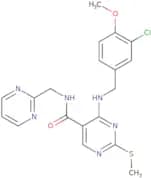

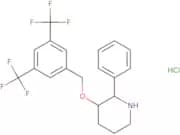

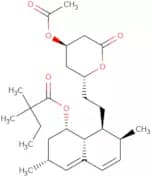

![[6-Hydroxy-2-(4-hydroxyphenyl)benzo[b]thien-3-yl](4-hydroxyphenyl)-methanone](/_next/image/?url=https%3A%2Fstatic.cymitquimica.com%2Fproducts%2F3D%2Fthumb-webp%2FIH44805.webp&w=3840&q=75)
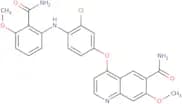
![3-[4-(2-Pyridylsulfamoyl)phenyl] sulfasalazine](/_next/image/?url=https%3A%2Fstatic.cymitquimica.com%2Fproducts%2F3D%2Fthumb-webp%2FIP145663.webp&w=3840&q=75)
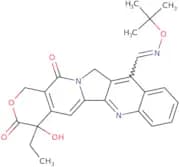
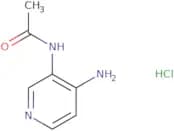
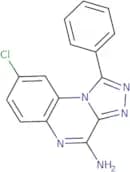
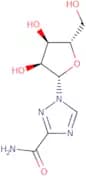

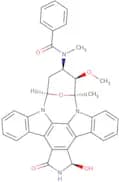
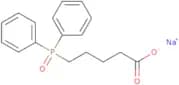
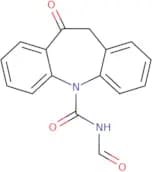
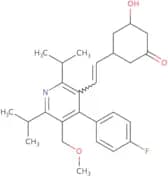

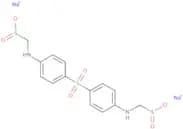
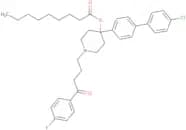
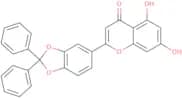
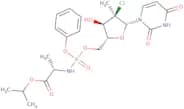
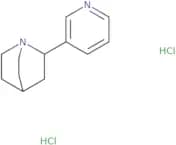
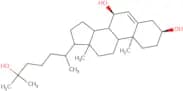
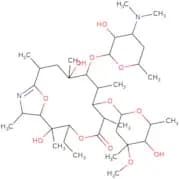
![1-[1-(4-Methoxyphenyl)-2-[[2-(4-methoxyphenyl)ethyl]amino]ethyl]cyclohexanol](/_next/image/?url=https%3A%2Fstatic.cymitquimica.com%2Fproducts%2F3D%2Fthumb-webp%2FIM63868.webp&w=3840&q=75)
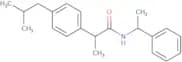
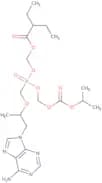
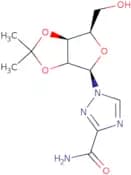
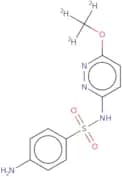
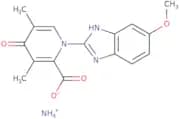
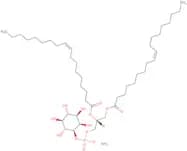
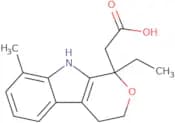
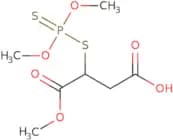
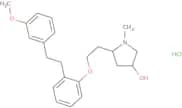
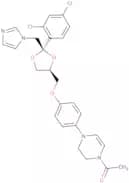
![3-[2-[4-(1,2-Benzisoxazol-3-yl)-1-piperidinyl]ethyl]-6,7,8,9-tetrahydro-2-methyl-4H-pyrido[1,2-a]p…](/_next/image/?url=https%3A%2Fstatic.cymitquimica.com%2Fproducts%2F3D%2Fthumb-webp%2FIB21194.webp&w=3840&q=75)
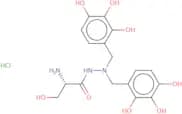
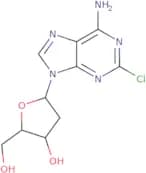
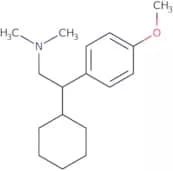
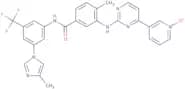
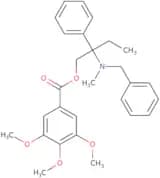
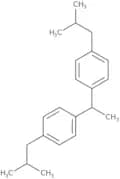
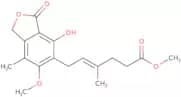

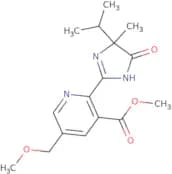
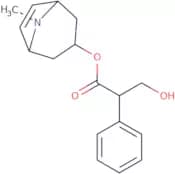
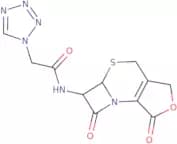

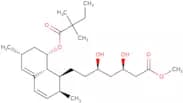


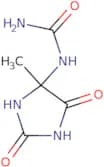
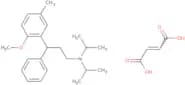
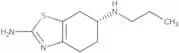
![(Z) -2- [4- (1, 2- Diphenylethenyl) phenoxy] - N, N- diethyl- ethanamine hydrochloride (E/Z Mixtur…](/_next/image/?url=https%3A%2Fstatic.cymitquimica.com%2Fproducts%2F3D%2Fthumb-webp%2FOD166680.webp&w=3840&q=75)
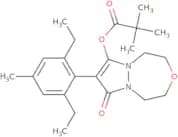
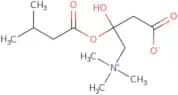
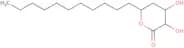
![[5-[(Dimethylamino)methyl]furan-2-yl]methanol](/_next/image/?url=https%3A%2Fstatic.cymitquimica.com%2Fproducts%2F3D%2Fthumb-webp%2FID57850.webp&w=3840&q=75)
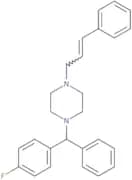
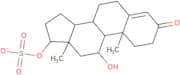
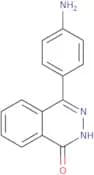
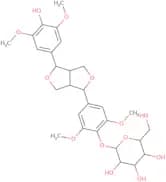
![[1-Hydroxy-3-(methylisopentylamino)propylidene] bisphosphonic acid monosodium (ibandronic acid imp…](/_next/image/?url=https%3A%2Fstatic.cymitquimica.com%2Fproducts%2F3D%2Fthumb-webp%2FXWC98436.webp&w=3840&q=75)
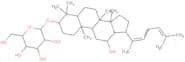
![N-Formyl-D-leucine (1R)-1-[[(2S,3S)-3-hexyl-4-oxo-2-oxetanyl]methyl]dodecyl ester](/_next/image/?url=https%3A%2Fstatic.cymitquimica.com%2Fproducts%2F3D%2Fthumb-webp%2FIF26577.webp&w=3840&q=75)
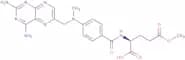
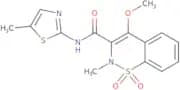
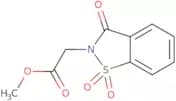
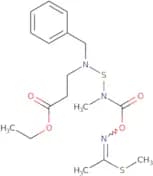
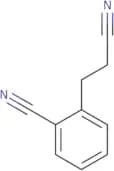
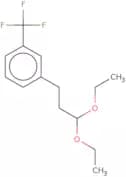
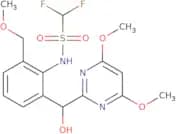
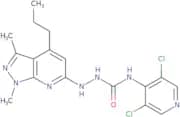
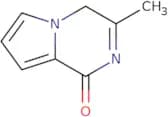
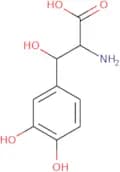

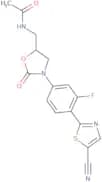
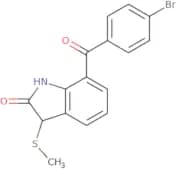
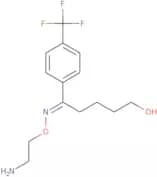
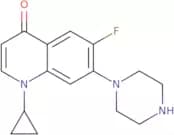
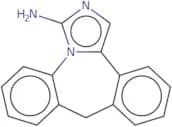
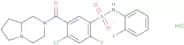
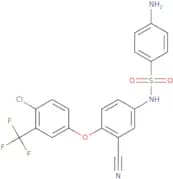
![1-[4-Chloro-2-(2-fluorobenzoyl)phenyl]-2-methyl-1H-imidazole-5-carboxylic acid](/_next/image/?url=https%3A%2Fstatic.cymitquimica.com%2Fproducts%2F3D%2Fthumb-webp%2FIC184413.webp&w=3840&q=75)
![2-Amino-3H,4H,7H-pyrrolo[2,3-d]pyrimidine-4-thione](/_next/image/?url=https%3A%2Fstatic.cymitquimica.com%2Fproducts%2F3D%2Fthumb-webp%2FEHA82229.webp&w=3840&q=75)
![1-[4-Chloro-2-(2-fluorobenzoyl)phenyl]-2-methyl-1H-imidazole-5-carboxaldehyde](/_next/image/?url=https%3A%2Fstatic.cymitquimica.com%2Fproducts%2F3D%2Fthumb-webp%2FIC184412.webp&w=3840&q=75)
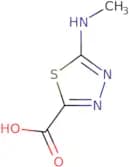
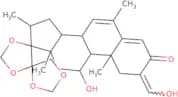
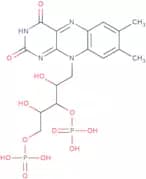
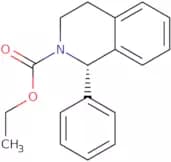
![Methyl 1-C-[4-chloro-3-[(4-ethoxyphenyl)methyl]phenyl]-a-D-glucopyranoside](/_next/image/?url=https%3A%2Fstatic.cymitquimica.com%2Fproducts%2F3D%2Fthumb-webp%2FFE171681.webp&w=3840&q=75)
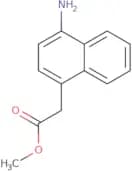
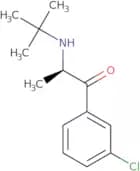
![2-(2-(4-(Dibenzo[b,f][1,4]thiazepin-11-yl)piperazin-1-yl)ethoxy)ethyl acetatequetiapine acetate](/_next/image/?url=https%3A%2Fstatic.cymitquimica.com%2Fproducts%2F3D%2Fthumb-webp%2FUIB63907.webp&w=3840&q=75)
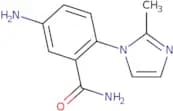
![3-Hydroxy-1-methyl-1-azabicyclo[2.2.2]octan-1-ium bromide](/_next/image/?url=https%3A%2Fstatic.cymitquimica.com%2Fproducts%2F3D%2Fthumb-webp%2FWID33600.webp&w=3840&q=75)
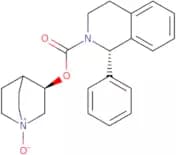
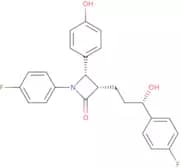
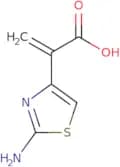
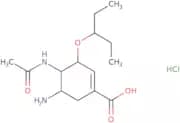
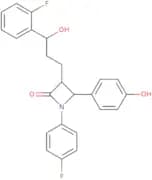
![4-Methyl-2-[3-[(1-methylethyl)amino]-1-phenylpropyl]phenol](/_next/image/?url=https%3A%2Fstatic.cymitquimica.com%2Fproducts%2F3D%2Fthumb-webp%2FIM27501.webp&w=3840&q=75)
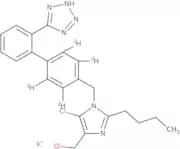
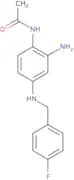
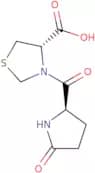
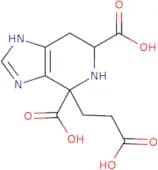
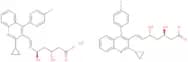


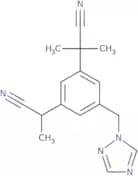

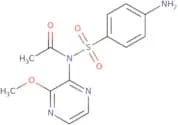
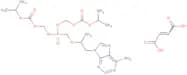
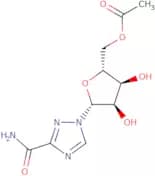
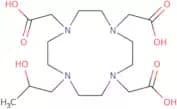
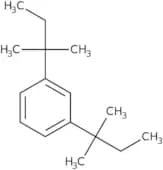
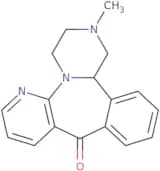
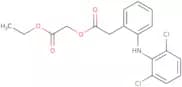
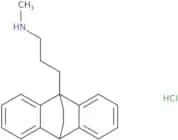
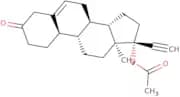

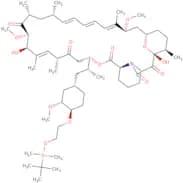
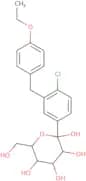
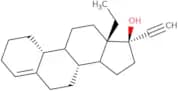
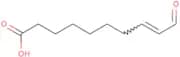
![1-[4-[4-(2,3-Dichlorophenyl)piperazin-1-yl]butyl-7-hydroxy-3,4-dihydro carbostyril (aripiprazole i…](/_next/image/?url=https%3A%2Fstatic.cymitquimica.com%2Fproducts%2F3D%2Fthumb-webp%2FXWC98365.webp&w=3840&q=75)
![(betaR,deltaR)-2,3-Bis(4-fluorophenyl)-β,δ-dihydroxy-5-(1-methylethyl)-4-[(phenylamino)carbonyl]-1…](/_next/image/?url=https%3A%2Fstatic.cymitquimica.com%2Fproducts%2F3D%2Fthumb-webp%2FIA104320.webp&w=3840&q=75)
![(E)-4-(((2S,4R)-1-([1,1'-Biphenyl]-4-yl)-5-ethoxy-4-methyl-5-oxopentan-2-yl)amino)-4-oxobut-2-enoi…](/_next/image/?url=https%3A%2Fstatic.cymitquimica.com%2Fproducts%2F3D%2Fthumb-webp%2FIB181151.webp&w=3840&q=75)
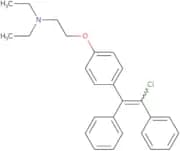
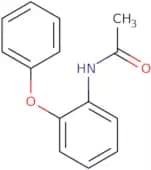
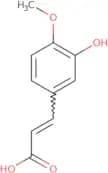
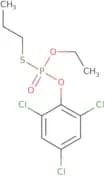
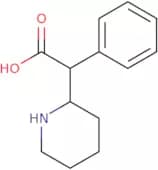

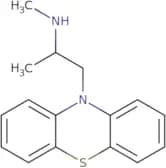
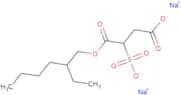
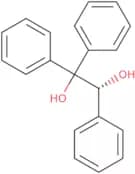
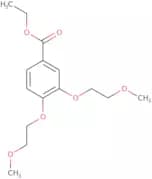
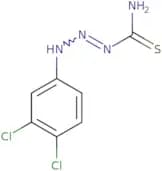
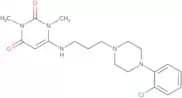


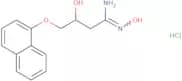
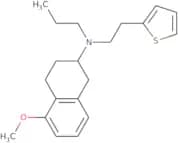
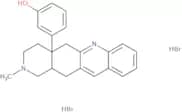
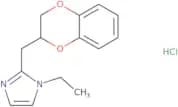
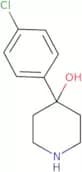
![1,4-Bis[(tetrahydro-2-furanyl)carbonyl]-piperazine](/_next/image/?url=https%3A%2Fstatic.cymitquimica.com%2Fproducts%2F3D%2Fthumb-webp%2FIB63853.webp&w=3840&q=75)
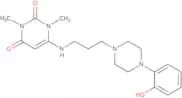
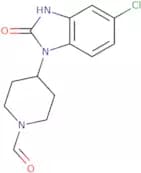
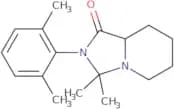
![N-(4-Chlorophenyl)-2-hydroxy-3-[(4-methoxyphenyl)sulfonyl]-2-methylpropanamide](/_next/image/?url=https%3A%2Fstatic.cymitquimica.com%2Fproducts%2F3D%2Fthumb-webp%2FNNA42426.webp&w=3840&q=75)
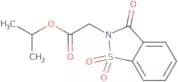
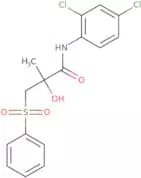
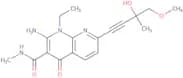
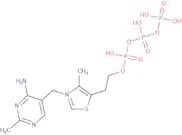


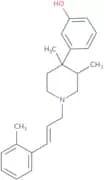
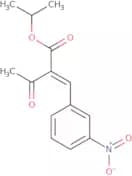
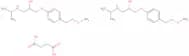
![1,2,3,4-Tetrahydro-2-[2-(4-hydroxyphenyl)-1-methylethyl]-4,6,8-isoquinolinetriol](/_next/image/?url=https%3A%2Fstatic.cymitquimica.com%2Fproducts%2F3D%2Fthumb-webp%2FLGA04025.webp&w=3840&q=75)