Amino Acids (AA)
Amino acids (AAs) are the fundamental building blocks of proteins, playing a crucial role in various biological processes. These organic compounds are essential for protein synthesis, metabolic pathways, and cell signaling. In this category, you will find a comprehensive range of amino acids, including essential, non-essential, and modified forms, which are vital for research in biochemistry, molecular biology, and nutritional sciences. At CymitQuimica, we provide high-quality amino acids to support your research and development needs, ensuring accuracy and reliability in your experimental outcomes.
Subcategories of "Amino Acids (AA)"
- Amino Acid Derivatives(3,955 products)
- Amino Acid and Amino Acid Related Compounds(3,469 products)
- Amino Acids with Oxygen or Sulphur(168 products)
- Boc- Amino Acids(351 products)
- Fmoc Amino Acids(1,710 products)
Found 38260 products of "Amino Acids (AA)"
Sort by
Purity (%)
0
100
|
0
|
50
|
90
|
95
|
100
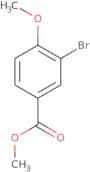
3-Bromo-4-methoxybenzoic acid methyl ester
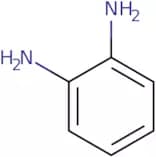
CAS:<p>3-Bromo-4-methoxybenzoic acid methyl ester is an isomer of 4-methoxybenzoic acid. It is a natural product that can be found in dihydroisoquinoline and in the ethyl formate oxidation products. There are two ways to synthesize this compound: by oxidation of diphenyl ethers or by hydrolysis of chloride acetaldehyde. 3-Bromo-4-methoxybenzoic acid methyl ester has been shown to have cellular toxicity against human cells and biphenyl.</p>Formula:C9H9BrO3Purity:Min. 95%Color and Shape:PowderMolecular weight:245.07 g/mol1,2-Phenylenediamine
CAS:<p>1,2-Phenylenediamine is an aromatic amine that can be used as a precursor for the synthesis of various heterocyclic compounds. It has been shown to have an acidic character, which is due to its coordination geometry with three of its nitrogen atoms in the form of pyramidal nitrogen atoms. 1,2-Phenylenediamine is also a ligand for toll-like receptor (TLR) 4 and TLR9. It has been shown to activate these receptors by binding and activating downstream signaling pathways such as NF-κB and MAPK. This compound also has the ability to induce apoptosis in HL60 cells through inhibition of protein synthesis and activation of caspases.</p>Formula:C6H8N2Purity:Min. 98 Area-%Color and Shape:White PowderMolecular weight:108.14 g/mol2-Phenyl-2-(2-piperidyl)acetamide
CAS:<p>2-Phenyl-2-(2-piperidyl)acetamide is an enantiomeric amide that can be used as a chiral building block for the synthesis of other organic compounds. It is synthesized by reacting phenylacetic acid with piperidine. 2-Phenyl-2-(2-piperidyl)acetamide is a primary amide and has been shown to have analgesic properties.</p>Formula:C13H18N2OPurity:Min. 97 Area-%Color and Shape:PowderMolecular weight:218.29 g/molFmoc-4-benzoyl-L-phenylalanine
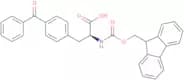
CAS:<p>Fmoc-4-benzoyl-L-phenylalanine is a benzoic acid derivative that binds to the 5-HT1A receptor and the intestinal polypeptide receptor. It may also act as a vasoactive intestinal peptide (VIP) agonist. The pharmacophore of Fmoc-4-benzoyl-L-phenylalanine is similar to other antiarrhythmic drugs, such as quinidine and procainamide, with substituents at positions 2, 3, 4, 6, 7, and 8. Fmoc-4-benzoyl-L-phenylalanine has been shown to inhibit nitric oxide production in amines and ethane. This drug has been shown to have therapeutic potential in the treatment of cardiovascular diseases by visualizing cellular changes in heart tissue.</p>Formula:C31H25NO5Purity:Min. 95%Color and Shape:Off-White PowderMolecular weight:491.53 g/mol2-(4-Methoxyphenoxy)acetohydrazide
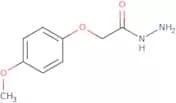
CAS:<p>2-(4-Methoxyphenoxy)acetohydrazide is a coumarin derivative that has been synthesized for use in the detection of salicylaldehyde in air. The emissions are detected by means of luminescence and fluorescence spectroscopy, with the emission intensity measured by a dihedral angle detector. The compound also produces europium ions, which can be used to detect and quantify it. The elemental analysis gives the yields as 0.25 grams per mole, while the spectral data show 2-(4-methoxyphenoxy)acetohydrazide to have a fluorescence maximum at 489 nm and an excitation maximum at 320 nm.<br>2-(4-Methoxyphenoxy)acetohydrazide is fluorescent and luminescent, with a wavelength maximum of 489 nm and an excitation maximum of 320 nm. It reacts with benzene to produce nitro compounds, which can be detected using an electron spin resonance</p>Formula:C9H12N2O3Purity:Min. 95%Molecular weight:196.2 g/molL-Glutamic acid magnesium salt HBr
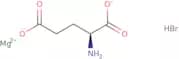
CAS:<p>Amino acid; neurotransmitter</p>Formula:C5H8BrMgNO4Purity:Min. 95 Area-%Color and Shape:Off-White PowderMolecular weight:250.33 g/mol(2S,5S)-(-)-5-Benzyl-3-methyl-2-(5-methyl-2-furyl)-4-imidazolidinone
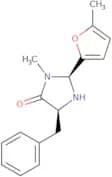
CAS:<p>Please enquire for more information about (2S,5S)-(-)-5-Benzyl-3-methyl-2-(5-methyl-2-furyl)-4-imidazolidinone including the price, delivery time and more detailed product information at the technical inquiry form on this page</p>Formula:C16H18N2O2Purity:Min. 95%Color and Shape:Clear LiquidMolecular weight:270.33 g/mol(S)-(+)-Methyl phenyl sulfoximine
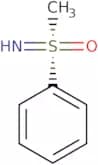
CAS:<p>(S)-(+)-Methyl phenyl sulfoximine, or MMPS, is a synthetic chiral organocatalyst that has been shown to be a highly effective catalyst for the asymmetric synthesis of benzothiazines. It is used in a variety of reactions including cross-coupling, catalytic asymmetric synthesis, desymmetrization and solvents. MMPS has been shown to be enantiopure and stereochemically pure. The yield of this reaction using MMPS as a catalyst was about 98%.</p>Formula:C7H9NOSPurity:Min. 95%Color and Shape:Colorless PowderMolecular weight:155.22 g/mol2-Hydroxy-N-(1-phenylpropan-2-yl)acetamide
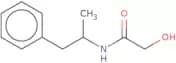
CAS:Controlled Product<p>2-Hydroxy-N-(1-phenylpropan-2-yl)acetamide is a versatile building block that can be used as a reagent or research chemical. This compound is an intermediate in the synthesis of many other organic compounds and has been shown to be useful for the production of pharmaceuticals, agrochemicals, and other industrial chemicals. The CAS number for this compound is 99985-83-8.</p>Formula:C11H15NO2Purity:Min. 95%Color and Shape:PowderMolecular weight:193.24 g/molDL-Penicillamine
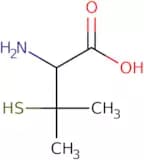
CAS:<p>DL-Penicillamine is a penicillamine that is used in the treatment of various diseases such as rheumatoid arthritis and primary sclerosing cholangitis. It has been shown to inhibit the production of inflammatory prostaglandins, which are responsible for pain and swelling. DL-Penicillamine has been used as a fluorescence probe for the detection of nonsteroidal anti-inflammatory drugs in water samples. DL-Penicillamine is also used to study coordination geometry and rate constants in solid tumours using fluorescence spectroscopy. This drug can be analyzed using chromatographic techniques or by X-ray diffraction data obtained with an electrochemical impedance spectroscopy system. The analytical method was published in 1981 by J.D. Hamer, et al., in "Analytical Chemistry".</p>Formula:C5H11NO2SPurity:Min. 95%Color and Shape:White PowderMolecular weight:149.21 g/molFmoc-His(3-Me)-OH
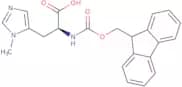
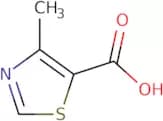
CAS:<p>Fmoc-His(3-Me)-OH is a synthetic amino acid that is used in the synthesis of peptides. It is potent inhibitor of L-type calcium channels, which are involved in the regulation of muscle contraction and vasoconstriction. Fmoc-His(3-Me)-OH has been shown to be effective at inhibiting L-type calcium channels in rat skeletal muscle.</p>Formula:C22H21N3O4Purity:Min. 95%Color and Shape:PowderMolecular weight:391.42 g/mol4-Methyl-thiazole-5-carboxylic acid
CAS:<p>4-Methyl-thiazole-5-carboxylic acid is a protein inhibitor that has been investigated for its cytotoxic and antimicrobial properties. It is an effective inhibitor of protein synthesis in cancer cells with the ability to induce apoptosis, which could make it an anticancer agent. 4-Methyl-thiazole-5-carboxylic acid has been shown to inhibit the production of chloride ions in bacterial cells, which may be due to its formyl group. It can also be used as an antibacterial agent, although at higher concentrations. The molecular docking analysis of 4-methyl-thiazole-5-carboxylic acid has shown interactions with MDA MB 231 cell proteins that are modified by amide and acid catalysts.</p>Formula:C5H5NO2SPurity:Min. 95%Color and Shape:PowderMolecular weight:143.16 g/molCyclo(-D-Leu-D-Pro)
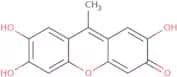
CAS:<p>Cyclo(-D-Leu-D-Pro) is a macrolide that inhibits the growth of bacteria. It binds to the 50S ribosomal subunit and prevents the formation of an antibiotic-inhibitor complex with the enzyme cell wall synthesis that is required for cell wall biosynthesis, inhibiting protein synthesis and cell division. Cyclo(-D-Leu-D-Pro) has been shown to have antibacterial activity against the Gram negative bacterium Vibrio anguillarum. This drug has also been shown to have endophytic properties, as it was isolated from an endophytic fungus found in leaves of Eucalyptus trees. The stereoisomers of cyclo(-D-Leu-D-Pro) have different effects on bacterial cells, with one being more potent than the other.</p>Formula:C11H18N2O2Purity:Min. 95%Color and Shape:PowderMolecular weight:210.27 g/mol9-Methyl-2,3,7-trihydroxy-6-fluorone
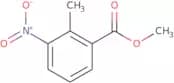
CAS:<p>9-Methyl-2,3,7-trihydroxy-6-fluorone (9MHF) is a natural compound found in honeybee propolis. It has been shown to have anticancer activity against a range of tumour types. 9MHF inhibits the replication of DNA by binding to single-stranded regions in the DNA molecule and preventing the formation of double helices. The optimum concentration for 9MHF is 0.1 μM. At this concentration, it was found that 9MHF had chemoresistance properties and could inhibit replication in staphylococcus cells at concentrations as low as 1 μM. This compound also has antioxidant properties, with redox potentials of -0.09 V and -0.06 V for its oxidized and reduced forms respectively.BR>BR><br>9MHF is an inhibitor that binds to basic dyes such as methylene blue or gentian violet and prevents them from binding to the bacterial cell</p>Formula:C14H10O5Purity:Min. 95%Color and Shape:Yellow PowderMolecular weight:258.23 g/molMethyl 2-methyl-3-nitrobenzoate
CAS:<p>Methyl 2-methyl-3-nitrobenzoate is a synthetic drug that has potent antitumor activity and inhibits tumor growth in a variety of animal models. It acts by inhibiting protein synthesis and inducing apoptosis, as well as by inhibiting the production of TNF-α. Methyl 2-methyl-3-nitrobenzoate is an alkylating agent that reacts with DNA, RNA, and other cell components to form crosslinks between them. This prevents the cells from dividing or repairing themselves. The inhibition of protein synthesis may be due to methyl 2-methyl-3-nitrobenzoate's ability to react with amide groups on proteins.</p>Formula:C9H9NO4Purity:Min. 95%Color and Shape:PowderMolecular weight:195.17 g/mol(Des-Gly10,D-His2,D-Trp6,Pro-NHEt 9)-LHRH trifluoroacetate
CAS:<p>Please enquire for more information about (Des-Gly10,D-His2,D-Trp6,Pro-NHEt 9)-LHRH trifluoroacetate including the price, delivery time and more detailed product information at the technical inquiry form on this page</p>Formula:C64H83N17O12•(C2HF3O2)xPurity:Min. 95%Molecular weight:1,282.45 g/molN-Methyl-β-alaninenitrile
CAS:<p>N-Methyl-beta-alaninenitrile is a fine chemical that is used as a versatile building block in the synthesis of complex compounds. It can be used as a reagent to synthesize other chemicals, or as an intermediate in the production of pharmaceuticals. N-Methyl-beta-alaninenitrile is also useful in the synthesis of high quality and useful scaffolds.</p>Formula:C4H8N2Purity:Min. 98.0 Area-%Molecular weight:84.12 g/molN-α-Fmoc-N β-Boc-L-2,3-diaminopropionic acid
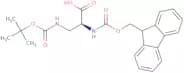
CAS:<p>N-alpha-Fmoc-Nbeta-Boc-L-2,3-diaminopropionic acid is a supramolecular compound that has antiproliferative effects on cancer cells. It can be used to inhibit the activity of tyrosine phosphatases, which are enzymes that regulate cell proliferation and differentiation. This compound has been shown to have synergistic effects with other chemotherapeutic agents in vitro and in vivo. It has also been shown to have a high binding affinity for polyacrylamide gels and is stable under various conditions.</p>Formula:C23H26N2O6Purity:Min. 95%Color and Shape:PowderMolecular weight:426.46 g/molAcetyl-L-leucine methyl ester
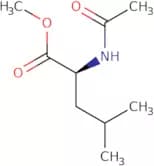
CAS:<p>Acetyl-L-leucine methyl ester is a molecule that has been synthesized by demethylating acetyl-L-leucine. It is an analog of acetylcholine and is able to interact with the catalytic subunit of phosphatase. Acetyl-L-leucine methyl ester hydrolyses to release L-leucine and methyl acetate in a ratio of 1:1. This molecule has been shown to be a substrate for phosphatases, which are enzymes that catalyze the dephosphorylation process. The reaction of acetyl-L-leucine methyl ester with phosphatases is reversible, as it hydrolyzes into L-leucine and methyl acetate.</p>Formula:C9H17NO3Purity:Min. 95%Color and Shape:PowderMolecular weight:187.24 g/molManganese bisglycinate
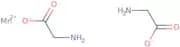
CAS:<p>Manganese bisglycinate is a manganese compound that is used as a dietary supplement. It is an activated form of manganese, which means it has been chemically altered to make it more bioavailable. The manganese bisglycinate molecule contains two glycine molecules for each manganese atom. This form of manganese is bound to the amino acid glycine and, therefore, does not bind to other compounds in the gastrointestinal tract. Manganese bisglycinate has shown to be effective in the prevention of tooth decay by increasing bone growth and preventing cavities. It also has antioxidant properties due to its ability to bind with free radicals in the mouth and control oral bacteria emissions.<br>Manganese bisglycinate can be taken orally, but it should not be taken intravenously because it may cause serious side effects.</p>Formula:C4H8MnN2O4Purity:Min. 95%Color and Shape:Red PowderMolecular weight:203.06 g/molγ-Glutamyl-4-methoxy-β-naphthylamide
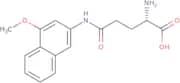
CAS:<p>Gamma-Glutamyl-4-methoxy-beta-naphthylamide is a versatile building block that can be used in the synthesis of a variety of complex compounds. It is a high quality chemical that is useful as an intermediate in organic syntheses and as a reagent in research. Gamma-Glutamyl-4-methoxy-beta-naphthylamide has been shown to be an effective scaffold for the preparation of other chemical substances.</p>Formula:C16H18N2O4Purity:Min. 95%Molecular weight:302.33 g/molN-Cbz-L-valine
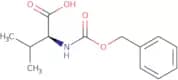
CAS:<p>N-Cbz-L-valine is a chiral amino acid derivative that is used as an intermediate for the synthesis of polycarbonates. It can be prepared by a phase separation and hydrolysis of N-Cbz-L-leucine. The optimal reaction conditions for the preparation of N-Cbz-L-valine are hydrochloric acid, hydroxyl group, n-dimethyl formamide, sodium hydroxide solution, and polycarbonates. This compound can be synthesized by solid phase synthesis on anhydrous sodium carbonate or sodium hydroxide solution. Hydrogen chloride is reacted with a reaction solution to produce N-Cbz-L-valine.</p>Formula:C13H17NO4Purity:Min. 95%Color and Shape:White PowderMolecular weight:251.28 g/molN-Methyl-N’-nitrosopiperazine
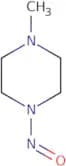
CAS:<p>N-Methyl-N’-nitrosopiperazine is a chemical that has been shown to produce genotoxic effects in mammalian cells. It was found to be carcinogenic in rats, but not in mice. This chemical induces mutations by reacting with nucleic acids and producing covalent DNA adducts. The uptake of N-methyl-N’-nitrosopiperazine into the body occurs through inhalation, ingestion, or skin contact. It can also be detected using analytical methods such as high performance liquid chromatography (HPLC) and gas chromatography/mass spectrometry (GC/MS).</p>Formula:C5H11N3OPurity:Min. 95 Area-%Color and Shape:Clear LiquidMolecular weight:129.16 g/molN-[2-Chloro-4-(trifluoromethyl)phenyl]-D-Valine
CAS:<p>N-[2-Chloro-4-(trifluoromethyl)phenyl]-D-Valine is a chemical compound that has been used as a useful scaffold for the synthesis of a variety of compounds. It can be used as an intermediate or research chemical, or as a reaction component in the synthesis of other compounds. This compound is often used for the preparation of complex compounds and has been shown to produce high quality reagents.</p>Formula:C12H12ClF3NO2Purity:Min. 95%Color and Shape:PowderMolecular weight:294.68 g/mol2-Phenylethyl furoate
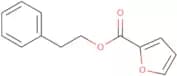
CAS:<p>2-Phenylethyl furoate is a laboratory odorant that has been shown to be toxic when ingested and sensitize when applied externally. It is an odorant that is used in the laboratory to demystify odors, and has been used in testing on animals. 2-Phenylethyl furoate is also an insect repellent that has been tested for its effectiveness against various species of insects, including cockroaches, ants, and termites. The effects of 2-phenylethyl furoate on these insects is not well studied.</p>Formula:C13H12O3Purity:Min. 95%Color and Shape:Colorless Clear LiquidMolecular weight:216.23 g/molDL-alanine-β-naphthylamide hydrochloride
CAS:<p>DL-Alanine-beta-naphthylamide hydrochloride is a fine chemical that is used as a building block for other compounds. It can be used in the synthesis of complex compounds and as a reagent to synthesize speciality chemicals and research chemicals. DL-Alanine-beta-naphthylamide hydrochloride is also a versatile building block that can be used as an intermediate in organic reactions or as a reaction component. This compound has CAS No. 74144-49-3 and is soluble in water.</p>Formula:C13H15ClN2OPurity:Min. 95%Color and Shape:PowderMolecular weight:250.72 g/mol2-Hydroxy-5-methoxybenzaldehyde
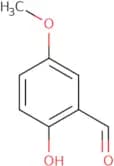
CAS:<p>2-Hydroxy-5-methoxybenzaldehyde is a colorless, water-soluble liquid that has been used as a chemical intermediate in the synthesis of pharmaceuticals. It is also an antiinflammatory agent that inhibits acetylcholinesterase. 2-Hydroxy-5-methoxybenzaldehyde binds to copper ions by means of hydrogen bonding interactions and forms stable complexes with nitrogen atoms such as amides, nitriles, and hydrazones. 2HMB has been shown to have antiinflammatory activity in animal studies. This compound has a redox potential of -0.8 V, which indicates it can be oxidized by strong oxidizing agents or reduced by strong reducing agents.</p>Formula:C8H8O3Purity:Min. 95%Color and Shape:Colorless Clear LiquidMolecular weight:152.15 g/molN-[(S)-(2,3,4,5,6-Pentafluorophenoxy)phenoxyphosphinyl]-L-alanine 1-methylethyl ester
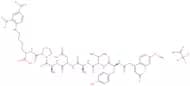
CAS:<p>Intermediate in the synthesis of sofosbubir</p>Formula:C18H17F5NO5PPurity:Min. 97 Area-%Color and Shape:White PowderMolecular weight:453.3 g/molMca-Tyr-Val-Ala-Asp-Ala-Pro-Lys(Dnp)-OH trifluoroacetate
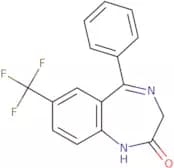
CAS:<p>Please enquire for more information about Mca-Tyr-Val-Ala-Asp-Ala-Pro-Lys(Dnp)-OH trifluoroacetate including the price, delivery time and more detailed product information at the technical inquiry form on this page</p>Formula:C53H64N10O19•(C2HF3O2)xPurity:95%NmrColor and Shape:PowderMolecular weight:1,145.13 g/mol5-Phenyl-7-(Trifluoromethyl)-1,3-Dihydro-1,4-Benzodiazepin-2-One
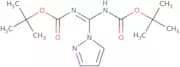
CAS:Controlled Product<p>5-Phenyl-7-(Trifluoromethyl)-1,3-Dihydro-1,4-Benzodiazepin-2-One is a pyrethroid that has been shown to have an effective dose of 10 μg/kg in pharmacological tests. It has been shown to modulate hydrogen bond formation and the hydrophobic effects of diazepam. 5-Phenyl-7-(Trifluoromethyl)-1,3-Dihydro-1,4-Benzodiazepin-2-One is a monomer that can be used for the treatment of cancer. This active compound has been found to bind to the benzodiazepine binding site on GABA receptors in the brain and has been shown to induce digitonin release from nerve endings. It also binds with carbonyl groups which are found on proteins and nucleic acids.</p>Formula:C16H11F3N2OPurity:Min. 95%Molecular weight:304.27 g/molN,N'-Bis-Boc-1-guanylpyrazol
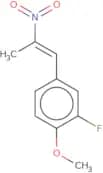
CAS:<p>N,N'-Bis-Boc-1-guanylpyrazol is a tetrapeptide that is used as a reagent in organic synthesis. It has been shown to have an inhibitory effect on the production and release of melanocortin and its related peptides, which are important for the regulation of body weight, appetite, and mood. N,N'-Bis-Boc-1-guanylpyrazol binds to sulfate groups on chondroitin sulfate proteoglycans. The inhibition of these sulfated proteoglycans leads to decreased levels of hyaluronic acid and a lack of water retention in the joints. This can cause symptoms such as pain and stiffness in joints, particularly those affected by osteoarthritis.</p>Formula:C14H22N4O4Purity:Min. 95%Color and Shape:White PowderMolecular weight:310.35 g/mol3'-Fluoro-4'-methoxy-β-methyl-β-nitrostyrene
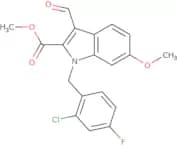
CAS:<p>3'-Fluoro-4'-methoxy-beta-methyl-beta-nitrostyrene is a reactive building block that can be used in the synthesis of many different compounds. It is a fine chemical and a reagent which is useful in organic chemistry. 3'-Fluoro-4'-methoxy-beta-methyl-beta-nitrostyrene is used as a reaction component for the synthesis of many different compounds, including pharmaceuticals, agrochemicals, and other specialty chemicals. It has CAS number 1023717-11-4 and can be used as an intermediate compound or building block for the production of complex compounds.</p>Formula:C10H10FNO3Purity:Min. 95%Color and Shape:PowderMolecular weight:211.19 g/molMethyl 1-(2-chloro-4-fluorobenzyl)-3-formyl-6-methoxy-1H-indole-2-carboxylate
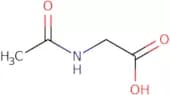
CAS:Controlled Product<p>Please enquire for more information about Methyl 1-(2-chloro-4-fluorobenzyl)-3-formyl-6-methoxy-1H-indole-2-carboxylate including the price, delivery time and more detailed product information at the technical inquiry form on this page</p>Formula:C19H15ClFNO4Purity:Min. 95%Molecular weight:375.78 g/molN-Acetylglycine
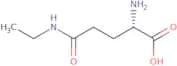
CAS:<p>N-Acetylglycine is an amide, which is a molecule with both a carboxylate and hydroxyl group. It belongs to the class of antimicrobial agents and has been shown to inhibit the growth of bacteria by inhibiting synthesis of folic acid and other metabolites. N-Acetylglycine also inhibits the formation of terminal residues from amino acids. The analytical method for this compound is based on the reaction between n-acetylglycine and hydrogen chloride in methanol. This produces picolinic acid, which can be detected using ultraviolet spectroscopy at a wavelength of 325 nm.</p>Formula:C4H7NO3Purity:Min. 95%Color and Shape:White PowderMolecular weight:117.1 g/molL-Theanine
CAS:<p>L-Theanine is an amino acid found in various types of tea and has been shown to have physiological effects. It is also found in the leaves of Camellia sinensis plants. L-Theanine is a nonprotein amino acid that does not have any chiral centers, unlike other amino acids. It is chemically similar to glutamate and glutamine. L-Theanine has been shown to bind to alpha 1-acid glycoprotein and polymerase chain, which may affect its solubility in water. This amino acid also has a number of enzyme activities, including those that produce enzymes for acetylcholine synthesis and metabolism. L-Theanine has been shown to have antioxidant properties and can decrease neuronal death in humans when given intravenously.</p>Formula:C7H14N2O3Purity:Min. 98 Area-%Color and Shape:White PowderMolecular weight:174.2 g/molH-Gly-pro-pNA.p-tosylate
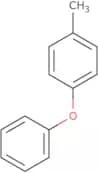
CAS:<p>H-Gly-pro-pNA.p-tosylate is a monoclonal antibody that recognizes the amino acid sequence of hepatitis C virus (HCV) p7 protein. It can be used for the diagnosis of HCV infection and has been shown to have a high specificity and sensitivity for detection in liver cells. H-Gly-pro-pNA.p-tosylate is not an enzyme, but it does inhibit protease activity in hepatic tissues and cancer tissues. It has also been shown to be active against wild type strains of bacteria and can be used as a diagnostic agent for bacterial strains.</p>Formula:C13H16N4O4•C7H8O3SPurity:Min. 95%Color and Shape:PowderMolecular weight:464.49 g/mol1-Methyl-4-phenoxybenzene
CAS:<p>1-Methyl-4-phenoxybenzene is a monomer that is used in the synthesis of polymers and plastics. It reacts with sulfur and pentamethylbenzene to form 1,3-diphenyl ethers. This reaction takes place in three steps: methylation, radical mechanism, and nucleophilic substitution. The first step involves the addition of a methyl group to a double bond of an arene. The second step is the addition of chlorine to the molecule, which forms radicals that can react with other molecules. The third step is nucleophilic substitution, where a halide leaves the molecule to be replaced by another atom or group. 1-Methyl-4-phenoxybenzene can also be used as a reagent for the conversion of nitrobenzenes into amines.</p>Formula:C13H12OPurity:Min. 95%Color and Shape:LiquidMolecular weight:184.23 g/molL-Lysyl-L-phenylalanyl-L-lysine trifluoroacetate
CAS:<p>Please enquire for more information about L-Lysyl-L-phenylalanyl-L-lysine trifluoroacetate including the price, delivery time and more detailed product information at the technical inquiry form on this page</p>Formula:C21H35N5O4•(C2HF3O2)xPurity:Min. 95%Color and Shape:Powder4'-Methoxypropiophenone
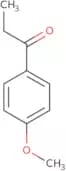
CAS:<p>4'-Methoxypropiophenone is an alkanoid compound. It has been shown to have anticancer activity and the ability to produce light emission. 4'-Methoxypropiophenone is a phosphotungstic acid (PTA) light-sensitive dye that can be used for detection of acidic compounds. The PTA dye binds to the analyte and produces an intense blue or green light when irradiated with UV or visible light. This process is called photoluminescence. 4'-Methoxypropiophenone has also been shown to have insecticidal properties, which may be due to its arylation reaction with proteins in the insect cell membrane. 4'-Methoxypropiophenone is often used as a model system for studying Friedel-Crafts reactions, which are chemical reactions that involve the addition of multiple molecules of an alkene across a double bond to form substituted aromatic compounds. In this case, one molecule of 4</p>Formula:C10H12O2Purity:Min. 98 Area-%Color and Shape:Colorless Slightly Yellow Clear LiquidMolecular weight:164.2 g/molD-Tryptophan
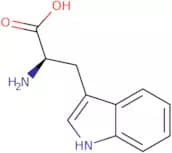
CAS:<p>D-amino acid</p>Formula:C11H12N2O2Purity:Min. 95%Color and Shape:PowderMolecular weight:204.23 g/mol(1R,2R)-Boc-aminocyclohexane carboxylic acid
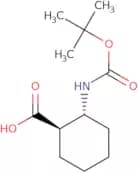
CAS:<p>Please enquire for more information about (1R,2R)-Boc-aminocyclohexane carboxylic acid including the price, delivery time and more detailed product information at the technical inquiry form on this page</p>Formula:C12H21NO4Purity:Min. 95%Color and Shape:PowderMolecular weight:243.3 g/mol3,4-Dimethoxy-2-methylcinnamic acid
CAS:<p>3,4-Dimethoxy-2-methylcinnamic acid is a fine chemical that can be used as a building block to produce complex compounds. It is also an intermediate in the synthesis of chemicals such as cinnamyl alcohol, cinnamaldehyde, and 2-methyl-3-(4'-methoxyphenyl)propanoic acid. This compound is useful for research purposes as it has been shown to be an effective reaction component in organic reactions. 3,4-Dimethoxy-2-methylcinnamic acid is a high quality reagent with CAS No. 868562-26-9.</p>Formula:C12H14O4Purity:Min. 95%Color and Shape:PowderMolecular weight:222.24 g/molL-Tyrosinol hydrochloride
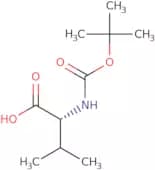
CAS:<p>L-Tyrosinol hydrochloride is a chiral molecule that is the hydrogenated form of L-tyrosine. It is an intermediate in the synthesis of L-dopa, which is used to treat Parkinson's disease. The enzymatic reaction that converts L-tyrosinol hydrochloride to L-dopa requires adenosine 5'-phosphosulfate as cofactor and histidine as a catalyst. The conversion of L-tyrosinol hydrochloride to L-dopa occurs with high yield and has been shown to be stereoselective. This synthetic pathway has been shown to have an activation energy of 53 kcal/mol and a reaction time of 30 minutes at room temperature.</p>Formula:C9H13NO2·HClColor and Shape:White Off-White PowderMolecular weight:203.67 g/molBoc-D-Val-OH
CAS:<p>Boc-D-Val-OH is a synthetic, cyclic peptide that contains a hydrophobic Boc group. It has been shown to inhibit the uptake of calcium by caco-2 cells in vitro. This peptide also inhibits the growth of cancer cells and may be used as an anticancer agent. Boc-D-Val-OH binds to the membrane of caco-2 cells and blocks the uptake of calcium ions, thus inhibiting cellular functions such as protein synthesis. This compound is stable under a variety of conditions and has potent inhibitory activity against cancer cell proliferation.</p>Formula:C10H19NO4Purity:Min. 98 Area-%Color and Shape:PowderMolecular weight:217.26 g/molN-[1-[2-(4-Ethyl-5-Oxotetrazol-1-Yl)Ethyl]-4-Phenylpiperidin-4-Yl]-N-(2-Fluorophenyl)Propanamide
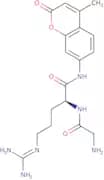
CAS:Controlled Product<p>N-[1-[2-(4-Ethyl-5-Oxotetrazol-1-Yl)Ethyl]-4-Phenylpiperidin-4-Yl]-N-(2-Fluorophenyl)Propanamide is a drug that is used clinically for the treatment of depression. It is an analog of amitriptyline, an antidepressant and a tricyclic compound. N-[1-[2-(4-Ethyl-5-Oxotetrazol-1-Yl)Ethyl]-4-Phenylpiperidin-4-Yl]-N-(2-Fluorophenyl)Propanamide has been shown to increase the concentration of plasma drug levels by increasing transporter gene expression in muscle tissue. This drug also has clinical pharmacology and thermal expansion properties.</p>Formula:C25H31FN6O2Purity:Min. 95%Molecular weight:466.55 g/molH-Gly-Arg-AMC hydrochloride salt
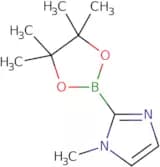
CAS:<p>H-Gly-Arg-AMC hydrochloride salt is a substrate for the enzymes cathepsins B, H, and L. This compound has been used to measure protease activity in cell culture and as a diagnostic substrate for peptidases. The enzyme reaction can be monitored by measuring changes in the fluorescence of the product at 340 nm. The pH optimum for this enzyme is 7.4.</p>Formula:C18H24N6O4•HClPurity:Min. 98 Area-%Color and Shape:PowderMolecular weight:424.88 g/mol1-Methyl-1H-imidazole-2-boronic acid pinacolester
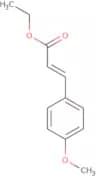
CAS:<p>1-Methyl-1H-imidazole-2-boronic acid pinacolester is a chemical compound that is used as a reagent in organic synthesis. It is also a useful building block for complex compounds, and can be used as a versatile building block for drug discovery research. 1-Methyl-1H-imidazole-2-boronic acid pinacolester is soluble in water, has good solubility in organic solvents such as ethanol, acetone, THF, and DMF. It has a CAS number of 553651-31-3 and the molecular weight of 252.24 g/mol.</p>Formula:C10H17BN2O2Purity:Min. 95 Area-%Color and Shape:White PowderMolecular weight:208.07 g/molEthyl 4-methoxycinnamate
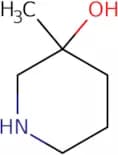
CAS:<p>Ethyl 4-methoxycinnamate is a white crystalline solid that is soluble in water. It is used as a food additive, and has been shown to have anti-bacterial, analgesic, and antioxidant properties. The compound interacts with the β-cyclodextrin molecule when it is dissolved in water. This interaction leads to a decrease in its solubility in water.</p>Formula:C12H14O3Purity:Min. 95%Color and Shape:PowderMolecular weight:206.24 g/mol3-Methylpiperidin-3-ol
CAS:<p>3-Methylpiperidin-3-ol is a chemical compound that has been found to be useful as a building block for the synthesis of various complex compounds. This product is used in research and as a reagent. 3-Methylpiperidin-3-ol is also known by the CAS number 473730-88-0.</p>Formula:C6H13NOPurity:Min. 95%Color and Shape:Yellow solid.Molecular weight:115.17 g/mol1-[(5-Chloro-1-methyl-1H-indol-3-yl)methyl]piperidine-4-carboxylic acid
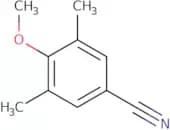
CAS:Controlled Product<p>Please enquire for more information about 1-[(5-Chloro-1-methyl-1H-indol-3-yl)methyl]piperidine-4-carboxylic acid including the price, delivery time and more detailed product information at the technical inquiry form on this page</p>Formula:C16H19ClN2O2Purity:Min. 95%Molecular weight:306.79 g/mol3,5-Dimethyl-4-methoxybenzonitrile
CAS:<p>3,5-Dimethyl-4-methoxybenzonitrile is a chemical that can be used as an intermediate for the synthesis of organic compounds. It is also useful for research purposes. 3,5-Dimethyl-4-methoxybenzonitrile has a CAS number of 152775-45-6 and can be found in the chemical catalog at Acros Organics. This compound is a reactive building block that can undergo many reactions to produce other chemicals. 3,5-Dimethyl-4-methoxybenzonitrile is a complex compound with high purity and quality.</p>Formula:C10H11NOPurity:Min. 95%Color and Shape:PowderMolecular weight:161.2 g/molThiophene-2-glyoxylic acid
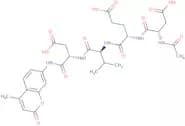
CAS:<p>Thiophene-2-glyoxylic acid is a reactive metabolite of thiophene that is formed from the environmental degradation of this compound. Thiophene-2-glyoxylic acid reacts with halides to form an electrophilic intermediate. This intermediate can react with a variety of nucleophiles, including the drug metabolites, leading to the formation of new compounds. Thiophene-2-glyoxylic acid has been shown to enhance the fluorescence properties of some organic compounds. It also has been shown to inhibit the metabolism of some drugs that are conjugated with acids and can be detected in plasma by mass spectrometry.</p>Formula:C6H4O3SPurity:Min. 95%Color and Shape:PowderMolecular weight:156.16 g/molAc-Asp-Glu-Val-Asp-AMC ammonium salt
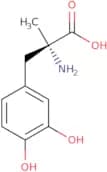
CAS:<p>Ac-Asp-Glu-Val-Asp-AMC ammonium salt is a small molecule that is used as a tool to study apoptosis in vitro. Ac-Asp-Glu-Val-Asp-AMC ammonium salt induces apoptosis by blocking the mitochondrial membrane potential and inducing the release of cytochrome c from mitochondria into the cytoplasm. This drug also induces activation of caspase 3, which initiates the cascade of events leading to cell death. Ac-Asp-Glu-Val-Asp-AMC ammonium salt has been shown to have an antiangiogenic effect on hl60 cells. This effect may be due to its ability to inhibit expression of survivin, a protein that protects cells from apoptosis. The efficacy of this drug in an experimental model has been shown to be dependent on toll like receptor (TLR) signaling pathways and mitochondrial function.br></p>Formula:C30H37N5O13•NH3Purity:Min. 97 Area-%Color and Shape:PowderMolecular weight:692.67 g/mol3-(3,4-Dihydroxyphenyl)-2-methyl-L-alanine sesquihydrate
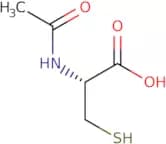
CAS:<p>3-(3,4-Dihydroxyphenyl)-2-methyl-L-alanine sesquihydrate is a biological sample that is an active inhibitor of the enzyme methyldopa. This compound has been shown to reduce blood pressure in rats and humans by blocking the α7 nicotinic acetylcholine receptor. 3-(3,4-Dihydroxyphenyl)-2-methyl-L-alanine sesquihydrate is also a polymer composition that has been shown to be toxic in animal studies. The toxicity of 3-(3,4-dihydroxyphenyl)-2-methyl-L-alanine sesquihydrate can be attributed to its structural similarity to methyldopa or its ability to act as a receptor agonist.</p>Formula:C10H13NO4•(H2O)1Purity:Min. 95%Molecular weight:238.24 g/molN-Acetyl-L-cysteine
CAS:<p>Antioxidant; mucolytic agent; anti-viral against influenza A viruses</p>Formula:C5H9NO3SColor and Shape:White PowderMolecular weight:163.2 g/mol20-Deoxo-23-deoxy-5-O-[3,6-dideoxy-3-(dimethylamino)-β-D-glucopyranosyl]-20,23-di-1-piperidinyltylonolide
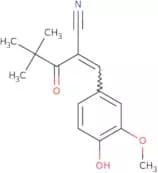
CAS:<p>20-Deoxo-23-deoxy-5-O-[3,6-dideoxy-3-(dimethylamino)-beta-D-glucopyranosyl]-20,23-di-1-piperidinyltylonolide is an antimicrobial agent that belongs to the group of chemotherapeutic agents. It is a fluorinated analog of tilmicosin. The low dose group was treated with this drug for five days, and the high dose group received 20 times the amount of drug. Fluorescence spectrometry showed that there was no significant difference in the fluorescence intensity between these two groups after 24 hours. This drug has been shown to have pharmacokinetic properties in rats and mice, but further optimization may be required to improve its process.</p>Formula:C41H71N3O8Purity:Min. 95%Color and Shape:Off-White PowderMolecular weight:734.02 g/mol2-(2,2-dimethylpropanoyl)-3-(4-hydroxy-3-methoxyphenyl)prop-2-enenitrile
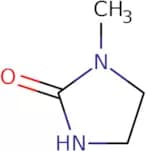
CAS:<p>Please enquire for more information about 2-(2,2-dimethylpropanoyl)-3-(4-hydroxy-3-methoxyphenyl)prop-2-enenitrile including the price, delivery time and more detailed product information at the technical inquiry form on this page</p>Purity:Min. 95%1-Methyl-2-imidazolidinone
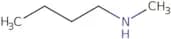
CAS:<p>1-Methyl-2-imidazolidinone is an organic molecule that has nucleophilic attack properties. It is a chiral molecule that has mesomeric and lactam structures. The ligand has dipole, tetramethylurea, and hydroxy groups. 1-Methyl-2-imidazolidinone is used as a solvent for the preparation of some pharmaceuticals, such as ampicillin, amoxicillin, and cefditoren pivoxil. It is also used in the synthesis of other compounds such as ethyl acetate, chloroformates, and epoxy compounds. 1-Methyl-2-imidazolidinone is used as an additive to increase the volatility of solvents or to lower the melting point of polymers in order to make them more suitable for processing.</p>Formula:C4H8N2OPurity:Min. 95%Color and Shape:PowderMolecular weight:100.12 g/molN-Methylbutylamine
CAS:<p>N-Methylbutylamine is a pharmaceutical drug that belongs to the class of amines. It is used as a hydrogen bond donor in some organic reactions. N-Methylbutylamine has been shown to have cytotoxic effects on prostate cancer cells and has been used for the treatment of this type of cancer. This drug also has a fluorescent derivative, which can be used in the detection of water vapor. The amine group of N-Methylbutylamine is involved in catalysis by enzymes and organometallic compounds. The optimum pH for this molecule is 7, with an activation energy at 20 degrees Celsius of 42 kilojoules per mole.<br>N-Methylbutylamine has also been shown to inhibit kinesin, an important protein involved in cellular transport.</p>Formula:C5H13NPurity:Min. 95%Color and Shape:Clear LiquidMolecular weight:87.17 g/mol2-Methylanthracene
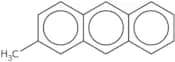
CAS:<p>2-Methylanthracene is a diazonium salt that inhibits the growth of bacteria by binding to DNA, thereby preventing transcription and replication. 2-Methylanthracene has an inhibitory effect at pH 6.0 but no inhibitory effect at pH 8.0 due to its solubility data. The aromatic hydrocarbon is soluble in water and has a solute concentration of 1.5 g/L at pH 6.0 and 5 g/L at pH 8.0. 2-Methylanthracene binds to the DNA of bacteria in cell culture through steric interactions with the hydrophobic aromatic rings, inhibiting bacterial growth and causing cell death by interfering with protein synthesis and DNA replication.</p>Formula:C15H12Purity:Min. 95%Color and Shape:Off-White PowderMolecular weight:192.26 g/molBis(4-methyl-2-pentyl) phthalate
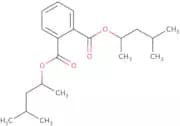
CAS:<p>Dibutyl phthalate is a mixture of two isomers, butyl benzyl phthalate and dibutyl phthalate. It is used as a plasticizer in the manufacture of polyvinyl chloride plastics. The health effects of dibutyl phthalate are not well-studied, although it has been shown to cause liver toxicity in rats. Dibutyl phthalate can be analyzed by gas chromatography or high-performance liquid chromatography. The chromatographic method for determining the presence of dibutyl phthalate is based on the chemical properties of the functional groups, which are determined by the type of solvent and the matrix effect. Dibutyl phthalate can also be determined using magnetic particles. This technique uses an analytical method that involves preparing a solution with a known concentration, followed by adding magnetic particles to the solution and measuring their response to an applied magnetic field.</p>Formula:C20H30O4Purity:Min. 95%Color and Shape:PowderMolecular weight:334.45 g/molFmoc-D-glu-OtBu
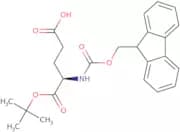
CAS:<p>Fmoc-D-glu-OtBu is an amide that can be used as a screening reagent for the detection of carbohydrate and periplasmic compounds. It has been shown to inhibit hepatitis in humans, which may be due to its ability to bind with muramyl dipeptide. Fmoc-D-glu-OtBu has also been shown to synergize with other vaccines, such as tetanus and escherichia coli surface antigen.</p>Formula:C24H27NO6Purity:Min. 95%Color and Shape:White PowderMolecular weight:425.47 g/molHis-Cys-Lys-Phe-Trp-Trp
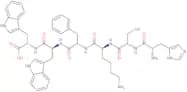
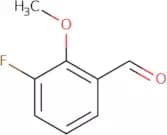
CAS:<p>His-Cys-Lys-Phe-Trp-Trp is a tryptic peptide, which is a fragment of the human immunodeficiency virus (HIV) p24 protein. This peptide has been shown to inhibit HIV replication in vitro. His-Cys-Lys-Phe-Trp-Trp binds to the transfer RNA and prevents the amino acid transfer reaction from occurring. The binding of His-Cys-Lys-Phe-Trp-Trp to glutathione may be due to its hydrophilicity, which allows it to interact with this molecule. His-Cys-Lys-Phe-Trp also interacts with reactive oxygen species, which are generated as byproducts of glutathione metabolism.</p>Formula:C46H55N11O7SPurity:Min. 95%Color and Shape:PowderMolecular weight:906.06 g/mol3-Fluoro-2-methoxybenzaldehyde
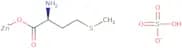
CAS:<p>3-Fluoro-2-methoxybenzaldehyde is a synthetic chemical that has been used as a precursor in the synthesis of pharmaceuticals and other organic compounds. 3-Fluoro-2-methoxybenzaldehyde can be prepared through the lithiation, chloromethylation, or trimethylation of 3-fluoroacetophenone. The compound can be oxidized to 3,4-dihydrobenzofuran with peroxide at low temperature. This conversion can be achieved using a variety of reagents, such as boron tribromide or boron trichloride.</p>Formula:C8H7FO2Purity:Min. 95%Color and Shape:Colorless PowderMolecular weight:154.14 g/molZinc methionine sulfate
CAS:<p>Zinc methionine sulfate is a dietary supplement that has been shown to be effective in the treatment of polycystic ovarian syndrome. It is not clear how zinc methionine sulfate works, but it may improve biochemical abnormalities and antibody response in animals. Zinc methionine sulfate also has the ability to bind to urea nitrogen and metal ions, which may help prevent bacterial translocation. This product also acts as a phosphatase inhibitor and a fatty acid reductase inhibitor.</p>Formula:C5H11NO6S2ZnColor and Shape:White PowderMolecular weight:310.66 g/molDL-Proline
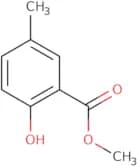
CAS:<p>A useful as an intermediate in the synthesis of peptides, proteins, and other organic molecules. It can be used as a reagent or as an additive to other chemicals.</p>Formula:C5H9NO2Purity:Min. 99 Area-%Molecular weight:115.13 g/molMethyl 5-methylsalicylate
CAS:<p>Methyl 5-methylsalicylate is a synthetic compound that belongs to the group of aldehydes. It is used in coatings, nigrum, and as an intermediate in the synthesis of other compounds. Methyl 5-methylsalicylate has been shown to have synergistic effects with methyl salicylate and can be used for the treatment of exocrine gland disorders such as hyperhidrosis or erythrasma. The hydroxyl group on the methyl group increases its polarity and its ability to form hydrogen bonds, which may account for its high volatility. This compound also has photophysical properties that allow it to show different colors when exposed to light. Methyl 5-methylsalicylate has been shown to be homochiral because it has two identical enantiomers.</p>Formula:C9H10O3Purity:Min. 95%Color and Shape:Colorless Clear LiquidMolecular weight:166.17 g/mol2-Chloro-1-methylquinolinium tetrafluoroborate
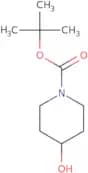
CAS:<p>2-Chloro-1-methylquinolinium tetrafluoroborate (2CQBF) is a synthetic compound that inhibits protein synthesis. It has been used as an analytical reagent for the determination of proteins, including those in urine samples. 2CQBF has been shown to be effective in the treatment of cancer and other diseases, such as lupus erythematosus, arthritis, and psoriasis.</p>Formula:C10H9ClN•BF4Purity:Min. 95%Color and Shape:White PowderMolecular weight:265.44 g/mol1-Boc-4-piperidinol
CAS:<p>1-Boc-4-piperidinol is an inhibitor of serine proteases. It also has potent inhibitory activity against 5-HT2A receptors and inhibits the growth of cancer cells. 1-Boc-4-piperidinol is a molecule that contains a hydroxy group and a serine protease inhibitor. It reacts with hydrochloric acid to form 1-boc piperazine, which is then reacted with hydrogen chloride to form the final product. The pharmacokinetic properties of this drug are not known due to the lack of oral bioavailability in rats. However, it does show slow absorption by inhalation and subcutaneous administration, suggesting that it may be absorbed through these routes as well.</p>Formula:C10H19NO3Purity:Min. 95%Color and Shape:Off-White PowderMolecular weight:201.26 g/molBoc-O-benzyl-L-serine
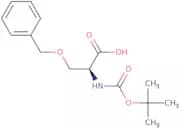
CAS:<p>Boc-O-benzyl-L-serine is a synthetic molecule that has been shown to activate fibroblast cells. It can be used as a topical analgesic, such as in the treatment of pain from arthritis, or in the treatment of wounds. Boc-O-benzyl-L-serine was first synthesized by the reaction of serine with benzyl chloroformate and bromoacetic acid. This reaction is carried out at room temperature and produces a mixture containing two diastereomers. The diastereomers were separated by column chromatography and then reacted with glycopeptide for activation. The activated product was purified by recrystallization in methanol to produce pure Boc-O-benzyl-L-serine.</p>Formula:C15H21NO5Purity:Min. 95%Color and Shape:White PowderMolecular weight:295.33 g/mol5,5-Dimethyl-2-phenyl-1,3-thiazolidine-4-carboxylic acid
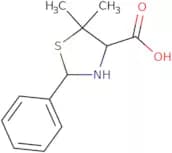
CAS:<p>5,5-Dimethyl-2-phenyl-1,3-thiazolidine-4-carboxylic acid is a chemical compound that contains a thiazolidine ring. This compound is a chiral molecule and has been shown to have an interaction with tyrosinase, which is an enzyme involved in the production of melanin. The conformation of this molecule can be determined by x-ray diffraction studies. The reaction product is formed when 5,5-dimethyl-2-phenyl-1,3-thiazolidine 4 carboxylic acid reacts with an aldehyde.</p>Formula:C12H15NO2SPurity:Min. 95%Color and Shape:PowderMolecular weight:237.32 g/mol(4-Formyl-2-methoxyphenoxy)acetic acid
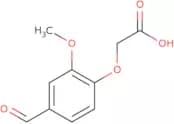
CAS:<p>Phenoxyacetic acid is a phenoxy compound that exhibits antibacterial and anthelmintic activity. It has been shown to be highly active against helminthes, such as tapeworms and roundworms. Phenoxyacetic acid interacts with the helminth's cell membrane, which causes the release of cytochrome c from mitochondria and inhibits mitochondrial function. This leads to cell death by inhibiting protein synthesis and DNA replication. The hydrophobic nature of phenoxyacetic acid allows it to penetrate the anthelmint's cuticle and enter the worm's body cavity where it inhibits mitochondrial function. Phenoxyacetic acid has also been shown to inhibit tuberculosis in mice in vivo, but not in vitro. In addition, phenoxyacetic acid binds to nuclei of cancer cells and prevents the production of RNA and protein synthesis. This results in cell death by apoptosis or necrosis.</p>Formula:C10H10O5Purity:Min. 95%Color and Shape:PowderMolecular weight:210.18 g/mol3-Phenoxyphenylacetic acid
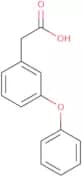
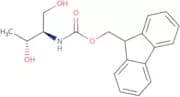
CAS:<p>3-Phenoxyphenylacetic acid is a diphenyl ether compound. It is used as a preservative and has antimycobacterial activity. 3-Phenoxyphenylacetic acid has been shown to be active against tuberculosis, with an MIC of 0.5 ug/mL. In addition, it can inhibit the growth of methicillin-resistant Staphylococcus aureus (MRSA) and erythromycin-resistant Mycobacterium tuberculosis. The mechanism of action is not fully understood, but may involve the inhibition of electron transport or oxidative phosphorylation in bacterial cells. 3-Phenoxyphenylacetic acid also inhibits the formation of reactive oxygen species from NADPH oxidase in human neutrophils, which may contribute to its antimicrobial activity.</p>Formula:C14H12O3Purity:Min. 95%Color and Shape:PowderMolecular weight:228.24 g/molFmoc-L-threoninol
CAS:<p>Fmoc-L-threoninol is a conjugate of L-threoninol with a protecting group, Fmoc. It is synthesized by the solid-phase method on an activated resin and then cleaved from the resin to give the desired product. The linker used in this synthesis is succinic acid diacetate. This compound has been shown to have anti-inflammatory effects in human serum, which may be due to its ability to inhibit prostaglandin synthesis.</p>Formula:C19H21NO4Purity:Min. 95%Color and Shape:PowderMolecular weight:327.37 g/molL-Proline-13C5
CAS:<p>L-Proline-13C5 is a high quality, reagent grade, complex compound that is useful as an intermediate for the synthesis of fine chemicals. It has CAS No. 201740-83-2 and can be used in a variety of chemical reactions to produce useful scaffolds or building blocks. L-Proline-13C5 is also a versatile building block that can be used in research or pharmaceutical applications. It is a speciality chemical that has many uses including reaction components for the synthesis of other compounds.</p>Formula:C5H9NO2Purity:Min. 95%Color and Shape:PowderMolecular weight:120.13 g/molEthyl 2-(4-((5-chloro-2-methoxyphenyl)amino)-3,5-thiazolyl)acetate
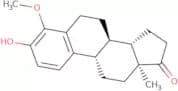
CAS:<p>Please enquire for more information about Ethyl 2-(4-((5-chloro-2-methoxyphenyl)amino)-3,5-thiazolyl)acetate including the price, delivery time and more detailed product information at the technical inquiry form on this page</p>Purity:Min. 95%4-Methoxy estrone
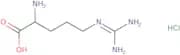
CAS:Controlled Product<p>4-Methoxy estrone is a metabolite of estradiol that has been shown to induce cellular transformation in vitro and tumorigenesis in vivo. It can be found in the urine of women with breast cancer and is also produced during pregnancy. 4-Methoxy estrone has been shown to have a high affinity for catechol-O-methyltransferase (COMT) enzyme, which may contribute to its carcinogenic effects. Studies have also shown that 4-methoxy estrone can be metabolized by hydroxylation at the 4 position to form catechol estrogen metabolites, which are associated with preeclampsia. This compound has been identified as an endocrine disruptor that alters metabolic profiles when administered to animals.</p>Formula:C19H24O3Purity:Min. 95%Color and Shape:PowderMolecular weight:300.39 g/molDL-Arginine hydrochloride
CAS:<p>L-Arginine is a conditionally essential amino acid that is used in the biosynthesis of proteins. It has been shown to inhibit the activity of specific enzymes, such as casein kinase II and phospholipase A2, which are involved in cellular processes. L-Arginine has been found to be beneficial for patients with type 2 diabetes mellitus who have poor glucose homeostasis and renal dysfunction. L-Arginine also enhances uptake of cationic surfactants by cells. L-Arginine HCl is an inorganic acid that may be used for pharmacokinetic studies in humans or animals.</p>Formula:C6H14N4O2•(HCl)xPurity:Min. 95%Color and Shape:PowderMolecular weight:174.2 g/molAMPD
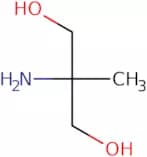
CAS:<p>AMPD, also known as 2-Amino-2-methyl-1,3-propanediol, is a buffer solution with a pH range of 7.8-9.7 and a pKa of 8.8. This chemical buffer is used in molecular biology, protein studies, enzyme assays, and separation techniques such as isatachophoresis (ITP) and SDS-gradient gel electrophoresis.</p>Formula:C4H11NO2Purity:Min. 95%Color and Shape:PowderMolecular weight:105.14 g/mol2-Methyl-5-nitroanisole
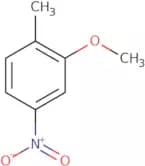
CAS:<p>2-Methyl-5-nitroanisole is a phenol that can be synthesized by the demethylation of 2,6-dichlorophenol with tribromide. It can also be synthesized from benzaldehyde and benzoic acid. 2-Methyl-5-nitroanisole has been used as a cardiotonic for its ability to increase the strength of heart contractions. It also has been shown to be an intermediate in the synthesis of boron compounds. This compound is fluorinated and yields high yields when synthesized from benzaldehyde and benzoic acid. 2-Methyl-5-nitroanisole is a nucleophile that reacts with electrophiles such as amines, thiols, sulfides, alcohols, and carboxylic acids.</p>Formula:C8H9NO3Purity:Min. 95%Color and Shape:Beige PowderMolecular weight:167.16 g/molH-Tyr-Arg-Gly-Asp-Ser-OH trifluoroacetate
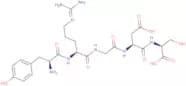
CAS:<p>H-Tyr-Arg-Gly-Asp-Ser-OH trifluoroacetate salt is a peptide that belongs to the class of amides. It is an inhibitor of the growth factor, TGFβ1, and it has been shown to have a high affinity for human serum albumin. H-Tyr-Arg-Gly-Asp-Ser-OH trifluoroacetate salt has been shown to inhibit the growth of cells in culture; this may be due to its ability to bind to proteins, such as collagen and cell culture media. H-Tyr-Arg-Gly-Asp-Ser-OH trifluoroacetate salt has also been shown to have biological properties that are similar to those of human immunoglobulin.</p>Formula:C24H36N8O10•C2HF3O2Purity:Min. 95%Color and Shape:White/Off-White SolidMolecular weight:710.61 g/molD-Lysine HCl
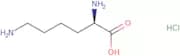
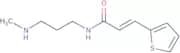
CAS:<p>D-Lysine HCl is an amino acid that is used as a dietary supplement for the treatment of L-lysine deficiency. It is a precursor to protein synthesis and has been shown to have an inhibitory effect on neuronal function. D-Lysine HCl can be synthesized from lysine by hydrolysis with hydrochloric acid in the presence of piperazine. This reaction produces dibenzoate and d-piperazine, which are then reacted with l-tartaric acid to form the final product. D-Lysine HCl is usually purified from this mixture by gel chromatography or ion exchange chromatography.</p>Formula:C6H14N2O2·HClColor and Shape:White PowderMolecular weight:182.65 g/mol(E)-N-(3-Methylaminopropyl)-2-thiopheneacrylamide
CAS:<p>(E)-N-(3-Methylaminopropyl)-2-thiopheneacrylamide is a high quality chemical that can be used as an intermediate in the synthesis of complex compounds. It is also a useful scaffold and building block for the synthesis of speciality chemicals with versatile reactions.</p>Formula:C11H16N2OSPurity:Min. 95%Color and Shape:Colorless Clear LiquidMolecular weight:224.32 g/molL-b-Phenyllactic acid
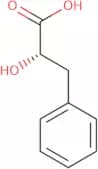
CAS:<p>L-b-Phenyllactic acid is a monocarboxylic acid that is found in urine. It has an inhibitory effect on the binding of certain inhibitors, such as fatty acids and malic acid, to their receptors. L-b-Phenyllactic acid also inhibits the binding of some drugs, such as L-DOPA, to their receptors. This inhibition may be due to hydrogen bonding or receptor binding interactions with specific amino acids in the receptor protein. L-b-Phenyllactic acid has been shown to have cytotoxic effects on leukemia cells and is used for animal experiments.</p>Formula:C9H10O3Purity:Min. 95%Color and Shape:PowderMolecular weight:166.17 g/molL-Alanosine
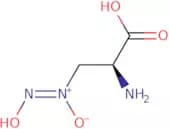
CAS:<p>L-Alanosine is a nucleotide that is synthesized from adenosine and alanine. It is the first substrate in the synthetic pathway of l-alanosine. L-Alanosine has been shown to have antibiotic properties against gram negative bacteria, such as Escherichia coli and Klebsiella pneumoniae. L-Alanosine inhibits synthesis of bacterial cell walls by interfering with the enzymatic activity of bacterial ribonucleotide reductase, which converts ribonucleotides to deoxyribonucleotides. The molecule also inhibits protein synthesis by binding to the 30S subunit of bacterial ribosomes, preventing elongation of polypeptide chains. In vivo treatment with L-alanosine significantly reduced tumor size and increased levels of ATP in colorectal adenocarcinoma cells.<br>br>br></p>Formula:C3H7N3O4Purity:Min. 95%Color and Shape:Off-White PowderMolecular weight:149.11 g/molL-Norleucine
CAS:<p>L-Norleucine is a non-essential amino acid that is structurally similar to leucine. It has been shown to have an inhibitory effect on the growth of resistant mutants in the coli K-12 strain. L-Norleucine binds strongly to amyloid proteins and may be used as a therapeutic agent for Alzheimer's disease. It has also been shown to be effective against congestive heart failure in vitro, which may be due to its ability to modulate monoamine neurotransmitters and increase the availability of nitric oxide. L-Norleucine may also be useful for the treatment of Parkinson's disease because it inhibits protein aggregation at low concentrations.</p>Formula:C6H13NO2Purity:Min. 95%Color and Shape:PowderMolecular weight:131.17 g/mol[3-(2-Methoxyethoxy)benzyl]amine
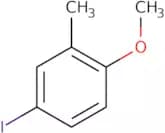
CAS:<p>[3-(2-Methoxyethoxy)benzyl]amine is a high-quality chemical that can be used as an intermediate in the synthesis of complex compounds. It is also a useful scaffold for the synthesis of other chemicals, such as pharmaceuticals and pesticides. This compound also has many uses in research, such as being a versatile building block and reaction component.</p>Formula:C10H15NO2Purity:Min. 95%Color and Shape:PowderMolecular weight:181.23 g/mol4-Iodo-2-methylanisole
CAS:<p>4-Iodo-2-methylanisole (4IM) is a naphthalene that is regiospecifically eliminated after activation by nitrate in an acidic medium. The hydrochloride salt of 4IM, koenigicine, has been shown to produce estrogen levels in the female rat similar to those produced by 17β-estradiol. The synthesis of 4IM involves the nitration of 2-methylanisole followed by iodine oxidation. This reaction produces a mixture of mono-, di-, and tri-iodonapthalenes. The product obtained from this reaction is purified with column chromatography or recrystallization.<br>Theory predicts that 4IM will be oxidized to 4-iodo-2,6-dimethylanisole by terpene oxidants such as acetonitrile or ozone.</p>Formula:C8H9IOPurity:Min. 95%Color and Shape:PowderMolecular weight:248.06 g/mol2-Hydroxy-4-methoxyacetophenone
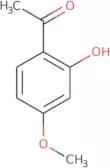
CAS:<p>2-Hydroxy-4-methoxyacetophenone is a compound that has been shown to have a minimal toxicity profile and a wide range of pharmacological activities. It inhibits the activity of NF-κB, which is an inflammatory signaling protein, and also has antioxidant properties. 2-Hydroxy-4-methoxyacetophenone has been shown to reduce the severity of cardiovascular disease by inhibiting oxidative injury in the mitochondria and reducing oxidative stress. This drug also reduces atherosclerotic lesions and prevents hypoglycemia by increasing glucose uptake in tissues. Moreover, it can be used to treat leukemia inhibitory factor in patients with chronic myeloid leukemia (CML).</p>Formula:C9H10O3Purity:Min. 95%Color and Shape:PowderMolecular weight:166.17 g/mol[(3-Methylphenyl)(phenyl)methyl]amine hydrochloride
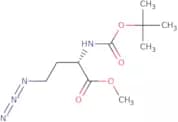
CAS:<p>[(3-Methylphenyl)(phenyl)methyl]amine hydrochloride is a useful building block in the synthesis of many organic compounds. It has been used extensively as a research chemical, and is often used as an intermediate to synthesize other chemicals. [(3-Methylphenyl)(phenyl)methyl]amine hydrochloride is also a versatile scaffold for drug design, and has shown anti-inflammatory properties.</p>Formula:C14H16ClNPurity:Min. 95 Area-%Color and Shape:PowderMolecular weight:233.74 g/mol(2S)-N-Boc-2-amino-4-azido-butanoic acid methyl ester
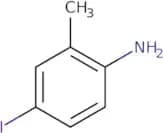
CAS:<p>(2S)-N-Boc-2-amino-4-azido-butanoic acid methyl ester is a high quality, reagent, complex compound, useful intermediate, fine chemical that is used as a building block in the synthesis of speciality chemicals.</p>Formula:C10H18N4O4Purity:Min. 95%Color and Shape:PowderMolecular weight:258.27 g/mol4-Iodo-2-methylaniline
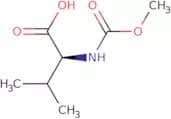
CAS:<p>The 4-Iodo-2-methylaniline is a synthetic molecule that belongs to the group of amines. It has been shown to bind to human protein and can be used for the synthesis of boronic acids and quinoline derivatives. 4-Iodo-2-methylaniline can be synthesized by reacting hydrochloric acid with sodium periodate, followed by addition of an aryl boronic acid. The reaction time is dependent on the nature of the reactant. The pharmacophore consists of a proton and an aryl boronic acid, which is responsible for binding with human protein.</p>Formula:C7H8INPurity:Min. 95%Color and Shape:PowderMolecular weight:233.05 g/mol(S)-2-((Methoxycarbonyl)amino)-3-methylbutanoic acid
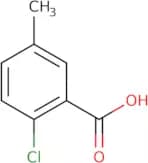
CAS:<p>(S)-2-((Methoxycarbonyl)amino)-3-methylbutanoic acid is a synthetic molecule that has been studied for its antiviral activity against hepatitis C virus. The compound was found to inhibit the replication of the virus, with an IC50 of 0.5 mM in cell culture studies. It also inhibited the replicon and reaction yield of the virus in vitro. (S)-2-((Methoxycarbonyl)amino)-3-methylbutanoic acid is effective against genotype 1 and 2, but not against genotype 3. It is active against a broad range of HCV isolates, including those resistant to other drugs such as ribavirin or telaprevir. The drug has been shown to be well tolerated in animals and humans. END></p>Formula:C7H13NO4Purity:Min. 95%Color and Shape:White PowderMolecular weight:175.18 g/mol2-Chloro-5-methylbenzoic acid
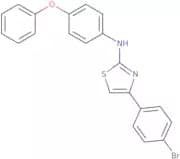
CAS:<p>2-Chloro-5-methylbenzoic acid is a carcinogenic substance that is used in the manufacturing of acridine dyes. It can be found in both solid and liquid forms and has an experimental solubility range of 0.01 to 1.0g/100ml at 25°C. 2-Chloro-5-methylbenzoic acid is soluble in water and has a solute activity coefficient of 1.2, which means it is fairly soluble in water. This chemical also exhibits high reactivity with other compounds that are dissolved in water. The chemical reacts with hydrogen sulfide to produce sulfur dioxide gas, ammonia, and hydrochloric acid, as well as with nitric oxide to produce nitrous oxide, nitrogen dioxide gas, and nitric acid.</p>Formula:C8H7ClO2Purity:Min. 95%Color and Shape:PowderMolecular weight:170.59 g/mol(4-(4-bromophenyl)(2,5-thiazolyl))(4-phenoxyphenyl)amine
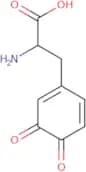
CAS:<p>Please enquire for more information about (4-(4-bromophenyl)(2,5-thiazolyl))(4-phenoxyphenyl)amine including the price, delivery time and more detailed product information at the technical inquiry form on this page</p>Purity:Min. 95%Dopaquinone
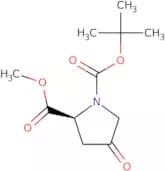
CAS:<p>Please enquire for more information about Dopaquinone including the price, delivery time and more detailed product information at the technical inquiry form on this page</p>Formula:C9H9NO4Purity:Min. 95%Molecular weight:195.17 g/mol(2S)-1-Boc-4-oxo-proline methyl ester
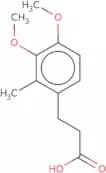
CAS:<p>(2S)-1-Boc-4-oxo-proline methyl ester is a versatile building block that can be used to make many complex compounds. It is a chemical intermediate and reaction component for the production of pharmaceuticals, agrochemicals, dyes, fragrances, and other fine chemicals. This compound is useful as a scaffold for organic synthesis. (2S)-1-Boc-4-oxo-proline methyl ester has been shown to be high quality and useful as an intermediate or reagent in organic reactions.</p>Formula:C11H17NO5Purity:Min. 95%Color and Shape:Off-White Yellow PowderMolecular weight:243.26 g/mol3,4-Dimethoxy-2-methylphenylpropionic acid
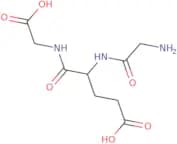
CAS:<p>3,4-Dimethoxy-2-methylphenylpropionic acid is a building block for organic synthesis. It has been used as a research chemical and as a reaction component in the synthesis of other chemicals. 3,4-Dimethoxy-2-methylphenylpropionic acid is also available at high purity levels and can be used as a reagent for analytical purposes.</p>Formula:C12H16O4Purity:Min. 95%Color and Shape:PowderMolecular weight:224.25 g/molH-Gly-Glu-Gly-OH
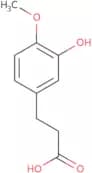
CAS:<p>H-Gly-Glu-Gly-OH is a high quality, versatile building block that is used in the synthesis of complex, high value compounds. It has been shown to be a good reagent for the synthesis of novel natural products and can also be used as a research chemical. H-Gly-Glu-Gly-OH is available as a fine chemical with CAS No. 50997-16-5.</p>Formula:C9H15N3O6Purity:Min. 95%Color and Shape:PowderMolecular weight:261.23 g/mol3-(3-Hydroxy-4-methoxyphenyl)propionic acid
CAS:<p>3-(3-Hydroxy-4-methoxyphenyl)propionic acid is a dihydrochalcone that is found in lettuce. It can be used as an aglycone or with one or more sugar molecules to form glycosides, which are found in many plants. 3-(3-Hydroxy-4-methoxyphenyl)propionic acid has been shown to have a low bioavailability and to inhibit the activity of bile acids. 3-(3-Hydroxy-4-methoxyphenyl)propionic acid can be found in wastewater treatment systems, where it may act as an ecosystem pollutant. In addition, this compound shows antimicrobial properties and has been used for the treatment of wastewater.</p>Formula:C10H12O4Purity:Min. 95%Color and Shape:White Off-White PowderMolecular weight:196.2 g/mol




![N-[2-Chloro-4-(trifluoromethyl)phenyl]-D-Valine](/_next/image/?url=https%3A%2Fstatic.cymitquimica.com%2Fproducts%2F3D%2Fthumb-webp%2FFC90388.webp&w=3840&q=75)

![N-[(S)-(2,3,4,5,6-Pentafluorophenoxy)phenoxyphosphinyl]-L-alanine 1-methylethyl ester](/_next/image/?url=https%3A%2Fstatic.cymitquimica.com%2Fproducts%2F3D%2Fthumb-webp%2FFP59695.webp&w=3840&q=75)



![N-[1-[2-(4-Ethyl-5-Oxotetrazol-1-Yl)Ethyl]-4-Phenylpiperidin-4-Yl]-N-(2-Fluorophenyl)Propanamide](/_next/image/?url=https%3A%2Fstatic.cymitquimica.com%2Fproducts%2F3D%2Fthumb-webp%2FFE102162.webp&w=3840&q=75)
![1-[(5-Chloro-1-methyl-1H-indol-3-yl)methyl]piperidine-4-carboxylic acid](/_next/image/?url=https%3A%2Fstatic.cymitquimica.com%2Fproducts%2F3D%2Fthumb-webp%2FFC128187.webp&w=3840&q=75)

![20-Deoxo-23-deoxy-5-O-[3,6-dideoxy-3-(dimethylamino)-β-D-glucopyranosyl]-20,23-di-1-piperidinyltyl…](/_next/image/?url=https%3A%2Fstatic.cymitquimica.com%2Fproducts%2F3D%2Fthumb-webp%2FFT137728.webp&w=3840&q=75)




![[3-(2-Methoxyethoxy)benzyl]amine](/_next/image/?url=https%3A%2Fstatic.cymitquimica.com%2Fproducts%2F3D%2Fthumb-webp%2FFM134467.webp&w=3840&q=75)
![[(3-Methylphenyl)(phenyl)methyl]amine hydrochloride](/_next/image/?url=https%3A%2Fstatic.cymitquimica.com%2Fproducts%2F3D%2Fthumb-webp%2FFM134405.webp&w=3840&q=75)