Amino Acids (AA)
Amino acids (AAs) are the fundamental building blocks of proteins, playing a crucial role in various biological processes. These organic compounds are essential for protein synthesis, metabolic pathways, and cell signaling. In this category, you will find a comprehensive range of amino acids, including essential, non-essential, and modified forms, which are vital for research in biochemistry, molecular biology, and nutritional sciences. At CymitQuimica, we provide high-quality amino acids to support your research and development needs, ensuring accuracy and reliability in your experimental outcomes.
Subcategories of "Amino Acids (AA)"
- Amino Acid Derivatives(3,955 products)
- Amino Acid and Amino Acid Related Compounds(3,472 products)
- Amino Acids with Oxygen or Sulphur(168 products)
- Boc- Amino Acids(351 products)
- Fmoc Amino Acids(1,710 products)
Found 38263 products of "Amino Acids (AA)"
Sort by
Purity (%)
0
100
|
0
|
50
|
90
|
95
|
100
Methyl (1S,2S,3S,5R)-3-[Bis(4-Fluorophenyl)Methoxy]-8-Methyl-8-Azabicyclo[3.2.1]Octane-2-Carboxylate
CAS:Controlled Product<p>Methyl (1S,2S,3S,5R)-3-[Bis(4-fluorophenyl)methoxy]-8-methyl-8-azabicyclo[3.2.1]octane-2-carboxylate is a molecule that has been shown to bind with high affinity to the serotonin receptor and blocks dopamine uptake. This drug has also demonstrated dose-dependent locomotor activity in rats and m1 muscarinic receptor binding. Methyl (1S,2S,3S,5R)-3-[Bis(4-fluorophenyl)methoxy]-8-methyl-8-azabicyclo[3.2.1]octane-2-carboxylate is being developed for use as a diagnostic tool for detecting Parkinsonian symptoms or chemical reactions in the brain.</p>Formula:C23H25F2NO3Purity:Min. 95%Molecular weight:401.45 g/molPigment YellOw 5;2-[(2-NitrOphenyl)azO]-3-OxO-N-phenylbutanamide
CAS:<p>Please enquire for more information about Pigment YellOw 5;2-[(2-NitrOphenyl)azO]-3-OxO-N-phenylbutanamide including the price, delivery time and more detailed product information at the technical inquiry form on this page</p>Purity:Min. 95%2-Hydroxy-3-methoxybenzyl alcohol
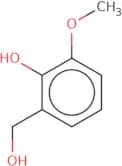
CAS:<p>2-Hydroxy-3-methoxybenzyl alcohol is a phenolic compound that belongs to the class of mandelonitrile. It is an envenomation agent that has been shown to have a molecular weight of 146, and is synthesized by reacting 2-hydroxy-4-methoxybenzaldehyde with formic acid. This drug also has been shown to have high binding affinity for the androgen receptor, which allows it to be used as an antihormone therapy. 2-Hydroxyl-3-methoxybenzyl alcohol binds to hormone receptors in cells and prevents them from binding with the hormones needed for transcription. The hydroxyl group on this molecule allows it to act as an acceptor for other molecules in reactions involving formylation and hydroxylation reactions.</p>Formula:C8H10O3Purity:Min. 95%Color and Shape:PowderMolecular weight:154.16 g/mol3-Phenyl-4-phthalazinone-1-acetic acid
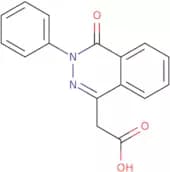
CAS:<p>3-Phenyl-4-phthalazinone-1-acetic acid (3PPAA) is an organic compound that can be used to synthesize gold nanoparticles. Gold nanoparticles are ferroelectric and have a dipole moment. 3PPAA can be modeled using simulations with the panthera program, which is able to predict the effect of various parameters on the morphology of the particles. The shape of the gold nanoparticles can be controlled by changing the concentration of 3PPAA in water and by adding or removing a stabilizing agent such as sodium bicarbonate. 3PPAA has been shown to have a strong interaction with mitochondrial DNA, which could lead to death of cells by interfering with mitochondrial function.</p>Formula:C16H12N2O3Purity:Min. 95%Color and Shape:SolidMolecular weight:280.28 g/mol(S)-(+)-4-Methyl-1-hexanol
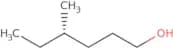
CAS:<p>(S)-(+)-4-Methyl-1-hexanol is a synthetic compound that has been shown to have antibacterial activity against Staphylococcus aureus. The (R)-enantiomer of the compound, which has been synthesized in the past, has also shown activity against S. aureus. However, this enantiomer is not commercially available. The (S)-enantiomer is soluble in organic solvents and can be used as an attractant for S. aureus monitoring purposes. In addition, it has antioxidant potential and may be useful as a medicine for short-chain fatty acid production disorders.</p>Formula:C7H16OPurity:Min. 95%Molecular weight:116.2 g/mol4-Hydroxy-3-methoxypropiophenone
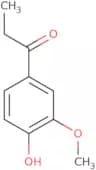
CAS:<p>4-Hydroxy-3-methoxypropiophenone is a contaminating compound that has been found in water vapor and may be generated by the thermal degradation of fatty acids. This chemical is also present in wood and lignin. The ether linkages in this chemical make it resistant to hydrolysis, making it difficult to remove from water or other substances. 4-Hydroxy-3-methoxypropiophenone is produced by the chronic bronchitis and filamentous fungus, but carbon sources are required for its production. It can be used as a starting material for the synthesis of other organic compounds with hydroxyl groups, such as phenols and coumarins.</p>Formula:C10H12O3Purity:Min. 95%Color and Shape:PowderMolecular weight:180.2 g/molH-Lys-Thr-OH trifluroacetate
CAS:<p>Please enquire for more information about H-Lys-Thr-OH trifluroacetate including the price, delivery time and more detailed product information at the technical inquiry form on this page</p>Formula:C10H21N3O4•(C2HF3O2)xPurity:Min. 95%7-Methylindole-3-acetic acid
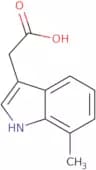
CAS:<p>7-Methylindole-3-acetic acid is a metabolite of indomethacin. It is excreted in the urine and has been found to be present in the tissues of monkeys. 7-Methylindole-3-acetic acid is excreted by the kidneys and it is not known how much of this compound is reabsorbed into the body. 7-Methylindole-3-acetic acid can be metabolized to form other metabolites, including 2,4,5,6 tetrahydropyridine (2,4,5,6 THP), which has been shown to produce DNA damage in rats. The metabolites are then excreted from the body through urination and feces.</p>Formula:C11H11NO2Purity:Min. 95%Molecular weight:189.21 g/molGlycine methylester HCl
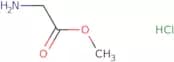
CAS:<p>Glycine methylester HCl is a glycine ester that is synthesized by the reaction of glycine with methanol and hydrochloric acid. The compound has potent antitumor activity, which is due to its ability to inhibit DNA synthesis and RNA synthesis. Glycine methylester HCl also interacts with a number of receptors, including those for serotonin, acetylcholine, histamine, and dopamine. It is an inhibitor of the enzyme methyltransferase and has been shown to be useful in the treatment of autoimmune diseases or other disorders involving excessive cell proliferation. Glycine methylester HCl is metabolized through a number of reactions, including transfer reactions or oxidation reactions that produce methylglyoxal. This compound also binds water molecules and has high water permeability properties.</p>Formula:C3H7NO2•HClPurity:Min. 95%Color and Shape:PowderMolecular weight:125.55 g/mol2,6-Dimethoxy-4-methylbenzoic acid
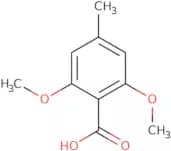
CAS:<p>2,6-Dimethoxy-4-methylbenzoic acid is a carboxylic acid that is used as an intermediate in the production of lithium.</p>Formula:C10H12O4Purity:Min. 95%Color and Shape:PowderMolecular weight:196.2 g/molL-Glutamic acid di-tert-butyl ester hydrochloride
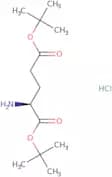
CAS:<p>L-glutamic acid di-tert-butyl ester hydrochloride is a synthetic glutamic acid conjugate that can be used in the treatment of cancer. L-Glutamic acid di-tert-butyl ester hydrochloride is a substrate for many enzymes, such as glutamate transporters and glutaminase, which are found in tumor cells. It has been shown to decrease the uptake of docetaxel by tumor xenografts in mice. The expression of L-Glutamic acid di-tert-butyl ester hydrochloride has been observed in tissues during cancerous growth and it is expressed at higher levels than in normal tissues.</p>Formula:C13H25NO4·HClPurity:Min. 95%Color and Shape:White PowderMolecular weight:295.8 g/mol6-Chloro-9-[[4-(diethylamino)-1-methylbutyl]amino]-2-methoxyacridine dihydrochloride
CAS:<p>6-Chloro-9-[[4-(diethylamino)-1-methylbutyl]amino]-2-methoxyacridine dihydrochloride (CMA) is a fluorescent dye that is used in the diagnosis of platelet disorders. It binds to the beta subunit of glycoprotein IIb/IIIa receptors on platelets, which are involved in the aggregation of platelets. CMA has shown to be effective against antibiotic resistant strains and may be useful for patients with infectious diseases. This drug has been shown to have cytosolic calcium ion (Ca2+) antagonist properties and an inhibitory effect on cell nuclei, as well as biological properties similar to mepacrine and atabrine.</p>Formula:C23H30ClN3O•(HCl)2Purity:Min. 98 Area-%Color and Shape:Slightly Yellow PowderMolecular weight:472.88 g/mol5-Nitro-m-phenylenediamine
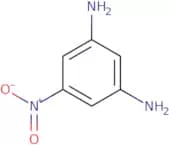
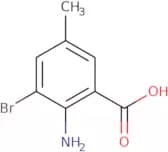
CAS:<p>5-Nitro-m-phenylenediamine is an organic compound that has the chemical formula CHNO. It is a white crystalline solid with a melting point of 158 °C. The compound is soluble in water and other polar solvents but insoluble in nonpolar solvents such as hexane. 5-Nitro-m-phenylenediamine can be prepared by nitration of m-phenylenediamine, which produces the desired product in about 30% yield and with impurities that must be removed by fractional crystallization. The compound is used as an intermediate for making dyes and pharmaceuticals.</p>Formula:C6H7N3O2Purity:Min. 95%Color and Shape:PowderMolecular weight:153.14 g/mol2-Amino-3-bromo-5-methylbenzoic acid
CAS:<p>2-Amino-3-bromo-5-methylbenzoic acid is a fatty acid that belongs to the group of undescribed organic acids. It is found in soil as well as in organisms such as bacteria and fungi. The 2-Amino-3-bromo-5-methylbenzoic acid molecule has been shown to be an antibiotic, inhibiting the growth of bacterial strains belonging to the phyla Actinobacteria and Proteobacteria. It may also be present in plants, where it is channeled out through the roots. This fatty acid also has nucleobase properties, which are essential for DNA replication.br>br><br>span style="font-size: 12px;">2 Amino 3 bromo 5 methyl benzoic acid (2ABMB) was first isolated from soil samples collected from a site near Beijing, China. It is one of many undescribed organic acids that are found</p>Formula:C8H8BrNO2Purity:Min. 95%Color and Shape:PowderMolecular weight:230.06 g/molBis(7-methyloctyl) cyclohexane-1,2-dicarboxylate
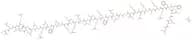
CAS:<p>Bis(7-methyloctyl) cyclohexane-1,2-dicarboxylate is an ester that can be found in the blood of humans and animals. It can also be found in the air as a result of the release of phthalates, which are used to soften plastics. Bis(7-methyloctyl) cyclohexane-1,2-dicarboxylate is used as a catalyst and a reagent in analytical chemistry. This substance is also commonly used as a plasticizer in polyvinyl chloride products and other plastics.</p>Formula:C26H48O4Purity:Min. 95%Color and Shape:Clear LiquidMolecular weight:424.66 g/molLL-37 amide trifluoroacetate
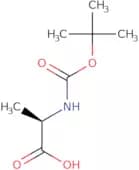
CAS:<p>Please enquire for more information about LL-37 amide trifluoroacetate including the price, delivery time and more detailed product information at the technical inquiry form on this page</p>Formula:C205H341N61O52•(C2HF3O2)xPurity:Min. 95%Color and Shape:PowderMolecular weight:4,492.28 g/molBoc-D-alanine
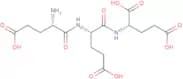
CAS:<p>Boc-D-alanine is a nicotinic acetylcholine receptor agonist that is used for the treatment of Parkinson's disease. Boc-D-alanine is an acid conjugate of D-alanine, which has been shown to increase the activity of the nicotinic acetylcholine receptor. This drug has been found in urine samples and may be useful as a diagnostic tool for detecting Parkinson's disease. The conformational properties of Boc-D-alanine have been investigated through molecular modeling and X-ray crystallography. It has also been shown to be a synthetic substrate for enzymes such as carboxypeptidase A and aminopeptidase P. Although Boc-D-alanine can exist in two forms, one with an acidic environment (Boc) and one with a neutral environment (HOC), it usually exists in its protonated form due to the acidic environment in which it is found.</p>Formula:C8H15NO4Purity:Min. 95%Color and Shape:White Off-White PowderMolecular weight:189.21 g/molPoly-L-glutamic acid sodium, MW 50,000-100,000
CAS:<p>Poly-L-glutamic acid sodium, MW 50,000-100,000 is a treatment agent that belongs to the group of oligopeptides. It is a low-dose therapeutic agent for the treatment of hair loss and alopecia. The amino acid sequence of this product has been shown to be similar to that of methionine and contains carboxyl groups. Poly-L-glutamic acid sodium, MW 50,000-100,000 is formed by the deprotonation and protonation of amino groups and carboxyl groups in an acidic environment.</p>Formula:(C5H9NO4)x•NaxPurity:Min. 95%Color and Shape:PowderH-Ala-Asp-OH
CAS:<p>H-Ala-Asp-OH is a tetrapeptide that belongs to the group of p2, acidic, magnetic and isomeric haemoglobins. This molecule has been shown to hydrolyze enzymes in red blood cells. H-Ala-Asp-OH also binds to red blood cells and may be involved in the regulation of oxygen transport. The magnetic properties of this molecule have been studied by NMR spectroscopy and X-ray crystallography.</p>Formula:C7H12N2O5Purity:Min. 98 Area-%Color and Shape:PowderMolecular weight:204.18 g/mol3-Fluoro-5-methoxybenzonitrile
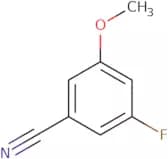
CAS:<p>3-Fluoro-5-methoxybenzonitrile is a useful chemical intermediate that can be used in organic synthesis. It is a versatile building block with a high quality and it is easy to use in the synthesis of complex compounds. 3-Fluoro-5-methoxybenzonitrile has been shown to react as a nucleophile, and it has been used as a reagent for the production of other compounds. This compound also has potential applications in research, such as being an intermediate for the production of pharmaceuticals and agrochemicals. 3-Fluoro-5-methoxybenzonitrile is not classified as hazardous and does not pose any significant risk to human health or the environment.</p>Formula:C8H6FNOPurity:Min. 95%Color and Shape:PowderMolecular weight:151.14 g/mol4-Phenoxycinnamic acid
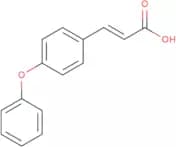
CAS:<p>4-Phenoxycinnamic acid is a useful scaffold and building block in organic chemistry. It is a versatile chemical intermediate with a CAS number of 2215-83-0, often used in the synthesis of other molecules. 4-Phenoxycinnamic acid has recently been shown to be an effective reagent for the conversion of nitrobenzene to benzyl alcohols, which are useful in the production of pharmaceuticals. This compound can also be used as a high-quality research chemical and as a speciality chemical for use in laboratory experimentation.</p>Formula:C15H12O3Purity:Min. 95%Color and Shape:PowderMolecular weight:240.25 g/mol3-(1-Methylhydrazino)-1,2-benzisothiazole 1,1-dioxide
CAS:<p>3-(1-Methylhydrazino)-1,2-benzisothiazole 1,1-dioxide is a fine chemical that is used as a building block for more complex compounds. This molecule has been shown to be an effective intermediate in the production of research chemicals. 3-(1-Methylhydrazino)-1,2-benzisothiazole 1,1-dioxide can be used as a reagent and is available at high quality.</p>Formula:C8H9N3O2SPurity:Min. 95%Color and Shape:White PowderMolecular weight:211.24 g/molBoc-Ser(Tos)-OMe
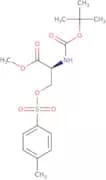
CAS:<p>Boc-Ser(Tos)-OMe is a c6 alkyl, electrophilic and methyl ester. It has been used as an intermediate in the synthesis of drugs such as cefuroxime and tetracycline. This compound is also used to produce organic fluorine compounds that are important in the manufacture of plastics, insecticides, perfumes and pharmaceuticals. Boc-Ser(Tos)-OMe is an inorganic compound with a fluoro group, which is an important component for the production of polymers. The chloro group also plays an important role in this process by introducing chlorine into the polymer chain. The ammonium group can be replaced by other functional groups like alkoxy or alkyl groups to produce different derivatives. Boc-Ser(Tos)-OMe undergoes oxidative reactions when exposed to air or light to form a carboxylic acid derivative, which can be removed by treatment with acids.</p>Formula:C16H23NO7SPurity:Min. 95%Color and Shape:PowderMolecular weight:373.42 g/mol(8S,9S,11R,13S,14S,17S)-11-(2-Fluoroethyl)-13-Methyl-6,7,8,9,11,12,14,15,16,17-Decahydrocyclopenta[a]Phenanthrene-3,17-Diol
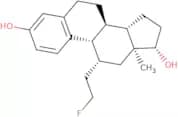
CAS:Controlled Product<p>(8S,9S,11R,13S,14S,17S)-11-(2-Fluoroethyl)-13-Methyl-6,7,8,9,11,12,14,15,16,17-Decahydrocyclopenta[a]Phenanthrene-3,17-Diol is a light emitting diode (LED) that emits light in the near infrared spectrum. This LED is composed of a single layer of CdTe nanowires and has an emission wavelength of 760 nm. It also has a high quantum efficiency and low energy requirements for fabrication. The lifetime of this device is also long and its optical properties are stable over time. This device can be used to replace traditional incandescent bulbs or to emit light in specific wavelengths for biomedical applications.</p>Formula:C20H27FO2Purity:Min. 95%Molecular weight:318.43 g/mol2-Amino-5-methylbenzamide
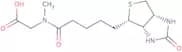
CAS:<p>2-Amino-5-methylbenzamide (2AMB) is a potent inhibitor of the enzyme dihydropyrimidine dehydrogenase and is used in cancer research for its ability to inhibit tumor cell line growth. 2AMB has been shown to inhibit the synthesis of DNA, RNA, and protein in various human cell lines. The mechanism of this inhibition is not well understood, but it may be due to its ability to inhibit the activity of synthetases involved in nucleotide biosynthesis or by inhibiting the reaction system that converts hydration into ATP.</p>Formula:C8H10N2OPurity:Min. 95%Color and Shape:PowderMolecular weight:150.18 g/mol(+)-Biotin-sarcosine
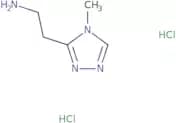
CAS:<p>Please enquire for more information about (+)-Biotin-sarcosine including the price, delivery time and more detailed product information at the technical inquiry form on this page</p>Formula:C13H21N3SO4Purity:Min. 95%Molecular weight:315.39 g/mol2-(4-Methyl-4H-1,2,4-triazol-3-yl)ethanamine dihydrochloride
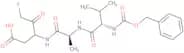
CAS:<p>2-(4-Methyl-4H-1,2,4-triazol-3-yl)ethanamine dihydrochloride is a high quality chemical used as a building block in the synthesis of complex compounds. It is an intermediate in the manufacture of research chemicals, reagents and speciality chemicals. 2-(4-Methyl-4H-1,2,4-triazol-3-yl)ethanamine dihydrochloride is also a versatile building block that can be used in reactions to produce useful scaffolds. CAS No. 1158631-54-9</p>Formula:C5H10N4·2HClPurity:Min. 95%Color and Shape:White PowderMolecular weight:199.08 g/molZ-Val-Ala-DL-Asp-fluoromethylketone
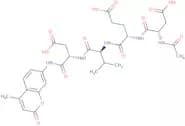
CAS:<p>Z-Val-Ala-DL-Asp-fluoromethylketone is a drug that is used for the treatment of cancer. It can be used in combination with other chemotherapeutic drugs, such as z-vad-fmk, to induce apoptosis in cancer cells. Z-Val-Ala-DL-Asp-fluoromethylketone also inhibits autophagy and neuronal death by inhibiting caspase activation, which prevents the release of proapoptotic proteins from mitochondria into the cytosol. This drug has been shown to have antiinflammatory effects on IL2 receptor signaling pathways and inhibits the production of proinflammatory cytokines by binding to IL2.</p>Formula:C21H28FN3O7Purity:Min. 95%Color and Shape:PowderMolecular weight:453.46 g/molAc-Asp-Glu-Val-Asp-AMC ammonium salt
CAS:<p>Ac-Asp-Glu-Val-Asp-AMC ammonium salt is a small molecule that is used as a tool to study apoptosis in vitro. Ac-Asp-Glu-Val-Asp-AMC ammonium salt induces apoptosis by blocking the mitochondrial membrane potential and inducing the release of cytochrome c from mitochondria into the cytoplasm. This drug also induces activation of caspase 3, which initiates the cascade of events leading to cell death. Ac-Asp-Glu-Val-Asp-AMC ammonium salt has been shown to have an antiangiogenic effect on hl60 cells. This effect may be due to its ability to inhibit expression of survivin, a protein that protects cells from apoptosis. The efficacy of this drug in an experimental model has been shown to be dependent on toll like receptor (TLR) signaling pathways and mitochondrial function.br></p>Formula:C30H37N5O13•NH3Purity:Min. 97 Area-%Color and Shape:PowderMolecular weight:692.67 g/mol1-Fluoro-3-methoxy-2-nitrobenzene
CAS:<p>1-Fluoro-3-methoxy-2-nitrobenzene is a versatile building block that can be used as a scaffold for the synthesis of complex compounds. It is also used as a reaction component in research and development, especially in the production of pharmaceuticals, pesticides and other chemicals. 1-Fluoro-3-methoxy-2-nitrobenzene has many uses in the production of high quality reagents, such as pharmaceutical intermediates, dyes, and explosives.</p>Formula:C7H6FNO3Purity:Min. 95%Molecular weight:171.13 g/molGlycine amide acetate
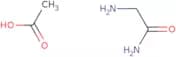
CAS:Controlled Product<p>Glycine amide acetate is a product that contains an imine group. It has been shown to have staining properties when applied to human keratin and is used in the cosmetic industry as a depigmenting agent. Glycine amide acetate has been shown to be effective in the treatment of depression, although it is not yet approved for this use. The molecule also contains an iridoid compound, which may be responsible for its effects on mood.</p>Formula:C2H6N2O•C2H4O2Purity:Min. 95%Color and Shape:PowderMolecular weight:134.13 g/molFmoc-L-cysteic acid
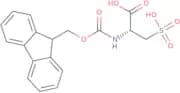
CAS:<p>Fmoc-L-cysteic acid is a versatile building block that can be used as a reagent, speciality chemical, or useful scaffold in the synthesis of complex compounds. It is an intermediate to other organic compounds and has been reported to have high purity. Fmoc-L-cysteic acid reacts with amines in the presence of base to produce amides. This compound can also be used as a reaction component or as a scaffold in the synthesis of pharmaceuticals.</p>Formula:C18H17NO7SPurity:Min. 95%Color and Shape:PowderMolecular weight:391.4 g/mol5-Methyl-2-nitrobenzoic acid
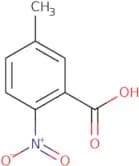
CAS:<p>5-Methyl-2-nitrobenzoic acid is a nitro compound that has been shown to have potent cytotoxicity in vivo. 5-Methyl-2-nitrobenzoic acid inhibits the proliferation of cervical cancer cells in vitro, and induces apoptosis. The functional groups present on this molecule are nitro and methyl. The linear model used to describe the structure of 5-methyl-2-nitrobenzoic acid is an electron withdrawing group, which is why it has such potent cytotoxic effects. It also shows optical properties such as vibrational spectroscopy, which can be used to identify this molecule</p>Formula:C8H7NO4Purity:Min. 95%Color and Shape:PowderMolecular weight:181.15 g/mol3-tert-Butyl-6-methylsalicylic acid
CAS:<p>3-tert-Butyl-6-methylsalicylic acid is a versatile building block that is used in the synthesis of complex compounds. It reacts with amines to form salicylanilides and is also used as a reagent for the synthesis of acetylenes. 3-tert-Butyl-6-methylsalicylic acid can be used as a starting material for the production of pharmaceuticals, pesticides, and dyes. This compound has been shown to be an effective intermediate in the synthesis of new drugs, such as antimalarial agents and analgesics. The high quality of this chemical makes it a useful scaffold for organic synthesis.</p>Formula:C12H16O3Purity:Min. 95%Color and Shape:PowderMolecular weight:208.25 g/mol2-(7-Ethylindol-3-yl)-4-oxo-4-phenylbutanoic acid
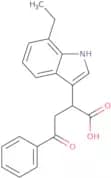
CAS:<p>Please enquire for more information about 2-(7-Ethylindol-3-yl)-4-oxo-4-phenylbutanoic acid including the price, delivery time and more detailed product information at the technical inquiry form on this page</p>Purity:Min. 95%D-Ornithine hydrochloride
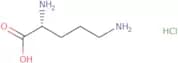
CAS:<p>D-Ornithine hydrochloride is a synthetic amino acid that is used as a precursor for the synthesis of polyamines in the body. It is also used as an additive in food and animal feed. This amino acid has been shown to inhibit gramicidin production by inhibiting the enzyme acylase. D-Ornithine hydrochloride has also been shown to stimulate the production of ornithine by increasing ATP levels and activating enzymes such as pyruvate kinase, glutamic pyruvate transaminase, and phosphoenolpyruvate carboxykinase. In addition, it has been shown to have chemoenzymatic properties that allow for its use in reactions with fatty acids as substrates. The reaction yield increases with higher substrate concentrations, which can be achieved using immobilized cells or by adding cyclic peptides such as ornithine to the reaction mixture.</p>Formula:C5H12N2O2•HClPurity:Min. 95%Color and Shape:PowderMolecular weight:168.62 g/molCyclic(glycyl-L-tyrosyl)
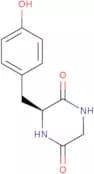
CAS:<p>Cyclic(glycyl-L-tyrosyl) is a phenolic compound and the main metabolite of the dietary supplement resveratrol. It has been shown to have interactions with cellular transport, as well as the ability to activate a number of proteins that are involved in cellular transport. Cyclic(glycyl-L-tyrosyl) also interacts with hydroxyl groups on proteins and activates them, which may lead to the uptake of these proteins by cells. This interaction between cyclic(glycyl-L-tyrosyl) and hydroxyl groups on proteins may be due to its conformation and affinity for this residue. Cyclic(glycyl-L-tyrosyl) has been reported to inhibit the binding of glucosamine to NUDIX hydrolase, as well as preventing glucosamine from activating NUDIX hydrolase.</p>Formula:C11H12N2O3Purity:Min. 98 Area-%Color and Shape:White Off-White PowderMolecular weight:220.22 g/mol3,4-Dihydroxy-L-phenylalanine
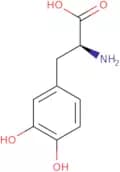
CAS:Controlled Product<p>Precursor of catecholamine neurotransmitters; anti-parkinsonian therapy</p>Formula:C9H11NO4Purity:Min. 98 Area-%Color and Shape:White PowderMolecular weight:197.19 g/mol1-(Hydroxyimino)-1-(5-methyl-3-(3-pyridyl)(2,4-thiazolyl))ethane
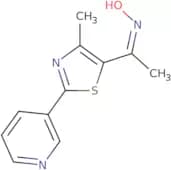
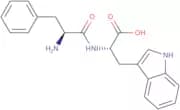
CAS:<p>Please enquire for more information about 1-(Hydroxyimino)-1-(5-methyl-3-(3-pyridyl)(2,4-thiazolyl))ethane including the price, delivery time and more detailed product information at the technical inquiry form on this page</p>Formula:C11H11N3OSPurity:Min. 95%Color and Shape:PowderMolecular weight:233.29 g/molH-Phe-Trp-OH
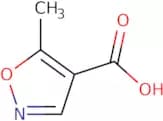
CAS:<p>H-Phe-Trp-OH is an inhibitor of protein phosphatase 2A and is used in the diagnosis of kidney cancer. Magnetic resonance spectroscopy (MRS) is a technique that can be used to measure the concentration of phosphate groups in tissues. Hypophosphatemia, or low phosphate levels in the body, is associated with a number of diseases, including kidney cancer. This molecule inhibits the activity of phosphatase 2A and can be used as a diagnostic marker for such conditions. The enzyme has been shown to have an inhibitory effect on vitamin D3-induced synthesis of calcitriol (1,25-dihydroxyvitamin D3), which may be due to its ability to sequester phosphate groups. H-Phe-Trp-OH binds to proteins and has been shown to have an inhibitory effect on other enzymes such as histidine phosphatase and glutamine phosphatase.</p>Formula:C20H21N3O3Purity:Min. 95%Color and Shape:PowderMolecular weight:351.4 g/mol5-Methyl-4-isoxazolecarboxylic acid
CAS:<p>5-Methyl-4-isoxazolecarboxylic acid (5MI) is an organic compound that belongs to the family of hydroxyl-containing compounds. It is a colorless solid with a melting point of 51 degrees Celsius. 5MI has been used as a pharmaceutical preparation and an anti-inflammatory drug. 5MI is also used in the synthesis of other drugs, such as carbonyl compounds and amides. This chemical can be found in animals, plants and bacteria, but it can also be prepared synthetically.</p>Formula:C5H5NO3Purity:Min. 95%Color and Shape:PowderMolecular weight:127.1 g/mol2-Methylbenzamide
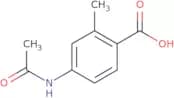
CAS:<p>2-Methylbenzamide is an amide with a carbonyl group and an intramolecular hydrogen. It has been shown to have synergic effects when combined with piperonyl butoxide in the treatment of autoimmune diseases. This synergistic effect is due to the inhibition of inflammatory mediator release, which can be achieved by blocking the enzyme cyclooxygenase-2. 2-Methylbenzamide has also been shown to inhibit deuterium isotope effect in cd-1 mice, which could make it beneficial for patients who are unable to tolerate other drugs.</p>Formula:C8H9NOPurity:Min. 95%Color and Shape:White PowderMolecular weight:135.16 g/mol4-Acetamido-2-methylbenzoic acid
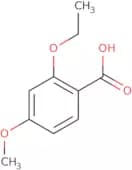
CAS:<p>4-Acetamido-2-methylbenzoic acid is a chemical that can be used as a building block in the production of other chemicals, such as pharmaceuticals and pesticides. It has been shown to be useful in research for its ability to serve as a reagent, intermediate, or scaffold for synthesizing more complex compounds. 4-Acetamido-2-methylbenzoic acid is also known by CAS No. 103204-69-9.</p>Formula:C10H11NO3Purity:Min. 95%Color and Shape:PowderMolecular weight:193.2 g/mol2-Ethoxy-4-methoxybenzoic acid
CAS:<p>2-Ethoxy-4-methoxybenzoic acid is a versatile chemical compound that can be used as a building block in the synthesis of complex compounds. It has been used as an intermediate in the production of other chemicals and has been shown to be useful as a scaffold for drug design. 2-Ethoxy-4-methoxybenzoic acid is also used in research to study bacterial resistance to antibiotics and its ability to inhibit DNA replication. CAS No. 55085-15-9</p>Formula:C10H12O4Purity:Min. 95%Color and Shape:PowderMolecular weight:196.2 g/molD-Phenylalaninol
CAS:<p>D-Phenylalaninol is a chiral, optically active molecule. It is a salt of hydrochloride that is used as a chemical intermediate in the synthesis of other drugs. D-Phenylalaninol has been shown to inhibit mitochondrial membrane potential and decrease hydrogen bond interactions, which may be due to its ability to bind to chloride ions. In addition, this compound has been shown to inhibit pancreatic lipase activity and l-phenylalanine oxidase activity in mammalian cells.</p>Formula:C9H13NOPurity:Min. 95%Molecular weight:151.21 g/molH-Gly-Pro-Hyp-OH
CAS:<p>H-Gly-Pro-Hyp-OH is a collagen gel that is extracted from bovine skin. Collagen gel is a dietary supplement that can be applied to wounds and burns to promote healing. Collagen gel contains the amino acids glycine, proline, hydroxyproline, and hypochlorous acid. It also has an anti-inflammatory cytokine called IL-10. Hydrogen bonds form between the amino acids in collagen gel to give it its strength and stability. The LC-MS/MS method was used to identify the sequences of this peptide in order to confirm its identity. Collagen gel is neutral at pH 7 and has no effect on cellular function at this pH. The carboxy terminal of collagen gel is trifluoroacetic acid which can cause liver cells to die when ingested orally or intravenously due to its toxicity.</p>Formula:C12H19N3O5Purity:Min. 98 Area-%Color and Shape:White PowderMolecular weight:285.3 g/molH-Orn-Orn-Orn-OH acetate salt
CAS:<p>H-Orn-Orn-Orn-OH acetate salt is a chemical compound with the molecular formula C10H14O2. It is used as a building block in organic chemistry, often as an intermediate for the synthesis of other compounds, or as a reagent.</p>Formula:C15H32N6O4Purity:Min. 95%Color and Shape:PowderMolecular weight:360.45 g/mol3-Bromo-6-chloro-7-methylchromone
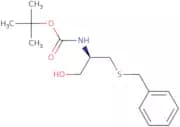
CAS:<p>3-Bromo-6-chloro-7-methylchromone is a fine chemical that is useful as a building block in organic synthesis. It is a versatile intermediate, and can be used as a reaction component in various chemical reactions. 3-Bromo-6-chloro-7-methylchromone has a CAS number of 263365-48-6 and is classified as a complex compound. This chemical is mainly used for the preparation of other chemicals with more desirable properties.</p>Formula:C10H6BrClO2Purity:Min. 95%Color and Shape:PowderMolecular weight:273.51 g/molBoc-S-benzyl-L-cysteinol
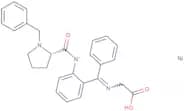
CAS:<p>Please enquire for more information about Boc-S-benzyl-L-cysteinol including the price, delivery time and more detailed product information at the technical inquiry form on this page</p>Formula:C15H23NO3SPurity:Min. 95%Color and Shape:PowderMolecular weight:297.41 g/molNi-(S)-BPB-Gly
CAS:<p>Ni-(S)-BPB-Gly is a speciality chemical that belongs to the category of useful building blocks. It is a versatile building block and reaction component. Ni-(S)-BPB-Gly has been shown to be an effective intermediate in the synthesis of complex compounds, and can be used as a scaffold for research chemicals. This chemical has been characterized by elemental analysis and mass spectrometry, and exhibits high quality.</p>Formula:C27H25N3NiO3Purity:Min. 98 Area-%Color and Shape:PowderMolecular weight:498.2 g/mol1-Chloro-3-[4-(2-methoxyethyl)phenoxy]-2-propanol
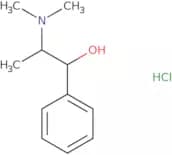
CAS:<p>1-Chloro-3-[4-(2-methoxyethyl)phenoxy]-2-propanol is a potent antihypertensive agent that is synthesized by the chemoenzymatic process. It differs from other antihypertensive drugs in that it incorporates an oxirane group, which makes it more hydrophobic than other drugs. 1-Chloro-3-[4-(2-methoxyethyl)phenoxy]-2-propanol is a crystalline solid with a melting point of 128°C and a density of 1.0 g/mL. The chemical name for this drug is 4-[(1E)-1-(chloromethoxy)propyl]phenol, which has potent antihypertensive activity and high enantioselectivity.</p>Formula:C12H17ClO3Purity:Min. 95%Molecular weight:244.71 g/molDL-Methylephedrine hydrochloride
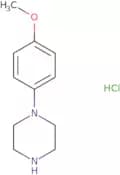
CAS:Controlled Product<p>DL-Methylephedrine HCl is an excipient that is used in pharmaceutical preparations. It is used to improve the taste of medicines and to prevent their caking. DL-Methylephedrine HCl does not have any known therapeutic use, but it has been shown to be safe for pediatric and geriatric patients. This excipient is typically used in combination with other ingredients such as malic acid, caffeine, or hydrochloric acid. DL-Methylephedrine HCl can also be found in food products as a flavoring agent or preservative.</p>Formula:C11H17NO•HClPurity:Min. 95%Color and Shape:PowderMolecular weight:215.72 g/mol1-(4-Methoxyphenyl)piperazine hydrochloride
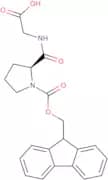
CAS:Controlled Product<p>1-(4-Methoxyphenyl)piperazine hydrochloride is a high-potency inhibitor of the K+ channels. It has been shown to inhibit the activity of these channels in lead compound screening and optimization. The modification of potassium channels by 1-(4-Methoxyphenyl)piperazine hydrochloride has been evaluated using a patch clamp technique on rat erythrocytes. This inhibitory activity was found to be concentration dependent and voltage sensitive. 1-(4-Methoxyphenyl)piperazine hydrochloride was also shown to have pharmacological effects, such as analgesia, sedation and muscle relaxation.</p>Formula:C11H16N2O•HClPurity:Min. 95%Molecular weight:228.72 g/molFmoc-Pro-Gly-OH
CAS:<p>Fmoc-Pro-Gly-OH is an antimicrobial agent that binds to bacterial cell walls and prevents the bacteria from assembling. It has a conformation that mimics the structure of thioether antibiotics, which are unilamellar and assembled. Fmoc-Pro-Gly-OH inhibits the pyrophosphate binding site, preventing the synthesis of ATP in bacteria. This drug also has affinity for alkene binders, which may be due to its structural similarity to these compounds.</p>Formula:C22H22N2O5Purity:Min. 95%Color and Shape:PowderMolecular weight:394.42 g/mol1-Deoxy-1-(methylamino)-D-glucitol [3-[[(2R,3S)-2-[(1R)-1-[3,5-bis(trifluoromethyl)phenyl]ethoxy]-3-(4-fluorophenyl)-4-morpholinyl]m ethyl]-2,5-dihydro-5-oxo-1H-1,2,4-triazol-1-yl]phosphonate
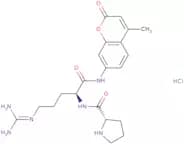
CAS:<p>Fosaprepitant is a drug that belongs to the class of drugs used for chemotherapy. It is a prodrug that is converted in vivo to aprepitant, its active form. Fosaprepitant acts as an antagonist of the neurokinin-1 receptor (NK-1R) and inhibits the binding of substance P, which leads to an anti-inflammatory effect. Fosaprepitant has been shown to inhibit the production of substance P in animal models, leading to a reduction in inflammation. In clinical trials, fosaprepitant has been shown to be safe and well tolerated when used with other drugs such as cisplatin and docetaxel in patients with cancer.</p>Formula:C23H22F7N4O6P•(C7H17NO5)2Purity:Min. 95%Color and Shape:White To Off-White SolidMolecular weight:1,004.83 g/molH-Pro-Arg-AMC dihydrochloride
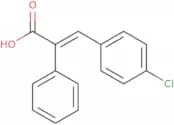
CAS:<p>H-Pro-Arg-AMC dihydrochloride is a high quality reagent that is used as an intermediate in the synthesis of peptides and other chemistries. H-Pro-Arg-AMC dihydrochloride can also be used as a building block for the synthesis of complex compounds. It has been found to be useful in various reactions involving amines, amino acids, and alcohols. H-Pro-Arg-AMC dihydrochloride is a versatile building block that can be used in reactions with other chemicals to produce speciality chemicals or research chemicals.</p>Formula:C21H28N6O4·2HClPurity:Min. 95 Area-%Color and Shape:PowderMolecular weight:501.4 g/mol4-Chloro-(α-phenyl)-cinnamic acid
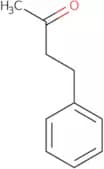
CAS:<p>4-Chloro-(alpha-phenyl)-cinnamic acid is a fine chemical that is useful as a building block for research chemicals, reagents and speciality chemicals. It is also a versatile intermediate for the synthesis of complex compounds and a useful scaffold for the synthesis of high quality products. This compound can be used in reactions such as Friedel-Crafts acylation, nitration, amination, esterification and cyclization.</p>Formula:C15H11ClO2Purity:Min. 95%Color and Shape:PowderMolecular weight:258.7 g/mol4-Phenyl-2-butanone
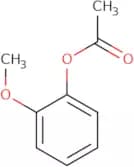
CAS:<p>4-Phenyl-2-butanone is an organic compound that is used as a solvent. It has been shown to be effective against a wide range of bacteria, including Gram positive and Gram negative bacteria. 4-Phenyl-2-butanone disrupts the cell membrane by binding to glycol ether, which is an important part of the lipid bilayer. It also inhibits the synthesis of two important molecules in bacterial cells, dinucleotide phosphate and phospholipids. This process leads to bacterial cell death. 4-Phenyl-2-butanone also has antimicrobial properties due to its ability to destroy water vapor and inhibit growth of microorganisms on skin.</p>Formula:C10H12OPurity:Min. 97.5 Area-%Color and Shape:Colorless Clear LiquidMolecular weight:148.2 g/mol1-Acetoxy-2-methoxybenzene
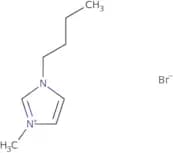
CAS:<p>1-Acetoxy-2-methoxybenzene is an organic solvent that is used in skin care products. It has a molecular weight of 88.1, a constant of 12.6, and two solubility parameters of 10.3 and 1.5, respectively. This chemical reacts with hydrogen fluoride to form 1-acetoxy-4-(hydroxymethyl)benzene and hydrogen fluoride at temperatures between 0°C and 100°C with a reaction constant of 4.0 x 10^(-2).</p>Formula:C9H10O3Purity:Min. 95%Color and Shape:Colorless Clear LiquidMolecular weight:166.17 g/mol1-Butyl-3-methylimidazolium bromide
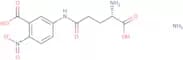
CAS:<p>1-Butyl-3-methylimidazolium bromide is an ionic liquid that has been shown to be a good solvent for cellulose. It is also biocompatible and can be used as a polymer matrix for copper chloride. 1-Butyl-3-methylimidazolium bromide has been shown to be a good model system for studying the interaction between ions and water vapor in liquids. It has been observed that 1-butyl-3-methylimidazolium bromide undergoes hydrogen bonding interactions with water molecules, which may provide the driving force for its solvation of cellulose.</p>Formula:C8H15BrN2Purity:(¹H-Nmr) Min. 95 Area-%Color and Shape:PowderMolecular weight:219.12 g/molL-Glutamic acid γ-(3-carboxy-4-nitroanilide) ammonium salt
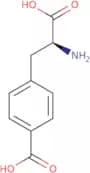
CAS:<p>L-Glutamic acid gamma-(3-carboxy-4-nitroanilide) ammonium salt has been used as a synthetic substrate for gamma-glutamyltransferase (GGT) to determine GGT activity.</p>Formula:C12H16N4O7Purity:Min. 99 Area-%Color and Shape:White PowderMolecular weight:328.28 g/mol4-Carboxy-L-phenylalanine
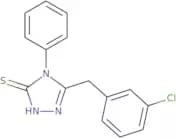
CAS:<p>4-Carboxy-L-phenylalanine is a synthetic amino acid that has been shown to inhibit tyrosine kinase activity. It can also be used as a chromogenic substrate for tyrosine kinases, which are enzymes that catalyze the transfer of phosphate groups from ATP to tyrosine residues in proteins. 4-Carboxy-L-phenylalanine has potent inhibitory effects on ligand binding and cell proliferation by blocking the phosphotyrosine signal transduction pathway. 4-Carboxy-L-phenylalanine is an analog of L-phenylalanine, which is an essential amino acid found in many proteins and enzymes.</p>Formula:C10H11NO4Purity:Min. 95%Color and Shape:White/Off-White SolidMolecular weight:209.2 g/mol3-((3-chlorophenyl)methyl)-4-phenyl-1,2,4-triazoline-5-thione
CAS:<p>Please enquire for more information about 3-((3-chlorophenyl)methyl)-4-phenyl-1,2,4-triazoline-5-thione including the price, delivery time and more detailed product information at the technical inquiry form on this page</p>Purity:Min. 95%3-Fluoro-4-methylanisole
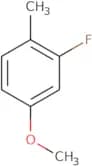
CAS:<p>3-Fluoro-4-methylanisole is a nucleophilic, ring substituted electron acceptor that can be activated by electron donors. The nitro group and the electron donating substituents on the ring are important for this reactivity. 3-Fluoro-4-methylanisole can form substitution products with methyl or formyl groups in the presence of a strong base such as palladium, 3-fluoro-4-methylphenol, or nitro groups. This reactivity is regiospecific, meaning that the substitution will only occur at one of two possible sites on the ring. 3-Fluoro-4-methylanisole's chemical properties give it both activating and deactivating properties in organic reactions.</p>Formula:C8H9FOPurity:Min. 95%Color and Shape:Clear LiquidMolecular weight:140.15 g/molL-Methionine methyl ester hydrochloride
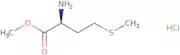
CAS:<p>L-Methionine methyl ester hydrochloride is an amide that has been used in the treatment of bowel diseases. It has been shown to have a polymerase chain reaction (PCR) diagnostic application for the detection of DNA duplexes and intramolecular hydrogen bonds. L-Methionine methyl ester hydrochloride inhibits the activity of enzymes such as protein kinase, phosphodiesterase, and proteases. L-Methionine methyl ester hydrochloride also has receptor activities and can be used as a diagnostic agent for malignant brain tumors or congestive heart failure. It is also able to block radiation and positron emission tomography (PET) scanning.</p>Formula:C6H13NO2S·HClPurity:Min. 98 Area-%Color and Shape:PowderMolecular weight:199.7 g/mol2-Phenoxybiphenyl
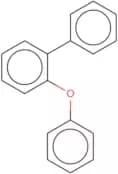
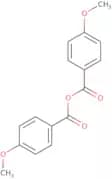
CAS:<p>2-Phenoxybiphenyl is a molecule with the chemical formula C12H10O2. It has functional groups including two phenolic hydroxyl groups, one of which is at the 2-position. 2-Phenoxybiphenyl is used in reactions that take place in solution and can be quantified by high-performance liquid chromatography. The reaction time depends on the temperature, and it usually occurs within a few hours. 2-Phenoxybiphenyl has been shown to react with hydrogen bonds and form new chemical species, such as an oxonium ion, at higher temperatures. 2-Phenoxybiphenyl also reacts with x-rays in an absorption spectrum that can be used to determine its molecular mass.<br>2-Phenoxybiphenyl is resistant to organic solvents and supercritical fluid extraction methods. It also has a kinetic halflife of 4 days under normal conditions but this decreases to 8</p>Formula:C18H14OPurity:Min. 95%Color and Shape:PowderMolecular weight:246.3 g/mol4-Methoxybenzoic anhydride
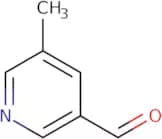
CAS:<p>4-Methoxybenzoic anhydride is a nonsteroidal anti-inflammatory drug (NSAID) that has a hydroxy group, which makes it susceptible to nucleophilic attack. The reaction mechanism of 4-methoxybenzoic anhydride involves hydroxyl group and phosphorus pentachloride. Kinetic data for the reaction was obtained from kinetic studies. The kinetic study found that the rate of the reaction increased with increasing concentration of amines and amides in the reaction mixture. 4-Methoxybenzoic anhydride has been shown to have antiinflammatory activity in various tests on animals, including rats, guinea pigs, and rabbits. The mechanism of this activity may be due to its ability to inhibit prostaglandin synthesis by blocking cyclooxygenase enzyme activity.</p>Formula:C16H14O5Purity:Min. 95%Color and Shape:PowderMolecular weight:286.28 g/mol5-Methylnicotinaldehyde
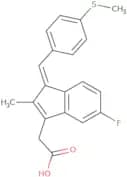
CAS:<p>5-Methylnicotinaldehyde is a chemical compound that belongs to the group of tetrahydropyridines. It is a reagent for producing triphosgene and dimethylformamide. 5-Methylnicotinaldehyde has been shown to inhibit muscarinic acetylcholine receptors, leading to an increase in acetylcholine release from nerve endings. This may be due to its ability to bind with the receptor affinity site at the base of the nicotinic acetylcholine receptor. 5-Methylnicotinaldehyde also has anti-inflammatory properties and can be used as a pesticide.</p>Formula:C7H7NOPurity:Min. 95%Color and Shape:PowderMolecular weight:121.14 g/molZ-Sulindac sulphide
CAS:<p>(Z)-5-Fluoro-2-methyl-1-[p-(methylthio)benzylidene]indene-3-acetic acid is a potent inhibitor of protein synthesis. It has been shown to inhibit the activity of sulindac sulfide, a cyclase inhibitor and nonsteroidal anti-inflammatory agent, in human polymorphonuclear leukocytes and cancer cells. (Z)-5-Fluoro-2-methyl-1-[p-(methylthio)benzylidene]indene-3-acetic acid also inhibits the mitochondrial membrane potential and reduces the growth of cancer cells by inhibiting proteins that are involved in cell proliferation.</p>Formula:C20H17FO2SPurity:Min. 95%Color and Shape:PowderMolecular weight:340.41 g/molN-α-tert-BOC-N-ε-formyl-L-lysine
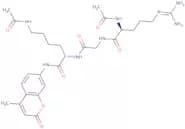
CAS:<p>N-alpha-tert-BOC-N-epsilon-formyl-L-lysine is a dry weight of 4.1g/100g. It's diameter is 2.5mm with a growth rate of 0.3mm per day. This compound has been statistically shown to have no effect on the growth rates of bacteria in the presence of zinc bacitracin. The leucaena plant, which is a natural source of antibiotics, can be used as a sustainable treatment for bacterial infections because it contains N-alpha-tert-BOC-N-epsilon-formyl-L-lysine and other compounds that are effective against infections. This compound also catalyses energy efficiency, by providing an alternative to antibiotics, which may lead to more sustainable treatments for bacterial infections.</p>Formula:C12H22N2O5Purity:Min. 95%Color and Shape:White PowderMolecular weight:274.31 g/molAc-Arg-Gly-Lys(Ac)-AMC trifluoroacetate salt
CAS:<p>Ac-Arg-Gly-Lys(Ac)-AMC is a potent apoptotic agent that induces the apoptosis of cancer cells by binding to the caspase-9, which is an enzyme that initiates the process of apoptosis. Ac-Arg-Gly-Lys(Ac)-AMC has been shown to inhibit the growth of cancer cells in cell culture and also shows potent antitumor activity against MDA-MB-231 breast cancer cells. This drug can be used as a potential therapeutic agent for cancers such as colorectal, prostate, and pancreatic cancer. Ac-Arg-Gly-Lys(Ac)-AMC is also able to induce apoptosis in human leukemia cells and may have a potential role in therapy for acute myelogenous leukemia (AML).</p>Formula:C28H40N8O7•C2HF3O2Purity:Min. 98 Area-%Color and Shape:PowderMolecular weight:714.69 g/mol2-Bromo-4-methoxybenzyl alcohol
CAS:<p>2-Bromo-4-methoxybenzyl alcohol is a fine chemical that can be used as a versatile building block, intermediate, or reaction component in research. It is also a useful building block for the synthesis of complex compounds. 2-Bromo-4-methoxybenzyl alcohol has been shown to be a reagent with high quality and can be used as a speciality chemical. This compound has been shown to react with ammonia to form an amide bond, which has led to the development of several new drugs.</p>Formula:C8H9BrO2Purity:Min. 95%Color and Shape:PowderMolecular weight:217.06 g/molα-Chloro-ω-(2,2-Dichloro-1,1,2-Trifluoroethyl)-Poly(Difluoromethylene)
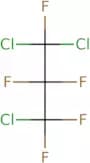
CAS:Controlled Product<p>Alpha-Chloro-Omega-(2,2-Dichloro-1,1,2-Trifluoroethyl)-Poly(Difluoromethylene) is a fluorinated polymer that has been shown to be effective in removing chlorine atoms from the atmosphere. The production of this polymer requires an irradiation process with a magnetic field. Alpha-Chloro-Omega-(2,2-Dichloro-1,1,2-Trifluoroethyl)-Poly(Difluoromethylene) is produced by the reaction of alpha chlorohydrin and trifluoroethylene. This polymer is insoluble in water and is not flammable or explosive. It can be used as a chemical precursor for other fluoropolymers or as an additive for polyurethane. Alpha Chloro Omega - ( 2 , 2 - Dichloro - 1 , 1 , 2 - Trifluoroethyl )</p>Formula:C3Cl3F5Purity:Min. 95%Molecular weight:237.38 g/mol3-Methoxy-2-methylbenzoic acid
CAS:<p>3-Methoxy-2-methylbenzoic acid is a diazotization agent that is used to produce bromoethane. It is also used as an initiator in the synthesis of dimethylformamide and tetrahydrofuran. 3-Methoxy-2-methylbenzoic acid can be recycled and is used to synthesize methylbenzene, chloroanisole, and grignard reaction products such as chlorobenzene and low yield. 3-Methoxy-2-methylbenzoic acid has been shown to have a high yield for these reactions in comparison to other diazotization agents.</p>Formula:C9H10O3Purity:Min. 95%Color and Shape:White PowderMolecular weight:166.17 g/mol3-Methyl-1,2,4-oxadiazole-5-carbohydrazide
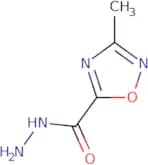
CAS:<p>3-Methyl-1,2,4-oxadiazole-5-carbohydrazide is a versatile building block that can be used to synthesize complex compounds. It is a high quality reagent and has been shown to be useful as a reaction component in the synthesis of pharmaceuticals and other research chemicals. 3-Methyl-1,2,4-oxadiazole-5-carbohydrazide is also an intermediate in the synthesis of 1-(3,4-methylenedioxyphenyl)-2-(1H)-pyridinone. CAS No.: 40019-29-2</p>Formula:C4H6N4O2Purity:Min. 95 Area-%Color and Shape:White Off-White PowderMolecular weight:142.12 g/mol3-((2-Aminophenyl)amino)-5-phenylcyclohex-2-en-1-one
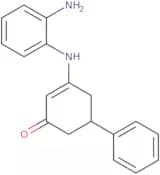
CAS:<p>Please enquire for more information about 3-((2-Aminophenyl)amino)-5-phenylcyclohex-2-en-1-one including the price, delivery time and more detailed product information at the technical inquiry form on this page</p>Formula:C18H18N2OPurity:Min. 95%Color and Shape:PowderMolecular weight:278.35 g/mol4-Methylmorpholine N-oxide
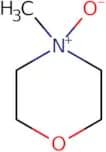
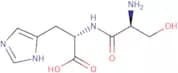
CAS:<p>Intermediate for organic synthesis</p>Formula:C5H11NO2Purity:Min 97%Color and Shape:White PowderMolecular weight:117.15 g/molH-Ser-His-OH acetate
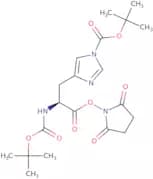
CAS:<p>H-Ser-His-OH acetate salt is an amide that has been shown to have a neutral pH and to be soluble in organic solvents such as chloroform. It has a biological function of being a serine protease inhibitor. H-Ser-His-OH acetate salt binds to the amino acid histidine and inhibits the activity of serine proteases. This product has been used in fluorescence techniques, immunofluorescence analyses, and molecular biology.</p>Formula:C9H14N4O4·xC2H4O2Purity:Min. 95%Color and Shape:PowderMolecular weight:242.24 g/molN-α,Nim-Bis-Boc-L-histidine N-hydroxysuccinimide ester
CAS:<p>N-alpha,Nim-Bis-Boc-L-histidine N-hydroxysuccinimide ester is a reagent that is used in organic chemistry for the synthesis of complex compounds. It is a versatile building block that can be used as a reaction component or intermediate in chemical reactions. This compound has been registered under CAS number 25616-02-8.</p>Formula:C20H28N4O8Purity:Min. 95%Color and Shape:PowderMolecular weight:452.46 g/mol2-Chloro-4-methylquinazoline
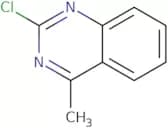
CAS:<p>2-Chloro-4-methylquinazoline is an organic compound that is synthesized from the reaction of ethylmagnesium bromide and methylthiocyanate. This product has been shown to crystallize as a salt with the chloride ion, which is formed by the reaction of 2-chloro-4-methylquinazoline with thiosulfate. The synthesis of this product requires nucleophilic substitution reactions and yields two equivalents of methylmagnesium chloride. X-ray crystallography was used to determine the molecular structure for this compound.</p>Formula:C9H7ClN2Purity:Min. 95%Color and Shape:Green PowderMolecular weight:178.62 g/mol1-(2-Chloro-1-methylethyl)pyrrolidine hydrochloride
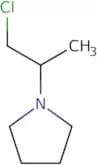
CAS:<p>1-(2-Chloro-1-methylethyl)pyrrolidine hydrochloride is a versatile building block that can be used in the synthesis of fine chemicals, complex compounds, research chemicals, reagents and specialty chemicals. This compound is also useful as a building block for the synthesis of pharmaceuticals and chemical products. 1-(2-Chloro-1-methylethyl)pyrrolidine hydrochloride is a high quality chemical that can be used as a reaction component or scaffold for the synthesis of new chemical entities.</p>Formula:C7H15Cl2NPurity:Min. 95%Color and Shape:PowderMolecular weight:184.1 g/mol3-Methyl-5-Isothiazolamine
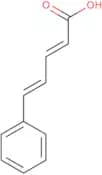
CAS:<p>3-Methyl-5-isothiazolamine is a linear molecule with a molecular weight of 122.1. 3-Methyl-5-isothiazolamine has an interaction with chloride and can be used as a reagent for the identification of disulfides. Disulfide bonds are formed by the oxidation of sulfhydryl groups in proteins, which are reduced by glutathione reductase to produce sulfhydryl groups. 3-Methyl-5-isothiazolamine has been shown to react with molecular ions that are characteristic of isothiazoles and isothiazole derivatives, as well as aromatic compounds such as 4-hydroxybenzoic acid. This product also reacts with dehydrogenase enzymes, such as alcohol dehydrogenase, which produces oxidized products from carbohydrates and other organic molecules that contain hydroxyl groups.</p>Formula:C4H6N2SPurity:Min. 95%Color and Shape:PowderMolecular weight:114.17 g/mol5-Phenylpenta-2,4-dienoic acid
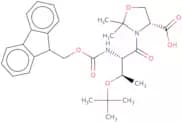
CAS:<p>5-Phenylpenta-2,4-dienoic acid is a high-potency inhibitor of tyrosine kinases. It has been shown to have an inhibitory effect on cancer cells in both squamous and non-squamous cell lines. This compound has been shown to inhibit the proliferation of cancer cells by arresting cell cycle progression at the G1 phase, which leads to the inhibition of DNA synthesis. 5-Phenylpenta-2,4-dienoic acid is also able to block the activation of transcription factors that are involved in tumorigenesis. In addition, this compound inhibits the proliferation of cancer cells by arresting cell cycle progression at the G1 phase, leading to inhibition of DNA synthesis. The molecular modeling study suggests that this compound may be able to bind with tyrosine kinase receptors on the surface of tumor cells and block their activity. The chemical structure of 5-phenylpenta-2,4-dien</p>Formula:C11H10O2Purity:Min. 95%Color and Shape:PowderMolecular weight:174.2 g/molFmoc-Thr(tBu)-D-Ser(Psi(Me,Me)pro)-OH
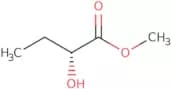
<p>Fmoc-Thr(tBu)-D-Ser(Psi(Me,Me)pro)-OH is a speciality chemical that is used as a reagent for peptide synthesis. It is also useful in the synthesis of complex compounds and scaffolds. This compound has high quality with a CAS number of 56610-81-8. Fmoc-Thr(tBu)-D-Ser(Psi(Me,Me)pro)-OH is a versatile building block that can be used in reactions involving amines and carboxylic acids. Fmoc-Thr(tBu)-D-Ser(Psi(Me,Me)pro)-OH is an intermediate that can be used in the synthesis of many different compounds.</p>Formula:C29H36N2O7Purity:Min. 95%Color and Shape:PowderMolecular weight:524.61 g/mol(R)-Methyl 2-hydroxybutanoate
CAS:<p>(R)-Methyl 2-hydroxybutanoate is a synthetic chemical that is used in the esterification reaction to produce methyl esters and as an industrial solvent. This chemical can be synthesized by the reaction of (R)-methyl acetoacetate and hydrochloric acid. The technique for this chemical is a two-step process, which includes hydroxylation followed by hydrogenolysis. The yield rate for this chemical is about 98%.</p>Formula:C5H10O3Purity:Min. 95%Color and Shape:Clear LiquidMolecular weight:118.13 g/mol(+)-N-[1-(S)-Ethoxycarbonxyl-3-phenylpropyl]-L-alanine
CAS:<p>(+)-N-[1-(S)-Ethoxycarbonxyl-3-phenylpropyl]-L-alanine is an impurity of enalaprilat, which is a pharmaceutical drug used in the treatment of hypertension. Enalaprilat is manufactured by reacting 1-(S)-ethoxycarbonxyl-3-phenylpropane with L-alanine and triphosgene. This impurity has been shown to be a potent inhibitor of the enzyme angiotensin converting enzyme (ACE) and may cause adverse effects such as hypotension, cough, and dizziness. The chemical structure of (+)-N-[1-(S)-Ethoxycarbonxyl-3-phenylpropyl]-L-alanine consists of an aliphatic hydrocarbon chain with a maleate group at one end and a benzyl group at the other end. It also contains two amines, one on each side of the molecule.</p>Formula:C15H21NO4Purity:Min. 95%Color and Shape:PowderMolecular weight:279.33 g/mol2-Methylveratraldehyde
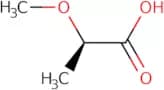
CAS:<p>2-Methylveratraldehyde is a chiral compound that can be used as a reagent in organic synthesis. It has been shown to be a potentiator of the antimicrobial activity of grignard reagents and carbonation, which are chemical reactions that form new carbon-carbon bonds. 2-Methylveratraldehyde also has biological studies, such as its use as an inducer of phytoalexin production in plants.</p>Formula:C10H12O3Purity:Min. 95%Color and Shape:White PowderMolecular weight:180.2 g/mol(R)-(+)-2-Methoxypropionic acid
CAS:<p>(R)-(+)-2-Methoxypropionic acid is a derivatization agent that is used to label branched-chain amino acids. It has been shown to react with l-rhamnose, which is found in glycoproteins and polysaccharides.</p>Formula:C4H8O3Purity:Min. 95%Color and Shape:Clear Colourless To Pale Yellow LiquidMolecular weight:104.1 g/mol4.6-Dihydroxy-2-methylpyrimidine
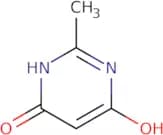
CAS:<p>4,6-Dihydroxy-2-methylpyrimidine is a monomer that is used in the synthesis of polyurethanes. It is an intermediate in the reaction between hydrochloric acid and nitrous acid, which produces 4,6-dichloro-2-methylpyrimidine. The reaction mechanism involves transfer of a methyl group from an organic molecule to hydrochloric acid. This reaction can be carried out at either low or high pH values. The addition of magnesium salt increases the rate of the reaction by increasing the solubility of chloroformate in water. When ethyl esters are used as starting materials, a constant conversion rate can be obtained with a large excess of magnesium salt.</p>Formula:C5H6N2O2Purity:Min 99%Color and Shape:PowderMolecular weight:126.11 g/molL-Valine benzyl ester 4-toluenesulfonate salt
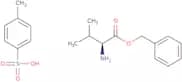
CAS:<p>L-Valine benzyl ester 4-toluenesulfonate salt is a derivatised variant of the amino acid L-valine. It contains a monobenzyl group, terminal alkynes, and sequences that are used for reaction solution yields. The benzyl group can be synthesized by using xylene and benzyl alcohols. L-Valine benzyl ester 4-toluenesulfonate salt is photophisical, has high yields in solid-phase synthesis, and is stereoselective.</p>Formula:C12H17NO2·C7H8O3SPurity:Min. 95%Color and Shape:PowderMolecular weight:379.47 g/mol3-(tert-butyl)-4-((2-hydroxy-3-methoxyphenyl)methylene)-1-phenyl-2-pyrazolin-5-one
CAS:<p>Please enquire for more information about 3-(tert-butyl)-4-((2-hydroxy-3-methoxyphenyl)methylene)-1-phenyl-2-pyrazolin-5-one including the price, delivery time and more detailed product information at the technical inquiry form on this page</p>Purity:Min. 95%MeOSuc-Ala-Phe-Lys-AMC trifluoroacetate salt
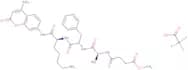
CAS:<p>MeOSuc-Ala-Phe-Lys-AMC is a compound that has a destabilizing effect on the vascular wall, due to its ability to inhibit proteolytic activity. It is also able to reduce the level of angiogenic factors, and thus has an anti-angiogenic effect. MeOSuc-Ala-Phe-Lys-AMC has been shown to have a macroscopic effect on vessels in tissue culture, and this can be observed through leucocyte migration. MeOSuc-Ala-Phe-Lys-AMC has also been shown to cause haemorrhagic changes in microvessels and muscle cells. This compound is also able to inhibit placental growth factor and muscle cell proliferation, as well as reducing the number of microvessels in the placenta.</p>Formula:C33H41N5O8•C2HF3O2Purity:Min. 95 Area-%Color and Shape:PowderMolecular weight:749.73 g/mol2-Methoxybenzonitrile
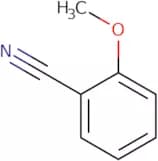
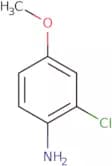
CAS:<p>2-Methoxybenzonitrile is a reactive molecule that can undergo a variety of reactions. In simulations, 2-methoxybenzonitrile reacts with carbon tetrachloride to form chlorobenzene and hydrochloric acid. The reaction mechanism involves the metal surface, which is believed to act as a catalyst and transfer the molecule to the receptor binding site on the substrate molecule. 2-Methoxybenzonitrile has been shown to react with various functional groups on a substrate molecule, including ester, amide, nitrile, sulfide, sulfone, and phosphate groups. This reaction system also produces different reaction products depending on the type of functional group.</p>Formula:C8H7NOPurity:Min. 95%Color and Shape:Clear LiquidMolecular weight:133.15 g/mol2-Chloro-4-methoxyaniline
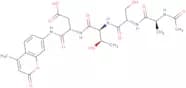
CAS:<p>2-Chloro-4-methoxyaniline is a primary amine that has been used in the synthesis of polychlorinated and chlorinated amines. It is an important precursor for the manufacture of herbicides, insecticides, and pharmaceuticals. 2-Chloro-4-methoxyaniline reacts with hydrogen chloride to form chloroacetanilide, which can be hydrolysed to aniline. This reaction proceeds at room temperature and does not require catalysts. The reactivity of this compound is due to its nucleophilic substitutions in the presence of ketocarboxylic acids or vinyl ethers. 2-Chloro-4-methoxyaniline has also been used as a dehydrating reagent in organic synthesis reactions.br>br><br>2-Chloro-4-methoxyaniline is highly reactive because it contains two primary amines (NH2) that</p>Formula:C7H8ClNOPurity:Min. 95%Molecular weight:157.6 g/molAc-Ala-Ser-Thr-Asp-AMC
CAS:<p>Ac-Ala-Ser-Thr-Asp-AMC is a versatile building block that can be used as an intermediate in organic synthesis, a reagent, or a speciality chemical. It is also a useful scaffold for drug discovery and development. Ac-Ala-Ser-Thr-Asp-AMC has been shown to be an effective inhibitor of phosphodiesterase 3 (PDE3) and cyclic nucleotide phosphodiesterases (PDEs).</p>Formula:C26H33N5O11Purity:Min. 95 Area-%Color and Shape:PowderMolecular weight:591.57 g/mol5-Phenyl-2-oxazolidone
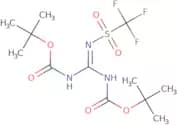
CAS:<p>5-Phenyl-2-oxazolidone is a glucosinolate precursor. It is used in the synthesis of peptides and has been shown to have anti-inflammatory effects. 5-Phenyl-2-oxazolidone has also been found to have tranquilizing properties, which may be due to its ability to inhibit the enzyme acetylcholinesterase. This compound has also been shown to have a protective effect against damage caused by chloramine T, which is a chemical that is used as a disinfectant and for water purification. 5-Phenyl-2-oxazolidone can be found in brassica vegetables such as broccoli, cauliflower, cabbage and Brussels sprouts. 5-Phenyl-2-oxazolidone also has pharmacological effects on the nucleus and leaves of lutea l., a plant belonging to the brassicaceae family.</p>Formula:C9H9NO2Purity:Min. 95%Color and Shape:PowderMolecular weight:163.17 g/mol1,3-Di-Boc-2-(trifluoromethylsulfonyl)guanidine
CAS:<p>1,3-Di-Boc-2-(trifluoromethylsulfonyl)guanidine is a growth factor that has been shown to bind to histone proteins and human pathogens. It has physiological effects on prostate cancer cells and fatty acid metabolism. 1,3-Di-Boc-2-(trifluoromethylsulfonyl)guanidine is also antibacterial agent that has potent activity against bacterial cell walls. This drug inhibits the enzyme Clavatadine, leading to the inhibition of protein synthesis in bacteria. The spacing of nitrogen atoms in this molecule is responsible for its potent inhibition of kinase activity. 1,3-Di-Boc-2-(trifluoromethylsulfonyl)guanidine is localized in the cellular cytoplasm and nucleus.</p>Formula:C12H20F3N3O6SPurity:Min. 95%Color and Shape:White PowderMolecular weight:391.37 g/mol6-amino-3-methyl-4-(3-nitrophenyl)-4H-pyrano[3,2-d]pyrazole-5-carbonitrile
CAS:<p>Please enquire for more information about 6-amino-3-methyl-4-(3-nitrophenyl)-4H-pyrano[3,2-d]pyrazole-5-carbonitrile including the price, delivery time and more detailed product information at the technical inquiry form on this page</p>Formula:C14H11N5O3Purity:Min. 95%Color and Shape:PowderMolecular weight:297.27 g/molKinetin-9-glucoside
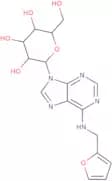
CAS:<p>Kinetin-9-glucoside is a conjugate of kinetin and glucose. It has been shown to inhibit the growth of several types of bacteria, including Pseudomonas aeruginosa, Staphylococcus aureus, and Streptococcus pyogenes. Kinetin-9-glucoside also has anti-inflammatory properties that may be due to its ability to inhibit prostaglandin synthesis. Kinetin-9-glucoside is used in tissue culture for the induction of plant regeneration from callus tissue or from excised root tissues. Kinetin-9-glucoside has been shown to stimulate the formation of apical roots in plantlets and promote cell division in neuronal cells.</p>Formula:C16H19N5O6Purity:Min. 95 Area-%Color and Shape:PowderMolecular weight:377.35 g/mol3-Fluoro-5-methylpyridine
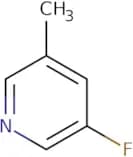
CAS:<p>3-Fluoro-5-methylpyridine is a fine chemical, useful building block and research chemical. It is a versatile building block that can be used as a reaction component or as an intermediate in the synthesis of various other organic compounds. 3-Fluoro-5-methylpyridine is also a reagent for the preparation of pharmaceuticals and agrochemicals. This compound can be used in the synthesis of complex compounds with high quality and purity, such as inorganic salts, metal complexes and organometallic compounds. 3-Fluoro-5-methylpyridine has CAS No. 407-21-6 and has been assigned to category 1B by the European Union's classification system (EU CLP).</p>Formula:C6H6FNPurity:Min. 95%Molecular weight:111.12 g/mol
![Methyl (1S,2S,3S,5R)-3-[Bis(4-Fluorophenyl)Methoxy]-8-Methyl-8-Azabicyclo[3.2.1]Octane-2-Carboxyla…](/_next/image/?url=https%3A%2Fstatic.cymitquimica.com%2Fproducts%2F3D%2Fthumb-webp%2FFM102464.webp&w=3840&q=75)

![Pigment YellOw 5;2-[(2-NitrOphenyl)azO]-3-OxO-N-phenylbutanamide](/_next/image/?url=https%3A%2Fstatic.cymitquimica.com%2Fproducts%2F3D%2Fthumb-webp%2FFP40385.webp&w=3840&q=75)
![6-Chloro-9-[[4-(diethylamino)-1-methylbutyl]amino]-2-methoxyacridine dihydrochloride](/_next/image/?url=https%3A%2Fstatic.cymitquimica.com%2Fproducts%2F3D%2Fthumb-webp%2FFC76313.webp&w=3840&q=75)









![1-Chloro-3-[4-(2-methoxyethyl)phenoxy]-2-propanol](/_next/image/?url=https%3A%2Fstatic.cymitquimica.com%2Fproducts%2F3D%2Fthumb-webp%2FFC27415.webp&w=3840&q=75)
![1-Deoxy-1-(methylamino)-D-glucitol [3-[[(2R,3S)-2-[(1R)-1-[3,5-bis(trifluoromethyl)phenyl]ethoxy]-…](/_next/image/?url=https%3A%2Fstatic.cymitquimica.com%2Fproducts%2F3D%2Fthumb-webp%2FFD46503.webp&w=3840&q=75)




![(+)-N-[1-(S)-Ethoxycarbonxyl-3-phenylpropyl]-L-alanine](/_next/image/?url=https%3A%2Fstatic.cymitquimica.com%2Fproducts%2F3D%2Fthumb-webp%2FFE22880.webp&w=3840&q=75)



![6-amino-3-methyl-4-(3-nitrophenyl)-4H-pyrano[3,2-d]pyrazole-5-carbonitrile](/_next/image/?url=https%3A%2Fstatic.cymitquimica.com%2Fproducts%2F3D%2Fthumb-webp%2FFA169032.webp&w=3840&q=75)