Amino Acids (AA)
Amino acids (AAs) are the fundamental building blocks of proteins, playing a crucial role in various biological processes. These organic compounds are essential for protein synthesis, metabolic pathways, and cell signaling. In this category, you will find a comprehensive range of amino acids, including essential, non-essential, and modified forms, which are vital for research in biochemistry, molecular biology, and nutritional sciences. At CymitQuimica, we provide high-quality amino acids to support your research and development needs, ensuring accuracy and reliability in your experimental outcomes.
Subcategories of "Amino Acids (AA)"
- Amino Acid Derivatives(3,955 products)
- Amino Acid and Amino Acid Related Compounds(3,471 products)
- Amino Acids with Oxygen or Sulphur(168 products)
- Boc- Amino Acids(351 products)
- Fmoc Amino Acids(1,710 products)
Found 38262 products of "Amino Acids (AA)"
Sort by
Purity (%)
0
100
|
0
|
50
|
90
|
95
|
100
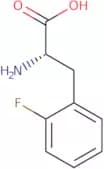
2-Fluoro-L-phenylalanine
CAS:<p>2-Fluoro-L-phenylalanine is a metallic compound that belongs to the group of polyvinyl acetal inhibitors. It is commonly used in the production of antibodies and as a catalyst for various reactions. This compound has been shown to inhibit the activity of hydrogen fluoride, silver ions, and chloride in different chemical processes. Additionally, 2-Fluoro-L-phenylalanine has been found to interact with human immunoglobulin and phosphatase enzymes, affecting their functionality. Researchers also utilize this compound in experiments involving catalysts and hydrogen atom transfer reactions. If you're looking for high-quality research chemicals, 2-Fluoro-L-phenylalanine is an excellent option.</p>Formula:C9H10FNO2Purity:Min. 95%Color and Shape:SolidMolecular weight:183.18 g/molBoc-Asp-OMe
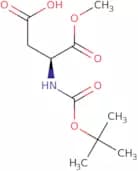
CAS:<p>Boc-Asp-OMe is a peptidomimetic that mimics the hydrogen bonding pattern of aspartic acid. It has been shown to have an intramolecular sequence, which can be cyclic or non-cyclic, and an enantioselective conformation. Boc-Asp-OMe is able to form a hydrogen bond with its neighboring amino acid in the peptide chain and is hydrophobic due to its organic chemistry. This molecule also has a phenyl ring with a carbon bond, which can form n-glycosylations. The conformational and stereochemical properties of this molecule are dependent on the environment it is in.</p>Formula:C10H17NO6Purity:Min. 95%Color and Shape:PowderMolecular weight:247.25 g/mol3-((4,5-dichloroimidazolyl)methyl)-4-bromo-2-methyl-1-phenyl-3-pyrazolin-5-one
CAS:<p>Please enquire for more information about 3-((4,5-dichloroimidazolyl)methyl)-4-bromo-2-methyl-1-phenyl-3-pyrazolin-5-one including the price, delivery time and more detailed product information at the technical inquiry form on this page</p>Purity:Min. 95%Avanafil
CAS:<p>Avanafil is a drug that can be used as a treatment for male erectile dysfunction. It works by inhibiting the production of PDE5, which is an enzyme that regulates the levels of cGMP in the penis. Avanafil has been shown to be effective when taken at a dose of 100 mg; this is because it takes about 30 minutes for avanafil to reach its peak level. Avanafil has a chemical stability that is greater than 12 hours, with an average lifespan of 24 hours. The drug also has no major drug interactions and does not inhibit any other drugs from working.</p>Formula:C23H26ClN7O3Purity:Min. 98 Area-%Color and Shape:White PowderMolecular weight:483.95 g/molFmoc-Glu(OtBu)-OH
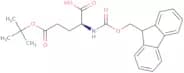
CAS:<p>Fmoc-Glu(OtBu)-OH is an amino acid that is used in the synthesis of peptides and proteins. It is a hydrophilic, non-polar amino acid with a hydroxyl group at its carboxy terminus. This substance has been shown to inhibit the growth of cancer cells in vitro and has been used for the development of monoclonal antibodies. Fmoc-Glu(OtBu)-OH has also been shown to have pharmacokinetic properties that are different from other amino acids such as L-lysine, which may be due to its hydrophilic interactions with plasma proteins. This compound is also toxic, as shown by studies on rats where it was found to cause liver damage at high doses. Fmoc-Glu(OtBu)-OH binds to receptors on cells known as polysialic acid receptors, which are involved in cell adhesion and migration. Fmoc-Glu</p>Formula:C24H27NO6Purity:Min. 98 Area-%Color and Shape:PowderMolecular weight:425.47 g/mol(S)-2,3,5,6-Tetrahydro-6-phenylimidazo[2,1-b]thiazole
CAS:<p>The drug, 2,3,5,6-tetrahydro-6-phenylimidazo[2,1-b]thiazole (TEM), is a small molecule with potent immunomodulatory properties. TEM is a competitive inhibitor of the enzyme histamine N-methyltransferase and inhibits the synthesis of histamine and other proinflammatory mediators. It also has anthelmintic activity against nematodes and exhibits anti-inflammatory activities in animal models of autoimmune diseases such as lupus erythematosus and inflammatory skin diseases such as psoriasis. TEM is also a potent inhibitor of lymphocyte transformation. This drug can be used for the treatment of chronic viral hepatitis, which is caused by hepatitis B or C virus infections. TEM binds to the active site on the enzyme RNA polymerase II that catalyzes DNA transcription to produce messenger RNA. TEM blocks RNA synthesis by binding to the template strand of DNA, preventing</p>Formula:C11H12N2SPurity:Min. 97 Area-%Color and Shape:PowderMolecular weight:204.29 g/mol1-(3-Methylphenyl)ethanol
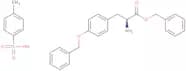
CAS:<p>1-(3-Methylphenyl)ethanol is an organic compound that has a hydroxyl group, homochiral carbonyl group, and aromatic hydrocarbon. It is a product of the catalysed reaction between a hydroxyl compound and an alkyne molecule. The reaction mechanism begins with the formation of an imine intermediate. This intermediate then undergoes a double displacement to form the desired product and regenerate the catalyst. 1-(3-Methylphenyl)ethanol can be used as a building block for other organic compounds, such as epoxides or esters.</p>Formula:C9H12OPurity:Min. 95%Color and Shape:Clear LiquidMolecular weight:136.19 g/molO-Benzyl-L-tyrosine benzyl ester 4-toluenesulfonate
CAS:<p>O-Benzyl-L-tyrosine benzyl ester 4-toluenesulfonate salt is a fine chemical that belongs to the category of useful scaffolds and versatile building blocks. It is a high quality reagent that can be used as a reaction component in the preparation of complex compounds. This compound has shown to be useful in research on various types of drugs, including analgesics, antibiotics, antihistamines, antidepressants, antipsychotics and others.</p>Formula:C23H23NO3•C7H8O3SPurity:Min. 95%Color and Shape:White solid.Molecular weight:533.64 g/molFmoc-Phe(4-NO2)-Wang resin
<p>Fmoc-Phe(4-NO2)-Wang resin is a versatile and useful building block, which can be used as a reagent, speciality chemical, and useful scaffold. This compound has been shown to be a useful building block in the synthesis of complex compounds with high quality. Fmoc-Phe(4-NO2)-Wang resin is also a useful intermediate in the synthesis of research chemicals.</p>Color and Shape:White Powder4-Benzoyl-L-phenylalanine
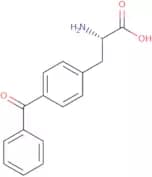
CAS:<p>4-Benzoyl-L-phenylalanine is a protein that has been shown to interact with the following domains: 4-helical bundle, alpha/beta hydrolase fold, and beta sheet. It interacts with residues: Arg128, Tyr129, Asp130, Gly131, Ser132, Ser133, Arg134 and Trp135. The enzyme activities of 4-benzoyl-L-phenylalanine are inhibited by interactions with 3t3-l1 preadipocytes and neurokinin receptor 1 (NK1). This protein also targets enzymes such as acetylcholinesterase (AChE) and phosphodiesterase (PDE). The peptide sequence for 4-benzoyl-L-phenylalanine is KGKPVPAKDYIKTG.</p>Formula:C16H15NO3Purity:Min. 98 Area-%Color and Shape:White Yellow PowderMolecular weight:269.3 g/mol4-Methyl-5-hydromethylimidazole hydrochloride
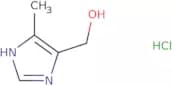
CAS:<p>4-Methyl-5-hydromethylimidazole hydrochloride is a drug that is used in the treatment of hydrochloric acid. It reacts with hydrochloric acid to form cimetidine and cysteamine, which are pharmaceuticals. 4-Methyl-5-hydromethylimidazole hydrochloride is also used as a corrosion inhibitor and may be used as an additive in animal feed.</p>Formula:C5H8N2O•HClPurity:Min. 95%Color and Shape:PowderMolecular weight:148.59 g/mol2-(Phenylsulfonyl)-3-phenyloxaziridine
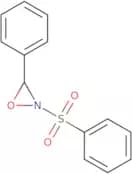
CAS:<p>2-(Phenylsulfonyl)-3-phenyloxaziridine is a fluorescent compound that is used as a substrate for enolate reactions. It has been shown to undergo a stereoselective reaction with 3-chloroperoxybenzoic acid, which can be used in the synthesis of 2,4-disubstituted pyridines.</p>Formula:C13H11NO3SPurity:Min. 98 Area-%Color and Shape:White Off-White PowderMolecular weight:261.3 g/molFmoc-Cl
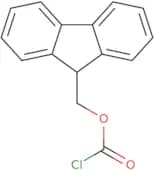
CAS:<p>Fmoc-Cl is a fluorescent derivative that can be used as an analytical method for amino acids in human serum. This reagent is synthesized from chloroformate and derivatization of the amino acid with polymyxin B. Fmoc-Cl reacts with amino acids, producing a fluorescent molecule. The reaction solution can be applied to human serum to determine the concentration of various types of amino acids in the sample. The main matrix effect comes from the presence of human serum proteins, which have been shown to interfere with the measurement of some amino acid concentrations. Fmoc-Cl has also been studied as a potential therapeutic agent for autoimmune diseases, such as multiple sclerosis, lupus erythematosus, and rheumatoid arthritis. It has been shown that Fmoc-Cl inhibits complex enzymes and can reduce levels of certain inflammatory markers in animal models.</p>Formula:C15H11ClO2Purity:Min. 95%Color and Shape:White PowderMolecular weight:258.7 g/mol5-Methoxyindole-3-carboxaldehyde
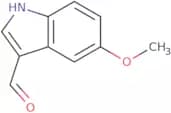
CAS:<p>5-Methoxyindole-3-carboxaldehyde is a molecule that belongs to the genus of indolequinones. It has been shown to have potent inhibitory activity against prostate cancer cells, and also has anti-cancer properties. 5-Methoxyindole-3-carboxaldehyde inhibits the proliferation of cancer cells by inducing apoptosis in prostate cancer cells. 5-Methoxyindole-3-carboxaldehyde also suppresses the growth of cervical cancer cells and breast cancer cells. This molecule binds to the hydrogen bond sites on DNA, which may be one reason for its anti-cancer properties. The molecule is fluorescent and can be used as a marker for detecting cancers or other diseases in living tissue.</p>Formula:C10H9NO2Purity:Min. 95%Color and Shape:PowderMolecular weight:175.18 g/mol2-Amino-3-methoxybenzoic acid methyl ester
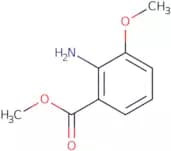
CAS:<p>2-Amino-3-methoxybenzoic acid methyl ester can be used as a chiral auxiliary in enantioselective synthesis. It is synthesised by reaction of l-valine with methyl iodide, followed by hydrolysis of the resulting ester under basic conditions. 2-Amino-3-methoxybenzoic acid methyl ester is used as a chiral auxiliary for the asymmetric synthesis of d-mannitol and related compounds.</p>Formula:C9H11NO3Purity:Min. 95%Color and Shape:PowderMolecular weight:181.19 g/mol5-Methoxyindole-3-acetonitrile
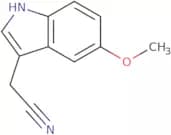
CAS:<p>5-Methoxyindole-3-acetonitrile is a synthetic compound used as a reference for the synthesis of melatonin. It is produced by the addition of magnesium to 5-methoxyindole, followed by reaction with cyanide and nitrile. The synthesis of this compound was first published in 1938 and has since been used as a reference for many other studies. It has been shown that 5-methoxyindole-3-acetonitrile has high performance liquid chromatography properties, with a linear range from 0.5 to 50 mg/mL and an ultraviolet spectrum that falls within the region between 220 nm and 400 nm. A molecular modeling study was conducted on this compound, which showed that it conforms with 4-hydroxy indole ring systems found in natural products such as tryptophan and serotonin. This product also has fluorescent properties, which are caused by its electron withdrawing group (cyano).</p>Formula:C11H10N2OPurity:Min. 95%Color and Shape:PowderMolecular weight:186.21 g/molBis[(5-ethyl-2-methyl-1,3,2-dioxaphosphorinan-5-yl)methyl] methyl phosphonate P,P'-dioxide
CAS:Controlled Product<p>Bis[(5-ethyl-2-methyl-1,3,2-dioxaphosphorinan-5-yl)methyl] methyl phosphonate P,P'-dioxide (BEMPD) is a brominated organophosphorus chemical that is used as a pesticide. It is an effective flame retardant and can be used in the production of polyurethane foams. The main application of BEMPD is in the preparation of particulate matter for weather modification. This chemical has been shown to be an effective phase extraction agent for polychlorinated biphenyls (PCBs) and polybrominated diphenylethers (PBDEs). Florisil column chromatography has been validated as a clean, economical, and sensitive method for the analysis of BEMPD residues. The sampler must be carefully selected to avoid interference with the analytical results.</p>Formula:C15H31O9P3Purity:Min. 95%Color and Shape:PowderMolecular weight:448.32 g/molClobetasol Propionate - Impurity B
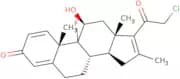
CAS:Controlled Product<p>(11β)-21-Chloro-9-fluoro-11-hydroxy-16-methylpregna-1,4,16-triene-3,20-dione is a chemical compound that can be used as a building block in the synthesis of other chemicals. It is structurally related to progesterone and has been found to have antiandrogenic properties. This product can also be used as a reagent or speciality chemical in research. It is high quality and versatile. (11β)-21-Chloro-9-fluoro-11-hydroxy-16-methylpregna 1,4,16 triene 3,20 dione has been shown to have an effect on the body's reproductive system by binding to the androgen receptor.</p>Formula:C22H26ClFO3Purity:Min. 95%Color and Shape:PowderMolecular weight:392.89 g/molFmoc-Pro-Gly-Gly-OH
<p>Fmoc-Pro-Gly-Gly-OH is a synthetic peptide that is used in the manufacture of bivalirudin, an anticoagulant. It is a large molecule that can be dissolved in water or acetonitrile. The impurities may include ammonium and acetate ions. Fmoc-Pro-Gly-Gly-OH is insoluble in trifluoroacetic acid and trifluoroacetic acid/ammonium acetate mixture, but can be recrystallized from these solvents. The lyophilized product should be stored at 4°C to avoid hydrolysis. Polypeptides are not stable under acidic conditions, so care must be taken when handling this material.</p>Formula:C24H25N3O6Purity:Min. 95%Color and Shape:PowderMolecular weight:451.47 g/molH-Glu-Thr-OH
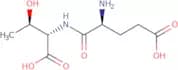
CAS:<p>H-Glu-Thr-OH is a molecule that belongs to the group of aminoglycosides. It is a broad spectrum antibiotic that inhibits bacterial protein synthesis by binding to the 30S ribosomal subunit. H-Glu-Thr-OH has been shown to be effective against various bacteria, including those that are resistant to other antibiotics such as penicillin and erythromycin. This drug has also been shown to be effective against cancer cells in vitro. H-Glu-Thr-OH is a potent inhibitor of inflammatory bowel disease, which may be due to its ability to inhibit the production of proinflammatory cytokines such as tumor necrosis factor alpha (TNFα). The drug also has an insulin sensitizing effect in type 2 diabetes mellitus patients, which may be due to its ability to enhance glucose uptake into skeletal muscle cells and adipocytes.</p>Formula:C9H16N2O6Purity:Min. 98 Area-%Color and Shape:PowderMolecular weight:248.23 g/mol2-Phenoxy ethyl bromide
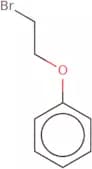
CAS:<p>2-Phenoxy ethyl bromide is a chemical compound that has been shown to have antibacterial properties when tested against bacteria in the laboratory. It is also toxic to humans and other mammals, so care must be taken during its use. 2-Phenoxy ethyl bromide has been shown to inhibit the growth of Streptococcus pneumoniae, Streptococcus pyogenes (Group A), Enterococcus faecalis, and Staphylococcus aureus (Group A) at concentrations of 0.2% by weight in broth medium. 2-Phenoxy ethyl bromide may be effective against other bacteria as well, but further research is needed to confirm this.</p>Formula:C8H9BrOPurity:Min. 95%Color and Shape:White PowderMolecular weight:201.06 g/mol5-Fluoro-2-methoxybenzonitrile
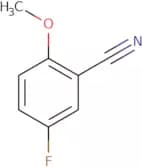
CAS:<p>5-Fluoro-2-methoxybenzonitrile is a fine chemical that has a versatile building block and is used as a reaction component in the synthesis of complex compounds. It is also used as a reagent and research chemical. The compound can be useful for the preparation of high quality pharmaceuticals, pesticides, materials science, and other industries.</p>Formula:C8H6FNOPurity:Min. 95%Molecular weight:151.14 g/molFmoc-Trp(Boc)-OH
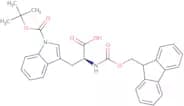
CAS:<p>Fmoc-Trp(Boc)-OH is an amide that has been shown to have the ability to bind to human serum proteins, making it useful in clinical diagnostics. This compound has also been found to be effective against a variety of bacterial strains and fungi. The Fmoc-Trp(Boc)-OH peptide can be synthesized using solid-phase synthesis techniques, which involve attaching amino acid residues to a polymer support. This process is cell specific and allows for the production of peptides with specific sequences. The presence of histidine residues on the side chain of this molecule makes it a good candidate for use in antimicrobial peptides.</p>Formula:C31H30N2O6Purity:Min. 98 Area-%Color and Shape:White Off-White PowderMolecular weight:526.58 g/molN,O-Bis-Boc-L-tyrosine
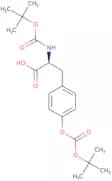
CAS:<p>N,O-Bis-Boc-L-tyrosine is a synthetic protease inhibitor that is a diastereomer of the natural substrate tyrosine. It binds to the active site of the enzyme and prevents it from cleaving peptide bonds. N,O-Bis-Boc-L-tyrosine has been shown to inhibit proteolytic activity in vitro and in vivo, specifically targeting proteases such as trypsin, chymotrypsin, elastase, cathepsin G, and thrombin. The analogues show specific interaction with various glycoconjugates and have been used to synthesize tripeptides and peptidomimetics for use as drugs against cancer. Dermorphin is an opioid peptide derived from the N,O-bis Boc L tyrosine analogue that is able to interact with receptors on neurons in the brain.</p>Formula:C19H27NO7Purity:Min. 95%Color and Shape:SolidMolecular weight:381.42 g/mol3-Isobutyl-1-methylxanthine
CAS:Controlled Product<p>A non-specific inhibitor of cAMP and cGMP phosphodiesterases (PDEs) with IC50 values between 2 and 50 µM. 2-isobutyl-1-methylxanthine (IBMX) has also been found to inhibit phenylephrine-induced 5-HT release by neuroendocrine epithelial cells and IBMX-mediated increase in cAMP and upregulation of Ca2+ channels promotes neuronal differentiation. Additionally IBMX stimulates secretion of thyroid hormones, resulting in cAMP-mediated activation of glycogenolysis and reduced glycogen storage.</p>Formula:C10H14N4O2Color and Shape:Slightly Yellow PowderMolecular weight:222.24 g/molN3-Orn(Boc) cyclohexylamine
CAS:<p>N3-Orn(Boc) cyclohexylamine is a chemical intermediate that is used in the synthesis of complex compounds. It can be used as a building block or an intermediate in the synthesis of many fine chemicals, such as pharmaceuticals, agrochemicals, and fragrances. N3-Orn(Boc) cyclohexylamine is also used in reactions involving amines and alcohols to produce useful scaffolds. This chemical product has been shown to be safe for human use with no significant adverse side effects at doses up to 100mg/kg body weight.</p>Formula:C10H18N4O4•C6H13NPurity:Min. 95%Color and Shape:PowderMolecular weight:357.4 g/mol3-Methylthio-1,2,4-triazino[5,6-b]indole
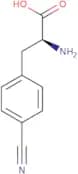
CAS:<p>Please enquire for more information about 3-Methylthio-1,2,4-triazino[5,6-b]indole including the price, delivery time and more detailed product information at the technical inquiry form on this page</p>Formula:C10H8N4SPurity:Min. 95%Color and Shape:PowderMolecular weight:216.26 g/mol4-Cyano-L-phenylalanine
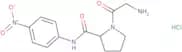
CAS:<p>4-Cyano-L-phenylalanine is an unnatural aminoacid that has been shown to bind to amyloid protein, which is associated with Alzheimer's disease. The binding of 4-Cyano-L-phenylalanine inhibits the synthesis of amyloid protein and prevents the formation of amyloid fibrils. 4-Cyano-L-phenylalanine also irreversibly inhibits the enzyme responsible for the production of hydrochloric acid in bacteria. The x-ray crystal structures of 4-Cyano L-phenylalanine have been determined and show that this compound binds to the active site of the enzyme synthetase, preventing it from forming an amino acid bond. 4-Cyano L-phenylalanine is an analog of 4-L-phenylalanine and, thanks to its cyano (nitrile) group, is a good candidate for use as a fluorescence marker to study the peptide membrane interactions.</p>Formula:C10H10N2O2Purity:Min. 95%Color and Shape:PowderMolecular weight:190.2 g/molH-Gly-Pro-pNA•hydrochloride
CAS:<p>H-Gly-Pro-pNA is an antidiabetic drug that inhibits the activity of dipeptidyl peptidase IV (DPP IV), a family of enzymes that catalyses the cleavage of the amino acid sequence of proline and arginine. The inhibitory effect on DPP IV by H-Gly-Pro-pNA was demonstrated using magnetic resonance spectroscopy, chromatographic assays, and electrospray ionization mass spectrometry. H-Gly-Pro-pNA also has hydrophobic properties and can interact with other drugs that are lipophilic. In vitro assays have been used to determine the inhibition activity of H-Gly-Pro-pNA against various proteins involved in diabetes mellitus, including aminopeptidases, carboxypeptidases and endopeptidases.</p>Formula:C13H16N4O4•HClPurity:Min. 95%Color and Shape:White PowderMolecular weight:328.75 g/mol7-Amino-3-[[(2,5-dihydro-6-hydroxy-2-methyl-5-oxo- 1,2,4-triazin-3-yl)thio]methyl]cephalosporanic acid
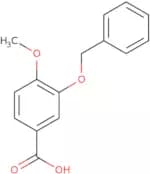
CAS:<p>Ceftriaxone is a semisynthetic, broad-spectrum antibiotic that is used to treat bacterial infections. It is especially effective against the following microorganisms: Gram-positive cocci and rods, Gram-positive bacilli, Gram-negative cocci and rods, and anaerobic bacteria. Ceftriaxone is a crystalline solid that can be dissolved in water or an organic solvent. It has been shown to have excellent stability in acidic solutions and at high temperatures. Ceftriaxone has a residue of 3% when it is administered intravenously or intramuscularly. The use of ceftriaxone as an antibiotic can be optimized by using reverse-phase chromatography with a cyclic gradient elution method.</p>Formula:C12H13N5O5S2Purity:95%NmrColor and Shape:PowderMolecular weight:371.39 g/mol3-Benzyloxy-4-methoxybenzoic acid
CAS:<p>3-Benzyloxy-4-methoxybenzoic acid is a natural product that was isolated as a yellow crystalline powder from the needles of the tree Kirkia. It can be used as a radical and has been shown to have frameworks with galanthamine. 3-Benzyloxy-4-methoxybenzoic acid has been shown to be an inhibitor of protein synthesis in cells, which may be due to its ability to inhibit the activity of ribosomes and protein synthesis.</p>Formula:C15H14O4Purity:Min. 95%Molecular weight:258.27 g/mol1-[(5-Chloro-1-methyl-1H-indol-3-yl)methyl]piperidine-4-carboxylic acid
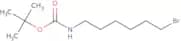
CAS:Controlled Product<p>Please enquire for more information about 1-[(5-Chloro-1-methyl-1H-indol-3-yl)methyl]piperidine-4-carboxylic acid including the price, delivery time and more detailed product information at the technical inquiry form on this page</p>Formula:C16H19ClN2O2Purity:Min. 95%Molecular weight:306.79 g/molN-Boc-6-bromohexylamine
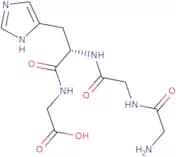
CAS:<p>N-Boc-6-bromohexylamine is a hypoglycemic agent that belongs to the group of diagnostic agents. It has been shown to have an effect on glucose regulation and was used in clinical development. N-Boc-6-bromohexylamine interacts with the catalytic subunit of protein kinase C delta (PKCδ) and inhibits its activity, which can lead to a decrease in cellular glucose uptake. This molecule has also been shown to interact with chloride channels, which are involved in the regulation of cell volume, and 2-nitroimidazole, which is a hypoxic tumor promoter. N-Boc-6-bromohexylamine is synthesized from fatty acids and amides by supramolecular chemistry.</p>Formula:C11H22BrNO2Purity:Min. 95%Color and Shape:Colourless Clear LiquidMolecular weight:280.2 g/molH-Gly-Gly-His-Gly-OH
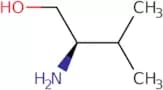
CAS:<p>H-Gly-Gly-His-Gly-OH is a tripeptide with a molecular weight of 778.09 g/mol. It is crosslinked to the side chain of lysine residues and can be used for the crosslinking of protein fibers, such as wool or silk, to form hydrophobic materials that are both resistant to shrinkage and have good thermal stability. The crosslinking reaction can be achieved by either the hypobromous acid oxidation or by inorganic oxidants such as hydrogen peroxide. H-Gly-Gly-His-Gly-OH has axial reactive radicals at its center which facilitates the formation of covalent links with other molecules.br><br>br><br>The yield depends on the type of reactant used and ranges from 47% (hydrogen peroxide) to 60% (hypobromous acid). The residue obtained after hydrolysis is an alpha amino acid consisting of</p>Formula:C12H18N6O5Purity:Min. 95%Color and Shape:PowderMolecular weight:326.31 g/molD-Valinol
CAS:<p>D-Valinol is a synthetic compound that contains a chiral alcohol group. It is an ester hydrochloride salt of D-valinol and has been shown to be clinically effective in treating chronic lymphocytic leukemia (CLL). This drug is a potent inhibitor of the bcr-abl kinase, which is involved in the regulation of protein synthesis. D-Valinol binds to the kinase domain of this enzyme and inhibits its activity by preventing it from transferring phosphate groups from ATP to tyrosine residues on proteins. D-Valinol also inhibits chloride channels, which are required for cell survival.</p>Formula:C5H13NOPurity:Min. 95%Color and Shape:PowderMolecular weight:103.16 g/molH-Gly-Gly-Gly-Gly-Gly-Gly-OH
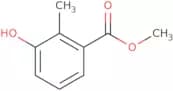
CAS:<p>H-Gly-Gly-Gly-Gly-Gly-Gly-OH is a cyclic peptide that binds to calcium ions. It has been shown to cause cell lysis in human serum and inhibit bacterial growth in the presence of fatty acids. H-Gly-Gly-Gly-Gly-gly-OH has also been shown to bind to the receptor site on the bacteria, which prevents them from binding with host cells. This peptide also inhibits the production of inflammatory cytokines, such as IL1β and TNFα, which may be due to its ability to inhibit the formation of reactive oxygen species.</p>Formula:C12H20N6O7Purity:Min. 95%Color and Shape:PowderMolecular weight:360.32 g/molMethyl 3-hydroxy-2-methylbenzoate
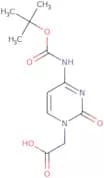
CAS:<p>Methyl 3-hydroxy-2-methylbenzoate is a metabolite that is created when methyl 3-hydroxybenzoate is irradiated with UV light. It can be used as a reagent in Wittig reactions and can be brominated to produce bromoethyl 3-hydroxy-2-methylbenzoate. Methyl 3-hydroxy-2-methylbenzoate is also an intermediate in the acetylation of phenols and the organometallic demethylation of methyltetrahydrofolate.<br>Methyl 3-hydroxybenzoate reacts with chlorides to produce methyl 2,3,4,5,6-pentahydroxybenzoate. This reaction is catalyzed by Streptomyces species. This compound can be converted into other compounds through various reactions including the wittig reaction and hydrolysis with amines such as ethanolamine or isopropylamine.</p>Formula:C9H10O3Purity:Min. 95%Color and Shape:White PowderMolecular weight:166.17 g/molN4-Boc-cytosin-1-yl acetic acid
CAS:<p>N4-Boc-cytosin-1-yl acetic acid is a fine chemical that is used as a reagent, and can be used as a building block in the synthesis of various compounds. It has been shown to be an effective intermediate in the synthesis of various compounds, and can be used as a scaffold for drug discovery. N4-Boc-cytosin-1-yl acetic acid is also useful in the production of other chemicals, such as pharmaceuticals and pesticides.</p>Formula:C11H15N3O5Purity:Min. 98 Area-%Color and Shape:PowderMolecular weight:269.25 g/mol2-Ethoxy-3-methoxybenzaldehyde
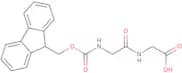
CAS:<p>2-Ethoxy-3-methoxybenzaldehyde is a coordination compound that contains two thiolate ligands, one carbonyl group, and a chelate ring with sulfur. The compound has been shown to bind to the active site of thiosemicarbazide in the enzyme sulfite oxidase, which catalyzes the oxidation of sulfite to sulfate. 2-Ethoxy-3-methoxybenzaldehyde has also been shown to be an effective ligand for rhenium.</p>Formula:C10H12O3Purity:Min. 95%Molecular weight:180.2 g/molFmoc-Gly-Gly-OH
CAS:<p>Fmoc-Gly-Gly-OH is an Fmoc protected glycine derivative used in proteomics studies and in solid phase peptide synthesis. In the synthesis of antibody-drug conjugates (ADC), Fmoc-Gly-Gly-OH acts as a cleavable ADC linker. The protected head of Fmoc-Gly-Gly-OH allows expanding the chain of the peptide to produce polypeptides.</p>Formula:C19H18N2O5Purity:Min. 97 Area-%Color and Shape:PowderMolecular weight:354.36 g/mol4-Fluoro-3-phenoxy benzoic acid
CAS:<p>4-Fluoro-3-phenoxy benzoic acid is a metabolite of pyrethroid insecticides. This metabolite can be found in urine samples and has been detected in the general population. The concentration of 4-fluoro-3-phenoxy benzoic acid in urine is higher in females than males, which may be due to the excretion of metabolites from insecticide exposure. It has also been shown that this metabolite is found at higher concentrations in people with high levels of carboxylic acids. It is not known if 4-fluoro-3-phenoxy benzoic acid is harmful to humans or other animals.</p>Formula:C13H9FO3Purity:Min. 95%Color and Shape:White PowderMolecular weight:232.21 g/molFmoc-Glu(OtBu)-Glu(OtBu)-Ser(Psi(Me,Me)pro)-OH
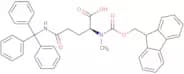
<p>Fmoc-Glu(OtBu)-Glu(OtBu)-Ser(Psi(Me,Me)pro)-OH is a fine chemical used as a building block in the synthesis of other compounds. It has a wide range of applications in organic chemistry, including research chemicals and reagents. Fmoc-Glu(OtBu)-Glu(OtBu)-Ser(Psi(Me,Me)pro)-OH is also a versatile building block that can be used to synthesize many different types of compounds. This molecule reacts well with amino acids, thiols, amines, and alcohols and is often used as an intermediate or scaffold for larger molecules.</p>Formula:C39H51N3O11Purity:Min. 95%Color and Shape:PowderMolecular weight:737.84 g/molFmoc-N-Me-Gln(Trt)-OH
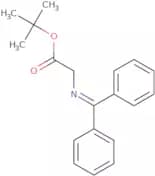
CAS:<p>Fmoc-N-Me-Gln(Trt)-OH is a peptide that has been synthesized to investigate the mechanisms of action of heparin. The synthetic peptide mimics the N-terminal sequence of heparin, which is hypothesized to be responsible for its anticoagulant activity. This peptide was incubated with plasma samples from rhesus monkeys and was metabolized by sequential enzymatic reactions. The c-terminal sequence was also investigated, but no activity was found.</p>Formula:C40H36N2O5Purity:Min. 95 Area-%Color and Shape:PowderMolecular weight:624.72 g/molN-(Diphenylmethylene)glycine, t-butyl ester
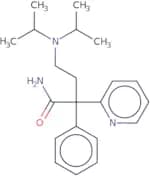
CAS:<p>N-(Diphenylmethylene)glycine, t-butyl ester is a chemical compound that belongs to the class of amides. It has been used in optimization and preparative reactions, as well as in the synthesis of amides. N-(Diphenylmethylene)glycine, t-butyl ester can be hydrolyzed to produce its imine and aldehyde products. The asymmetric synthesis of this compound has been achieved by using liposomes. This chemical also acts as a surfactant when mixed with an appropriate co-surfactant such as quaternary ammonium salts or alkylation agents.</p>Formula:C19H21NO2Purity:Min. 95%Color and Shape:White PowderMolecular weight:295.38 g/molDisopyramid
CAS:Controlled Product<p>a-[2-(Diisopropylamino)ethyl]-a-phenyl-2-pyridineacetamide is a hydrogen bond donor. It has been shown to have cytotoxicity in vitro, with parameters that can be used for accurate prediction of descriptors. These descriptors are informative and insightful, which can be used for regression analyses and linear regression methods. The pharmacokinetic properties of a-[2-(Diisopropylamino)ethyl]-a-phenyl-2-pyridineacetamide have been studied in humans and have shown linearity between dose and plasma concentration.</p>Formula:C21H29N3OColor and Shape:White PowderMolecular weight:339.47 g/mol3-Methoxy-4-nitrobenzoic acid
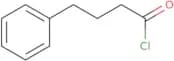
CAS:<p>3-Methoxy-4-nitrobenzoic acid is a potent and selective inhibitor of aromatase that can be used for the treatment of breast cancer. 3-Methoxy-4-nitrobenzoic acid inhibits the activity of serine proteases, which are enzymes important in protein degradation and cellular signaling. This drug has been shown to inhibit the activity of many other types of kinases, and this makes it a good candidate for use as an anti-cancer agent. 3-Methoxy-4-nitrobenzoic acid also has been shown to inhibit the formation and development of brain tumors when administered via whole body or brain uptake techniques. In addition to inhibiting tumor growth, this drug can prevent metastasis by preventing circulating tumor cells from entering new tissues. The inhibition of estrogen synthesis by 3methoxy-4 nitrobenzoic acid leads to breast cancer cell death in vitro and in vivo.</p>Formula:C8H7NO5Purity:Min. 95%Color and Shape:PowderMolecular weight:197.14 g/mol4-Phenylbutyryl chloride
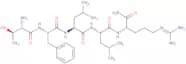
CAS:<p>4-Phenylbutyryl chloride is a chemical with a chiral center and an asymmetric carbon atom. The chemical can be synthesized by the reaction of phenylacetic acid and butyric acid chloride. This compound has been shown to have hypoglycemic effects in animal studies, which may be due to its ability to inhibit the activity of alpha-glucosidase. 4-Phenylbutyryl chloride has also been used for the synthesis of some drugs, including acarbose, miglitol, and glipizide. It has also been shown to have anti-cancer properties in prostate cancer cells. 4-Phenylbutyryl chloride is metabolized by the liver into urinary metabolites that are detectable in urine samples.</p>Formula:C10H11ClOPurity:Min. 97 Area-%Color and Shape:Brown Off-White Yellow Clear LiquidMolecular weight:182.65 g/molH-Thr-Phe-Leu-Leu-Arg-NH2
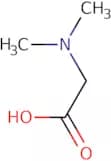
CAS:<p>H-Thr-Phe-Leu-Leu-Arg-NH2 is a peptide that has been shown to reduce the severity of lung inflammation and injury in rats with pulmonary hypertension. It also prevents the release of proinflammatory cytokines such as tumor necrosis factor alpha (TNFα) and interleukin 6 (IL6). This peptide also induces an antibody response against collagen gel, which is used to treat fibrotic diseases and wounds. The peptide binds to the soybean trypsin inhibitor, preventing it from inhibiting protease enzymes, thereby allowing for protein synthesis. H-Thr-Phe-Leu-Leu-Arg-NH2 has been shown to have antiapoptotic effects by restoring mitochondrial membrane potential in cancer cells. This peptide can be used as a therapeutic agent for various diseases including primary pulmonary hypertension, cancer tissues, and mitochondrial disorders.</p>Formula:C31H53N9O6Purity:Min. 95%Color and Shape:White PowderMolecular weight:647.81 g/molN,N-Dimethylglycine
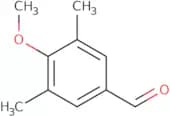
CAS:<p>N,N-Dimethylglycine (DMG) is a molecule that inhibits the activity of various enzymes. DMG has been shown to have an inhibitory effect on HIV entry into human cells and can be used in the treatment of HIV infection. DMG has also been found to have an inhibitory effect on energy metabolism and mitochondrial membrane potential, which can lead to increased oxidative stress and inflammation. This molecule is also involved in the synthesis of choline, dimethylglycine, and betaine, which are important for cell signaling and detoxification. DMG has been shown to bind to bile acids and promote bowel motility by increasing peristalsis in patients with chronic constipation. In addition, it has been shown to have anti-inflammatory properties through its inhibition of pro-inflammatory cytokines such as TNF-α and IL-6</p>Formula:C4H9NO2Purity:Min. 95%Color and Shape:Off-White PowderMolecular weight:103.12 g/mol3,5-Dimethyl-4-methoxybenzaldehyde
CAS:<p>3,5-Dimethyl-4-methoxybenzaldehyde is a high quality, versatile chemical that can be used as an intermediate to synthesize other fine chemicals. The compound can be reacted with various reagents to produce complex compounds. 3,5-Dimethyl-4-methoxybenzaldehyde can also be used as a building block to synthesize other useful compounds. This chemical has been shown to be a useful scaffold for the production of new compounds and has been used as a reaction component in research and development.</p>Formula:C10H12O2Purity:Min. 95%Color and Shape:PowderMolecular weight:164.2 g/molH-Pro-Ile-OH
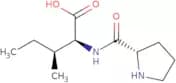
CAS:<p>H-Pro-Ile-OH is an amino acid that is found in the mitochondria of cells. It is a prodrug that binds to angiotensin and blocks its conversion to angiotensin II, which has been shown to have blood pressure lowering effects. H-Pro-Ile-OH has been shown to be a competitive inhibitor of oligopeptidase, with a half maximal inhibitory concentration (IC50) of 0.5 mM, and has also been shown to have antihypertensive properties.</p>Formula:C11H20N2O3Purity:Min. 95%Color and Shape:PowderMolecular weight:228.29 g/mol3-Amino-4-methylbenzoic acid
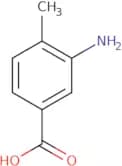
CAS:<p>3-Amino-4-methylbenzoic acid is a chemical that is used in the synthesis of pharmaceuticals. It has been shown to have receptor binding activity and is able to inhibit aminotransferase activity. 3-Amino-4-methylbenzoic acid has been shown to be a competitive inhibitor of ptp1b, an enzyme that degrades phosphatidylinositol (3,4,5)-triphosphate. This property may be useful for treating inflammatory diseases such as Crohn's disease and rheumatoid arthritis. 3-Amino-4-methylbenzoic acid binds to the active site of ptp1b with high affinity and forms a coordination complex with two zinc ions. Monomers are also able to bind to ptp1b and inhibit its function.<br>3-Amino-4-methylbenzoic acid has been tested in vitro for its ability to inhibit the growth</p>Purity:Min. 95%Color and Shape:PowderMolecular weight:151.16 g/molL-Serine O-sulfate potassium salt
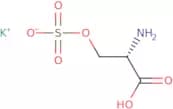
CAS:<p>L-Serine O-sulfate potassium salt is a racemase inhibitor. It has been shown to be effective in postoperative pain and sciatic nerve injury in animals. L-serine O-sulfate potassium salt inhibits the enzyme racemase, which converts L-serine to D-serine, thereby preventing the development of chronic neuropathic pain. The drug also has carboxylate properties that inhibit uptake of glutamate by nerve cells, thereby reducing the release of glutamate in response to nerve injury. This drug is not active against pain due to inflammation or disease.</p>Formula:C3H6NO6SKPurity:Min. 95%Color and Shape:White PowderMolecular weight:223.25 g/mol2-Methoxybenzonitrile
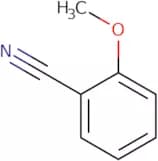
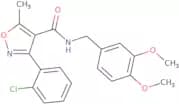
CAS:<p>2-Methoxybenzonitrile is a reactive molecule that can undergo a variety of reactions. In simulations, 2-methoxybenzonitrile reacts with carbon tetrachloride to form chlorobenzene and hydrochloric acid. The reaction mechanism involves the metal surface, which is believed to act as a catalyst and transfer the molecule to the receptor binding site on the substrate molecule. 2-Methoxybenzonitrile has been shown to react with various functional groups on a substrate molecule, including ester, amide, nitrile, sulfide, sulfone, and phosphate groups. This reaction system also produces different reaction products depending on the type of functional group.</p>Formula:C8H7NOPurity:Min. 95%Color and Shape:Clear LiquidMolecular weight:133.15 g/molN-((3,4-dimethoxyphenyl)methyl)(3-(2-chlorophenyl)-5-methylisoxazol-4-yl)formamide
CAS:<p>Please enquire for more information about N-((3,4-dimethoxyphenyl)methyl)(3-(2-chlorophenyl)-5-methylisoxazol-4-yl)formamide including the price, delivery time and more detailed product information at the technical inquiry form on this page</p>Purity:Min. 95%1,4-Phenylenediacrylic acid diethyl ester
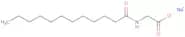
CAS:<p>1,4-Phenylenediacrylic acid diethyl ester (PDAD) is an organic molecule that is used as a template molecule in polymerizations. It can be used to coat surfaces with polymers, which makes them more resistant to corrosion and wear. PDAD interacts with an electron beam in the presence of oxygen, generating excimers and supercritical CO2. These interactions are responsible for the red shift that occurs when PDAD interacts with the electron beam. The absorption spectrum of PDAD has been shown to change depending on its morphology: alpha-type PDAD absorbs at lower wavelengths than beta-type PDAD.</p>Formula:C16H18O4Purity:Min. 95%Color and Shape:PowderMolecular weight:274.31 g/molSodium cocoyl glycinate
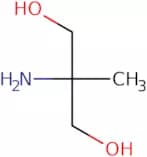
CAS:<p>Sodium cocoyl glycinate is a surfactant that is derived from coco-amidopropyl betaine. It has milder skin-irritating properties than sodium lauryl sulfate, and is used as a cleansing agent in cosmetic products. Sodium cocoyl glycinate can be used as a surface active agent for the treatment of malignant brain tumors and collagen for the treatment of burns. The acyl chain of this compound can be synthesized by trimethylacetic acid with an ethylene diamine catalyst. Usnic acid or fatty acids are often added to produce the desired product.</p>Purity:Min. 95%Color and Shape:PowderAMPD
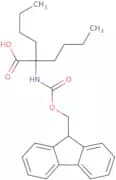
CAS:<p>AMPD, also known as 2-Amino-2-methyl-1,3-propanediol, is a buffer solution with a pH range of 7.8-9.7 and a pKa of 8.8. This chemical buffer is used in molecular biology, protein studies, enzyme assays, and separation techniques such as isatachophoresis (ITP) and SDS-gradient gel electrophoresis.</p>Formula:C4H11NO2Purity:Min. 95%Color and Shape:PowderMolecular weight:105.14 g/molFmoc-di-n-butylglycine
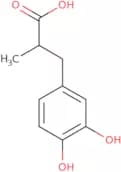
CAS:<p>Fmoc-di-n-butylglycine is a c1-8 alkyl that has been shown to have an antiinflammatory effect. It inhibits the phosphodiesterase enzyme, which is responsible for the degradation of cyclic adenosine monophosphate (cAMP), which increases levels of this molecule. This leads to increased activation of protein kinase A and protein kinase C, which are important in inflammatory pathways. Fmoc-di-n-butylglycine binds to the sodium channel, preventing it from opening and closing, thus inhibiting transmission of electrical signals. This drug has also been shown to inhibit potassium channels and hydrogen sulfate production by bacteria. Fmoc-di-n-butylglycine can be used as a model for the study of other drugs that act on sodium channels.</p>Formula:C25H31NO4Purity:Min. 95%Color and Shape:SolidMolecular weight:409.52 g/mol2-Methyl-3-(3,4-dihydroxyphenyl)propanoic acid
CAS:<p>2-Methyl-3-(3,4-dihydroxyphenyl)propanoic acid (DOPA) is a prodrug that is converted to the active form 2-methyl-5,6-dihydroxyindole-3,4-dione (DIDO) by hydrazine. DIDO inhibits melanoma cells by binding to tyrosinase and inhibiting its activity. DOPA also has cytotoxic properties, which may be due to the production of oxidative metabolites such as hydrogen peroxide and free radicals. DIDO can also be metabolized into catechol and cyclized into quinone methides. DOPA can inhibit oxidation reactions in the cell line CCRF-CEM by preventing the oxidation of NADH to NAD+.</p>Formula:C10H12O4Purity:Min. 95%Color and Shape:PowderMolecular weight:196.2 g/molN-[6-Chloro-5-(2-methoxyphenoxy)-(2,2-bipyrimidine)4-4-yl]-(1,1-dimethylethyl)-benzenesulfonamide
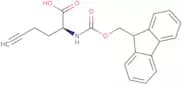
CAS:<p>N-[6-Chloro-5-(2-methoxyphenoxy)-(2,2-bipyrimidine)4-4-yl]-(1,1-dimethylethyl)-benzenesulfonamide is a reagent that can be used as a reaction component in the synthesis of complex compounds. It has high quality and is a versatile building block for the synthesis of speciality chemicals. N-[6-Chloro-5-(2-methoxyphenoxy)-(2,2-bipyrimidine)4-4-yl]-(1,1-dimethylethyl)-benzenesulfonamide is also a useful intermediate in the synthesis of fine chemicals.</p>Formula:C25H24ClN5O4SPurity:Min. 95%Color and Shape:White PowderMolecular weight:526.01 g/molFmoc-HomoGly(Propargyl)-OH
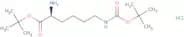
CAS:<p>Fmoc-HomoGly(Propargyl)-OH is a useful scaffold that can be used as a building block for the synthesis of complex compounds. It is also a useful intermediate and research chemical that can be reacted with other building blocks to create new compounds. Fmoc-HomoGly(Propargyl)-OH has been shown to be a high quality reagent for the synthesis of other chemicals.</p>Formula:C21H19NO4Purity:Min. 95%Color and Shape:White PowderMolecular weight:349.38 g/molLys(Boc)-OtBu,HCl
CAS:<p>Lys(Boc)-OtBu,HCl is a versatile building block and research chemical that can be used for the synthesis of complex compounds. This compound is a useful intermediate and reaction component in organic chemistry. It is also a reagent that can be used to synthesize high-quality chemical products.</p>Formula:C15H30N2O4·HClPurity:Min. 95%Color and Shape:White PowderMolecular weight:338.87 g/molN-[3-(4,4,5,5-TetraMethyl-[1,3,2]dioxaborolan-2-yl)-phenyl]succinamic acid
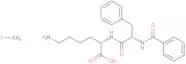
CAS:<p>N-[3-(4,4,5,5-TetraMethyl-[1,3,2]dioxaborolan-2-yl)-phenyl]succinamic acid is an intermediate in the synthesis of a variety of compounds. It is also a useful building block in the synthesis of complex compounds. In addition to its use as a research chemical and reagent, N-[3-(4,4,5,5-TetraMethyl-[1,3,2]dioxaborolan-2-yl)-phenyl]succinamic acid can be used as a speciality chemical.</p>Formula:C16H22BNO5Purity:Min. 95%Molecular weight:319.16 g/molBenzoylphenylalanyllysine fluoromethane
CAS:Controlled Product<p>Benzoylphenylalanyllysine fluoromethane is a competitive anticoagulant that inhibits the action of kallikrein, an enzyme involved in the activation of factor XII. This drug is used to prevent or treat thrombosis and embolism. It has been shown to be effective in vitro against coagulation factors II, VII, IX, X, XI, XII and XIII. Benzoylphenylalanyllysine fluoromethane is not metabolized by cysteine proteinase and does not interact with norvaline.</p>Formula:C23H30FN3O4Purity:Min. 95%Molecular weight:431.5 g/mol1,2-Dimyristoyl-rac-glycero-3-phosphocholine
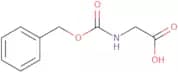
CAS:<p>1,2-Dimyristoyl-rac-glycero-3-phosphocholine (DMPC) is a lipid molecule that contains a glycerol backbone and two fatty acid chains. It is an amphipathic molecule with hydrophilic head groups and hydrophobic tails. The phase transition temperature of DMPC is around 37°C, which makes it useful as a model system for studying the effects of temperature on lipid membranes. DMPC has been shown to have interactions with pharmacological agents such as peptide hormones and enzyme inhibitors, which can lead to drug interactions. DMPC also binds copper chloride and calcium ions and has hydrogen bonding interactions with benzalkonium chloride.</p>Formula:C36H72NO8PPurity:Min. 95%Molecular weight:677.93 g/molCbz-glycine
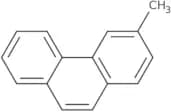
CAS:<p>Cbz-glycine is a hydrogen bond donor that can react with trifluoroacetic acid in a one-step reaction to form an ester hydrochloride. It is used in the synthesis of monoclonal antibodies and has been shown to inhibit the growth of receptor cells. Cbz-glycine reacts with protocatechuic acid, pyrazinoic acid, and ester hydrochloride to form pharmacokinetic properties. It has been shown to have pharmacokinetic properties by inhibiting prostaglandin synthesis.</p>Formula:C10H11NO4Purity:Min. 95%Molecular weight:209.2 g/mol3-Methylphenanthrene
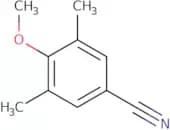
CAS:<p>3-Methylphenanthrene is a compound that inhibits the reductase activity of aromatic hydrocarbons. 3-Methylphenanthrene has been shown to inhibit both bacterial and mammalian reductases, with interactive effects on the enzyme's substrate molecule. It also shows an inhibitory effect on axonal growth, which may be due to its ability to reduce fatty acid uptake, as well as its ability to interact with the aromatic hydrocarbon uptake system. 3-Methylphenanthrene is easily detected by spectrometry analyses and can be used as a substrate molecule for bacterial enzymes.</p>Formula:C15H12Purity:Min. 98%Color and Shape:White PowderMolecular weight:192.26 g/mol3,5-Dimethyl-4-methoxybenzonitrile
CAS:<p>3,5-Dimethyl-4-methoxybenzonitrile is a chemical that can be used as an intermediate for the synthesis of organic compounds. It is also useful for research purposes. 3,5-Dimethyl-4-methoxybenzonitrile has a CAS number of 152775-45-6 and can be found in the chemical catalog at Acros Organics. This compound is a reactive building block that can undergo many reactions to produce other chemicals. 3,5-Dimethyl-4-methoxybenzonitrile is a complex compound with high purity and quality.</p>Formula:C10H11NOPurity:Min. 95%Color and Shape:PowderMolecular weight:161.2 g/mol[(4-Methylphenyl)sulfonyl]acetonitrile
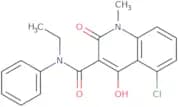
CAS:<p>[(4-Methylphenyl)sulfonyl]acetonitrile is a synthetic compound that has been shown to inhibit the enzyme SHP2. This inhibition leads to decreased proliferation of cells and may be useful in the treatment of degenerative diseases. [(4-Methylphenyl)sulfonyl]acetonitrile is an organic solvent and a nucleophilic reagent that reacts with metal carbonates, such as calcium carbonate, to form carbanions. The carbanion intermediate can react with nucleophiles, such as acetonitrile, to form a new compound that is structurally related to the original starting material.</p>Formula:C9H9SNO2Purity:Min. 95%Molecular weight:195.24 g/mol5-Chloro-4-hydroxy-1-methyl-2-oxo-1,2-dihydro-quinoline-3-carboxylic acid ethyl-phenyl-amide
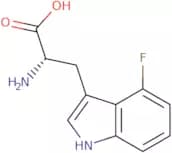
CAS:<p>Laquinimod is an immunomodulator drug that inhibits the activity of the immune system. It binds to toll-like receptor 7, which is a protein on the surface of certain cells that responds to infection and inflammation. Laquinimod has been shown to inhibit neurodegeneration in vitro, which may be due to its ability to bind with neuronal death receptors and block the inflammatory response. Laquinimod also inhibits bowel disease by reducing inflammation and controlling immunity in the intestinal tract. Laquinimod has been shown to have long-term efficacy when administered at physiological levels. This drug is chemically stable, even after exposure to light.</p>Formula:C19H17ClN2O3Purity:Min. 95%Color and Shape:White PowderMolecular weight:356.8 g/mol4-Fluoro-L-Tryptophan
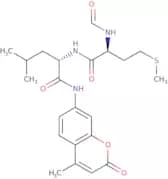
CAS:<p>4-Fluoro-L-tryptophan is an amino acid that is used in the synthesis of proteins. It has a number of uses in molecular biology, including the study of phosphatases, tryptophan synthetase, and mutant strains. 4-Fluoro-L-tryptophan can be used to study the interaction between subunits of these enzymes and to determine kinetic parameters. This compound has been shown to interact with magnetic resonance spectroscopy (NMR) and fluorescence measurements. The biosynthesis of 4-fluoro-L-tryptophan involves two steps: (1) incorporation into protein by tryptophanyl tRNA synthetase; and (2) conversion to tryptamine by phosphatase enzyme.</p>Formula:C11H11FN2O2Purity:Min. 95%Molecular weight:222.22 g/molFor-Met-Leu-AMC
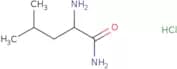
CAS:<p>For-Met-Leu-AMC is a chemical compound that belongs to the group of speciality chemicals. It is a high quality, versatile building block that can be used as a reagent in organic synthesis and a reaction component in the synthesis of pharmaceuticals and other fine chemicals. For-Met-Leu-AMC is also a useful intermediate for the synthesis of complex compounds with potential for use as research chemicals or scaffolds for drug discovery.</p>Formula:C22H29N3O5SPurity:Min. 98 Area-%Color and Shape:PowderMolecular weight:447.55 g/molDL-Leucine amide hydrochloride
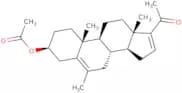
CAS:<p>DL-Leucine amide hydrochloride is a fine chemical that can be used as a building block for research chemicals, as a reagent for the preparation of other compounds, and as a speciality chemical. DL-Leucine amide hydrochloride has been shown to be effective in the synthesis of complex compounds. The compound is also versatile and can be used as an intermediate or scaffold in the synthesis of other compounds. DL-Leucine amide hydrochloride is useful in reactions such as condensation, substitution, elimination, and Grignard reactions. It is also used in peptide synthesis and polymerization reactions.</p>Formula:C6H14N2O·HClPurity:Min. 95%Molecular weight:166.65 g/mol6-Methyl-16-dehydropregnenolone acetate
CAS:Controlled Product<p>6-Methyl-16-dehydropregnenolone acetate (6MDA) is a versatile building block that is used in the synthesis of complex compounds. 6MDA is an intermediate for research chemicals and can be used as a reagent or as a speciality chemical. It has been shown to be useful in the synthesis of many complex compounds, including steroids, nonsteroidal anti-inflammatory drugs, and antibiotics. 6MDA has been shown to have high quality and is a useful scaffold for the synthesis of other compounds.</p>Formula:C24H34O3Purity:Min. 95%Color and Shape:PowderMolecular weight:370.52 g/mol[4-(2-Methyl-1,3-oxazol-5-yl)phenyl]amine
CAS:<p>4-(2-Methyl-1,3-oxazol-5-yl)phenyl]amine is a versatile building block that is widely used in the research and development of complex compounds. This compound can be used as a reagent, speciality chemical, or useful intermediate as it has high reactivity and good solubility. 4-(2-Methyl-1,3-oxazol-5-yl)phenyl]amine is also a useful scaffold for producing other compounds.</p>Formula:C10H10N2OPurity:Min. 95 Area-%Color and Shape:PowderMolecular weight:174.2 g/mol2-Methyl-DL-serine
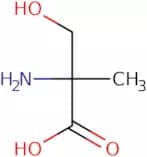
CAS:<p>2-Methyl-DL-serine is a metabolite of the amino acid serine. It is synthesized by the enzyme serine dehydratase, which converts L-serine to 2-methyl-L-serine. This product has been shown to inhibit microbial metabolism and has been proposed as a drug target for glycopeptide antibiotics. 2-Methyl-DL-serine is an inhibitor of glycosyltransferases that have high affinity for D-alanine, such as enolase, phosphoglycerate kinase, and pyruvate kinase. In addition, this product inhibits some enzymes involved in glycogen metabolism by binding to the lysosomal enzyme α-glucosidase. The enzyme genes that encode for these enzymes are expressed in both prokaryotes and eukaryotes. 2Methyl DL serine also inhibits dioxygenases (e.g., cytochrome P450) that utilize</p>Formula:C4H9NO3Purity:Min. 95%Color and Shape:PowderMolecular weight:119.12 g/molm-Phenylenediamine
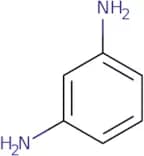
CAS:<p>m-Phenylenediamine is a model system for studying the adsorption mechanism of dyes, pigments, and other organic molecules on solid surfaces. It has been shown to be capable of adsorbing at high concentrations on various materials such as calcium carbonate, sandstone, and kaolinite. The adsorption of m-phenylenediamine is influenced by the thermal expansion coefficient of the surface material. Adsorption is also influenced by the pH of the solution, with optimum concentrations occurring at acidic pH levels. Adsorbed m-phenylenediamine may be transported away from the surface in both water and wastewater treatment systems. Inorganic acids can cause significant degradation to adsorbed m-phenylenediamine due to their ability to hydrolyze hydrogen bonds between adsorbate molecules.<br>A number of electrochemical impedance spectroscopy studies have been performed on this molecule in order to better understand its transport properties and electron transfer mechanisms.</p>Formula:C6H8N2Purity:Min. 95%Color and Shape:PowderMolecular weight:108.14 g/mol4-Methoxy-1-indanone
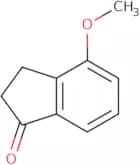
CAS:<p>4-Methoxy-1-indanone is a quinoline derivative that is used as an intermediate for the synthesis of a number of bioactive molecules, such as gephyrotoxin (a potent neurotoxin) and oxime derivatives. 4-Methoxy-1-indanone has been shown to be activated by metal ions and oximes to form iminium cations. These cations are then converted into chloride or carbonic anions by dehydrogenase enzymes, which are important in the metabolism of carbohydrates in living organisms.</p>Formula:C10H10O2Purity:Min. 95%Color and Shape:PowderMolecular weight:162.19 g/molAc-Nle-Pro-Nle-Asp-AMC
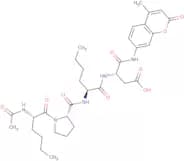
CAS:<p>Ac-Nle-Pro-Nle-Asp-AMC is a reactive molecule that has been shown to be neuroprotective and to inhibit insulin resistance in mammalian cells. Ac-Nle-Pro-Nle-Asp-AMC is able to stop neuronal death by binding to the proteolytic enzymes, such as ubiquitin ligases, and inhibiting their activity. This drug also inhibits the activity of c2c12 myotubes, which are muscle cells that have been used in research studies. Ac-Nle-Pro-Nle-Asp AMC binds to ubiquitin and prevents it from being degraded by the proteasome system, which is a cellular protein degradation pathway. Ac-Nle-Pro-Nle -Asp AMC also inhibits the release of inflammatory factors from c2c12 myotubes, which may be due to its ability to block ubiquitin ligases.</p>Formula:C33H45N5O9Purity:Min. 97 Area-%Color and Shape:PowderMolecular weight:655.74 g/molGlycine amide acetate
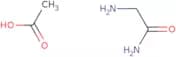
CAS:Controlled Product<p>Glycine amide acetate is a product that contains an imine group. It has been shown to have staining properties when applied to human keratin and is used in the cosmetic industry as a depigmenting agent. Glycine amide acetate has been shown to be effective in the treatment of depression, although it is not yet approved for this use. The molecule also contains an iridoid compound, which may be responsible for its effects on mood.</p>Formula:C2H6N2O•C2H4O2Purity:Min. 95%Color and Shape:PowderMolecular weight:134.13 g/mol4-Methoxy-2-methylbenzaldehyde
CAS:<p>4-Methoxy-2-methylbenzaldehyde (4MMBA) is a synthetic chemical that is used as an antifungal agent. It interacts with the cellular membranes of fungi and disrupts their ability to maintain homeostasis. 4MMBA inhibits the growth of invasive aspergillosis by inhibiting protein synthesis, which leads to cell death. The mechanism of action for 4MMBA is not well understood, but it has been shown to inhibit the growth of fungi in a model system. It also inhibits the production of pyrylium, which may be responsible for its activity against fungi.</p>Formula:C9H10O2Purity:90%Molecular weight:150.17 g/mol4-Nitrobenzyl (4R,5R,6S)-3-[(diphenylphosphono)oxy]-6-[(R)-1-hydroxyethyl]-4-methyl-7-oxo-1-azabicyclo[3.2.0]hept-2-ene-2-carboxylat e
CAS:<p>4-Nitrobenzyl (4R,5R,6S)-3-[(diphenylphosphono)oxy]-6-[(R)-1-hydroxyethyl]-4-methyl-7-oxo-1-azabicyclo[3.2.0]hept-2-ene-2-carboxylat e is a synthetic compound that is used as an alkalizer and impurity scavenger in the manufacture of pesticides and other organic chemicals. It has been shown to be a stereoselective herbicide with acetonitrile as its primary degradation product. The compound has also been found to be a potent inhibitor of the enzyme carbapenemase, which may lead to increased resistance to antibiotics such as monosodium salt of ertapenem.</p>Formula:C29H27N2O10PPurity:Min. 98 Area-%Color and Shape:White PowderMolecular weight:594.51 g/mol(R)-(+)-Methylsuccinic acid
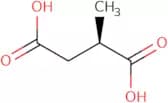
CAS:<p>(R)-(+)-Methylsuccinic acid is a catalysed, synthetic, asymmetric synthesis of the methylsuccinic acid skeleton. It is a liquid crystal compound that has been shown to be spontaneously racemic and have enantiopure versions of itself. The stereoisomers are an important part of its biological activity.<br>Methylsuccinic acid plays a role in the biosynthesis of butanol, which can be used as a biofuel or for industrial purposes.</p>Formula:C5H8O4Purity:Min. 95%Color and Shape:White PowderMolecular weight:132.11 g/mol3-Hydroxy-4-methoxyphenethylamine HCl
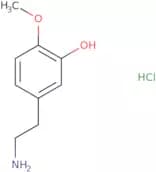
CAS:Controlled Product<p>3-Hydroxy-4-methoxyphenethylamine HCl is an amine that is found in plants. It has been shown to be a reactive compound with a carbonyl group and an amine group. 3-Hydroxy-4-methoxyphenethylamine HCl can act as a dopamine receptor agonist, causing the release of serotonin from neurons. This chemical also has anti-inflammatory properties and may be used to treat inflammatory diseases such as asthma. 3-Hydroxy-4-methoxyphenethylamine HCl may also have blood pressure lowering effects.</p>Formula:C9H14ClNO2Purity:Min. 95%Color and Shape:White to off-white solid.Molecular weight:203.67 g/mol2,3-Difluoro-4-methoxybenzoic acid
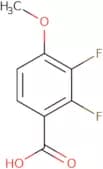
CAS:<p>2,3-Difluoro-4-methoxybenzoic acid is a versatile building block that can be used to make complex compounds. This compound is a high quality, useful intermediate and reaction component that can be used in the synthesis of pharmaceuticals and other chemical products. 2,3-Difluoro-4-methoxybenzoic acid is a reagent that can be used for research purposes or as a speciality chemical. It has been shown to have many uses as a scaffold for making new compounds with different structures.</p>Formula:C8H6F2O3Purity:Min. 95%Color and Shape:PowderMolecular weight:188.13 g/mol2,4,5-Trihydroxy-DL-phenylalanine
CAS:<p>2,4,5-Trihydroxy-DL-phenylalanine (2,4,5-THP) is a natural amino acid that has been found to have neurotrophic effects. It has shown to increase the levels of prolactin in the blood and tissues of experimental animals. 2,4,5-THP binds with dopamine or amines and can be used as a cofactor for enzymes involved in oxidative injury. 2,4,5-THP has also been shown to have antidepressant properties and to protect against neuronal death caused by pharmacological agents or fatty acids. 2,4,5-THP is structurally similar to tricyclic antidepressants such as imipramine and chlorpromazine.</p>Formula:C9H11NO5Purity:Min. 95%Color and Shape:PowderMolecular weight:213.19 g/molDeamino-histidine
CAS:<p>Deamino-histidine (DAH) is a diagnostic marker that can be used to measure the disease activity of inflammatory bowel disease. It is also a marker for tissue damage, as it accumulates in mammalian tissues during inflammation or necrosis. DAH is formed by the hydrolysis of histidine catalyzed by bacterial enzyme arginase, and it can be detected in blood plasma and urine samples. The concentration of DAH correlates with the degree of intestinal inflammation and has been found to be elevated in patients with Crohn's disease or ulcerative colitis.</p>Formula:C6H8N2O2Purity:Min. 95%Color and Shape:PowderMolecular weight:140.14 g/mol6-Fluoro-2-methylindole
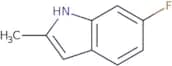
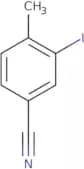
CAS:<p>6-Fluoro-2-methylindole is a member of the group of aromatic ketones. It is an organic compound that can be synthetized from 2,6-dichloroindole and methyl iodide. There are two types of photodimerization reactions for 6-fluoro-2-methylindole: one is an aerobic reaction and the other is an anaerobic reaction. The mechanistic study of 6-fluoro-2-methylindole has been investigated using bond cleavage and transformation reactions. This organic compound reacts with amines to form polycycles with high yields. It also undergoes Diastereomeric Control in chemistry.</p>Formula:C9H8FNPurity:Min. 95%Color and Shape:Brown PowderMolecular weight:149.16 g/mol3-Iodo-4-methylbenzamidine
CAS:<p>3-Iodo-4-methylbenzamidine is a chemical building block that is used as a reagent for the synthesis of other chemicals. 3-Iodo-4-methylbenzamidine is a versatile building block that can be used to synthesize complex compounds. It can also be used to produce fine chemicals and pharmaceuticals, such as antibiotics, chemotherapeutics, and antivirals. 3-Iodo-4-methylbenzamidine has been shown in preliminary research to have anti-inflammatory properties.</p>Formula:C8H6INPurity:90%Color and Shape:White PowderMolecular weight:243.04 g/molBoc-1,4-trans-diaminocyclohexane hydrochloride
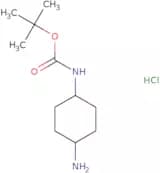
CAS:<p>Boc-1,4-trans-diaminocyclohexane hydrochloride is a versatile building block that can be used to synthesize complex compounds and research chemicals. It has been used as a reagent, specialty chemical and useful intermediate in many different reactions. Boc-1,4-trans-diaminocyclohexane hydrochloride is also a high quality building block that can be utilized to produce pharmaceuticals, agrochemicals and other speciality chemicals. This compound is also an important scaffold for the synthesis of biologically active molecules.</p>Formula:C11H22N2O2·HClPurity:Min. 95%Color and Shape:PowderMolecular weight:250.77 g/mol4-Acetoxy-3-methoxybenzaldehyde
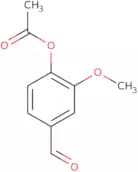
CAS:<p>4-Acetoxy-3-methoxybenzaldehyde is an antimicrobial agent that is used specifically for the treatment of lemongrass oil and eugenol. It has been shown to be effective against a wide range of microorganisms, such as Escherichia coli, Pseudomonas aeruginosa, Salmonella enterica, Staphylococcus aureus, and Streptococcus pneumoniae. 4-Acetoxy-3-methoxybenzaldehyde has been shown to inhibit the growth of bacteria by binding to the 50S ribosomal subunit. The molecule also has hydroxyl group which can react with potassium dichromate and sodium carbonate. This reaction results in the formation of 4-acetoxy-3-hydroxybenzaldehyde through an S N 2 substitution mechanism.</p>Formula:C10H10O4Purity:Min. 95%Color and Shape:PowderMolecular weight:194.18 g/molβ-Fluoro-DL-alanine
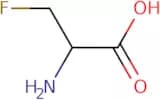
CAS:<p>b-Fluoro-DL-alanine is an amino acid that is synthesized by the asymmetric synthesis of hydrogen fluoride and acetic anhydride. b-Fluoro-DL-alanine has a deuterium isotope effect on the NMR spectra, which can be used to determine the structure of the molecule. It has been found that this amino acid inhibits ribonucleotide reductase activity. The inhibition constant for b-fluoro-DL-alanine is 1.6 mM with a kinetic rate of 0.0012 min−1 M−1, which can be used to compare its inhibitory effect with other chemicals. This chemical also has inhibitory effects on transcriptase polymerase chain and protein synthesis by binding to the A site on RNA polymerase and preventing transcription from occurring.</p>Formula:C3H6FNO2Purity:Min. 95%Color and Shape:PowderMolecular weight:107.08 g/molHO-PEG10-OH
CAS:<p>HO-PEG10-OH is a glycol ether that is used as a surfactant in the formulation of intravenous lipid emulsions. It is also used in chromatographic analysis and is capable of reducing the redox potential of biological samples. HO-PEG10-OH has been shown to have pharmacokinetic properties and to be effective against inflammation. HO-PEG10-OH has been shown to inhibit hepcidin, an important regulator of iron metabolism, which may explain its antiinflammatory activity.</p>Formula:C20H42O11Purity:Min. 95%Color and Shape:Colourless To Pale Yellow Clear LiquidMolecular weight:458.54 g/molZ-Arg-Arg-AMC hydrochloride salt
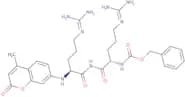
CAS:<p>Z-Arg-Arg-AMC hydrochloride salt is a versatile compound that acts as a catalyst and forms strong hydrogen bonds. It exhibits proteolytic activity and has been found to be effective in breaking down proteins. In addition, Z-Arg-Arg-AMC hydrochloride salt has been shown to possess neuroprotective properties, making it a potential candidate for the treatment of neurological disorders. It also demonstrates anthelmintic activity, which means it can be used to combat parasitic worm infections. Furthermore, this compound has antioxidant activity and can help reduce lipid peroxidation, protecting cells from oxidative damage. With its diverse range of characteristics, Z-Arg-Arg-AMC hydrochloride salt holds great promise in various research fields such as biochemistry and medicine.</p>Formula:C30H39N9O6·xHClPurity:Min. 95%Color and Shape:PowderMolecular weight:621.69 g/mol2-Fluoro-4-methoxybenzonitrile
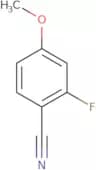
CAS:<p>2-Fluoro-4-methoxybenzonitrile is a tetracyclic molecule with two electron deficient rings. It has intramolecular coupling, yielding four stereoisomers that show different biological activities. 2-Fluoro-4-methoxybenzonitrile is an electron deficient compound that can be synthesized by reacting dioxane with amines. It also reacts with alcohols to form ethers. This heteroaromatic compound has electron withdrawing groups that make it less stable than other heteroaromatic compounds and more reactive. 2-Fluoro-4-methoxybenzonitrile can be used in the Buchwald reaction to produce aryl chlorides from alkyl halides and aryl bromides.</p>Purity:Min. 95%(5-Methyl-1,3-thiazol-2-yl)acetonitrile
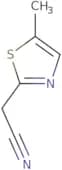
CAS:<p>5-Methyl-1,3-thiazol-2-yl)acetonitrile is a chemical that is used as a building block in organic synthesis. It has been shown to be an intermediate in the preparation of other compounds and has been used as a research chemical. This chemical has also been shown to have useful properties, such as high quality and versatility. 5-Methyl-1,3-thiazol-2-yl)acetonitrile can be used as a reaction component or a reagent for synthesizing other chemicals.</p>Formula:C6H6N2SPurity:Min. 95%Color and Shape:Clear LiquidMolecular weight:138.19 g/mol(S)-(+)-4-Methyl-1-hexanol
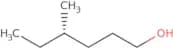
CAS:<p>(S)-(+)-4-Methyl-1-hexanol is a synthetic compound that has been shown to have antibacterial activity against Staphylococcus aureus. The (R)-enantiomer of the compound, which has been synthesized in the past, has also shown activity against S. aureus. However, this enantiomer is not commercially available. The (S)-enantiomer is soluble in organic solvents and can be used as an attractant for S. aureus monitoring purposes. In addition, it has antioxidant potential and may be useful as a medicine for short-chain fatty acid production disorders.</p>Formula:C7H16OPurity:Min. 95%Molecular weight:116.2 g/mol7-Fluoro-5-Phenyl-1,3-Dihydro-1,4-Benzodiazepin-2-One
CAS:Controlled Product<p>7-Fluoro-5-phenyl-1,3-dihydro-1,4-benzodiazepin-2-one is a potential drug candidate that has been found to have high affinity for the benzodiazepine receptor. It was synthesized by reacting 7-fluoro-5-(chloromethyl)benzo[b]thiophene with 2,5-dimethoxybenzaldehyde in the presence of sodium hydroxide and acetic acid. The compound was characterized using techniques such as nuclear magnetic resonance (NMR), mass spectrometry (MS) and infrared spectroscopy (IR). The affinity of 7FDBZ was measured at 4 nM. The parameters used for predicting binding affinity were hydrophobicity and hydrogen bond acceptor properties. A predictive model was generated based on these parameters that shows good agreement with experimental data. The probe is hydrophobic in nature and may bind to the receptor due to</p>Formula:C15H11FN2OPurity:Min. 95%Molecular weight:254.26 g/molButenafine
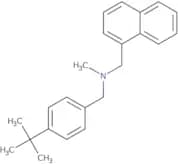
CAS:<p>Butenafine hydrochloride is a mycological agent that is used to treat tinea. It has been shown to have an antifungal activity in vitro against wild-type strains of c. glabrata. Butenafine hydrochloride inhibits the synthesis of ergosterol, which is a vital component of fungal cell membranes, by blocking the conversion of squalene to lanosterol through inhibition of 14alpha-demethylase. It also has antimicrobial properties, which may be due to its ability to inhibit bacterial growth.</p>Formula:C23H27NPurity:Min. 95%Molecular weight:317.47 g/mol



![(S)-2,3,5,6-Tetrahydro-6-phenylimidazo[2,1-b]thiazole](/_next/image/?url=https%3A%2Fstatic.cymitquimica.com%2Fproducts%2F3D%2Fthumb-webp%2FFL138922.webp&w=3840&q=75)


![Bis[(5-ethyl-2-methyl-1,3,2-dioxaphosphorinan-5-yl)methyl] methyl phosphonate P,P'-dioxide](/_next/image/?url=https%3A%2Fstatic.cymitquimica.com%2Fproducts%2F3D%2Fthumb-webp%2FFB170942.webp&w=3840&q=75)

![3-Methylthio-1,2,4-triazino[5,6-b]indole](/_next/image/?url=https%3A%2Fstatic.cymitquimica.com%2Fproducts%2F3D%2Fthumb-webp%2FFM169854.webp&w=3840&q=75)
![7-Amino-3-[[(2,5-dihydro-6-hydroxy-2-methyl-5-oxo- 1,2,4-triazin-3-yl)thio]methyl]cephalosporanic …](/_next/image/?url=https%3A%2Fstatic.cymitquimica.com%2Fproducts%2F3D%2Fthumb-webp%2FFA17508.webp&w=3840&q=75)
![1-[(5-Chloro-1-methyl-1H-indol-3-yl)methyl]piperidine-4-carboxylic acid](/_next/image/?url=https%3A%2Fstatic.cymitquimica.com%2Fproducts%2F3D%2Fthumb-webp%2FFC128187.webp&w=3840&q=75)






![N-[6-Chloro-5-(2-methoxyphenoxy)-(2,2-bipyrimidine)4-4-yl]-(1,1-dimethylethyl)-benzenesulfonamide](/_next/image/?url=https%3A%2Fstatic.cymitquimica.com%2Fproducts%2F3D%2Fthumb-webp%2FFC20113.webp&w=3840&q=75)
![N-[3-(4,4,5,5-TetraMethyl-[1,3,2]dioxaborolan-2-yl)-phenyl]succinamic acid](/_next/image/?url=https%3A%2Fstatic.cymitquimica.com%2Fproducts%2F3D%2Fthumb-webp%2FFT39771.webp&w=3840&q=75)

![[(4-Methylphenyl)sulfonyl]acetonitrile](/_next/image/?url=https%3A%2Fstatic.cymitquimica.com%2Fproducts%2F3D%2Fthumb-webp%2FFM58773.webp&w=3840&q=75)
![[4-(2-Methyl-1,3-oxazol-5-yl)phenyl]amine](/_next/image/?url=https%3A%2Fstatic.cymitquimica.com%2Fproducts%2F3D%2Fthumb-webp%2FFM131648.webp&w=3840&q=75)

![4-Nitrobenzyl (4R,5R,6S)-3-[(diphenylphosphono)oxy]-6-[(R)-1-hydroxyethyl]-4-methyl-7-oxo-1-azabic…](/_next/image/?url=https%3A%2Fstatic.cymitquimica.com%2Fproducts%2F3D%2Fthumb-webp%2FFM140061.webp&w=3840&q=75)