Amino Acids (AA)
Amino acids (AAs) are the fundamental building blocks of proteins, playing a crucial role in various biological processes. These organic compounds are essential for protein synthesis, metabolic pathways, and cell signaling. In this category, you will find a comprehensive range of amino acids, including essential, non-essential, and modified forms, which are vital for research in biochemistry, molecular biology, and nutritional sciences. At CymitQuimica, we provide high-quality amino acids to support your research and development needs, ensuring accuracy and reliability in your experimental outcomes.
Subcategories of "Amino Acids (AA)"
- Amino Acid Derivatives(3,955 products)
- Amino Acid and Amino Acid Related Compounds(3,465 products)
- Amino Acids with Oxygen or Sulphur(168 products)
- Boc- Amino Acids(351 products)
- Fmoc Amino Acids(1,710 products)
Found 38248 products of "Amino Acids (AA)"
Sort by
Purity (%)
0
100
|
0
|
50
|
90
|
95
|
100
20-Deoxo-23-deoxy-5-O-[3,6-dideoxy-3-(dimethylamino)-β-D-glucopyranosyl]-20,23-di-1-piperidinyltylonolide
CAS:<p>20-Deoxo-23-deoxy-5-O-[3,6-dideoxy-3-(dimethylamino)-beta-D-glucopyranosyl]-20,23-di-1-piperidinyltylonolide is an antimicrobial agent that belongs to the group of chemotherapeutic agents. It is a fluorinated analog of tilmicosin. The low dose group was treated with this drug for five days, and the high dose group received 20 times the amount of drug. Fluorescence spectrometry showed that there was no significant difference in the fluorescence intensity between these two groups after 24 hours. This drug has been shown to have pharmacokinetic properties in rats and mice, but further optimization may be required to improve its process.</p>Formula:C41H71N3O8Purity:Min. 95%Color and Shape:Off-White PowderMolecular weight:734.02 g/molH-Pro-Pro-OH·HCl
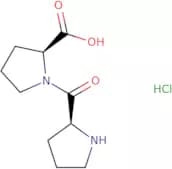
CAS:<p>H-Pro-Pro-OH·HCl is a fine chemical that is commonly used as a building block for organic synthesis. This compound is soluble in water, making it an ideal reactant for use in reactions involving peptides and proteins. H-Pro-Pro-OH·HCl is also useful as an intermediate, research chemical, or speciality chemical. It has been used as a reagent for the preparation of other chemicals and has shown high quality performance in reactions with nucleophiles.</p>Formula:C10H16N2O3·HClPurity:Min. 95%Color and Shape:White PowderMolecular weight:248.71 g/mol3,5-Diiodo-L-tyrosine dihydrate
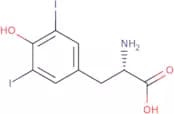
CAS:<p>There are many good reasons to eat fish and seafood, one of them is certainly the fact that they are rich in iodine salts, which are a fundamental for the endocrine activity of the thyroid gland. Iodine salts are enzymatically converted into molecular iodine, which adds to tyrosine residues in thyroglobulin forming diiodotyrosine. This is the first step towards the biosynthesis of thyroid hormones triodityronine T3 and tetraiodotyronine T4 which serve important regulatory functions in body metabolism and energy expenditure. Recently, the dietary introduction of potassium iodide and diiodotyrosine were compared in mice showing that diiodotyrosine can also be used effectively as food supplement preventing the potential damage from excessive intake of inorganic iodine salts.</p>Formula:C9H13I2NO5Purity:Min. 95.0 Area-%Molecular weight:469.02 g/molN-Acetyl-L-cysteine
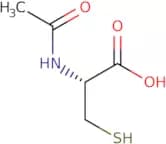
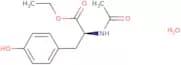
CAS:<p>Antioxidant; mucolytic agent; anti-viral against influenza A viruses</p>Formula:C5H9NO3SColor and Shape:White PowderMolecular weight:163.2 g/molN-Acetyl-L-tyrosine ethyl ester hydrate
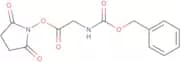
CAS:<p>N-Acetyl-L-tyrosine ethyl ester hydrate is a synthetic compound that has been used in the past as a substrate for protease activity. It is a monoclonal antibody that is used to detect the presence of human serum proteins and to prepare samples for analysis by liquid chromatography. This derivative of L-tyrosine is related to proteolytic activity and redox potential, but it does not have any biological properties. N-Acetyl-L-tyrosine ethyl ester hydrate can be prepared from soybean trypsin and caproic acid.</p>Formula:C13H17NO4·H2OPurity:Min. 96.0 Area-%Color and Shape:White Off-White PowderMolecular weight:269.29 g/molZ-glycine N-hydroxysuccinimide ester
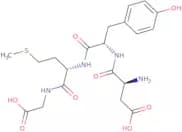
CAS:<p>Z-glycine N-hydroxysuccinimide ester is an efficient method for the synthesis of carbon nanotubes from synthons and linkers. This reaction is catalyzed by photoelectron and occurs in a reaction vessel with the use of a carbon catalyst. The product is then purified by chromogenic substrates. Z-glycine N-hydroxysuccinimide ester has been shown to be a bifunctional reagent that can be used as a biomimetic mineralization agent, which has applications in microscopy.</p>Formula:C14H14N2O6Purity:Min. 95%Color and Shape:PowderMolecular weight:306.27 g/molCholecystokinin Octapeptide (1-4) (desulfated)
CAS:<p>Cholecystokinin octapeptide (1-4) (desulfated) H-Asp-Tyr-Met-Gly-OH is a peptide hormone that is a member of the glucagon family. It has stimulatory effects on the gastrointestinal tract, pancreas and liver, and inhibits gastric acid secretion. Cholecystokinin octapeptide (1-4) (desulfated) H-Asp-Tyr-Met-Gly-OH also stimulates the release of bile from the gallbladder, which may be due to its ability to activate aminopeptidase in the cytoplasm. Captopril is an angiotensin converting enzyme inhibitor that can inhibit cholesteryl ester transfer protein activity by binding to its catalytic site. Studies have shown that captopril can increase levels of cholecystokinin octapeptide (1-4) (des</p>Formula:C20H28N4O8SPurity:Min. 95%Color and Shape:SolidMolecular weight:484.52 g/mol(E)-N-(2-Chloro-6-methylphenyl)-3-ethoxyacrylamide
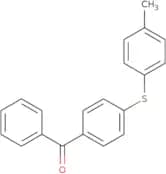
CAS:<p>(E)-N-(2-Chloro-6-methylphenyl)-3-ethoxyacrylamide is a reagent and research chemical that can be used as a building block in the synthesis of other compounds. It is also a versatile building block in organic chemistry. (E)-N-(2-Chloro-6-methylphenyl)-3-ethoxyacrylamide has been shown to be an effective intermediate for the synthesis of various complex compounds, such as pharmaceuticals and pesticides. This compound is also a useful scaffold for the synthesis of other fine chemicals.</p>Formula:C12H14ClNO2Purity:(¹H-Nmr) Min. 95 Area-%Color and Shape:PowderMolecular weight:239.7 g/mol4-Benzoyl-4'-methyldiphenyl sulfide
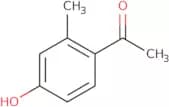
CAS:<p>4-Benzoyl-4'-methyldiphenyl sulfide is a monomer that can be used as a photoinitiator in the polymerization of acrylate and methacrylate polymers. It has been used to seal and label polyethylene pipes with dibutyltin dilaurate. 4-Benzoyl-4'-methyldiphenyl sulfide is also an important reagent in the synthesis of 2-hydroxybenzophenone by reacting with benzophenone, 2-methylbenzophenone, or 3-methylbenzophenone. The compound has been analysed by constant temperature chemical ionization mass spectrometry and found to have a molecular weight of 194. The average molar mass calculated from this information is 564.</p>Formula:C20H16OSPurity:Min. 95%Molecular weight:304.41 g/mol4'-Hydroxy-2'-methylacetophenone
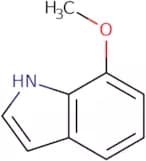
CAS:<p>4'-Hydroxy-2'-methylacetophenone is a synthetic sesquiterpene lactone that is used in cosmetics and as an active ingredient in skin care products. This compound has been shown to have medicinal values, with the ability to inhibit the growth of bacteria, fungi, and viruses. It also has carbon tetrachloride (CCl) solubilizing properties and can be used for fatty acid analysis. 4'-Hydroxy-2'-methylacetophenone is available as a sample preparation reagent for gas chromatography. The chemical composition of this compound includes a hydroxy group, which may be important for its biological activity. A linear regression analysis on the inhibitory concentration values showed that this compound has an IC50 value of 2.6 µg/mL.</p>Formula:C9H10O2Purity:Min. 95%Color and Shape:Off-White Clear LiquidMolecular weight:150.17 g/mol7-Methoxy-1H-indole
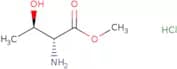
CAS:<p>7-Methoxy-1H-indole (7MI) is a synthetic compound that exhibits anti-inflammatory activity. It is an analog of the amino acid methionine found in proteins and its synthesis involves the condensation of a chlorinated alkyl acetate with an esterified hydrazide to form the corresponding amide. 7MI has been shown to inhibit both bacterial and mammalian protein synthesis, as well as to inhibit tumor cell growth. 7MI binds reversibly to the N7 atom of the adenine base in DNA, thereby inhibiting DNA replication through inhibition of DNA polymerase.</p>Formula:C9H9NOPurity:Min. 95%Color and Shape:Clear LiquidMolecular weight:147.17 g/molH-D-allo-Threonine methyl ester hydrochloride
CAS:<p>H-D-allo-Threonine methyl ester hydrochloride is a speciality chemical that is used in research and development. It is an intermediate for the synthesis of other compounds, such as pharmaceuticals, pesticides, and fragrances. H-D-allo-Threonine methyl ester hydrochloride has been shown to be useful in the production of methanol and ethanol. This compound also has high quality and can be used as a reagent for other reactions.</p>Formula:C5H11NO3•HClPurity:Min. 95%Color and Shape:PowderMolecular weight:169.61 g/mol1-[1-[4-(4-Fluorophenyl)-4-Oxobutyl]Piperidin-4-Yl]-3-Methylbenzimidazol-2-One
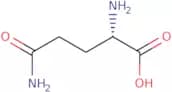
CAS:Controlled Product<p>1-[1-[4-(4-Fluorophenyl)-4-Oxobutyl]Piperidin-4-Yl]-3-Methylbenzimidazol-2-One is a novel dopamine agonist that has been shown to be an alerting agent with potential therapeutic use in the treatment of ADHD and other sleep disorders. Studies have also shown that it has a stimulatory effect on dopamine receptors, which are located in the striatum. 1-[1-[4-(4-Fluorophenyl)-4-Oxobutyl]Piperidin-4-Yl]-3-Methylbenzimidazol-2-One binds to both D2 and D3 dopamine receptors with high affinity and selectivity. It has been shown that 1-[1-[4-(4-Fluorophenyl)-4-Oxobutyl]Piperidin-4-Yl]-3-Methyl</p>Formula:C23H26FN3O2Purity:Min. 95%Molecular weight:395.47 g/molL-Glutamine
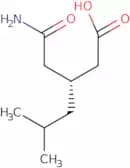
CAS:<p>L-Glutamine is an amino acid that is important for protein synthesis and the maintenance of muscle mass. It is also a precursor for other compounds, such as nucleotides and glutathione, which are required for maintaining cell viability. L-Glutamine may be used to treat bowel diseases, such as Crohn's disease, by improving the function of the intestines and reducing intestinal permeability. It has been shown to decrease levels of oxidative injury in cells by acting as an antioxidant. L-Glutamine may also be used to help prevent or treat infectious diseases by increasing the activity of transcription activators that protect cells from oxidative injury. L-Glutamine can be administered intravenously or orally and can be used as a biocompatible polymer carrier for drugs that are difficult to administer due to their poor water solubility.</p>Formula:C5H10N2O3Purity:Min. 95%Color and Shape:White PowderMolecular weight:146.14 g/mol(R)-3-(2-Amino-2-oxoethyl)-5-methylhexanoic acid
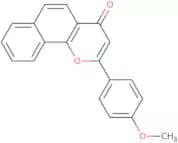
CAS:<p>(R)-3-(2-Amino-2-oxoethyl)-5-methylhexanoic acid (cis) is an intermediate in the synthesis of a chiral drug. It is prepared by a ring-opening reaction with an alkyl substituent, followed by asymmetric synthesis to provide optically pure cis stereoisomers. This compound has been shown to be active as a desymmetrizer of esters and as an intermediate in the synthesis of biologically active compounds.</p>Formula:C9H17NO3Purity:Min. 95%Color and Shape:White Off-White PowderMolecular weight:187.24 g/mol4'-Methoxy-α-naphthoflavone
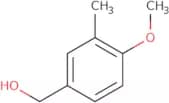
CAS:<p>4'-Methoxy-alpha-naphthoflavone is a flavonoid that has been shown to have inhibitory effects on the metabolism of 3-methylcholanthrene and other xenobiotics. The compound inhibits the oxidation of these compounds by both the cytochrome P450 and NADPH-dependent oxidases. 4'-Methoxy-alpha-naphthoflavone also inhibits the activation of these compounds by hepatic tissues, as well as the metabolism of phenobarbital by rat liver microsomes. The compound may be metabolized in vivo to 4'-hydroxy-alpha-naphthoflavone, which is more potent than 4'-methoxy-alpha-naphthoflavone.</p>Formula:C20H14O3Purity:Min. 95%Molecular weight:302.32 g/mol4-Methoxy-3-methylbenzyl alcohol
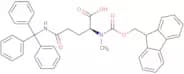
CAS:<p>4-Methoxy-3-methylbenzyl alcohol is a high quality and versatile chemical reagent. It is a complex compound with the CAS number 114787-91-6. 4-Methoxy-3-methylbenzyl alcohol is useful as an intermediate in the synthesis of other fine chemicals, such as pesticides, dyes, and pharmaceuticals. It is also used as a speciality chemical for research purposes or as a building block for more complicated compounds. This compound can be used in reactions to produce new products, such as reaction components that are versatile building blocks.</p>Formula:C9H12O2Purity:Min. 95%Color and Shape:Clear LiquidMolecular weight:152.19 g/molFmoc-N-Me-Gln(Trt)-OH
CAS:<p>Fmoc-N-Me-Gln(Trt)-OH is a peptide that has been synthesized to investigate the mechanisms of action of heparin. The synthetic peptide mimics the N-terminal sequence of heparin, which is hypothesized to be responsible for its anticoagulant activity. This peptide was incubated with plasma samples from rhesus monkeys and was metabolized by sequential enzymatic reactions. The c-terminal sequence was also investigated, but no activity was found.</p>Formula:C40H36N2O5Purity:Min. 95 Area-%Color and Shape:PowderMolecular weight:624.72 g/molL-Methionine 4-nitroanilide
CAS:<p>L-Methionine 4-nitroanilide is a polymerase chain reaction (PCR) substrate. It has been shown to bind to DNA with calcium and to have protease activity. L-Methionine 4-nitroanilide is a synthetic substrate used in the biochemical study of serine proteases. L-Methionine 4-nitroanilide has been found to be active against P. aeruginosa and thermococcus, but not against mosquitoes. The optimum pH for this compound is 7 and it can be found at a concentration of 10mM in the range of pH 5 - 8.</p>Formula:C11H15N3O3SPurity:Min. 95%Color and Shape:White To Light (Or Pale) Yellow SolidMolecular weight:269.32 g/molFmoc-L-Cys(StBu)-OH
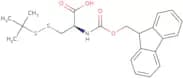
CAS:<p>Fmoc-L-Cys(StBu)-OH is a synthetic molecule that is used in pharmaceutical formulations. It can be synthesized from Fmoc-L-Cys and L-serine methyl ester by the chemical ligation of the two molecules. The chloride group at the end of this molecule provides a functional group for conjugation with other biomolecules, such as fatty acids. This molecule has been shown to have high purity with an isolated yield of about 98%.</p>Formula:C22H25NO4S2Purity:Min. 98 Area-%Color and Shape:PowderMolecular weight:431.57 g/mol2,2-Dimethyl-3-phenylpropanoic acid
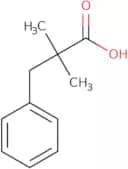
CAS:<p>2,2-Dimethyl-3-phenylpropanoic acid is a luteolytic agent that belongs to the group of phenylacetic acids. It has been shown to inhibit progesterone synthesis and induce regression of the estrous cycle in rats. 2,2-Dimethyl-3-phenylpropanoic acid is also able to bind with cytochrome P450 enzymes, which are involved in the metabolism of many drugs. This binding may lead to increased plasma concentrations of other drugs that are metabolized by cytochrome P450 enzymes, such as erythromycin and methyldopa.</p>Formula:C11H14O2Purity:Min. 95%Color and Shape:SolidMolecular weight:178.23 g/molFmoc-NH-PEG10-propionic acid
CAS:<p>Fmoc-NH-PEG10-propionic acid is a PEG compound with two different functional groups (also known as heterobifunctional). Unlike homobifunctional PEG compounds (same functional group on both ends), this type of compounds are more versatile as have two different anchor points. Fmoc-NH-PEG10-propionic acid is used as a linker and spacer to add a PEG moiety, via pegylation (a bioconjugation technique) to proteins, peptides, oligonucleotides, small molecules and nanoparticles.</p>Formula:C38H57NO14Purity:Min. 95%Color and Shape:Colorless PowderMolecular weight:751.86 g/molH-His-Ala-OH
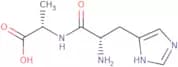
CAS:<p>H-His-Ala-OH is a peptide hormone that is derived from the amino acid histidine. It has been shown to be a potent inhibitor of tumor growth in human breast cancer tissue and human serum. H-His-Ala-OH inhibits the release of peptide hormones, such as insulin and glucagon. This compound also has anti-inflammatory properties, which may be due to its ability to inhibit the production of prostaglandins. H-His-Ala-OH interacts with collagen via a number of mechanisms, including inhibition of proteolytic enzymes and binding with collagenase. H-His-Ala-OH also binds to casein, which is found in milk. The interaction between casein and H-His-Ala-OH leads to an increase in systolic blood pressure in rats and mice.</p>Formula:C9H14N4O3Purity:Min. 95%Color and Shape:PowderMolecular weight:226.23 g/mol3-((4,5-dichloroimidazolyl)methyl)-4-bromo-2-methyl-1-phenyl-3-pyrazolin-5-one
CAS:<p>Please enquire for more information about 3-((4,5-dichloroimidazolyl)methyl)-4-bromo-2-methyl-1-phenyl-3-pyrazolin-5-one including the price, delivery time and more detailed product information at the technical inquiry form on this page</p>Purity:Min. 95%Ac-Ala-Ala-OH
CAS:<p>Ac-Ala-Ala-OH is a compound that has been shown to bind to the receptor molecule, and is stable in the presence of proton. It also forms stable complexes with amide and teicoplanin. Ac-Ala-Ala-OH has a carbonyl group, which can be detected by magnetic resonance spectroscopy (MRS) at 1.8 ppm. The compound also has an nmr spectrum in which it can be seen that the trifluoroacetic acid does not affect the binding experiments. Ac-Ala-Ala-OH is used for binding experiments because it binds specifically to the receptor molecule and has a number of other properties that make it useful for research purposes.</p>Formula:C8H14N2O4Purity:Min. 95%Color and Shape:PowderMolecular weight:202.21 g/molL-Alanosine
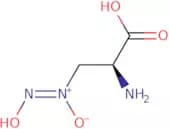
CAS:<p>L-Alanosine is a nucleotide that is synthesized from adenosine and alanine. It is the first substrate in the synthetic pathway of l-alanosine. L-Alanosine has been shown to have antibiotic properties against gram negative bacteria, such as Escherichia coli and Klebsiella pneumoniae. L-Alanosine inhibits synthesis of bacterial cell walls by interfering with the enzymatic activity of bacterial ribonucleotide reductase, which converts ribonucleotides to deoxyribonucleotides. The molecule also inhibits protein synthesis by binding to the 30S subunit of bacterial ribosomes, preventing elongation of polypeptide chains. In vivo treatment with L-alanosine significantly reduced tumor size and increased levels of ATP in colorectal adenocarcinoma cells.<br>br>br></p>Formula:C3H7N3O4Purity:Min. 95%Color and Shape:Off-White PowderMolecular weight:149.11 g/molL-Norleucine
CAS:<p>L-Norleucine is a non-essential amino acid that is structurally similar to leucine. It has been shown to have an inhibitory effect on the growth of resistant mutants in the coli K-12 strain. L-Norleucine binds strongly to amyloid proteins and may be used as a therapeutic agent for Alzheimer's disease. It has also been shown to be effective against congestive heart failure in vitro, which may be due to its ability to modulate monoamine neurotransmitters and increase the availability of nitric oxide. L-Norleucine may also be useful for the treatment of Parkinson's disease because it inhibits protein aggregation at low concentrations.</p>Formula:C6H13NO2Purity:Min. 95%Color and Shape:PowderMolecular weight:131.17 g/mol(2R,3S)-3-(tert-Butoxycarbonyl)amino-1,2-epoxy-4-phenylbutane
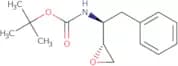
CAS:<p>The compound (2R,3S)-3-(tert-Butoxycarbonyl)amino-1,2-epoxy-4-phenylbutane is an epoxide with a thionyl chloride mediated reaction. This compound has been shown to react with amines and nucleophiles to form epoxides. The time required for this reaction was found to be dependent on the concentration of the amine. The reaction was also found to be chiral as it produced a mixture of diastereomers. When irradiated, this compound undergoes a stereoselective reaction that leads to a new epoxide product.</p>Formula:C15H21NO3Purity:Min. 95%Color and Shape:Off-White PowderMolecular weight:263.34 g/molThiophene-2-glyoxylic acid
CAS:<p>Thiophene-2-glyoxylic acid is a reactive metabolite of thiophene that is formed from the environmental degradation of this compound. Thiophene-2-glyoxylic acid reacts with halides to form an electrophilic intermediate. This intermediate can react with a variety of nucleophiles, including the drug metabolites, leading to the formation of new compounds. Thiophene-2-glyoxylic acid has been shown to enhance the fluorescence properties of some organic compounds. It also has been shown to inhibit the metabolism of some drugs that are conjugated with acids and can be detected in plasma by mass spectrometry.</p>Formula:C6H4O3SPurity:Min. 95%Color and Shape:PowderMolecular weight:156.16 g/molN-(4-methylthio(3H-2,3,5-triazolyl))-3-phenylprop-2-enamide
CAS:<p>Please enquire for more information about N-(4-methylthio(3H-2,3,5-triazolyl))-3-phenylprop-2-enamide including the price, delivery time and more detailed product information at the technical inquiry form on this page</p>Formula:C12H12N4OSPurity:Min. 95%Color and Shape:PowderMolecular weight:260.32 g/molIndole-3-acetyl-L-valine
CAS:<p>Indole-3-acetyl-L-valine (IAV) is a naturally occurring amino acid that binds to the surface glycoprotein of wild-type viruses. It inhibits viral replication by inhibiting the production of basic proteins, which are necessary for viral life. IAV also has inhibitory properties against the toll-like receptor, which may be due to its ability to inhibit growth factor signaling. IAV has been shown to decrease the number of opportunistic fungal and bacterial infections in humans, with no adverse effects on human health. This drug has no effect on healthy cells and can be used as an adjuvant for the treatment of HIV and other viral infections.</p>Formula:C15H18N2O3Purity:Min. 95%Color and Shape:PowderMolecular weight:274.32 g/molAlafosfalin
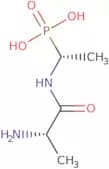
CAS:<p>Antibacterial phosphonopeptide mimic of peptidoglycan dipeptide D-Ala-D-Ala</p>Formula:C5H13N2O4PPurity:Min. 98 Area-%Color and Shape:White PowderMolecular weight:196.14 g/mol[(8S,9R,10S,11S,13S,14S,16S,17R)-9-Fluoro-11-Hydroxy-17-(2-Methoxyacetyl)-10,13,16-Trimethyl-3-Oxo-6,7,8,11,12,14,15,16-Octahydrocyc lopenta[a]Phenanthren-17-Yl] Propanoate
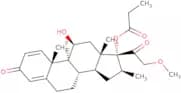
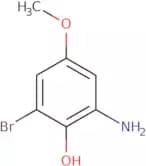
CAS:Controlled Product<p>Betamethasone is a corticosteroid that is used to treat inflammation, ankylosing spondylitis, and rheumatoid arthritis. It has been shown to have efficacy in the treatment of pediatric patients with asthma, as well as animal models of cardiac arrest and stroke. Betamethasone has also been shown to be effective in the treatment of potassium ion-associated death due to cardiac arrhythmia or repolarization abnormalities. This drug can be administered orally or topically; it binds to the glucocorticoid receptor on cells and modulates gene transcription. The primary mechanism of action for betamethasone is not fully understood but may involve inhibition of protein synthesis and suppression of inflammatory cells.</p>Formula:C26H35FO6Purity:Min. 95%Molecular weight:462.55 g/mol2-Amino-6-bromo-4-methoxyphenol
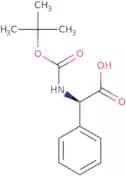
CAS:<p>2-Amino-6-bromo-4-methoxyphenol (2ABMP) is a benzyl compound that can be used as a substitute for 2,4-diaminophenol. It has been shown to have estrogenic activity and may function as an estrogen receptor agonist. 2ABMP has also been shown to inhibit the growth of breast cancer cells in culture. The role of this drug in the treatment of breast cancer is not yet clear, but it may be useful in combination therapy with other drugs.</p>Formula:C7H8BrNO2Purity:Min. 95%Color and Shape:PowderMolecular weight:218.05 g/molN-Boc-D-phenylglycine
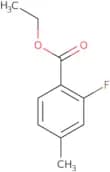
CAS:<p>N-Boc-D-phenylglycine is an organic compound that is used in the asymmetric synthesis of pyrazoles. It has been shown to react with ketones to form β-unsaturated ketones in a reaction mechanism that involves the formation of an imine intermediate. N-Boc-D-phenylglycine can be synthesized by reacting phenylacetic acid with D,L-alanyl chloride followed by hydrolysis and reaction with ammonia. The compound can also be made from pyrazole and Boc anhydride. N-Boc-D-phenylglycine is soluble in organic solvents such as chloroform and THF but not water, making it useful for organic synthesis under solvent conditions. It is orally bioavailable and can be administered to humans without any toxic effects.</p>Formula:C13H17NO4Purity:Min. 95%Color and Shape:PowderMolecular weight:251.28 g/mol2-Fluoro-4-methylbenzoic acid ethyl ester
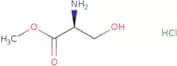
CAS:<p>2-Fluoro-4-methylbenzoic acid ethyl ester is a versatile building block that is used in the synthesis of complex compounds with a wide variety of biological and chemical properties. This compound has been used as a reagent for research, as well as in the production of pharmaceuticals and other speciality chemicals. It has also been found to be useful in the synthesis of compounds with high quality. 2-Fluoro-4-methylbenzoic acid ethyl ester can be used as an intermediate in reactions, or as a scaffold for further synthesis. The CAS number for this compound is 500579-61-3.</p>Formula:C10H11FO2Purity:Min. 95%Color and Shape:Colourless LiquidMolecular weight:182.19 g/molL-Serine methyl ester HCl
CAS:<p>L-Serine methyl ester HCl is a non-steroidal anti-inflammatory agent that is used in the treatment of blood disorders. L-Serine methyl ester HCL inhibits the production of leukotrienes, which are mediators of inflammatory responses. It does this by inhibiting the enzyme 5-lipoxygenase and therefore reducing the production of lipid mediators such as leukotrienes, prostaglandins, and thromboxanes. L-Serine methyl ester HCl also has been shown to have biological properties that inhibit hyperproliferative diseases in rats.</p>Formula:C4H9NO3·HClPurity:Min. 98 Area-%Color and Shape:PowderMolecular weight:155.58 g/molL-Lysine
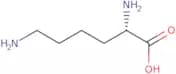
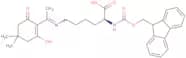
CAS:<p>L-Lysine is an amino acid that is necessary for the production of proteins. It plays a key role in the regulation of transcription and cellular metabolism. L-Lysine is synthesized from lysine, which is derived from ornithine and aspartate. L-Lysine can also be formed by methylation of lysine residues on histones, which leads to changes in gene expression. L-Lysine has been shown to inhibit cancer cells by inhibiting the proliferation of tumor cells, preventing cellular transformation, and inhibiting viral replication. The inhibition of viral replication may be due to the ability of L-lysine to act as a competitive inhibitor against cyclic peptides, such as polyoma virus T antigen (PVT) or SV40 large T antigen (SV40 LT).</p>Formula:C6H14N2O2Purity:Min. 95%Color and Shape:PowderMolecular weight:146.19 g/molN-α-Fmoc-Nε-1-(4,4-dimethyl-2,6-dioxocyclohex-1-ylidene)ethyl-L-lysine
CAS:<p>N-alpha-Fmoc-Nepsilon-1-(4,4-dimethyl-2,6-dioxocyclohex-1-ylidene)ethyl-L-lysine is a synthetic amide with a peptide backbone. It has been shown to have anti tumor activity in vivo and in vitro against a variety of solid tumor xenografts. The compound was conjugated to the integrin receptor ligand RGD, which is expressed on the surface of various types of cancer cells. This modification increased the uptake of N-alpha-Fmoc-Nepsilon-1-(4,4 dimethyl 2,6 dioxocyclohex1 ylidene)ethyl L lysine by leukemia cells and solid tumor xenografts.</p>Formula:C31H36N2O6Purity:Min. 98 Area-%Color and Shape:Slightly Yellow PowderMolecular weight:532.63 g/molO-tert-Butyl-L-threonine tert-butyl ester acetate
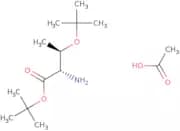
CAS:Controlled Product<p>O-tert-Butyl-L-threonine tert-butyl ester acetate salt is a crystalline solid that can be prepared by reacting threonine with an acid catalyst in the presence of volatile solvents such as isobutylene. It can also be prepared by reacting threonine with an acid catalyst in the presence of organic solvents such as dioxane. The tert-butyl ester acetate salt can be synthesized from O-tert-butyl L-threonine and acetate using superacid catalysts such as sulfuric acid. This process is simplified by using solvents such as dioxane, which are less corrosive than water or ethanol.</p>Formula:C14H29NO5Purity:Min. 95%Color and Shape:PowderMolecular weight:291.38 g/molFmoc-D-Lys(ivDde)-OH
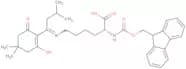
CAS:<p>Fmoc-D-Lys(ivDde)-OH is a synthetic amino acid with the molecular formula C6H14N2O2. It is an agonist of the dopaminergic receptor and has been shown to reverse insulin resistance in animal models. It also has affinity for fatty acid metabolism, nervous system, and glucagon-like peptide receptors. Fmoc-D-Lys(ivDde)-OH is a heterocycloalkyl amino acid that contains a nitrogen atom at position 1 and a fatty acid at position 2. The isopropyl group at position 3 prevents this amino acid from being absorbed orally and must be given intravenously or intramuscularly.</p>Formula:C34H42N2O6Purity:Min. 95%Color and Shape:PowderMolecular weight:574.71 g/mol5-Methoxyindole-2-carboxylic acid
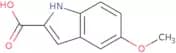
CAS:<p>5-Methoxyindole-2-carboxylic acid is a molecule that belongs to the class of diazonium salts. It is a potent inhibitor of mitochondrial membrane potential and has been shown to have anti-diabetic effects in animal models. 5-Methoxyindole-2-carboxylic acid also inhibits sperm motility, which may be due to its ability to inhibit uv absorption. This compound has been shown to be an effective agent in the treatment of brain infarctions when administered chronically orally. The mechanism of action is not known, but it may involve inhibition of potassium ion uptake or hydrogen bond formation with fatty acids.</p>Formula:C10H9NO3Color and Shape:PowderMolecular weight:191.18 g/mol4-Chloro-2-methylbenzyl alcohol
CAS:<p>4-Chloro-2-methylbenzyl alcohol is an organic compound that has a sensor and hydroxyl group. It is used in pest control as an insecticide. 4-Chloro-2-methylbenzyl alcohol has been shown to be effective against ants, cockroaches, and other insects. There are multiple instabilities of this compound, including low oxygen stability when exposed to air, which may lead to the degradation of this chemical. Impurities in 4-chloro-2-methylbenzyl alcohol may also lead to its instability as it reacts with alkali metals at high temperatures. The instability of 4-chloro-2-methylbenzyl alcohol can be reduced by storing it at low temperatures or by adding cryogenic substances such as liquid nitrogen or carbon dioxide gas.</p>Formula:C8H9ClOPurity:Min. 95%Molecular weight:156.61 g/molN-Boc-cis-4-fluoro-L-proline methyl ester
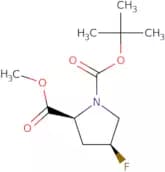
CAS:<p>N-Boc-cis-4-fluoro-L-proline methyl ester is a fine chemical that has been used as a building block in the synthesis of various small molecules and pharmaceuticals. It is available as a white solid with a melting point of 104°C. N-Boc-cis-4-fluoro-L-proline methyl ester is soluble in organic solvents such as dichloromethane, acetone, and methanol. This product can be used to synthesize complex compounds that are useful scaffolds for drug discovery and development.</p>Formula:C11H18FNO4Purity:Min. 95%Color and Shape:Clear LiquidMolecular weight:247.26 g/mol4-Iodo-2-methylaniline
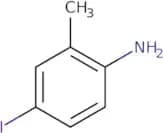
CAS:<p>The 4-Iodo-2-methylaniline is a synthetic molecule that belongs to the group of amines. It has been shown to bind to human protein and can be used for the synthesis of boronic acids and quinoline derivatives. 4-Iodo-2-methylaniline can be synthesized by reacting hydrochloric acid with sodium periodate, followed by addition of an aryl boronic acid. The reaction time is dependent on the nature of the reactant. The pharmacophore consists of a proton and an aryl boronic acid, which is responsible for binding with human protein.</p>Formula:C7H8INPurity:Min. 95%Color and Shape:PowderMolecular weight:233.05 g/molN6-Carbobenzoxy-L-lysine N-carboxyanhydride
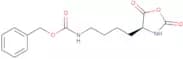
CAS:<p>N6-Carbobenzoxy-L-lysine N-carboxyanhydride is a protected form of amino acid L-lysine, where the side chain amine is Z-protected and the α-amine and carboxylic acid groups are linked via a carboxyl. N6-Carbobenzoxy-L-lysine N-carboxyanhydride can undergo a basic polycondensation reaction to afford polylysine, a polymer of α-linked lysine. Polylysine has a range of biological activities, such as, the inhibition of fungal infections (Trichophyton mentagrophytes, T. rubrum, and Candida albicans) in plants. Polylysine is used to coat tissue culture ware, where it enhances cell adherence.</p>Formula:C15H18N2O5Purity:Min. 95%Color and Shape:White Off-White PowderMolecular weight:306.31 g/molN-(2-Oxo-2-phenylethyl)-N-phenylbenzamide
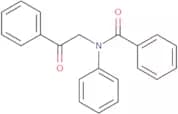
CAS:<p>N-(2-Oxo-2-phenylethyl)-N-phenylbenzamide is a fine chemical that can be used as a versatile building block and reagent for the synthesis of complex compounds. This compound has been shown to react with both amines and alcohols in the presence of acid to produce useful products. It is also an intermediate for the synthesis of other compounds, such as pharmaceuticals, pesticides, and herbicides. N-(2-Oxo-2-phenylethyl)-N-phenylbenzamide is soluble in organic solvents and can be purified by recrystallization or column chromatography. The purity of this compound can be confirmed by nuclear magnetic resonance spectroscopy (1H NMR) or mass spectrometry (MS).</p>Formula:C21H17NO2Purity:Min. 95%Molecular weight:315.37 g/molp-Hydroxyphenyl glycine HCl
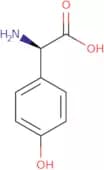
CAS:<p>p-Hydroxyphenyl glycine HCl is a model system for an amide and has been shown to inhibit the growth of bacteria. It is also an active analogue of sodium succinate and cyclic peptide, which are glycopeptide antibiotics that have shown activity against gram-positive bacteria such as Streptococcus pneumoniae, Enterococcus faecalis, Staphylococcus aureus, and Bacillus subtilis. The hydroxyl group on p-hydroxyphenyl glycine HCl interacts with hydrogen bonding interactions in the bacterial cell wall, preventing the formation of a covalent bond between the drug molecule and the enzyme cell wall synthesis required for cell wall biosynthesis. This causes inhibition of protein synthesis, leading to cell death by apoptosis.</p>Formula:C8H9NO3·HClPurity:Min. 95%Color and Shape:PowderMolecular weight:203.62 g/molN-Methyl-4-pyridone-3-carboxamide
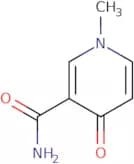
CAS:<p>N-Methyl-4-pyridone-3-carboxamide is a nonnutritive sweetener that has been shown to have no effect on peroxisome proliferation. It also had no effect on the levels of fatty acids in rat cardiomyocytes and did not affect uv absorption. N-Methyl-4-pyridone-3-carboxamide binds to the receptor α subunit of the taste receptor and inhibits adenosine uptake, which may be responsible for its effects on depression. This compound also alters energy metabolism by inhibiting mitochondrial ATP production and glycolysis.</p>Formula:C7H8N2O2Purity:(%) Min. 95%Color and Shape:PowderMolecular weight:152.15 g/mol2-Boc-6-Chloro-3,4-dihydro-1H-isoquinoline-1-carboxylic acid
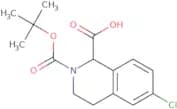
CAS:<p>2-Boc-6-Chloro-3,4-dihydro-1H-isoquinoline-1-carboxylic acid is a useful scaffold for the production of various chemical compounds. It is a versatile building block that can be used as an intermediate in various chemical reactions or as a speciality chemical. 2-Boc-6-Chloro-3,4-dihydro-1H-isoquinoline-1 carboxylic acid has been shown to be a high quality and reliable reagent for use in research and development.</p>Formula:C15H18ClNO4Purity:Min. 95%Color and Shape:White PowderMolecular weight:311.76 g/mol2-[(4-Amino-2-methyl-5-nitrylbenzyl)amino]ethylalcohol
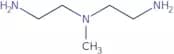
CAS:<p>2-[(4-Amino-2-methyl-5-nitrylbenzyl)amino]ethylalcohol is a reactive, hydrated, colorant that belongs to the group of hydroxy compounds. It has a chromophore and is used in the production of cosmetics. 2-[(4-Amino-2-methyl-5-nitrylbenzyl)amino]ethylalcohol is used for alkalization and in the production of particle pigments. This compound can be found in fatty acid esters, as it has a long hydrocarbon chain, which makes it soluble. It also has fatty acids and an amine group that provides color.</p>Formula:C9H13N3O3Purity:Min. 95%Molecular weight:211.22 g/molN1-(2-Aminoethyl)-N1-methylethane-1,2-diamine
CAS:<p>N1-(2-Aminoethyl)-N1-methylethane-1,2-diamine is a chromatographic cross-linking agent that is used in the preparation of monoclonal antibodies. It contains two amino groups and two ethyleneamine groups. N1-(2-Aminoethyl)-N1-methylethane-1,2-diamine binds to calcium carbonate and forms a chelate ring with the metal ion. The compound has been shown to have diagnostic properties, as it can be detected by nmr spectra and by the use of monoclonal antibody.</p>Formula:C5H15N3Purity:Min. 95%Color and Shape:Clear LiquidMolecular weight:117.19 g/molMethyl 4-benzyloxy-3-methoxybenzoate
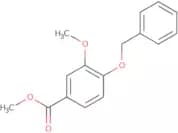
CAS:<p>Please enquire for more information about Methyl 4-benzyloxy-3-methoxybenzoate including the price, delivery time and more detailed product information at the technical inquiry form on this page</p>Formula:C16H16O4Purity:Min. 95%Molecular weight:272.3 g/molMethyl 4-methylsalicylate
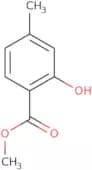
CAS:<p>Methyl 4-methylsalicylate is a colorless liquid that has no odor. It can be synthesized by reacting ethyl bromoacetate with formaldehyde and anhydrous sodium acetate in the presence of hydrochloric acid. This product is used as an intermediate for various organic compounds, such as esters, ethers, amides, and nitriles. Methyl 4-methylsalicylate has been used in the synthesis of pharmaceuticals, perfumes, pesticides, herbicides, and other chemicals. Methyl 4-methylsalicylate is toxic to opportunistic fungal species but does not affect bacteria. The chemical reacts with DNA to form adducts that inhibit linear polymerase chain reactions (PCR). This inhibits DNA replication and transcription of DNA into RNA. The inhibition of protein synthesis by methyl 4-methylsalicylate also results in cell death.</p>Formula:C9H10O3Purity:Min. 95%Color and Shape:PowderMolecular weight:166.17 g/mol4'-Hydroxy-3,4-methylenedioxychalcone
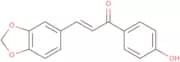
CAS:<p>4'-Hydroxy-3,4-methylenedioxychalcone is a reaction component that belongs to the category of fine chemicals. It is a useful scaffold for the synthesis of complex compounds and can be used as a reagent for the preparation of other chemical substances. 4'-Hydroxy-3,4-methylenedioxychalcone is an intermediate in the manufacture of certain drugs such as taxol, which is used to treat breast cancer. The CAS number for this substance is 19152-39-7.</p>Formula:C16H12O4Purity:Min. 95%Color and Shape:PowderMolecular weight:268.26 g/mol4'-Methoxy-3',β-dimethyl-β-nitrostyrene
<p>4'-Methoxy-3',beta-dimethyl-beta-nitrostyrene is a fine chemical that belongs to the group of versatile building blocks. It is an intermediate for the synthesis of complex compounds, research chemicals, and speciality chemicals. 4'-Methoxy-3',beta-dimethyl-beta-nitrostyrene is a useful reagent in organic synthesis and can be used as a reaction component or scaffold. It has been shown to have high quality and it can be used as a useful building block.</p>Formula:C11H13NO3Purity:Min. 95%Color and Shape:PowderMolecular weight:207.23 g/mol6-Amino-3-methyl-4-(4-nitrophenyl)-4H-pyrano[3,2-d]pyrazole-5-carbonitrile
CAS:<p>6-amino-3-methyl-4-(4-nitrophenyl)-4H-pyrano[3,2-d]pyrazole-5-carbonitrile is a compound that has been shown to have correlations with energies and regression. It also has a linear regression, polarities, photophysical properties, and dipole. The fluorescence and excited state of this compound are singlet and hydrogen bonding interactions with solvents.</p>Formula:C14H11N5O3Purity:Min. 95%Color and Shape:PowderMolecular weight:297.27 g/mol3-Fluoro-2-methylbenzaldehyde - 80%
CAS:<p>3-Fluoro-2-methylbenzaldehyde is a colorless liquid that has a strong odor. It is used as an intermediate in organic synthesis, especially for the production of fluorine compounds. 3-Fluoro-2-methylbenzaldehyde is also used to study the bioconversion of aldehydes and reductases in fungi. This chemical can be detected by its spectra and its ability to react with fluorine. 3-Fluoro-2-methylbenzaldehyde can also be synthesized by reacting naphthalene with anisole and hydrogen fluoride gas.</p>Formula:C8H7FOPurity:Min. 95%Color and Shape:Clear LiquidMolecular weight:138.14 g/mol2-Bromo-4-methylbenzylamine hydrochloride
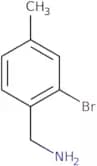
CAS:<p>2-Bromo-4-methylbenzylamine hydrochloride is a fine chemical that is used as a building block for other chemicals or as a reagent in research. It has CAS No. 1293323-97-3 and can be used in reactions where an amine is needed. This product is high quality, versatile, and useful for many different types of reactions.</p>Formula:C8H10BrN·HClPurity:Min. 95%Color and Shape:PowderMolecular weight:236.54 g/molGlutamic acid
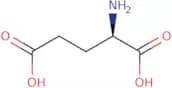
CAS:<p>Glutamic acid is a non-essential amino acid that is present in all cells. It is one of the most abundant amino acids and plays an important role in the biochemical properties and biological properties of living organisms. Glutamic acid has been found to be an important neurotransmitter and is involved in neuronal activity, which can lead to death. It also has been shown to be a potent inhibitor of DNA polymerase, which may explain the structural analysis of glutamic acid as a divalent cation coordination-activator molecule. Glutamate can be used as a model system for studying glutamate receptor function and its optimum concentration is determined using vitro assays. The dinucleotide phosphate (NADPH) oxidase pathway may be involved in the toxicity of glutamic acid as it produces reactive oxygen species.</p>Formula:C5H9NO4Purity:Min. 95%Color and Shape:White PowderMolecular weight:147.13 g/mol[(3-Methylphenyl)amino]acetic acid
CAS:<p>[(3-Methylphenyl)amino]acetic acid is a high quality chemical that can be used as a reagent, intermediate, or building block in the synthesis of other compounds. It is useful for the synthesis of complex compounds and has been shown to have a wide range of applications. This compound can be used in research chemicals and as an intermediate in the production of fine chemicals. [(3-Methylphenyl)amino]acetic acid is a versatile building block that can be used to synthesize different types of molecules with diverse properties. It also has many potential uses in medicine as it has been shown to inhibit protein kinase C (PKC), which may provide therapeutic benefits for some diseases.</p>Formula:C9H11NO2Purity:Min. 95%Color and Shape:PowderMolecular weight:165.19 g/molL-Serine tert-butyl ester hydrochloride
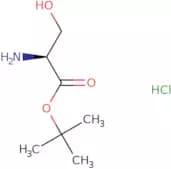
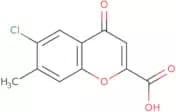
CAS:<p>L-Serine tert-butyl ester hydrochloride is a conditionally catalytic reagent that is used to synthesize aromatic compounds. It is an effective catalyst for toluene hydroxylation, and can be used in the synthesis of L-serine from serine. The tert-butyl group on the molecule prevents side reactions by sterically hindering other molecules from reacting with the reagent.</p>Formula:C7H15O3N·HClPurity:Area-% Min. 95 Area-%Color and Shape:White PowderMolecular weight:197.66 g/mol6-Chloro-7-methylchromone-2-carboxylic acid
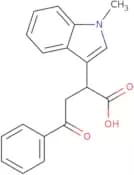
CAS:<p>6-Chloro-7-methylchromone-2-carboxylic acid is a fine chemical that has been used as a versatile building block for the synthesis of complex compounds. It has been shown to be an effective reaction component in the synthesis of 1,4-benzoquinones and N'-acylhydrazones. 6-Chloro-7-methylchromone-2-carboxylic acid is also a useful intermediate in the preparation of other chemicals, such as pharmaceuticals and pesticides. This compound can be used as an additive to improve the quality of high purity reagents.</p>Formula:C11H7ClO4Purity:Min. 95%Molecular weight:238.62 g/mol2-(1-Methylindol-3-yl)-4-oxo-4-phenylbutanoic acid
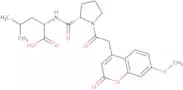
CAS:<p>Please enquire for more information about 2-(1-Methylindol-3-yl)-4-oxo-4-phenylbutanoic acid including the price, delivery time and more detailed product information at the technical inquiry form on this page</p>Purity:Min. 95%Mca-Pro-Leu-OH
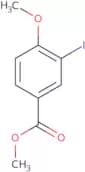
CAS:<p>Mca-Pro-Leu-OH is a monoclonal antibody that recognizes the antigen staphylococcus. It is useful for the diagnosis of postoperative infections, nephrology dialysis, and in renal transplantation to prevent graft rejection. It has been used as an immunofluorescent stain in human chorionic gonadotropin (hCG) and follicle stimulating hormone (FSH) studies. Mca-Pro-Leu-OH is a mouse monoclonal antibody that reacts with human chorionic gonadotropin (hCG). The specificity of this antibody has been shown to be very high since it does not react with other proteins found in nature such as follicle stimulating hormone (FSH).</p>Formula:C23H28N2O7Purity:Min. 95%Color and Shape:PowderMolecular weight:444.48 g/molMethyl 3-iodo-4-methoxybenzoate
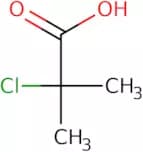
CAS:<p>Methyl 3-iodo-4-methoxybenzoate is a radioactive compound that has been shown to have pharmacological properties. It is used in the treatment of cancer and has demonstrated cytotoxic effects on tumor cells. Methyl 3-iodo-4-methoxybenzoate binds to the cell membrane and causes changes in membrane permeability, leading to cell death. This compound also demonstrates affinity for 4-ibp, a receptor found on cancer cells.</p>Formula:C9H9IO3Purity:Min. 95%Molecular weight:292.07 g/mol2-Chloro-2-methylpropionic acid
CAS:<p>2-Chloro-2-methylpropionic acid (MCPA) is a chemical compound that belongs to the group of organic compounds called acyl chlorides. It is used in industry for the production of acrylic acid and polyacrylic acid, as well as in the production of herbicides. MCPA is produced by reacting an alkali metal with 2-chloroethanol and thioacetic acid. This reaction can be catalyzed by a variety of compounds, including palladium chloride, nickel chloride, and titanium tetrachloride. The high yield of this reaction makes it suitable for commercial use. MCPA also has been shown to stimulate cell growth through its inhibition of monomers from polymerization into polymers.</p>Formula:C4H7ClO2Purity:Min. 95%Color and Shape:PowderMolecular weight:122.55 g/mol3-(tert-butyl)-2-methyl-6-nitroindeno[3,2-c]pyrazol-4-one
CAS:<p>Please enquire for more information about 3-(tert-butyl)-2-methyl-6-nitroindeno[3,2-c]pyrazol-4-one including the price, delivery time and more detailed product information at the technical inquiry form on this page</p>Purity:Min. 95%Indole-3-acetyl-l-leucine
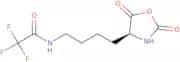
CAS:<p>Indole-3-acetyl-l-leucine is a homologous auxin. It is a conjugated acid that is found in plants and has been shown to be involved in postharvest physiology, growth regulation, and plant tissue culture. Indole-3-acetyl-l-leucine has been used as a model system for the study of plant physiology and tissue culture. The physiological function of indole-3-acetyl-l-leucine is not currently known. However, it has been shown to be converted into butyric acid by certain bacteria, which can lead to the formation of conjugates with carboxylic acids.</p>Formula:C16H20N2O3Purity:Min. 95%Color and Shape:PowderMolecular weight:288.34 g/molN6-Trifluoroacetyl-L-lysine N-carboxyanhydride
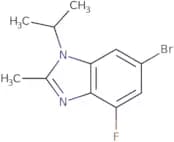
CAS:<p>Trifluoroacetyl-L-lysine N-carboxyanhydride is an N6-trifluoroacetylated lysine derivative that is used in the synthesis of peptides. It is a racemic mixture of L and D forms, which is hydrolyzed to form L-glutamic acid, NH4Cl, and CO2. Trifluoroacetyl-L-lyside N-carboxyanhydride has been shown to be useful in the formation of bonds between amino acids, such as lysine and dipeptides. The compound is also used for the protection of lysine against oxidation during peptide synthesis.</p>Formula:C9H11F3N2O4Purity:Min. 95%Color and Shape:White PowderMolecular weight:268.19 g/mol6-Bromo-4-fluoro-2-methyl-1-propan-2-ylbenzimidazole
CAS:<p>6-Bromo-4-fluoro-2-methyl-1-propan-2-ylbenzimidazole is an environmental pollutant that can be found in deionized water, as a result of the reaction between hydrochloric acid and benzene. It has been synthesized using the industrial synthesis method by reacting n-hexane with sodium sulfate, followed by treatment with acetone and hydriodic acid. 6BFMBI is a white solid that reacts with hydrogen to produce acetone and formaldehyde. The reaction time for this compound is about three hours at room temperature.</p>Formula:C11H12BrFN2Purity:Min. 95%Color and Shape:PowderMolecular weight:271.13 g/molFmoc-L-proline pentafluorophenyl ester
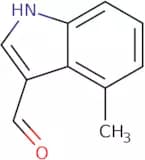
CAS:<p>Fmoc-L-proline pentafluorophenyl ester is an estrogen analog that binds to the estrogen receptor α. It has been shown to inhibit cancer cell growth in vitro and in vivo. In addition, Fmoc-L-proline pentafluorophenyl ester inhibits the formation of new cancer cells by inducing cell death and inhibiting proliferation. This drug also has anti-inflammatory properties and is able to bind with calmodulin, which may be related to its ability to inhibit breast cancer cell growth.</p>Formula:C26H18F5NO4Purity:Min. 95%Molecular weight:503.42 g/mol4-Methylindole-3-carboxaldehyde
CAS:<p>4-Methylindole-3-carboxaldehyde is a lipophilic extract that inhibits the growth of fungi. It has been shown to be effective against phytopathogenic fungi, and it has been used as an antibiotic in the treatment of bacterial infections. 4-Methylindole-3-carboxaldehyde is an analog of streptochlorin, which inhibits protein synthesis by binding to the ribosome. This leads to cell death by inhibiting the production of proteins vital for cell division. 4-Methylindole-3-carboxaldehyde also has antifungal activity against Candida albicans and Trichophyton mentagrophytes.</p>Formula:C10H9NOPurity:Min. 95%Molecular weight:159.18 g/mol(5-Methyl-2-oxo-1,3-dioxol-4-yl)methyl 4-nitrophenyl carbonate
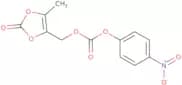
CAS:<p>(5-Methyl-2-oxo-1,3-dioxol-4-yl)methyl 4-nitrophenyl carbonate is a fine chemical that is used as a building block for the synthesis of complex compounds. It is an intermediate in the synthesis of 3,4-Dihydroquinazolinone. This compound has been reported to have useful pharmacological activity and has been used as a research chemical and in the synthesis of pharmaceuticals. (5-Methyl-2-oxo-1,3-dioxol-4-yl)methyl 4 nitrophenyl carbonate also has potential as a reagent and can be used in organic synthesis.</p>Formula:C12H9NO8Purity:Min. 95%Color and Shape:White PowderMolecular weight:295.2 g/mol(2-methoxyethyl)((2-nitrophenyl)sulfonyl)amine
CAS:<p>Please enquire for more information about (2-methoxyethyl)((2-nitrophenyl)sulfonyl)amine including the price, delivery time and more detailed product information at the technical inquiry form on this page</p>Purity:Min. 95%3-Methoxy-4-t-Butyl-Benzoic acid
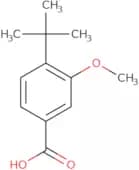
CAS:<p>3-Methoxy-4-t-Butyl-Benzoic acid is a building block that can be used in the synthesis of a variety of organic compounds. This chemical has been used as a reagent, as well as in research and development. It is also used to synthesize complex compounds and may be used as a versatile building block or intermediate for reactions.</p>Formula:C12H16O3Purity:Min. 95%Molecular weight:208.25 g/mol2,3-Dimethyl-1,3-benzothiazol-3-ium,4-methylbenzene-1-sulfonate
CAS:<p>2,3-Dimethyl-1,3-benzothiazol-3-ium,4-methylbenzene-1-sulfonate is a non-selective fluorescent dye that has been shown to be an effective diagnostic tool for the detection of single strands of DNA. This compound is used in the lab to identify single nucleotide polymorphisms. 2,3-Dimethyl-1,3-benzothiazol-3-ium,4-methylbenzene-1sulfonate can be synthesized from ferrocene and its optical properties can be modified by substituting the sulfur atom with other heterocycles such as thiophene or benzothiazole. The fluorescence of this compound can be further enhanced by protonation or by attaching a fluorescent probe such as rhodamine B.</p>Formula:C16H17NO3S2Purity:Min. 95%Color and Shape:PowderMolecular weight:335.44 g/mol4-Aminobenzoyl-L-glutamic acid
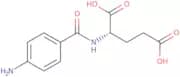
CAS:<p>4-Aminobenzoyl-L-glutamic acid (PABA) is a dinucleotide phosphate that can be found in human serum. It has been shown to have receptor activity for epithelial mesenchymal cells and is used as a model organism for folate, group p2 polymerase chain reactions (PCR). PABA is also involved in the reaction mechanism of linear calibration curves.</p>Formula:C12H14N2O5Purity:Min. 95%Color and Shape:PowderMolecular weight:266.25 g/mol4-Methoxy-2-(trifluoromethyl)aniline
CAS:<p>4-Methoxy-2-(trifluoromethyl)aniline is a chemical compound that is used as a research chemical, reagent, and speciality chemical. It is a versatile building block that can be used in reactions to produce complex compounds. 4-Methoxy-2-(trifluoromethyl)aniline has been identified by the Chemical Abstracts Service (CAS) as having high quality and is useful for preparing fine chemicals. This substance also has uses in the field of medicinal chemistry and can be used as a scaffold for pharmaceutical products.</p>Formula:C8H8F3NOPurity:Min. 95%Color and Shape:Clear LiquidMolecular weight:191.15 g/mol2,4-Dimethoxy-5-methylbenzoic acid
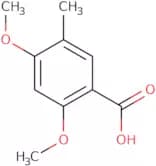
CAS:<p>2,4-Dimethoxy-5-methylbenzoic acid is a compound that belongs to the class of useful building blocks. It has a high quality and can be used as a reagent, complex compound, and useful intermediate in the synthesis of fine chemicals. 2,4-Dimethoxy-5-methylbenzoic acid is also a versatile building block that can be used for the production of speciality chemicals such as research chemicals.</p>Formula:C10H12O4Purity:Min. 95%Molecular weight:196.2 g/molCyclo(-Pro-Val)
CAS:<p>Cyclo(-Pro-Val) is a type of natural product that has been shown to inhibit the growth of tumor cells. Cyclo(-Pro-Val) is a metabolite produced by the fungus Cryptococcus neoformans and may serve as a potential anti-cancer drug. The compound blocks mitochondrial membrane potential, which prevents cancer cells from multiplying. Cyclo(-Pro-Val) has also been shown to inhibit the growth of bacteria such as Pseudomonas aeruginosa and Burkholderia cepacia complex, although it has little or no effect on other types of bacteria and fungi.</p>Formula:C10H16N2O2Purity:Min. 95%Color and Shape:White PowderMolecular weight:196.25 g/mol4-Methylpyrazole
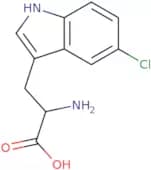
CAS:<p>4-Methylpyrazole is a competitive inhibitor of alcohol dehydrogenase, which can be used to treat methanol and ethylene glycol poisoning. It is also used to inhibit the metabolism of ethanol by blocking the conversion of ethanol to acetaldehyde. 4-Methylpyrazole is metabolized into 4-methylpyridinium ion (4MP) by alcohol dehydrogenase, which prevents the conversion of acetaldehyde to acetic acid. This results in an increase in blood levels of acetaldehyde and a decrease in blood levels of acetic acid, leading to an accumulation of toxic metabolites such as formic acid. In addition, 4-methylpyrazole inhibits the enzyme glycol dehydrogenase that breaks down glycols into their harmless components. This leads to an accumulation of toxic intermediate products that are converted back into glycols.</p>Formula:C4H6N2Purity:Min. 95%Color and Shape:Colorless PowderMolecular weight:82.1 g/mol5-Chloro-DL-tryptophan
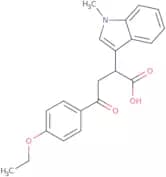
CAS:<p>5-Chloro-DL-tryptophan is a research chemical that is used as a building block in the synthesis of other chemicals.</p>Formula:C11H11ClN2O2Molecular weight:238.68 g/mol4-(4-Ethoxyphenyl)-2-(1-methylindol-3-yl)-4-oxobutanoic acid
CAS:<p>Please enquire for more information about 4-(4-Ethoxyphenyl)-2-(1-methylindol-3-yl)-4-oxobutanoic acid including the price, delivery time and more detailed product information at the technical inquiry form on this page</p>Purity:Min. 95%Kresoxim-methyl
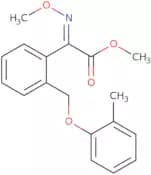
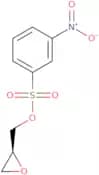
CAS:<p>Kresoxim-methyl is a fungicide that inhibits the growth of fungi by inhibiting the synthesis of ATP. This inhibition is due to the inhibition of mitochondrial enzymes, such as atp synthase. Kresoxim-methyl also has been shown to inhibit the activity of several enzymes in plant mitochondria and chloroplasts, including acetolactate synthase, malate dehydrogenase, isocitrate dehydrogenase, and succinate dehydrogenase. Kresoxim-methyl binds to natural compounds with terminal methyl groups through a hydrogen bond, resulting in the formation of kresoxim-methyl derivatives, which are more stable than their parent compounds. It also has been shown to inhibit mitochondrial cytochrome C oxidase and increase membrane potential in mammalian cells.</p>Formula:C18H19NO4Purity:Min. 95%Color and Shape:PowderMolecular weight:313.35 g/mol(S)-(+)-Glycidyl nosylate
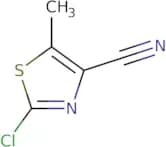
CAS:<p>(S)-(+)-Glycidyl nosylate is a trimerized activated phosphite that is used in the synthesis of amides, epoxides, nitro compounds, and styrene. It reacts with nucleophiles to produce an amide or enolate. This compound can also be used to produce a variety of other products by reacting with activated halogens or alcohols. The reaction between (S)-(+)-glycidyl nosylate and nitrous acid produces a nitro group on the aromatic ring. This compound has been evaluated for its ability to bind to receptors.</p>Formula:C9H9NO6SPurity:Min. 98 Area-%Color and Shape:Off-White Beige Yellow PowderMolecular weight:259.24 g/mol2-Chloro-5-methylthiazole-4-carbonitrile
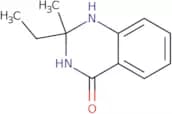
CAS:<p>Please enquire for more information about 2-Chloro-5-methylthiazole-4-carbonitrile including the price, delivery time and more detailed product information at the technical inquiry form on this page</p>Formula:C5H3ClN2SPurity:Min. 95%Molecular weight:158.61 g/mol2-Ethyl-2-methyl-1,2,3-trihydroquinazolin-4-one
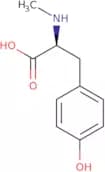
CAS:<p>Please enquire for more information about 2-Ethyl-2-methyl-1,2,3-trihydroquinazolin-4-one including the price, delivery time and more detailed product information at the technical inquiry form on this page</p>Purity:Min. 95%N-Methyl-L-tyrosine - Combretum collinum
CAS:<p>N-Methyl-L-tyrosine is a molecule that has been studied as a potential treatment for Parkinson's disease. It is chemically related to the amino acid tyrosine and also shares some of its biological properties. N-Methyl-L-tyrosine inhibits the uptake of dopamine by dopamine transporters in cells, which reduces the symptoms of Parkinson's disease. The alkynyl group present in this molecule helps to improve the drug's binding affinity with proctolin, which is a substrate for proton pump inhibitors, and can be used to treat gastrointestinal problems. The clinical use of N-Methyl-L-tyrosine is limited due to its low oral bioavailability; however, it may be effective when administered intravenously or intramuscularly.</p>Formula:C10H13NO3Purity:Min. 95%Color and Shape:White PowderMolecular weight:195.22 g/mol4-Methylcinnamic acid
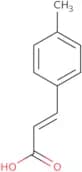
CAS:<p>4-Methylcinnamic acid is a cinnamic acid derivative that is used as an intermediate in the synthesis of various drugs. It can be synthesized from 2-chlorocinnamic acid, which is prepared by reaction with phosphorus pentachloride. 4-Methylcinnamic acid is also able to be oxidized to 4-hydroxycinnamic acid, which has been shown to have anti-aging effects. The molecule can be modeled using molecular dynamics simulations and was found to be polarizable and diffracting.</p>Formula:C10H10O2Purity:Min. 95%Color and Shape:White PowderMolecular weight:162.19 g/mol[(1-Methyl-1H-indol-5-yl)methyl]amine acetate
CAS:<p>[(1-Methyl-1H-indol-5-yl)methyl]amine acetate is a versatile building block that can be used in the preparation of a wide range of chemicals. This compound has been shown to react with a variety of reagents, such as phenyliodine diacetate and chloroacetic acid to give various products. [(1-Methyl-1H-indol-5-yl)methyl]amine acetate also reacts with potassium hydroxide (KOH) to produce indole. It is an important intermediate in the synthesis of other chemical compounds and has been reported in more than 200 scientific publications. The chemical formula for [(1-Methyl-1H-indol-5-yl)methyl]amine acetate is C13H14N2O4.</p>Formula:C10H12N2·C2H4O2Purity:Min. 95%Color and Shape:White PowderMolecular weight:220.27 g/mol3-Bromo-4-methoxybenzaldehyde
CAS:<p>3-Bromo-4-methoxybenzaldehyde is a heterocycle that contains a covalent inhibitor. It has been shown to have inhibitory activity against imines, hydroxyl groups, and human serum. 3-Bromo-4-methoxybenzaldehyde has been shown to be an efficient method for the synthesis of nitrogen containing heterocycles with potential use as pharmaceuticals. This compound has also been used in the asymmetric synthesis of diphenyl ethers, which are useful in pharmacological studies. The reaction mechanism of this compound is not well understood and needs more research before it can be applied to other areas.</p>Formula:C8H7BrO2Purity:Min. 95%Color and Shape:PowderMolecular weight:215.04 g/molL-Valacyclovir hydrochloride
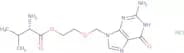
CAS:<p>Anti-viral; DNA polymerase inhibitor</p>Formula:C13H20N6O4•HClPurity:Min. 95%Color and Shape:PowderMolecular weight:360.8 g/molL-Methionine [R,S]-sulfoximine
CAS:<p>L-Methionine [R,S]-sulfoximine is a sulfoximide that inhibits the synthesis of methionine. Methionine is an essential amino acid that is converted to homocysteine and then to cysteine in the body. L-Methionine [R,S]-sulfoximine has been shown to inhibit the conversion of methionine to cysteine in vivo by acting as a competitive inhibitor of methioninase.</p>Formula:C5H12N2O3SPurity:(Elemental Analysis) Min. 97%Color and Shape:PowderMolecular weight:180.23 g/mol2-Amino-1-(1-aza-2-(4-methylthiophenyl)vinyl)ethene-1,2-dicarbonitrile
CAS:<p>Please enquire for more information about 2-Amino-1-(1-aza-2-(4-methylthiophenyl)vinyl)ethene-1,2-dicarbonitrile including the price, delivery time and more detailed product information at the technical inquiry form on this page</p>Formula:C12H10N4SPurity:Min. 95%Color and Shape:PowderMolecular weight:242.3 g/mol5-Bromo-2,4-dimethoxy-β-methylnitrostyrene
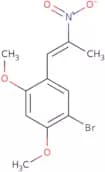
CAS:<p>5-Bromo-2,4-dimethoxy-beta-methylnitrostyrene is a fine chemical that is an important reagent and building block. It can be used as a reaction component or intermediate for the synthesis of more complex compounds. 5-Bromo-2,4-dimethoxy-beta-methylnitrostyrene can also be used as a versatile building block to produce high quality complex compounds. The compound has been shown to have a high level of purity and is suitable for use in research or speciality chemicals.</p>Formula:C11H12BrNO4Purity:Min. 95%Color and Shape:PowderMolecular weight:302.12 g/molFmoc-3-nitro-L-tyrosine
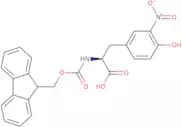
CAS:<p>Fmoc-3-nitro-L-tyrosine is an intermediate in the synthesis of a fluorogenic substrate for the determination of tyrosine residues in peptides by reverse phase high performance liquid chromatography (RP-HPLC). The product is synthesized by solid phase methods. Fmoc-3-nitro-L-tyrosine is prepared by reacting 3,4,5,6-tetrafluoroacetophenone with L-tyrosine in piperidine. The product can be cleaved to yield the residues and hydroxyl groups. The fluorogenic nature of Fmoc-3-nitro-L-tyrosine enables it to be used as a quenching reagent for the fluorescence of other compounds. This product can also be modified to become fluorescent or enzymatically active.</p>Formula:C24H20N2O7Purity:Min. 95%Color and Shape:PowderMolecular weight:448.42 g/mol2,3,4-Trimethoxy-6-methylbenzaldehyde
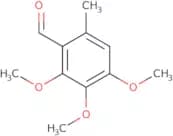
CAS:<p>2,3,4-Trimethoxy-6-methylbenzaldehyde is a synthetic coumarin with antibacterial activity. It is synthesized by the condensation of 3-hydroxyacetophenone and benzaldehyde. 2,3,4-Trimethoxy-6-methylbenzaldehyde has been shown to have antibacterial activity against both Gram-positive and Gram-negative bacteria. This molecule has also been shown to inhibit the growth of Gram negative bacteria in the presence of hydrogen peroxide. The crystal structure of this molecule was determined by XRD analysis and shows that it contains a dihedral angle of about 155°.</p>Formula:C11H14O4Purity:Min. 95%Molecular weight:210.23 g/mol2-Methoxyphenylacetonitrile
CAS:<p>2-Methoxyphenylacetonitrile is a chemical that is used in the manufacture of pharmaceuticals. It has antibacterial activity and can be used to treat typhoid fever, staphylococcal infections, and mental disorders such as schizophrenia. 2-Methoxyphenylacetonitrile is an alkylating agent that reacts with nucleophiles in proteins, DNA, and RNA. These reactions lead to the destruction of the bacterial cell wall and inhibition of protein synthesis. The mechanism by which 2-methoxyphenylacetonitrile exerts its antibacterial effect may involve formation of a reactive intermediate that inhibits bacterial ribonucleotide reductase. The addition of an electron to this intermediate leads to the formation of a covalent bond with one or more amino acids in the protein acceptor, thereby preventing further growth and division of bacteria.</p>Formula:C9H9NOPurity:Min. 90%Color and Shape:White PowderMolecular weight:147.17 g/mol3-Methoxy-4-nitrobenzoic acid methyl ester
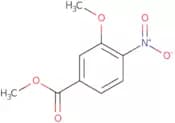
CAS:<p>3-Methoxy-4-nitrobenzoic acid methyl ester is a dianellidin, a type of natural product. It is an ionizing acid that catalyzes the reaction between carboxylic acids and hydroxyl compounds. This compound is used to produce some drugs, such as methyldopate, which is an antiarrhythmic drug that slows heart rate. The catalytic rate of 3-methoxy-4-nitrobenzoic acid methyl ester can be increased by buffers and solvents (e.g., methanol). These compounds increase the concentration of the reactants in solution and reduce the activation energy required for the reaction to take place. Uncatalyzed reactions are slow because there are no molecules to act as intermediates in the process.</p>Formula:C9H9NO5Purity:95%NmrColor and Shape:PowderMolecular weight:211.17 g/mol
![20-Deoxo-23-deoxy-5-O-[3,6-dideoxy-3-(dimethylamino)-β-D-glucopyranosyl]-20,23-di-1-piperidinyltyl…](/_next/image/?url=https%3A%2Fstatic.cymitquimica.com%2Fproducts%2F3D%2Fthumb-webp%2FFT137728.webp&w=3840&q=75)


![1-[1-[4-(4-Fluorophenyl)-4-Oxobutyl]Piperidin-4-Yl]-3-Methylbenzimidazol-2-One](/_next/image/?url=https%3A%2Fstatic.cymitquimica.com%2Fproducts%2F3D%2Fthumb-webp%2FFF100333.webp&w=3840&q=75)







![2-[(4-Amino-2-methyl-5-nitrylbenzyl)amino]ethylalcohol](/_next/image/?url=https%3A%2Fstatic.cymitquimica.com%2Fproducts%2F3D%2Fthumb-webp%2FFA146928.webp&w=3840&q=75)
![6-Amino-3-methyl-4-(4-nitrophenyl)-4H-pyrano[3,2-d]pyrazole-5-carbonitrile](/_next/image/?url=https%3A%2Fstatic.cymitquimica.com%2Fproducts%2F3D%2Fthumb-webp%2FFA169805.webp&w=3840&q=75)

![[(3-Methylphenyl)amino]acetic acid](/_next/image/?url=https%3A%2Fstatic.cymitquimica.com%2Fproducts%2F3D%2Fthumb-webp%2FFM115478.webp&w=3840&q=75)
![3-(tert-butyl)-2-methyl-6-nitroindeno[3,2-c]pyrazol-4-one](/_next/image/?url=https%3A%2Fstatic.cymitquimica.com%2Fproducts%2F3D%2Fthumb-webp%2FFB169678.webp&w=3840&q=75)






![[(1-Methyl-1H-indol-5-yl)methyl]amine acetate](/_next/image/?url=https%3A%2Fstatic.cymitquimica.com%2Fproducts%2F3D%2Fthumb-webp%2FFM124972.webp&w=3840&q=75)

![L-Methionine [R,S]-sulfoximine](/_next/image/?url=https%3A%2Fstatic.cymitquimica.com%2Fproducts%2F3D%2Fthumb-webp%2FFM25156.webp&w=3840&q=75)