Amino Acids (AA)
Amino acids (AAs) are the fundamental building blocks of proteins, playing a crucial role in various biological processes. These organic compounds are essential for protein synthesis, metabolic pathways, and cell signaling. In this category, you will find a comprehensive range of amino acids, including essential, non-essential, and modified forms, which are vital for research in biochemistry, molecular biology, and nutritional sciences. At CymitQuimica, we provide high-quality amino acids to support your research and development needs, ensuring accuracy and reliability in your experimental outcomes.
Subcategories of "Amino Acids (AA)"
- Amino Acid Derivatives(3,957 products)
- Amino Acid and Amino Acid Related Compounds(3,472 products)
- Amino Acids with Oxygen or Sulphur(168 products)
- Boc- Amino Acids(351 products)
- Fmoc Amino Acids(1,710 products)
Found 38265 products of "Amino Acids (AA)"
Sort by
Purity (%)
0
100
|
0
|
50
|
90
|
95
|
100
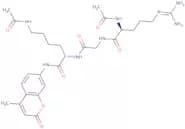
Ac-Arg-Gly-Lys(Ac)-AMC trifluoroacetate salt
CAS:<p>Ac-Arg-Gly-Lys(Ac)-AMC is a potent apoptotic agent that induces the apoptosis of cancer cells by binding to the caspase-9, which is an enzyme that initiates the process of apoptosis. Ac-Arg-Gly-Lys(Ac)-AMC has been shown to inhibit the growth of cancer cells in cell culture and also shows potent antitumor activity against MDA-MB-231 breast cancer cells. This drug can be used as a potential therapeutic agent for cancers such as colorectal, prostate, and pancreatic cancer. Ac-Arg-Gly-Lys(Ac)-AMC is also able to induce apoptosis in human leukemia cells and may have a potential role in therapy for acute myelogenous leukemia (AML).</p>Formula:C28H40N8O7•C2HF3O2Purity:Min. 98 Area-%Color and Shape:PowderMolecular weight:714.69 g/molα-Chloro-ω-(2,2-Dichloro-1,1,2-Trifluoroethyl)-Poly(Difluoromethylene)
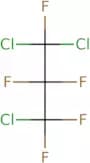
CAS:Controlled Product<p>Alpha-Chloro-Omega-(2,2-Dichloro-1,1,2-Trifluoroethyl)-Poly(Difluoromethylene) is a fluorinated polymer that has been shown to be effective in removing chlorine atoms from the atmosphere. The production of this polymer requires an irradiation process with a magnetic field. Alpha-Chloro-Omega-(2,2-Dichloro-1,1,2-Trifluoroethyl)-Poly(Difluoromethylene) is produced by the reaction of alpha chlorohydrin and trifluoroethylene. This polymer is insoluble in water and is not flammable or explosive. It can be used as a chemical precursor for other fluoropolymers or as an additive for polyurethane. Alpha Chloro Omega - ( 2 , 2 - Dichloro - 1 , 1 , 2 - Trifluoroethyl )</p>Formula:C3Cl3F5Purity:Min. 95%Molecular weight:237.38 g/molApelin-17 trifluoroacetate
CAS:<p>Apelin-17 trifluoroacetate is a reaction component, reagent and useful scaffold for the synthesis of complex compounds. It is a high quality, research chemical that is used in the synthesis of fine chemicals. Apelin-17 trifluoroacetate has versatile building block and can be used as a useful intermediate or as a speciality chemical. It also has high reactivity and is soluble in organic solvents.</p>Formula:C96H156N34O20S•C2HF3O2Purity:Min. 95%Color and Shape:PowderMolecular weight:2,252.57 g/mol4-Methoxy-2-(trifluoromethyl)benzoic acid
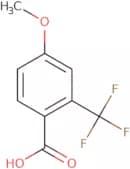
CAS:<p>4-Methoxy-2-(trifluoromethyl)benzoic acid is a useful building block for the synthesis of various organic compounds. It is used in the preparation of pharmaceuticals, agrochemicals, and pesticides. 4-Methoxy-2-(trifluoromethyl)benzoic acid is also a reagent for many organic reactions, such as Friedel–Crafts reactions, Grignard reactions, and alkylation reactions. It is also an intermediate for the synthesis of other compounds.</p>Formula:C9H7F3O3Purity:Min. 95%Color and Shape:PowderMolecular weight:220.15 g/molL-Arginine HCl
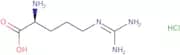
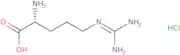
CAS:<p>Substrate for nitric oxide synthase; induces insulin release</p>Formula:C6H14N4O2·HClColor and Shape:White PowderMolecular weight:210.66 g/mol(S)-N-Methylhydroxysuccinimide
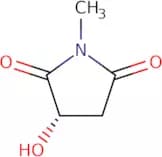
CAS:<p>N-Methylhydroxysuccinimide is a reagent used in chemical synthesis, including the production of 3-indoxyl-beta-D-galactopyranoside. It has been shown to be safe for human use by short-term exposure and uptake studies in Sprague-Dawley rats. N-Methylhydroxysuccinimide is not carcinogenic and does not cause adverse effects to the liver or kidney, based on animal experiments. This compound also has an analytical method that can be used to determine its concentration in urine samples from humans.</p>Formula:C5H7NO3Purity:Min. 95%Color and Shape:PowderMolecular weight:129.11 g/molL-Cysteine - non-animal origin
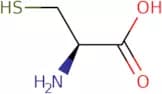
CAS:<p>L-Cysteine is a non-animal derived amino acid that has been shown to help maintain normal iron levels in the body. It also helps reduce oxidative injury and inflammation. L-Cysteine is made naturally by the human body, but can be found in some foods as well. L-Cysteine has been shown to help regulate protein oxidation and injury responses in humans. L-Cysteine plays a role in the immune system by binding to Toll-like receptors, which are proteins on cells that are involved with inflammation and immunity. L-Cysteine also plays a role in the immune system by stimulating antibody production, which is important for fighting infection. Cysteine is an amino acid involved with many biochemical reactions, including synthesis of proteins and DNA molecules. Cysteine also regulates gene expression through response elements that are found in the promoter regions of genes. The rate constant for cysteine is 0.00001s^(-1).</p>Formula:C3H7NO2SColor and Shape:White PowderMolecular weight:121.16 g/mol3-Methyl-5-Isothiazolamine
CAS:<p>3-Methyl-5-isothiazolamine is a linear molecule with a molecular weight of 122.1. 3-Methyl-5-isothiazolamine has an interaction with chloride and can be used as a reagent for the identification of disulfides. Disulfide bonds are formed by the oxidation of sulfhydryl groups in proteins, which are reduced by glutathione reductase to produce sulfhydryl groups. 3-Methyl-5-isothiazolamine has been shown to react with molecular ions that are characteristic of isothiazoles and isothiazole derivatives, as well as aromatic compounds such as 4-hydroxybenzoic acid. This product also reacts with dehydrogenase enzymes, such as alcohol dehydrogenase, which produces oxidized products from carbohydrates and other organic molecules that contain hydroxyl groups.</p>Formula:C4H6N2SPurity:Min. 95%Color and Shape:PowderMolecular weight:114.17 g/mol5-Phenylpenta-2,4-dienoic acid
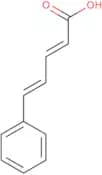
CAS:<p>5-Phenylpenta-2,4-dienoic acid is a high-potency inhibitor of tyrosine kinases. It has been shown to have an inhibitory effect on cancer cells in both squamous and non-squamous cell lines. This compound has been shown to inhibit the proliferation of cancer cells by arresting cell cycle progression at the G1 phase, which leads to the inhibition of DNA synthesis. 5-Phenylpenta-2,4-dienoic acid is also able to block the activation of transcription factors that are involved in tumorigenesis. In addition, this compound inhibits the proliferation of cancer cells by arresting cell cycle progression at the G1 phase, leading to inhibition of DNA synthesis. The molecular modeling study suggests that this compound may be able to bind with tyrosine kinase receptors on the surface of tumor cells and block their activity. The chemical structure of 5-phenylpenta-2,4-dien</p>Formula:C11H10O2Purity:Min. 95%Color and Shape:PowderMolecular weight:174.2 g/mol(2S)-({[(4-Methyl-2-oxo-2H-chromen-7-yl)oxy]acetyl}amino)(phenyl)acetic acid
CAS:<p>(2S)-({[(4-Methyl-2-oxo-2H-chromen-7-yl)oxy]acetyl}amino)(phenyl)acetic acid is a kind of fine chemical that belongs to the class of reagents and speciality chemicals. It is a versatile building block which can be used in research, as well as in the production of pharmaceuticals and other fine chemicals. This compound can be used in reactions as a building block or intermediate, as well as a scaffold for complex compounds.</p>Formula:C20H17NO6Purity:Min. 95 Area-%Color and Shape:PowderMolecular weight:367.35 g/molFmoc-O-tert-butyldimethylsilyl-L-serine
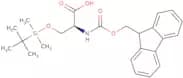
CAS:<p>Fmoc-O-tert-butyldimethylsilyl-L-serine is a monomer that can be used in the solid-phase synthesis of conjugates. It has been shown to be an efficient method for synthesizing bioconjugates, which are used in chemical biology and biotechnology. Fmoc-O-tert-butyldimethylsilyl-L-serine is also efficient for the synthesis of proteins, small organic molecules, and carbohydrates. This monomer is often used as a building block for peptide synthesis because it can be easily removed from the peptides with trifluoroacetic acid or other acid catalysts.</p>Formula:C24H31NO5SiPurity:Min. 95%Color and Shape:SolidMolecular weight:441.59 g/mol5-Hydroxy-6-methoxyindole-carboxylic acid
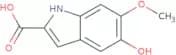
CAS:<p>5-Hydroxy-6-methoxyindole-carboxylic acid (5-HMICA) is a molecule that is found in the pericardium and urine of patients with cancer. 5-HMICA has been shown to suppress tumor growth and activate cell mediated cytotoxicity in vitro. It also induces T helper type 1 (Th1) immune responses, which are associated with the production of cytokines such as interferon gamma and tumor necrosis factor alpha.</p>Formula:C10H9NO4Color and Shape:PowderMolecular weight:207.18 g/mol2-Methylveratraldehyde
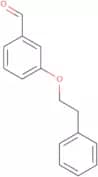
CAS:<p>2-Methylveratraldehyde is a chiral compound that can be used as a reagent in organic synthesis. It has been shown to be a potentiator of the antimicrobial activity of grignard reagents and carbonation, which are chemical reactions that form new carbon-carbon bonds. 2-Methylveratraldehyde also has biological studies, such as its use as an inducer of phytoalexin production in plants.</p>Formula:C10H12O3Purity:Min. 95%Color and Shape:White PowderMolecular weight:180.2 g/mol3-(2-Phenylethoxy)benzaldehyde
CAS:<p>3-(2-Phenylethoxy)benzaldehyde is a benzaldehyde derivative with an ether group at the 3-position. It is used as a building block for the synthesis of organic compounds and as a reaction component in the preparation of research chemicals, speciality chemicals, and complex compounds. This compound has been shown to have high purity and to be a versatile building block for the synthesis of pharmaceuticals, agrochemicals, and other fine chemicals.</p>Formula:C15H14O2Purity:Min. 95%Color and Shape:PowderMolecular weight:226.27 g/mol3-(tert-butyl)-4-((2-hydroxy-3-methoxyphenyl)methylene)-1-phenyl-2-pyrazolin-5-one
CAS:<p>Please enquire for more information about 3-(tert-butyl)-4-((2-hydroxy-3-methoxyphenyl)methylene)-1-phenyl-2-pyrazolin-5-one including the price, delivery time and more detailed product information at the technical inquiry form on this page</p>Purity:Min. 95%D-Arginine hydrochloride
CAS:<p>D-Arginine HCl is a nonessential amino acid that has been shown to increase the release of acetylcholine in the brain, which is important for learning and memory. It has also been shown to inhibit urea nitrogen production by blocking arginase, an enzyme involved in the synthesis of urea. D-Arginine HCl has been used as a diuretic, but there is some evidence that it may have a biphasic response. This means that it causes increased urination at low doses and decreased urination at higher doses. D-Arginine HCl may be useful as an analgesic agent because it inhibits the production of nω-nitro-l-arginine methyl ester (LNMMA), which causes pain.</p>Formula:C6H14N4O2•HClPurity:Min. 95%Molecular weight:210.66 g/molAc-Ala-Ser-Thr-Asp-AMC
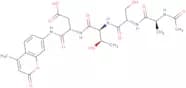
CAS:<p>Ac-Ala-Ser-Thr-Asp-AMC is a versatile building block that can be used as an intermediate in organic synthesis, a reagent, or a speciality chemical. It is also a useful scaffold for drug discovery and development. Ac-Ala-Ser-Thr-Asp-AMC has been shown to be an effective inhibitor of phosphodiesterase 3 (PDE3) and cyclic nucleotide phosphodiesterases (PDEs).</p>Formula:C26H33N5O11Purity:Min. 95 Area-%Color and Shape:PowderMolecular weight:591.57 g/mol(6α,11β,16α,17α)-6,9-Difluoro-11-hydroxy-16-methyl-spiro[androsta-1,4-diene-17,5'-[1,3]oxathiolane]-2',3,4'-trione
CAS:<p>(6α,11β,16α,17α)-6,9-Difluoro-11-hydroxy-16-methyl-spiro[androsta-1,4-diene-17,5'-[1,3]oxathiolane]-2',3,4'-trione is a fine chemical that can be used as a building block for the synthesis of complex compounds. This compound is also useful as a reagent and specialty chemical. (6α,11β,16α,17α)-6,9-Difluoro-11-hydroxy-16-methyl spiro[androsta-1,4 diene 17.beta., 5'(1'3'oxathiolane)] 2',3',4'-trione has been shown to be an excellent intermediate for organic reactions and may be used as a scaffold in drug design.</p>Formula:C22H24F2O5SPurity:Min. 95%Molecular weight:438.49 g/mol5-Phenyl-2-oxazolidone
CAS:<p>5-Phenyl-2-oxazolidone is a glucosinolate precursor. It is used in the synthesis of peptides and has been shown to have anti-inflammatory effects. 5-Phenyl-2-oxazolidone has also been found to have tranquilizing properties, which may be due to its ability to inhibit the enzyme acetylcholinesterase. This compound has also been shown to have a protective effect against damage caused by chloramine T, which is a chemical that is used as a disinfectant and for water purification. 5-Phenyl-2-oxazolidone can be found in brassica vegetables such as broccoli, cauliflower, cabbage and Brussels sprouts. 5-Phenyl-2-oxazolidone also has pharmacological effects on the nucleus and leaves of lutea l., a plant belonging to the brassicaceae family.</p>Formula:C9H9NO2Purity:Min. 95%Color and Shape:PowderMolecular weight:163.17 g/mol6-amino-3-methyl-4-(3-nitrophenyl)-4H-pyrano[3,2-d]pyrazole-5-carbonitrile
CAS:<p>Please enquire for more information about 6-amino-3-methyl-4-(3-nitrophenyl)-4H-pyrano[3,2-d]pyrazole-5-carbonitrile including the price, delivery time and more detailed product information at the technical inquiry form on this page</p>Formula:C14H11N5O3Purity:Min. 95%Color and Shape:PowderMolecular weight:297.27 g/mol4-Benzyloxy-3-methoxybenzoic acid
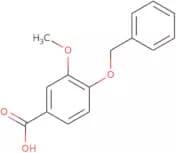
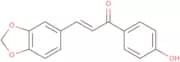
CAS:<p>4-Benzyloxy-3-methoxybenzoic acid is an isomeric compound that is decarboxylated to 4-hydroxy-3-methoxybenzoic acid. It has been shown to inhibit tumor growth and induce apoptosis in HCT116 human lung cancer cells. The mechanism of action may be due to the inhibition of amine synthesis by vanillyl alcohol and oxygenated metabolites.</p>Formula:C15H14O4Purity:Min. 90%Molecular weight:258.27 g/mol4'-Hydroxy-3,4-methylenedioxychalcone
CAS:<p>4'-Hydroxy-3,4-methylenedioxychalcone is a reaction component that belongs to the category of fine chemicals. It is a useful scaffold for the synthesis of complex compounds and can be used as a reagent for the preparation of other chemical substances. 4'-Hydroxy-3,4-methylenedioxychalcone is an intermediate in the manufacture of certain drugs such as taxol, which is used to treat breast cancer. The CAS number for this substance is 19152-39-7.</p>Formula:C16H12O4Purity:Min. 95%Color and Shape:PowderMolecular weight:268.26 g/molL-Histidine monohydrochloride monohydrate
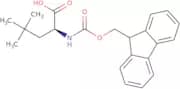
CAS:<p>L-Histidine monohydrochloride monohydrate is a histidine derivative that is used in the treatment of chronic oral and bowel diseases. L-histidine has been shown to activate phospholipase A2, which releases arachidonic acid from phospholipids. Arachidonic acid then reacts with other molecules to form prostaglandins and leukotrienes. L-histidine also inhibits the release of tumor necrosis factor (TNF) by blocking the activity of lipoxygenase, or it can stimulate the production of prostaglandins and leukotrienes that suppress inflammation in animal models. L-histidine monohydrochloride monohydrate has been shown to have an anti-inflammatory effect in animals with inflammatory bowel disease due to its ability to inhibit the production of prostaglandin E2 (PGE2). This drug has also been shown to be capable of neutralizing acidic ph by forming a salt with</p>Formula:C6H9N3O2·HCl·H2OColor and Shape:White PowderMolecular weight:209.63 g/molFmoc-neopentylglycine
CAS:<p>Fmoc-neopentylglycine is a versatile building block that can be used in the synthesis of complex compounds. It is a high quality and useful intermediate for synthesis, as well as a reaction component or scaffold. Fmoc-neopentylglycine has been shown to be an effective reagent in organic synthesis. This compound has also been used to synthesize drug candidates, including anti-cancer agents, inhibitors of protein translation, and antibiotics. Its versatility makes it a very useful building block for research chemicals and speciality chemicals.</p>Formula:C22H25NO4Purity:Min. 95%Color and Shape:White PowderMolecular weight:367.44 g/mol1-Chloro-2-(2-methoxyethoxy)ethane
CAS:<p>Please enquire for more information about 1-Chloro-2-(2-methoxyethoxy)ethane including the price, delivery time and more detailed product information at the technical inquiry form on this page</p>Formula:C5H11ClO2Purity:Min. 95%Color and Shape:Clear Colourless LiquidMolecular weight:138.59 g/molEthyl [2-methyl-3-(chlorosulfonyl)phenoxy]acetate
CAS:<p>Ethyl [2-methyl-3-(chlorosulfonyl)phenoxy]acetate is a fine chemical that has been used as a building block in the synthesis of other complex chemicals. It is also an intermediate for the production of pesticides and pharmaceuticals. The compound can be used to form more than one hundred different organic compounds, which makes it a versatile building block. It can be reacted with other chemicals to create new compounds, such as drugs or herbicides.</p>Formula:C11H13ClO5SPurity:Min. 95 Area-%Color and Shape:PowderMolecular weight:292.74 g/molMethyl 2-hydroxy-3-methoxybenzoate
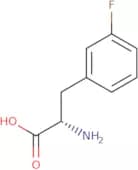
CAS:<p>Methyl 2-hydroxy-3-methoxybenzoate is a tetranuclear synthetic compound that has been reported to have efficient methods for its synthesis. Cryogenic techniques were used in the crystallography and bioassaying of Methyl 2-hydroxy-3-methoxybenzoate. The spectrometric data obtained from this compound are indicative of a hydroxyl group and an isomeric nature. The synthesis of Methyl 2-hydroxy-3-methoxybenzoate occurs through palladium mediated coupling with ethyl 3,4,5,6-tetrahydropyridinecarboxylate. Weevil (Coleoptera) extractable receptors have been shown to bind to this compound.</p>Formula:C9H10O4Purity:Min. 95%Color and Shape:PowderMolecular weight:182.17 g/mol3-Fluoro-L-phenylalanine
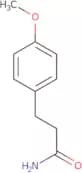
CAS:<p>3-Fluoro-L-phenylalanine is a fluorinated analog of the amino acid phenylalanine. It is an endophytic fungus that has been found in the leaves of wheat and rice plants. 3-Fluoro-L-phenylalanine is synthesized by 4-fluoro-l-phenylalanine, a plant metabolite, through the addition of a fluoride ion. This molecule can be used to produce gels with high glass transition temperatures. The synthesis of 3-fluoro-L-phenylalanine and its derivatives can be studied using NMR spectroscopy because these molecules are acidic and have low energy levels.</p>Formula:C9H10FNO2Purity:Min. 95%Color and Shape:White/Off-White SolidMolecular weight:183.18 g/mol3-(4-Methoxyphenyl)propionamide
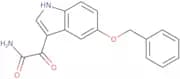
CAS:<p>3-(4-Methoxyphenyl)propionamide is a compound that belongs to the group of benzene amides. It is synthesized by reacting an excess of 3-bromopropionaldehyde with an amine in the presence of sodium hydroxide. This reaction produces a mixture of products, which are separated by chromatography. The yields for this reaction are approximately 90%. 3-(4-Methoxyphenyl)propionamide has been used as a biomolecular building block, and its traceless nature makes it useful in organic synthesis.<br>3-(4-Methoxyphenyl)propionamide can be used to synthesize alkanesulfonamides and spirolactams, which are important intermediates in chemical synthesis. 3-(4-Methoxyphenyl)propionamide also reacts with phenanthridone to produce chloride derivatives and with arenes to produce linkers.</p>Formula:C10H13NO2Purity:Min. 95%Color and Shape:PowderMolecular weight:179.22 g/mol5-Benzyloxyindole-3-glyoxylamide
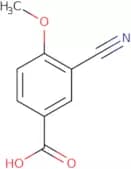
CAS:<p>5-Benzyloxyindole-3-glyoxylamide is a versatile building block that can be used in the synthesis of complex compounds. It has been shown to have a high quality and is useful as a reagent for research purposes. 5-Benzyloxyindole-3-glyoxylamide can be used as a reaction component and is useful as an intermediate in organic synthesis. 5BIGA has CAS number 22424-62-0 and is also known as 3-(benzyloxy)-5-(2,2,2-trifluoroethoxy)indole glyoxamide.</p>Formula:C17H14N2O3Purity:Min. 95%Molecular weight:294.3 g/mol3-Cyano-4-methoxybenzoicacid
CAS:<p>3-Cyano-4-methoxybenzoic acid is a white crystalline solid that is soluble in water. This compound is a useful intermediate for the synthesis of other organic compounds, as well as a useful scaffold for the synthesis of complex compounds. 3-Cyano-4-methoxybenzoic acid also has potential use as a research chemical, and can be used as an effective building block for the preparation of fine chemicals.<br>3-Cyano-4-methoxybenzoic acid may be used to produce speciality chemicals such as pharmaceuticals, dyes, pesticides, and perfumes. It can also be used to synthesize compounds with diverse functionalities.</p>Formula:C9H7NO3Purity:Min. 95%Color and Shape:SolidMolecular weight:177.16 g/molMALP-2
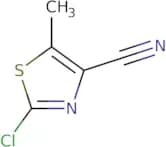
CAS:<p>Macrophage-activating lipopetide-2 (MALP-2) is a TLR2 agonist and activator of MyD88-dependent signaling pathways. It has potential as a vaccine adjuvant.</p>Formula:C99H167N19O30SPurity:Min. 95%Molecular weight:2,135.6 g/mol2-Chloro-5-methylthiazole-4-carbonitrile
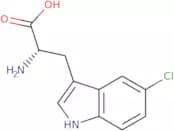
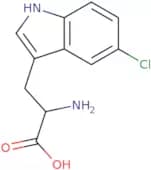
CAS:<p>Please enquire for more information about 2-Chloro-5-methylthiazole-4-carbonitrile including the price, delivery time and more detailed product information at the technical inquiry form on this page</p>Formula:C5H3ClN2SPurity:Min. 95%Molecular weight:158.61 g/mol5-Chloro-DL-tryptophan
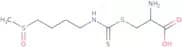
CAS:<p>5-Chloro-DL-tryptophan is a research chemical that is used as a building block in the synthesis of other chemicals.</p>Formula:C11H11ClN2O2Molecular weight:238.68 g/molD,L-Sulforaphane-L-cysteine
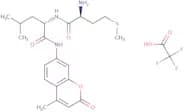
CAS:<p>Sulforaphane is a natural compound found in cruciferous vegetables, such as broccoli, cabbage and cauliflower. It has been shown to inhibit the growth of cancer cells and induce apoptosis in prostate cancer cells. Sulforaphane also induces molecular responses that can be measured in assays, including a decrease in protein expression of cyclin-dependent kinase 2 (CDK2) and an increase in the expression of p21. Sulforaphane has been shown to inhibit cell proliferation by blocking the phosphorylation of retinoblastoma protein (pRB) and reducing the levels of cyclins A2/B1. The optimum concentration for sulforaphane is not yet known, but it has been shown to be more effective at lower concentrations. Sulforaphane has also been shown to reduce tumor size and number in bovine fetuses exposed to carcinogens during gestation. In addition, sulforaphane decreased the incidence of tumors when administered before</p>Formula:C9H18N2O3S3Purity:Min. 95%Color and Shape:PowderMolecular weight:298.45 g/molH-Met-Leu-AMC·TFA
CAS:<p>H-Met-Leu-AMC·TFA is a fine chemical that is useful as a building block in the synthesis of other chemicals. It is also used as a reagent in research, and it can be used as a speciality chemical. H-Met-Leu-AMC·TFA has been shown to be an excellent reaction component in the synthesis of complex compounds, and it can be used as an intermediate in the synthesis of pharmaceuticals. This chemical is soluble in organic solvents such as dichloromethane or chloroform, but it is insoluble in water. H-Met-Leu-AMC·TFA has been assigned CAS number 1926163-55-4.</p>Formula:C21H29N3O4S·C2HF3O2Purity:Min. 95 Area-%Color and Shape:PowderMolecular weight:533.56 g/molFmoc-L-proline pentafluorophenyl ester
CAS:<p>Fmoc-L-proline pentafluorophenyl ester is an estrogen analog that binds to the estrogen receptor α. It has been shown to inhibit cancer cell growth in vitro and in vivo. In addition, Fmoc-L-proline pentafluorophenyl ester inhibits the formation of new cancer cells by inducing cell death and inhibiting proliferation. This drug also has anti-inflammatory properties and is able to bind with calmodulin, which may be related to its ability to inhibit breast cancer cell growth.</p>Formula:C26H18F5NO4Purity:Min. 95%Molecular weight:503.42 g/mol4-((4-(dimethylamino)phenyl)methylene)-3-methyl-1-phenyl-2-pyrazolin-5-one
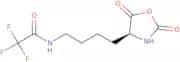
CAS:<p>Please enquire for more information about 4-((4-(dimethylamino)phenyl)methylene)-3-methyl-1-phenyl-2-pyrazolin-5-one including the price, delivery time and more detailed product information at the technical inquiry form on this page</p>Purity:Min. 95%N6-Trifluoroacetyl-L-lysine N-carboxyanhydride
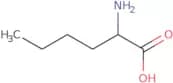
CAS:<p>Trifluoroacetyl-L-lysine N-carboxyanhydride is an N6-trifluoroacetylated lysine derivative that is used in the synthesis of peptides. It is a racemic mixture of L and D forms, which is hydrolyzed to form L-glutamic acid, NH4Cl, and CO2. Trifluoroacetyl-L-lyside N-carboxyanhydride has been shown to be useful in the formation of bonds between amino acids, such as lysine and dipeptides. The compound is also used for the protection of lysine against oxidation during peptide synthesis.</p>Formula:C9H11F3N2O4Purity:Min. 95%Color and Shape:White PowderMolecular weight:268.19 g/molDL-Norleucine
CAS:<p>DL-Norleucine is a polypeptide that is resistant to enzymes that hydrolyze the peptide bonds. It belongs to the group of fatty acids, and has two hydrophobic chains. DL-Norleucine is not metabolized by human enzymes and cannot be broken down by bacterial enzymes. This makes DL-Norleucine an ideal candidate for use as a long-acting antibiotic in humans. The surface methodology used for this compound was FTIR spectroscopy, which showed that DL-Norleucine has a ph optimum of 8.5±0.2 and can form stable crystals at -10 °C to -20 °C. Structural analysis revealed that the molecule consists of two α-helices and one β-sheet with no hydrogen bonds or ionic interactions present in its structure.</p>Formula:C6H13NO2Purity:Min. 95%Color and Shape:White PowderMolecular weight:131.17 g/mol9-[5-Deoxy-5-[[cis-3-[2-[6-(1,1-dimethylethyl)-1H-benzimidazol-2-yl]ethyl]cyclobutyl](1-methylethyl)amino]-β-D-ribofuranosyl]-9H- purin-6-amine
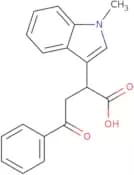
CAS:<p>Nilotinib is a small molecule that inhibits the tyrosine kinase activity of TK1, TK2, and TK3. It binds to the ATP-binding site of these kinases and prevents the phosphorylation of the cellular substrate. Nilotinib has been shown to inhibit the proliferation of leukemia cells in vitro, as well as to have antiproliferative effects in vivo. Nilotinib can be used for the treatment of chronic myelogenous leukemia (CML) and Philadelphia chromosome-positive acute lymphoblastic leukemia (Ph+ ALL). In addition, it has been shown to have synergistic effects with other drugs such as α1-acid glycoprotein inhibitors or methyltransferase inhibitors. Nilotinib can also be used for cases of hepatic steatosis.</p>Formula:C30H42N8O3Purity:Min. 95%Color and Shape:PowderMolecular weight:562.71 g/mol2-(1-Methylindol-3-yl)-4-oxo-4-phenylbutanoic acid
CAS:<p>Please enquire for more information about 2-(1-Methylindol-3-yl)-4-oxo-4-phenylbutanoic acid including the price, delivery time and more detailed product information at the technical inquiry form on this page</p>Purity:Min. 95%[(3-Methylphenyl)amino]acetic acid
CAS:<p>[(3-Methylphenyl)amino]acetic acid is a high quality chemical that can be used as a reagent, intermediate, or building block in the synthesis of other compounds. It is useful for the synthesis of complex compounds and has been shown to have a wide range of applications. This compound can be used in research chemicals and as an intermediate in the production of fine chemicals. [(3-Methylphenyl)amino]acetic acid is a versatile building block that can be used to synthesize different types of molecules with diverse properties. It also has many potential uses in medicine as it has been shown to inhibit protein kinase C (PKC), which may provide therapeutic benefits for some diseases.</p>Formula:C9H11NO2Purity:Min. 95%Color and Shape:PowderMolecular weight:165.19 g/mol3-Fluoro-2-methylbenzaldehyde - 80%
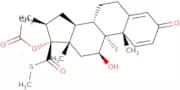
CAS:<p>3-Fluoro-2-methylbenzaldehyde is a colorless liquid that has a strong odor. It is used as an intermediate in organic synthesis, especially for the production of fluorine compounds. 3-Fluoro-2-methylbenzaldehyde is also used to study the bioconversion of aldehydes and reductases in fungi. This chemical can be detected by its spectra and its ability to react with fluorine. 3-Fluoro-2-methylbenzaldehyde can also be synthesized by reacting naphthalene with anisole and hydrogen fluoride gas.</p>Formula:C8H7FOPurity:Min. 95%Color and Shape:Clear LiquidMolecular weight:138.14 g/mol[(8S,10S,11S,13S,14S,16S)-9-Fluoro-11-Hydroxy-10,13,16-Trimethyl-17-Methylsulfanylcarbonyl-3-Oxo-6,7,8,11,12,14,15,16-Octahydrocyclo penta[a]Phenanthren-17-Yl] Acetate
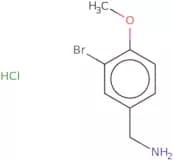
CAS:Controlled Product<p>(8S,10S,11S,13S,14S,16S)-9-Fluoro-11-Hydroxy-10,13,16-Trimethyl-17-Methylsulfanylcarbonyl-3-Oxo-6,7,8,11,12,14,15,16-Octahydrocyclo penta[a]Phenanthren-17-Yl) Acetate is a fatty acid ester that is used as a pharmaceutical preparation. It has been shown to be an effective treatment for the muscle wasting disease myotonic dystrophy and has been approved by the FDA. (8S,10S,11S,13S,14S,, 16 S)-9 - Fluoro - 11 - Hydroxy - 10 , 13 , 16 - Trimethyl - 17 - Methylsulfanylcarbonyl - 3 - Oxo - 6 , 7 , 8 , 11</p>Formula:C24H31FO5SPurity:Min. 95%Molecular weight:450.56 g/mol3-Bromo-4-methoxybenzylamine hydrochloride
CAS:<p>3-Bromo-4-methoxybenzylamine hydrochloride is a high quality reagent that is used as an intermediate in the synthesis of complex compounds. It has been shown to be a useful scaffold for the synthesis of new chemical entities and a versatile building block for organic synthesis. 3-Bromo-4-methoxybenzylamine hydrochloride can be used as a reaction component in various chemical reactions, including Friedel-Crafts acylation, nitration, chlorination and bromination.</p>Formula:C8H11BrClNOPurity:Min. 95%Color and Shape:PowderMolecular weight:252.54 g/molFmoc-L-2,4-dimethylphenylalanine
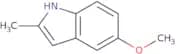
CAS:<p>Fmoc-L-2,4-dimethylphenylalanine is a versatile building block and reagent that can be used in the synthesis of complex compounds. This compound has been shown to be useful as a speciality chemical and as a reaction component in the synthesis of high quality fine chemicals. Fmoc-L-2,4-dimethylphenylalanine has a CAS number of 1217728-65-8.</p>Formula:C26H25NO4Purity:Min. 98%Molecular weight:415.48 g/mol5-Methoxy-2-methylindole
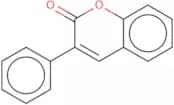
CAS:<p>5-Methoxy-2-methylindole is an organic solvent that has been shown to have a wide range of bioactive properties. It is used in the production of acetylcholine, which is an important neurotransmitter. 5-Methoxy-2-methylindole also reacts with chloride ions, which may be an important factor when considering the life cycles and bioactive substances of this molecule. The reaction yield depends on the pH of the solution. 5-Methoxy-2-methylindole can undergo chlorination reactions to form polychlorinated derivatives, which are used as petrochemicals. This molecule also has retinoid properties and can act as a proton donor or acceptor depending on whether it is protonated or deprotonated.</p>Formula:C10H11NOColor and Shape:PowderMolecular weight:161.2 g/mol3-Phenylcoumarin
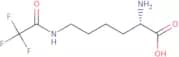
CAS:<p>3-Phenylcoumarin is a naturally occurring compound that has been shown to have cytotoxic effects on cervical cancer cells. It is also a reactive and inflammatory agent, which can lead to the development of inflammatory diseases in humans. 3-Phenylcoumarin has been shown to inhibit the growth of cancer cells by inhibiting DNA synthesis and cell division, as well as by causing programmed cell death. This compound was found to be effective at an effective dose of 10µM in a rotarod test. The molecular modeling studies suggest that 3-phenylcoumarin binds to the active site of human liver microsomal cytochrome P450 enzymes and inhibits their activity. Viscosity has also been found to be an important factor for determining the solubility and stability of this compound.</p>Formula:C15H10O2Purity:Min. 95%Color and Shape:PowderMolecular weight:222.24 g/molNe-Trifluoroacetyl-L-lysine
CAS:<p>Ne-Trifluoroacetyl-L-lysine is a trifluoroacetylated lysine derivative. It is the first compound to inhibit the production of serum alanine aminotransferase, which is an enzyme that catalyzes the conversion of amino acids to sugars. Ne-Trifluoroacetyl-L-lysine has been shown to be effective in animal models of chronic kidney disease and hepatitis. The compound inhibits the formation of disulfide bonds in proteins by binding to free sulfhydryl groups on cysteine residues. This inhibition prevents protein denaturation and subsequent liver damage. Ne-Trifluoroacetyl-L-lysine is also active against human hepatoma cells in vitro and may be useful in diagnosing liver diseases such as hepatitis.</p>Formula:C8H13N2O3F3Purity:Min. 95%Color and Shape:PowderMolecular weight:242.2 g/mol2,3-Dimethyl-1,3-benzothiazol-3-ium,4-methylbenzene-1-sulfonate
CAS:<p>2,3-Dimethyl-1,3-benzothiazol-3-ium,4-methylbenzene-1-sulfonate is a non-selective fluorescent dye that has been shown to be an effective diagnostic tool for the detection of single strands of DNA. This compound is used in the lab to identify single nucleotide polymorphisms. 2,3-Dimethyl-1,3-benzothiazol-3-ium,4-methylbenzene-1sulfonate can be synthesized from ferrocene and its optical properties can be modified by substituting the sulfur atom with other heterocycles such as thiophene or benzothiazole. The fluorescence of this compound can be further enhanced by protonation or by attaching a fluorescent probe such as rhodamine B.</p>Formula:C16H17NO3S2Purity:Min. 95%Color and Shape:PowderMolecular weight:335.44 g/molN-Amino-D-proline
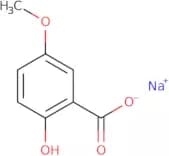
CAS:<p>N-Amino-D-proline is a hydrogen bond donor that has phytotoxic properties. It is synthesized from the reaction of ethanolamine, sulfoxide, and hydrochloric acid in the presence of lysine residues. N-Amino-D-proline may be used to treat death due to tissue injury or degeneration. The compound can also be used in chromatographic techniques as a hydrogen bond acceptor.</p>Formula:C5H10N2O2Purity:Min. 95%Color and Shape:PowderMolecular weight:130.15 g/mol5-Methoxysalicylic acid sodium
CAS:<p>5-Methoxysalicylic acid sodium (MSAS) is a drug that is used to treat intestinal ulcers. It is also used to reduce the viscosity of blood and as an adjuvant in the treatment of rheumatoid arthritis. The bioavailability of MSAS is increased when it is administered with cefmetazole, which enhances the absorption of this drug in the small intestine. MSAS has a hypoglycemic effect and can be used to treat high blood sugar levels. This drug binds to muscle cells and prevents their contraction, which can lead to relief from muscle pain or spasms. MSAS may also have a pharmacological effect on ligation, which occurs when tissue is cut off from its blood supply.</p>Formula:C8H7O4·NaPurity:Min. 95%Color and Shape:PowderMolecular weight:190.13 g/molMethyl 4-methylsalicylate
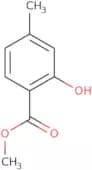
CAS:<p>Methyl 4-methylsalicylate is a colorless liquid that has no odor. It can be synthesized by reacting ethyl bromoacetate with formaldehyde and anhydrous sodium acetate in the presence of hydrochloric acid. This product is used as an intermediate for various organic compounds, such as esters, ethers, amides, and nitriles. Methyl 4-methylsalicylate has been used in the synthesis of pharmaceuticals, perfumes, pesticides, herbicides, and other chemicals. Methyl 4-methylsalicylate is toxic to opportunistic fungal species but does not affect bacteria. The chemical reacts with DNA to form adducts that inhibit linear polymerase chain reactions (PCR). This inhibits DNA replication and transcription of DNA into RNA. The inhibition of protein synthesis by methyl 4-methylsalicylate also results in cell death.</p>Formula:C9H10O3Purity:Min. 95%Color and Shape:PowderMolecular weight:166.17 g/molN1-(2-Aminoethyl)-N1-methylethane-1,2-diamine
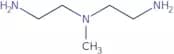
CAS:<p>N1-(2-Aminoethyl)-N1-methylethane-1,2-diamine is a chromatographic cross-linking agent that is used in the preparation of monoclonal antibodies. It contains two amino groups and two ethyleneamine groups. N1-(2-Aminoethyl)-N1-methylethane-1,2-diamine binds to calcium carbonate and forms a chelate ring with the metal ion. The compound has been shown to have diagnostic properties, as it can be detected by nmr spectra and by the use of monoclonal antibody.</p>Formula:C5H15N3Purity:Min. 95%Color and Shape:Clear LiquidMolecular weight:117.19 g/mol4-Iodo-2-methylaniline
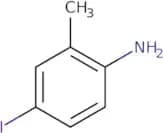
CAS:<p>The 4-Iodo-2-methylaniline is a synthetic molecule that belongs to the group of amines. It has been shown to bind to human protein and can be used for the synthesis of boronic acids and quinoline derivatives. 4-Iodo-2-methylaniline can be synthesized by reacting hydrochloric acid with sodium periodate, followed by addition of an aryl boronic acid. The reaction time is dependent on the nature of the reactant. The pharmacophore consists of a proton and an aryl boronic acid, which is responsible for binding with human protein.</p>Formula:C7H8INPurity:Min. 95%Color and Shape:PowderMolecular weight:233.05 g/molFmoc-D-Lys(ivDde)-OH
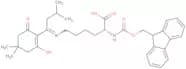
CAS:<p>Fmoc-D-Lys(ivDde)-OH is a synthetic amino acid with the molecular formula C6H14N2O2. It is an agonist of the dopaminergic receptor and has been shown to reverse insulin resistance in animal models. It also has affinity for fatty acid metabolism, nervous system, and glucagon-like peptide receptors. Fmoc-D-Lys(ivDde)-OH is a heterocycloalkyl amino acid that contains a nitrogen atom at position 1 and a fatty acid at position 2. The isopropyl group at position 3 prevents this amino acid from being absorbed orally and must be given intravenously or intramuscularly.</p>Formula:C34H42N2O6Purity:Min. 95%Color and Shape:PowderMolecular weight:574.71 g/molL-Lysine
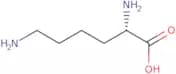
CAS:<p>L-Lysine is an amino acid that is necessary for the production of proteins. It plays a key role in the regulation of transcription and cellular metabolism. L-Lysine is synthesized from lysine, which is derived from ornithine and aspartate. L-Lysine can also be formed by methylation of lysine residues on histones, which leads to changes in gene expression. L-Lysine has been shown to inhibit cancer cells by inhibiting the proliferation of tumor cells, preventing cellular transformation, and inhibiting viral replication. The inhibition of viral replication may be due to the ability of L-lysine to act as a competitive inhibitor against cyclic peptides, such as polyoma virus T antigen (PVT) or SV40 large T antigen (SV40 LT).</p>Formula:C6H14N2O2Purity:Min. 95%Color and Shape:PowderMolecular weight:146.19 g/molL-Methionine [R]-sulfoximine
CAS:<p>L-Methionine [R]-sulfoximine is a molecule that has been isolated from the environment. It is an electron-deconvolution and paramagnetic resonance study of the molecule. The spectrum was obtained in the frequency range from 10 to 500 MHz, with a resolution of 0.03 ppm, and a sensitivity of 20 μT. L-Methionine [R]-sulfoximine is an imine nitrogen that can be coordinated by metal ions to form an iminium ion. This compound has two enantiomers, which are both shown in this study. L-Methionine [R]-sulfoximine is a synthetase that catalyzes the formation of the methylamino group and its amino nitrogen.</p>Formula:C5H12N2O3SPurity:Min. 95%Color and Shape:White to pale yellow solid.Molecular weight:180.23 g/molL-Norleucine
CAS:<p>L-Norleucine is a non-essential amino acid that is structurally similar to leucine. It has been shown to have an inhibitory effect on the growth of resistant mutants in the coli K-12 strain. L-Norleucine binds strongly to amyloid proteins and may be used as a therapeutic agent for Alzheimer's disease. It has also been shown to be effective against congestive heart failure in vitro, which may be due to its ability to modulate monoamine neurotransmitters and increase the availability of nitric oxide. L-Norleucine may also be useful for the treatment of Parkinson's disease because it inhibits protein aggregation at low concentrations.</p>Formula:C6H13NO2Purity:Min. 95%Color and Shape:PowderMolecular weight:131.17 g/mol4-Methoxy estrone
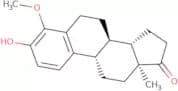
CAS:Controlled Product<p>4-Methoxy estrone is a metabolite of estradiol that has been shown to induce cellular transformation in vitro and tumorigenesis in vivo. It can be found in the urine of women with breast cancer and is also produced during pregnancy. 4-Methoxy estrone has been shown to have a high affinity for catechol-O-methyltransferase (COMT) enzyme, which may contribute to its carcinogenic effects. Studies have also shown that 4-methoxy estrone can be metabolized by hydroxylation at the 4 position to form catechol estrogen metabolites, which are associated with preeclampsia. This compound has been identified as an endocrine disruptor that alters metabolic profiles when administered to animals.</p>Formula:C19H24O3Purity:Min. 95%Color and Shape:PowderMolecular weight:300.39 g/mol1-Boc-4-piperidinol
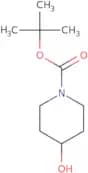
CAS:<p>1-Boc-4-piperidinol is an inhibitor of serine proteases. It also has potent inhibitory activity against 5-HT2A receptors and inhibits the growth of cancer cells. 1-Boc-4-piperidinol is a molecule that contains a hydroxy group and a serine protease inhibitor. It reacts with hydrochloric acid to form 1-boc piperazine, which is then reacted with hydrogen chloride to form the final product. The pharmacokinetic properties of this drug are not known due to the lack of oral bioavailability in rats. However, it does show slow absorption by inhalation and subcutaneous administration, suggesting that it may be absorbed through these routes as well.</p>Formula:C10H19NO3Purity:Min. 95%Color and Shape:Off-White PowderMolecular weight:201.26 g/mol2-(2,2-dimethylpropanoyl)-3-(4-hydroxy-3-methoxyphenyl)prop-2-enenitrile
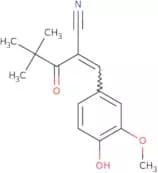
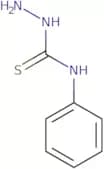
CAS:<p>Please enquire for more information about 2-(2,2-dimethylpropanoyl)-3-(4-hydroxy-3-methoxyphenyl)prop-2-enenitrile including the price, delivery time and more detailed product information at the technical inquiry form on this page</p>Purity:Min. 95%N-Phenylhydrazinecarbothioamide
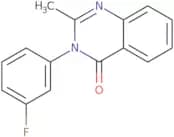
CAS:<p>N-Phenylhydrazinecarbothioamide is a chemical compound that is used in wastewater treatment. It is an organic molecule that is composed of hydrophobic and hydrophilic parts. The hydrophobic part, which contains the phenyl group, binds to the hydrophobic region of the cell membrane and causes the cell to lyse. The hydrophilic part has an affinity for water and can be used as an electrode material in electrochemical impedance spectroscopy. N-Phenylhydrazinecarbothioamide also has been shown to have antibacterial properties against human pathogens, including Mycobacterium tuberculosis, Clostridium perfringens, and Escherichia coli O157:H7. The compound has been shown to inhibit cervical cancer cells by inhibiting protein synthesis through inhibition of ribosomal activity and fragmentation assay analysis showed that N-phenylhydrazinecarbothioamide binds to copper ions at a coordination geometry of</p>Formula:C7H9N3SPurity:Min. 95%Color and Shape:SolidMolecular weight:167.23 g/mol3-(3-Fluorophenyl)-2-Methylquinazolin-4(3H)-One
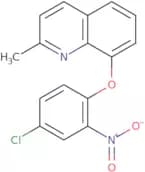
CAS:Controlled ProductQuinazolinones are a class of chemicals that inhibit the enzyme acetylcholinesterase. 3-Fluorophenyl-2-methylquinazolin-4(3H)-one (3FPMQ) is a connector molecule that has been shown to be an inhibitor of acetylcholinesterase, the enzyme responsible for the breakdown of the neurotransmitter acetylcholine. It is also an antenna molecule that can be used in ethyl esters and enzymatic assays. The high resistance of this molecule has been shown by chemical treatments and chemical analyses. Amplitudes generated by 3FPMQ have been shown to be effective at positioning it next to naphthalene, which is a ring structure with two c1-c6 alkoxy groups on either side. This molecule has also shown muscle relaxant properties.Formula:C15H11FN2OPurity:Min. 95%Molecular weight:254.26 g/mol4-Chloro-1-(2-methyl(8-quinolyloxy))-2-nitrobenzene
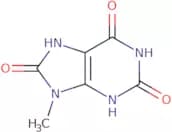
CAS:<p>Please enquire for more information about 4-Chloro-1-(2-methyl(8-quinolyloxy))-2-nitrobenzene including the price, delivery time and more detailed product information at the technical inquiry form on this page</p>Formula:C16H11ClN2O3Purity:Min. 95%Color and Shape:PowderMolecular weight:314.72 g/mol9-Methyluric acid
CAS:Controlled Product<p>9-Methyluric acid is a purine derivative that is used as a diagnostic agent in clinical chemistry. The oxidation of methylxanthines by lipid peroxides produces 9-methyluric acid. This reaction can be detected using chromatographic methods, and the amount of 9-methyluric acid present can be quantified electrochemically. It has been shown that flavus bacteria produce methyluric acid when they are grown on agar plates containing methanol. The pH optimum for 9-methyluric acid production is pH 8.5, and it has been shown that the electrochemical method is sensitive to protonation.</p>Formula:C6H6N4O3Purity:Min. 95%Color and Shape:PowderMolecular weight:182.14 g/molZ-Val-Met-OH
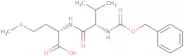
CAS:<p>Z-Val-Met-OH is a high purity synthetic compound that can be used as a research tool in cell biology, ion channels and peptides. This compound is an activator of the receptor for bradykinin and has been shown to inhibit the activity of protein kinase C. Z-Val-Met-OH is also a ligand for the acetylcholine receptor and has been shown to inhibit acetylcholinesterase, leading to an increase in acetylcholine levels. Z-Val-Met-OH binds to the receptor for insulin and can be used as an inhibitor of insulin release from pancreatic beta cells.</p>Formula:C18H26N2O5SPurity:Min. 95%Molecular weight:382.48 g/mol(4-(4-bromophenyl)(2,5-thiazolyl))(4-phenoxyphenyl)amine
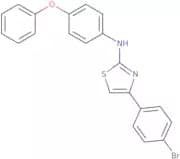
CAS:<p>Please enquire for more information about (4-(4-bromophenyl)(2,5-thiazolyl))(4-phenoxyphenyl)amine including the price, delivery time and more detailed product information at the technical inquiry form on this page</p>Purity:Min. 95%L-Norvaline
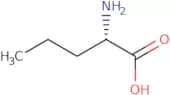
CAS:<p>L-Norvaline is a hydrophobic amino acid that is synthesized in the body from the essential amino acid valine. It is an important intermediate in the biosynthesis of other amino acids, such as L-leucine and L-isoleucine. L-Norvaline has been shown to inhibit bacterial growth and can be used as an antimicrobial agent. It also inhibits the polymerase chain reaction by binding to DNA and RNA, thereby blocking transcription. This drug has been shown to increase energy metabolism, improve renal function, and reduce metabolic disorders in animals. These effects are thought to be due to its ability to bind with carbonyl oxygens on lysine residues of proteins.</p>Formula:C5H11NO2Purity:Min. 95%Color and Shape:PowderMolecular weight:117.15 g/molO-Benzyl-L-threonine
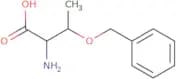
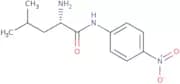
CAS:<p>O-Benzyl-L-threonine is a polymer that can be used to treat inflammatory diseases. It is an ionic polymer that reacts with calcium carbonate and forms nanosized architectures. O-Benzyl-L-threonine has been shown to cause the disassembly of inflammatory cells and induce cell death through necrosis factor. This polymer has been shown to have an optimal reaction when combined with a target cell in the presence of calcium carbonate. The phenolic group on the threonine molecule is responsible for this reaction's success.</p>Formula:C11H15NO3Purity:Min. 95%Color and Shape:White To Off-White SolidMolecular weight:209.24 g/molL-Leucine 4-nitroanilide
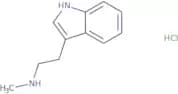
CAS:<p>L-Leucine 4-nitroanilide serves as a substrate for the colorimetric determination of leucine aminopeptidase. The application of L-Leucine-p-nitroanilide includes its utilization as a substrate in studies assessing the intestinal leucine aminopeptidase activity of juvenile rainbow trout (Oncorhynchus mykiss). Additionally, it plays a role in insulin-regulated aminopeptidase inhibition assays and is employed to determine exopeptidase activity.</p>Formula:C12H17N3O3Purity:(Titration) 99 To 101%Color and Shape:PowderMolecular weight:251.28 g/molN-Methyltryptamine hydrochloride
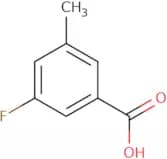
CAS:Controlled Product<p>N-Methyltryptamine hydrochloride is a chemical that has been shown to be an antagonist of the serotonin receptor 5-HT7 in vivo. This drug is also a potent inhibitor of acetylcholinesterase, which may be due to its ability to inhibit the methylation of serotonergic receptors. It has been shown to have clinical efficacy in treating depression, although it is not currently approved by the FDA for this use. N-Methyltryptamine hydrochloride has been shown to have an antidepressant effect in wild-type mice and in mouse models of depression. It inhibits the growth of cancer cells by inducing apoptosis and inhibiting cell proliferation.</p>Formula:C11H15ClN2Purity:Min. 95%Color and Shape:PowderMolecular weight:210.7 g/mol3-Fluoro-5-methylbenzoic acid
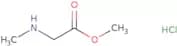
CAS:<p>3-Fluoro-5-methylbenzoic acid is a sulfilimine that has been shown to have insecticidal, functional, and biological activities. 3-Fluoro-5-methylbenzoic acid binds to the enzyme diamide reductase in insects, which prevents the production of toxic amines in insects. 3-Fluoro-5-methylbenzoic acid also inhibits the synthesis of anthranilic acid and organosulfur compounds in plants. This sulfilimine is structurally similar to other insecticides such as DDT and carbofuran. It is soluble in water but insoluble in organic solvents.</p>Formula:C8H7FO2Purity:Min. 95%Color and Shape:PowderMolecular weight:154.14 g/molSarcosine methyl ester hydrochloride
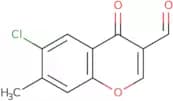
CAS:<p>Sarcosine methyl ester hydrochloride is a pharmaceutical drug that inhibits the production of inosine monophosphate (IMP) and guanosine monophosphate (GMP). It is thought to work by interfering with the synthesis of nucleotides. Sarcosine methyl ester hydrochloride has been shown to inhibit tumour growth in solid tumours. It also has pharmacokinetic properties that include a low volume of distribution, high protein binding, and low clearance rate.</p>Formula:C4H9NO2·HClColor and Shape:White PowderMolecular weight:139.58 g/mol6-Chloro-7-methyl-3-formylchromone
CAS:<p>6-Chloro-7-methyl-3-formylchromone is a magnetic nanoparticle that can be used in the detection of coordination compounds. The coordination compound is first reduced to form the corresponding phosphoryl complex, which is then detected by the change in color and intensity of the magnetic nanoparticles. This reaction is linear over a wide range of concentrations and pH values and does not require additional reagents or solvents. The colorimetric method for this reaction has been shown to be effective for detecting ursolic acid, zirconium, gold nanoparticles, and linear ranges.br>br><br>The phosphatase PTP1B enzyme is responsible for regulating glucose levels in cells. It has been shown that 6-chloro-7-methyl-3-formylchromone inhibits PTP1B activity by dephosphorylation at cysteine residues. This inhibition leads to increased glucose uptake and decreased insulin release from pancreatic beta cells</p>Formula:C11H7ClO3Purity:Min. 95%Color and Shape:PowderMolecular weight:222.62 g/molMethyl 2,4-diaminobutanoate dihydrochloride
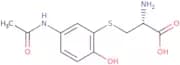
CAS:<p>Please enquire for more information about Methyl 2,4-diaminobutanoate dihydrochloride including the price, delivery time and more detailed product information at the technical inquiry form on this page</p>Formula:C5H12N2O2•(HCl)2Purity:Min. 95%Color and Shape:PowderMolecular weight:205.08 g/mol3-Cysteinylacetaminophen trifluoroacetic acid salt
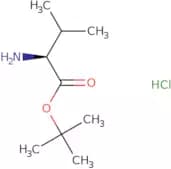
CAS:<p>Acetaminophen is a common pain reliever and fever reducer. It is available over-the-counter in many countries. Acetaminophen is a member of the class of drugs known as analgesic, antipyretic, and anti-inflammatory drugs (APAP). The drug has been shown to be effective for acute pain relief, but not for chronic pain. Acetaminophen has also been found to be an effective analgesic when taken at high doses (above 1000 mg per day) for more than one week. In vivo studies have shown that acetaminophen inhibits mitochondrial membrane potential in hk-2 cells and cd-1 mice. This inhibition leads to apoptosis and cell death. Acetaminophen is not associated with serious side effects when used at the recommended dose, although it can lead to liver damage if taken in large quantities or on a prolonged basis.</p>Formula:C11H14N2O4S·xC2HO2F3Purity:(%) Min. 95%Color and Shape:Brown PowderMolecular weight:270.31 g/molL-Valine tert-butyl ester hydrochloride
CAS:<p>L-Valine tert-butyl ester hydrochloride is a chiral diastereomeric, stereocontrolled acid ester. This product is a kinetically controlled reaction of L-valine and toluene that produces a racemic mixture of the cis and trans isomers in the ratio of 1:1. The cis isomer has been shown to be more effective than the trans isomer as a peptidomimetic. This product also exhibits stereogenic properties when reacted with acid anhydrides.</p>Formula:C9H19NO2·HClPurity:Min. 95%Color and Shape:PowderMolecular weight:209.71 g/molEthyl 5-methylindole-2-carboxylate
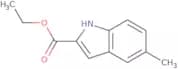
CAS:<p>Ethyl 5-methylindole-2-carboxylate is an antioxidant that is used as a reagent in the synthesis of other compounds. It has been shown to inhibit cancer cell growth in vitro via its ability to inhibit the metabolic activity of human hepatoma cells. Ethyl 5-methylindole-2-carboxylate has also been shown to have cytotoxic activity against human hepatoma cells in vitro, and may be a potential anticancer drug candidate.</p>Formula:C12H13NO2Purity:Min. 95%Color and Shape:PowderMolecular weight:203.24 g/mol16a-Methyl-9,11-dehydro prednisolone
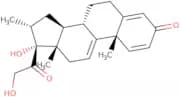
CAS:Controlled Product<p>Prednisolone is a steroid hormone that has been used for the treatment of inflammatory bowel disease. It has been shown to be effective in the treatment of bowel diseases and is also used as a replacement therapy for adrenal insufficiency. Prednisolone has an excellent safety profile and does not cause insulin resistance or weight gain, unlike some other steroids. It can be used to treat inflammatory diseases such as rheumatoid arthritis and psoriasis. The anti-inflammatory properties of prednisolone are due to its ability to bind to the mineralocorticoid receptor, which prevents the binding of cortisol. This blocks the conversion of cholesterol into pregnenolone, which is required for the production of glucocorticoids and mineralocorticoids. 16a-Methyl-9,11-dehydro prednisolone (16D) is a metabolite that can be found in blood plasma after oral administration of prednisolone. 16D binds</p>Formula:C22H28O4Purity:Min. 97 Area-%Color and Shape:PowderMolecular weight:356.46 g/mol4-(4-Formyl-3-methoxyphenoxy)butanoic acid
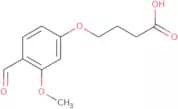
CAS:Controlled Product<p>4-(4'-Formyl-3'-methoxyphenoxy)butanoic acid is a carboxylate that can be used as a preloaded reagent for the synthesis of peptides, proteins, and other organic molecules. 4-(4'-Formyl-3'-methoxyphenoxy)butanoic acid has been shown to be an efficient linker for solid-phase peptide synthesis. 4-(4'-Formyl-3'-methoxyphenoxy)butanoic acid is labile to hydrolysis and so should be stored in an organic solvent such as dimethylsulfoxide. The carboxylate group is readily available in the form of its sodium salt, which can be synthesized by reacting sodium acetate with formaldehyde.</p>Formula:C12H14O5Purity:Min. 95%Color and Shape:PowderMolecular weight:238.24 g/molL-Proline
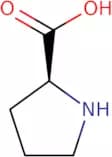
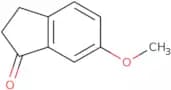
CAS:<p>L-Proline is a small molecule drug that can be synthesized by plants. It is a nonessential amino acid with biological properties such as proline, which is a constituent of collagen and the precursor to other amino acids. L-Proline has been shown to have locomotor activity in vivo and in vitro assays, as well as enzyme activities that are involved in mitochondrial functions and polymerase chain reactions. It also has transcriptional regulation properties and can be used for the treatment of Parkinson's disease. L-Proline is also believed to have antioxidant effects due to its ability to bind metals.</p>Formula:C5H9NO2Purity:Min. 95%Color and Shape:White PowderMolecular weight:115.13 g/mol6-Methoxy-1-indanone
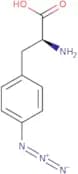
CAS:<p>6-Methoxy-1-indanone is a chemical compound that can be found in the form of two structural isomers. They both have the same pharmacokinetic properties and are potent inhibitors of 5-HT1A receptors. 6-Methoxy-1-indanone also has potent inhibitory activity on the MT2 receptors, which are present in the central nervous system. This compound has been shown to be an active methylene group with neurodegenerative disease and has carbonyl groups.</p>Formula:C10H10O2Purity:Min. 98 Area-%Color and Shape:PowderMolecular weight:162.19 g/mol4-Azido-L-phenylalanine
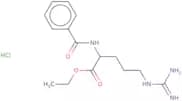
CAS:<p>4-Azido-L-phenylalanine is a model system that has been used for the study of biological processes. It is an analog of L-phenylalanine and can be synthesized from 4-amino-3,5-dichlorobenzonitrile. This chemical is a structural analogue of the natural amino acid phenylalanine and has been used in the study of protein folding and peptide hormone synthesis. 4AAP has also been used to produce monoclonal antibodies and histones proteins, as well as drugs for the treatment of cancer. The irreversible inhibition of enzymes by 4AAP is useful in chemical biology, such as in the production of peptides or amino acids.</p>Formula:C9H10N4O2Purity:Min. 98 Area-%Color and Shape:PowderMolecular weight:206.2 g/molN-α-Benzoyl-L-arginine ethyl ester hydrochloride
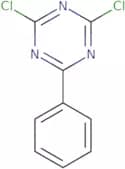
CAS:<p>Benzoyl-L-arginine ethyl ester hydrochloride is a white or beige crystalline solid with a melting point of 85°C. It is soluble in water and ethanol. It has been used as a reagent, speciality chemical, and reaction component for the synthesis of complex compounds. Benzoyl-L-arginine ethyl ester hydrochloride is used as a building block in the synthesis of an intermediate, which is then used to create scaffold drugs.</p>Formula:C15H23ClN4O3Purity:Min. 98 Area-%Color and Shape:White PowderMolecular weight:342.82 g/mol2,4-Dichloro-6-phenyl-1,3,5-triazine
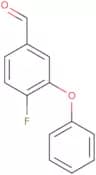
CAS:<p>2,4-Dichloro-6-phenyl-1,3,5-triazine is a triazine that has been synthesized and characterized by gel permeation chromatography and powder diffraction analysis. This compound is insoluble in organic solvents due to its high molecular weight. 2,4-Dichloro-6-phenyl-1,3,5-triazine has a number of different applications in the field of polymer science as an acceptor for activated polymers. It can also be used for thermally or photophysically activated polymers. The molecular structure of this compound was determined using x-ray crystallography and molecular modelling techniques.</p>Formula:C9H5Cl2N3Purity:Min. 98%Color and Shape:PowderMolecular weight:226.06 g/mol4-Fluoro-3-phenoxybenzaldehyde
CAS:<p>4-Fluoro-3-phenoxybenzaldehyde is a chiral organic compound that has been synthesized in the laboratory. This compound has a linear response to peroxide and can be used as an environmental pollutant indicator. It is produced by the reaction of phenol with peroxide in deionized water, which is catalyzed by acid. The reaction time is dependent on the diluent used, and ultrasonic irradiation can be used to speed up the reaction. 4-Fluoro-3-phenoxybenzaldehyde's structure consists of two isomers, each containing either a fluorine atom or hydrogen atom on one of the phenyl rings. 4-Fluoro-3-phenoxybenzaldehyde can be purified using distillation or recrystallization techniques.</p>Formula:C13H9FO2Purity:Min. 95%Color and Shape:LiquidMolecular weight:216.21 g/molH-Val-Trp-OH
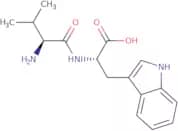
CAS:<p>H-Val-Trp-OH is a noncompetitive inhibitor of the enzyme tyrosinase, which plays a role in melanin production. It also has radical scavenging activities and can inhibit the activity of other enzymes such as glucose 6-phosphate dehydrogenase and acetylcholinesterase. The compound is stable in aqueous solution and can be used to study the effects of H-Val-Trp-OH on wheat germ cells. It is composed of an amino acid sequence that resembles tyrosine, with a carboxylate group attached to the hydroxyl group at position 3. H-Val-Trp-OH is most active against tyrosinase when it is in its activated form, but it can also act as an inhibitor when it is not activated. The compound inhibits the activity of tyrosinase by binding to its active site and blocking the binding or catalysis of substrate molecules. This inhibition occurs through competitive interactions with</p>Formula:C16H21N3O3Purity:Min. 95%Color and Shape:PowderMolecular weight:303.36 g/mol(2RS)-2-[3-(2-Methylpropyl)phenyl] propanoic acid
CAS:<p>(2RS)-2-[3-(2-Methylpropyl)phenyl] propanoic acid is the active ingredient in a pharmaceutical preparation that is used to treat urinary tract infections. The active substance can be contaminated with impurities such as chloride, sodium carbonate, or diluent substances during production. This product has been studied by chromatographic science and has been found to be an effective treatment for diseases of the urinary tract. It is also available as a pharmaceutical preparation for use in other fields of medicine. The active substance is often used as a sample pretreatment before ionisation mass spectrometry analysis. This product is typically diluted with hydrochloric acid before being injected into the chromatographic column for purification.</p>Formula:C13H18O2Purity:Min. 95%Color and Shape:Clear LiquidMolecular weight:206.28 g/molL-Homoleucine hydrochloride
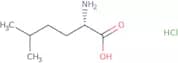
CAS:<p>L-Homoleucine hydrochloride is a fine chemical that is used as a building block in the synthesis of complex compounds and pharmaceuticals. It has been shown to be a useful reagent in organic chemistry and can be used as a speciality chemical. L-Homoleucine hydrochloride is also a versatile building block that can be used in the synthesis of several different compounds, including pharmaceuticals, agrochemicals, and research chemicals. This compound is also an intermediate for the production of other compounds with potential clinical applications. L-Homoleucine hydrochloride belongs to CAS number 1330286-49-1.</p>Formula:C7H15NO2·HClPurity:Min. 95%Color and Shape:White PowderMolecular weight:181.66 g/molFmoc-Ser(tBu)-OH
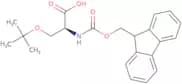
CAS:<p>Fmoc-Ser(tBu)-OH is a synthetic amino acid that is used in the synthesis of degarelix acetate, an amide ester of the vasodilator, prostaglandin F2α. Degarelix acetate binds to the fibrinogen receptor on the surface of cells and inhibits platelet aggregation. This drug has been shown to be effective in treating prostate cancer by inhibiting epidermal growth factor receptor signaling. It also has immune modulating effects by binding to monoclonal antibodies and altering antibody responses. Fmoc-Ser(tBu)-OH is synthesized from the amino acid serine and t-butyl alcohol, which are combined with trifluoroacetic acid (TFA) and hydroxyl group. The resulting product is then reacted with dansyl chloride or benzoyl chloride (BzCl), which cleaves off one carboxylic acid group from serine, forming an</p>Formula:C22H25NO5Purity:Min. 98 Area-%Color and Shape:White Off-White PowderMolecular weight:383.44 g/mol3-Hydroxy-2-hydroxymethyl-6-methylpyridine
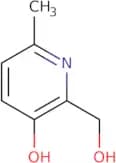
CAS:<p>3-Hydroxy-2-hydroxymethyl-6-methylpyridine is an intermediate in the synthesis of a variety of organic compounds. It can be prepared by the cross-coupling reaction of 3,4-dihydroquinoline with aniline, which is catalyzed by copper (II) chloride. This compound has a chlorine atom and a hydroxyl group that are both trisubstituted with alkyl groups and it can be oxidized to produce different oxidation products. 3-Hydroxy-2-hydroxymethyl-6-methylpyridine also reacts with halides and triflates to form enolates, which are activated for nucleophilic substitution reactions. The molecular ion [M+H]+, which corresponds to the neutral molecule, can be observed by mass spectrometry when this compound is ionized in the gas phase. The chemical formula is C8H5NClO2.</p>Formula:C7H9NO2Purity:Min. 95%Color and Shape:SolidMolecular weight:139.15 g/mol2,3,4,5-Tetrahydro-7,8-dinitro-3-(trifluoroacetyl)-1,5-methano-1H-3-benzazepine
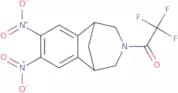
CAS:<p>2,3,4,5-Tetrahydro-7,8-dinitro-3-(trifluoroacetyl)-1,5-methano-1H-3-benzazepine is a supplement that may be used to treat depression. It has been shown to have a receptor activity on the acetylcholine receptors. 2,3,4,5-Tetrahydro-7,8-dinitro-3-(trifluoroacetyl)-1,5-methano-1H-3-benzazepine has also been shown to increase the activity of the endothelial function by increasing the production of nitric oxide. This drug has also been shown to be an effective treatment for reducing appetite in cases of anorexia nervosa and for treating Alzheimer's disease. The drug works by activating nicotinic acetylcholine receptors in the brain.</p>Formula:C13H10F3N3O5Purity:Min. 98 Area-%Color and Shape:PowderMolecular weight:345.23 g/mol5-Chloro-L-tryptophan
CAS:<p>5-Chloro-L-tryptophan (5CTP) is a chemical compound that belongs to the class of cyclic peptides. It is biosynthesized by plants and other organisms from 4-chloro-L-tryptophan. 5CTP is synthesized from 4CTP by a two step process, involving an oxidative decarboxylation followed by a deamination reaction. The oxidative decarboxylation converts the amino acid into an intermediate, which is then deaminated and converted into 5CTP. This compound has been shown to have potential as a drug against cancer cells, with its mechanism of action being related to its ability to form metal chelates with heavy metals such as copper and mercury. 5CTP has also been used in molecular modeling studies, genetic analyses, and biochemical investigations of substrate binding and enzyme catalysis.</p>Formula:C11H11N2O2ClPurity:Min. 95%Color and Shape:White PowderMolecular weight:238.67 g/mol4-Bromo-3-methylbenzylamine hydrochloride
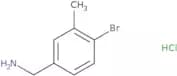
CAS:<p>4-Bromo-3-methylbenzylamine hydrochloride is a synthetic chemical that can be used in the synthesis of various products. This compound is a useful scaffold for the preparation of complex compounds, and it has been used as a reaction component in organic chemistry. It is also a versatile building block that can be used to synthesize fine chemicals with high purity. 4-Bromo-3-methylbenzylamine hydrochloride has been assigned CAS No. 1955514-32-5 by the Chemical Abstracts Service (CAS).</p>Formula:C8H10BrN·HClPurity:Min. 95%Molecular weight:236.54 g/mol2-Amino-1-aza-3-((4-methylphenyl)sulfonyl)prop-1-enyl thiophene-2-carboxylate
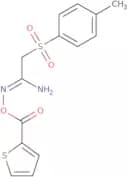
CAS:<p>Please enquire for more information about 2-Amino-1-aza-3-((4-methylphenyl)sulfonyl)prop-1-enyl thiophene-2-carboxylate including the price, delivery time and more detailed product information at the technical inquiry form on this page</p>Formula:C14H14N2O4S2Purity:Min. 95%Color and Shape:PowderMolecular weight:338.4 g/mol4-Isopropyl-4'-methylchalcone
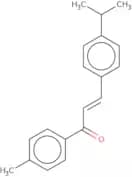
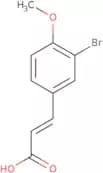
CAS:<p>4-Isopropyl-4'-methylchalcone (4'MCH) is a versatile building block that can be used for the synthesis of complex compounds. 4'MCH is an intermediate in the synthesis of various pharmaceuticals and research chemicals, such as cholesterol esters, sterols, and steroids. It also has been used to produce speciality chemicals including herbicides, pesticides, and fungicides. 4-Isopropyl-4'-methylchalcone is a high quality chemical with CAS No. 205688-50-2 that has a wide range of applications.</p>Formula:C19H20OPurity:Min. 95%Color and Shape:PowderMolecular weight:264.36 g/mol3-Bromo-4-methoxycinnamic acid
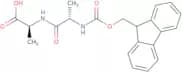
CAS:<p>3-Bromo-4-methoxycinnamic acid is an organic compound that is used as a reagent, a useful scaffold, and a useful intermediate. It has been shown to be an excellent building block for the synthesis of complex compounds. 3-Bromo-4-methoxycinnamic acid can be used in the production of fine chemicals.</p>Formula:C10H9BrO3Purity:Min. 95%Color and Shape:PowderMolecular weight:257.08 g/molFmoc-Ala-Ala-OH
CAS:<p>Fmoc-Ala-Ala-OH is a synthetic amino acid that is used in organic synthesis. It has been used to prepare cyclic peptides with lysine residues for the treatment of inflammatory diseases. Fmoc-Ala-Ala-OH is soluble in acidic environments and can be synthesized at reaction temperatures below 0 ˚C, making it suitable for solid-phase synthesis. In biological studies, Fmoc-Ala-Ala-OH has been shown to have anticancer effects against human cancer cells by causing frameshifting and inhibiting protein synthesis. Fmoc-Ala-Ala-OH also binds to disulfide bonds between cysteine residues in proteins, which may account for its antimicrobial properties.</p>Formula:C21H22N2O5Purity:Min. 95%Color and Shape:solid.Molecular weight:382.41 g/mol


![(2S)-({[(4-Methyl-2-oxo-2H-chromen-7-yl)oxy]acetyl}amino)(phenyl)acetic acid](/_next/image/?url=https%3A%2Fstatic.cymitquimica.com%2Fproducts%2F3D%2Fthumb-webp%2FFM124529.webp&w=3840&q=75)


![(6α,11β,16α,17α)-6,9-Difluoro-11-hydroxy-16-methyl-spiro[androsta-1,4-diene-17,5'-[1,3]oxathiolane…](/_next/image/?url=https%3A%2Fstatic.cymitquimica.com%2Fproducts%2F3D%2Fthumb-webp%2FFD103607.webp&w=3840&q=75)

![6-amino-3-methyl-4-(3-nitrophenyl)-4H-pyrano[3,2-d]pyrazole-5-carbonitrile](/_next/image/?url=https%3A%2Fstatic.cymitquimica.com%2Fproducts%2F3D%2Fthumb-webp%2FFA169032.webp&w=3840&q=75)


![Ethyl [2-methyl-3-(chlorosulfonyl)phenoxy]acetate](/_next/image/?url=https%3A%2Fstatic.cymitquimica.com%2Fproducts%2F3D%2Fthumb-webp%2FFE22936.webp&w=3840&q=75)



![9-[5-Deoxy-5-[[cis-3-[2-[6-(1,1-dimethylethyl)-1H-benzimidazol-2-yl]ethyl]cyclobutyl](1-methylethy…](/_next/image/?url=https%3A%2Fstatic.cymitquimica.com%2Fproducts%2F3D%2Fthumb-webp%2FFD146242.webp&w=3840&q=75)
![[(3-Methylphenyl)amino]acetic acid](/_next/image/?url=https%3A%2Fstatic.cymitquimica.com%2Fproducts%2F3D%2Fthumb-webp%2FFM115478.webp&w=3840&q=75)




![L-Methionine [R]-sulfoximine](/_next/image/?url=https%3A%2Fstatic.cymitquimica.com%2Fproducts%2F3D%2Fthumb-webp%2FFM25157.webp&w=3840&q=75)

![(2RS)-2-[3-(2-Methylpropyl)phenyl] propanoic acid](/_next/image/?url=https%3A%2Fstatic.cymitquimica.com%2Fproducts%2F3D%2Fthumb-webp%2FFM15851.webp&w=3840&q=75)