Amino Acids (AA)
Amino acids (AAs) are the fundamental building blocks of proteins, playing a crucial role in various biological processes. These organic compounds are essential for protein synthesis, metabolic pathways, and cell signaling. In this category, you will find a comprehensive range of amino acids, including essential, non-essential, and modified forms, which are vital for research in biochemistry, molecular biology, and nutritional sciences. At CymitQuimica, we provide high-quality amino acids to support your research and development needs, ensuring accuracy and reliability in your experimental outcomes.
Subcategories of "Amino Acids (AA)"
- Amino Acid Derivatives(3,957 products)
- Amino Acid and Amino Acid Related Compounds(3,472 products)
- Amino Acids with Oxygen or Sulphur(168 products)
- Boc- Amino Acids(351 products)
- Fmoc Amino Acids(1,710 products)
Found 38265 products of "Amino Acids (AA)"
Sort by
Purity (%)
0
100
|
0
|
50
|
90
|
95
|
100
(R)-2-((4-Aminophenethyl)amino)-1-phenylethanol hydrochloride
CAS:<p>Intermediate in the synthesis of mirabegron</p>Formula:C16H20N2O·HClPurity:Min. 95%Color and Shape:PowderMolecular weight:292.8 g/mol1,10-Phenanthroline hydrochloride monohydrate
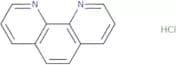
CAS:<p>1,10-Phenanthroline·HCl·H2O is a chemical compound that has been used for the preparation of samples for spectroscopic analysis. The compound is chemically stable and resistant to hydrolysis, making it suitable for long-term storage. 1,10-Phenanthroline·HCl·H2O has an inhibitory effect on bitter taste receptors in the mouth. It also has a hydroxyl group and a carbonyl group, which can react with acid molecules to form hydrogen ions and water. 1,10-Phenanthroline·HCl·H2O belongs to the class of metal ion sequestrants and can be used to remove aluminium from solutions. The molecular formula of this compound is C14H12N2O4Cl2. The structural formula is shown below:<br><br>[[image:1,10-phenanthroline-hcl-h2o.png]]</p>Formula:C12H8N2•HCl•H2OPurity:Min. 95%Molecular weight:234.68 g/molD-Gluconic acid zinc (II) salt
CAS:<p>D-Gluconic acid zinc salt is an inorganic compound that is used to treat deficiencies of D-gluconate. It is a salt of zinc and D-gluconic acid, which is a natural metabolite found in the human body. This compound can be used to maintain healthy levels of D-gluconate in the tissues and help control symptoms related to deficiencies. The efficiency of this method has been demonstrated by an in vitro test on human femur cells. A profile analysis showed that D-gluconic acid zinc salt was able to minimize the severity of symptoms associated with deficiencies caused by gluconate deficiency, such as tissue sensitivity and bone degradation.</p>Formula:C12H22O14ZnPurity:Min. 95%Color and Shape:White PowderMolecular weight:455.68 g/molFmoc-D-ApH(Cbm)-OH
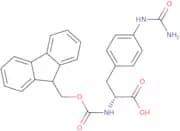
CAS:<p>Fmoc-D-ApH(Cbm)-OH is a reagent that can be used in synthesis, as a building block and as an intermediate. It is a versatile compound that can be used in many different reactions. Fmoc-D-ApH(Cbm)-OH is an organic solvent, which means it can react with other compounds to form new substances. This chemical has been assigned the CAS number 324017-22-3.</p>Formula:C25H23N3O5Purity:Min. 95%Color and Shape:White PowderMolecular weight:445.47 g/mol9-Fluoro-11β,17-Dihydroxy-16α-Methyl-3,20-Dioxopregna-1,4-Dien-21-Yl 2-[2-(2-Ethoxyethoxy)Ethoxy]Acetate
CAS:Controlled Product<p>Methylprednisolone is a corticosteroid that has been used for the treatment of many conditions, including asthma and arthritis. It is used to reduce inflammation and suppress the immune system. Methylprednisolone can be administered orally or as an injection. It is also used in the diagnosis of tumours, especially those that are difficult to diagnose by other means. Methylprednisolone may be given together with another drug called dexamethasone, which has synergistic effects. These drugs have been shown to cause death in animals with certain types of tumours. In humans, they can cause cutaneous lesions, such as follicle cysts and tnf-α expression in skin cells. This drug also causes a microsporum infection (a type of fungus) on the skin to grow more rapidly when it is applied topically, resulting in a larger diameter section than untreated areas.</p>Formula:C30H43FO9Purity:Min. 95%Molecular weight:566.66 g/mol3-(3,4-Dihydroxyphenyl)-2-methyl-L-alanine sesquihydrate
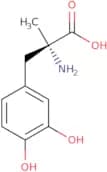
CAS:<p>3-(3,4-Dihydroxyphenyl)-2-methyl-L-alanine sesquihydrate is a biological sample that is an active inhibitor of the enzyme methyldopa. This compound has been shown to reduce blood pressure in rats and humans by blocking the α7 nicotinic acetylcholine receptor. 3-(3,4-Dihydroxyphenyl)-2-methyl-L-alanine sesquihydrate is also a polymer composition that has been shown to be toxic in animal studies. The toxicity of 3-(3,4-dihydroxyphenyl)-2-methyl-L-alanine sesquihydrate can be attributed to its structural similarity to methyldopa or its ability to act as a receptor agonist.</p>Formula:C10H13NO4•(H2O)1Purity:Min. 95%Molecular weight:238.24 g/molN-Methyl-N-vinylacetamide
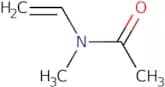
CAS:<p>N-Methyl-N-vinylacetamide is a colorless liquid with a boiling point of 105.6°C. It is produced by the reaction of acetamide and vinyl chloride in the presence of hydrochloric acid, glycol ether, and methyl ethyl ketone. The viscosity of this compound is low, which makes it an ideal solvent for paints and coatings. N-Methyl-N-vinylacetamide also has genetic damaging effects and can cause mutations in bacteria that are exposed to this compound in high concentrations. This product has an unusual chemical structure due to its hydrogen bonding interactions.br>br><br>br>br><br>Hydrogen bonds are weak intermolecular forces between polar molecules, such as water or alcohols, that are formed by the attraction between a partially positive hydrogen atom on one molecule and the negative end of another nearby molecule. Hydrogen bonds stabilize certain molecular structures because they provide partial shielding from electrostatic interactions with</p>Formula:C5H9NOPurity:Min. 97.5%Color and Shape:Clear LiquidMolecular weight:99.13 g/mol2'-Methoxypropiophenone
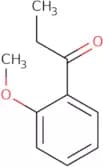
CAS:<p>2'-Methoxypropiophenone is a carbonyl compound that is used as a starting material in the synthesis of other compounds. It can be synthesized by reacting sodium hydroxide with diazirinyl chloride, which reacts with benzyl alcohol to produce the desired product. This chemical has been shown to bind to the DNA of bacteria and show antibacterial activity. 2'-Methoxypropiophenone has also been used to label acetophenone and other carbonyl-containing molecules for their identification.</p>Formula:C10H12O2Purity:Min. 95%Color and Shape:Clear LiquidMolecular weight:164.2 g/molFmoc-His(3-Me)-OH
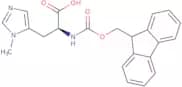
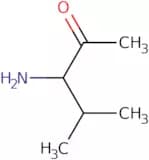
CAS:<p>Fmoc-His(3-Me)-OH is a synthetic amino acid that is used in the synthesis of peptides. It is potent inhibitor of L-type calcium channels, which are involved in the regulation of muscle contraction and vasoconstriction. Fmoc-His(3-Me)-OH has been shown to be effective at inhibiting L-type calcium channels in rat skeletal muscle.</p>Formula:C22H21N3O4Purity:Min. 95%Color and Shape:PowderMolecular weight:391.42 g/mol3-Amino-4-methylpentan-2-one hydrochloride
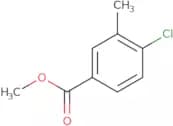
CAS:<p>3-Amino-4-methylpentan-2-one hydrochloride is a versatile building block that is used for the synthesis of high quality research chemicals, useful scaffolds, and speciality chemicals. It is also used as a reagent in organic syntheses. This chemical has a wide range of uses and is a fine chemical that can be used as an intermediate or reaction component. 3-Amino-4-methylpentan-2-one hydrochloride can be reacted with other compounds to form complex molecules that have many different applications.</p>Formula:C6H13NO•HClPurity:Min. 95%Color and Shape:SolidMolecular weight:151.63 g/molMethyl 4-chloro-3-methylbenzoate
CAS:<p>Please enquire for more information about Methyl 4-chloro-3-methylbenzoate including the price, delivery time and more detailed product information at the technical inquiry form on this page</p>Formula:C9H9ClO2Purity:Min. 95%Molecular weight:184.62 g/molFmoc-Thr(tBu)-Thr(Psi(Me,Me)pro)-OH
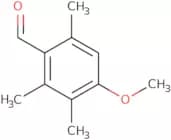
CAS:<p>Fmoc-Thr(tBu)-Thr(Psi(Me, Me)pro)-OH is a versatile building block that can be used as a starting material for the synthesis of a wide range of compounds. It is often used as an intermediate in organic chemistry reactions and can be converted to a variety of other compounds with different functional groups. This compound has been shown to be useful in the production of pharmaceuticals and research chemicals. Fmoc-Thr(tBu)-Thr(Psi(Me, Me)pro)-OH is also important for generating high-quality chemical products, such as speciality chemicals and reagents that are difficult to synthesize. The CAS number for this compound is 1676104-73-6.</p>Formula:C30H38N2O7Purity:Min. 98 Area-%Color and Shape:PowderMolecular weight:538.63 g/mol4-Methoxy-2,3,6-trimethylbenzaldehyde
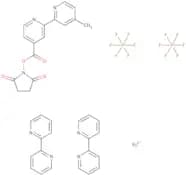
CAS:<p>4-Methoxy-2,3,6-trimethylbenzaldehyde (MTMB) is a chemical intermediate that can be used as a building block for the synthesis of complex compounds. It has a high quality and is a versatile building block. MTMB is also known to react with other chemical compounds to form an aromatic ring. This compound is used in research and development as well as in fine chemical production.</p>Formula:C11H14O2Purity:Min. 95%Color and Shape:PowderMolecular weight:178.23 g/molBis(2,2'-bipyridine)-4'-methyl-4-carboxybipyridine-ruthenium N-succinimidyl ester-bis(hexafluorophosphate)
CAS:<p>Bis(2,2'-bipyridine)-4'-methyl-4-carboxybipyridine-ruthenium N-succinimidyl ester-bis(hexafluorophosphate) is a molecule that inhibits the activity of matrix metalloproteinases. It binds to the active site of the enzyme and blocks its activity. This drug has been shown to be effective in inhibiting the activity of MMPs in cells, but not in tissue culture because it does not cross cell membranes. Bis(2,2'-bipyridine)-4'-methyl-4-carboxybipyridine-ruthenium N-succinimidyl ester-bis(hexafluorophosphate) has also been shown to have a low detection limit and can detect low levels of matrix metalloproteinase activity in cells.</p>Formula:C36H29F12N7O4P2RuPurity:Min. 95%Color and Shape:PowderMolecular weight:1,014.66 g/mol(4-Hydroxy-3-methoxyphenyl)acetonitrile
CAS:<p>Lobetyolin is a phenolic compound that has been found to be an inhibitor of monoamine oxidase. Lobetyolin is an acetylated derivative of 4-hydroxy-3-methoxyphenylacetonitrile. It has been shown to inhibit bacterial growth in vitro, with the exception of Mycobacterium tuberculosis and Mycobacterium avium complex. The optimal reaction time for lobetyolin is 3 hours at a pH between 7 and 8, with a yield of 66% at room temperature. Lobetyolin reacts rapidly with amines, alkylating them as it undergoes oxidation by hydrogen peroxide. Lobetyolin also reacts slowly with dopamine and aldehydes, but more readily with chlorides, yielding lobetyrine and chloroacetaldehyde respectively.</p>Formula:C9H9NO2Purity:Min. 95%Color and Shape:PowderMolecular weight:163.17 g/mol1-Methyl-3-pyrrolidinol
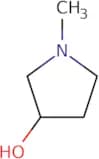
CAS:<p>1-Methyl-3-pyrrolidinol is a synthetic, organic compound that is soluble in organic solvents. It has been shown to have potent inducers of systemic effect and receptor binding. The structural formula for 1-methyl-3-pyrrolidinol is CHNO. It has been shown to have anticholinergic properties, which may be due to its ability to bind to nicotinic acetylcholine receptors.</p>Formula:C5H11NOPurity:Min. 97 Area-%Color and Shape:Colorless Clear LiquidMolecular weight:101.15 g/molZ-O-4-Toluenesulfonyl-L-serine methyl ester
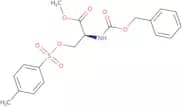
CAS:<p>Z-O-4-Toluenesulfonyl-L-serine methyl ester is a new chemical substance that has been synthesized as a potential pharmaceutical formulation. It has been shown to have protective effects against ischemia reperfusion injury in rats, reducing the damage to muscle and other tissues caused by ischemia reperfusion. The mechanism of action may be due to glyceride release and creatine production, which can maintain perfusion during periods of ischemia. Z-O-4-Toluenesulfonyl-L-serine methyl ester has also been shown to be effective in preventing damage to platelets during induction of ischemia.</p>Formula:C19H21NO7SPurity:Min. 95%Color and Shape:PowderMolecular weight:407.44 g/mol1,2-Dipalmitoyl-sn-glycero-3-phosphatidic acid sodium
CAS:<p>1,2-Dipalmitoyl-sn-glycero-3-phosphatidic acid sodium (DPPA) is a drug substance that has been used in primary culture to study the cell membrane of hepatocytes. This compound is a phospholipid with a cavity at one end and contains two hydroxy groups that can be conjugated to other molecules. It has been shown to be effective against Hepatitis B virus and mesenchymal stromal cells. DPPA has also been used as an adjuvant for gadolinium contrast agents for magnetic resonance imaging. Gadolinium may bind to the hydroxy groups on DPPA, which increases its birefringence and brightness on MRI scans.</p>Formula:C35H69Na2O8PPurity:Min. 98 Area-%Color and Shape:White PowderMolecular weight:694.87 g/mol1-Methyl-4-pyrrolidin-3-ylpiperazine
CAS:<p>1-Methyl-4-pyrrolidin-3-ylpiperazine is a versatile building block that has been used as a reagent, speciality chemical, and intermediate. It is a complex compound that has been shown to be useful in the synthesis of other compounds. 1-Methyl-4-pyrrolidin-3-ylpiperazine is also a precursor to many pharmaceuticals. The National Institute for Occupational Safety and Health (NIOSH) lists this chemical as "reasonably anticipated to be a human carcinogen."</p>Formula:C9H19N3Purity:Min. 95%Color and Shape:Clear LiquidMolecular weight:169.27 g/mol1-Butyl-3-methylimidazolium hexafluorophosphate
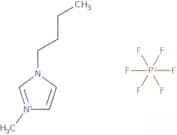
CAS:<p>1-Butyl-3-methylimidazolium hexafluorophosphate is an ionic liquid that is soluble in water. It has been used as a coagulant in wastewater treatment and to remove heavy metals from wastewater. 1-Butyl-3-methylimidazolium hexafluorophosphate has been shown to have photochemical properties, which may be due to its ability to absorb light at wavelengths of 300 nm or more. The hydroxyl group on the butyl side chain of this ionic liquid can bind with a hydrogen atom in water. The hydrogen bonding interactions between the hydroxyl group and the hydrogen atom allow for high values of constant pressure. Methyl ethyl ketone (MEK) is a polar solvent that can dissolve this ionic liquid.</p>Formula:C8H15F6N2PPurity:Min. 98 Area-%Color and Shape:Clear LiquidMolecular weight:284.18 g/molCyano-3-phenoxybenzyl 3-(2,2-dichloroethenyl)-2,2-dimethylcyclopropanecarboxylate
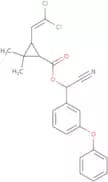
CAS:<p>Cypermethrin is an insecticide that belongs to the family of chemical pesticides. It is used in agriculture and in public health to control malaria-transmitting mosquitoes, head lice, and scabies mites. Cypermethrin disrupts the insect nervous system by inhibiting the function of synapses between nerves, resulting in paralysis and death. The compound also affects signal pathways that regulate locomotor activity and enzyme activities. Cypermethrin has been shown to have a high resistance to degradation by glycol ethers such as ethylene glycol monomethyl ether acetate (EGMEA). It has an optimum concentration of 0.01 ppm for mosquito control and 0.1 ppm for lice control. The analytical method involves liquid chromatography with sodium citrate as an ion-pairing agent and a linear calibration curve using a standard curve generated from known concentrations of cypermethrin.</p>Formula:C22H19Cl2NO3Purity:Min. 95%Color and Shape:Colorless Clear LiquidMolecular weight:416.3 g/mol1-(4-Bromophenyl)-4-methylpiperazine
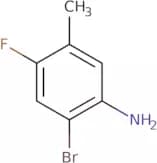
CAS:Controlled Product<p>Please enquire for more information about 1-(4-Bromophenyl)-4-methylpiperazine including the price, delivery time and more detailed product information at the technical inquiry form on this page</p>Formula:C11H15BrN2Purity:Min. 95%Color and Shape:PowderMolecular weight:255.15 g/mol2-Bromo-4-fluoro-5-methylaniline
CAS:<p>2-Bromo-4-fluoro-5-methylaniline (BFM) is a reactive intermediate that is used as a building block in the synthesis of various organic compounds. It is also used in research and development for the preparation of pharmaceuticals, pesticides, herbicides, and dyes. BFM is a versatile intermediate that can be used in many different types of reactions. This chemical belongs to the group of halogenated methylanilines and has a CAS number of 1065076-39-2.</p>Formula:C7H7BrFNPurity:Min. 95%Color and Shape:PowderMolecular weight:204.04 g/molH-Gly-Ala-AMC monohydrochloride
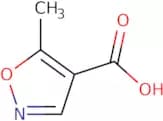
CAS:<p>H-Gly-Ala-AMC monohydrochloride is a chemical that is used as a reaction component or reagent in pharmaceutical and research laboratories. It has been shown to be a useful scaffold for the synthesis of complex compounds. This compound is also used as an intermediate in the synthesis of other fine chemicals. H-Gly-Ala-AMC monohydrochloride can be used as a building block for the production of versatile building blocks, which are useful for making speciality chemicals.</p>Formula:C15H17N3O4·HClPurity:Min. 95 Area-%Color and Shape:PowderMolecular weight:339.77 g/mol5-Methyl-4-isoxazolecarboxylic acid
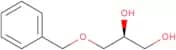
CAS:<p>5-Methyl-4-isoxazolecarboxylic acid (5MI) is an organic compound that belongs to the family of hydroxyl-containing compounds. It is a colorless solid with a melting point of 51 degrees Celsius. 5MI has been used as a pharmaceutical preparation and an anti-inflammatory drug. 5MI is also used in the synthesis of other drugs, such as carbonyl compounds and amides. This chemical can be found in animals, plants and bacteria, but it can also be prepared synthetically.</p>Formula:C5H5NO3Purity:Min. 95%Color and Shape:PowderMolecular weight:127.1 g/mol(S)-Glycerol 1-benzyl ether
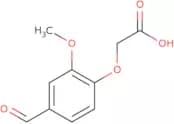
CAS:<p>(S)-Glycerol 1-benzyl ether is a chiral, synthesised antidepressant drug that has shown to be effective in the treatment of depression. It binds to α-adrenergic receptors and blocks the binding of norepinephrine and epinephrine, preventing the production of stress hormones. (S)-Glycerol 1-benzyl ether is also used as a reagent for the synthesis of doxazosin and d-mannitol.</p>Formula:C10H14O3Purity:Min. 95%Color and Shape:Colourless To White To Yellow SolidMolecular weight:182.22 g/mol(4-Formyl-2-methoxyphenoxy)acetic acid
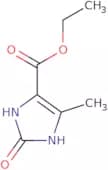
CAS:<p>Phenoxyacetic acid is a phenoxy compound that exhibits antibacterial and anthelmintic activity. It has been shown to be highly active against helminthes, such as tapeworms and roundworms. Phenoxyacetic acid interacts with the helminth's cell membrane, which causes the release of cytochrome c from mitochondria and inhibits mitochondrial function. This leads to cell death by inhibiting protein synthesis and DNA replication. The hydrophobic nature of phenoxyacetic acid allows it to penetrate the anthelmint's cuticle and enter the worm's body cavity where it inhibits mitochondrial function. Phenoxyacetic acid has also been shown to inhibit tuberculosis in mice in vivo, but not in vitro. In addition, phenoxyacetic acid binds to nuclei of cancer cells and prevents the production of RNA and protein synthesis. This results in cell death by apoptosis or necrosis.</p>Formula:C10H10O5Purity:Min. 95%Color and Shape:PowderMolecular weight:210.18 g/molEthyl 5-Methyl-2-oxo-2,3-dihydro-1H-imidazole-4-carboxylate
CAS:<p>Please enquire for more information about Ethyl 5-Methyl-2-oxo-2,3-dihydro-1H-imidazole-4-carboxylate including the price, delivery time and more detailed product information at the technical inquiry form on this page</p>Purity:Min. 90%2-Methylveratraldehyde
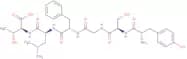
CAS:<p>2-Methylveratraldehyde is a chiral compound that can be used as a reagent in organic synthesis. It has been shown to be a potentiator of the antimicrobial activity of grignard reagents and carbonation, which are chemical reactions that form new carbon-carbon bonds. 2-Methylveratraldehyde also has biological studies, such as its use as an inducer of phytoalexin production in plants.</p>Formula:C10H12O3Purity:Min. 95%Color and Shape:White PowderMolecular weight:180.2 g/mol(D-Ser2)-Leu-Enkephalin-Thr
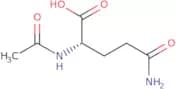
CAS:<p>(D-Ser2)-Leu-Enkephalin-Thr H-Tyr-D-Ser-Gly-Phe-Leu-Thr-OH is a cyclic peptide that has been shown to activate the κ-opioid receptor. The peptide has been used in studies of the intracellular calcium concentration and glomerular filtration rate in kidney cells, as well as the antinociceptive effects of opioid drugs on mice. This drug has also been shown to have effects on cyclic AMP levels and α 1 -adrenergic receptors in neuro2a cells.</p>Formula:C33H46N6O10Purity:Min. 95%Color and Shape:SolidMolecular weight:686.75 g/molAcetyl-L-glutamine
CAS:<p>Acetyl-L-glutamine is a naturally occurring amino acid that is synthesized by the body and can be found in various foods. It has been shown to have many beneficial effects, such as the prevention of bowel disease. Acetyl-L-glutamine has also been shown to stimulate the production of neurotrophic factors, which are proteins that promote neuron growth and survival. This amino acid is used in therapy groups for people with neurodegenerative diseases, such as Parkinson's disease and Alzheimer's disease. Acetyl-L-glutamine may be effective against acute brain injury or stroke due to its ability to increase neuronal survival and inhibit neuronal death. The therapeutic effect of acetyl-L-glutamine on neuronal death may be due to its ability to inhibit apoptosis by preventing reactive oxygen species from binding to DNA. Acetyl-L-glutamine also promotes nerve cell growth and protects against damage caused by ischemia–reperf</p>Formula:C7H12N2O4Purity:Min. 95%Color and Shape:PowderMolecular weight:188.18 g/molL-Alaninamide
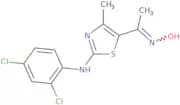
CAS:<p>L-Alaninamide is a protonated amino acid that reacts with the bacterial cell membrane and causes it to rupture. L-Alaninamide is synthesized by hydrolysis of the ester bond between butyric acid and serine protease in the presence of immobilized d-alanine. The reaction is carried out at a pH of 5.5, and the release of pressor is observed. This reaction takes place in an aqueous solution containing fatty acids as solvents. The type strain of this amino acid is E. coli.</p>Formula:C3H8N2OPurity:Min. 95%Color and Shape:PowderMolecular weight:88.11 g/mol(2,4-dichlorophenyl)(3-((hydroxyimino)ethyl)-4-methyl(2,5-thiazolyl))amine
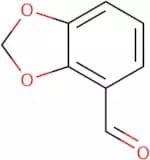
CAS:<p>Please enquire for more information about (2,4-dichlorophenyl)(3-((hydroxyimino)ethyl)-4-methyl(2,5-thiazolyl))amine including the price, delivery time and more detailed product information at the technical inquiry form on this page</p>Purity:Min. 95%(3E)-4-(1,3-Benzodioxol-4-yl)-3-butenoic acid
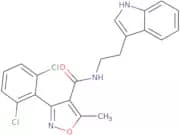
CAS:<p>2,3-Methylenedioxybenzaldehyde is an organic compound that has been used as a chemical ionization reagent in the development of chemosensors. The formyl group in this molecule reacts with chloride to produce the corresponding formate salt, which can be detected by gas chromatography. This compound has also been shown to inhibit bacterial growth in vitro and may have potential applications as a drug substance. 2,3-Methylenedioxybenzaldehyde is an isomer of 2,4-methylenedioxybenzaldehyde, which has been shown to inhibit bacterial growth via hydrogen bonding with amines and electron deficient molecules such as chlorides.<br>2,3-Methylenedioxybenzaldehyde can be used for chromatographic science and the detection of drugs in urine samples.</p>Formula:C11H10O4Purity:Min. 95%Color and Shape:PowderMolecular weight:206.19 g/mol(3-(2,6-dichlorophenyl)-5-methylisoxazol-4-yl)-N-(2-indol-3-ylethyl)formamide
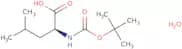
CAS:<p>Please enquire for more information about (3-(2,6-dichlorophenyl)-5-methylisoxazol-4-yl)-N-(2-indol-3-ylethyl)formamide including the price, delivery time and more detailed product information at the technical inquiry form on this page</p>Purity:Min. 95%Boc-Leu-OH monohydrate
CAS:<p>Boc-Leu-OH monohydrate is a thrombin receptor inhibitor that is used as an antithrombotic agent. It has been shown to inhibit the activity of nucleoside phosphorylase, which converts nucleosides into their corresponding nucleotides. Boc-Leu-OH monohydrate has also been found to be stable in acidic environments. The chemical stability of this molecule can be attributed to its structure and modification with 3-mercaptopropionic acid. This compound has been shown to have anti-inflammatory properties by inhibiting prostaglandin synthesis by inhibiting the conversion of glutamic acid into prostaglandins.</p>Formula:C11H21NO4·H2OPurity:Min. 98 Area-%Color and Shape:White Off-White PowderMolecular weight:249.3 g/mol4-Hydroxy-3-methoxybenzoic acid ethyl ester
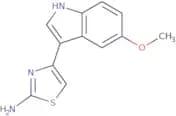
CAS:<p>4-Hydroxy-3-methoxybenzoic acid ethyl ester is a synthetic compound that is converted to protocatechuic acid, an antioxidant found in wine. It has been shown to have antioxidative properties in inflammatory bowel disease by inhibiting the formation of reactive oxygen species. Protocatechuic acid also inhibits the growth of bacterial strains such as Listeria monocytogenes and Bacillus cereus, which are often resistant to antibiotics. The mechanism of action is not well understood, but it may be due to its ability to inhibit the production of p-hydroxybenzoic acid, a precursor for bacterial cell wall synthesis. Protocatechuic acid also has anti-inflammatory properties and can be used as a bioactive phenolic in topical preparations such as creams or ointments.</p>Formula:C10H12O4Purity:Min. 95%Color and Shape:PowderMolecular weight:196.2 g/mol4-(5-Methoxy-1H-indol-3-yl)-1,3-thiazol-2-amine
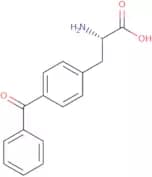
CAS:<p>4-(5-Methoxy-1H-indol-3-yl)-1,3-thiazol-2-amine is a useful scaffold that can be used in the synthesis of drugs and other chemical compounds. 4-(5-Methoxy-1H-indol-3-yl)-1,3-thiazol-2-amine is a fine chemical with CAS no. 3624611454. It has been shown to react as a useful intermediate for the preparation of complex compounds. This compound has also been used in research as a reagent and reaction component.</p>Formula:C12H11N3OSPurity:Min. 95%Color and Shape:PowderMolecular weight:245.3 g/mol4-Benzoyl-L-phenylalanine
CAS:<p>4-Benzoyl-L-phenylalanine is a protein that has been shown to interact with the following domains: 4-helical bundle, alpha/beta hydrolase fold, and beta sheet. It interacts with residues: Arg128, Tyr129, Asp130, Gly131, Ser132, Ser133, Arg134 and Trp135. The enzyme activities of 4-benzoyl-L-phenylalanine are inhibited by interactions with 3t3-l1 preadipocytes and neurokinin receptor 1 (NK1). This protein also targets enzymes such as acetylcholinesterase (AChE) and phosphodiesterase (PDE). The peptide sequence for 4-benzoyl-L-phenylalanine is KGKPVPAKDYIKTG.</p>Formula:C16H15NO3Purity:Min. 98 Area-%Color and Shape:White Yellow PowderMolecular weight:269.3 g/molProlintane hydrochloride
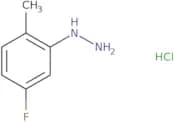
CAS:Controlled Product<p>Prolintane hydrochloride is a drug that has been shown to inhibit the activity of enzymes in the inflammatory and immune responses. It also inhibits the uptake of caffeine, which may be due to its ability to bind with the toll-like receptor (TLR) and CB2 receptor. Prolintane hydrochloride has been used to treat bowel disease, depression, and autoimmune diseases such as rheumatoid arthritis. This drug has a depressant effect on the central nervous system, which may lead to symptoms such as drowsiness and fatigue. The drug is metabolized through a synthetic pathway that involves N-deacetylation by acetyltransferase enzymes. Prolintane hydrochloride also inhibits inflammatory bowel disease by reducing cytokine production in mice with colitis.</p>Purity:Min. 95%5-Fluoro-2-methylphenylhydrazine hydrochloride
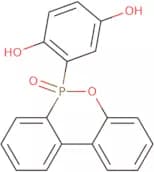
CAS:<p>5-Fluoro-2-methylphenylhydrazine hydrochloride is a crystalline solid that is soluble in water. It is used as a reagent in organic synthesis, but it also has application as an intermediate in the production of calcium hydroxide and calcium fluoride. 5-Fluoro-2-methylphenylhydrazine hydrochloride reacts with methacrylate to produce an ultrafine powder, which can be difficult to hydrate because of its high molecular weight. The hydration reaction requires the addition of large amounts of water and heat. This process can be accelerated by adding a solution of calcium ions or calcium hydroxide to the reaction mixture. Hydrogen fluoride gas (HF) may also be generated during this process. Crystallization occurs when the solids are heated or placed in contact with a nonpolar solvent such as hexane.</p>Formula:C7H9FN2•HClPurity:Min. 95%Color and Shape:PowderMolecular weight:176.62 g/mol10-(2,5-Dihydroxyphenyl)-10H-9-oxa-10-phospha-phenanthrene-10-oxide
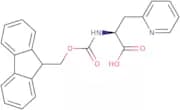
CAS:<p>10-(2,5-Dihydroxyphenyl)-10H-9-oxa-10-phospha-phenanthrene-10-oxide is a synthetic compound that has an orange color and a molecular weight of 568. It is soluble in chloroform, ethanol, acetone, ether and benzene. The compound does not react with water or hydrochloric acid. It has been shown to have synergistic interactions with chloride and glycol ethers. 10-(2,5-Dihydroxyphenyl)-10H-9-oxa-10-phospha phenanthrene 10 oxide can be synthesized using a polymeric matrix as the reaction medium.</p>Formula:C18H13O4PPurity:Min. 95%Color and Shape:White Off-White PowderMolecular weight:324.27 g/molFmoc-3-(2'-pyridyl)-L-alanine
CAS:<p>Fmoc-3-(2'-pyridyl)-L-alanine is an acid molecule that has been shown to have anti-cancer properties. It is a polysaccharide polymer used in the preparation of polyvinyl alcohol and polyvinyl acetate. The phosphatase activity of Fmoc-3-(2'-pyridyl)-L-alanine was first observed in the 1970s, when it was found to be an effective inhibitor of acid phosphatase. This structural study has also revealed the effects of Fmoc-3-(2'-pyridyl)-L-alanine on cancer cells, which may be due to its ability to prevent cell division and genetic control. Fmoc-3-(2'-pyridyl)-L-alanine is also known as a monoclonal antibody that can bind to specific structures on cancer cells, such as antigens and receptors, which may be responsible for these effects.</p>Formula:C23H20N2O4Purity:Min. 95%Color and Shape:SolidMolecular weight:388.42 g/molDihydro-5-methoxy-2,4(1H,3H)-pyrimidinedione
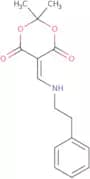
CAS:<p>Dihydro-5-methoxy-2,4(1H,3H)-pyrimidinedione is a high quality chemical and useful building block. It is a fine chemical and research chemicals as well as a versatile building block that can be used in synthesis of various compounds. Dihydro-5-methoxy-2,4(1H,3H)-pyrimidinedione has been shown to have activity against methicillin resistant Staphylococcus aureus (MRSA) and Clostridium perfringens.</p>Formula:C5H8N2O3Purity:Min. 95%Color and Shape:PowderMolecular weight:144.13 g/mol2,2-dimethyl-5-(((2-phenylethyl)amino)methylene)-1,3-dioxane-4,6-dione
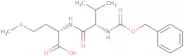
CAS:<p>Please enquire for more information about 2,2-dimethyl-5-(((2-phenylethyl)amino)methylene)-1,3-dioxane-4,6-dione including the price, delivery time and more detailed product information at the technical inquiry form on this page</p>Purity:Min. 95%Z-Val-Met-OH
CAS:<p>Z-Val-Met-OH is a high purity synthetic compound that can be used as a research tool in cell biology, ion channels and peptides. This compound is an activator of the receptor for bradykinin and has been shown to inhibit the activity of protein kinase C. Z-Val-Met-OH is also a ligand for the acetylcholine receptor and has been shown to inhibit acetylcholinesterase, leading to an increase in acetylcholine levels. Z-Val-Met-OH binds to the receptor for insulin and can be used as an inhibitor of insulin release from pancreatic beta cells.</p>Formula:C18H26N2O5SPurity:Min. 95%Molecular weight:382.48 g/mol5-Chloro-2-methoxyacetophenone
CAS:<p>5-Chloro-2-methoxyacetophenone is a byproduct of the synthesis of 2-hydroxybenzofuran. It is also used in the synthesis of tetracyclic benzopyrans, which are known to be potent analgesics and have been found to have anti-inflammatory properties. 5-Chloro-2-methoxyacetophenone can be obtained by decarbonylation (loss of carbon) or elimination reactions.</p>Formula:C9H9ClO2Purity:Min. 95%Color and Shape:Clear LiquidMolecular weight:184.62 g/mol2,4,6-Tribromo-3-methoxyphenol
CAS:<p>2,4,6-Tribromo-3-methoxyphenol is a high quality reagent that is used as an intermediate in the production of many fine chemicals. It is also a useful building block for the synthesis of speciality chemicals and research chemicals. This chemical can be used as a versatile building block for reactions with other compounds. 2,4,6-Tribromo-3-methoxyphenol has CAS number 24967-79-1 and can be found at Chemical & Laboratory Equipment.</p>Formula:C7H5Br3O2Purity:Min. 95%Molecular weight:360.83 g/mol4-((4-(dimethylamino)phenyl)methylene)-3-methyl-1-phenyl-2-pyrazolin-5-one
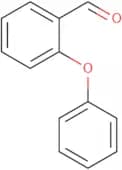
CAS:<p>Please enquire for more information about 4-((4-(dimethylamino)phenyl)methylene)-3-methyl-1-phenyl-2-pyrazolin-5-one including the price, delivery time and more detailed product information at the technical inquiry form on this page</p>Purity:Min. 95%2-Phenoxybenzaldehyde
CAS:<p>2-Phenoxybenzaldehyde is an organic compound that belongs to the heterocyclic aldehyde family. It is a white solid with a strong, pleasant odor. 2-Phenoxybenzaldehyde is used as an intermediate in organic synthesis, and has been shown to inhibit the receptor activity of human leukocyte antigen (HLA) class II molecules. The reaction mechanism for this inhibition is not known. The reaction of 2-phenoxybenzaldehyde with hydrochloric acid produces phenylhydroxylamine, which can be oxidized by inorganic acids to form phenyloxalic acid. This compound also inhibits the production of inflammatory cytokines such as TNFα and IL-1β in vitro and in vivo.</p>Formula:C13H10O2Purity:Min. 95%Color and Shape:Clear LiquidMolecular weight:198.22 g/mol1-Methyl-1H-imidazole-2-boronic acid pinacolester
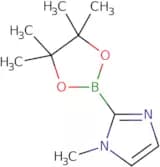
CAS:<p>1-Methyl-1H-imidazole-2-boronic acid pinacolester is a chemical compound that is used as a reagent in organic synthesis. It is also a useful building block for complex compounds, and can be used as a versatile building block for drug discovery research. 1-Methyl-1H-imidazole-2-boronic acid pinacolester is soluble in water, has good solubility in organic solvents such as ethanol, acetone, THF, and DMF. It has a CAS number of 553651-31-3 and the molecular weight of 252.24 g/mol.</p>Formula:C10H17BN2O2Purity:Min. 95 Area-%Color and Shape:White PowderMolecular weight:208.07 g/mol4-Methoxybenzenecarbothioamide
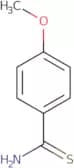
CAS:<p>4-Methoxybenzenecarbothioamide is a urea nitrogen analogue that inhibits the synthesis of urea and other nitrogenous compounds. It is an inhibitor of the enzyme pyruvic transaminase, which converts pyruvate to alanine. The drug is also an inhibitor of the enzyme lactam synthetase, which catalyzes the formation of lactams from amino acids. This activity results in decreased production of cancer cells and renal toxicity. 4-Methoxybenzenecarbothioamide has been shown to have anticancer activity in vitro against a number of human cancer cell lines, including A549 lung carcinoma cells and MCF-7 breast cancer cells.</p>Formula:C8H9NOSPurity:Min. 98 Area-%Color and Shape:Off-White Yellow PowderMolecular weight:167.23 g/mol2-Amino-3-bromo-5-methylbenzoic acid
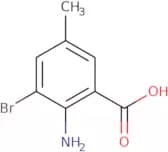
CAS:<p>2-Amino-3-bromo-5-methylbenzoic acid is a fatty acid that belongs to the group of undescribed organic acids. It is found in soil as well as in organisms such as bacteria and fungi. The 2-Amino-3-bromo-5-methylbenzoic acid molecule has been shown to be an antibiotic, inhibiting the growth of bacterial strains belonging to the phyla Actinobacteria and Proteobacteria. It may also be present in plants, where it is channeled out through the roots. This fatty acid also has nucleobase properties, which are essential for DNA replication.br>br><br>span style="font-size: 12px;">2 Amino 3 bromo 5 methyl benzoic acid (2ABMB) was first isolated from soil samples collected from a site near Beijing, China. It is one of many undescribed organic acids that are found</p>Formula:C8H8BrNO2Purity:Min. 95%Color and Shape:PowderMolecular weight:230.06 g/molN-Acetylglycine
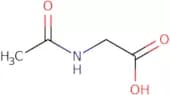
CAS:<p>N-Acetylglycine is an amide, which is a molecule with both a carboxylate and hydroxyl group. It belongs to the class of antimicrobial agents and has been shown to inhibit the growth of bacteria by inhibiting synthesis of folic acid and other metabolites. N-Acetylglycine also inhibits the formation of terminal residues from amino acids. The analytical method for this compound is based on the reaction between n-acetylglycine and hydrogen chloride in methanol. This produces picolinic acid, which can be detected using ultraviolet spectroscopy at a wavelength of 325 nm.</p>Formula:C4H7NO3Purity:Min. 95%Color and Shape:White PowderMolecular weight:117.1 g/molL-β-Homotryptophan hydrochloride
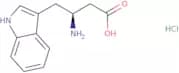
CAS:<p>L-beta-Homotryptophan hydrochloride is a fine chemical that is used in research, as well as in the production of other chemicals. It is a useful building block for complex compounds. It can be used to react with other compounds to produce reactions components or scaffolds. L-beta-Homotryptophan hydrochloride is also a versatile building block and can be used to synthesize other fine chemicals, such as pharmaceuticals, pesticides, and herbicides. L-beta-Homotryptophan hydrochloride belongs to the category of reagents that are available in high quality and are often used in research. The CAS number for this compound is 339994-86-4.</p>Formula:C12H14N2O2•HClPurity:Min. 95%Color and Shape:Off-White PowderMolecular weight:254.71 g/molH-Pro-Val-OH
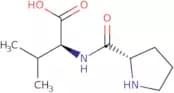
CAS:<p>H-Pro-Val-OH is an amide that is used to treat renal disorders by inhibiting leukocyte elastase. It has been shown to be a potent inhibitor of serine proteases, including chymotrypsin and trypsin. H-Pro-Val-OH binds to the active site on serine proteases and blocks the release of peptides from the enzyme. The binding constant for H-Pro-Val-OH with chymotrypsin was found to be in the range of 3 x 10 M, which is significantly higher than that for other amides. In addition, H-Pro-Val-OH inhibits cytolysis by lysosomal enzymes and protects against liver injury caused by chronic liver disease. This drug also shows low molecular weight and high water solubility, making it effective in treating acute hepatitis.</p>Formula:C10H18N2O3Purity:Min. 95%Color and Shape:PowderMolecular weight:214.26 g/mol1,4-Phenylene diisothiocyanate
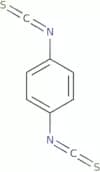
CAS:<p>1,4-Phenylene diisothiocyanate is a potent anthelmintic drug that inhibits the growth of parasites and has been used to treat infections caused by helminths. It binds to a chemoreceptor site on the parasite's surface and prevents the release of an inflammatory mediator, epidermal growth factor. This drug also interacts with other receptors, such as P2Y2, which are involved in inflammation. 1,4-Phenylene diisothiocyanate has been shown to be effective against cancer cells in experimental models and may be useful in chemotherapeutic treatments due to its ability to inhibit cell proliferation.</p>Formula:C8H4N2S2Purity:Min. 98 Area-%Color and Shape:Off-White PowderMolecular weight:192.26 g/mol4-Methoxyphenylmagnesium bromide - 0.5M solution in THF
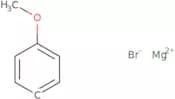
CAS:<p>4-Methoxyphenylmagnesium bromide - 0.5M solution in THF is a cytotoxic agent that binds to the estrogen receptor, which is involved in breast cancer cell proliferation and differentiation. It is an azide that has been shown to react with hydrochloric acid to form an amide. This reaction may be stereoselective and involve dehydration of the amine group. The mechanism of this reaction involves the formation of a trifluoroacetic acid derivative, which undergoes unsaturated alkyl halogenation followed by chloride ion attack on the double bond. 4-Methoxyphenylmagnesium bromide - 0.5M solution in THF has been shown to inhibit the proliferation of human MCF-7 breast cancer cells, as well as other estrogen receptor modulators such as amines and trifluoroacetic acid.</p>Formula:C7H7BrMgOPurity:Min. 95%Color and Shape:PowderMolecular weight:211.34 g/mol6-Chloro-9-[[4-(diethylamino)-1-methylbutyl]amino]-2-methoxyacridine dihydrochloride
CAS:<p>6-Chloro-9-[[4-(diethylamino)-1-methylbutyl]amino]-2-methoxyacridine dihydrochloride (CMA) is a fluorescent dye that is used in the diagnosis of platelet disorders. It binds to the beta subunit of glycoprotein IIb/IIIa receptors on platelets, which are involved in the aggregation of platelets. CMA has shown to be effective against antibiotic resistant strains and may be useful for patients with infectious diseases. This drug has been shown to have cytosolic calcium ion (Ca2+) antagonist properties and an inhibitory effect on cell nuclei, as well as biological properties similar to mepacrine and atabrine.</p>Formula:C23H30ClN3O•(HCl)2Purity:Min. 98 Area-%Color and Shape:Slightly Yellow PowderMolecular weight:472.88 g/mol2'-Bromo-5'-methoxyacetophenone
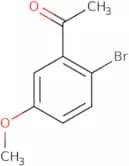
CAS:<p>2'-Bromo-5'-methoxyacetophenone is a perchloric acid catalyst that can be used in the synthesis of ketones, methyl ketones, and other organic compounds. Bromination reactions are catalyzed by hypobromous acid (HOBr), which is generated from bromine and HOCl. The reaction is typically initiated with an acid catalyst such as 2'-bromo-5'-methoxyacetophenone.</p>Formula:C9H9BrO2Purity:Min. 95%Color and Shape:Clear LiquidMolecular weight:229.07 g/molD-(+)-Phenyllactic acid
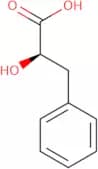
CAS:<p>D-(+)-phenyllactic acid is a pharmaceutical drug that is used to catalyze the asymmetric synthesis of chiral compounds. It is an enantiomer of L-phenyllactic acid, and it has been shown to be effective in the treatment of patients with breast cancer. D-(+)-phenyllactic acid can also be used to catalyze the formation of taxol, a clinical drug which has been shown to inhibit tumor growth. D-(+)-phenyllactic acid binds to the active site of catalase, an enzyme that breaks down hydrogen peroxide in cells. The reaction mechanism for catalysis by D-(+)-phenyllactic acid is not well understood, but it may involve monocarboxylic acids such as formic or acetic acids.</p>Formula:C9H10O3Purity:Min. 95%Color and Shape:White PowderMolecular weight:166.17 g/mol2-Hydroxy-5-methoxybenzyl alcohol
CAS:<p>2-Hydroxy-5-methoxybenzyl alcohol (2HMB) is a methide that is used as an inductor in the synthesis of Taxol. 2HMB has been shown to induce apoptosis in MCF-7 cells and to promote the hydration of oxacycles. It can also be used in cancer research as a kinetic probe for the hydration of oxacycles. 2HMB activates MCF-7 cells and induces apoptosis, which may be due to its nucleophilic properties.</p>Formula:C8H10O3Purity:Min. 95%Molecular weight:154.16 g/molBoc-2-aminobenzoic acid
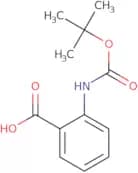
CAS:<p>Boc-2-aminobenzoic acid is a synthetic amino acid that can be used for the synthesis of recombinant proteins. It contains lysine residues, which are often used in protein engineering. This product is hydrolyzed to form a chloride gas and a hydrochloride salt by the enzyme chloridase. The hydrolysis proceeds through an amine intermediate and proceeds with a rate that is first order in chloride gas and second order in Boc-2-aminobenzoic acid. The kinetic constants for this reaction have been determined using fluorescence resonance energy transfer (FRET) spectroscopy on the solid phase.</p>Formula:C12H15NO4Purity:Min. 95%Color and Shape:PowderMolecular weight:237.25 g/mol2-[(2,6-Dibromo-4-methylphenyl)amino]acetohydrazide
CAS:<p>2-[(2,6-Dibromo-4-methylphenyl)amino]acetohydrazide is a chemical compound that is used as a building block for the synthesis of diverse heterocyclic compounds. 2-[(2,6-Dibromo-4-methylphenyl)amino]acetohydrazide is prepared from 2,6-dibromo-4-methylbenzaldehyde and acetohydrazide in the presence of triethylamine. The compound has been reported to be a useful scaffold for the synthesis of various heterocycles. The following are some examples of its applications: <br>1. Fine chemical<br>2. Useful building block <br>3. Research chemicals <br>4. Reagent <br>5. CAS No. 882760-46-5 <br>6. Speciality chemical <br>7. High quality <br>8. Complex compound <br>9. Versatile building block</p>Formula:C9H11Br2N3OPurity:Min. 95%Color and Shape:White PowderMolecular weight:337.01 g/mol7-Diethylamino-3-(4'-maleimidylphenyl)-4-methylcoumarin
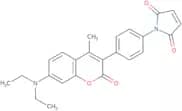
CAS:<p>7-Diethylamino-3-(4'-maleimidylphenyl)-4-methylcoumarin is a fluorescent probe that can be used to measure the cytosolic calcium concentration. This probe binds to heparin, which is a positive ionic charge and has been shown to cause an increase in cytosolic calcium levels in cultured cells. 7-Diethylamino-3-(4'-maleimidylphenyl)-4-methylcoumarin has been used to successfully monitor changes in cytosolic calcium levels in response to pharmacological agents, such as the monoclonal antibody TNF-α. 7-Diethylamino-3-(4'-maleimidylphenyl)-4-methylcoumarin has also been used as a marker for tissue culture studies, where it was found that this molecule binds to the ryanodine receptor and alters its redox potential.</p>Formula:C24H22N2O4Purity:Min. 95%Color and Shape:PowderMolecular weight:402.44 g/molTertiapin
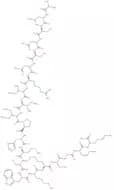
CAS:<p>Tertiapin is a synthetic bee venom peptide (Honey Bee, Apis mellifera) containing disulfide bonds between Cys3-Cys14 and Cys5-Cys18. It is an inward rectifier K+ channel blocker and also blocks the activity of calcium activated large conductance potassium channels. The pain and inflammation symptoms experienced after a bee sting is caused by this peptide even though bee venom also has the potential to treat pain and inflammation in conditions such as rheumatoid arthritis and multiple sclerosis.</p>Formula:C106H180N34O23S5Purity:Min. 95%Molecular weight:2,459.11 g/mol2-Methylnicotinic acid imidazolide
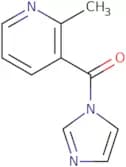
CAS:<p>2-Methylnicotinic acid imidazolide is a small molecule with the ability to regulate RNA splicing. It has been shown to inhibit the transcription of specific genes by binding to the RNA sequence and forming a stable complex with the mRNA. The chemical structure of 2-methylnicotinic acid imidazolide has also been shown to be similar to that of nicotinamide, which is a precursor for NAD+, a coenzyme involved in cellular metabolism. This may explain how 2-methylnicotinic acid imidazolide regulates gene expression and promotes neuronal health.</p>Formula:C10H9N3OPurity:Min. 95%Color and Shape:PowderMolecular weight:187.2 g/molD-4-tert-Butylphenylalanine
CAS:<p>D-4-tert-Butylphenylalanine is a perovskite crystal with a hydrogen bond. It can be used to boost the efficiency of organic semiconductors and has been shown to enhance the performance of encapsulated perovskites. D-4-tert-Butylphenylalanine has also been shown to have synergistic effects with other functional groups, such as carbonyl groups, which may be due to its ability to act as a zwitterion.</p>Formula:C13H19NO2Purity:Min. 95%Color and Shape:PowderMolecular weight:221.3 g/mol5-Chloro-1-methyl-4-nitroimidazole
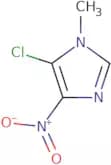
CAS:<p>5-Chloro-1-methyl-4-nitroimidazole (5C1MI) is a fatty acid that is synthesized by the reaction of phosphorus pentachloride and an aliphatic hydrocarbon. It has been shown to be effective in treating women with breast cancer. 5C1MI blocks the activity of a protein called HER2, which promotes tumor growth. The drug has been shown to cause an increase in the number of circulating lymphocytes and natural killer cells, as well as an increase in the production of antibodies in mice. These effects are likely caused by 5C1MI's ability to inhibit the proliferation of T cells and B cells. 5C1MI has also been shown to have a high solubility in water and low solubility in lipids, which makes it suitable for administration via intravenous injection.</p>Formula:C4H4ClN3O2Purity:Min. 95%Color and Shape:PowderMolecular weight:161.55 g/mol(S)-N-Methylhydroxysuccinimide
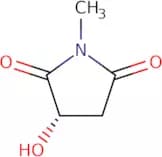
CAS:<p>N-Methylhydroxysuccinimide is a reagent used in chemical synthesis, including the production of 3-indoxyl-beta-D-galactopyranoside. It has been shown to be safe for human use by short-term exposure and uptake studies in Sprague-Dawley rats. N-Methylhydroxysuccinimide is not carcinogenic and does not cause adverse effects to the liver or kidney, based on animal experiments. This compound also has an analytical method that can be used to determine its concentration in urine samples from humans.</p>Formula:C5H7NO3Purity:Min. 95%Color and Shape:PowderMolecular weight:129.11 g/mol(S)-2-Amino-5-methoxytetralin (S)-mandelate
CAS:Controlled Product<p>Please enquire for more information about (S)-2-Amino-5-methoxytetralin (S)-mandelate including the price, delivery time and more detailed product information at the technical inquiry form on this page</p>Formula:C19H23NO4Purity:Min. 95%Molecular weight:329.39 g/molN-Methyldioctylamine
CAS:<p>N-Methyldioctylamine is a biodegradable, water soluble, and non-toxic chemical that can be used as an alternative to caustic soda for wastewater treatment. It removes organic matter from industrial effluents by breaking down long chain hydrocarbons into smaller fragments and reacts with the hydroxyl group of proteins to form hydroxylamines. N-Methyldioctylamine has been shown to inhibit protease activity in wild-type strains of bacteria, such as Escherichia coli and Pseudomonas aeruginosa. It also inhibits hematopoietic cells from developing into mature cells by disrupting the biochemical composition of their membranes. N-Methyldioctylamine is reactive with fatty acids and amines found in mammalian tissue samples. This compound can be used as a sample preparation agent or analytical reagent for caproic acid, which is used in process optimization applications.</p>Formula:C17H37NPurity:Min. 95%Color and Shape:Clear LiquidMolecular weight:255.48 g/molL-Leucine 4-nitroanilide
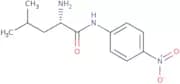
CAS:<p>L-Leucine 4-nitroanilide serves as a substrate for the colorimetric determination of leucine aminopeptidase. The application of L-Leucine-p-nitroanilide includes its utilization as a substrate in studies assessing the intestinal leucine aminopeptidase activity of juvenile rainbow trout (Oncorhynchus mykiss). Additionally, it plays a role in insulin-regulated aminopeptidase inhibition assays and is employed to determine exopeptidase activity.</p>Formula:C12H17N3O3Purity:(Titration) 99 To 101%Color and Shape:PowderMolecular weight:251.28 g/mol2-Methyl-1,10-phenanthroline
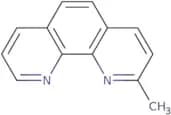
CAS:<p>2-Methyl-1,10-phenanthroline is a bidentate ligand that can be used as a catalyst in some organic reactions. It has been shown to selectively inhibit the activity of the enzyme carbonic anhydrase. This drug is also able to bind to metal ions with nitrogen atoms, such as copper and zinc, which may be useful for cancer treatments. 2-Methyl-1,10-phenanthroline has also been shown to have anti-tumor activity in prostate carcinoma cells when used as a ternary complex with hypophosphorous acid and anhydrase.</p>Formula:C13H10N2Purity:Min. 95%Color and Shape:PowderMolecular weight:194.23 g/mol5-Methoxy-3-methylbenzonitrile
CAS:<p>5-Methoxy-3-methylbenzonitrile is a versatile chemical with a wide range of applications in pharmaceuticals, agrochemicals, and other industries. It is used as a reaction component in the synthesis of drugs such as indomethacin and methotrexate. It is also useful for the production of high-quality research chemicals. 5-Methoxy-3-methylbenzonitrile has been shown to be an efficient building block for the synthesis of complex compounds with diverse structures.</p>Formula:C9H9NOPurity:Min. 95%Color and Shape:PowderMolecular weight:147.17 g/mol4-Bromo-2-methylbenzoic acid ethyl ester
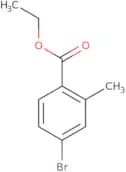
CAS:<p>4-Bromo-2-methylbenzoic acid ethyl ester is a high quality and versatile building block. It is a useful intermediate in the synthesis of organic compounds, and can be used as a reaction component in the synthesis of complex compounds. 4-Bromo-2-methylbenzoic acid ethyl ester is also a useful scaffold for the construction of new chemical entities. It has been shown to react with potassium tert-butoxide to produce 4-(2,6-dimethylphenyl)piperidine (CAS No. 220389-34-4).</p>Formula:C10H11BrO2Purity:Min. 95%Color and Shape:Clear LiquidMolecular weight:243.1 g/mol3-Methoxy-4-methylphenylacetone
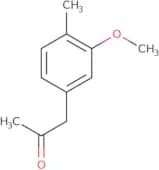
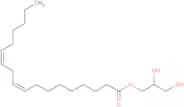
CAS:<p>3-Methoxy-4-methylphenylacetone is a reagent that can be used as a useful intermediate for the synthesis of complex organic compounds. It is soluble in water, but insoluble in most organic solvents. 3-Methoxy-4-methylphenylacetone is also a fine chemical with CAS No. 51814-28-9 and has been shown to be an effective building block for synthetic chemistry. It is used in the synthesis of speciality chemicals and research chemicals, such as pharmaceuticals and agrochemicals. This compound can be used as a versatile building block in many reactions and has been shown to react with epoxide, nitrile, amine, thioether, amide, alcohols, carboxylic acids or esters.</p>Formula:C11H14O2Purity:Min. 95%Color and Shape:PowderMolecular weight:178.23 g/mol1-Linoleoyl-rac-glycerol
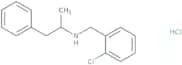
CAS:<p>1-Linoleoyl-rac-glycerol is a lipid with a structure similar to that of linoleic acid. The compound is used as a substrate for the study of the effects of oxygenation on lipid metabolism. 1-Linoleoyl-rac-glycerol has been shown to have anti-inflammatory properties in chronic kidney disease and pancreatitis models, which may be due to its inhibition of pancreatic lipase. 1-Linoleoyl-rac-glycerol is also used as a reaction product in sample preparation techniques, such as thin layer chromatography and high performance liquid chromatography. A variety of reactions can be performed with this compound, including hydrolysis by thrombin or trypsin, esterification with methanol or chloroform, or oxidation by potassium permanganate. 1-Linoleoyl-rac-glycerol has been shown to inhibit the growth of human lung epithelial cells (thp1</p>Formula:C21H38O4Purity:Min. 95 Area-%Color and Shape:Clear LiquidMolecular weight:354.52 g/molN-(2-Chlorobenzyl)-1-phenylpropan-2-amine hydrochloride
CAS:Controlled Product<p>N-(2-Chlorobenzyl)-1-phenylpropan-2-amine hydrochloride (CBP) is a potent stimulant drug that is used to treat chronic pain. It has been shown to be effective in the treatment of alopecia areata and inflammatory diseases, such as Crohn's disease, ulcerative colitis, and rheumatoid arthritis. CBP blocks protein synthesis by inhibiting the activity of the enzyme dinucleotide phosphate (DNP). This inhibition leads to the accumulation of adenosine monophosphate (AMP), which inhibits cyclic AMP production and protein synthesis. CBP also prevents the binding of DNP to RNA polymerase II at promoter sites, leading to a decrease in mRNA production. As a result, CBP may inhibit protein synthesis by preventing transcription or translation.</p>Formula:C16H18ClN•HClPurity:Min. 95%Color and Shape:PowderMolecular weight:296.24 g/mol4-Amino-2-methoxypyridine
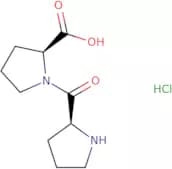
CAS:<p>4-Amino-2-methoxypyridine is an antiviral agent that inhibits the activity of the NS5B polymerase, a key enzyme in the replication of the hepatitis C virus. It is a potent inhibitor with a wide range of activity and can be used for treatment and prevention of infection. 4-Amino-2-methoxypyridine has been shown to inhibit replication of hepatitis C virus in cell culture. This compound is stable in vivo and can be administered orally, making it an attractive candidate for oral prophylaxis against hepatitis C. 4-Amino-2-methoxypyridine also exhibits good pharmacokinetic properties, including a low clearance rate and high volume of distribution, which makes it suitable for chronic administration.</p>Formula:C6H8N2OPurity:Min. 95%Color and Shape:White To Light (Or Pale) Orange SolidMolecular weight:124.14 g/molH-Pro-Pro-OH·HCl
CAS:<p>H-Pro-Pro-OH·HCl is a fine chemical that is commonly used as a building block for organic synthesis. This compound is soluble in water, making it an ideal reactant for use in reactions involving peptides and proteins. H-Pro-Pro-OH·HCl is also useful as an intermediate, research chemical, or speciality chemical. It has been used as a reagent for the preparation of other chemicals and has shown high quality performance in reactions with nucleophiles.</p>Formula:C10H16N2O3·HClPurity:Min. 95%Color and Shape:White PowderMolecular weight:248.71 g/molEthyl [2-methyl-3-(chlorosulfonyl)phenoxy]acetate
CAS:<p>Ethyl [2-methyl-3-(chlorosulfonyl)phenoxy]acetate is a fine chemical that has been used as a building block in the synthesis of other complex chemicals. It is also an intermediate for the production of pesticides and pharmaceuticals. The compound can be used to form more than one hundred different organic compounds, which makes it a versatile building block. It can be reacted with other chemicals to create new compounds, such as drugs or herbicides.</p>Formula:C11H13ClO5SPurity:Min. 95 Area-%Color and Shape:PowderMolecular weight:292.74 g/molMethyl (1S,2S,3S,5R)-3-[Bis(4-Fluorophenyl)Methoxy]-8-Methyl-8-Azabicyclo[3.2.1]Octane-2-Carboxylate
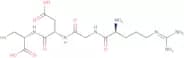
CAS:Controlled Product<p>Methyl (1S,2S,3S,5R)-3-[Bis(4-fluorophenyl)methoxy]-8-methyl-8-azabicyclo[3.2.1]octane-2-carboxylate is a molecule that has been shown to bind with high affinity to the serotonin receptor and blocks dopamine uptake. This drug has also demonstrated dose-dependent locomotor activity in rats and m1 muscarinic receptor binding. Methyl (1S,2S,3S,5R)-3-[Bis(4-fluorophenyl)methoxy]-8-methyl-8-azabicyclo[3.2.1]octane-2-carboxylate is being developed for use as a diagnostic tool for detecting Parkinsonian symptoms or chemical reactions in the brain.</p>Formula:C23H25F2NO3Purity:Min. 95%Molecular weight:401.45 g/molH-Arg-Gly-Asp-Cys-OH
CAS:<p>H-Arg-Gly-Asp-Cys-OH is a biomimetic amino acid that possesses the same three-dimensional structure as the amino acid sequence found in the human epidermal growth factor receptor 2 (HER2). This compound has been shown to inhibit the activity of enzymes, such as kinases, which are involved in cancer cell division. It also can be used to target and destroy cancer cells using gene therapy. H-Arg-Gly-Asp-Cys-OH binds to messenger RNA and inhibits its translation into protein, which may lead to cell death. H-Arg-Gly-Asp-Cys -OH has been shown to bind specifically with HER2 receptors on breast cancer cells and promote their destruction by inducing apoptosis.</p>Formula:C15H27N7O7SPurity:Min. 95%Color and Shape:PowderMolecular weight:449.48 g/molN-[1-[2-(4-Ethyl-5-Oxotetrazol-1-Yl)Ethyl]-4-Phenylpiperidin-4-Yl]-N-(2-Fluorophenyl)Propanamide
CAS:Controlled Product<p>N-[1-[2-(4-Ethyl-5-Oxotetrazol-1-Yl)Ethyl]-4-Phenylpiperidin-4-Yl]-N-(2-Fluorophenyl)Propanamide is a drug that is used clinically for the treatment of depression. It is an analog of amitriptyline, an antidepressant and a tricyclic compound. N-[1-[2-(4-Ethyl-5-Oxotetrazol-1-Yl)Ethyl]-4-Phenylpiperidin-4-Yl]-N-(2-Fluorophenyl)Propanamide has been shown to increase the concentration of plasma drug levels by increasing transporter gene expression in muscle tissue. This drug also has clinical pharmacology and thermal expansion properties.</p>Formula:C25H31FN6O2Purity:Min. 95%Molecular weight:466.55 g/mol(Des-Gly10,D-Tyr5,D-Trp6,Pro-NHEt 9)-LHRH trifluoroacetate salt
CAS:<p>Please enquire for more information about (Des-Gly10,D-Tyr5,D-Trp6,Pro-NHEt 9)-LHRH trifluoroacetate salt including the price, delivery time and more detailed product information at the technical inquiry form on this page</p>Formula:C64H83N17O12Purity:Min. 95%Color and Shape:PowderMolecular weight:1,282.45 g/mol5-Methyl-2-nitrobenzoic acid
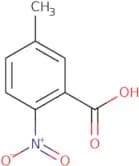
CAS:<p>5-Methyl-2-nitrobenzoic acid is a nitro compound that has been shown to have potent cytotoxicity in vivo. 5-Methyl-2-nitrobenzoic acid inhibits the proliferation of cervical cancer cells in vitro, and induces apoptosis. The functional groups present on this molecule are nitro and methyl. The linear model used to describe the structure of 5-methyl-2-nitrobenzoic acid is an electron withdrawing group, which is why it has such potent cytotoxic effects. It also shows optical properties such as vibrational spectroscopy, which can be used to identify this molecule</p>Formula:C8H7NO4Purity:Min. 95%Color and Shape:PowderMolecular weight:181.15 g/molEthyl 3-((4-bromo-2-methyl-5-oxo-1-phenyl-3-pyrazolin-3-yl)methoxy)benzoate
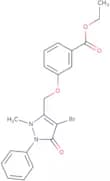
CAS:<p>Please enquire for more information about Ethyl 3-((4-bromo-2-methyl-5-oxo-1-phenyl-3-pyrazolin-3-yl)methoxy)benzoate including the price, delivery time and more detailed product information at the technical inquiry form on this page</p>Purity:Min. 95%4-Fluoro-α-methylbenzylamine
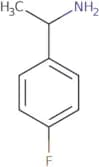
CAS:<p>4-Fluoro-a-methylbenzylamine is a chiral, protonated, and enthalpic compound. It can be synthesized by reacting anilines with 4-fluorobenzaldehyde in the presence of a base such as sodium ethoxide. The flavonoids from the plant Hedera helix have been shown to inhibit this enzyme. <br>4-Fluoro-a-methylbenzylamine has been found to be a potent inhibitor of imidazole amidohydrolase, an enzyme involved in the metabolism of histamine and other biologically active amines. This inhibition prevents the conversion of histamine to imidazole and therefore may help prevent allergic reactions such as asthma.</p>Formula:C8H10FNPurity:Min. 95%Molecular weight:139.17 g/mol3-Fluoro-2-methoxybenzaldehyde
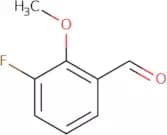
CAS:<p>3-Fluoro-2-methoxybenzaldehyde is a synthetic chemical that has been used as a precursor in the synthesis of pharmaceuticals and other organic compounds. 3-Fluoro-2-methoxybenzaldehyde can be prepared through the lithiation, chloromethylation, or trimethylation of 3-fluoroacetophenone. The compound can be oxidized to 3,4-dihydrobenzofuran with peroxide at low temperature. This conversion can be achieved using a variety of reagents, such as boron tribromide or boron trichloride.</p>Formula:C8H7FO2Purity:Min. 95%Color and Shape:Colorless PowderMolecular weight:154.14 g/mol3'-Methoxypropiophenone
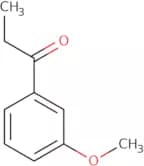
CAS:<p>3'-Methoxypropiophenone is an acylating agent that is used in the synthesis of racemic and optically active phenylacetic acids. It can be prepared by the reaction of ketones with methoxypropiolic acid, which is catalyzed by a base such as sodium ethoxide. 3'-Methoxypropiophenone also has been shown to undergo transformation reactions with hydrogenolysis and salt formation. The deprotection step involves removal of a protective group such as dimethylamine or diastereomer.</p>Formula:C10H12O2Purity:Min. 95%Color and Shape:PowderMolecular weight:164.2 g/molb-Chloro-L-alanine hydrochloride
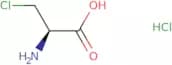
CAS:<p>b-Chloro-L-alanine hydrochloride (BCA) is a synthetic compound that has been shown to have anticarcinogenic and antioxidant effects. It can be produced by the hydrogen peroxide-dependent oxidation of b-chloroalanine. BCA's effect on cancer cells is attributed to its ability to inhibit the synthesis of sulfoxides, which are needed for the biosynthesis of pyrimidine nucleotides. BCA also inhibits oxidative stress by scavenging free radicals and reactive oxygen species. This product has been shown to be effective in treating Aeropyrum pernix infections, which are caused by a type of anaerobic bacteria with a metabolic pathway that includes sulfide oxidation.</p>Formula:C3H6NO2Cl·HClPurity:Min. 95%Color and Shape:White PowderMolecular weight:160 g/mol2,5-Dimethoxy-N-[(2-methoxyphenyl)methyl]-4-(trifluoromethyl)benzeneethanamine
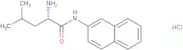
CAS:Controlled Product<p>2,5-Dimethoxy-N-[(2-methoxyphenyl)methyl]-4-(trifluoromethyl)benzeneethanamine is a synthetic drug that belongs to the group of psychotropic drugs. It has been shown to cause death in rats, which is likely due to its ability to inhibit serotonin uptake by neurons. 2,5-Dimethoxy-N-[(2-methoxyphenyl)methyl]-4-(trifluoromethyl)benzeneethanamine also inhibits the enzyme monoamine oxidase and prevents the breakdown of monoamines such as serotonin. This drug has been shown to have both stimulant and depressant properties. 2,5-Dimethoxy-N-[(2-methoxyphenyl)methyl]-4-(trifluoromethyl)benzeneethanamine can be quantified in human blood samples using liquid chromatography with a</p>Formula:C19H22F3NO3Purity:Min. 95%Molecular weight:369.38 g/molL-Leucine b-naphthylamide hydrochloride
CAS:<p>Please enquire for more information about L-Leucine b-naphthylamide hydrochloride including the price, delivery time and more detailed product information at the technical inquiry form on this page</p>Formula:C16H20N2O·HClPurity:Min. 95%Color and Shape:PowderMolecular weight:292.8 g/molL-Arginine a-ketoglutarate (1:1)
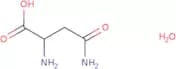
CAS:<p>L-Arginine a-ketoglutarate (1:1) is a water soluble compound that is used as a precursor for the synthesis of polyamines. It is also an intermediate in the urea cycle and can be used to synthesize glutamate, glutamine, and argininosuccinic acid. L-Arginine a-ketoglutarate (1:1) has been shown to improve myocardial function and reduce infarct size in animal models. This drug has also been shown to augment neuroprotective properties of metoprolol succinate on cerebellar Purkinje neurons in vitro. The degradation of L-arginine a-ketoglutarate (1:1) by monoamine oxidase B produces hydrogen peroxide, which may be responsible for its cardioprotective effects.</p>Formula:C6H14N4O2·C5H6O5Purity:Min. 95%Color and Shape:PowderMolecular weight:320.3 g/molDL-Asparagine monohydrate
CAS:<p>DL-Asparagine monohydrate is a low potency amino acid that can be used as a biomarker for wastewater treatment. It has been shown to inhibit the activity of enzymes such as guanine nucleotide-binding proteins, toll-like receptors, and response elements. Asparagine also has inhibitory properties against tumour cells in solid tumours.</p>Formula:C4H10N2O4Color and Shape:PowderMolecular weight:150.14 g/mol4'-Isopropyl-β-methyl-β-nitrostyrene
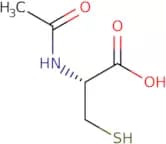
CAS:<p>4'-Isopropyl-beta-methyl-beta-nitrostyrene is a versatile building block that can be used in the synthesis of complex compounds. It has been used as a reagent or speciality chemical in research and development, and as an intermediate for the synthesis of high quality, useful scaffolds. It is also a useful building block for the preparation of high quality, useful compounds.</p>Formula:C12H15NO2Purity:Min. 95%Color and Shape:Clear LiquidMolecular weight:205.25 g/molN-Acetyl-L-cysteine - Non-animal and non-human origin
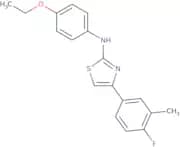
CAS:<p>Antioxidant; mucolytic agent; anti-viral against influenza A viruses</p>Formula:C5H9NO3SPurity:Min. 95%Color and Shape:White PowderMolecular weight:163.2 g/mol2-(4-Ethoxyphenylamino)-4-(3-methyl-4-fluorophenyl)thiazole
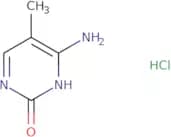
CAS:<p>Please enquire for more information about 2-(4-Ethoxyphenylamino)-4-(3-methyl-4-fluorophenyl)thiazole including the price, delivery time and more detailed product information at the technical inquiry form on this page</p>Purity:Min. 95%5-Methylcytosine hydrochloride salt
CAS:<p>5-Methylcytosine hydrochloride salt is a metabolite of cytosine that occurs naturally in the body. It is used as an inhibitor of DNA methylation to study the effect of this process on gene expression. 5-Methylcytosine hydrochloride salt has been shown to inhibit the production of growth factors, such as insulin-like growth factor 1, and radiation energy. It also causes oxidative damage to DNA and inhibits the oxidation of urea nitrogen in lettuce. The matrix effect may interfere with the analysis of 5-methylcytosine hydrochloride salt by spectrometry.</p>Formula:C5H7N3O·HClPurity:Min. 95%Color and Shape:PowderMolecular weight:161.59 g/mol



![9-Fluoro-11β,17-Dihydroxy-16α-Methyl-3,20-Dioxopregna-1,4-Dien-21-Yl 2-[2-(2-Ethoxyethoxy)Ethoxy]A…](/_next/image/?url=https%3A%2Fstatic.cymitquimica.com%2Fproducts%2F3D%2Fthumb-webp%2FFF103016.webp&w=3840&q=75)












![6-Chloro-9-[[4-(diethylamino)-1-methylbutyl]amino]-2-methoxyacridine dihydrochloride](/_next/image/?url=https%3A%2Fstatic.cymitquimica.com%2Fproducts%2F3D%2Fthumb-webp%2FFC76313.webp&w=3840&q=75)

![2-[(2,6-Dibromo-4-methylphenyl)amino]acetohydrazide](/_next/image/?url=https%3A%2Fstatic.cymitquimica.com%2Fproducts%2F3D%2Fthumb-webp%2FFD115486.webp&w=3840&q=75)





![Ethyl [2-methyl-3-(chlorosulfonyl)phenoxy]acetate](/_next/image/?url=https%3A%2Fstatic.cymitquimica.com%2Fproducts%2F3D%2Fthumb-webp%2FFE22936.webp&w=3840&q=75)
![Methyl (1S,2S,3S,5R)-3-[Bis(4-Fluorophenyl)Methoxy]-8-Methyl-8-Azabicyclo[3.2.1]Octane-2-Carboxyla…](/_next/image/?url=https%3A%2Fstatic.cymitquimica.com%2Fproducts%2F3D%2Fthumb-webp%2FFM102464.webp&w=3840&q=75)
![N-[1-[2-(4-Ethyl-5-Oxotetrazol-1-Yl)Ethyl]-4-Phenylpiperidin-4-Yl]-N-(2-Fluorophenyl)Propanamide](/_next/image/?url=https%3A%2Fstatic.cymitquimica.com%2Fproducts%2F3D%2Fthumb-webp%2FFE102162.webp&w=3840&q=75)

![2,5-Dimethoxy-N-[(2-methoxyphenyl)methyl]-4-(trifluoromethyl)benzeneethanamine](/_next/image/?url=https%3A%2Fstatic.cymitquimica.com%2Fproducts%2F3D%2Fthumb-webp%2FFD100429.webp&w=3840&q=75)