Amino Acids (AA)
Amino acids (AAs) are the fundamental building blocks of proteins, playing a crucial role in various biological processes. These organic compounds are essential for protein synthesis, metabolic pathways, and cell signaling. In this category, you will find a comprehensive range of amino acids, including essential, non-essential, and modified forms, which are vital for research in biochemistry, molecular biology, and nutritional sciences. At CymitQuimica, we provide high-quality amino acids to support your research and development needs, ensuring accuracy and reliability in your experimental outcomes.
Subcategories of "Amino Acids (AA)"
- Amino Acid Derivatives(3,955 products)
- Amino Acid and Amino Acid Related Compounds(3,465 products)
- Amino Acids with Oxygen or Sulphur(168 products)
- Boc- Amino Acids(351 products)
- Fmoc Amino Acids(1,710 products)
Found 38248 products of "Amino Acids (AA)"
Sort by
Purity (%)
0
100
|
0
|
50
|
90
|
95
|
100
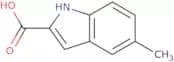
5-Methylindole-2-carboxylic acid
CAS:<p>5-Methylindole-2-carboxylic acid (5MICA) is a synthetic compound that has been shown to be cytotoxic in vitro. It has been shown to inhibit the growth of multiple cancer cell lines, including hepatoma cells, and is currently being studied as a potential anticancer drug. 5MICA inhibits the synthesis of protein and RNA by binding to the ribosome. This inhibition leads to cell death by apoptosis. 5MICA also exhibits an antimicrobial effect against opportunistic fungal pathogens such as Candida albicans, Aspergillus fumigatus, and Cryptococcus neoformans. The mechanism for this inhibition is unknown but may involve inhibition of protein synthesis or other cellular processes.</p>Formula:C10H9NO2Purity:Min. 95%Color and Shape:PowderMolecular weight:175.18 g/molBis[(5-ethyl-2-methyl-1,3,2-dioxaphosphorinan-5-yl)methyl] methyl phosphonate P,P'-dioxide
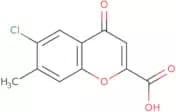
CAS:Controlled Product<p>Bis[(5-ethyl-2-methyl-1,3,2-dioxaphosphorinan-5-yl)methyl] methyl phosphonate P,P'-dioxide (BEMPD) is a brominated organophosphorus chemical that is used as a pesticide. It is an effective flame retardant and can be used in the production of polyurethane foams. The main application of BEMPD is in the preparation of particulate matter for weather modification. This chemical has been shown to be an effective phase extraction agent for polychlorinated biphenyls (PCBs) and polybrominated diphenylethers (PBDEs). Florisil column chromatography has been validated as a clean, economical, and sensitive method for the analysis of BEMPD residues. The sampler must be carefully selected to avoid interference with the analytical results.</p>Formula:C15H31O9P3Purity:Min. 95%Color and Shape:PowderMolecular weight:448.32 g/mol6-Chloro-7-methylchromone-2-carboxylic acid
CAS:<p>6-Chloro-7-methylchromone-2-carboxylic acid is a fine chemical that has been used as a versatile building block for the synthesis of complex compounds. It has been shown to be an effective reaction component in the synthesis of 1,4-benzoquinones and N'-acylhydrazones. 6-Chloro-7-methylchromone-2-carboxylic acid is also a useful intermediate in the preparation of other chemicals, such as pharmaceuticals and pesticides. This compound can be used as an additive to improve the quality of high purity reagents.</p>Formula:C11H7ClO4Purity:Min. 95%Molecular weight:238.62 g/molN-[(4-Amino-2-methylpyrimidin-5-yl)methyl]formamide
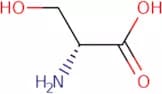
CAS:<p>N-[(4-Amino-2-methylpyrimidin-5-yl)methyl]formamide (NAMPT) is a triazolo compound that inhibits the ATP binding cassette transporter and blocks the uptake of uridine and pyrimidine compounds. It also inhibits inorganic pyrophosphatase, which is an enzyme that catalyzes the hydrolysis of pyrophosphate to inorganic phosphate. NAMPT has been shown to be a substrate for hypochlorous acid production in neutrophils, suggesting it may play a role in the regulation of oxidative stress. Chemical biology studies have demonstrated that NAMPT plays a physiological function as an intermediate in vitamin B1 biosynthesis.</p>Formula:C7H10N4OPurity:Min. 95%Color and Shape:PowderMolecular weight:166.18 g/molD-Serine
CAS:<p>D-Serine is an amino acid that has been shown to have a physiological function in the brain. It is an endogenous coagonist at the glycine site on the N-methyl-D-aspartate (NMDA) receptor. D-Serine has been shown to be neuroprotective and reduce neuronal death in experimental models of Parkinson's disease, Alzheimer's disease, and stroke. D-Serine also has a role in energy metabolism, as it can be converted to serine by racemase. This conversion is critical for neuronal survival during periods of prolonged fasting or low glucose levels. The production of d-serine from l-serine via racemase may serve as a potential biomarker for certain diseases such as Parkinson's disease and Alzheimer's disease.</p>Formula:C3H7NO3Color and Shape:White PowderMolecular weight:105.09 g/molH-Gly-Gly-His-Gly-OH
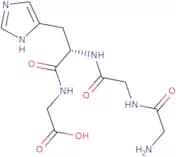
CAS:<p>H-Gly-Gly-His-Gly-OH is a tripeptide with a molecular weight of 778.09 g/mol. It is crosslinked to the side chain of lysine residues and can be used for the crosslinking of protein fibers, such as wool or silk, to form hydrophobic materials that are both resistant to shrinkage and have good thermal stability. The crosslinking reaction can be achieved by either the hypobromous acid oxidation or by inorganic oxidants such as hydrogen peroxide. H-Gly-Gly-His-Gly-OH has axial reactive radicals at its center which facilitates the formation of covalent links with other molecules.br><br>br><br>The yield depends on the type of reactant used and ranges from 47% (hydrogen peroxide) to 60% (hypobromous acid). The residue obtained after hydrolysis is an alpha amino acid consisting of</p>Formula:C12H18N6O5Purity:Min. 95%Color and Shape:PowderMolecular weight:326.31 g/mol7-Chlorotryptophan
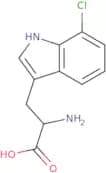
CAS:<p>Tryptophan is an amino acid that is an essential building block for proteins, neurotransmitters, and hormones. It is also a precursor for the synthesis of vitamin B3. 7-Chlorotryptophan has been shown to inhibit the growth of bacteria by inhibiting their ability to synthesize proteins by interfering with the covalent enzyme that controls the reaction mechanism in plants. Tryptophan may also have anti-inflammatory properties due to its inhibition of prostaglandin synthesis. The chlorinating and chloride groups on 7-chlorotryptophan are responsible for its bactericidal activity against Gram-positive bacteria.</p>Formula:C11H11ClN2O2Purity:Min. 95%Color and Shape:SolidMolecular weight:238.67 g/mol3-Amino-2-chloro-6-methylphenol
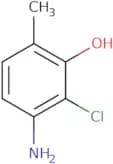
CAS:<p>3-Amino-2-chloro-6-methylphenol is a chemical substance that has been shown to have potential as a therapeutic agent for treating human cancers. 3-Amino-2-chloro-6-methylphenol has been shown to express in humans and is sensitive to the human body, which may be due to its ability to react with DNA and damage it. 3-Amino-2-chloro-6-methylphenol has also been shown to have an inhibitory effect on other chemical substances that are responsible for allergic reactions. This chemical substance has not yet been validated in animal models or clinical trials.</p>Formula:C7H8ClNOPurity:Min. 95%Color and Shape:PowderMolecular weight:157.6 g/mol(5-Methyl-2-oxo-1,3-dioxol-4-yl)methyl 4-nitrophenyl carbonate
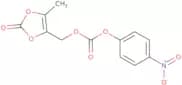
CAS:<p>(5-Methyl-2-oxo-1,3-dioxol-4-yl)methyl 4-nitrophenyl carbonate is a fine chemical that is used as a building block for the synthesis of complex compounds. It is an intermediate in the synthesis of 3,4-Dihydroquinazolinone. This compound has been reported to have useful pharmacological activity and has been used as a research chemical and in the synthesis of pharmaceuticals. (5-Methyl-2-oxo-1,3-dioxol-4-yl)methyl 4 nitrophenyl carbonate also has potential as a reagent and can be used in organic synthesis.</p>Formula:C12H9NO8Purity:Min. 95%Color and Shape:White PowderMolecular weight:295.2 g/mol(2-methoxyethyl)((2-nitrophenyl)sulfonyl)amine
CAS:<p>Please enquire for more information about (2-methoxyethyl)((2-nitrophenyl)sulfonyl)amine including the price, delivery time and more detailed product information at the technical inquiry form on this page</p>Purity:Min. 95%Human growth hormone (1-43)
CAS:<p>Human growth hormone is a polypeptide hormone that stimulates the growth of tissues and organs. It also plays a role in the regulation of the metabolism of carbohydrates, fats, and proteins. It is produced by cells in the anterior pituitary gland and acts on cells in many different parts of the body to regulate cell function. Growth hormone is used as a research tool in endocrinology and cell biology. It can be used to study how hormones affect cells both in vitro and in vivo.<br>A recombinant form of human growth hormone (r-hGH) has been approved for treatment of children with deficient or insufficient growth due to idiopathic short stature, chronic renal insufficiency, Turner syndrome, Prader-Willi syndrome, or familial short stature.<br>HGH may also be used to treat adults who are experiencing age-related muscle loss or wasting associated with HIV/AIDS or cancer cachexia.</p>Formula:C240H358N62O67SPurity:Min. 95%Molecular weight:5,215.85 g/mol(Des-Gly10,D-Trp6,D-Leu7,Pro-NHEt 9)-LHRH trifluoroacetate salt
<p>Please enquire for more information about (Des-Gly10,D-Trp6,D-Leu7,Pro-NHEt 9)-LHRH trifluoroacetate salt including the price, delivery time and more detailed product information at the technical inquiry form on this page</p>Formula:C64H83N17O12Purity:Min. 95%Color and Shape:PowderMolecular weight:1,282.45 g/molTertiapin
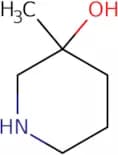
CAS:<p>Tertiapin is a synthetic bee venom peptide (Honey Bee, Apis mellifera) containing disulfide bonds between Cys3-Cys14 and Cys5-Cys18. It is an inward rectifier K+ channel blocker and also blocks the activity of calcium activated large conductance potassium channels. The pain and inflammation symptoms experienced after a bee sting is caused by this peptide even though bee venom also has the potential to treat pain and inflammation in conditions such as rheumatoid arthritis and multiple sclerosis.</p>Formula:C106H180N34O23S5Purity:Min. 95%Molecular weight:2,459.11 g/mol3-Methylpiperidin-3-ol
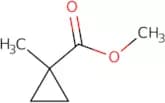
CAS:<p>3-Methylpiperidin-3-ol is a chemical compound that has been found to be useful as a building block for the synthesis of various complex compounds. This product is used in research and as a reagent. 3-Methylpiperidin-3-ol is also known by the CAS number 473730-88-0.</p>Formula:C6H13NOPurity:Min. 95%Color and Shape:Yellow solid.Molecular weight:115.17 g/molMethyl 1-methylcyclopropane-1-carboxylate
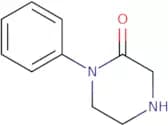
CAS:<p>Please enquire for more information about Methyl 1-methylcyclopropane-1-carboxylate including the price, delivery time and more detailed product information at the technical inquiry form on this page</p>Formula:C6H10O2Purity:Min. 95%Molecular weight:114.14 g/mol1-Phenyl-piperazin-2-one
CAS:<p>1-Phenyl-piperazin-2-one is a versatile chemical that can be used as a building block in the synthesis of complex compounds. This compound is also used as a reagent and speciality chemical. It is an important intermediate in organic synthesis and has been used in the preparation of pharmaceuticals, pesticides, and herbicides. 1-Phenyl-piperazin-2-one can be prepared by reacting phenylacetonitrile with nitrous acid to form the nitrile followed by hydrolysis to produce the corresponding carboxylic acid.</p>Formula:C10H12N2OPurity:Min. 95%Color and Shape:PowderMolecular weight:176.22 g/mol3-Methyl-5-Isothiazolamine
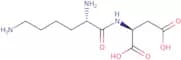
CAS:<p>3-Methyl-5-isothiazolamine is a linear molecule with a molecular weight of 122.1. 3-Methyl-5-isothiazolamine has an interaction with chloride and can be used as a reagent for the identification of disulfides. Disulfide bonds are formed by the oxidation of sulfhydryl groups in proteins, which are reduced by glutathione reductase to produce sulfhydryl groups. 3-Methyl-5-isothiazolamine has been shown to react with molecular ions that are characteristic of isothiazoles and isothiazole derivatives, as well as aromatic compounds such as 4-hydroxybenzoic acid. This product also reacts with dehydrogenase enzymes, such as alcohol dehydrogenase, which produces oxidized products from carbohydrates and other organic molecules that contain hydroxyl groups.</p>Formula:C4H6N2SPurity:Min. 95%Color and Shape:PowderMolecular weight:114.17 g/molH-Lys-Asp-OH
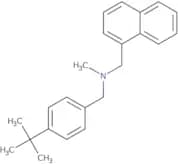
CAS:<p>H-Lys-Asp-OH is a molecule that binds to the receptor binding molecule for the colony stimulating factor. It has been shown to be effective in protecting against experimental models of hepatic steatosis and monoclonal antibody induced liver injury. The therapeutic potential of H-Lys-Asp-OH is being investigated as a treatment for human hepatic steatosis, which is a condition characterized by high levels of fat in the liver. This drug also has pharmacokinetic properties that are important in its use as an experimental model for studying the effects of antibiotics on bacterial DNA synthesis, and as a diagnostic tool for detecting antibiotic resistant bacteria.</p>Formula:C10H19N3O5Purity:Min. 95%Color and Shape:White PowderMolecular weight:261.28 g/molButenafine
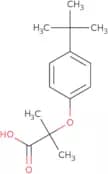
CAS:<p>Butenafine hydrochloride is a mycological agent that is used to treat tinea. It has been shown to have an antifungal activity in vitro against wild-type strains of c. glabrata. Butenafine hydrochloride inhibits the synthesis of ergosterol, which is a vital component of fungal cell membranes, by blocking the conversion of squalene to lanosterol through inhibition of 14alpha-demethylase. It also has antimicrobial properties, which may be due to its ability to inhibit bacterial growth.</p>Formula:C23H27NPurity:Min. 95%Molecular weight:317.47 g/mol2-(4-tert-Butylphenoxy)-2-methylpropanoic acid
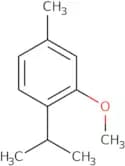
CAS:<p>2-(4-tert-Butylphenoxy)-2-methylpropanoic acid is a versatile building block and reagent for the synthesis of complex compounds. It has been used in research as a possible treatment for inflammatory diseases, including asthma and rheumatoid arthritis. This product is also a useful scaffold for the development of new drugs. 2-(4-tert-Butylphenoxy)-2-methylpropanoic acid has been shown to have antiviral properties against human immunodeficiency virus (HIV) and hepatitis C virus (HCV).</p>Formula:C14H20O3Purity:Min. 95%Color and Shape:PowderMolecular weight:236.31 g/mol2-Isopropyl-5-methylanisole
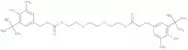
CAS:<p>2-Isopropyl-5-methylanisole is a natural compound that has been shown to have potent antimicrobial activity in a model system. It has been shown to inhibit the growth of bacteria by binding to the active site of bacterial DNA gyrase and topoisomerase IV, which are enzymes that maintain the integrity of bacterial DNA. 2-Isopropyl-5-methylanisole has also been shown to be nontoxic in toxicity studies on various model organisms. 2-Isopropyl-5-methylanisole is absorbed through the skin when applied topically or taken orally, and can be used as an antibacterial agent for topical application or in foods.</p>Formula:C11H16OPurity:Min. 95%Color and Shape:Clear LiquidMolecular weight:164.24 g/molTriethylene glycol bis(3-tert-butyl-4-hydroxy-5-methylphenyl)propionate
CAS:<p>Triethylene glycol bis(3-tert-butyl-4-hydroxy-5-methylphenyl)propionate is a water soluble, nonvolatile, and reactive chemical that is used as a sealant and antioxidant in polyvinyl chloride production. Triethylene glycol bis(3-tert-butyl-4-hydroxy-5-methylphenyl)propionate is also used as a synergistic interaction agent for water permeability in fatty acid esters. It has been shown to have an effect on the metabolic rate of rats, which may be due to its ability to react with free radicals.</p>Formula:C34H50O8Purity:Min. 95%Color and Shape:White Off-White PowderMolecular weight:586.76 g/molEthyl 3-((4-chlorophenyl)amino)-5-methyl-2,4-thiazolecarboxylate
CAS:<p>Please enquire for more information about Ethyl 3-((4-chlorophenyl)amino)-5-methyl-2,4-thiazolecarboxylate including the price, delivery time and more detailed product information at the technical inquiry form on this page</p>Purity:Min. 90%[4-(2-Methyl-1,3-oxazol-5-yl)phenyl]amine
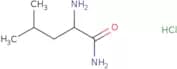
CAS:<p>4-(2-Methyl-1,3-oxazol-5-yl)phenyl]amine is a versatile building block that is widely used in the research and development of complex compounds. This compound can be used as a reagent, speciality chemical, or useful intermediate as it has high reactivity and good solubility. 4-(2-Methyl-1,3-oxazol-5-yl)phenyl]amine is also a useful scaffold for producing other compounds.</p>Formula:C10H10N2OPurity:Min. 95 Area-%Color and Shape:PowderMolecular weight:174.2 g/molDL-Leucine amide hydrochloride
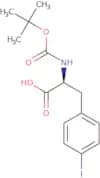
CAS:<p>DL-Leucine amide hydrochloride is a fine chemical that can be used as a building block for research chemicals, as a reagent for the preparation of other compounds, and as a speciality chemical. DL-Leucine amide hydrochloride has been shown to be effective in the synthesis of complex compounds. The compound is also versatile and can be used as an intermediate or scaffold in the synthesis of other compounds. DL-Leucine amide hydrochloride is useful in reactions such as condensation, substitution, elimination, and Grignard reactions. It is also used in peptide synthesis and polymerization reactions.</p>Formula:C6H14N2O·HClPurity:Min. 95%Molecular weight:166.65 g/molBoc-4-iodo-L-phenylalanine
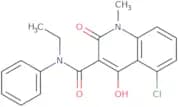
CAS:<p>Boc-4-iodo-L-phenylalanine is a chemical compound belonging to the category of amino acid derivatives. It is widely used in research for various applications, including peptide synthesis and drug discovery.<br>The L-phenylalanine derivative, has a Boc protecting group (tert-butoxycarbonyl) on the amino group and an iodine atom at the 4-position of the phenyl ring. The Boc group protects the amino group from unwanted reactions during peptide synthesis, while the iodine atom serves as a useful group for further modifications.</p>Formula:C14H18IHO4Purity:Min. 95%Color and Shape:PowderMolecular weight:378.2 g/mol5-Chloro-4-hydroxy-1-methyl-2-oxo-1,2-dihydro-quinoline-3-carboxylic acid ethyl-phenyl-amide
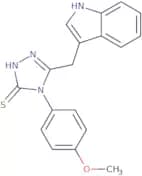
CAS:<p>Laquinimod is an immunomodulator drug that inhibits the activity of the immune system. It binds to toll-like receptor 7, which is a protein on the surface of certain cells that responds to infection and inflammation. Laquinimod has been shown to inhibit neurodegeneration in vitro, which may be due to its ability to bind with neuronal death receptors and block the inflammatory response. Laquinimod also inhibits bowel disease by reducing inflammation and controlling immunity in the intestinal tract. Laquinimod has been shown to have long-term efficacy when administered at physiological levels. This drug is chemically stable, even after exposure to light.</p>Formula:C19H17ClN2O3Purity:Min. 95%Color and Shape:White PowderMolecular weight:356.8 g/mol5-(Indol-3-ylmethyl)-4-(4-methoxyphenyl)-1,2,4-triazole-3-thiol
CAS:<p>Please enquire for more information about 5-(Indol-3-ylmethyl)-4-(4-methoxyphenyl)-1,2,4-triazole-3-thiol including the price, delivery time and more detailed product information at the technical inquiry form on this page</p>Formula:C18H16N4OSPurity:Min. 95%Color and Shape:PowderMolecular weight:336.41 g/mol2,6-Dichloro-3-methylaniline
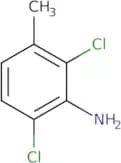
CAS:<p>2,6-Dichloro-3-methylaniline is a wastewater treatment chemical that is used to remove ammonia from wastewater. It is an allosteric modulator that can bind to different sites on the same protein and change its function. 2,6-Dichloro-3-methylaniline has been shown to inhibit the growth of bladder cancer cells in vitro and in vivo by affecting the production of dopamine. This compound may also be effective in treating other cancers such as breast cancer and prostate cancer. 2,6-Dichloro-3-methylaniline has been shown to inhibit population growth in some bacteria by binding to DNA gyrase and topoisomerase IV enzymes.</p>Formula:C7H7Cl2NPurity:Min. 95%Color and Shape:PowderMolecular weight:176.04 g/mol4'-Methoxy-5,6-benzoflavone
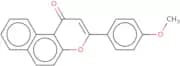
CAS:<p>4'-Methoxy-5,6-benzoflavone is a versatile chemical building block that can be used in the synthesis of complex compounds. It is a high quality reagent for research and has been used as a speciality chemical due to its ability to react with other chemicals. This compound is also useful in the synthesis of pharmaceuticals and agrochemicals. 4'-Methoxy-5,6-benzoflavone can be used as an intermediate for the synthesis of polycyclic aromatic hydrocarbons or it can be used as a scaffold in organic chemistry.</p>Formula:C20H14O3Purity:Min. 95%Color and Shape:White Off-White PowderMolecular weight:302.32 g/mol2-((4-Methylphenyl)sulfonyl)ethanamide
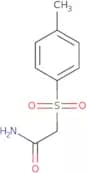
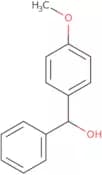
CAS:<p>2-((4-Methylphenyl)sulfonyl)ethanamide is an amide that has been shown to have antibacterial activity. It binds to the DNA of bacteria, inhibiting its replication and transcription. This drug also inhibits the growth of influenza virus in cell culture. 2-((4-Methylphenyl)sulfonyl)ethanamide is a sensor for chloride ions, which may be used as treatments for bacterial infections. This drug is also able to inhibit the replication of bacteria that are resistant to other antibiotics, such as penicillin. The unsaturated alkyl group on this molecule allows it to be activated by radiation treatment, which may be useful in the treatment of cancer cells or viral infections.</p>Formula:C9H11NO3SPurity:Min. 95%Color and Shape:PowderMolecular weight:213.25 g/mol4-Methoxybenzhydrol
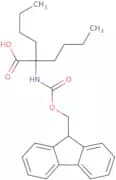
CAS:<p>4-Methoxybenzhydrol is a chemical compound that has an activation energy of 69.3 kJ/mol. It has been shown to be acidic, with a pH of 2.5 in water, and can react with allyl alcohols to form 4-methoxybenzaldehyde. The addition of metal ions enhances the reaction rate. Kinetic studies have been carried out at room temperature, and the reaction mechanism is proposed to be via solvolysis of hypophosphorous acid followed by decarboxylation. Impurities may arise from side reactions such as the formation of peroxides or photocatalytic activity, which may lead to functional groups on the molecule.</p>Formula:C14H14O2Purity:Min. 95%Color and Shape:PowderMolecular weight:214.26 g/molFmoc-di-n-butylglycine
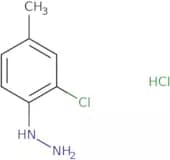
CAS:<p>Fmoc-di-n-butylglycine is a c1-8 alkyl that has been shown to have an antiinflammatory effect. It inhibits the phosphodiesterase enzyme, which is responsible for the degradation of cyclic adenosine monophosphate (cAMP), which increases levels of this molecule. This leads to increased activation of protein kinase A and protein kinase C, which are important in inflammatory pathways. Fmoc-di-n-butylglycine binds to the sodium channel, preventing it from opening and closing, thus inhibiting transmission of electrical signals. This drug has also been shown to inhibit potassium channels and hydrogen sulfate production by bacteria. Fmoc-di-n-butylglycine can be used as a model for the study of other drugs that act on sodium channels.</p>Formula:C25H31NO4Purity:Min. 95%Color and Shape:SolidMolecular weight:409.52 g/mol(2-Chloro-4-methylphenyl)hydrazine hydrochloride
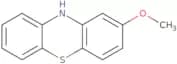
CAS:<p>(2-Chloro-4-methylphenyl)hydrazine hydrochloride is a high quality reagent that is a useful intermediate for the synthesis of complex compounds. It has been used as a building block for the synthesis of speciality chemicals and research chemicals. This compound can be used to produce versatile building blocks and reaction components.</p>Formula:C7H9ClN2·HClPurity:Min. 95%Color and Shape:PowderMolecular weight:193.07 g/mol2-Methoxyphenothiazine
CAS:<p>2-Methoxyphenothiazine is an antihistamine drug used to treat allergy symptoms. It is available as a liquid formulation for adults and children over the age of 12 years. The pharmacokinetic properties of 2-methoxyphenothiazine have been studied in three clinical trials. In one study, the terminal half-life was found to be around 5 hours in both healthy subjects and patients with allergic rhinitis. In another study, 2-methoxyphenothiazine was administered intravenously to healthy subjects at two different doses. After administration, 2-methoxyphenothiazine plasma concentrations were measured using high performance liquid chromatography (HPLC). The bioavailability of 2-methoxyphenothiazine was found to be dose proportional following intravenous administration. 2-Methoxyphenothiazine is metabolized by hydrolysis of its ester group by esterases or glucuron</p>Formula:C13H11NOSPurity:90%Color and Shape:PowderMolecular weight:229.3 g/molD-Allo-isoleucine
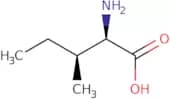
CAS:<p>D-Allo-isoleucine is an antimicrobial agent that belongs to the group of hydroxyl compounds. It is a natural amino acid that can be synthesized by asymmetric synthesis, and its conformational properties are different from those of L-isoleucine. D-Allo-isoleucine has been shown to increase activity against microorganisms in vitro and in mice models. D-Allo-isoleucine also has an inhibitory effect on aminotransferase activity, which may be due to its ability to form a cyclic peptide with the fatty acid group p2.</p>Formula:C6H13NO2Purity:Min. 95%Color and Shape:PowderMolecular weight:131.17 g/mol3-(2-Phenylethoxy)benzaldehyde
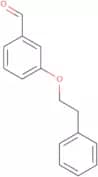
CAS:<p>3-(2-Phenylethoxy)benzaldehyde is a benzaldehyde derivative with an ether group at the 3-position. It is used as a building block for the synthesis of organic compounds and as a reaction component in the preparation of research chemicals, speciality chemicals, and complex compounds. This compound has been shown to have high purity and to be a versatile building block for the synthesis of pharmaceuticals, agrochemicals, and other fine chemicals.</p>Formula:C15H14O2Purity:Min. 95%Color and Shape:PowderMolecular weight:226.27 g/mol3-(tert-butyl)-4-((2-hydroxy-3-methoxyphenyl)methylene)-1-phenyl-2-pyrazolin-5-one
CAS:<p>Please enquire for more information about 3-(tert-butyl)-4-((2-hydroxy-3-methoxyphenyl)methylene)-1-phenyl-2-pyrazolin-5-one including the price, delivery time and more detailed product information at the technical inquiry form on this page</p>Purity:Min. 95%2-Phenyl-malononitrile
CAS:<p>2-Phenyl-malononitrile is an amide with a malonic acid group. It is a nucleophilic agent that inhibits the activity of histone deacetylases (HDACs). 2-Phenyl-malononitrile binds to the zinc ion in the active site of HDACs, preventing them from catalyzing the removal of acetyl groups from lysine residues on histones and other proteins. The use of 2-phenyl-malononitrile as an inhibitor has been shown to be effective against lipid kinases and protein targets of oxidative stress. It also inhibits transfer reactions involving oxygen nucleophiles, such as hydrochloric acid or carbonyl compounds. In addition, 2-phenyl-malononitrile has been shown to have pharmaceutical preparations for inhibiting cancer cell growth by targeting proteins involved in transcriptional regulation.</p>Formula:C9H6N2Purity:Min. 95%Color and Shape:SolidMolecular weight:142.16 g/molO-tert-Butyl-L-tyrosine
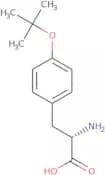
CAS:<p>O-tert-Butyl-L-tyrosine is a biostable, low molecular weight, hydrophobic, and diffraction active compound. It can be used as a solvent for chiral and non-chiral compounds. O-tert-Butyl-L-tyrosine has been shown to have biological function in the synthesis of peptides, proteins, and amides. This compound also has an effect on gelation and is often used in organic solvents.</p>Formula:C13H19NO3Purity:Min. 95%Color and Shape:SolidMolecular weight:237.29 g/molN4-Boc-cytosin-1-yl acetic acid
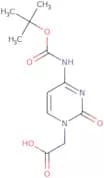
CAS:<p>N4-Boc-cytosin-1-yl acetic acid is a fine chemical that is used as a reagent, and can be used as a building block in the synthesis of various compounds. It has been shown to be an effective intermediate in the synthesis of various compounds, and can be used as a scaffold for drug discovery. N4-Boc-cytosin-1-yl acetic acid is also useful in the production of other chemicals, such as pharmaceuticals and pesticides.</p>Formula:C11H15N3O5Purity:Min. 98 Area-%Color and Shape:PowderMolecular weight:269.25 g/mol2',6'-Dimethoxy-β-methyl-β-nitrostyrene
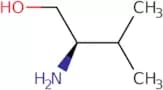
CAS:<p>2',6'-Dimethoxy-beta-methyl-beta-nitrostyrene is a chemical building block that is useful for the synthesis of complex organic molecules. It is an intermediate in the manufacture of pharmaceuticals, pesticides and dyes. 2',6'-Dimethoxy-beta-methyl-beta-nitrostyrene is an important component in the production of research chemicals and speciality chemicals. The compound has been assigned CAS number 78904-44-6.</p>Formula:C11H13NO4Purity:Min. 95%Molecular weight:223.23 g/molD-Valinol
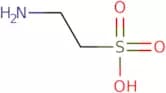
CAS:<p>D-Valinol is a synthetic compound that contains a chiral alcohol group. It is an ester hydrochloride salt of D-valinol and has been shown to be clinically effective in treating chronic lymphocytic leukemia (CLL). This drug is a potent inhibitor of the bcr-abl kinase, which is involved in the regulation of protein synthesis. D-Valinol binds to the kinase domain of this enzyme and inhibits its activity by preventing it from transferring phosphate groups from ATP to tyrosine residues on proteins. D-Valinol also inhibits chloride channels, which are required for cell survival.</p>Formula:C5H13NOPurity:Min. 95%Color and Shape:PowderMolecular weight:103.16 g/molTaurine
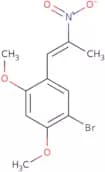
CAS:<p>Taurine is an amino acid that is found in the body and plays a number of different roles, including in biochemical composition, energy metabolism, and cell signaling. Taurine has been shown to be effective for the treatment of bowel disease and can be used as a reaction solution. It has also been shown to increase mitochondrial membrane potential and prevent cellular death in 3T3-L1 preadipocytes. Taurine inhibits growth factor-β1, which may be responsible for the inhibition of cellular proliferation and apoptosis induction. Taurine also decreases tubulointerstitial injury by increasing the synthesis of collagen type II and decreasing the production of reactive oxygen species. Taurine may play a role in reversing neuronal death through its interactions with intracellular targets such as tubulin.</p>Formula:C2H7NO3SColor and Shape:PowderMolecular weight:125.15 g/mol5-Bromo-2,4-dimethoxy-β-methylnitrostyrene
CAS:<p>5-Bromo-2,4-dimethoxy-beta-methylnitrostyrene is a fine chemical that is an important reagent and building block. It can be used as a reaction component or intermediate for the synthesis of more complex compounds. 5-Bromo-2,4-dimethoxy-beta-methylnitrostyrene can also be used as a versatile building block to produce high quality complex compounds. The compound has been shown to have a high level of purity and is suitable for use in research or speciality chemicals.</p>Formula:C11H12BrNO4Purity:Min. 95%Color and Shape:PowderMolecular weight:302.12 g/mol8-Methylxanthine
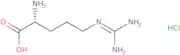
CAS:<p>8-Methylxanthine is a metabolite of caffeine and theophylline. It has been shown to be a pro-inflammatory cytokine that stimulates the production of other pro-inflammatory cytokines such as interleukin (IL)-1β, IL-6, and tumor necrosis factor alpha (TNFα). 8-Methylxanthine is also a substrate for cytochrome P450 enzyme activity, which is responsible for metabolizing many drugs and other chemicals in the body. This compound has been detected in human liver and urine samples. 8-Methylxanthine has cytotoxic properties and may serve as an antioxidant. Mass spectrometric detection methods are used to identify this compound in biological fluids.</p>Formula:C6H6N4O2Purity:Min. 95%Color and Shape:PowderMolecular weight:166.14 g/molD-Arginine hydrochloride
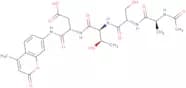
CAS:<p>D-Arginine HCl is a nonessential amino acid that has been shown to increase the release of acetylcholine in the brain, which is important for learning and memory. It has also been shown to inhibit urea nitrogen production by blocking arginase, an enzyme involved in the synthesis of urea. D-Arginine HCl has been used as a diuretic, but there is some evidence that it may have a biphasic response. This means that it causes increased urination at low doses and decreased urination at higher doses. D-Arginine HCl may be useful as an analgesic agent because it inhibits the production of nω-nitro-l-arginine methyl ester (LNMMA), which causes pain.</p>Formula:C6H14N4O2•HClPurity:Min. 95%Molecular weight:210.66 g/molAc-Ala-Ser-Thr-Asp-AMC
CAS:<p>Ac-Ala-Ser-Thr-Asp-AMC is a versatile building block that can be used as an intermediate in organic synthesis, a reagent, or a speciality chemical. It is also a useful scaffold for drug discovery and development. Ac-Ala-Ser-Thr-Asp-AMC has been shown to be an effective inhibitor of phosphodiesterase 3 (PDE3) and cyclic nucleotide phosphodiesterases (PDEs).</p>Formula:C26H33N5O11Purity:Min. 95 Area-%Color and Shape:PowderMolecular weight:591.57 g/mol5-Phenyl-2-oxazolidone
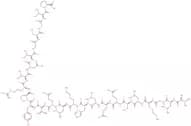
CAS:<p>5-Phenyl-2-oxazolidone is a glucosinolate precursor. It is used in the synthesis of peptides and has been shown to have anti-inflammatory effects. 5-Phenyl-2-oxazolidone has also been found to have tranquilizing properties, which may be due to its ability to inhibit the enzyme acetylcholinesterase. This compound has also been shown to have a protective effect against damage caused by chloramine T, which is a chemical that is used as a disinfectant and for water purification. 5-Phenyl-2-oxazolidone can be found in brassica vegetables such as broccoli, cauliflower, cabbage and Brussels sprouts. 5-Phenyl-2-oxazolidone also has pharmacological effects on the nucleus and leaves of lutea l., a plant belonging to the brassicaceae family.</p>Formula:C9H9NO2Purity:Min. 95%Color and Shape:PowderMolecular weight:163.17 g/molCalcitonin (8-32) (salmon I) trifluoroacetate salt
CAS:<p>Please enquire for more information about Calcitonin (8-32) (salmon I) trifluoroacetate salt including the price, delivery time and more detailed product information at the technical inquiry form on this page</p>Formula:C119H198N36O37·C2HF3O2Purity:Min. 98 Area-%Color and Shape:PowderMolecular weight:2,725.07 g/mol6-amino-3-methyl-4-(3-nitrophenyl)-4H-pyrano[3,2-d]pyrazole-5-carbonitrile
CAS:<p>Please enquire for more information about 6-amino-3-methyl-4-(3-nitrophenyl)-4H-pyrano[3,2-d]pyrazole-5-carbonitrile including the price, delivery time and more detailed product information at the technical inquiry form on this page</p>Formula:C14H11N5O3Purity:Min. 95%Color and Shape:PowderMolecular weight:297.27 g/mol2-Methylbenz[c,d]indole
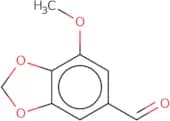
CAS:<p>2-Methylbenz[c,d]indole is an indole. It exhibits a number of spectroscopic properties including the presence of a strong absorption band at 290 nm and a weak one at 430 nm. 2-Methylbenz[c,d]indole is not active against bacteria.</p>Formula:C12H9NPurity:Min. 95 Area-%Color and Shape:PowderMolecular weight:167.21 g/mol3-Methoxy-4,5-methylenedioxybenzaldehyde
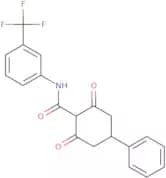
CAS:Controlled Product<p>3-Methoxy-4,5-methylenedioxybenzaldehyde (MMDA) is an amine that is used in the synthesis of drugs and pharmaceuticals. It is a major component of myristicin, which is found in nutmeg. MMDA can be synthesized from aluminium chloride, hydrochloric acid and pyridine. The molecule has a skeleton that is recemic at acidic pH values and mesoionic at basic pH values. This compound also reacts with acetyl chloride to form 3,4-dimethoxyacetophenone, which can be chromatographically separated from other compounds. The chromatography produces flavonoid derivatives such as quercetin, 3′-methoxyquercetin and 3′,4′-dimethoxyquercetin. Flavonoids are polyphenolic compounds found in plants that have antioxidant properties. Chromatographic separation of these compounds can be done using spectrometric methods to</p>Formula:C9H8O4Purity:Min. 95 Area-%Color and Shape:Off-White PowderMolecular weight:180.16 g/mol(2,6-dioxo-4-phenylcyclohexyl)-N-(3-(trifluoromethyl)phenyl)formamide
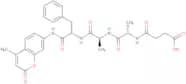
CAS:<p>Please enquire for more information about (2,6-dioxo-4-phenylcyclohexyl)-N-(3-(trifluoromethyl)phenyl)formamide including the price, delivery time and more detailed product information at the technical inquiry form on this page</p>Purity:Min. 95%Suc-Ala-Ala-Phe-AMC
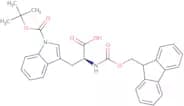
CAS:<p>Suc-Ala-Ala-Phe-AMC is a synthetic substrate that has been used to measure angiotensinase activity in blood pressure regulation. It is hydrolysed by the enzyme serine protease and the rate of hydrolysis is proportional to the concentration of angiotensin. Suc-Ala-Ala-Phe-AMC can be used as a substitute for angiotensin I, which is not readily available for experimental use. Suc-Ala-Ala-Phe-AMC does not contain any amino acids that are essential for life, and so it can be used in experiments with animals without causing them any harm.</p>Formula:C29H32N4O8Purity:Min. 95%Color and Shape:PowderMolecular weight:564.59 g/molFmoc-Trp(Boc)-OH
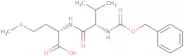
CAS:<p>Fmoc-Trp(Boc)-OH is an amide that has been shown to have the ability to bind to human serum proteins, making it useful in clinical diagnostics. This compound has also been found to be effective against a variety of bacterial strains and fungi. The Fmoc-Trp(Boc)-OH peptide can be synthesized using solid-phase synthesis techniques, which involve attaching amino acid residues to a polymer support. This process is cell specific and allows for the production of peptides with specific sequences. The presence of histidine residues on the side chain of this molecule makes it a good candidate for use in antimicrobial peptides.</p>Formula:C31H30N2O6Purity:Min. 98 Area-%Color and Shape:White Off-White PowderMolecular weight:526.58 g/molZ-Val-Met-OH
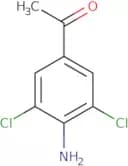
CAS:<p>Z-Val-Met-OH is a high purity synthetic compound that can be used as a research tool in cell biology, ion channels and peptides. This compound is an activator of the receptor for bradykinin and has been shown to inhibit the activity of protein kinase C. Z-Val-Met-OH is also a ligand for the acetylcholine receptor and has been shown to inhibit acetylcholinesterase, leading to an increase in acetylcholine levels. Z-Val-Met-OH binds to the receptor for insulin and can be used as an inhibitor of insulin release from pancreatic beta cells.</p>Formula:C18H26N2O5SPurity:Min. 95%Molecular weight:382.48 g/mol1-(4-Amino-3,5-dichloro-phenyl)-2-ethanone
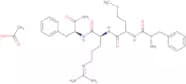
CAS:<p>1-(4-Amino-3,5-dichloro-phenyl)-2-ethanone is a beta-adrenergic agent. It has been used as a stable isotope label for the study of the pharmacokinetics and metabolism of drugs in humans. In addition, it has been shown to have a good stability profile in acidic solutions and can be easily converted to other derivatives by simple chemical methods. The compound's UV spectrum is linear with respect to concentration over the range from 0.1 to 1 mg/mL, with maxima at 227 nm and 254 nm. This compound has been characterized using analytical methods such as diffraction, spectroscopy, and chromatography.</p>Formula:C8H7Cl2NOPurity:Min. 95%Color and Shape:PowderMolecular weight:204.05 g/molH-Phe-Met-Arg-Phe-NH2 acetate
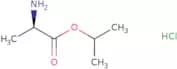
CAS:Controlled Product<p>H-Phe-Met-Arg-Phe-NH2 acetate is a high quality reagent that is useful in the synthesis of complex compounds. It can be used as an intermediate for the production of fine chemicals and speciality chemicals, as well as being a versatile building block in the synthesis of organic compounds. H-Phe-Met-Arg-Phe-NH2 acetate can also be used to make research chemicals or reaction components.</p>Formula:C29H42N8O4S•(C2H4O2)xPurity:Min. 95%Color and Shape:PowderMolecular weight:598.76 g/molD-Alanine isopropyl ester HCl
CAS:<p>D-Alanine isopropyl ester HCl is a synthetic compound that has been used as a diagnostic tool for detecting the presence of molybdenum in urine. It has been shown to have a high affinity for the receptor, and acts as an agonist. D-Alanine isopropyl ester HCl has also been shown to induce malignant growth in fibroblast cells.</p>Formula:C6H13NO2·ClHPurity:Min. 95%Color and Shape:White PowderMolecular weight:167.63 g/mol2-Methoxyphenylacetonitrile
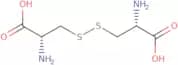
CAS:<p>2-Methoxyphenylacetonitrile is a chemical that is used in the manufacture of pharmaceuticals. It has antibacterial activity and can be used to treat typhoid fever, staphylococcal infections, and mental disorders such as schizophrenia. 2-Methoxyphenylacetonitrile is an alkylating agent that reacts with nucleophiles in proteins, DNA, and RNA. These reactions lead to the destruction of the bacterial cell wall and inhibition of protein synthesis. The mechanism by which 2-methoxyphenylacetonitrile exerts its antibacterial effect may involve formation of a reactive intermediate that inhibits bacterial ribonucleotide reductase. The addition of an electron to this intermediate leads to the formation of a covalent bond with one or more amino acids in the protein acceptor, thereby preventing further growth and division of bacteria.</p>Formula:C9H9NOPurity:Min. 90%Color and Shape:White PowderMolecular weight:147.17 g/molL-Cystine
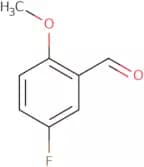
CAS:<p>L-Cystine is a nonessential amino acid in humans. It is a sulfur-containing amino acid, which forms the cystine molecule with another L-cysteine molecule. Cystine has been shown to have antioxidant properties due to its redox potentials and ability to form disulfide bonds. L-Cystine can be synthesized by the enzyme ATP-binding cassette transporter using the redox potential of NADH. It also plays an important role in protein synthesis, as it is a component of many proteins, including those that are involved in neural death and bowel disease. L-Cystine has also been found to have physiological effects on the human body at levels that are not toxic.</p>Formula:C6H12N2O4S2Purity:Min 98.5%Color and Shape:White PowderMolecular weight:240.3 g/mol5-Fluoro-2-methoxybenzaldehyde
CAS:<p>5-Fluoro-2-methoxybenzaldehyde is an inhibitor that blocks the enzyme acetylcholinesterase. It has been shown to be useful in the synthesis of a variety of drugs, including anticancer agents and antibiotics. 5-Fluoro-2-methoxybenzaldehyde is used in the industrial production of acetonitrile and can also be found in small quantities as a natural component of many fruits and vegetables. It is also used as a precursor for other chemicals, such as pharmaceuticals and pesticides. The compound is generally synthesized by condensation reactions involving benzaldehyde, acetamide, and formaldehyde. This chemical has been studied in medicinal chemistry because it can inhibit bacterial growth by binding to DNA gyrase.</p>Formula:C8H7FO2Purity:Min. 95%Color and Shape:White PowderMolecular weight:154.14 g/mol2,6-Dimethoxy-4-methylbenzyl alcohol
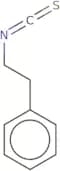
CAS:<p>2,6-Dimethoxy-4-methylbenzyl alcohol is a high quality, versatile building block that is used as a reagent. The chemical has been shown to be a useful intermediate in the production of fine chemicals and speciality chemicals. 2,6-Dimethoxy-4-methylbenzyl alcohol can be used as a reaction component in the production of research chemicals and versatile building blocks. This compound can be found on CAS registry number 875664-51-0.</p>Formula:C10H14O3Purity:Min. 95%Color and Shape:PowderMolecular weight:182.22 g/mol2-Phenylethyl isothiocyanate
CAS:<p>2-Phenylethyl isothiocyanate is an antimicrobial agent that belongs to the Brassica family. It has been shown to have a broad spectrum of activity against bacteria and fungi. This compound has been shown to denature proteins, which may be due to its ability to form covalent bonds with protein amino acid side chains. 2-Phenylethyl isothiocyanate also prevents biofilm formation by inhibiting cell adhesion, which may be due to its ability to inhibit fatty acid biosynthesis in lung fibroblasts. 2-Phenylethyl isothiocyanate has been shown to reduce the growth of lung fibroblasts at high salt concentrations, which may be due to its ability to interfere with the uptake of chloride ions.</p>Formula:C9H9NSPurity:Min. 95%Color and Shape:Colorless Clear LiquidMolecular weight:163.24 g/molL-Histidine monohydrochloride monohydrate
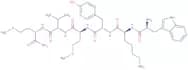
CAS:<p>L-Histidine monohydrochloride monohydrate is a histidine derivative that is used in the treatment of chronic oral and bowel diseases. L-histidine has been shown to activate phospholipase A2, which releases arachidonic acid from phospholipids. Arachidonic acid then reacts with other molecules to form prostaglandins and leukotrienes. L-histidine also inhibits the release of tumor necrosis factor (TNF) by blocking the activity of lipoxygenase, or it can stimulate the production of prostaglandins and leukotrienes that suppress inflammation in animal models. L-histidine monohydrochloride monohydrate has been shown to have an anti-inflammatory effect in animals with inflammatory bowel disease due to its ability to inhibit the production of prostaglandin E2 (PGE2). This drug has also been shown to be capable of neutralizing acidic ph by forming a salt with</p>Formula:C6H9N3O2·HCl·H2OColor and Shape:White PowderMolecular weight:209.63 g/molH-Trp-Lys-Tyr-Met-Val-Met-NH2
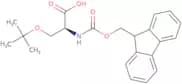
CAS:<p>H-Trp-Lys-Tyr-Met-Val-Met-NH2 is a natural compound that belongs to the group of pharmacological agents. It has been shown to have a therapeutic effect on congestive heart failure, bowel disease and autoimmune diseases. This compound has also been shown to stimulate locomotor activity in mice by increasing dopamine levels in the brain. H-Trp-Lys-Tyr-Met-Val-Met NH2 has been found to inhibit the growth of HL60 cells in culture, which are a type of white blood cell that is involved in immune response. H-Trp-Lys Tyr Met Val Met NH2 also binds to receptors for formyl and sesquiterpenoid lactones, which are chemical compounds that are used as pharmacological agents for cancer therapy and treatment of inflammatory bowel disease.</p>Formula:C41H61N9O7S2Purity:Min. 95%Molecular weight:856.11 g/molFmoc-Ser(tBu)-OH
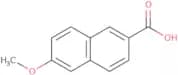
CAS:<p>Fmoc-Ser(tBu)-OH is a synthetic amino acid that is used in the synthesis of degarelix acetate, an amide ester of the vasodilator, prostaglandin F2α. Degarelix acetate binds to the fibrinogen receptor on the surface of cells and inhibits platelet aggregation. This drug has been shown to be effective in treating prostate cancer by inhibiting epidermal growth factor receptor signaling. It also has immune modulating effects by binding to monoclonal antibodies and altering antibody responses. Fmoc-Ser(tBu)-OH is synthesized from the amino acid serine and t-butyl alcohol, which are combined with trifluoroacetic acid (TFA) and hydroxyl group. The resulting product is then reacted with dansyl chloride or benzoyl chloride (BzCl), which cleaves off one carboxylic acid group from serine, forming an</p>Formula:C22H25NO5Purity:Min. 98 Area-%Color and Shape:White Off-White PowderMolecular weight:383.44 g/mol6-Methoxy-2-naphthoic acid
CAS:<p>6-Methoxy-2-naphthoic acid (MN) is a cavity amide that has been shown to have an inhibitory effect on the growth of cancer cells. MN has been found to be more effective in inhibiting β-amyrin than caffeine, which may be due to its increased lipophilicity. It also has a higher affinity for adriamycin and enhances its anticancer effects. MN has been shown to be beneficial in treating diabetic patients, as it can reduce blood glucose levels by stimulating insulin release. The pharmacokinetic properties of MN are similar to those of other cavity amides, with rapid absorption and distribution throughout the body. This compound is metabolized in the liver by CYP2C8, CYP2C9, CYP3A4 and CYP3A5 enzymes. Molecular docking analysis of MN with β-amyrin showed that there was a strong interaction between them due to their complementary shapes and charge distributions</p>Formula:C12H10O3Purity:Min. 98 Area-%Color and Shape:PowderMolecular weight:202.21 g/molBoc-4-hydroxymethyl-L-phenylalanine dicyclohexyl ammonium salt
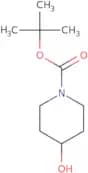
CAS:Controlled Product<p>Boc-4-Hydroxymethyl-L-Phenylalanine Dicyclohexyl Ammonium Salt is a versatile building block and intermediate for the synthesis of complex compounds. It is a useful reagent for research chemicals, speciality chemicals, and fine chemicals. This compound can be used as a high quality and useful scaffold in the synthesis of various types of pharmaceuticals.</p>Formula:C27H44N2O5Purity:Min. 95%Color and Shape:PowderMolecular weight:476.65 g/mol1-Boc-4-piperidinol
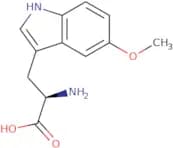
CAS:<p>1-Boc-4-piperidinol is an inhibitor of serine proteases. It also has potent inhibitory activity against 5-HT2A receptors and inhibits the growth of cancer cells. 1-Boc-4-piperidinol is a molecule that contains a hydroxy group and a serine protease inhibitor. It reacts with hydrochloric acid to form 1-boc piperazine, which is then reacted with hydrogen chloride to form the final product. The pharmacokinetic properties of this drug are not known due to the lack of oral bioavailability in rats. However, it does show slow absorption by inhalation and subcutaneous administration, suggesting that it may be absorbed through these routes as well.</p>Formula:C10H19NO3Purity:Min. 95%Color and Shape:Off-White PowderMolecular weight:201.26 g/mol5-Methoxy-D-tryptophan
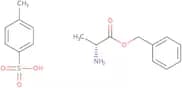
CAS:<p>5-Methoxy-D-tryptophan is a biaryl amino acid derivative that belongs to the class of alkaloids. It is a chiral monomeric building block derived from D-tryptophan. 5-Methoxy-D-tryptophan is commonly used in research chemicals and has been found in natural products such as lochnerine and indole. This compound exhibits unique properties and can be utilized for various applications in the field of chemistry and biochemistry. Its versatility makes it an essential component for researchers and scientists looking to explore new avenues in their studies.</p>Formula:C12H14N2O3Purity:Min. 95%Color and Shape:PowderMolecular weight:234.25 g/molD-Alanine benzyl ester p-toluenesulfonate salt
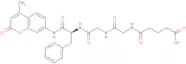
CAS:<p>D-Alanine benzyl ester p-toluenesulfonate salt is a fine chemical that is used in research and development. It is a versatile building block that can be used as an intermediate or a reaction component. D-Alanine benzyl ester p-toluenesulfonate salt has been shown to have high quality, which makes it useful for the production of complex compounds. This compound can be used as a speciality chemical or as a reagent in research.</p>Formula:C10H13NO2·C7H8O3SPurity:Min. 95%Color and Shape:PowderMolecular weight:351.42 g/molGlutaryl-Gly-Gly-Phe-AMC
CAS:<p>Glutaryl-Gly-Gly-Phe-AMC is a proteolytic peptide which is used in the study of the proteasome. It has been shown to have affinity for the proteasome, and can be used as a monoclonal antibody for both immunohistochemical analysis and two-dimensional electrophoresis. The peptide was sequenced and found to have no homology to any known protein or peptide. Glutaryl-Gly-Gly-Phe-AMC has been shown to bind specifically to β amyloid (Aβ) subunits in cell homogenates and cytosol, as well as nuclei in tissue sections from AD brain. In addition, it has been shown that this peptide can be fluorescently labeled with Alexa Fluor 488 or 594 dye for use in microscopy studies.</p>Formula:C28H30N4O8Purity:Min. 98 Area-%Color and Shape:PowderMolecular weight:550.56 g/mol1-Chloro-2-(2-methoxyethoxy)ethane
CAS:<p>Please enquire for more information about 1-Chloro-2-(2-methoxyethoxy)ethane including the price, delivery time and more detailed product information at the technical inquiry form on this page</p>Formula:C5H11ClO2Purity:Min. 95%Color and Shape:Clear Colourless LiquidMolecular weight:138.59 g/mol(6α,11β,16α,17α)-6,9-Difluoro-11-hydroxy-16-methyl-spiro[androsta-1,4-diene-17,5'-[1,3]oxathiolane]-2',3,4'-trione
CAS:<p>(6α,11β,16α,17α)-6,9-Difluoro-11-hydroxy-16-methyl-spiro[androsta-1,4-diene-17,5'-[1,3]oxathiolane]-2',3,4'-trione is a fine chemical that can be used as a building block for the synthesis of complex compounds. This compound is also useful as a reagent and specialty chemical. (6α,11β,16α,17α)-6,9-Difluoro-11-hydroxy-16-methyl spiro[androsta-1,4 diene 17.beta., 5'(1'3'oxathiolane)] 2',3',4'-trione has been shown to be an excellent intermediate for organic reactions and may be used as a scaffold in drug design.</p>Formula:C22H24F2O5SPurity:Min. 95%Molecular weight:438.49 g/molEthyl [2-methyl-3-(chlorosulfonyl)phenoxy]acetate
CAS:<p>Ethyl [2-methyl-3-(chlorosulfonyl)phenoxy]acetate is a fine chemical that has been used as a building block in the synthesis of other complex chemicals. It is also an intermediate for the production of pesticides and pharmaceuticals. The compound can be used to form more than one hundred different organic compounds, which makes it a versatile building block. It can be reacted with other chemicals to create new compounds, such as drugs or herbicides.</p>Formula:C11H13ClO5SPurity:Min. 95 Area-%Color and Shape:PowderMolecular weight:292.74 g/molBoc-3-nitro-L-phenylalanine
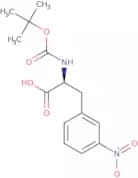
CAS:<p>Boc-3-nitro-L-phenylalanine is a chemical intermediate that is useful for the synthesis of a wide variety of compounds. It is a versatile building block with many applications in research and industry. Boc-3-nitro-L-phenylalanine has been used as a reaction component in organic synthesis, as well as in the production of pharmaceuticals and other specialized chemicals. This compound can be used as a reagent or starting material for the synthesis of other organic compounds. Boc-3-nitro-L-phenylalanine is an important chemical with high quality, which can be used in the production of many different types of products.</p>Formula:C14H18N2O6Purity:Min. 98 Area-%Color and Shape:PowderMolecular weight:310.3 g/mol2-Phenyl-2-adamantanol
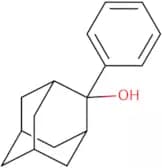
CAS:<p>2-Phenyl-2-adamantanol is a deuterated analog of 2-phenyl-2-adamantane (C 10 H 16 ) with an isotopic weight of 128. The FTIR spectra show the presence of a new peak at 1728 cm−1, which is attributed to C=O stretching vibrations in the hydroxyl group. The IR spectrum of 2-phenyl-2-adamantanol shows that it has an azide group and two hydrogen bonds. It also interacts competitively with carbachol, but does not interact with atropine. Preparative oriented crystallization was used to isolate this compound from benzene.</p>Formula:C16H20OPurity:Min. 95%Color and Shape:PowderMolecular weight:228.33 g/molMethyl 2-methyl-3-nitrobenzoate
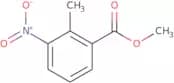
CAS:<p>Methyl 2-methyl-3-nitrobenzoate is a synthetic drug that has potent antitumor activity and inhibits tumor growth in a variety of animal models. It acts by inhibiting protein synthesis and inducing apoptosis, as well as by inhibiting the production of TNF-α. Methyl 2-methyl-3-nitrobenzoate is an alkylating agent that reacts with DNA, RNA, and other cell components to form crosslinks between them. This prevents the cells from dividing or repairing themselves. The inhibition of protein synthesis may be due to methyl 2-methyl-3-nitrobenzoate's ability to react with amide groups on proteins.</p>Formula:C9H9NO4Purity:Min. 95%Color and Shape:PowderMolecular weight:195.17 g/mol[3-(2-Methylphenyl)-1,2,4-oxadiazol-5-yl]acetonitrile
CAS:<p>Please enquire for more information about [3-(2-Methylphenyl)-1,2,4-oxadiazol-5-yl]acetonitrile including the price, delivery time and more detailed product information at the technical inquiry form on this page</p>Formula:C11H9N3OPurity:Min. 95%Color and Shape:PowderMolecular weight:199.21 g/molH-Asp(OPp)-OH
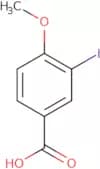
<p>Please enquire for more information about H-Asp(OPp)-OH including the price, delivery time and more detailed product information at the technical inquiry form on this page</p>Purity:Min. 95%3-Iodo-4-methoxybenzoic acid
CAS:<p>3-Iodo-4-methoxybenzoic acid is a biaryl compound that can be synthesized by the cross-coupling reaction of an aryl boronic acid and benzene. 3-Iodo-4-methoxybenzoic acid is a good substrate for Suzuki cross-coupling reactions. The optimisation of this reaction requires sterically unhindered substrates, high solvents, and refluxing conditions. 3-Iodo-4-methoxybenzoic acid is also suitable for the synthesis of esters by esterification with alcohols in the presence of a catalytic amount of acid.</p>Formula:C8H7IO3Purity:Min. 95%Molecular weight:278.04 g/mol4-(Hydroxymethyl)-5-methyl-1,3-dioxol-2-one
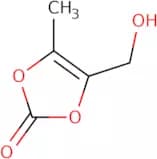
CAS:<p>4-(Hydroxymethyl)-5-methyl-1,3-dioxol-2-one is a reagent used in organic synthesis, particularly for the introduction of the non-chiral (oxodioxolenyl)methyl carbamate group to active pharmaceutical ingredients (APIs) to afford the corresponding pro-drug. The pro-drug helps to increase the bio-availability of the active drug which is generated in vivo by a base catalysed decomposition process that destroys the 1,3-dioxol-2-one ring. A high-profile example of this is the hypertension drug Alizsartan medoxomil. 4-(Hydroxymethyl)-5-methyl-1,3-dioxol-2-one can be reacted with oxalyl chloride to afford (5-methyl-2-oxo-1,3-dioxol-4-yl)methyloxyoxayl chloride which provides for an alternative approach to introduce the (oxodioxolenyl)methyl carbamate group.</p>Formula:C5H6O4Purity:Min. 95%Color and Shape:Colorless Clear LiquidMolecular weight:130.1 g/mol2-Chloro-5-methylbenzoic acid
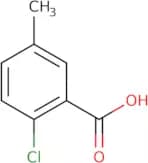
CAS:<p>2-Chloro-5-methylbenzoic acid is a carcinogenic substance that is used in the manufacturing of acridine dyes. It can be found in both solid and liquid forms and has an experimental solubility range of 0.01 to 1.0g/100ml at 25°C. 2-Chloro-5-methylbenzoic acid is soluble in water and has a solute activity coefficient of 1.2, which means it is fairly soluble in water. This chemical also exhibits high reactivity with other compounds that are dissolved in water. The chemical reacts with hydrogen sulfide to produce sulfur dioxide gas, ammonia, and hydrochloric acid, as well as with nitric oxide to produce nitrous oxide, nitrogen dioxide gas, and nitric acid.</p>Formula:C8H7ClO2Purity:Min. 95%Color and Shape:PowderMolecular weight:170.59 g/mol1-(Hydroxyimino)-1-(5-methyl-3-(3-pyridyl)(2,4-thiazolyl))ethane
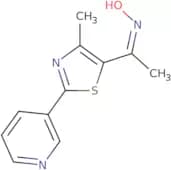
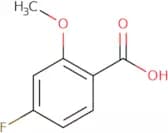
CAS:<p>Please enquire for more information about 1-(Hydroxyimino)-1-(5-methyl-3-(3-pyridyl)(2,4-thiazolyl))ethane including the price, delivery time and more detailed product information at the technical inquiry form on this page</p>Formula:C11H11N3OSPurity:Min. 95%Color and Shape:PowderMolecular weight:233.29 g/mol4-Fluoro-2-methoxybenzoic acid
CAS:<p>4-Fluoro-2-methoxybenzoic acid is a versatile building block that is used in the synthesis of many complex compounds. It is a reagent, which means it can be used as an intermediate in the synthesis of other compounds. 4-Fluoro-2-methoxybenzoic acid is also a useful scaffold for the preparation of new chemical entities with specific pharmaceutical properties. The CAS number for this compound is 395-82-4.</p>Formula:C8H7FO3Purity:Min. 95%Color and Shape:PowderMolecular weight:170.14 g/mol2-Phenylbenzo[B]thiophene
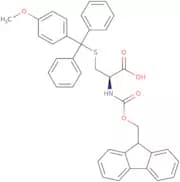
CAS:<p>2-Phenylbenzo[B]thiophene is a diphenyl ether that reacts with chloride in the presence of a base to produce diphenylmethane. It has been shown to bind to estrogen receptors and can be used for the treatment of estrogen-dependent cancers. 2-Phenylbenzo[B]thiophene has been shown to have anti-estrogenic properties, which may be due to its ability to compete with estrogen at the receptor binding site. In addition, it is a radical chain compound that can undergo reactions involving oxygen or nitrogen radicals. The nature of these reactions depends on the reaction products involved in the reactions. 2-Phenylbenzo[B]thiophene can react with xanthates such as diethylxanthate to produce pharmaceutical preparations such as phenyltriethyleneglycolxanthate and phenyldiethoxymethoxyethyleneglycolxanthate.</p>Formula:C14H10SPurity:Min. 95%Color and Shape:PowderMolecular weight:210.3 g/molFmoc-S-4-methoxytrityl-L-cysteine
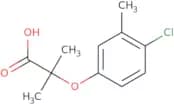
CAS:<p>Fmoc-S-4-methoxytrityl-L-cysteine is a synthetic, amphipathic, amide, ester linkages, cyclic peptide. It has been shown to be a potent growth factor that inhibits the proliferation of human pancreatic cancer cells in tissue culture and induces apoptosis in these cells. Fmoc-S-4-methoxytrityl-L-cysteine also inhibits the growth of staphylococcus in tissue culture and reduces metastatic pancreatic cancer cell proliferation in rats.</p>Formula:C38H33NO5SPurity:90%MinColor and Shape:White PowderMolecular weight:615.74 g/mol2-(4-Chloro-3-methylphenoxy)-2-methylpropanoic acid
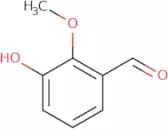
CAS:<p>2-(4-Chloro-3-methylphenoxy)-2-methylpropanoic acid (mCPP) is a pharmaceutical agent with a molecular weight of 318. It is used as an antidepressant and to treat anxiety disorders. This compound is quantified by reaction monitoring and recovery, using acetonitrile, chromatographic and spectrometric analysis. Optimization of the parameters for this analytical method has been carried out by monitoring the effects of ammonium formate on high concentrations of mCPP. The liquid chromatography technique was used to identify and quantify mCPP in order to develop a robust analytical method that can be applied to clinically relevant samples.</p>Formula:C11H13ClO3Purity:Min. 95%Color and Shape:PowderMolecular weight:228.67 g/mol3-Hydroxy-2-methoxybenzaldehyde
CAS:<p>3-Hydroxy-2-methoxybenzaldehyde is a synthetic compound that is used as an antiviral agent. It has been shown to inhibit the replication of Coxsackievirus A9 (CV-A9). In addition, 3-Hydroxy-2-methoxybenzaldehyde reacts with isoeugenol and isonicotinic acid under acidic conditions to form 4-allyl-2-methoxyphenol, which has antiviral activity against CV-A9. This reaction requires a catalyst, such as zinc chloride or nickel sulfate. The rate of this reaction can be increased by increasing the reaction time. 3-Hydroxy-2-methoxybenzaldehyde also inhibits the virus's ability to bind to cells and enter them, reducing its infectivity.</p>Formula:C8H8O3Color and Shape:PowderMolecular weight:152.15 g/mol3-(1-Methylhydrazino)-1,2-benzisothiazole 1,1-dioxide
CAS:<p>3-(1-Methylhydrazino)-1,2-benzisothiazole 1,1-dioxide is a fine chemical that is used as a building block for more complex compounds. This molecule has been shown to be an effective intermediate in the production of research chemicals. 3-(1-Methylhydrazino)-1,2-benzisothiazole 1,1-dioxide can be used as a reagent and is available at high quality.</p>Formula:C8H9N3O2SPurity:Min. 95%Color and Shape:White PowderMolecular weight:211.24 g/molApelin-17 trifluoroacetate
CAS:<p>Apelin-17 trifluoroacetate is a reaction component, reagent and useful scaffold for the synthesis of complex compounds. It is a high quality, research chemical that is used in the synthesis of fine chemicals. Apelin-17 trifluoroacetate has versatile building block and can be used as a useful intermediate or as a speciality chemical. It also has high reactivity and is soluble in organic solvents.</p>Formula:C96H156N34O20S•C2HF3O2Purity:Min. 95%Color and Shape:PowderMolecular weight:2,252.57 g/molFmoc-4-amino-L-phenylalanine
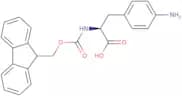
CAS:<p>Fmoc-4-amino-L-phenylalanine is a molecule with the amino acid, aminophenylalanine, that is used in devices to detect epithelial cells. It has been functionalized with a fluoro group and can be used as a fluorescent probe for the detection of epithelial cells. Fmoc-4-amino-L-phenylalanine can also be used to diagnose tumors and tumor cells by detecting their presence in urine samples. This peptide has been shown to have anti-tumor properties when it interacts with the tumor cell membrane, which may be due to its ability to inhibit protein synthesis and induce apoptosis.</p>Formula:C24H22N2O4Purity:Min. 97 Area-%Color and Shape:Off-White PowderMolecular weight:402.44 g/mol(S)-2,3,5,6-Tetrahydro-6-phenylimidazo[2,1-b]thiazole
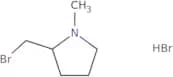
CAS:<p>The drug, 2,3,5,6-tetrahydro-6-phenylimidazo[2,1-b]thiazole (TEM), is a small molecule with potent immunomodulatory properties. TEM is a competitive inhibitor of the enzyme histamine N-methyltransferase and inhibits the synthesis of histamine and other proinflammatory mediators. It also has anthelmintic activity against nematodes and exhibits anti-inflammatory activities in animal models of autoimmune diseases such as lupus erythematosus and inflammatory skin diseases such as psoriasis. TEM is also a potent inhibitor of lymphocyte transformation. This drug can be used for the treatment of chronic viral hepatitis, which is caused by hepatitis B or C virus infections. TEM binds to the active site on the enzyme RNA polymerase II that catalyzes DNA transcription to produce messenger RNA. TEM blocks RNA synthesis by binding to the template strand of DNA, preventing</p>Formula:C11H12N2SPurity:Min. 97 Area-%Color and Shape:PowderMolecular weight:204.29 g/mol2-(Bromomethyl)-1-methylpyrrolidine HBr
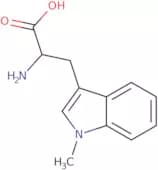
CAS:<p>2-(Bromomethyl)-1-methylpyrrolidine HBr is a high quality, reagent grade compound that belongs to the category of complex compounds. It is an intermediate for the production of fine chemicals and speciality chemicals. 2-(Bromomethyl)-1-methylpyrrolidine HBr has been found to be a useful scaffold for the synthesis of various bioactive molecules, including pharmaceuticals, natural products and agrochemicals. This compound is also a versatile building block that can be used in reactions in order to produce high quality compounds.</p>Formula:C6H12BrN·HBrPurity:Min. 95%Color and Shape:PowderMolecular weight:258.98 g/mol1-Methyl-DL-tryptophan
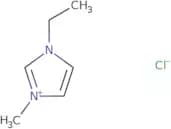
CAS:Controlled Product<p>1-Methyl-DL-tryptophan is a chemical that inhibits the production of tumor necrosis factor (TNF) in mice with a tumor. The compound has been shown to be effective against infectious diseases, including HIV, by inhibiting the production of TNF and other cytokines. 1-Methyl-DL-tryptophan also has the ability to inhibit the activity of toll-like receptor 4 and toll-like receptor 5, which are important in inflammatory responses. 1-Methyl-DL-tryptophan is an indoleamine and may have anti-cancer properties due to its ability to inhibit polymerase chain reaction (PCR).</p>Formula:C12H14N2O2Purity:Min. 95%Color and Shape:PowderMolecular weight:218.25 g/mol1-Ethyl-3-methylimidazolium chloride
CAS:<p>1-Ethyl-3-methylimidazolium chloride (EMIMCl) is a coordination complex that is acidic and soluble in water. It has transport properties and chemical stability, with a low redox potential of 0.161 V. EMIMCl can be used to produce ionic liquids that are stable and dissolve many organic molecules. EMIMCl has been shown to react with glycosidic bonds in cellulose to produce ionic cellulose, which can then be dissolved in the ionic liquid. The thermal expansion of EMIMCl is about 3.2 x 10^-6/°C at 300 K, while the thermal expansion coefficient for crystalline cellulose is about 9 x 10^-6/°C at 300 K.</p>Formula:C6H11ClN2Purity:Min. 95%Color and Shape:PowderMolecular weight:146.62 g/mol3’,5’-Di-O-acetyl-2’-azido-2’-deoxy-5-methyluridine
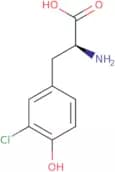
CAS:<p>Please enquire for more information about 3’,5’-Di-O-acetyl-2’-azido-2’-deoxy-5-methyluridine including the price, delivery time and more detailed product information at the technical inquiry form on this page</p>Purity:Min. 95%3-Chloro-L-tyrosine
CAS:<p>3-Chloro-L-tyrosine (3CT) is a reactive, nitrogen containing molecule that has been used as a model system to study oxidative injury in the heart. The molecule reacts with the air and oxygen in the environment, producing reactive oxygen species (ROS) that can cause oxidative injury. 3CT has been shown to inhibit ATP binding cassette transporter A1 (ABCA1), which is involved in cholesterol efflux from macrophages. 3CT also promotes the release of eosinophil peroxidase from eosinophils and induces tumor necrosis factor alpha (TNF-α). The analytical method for 3CT includes liquid chromatography-mass spectrometry/mass spectrometry (LC-MS/MS).</p>Formula:C9H10NO3ClPurity:Min. 95%Color and Shape:PowderMolecular weight:215.63 g/mol

![Bis[(5-ethyl-2-methyl-1,3,2-dioxaphosphorinan-5-yl)methyl] methyl phosphonate P,P'-dioxide](/_next/image/?url=https%3A%2Fstatic.cymitquimica.com%2Fproducts%2F3D%2Fthumb-webp%2FFB170942.webp&w=3840&q=75)
![N-[(4-Amino-2-methylpyrimidin-5-yl)methyl]formamide](/_next/image/?url=https%3A%2Fstatic.cymitquimica.com%2Fproducts%2F3D%2Fthumb-webp%2FFA31702.webp&w=3840&q=75)

![[4-(2-Methyl-1,3-oxazol-5-yl)phenyl]amine](/_next/image/?url=https%3A%2Fstatic.cymitquimica.com%2Fproducts%2F3D%2Fthumb-webp%2FFM131648.webp&w=3840&q=75)





![6-amino-3-methyl-4-(3-nitrophenyl)-4H-pyrano[3,2-d]pyrazole-5-carbonitrile](/_next/image/?url=https%3A%2Fstatic.cymitquimica.com%2Fproducts%2F3D%2Fthumb-webp%2FFA169032.webp&w=3840&q=75)
![2-Methylbenz[c,d]indole](/_next/image/?url=https%3A%2Fstatic.cymitquimica.com%2Fproducts%2F3D%2Fthumb-webp%2FFM148927.webp&w=3840&q=75)





![(6α,11β,16α,17α)-6,9-Difluoro-11-hydroxy-16-methyl-spiro[androsta-1,4-diene-17,5'-[1,3]oxathiolane…](/_next/image/?url=https%3A%2Fstatic.cymitquimica.com%2Fproducts%2F3D%2Fthumb-webp%2FFD103607.webp&w=3840&q=75)
![Ethyl [2-methyl-3-(chlorosulfonyl)phenoxy]acetate](/_next/image/?url=https%3A%2Fstatic.cymitquimica.com%2Fproducts%2F3D%2Fthumb-webp%2FFE22936.webp&w=3840&q=75)
![[3-(2-Methylphenyl)-1,2,4-oxadiazol-5-yl]acetonitrile](/_next/image/?url=https%3A%2Fstatic.cymitquimica.com%2Fproducts%2F3D%2Fthumb-webp%2FFM127089.webp&w=3840&q=75)
![2-Phenylbenzo[B]thiophene](/_next/image/?url=https%3A%2Fstatic.cymitquimica.com%2Fproducts%2F3D%2Fthumb-webp%2FFP67001.webp&w=3840&q=75)

![(S)-2,3,5,6-Tetrahydro-6-phenylimidazo[2,1-b]thiazole](/_next/image/?url=https%3A%2Fstatic.cymitquimica.com%2Fproducts%2F3D%2Fthumb-webp%2FFL138922.webp&w=3840&q=75)