Amino Acids (AA)
Amino acids (AAs) are the fundamental building blocks of proteins, playing a crucial role in various biological processes. These organic compounds are essential for protein synthesis, metabolic pathways, and cell signaling. In this category, you will find a comprehensive range of amino acids, including essential, non-essential, and modified forms, which are vital for research in biochemistry, molecular biology, and nutritional sciences. At CymitQuimica, we provide high-quality amino acids to support your research and development needs, ensuring accuracy and reliability in your experimental outcomes.
Subcategories of "Amino Acids (AA)"
- Amino Acid Derivatives(3,957 products)
- Amino Acid and Amino Acid Related Compounds(3,472 products)
- Amino Acids with Oxygen or Sulphur(168 products)
- Boc- Amino Acids(351 products)
- Fmoc Amino Acids(1,710 products)
Found 38265 products of "Amino Acids (AA)"
Sort by
Purity (%)
0
100
|
0
|
50
|
90
|
95
|
100
H-Lys-Arg-OH acetate
CAS:<p>Lys-Arg-OH acetate salt (LRA) is a protein transport peptide that is found in the neurosecretory system and has been used as a growth factor for the production of human insulin. LRA stimulates the release of pepsinogen, which breaks down food proteins into polypeptides and amino acids. It also has proteolytic activity, which helps break down proteins into peptides. LRA shares structural similarities with other peptide hormones such as vasopressin and oxytocin, but it differs by having an amide instead of an ester linkage between the lysine and arginine residues.</p>Formula:C12H26N6O3•(C2H4O2)xPurity:Min. 95%Color and Shape:PowderMolecular weight:302.37 g/mol4.6-Dihydroxy-2-methylpyrimidine
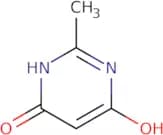
CAS:<p>4,6-Dihydroxy-2-methylpyrimidine is a monomer that is used in the synthesis of polyurethanes. It is an intermediate in the reaction between hydrochloric acid and nitrous acid, which produces 4,6-dichloro-2-methylpyrimidine. The reaction mechanism involves transfer of a methyl group from an organic molecule to hydrochloric acid. This reaction can be carried out at either low or high pH values. The addition of magnesium salt increases the rate of the reaction by increasing the solubility of chloroformate in water. When ethyl esters are used as starting materials, a constant conversion rate can be obtained with a large excess of magnesium salt.</p>Formula:C5H6N2O2Purity:Min 99%Color and Shape:PowderMolecular weight:126.11 g/molAMPD
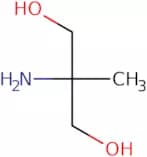
CAS:<p>AMPD, also known as 2-Amino-2-methyl-1,3-propanediol, is a buffer solution with a pH range of 7.8-9.7 and a pKa of 8.8. This chemical buffer is used in molecular biology, protein studies, enzyme assays, and separation techniques such as isatachophoresis (ITP) and SDS-gradient gel electrophoresis.</p>Formula:C4H11NO2Purity:Min. 95%Color and Shape:PowderMolecular weight:105.14 g/mol4-Methoxy-2-(trifluoromethyl)benzaldehyde
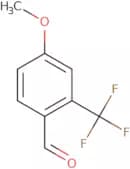
CAS:<p>4-Methoxy-2-(trifluoromethyl)benzaldehyde is a chemical that has been used in the synthesis of a variety of compounds. It is an important intermediate for the production of pharmaceuticals, agrochemicals, and fine chemicals. This compound can be used as a building block to produce other organic compounds with high quality. 4-Methoxy-2-(trifluoromethyl)benzaldehyde can also be used as a reagent in organic chemistry reactions, such as the synthesis of indoles. The CAS number for this compound is 106312-36-1.</p>Formula:C9H7F3O2Purity:Min. 95%Color and Shape:PowderMolecular weight:204.15 g/molH-Asp-Asp-OH
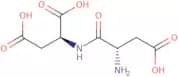
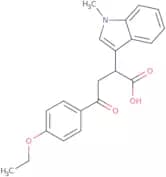
CAS:<p>H-Asp-Asp-OH is a basic protein that is found in all organisms. It has been shown to have a role in the regulation of the immune system and in the development of cancer. H-Asp-Asp-OH has been studied for its use as an antigen for the production of monoclonal antibodies and as a potential therapeutic agent against infectious diseases and autoimmune diseases. The molecule consists of two amino acids, Aspartic acid and Asparagine, linked by an amide bond. The molecular weight is 212 daltons, which is too small to be filtered by size exclusion chromatography.</p>Formula:C8H12N2O7Purity:Min. 95 Area-%Color and Shape:White PowderMolecular weight:248.19 g/mol4-(4-Ethoxyphenyl)-2-(1-methylindol-3-yl)-4-oxobutanoic acid
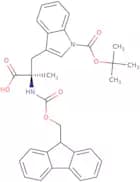
CAS:<p>Please enquire for more information about 4-(4-Ethoxyphenyl)-2-(1-methylindol-3-yl)-4-oxobutanoic acid including the price, delivery time and more detailed product information at the technical inquiry form on this page</p>Purity:Min. 95%Fmoc-a-Me-D-Trp(Boc)-OH
CAS:<p>Fmoc-a-Me-D-Trp(Boc)-OH is a building block that is used in the synthesis of peptides and proteins. It is an intermediate for the production of pharmaceuticals, which can be used as a reagent or speciality chemical. Fmoc-a-Me-D-Trp(Boc)-OH has been reported to be useful as a reactant in organic synthesis reactions such as condensation reactions, reductive aminations and peptide coupling reactions. This compound is also a versatile scaffold for the preparation of complex compounds with high purity and quality.</p>Formula:C32H32N2O6Purity:Min. 95%Color and Shape:White PowderMolecular weight:540.61 g/mol(+)-N-[1-(S)-Ethoxycarbonxyl-3-phenylpropyl]-L-alanine
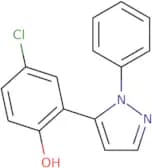
CAS:<p>(+)-N-[1-(S)-Ethoxycarbonxyl-3-phenylpropyl]-L-alanine is an impurity of enalaprilat, which is a pharmaceutical drug used in the treatment of hypertension. Enalaprilat is manufactured by reacting 1-(S)-ethoxycarbonxyl-3-phenylpropane with L-alanine and triphosgene. This impurity has been shown to be a potent inhibitor of the enzyme angiotensin converting enzyme (ACE) and may cause adverse effects such as hypotension, cough, and dizziness. The chemical structure of (+)-N-[1-(S)-Ethoxycarbonxyl-3-phenylpropyl]-L-alanine consists of an aliphatic hydrocarbon chain with a maleate group at one end and a benzyl group at the other end. It also contains two amines, one on each side of the molecule.</p>Formula:C15H21NO4Purity:Min. 95%Color and Shape:PowderMolecular weight:279.33 g/mol5-(5-Chloro-2-hydroxyphenyl)-1-phenylpyrazole
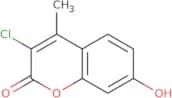
CAS:<p>5-(5-Chloro-2-hydroxyphenyl)-1-phenylpyrazole is a useful intermediate for the synthesis of complex compounds. It is also used as a reagent and a speciality chemical in research. 5-(5-Chloro-2-hydroxyphenyl)-1-phenylpyrazole has a CAS number of 36124-03-5. This chemical is soluble in organic solvents such as benzene, chloroform, dichloromethane, tetrahydrofuran, and toluene.</p>Formula:C15H11ClN2OPurity:Min. 95%Color and Shape:PowderMolecular weight:270.71 g/mol3-Chloro-7-hydroxy-4-methylcoumarin
CAS:<p>3-Chloro-7-hydroxy-4-methylcoumarin is a Michaelis–Menten kinetics inhibitor that binds to the bacterial 16S ribosomal RNA and inhibits transcription and protein synthesis. This compound has been studied for wastewater treatment, where it was shown to be effective in treating sodium citrate. 3-Chloro-7-hydroxy-4-methylcoumarin is also used as an inhibitor of coumarin derivatives, which are compounds that have been shown to have antiinflammatory properties. 3CMC inhibits transcription by binding to the polymerase chain reaction (PCR) product. It has also been shown to bind to the nonpolar solvent, which prevents the formation of a complex with the enzyme DNA gyrase, leading to cell death by inhibiting protein synthesis. Fluorescence techniques have been used to study this type of inhibition in a model system.</p>Formula:C10H7ClO3Purity:Min. 95%Color and Shape:PowderMolecular weight:210.61 g/mol2-(2-(2-Chloro-3-(2-(1,3 ,3-trimethylindolin-2-ylidene)ethylidene)cyclopent-1-enyl)vinyl)-1,3 ,3-trimethyl-3H-indolium4-methylbenzenesulfonate
CAS:<p>2-(2-(2-Chloro-3-(2-(1,3,3-trimethylindolin-2-ylidene)ethylidene)cyclopent-1-enyl)vinyl)-1,3,3-trimethyl-3H-indolium4-methylbenzenesulfonate is a fine chemical that belongs to the class of indole derivatives. It is a versatile building block for the synthesis of various compounds. 2-(2-(2-Chloro-3-(2-(1,3,3-trimethylindolin-2-ylidene)ethylidene)cyclopent-1 -enyl)vinyl)-1,3,3 -trimethyl - 3H - indolium4 - methylbenzenesulfonate can be used in the synthesis of organic compounds and other heterocyclic compounds. This compound can also be used as a reagent or special</p>Formula:C38H41ClN2O3SPurity:Min. 98 Area-%Color and Shape:PowderMolecular weight:641.26 g/molFmoc-Phe(4-NO2)-Wang resin
<p>Fmoc-Phe(4-NO2)-Wang resin is a versatile and useful building block, which can be used as a reagent, speciality chemical, and useful scaffold. This compound has been shown to be a useful building block in the synthesis of complex compounds with high quality. Fmoc-Phe(4-NO2)-Wang resin is also a useful intermediate in the synthesis of research chemicals.</p>Color and Shape:White PowderN-α-Benzoyl-L-arginine amide hydrochloride
CAS:<p>N-alpha-Benzoyl-L-arginine amide hydrochloride (BA) is a synthetic, noncompetitive inhibitor of phosphodiesterase. It has been shown to inhibit protease activity in vitro and rhizosphere enzyme activities in vivo. BA also inhibits the formation of hippuric acid from benzoic acid, which is a reaction catalyzed by the enzyme phosphatase. The kinetics of this inhibition have been studied using a number of different substrates and enzymes. BA binds to the catalytic site on the enzyme, sterically hindering binding of the substrate and preventing hydrolysis.</p>Formula:C13H19N5O2·HClPurity:Min. 95%Color and Shape:PowderMolecular weight:313.78 g/mol2,5-Diphenyl-3-(4-methoxyphenyl)pyronium tetrafluoroborate
CAS:<p>2,5-Diphenyl-3-(4-methoxyphenyl)pyronium tetrafluoroborate is a chemical compound that can be used as a reagent or building block for the synthesis of other chemical compounds. It is also useful for research and as a versatile building block in organic chemistry. 2,5-Diphenyl-3-(4-methoxyphenyl)pyronium tetrafluoroborate is classified as a speciality chemical product. This compound has CAS Number 2907-20-2 and a molecular weight of 244.12 g/mol.</p>Formula:C24H19O2·BF4Purity:90%Color and Shape:PowderMolecular weight:426.21 g/molL-Glutamine
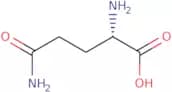
CAS:<p>L-Glutamine is an amino acid that is important for protein synthesis and the maintenance of muscle mass. It is also a precursor for other compounds, such as nucleotides and glutathione, which are required for maintaining cell viability. L-Glutamine may be used to treat bowel diseases, such as Crohn's disease, by improving the function of the intestines and reducing intestinal permeability. It has been shown to decrease levels of oxidative injury in cells by acting as an antioxidant. L-Glutamine may also be used to help prevent or treat infectious diseases by increasing the activity of transcription activators that protect cells from oxidative injury. L-Glutamine can be administered intravenously or orally and can be used as a biocompatible polymer carrier for drugs that are difficult to administer due to their poor water solubility.</p>Formula:C5H10N2O3Purity:Min. 95%Color and Shape:White PowderMolecular weight:146.14 g/mol7-Methoxy-1-naphthaldehyde
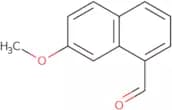
CAS:<p>7-Methoxy-1-naphthaldehyde is an aldehyde that is synthesized from acetaldehyde and 7-methoxy-1-naphthol. It has been shown to inhibit the cytosolic aldehyde dehydrogenase, which converts acetaldehyde to acetate. This reaction is one of the major routes for the metabolism of alcohol in humans. 7-Methoxy-1-naphthaldehyde can be used as a substrate in immunochemical assays, and its synthetic scheme has been published. 7MNA was also found to have cytotoxic effects on human liver cells in vitro.</p>Formula:C12H10O2Purity:Min. 95%Molecular weight:186.21 g/mol(1R)-(1S,2S,3R,5S)-Pinanediol-N-(N-pyrazinylphenylalaninoyl)-1-amino-3-methyl-butane-1-boronate
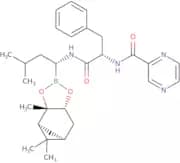
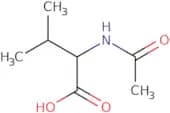
CAS:<p>(1R)-(1S,2S,3R,5S)-Pinanediol-N-(N-pyrazinylphenylalaninoyl)-1-amino-3-methyl-butane-1-boronate is a boronic acid derivative that has been shown to have an antiproliferative effect on cancer cells. It is a biodegradable, water soluble drug with a low toxicity profile. The maximum tolerated dose has been established in vivo studies and it can be used as an imaging agent for diagnosis. (1R)-(1S,2S,3R,5S)-Pinanediol-N-(N-pyrazinylphenylalaninoyl)-1-amino-3-methyl-butane-1-boronate may be used to treat cancers such as breast cancer or leukemia. This drug targets the proteasome and inhibits its activity by binding to the active site of the 20s</p>Formula:C29H39BN4O4Purity:Min. 95%Color and Shape:SolidMolecular weight:518.46 g/molN-Acetyl-DL-valine
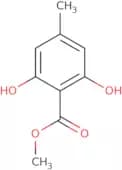
CAS:<p>N-Acetyl-DL-valine is an amide that is used as a model system for studying enzyme reactions. It was found to have copper complex, which is a potent inhibitor of fatty acid synthase and proton receptors. It has been shown to be effective in the treatment of cancer due to its ability to inhibit the growth of tumor cells. In addition, this compound has been shown to be specific for cancer cells as it does not affect healthy cells. N-Acetyl-DL-valine also has the ability to inhibit the activity of enzymes that are involved in fatty acid synthesis, such as acetoacetate decarboxylase and beta-ketoacyl synthase.</p>Formula:C7H13NO3Purity:Min. 95%Color and Shape:PowderMolecular weight:159.18 g/molMethyl 2,6-dihydroxy-4-methylbenzoate
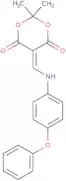
CAS:<p>Methyl 2,6-dihydroxy-4-methylbenzoate is a compound that can be used to treat cancer. It inhibits the growth of cancer cells by binding to DNA and RNA molecules, which prevents transcription and replication. The drug also inhibits the production of usnic acid, an antioxidant that has been shown to have anticancer effects in vitro. Methyl 2,6-dihydroxy-4-methylbenzoate has been tested against a number of cancer cell lines including MDA-MB231 breast cancer cells and MCF7 breast cancer cells. This drug is not toxic to healthy cells at concentrations of up to 250 µM. At higher concentrations, methyl 2,6-dihydroxy-4-methylbenzoate may cause denaturation or cell death of cells due to its ability to attack DNA and RNA molecules.</p>Formula:C9H10O4Purity:Min. 95%Color and Shape:PowderMolecular weight:182.17 g/mol2,2-dimethyl-5-(((4-phenoxyphenyl)amino)methylene)-1,3-dioxane-4,6-dione
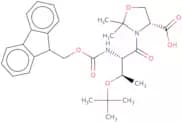
CAS:<p>Please enquire for more information about 2,2-dimethyl-5-(((4-phenoxyphenyl)amino)methylene)-1,3-dioxane-4,6-dione including the price, delivery time and more detailed product information at the technical inquiry form on this page</p>Purity:Min. 95%Fmoc-Thr(tBu)-D-Ser(Psi(Me,Me)pro)-OH
<p>Fmoc-Thr(tBu)-D-Ser(Psi(Me,Me)pro)-OH is a speciality chemical that is used as a reagent for peptide synthesis. It is also useful in the synthesis of complex compounds and scaffolds. This compound has high quality with a CAS number of 56610-81-8. Fmoc-Thr(tBu)-D-Ser(Psi(Me,Me)pro)-OH is a versatile building block that can be used in reactions involving amines and carboxylic acids. Fmoc-Thr(tBu)-D-Ser(Psi(Me,Me)pro)-OH is an intermediate that can be used in the synthesis of many different compounds.</p>Formula:C29H36N2O7Purity:Min. 95%Color and Shape:PowderMolecular weight:524.61 g/mol6-Fluoro-5-Methyl-2-[(5-Methyl-1H-Imidazol-4-Yl)Methyl]-2,3,4,5-Tetrahydro-1H-Pyrido[4,3-b]Indol-1-One
CAS:Controlled Product<p>6-Fluoro-5-Methyl-2-[(5-Methyl-1H-Imidazol-4-Yl)Methyl]-2,3,4,5-Tetrahydro-1H-Pyrido[4,3-b]Indol-1-One is a drug that belongs to the class of fatty acid esters. It has been shown to be effective in clinical trials for the treatment of symptoms of dry eye syndrome. 6FMETI has a low safety profile and does not cause any adverse effects in humans. The drug can be administered by intravenous injection or oral administration and has a long elimination half life of 36 hours. 6FMETI is metabolized by hydrolysis to its active form, 5FMTI, which is then conjugated with glucuronic acid or methyl glutaryl coenzyme A to form an inactive metabolite. This drug also has good pharmacokinetic properties</p>Formula:C17H17FN4OPurity:Min. 95%Molecular weight:312.34 g/molL-Valinol
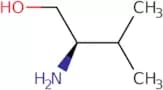
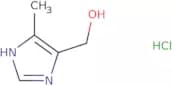
CAS:<p>L-Valinol is a model system that is used to study the reaction of aziridines with oxygen nucleophiles. It has been shown that this reaction proceeds through the formation of an intermediate, hydrogen tartrate, followed by a second step with nitrogen atoms as the nucleophile and alcohol residue as the substrate. The use of L-valinol in asymmetric synthesis was also demonstrated. In this process, amides were obtained with high enantioselectivity by reacting L-valinol with amines in acidic conditions. This synthetic pathway was found to be synergic with other reactions, such as nitroolefination and benzoylation.</p>Formula:C5H13NOPurity:Min. 95%Color and Shape:Solidified MassMolecular weight:103.16 g/mol4-Methyl-5-hydromethylimidazole hydrochloride
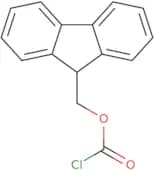
CAS:<p>4-Methyl-5-hydromethylimidazole hydrochloride is a drug that is used in the treatment of hydrochloric acid. It reacts with hydrochloric acid to form cimetidine and cysteamine, which are pharmaceuticals. 4-Methyl-5-hydromethylimidazole hydrochloride is also used as a corrosion inhibitor and may be used as an additive in animal feed.</p>Formula:C5H8N2O•HClPurity:Min. 95%Color and Shape:PowderMolecular weight:148.59 g/molFmoc-Cl
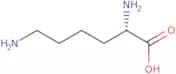
CAS:<p>Fmoc-Cl is a fluorescent derivative that can be used as an analytical method for amino acids in human serum. This reagent is synthesized from chloroformate and derivatization of the amino acid with polymyxin B. Fmoc-Cl reacts with amino acids, producing a fluorescent molecule. The reaction solution can be applied to human serum to determine the concentration of various types of amino acids in the sample. The main matrix effect comes from the presence of human serum proteins, which have been shown to interfere with the measurement of some amino acid concentrations. Fmoc-Cl has also been studied as a potential therapeutic agent for autoimmune diseases, such as multiple sclerosis, lupus erythematosus, and rheumatoid arthritis. It has been shown that Fmoc-Cl inhibits complex enzymes and can reduce levels of certain inflammatory markers in animal models.</p>Formula:C15H11ClO2Purity:Min. 95%Color and Shape:White PowderMolecular weight:258.7 g/molLysine homopolymer
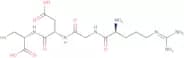
CAS:<p>Lysine homopolymer is a synthetic polymer that is used to promote pluripotency in cells. It has been shown to be effective when combined with l-lysine, which promotes cell transformation and cellular physiology. Lysine homopolymer has also been shown to inhibit the synthesis of ubiquitin ligases, which are enzymes involved in the degradation of proteins. Lysine homopolymer can also be used as a chemical probe for cancer tissues due to its ability to bind to lysine residues on proteins, which are not present on normal tissue or healthy cells.</p>Formula:(C6H14N2O2)xPurity:Min. 95%Color and Shape:White PowderH-Arg-Gly-Asp-Cys-OH
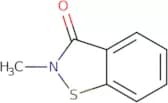
CAS:<p>H-Arg-Gly-Asp-Cys-OH is a biomimetic amino acid that possesses the same three-dimensional structure as the amino acid sequence found in the human epidermal growth factor receptor 2 (HER2). This compound has been shown to inhibit the activity of enzymes, such as kinases, which are involved in cancer cell division. It also can be used to target and destroy cancer cells using gene therapy. H-Arg-Gly-Asp-Cys-OH binds to messenger RNA and inhibits its translation into protein, which may lead to cell death. H-Arg-Gly-Asp-Cys -OH has been shown to bind specifically with HER2 receptors on breast cancer cells and promote their destruction by inducing apoptosis.</p>Formula:C15H27N7O7SPurity:Min. 95%Color and Shape:PowderMolecular weight:449.48 g/mol2-Methyl-1,2-benzisothiazolin-3-one
CAS:<p>2-Methyl-1,2-benzisothiazolin-3-one (MBIT) is a water soluble microbiocide which is active against bacteria, yeasts and moulds and has potential applications as a preservative in paints, sealants and coatings. Similar compounds (BIT, MIT) have found use as preservatives in detergents and cleaning products due to their relative stability in solution and compatibility with enzymes.</p>Formula:C8H7NOSPurity:Min. 96 Area-%Color and Shape:White Off-White PowderMolecular weight:165.21 g/mol8-Methoxy-2-methyl-2,3,4,5-tetrahydro-1H-pyrido[4,3-b]indole
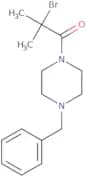
CAS:<p>8-Methoxy-2-methyl-2,3,4,5-tetrahydro-1H-pyrido[4,3-b]indole is a versatile building block that can be used as a reagent or speciality chemical. It has been used in research and development of pharmaceuticals and as a useful intermediate for the synthesis of other compounds. 8-Methoxy-2-methyl-2,3,4,5-tetrahydro-1H-pyrido[4,3-b]indole is an important reaction component for the synthesis of many types of compounds such as indoles, coumarins, and quinazolinones.</p>Formula:C13H16N2OPurity:Min. 95%Color and Shape:PowderMolecular weight:216.28 g/mol1-Benzyl-4-(2-bromo-2-methylpropanoyl)piperazine
CAS:Controlled Product<p>Please enquire for more information about 1-Benzyl-4-(2-bromo-2-methylpropanoyl)piperazine including the price, delivery time and more detailed product information at the technical inquiry form on this page</p>Formula:C15H21BrN2OPurity:Min. 95%Molecular weight:325.24 g/mol2-Methyl-2-[3-(trifluoromethyl)phenoxy]propanoic acid
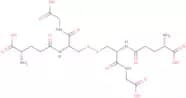
CAS:<p>2-Methyl-2-[3-(trifluoromethyl)phenoxy]propanoic acid is a high quality, reagent, complex compound, useful intermediate, and fine chemical. It can be used as a building block for the synthesis of many other compounds. It is also useful in research to study the mechanism of various reactions. 2-Methyl-2-[3-(trifluoromethyl)phenoxy]propanoic acid is a versatile building block that can be used in many different types of reactions.</p>Formula:C11H11F3O3Purity:Min. 95%Color and Shape:PowderMolecular weight:248.2 g/molL-Glutathione oxidized
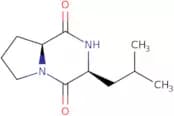
CAS:<p>Marker for oxidative stress; hydrogen acceptor in NADP and NADPH assay</p>Formula:C20H32N6O12S2Purity:Min. 98.0 Area-%Color and Shape:White PowderMolecular weight:612.64 g/molCyclo(L-prolyl-L-leucyl)
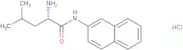
CAS:<p>Cyclo(L-prolyl-L-leucyl) is a cyclic lipopeptide that inhibits the transcription of DNA. It binds to the polymerase chain and blocks the transcription process, which prevents the production of RNA. Cyclo(L-prolyl-L-leucyl) has been shown to have an inhibitory effect on human pathogens such as fungi, protozoa, or bacteria. Cyclo(L-prolyl-L-leucyl) also has anti-cancer properties and is used for cancer treatment. Cyclo(L-prolyl-L-leucyl) is extracted from an acetate extract and purified by chromatography. The purified product is then tested in vitro using assays including magnetic resonance spectroscopy.</p>Formula:C11H18N2O2Purity:Min. 95%Color and Shape:PowderMolecular weight:210.27 g/molL-Leucine b-naphthylamide hydrochloride
CAS:<p>Please enquire for more information about L-Leucine b-naphthylamide hydrochloride including the price, delivery time and more detailed product information at the technical inquiry form on this page</p>Formula:C16H20N2O·HClPurity:Min. 95%Color and Shape:PowderMolecular weight:292.8 g/molN-Lauroyl-L-glutamic acid
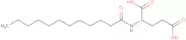
CAS:<p>Lauroyl-L-glutamic acid is a cationic surfactant with a hydroxy group. It is used as an emulsifier, dispersant, and wetting agent in oil solutions. This product also has the ability to chelate metal ions, such as calcium carbonate and iron. The product is primarily used in the manufacture of paints, plastics, coatings and adhesives. Lauroyl-L-glutamic acid has been shown to have a primary amino group that can react with another molecule containing a carboxylic acid group. This reaction produces hydrogen bonds that form gels or solids in water.</p>Formula:C17H31NO5Purity:Min. 95%Color and Shape:White to pale yellow solid.Molecular weight:329.43 g/molCalcitonin (8-32) (salmon I) trifluoroacetate salt
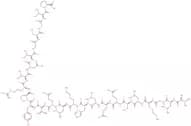
CAS:<p>Please enquire for more information about Calcitonin (8-32) (salmon I) trifluoroacetate salt including the price, delivery time and more detailed product information at the technical inquiry form on this page</p>Formula:C119H198N36O37·C2HF3O2Purity:Min. 98 Area-%Color and Shape:PowderMolecular weight:2,725.07 g/molD-Alanine isopropyl ester HCl
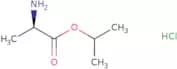
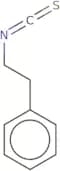
CAS:<p>D-Alanine isopropyl ester HCl is a synthetic compound that has been used as a diagnostic tool for detecting the presence of molybdenum in urine. It has been shown to have a high affinity for the receptor, and acts as an agonist. D-Alanine isopropyl ester HCl has also been shown to induce malignant growth in fibroblast cells.</p>Formula:C6H13NO2·ClHPurity:Min. 95%Color and Shape:White PowderMolecular weight:167.63 g/mol2-Phenylethyl isothiocyanate
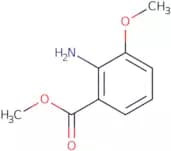
CAS:<p>2-Phenylethyl isothiocyanate is an antimicrobial agent that belongs to the Brassica family. It has been shown to have a broad spectrum of activity against bacteria and fungi. This compound has been shown to denature proteins, which may be due to its ability to form covalent bonds with protein amino acid side chains. 2-Phenylethyl isothiocyanate also prevents biofilm formation by inhibiting cell adhesion, which may be due to its ability to inhibit fatty acid biosynthesis in lung fibroblasts. 2-Phenylethyl isothiocyanate has been shown to reduce the growth of lung fibroblasts at high salt concentrations, which may be due to its ability to interfere with the uptake of chloride ions.</p>Formula:C9H9NSPurity:Min. 95%Color and Shape:Colorless Clear LiquidMolecular weight:163.24 g/mol2-Amino-3-methoxybenzoic acid methyl ester
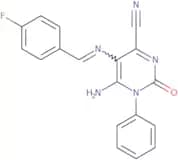
CAS:<p>2-Amino-3-methoxybenzoic acid methyl ester can be used as a chiral auxiliary in enantioselective synthesis. It is synthesised by reaction of l-valine with methyl iodide, followed by hydrolysis of the resulting ester under basic conditions. 2-Amino-3-methoxybenzoic acid methyl ester is used as a chiral auxiliary for the asymmetric synthesis of d-mannitol and related compounds.</p>Formula:C9H11NO3Purity:Min. 95%Color and Shape:PowderMolecular weight:181.19 g/mol5-(1-Aza-2-(4-fluorophenyl)vinyl)-4-imino-2-oxo-3-phenyl-1H-1,3-diazine-6-carbonitrile
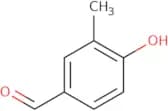
CAS:<p>Please enquire for more information about 5-(1-Aza-2-(4-fluorophenyl)vinyl)-4-imino-2-oxo-3-phenyl-1H-1,3-diazine-6-carbonitrile including the price, delivery time and more detailed product information at the technical inquiry form on this page</p>Formula:C18H12FN5OPurity:Min. 95%Color and Shape:PowderMolecular weight:333.32 g/mol4-Hydroxy-3-methylbenzaldehyde
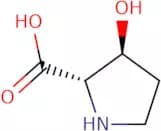
CAS:<p>4-Hydroxy-3-methylbenzaldehyde is a fungicidal agent that has been shown to have activity against Cryptococcus neoformans. It inhibits the mitochondrial functions of this fungus, which leads to cell death by disrupting the synthesis of fatty acids and other cellular components. 4-Hydroxy-3-methylbenzaldehyde binds to C. neoformans with high affinity, producing a reaction product that interferes with the organism's ability to produce butyric acid. The molecular modelling of this compound shows that it is a pyrazole ring with two benzyl groups on either side of an aldehyde group. This chemical also inhibits gram-negative bacteria by binding to fatty acids in their outer membrane.</p>Formula:C8H8O2Purity:Min. 95%Color and Shape:PowderMolecular weight:136.15 g/moltrans-3-Hydroxy-L-proline
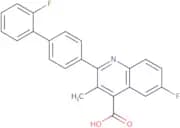
CAS:<p>Please enquire for more information about trans-3-Hydroxy-L-proline including the price, delivery time and more detailed product information at the technical inquiry form on this page</p>Formula:C5H9NO3Purity:Min. 95%Color and Shape:White PowderMolecular weight:131.13 g/mol6-Fluoro-2-(2'-fluorobiphenyl-4-yl)-3-methylquinoline-4-carboxylic acid
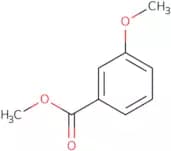
CAS:<p>Brequinar sodium is a drug that belongs to the class of quinoline carboxylic acid derivatives. It has been shown to be effective in the treatment of infectious diseases and bowel disease. Brequinar sodium inhibits bacterial growth by binding to DNA-dependent RNA polymerase, thereby preventing transcription and replication. The high frequency of human activity has been shown using a patch-clamp technique on human erythrocytes. This active form is metabolized through a number of metabolic transformations, including hydrolysis by esterases or glucuronidases, oxidation by cytochrome P450 enzymes, reduction by glutathione reductase, or conjugation with glucuronic acid. Brequinar also specifically binds to markers expressed at high levels in Mycobacterium tuberculosis strains (e.g., ESX-1 secretion system protein) and inhibits cell growth in culture.</p>Formula:C23H15F2NO2Purity:Min. 97 Area-%Color and Shape:White/Off-White SolidMolecular weight:375.37 g/molMethyl 3-methoxybenzoate
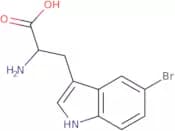
CAS:<p>Methyl 3-methoxybenzoate is a synthetic chemical that is used as an intermediate in the production of polyvinyl chloride. It can be produced by reacting 3-hydroxybenzoic acid with benzyl chloride. This chemical has been shown to have insecticidal activity against some pest insects. Methyl 3-methoxybenzoate is also used as a solvent for analytical methods such as gas chromatography and mass spectrometry. The synthesis of methyl 3-methoxybenzoate proceeds through a series of steps, including deionized water, chloride, acetonitrile, and invicta.</p>Formula:C9H10O3Purity:Min. 95%Color and Shape:Colorless Clear LiquidMolecular weight:166.17 g/mol5-Bromo-DL-tryptophan
CAS:<p>5-Bromo-DL-tryptophan (5BrT) is a synthetic amino acid that belongs to the class of 1,2-diaminopropionic acids. 5BrT is an intermediate in the biosynthesis of tryptophan. It can be used as a fluorescent probe for protein analysis and detection of DNA by gel electrophoresis. 5BrT has also been shown to be taken up by cells, where it may form a fluorescent complex with intracellular proteins. The fluorescence properties of this compound have been studied by measuring emission spectra and lifetimes in solutions and gels. 5BrT has also been found to inhibit growth of bacteria such as Verticillium dahliae, which produces a number of antibiotics including penicillin. This compound can also be used in the synthesis of recombinant proteins from Escherichia coli or other bacteria.</p>Formula:C11H11BrN2O2Color and Shape:PowderMolecular weight:283.12 g/molFmoc-Pro-Gly-Gly-OH
<p>Fmoc-Pro-Gly-Gly-OH is a synthetic peptide that is used in the manufacture of bivalirudin, an anticoagulant. It is a large molecule that can be dissolved in water or acetonitrile. The impurities may include ammonium and acetate ions. Fmoc-Pro-Gly-Gly-OH is insoluble in trifluoroacetic acid and trifluoroacetic acid/ammonium acetate mixture, but can be recrystallized from these solvents. The lyophilized product should be stored at 4°C to avoid hydrolysis. Polypeptides are not stable under acidic conditions, so care must be taken when handling this material.</p>Formula:C24H25N3O6Purity:Min. 95%Color and Shape:PowderMolecular weight:451.47 g/molL-Histidine acetate
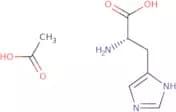
CAS:Controlled Product<p>L-Histidine acetate is a white, crystalline powder that has a constant melting point and can be soluble in water. It has a monoclinic crystal system with a crystal form of α-l-histidine dihydrogen acetate. L-Histidine acetate is an amino acid that is necessary for the biosynthesis of proteins and the metabolism of histamine. L-Histidine acetate has been studied using x-ray diffraction and optical properties to determine its functional groups. The activation energy for this compound is found to be at 4.1 kcal/mol, which is lower than most other compounds in nature. The frequencies of light waves are measured at 3,040 cm-1 and the evaporation rate at 15°C is 0.039 cm3/s.</p>Formula:C6H9N3O2•C2H4O2Purity:Min. 95%Molecular weight:215.21 g/mol2-Methoxy-1,4-benzoquinone
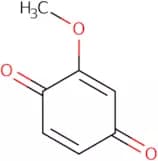
CAS:<p>2-Methoxy-1,4-benzoquinone is a chemical compound that is soluble in organic solvents. It is a redox catalyst that can be used to reduce the hydrogen peroxide (H2O2) concentration in nutrient solutions for plant growth. 2-Methoxy-1,4-benzoquinone has been shown to interact with soybean lipoxygenase and levopimaric acid, which are involved in the biosynthesis of fatty acids. 2-Methoxy-1,4-benzoquinone also interacts with other hydroxyl groups such as those found in fatty acid chains. In this way it can form soluble polymers and alter the redox potential of the cell membrane. The optimum pH for these reactions is around 5.5 and this compound has been shown to have growth factor like effects on cells and tissues.</p>Formula:C7H6O3Purity:Min. 95%Color and Shape:PowderMolecular weight:138.12 g/mol5-Hydroxy-4-methyl 2(5H) furanone
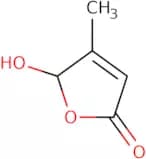
CAS:<p>5-Hydroxy-4-Methyl 2(5H) furanone is an organic solvent that can be used as a byproduct of the reaction between alkali metal and dimethylformamide. It can also be generated by catalytic isomerization of methyl 2-furoate with hydrochloric acid, yielding enolate. This compound has been shown to have high yield in the conversion of 13-cis-retinoic acid into its corresponding trans isomer. 5-Hydroxy-4-Methyl 2(5H) furanone can be used as a reactant for lipase enzymes.</p>Formula:C5H6O3Purity:Min. 95%Molecular weight:114.1 g/mol3-Methylcrotonyl glycine
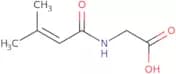
CAS:<p>3-Methylcrotonyl glycine is a metabolite of carnitine that has been shown to be an effective marker for detection of creatine kinase (CK) deficiency in patients with infantile mitochondrial encephalomyopathy. 3-Methylcrotonyl glycine is used for the diagnosis of metabolic disorders such as fatty acid oxidation defects, enzyme deficiencies, and inherited metabolic disorders. 3-Methylcrotonyl glycine can be used for the diagnosis of various symptoms including muscle weakness, fatigue, developmental delay, and seizures in children. The sensitivity of 3-methylcrotonyl glycine as a biomarker can be increased by using gas chromatography coupled with mass spectrometry.</p>Formula:C7H11NO3Purity:Min. 95%Color and Shape:PowderMolecular weight:157.17 g/mol4-Methylphenylsulfonylurea
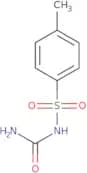
CAS:<p>4-Methylphenylsulfonylurea is a synthetic drug substance with pressor effects. It is used in the manufacture of calcium carbonate, and as an intermediate for industrial chemicals and environmental pollutants. 4-Methylphenylsulfonylurea has been shown to be carcinogenic in vivo in animal bioassays. It also negatively impacts the immune system by inhibiting the production of natural killer cells, lymphocytes, and cytokines. This chemical may cause cancer or affect your immune system.</p>Formula:C8H10N2O3SPurity:Min. 95%Color and Shape:SolidMolecular weight:214.24 g/molMethyl 3-amino-6-methylthieno[2,3-b]pyridine-2-carboxylate
CAS:<p>Please enquire for more information about Methyl 3-amino-6-methylthieno[2,3-b]pyridine-2-carboxylate including the price, delivery time and more detailed product information at the technical inquiry form on this page</p>Formula:C10H10N2O2SPurity:Min. 95%Molecular weight:222.27 g/mol5-Methyl-2-nitrobenzamide
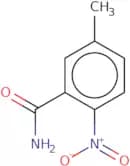
CAS:<p>5-Methyl-2-nitrobenzamide is a compound that has antiproliferative activity and is used as an anticancer drug. This drug inhibits the polymerization of the protein tubulin in cancer cells, thereby inhibiting cell division. It also inhibits the growth of certain tumor cell lines in vitro. 5-Methyl-2-nitrobenzamide was found to inhibit the proliferation of human ovarian carcinoma cells by binding to DNA, preventing transcription and replication of genetic information. In addition, this agent binds to tubulin and prevents its polymerization, leading to inhibition of cell division.</p>Formula:C8H8N2O3Purity:Min. 95%Color and Shape:PowderMolecular weight:180.16 g/mol5-Fluoro-2-methoxybenzonitrile
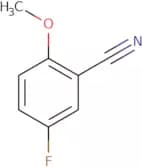
CAS:<p>5-Fluoro-2-methoxybenzonitrile is a fine chemical that has a versatile building block and is used as a reaction component in the synthesis of complex compounds. It is also used as a reagent and research chemical. The compound can be useful for the preparation of high quality pharmaceuticals, pesticides, materials science, and other industries.</p>Formula:C8H6FNOPurity:Min. 95%Molecular weight:151.14 g/mol3-Methyl 2H-furo[2,3-c]pyran-2-one
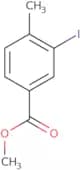
CAS:<p>3-Methyl 2H-furo[2,3-c]pyran-2-one (3MHFP) is a plant hormone that belongs to the group of butenolides. It is a karrikin and has been shown to have a variety of physiological effects in plants. 3MHFP binds to specific receptors on the plasma membrane, which causes an increase in Ca++ and K+ ion flow through cell membranes. This leads to inhibition of enzymes such as dehydrocostus lactone oxidase, which are involved in the production of reactive oxygen species (ROS). 3MHFP also affects seed germination, stimulating it at low concentrations and inhibiting it at high concentrations. The mechanisms underlying these effects are not fully understood, but may be due to its ability to regulate metabolism.</p>Formula:C8H6O3Purity:Min. 98 Area-%Color and Shape:Yellow PowderMolecular weight:150.13 g/molMethyl 3-iodo-4-methylbenzoate
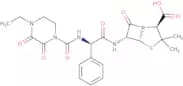
CAS:<p>Methyl 3-Iodo-4-methylbenzoate is a radiolabeled compound that can be used in the labeling of proteins and peptides. Methyl 3-Iodo-4-methylbenzoate can be used to study postoperative pain. It has been shown to bind to cannabinoid receptors, which may provide a new method for the treatment of pain. Methyl 3-Iodo-4-methylbenzoate is also an agonist of CB2 receptors, which are mainly found in the immune system and have been shown to have antiinflammatory properties. The efficiency of methyl 3-iodo-4 methylbenzoate as a radiolabeling agent is high, with low levels of radiation exposure to the patient. This compound has been shown to produce antibodies that bind specifically with opioid receptors, making it useful for research on opioid receptor ligands.</p>Formula:C9H9IO2Purity:Min. 95%Molecular weight:276.07 g/molPiperacillin
CAS:<p>Piperacillin is a β-lactam antibiotic that inhibits the synthesis of bacterial cell walls by binding to penicillin-binding proteins. It is used for the treatment of serious infections caused by gram-negative organisms such as Aerogenes, Enterobacter, and Klebsiella. Piperacillin has a high MIC90 value against Staphylococcus and other gram-positive bacteria, but it is not active against β-lactamase producing strains of bacteria such as E. coli or Klebsiella pneumoniae. The MIC90 values are determined through an analytical method on different strains of bacteria and validated with a sample preparation before use in clinical trials.</p>Formula:C23H27N5O7SPurity:Min. 95 Area-%Color and Shape:White PowderMolecular weight:517.56 g/molN-t-Boc-1-adamantylamine
CAS:<p>Please enquire for more information about N-t-Boc-1-adamantylamine including the price, delivery time and more detailed product information at the technical inquiry form on this page</p>Formula:C15H25NO2Purity:Min. 95%Color and Shape:PowderMolecular weight:251.36 g/mol3-Isobutyl-1-methylxanthine
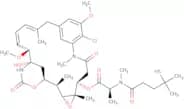
CAS:Controlled Product<p>A non-specific inhibitor of cAMP and cGMP phosphodiesterases (PDEs) with IC50 values between 2 and 50 µM. 2-isobutyl-1-methylxanthine (IBMX) has also been found to inhibit phenylephrine-induced 5-HT release by neuroendocrine epithelial cells and IBMX-mediated increase in cAMP and upregulation of Ca2+ channels promotes neuronal differentiation. Additionally IBMX stimulates secretion of thyroid hormones, resulting in cAMP-mediated activation of glycogenolysis and reduced glycogen storage.</p>Formula:C10H14N4O2Color and Shape:Slightly Yellow PowderMolecular weight:222.24 g/molMaytansinoid DM 4
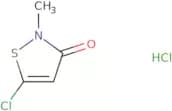
CAS:<p>N2'-Deacetyl-N2'-(4-mercapto-4-methyl-1-oxopentyl)-maytansine (DMAP) is a structural analogue of maytansinoids that has potent antitumor activity against renal cell cancer. DMAP binds to the active site of wild type enzyme, and inhibits its activity. DMAP also inhibits the activities of other enzymes that are involved in the synthesis of proteins and other cellular components. The inhibition of these enzymes by DMAP leads to tumor cell death. This drug was found to be more cytotoxic at higher doses than the parent compound, maytansinol, which indicates that DMAP has a higher affinity for its target enzyme. The cytotoxicity of this drug is not affected by platinum resistance in ovarian cancer cells or by P-glycoprotein (Pgp) inhibitors such as verapamil and cyclosporin A.</p>Formula:C38H54ClN3O10SPurity:Min. 95%Color and Shape:Off-White PowderMolecular weight:780.37 g/mol5-Chloro-2-methyl-2H-isothiazol-3-one hydrochloride
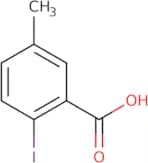
CAS:<p>5-Chloro-2-methyl-2H-isothiazol-3-one hydrochloride (Kathon CG) is a preservative that belongs to the group of sesquiterpene lactones. It is used in cosmetics, pharmaceuticals, and industrial products as an antimicrobial agent. Kathon CG has been shown to be effective against bacteria such as Escherichia coli and Staphylococcus aureus. Kathon CG has also been found to be nontoxic to human cells in vitro at concentrations up to 100%. The optimum concentration for this preservative has been found to be 0.0025% in vivo on human skin and 0.025% in vitro on human skin. This preservative is not toxic to humans or animals when ingested at doses up to 2 g/kg body weight and can cause dermatitis at concentrations of 10%.</p>Formula:C4H5Cl2NOSPurity:Min. 95 Area-%Color and Shape:Red PowderMolecular weight:186.06 g/mol2-Iodo-5-methylbenzoic acid
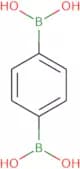
CAS:<p>2-Iodo-5-methylbenzoic acid is a fine chemical, useful building block and reagent that is used in the synthesis of complex compounds. It is versatile because it can be used as a reactant, intermediate or scaffold in many chemical reactions. It has been shown to be an effective catalyst for the Suzuki reaction and Buchwald-Hartwig amination reaction. 2-Iodo-5-methylbenzoic acid has also been found to be a useful intermediate for the synthesis of many pharmaceuticals, such as tamoxifen, griseofulvin, mesalazine, and risperidone.</p>Formula:C8H7IO2Purity:Min. 95%Color and Shape:PowderMolecular weight:262.04 g/mol1,4-Phenylenebisboronic acid
CAS:<p>1,4-Phenylenebisboronic acid is a chemical compound with the following structural formula:<br>It is a white crystalline solid, soluble in water and ethanol. 1,4-Phenylenebisboronic acid has been used for analytical chemistry and photochemical studies. It has also been studied as a model system for ternary complex formation, x-ray diffraction data analysis, and ester linkages. Structural analysis of 1,4-phenylenebisboronic acid reveals hydrogen bonding interactions between the nitrogen atoms and the boron atoms.</p>Formula:C6H8B2O4Purity:Min. 95 Area-%Color and Shape:PowderMolecular weight:165.75 g/mol7-Amino-3-[[(2,5-dihydro-6-hydroxy-2-methyl-5-oxo- 1,2,4-triazin-3-yl)thio]methyl]cephalosporanic acid
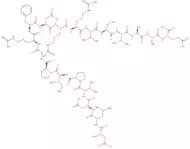
CAS:<p>Ceftriaxone is a semisynthetic, broad-spectrum antibiotic that is used to treat bacterial infections. It is especially effective against the following microorganisms: Gram-positive cocci and rods, Gram-positive bacilli, Gram-negative cocci and rods, and anaerobic bacteria. Ceftriaxone is a crystalline solid that can be dissolved in water or an organic solvent. It has been shown to have excellent stability in acidic solutions and at high temperatures. Ceftriaxone has a residue of 3% when it is administered intravenously or intramuscularly. The use of ceftriaxone as an antibiotic can be optimized by using reverse-phase chromatography with a cyclic gradient elution method.</p>Formula:C12H13N5O5S2Purity:95%NmrColor and Shape:PowderMolecular weight:371.39 g/molCalcineurin Substrate trifluoroacetate salt H-Asp-Leu-Asp-Val-Pro-Ile-Pro-Gly-Arg-Phe-Asp-Arg-Arg-Val-Ser-Val-Ala-Ala-Glu-OH trifluo roacetate salt
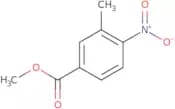
CAS:<p>Please enquire for more information about Calcineurin Substrate trifluoroacetate salt H-Asp-Leu-Asp-Val-Pro-Ile-Pro-Gly-Arg-Phe-Asp-Arg-Arg-Val-Ser-Val-Ala-Ala-Glu-OH trifluo roacetate salt including the price, delivery time and more detailed product information at the technical inquiry form on this page</p>Formula:C92H150N28O29Purity:Min. 95%Molecular weight:2,112.35 g/molMethyl 3-methyl-4-nitrobenzoate
CAS:<p>Methyl 3-methyl-4-nitrobenzoate is a potential antitumor agent that has been shown to have minimal inhibitory concentrations against a variety of human tumor cell lines. It also has potent antifungal activity and can be used for the treatment of opportunistic fungal infections in humans. Methyl 3-methyl-4-nitrobenzoate may be modified by substituting or deleting the aromatic ring, which can lead to improved inhibitory properties. Methyl 3-methyl-4-nitrobenzoate can also be modified by replacing the methyl group on the nitro group with a fluorine atom, which changes its structure and enhances its inhibitory potency.</p>Formula:C9H9NO4Purity:Min. 95%Molecular weight:195.17 g/mol1-[(5-Chloro-1-methyl-1H-indol-3-yl)methyl]piperidine-4-carboxylic acid
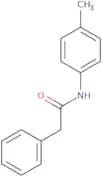
CAS:Controlled Product<p>Please enquire for more information about 1-[(5-Chloro-1-methyl-1H-indol-3-yl)methyl]piperidine-4-carboxylic acid including the price, delivery time and more detailed product information at the technical inquiry form on this page</p>Formula:C16H19ClN2O2Purity:Min. 95%Molecular weight:306.79 g/molN-(4-Methylphenyl)-2-phenylacetamide
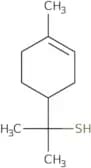
CAS:<p>2-Phenylacetamide is a solvent that can be used as a component in alkylation reactions. It is commonly used as a component of chlorinated solvents and has been shown to catalyze the reaction with benzyl chloride. 2-Phenylacetamide can be used to produce solar cells by sensitizing the surface of silicon wafers with this solvent. Researchers have also studied the alkylation reaction of phenylacetamide with methyl iodide and benzyl chloride, which can be carried out at room temperature and does not require any catalyst. This reaction was found to proceed well under gas chromatographic conditions.</p>Formula:C15H15NOPurity:Min. 95%Molecular weight:225.29 g/molα,α,4-Trimethyl-3-cyclohexene-1-methanethiol
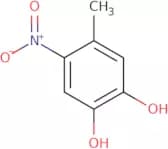
CAS:<p>alpha,alpha,4-Trimethyl-3-cyclohexene-1-methanethiol is a volatile organic compound that is used as a flavouring agent in the food industry. It has been shown to be an effective solvent for various types of materials and can be used in the removal of odours from food containers. Alpha, alpha, 4-trimethyl-3-cyclohexene-1-methanethiol has been shown to have organoleptic properties when it is added to foods, such as pulegone and α-pinene. This compound is also used in the detection of chloride ions.</p>Formula:C10H18SPurity:Min. 95%Color and Shape:Clear LiquidMolecular weight:170.32 g/mol4-Methyl-5-nitrocatechol
CAS:<p>4-Methyl-5-nitrocatechol is a nitro compound that has been used in the chemical ionization of samples for mass spectrometric analysis. This compound produces distinct x-ray absorption spectra and emission spectra, which can be used to identify its concentration. 4-Methyl-5-nitrocatechol has been shown to react with 3,5-dinitrosalicylic acid in the presence of light to form an inhibitory product that prevents the growth of bacteria. This reaction is more prevalent at elevated temperatures. The mutant strain of Escherichia coli was found to be resistant to this inhibitory effect, while the wild type strain was not. The mutant strain's resistance to this inhibitory compound may be due to a polymerase chain reaction mutation that increases its ability to replicate DNA at high temperatures.</p>Formula:C7H7NO4Purity:Min. 95%Color and Shape:Yellow PowderMolecular weight:169.13 g/molH-Gly-Gly-Gly-Gly-Gly-Gly-OH
CAS:<p>H-Gly-Gly-Gly-Gly-Gly-Gly-OH is a cyclic peptide that binds to calcium ions. It has been shown to cause cell lysis in human serum and inhibit bacterial growth in the presence of fatty acids. H-Gly-Gly-Gly-Gly-gly-OH has also been shown to bind to the receptor site on the bacteria, which prevents them from binding with host cells. This peptide also inhibits the production of inflammatory cytokines, such as IL1β and TNFα, which may be due to its ability to inhibit the formation of reactive oxygen species.</p>Formula:C12H20N6O7Purity:Min. 95%Color and Shape:PowderMolecular weight:360.32 g/mol4-Methyl-1H-1,2,3-benzotriazole
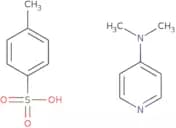
CAS:<p>4-Methyl-1H-1,2,3-benzotriazole is a corrosion inhibitor that is used in the treatment of wastewater. It has been shown to have synergic effects with other corrosion inhibitors such as benzotriazole, glycol ethers, and sodium citrate. 4-Methyl-1H-1,2,3-benzotriazole also inhibits organic matter degradation by acting as an inhibitor. This compound has been shown to adsorb on Langmuir monolayers at low concentrations and can be used as an analytical method for copper ions. The adsorption of 4-methylbenzotriazole onto metal hydroxides was found to be dependent on pH and the presence of other ions in solution.</p>Formula:C7H7N3Purity:Min. 95%Color and Shape:PowderMolecular weight:133.15 g/molN, N-Dimethylpyridin-4-amine 4-methylbenzenesulfonate
CAS:<p>N,N-Dimethylpyridin-4-amine 4-methylbenzenesulfonate is an integrating agent used in polymer chemistry. It can be used to study the effects of chromophores on both linear and nonlinear optical properties in polymers. N,N-Dimethylpyridin-4-amine 4-methylbenzenesulfonate has been shown to be a good 1,3-dipolar cycloadductor for the synthesis of polymers with polarizable hyperbranched structures.</p>Formula:C7H10N2·C7H8O3SPurity:Min. 95%Color and Shape:White PowderMolecular weight:294.37 g/mol4-Methylpyrazole
CAS:<p>4-Methylpyrazole is a competitive inhibitor of alcohol dehydrogenase, which can be used to treat methanol and ethylene glycol poisoning. It is also used to inhibit the metabolism of ethanol by blocking the conversion of ethanol to acetaldehyde. 4-Methylpyrazole is metabolized into 4-methylpyridinium ion (4MP) by alcohol dehydrogenase, which prevents the conversion of acetaldehyde to acetic acid. This results in an increase in blood levels of acetaldehyde and a decrease in blood levels of acetic acid, leading to an accumulation of toxic metabolites such as formic acid. In addition, 4-methylpyrazole inhibits the enzyme glycol dehydrogenase that breaks down glycols into their harmless components. This leads to an accumulation of toxic intermediate products that are converted back into glycols.</p>Formula:C4H6N2Purity:Min. 95%Color and Shape:Colorless PowderMolecular weight:82.1 g/mol(R)-N-Boc-2-Hydroxymethylmorpholine
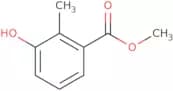
CAS:<p>(R)-N-Boc-2-Hydroxymethylmorpholine is an enantioselective synthesis of a drug. It is used in the reductive amination of aldehydes with ammonia, which has been shown to be operationally enantioselective. (R)-N-Boc-2-Hydroxymethylmorpholine undergoes an intramolecular reaction that results in the formation of an azido group. This asymmetric reaction is catalyzed by palladium, and the product can be used for the reductive amination of aldehydes with ammonia.</p>Formula:C10H19NO4Purity:Min. 95%Color and Shape:White PowderMolecular weight:217.26 g/molMethyl 3-hydroxy-2-methylbenzoate
CAS:<p>Methyl 3-hydroxy-2-methylbenzoate is a metabolite that is created when methyl 3-hydroxybenzoate is irradiated with UV light. It can be used as a reagent in Wittig reactions and can be brominated to produce bromoethyl 3-hydroxy-2-methylbenzoate. Methyl 3-hydroxy-2-methylbenzoate is also an intermediate in the acetylation of phenols and the organometallic demethylation of methyltetrahydrofolate.<br>Methyl 3-hydroxybenzoate reacts with chlorides to produce methyl 2,3,4,5,6-pentahydroxybenzoate. This reaction is catalyzed by Streptomyces species. This compound can be converted into other compounds through various reactions including the wittig reaction and hydrolysis with amines such as ethanolamine or isopropylamine.</p>Formula:C9H10O3Purity:Min. 95%Color and Shape:White PowderMolecular weight:166.17 g/mol2-(4-tert-Butyl-phenoxy)acetonitrile
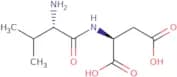
CAS:<p>2-(4-tert-Butyl-phenoxy)acetonitrile is a high quality, reagent, complex compound that is useful as a building block in the synthesis of fine chemicals and speciality chemicals. 2-(4-tert-Butyl-phenoxy)acetonitrile can be used as an intermediate in the synthesis of various pharmaceuticals and agrochemicals. It has a CAS number of 50635-24-0. This chemical is also useful for research purposes.</p>Formula:C12H15NOPurity:(%) Min. 85%Color and Shape:PowderMolecular weight:189.25 g/molH-Val-Asp-OH
CAS:<p>H-Val-Asp-OH is a nucleotide that is an intermediate in the synthesis of tRNA. It is synthesized from H-Valine, Aspartic acid and Oxygen by the enzyme aminoacyl synthetase. The ribonucleotide H-Val-Asp-OH is used to elucidate the role of RNA polymerase in vitro transcription. It also plays a role in protein synthesis as it is an aminoacylated dipeptide with a 3’ terminal adenylate residue. This nucleotide can be incorporated into tRNA molecules by the enzyme aminoacyl tRNA synthetase.</p>Formula:C9H16N2O5Purity:(Elemental Analysis) Min. 95%Color and Shape:PowderMolecular weight:232.23 g/mol2-Ethoxy-3-methoxybenzaldehyde
CAS:<p>2-Ethoxy-3-methoxybenzaldehyde is a coordination compound that contains two thiolate ligands, one carbonyl group, and a chelate ring with sulfur. The compound has been shown to bind to the active site of thiosemicarbazide in the enzyme sulfite oxidase, which catalyzes the oxidation of sulfite to sulfate. 2-Ethoxy-3-methoxybenzaldehyde has also been shown to be an effective ligand for rhenium.</p>Formula:C10H12O3Purity:Min. 95%Molecular weight:180.2 g/molL-Valine
CAS:<p>Amino acid</p>Formula:C5H11NO2Purity:min 98%Color and Shape:White PowderMolecular weight:117.15 g/molEthyl N-ethyl-N-[(heptadecafluorooctyl)sulphonyl]glycinate
CAS:Controlled Product<p>Ethyl N-Ethyl-N-[(Heptadecafluorooctyl)Sulphonyl]Glycinate is a sulfonate that is used as a surfactant. It is a clear, colorless liquid with a slight odor that is soluble in water and can be used as a chemical intermediate. Ethyl N-Ethyl-N-[(Heptadecafluorooctyl)Sulphonyl]Glycinate is also known as an additive to substances, such as alcohols and other chemicals, or mixtures of substances.</p>Formula:C14H12F17NO4SPurity:Min. 95%Color and Shape:PowderMolecular weight:613.29 g/mol4-Fluoro-3-phenoxy benzoic acid
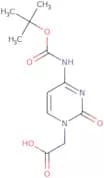
CAS:<p>4-Fluoro-3-phenoxy benzoic acid is a metabolite of pyrethroid insecticides. This metabolite can be found in urine samples and has been detected in the general population. The concentration of 4-fluoro-3-phenoxy benzoic acid in urine is higher in females than males, which may be due to the excretion of metabolites from insecticide exposure. It has also been shown that this metabolite is found at higher concentrations in people with high levels of carboxylic acids. It is not known if 4-fluoro-3-phenoxy benzoic acid is harmful to humans or other animals.</p>Formula:C13H9FO3Purity:Min. 95%Color and Shape:White PowderMolecular weight:232.21 g/molN4-Boc-cytosin-1-yl acetic acid
CAS:<p>N4-Boc-cytosin-1-yl acetic acid is a fine chemical that is used as a reagent, and can be used as a building block in the synthesis of various compounds. It has been shown to be an effective intermediate in the synthesis of various compounds, and can be used as a scaffold for drug discovery. N4-Boc-cytosin-1-yl acetic acid is also useful in the production of other chemicals, such as pharmaceuticals and pesticides.</p>Formula:C11H15N3O5Purity:Min. 98 Area-%Color and Shape:PowderMolecular weight:269.25 g/molFmoc-β-Ala-4-amino-D-Phe(Boc)-OH
<p>Fmoc-beta-Ala-4-amino-D-Phe(Boc)-OH is a fine chemical that can be used as a building block in research, as a reagent for chemical synthesis, or as a speciality chemical. It is also a versatile building block that can be used to create other compounds. Fmoc-beta-Ala-4-amino-D-Phe(Boc)-OH is an intermediate compound and scaffold. This compound has been shown to react with ethyl chloroformate to yield the corresponding beta amino ester.</p>Formula:C32H35N3O7Purity:Min. 95%Color and Shape:White to off-white solid.Molecular weight:573.64 g/mol2-[(4-Methylbenzenesulfonyl)oxy]ethan-1-ol
CAS:<p>2-[(4-Methylbenzenesulfonyl)oxy]ethan-1-ol is a compound that contains a benzene ring and an ethyl chain. It has the following chemical structure: It is structurally related to benzodiazepine, but with an amide group instead of a diazepine ring. 2-[(4-Methylbenzenesulfonyl)oxy]ethan-1-ol is a membrane stabilizer that inhibits thrombin and can be used as an anticoagulant. This compound also has growth factor activity and can be used in the synthesis of heterocyclic compounds.</p>Formula:C9H12O4SPurity:Min. 95%Color and Shape:Clear LiquidMolecular weight:216.26 g/molD-Valinol
CAS:<p>D-Valinol is a synthetic compound that contains a chiral alcohol group. It is an ester hydrochloride salt of D-valinol and has been shown to be clinically effective in treating chronic lymphocytic leukemia (CLL). This drug is a potent inhibitor of the bcr-abl kinase, which is involved in the regulation of protein synthesis. D-Valinol binds to the kinase domain of this enzyme and inhibits its activity by preventing it from transferring phosphate groups from ATP to tyrosine residues on proteins. D-Valinol also inhibits chloride channels, which are required for cell survival.</p>Formula:C5H13NOPurity:Min. 95%Color and Shape:PowderMolecular weight:103.16 g/mol4-Borono-L-phenylalanine
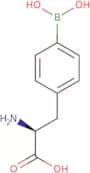
CAS:<p>4-Borono-L-phenylalanine is a boron-containing compound that has been used to study the biological effects of radiation. 4-Borono-L-phenylalanine is an analytical tool for measuring neutron scattering and other physical properties. It has also been used as a biochemical probe in studies of DNA duplexes. 4-Borono-L-phenylalanine is toxic to cells, inhibiting protein synthesis, and it can induce apoptosis in tumor cells. In experimental models, 4-borono-L phenylalanine can be administered orally or intravenously and has shown acute toxicity in animals at doses of up to 1000 mg/kg body weight.</p>Formula:C9H12BNO4Purity:Min. 95%Color and Shape:White PowderMolecular weight:209.01 g/mol2-Methoxybenzamide
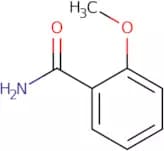
CAS:<p>2-Methoxybenzamide is an amide with a p-hydroxybenzoic acid moiety. It has been shown to be an effective inhibitor of the enzyme histone deacetylase, which is involved in the regulation of gene expression. 2-Methoxybenzamide also has antiinflammatory activity and has minimal toxicity. This drug is used as a research tool for studying the immune system and its effects on hyperproliferative diseases such as cancer and autoimmune diseases. 2-Methoxybenzamide can also be used to treat metabolic disorders and physiological effects. The drug binds to intracellular targets through intermolecular hydrogen bonds that are mainly found in protein structures, including cytochrome P450s, protein kinases, DNA polymerases, transcription factors, and proteases.</p>Formula:C8H9NO2Purity:Min. 95%Color and Shape:PowderMolecular weight:151.16 g/mol3-Methoxy-4-nitrobenzoic acid
CAS:<p>3-Methoxy-4-nitrobenzoic acid is a potent and selective inhibitor of aromatase that can be used for the treatment of breast cancer. 3-Methoxy-4-nitrobenzoic acid inhibits the activity of serine proteases, which are enzymes important in protein degradation and cellular signaling. This drug has been shown to inhibit the activity of many other types of kinases, and this makes it a good candidate for use as an anti-cancer agent. 3-Methoxy-4-nitrobenzoic acid also has been shown to inhibit the formation and development of brain tumors when administered via whole body or brain uptake techniques. In addition to inhibiting tumor growth, this drug can prevent metastasis by preventing circulating tumor cells from entering new tissues. The inhibition of estrogen synthesis by 3methoxy-4 nitrobenzoic acid leads to breast cancer cell death in vitro and in vivo.</p>Formula:C8H7NO5Purity:Min. 95%Color and Shape:PowderMolecular weight:197.14 g/molN-Methyldibutylamine
CAS:<p>N-Methyldibutylamine is an aliphatic hydrocarbon that has antimicrobial activity. It is a colorless liquid at room temperature and has a boiling point of 78°C. N-Methyldibutylamine can be used as a solvent for polymers and resins, in the manufacture of plastics, and in the production of enamels. It also has potential applications in cancer research due to its ability to inhibit the growth of tumor cells.</p>Formula:C9H21NPurity:Min. 95%Color and Shape:Clear LiquidMolecular weight:143.27 g/molFmoc-Trp(Boc)-OH
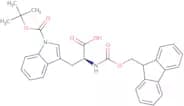
CAS:<p>Fmoc-Trp(Boc)-OH is an amide that has been shown to have the ability to bind to human serum proteins, making it useful in clinical diagnostics. This compound has also been found to be effective against a variety of bacterial strains and fungi. The Fmoc-Trp(Boc)-OH peptide can be synthesized using solid-phase synthesis techniques, which involve attaching amino acid residues to a polymer support. This process is cell specific and allows for the production of peptides with specific sequences. The presence of histidine residues on the side chain of this molecule makes it a good candidate for use in antimicrobial peptides.</p>Formula:C31H30N2O6Purity:Min. 98 Area-%Color and Shape:White Off-White PowderMolecular weight:526.58 g/mol2-Methylindole-3-acetic acid
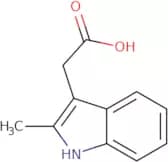
CAS:<p>2-Methylindole-3-acetic acid is a molecule that has been shown to interact with membrane lipids and induce lipid peroxidation. It also interacts with the molecule creatinine, which is excreted in urine, and has been shown to increase urinary levels of creatinine. 2-Methylindole-3-acetic acid has been shown to have antioxidant activity by scavenging radicals and inhibiting lipid peroxidation. The mechanism for this activity is due to its ability to form hydrogen bonds with radicals and react with them, thereby removing them from the cell membrane. 2-Methylindole-3-acetic acid also interacts with receptor protein within the cell, targeting intracellular targets such as DNA and RNA molecules. This compound is an endogenous hormone that may reduce cholesterol levels in cells.<br>2-Methylindole-3-acetic acid was first isolated from the bark of "Indocalamus latifolius" (</p>Formula:C11H11NO2Purity:Min. 95%Molecular weight:189.21 g/mol3-Methyladenine
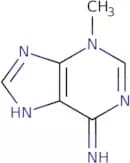
CAS:<p>3-Methyladenine is a glycosylase that cleaves the glycosidic bond between the 3rd and 4th carbon of the ribose ring of the nucleotide 3-methyladenine. It also has synergistic effects with other agents that induce autophagy, such as rapamycin, and increases the expression of a response element in mouse monoclonal antibody. 3-Methyladenine inhibits growth factor-β1 and neuronal death by inducing apoptosis in cells overexpressing nuclear DNA polymerase. This drug is also used to study apoptosis by using a model system.</p>Formula:C6H7N5Purity:Min. 90 Area-%Color and Shape:PowderMolecular weight:149.15 g/molAminocaproic acid
CAS:<p>Please enquire for more information about Aminocaproic acid including the price, delivery time and more detailed product information at the technical inquiry form on this page</p>Formula:C6H13NO2Purity:Min. 95%Molecular weight:131.17 g/mol6-Methoxy-2-naphthaleneacetic acid
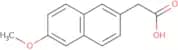
CAS:<p>6-Methoxy-2-naphthaleneacetic acid (6-MNA) is a nonsteroidal anti-inflammatory drug that is used to treat patients with chronic pain. 6-MNA has been shown to be an effective treatment for osteoarthritis, rheumatoid arthritis and other inflammatory conditions. It inhibits the production of prostaglandins and leukotrienes by inhibiting the enzyme cyclooxygenase, which is responsible for the conversion of arachidonic acid to these mediators. 6-MNA can also inhibit the activity of α1-acid glycoprotein and increase the activity of human serum albumin, which may contribute to its antiinflammatory effect. 6-MNA has several side effects including nausea, vomiting, diarrhea and abdominal pain. These adverse reactions are caused by inhibition of protein synthesis in the stomach lining, which leads to decreased production of mucus and bicarbonate ions.</p>Formula:C13H12O3Purity:Min. 95%Color and Shape:PowderMolecular weight:216.23 g/moltrans 3-(N-Methylanilino)acrolein
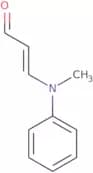
CAS:<p>Trans 3-(N-Methylanilino)acrolein is a catalyst that can be used in the synthesis of benzimidazoles. It reacts with dichloride and irradiation to produce benzimidazoles. The yields are dependent on the amount of microwave irradiation used and can be increased by using microwave irradiation. This catalyst is prepared by reacting 3-(N-methylanilino)acrolein with dichloride in a solvent such as tetrahydrofuran (THF). Trans 3-(N-Methylanilino)acrolein has been shown to have high reactivity and reactivity rates, which make it an effective catalyst for this reaction.</p>Formula:C10H11NOPurity:Min. 95%Color and Shape:Yellow To Dark Brown SolidMolecular weight:161.2 g/mol2-Methoxy-5-nitroaniline
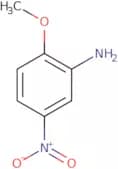
CAS:<p>2-Methoxy-5-nitroaniline is a nitro compound that is cytotoxic at high doses. It is a diazonium salt that can be synthesised from hydrochloric acid and nitrous acid. The toxicity of 2-methoxy-5-nitroaniline has been tested in rats and found to have significant cytotoxicity at doses of 5000 mg/kg, with a LD50 of 2700 mg/kg. The chemical structure of 2-methoxy-5-nitroaniline consists of an amine group, two nitro groups, and two methyl groups. This compound can be synthesized by reacting ammonia with formaldehyde in the presence of nitric acid. 2-Methoxy-5-nitroaniline has shown to inhibit transcription polymerase chain reactions (PCR) in mouse erythrocytes at concentrations as low as 0.1 mM. Dietary</p>Formula:C7H8N2O3Purity:95%NmrColor and Shape:PowderMolecular weight:168.15 g/molN,N-Dimethylglycine
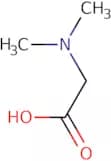
CAS:<p>N,N-Dimethylglycine (DMG) is a molecule that inhibits the activity of various enzymes. DMG has been shown to have an inhibitory effect on HIV entry into human cells and can be used in the treatment of HIV infection. DMG has also been found to have an inhibitory effect on energy metabolism and mitochondrial membrane potential, which can lead to increased oxidative stress and inflammation. This molecule is also involved in the synthesis of choline, dimethylglycine, and betaine, which are important for cell signaling and detoxification. DMG has been shown to bind to bile acids and promote bowel motility by increasing peristalsis in patients with chronic constipation. In addition, it has been shown to have anti-inflammatory properties through its inhibition of pro-inflammatory cytokines such as TNF-α and IL-6</p>Formula:C4H9NO2Purity:Min. 95%Color and Shape:Off-White PowderMolecular weight:103.12 g/molSubstance P acetate salt
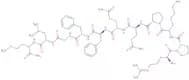
CAS:<p>The Substance P acetate salt is a white or off-white crystalline powder. It is soluble in ethanol and methanol, sparingly soluble in water, and insoluble in ether. The Substance P acetate salt has been widely used as a research chemical and building block for the synthesis of complex compounds. The CAS number for the substance is 137348-11-9.</p>Formula:C63H98N18O13S·C2H4O2Purity:Min. 95 Area-%Color and Shape:PowderMolecular weight:1,407.68 g/mol2,2'-Methylenebis(4,6-di-tert-butylphenyl)phosphatesodiumsalt
CAS:<p>This product is a polymer that is used in the production of plastics, paper, and paints. It is also used as a thickening agent, emulsifier, or stabilizer in foods. Hydroxypropyl cellulose is produced by condensation of dimethoxybenzoic acid and sodium bis(2-hydroxypropyl)sulfate. This product has a molecular weight of about 10,000 to 1 million Daltons. It can be quantified using gas chromatography/mass spectroscopy. Hydroxypropyl cellulose has been shown to have an inhibiting effect on nucleation and growth of ice crystals during freezing and thawing cycles in polyolefin products. The polymer does not dissolve in water but readily absorbs moisture from the air and swells significantly when wetted with water. In addition to its use as a food additive, hydroxypropyl cellulose can be used as a component in the manufacture of polymers such as polyolefins</p>Formula:C29H42NaO4PPurity:Min. 95%Color and Shape:White PowderMolecular weight:508.6 g/mol


![(+)-N-[1-(S)-Ethoxycarbonxyl-3-phenylpropyl]-L-alanine](/_next/image/?url=https%3A%2Fstatic.cymitquimica.com%2Fproducts%2F3D%2Fthumb-webp%2FFE22880.webp&w=3840&q=75)


![6-Fluoro-5-Methyl-2-[(5-Methyl-1H-Imidazol-4-Yl)Methyl]-2,3,4,5-Tetrahydro-1H-Pyrido[4,3-b]Indol-1…](/_next/image/?url=https%3A%2Fstatic.cymitquimica.com%2Fproducts%2F3D%2Fthumb-webp%2FFF102588.webp&w=3840&q=75)

![8-Methoxy-2-methyl-2,3,4,5-tetrahydro-1H-pyrido[4,3-b]indole](/_next/image/?url=https%3A%2Fstatic.cymitquimica.com%2Fproducts%2F3D%2Fthumb-webp%2FFM117858.webp&w=3840&q=75)
![2-Methyl-2-[3-(trifluoromethyl)phenoxy]propanoic acid](/_next/image/?url=https%3A%2Fstatic.cymitquimica.com%2Fproducts%2F3D%2Fthumb-webp%2FFM112754.webp&w=3840&q=75)
![Methyl 3-amino-6-methylthieno[2,3-b]pyridine-2-carboxylate](/_next/image/?url=https%3A%2Fstatic.cymitquimica.com%2Fproducts%2F3D%2Fthumb-webp%2FFM142163.webp&w=3840&q=75)
![3-Methyl 2H-furo[2,3-c]pyran-2-one](/_next/image/?url=https%3A%2Fstatic.cymitquimica.com%2Fproducts%2F3D%2Fthumb-webp%2FFM25390.webp&w=3840&q=75)


![7-Amino-3-[[(2,5-dihydro-6-hydroxy-2-methyl-5-oxo- 1,2,4-triazin-3-yl)thio]methyl]cephalosporanic …](/_next/image/?url=https%3A%2Fstatic.cymitquimica.com%2Fproducts%2F3D%2Fthumb-webp%2FFA17508.webp&w=3840&q=75)
![1-[(5-Chloro-1-methyl-1H-indol-3-yl)methyl]piperidine-4-carboxylic acid](/_next/image/?url=https%3A%2Fstatic.cymitquimica.com%2Fproducts%2F3D%2Fthumb-webp%2FFC128187.webp&w=3840&q=75)







![Ethyl N-ethyl-N-[(heptadecafluorooctyl)sulphonyl]glycinate](/_next/image/?url=https%3A%2Fstatic.cymitquimica.com%2Fproducts%2F3D%2Fthumb-webp%2FFE95451.webp&w=3840&q=75)

![2-[(4-Methylbenzenesulfonyl)oxy]ethan-1-ol](/_next/image/?url=https%3A%2Fstatic.cymitquimica.com%2Fproducts%2F3D%2Fthumb-webp%2FFM171828.webp&w=3840&q=75)