Amino Acids (AA)
Amino acids (AAs) are the fundamental building blocks of proteins, playing a crucial role in various biological processes. These organic compounds are essential for protein synthesis, metabolic pathways, and cell signaling. In this category, you will find a comprehensive range of amino acids, including essential, non-essential, and modified forms, which are vital for research in biochemistry, molecular biology, and nutritional sciences. At CymitQuimica, we provide high-quality amino acids to support your research and development needs, ensuring accuracy and reliability in your experimental outcomes.
Subcategories of "Amino Acids (AA)"
- Amino Acid Derivatives(3,955 products)
- Amino Acid and Amino Acid Related Compounds(3,472 products)
- Amino Acids with Oxygen or Sulphur(168 products)
- Boc- Amino Acids(351 products)
- Fmoc Amino Acids(1,710 products)
Found 38263 products of "Amino Acids (AA)"
Sort by
Purity (%)
0
100
|
0
|
50
|
90
|
95
|
100
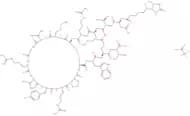
PAR-2 (1-6) amide (mouse, rat) trifluoroacetate salt
CAS:<p>PAR-2 agonist is a synthetic peptide that activates PAR-2. It binds to PAR-2 receptors, which are present in the mesenteric vasculature and in various other tissues. Activation of PAR-2 leads to an increase in intracellular calcium concentration, activation of protein kinase C, cytosolic calcium ion release, phosphorylation of myosin light chain, muscle cell proliferation, transcription and translation initiation, and increased production of vasoactive intestinal peptide. This drug also has anti-inflammatory effects and stimulates epidermal growth factor (EGF) and thrombin receptor expression as well as growth factor production.</p>Formula:C29H56N10O7Purity:Min. 95%Molecular weight:656.82 g/molSuc-Ala-Ala-Phe-pNA
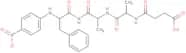
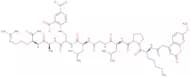
CAS:<p>Suc-Ala-Ala-Phe-pNA is a peptide that is being studied for its potential to act as an anticancer agent. It inhibits the growth of tumor cells by binding to the neurokinin receptor and thereby blocking the production of substances such as epidermal growth factor, which promote tumor growth. Suc-Ala-Ala-Phe-pNA also has been shown to inhibit the activity of enzymes involved in glucocorticoid receptors, which are proteins that play a key role in regulating the immune response. This peptide also has been shown to be active against mouse skin cells and human prostate cancer cells. In addition, it is believed that this peptide may be useful in gene therapy because it can induce apoptosis in tumor cells without affecting normal tissue.</p>Formula:C25H29N5O8Purity:Min. 95%Molecular weight:527.53 g/molFmoc-L-Sec(phenyl)-OH
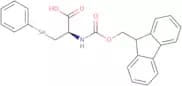
CAS:<p>Please enquire for more information about Fmoc-L-Sec(phenyl)-OH including the price, delivery time and more detailed product information at the technical inquiry form on this page</p>Formula:C24H21NO4SePurity:Min. 95%Molecular weight:466.39 g/molN-Methyl-1-propanamine
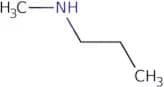
CAS:<p>N-Methyl-1-propanamine is a compound made up of ethylene diamine and activated chlorine. It has been used as a model system to study the biological properties of amines. This compound has been shown to have anti-cancer effects in human serum and is active against inflammation diseases. N-Methyl-1-propanamine is soluble in water, but not in ethanol or acetone. It has a pH optimum at 10 and decomposes at temperatures higher than 120°C. The activation energies for the reactions of this compound with hydrogen bond acceptors, such as alcohols and ethers, are relatively low (around 20 kcal/mol).</p>Formula:C4H11NPurity:Min. 95%Molecular weight:73.14 g/molH-Tyr-Phe-OH
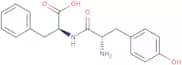
CAS:<p>H-Tyr-Phe-OH is a peptide that is derived from the amino acid sequence of human epidermal growth factor and has been shown to inhibit HIV infection in vitro. H-Tyr-Phe-OH binds to the dna binding site on the protein gp120, which is essential for viral binding to cells and subsequent infection. The peptide has also been shown to bind to serum aminotransferase levels and produce an antibody response in humans. This peptide has biological properties that may be useful for treatment of many infectious diseases, such as hepatitis and HIV infection.</p>Formula:C18H20N2O4Purity:Min. 95%Molecular weight:328.36 g/molN-α-Boc-Nβ-1-(4,4-dimethyl-2,6-dioxocyclohex-1-ylidene)ethyl-D-2,3-diaminopropionic acid
CAS:<p>Please enquire for more information about N-alpha-Boc-Nbeta-1-(4,4-dimethyl-2,6-dioxocyclohex-1-ylidene)ethyl-D-2,3-diaminopropionic acid including the price, delivery time and more detailed product information at the technical inquiry form on this page</p>Formula:C18H28N2O6Purity:Min. 95%Molecular weight:368.42 g/molH-Asp(OtBu)-2-chlorotrityl resin (200-400 mesh) (Low Substitution)
<p>Please enquire for more information about H-Asp(OtBu)-2-chlorotrityl resin (200-400 mesh) (Low Substitution) including the price, delivery time and more detailed product information at the technical inquiry form on this page</p>Purity:Min. 95%1-Methyl-L-tryptophan
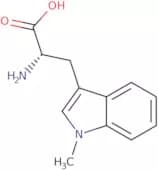
CAS:Controlled Product<p>1-Methyl-L-tryptophan is an activated form of the amino acid tryptophan. It has been shown to have immunomodulatory effects that are mediated by its ability to inhibit IDO1, which is an enzyme that regulates the production of inflammatory cytokines. 1-Methyl-L-tryptophan has been shown to reduce the severity of abdominal surgery in mice and exhibits anticancer activity against a variety of cancer cells. 1-Methyl-L-tryptophan also has antiemetic properties, as it has been shown to block the activation of 5HT3 receptors in the brainstem. This drug also activates polymerase chain reaction (PCR) and inhibits DNA synthesis by binding directly to DNA polymerase.</p>Formula:C12H14N2O2Purity:Min. 95%Color and Shape:PowderMolecular weight:218.25 g/molH-Trp-Asn-OH
CAS:<p>H-Trp-Asn-OH is a synthetic amino acid with the chemical formula H-Trp-Asn-OH. It has been shown to act as a competitive antagonist of the 5HT3 receptor and can be used in the treatment of diseases such as irritable bowel syndrome, depression, and anxiety. The crystal structure of H-Trp-Asn-OH shows that it is an L type polymerase that contains a carboxy group. The docking studies show that this compound binds to the receptor proteins of the subunits and inhibits fission by triphosphatases, which are enzymes involved in cellular processes such as transcription and protein synthesis.</p>Formula:C15H18N4O4Purity:Min. 95%Molecular weight:318.33 g/molMoth Cytochrome C (MCC) Fragment
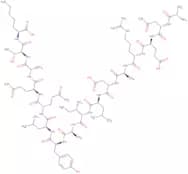
CAS:<p>Please enquire for more information about Moth Cytochrome C (MCC) Fragment including the price, delivery time and more detailed product information at the technical inquiry form on this page</p>Formula:C78H129N23O26Purity:Min. 95%Molecular weight:1,805 g/molHippuryl-His-Leu-OH
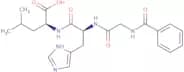
CAS:<p>Hippuryl-His-Leu-OH is a peptide that inhibits the activity of angiotensin converting enzyme (ACE) at a concentration of 50 μM. It has been shown to inhibit cyclase and other enzymes in vitro. The binding of this compound to ACE prevents the conversion of angiotensin I to angiotensin II, which is a potent vasoconstrictor. Hippuryl-His-Leu-OH also has inhibitory properties against atrial natriuretic peptide (ANP), and can be used as an antihypertensive agent. This drug has been shown to have growth factor β1 activities, and can be used for the treatment of cardiac diseases such as myocardial infarction. Structural analysis shows that this drug binds to the active site of ACE, inhibiting its activity by blocking access to substrate or by altering substrate specificity.</p>Formula:C21H27N5O5Purity:Min. 95%Color and Shape:White PowderMolecular weight:429.47 g/molFmoc-D-Cys(Mtt)-OH
CAS:<p>Please enquire for more information about Fmoc-D-Cys(Mtt)-OH including the price, delivery time and more detailed product information at the technical inquiry form on this page</p>Formula:C38H33NO4SPurity:Min. 95%Molecular weight:599.74 g/molH-Ala-Ala-Tyr-Ala-Ala-OH
CAS:<p>H-Ala-Ala-Tyr-Ala-Ala-OH is a butanedione that hydrolyzes to form acetaldehyde. It is a chaperone and amide that, in the presence of water, forms peptides. The kinetic constants are dependent on the pH of the reaction. This product has been shown to have proctolin activity and is an enkephalinase inhibitor, which is involved in pain sensation. H-Ala-Ala-Tyr-Ala-Ala-OH has been used as an ion exchanger and carboxylate isomerizing agent.</p>Formula:C21H31N5O7Purity:Min. 95%Molecular weight:465.5 g/molH-[15N]Tyr-OH
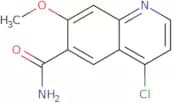
CAS:<p>H-[15N]Tyr-OH is a metabolite of tyrosine. It is the conjugate acid of propionic acid, and the conjugate base of 4-hydroxybenzyl. H-[15N]Tyr-OH is a phenylalanine and aromatic amino acid that has an aromatic ring with a phenyl substituent. This metabolite is hydroxy, which means it has one hydroxyl group on the phenyl ring. H-[15N]Tyr-OH binds to daphnia in vivo, causing death. The cause for this may be due to its ability to react with oxygen, forming reactive oxygen species (ROS).</p>Purity:Min. 95%4-Chloro-7-methoxyquinoline-6-carboxamide
CAS:<p>Intermediate in the synthesis of lenvatinib</p>Formula:C11H9ClN2O2Purity:Min. 95%Molecular weight:236.65 g/molLeptin (126-140) (human)
CAS:<p>Please enquire for more information about Leptin (126-140) (human) including the price, delivery time and more detailed product information at the technical inquiry form on this page</p>Formula:C65H103N15O26Purity:Min. 95%Molecular weight:1,510.6 g/molZ-Lys-Leu-OH
CAS:<p>Please enquire for more information about Z-Lys-Leu-OH including the price, delivery time and more detailed product information at the technical inquiry form on this page</p>Formula:C20H31N3O5Purity:Min. 95%Molecular weight:393.48 g/molGRPP (human) trifluoroacetate salt
CAS:<p>Please enquire for more information about GRPP (human) trifluoroacetate salt including the price, delivery time and more detailed product information at the technical inquiry form on this page</p>Formula:C136H215N41O58SPurity:Min. 95%Molecular weight:3,384.47 g/mol(His(3-Me)2)-TRH trifluoroacetate salt
CAS:<p>Please enquire for more information about (His(3-Me)2)-TRH trifluoroacetate salt including the price, delivery time and more detailed product information at the technical inquiry form on this page</p>Formula:C17H24N6O4Purity:Min. 95%Molecular weight:376.41 g/mol(Ala92)-Peptide 6
CAS:<p>Please enquire for more information about (Ala92)-Peptide 6 including the price, delivery time and more detailed product information at the technical inquiry form on this page</p>Formula:C93H155N31O26Purity:Min. 95%Molecular weight:2,123.42 g/molH-Phe-Pro-Ala-pNA
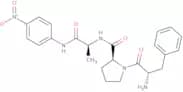
CAS:<p>Please enquire for more information about H-Phe-Pro-Ala-pNA including the price, delivery time and more detailed product information at the technical inquiry form on this page</p>Formula:C23H27N5O5Purity:Min. 95%Molecular weight:453.49 g/molZ-Asp(OtBu)-ONp
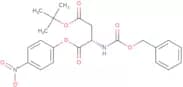
CAS:<p>Please enquire for more information about Z-Asp(OtBu)-ONp including the price, delivery time and more detailed product information at the technical inquiry form on this page</p>Formula:C22H24N2O8Purity:Min. 95%Molecular weight:444.43 g/molH-Lys-Cys-Thr-Cys-Cys-Ala-OH trifluoroacetate salt
CAS:<p>H-Lys-Cys-Thr-Cys-Cys-Ala-OH trifluoroacetate salt (KCTA) is a peptide that belongs to the group of thioneins and is characterized by a high content of lysine, cysteine and histidine residues. This peptide has been shown to be effective in treating subcutaneous tumors in mice. KCTA binds to metallothionein and gamma amino butyric acid (GABA), which are proteins that regulate energy metabolism in cells. KCTA has also been shown to have antimicrobial effects against human serum, which may be due to its ability to bind with thionein.</p>Formula:C22H41N7O8S3Purity:Min. 95%Molecular weight:627.8 g/mol(p-Iodo-Phe7)-ACTH (4-10)
CAS:<p>Please enquire for more information about (p-Iodo-Phe7)-ACTH (4-10) including the price, delivery time and more detailed product information at the technical inquiry form on this page</p>Formula:C44H58IN13O10SPurity:Min. 95%Molecular weight:1,087.98 g/molBiotinyl-Angiotensin I/II (1-7) Biotinyl-Asp-Arg-Val-Tyr-Ile-His-Pro-OH
CAS:<p>Please enquire for more information about Biotinyl-Angiotensin I/II (1-7) Biotinyl-Asp-Arg-Val-Tyr-Ile-His-Pro-OH including the price, delivery time and more detailed product information at the technical inquiry form on this page</p>Formula:C51H76N14O13SPurity:Min. 95%Molecular weight:1,125.3 g/molMeOSuc-Ala-Ala-Pro-Ala-chloromethylketone
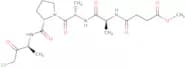
CAS:<p>MeOSuc-Ala-Ala-Pro-Ala-chloromethylketone is a peptidyl substrate for the enzyme carboxypeptidase A. This substrate has a high specificity for carboxypeptidase A and does not bind to other enzymes such as carboxypeptidase B, D, or L. The hydrophobic nature of this substrate has been shown in both hamsters and macaques. MeOSuc-Ala-Ala-Pro-Ala-chloromethylketone also shows cardiovascular effects in both animal models. It is possible that this effect is due to the proteolytic activity of the enzyme. More research needs to be done to identify the sequence of this peptide and how it may affect humans.</p>Formula:C20H31ClN4O7Purity:Min. 95%Molecular weight:474.94 g/molpTH (1-31) amide (human)
CAS:<p>pTH (1-31) amide is a polymer conjugate that is used to treat osteoporosis. It has been shown to be effective in reducing the risk of fracture and increasing bone mineral density in animals. The compound binds to the extracellular domain of the estrogen receptor, altering its conformation and preventing it from interacting with other proteins in the nucleus. pTH (1-31) amide has also been shown to reduce blood pressure in animals by inhibiting angiotensin-converting enzyme. Clinical data on this drug are limited, but it has been well tolerated so far.</p>Formula:C162H270N50O46S2Purity:Min. 95%Molecular weight:3,718.32 g/molBoc-Gly-Merrifield resin (200-400 mesh)
<p>Please enquire for more information about Boc-Gly-Merrifield resin (200-400 mesh) including the price, delivery time and more detailed product information at the technical inquiry form on this page</p>Purity:Min. 95%H-Arg-Tyr-NH2·2 HCl
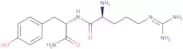
CAS:<p>Please enquire for more information about H-Arg-Tyr-NH2·2 HCl including the price, delivery time and more detailed product information at the technical inquiry form on this page</p>Formula:C15H24N6O3·2HClPurity:Min. 95%Molecular weight:409.31 g/molBoc-Phe-D-Leu-Phe-D-Leu-Phe-OH
CAS:<p>Polymyxin B is a cationic detergent that binds to bacterial membranes and destroys the cell wall. Polymyxin B has been shown to be a potent antagonist of spermatozoa and microglia, which are cells that maintain the homeostasis of the central nervous system. It also has been shown to be an inhibitor of chemotaxis in polymorphonuclear leucocytes (PMN), which are white blood cells that participate in inflammatory processes. Polymyxin B has been shown to have chemotactic activity for PMN and inhibit protein synthesis in mitochondria. This compound also inhibits chelerythrine, a cyclase inhibitor that is used as an antineoplastic agent.</p>Formula:C44H59N5O8Purity:Min. 95%Molecular weight:785.97 g/mol(D-Trp6)-LHRH acetate salt
CAS:<p>Please enquire for more information about (D-Trp6)-LHRH acetate salt including the price, delivery time and more detailed product information at the technical inquiry form on this page</p>Formula:C64H82N18O13·xC2H4O2Purity:Min. 95%Molecular weight:1,311.45 g/molTrt-Cys(Trt)-OH
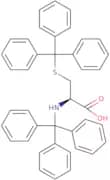
CAS:<p>Trt-Cys(Trt)-OH is a selective dicyclohexyl carbodiimide reagent for the synthesis of amides from carboxylic acids. It is used as an intermediate in the synthesis of glutathione and other nitrogen-containing compounds. Trt-Cys(Trt)-OH reacts with hydrochloric acid to form a salt, which can be saponified to release the desired product. The hydrochloric acid converts the ester into a carboxylic acid, while the amine group on the glycine reacts with the carboxylic acid to form an amide. Trityl is also produced during this reaction, which can be removed by reduction with hydrogen gas and palladium on charcoal.</p>Formula:C41H35NO2SPurity:Min. 95%Molecular weight:605.79 g/mol(Gly14)-Humanin (human) trifluoroacetate salt
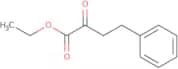
CAS:<p>Please enquire for more information about (Gly14)-Humanin (human) trifluoroacetate salt including the price, delivery time and more detailed product information at the technical inquiry form on this page</p>Formula:C118H202N34O31S2Purity:Min. 95%Molecular weight:2,657.21 g/molEthyl 2-oxo-4-phenylbutyrate
CAS:<p>Ethyl 2-oxo-4-phenylbutyrate is a compound that belongs to the class of ester compounds. This molecule is found in cells grown in recombinant cultures and has been identified by its FTIR spectroscopy. Ethyl 2-oxo-4-phenylbutyrate inhibits the growth of candida glabrata by inhibiting an enzyme, which is involved in the conversion of glucose to acetoin. The mechanism for this inhibition is believed to be due to cinchonidine, which reacts with chloride ions. The chemical stability of ethyl 2-oxo-4-phenylbutyrate has been shown by its ability to withstand acidic pH and high concentrations of chloride ions without decomposing. Ethyl 2-oxo-4-phenylbutyrate also inhibits the synthesis of proteins and enzymes, although it does not inhibit DNA replication or transcription.</p>Formula:C12H14O3Purity:Min. 95%Molecular weight:206.24 g/molH-Asp-Asp-Asp-Asp-OH
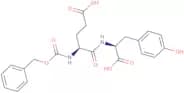
CAS:<p>Please enquire for more information about H-Asp-Asp-Asp-Asp-OH including the price, delivery time and more detailed product information at the technical inquiry form on this page</p>Formula:C16H22N4O13Purity:Min. 95%Molecular weight:478.37 g/molZ-Glu-Tyr-OH
CAS:<p>Z-Glu-Tyr-OH is a disulfide bond with a cavity. It is soluble in acidic solutions and has a cationic surface. Z-Glu-Tyr-OH is an enzyme inhibitor that blocks the activity of α subunit of protein kinase C, which is involved in intracellular signal transduction pathways. The inhibition of this enzyme may lead to apoptosis, or programmed cell death. Z-Glu-Tyr-OH also inhibits fatty acid synthesis by blocking the activity of hydroxylase enzymes, such as 3β-hydroxysteroid dehydrogenase and 17α-hydroxylase. This compound has been shown to inhibit indole-3-propionic acid production by inhibiting the kinetic and sephadex g-100 activities of the enzyme indoleamine 2,3 dioxygenase.</p>Formula:C22H24N2O8Purity:Min. 95%Molecular weight:444.43 g/molS-(1,2-Dicarboxyethyl)glutathione
CAS:<p>S-(1,2-Dicarboxyethyl)glutathione is a glutathione analogue that has been shown to prevent acetaminophen-induced hepatotoxicity in mice. It inhibits the reaction between acetaminophen and hepatic microsomal cytochrome P450 enzymes, which prevents the formation of toxic metabolites. S-(1,2-Dicarboxyethyl)glutathione also inhibits the production of serotonin by inhibiting the enzyme tryptophan hydroxylase. This drug has an anticoagulant effect by preventing the conversion of prothrombin to thrombin. S-(1,2-Dicarboxyethyl)glutathione also affects growth factors and collagen synthesis by affecting both epidermal growth factor (EGF) and fibroblast growth factor (FGF). The optimum pH for this drug is at 7.0.</p>Formula:C14H21N3O10SPurity:Min. 95%Molecular weight:423.4 g/molJKC-301 Cyclo(-D-Asp-Pro-D-Ile-Leu-D-Trp)
CAS:<p>Please enquire for more information about JKC-301 Cyclo(-D-Asp-Pro-D-Ile-Leu-D-Trp) including the price, delivery time and more detailed product information at the technical inquiry form on this page</p>Formula:C32H44N6O7Purity:Min. 95%Molecular weight:624.73 g/molH-DL-Leu-DL-Ala-OH
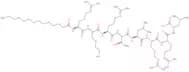
CAS:<p>Please enquire for more information about H-DL-Leu-DL-Ala-OH including the price, delivery time and more detailed product information at the technical inquiry form on this page</p>Formula:C9H18N2O3Purity:Min. 95%Molecular weight:202.25 g/molMyristoyl-Arg-Lys-Arg-Thr-Leu-Arg-Arg-Leu-OH
CAS:<p>Myristoyl-Arg-Lys-Arg-Thr-Leu-Arg-Arg-Leu-OH is a potent inhibitor of protein kinases. It has been shown to have an inhibitory concentration 50% (IC50) of 0.5 μM and inhibits the activity of ATPase in cells. This compound is a synthetic, multidrug protein kinase inhibitor that inhibits the activity of various kinases including adriamycin, atpase, and myristic acid. Myristoyl Arg Lys Arg Thr Leu Arg Arg Leu OH has been shown to be potent and effective against cell resistance to chemotherapy.</p>Formula:C60H117N21O11Purity:Min. 95%Molecular weight:1,308.71 g/molMelanocyte Protein PMEL 17 (185-193) (human, bovine, mouse) trifluoroacetate salt
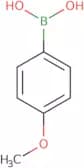
CAS:<p>Please enquire for more information about Melanocyte Protein PMEL 17 (185-193) (human, bovine, mouse) trifluoroacetate salt including the price, delivery time and more detailed product information at the technical inquiry form on this page</p>Formula:C46H72N10O15Purity:Min. 95%Molecular weight:1,005.12 g/mol4-Methoxyphenyl boronic acid
CAS:<p>4-Methoxyphenyl boronic acid is a molecule with a hydroxyl group and a boronic acid. It is synthesized by reacting biphenyl with trifluoroacetic acid in the presence of sodium carbonate and palladium-catalyzed coupling. 4-Methoxyphenyl boronic acid has shown to bind to the receptor for fatty acids, which may be due to its structural similarity to p-hydroxybenzoic acid. The protonated form of this molecule has been shown to react with an electrophilic carbon atom and an electron-deficient alkyl or vinyl halide, resulting in ring formation. This reaction is known as the Suzuki coupling reaction.</p>Formula:C7H9BO3Purity:Min. 95%Color and Shape:PowderMolecular weight:151.96 g/molMca-Lys-Pro-Leu-Gly-Leu-Dap (Dnp)-Ala-Arg-NH2 trifluoroacetate salt
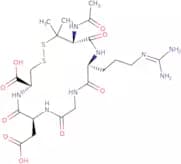
CAS:<p>Please enquire for more information about Mca-Lys-Pro-Leu-Gly-Leu-Dap (Dnp)-Ala-Arg-NH2 trifluoroacetate salt including the price, delivery time and more detailed product information at the technical inquiry form on this page</p>Formula:C55H80N16O16Purity:Min. 95%Molecular weight:1,221.32 g/molAc-Pen-Arg-Gly-Asp-Cys-OH (Disulfide bond)
CAS:<p>Disulfide bond is an analytical method for the determination of the concentration-time curve. It is a cyclic peptide that competes with fibrinogen for binding to platelets. Disulfide bond has been shown to be an antagonist of receptor antagonist, and has potential applications in the treatment of autoimmune diseases. Disulfide bond can also be used as a model system for toxicological studies and experimental models in humans.</p>Formula:C22H36N8O9S2Purity:Min. 95%Molecular weight:620.7 g/molBoc-Gly-Gly-Gly-Lys-OH
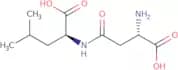
CAS:<p>Please enquire for more information about Boc-Gly-Gly-Gly-Lys-OH including the price, delivery time and more detailed product information at the technical inquiry form on this page</p>Formula:C17H31N5O7Purity:Min. 95%Molecular weight:417.46 g/molH-Asp(Leu-OH)-OH
CAS:<p>H-Asp(Leu-OH)-OH is a bioactive molecule that can induce apoptosis in cancer cells. Mechanistically, this compound induces apoptosis by increasing the amount of reactive oxygen species (ROS) and reducing mitochondrial membrane potential in cancer cells. The anti-cancer activity of H-Asp(Leu-OH)-OH has been shown to be dose dependent and it has been observed to cause vacuolization in kidney cells. Chemical compositions show that H-Asp(Leu-OH)-OH is composed of Aspartic acid, Leucine, and Hydroxyl groups.</p>Formula:C10H18N2O5Purity:Min. 95%Molecular weight:246.26 g/molMca-Pro-b-cyclohexyl-Ala-Gly-Nva-His-Ala-Dap (Dnp)-NH2 trifluoroacetate salt
CAS:<p>Please enquire for more information about Mca-Pro-b-cyclohexyl-Ala-Gly-Nva-His-Ala-Dap (Dnp)-NH2 trifluoroacetate salt including the price, delivery time and more detailed product information at the technical inquiry form on this page</p>Formula:C51H65N13O15Purity:Min. 95%Molecular weight:1,100.14 g/molAtrial Natriuretic Factor (3-28) (rat) trifluoroacetate salt
CAS:<p>Natriuretic factor is a peptide hormone that regulates blood pressure. This peptide is encoded by a gene located on chromosome 10 and is made up of 28 amino acids. Natriuretic factor binds to the membrane of mitochondria and zymogen granules, causing them to release their contents into the cytosol. The resulting increase in cytosolic volume causes an increased diastolic pressure, as well as an increased glomerular filtration rate and cardiac output. Natriuretic factors have also been shown to stimulate the production of natriuretic peptides, which are involved in water balance and electrolyte homeostasis.</p>Formula:C119H189N43O36S2Purity:Min. 95%Molecular weight:2,862.17 g/molZ-Gly-Pro-Arg-AMC·HCl
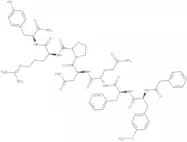
CAS:<p>Please enquire for more information about Z-Gly-Pro-Arg-AMC·HCl including the price, delivery time and more detailed product information at the technical inquiry form on this page</p>Formula:C31H37N7O7·HClPurity:Min. 95%Molecular weight:656.13 g/mol(Phenylac 1,D-Tyr(Me)2,Arg6·8,Tyr-NH29)-Vasopressin trifluoroacetate salt Phenylac-D-Tyr(Me)-Phe-Gln-Asn-Arg-Pro-Arg-Tyr-NH2 tri
CAS:<p>Please enquire for more information about (Phenylac 1,D-Tyr(Me)2,Arg6·8,Tyr-NH29)-Vasopressin trifluoroacetate salt Phenylac-D-Tyr(Me)-Phe-Gln-Asn-Arg-Pro-Arg-Tyr-NH2 tri including the price, delivery time and more detailed product information at the technical inquiry form on this page</p>Formula:C62H83N17O13Purity:Min. 95%Color and Shape:PowderMolecular weight:1,274.43 g/molH-Gly-Gly-His-Ala-OH
CAS:<p>H-Gly-Gly-His-Ala-OH is a peptide of four amino acids. It has been shown experimentally that the side chain of His is always oriented in the same direction, regardless of the conformation. The proton shift constants and vicinal coupling constants for Gly, Gly and Ala are constant, while His has a variable proton shift constant. The experimental parameters for the molecule have been rationalized by using conformational shifts to explain their variability. For example, the proton shift constants have been found to be dependent on the rotation about an axis perpendicular to the peptide backbone. H-Ala-Gly-Gly-His-OH is a pentapeptide with five amino acids that differs from HGGHAOH by having Ala instead of His at position 1. The vicinal coupling constants are different and so are other experimental parameters.</p>Formula:C13H20N6O5Purity:Min. 95%Molecular weight:340.34 g/molMast Cell Degranulating (MCD) Peptide HR-2
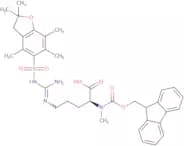
CAS:<p>Please enquire for more information about Mast Cell Degranulating (MCD) Peptide HR-2 including the price, delivery time and more detailed product information at the technical inquiry form on this page</p>Formula:C77H135N17O14Purity:Min. 95%Molecular weight:1,523 g/molFmoc-N-Me-Arg(Pbf)-OH
CAS:<p>Fmoc-N-Me-Arg(Pbf)-OH is a radiopharmaceutical that is used in binding assays for the detection of cancer. It is a synthetic analog of the natural amino acid, lysine. The Fmoc group attaches to the terminal amine on one end of the molecule and is linked to the carboxylic acid on the other end through an ester bond. This allows for attachment of different drugs or other molecules to create a variety of analogs. Fmoc-N-Me-Arg(Pbf)-OH has been shown to have good binding properties with respect to cancer cells in vivo and diagnostic applications.</p>Formula:C35H42N4O7SPurity:Min. 95%Color and Shape:White PowderMolecular weight:662.8 g/molH-Lys-Gly-Gly-OH hydrochloride salt
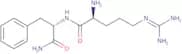
CAS:<p>Histidine is a non-essential amino acid that has been shown to be involved in the regulation of cell growth and differentiation. It is also involved in the biosynthesis of nucleotides, collagen, and carnitine. Kinetic studies on histidine have been done by acetylation of histidine with acetic anhydride and pyridine. The kinetic method used was based on the reaction between histidine and p-nitrophenyl phosphate. The transfer reactions were performed with a strain containing lysine residues which were then adsorbed onto a surface-enhanced Raman spectroscopy (SERS) substrate. These experiments were performed using techniques such as resonance mass spectrometry (RMS), surface-enhanced Raman spectroscopy (SERS), and protonation selective mass spectrometry (PSMS).</p>Formula:C10H20N4O4Purity:Min. 95%Molecular weight:260.29 g/molH-Arg-Phe-NH2 hydrochloride salt
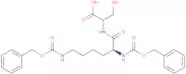
CAS:<p>H-Arg-Phe-NH2 hydrochloride salt (H-RF) is a physiological agent that has been shown to have effects on the response element binding protein. H-RF is a small, water soluble molecule that has been shown to act as an agonist for peptides and cation channels in vitro. The peptides are involved in the regulation of cardiac function and locomotor activity, while the cation channel regulates the opening and closing of potassium channels. The binding of H-RF to these receptors leads to positive changes in energy metabolism, which may be due to its ability to activate ATPase. H-RF also binds strongly to disulfide bonds found in proteins such as peptide hormones and enzymes. These disulfide bonds are important for maintaining protein structure and function.</p>Formula:C15H24N6O2Purity:Min. 95%Molecular weight:320.39 g/molZ-Lys(Z)-Ser-OH
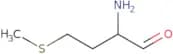
CAS:<p>Please enquire for more information about Z-Lys(Z)-Ser-OH including the price, delivery time and more detailed product information at the technical inquiry form on this page</p>Formula:C25H31N3O8Purity:Min. 95%Molecular weight:501.53 g/molH-Met-2-chlorotrityl resin (200-400 mesh) (Low Substitution)
<p>Please enquire for more information about H-Met-2-chlorotrityl resin (200-400 mesh) (Low Substitution) including the price, delivery time and more detailed product information at the technical inquiry form on this page</p>Purity:Min. 95%Z-D-Arg(Z)2-OH
CAS:<p>Please enquire for more information about Z-D-Arg(Z)2-OH including the price, delivery time and more detailed product information at the technical inquiry form on this page</p>Formula:C30H32N4O8Purity:Min. 95%Molecular weight:576.6 g/mol(Pyr 6,Pro9)-Substance P (6-11)
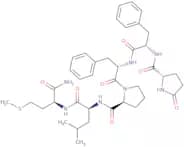
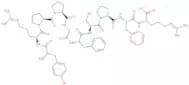
CAS:<p>(Pyr 6,Pro 9)-Substance P (6-11) Pyr-Phe-Phe-Pro-Leu-Met-NH2 is a peptide that has been shown to have locomotor activity in rats, receptor activity, and physiological effects. This peptide binds to the κ opioid receptor and the neurokinin 1 receptor. It was found to have antimicrobial properties against gram positive bacteria and gram negative bacteria. In addition, it has been shown to be an inhibitor of fatty acid synthesis. This molecule also has been studied for its ability to treat metabolic disorders by inhibiting malonic acid production in animals.</p>Formula:C39H53N7O7SPurity:Min. 95%Molecular weight:763.95 g/molH-Gly-Gly-Lys-Arg-OH acetate salt
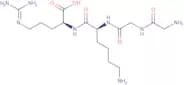
CAS:<p>The H-Gly-Gly-Lys-Arg-OH acetate salt is a diagnostic agent that belongs to the group of active analogues. It is an analogue of sialin, a compound that has been shown to be involved in the molecular pathogenesis of cancer tissues. Sialic acid is an important component of many glycoproteins and glycolipids found in the human body. This compound is metabolized by sialidase enzymes, which are present in various tissues and organs such as the brain, kidney, liver, and plasma. The H-Gly-Gly-Lys-Arg-OH acetate salt inhibits these enzymes by binding to them and preventing their action. This drug also inhibits ATP dependent transport systems for neuronal cells.</p>Formula:C16H32N8O5Purity:Min. 95%Molecular weight:416.48 g/molLHRH (sea bream)
CAS:<p>Please enquire for more information about LHRH (sea bream) including the price, delivery time and more detailed product information at the technical inquiry form on this page</p>Formula:C52H68N14O14Purity:Min. 95%Molecular weight:1,113.18 g/molLeech Osmoregulatory Factor
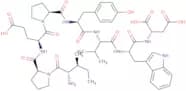
CAS:<p>Leech Osmoregulatory Factor H-Ile-Pro-Glu-Pro-Tyr-Val-Trp-Asp-OH (LOF) is a polyunsaturated peptide that regulates osmotic pressure. It has been purified from the leech Hirudo medicinalis and can be used in diagnosis or treatment of eye disorders, such as diabetic neuropathy, or in the treatment of diseases associated with high blood viscosity. LOF binds to the surface of cells and induces changes in cell shape. The binding of LOF to receptors on the cell membrane triggers receptor binding and subsequent activation of ion channels. This leads to an increase in water permeability across the cell membrane and increases the glomerular filtration rate. LOF also binds to monoclonal antibodies that are specific for eye disorders or other conditions associated with high blood viscosity, which may be useful for diagnosis or treatment.</p>Formula:C50H67N9O14Purity:Min. 95%Molecular weight:1,018.12 g/mol(Cys0)-Amyloid b-Protein (1-40) trifluoroacetate salt
CAS:<p>Please enquire for more information about (Cys0)-Amyloid b-Protein (1-40) trifluoroacetate salt including the price, delivery time and more detailed product information at the technical inquiry form on this page</p>Formula:C197H300N54O59S2Purity:Min. 95%Molecular weight:4,432.95 g/mol(Ala13)-Apelin-13 (human, bovine, mouse, rat) acetate salt
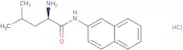
CAS:<p>Apelin-13 is a peptide hormone that is secreted from the stomach and small intestine. It may have analgesic effects through its interaction with μ-opioid receptors, which are also activated by morphine. Apelin-13 has been shown to increase locomotor activity in rats, suggesting it can potentiate the antinociceptive effect of morphine.</p>Formula:C63H107N23O16S·xC2H4O2Purity:Min. 95%Molecular weight:1,474.74 g/molH-D-Leu-bNA·HCl
CAS:<p>Please enquire for more information about H-D-Leu-bNA·HCl including the price, delivery time and more detailed product information at the technical inquiry form on this page</p>Formula:C16H20N2O·HClPurity:Min. 95%Molecular weight:292.8 g/molTyr-Bradykinin
CAS:<p>Bradykinin is a peptide with a variety of physiological effects. It is formed by the cleavage of kininogen by kallikrein, and it is involved in the regulation of vascular tone and blood pressure, as well as responses to pain and inflammation. Bradykinin stimulates the release of histamine from mast cells, which causes an inflammatory response. Bradykinin also has been shown to stimulate the release of leukotrienes, prostaglandins, and cytokines from human lung tissue. The interaction between bradykinin and its receptors has been studied extensively using in vitro assays. The conformational changes in this peptide have been characterized by spectroscopic studies such as nuclear magnetic resonance (NMR) and circular dichroism (CD). In addition, bradykinin can be detected using luminescence techniques such as chemiluminescence or bioluminescence. Studies have shown that micromolar concentrations of bradykinin</p>Formula:C59H82N16O13Purity:Min. 95%Molecular weight:1,223.38 g/molBoc-Ser(Bzl)-PAM resin (200-400 mesh)
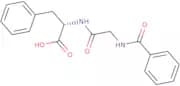
<p>Please enquire for more information about Boc-Ser(Bzl)-PAM resin (200-400 mesh) including the price, delivery time and more detailed product information at the technical inquiry form on this page</p>Purity:Min. 95%Hippuryl-Phe-OH
CAS:<p>Hippuryl-Phe-OH is a soybean trypsin inhibitor that has been shown to have irreversible inhibition of trypsin and other enzymes. It is active at low pH, with a ph optimum of 5.5. Hippuryl-Phe-OH binds irreversibly to the active site of enzymes, thereby preventing them from catalyzing reactions. This irreversible inhibition can be exploited for use in vitro assays as well as biological studies such as cell culture, animal models, and human serum studies.</p>Formula:C18H18N2O4Purity:Min. 95%Molecular weight:326.35 g/molH-Asp(OtBu)-2-chlorotrityl resin (200-400 mesh)
<p>Please enquire for more information about H-Asp(OtBu)-2-chlorotrityl resin (200-400 mesh) including the price, delivery time and more detailed product information at the technical inquiry form on this page</p>Purity:Min. 95%Z-Ala-Pro-4MbetaNA
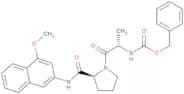
CAS:<p>Please enquire for more information about Z-Ala-Pro-4MbetaNA including the price, delivery time and more detailed product information at the technical inquiry form on this page</p>Formula:C27H29N3O5Purity:Min. 95%Molecular weight:475.54 g/molZ-Phe-Phe-Phe-OH
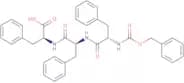
CAS:<p>Z-Phe-Phe-Phe-OH is an organic solvent that is homogeneous, has low solubility and a high boiling point. The epimerization of this compound can be achieved through the use of experimental methods. Z-Phe-Phe-Phe-OH is used in medicinal solvents as well as fields such as pharmacology and chemistry. This compound also has efficient methods for producing it and yields are detectable. There are also no residues from this compound.</p>Formula:C35H35N3O6Purity:Min. 95%Molecular weight:593.67 g/molH-Thr-Leu-OH
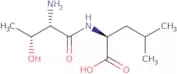
CAS:<p>L-threonine is an amino acid that can be found in proteins. It is a dipeptide of the essential amino acid l-threonine and the nonessential amino acid l-serine. L-Threonine can be metabolized to generate adenosylhomocysteine, which can serve as a substrate for S-adenosylmethionine synthetase. This enzyme converts S-adenosylmethionine to 5'-methylthioadenosine, which is then converted to HMTPA by methyltransferase. HMTPA is subsequently converted to homocysteine through the action of cystathionase or serine hydroxymethyltransferase. Homocysteine may then be converted back into methionin by methylenetetrahydrofolate reductase (MTHFR).</p>Formula:C10H20N2O4Purity:Min. 95%Molecular weight:232.28 g/molSuc-Ala-His-Pro-Phe-pNA
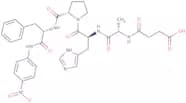
CAS:<p>Suc-Ala-His-Pro-Phe-pNA is an amide that binds to the casein kinase II, phosphatase, and inhibits cellular growth. The biochemical and cell specific activity of this drug target has been shown using biochemical and cellular assays. Suc-Ala-His-Pro-Phe-pNA has potent inhibitory activity against the enzyme phosphatase, which is a drug target for many diseases such as cancer. This compound also inhibits fk506 binding to endoplasmic reticulum protein FKBP12, which is a drug target for immunosuppressive therapy in organ transplantation. Suc-Ala-His-Pro-Phe-pNA has been shown to have high protease activity towards peptidyl substrates.</p>Formula:C33H38N8O9Purity:Min. 95%Molecular weight:690.7 g/molSuc-Ala-Glu-Pro-Phe-AMC
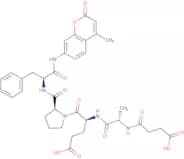
CAS:<p>Please enquire for more information about Suc-Ala-Glu-Pro-Phe-AMC including the price, delivery time and more detailed product information at the technical inquiry form on this page</p>Formula:C36H41N5O11Purity:Min. 95%Molecular weight:719.74 g/mol(H-Cys-4MbNA)2 acetate salt (Disulfide bond)
CAS:<p>Please enquire for more information about (H-Cys-4MbNA)2 acetate salt (Disulfide bond) including the price, delivery time and more detailed product information at the technical inquiry form on this page</p>Formula:C28H30N4O4S2Purity:Min. 95%Molecular weight:550.69 g/mol([ring-D5]Phe6)-Somatostatin-14
<p>Please enquire for more information about ([ring-D5]Phe6)-Somatostatin-14 including the price, delivery time and more detailed product information at the technical inquiry form on this page</p>Formula:C76H99D5N18O19S2Purity:Min. 95%Molecular weight:1,642.91 g/mol(Val6,Ala7)-Kemptide
CAS:<p>Please enquire for more information about (Val6,Ala7)-Kemptide including the price, delivery time and more detailed product information at the technical inquiry form on this page</p>Formula:C32H61N13O9Purity:Min. 95%Molecular weight:771.91 g/molH-Pro-Thr-His-Ile-Lys-Trp-Gly-Asp-OH
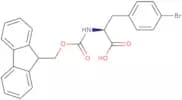
CAS:<p>H-Pro-Thr-His-Ile-Lys-Trp-Gly-Asp-OH is a potent inhibitor of platelet activation, which is induced by nitroprusside. In vitro studies have shown that this peptide inhibits the expression of growth factors, such as platelet derived growth factor (PDGF), and inhibits PDGF activity. This peptide also has an inhibitory effect on nitroprusside, which may be due to its ability to inhibit PDGF expression. The inhibition of PDGF by this peptide may result in the potentiation of the effects of nitroprusside on blood pressure.</p>Formula:C44H64N12O12Purity:Min. 95%Molecular weight:953.05 g/molFMoc-L-4-BroMophenylalanine
CAS:<p>FMoc-L-4-BroMophenylalanine is a cell culture substrate that is used to study the interaction between peptides and hydrogels. It can be used as a fluorescent probe in peptide binding assays as well as for studies of protein folding. This product has been shown to be efficient at inducing gelation with other amino acids, such as aspartic acid, glycine, and arginine. FMoc-L-4-BroMophenylalanine also has potential applications for use in classifying peptides based on their charge and size.</p>Formula:C24H20BrNO4Purity:Min. 95%Molecular weight:466.32 g/molDibenzoyl-(-)-p-methoxy-L-tartaric acid
CAS:<p>Dibenzoyl-(-)-p-methoxy-L-tartaric acid is a chiral compound that has been extracted from plants and synthesized. It has a bitter taste and can be used as an enantiomer to treat schistosomiasis, a disease caused by parasitic flatworms. Dibenzoyl-(-)-p-methoxy-L-tartaric acid can be used as an enantiomer to treat schistosomiasis, which is caused by parasitic flatworms. The chemical is an anionic β-cyclodextrin derivative that binds to the parasites in the host's body and prevents them from releasing eggs into the water supply. This chemical also has pharmacological properties, such as antiinflammatory activities.</p>Formula:C20H18O10Purity:Min. 95%Color and Shape:White PowderMolecular weight:418.35 g/mol(DL-Isoser 1)-TRAP-6 trifluoroacetate salt
CAS:<p>Please enquire for more information about (DL-Isoser 1)-TRAP-6 trifluoroacetate salt including the price, delivery time and more detailed product information at the technical inquiry form on this page</p>Formula:C34H56N10O9Purity:Min. 95%Molecular weight:748.87 g/molH-β-(1,2,4-Triazol-1-yl)-DL-Ala-OH
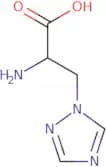
CAS:<p>Please enquire for more information about H-beta-(1,2,4-Triazol-1-yl)-DL-Ala-OH including the price, delivery time and more detailed product information at the technical inquiry form on this page</p>Formula:C5H8N4O2Purity:Min. 95%Molecular weight:156.14 g/molH-Glu-Ser-Leu-Phe-OH
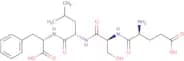
CAS:<p>Please enquire for more information about H-Glu-Ser-Leu-Phe-OH including the price, delivery time and more detailed product information at the technical inquiry form on this page</p>Formula:C23H34N4O8Purity:Min. 95%Molecular weight:494.54 g/molH-Leu-Phe-NH2·HCl
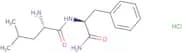
CAS:<p>H-Leu-Phe-NH2·HCl is a peptide that has been shown to have antiviral and anticancer properties. It blocks the replication of viruses by interacting with the amino acid sequence on the virus’s outer layer, which prevents the virus from binding to cells. H-Leu-Phe-NH2·HCl has also been shown to have anticancer properties. This peptide stimulates cancer cells to produce proteins that are required for their growth and proliferation, leading to increased tumor size. The effectiveness of this drug is enhanced when combined with other cancer drugs, such as cisplatin or vinblastine. H-Leu-Phe-NH2·HCl also has an excellent safety profile and does not cause any toxicity in healthy cells or tissues.</p>Formula:C15H23N3O2·HClPurity:Min. 95%Molecular weight:313.82 g/molL-Tyrosine methyl ester hydrochloride
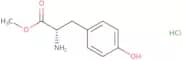
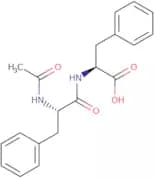
CAS:<p>L-Tyrosine methyl ester hydrochloride is a synthetic compound that has been shown to have anti-thrombotic and anti-inflammatory properties. In particular, L-Tyrosine methyl ester hydrochloride inhibits the activity of thrombin, which is an enzyme involved in the coagulation process. It has also been shown to be effective against solid tumours and cell cultures. L-Tyrosine methyl ester hydrochloride is used as a pharmaceutical preparation for the treatment of osteoarthritis, rheumatoid arthritis, and other inflammatory disorders. It is also used as a precursor in the synthesis of amino acid compounds such as L-DOPA.</p>Formula:C10H14ClNO3Purity:Min. 95%Molecular weight:231.68 g/molAc-Phe-Phe-OH
CAS:<p>Please enquire for more information about Ac-Phe-Phe-OH including the price, delivery time and more detailed product information at the technical inquiry form on this page</p>Formula:C20H22N2O4Purity:Min. 95%Molecular weight:354.4 g/molFmoc-Asn(Dod)-OH
CAS:<p>Fmoc-Asn(Dod)-OH is a pentafluorophenyl ester of the N-terminal tryptophan residue of an asparagine peptide. It is activated by alkylation with pentafluorophenyl bromoacetic acid, which attaches to the carbonyl carbon of the peptide backbone. The activated ester undergoes dehydration and amide formation in the presence of 4-methylbenzenesulfonyl chloride. This reagent can be used for efficient synthesis of peptides, such as proteins and enzymes.</p>Formula:C34H32N2O7Purity:Min. 95%Molecular weight:580.63 g/molDynorphin A (1-6)
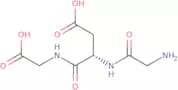
CAS:<p>Please enquire for more information about Dynorphin A (1-6) including the price, delivery time and more detailed product information at the technical inquiry form on this page</p>Formula:C34H49N9O8Purity:Min. 95%Molecular weight:711.81 g/molH-Gly-Asp-Gly-OH
CAS:<p>H-Gly-Asp-Gly-OH is a tripeptide with an amino acid sequence of H-Gly-Asp-Gly. It has the following constants:</p>Formula:C8H13N3O6Purity:Min. 95%Molecular weight:247.21 g/molAtrial Natriuretic Factor (1-28) (human) hydrochloride salt
CAS:Controlled Product<p>Please enquire for more information about Atrial Natriuretic Factor (1-28) (human) hydrochloride salt including the price, delivery time and more detailed product information at the technical inquiry form on this page</p>Formula:C127H203N45O39S3Purity:Min. 95%Molecular weight:3,080.45 g/molLauroyl lysine
CAS:<p>Lauroyl lysine (N6-Lauroyl-L-lysine) functions as skin and hair conditioning agents and as surfactants-cleansing agents in personal care products.</p>Formula:C18H36N2O3Purity:99.18%Color and Shape:White To Off-White Solid With Characteristic Faint OdorMolecular weight:328.49Biotinyl-MCH (salmon) trifluoroacetate salt
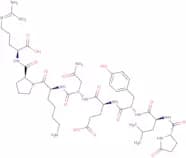
CAS:<p>Please enquire for more information about Biotinyl-MCH (salmon) trifluoroacetate salt including the price, delivery time and more detailed product information at the technical inquiry form on this page</p>Formula:C99H153N29O26S5Purity:Min. 95%Molecular weight:2,325.78 g/molNeurotensin (1-6) trifluoroacetate salt Pyr-Leu-Tyr-Glu-Asn-Lys-OH trifluoroacetate salt
CAS:<p>Please enquire for more information about Neurotensin (1-6) trifluoroacetate salt Pyr-Leu-Tyr-Glu-Asn-Lys-OH trifluoroacetate salt including the price, delivery time and more detailed product information at the technical inquiry form on this page</p>Formula:C35H52N8O12Purity:Min. 95%Molecular weight:776.83 g/molFmoc-glu-OAll
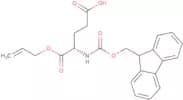
CAS:<p>Fmoc-glu-OAll is a cyclic peptide that is synthesized using solid-phase synthesis. It has been shown to have minimal inhibitory concentration (MIC) values of 0.5 µg/mL against mouse tumor cells and human serum, as well as high affinity for integrin receptors. This peptide also binds to the human serum albumin and blood clotting factor Xa, which are proteins involved in cancer therapy.</p>Formula:C23H23NO6Purity:Min. 95%Molecular weight:409.43 g/molBoc-Thr(Gly-Fmoc)-OH
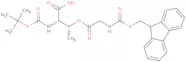
CAS:<p>Please enquire for more information about Boc-Thr(Gly-Fmoc)-OH including the price, delivery time and more detailed product information at the technical inquiry form on this page</p>Formula:C26H30N2O8Purity:Min. 95%Molecular weight:498.53 g/mol(Gly22)-Amyloid b-Protein (1-40) trifluoroacetate salt
CAS:<p>Please enquire for more information about (Gly22)-Amyloid b-Protein (1-40) trifluoroacetate salt including the price, delivery time and more detailed product information at the technical inquiry form on this page</p>Formula:C191H291N53O56SPurity:Min. 95%Molecular weight:4,257.74 g/molH-Arg-Arg-Arg-Arg-Arg-Arg-OH trifluoroacetate salt
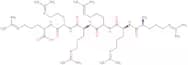
CAS:<p>H-Arg-Arg-Arg-Arg-Arg-Arg-OH trifluoroacetate salt is a compound that can be used as a cancer treatment. It has been shown to inhibit the growth of human retinal pigmented epithelial cells (p. pastoris) and induce apoptosis in these cells. H-Arg-Arg-Arg-Arg-Arg-Arg-OH trifluoroacetate salt interacts with the membrane of cells, blocking the binding site for growth factor and preventing the activation of downstream signaling pathways. This agent also binds to lysine residues on peptides, which are then degraded by proteases. H-Argo Arg Arg Arg Arg Arg Arg OH trifluoroacetate salt has been shown to have an affinity for flavone luteolin at neutral pH, as well as fatty acid molecules.</p>Formula:C36H74N24O7Purity:Min. 95%Molecular weight:955.13 g/mol(Sar 9,Met(O2)11)-Substance P
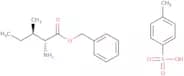
CAS:<p>Substance P is a neuropeptide that is found in the brain and throughout the peripheral nervous system. It has been found to be involved in numerous physiological processes, including pain transmission, vasodilation, and inflammation. Substance P binds to neurokinin-1 receptor (NK-1R) with high affinity. NK-1R has been shown to be localized on cells of the submandibular gland and salivary gland. Techniques such as binding experiments have shown that substance P binds to NK-1R with high affinity and is therefore likely involved in salivation and other functions of these glands.</p>Formula:C64H100N18O15SPurity:Min. 95%Molecular weight:1,393.66 g/molH-D-Ile-OBzl·p-tosylate
CAS:<p>H-D-Ile-OBzl·p-tosylate is a synthetic compound that has been found to have an excitatory effect on the bitter taste receptor. The leaves of plants are mutant and agglutination tests for this compound show that it is a hexapeptide. H-D-Ile-OBzl·p-tosylate can be synthesized from erythritol and p-toluenesulfonyl chloride. The chemical data for this compound indicates that it has a molecular weight of 442.3 Da and the observed spectra indicate that it is a white solid with no charge.</p>Formula:C13H19NO2·C7H8O3SPurity:Min. 95%Molecular weight:393.5 g/molNeurotensin (1-8) Pyr-Leu-Tyr-Glu-Asn-Lys-Pro-Arg-OH
CAS:<p>Neurotensin (NT) is a peptide that has been implicated in the regulation of feeding behavior, cardiovascular function, and pain perception. The neurotensin receptor is a G-protein coupled receptor with seven transmembrane domains. Neurotensin binds to the receptor and activates it by inducing intracellular calcium mobilization and neurotransmitter release. This activation can be dose-dependent, as seen in experiments using rat brain slices incubated with different concentrations of NT. Neurotensin also induces maximal activation at low concentrations, which may be due to its ability to bind to both extracellular and intracellular receptors. NT binds selectively to ventral tegmental area neurons from rats, leading to increased spontaneous firing rates. Cancer cells have been shown to express high levels of neurotensin receptors on their surface membrane, which may contribute to tumorigenesis and metastasis. Neurodegenerative diseases such as Alzheimer’s disease are thought to involve alterations in the expression or</p>Formula:C46H71N13O14Purity:Min. 95%Molecular weight:1,030.14 g/mol





![H-[15N]Tyr-OH](/_next/image/?url=https%3A%2Fstatic.cymitquimica.com%2Fproducts%2F3D%2Fthumb-webp%2FFT107850.webp&w=3840&q=75)

















![([ring-D5]Phe6)-Somatostatin-14](/_next/image/?url=https%3A%2Fstatic.cymitquimica.com%2Fproducts%2F3D%2Fthumb-webp%2FFR110019.webp&w=3840&q=75)