Amino Acids (AA)
Subcategories of "Amino Acids (AA)"
- Amino Acid Derivatives(4,017 products)
- Amino Acid and Amino Acid Related Compounds(3,491 products)
- Amino Acids with Oxygen or Sulphur(168 products)
- Boc- Amino Acids(351 products)
- Fmoc Amino Acids(1,710 products)
Found 38387 products of "Amino Acids (AA)"
Fmoc-Thr(tBu)-Wang resin (200-400 mesh)
Please enquire for more information about Fmoc-Thr(tBu)-Wang resin (200-400 mesh) including the price, delivery time and more detailed product information at the technical inquiry form on this pagePurity:Min. 95%(Glu8·9)-Helodermin
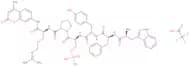
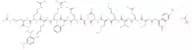
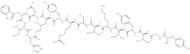
CAS:Please enquire for more information about (Glu8·9)-Helodermin including the price, delivery time and more detailed product information at the technical inquiry form on this pageFormula:C176H283N45O51Purity:Min. 95%Molecular weight:3,845.4 g/molH-Trp-Phe-Tyr-Ser(PO3H2)-Pro-Arg-AMC trifluoroacetate salt
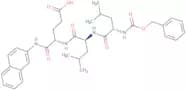
CAS:Please enquire for more information about H-Trp-Phe-Tyr-Ser(PO3H2)-Pro-Arg-AMC trifluoroacetate salt including the price, delivery time and more detailed product information at the technical inquiry form on this pageFormula:C53H62N11O13PPurity:Min. 95%Molecular weight:1,092.1 g/molZ-Leu-Leu-Glu-bNA
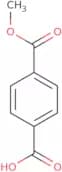
CAS:Z-Leu-Leu-Glu-bNA is a polypeptide that has been shown to activate the cytosolic fatty acid oxidation pathway in Xenopus oocytes. The polypeptide was found to inhibit the activity of enzymes involved in fatty acid synthesis and activation, such as acyl CoA synthetase, lipoyl CoA transferase, and acyl CoA oxidase. Z-Leu-Leu-Glu-bNA also inhibited protein synthesis in Caco2 cells by inhibiting the activity of protein kinase A (PKA) and phosphorylation of protein kinase B (PKB). These effects are mediated by lysine residues and proteolytic cleavage of Z-Leu-Leu-Glu-bNA.Formula:C35H44N4O7Purity:Min. 95%Molecular weight:632.75 g/molmono-Methyl terephthalate
CAS:Mono-methyl terephthalate (MMT) is a monomer used in the manufacturing of polyester and other types of plastic. It is produced from terephthalic acid, which is derived from crude oil or natural gas. The oxidation catalyst used in this process is usually manganese dioxide. MMT has been shown to inhibit bacterial growth by binding to DNA-dependent RNA polymerase, thereby preventing transcription and replication. This active form is metabolized through a number of metabolic transformations, including hydrolysis by esterases or glucuronidases, oxidation by cytochrome P450 enzymes, reduction by glutathione reductase, or conjugation with glucuronic acid. MMT also specifically binds to markers expressed at high levels in Mycobacterium tuberculosis strains (e.g., ESX-1 secretion system protein) and inhibits cell growth in culture.
Formula:C9H8O4Purity:Min. 95%Color and Shape:PowderMolecular weight:180.16 g/molCaloxin 2A1 trifluoroacetate salt
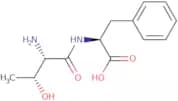
CAS:Please enquire for more information about Caloxin 2A1 trifluoroacetate salt including the price, delivery time and more detailed product information at the technical inquiry form on this pageFormula:C64H91N19O22Purity:Min. 95%Molecular weight:1,478.52 g/molH-Thr-Phe-OH
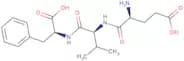
CAS:H-Thr-Phe-OH is a fatty acid which is the substrate for tumor cells. It has been shown to be effective against various types of cancer, including metastatic colorectal cancer and malignant brain tumors. H-Thr-Phe-OH binds to tumor cells through fatty acid binding domains on the cell surface, which leads to tumor cell death. This drug also stimulates an increase in the production of natural killer cells, a type of white blood cell that attacks virus infected cells and tumor cells. The activity index for this drug was measured at 3.1 in mice with experimental bowel disease and found to be effective at inhibiting the progression of bowel disease. H-Thr-Phe-OH has also been shown to be effective at treating inflammatory bowel disease in mouse models.Formula:C13H18N2O4Purity:Min. 95%Color and Shape:PowderMolecular weight:266.29 g/molH-Glu-Val-Phe-OH
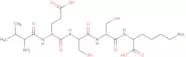
CAS:H-Glu-Val-Phe-OH is a cytosolic protein that has been shown to react with a number of reactive oxygen species. It reacts with electrons by forming a disulfide bond, which can be reduced back to the original molecule by the addition of an electron donor. This chemical reaction may be important in radiation or chemical toxicity. H-Glu-Val-Phe-OH has been used as a monoclonal antibody in pharmacokinetic modeling and pharmacodynamic studies, and has been shown to have low clearance and high volume of distribution, suggesting that this protein is concentrated in the cytosol. H-Glu-Val-Phe-OH also has pharmacokinetic properties that are not well understood, but it is thought to be eliminated from the body at a rate similar to ornithine.Formula:C19H27N3O6Purity:Min. 95%Molecular weight:393.43 g/molLeptin (116-130) amide (mouse) trifluoroacetate salt
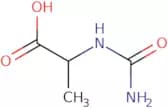
CAS:Amide; Trifluoroacetate saltFormula:C64H109N19O24SPurity:Min. 95%Molecular weight:1,560.73 g/molCarbamoyl-DL-Ala-OH
CAS:Carbamoyl-DL-Ala-OH is a synthetic amino acid that is used as a building block in peptide synthesis. It hydrolyzes and alkylates proteins, forming the corresponding amide and acid. A kinetic study of the hydrolysis of carbamoyl-DL-Ala-OH was conducted using a mutant strain of E. coli, which showed that carbamoyl-DL-Ala-OH hydrolyzed at pH 3.5 to 4.5 and did not form an observable amount of acid at this pH range. The prebiotic activity of carbamoyl DL-ala has been studied in rats and humans, who were given 50 mg of this amino acid per day for 3 weeks. Carbamoyl DL-ala was found to be safe and well tolerated by these subjects, with no significant changes in blood pressure observed in either species. br> The subunits of carbamoyl DL-Formula:C4H8N2O3Purity:Min. 95%Molecular weight:132.12 g/molZ-Pro-Leu-Ala-NHOH
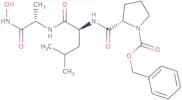
CAS:Z-Pro-Leu-Ala-NHOH is a potent inhibitor of stromal cells. It is a hydroxamic acid molecule that acts as an inhibitor of protein synthesis in the ribosome. Z-Pro-Leu-Ala-NHOH has been shown to have potent inhibitory activity against ethyl palmitate and lipiodol, which are used for therapeutic purposes. The molecule also inhibits viscosity in pharmaceutical preparations and pluripotent stem cells. This compound has shown inhibitory activities against stromal cells, which are responsible for growth, differentiation, and tissue repair. It also prevents the formation of embryoid bodies or pluripotent stem cells by suppressing the expression of proteins needed for early development.Formula:C22H32N4O6Purity:Min. 95%Molecular weight:448.51 g/molZ-Val-Ala-OMe
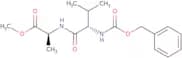
CAS:Z-Val-Ala-OMe is an anti-leishmanial agent that has been shown to be a more efficient method for the treatment of leishmaniasis than current treatments. It inhibits the growth of Leishmania by inhibiting serine proteases, which are involved in the formation of amorphous material on the surface of these parasites. Z-Val-Ala-OMe is active against both subtilis and licheniformis, with a residue half life of 3 hours at pH 5.5 and 20 degrees Celsius. This drug binds to the surface of Leishmania parasites and inhibits their ability to metabolize phosphite into ethyl esters. The kinetic data obtained from Z-Val-Ala-OMe was measured using immobilized cells in a microtiter plate assay system. The data collected was used to generate a graph showing an initial burst phase followed by a linear phase for up to 72 hours post incubation with the drugFormula:C17H24N2O5Purity:Min. 95%Molecular weight:336.38 g/molFmoc-Tyr(SO3H)-OH barium salt
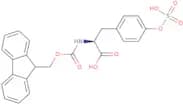
CAS:Please enquire for more information about Fmoc-Tyr(SO3H)-OH barium salt including the price, delivery time and more detailed product information at the technical inquiry form on this pageFormula:C24H21NO8SPurity:Min. 95%Molecular weight:483.49 g/mol(D-Arg0, Hyp 3,D-Phe7,Leu8)-Bradykinin
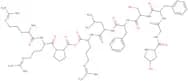
CAS:Please enquire for more information about (D-Arg0, Hyp 3,D-Phe7,Leu8)-Bradykinin including the price, delivery time and more detailed product information at the technical inquiry form on this pageFormula:C57H89N19O13Purity:Min. 95%Molecular weight:1,248.44 g/mol(Tyr34)-pTH (7-34) amide (bovine) trifluoroacetate salt
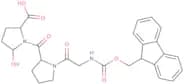
CAS:Please enquire for more information about (Tyr34)-pTH (7-34) amide (bovine) trifluoroacetate salt including the price, delivery time and more detailed product information at the technical inquiry form on this pageFormula:C156H244N48O40S2Purity:Min. 95%Molecular weight:3,496.04 g/molFmoc-Gly-Pro-Hyp-OH
CAS:Fmoc-Gly-Pro-Hyp-OH is a synthetic single-stranded amide with a stepwise hydrogen bond. The synthesis of this compound starts with the creation of an ester by reacting an acid and alcohol in the presence of catalysts. The ester is then reacted with a primary amine to form an amide, which can be hydrolyzed to release the desired product. This synthetic process has been used for the production of collagen and cyclic peptides. Fmoc-Gly-Pro-Hyp-OH has been modified to include modifications such as alkene and modifications such as strategies, synthons, and isosteres.
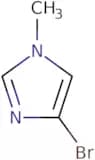
Formula:C27H29N3O7Purity:Min. 95%Molecular weight:507.54 g/mol4-Bromo-1-methyl-1H-imidazole
CAS:4-Bromo-1-methyl-1H-imidazole is an organic compound that belongs to the group of imidazoles. It is a chiral molecule with two stereoisomers, 4-bromo-1H-imidazole and 1H-imidazole. This compound can be synthesized by reacting ethyl formate with α-amino acid and chlorides in the presence of magnesium, followed by reduction with lithium aluminum hydride. The yield of this reaction is low, so it is not used in industrial processes. The imidazoles are important for their pharmacological activity as they are a class of drugs such as nitrofurantoin or griseofulvin. The dinitrate derivatives are also important for their metallation reactions and use in organic synthesis.Formula:C4H5BrN2Purity:Min. 95%Molecular weight:161 g/molH-Phe-Pro-Arg-OH
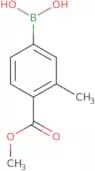
CAS:H-Phe-Pro-Arg-OH is an active analogue of the natural amino acid, lysine. It has been shown to inhibit protein synthesis by binding to the lysine residues in proteins. This inhibition blocks the hydrophobic effect that is necessary for proper folding of newly synthesized proteins. Lysine's role in protein synthesis also extends to spermatozoa and blood clotting, which are inhibited by H-Phe-Pro-Arg-OH. The inhibition of lysine residues in human serum fibrinogen and thrombin may lead to a reduction in their ability to form clots. H-Phe-Pro-Arg-OH has also been shown to be an anticoagulant and thermodynamic data supports this conclusion. X ray crystal structures and titration calorimetry have confirmed that this compound binds to lysine residues with high affinity and specificity.Formula:C20H30N6O4Purity:Min. 95%Molecular weight:418.49 g/mol(4-(Methoxycarbonyl)-3-Methylphenyl)boronic acid
CAS:Please enquire for more information about (4-(Methoxycarbonyl)-3-Methylphenyl)boronic acid including the price, delivery time and more detailed product information at the technical inquiry form on this pageFormula:C9H11BO4Purity:Min. 95%Molecular weight:193.99 g/molTyr-PDGF A-Chain (194-211)
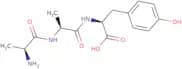
CAS:Please enquire for more information about Tyr-PDGF A-Chain (194-211) including the price, delivery time and more detailed product information at the technical inquiry form on this pageFormula:C101H181N39O25Purity:Min. 95%Molecular weight:2,341.77 g/molH-Ala-Ala-Tyr-OH
CAS:Please enquire for more information about H-Ala-Ala-Tyr-OH including the price, delivery time and more detailed product information at the technical inquiry form on this page
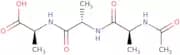
Formula:C15H21N3O5Purity:Min. 95%Molecular weight:323.34 g/molAc-Ala-Ala-Ala-OH
CAS:Ac-Ala-Ala-Ala-OH is a calcium binding protein that is involved in the activation of zymogens. It is an acidic protein that can be found in the zymogen granules of bacteria such as Salmonella typhimurium. Ac-Ala-Ala-Ala-OH has been shown to bind to basic proteins and, when bound, enhances proteolytic activity. Acetylation of Ac-Ala-Ala-Ala-OH at its N terminus by chloromethyl ketone converts it into an acetyllysine derivative with increased stability, which may also result in decreased proteolytic activity.Formula:C11H19N3O5Purity:Min. 95%Molecular weight:273.29 g/molBoc-Tyr(2-bromo-Z)-PAM resin (200-400 mesh)
Please enquire for more information about Boc-Tyr(2-bromo-Z)-PAM resin (200-400 mesh) including the price, delivery time and more detailed product information at the technical inquiry form on this pagePurity:Min. 95%([13C6]Leu15)-pTH (1-34) (human) trifluoroacetate salt
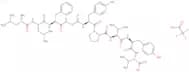
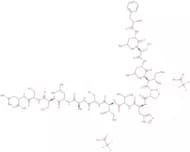
Please enquire for more information about ([13C6]Leu15)-pTH (1-34) (human) trifluoroacetate salt including the price, delivery time and more detailed product information at the technical inquiry form on this pagePurity:Min. 95%(Tyr1)-pTH (1-34) (human) trifluoroacetate salt
CAS:Please enquire for more information about (Tyr1)-pTH (1-34) (human) trifluoroacetate salt including the price, delivery time and more detailed product information at the technical inquiry form on this pageFormula:C189H295N55O51S2Purity:Min. 95%Molecular weight:4,217.84 g/molH-Met-Glu-OH
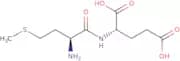
CAS:H-Met-Glu-OH is a synthetic substance that inhibits the activity of cytochrome P450. It binds to cells, specifically platelets, and causes degranulation and activation of calcium ion channels. This leads to an increase in intracellular calcium ions that triggers blood clotting. H-Met-Glu-OH has been shown to be effective in treating cardiovascular diseases such as high blood pressure and heart arrhythmia. Clopidogrel is often used with H-Met-Glu-OH to prevent platelet aggregation, which would otherwise block the effectiveness of H-Met-Glu-OH. H-Met-Glu has a high affinity for collagen and binds more efficiently to platelets than other cell types. This binding is reversible, which allows for repeated doses without causing toxicity or adverse effects on healthy cells.Formula:C10H18N2O5SPurity:Min. 95%Molecular weight:278.33 g/molAc-Asp-Arg-Leu-Asp-Ser-OH
CAS:Ac-Asp-Arg-Leu-Asp-Ser-OH is a peptide that has been synthesized to mimic the activity of aspartic acid. It has been shown to have prophylactic and/or therapeutic effects on infectious diseases and autoimmune diseases. Ac-Asp-Arg-Leu-Asp-Ser-OH may be used for the treatment of cancer, inflammatory diseases, and neurodegenerative diseases. Ac-Asp-Arg-Leu-Asp-Ser OH also acts as a cryoprotectant and diluent in drug development.Formula:C25H42N8O12Purity:Min. 95%Molecular weight:646.65 g/molFmoc-Gln(Mtt)-Wang resin (200-400 mesh)
Please enquire for more information about Fmoc-Gln(Mtt)-Wang resin (200-400 mesh) including the price, delivery time and more detailed product information at the technical inquiry form on this pagePurity:Min. 95%DL-Methionine methylsulfonium chloride
CAS:DL-Methionine methylsulfonium chloride is a fine chemical that has many uses. It can be used as a versatile building block for research and synthesis of complex compounds, or as an intermediate for the production of speciality chemicals. DL-Methionine methylsulfonium chloride is also useful as a reaction component in organic synthesis and as a reagent in analytical chemistry. It is often used to introduce methionine residues into proteins, which are then used for structural studies and protein engineering. The quality of this compound is high and it has CAS number 3493-12-7.Formula:C6H14ClNO2SColor and Shape:White PowderMolecular weight:199.7 g/molH-Gly-D-Gln-OH
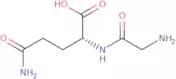
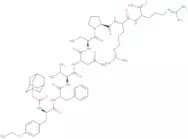
CAS:H-Gly-D-Gln-OH is a chiral molecule that has been used to identify the presence of cholinergic receptors in ventricular myocytes. It is a substrate for the enzyme acetylcholinesterase, which breaks down acetylcholine, an important neurotransmitter. H-Gly-D-Gln-OH binds to nicotinic and muscarinic acetylcholine receptor sites in cardiac muscle cells and can be detected in platelet membranes after injection. The dose of H-Gly-D-Gln-OH that is injected into mice will depend on the animal's weight.Formula:C7H13N3O4Purity:Min. 95%Molecular weight:203.2 g/mol(1-Adamantaneacetyl1,D-Tyr(Et)2,Val4, Abu 6, Arg8·9)-vasopressin
CAS:(1-Adamantaneacetyl1,D-Tyr(Et)2,Val4, Abu 6, Arg8·9)-vasopressin is a vasopressor analog that has been shown to be an effective treatment for congestive heart failure by acting as an agonist at the V1 receptor. It has been shown to stimulate cyclase activity and increase levels of adenosine 3',5'-cyclic monophosphate (cAMP). This drug also stimulates the production of immunoglobulin A antibodies in mice and increases the expression of leucine aminopeptidase and immunofluorescence in rat kidney cells. Vasopressin analogs are used primarily for their vasoconstrictive properties.Formula:C62H94N16O11Purity:Min. 95%Color and Shape:White Off-White PowderMolecular weight:1,239.51 g/molA-VI-5 acetate salt
CAS:Please enquire for more information about A-VI-5 acetate salt including the price, delivery time and more detailed product information at the technical inquiry form on this pageFormula:C22H40N6O10Purity:Min. 95%Molecular weight:548.59 g/molHTLV-1 Tax (11-19) trifluoroacetate salt
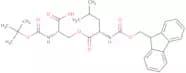
CAS:Please enquire for more information about HTLV-1 Tax (11-19) trifluoroacetate salt including the price, delivery time and more detailed product information at the technical inquiry form on this pageFormula:C56H79N9O12Purity:Min. 95%Molecular weight:1,070.28 g/molBoc-Ser(Leu-Fmoc)-OH
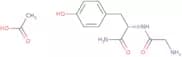
CAS:Boc-Ser(Leu-Fmoc)-OH is a peptide that has been synthesized using the Fmoc strategy. The peptide has been synthesized in an efficient manner and it is an epimer of Boc-Ser(Leu-OH).Formula:C29H36N2O8Purity:Min. 95%Molecular weight:540.6 g/molH-Gly-Tyr-NH2 acetate salt
CAS:Controlled ProductPlease enquire for more information about H-Gly-Tyr-NH2 acetate salt including the price, delivery time and more detailed product information at the technical inquiry form on this page
Formula:C13H19N3O5Purity:Min. 95%Molecular weight:297.31 g/molH-His-Phe-bNA·2 HCl
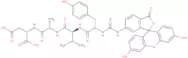
CAS:Please enquire for more information about H-His-Phe-bNA·2 HCl including the price, delivery time and more detailed product information at the technical inquiry form on this pageFormula:C25H25N5O2·2HClPurity:Min. 95%Molecular weight:500.42 g/molFITC-Tyr-Val-Ala-Asp-OH (Contains FITC isomer I)
CAS:FITC-Tyr-Val-Ala-Asp-OH (Contains FITC isomer I) is a bioactive molecule that has been shown to inhibit the growth of filamentous fungi. This compound binds to the tyrosine kinase, which is an enzyme involved in the regulation of cell division and differentiation. It also inhibits neutrophil recruitment by dectin-1, a protein that recognizes fungal cell walls on neutrophils. The FITC isomer I has been shown to impair macrophages and fungus aspergillus fumigatus infiltration in tissues with impaired immune function.
FITC-Tyr-Val-Ala-Asp-OH (Contains FITC isomer I) has also been shown to decrease the production of caspase 1, which activates inflammatory responses and stimulates phagocytic cells.Formula:C42H39N5O12SPurity:Min. 95%Molecular weight:837.85 g/mol4-[(4-Nitrophenyl)-azo]-phenol
CAS:4-[(4-Nitrophenyl)-azo]-phenol is a molecular compound that has a nitro group, an azo group, and a phenolic hydroxyl group. It's also known as nitrophenyl diazonium salt. 4-[(4-Nitrophenyl)-azo]-phenol is used in the synthesis of other compounds such as dyes and pharmaceuticals. The magnetic resonance spectroscopy and optical microscope techniques were used to study the chemical structure of 4-[(4-Nitrophenyl)-azo]-phenol. The titration method was used to determine the purity of this compound. 4-[(4-Nitrophenyl)-azo]-phenol has been shown to have mesomorphic properties, which are exhibited by its ability to be either solid or liquid at room temperature (25°C). This property may be due to its functional groups that stabilize it in both states.
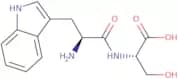
Purity:Min. 95%H-Trp-Ser-OH
CAS:H-Trp-Ser-OH is a synthetic fatty acid that has been shown to inhibit the growth of tumor cells. It was found to have an effect on insulin sensitivity in mice, suggesting it may have potential for treatment of diabetes. H-Trp-Ser-OH also inhibits the production of IL-6 and TNF-α in cultured human monocytes, which may be due to its ability to induce apoptosis. The effects of this compound on cancer are not yet known.
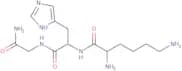
Formula:C14H17N3O4Purity:Min. 95%Molecular weight:291.3 g/molH-Gly-Lys-His-OH acetate salt
CAS:Please enquire for more information about H-Gly-Lys-His-OH acetate salt including the price, delivery time and more detailed product information at the technical inquiry form on this page
Formula:C14H24N6O4Purity:Min. 95%Molecular weight:340.38 g/mol(3,5-Diiodo-Tyr2,Arg8)-Vasopressin
CAS:Please enquire for more information about (3,5-Diiodo-Tyr2,Arg8)-Vasopressin including the price, delivery time and more detailed product information at the technical inquiry form on this pageFormula:C46H63I2N15O12S2Purity:Min. 95%Molecular weight:1,336.03 g/molBoc-Cys(SEt)-OH·DCHA
CAS:Controlled ProductPlease enquire for more information about Boc-Cys(SEt)-OH·DCHA including the price, delivery time and more detailed product information at the technical inquiry form on this pageFormula:C10H19NO4S2·C12H23NPurity:Min. 95%Color and Shape:White/Off-White SolidMolecular weight:462.71Boc-4-phosphono-Phe(Et)2-OH
CAS:Please enquire for more information about Boc-4-phosphono-Phe(Et)2-OH including the price, delivery time and more detailed product information at the technical inquiry form on this pageFormula:C18H28NO7PPurity:Min. 95%Molecular weight:401.39 g/molTos-Gly-Pro-Lys-AMC trifluoroacetate salt
CAS:Please enquire for more information about Tos-Gly-Pro-Lys-AMC trifluoroacetate salt including the price, delivery time and more detailed product information at the technical inquiry form on this pageFormula:C30H37N5O7SPurity:Min. 95%Molecular weight:611.71 g/mol(Cys(Acm)2·7)-a-CGRP (human) trifluoroacetate salt
CAS:Please enquire for more information about (Cys(Acm)2·7)-a-CGRP (human) trifluoroacetate salt including the price, delivery time and more detailed product information at the technical inquiry form on this page
Formula:C169H279N53O51S2Purity:Min. 95%Molecular weight:3,933.48 g/molMca-Amyloid beta/A4 Protein Precursor770 (667-676)-Lys(Dnp)-Arg-Arg amide trifluoroacetate salt
CAS:Please enquire for more information about Mca-Amyloid beta/A4 Protein Precursor770 (667-676)-Lys(Dnp)-Arg-Arg amide trifluoroacetate salt including the price, delivery time and more detailed product information at the technical inquiry form on this pageFormula:C87H129N27O28SPurity:Min. 95%Molecular weight:2,033.19 g/molActivated Protein C (390-404) (human)
CAS:Please enquire for more information about Activated Protein C (390-404) (human) including the price, delivery time and more detailed product information at the technical inquiry form on this pageFormula:C91H130N22O23Purity:Min. 95%Molecular weight:1,900.14 g/molBoc-Glu(OBzl)-PAM resin (200-400 mesh)
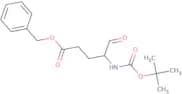
Please enquire for more information about Boc-Glu(OBzl)-PAM resin (200-400 mesh) including the price, delivery time and more detailed product information at the technical inquiry form on this pagePurity:Min. 95%2-Amino-5-methoxypyridine
CAS:2-Amino-5-methoxypyridine (2AM5MP) is a synthetic compound that is used to study the nicotinic acetylcholine receptor. It has been shown that 2AM5MP can be used as an agonist for the nicotinic acetylcholine receptor, which may be due to its ability to act as a substrate for amine oxidase. This compound has been shown to have anti-cancer properties and fluoresce when exposed to positron emission tomography (PET) scans. The anti-cancer effects of 2AM5MP are thought to be due to its ability to inhibit cancer cell proliferation and induce cancer cell apoptosis.
Formula:C6H8N2OPurity:Min. 95%Molecular weight:124.14 g/molH-Glu-His-bNA
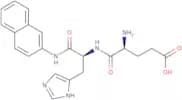
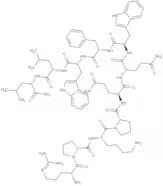
CAS:Please enquire for more information about H-Glu-His-bNA including the price, delivery time and more detailed product information at the technical inquiry form on this pageFormula:C21H23N5O4Purity:Min. 95%Molecular weight:409.44 g/mol(D-Arg1,D-Pro2,D-Trp7·9,Leu11)-Substance P
CAS:Substance P is a tachykinin that is released from the nerve endings of the parasympathetic nervous system. It binds to receptors in the plasma membrane of cells and causes them to release acetylcholine, which is an inhibitory neurotransmitter. Substance P also has been shown to interact with muscle cells and cause contractions. The incubation of Substance P with muscle cells inhibits the release of calcium ions, which reduces the membrane potential and decreases the contractility of these cells.Formula:C75H108N20O13Purity:Min. 95%Molecular weight:1,497.79 g/mol(Thr4,Gly7)-Oxytocin
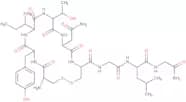
CAS:Oxytocin is a hormone that is released from the pituitary gland. It has been shown to have a variety of biological effects, including stimulation of uterine contractions, breast milk production, and social behaviors such as bonding and sexual behavior. Oxytocin has also been shown to regulate the release of gamma-aminobutyric acid (GABA) in the brain. This effect may be due to oxytocin's ability to stimulate GABA receptors. In addition, oxytocin can inhibit lipolysis by inhibiting the release of fatty acids from adipose tissue. The effect on fatty acid release is due to an inhibition of phosphodiesterase activity. Oxytocin can also cause membrane hyperpolarization by increasing potassium ion flow through channels in the cell membrane. Oxytocin has also been shown to act as a growth factor for certain types of cells, such as smooth muscle cells and osteoblasts.Formula:C39H61N11O12S2Purity:Min. 95%Molecular weight:940.1 g/molH-D-Pro-Pro-Glu-NH2 trifluoroacetate salt
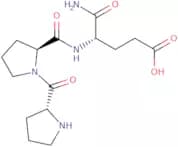
CAS:Please enquire for more information about H-D-Pro-Pro-Glu-NH2 trifluoroacetate salt including the price, delivery time and more detailed product information at the technical inquiry form on this pageFormula:C15H24N4O5Purity:Min. 95%Molecular weight:340.38 g/molH-Leu-Gly-bNA
CAS:H-Leu-Gly-bNA is a chromogenic, dipeptide, which has been shown to react with 2-naphthylamine in the presence of condensation agents and carboxylic acid to form a carboxy group. The amino group on the terminal Leu residue reacts with the carboxy group to form an amide bond. This reaction is used as a method for detecting bNA.Formula:C18H23N3O2Purity:Min. 95%Molecular weight:313.39 g/mol(1,10-Phenanthroline)tris[4,4,4-trifluoro-1-(2-thienyl)-1,3-butanedionato]europium(III)
CAS:(1,10-Phenanthroline)tris[4,4,4-trifluoro-1-(2-thienyl)-1,3-butanedionato]europium(III) is a luminescent europium complex that is used in the development of microcapsules for fluorescence microscopy. The (1,10-phenanthroline) ligand is a chelate molecule that can be exchanged with other ligands to change the optical properties of the complex. The fluorescence microscope detects the emitted light at 488 nm and 514 nm wavelengths. The luminescent europium complex emits light when it binds to an organic molecule such as vinyl alcohol or water vapor. Ternary complexes are formed between the europium ion and two different ligands. Optical properties depend on the type of ligands present in these ternary complexes. This product has been shown to have chemical structures that are similar to thosePurity:Min. 95%Angiotensin A trifluoroacetate salt
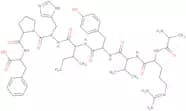
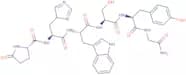
CAS:Angiotensin A trifluoroacetate salt H-Ala-Arg-Val-Tyr-Ile-His-Pro-Phe-OH is a drug that has been shown to be effective in treating chronic kidney disease and heart failure. It is a synthetic peptide that mimics the activity of angiotensin II, an important regulator of blood pressure. Angiotensin A trifluoroacetate salt H-Ala-Arg-Val-Tyr-Ile-His-Pro-Phe-OH binds to the angiotensin receptor, which causes vasoconstriction and increases the release of soluble guanylate cyclase. This drug also inhibits the production of matrix metalloproteinases, which break down collagen and other extracellular proteins.Formula:C49H71N13O10Purity:Min. 95%Molecular weight:1,002.17 g/molLHRH (1-6) amide Pyr-His-Trp-Ser-Tyr-Gly-NH2
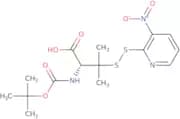
CAS:Please enquire for more information about LHRH (1-6) amide Pyr-His-Trp-Ser-Tyr-Gly-NH2 including the price, delivery time and more detailed product information at the technical inquiry form on this pageFormula:C36H42N10O9Purity:Min. 95%Molecular weight:758.78 g/molBoc-Pen (NPys)-OH
CAS:Please enquire for more information about Boc-Pen (NPys)-OH including the price, delivery time and more detailed product information at the technical inquiry form on this pageFormula:C15H21N3O6S2Purity:Min. 95%Molecular weight:403.48 g/molLactoferricin B (4-14) (bovine) trifluoroacetate salt
CAS:Lactoferricin B (4-14) (bovine) trifluoroacetate salt is a peptide derivative, which is a fragment derived from bovine lactoferrin. It is obtained by enzymatic digestion of lactoferrin, a glycoprotein with a well-established role in the innate immune system. This specific peptide, Lactoferricin B (4-14), is known for its potent antimicrobial properties, attributed to its amphipathic structure that facilitates the disruption of microbial membranes. Additionally, it can modulate immune responses through interactions with immune cells, thereby influencing inflammatory processes.Formula:C70H113N25O13SPurity:Min. 95%Molecular weight:1,544.87 g/mol(R)-(+)-2-Methyl-CBS-oxazaborolidine
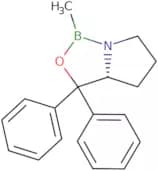
CAS:(R)-(+)-2-Methyl-CBS-oxazaborolidine is a dpp-iv inhibitor that is a β-unsaturated ketone. It has been shown to inhibit the enzyme histone lysine demethylase, which may be involved in the regulation of bone mass. This compound also has a pharmacokinetic profile that is characterized by high oral bioavailability, low plasma protein binding, and rapid metabolism by liver enzymes. The reaction mechanism for this compound is based on the formation of an enolate carbanion. (R)-(+)-2-Methyl-CBS-oxazaborolidine can be synthesized with high stereoselectivity and yields from reactions with simple starting materials. This synthetic route also has a number of advantages over other methods: it does not require any protecting groups, it does not use toxic solvents such as dichloromethane or chloroform, and it can be performed in anhydrous conditionsFormula:C18H20BNOPurity:Min. 95%Color and Shape:SolidMolecular weight:277.17 g/molZ-Gly-Ala-Pro-bNA
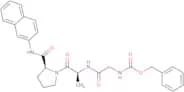
CAS:Z-Gly-Ala-Pro-bNA is a peptidase that hydrolyzes peptides. The peptidase has two catalytic domains, which are located at the N and C termini of the protein. The N-terminal domain contains an oligopeptidase motif that has been shown to be important for the hydrolysis of substrates with hydrophobic residues. The C-terminal domain contains a cavity, which is necessary for binding to substrate and catalysis. This catalytic domain also contains an acid substitution, which may contribute to its stability in acidic environments. A mutant form of Z-Gly-Ala-Pro-bNA was generated by changing the amino acid residue at position n from serine to asparagine, which led to an increase in thermostability and in catalytic activity.Formula:C28H30N4O5Purity:Min. 95%Molecular weight:502.56 g/mol(Cys39)-Tissue Factor (33-53)
CAS:Please enquire for more information about (Cys39)-Tissue Factor (33-53) including the price, delivery time and more detailed product information at the technical inquiry form on this pageFormula:C111H166N26O33S2Purity:Min. 95%Molecular weight:2,456.79 g/molFmoc-octyl-D-Gly-OH
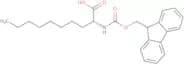
CAS:Fmoc-octyl-D-Gly-OH is a supramolecular polymer with a wide range of applications, including oil recovery and as a nanomaterial. Fmoc-octyl-D-Gly-OH is synthesized by the ring opening polymerization of octylglycol with D,L lactic acid. It has been shown to be an effective emulsifier in water, which may be due to its synergistic effect with other molecules. Fmoc-octyl-D-Gly-OH also has the ability to self assemble into a variety of morphologies such as nanoribbons, nanowires, and gel networks. This polymer can also be used as a hydrogenation catalyst for organic synthesis reactions that require high pressures and temperatures. Fmoc-octyl-D-Gly-OH has also been used in the production of ultrasonication devices for use in medicine.Formula:C25H31NO4Purity:Min. 95%Molecular weight:409.52 g/molZ-Trp-Ala-OH
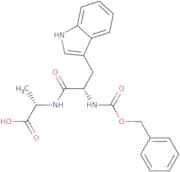
CAS:Z-Trp-Ala-OH is an imidazolide that is used as a potassium supplement. It has the potential to be used in the treatment of epilepsy, but more research is needed to determine its safety and efficacy.Formula:C22H23N3O5Purity:Min. 95%Molecular weight:409.44 g/molN-Boc-cis-3,4-methylene D-proline
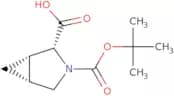
CAS:Please enquire for more information about N-Boc-cis-3,4-methylene D-proline including the price, delivery time and more detailed product information at the technical inquiry form on this pageFormula:C11H17NO4Purity:Min. 95%Molecular weight:227.26 g/molRef: 3D-FB18935
10gTo inquire20gTo inquire100mg612.00€250mg869.00€500mg1,202.00€1g1,518.00€2g2,324.00€EGF Receptor (988-993) (phosphorylated) (human)
CAS:Please enquire for more information about EGF Receptor (988-993) (phosphorylated) (human) including the price, delivery time and more detailed product information at the technical inquiry form on this page
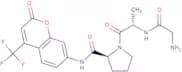
Formula:C31H46N7O16PPurity:Min. 95%Molecular weight:803.71 g/molH-Gly-Ala-Pro-AFC
CAS:Please enquire for more information about H-Gly-Ala-Pro-AFC including the price, delivery time and more detailed product information at the technical inquiry form on this page
Formula:C20H21F3N4O5Purity:Min. 95%Molecular weight:454.4 g/molPhylloseptin-L2 trifluoroacetate salt
CAS:Please enquire for more information about Phylloseptin-L2 trifluoroacetate salt including the price, delivery time and more detailed product information at the technical inquiry form on this page
Formula:C76H126N18O19Purity:Min. 95%Molecular weight:1,595.92 g/molH-Gly-His-Arg-Pro-OH acetate salt
CAS:H-Gly-His-Arg-Pro-OH acetate salt is a synthetic monoclonal antibody that binds to fibrinogen. It has been used in the production of a model protein and as an anticoagulant. H-Gly-His-Arg-Pro-OH acetate salt has been shown to inhibit the growth of tissue plasminogen activator, which is a growth factor for cells involved in blood clotting. This drug also inhibits the release of acetylcholine from nerve cells, which may be due to its ability to bind to plasma proteins.Formula:C19H31N9O5Purity:Min. 95%Molecular weight:465.51 g/molPeptide 810
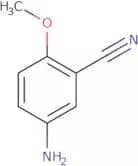
CAS:Peptide 810 is a growth factor that binds to the insulin receptor on the surface of cells. It has been shown to inhibit apoptosis in beta cells by binding to the insulin receptor and inhibiting phosphorylation of the insulin receptor at tyrosine residue 1135, thereby preventing apoptosis. This peptide also binds to other receptors, such as kinase and factor receptors, which are involved in regulating cell proliferation. Peptide 810 is secreted by recombinant proteins, and genetic analyses have shown that it is active against P. aeruginosa. It has also been used as a diagnostic tool for infectious diseases and has been used in assays for kinase receptors and factor receptors. The gene product of this peptide has been expressed in staphylococcus aureus cells, which have been tested as a vaccine against cancer.Formula:C59H91N13O17SPurity:Min. 95%Molecular weight:1,286.5 g/mol5-Amino-2-methoxybenzonitrile
CAS:Please enquire for more information about 5-Amino-2-methoxybenzonitrile including the price, delivery time and more detailed product information at the technical inquiry form on this pageFormula:C8H8N2OPurity:Min. 95%Molecular weight:148.16 g/mol(R)-Omeprazole
CAS:Omeprazole is a proton pump inhibitor that inhibits gastric acid secretion by binding to the H+/K+ ATPase enzyme in the secretory canaliculi of the parietal cells. Omeprazole has been shown to have a protective effect in animal models against infection with Salmonella enterica serovar Typhimurium, and also protects against ulcers caused by Helicobacter pylori infection. Omeprazole is used as an adjunct treatment for patients with non-infectious gastroesophageal reflux disease (GERD) or active duodenal ulcers. It has also been used for the prevention of stress-related mucosal damage in critically ill patients, although it is not approved for this use. Omeprazole can be administered orally or by injection. When administered orally, omeprazole may cause gastrointestinal side effects such as nausea, abdominal pain, and diarrhea. Omeprazole can interact with other drugs suchFormula:C17H19N3O3SPurity:Min. 95%Color and Shape:Off-White PowderMolecular weight:345.42 g/molH-Met-Met-OH
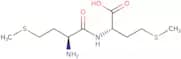
CAS:H-Met-Met-OH is a dietary supplement that has been shown to have a variety of health benefits in animals. It has been shown to increase the production of tnf-α and other fatty acids, which are known to play a role in cellular physiology. H-Met-Met-OH also has the ability to inhibit protein synthesis and this is thought to be due to its transport properties as well as its reaction products. H-Met-Met-OH can be taken orally or given through explants, either orally or by injection.
Formula:C10H20N2O3S2Purity:Min. 95%Color and Shape:White PowderMolecular weight:280.41 g/mol3-Hydroxy-4-methyl-2-nitro-benzoic acid
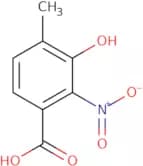
CAS:3-Hydroxy-4-methyl-2-nitrobenzoic acid is an analog of the natural substrate for the enzyme nitroreductase. It can be used in oxidative coupling reactions to generate a covalently bonded product, which is immobilized on sepharose. 3-Hydroxy-4-methyl-2-nitrobenzoic acid has a high affinity for nucleic acids and can be used in biospecific assays. The chromophore of 3-hydroxy-4-methyl-2-nitrobenzoic acid is easily oxidized, leading to its use in nitroreduction reactions in which a nitro group is reduced to an amino group.Purity:Min. 95%H-beta-Ala-Lys-OH·HCl
CAS:Please enquire for more information about H-beta-Ala-Lys-OH·HCl including the price, delivery time and more detailed product information at the technical inquiry form on this pageFormula:C9H19N3O3·HClPurity:Min. 95%Molecular weight:253.73 g/molH-Arg-Asn-NH2 sulfate salt
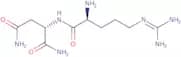
CAS:Please enquire for more information about H-Arg-Asn-NH2 sulfate salt including the price, delivery time and more detailed product information at the technical inquiry form on this pageFormula:C10H21N7O3Purity:Min. 95%Molecular weight:287.32 g/mol3-Bromo-2-methylaniline
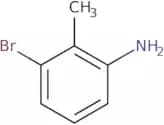
CAS:3-Bromo-2-methylaniline is a six membered, planar, planar conformation with a dihedral angle of 120°. The molecule has two dimers that are connected by hydrogen bonds. It has a crystal structure that is made up of molecules arranged in a hexagonal grid. The molecule is made up of three atoms: one carbon atom, one nitrogen atom, and one bromine atom. The three atoms are arranged in the following order: bromine, carbon, nitrogen.
Formula:C7H8BrNPurity:Min. 95%Color and Shape:Clear Colourless To Yellow To Brown Or Red-BrownMolecular weight:186.05 g/molH-D-Met-Met-OH
CAS:H-D-Met-Met-OH is a synthetic compound, which is an optical isomer of DL-methionine. It has been shown to have the same biochemical and dietary concentrations as DL-methionine. H-D-Met-Met-OH has also been shown to have a linear response in bioassays, assays and other biochemical pathways. The thermodynamic properties of this compound are also similar to those of DL-methionine, although it is not as stable. This compound can be used as a substitute for DL-methionine because it has an identical chemical structure and can be converted into L -methionine by the enzyme methioninase.
Formula:C10H20N2O3S2Purity:Min. 95%Molecular weight:280.41 g/molAcetyl-Hirudin (54-65) (sulfated)
CAS:Please enquire for more information about Acetyl-Hirudin (54-65) (sulfated) including the price, delivery time and more detailed product information at the technical inquiry form on this pageFormula:C68H95N13O29SPurity:Min. 95%Color and Shape:PowderMolecular weight:1,590.62 g/molNeuropeptide S (1-10) (human) trifluoroacetate salt
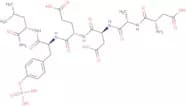
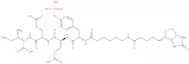
CAS:Please enquire for more information about Neuropeptide S (1-10) (human) trifluoroacetate salt including the price, delivery time and more detailed product information at the technical inquiry form on this pageFormula:C42H68N14O14SPurity:Min. 95%Molecular weight:1,025.14 g/molBiotinyl-epsilon-aminocaproyl-Tyr(PO3H2)-Glu-Glu-Ile-OH
CAS:Please enquire for more information about Biotinyl-epsilon-aminocaproyl-Tyr(PO3H2)-Glu-Glu-Ile-OH including the price, delivery time and more detailed product information at the technical inquiry form on this pageFormula:C41H62N7O16PSPurity:Min. 95%Molecular weight:972.01 g/mol4-{[4-(4-Methyloxyphenyl)-piperazin-1-yl]-phenyl}-2,4-dihydro-[1,2,4]-triazol-3-one
CAS:Please enquire for more information about 4-{[4-(4-Methyloxyphenyl)-piperazin-1-yl]-phenyl}-2,4-dihydro-[1,2,4]-triazol-3-one including the price, delivery time and more detailed product information at the technical inquiry form on this pageFormula:C19H21N5O2Purity:Min. 95%Molecular weight:351.4 g/molAc-muramyl-Ala-Glu-NH2
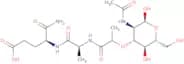
CAS:Please enquire for more information about Ac-muramyl-Ala-Glu-NH2 including the price, delivery time and more detailed product information at the technical inquiry form on this pageFormula:C19H32N4O11Purity:Min. 95%Molecular weight:492.48 g/molH-Lys(Z)-AMC·HCl
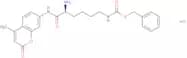
CAS:Please enquire for more information about H-Lys(Z)-AMC·HCl including the price, delivery time and more detailed product information at the technical inquiry form on this pageFormula:C24H27N3O5·HClPurity:Min. 95%Molecular weight:473.95 g/molL-Alanine benzyl ester hydrochloride
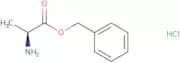
CAS:L-Alanine benzyl ester hydrochloride is a conjugate of L-alanine and the quaternary ammonium salt benzyl ester hydrochloride. The water molecule is attached to the nitrogen atom in the benzyl ester. It has been shown to inhibit viral replication by interfering with the virus' ability to use host enzymes and proteins for synthesis. L-Alanine benzyl ester hydrochloride has significant cytotoxicity against leukemia cells, which may be due to its ability to inhibit rna polymerase activity. L-Alanine benzyl ester hydrochloride can also be used as an inhibitor of angiotensin converting enzyme (ACE), which is important in regulating blood pressure.Formula:C10H13NO2•HCLPurity:Min. 95%Color and Shape:White PowderMolecular weight:215.68 g/molH-Arg-epsilon-aminocaproyl-Arg-epsilon-aminocaproyl-Arg-epsilon-aminocaproyl-Arg-epsilon-aminocaproyl-Arg-epsilon-aminocaproyl-Arg-e psilon-aminocaproyl-Arg-OH trifluoroacetate salt
CAS:Please enquire for more information about H-Arg-epsilon-aminocaproyl-Arg-epsilon-aminocaproyl-Arg-epsilon-aminocaproyl-Arg-epsilon-aminocaproyl-Arg-epsilon-aminocaproyl-Arg-e psilon-aminocaproyl-Arg-OH trifluoroacetate salt including the price, delivery time and more detailed product information at the technical inquiry form on this pageFormula:C78H152N34O14Purity:Min. 95%Molecular weight:1,790.26 g/molAc-Phe-Glu-Trp-Thr-Pro-Gly-Trp-Tyr-Gln-L-azetidine-2-carbonyl-Tyr-Ala-Leu-Pro-Leu-NH2
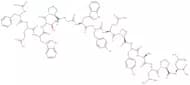
CAS:The peptide Ac-Phe-Glu-Trp-Thr-Pro-Gly-Trp-Tyr-Gln-L-azetidine-2-carbonyl-Tyr-Ala-Leu-Pro-Leu (AFGP) is a small molecule that has been shown to be effective in the prophylaxis and treatment of infectious diseases. AFGP is used as an excipient in intravenous solutions, such as antibiotics, vaccines, and other injectable drugs. It also functions as a diluent for lyophilized products. In addition to its use in the pharmaceutical industry, AFGP is also used as an excipient for vaccine preparations and other injectable drugs. AFGP has been shown to reduce the symptoms of inflammatory diseases, such as asthma and rheumatoid arthritis. This peptide has also been shown to have antiinflammatory and antifibrotic properties.Formula:C96H123N19O22Purity:Min. 95%Molecular weight:1,895.12 g/mol24-Methylenecycloartan-3-ol
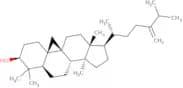
CAS:24-Methylenecycloartan-3-ol is an enzyme form of a fatty acid that is found in the leaves and bark of Eucalyptus. It has been shown to inhibit cholesterol esterase, which is an enzyme involved in the production of cholesterol. This compound also inhibits acetylcholinesterase, an enzyme that regulates the activity of acetylcholine at the neuromuscular junction. 24-Methylenecycloartan-3-ol is toxic to rats when administered orally at doses of 1 g/kg or greater. The LD50 for this compound when administered intravenously to rats was found to be 7 mg/kg.Formula:C31H52OPurity:Min. 90 Area-%Color and Shape:PowderMolecular weight:440.74 g/molH-2,6-Difluoro-Phe-OH·HCl
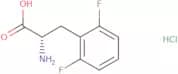
CAS:Please enquire for more information about H-2,6-Difluoro-Phe-OH·HCl including the price, delivery time and more detailed product information at the technical inquiry form on this pageFormula:C9H9F2NO2·HClPurity:Min. 95%Molecular weight:237.63 g/mol(2-(2-Methoxyethoxy)ethoxy)acetic acid
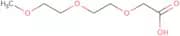
CAS:2-(2-Methoxyethoxy)ethoxy)acetic acid (MEAA) is a cell stabilizer that can be used in the treatment of cancer, diabetes, and other diseases. MEAA has been shown to inhibit the growth of cells by binding to and stabilizing the cytoskeleton through inhibition of protein synthesis. It also prevents the activation of pro-inflammatory cytokines and reactive oxygen species. MEAA's magnetic resonance spectroscopy properties have been studied in detail and it has been shown to bind well with silver ions. MEAA has also been shown to have high cytotoxicity when combined with laser ablation therapy.Formula:C7H14O5Purity:90%Color and Shape:Clear LiquidMolecular weight:178.18 g/molAc-Asp-Arg-Val-Tyr-Ile-His-Pro-Phe-His-Leu-Leu-Val-Tyr-Ser-OH
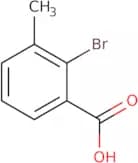
CAS:Please enquire for more information about Ac-Asp-Arg-Val-Tyr-Ile-His-Pro-Phe-His-Leu-Leu-Val-Tyr-Ser-OH including the price, delivery time and more detailed product information at the technical inquiry form on this pageFormula:C87H125N21O21Purity:Min. 95%Molecular weight:1,801.05 g/mol2-Bromo-3-methylbenzoic acid
CAS:2-Bromo-3-methylbenzoic acid is an alcohol that has been shown to be selective for the stereoselective synthesis of chiral secondary alcohols. It has been used in the reduction of 2-formylphenylboronic acid, yielding a mixture of the two possible diastereomers, and in the reductive elimination of carboxylic acids, which can be used as an alternative to the Baylis-Hillman reaction. The compound also has inhibitory activity against several bacteria, including methicillin resistant Staphylococcus aureus (MRSA) and Mycobacterium tuberculosis. 2-Bromo-3-methylbenzoic acid is photochromic and changes color from yellow to red when exposed to UV light.Formula:C8H7BrO2Purity:Min. 95%Color and Shape:PowderMolecular weight:215.04 g/molFmoc-Pro-Wang resin (100-200 mesh)
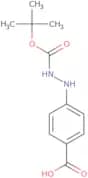
Please enquire for more information about Fmoc-Pro-Wang resin (100-200 mesh) including the price, delivery time and more detailed product information at the technical inquiry form on this pagePurity:Min. 95%4-(2'-N-Boc-hydrazino)benzoic acid
CAS:Please enquire for more information about 4-(2'-N-Boc-hydrazino)benzoic acid including the price, delivery time and more detailed product information at the technical inquiry form on this pageFormula:C12H16N2O4Purity:Min. 95%Molecular weight:252.27 g/molBursin (avian)
CAS:Bursin is a vaccine that is used to prevent the infection of avian influenza in chickens. It has been shown to stimulate antibody production and increase the immune response in chickens. Bursin consists of an amino terminal, carboxy terminal, and a peptide sequence that binds to receptors on the surface of cells. Peptides such as bursin are used for sample preparation or expression plasmids in tissue culture experiments. Bursin also has calcium-binding properties and can be used as a histochemical stain for skin cells. The hydroxyl group on the side chain is important for its function.Formula:C14H25N7O3Purity:Min. 95%Molecular weight:339.39 g/molFmoc-Gln(Trt)-Wang resin (100-200 mesh)
Please enquire for more information about Fmoc-Gln(Trt)-Wang resin (100-200 mesh) including the price, delivery time and more detailed product information at the technical inquiry form on this pagePurity:Min. 95%CART (62-76) (human, rat) trifluoroacetate salt
CAS:Please enquire for more information about CART (62-76) (human, rat) trifluoroacetate salt including the price, delivery time and more detailed product information at the technical inquiry form on this pageFormula:C64H99N17O23S3Purity:Min. 95%Molecular weight:1,570.77 g/molH-Met-D-Met-OH
CAS:Please enquire for more information about H-Met-D-Met-OH including the price, delivery time and more detailed product information at the technical inquiry form on this pageFormula:C10H20N2O3S2Purity:Min. 95%Molecular weight:280.41 g/molH-Met-2-chlorotrityl resin (200-400 mesh) (Low Substitution)
Please enquire for more information about H-Met-2-chlorotrityl resin (200-400 mesh) (Low Substitution) including the price, delivery time and more detailed product information at the technical inquiry form on this pagePurity:Min. 95%(Phe1,Ser2,Tyr6)-PAR-1 (1-6) amide (human) trifluoroacetate salt
CAS:Please enquire for more information about (Phe1,Ser2,Tyr6)-PAR-1 (1-6) amide (human) trifluoroacetate salt including the price, delivery time and more detailed product information at the technical inquiry form on this pageFormula:C39H60N10O8Purity:Min. 95%Molecular weight:796.96 g/mol





![([13C6]Leu15)-pTH (1-34) (human) trifluoroacetate salt](/_next/image/?url=https%3A%2Fstatic.cymitquimica.com%2Fproducts%2F3D%2Fthumb-webp%2FFL110012.webp&w=3840&q=75)



![4-[(4-Nitrophenyl)-azo]-phenol](/_next/image/?url=https%3A%2Fstatic.cymitquimica.com%2Fproducts%2F3D%2Fthumb-webp%2FFN31052.webp&w=3840&q=75)






![(1,10-Phenanthroline)tris[4,4,4-trifluoro-1-(2-thienyl)-1,3-butanedionato]europium(III)](/_next/image/?url=https%3A%2Fstatic.cymitquimica.com%2Fproducts%2F3D%2Fthumb-webp%2FFP62129.webp&w=3840&q=75)







![4-{[4-(4-Methyloxyphenyl)-piperazin-1-yl]-phenyl}-2,4-dihydro-[1,2,4]-triazol-3-one](/_next/image/?url=https%3A%2Fstatic.cymitquimica.com%2Fproducts%2F3D%2Fthumb-webp%2FFM25920.webp&w=3840&q=75)