Amino Acids (AA)
Amino acids (AAs) are the fundamental building blocks of proteins, playing a crucial role in various biological processes. These organic compounds are essential for protein synthesis, metabolic pathways, and cell signaling. In this category, you will find a comprehensive range of amino acids, including essential, non-essential, and modified forms, which are vital for research in biochemistry, molecular biology, and nutritional sciences. At CymitQuimica, we provide high-quality amino acids to support your research and development needs, ensuring accuracy and reliability in your experimental outcomes.
Subcategories of "Amino Acids (AA)"
- Amino Acid Derivatives(3,955 products)
- Amino Acid and Amino Acid Related Compounds(3,465 products)
- Amino Acids with Oxygen or Sulphur(168 products)
- Boc- Amino Acids(351 products)
- Fmoc Amino Acids(1,710 products)
Found 38248 products of "Amino Acids (AA)"
Sort by
Purity (%)
0
100
|
0
|
50
|
90
|
95
|
100
Sar-Pro-OH
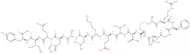
CAS:<p>Please enquire for more information about Sar-Pro-OH including the price, delivery time and more detailed product information at the technical inquiry form on this page</p>Formula:C8H14N2O3Purity:Min. 95%Molecular weight:186.21 g/molSeminal Plasma Inhibin (67-94) (human)
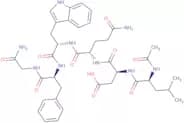
CAS:<p>Please enquire for more information about Seminal Plasma Inhibin (67-94) (human) including the price, delivery time and more detailed product information at the technical inquiry form on this page</p>Formula:C150H240N36O43S2Purity:Min. 95%Molecular weight:3,299.86 g/molAc-Leu-Asp-Gln-Trp-Phe-Gly-NH2
CAS:<p>Ac-Leu-Asp-Gln-Trp-Phe-Gly-NH2 is a peptide that was found to inhibit the activity of vasoactive intestinal peptide (VIP). It binds to VIP with high affinity and competitively inhibits its binding to VIP receptors. Ac-Leu-Asp-Gln-Trp-Phe-Gly-NH2 has an inhibitory effect on the maximal response of VIP in tissues, such as the intestine. This peptide also has an irritant effect on the intestine, which may be due to its competitive inhibition of VIP receptor sites. Ac-Leu-Asp-Gln-Trp-Phe Gly NH2 has been shown to have a concentration response curve for inhibiting the activity of Vip.</p>Formula:C39H51N9O10Purity:Min. 95%Molecular weight:805.88 g/molH-Cys-Asp-Pro-Gly-Tyr-Ile-Gly-Ser-Arg-NH2
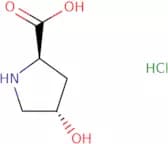
CAS:<p>C-Cys-Asp-Pro-Gly-Tyr-Ile-Gly-Ser-Arg is a cyclic peptide that is synthesized from the amino acid sequence of human epidermal growth factor (EGF). It has been shown to have in vitro and in vivo antitumor activity against melanoma cells. C-Cys-Asp-Pro-Gly-Tyr-Ile-Gly-Ser-Arg has also been shown to activate EGF receptors with physiological levels of EGF and to inhibit tumor metastasis.</p>Formula:C40H63N13O13SPurity:Min. 95%Molecular weight:966.07 g/moltrans-4-Hydroxy-D-proline hydrochloride
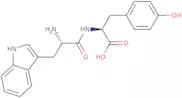
CAS:<p>Please enquire for more information about trans-4-Hydroxy-D-proline hydrochloride including the price, delivery time and more detailed product information at the technical inquiry form on this page</p>Formula:C5H10ClNO3Purity:Min. 95%Molecular weight:167.59 g/molH-Trp-Tyr-OH TFA Salt
CAS:<p>H-Trp-Tyr-OH TFA salt is a food additive that has been shown to inhibit the oxidation of casein by light. It is an amino acid analog, which is a synthetic compound containing a single amino acid. The H-Trp-Tyr-OH TFA salt has been shown to protect against photooxidation of casein and other proteins in milk. It also inhibits the formation of exciplexes, which are complexes formed between tryptophan and trifluoroacetic acid. The H-Trp-Tyr-OH TFA salt has been shown to be stable at pH values ranging from 2 to 12 and at temperatures up to 300 degrees Celsius. This additive can be used as an emulsifier in food products such as mayonnaise, salad dressing, and margarine.</p>Formula:C22H20N3F3O5Purity:Min. 95%Molecular weight:463.41 g/molVIP sulfoxide (human, mouse, rat) trifluoroacetate salt
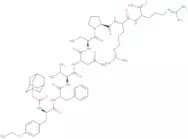
CAS:<p>Please enquire for more information about VIP sulfoxide (human, mouse, rat) trifluoroacetate salt including the price, delivery time and more detailed product information at the technical inquiry form on this page</p>Formula:C147H238N44O43SPurity:Min. 95%Molecular weight:3,341.8 g/mol(1-Adamantaneacetyl1,D-Tyr(Et)2,Val4, Abu 6, Arg8·9)-vasopressin
CAS:<p>(1-Adamantaneacetyl1,D-Tyr(Et)2,Val4, Abu 6, Arg8·9)-vasopressin is a vasopressor analog that has been shown to be an effective treatment for congestive heart failure by acting as an agonist at the V1 receptor. It has been shown to stimulate cyclase activity and increase levels of adenosine 3',5'-cyclic monophosphate (cAMP). This drug also stimulates the production of immunoglobulin A antibodies in mice and increases the expression of leucine aminopeptidase and immunofluorescence in rat kidney cells. Vasopressin analogs are used primarily for their vasoconstrictive properties.</p>Formula:C62H94N16O11Purity:Min. 95%Color and Shape:White Off-White PowderMolecular weight:1,239.51 g/molBiotinyl-pTH (1-34) (human) trifluoroacetate salt
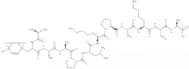
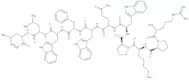
CAS:<p>Please enquire for more information about Biotinyl-pTH (1-34) (human) trifluoroacetate salt including the price, delivery time and more detailed product information at the technical inquiry form on this page</p>Formula:C191H305N57O53S3Purity:Min. 95%Molecular weight:4,344.02 g/mol(D-Arg1,D-Trp5·7·9,Leu11)-Substance P
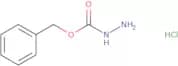
CAS:<p>Substance P is a potent inhibitor of lung cancer cells, which may be due to its ability to signal through the cell membrane. It inhibits the growth of lung cancer cells by inhibiting signal transduction, leading to decreased cell proliferation and increased apoptosis. This product also has strong anti-inflammatory properties that can be used for the treatment of inflammatory diseases such as asthma.</p>Formula:C81H110N20O12Purity:Min. 95%Molecular weight:1,555.87 g/molZ-NHNH2·HCl
CAS:<p>Z-NHNH2·HCl is an amide containing a tetrapeptide. It has been used as a diagnostic agent for the detection of caerulein, a peptide that is produced by the pancreas in response to the presence of cholecystokinin (CCK). The monomers were prepared by reacting azide with benzyl chloroacetanilides and then cyclizing the product with triethylene glycol. The soybean extract was hydrolyzed with HCl to produce Z-NHNH2·HCl.</p>Formula:C8H10N2O2·HClPurity:Min. 95%Molecular weight:202.64 g/mol(D-Pro4,D-Trp7·9·10,Val8)-Substance P (4-11)
CAS:<p>Please enquire for more information about (D-Pro4,D-Trp7·9·10,Val8)-Substance P (4-11) including the price, delivery time and more detailed product information at the technical inquiry form on this page</p>Formula:C58H74N14O10SPurity:Min. 95%Molecular weight:1,159.36 g/molUrotensin II-Related Peptide (human, mouse, rat) trifluoroacetate salt
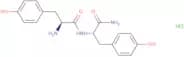
CAS:<p>Urotensin II is a peptide that is expressed in the brain and has hypotensive effects. It is an endogenous ligand for the urotensin II receptor, which is found in various tissues including the heart, vascular system, and lungs. Urotensin II-Related Peptide (URP) was identified from cDNA sequences of human, mouse, and rat tissues. The URP consists of a sequence of amino acids with a molecular weight of 1219. This peptide has been shown to have diagnostic use in tissues and animals as well as being immunoreactive in monoclonal antibodies. The gene encoding URP has been cloned and its protein product has been characterized by mass spectroscopy.</p>Formula:C49H64N10O10S2Purity:Min. 95%Molecular weight:1,017.23 g/molH-Tyr-Tyr-NH2·HCl
CAS:<p>Please enquire for more information about H-Tyr-Tyr-NH2·HCl including the price, delivery time and more detailed product information at the technical inquiry form on this page</p>Formula:C18H21N3O4·HClPurity:Min. 95%Molecular weight:379.84 g/molFibrinopeptide B (human) trifluoroacetate salt
CAS:<p>Fibrinopeptide B is a fibrinogen-derived peptide that has shown to inhibit the growth of HL-60 cells. It may be active as a receptor antagonist for thrombin and caproic acid. Fibrinopeptide B also inhibits angiogenesis by inhibiting the binding of acidic, basic proteins to the vascular endothelium in atherosclerotic lesions. The biological sample can be obtained from human serum or plasma.</p>Formula:C66H93N19O25Purity:Min. 95%Molecular weight:1,552.56 g/molMyelin Basic Protein (85-99) Peptide Antagonist trifluoroacetate salt
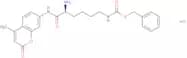
CAS:<p>Please enquire for more information about Myelin Basic Protein (85-99) Peptide Antagonist trifluoroacetate salt including the price, delivery time and more detailed product information at the technical inquiry form on this page</p>Formula:C70H114N18O21Purity:Min. 95%Molecular weight:1,543.76 g/molH-Lys(Z)-AMC·HCl
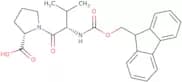
CAS:<p>Please enquire for more information about H-Lys(Z)-AMC·HCl including the price, delivery time and more detailed product information at the technical inquiry form on this page</p>Formula:C24H27N3O5·HClPurity:Min. 95%Molecular weight:473.95 g/molFmoc-Val-Pro-OH
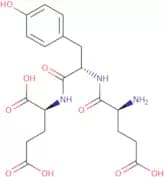
CAS:<p>Fmoc-Val-Pro-OH is a low molecular weight amino acid that has anticoagulant properties. It is synthesized by activating the carboxylic acid group of pipecolic acid with an N,N'-dicyclohexylcarbodiimide (DCC) activated ester of thiazolidinecarboxylic acid and then reacting it with a basic amino acid. The resulting product is a peptide consisting of Val, Pro, and OH groups. This compound has been shown to inhibit blood clotting in rats and rabbits. Fmoc-Val-Pro-OH also has been shown to be effective in preventing postoperative blood clots in dogs undergoing surgery for repair of cranial cruciate ligament rupture.</p>Formula:C25H28N2O5Purity:Min. 95%Molecular weight:436.5 g/molH-Glu-Tyr-Glu-OH
CAS:<p>Please enquire for more information about H-Glu-Tyr-Glu-OH including the price, delivery time and more detailed product information at the technical inquiry form on this page</p>Formula:C19H25N3O9Purity:Min. 95%Molecular weight:439.42 g/molmPEG9-OH
CAS:<p>mPEG9-OH is a PEG polymer categorised as monofunctional (OH-PEG-X). Used as a linker, mPEG9-OH is used to attached PEG to proteins, peptides, oligonucleotides, nanoparticles and small molecules via pegylation, a bioconjugation technique.</p>Formula:C19H40O10Purity:Min. 95%Molecular weight:428.51 g/molH-Ala-Pro-Val-EDANS
CAS:<p>Please enquire for more information about H-Ala-Pro-Val-EDANS including the price, delivery time and more detailed product information at the technical inquiry form on this page</p>Formula:C25H35N5O6SPurity:Min. 95%Molecular weight:533.64 g/molL-m-Tyrosine
CAS:<p>L-m-Tyrosine is a nonessential amino acid that is synthesized from phenylalanine. It has been shown to have antioxidant properties and protects against oxidative injury by scavenging reactive oxygen species such as hydrogen fluoride. L-m-Tyrosine has also been shown to modulate dopamine levels in the brain and may be used in the treatment of Parkinson's disease. The biological effects of L-m-Tyrosine are mediated through the transcriptional regulation of genes encoding proteins involved in dopamine β-hydroxylase and hydrogen fluoride detoxification. L-m-Tyrosine is also an experimental model for studying drug resistance in bacteria, including methicillin resistant Staphylococcus aureus (MRSA).</p>Formula:C9H11NO3Purity:Min. 98 Area-%Color and Shape:PowderMolecular weight:181.19 g/mol2-[(5-Bromo-2-methylphenyl)methyl]-5-(4-fluorophenyl)thiophe
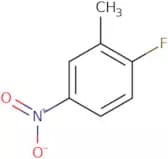
CAS:<p>Intermediate in the synthesis of canagliflozin</p>Formula:C18H14BrFSPurity:Min. 95%Molecular weight:361.27 g/mol4-Fluoro-3-methylnitrobenzene
CAS:<p>4-Fluoro-3-methylnitrobenzene is a carbazole that is used as a pesticide. It has been shown to be effective against typhimurium and other bacteria. The mechanism of action of this compound may involve nitrenium ion formation, which is an intermediate in the reaction of ammonium nitrate with calcium carbonate. 4-Fluoro-3-methylnitrobenzene has two isomers: 4-fluoro-3-methylnitrobenzoic acid and 4-fluoronitrobenzoic acid, but only the former reacts with ammonium nitrate. The reaction time for this compound to form carcinogenic nitrosamines can vary from about one day to several months. Chemical shift data for this compound reveal its radical mechanism, which explains its low efficiency. This compound also has optical properties that can cause fluorescence or phosphorescence when exposed to ultraviolet light or laser beams, respectively.</p>Formula:C7H6FNO2Purity:Min. 95%Molecular weight:155.13 g/molThrombin Receptor Antagonist trifluoroacetate salt
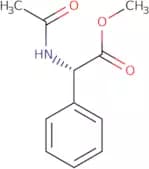
CAS:<p>Please enquire for more information about Thrombin Receptor Antagonist trifluoroacetate salt including the price, delivery time and more detailed product information at the technical inquiry form on this page</p>Formula:C58H91N17O20S2Purity:Min. 95%Molecular weight:1,410.58 g/molAc-Phg-OMe
CAS:<p>Please enquire for more information about Ac-Phg-OMe including the price, delivery time and more detailed product information at the technical inquiry form on this page</p>Formula:C11H13NO3Purity:Min. 95%Molecular weight:207.23 g/molFmoc-Tyr-Ala-OH
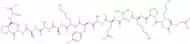
CAS:<p>Fmoc-Tyr-Ala-OH is a biochemical that is expressed in mammalian cells. It has been shown to activate enzymes and the production of proteins, which are essential for cell growth. Fmoc-Tyr-Ala-OH is also proteolytic and hydrolyzing, meaning it can be used to cleave proteins into smaller pieces. It has been shown to have acidic and neutral properties at different pH levels. This enzyme also has an inhibitory effect on the production of monoclonal antibodies in mcf-7 cells, which are derived from mouse mammary epithelial cells.</p>Formula:C27H26N2O6Purity:Min. 95%Molecular weight:474.51 g/molAcetyl-Neurotensin (8-13) Ac-Arg-Arg-Pro-Tyr-Ile-Leu-OH
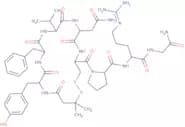
CAS:<p>Acetyl-neurotensin (8-13) Ac-Arg-Arg-Pro-Tyr-Ile-Leu-OH is a competitive antagonist of the NANC neurotransmitter, neuropeptide Y. It is a proteolytic product of neurotensin, an endogenous peptide that has been implicated in a number of physiological and pathological processes. Acetyl-neurotensin (8-13) Ac-Arg-Arg-Pro-Tyr-Ile-Leu-(OH) binds to the membrane receptors on neurons and blocks the binding of neuropeptides such as neurotensin and substance P to these receptors, thereby inhibiting their effects on the central nervous system. This compound is soluble in water and can be used for bladder protection by preventing the accumulation of urine.</p>Formula:C40H66N12O9Purity:Min. 95%Molecular weight:859.03 g/mol(Deamino-Pen 1,Val4,D-Arg8)-Vasopressin
CAS:<p>Vasopressin is a peptide hormone that regulates water balance. It is synthesized in the hypothalamus and stored in the posterior pituitary gland, from where it is released when blood pressure falls. Vasopressin binds to V1 receptors in the kidney and vascular smooth muscle cells, causing vasoconstriction and increased blood pressure. Vasopressin also stimulates phosphatidic acid synthesis and hypotension, which are mediated through V2 receptors. Vasopressin has been found to be effective against cardiac arrest and myocardial infarction in animals. This drug has also been shown to stimulate the paraventricular nucleus of the hypothalamus and inhibit sympathetic activity in ganglia.</p>Formula:C48H69N13O11S2Purity:Min. 95%Molecular weight:1,068.27 g/molZ-Leu-Ser-OMe
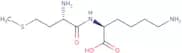
CAS:<p>Please enquire for more information about Z-Leu-Ser-OMe including the price, delivery time and more detailed product information at the technical inquiry form on this page</p>Formula:C18H26N2O6Purity:Min. 95%Molecular weight:366.41 g/molH-Met-Lys-OH formiate salt
CAS:<p>H-Met-Lys-OH formiate salt is an industrial chemical that can be used in the preparation of pharmaceutical preparations. It has been shown to have a potential to lower blood pressure and reduce the risk of cardiovascular diseases. H-Met-Lys-OH formiate salt is a lysine derivative that contains two amino acid residues, namely lysine and methionine. H-Met-Lys-OH formiate salt can be used as a therapeutic agent for prostate cancer by targeting tp53 mutations and radical prostatectomy. It can also be used as an antibacterial agent against gram-negative bacteria, such as Escherichia coli (E. coli).</p>Formula:C11H23N3O3SPurity:Min. 95%Molecular weight:277.38 g/molArg-Glu(EDANS)-(Asn670,Leu671)-Amyloid β/A4 Protein Precursor770 (668-675)-Lys(DABCYL)-Arg trifluoroacetate salt
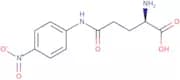
CAS:<p>Please enquire for more information about Arg-Glu(EDANS)-(Asn670,Leu671)-Amyloid beta/A4 Protein Precursor770 (668-675)-Lys(DABCYL)-Arg trifluoroacetate salt including the price, delivery time and more detailed product information at the technical inquiry form on this page</p>Formula:C91H129N25O25SPurity:Min. 95%Molecular weight:2,005.22 g/molH-D-Glu(pNA)-OH
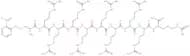
CAS:<p>Please enquire for more information about H-D-Glu(pNA)-OH including the price, delivery time and more detailed product information at the technical inquiry form on this page</p>Formula:C11H13N3O5Purity:Min. 95%Molecular weight:267.24 g/molH-Cys(NPys)-Arg-Arg-Arg-Arg-Arg-Arg-Arg-Arg-Arg-NH2 trifluoroacetate salt
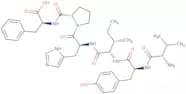
CAS:<p>Please enquire for more information about H-Cys(NPys)-Arg-Arg-Arg-Arg-Arg-Arg-Arg-Arg-Arg-NH2 trifluoroacetate salt including the price, delivery time and more detailed product information at the technical inquiry form on this page</p>Formula:C62H118N40O12S2Purity:Min. 95%Molecular weight:1,679.99 g/molAngiotensin I/II (3-8)
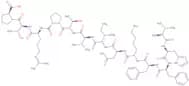
CAS:<p>Angiotensin I/II (3-8) H-Val-Tyr-Ile-His-Pro-Phe-OH is a peptide that has physiological effects and is used as a drug. It is an active analogue of the peptide hormone angiotensin II, which regulates blood pressure and fluid volume. Angiotensin I/II (3-8) H-Val-Tyr-Ile-His-Pro-Phe-OH binds to angiotensin receptors and stimulates the release of calcium ions from cytosolic stores in cells, leading to increased muscle contractions and vasoconstriction. This drug may also have effects on dopamine levels in the brain, locomotor activity, and biochemical properties such as enzyme activity or protein binding.br><br>Angiotensin I/II (3-8) H-Val-Tyr-Ile-His Pro Phe OH has been shown to reduce the level of dopamine</p>Formula:C40H54N8O8Purity:Min. 95%Molecular weight:774.91 g/molPhenylacetyl-(D-Arg2·28,p-chloro-Phe6, Homoarg 9·29,Tyr(Me)10, Abu 15, Nle 27)-GRF (1-29) amide (human)
CAS:<p>Please enquire for more information about Phenylacetyl-(D-Arg2·28,p-chloro-Phe6, Homoarg 9·29,Tyr(Me)10, Abu 15, Nle 27)-GRF (1-29) amide (human) including the price, delivery time and more detailed product information at the technical inquiry form on this page</p>Formula:C172H284ClN53O41Purity:Min. 95%Molecular weight:3,785.88 g/molZ-Glu-Leu-OH·DCHA
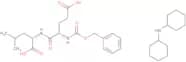
CAS:Controlled Product<p>Please enquire for more information about Z-Glu-Leu-OH·DCHA including the price, delivery time and more detailed product information at the technical inquiry form on this page</p>Formula:C19H26N2O7·C12H23NPurity:Min. 95%Molecular weight:575.74 g/mol4-Methyl-5-formylthiazole
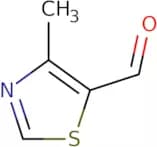
CAS:<p>4-Methyl-5-formylthiazole is a synthetic molecule with in vitro antifungal activity. It has been shown to inhibit the growth of Candida albicans and Aspergillus niger, two species of fungi that are responsible for the majority of opportunistic infections in immunocompromised patients. 4-Methyl-5-formylthiazole is a nucleophilic molecule that undergoes electrophilic substitution reactions, which makes it an efficient method for generating antifungal agents. The synthesis of this compound can be achieved through the condensation of methyl formate and thiourea, followed by treatment with chloride ion to produce the desired product. 4-Methyl-5-formylthiazole is also fluorescent and has electron deficient properties, which makes it useful for diagnosis and molecular modelling.</p>Formula:C5H5NOSPurity:Min. 95%Molecular weight:127.17 g/molFor-DL-Met-OH
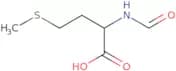
CAS:<p>For-DL-Met-OH is a colony-stimulating factor that belongs to the group of pharmacokinetic properties. It has been shown to have an effect on white blood cell production in patients with radiation therapy, and is also effective against Pseudomonas aeruginosa, which is an important pathogen in chronic lung disease. For-DL-Met-OH has been found to be effective when administered intravenously and orally in this indication. The compound acts by binding to the target tissue cyclic peptide receptor and acylation reaction with the antibiotic. It has been found that For-DL-Met-OH can be synthesized using a neutral pH process and polypeptide synthesis.</p>Formula:C6H11NO3SPurity:Min. 95%Molecular weight:177.22 g/molN-Boc-1,2-phenyldiamine
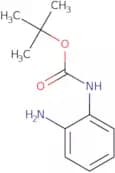
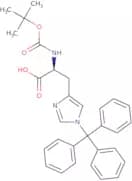
CAS:<p>N-Boc-1,2-phenyldiamine is a histone acetyltransferase (HAT) inhibitor. It is an acetylated molecule that contains two phenyl rings, one of which is substituted with an amine group. This compound was designed to inhibit the activity of HATs, which are enzymes involved in the chemical modification of histones and other proteins. N-Boc-1,2-phenyldiamine inhibits the activities of these enzymes and prevents the acetylation of lysines on histones or other proteins. It has been shown to be efficient in inducing apoptosis in human cancer cells and may also have some antitumor effects.</p>Formula:C11H16N2O2Purity:Min. 95%Color and Shape:PowderMolecular weight:208.26 g/molBoc-His(Trt)-OH
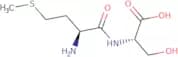
CAS:<p>Boc-His(Trt)-OH is a chemical compound that has been used in the laboratory to study uptake and binding of compounds. It is stable in complex with albumin, which has led to its use as a model system for studying hepatic steatosis. This chemical can be synthesized by solid-phase synthesis with trifluoroacetic acid and polypeptide synthesis. FT-IR spectroscopy has been used to characterize Boc-His(Trt)-OH, revealing its chemical diversity.</p>Formula:C30H31N3O4Purity:Min. 95%Color and Shape:PowderMolecular weight:497.58 g/molH-Met-Ser-OH
CAS:<p>H-Met-Ser-OH is a dihedral molecule that has an amino acid composition of H, Met, Ser, and OH. It is acidic and has efficiencies in polarizability and acceptor. The dipole moment of the molecule is hydrogen bonding interactions with sequences. The vibrational frequencies are computationally predicted by computational methods. The sulfate fractionation was used to determine the percent of H-Met-Ser-OH in human liver tissue.</p>Formula:C8H16N2O4SPurity:Min. 95%Molecular weight:236.29 g/mol(Ala11·22·28)-VIP (human, mouse, rat) trifluoroacetate salt
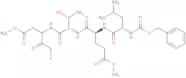
CAS:<p>(Ala11·22·28)-VIP is an endogenous peptide which is involved in the regulation of inflammation. It is a specific agonist for the vasoactive intestinal peptide receptor (VIP-R) and has been shown to exacerbate inflammatory responses such as those seen in tissues, intestines, and phagocytes. VIP also has effects on other cells types that are mediated by its ability to activate the VIP-R. These include increased vascular permeability and vasodilation, as well as increases in reactive oxygen species and cytokine production.</p>Formula:C139H231N43O39SPurity:Min. 95%Molecular weight:3,160.65 g/molZ-Leu-Glu(OMe)-Thr-DL-Asp(OMe)-fluoromethylketone
CAS:<p>Please enquire for more information about Z-Leu-Glu(OMe)-Thr-DL-Asp(OMe)-fluoromethylketone including the price, delivery time and more detailed product information at the technical inquiry form on this page</p>Formula:C30H43FN4O11Purity:Min. 95%Molecular weight:654.68 g/molN-(4-Methoxybenzylidene)-4-butylaniline
CAS:<p>N-(4-Methoxybenzylidene)-4-butylaniline is an organic compound that belongs to the group of liquid crystals. It has been used in the study of phase transitions and thermal properties. The melting point of N-(4-methoxybenzylidene)-4-butylaniline is between -80 and -90 °C, depending on the solvent. This compound has a low proton affinity, but it can be oxidized to form a radical cation.</p>Formula:C18H21NOPurity:Min. 95%Molecular weight:267.37 g/molACTH (34-39)
CAS:<p>Please enquire for more information about ACTH (34-39) including the price, delivery time and more detailed product information at the technical inquiry form on this page</p>Formula:C37H50N6O9Purity:Min. 95%Molecular weight:722.83 g/mol(R)-(+)-3-Chloro-1-phenyl-1-propanol
CAS:<p>(R)-(+)-3-Chloro-1-phenyl-1-propanol is a substrate for the lactamase of bacteria. The immobilized lipase catalyzes the hydrolysis reaction in which the lactam ring is broken, yielding a propiophenone intermediate. This intermediate can be converted to (S)-(+)-3-chloro-1-phenylpropanol by treatment with an alcohol oxidase or by hydrolysis with hydrogen peroxide. The product has been shown to have antidepressant activity and may modulate the dry weight of bacteria. In vivo studies show that this compound has a high concentration in rats and mice, but it is not active in humans.</p>Formula:C9H11ClOPurity:Min. 95%Color and Shape:White To Yellow SolidMolecular weight:170.64 g/mol(Des-octanoyl)-Ghrelin (mouse, rat) trifluoroacetate salt
CAS:<p>Please enquire for more information about (Des-octanoyl)-Ghrelin (mouse, rat) trifluoroacetate salt including the price, delivery time and more detailed product information at the technical inquiry form on this page</p>Formula:C139H231N45O41Purity:Min. 95%Molecular weight:3,188.6 g/molBz-D-Thr-OMe
CAS:<p>Bz-D-Thr-OMe is a synthetic peptide with an amino acid sequence of Bz-D-Thr-OH. It has the chemical formula C14H24N2O4S and a molecular weight of 288.4 g/mol. This peptide reacts selectively with the n-terminal amino and carboxylic acids in peptides, cleaving the peptide bonds between these residues to produce free amino acids.</p>Formula:C12H15NO4Purity:Min. 95%Molecular weight:237.25 g/molLeptin tifluoroacetic acid (150-167)
CAS:<p>Leptin tifluoroacetic acid (150-167) is a diagnostic agent that can be used to measure leptin in vivo. Leptin tifluoroacetic acid (150-167) is an agonist for the leptin receptor, which has been shown to have effects on locomotor activity, body weight and body mass index in animals. Leptin tifluoroacetic acid (150-167) has also been shown to have anti-inflammatory properties and may be of use in the treatment of bowel diseases such as inflammatory bowel disease or bowel disease. Leptin tifluoroacetic acid (150-167) binds with high affinity to human fat cells, allowing it to be used as a marker for fat cell differentiation and energy metabolism. The main function of leptin is regulation of food intake and energy expenditure by acting on receptors in the brain, liver, muscle and other tissues.</p>Formula:C87H138N22O28S2•(CF3CO2H)xPurity:Min. 95%Molecular weight:2,004.29 g/mol(Tyr15)-Fibrinopeptide B (human)
CAS:<p>Fibrinopeptide B is a linear peptide that is found in the human fibrinogen molecule. It has been shown to be bioactive and can be used as a specific molecular marker for thrombus formation. Fibrinopeptide B has an optimal wavelength of 280 nm, and can be detected using phosphoric acid-based electrophoresis. The peptides are typically only 10 to 20 amino acids long, although the length varies depending on the protein they are derived from.</p>Formula:C75H102N20O27Purity:Min. 95%Molecular weight:1,715.73 g/molZ-His-Leu-OH
CAS:<p>Please enquire for more information about Z-His-Leu-OH including the price, delivery time and more detailed product information at the technical inquiry form on this page</p>Formula:C20H26N4O5Purity:Min. 95%Molecular weight:402.44 g/molAmyloid β-Protein (1-37) trifluoroacetate salt
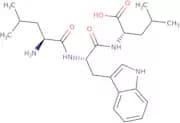
CAS:<p>Please enquire for more information about Amyloid beta-Protein (1-37) trifluoroacetate salt including the price, delivery time and more detailed product information at the technical inquiry form on this page</p>Formula:C182H274N50O55SPurity:Min. 95%Molecular weight:4,074.49 g/molH-Leu-Trp-Leu-OH
CAS:<p>H-Leu-Trp-Leu-OH is a tryptophan protease that has been shown to have aminopeptidase activity. It can be used in the treatment of intestinal inflammation, as well as other conditions where it is desirable to reduce the concentration of amino acid precursors. The oxidation products of H-Leu-Trp-Leu-OH are antigenic and can be used for the detection of this enzyme in biological fluids. Hplc analysis can identify tripeptides formed by H-Leu-Trp-Leu-OH, which are then cleaved by other enzymes. This process creates a radioactive product that can be detected using radiation or microscopy. Immunoaffinity chromatography is also able to isolate H-Leu-Trp-Leu-OH from biological fluids. Monoclonal antibodies against this enzyme have been shown to inhibit ectoenzymes such as lipases and phospholip</p>Formula:C23H34N4O4Purity:Min. 95%Molecular weight:430.54 g/molC-Peptide (human) trifluoroacetate salt
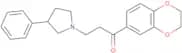
CAS:<p>C-Peptide is a monoclonal antibody that binds to the β-cell and inhibits insulin release. It has been used in diagnosis of type 1 diabetes mellitus. C-Peptide is a hormone that regulates blood glucose levels by controlling the rate of glucose production in the liver, as well as by inhibiting the breakdown of glycogen in the liver. The C-terminal amino acid sequence Glu-Ala-Glu-Asp-Leu-Gln-Val-Gly-Gln-Val-Glu -Leu-Gly can be cleaved from the peptide by trifluoroacetic acid to yield free Gln, which can then be detected using mass spectrometry. Growth factors such as IGF1, FGF21, and HGF have been shown to increase C peptide levels in diabetic patients.</p>Formula:C129H211N35O48Purity:Min. 95%Molecular weight:3,020.26 g/mol1-(2,3-Dihydro-1,4-benzodioxin-6-yl)-3-(3-phenylpyrrolidin-1-yl)propan-1-one HCl
CAS:<p>Naltrexone is a drug that is used in the treatment of addiction to opioids and alcohol. It has been shown to inhibit the breakdown of endorphins, which leads to reduced pain sensitivity. Naltrexone also has anti-inflammatory properties, which may be due to its inhibition of prostaglandin synthesis. Naltrexone binds to opioid receptors and blocks their action, preventing the transmission of signals by the neurotransmitter dopamine. This binding prevents the euphoric effects associated with opioid abuse while still allowing pain relief. The use of naltrexone in inflammatory bowel disease was first proposed in 1978 based on its ability to reduce colonic motility in animal models and its subsequent effect on gut function.</p>Formula:C21H23NO3·HClPurity:Min. 95%Color and Shape:White PowderMolecular weight:373.87 g/molFmoc-Val-Ser(Psi(Me,Me)pro)-OH
CAS:<p>Please enquire for more information about Fmoc-Val-Ser(Psi(Me,Me)pro)-OH including the price, delivery time and more detailed product information at the technical inquiry form on this page</p>Formula:C26H30N2O6Purity:Min. 95%Molecular weight:466.53 g/molMitogenic Pentapeptide Palmitoyl-Cys((RS)-2,3-di(palmitoyloxy)-propyl)-Ser-Ser-Asn-Ala-OH
CAS:<p>Mitogenic Pentapeptide Palmitoyl-Cys((RS)-2,3-di(palmitoyloxy)-propyl)-Ser-Ser-Asn-Ala-OH is a synthetic pentapeptide that can be used to induce cell proliferation and antibody production. This peptide has been used in clinical trials with regulatory approval for use in humans. It has been shown to promote antibody response in animal experiments and to be active against tumor cells in tissue culture and cell cultures. Mitogenic Pentapeptide Palmitoyl-Cys((RS)-2,3-di(palmitoyloxy)-propyl)-Ser-Ser-Asn-Ala-OH also activated the monoclonal antibodies produced by hybridoma cells.</p>Formula:C67H124N6O14SPurity:Min. 95%Molecular weight:1,269.8 g/molH-Pro-Lys-OH acetate salt
CAS:<p>H-Pro-Lys-OH acetate salt is a synthetic compound that is specific for histidine residues. It catalyzes the hydrolysis of fibrinogen to form fibrin, which can be used in the formation of blood clots. This molecule has been shown to have a number of sequences and acid analysis. H-Pro-Lys-OH acetate salt can be used as an additive in food products. The incubation process should be done at pH 4.5 and the reaction should be stopped by adding tripeptides followed by using ion-exchange chromatography or SDS polyacrylamide gel electrophoresis to analyze the amino acids present in the product.</p>Formula:C11H21N3O3Purity:Min. 95%Molecular weight:243.3 g/molZ-His-Phe-Phe-OEt
CAS:<p>Z-His-Phe-Phe-OEt is a synthetic, polyacrylamide gel-based experiment that determines the amino acid composition of imidazolium zymogens. This experiment utilizes an ion-exchange chromatography technique to separate and identify peptides. The solvents used in this experiment are acetone and ion-exchange chromatography. In order to carry out this experiment, one must first dissolve the polyacrylamide gel in a system of solvents with a pH of 7.5 or lower in order to create an electrofocusing environment. This solution is then applied to the polyacrylamide gel, which will form a solid film when dried. The imidazolium zymogen can then be cleaved by pepsin, yielding peptides that can be analysed using mass spectrometry.</p>Formula:C34H37N5O6Purity:Min. 95%Molecular weight:611.69 g/molAc-Lys-(Me)Leu-Val-(Me)Phe-Phe-NH2
CAS:<p>Ac-Lys-(Me)Leu-Val-(Me)Phe-Phe-NH2 is a synthetic chemokine that is a member of the CXC subfamily. Chemokines are small proteins that have a hydrophobic region, which allows them to insert into membranes. This chemokine has been shown to be capable of forming dimers in the presence of other chemokines and exhibits a high degree of homology with congener chemokines. The Ac-Lys-(Me)Leu-Val-(Me)Phe-Phe-NH2 sequence has been shown to denature at pH 8 and has water solubility; however, it does not dissolve in lipid bilayers such as phospholipid bilayers or monolayers. The Ac-Lys-(Me)Leu-Val-(Me)Phe-Phe-NH2 sequence is also stable in an Alzheimer's disease mouse model.</p>Formula:C39H59N7O6Purity:Min. 95%Molecular weight:721.93 g/molMyelin Basic Protein (87-99) (human, bovine, rat)
CAS:<p>Please enquire for more information about Myelin Basic Protein (87-99) (human, bovine, rat) including the price, delivery time and more detailed product information at the technical inquiry form on this page</p>Formula:C74H114N20O17Purity:Min. 95%Molecular weight:1,555.82 g/molSuc-Phe-Pro-Phe-pNA
CAS:<p>Suc-Phe-Pro-Phe-pNA is a peptide that has been shown to inhibit the effector functions of anisopliae. The molecule is synthesized by attaching a chloromethyl ketone to the carboxy terminal amino acid. This process is specific for only one sequence and can be used in metarhizium, which is a fungus that naturally occurs in soil and decomposing organic matter. Suc-Phe-Pro-Phe-pNA has been shown to be reactive with inflammatory diseases such as asthma, arthritis, and atherosclerosis. The molecule's activity may be due to its acidic nature or high salt content at its reactive site. This peptide also has a pH optimum range of 3–5, which may contribute to its activity as well.</p>Formula:C33H35N5O8Purity:Min. 95%Molecular weight:629.66 g/molH-Arg-Met-OH acetate salt
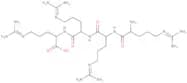
CAS:<p>H-Arg-Met-OH acetate salt is a reactive chemical that is used in the treatment of hepatitis. It has been shown to be effective against virus and heart disease, as well as being active in the prevention of insulin resistance. H-Arg-Met-OH acetate salt is also used to determine if a person has had an allergic reaction by testing for elevated serum levels of this chemical. H-Arg-Met-OH acetate salt can be found in the blood, urine, and liver cells. This chemical is also present in mouse spleen cells and has been shown to react with specific antibodies.</p>Formula:C11H23N5O3SPurity:Min. 95%Molecular weight:305.4 g/molH-Arg-Arg-Arg-Arg-OH acetate salt
CAS:<p>Acetate salt</p>Formula:C24H50N16O5Purity:Min. 95%Molecular weight:642.76 g/molFor-Nle-Leu-Phe-Nle-Tyr-Lys-OH
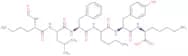
CAS:<p>For-Nle-Leu-Phe-Nle-Tyr-Lys-OH is an amino acid sequence that is a proteolytic fragment of the erythrocyte membrane protein band 3. It has been shown to be able to inhibit the activity of cytosolic calcium and actin filament polymerization, as well as inhibiting apoptosis in human polymorphonuclear leukocytes (PMNL). This compound has been found to be effective in preventing uptake of bacteria by neutrophils, which may be due to its ability to alter the pH gradient across the membrane and increase intracellular calcium levels. For-Nle-Leu-Phe-Nle-Tyr-Lys-OH also inhibits diacylglycerol synthesis, which may contribute to its antiinflammatory effects.</p>Formula:C43H65N7O9Purity:Min. 95%Molecular weight:824.02 g/molFA-Glu-Glu-OH
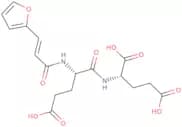
CAS:<p>Please enquire for more information about FA-Glu-Glu-OH including the price, delivery time and more detailed product information at the technical inquiry form on this page</p>Formula:C17H20N2O9Purity:Min. 95%Molecular weight:396.35 g/molH-Ala-Arg-bNA·2 HCl
CAS:<p>Please enquire for more information about H-Ala-Arg-bNA·2 HCl including the price, delivery time and more detailed product information at the technical inquiry form on this page</p>Formula:C19H26N6O2·2HClPurity:Min. 95%Molecular weight:443.37 g/molFmoc-[D4]Ala-OH
CAS:Controlled Product<p>Please enquire for more information about Fmoc-[D4]Ala-OH including the price, delivery time and more detailed product information at the technical inquiry form on this page</p>Formula:C18H13D4NO4Purity:Min. 95%Color and Shape:PowderMolecular weight:315.35 g/molAF-16 trifluoroacetate salt
CAS:<p>AF-16 trifluoroacetate salt is a synthetic peptide, which is derived from chemical synthesis with tailored modifications to enhance its stability and efficacy. This compound acts by specifically binding to target receptors or proteins, facilitating the study of biochemical pathways and mechanisms at the molecular level. It is particularly used in biological and biochemical research settings to probe cellular processes, offering insights into protein interactions and signaling pathways.</p>Formula:C71H119N25O25SPurity:Min. 95%Molecular weight:1,754.92 g/molZ-Leu-Tyr-NH2
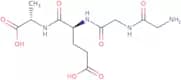
CAS:<p>Please enquire for more information about Z-Leu-Tyr-NH2 including the price, delivery time and more detailed product information at the technical inquiry form on this page</p>Formula:C23H29N3O5Purity:Min. 95%Color and Shape:White/Off-White SolidMolecular weight:427.49 g/molH-Gly-Gly-Glu-Ala-OH
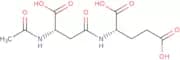
CAS:<p>H-Gly-Gly-Glu-Ala-OH is a carboxylate. It has been shown to be an ionizable molecule with a proton that can exist in either the hydrated or dehydrated form. The proton of the carboxylate group can move between the two forms and the ionization state depends on pH and temperature. H-Gly-Gly-Glu-Ala-OH is a linear peptide, which means it has an amide group and a residue at each end of the chain. Each of these residues has specific conformations, which are impacted by intramolecular hydrogen bonds. These conformations play a role in determining its pharmacological properties, as well as its function in structural biology and magnetic resonance techniques. H-Gly-Gly-Glu-Ala-OH also has population distribution studies that have been used for diffraction analyses, as well as for titration experiments.</p>Formula:C12H20N4O7Purity:Min. 95%Molecular weight:332.31 g/molAc-Asp(Glu-OH)-OH
CAS:<p>Ac-Asp(Glu-OH)-OH is a low potency, but potentiating compound that binds to the cell cytoplasm. It inhibits the uptake of glutamate into the synaptic cleft by binding to acidic granules. This compound may be neuroprotective and inhibit prostate carcinoma growth. Ac-Asp(Glu-OH)-OH has also been shown to inhibit postsynaptic potentials and decrease glutamate release in cerebellar granule cells.</p>Formula:C11H16N2O8Purity:Min. 95%Molecular weight:304.25 g/mol(Tyr36)-pTH-Related Protein (1-36) (human, mouse, rat)
CAS:<p>Please enquire for more information about (Tyr36)-pTH-Related Protein (1-36) (human, mouse, rat) including the price, delivery time and more detailed product information at the technical inquiry form on this page</p>Formula:C194H303N59O53Purity:Min. 95%Molecular weight:4,309.85 g/molIGF-I Analog
CAS:<p>Please enquire for more information about IGF-I Analog including the price, delivery time and more detailed product information at the technical inquiry form on this page</p>Formula:C55H88N14O15S2Purity:Min. 95%Molecular weight:1,249.5 g/molAc-Phe-pNA
CAS:<p>Ac-Phe-pNA is a synthetic substrate that can be used to study the role of serine proteases in collagenolysis. It has been shown to have a high affinity for collagen, which makes it an excellent candidate for use as a probe for studying the interaction of proteases with collagen. This substrate binds to the enzyme and is cleaved by the serine protease at neutral pH. The reaction mixture turns yellow and fluoresces under UV light. Ac-Phe-pNA is reactive to epimastigotes and displays a ph optimum of 7.5.</p>Formula:C17H17N3O4Purity:Min. 95%Molecular weight:327.33 g/molH-Val-Asn-OH
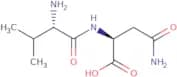
CAS:<p>H-Val-Asn-OH is a polyhydroxyamine that is soluble in water and has a low freezing point. It can be used as a coating material, sectioning medium, or to study the thermal expansion of materials. H-Val-Asn-OH has been shown to have no significant effect on the growth rate of bacteria and spores. H-Val-Asn-OH is made up of nitrogen atoms, ferrite, and strain. The microstructure of H-Val-Asn-OH includes a phase equilibrium with ferrite and strain morphology.</p>Formula:C9H17N3O4Purity:Min. 95%Molecular weight:231.25 g/molH-Thr(tBu)-NH2·HCl
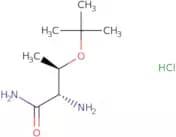
CAS:<p>Please enquire for more information about H-Thr(tBu)-NH2·HCl including the price, delivery time and more detailed product information at the technical inquiry form on this page</p>Formula:C8H18N2O2·HClPurity:Min. 95%Molecular weight:210.7 g/molACTH (18-39) (human)
CAS:<p>ACTH is a polypeptide hormone that regulates the release of cortisol from the adrenal cortex. ACTH (18-39) is a fragment of ACTH which binds to the glucocorticoid receptor with high affinity. The carboxy terminal sequence of ACTH (18-39) is identical to that of human ACTH and can be used as an immunogen to produce monoclonal antibodies against ACTH. The monoclonal antibodies can then be used in prognostic studies for patients with congestive heart failure, diabetic neuropathy, or k562 cells. ACTH (18-39) has an optimum pH level of 7.0 and can bind to cellular receptors at physiological concentrations. It also has a molecular weight of 4,000 Daltons and is soluble in trifluoroacetic acid and hydrogen fluoride, but not in water or methanol.</p>Formula:C112H165N27O36Purity:Min. 95%Molecular weight:2,465.67 g/molPDGF Antagonist
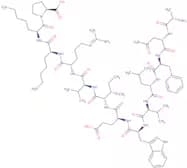
CAS:<p>H-Ala-Asn-Phe-Leu-Val-Trp-Glu-Ile-Val-Arg-Lys-Lys-Pro is a monoclonal antibody that inhibits proliferation of endothelial cells. It binds to PDGF, which is a potent growth factor. This drug has been shown to inhibit the growth of vascular smooth muscle cells in vitro and in vivo by inhibiting cholesterol synthesis. H-Ala-Asn-Phe-Leu-Val-Trp has also been shown to have antagonist effects on basic fibroblast growth factor and cyclic AMP, which are important mediators of choroidal neovascularization and blood vessel formation.</p>Formula:C77H122N20O17Purity:Min. 95%Molecular weight:1,599.92 g/molL-Lysine acetate
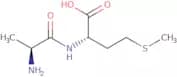
CAS:Controlled Product<p>L-Lysine acetate is a precursor of L-lysine and is used in the treatment of cancers. It has been shown to promote the growth of pluripotent cells, which can differentiate into any tissue type. L-Lysine acetate promotes cellular transformation by increasing the expression of growth factor-β1 in cells. This compound also enhances cellular physiology, energy metabolism, and protein degradation. L-Lysine acetate inhibits the ubiquitin ligases that are involved in protein degradation, leading to an increase in cell proliferation. The use of L-Lysine acetate has shown promising results for the treatment of infectious diseases such as HIV/AIDS and tuberculosis. L-Lysine acetate blocks the replication of human immunodeficiency virus (HIV) by inhibiting reverse transcriptase activity and blocking its DNA chain elongation process.</p>Formula:C8H18N2O4Purity:Min. 95%Color and Shape:PowderMolecular weight:206.24 g/molH-Ala-Met-OH
CAS:<p>H-Ala-Met-OH is a hydrophobic amino acid. It is found in the sequence of a number of proteins, including hormones and enzymes. The optimum temperature for this amino acid is around 15 degrees Celsius, which is why it can be found in the cocrystallized dodecyl and racemized divalent forms. H-Ala-Met-OH has been shown to have divalent properties due to its ability to bind with two metal ions at the same time. H-Ala-Met-OH also has an amino acid sequence that can be found in many different proteins and enzymes, such as N-acetyl-L-tyrosine. This amino acid has been used as a target for bioinformatics studies on hormone sequences for the reaction mechanism.</p>Formula:C8H16N2O3SPurity:Min. 95%Molecular weight:220.29 g/molFmoc-4-(Boc-amino)-L-phenylalanine
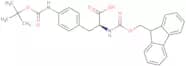
CAS:<p>Fmoc-4-(Boc-amino)-L-phenylalanine is a useful building block, which is used in the synthesis of complex compounds and research chemicals. It is also a reaction component in the synthesis of compounds. Fmoc-4-(Boc-amino)-L-phenylalanine has CAS No. 174132-31-1 and can be used as a versatile building block to produce high quality reagents.</p>Formula:C29H30N2O6Purity:Min. 98 Area-%Color and Shape:SolidMolecular weight:502.56 g/molH-Pro-Phe-NH2·HCl
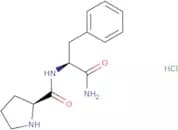
CAS:<p>Please enquire for more information about H-Pro-Phe-NH2·HCl including the price, delivery time and more detailed product information at the technical inquiry form on this page</p>Formula:C14H19N3O2·HClPurity:Min. 95%Molecular weight:297.78 g/molCarboxymethyl-Phe-Leu-OH
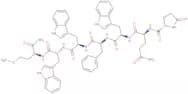
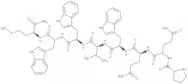
CAS:<p>Carboxymethyl-Phe-Leu-OH (CMPLE) is a metalloprotease inhibitor that inhibits the activity of proteases, such as serine proteases and cysteine proteases. CMPLE is used to treat infectious diseases caused by bacteria, fungi, or parasites. CMPLE also has been shown to inhibit the formation of inflammatory responses in autoimmune and inflammatory diseases. This drug can be used in combination with benzalkonium chloride or monoclonal antibodies to treat hematopoietic cells. The optimum pH for this drug is 7.5, and it denatures at high temperatures. It also binds to epithelial surface glycoproteins in the gastrointestinal tract and may be useful for treating ulcers caused by Helicobacter pylori infection.</p>Formula:C17H24N2O5Purity:Min. 95%Molecular weight:336.38 g/molG Protein Antagonist Pyr-Gln-D-Trp-Phe-D-Trp-D-Trp-Met-NH2
CAS:<p>G protein antagonist Pyr-Gln-D-Trp-Phe-D-Trp-D-Trp-Met-NH2 is a synthetic peptide that inhibits the activity of cyclase enzymes. It has been shown to inhibit skin cancer cells and has been shown to bind intracellular targets, such as protein kinase C, with high affinity. G protein antagonist Pyr-Gln-D-Trp-Phe-D-Trp-D-Trp--Met--NH2 has also been shown to inhibit the guanine nucleotide binding proteins (G proteins), which are necessary for cell signaling. G protein antagonist Pyr--Gln--D--Trp--Phe--D--Trp--D---Trp---Met---NH2 may also be used as an inhibitor of neurokinin 1 receptor activation and whole cell recordings have shown this drug to be potent antagonists of α subunit. G protein antagonist Pyr--Gln--D</p>Formula:C57H64N12O9SPurity:Min. 95%Molecular weight:1,093.26 g/molAc-Glu-Asp(EDANS)-Lys-Pro-Ile-Leu-Phe-Phe-Arg-Leu-Gly-Lys(DABCYL)-Glu-NH2 trifluoroacetate salt
CAS:<p>Please enquire for more information about Ac-Glu-Asp(EDANS)-Lys-Pro-Ile-Leu-Phe-Phe-Arg-Leu-Gly-Lys(DABCYL)-Glu-NH2 trifluoroacetate salt including the price, delivery time and more detailed product information at the technical inquiry form on this page</p>Formula:C104H146N24O23SPurity:Min. 95%Molecular weight:2,132.49 g/molAdrenomedullin (16-31) (human, pig)
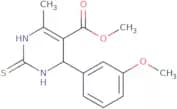
CAS:<p>Please enquire for more information about Adrenomedullin (16-31) (human, pig) including the price, delivery time and more detailed product information at the technical inquiry form on this page</p>Formula:C82H129N25O21S2Purity:Min. 95%Molecular weight:1,865.19 g/molMethyl 4-(3-methoxyphenyl)-6-methyl-2-thioxo-1,2,3,4-tetrahydropyrimidine-5-carboxylate
CAS:<p>Please enquire for more information about Methyl 4-(3-methoxyphenyl)-6-methyl-2-thioxo-1,2,3,4-tetrahydropyrimidine-5-carboxylate including the price, delivery time and more detailed product information at the technical inquiry form on this page</p>Formula:C14H16N2O3SPurity:85%MinMolecular weight:292.35 g/molZ-Pro-D-Leu-D-Ala-NHOH
CAS:<p>Z-Pro-D-Leu-D-Ala-NHOH is a neutralizing peptide that inhibits the activity of elastase and collagenase. It also has potent inhibitory activities against experimental infection with various microorganisms, including Streptococcus pyogenes, Staphylococcus aureus, and Pseudomonas aeruginosa. This peptide is a molecule consisting of 11 amino acids, which is synthesized in vivo by the host as a response to bacterial infections. Z-Pro-D-Leu-D-Ala-NHOH can be used for pharmaceutical preparations or techniques that require an enzyme inhibitor. The biological function of this peptide is not fully understood but it has been shown to have antiestrogenic effects.</p>Formula:C22H32N4O6Purity:Min. 95%Molecular weight:448.51 g/mol(Trp11,D-Phe15·16)-SDF-1 (7-16) (Dimer) (human, cat, mouse) trifluoroacetate salt
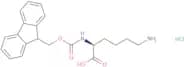
<p>Please enquire for more information about (Trp11,D-Phe15·16)-SDF-1 (7-16) (Dimer) (human, cat, mouse) trifluoroacetate salt including the price, delivery time and more detailed product information at the technical inquiry form on this page</p>Formula:C134H180N34O26S2Purity:Min. 95%Molecular weight:2,747.21 g/molFmoc-Lys-OH·HCl
CAS:<p>Fmoc-Lys-OH·HCl is an acidic pyrylium that has been shown to be a potent inhibitor of tumor vasculature. It binds to the human serum albumin and inhibits the binding of ligands to the receptor tyrosine kinases, which are involved in brain tumor proliferation. Fmoc-Lys-OH·HCl has also been shown to inhibit the growth of cancer cells by binding to cell membrane receptors and inhibiting protein synthesis. This compound is also isomeric, meaning it can exist in different forms with different properties.</p>Formula:C21H24N2O4·HClPurity:Min. 95 Area-%Color and Shape:White PowderMolecular weight:404.89 g/molAc-Ala-Ala-Ala-Ala-OMe
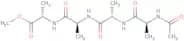
CAS:<p>Ac-Ala-Ala-Ala-Ala-OMe is a peptidase that hydrolyzes the ester bonds of the hydrophobic amino acid residues, such as alanine, valine, leucine, and isoleucine. This enzyme deacylates and releases these amino acids from the side chain of their corresponding fatty acyl groups. Ac-Ala-Ala-Ala-Ala-OMe also acts on N terminal and C terminal residues. The presence of a scissile bond in the peptide substrate is required for this enzyme to function. Acetylation reactions are concurrent with acylation reactions, which produce an acetylated peptide product.</p>Formula:C15H26N4O6Purity:Min. 95%Molecular weight:358.39 g/molDnp-Pro-Leu-Gly-Cys(Me)-His-Ala-D-Arg-NH2
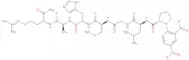
CAS:<p>Dnp-Pro-Leu-Gly-Cys(Me)-His-Ala-D-Arg-NH2 is a protease that was isolated from the fungus Aspergillus niger. It has been shown to have high efficiency in cleaving peptide bonds, which makes it useful for protein sequencing and analysis. Dnp-Pro-Leu-Gly-Cys(Me)-His-Ala-D-Arg-NH2 can be used as an enzyme in the production of collagenase, a protein that breaks down collagen. This enzyme also has potential applications in the production of analogs for use in chromatography and sequencing techniques. The variable amino acids at positions 2, 3, 5, 6, 7, 9, 10, 11, 12 and 13 are important for activity and substrate specificity. The enzyme's activity is optimal under high pressure conditions and at pH 8.0. Dnp--Pro--Leu--Gly--Cys</p>Formula:C38H57N15O11SPurity:Min. 95%Molecular weight:932.02 g/molAc-Ile-Tyr-Gly-Glu-Phe-NH2
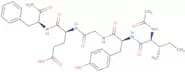
CAS:<p>Please enquire for more information about Ac-Ile-Tyr-Gly-Glu-Phe-NH2 including the price, delivery time and more detailed product information at the technical inquiry form on this page</p>Formula:C33H44N6O9Purity:Min. 95%Molecular weight:668.74 g/mol(Ser8)-GLP-1 (7-36) amide (human, bovine, guinea pig, mouse, rat) trifluoroacetate salt
CAS:<p>Please enquire for more information about (Ser8)-GLP-1 (7-36) amide (human, bovine, guinea pig, mouse, rat) trifluoroacetate salt including the price, delivery time and more detailed product information at the technical inquiry form on this page</p>Formula:C149H226N40O46Purity:Min. 95%Molecular weight:3,313.63 g/molPresenilin-1 (331-349)-Cys (human, mouse) trifluoroacetate salt
CAS:<p>Please enquire for more information about Presenilin-1 (331-349)-Cys (human, mouse) trifluoroacetate salt including the price, delivery time and more detailed product information at the technical inquiry form on this page</p>Formula:C92H130N28O37SPurity:Min. 95%Molecular weight:2,252.25 g/molDecanoyl-Arg-Val-Arg-Lys-chloromethylketone
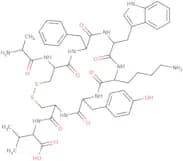
CAS:<p>Decanoyl-Arg-Val-Arg-Lys-chloromethylketone is a potent activin antagonist that has been shown to inhibit follicle development in ovary cells. It also blocks the protease activity of leishmania, which is a parasite that causes cutaneous leishmaniasis. This drug binds to proteases and inhibits their activity by competing with substrates for the active site. Decanoyl-Arg-Val-Arg-Lys-chloromethylketone is not expressed in the submandibular gland or the submaxillary gland, which are salivary glands.</p>Formula:C34H66ClN11O5Purity:Min. 95%Molecular weight:744.41 g/mol(Deamino-Cys3, Nle 4,Arg5,D-2-Nal 7,Cys11)-a-MSH (3-11) amide trifluoroacetate salt
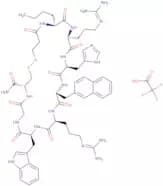
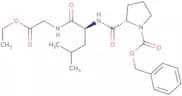
CAS:<p>Please enquire for more information about (Deamino-Cys3, Nle 4,Arg5,D-2-Nal 7,Cys11)-a-MSH (3-11) amide trifluoroacetate salt including the price, delivery time and more detailed product information at the technical inquiry form on this page</p>Formula:C56H76N18O9S2Purity:Min. 95%Molecular weight:1,209.45 g/molZ-Pro-Leu-Gly-OEt
CAS:<p>Z-Pro-Leu-Gly-OEt is a cyclic tripeptide that can be synthesized using ammonium sulfate as a catalyst. The reaction time required is between 4 and 12 hours, with the optimum at 8 hours. Resonances have been observed in the 1H NMR spectrum of Z-Pro-Leu-Gly-OEt. The most prominent resonance appears at δ 9.5 ppm. The cyclization of Z-Pro-Leu-Gly-OEt is catalysed by ammonium sulfate, which also produces a reaction yield of 100%. The effect of pH on the rate constant for the reaction has been studied and it was found that there was no significant difference in reactivity when the pH was varied between 7 and 11. Sulfoxide formation has also been monitored during synthesis, but concentrations are low enough to not affect the yield or reactivity of the product. The conformational structure of Z-Pro-Le</p>Formula:C23H33N3O6Purity:Min. 95%Molecular weight:447.52 g/mol







![2-[(5-Bromo-2-methylphenyl)methyl]-5-(4-fluorophenyl)thiophe](/_next/image/?url=https%3A%2Fstatic.cymitquimica.com%2Fproducts%2F3D%2Fthumb-webp%2FFB97141.webp&w=3840&q=75)














![Fmoc-[D4]Ala-OH](/_next/image/?url=https%3A%2Fstatic.cymitquimica.com%2Fproducts%2F3D%2Fthumb-webp%2FFF111394.webp&w=3840&q=75)