Amino Acids (AA)
Amino acids (AAs) are the fundamental building blocks of proteins, playing a crucial role in various biological processes. These organic compounds are essential for protein synthesis, metabolic pathways, and cell signaling. In this category, you will find a comprehensive range of amino acids, including essential, non-essential, and modified forms, which are vital for research in biochemistry, molecular biology, and nutritional sciences. At CymitQuimica, we provide high-quality amino acids to support your research and development needs, ensuring accuracy and reliability in your experimental outcomes.
Subcategories of "Amino Acids (AA)"
- Amino Acid Derivatives(3,955 products)
- Amino Acid and Amino Acid Related Compounds(3,464 products)
- Amino Acids with Oxygen or Sulphur(168 products)
- Boc- Amino Acids(351 products)
- Fmoc Amino Acids(1,710 products)
Found 38247 products of "Amino Acids (AA)"
Sort by
Purity (%)
0
100
|
0
|
50
|
90
|
95
|
100
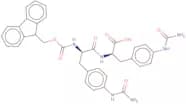
Fmoc-D-ApH(Cbm)-D-ApH(Cbm)-OH
CAS:<p>Fmoc-D-ApH(Cbm)-D-ApH(Cbm)-OH is a complex compound that is useful as a reagent for organic synthesis. It has been shown to be an effective intermediate in the synthesis of various compounds, such as peptides and pharmaceuticals. Fmoc-D-ApH(Cbm)-D-ApH(Cbm)-OH is also used as a building block for more complex molecules. This chemical has been shown to have high purity and quality, making it suitable for research purposes.</p>Formula:C35H34N6O7Purity:Min. 95%Color and Shape:PowderMolecular weight:650.68 g/molUrotensin II-Related Peptide (human, mouse, rat) trifluoroacetate salt
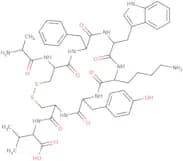
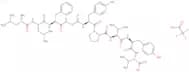
CAS:<p>Urotensin II is a peptide that is expressed in the brain and has hypotensive effects. It is an endogenous ligand for the urotensin II receptor, which is found in various tissues including the heart, vascular system, and lungs. Urotensin II-Related Peptide (URP) was identified from cDNA sequences of human, mouse, and rat tissues. The URP consists of a sequence of amino acids with a molecular weight of 1219. This peptide has been shown to have diagnostic use in tissues and animals as well as being immunoreactive in monoclonal antibodies. The gene encoding URP has been cloned and its protein product has been characterized by mass spectroscopy.</p>Formula:C49H64N10O10S2Purity:Min. 95%Molecular weight:1,017.23 g/molH-Cys(Trt)-2-chlorotrityl resin (200-400 mesh)
<p>Please enquire for more information about H-Cys(Trt)-2-chlorotrityl resin (200-400 mesh) including the price, delivery time and more detailed product information at the technical inquiry form on this page</p>Purity:Min. 95%L-Lysine acetate
CAS:Controlled Product<p>L-Lysine acetate is a precursor of L-lysine and is used in the treatment of cancers. It has been shown to promote the growth of pluripotent cells, which can differentiate into any tissue type. L-Lysine acetate promotes cellular transformation by increasing the expression of growth factor-β1 in cells. This compound also enhances cellular physiology, energy metabolism, and protein degradation. L-Lysine acetate inhibits the ubiquitin ligases that are involved in protein degradation, leading to an increase in cell proliferation. The use of L-Lysine acetate has shown promising results for the treatment of infectious diseases such as HIV/AIDS and tuberculosis. L-Lysine acetate blocks the replication of human immunodeficiency virus (HIV) by inhibiting reverse transcriptase activity and blocking its DNA chain elongation process.</p>Formula:C8H18N2O4Purity:Min. 95%Color and Shape:PowderMolecular weight:206.24 g/molPyr-Gly-OH
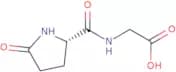
CAS:<p>Pyr-Gly-OH is a metabolite of the amino acid glutamate. It has been shown that this metabolite is formed by a non-enzymatic dehydration of glutamate. This compound has been shown to be effective in treating bowel disease and cancer, as well as stimulating the production of fibrinogen in the blood. Pyr-Gly-OH has also been found to have anti-inflammatory effects and an increased effect on glutamic receptors.</p>Formula:C7H10N2O4Purity:Min. 95%Molecular weight:186.17 g/molGM-CSF (96-112)
CAS:<p>Please enquire for more information about GM-CSF (96-112) including the price, delivery time and more detailed product information at the technical inquiry form on this page</p>Formula:C88H139N21O29SPurity:Min. 95%Molecular weight:1,987.24 g/molAcetyl-Exenatide trifluoroacetate salt
CAS:<p>Please enquire for more information about Acetyl-Exenatide trifluoroacetate salt including the price, delivery time and more detailed product information at the technical inquiry form on this page</p>Formula:C186H284N50O61SPurity:Min. 95%Molecular weight:4,228.61 g/molH-Ser-Met-OH
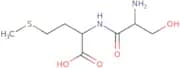
CAS:<p>Glycyl-l-leucine is a muscle protein that belongs to the group of glycyl amino acids. It has been shown to have cortisone activity, which causes it to function as a suppressant. Glycyl-l-leucine binds to iron and prevents its oxidation, thereby preventing the formation of reactive oxygen species. Glycyl-l-leucine also has the ability to chelate iron, which can cause it to have antioxidant functions. The pH optimum for this compound is acidic and it is not active in neutral pH environments. This compound is found in fetal bovine serum and may be present in some food products such as chocolate milk or cheese. Glycyl-l-leucine may be used as an immobilizing agent for enzymes because it does not denature proteins at high concentrations.END></p>Formula:C8H16N2O4SPurity:Min. 95%Molecular weight:236.29 g/mol2-Bromo-6-methylpyridin-3-ol
CAS:<p>2-Bromo-6-methylpyridin-3-ol is a heterocyclic organic compound. It is a pyridine ring with two methyl groups attached to the ring at positions 2 and 6. The bromine atom is at position 3. This is an important intermediate in the Suzuki coupling reaction, which uses it as a starting material for the synthesis of many other compounds. The dieckmann condensation reaction produces this compound from 2,6-dichloropyridine and other reagents. Fluorescent when exposed to UV light, this compound has been used as a probe for chloride ions in solution using mass spectroscopy. This substance also yields dieckmann condensation products with alkynes and chlorine or bromine. 2-Bromo-6-methylpyridin-3-ol can be produced by treating pyridine with methylacrylate in the presence of catalysts such as copper(II)</p>Formula:C6H6BrNOPurity:Min. 95%Molecular weight:188.02 g/molMethyl 4-(3-methoxyphenyl)-6-methyl-2-thioxo-1,2,3,4-tetrahydropyrimidine-5-carboxylate
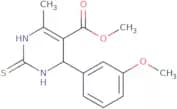
CAS:<p>Please enquire for more information about Methyl 4-(3-methoxyphenyl)-6-methyl-2-thioxo-1,2,3,4-tetrahydropyrimidine-5-carboxylate including the price, delivery time and more detailed product information at the technical inquiry form on this page</p>Formula:C14H16N2O3SPurity:85%MinMolecular weight:292.35 g/molAcetyl-ACTH (4-24) (human, bovine, rat) trifluoroacetate salt
CAS:<p>Please enquire for more information about Acetyl-ACTH (4-24) (human, bovine, rat) trifluoroacetate salt including the price, delivery time and more detailed product information at the technical inquiry form on this page</p>Formula:C123H193N37O26SPurity:Min. 95%Molecular weight:2,638.15 g/molRF9 trifluoroacetate salt
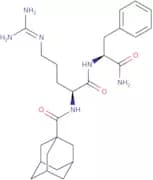
CAS:<p>RF9 is a dipeptide that is structurally similar to the endogenous neuropeptides kisspeptin and arginine-vasopressin. RF9 binds to the GPR54 receptor, which is a G protein-coupled receptor that regulates secretion of luteinizing hormone in the anterior pituitary gland, as well as sexual desire and function. RF9 has been shown to be an antagonist of the GPR54 receptor and has been shown to inhibit the secretion of luteinizing hormone in primates.</p>Formula:C26H38N6O3Purity:Min. 95%Molecular weight:482.62 g/molCionin
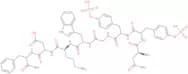
CAS:<p>Cionin is a synthetic peptide that binds to the pancreatic enzyme receptor. It has been shown to inhibit the growth of ascidian and stimulates the secretion of growth factors in vitro. Cionin also has a physiological effect on inflammatory diseases, such as ovary. Cionin is composed of three amino acids: H-Asn-Tyr(SO3H)-Tyr(SO3H)-Gly-Trp-Met-Asp-Phe-NH2. The first two amino acids are sulfated tyrosine residues, which may be responsible for its biological activity.</p>Formula:C53H63N11O19S3Purity:Min. 95%Molecular weight:1,254.33 g/molMca-(Asn670,Leu671)-Amyloid β/A4 Protein Precursor770 (669-674)-Lys(Dnp)
CAS:<p>Please enquire for more information about Mca-(Asn670,Leu671)-Amyloid beta/A4 Protein Precursor770 (669-674)-Lys(Dnp) including the price, delivery time and more detailed product information at the technical inquiry form on this page</p>Formula:C51H67N11O21Purity:Min. 95%Molecular weight:1,170.14 g/molZ-Ile-His-OH
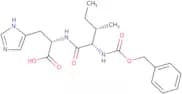
CAS:<p>Please enquire for more information about Z-Ile-His-OH including the price, delivery time and more detailed product information at the technical inquiry form on this page</p>Formula:C20H26N4O5Purity:Min. 95%Molecular weight:402.44 g/molAc-Ala-Ala-Ala-Ala-OMe
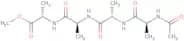
CAS:<p>Ac-Ala-Ala-Ala-Ala-OMe is a peptidase that hydrolyzes the ester bonds of the hydrophobic amino acid residues, such as alanine, valine, leucine, and isoleucine. This enzyme deacylates and releases these amino acids from the side chain of their corresponding fatty acyl groups. Ac-Ala-Ala-Ala-Ala-OMe also acts on N terminal and C terminal residues. The presence of a scissile bond in the peptide substrate is required for this enzyme to function. Acetylation reactions are concurrent with acylation reactions, which produce an acetylated peptide product.</p>Formula:C15H26N4O6Purity:Min. 95%Molecular weight:358.39 g/molZ-Gly-Pro-Phe-Pro-Leu-OH
CAS:<p>Please enquire for more information about Z-Gly-Pro-Phe-Pro-Leu-OH including the price, delivery time and more detailed product information at the technical inquiry form on this page</p>Formula:C35H45N5O8Purity:Min. 95%Molecular weight:663.76 g/mol5-Amino-2-methoxyisonicotinic acid
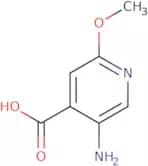
CAS:<p>5-Amino-2-methoxyisonicotinic acid is a carboxylic acid that is used in the synthesis of aminopyridines. The compound can be synthesized from formamidine acetate and diethyl dicarbonate. This process involves lithiation, followed by addition of an amine and finally conversion to the desired product with formamidine acetate. 5-Amino-2-methoxyisonicotinic acid can also be synthesized from formamide and diethyl ether. 5-Amino-2-methoxyisonicotinic acid is an analog of 2,4,6-trimethylaniline and has been shown to have similar properties to this compound, including strong basicity.</p>Formula:C7H8N2O3Purity:Min. 95%Molecular weight:168.15 g/mol(R)-(+)-3-Chloro-1-phenyl-1-propanol
CAS:<p>(R)-(+)-3-Chloro-1-phenyl-1-propanol is a substrate for the lactamase of bacteria. The immobilized lipase catalyzes the hydrolysis reaction in which the lactam ring is broken, yielding a propiophenone intermediate. This intermediate can be converted to (S)-(+)-3-chloro-1-phenylpropanol by treatment with an alcohol oxidase or by hydrolysis with hydrogen peroxide. The product has been shown to have antidepressant activity and may modulate the dry weight of bacteria. In vivo studies show that this compound has a high concentration in rats and mice, but it is not active in humans.</p>Formula:C9H11ClOPurity:Min. 95%Color and Shape:White To Yellow SolidMolecular weight:170.64 g/molFmoc-ε-aminocaproic acid-Wang resin (200-400 mesh)
<p>Please enquire for more information about Fmoc-epsilon-aminocaproic acid-Wang resin (200-400 mesh) including the price, delivery time and more detailed product information at the technical inquiry form on this page</p>Purity:Min. 95%3'-Hydroxy-4'-methoxyacetophenone
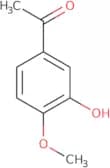
CAS:<p>3'-Hydroxy-4'-methoxyacetophenone is a chemical compound with the molecular formula CHO and it belongs to the group of bisbenzylisoquinoline alkaloids. It is a white crystalline powder that has a dry weight of 155.2g/mol and melting point of 154-158°C. 3'-Hydroxy-4'-methoxyacetophenone is used as an intermediate in the synthesis of other chemicals, such as methyl transferase inhibitors like metronidazole or oxidative stress agents like benzoquinones. 3'-Hydroxy-4'-methoxyacetophenone can be found in bowel disease patients, where it may be produced by bacteria in the gut. This chemical also has UV absorption properties and can be used as a sample preparation agent for hydroalcoholic samples.</p>Formula:C9H10O3Purity:Min. 95%Color and Shape:PowderMolecular weight:166.17 g/molZ-Pro-Leu-Gly-OEt
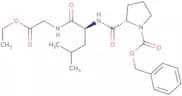
CAS:<p>Z-Pro-Leu-Gly-OEt is a cyclic tripeptide that can be synthesized using ammonium sulfate as a catalyst. The reaction time required is between 4 and 12 hours, with the optimum at 8 hours. Resonances have been observed in the 1H NMR spectrum of Z-Pro-Leu-Gly-OEt. The most prominent resonance appears at δ 9.5 ppm. The cyclization of Z-Pro-Leu-Gly-OEt is catalysed by ammonium sulfate, which also produces a reaction yield of 100%. The effect of pH on the rate constant for the reaction has been studied and it was found that there was no significant difference in reactivity when the pH was varied between 7 and 11. Sulfoxide formation has also been monitored during synthesis, but concentrations are low enough to not affect the yield or reactivity of the product. The conformational structure of Z-Pro-Le</p>Formula:C23H33N3O6Purity:Min. 95%Molecular weight:447.52 g/molN-Methyl-1,2-phenylenediamine dihydrochloride
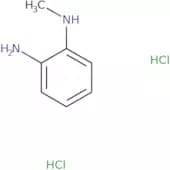
CAS:<p>N-Methyl-1,2-phenylenediamine dihydrochloride (NMP) is a synthetic compound that is used as the precursor to various pharmaceuticals, such as the antihypertensive drug clonidine. NMP can be synthesized from benzene and ammonia or phenylmagnesium bromide. It is carcinogenic in animals and humans, and has been shown to cause DNA damage and cell apoptosis. The chemical has a high potential for nitrosation reactions when exposed to nitrites. This reaction produces nitric oxide, which is cytotoxic and can lead to liver cancer in rats.<br>The synthesis of NMP generates impurities such as methanol solvent, sodium sulfide, and hydrogen chloride gas. These impurities are often found in recycled NMP due to incomplete removal during processing.</p>Formula:C7H12Cl2N2Purity:Min. 95%Color and Shape:PowderMolecular weight:195.09 g/molHirullin
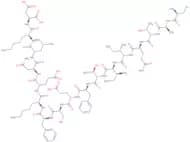
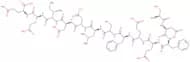
CAS:<p>Hirullin H-Ser-Asp-Phe-Glu-Glu-Phe-Ser-Leu-Asp-Asp-Ile-Glu-Gln is a peptide with a carboxy terminal and carbonyl group. It has minimal inhibitory concentrations of about 100 nM for most bacteria and is active against the majority of Gram positive bacteria. Hirullin H is composed of amino acid sequences that are similar to the sequences of active substances in other compounds, such as hirulog, an anticoagulant, and heparin, an antithrombotic drug. Hirullin H has been shown to have bifunctional properties by inhibiting thrombin, which is responsible for blood clotting, while also inhibiting platelet activation.</p>Formula:C68H96N14O29Purity:Min. 95%Molecular weight:1,573.57 g/molGRF (1-29) amide (rat)
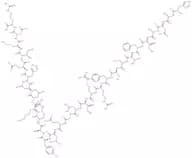
CAS:<p>Growth hormone-releasing factor (GRF) is a peptide fragment of amino acids 1–2 from GHRH (growth hormone-releasing hormone). This 1-29 region is the shortest fully functional fragment of GHRH. GRF is also known as sermorelin. Sermorelin binds to the growth hormone-releasing hormone receptor (GHRH-R), and acts as a surrogate for GHRH, causing growth hormone secretion.human: H-YADAIFTNSYRKVLGQLSARKLLQDIMSR-NH2rat: H-HADAIFTSSYRR I LGQLYARKLLHEIMNR-NH2</p>Formula:C155H251N49O40SPurity:Min. 95%Molecular weight:3,473.02 g/molH-Ala-Ala-Pro-Leu-pNA·HCl
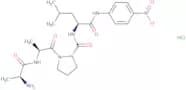
CAS:<p>Please enquire for more information about H-Ala-Ala-Pro-Leu-pNA·HCl including the price, delivery time and more detailed product information at the technical inquiry form on this page</p>Formula:C23H34N6O6·HClPurity:Min. 95%Molecular weight:527.01 g/mol(Val438)-Tyrosinase (432-444) (human) acetate salt
CAS:<p>H-SYLQDSVPDSFQD-OH peptide, corresponding to amino acids 432-444 of human Tyrosinase. The peptide is supplied as an acetate salt.</p>Formula:C65H93N15O26Purity:Min. 95%Molecular weight:1,500.52 g/molFA-Ala-Phe-NH2
CAS:<p>FA-Ala-Phe-NH2 is a synthetic, hydrophobic peptide that mimics the structure of a spermatozoal regulatory protein. It has been shown to be an irreversible metal chelator and is used as a substrate in assays for metalloendopeptidases. In vitro studies have also shown that this peptide interacts with lectins and can inhibit the binding of spermatozoa to egg zona pellucida.</p>Formula:C19H21N3O4Purity:Min. 95%Molecular weight:355.39 g/molFmoc-Gly-Phe-OH
CAS:<p>Fmoc-Gly-Phe-OH is a photolytic residue that has been synthesized by solid-phase techniques. This molecule is an immobilized linker that can be used in photolabile devices to analyze the kinetics of biological processes. Fmoc-Gly-Phe-OH can also be used in supramolecular devices and regenerative medicine to measure the diameter of cells, as well as for regenerative purposes in humans.</p>Formula:C26H24N2O5Purity:Min. 95%Molecular weight:444.48 g/molZ-Ile-Glu(OMe)-Thr-DL-Asp(OMe)-fluoromethylketone
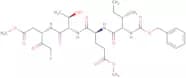
CAS:<p>Z-Ile-Glu(OMe)-Thr-DL-Asp(OMe)-fluoromethylketone is an apoptosis inducer that belongs to the category of small molecules. It has been shown to induce apoptosis in cells by binding to DNA and inhibiting transcription, leading to DNA fragmentation and the activation of caspase-8. Z-Ile-Glu(OMe)-Thr-DL-Asp(OMe)-fluoromethylketone has also been shown to have a synergistic effect on cells when combined with other potent inducers of apoptosis. This drug binds to toll receptors (TLR) and IL2 receptors, which are important for cell signaling pathways.</p>Formula:C30H43FN4O11Purity:Min. 95%Molecular weight:654.68 g/mol(Asn10,Leu11,D-Trp12)-pTH-Related Protein (7-34) amide (human, mouse, rat)
CAS:<p>Please enquire for more information about (Asn10,Leu11,D-Trp12)-pTH-Related Protein (7-34) amide (human, mouse, rat) including the price, delivery time and more detailed product information at the technical inquiry form on this page</p>Formula:C162H254N50O36Purity:Min. 95%Molecular weight:3,478.07 g/molHepcidin-24 (human) trifluoroacetate salt
<p>Please enquire for more information about Hepcidin-24 (human) trifluoroacetate salt including the price, delivery time and more detailed product information at the technical inquiry form on this page</p>Formula:C109H165N33O28S9Purity:Min. 95%Molecular weight:2,674.28 g/molTRAF6 Control Peptide trifluoroacetate salt
CAS:<p>Please enquire for more information about TRAF6 Control Peptide trifluoroacetate salt including the price, delivery time and more detailed product information at the technical inquiry form on this page</p>Formula:C139H232N34O42Purity:Min. 95%Molecular weight:3,051.53 g/molH-DL-δ-Hydroxy-DL-Lys(Boc)-OH
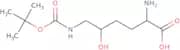
CAS:<p>Please enquire for more information about H-DL-delta-Hydroxy-DL-Lys(Boc)-OH including the price, delivery time and more detailed product information at the technical inquiry form on this page</p>Formula:C11H22N2O5Purity:Min. 95%Color and Shape:PowderMolecular weight:262.3 g/molGRF (bovine) trifluoroacetate salt
CAS:<p>Growth hormone-releasing factor (GRF) or GHRH (growth hormone-releasing hormone).Binds to the growth hormone-releasing hormone receptor (GHRH-R), causing growth hormone secretion.porcine: H-YADAIFTNSYRKVLGQLSARKLLQDIMSRQQGERNQEQGARVRL-NH2bovine: H-YADAIFTNSYRKVLGQLSARKLLQDIMNRQQGERNQEQGAKVRL-NH2ovine: H-YADAIFTNSYRKILGQLSARKLLQDIMNRQQGERNQEQGAKVRL-NH2human: H-YADAIFTNSYRKVLGQLSARKLLQDIMSRQQGESNQERGARARL-NH2</p>Formula:C220H366N72O66SPurity:Min. 95%Molecular weight:5,107.77 g/molSubstance P (5-11) trifluoroacetate salt
CAS:<p>Substance P is a bifunctional neuropeptide that acts as both a neurotransmitter and a neurohormone. The amino acid sequence of Substance P is H-Gln-Gln-Phe-Phe-Gly-Leu-Met-NH2. It is found in the brain and spinal cord, but also in other tissues such as the parotid gland and stomach. This peptide is released from nerve cells when they are stimulated by pain or anxiety, and it causes contraction of smooth muscles in the lungs, uterus, and gastrointestinal tract. Animal studies have shown that Substance P can be toxic to neonatal animals, leading to hypothyroidism and death. In vitro studies have shown that this peptide can induce the growth of glioma cells and tumors.</p>Formula:C41H60N10O9SPurity:Min. 95%Molecular weight:869.04 g/molCys-Gly-Lys-Arg-Amyloid b-Protein (1-42)
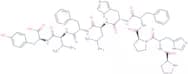
CAS:<p>Please enquire for more information about Cys-Gly-Lys-Arg-Amyloid b-Protein (1-42) including the price, delivery time and more detailed product information at the technical inquiry form on this page</p>Formula:C220H343N63O64S2Purity:Min. 95%Molecular weight:4,958.6 g/molH-Pro-His-Pro-Phe-His-Leu-Phe-Val-Tyr-OH
CAS:<p>Please enquire for more information about H-Pro-His-Pro-Phe-His-Leu-Phe-Val-Tyr-OH including the price, delivery time and more detailed product information at the technical inquiry form on this page</p>Formula:C60H77N13O11Purity:Min. 95%Molecular weight:1,156.33 g/mol4-Fluoro-2-methoxyaniline
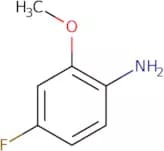
CAS:<p>4-Fluoro-2-methoxyaniline is an inhibitor of tyrosine kinase. It is a molecule that has been isolated from the ground leaves of erythroxylon coca and is used in the treatment of diabetes mellitus. 4-Fluoro-2-methoxyaniline inhibits the growth factor receptor, epidermal growth factor (EGF), and its receptor, EGF receptor. This inhibition leads to decreased proliferation of epidermal cells and decreased insulin production by pancreatic beta cells. 4-Fluoro-2-methoxyaniline also has antioxidant properties, which may be due to its ability to scavenge free radicals.</p>Formula:C7H8FNOPurity:Min. 95%Color and Shape:Light Brown To Brown LiquidMolecular weight:141.14 g/molH-Asp-Asp-Asp-OH
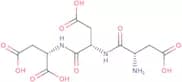
CAS:<p>H-Asp-Asp-Asp-OH is a peptide that has been shown to disrupt the cytosol and cause apoptosis. It can also induce proteolytic maturation and modulate autocatalytic functions. H-Asp-Asp-Asp-OH induces apoptosis by activating caspase 9 and caspase 3, which cleaves poly (ADP ribose) polymerase (PARP). This leads to DNA fragmentation, chromatin condensation, nuclear fragmentation, cell shrinkage, membrane blebbing, and nuclear pyknosis. H-Asp-Asp-Asp-OH binds to the regulatory domain of caspase 9 and prevents it from being activated. The peptide also activates caspase 8 by binding to its regulatory domain, which then activates caspases 3 and 7. H-Asp-Asp-Asp-OH also stimulates the release of granzyme B from cytot</p>Formula:C12H17N3O10Purity:Min. 95%Molecular weight:363.28 g/molAcetyl-Pepstatin Ac-Val-Val-Sta-Ala-Sta-OH
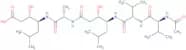
CAS:<p>Acetyl-Pepstatin is a protein data inhibitor that binds to the active site of enzymes, inhibiting their function. Acetyl-pepstatin has been shown to inhibit cathepsin D, chymotrypsin, and trypsin. It also inhibits the activity of proteases in the stomach and intestinal tract. Acetyl-Pepstatin is used as an anti-inflammatory drug for the treatment of chronic obstructive pulmonary disease (COPD) and congestive heart failure (CHF). The inhibition of these enzymes reduces inflammation by preventing the activation of inflammatory cytokines. It also prevents collagen from being degraded by proteases, which leads to decreased degradation of cartilage by chondrocytes. This drug's mechanism is similar to that of acetylsalicylic acid (aspirin), in that it inhibits prostaglandin synthesis.br></p>Formula:C31H57N5O9Purity:Min. 95%Molecular weight:643.81 g/molBoc-Phe-Merrifield resin (200-400 mesh)
<p>Please enquire for more information about Boc-Phe-Merrifield resin (200-400 mesh) including the price, delivery time and more detailed product information at the technical inquiry form on this page</p>Purity:Min. 95%Biotinyl-Neuropeptide W-23 (human) trifluoroacetate salt
CAS:<p>Please enquire for more information about Biotinyl-Neuropeptide W-23 (human) trifluoroacetate salt including the price, delivery time and more detailed product information at the technical inquiry form on this page</p>Formula:C129H197N37O30S2Purity:Min. 95%Molecular weight:2,810.31 g/mol2-Hydroxy-6-methyl-4H-pyran-4-one
CAS:<p>2-Hydroxy-6-methyl-4H-pyran-4-one is a molecule that belongs to the class of acid lactones. It has been shown to have physiological effects in wild type strains of bacteria and fungi. This compound binds to nitrogen atoms and can inhibit enzyme activities, such as the diazonium salt. 2-Hydroxy-6-methyl-4H-pyran-4-one also has antimicrobial activity against Gram positive and Gram negative bacteria, along with some fungi. The antimicrobial activity is due to the hydroxy group on the compound's structure, which is a fatty acid with a hydroxyl group that gives it an acidic property. 2HMPA can be used in combination with other antimicrobial agents like triacetic acid or sodium chloride for greater effectivity against microorganisms.</p>Formula:C6H6O3Purity:Min. 95%Molecular weight:126.11 g/molN-Boc-isonipecotic acid
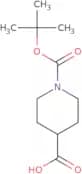
CAS:<p>N-Boc-isonipecotic acid is a potent antitumor agent that has been clinically shown to be effective against leukemia and lymphoma. It has potent antibacterial activity against Gram-positive bacteria such as Staphylococcus aureus and Streptococcus pyogenes. N-Boc-isonipecotic acid binds to the gyrase enzyme, which is used by these bacteria to maintain the integrity of their DNA, inhibiting protein synthesis and cell division. This drug also has anti-inflammatory properties. N-Boc-isonipecotic acid inhibits prostaglandin synthesis in cells, which may be due to its ability to inhibit the production of tumor necrosis factor α (TNFα) in macrophages.</p>Formula:C11H19NO4Purity:Min. 95%Molecular weight:229.27 g/molBz-Nle-Lys-Arg-Arg-AMC trifluoroacetate salt
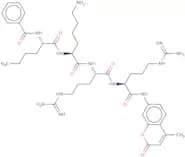
CAS:<p>Please enquire for more information about Bz-Nle-Lys-Arg-Arg-AMC trifluoroacetate salt including the price, delivery time and more detailed product information at the technical inquiry form on this page</p>Formula:C41H60N12O7·C2HF3O2Purity:Min. 95%Color and Shape:White PowderMolecular weight:832.99 g/molBoc-Pro-PAM resin (200-400 mesh)
<p>Please enquire for more information about Boc-Pro-PAM resin (200-400 mesh) including the price, delivery time and more detailed product information at the technical inquiry form on this page</p>Purity:Min. 95%(Phe1,Ser2,Tyr6)-PAR-1 (1-6) amide (human) trifluoroacetate salt
CAS:<p>Please enquire for more information about (Phe1,Ser2,Tyr6)-PAR-1 (1-6) amide (human) trifluoroacetate salt including the price, delivery time and more detailed product information at the technical inquiry form on this page</p>Formula:C39H60N10O8Purity:Min. 95%Molecular weight:796.96 g/molFurin Inhibitor II trifluoroacetate salt
CAS:<p>Furin inhibitor II is a small molecule that inhibits the activity of furin, which is an enzyme used in the processing of growth factor-β1. Furin inhibitor II binds to human receptors and blocks their binding to the surface glycoprotein on cancer cells. Furin inhibitor II also has physiological activities, such as reducing inflammation, inhibiting viral replication, and inhibiting the growth of bacteria. Furin inhibitor II may be useful for treating cancer or infectious diseases.</p>Formula:C36H75N25O6Purity:Min. 95%Molecular weight:954.15 g/mol4-Methoxycarbonylphenylboronic acid
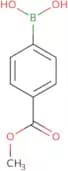
CAS:<p>4-Methoxycarbonylphenylboronic acid is an organic compound that can be synthesized from biphenyl. It is a diazonium salt with a bidentate ligand and a carbonyl group, which allows it to form an intermolecular hydrogen bond. The phenyl group of 4-methoxycarbonylphenylboronic acid can be oxidized to the corresponding carboxylic acid or reduced to the corresponding alcohol.<br>4-Methoxycarbonylphenylboronic acid is also soluble in halides, iodinations, and mercaptoacetic acid. This compound has been used as an acceptor in the oxidation of aluminium with diborane as a catalyst. 4-Methoxycarbonylphenylboronic acid has also been used to synthesize other compounds such as metronidazole (a drug) and erythromycin (an antibiotic).</p>Formula:C8H9BO4Purity:Min. 95%Color and Shape:White PowderMolecular weight:179.97 g/molPAR-3 (1-6) amide (human) trifluoroacetate salt
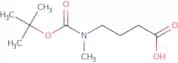
<p>Please enquire for more information about PAR-3 (1-6) amide (human) trifluoroacetate salt including the price, delivery time and more detailed product information at the technical inquiry form on this page</p>Formula:C29H46N10O7Purity:Min. 95%Molecular weight:646.74 g/molBoc-N-Methyl-γ-aMinobutyric acid
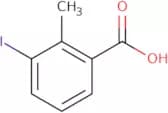
CAS:<p>Please enquire for more information about Boc-N-Methyl-gaMMa-aMinobutyric acid including the price, delivery time and more detailed product information at the technical inquiry form on this page</p>Formula:C10H19NO4Purity:Min. 95%Molecular weight:217.26 g/mol3-Iodo-2-methylbenzoic acid
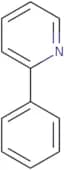
CAS:<p>3-Iodo-2-methylbenzoic acid is a reagent that is used as an intermediate in the synthesis of complex compounds and fine chemicals. 3-Iodobenzoic acid is classified as a speciality chemical, which means it can be used for research purposes only. 3-Iodo-2-methylbenzoic acid has many uses, including being a versatile building block in chemical reactions and a reaction component in the synthesis of useful scaffolds and building blocks.</p>Formula:C8H7IO2Purity:Min. 95%Color and Shape:SolidMolecular weight:262.04 g/mol2-Phenylpyridine
CAS:<p>2-Phenylpyridine is a heterocyclic organic compound that has been shown to have x-ray crystal structures. It has redox potentials, nitrogen atoms, and a fatty acid group attached. 2-Phenylpyridine has been shown to have nmr spectra that are characteristic of a transfer reaction mechanism. The steric interactions and the biphenyl groups have been shown to have ancillary effects on the reaction mechanism. 2-Phenylpyridine is also known to coordinate in a geometric shape called octahedral, which is most likely due to hydrogen bonding and photophysical properties. The analytical chemistry of this molecule consists of determining its melting point, boiling point, and density. 2-phenylpyridine</p>Formula:C11H9NPurity:Min. 95%Molecular weight:155.2 g/molBiotinyl-epsilonAhx-ω-Conotoxin GVIA trifluoroacetate salt
CAS:Controlled Product<p>Please enquire for more information about Biotinyl-epsilonAhx-omega-Conotoxin GVIA trifluoroacetate salt including the price, delivery time and more detailed product information at the technical inquiry form on this page</p>Formula:C136H207N41O46S7Purity:Min. 95%Molecular weight:3,376.81 g/molH-Leu-Leu-Tyr-OH
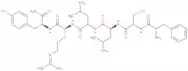
CAS:<p>H-Leu-Leu-Tyr-OH is a water soluble polymer that is produced by the enzymatic polymerization of L-leucine and L-tyrosine. This polymer is cytotoxic and has been shown to bind to DNA in the cell nucleus, as well as inhibit protein synthesis. H-Leu-Leu-Tyr-OH was developed as an alternative to polyethylene glycol (PEG) due to its low toxicity, high biocompatibility, and ability to be easily synthesized.</p>Formula:C21H33N3O5Purity:Min. 95%Molecular weight:407.5 g/molZ-Ala-Phe-OMe
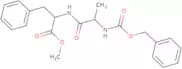
CAS:<p>Z-Ala-Phe-OMe is a model amide that has been used to study the serine protease catalysed hydrolysis of peptides. This compound is a water molecule analogue that is immobilized on an ion exchange resin, which can be used as a support for experiments in catalysis and thermodynamics. Z-Ala-Phe-OMe has shown to be more efficient than other substrates and can be used to study kinetic data and thermodynamic properties.</p>Formula:C21H24N2O5Purity:Min. 95%Molecular weight:384.43 g/molFITC-b-Ala-Amyloid b-Protein (1-42) ammonium salt
CAS:<p>Please enquire for more information about FITC-b-Ala-Amyloid b-Protein (1-42) ammonium salt including the price, delivery time and more detailed product information at the technical inquiry form on this page</p>Formula:C227H327N57O66S2Purity:Min. 95%Molecular weight:4,974.5 g/mol3-Bromo-2-methylaniline
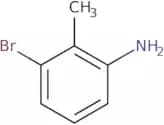
CAS:<p>3-Bromo-2-methylaniline is a six membered, planar, planar conformation with a dihedral angle of 120°. The molecule has two dimers that are connected by hydrogen bonds. It has a crystal structure that is made up of molecules arranged in a hexagonal grid. The molecule is made up of three atoms: one carbon atom, one nitrogen atom, and one bromine atom. The three atoms are arranged in the following order: bromine, carbon, nitrogen.</p>Formula:C7H8BrNPurity:Min. 95%Color and Shape:Clear Colourless To Yellow To Brown Or Red-BrownMolecular weight:186.05 g/molH-Met-Thr-OH
CAS:<p>Met-Thr-OH is a peptide binding inhibitor that is used as a research tool for determining the role of metalloproteins in vivo. Methionine aminopeptidase (MetAP) is an enzyme that cleaves methionine from protein and peptides and has been shown to play a vital role in cancer progression. MetAP has been shown to be inhibited by Met-Thr-OH, which binds to the enzyme's active site and blocks its activity. The inhibition of MetAP limits the production of proteins involved in cell growth and proliferation, leading to reductions in tumor size. This inhibition may also be due to the inhibition of other functional groups such as phosphorylation, dephosphorylation, or nitrosylation.</p>Formula:C9H18N2O4SPurity:Min. 95%Molecular weight:250.32 g/molFmoc-Cit-Wang resin (200-400 mesh)
<p>Please enquire for more information about Fmoc-Cit-Wang resin (200-400 mesh) including the price, delivery time and more detailed product information at the technical inquiry form on this page</p>Purity:Min. 95%Z-Gly-Ala-Pro-bNA
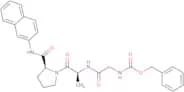
CAS:<p>Z-Gly-Ala-Pro-bNA is a peptidase that hydrolyzes peptides. The peptidase has two catalytic domains, which are located at the N and C termini of the protein. The N-terminal domain contains an oligopeptidase motif that has been shown to be important for the hydrolysis of substrates with hydrophobic residues. The C-terminal domain contains a cavity, which is necessary for binding to substrate and catalysis. This catalytic domain also contains an acid substitution, which may contribute to its stability in acidic environments. A mutant form of Z-Gly-Ala-Pro-bNA was generated by changing the amino acid residue at position n from serine to asparagine, which led to an increase in thermostability and in catalytic activity.</p>Formula:C28H30N4O5Purity:Min. 95%Molecular weight:502.56 g/molZ-Tyr-Phe-OH
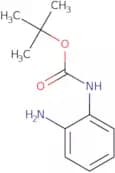
CAS:<p>Please enquire for more information about Z-Tyr-Phe-OH including the price, delivery time and more detailed product information at the technical inquiry form on this page</p>Formula:C26H26N2O6Purity:Min. 95%Molecular weight:462.49 g/molN-Boc-1,2-phenyldiamine
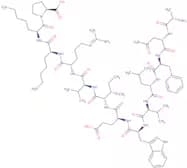
CAS:<p>N-Boc-1,2-phenyldiamine is a histone acetyltransferase (HAT) inhibitor. It is an acetylated molecule that contains two phenyl rings, one of which is substituted with an amine group. This compound was designed to inhibit the activity of HATs, which are enzymes involved in the chemical modification of histones and other proteins. N-Boc-1,2-phenyldiamine inhibits the activities of these enzymes and prevents the acetylation of lysines on histones or other proteins. It has been shown to be efficient in inducing apoptosis in human cancer cells and may also have some antitumor effects.</p>Formula:C11H16N2O2Purity:Min. 95%Color and Shape:PowderMolecular weight:208.26 g/molPDGF Antagonist
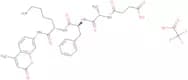
CAS:<p>H-Ala-Asn-Phe-Leu-Val-Trp-Glu-Ile-Val-Arg-Lys-Lys-Pro is a monoclonal antibody that inhibits proliferation of endothelial cells. It binds to PDGF, which is a potent growth factor. This drug has been shown to inhibit the growth of vascular smooth muscle cells in vitro and in vivo by inhibiting cholesterol synthesis. H-Ala-Asn-Phe-Leu-Val-Trp has also been shown to have antagonist effects on basic fibroblast growth factor and cyclic AMP, which are important mediators of choroidal neovascularization and blood vessel formation.</p>Formula:C77H122N20O17Purity:Min. 95%Molecular weight:1,599.92 g/molSuc-Ala-Phe-Lys-AMC trifluoroacetate salt
CAS:<p>Please enquire for more information about Suc-Ala-Phe-Lys-AMC trifluoroacetate salt including the price, delivery time and more detailed product information at the technical inquiry form on this page</p>Formula:C32H39N5O8·C2HF3O2Purity:Min. 95%Molecular weight:735.7 g/molGhrelin-Cys(BMCC-biotinyl) (human) trifluoroacetate salt
<p>Please enquire for more information about Ghrelin-Cys(BMCC-biotinyl) (human) trifluoroacetate salt including the price, delivery time and more detailed product information at the technical inquiry form on this page</p>Formula:C178H293N53O48S2Purity:Min. 95%Molecular weight:4,007.69 g/mol(Phe1-psi(CH2NH)Gly2)-Nociceptin (1-13) amide
<p>Please enquire for more information about (Phe1-psi(CH2NH)Gly2)-Nociceptin (1-13) amide including the price, delivery time and more detailed product information at the technical inquiry form on this page</p>Formula:C61H102N22O14Purity:Min. 95%Molecular weight:1,367.6 g/molHTLV-1 Tax (11-19) trifluoroacetate salt
CAS:<p>Please enquire for more information about HTLV-1 Tax (11-19) trifluoroacetate salt including the price, delivery time and more detailed product information at the technical inquiry form on this page</p>Formula:C56H79N9O12Purity:Min. 95%Molecular weight:1,070.28 g/mol(R)-4-N-Boc-2-hydroxymethyl-piperazine
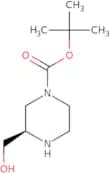
CAS:<p>Please enquire for more information about (R)-4-N-Boc-2-hydroxymethyl-piperazine including the price, delivery time and more detailed product information at the technical inquiry form on this page</p>Formula:C10H20N2O3Purity:Min. 95%Molecular weight:216.28 g/mol(Des-Bromo)-Neuropeptide B (1-23) (human) trifluoroacetate salt
CAS:<p>Please enquire for more information about (Des-Bromo)-Neuropeptide B (1-23) (human) trifluoroacetate salt including the price, delivery time and more detailed product information at the technical inquiry form on this page</p>Formula:C107H162N30O30Purity:Min. 95%Molecular weight:2,348.62 g/molAcetyl-(D-Val13)-α-MSH (11-13)
CAS:<p>Please enquire for more information about Acetyl-(D-Val13)-alpha-MSH (11-13) including the price, delivery time and more detailed product information at the technical inquiry form on this page</p>Formula:C18H33N5O4Purity:Min. 95%Molecular weight:383.49 g/molLeptin (116-130) amide (mouse) trifluoroacetate salt
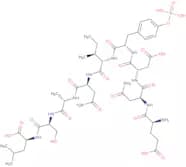
CAS:<p>Amide; Trifluoroacetate salt</p>Formula:C64H109N19O24SPurity:Min. 95%Molecular weight:1,560.73 g/molH-Glu-Asn-Asp-Tyr(PO3H2)-Ile-Asn-Ala-Ser-Leu-OH
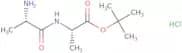
CAS:<p>Please enquire for more information about H-Glu-Asn-Asp-Tyr(PO3H2)-Ile-Asn-Ala-Ser-Leu-OH including the price, delivery time and more detailed product information at the technical inquiry form on this page</p>Formula:C44H68N11O21PPurity:Min. 95%Molecular weight:1,118.05 g/molH-Ala-Ala-OtBu·HCl
CAS:<p>Please enquire for more information about H-Ala-Ala-OtBu·HCl including the price, delivery time and more detailed product information at the technical inquiry form on this page</p>Formula:C10H20N2O3·HClPurity:Min. 95%Molecular weight:252.74 g/molOrphan GPCR SP9155 Agonist P550 (mouse) trifluoroacetate salt
CAS:<p>Please enquire for more information about Orphan GPCR SP9155 Agonist P550 (mouse) trifluoroacetate salt including the price, delivery time and more detailed product information at the technical inquiry form on this page</p>Formula:C126H195N37O37Purity:Min. 95%Molecular weight:2,820.12 g/molTyr-Somatostatin-28
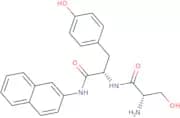
CAS:<p>Please enquire for more information about Tyr-Somatostatin-28 including the price, delivery time and more detailed product information at the technical inquiry form on this page</p>Formula:C146H216N42O41S3Purity:Min. 95%Molecular weight:3,311.73 g/molH-Ser-Tyr-betaNA
CAS:<p>Please enquire for more information about H-Ser-Tyr-betaNA including the price, delivery time and more detailed product information at the technical inquiry form on this page</p>Formula:C22H23N3O4Purity:Min. 95%Molecular weight:393.44 g/molN2,N6-Bis-cbz-L-lysine
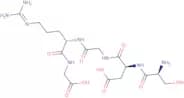
CAS:<p>N2,N6-Bis-cbz-L-lysine is a synthetic acid transporter that is used to inhibit the transport of lysine across the cell membrane. It is an amide, which can be synthesized from lysine and benzoyl chloride. This compound has been shown to have an inhibitory effect on tumor growth in vitro and in vivo. N2,N6-Bis-cbz-L-lysine is active when targeting acidic environments such as tumors. The carbonyl group of this molecule reacts with the hydroxyl group at C4′ on the ribose ring of nucleosides to form a 1,2 diol moiety. This reaction leads to inhibition of DNA synthesis by preventing RNA polymerase from binding to DNA.</p>Formula:C22H26N2O6Purity:Min. 95%Color and Shape:PowderMolecular weight:414.45 g/molH-Ser-Asp-Gly-Arg-Gly-OH
CAS:<p>H-Ser-Asp-Gly-Arg-Gly-OH is a peptide and model system for epidermal growth factor. It has been shown to stimulate epidermal growth and protein synthesis in the skin cells. The peptide has also been shown to inhibit fibrinogen production by monoclonal antibody, which is a biochemical marker of wound healing. H-Ser-Asp-Gly-Arg-Gly-OH analogs have been shown to inhibit the activation of epidermal growth factor receptor and have an inhibitory effect on cell growth.</p>Formula:C17H30N8O9Purity:Min. 95%Molecular weight:490.47 g/molNesfatin-1 (30-59) (mouse, rat) trifluoroacetate salt
<p>Please enquire for more information about Nesfatin-1 (30-59) (mouse, rat) trifluoroacetate salt including the price, delivery time and more detailed product information at the technical inquiry form on this page</p>Formula:C167H260N40O54Purity:Min. 95%Molecular weight:3,692.09 g/molBiotinyl-5-aminopentanoyl-Antennapedia Homeobox (43-58) amide trifluoroacetate salt
CAS:<p>Please enquire for more information about Biotinyl-5-aminopentanoyl-Antennapedia Homeobox (43-58) amide trifluoroacetate salt including the price, delivery time and more detailed product information at the technical inquiry form on this page</p>Formula:C119H192N38O22S2Purity:Min. 95%Molecular weight:2,571.17 g/mol(Dab 9)-Neurotensin (8-13) trifluoroacetate salt
CAS:<p>Please enquire for more information about (Dab 9)-Neurotensin (8-13) trifluoroacetate salt including the price, delivery time and more detailed product information at the technical inquiry form on this page</p>Formula:C36H60N10O8Purity:Min. 95%Molecular weight:760.92 g/mol1-Methyl-4-nitro-1H-pyrazole-3-carboxamide
CAS:<p>Please enquire for more information about 1-Methyl-4-nitro-1H-pyrazole-3-carboxamide including the price, delivery time and more detailed product information at the technical inquiry form on this page</p>Purity:Min. 95%Z-Arg-AMC hydrochloride salt
CAS:<p>Z-Arg-AMC hydrochloride salt is a proteolytic agent that inhibits serine proteases. It can be used to study the biological function of proteases and as a tool in the kinetic analysis of protease activity. Z-Arg-AMC hydrochloride salt has been shown to inhibit trypsin, chymotrypsin, and elastase enzymes at nanomolar concentrations. This compound also inhibits human pathogens such as enterovirus 71 and herpes simplex virus type 1, which are associated with severe disease symptoms. The structural analysis of Z-Arg-AMC hydrochloride salt has shown it to be a racemic mixture of L-Arginine and D-Arginine with an average molecular weight of 313.5 Da.</p>Formula:C24H27N5O5Purity:Min. 95%Molecular weight:465.5 g/mol(D-Arg6,Asn10)-MCH (6-16) amide (human, mouse, rat) trifluoroacetate salt
CAS:<p>Please enquire for more information about (D-Arg6,Asn10)-MCH (6-16) amide (human, mouse, rat) trifluoroacetate salt including the price, delivery time and more detailed product information at the technical inquiry form on this page</p>Formula:C60H100N22O14S3Purity:Min. 95%Molecular weight:1,449.77 g/molNeuroendocrine Regulatory Peptide-2 (rat) trifluoroacetate salt
<p>Please enquire for more information about Neuroendocrine Regulatory Peptide-2 (rat) trifluoroacetate salt including the price, delivery time and more detailed product information at the technical inquiry form on this page</p>Formula:C175H290N56O59Purity:Min. 95%Molecular weight:4,122.52 g/molDynorphin A (1-7)
CAS:<p>Dynorphin A (1-7) H-Tyr-Gly-Gly-Phe-Leu-Arg-Arg-OH is a peptide that acts as a cryoprotectant. It has been shown in animal models to inhibit the proliferation of cells in culture and to have neuroprotective properties. Dynorphin A (1-7) H-Tyr-Gly-Gly-Phe-Leu-Arg-Arg-OH has also been shown to have antiinflammatory properties in animals, although the exact mechanism of action is not known. This peptide can be used as an excipient in pharmaceutical formulations or as a diluent for lyophilisates.</p>Formula:C40H61N13O9Purity:Min. 95%Molecular weight:867.99 g/mol1-Boc-1-methylhydrazine
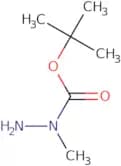
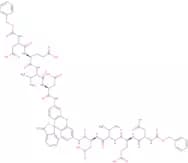
CAS:<p>1-Boc-1-methylhydrazine is a molecule that is used as a chemical intermediate for pharmaceuticals. It has been shown to inhibit the proteasome pathway by targeting the ubiquitin-proteasome system, which is involved in protein degradation and cell growth regulation. 1-Boc-1-methylhydrazine has synergistic effects when combined with other inhibitors of the ubiquitin proteasome system, such as anamorelin. It was found to be effective at inhibiting the growth of k562 cells but not normal cells, suggesting that it may have therapeutic applications for inflammatory bowel disease.</p>Formula:C6H14N2O2Purity:Min. 95%Molecular weight:146.19 g/mol(Z-Asp-Glu-Val-Asp)2-Rhodamine 110
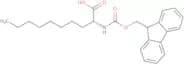
CAS:<p>Fluorogenic dye targeting caspase 3</p>Formula:C72H78N10O27Purity:Min. 95%Molecular weight:1,515.44 g/molFmoc-octyl-D-Gly-OH
CAS:<p>Fmoc-octyl-D-Gly-OH is a supramolecular polymer with a wide range of applications, including oil recovery and as a nanomaterial. Fmoc-octyl-D-Gly-OH is synthesized by the ring opening polymerization of octylglycol with D,L lactic acid. It has been shown to be an effective emulsifier in water, which may be due to its synergistic effect with other molecules. Fmoc-octyl-D-Gly-OH also has the ability to self assemble into a variety of morphologies such as nanoribbons, nanowires, and gel networks. This polymer can also be used as a hydrogenation catalyst for organic synthesis reactions that require high pressures and temperatures. Fmoc-octyl-D-Gly-OH has also been used in the production of ultrasonication devices for use in medicine.</p>Formula:C25H31NO4Purity:Min. 95%Molecular weight:409.52 g/molACTH (1-14) trifluoroacetate salt
CAS:<p>Please enquire for more information about ACTH (1-14) trifluoroacetate salt including the price, delivery time and more detailed product information at the technical inquiry form on this page</p>Formula:C77H109N21O20SPurity:Min. 95%Molecular weight:1,680.88 g/mol(D-Ala2)-Leu-Enkephalin
CAS:<p>(D-Ala2)-Leu-Enkephalin H-Tyr-D-Ala-Gly-Phe-Leu-OH is a peptide that is a member of the endorphin family of endogenous analgesic compounds. It has been shown to have anti-inflammatory properties in clinical studies and to suppress bacterial growth in vitro. The compound has been implicated in the regulation of glucose homeostasis, as well as having an effect on body mass index and skin cells. (D-Ala2)-Leu-Enkephalin H-Tyr-D-Ala-Gly-Phe-Leu-(OH) is thought to modulate the activity of Toll like receptor 4, which is involved in inflammation and immune response.</p>Formula:C29H39N5O7Purity:Min. 95%Molecular weight:569.65 g/molMeOSuc-Ala-Ala-Pro-Val-OH
CAS:<p>Please enquire for more information about MeOSuc-Ala-Ala-Pro-Val-OH including the price, delivery time and more detailed product information at the technical inquiry form on this page</p>Formula:C21H34N4O8Purity:Min. 95%Molecular weight:470.52 g/mol(D-His2)-LHRH trifluoroacetate salt
CAS:<p>Please enquire for more information about (D-His2)-LHRH trifluoroacetate salt including the price, delivery time and more detailed product information at the technical inquiry form on this page</p>Formula:C55H75N17O13Purity:Min. 95%Molecular weight:1,182.29 g/molH-Thr-Gly-Gly-OH
CAS:<p>Please enquire for more information about H-Thr-Gly-Gly-OH including the price, delivery time and more detailed product information at the technical inquiry form on this page</p>Formula:C8H15N3O5Purity:Min. 95%Molecular weight:233.22 g/molNeuroendocrine Regulatory Peptide-4 (human, mouse, rat) trifluoroacetate salt
CAS:<p>Please enquire for more information about Neuroendocrine Regulatory Peptide-4 (human, mouse, rat) trifluoroacetate salt including the price, delivery time and more detailed product information at the technical inquiry form on this page</p>Formula:C87H135N25O24Purity:Min. 95%Molecular weight:1,915.16 g/molGlutathione-monoethyl ester (reduced)
CAS:<p>Glutathione-monoethyl ester (reduced) H-Glu(Cys-Gly-OEt)-OH is a polymerase chain reaction (PCR) enhancer that consists of a glutathione monoester and an ethyl ester. Glutathione monoethyl ester (reduced) H-Glu(Cys-Gly-OEt)-OH is used as a cancer therapeutics agent in the treatment of cells with high levels of reactive oxygen species. It also inhibits drug efflux from cells and induces apoptosis in endothelial cells, which can lead to the inhibition of tumor growth. Glutathione monoethyl ester (reduced) H-Glu(Cys-Gly-OEt)-OH has been shown to cause changes in intracytoplasmic sperm and protein thiols in PC12 cells, which may be related to its ability to inhibit cell proliferation.</p>Formula:C12H21N3O6SPurity:Min. 95%Molecular weight:335.38 g/mol(Met(O)35)-Amyloid b-Protein (1-42)
CAS:<p>Please enquire for more information about (Met(O)35)-Amyloid b-Protein (1-42) including the price, delivery time and more detailed product information at the technical inquiry form on this page</p>Formula:C203H311N55O61SPurity:Min. 95%Molecular weight:4,530.04 g/molSar-Ala-OH
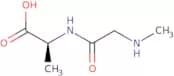
CAS:<p>Please enquire for more information about Sar-Ala-OH including the price, delivery time and more detailed product information at the technical inquiry form on this page</p>Formula:C6H12N2O3Purity:Min. 95%Molecular weight:160.17 g/mol