Amino Acids (AA)
Subcategories of "Amino Acids (AA)"
- Amino Acid Derivatives(4,015 products)
- Amino Acid and Amino Acid Related Compounds(3,490 products)
- Amino Acids with Oxygen or Sulphur(168 products)
- Boc- Amino Acids(351 products)
- Fmoc Amino Acids(1,710 products)
Found 38368 products of "Amino Acids (AA)"
Levosimendan Impurity (2-[2-[4-(2-Azidotetrahydro-3-Methyl-5-oxo-2-Furanyl)phenyl]hydrazinylidene]propanedinitrile)
CAS:Formula:C14H11N7O2Molecular weight:309.29Ref: 4Z-L-422
Discontinued productRef: 4Z-C-11304
Discontinued productRef: 4Z-P-148019
Discontinued productRef: 4Z-Q-054
Discontinued productRef: 4Z-Q-053
Discontinued productFmoc-Val-Ala-aminomethyl-(S)-3,3-difluoro-3-Deuterium-2-Oxypropanoic Acid
Formula:C27H30DF2N3O7Molecular weight:548.56Ref: 4Z-P-180029
Discontinued productRef: 4Z-E-5347
Discontinued productRef: 4Z-M-210006
Discontinued productRef: 4Z-A-336016
Discontinued productS-Decyanomethyl-S-(1-methyl-1H-tetrazol-5-yl) Cefmetazole
CAS:Formula:C15H18N10O5S3Molecular weight:514.57Ref: 4Z-C-126001
Discontinued productRef: 4Z-A-331021
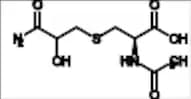
Discontinued productAcetylcysteine Impurity 8
CAS:Formula:C8H14N2O5SColor and Shape:White To Off-White SolidMolecular weight:250.27Ref: 4Z-C-77010
Discontinued productRef: 4Z-I-244
Discontinued productRef: 4Z-C-7744
Discontinued productRef: 4Z-O-1913
Discontinued productRef: 4Z-V-032026
Discontinued productRef: 4Z-PS-189078
Discontinued productRef: 4Z-C-77110
Discontinued productRef: 4Z-M-123003
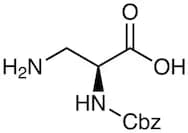
Discontinued product3-Amino-N-benzyloxycarbonyl-L-alanine
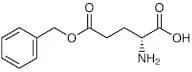
CAS:Formula:C11H14N2O4Purity:>98.0%(T)(HPLC)Color and Shape:White to Almost white powder to crystalMolecular weight:238.245-Benzyl D-Glutamate
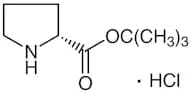
CAS:Formula:C12H15NO4Purity:>98.0%(T)(HPLC)Color and Shape:White to Almost white powder to crystalMolecular weight:237.26D-Proline tert-Butyl Ester Hydrochloride
CAS:Formula:C9H17NO2·HClPurity:>98.0%(GC)(T)Color and Shape:White to Almost white powder to crystalMolecular weight:207.70Ref: 4Z-P-228085
Discontinued productRef: 4Z-P-116028
Discontinued productRef: 4Z-C-77151
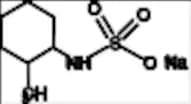
Discontinued productSodium N-(2-Methylcyclohexyl)sulfamate
CAS:Formula:C7H14NO3S·NaColor and Shape:White To Off-White SolidMolecular weight:192.25 22.99Ref: 4Z-S-054005
Discontinued productVitamin E Related Compound 1 (2-Methyl-2-(4,8,12-Trimethyltridecyl)-6-Chromanol)
CAS:Formula:C26H44O2Molecular weight:388.64Ref: 4Z-V-086
Discontinued productRef: 4Z-C-77143
Discontinued productRef: 4Z-C-77119
Discontinued productRef: 4Z-P-57150
Discontinued productRef: 4Z-C-77150
Discontinued productD-Threo-Methylphenidate EP Impurity A-d9 (D-Threo-Methylphenidate USP Related Compound A-d9 (Free Form), D-Threo-Ritalinic Acid-d9)
Formula:C13H8D9NO2Molecular weight:228.34Ref: 4Z-M-137037
Discontinued product2,3,4,9-Tetrahydro-2-methyl-9-phenyl-1H-pyrido[3,4-b]indol-1-one
CAS:Formula:C18H16N2OMolecular weight:276.34Ref: 4Z-H-153
Discontinued productRef: 4Z-G-1311
Discontinued productRef: 4Z-I-091003
Discontinued productRef: 4Z-G-1310
Discontinued productRef: 4Z-P-212058
Discontinued productRef: 4Z-P-116030
Discontinued productRef: 4Z-A-767
Discontinued productRef: 4Z-P-5452
Discontinued productRef: 4Z-P-212022
Discontinued productRef: 4Z-A-155020
Discontinued productN-Nitroso (S)-Diphenylprolinol
Formula:C17H18N2O2Color and Shape:Yellow LiquidMolecular weight:282.34Ref: 4Z-N-103016
Discontinued productRef: 4Z-A-331069
Discontinued productRef: 4Z-P-219016
Discontinued productRef: 4Z-P-147057
Discontinued productRef: 4Z-C-418026
Discontinued productRef: 4Z-P-116027
Discontinued productRef: 4Z-A-155046
Discontinued product(Z)-4-Hydroxy-N-Desmethyl Tamoxifen (Endoxifen) β-D-Glucuronide
CAS:Formula:C31H35NO8Molecular weight:549.62Ref: 4Z-T-0133
Discontinued productRef: 4Z-C-77136
Discontinued productRef: 4Z-C-77138
Discontinued productRef: 4Z-P-116029
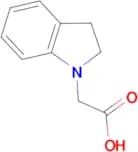
Discontinued product(2,3-Dihydro-1H-indol-1-yl)acetic acid
CAS:Purity:95.0%Color and Shape:SolidMolecular weight:177.2030029296875Ref: 10-F693590
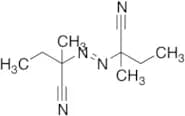
Discontinued product2,2'-Azobis-(2-methylbutyronitrile)
CAS:Applications 2,2'-AZOBIS-(2-METHYLBUTYRONITRILE) (cas# 13472-08-7) is a useful research chemical.
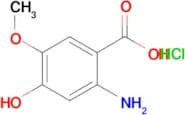
Dangerous Goods Info This compound is forbidden to ship by air under IATA regulations.Formula:C10H16N4Color and Shape:White to Off-White SolidMolecular weight:192.272-amino-4-hydroxy-5-methoxybenzoic acid hydrochloride
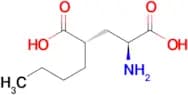
CAS:Purity:95.0%Molecular weight:219.6199951171875(1R,4R)-rel-2-Benzyl-5-(tert-butoxycarbonyl)-2,5-diazabicyclo[2.2.1]heptane-3-carboxylic acid
CAS:Molecular weight:332.4(S)-2-(4-(2-(2-Amino-4-oxo-4,7-dihydro-1H-pyrrolo[2,3-d]pyrimidin-5-yl)ethyl)benzamido)pentanedioic acid
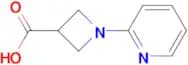
CAS:Purity:95.0%Color and Shape:Solid, Blue powderMolecular weight:427.41699218751-(Pyridin-2-yl)azetidine-3-carboxylic acid
CAS:Color and Shape:SolidMolecular weight:178.1909942626953DL-Methionine Methylsulfonium Chloride
CAS:Controlled ProductApplications DL-Methionine methylsulfonium chloride (cas# 3493-12-07) is a useful research chemical.
Formula:C6H14ClNO2SColor and Shape:NeatMolecular weight:199.7L-Citrulline-d7
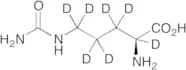
CAS:Controlled ProductApplications L-Citrulline-d7, is the labeled analogue of L-Citrulline (C535700), which is an amino acid, first isolated from the juice of watermelon, Citrullus vulgaris Schrad., Cucurbitaceae. It is also used in the treatment of asthenia.
References Kurtz, et al.: J. Biol. Chem., 122, 477 (1938), Rajantie, J., et al.: J. Pediatr., 97, 927 (1980), Carpenter, T.O., et al.: N. Engl. J. Med., 312, 290 (1985),Formula:C6D7H6N3O3Color and Shape:NeatMolecular weight:182.23(D-Ser2)-Leu-Enkephalin-Thr
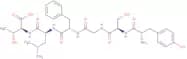
CAS:(D-Ser2)-Leu-Enkephalin-Thr H-Tyr-D-Ser-Gly-Phe-Leu-Thr-OH is a cyclic peptide that has been shown to activate the κ-opioid receptor. The peptide has been used in studies of the intracellular calcium concentration and glomerular filtration rate in kidney cells, as well as the antinociceptive effects of opioid drugs on mice. This drug has also been shown to have effects on cyclic AMP levels and α 1 -adrenergic receptors in neuro2a cells.Formula:C33H46N6O10Purity:Min. 95%Color and Shape:SolidMolecular weight:686.75 g/molRef: 3D-FS108773
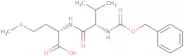
Discontinued productZ-Val-Met-OH
CAS:Z-Val-Met-OH is a high purity synthetic compound that can be used as a research tool in cell biology, ion channels and peptides. This compound is an activator of the receptor for bradykinin and has been shown to inhibit the activity of protein kinase C. Z-Val-Met-OH is also a ligand for the acetylcholine receptor and has been shown to inhibit acetylcholinesterase, leading to an increase in acetylcholine levels. Z-Val-Met-OH binds to the receptor for insulin and can be used as an inhibitor of insulin release from pancreatic beta cells.
Formula:C18H26N2O5SPurity:Min. 95%Molecular weight:382.48 g/molRef: 3D-FV111531
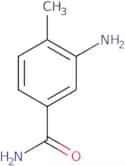
Discontinued product3-Amino-4-methylbenzamide
CAS:3-Amino-4-methylbenzamide is an interchemical that can be utilized to synthesize naphthol. 3-Amino-4-methylbenzamide is an amide that has been shown to have a molecular modeling structure of a conformation. The interaction of 3-amino-4-methylbenzamide with the P38 kinase enzyme has been shown to inhibit the activity of this enzyme, which may lead to its use as a drug for the treatment of inflammation.
Formula:C8H10N2OPurity:Min. 95%Color and Shape:PowderMolecular weight:150.18 g/molRef: 3D-FA71046
Discontinued productArg-Gly-Asp TFA salt
CAS:Arg-Gly-Asp TFA salt is a molecule that is used as a prodrug, meaning it is inactive until it has been converted to the active form. It has been shown to be effective when injected subcutaneously or intramuscularly and is hydrophilic. Arg-Gly-Asp TFA salt has been shown to have problematic effects on polymerization when exposed to heat. The molecule has an active form that can be absorbed into the body through injection sites and then hydrolyzed by esterases or glucuronidases, oxidized by cytochrome P450 enzymes, reduced by glutathione reductase, or conjugated with glucuronic acid. Arg-Gly-Asp TFA salt also specifically binds to markers expressed at high levels in Mycobacterium tuberculosis strains (e.g., ESX-1 secretion system protein) and inhibits cell growth in culture.
Formula:C12H22N6O6·C2HF3O2Purity:Min. 95%Color and Shape:PowderMolecular weight:460.36 g/molRef: 3D-FA175085
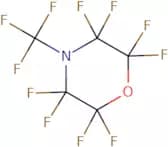
Discontinued productPerfluoro-N-Methylmorpholine
CAS:Perfluoro-N-Methylmorpholine (PMM) is a perfluorinated solvent with high boiling point, which makes it suitable for high temperature and pressure applications. PMM is an acyl halide that can be used as a solvent or in the synthesis of other perfluorinated compounds. The cyclic structure of PMM provides stability and high yields. The oxidation resistance of PMM allows it to be used in harsh environments. Cleavage products from PMM are not toxic, making this compound environmentally friendly. PMM can be used in organic chemistry as a solvent for reactions involving dialkylamino groups, such as the production of cyclic compounds. It can also be used in the synthesis of perfluorinated polymers as well as in the manufacture of coatings, foams, lubricants, and surfactants.
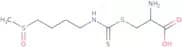
Formula:C5F11NOPurity:Min. 95%Color and Shape:Clear LiquidMolecular weight:299.04 g/molD,L-Sulforaphane-L-cysteine
CAS:Sulforaphane is a natural compound found in cruciferous vegetables, such as broccoli, cabbage and cauliflower. It has been shown to inhibit the growth of cancer cells and induce apoptosis in prostate cancer cells. Sulforaphane also induces molecular responses that can be measured in assays, including a decrease in protein expression of cyclin-dependent kinase 2 (CDK2) and an increase in the expression of p21. Sulforaphane has been shown to inhibit cell proliferation by blocking the phosphorylation of retinoblastoma protein (pRB) and reducing the levels of cyclins A2/B1. The optimum concentration for sulforaphane is not yet known, but it has been shown to be more effective at lower concentrations. Sulforaphane has also been shown to reduce tumor size and number in bovine fetuses exposed to carcinogens during gestation. In addition, sulforaphane decreased the incidence of tumors when administered before
Formula:C9H18N2O3S3Purity:Min. 95%Color and Shape:PowderMolecular weight:298.45 g/molRef: 3D-FS27963
Discontinued productFmoc-3-(1-naphthyl)-L-alanine
CAS:Fmoc-3-(1-naphthyl)-L-alanine is a versatile building block that can be used in the synthesis of complex compounds. It has been shown to be a useful intermediate in the synthesis of a range of biologically active compounds, including research chemicals and reagents. It is also a useful scaffold for the preparation of complex chemical structures. Fmoc-3-(1-naphthyl)-L-alanine is available as an off-white solid with a purity of 99%.
Formula:C28H23NO4Purity:Min. 98.0 Area-%Color and Shape:White PowderMolecular weight:437.49 g/molRef: 3D-FF47418
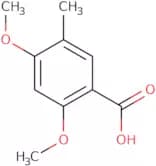
Discontinued product2,4-Dimethoxy-5-methylbenzoic acid
CAS:2,4-Dimethoxy-5-methylbenzoic acid is a compound that belongs to the class of useful building blocks. It has a high quality and can be used as a reagent, complex compound, and useful intermediate in the synthesis of fine chemicals. 2,4-Dimethoxy-5-methylbenzoic acid is also a versatile building block that can be used for the production of speciality chemicals such as research chemicals.
Formula:C10H12O4Purity:Min. 95%Molecular weight:196.2 g/molRef: 3D-FD67032
Discontinued productBoc-L-Trp-OH
CAS:Boc-L-Trp-OH is a receptor binding molecule that has been shown to have an inhibitory effect on the receptor. The acidic pH of the molecule and its bifunctional nature allow it to bind to the receptor, which is found in the acidic environment of the stomach. This chemical also has an acidic reactive site that can react with hydrogen fluoride. Boc-L-Trp-OH binds to human protein, specifically amino acid residues such as arginine, lysine, and histidine. It also has a reactive site that can be used in chromatographic binding experiments.
Formula:C16H20N2O4Purity:Min. 98 Area-%Color and Shape:PowderMolecular weight:304.34 g/molRef: 3D-FB37995
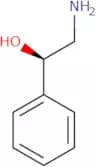
Discontinued product(R)-2-Amino-1-phenylethanol
CAS:(R)-2-Amino-1-phenylethanol is a molecule that has antimicrobial activity. It binds to the active site of bacterial enzymes, such as those involved in the synthesis of cell walls, and inhibits the growth of bacteria through competitive inhibition. This molecule also has a dihedral angle that is similar to that of other molecules with antibacterial activity. (R)-2-Amino-1-phenylethanol is an enantiomer, which means it can be synthesized from either (S)- or (R)-1-phenylethanol. The racemic form is more active than any individual enantiomer.
Formula:C8H11NOPurity:Min. 95%Color and Shape:PowderMolecular weight:137.18 g/molRef: 3D-FA64085
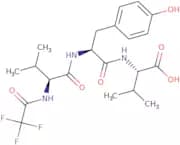
Discontinued productN-(2,2,2-Trifluoroacetyl)-L-valyl-L-tyrosyl-L-valine
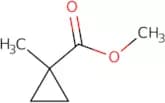
CAS:Trifluoroacetic acid is a synthetic molecule that is used as a precursor for the synthesis of various pharmaceuticals, including the skin-lightening agent N-(2,2,2-trifluoroacetyl)-L-valyl-L-tyrosyl-L-valine. This drug is an inhibitor of tyrosinase and blocks the synthesis of melanin. Trifluoroacetic acid has been shown to inhibit tyrosinase activity in human skin cells by binding to tyrosinase and blocking its catalytic site. The hydrogenation of trifluoroacetic acid yields 2,2,2-trifluoroethanol (TFE), which can be used as a solvent in cosmetic formulations.Formula:C21H28F3N3O6Purity:Min. 98 Area-%Color and Shape:PowderMolecular weight:475.46 g/molMethyl 1-methylcyclopropane-1-carboxylate
CAS:Please enquire for more information about Methyl 1-methylcyclopropane-1-carboxylate including the price, delivery time and more detailed product information at the technical inquiry form on this page
Formula:C6H10O2Purity:Min. 95%Molecular weight:114.14 g/molRef: 3D-FM75913
Discontinued productL-Valine
CAS:Amino acid
Formula:C5H11NO2Purity:min 98%Color and Shape:White PowderMolecular weight:117.15 g/molRef: 3D-FV00534
Discontinued productH-Glu-Val-OH
CAS:H-Glu-Val-OH is a coordination complex that contains the metal scandium. It is used as a ligand to form complexes with other metals and organic molecules. This compound is also used in peptide synthesis and has been shown to have a strong interaction with nitrate, serine, and formiate. H-Glu-Val-OH is soluble in solutions such as water or formiate. The tripeptide Ser-Gly-Val can be formed from this compound by hydrolysis of the hydroxo group.
Formula:C10H18N2O5Purity:Min. 95 Area-%Color and Shape:PowderMolecular weight:246.26 g/molRef: 3D-FG108043
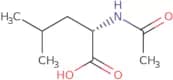
Discontinued productN-Acetyl-L-leucine
CAS:N-Acetyl-L-leucine is a natural amino acid that has been shown to have therapeutic potential in the treatment of neurodegenerative diseases. N-acetyl-L-leucine binds to DNA duplexes and inhibits the formation of protein aggregates, which are associated with neurodegenerative disorders. N-acetyl-L-leucine also has a high affinity for neuronal receptors, which may be due to its basic nature. In addition, this compound is able to inhibit oxidative stress induced by glutamate and nitric oxide, as well as mitochondrial membrane potential loss. It also protects against neuronal death induced by amide or cytosolic Ca2+.
Formula:C8H15NO3Color and Shape:White PowderMolecular weight:173.21 g/molRef: 3D-FA10862
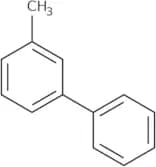
Discontinued product3-Methylbiphenyl
CAS:3-Methylbiphenyl is a colorless liquid with a pleasant odor that is soluble in organic solvents. It is an aromatic hydrocarbon that can be used as a carbon source for the synthesis of other chemicals. 3-Methylbiphenyl has been shown to inhibit the growth of Pseudomonas strains, including P. aeruginosa, and also inhibits nitrogenase activity in rhizosphere soil samples. This compound has two different isomers: 2-methylbiphenyl and 4-methylbiphenyl. The functional theory predicts that the ethyl group on 3-methylbiphenyl will react more quickly than the methyl proton because it has one additional electron pair than the methyl proton and thus an increased electron density around it.
Formula:C13H12Purity:Min. 95%Color and Shape:PowderMolecular weight:168.23 g/molRef: 3D-FM69805
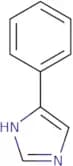
Discontinued product4-Phenylimidazole
CAS:4-Phenylimidazole is a molecule that binds to malonic acid, an intermediate in the Krebs cycle. The binding of 4-phenylimidazole to malonic acid inhibits the reaction mechanism of the Krebs cycle and inhibits cancer cell proliferation. 4-Phenylimidazole has been shown to bind to serine proteases by hydrogen bonds, which may be an effective approach for inhibiting these enzymes. Furthermore, this molecule has been shown to have antiproliferative effects on cells. This is due to its ability to inhibit fatty acid synthesis and alter membrane fluidity by insertion into double bonds in the lipid bilayer. It also has x-ray crystal structures available for use in molecular modeling studies.
Formula:C9H8N2Purity:Min. 96.5%Color and Shape:White PowderMolecular weight:144.17 g/molRef: 3D-FP26982
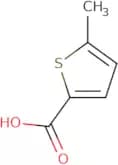
Discontinued product5-Methyl-2-thiophenecarboxylic acid
CAS:5-Methyl-2-thiophenecarboxylic acid is an organic compound with the molecular formula CH3COOH. It has a carboxyl group at one end and a methyl group at the other, hence its name. 5-Methyl-2-thiophenecarboxylic acid is used in the synthesis of esters that are useful as intermediates in the production of pharmaceuticals, pesticides, and other chemicals. The asymmetric synthesis of 5-Methyl-2-thiophenecarboxylic acid was accomplished by reacting it with sodium hydroxide in methanol. The compound is also found to have anticarcinogenic properties. A study conducted on mice showed that 5-Methyl-2-thiophenecarboxylic acid inhibited skin cancer by inducing apoptosis in melanoma cells and inhibiting cell proliferation. 5-Methyl-2-thiophenecarboxylic acid has been shown to
Formula:C6H6O2SPurity:Min. 95%Color and Shape:PowderMolecular weight:142.18 g/molRef: 3D-FM29285
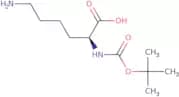
Discontinued productN-Boc-L-Lysine
CAS:N-Boc-L-Lysine is a model of the amino acid lysine. This compound has been shown to inhibit the growth of cancer cells in vitro and in vivo. N-Boc-L-Lysine inhibits protein synthesis by blocking the formation of peptide bonds between amino acids, thus stopping the production of proteins vital for cell division. The inhibition of fatty acid synthesis by this compound may be due to its ability to inhibit the activity of fatty acid synthase, which catalyzes the conversion of acetyl coenzyme A into fatty acids. This product can also be synthesized from caproic acid and an ester hydrochloride or from a fatty acid and an ester hydrochloride.
Formula:C11H22N2O4Purity:Min. 95%Color and Shape:White Off-White PowderMolecular weight:246.3 g/molRef: 3D-FB16295
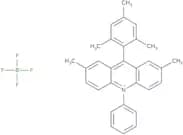
Discontinued product9-Mesityl-2,7-dimethyl-10-phenylacridinium tetrafluoroborate
CAS:9-Mesityl-2,7-dimethyl-10-phenylacridinium tetrafluoroborate is a versatile building block and reagent for organic synthesis. It is a fine chemical that is used in the production of research chemicals and speciality chemicals. 9-Mesityl-2,7-dimethyl-10-phenylacridinium tetrafluoroborate can be used as a reaction component to synthesize complex compounds with various functional groups. It has been reported to have high quality, being both useful and stable. CAS NO: 1621020-00-5Formula:C30H28BF4NColor and Shape:Yellow PowderMolecular weight:489.35 g/molRef: 3D-FM76605
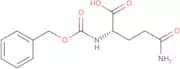
Discontinued productCbz-L-glutamine
CAS:Cbz-L-glutamine is a water soluble compound that is used in the synthesis of pomalidomide. It is synthesized through a stepwise amide formation from methylamine and ethylene diamine. Cbz-L-glutamine has been shown to have an inhibitory effect on cancer cells, which may be due to its ability to break down hydroxamic acids. This chemical reaction causes the release of hydrogen ions, which leads to the disruption of various cellular processes, such as DNA replication and protein synthesis. The uptake of Cbz-L-glutamine by cancer cells has been shown in tissue culture experiments.
Formula:C13H16N2O5Purity:Min. 95%Color and Shape:PowderMolecular weight:280.28 g/molRef: 3D-FC39401
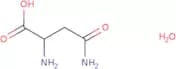
Discontinued productDL-Asparagine monohydrate
CAS:DL-Asparagine monohydrate is a low potency amino acid that can be used as a biomarker for wastewater treatment. It has been shown to inhibit the activity of enzymes such as guanine nucleotide-binding proteins, toll-like receptors, and response elements. Asparagine also has inhibitory properties against tumour cells in solid tumours.
Formula:C4H10N2O4Color and Shape:PowderMolecular weight:150.14 g/mol3,4-diaza-5-(tert-butyl)-2-hydroxy-3-((4-methylphenyl)sulfonyl)tricyclo[6.4.0.0<2,6>]dodeca-1(8),4,9,11-tetraen-7-one
CAS:Please enquire for more information about 3,4-diaza-5-(tert-butyl)-2-hydroxy-3-((4-methylphenyl)sulfonyl)tricyclo[6.4.0.0<2,6>]dodeca-1(8),4,9,11-tetraen-7-one including the price, delivery time and more detailed product information at the technical inquiry form on this pagePurity:Min. 95%Ref: 3D-FD169677
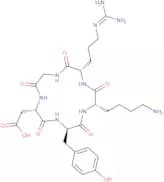
Discontinued productCyclo(-Arg-Gly-Asp-D-Tyr-Lys) trifluoroacetate salt
CAS:Cyclo(-Arg-Gly-Asp-D-Tyr-Lys) trifluoroacetate salt is a reagent that is used in organic synthesis as a building block to create complex compounds. It is also useful for research purposes, as it can be used to produce high quality products. Cyclo(-Arg-Gly-Asp-D-Tyr-Lys) trifluoroacetate salt is a chemical with CAS No. 217099-14-4 and has the chemical formula C17H21N3O2F3.Formula:C27H41N9O8Purity:Min. 95%Color and Shape:White SolidMolecular weight:619.67 g/molRef: 3D-FC110223
Discontinued productN3-Orn(Boc) cyclohexylamine
CAS:N3-Orn(Boc) cyclohexylamine is a chemical intermediate that is used in the synthesis of complex compounds. It can be used as a building block or an intermediate in the synthesis of many fine chemicals, such as pharmaceuticals, agrochemicals, and fragrances. N3-Orn(Boc) cyclohexylamine is also used in reactions involving amines and alcohols to produce useful scaffolds. This chemical product has been shown to be safe for human use with no significant adverse side effects at doses up to 100mg/kg body weight.
Formula:C10H18N4O4•C6H13NPurity:Min. 95%Color and Shape:PowderMolecular weight:357.4 g/mol1,2-Dimyristoyl-rac-glycero-3-phosphocholine
CAS:1,2-Dimyristoyl-rac-glycero-3-phosphocholine (DMPC) is a lipid molecule that contains a glycerol backbone and two fatty acid chains. It is an amphipathic molecule with hydrophilic head groups and hydrophobic tails. The phase transition temperature of DMPC is around 37°C, which makes it useful as a model system for studying the effects of temperature on lipid membranes. DMPC has been shown to have interactions with pharmacological agents such as peptide hormones and enzyme inhibitors, which can lead to drug interactions. DMPC also binds copper chloride and calcium ions and has hydrogen bonding interactions with benzalkonium chloride.Formula:C36H72NO8PPurity:Min. 95%Molecular weight:677.93 g/molRef: 3D-FD49406
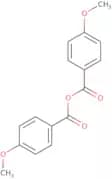
Discontinued product4-Methoxybenzoic anhydride
CAS:4-Methoxybenzoic anhydride is a nonsteroidal anti-inflammatory drug (NSAID) that has a hydroxy group, which makes it susceptible to nucleophilic attack. The reaction mechanism of 4-methoxybenzoic anhydride involves hydroxyl group and phosphorus pentachloride. Kinetic data for the reaction was obtained from kinetic studies. The kinetic study found that the rate of the reaction increased with increasing concentration of amines and amides in the reaction mixture. 4-Methoxybenzoic anhydride has been shown to have antiinflammatory activity in various tests on animals, including rats, guinea pigs, and rabbits. The mechanism of this activity may be due to its ability to inhibit prostaglandin synthesis by blocking cyclooxygenase enzyme activity.
Formula:C16H14O5Purity:Min. 95%Color and Shape:PowderMolecular weight:286.28 g/molRef: 3D-FM35899
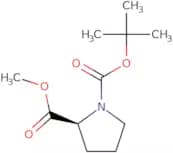
Discontinued productN-Boc-L-proline methyl ester
CAS:N-Boc-L-proline methyl ester is an organocatalyst that is synthesized through the condensation of proline with methylamine and a methylating agent. It is used as a synthetic intermediate in the synthesis of peptides, pharmaceuticals, and other organic compounds. The compound has been shown to be effective in asymmetric hydrogenation reactions. N-Boc-L-proline methyl ester has also been shown to be useful in the formation of imines and amides, which are important intermediates in organic synthesis.
Formula:C11H19NO4Purity:Min. 97%Color and Shape:Clear LiquidMolecular weight:229.27 g/molRef: 3D-FB28953
Discontinued productL-Alanine-β-naphthylamide
CAS:L-alanine-β-naphthylamide is an amino acid that is synthesized by the action of β-Naphtholactamase on l-alanine. It is used as a substrate for enzyme studies and to determine the uptake of substances by cells. L-Alanine-β-naphthylamide has been shown to inhibit the activity of some enzymes, such as aminopeptidases and peptidases. The inhibition may be due to its ability to bind to lysine residues in the active site of these enzymes. This amino acid also inhibits the growth of bacteria at neutral pH and has a bacteriostatic effect at a pH range from 4.5 to 5.5.
Formula:C13H14N2OPurity:Min. 95%Color and Shape:PowderMolecular weight:214.26 g/molRef: 3D-FA66171
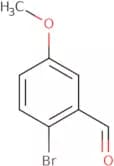
Discontinued product2-Bromo-5-methoxybenzaldehyde
CAS:2-Bromo-5-methoxybenzaldehyde is an organic compound that is used as a synthetic intermediate. It has been shown to be a substrate for the acid transporter SLC26A2, which transports it into cells. This compound has also been found in low levels in human tissues and fluids, where it may play a role in the development of cancer. 2-Bromo-5-methoxybenzaldehyde has been shown to inhibit the growth of cancer cells by uv absorption and terminal alkynes. The anticancer activity of this compound is due to its ability to react with functional groups such as benzyl groups and other alkyl groups.
Formula:C8H7BrO2Purity:Min. 95%Color and Shape:PowderMolecular weight:215.04 g/molRef: 3D-FB33768
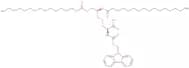
Discontinued productFmoc-Cys((R)-2,3-di(palmitoyloxy)-propyl)-OH
CAS:Fmoc-Cys((R)-2,3-di(palmitoyloxy)-propyl)-OH is a versatile building block that is useful for the synthesis of complex compounds. This compound has been shown to be a useful intermediate in the synthesis of pharmaceuticals, organic dyes and research chemicals. Fmoc-Cys((R)-2,3-di(palmitoyloxy)-propyl)-OH is a fine chemical that is used as a reagent in organic synthesis. It has CAS No. 139573-77-6 and can be used as a speciality chemical or reaction component.
Formula:C53H83NO8SPurity:Min. 95 Area-%Color and Shape:White PowderMolecular weight:894.29 g/molRef: 3D-FF111417
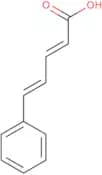
Discontinued product5-Phenylpenta-2,4-dienoic acid
CAS:5-Phenylpenta-2,4-dienoic acid is a high-potency inhibitor of tyrosine kinases. It has been shown to have an inhibitory effect on cancer cells in both squamous and non-squamous cell lines. This compound has been shown to inhibit the proliferation of cancer cells by arresting cell cycle progression at the G1 phase, which leads to the inhibition of DNA synthesis. 5-Phenylpenta-2,4-dienoic acid is also able to block the activation of transcription factors that are involved in tumorigenesis. In addition, this compound inhibits the proliferation of cancer cells by arresting cell cycle progression at the G1 phase, leading to inhibition of DNA synthesis. The molecular modeling study suggests that this compound may be able to bind with tyrosine kinase receptors on the surface of tumor cells and block their activity. The chemical structure of 5-phenylpenta-2,4-dien
Formula:C11H10O2Purity:Min. 95%Color and Shape:PowderMolecular weight:174.2 g/molRef: 3D-FP70999
Discontinued product
![Levosimendan Impurity (2-[2-[4-(2-Azidotetrahydro-3-Methyl-5-oxo-2-Furanyl)phenyl]hydrazinylidene]…](/_next/image/?url=https%3A%2Fstatic.cymitquimica.com%2Fproducts%2F4Z%2Fthumb-webp%2FL-422.webp&w=3840&q=75)











![2,3,4,9-Tetrahydro-2-methyl-9-phenyl-1H-pyrido[3,4-b]indol-1-one](/_next/image/?url=https%3A%2Fstatic.cymitquimica.com%2Fproducts%2F4Z%2Fthumb-webp%2FH-153.webp&w=3840&q=75)






![2-[4-(methylamino)-3-nitrobenzoyl]benzoic acid](/_next/image/?url=https%3A%2Fstatic.cymitquimica.com%2Fproducts%2F10%2Fthumb-webp%2FF518183.webp&w=3840&q=75)
![(1R,4R)-rel-2-Benzyl-5-(tert-butoxycarbonyl)-2,5-diazabicyclo[2.2.1]heptane-3-carboxylic acid](/_next/image/?url=https%3A%2Fstatic.cymitquimica.com%2Fproducts%2F10%2Fthumb-webp%2FF986861.webp&w=3840&q=75)
![(S)-2-(4-(2-(2-Amino-4-oxo-4,7-dihydro-1H-pyrrolo[2,3-d]pyrimidin-5-yl)ethyl)benzamido)pentanedioi…](/_next/image/?url=https%3A%2Fstatic.cymitquimica.com%2Fproducts%2F10%2Fthumb-webp%2FF079404.webp&w=3840&q=75)





![3,4-diaza-5-(tert-butyl)-2-hydroxy-3-((4-methylphenyl)sulfonyl)tricyclo[6.4.0.0<2,6>]dodeca-1(8),4…](/_next/image/?url=https%3A%2Fstatic.cymitquimica.com%2Fproducts%2F3D%2Fthumb-webp%2FFD169677.webp&w=3840&q=75)