Amino Acids (AA)
Amino acids (AAs) are the fundamental building blocks of proteins, playing a crucial role in various biological processes. These organic compounds are essential for protein synthesis, metabolic pathways, and cell signaling. In this category, you will find a comprehensive range of amino acids, including essential, non-essential, and modified forms, which are vital for research in biochemistry, molecular biology, and nutritional sciences. At CymitQuimica, we provide high-quality amino acids to support your research and development needs, ensuring accuracy and reliability in your experimental outcomes.
Subcategories of "Amino Acids (AA)"
- Amino Acid Derivatives(3,955 products)
- Amino Acid and Amino Acid Related Compounds(3,464 products)
- Amino Acids with Oxygen or Sulphur(168 products)
- Boc- Amino Acids(351 products)
- Fmoc Amino Acids(1,710 products)
Found 38247 products of "Amino Acids (AA)"
Sort by
Purity (%)
0
100
|
0
|
50
|
90
|
95
|
100
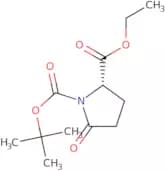
N-Boc-L-pyroglutamic acid ethyl ester
CAS:<p>N-Boc-L-pyroglutamic acid ethyl ester is a chiral building block that can be used for the preparation of amides. It is a good activating agent and is used to synthesize amide bonds from carboxylic acids. N-Boc-L-pyroglutamic acid ethyl ester can be used to synthesize sulfoxides and piperidines, which are ligands. It is also an amido, stereoselective and DPP-4 inhibitor. This chemical simplifies catalysis reactions by replacing the use of toxic solvents.</p>Formula:C12H19NO5Purity:Min. 95%Molecular weight:257.28 g/molKininogen-Based Thrombin Inhibitor
CAS:<p>Please enquire for more information about Kininogen-Based Thrombin Inhibitor including the price, delivery time and more detailed product information at the technical inquiry form on this page</p>Formula:C29H46N8O7SPurity:Min. 95%Molecular weight:650.79 g/molCatestatin (human) trifluoroacetate
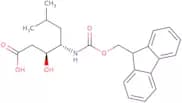
CAS:<p>Please enquire for more information about Catestatin (human) trifluoroacetate including the price, delivery time and more detailed product information at the technical inquiry form on this page</p>Formula:C104H164N32O27SPurity:Min. 95%Molecular weight:2,326.68 g/molFmoc-(3S,4S)-4-amino-3-hydroxy-6-methylheptanoic acid
CAS:<p>Fmoc-(3S,4S)-4-amino-3-hydroxy-6-methylheptanoic acid is a pharmacokinetic drug that is under investigation for prostate cancer. It has been shown to inhibit the growth of prostate carcinoma cells and reduce the expression of prostate specific antigen (PSA) in vivo. Fmoc-(3S,4S)-4-amino-3-hydroxy-6-methylheptanoic acid has also been used in bioconjugate chemistry to produce a prodrug that can be taken orally. This prodrug is activated by viral proteases in the stomach, leading to an increase in cytotoxicity against HIV virus and other retroviruses. Fmoc-(3S,4S)-4-amino-3-hydroxy-6-methylheptanoic acid has also been shown to inhibit the production of human serum erythropoietin (EPO).</p>Formula:C23H27NO5Purity:Min. 95%Color and Shape:White To Off-White SolidMolecular weight:397.46 g/molMethyl 3,5-dichloro-4-methoxybenzoate
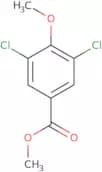
CAS:<p>Methyl 3,5-dichloro-4-methoxybenzoate is a fine chemical and useful building block for research chemicals. It belongs to the class of speciality chemicals and can be used as a reagent in organic synthesis. Methyl 3,5-dichloro-4-methoxybenzoate is a versatile building block that has been reported in the synthesis of many complex compounds. This compound can also be used as an intermediate or scaffold for medicinal chemistry applications.</p>Formula:C9H8Cl2O3Purity:Min. 95%Molecular weight:235.06 g/molZ-Leu-Tyr-NH2
CAS:<p>Please enquire for more information about Z-Leu-Tyr-NH2 including the price, delivery time and more detailed product information at the technical inquiry form on this page</p>Formula:C23H29N3O5Purity:Min. 95%Color and Shape:White/Off-White SolidMolecular weight:427.49 g/molH-Ala-Arg-bNA·2 HCl
CAS:<p>Please enquire for more information about H-Ala-Arg-bNA·2 HCl including the price, delivery time and more detailed product information at the technical inquiry form on this page</p>Formula:C19H26N6O2·2HClPurity:Min. 95%Molecular weight:443.37 g/molH-Glu-Tyr-Glu-OH
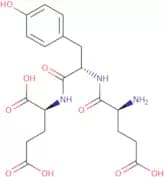
CAS:<p>Please enquire for more information about H-Glu-Tyr-Glu-OH including the price, delivery time and more detailed product information at the technical inquiry form on this page</p>Formula:C19H25N3O9Purity:Min. 95%Molecular weight:439.42 g/molBoc-Asp(OcHex)-OSu
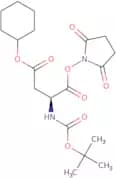
CAS:<p>Please enquire for more information about Boc-Asp(OcHex)-OSu including the price, delivery time and more detailed product information at the technical inquiry form on this page</p>Formula:C19H28N2O8Purity:Min. 95%Molecular weight:412.43 g/molA-VI-5 acetate salt
CAS:<p>Please enquire for more information about A-VI-5 acetate salt including the price, delivery time and more detailed product information at the technical inquiry form on this page</p>Formula:C22H40N6O10Purity:Min. 95%Molecular weight:548.59 g/molAlloferon 2 trifluoroacetate salt
CAS:<p>Please enquire for more information about Alloferon 2 trifluoroacetate salt including the price, delivery time and more detailed product information at the technical inquiry form on this page</p>Formula:C46H69N19O15Purity:Min. 95%Molecular weight:1,128.16 g/molBz-Ile-Glu-Gly-Arg-pNA acetate salt
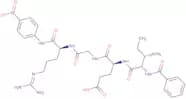
CAS:<p>Bz-Ile-Glu-Gly-Arg-pNA acetate salt is an anticoagulant that binds to heparin. It has been shown to inhibit protease activity in soybean trypsin by binding to the active site of the enzyme. Bz-Ile-Glu-Gly-Arg-pNA acetate salt has also been shown to have a molecular weight of heparin and a protein synthesis inhibition rate of fibrinogen, which is responsible for coagulation.</p>Formula:C32H43N9O9Purity:Min. 95%Molecular weight:697.74 g/molDABCYL-γ-Abu-Pro-Gln-Gly-Leu-Glu(EDANS)-Ala-Lys-NH2
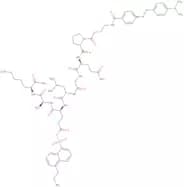
CAS:<p>Please enquire for more information about DABCYL-gamma-Abu-Pro-Gln-Gly-Leu-Glu(EDANS)-Ala-Lys-NH2 including the price, delivery time and more detailed product information at the technical inquiry form on this page</p>Formula:C63H88N16O14SPurity:Min. 95%Molecular weight:1,325.54 g/molTyrosinase (243-251) (human) acetate salt
CAS:<p>H-KCDICTDEY-OH peptide, corresponding to amino acids 243-251 of human Tyrosinase. The peptide is supplied as an acetate salt.</p>Formula:C44H68N10O18S2Purity:Min. 95%Molecular weight:1,089.2 g/molMet-Enkephalin-Arg-Phe amide
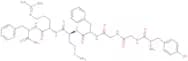
CAS:<p>Met-Enkephalin-Arg-Phe amide H-Tyr-Gly-Gly-Phe-Met-Arg-Phe is a subunit of the endogenous opioid peptide Met-enkephalin. It is a proteolytic cleavage product of proenkephalin A and is also known as Tyr2, Phe2, or Arg6. Met-enkephalin has been shown to participate in signal transduction pathways that regulate blood pressure and exocrine secretion. Metenkephalin is an amide containing two cysteine residues with a hydrophobic side chain, which can bind metal ions such as calcium ions. Metenkephalin binds to the membrane of cells, altering membrane potential and naloxone binding sites.<br>Met enkephalin has been shown to be involved in serotonin release from platelets and inhibition of serotonin uptake by platelets.</p>Formula:C42H57N11O8SPurity:Min. 95%Molecular weight:876.04 g/moltrans-4-Hydroxy-L-proline methyl ester hydrochloride
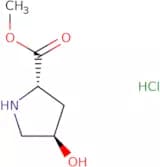
CAS:<p>Trans-4-hydroxy-L-proline methyl ester hydrochloride is a matrix metalloproteinase inhibitor. It inhibits the activity of matrix metalloproteinases, which are enzymes that break down collagen and other proteins in the extracellular matrix. The inhibition of these enzymes leads to a decrease in restenosis, which is the recurrence of artery narrowing after angioplasty or stent placement. Trans-4-hydroxy-L-proline methyl ester hydrochloride has been shown to be effective against chemokine receptors, including CCR5 receptor and chemokines such as TNFα. It also inhibits cytokine production by inhibiting signaling pathways that lead to inflammation and cell proliferation.</p>Formula:C6H11NO3·HClColor and Shape:White/Off-White SolidMolecular weight:181.62 g/molFmoc-Thr(tBu)-Wang resin (200-400 mesh)
<p>Please enquire for more information about Fmoc-Thr(tBu)-Wang resin (200-400 mesh) including the price, delivery time and more detailed product information at the technical inquiry form on this page</p>Purity:Min. 95%Boc-L-methionine - Solid
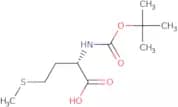
CAS:<p>Boc-L-methionine is a chemical compound that contains the amino acid methionine. It is used in solid-phase synthesis to produce cyclic peptides and proteins. Boc-L-methionine is activated by treatment with trifluoroacetic acid and then reacts with a protected amino acid to form the corresponding amide or ester, respectively. The activated carboxylic acid group of Boc-L-methionine reacts with an unprotected amino group of the amino acid to form an amide or ester linkage, respectively. The reaction products are cleaved from the resin support by hydrogen fluoride for purification.</p>Formula:C10H19NO4SPurity:Min. 95%Molecular weight:249.33 g/mol4-Bromo-2-methylbut-1-ene
CAS:<p>4-Bromo-2-methylbut-1-ene is an alkylating agent that reacts with DNA, RNA and proteins. It has been shown to be effective in the treatment of bladder cancer. 4-Bromo-2-methylbut-1-ene is used as a trifluoride source for boron trifluoride etherate, which is then reacted with plant tissues. This reaction yields a prenyl group, which can be further processed to yield an alkynyl group. The alkynyl group can be reacted with anhydrous sodium to form a chloride salt. This salt can then react with carbon monoxide to form a carbone molecule, which is the final product of this chemical process.</p>Purity:Min. 95%FA-Lys-Leu-OH
CAS:<p>Please enquire for more information about FA-Lys-Leu-OH including the price, delivery time and more detailed product information at the technical inquiry form on this page</p>Formula:C19H29N3O5Purity:Min. 95%Molecular weight:379.45 g/molH-Ala-2-chlorotrityl resin (200-400 mesh) (Low Substitution)
<p>Please enquire for more information about H-Ala-2-chlorotrityl resin (200-400 mesh) (Low Substitution) including the price, delivery time and more detailed product information at the technical inquiry form on this page</p>Purity:Min. 95%H-Val-β-Ala-OH
CAS:<p>Please enquire for more information about H-Val-beta-Ala-OH including the price, delivery time and more detailed product information at the technical inquiry form on this page</p>Formula:C8H16N2O3Purity:Min. 95%Molecular weight:188.22 g/molNeuropeptide Y (free acid) (human, rat) trifluoroacetate salt
CAS:<p>Please enquire for more information about Neuropeptide Y (free acid) (human, rat) trifluoroacetate salt including the price, delivery time and more detailed product information at the technical inquiry form on this page</p>Formula:C189H284N54O58SPurity:Min. 95%Molecular weight:4,272.67 g/molTyr-Uroguanylin (mouse, rat)
<p>Please enquire for more information about Tyr-Uroguanylin (mouse, rat) including the price, delivery time and more detailed product information at the technical inquiry form on this page</p>Formula:C69H105N17O27S4Purity:Min. 95%Molecular weight:1,732.93 g/molIDR-1 trifluoroacetate salt
CAS:<p>IDR-1 is a peptide that is derived from the sequence of the human typhimurium protein. IDR-1 has been shown to have anti-inflammatory properties and modulates immune responses in mice. In particular, IDR-1 inhibits neutrophil chemotaxis by inhibiting formyl peptide receptor signaling. This peptide also inhibits bacterial chemokines, which are important for the recruitment of neutrophils. IDR-1 also has been shown to be effective against methicillin-resistant Staphylococcus aureus (MRSA) and pertussis.</p>Formula:C65H118N18O15Purity:Min. 95%Molecular weight:1,391.74 g/molBoc-His(Tos)-PAM resin (200-400 mesh)
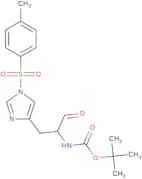
<p>Please enquire for more information about Boc-His(Tos)-PAM resin (200-400 mesh) including the price, delivery time and more detailed product information at the technical inquiry form on this page</p>Purity:Min. 95%Boc-Asn-Phe-Pro-aldehyde
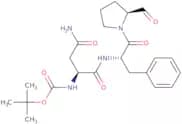
CAS:<p>Boc-Asn-Phe-Pro-aldehyde is a cytosolic proteolytic target enzyme that hydrolyzes peptides with an aliphatic amino acid residue at the carboxy terminus. It is localized in the cytoplasm, where it is activated by serine proteases. Boc-Asn-Phe-Pro-aldehyde has been shown to be effective in cell culture and supernatant. This enzyme can also be used to demonstrate the presence of a particular peptide by releasing a reactive chloride, which can be detected using tetrazolium chloride. This protease has been shown to exacerbate inflammation when administered in vivo.</p>Formula:C23H32N4O6Purity:Min. 95%Molecular weight:460.52 g/molH-Leu-Pro-Pro-OH
CAS:<p>H-Leu-Pro-Pro-OH is a synthetic tripeptide that has been shown to increase endothelial function in humans. The peptide is thought to work by increasing nitric oxide production and by inhibiting angiotensin II production. H-Leu-Pro-Pro-OH also reportedly increases uptake of glucose in the intestine and decreases blood pressure. In placebo-controlled, crossover studies, H-Leu-Pro-Pro-OH increased plasma concentrations of angiotensin I and II, suggesting that it may be a potent inhibitor of angiotensin converting enzyme (ACE).</p>Formula:C16H27N3O4Purity:Min. 95%Molecular weight:325.4 g/molH-Ala-Gly-OH
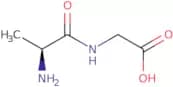
CAS:<p>H-Ala-Gly-OH is a synthetic amino acid that is used to produce the peptide hormone luteinizing hormone (LH). It has been shown that H-Ala-Gly-OH is an antigen specific antibody response and has a hydrogen bond. The functional groups of H-Ala-Gly-OH include amine, carboxyl, and hydroxyl. Structural analysis of this compound was completed using a kinetic method. The conformational properties of H-Ala-Gly-OH were determined by nmr spectra and titration method. This synthetic amino acid may inhibit protein synthesis in vivo through treatment with carbohydrate.</p>Formula:C5H10N2O3Purity:Min. 95%Molecular weight:146.14 g/molH-Gly-DL-Thr-OH
CAS:<p>H-Gly-DL-Thr-OH is an organic compound that is a component of natural phenolic compounds. This compound is generated by the pyrolysis of biomass, and it has been shown to have selective properties for GC-MS analysis. H-Gly-DL-Thr-OH can be used as a sustainable chemical component in the production of biofuels and other chemicals. The optimal conditions for this synthesis are potassium hydroxide, temperature, pressure, and irradiation time. The separation parameters for H-Gly-DL-Thr-OH are based on its GC retention time and mass spectra.</p>Formula:C6H12N2O4Purity:Min. 95%Molecular weight:176.17 g/molFmoc-Cys(NPys)-OH
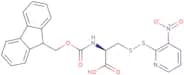
CAS:<p>Fmoc-Cys(NPys)-OH is a disulfide with a cyclic structure that can be used in the synthesis of peptides. It reacts efficiently with thiols to form stable, covalent bonds and can be used as an efficient ligation reagent for cyclic peptides. Fmoc-Cys(NPys)-OH is also useful for the synthesis of biomolecules because it has a systematic nature and does not react with other reactive groups on the molecule. It has been shown to have high reactivity towards oxytocin, which is important for its function in triggering labor contractions.</p>Formula:C23H19N3O6S2Purity:Min. 95%Color and Shape:White SolidMolecular weight:497.55 g/molFibronectin Fragment (1377-1388)
CAS:<p>Please enquire for more information about Fibronectin Fragment (1377-1388) including the price, delivery time and more detailed product information at the technical inquiry form on this page</p>Formula:C56H97N19O20Purity:Min. 95%Molecular weight:1,356.49 g/molFor-Ala-Ala-Pro-Abu-SBzl
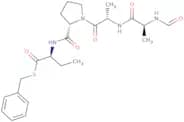
CAS:<p>Please enquire for more information about For-Ala-Ala-Pro-Abu-SBzl including the price, delivery time and more detailed product information at the technical inquiry form on this page</p>Formula:C23H32N4O5SPurity:Min. 95%Molecular weight:476.59 g/mol1,9-Dimethyl-methylene blue zinc chloride
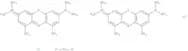
CAS:<p>1,9-Dimethyl-methylene blue zinc chloride double salt is a fluorescent dye that has been used in the study of hyaluronic acid and mesenchymal stem cells. The compound absorbs light at a wavelength of 580 nm, which is the same as the absorption wavelength for hyaluronic acid and mesenchymal stem cells. 1,9-Dimethyl-methylene blue zinc chloride double salt can be used to measure the amount of these compounds in tissues. This dye also shows sensitivity to artifacts such as hemolysis and lipemia, making it useful for research purposes.</p>Formula:(C18H22ClN3S)2•ZnCl2Purity:Min. 95%Color and Shape:PowderMolecular weight:832.11 g/molH-Thr-Asp-OH TFA salt
CAS:<p>Please enquire for more information about H-Thr-Asp-OH TFA salt including the price, delivery time and more detailed product information at the technical inquiry form on this page</p>Formula:C8H14N2O6C2F3HO2Purity:Min. 95%Molecular weight:348.23 g/molTyr-CRF (human, rat)
CAS:<p>Please enquire for more information about Tyr-CRF (human, rat) including the price, delivery time and more detailed product information at the technical inquiry form on this page</p>Formula:C217H353N61O65S2Purity:Min. 95%Molecular weight:4,920.63 g/molH-Gly-D-Val-OH
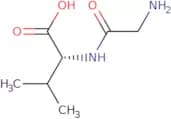
CAS:<p>H-Gly-D-Val-OH is a nonpolar amino acid that belongs to the group of amino acids. It is one of the 20 standard amino acids used by living cells and is found in proteins. The nitrogen atoms are located at the corners of a rectangle and are involved in hydrogen bonding. H-Gly-D-Val-OH is a component of fatty acids, which are molecules that form an important part of the human diet. Fatty acids are taken up by cells through endocytosis and metabolized within the cell cytoplasm by catabolism or anabolism. H-Gly-D-Val-OH has been shown to have kinetic properties in vitro and can be used as a ternary complex forming agent with glycine and D,L-valine when mixed with water. H Gly D Val OH also acts as a cyclic peptide, which can be synthesized from H Gly D Val OH with the help of</p>Formula:C7H14N2O3Purity:Min. 95%Molecular weight:174.2 g/mol2-(Aminomethyl)-2-methyl-1,3-propanediamine trihydrochloride
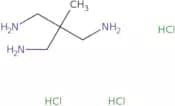
CAS:<p>Please enquire for more information about 2-(Aminomethyl)-2-methyl-1,3-propanediamine trihydrochloride including the price, delivery time and more detailed product information at the technical inquiry form on this page</p>Formula:C5H15N3•(HCl)3Purity:Min. 95%Color and Shape:PowderMolecular weight:226.57 g/molFmoc-rink amide resin
CAS:<p>Fmoc-rink amide resin is a synthetic, radionuclide, and constant polymer. It is used in chemical ligation to produce peptides from amines and growth factors. Fmoc-rink amide resin also has antimicrobial properties due to its ability to inhibit the growth of bacteria and fungi by binding to their cell membranes. This polymer can be conjugated with growth factor or antimicrobial peptides for use as a therapeutic agent or used in the production of antibodies against a particular protein. Fmoc-rink amide resin has been shown to increase epidermal growth factor (EGF) uptake into cells by targeting EGF receptors on the cell surface.</p>Purity:Min. 95%H-Thr-Lys-Pro-Pro-Arg-OH acetate salt
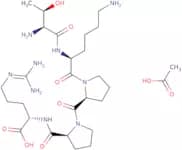
CAS:Controlled Product<p>Please enquire for more information about H-Thr-Lys-Pro-Pro-Arg-OH acetate salt including the price, delivery time and more detailed product information at the technical inquiry form on this page</p>Formula:C26H47N9O7Purity:Min. 95%Molecular weight:597.71 g/molBoc-Cys(Bzl)-OSu
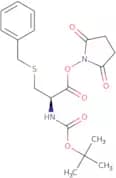
CAS:<p>Boc-Cys(Bzl)-OSu is a prodrug that is metabolized by esterases to form the active compound, boc-Cys(Bzl)-OH. This molecule inhibits matrix metalloproteinase (MMP) activity and can be used for the treatment of viral infections, such as hepatitis C and HIV. Boc-Cys(Bzl)-OSu has been shown to inhibit MMPs in a number of different ways including steric interactions with the active site of MMPs and by binding to the receptor protein for these enzymes. It also has antiviral activity against HIV and other viruses.</p>Formula:C19H24N2O6SPurity:Min. 95%Molecular weight:408.47 g/molAc-muramyl-Ala-D-Glu(Lys(stearoyl)-OH)-NH2
CAS:<p>Ac-muramyl-Ala-D-Glu(Lys(stearoyl)-OH)-NH2 is a synthetic peptide that was designed to mimic the sequence of muramyl dipeptide (MDP), which is found in bacterial cell walls. Ac-muramyl-Ala-D-Glu(Lys(stearoyl)-OH)-NH2 binds to the protein albumin, which is an important component of human blood plasma and has been shown to be elevated in patients with autoimmune diseases. This peptide also inhibits the activity of metal hydroxides, such as aluminum hydroxide and calcium hydroxide, by binding to their surface, reducing their antimicrobial activity. The effect on locomotor activity has not been studied. Ac-muramyl-Ala-D-Glu(Lys(stearoyl)-OH)-NH2 may have effects on various cells types including macrophages and T</p>Formula:C43H78N6O13Purity:Min. 95%Color and Shape:SolidMolecular weight:887.11 g/molMca-Arg-Pro-Lys-Pro-Tyr-Ala-Nva-Trp-Met-Lys(Dnp)-NH2 trifluoroacetate salt
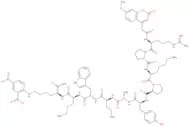
CAS:<p>Please enquire for more information about Mca-Arg-Pro-Lys-Pro-Tyr-Ala-Nva-Trp-Met-Lys(Dnp)-NH2 trifluoroacetate salt including the price, delivery time and more detailed product information at the technical inquiry form on this page</p>Formula:C79H105N19O19SPurity:Min. 95%Molecular weight:1,656.86 g/molProlactin-Releasing Peptide (12-31) (human)
CAS:<p>Please enquire for more information about Prolactin-Releasing Peptide (12-31) (human) including the price, delivery time and more detailed product information at the technical inquiry form on this page</p>Formula:C104H158N32O26Purity:Min. 95%Molecular weight:2,272.57 g/molH-Gly-His-Gly-OH
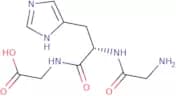
CAS:<p>H-Gly-His-Gly-OH is an amino acid that belongs to the class of peptide science. It is a protonated molecule with a histidine side chain, which has been shown to have enzyme inhibition properties. This amino acid has been used in model studies to determine the effect of acidic and basic ternary mixtures on the stability of proteins. H-Gly-His-Gly-OH has also been found to be effective as a chelate ring, which is a ring that binds metals such as iron and copper. Enzymes can form when this amino acid is present in solution with metal ions.</p>Formula:C10H15N5O4Purity:Min. 95%Molecular weight:269.26 g/molH-Pro-Gly-Pro-OH
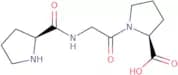
CAS:<p>H-Pro-Gly-Pro-OH is a peptide that is derived from the sequence of human proline-glycine-proline (HGP). It has been shown to have a number of physiological activities, including anti-inflammatory effects. This peptide can be used as a model compound for inflammatory genes and proteins. H-Pro-Gly-Pro-OH has been shown to inhibit the synthesis of inflammatory cytokines in mouse splenocytes and neutrophil recruitment in wild type mice. HGP also suppresses chemotactic activity and inhibits neutrophil migration in an experimental model. HGP has also been shown to reduce intracellular calcium concentration in cerebellar granule cells, which may be due to its ability to inhibit protein synthesis.</p>Formula:C12H19N3O4Purity:Min. 95%Molecular weight:269.3 g/molSuc-Leu-Leu-Val-Tyr-AMC
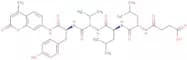
CAS:<p>Suc-Leu-Leu-Val-Tyr-AMC is a cyclin D2 inhibitor that binds to the proteasome and inhibits its function. It has been shown to be useful for the treatment of cancerous tissues as it inhibits the production of prostaglandin J2, which is involved in the progression of cancer cells. Suc-Leu-Leu-Val-Tyr-AMC has also been shown to have antioxidant properties and can inhibit oxidative injury. This drug may be used to prevent or treat various diseases such as Parkinson's disease, Alzheimer's disease, Huntington's disease, diabetes mellitus type II, amyotrophic lateral sclerosis (ALS), multiple sclerosis (MS), and septic shock.</p>Formula:C40H53N5O10Purity:Min. 95%Color and Shape:PowderMolecular weight:763.88 g/molH-Tyr-Ala-OH
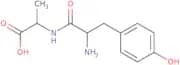
CAS:<p>Tyr-Ala-OH is a peptide hormone that inhibits the enzyme tyrosinase, which is needed for melanin synthesis. Tyr-Ala-OH has been shown to be effective in the treatment of autoimmune diseases and inflammatory diseases. This drug also has strong antioxidant properties and can inhibit proton release from cells. The mechanism of action appears to be through competitive inhibition of the enzyme dipeptidyl peptidase 4 (DPP4), which breaks down glucagon-like peptide (GLP) 1 and GLP 2, both of which have anti-inflammatory effects.</p>Formula:C12H16N2O4Purity:Min. 95%Molecular weight:252.27 g/molH-DL-Met-bNA·HCl
CAS:<p>Please enquire for more information about H-DL-Met-bNA·HCl including the price, delivery time and more detailed product information at the technical inquiry form on this page</p>Formula:C15H18N2OS·HClPurity:Min. 95%Molecular weight:310.84 g/molCalcium-Like Peptide
CAS:<p>Please enquire for more information about Calcium-Like Peptide including the price, delivery time and more detailed product information at the technical inquiry form on this page</p>Formula:C40H75N9O10Purity:Min. 95%Molecular weight:842.08 g/molBoc-Tyr(tBu)-OH
CAS:<p>Boc-Tyr(tBu)-OH is a chemical compound that is part of the class of lactams. It has been shown to have antitumor activity in vitro and in vivo, but it has not yet been tested for its cytotoxicity. This compound is synthesized by solid-phase synthesis and contains a disulfide bond, which may contribute to its cytotoxicity. Boc-Tyr(tBu)-OH has also been shown to have high affinity for the alpha 2A adrenergic receptor subtype and other receptors with an isosteric carbonyl group.</p>Formula:C18H27NO5Purity:Min. 95%Color and Shape:PowderMolecular weight:337.41 g/molLys-(Des-Arg9,Leu8)-Bradykinin trifluoroacetate salt
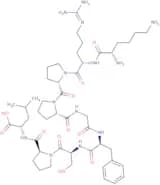
CAS:<p>Bradykinin is a peptide that is released in response to injury and inflammation. It has two receptors, B1 and B2. Bradykinin binds to the B2 receptor which leads to vasodilation, increased vascular permeability, and bronchoconstriction. Lys-(Des-Arg9,Leu8)-Bradykinin trifluoroacetate salt H-Lys-Arg-Pro-Pro-Gly-Phe-Ser-Pro-Leu (LBP) is a synthetic analogue of bradykinin that competes with bradykinin for binding sites on the bradykinin b2 receptor. LBP also inhibits lipoxygenase activity in vitro and in animals. This drug can be used as an antagonist against bradykinin b2 receptor or as an antiplatelet agent.</p>Formula:C47H75N13O11Purity:Min. 95%Molecular weight:998.18 g/molAc-Phe-Gly-pNA
CAS:<p>Ac-Phe-Gly-pNA is a peptidyl prodrug that has been shown to have proteolytic activity against cells of the malignant phenotype. Ac-Phe-Gly-pNA is converted to an active form by serine proteases, which are found on the surface of trophozoites and in cancerous cells. The sequence of Ac-Phe-Gly-pNA is homologous with a protein found in Giardia lamblia, and it has been shown to be active against this parasite. Ac-Phe-Gly-pNA can also be detected with fluorogenic substrates and aminopeptidase activity.</p>Formula:C19H20N4O5Purity:Min. 95%Molecular weight:384.39 g/molH-Lys-Leu-OH acetate salt
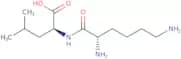
CAS:<p>H-Lys-Leu-OH acetate salt is a derivatized amino acid ester that is used for the detection of lysine and leucine. It is used as an analyte in microextraction, with a sensitivity of 0.25 ng/mL, which can be increased to 0.5 ng/mL by derivatization. H-Lys-Leu-OH acetate salt has been used in the detection of acids and bases, particularly carboxylic acids and basic amino acids, respectively.</p>Formula:C12H25N3O3·C2H4O2Purity:Min. 95%Molecular weight:319.4 g/molH-Phe-Phe-Phe-Phe-OH
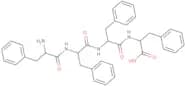
CAS:<p>Please enquire for more information about H-Phe-Phe-Phe-Phe-OH including the price, delivery time and more detailed product information at the technical inquiry form on this page</p>Formula:C36H38N4O5Purity:Min. 95%Molecular weight:606.71 g/mol(Tyr0)-C-Type Natriuretic Peptide (32-53) (human, porcine, rat)
CAS:<p>Please enquire for more information about (Tyr0)-C-Type Natriuretic Peptide (32-53) (human, porcine, rat) including the price, delivery time and more detailed product information at the technical inquiry form on this page</p>Formula:C102H166N28O30S3Purity:Min. 95%Molecular weight:2,360.78 g/molZ-Gly-Gly-Gly-OSu
CAS:<p>Please enquire for more information about Z-Gly-Gly-Gly-OSu including the price, delivery time and more detailed product information at the technical inquiry form on this page</p>Formula:C18H20N4O8Purity:Min. 95%Molecular weight:420.37 g/molZ-Ala-Ala-NH2
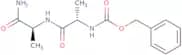
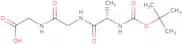
CAS:<p>Z-Ala-Ala-NH2 is a peptide that has been modified. Z-Ala-Ala-NH2 is a hydrolase and has the ability to hydrolyze peptides. It can be used in organic solvents as an unmodified hydrolase, or it can be modified with a nucleophile (such as an amine) to produce an active hydrolase. The unmodified form of Z-Ala-Ala-NH2 has been shown to have high yields and specificity for peptidyl substrates. This modification is also useful for the synthesis of amide bonds in peptides, which are more stable than ester bonds.</p>Formula:C14H19N3O4Purity:Min. 95%Molecular weight:293.32 g/molBoc-Ala-Gly-Gly-OH
CAS:<p>Boc-Ala-Gly-Gly-OH is a reactive compound that can be used to synthesize antibiotics. It can be used for the production of diazide, which is an antibiotic that inhibits bacterial growth by binding to DNA and preventing its replication. Boc-Ala-Gly-Gly-OH also has been used for the preparation of urethanes, which are used as coatings for medical devices or catheters. This compound is chiral and has been shown to have stereogenic properties in catalytic asymmetric epoxidation reactions.</p>Formula:C12H21N3O6Purity:Min. 95%Molecular weight:303.31 g/molZ-Ala-Ala-Asn-AMC
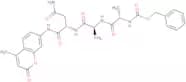
CAS:<p>Z-Ala-Ala-Asn-AMC is a molecule that is an analog of the amino acid alanine. It has been shown to be effective in inhibiting cancer cell viability and inducing apoptosis in MDA-MB-231 breast cancer cells, which can inhibit tumor growth. This molecule also inhibits protease activity, protein synthesis, and tubule cell proliferation. Z-Ala-Ala-Asn-AMC has applicability in the treatment of cancers and inflammatory diseases.</p>Formula:C28H31N5O8Purity:Min. 98 Area-%Color and Shape:PowderMolecular weight:565.57 g/molH-Lys-Pro-4MbNA·2 HCl
CAS:<p>Please enquire for more information about H-Lys-Pro-4MbNA·2 HCl including the price, delivery time and more detailed product information at the technical inquiry form on this page</p>Formula:C22H30N4O3·2HClPurity:Min. 95%Molecular weight:471.42 g/molPz-Pro-Leu-OH
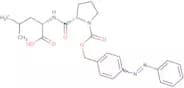
CAS:<p>Pz-Pro-Leu-OH is a proteolytic enzyme that cleaves proteins by hydrolysis at the peptide bond. It has been shown to be active against Clostridium and has been used in colorimetric methods for the measurement of this bacterium. Pz-Pro-Leu-OH is produced by subtilisin, which is expressed in Escherichia coli. The amount of this enzyme can be monitored and optimized by cloning. Thermolysin, another protease, also cleaves proteins at the peptide bond and has been used to measure the activity of Pz-Pro-Leu-OH.</p>Formula:C25H30N4O5Purity:Min. 95%Molecular weight:466.53 g/molH-D-Lys-NH2·2 HCl
CAS:<p>Please enquire for more information about H-D-Lys-NH2·2 HCl including the price, delivery time and more detailed product information at the technical inquiry form on this page</p>Formula:C6H15N3O·2HClPurity:Min. 95%Molecular weight:218.12 g/molH-D-Arg(Me)-OH acetate salt
CAS:Controlled Product<p>H-D-Arg(Me)-OH is a peptide that has been shown to inhibit the proliferation of cancer cells in culture. It inhibits the growth of tumor cells by blocking the activity of the oxytocin receptor, which regulates cell adhesion and migration. The H-D-Arg(Me)-OH acetate salt has also been shown to promote the differentiation of basophilic leukemia cells into normal myeloid cells. This peptide is used as a control for incubated cell cultures, such as liver cells, and can be used to study protein synthesis.</p>Formula:C7H16N4O2Purity:Min. 95%Molecular weight:188.23 g/molAc-Ala-Ala-Val-Ala-Leu-Leu-Pro-Ala-Val-Leu-Leu-Ala-Leu-Leu-Ala-Pro-Ile-Glu-Thr-Asp-aldehyde trifluoroacetate salt
CAS:<p>Please enquire for more information about Ac-Ala-Ala-Val-Ala-Leu-Leu-Pro-Ala-Val-Leu-Leu-Ala-Leu-Leu-Ala-Pro-Ile-Glu-Thr-Asp-aldehyde trifluoroacetate salt including the price, delivery time and more detailed product information at the technical inquiry form on this page</p>Formula:C95H162N20O26Purity:Min. 95%Molecular weight:2,000.42 g/molConantokin G (free acid)
CAS:<p>Please enquire for more information about Conantokin G (free acid) including the price, delivery time and more detailed product information at the technical inquiry form on this page</p>Formula:C88H137N25O45Purity:Min. 95%Molecular weight:2,265.17 g/molpTH (18-48) (human)
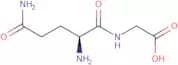
CAS:<p>Please enquire for more information about pTH (18-48) (human) including the price, delivery time and more detailed product information at the technical inquiry form on this page</p>Formula:C156H251N47O43SPurity:Min. 95%Molecular weight:3,505.02 g/molH-Gln-Gly-OH
CAS:<p>H-Gln-Gly-OH is a proteolytic enzyme that cleaves peptide bonds in proteins. It is an enzyme that is involved in inflammatory diseases, as it has been shown to inhibit the production of messenger RNA (mRNA) and protein synthesis. H-Gln-Gly-OH also has anti-inflammatory properties. It has been shown to inhibit the production of amines from the amino acid arginine, which may be linked to its anti-inflammatory effects. This enzyme does not have a specific role in human metabolism and is found in human liver and other tissues. The structural analysis of this enzyme reveals that it contains a carbonyl group and an amide group with acidic properties. H-Gln-Gly-OH has been implicated in autoimmune diseases and infectious diseases, as it has been found in Streptococcus pyogenes, Mycoplasma pneumoniae, Borrelia burgdorferi, Coxiella burnetii</p>Formula:C7H13N3O4Purity:Min. 95%Molecular weight:203.2 g/molH-Ala-His-OH
CAS:<p>H-Ala-His-OH is a dietary supplement that contains histidine and alanine. Histidine is an amino acid involved in protein synthesis, which is a process that produces proteins from amino acids. H-Ala-His-OH has shown to inhibit chemical reactions involving histidine, such as the conversion of histidine to urocanic acid by bacterial enzymes. The uptake of H-Ala-His-OH has been shown to be increased by creatine supplementation, which may be due to the ability of creatine to increase cellular energy levels. Magnetic resonance spectroscopy (MRS) analysis has shown that H-Ala-His-OH increases glutamine levels in the brain. This may be due to its ability to cross the blood brain barrier and affect glutamate transport through the blood brain barrier.</p>Formula:C9H14N4O3Purity:Min. 95%Molecular weight:226.23 g/molAmyloid β-Protein (1-42) hydrochloride salt
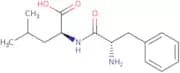
CAS:<p>Key subunit of extracellular plaques found in the brains of patients with Alzheimer's disease; Hydrochloride salt</p>Formula:C203H311N55O60SPurity:Min. 95%Molecular weight:4,514.04 g/molPhe-Leu-OH
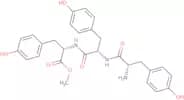
CAS:<p>Phe-Leu-OH is an enzyme that has been found to be involved in the synthesis of meningococcal disease. In addition, it has been shown to have diagnostic potential for the detection of this disease. The enzyme is expressed on the surface of meningococci and produces a protein antigen which can be detected by the presence of antibodies in patient serum. Phe-Leu-OH is also involved in the synthesis of Phe-Leu amide, which may inhibit binding of inhibitor molecules to membrane channels. This activity may be related to its ability to cause a decrease in ion flow across cell membranes.</p>Formula:C15H22N2O3Purity:Min. 95%Color and Shape:PowderMolecular weight:278.35 g/molH-Tyr-Tyr-Tyr-OMe
CAS:<p>H-Tyr-Tyr-Tyr-OMe is a chiral, fluorinated, enantiomeric molecule that is synthesized by the reaction of an aryloxybenzene with tetrahydropyran and chlorine. This product has been used in asymmetric synthesis as a building block for pyrazole derivatives. It has also been used to produce alcohols and dialkylamino compounds.</p>Formula:C28H31N3O7Purity:Min. 95%Molecular weight:521.56 g/molH-Ala-Lys-Leu-Arg-Glu-Arg-Leu-Lys-Gln-Arg-Gln-Gln-Leu-Gln-Asn-Arg-Arg-Gly-Leu-Asp-Ile-Leu-Phe-Leu-Gln-Glu-Gly-Gly-Leu-OH
CAS:<p>Please enquire for more information about H-Ala-Lys-Leu-Arg-Glu-Arg-Leu-Lys-Gln-Arg-Gln-Gln-Leu-Gln-Asn-Arg-Arg-Gly-Leu-Asp-Ile-Leu-Phe-Leu-Gln-Glu-Gly-Gly-Leu-OH including the price, delivery time and more detailed product information at the technical inquiry form on this page</p>Formula:C151H262N52O42Purity:Min. 95%Molecular weight:3,478.02 g/molMCH (salmon) trifluoroacetate salt
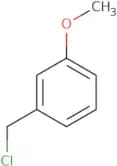
CAS:<p>Trifluoroacetate salt</p>Formula:C89H139N27O24S4Purity:Min. 95%Molecular weight:2,099.49 g/mol3-Methoxybenzyl chloride
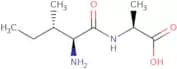
CAS:<p>3-Methoxybenzyl chloride is a polymer conjugate that has the chemical formula C6H5CH2ClO. It reacts with hydroxy groups to form ester bonds. The compound was synthesized by reacting 3-methoxybenzyl chloride with hydrochloric acid in vitro, and the resulting product was found to have antimicrobial properties. In vivo studies have shown that this compound binds to receptors in rat striatal tissue. 3-Methoxybenzyl chloride also showed fluorescence properties when exposed to ultraviolet light and can be used for molecular modeling. Titration calorimetry has been used to study the thermal stability of this polymer conjugate.</p>Formula:C8H9ClOPurity:Min. 95%Molecular weight:156.61 g/molH-Ile-Ala-OH
CAS:<p>H-Ile-Ala-OH is a high quality product that has been extensively validated for its stability and effectiveness. It is a zymogen that has been shown to be active against pancreatic enzymes. H-Ile-Ala-OH binds to the hydrophobic region of the enzyme, which may be due to hydrogen bonding. The diameter of this molecule is 8.3 Ångströms, which allows it to bind to the enzyme's active site. H-Ile-Ala-OH has been shown to have prognostic value in cancer patients and can be used as a profile marker in porcine cells.</p>Formula:C9H18N2O3Purity:Min. 95%Molecular weight:202.25 g/molH-Lys-Tyr-OH acetate salt
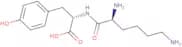
CAS:<p>H-Lys-Tyr-OH acetate salt (HAT) is a synthetic nonsteroidal anti-inflammatory drug that has been used in the treatment of inflammatory diseases and cancer. HAT is an optical isomer of the naturally occurring amino acid L-lysine. It has been shown to have antioxidative properties and to be active against HIV infection and inflammatory diseases, including diabetes. HAT also has a molecular structure that makes it a potential therapeutic agent for cancer, as well as for women with osteoporosis and other chronic inflammatory conditions.</p>Formula:C15H23N3O4Purity:Min. 95%Molecular weight:309.36 g/mol2-Iodo-5-methoxybenzoic acid
CAS:<p>2-Iodo-5-methoxybenzoic acid is a macrocyclic compound that has been synthesized in the Wittig reaction. It was first prepared by catalyzed intramolecular aryl demethylation of 2-iodo-5-nitrobenzoic acid, followed by coupling with methyl vinyl ketone. The cytotoxic activity of this compound is due to its ability to inhibit the synthesis of protein and DNA and induce apoptosis. This molecule has been shown to be effective against liverworts and ethers.</p>Formula:C8H7IO3Purity:Min. 95%Color and Shape:PowderMolecular weight:278.04 g/molCys-Gly-Lys-Lys-Gly-Amyloid b-Protein (36-42) trifluoroacetate salt
CAS:<p>Please enquire for more information about Cys-Gly-Lys-Lys-Gly-Amyloid b-Protein (36-42) trifluoroacetate salt including the price, delivery time and more detailed product information at the technical inquiry form on this page</p>Formula:C47H86N14O13SPurity:Min. 95%Molecular weight:1,087.34 g/molBoc-Met-Met-OH
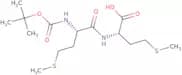
CAS:<p>Please enquire for more information about Boc-Met-Met-OH including the price, delivery time and more detailed product information at the technical inquiry form on this page</p>Formula:C15H28N2O5S2Purity:Min. 95%Molecular weight:380.53 g/molH-Gly-Pro-Leu-bNA·HCl
CAS:<p>Please enquire for more information about H-Gly-Pro-Leu-bNA·HCl including the price, delivery time and more detailed product information at the technical inquiry form on this page</p>Formula:C23H30N4O3·HClPurity:Min. 95%Molecular weight:446.97 g/mol4-Methylbenzyl acetate
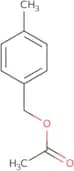
CAS:<p>4-Methylbenzyl acetate is a monocarboxylic acid that is an oxidation product of benzyl esters. It has been found to be a suitable catalyst for the oxidation of wastewater containing monocarboxylic acids, including acetic acid, propionic acid and butyric acid. The catalytic mechanism of 4-methylbenzyl acetate was found to be an acylation reaction in which the carboxyl group of 4-methylbenzyl acetate acts as an acylating agent with the hydrogen atom of the substrate. The reaction mechanism for this process is similar to that for other types of carboxylic acids, such as propionate and butyrate. 4-Methylbenzyl acetate also has functional groups that allow it to act as both a base and a nucleophile in addition to its ability to act as an acylating agent.</p>Formula:C10H12O2Purity:Min. 95%Molecular weight:164.2 g/molAc-Gln-NH2
CAS:<p>Ac-Gln-NH2 is a multifunctional protein that has been covalently immobilized on the surface of a glass fiber. It can be used to immobilize enzymes and other proteins, as well as being able to function as an enzyme itself. Ac-Gln-NH2 has been shown to conjugate with various molecules, including antibodies, DNA, and proteins. The immobilizing process involves cross-linking the protein to the glass surface through a chemical method that uses reagents such as glutaraldehyde or epoxy resin. Immobilization of Ac-Gln-NH2 onto a glass surface allows for easier use in applications such as diagnostics and industrial processes.</p>Formula:C7H13N3O3Purity:Min. 95%Molecular weight:187.2 g/molZ-Val-D-Phe-OMe
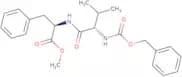
CAS:<p>Please enquire for more information about Z-Val-D-Phe-OMe including the price, delivery time and more detailed product information at the technical inquiry form on this page</p>Formula:C23H28N2O5Purity:Min. 95%Molecular weight:412.48 g/molVIP (10-28) (human, mouse, rat)
CAS:<p>Angiotensin II is a peptide hormone that is involved in the regulation of blood pressure, water and electrolyte balance, and vascular resistance. It also plays a role in the development of angiogenic diseases such as cancer. Angiotensin II is an antagonist at the AT1 receptor, which is found on many tissues, including those in the brain, kidney, and vasculature. In addition to its effects on blood pressure and fluid retention, angiotensin II has been shown to affect intestinal motility and ileal absorption in rats. The inhibition of angiotensin II could be used for the treatment of neovascular diseases such as cancer.</p>Formula:C105H180N32O26SPurity:Min. 95%Molecular weight:2,338.82 g/molZ-Pro-Met-OH
CAS:<p>Z-Pro-Met-OH is a potent inhibitor of protein kinases. It has been shown to be resistant to peptidyl and sulphonium activation and also inhibits trypsin and other proteases. Z-Pro-Met-OH is a chloromethane derivative that is both an inhibitor of protein kinases and a substrate for the enzyme, which generates a constant concentration of product in the presence of enzyme. Z-Pro-Met-OH is more sensitive than other inhibitors tested to date, with the exception of staurosporine. It has sequence similarity to mammalian proteins, but lacks homology with any known protein.</p>Formula:C18H24N2O5SPurity:Min. 95%Molecular weight:380.46 g/molZ-Leu-Ala-OH
CAS:<p>Z-Leu-Ala-OH is a casein extract that has been processed by ultrafiltration to remove impurities. It is used in the diagnosis of dermatophyte infections and other diseases. Z-Leu-Ala-OH has been shown to inhibit the growth of Trichophyton mentagrophytes, an organism that causes skin infections, as well as the growth of some bacteria and fungi. In addition, this extract can be used to diagnose collagen diseases such as pancreatic disease and fibrinogen disorders.</p>Formula:C17H24N2O5Purity:Min. 95%Molecular weight:336.38 g/molFmoc-Phe-Wang resin (100-200 mesh)
<p>Please enquire for more information about Fmoc-Phe-Wang resin (100-200 mesh) including the price, delivery time and more detailed product information at the technical inquiry form on this page</p>Purity:Min. 95%Boc-Val-PAM resin (200-400 mesh)
<p>Please enquire for more information about Boc-Val-PAM resin (200-400 mesh) including the price, delivery time and more detailed product information at the technical inquiry form on this page</p>Purity:Min. 95%Boc-D-Phe-Pro-OSu
CAS:<p>Please enquire for more information about Boc-D-Phe-Pro-OSu including the price, delivery time and more detailed product information at the technical inquiry form on this page</p>Formula:C23H29N3O7Purity:Min. 95%Molecular weight:459.49 g/mol(D-Phe7)-Somatostatin-14
CAS:<p>Please enquire for more information about (D-Phe7)-Somatostatin-14 including the price, delivery time and more detailed product information at the technical inquiry form on this page</p>Formula:C76H104N18O19S2Purity:Min. 95%Molecular weight:1,637.88 g/molN-Boc-cis-4-hydroxy-L-proline methyl ester
CAS:<p>N-Boc-cis-4-hydroxy-L-proline methyl ester is a synthetic molecule that can be used to synthesize amides. It is typically prepared through a multistep process that begins with the condensation of an acid chloride and an amine. The reaction product is then treated with methyl chloroformate to produce the desired compound, which can be purified by recrystallization. N-Boc-cis-4-hydroxy-L-proline methyl ester has been used in the synthesis of nucleophilic and reactive molecules, as well as industrial processes.</p>Formula:C11H19NO5Purity:Min. 95%Color and Shape:White PowderMolecular weight:245.27 g/molH-Pro-met-oh
CAS:<p>H-Pro-met-oh is an endoplasmic protein that is activated by the acidic α subunit. It belongs to a class of molecules called incompletely activated proteins, which are synthesized in the endoplasmic reticulum. H-Pro-met-oh has been shown to be a potential cancer therapeutic agent. The biochemical and cellular effects of this drug have been studied in vitro on C2C12 cells, which are mouse muscle cells. H-Pro-met-oh has been shown to stimulate fetal bovine growth factor (FGF), which may have therapeutic applications for treating cancer or other diseases where FGF levels are reduced.</p>Formula:C10H18N2O3SPurity:Min. 95%Molecular weight:246.33 g/molH-Cys-Asp-Pro-Gly-Tyr-Ile-Gly-Ser-Arg-NH2
CAS:<p>C-Cys-Asp-Pro-Gly-Tyr-Ile-Gly-Ser-Arg is a cyclic peptide that is synthesized from the amino acid sequence of human epidermal growth factor (EGF). It has been shown to have in vitro and in vivo antitumor activity against melanoma cells. C-Cys-Asp-Pro-Gly-Tyr-Ile-Gly-Ser-Arg has also been shown to activate EGF receptors with physiological levels of EGF and to inhibit tumor metastasis.</p>Formula:C40H63N13O13SPurity:Min. 95%Molecular weight:966.07 g/molZ-Gly-Gly-Arg-4MbNA·HCl
CAS:<p>Please enquire for more information about Z-Gly-Gly-Arg-4MbNA·HCl including the price, delivery time and more detailed product information at the technical inquiry form on this page</p>Formula:C29H35N7O6·HClPurity:Min. 95%Molecular weight:614.09 g/mol(Val5)-Angiotensin I trifluoroacetate salt
CAS:<p>Angiotensin I is a peptide that belongs to the class of substances called angiotensins. This substance is found in many tissues and organs, including the brain, adrenal gland, and lung. Angiotensin I has been shown to be a pressor agent and also has biochemical effects on amino acid composition. The c-terminal sequence of this substance has been determined by incubating the molecule with pepsin at different pH values. The molecular weight of this substance is 938 Da and it has an amino acid composition of Asp-Arg-Val-Tyr-Val-His-Pro-Phe-His-Leu.</p>Formula:C61H87N17O14Purity:Min. 95%Molecular weight:1,282.45 g/molH-Asn-Arg-Val-Tyr-Val-His-Pro-Phe-OH
CAS:<p>H-Asn-Arg-Val-Tyr-Val-His-Pro-Phe (HAV) is a small molecule that is a member of the ubiquitin ligase family. This drug has been shown to have a variety of biological effects, including cardiac and bowel disease, as well as hypertension. HAV has also been shown to reduce the risk of heart failure in people with chronic kidney disease. HAV binds to the protein PCSK9 and inhibits its function by binding to the epsilon site on PCSK9. This leads to an increase in low density lipoprotein cholesterol and a decrease in high density lipoprotein cholesterol levels. HAV also has an amide group that allows it to inhibit angiotensin II and act as a pressor agent.</p>Formula:C49H70N14O11Purity:Min. 95%Molecular weight:1,031.17 g/molScyliorhinin I
CAS:<p>Scyliorhinin I H-Ala-Lys-Phe-Asp-Lys-Phe-Tyr-Gly-Leu-Met-NH2 is a peptide that has been conjugated to an aminopropyl linker. It has shown cardioprotective effects in vitro, which may be due to its ability to inhibit the activity of angiotensin converting enzyme (ACE). Scyliorhinin I H-Ala-Lys-Phe-Asp-Lys-Phe-Tyr-Gly-Leu-Met NH2 also inhibits the production of ACTH and corticosterone in the dogfish. This peptide is not highly potent, but it does have a biphasic response in submandibular gland cells.</p>Formula:C59H87N13O13SPurity:Min. 95%Molecular weight:1,218.47 g/molBz-Arg-Gly-Phe-Phe-Pro-4MbetaNA·HCl
CAS:<p>Please enquire for more information about Bz-Arg-Gly-Phe-Phe-Pro-4MbetaNA·HCl including the price, delivery time and more detailed product information at the technical inquiry form on this page</p>Formula:C49H55N9O7·HClPurity:Min. 95%Molecular weight:918.48 g/molZ-Ala-Ala-pNA
CAS:<p>Z-Ala-Ala-pNA is a bifunctional endopeptidase that has regulatory and subtilisin activity. It is used to regulate the production of nitrate in microorganisms such as bacteria and fungi, which can be an important factor in the production of food products. Z-Ala-Ala-pNA is a recombinant enzyme that was developed from a strain of Bacillus subtilis. This enzyme has binding sites for both serine proteinases and sodium nitrate. It degrades proteins by cleaving them at their serine residues, releasing amino acids and peptides from the N-terminus of the protein. The regulatory function of this enzyme is due to its ability to bind to nitrate ions, thereby regulating their concentration in cells.</p>Formula:C20H22N4O6Purity:Min. 95%Molecular weight:414.41 g/mol