Amino Acids (AA)
Amino acids (AAs) are the fundamental building blocks of proteins, playing a crucial role in various biological processes. These organic compounds are essential for protein synthesis, metabolic pathways, and cell signaling. In this category, you will find a comprehensive range of amino acids, including essential, non-essential, and modified forms, which are vital for research in biochemistry, molecular biology, and nutritional sciences. At CymitQuimica, we provide high-quality amino acids to support your research and development needs, ensuring accuracy and reliability in your experimental outcomes.
Subcategories of "Amino Acids (AA)"
- Amino Acid Derivatives(3,970 products)
- Amino Acid and Amino Acid Related Compounds(3,476 products)
- Amino Acids with Oxygen or Sulphur(168 products)
- Boc- Amino Acids(351 products)
- Fmoc Amino Acids(1,710 products)
Found 38286 products of "Amino Acids (AA)"
Sort by
Purity (%)
0
100
|
0
|
50
|
90
|
95
|
100
Fibrinopeptide B (human) trifluoroacetate salt
CAS:<p>Fibrinopeptide B is a fibrinogen-derived peptide that has shown to inhibit the growth of HL-60 cells. It may be active as a receptor antagonist for thrombin and caproic acid. Fibrinopeptide B also inhibits angiogenesis by inhibiting the binding of acidic, basic proteins to the vascular endothelium in atherosclerotic lesions. The biological sample can be obtained from human serum or plasma.</p>Formula:C66H93N19O25Purity:Min. 95%Molecular weight:1,552.56 g/molMyelin Basic Protein (85-99) Peptide Antagonist trifluoroacetate salt
CAS:<p>Please enquire for more information about Myelin Basic Protein (85-99) Peptide Antagonist trifluoroacetate salt including the price, delivery time and more detailed product information at the technical inquiry form on this page</p>Formula:C70H114N18O21Purity:Min. 95%Molecular weight:1,543.76 g/molZ-Gly-Pro-pNA
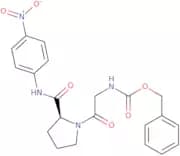
CAS:<p>Z-Gly-Pro-pNA is a synthetic substrate that has been used in the development of polyclonal antibodies against the surface protein of Stenotrophomonas maltophilia. The antibody, when immobilized to an insoluble support, was able to detect the bacterial cells within 10 hours. Z-Gly-Pro-pNA is a cyclic peptide with a proteolytic activity and an acidic pH optimum. It has been shown that Z-Gly-Pro-pNA can be hydrolysed by serine proteases such as trypsin and chymotrypsin.</p>Formula:C21H22N4O6Purity:Min. 95%Molecular weight:426.42 g/molH-Ala-Phe-Pro-bNA·HCl
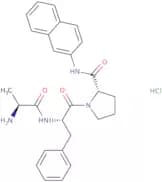
CAS:<p>Please enquire for more information about H-Ala-Phe-Pro-bNA·HCl including the price, delivery time and more detailed product information at the technical inquiry form on this page</p>Formula:C27H30N4O3·HClPurity:Min. 95%Molecular weight:495.01 g/molHypertrehalosaemic Neuropeptide (Heliothis zea)
CAS:<p>Heliothis zea Pyr-Leu-Thr-Phe-Ser-Ser-Gly-Trp-Gly-Asn -NH2 is a residue found in the hemolymph of Heliothis zea. It has been shown to have ligand uptake properties and can be used to measure lipid levels in the hemolymph. The chromatographic analysis of this protein has been performed with the use of assays that are specific for the receptor subtype. The ligand concentration was measured by the synthetic methods, which were developed from tobacco extracts. This protein is active at extracellular concentrations and has high affinity for trehalose, a carbohydrate.</p>Formula:C49H67N13O15Purity:Min. 95%Molecular weight:1,078.13 g/molFmoc-O-tert-butyl-L-trans-4-hydroxyproline
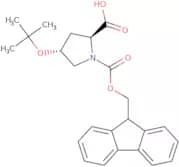
CAS:<p>Fmoc-O-tert-butyl-L-trans-4-hydroxyproline is a synthetic, cleavable peptide that can be used as a biomaterial. It is synthesized by coupling Fmoc-O-(tert-butoxycarbonyl)-L-trans(4R)-hydroxyproline with the amino acid N,N'-diisopropylcarbodiimide and 4-(dimethylamino)pyridine in a microwave reactor. The peptide has been shown to inhibit the enzyme matrix metalloproteinase 9 (MMP9), which plays an important role in tumor cell invasion and metastasis. This compound also has the ability to form conjugates with other molecules, such as lipopeptides, which may improve its therapeutic potential.</p>Formula:C24H27NO5Purity:Min. 98 Area-%Color and Shape:White PowderMolecular weight:409.47 g/molH-Tyr-Gly-NH2·HCl
CAS:<p>Please enquire for more information about H-Tyr-Gly-NH2·HCl including the price, delivery time and more detailed product information at the technical inquiry form on this page</p>Formula:C11H15N3O3·HClPurity:Min. 95%Molecular weight:273.72 g/molAngiotensin I/II (1-5)
CAS:<p>Please enquire for more information about Angiotensin I/II (1-5) including the price, delivery time and more detailed product information at the technical inquiry form on this page</p>Formula:C30H48N8O9Purity:Min. 95%Molecular weight:664.75 g/molAcetyl-Hirudin (54-65) (sulfated)
CAS:Please enquire for more information about Acetyl-Hirudin (54-65) (sulfated) including the price, delivery time and more detailed product information at the technical inquiry form on this pageFormula:C68H95N13O29SPurity:Min. 95%Color and Shape:PowderMolecular weight:1,590.62 g/molBoc-N-Me-D-Tyr-OH·DCHA
CAS:Controlled Product<p>Please enquire for more information about Boc-N-Me-D-Tyr-OH·DCHA including the price, delivery time and more detailed product information at the technical inquiry form on this page</p>Formula:C15H21NO5·C12H23NPurity:Min. 95%Molecular weight:476.65 g/molBoc-Ala-Gly-OSu
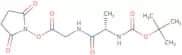
CAS:<p>Please enquire for more information about Boc-Ala-Gly-OSu including the price, delivery time and more detailed product information at the technical inquiry form on this page</p>Formula:C14H21N3O7Purity:Min. 95%Molecular weight:343.33 g/molNeuropeptide S (1-10) (human) trifluoroacetate salt
CAS:<p>Please enquire for more information about Neuropeptide S (1-10) (human) trifluoroacetate salt including the price, delivery time and more detailed product information at the technical inquiry form on this page</p>Formula:C42H68N14O14SPurity:Min. 95%Molecular weight:1,025.14 g/molAc-Ala-Gln-Ala-pNA
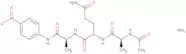
CAS:<p>Please enquire for more information about Ac-Ala-Gln-Ala-pNA including the price, delivery time and more detailed product information at the technical inquiry form on this page</p>Formula:C19H26N6O7Purity:Min. 95%Molecular weight:450.45 g/molPhenserine
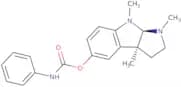
CAS:<p>Phenserine is a natural drug that is an ester hydrochloride. It has been shown to be effective in the treatment of Alzheimer's disease in clinical trials. Phenserine has also been found to inhibit acetylcholinesterase, an enzyme that breaks down the neurotransmitter acetylcholine. This inhibition leads to increased levels of acetylcholine, which can improve cognitive function and reduce neuronal death. The mechanism of action for phenserine is unknown, but it may involve a change in iron homeostasis or other biochemical reactions. Phenserine has not been tested on humans; however, it has shown promising results in animal studies.</p>Formula:C20H23N3O2Purity:Min. 95%Molecular weight:337.42 g/molH-Gly-His-Gly-OH
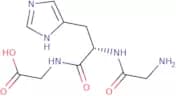
CAS:<p>H-Gly-His-Gly-OH is an amino acid that belongs to the class of peptide science. It is a protonated molecule with a histidine side chain, which has been shown to have enzyme inhibition properties. This amino acid has been used in model studies to determine the effect of acidic and basic ternary mixtures on the stability of proteins. H-Gly-His-Gly-OH has also been found to be effective as a chelate ring, which is a ring that binds metals such as iron and copper. Enzymes can form when this amino acid is present in solution with metal ions.</p>Formula:C10H15N5O4Purity:Min. 95%Molecular weight:269.26 g/molH-Lys(4-nitro-Z)-pyrrolidide·HCl
CAS:<p>Please enquire for more information about H-Lys(4-nitro-Z)-pyrrolidide·HCl including the price, delivery time and more detailed product information at the technical inquiry form on this page</p>Formula:C18H26N4O5·HClPurity:Min. 95%Molecular weight:414.88 g/molBoc-Pro-Leu-Val-OMe
CAS:Boc-Pro-Leu-Val-OMe is a peptide analog of Dolastatin 10 which has been shown to inhibit the production of ATP in mitochondria. The compound binds to the active site of bacterial topoisomerase IV, and this binding prevents the enzyme from cleaving DNA. Boc-Pro-Leu-Val-OMe is a small molecule that has an intramolecular structure, and it interacts with DNA to form a stable complex.Formula:C22H39N3O6Purity:Min. 95%Molecular weight:441.56 g/molH-Lys(Z)-AMC·HCl
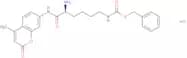
CAS:<p>Please enquire for more information about H-Lys(Z)-AMC·HCl including the price, delivery time and more detailed product information at the technical inquiry form on this page</p>Formula:C24H27N3O5·HClPurity:Min. 95%Molecular weight:473.95 g/molFmoc-Val-Pro-OH
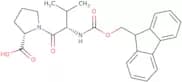
CAS:<p>Fmoc-Val-Pro-OH is a low molecular weight amino acid that has anticoagulant properties. It is synthesized by activating the carboxylic acid group of pipecolic acid with an N,N'-dicyclohexylcarbodiimide (DCC) activated ester of thiazolidinecarboxylic acid and then reacting it with a basic amino acid. The resulting product is a peptide consisting of Val, Pro, and OH groups. This compound has been shown to inhibit blood clotting in rats and rabbits. Fmoc-Val-Pro-OH also has been shown to be effective in preventing postoperative blood clots in dogs undergoing surgery for repair of cranial cruciate ligament rupture.</p>Formula:C25H28N2O5Purity:Min. 95%Molecular weight:436.5 g/molSuc-Ala-Ala-Pro-Lys-pNA
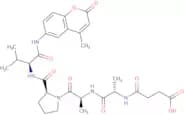
CAS:<p>Suc-Ala-Ala-Pro-Lys-pNA is a hybrid peptide that was expressed and purified from the gene product of the human serine protease, pancreatic elastase. It has been shown to have high salt and pH stability and predominately exists as a single polypeptide chain. Suc-Ala-Ala-Pro-Lys-pNA has been shown to enhance the immunofluorescence of inflammatory cells in vitro, suggesting it may be used as a therapeutic agent for inflammatory diseases. In addition, this hybrid peptide has also demonstrated protease activity.</p>Formula:C27H39N7O9Purity:Min. 95%Molecular weight:605.64 g/mol(Gly21)-Amyloid b-Protein (1-40) trifluoroacetate salt
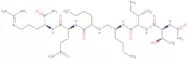
CAS:<p>Please enquire for more information about (Gly21)-Amyloid b-Protein (1-40) trifluoroacetate salt including the price, delivery time and more detailed product information at the technical inquiry form on this page</p>Formula:C193H293N53O58SPurity:Min. 95%Molecular weight:4,315.78 g/molAc-Thr-Ile-Nle-psi(CH2NH) Nle-Gln-Arg-NH2
CAS:<p>Ac-Thr-Ile-Nle-psi(CH2NH) Nle-Gln-Arg-NH2 is a protease inhibitor that prevents the breakdown of proteins by inhibiting the activity of proteases. It binds to the active site of these enzymes and blocks the access of other substrates. Ac-Thr-Ile-Nle-psi(CH2NH) Nle-Gln-Arg-NH2 has been shown to bind to a number of proteases, including serine, cysteine, aspartic acid, and metalloendoproteases. It inhibits the hydrolysis of peptide bonds in proteins by binding to the active site and blocking access to other substrates. The chemical structure is hydrophobic due to presence of a hydroxy group that can interact with hydrophobic regions on proteins. Acetylation at position Thr1 is important for its inhibitory activity against certain proteases such as</p>Formula:C35H67N11O8Purity:Min. 95%Molecular weight:769.98 g/molµ-Conotoxin GIIIA
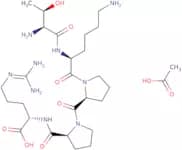
CAS:Controlled Product<p>Conotoxins are peptides that can bind to specific receptors on the surface of cells. Their function is to regulate ion channels and thus affect cellular physiology. Conotoxin GIIIA is a disulfide-bonded peptide with a molecular weight of 5808 Da. It has been shown to inhibit Na+ channel activity in human serum, and may have diagnostic and therapeutic applications for diseases such as epilepsy. The amino acid sequence of conotoxin GIIIA is Arg-Asp-Cys-Cys-Thr-Hyp-Hyp-Lys-Lys-Cys-Lys-Asp-Arg-Gln-Cys (NH2)</p>Formula:C100H170N38O32S6Purity:Min. 95%Molecular weight:2,609.05 g/molH-Thr-Lys-Pro-Pro-Arg-OH acetate salt
CAS:Controlled Product<p>Please enquire for more information about H-Thr-Lys-Pro-Pro-Arg-OH acetate salt including the price, delivery time and more detailed product information at the technical inquiry form on this page</p>Formula:C26H47N9O7Purity:Min. 95%Molecular weight:597.71 g/mol(3,4-Dehydro-Pro3)-Tuftsin
CAS:<p>Please enquire for more information about (3,4-Dehydro-Pro3)-Tuftsin including the price, delivery time and more detailed product information at the technical inquiry form on this page</p>Formula:C21H38N8O6Purity:Min. 95%Molecular weight:498.58 g/molH-Ala-Pro-Val-EDANS
CAS:<p>Please enquire for more information about H-Ala-Pro-Val-EDANS including the price, delivery time and more detailed product information at the technical inquiry form on this page</p>Formula:C25H35N5O6SPurity:Min. 95%Molecular weight:533.64 g/molL-Tyrosine dipotassium
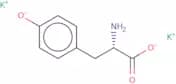
CAS:<p>L-Tyrosine dipotassium salt is a high quality, reagent, complex compound, useful intermediate and fine chemical. It is a useful scaffold that can be used in the synthesis of various important natural products. L-Tyrosine dipotassium salt is a versatile building block that has been widely applied in research on the development of new drugs, such as antiviral agents and antibiotics. L-Tyrosine dipotassium salt can act as a reaction component for many organic reactions. It also has applications in many areas such as medicine, food production, and environmental protection.</p>Formula:C9H11NO3•K2Purity:Min. 95%Molecular weight:259.39 g/molZ-beta-Ala-Gly-Gly-OH
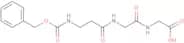
CAS:<p>Please enquire for more information about Z-beta-Ala-Gly-Gly-OH including the price, delivery time and more detailed product information at the technical inquiry form on this page</p>Formula:C15H19N3O6Purity:Min. 95%Molecular weight:337.33 g/molL-m-Tyrosine
CAS:<p>L-m-Tyrosine is a nonessential amino acid that is synthesized from phenylalanine. It has been shown to have antioxidant properties and protects against oxidative injury by scavenging reactive oxygen species such as hydrogen fluoride. L-m-Tyrosine has also been shown to modulate dopamine levels in the brain and may be used in the treatment of Parkinson's disease. The biological effects of L-m-Tyrosine are mediated through the transcriptional regulation of genes encoding proteins involved in dopamine β-hydroxylase and hydrogen fluoride detoxification. L-m-Tyrosine is also an experimental model for studying drug resistance in bacteria, including methicillin resistant Staphylococcus aureus (MRSA).</p>Formula:C9H11NO3Purity:Min. 98 Area-%Color and Shape:PowderMolecular weight:181.19 g/molH-Phe-Phe-Phe-Phe-Phe-OH
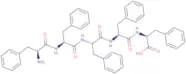
CAS:<p>H-Phe-Phe-Phe-Phe-Phe-OH is a peptide that inhibits the protease dpp-iv. It is a potent inhibitor of dpp-iv, with an IC50 value of 0.2 μM. H-Phe-Phe-Phe-Phe-Phe-OH is not active against other proteases, such as papain and cathepsin B, and it does not inhibit the activity of pepsin. The inhibition effect of HFPHP has been shown to be dose dependent. Inhibition of dpp-IV by HFPHP leads to inhibition of the activation of other proenzymes such as trypsin and chymotrypsin, which are required for protein digestion in the stomach.</p>Formula:C45H47N5O6Purity:Min. 95%Molecular weight:753.88 g/molBoc-Gly-PAM resin (200-400 mesh)
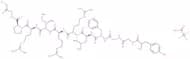
<p>Please enquire for more information about Boc-Gly-PAM resin (200-400 mesh) including the price, delivery time and more detailed product information at the technical inquiry form on this page</p>Purity:Min. 95%Dynorphin A (1-10)-Gly-chloromethylketone trifluoroacetate salt
CAS:<p>Please enquire for more information about Dynorphin A (1-10)-Gly-chloromethylketone trifluoroacetate salt including the price, delivery time and more detailed product information at the technical inquiry form on this page</p>Formula:C60H95ClN20O12Purity:Min. 95%Molecular weight:1,323.98 g/mol2-[(5-Bromo-2-methylphenyl)methyl]-5-(4-fluorophenyl)thiophe
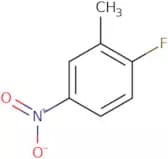
CAS:<p>Intermediate in the synthesis of canagliflozin</p>Formula:C18H14BrFSPurity:Min. 95%Molecular weight:361.27 g/mol4-Fluoro-3-methylnitrobenzene
CAS:<p>4-Fluoro-3-methylnitrobenzene is a carbazole that is used as a pesticide. It has been shown to be effective against typhimurium and other bacteria. The mechanism of action of this compound may involve nitrenium ion formation, which is an intermediate in the reaction of ammonium nitrate with calcium carbonate. 4-Fluoro-3-methylnitrobenzene has two isomers: 4-fluoro-3-methylnitrobenzoic acid and 4-fluoronitrobenzoic acid, but only the former reacts with ammonium nitrate. The reaction time for this compound to form carcinogenic nitrosamines can vary from about one day to several months. Chemical shift data for this compound reveal its radical mechanism, which explains its low efficiency. This compound also has optical properties that can cause fluorescence or phosphorescence when exposed to ultraviolet light or laser beams, respectively.</p>Formula:C7H6FNO2Purity:Min. 95%Molecular weight:155.13 g/molBz-Arg-Gly-Phe-Phe-Pro-4MbetaNA·HCl
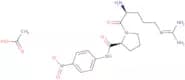
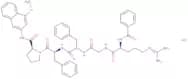
CAS:<p>Please enquire for more information about Bz-Arg-Gly-Phe-Phe-Pro-4MbetaNA·HCl including the price, delivery time and more detailed product information at the technical inquiry form on this page</p>Formula:C49H55N9O7·HClPurity:Min. 95%Molecular weight:918.48 g/molZ-Ala-Ala-pNA
CAS:<p>Z-Ala-Ala-pNA is a bifunctional endopeptidase that has regulatory and subtilisin activity. It is used to regulate the production of nitrate in microorganisms such as bacteria and fungi, which can be an important factor in the production of food products. Z-Ala-Ala-pNA is a recombinant enzyme that was developed from a strain of Bacillus subtilis. This enzyme has binding sites for both serine proteinases and sodium nitrate. It degrades proteins by cleaving them at their serine residues, releasing amino acids and peptides from the N-terminus of the protein. The regulatory function of this enzyme is due to its ability to bind to nitrate ions, thereby regulating their concentration in cells.</p>Formula:C20H22N4O6Purity:Min. 95%Molecular weight:414.41 g/mol(His(1-Me)2)-TRH Pyr-His(1-Me)-Pro-NH2
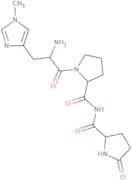
CAS:<p>Please enquire for more information about (His(1-Me)2)-TRH Pyr-His(1-Me)-Pro-NH2 including the price, delivery time and more detailed product information at the technical inquiry form on this page</p>Formula:C17H24N6O4Purity:Min. 95%Molecular weight:376.41 g/molThrombin Receptor Antagonist trifluoroacetate salt
CAS:<p>Please enquire for more information about Thrombin Receptor Antagonist trifluoroacetate salt including the price, delivery time and more detailed product information at the technical inquiry form on this page</p>Formula:C58H91N17O20S2Purity:Min. 95%Molecular weight:1,410.58 g/molH-Met-Phe-Gly-OH
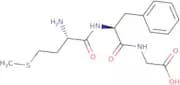
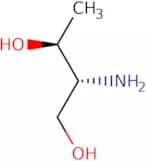
CAS:<p>H-Met-Phe-Gly-OH is a hydrophobic amino acid. It has been shown to be present in human proteins, and it has been used as a marker for determining the sequence of amino acids in peptides. H-Met-Phe-Gly-OH is an acidic tripeptide that can be analysed using reversed phase high performance liquid chromatography (RPHPLC). This tripeptide is found in the peptide transporter, which transports amino acids across cellular membranes. The structural studies of H-Met-Phe-Gly-OH have revealed that this tripeptide has an alpha helix conformation, with two hydrogen bonds from the backbone amides to the backbone carbonyl groups.</p>Formula:C16H23N3O4SPurity:Min. 95%Molecular weight:353.44 g/molL-allo-Threoninol
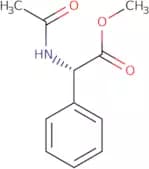
CAS:<p>Please enquire for more information about L-allo-Threoninol including the price, delivery time and more detailed product information at the technical inquiry form on this page</p>Formula:C4H11NO2Purity:Min. 95%Color and Shape:Colourless To Pale Yellow LiquidMolecular weight:105.14 g/molAc-Phg-OMe
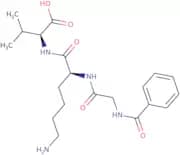
CAS:<p>Please enquire for more information about Ac-Phg-OMe including the price, delivery time and more detailed product information at the technical inquiry form on this page</p>Formula:C11H13NO3Purity:Min. 95%Molecular weight:207.23 g/molHippuryl-Lys-Val-OH
CAS:<p>Hippuryl-Lys-Val-OH is a metal chelator that binds to the positively charged amino acid lysine. It has been shown to be effective in inactivating enzymes and inhibiting the growth of bacteria, such as frondosa, by binding to the enzyme metalloendopeptidase. The optimum pH for this compound is between 7 and 8. Hippuryl-Lys-Val-OH has also been shown to have a strong affinity for hippuric acid, which can be utilized as a measure of its concentration.</p>Formula:C20H30N4O5Purity:Min. 95%Molecular weight:406.48 g/molAcetyl-Neurotensin (8-13) Ac-Arg-Arg-Pro-Tyr-Ile-Leu-OH
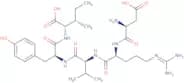
CAS:<p>Acetyl-neurotensin (8-13) Ac-Arg-Arg-Pro-Tyr-Ile-Leu-OH is a competitive antagonist of the NANC neurotransmitter, neuropeptide Y. It is a proteolytic product of neurotensin, an endogenous peptide that has been implicated in a number of physiological and pathological processes. Acetyl-neurotensin (8-13) Ac-Arg-Arg-Pro-Tyr-Ile-Leu-(OH) binds to the membrane receptors on neurons and blocks the binding of neuropeptides such as neurotensin and substance P to these receptors, thereby inhibiting their effects on the central nervous system. This compound is soluble in water and can be used for bladder protection by preventing the accumulation of urine.</p>Formula:C40H66N12O9Purity:Min. 95%Molecular weight:859.03 g/molHCV Nucleoprotein (88-96)
CAS:<p>Please enquire for more information about HCV Nucleoprotein (88-96) including the price, delivery time and more detailed product information at the technical inquiry form on this page</p>Formula:C46H60N12O13Purity:Min. 95%Molecular weight:989.04 g/mol(Deamino-Pen 1,Val4,D-Arg8)-Vasopressin
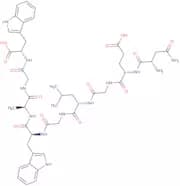
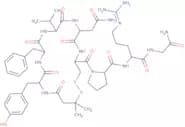
CAS:<p>Vasopressin is a peptide hormone that regulates water balance. It is synthesized in the hypothalamus and stored in the posterior pituitary gland, from where it is released when blood pressure falls. Vasopressin binds to V1 receptors in the kidney and vascular smooth muscle cells, causing vasoconstriction and increased blood pressure. Vasopressin also stimulates phosphatidic acid synthesis and hypotension, which are mediated through V2 receptors. Vasopressin has been found to be effective against cardiac arrest and myocardial infarction in animals. This drug has also been shown to stimulate the paraventricular nucleus of the hypothalamus and inhibit sympathetic activity in ganglia.</p>Formula:C48H69N13O11S2Purity:Min. 95%Molecular weight:1,068.27 g/molC3d Peptide P16
CAS:C3d Peptide P16 H-Lys-Asn-Arg-Trp-Glu-Asp-Pro-Gly-Lys-Gln-Leu-Tyr-Asn-Val-Glu-Ala is a molecule that can be used as a diagnostic tool for cancer and other diseases. It is a hydroxylated analog of the amino acid Lysine, and has been shown to bind to tumor vasculature. C3d Peptide P16 H Lys Asn Arg Trp Glu Asp Pro Gly Lys Gln Leu Tyr Asn Val Glu Ala OH is a β amino acid with a carboxy terminal hydroxyl group. The reactive hydroxyl group reacts with other molecules in order to form conjugates, which are then attached to polymer surfaces for diagnostic purposes. C3d Peptide P16 H Lys Asn Arg Trp Glu Asp Pro Gly Lys GlFormula:C86H131N25O27Purity:Min. 95%Molecular weight:1,947.11 g/molFmoc-D-thiazolidine-4-carboxylic acid
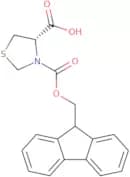
CAS:<p>Please enquire for more information about Fmoc-D-thiazolidine-4-carboxylic acid including the price, delivery time and more detailed product information at the technical inquiry form on this page</p>Formula:C19H17NO4SPurity:Min. 95%Molecular weight:355.41 g/molDABCYL-gamma-Abu-Pro-Gln-Gly-Leu-Glu(EDANS)-Ala-Lys-NH2
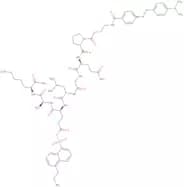
CAS:<p>Please enquire for more information about DABCYL-gamma-Abu-Pro-Gln-Gly-Leu-Glu(EDANS)-Ala-Lys-NH2 including the price, delivery time and more detailed product information at the technical inquiry form on this page</p>Formula:C63H88N16O14SPurity:Min. 95%Molecular weight:1,325.54 g/molFluorescein-6-carbonyl-Ala-Glu(OMe)-Val-DL-Asp(OMe)-fluoromethylketone
CAS:<p>Please enquire for more information about Fluorescein-6-carbonyl-Ala-Glu(OMe)-Val-DL-Asp(OMe)-fluoromethylketone including the price, delivery time and more detailed product information at the technical inquiry form on this page</p>Formula:C41H43FN4O14Purity:Min. 95%Molecular weight:834.8 g/mol7-Methoxy-4-(trifluoromethyl)coumarin
CAS:<p>7-Methoxy-4-(trifluoromethyl)coumarin is a potent and selective aromatase inhibitor. It inhibits the activity of the enzyme, which converts testosterone to estradiol. The inhibition of this enzyme may be beneficial in the treatment of breast cancer. This compound has also been shown to inhibit the activity of P450 enzymes and coumarin derivatives, which are involved in drug metabolism and detoxification.</p>Formula:C11H7F3O3Purity:Min. 95%Molecular weight:244.17 g/molNeuromedin S (rat) trifluoroacetate salt
CAS:Please enquire for more information about Neuromedin S (rat) trifluoroacetate salt including the price, delivery time and more detailed product information at the technical inquiry form on this pageFormula:C193H307N57O49SPurity:Min. 95%Molecular weight:4,241.92 g/molBoc-(Asp(OBzl)16)-Gastrin I (13-17) (human)
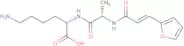
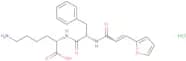
CAS:<p>Please enquire for more information about Boc-(Asp(OBzl)16)-Gastrin I (13-17) (human) including the price, delivery time and more detailed product information at the technical inquiry form on this page</p>Formula:C43H53N7O9SPurity:Min. 95%Molecular weight:843.99 g/molN-(3-(2-Furyl)Acryloyl-Ala-Lys TFA salt
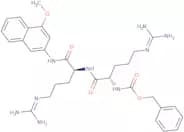
CAS:<p>FA-Ala-Lys-OH is a lysine derivative with a molecular weight of 243.2 daltons and a pKa of 6.5. It has been shown to be biologically active in humans and animals, and can be used as an amino acid supplement for patients with liver disease or kidney failure who require dialysis. FA-Ala-Lys-OH binds to the creatine kinase receptor on the surface of cells and causes cell lysis, which may be due to its ability to bind to the enzyme's allosteric site. This compound also has anti-viral properties, inhibiting the growth of recombinant virus mcf-7 in vitro by binding to erythrocyte membranes and disrupting protein synthesis. The 6-Fluoro-3-indoxyl beta D galactopyranoside is an antituberculosis drugs that belongs to the class of rifamycins. Rifapentine inhibits bacterial</p>Formula:C16H23N3O5Purity:Min. 95%Molecular weight:337.37 g/molZ-Arg-Arg-4MbetaNA acetate salt
CAS:<p>Please enquire for more information about Z-Arg-Arg-4MbetaNA acetate salt including the price, delivery time and more detailed product information at the technical inquiry form on this page</p>Formula:C31H41N9O5·C2H4O2Purity:Min. 95%Molecular weight:679.77 g/molH-Glu-Leu-Asp-[(2R,4S,5S)-5-amino-4-hydroxy-2,7-dimethyl-octanoyl]-Val-Glu-Phe-Gly-Gly-D-Arg-D-Arg-D-Arg-D-Arg-D-Arg-D-Arg-D-Arg-D-A rg-D-Arg-OH trifluoroacetate salt
CAS:<p>Please enquire for more information about H-Glu-Leu-Asp-[(2R,4S,5S)-5-amino-4-hydroxy-2,7-dimethyl-octanoyl]-Val-Glu-Phe-Gly-Gly-D-Arg-D-Arg-D-Arg-D-Arg-D-Arg-D-Arg-D-Arg-D-A rg-D-Arg-OH trifluoroacetate salt including the price, delivery time and more detailed product information at the technical inquiry form on this page</p>Formula:C102H183N45O26Purity:Min. 95%Molecular weight:2,455.83 g/molLysozyme C (46-61) (chicken) trifluoroacetate salt
CAS:<p>Lysozyme C (46-61) (chicken) trifluoroacetate salt is a conjugated synthetic peptide that binds to the antigen. It is a reactive molecule with solubilized properties that has been shown to bind to the peptide in binding experiments. This synthetic peptide has been found to be efficacious in transfected murine bone cells and antigen-presenting cells. The binding of Lysozyme C (46-61) (chicken) trifluoroacetate salt to phospholipid membranes may be due to its reactivity with the membrane's hydrophobic surface.</p>Formula:C72H116N22O29Purity:Min. 95%Molecular weight:1,753.82 g/molMca-Arg-Pro-Lys-Pro-Val-Glu-Nva-Trp-Arg-Lys(Dnp)-NH2 trifluoroacetate salt
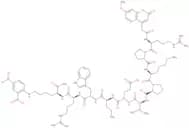
CAS:Please enquire for more information about Mca-Arg-Pro-Lys-Pro-Val-Glu-Nva-Trp-Arg-Lys(Dnp)-NH2 trifluoroacetate salt including the price, delivery time and more detailed product information at the technical inquiry form on this pageFormula:C78H110N22O20Purity:Min. 95%Molecular weight:1,675.84 g/molH-Met-Lys-OH formiate salt
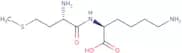
CAS:<p>H-Met-Lys-OH formiate salt is an industrial chemical that can be used in the preparation of pharmaceutical preparations. It has been shown to have a potential to lower blood pressure and reduce the risk of cardiovascular diseases. H-Met-Lys-OH formiate salt is a lysine derivative that contains two amino acid residues, namely lysine and methionine. H-Met-Lys-OH formiate salt can be used as a therapeutic agent for prostate cancer by targeting tp53 mutations and radical prostatectomy. It can also be used as an antibacterial agent against gram-negative bacteria, such as Escherichia coli (E. coli).</p>Formula:C11H23N3O3SPurity:Min. 95%Molecular weight:277.38 g/molAc-Ala-Pro-Ala-pNA
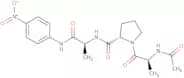
CAS:<p>Ac-Ala-Pro-Ala-pNA is a transition-state analog inhibitor of serine proteases. In the catalytic cleft, Ac-Ala-Pro-Ala-pNA mimics the carbonyl group and minimizes the active site serine. The hydroxyl group in this compound is responsible for its transition state buildup that leads to hydrolytic reactions. Acetal formation can be observed as an intermediate step in this reaction. Acetal formation occurs when a hydroxylic oxygen atom reacts with a terminal alkoxy or thiohydroxylic carbon atom on the reactant molecule. This reaction is catalyzed by enzymes such as alcohol dehydrogenase, acetaldehyde dehydrogenase, and acetyl transferase.</p>Formula:C19H25N5O6Purity:Min. 95%Molecular weight:419.43 g/molH-Lys-Glu-Gly-OH
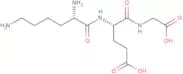
CAS:<p>H-Lys-Glu-Gly-OH is a polyelectrolyte that has high affinity for cationic dyes. It is synthesized by the reaction of a protonated amino acid with an epoxide. This molecule has been shown to counter act the effect of polystyrene particles in experiments, which may be due to its ability to form complexes with other substances and decrease their solubility. H-Lys-Glu-Gly-OH has been used as a reagent in solid phase synthesis to prepare peptides and it also appears to be active against glutamic acid.</p>Formula:C13H24N4O6Purity:Min. 95%Molecular weight:332.35 g/molFA-Phe-Lys-OH·HCl
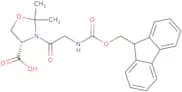
CAS:<p>Please enquire for more information about FA-Phe-Lys-OH·HCl including the price, delivery time and more detailed product information at the technical inquiry form on this page</p>Formula:C22H27N3O5•HClPurity:Min. 95%Molecular weight:449.93 g/molFmoc-Gly-Ser(Psi(Me ,Me)pro)-OH
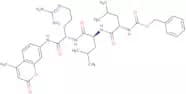
CAS:<p>Please enquire for more information about Fmoc-Gly-Ser(Psi(Me ,Me)pro)-OH including the price, delivery time and more detailed product information at the technical inquiry form on this page</p>Formula:C23H24N2O6Purity:Min. 95%Molecular weight:424.45 g/molZ-Leu-Leu-Arg-AMC
CAS:<p>Z-Leu-Leu-Arg-AMC is a proteolytic substrate that is used to study the activation of Th17 cells. It activates these cells by binding to the antigen peptide and protease activity, which are involved in the immune response. Z-Leu-Leu-Arg-AMC has been shown to induce autoimmune diseases in mice, as well as other conditions such as chronic inflammation and obesity. This compound also has a potential drug target for neutralizing acidity, which could be useful in treating cancer and other diseases. Z-Leu-Leu-Arg-AMC is stable at acidic pHs and can be used for biochemical studies of proteases at acidic pHs.</p>Formula:C36H49N7O7Purity:Min. 95%Color and Shape:PowderMolecular weight:691.82 g/mol1,2-Distearoyl-sn-glycero-3-phosphoethanolamine-N-[amino(polyethylene glycol) 2000] (ammonium salt)
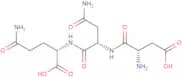
CAS:<p>1,2-Distearoyl-sn-glycero-3-phosphoethanolamine-N-[amino(polyethylene glycol) 2000] (ammonium salt) is a PEG compound with two different functional groups (also known as heterobifunctional). Unlike homobifunctional PEG compounds (same functional group on both ends), this type of compounds are more versatile as have two different anchor points. 1,2-Distearoyl-sn-glycero-3-phosphoethanolamine-N-[amino(polyethylene glycol) 2000] (ammonium salt) is used as a linker and spacer to add a PEG moiety, via pegylation (a bioconjugation technique) to proteins, peptides, oligonucleotides, small molecules and nanoparticles.</p>Formula:(C2H4O)nC44H87N2O10P•H3NPurity:Min. 95%Color and Shape:White PowderH-Asp-Asn-Gln-OH
CAS:<p>H-Asp-Asn-Gln-OH is a basic amino acid that is cleaved by endopeptidase to form H-Asp, H-Asn, and H-Gln. It is also cleaved by serine proteases to form the amino acid residues of arginyl, aspartyl, and glutamyl. The residue sequence can be determined through hplc analyses of microsomal proteins. This amino acid has been shown to have a regulatory effect on the metabolism of other amino acids in rat liver cells. Asparaginyl and glutamyl are essential for the synthesis of proproteins.</p>Formula:C13H21N5O8Purity:Min. 95%Molecular weight:375.33 g/molAcetyl-Neurotrophin Receptor (368-381) amide (human)
CAS:<p>Please enquire for more information about Acetyl-Neurotrophin Receptor (368-381) amide (human) including the price, delivery time and more detailed product information at the technical inquiry form on this page</p>Formula:C69H124N22O19Purity:Min. 95%Molecular weight:1,565.86 g/molBiotinyl-Atrial Natriuretic Factor (1-28) (human) trifluoroacetate salt
CAS:<p>Please enquire for more information about Biotinyl-Atrial Natriuretic Factor (1-28) (human) trifluoroacetate salt including the price, delivery time and more detailed product information at the technical inquiry form on this page</p>Formula:C137H217N47O41S4Purity:Min. 95%Molecular weight:3,306.75 g/molH-Cys(NPys)-Arg-Arg-Arg-Arg-Arg-Arg-Arg-Arg-Arg-NH2 trifluoroacetate salt
CAS:<p>Please enquire for more information about H-Cys(NPys)-Arg-Arg-Arg-Arg-Arg-Arg-Arg-Arg-Arg-NH2 trifluoroacetate salt including the price, delivery time and more detailed product information at the technical inquiry form on this page</p>Formula:C62H118N40O12S2Purity:Min. 95%Molecular weight:1,679.99 g/mol4-Amino-2-methylbenzoic acid
CAS:<p>4-Amino-2-methylbenzoic acid is a low molecular weight compound that has been shown to inhibit the neuraminidase enzyme. It interacts with the imine group of the enzyme and forms a covalent bond, which prevents the release of sialic acid from the terminal sugar residue of glycoproteins. The inhibition of this enzyme leads to decreased bacterial growth. 4-Amino-2-methylbenzoic acid has been shown to be active against Gram positive bacteria such as Staphylococcus aureus and Streptococcus pneumoniae, but not against Gram negative bacteria such as Escherichia coli or Pseudomonas aeruginosa. This compound is also able to inhibit the synthesis of c-reactive protein (CRP) in human erythrocytes.</p>Formula:C8H9NO2Purity:Min. 95%Color and Shape:PowderMolecular weight:151.16 g/molBiotinyl-Pancreatic Polypeptide (human) trifluoroacetate salt
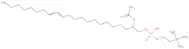
CAS:<p>Please enquire for more information about Biotinyl-Pancreatic Polypeptide (human) trifluoroacetate salt including the price, delivery time and more detailed product information at the technical inquiry form on this page</p>Formula:C195H301N55O56S3Purity:Min. 95%Molecular weight:4,408.01 g/mol1-O-(cis-9-Octadecenyl)-2-O-acetyl-sn-glycero-3-phosphocholine
CAS:<p>1-O-(cis-9-Octadecenyl)-2-O-acetyl-sn-glycero-3-phosphocholine (Biotinylated BSA) is a categorized lipid that contains both carbohydrates and lipids. It is used to inseminate dairy cattle, but also has potential as a biomarker for fertility and metabolic diseases. Biotinylated BSA contains conjugates of fatty acids, which are important compounds in metabolism. The metabolome of biotinylated BSA includes nucleotides, carboxylic acids, and purines.</p>Formula:C28H56NO7PPurity:Min. 95%Molecular weight:549.72 g/molLeu-Leu-OMe·HCl
CAS:<p>Leu-Leu-OMe·HCl is a reagent that is used as a reaction component. It is soluble in water and has a pH of 2.0. Leu-Leu-OMe·HCl is also useful for the synthesis of building blocks and fine chemicals with versatile applications, such as bioactive compounds and pharmaceuticals. This chemical has been shown to react with other molecules to form a variety of complex compounds, making it useful for research purposes. This compound can be used as an intermediate in the synthesis of many different products, including pharmaceuticals, pesticides, and insecticides.</p>Formula:C13H26N2O3·HClPurity:Min. 95%Color and Shape:PowderMolecular weight:294.82 g/molPhenylacetyl-(D-Arg2·28,p-chloro-Phe6, Homoarg 9·29,Tyr(Me)10, Abu 15, Nle 27)-GRF (1-29) amide (human)
CAS:<p>Please enquire for more information about Phenylacetyl-(D-Arg2·28,p-chloro-Phe6, Homoarg 9·29,Tyr(Me)10, Abu 15, Nle 27)-GRF (1-29) amide (human) including the price, delivery time and more detailed product information at the technical inquiry form on this page</p>Formula:C172H284ClN53O41Purity:Min. 95%Molecular weight:3,785.88 g/molH-Thr(Ac)-OH·HCl
CAS:<p>Please enquire for more information about H-Thr(Ac)-OH·HCl including the price, delivery time and more detailed product information at the technical inquiry form on this page</p>Formula:C6H11NO4·HClPurity:Min. 95%Molecular weight:197.62 g/molAcetyl-(Asn30,Tyr32)-Calcitonin (8-32) (salmon I) trifluoroacetate salt
CAS:<p>Please enquire for more information about Acetyl-(Asn30,Tyr32)-Calcitonin (8-32) (salmon I) trifluoroacetate salt including the price, delivery time and more detailed product information at the technical inquiry form on this page</p>Formula:C127H205N37O40Purity:Min. 95%Molecular weight:2,890.21 g/molBombesin trifluoroacetate salt
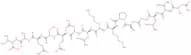
CAS:<p>Trifluoroacetate salt</p>Formula:C71H110N24O18SPurity:Min. 95%Molecular weight:1,619.85 g/molH-Glu-Ala-Gly-Asp-Asp-Ile-Val-Pro-Cys-Ser-Met-Ser-Tyr-Thr-Trp-Thr-Gly-Ala-OH
CAS:<p>H-Glu-Ala-Gly-Asp-Asp-Ile-Val-Pro-Cys-Ser-Met-Ser-Tyr-Thr-Trp-Thr-Gly-Ala is a peptide that is synthesized and expressed in the laboratory. It has been shown to have a constant amino acid sequence, which can be used as a control for protein studies. This peptide is unreactive with surrounding environments and does not undergo photochemical reactions. HAGGS has also been shown to be thermostable, yielding high yields of protein from it. The reactive nature of this peptide makes it unsuitable for use in solvents other than water or buffers containing water. HAGGS has been shown to have proteolytic activity against the hepatitis virus, HIV, and influenza virus. This peptide's fluorescence emission maxima is at 270 nm, which allows it to be observed under UV light.</p>Formula:C81H119N19O30S2Purity:Min. 95%Molecular weight:1,903.05 g/mol(Des-His1,Glu9)-Glucagon (1-29) amide (human, rat, porcine)
CAS:<p>Please enquire for more information about (Des-His1,Glu9)-Glucagon (1-29) amide (human, rat, porcine) including the price, delivery time and more detailed product information at the technical inquiry form on this page</p>Formula:C148H221N41O47SPurity:Min. 95%Molecular weight:3,358.65 g/molKyotorphin acetate salt
CAS:<p>Please enquire for more information about Kyotorphin acetate salt including the price, delivery time and more detailed product information at the technical inquiry form on this page</p>Formula:C15H23N5O4Purity:Min. 95%Molecular weight:337.37 g/molBoc-Cys(Bzl)-OSu
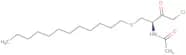
CAS:<p>Boc-Cys(Bzl)-OSu is a prodrug that is metabolized by esterases to form the active compound, boc-Cys(Bzl)-OH. This molecule inhibits matrix metalloproteinase (MMP) activity and can be used for the treatment of viral infections, such as hepatitis C and HIV. Boc-Cys(Bzl)-OSu has been shown to inhibit MMPs in a number of different ways including steric interactions with the active site of MMPs and by binding to the receptor protein for these enzymes. It also has antiviral activity against HIV and other viruses.</p>Formula:C19H24N2O6SPurity:Min. 95%Molecular weight:408.47 g/molAc-Cys(dodecyl)-chloromethylketone
CAS:Please enquire for more information about Ac-Cys(dodecyl)-chloromethylketone including the price, delivery time and more detailed product information at the technical inquiry form on this pageFormula:C18H34ClNO2SPurity:Min. 95%Molecular weight:363.99 g/molZ-Gly-Phe-Ala-OH
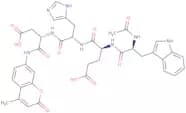
CAS:<p>Please enquire for more information about Z-Gly-Phe-Ala-OH including the price, delivery time and more detailed product information at the technical inquiry form on this page</p>Formula:C22H25N3O6Purity:Min. 95%Molecular weight:427.45 g/molAc-Trp-Glu-His-Asp-AMC
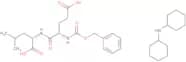
CAS:<p>Ac-Trp-Glu-His-Asp-AMC is a monomer that is expressed by baculoviruses. Cryo-electron microscopy has shown that Ac-Trp-Glu-His-Asp-AMC oligomerizes in the presence of caspase inhibitors. This polypeptide also activates caspase 1, which is involved in the inflammatory response. The activation of this enzyme is dependent on the proteolytic activity of the polypeptide and its stereoisomers. Acetylcholine receptor antagonists, such as coumarin derivatives, inhibit the activity of Ac-Trp-Glu-His-Asp AMC and suppress inflammation.</p>Formula:C38H40N8O11Purity:Min. 95%Molecular weight:784.77 g/molZ-Glu-Leu-OH·DCHA
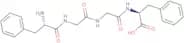
CAS:Controlled Product<p>Please enquire for more information about Z-Glu-Leu-OH·DCHA including the price, delivery time and more detailed product information at the technical inquiry form on this page</p>Formula:C19H26N2O7·C12H23NPurity:Min. 95%Molecular weight:575.74 g/molH-Phe-Gly-Gly-Phe-OH
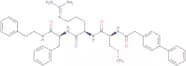
CAS:<p>H-Phe-Gly-Gly-Phe-OH is a tetrapeptide that is synthesized by the enzyme pepsin in a high concentration. Pepsin cleaves proline from the sequence (H-Phe-Gly) and replaces it with hydroxylated phenylalanine. The peptide is soluble in 0.1 M sodium acetate, pH 5.0, but precipitates at pH 4.0 or below. It binds to sephadex G100 but not to Sepharose CL4B or Sephadex G25M, and can be denatured by heating to 100°C for 10 minutes or by exposure to metal ions such as copper(II) sulfate. H-Phe-Gly-Gly-Phe-OH has been used as an analog for the amino acid sequence Gly-Leu in order to study its effects on receptor affinity and protein stability.br>br</p>Formula:C22H26N4O5Purity:Min. 95%Molecular weight:426.47 g/mol4-Biphenylac-Cys(Me)-D-Arg-Phe-(2-phenylethyl)amide
CAS:<p>4-Biphenylac-Cys(Me)-D-Arg-Phe-(2-phenylethyl)amide is a tetrapeptide that has been shown to have antihypertensive properties. This drug binds to the regulatory proteins of the renin angiotensin system and blocks the production of angiotensin II, which decreases blood pressure. 4-Biphenylac-Cys(Me)-D-Arg-Phe-(2-phenylethyl)amide has also shown to be an effective treatment for skin care products, especially those used for inflammatory skin diseases. 4-Biphenylac-Cys(Me)-D-Arg-Phe-(2-phenylethyl)amide has been shown to be a potent inhibitor of serine proteases and can inhibit cellular proliferation and induce apoptosis in cancer cells.</p>Formula:C41H49N7O4SPurity:Min. 95%Molecular weight:735.94 g/mol(Tyr0)-Neurokinin A
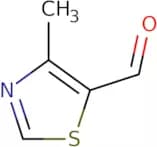
CAS:<p>Please enquire for more information about (Tyr0)-Neurokinin A including the price, delivery time and more detailed product information at the technical inquiry form on this page</p>Formula:C59H89N15O16SPurity:Min. 95%Molecular weight:1,296.5 g/mol4-Methyl-5-formylthiazole
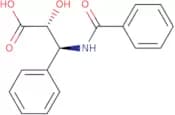
CAS:<p>4-Methyl-5-formylthiazole is a synthetic molecule with in vitro antifungal activity. It has been shown to inhibit the growth of Candida albicans and Aspergillus niger, two species of fungi that are responsible for the majority of opportunistic infections in immunocompromised patients. 4-Methyl-5-formylthiazole is a nucleophilic molecule that undergoes electrophilic substitution reactions, which makes it an efficient method for generating antifungal agents. The synthesis of this compound can be achieved through the condensation of methyl formate and thiourea, followed by treatment with chloride ion to produce the desired product. 4-Methyl-5-formylthiazole is also fluorescent and has electron deficient properties, which makes it useful for diagnosis and molecular modelling.</p>Formula:C5H5NOSPurity:Min. 95%Molecular weight:127.17 g/molN-Benzoyl-(2R,3S)-3-amino-2-hydroxy-3-phenyl-propionicacid
CAS:<p>N-Benzoyl-(2R,3S)-3-amino-2-hydroxy-3-phenylpropionic acid (BAPA) is a substance that is used in the manufacture of various drugs. It is also a potent anticancer drug that can be used for the treatment of cancer. BAPA has been shown to be an effective chemotherapeutic agent against many types of cancer cells. This drug is synthesized through an asymmetric synthesis process and has been shown to have potent cytotoxic effects against cancer cells with low levels of glutathione peroxide reductase. BAPA also inhibits the growth of bacteria by hydrolyzing or oxidizing proteins or by binding to DNA and RNA.</p>Formula:C16H15NO4Purity:Min. 95%Molecular weight:285.29 g/molSuc-Ala-Ala-Pro-Val-AMC
CAS:<p>Suc-Ala-Ala-Pro-Val-AMC is a protease inhibitor that inhibits serine proteases by binding to the reactive site. It has been shown to inhibit prorenin, a renin enzyme that is involved in the regulation of blood pressure and kidney function. Suc-Ala-Ala-Pro-Val-AMC has also been shown to inhibit thrombin, which is involved in blood coagulation, and neutrophil elastase, which is responsible for the degradation of elastin fibers. Suc-Ala-Ala-Pro-Val-AMC has been shown to be effective against babesiosis, an infection caused by the protozoan parasite Babesia microti. This drug is expected to have a neutral pH and high detection sensitivity when used in clinical settings.</p>Formula:C30H39N5O9Purity:Min. 95%Molecular weight:613.66 g/molStaphylococcus Aureus Protein A (SpA)-Derived Peptide
CAS:<p>Please enquire for more information about Staphylococcus Aureus Protein A (SpA)-Derived Peptide including the price, delivery time and more detailed product information at the technical inquiry form on this page</p>Formula:C68H118N20O22Purity:Min. 95%Molecular weight:1,567.79 g/molZ-Gly-Ala-OH
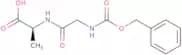
CAS:<p>Z-Gly-Ala-OH is an amide that is synthesized by the solid-phase synthesis of a protected amino acid. The amino acid sequence was determined by sequencing the product and comparing it to the amino acid composition of known glycyl-amides. The enzyme active site was found to be located on the side chain of Gly, which is a polar residue. This catalytic site is only occupied in one orientation, with Ala occupying the opposite side chain position. The yields for this reaction are very high and are not affected by changes in temperature or pH. Z-Gly-Ala-OH has a chiral center at position 3 and can exist as two enantiomers, Z-(+)-glycylalanine and its mirror image, Z-(−)-glycylalanine.</p>Formula:C13H16N2O5Purity:Min. 95%Molecular weight:280.28 g/molBrain Injury Derived Neurotrophic Peptide
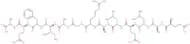
CAS:<p>Brain Injury Derived Neurotrophic Peptide H-Glu-Ala-Leu-Glu-Leu-Ala-Arg-Gly-Ala-Ile-Phe-Gln-Ala-NH2 is a growth factor that has been shown to have antiinflammatory and immunosuppressive effects in autoimmune diseases. It also has the ability to bind to peptides, proteins, and particle surfaces. This peptide has been shown to be effective against cancer cells by inhibiting tumor growth and increasing the effectiveness of radiation therapy. Brain Injury Derived Neurotrophic Peptide H-Glu-Ala-Leu-Glu-Leu-Ala Arg Gly Ala Ile Phe Gln Ala NH2 is also an immunosuppressant that can reduce inflammation caused by infectious diseases such as HIV/AIDS.</p>Formula:C62H102N18O18Purity:Min. 95%Molecular weight:1,387.58 g/molAc-3,5-dinitro-Tyr-OEt
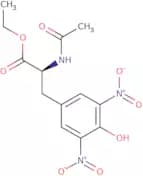
CAS:<p>Please enquire for more information about Ac-3,5-dinitro-Tyr-OEt including the price, delivery time and more detailed product information at the technical inquiry form on this page</p>Formula:C13H15N3O8Purity:Min. 95%Molecular weight:341.27 g/molZ-Gly-Gly-Leu-AMC
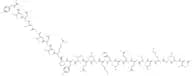
CAS:<p>Z-Gly-Gly-Leu-AMC is a small molecule that inhibits the activity of certain enzymes, such as poly (ADP-ribose) polymerase (PARP), which are involved in DNA repair and DNA replication. It has been shown to be effective against cancer cells and is used for the treatment of various cancers, including breast cancer. Z-Gly-Gly-Leu-AMC has also been shown to have anti-inflammatory properties and may be useful for the treatment of autoimmune diseases. The drug binds to PARP, inhibiting its ability to interact with other proteins, thereby preventing activation of proapoptotic protein.</p>Formula:C28H32N4O7Purity:Min. 95%Molecular weight:536.58 g/mol(Des-Gly10,D-Leu6,[13C6]Leu7,Pro-NHEt 9)-LHRH trifluoroacetate salt
<p>Please enquire for more information about (Des-Gly10,D-Leu6,[13C6]Leu7,Pro-NHEt 9)-LHRH trifluoroacetate salt including the price, delivery time and more detailed product information at the technical inquiry form on this page</p>Purity:Min. 95%H-Arg-Pro-pNA trifluoroacetate salt
CAS:Controlled Product<p>Please enquire for more information about H-Arg-Pro-pNA trifluoroacetate salt including the price, delivery time and more detailed product information at the technical inquiry form on this page</p>Formula:C17H25N7O4Purity:Min. 95%Molecular weight:391.43 g/molH-beta-Ala-Leu-OH
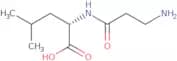
CAS:<p>Please enquire for more information about H-beta-Ala-Leu-OH including the price, delivery time and more detailed product information at the technical inquiry form on this page</p>Formula:C9H18N2O3Purity:Min. 95%Molecular weight:202.25 g/molH-Met-Ser-OH
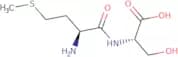
CAS:<p>H-Met-Ser-OH is a dihedral molecule that has an amino acid composition of H, Met, Ser, and OH. It is acidic and has efficiencies in polarizability and acceptor. The dipole moment of the molecule is hydrogen bonding interactions with sequences. The vibrational frequencies are computationally predicted by computational methods. The sulfate fractionation was used to determine the percent of H-Met-Ser-OH in human liver tissue.</p>Formula:C8H16N2O4SPurity:Min. 95%Molecular weight:236.29 g/molTRAF6 Peptide trifluoroacetate salt
CAS:<p>Please enquire for more information about TRAF6 Peptide trifluoroacetate salt including the price, delivery time and more detailed product information at the technical inquiry form on this page</p>Formula:C145H238N34O44Purity:Min. 95%Molecular weight:3,161.64 g/mol













![2-[(5-Bromo-2-methylphenyl)methyl]-5-(4-fluorophenyl)thiophe](/_next/image/?url=https%3A%2Fstatic.cymitquimica.com%2Fproducts%2F3D%2Fthumb-webp%2FFB97141.webp&w=3840&q=75)






![H-Glu-Leu-Asp-[(2R,4S,5S)-5-amino-4-hydroxy-2,7-dimethyl-octanoyl]-Val-Glu-Phe-Gly-Gly-D-Arg-D-Arg…](/_next/image/?url=https%3A%2Fstatic.cymitquimica.com%2Fproducts%2F3D%2Fthumb-webp%2FFG111107.webp&w=3840&q=75)
![1,2-Distearoyl-sn-glycero-3-phosphoethanolamine-N-[amino(polyethylene glycol) 2000] (ammonium salt)](/_next/image/?url=https%3A%2Fstatic.cymitquimica.com%2Fproducts%2F3D%2Fthumb-webp%2FFD157101.webp&w=3840&q=75)




![(Des-Gly10,D-Leu6,[13C6]Leu7,Pro-NHEt 9)-LHRH trifluoroacetate salt](/_next/image/?url=https%3A%2Fstatic.cymitquimica.com%2Fproducts%2F3D%2Fthumb-webp%2FFD109775.webp&w=3840&q=75)