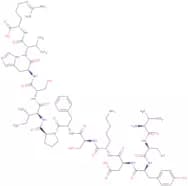
Amino Acids (AA)
Subcategories of "Amino Acids (AA)"
- Amino Acid Derivatives(4,012 products)
- Amino Acid and Amino Acid Related Compounds(3,490 products)
- Amino Acids with Oxygen or Sulphur(168 products)
- Boc- Amino Acids(351 products)
- Fmoc Amino Acids(1,710 products)
Found 38366 products of "Amino Acids (AA)"
5[(R)-(2-Aminopropyl)]-2-methoxybenzenesulfonamide hydrochloride
CAS:Controlled ProductPlease enquire for more information about 5[(R)-(2-Aminopropyl)]-2-methoxybenzenesulfonamide hydrochloride including the price, delivery time and more detailed product information at the technical inquiry form on this page
Formula:C10H17ClN2O3SPurity:Min. 95%Molecular weight:280.77 g/molRef: 3D-FA17834
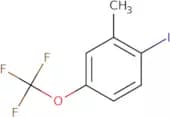
Discontinued product2-Methyl-4-(trifluoromethoxy)iodobenzene
CAS:Please enquire for more information about 2-Methyl-4-(trifluoromethoxy)iodobenzene including the price, delivery time and more detailed product information at the technical inquiry form on this page
Formula:C8H6F3IOPurity:Min. 95%Molecular weight:302.03 g/molRef: 3D-FM85964
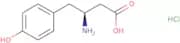
Discontinued productL-b-Homotyrosine hydrochloride
CAS:Please enquire for more information about L-b-Homotyrosine hydrochloride including the price, delivery time and more detailed product information at the technical inquiry form on this page
Formula:C10H13NO3·HClPurity:Min. 95%Molecular weight:231.68 g/molRef: 3D-FH50229
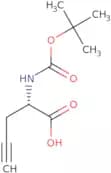
Discontinued productBoc-L-Propargylglycine
CAS:Boc-L-Propargylglycine is an antibacterial agent that can be used for the treatment of cancer. It has been shown to have specificities against cancer cells, as well as a high potency and low toxicity. Boc-L-Propargylglycine may be useful in biochemistry experiments because it can form conjugates with amines, hydroxyl groups, and amino acids. This drug also binds to DNA by forming triplexes and high-potency complexes with guanine residues. Boc-L-propargylglycine has been shown to inhibit the growth of cancer cells in vitro. It is orally bioactive, which means that it is absorbed and distributed throughout the body when taken by mouth.
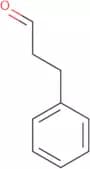
Formula:C10H15NO4Purity:Min. 95%Molecular weight:213.23 g/mol3-Phenylpropanal
CAS:3-Phenylpropanal is a chemical compound that is synthesized from trifluoroacetic acid, activated chitosan polymer, and fatty acids. 3-Phenylpropanal has been shown to have a bioactive phytochemical, which has been identified as allylation. This reaction is catalyzed by the addition of an allylating agent such as propargyl bromide or propargyl chloride. The rate of this reaction is dependent on the concentration of the reactant and kinetic energy (heat). The hydroxyl group on the reactant reacts with hydrogen gas in the presence of a catalyst such as sodium carbonate or zinc oxide to form a hydroxyethyl group. This process can be monitored using kinetic data such as conversion and yield.
Formula:C9H10OPurity:Min. 95%Color and Shape:Colourless To Pale Yellow LiquidMolecular weight:134.18 g/molRef: 3D-FP26997
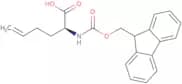
Discontinued product(S)-N-Fmoc-2-(3'-butenyl)glycine
CAS:Please enquire for more information about (S)-N-Fmoc-2-(3'-butenyl)glycine including the price, delivery time and more detailed product information at the technical inquiry form on this page
Formula:C21H21NO4Purity:Min. 95%Color and Shape:White PowderMolecular weight:351.4 g/mol4-Methoxybenzene-1,3-diamine sulfate
CAS:Controlled Product4-Methoxybenzene-1,3-diamine sulfate (4MBD) is a chemical substance that inhibits the activity of cytochrome P450 enzymes. It has been shown to inhibit the activity of rat liver microsomal p-450 enzymes, and is used in studies on the effects of chemicals on protein synthesis. When 4MBD is administered to rats at dietary concentrations, it causes an increase in thyroid hormone levels and a decrease in renal function. The enzyme inhibition caused by 4MBD may be due to its ability to acylate amines, which are located near the active site of the enzyme. Linear regression analysis showed that there was a strong correlation between dietary concentrations and the inhibition of protein synthesis caused by 4MBD.
Formula:C7H12N2O5SPurity:Min. 95%Molecular weight:236.25 g/molRef: 3D-FM140848
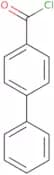
Discontinued product4-Phenylbenzoyl chloride
CAS:4-Phenylbenzoyl chloride is a primary amino compound that has been studied extensively in the context of biological studies and as an electroluminescent device. It is also used to study the effects of alkylation on biological systems. 4-Phenylbenzoyl chloride has been shown to be cytotoxic against monocytic cell lines, with a mechanism of action that involves its ability to react with DNA, forming adducts that interfere with DNA replication. In addition, it also reacts with amines in human tissue samples, which may lead to carcinogenic effects. This compound is also effective against protozoan parasites and Leishmania species, although not thiosemicarbazide.
Formula:C13H9ClOPurity:Min. 95%Color and Shape:PowderMolecular weight:216.66 g/molRef: 3D-FP00419
Discontinued productcis-4-Methylcyclohexylamine
CAS:Cis-4-Methylcyclohexylamine is a cyclic amine that is found in the form of its decarboxylated derivative, 4-methylcyclohexanamine, which is used as an inhibitor for various enzymes. The methyl group on the cyclohexane ring is responsible for the compound's activity. Magnetic resonance spectroscopy has shown that cis-4-Methylcyclohexylamine binds to the active site of carbonyl reductase and inhibits its enzymatic activity, thereby blocking a step in the citric acid cycle. Cis-4-Methylcyclohexylamine has also been shown to have anti-inflammatory effects by inhibiting protein kinase C (PKC) and NFkB activation.
Formula:C7H15NPurity:Min. 95%Molecular weight:113.2 g/molRef: 3D-FM25810
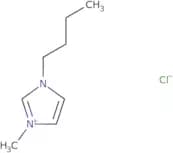
Discontinued product1-Butyl-3-methylimidazolium chloride
CAS:1-Butyl-3-methylimidazolium chloride is an ionic liquid that is made up of a cation, 1-butyl-3-methylimidazolium, and an anion, chloride. It has been shown to be biocompatible with human serum and water vapor. The interaction between the cation and anion creates a solvation shell around the solvent molecules in the ionic liquid. This solvation shell leads to hydrogen bonding interactions with cellulose, which prevents crystalline cellulose from forming. 1-Butyl-3-methylimidazolium chloride has been shown to be effective in wastewater treatment because it removes copper ions from the solution by electrochemical reactions.Formula:C8H15N2·ClPurity:Min. 95%Color and Shape:White Clear LiquidMolecular weight:174.67 g/molRef: 3D-FB10899
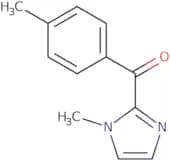
Discontinued product(1-Methyl-1H-imidazol-2-yl)(4-methylphenyl)methanone
CAS:Controlled ProductPlease enquire for more information about (1-Methyl-1H-imidazol-2-yl)(4-methylphenyl)methanone including the price, delivery time and more detailed product information at the technical inquiry form on this pageFormula:C12H12N2OPurity:Min. 95%Molecular weight:200.24 g/molRef: 3D-FM133541
Discontinued product2-Bromo-1-methyl-1H-imidazole
CAS:Please enquire for more information about 2-Bromo-1-methyl-1H-imidazole including the price, delivery time and more detailed product information at the technical inquiry form on this page
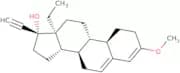
Formula:C4H5BrN2Purity:Min. 95%Molecular weight:161 g/mol(17a)-13-Ethyl-3-methoxy-18,19-dinorpregna-3,5-dien-20-yn-17-ol
CAS:Controlled ProductPlease enquire for more information about (17a)-13-Ethyl-3-methoxy-18,19-dinorpregna-3,5-dien-20-yn-17-ol including the price, delivery time and more detailed product information at the technical inquiry form on this pageFormula:C22H30O2Purity:Min. 95%Molecular weight:326.47 g/molRef: 3D-FE23118
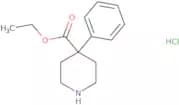
Discontinued product4-Phenyl-4-carbethoxy piperidineHCl
CAS:Controlled Product4-Phenyl-4-carbethoxy piperidineHCl is a germanium compound that can be used as a diagnostic agent to detect the presence of magnesium in the blood. It has been shown to bind to acidic and basic sites on the brain, regulating the functions of these regions. The drug has also been shown to have analgesic properties, as it activates opioid receptors in the brain. 4-Phenyl-4-carbethoxy piperidineHCl binds with high affinity to meperidine and naloxone, which are opioid receptor agonists. It is also able to bind to pentazocine, an opioid receptor antagonist. This drug is not active against molybdenum or thebaine.
Formula:C14H20ClNO2Purity:Min. 95%Molecular weight:269.77 g/molRef: 3D-FP152884
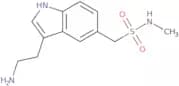
Discontinued product3-(2-Aminoethyl)-N-methyl-1H-indole-5-methanesulfonamide
CAS:3-(2-Aminoethyl)-N-methyl-1H-indole-5-methanesulfonamide (AMIS) is an intermediate in the preparation of medicaments. It is a stable process and can be used as an intermediate for other compounds. AMIS is prepared by reacting methanesulfonic acid with methanol and ammonium carbonate, which produces methanesulfonamide, succinic acid and ammonium hydroxide. The reaction liquid is then heated to produce a crystalline solid. The crystals are then recrystallized to yield AMIS as a white solid.
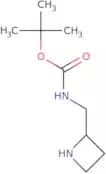
Formula:C12H17N3O2SPurity:Min. 95%Color and Shape:Off-White To Beige To Light Brown SolidMolecular weight:267.35 g/mol2-(N-Boc-aminomethyl)azetidine
CAS:Please enquire for more information about 2-(N-Boc-aminomethyl)azetidine including the price, delivery time and more detailed product information at the technical inquiry form on this page
Formula:C9H18N2O2Purity:Min. 95%Molecular weight:186.25 g/molRef: 3D-FB51293
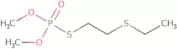
Discontinued productDemeton-S-methyl
CAS:Demeton-S-methyl is a chemical pesticide that belongs to the group of organophosphates. It inhibits acetylcholinesterase activity and is used for the control of insects. Demeton-S-methyl is an anticholinesterase agent that binds reversibly to the active site of acetylcholinesterase, inhibiting the enzyme's activity. This inhibition leads to accumulation of acetylcholine in nerve tissue and increased transmission at cholinergic synapses. Demeton-S-methyl has been shown to be acutely toxic in rats, mice, and dogs by inhalation or ingestion. Acute toxicities are more severe with higher dosages as well as with repeated exposures.
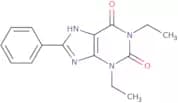
Formula:C6H15O3PS2Purity:Min. 95%Color and Shape:Clear LiquidMolecular weight:230.29 g/mol1,3-Diethyl-8-phenylxanthine
CAS:Controlled Product1,3-Diethyl-8-phenylxanthine is a p2y receptor antagonist that inhibits bacterial growth by interfering with the energy metabolism of the cell. It is an analytical reagent that can be used to measure specific DNA sequences and has been shown to have genotoxic effects on cultured human cells. 1,3-Diethyl-8-phenylxanthine has also been shown to inhibit the growth of infectious bacteria such as staphylococcus aureus and Mycobacterium tuberculosis in vitro. This compound may be used as a potential biomarker for the identification of antimicrobial peptides that are active against Mycobacterium tuberculosis in humans.
Formula:C15H16N4O2Purity:Min. 95%Molecular weight:284.31 g/molRef: 3D-FD21820
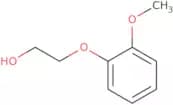
Discontinued product2-(2-Methoxyphenoxy)ethanol
CAS:2-(2-Methoxyphenoxy)ethanol (2-MPE) is a metabolite of propanediol, which is a precursor in the synthesis of polyurethanes. 2-MPE can be oxidized by monooxygenases to form syringyl and other reactive metabolites. Basic hydrolysis may also produce monomers such as phenols, alcohols, and carboxylic acids. Syringyl is one of the metabolic products of 2-MPE, which has been shown to be resistant to degradation by basidiomycete fungi.
Formula:C9H12O3Purity:Min. 95%Molecular weight:168.19 g/molRef: 3D-FM58242
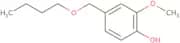
Discontinued product4-(Butoxymethyl)-2-methoxyphenol
CAS:4-(Butoxymethyl)-2-methoxyphenol is an antimicrobial agent that has been shown to be effective against Candida glabrata. It is a non-ionic surfactant with a C8 alkyl chain, which is derived from the reaction of butyl alcohol and phenol. 4-(Butoxymethyl)-2-methoxyphenol can be used in oral care products such as toothpaste or mouthwash. This product also has a control analysis for sodium citrate and root powder, which may be due to its fatty acid and magnesium salt content.
Formula:C12H18O3Purity:Min. 95%Molecular weight:210.27 g/molRef: 3D-FB140503
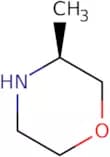
Discontinued product(S)-3-Methylmorpholine
CAS:(S)-3-Methylmorpholine is a ring-opening agent that is used for the synthesis of chiral, multigram quantities of morpholines. This compound can be prepared using a simple and efficient method from an inexpensive and commercially available starting material. The synthesis of (S)-3-Methylmorpholine is based on the ring-opening reaction between 3,4-dimethoxyphenylacetonitrile and dimethylformamide. (S)-3-Methylmorpholine has been shown to have anticancer properties, which are most likely due to its ability to inhibit serotonin reuptake.
Formula:C5H11NOPurity:Min. 95%Color and Shape:Clear LiquidMolecular weight:101.15 g/molRef: 3D-FM33887
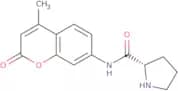
Discontinued productH-Pro-AMC hydrobromide salt
CAS:H-Pro-AMC hydrobromide salt is an enzyme that belongs to the family of proteases. H-Pro-AMC hydrobromide salt has been shown to have carboxypeptidase activity, which cleaves peptides at the C terminus of a single amino acid. It has also been shown to interact with other enzymes and proteins, such as recombinant proteins and enzymes from the ubiquitin-proteasome system. This enzyme's ability to cleave peptides at the C terminus of a single amino acid makes it useful for protein sequencing. H-Pro-AMC hydrobromide salt has also been sequenced and found to share homology with other proteases, such as subtilisin E.
Formula:C15H16N2O3Purity:Min. 95%Molecular weight:272.3 g/molRef: 3D-FP110515
Discontinued product2-[(2S,3S,4S)-3-Formyl-5-Methoxycarbonyl-2-Methyl-3,4-Dihydro-2H-Pyran-4-Yl]Acetic Acid
CAS:2-[(2S,3S,4S)-3-Formyl-5-Methoxycarbonyl-2-Methyl-3,4-Dihydro-2H-Pyran-4-Yl]Acetic Acid (PCA) is a natural phenolic compound that is found in olive oil. PCA has been shown to possess antioxidant and antiinflammatory properties. It also has minimal toxicity, with no adverse effects on the liver or kidney. PCA is metabolized by hydrolysis to form hydroxytyrosol and tyrosol. Hydroxytyrosol can be further metabolized to produce the aglycon 2-[(2S,3S,4S)-3-(acetyloxy)-5-(hydroxymethyl)oxolan-4-yl]acetic acid (OHA). OHA is an intermediate in the biosynthesis of erythromycin and other macrolide antibiotics such as
Formula:C11H14O6Purity:90%MinMolecular weight:242.23 g/molRef: 3D-FF71925
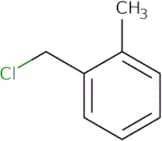
Discontinued product2-Methylbenzyl chloride
CAS:2-Methylbenzyl chloride is a reactive compound that has been shown to have inhibitory properties against cancer cells. It is an aromatic compound that is synthesized by the reaction of benzene and methyl chloride. This chemical appears as a white solid at room temperature. 2-Methylbenzyl chloride has been shown to have antimicrobial properties, which are due to its ability to react with fatty acids. The addition of 2-methylbenzyl chloride to fatty acid esters leads to the formation of hydroxylated derivatives, which are reactive and inhibit the growth of bacteria and fungi. This chemical also reacts with carbon disulphide, hydrogen chloride, and chloride in the presence of light or heat. The metabolic profiles of this chemical have not been well characterized, but it has been shown to be reactive with Mcf-7 cells.br>br> The following product details are for a product called "3DCTKP." br>br
Formula:C8H9ClPurity:Min. 95%Color and Shape:Clear LiquidMolecular weight:140.61 g/molIle-Ile-OH
CAS:Ile-Ile-OH is a zwitterion that is the product of an enzyme serine protease. It has been shown to exhibit serine protease activity against corynebacterium, and it can be used for the production of active enzymes such as corynebacterium glutamicum. Ile-Ile-OH is synthesized from serine and hydrochloric acid in a reaction catalyzed by the enzyme serine protease. The rate of this reaction depends on pH and temperature, which causes the conversion of ile-ile to ile-ole at higher temperatures. Ile-Ile-OH exhibits conformational properties that are similar to those found in natural amino acids, which may be due to its zwitterionic nature. This compound also has protonation properties that have been shown to be important for uptake assays in L6 cells.
Formula:C12H24N2O3Purity:Min. 95%Molecular weight:244.33 g/molRef: 3D-FI48745
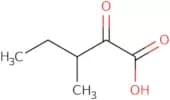
Discontinued product(±)-3-Methyl-2-oxovaleric acid
CAS:(±)-3-Methyl-2-oxovaleric acid is a fatty acid that is found in the mitochondria of liver cells and other tissues. It is an intermediate in the citric acid cycle and can be converted into acetyl-CoA, which is used for energy production. (±)-3-Methyl-2-oxovaleric acid has been shown to cause necrotic cell death when it binds to the mitochondrial membrane potential and causes a loss of ATP production. This results in a lack of energy for the cell, leading to cell death. (±)-3-Methyl-2-oxovaleric acid has also been shown to inhibit protein synthesis by decreasing uptake and increasing creatine kinase activity. This inhibition leads to decreased body formation and tissue culture growth in vitro. In vivo, (±)-3-Methyl-2-oxovaleric acid causes primary sclerosing cholangitis, a disease characterized by inflammation of bile ducts that
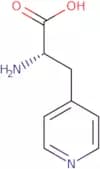
Formula:C6H10O3Purity:Min. 95%Color and Shape:White PowderMolecular weight:130.14 g/mol3-(4'-Pyridyl)-L-alanine
CAS:Please enquire for more information about 3-(4'-Pyridyl)-L-alanine including the price, delivery time and more detailed product information at the technical inquiry form on this page
Formula:C8H10N2O2Purity:Min. 95%Color and Shape:PowderMolecular weight:166.18 g/mol4-Methoxybenzylamine
CAS:4-Methoxybenzylamine is an organic amine that has a redox potential of -0.14 V (vs. SHE) and a pK a of 10.5. It is used in the synthesis of trifluoroacetic acid esters, which are used as pharmaceutical intermediates. 4-Methoxybenzylamine has been shown to be effective in alleviating pain in animal models, and its mechanism of action may be due to inhibition of the enzyme cyclooxygenase. The kinetic data for this reaction were obtained by studying the deuterium isotope effect, which is characterized by a low energy barrier and rapid reaction rate. The hydrolysis step is also important for the reaction mechanism, with protocatechuic acid being an intermediate product. Hydrochloric acid is needed for dehydration of the reactants, while an aryl halide can be used instead in some cases. In these reactions, there are many possible reaction
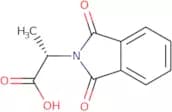
Formula:C8H11NOPurity:Min. 95%Molecular weight:137.18 g/molPhthaloyl-L-alanine
CAS:Phthaloyl-L-alanine is a molecule with a hydrochloric acid group and a carbonyl group. It has been shown to have the ability to bind to peptidyl molecules and immobilize them, leading to an inhibition of the reaction mechanism. This process can be induced by enzymatic inactivation or by hydrogen bonding with chloride. The cisplatin-induced apoptosis of cancer cells has been demonstrated using patch-clamp technique on human erythrocytes. Caspases are proteins that are activated during apoptosis and have been found to interact with Phthaloyl-L-alanine in vitro. Molecular modeling studies suggest that Phthaloyl-L-alanine may inhibit caspases by binding to the enzyme's active site.
Formula:C11H9NO4Purity:Min. 95%Color and Shape:PowderMolecular weight:219.19 g/mol10-[2-(1-Methyl-2-piperidinyl)ethyl]-2-(methylthio)-10H-phenothiazine hydrochloride
CAS:Controlled ProductThe drug, 10-[2-(1-methyl-2-piperidinyl)ethyl]-2-(methylthio)-10H-phenothiazine hydrochloride (CGP 46660), is a competitive antagonist at the human histamine H3 receptor. It has been shown to bind to the histamine H3 receptor in the range of 0.001 to 1 μM and is selective for this receptor over other receptors. CGP 46660 is an optical sensor that can be used in titration calorimetry experiments to measure changes in heat production when it binds to histamine H3 receptors. The drug also has been shown to inhibit guanine nucleotide-binding protein (G protein) signaling pathways and brain functions such as memory formation, learning, and attention span. These effects were demonstrated in humans by measuring EEG activity. The optimum concentration of CGP 46660 for these effects was found to be between 0.01 and 10 μM.
Formula:C21H27ClN2S2Purity:Min. 95%Color and Shape:PowderMolecular weight:407.04 g/molRef: 3D-FT28238
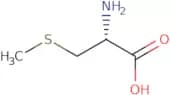
Discontinued productH-Cys(Me)-OH
CAS:H-Cys(Me)-OH is an organosulfur compound that contains a sulfhydryl group. It is used as a model system for the study of the p2 group of compounds in nitrogen chemistry and enzyme activity. H-Cys(Me)-OH has been shown to have anti-inflammatory properties, which may be due to its ability to inhibit prostaglandin synthesis. The compound also exhibits carcinogenic potential, as it induces mitochondrial membrane depolarization and kidney bean necrosis in rats when administered at high doses.
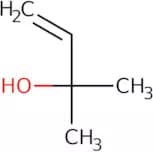
Formula:C4H9NO2SPurity:Min. 95 Area-%Molecular weight:135.19 g/mol2-Methyl-3-buten-2-ol
CAS:2-Methyl-3-buten-2-ol is a reactive oxygenated compound that can be found in the environment. It is produced by the oxidation of glyoxal, glycolaldehyde, and other simple sugars. 2-Methyl-3-buten-2-ol has been found to have toxic effects on wild type strains of Escherichia coli, including inhibition of growth and induction of cell death. In addition, 2-methyl-3 buten 2 ol has been shown to react with other molecules in the environment to produce epoxides. This compound can also be found in some foods and beverages as a result of its presence as a natural component or from contamination during processing. !-- END-->
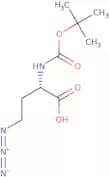
Formula:C5H10OPurity:Max. 98%Molecular weight:86.13 g/molN-alpha-Boc-Ngamma-Azido-L-2,4-diaminobutyric acid cyclohexylamine salt
CAS:Please enquire for more information about N-alpha-Boc-Ngamma-Azido-L-2,4-diaminobutyric acid cyclohexylamine salt including the price, delivery time and more detailed product information at the technical inquiry form on this page
Formula:C9H16N4O4·C6H13NPurity:Min. 95%Molecular weight:343.42 g/molRef: 3D-FB57246
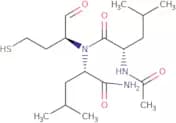
Discontinued productN-Acetyl-L-leucyl-L-leucyl-L-methioninal
CAS:Inhibitor of cathepsinFormula:C19H35N3O4SPurity:Min. 95%Molecular weight:401.57 g/molRef: 3D-FA137466
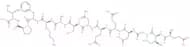
Discontinued productProinsulin C-Peptide (55-89) (human)
CAS:Proinsulin C-Peptide is a subunit of insulin. It is produced by proteolytic cleavage of proinsulin and has been used as a diagnostic agent for pancreatic beta cell function. Proinsulin C-Peptide encompasses the amino acids from 55 to 89 in the sequence of insulin. It can be used as a diagnostic agent for type 1 diabetes mellitus, which is characterized by an autoimmune destruction of beta cells, and other diseases such as multiple myeloma and non-Hodgkin's lymphoma that are associated with decreased levels of proinsulin C-Peptide.
Formula:C153H259N49O52Purity:Min. 95%Molecular weight:3,616.99 g/molRef: 3D-FP108538
Discontinued productDiethoxy-Methyl-Thioxo-Phosphorane
CAS:Controlled ProductDiethoxy-methyl-thioxo-phosphorane is a chemical compound that is used in the manufacture of industrial chemicals. It has a vapor pressure of 0.0014 mmHg at 25°C, and can be quantified by chemical ionization with gas chromatography/mass spectrometry. Diethoxy-methyl-thioxo-phosphorane reacts with radiation to produce reactive oxygen species and other free radicals, which can damage DNA and cause cancer. The reaction rate is rapid, with an analogy to humans being exposed to nitrate compounds. Diethoxy-methyl-thioxo-phosphorane is also used in devices such as radiators and heaters, where it causes damage when combined with nitrates.
Formula:C5H13O2PSPurity:Min. 95%Molecular weight:168.2 g/molRef: 3D-FD58753
Discontinued productO-Phospho-D-serine
CAS:O-Phospho-D-serine (OS) is a phospholipid that is synthesized by the enzyme phosphatase from D-serine. It has been shown to have tumor cell line inhibitory effects and may be useful as a pharmacologic agent for the treatment of cancer. OS has also been shown to have retinal neuron protective effects and can induce the maturation of cells in culture. OS is an essential component of the cell membrane, where it plays an important role in maintaining intracellular chloride levels. This compound also has been shown to be a potent inhibitor of t-cell proliferation. In addition, OS has been implicated in glutamate signaling and neurotransmission as well as fatty acid biosynthesis. OS is produced by bacteria belonging to the genus Bacillus, which are found in soil and water samples throughout the world.
Formula:C3H8NO6PPurity:Min. 95%Molecular weight:185.07 g/molRef: 3D-FP47700
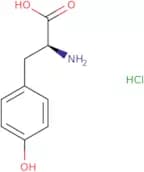
Discontinued productL-Tyrosine hydrochloride
CAS:L-Tyrosine hydrochloride is a pharmaceutical preparation that has been used clinically in the treatment of infectious diseases, cancer, and autoimmune diseases. Tyrosine is an amino acid with a hydroxyl group on its side chain. Tyrosine can be synthesized from phenylalanine by hydroxylation of the phenolic group and decarboxylation of the carboxylic acid group. It is also a precursor to catecholamines and other important biological molecules. L-Tyrosine hydrochloride is used as an intermediate in the production of monoclonal antibodies for use in cancer research. In addition, it has been shown to be an effective inhibitor of virus replication when combined with ester hydrochloride, which prevents the release of progeny virus particles from infected cells.
Formula:C9H11NO3·HClPurity:Min. 95%Molecular weight:217.65 g/molRef: 3D-FT46951
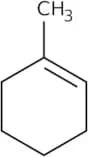
Discontinued product1-Methyl-1-cyclohexene
CAS:1-Methyl-1-cyclohexene is a methyl tetrahydro, with biological properties. It is synthesized by the reaction of hydrogen and carbon monoxide in a nonpolar solvent. The particle size can be controlled by changing the reaction conditions. 1-Methyl-1-cyclohexene reacts with hydrogen fluoride to form cyclohexene and hydrogen gas. This chemical also has a high reactivity towards fatty acids, which is due to its electron withdrawing ability as well as its unsaturated structure. In addition, this chemical reacts with carbonyl groups in a number of ways, including transfer reactions and chemical reactions.
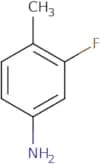
Formula:C7H12Purity:Min. 95%Molecular weight:96.17 g/mol3-Fluoro-4-methylaniline
CAS:3-Fluoro-4-methylaniline is a synthesized compound that is used to produce anti-cancer agents. It is an amide and has anti-cancer properties. 3-Fluoro-4-methylaniline also binds to DNA and inhibits the synthesis of proteins in cancer cells. The binding constants for ligands are found to be high. 3-Fluoro-4-methylaniline can also bind with DNA through intercalation or hybridization, which prevents transcription of RNA from DNA, thereby inhibiting protein synthesis. This results in cell death by apoptosis.
Formula:C7H8FNPurity:Min. 95%Color and Shape:Clear LiquidMolecular weight:125.14 g/molRef: 3D-FF104392
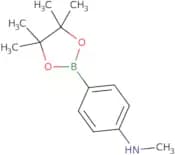
Discontinued product4-(N-Methylamino)phenylboronic acid pinacol ester
CAS:Please enquire for more information about 4-(N-Methylamino)phenylboronic acid pinacol ester including the price, delivery time and more detailed product information at the technical inquiry form on this page
Formula:C13H20BNO2Purity:Min. 95%Molecular weight:233.11 g/molRef: 3D-FM32978
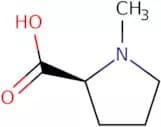
Discontinued productN-Methyl-L-proline
CAS:N-Methyl-L-proline is a choline analog that is used to prepare cell culture media and as a nutrient for microorganisms. It has been shown to have an inhibitory effect on the growth of the bacteria Pseudomonas aeruginosa and Salmonella enterica. N-Methyl-L-proline has also been shown to be taken up by the bacteria and to decrease their bioavailability in low salinity environments.
Formula:C6H11NO2Purity:Min. 95%Molecular weight:129.16 g/molRef: 3D-FM48864
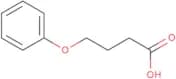
Discontinued product4-Phenoxybutyric acid
CAS:Controlled Product4-Phenoxybutyric acid is a molecule that is produced by filamentous fungi. It has been shown to inhibit the growth of many bacteria, including Staphylococcus aureus, Salmonella typhimurium, and Enterobacter aerogenes. 4-Phenoxybutyric acid binds to the receptor on the surface of the bacterial cell membrane and prevents it from functioning correctly. It also prevents the production of proteins necessary for growth and survival. This inhibition leads to a loss of energy in the cell, which eventually leads to death. The molecule has been shown to be effective in inhibiting bacteria even if they are resistant to antibiotics. 4-Phenoxybutyric acid has been shown to be more efficient than other methods for microbial biotransformation, such as dispersive solid-phase extraction or liquid-liquid extraction.
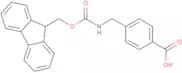
Formula:C10H12O3Purity:Min. 95%Molecular weight:180.2 g/molFmoc-(4-aminomethyl) benzoic acid
CAS:Please enquire for more information about Fmoc-(4-aminomethyl) benzoic acid including the price, delivery time and more detailed product information at the technical inquiry form on this page
Formula:C23H19NO4Purity:Min. 95%Molecular weight:373.4 g/molRef: 3D-FF49144
Discontinued productN3-Trp-OH·CHA
CAS:Azido-L-tyrosine CHA salt is a useful azide functionalised amino acid. Provides a handle for click chemistry.
Formula:C11H10N4O2•C6H13NPurity:Min. 95%Color and Shape:PowderMolecular weight:329.4 g/molRef: 3D-FT73126
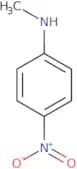
Discontinued productN-Methyl-4-nitroaniline
CAS:Controlled ProductIntermediate in the synthesis of nintedanib
Formula:C7H8N2O2Purity:Min. 95%Molecular weight:152.15 g/molRef: 3D-FM76174
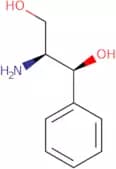
Discontinued product(1S,2S)-(+)-2-Amino-1-phenyl-1,3-propanediol
CAS:(1S,2S)-(+)-2-Amino-1-phenyl-1,3-propanediol is a synthetic compound that has been synthesized and studied as an amide. It has a hydroxy group on the skeleton of the molecule. The enantiomer of this compound is (1R,2R)-(-)-2-amino-1-phenyl-1,3-propanediol. This compound contains two chiral centers and four stereoisomers. These stereoisomers are not mirror images of each other. (1S,2S)-(+)-2-Amino-1-phenyl-1,3-propanediol has been shown to be effective against cryptococcus neoformans in cell culture experiments.
Formula:C9H13NO2Purity:Min. 95%Molecular weight:167.21 g/molRef: 3D-FA37317
Discontinued product2-[(4-Methylbenzenesulfonyl)oxy]ethan-1-ol
CAS:2-[(4-Methylbenzenesulfonyl)oxy]ethan-1-ol is a compound that contains a benzene ring and an ethyl chain. It has the following chemical structure: It is structurally related to benzodiazepine, but with an amide group instead of a diazepine ring. 2-[(4-Methylbenzenesulfonyl)oxy]ethan-1-ol is a membrane stabilizer that inhibits thrombin and can be used as an anticoagulant. This compound also has growth factor activity and can be used in the synthesis of heterocyclic compounds.
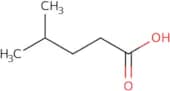
Formula:C9H12O4SPurity:Min. 95%Color and Shape:Clear LiquidMolecular weight:216.26 g/mol4-Methylpentanoic acid
CAS:4-Methylpentanoic acid is a fatty acid that is the product of anaerobic fermentation in the colon and can be found as an end product in the body. It can be used as a substrate in film tests for detecting bacteria, such as Escherichia coli, which are associated with bowel diseases. 4-Methylpentanoic acid has been shown to have inhibitory effects against nuclear dna replication, mitochondrial membrane potential, and energy metabolism. 4-Methylpentanoic acid also has antiinflammatory properties and has been shown to decrease body mass index. The 6-Fluoro-3-indoxyl-beta-D-galactopyranoside is an antituberculosis drug that belongs to the class of rifamycins. It is the most active of the rifamycins for the treatment of tuberculosis. Rifapentine inhibits bacterial growth by binding to DNA-dependent RNA polymerase, thereby preventing transcription
Formula:C6H12O2Purity:Min. 95%Molecular weight:116.16 g/molRef: 3D-FM35595
Discontinued product1-Methyl-2-(piperazin-1-ylcarbonyl)-1H-indole hydrochloride
CAS:Controlled ProductPlease enquire for more information about 1-Methyl-2-(piperazin-1-ylcarbonyl)-1H-indole hydrochloride including the price, delivery time and more detailed product information at the technical inquiry form on this pageFormula:C14H17N3OPurity:Min. 95%Molecular weight:243.3 g/molRef: 3D-FM125004
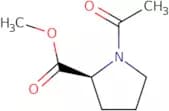
Discontinued productAcetyl-L-proline methyl ester
CAS:Acetyl-L-proline methyl ester is a conformationally restricted chiral compound. It is an ester of the amino acid L-proline and acetyl chloride. The conformational restriction in this molecule may be due to the interaction between the amide group and the methyl ester side chain. This chemical is used in collagen production as well as a theoretical model for other molecules with similar structural properties. Acetyl-L-proline methyl ester has been shown to have anti-inflammatory properties, which are thought to be due to its ability to stabilize collagen fibers and inhibit the formation of matrix metalloproteinases.
Formula:C8H13NO3Purity:Min. 95%Color and Shape:PowderMolecular weight:171.19 g/molRef: 3D-FA47444
Discontinued product(S)-2-Amino-5-methoxytetralin (S)-mandelate
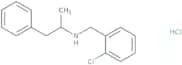
CAS:Controlled ProductPlease enquire for more information about (S)-2-Amino-5-methoxytetralin (S)-mandelate including the price, delivery time and more detailed product information at the technical inquiry form on this pageFormula:C19H23NO4Purity:Min. 95%Molecular weight:329.39 g/molN-(2-Chlorobenzyl)-1-phenylpropan-2-amine hydrochloride
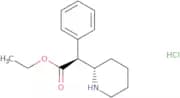
CAS:Controlled ProductN-(2-Chlorobenzyl)-1-phenylpropan-2-amine hydrochloride (CBP) is a potent stimulant drug that is used to treat chronic pain. It has been shown to be effective in the treatment of alopecia areata and inflammatory diseases, such as Crohn's disease, ulcerative colitis, and rheumatoid arthritis. CBP blocks protein synthesis by inhibiting the activity of the enzyme dinucleotide phosphate (DNP). This inhibition leads to the accumulation of adenosine monophosphate (AMP), which inhibits cyclic AMP production and protein synthesis. CBP also prevents the binding of DNP to RNA polymerase II at promoter sites, leading to a decrease in mRNA production. As a result, CBP may inhibit protein synthesis by preventing transcription or translation.Formula:C16H18ClN•HClPurity:Min. 95%Color and Shape:PowderMolecular weight:296.24 g/mol(aS,2S)-alpha-Phenyl-2-piperidineacetic acid Ethyl ester hydrochloride
CAS:Controlled ProductPlease enquire for more information about (aS,2S)-alpha-Phenyl-2-piperidineacetic acid Ethyl ester hydrochloride including the price, delivery time and more detailed product information at the technical inquiry form on this pageFormula:C15H21NO2·HClPurity:Min. 95%Molecular weight:283.79 g/mol3,4-Dehydro-DL-proline
CAS:3,4-Dehydro-DL-proline is a monoclonal antibody that is known for its ability to bind to the amino acid proline. It has been shown to be effective in the treatment of resistant mutants in plant science, tissue culture, and biological studies. 3,4-Dehydro-DL-proline binds to collagen, amide and proline analogs and hydrogen bonds with them. 3,4-Dehydro-DL-proline also has conformational properties that are important for its function as an anti-inflammatory agent.
Formula:C5H7NO2Purity:Min. 95%Molecular weight:113.11 g/molRef: 3D-FD49027
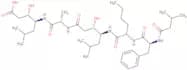
Discontinued productIsovaleryl-Phe-Nle-Sta-Ala-Sta-OH
CAS:Isovaleryl-Phe-Nle-Sta-Ala-Sta-OH (IVAS) is a small molecule that has been shown to be an angiotensin system inhibitor. IVAS blocks the binding site of the angiotensin receptor and prevents the activation of this system. This effect is dose dependent and can be used to treat high blood pressure in humans. IVAS is a long-acting drug and has been shown to be effective in primates as well as humans. The drug is rapidly absorbed from the gastrointestinal tract and eliminated by metabolism, mainly through hydrolysis by esterases or glucuronidases, oxidation by cytochrome P450 enzymes, reduction by glutathione reductase, or conjugation with glucuronic acid. IVAS also specifically binds to markers expressed at high levels in Mycobacterium tuberculosis strains (e.g., ESX-1 secretion system protein) and inhibits cell growth in culture.
Formula:C39H65N5O9Purity:Min. 95%Molecular weight:747.96 g/molRef: 3D-FI49358
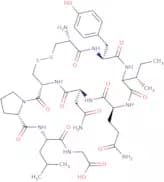
Discontinued productOxytocin (free acid)
CAS:Oxytocin is an endogenous hormone.Formula:C43H65N11O13S2Purity:Min. 95%Molecular weight:1,008.17 g/molRef: 3D-FO109986
Discontinued productZ-NH-PEG8-CH2CH2COOH
Z-NH-PEG8-CH2CH2COOH is a PEG compound with two different functional groups (also known as heterobifunctional). Unlike homobifunctional PEG compounds (same functional group on both ends), this type of compounds are more versatile as have two different anchor points. Z-NH-PEG8-CH2CH2COOH is used as a linker and spacer to add a PEG moiety, via pegylation (a bioconjugation technique) to proteins, peptides, oligonucleotides, small molecules and nanoparticles.
Formula:C27H45NO12Purity:Min. 95%Molecular weight:575.65 g/molRef: 3D-FN73063
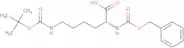
Discontinued productZ-D-Lys(Boc)-OH
CAS:Z-D-Lys(Boc)-OH is a synthetic peptidomimetic that has been shown to selectively kill cancer cells. Z-D-Lys(Boc)-OH binds to the lysine residue on the target cell surface, which is not present in normal cells. This binding inhibits serine protease activity and disrupts the synthesis of peptides, which are essential for cellular function. The electron microscopic images show that this compound causes an enhancement of biological function in human pathogenic chlamydia.
Formula:C19H28N2O6Purity:Min. 95%Molecular weight:380.44 g/mol3-Phenyl-1-propanol
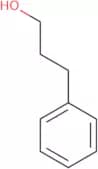
CAS:3-Phenyl-1-propanol is an organic compound that belongs to the class of trifluoroacetic acids. It has a molecular weight of 134.24 and a molecular formula of C8H12O2F3. 3-Phenyl-1-propanol is a reactive compound that reacts with germinating seeds, causing them to stop growing. The reaction products are fatty acid esters, which may be responsible for the inhibition of seed germination. 3-Phenyl-1-propanol can be prepared by reacting phenylacetaldehyde with trifluoroacetic acid in the presence of potassium hydroxide at high temperature and pressure. This method also produces 4-vinylbenzyl alcohol as a side product, which is used in the production of polymers and plastics.
Formula:C9H12OPurity:Min. 95%Molecular weight:136.19 g/molMethyl 2-methylpropanimidic acid hydrochloride
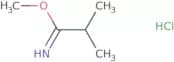
CAS:Methyl 2-methylpropanimidic acid hydrochloride is a neutralizing agent that can be used to react with water, acids, and bases. It has been shown to react with gaseous compounds at temperatures as high as 200°C. Methyl 2-methylpropanimidic acid hydrochloride is soluble in organic solvents such as alcohols, ethers, and acetone and can be used to prepare esters by reacting with the corresponding alcohol or phenol. In addition, it has been shown to interact with haloalkyl groups and oxazinones. This compound also has nod-like receptor binding properties that have been shown to play a role in mediating the transport of organic solutions into cells. A receptor protein that reacts with methyl 2-methylpropanimidic acid hydrochloride has been identified in some organisms. The stereostructure of this compound resembles that of triazines and other organometallic compounds.
Formula:C5H11NO·HClPurity:Min. 95%Molecular weight:137.61 g/molRef: 3D-FM53669
Discontinued productN,N'-Di-(4-methyl-phenyl)-N,N'-diphenyl-1,4-phenylendiamine
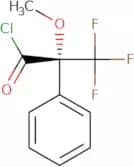
CAS:Please enquire for more information about N,N'-Di-(4-methyl-phenyl)-N,N'-diphenyl-1,4-phenylendiamine including the price, delivery time and more detailed product information at the technical inquiry form on this pageFormula:C32H28N2Purity:Min. 95%Molecular weight:440.58 g/molS-(+)-α-Methoxy-α-(trifluoromethyl)phenylacetic acid chloride
CAS:S-(+)-alpha-Methoxy-alpha-(trifluoromethyl)phenylacetic acid chloride is an optical, amide, and epoxidation derivatizing agent that is used to chiralify amines. It is a liquid at room temperature with a molecular weight of 123.87 g/mol. This chemical reacts with alcohols to form esters, which can be identified by their different retention times in chromatography. It also reacts with hydroxyl groups to form ethers and esters, as well as hydroxyls on other molecules such as amino acids, peptides, and proteins. S-(+)-alpha-Methoxy-alpha-(trifluoromethyl)phenylacetic acid chloride has been used for the synthesis of bisoprolol from metoprolol and triethylphosphite.
Formula:C10H8ClF3O2Purity:Min. 95%Molecular weight:252.62 g/molRef: 3D-FM64036
Discontinued product1,3-Dipropyl-7-methylxanthine
CAS:Controlled Product1,3-Dipropyl-7-methylxanthine is a xanthine compound that is structurally related to caffeine. It has been shown to have an inhibitory effect on the production of reactive oxygen species and cytosolic calcium levels in primary cells, as well as a nonselective adenosine receptor antagonist activity. It has also been shown to antagonize the effects of adenosine receptors, p2 receptors, and p2y receptors. This drug is used for the treatment of basophilic leukemia.
Formula:C12H18N4O2Purity:Min. 95%Molecular weight:250.3 g/molRef: 3D-FD22522
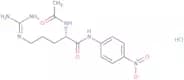
Discontinued productAc-Arg-pNA·HCl
CAS:Ac-Arg-pNA·HCl is a substrate that is activated by hydrogen fluoride to form a nitro group. This compound can be used in the synthesis of nitrobenzene and other aromatic compounds. Ac-Arg-pNA·HCl also has enzymic activity, which is catalyzed by an enzyme called benzyloxycarbonyl (Boc).
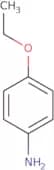
Formula:C14H20N6O4·HClPurity:Min. 95%Color and Shape:PowderMolecular weight:372.81 g/molp-Phenetidine
CAS:p-Phenetidine is an organic compound that reacts with nucleophiles to produce a variety of products. It is a reactive molecule that can be used in the preparation of samples for analysis by hydroxyl group detection, such as infectious diseases and glucuronide conjugate. p-Phenetidine has been shown to react with human serum and wastewater treatment, leading to the formation of surface bound form. This form can be detected using electrochemical impedance spectroscopy (EIS) and surface methodology.
Formula:C8H11NOPurity:Min. 95%Molecular weight:137.18 g/molRef: 3D-FP26875
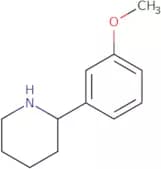
Discontinued product2-(3-Methoxyphenyl)piperidine
CAS:Please enquire for more information about 2-(3-Methoxyphenyl)piperidine including the price, delivery time and more detailed product information at the technical inquiry form on this page
Formula:C12H17NOPurity:Min. 95%Color and Shape:PowderMolecular weight:191.27 g/molRef: 3D-FM121575
Discontinued product2-Acetyl-5-methylthiophene
CAS:2-Acetyl-5-methylthiophene is a heteroatomic compound that can be used in cancer therapy. It has been shown to inhibit the growth of human cell lines and to have anticancer activity. This compound is also known for its potential interaction with fatty acids, which may be due to the molecular electrostatic potential. The molecule's structure contains a β-unsaturated ketone, which is an active site for many reactions and may interact with other compounds such as thiosemicarbazide. 2-Acetyl-5-methylthiophene has two isomers, namely 5-methylthiophen-2-yl acetate and 5-(acetyloxy)methylthiophen-2-yl acetate. These two molecules differ in the arrangement of their carbons and hydrogens on the central carbon atom and are not considered to be identical substances.
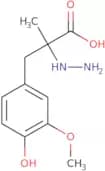
Formula:C7H8OSPurity:Min. 95%Color and Shape:PowderMolecular weight:140.2 g/mol3-O-Methyl carbidopa
CAS:Controlled Product3-O-Methyl carbidopa is a metabolite of L-3,4-dihydroxyphenylalanine that is used as a drug in the treatment of Parkinson's disease. 3-O-Methyl carbidopa is a racemic mixture of two stereoisomers that have different chemical properties. The (+) form is more active and has been shown to be more potent than the (-) form. Analysis of this compound by magnetic resonance spectroscopy (NMR) at different magnetic fields showed that it has six distinct resonances: three from the protonated molecule and three from the deprotonated molecule. The proton nmr spectrum showed peaks at 2.02 ppm (D1), 2.81 ppm (D2), 3.84 ppm (D3), 4.07 ppm (D4), 4.28 ppm (D5), and 4.53 ppm (D6). These peaks correspond to resonances for protons
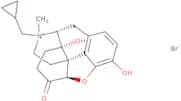
Formula:C11H16N2O4Purity:Min. 95%Color and Shape:PowderMolecular weight:240.26 g/molN-Methyl naltrexone bromide
CAS:Controlled ProductN-Methyl naltrexone bromide is an opioid antagonist that binds to opioid receptors, preventing the binding of other opioid agonists. It has been shown to be effective in long-term treatment of chronic pain and may be used in combination with opioids for patients with hepatic impairment. The efficacy of N-methyl naltrexone bromide in treating constipation has not been established. This drug should not be used in patients with HIV infection because it may reduce the effectiveness of antiretroviral therapy. The pharmacokinetics and safety profile of this drug have been studied extensively, which showed no serious adverse effects. Histological analysis revealed that N-methyl naltrexone bromide did not affect epithelial mesenchymal cells or the intestinal villi.
Formula:C21H26BrNO4Purity:Min. 95%Molecular weight:436.34 g/molRef: 3D-FM25532
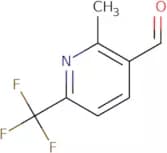
Discontinued product2-Methyl-6-(trifluoromethyl)nicotinaldehyde
CAS:Please enquire for more information about 2-Methyl-6-(trifluoromethyl)nicotinaldehyde including the price, delivery time and more detailed product information at the technical inquiry form on this page
Formula:C8H6F3NOPurity:Min. 95%Molecular weight:189.13 g/molRef: 3D-FM88006
Discontinued productN-[1-(4-Fluorophenyl)propan-2-Yl]-N-methylprop-2-Yn-1-amine
CAS:Controlled ProductN-[1-(4-Fluorophenyl)propan-2-Yl]-N-methylprop-2-Yn-1-amine is a synthetic molecule that has been shown to be an inhibitor of the enzyme nitroethane reductase. This drug is also capable of inhibiting the activity of other enzymes and is being investigated for its potential use in the treatment of various types of cancer. N-[1-(4-Fluorophenyl)propan-2-Yl]-N-methylprop-2-Yn-1-amine inhibits nitroethane reductase by binding reversibly to the active site and competitively inhibiting the substrate. The potency of this drug against nitroethane reductase has been shown to be increased by alkylation.br> The inhibition of nitroethane reductase by N-[1-(4-fluorophenyl)propan-2-Yl]-Formula:C13H16FNPurity:Min. 95%Molecular weight:205.27 g/molRef: 3D-FF95966
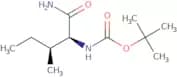
Discontinued productN-tert-Butoxycarbonyl-L-isoleucineamide
CAS:Please enquire for more information about N-tert-Butoxycarbonyl-L-isoleucineamide including the price, delivery time and more detailed product information at the technical inquiry form on this page
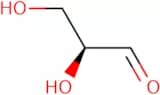
Formula:C11H22N2O3Purity:Min. 95%Color and Shape:SolidMolecular weight:230.3 g/molL-(-)-Glyceraldehyde - Technical grade aqueous solution
CAS:Please enquire for more information about L-(-)-Glyceraldehyde - Technical grade aqueous solution including the price, delivery time and more detailed product information at the technical inquiry form on this page
Formula:C3H6O3Purity:Min. 95%Color and Shape:Clear Viscous LiquidMolecular weight:90.08 g/molRef: 3D-FG12041
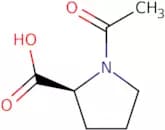
Discontinued productN-Acetyl-L-proline
CAS:N-Acetyl-L-proline is a metabolite of proline that has been shown to have a role in the development of metabolic disorders. It is an amide that has a hydroxyl group and a protonated nitrogen atom. N-Acetyl-L-proline is present in a model system that can be used to study the frequency shift phenomenon. This compound also undergoes michaelis–menten kinetics, which are used to describe enzyme activity and the velocity of reactions with high concentrations of substrate. N-Acetyl-L-proline has been found to have protease activity and intramolecular hydrogen bonding. It also forms hydrogen bonds with other molecules, such as fatty acids, which are involved in conformational properties.
Formula:C7H11NO3Purity:Min. 95%Molecular weight:157.17 g/molRef: 3D-FA10864
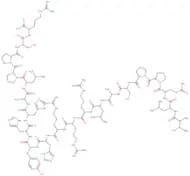
Discontinued product(Pyr 16)-VIP (16-28) (human, mouse, rat)
CAS:Please enquire for more information about (Pyr 16)-VIP (16-28) (human, mouse, rat) including the price, delivery time and more detailed product information at the technical inquiry form on this pageFormula:C68H114N18O18SPurity:Min. 95%Molecular weight:1,503.81 g/molRef: 3D-FP109561
Discontinued productFluorescein-6-carbonyl-Ala-Glu(OMe)-Val-DL-Asp(OMe)-fluoromethylketone
CAS:Please enquire for more information about Fluorescein-6-carbonyl-Ala-Glu(OMe)-Val-DL-Asp(OMe)-fluoromethylketone including the price, delivery time and more detailed product information at the technical inquiry form on this page
Formula:C41H43FN4O14Purity:Min. 95%Molecular weight:834.8 g/molRef: 3D-FF111115
Discontinued productTLQP-21 (human) trifluoroacetate salt
CAS:Please enquire for more information about TLQP-21 (human) trifluoroacetate salt including the price, delivery time and more detailed product information at the technical inquiry form on this page
Formula:C110H176N40O27Purity:Min. 95%Molecular weight:2,490.83 g/molRef: 3D-FT110031
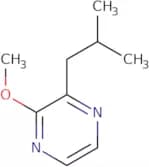
Discontinued product2-Isobutyl-3-methoxypyrazine
CAS:2-Isobutyl-3-methoxypyrazine is a hydrophobic compound that is not soluble in water. It has a bound form and can be titrated with calorimetry. 2-Isobutyl-3-methoxypyrazine is synthesized by reacting 2,2,4-trimethylpentane with methoxyacetone in the presence of sodium methylate. The compound has been detected as an odorant in numerous plant species and is believed to play a role in plant physiology. 2-Isobutyl-3-methoxypyrazine has been shown to have potent antiviral activity against infectious diseases such as HIV, herpes simplex virus type 1 (HSV1), and varicella zoster virus (VZV). This specific antiviral activity may be due to its ability to bind fatty acids by hydrogen bonds, which may interfere with the synthesis of viral membranes.
Formula:C9H14N2OPurity:Min. 95%Molecular weight:166.22 g/molRef: 3D-FI63381
Discontinued productPACAP-38 (31-38) (human, chicken, mouse, ovine, porcine, rat) trifluoroacetate salt
CAS:Please enquire for more information about PACAP-38 (31-38) (human, chicken, mouse, ovine, porcine, rat) trifluoroacetate salt including the price, delivery time and more detailed product information at the technical inquiry form on this pageFormula:C47H83N17O11Purity:Min. 95%Molecular weight:1,062.27 g/molRef: 3D-FP109526
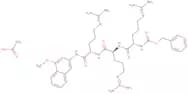
Discontinued productZ-Arg-Arg-Arg-4MbetaNA acetate salt
CAS:Controlled ProductPlease enquire for more information about Z-Arg-Arg-Arg-4MbetaNA acetate salt including the price, delivery time and more detailed product information at the technical inquiry form on this page
Formula:C37H53N13O6Purity:Min. 95%Molecular weight:775.9 g/molRef: 3D-FA110624
Discontinued productH-Pro-Leu-Gly-pNA
CAS:Please enquire for more information about H-Pro-Leu-Gly-pNA including the price, delivery time and more detailed product information at the technical inquiry form on this page
Formula:C19H27N5O5Purity:Min. 95%Molecular weight:405.45 g/molRef: 3D-FP110797
Discontinued productNeuropeptide EI (human, mouse, rat) trifluoroacetate salt
CAS:Neuropeptide EI is a cyclic peptide that has been shown to have receptor activity in the caudate putamen, as well as locomotor activity and metabolic rate. Neuropeptide EI has also been shown to inhibit lymphatic vessels and amide sequences in fat cells. It has been shown to have various biological functions, such as an anti-inflammatory agent, an analgesic, and a chemotherapeutic agent. It is active against cancer cells and autoimmune diseases, but is inactive against bacteria.
Formula:C63H98N16O23Purity:Min. 95%Molecular weight:1,447.55 g/molRef: 3D-FN108663
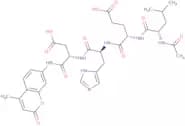
Discontinued productAc-Leu-Glu-His-Asp-AMC trifluoroacetate salt
CAS:Ac-Leu-Glu-His-Asp-AMC trifluoroacetate salt is a synthetic peptide that is derived from the amino acid sequence of caspases. Ac-Leu-Glu-His-Asp-AMC trifluoroacetate salt induces apoptosis in insect and E. coli cells by protease activity, which leads to cell death. The sequence of this peptide is found in Drosophila melanogaster and has been shown to induce apoptosis in insect cells. Caspases are enzymes that regulate apoptosis and play a key role in cell death.
Formula:C33H41N7O11Purity:Min. 95%Molecular weight:711.72 g/molRef: 3D-FA110585
Discontinued productTyr-Proinsulin C-Peptide (55-89) (human)
CAS:Please enquire for more information about Tyr-Proinsulin C-Peptide (55-89) (human) including the price, delivery time and more detailed product information at the technical inquiry form on this pageFormula:C162H268N50O54Purity:Min. 95%Molecular weight:3,780.17 g/molRef: 3D-FT108677
Discontinued productBoc-Thr(Bzl)-PAM resin (200-400 mesh)
Please enquire for more information about Boc-Thr(Bzl)-PAM resin (200-400 mesh) including the price, delivery time and more detailed product information at the technical inquiry form on this page
Purity:Min. 95%Ref: 3D-FB111620
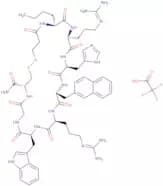
Discontinued product(Deamino-Cys3, Nle 4,Arg5,D-2-Nal 7,Cys11)-a-MSH (3-11) amide trifluoroacetate salt
CAS:Please enquire for more information about (Deamino-Cys3, Nle 4,Arg5,D-2-Nal 7,Cys11)-a-MSH (3-11) amide trifluoroacetate salt including the price, delivery time and more detailed product information at the technical inquiry form on this pageFormula:C56H76N18O9S2Purity:Min. 95%Molecular weight:1,209.45 g/molRef: 3D-FD109415
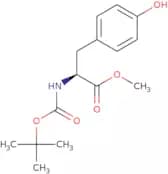
Discontinued productBoc-L-tyrosine methyl ester
CAS:Boc-L-tyrosine methyl ester is a synthetic amino acid that can be used in the production of peptides and proteins. It has been shown to have a high uptake and hydroxyl group, which allows for the synthesis of dopamine. The kinetic study of Boc-L-tyrosine methyl ester in agarose gels has shown that it has a high affinity for dopamine. Boc-L-tyrosine methyl ester has also been used as an intermediate for the synthesis of peptides and proteins. It is not active against cancer cells but has been used to induce matrix metalloproteinase (MMP) activity in Mcf-7 cells.
Formula:C15H21NO5Purity:Min. 95%Color and Shape:White PowderMolecular weight:295.33 g/molZ-Tyr-Phe-OH
CAS:Please enquire for more information about Z-Tyr-Phe-OH including the price, delivery time and more detailed product information at the technical inquiry form on this page
Formula:C26H26N2O6Purity:Min. 95%Molecular weight:462.49 g/molRef: 3D-FT111523
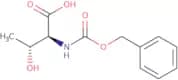
Discontinued productZ-L-Thr-OH
CAS:Z-L-Thr-OH is a synthetic peptide that contains the amino acid sequence of l-threonine. It is an amide with a carbamic acid and chloride functional group. The monomers are linked by ring-opening reactions, which are sequences of reactions in which the bond between two adjacent carbon atoms is broken and then immediately formed again with the addition of another molecule. Z-L-Thr-OH has been shown to hydrolyze leukocytes and inhibit bacterial growth in vitro. In vivo studies have also shown that Z-L-Thr-OH inhibits neutrophil recruitment, degranulation, and oxidative burst in response to chemoattractants or bacteria. This peptide has also been shown to be effective against methicillin resistant Staphylococcus aureus (MRSA) and other clinically significant pathogens.
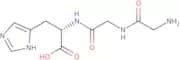
Formula:C12H15NO5Purity:Min. 95%Color and Shape:PowderMolecular weight:253.25 g/molH-Gly-Gly-His-OH
CAS:H-Gly-Gly-His-OH is a molecule that is found in human serum. It is a ligand with coordination properties and has been shown to bind to copper. H-Gly-Gly-His-OH has been studied spectroscopically in the presence of human serum albumin, and it has been observed that the protonation state and interaction of this molecule are dependent on the speciation and concentration of copper.
Formula:C10H15N5O4Purity:Min. 95%Molecular weight:269.26 g/molRef: 3D-FG108997
Discontinued productH-Tyr-Ser-NH2·HCl
CAS:Please enquire for more information about H-Tyr-Ser-NH2·HCl including the price, delivery time and more detailed product information at the technical inquiry form on this page
Formula:C12H17N3O4·HClPurity:Min. 95%Molecular weight:303.74 g/molRef: 3D-FT108215
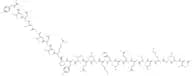
Discontinued productAdrenomedullin (11-50) (rat)
CAS:Please enquire for more information about Adrenomedullin (11-50) (rat) including the price, delivery time and more detailed product information at the technical inquiry form on this pageFormula:C194H304N58O59S4Purity:Min. 95%Molecular weight:4,521.11 g/molRef: 3D-FA109586
Discontinued productTIP-39 trifluoroacetate salt
CAS:Please enquire for more information about TIP-39 trifluoroacetate salt including the price, delivery time and more detailed product information at the technical inquiry form on this pageFormula:C202H325N61O54SPurity:Min. 95%Molecular weight:4,504.19 g/molRef: 3D-FT109386
Discontinued productCyclo(leu-leu)
CAS:Cyclo(leu-leu) is a glycosidase inhibitor that has been shown to have an inhibitory effect on the biosynthesis of aminoacylated proteins. Cyclo (leu-leu) is derived from the wild-type strain of a fungus, which is a genus of endophytic fungi. This compound inhibits the synthesis of proteins by binding to glycosylated amino acid residues and preventing their hydrolysis. Cyclo (leu-leu) also has homologous regions with mellein, which is another type of glycosidase inhibitor that binds to the enzyme protein kinase C, inhibiting protein synthesis and leading to cell death.
Formula:C12H22N2O2Purity:Min. 95%Molecular weight:226.32 g/molRef: 3D-FC20680
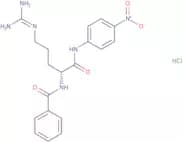
Discontinued productBz-D-Arg-pNA·HCl
CAS:Bz-D-Arg-pNA·HCl is a protease inhibitor that has been shown to inhibit the proteolytic activity of soybean trypsin. It also inhibits the enzyme activities of ester hydrolysis and polymerase chain reaction, as well as being reactive to other enzymes. Bz-D-Arg-pNA·HCl has been shown to be an analog of Bz-D-Arg-pNA, which is a proteolytic inhibitor of protein synthesis in vitro. This compound has been shown to have a pH optimum for activity at around pH 7.6 and exhibits protease activity in physiological conditions. The physiological function of this molecule is not yet known.
Formula:C19H22N6O4·HClPurity:Min. 95%Molecular weight:434.88 g/molRef: 3D-FB110706
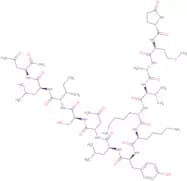
Discontinued productAcetyl-(Asn30,Tyr32)-Calcitonin (8-32) (salmon I) trifluoroacetate salt
CAS:Please enquire for more information about Acetyl-(Asn30,Tyr32)-Calcitonin (8-32) (salmon I) trifluoroacetate salt including the price, delivery time and more detailed product information at the technical inquiry form on this pageFormula:C127H205N37O40Purity:Min. 95%Molecular weight:2,890.21 g/molRef: 3D-FA109403
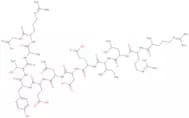
Discontinued productH-Arg-Arg-Leu-Ile-Glu-Asp-Asn-Glu-Tyr-Thr-Ala-Arg-Gly-OH
CAS:H-Arg-Arg-Leu-Ile-Glu-Asp-Asn-Glu-Tyr-Thr-Ala-Arg-Gly-OH is a synthetic peptide that has been shown to have a homologous sequence with the amino acid sequence of a primary tumor. This peptide has strong binding affinity to tyrosine kinase, which is an enzyme involved in cellular signal transduction. H-Arg-Arg-Leu-Ile-Glu-Asp-Asn Glu Tyr Thr Ala Arg Gly OH has been shown to inhibit the growth of tumors and can be used as an analytical method for identifying carcinoma cells in vitro. HAAGLTEIGDATASNTTAHARGLTRALAGRGGYOH is also a potential drug for cardiovascular diseases, as it can be taken up intracellularly and may inhibit the proliferation of vascular smooth muscle cells.
Formula:C66H109N23O23Purity:Min. 95%Molecular weight:1,592.71 g/molRef: 3D-FA108537
Discontinued productZ-Leu-Met-OH
CAS:Please enquire for more information about Z-Leu-Met-OH including the price, delivery time and more detailed product information at the technical inquiry form on this page
Formula:C19H28N2O5SPurity:Min. 95%Molecular weight:396.5 g/molRef: 3D-FL111497
Discontinued productGAP 26 trifluoroacetate salt
CAS:13-mer connexin mimetic peptide, composed of residue numbers 63-75 of the first extracellular loop of connexin 43 (gap junction blocker), containing the SHVR amino acid motif.Formula:C70H107N19O19SPurity:Min. 95%Molecular weight:1,550.78 g/molRef: 3D-FG110169
Discontinued product
![5[(R)-(2-Aminopropyl)]-2-methoxybenzenesulfonamide hydrochloride](/_next/image/?url=https%3A%2Fstatic.cymitquimica.com%2Fproducts%2F3D%2Fthumb-webp%2FFA17834.webp&w=3840&q=75)




![2-[(2S,3S,4S)-3-Formyl-5-Methoxycarbonyl-2-Methyl-3,4-Dihydro-2H-Pyran-4-Yl]Acetic Acid](/_next/image/?url=https%3A%2Fstatic.cymitquimica.com%2Fproducts%2F3D%2Fthumb-webp%2FFF71925.webp&w=3840&q=75)


![10-[2-(1-Methyl-2-piperidinyl)ethyl]-2-(methylthio)-10H-phenothiazine hydrochloride](/_next/image/?url=https%3A%2Fstatic.cymitquimica.com%2Fproducts%2F3D%2Fthumb-webp%2FFT28238.webp&w=3840&q=75)


![2-[(4-Methylbenzenesulfonyl)oxy]ethan-1-ol](/_next/image/?url=https%3A%2Fstatic.cymitquimica.com%2Fproducts%2F3D%2Fthumb-webp%2FFM171828.webp&w=3840&q=75)





![N-[1-(4-Fluorophenyl)propan-2-Yl]-N-methylprop-2-Yn-1-amine](/_next/image/?url=https%3A%2Fstatic.cymitquimica.com%2Fproducts%2F3D%2Fthumb-webp%2FFF95966.webp&w=3840&q=75)