Amino Acids (AA)
Amino acids (AAs) are the fundamental building blocks of proteins, playing a crucial role in various biological processes. These organic compounds are essential for protein synthesis, metabolic pathways, and cell signaling. In this category, you will find a comprehensive range of amino acids, including essential, non-essential, and modified forms, which are vital for research in biochemistry, molecular biology, and nutritional sciences. At CymitQuimica, we provide high-quality amino acids to support your research and development needs, ensuring accuracy and reliability in your experimental outcomes.
Subcategories of "Amino Acids (AA)"
- Amino Acid Derivatives(3,969 products)
- Amino Acid and Amino Acid Related Compounds(3,474 products)
- Amino Acids with Oxygen or Sulphur(168 products)
- Boc- Amino Acids(351 products)
- Fmoc Amino Acids(1,710 products)
Found 38282 products of "Amino Acids (AA)"
Sort by
Purity (%)
0
100
|
0
|
50
|
90
|
95
|
100
Boc-trans-1,2-aminocyclohex-4-ene carboxylic acid
CAS:<p>Please enquire for more information about Boc-trans-1,2-aminocyclohex-4-ene carboxylic acid including the price, delivery time and more detailed product information at the technical inquiry form on this page</p>Formula:C12H19NO4Purity:Min. 95%Molecular weight:241.28 g/molO-tert-Butyl-D-tyrosine
CAS:<p>O-tert-Butyl-D-tyrosine is an organogelator. It is a low molecular weight organic liquid that can form a gel when mixed with a solvent. O-tert-Butyl-D-tyrosine is soluble in hydrophobic solvents such as butanol, and insoluble in water. The gelation properties of this substance are due to its ability to interact with the surface of the solvent droplet and form a network that holds other solute molecules in place. This interaction is called physisorption, which means that it does not need any chemical bonds to form the gel. Gels formed by O-tert-Butyl-D-tyrosine are stable at room temperature, but will melt when heated or exposed to pH extremes.</p>Formula:C13H19NO3Purity:Min. 95%Molecular weight:237.29 g/molOxytocin (free acid)
CAS:<p>Oxytocin is an endogenous hormone.</p>Formula:C43H65N11O13S2Purity:Min. 95%Molecular weight:1,008.17 g/mol2-[(4-Phenylpiperazin-1-yl)carbonyl]phenol
CAS:Controlled ProductPlease enquire for more information about 2-[(4-Phenylpiperazin-1-yl)carbonyl]phenol including the price, delivery time and more detailed product information at the technical inquiry form on this pageFormula:C17H18N2O2Purity:Min. 95%Molecular weight:282.34 g/molZ-NH-PEG2-CH2COOH
CAS:<p>Z-NH-PEG2-CH2COOH is a PEG compound with two different functional groups (also known as heterobifunctional). Unlike homobifunctional PEG compounds (same functional group on both ends), this type of compounds are more versatile as have two different anchor points. Z-NH-PEG2-CH2COOH is used as a linker and spacer to add a PEG moiety, via pegylation (a bioconjugation technique) to proteins, peptides, oligonucleotides, small molecules and nanoparticles.</p>Formula:C14H19NO6Purity:Min. 95%Molecular weight:297.3 g/molBoc-L-leucine N-hydoxysuccinimide ester
CAS:<p>The Boc-L-leucine N-hydoxysuccinimide ester is a synthetic molecule that is often used as a model for studying the effects of lysine on the activity of glutamic acid. This compound is biodegradable and has been shown to be less toxic than other compounds in its class. The Boc-L-leucine N-hydoxysuccinimide ester has potent inhibitory activity against mammalian cells, which may be due to its ability to inhibit chloride transport across membranes.</p>Formula:C15H24N2O6Purity:Min. 95%Color and Shape:White/Off-White SolidMolecular weight:328.36 g/molL-Tyrosine
CAS:<p>L-Tyrosine is a non-essential amino acid with versatile building block properties. It can be used as a reagent in organic synthesis, as a building block for complex compounds, and as a speciality chemical. L-Tyrosine is also useful as a reaction component in the synthesis of peptides and proteins. L-Tyrosine is an important intermediate in the production of pharmaceuticals, agrochemicals, dyes, flavors and fragrances. The CAS number for L-Tyrosine is 60-18-4.</p>Formula:C9H11NO3Molecular weight:181.19 g/molRef: 3D-T-9010
1kgTo inquire5kgTo inquire10kgTo inquire25kgTo inquire2500gTo inquire-Unit-kgkgTo inquire(4-Benzylpiperazin-1-yl)piperidin-4-yl-methanone dihydrochloride
CAS:Controlled Product<p>Please enquire for more information about (4-Benzylpiperazin-1-yl)piperidin-4-yl-methanone dihydrochloride including the price, delivery time and more detailed product information at the technical inquiry form on this page</p>Formula:C17H27Cl2N3OPurity:Min. 95%Molecular weight:360.32 g/molH-Cys-Glu-OH
<p>Please enquire for more information about H-Cys-Glu-OH including the price, delivery time and more detailed product information at the technical inquiry form on this page</p>Purity:Min. 95%4,5-Dihydro-5a-methoxy D-(-)-norgestrel
CAS:<p>Please enquire for more information about 4,5-Dihydro-5a-methoxy D-(-)-norgestrel including the price, delivery time and more detailed product information at the technical inquiry form on this page</p>Formula:C22H32O3Purity:Min. 95%Molecular weight:344.49 g/molN-(8-Methoxy-4-methylquinazolin-2-yl)guanidine
CAS:<p>Please enquire for more information about N-(8-Methoxy-4-methylquinazolin-2-yl)guanidine including the price, delivery time and more detailed product information at the technical inquiry form on this page</p>Formula:C11H13N5OPurity:Min. 95%Molecular weight:231.25 g/molN-[2-[4-(Aminosulfonyl)-phenyl]-ethyl]-5-methyl-2-pyrazinecarboxamide
CAS:<p>Fluoxetine is a potent inhibitor of the enzyme cytochrome P450 (CYP) 2C19. The inhibition of CYP2C19 by fluoxetine may lead to an increase in the plasma concentration of other drugs that are metabolized by this enzyme, such as glipizide and hydroxycyclohexyl. Fluoxetine inhibits human uric acid secretion and increases plasma concentrations of uric acid. This drug also inhibits human erythrocyte dihydropyrimidine dehydrogenase, leading to increased blood levels of pyrimidines, especially cytotoxic ones like 6-fluoro-3-indoxyl-beta-D-galactopyranoside. Fluoxetine has been shown to have a protective effect against acetaminophen toxicity in rats because it enhances the conversion of acetaminophen to its less toxic metabolite N-acetylcysteine.</p>Formula:C14H16N4O3SPurity:Min. 95%Color and Shape:White To Off-White SolidMolecular weight:320.37 g/molZ-NH-PEG12-CH2CH2COOH
<p>Z-NH-PEG12-CH2CH2COOH is a PEG compound with two different functional groups (also known as heterobifunctional). Unlike homobifunctional PEG compounds (same functional group on both ends), this type of compounds are more versatile as have two different anchor points. Z-NH-PEG12-CH2CH2COOH is used as a linker and spacer to add a PEG moiety, via pegylation (a bioconjugation technique) to proteins, peptides, oligonucleotides, small molecules and nanoparticles.</p>Formula:C35H61NO16Purity:Min. 95%Molecular weight:751.86 g/mol[1-(2-Methoxyethyl)-1H-indol-3-yl]acetic acid
CAS:Controlled ProductPlease enquire for more information about [1-(2-Methoxyethyl)-1H-indol-3-yl]acetic acid including the price, delivery time and more detailed product information at the technical inquiry form on this pageFormula:C13H15NO3Purity:Min. 95%Molecular weight:233.26 g/molLeu-Ala-OH
CAS:<p>Leu-Ala-OH is a conjugated amino acid that is a substrate for the enzyme ubiquitin ligases. It is involved in protein synthesis and may be used to treat hypertension. Leu-Ala-OH has been shown to inhibit the production of amines, which are precursors to nitrosamines and other harmful compounds. Leu-Ala-OH also has antihypertensive activity that may be due to its ability to react with the enzyme cytochrome P450 2D6 (CYP2D6). This reaction leads to an increased production of catecholamines, which have been shown to lower blood pressure in hypertensive animals.</p>Formula:C9H18N2O3Purity:Min. 95%Molecular weight:202.25 g/mol10-Methoxy iminostilbene
CAS:<p>10-Methoxy iminostilbene is a photophysical that has been shown to be toxic to mouse erythrocytes and to inhibit the DNA polymerase activity of calf thymus. It has also been shown to inhibit the growth of bacteria in an industrial process. 10-Methoxy iminostilbene is insoluble in water and organic solvents, which makes it difficult to purify. 10-Methoxy iminostilbene also has high levels of impurities and is sensitive to hydrochloric acid, methylbenzene, and amines. The functional groups present on this molecule are carbonyl, nitro, hydroxyls, ethers, amides, esters, ketones.</p>Formula:C15H13NOPurity:95%NmrColor and Shape:SolidMolecular weight:223.27 g/mol(2R)-2-Amino-3-phenylpropionyl amide
CAS:<p>(2R)-2-Amino-3-phenylpropionyl amide is a synthetic cannabinoid that has been shown to bind to the CB2 receptor. It has been found to be an effective analgesic in rat models of inflammatory and neuropathic pain. This drug is also a serine protease inhibitor, with activity against ochrobactrum, an antibiotic-resistant bacteria. (2R)-2-Amino-3-phenylpropionyl amide is also used as a substrate for d-alanine synthesis and has been sequenced. It can form hydrogen bonds with water molecules and chloride ions. (2R)-2-Amino-3-phenylpropionyl amide has been synthesized by Clostridium coli K12 cells and is expected to have similar effects on human cells.</p>Formula:C9H12N2OPurity:Min. 95%Molecular weight:164.2 g/mol4-(Chloromethyl)-5-methyl-1-(triphenylmethyl)-1H-imidazole
CAS:Controlled Product<p>Please enquire for more information about 4-(Chloromethyl)-5-methyl-1-(triphenylmethyl)-1H-imidazole including the price, delivery time and more detailed product information at the technical inquiry form on this page</p>Formula:C24H21ClN2Purity:Min. 95%Molecular weight:372.89 g/mol3-(Bromomethyl)-1-methyl-1H-indazole
CAS:Controlled ProductPlease enquire for more information about 3-(Bromomethyl)-1-methyl-1H-indazole including the price, delivery time and more detailed product information at the technical inquiry form on this pageFormula:C9H9BrN2Purity:Min. 95%Molecular weight:225.09 g/mol(D-His1)-Exenatide trifluoroacetate salt
CAS:<p>Please enquire for more information about (D-His1)-Exenatide trifluoroacetate salt including the price, delivery time and more detailed product information at the technical inquiry form on this page</p>Formula:C184H282N50O60SPurity:Min. 95%Molecular weight:4,186.57 g/mol4-Methoxybenzyl chloride - stabilised with potassium carbonate
CAS:<p>4-Methoxybenzyl chloride is a chemotherapeutic agent that inhibits the binding of inhibitor molecules to their target proteins. It has been shown to inhibit the binding of uridine and methanol solvent to their targets, which are enzymes in the synthesis of nucleic acids. The inhibition of these enzymes prevents DNA replication and protein synthesis, leading to cell death. 4-Methoxybenzyl chloride has been found to be effective in treating autoimmune diseases and solid tumours, as well as being an antimicrobial treatment for microbial infections. 4-Methoxybenzyl chloride is also used in chemical syntheses for its ability to undergo cationic polymerization and asymmetric synthesis.</p>Formula:C8H9ClOPurity:Min. 95%Color and Shape:Colorless Clear LiquidMolecular weight:156.61 g/molBoc-Gln-Arg-Arg-AMC acetate salt
CAS:<p>Please enquire for more information about Boc-Gln-Arg-Arg-AMC acetate salt including the price, delivery time and more detailed product information at the technical inquiry form on this page</p>Formula:C32H49N11O8Purity:Min. 95%Molecular weight:715.8 g/molN-Methylpiperidinyl-2-methyl benzilate
CAS:Controlled Product<p>Please enquire for more information about N-Methylpiperidinyl-2-methyl benzilate including the price, delivery time and more detailed product information at the technical inquiry form on this page</p>Formula:C21H25NO3Purity:Min. 95%Molecular weight:339.43 g/molN-Ethyl-N-[(heptadecafluorooctyl)sulphonyl]glycine
CAS:Controlled Product<p>N-Ethyl-N-[(Heptadecafluorooctyl)sulphonyl]glycine is a high-concentration environmental pollutant that has been detected in the environment and human blood plasma. This chemical is a member of the class of polyfluoroalkyl substances (PFASs), which are used as surfactants in many industrial processes, including the manufacture of paper, textiles, and paints. PFASs are also present in foods such as meat, butter, and eggs. N-Ethyl-N-[(Heptadecafluorooctyl)sulphonyl]glycine has been shown to have trophic effects on invertebrates and can be measured using a triple-quadrupole mass spectrometer with reaction monitoring. This chemical is not suspected to be carcinogenic or toxic to humans because it does not react with DNA or proteins. The health effects of this substance are still</p>Formula:C12H8F17NO4SPurity:Min. 95%Color and Shape:PowderMolecular weight:585.24 g/molR-2-Methylaziridine
CAS:Controlled Product<p>R-2-Methylaziridine is a diastereomer of R-Methylaziridine. The diastereomers are chiral and have different chemical properties. R-2-Methylaziridine has been synthesized by the reaction of an epoxide with methyl iodide, which produces a mixture of isomers. The compound is optically pure when the reactants are used in an equimolar ratio. <br>R-2-Methylaziridine has two rotational constants and a spectrum that can be used to identify it. It also chelates metals such as copper, zinc, and nickel with its nitrogen atom. This compound is used in organic synthesis as a ligand for metal complexes, which includes asymmetric hydrogenation reactions.</p>Formula:C3H7NPurity:Min. 95%Molecular weight:57.09 g/mol3-Methyl-1-pentyn-3-ol
CAS:Controlled Product<p>3-Methyl-1-pentyn-3-ol is a chemical that has been shown to have interactive effects on the metabolism of urea nitrogen and low light. 3-Methyl-1-pentyn-3-ol has been shown to produce a depressant effect in animals, which may be due to its ability to inhibit the production of acetylcholine by blocking the enzyme cholinesterase. This chemical has also been shown to react with hydroxyl groups, producing a pharmacological agent. The reaction mechanism for 3-methyl pentynol is via hydrolysis by hydrochloric acid or pentobarbital sodium.</p>Formula:C6H10OPurity:Min. 95%Molecular weight:98.14 g/mol3-(4-Methoxyphenyl)pyrazole
CAS:<p>3-(4-Methoxyphenyl)pyrazole is a fungicide that belongs to the group of nitrophenol derivatives. It inhibits the growth of plant pathogenic fungi by inhibiting the synthesis of proteins and nucleic acids. 3-(4-Methoxyphenyl)pyrazole has an inhibitory effect on seed germination and germination, as well as on hydroxymethylation reactions in fungal mycelia. 3-(4-Methoxyphenyl)pyrazole also has bactericidal properties and can be used for controlling bacteria in water systems.</p>Formula:C10H10N2OPurity:Min. 95%Molecular weight:174.2 g/mol3-Phenyl-1-propanol
CAS:<p>3-Phenyl-1-propanol is an organic compound that belongs to the class of trifluoroacetic acids. It has a molecular weight of 134.24 and a molecular formula of C8H12O2F3. 3-Phenyl-1-propanol is a reactive compound that reacts with germinating seeds, causing them to stop growing. The reaction products are fatty acid esters, which may be responsible for the inhibition of seed germination. 3-Phenyl-1-propanol can be prepared by reacting phenylacetaldehyde with trifluoroacetic acid in the presence of potassium hydroxide at high temperature and pressure. This method also produces 4-vinylbenzyl alcohol as a side product, which is used in the production of polymers and plastics.</p>Formula:C9H12OPurity:Min. 95%Molecular weight:136.19 g/molN-alpha-Trityl-Nbeta-Fmoc-L-2,3-diaminopropionic acid
CAS:<p>Please enquire for more information about N-alpha-Trityl-Nbeta-Fmoc-L-2,3-diaminopropionic acid including the price, delivery time and more detailed product information at the technical inquiry form on this page</p>Formula:C37H32N2O4Purity:Min. 95%Molecular weight:568.66 g/mol2-Methylbut-2-enal
CAS:<p>2-Methylbut-2-enal is an aldehyde that belongs to the class of fatty acid. It has been shown that 2-methylbut-2-enal inhibits the growth of bacteria by binding to the anhydrous sodium and tiglic acid in the bacterial cell wall. This binding prevents the formation of an antibiotic-inhibitor complex with the enzyme cell wall synthesis that is required for cell wall biosynthesis, inhibiting protein synthesis and cell division. 2-Methylbut-2-enal also inhibits locomotor activity in mice, which may be due to its ability to inhibit acetylcholinesterase.</p>Formula:C5H8OPurity:Min. 95%Molecular weight:84.12 g/mol(2E)-1-(2-Hydroxyphenyl)-3-phenyl-2-propen-1-one
CAS:The 2-hydroxyphenyl-3-phenylpropenal (HPPA) is a fatty acid with a hydroxyl group. It has been shown to have anti-inflammatory properties and inhibit the production of TNF-α in mice. HPPA is synthesized by the oxidation of oleic acid, which can be catalyzed by a number of different enzymes such as lipoxygenases, cyclooxygenases, or cytochrome P450s. The synthesis can also be inhibited by other substances such as dibromides or tnf-α. HPPA also has potent inhibitory activity against transcription polymerase chain reaction and protein synthesis. This inhibition is due to its carbonyl group that reacts with the intramolecular hydrogen on the enzyme's active site. The reaction mechanism for this inhibition is similar to that of propranolol, another drug used for treatment of inflammatory diseases.Formula:C15H12O2Purity:Min. 95%Color and Shape:PowderMolecular weight:224.25 g/molHemokinin 1 (mouse, rat) trifluoroacetate salt
CAS:<p>Hemokinin 1 is a protein that is encoded by the NK1R gene. It has been shown to be associated with insulin resistance, inflammatory diseases, and pain control. Hemokinin 1 is also a potential treatment for viral infections such as HIV and hepatitis C. Hemokinin 1 interacts with nicotinic acetylcholine receptors (nAChRs) in the brain and blood vessels, which leads to an increase in blood pressure. This protein also interacts with hematopoietic cells, which may be responsible for its function as an antinociceptive agent. Hemokinin 1 has been implicated in autoimmune diseases such as arthritis and atrial fibrillation. This protein is expressed mainly in the brain, liver, heart, kidneys and spleen.</p>Formula:C61H100N22O15SPurity:Min. 95%Molecular weight:1,413.65 g/molNin-Boc-D-tryptophan
CAS:<p>Please enquire for more information about Nin-Boc-D-tryptophan including the price, delivery time and more detailed product information at the technical inquiry form on this page</p>Formula:C16H20N2O4Purity:Min. 95%Molecular weight:304.34 g/mol1-(2-Methylbenzyl)piperazine
CAS:Controlled Product<p>1-(2-Methylbenzyl)piperazine is a piperazine derivative that is used as a medicine. It has been shown to have an inhibitory effect on the reuptake of dopamine and noradrenaline, which are neurotransmitters that play an important role in the regulation of mood and behaviour. 1-(2-Methylbenzyl)piperazine has been shown to be effective in animal experiments. It was found to be toxic at high doses, but had low toxicity at low doses. It also showed no adverse effects on mating behaviour or fertility.</p>Formula:C12H18N2Purity:Min. 95%Molecular weight:190.28 g/molH-Gly-Lys-Gly-OH
CAS:<p>Gly-Lys-Gly (GLG) is a tripeptide that is added to the amino acid sequence of proteins during posttranslational modification. GLG can be found in the N-terminal region of various proteins, and its presence has been implicated in protein folding and stability. GLG is an important part of the glycine-rich type II collagen, which is found in cartilage. The frequency of GLG in a protein sequence can be used as a measure for expansion. In general, GLG is present at frequencies of about 1% to 2%. GLG has been shown to have strong affinity for hydrogen bonds and it often serves as a hydrogen bond donor or acceptor. It has also been shown to form hydrophobic interactions with other nonpolar amino acids such as phenylalanine, valine, leucine, and methionine. The vibrational spectrum of GLG varies depending on the pH and temperature; it has</p>Formula:C10H20N4O4Purity:Min. 95%Molecular weight:260.29 g/mol(R)-Glycidol
CAS:<p>(R)-Glycidol is a chemical compound that is an epoxide. It has been shown to be an enantiopure, triterpene alcohol with stereoselective properties. (R)-Glycidol can be prepared from glycidyl acrylate by palladium-catalyzed coupling and metal-free hydroxybenzotriazole chemistry. This substance has been shown to have significant chemical stability in phosphate buffers at pH 5.5 and 7, as well as in water at pH 6.5 and 8, making it useful for biological studies. The optimal pH for the enzymatic activity of (R)-glycidol is between 7 and 8 with a kinetic half-life of about 10 hours. (R)-Glycidol has also been shown to possess matrix metalloproteinase inhibitory activities in hamster cells and human lymphocytes, which may be due to its ability to inhibit the formation of</p>Formula:C3H6O2Purity:Min. 95%Color and Shape:Colorless Clear LiquidMolecular weight:74.08 g/molFmoc-4-hydrazinobenzoic acid
CAS:<p>Please enquire for more information about Fmoc-4-hydrazinobenzoic acid including the price, delivery time and more detailed product information at the technical inquiry form on this page</p>Formula:C22H18N2O4Purity:Min. 95%Molecular weight:374.39 g/mol(-)-N-[1-(R)-Ethoxycarbonxyl-3-phenylpropyl]-L-alanine
CAS:<p>Please enquire for more information about (-)-N-[1-(R)-Ethoxycarbonxyl-3-phenylpropyl]-L-alanine including the price, delivery time and more detailed product information at the technical inquiry form on this page</p>Formula:C15H21NO4Purity:Min. 95%Molecular weight:279.33 g/moltert-Butyl 4-(aminomethyl)-4-methylpiperidine-1-carboxylate
CAS:<p>Please enquire for more information about tert-Butyl 4-(aminomethyl)-4-methylpiperidine-1-carboxylate including the price, delivery time and more detailed product information at the technical inquiry form on this page</p>Formula:C12H24N2O2Purity:Min. 95%Molecular weight:228.33 g/mol3-(4-Methyl-1H-imidazol-1-yl)-5-trifluoromethylaniline
CAS:<p>3-(4-Methyl-1H-imidazol-1-yl)-5-trifluoromethylaniline (MTIA) is a diazotization agent that is used in the industrial production of nilotinib, an anti-cancer drug. MTIA reacts with ethyl acetate to form ethyl 3-(4-methyl-1H-imidazol-1-yl)-5-(trifluoromethyl)aniline, which can then be reacted with hydrochloric acid to produce MTIA hydrochloride. The MTIA hydrochloride can be dissolved in water and used as a diazotization agent. The sequence of these reactions is: 3-(4-Methyl-1H-imidazol-1-yl)-5-(trifluoromethyl)aniline + ethyl acetate → ethyl 3-(4-methyl--1H--</p>Formula:C11H10F3N3Purity:Min. 98 Area-%Color and Shape:PowderMolecular weight:241.21 g/mol[2-(1-Ethyl-1H-indol-3-yl)-1-methylethyl]amine hydrochloride
CAS:Controlled Product<p>Please enquire for more information about [2-(1-Ethyl-1H-indol-3-yl)-1-methylethyl]amine hydrochloride including the price, delivery time and more detailed product information at the technical inquiry form on this page</p>Formula:C13H18N2Purity:Min. 95%Molecular weight:202.3 g/mol5'-Amino-5'-deoxy-2',3'-O-(1-methylethylidene)-adenosine
CAS:<p>Please enquire for more information about 5'-Amino-5'-deoxy-2',3'-O-(1-methylethylidene)-adenosine including the price, delivery time and more detailed product information at the technical inquiry form on this page</p>Formula:C13H18N6O3Purity:Min. 95%Molecular weight:306.32 g/molH-Leu-D-Leu-OH
CAS:<p>H-Leu-D-Leu-OH is a nonproteinogenic amino acid that is used in the biosynthesis of proteins. It is formed from glutamic acid and leucine through an amide bond, and has a protonated amino group. The specificities of H-Leu-D-Leu are not yet known, but it has been shown to have antibacterial activity against Staphylococcus aureus and Streptococcus pyogenes. H-Leu-D-Leu may be transported across the cytoplasm membrane by means of a transport rate that is significantly higher than other amino acids. This amino acid also exhibits significant homology with nanosized molecules.</p>Formula:C12H24N2O3Purity:Min. 95%Molecular weight:244.33 g/molMethyl (3S)-3-aminopent-4-ynoate hydrochloride
CAS:<p>Please enquire for more information about Methyl (3S)-3-aminopent-4-ynoate hydrochloride including the price, delivery time and more detailed product information at the technical inquiry form on this page</p>Formula:C6H9NO2•HClPurity:Min. 95%Molecular weight:163.6 g/mol3-Benzyl-phenol
CAS:<p>3-Benzyl-phenol is a formaldehyde and aliphatic compound that is used as a chemical intermediate. It can be synthesized from 3-phenylglycine, which is an amino acid with the formula CH(CH)CONH. The hydroxyl group of 3-benzyl-phenol can be converted to a sulphonic or salicylic acid by hydrolysis with hydrochloric acid or salicylic acid respectively. 3-Benzyl phenol also catalyzes the reaction between paraformaldehyde and hexamine in the presence of water, yielding acetaldehyde and hydrogen gas.</p>Purity:Min. 95%O-tert-Butyl-D-serine methyl ester hydrochloride
CAS:<p>Please enquire for more information about O-tert-Butyl-D-serine methyl ester hydrochloride including the price, delivery time and more detailed product information at the technical inquiry form on this page</p>Formula:C8H17NO3·HClPurity:Min. 95%Molecular weight:211.69 g/mol2-(2-Methyl-4-nitro-1H-imidazol-1-yl)ethanol
CAS:<p>Please enquire for more information about 2-(2-Methyl-4-nitro-1H-imidazol-1-yl)ethanol including the price, delivery time and more detailed product information at the technical inquiry form on this page</p>Formula:C6H9N3O3Purity:Min. 95%Molecular weight:171.15 g/mol(R)-2-Methylpyrrolidine
CAS:<p>(R)-2-Methylpyrrolidine is a synthetic quaternary ammonium compound that is a reaction yield enhancer. It has been shown to have histamine-lowering effects in vitro and in vivo. The pharmacokinetic properties of (R)-2-Methylpyrrolidine are characterized by moderate distribution and elimination half-life times. It is also active at the h3 receptors, which may be related to its wake-promoting effects. (R)-2-Methylpyrrolidine has been shown to increase the levels of amines in the brain, which may be associated with its antidepressant activity. This drug also has environmental effects such as increasing the absorption of heavy metal ions such as lead and cadmium.</p>Formula:C5H11NPurity:Min. 95%Color and Shape:Clear LiquidMolecular weight:85.15 g/moltrans-Methyl crotonate
CAS:<p>Trans-methyl crotonate (trans-Methyl crotonate) is a dimethyl fumarate that is used as an analytical reagent for the determination of fatty acids. This reagent is prepared by an asymmetric synthesis and has been shown to be a potential candidate for the treatment of infectious diseases because it inhibits cell growth in the presence of oxygen. The reaction mechanism is not yet fully understood, but it has been found to inhibit glycol ethers and esters, which may play a role in its anti-inflammatory activities. Trans-methyl crotonate has also been shown to have kinetic properties that are dependent on its structure.</p>Formula:C5H8O2Purity:Min. 95%Molecular weight:100.12 g/molN-Chloroacetyl-L-tyrosine
CAS:<p>N-Chloroacetyl-L-tyrosine is a synthetic, proteolytic enzyme that hydrolyzes proteins containing the amino acid L-tyrosine. It has been shown to inhibit the growth of bacteria by inhibiting the activity of enzymes involved with protein synthesis and peptide bond formation. N-Chloroacetyl-L-tyrosine inhibits the activity of diazonium salt and conjugates, which are involved in polypeptide synthesis and DNA replication. It also has an inhibitory effect on functional groups, such as hydroxyl, amine, sulfhydryl, carboxylate, phosphate, and phosphoric acid.</p>Purity:Min. 95%Molecular weight:257.67 g/mol2-Methylbenzhydrol
CAS:<p>2-Methylbenzhydrol is an organic compound that belongs to the group of five-membered heterocyclic compounds. The crystal structure of 2-methylbenzhydrol has been determined by X-ray crystallography, and it reacts with a rhesus monkey in a stereoselective manner. It is also found as one of two diastereomers in the reaction between benzaldehyde and hydroxylamine. The molecular ion peak for 2-methylbenzhydrol can be detected using mass spectrometry, and the major product ions are ions corresponding to the loss of methanol (CHOH) from the molecule. Other functional groups present in this compound include an aldehyde and a hydroxy group. The reversed-phase high performance liquid chromatography (HPLC) plates used to separate 2-methylbenzhydrol from other similar compounds should be stable at room temperature, but will become unstable if heated to more than 40°C.</p>Formula:C14H14OPurity:Min. 95%Molecular weight:198.26 g/mol10-[2-(1-Methyl-2-piperidinyl)ethyl]-2-(methylthio)-10H-phenothiazine hydrochloride
CAS:Controlled Product<p>The drug, 10-[2-(1-methyl-2-piperidinyl)ethyl]-2-(methylthio)-10H-phenothiazine hydrochloride (CGP 46660), is a competitive antagonist at the human histamine H3 receptor. It has been shown to bind to the histamine H3 receptor in the range of 0.001 to 1 μM and is selective for this receptor over other receptors. CGP 46660 is an optical sensor that can be used in titration calorimetry experiments to measure changes in heat production when it binds to histamine H3 receptors. The drug also has been shown to inhibit guanine nucleotide-binding protein (G protein) signaling pathways and brain functions such as memory formation, learning, and attention span. These effects were demonstrated in humans by measuring EEG activity. The optimum concentration of CGP 46660 for these effects was found to be between 0.01 and 10 μM.</p>Formula:C21H27ClN2S2Purity:Min. 95%Color and Shape:PowderMolecular weight:407.04 g/mol3-Methoxy methamphetamine hydrochloride
CAS:Controlled Product<p>Please enquire for more information about 3-Methoxy methamphetamine hydrochloride including the price, delivery time and more detailed product information at the technical inquiry form on this page</p>Formula:C11H18ClNOPurity:Min. 95%Molecular weight:215.72 g/molBoc-(2R,5S)-5-phenylpyrrolidine-2-carboxylic acid
CAS:<p>Please enquire for more information about Boc-(2R,5S)-5-phenylpyrrolidine-2-carboxylic acid including the price, delivery time and more detailed product information at the technical inquiry form on this page</p>Formula:C16H21NO4Purity:Min. 95%Molecular weight:291.34 g/mol2-Hydroxy-3-methylcyclopent-2-enone
CAS:<p>2-Hydroxy-3-methylcyclopent-2-enone is a chemical species that is commonly found in Chinese herbs. It has been shown to have a number of applications, including as an ingredient in wastewater treatment, light emission, and process optimization. 2-Hydroxy-3-methylcyclopent-2-enone can be synthesized by reacting hydrochloric acid with acetone and formaldehyde. The reaction mechanism is not yet fully understood. Clinical studies show that 2-hydroxy-3 methylcyclopentane carboxylic acid has the potential to treat cancerous tumors in vitro.</p>Formula:C6H8O2Purity:Min. 95%Molecular weight:112.13 g/mol1-[4-(4-Methylpiperidin-1-yl)phenyl]methanamine
CAS:<p>Please enquire for more information about 1-[4-(4-Methylpiperidin-1-yl)phenyl]methanamine including the price, delivery time and more detailed product information at the technical inquiry form on this page</p>Formula:C13H20N2Purity:Min. 95%Molecular weight:204.31 g/mol2-(4-Fluorophenyl)-5-[(5-iodo-2-methylphenyl)methyl]thiophene
CAS:<p>Intermediate in the synthesis of canagliflozin</p>Formula:C18H14FISPurity:Min. 95%Molecular weight:408.27 g/molZ-NH-PEG8-CH2CH2COOH
<p>Z-NH-PEG8-CH2CH2COOH is a PEG compound with two different functional groups (also known as heterobifunctional). Unlike homobifunctional PEG compounds (same functional group on both ends), this type of compounds are more versatile as have two different anchor points. Z-NH-PEG8-CH2CH2COOH is used as a linker and spacer to add a PEG moiety, via pegylation (a bioconjugation technique) to proteins, peptides, oligonucleotides, small molecules and nanoparticles.</p>Formula:C27H45NO12Purity:Min. 95%Molecular weight:575.65 g/molAc-Arg-OH
CAS:<p>Ac-Arg-OH is a nucleotide that is involved in the synthesis of adenosine triphosphate (ATP). Ac-Arg-OH has been shown to have hemolytic activity and inhibit protein synthesis. Ac-Arg-OH binds to human serum albumin, which causes the release of hemoglobin. Ac-Arg-OH has also been shown to have an antimicrobial effect on both Gram positive and Gram negative bacteria. The copper complex of Ac-Arg-OH inhibits glutathione peroxidase (GSH-px) activities, causing oxidative stress. Ac-Arg-OH also induces alopecia areata in humans and rats.</p>Formula:C8H16N4O3Purity:Min. 95%Molecular weight:216.24 g/molFmoc-Thr-OPAC
CAS:<p>Fmoc-Thr-OPAC is a solid-phase peptide synthesis reagent. It is used to synthesize α-amino acid peptides. Fmoc-Thr-OPAC has been used in the preparation of various peptides, including polypeptide hormones such as insulin and vasopressin. The compound has also been used in the crystalline form for the synthesis of α-amino acid derivatives.</p>Formula:C27H25NO6Purity:Min. 95%Molecular weight:459.49 g/molDimethyl-p-phenylenediamine sulfate
CAS:<p>Dimethyl-p-phenylenediamine sulfate (DMPD) is a response element that is involved in the regulation of physiological function and energy metabolism. DMPD is found in prostate cancer cells, which may be due to its ability to regulate the apoptosis pathway. The clinical relevance of DMPD has been shown by a low dose study on rats with myocardial infarcts. Rats were given doses of 0.5, 1, or 2 mg/kg DMPD for 3 weeks before being subjected to an occlusive coronary artery ligation procedure. The results showed that the rats given DMPD had significantly lower systolic blood pressure than those not given DMPD, but there was no difference in diastolic blood pressure.</p>Formula:C8H14N2O4SPurity:Min. 95%Molecular weight:234.27 g/molBoc-glu-OMe
CAS:<p>Boc-glu-OMe is a potent inhibitor of the enzyme α-glucosidase, an enzyme that breaks down complex sugars in the insect gut. Boc-glu-OMe is used as an analytical reagent to measure the presence and activity of α-glucosidase in biological samples. It has been shown to be synergistic with insecticides such as chlorpyrifos. This product also has insecticidal properties when applied to plants, and can be used for the control of lepidoptera, invertebrates, and other insects. Acute toxicity studies have shown that Boc-glu-OMe does not affect mammals or birds at concentrations up to 100 mg/kg body weight.</p>Formula:C11H19NO6Purity:Min. 98 Area-%Color and Shape:PowderMolecular weight:261.27 g/mol5-Benzyl-4-methyl-4H-1,2,4-triazole-3-thiol
CAS:<p>Please enquire for more information about 5-Benzyl-4-methyl-4H-1,2,4-triazole-3-thiol including the price, delivery time and more detailed product information at the technical inquiry form on this page</p>Formula:C10H11N3SPurity:Min. 95%Molecular weight:205.28 g/mol5-Methyl-L-norleucine
CAS:<p>5-Methyl-L-norleucine is an amide that is a natriuretic and has been shown to have physiological activities. It has been shown to have restenosis and tumor treatment properties, as well as antimicrobial resistance. 5-Methyl-L-norleucine also acts as a cyclic peptide, which may be due to its disulfide bond. This compound is not only effective in treating microbial infections, but it also has anti-inflammatory properties. 5-Methyl-L-norleucine is found in the genus of plants called "Acorus," so it can be used for plant physiology research.</p>Formula:C7H15NO2Purity:Min. 95%Color and Shape:White PowderMolecular weight:145.2 g/mol7-Methoxy-1,2,3,4-tetrahydronaphthalen-2-ylamine hydrochloride
CAS:Controlled Product<p>Please enquire for more information about 7-Methoxy-1,2,3,4-tetrahydronaphthalen-2-ylamine hydrochloride including the price, delivery time and more detailed product information at the technical inquiry form on this page</p>Formula:C11H15NO•HClPurity:Min. 95%Molecular weight:213.7 g/mol5-Methoxyquinoline
CAS:<p>5-Methoxyquinoline (5MQ) is a chemical compound that belongs to the quinoline derivatives. It has shown anticancer activity in tumor models through a proton-transfer mechanism. 5MQ reacts with an acidic proton, such as the hydronium ion, to produce a reactive intermediate that can react with DNA and other cellular macromolecules. The drug also has been shown to inhibit the growth of bacteria by inhibiting protein synthesis. This inhibition is due to its ability to transfer protons from one molecule to another, which alters the charge distribution on that molecule and prevents it from reacting with other molecules.</p>Formula:C10H9NOPurity:Min. 95%Color and Shape:LiquidMolecular weight:159.18 g/mol[(5-Chloro-1-methyl-1H-benzimidazol-2-yl)methyl]amine hydrochloride
CAS:Controlled Product<p>Please enquire for more information about [(5-Chloro-1-methyl-1H-benzimidazol-2-yl)methyl]amine hydrochloride including the price, delivery time and more detailed product information at the technical inquiry form on this page</p>Formula:C9H10ClN3Purity:Min. 95%Molecular weight:195.65 g/mol3-O-Methyl 17a-estradiol
CAS:Controlled Product<p>Please enquire for more information about 3-O-Methyl 17a-estradiol including the price, delivery time and more detailed product information at the technical inquiry form on this page</p>Formula:C19H26O2Purity:Min. 95%Molecular weight:286.41 g/mol2,5-Dibromo-3-methylthiophene
CAS:<p>2,5-Dibromo-3-methylthiophene is a small molecule that has been shown to have anti-bacterial properties. It reacts with the bacterial cell membrane, disrupting the bacteria's ability to function and causing it to die. 2,5-Dibromo-3-methylthiophene can be used as an antibacterial agent in medicine or cosmetics. The chemical structure of 2,5-dibromo-3-methylthiophene is similar to that of oxadiazole and 5H-[1]benzothiazol[5,4,-d][1,2]oxazole and it has been shown that these compounds can also be used for antibacterial purposes. The anti-bacterial activity of 2,5-dibromo-3-methylthiophene is due to its functional groups which are reactive with metal ions such as Cu(II) and Fe(III).</p>Formula:C5H4Br2SPurity:Min. 95%Molecular weight:255.96 g/mol4-Benzyloxy-3-methoxy-N-methylphenethylamine hydrochloride
CAS:Controlled Product<p>Please enquire for more information about 4-Benzyloxy-3-methoxy-N-methylphenethylamine hydrochloride including the price, delivery time and more detailed product information at the technical inquiry form on this page</p>Formula:C17H22ClNO2Purity:Min. 95%Molecular weight:307.81 g/molN-Benzyloxycarbonyl-D-valine
CAS:<p>N-Benzyloxycarbonyl-D-valine is a hydrazone compound that is used as a plasminogen activator. It has been shown to induce cancer in animals, and has been found to be effective for the treatment of malignant tumors. The asymmetric synthesis of N-benzyloxycarbonyl-D-valine is achieved by using an oxidant, such as potassium permanganate, which selectively reacts with the methyl ester group, yielding the corresponding symmetric ketone. This molecule can also be synthesized by reacting benzyl alcohol with hydroxylamine and D-valine in the presence of a base catalyst.</p>Formula:C13H17NO4Purity:Min. 95%Molecular weight:251.28 g/mol3,7,4'-Trihydroxy-5-methoxy-8-prenylflavanone, (2R,3R)-
CAS:<p>3,7,4'-Trihydroxy-5-methoxy-8-prenylflavanone, (2R,3R)- is a prenylated flavonoid compound, which is a type of naturally occurring polyphenol. These compounds are known for their complex structures and biological activities, frequently contributing to the therapeutic properties of various plants. The source of this flavanone is often plants belonging to the Fabaceae family, including the roots and other parts of certain legumes, where it accumulates as part of the plant’s secondary metabolism.</p>Purity:Min. 95%rac-3-hexadecanamido-2-methoxypropan-1-ol phosphocholine monohydrate
CAS:<p>Please enquire for more information about rac-3-hexadecanamido-2-methoxypropan-1-ol phosphocholine monohydrate including the price, delivery time and more detailed product information at the technical inquiry form on this page</p>Formula:C25H55N2O7PPurity:Min. 95%Molecular weight:526.69 g/molL-Alanine amide hydrobromide
CAS:<p>L-Alanine amide hydrobromide is a carboxylic acid that can be used as an antibacterial agent. It reacts with the amino group of l-tyrosine and alkylsulfonyl groups to form an amide. L-Alanine amide hydrobromide has been shown to inhibit bacterial growth in vitro, and it also has anti-inflammatory properties. The antibacterial activity of L-alanine amide hydrobromide is activated by reaction time, which may be due to its ability to react with the basic proteins found in bacteria. This drug also interacts with vinyl alcohol, which may be important for its immobilized application.</p>Formula:C3H8N2O·HBrPurity:Min. 95%Molecular weight:169.02 g/mol1-Methyl-pyrrolidine-3-carboxylic acid
CAS:1-Methyl-pyrrolidine-3-carboxylic acid is a hepatoprotective agent that has been shown to inhibit the growth of cervical glands in animals. It also has anticarcinogenic and locomotor activity, as well as antidiabetic and depressant activities. The alkaloid 1-methyl-pyrrolidine-3-carboxylic acid can be found in many medicinal plants, including Ganoderma lucidum and Semen erythrophlei. In vitro assays show that this compound inhibits the enzyme lipase, which is involved in fat digestion and pancreatic function. The compound also has a depressant effect on the central nervous system, as shown by animal studies.Formula:C6H11NO2Purity:Min. 95%Color and Shape:PowderMolecular weight:129.16 g/molPhenylacetic acid 2-phenylethyl ester
CAS:Controlled Product<p>Phenylacetic acid 2-phenylethyl ester is an ester of caproic acid and phenylethyl. It is used as a control agent in the manufacture of chemical substances, detergent compositions, and lemongrass oil. Phenylacetic acid 2-phenylethyl ester can be synthesized by reacting methyl anthranilate with benzoic acid in the presence of phosphotungstic acid. The required starting materials are available from commercial sources. The product has a structural formula that can be confirmed by nmr spectroscopy.</p>Formula:C16H16O2Purity:Min. 95%Color and Shape:Clear LiquidMolecular weight:240.3 g/mol3-(1-Ethyl-5-methyl-1H-pyrazol-4-yl)isoxazole-5-carboxylic acid
CAS:Please enquire for more information about 3-(1-Ethyl-5-methyl-1H-pyrazol-4-yl)isoxazole-5-carboxylic acid including the price, delivery time and more detailed product information at the technical inquiry form on this pageFormula:C10H11N3O3Purity:Min. 95%Molecular weight:221.21 g/molα-Methyldopa methyl ester
CAS:<p>Please enquire for more information about α-Methyldopa methyl ester including the price, delivery time and more detailed product information at the technical inquiry form on this page</p>Formula:C11H15NO4Purity:Min. 95%Color and Shape:Yellow PowderMolecular weight:225.24 g/mol(2S,3S)-5-[2-(Dimethylamino)ethyl]-3-hydroxy-2-(4-methoxyphenyl)-2,3-dihydro-1,5-benzothiazepin-4-one hydrochloride
CAS:<p>(2S,3S)-5-[2-(Dimethylamino)ethyl]-3-hydroxy-2-(4-methoxyphenyl)-2,3-dihydro-1,5-benzothiazepin-4-one hydrochloride is a racemic mixture of two enantiomers. It is a prodrug that is hydrolyzed to its active form, diltiazem. The drug has been shown to be effective in the treatment of hypertension and angina pectoris. (2S,3S)-5-[2-(Dimethylamino)ethyl]-3-hydroxy-2-(4-methoxyphenyl)-2,3-dihydro-1,5-benzothiazepin-4-one hydrochloride has been shown to inhibit the activity of the enzyme phosphodiesterase which breaks down cyclic AMP. This inhibition results in an increase in levels of</p>Formula:C20H24N2O3S·HClPurity:Min. 95%Molecular weight:408.94 g/molFmoc-NH-PEG9-CH2CH2COOH
CAS:<p>Fmoc-NH-PEG9-CH2CH2COOH is a PEG compound with two different functional groups (also known as heterobifunctional). Unlike homobifunctional PEG compounds (same functional group on both ends), this type of compounds are more versatile as have two different anchor points. Fmoc-NH-PEG9-CH2CH2COOH is used as a linker and spacer to add a PEG moiety, via pegylation (a bioconjugation technique) to proteins, peptides, oligonucleotides, small molecules and nanoparticles.</p>Formula:C36H53NO13Purity:Min. 95%Molecular weight:707.8 g/mol1-Methyl-3-(4,4,5,5-tetramethyl-1,3,2-dioxaborolan-2-yl)-1h-pyrazole
CAS:<p>1-Methyl-3-(4,4,5,5-tetramethyl-1,3,2-dioxaborolan-2-yl)-1h-pyrazole is a reagent in organic synthesis. It is an intermediate in the synthesis of pinacol esters and isomers thereof. 1-Methyl-3-(4,4,5,5-tetramethyl-1,3,2-dioxaborolan-2-yl)-1h pyrazole can be prepared by diazotization with sodium nitrite and hydrochloric acid followed by heating in an alcoholic solution of pinacol. The synthetic method for this compound has been described.br>br> The target product of this chemical reaction is pinacol ester. Pinacol esters are used as intermediates for the synthesis of many other compounds including pharmaceuticals and fragrances. Diazotization with sodium nitrite and hydrochlor</p>Formula:C10H17BN2O2Purity:Min. 95%Molecular weight:208.07 g/mol5-Methyl-4,5,6,7-tetrahydrothiazolo[5,4-c]pyridine-2-carboxylic acid hydrochloride
CAS:<p>Intermediate in the synthesis of edoxaban</p>Formula:C8H10N2O2S·HClPurity:Min. 95%Molecular weight:234.7 g/mol2-Methyl-5-(tributylstannyl)pyridine
CAS:Controlled Product<p>Please enquire for more information about 2-Methyl-5-(tributylstannyl)pyridine including the price, delivery time and more detailed product information at the technical inquiry form on this page</p>Formula:C18H33NSnPurity:Min. 95%Molecular weight:382.17 g/mol16-Phenoxy tetranor pgf2alfa cyclopropyl methylamide
CAS:<p>Please enquire for more information about 16-Phenoxy tetranor pgf2alfa cyclopropyl methylamide including the price, delivery time and more detailed product information at the technical inquiry form on this page</p>Formula:C26H37NO5Purity:Min. 95%Molecular weight:443.58 g/mol1-(4-Methylphenyl)butane-1,3-dione
CAS:<p>1-(4-Methylphenyl)butane-1,3-dione is a pyrimidine derivative that is not active against bacteria. It is used as a tetrazolo and has been shown to be systemically active in mice. 1-(4-Methylphenyl)butane-1,3-dione has been shown to inhibit the production of DNA and RNA by inhibiting the activity of both bacterial DNA gyrase and protein synthesis. This drug degrades into water and carbon dioxide, which may provide an explanation for its lack of antibacterial properties.</p>Formula:C11H12O2Purity:Min. 95%Molecular weight:176.21 g/mol4-Methylpyridine
CAS:<p>4-Methylpyridine is an antimicrobial agent that is used to inactivate viruses, bacteria, and fungi. It binds to the DNA of these microorganisms by intercalation and disrupts their replication process. 4-Methylpyridine has been shown to inhibit the growth of microorganisms by binding to the nitrogen atoms in their dna and preventing the synthesis of proteins required for cell division. This drug also inhibits the activity of polymerase chain reaction (PCR) enzymes such as Taq DNA polymerase and Klenow fragment. The molecular weight of this compound is 92.14 g/mol and its molar mass is 152.2 g/mol.</p>Formula:C6H7NPurity:Min. 95%Color and Shape:Brown Colorless Yellow Clear LiquidMolecular weight:93.13 g/molH-Gly-Phe-Gly-aldehyde semicarbazone acetate salt
CAS:<p>Please enquire for more information about H-Gly-Phe-Gly-aldehyde semicarbazone acetate salt including the price, delivery time and more detailed product information at the technical inquiry form on this page</p>Formula:C14H20N6O3Purity:Min. 95%Molecular weight:320.35 g/mol4-Methoxy-N-methylbenzylamine
CAS:<p>4-Methoxy-N-methylbenzylamine is a synthesized compound that is structurally similar to piperazine. It has been synthesized using the Chloramine T method and has been shown to be active as an amine receptor ligand. This molecule binds to the amine receptor site of the GABAA receptor with high affinity, inhibiting chloride ion flow. The functional groups on this molecule are likely responsible for its binding activity. 4-Methoxy-N-methylbenzylamine may be useful in the treatment of scopolamine-induced amnesia, due to its ability to bind to specific receptors in the brain.</p>Formula:C9H13NOPurity:Min. 95%Color and Shape:Clear LiquidMolecular weight:151.21 g/mol1-Methylcyclopropane-1-carboxylic acid
CAS:<p>1-Methylcyclopropane-1-carboxylic acid is a reactive, stereoisomeric amide with an alkaline metal. It can be prepared by the reaction of methoxide and nitrobenzene in the presence of a base such as potassium hydroxide. 1-Methylcyclopropane-1-carboxylic acid has been shown to have potent antitumor activity against solid tumors in vivo. This compound was also shown to inhibit the growth of human prostate cancer cells in vitro. Additionally, 1-methylcyclopropane-1-carboxylic acid has been shown to inhibit the generation of reactive oxygen species (ROS) from xylene and other aromatic hydrocarbons, which may be due to its ability to nitrosylate these compounds and prevent them from reacting with oxygen.</p>Formula:C5H8O2Purity:Min. 95%Molecular weight:100.12 g/mol2,3,3-Trimethyl 5-methoxy indolenine
CAS:<p>2,3,3-Trimethyl 5-methoxy indolenine (TMMI) is a fluorescent probe that has been used in photodynamic therapy. TMMI is chemically stable and has an unsymmetrical heterocycle with optical properties that allow it to be excited by green light at wavelengths of 540 nm. TMMI can be used to image hypoxic regions of the brain. This molecule has also been used as an enhancement agent for neovascularization and angiography. TMMI can be synthesized using mesoporous silica nanoparticles and halogens such as chlorine or bromine.</p>Formula:C12H15NOPurity:Min. 95%Molecular weight:189.25 g/mol3-Methyl-1,2,4-triazolo[3,4-a]phthalazine
CAS:<p>3-Methyl-1,2,4-triazolo[3,4-a]phthalazine is a clinical pharmacology agent that can be used to study the effects of drugs on humans. This drug is metabolized in the liver by cytochrome P450 enzymes and glucuronide conjugates are produced. 3-Methyl-1,2,4-triazolo[3,4-a]phthalazine has been shown to have dose-dependent effects on plasma concentrations in rats. It also has a terminal half life of around 5 hours in rat liver microsomes. The metabolites of this drug are formed through oxidation reactions and include 3-(methylcholanthrene) and 3-(methylnitrosourea). These metabolites can be detected by chromatography techniques.</p>Formula:C10H8N4Purity:Min. 95%Molecular weight:184.2 g/molEthyl 2-(3-cyano-4-isobutoxyphenyl)-4-methyl-5-thiazolecarboxylate
CAS:<p>Ethyl 2-(3-cyano-4-isobutoxyphenyl)-4-methyl-5-thiazolecarboxylate (ECIT) is a derivative of formyl that has been used as a solvent for industrial and laboratory purposes. ECIT is an amorphous substance with the chemical formula CH3COC6H2CH2COCH=N(C=O)C6H4CN. The compound has been quantified in various solvents, such as n-butyl alcohol and acetonitrile. ECIT is a colorless liquid that boils at 140° C. It has a formyl group and an alkynyl group, which are both reactive groups that can be used to synthesize other compounds. ECIT also contains two stereoisomers: the erythro isomer and the threo isomer. The erythro isomer has the structural formula of CH3COC6H2CH</p>Purity:Min. 95%1,2,3,4-Tetrahydro-4,8-dihydroxy-2-methyl-isoquinoline
CAS:<p>1,2,3,4-Tetrahydro-4,8-dihydroxy-2-methyl-isoquinoline is a chemical compound that has been used as an intermediate in the synthesis of pharmaceuticals. It is also a useful building block for the production of other chemicals. This compound is soluble in water. 1,2,3,4-Tetrahydro-4,8-dihydroxy-2-methyl-isoquinoline has shown to be a versatile and high quality reagent with many research applications.</p>Formula:C10H13NO2Purity:Min. 95%Color and Shape:Yellow PowderMolecular weight:179.22 g/mol6-Benzyloxy-5-methoxyindole-2-carboxylic acid
CAS:<p>Please enquire for more information about 6-Benzyloxy-5-methoxyindole-2-carboxylic acid including the price, delivery time and more detailed product information at the technical inquiry form on this page</p>Formula:C17H15NO4Purity:Min. 95%Molecular weight:297.31 g/molrac-cis-1-benzyl-2-methyl-4-(N-propananilido)piperidine
CAS:Controlled ProductRacemic cis-1-benzyl-2-methyl-4-(N-propananilido)piperidine (SBP) is a synthetic opioid analgesic that has been shown to bind to the μ-opioid receptor. It is the racemic form of the more potent S(+)-isomer. SBP is metabolized in vivo by cytochrome P450 2C19 and cytochrome P450 3A5, and its metabolites can be detected in human liver. The metabolism of SBP also produces propanamide as an intermediate. Recreational use of SBP has been reported with adverse effects including nausea, vomiting, headache, and dizziness.Formula:C22H28N2OPurity:Min. 95%Molecular weight:336.47 g/molMethyl 4-methoxy-1-methyl-1H-indole-2-carboxylate
CAS:Controlled Product<p>Please enquire for more information about Methyl 4-methoxy-1-methyl-1H-indole-2-carboxylate including the price, delivery time and more detailed product information at the technical inquiry form on this page</p>Formula:C12H13NO3Purity:Min. 95%Molecular weight:219.24 g/molBoc-glycine N-hydroxysuccinimide ester
CAS:<p>This is a high quality reagent that is a useful intermediate in the synthesis of complex compounds. It is also a fine chemical and a useful scaffold for the synthesis of complex molecules. Boc-glycine N-hydroxysuccinimide ester has many applications in research chemistry, such as being used as an intermediate in the synthesis of other organic compounds. It can also be used as a building block for creating diverse compounds with different reactive groups. Boc-glycine N-hydroxysuccinimide ester is soluble in water, making it suitable for use in reactions involving water. This versatile building block can be used to create drugs, pesticides, and other chemicals.</p>Formula:C11H16N2O6Purity:Min. 95%Color and Shape:SolidMolecular weight:272.25 g/mol4-Methoxyphenyl chloroformate
CAS:<p>4-Methoxyphenyl chloroformate is a reactive chemical that can be used to synthesize amides, esters, and anhydrides. It reacts with nucleophiles such as chloride or hydroxide to form an intermediate product. This intermediate product then reacts with the desired molecule to form the desired final product. 4-Methoxyphenyl chloroformate has shown selectivity for binding to opioid receptors, including mu and delta subtypes. This chemical may be used in the synthesis of antibiotic drugs that have similar receptor subtypes. 4-Methoxyphenyl chloroformate also has been shown to modulate G protein signaling pathways in cells, which may lead to improved pharmacokinetic properties.</p>Formula:C8H7ClO3Purity:Min. 95%Color and Shape:Clear LiquidMolecular weight:186.59 g/mol1-(4-Fluorophenyl)-5-methyl-1H-pyrazole-4-carboxylic acid
CAS:<p>Please enquire for more information about 1-(4-Fluorophenyl)-5-methyl-1H-pyrazole-4-carboxylic acid including the price, delivery time and more detailed product information at the technical inquiry form on this page</p>Formula:C11H9FN2O2Purity:Min. 95%Molecular weight:220.2 g/mol2-Bromo-1-methyl-1H-imidazole
CAS:<p>Please enquire for more information about 2-Bromo-1-methyl-1H-imidazole including the price, delivery time and more detailed product information at the technical inquiry form on this page</p>Formula:C4H5BrN2Purity:Min. 95%Molecular weight:161 g/mol4-Chloro-L-phenylalanine
CAS:<p>4-Chloro-L-phenylalanine is an amino acid that is a precursor for the synthesis of dopamine and other monoamines. It is used to investigate the mechanisms of cancer, Parkinsonism, and other diseases. 4-Chloro-L-phenylalanine has been shown to be a potent pressor in wild-type mice. This compound has also been shown to increase locomotor activity in mice. 4-Chloro-L-phenylalanine has been identified as an endophytic fungus metabolite found in plants. It reacts with sodium hydroxide solution to produce chlorophenols. The enzyme reaction solution can be used to measure the concentrations of 4-chloro-L-phenylalanine in urine samples.</p>Formula:C9H10ClNO2Purity:Min. 95%Color and Shape:White PowderMolecular weight:199.63 g/mol2-Oxo-3-hydroxy-N-methyl-N-propyl D-lysergamide
CAS:Controlled Product<p>2-Oxo-3-hydroxy-N-methyl-N-propyl D-lysergamide (2OMD) is a metabolite of the drug lysergic acid diethylamide (LSD). It can be detected in urine, blood, and saliva. The detection time in urine is approximately 3 hours after ingestion. 2OMD can be found by chromatography techniques, such as thin layer chromatography or high performance liquid chromatography. It can also be detected using mass spectrometric techniques, such as gas chromatography/mass spectrometry or liquid chromatography/mass spectrometry. 2OMD can also be detected in urine samples by calibrations with standards of known concentration and by the use of analytical methods such as gas chromatography/mass spectroscopy.</p>Formula:C20H25N3O3Purity:Min. 95%Molecular weight:355.43 g/mol3-Methoxybenzene-1,2-diamine
CAS:<p>3-Methoxybenzene-1,2-diamine is a chloride surfactant that is cationic at low concentrations. It is most commonly used as a cross-linking agent in polymers and also has anti-inflammation properties. 3-Methoxybenzene-1,2-diamine is an osmotic agent that binds to water molecules, which prevents the loss of water from cells and increases cell volume. This chemical also has been shown to be an antagonist of 5Ht4 receptors and can be used for the treatment of inflammatory diseases such as asthma. 3-Methoxybenzene-1,2-diamine has been shown to have low toxicity in rats when consumed in dietary concentrations.</p>Purity:Min. 95%ACTH (2-24) (human, bovine, rat) trifluoroacetate salt
CAS:<p>Please enquire for more information about ACTH (2-24) (human, bovine, rat) trifluoroacetate salt including the price, delivery time and more detailed product information at the technical inquiry form on this page</p>Formula:C133H205N39O29SPurity:Min. 95%Molecular weight:2,846.36 g/molL-Glutamic acid gamma-methyl ester alpha-tert-butyl ester hydrochloride
CAS:<p>Please enquire for more information about L-Glutamic acid gamma-methyl ester alpha-tert-butyl ester hydrochloride including the price, delivery time and more detailed product information at the technical inquiry form on this page</p>Formula:C10H19NO4·HClPurity:Min. 95%Molecular weight:253.72 g/molFmoc-N-Me-Asn(Trt)-OH
CAS:<p>Fmoc-N-Me-Asn(Trt)-OH is a peptidomimetic that mimics the sequence of the serine protease. The Fmoc group on the N-terminal amino acid is used to protect against proteolytic degradation and its methyl ester group confers stability in biological fluids. The Fmoc-N-Me-Asn(Trt)-OH has been shown to have minimal effects on endogenous protein synthesis, while also being quantified with high sensitivity and specificity. This compound has been shown to inhibit protein-protein interactions by acting as a competitive inhibitor of serine proteases.</p>Formula:C39H34N2O5Purity:Min. 95%Color and Shape:PowderMolecular weight:610.7 g/mol4-Cyano-2-methylphenylboronic acid, pinacol ester
CAS:<p>Please enquire for more information about 4-Cyano-2-methylphenylboronic acid, pinacol ester including the price, delivery time and more detailed product information at the technical inquiry form on this page</p>Formula:C14H18BNO2Purity:Min. 95%Molecular weight:243.11 g/mol(17R)-4-Chloro-5-ethyl-9-fluoro-11b-hydroxy-16b-methylspiro[androsta-1,4-diene-17,2(3H)-furan]-3,3-dione
CAS:<p>Clobetasol propionate is an organic acid with a chemical structure that is stable in pharmaceutical preparations. It is used to treat inflammatory skin disorders such as psoriasis and atopic dermatitis. Clobetasol propionate is an impurity of clobetasol, which has been shown to be chemically stable in preparations. The clobetasol propionate compound has been found to be more potent than other topical corticosteroids for the treatment of plaque psoriasis and atopic dermatitis.</p>Formula:C25H30ClFO4Purity:Min. 95%Molecular weight:448.95 g/mol2-Valeryl-17'-estradiol 17-valerate
CAS:Controlled Product<p>Please enquire for more information about 2-Valeryl-17'-estradiol 17-valerate including the price, delivery time and more detailed product information at the technical inquiry form on this page</p>Formula:CHOPurity:Min. 95%D-Tryptophanol
CAS:Controlled Product<p>D-Tryptophanol is a synthetic, enantiopure, hydroxymethylated tryptamine. It is a maltobionic molecule and it can be prepared by the hydrolysis of L-tryptophan with sodium hydroxide in water. D-Tryptophanol can also be synthesized from 3,4-diaminopyridine in the presence of a base and catalytic amount of copper(II) chloride. The chemical stability of D-tryptophanol has been studied using HPLC methods. Molecular modeling studies have shown that the compound forms hydrogen bonds with its neighboring molecules and has a high affinity for binding to human liver cells. D-Tryptophanol has been found to inhibit cancer cell growth at nanomolar concentrations, making it an attractive candidate for chemotherapeutic drugs. Calixarenes are used as chiral synthons to produce racemic mixtures of D-tryptophanol that could be</p>Formula:C11H14N2OPurity:Min. 95%Molecular weight:190.24 g/mol4-Methyl-5-nitrothiazol-2-amine
CAS:<p>Please enquire for more information about 4-Methyl-5-nitrothiazol-2-amine including the price, delivery time and more detailed product information at the technical inquiry form on this page</p>Formula:C4H5N3O2SPurity:Min. 95%Color and Shape:PowderMolecular weight:159.17 g/mol1-Butyl-3-methylimidazolium terafluoroborate
CAS:<p>1-Butyl-3-methylimidazolium terafluoroborate is an ionic liquid that has been used in a number of research applications.</p>Formula:C8H15N2·BF4Purity:Min. 95%Color and Shape:Colorless PowderMolecular weight:226.02 g/mol4-Chloro-2-(methyl-phenyl-sulfamoyl)-benzoic acid methylester
CAS:<p>4-Chloro-2-(methyl-phenyl-sulfamoyl)-benzoic acid methylester is an industrial chemical that is used in the production of other chemicals. It can be produced by the esterification of 4-chlorophenylacetic acid with methyl phenyl sulfonyl chloride, followed by diazotization and chlorination. This chemical also has the ability to form a condensation product with hydrazine.</p>Formula:C15H14ClNO4SPurity:Min. 95%Molecular weight:339.79 g/molTetradecafluoro-2-methylpentane
CAS:Controlled Product<p>Tetradecafluoro-2-methylpentane is a fluorinated hydrocarbon that is used in synthetic chemistry. It has been shown to inhibit the growth of cancer cells and leaves. Tetradecafluoro-2-methylpentane has also been shown to be an anthropogenic emission and may contribute to global warming. The chemical is classified as a cyclic hydrocarbon, which means it contains two or more rings of carbon atoms. Cyclic hydrocarbons are generally toxic because they disrupt normal cellular function through interference with cell membranes, protein synthesis, and DNA replication.</p>Formula:C6F14Purity:Min. 95%Molecular weight:338.04 g/molFmoc-O-trityl-L-serine
CAS:<p>Fmoc-O-trityl-L-serine is a synthetic molecule that is not naturally occurring. It has been shown to have inhibitory effects on the growth of cancer cells in vitro and in vivo, but does not affect healthy cells. Fmoc-O-trityl-L-serine binds to the membrane of cancer cells and inhibits protein synthesis by binding to ribosomes. This drug also inhibits cell growth by interfering with the membrane interactions necessary for cellular metabolism. Fmoc-O-trityl-L-serine is toxic to red blood cells, which may be due to its ability to induce hemolysis.</p>Formula:C37H31NO5Purity:Min. 95%Molecular weight:569.65 g/molFmoc-O-tert-butyl-D-trans-4-hydroxyproline
CAS:<p>Please enquire for more information about Fmoc-O-tert-butyl-D-trans-4-hydroxyproline including the price, delivery time and more detailed product information at the technical inquiry form on this page</p>Formula:C24H27NO5Purity:Min. 98 Area-%Color and Shape:White PowderMolecular weight:409.47 g/molAc-Arg-pNA·HCl
CAS:<p>Ac-Arg-pNA·HCl is a substrate that is activated by hydrogen fluoride to form a nitro group. This compound can be used in the synthesis of nitrobenzene and other aromatic compounds. Ac-Arg-pNA·HCl also has enzymic activity, which is catalyzed by an enzyme called benzyloxycarbonyl (Boc).</p>Formula:C14H20N6O4·HClPurity:Min. 95%Color and Shape:PowderMolecular weight:372.81 g/mol2-Hydroxy-4-methylpyrimidine HCI
CAS:<p>2-Hydroxy-4-methylpyrimidine HCI is a crystalline solid that belongs to the group of organic compounds. It has a molecular formula of C5H5N3O2 and a molecular weight of 137.15 g/mol. The crystal structure is stabilized by hydrogen bonding between the hydroxyl groups on the molecules and water molecules present in the crystal lattice. Crystals are found in orthorhombic form, meaning they have three axes at right angles to each other with lengths that are not equal.</p>Formula:C5H7ClN2OPurity:Min. 95%Molecular weight:146.57 g/mol3-(Dimethylaminomethyl)-5-methyl-2-hexanone
CAS:<p>3-(Dimethylaminomethyl)-5-methyl-2-hexanone is a chemical compound that can be used as an intermediate in the synthesis of tetrabenazine. It is a colorless liquid that can be synthesized from 2,4-diiodobenzene and dimethylamine. The optimal reaction time for this chemical is at reflux conditions. 3-(Dimethylaminomethyl)-5-methyl-2-hexanone has a molecular weight of 164.27 g/mol and an elemental composition of C: 68.09%, H: 18.07%, N: 7.91%. The target product for this chemical is 2,5-dimethyloctane, which has a molecular weight of 116.14 g/mol and an elemental composition of C: 73.06%, H: 9.11%, N: 5.79%. This chemical reacts with triethylbenzylammonium to form 3-(dim</p>Formula:C10H21NOPurity:Min. 95%Molecular weight:171.28 g/mol1-(Boc-amino)-4,9-dioxa-12-dodecanamine
CAS:Controlled Product<p>Please enquire for more information about 1-(Boc-amino)-4,9-dioxa-12-dodecanamine including the price, delivery time and more detailed product information at the technical inquiry form on this page</p>Formula:C15H32N2O4Purity:Min. 95%Molecular weight:304.43 g/molH-Glu(OtBu)-OBzl.HCl
CAS:<p>Please enquire for more information about H-Glu(OtBu)-OBzl.HCl including the price, delivery time and more detailed product information at the technical inquiry form on this page</p>Formula:C16H23NO4·HClPurity:Min. 95%Molecular weight:329.82 g/molClovamide
CAS:<p>Clovamide is a bioactive compound, which is a naturally occurring phenolic amide found primarily in certain plant species. This compound is derived from sources such as the leaves of Trifolium pratense (red clover) and certain leguminous plants. With its molecular structure comprising both phenolic acid and amino acid moieties, clovamide exhibits significant antioxidant properties.</p>Formula:C18H17NO7Purity:Area-% Min. 95 Area-%Color and Shape:PowderMolecular weight:359.33 g/molD-Valinol
CAS:<p>D-Valinol is a fine chemical that has been used as an intermediate in the synthesis of other chemicals. It is also a versatile building block for organic reactions, such as condensation reactions. D-Valinol is a white solid and has CAS No. 4276-09-9. It can be used as a reagent or catalyst in the synthesis of pharmaceuticals, agrochemicals, and other speciality chemicals. D-Valinol is also useful as an intermediate in the production of high quality research chemicals and speciality chemicals.</p>Formula:C5H13NOPurity:Min. 98.0 Area-%Molecular weight:103.1 g/mol4-Methoxy retinoic acid
CAS:<p>Please enquire for more information about 4-Methoxy retinoic acid including the price, delivery time and more detailed product information at the technical inquiry form on this page</p>Formula:C21H30O3Purity:Min. 95%Molecular weight:330.46 g/molMART-1 (26-35) (human) trifluoroacetate salt
CAS:<p>Native Melan-A (26-35) decapeptide derives from the melanocyte lineage-specific protein Melan-A/MART-1, which is expressed in almost 75-100% of primary and metastatic melanomas.<br>The region 26-35 of Melan-A protein acts as an antigenic peptide that is recognized by CD8+ tumor-reactive cytolytic T lymphocytes (CTLs) for designing antigen-specific cancer vaccines1. It has been shown that CD8+ Melan-A-specific CTLs isolated from melanoma patients efficiently lyse the Melan-A-expressing HLA-A*0201+ melanoma cell line. However, CTLs preferentially recognize the Melan-A (26-35) peptide as compared with the Melan-A (27-35) peptide. Moreover, the Melan-A (26-35) A27L analog (ELAGIGILTV) has a higher binding affinity to HLA-A*0201 than the native Melan-A (26-35) peptide (EAAGIGILTV), and consequently displays more potent antigenicity and immunogenicity.<br>It has been reported that the concentration of Melan-A (26-35) A27L analog required to obtain 50% of maximal antigenic activity (EC50) is 0.01nM, whereas that of the native Melan-A (26-35) peptide is 0.25nM1. Therefore, the relative activity of Melan-A (26-35) A27L analog is 25 fold higher than that of the native Melan-A (26-35) peptide.<br>Furthermore, functional competition assay has shown that the concentration of Melan-A (26-35) A27L analog required to achieve 50% inhibition (IC50) of tumor lysis is 2nM, which is 10 fold lower than that of the native Melan-A (26-35) peptide. Regarding peptide stability in human serum, the half-lifes (t1/2) of the native Melan-A (26-35) peptide and the A27L analog are quite similar (45 and 40min, respectively) as measured by HPLC-ESI-MS, but much higher than that of the Melan-A (27-35) nonapeptide (5min).</p>Formula:C42H74N10O14Purity:Min. 95%Molecular weight:943.1 g/mol1-Phenylimidazolidin-2-one
CAS:<p>1-Phenylimidazolidin-2-one is a tyrosine kinase inhibitor that belongs to the class of receptor tyrosine kinase inhibitors. It is used in the treatment of hypertension and has been shown to reduce levels of dopamine in the brain. 1-Phenylimidazolidin-2-one binds to tyrosine kinases and blocks their activity, which prevents phosphorylation of proteins involved in neurotransmitter synthesis. This agent also has neuroleptic effects, which may be due to its ability to inhibit dopaminergic receptors.</p>Formula:C9H10N2OPurity:Min. 95%Molecular weight:162.19 g/mol4-Amino-5-methoxy-2-methyl-N-methylbenzenesulfonamide
CAS:4-Amino-5-methoxy-2-methyl-N-methylbenzenesulfonamide is a surfactant that is used in the chemical industry to dissolve diazotized aromatic amines. It is also used in the preparation of coupling agents, such as naphthol, and hydrochloric acid. 4-Amino-5-methoxy-2-methylbenzenesulfonamide can be prepared by the diazotization of aniline followed by coupling with hydrochloric acid and sodium phosphate. The product can then be purified by recrystallization from a salt solution containing sodium acetate.Formula:C9H14N2O3SPurity:Min. 95%Molecular weight:230.29 g/mol3,4-Methylenedioxyphenyl butyl ketone
CAS:Controlled Product3,4-Methylenedioxyphenyl butyl ketone (MBK) is a synthetic drug that is structurally related to the amphetamines. MBK has been shown to induce locomotor hyperactivity in mice and exhibits pharmacokinetic properties similar to other amphetamine-type stimulants. MBK has a high affinity for the glutamate transporter, leading to an increase in extracellular concentrations of this neurotransmitter. This may lead to neurotoxicity with repeated use. MBK also interacts with the glutamate receptor and affects glutamate homeostasis. The administration of ceftriaxone, a cephalosporin antibiotic, has been found to attenuate the effects of MBK on dopamine levels and motor activity in rats.Formula:C12H14O3Purity:Min. 95%Molecular weight:206.24 g/molcis-4-Methylcyclohexylamine
CAS:<p>Cis-4-Methylcyclohexylamine is a cyclic amine that is found in the form of its decarboxylated derivative, 4-methylcyclohexanamine, which is used as an inhibitor for various enzymes. The methyl group on the cyclohexane ring is responsible for the compound's activity. Magnetic resonance spectroscopy has shown that cis-4-Methylcyclohexylamine binds to the active site of carbonyl reductase and inhibits its enzymatic activity, thereby blocking a step in the citric acid cycle. Cis-4-Methylcyclohexylamine has also been shown to have anti-inflammatory effects by inhibiting protein kinase C (PKC) and NFkB activation.</p>Formula:C7H15NPurity:Min. 95%Molecular weight:113.2 g/molN-Methylphenethylamine
CAS:Controlled Product<p>N-Methylphenethylamine (NMPEA) is a chemical substance that is found in many natural compounds. It can be synthesized by reacting phenethylamine with trifluoroacetic acid and reacts with ionization sources to produce ions detectable in mass spectrometry. NMPEA has been detected in human urine samples and has been shown to have significant interactions with the hepg2 cell line. The uptake of NMPEA into cells is facilitated by amines, which are abundant in heart tissue.</p>Formula:C9H13NPurity:Min. 95%Molecular weight:135.21 g/mol(R)-1-Phenylethanol
CAS:<p>(R)-1-Phenylethanol is an organic compound that belongs to the class of aldehydes. It has an optimal redox potential and is used as a reactive intermediate in surface methodology. The kinetic data for this compound have been reported, including its reaction solution, kinetic, and stereoselective properties. (R)-1-Phenylethanol can be used to synthesize aromatic hydrocarbons with acyl chains or amines, using enzymatic reactions. It can also be used as an asymmetric synthesis reagent for the preparation of chiral alcohols and amines.</p>Formula:C8H10OPurity:Min. 95%Color and Shape:Colourless To Yellow LiquidMolecular weight:122.16 g/mol4-Methoxy-3-(trifluoromethyl)aniline
CAS:4-Methoxy-3-(trifluoromethyl)aniline is a benzene derivative that is stabilized by the methoxy and trifluoromethyl groups. The crystal structure of 4-methoxy-3-(trifluoromethyl)aniline has been determined to be orthorhombic, with space group Pbca and lattice constants a=6.541(2), b=8.829(2), c=5.744(1) Å at 100 K. This compound has a benzene ring with four methyl substituents on the phenyl ring, two of which are located on the para position. The molecule also contains two O atoms in positions 1 and 2, as well as two F atoms in positions 3 and 4.Formula:C8H8F3NOPurity:Min. 95%Molecular weight:191.15 g/mol4-Chloro-N-methylpiperidine
CAS:<p>4-Chloro-N-methylpiperidine is an inorganic acid that can be used as a reagent for the synthesis of organic compounds. It is also an anticholinergic drug and a halogenating agent. 4-Chloro-N-methylpiperidine can be used to treat bronchial asthma, chronic obstructive pulmonary disease, and other respiratory disorders by inhibiting the production of histamine in the body. It also has antihistaminic effects that may be due to its ability to inhibit histamine release from mast cells or block H1 receptors. This drug also has antiallergic effects, which may be due to its ability to inhibit IgE synthesis or function. 4-Chloro-N-methylpiperidine is found in loratadine (Claritin), which is used for allergies, hives, and other allergic reactions.</p>Formula:C6H12ClNPurity:Min. 95%Color and Shape:Clear LiquidMolecular weight:133.62 g/molN-[1-(4-Fluorophenyl)propan-2-Yl]-N-methylprop-2-Yn-1-amine
CAS:Controlled Product<p>N-[1-(4-Fluorophenyl)propan-2-Yl]-N-methylprop-2-Yn-1-amine is a synthetic molecule that has been shown to be an inhibitor of the enzyme nitroethane reductase. This drug is also capable of inhibiting the activity of other enzymes and is being investigated for its potential use in the treatment of various types of cancer. N-[1-(4-Fluorophenyl)propan-2-Yl]-N-methylprop-2-Yn-1-amine inhibits nitroethane reductase by binding reversibly to the active site and competitively inhibiting the substrate. The potency of this drug against nitroethane reductase has been shown to be increased by alkylation.br><br>The inhibition of nitroethane reductase by N-[1-(4-fluorophenyl)propan-2-Yl]-</p>Formula:C13H16FNPurity:Min. 95%Molecular weight:205.27 g/mol1-Benzyl-4-methylpiperidin-3-one
CAS:<p>Please enquire for more information about 1-Benzyl-4-methylpiperidin-3-one including the price, delivery time and more detailed product information at the technical inquiry form on this page</p>Formula:C13H17NOPurity:Min. 95%Molecular weight:203.28 g/mol1-(4-Methoxybenzyl)piperazine
CAS:Controlled Product<p>1-(4-Methoxybenzyl)piperazine is a chemical compound that has been shown to have inhibitory activities against cancer cells. It also shows potential for the treatment of type 2 diabetes and Alzheimer's disease. The mechanism of action is not well understood, but it may be due to its ability to induce mitochondrial biogenesis and insulin sensitivity. 1-(4-Methoxybenzyl)piperazine has also been shown to improve memory in rats with spontaneous dementia, similar to the effects of donepezil (a drug used for Alzheimer's disease). 1-(4-Methoxybenzyl)piperazine can be taken orally or administered via injection.</p>Formula:C12H18N2OPurity:Min. 95%Molecular weight:206.28 g/molZ-L-leucine-N-hydroxysuccinimide ester
CAS:<p>Please enquire for more information about Z-L-leucine-N-hydroxysuccinimide ester including the price, delivery time and more detailed product information at the technical inquiry form on this page</p>Formula:C18H22N2O6Purity:Min. 95%Molecular weight:362.38 g/molN,N-Diethyl-p-phenylenediamine oxalate
CAS:<p>N,N-Diethyl-p-phenylenediamine oxalate is an oxidant that is used in the production of sintering materials. It is a salt of diethyloxalate and p-phenylenediamine. The reaction products are mainly chlorine and potassium carbonate. This material can be used to produce ozone, which can be used as an oxidizing agent for other materials. Quantification of N,N-diethyl-p-phenylenediamine oxalate can be done using gas chromatography with electron capture detection or mass spectrometry. Kinetic studies have been conducted to determine the time required for the complete conversion of this material to its oxidation products. This process is responsive to changes in pH and ionic strength, as well as temperature, pressure, and concentration of reactants.</p>Formula:C10H16N2·C2H2O4Purity:Min. 95%Molecular weight:418.53 g/molMethyl 3-formyl-4,6-dimethoxy-1-methyl-1H-indole-2-carboxylate
CAS:Controlled Product<p>Please enquire for more information about Methyl 3-formyl-4,6-dimethoxy-1-methyl-1H-indole-2-carboxylate including the price, delivery time and more detailed product information at the technical inquiry form on this page</p>Formula:C14H15NO5Purity:Min. 95%Molecular weight:277.27 g/mol3-(4-Methyl-1,4-diazepan-1-yl)propanoic acid
CAS:<p>Please enquire for more information about 3-(4-Methyl-1,4-diazepan-1-yl)propanoic acid including the price, delivery time and more detailed product information at the technical inquiry form on this page</p>Formula:C9H18N2O2Purity:Min. 95%Molecular weight:186.25 g/mol1-(4-Methoxyphenyl)-7-oxo-6-(4-(2-oxopiperidin-1-yl)phenyl)-4,5,6,7-tetrahydro-1H-pyrazolo[3,4-c]pyridine-3-carboxylic acid
CAS:<p>Apixaban is a novel, orally active, and selective factor Xa inhibitor. It is the first oral anticoagulant that has been developed to inhibit both free and clot-bound thrombin. Apixaban binds reversibly to the active site of factor Xa and inhibits factor Xa-mediated conversion of prothrombin to thrombin, resulting in an increased concentration of prothrombin in blood. Apixaban also inhibits the activity of thrombin-activated protein C (APC) that degrades fibrin clots by proteolytic cleavage of fibrinogen. This drug has a crystalline form with a particle size between 10 and 100 μm.</p>Formula:C25H24N4O5Purity:Min. 95%Molecular weight:460.48 g/molFmoc-L-Ala-OH monohydrate
CAS:<p>Please enquire for more information about Fmoc-L-Ala-OH monohydrate including the price, delivery time and more detailed product information at the technical inquiry form on this page</p>Formula:C18H17NO4·H2OPurity:Min. 95%Color and Shape:White To Off-White SolidMolecular weight:329.35 g/mol2-Amino-4-(methylamino)-butanoic acid dihydrochloride
CAS:<p>Please enquire for more information about 2-Amino-4-(methylamino)-butanoic acid dihydrochloride including the price, delivery time and more detailed product information at the technical inquiry form on this page</p>Formula:C5H12N2O2•(HCl)2Purity:Min. 95%Molecular weight:205.08 g/mol(2S,3S,5S)-5-[(N-Formyl-L-leucyl)oxy]-2-hexyl-3-hydroxyhexadecanoic acid
CAS:<p>Please enquire for more information about (2S,3S,5S)-5-[(N-Formyl-L-leucyl)oxy]-2-hexyl-3-hydroxyhexadecanoic acid including the price, delivery time and more detailed product information at the technical inquiry form on this page</p>Formula:C29H55NO6Purity:Min. 95%Molecular weight:513.75 g/molN-alpha-Fmoc-Ndelta-allyloxycarbonyl-D-ornithine
CAS:<p>Please enquire for more information about N-alpha-Fmoc-Ndelta-allyloxycarbonyl-D-ornithine including the price, delivery time and more detailed product information at the technical inquiry form on this page</p>Formula:C24H26N2O6Purity:Min. 95%Molecular weight:438.47 g/mol3-Acetyl-6-methylpyridine
CAS:<p>3-Acetyl-6-methylpyridine is a chemical compound that has been found to have antibacterial properties. It can be used for the treatment of bacteria in wastewater and other biological treatments. 3-Acetyl-6-methylpyridine is insoluble at room temperature, but becomes soluble when heated to 100 degrees Celsius. This chemical compound has been shown to inhibit the growth of Staphylococcus aureus, Pseudomonas aeruginosa, and Escherichia coli. 3-Acetyl-6-methylpyridine also has anti-inflammatory properties and can be used in the treatment of Alzheimer's disease.</p>Formula:C8H9NOPurity:Min. 95%Molecular weight:135.17 g/mol4-fluoro-1-methyl-1,4-diazoniabicyclo[2.2.2]octane
CAS:<p>4-fluoro-1-methyl-1,4-diazoniabicyclo[2.2.2]octane (ditetrafluor) is a fluorine containing compound that can be used to treat cancer cells. It is a chiral molecule with four stereoisomers, two of which are active against cancer cells and the other two are inactive. Ditetrafluor has been shown to have antiviral activity against influenza A virus by inhibiting viral replication, but it does not have any effect on the common cold virus. This drug is also able to inhibit syncytia formation in cultured cells and has been shown to be effective in treating malaria caused by Plasmodium falciparum.</p>Formula:C7H15B2F9N2Purity:Min. 95%Molecular weight:319.82 g/mol4'-Methyl-a-pyrrolidinopropiophenone hydrochloride
CAS:Controlled Product<p>Please enquire for more information about 4'-Methyl-a-pyrrolidinopropiophenone hydrochloride including the price, delivery time and more detailed product information at the technical inquiry form on this page</p>Formula:C14H20ClNOPurity:Min. 95%Molecular weight:253.77 g/molMethyl 4-methoxybutanoate
CAS:Controlled Product<p>Methyl 4-methoxybutanoate is a polymorphic amine that has been shown to react with sodium salts, such as sodium methoxide, to form a new class of compounds known as oxetanes. The reaction rate is enhanced by the presence of gamma-valerolactone and the oxetane itself. It has been shown that Methyl 4-methoxybutanoate reacts with organometallic reagents to form enantiopure compounds. The kinetic profile of this compound is not yet well understood.</p>Formula:C6H12O3Purity:Min. 95%Molecular weight:132.16 g/mol3-Methylcyclopentanone
CAS:<p>3-Methylcyclopentanone is a chiral compound that can be prepared by the asymmetric synthesis of 3-methylpentan-2-one. The chemical analyses of 3-methylcyclopentanone have been found to have a dry weight of 136.19 g/mol, with a molecular formula of C5H7O2. 3-Methylcyclopentanone can be identified by its hydrogen bonding interactions and hydroxyl group (-OH). The photoelectron spectrum shows the presence of an intramolecular hydrogen bond between the -OH group and one of the methyl groups. This intramolecular hydrogen bond is responsible for the high boiling point and low reactivity. This molecule has an a-type configuration, which gives it a higher mass analyzer peak at m/z = 166 than for other configurations, such as b or c. This product description is not complete, please help us improve it by filling in missing details!</p>Formula:C6H10OPurity:Min. 95%Color and Shape:Clear LiquidMolecular weight:98.14 g/mol2-Ethyl-2-phenylmalonamide
CAS:<p>2-Ethyl-2-phenylmalonamide (2-EPMA) is a metabolite of primidone that acts as an inhibitor of glutamate dehydrogenase and may be used in the treatment of epilepsy. It has been shown to be effective in treating seizures caused by carbamazepine, phenobarbital, or phenytoin. 2-EPMA is also used to measure enzyme activities in serum, which can be used as a diagnostic tool for liver diseases. 2-EPMA is typically prepared for use as an enzyme inhibitor by diluting it with high salt or human serum. This compound may have carcinogenic potential and should not be administered with single doses greater than 100 mg/kg body weight. 2-EPMA interacts with many other drugs such as phenobarbital, phenytoin, and carbamazepine.</p>Formula:C11H14N2O2Purity:Min. 95%Molecular weight:206.24 g/mol(6a,11b,16a)-21-(Acetyloxy)-9-bromo-6-fluoro-11-hydroxy-16-methyl-pregna-1,4-diene-3,20-dione
CAS:Controlled ProductPlease enquire for more information about (6a,11b,16a)-21-(Acetyloxy)-9-bromo-6-fluoro-11-hydroxy-16-methyl-pregna-1,4-diene-3,20-dione including the price, delivery time and more detailed product information at the technical inquiry form on this pageFormula:C24H30BrFO5Purity:Min. 95%Molecular weight:497.39 g/mol1-Methylcyclopropanol
CAS:<p>1-Methylcyclopropanol is a multigram chemical that can be produced on a large scale. It is an organic compound with the molecular formula CH3CCH2OH. It can be synthesized from monomers such as cyclobutanone, amines, and hydrogen bond by ring-opening polymerization to produce polycyclohexane rings. 1-Methylcyclopropanol has been used in the synthesis of polymers such as poly(1-methylcyclopropane). This chemical has also been investigated for use in laser ablation techniques that remove material from surfaces and in laser cutting techniques that cut materials into shapes. 1-Methylcyclopropanol has been found to react with hypobromous acid to form a diol ether product.</p>Formula:C4H8OPurity:80%MinColor and Shape:Clear LiquidMolecular weight:72.11 g/mol1-(Chloroacetyl)-4-(4-methoxyphenyl)piperazine
CAS:Controlled ProductPlease enquire for more information about 1-(Chloroacetyl)-4-(4-methoxyphenyl)piperazine including the price, delivery time and more detailed product information at the technical inquiry form on this pageFormula:C13H17ClN2O2Purity:Min. 95%Molecular weight:268.74 g/mol1-Phenylpiperazine
CAS:Controlled Product<p>1-Phenylpiperazine is a piperazine derivative that can bind to the DNA of cervical cancer cells and inhibit their growth. It also has antihypertensive effects. 1-Phenylpiperazine is a white crystalline solid that is soluble in water, ethanol, ether, and chloroform. It binds to the hydrogen chloride ion (HCl) with high affinity and forms an equilibrium mixture with HCl gas. The binding constants of 1-phenylpiperazine to HCl are greater than those for piperazine. This compound has been shown to inhibit tumor cell growth in vitro through its ability to bind to DNA and prevent RNA synthesis. 1-Phenylpiperazine has been shown to have antihypertensive activity in rats by blocking alpha1-adrenergic receptors on vascular smooth muscle cells.br>br><br>In addition, this molecule has been shown to have binding properties for amines which may be due to the presence</p>Formula:C10H14N2Purity:Min. 95%Molecular weight:162.23 g/molFmoc-4-piperidone
CAS:Controlled Product<p>Fmoc-4-piperidone is a chemical compound that is used in analytical chemistry. It has the properties of being non-toxic and soluble in organic solvents. Fmoc-4-piperidone can be used as a matrix for the analysis of proteins, peptides, and amino acids with mass spectrometry. The compound also has the capability to desorb and ionize compounds from surfaces using laser desorption/ionization mass spectrometry.</p>Formula:C20H19NO3Purity:Min. 95%Molecular weight:321.37 g/moltrans-2-[3-(4-tert-Butylphenyl)-2-methyl-2-propenylidene]malononitrile
CAS:<p>Trans-2-[3-(4-tert-butylphenyl)-2-methyl-2-propenylidene]malononitrile is a reactive chemical that has been used to study the mechanism of tubular transport. This compound has been shown to be a potential cancer gene therapy agent, as it can stimulate the growth of cells in culture and induce tumor regression in mice. Trans-2-[3-(4-tert-butylphenyl)-2-methyl-2-propenylidene]malononitrile binds to fatty acids and causes them to coordinate with metal ions, which may be responsible for its antitumor properties. Trans-2-[3-(4-tert-butylphenyl)-2-methyl-2-propenylidene]malononitrile also binds to DNA polymerase and transcription factors, inhibiting their function and rendering them incapable of binding RNA polymerase. The sensitivity of this compound</p>Formula:C17H18N2Purity:Min. 95%Molecular weight:250.34 g/molN-Phenylmethyl-7-methyluric acid
CAS:Controlled Product<p>Please enquire for more information about N-Phenylmethyl-7-methyluric acid including the price, delivery time and more detailed product information at the technical inquiry form on this page</p>Formula:C13H12N4O3Purity:Min. 95%Molecular weight:272.26 g/mol1-(4-Chlorophenyl)-3-phenyl-1H-pyrazole-5-carboxylic acid
CAS:Controlled Product<p>Please enquire for more information about 1-(4-Chlorophenyl)-3-phenyl-1H-pyrazole-5-carboxylic acid including the price, delivery time and more detailed product information at the technical inquiry form on this page</p>Formula:C16H11ClN2O2Purity:Min. 95%Color and Shape:PowderMolecular weight:298.72 g/molN6-Methyladenine
CAS:<p>N6-Methyladenine is a modification of adenine in DNA. It is formed by the methylation of the N6 position of adenine, which is a group P2 purine base. The structural analysis of this compound has been studied using x-ray diffraction data, and it has been found that it may inhibit cancer cells by modifying their DNA. This compound can also be used as an antimicrobial agent to treat infections caused by eukaryotes such as bacteria and fungi. N6-Methyladenine may be useful in transcriptional regulation and cellular transformation.</p>Formula:C6H7N5Purity:Min. 95%Color and Shape:PowderMolecular weight:149.15 g/molmPEG6-OH
CAS:<p>mPEG6-OH is a PEG polymer categorised as monofunctional (OH-PEG-X). Used as a linker, mPEG6-OH is used to attached PEG to proteins, peptides, oligonucleotides, nanoparticles and small molecules via pegylation, a bioconjugation technique.</p>Formula:C13H28O7Purity:Min. 95%Molecular weight:296.36 g/molSodium L-glutamate monohydrate
CAS:<p>L-glutamic acid is a nonessential amino acid that is used as a food additive. L-glutamic acid is found in the form of sodium salt, called monosodium glutamate (MSG), and is used to enhance the flavor of foods. L-glutamic acid has been shown to be essential for the growth of certain bacteria, such as corynebacteria. The l-glutamic acid gene can be found in corynebacteria and corynebacterium glutamicum. It has been shown that l-glutamic acid can be synthesized by these organisms under conditions of low magnesium concentration, high pH, and high temperature.</p>Formula:C5H8NNaO4·H2OPurity:Min. 95%Color and Shape:PowderMolecular weight:187.13 g/mol(1S,2R)-2-[N-Benzyl-N-(mesitylenesulfonyl)amino]-1-phenyl-1-propanol
CAS:Controlled Product<p>Please enquire for more information about (1S,2R)-2-[N-Benzyl-N-(mesitylenesulfonyl)amino]-1-phenyl-1-propanol including the price, delivery time and more detailed product information at the technical inquiry form on this page</p>Formula:C25H29NO3SPurity:Min. 95%Molecular weight:423.57 g/mol5-Methylpyridine-2-boronicacid
CAS:<p>Please enquire for more information about 5-Methylpyridine-2-boronicacid including the price, delivery time and more detailed product information at the technical inquiry form on this page</p>Formula:C6H8BNO2Purity:Min. 95%Molecular weight:136.94 g/mol2-((3-Amino-4-methoxyphenyl)amino)ethanol sulfate
CAS:<p>2-((3-Amino-4-methoxyphenyl)amino)ethanol sulfate is a potent antibacterial agent that inhibits the growth of bacteria by binding to the 50S ribosomal subunit. It is also used in dermatology, as an aminophenol, and as an ingredient in cosmetics. 2-((3-Amino-4-methoxyphenyl)amino)ethanol sulfate has been shown to be efficacious against bacterial infections caused by methicillin resistant Staphylococcus aureus (MRSA), Pseudomonas aeruginosa, Proteus mirabilis, and Klebsiella pneumoniae. This compound also has antihistamine properties.</p>Formula:C9H16N2O6SPurity:Min. 95%Molecular weight:280.3 g/molZ-L-Asp-OH
CAS:<p>Z-L-Asp-OH is a protease inhibitor that inhibits the activity of serine proteases, including trypsin and chymotrypsin. Z-L-Asp-OH binds to the active site of these enzymes and prevents them from cleaving their substrates. The optimal pH for this enzyme is 8.0, which corresponds to its maximum level of activity. Z-L-Asp-OH also has apoptotic activities in cells by causing cellular pathway changes, leading to cell death via programmed cell death or apoptosis. This agent is activated by hydrolysis at ester linkages and polymerizes into films in aqueous solution at physiological pH. It has been shown to inhibit the growth of human ovarian carcinoma cells in vitro, but not normal cells.</p>Formula:C12H13NO6Purity:Min. 95%Molecular weight:267.23 g/mol2-Cyano-N-cyclohexyl-N-methylacetamide
CAS:<p>Please enquire for more information about 2-Cyano-N-cyclohexyl-N-methylacetamide including the price, delivery time and more detailed product information at the technical inquiry form on this page</p>Formula:C10H16N2OPurity:Min. 95%Molecular weight:180.25 g/mol3-[1-(2-Methoxyethyl)-1H-indol-3-yl]propanoic acid
CAS:Controlled Product<p>Please enquire for more information about 3-[1-(2-Methoxyethyl)-1H-indol-3-yl]propanoic acid including the price, delivery time and more detailed product information at the technical inquiry form on this page</p>Formula:C14H17NO3Purity:Min. 95%Molecular weight:247.29 g/mol(S)-(-)-3-tert-Butoxycarbonyl-4-methoxycarbonyl-2,2-dimethyl-1,3-oxazolidine
CAS:<p>Please enquire for more information about (S)-(-)-3-tert-Butoxycarbonyl-4-methoxycarbonyl-2,2-dimethyl-1,3-oxazolidine including the price, delivery time and more detailed product information at the technical inquiry form on this page</p>Formula:C12H21NO5Purity:Min. 95%Molecular weight:259.3 g/molH-Phe-Ile-OH
CAS:<p>H-Phe-Ile-OH is a compound with amide functional group. It has been found to be a potential biomarker for endometriosis, with the ability to bind to monoclonal antibodies that are designed to detect specific markers of the disease. This molecule has also been shown to have diagnostic properties, as well as the ability to inhibit protein synthesis in infectious diseases. H-Phe-Ile-OH is an amino acid derivative and may be used as a biochemical diagnostic in caco-2 cells.</p>Formula:C15H22N2O3Purity:Min. 95%Molecular weight:278.35 g/molBoc-L-proline N,O-dimethylhydroxamide
CAS:<p>Please enquire for more information about Boc-L-proline N,O-dimethylhydroxamide including the price, delivery time and more detailed product information at the technical inquiry form on this page</p>Formula:C12H22N2O4Purity:Min. 95%Molecular weight:258.31 g/mol9-Methyl-b-carboline
CAS:<p>9-Methyl-b-carboline is a phytochemical that belongs to the class of protonated carbon disulphide. It has been shown to inhibit monoamine oxidase and is used in some medications. 9-Methyl-b-carboline has been shown to have physiological function, including growth factor activity and epidermal growth properties. It also inhibits hydroxylase, which is an enzyme that catalyzes the stepwise oxidation of tyrosine and phenylalanine. This compound can be found in plants belonging to the families of Fabaceae, Lamiaceae, and Solanaceae. The compound has been found to act as a secondary messenger in mitochondria by transferring electrons from NADH to coenzyme Q10.</p>Formula:C12H10N2Purity:Min. 98%Color and Shape:Off-White PowderMolecular weight:182.22 g/mol4-Bromo-2-methylbenzoic acid
CAS:<p>4-Bromo-2-methylbenzoic acid is a nucleophilic compound that can be used for the synthesis of esters, amides and peptides. It is also an intermediate in the synthesis of 4-bromo-2-methylbenzoic acid methyl ester, which can be used as a cardiac marker. The hydroxylamine group on this molecule reacts with electrophiles such as benzoate to form bromoacetic acid derivatives. This reaction is catalyzed by palladium and other metals. The multidimensional nature of this reaction means it can be used for cross-coupling reactions.</p>Formula:C8H7BrO2Purity:Min. 95%Molecular weight:215.04 g/molN-alpha-Boc-Ngamma-Azido-L-2,4-diaminobutyric acid cyclohexylamine salt
CAS:<p>Please enquire for more information about N-alpha-Boc-Ngamma-Azido-L-2,4-diaminobutyric acid cyclohexylamine salt including the price, delivery time and more detailed product information at the technical inquiry form on this page</p>Formula:C9H16N4O4·C6H13NPurity:Min. 95%Molecular weight:343.42 g/molD-2-Cyanophenylalanine
CAS:<p>Please enquire for more information about D-2-Cyanophenylalanine including the price, delivery time and more detailed product information at the technical inquiry form on this page</p>Formula:C10H10N2O2Purity:Min. 95%Molecular weight:190.2 g/mol(S)-5,6,6a,7-Tetrahydro-6-methyl- 4H-dibenzo[de,g]quinoline-10,11-diol hydrochloride
CAS:Controlled Product<p>Please enquire for more information about (S)-5,6,6a,7-Tetrahydro-6-methyl- 4H-dibenzo[de,g]quinoline-10,11-diol hydrochloride including the price, delivery time and more detailed product information at the technical inquiry form on this page</p>Formula:C17H17NO2·HClPurity:Min. 95%Color and Shape:SolidMolecular weight:303.78 g/molL-b-Homotyrosine hydrochloride
CAS:<p>Please enquire for more information about L-b-Homotyrosine hydrochloride including the price, delivery time and more detailed product information at the technical inquiry form on this page</p>Formula:C10H13NO3·HClPurity:Min. 95%Molecular weight:231.68 g/mol17-Methylestra-3,5-diene-3,17b-diol diacetate
CAS:Controlled Product<p>Please enquire for more information about 17-Methylestra-3,5-diene-3,17b-diol diacetate including the price, delivery time and more detailed product information at the technical inquiry form on this page</p>Formula:C23H32O4Purity:Min. 95%Molecular weight:372.5 g/molAc-Gly-Ala-Lys(Ac)-AMC
CAS:<p>Ac-Gly-Ala-Lys(Ac)-AMC is a fluorescent compound that reacts to the presence of amino acids. It is used as a research chemical, speciality chemical, and versatile building block. Ac-Gly-Ala-Lys(Ac)-AMC has been shown to be useful in the synthesis of complex compounds and fine chemicals.</p>Formula:C25H33N5O7Purity:Min. 98 Area-%Color and Shape:PowderMolecular weight:515.56 g/mol3-Chloro-2-methyl-1-propene
CAS:<p>3-Chloro-2-methyl-1-propene is a reactive chemical that belongs to the class of organic compounds. It is a chlorocarbon with a hydroxyl group and an alkyl group. 3-Chloro-2-methyl-1-propene can react with other chemicals in solution, which may be due to steric interactions or cationic polymerization. This reaction is catalyzed by a solid catalyst, such as dimethyl fumarate or chloride. The addition of hydrogen fluoride or trifluoroacetic acid will increase the rate of this reaction.</p>Formula:C4H7ClPurity:Min. 95%Color and Shape:PowderMolecular weight:90.55 g/mol6-Methoxy-2-methylquinolin-4(1H)-one
CAS:<p>6-Methoxy-2-methylquinolin-4(1H)-one is a heterocyclic molecule that has the ability to undergo oxidation reactions. It is an intermediate in the synthesis of other molecules, such as 4-hydroxyquinoline and 4-hydroxybenzaldehyde. The acidity of 6-methoxy-2-methylquinolin-4(1H)-one can be increased by adding alkali, which will cause it to react with hydroxyl and form a phenylhydrazine. When heated with hydrazine, 6-methoxy-2-methylquinolin-4(1H)-one undergoes tautomerism and forms 2-(phenylhydrazinyl) quinoline. The chemical structure of 6-methoxy-2 methylquinolin 4(1H)-one can be detected by analyzing its spectrum (i.e., absorption or emission spectra). This chemical shows bands</p>Formula:C11H11NO2Purity:Min. 95%Molecular weight:189.21 g/mol4-[(4-Methyl-1H-pyrazol-1-yl)methyl]piperidine dihydrochloride
CAS:Controlled Product<p>Please enquire for more information about 4-[(4-Methyl-1H-pyrazol-1-yl)methyl]piperidine dihydrochloride including the price, delivery time and more detailed product information at the technical inquiry form on this page</p>Formula:C10H17N3Purity:Min. 95%Molecular weight:179.26 g/mol4-[1-(2-Methoxyethyl)-1H-indol-3-yl]butanoic acid
CAS:Controlled Product<p>Please enquire for more information about 4-[1-(2-Methoxyethyl)-1H-indol-3-yl]butanoic acid including the price, delivery time and more detailed product information at the technical inquiry form on this page</p>Formula:C15H19NO3Purity:Min. 95%Molecular weight:261.32 g/mol3-Methyl-7-(5-oxohexyl)-1-propylxanthine
CAS:Controlled ProductPlease enquire for more information about 3-Methyl-7-(5-oxohexyl)-1-propylxanthine including the price, delivery time and more detailed product information at the technical inquiry form on this pageFormula:C15H22N4O3Purity:Min. 95%Molecular weight:306.36 g/molBoc-Leu-Arg-Arg-AMC dihydrochloride
CAS:<p>Boc-Leu-Arg-Arg-AMC·2 HCl is a soybean trypsin inhibitor that has been used in the study of basic protein synthesis and cellular physiology. This inhibitor binds to the active site of soybean trypsin, preventing it from cleaving peptide bonds. The kinetic of this reaction was studied using Boc-Leu-Arg-Arg-AMC·2 HCl as a substrate and its inhibition by various concentrations of inhibitors. The inhibitory effect on the enzyme activity was measured by following the release of AMC fluorogenic substrate in vitro. Boc-Leu-Arg-Arg-AMC·2 HCl was found to be an effective inhibitor of melanoma antigen formation in vivo when injected into mice with melanoma xenografts. It also decreased tumor growth and increased survival rates in leukemic mice treated with platinum chemotherapy drugs or other pharmacological agents.</p>Formula:C33H52N10O7·2HClPurity:Min. 95%Molecular weight:773.75 g/mol2-Methoxypyrimidine-5-boronic acid
CAS:<p>Please enquire for more information about 2-Methoxypyrimidine-5-boronic acid including the price, delivery time and more detailed product information at the technical inquiry form on this page</p>Formula:C5H7BN2O3Purity:Min. 95%Molecular weight:153.93 g/molN-Pyrazinylcarbonyl-L-phenylalanine methyl ester
CAS:<p>Please enquire for more information about N-Pyrazinylcarbonyl-L-phenylalanine methyl ester including the price, delivery time and more detailed product information at the technical inquiry form on this page</p>Formula:C15H15N3O3Purity:Min. 95%Molecular weight:285.3 g/mol2-(4-Methoxyphenyl)-2-(1-hydroxycyclohexyl)ethylamineHydrochloride
CAS:<p>Please enquire for more information about 2-(4-Methoxyphenyl)-2-(1-hydroxycyclohexyl)ethylamineHydrochloride including the price, delivery time and more detailed product information at the technical inquiry form on this page</p>Formula:C15H24ClNO2Purity:Min. 95%Molecular weight:285.81 g/mol2,4-Dihydroxy-6-methylbenzaldehyde
CAS:<p>2,4-Dihydroxy-6-methylbenzaldehyde is a chemical that is found naturally in a variety of plants. It has been shown to have immunomodulatory and anti-inflammatory effects in vitro and in vivo. 2,4-Dihydroxy-6-methylbenzaldehyde has been shown to reduce the production of inflammatory molecules such as tumor necrosis factor alpha (TNFα) and interleukin 12 (IL-12) by inhibiting the activation of microglia cells. This compound also inhibits LPS induced inflammatory response in human carcinoma cells. 2,4-Dihydroxy-6 methylbenzaldehyde is currently undergoing clinical trials for its potential use in regenerative medicine.</p>Formula:C8H8O3Purity:Min. 95%Molecular weight:152.15 g/mol4(5)-Methyl-1H-imidazole-2-carbaldehyde
CAS:<p>Please enquire for more information about 4(5)-Methyl-1H-imidazole-2-carbaldehyde including the price, delivery time and more detailed product information at the technical inquiry form on this page</p>Formula:C5H6N2OPurity:95%NmrMolecular weight:110.11 g/mol4-Chloro-2-phenylquinazoline
CAS:<p>4-Chloro-2-phenylquinazoline is a ligand that inhibits the growth of bacteria by binding to their DNA. It has a molecular weight of 242.6 g/mol, and can be synthesized in two steps from 2-phenylaniline and o-chloroacetophenone. The pharmacokinetic properties of this compound have been studied using magnetic nanoparticles. 4-Chloro-2-phenylquinazoline has been shown to inhibit cancer cells and also has anti-inflammatory properties, which may be due to its ability to inhibit prostaglandin synthesis. This ligand binds to the nitrogen nucleophiles on the bacterial cell wall (e.g., trichophyton mentagrophytes) and prevents them from reacting with chlorine atoms in the environment, thus inhibiting bacterial growth.</p>Formula:C14H9ClN2Purity:Min. 95%Color and Shape:White PowderMolecular weight:240.69 g/mol2-Methyl-4-(2-methylbenzamido)benzoic acid
CAS:<p>2-Methyl-4-(2-methylbenzamido)benzoic acid is a synthetic drug that has oxidizing properties. It is used as an intermediate in the synthesis of medicines, and can also be used as an intermediate in the synthesis of dyes and pesticides. The structure of this molecule consists of two methyl groups on a benzene ring with two aminobenzoic acid molecules attached to it. This molecule has hydrogen bonds with both aminobenzoic acid groups, one of which has an alkyl group attached to it. 2-Methyl-4-(2-methylbenzamido)benzoic acid crystallizes in the monoclinic system and its molecular weight is 256.24 g/mol.</p>Formula:C16H15NO3Purity:Min. 95%Molecular weight:269.3 g/molBis[(S)-1-phenylethyl]amine
CAS:<p>Bis[(S)-1-phenylethyl]amine (BPEA) is an amide that is used as a synthetic intermediate in the process of alkylating and halogenating amines. BPEA is prepared by reacting phenethylamine with chloroacetic acid and phosphorous trichloride. It has been shown to have high efficiency in this reaction, with little impurities and a high yield. The product of this reaction can be purified using recrystallization or preparative thin-layer chromatography. BPEA is a ligand that contains a stereogenic center, which allows for the preparation of chiral compounds with great stereoselectivity. This synthetic intermediate can be used to prepare organometallic compounds in the presence of a phosphite ligand.</p>Formula:C16H19NPurity:Min. 95%Molecular weight:225.33 g/molPeptide YY (canine, mouse, porcine, rat)
CAS:<p>Peptide YY (PYY) is a peptide hormone that inhibits gastric emptying and increases intestinal transit time. This peptide can be given as an intubation, perfusion, or intravenous infusion to increase the absorption of nutrients. It also has the potential to reduce body weight in obese people. PYY is a potent activator of protein synthesis and it has been shown to stimulate lipolysis in adipocytes. PYY is found in the ileum and colon, where it may have its effects on appetite suppression and regulation of gastrointestinal motility.</p>Formula:C190H288N54O57Purity:Min. 95%Color and Shape:PowderMolecular weight:4,240.65 g/molZ-D-Lys(Boc)-OH
CAS:<p>Z-D-Lys(Boc)-OH is a synthetic peptidomimetic that has been shown to selectively kill cancer cells. Z-D-Lys(Boc)-OH binds to the lysine residue on the target cell surface, which is not present in normal cells. This binding inhibits serine protease activity and disrupts the synthesis of peptides, which are essential for cellular function. The electron microscopic images show that this compound causes an enhancement of biological function in human pathogenic chlamydia.</p>Formula:C19H28N2O6Purity:Min. 95%Molecular weight:380.44 g/molN-Boc-3-hydroxypyrrolidine
CAS:<p>N-Boc-3-hydroxypyrrolidine is a synthetic, orally available, broad spectrum antibiotic that inhibits bacterial DNA gyrase and topoisomerase IV. It has been shown to be effective against methicillin-resistant Staphylococcus aureus (MRSA) and resistant strains of other bacteria such as Pseudomonas aeruginosa. N-Boc-3-hydroxypyrrolidine is an amide that binds to the active site of PI3Kδ and inhibits its activity. This inhibition prevents the phosphorylation of Akt, leading to decreased production of inflammatory cytokines and chemokines. N-Boc-3-hydroxypyrrolidine also has immunosuppressive effects on T cells in vitro.</p>Formula:C9H17NO3Purity:Min. 95%Color and Shape:PowderMolecular weight:187.24 g/mol1-Methyl-1H-benzimidazole-2-carboxylic acid
CAS:Controlled Product<p>1-Methyl-1H-benzimidazole-2-carboxylic acid is a synthetic compound that can be used as an antiprotozoal. It has been shown to have good activity against intestinalis, vaginalis, and intestinalis species. 1-Methyl-1H-benzimidazole-2-carboxylic acid binds to the acetyl groups of the parasite's cell membrane and inhibits the formation of the cytoplasmic membrane. This prevents the parasite from synthesizing ATP, which causes them to die. 1-Methyl-1H-benzimidazole-2-carboxylic acid also has strong activity against Giardia lamblia, which is caused by its ability to inhibit protein synthesis in this organism.</p>Formula:C9H8N2O2Purity:Min. 95%Color and Shape:PowderMolecular weight:176.17 g/molFmoc-isothiocyanate
CAS:<p>Fmoc-isothiocyanate is an inhibitor of the enzyme glycogen synthase kinase-3 (GSK-3) and has been shown to be a potential therapeutic agent for inflammatory diseases such as rheumatoid arthritis. Fmoc-isothiocyanate has also been shown to inhibit the production of melanocortin, a growth factor that is associated with cancer cells, and it can be used as an antiviral agent. This compound also inhibits the production of certain inflammatory cytokines and growth factors, which are involved in autoimmune diseases such as hepatitis and trifluoroacetic acid. Fmoc-isothiocyanate inhibits the activity of antifungal agents by inhibiting their ability to bind to fungal cell walls. It is synthesized on a solid support using trifluoroacetic acid as a reagent.</p>Formula:C16H11NO2SPurity:Min. 95%Color and Shape:White To Light (Or Pale) Yellow SolidMolecular weight:281.33 g/mol8-Methoxymethyl-1-methyl-3-(2-methylpropyl) xanthine
CAS:Controlled Product<p>8-Methoxymethyl-1-methyl-3-(2-methylpropyl) xanthine (8MMX) is an intracellular calcium ion chelator that inhibits enzyme activity in the cyclic nucleotide phosphodiesterase enzyme family. 8MMX has been shown to be a potent inhibitor of both cyclic nucleotide phosphodiesterases and cyclic nucleotide phosphodiesterase isoenzymes. 8MMX has been shown to inhibit bladder contractility and improve bladder function in animal models. It also reduces the incidence of papillary muscle rupture, which can lead to heart failure, and improves ventricular function by increasing the rate of relaxation of the left ventricle.<br>8MMX is a potential treatment for pulmonary hypertension, which is caused by increased concentrations of intracellular calcium ions.</p>Formula:C12H18N4O3Purity:Min. 95%Molecular weight:266.3 g/molFmoc-4-(3-carboxymethyl-2-keto-one-benzimidazolyl)piperidine
CAS:Controlled ProductPlease enquire for more information about Fmoc-4-(3-carboxymethyl-2-keto-one-benzimidazolyl)piperidine including the price, delivery time and more detailed product information at the technical inquiry form on this pageFormula:C29H27N3O5Purity:Min. 95%Molecular weight:497.54 g/mol
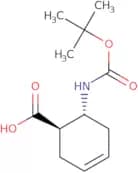

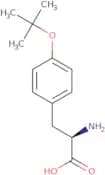
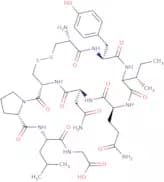
![2-[(4-Phenylpiperazin-1-yl)carbonyl]phenol](/_next/image/?url=https%3A%2Fstatic.cymitquimica.com%2Fproducts%2F3D%2Fthumb-webp%2FFP131062.webp&w=3840&q=75)

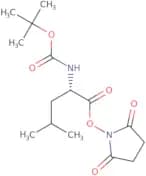

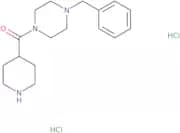
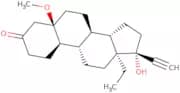
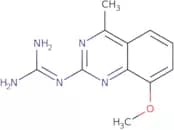
![N-[2-[4-(Aminosulfonyl)-phenyl]-ethyl]-5-methyl-2-pyrazinecarboxamide](/_next/image/?url=https%3A%2Fstatic.cymitquimica.com%2Fproducts%2F3D%2Fthumb-webp%2FFA150607.webp&w=3840&q=75)

![[1-(2-Methoxyethyl)-1H-indol-3-yl]acetic acid](/_next/image/?url=https%3A%2Fstatic.cymitquimica.com%2Fproducts%2F3D%2Fthumb-webp%2FFM135744.webp&w=3840&q=75)
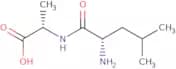
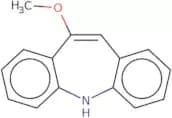

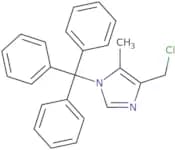
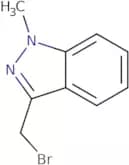


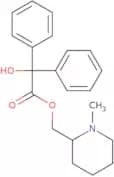
![N-Ethyl-N-[(heptadecafluorooctyl)sulphonyl]glycine](/_next/image/?url=https%3A%2Fstatic.cymitquimica.com%2Fproducts%2F3D%2Fthumb-webp%2FFE91897.webp&w=3840&q=75)

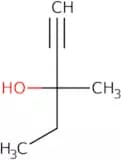

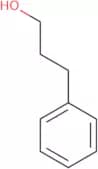
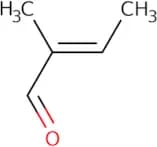
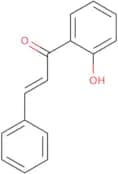
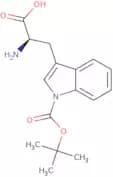
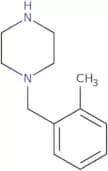
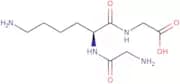
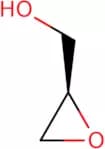
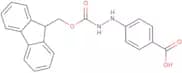
![(-)-N-[1-(R)-Ethoxycarbonxyl-3-phenylpropyl]-L-alanine](/_next/image/?url=https%3A%2Fstatic.cymitquimica.com%2Fproducts%2F3D%2Fthumb-webp%2FFE22879.webp&w=3840&q=75)
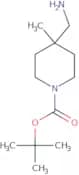
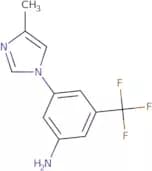
![[2-(1-Ethyl-1H-indol-3-yl)-1-methylethyl]amine hydrochloride](/_next/image/?url=https%3A%2Fstatic.cymitquimica.com%2Fproducts%2F3D%2Fthumb-webp%2FFE123632.webp&w=3840&q=75)
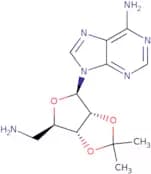
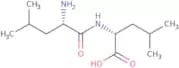
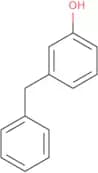

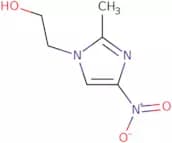
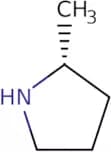
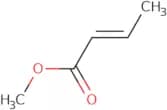
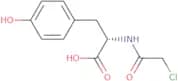
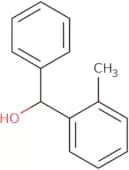
![10-[2-(1-Methyl-2-piperidinyl)ethyl]-2-(methylthio)-10H-phenothiazine hydrochloride](/_next/image/?url=https%3A%2Fstatic.cymitquimica.com%2Fproducts%2F3D%2Fthumb-webp%2FFT28238.webp&w=3840&q=75)

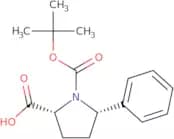
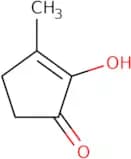
![1-[4-(4-Methylpiperidin-1-yl)phenyl]methanamine](/_next/image/?url=https%3A%2Fstatic.cymitquimica.com%2Fproducts%2F3D%2Fthumb-webp%2FFM117851.webp&w=3840&q=75)
![2-(4-Fluorophenyl)-5-[(5-iodo-2-methylphenyl)methyl]thiophene](/_next/image/?url=https%3A%2Fstatic.cymitquimica.com%2Fproducts%2F3D%2Fthumb-webp%2FFF34928.webp&w=3840&q=75)
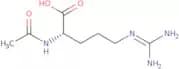
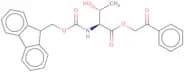
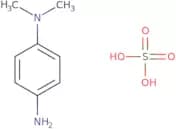
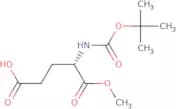
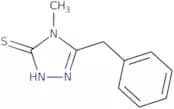

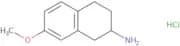
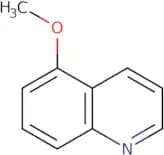
![[(5-Chloro-1-methyl-1H-benzimidazol-2-yl)methyl]amine hydrochloride](/_next/image/?url=https%3A%2Fstatic.cymitquimica.com%2Fproducts%2F3D%2Fthumb-webp%2FFC135791.webp&w=3840&q=75)
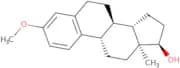
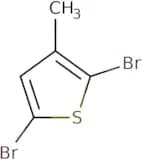

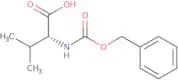
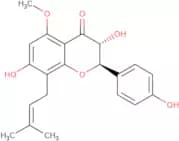


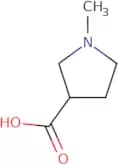
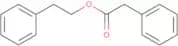
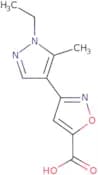
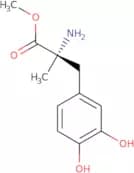
![(2S,3S)-5-[2-(Dimethylamino)ethyl]-3-hydroxy-2-(4-methoxyphenyl)-2,3-dihydro-1,5-benzothiazepin-4-…](/_next/image/?url=https%3A%2Fstatic.cymitquimica.com%2Fproducts%2F3D%2Fthumb-webp%2FFD45531.webp&w=3840&q=75)

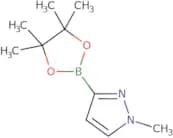
![5-Methyl-4,5,6,7-tetrahydrothiazolo[5,4-c]pyridine-2-carboxylic acid hydrochloride](/_next/image/?url=https%3A%2Fstatic.cymitquimica.com%2Fproducts%2F3D%2Fthumb-webp%2FFM63141.webp&w=3840&q=75)


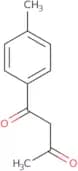
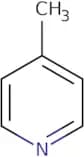
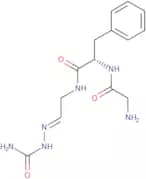
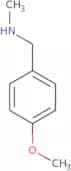
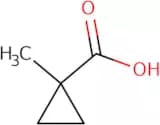

![3-Methyl-1,2,4-triazolo[3,4-a]phthalazine](/_next/image/?url=https%3A%2Fstatic.cymitquimica.com%2Fproducts%2F3D%2Fthumb-webp%2FFM25595.webp&w=3840&q=75)
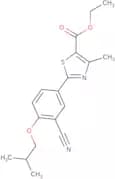
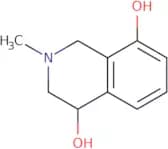
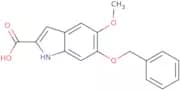
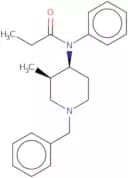
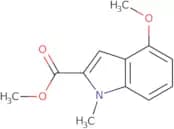
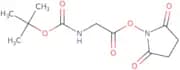
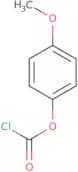
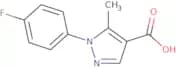

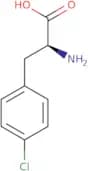
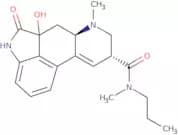

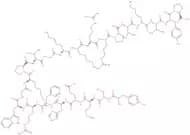
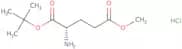
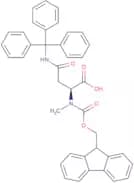
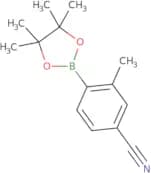
![(17R)-4-Chloro-5-ethyl-9-fluoro-11b-hydroxy-16b-methylspiro[androsta-1,4-diene-17,2(3H)-furan]-3,3…](/_next/image/?url=https%3A%2Fstatic.cymitquimica.com%2Fproducts%2F3D%2Fthumb-webp%2FFF103612.webp&w=3840&q=75)
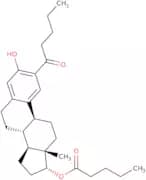
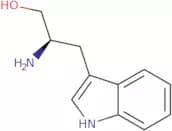
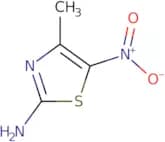
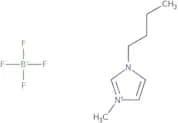

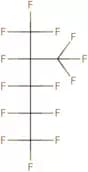
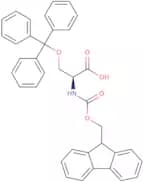
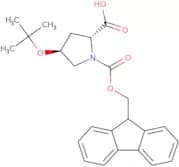
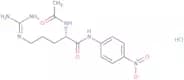


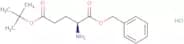
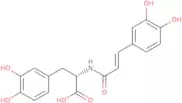

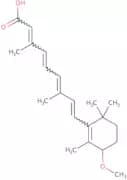
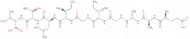
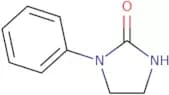
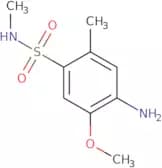
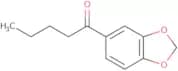


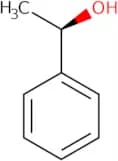

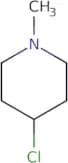
![N-[1-(4-Fluorophenyl)propan-2-Yl]-N-methylprop-2-Yn-1-amine](/_next/image/?url=https%3A%2Fstatic.cymitquimica.com%2Fproducts%2F3D%2Fthumb-webp%2FFF95966.webp&w=3840&q=75)
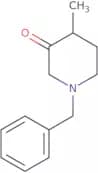
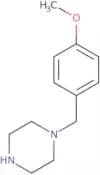
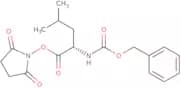

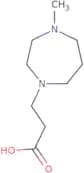
![1-(4-Methoxyphenyl)-7-oxo-6-(4-(2-oxopiperidin-1-yl)phenyl)-4,5,6,7-tetrahydro-1H-pyrazolo[3,4-c]p…](/_next/image/?url=https%3A%2Fstatic.cymitquimica.com%2Fproducts%2F3D%2Fthumb-webp%2FFM155764.webp&w=3840&q=75)
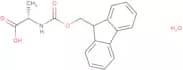
![(2S,3S,5S)-5-[(N-Formyl-L-leucyl)oxy]-2-hexyl-3-hydroxyhexadecanoic acid](/_next/image/?url=https%3A%2Fstatic.cymitquimica.com%2Fproducts%2F3D%2Fthumb-webp%2FFF23586.webp&w=3840&q=75)
![4-fluoro-1-methyl-1,4-diazoniabicyclo[2.2.2]octane](/_next/image/?url=https%3A%2Fstatic.cymitquimica.com%2Fproducts%2F3D%2Fthumb-webp%2FFF106220.webp&w=3840&q=75)
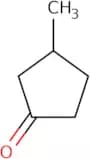
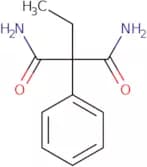
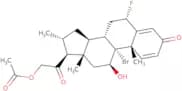
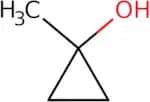
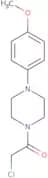
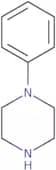

![trans-2-[3-(4-tert-Butylphenyl)-2-methyl-2-propenylidene]malononitrile](/_next/image/?url=https%3A%2Fstatic.cymitquimica.com%2Fproducts%2F3D%2Fthumb-webp%2FFB166374.webp&w=3840&q=75)

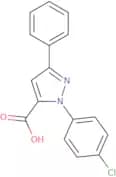
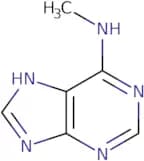

![(1S,2R)-2-[N-Benzyl-N-(mesitylenesulfonyl)amino]-1-phenyl-1-propanol](/_next/image/?url=https%3A%2Fstatic.cymitquimica.com%2Fproducts%2F3D%2Fthumb-webp%2FFB59939.webp&w=3840&q=75)
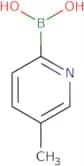
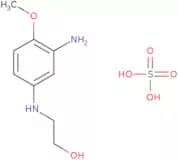
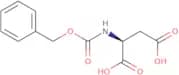
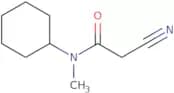
![3-[1-(2-Methoxyethyl)-1H-indol-3-yl]propanoic acid](/_next/image/?url=https%3A%2Fstatic.cymitquimica.com%2Fproducts%2F3D%2Fthumb-webp%2FFM135770.webp&w=3840&q=75)
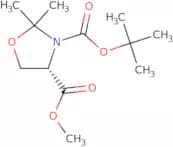
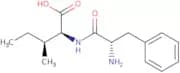
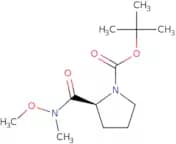
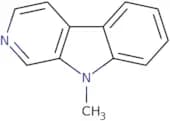
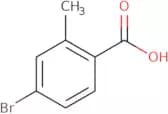
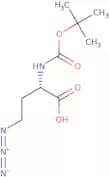
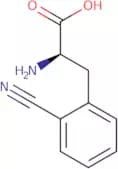
![(S)-5,6,6a,7-Tetrahydro-6-methyl- 4H-dibenzo[de,g]quinoline-10,11-diol hydrochloride](/_next/image/?url=https%3A%2Fstatic.cymitquimica.com%2Fproducts%2F3D%2Fthumb-webp%2FFT46165.webp&w=3840&q=75)
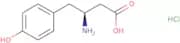
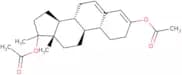
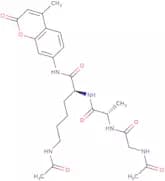
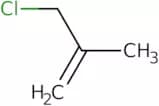
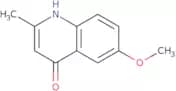
![4-[(4-Methyl-1H-pyrazol-1-yl)methyl]piperidine dihydrochloride](/_next/image/?url=https%3A%2Fstatic.cymitquimica.com%2Fproducts%2F3D%2Fthumb-webp%2FFM122832.webp&w=3840&q=75)
![4-[1-(2-Methoxyethyl)-1H-indol-3-yl]butanoic acid](/_next/image/?url=https%3A%2Fstatic.cymitquimica.com%2Fproducts%2F3D%2Fthumb-webp%2FFM135737.webp&w=3840&q=75)

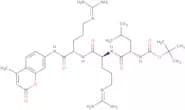
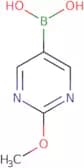

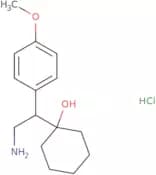
![Bis[(S)-1-phenylethyl]amine](/_next/image/?url=https%3A%2Fstatic.cymitquimica.com%2Fproducts%2F3D%2Fthumb-webp%2FFB168367.webp&w=3840&q=75)