Amino Acids (AA)
Amino acids (AAs) are the fundamental building blocks of proteins, playing a crucial role in various biological processes. These organic compounds are essential for protein synthesis, metabolic pathways, and cell signaling. In this category, you will find a comprehensive range of amino acids, including essential, non-essential, and modified forms, which are vital for research in biochemistry, molecular biology, and nutritional sciences. At CymitQuimica, we provide high-quality amino acids to support your research and development needs, ensuring accuracy and reliability in your experimental outcomes.
Subcategories of "Amino Acids (AA)"
- Amino Acid Derivatives(3,957 products)
- Amino Acid and Amino Acid Related Compounds(3,472 products)
- Amino Acids with Oxygen or Sulphur(168 products)
- Boc- Amino Acids(351 products)
- Fmoc Amino Acids(1,710 products)
Found 38265 products of "Amino Acids (AA)"
Sort by
Purity (%)
0
100
|
0
|
50
|
90
|
95
|
100
Fmoc-Trp(Boc)-Thr(Psi(Me,Me)pro)-OH
CAS:<p>Please enquire for more information about Fmoc-Trp(Boc)-Thr(Psi(Me,Me)pro)-OH including the price, delivery time and more detailed product information at the technical inquiry form on this page</p>Formula:C38H41N3O8Purity:Min. 95%Molecular weight:667.75 g/molH-Ser(tBu)-AMC·HCl
CAS:<p>Please enquire for more information about H-Ser(tBu)-AMC·HCl including the price, delivery time and more detailed product information at the technical inquiry form on this page</p>Formula:C17H22N2O4·HClPurity:Min. 95%Molecular weight:354.83 g/molFmoc-4-(7-hydroxy-4-coumarinyl)-Abu-OH
CAS:<p>Please enquire for more information about Fmoc-4-(7-hydroxy-4-coumarinyl)-Abu-OH including the price, delivery time and more detailed product information at the technical inquiry form on this page</p>Formula:C28H23NO7Purity:Min. 95%Molecular weight:485.48 g/molFmoc-Arg(Mtr)-Wang resin (200-400 mesh)
<p>Please enquire for more information about Fmoc-Arg(Mtr)-Wang resin (200-400 mesh) including the price, delivery time and more detailed product information at the technical inquiry form on this page</p>Purity:Min. 95%Fmoc-Met-Wang resin (100-200 mesh)
<p>Please enquire for more information about Fmoc-Met-Wang resin (100-200 mesh) including the price, delivery time and more detailed product information at the technical inquiry form on this page</p>Purity:Min. 95%(Glu2)-TRH Pyr-Glu-Pro-NH2
CAS:<p>(Glu2)-TRH Pyr-Glu-Pro-NH2 is a colony-stimulating factor that has been shown to play a role in fertility and energy metabolism. It is also involved in the regulation of physiological functions, such as spermatozoa motility and enzyme inhibitors. (Glu2)-TRH Pyr-Glu-Pro-NH2 binds to its receptor on the surface of cells and stimulates cell growth. The biological function of this drug is not yet known.</p>Formula:C15H22N4O6Purity:Min. 95%Molecular weight:354.36 g/molBoc-4-Abz-OSu
CAS:<p>Please enquire for more information about Boc-4-Abz-OSu including the price, delivery time and more detailed product information at the technical inquiry form on this page</p>Formula:C16H18N2O6Purity:Min. 95%Molecular weight:334.32 g/molFmoc-Pro-Pro-Pro-Pro-Pro-OH
CAS:<p>Please enquire for more information about Fmoc-Pro-Pro-Pro-Pro-Pro-OH including the price, delivery time and more detailed product information at the technical inquiry form on this page</p>Formula:C40H47N5O8Purity:Min. 95%Molecular weight:725.83 g/molH-Asp-Arg-OH
CAS:<p>H-Asp-Arg-OH is a histamine releasing factor. Histamine is a neurotransmitter that regulates the release of other neurotransmitters in the brain. It also has been shown to be an important mediator of inflammatory reactions and has been associated with asthma, allergic reactions, and inflammation. H-Asp-Arg-OH can be used as a histological stain for the detection of 8-hydroxyquinoline and its metabolites such as glucuronides in tissues. The distribution pattern of this compound can be visualized using infrared spectroscopy and β-glucuronidase activity can be detected by color change in histochemical reactions.</p>Formula:C10H19N5O5Purity:Min. 95%Molecular weight:289.29 g/molAc-D-Phe-Tyr-OH
CAS:<p>Please enquire for more information about Ac-D-Phe-Tyr-OH including the price, delivery time and more detailed product information at the technical inquiry form on this page</p>Formula:C20H22N2O5Purity:Min. 95%Molecular weight:370.4 g/molPhylloseptin-L2 trifluoroacetate salt
CAS:<p>Please enquire for more information about Phylloseptin-L2 trifluoroacetate salt including the price, delivery time and more detailed product information at the technical inquiry form on this page</p>Formula:C76H126N18O19Purity:Min. 95%Molecular weight:1,595.92 g/molH-Asn(Trt)-2-chlorotrityl resin (200-400 mesh) (Low Substitution)
<p>Please enquire for more information about H-Asn(Trt)-2-chlorotrityl resin (200-400 mesh) (Low Substitution) including the price, delivery time and more detailed product information at the technical inquiry form on this page</p>Purity:Min. 95%Thr-Ala-Pro-Arg-Atrial Natriuretic Factor (1-28) (human, bovine, porcine) trifluoroacetate salt
CAS:<p>Thr-Ala-Pro-Arg-Atrial Natriuretic Factor (1-28) (human, bovine, porcine) trifluoroacetate salt is a peptide hormone that regulates blood pressure by causing the kidneys to excrete sodium and water. It is used as a model system for studying the physiological effects of urodilatin and has been shown to inhibit the cyclase enzyme. Thr-Ala-Pro-Arg-Atrial Natriuretic Factor (1-28) (human, bovine, porcine) trifluoroacetate salt may also have an antihypertensive effect through its ability to reduce levels of natriuretic peptides in plasma. This drug is also being investigated as a possible treatment for congestive heart failure. The small molecular weight makes it suitable for use as a natriuretic or antihypertensive drug with minimal side effects.</p>Formula:C145H234N52O44S3Purity:Min. 95%Molecular weight:3,505.93 g/molFA-Gly-Leu-NH2
CAS:<p>FA-Gly-Leu-NH2 is an amide that inhibits the activity of metalloproteases by binding to the zinc ion in the active site. It was shown to inhibit protease activity and protein synthesis in armillaria. This compound also showed irreversible inhibition of thermolysin, a serine protease, and protein synthesis in yeast. The biological properties of FA-Gly-Leu-NH2 were studied using a synthetic substrate for thermolysin, which led to the conclusion that this inhibitor has potential as a therapeutic agent for inflammatory diseases.</p>Formula:C15H21N3O4Purity:Min. 95%Molecular weight:307.35 g/molH-2,6-Difluoro-Phe-OH·HCl
CAS:<p>Please enquire for more information about H-2,6-Difluoro-Phe-OH·HCl including the price, delivery time and more detailed product information at the technical inquiry form on this page</p>Formula:C9H9F2NO2·HClPurity:Min. 95%Molecular weight:237.63 g/molLauroyl lysine
CAS:<p>Lauroyl lysine (N6-Lauroyl-L-lysine) functions as skin and hair conditioning agents and as surfactants-cleansing agents in personal care products.</p>Formula:C18H36N2O3Purity:99.18%Color and Shape:White To Off-White Solid With Characteristic Faint OdorMolecular weight:328.49(D-Phe2·6,Pro3)-LHRH trifluoroacetate salt
CAS:<p>Please enquire for more information about (D-Phe2·6,Pro3)-LHRH trifluoroacetate salt including the price, delivery time and more detailed product information at the technical inquiry form on this page</p>Formula:C59H80N14O13Purity:Min. 95%Molecular weight:1,193.35 g/molAc-Thr-Leu-Asn-Phe-OH
CAS:<p>Ac-Thr-Leu-Asn-Phe-OH is a tetrapeptide that is synthesized from the amino acid sequence of human immunodeficiency virus (HIV) protease. It has been shown to inhibit HIV protease and prevent the cleavage of polypeptides, thereby preventing viral replication. The peptide is synthesized by reacting aspartyl with L-leucine in the presence of N,N′-dicyclohexylcarbodiimide and pyridine. Ac-Thr-Leu-Asn-Phe-OH was found to be resistant to proteases and has a constant molecular weight.</p>Formula:C25H37N5O8Purity:Min. 95%Molecular weight:535.59 g/molN-(Hydroxymethyl)-phenylacetamide
CAS:<p>N-(Hydroxymethyl)-phenylacetamide is an organic solvent that is used in the synthesis of certain antibiotics. It is a synthetic compound and can be obtained by reacting toluene with benzene, using a strong acid catalyst such as sulfuric acid. N-(Hydroxymethyl)-phenylacetamide has been used in the synthesis of isoquinolones, which are also antibiotics. This organic solvent can also be used for recrystallization, which is a process that helps purify solids from liquids or liquids from solids. The yield of this reaction is high, making it an efficient way to synthesize these compounds.</p>Formula:C9H11NO2Purity:Min. 95%Molecular weight:165.19 g/mol(Ala1·3·11·15)-Endothelin-1 trifluoroacetate salt
CAS:<p>(Ala1·3·11·15)-Endothelin-1 trifluoroacetate salt H-Ala-Ser-Ala-Ser-Ser-Leu-Met-Asp-Lys-Glu-Ala-Val-Tyr-Phe-Ala-His-Leu) is a phorbol ester, which is an analog of endothelin. It has been shown to inhibit the production of proinflammatory cytokines and chemokines in vitro and in vivo. This compound also inhibits the migration and proliferation of vascular endothelial cells, which may be due to its ability to suppress Ca2+ concentration. (Ala1·3·11·15)-Endothelin -1 trifluoroacetate salt H-) can also be used as a fluorescent marker for immunohistochemical studies on tissues such as vessels and gastrointestinal tissues. The localization of this drug can be observed by microscopy techniques such as</p>Formula:C109H163N25O32SPurity:Min. 95%Molecular weight:2,367.68 g/molLIP1 (human) trifluoroacetate salt
<p>Please enquire for more information about LIP1 (human) trifluoroacetate salt including the price, delivery time and more detailed product information at the technical inquiry form on this page</p>Formula:C133H229N45O37Purity:Min. 95%Molecular weight:3,050.52 g/molH-Gly-DL-Abu-OH
CAS:<p>Please enquire for more information about H-Gly-DL-Abu-OH including the price, delivery time and more detailed product information at the technical inquiry form on this page</p>Formula:C6H12N2O3Purity:Min. 95%Molecular weight:160.17 g/molH-Tyr-Ser-NH2·HCl
CAS:<p>Please enquire for more information about H-Tyr-Ser-NH2·HCl including the price, delivery time and more detailed product information at the technical inquiry form on this page</p>Formula:C12H17N3O4·HClPurity:Min. 95%Molecular weight:303.74 g/molH-Ala-Phe-Pro-OH
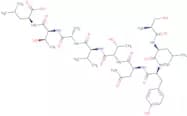
CAS:<p>Please enquire for more information about H-Ala-Phe-Pro-OH including the price, delivery time and more detailed product information at the technical inquiry form on this page</p>Formula:C17H23N3O4Purity:Min. 95%Molecular weight:333.38 g/molAcetyl-Angiotensin I Ac-Asp-Arg-Val-Tyr-Ile-His-Pro-Phe-His-Leu-OH
CAS:<p>Please enquire for more information about Acetyl-Angiotensin I Ac-Asp-Arg-Val-Tyr-Ile-His-Pro-Phe-His-Leu-OH including the price, delivery time and more detailed product information at the technical inquiry form on this page</p>Formula:C64H91N17O15Purity:Min. 95%Molecular weight:1,338.51 g/mol1-(2,4-Dihydroxy-5-methoxyphenyl)-2-(4-hydroxyphenyl)-3,3-dimethoxy-1-propanone
CAS:<p>Please enquire for more information about 1-(2,4-Dihydroxy-5-methoxyphenyl)-2-(4-hydroxyphenyl)-3,3-dimethoxy-1-propanone including the price, delivery time and more detailed product information at the technical inquiry form on this page</p>Formula:C18H20O7Purity:Min. 95%Molecular weight:348.35 g/molH-Gly-Gly-bNA·HBr
CAS:<p>Please enquire for more information about H-Gly-Gly-bNA·HBr including the price, delivery time and more detailed product information at the technical inquiry form on this page</p>Formula:C14H15N3O2·HBrPurity:Min. 95%Molecular weight:338.2 g/mol(Des-Asp187,Met186)-Melanocyte Protein PMEL 17 (185-193) (human, bovine, mouse) trifluoroacetate salt
CAS:<p>Please enquire for more information about (Des-Asp187,Met186)-Melanocyte Protein PMEL 17 (185-193) (human, bovine, mouse) trifluoroacetate salt including the price, delivery time and more detailed product information at the technical inquiry form on this page</p>Formula:C43H69N9O11SPurity:Min. 95%Molecular weight:920.13 g/molAc-Asp-Glu-Val-Asp-chloromethylketone trifluoroacetate salt
CAS:<p>Ac-Asp-Glu-Val-Asp-chloromethylketone trifluoroacetate salt is a basic protein. It inhibits the neuronal death induced by dopamine and its derivatives, which is caused by overactivation of the mitochondrial membrane potential and release of cytochrome c from mitochondria to cytosol. This compound also inhibits the activation of toll-like receptor 4 (TLR4) and nuclear factor κB (NF-κB) signaling pathways in neuronal cells. Ac-Asp-Glu-Val-Asp-chloromethylketone trifluoroacetate salt has been shown to have antiinflammatory effects when applied topically on skin wounds. The molecule has been used as a model system for studying the molecular mechanism of epidermal growth factor (EGF) activation in hybridoma cell lines and primary cells.</p>Formula:C21H31ClN4O11Purity:Min. 95%Molecular weight:550.94 g/mol(E)-2-(Aminomethyl)-N,N-diethyl-1-phenylcyclopropanecarboxamideHydrochloride
CAS:Controlled Product<p>Levomilnacipran is a serotonin-norepinephrine reuptake inhibitor (SNRI) that is used for the treatment of major depressive disorder and fibromyalgia. It has been shown to have antidepressant effects in patients with major depressive disorder and fibromyalgia. Levomilnacipran inhibits the reuptake of serotonin and norepinephrine by blocking the transporter proteins in these neurotransmitter pathways, increasing their availability to interact with receptors in the brain. Levomilnacipran also has been found to inhibit aminotransferase activity, which may be responsible for its hepatotoxicity.</p>Formula:C15H23ClN2OPurity:Min. 95%Molecular weight:282.81 g/molAdrenomedullin (11-50) (rat)
CAS:<p>Please enquire for more information about Adrenomedullin (11-50) (rat) including the price, delivery time and more detailed product information at the technical inquiry form on this page</p>Formula:C194H304N58O59S4Purity:Min. 95%Molecular weight:4,521.11 g/molAtriopeptin I (rat)
CAS:<p>Atriopeptin I is a peptide hormone that is produced in the rat mesenteric gland. It has been shown to have β-amino acid, diagnostic agents, ph optimum, and receptor activity. Atriopeptin I has been found to have atrial natriuretic effects and may be useful for the treatment of infectious diseases. Atriopeptin I has also been shown to bind with a monoclonal antibody and enzyme inhibitors as well as having a disulfide bond. The biological function of this peptide hormone is not yet known, but it is thought to be involved in fatty acid metabolism.</p>Formula:C83H135N29O30S2Purity:Min. 95%Molecular weight:2,083.27 g/molSplenopentin acetate salt
CAS:<p>Splenopentin acetate salt H-Arg-Lys-Glu-Val-Tyr-OH acetate salt is an experimental drug that belongs to the group of peptide hormones. It has been shown to have beneficial effects on bowel disease in animal models and also has anti-inflammatory properties. Splenopentin acetate salt H-Arg-Lys-Glu-Val-Tyr-OH acetate salt activates the T cell receptor and stimulates cytokine production, thereby reducing inflammation and relieving symptoms of autoimmune diseases. Splenopentin acetate salt H-Arg-Lys-Glu-Val-Tyr-OH acetate salt also stimulates colonies of cells called macrophages, which then produce inflammatory mediators such as IL1, IL2, IL4, and IL6. This agent is biocompatible with human cells in vitro (in a test tube).</p>Formula:C31H51N9O9Purity:Min. 95%Molecular weight:693.79 g/mol([13C6]Leu5)-Ghrelin (human) trifluoroacetate salt
CAS:<p>Please enquire for more information about ([13C6]Leu5)-Ghrelin (human) trifluoroacetate salt including the price, delivery time and more detailed product information at the technical inquiry form on this page</p>Purity:Min. 95%(Cys18)-Atrial Natriuretic Factor (4-18) amide (mouse, rabbit, rat) trifluoroacetate salt
CAS:<p>Please enquire for more information about (Cys18)-Atrial Natriuretic Factor (4-18) amide (mouse, rabbit, rat) trifluoroacetate salt including the price, delivery time and more detailed product information at the technical inquiry form on this page</p>Formula:C64H107N25O19S2Purity:Min. 95%Molecular weight:1,594.82 g/mol(D-Leu7)-LHRH trifluoroacetate salt
CAS:<p>Please enquire for more information about (D-Leu7)-LHRH trifluoroacetate salt including the price, delivery time and more detailed product information at the technical inquiry form on this page</p>Formula:C55H75N17O13Purity:Min. 95%Molecular weight:1,182.29 g/molSuc-Ala-Ala-Pro-Met-pNA
CAS:<p>Suc-Ala-Ala-Pro-Met-pNA is a proteolytic enzyme that is active at acidic pH and cleaves casein to produce smaller peptides. It has been shown to have anti-inflammatory effects in animal models of inflammatory diseases by inhibiting the production of vasoactive intestinal peptide and other inflammatory mediators. Suc-Ala-Ala-Pro-Met-pNA also has a high salt tolerance and can survive in the presence of chloromethyl ketone, which is used as a chemical tool for protein sequencing. The enzyme produces dodecyl as its cleavage product, which can be used to determine the optimal reaction conditions for this enzyme.</p>Formula:C26H36N6O9SPurity:Min. 95%Molecular weight:608.67 g/molBPP 5a Pyr-Lys-Trp-Ala-Pro-OH
CAS:<p>BPP 5a is an amide-based enzyme inhibitor with potent activity against bradykinin b2 receptor. It binds to the b2 receptor and inhibits its enzymatic activity, leading to a decrease in blood pressure. BPP 5a is orally administered and has been shown to be safe and effective in clinical trials. It also has potentiation effects that are mediated by the inhibition of kininases, which leads to a decrease in circulating levels of bradykinin. BPP 5a is used as a diagnostic aid for porcine kidney disease and has been shown to inhibit the production of monoclonal antibodies.</p>Formula:C30H41N7O7Purity:Min. 95%Molecular weight:611.69 g/molH-Gly-Gly-Sar-OH
CAS:<p>Gly-Gly-Sar is a synthetic peptide that acts as a substrate for the peptide transporter, which is part of the membrane of cells. It is an amide with a reactive group that can form a ternary complex with two hydroxyl ions and one proton. Gly-Gly-Sar has been shown to be taken up by caco-2 cells in an extravesicular manner and undergoes proteolysis by peptidases. This leads to bond cleavage and formation of free Gly-Gly and Sar. The free Gly and Gly are then transported across the cell membrane into the cell cytoplasm, where they are hydroxylated by enzymes such as glycyl-l-leucine hydroxylase to form glycolic acid and glyoxylic acid, respectively.</p>Formula:C7H13N3O4Purity:Min. 95%Molecular weight:203.2 g/molH-Gly-Lys-OH·HCl
CAS:<p>Please enquire for more information about H-Gly-Lys-OH·HCl including the price, delivery time and more detailed product information at the technical inquiry form on this page</p>Formula:C8H17N3O3·HClPurity:Min. 95%Molecular weight:239.7 g/molBoc-Homoarg-OH·HCl
CAS:<p>Please enquire for more information about Boc-Homoarg-OH·HCl including the price, delivery time and more detailed product information at the technical inquiry form on this page</p>Formula:C12H24N4O4·HClPurity:Min. 95%Molecular weight:324.8 g/mol(Des-Gly10,D-Pyr 1,D-Leu6,Pro-NHEt 9)-LHRH trifluoroacetate salt
<p>Please enquire for more information about (Des-Gly10,D-Pyr 1,D-Leu6,Pro-NHEt 9)-LHRH trifluoroacetate salt including the price, delivery time and more detailed product information at the technical inquiry form on this page</p>Formula:C59H84N16O12Purity:Min. 95%Molecular weight:1,209.4 g/molNeuropeptide Y (13-36) (porcine) trifluoroacetate salt
CAS:<p>Please enquire for more information about Neuropeptide Y (13-36) (porcine) trifluoroacetate salt including the price, delivery time and more detailed product information at the technical inquiry form on this page</p>Formula:C135H209N41O36Purity:Min. 95%Molecular weight:2,982.36 g/molH-Leu-Tyr-Leu-OH
CAS:<p>H-Leu-Tyr-Leu-OH is a molecule that contains a pyrrolidine ring and methyl groups. The molecule is an amino acid, which is one of the twenty that are used to form proteins. It has three terminal residues, which are H, Leu, and Tyr. The crystallographic structure of the compound was determined by x-ray crystallographic studies and it was found to be orthorhombic with a sephadex crystal lattice. The molecular conformation of this compound can be altered through kinetic or equilibrium processes.</p>Formula:C21H33N3O5Purity:Min. 95%Molecular weight:407.5 g/molFmoc-Asp(OtBu)-Wang resin (100-200 mesh)
<p>Please enquire for more information about Fmoc-Asp(OtBu)-Wang resin (100-200 mesh) including the price, delivery time and more detailed product information at the technical inquiry form on this page</p>Purity:Min. 95%Z-Ala-Pro-Phe-chloromethylketone
CAS:<p>Z-Ala-Pro-Phe-chloromethylketone is a cytosolic protein that performs its function by denaturing proteins and is localized in the cytosol. It has been shown to be active against a number of bacteria, including Bacillus licheniformis and Listeria monocytogenes, as well as some fungi. Z-Ala-Pro-Phe-chloromethylketone targets the membrane potential in mitochondria and chloromethyl ketone is a strategy for inhibiting membrane potential in mitochondria. The x-ray diffraction data show that this protein forms a molecule with an alpha helix structure. It binds to the mitochondrial inner membrane by ligation and inhibits mitochondrial membrane potential.</p>Formula:C26H30ClN3O5Purity:Min. 95%Molecular weight:499.99 g/molBoc 8-Lys4-Lys2-Lys-b-Ala-PAM resin (200-400 mesh)
CAS:<p>Boc 8-Lys4-Lys2-Lys-b-Ala-PAM resin (200-400 mesh) is a versatile research chemical used in various applications. It contains aminooxyacetic acid, which is commonly used in the synthesis of fatty acids and other organic compounds. This resin is often employed in the purification and separation of target molecules, such as ochratoxin, collagen, synthetic cannabinoids, naphthalene derivatives, fatty acids, steroids, and more. Additionally, it can be utilized as an inhibitor for various enzymes or complexes like arp2/3 complex. The Boc 8-Lys4-Lys2-Lys-b-Ala-PAM resin has also been used in the synthesis of cefazolin sodium, an antibiotic widely used in medical settings. With its high-quality composition and fine particle size (200-400 mesh), this resin offers excellent performance and efficiency for biomass-related studies and other research endeavors.</p>Formula:C45H91N15O9·xC2HF3O2Purity:Min. 95%1-O-Octadecyl-sn-glycerol
CAS:<p>1-O-Octadecyl-sn-glycerol (1ODG) is a dietary lipid that is absorbed by the gastrointestinal tract and transported to the liver. It is used in cell culture as a substitute for lipids that are not available or cannot be used for experiments. 1ODG is also found in human lung and colon tissues, where it may act as a growth factor. 1ODG has been shown to inhibit herpes simplex virus type I (HSV-1) replication in cultured cells by increasing intracellular calcium levels and inhibiting viral DNA synthesis. It can also increase fatty acid synthesis and induce cellular proliferation of tissue culture cells, such as lung fibroblasts.</p>Formula:C21H44O3Purity:Min. 95%Molecular weight:344.57 g/molH-β-Ala-Trp-OH
CAS:<p>Please enquire for more information about H-beta-Ala-Trp-OH including the price, delivery time and more detailed product information at the technical inquiry form on this page</p>Formula:C14H17N3O3Purity:Min. 95%Molecular weight:275.3 g/molLHRH (1-6) amide Pyr-His-Trp-Ser-Tyr-Gly-NH2
CAS:<p>Please enquire for more information about LHRH (1-6) amide Pyr-His-Trp-Ser-Tyr-Gly-NH2 including the price, delivery time and more detailed product information at the technical inquiry form on this page</p>Formula:C36H42N10O9Purity:Min. 95%Molecular weight:758.78 g/molBradykinin (1-5) trifluoroacetate salt
CAS:<p>Bradykinin (1-5) trifluoroacetate salt H-Arg-Pro-Pro-Gly-Phe-OH is a peptide that has been shown to have anti-cancer properties. The effect of Bradykinin (1-5) trifluoroacetate salt H-Arg-Pro-Pro-Gly-Phe-OH on prostate cancer cells was studied in vitro by measuring the extent of cell growth. The results showed a dose dependent decrease in tumor growth rate, suggesting that this peptide may be useful as an adjuvant therapy for prostate cancer. Bradykinin (1-5) trifluoroacetate salt H-Arg-Pro-Pro-Gly-Phe has also been shown to inhibit diabetic nephropathy and reduce proteinuria in diabetic patients. This peptide may also be used to diagnose prostate cancer because it binds to the thrombin receptor, which is present on cancer cells but not</p>Formula:C27H40N8O6Purity:Min. 95%Molecular weight:572.66 g/molFmoc-D-Cys(Mob)-OH
CAS:<p>Please enquire for more information about Fmoc-D-Cys(Mob)-OH including the price, delivery time and more detailed product information at the technical inquiry form on this page</p>Formula:C26H25NO5SPurity:Min. 95%Molecular weight:463.55 g/mol(3-Methyl-2-nitro-3H-imidazol-4-yl)methanol
CAS:<p>3-Methyl-2-nitro-3H-imidazol-4-yl)methanol is a fluorescent probe that can be used to detect hypoxic tumor cells. It has been shown to selectively react with the methylethyl group in Trichomonas vaginalis. 3-Methyl-2-nitro-3H-imidazol-4-yl)methanol is bioreductive and can be activated by nitro groups in proteins, which are found in the active site of enzymes such as bacterial dna gyrase. This probe has been shown to bind to the sn38 position of bacterial DNA, but not mammalian DNA.</p>Formula:C5H7N3O3Purity:Min. 95%Molecular weight:157.13 g/molAngiotensin A trifluoroacetate salt
CAS:<p>Angiotensin A trifluoroacetate salt H-Ala-Arg-Val-Tyr-Ile-His-Pro-Phe-OH is a drug that has been shown to be effective in treating chronic kidney disease and heart failure. It is a synthetic peptide that mimics the activity of angiotensin II, an important regulator of blood pressure. Angiotensin A trifluoroacetate salt H-Ala-Arg-Val-Tyr-Ile-His-Pro-Phe-OH binds to the angiotensin receptor, which causes vasoconstriction and increases the release of soluble guanylate cyclase. This drug also inhibits the production of matrix metalloproteinases, which break down collagen and other extracellular proteins.</p>Formula:C49H71N13O10Purity:Min. 95%Molecular weight:1,002.17 g/molH-Ser-Glu-Gly-OH
CAS:<p>H-Ser-Glu-Gly-OH is an atypical compound that has shown anti-cancer activity in vitro. It is a member of the family of compounds known as glycine receptor antagonists. H-Ser-Glu-Gly-OH has been shown to inhibit the proliferation of A549 lung cancer cells and to induce cell cycle arrest and apoptosis. The compound also inhibits the activation of signal regulated kinase (ERK) in A549 lung cancer cells, which may be due to its ability to inhibit the production of cytokines such as IL6, IL8, and TNFα. H-Ser-Glu-Gly-OH also has mitogenic and antiproliferative activities for a variety of nonmalignant cell lines including human umbilical vein endothelial cells (HUVEC), human embryonic kidney cells (HEK293), and mouse erythroleukemia cells (MEL).</p>Formula:C10H17N3O7Purity:Min. 95%Molecular weight:291.26 g/molZ-His-Ala-OH
CAS:<p>Please enquire for more information about Z-His-Ala-OH including the price, delivery time and more detailed product information at the technical inquiry form on this page</p>Formula:C17H20N4O5Purity:Min. 95%Molecular weight:360.36 g/molZ-Phe-Arg-pNA·HCl
CAS:<p>Please enquire for more information about Z-Phe-Arg-pNA·HCl including the price, delivery time and more detailed product information at the technical inquiry form on this page</p>Formula:C29H33N7O6·HClPurity:Min. 95%Molecular weight:612.08 g/molpTH (13-34) (human)
CAS:<p>Please enquire for more information about pTH (13-34) (human) including the price, delivery time and more detailed product information at the technical inquiry form on this page</p>Formula:C125H199N39O33SPurity:Min. 95%Molecular weight:2,808.23 g/molAc-Tyr-Val-Ala-Asp-aldehyde (pseudo acid)
CAS:<p>Ac-Tyr-Val-Ala-Asp-aldehyde is a sesquiterpene lactone that has been shown to have anti-inflammatory properties. It inhibits the inflammatory response by inhibiting the production of pro-inflammatory cytokines and chemokines, such as IL1β, IL6, and TNFα. Ac-Tyr-Val-Ala-Asp-aldehyde also inhibits the activity of cyclooxygenase 2 (COX2) and lipoxygenase (LOX), which are enzymes that produce prostaglandins from arachidonic acid. Acetylsalicylic acid is an example of a drug with similar properties. Acetylsalicylic acid has been shown to inhibit the growth of cancer cells in tissue culture studies and in animal models. This compound may also be used to treat bowel disease, congestive heart failure, or other diseases that are characterized by increased apoptosis.</p>Formula:C23H32N4O8Purity:Min. 95%Molecular weight:492.52 g/mol(H-Asp-Glu-Val-Asp)2-Rhodamine 110 trifluoroacetate salt
CAS:<p>Please enquire for more information about (H-Asp-Glu-Val-Asp)2-Rhodamine 110 trifluoroacetate salt including the price, delivery time and more detailed product information at the technical inquiry form on this page</p>Formula:C56H66N10O23Purity:Min. 95%Molecular weight:1,247.18 g/molThrombospondin-1 (1016-1021) (human, bovine, mouse)
CAS:<p>Please enquire for more information about Thrombospondin-1 (1016-1021) (human, bovine, mouse) including the price, delivery time and more detailed product information at the technical inquiry form on this page</p>Formula:C39H59N9O8SPurity:Min. 95%Molecular weight:814.01 g/molRVG-9R trifluoroacetate salt
CAS:<p>Please enquire for more information about RVG-9R trifluoroacetate salt including the price, delivery time and more detailed product information at the technical inquiry form on this page</p>Formula:C201H334N82O55S2Purity:Min. 95%Molecular weight:4,843.45 g/molPAR-4 (1-6) amide (mouse) trifluoroacetate salt
CAS:<p>PAR-4 (1-6) amide (mouse) trifluoroacetate salt H-Gly-Tyr-Pro-Gly-Lys-Phe-NH2 trifluoroacetate salt is a guanine nucleotide binding protein that belongs to the PAR family of proteins. It is expressed in wild type mice and binds to the cytosolic calcium, which regulates polymerase chain reaction. PAR-4 (1-6) amide (mouse) trifluoroacetate salt H-Gly-Tyr-Pro-Gly-Lys-Phe NH2 trifluoroacetate salt can be used as a potential drug target for epidermal growth factor. It has been shown to activate transcription polymerase chain and transcriptase polymerase chain during transcriptional regulation of messenger RNA.</p>Formula:C33H46N8O7Purity:Min. 95%Molecular weight:666.77 g/molSubstance P (4-11)
CAS:<p>Substance P (4-11) H-Pro-Gln-Gln-Phe-Phe-Gly-Leu-Met-NH2 is a fluorescent peptide that binds to calcium and chloride ions. It has been shown to have an affinity for both peptide and calmodulin binding. This peptide has also been shown to be highly heat stable and can be used in a wide range of temperatures. The substance P (4-11) sequence is found in porcine, rat, bovine, and human proteins. The amino acid sequence is composed of 4 amino acids: proline, glutamine, phenylalanine, and leucine. This peptide's optimum pH is 7.5 with a temperature range of 35°C to 45°C. It has been shown that the activity of this peptide decreases as the concentration increases. It has also been shown to be susceptible to aminopeptidases at high concentrations or when</p>Formula:C46H67N11O10SPurity:Min. 95%Molecular weight:966.16 g/molLeucokinin II
CAS:<p>Leucokinin II is a fatty acid. It is a diagnostic agent that can be used to identify bacteria, such as Stenotrophomonas maltophilia, which produce β-amino acids. Leucokinin II can also be used for the diagnosis of cancer and inflammatory diseases. Its analogs are being studied for their potential use in diagnosing infectious diseases. Leucokinin II binds to the receptor and activates it, resulting in the production of biochemical or electrochemical signals that can be detected by a detector.</p>Formula:C39H50N10O12Purity:Min. 95%Molecular weight:850.87 g/molFmoc-Glu(OtBu)-Wang resin (100-200 mesh)
<p>Please enquire for more information about Fmoc-Glu(OtBu)-Wang resin (100-200 mesh) including the price, delivery time and more detailed product information at the technical inquiry form on this page</p>Purity:Min. 95%H-Ala-Pro-Arg-Thr-Pro-Gly-Gly-Arg-Arg-OH
CAS:<p>H-Ala-Pro-Arg-Thr-Pro-Gly-Gly-Arg-Arg-OH is a diacylglycerol that regulates the expression of genes and has been shown to modulate hematopoietic cells. This compound is a derivative of atypical proteins, which are proteins that have an atypical tertiary structure and do not possess a classical signal peptide or secretion signal. H-Ala-Pro-Arg-Thr-Pro-Gly-Gly-Arg-Arg -OH has been shown to be expressed in hematopoietic growth regulator domains, which may account for its pleiotropic effects on hematopoietic cells.</p>Formula:C39H70N18O11Purity:Min. 95%Molecular weight:967.09 g/molpTH (1-34) amide (human) trifluoroacetate salt
CAS:<p>Parathyroid hormone (PTH) is a peptide hormone that regulates calcium and phosphate balance in the body. PTH is secreted by the parathyroid glands, located near the thyroid gland in the neck. It is also known as parathormone or parathyrin. The active form of PTH, called pTH (1-34) amide, has been shown to stimulate bone resorption and to inhibit bone formation. The amino acid sequence of this hormone starts with arginine and ends with phenylalanine. The N-terminal amino acid residue is an aspartic acid or asparagine and histidine is the only basic residue in this molecule. This molecule has two acidic residues, glutamic acid and aspartic acid, which are found on the side chains of two amino acids: aspartic acid and glutamic acid. Valine is found at position 3 and phenylalanine at position 34.</p>Formula:C181H292N56O50S2Purity:Min. 95%Molecular weight:4,116.73 g/molAc-DL-Lys(Ac)-OH
CAS:<p>Please enquire for more information about Ac-DL-Lys(Ac)-OH including the price, delivery time and more detailed product information at the technical inquiry form on this page</p>Formula:C10H18N2O4Purity:Min. 95%Molecular weight:230.26 g/mol(D-Ser4)-LHRH trifluoroacetate salt
CAS:<p>Please enquire for more information about (D-Ser4)-LHRH trifluoroacetate salt including the price, delivery time and more detailed product information at the technical inquiry form on this page</p>Formula:C55H75N17O13Purity:Min. 95%Molecular weight:1,182.29 g/molH-Arg-Pro-pNA trifluoroacetate salt
CAS:Controlled Product<p>Please enquire for more information about H-Arg-Pro-pNA trifluoroacetate salt including the price, delivery time and more detailed product information at the technical inquiry form on this page</p>Formula:C17H25N7O4Purity:Min. 95%Molecular weight:391.43 g/molH-Ser-Gln-OH
CAS:<p>H-Ser-Gln-OH is an analog of the amino acid serine. It is a programmed protein that is responsible for DNA damage and is incrementally produced during radiation therapy. This protein phosphorylates at the end of a homologous sequence, which damages the DNA strand. H-Ser-Gln-OH can also phosphorylate other proteins, leading to cell death by apoptosis or necrosis. The rate of H-Ser-Gln-OH production may be increased in plants by photorespiration and endoreduplication, as well as by reactive oxygen species (ROS). The production of H-Ser-Gln-OH can be inhibited by hydrogen peroxide scavengers such as catalase or superoxide dismutase.</p>Formula:C8H15N3O5Purity:Min. 95%Molecular weight:233.22 g/molH-p-Chloro-Phe-D-Cys-b-(3-pyridyl)-Ala-D-Trp-Lys-Val-Cys-p-chloro-Phe-NH2 trifluoroacetate salt (Disulfide bond)
CAS:<p>Please enquire for more information about H-p-Chloro-Phe-D-Cys-b-(3-pyridyl)-Ala-D-Trp-Lys-Val-Cys-p-chloro-Phe-NH2 trifluoroacetate salt (Disulfide bond) including the price, delivery time and more detailed product information at the technical inquiry form on this page</p>Formula:C54H66Cl2N12O8S2Purity:Min. 95%Molecular weight:1,146.22 g/molGalanin (mouse, rat)
CAS:<p>Structure/Function: mouse, rat</p>Formula:C141H211N43O41Purity:Min. 95%Molecular weight:3,164.45 g/molH-D-ASN-L-ASP-OH
<p>Please enquire for more information about H-D-ASN-L-ASP-OH including the price, delivery time and more detailed product information at the technical inquiry form on this page</p>Purity:Min. 95%Color and Shape:PowderFmoc-α-Me-Lys(Boc)-OH
CAS:<p>Fmoc-a-Me-Lys(Boc)-OH is a versatile building block that can be used in the synthesis of complex compounds. It is a reagent and speciality chemical, which are substances used in research laboratories. Fmoc-a-Me-Lys(Boc)-OH has been used as an intermediate in the synthesis of drugs such as antihypertensive agents, anticonvulsants, and antibiotics. It has also been used as a reaction component in organic syntheses to produce peptides, polymers, and other compounds with biologically active properties.</p>Formula:C27H34N2O6Purity:Min. 95%Color and Shape:White PowderMolecular weight:482.57 g/molH-Ala-Ala-Ala-Tyr-OH
CAS:<p>H-Ala-Ala-Ala-Tyr-OH is a peptidic substrate that is used in assays to measure the activity of proteases. It has been shown to be a good substrate for neutrophil elastase and can be used to measure the activity of this enzyme. H-Ala-Ala-Ala-Tyr-OH has also been shown to be a reference compound for fluorescence measurements, which can be used for labeling or profiling. The fluorescence emission spectrum is constant over a wide range of pH and ionic strength, making it an ideal substrate for measuring protease activity.</p>Formula:C18H26N4O6Purity:Min. 95%Molecular weight:394.42 g/molC3a (70-77)
CAS:<p>C3a is a molecule that is part of the complement system. It was first discovered in leukocytes and has since been detected in other populations. C3a is a chemotactic factor for neutrophils and eosinophils, which are types of white blood cells. C3a binds to the surface of cells by means of protein-antibody interactions, and it can also act as an anaphylatoxin by binding to mast cell receptors.</p>Formula:C35H61N13O10Purity:Min. 95%Molecular weight:823.94 g/molH-Ala-Pro-Phe-OH
CAS:<p>Please enquire for more information about H-Ala-Pro-Phe-OH including the price, delivery time and more detailed product information at the technical inquiry form on this page</p>Formula:C17H23N3O4Purity:Min. 95%Molecular weight:333.38 g/molBAM-22P (8-22) trifluoroacetate salt
CAS:<p>BAM-22P (8-22) trifluoroacetate salt is a compound that has been shown to be an effective drug for the treatment of pain. It has been shown to have an effect on bone cancer, which can be activated by serotonin. This compound may be beneficial in treating nerve injury and fibrosarcoma cells. BAM-22P (8-22) trifluoroacetate salt is an allosteric modulator of the serotonin receptor and may be used as a treatment for pain in wild-type mice. The molecule is also a serotonin reuptake inhibitor, which prevents the reuptake of serotonin into the presynaptic neuron. This leads to increased levels of serotonin in the synapse and increased pain relief.</p>Formula:C91H127N25O23SPurity:Min. 95%Molecular weight:1,971.2 g/molH-Ala-Abu-OH
CAS:<p>Please enquire for more information about H-Ala-Abu-OH including the price, delivery time and more detailed product information at the technical inquiry form on this page</p>Formula:C7H14N2O3Purity:Min. 90%Color and Shape:PowderMolecular weight:174.2 g/molH-Met-Ala-OH formiate salt
CAS:<p>Please enquire for more information about H-Met-Ala-OH formiate salt including the price, delivery time and more detailed product information at the technical inquiry form on this page</p>Formula:C8H16N2O3SPurity:Min. 95%Molecular weight:220.29 g/molZ-Arg-p-nitrobenzyl ester mixture of hydrochloride and hydrobromide salt
CAS:<p>Please enquire for more information about Z-Arg-p-nitrobenzyl ester mixture of hydrochloride and hydrobromide salt including the price, delivery time and more detailed product information at the technical inquiry form on this page</p>Formula:C21H25N5O6Purity:Min. 95%Molecular weight:443.45 g/mol([ring-D5]Phe3)-Octreotide acetate salt
CAS:Controlled Product<p>Please enquire for more information about ([ring-D5]Phe3)-Octreotide acetate salt including the price, delivery time and more detailed product information at the technical inquiry form on this page</p>Formula:C49H61D5N10O10S2Purity:Min. 95%Molecular weight:1,024.27 g/molFmoc-Phe-Pro-OH
CAS:<p>Fmoc-Phe-Pro-OH is a sensor molecule that has been used in supramolecular, nanostructured, and biological applications. It is a supramolecular self-assembly process that can be applied to sensors, devices, and modules. Fmoc-Phe-Pro-OH can be used as a biological source for sensing bacteria or other molecules of interest. The structural properties of Fmoc-Phe-Pro-OH have been studied extensively and it has been found to have favorable properties for use in humans. Advances in this field are ongoing with the hope of improving the understanding of biological systems and human health.</p>Formula:C29H28N2O5Purity:Min. 95%Molecular weight:484.54 g/molBoc-Ala-D-Glu(OBzl)-NH2
CAS:<p>Please enquire for more information about Boc-Ala-D-Glu(OBzl)-NH2 including the price, delivery time and more detailed product information at the technical inquiry form on this page</p>Formula:C20H29N3O6Purity:Min. 95%Molecular weight:407.46 g/molO-Methylisourea hemisulfate
CAS:<p>O-Methylisourea hemisulfate is a chemical compound that has been used for wastewater treatment and as an anticancer agent. It is known to have multiple-reaction monitoring (MRM) techniques which are based on the detection of the reaction products with multiple wavelengths. O-Methylisourea hemisulfate has been shown to have anticancer activity in mammalian cells, and it enhances the antibacterial effect of ethyl formate. This chemical is also used as a sample preparation reagent in human serum protein analysis.</p>Formula:C2H6N2O·H2O4SMolecular weight:246.24 g/molN-Boc-L-proline
CAS:<p>N-Boc-L-proline is a proline derivative that has been synthesized as a drug candidate for cancer treatment. It has been shown to inhibit the activity of the enzyme, buserelin, which is involved in the synthesis of histamine and other substances. N-Boc-L-proline has also been shown to cause neuronal death by hydrogen bond formation with nitrogen nucleophiles in the brain, leading to apoptosis. The chromatographic method was used to analyze reaction products from N-Boc-L-proline with sodium carbonate. This compound has solubility data and an intramolecular hydrogen bond that can be detected by nmr spectroscopy. Trifluoroacetic acid was used as a solvent for this experiment.</p>Formula:C10H17NO4Purity:Min. 95%Color and Shape:White PowderMolecular weight:215.25 g/molBoc-D-Phe-Pro-OSu
CAS:<p>Please enquire for more information about Boc-D-Phe-Pro-OSu including the price, delivery time and more detailed product information at the technical inquiry form on this page</p>Formula:C23H29N3O7Purity:Min. 95%Molecular weight:459.49 g/molN-Heptyl-Hyp-OH
CAS:<p>The synthesis of N-heptyl-hyp-OH is a chiral resolution process for the preparation of the enantiomers of heptanol. The enantioselective synthesis of this compound is achieved by converting the racemic mixture to an optically active form by means of a chiral auxiliary, followed by protection and hydrolysis. This method produces an optically pure product in high yield.</p>Formula:C12H23NO3Purity:Min. 95%Molecular weight:229.32 g/molFmoc-Cys(Trt)-Wang resin (200-400 mesh)
<p>Please enquire for more information about Fmoc-Cys(Trt)-Wang resin (200-400 mesh) including the price, delivery time and more detailed product information at the technical inquiry form on this page</p>Purity:Min. 95%LHRH (1-2) (free acid) acetate salt
CAS:<p>LHRH (1-2) (free acid) acetate salt Pyr-His-OH acetate salt is an analog of the natural hormone LHRH. It is a member of the amide category and has been shown to have a constant level in human serum. LHRH (1-2) (free acid) acetate salt Pyr-His-OH acetate salt is resistant to renal proximal tubule uptake and has an acidic pH optimum, which inhibits its uptake into cells. This drug also has an inhibitory effect on the reaction products of hydrogen chloride and proximal tubules.</p>Formula:C11H14N4O4Purity:Min. 95%Molecular weight:266.25 g/molH-Glu-Gly-Arg-pNA acetate salt
CAS:Controlled Product<p>Please enquire for more information about H-Glu-Gly-Arg-pNA acetate salt including the price, delivery time and more detailed product information at the technical inquiry form on this page</p>Formula:C19H28N8O7Purity:Min. 95%Molecular weight:480.48 g/mol3-(4-Methylphenyl)-5-(trifluoromethyl)pyrazole
CAS:<p>Please enquire for more information about 3-(4-Methylphenyl)-5-(trifluoromethyl)pyrazole including the price, delivery time and more detailed product information at the technical inquiry form on this page</p>Formula:C11H9F3N2Purity:Min. 95%Molecular weight:226.2 g/molNeurokinin A trifluoroacetate salt
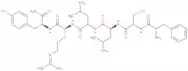
CAS:<p>Neurokinin A trifluoroacetate salt H-His-Lys-Thr-Asp-Ser-Phe-Val-Gly-Leu-Met-NH2 trifluoroacetate salt is a potent inducer of the basic protein. It has been shown to have cytotoxic effects on pluripotent cells in vitro. Neurokinin A is also a potent inducer of substance P, which is a neurotransmitter that mediates inflammatory lesions and cardiac effects. Neurokinin A has also been shown to have an effect on locomotor activity and polymerase chain reaction (PCR) amplification in vitro.</p>Formula:C50H80N14O14SPurity:Min. 95%Molecular weight:1,133.32 g/molMyristoyl-Arg-Lys-Arg-Thr-Leu-Arg-Arg-Leu-OH
CAS:<p>Myristoyl-Arg-Lys-Arg-Thr-Leu-Arg-Arg-Leu-OH is a potent inhibitor of protein kinases. It has been shown to have an inhibitory concentration 50% (IC50) of 0.5 μM and inhibits the activity of ATPase in cells. This compound is a synthetic, multidrug protein kinase inhibitor that inhibits the activity of various kinases including adriamycin, atpase, and myristic acid. Myristoyl Arg Lys Arg Thr Leu Arg Arg Leu OH has been shown to be potent and effective against cell resistance to chemotherapy.</p>Formula:C60H117N21O11Purity:Min. 95%Molecular weight:1,308.71 g/mol(Des-Gly10,D-Pyr 1,D-Ser(tBu)6,Pro-NHEt 9)-LHRH acetate salt
Controlled Product<p>Please enquire for more information about (Des-Gly10,D-Pyr 1,D-Ser(tBu)6,Pro-NHEt 9)-LHRH acetate salt including the price, delivery time and more detailed product information at the technical inquiry form on this page</p>Formula:C60H86N16O13Purity:Min. 95%Molecular weight:1,239.42 g/mol4-Amino-N-(4-methylpyrimidin-2-yl)benzenesulfonamide
CAS:<p>4-Amino-N-(4-methylpyrimidin-2-yl)benzenesulfonamide (AMBPS) is a sulfonamide antimicrobial agent that belongs to the group of sulfa drugs. It is a potent inhibitor of tetracycline resistance in bacterial cells, and has been shown to be effective against infectious diseases such as tuberculosis, leprosy and pneumonia. AMBPS has also been used in wastewater treatment and biological studies with high values. This drug binds to sulfamerazine, which inhibits bacterial growth by inhibiting RNA synthesis. The hydrogen bonding interactions between AMBPS and sulfadiazine are thought to be responsible for the effects on congestive heart failure.</p>Formula:C11H12N4O2SPurity:Min. 95%Molecular weight:264.3 g/molPyr-Trp-OH
CAS:<p>Pyr-Trp-OH is a derivative of tryptophan. It has been found to be active in the brain and its metabolites have been shown to inhibit superoxide production by inhibiting the activity of hydroxylase and dismutase. Pyr-Trp-OH also inhibits serotonin synthesis, which may contribute to its antidepressant properties. Pyr-Trp-OH is an inhibitor of indoleamine 2,3 dioxygenase, an enzyme that converts tryptophan into kynurenine. This process generates hydrogen peroxide, which can lead to cell death. The conversion of tryptophan into serotonin also produces hydrogen peroxide, so it is possible that Pyr-Trp-OH may have antioxidant effects as well as antidepressant effects.</p>Formula:C16H17N3O4Purity:Min. 95%Molecular weight:315.32 g/mol(2S,3S)-(-)-3-Amino-2-phenylpiperidine
CAS:<p>The process of asymmetric epoxidation is used to convert alkenes into epoxides in a single step. This reaction is catalyzed by the use of a chiral catalyst with an enantiomeric excess (ee) greater than 50%. The reactants are added to the catalyst and hydrogen peroxide, which oxidizes the alkenes. The resulting epoxides can be isolated from the reaction mixture by distillation or extraction. Factors that affect this reaction include the type of reactant, solvent, temperature, and pressure.</p>Formula:C11H16N2Purity:Min. 95%Molecular weight:176.26 g/molThrombospondin-1 (1016-1023) (human, bovine, mouse)
CAS:<p>Please enquire for more information about Thrombospondin-1 (1016-1023) (human, bovine, mouse) including the price, delivery time and more detailed product information at the technical inquiry form on this page</p>Formula:C56H81N13O10SPurity:Min. 95%Molecular weight:1,128.39 g/mol6-Methyl-2-(p-tolyl)imidazo[1,2-a]pyridine
CAS:<p>Formamidine is an organic compound that is used as a formylation reagent. It is a byproduct of the chlorination of formaldehyde and dimethylamine. Formamidine is produced by the reaction of chloride with formamide in the presence of dimethylamine, which leads to a high yield. Formamidine reacts with various imidazopyridines to produce a range of substituted imidazopyridines. The type and amount of substituent dictate the selectivity and reactivity of this reaction. The reagents are phosphorous pentachloride, oxalyl chloride, and N-methylformamide.</p>Formula:C15H14N2Purity:Min. 95%Molecular weight:222.29 g/molp-Methoxybenzylmercaptan
CAS:<p>P-Methoxybenzylmercaptan is an inhibitor of protein synthesis. It binds to the active site of the enzyme ribonuclease A, which is involved in the processing of messenger RNA. P-Methoxybenzylmercaptan also inhibits other enzymes such as alkaline phosphatase and esterases. It has been shown to be effective against HIV infection. This compound can be used for chemical ligation reactions and as a cell culture medium additive, as it protects cells from oxidation and provides a more acidic environment. P-Methoxybenzylmercaptan has been shown to bind to amines and is being investigated for its use in drug development.</p>Formula:C8H10OSPurity:Min. 95%Color and Shape:Clear LiquidMolecular weight:154.23 g/molAutocamtide-2-Related Inhibitory Peptide
CAS:<p>Please enquire for more information about Autocamtide-2-Related Inhibitory Peptide including the price, delivery time and more detailed product information at the technical inquiry form on this page</p>Formula:C64H116N22O19Purity:Min. 95%Molecular weight:1,497.74 g/molH-Leu-2-chlorotrityl resin (200-400 mesh) (Low Substitution)
<p>Please enquire for more information about H-Leu-2-chlorotrityl resin (200-400 mesh) (Low Substitution) including the price, delivery time and more detailed product information at the technical inquiry form on this page</p>Purity:Min. 95%Z-D-Ala-D-Ala-OMe
CAS:<p>Please enquire for more information about Z-D-Ala-D-Ala-OMe including the price, delivery time and more detailed product information at the technical inquiry form on this page</p>Formula:C15H20N2O5Purity:Min. 95%Molecular weight:308.33 g/molH-Met-Leu-OH
CAS:<p>H-Met-Leu-OH is a peptide that is a protonated form of the amino acid, methionine. It has been shown to have transient activity in the pancreas and testes. H-Met-Leu-OH is also a substrate for a number of enzymes including peptidases, which cleave it into smaller molecules. The presence of H-Met-Leu-OH in polyacrylamide gels can be detected by photooxidation or by using an electrophoresis method. H-Met-Leu-OH is used as a marker to show the purity of proteins and peptides during solubilization and electrophoresis.</p>Formula:C11H22N2O3SPurity:Min. 95%Molecular weight:262.37 g/molAllatotropin
CAS:<p>Allatotropin is a diagnostic agent that belongs to the class of antimicrobial peptides. It has been shown to have strong activity against Gram-positive and Gram-negative bacteria. Allatotropin inhibits the growth of bacteria by binding to the external membrane, disrupting its integrity. Allatotropin also has been shown to increase gamma-aminobutyric acid levels in brain tissue and galleria mellonella larvae when injected subcutaneously. This may be due to its ability to activate GABA receptors. Allatotropin can be synthesized in vitro by combining β-amino acids with fatty acids and terminal residues, such as lysine, arginine, and glutamine, under conditions that mimic those found in living cells. This synthetic process yields a mixture of allatotropins with varying chain lengths and amino acid sequences.</p>Formula:C65H103N19O17S2Purity:Min. 95%Molecular weight:1,486.76 g/molBoc-4-carboxymethyl-piperidine
CAS:<p>Boc-4-carboxymethyl-piperidine is a novel drug that has been shown to have significant correlations with the inhibition of fibrinogen and cellulose. It also has the ability to inhibit arsenite, which may be due to its dithiocarbamate group. Boc-4-carboxymethyl-piperidine has been shown to have significant biological activity in vitro. This molecule has been synthesized and crystallized, and x-ray data have been collected. The molecular structure of this molecule is shown below:</p>Formula:C12H21NO4Purity:Min. 95%Color and Shape:White PowderMolecular weight:243.3 g/molN-Me-Thr(Bzl)-OH·HCl
CAS:<p>N-Me-Thr(Bzl)-OH·HCl is a soluble, hydroformylation catalyst with alkenyl and sulfonated substituents. It is used as a hydrogenation catalyst in the industrial production of polymers, detergents, and other organic chemicals. It can also be used to catalyze the reduction of carbonyl groups to alcohols in organic synthesis.<br>N-Me-Thr(Bzl)-OH·HCl is insoluble in water and can be converted into an insoluble form by reacting with HCl or NaOH. This product has been shown to have radical properties that allow it to catalyze the hydrogenation of alkenes and alkynes.</p>Formula:C12H17NO3·HClPurity:Min. 95%Molecular weight:259.73 g/mol(R)-2-Hydroxy-4-phenylbutyric acid ethyl ester
CAS:<p>(R)-2-Hydroxy-4-phenylbutyric acid ethyl ester is a chiral compound that can be synthesized by an asymmetric synthesis reaction. The compound has been shown to inhibit the enzyme phosphodiesterase, which plays a role in the regulation of cardiac function. (R)-2-Hydroxy-4-phenylbutyric acid ethyl ester has also been shown to induce proliferation of recombinant cells and to bind to monoclonal antibodies against human C5a receptor. It is soluble in organic solvents such as isooctane or pyridine and stable under acidic or basic conditions.</p>Formula:C12H16O3Purity:Min. 95%Color and Shape:LiquidMolecular weight:208.25 g/molAc-Gly-Arg-Gly-NH2
CAS:<p>Please enquire for more information about Ac-Gly-Arg-Gly-NH2 including the price, delivery time and more detailed product information at the technical inquiry form on this page</p>Formula:C12H23N7O4Purity:Min. 95%Molecular weight:329.36 g/molL-Cysteine hydrochloride anhydrous
CAS:<p>L-Cysteine hydrochloride anhydrous is an amino acid that is used in the treatment of bowel disease. It is also a precursor for glutathione, which has antioxidant properties and helps maintain iron homeostasis. L-Cysteine hydrochloride anhydrous has been shown to inhibit the oxidation of proteins by reacting with reactive oxygen species (ROS) such as nitric oxide, superoxide, and hydrogen peroxide. This amino acid also interacts with toll-like receptor 4 (TLR4), which may account for its natural anti-inflammatory properties. L-Cysteine hydrochloride anhydrous can be synthesized from cysteine and glutamic acid using a CDNA clone encoding the enzyme cystathionine β-synthase. The synthesis of this amino acid requires a number of biochemical reactions including hydrogen bonding interactions with inhibitor molecules such as dihydrofolate reductase, metalloproteases, and thiored</p>Formula:C3H7NO2S·HClColor and Shape:White Off-White PowderMolecular weight:157.62 g/molCecropin A
CAS:<p>Cecropin A is an antimicrobial peptide, which is derived from the immune systems of insects, specifically moths. It displays potent antimicrobial properties through its ability to disrupt bacterial cell membranes, leading to cell lysis and death. This peptide primarily targets Gram-negative bacteria but is also effective against some Gram-positive strains. Cecropin A has garnered significant scientific interest due to its potential applications in developing new antimicrobial agents, particularly in the face of increasing antibiotic resistance. By integrating Cecropin A into therapeutic strategies, researchers aim to broaden the spectrum of antimicrobial options available for use in both clinical and agricultural settings, offering a promising avenue for future drug development.</p>Formula:C184H313N53O46Purity:Min. 95%Molecular weight:4,003.78 g/molFmoc-His(1-Trt)-Wang resin (100-200 mesh)
<p>Please enquire for more information about Fmoc-His(1-Trt)-Wang resin (100-200 mesh) including the price, delivery time and more detailed product information at the technical inquiry form on this page</p>Purity:Min. 95%Brain-Binding Peptide
CAS:<p>Please enquire for more information about Brain-Binding Peptide including the price, delivery time and more detailed product information at the technical inquiry form on this page</p>Formula:C37H64N12O14S2Purity:Min. 95%Molecular weight:965.11 g/molH-Val-Val-Val-Val-OH
CAS:<p>Please enquire for more information about H-Val-Val-Val-Val-OH including the price, delivery time and more detailed product information at the technical inquiry form on this page</p>Formula:C20H38N4O5Purity:Min. 95%Molecular weight:414.54 g/mol(S)-(+)-Glycidyl-4-nitrobenzoate
CAS:<p>Glycidyl-4-nitrobenzoate (GLYNB) is an opioid receptor ligand, which binds to the κ opioid receptor. It has been used in biological testing and has been shown to have affinity for the κ opioid receptor. GLYNB may be a useful tool for investigating the molecular diversity of this receptor and its function in both normal and pathological conditions.</p>Formula:C9H9NO6SPurity:Min. 95%Molecular weight:259.24 g/mol3-Acetyl-1-methylpyrrole
CAS:<p>3-Acetyl-1-methylpyrrole is an activating agent that can be used to synthesize methyl ketones. It has been shown to react with acid solutions and proton, which are generated by the reaction of a metal ion (such as Al) with hydrochloric acid. This reaction leads to the formation of enolate ions, which can then react with carbonyl groups to form alkylation products. 3-Acetyl-1-methylpyrrole is also able to catalyze reactions in both acidic and basic conditions. The kinetic of this reaction is fast, efficient, and does not require expensive equipment.</p>Formula:C7H9NOPurity:Min. 95%Color and Shape:Clear LiquidMolecular weight:123.15 g/mol(Gln22)-Amyloid b-Protein (1-40) trifluoroacetate salt
CAS:Controlled Product<p>Please enquire for more information about (Gln22)-Amyloid b-Protein (1-40) trifluoroacetate salt including the price, delivery time and more detailed product information at the technical inquiry form on this page</p>Formula:C194H296N54O57SPurity:Min. 95%Molecular weight:4,328.82 g/mol(Lys7)-Phalloidin trifluoroacetate
CAS:<p>Please enquire for more information about (Lys7)-Phalloidin trifluoroacetate including the price, delivery time and more detailed product information at the technical inquiry form on this page</p>Formula:C35H49N9O9S•(C2HF3O2)xPurity:Min. 95%Molecular weight:771.88 g/molDynorphin A (1-8) acetate salt
CAS:<p>Dynorphin A (1-8) acetate salt H-Tyr-Gly-Gly-Phe-Leu-Arg-Arg-Ile-OH acetate salt is a synthetic, nonpeptide opioid agonist. It binds to the delta receptor and inhibits nociception in the central nervous system. This compound has been shown to produce acute phase and subchronic toxicity in rats and has been shown to possess antinociceptive effects in mice. Dynorphin A (1-8) acetate salt H-Tyr-Gly-Gly-Phe-Leu-Arg-Arg-Ile-OH acetate salt has also been shown to antagonize the enzyme inhibitors of phospholipase A2, cyclooxygenase, and lipoxygenase.<br>MECHANISM OF ACTION: Dynorphin A (1–8) is an endogenous peptide that modulates neurotransmission at the</p>Formula:C46H72N14O10Purity:Min. 95%Molecular weight:981.15 g/molpTH (73-84) (human)
CAS:<p>Please enquire for more information about pTH (73-84) (human) including the price, delivery time and more detailed product information at the technical inquiry form on this page</p>Formula:C54H96N16O19Purity:Min. 95%Molecular weight:1,273.44 g/molVasonatrin Peptide (VNP) trifluoroacetate salt
CAS:<p>Please enquire for more information about Vasonatrin Peptide (VNP) trifluoroacetate salt including the price, delivery time and more detailed product information at the technical inquiry form on this page</p>Formula:C123H198N36O36S3Purity:Min. 95%Molecular weight:2,853.31 g/molH-Gly-Gly-Met-OH
CAS:<p>H-Gly-Gly-Met-OH is a hydrophobic amino acid with a decelerated reaction. It has been shown to modulate the growth of organisms, such as Staphylococcus aureus and Streptococcus pneumoniae. This molecule also has aspirin-like activity against S. aureus and can be used for cavity prevention. H-Gly-Gly-Met-OH is effective in inhibiting the growth of S. aureus, but not against Streptococcus pneumoniae. The test organism used in this study was Escherichia coli K12. H-Gly-Gly-Met-OH has been shown to have sequences that are similar to those found in kinetically slow peptides and tripeptides, which may explain its stability when encapsulated in liposomes for oral administration.</p>Formula:C9H17N3O4SPurity:Min. 95%Molecular weight:263.32 g/molMethoxycarbonyl-Lys(Z)-Gly-Arg-pNA hydrochloride salt
CAS:<p>Please enquire for more information about Methoxycarbonyl-Lys(Z)-Gly-Arg-pNA hydrochloride salt including the price, delivery time and more detailed product information at the technical inquiry form on this page</p>Formula:C30H41N9O9Purity:Min. 95%Molecular weight:671.7 g/molZ-Glu-Tyr-OH
CAS:<p>Z-Glu-Tyr-OH is a disulfide bond with a cavity. It is soluble in acidic solutions and has a cationic surface. Z-Glu-Tyr-OH is an enzyme inhibitor that blocks the activity of α subunit of protein kinase C, which is involved in intracellular signal transduction pathways. The inhibition of this enzyme may lead to apoptosis, or programmed cell death. Z-Glu-Tyr-OH also inhibits fatty acid synthesis by blocking the activity of hydroxylase enzymes, such as 3β-hydroxysteroid dehydrogenase and 17α-hydroxylase. This compound has been shown to inhibit indole-3-propionic acid production by inhibiting the kinetic and sephadex g-100 activities of the enzyme indoleamine 2,3 dioxygenase.</p>Formula:C22H24N2O8Purity:Min. 95%Molecular weight:444.43 g/mol2-Methylthio-N6-threonylcarbamoyladenosine
CAS:<p>A modified form of adenosine found in bacterial and eukaryotic tRNAs</p>Formula:C16H22N6O8SPurity:Min. 95%Color and Shape:PowderMolecular weight:458.45 g/molAmyloid Bri Protein (1-34) trifluoroacetate salt
CAS:<p>Please enquire for more information about Amyloid Bri Protein (1-34) trifluoroacetate salt including the price, delivery time and more detailed product information at the technical inquiry form on this page</p>Formula:C173H273N49O52S2Purity:Min. 95%Molecular weight:3,935.45 g/mol4-(4-Phenylbutoxy)benzoic acid
CAS:<p>4-(4-Phenylbutoxy)benzoic acid is an organic compound that is produced by the reaction of 4-hydroxybenzoic acid with a Grignard reagent. The 4-hydroxybenzoic acid reacts with magnesium to form magnesium chloride and p-hydroxybenzoic acid, which then reacts with a Grignard reagent to form the desired product. This compound has been used in wastewater treatment and as an intermediate in the synthesis of dyes, perfumes, and pharmaceuticals. 4-(4-Phenylbutoxy)benzoic acid has also been used as a starting material for synthesizing other compounds such as chlorobenzene and p-hydroxybenzoic acid.</p>Formula:C17H18O3Purity:Min. 95%Molecular weight:270.32 g/molDolastatin 15 (5S)-1-[(2S)-O-(N,N-Dimethyl-Val-Val-N-Me-Val-Pro-Pro)-2-hydroxyisovaleryl]-2-oxo-4-methoxy-5-benzyl-3-pyrroline
CAS:<p>Dolastatin 15 (5S)-1-[(2S)-O-(N,N-Dimethyl-Val-Val-N-Me-Val-Pro-Pro)-2-hydroxyisovaleryl]-2-oxo-4-methoxy-5-benzylpyrrolidinium is a natural compound that has been isolated from the Indian Ocean sea hare Dolabella auricularia. It has shown significant cytotoxicity against cancer cells as well as significant immunosuppressive activities in animals. Dolastatin 15 is an analog of dolastatin 10 and has been shown to be active against hepatitis B and C virus. It also has antiinflammatory properties and may be effective in combating autoimmune diseases. The synthesis of this compound is an asymmetric synthesis with a hydroxyl group on one side of the molecule and an amide on the other side.</p>Formula:C45H68N6O9Purity:Min. 95%Molecular weight:837.06 g/molZ-NHNH2·HCl
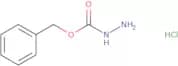
CAS:<p>Z-NHNH2·HCl is an amide containing a tetrapeptide. It has been used as a diagnostic agent for the detection of caerulein, a peptide that is produced by the pancreas in response to the presence of cholecystokinin (CCK). The monomers were prepared by reacting azide with benzyl chloroacetanilides and then cyclizing the product with triethylene glycol. The soybean extract was hydrolyzed with HCl to produce Z-NHNH2·HCl.</p>Formula:C8H10N2O2·HClPurity:Min. 95%Molecular weight:202.64 g/molZ-His-Phe-Phe-OEt
CAS:<p>Z-His-Phe-Phe-OEt is a synthetic, polyacrylamide gel-based experiment that determines the amino acid composition of imidazolium zymogens. This experiment utilizes an ion-exchange chromatography technique to separate and identify peptides. The solvents used in this experiment are acetone and ion-exchange chromatography. In order to carry out this experiment, one must first dissolve the polyacrylamide gel in a system of solvents with a pH of 7.5 or lower in order to create an electrofocusing environment. This solution is then applied to the polyacrylamide gel, which will form a solid film when dried. The imidazolium zymogen can then be cleaved by pepsin, yielding peptides that can be analysed using mass spectrometry.</p>Formula:C34H37N5O6Purity:Min. 95%Molecular weight:611.69 g/molH-Arg-Met-OH acetate salt
CAS:<p>H-Arg-Met-OH acetate salt is a reactive chemical that is used in the treatment of hepatitis. It has been shown to be effective against virus and heart disease, as well as being active in the prevention of insulin resistance. H-Arg-Met-OH acetate salt is also used to determine if a person has had an allergic reaction by testing for elevated serum levels of this chemical. H-Arg-Met-OH acetate salt can be found in the blood, urine, and liver cells. This chemical is also present in mouse spleen cells and has been shown to react with specific antibodies.</p>Formula:C11H23N5O3SPurity:Min. 95%Molecular weight:305.4 g/molNeuropeptide S (1-10) (human) trifluoroacetate salt
CAS:<p>Please enquire for more information about Neuropeptide S (1-10) (human) trifluoroacetate salt including the price, delivery time and more detailed product information at the technical inquiry form on this page</p>Formula:C42H68N14O14SPurity:Min. 95%Molecular weight:1,025.14 g/mol(Phe1,Ser2,Tyr6)-PAR-1 (1-6) amide (human) trifluoroacetate salt
CAS:<p>Please enquire for more information about (Phe1,Ser2,Tyr6)-PAR-1 (1-6) amide (human) trifluoroacetate salt including the price, delivery time and more detailed product information at the technical inquiry form on this page</p>Formula:C39H60N10O8Purity:Min. 95%Molecular weight:796.96 g/molFmoc-Val-Pro-OH
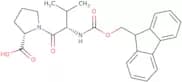
CAS:<p>Fmoc-Val-Pro-OH is a low molecular weight amino acid that has anticoagulant properties. It is synthesized by activating the carboxylic acid group of pipecolic acid with an N,N'-dicyclohexylcarbodiimide (DCC) activated ester of thiazolidinecarboxylic acid and then reacting it with a basic amino acid. The resulting product is a peptide consisting of Val, Pro, and OH groups. This compound has been shown to inhibit blood clotting in rats and rabbits. Fmoc-Val-Pro-OH also has been shown to be effective in preventing postoperative blood clots in dogs undergoing surgery for repair of cranial cruciate ligament rupture.</p>Formula:C25H28N2O5Purity:Min. 95%Molecular weight:436.5 g/molFA-Glu-Glu-OH
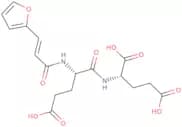
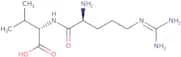
CAS:<p>Please enquire for more information about FA-Glu-Glu-OH including the price, delivery time and more detailed product information at the technical inquiry form on this page</p>Formula:C17H20N2O9Purity:Min. 95%Molecular weight:396.35 g/molH-Arg-Val-OH acetate salt
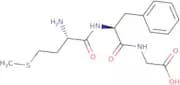
CAS:<p>H-Arg-Val-OH acetate salt is a recombinant humanized monoclonal antibody that binds to the serine protease, which is an enzyme that cleaves proteins at specific sites. The antibody inhibits the activity of this enzyme and prevents the release of proteins from cells. It has been shown to be clinically relevant in treating heart failure, chronic pulmonary disease, and congenital heart disease. In addition, H-Arg-Val-OH acetate salt inhibits the release of inflammatory molecules like interleukin 6 (IL6) and tumor necrosis factor alpha (TNFα), which are involved in a variety of diseases.</p>Formula:C11H23N5O3Purity:Min. 95%Molecular weight:273.33 g/molH-Met-Phe-Gly-OH
CAS:<p>H-Met-Phe-Gly-OH is a hydrophobic amino acid. It has been shown to be present in human proteins, and it has been used as a marker for determining the sequence of amino acids in peptides. H-Met-Phe-Gly-OH is an acidic tripeptide that can be analysed using reversed phase high performance liquid chromatography (RPHPLC). This tripeptide is found in the peptide transporter, which transports amino acids across cellular membranes. The structural studies of H-Met-Phe-Gly-OH have revealed that this tripeptide has an alpha helix conformation, with two hydrogen bonds from the backbone amides to the backbone carbonyl groups.</p>Formula:C16H23N3O4SPurity:Min. 95%Molecular weight:353.44 g/molH-Leu-Arg-Arg-Arg-Arg-Phe-D-Ala-Phe-Cys(NPys)-NH2
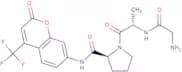
CAS:<p>Please enquire for more information about H-Leu-Arg-Arg-Arg-Arg-Phe-D-Ala-Phe-Cys(NPys)-NH2 including the price, delivery time and more detailed product information at the technical inquiry form on this page</p>Formula:C59H92N24O11S2Purity:Min. 95%Molecular weight:1,377.65 g/molH-Gly-Ala-Pro-AFC
CAS:<p>Please enquire for more information about H-Gly-Ala-Pro-AFC including the price, delivery time and more detailed product information at the technical inquiry form on this page</p>Formula:C20H21F3N4O5Purity:Min. 95%Molecular weight:454.4 g/molZ-Arg-Arg-4MbetaNA acetate salt
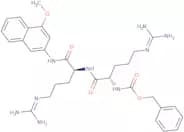
CAS:<p>Please enquire for more information about Z-Arg-Arg-4MbetaNA acetate salt including the price, delivery time and more detailed product information at the technical inquiry form on this page</p>Formula:C31H41N9O5·C2H4O2Purity:Min. 95%Molecular weight:679.77 g/molZ-Phe-Gly-Phe-Gly-OH
CAS:<p>Please enquire for more information about Z-Phe-Gly-Phe-Gly-OH including the price, delivery time and more detailed product information at the technical inquiry form on this page</p>Formula:C30H32N4O7Purity:Min. 95%Molecular weight:560.6 g/mol(D-Arg1,D-Pro2,D-Trp7·9,Leu11)-Substance P
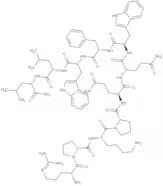
CAS:<p>Substance P is a tachykinin that is released from the nerve endings of the parasympathetic nervous system. It binds to receptors in the plasma membrane of cells and causes them to release acetylcholine, which is an inhibitory neurotransmitter. Substance P also has been shown to interact with muscle cells and cause contractions. The incubation of Substance P with muscle cells inhibits the release of calcium ions, which reduces the membrane potential and decreases the contractility of these cells.</p>Formula:C75H108N20O13Purity:Min. 95%Molecular weight:1,497.79 g/molZ-Leu-Leu-Arg-AMC
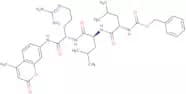
CAS:<p>Z-Leu-Leu-Arg-AMC is a proteolytic substrate that is used to study the activation of Th17 cells. It activates these cells by binding to the antigen peptide and protease activity, which are involved in the immune response. Z-Leu-Leu-Arg-AMC has been shown to induce autoimmune diseases in mice, as well as other conditions such as chronic inflammation and obesity. This compound also has a potential drug target for neutralizing acidity, which could be useful in treating cancer and other diseases. Z-Leu-Leu-Arg-AMC is stable at acidic pHs and can be used for biochemical studies of proteases at acidic pHs.</p>Formula:C36H49N7O7Purity:Min. 95%Color and Shape:PowderMolecular weight:691.82 g/molSuc-Ala-Pro-Ala-AMC
CAS:<p>Suc-Ala-Pro-Ala-AMC is a synthetic peptide that is used as a fluorescent substrate to measure the activity of serine proteases. It is used in plant physiology and has been shown to be effective in the treatment of inflammatory diseases. Suc-Ala-Pro-Ala-AMC is an acidic molecule with a pKa of 3.1. This means it can exist as both a zwitterion, with a positive charge on one end and negative charge on the other, or as an ionized molecule with both ends having a negative charge. The zwitterionic form is more stable than the ionized form at low pH levels and will therefore be present at higher concentrations at lower pH values. Suc-Ala-Pro-Ala-AMC shows proteolytic activity against peptidases such as papain, bromelain, trypsin, and chymotrypsin. It also binds to neutroph</p>Formula:C25H30N4O8Purity:Min. 95%Molecular weight:514.53 g/molSuc-Ala-Glu-Pro-Phe-AMC
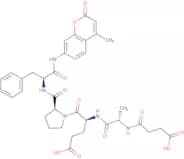
CAS:<p>Please enquire for more information about Suc-Ala-Glu-Pro-Phe-AMC including the price, delivery time and more detailed product information at the technical inquiry form on this page</p>Formula:C36H41N5O11Purity:Min. 95%Molecular weight:719.74 g/molKyotorphin acetate salt
CAS:<p>Please enquire for more information about Kyotorphin acetate salt including the price, delivery time and more detailed product information at the technical inquiry form on this page</p>Formula:C15H23N5O4Purity:Min. 95%Molecular weight:337.37 g/mol4-Methyl-5-formylthiazole
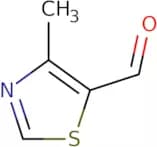
CAS:<p>4-Methyl-5-formylthiazole is a synthetic molecule with in vitro antifungal activity. It has been shown to inhibit the growth of Candida albicans and Aspergillus niger, two species of fungi that are responsible for the majority of opportunistic infections in immunocompromised patients. 4-Methyl-5-formylthiazole is a nucleophilic molecule that undergoes electrophilic substitution reactions, which makes it an efficient method for generating antifungal agents. The synthesis of this compound can be achieved through the condensation of methyl formate and thiourea, followed by treatment with chloride ion to produce the desired product. 4-Methyl-5-formylthiazole is also fluorescent and has electron deficient properties, which makes it useful for diagnosis and molecular modelling.</p>Formula:C5H5NOSPurity:Min. 95%Molecular weight:127.17 g/mol(3,5-Diiodo-Tyr2,Arg8)-Vasopressin
CAS:<p>Please enquire for more information about (3,5-Diiodo-Tyr2,Arg8)-Vasopressin including the price, delivery time and more detailed product information at the technical inquiry form on this page</p>Formula:C46H63I2N15O12S2Purity:Min. 95%Molecular weight:1,336.03 g/molBrain Injury Derived Neurotrophic Peptide
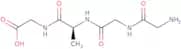
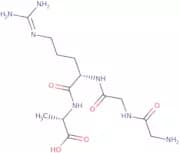
CAS:<p>Brain Injury Derived Neurotrophic Peptide H-Glu-Ala-Leu-Glu-Leu-Ala-Arg-Gly-Ala-Ile-Phe-Gln-Ala-NH2 is a growth factor that has been shown to have antiinflammatory and immunosuppressive effects in autoimmune diseases. It also has the ability to bind to peptides, proteins, and particle surfaces. This peptide has been shown to be effective against cancer cells by inhibiting tumor growth and increasing the effectiveness of radiation therapy. Brain Injury Derived Neurotrophic Peptide H-Glu-Ala-Leu-Glu-Leu-Ala Arg Gly Ala Ile Phe Gln Ala NH2 is also an immunosuppressant that can reduce inflammation caused by infectious diseases such as HIV/AIDS.</p>Formula:C62H102N18O18Purity:Min. 95%Molecular weight:1,387.58 g/molH-Gly-Gly-Ala-Gly-OH
CAS:<p>Glycylglycine is a tetrapeptide antibiotic that belongs to the group of antibiotics. It is expressed in E. coli and has been shown to inhibit the growth of other bacteria through binding to metal ions, such as magnesium, which are necessary for their survival. Glycylglycine has also been shown to have a kinetic method with a high rate of inhibition. This compound was synthesized by an electrospray ionization process, and its enantiomeric form was detected using a spectrometer. The molecule has been found to be an overgrowth inhibitor in analytical chemistry studies.</p>Formula:C9H16N4O5Purity:Min. 95%Molecular weight:260.25 g/mol4-Iodo-1-methyl-1H-imidazole
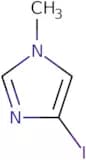
CAS:<p>4-Iodo-1-methyl-1H-imidazole is a trifluoroethylamine that inhibits the activity of tyrosine kinases. It binds to the active site of tyrosine kinase and prevents the binding of ATP, preventing phosphorylation and activation of downstream substrates. 4-Iodo-1-methyl-1H-imidazole has been shown to inhibit the proliferation of tumor xenografts in mice, as well as inhibiting headgroup binding and cellular proliferation in vitro. This agent also has a nanomolar range and high selectivity for protein kinases, which may make it suitable for therapeutic purposes.</p>Formula:C4H5IN2Purity:Min. 95%Molecular weight:208 g/molHIV-1 gag Protein p17 (76-84) acetate salt
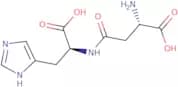
CAS:<p>Acetate salt of HIV-1 gag Protein p17 (76-84) is a reactive acridone, hydrocarbon, nitrogen atom and hydrates that is injected to regulate depression. Acetate salt of HIV-1 gag Protein p17 (76-84) has been shown to bind to the telomerase enzyme and inhibit cancer cell growth. Acetate salt of HIV-1 gag Protein p17 (76-84) also has a role in regulating metabolism in cells. Acetate salt of HIV-1 gag Protein p17 (76-84) has been shown to have solvating properties and can be used as a heterocyclic ring section in gas phase reactions.</p>Formula:C44H72N10O15Purity:Min. 95%Molecular weight:981.1 g/molH-Asp(His-OH)-OH
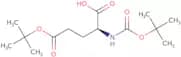
CAS:<p>Please enquire for more information about H-Asp(His-OH)-OH including the price, delivery time and more detailed product information at the technical inquiry form on this page</p>Formula:C10H14N4O5Purity:Min. 95%Color and Shape:SolidMolecular weight:270.24 g/molBoc-glu(OtBu)-OH
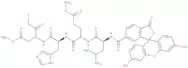
CAS:<p>Boc-glu(OtBu)-OH is a synthetic substrate that is used in chemical diversity studies. It has been shown to be an important model system for the study of disaccharide uptake and metabolism. This substrate binds to lectins, which are proteins found on the surface of cells. Boc-glu(OtBu)-OH binds to oligosaccharides and human cervical carcinoma cells, as well as amide groups. Analytical methods have been developed to measure its uptake and metabolism.</p>Formula:C14H25NO6Purity:Min. 98 Area-%Color and Shape:White Off-White PowderMolecular weight:303.35 g/molFluorescein-6-carbonyl-Leu-Glu(OMe)-His-DL-Asp(OMe)-fluoromethylketone
CAS:<p>Please enquire for more information about Fluorescein-6-carbonyl-Leu-Glu(OMe)-His-DL-Asp(OMe)-fluoromethylketone including the price, delivery time and more detailed product information at the technical inquiry form on this page</p>Formula:C45H47FN6O14Purity:Min. 95%Molecular weight:914.89 g/molAlloferon 2 trifluoroacetate salt
CAS:<p>Please enquire for more information about Alloferon 2 trifluoroacetate salt including the price, delivery time and more detailed product information at the technical inquiry form on this page</p>Formula:C46H69N19O15Purity:Min. 95%Molecular weight:1,128.16 g/molH-Gly-Gly-Arg-Ala-OH acetate salt
CAS:<p>Please enquire for more information about H-Gly-Gly-Arg-Ala-OH acetate salt including the price, delivery time and more detailed product information at the technical inquiry form on this page</p>Formula:C13H25N7O5Purity:Min. 95%Molecular weight:359.38 g/mol2-Cyclohexyl-2-hydroxy-phenylacetic acid
CAS:<p>2-Cyclohexyl-2-hydroxy-phenylacetic acid is a potent inhibitor of the cholinergic muscarinic receptors. It has been used as an anticholinergic drug and in pharmaceutical preparations for the treatment of inflammatory diseases. 2-Cyclohexyl-2-hydroxy-phenylacetic acid is used to treat urinary incontinence, although it can also cause constipation. Side effects of 2-cyclohexyl-2-hydroxy phenylacetic acid include headache, drowsiness, dry mouth, and blurred vision. 2 CPHPA is an inorganic acid that reacts with phosphorus pentachloride to form an organic phosphate ester called pentachlorophosphoric acid (PCPA). This reaction can be reversed by adding hydrochloric acid. The PCPA salt of 2 CPHPA is called diethylamine salt.</p>Formula:C14H18O3Purity:Min. 95%Molecular weight:234.29 g/molHCV NS4A Protein (21-34) (JT strain) trifluoroacetate salt
CAS:<p>Please enquire for more information about HCV NS4A Protein (21-34) (JT strain) trifluoroacetate salt including the price, delivery time and more detailed product information at the technical inquiry form on this page</p>Formula:C63H116N20O17Purity:Min. 95%Molecular weight:1,425.72 g/molH-Leu-Trp-Leu-OH
CAS:<p>H-Leu-Trp-Leu-OH is a tryptophan protease that has been shown to have aminopeptidase activity. It can be used in the treatment of intestinal inflammation, as well as other conditions where it is desirable to reduce the concentration of amino acid precursors. The oxidation products of H-Leu-Trp-Leu-OH are antigenic and can be used for the detection of this enzyme in biological fluids. Hplc analysis can identify tripeptides formed by H-Leu-Trp-Leu-OH, which are then cleaved by other enzymes. This process creates a radioactive product that can be detected using radiation or microscopy. Immunoaffinity chromatography is also able to isolate H-Leu-Trp-Leu-OH from biological fluids. Monoclonal antibodies against this enzyme have been shown to inhibit ectoenzymes such as lipases and phospholip</p>Formula:C23H34N4O4Purity:Min. 95%Molecular weight:430.54 g/mol3-(2,6-Dichlorophenyl)-5-methylisoxazole-4-carbonyl chloride
CAS:<p>3-(2,6-Dichlorophenyl)-5-methylisoxazole-4-carbonyl chloride is a chlorinated, thermosetting emulsifier that is used in the production of pressure sensitive adhesives. This compound has a high viscosity and is used as a retardant and an emulsifier. It is also used as a trichloride to produce vinyl chloride monomer. 3-(2,6-Dichlorophenyl)-5-methylisoxazole-4-carbonyl chloride inhibits the growth of bacteria by acting as an antimicrobial agent. The mechanism of action for this compound is not fully understood but it has been shown to inhibit protein synthesis in bacteria.</p>Formula:C11H6Cl3NO2Purity:Min. 95%Molecular weight:290.53 g/molAcetyl-Calpastatin (184-210) (human)
CAS:<p>Acetyl-Calpastatin (184-210) (human) Ac-Asp-Pro-Met-Ser-Ser-Thr-Tyr-Ile-Glu-Glu-Leu-Gly-Lys-Arg-Glu-Val-Thr-(184–210) is a protease inhibitor that inhibits the activity of calpain, an enzyme involved in the degradation of proteins. It has been used for the treatment of infectious diseases such as tuberculosis and autoimmune diseases such as multiple sclerosis. Acetylcalpastatin is synthesized from calpastatin, which is found in abundance in the central nervous system and skeletal muscle. Acetylcalpastatin has been shown to inhibit experimental models of the disease by interfering with the production of inflammatory mediators.</p>Formula:C142H230N36O44SPurity:Min. 95%Molecular weight:3,177.63 g/molH-Phe-2-chlorotrityl resin (200-400 mesh) (Low Substitution)
<p>Please enquire for more information about H-Phe-2-chlorotrityl resin (200-400 mesh) (Low Substitution) including the price, delivery time and more detailed product information at the technical inquiry form on this page</p>Purity:Min. 95%H-Arg-Arg-bNA·3 HCl
CAS:<p>Please enquire for more information about H-Arg-Arg-bNA·3 HCl including the price, delivery time and more detailed product information at the technical inquiry form on this page</p>Formula:C22H33N9O2·3HClPurity:Min. 95%Molecular weight:564.94 g/molH-Glu(Glu(Glu-OH)-OH)-OH trifluoroacetate salt
CAS:<p>H-Glu(Glu(Glu-OH)-OH)-OH trifluoroacetate salt is a casein that is used as a model system for pancreatic β-cells. It has been shown to induce cell apoptosis in malignant cells and sequences that are associated with the development of pancreatic cancer. H-Glu(Glu(Glu-OH)-OH)-OH trifluoroacetate salt also induces endothelial cell proliferation and decreases cell function, which may be due to its ability to promote uptake of this compound.</p>Formula:C15H23N3O10Purity:Min. 95%Molecular weight:405.36 g/molHippuryl-Lys-Val-OH
CAS:<p>Hippuryl-Lys-Val-OH is a metal chelator that binds to the positively charged amino acid lysine. It has been shown to be effective in inactivating enzymes and inhibiting the growth of bacteria, such as frondosa, by binding to the enzyme metalloendopeptidase. The optimum pH for this compound is between 7 and 8. Hippuryl-Lys-Val-OH has also been shown to have a strong affinity for hippuric acid, which can be utilized as a measure of its concentration.</p>Formula:C20H30N4O5Purity:Min. 95%Molecular weight:406.48 g/molH-Pro-Lys-OH acetate salt
CAS:<p>H-Pro-Lys-OH acetate salt is a synthetic compound that is specific for histidine residues. It catalyzes the hydrolysis of fibrinogen to form fibrin, which can be used in the formation of blood clots. This molecule has been shown to have a number of sequences and acid analysis. H-Pro-Lys-OH acetate salt can be used as an additive in food products. The incubation process should be done at pH 4.5 and the reaction should be stopped by adding tripeptides followed by using ion-exchange chromatography or SDS polyacrylamide gel electrophoresis to analyze the amino acids present in the product.</p>Formula:C11H21N3O3Purity:Min. 95%Molecular weight:243.3 g/molFmoc-Ala-Wang resin (200-400 mesh)
<p>Wang resins are the standard supports for the synthesis of peptide acids by solid phase synthesis (SPS) using the Fmoc strategy.Fmoc protected amino acids are linked to Polystyrene-PHB - which is Wang resin consisting of 1% crosslinked polystyrene functionalized with the TFA labile p-benzyloxybenzyl alcohol linker.</p>Purity:Min. 95%Z-Phe-Cit-AMC
CAS:<p>Z-Phe-Cit-AMC is a fluorescent substrate for the enzymes cysteine and peptide aminopeptidases. It has been synthesized by conjugating 7-amino-4-methylcoumarin with L-phenylalanine. The product is useful in assays to measure the activity of these enzymes, which are involved in protein digestion and wound healing. Z-Phe-Cit-AMC can be hydrolyzed by bromelain, ficin, or papain and it can be used as a substrate for enzyme reactions.</p>Formula:C33H35N5O7Purity:Min. 95%Molecular weight:613.66 g/molH-Phe-Met-OH
CAS:<p>H-Phe-Met-OH is a postulated, synthetic, odorant binding molecule that has been reported to have high specificity for leukemia cells. H-Phe-Met-OH binds specifically to the surface of leukemia cells and stabilizes them. It also potentiates the effect of other drugs used in leukemia therapy. These properties make it an ideal candidate for developing new treatments for leukemias.</p>Formula:C14H20N2O3SPurity:Min. 95%Molecular weight:296.39 g/molH-Lys-Met-OH formiate salt
CAS:<p>Please enquire for more information about H-Lys-Met-OH formiate salt including the price, delivery time and more detailed product information at the technical inquiry form on this page</p>Formula:C11H23N3O3SPurity:Min. 95%Molecular weight:277.38 g/molH-γ-Carboxy-DL-Glu-OH
CAS:<p>H-gamma-Carboxy-DL-Glu-OH is a protein that contains the sequence of amino acids -Gln-Gly-Leu. The basic structure of H-gamma-Carboxy-DL-Glu-OH includes an alpha helix, beta sheet and random coil. The rate constant for the reaction with sephadex g100 is 2.5x10^8 M^(-1) s^(-1). The signal peptide is located at the N terminus of the molecule. The mitochondrial membrane potential can be reduced by H-gamma-Carboxy-DL-Glu-OH. Glp1 analogues are compounds that stimulate glucose uptake and glycogen synthesis in muscle cells, which may be due to their ability to increase mitochondrial membrane potential. H gamma Carboxy DL Glu OH has been shown to have physiological levels in cells and it has been shown to inhibit growth in model systems. It also</p>Formula:C6H9NO6Purity:Min. 95%Molecular weight:191.14 g/molH-Ser-Glu-OH
CAS:<p>H-Ser-Glu-OH is a carbohydrate. It has been shown to be involved in the diagnosis of pancreatic cancer by binding to the peptide transporter and inhibiting its function. H-Ser-Glu-OH binds to a number of chemotactic proteins that are involved in the inflammatory response. This interaction may lead to degranulation and lysosome release, which could cause an increase in cancer cells. The carbohydrate ligand on H-Ser-Glu-OH is acidic and has functional groups that allow it to interact with other molecules in a way that is not possible for monosaccharides.</p>Formula:C8H14N2O6Purity:Min. 95 Area-%Color and Shape:PowderMolecular weight:234.21 g/molFmoc-D-Lys(Trt)-OH
CAS:<p>Please enquire for more information about Fmoc-D-Lys(Trt)-OH including the price, delivery time and more detailed product information at the technical inquiry form on this page</p>Formula:C40H38N2O4Purity:Min. 95%Molecular weight:610.74 g/molHemokinin 1 (human) trifluoroacetate salt
CAS:<p>Hemokinin-1 is a hematopoietic cell growth factor that belongs to the group of neuropeptides. This protein has been shown to stimulate the production of white blood cells and is used as an adjuvant in vaccines. Hemokinin-1 stimulates the production of inflammatory cytokines and other proinflammatory substances. It also has been found to be involved in autoimmune diseases, cancer, and infectious diseases. The antigen binding site on Hemokinin-1 is located at residues Thr-Gly-Lys-Ala-Ser-Gln-Phe-Phe-Gly-Leu (TGLKSGPFGL) and the receptor binding site at residues Met-NH2. The receptor for Hemokinin 1 is the neurokinin 1 receptor (NK1R).</p>Formula:C54H84N14O14SPurity:Min. 95%Molecular weight:1,185.4 g/molH-Val-β-Ala-OH
CAS:<p>Please enquire for more information about H-Val-beta-Ala-OH including the price, delivery time and more detailed product information at the technical inquiry form on this page</p>Formula:C8H16N2O3Purity:Min. 95%Molecular weight:188.22 g/molH-Phe-Met-D-Arg-Phe-NH2 acetate salt
CAS:<p>Please enquire for more information about H-Phe-Met-D-Arg-Phe-NH2 acetate salt including the price, delivery time and more detailed product information at the technical inquiry form on this page</p>Formula:C29H42N8O4SPurity:Min. 95%Molecular weight:598.76 g/molOxyntomodulin (bovine, dog, porcine) trifluoroacetate salt
CAS:<p>Please enquire for more information about Oxyntomodulin (bovine, dog, porcine) trifluoroacetate salt including the price, delivery time and more detailed product information at the technical inquiry form on this page</p>Formula:C192H295N59O60SPurity:Min. 95%Molecular weight:4,421.82 g/molBombesin (8-14) acetate salt
CAS:<p>Bombesin (8-14) acetate salt H-Trp-Ala-Val-Gly-His-Leu-Met-NH2 acetate salt is a bifunctional peptide that has been shown to inhibit the growth of prostate cancer cells. Bombesin (8-14) acetate salt H-Trp-Ala-Val-Gly-His-Leu-Met-NH2 acetate salt also has antiinflammatory properties and is used in treating inflammatory diseases. It inhibits collagen synthesis and fibrinogen activation, which may be important in the treatment of autoimmune diseases such as rheumatoid arthritis. Bombesin (8 14) acetate salt H Trp Ala Val Gly His Leu Met NH2 Acetate Salt has been shown to have no effect on healthy tissues when administered systemically.</p>Formula:C38H57N11O7SPurity:Min. 95%Molecular weight:812 g/mol4-Methylbenzyl acetate
CAS:<p>4-Methylbenzyl acetate is a monocarboxylic acid that is an oxidation product of benzyl esters. It has been found to be a suitable catalyst for the oxidation of wastewater containing monocarboxylic acids, including acetic acid, propionic acid and butyric acid. The catalytic mechanism of 4-methylbenzyl acetate was found to be an acylation reaction in which the carboxyl group of 4-methylbenzyl acetate acts as an acylating agent with the hydrogen atom of the substrate. The reaction mechanism for this process is similar to that for other types of carboxylic acids, such as propionate and butyrate. 4-Methylbenzyl acetate also has functional groups that allow it to act as both a base and a nucleophile in addition to its ability to act as an acylating agent.</p>Formula:C10H12O2Purity:Min. 95%Molecular weight:164.2 g/molBoc-15-amino-4,7,10,13-tetraoxapentadecanoic acid
CAS:<p>Boc-15-amino-4,7,10,13-tetraoxapentadecanoic acid is a PEG compound with two different functional groups (also known as heterobifunctional). Unlike homobifunctional PEG compounds (same functional group on both ends), this type of compounds are more versatile as have two different anchor points. Boc-15-amino-4,7,10,13-tetraoxapentadecanoic acid is used as a linker and spacer to add a PEG moiety, via pegylation (a bioconjugation technique) to proteins, peptides, oligonucleotides, small molecules and nanoparticles.</p>Formula:C16H31NO8Purity:Min. 95%Molecular weight:365.42 g/molH-Ser-Met-OH
CAS:<p>Glycyl-l-leucine is a muscle protein that belongs to the group of glycyl amino acids. It has been shown to have cortisone activity, which causes it to function as a suppressant. Glycyl-l-leucine binds to iron and prevents its oxidation, thereby preventing the formation of reactive oxygen species. Glycyl-l-leucine also has the ability to chelate iron, which can cause it to have antioxidant functions. The pH optimum for this compound is acidic and it is not active in neutral pH environments. This compound is found in fetal bovine serum and may be present in some food products such as chocolate milk or cheese. Glycyl-l-leucine may be used as an immobilizing agent for enzymes because it does not denature proteins at high concentrations.END></p>Formula:C8H16N2O4SPurity:Min. 95%Molecular weight:236.29 g/molFmoc-Thr(tBu)-Gly-OH
CAS:<p>Please enquire for more information about Fmoc-Thr(tBu)-Gly-OH including the price, delivery time and more detailed product information at the technical inquiry form on this page</p>Formula:C25H30N2O6Purity:Min. 95%Molecular weight:454.52 g/molBoc-Asp(OcHex)-Merrifield resin (100-200 mesh)
<p>Please enquire for more information about Boc-Asp(OcHex)-Merrifield resin (100-200 mesh) including the price, delivery time and more detailed product information at the technical inquiry form on this page</p>Purity:Min. 95%(D-His2,D-Ser(tBu)6,Azagly10)-LHRH
CAS:<p>Please enquire for more information about (D-His2,D-Ser(tBu)6,Azagly10)-LHRH including the price, delivery time and more detailed product information at the technical inquiry form on this page</p>Formula:C59H84N18O14Purity:Min. 95%Molecular weight:1,269.41 g/molMca-(Asn670,Leu671)-Amyloid β/A4 Protein Precursor770 (667-674)-Dap (Dnp) ammonium acetate salt
CAS:<p>Please enquire for more information about Mca-(Asn670,Leu671)-Amyloid beta/A4 Protein Precursor770 (667-674)-Dap (Dnp) ammonium acetate salt including the price, delivery time and more detailed product information at the technical inquiry form on this page</p>Formula:C56H73N13O26Purity:Min. 95%Molecular weight:1,344.25 g/mol(Lys9,Trp11,Glu12)-Neurotensin (8-13) (Cyclic Analog)
CAS:<p>Please enquire for more information about (Lys9,Trp11,Glu12)-Neurotensin (8-13) (Cyclic Analog) including the price, delivery time and more detailed product information at the technical inquiry form on this page</p>Formula:C39H59N11O8Purity:Min. 95%Molecular weight:809.96 g/molCionin
CAS:<p>Cionin is a synthetic peptide that binds to the pancreatic enzyme receptor. It has been shown to inhibit the growth of ascidian and stimulates the secretion of growth factors in vitro. Cionin also has a physiological effect on inflammatory diseases, such as ovary. Cionin is composed of three amino acids: H-Asn-Tyr(SO3H)-Tyr(SO3H)-Gly-Trp-Met-Asp-Phe-NH2. The first two amino acids are sulfated tyrosine residues, which may be responsible for its biological activity.</p>Formula:C53H63N11O19S3Purity:Min. 95%Molecular weight:1,254.33 g/molDnp-Pro-Leu-Gly-Cys(Me)-His-Ala-D-Arg-NH2
CAS:<p>Dnp-Pro-Leu-Gly-Cys(Me)-His-Ala-D-Arg-NH2 is a protease that was isolated from the fungus Aspergillus niger. It has been shown to have high efficiency in cleaving peptide bonds, which makes it useful for protein sequencing and analysis. Dnp-Pro-Leu-Gly-Cys(Me)-His-Ala-D-Arg-NH2 can be used as an enzyme in the production of collagenase, a protein that breaks down collagen. This enzyme also has potential applications in the production of analogs for use in chromatography and sequencing techniques. The variable amino acids at positions 2, 3, 5, 6, 7, 9, 10, 11, 12 and 13 are important for activity and substrate specificity. The enzyme's activity is optimal under high pressure conditions and at pH 8.0. Dnp--Pro--Leu--Gly--Cys</p>Formula:C38H57N15O11SPurity:Min. 95%Molecular weight:932.02 g/molType A Allatostatin II
CAS:<p>Allatostatin II is a fatty acid that has been shown to have receptor activity. It is an analog of the glycopeptide antibiotic gramicidin S and has been shown to inhibit the growth of bacteria and fungi. Allatostatin II also has diagnostic properties, which are used in biochemical tests for inflammatory diseases. The molecule is conjugated with various agents to form diagnostic agents or antibiotics, such as stenotrophomonas maltophilia and erythromycin. Allatostatin II is found in the human plasma, but its function is unknown.</p>Formula:C49H74N14O13Purity:Min. 95%Molecular weight:1,067.2 g/molEndomorphin-2 trifluoroacetate salt
CAS:<p>Endomorphin-2 is a cyclic peptide that is the endogenous ligand for the neurokinin-1 receptor and kappa-opioid receptors. It has been shown to have analgesic, anti-inflammatory, and antidiarrheal properties. Endomorphin-2 also has been shown to inhibit platelet aggregation and vasoconstriction in vivo. The biological activities of endomorphin-2 are similar to those of endomorphin-1, but it differs structurally in that it contains a single intramolecular hydrogen bond between the amide nitrogen of Tyr and Pro. This intramolecular hydrogen bond may be responsible for the high potency of endomorphin-2, as well as its conformational stability.</p>Formula:C32H37N5O5Purity:Min. 95%Molecular weight:571.67 g/molHippuryl-Lys-OH
CAS:<p>Hippuryl-Lys-OH is a novel, potent and selective serine protease inhibitor that targets human cathepsin B. It has been shown to have inhibitory properties against other serine proteases such as chymotrypsin, trypsin, and elastase. Hippuryl-Lys-OH is used in the treatment of cancer patients with diabetes who require a creatine level less than 400 μM per liter of serum. It also has potential applications in the treatment of Alzheimer's disease and Parkinson's disease due to its ability to inhibit polymerase chain reactions (PCR).</p>Formula:C15H21N3O4Purity:Min. 95%Molecular weight:307.35 g/molDABCYL-Tyr-Val-Ala-Asp-Ala-Pro-Val-EDANS trifluoroacetate salt
CAS:<p>DABCYL-Tyr-Val-Ala-Asp-Ala-Pro-Val-EDANS trifluoroacetate salt is a reactive dye that has been shown to bind to the granule neurons of the cerebellum in HL60 cells. It is used as an indicator of protease activity, as it undergoes hydrolysis by serine proteases. DABCYL-Tyr-Val-Ala-Asp-Ala-Pro-Val-EDANS trifluoroacetate salt has also been shown to activate caspase 1 and cause neuronal death in a number of experimental models. This molecule is used for fluorescent labeling and detection of protein synthesis, as well as for visualization of the termini of proteins and other molecules. DABCYL Tyr Val Ala Asp Ala Pro Val EDANS trifluoroacetate salt is also known to be an antiinflammatory agent that may be effective against infectious diseases such as HIV,</p>Formula:C61H76N12O14SPurity:Min. 95%Molecular weight:1,233.39 g/molH-Cys-psi(CH2NH)Val-psi(CH2NH)Phe-Met-OH trifluoroacetate salt
CAS:<p>FTI-277 is a peptidomimetic compound that inhibits HIV-1 protease. FTI-277 is an orally active, potent, and selective inhibitor of HIV-1 protease. The drug has been shown to be effective in the treatment of HIV infection in various clinical trials. FTI-277 inhibited HIV replication in activated cells and disrupted virion production by binding to the target enzyme. FTI-277 also has potential for use as a diagnostic tool for detecting the presence of HIV in body fluids.</p>Formula:C22H38N4O3S2Purity:Min. 95%Molecular weight:470.69 g/molH-Phe-Pro-bNA·HCl
CAS:<p>Please enquire for more information about H-Phe-Pro-bNA·HCl including the price, delivery time and more detailed product information at the technical inquiry form on this page</p>Formula:C24H25N3O2·HClPurity:Min. 95%Molecular weight:423.93 g/mol1-Boc-pyrrolidine-2,4-dione
CAS:<p>Please enquire for more information about 1-Boc-pyrrolidine-2,4-dione including the price, delivery time and more detailed product information at the technical inquiry form on this page</p>Formula:C9H13NO4Purity:Min. 95%Molecular weight:199.2 g/mol


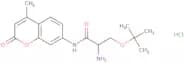


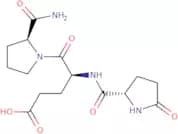
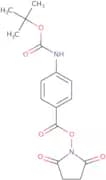
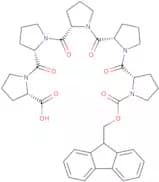
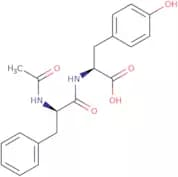
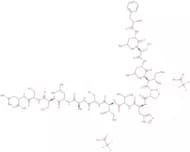
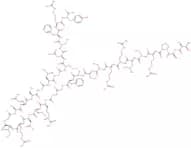
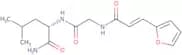
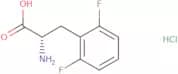


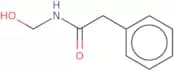



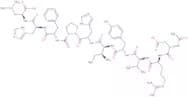
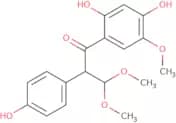
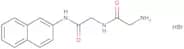
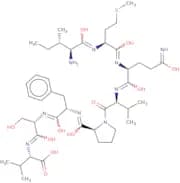

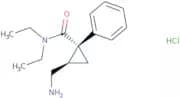

![([13C6]Leu5)-Ghrelin (human) trifluoroacetate salt](/_next/image/?url=https%3A%2Fstatic.cymitquimica.com%2Fproducts%2F3D%2Fthumb-webp%2FFL110022.webp&w=3840&q=75)

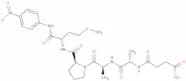
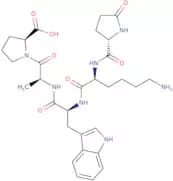
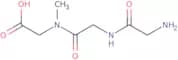
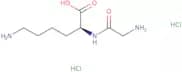
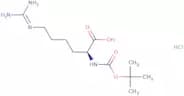
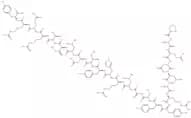
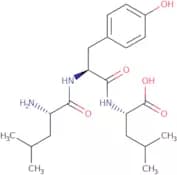

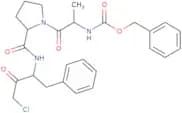

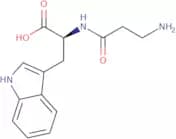
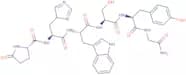
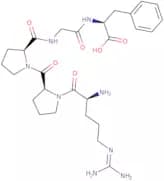
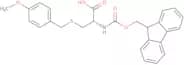
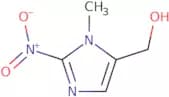
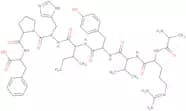
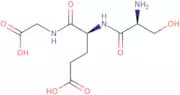
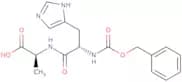
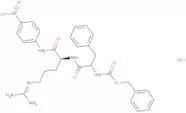


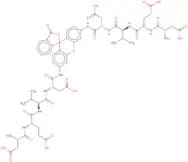
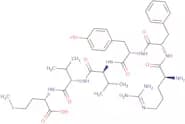

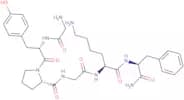
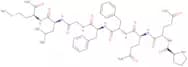

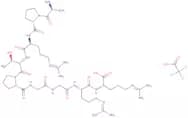
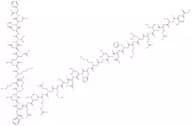

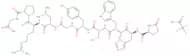
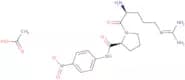
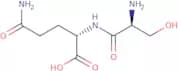

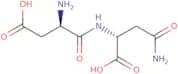
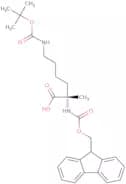
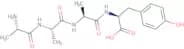
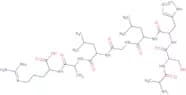
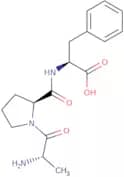
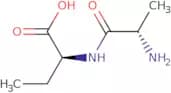
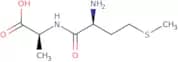

![([ring-D5]Phe3)-Octreotide acetate salt](/_next/image/?url=https%3A%2Fstatic.cymitquimica.com%2Fproducts%2F3D%2Fthumb-webp%2FFR110015.webp&w=3840&q=75)

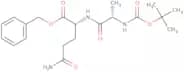
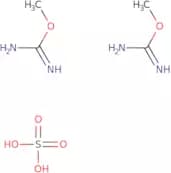
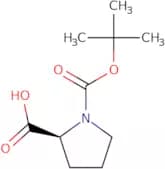
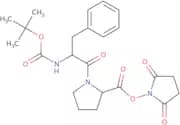

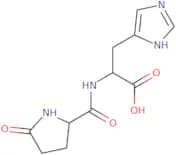
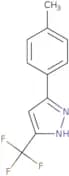

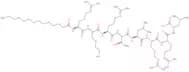
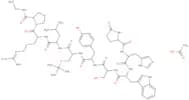

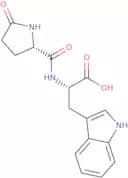
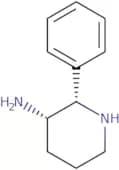
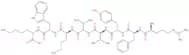
![6-Methyl-2-(p-tolyl)imidazo[1,2-a]pyridine](/_next/image/?url=https%3A%2Fstatic.cymitquimica.com%2Fproducts%2F3D%2Fthumb-webp%2FFM140064.webp&w=3840&q=75)


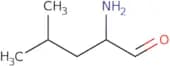

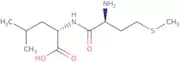


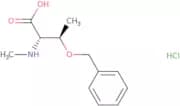
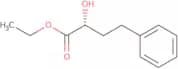
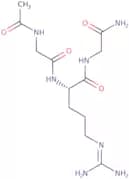


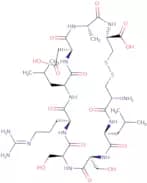
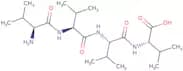
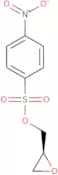
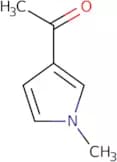
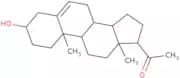
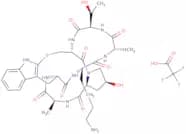
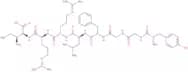


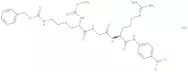
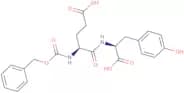


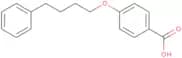
![Dolastatin 15 (5S)-1-[(2S)-O-(N,N-Dimethyl-Val-Val-N-Me-Val-Pro-Pro)-2-hydroxyisovaleryl]-2-oxo-4-…](/_next/image/?url=https%3A%2Fstatic.cymitquimica.com%2Fproducts%2F3D%2Fthumb-webp%2FFD110329.webp&w=3840&q=75)