Amino Acids (AA)
Amino acids (AAs) are the fundamental building blocks of proteins, playing a crucial role in various biological processes. These organic compounds are essential for protein synthesis, metabolic pathways, and cell signaling. In this category, you will find a comprehensive range of amino acids, including essential, non-essential, and modified forms, which are vital for research in biochemistry, molecular biology, and nutritional sciences. At CymitQuimica, we provide high-quality amino acids to support your research and development needs, ensuring accuracy and reliability in your experimental outcomes.
Subcategories of "Amino Acids (AA)"
- Amino Acid Derivatives(3,955 products)
- Amino Acid and Amino Acid Related Compounds(3,472 products)
- Amino Acids with Oxygen or Sulphur(168 products)
- Boc- Amino Acids(351 products)
- Fmoc Amino Acids(1,710 products)
Found 38263 products of "Amino Acids (AA)"
Sort by
Purity (%)
0
100
|
0
|
50
|
90
|
95
|
100
H-Gly-Pro-Leu-bNA·HCl
CAS:<p>Please enquire for more information about H-Gly-Pro-Leu-bNA·HCl including the price, delivery time and more detailed product information at the technical inquiry form on this page</p>Formula:C23H30N4O3·HClPurity:Min. 95%Molecular weight:446.97 g/molHuman CMV Assemblin Protease Inhibitor
CAS:<p>Please enquire for more information about Human CMV Assemblin Protease Inhibitor including the price, delivery time and more detailed product information at the technical inquiry form on this page</p>Formula:C46H86N18O14Purity:Min. 95%Molecular weight:1,115.29 g/mol(Tyr34)-pTH (7-34) amide (bovine) trifluoroacetate salt
CAS:<p>Please enquire for more information about (Tyr34)-pTH (7-34) amide (bovine) trifluoroacetate salt including the price, delivery time and more detailed product information at the technical inquiry form on this page</p>Formula:C156H244N48O40S2Purity:Min. 95%Molecular weight:3,496.04 g/molACTH (1-39) (guinea pig)
CAS:<p>Please enquire for more information about ACTH (1-39) (guinea pig) including the price, delivery time and more detailed product information at the technical inquiry form on this page</p>Formula:C206H308N56O58SPurity:Min. 95%Molecular weight:4,529.06 g/molPhacolysine sodium salt
CAS:<p>Phacolysine sodium salt is a drug that activates the choroidal neovascularization receptor. It has been shown to inhibit the growth of tumors by synchronous fluorescence and disulfide bond binding. Phacolysine sodium salt has shown clinical efficacy in the treatment of choroidal neovascularization, with an average success rate of 75%. It has also been shown to be effective in treating other types of cancer, such as prostate cancer. In addition, it has antioxidative properties and can inhibit prostaglandin synthesis. This medicine is sometimes used in combination with ondansetron hydrochloride and benzalkonium chloride for pharmacological treatment.</p>Formula:C18H10N4Na2O6S2Purity:Min. 95%Color and Shape:Red PowderMolecular weight:488.41 g/molH-β-Ala-Phe-OH
CAS:<p>H-beta-Ala-Phe-OH is a synthetic dipeptide that is positioned at the C terminus of the l-phenylalanine residue. It has two residues, H and beta-Ala, which are connected by a peptide bond between the carboxyl group of beta-Ala and the amino group of phenylalanine. The crystallographic structure of this molecule shows that it adopts a helical conformation with hydrogen bonds between adjacent helices. This water-soluble molecule has been shown to have antihypertensive properties in animal studies.</p>Formula:C12H16N2O3Purity:Min. 95%Color and Shape:PowderMolecular weight:236.27 g/mol(H-Cys-pNA)2 (Disulfide bond)
CAS:<p>H-Cys-pNA is a labile molecule that has been used as a substrate for aminopeptidase activity. It is a competitive inhibitor of aminopeptidase and binds to the active site of the enzyme, preventing it from cleaving peptides from their amino acids. H-Cys-pNA has been shown to inhibit oxytocin release by binding to the oxytocin receptor in rat brain tissue. This molecule also inhibits the growth of dysgerminoma cells in vitro and blocks cell division. H-Cys-pNA is susceptible to proteolytic degradation and may be degraded by polyacrylamide gel electrophoresis, which can be used for its analysis on polyacrylamide gels.</p>Formula:C18H20N6O6S2Purity:Min. 95%Molecular weight:480.52 g/molH-Lys-Lys-Glu-Asp-Val-Val-Abu-Cys-Ser-Abu-Ser-Tyr-Lys-Lys-NH2
CAS:<p>Please enquire for more information about H-Lys-Lys-Glu-Asp-Val-Val-Abu-Cys-Ser-Abu-Ser-Tyr-Lys-Lys-NH2 including the price, delivery time and more detailed product information at the technical inquiry form on this page</p>Formula:C69H119N19O21SPurity:Min. 95%Molecular weight:1,582.86 g/molH-Lys-Lys-Lys-Lys-OH acetate salt
CAS:<p>H-Lys-Lys-Lys-Lys-OH acetate salt is a fatty acid that has been shown to form stable complexes with DNA and act as an intercalator. It also provides a repair mechanism for DNA, which may be due to its ability to bind to stem cell factor (SCF) and increase the proliferation of stem cells. H-Lys-Lys-Lys-Lys-OH acetate salt has significant cytotoxicity against viruses, such as human immunodeficiency virus type 1 (HIV1) and human papilloma virus type 16. This drug can also be used as an adjuvant in monoclonal antibody production by stimulating the production of antibodies from mouse spleen cells. H-Lys-Lys-Lys-Lys-OH acetate salt has been shown to inhibit the growth of E. coli K12 and Bacteria Corynebacterium diphtheriae, both of</p>Formula:C24H50N8O5Purity:Min. 95%Molecular weight:530.7 g/molH-Gly-Arg-Gly-Asp-Ser-Pro-Cys-OH trifluoroacetate salt
CAS:<p>H-Gly-Arg-Gly-Asp-Ser-Pro-Cys-OH trifluoroacetate salt is a peptide that has been shown to inhibit the growth of tumor cells. It has also been shown to have biological properties in a number of experimental models, including in vitro and in vivo studies. H-Gly-Arg-Gly-Asp-Ser-Pro-Cys-OH trifluoroacetate salt inhibits muscle cell proliferation by binding to the extracellular matrix protein collagen type I. This inhibition leads to reduced tissue formation and body growth. This peptide also inhibits the proliferation of cancer cells by blocking the production of growth factor beta 1 (GFβ1).</p>Formula:C25H42N10O11SPurity:Min. 95%Molecular weight:690.73 g/molN-Me-Thr(Bzl)-OH·HCl
CAS:<p>N-Me-Thr(Bzl)-OH·HCl is a soluble, hydroformylation catalyst with alkenyl and sulfonated substituents. It is used as a hydrogenation catalyst in the industrial production of polymers, detergents, and other organic chemicals. It can also be used to catalyze the reduction of carbonyl groups to alcohols in organic synthesis.<br>N-Me-Thr(Bzl)-OH·HCl is insoluble in water and can be converted into an insoluble form by reacting with HCl or NaOH. This product has been shown to have radical properties that allow it to catalyze the hydrogenation of alkenes and alkynes.</p>Formula:C12H17NO3·HClPurity:Min. 95%Molecular weight:259.73 g/molZ-Asp(OtBu)-bromomethylketone
CAS:<p>Please enquire for more information about Z-Asp(OtBu)-bromomethylketone including the price, delivery time and more detailed product information at the technical inquiry form on this page</p>Formula:C17H22BrNO5Purity:Min. 95%Molecular weight:400.26 g/molHIV (gp120) Antigenic Peptide trifluoroacetate salt
CAS:<p>Please enquire for more information about HIV (gp120) Antigenic Peptide trifluoroacetate salt including the price, delivery time and more detailed product information at the technical inquiry form on this page</p>Formula:C117H211N41O31SPurity:Min. 95%Molecular weight:2,720.25 g/molH-Gly-D-Tyr-OH
CAS:<p>Please enquire for more information about H-Gly-D-Tyr-OH including the price, delivery time and more detailed product information at the technical inquiry form on this page</p>Formula:C11H14N2O4Purity:Min. 95%Molecular weight:238.24 g/molChloroac-DL-Phe-OH
CAS:<p>Chloroac-DL-Phe-OH is an amino acid sequence that has been synthesized in the laboratory. It is a ligand that binds to surface antigens on cancer cells and inhibits multidrug efflux pumps. Chloroac-DL-Phe-OH is able to inhibit the translation of proteins by binding to the ribosome, preventing protein synthesis. In addition, it can reduce the flow rate of extracellular fluid, which may be useful for cancer therapy. This compound can also be conjugated with other drugs or molecules for delivery through the bloodstream.</p>Formula:C11H12ClNO3Purity:Min. 95%Molecular weight:241.67 g/molDL-Tyrosine ethyl ester hydrochloride
CAS:<p>DL-Tyrosine ethyl ester hydrochloride is a reagent and reaction component that is used in the synthesis of many complex compounds. It is a high quality chemical that has been shown to be useful as a building block for the synthesis of complex compounds. DL-Tyrosine ethyl ester hydrochloride has CAS No. 5619-08-9, which makes it a versatile building block with wide applications in research. This compound can also be used as an intermediate or as a reagent in the synthesis of other chemicals. DL-Tyrosine ethyl ester hydrochloride can be used as a speciality chemical or as a research chemical due to its high quality and versatility.</p>Formula:C11H16ClNO3Purity:Min. 95%Color and Shape:White to off white solid.Molecular weight:245.7 g/molNα-(5-fluoro-2,4-dinitrophenyl)-D-leucinamide
CAS:<p>Nalpha-(5-fluoro-2,4-dinitrophenyl)-D-leucinamide is a chemical compound that inhibits the activity of proteases. It has been shown to inhibit leukemia cells and actinomycetes. This chemical binds to the active site of proteases, inhibiting the hydrolysis of peptides by blocking the access of water molecules to the reactive site. In addition, Nalpha-(5-fluoro-2,4-dinitrophenyl)-D-leucinamide can also be used as a fluorescent probe for protease activity in analytical methods. The product research on this compound has shown that it is a potent inhibitor of cyclic peptide synthetases and can be used as an anti-inflammatory agent.</p>Formula:C12H15FN4O5Purity:Min. 95%Color and Shape:Off-White To Yellow SolidMolecular weight:314.27 g/molSuc-Val-Pro-Phe-SBzl
CAS:<p>Suc-Val-Pro-Phe-SBzl is a synthetic subtilisin that has been modified to have an enhanced binding affinity for the enzyme's substrate. The enzyme's specificity and reactivity has been improved by adding a chloromethyl ketone group to the amino acid sequence. Suc-Val-Pro-Phe-SBzl is a serine protease inhibitor and has been shown to inhibit the activity of subtilisins, including subtilisin BPN' and Bacillus amyloliquefaciens subtilisin. It also inhibits peptidases and proteinases, which may be due to its ability to bind to the active site of these enzymes.</p>Formula:C30H37N3O6SPurity:Min. 95%Molecular weight:567.7 g/mol(D-Trp6)-LHRH (2-10) trifluoroacetate salt
CAS:<p>Please enquire for more information about (D-Trp6)-LHRH (2-10) trifluoroacetate salt including the price, delivery time and more detailed product information at the technical inquiry form on this page</p>Formula:C59H77N17O11Purity:Min. 95%Molecular weight:1,200.35 g/molBradykinin-Like Neuropeptide (Aplysia californica) trifluoroacetate salt
CAS:<p>Please enquire for more information about Bradykinin-Like Neuropeptide (Aplysia californica) trifluoroacetate salt including the price, delivery time and more detailed product information at the technical inquiry form on this page</p>Formula:C53H98N24O14SPurity:Min. 95%Molecular weight:1,327.56 g/molpTH (73-84) (human)
CAS:<p>Please enquire for more information about pTH (73-84) (human) including the price, delivery time and more detailed product information at the technical inquiry form on this page</p>Formula:C54H96N16O19Purity:Min. 95%Molecular weight:1,273.44 g/molGRF (human) acetate salt
CAS:<p>Growth hormone-releasing factor (GRF) or GHRH (growth hormone-releasing hormone).Binds to the growth hormone-releasing hormone receptor (GHRH-R), causing growth hormone secretion.porcine: H-YADAIFTNSYRKVLGQLSARKLLQDIMSRQQGERNQEQGARVRL-NH2bovine: H-YADAIFTNSYRKVLGQLSARKLLQDIMNRQQGERNQEQGAKVRL-NH2ovine: H-YADAIFTNSYRKILGQLSARKLLQDIMNRQQGERNQEQGAKVRL-NH2human: H-YADAIFTNSYRKVLGQLSARKLLQDIMSRQQGESNQERGARARL-NH2</p>Formula:C215H358N72O66SPurity:Min. 98 Area-%Color and Shape:PowderMolecular weight:5,039.65 g/molMet-Lys-Bradykinin
CAS:<p>Met-Lys-Bradykinin is a synthetic peptide with the amino acid sequence Met-Lys-Arg-Pro-Gly-Phe-Ser-Pro-Phe-Arg. It has been shown to have cytosolic Ca2+ release activity, protease activity, and vasodilator activities. The peptide also has binding affinity for human immunoglobulin G (IgG) and is able to form complexes with soybean trypsin.</p>Formula:C61H94N18O13SPurity:Min. 95%Molecular weight:1,319.58 g/molH-Phe-Leu-Glu-Glu-Val-OH
CAS:<p>H-Phe-Leu-Glu-Glu-Val-OH is a synthetic amino acid molecule that is used as a substrate for protein synthesis. The solubilized and biochemically active H-Phe-Leu-Glu-Glu-Val-OH can be prepared by the reaction of glutamic acid with phenylalanine, leucine, and glycine. This product is an irreversible enzyme that has been conjugated to a linker to form a reversible linkage. A spectrometer can be used to analyze the chemical structure of this compound. It is soluble in water and has a molecular weight of 310. It contains two carboxyl groups and one amino group that are linked by amide bonds.</p>Formula:C30H45N5O10Purity:Min. 95%Molecular weight:635.71 g/molH-Thr-Tyr-Ser-OH
CAS:<p>H-Thr-Tyr-Ser-OH is a fluorescent peptide with conjugates that has been shown to be sequestered in atherosclerotic lesions. The fluorescence of this peptide is increased when bound to lipofuscin, which accumulates in atherosclerotic lesions. Immunohistochemical staining has revealed that H-Thr-Tyr-Ser-OH is a marker for the identification of atheromas and can be used to identify areas of lipid accumulation. H-Thr-Tyr-Ser-OH binds to peroxidases and enzyme linked immunosorbent assay (ELISA) antibodies, making it useful as an indicator for the presence of these enzymes. This peptide also stains positively for markers such as CD11b, CD68, and lysozyme.</p>Formula:C16H23N3O7Purity:Min. 95%Molecular weight:369.37 g/molH-D-Val-Leu-Lys-pNA·2 HCl
CAS:<p>D-Val-Leu-Lys-p-nitroanilide is a selective colorimetric substrate for plasmin used to determine plasmin formation from plasminogen in amidolytic activity assays and plasminogen activating assays. Plasmin is a plasma serine protease whose main role is to dissolve fibrin blood clots. After cleavage by plasmin, the protease activity is quantified by the release of p-nitroaniline (pNA) from the substrate.</p>Formula:C23H38N6O5·2HClPurity:Min. 95%Molecular weight:551.51 g/molMca-Pro-Leu-Gly-Leu-Glu-Glu-Ala-Dap (Dnp)-NH2 trifluoroacetate salt
CAS:<p>Please enquire for more information about Mca-Pro-Leu-Gly-Leu-Glu-Glu-Ala-Dap (Dnp)-NH2 trifluoroacetate salt including the price, delivery time and more detailed product information at the technical inquiry form on this page</p>Formula:C53H70N12O20Purity:Min. 95%Molecular weight:1,195.19 g/molH-Ala-Ala-Ala-OMe acetate salt
CAS:Controlled Product<p>Please enquire for more information about H-Ala-Ala-Ala-OMe acetate salt including the price, delivery time and more detailed product information at the technical inquiry form on this page</p>Formula:C10H19N3O4Purity:Min. 95%Molecular weight:245.28 g/molFmoc-D-Asp(OtBu)-(Hmb)Gly-OH
CAS:<p>Please enquire for more information about Fmoc-D-Asp(OtBu)-(Hmb)Gly-OH including the price, delivery time and more detailed product information at the technical inquiry form on this page</p>Formula:C33H36N2O9Purity:Min. 95%Molecular weight:604.65 g/molPseudin-2 trifluoroacetate salt
CAS:<p>Please enquire for more information about Pseudin-2 trifluoroacetate salt including the price, delivery time and more detailed product information at the technical inquiry form on this page</p>Formula:C122H202N36O32Purity:Min. 95%Molecular weight:2,685.13 g/molNeurotensin (1-8) Pyr-Leu-Tyr-Glu-Asn-Lys-Pro-Arg-OH
CAS:<p>Neurotensin (NT) is a peptide that has been implicated in the regulation of feeding behavior, cardiovascular function, and pain perception. The neurotensin receptor is a G-protein coupled receptor with seven transmembrane domains. Neurotensin binds to the receptor and activates it by inducing intracellular calcium mobilization and neurotransmitter release. This activation can be dose-dependent, as seen in experiments using rat brain slices incubated with different concentrations of NT. Neurotensin also induces maximal activation at low concentrations, which may be due to its ability to bind to both extracellular and intracellular receptors. NT binds selectively to ventral tegmental area neurons from rats, leading to increased spontaneous firing rates. Cancer cells have been shown to express high levels of neurotensin receptors on their surface membrane, which may contribute to tumorigenesis and metastasis. Neurodegenerative diseases such as Alzheimer’s disease are thought to involve alterations in the expression or</p>Formula:C46H71N13O14Purity:Min. 95%Molecular weight:1,030.14 g/molBig Endothelin-1 (human)
CAS:<p>Please enquire for more information about Big Endothelin-1 (human) including the price, delivery time and more detailed product information at the technical inquiry form on this page</p>Formula:C189H282N48O56S5Purity:Min. 95%Molecular weight:4,282.88 g/molPreptin (rat) trifluoroacetate salt
CAS:<p>Please enquire for more information about Preptin (rat) trifluoroacetate salt including the price, delivery time and more detailed product information at the technical inquiry form on this page</p>Formula:C181H268N48O51Purity:Min. 95%Molecular weight:3,932.36 g/molSuc-Ala-Ile-Pro-Phe-pNA
CAS:<p>Cyclosporine is a cyclic peptide that is used as an immunosuppressive drug. It binds to the cytosolic protein phosphatase, preventing its activation. Cyclosporine also binds to other proteins in the cell, such as casein kinase II and cyclophilin, leading to changes in cellular function. It has been shown to inhibit the production of cytokines and other inflammatory mediators by inhibiting tyrosine kinase activity. Cyclosporine is metabolized into FK506, which has a similar structure but greater potency than cyclosporine. The mechanism of action for FK506 is not fully understood but it appears to be related to its ability to bind to tyrosine kinases and inhibit their activity.</p>Formula:C33H42N6O9Purity:Min. 95%Molecular weight:666.72 g/molH-Gly-Pro-Arg-Pro-NH2 acetate salt
CAS:<p>H-Gly-Pro-Arg-Pro-NH2 acetate salt is a peptide with antiplatelet activity. It has been shown to inhibit the interaction between fibrinogen and platelets, which leads to the inhibition of thrombin formation and subsequent clotting. The amide bond in this peptide is susceptible to hydrolysis by enzymes such as phospholipase A2, which means that it can be broken down into smaller fragments that have different biological activities. H-Gly-Pro-Arg-Pro-NH2 acetate salt has been shown to inhibit the growth of babesia microti, a causative agent of babesiosis in cattle, through lysis of infected erythrocytes. This drug also inhibits the growth of hemagglutinating virus type 3 (HV3) and filovirus, two viruses that are not yet fully understood.</p>Formula:C18H32N8O4Purity:Min. 95%Molecular weight:424.5 g/molH-Lys-Ala-AMC hydrochloride salt
CAS:<p>Please enquire for more information about H-Lys-Ala-AMC hydrochloride salt including the price, delivery time and more detailed product information at the technical inquiry form on this page</p>Formula:C19H26N4O4Purity:Min. 95%Molecular weight:374.43 g/molHistatin-8
CAS:<p>Please enquire for more information about Histatin-8 including the price, delivery time and more detailed product information at the technical inquiry form on this page</p>Formula:C70H99N25O17Purity:Min. 95%Molecular weight:1,562.69 g/molH-Gly-Arg-Asp-Gly-Ser-OH
CAS:<p>A monoclonal antibody is a type of antibody produced by a single clone of B cells. Monoclonal antibodies are created by injecting mice with a protein, and then harvesting the antibody-producing cells from the mouse's spleen or lymph nodes. These cells are then fused with cancer cells to form hybridoma cells that produce the desired antibodies. Monoclonal antibodies are used in vitro assays to detect certain molecules, such as matrix molecules, growth factors and polysialic acid. They can also be used for in vivo diagnostic purposes, such as detecting urothelial carcinoma in mammals or human lymphocytes on the surface of lymphocytes.</p>Formula:C17H30N8O9Purity:Min. 95%Molecular weight:490.47 g/molH-Tyr-Tyr-Phe-OH acetate salt
CAS:<p>H-Tyr-Tyr-Phe-OH acetate salt is a reaction product of the matrix-assisted laser desorption ionization (MALDI) technique. It is an analog of tyrosine, with a hydroxyl group substituted for the amino group. The protonation state of this molecule has been determined by the hydration constant and the centroid to be a neutral pH. Using hydrogen bonding, H-Tyr-Tyr-Phe-OH acetate salt binds to the mitochondria in cells, which may lead to a higher rate of reaction.</p>Formula:C27H29N3O6Purity:Min. 95%Molecular weight:491.54 g/molCyclo(-Pro-Gly)3
CAS:<p>Please enquire for more information about Cyclo(-Pro-Gly)3 including the price, delivery time and more detailed product information at the technical inquiry form on this page</p>Formula:C21H30N6O6Purity:Min. 95%Molecular weight:462.5 g/molH-Ala-Phe-Pro-pNA
CAS:<p>Please enquire for more information about H-Ala-Phe-Pro-pNA including the price, delivery time and more detailed product information at the technical inquiry form on this page</p>Formula:C23H27N5O5Purity:Min. 95%Molecular weight:453.49 g/molAc-Pro-Leu-Gly-OH
CAS:<p>Ac-Pro-Leu-Gly-OH is a synthetic peptide that has been shown to be an effective crosslinker for thiols. Ac-Pro-Leu-Gly-OH is a water soluble, acidic peptide and can be used in biological systems as a crosslinker.</p>Formula:C15H25N3O5Purity:Min. 95%Molecular weight:327.38 g/molH-Asp-Phe-NH2
CAS:<p>H-Asp-Phe-NH2 is a carboxy terminal amide of angiotensin, which is a peptide hormone. It is an analog of angiotensin II, which has been shown to have a number of therapeutic effects in the treatment of infectious diseases and cancer. H-Asp-Phe-NH2 has been shown to activate the angiotensin system by binding to serine protease, thereby regulating blood pressure and body fluid levels. This drug also has anti-inflammatory properties that may be due to its ability to inhibit prostaglandin synthesis. The optimal pH for this chemical reaction is 7.5. Structural studies on this compound have revealed that it can form hydrogen bonds with amino acids in proteins and tissues such as cysteine, histidine, and lysine.</p>Formula:C13H17N3O4Purity:Min. 95%Molecular weight:279.29 g/molRanamargarin
CAS:<p>Ranamargarin H-Asp-Asp-Ala-Ser-Asp-Arg-Ala-Lys-Lys-Phe-Tyr-Gly-Leu-Met-NH2 is a compound that has been shown to bind to the dopamine receptor in rats. It has been shown to have low potency and is not active in clinical trials. Ranamargarin H-Asp-Asp-Ala-Ser--Asp--Arg--Ala--Lys--Lys--Phe--Tyr--Gly--Leu---Met---NH2 has also been shown to inhibit the production of dopamine in animals and humans, with a maximal response at concentrations of 10 nM. The biological properties of this compound are still being researched, but it appears that it can be used as a lead for developing new drugs for treating Parkinson's disease.</p>Formula:C70H110N20O22SPurity:Min. 95%Molecular weight:1,615.81 g/mol(Sar 9,Met(O2)11)-Substance P
CAS:<p>Substance P is a neuropeptide that is found in the brain and throughout the peripheral nervous system. It has been found to be involved in numerous physiological processes, including pain transmission, vasodilation, and inflammation. Substance P binds to neurokinin-1 receptor (NK-1R) with high affinity. NK-1R has been shown to be localized on cells of the submandibular gland and salivary gland. Techniques such as binding experiments have shown that substance P binds to NK-1R with high affinity and is therefore likely involved in salivation and other functions of these glands.</p>Formula:C64H100N18O15SPurity:Min. 95%Molecular weight:1,393.66 g/molH-Arg-Arg-Arg-Arg-Arg-Arg-OH trifluoroacetate salt
CAS:<p>H-Arg-Arg-Arg-Arg-Arg-Arg-OH trifluoroacetate salt is a compound that can be used as a cancer treatment. It has been shown to inhibit the growth of human retinal pigmented epithelial cells (p. pastoris) and induce apoptosis in these cells. H-Arg-Arg-Arg-Arg-Arg-Arg-OH trifluoroacetate salt interacts with the membrane of cells, blocking the binding site for growth factor and preventing the activation of downstream signaling pathways. This agent also binds to lysine residues on peptides, which are then degraded by proteases. H-Argo Arg Arg Arg Arg Arg Arg OH trifluoroacetate salt has been shown to have an affinity for flavone luteolin at neutral pH, as well as fatty acid molecules.</p>Formula:C36H74N24O7Purity:Min. 95%Molecular weight:955.13 g/molAloc-Ser-OMe
CAS:<p>Aloc-Ser-OMe is an enzyme that catalyzes the cleavage of 1,4-linked alpha-D-galactosides. It has been shown to be a useful reagent for the synthesis of alkyl glycosides. Aloc-Ser-OMe can be used in enzymatic synthesis or chemoenzymatic synthesis. This enzyme has excellent stereospecificity and is quantitatively active at pH 4.5 to 5.0 and at temperatures ranging from 20°C to 40°C. The enzyme can also catalyze transglycosylation reactions with beta-glucosidase, producing galactoarabinan oligosaccharides with various degrees of polymerization.</p>Formula:C8H13NO5Purity:Min. 95%Molecular weight:203.19 g/molBoc-Thr(Gly-Fmoc)-OH
CAS:<p>Please enquire for more information about Boc-Thr(Gly-Fmoc)-OH including the price, delivery time and more detailed product information at the technical inquiry form on this page</p>Formula:C26H30N2O8Purity:Min. 95%Molecular weight:498.53 g/molFmoc-glu-OAll
CAS:<p>Fmoc-glu-OAll is a cyclic peptide that is synthesized using solid-phase synthesis. It has been shown to have minimal inhibitory concentration (MIC) values of 0.5 µg/mL against mouse tumor cells and human serum, as well as high affinity for integrin receptors. This peptide also binds to the human serum albumin and blood clotting factor Xa, which are proteins involved in cancer therapy.</p>Formula:C23H23NO6Purity:Min. 95%Molecular weight:409.43 g/mol4-Methoxybenzylboronic acid pinacolester
CAS:<p>Please enquire for more information about 4-Methoxybenzylboronic acid pinacolester including the price, delivery time and more detailed product information at the technical inquiry form on this page</p>Formula:C14H21BO3Purity:Min. 95%Molecular weight:248.13 g/molH-Gly-Pro-Pro-OH trifluoroacetate salt
CAS:<p>H-Gly-Pro-Pro-OH trifluoroacetate salt is an amide with a high specificity and low energy. This compound is activated by sequences of collagen, which may be due to its ability to hydrate intracellular calcium concentrations. H-Gly-Pro-Pro-OH trifluoroacetate salt has been shown to have polymerase chain activation activity in the presence of lysine residues, and it can bind to regulatory sites on DNA. H-Gly-Pro-Pro-OH trifluoroacetate salt has also been shown to have hydroxyproline hydroxylase activity, which leads to a helical structure.</p>Formula:C12H19N3O4Purity:Min. 95%Molecular weight:269.3 g/molPAR-3 (1-6) amide (mouse) trifluoroacetate salt
CAS:<p>Please enquire for more information about PAR-3 (1-6) amide (mouse) trifluoroacetate salt including the price, delivery time and more detailed product information at the technical inquiry form on this page</p>Formula:C25H36N8O8Purity:Min. 95%Molecular weight:576.6 g/molZ-Gly-Pro-Arg-pNA acetate salt
CAS:Controlled Product<p>Please enquire for more information about Z-Gly-Pro-Arg-pNA acetate salt including the price, delivery time and more detailed product information at the technical inquiry form on this page</p>Formula:C27H34N8O7·C2H4O2Purity:Min. 98 Area-%Color and Shape:PowderMolecular weight:642.66 g/molFmoc-Ile-Gly-OH
CAS:<p>Please enquire for more information about Fmoc-Ile-Gly-OH including the price, delivery time and more detailed product information at the technical inquiry form on this page</p>Formula:C23H26N2O5Purity:Min. 95%Molecular weight:410.46 g/molNeurotensin (1-6) trifluoroacetate salt Pyr-Leu-Tyr-Glu-Asn-Lys-OH trifluoroacetate salt
CAS:<p>Please enquire for more information about Neurotensin (1-6) trifluoroacetate salt Pyr-Leu-Tyr-Glu-Asn-Lys-OH trifluoroacetate salt including the price, delivery time and more detailed product information at the technical inquiry form on this page</p>Formula:C35H52N8O12Purity:Min. 95%Molecular weight:776.83 g/molH-His-Ser-OH
CAS:<p>H-His-Ser-OH is a type of histidine with a hydroxyl group at the 3' position. It is an amino acid found in proteins and natural products. H-His-Ser-OH has been shown to be a synthetic substrate for the production of monoclonal antibodies, which are used as therapeutic agents in cancer treatment. The metabolic disorders that affect H-His-Ser-OH include human serum albumin and hemoglobinuria. This amino acid also plays a role in cervical cancer, neutral pH, and amide bonds. H-His-Ser-OH is also known to be a growth factor and has been linked to autoimmune diseases, site specific phosphorylation, and peptide hormones.br>br>br></p>Formula:C9H14N4O4Purity:Min. 95%Molecular weight:242.23 g/molH-Arg-D-Asp-OH
CAS:<p>Please enquire for more information about H-Arg-D-Asp-OH including the price, delivery time and more detailed product information at the technical inquiry form on this page</p>Formula:C10H19N5O5Purity:Min. 95%Molecular weight:289.29 g/molFmoc-Trp(Boc)-Thr(Psi(Me,Me)pro)-OH
CAS:<p>Please enquire for more information about Fmoc-Trp(Boc)-Thr(Psi(Me,Me)pro)-OH including the price, delivery time and more detailed product information at the technical inquiry form on this page</p>Formula:C38H41N3O8Purity:Min. 95%Molecular weight:667.75 g/mol((R)-4-Hydroxy-4-methyl-Orn7)-phalloidin
CAS:<p>Please enquire for more information about ((R)-4-Hydroxy-4-methyl-Orn7)-phalloidin including the price, delivery time and more detailed product information at the technical inquiry form on this page</p>Formula:C35H49N9O10SPurity:Min. 95%Color and Shape:PowderMolecular weight:787.88 g/molBoc-Ser(Ile-Fmoc)-OH
CAS:<p>Boc-Ser(Ile-Fmoc)-OH is a peptide synthesis reagent that can be used for the efficient and convenient preparation of peptides. It is a synthetic, non-natural amino acid that has been synthesized by the chemists at Pfizer. Boc-Ser(Ile-Fmoc)-OH is an epimer of natural L-serine and has been shown to be more soluble than L-serine making it easier to work with. This reagent can also be used in the synthesis of biomolecules such as proteins and nucleic acids. The chemistry behind this compound has been published in the journal Biomolecular Chemistry.</p>Formula:C29H36N2O8Purity:Min. 95%Molecular weight:540.6 g/molBiotinyl-MCH (salmon) trifluoroacetate salt
CAS:<p>Please enquire for more information about Biotinyl-MCH (salmon) trifluoroacetate salt including the price, delivery time and more detailed product information at the technical inquiry form on this page</p>Formula:C99H153N29O26S5Purity:Min. 95%Molecular weight:2,325.78 g/mol(Cys8·13)-Dynorphin A (1-13) amide
CAS:<p>Please enquire for more information about (Cys8·13)-Dynorphin A (1-13) amide including the price, delivery time and more detailed product information at the technical inquiry form on this page</p>Formula:C69H112N24O14S2Purity:Min. 95%Molecular weight:1,565.91 g/molFmoc-4-(7-hydroxy-4-coumarinyl)-Abu-OH
CAS:<p>Please enquire for more information about Fmoc-4-(7-hydroxy-4-coumarinyl)-Abu-OH including the price, delivery time and more detailed product information at the technical inquiry form on this page</p>Formula:C28H23NO7Purity:Min. 95%Molecular weight:485.48 g/molFmoc-Arg(Mtr)-Wang resin (200-400 mesh)
<p>Please enquire for more information about Fmoc-Arg(Mtr)-Wang resin (200-400 mesh) including the price, delivery time and more detailed product information at the technical inquiry form on this page</p>Purity:Min. 95%Fmoc-Met-Wang resin (100-200 mesh)
<p>Please enquire for more information about Fmoc-Met-Wang resin (100-200 mesh) including the price, delivery time and more detailed product information at the technical inquiry form on this page</p>Purity:Min. 95%Lauroyl lysine
CAS:<p>Lauroyl lysine (N6-Lauroyl-L-lysine) functions as skin and hair conditioning agents and as surfactants-cleansing agents in personal care products.</p>Formula:C18H36N2O3Purity:99.18%Color and Shape:White To Off-White Solid With Characteristic Faint OdorMolecular weight:328.49N-Me-D-Ala-OMe·HCl
CAS:<p>Please enquire for more information about N-Me-D-Ala-OMe·HCl including the price, delivery time and more detailed product information at the technical inquiry form on this page</p>Formula:C5H11NO2·HClPurity:Min. 95%Molecular weight:153.61 g/molFmoc-Pro-Pro-Pro-Pro-Pro-OH
CAS:<p>Please enquire for more information about Fmoc-Pro-Pro-Pro-Pro-Pro-OH including the price, delivery time and more detailed product information at the technical inquiry form on this page</p>Formula:C40H47N5O8Purity:Min. 95%Molecular weight:725.83 g/molAngiotensin I/II (4-8)
CAS:<p>Angiotensin I/II (4-8) H-Tyr-Ile-His-Pro-Phe-OH is a peptide that contains the sequence of angiotensin I and II. It has been shown to have proton transport properties, which may be related to its sequence. The amino acid sequence of this peptide is similar to other pentapeptides such as insulin and vasopressin. This peptide has been linked to a vector that can cross the blood brain barrier, allowing it to act on the central nervous system.</p>Formula:C35H45N7O7Purity:Min. 95%Molecular weight:675.77 g/molZ-Ala-Pro-OH
CAS:<p>Z-Ala-Pro-OH is a synthetic, analog substrate for serine proteases. It is used as a target cell for schistosomiasis, which are parasitic worms that infect humans and cause the disease. The molecule is localized in the digestive tract of the parasite, where it has biochemical properties that are analogous to those found in the natural substrate (serine protease) of this organism. Z-Ala-Pro-OH has been shown to inhibit the growth of various species of schistosomes, including Schistosoma mansoni. It also has immunoregulatory properties and can be used to stimulate antibody production by B cells when combined with an antigen.</p>Formula:C16H20N2O5Purity:Min. 95%Molecular weight:320.34 g/molDynorphin A (1-10) amide
CAS:<p>Dynorphin A (1-10) amide H-Tyr-Gly-Gly-Phe-Leu-Arg-Arg-Ile-Arg-Pro-NH2 is an analog of dynorphin A. It is a peptide that has been shown to be effective in reducing blood pressure and stress levels in animals. Dynorphin A (1-10) amide H-Tyr-Gly-Gly-Phe-Leu-Arg - Arg - Ile - Arg - Pro - NH2 also has analgesic properties and may be useful for the treatment of cardiac diseases.</p>Formula:C57H92N20O11Purity:Min. 95%Molecular weight:1,233.47 g/molDABCYL-TNF-α-EDANS (-4 to +6) (human) trifluoroacetate salt
CAS:<p>DABCYL-TNF-alpha-EDANS (-4 to +6) (human) trifluoroacetate salt is a fine chemical that has been shown to be useful in research. It is a versatile building block for the synthesis of complex compounds and can be used as a reaction component for the synthesis of speciality chemicals. The compound is a high quality reagent, which can be used as an intermediate for the synthesis of other chemical compounds.</p>Formula:C70H104N22O18S·C2HF3O2Purity:Min. 95%Color and Shape:Red SolidMolecular weight:1,687.8 g/molBQ-610 Azepane-1-carbonyl-Leu-D-Trp(For)-D-Trp-OH
CAS:<p>BQ-610 is a novel peptide that has been shown to reduce the severity of mucosal inflammation in animal models of inflammatory bowel disease. It functions by binding to myofibroblasts, which are cells that produce an extracellular matrix and collagen. BQ-610 also blocks signalling pathways that are responsible for the production of TNF-α, MMP-2, and other molecules involved in the pathogenesis of inflammatory bowel disease. BQ-610 is effective at reducing inflammation in animal models of colitis, but not in human colonic epithelial cells or human colonic tissue.</p>Formula:C36H44N6O6Purity:Min. 95%Molecular weight:656.77 g/molH-β-Ala-Lys-OH·HCl
CAS:<p>Please enquire for more information about H-beta-Ala-Lys-OH·HCl including the price, delivery time and more detailed product information at the technical inquiry form on this page</p>Formula:C9H19N3O3·HClPurity:Min. 95%Molecular weight:253.73 g/molDynorphin A (1-13) amide trifluoroacetate salt
CAS:<p>Please enquire for more information about Dynorphin A (1-13) amide trifluoroacetate salt including the price, delivery time and more detailed product information at the technical inquiry form on this page</p>Formula:C75H127N25O14Purity:Min. 95%Molecular weight:1,602.97 g/molH-Gly-Gly-His-OH
CAS:<p>H-Gly-Gly-His-OH is a molecule that is found in human serum. It is a ligand with coordination properties and has been shown to bind to copper. H-Gly-Gly-His-OH has been studied spectroscopically in the presence of human serum albumin, and it has been observed that the protonation state and interaction of this molecule are dependent on the speciation and concentration of copper.</p>Formula:C10H15N5O4Purity:Min. 95%Molecular weight:269.26 g/molH-Ser-Val-OH
CAS:<p>H-Ser-Val-OH is a peptide that acts as a serotonin reuptake inhibitor. It has been shown to have antiangiogenic properties, which may be due to its ability to bind with the 5HT2A receptor and inhibit angiogenesis. H-Ser-Val-OH has also been shown to inhibit the growth of tumor cells in culture by binding to the peptide binding site on the growth factor receptor. H-Ser-Val-OH can be used for cancer therapy by increasing radiation sensitivity and inhibiting tumor perfusion.</p>Formula:C8H16N2O4Purity:Min. 95%Molecular weight:204.22 g/molAc-Lys-Gln-Lys-Leu-Arg-AMC trifluoroacetate salt
CAS:<p>Please enquire for more information about Ac-Lys-Gln-Lys-Leu-Arg-AMC trifluoroacetate salt including the price, delivery time and more detailed product information at the technical inquiry form on this page</p>Formula:C41H66N12O9Purity:Min. 95%Molecular weight:871.04 g/molNeuromedin U-25 (human) trifluoroacetate salt
CAS:<p>Please enquire for more information about Neuromedin U-25 (human) trifluoroacetate salt including the price, delivery time and more detailed product information at the technical inquiry form on this page</p>Formula:C141H203N41O38Purity:Min. 95%Molecular weight:3,080.37 g/molFmoc-Ser(tBu)-Ser(Psi(Me,Me)pro)-OH
CAS:<p>Please enquire for more information about Fmoc-Ser(tBu)-Ser(Psi(Me,Me)pro)-OH including the price, delivery time and more detailed product information at the technical inquiry form on this page</p>Formula:C28H34N2O7Purity:Min. 95%Molecular weight:510.58 g/molNeurokinin A trifluoroacetate salt
CAS:<p>Neurokinin A trifluoroacetate salt H-His-Lys-Thr-Asp-Ser-Phe-Val-Gly-Leu-Met-NH2 trifluoroacetate salt is a potent inducer of the basic protein. It has been shown to have cytotoxic effects on pluripotent cells in vitro. Neurokinin A is also a potent inducer of substance P, which is a neurotransmitter that mediates inflammatory lesions and cardiac effects. Neurokinin A has also been shown to have an effect on locomotor activity and polymerase chain reaction (PCR) amplification in vitro.</p>Formula:C50H80N14O14SPurity:Min. 95%Molecular weight:1,133.32 g/molSuc-Ala-Ala-Pro-Phe-2,4-difluoroanilide
CAS:<p>Please enquire for more information about Suc-Ala-Ala-Pro-Phe-2,4-difluoroanilide including the price, delivery time and more detailed product information at the technical inquiry form on this page</p>Formula:C30H35F2N5O7Purity:Min. 95%Molecular weight:615.63 g/molFmoc-L-α-aminobutyric acid
CAS:<p>Fmoc-L-alpha-aminobutyric acid is a synthetic amino acid that is used as a linker in solid-phase peptide synthesis. It is also used to synthesize analogs of the serine protease NS3, which are postulated to inhibit hepatitis C virus replication by preventing the release of viral RNA from infected cells. Fmoc-L-alpha-aminobutyric acid has been shown to have anti-viral activity against the influenza virus and HIV.</p>Formula:C19H19NO4Purity:Min. 98 Area-%Color and Shape:PowderMolecular weight:325.36 g/molSubstance P (2-11)
CAS:<p>Substance P (2-11) H-Pro-Lys-Pro-Gln-Gln-Phe-Phe-Gly-Leu-Met-NH2 is a peptide that is the product of proteolytic cleavage of substance P. It binds to the neurokinin receptor and induces degranulation in mast cells and sensory neurons. It has been used as a diagnostic tool for mast cell degranulation. Substance P (2-11) H-Pro-Lys-Pro-Gln-Gln-Phe has also been used to assess lung function in anesthetized animals, circulations in muscle, and changes in perfusion during surgical procedures.</p>Formula:C57H86N14O12SPurity:Min. 95%Molecular weight:1,191.45 g/molH-Tyr-betaNA
CAS:<p>H-Tyr-betaNA is a synthetic substrate that has been used to study the binding activities of natural and synthetic opioid compounds. H-Tyr-betaNA binds to δ opioid receptors and inhibits the release of neurotransmitters such as acetylcholine, histamine, and serotonin. It also binds to δ-opioid receptors, which are involved in mediating pain responses. This compound has been shown to be an inhibitor of antinociceptive responses in rats, but it is not yet known whether it can cross the blood brain barrier. The pharmacokinetic properties of H-Tyr-betaNA have not been fully elucidated; however, it has been shown to be stable at neutral ph.</p>Formula:C19H18N2O2Purity:Min. 95%Molecular weight:306.36 g/mol2-Hydroxy-5-methoxybenzimidazole
CAS:<p>Please enquire for more information about 2-Hydroxy-5-methoxybenzimidazole including the price, delivery time and more detailed product information at the technical inquiry form on this page</p>Formula:C8H8N2O2Purity:Min. 95%Molecular weight:164.16 g/molHistogranin
CAS:<p>Histogranin H is a glycoprotein that is secreted by gland cells. Histogranin H has been shown to have pharmacological effects on locomotor activity and pain in animal models. This protein has also been shown to inhibit cancer growth in vitro and in vivo. In addition, it has a protective effect on the central nervous system, which may be due to its ability to increase the expression of brain-derived neurotrophic factor (BDNF). It also inhibits the proliferation of glioma cells, which are cancerous tumors that originate from glial cells in the brain. Histogranin H binds to histone proteins and glutamate receptors, which leads to an antinociceptive effect when injected into rats. The antinociceptive effect of this protein is attenuated by trypsin treatment. Histogranin H has also been shown to have an analgesic effect when injected into rats with chronic pain models.</p>Formula:C78H119N21O21SPurity:Min. 95%Molecular weight:1,718.97 g/molAc-Phe-Phe-OH
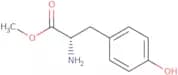
CAS:<p>Please enquire for more information about Ac-Phe-Phe-OH including the price, delivery time and more detailed product information at the technical inquiry form on this page</p>Formula:C20H22N2O4Purity:Min. 95%Molecular weight:354.4 g/molL-Tyrosine methyl ester hydrochloride
CAS:<p>L-Tyrosine methyl ester hydrochloride is a synthetic compound that has been shown to have anti-thrombotic and anti-inflammatory properties. In particular, L-Tyrosine methyl ester hydrochloride inhibits the activity of thrombin, which is an enzyme involved in the coagulation process. It has also been shown to be effective against solid tumours and cell cultures. L-Tyrosine methyl ester hydrochloride is used as a pharmaceutical preparation for the treatment of osteoarthritis, rheumatoid arthritis, and other inflammatory disorders. It is also used as a precursor in the synthesis of amino acid compounds such as L-DOPA.</p>Formula:C10H14ClNO3Purity:Min. 95%Molecular weight:231.68 g/molFmoc-4-methoxy-4'-(γ-carboxypropyloxy)-benzhydrylamine linked to Alanyl-aminomethyl resin (200-400 mesh)
<p>Please enquire for more information about Fmoc-4-methoxy-4'-(gamma-carboxypropyloxy)-benzhydrylamine linked to Alanyl-aminomethyl resin (200-400 mesh) including the price, delivery time and more detailed product information at the technical inquiry form on this page</p>Purity:Min. 95%FA-Gly-Nva-NH2
CAS:<p>Please enquire for more information about FA-Gly-Nva-NH2 including the price, delivery time and more detailed product information at the technical inquiry form on this page</p>Formula:C14H19N3O4Purity:Min. 95%Molecular weight:293.32 g/molH-Leu-Phe-NH2·HCl
CAS:<p>H-Leu-Phe-NH2·HCl is a peptide that has been shown to have antiviral and anticancer properties. It blocks the replication of viruses by interacting with the amino acid sequence on the virus’s outer layer, which prevents the virus from binding to cells. H-Leu-Phe-NH2·HCl has also been shown to have anticancer properties. This peptide stimulates cancer cells to produce proteins that are required for their growth and proliferation, leading to increased tumor size. The effectiveness of this drug is enhanced when combined with other cancer drugs, such as cisplatin or vinblastine. H-Leu-Phe-NH2·HCl also has an excellent safety profile and does not cause any toxicity in healthy cells or tissues.</p>Formula:C15H23N3O2·HClPurity:Min. 95%Molecular weight:313.82 g/molH-His(1-Trt)-2-chlorotrityl resin (200-400 mesh) (Low Substitution)
<p>Please enquire for more information about H-His(1-Trt)-2-chlorotrityl resin (200-400 mesh) (Low Substitution) including the price, delivery time and more detailed product information at the technical inquiry form on this page</p>Purity:Min. 95%Suc-Ala-Phe-Lys-AMC acetate
CAS:<p>Suc-Ala-Phe-Lys-AMC acetate salt is a fatty acid that is metabolized by the enzyme plasminogen activator inhibitor 1 (PAI-1) to form AMC. It is used as a marker for PAI-1 activity in plasma, as well as in other extracellular fluids. Suc-Ala-Phe-Lys-AMC acetate salt has been shown to be effective in treating diseases caused by low blood sugar levels, such as diabetes mellitus type 2. Studies have also shown that it can be used to monitor the progress of metabolic disorders such as obesity and type 2 diabetes mellitus.</p>Formula:C32H39N5O8•C2H4O2Purity:Min. 95%Color and Shape:PowderMolecular weight:681.73 g/molActivated Protein C (390-404) (human)
CAS:<p>Please enquire for more information about Activated Protein C (390-404) (human) including the price, delivery time and more detailed product information at the technical inquiry form on this page</p>Formula:C91H130N22O23Purity:Min. 95%Molecular weight:1,900.14 g/molGinseng Tetrapeptide
CAS:<p>Please enquire for more information about Ginseng Tetrapeptide including the price, delivery time and more detailed product information at the technical inquiry form on this page</p>Formula:C18H33N7O7Purity:Min. 95%Molecular weight:459.5 g/molCyclo(leu-leu)
CAS:<p>Cyclo(leu-leu) is a glycosidase inhibitor that has been shown to have an inhibitory effect on the biosynthesis of aminoacylated proteins. Cyclo (leu-leu) is derived from the wild-type strain of a fungus, which is a genus of endophytic fungi. This compound inhibits the synthesis of proteins by binding to glycosylated amino acid residues and preventing their hydrolysis. Cyclo (leu-leu) also has homologous regions with mellein, which is another type of glycosidase inhibitor that binds to the enzyme protein kinase C, inhibiting protein synthesis and leading to cell death.</p>Formula:C12H22N2O2Purity:Min. 95%Molecular weight:226.32 g/molZ-Gly-Gly-Leu-AMC
CAS:<p>Z-Gly-Gly-Leu-AMC is a small molecule that inhibits the activity of certain enzymes, such as poly (ADP-ribose) polymerase (PARP), which are involved in DNA repair and DNA replication. It has been shown to be effective against cancer cells and is used for the treatment of various cancers, including breast cancer. Z-Gly-Gly-Leu-AMC has also been shown to have anti-inflammatory properties and may be useful for the treatment of autoimmune diseases. The drug binds to PARP, inhibiting its ability to interact with other proteins, thereby preventing activation of proapoptotic protein.</p>Formula:C28H32N4O7Purity:Min. 95%Molecular weight:536.58 g/molH-β,β-Dicyclohexyl-DL-Ala-OH
CAS:<p>Please enquire for more information about H-beta,beta-Dicyclohexyl-DL-Ala-OH including the price, delivery time and more detailed product information at the technical inquiry form on this page</p>Formula:C15H27NO2Purity:Min. 95%Molecular weight:253.38 g/molC-Peptide 2 (rat) trifluoroacetate salt
CAS:<p>Please enquire for more information about C-Peptide 2 (rat) trifluoroacetate salt including the price, delivery time and more detailed product information at the technical inquiry form on this page</p>Formula:C135H222N38O49Purity:Min. 95%Molecular weight:3,161.43 g/mol4-Bromophenylalanine
CAS:<p>4-Bromophenylalanine is a chemical compound that can be used as a spectroscopic probe to study the dynamics of protein synthesis. It is derived from 4-bromobenzaldehyde, which is oxidized by hydrogen peroxide in the presence of cytochrome P450 reductase and NADPH, yielding 4-bromophenylalanine. This compound has been shown to inhibit protein synthesis by binding reversibly to the synthetase during its synthetic cycle. The binding of 4-bromophenylalanine inhibits the synthesis of peptides with a C-terminal amide group. This inhibition leads to a decrease in the amount of functional groups present in proteins and an increase in the amount of buffers. These effects have been demonstrated through modelling studies using both model organisms and buffer solutions.</p>Formula:C9H10BrNO2Purity:Min. 95%Color and Shape:White PowderMolecular weight:244.09 g/molH-Lys(2-chloro-Z)-OBzl·HCl
CAS:<p>Please enquire for more information about H-Lys(2-chloro-Z)-OBzl·HCl including the price, delivery time and more detailed product information at the technical inquiry form on this page</p>Formula:C21H25ClN2O4·HClPurity:Min. 95%Molecular weight:441.35 g/mol(D-Lys(nicotinoyl)1,b-(3-pyridyl)-Ala3,3,4-dichloro-D-Phe5,Asn6,D-Trp7·9, Nle 11)-Substance P trifluoroacetate salt
CAS:<p>Substance P is a tachykinin neuropeptide that belongs to the tachykinin family. It is found in the central and peripheral nervous system and has been shown to have an important role in locomotor activity, protein synthesis, receptor activity, and neurotransmitter release. Substance P is also associated with a number of diseases such as infectious diseases, sciatic nerve pain, and vasoactive intestinal peptide (VIP) production. This substance has been used for the diagnosis of neurogenic bladder dysfunction by measuring its effects on urinary bladder contractility.</p>Formula:C86H104Cl2N18O13Purity:Min. 95%Molecular weight:1,668.76 g/molFA-Phe-Val-NH2
CAS:<p>Please enquire for more information about FA-Phe-Val-NH2 including the price, delivery time and more detailed product information at the technical inquiry form on this page</p>Formula:C21H25N3O4Purity:Min. 95%Molecular weight:383.44 g/molH-His-Phe-bNA·2 HCl
CAS:<p>Please enquire for more information about H-His-Phe-bNA·2 HCl including the price, delivery time and more detailed product information at the technical inquiry form on this page</p>Formula:C25H25N5O2·2HClPurity:Min. 95%Molecular weight:500.42 g/molBoc-(Dmmb(Trt))Gly-OH
CAS:<p>Please enquire for more information about Boc-(Dmmb(Trt))Gly-OH including the price, delivery time and more detailed product information at the technical inquiry form on this page</p>Formula:C35H37NO6SPurity:Min. 95%Molecular weight:599.74 g/molLQEQ-19 (mouse, rat) trifluoroacetate salt
CAS:<p>Please enquire for more information about LQEQ-19 (mouse, rat) trifluoroacetate salt including the price, delivery time and more detailed product information at the technical inquiry form on this page</p>Formula:C106H165N29O34Purity:Min. 95%Molecular weight:2,389.62 g/molVIP Receptor-Binding Inhibitor L-8-K trifluoroacetate salt
CAS:<p>Please enquire for more information about VIP Receptor-Binding Inhibitor L-8-K trifluoroacetate salt including the price, delivery time and more detailed product information at the technical inquiry form on this page</p>Formula:C50H77N9O12SPurity:Min. 95%Molecular weight:1,028.27 g/molAngiogenin (108-123)
CAS:<p>Please enquire for more information about Angiogenin (108-123) including the price, delivery time and more detailed product information at the technical inquiry form on this page</p>Formula:C83H132N26O24Purity:Min. 95%Molecular weight:1,878.1 g/molAtrial Natriuretic Factor (3-28) (human, bovine, porcine)
CAS:<p>Please enquire for more information about Atrial Natriuretic Factor (3-28) (human, bovine, porcine) including the price, delivery time and more detailed product information at the technical inquiry form on this page</p>Formula:C118H187N43O36S3Purity:Min. 95%Molecular weight:2,880.21 g/molH-D-Ser(SO3H)-OH
CAS:<p>Please enquire for more information about H-D-Ser(SO3H)-OH including the price, delivery time and more detailed product information at the technical inquiry form on this page</p>Formula:C3H7NO6SPurity:Min. 95%Molecular weight:185.16 g/molAc-Ala-Ala-Ala-OH
CAS:<p>Ac-Ala-Ala-Ala-OH is a calcium binding protein that is involved in the activation of zymogens. It is an acidic protein that can be found in the zymogen granules of bacteria such as Salmonella typhimurium. Ac-Ala-Ala-Ala-OH has been shown to bind to basic proteins and, when bound, enhances proteolytic activity. Acetylation of Ac-Ala-Ala-Ala-OH at its N terminus by chloromethyl ketone converts it into an acetyllysine derivative with increased stability, which may also result in decreased proteolytic activity.</p>Formula:C11H19N3O5Purity:Min. 95%Molecular weight:273.29 g/mol(DL-Isoser 1)-TRAP-6 trifluoroacetate salt
CAS:<p>Please enquire for more information about (DL-Isoser 1)-TRAP-6 trifluoroacetate salt including the price, delivery time and more detailed product information at the technical inquiry form on this page</p>Formula:C34H56N10O9Purity:Min. 95%Molecular weight:748.87 g/mol(4-(Methoxycarbonyl)-3-Methylphenyl)boronic acid
CAS:<p>Please enquire for more information about (4-(Methoxycarbonyl)-3-Methylphenyl)boronic acid including the price, delivery time and more detailed product information at the technical inquiry form on this page</p>Formula:C9H11BO4Purity:Min. 95%Molecular weight:193.99 g/molH-Phe-Pro-Arg-OH
CAS:<p>H-Phe-Pro-Arg-OH is an active analogue of the natural amino acid, lysine. It has been shown to inhibit protein synthesis by binding to the lysine residues in proteins. This inhibition blocks the hydrophobic effect that is necessary for proper folding of newly synthesized proteins. Lysine's role in protein synthesis also extends to spermatozoa and blood clotting, which are inhibited by H-Phe-Pro-Arg-OH. The inhibition of lysine residues in human serum fibrinogen and thrombin may lead to a reduction in their ability to form clots. H-Phe-Pro-Arg-OH has also been shown to be an anticoagulant and thermodynamic data supports this conclusion. X ray crystal structures and titration calorimetry have confirmed that this compound binds to lysine residues with high affinity and specificity.</p>Formula:C20H30N6O4Purity:Min. 95%Molecular weight:418.49 g/molDibenzoyl-(-)-p-methoxy-L-tartaric acid
CAS:<p>Dibenzoyl-(-)-p-methoxy-L-tartaric acid is a chiral compound that has been extracted from plants and synthesized. It has a bitter taste and can be used as an enantiomer to treat schistosomiasis, a disease caused by parasitic flatworms. Dibenzoyl-(-)-p-methoxy-L-tartaric acid can be used as an enantiomer to treat schistosomiasis, which is caused by parasitic flatworms. The chemical is an anionic β-cyclodextrin derivative that binds to the parasites in the host's body and prevents them from releasing eggs into the water supply. This chemical also has pharmacological properties, such as antiinflammatory activities.</p>Formula:C20H18O10Purity:Min. 95%Color and Shape:White PowderMolecular weight:418.35 g/molPyr-Pro-Val-pNA trifluoroacetate salt
CAS:<p>Pyr-Pro-Val-pNA is a synthetic peptide that is structurally homologous to the proteases serine and chymotrypsin. This peptide has been shown to have proteolytic activity on fibronectin, n-terminal of angiotensin, and epithelium. Pyr-Pro-Val-pNA also causes an inflammatory response in leukocytes and shigella.</p>Formula:C21H27N5O6Purity:Min. 95%Molecular weight:445.47 g/molFmoc-Dap(Adpoc)-OH
CAS:<p>Please enquire for more information about Fmoc-Dap(Adpoc)-OH including the price, delivery time and more detailed product information at the technical inquiry form on this page</p>Formula:C32H38N2O6Purity:Min. 95%Molecular weight:546.65 g/molZ-Pro-Arg-AMC·HCl
CAS:<p>Please enquire for more information about Z-Pro-Arg-AMC·HCl including the price, delivery time and more detailed product information at the technical inquiry form on this page</p>Formula:C29H34N6O6·HClPurity:Min. 95%Molecular weight:599.08 g/mol1-{[5-(Cyclopropylcarbonyl)-1-methyl-4,5,6,7-tetrahydro-1H-pyrazolo[4,3-c]pyridin-3-yl]carbonyl}piperidine-4-carboxylic acid
CAS:<p>Please enquire for more information about 1-{[5-(Cyclopropylcarbonyl)-1-methyl-4,5,6,7-tetrahydro-1H-pyrazolo[4,3-c]pyridin-3-yl]carbonyl}piperidine-4-carboxylic acid including the price, delivery time and more detailed product information at the technical inquiry form on this page</p>Formula:C18H24N4O4Purity:Min. 95%Molecular weight:360.41 g/molH-Val-Ser-OH
CAS:<p>L-Threonine is an amino acid that belongs to the branched-chain family of amino acids. It is a nonessential amino acid, meaning that it can be synthesized by the human body. L-Threonine is one of the two amino acids (along with L-Serine) that has a hydroxyl group on the alpha carbon atom. It is also used in certain metabolic pathways such as sphingolipid metabolism and tryptophan metabolism. L-Threonine is used in experimental models for bowel disease and intestinal cancer, but its role in these conditions has not been determined. The molecule can be found in both animal and plant proteins, but most often it occurs in animal sources. The compound can also be found as a component of skin condition treatments or as an additive to shampoos, lotions, and cosmetics.</p>Formula:C8H16N2O4Purity:Min. 95%Molecular weight:204.22 g/molSarafotoxin C trifluoroacetate salt
CAS:<p>Sarafotoxin C is a peptide from the venom of the spider Phoneutria nigriventer that has been shown to have potent inhibitory properties on endothelin-1. Sarafotoxin C is able to block intracellular Ca2+ levels and signal pathways, leading to decreased levels of endothelin-1 as well as other inflammatory mediators. Sarafotoxin C has also been shown to have an anti-inflammatory effect in bowel disease, which may be due to its ability to inhibit the production of cytokines and prostaglandins. The biological properties of sarafotoxin C are related to its inhibition of polymerase chain reaction (PCR) amplification of DNA. This inhibition is due to the binding of sarafotoxin C with endothelin receptors on DNA, which prevents DNA polymerase from attaching. Endothelin-a receptor activity can also be inhibited by sarafotoxin C through enzymatic inactivation. Sarafot</p>Formula:C103H147N27O37S5Purity:Min. 95%Molecular weight:2,515.76 g/molH-Asp-AMC
CAS:<p>Please enquire for more information about H-Asp-AMC including the price, delivery time and more detailed product information at the technical inquiry form on this page</p>Formula:C14H14N2O5Purity:Min. 95%Color and Shape:PowderMolecular weight:290.27 g/molFmoc-Tyr(SO3H)-OH barium salt
CAS:<p>Please enquire for more information about Fmoc-Tyr(SO3H)-OH barium salt including the price, delivery time and more detailed product information at the technical inquiry form on this page</p>Formula:C24H21NO8SPurity:Min. 95%Molecular weight:483.49 g/molZ-Val-Ala-OMe
CAS:<p>Z-Val-Ala-OMe is an anti-leishmanial agent that has been shown to be a more efficient method for the treatment of leishmaniasis than current treatments. It inhibits the growth of Leishmania by inhibiting serine proteases, which are involved in the formation of amorphous material on the surface of these parasites. Z-Val-Ala-OMe is active against both subtilis and licheniformis, with a residue half life of 3 hours at pH 5.5 and 20 degrees Celsius. This drug binds to the surface of Leishmania parasites and inhibits their ability to metabolize phosphite into ethyl esters.<br>The kinetic data obtained from Z-Val-Ala-OMe was measured using immobilized cells in a microtiter plate assay system. The data collected was used to generate a graph showing an initial burst phase followed by a linear phase for up to 72 hours post incubation with the drug</p>Formula:C17H24N2O5Purity:Min. 95%Molecular weight:336.38 g/mol(D-Phe2·6,Pro3)-LHRH trifluoroacetate salt
CAS:<p>Please enquire for more information about (D-Phe2·6,Pro3)-LHRH trifluoroacetate salt including the price, delivery time and more detailed product information at the technical inquiry form on this page</p>Formula:C59H80N14O13Purity:Min. 95%Molecular weight:1,193.35 g/mol2,2'-(Perchloro-1,2-phenylene)diacetonitrile
CAS:<p>Please enquire for more information about 2,2'-(Perchloro-1,2-phenylene)diacetonitrile including the price, delivery time and more detailed product information at the technical inquiry form on this page</p>Formula:C10H4Cl4N2Purity:Min. 95%Molecular weight:293.96 g/mol5-FAM-Woodtide trifluoroacetate salt
CAS:<p>Please enquire for more information about 5-FAM-Woodtide trifluoroacetate salt including the price, delivery time and more detailed product information at the technical inquiry form on this page</p>Formula:C89H133N21O26SPurity:Min. 95%Molecular weight:1,945.2 g/molAloc-OSu
CAS:<p>Aloc-OSu is a glycosylated glycopeptide antibiotic that belongs to the class of degradable antibiotics. The drug binds to the enzyme UDP-N-acetylglucosamine:glycoprotein glucosyltransferase, thereby inhibiting bacterial cell wall synthesis. Aloc-OSu has been shown to be effective against methicillin resistant Staphylococcus aureus (MRSA) and Clostridium perfringens, although is not active against acid-fast bacteria such as Mycobacterium tuberculosis or Mycobacterium avium complex. Aloc-OSu has shown anti-inflammatory properties, which may be due to its inhibition of prostaglandin synthesis.</p>Formula:C8H9NO5Purity:Min. 95%Molecular weight:199.16 g/mol(D-Trp6)-LHRH pamoate salt
CAS:<p>The hormone LHRH is a decapeptide that stimulates the production of gonadotropins, which stimulate the synthesis and release of sex hormones. LHRH has been used for the treatment of prostate cancer. It can be administered in the form of a long-acting ester formulation, such as the pamoate salt (Pyr-His-Trp-Ser-Tyr-D-Trp-Leu-Arg-Pro-Gly), or as an analog, such as triptorelin acetate. The analogs are more potent than LHRH and have greater efficacy in preventing tumor growth and inducing regression. Analogs may be administered in microcapsules for extended release or orally to provide higher levels of drug at target sites. The ester linkages between amino acids allow for a sustained release of LHRH over time. These esters are hydrolyzed by enzymes present in plasma and tissues, releasing active LHRH into circulation that binds</p>Formula:C64H82N18O13·xC23H16O6Purity:Min. 95%Molecular weight:1,311.45 g/mol2-Chloromethyl-4-(3-methoxypropoxy)-3-methylpyridine hydrochloride
CAS:<p>Please enquire for more information about 2-Chloromethyl-4-(3-methoxypropoxy)-3-methylpyridine hydrochloride including the price, delivery time and more detailed product information at the technical inquiry form on this page</p>Formula:C11H17Cl2NO2Purity:Min. 95%Molecular weight:266.16 g/molNeurotensin (9-13)
CAS:<p>Neurotensin (NT) is a peptide hormone that belongs to the family of amides and is found in the stomach, small intestine, and central nervous system. NT is an agonist of the neurotensin receptor and binds to allosteric binding sites on the receptor. Neurotensin (NT) is modified by proteolysis, which may be due to its acidic residue at position 9. This modification leads to increased affinity for the neurotensin receptor binding site. The pharmacokinetic properties of NT are not well-understood as it has been shown to have both high lipophilicity and low plasma protein binding rates. Neurotensin (NT) receptors have been shown to be G protein coupled receptors with different subtypes, such as NT1, NT2A, NT2B, and NT3.</p>Formula:C32H52N8O7Purity:Min. 95%Molecular weight:660.81 g/molZ-Gly-Pro-bNA
CAS:<p>Z-Gly-Pro-bNA is a peptide that has been synthesized using recombinant DNA technology. It is a carboxyl peptidase inhibitor, which inhibits the enzyme aspartic proteases and metalloendopeptidases. Z-Gly-Pro-bNA has a specific substrate, namely tetrathionate, and it is efficient in hydrolyzing carboxyl groups. This inhibition of the catalytic activity of these enzymes leads to an increase in proline and calcitonin levels. The optimum pH for this reaction is 8.5 to 9.5 and the optimum concentration is 50 to 300 μM.</p>Formula:C25H25N3O4Purity:Min. 95%Molecular weight:431.48 g/molMca-Pro-Leu-Ala-Cys(Mob)-Trp-Ala-Arg-Dap (Dnp)-NH2 trifluoroacetate salt
CAS:<p>Please enquire for more information about Mca-Pro-Leu-Ala-Cys(Mob)-Trp-Ala-Arg-Dap (Dnp)-NH2 trifluoroacetate salt including the price, delivery time and more detailed product information at the technical inquiry form on this page</p>Formula:C66H82N16O17SPurity:Min. 95%Molecular weight:1,403.52 g/molH-D-Ala-D-Ala-D-Ala-D-Ala-OH
CAS:<p>Please enquire for more information about H-D-Ala-D-Ala-D-Ala-D-Ala-OH including the price, delivery time and more detailed product information at the technical inquiry form on this page</p>Formula:C12H22N4O5Purity:Min. 95%Molecular weight:302.33 g/molNeuronostatin-13 (mouse, rat) trifluoroacetate salt
<p>Please enquire for more information about Neuronostatin-13 (mouse, rat) trifluoroacetate salt including the price, delivery time and more detailed product information at the technical inquiry form on this page</p>Formula:C65H112N20O17Purity:Min. 95%Molecular weight:1,445.71 g/molBoc-Thr(Val-Fmoc)-OH
CAS:<p>Please enquire for more information about Boc-Thr(Val-Fmoc)-OH including the price, delivery time and more detailed product information at the technical inquiry form on this page</p>Formula:C29H36N2O8Purity:Min. 95%Molecular weight:540.6 g/molBoc-L-tyrosine methyl ester
CAS:<p>Boc-L-tyrosine methyl ester is a synthetic amino acid that can be used in the production of peptides and proteins. It has been shown to have a high uptake and hydroxyl group, which allows for the synthesis of dopamine. The kinetic study of Boc-L-tyrosine methyl ester in agarose gels has shown that it has a high affinity for dopamine. Boc-L-tyrosine methyl ester has also been used as an intermediate for the synthesis of peptides and proteins. It is not active against cancer cells but has been used to induce matrix metalloproteinase (MMP) activity in Mcf-7 cells.</p>Formula:C15H21NO5Purity:Min. 95%Color and Shape:White PowderMolecular weight:295.33 g/molD-Tryptophan methyl ester hydrochloride
CAS:<p>D-Tryptophan is an amino acid that is naturally produced by the human body and is also found in certain foods such as bananas, oats, and turkey. D-Tryptophan methyl ester hydrochloride is a synthetic form of this amino acid. It has been shown to inhibit cell growth and may have other physiological effects such as regulating mood or sleep patterns. This drug binds to the cavity of enzymes involved in the synthesis of proteins and nucleic acids, which prevents them from carrying out their normal functions. The binding constants for D-tryptophan methyl ester hydrochloride with these enzymes are stronger than those for natural d-tryptophan. The reaction solution was studied using UV absorption spectroscopy and showed that glycol ethers were more effective solvents than piperonal, which allowed for asymmetric synthesis. Molecular docking analysis has shown that D-tryptophan methyl ester hydrochloride binds to the enzyme cavity more tightly than</p>Formula:C12H14N2O2•HClPurity:Min. 95%Color and Shape:PowderMolecular weight:254.71 g/molPeptide 6A
CAS:<p>Peptide 6A is a cyclic peptide that has been shown to have analgesic and anti-inflammatory effects. It is synthesized by conjugating the amino acid alanine to the N-terminal of arginine, which leads to a polymer conjugate. The cyclic peptide has been shown to inhibit pain responses in anesthetized animals as well as inhibit blood pressure in rats with hypertension. In addition, it showed significant vasodilatory effects and inhibited sodium citrate induced platelet aggregation. Treatment with peptide 6A also decreases fibrinogen levels in humans and showed radical scavenging activities in human serum.</p>Formula:C23H43N9O6Purity:Min. 95%Molecular weight:541.64 g/molBoc-(R)-3-Amino-4-(2,4,5-trifluorophenyl)butanoic acid
CAS:<p>Intermediate in the synthesis of sitagliptin</p>Formula:C15H18F3NO4Purity:Min. 95%Molecular weight:333.3 g/molAc-Tyr-Val-Ala-Asp-2,6-dimethylbenzoyloxymethylketone
CAS:<p>Ac-Tyr-Val-Ala-Asp-2,6-dimethylbenzoyloxymethylketone is a potent transcriptional regulator that can be used to treat breast cancer. Ac-Tyr-Val-Ala-Asp-2,6-dimethylbenzoyloxymethylketone binds to estrogen receptor and prevents the binding of estrogen to its receptor. This leads to the death of cancer cells by inhibiting the function of bcl family proteins. Acetylation of this compound at C8, C10, and C17 positions increases its potency in vivo. In addition, Acetylated TAVADM can inhibit pancreatic cancer cell growth by activating signal transducer and activator of transcription 3 (STAT3) and inhibiting the activity of bcl family proteins such as BCL2 and BCLXL. Acetylated TAVADM has also been shown to have antiapoptotic</p>Formula:C33H42N4O10Purity:Min. 95%Molecular weight:654.71 g/molFmoc-Tyr(tBu)-Ser(Psi(Me,Me)Pro)-OH
CAS:<p>Please enquire for more information about Fmoc-Tyr(tBu)-Ser(Psi(Me,Me)Pro)-OH including the price, delivery time and more detailed product information at the technical inquiry form on this page</p>Formula:C34H38N2O7Purity:Min. 95%Color and Shape:White PowderMolecular weight:586.67 g/mol(H-Cys-Tyr-OH)2
CAS:<p>Please enquire for more information about (H-Cys-Tyr-OH)2 including the price, delivery time and more detailed product information at the technical inquiry form on this page</p>Formula:C24H30N4O8S2Purity:Min. 95%Color and Shape:PowderMolecular weight:566.65 g/molpTH-Related Protein (1-34) amide (human, mouse, rat) trifluoroacetate salt
CAS:<p>Parathyroid hormone-related protein (PTHrP) is a peptide hormone produced by the parathyroid gland that functions as a phosphatase, inhibiting alkaline phosphatase. It also has an inhibitory effect on osteoclastic bone resorption and stimulates osteoblastic bone formation. PTHrP has been shown to be useful in treating osteoporosis and Paget's disease. It also has been used in conjunction with dexamethasone to treat patients with malignancies of the head and neck. PTHrP is an inhibitor of protein kinase A and phosphodiesterases, which are enzymes that regulate cellular processes such as proliferation and differentiation.</p>Formula:C180H288N58O47Purity:Min. 95%Molecular weight:4,016.58 g/molN-Hydroxy-2-phenyl-acetamide
CAS:<p>N-Hydroxy-2-phenyl-acetamide is a metalloprotease inhibitor that binds to the active site of the enzyme, thereby preventing it from binding with its natural substrate. This drug has been shown to inhibit the production of TNF-α in mice with autoimmune diseases and may be able to inhibit other proinflammatory mediators. N-Hydroxy-2-phenyl-acetamide has been shown to bind to a water molecule and an aliphatic hydrocarbon in order to form a hydrogen bond. This coordination complex inhibits the activity of matrix metalloproteinases, which are enzymes that break down collagen, elastin, and other proteins in the extracellular matrix. N-Hydroxy-2-phenyl-acetamide is not active against acid complexes or tnfα.</p>Formula:C8H9NO2Purity:Min. 95%Color and Shape:White Yellow PowderMolecular weight:151.16 g/mol(Val6,Ala7)-Kemptide
CAS:<p>Please enquire for more information about (Val6,Ala7)-Kemptide including the price, delivery time and more detailed product information at the technical inquiry form on this page</p>Formula:C32H61N13O9Purity:Min. 95%Molecular weight:771.91 g/molPyr-Trp-OEt
CAS:<p>Please enquire for more information about Pyr-Trp-OEt including the price, delivery time and more detailed product information at the technical inquiry form on this page</p>Formula:C18H21N3O4Purity:Min. 95%Molecular weight:343.38 g/molACTH (3-24) (human, bovine, rat) trifluoroacetate salt
CAS:<p>Please enquire for more information about ACTH (3-24) (human, bovine, rat) trifluoroacetate salt including the price, delivery time and more detailed product information at the technical inquiry form on this page</p>Formula:C124H196N38O27SPurity:Min. 95%Molecular weight:2,683.19 g/molH-Lys-Ala-pNA·2 HCl
CAS:<p>Please enquire for more information about H-Lys-Ala-pNA·2 HCl including the price, delivery time and more detailed product information at the technical inquiry form on this page</p>Formula:C15H23N5O4·2HClPurity:Min. 95%Molecular weight:410.3 g/mol([ring-D5]Phe6)-Somatostatin-14
<p>Please enquire for more information about ([ring-D5]Phe6)-Somatostatin-14 including the price, delivery time and more detailed product information at the technical inquiry form on this page</p>Formula:C76H99D5N18O19S2Purity:Min. 95%Molecular weight:1,642.91 g/molH-Gly-Ala-NH2·HCl
CAS:<p>Please enquire for more information about H-Gly-Ala-NH2·HCl including the price, delivery time and more detailed product information at the technical inquiry form on this page</p>Formula:C5H11N3O2·HClPurity:Min. 95%Molecular weight:181.62 g/molH-Ser-Leu-Ser-Leu-Ser-Pro-Gly-OH trifluoroacetate salt
CAS:<p>Please enquire for more information about H-Ser-Leu-Ser-Leu-Ser-Pro-Gly-OH trifluoroacetate salt including the price, delivery time and more detailed product information at the technical inquiry form on this page</p>Formula:C28H49N7O11Purity:Min. 95%Molecular weight:659.73 g/molH-Arg-Arg-bNA·3 HCl
CAS:<p>Please enquire for more information about H-Arg-Arg-bNA·3 HCl including the price, delivery time and more detailed product information at the technical inquiry form on this page</p>Formula:C22H33N9O2·3HClPurity:Min. 95%Molecular weight:564.94 g/molAcetyl-Calpastatin (184-210) (human)
CAS:<p>Acetyl-Calpastatin (184-210) (human) Ac-Asp-Pro-Met-Ser-Ser-Thr-Tyr-Ile-Glu-Glu-Leu-Gly-Lys-Arg-Glu-Val-Thr-(184–210) is a protease inhibitor that inhibits the activity of calpain, an enzyme involved in the degradation of proteins. It has been used for the treatment of infectious diseases such as tuberculosis and autoimmune diseases such as multiple sclerosis. Acetylcalpastatin is synthesized from calpastatin, which is found in abundance in the central nervous system and skeletal muscle. Acetylcalpastatin has been shown to inhibit experimental models of the disease by interfering with the production of inflammatory mediators.</p>Formula:C142H230N36O44SPurity:Min. 95%Molecular weight:3,177.63 g/molZ-Asp-Glu-Val-Asp-chloromethylketone
CAS:<p>Z-Asp-Glu-Val-Asp-chloromethylketone is a reactive compound that inhibits the activity of proteases and induces neuronal death. Z-Asp-Glu-Val-Asp-chloromethylketone has been shown to induce necrotic cell death in malignant brain cells and has neurotrophic properties. It also causes mitochondrial membrane depolarization, which leads to mitochondrial cytochrome c release and subsequent apoptosis. The reaction mechanism is still unclear but it may involve hydrogen bonding between the ketone group and the amide nitrogen atom of the aspartate residue.</p>Formula:C27H35ClN4O12Purity:Min. 95%Molecular weight:643.04 g/molSPLUNC1 (22-39) trifluoroacetate salt
CAS:<p>Please enquire for more information about SPLUNC1 (22-39) trifluoroacetate salt including the price, delivery time and more detailed product information at the technical inquiry form on this page</p>Formula:C82H135N21O25Purity:Min. 95%Molecular weight:1,815.08 g/molH-β-Chloro-Ala-NHOH hydrochloride salt
CAS:<p>Please enquire for more information about H-beta-Chloro-Ala-NHOH hydrochloride salt including the price, delivery time and more detailed product information at the technical inquiry form on this page</p>Formula:C3H7ClN2O2Purity:Min. 95%Molecular weight:138.55 g/molBoc-Asp(OBzl)-chloromethylketone
CAS:<p>Boc-Asp(OBzl)-chloromethylketone is a synthetic molecule that is immunoreactive with gp120, the virus protein. It has been shown to inhibit the proliferation of human neuroblastoma cells and induce cell death. This compound also has an effect on cytokine production in vitro. This drug is currently being studied as a potential treatment for HIV infection. Boc-Asp(OBzl)-chloromethylketone binds to the receptor type and viral type, which are essential for the virus life cycle and induces antibody production in vivo.</p>Formula:C17H22ClNO5Purity:Min. 95%Molecular weight:355.81 g/molZ-Gly-Ile-OH
CAS:<p>Please enquire for more information about Z-Gly-Ile-OH including the price, delivery time and more detailed product information at the technical inquiry form on this page</p>Formula:C16H22N2O5Purity:Min. 95%Molecular weight:322.36 g/mol(H-Cys-4MbNA)2 acetate salt (Disulfide bond)
CAS:<p>Please enquire for more information about (H-Cys-4MbNA)2 acetate salt (Disulfide bond) including the price, delivery time and more detailed product information at the technical inquiry form on this page</p>Formula:C28H30N4O4S2Purity:Min. 95%Molecular weight:550.69 g/molH-Gly-Gly-Arg-Ala-OH acetate salt
CAS:<p>Please enquire for more information about H-Gly-Gly-Arg-Ala-OH acetate salt including the price, delivery time and more detailed product information at the technical inquiry form on this page</p>Formula:C13H25N7O5Purity:Min. 95%Molecular weight:359.38 g/molSuc-Ala-Glu-Pro-Phe-AMC
CAS:<p>Please enquire for more information about Suc-Ala-Glu-Pro-Phe-AMC including the price, delivery time and more detailed product information at the technical inquiry form on this page</p>Formula:C36H41N5O11Purity:Min. 95%Molecular weight:719.74 g/molProtein Kinase P34 (cd2) Substrate trifluoroacetate salt
CAS:<p>H-ADAQHATPPKKKRKVEDPKDF-OH peptide, which can act as a substrate of Protein Kinase P34 (cd2). The peptide is supplied as a trifluoroacetate salt.</p>Formula:C106H172N32O32Purity:Min. 95%Molecular weight:2,406.7 g/molH-Thr-Lys-Tyr-OH
CAS:<p>H-Thr-Lys-Tyr-OH is a synthetic peptide that has been used in the research of antigen, antibody and sequence. The intramolecular bond between the amino acids H-Thr-Lys-Tyr-OH has been shown to be stable up to pH 8.5 and alkaline conditions, making it suitable for use in a variety of different experiments. This peptide has also been used as an immunogen to generate antibodies against specific antigens or as a probe for sequence analysis.</p>Formula:C19H30N4O6Purity:Min. 95%Molecular weight:410.46 g/molFor-Met-Val-OH
CAS:<p>For-Met-Val-OH is a synthetic molecule that has been shown to inhibit the growth of bacteria by binding to the ribosomal subunit, thereby inhibiting protein synthesis. This compound was synthesized in vitro and has been shown to be effective against single-stranded DNA. For-Met-Val-OH can also bind to the template strand of DNA and inhibit the synthesis of RNA. It binds to functional genes and inhibits their function in a similar manner as natural substrates. This inhibition may be due to inhibition of protein synthesis or other unknown mechanisms. The structure of For-Met-Val-OH is similar to hydroxamic acids, which are known for their antibacterial properties.</p>Formula:C11H20N2O4SPurity:Min. 95%Molecular weight:276.35 g/molFmoc-Val-Cys(Psi(Dmp,H)pro)-OH
CAS:<p>Please enquire for more information about Fmoc-Val-Cys(Psi(Dmp,H)pro)-OH including the price, delivery time and more detailed product information at the technical inquiry form on this page</p>Formula:C32H34N2O7SPurity:Min. 95%Color and Shape:PowderMolecular weight:590.69 g/molH-Gly-Gly-AMC hydrochloride salt
CAS:<p>H-Gly-Gly-AMC is a fluorescent substrate for the detection of protease activity. It can be used in a homogeneous assay to measure the protease activity of cells. The assay provides an accurate measurement of protease activity and the ability to normalize data to account for differences in cell number and protein content. H-Gly-Gly-AMC hydrochloride salt (HGG) is also a fluorogenic substrate for the determination of cell death or damage, which can be measured using aminoluciferin. This assay is based on the release of aminoluciferin from lysed cells, which fluoresces in proportion to the amount released.</p>Formula:C14H15N3O4Purity:Min. 95%Molecular weight:289.29 g/molCRAMP (mouse) trifluoroacetate salt
CAS:<p>Please enquire for more information about CRAMP (mouse) trifluoroacetate salt including the price, delivery time and more detailed product information at the technical inquiry form on this page</p>Formula:C178H302N50O46Purity:Min. 95%Molecular weight:3,878.61 g/molBz-Arg-betaNA·HCl
CAS:<p>Bz-Arg-betaNA·HCl is a fluorescent probe that binds to the active site of esterases. The fluorescence signal intensity is proportional to the amount of enzyme present and can be used for measuring the activity of esterases in vitro or in vivo. Bz-Arg-betaNA·HCl has been shown to have high specificity for esterases, with low affinity for other enzymes, such as proteases.</p>Formula:C23H25N5O2·HClPurity:Min. 95%Molecular weight:439.94 g/mol(Des-Gly10,D-His2,D-Ser(tBu)6,Pro-NHEt 9)-LHRH acetate salt
<p>Please enquire for more information about (Des-Gly10,D-His2,D-Ser(tBu)6,Pro-NHEt 9)-LHRH acetate salt including the price, delivery time and more detailed product information at the technical inquiry form on this page</p>Formula:C60H86N16O13Purity:Min. 95%Molecular weight:1,239.42 g/molH-Trp(Boc)-2-chlorotrityl resin (200-400 mesh) (Low Substitution)
<p>Please enquire for more information about H-Trp(Boc)-2-chlorotrityl resin (200-400 mesh) (Low Substitution) including the price, delivery time and more detailed product information at the technical inquiry form on this page</p>Purity:Min. 95%H-Gly-Gly-Gly-Gly-Gly-NH2·HBr
CAS:<p>Please enquire for more information about H-Gly-Gly-Gly-Gly-Gly-NH2·HBr including the price, delivery time and more detailed product information at the technical inquiry form on this page</p>Formula:C10H18N6O5·HBrPurity:Min. 95%Molecular weight:383.2 g/molDynorphin A (1-9)
CAS:<p>Dynorphin A (1-9) H-Tyr-Gly-Gly-Phe-Leu-Arg-Arg-Ile-Arg-OH is a substrate binding inhibitor that blocks potassium channels. Dynorphin A (1-9) H-Tyr-Gly-Gly-Phe-Leu Arg Arg Ile Arg OH binds to the d -alanine site of the potassium channel and inhibits glutamate release from presynaptic terminals. Dynorphin A (1 9) H Tyr Gly Gly Phe Leu Arg Arg Ile Arg OH has been shown to be a potent inhibitor of aminopeptidase activity in vitro, which may be due to its affinity for the substrate binding site on the enzyme. Its inhibition of aminopeptidase activity may lead to an increase in opioid peptides such as dynorphins and enkephalins. Dynorphin A (1 9) H Tyr Gly Gly Phe</p>Formula:C52H84N18O11Purity:Min. 95%Molecular weight:1,137.34 g/molMyristoyl-(Lys12·27·28)-VIP-Gly-Gly-Thr (free acid) trifluoroacetate salt
CAS:<p>Please enquire for more information about Myristoyl-(Lys12·27·28)-VIP-Gly-Gly-Thr (free acid) trifluoroacetate salt including the price, delivery time and more detailed product information at the technical inquiry form on this page</p>Formula:C171H283N45O47SPurity:Min. 95%Molecular weight:3,753.42 g/molZ-DL-Lys(Z)-OH
CAS:<p>Please enquire for more information about Z-DL-Lys(Z)-OH including the price, delivery time and more detailed product information at the technical inquiry form on this page</p>Formula:C22H26N2O6Purity:Min. 95%Molecular weight:414.45 g/mol(Tyr69,Ala71·72,Lys74)-C3a (69-77)
CAS:<p>Please enquire for more information about (Tyr69,Ala71·72,Lys74)-C3a (69-77) including the price, delivery time and more detailed product information at the technical inquiry form on this page</p>Formula:C45H77N13O11Purity:Min. 95%Molecular weight:976.17 g/mol3-Fluoro-4-methoxybenzoic acid
CAS:<p>3-Fluoro-4-methoxybenzoic acid is a dipolar molecule with a fluorine atom. It has been synthesized experimentally and the yields are determined by the experimental conditions. 3-Fluoro-4-methoxybenzoic acid has two isomers, which can be differentiated by their resonances. The molecule also has an asymmetric C3(CF)2Cl group in the middle of its structure that can rotate freely.</p>Formula:C8H7FO3Purity:Min. 95%Color and Shape:PowderMolecular weight:170.14 g/molPalmitoyl-Cys((RS)-2,3-di(palmitoyloxy)-propyl)-Ser-Lys-Lys-Lys-Lys-OH trifluoroacetate salt
CAS:<p>Agonist of toll-like receptors TLR1/2</p>Formula:C81H156N10O13SPurity:Min. 95%Molecular weight:1,510.23 g/molH-Tyr-Gly-Arg-Phe-Ser-OH·HCl
CAS:<p>Please enquire for more information about H-Tyr-Gly-Arg-Phe-Ser-OH·HCl including the price, delivery time and more detailed product information at the technical inquiry form on this page</p>Formula:C29H40N8O8·HClPurity:Min. 95%Molecular weight:665.14 g/molAF-2
CAS:<p>AF-2 is a potent, selective and competitive antagonist at the nicotinic acetylcholine receptor (nAChR). AF-2 binds to the extracellular domains of the nAChR and prevents agonists from binding. It has been shown to inhibit acetylcholine release in isolated heart preparations with high affinity and selectivity. The drug has been tested as an anthelmintic against Caenorhabditis elegans and found to be effective. AF-2 is a cholinergic compound that binds to ganglia, leading to a biphasic response. It also has significant effects on the central nervous system, inhibiting both nicotinic and muscarinic acetylcholine receptors.<br>AF-2 is sequenced according to the following formula: <br>H-Lys-His-Glu-Tyr-Leu-Arg-Phe <br>NH2</p>Formula:C47H70N14O10Purity:Min. 95%Molecular weight:991.15 g/molL-Alanine benzyl ester hydrochloride
CAS:<p>L-Alanine benzyl ester hydrochloride is a conjugate of L-alanine and the quaternary ammonium salt benzyl ester hydrochloride. The water molecule is attached to the nitrogen atom in the benzyl ester. It has been shown to inhibit viral replication by interfering with the virus' ability to use host enzymes and proteins for synthesis. L-Alanine benzyl ester hydrochloride has significant cytotoxicity against leukemia cells, which may be due to its ability to inhibit rna polymerase activity. L-Alanine benzyl ester hydrochloride can also be used as an inhibitor of angiotensin converting enzyme (ACE), which is important in regulating blood pressure.</p>Formula:C10H13NO2•HCLPurity:Min. 95%Color and Shape:White PowderMolecular weight:215.68 g/mol4-Fluoro-2-methoxyphenol
CAS:<p>4-Fluoro-2-methoxyphenol is a fluorinating agent that is used in the manufacture of pharmaceuticals, plastics and pesticides. It has been shown to induce apoptosis in cultured cells by upregulating reactive oxygen species (ROS) and increasing mitochondrial membrane permeability, as well as inhibiting cellular physiology. 4-Fluoro-2-methoxyphenol also inhibits the production of ATP and may be toxic to cells by interfering with dinucleotide phosphate.</p>Formula:C7H7FO2Purity:Min. 95%Color and Shape:Clear LiquidMolecular weight:142.13 g/mol([ring-D5]Phe8)-Angiotensin II acetate salt
CAS:<p>Please enquire for more information about ([ring-D5]Phe8)-Angiotensin II acetate salt including the price, delivery time and more detailed product information at the technical inquiry form on this page</p>Formula:C50H66D5N13O12Purity:Min. 95%Molecular weight:1,051.21 g/molFA-Gly-Leu-OH
CAS:<p>FA-Gly-Leu-OH is a peptidase that catalyzes the hydrolysis of an amide bond in a peptide or protein. It has been shown to be active with acid sequences, as well as transpeptidation, which involves the transfer of a terminal amino acid from one peptide chain to another. FA-Gly-Leu-OH is also involved in the synthesis of proteins and peptides. This enzyme has high hydrolase activity and can hydrolyze most substrates at neutral pH values.</p>Formula:C15H20N2O5Purity:Min. 95%Molecular weight:308.33 g/molZ-Ala-Pro-4MbetaNA
CAS:<p>Please enquire for more information about Z-Ala-Pro-4MbetaNA including the price, delivery time and more detailed product information at the technical inquiry form on this page</p>Formula:C27H29N3O5Purity:Min. 95%Molecular weight:475.54 g/mol1-Boc-4-aminoindole
CAS:<p>Please enquire for more information about 1-Boc-4-aminoindole including the price, delivery time and more detailed product information at the technical inquiry form on this page</p>Formula:C13H16N2O2Purity:Min. 95%Molecular weight:232.28 g/molSuc-Ala-Pro-pNA
CAS:<p>Suc-Ala-Pro-pNA is a glycoprotein that has been shown to have a number of different functions. It is an inhibitor of tissue culture, and it has been shown to inhibit the growth of cervical cancer cells by binding to epidermal growth factor (EGF). It also inhibits peptide hormones such as prolactin and insulin, which can lead to breast cancer. Suc-Ala-Pro-pNA may be clinically relevant for treatment of carcinoma cell lines due to its ability to bind platinum-based chemotherapy drugs. This protein has been shown to be expressed on the surface of mammary carcinoma cells, where it acts as a receptor for the monoclonal antibody mcf7. The protein's function as a surface glycoprotein means that it can act as a marker for cancerous tumors in the body.</p>Formula:C18H22N4O7Purity:Min. 95%Molecular weight:406.39 g/molN2-(2-Tricyclo[3.3.1.13,7]dec-1-ylacetyl)-D-arginyl-L-arginyl-L-prolyl-(4R)-4-hydroxy-L-prolylglycyl-3-(2-thienyl)-L-alanyl-L-seryl- D-phenylalanyl-3-(2-thienyl)-L-alanyl-L-arginine
CAS:<p>Please enquire for more information about N2-(2-Tricyclo[3.3.1.13,7]dec-1-ylacetyl)-D-arginyl-L-arginyl-L-prolyl-(4R)-4-hydroxy-L-prolylglycyl-3-(2-thienyl)-L-alanyl-L-seryl- D-phenylalanyl-3-(2-thienyl)-L-alanyl-L-arginine including the price, delivery time and more detailed product information at the technical inquiry form on this page</p>Formula:C68H99N19O14S2Purity:Min. 95%Molecular weight:1,470.77 g/molEthyl 4-methoxyphenylacetate
CAS:<p>Ethyl 4-methoxyphenylacetate is a fatty acid that is synthesized by the condensation of aniline and pyrrole. It has been shown to inhibit the growth of bacteria, such as Salmonella typhi and Staphylococcus aureus, in vitro. The inhibition of bacterial growth is thought to be due to its ability to react with hydrogen fluoride, which results in the formation of reactive oxygen species and nitrogen radicals. This compound also inhibits the production of tyrosinase in human skin cells, which may be beneficial for individuals with acne. Ethyl 4-methoxyphenylacetate has been shown to be safe for use in clinical trials.</p>Formula:C11H14O3Purity:Min. 95%Color and Shape:Clear LiquidMolecular weight:194.23 g/molH-Leu-Ser-Phe-OH
CAS:<p>H-Leu-Ser-Phe-OH is a synthetic molecule that is a serine protease. It has been shown to have phosphatase activity, which can be used in the processing of milk proteins. This enzyme can also be used in the production of acid casein and colostrum. The enzyme has been shown to convert aspartic acid into asparagine, which is then converted into aminosugars such as melamine and phenylalanine. H-Leu-Ser-Phe-OH can be used for the treatment of fibrinogen deficiency, with its ability to cleave fibrinogen at the γ site. The enzyme has also been shown to have an effect on blood coagulation by cleaving fibrinogens at the γ site, thus preventing clot formation.</p>Formula:C18H27N3O5Purity:Min. 95%Molecular weight:365.42 g/molHippuryl-Phe-OH
CAS:<p>Hippuryl-Phe-OH is a soybean trypsin inhibitor that has been shown to have irreversible inhibition of trypsin and other enzymes. It is active at low pH, with a ph optimum of 5.5. Hippuryl-Phe-OH binds irreversibly to the active site of enzymes, thereby preventing them from catalyzing reactions. This irreversible inhibition can be exploited for use in vitro assays as well as biological studies such as cell culture, animal models, and human serum studies.</p>Formula:C18H18N2O4Purity:Min. 95%Molecular weight:326.35 g/molNeuropeptide Y (22-36) trifluoroacetate salt
CAS:<p>Please enquire for more information about Neuropeptide Y (22-36) trifluoroacetate salt including the price, delivery time and more detailed product information at the technical inquiry form on this page</p>Formula:C85H139N29O21Purity:Min. 95%Molecular weight:1,903.2 g/molH-Gly-Gly-Lys-Ala-Ala-OH acetate salt
CAS:<p>Please enquire for more information about H-Gly-Gly-Lys-Ala-Ala-OH acetate salt including the price, delivery time and more detailed product information at the technical inquiry form on this page</p>Formula:C16H30N6O6Purity:Min. 95%Molecular weight:402.45 g/molMethyl L-tyrosinate
CAS:<p>Methyl-L-tyrosinate is a drug that has been shown to increase the activity of tyrosinase, an enzyme involved in the production of melanin. It also prevents the oxidation of tyrosine and phenylalanine, which are precursors to melanin. Methyl L-tyrosinate has been studied for its potential effects on hepatitis and Parkinson's disease. This drug binds to the hydroxyl group of tyrosinase and inhibits its activity. The inhibition of this enzyme leads to a decrease in melanin synthesis, which may be beneficial for those with vitiligo or other skin disorders where pigment loss is desired. This drug also prevents oxidative carbonylation and functional assays have shown that it has an affinity for potassium ion coordination chemistry.</p>Formula:C10H13NO3Purity:Min. 95%Molecular weight:195.22 g/mol4-Chloro-2-iodo-phenol
CAS:<p>Please enquire for more information about 4-Chloro-2-iodo-phenol including the price, delivery time and more detailed product information at the technical inquiry form on this page</p>Formula:C6H4ClIOPurity:Min. 95%Molecular weight:254.45 g/molZ-Arg-Arg-Arg-4MbetaNA acetate salt
CAS:Controlled Product<p>Please enquire for more information about Z-Arg-Arg-Arg-4MbetaNA acetate salt including the price, delivery time and more detailed product information at the technical inquiry form on this page</p>Formula:C37H53N13O6Purity:Min. 95%Molecular weight:775.9 g/molBoc-Ser(Bzl)-PAM resin (200-400 mesh)
<p>Please enquire for more information about Boc-Ser(Bzl)-PAM resin (200-400 mesh) including the price, delivery time and more detailed product information at the technical inquiry form on this page</p>Purity:Min. 95%Z-Thr(Bzl)-OH·DCHA
CAS:Controlled Product<p>Please enquire for more information about Z-Thr(Bzl)-OH·DCHA including the price, delivery time and more detailed product information at the technical inquiry form on this page</p>Formula:C19H21NO5·C12H23NPurity:Min. 95%Molecular weight:524.69 g/molH-Cys(Acm)-2-chlorotrityl resin (200-400 mesh)
<p>Please enquire for more information about H-Cys(Acm)-2-chlorotrityl resin (200-400 mesh) including the price, delivery time and more detailed product information at the technical inquiry form on this page</p>Purity:Min. 95%



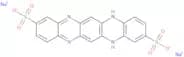

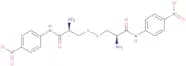
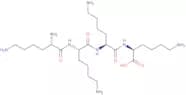
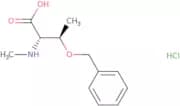
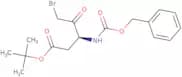

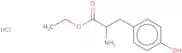
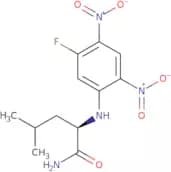
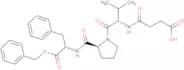
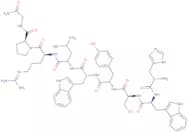
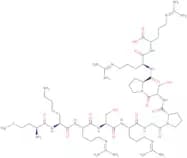


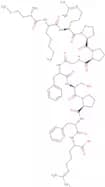

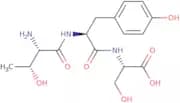
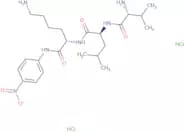
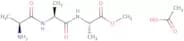
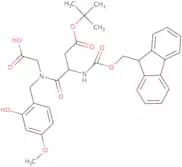

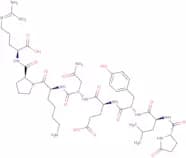
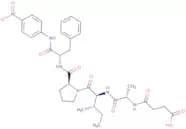

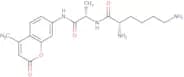
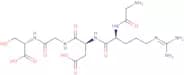
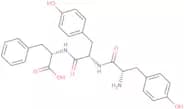
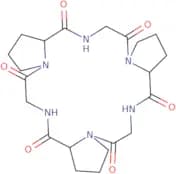
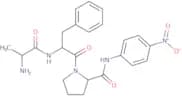
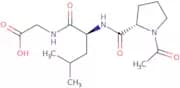

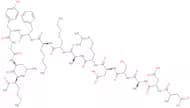
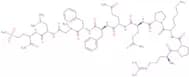
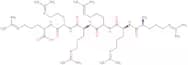
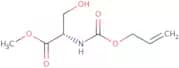
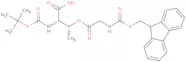
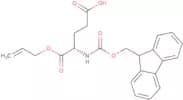
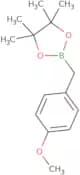

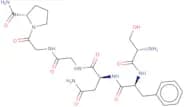


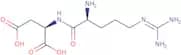


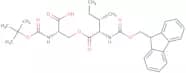
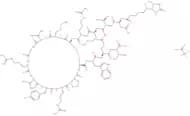
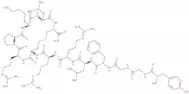




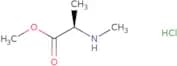
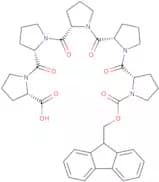
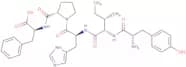
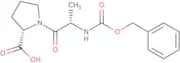
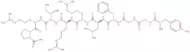
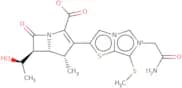
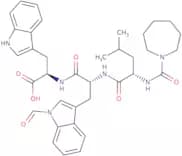


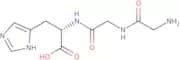
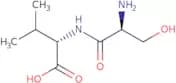
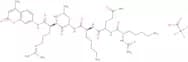
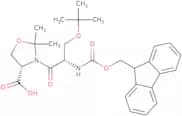

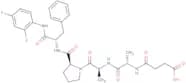
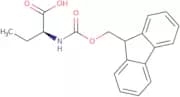


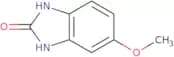
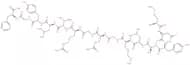
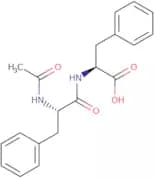
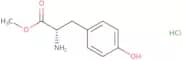
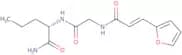
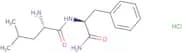


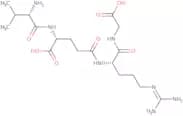


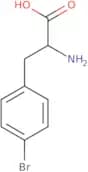
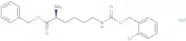
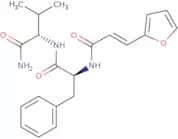

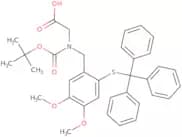
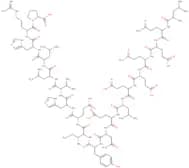
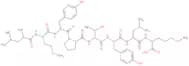
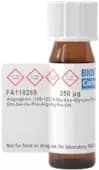

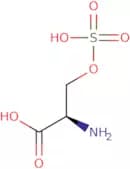
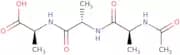
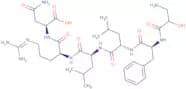
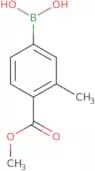


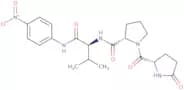
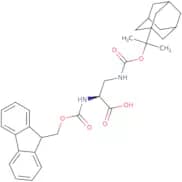
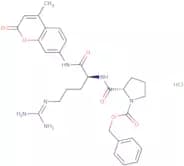
![1-{[5-(Cyclopropylcarbonyl)-1-methyl-4,5,6,7-tetrahydro-1H-pyrazolo[4,3-c]pyridin-3-yl]carbonyl}pi…](/_next/image/?url=https%3A%2Fstatic.cymitquimica.com%2Fproducts%2F3D%2Fthumb-webp%2FFC119596.webp&w=3840&q=75)
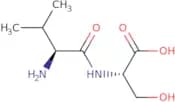


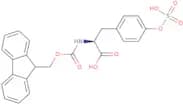
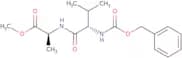

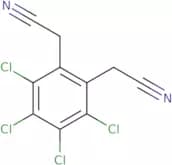
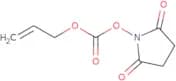
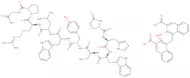
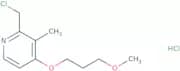
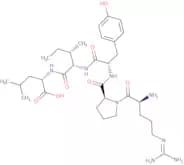
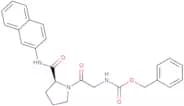
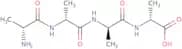
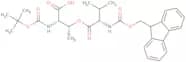
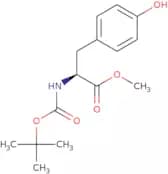

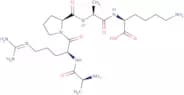
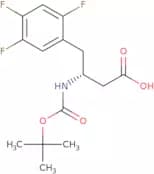
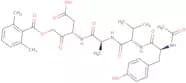



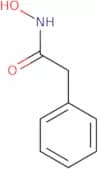
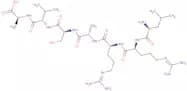
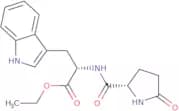
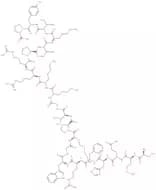
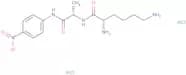
![([ring-D5]Phe6)-Somatostatin-14](/_next/image/?url=https%3A%2Fstatic.cymitquimica.com%2Fproducts%2F3D%2Fthumb-webp%2FFR110019.webp&w=3840&q=75)
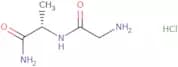

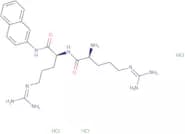
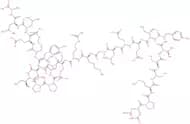
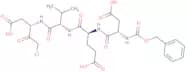
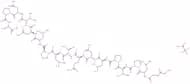
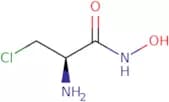
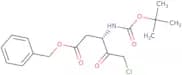
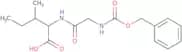

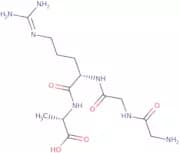
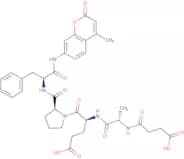
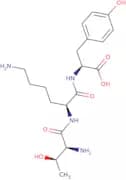
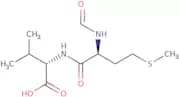

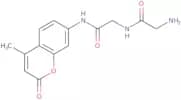
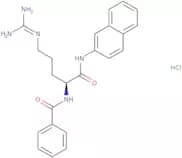

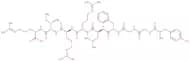
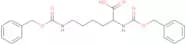



![([ring-D5]Phe8)-Angiotensin II acetate salt](/_next/image/?url=https%3A%2Fstatic.cymitquimica.com%2Fproducts%2F3D%2Fthumb-webp%2FFR110025.webp&w=3840&q=75)
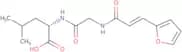
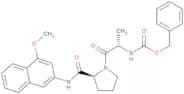

![N2-(2-Tricyclo[3.3.1.13,7]dec-1-ylacetyl)-D-arginyl-L-arginyl-L-prolyl-(4R)-4-hydroxy-L-prolylglyc…](/_next/image/?url=https%3A%2Fstatic.cymitquimica.com%2Fproducts%2F3D%2Fthumb-webp%2FFA108359.webp&w=3840&q=75)