Amino Acids (AA)
Amino acids (AAs) are the fundamental building blocks of proteins, playing a crucial role in various biological processes. These organic compounds are essential for protein synthesis, metabolic pathways, and cell signaling. In this category, you will find a comprehensive range of amino acids, including essential, non-essential, and modified forms, which are vital for research in biochemistry, molecular biology, and nutritional sciences. At CymitQuimica, we provide high-quality amino acids to support your research and development needs, ensuring accuracy and reliability in your experimental outcomes.
Subcategories of "Amino Acids (AA)"
- Amino Acid Derivatives(3,955 products)
- Amino Acid and Amino Acid Related Compounds(3,465 products)
- Amino Acids with Oxygen or Sulphur(168 products)
- Boc- Amino Acids(351 products)
- Fmoc Amino Acids(1,710 products)
Found 38248 products of "Amino Acids (AA)"
Sort by
Purity (%)
0
100
|
0
|
50
|
90
|
95
|
100
Boc-Met-Pro-OH
CAS:<p>Boc-Met-Pro-OH is a peptide that can be synthesized by condensation of the amino acid methanol with the carboxylic acid proline. This reaction yields Boc-Met-Pro-OH, which can be monitored via thin layer chromatography. The side chain on Boc-Met-Pro-OH is analogous to that of cholecystokinin and this class of peptides are derived from the amide bond. Condensation reactions catalyzed by papain or methyl esters result in the formation of an amide bond between two amino acids. These reactions also produce Boc-Met-Pro-OH because it has an amide bond.</p>Formula:C15H26N2O5SPurity:Min. 95%Molecular weight:346.44 g/molAc-Cys(dodecyl)-chloromethylketone
CAS:<p>Please enquire for more information about Ac-Cys(dodecyl)-chloromethylketone including the price, delivery time and more detailed product information at the technical inquiry form on this page</p>Formula:C18H34ClNO2SPurity:Min. 95%Molecular weight:363.99 g/molL-Lysine methyl ester 2HCl
CAS:<p>L-Lysine methyl ester 2HCl is a lysine derivative that has been synthesized by reacting L-lysine with methanol and hydrochloric acid. This compound's cytotoxicity has been demonstrated in an inhibition study using calf thymus dna. L-Lysine methyl ester 2HCl contains amide, acid, and ester linkages, as well as hydrogen bonds that are typical of natural compounds. It is also biologically active and has a molecular weight of 246.3 g/mol. The chemical structure of this compound consists of a central l-lysine molecule with two methyl groups on the nitrogen atom. The compound also contains a carboxyl group on the end of the chain and an ester group on the second carbon atom from the end of the chain. L-Lysine methyl ester 2HCl can be found in soybeans and bovine fetal tissue. It exhibits morphological properties similar to other</p>Formula:C7H16N2O2·2HClPurity:Min. 95%Color and Shape:PowderMolecular weight:233.14 g/mol1-[(3,3-Diphenylpropyl)methylamino]-2-methyl-2-propanol
CAS:<p>1-[(3,3-Diphenylpropyl)methylamino]-2-methyl-2-propanol is an epoxy that can be synthesized from benzene and lercanidipine. It has been used in the production of cinnamic acid and other molecules. This molecule can be prepared by reacting cinnamic acid with chloromethyl methyl ether in a ring-opening reaction. The chloride ion is utilized as a nucleophile to react with the amide nitrogen atom of the cinnamic acid molecule to form the amide bond. The large-scale production of 1-[(3,3-diphenylpropyl)methylamino]-2-methyl-2-propanol utilizes refluxing to remove water and other byproducts that are formed during the process.</p>Formula:C20H27NOPurity:Min. 95%Molecular weight:297.43 g/molBoc-Ser(Ala-Fmoc)-OH
CAS:<p>Boc-Ser(Ala-Fmoc)-OH is a synthetic amino acid that is used in peptide synthesis. It is typically prepared by the condensation of Serine with diethyl Fmoc-amino acid and hydrochloric acid. This molecule has an efficient epimerization process, which allows for the synthesis of the other enantiomer, L-Ser(Ala-Fmoc)-OH. The synthetic method for Boc-Ser(Ala-Fmoc)-OH can be used to synthesize peptides from amino acids.</p>Formula:C26H30N2O8Purity:Min. 95%Molecular weight:498.53 g/molH-Leu-His-OH
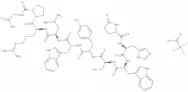
CAS:<p>H-Leu-His-OH is a peptide that has been shown to have ovarian activity. It binds to the epidermal growth factor receptor and inhibits the function of this receptor, thereby inhibiting cellular proliferation. H-Leu-His-OH has also been shown to inhibit follicular growth in mice, which may be due to its ability to inhibit follicle stimulating hormone (FSH) production. This peptide also has a potential use for cancer treatment when administered with estradiol benzoate. In addition, it has been shown that H-Leu-His-OH can be used as an antigen in animals and humans for the development of an anti-idiotypic vaccine against autoimmune diseases such as Graves' disease. H-Leu-His-OH is active at physiological levels and clinical relevance has not yet been determined.</p>Formula:C12H20N4O3Purity:Min. 95%Molecular weight:268.31 g/molGly-Neuroendocrine Regulatory Peptide-3 (human, mouse, rat) trifluoroacetate salt
CAS:<p>Please enquire for more information about Gly-Neuroendocrine Regulatory Peptide-3 (human, mouse, rat) trifluoroacetate salt including the price, delivery time and more detailed product information at the technical inquiry form on this page</p>Formula:C146H234N46O52Purity:Min. 95%Molecular weight:3,465.7 g/molZ-Trp-Phe-OH
CAS:<p>Z-Trp-Phe-OH is a chiral molecule that can be used as a metal ion receptor. It has been shown to interact with zinc ions and form stable complexes in the presence of hydroxyl groups. The formation of these complexes depends on the isomer of Z-Trp-Phe-OH and the pH value. This interaction can be monitored by liquid chromatography and the identification of analytes can be done by means of an appropriate chiral selector.</p>Formula:C28H27N3O5Purity:Min. 95%Molecular weight:485.53 g/mol(Phe7)-Dynorphin A (1-7) acetate salt
CAS:<p>Dynorphin A (1-7) acetate salt is a potent analgesic that has been used to treat pain. It has been shown to be effective in the treatment of laryngitis and other laryngological disorders. Dynorphin A (1-7) acetate salt is a prodrug that is hydrolyzed in vivo to dynorphin A (1-7) by esterases, which can then bind to opioid receptors. This drug has been validated for use as a diagnostic agent in coatings and in algorithms for analysis of polygonal images from laryngoscopy. The dehydrogenase enzymes are added to the coating or algorithm for diagnosis of the presence of vocal cord pathology. Dynorphin A (1-7) acetate salt also shows promising results for analyzing waveforms from laryngoscopy, with the goal of classifying vocal cord pathology.</p>Formula:C43H58N10O9Purity:Min. 95%Molecular weight:858.98 g/molMca-Pro-Leu-Gly-Leu-Glu-Glu-Ala-Dap (Dnp)-NH2 trifluoroacetate salt
CAS:<p>Please enquire for more information about Mca-Pro-Leu-Gly-Leu-Glu-Glu-Ala-Dap (Dnp)-NH2 trifluoroacetate salt including the price, delivery time and more detailed product information at the technical inquiry form on this page</p>Formula:C53H70N12O20Purity:Min. 95%Molecular weight:1,195.19 g/molKemptide trifluoroacetate salt
CAS:<p>Kemptide is a substrate molecule that has been shown to inhibit the enzyme activity of some protein kinases. Kemptide is a 3-amino acid peptide that contains the amino acids L-leucine, L-arginine, and L-arginine. It was originally isolated from an extract of human brain tissue and has been shown to inhibit the activity of protein kinase C (PKC), phosphorylase kinase, and glycogen synthase kinase 3β in vitro assays. Kemptide also inhibits the expression of genes encoding PKCα1, PKCα2, PKCδ, PKCε, PKCγ1, PKCγ2, PKCζ in t84 cells. The inhibition of these genes suggests that kemptide may be useful as a drug candidate for inhibiting protein kinases in vivo.</p>Formula:C32H61N13O9·xC2HF3O2Purity:Min. 95%Molecular weight:771.91 g/mol((R)-4-Hydroxy-4-methyl-Orn (5-TAMRA)7)-Phalloidin
<p>Please enquire for more information about ((R)-4-Hydroxy-4-methyl-Orn (5-TAMRA)7)-Phalloidin including the price, delivery time and more detailed product information at the technical inquiry form on this page</p>Formula:C60H69N11O14SPurity:Min. 95%Molecular weight:1,200.32 g/molMethoxycarbonyl-Lys(Z)-Gly-Arg-pNA hydrochloride salt
CAS:<p>Please enquire for more information about Methoxycarbonyl-Lys(Z)-Gly-Arg-pNA hydrochloride salt including the price, delivery time and more detailed product information at the technical inquiry form on this page</p>Formula:C30H41N9O9Purity:Min. 95%Molecular weight:671.7 g/mol7-Diethylamino-4-methylcoumarin
CAS:<p>7-Diethylamino-4-methylcoumarin is a fluorescence probe that can be used in applications such as the study of hydrogen bonding interactions. It is excited by laser light and emits a red-shifted fluorescent light. 7-Diethylamino-4-methylcoumarin is a hydroxyl group analogue of coumarin, which has been shown to have physiological effects on the liver cells. The absorption spectrum of 7-Diethylamino-4-methylcoumarin is sensitive to changes in pH and chemical stability. A decrease in pH increases the intensity of the emission while an increase in pH decreases the intensity of the emission. This compound can also be used to label nucleic acids during polymerase chain reactions (PCR) or for sample preparation before analysis using nuclear magnetic resonance spectroscopy (NMR).</p>Formula:C14H17NO2Purity:Min. 98 Area-%Color and Shape:PowderMolecular weight:231.29 g/mol(Pyr 1)-Opiorphin trifluoroacetate salt
CAS:<p>Please enquire for more information about (Pyr 1)-Opiorphin trifluoroacetate salt including the price, delivery time and more detailed product information at the technical inquiry form on this page</p>Formula:C29H45N11O8Purity:Min. 95%Molecular weight:675.74 g/molC-Reactive Protein (CRP) (201-206)
CAS:<p>C-reactive protein (CRP) is a protein that is synthesized by the liver in response to inflammation. It has a variety of functions, including the regulation of energy metabolism and glycolysis. CRP also has a role in regulating production of neutrophil chemotactic factors, cytokines, and reactive oxygen species. In addition, it binds to zymosan and can be used as an inflammatory marker in medical diagnostics. The amino acid sequence for CRP was first determined in 1971. The primary structure for CRP consists of two alpha helices connected by two beta strands. Its tertiary structure consists of four alpha helices that are connected through loops and turns by three beta sheets with an additional loop connecting one helix to the other strand. CRP contains no disulfide bonds or hydrophobic interactions; instead, it relies on hydrogen bonds to maintain its shape.br>br></p>Formula:C38H57N9O8Purity:Min. 95%Molecular weight:767.92 g/molpTH (73-84) (human)
CAS:<p>Please enquire for more information about pTH (73-84) (human) including the price, delivery time and more detailed product information at the technical inquiry form on this page</p>Formula:C54H96N16O19Purity:Min. 95%Molecular weight:1,273.44 g/molH-Leu-Leu-Tyr-OH
CAS:<p>H-Leu-Leu-Tyr-OH is a water soluble polymer that is produced by the enzymatic polymerization of L-leucine and L-tyrosine. This polymer is cytotoxic and has been shown to bind to DNA in the cell nucleus, as well as inhibit protein synthesis. H-Leu-Leu-Tyr-OH was developed as an alternative to polyethylene glycol (PEG) due to its low toxicity, high biocompatibility, and ability to be easily synthesized.</p>Formula:C21H33N3O5Purity:Min. 95%Molecular weight:407.5 g/molBiotinyl-MCH (salmon) trifluoroacetate salt
CAS:<p>Please enquire for more information about Biotinyl-MCH (salmon) trifluoroacetate salt including the price, delivery time and more detailed product information at the technical inquiry form on this page</p>Formula:C99H153N29O26S5Purity:Min. 95%Molecular weight:2,325.78 g/mol(Des-Gly10,D-Pyr 1,D-Ser(tBu)6,Pro-NHEt 9)-LHRH acetate salt
Controlled Product<p>Please enquire for more information about (Des-Gly10,D-Pyr 1,D-Ser(tBu)6,Pro-NHEt 9)-LHRH acetate salt including the price, delivery time and more detailed product information at the technical inquiry form on this page</p>Formula:C60H86N16O13Purity:Min. 95%Molecular weight:1,239.42 g/molp60 v-src (137-157)
CAS:<p>Please enquire for more information about p60 v-src (137-157) including the price, delivery time and more detailed product information at the technical inquiry form on this page</p>Formula:C111H168N30O35Purity:Min. 95%Molecular weight:2,482.7 g/mol(D-Ala2)-Leu-Enkephalin-Arg acetate salt
CAS:<p>Please enquire for more information about (D-Ala2)-Leu-Enkephalin-Arg acetate salt including the price, delivery time and more detailed product information at the technical inquiry form on this page</p>Formula:C35H51N9O8·xC2H4O2Purity:Min. 95%Molecular weight:725.84 g/molFmoc-Dap(Ac)-OH
CAS:<p>Fmoc-Dap(Ac)-OH is a fine chemical that is used as a building block in the synthesis of complex compounds. It reacts with various nucleophiles to form an amide bond, and has been shown to be useful for both research and industrial applications. Fmoc-Dap(Ac)-OH can also be used as a reagent to synthesize peptides, which are biologically active compounds that form the basis of many drugs. This versatile intermediate is also used as a scaffold in the construction of more complex molecules. Fmoc-Dap(Ac)-OH has CAS No. 181952-29-4 and is classified as a speciality chemical by the International Union of Pure and Applied Chemistry (IUPAC).</p>Formula:C20H20N2O5Purity:Min. 95%Color and Shape:PowderMolecular weight:368.38 g/mol2-(4,5-Dimethoxy-2-(1-((2-methylphenyl)methyl)vinyl)cyclohexyl)ether
CAS:<p>2-(4,5-Dimethoxy-2-(1-((2-methylphenyl)methyl)vinyl)cyclohexyl)ether is a versatile building block for the synthesis of complex compounds. It is also an intermediate in the synthesis of useful scaffolds and reaction components. This compound has a high quality and can be used as a reagent or research chemicals.</p>Formula:C36H50O5Purity:Min. 95%Molecular weight:562.78 g/molCytochrome C (88-104) (domestic pigeon) trifluoroacetate salt
CAS:<p>Please enquire for more information about Cytochrome C (88-104) (domestic pigeon) trifluoroacetate salt including the price, delivery time and more detailed product information at the technical inquiry form on this page</p>Formula:C84H144N24O25Purity:Min. 95%Molecular weight:1,890.19 g/molH-Gly-Ala-NH2·HCl
CAS:<p>Please enquire for more information about H-Gly-Ala-NH2·HCl including the price, delivery time and more detailed product information at the technical inquiry form on this page</p>Formula:C5H11N3O2·HClPurity:Min. 95%Molecular weight:181.62 g/molFmoc-Lys(Adpoc)-OH
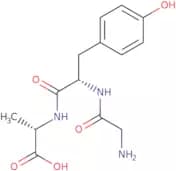
CAS:<p>Please enquire for more information about Fmoc-Lys(Adpoc)-OH including the price, delivery time and more detailed product information at the technical inquiry form on this page</p>Formula:C35H44N2O6Purity:Min. 95%Molecular weight:588.73 g/molH-Gly-D-Tyr-OH
CAS:<p>Please enquire for more information about H-Gly-D-Tyr-OH including the price, delivery time and more detailed product information at the technical inquiry form on this page</p>Formula:C11H14N2O4Purity:Min. 95%Molecular weight:238.24 g/molHIV (gp120) Antigenic Peptide trifluoroacetate salt
CAS:<p>Please enquire for more information about HIV (gp120) Antigenic Peptide trifluoroacetate salt including the price, delivery time and more detailed product information at the technical inquiry form on this page</p>Formula:C117H211N41O31SPurity:Min. 95%Molecular weight:2,720.25 g/molBoc-15-amino-4,7,10,13-tetraoxapentadecanoic acid
CAS:<p>Boc-15-amino-4,7,10,13-tetraoxapentadecanoic acid is a PEG compound with two different functional groups (also known as heterobifunctional). Unlike homobifunctional PEG compounds (same functional group on both ends), this type of compounds are more versatile as have two different anchor points. Boc-15-amino-4,7,10,13-tetraoxapentadecanoic acid is used as a linker and spacer to add a PEG moiety, via pegylation (a bioconjugation technique) to proteins, peptides, oligonucleotides, small molecules and nanoparticles.</p>Formula:C16H31NO8Purity:Min. 95%Molecular weight:365.42 g/molH-Leu-Met-NH2 hydrochloride salt
CAS:<p>H-Leu-Met-NH2 is a catecholamine that is found in the central nervous system and functions as a neurotransmitter. It has been shown to induce contractile response when injected into the carotid artery, with a maximal effect at doses of 0.5-5 mg/kg. The effect of H-Leu-Met-NH2 on cardiovascular function has not been studied. Catecholamines are also involved in other physiological processes, including regulation of blood pressure and respiration. This compound was originally isolated from adrenal glands and is found in plants such as beans and peas. The structure of this compound can be described as an h-leu-[met]-amide with a hydrochloride salt at the c-terminus.</p>Formula:C11H23N3O2SPurity:Min. 95%Molecular weight:261.39 g/molH-Phe-Ala-Arg-Lys-Gly-Ala-Leu-Arg-Gln-OH
CAS:<p>Please enquire for more information about H-Phe-Ala-Arg-Lys-Gly-Ala-Leu-Arg-Gln-OH including the price, delivery time and more detailed product information at the technical inquiry form on this page</p>Formula:C46H79N17O11Purity:Min. 95%Molecular weight:1,046.23 g/molZ-Asp(OtBu)-bromomethylketone
CAS:<p>Please enquire for more information about Z-Asp(OtBu)-bromomethylketone including the price, delivery time and more detailed product information at the technical inquiry form on this page</p>Formula:C17H22BrNO5Purity:Min. 95%Molecular weight:400.26 g/molFmoc-Cys(StBu)-Wang resin (200-400 mesh)
<p>Please enquire for more information about Fmoc-Cys(StBu)-Wang resin (200-400 mesh) including the price, delivery time and more detailed product information at the technical inquiry form on this page</p>Purity:Min. 95%Angiotensin I/II (3-7)
CAS:<p>Angiotensin I/II (3-7) H-Val-Tyr-Ile-His-Pro-OH is an antagonist of the angiotensin II receptor. It has been shown to be a cognitive enhancer by statistically improving treatments for behavioural problems in rats and mice. Angiotensin I/II (3-7) H-Val-Tyr-Ile-His-Pro-OH has also been shown to inhibit nicotinic acetylcholine receptors, which are involved in mediating the effects of neurotransmitters on muscle cells. This agent also inhibits angiotensin II receptors, leading to vasodilation and reduced blood pressure. The mechanism of action is not yet clear but may involve inhibition of protein kinase C. In preclinical studies, it has been shown that this drug facilitates behavioural effects such as memory retention and motor performance in rats when given before treatment with peptides such as substance P or calcitonin gene related pept</p>Formula:C31H45N7O7Purity:Min. 95%Molecular weight:627.73 g/molFmoc-3-(2-naphthyl)-L-alanine
CAS:<p>Fmoc-3-(2-naphthyl)-L-alanine is a supramolecular compound that functions as an inhibitor of prostate cancer cells. It inhibits the uptake of metal chelates by prostate cancer cells and stabilizes them, which may lead to a diagnostic and therapeutic agent for prostate cancer. Fmoc-3-(2-naphthyl)-L-alanine has also been shown to inhibit the growth of human serum prostate cancer cells in vitro and in vivo models. This molecule is a bifunctional compound that can be used as both an antigen and a surrogate for cytosolic prostate specific antigen (PSA) levels. Fmoc-3-(2-naphthyl)-L-alanine has been shown to bind to the PSA protein, which is normally found on the surface of prostate epithelial cells. This binding prevents it from being released into the blood circulation, where it would otherwise be measured by a PSA test</p>Formula:C28H23NO4Purity:Min. 95%Color and Shape:PowderMolecular weight:437.49 g/molFmoc-D-Trp(Me)-OH
CAS:Controlled Product<p>Please enquire for more information about Fmoc-D-Trp(Me)-OH including the price, delivery time and more detailed product information at the technical inquiry form on this page</p>Formula:C27H24N2O4Purity:Min. 95%Molecular weight:440.49 g/molBand 3 Protein (824-829) (human)
CAS:<p>Please enquire for more information about Band 3 Protein (824-829) (human) including the price, delivery time and more detailed product information at the technical inquiry form on this page</p>Formula:C37H65N11O8Purity:Min. 95%Molecular weight:791.98 g/molAcetyl-(D-Trp1,4-chloro-D-Phe2,D-Trp3,D-Arg6,D-Ala10)-LHRH
CAS:<p>Please enquire for more information about Acetyl-(D-Trp1,4-chloro-D-Phe2,D-Trp3,D-Arg6,D-Ala10)-LHRH including the price, delivery time and more detailed product information at the technical inquiry form on this page</p>Formula:C71H94ClN19O13Purity:Min. 95%Molecular weight:1,457.08 g/molBoc-D-Asn-ONp
CAS:<p>Please enquire for more information about Boc-D-Asn-ONp including the price, delivery time and more detailed product information at the technical inquiry form on this page</p>Formula:C15H19N3O7Purity:Min. 95%Molecular weight:353.33 g/molFmoc-3-(4'-pyridyl)-L-alanine
CAS:<p>Fmoc-3-(4'-pyridyl)-L-alanine is a heterocyclic compound that is an intermediate in the synthesis of other pharmaceuticals. It can be obtained by the trituration of Fmoc-3-(4'-pyridyl)-L-alanine hydrochloride with ether, followed by transfer of the resulting solid to a reaction vessel. The product can then undergo further synthetic transformations such as functionalizations and yields. This chemical is used in organic chemistry as a heterocycle.</p>Formula:C23H20N2O4Purity:Min. 95%Color and Shape:PowderMolecular weight:388.42 g/mol(Des-Thr5)-Glucagon trifluoroacetate salt
CAS:<p>Please enquire for more information about (Des-Thr5)-Glucagon trifluoroacetate salt including the price, delivery time and more detailed product information at the technical inquiry form on this page</p>Formula:C149H218N42O47SPurity:Min. 95%Molecular weight:3,381.65 g/molH-Tyr-Tyr-Tyr-Tyr-Tyr-Tyr-OH trifluoroacetate salt
CAS:<p>The compound H-Tyr-Tyr-Tyr-Tyr-Tyr-Tyr-OH trifluoroacetate salt is a synthetic antigen for use in the production of immunoadsorbent conjugates. It is a postulated fluorescence molecule that interacts with specific antibodies to form an antigen. This antigen can be used as a probe for detecting antibodies in biological fluids and tissues by fluorescence microscopy and has been shown to have no antigenicity in skin reactions.</p>Formula:C54H56N6O13Purity:Min. 95%Molecular weight:997.06 g/molTos-Gly-Pro-OH
CAS:<p>Tos-Gly-Pro-OH is a fluorescent histone deacetylase (HDAC) inhibitor. It has been validated as a competitive inhibitor of HDACs by using a fluorescence assay to detect the deacetylated form of 7-amino-4-methylcoumarin. Tos-Gly-Pro-OH is used in the treatment of malignant tumors, such as leukemia and lymphoma, by inhibiting HDACs that are responsible for cellular proliferation. In addition, Tos-Gly-Pro-OH may be useful in the treatment of diseases caused by bacterial infection because it inhibits bacterial HDACs that are responsible for protein synthesis and chemotaxis. This drug also inhibits trypsin activity and can be used as an alternative to nonisotopic solvents for peptide synthesis.</p>Formula:C14H18N2O5SPurity:Min. 95%Molecular weight:326.37 g/molHIV Protease Substrate VIII
CAS:<p>HIV Protease Substrate VIII is a peptide that belongs to the HIV protease family. It is an active site residue of the HIV protease and has been shown to be essential for catalysis. The substrate binds to the aspartyl-proline termini, which are critical in preventing spontaneous hydrolysis of the amide bond. This peptide has also been used as an active analog to study HIV protease activity and as a model for developing new drugs with improved specificity and stability.</p>Formula:C42H66N10O13Purity:Min. 95%Molecular weight:919.03 g/molD-Tryptophan methyl ester hydrochloride
CAS:<p>D-Tryptophan is an amino acid that is naturally produced by the human body and is also found in certain foods such as bananas, oats, and turkey. D-Tryptophan methyl ester hydrochloride is a synthetic form of this amino acid. It has been shown to inhibit cell growth and may have other physiological effects such as regulating mood or sleep patterns. This drug binds to the cavity of enzymes involved in the synthesis of proteins and nucleic acids, which prevents them from carrying out their normal functions. The binding constants for D-tryptophan methyl ester hydrochloride with these enzymes are stronger than those for natural d-tryptophan. The reaction solution was studied using UV absorption spectroscopy and showed that glycol ethers were more effective solvents than piperonal, which allowed for asymmetric synthesis. Molecular docking analysis has shown that D-tryptophan methyl ester hydrochloride binds to the enzyme cavity more tightly than</p>Formula:C12H14N2O2•HClPurity:Min. 95%Color and Shape:PowderMolecular weight:254.71 g/mol6-(7-Nitro-benzo[2,1,3]oxadiazol-4-ylamino)-hexanoyl-Arg-Pro-Lys-Pro-Leu-Ala-Nva-Trp-Lys((7-dimethylaminocoumarin-4-yl)-acetyl)-NH2 trifluoroacetate salt
CAS:<p>Please enquire for more information about 6-(7-Nitro-benzo[2,1,3]oxadiazol-4-ylamino)-hexanoyl-Arg-Pro-Lys-Pro-Leu-Ala-Nva-Trp-Lys((7-dimethylaminocoumarin-4-yl)-acetyl)-NH2 trifluoroacetate salt including the price, delivery time and more detailed product information at the technical inquiry form on this page</p>Formula:C78H111N21O16Purity:Min. 95%Molecular weight:1,598.85 g/molH-Glu(Gly-OH)-OH
CAS:<p>H-Glu(Gly-OH)-OH is a glutamic acid amide. It is used as a diagnostic reagent for the detection of spontaneous activity in cell cultures. H-Glu(Gly-OH)-OH is synthesized by reaction of glutamic acid with glycine and hydrochloric acid, followed by neutralization with sodium hydroxide. The compound can be analyzed using gel permeation chromatography and mass spectrometry methods. The stability of H-Glu(Gly-OH)-OH in solution has been validated by comparing it to other compounds that have similar properties, such as glutamate and glutamine. This compound has been found to be stable in urine samples at concentrations up to 10 mM for 24 hours at room temperature and pH 7.0.</p>Formula:C7H12N2O5Purity:Min. 95%Molecular weight:204.18 g/mol2-Bromo-5-hydroxy-4-methoxybenzaldehyde
CAS:<p>2-Bromo-5-hydroxy-4-methoxybenzaldehyde is a death pathway inhibitor that has been shown to have radiosensitizing effects in vitro. It has also been found to inhibit the expression of matrix metalloproteinase (MMP) in human glioma cells and in a rat model of cerebral ischemia. This compound may be used as a potential chemotherapeutic agent for the treatment of cancer. 2-Bromo-5-hydroxy-4-methoxybenzaldehyde inhibits cell proliferation by inducing apoptosis, or programmed cell death, which may be due to its ability to suppress MMP activity.</p>Formula:C8H7BrO3Purity:Min. 95%Color and Shape:PowderMolecular weight:231.04 g/molACTH (1-39) (guinea pig)
CAS:<p>Please enquire for more information about ACTH (1-39) (guinea pig) including the price, delivery time and more detailed product information at the technical inquiry form on this page</p>Formula:C206H308N56O58SPurity:Min. 95%Molecular weight:4,529.06 g/molVIP sulfoxide (human, mouse, rat) trifluoroacetate salt
CAS:<p>Please enquire for more information about VIP sulfoxide (human, mouse, rat) trifluoroacetate salt including the price, delivery time and more detailed product information at the technical inquiry form on this page</p>Formula:C147H238N44O43SPurity:Min. 95%Molecular weight:3,341.8 g/mol[5-(5,6-Dimethyl-1,3-benzoxazol-2-yl)-2-methylphenyl]amine
CAS:<p>[5-(5,6-Dimethyl-1,3-benzoxazol-2-yl)-2-methylphenyl]amine is a high quality chemical used in the research and development of new drugs. It is useful as a building block or intermediate for complex compounds, such as pharmaceuticals, agrochemicals, and dyes. It is also used as an intermediate to produce other chemicals with antimicrobial properties. This compound can be used in the production of many different types of products.</p>Formula:C16H16N2OPurity:Min. 95%Color and Shape:Beige PowderMolecular weight:252.31 g/molN-α-Z-L-lysine methyl ester hydrochloride
CAS:<p>N-alpha-Z-L-lysine methyl ester hydrochloride is a preparation that is used as a methyl ester. It is an ester of lysine and methyl chloride. This product has a molecular weight of 170.16 g/mol and the chemical formula CH3CONHCH2CH(NH)CO2CH3. The structural data has not been confirmed by X-ray crystallography, but it can be assumed to be in the form of a zwitterion. N-alpha-Z-L-lysine methyl ester hydrochloride can be used for the synthesis of peptides, which are building blocks for proteins and enzymes. N-alpha-Z-L-lysine methyl ester hydrochloride is also used in the production of certain kinds of drugs and organic acids such as acetylsalicylic acid (aspirin).</p>Formula:C15H22N2O4·HClPurity:Min. 95%Molecular weight:330.81 g/molN-α-Fmoc-Nβ-allyloxycarbonyl-L-2,3-diaminopropionic acid
CAS:<p>Please enquire for more information about N-alpha-Fmoc-Nbeta-allyloxycarbonyl-L-2,3-diaminopropionic acid including the price, delivery time and more detailed product information at the technical inquiry form on this page</p>Formula:C22H22N2O6Purity:Min. 95%Molecular weight:410.53 g/molH-Gly-Pro-bNA
CAS:<p>H-Gly-Pro-bNA is a glycylproline amino acid sequence that is synthesized by the enzyme neutral endopeptidase. It has been found in tissues, such as hamster liver and human liver, and has been shown to be resistant to hydrolysis by peptidases. The H-Gly-Pro-bNA sequence is amphipathic, meaning it can exist in both water and lipid environments. H-Gly-Pro-bNA has been shown to be a substrate for hydroxylase activity, which converts it into an amino acid with a hydroxyl group at its alpha carbon. This amino acid can then bind to polyacrylamide gel electrophoresis under denaturing conditions.</p>Formula:C17H19N3O2Purity:Min. 95%Molecular weight:297.35 g/molH-Arg-Arg-Arg-Arg-Arg-Arg-Arg-OH trifluoroacetate salt
CAS:<p>The Arg-Arg-Arg-Arg-Arg-Arg-Arg-Arg-OH trifluoroacetate salt is a biologically active form of arginine. It has been shown to inhibit the activity of both NS3 protease and NS4A protease from the hepatitis C virus (HCV). It also inhibits tumor cell growth in vitro, which may be due to its ability to upregulate epidermal growth factor receptor (EGFR) expression on tumor cells. The Arg-Arg-Arg-Arg-Arg-Arg-Arghydrogen trifluoroacetate salt is an inhibitor of estrogen receptor modulators that are used as therapeutic agents for breast cancer.</p>Formula:C42H86N28O8Purity:Min. 95%Molecular weight:1,111.32 g/molGalanin Message Associated Peptide (25-41) amide
CAS:<p>Please enquire for more information about Galanin Message Associated Peptide (25-41) amide including the price, delivery time and more detailed product information at the technical inquiry form on this page</p>Formula:C90H143N21O22SPurity:Min. 95%Molecular weight:1,903.29 g/molZ-Lys(Boc)-Leu-OMe
CAS:<p>Please enquire for more information about Z-Lys(Boc)-Leu-OMe including the price, delivery time and more detailed product information at the technical inquiry form on this page</p>Formula:C26H41N3O7Purity:Min. 95%Molecular weight:507.62 g/mol(Des-Leu9)-Kinetensin
CAS:<p>(Des-Leu9)-Kinetensin H-Ile-Ala-Arg-Arg-His-Pro-Tyr-Phe-OH is an analog of kinetensin, a peptide hormone that stimulates pancreatic exocrine secretions. (Des-Leu9)-Kinetensin H-Ile-Ala-Arg-Arg-His-Pro-Tyr-Phe has been shown to have a specific interaction with the albumin protein, which is the major plasma protein in humans. This peptide can inhibit protein synthesis and may be used as a treatment for chronic renal failure, cystic fibrosis, malignant hypertension, and other conditions. The sequence of this peptide is homologous to the sequence of human kinetensin. Electron microscopic analysis showed that it has a hydrophobic side chain and an amphipathic structure.</p>Formula:C50H74N16O10Purity:Min. 95%Molecular weight:1,059.22 g/molH-Asp(Phe-OH)-OH
CAS:<p>Aspartame is a synthetic, sweetener that is used as a sugar substitute in diet products. It was discovered by accident in 1965 when James Schlatter, a chemist of G.D. Searle Company, was testing an anti-ulcer drug and l-phenylalanine methyl ester on his finger and tasted the sweetness on his fingers. Aspartame is composed of two amino acids: aspartic acid and phenylalanine. The aspartic acid is made up of a carboxylic acid group with an amide functional group. Aspartame can be found in many foods including chewing gum and diet sodas. It has been shown to have no carcinogenic effects or adverse effects on reproduction function in animal studies.</p>Formula:C13H16N2O5Purity:Min. 95%Color and Shape:White To Off-White SolidMolecular weight:280.28 g/mol(Lys18)-Pseudin-2 trifluoroacetate salt
CAS:<p>Please enquire for more information about (Lys18)-Pseudin-2 trifluoroacetate salt including the price, delivery time and more detailed product information at the technical inquiry form on this page</p>Formula:C122H203N37O32Purity:Min. 95%Molecular weight:2,700.15 g/molGRP (14-27) (human, porcine, canine) trifluoroacetate salt
CAS:<p>GRP (14-27) is a synthetic peptide that has an inhibitory effect on the growth of pancreatic cancer cells. It also inhibits the development of primary tumors in hamsters and inhibits tumor metastasis. GRP (14-27) binds to the cell surface receptor on T cells, which is responsible for mediating immune responses against tumors. GRP (14-27) has been shown to suppress tumor growth through immunoreactivity and has been found to be effective against a variety of cancers when used as an adjuvant therapy.</p>Formula:C75H110N24O16S2Purity:Min. 95%Molecular weight:1,667.96 g/molNeurotensin acetate salt Pyr-Leu-Tyr-Glu-Asn-Lys-Pro-Arg-Arg-Pro-Tyr-Ile-Leu-OH acetate salt
CAS:<p>Neurotensin is a peptide hormone that regulates the release of other hormones and neurotransmitters, such as dopamine. It has been shown to be able to regulate appetite and bowel disease in animal models. Neurotensin acetate salt Pyr-Leu-Tyr-Glu-Asn-Lys-Pro-Arg-Arg-Pro-Tyr-Ile-Leu-OH acetate salt is a neurotensin molecule with an acetate group attached to it. This molecule is completely soluble in water and has been shown to have no effect on energy metabolism or polymerase chain reactions.</p>Formula:C78H121N21O20Purity:Min. 95%Molecular weight:1,672.92 g/molGalanin Message Associated Peptide (16-41) amide
CAS:<p>Please enquire for more information about Galanin Message Associated Peptide (16-41) amide including the price, delivery time and more detailed product information at the technical inquiry form on this page</p>Formula:C134H219N35O37SPurity:Min. 95%Molecular weight:2,944.45 g/molAmyloid Precursor Frameshift Mutant C-Terminal Peptide trifluoroacetate salt
CAS:<p>Please enquire for more information about Amyloid Precursor Frameshift Mutant C-Terminal Peptide trifluoroacetate salt including the price, delivery time and more detailed product information at the technical inquiry form on this page</p>Formula:C44H81N17O16Purity:Min. 95%Molecular weight:1,104.22 g/molH-Pro-met-oh
CAS:<p>H-Pro-met-oh is an endoplasmic protein that is activated by the acidic α subunit. It belongs to a class of molecules called incompletely activated proteins, which are synthesized in the endoplasmic reticulum. H-Pro-met-oh has been shown to be a potential cancer therapeutic agent. The biochemical and cellular effects of this drug have been studied in vitro on C2C12 cells, which are mouse muscle cells. H-Pro-met-oh has been shown to stimulate fetal bovine growth factor (FGF), which may have therapeutic applications for treating cancer or other diseases where FGF levels are reduced.</p>Formula:C10H18N2O3SPurity:Min. 95%Molecular weight:246.33 g/molHuman CMV Assemblin Protease Inhibitor
CAS:<p>Please enquire for more information about Human CMV Assemblin Protease Inhibitor including the price, delivery time and more detailed product information at the technical inquiry form on this page</p>Formula:C46H86N18O14Purity:Min. 95%Molecular weight:1,115.29 g/molAmyloid β-Protein (40-1) trifluoroacetate salt
CAS:<p>Trifluoroacetate salt</p>Formula:C194H295N53O58SPurity:Min. 95%Molecular weight:4,329.81 g/molTRAP-7 trifluoroacetate salt
CAS:<p>TRAP-7 is a guanine nucleotide-binding protein that belongs to the polymerase chain reaction (PCR) family of DNA polymerases. It is a biocompatible polymer with physiological effects on basic fibroblast cells. TRAP-7 has been shown to have a role in the regulation of platelet activation, neuronal death, and thrombin receptor activity. The polyvinyl chloride (PVC) membrane used in this product is also biocompatible, and it can be used for applications such as cell culture surfaces and medical devices.</p>Formula:C39H63N11O10Purity:Min. 95%Molecular weight:845.99 g/molSuc-Gly-Pro-pNA
CAS:<p>Suc-Gly-Pro-pNA is a proteolytic enzyme that hydrolyzes proteins. It has been shown to have potential for use as an anti-inflammatory agent. Suc-Gly-Pro-pNA has high proteolytic activity and can cleave peptide hormones such as angiotensin II and vasopressin. It also has thermal stability, and can tolerate high concentrations of salt and heat, making it suitable for therapeutic purposes. Suc-Gly-Pro-pNA binds to peptides with carboxy terminal residues by substrate binding, which may be the reason for its high degree of specificity. This enzyme is expressed in the cytosol and extracellular environment.</p>Formula:C17H20N4O7Purity:Min. 95%Molecular weight:392.36 g/molSomatostatin-14 (reduced)
CAS:<p>Somatostatin-14 (reduced) H-Ala-Gly-Cys-Lys-Asn-Phe-Phe-Trp-Lys-Thr-Phe-Thr-Ser-Cys is a synthetic peptide that is an adjuvant for vaccines. It induces a biphasic response by increasing the humoral immune response and decreasing the cellular immune response. Somatostatin has been shown to decrease the severity of symptoms in patients with psychiatric disorders and can be used as a long term treatment for these conditions. Somatostatin also has effects on the pancreas, such as inhibiting insulin release, leading to decreased blood glucose levels. Its disulfide bond in its structure may be important for its activity and stability.</p>Formula:C76H106N18O19S2Purity:Min. 95%Molecular weight:1,639.9 g/mol2-(Chloromethyl)-4-methoxy-3,5-dimethylpyridine hydrochloride
CAS:<p>2-(Chloromethyl)-4-methoxy-3,5-dimethylpyridine hydrochloride is a benzimidazole derivative. It has a chemical stability and can be used for wastewater treatment. It is also a pump inhibitor and can be used for anhydrous sodium magnesium salts. This product is synthesized from the reaction of protonated 2-bromo-4-methoxyphenol with 2,6-dimethylpyridine in the presence of hydrochloric acid. The reaction was carried out in an asymmetric synthesis using a proton transport system. 2-(Chloromethyl)-4-methoxy-3,5-dimethylpyridine hydrochloride is soluble in water and has a pH of 1 to 3. It has been shown that this product can be used as an antioxidant and as a metal chelation agent.</p>Formula:C9H13Cl2NOPurity:Min. 95%Color and Shape:PowderMolecular weight:222.11 g/molH-Gly-Arg-Ala-Asp-Ser-Pro-Lys-OH acetate salt
CAS:<p>Glycine-arginine-aspartate (GAA) is a mimic of the endothelium-derived vasoactive peptide, nitric oxide (NO). It has been shown to attenuate the inflammatory response by decreasing leukocyte adhesion and migration. GAA is also a potent inhibitor of vascular permeability and can attenuate edema in animal models. Studies have shown that GAA prevents microvascular damage following brain infarction. The mechanism of action for GAA is not fully understood, but it may be due to its ability to inhibit fibronectin breakdown, which leads to cerebral edema. GAA's activity on the endothelium may be due to its ability to mimic NO or inhibit sulfate synthesis.</p>Formula:C29H51N11O11Purity:Min. 95%Molecular weight:729.78 g/molFmoc-Cys(Trt)-Wang resin (200-400 mesh)
<p>Please enquire for more information about Fmoc-Cys(Trt)-Wang resin (200-400 mesh) including the price, delivery time and more detailed product information at the technical inquiry form on this page</p>Purity:Min. 95%For-Met-Phe-OH
CAS:<p>For-Met-Phe-OH is a synthetic peptide that mimics the amino acid sequence of the human body's natural collagen. It is used as a building block for developing collagen gels, which are used in clinical pathology to identify and quantify cells. For-Met-Phe-OH has been shown to stimulate colony-stimulating factor, which regulates cell proliferation and differentiation. This peptide also plays a role in cell signaling pathways that regulate cell growth and differentiation. For-Met-Phe-OH has been shown to have anti-inflammatory effects by inhibiting the production of inflammatory cytokines.</p>Formula:C15H20N2O4SPurity:Min. 95%Molecular weight:324.4 g/molH-Phe-D-Pro-OH·HCl
CAS:<p>Please enquire for more information about H-Phe-D-Pro-OH·HCl including the price, delivery time and more detailed product information at the technical inquiry form on this page</p>Formula:C14H18N2O3·HClPurity:Min. 95%Molecular weight:298.77 g/molH-Ala-Gly-Tyr-NH2 acetate salt
CAS:<p>Please enquire for more information about H-Ala-Gly-Tyr-NH2 acetate salt including the price, delivery time and more detailed product information at the technical inquiry form on this page</p>Formula:C14H20N4O4Purity:Min. 95%Molecular weight:308.33 g/molFmoc-Gln(Trt)-Thr(Psi(Me ,Me)pro)-OH
CAS:<p>Please enquire for more information about Fmoc-Gln(Trt)-Thr(Psi(Me ,Me)pro)-OH including the price, delivery time and more detailed product information at the technical inquiry form on this page</p>Formula:C46H45N3O7Purity:Min. 95%Molecular weight:751.87 g/molHippuryl-Gly-Gly-OH
CAS:<p>Hippuryl-Gly-Gly-OH is a small molecule that inhibits the growth of bacteria. It is an inhibitor of epidermal growth factor (EGF) that binds to EGF and blocks its ability to interact with cells. Hippuryl-Gly-Gly-OH also has anti-inflammatory properties and has been shown to be effective against inflammatory bowel disease in vitro. This drug also has been shown to inhibit the enzyme activities associated with inflammatory bowel disease, such as COX2 and iNOS, in human serum, as well as inhibiting the production of proinflammatory cytokines from human peripheral blood mononuclear cells.</p>Formula:C13H15N3O5Purity:Min. 95%Molecular weight:293.28 g/molH-Gly-Gly-Pro-OH
CAS:<p>H-Gly-Gly-Pro-OH is a recombinant polypeptide with affinity for amino acids. It is a positionally defined sequence of amino acids that has been shown to bind to Alzheimer's disease (AD) amyloid peptides and inhibit the formation of beta amyloid fibrils. The N-terminal sequence of this polypeptide is immunogenic, which may be useful for generating antibodies against AD.</p>Formula:C9H15N3O4Purity:Min. 95%Molecular weight:229.23 g/molFibronectin CS-1 Fragment (1978-1985) trifluoroacetate salt
CAS:<p>Fibronectin CS-1 Fragment (1978-1985) trifluoroacetate salt H-Glu-Ile-Leu-Asp-Val-Pro-Ser-Thr-OH trifluoroacetate salt is a peptidomimetic with peroxidase activity. It has the ability to bind to red blood cells and monoclonal antibodies, which are used in spatially specific immunoassays. Fibronectin CS-1 Fragment (1978-1985) trifluoroacetate salt H-Glu-Ile-Leu-Asp-Val-Pro-Ser-Thr-OH trifluoroacetate salt also has an effect on hyperresponsiveness and can be used as a costimulatory antigen for cancer immunotherapy.</p>Formula:C38H64N8O15Purity:Min. 95%Molecular weight:872.96 g/molGastric Inhibitory Polypeptide (1-30) amide (porcine)
CAS:<p>Please enquire for more information about Gastric Inhibitory Polypeptide (1-30) amide (porcine) including the price, delivery time and more detailed product information at the technical inquiry form on this page</p>Formula:C162H245N41O47SPurity:Min. 95%Molecular weight:3,550.99 g/molFmoc-His(Boc)-OPfp
CAS:<p>The Fmoc-His(Boc)-OPfp is a synthetic peptide that has been shown to bind to angiotensin. It is chemically reactive and can be used in diagnostic assays for the detection of angiotensin. The Fmoc-His(Boc)-OPfp can also be used as a feedback control for sequence analysis, where it monitors the reaction sequence by binding to the last amino acid in the peptide. This binding prevents the formation of an enzyme with the enzyme reaction necessary for cell wall biosynthesis, inhibiting protein synthesis and cell division.</p>Formula:C32H26F5N3O6Purity:Min. 95%Molecular weight:643.56 g/molH-Lys-Ser-OH·HCl
CAS:<p>Please enquire for more information about H-Lys-Ser-OH·HCl including the price, delivery time and more detailed product information at the technical inquiry form on this page</p>Formula:C9H19N3O4·HClPurity:Min. 95%Molecular weight:269.73 g/molCell-permeable Caspase-3 Inhibitor I trifluoroacetate salt
CAS:<p>Please enquire for more information about Cell-permeable Caspase-3 Inhibitor I trifluoroacetate salt including the price, delivery time and more detailed product information at the technical inquiry form on this page</p>Formula:C94H158N20O27Purity:Min. 95%Molecular weight:2,000.38 g/mol(D-2-Nal 5,Cys6·11,Tyr7,D-Trp8,Val10, 2-Nal 12)-Somatostatin-14 (5-12) amide trifluoroacetate salt
CAS:<p>Please enquire for more information about (D-2-Nal 5,Cys6·11,Tyr7,D-Trp8,Val10, 2-Nal 12)-Somatostatin-14 (5-12) amide trifluoroacetate salt including the price, delivery time and more detailed product information at the technical inquiry form on this page</p>Formula:C63H73N11O9S2Purity:Min. 95%Molecular weight:1,192.45 g/mol2,2'-(Perchloro-1,2-phenylene)diacetonitrile
CAS:<p>Please enquire for more information about 2,2'-(Perchloro-1,2-phenylene)diacetonitrile including the price, delivery time and more detailed product information at the technical inquiry form on this page</p>Formula:C10H4Cl4N2Purity:Min. 95%Molecular weight:293.96 g/molH-Lys(Boc)-2-chlorotrityl resin (200-400 mesh) (Low Substitution)
<p>Please enquire for more information about H-Lys(Boc)-2-chlorotrityl resin (200-400 mesh) (Low Substitution) including the price, delivery time and more detailed product information at the technical inquiry form on this page</p>Purity:Min. 95%Boc-(R)-2-methoxyphenylglycine
CAS:<p>Please enquire for more information about Boc-(R)-2-methoxyphenylglycine including the price, delivery time and more detailed product information at the technical inquiry form on this page</p>Formula:C14H19NO5Purity:Min. 95%Molecular weight:281.3 g/molH(-Asn-Pro-Asn-Ala)2-OH
CAS:<p>Please enquire for more information about H(-Asn-Pro-Asn-Ala)2-OH including the price, delivery time and more detailed product information at the technical inquiry form on this page</p>Formula:C32H50N12O13Purity:Min. 95%Molecular weight:810.81 g/mol(Tyr0)-Fibrinopeptide A (human)
CAS:<p>Please enquire for more information about (Tyr0)-Fibrinopeptide A (human) including the price, delivery time and more detailed product information at the technical inquiry form on this page</p>Formula:C72H106N20O28Purity:Min. 95%Molecular weight:1,699.73 g/molLys-(Des-Arg9)-Bradykinin trifluoroacetate salt
CAS:<p>Lys-(Des-Arg9)-Bradykinin trifluoroacetate salt H-Lys-Arg-Pro-Pro-Gly-Phe-Ser-Pro-Phe-OH trifluoroacetate salt (KBP) is a peptide that increases blood pressure by binding to the b2 receptor. This drug has been shown to be a potent pressor in animals and humans, with a concentration response curve similar to that of epinephrine. KBP binds to the extracellular domain of the b2 receptor, which activates this receptor and promotes the release of growth factors, such as epidermal growth factor (EGF). The high affinity of KBP for the b2 receptor is thought to be due to its ability to sequester EGF.</p>Formula:C50H73N13O11Purity:Min. 95%Molecular weight:1,032.2 g/molH-Tyr-Ile-Tyr-Gly-Ser-Phe-Lys-OH
CAS:<p>Please enquire for more information about H-Tyr-Ile-Tyr-Gly-Ser-Phe-Lys-OH including the price, delivery time and more detailed product information at the technical inquiry form on this page</p>Formula:C44H60N8O11Purity:Min. 95%Molecular weight:876.99 g/molH-Ala-Ala-Ala-Tyr-Ala-OH
CAS:<p>Please enquire for more information about H-Ala-Ala-Ala-Tyr-Ala-OH including the price, delivery time and more detailed product information at the technical inquiry form on this page</p>Formula:C21H31N5O7Purity:Min. 95%Molecular weight:465.5 g/molBradykinin (1-3) sulfate salt
CAS:<p>Bradykinin (BK) is a peptide hormone that is released by the endothelium of blood vessels in response to injury. Bradykinin (1-3) sulfate salt H-Arg-Pro-Pro-OH is a synthetic version of the BK sequence with sulfate groups on the amino acids and an additional acid substitution. This molecule has been shown to be fully functional as a copolymer in thrombin activation, oligopeptide, and angiotensin production. Bradykinin (1-3) sulfate salt H-Arg-Pro-Pro-OH is stable at pH 3 and above, which makes it suitable for use in nutrient media, such as media for growing bacteria or yeast. It also has been shown to have platelet aggregation properties similar to those found in natural BK.</p>Formula:C16H28N6O4Purity:Min. 95%Molecular weight:368.43 g/molFmoc-Pro-DHPP resin (200-400 mesh)
<p>Please enquire for more information about Fmoc-Pro-DHPP resin (200-400 mesh) including the price, delivery time and more detailed product information at the technical inquiry form on this page</p>Purity:Min. 95%Osteocalcin (45-49) (human)
CAS:<p>Please enquire for more information about Osteocalcin (45-49) (human) including the price, delivery time and more detailed product information at the technical inquiry form on this page</p>Formula:C30H39N5O7Purity:Min. 95%Molecular weight:581.66 g/mol(Lys8)-Conopressin S
CAS:<p>Please enquire for more information about (Lys8)-Conopressin S including the price, delivery time and more detailed product information at the technical inquiry form on this page</p>Formula:C41H73N15O10S2Purity:Min. 95%Molecular weight:1,000.25 g/molH-Met-Cys-Glu-Lys-OH trifluoroacetate salt
CAS:<p>Please enquire for more information about H-Met-Cys-Glu-Lys-OH trifluoroacetate salt including the price, delivery time and more detailed product information at the technical inquiry form on this page</p>Formula:C19H35N5O7S2Purity:Min. 95%Molecular weight:509.64 g/molH-Lys-Lys-OH hydrochloride salt
CAS:<p>Please enquire for more information about H-Lys-Lys-OH hydrochloride salt including the price, delivery time and more detailed product information at the technical inquiry form on this page</p>Formula:C12H26N4O3·xHClPurity:Min. 95%Molecular weight:274.36 g/molH-Asp-AMC
CAS:<p>Please enquire for more information about H-Asp-AMC including the price, delivery time and more detailed product information at the technical inquiry form on this page</p>Formula:C14H14N2O5Purity:Min. 95%Color and Shape:PowderMolecular weight:290.27 g/molH-D-Val-Leu-Lys-AMC acetate salt
CAS:<p>Please enquire for more information about H-D-Val-Leu-Lys-AMC acetate salt including the price, delivery time and more detailed product information at the technical inquiry form on this page</p>Formula:C27H41N5O5Purity:Min. 95%Molecular weight:515.65 g/mol(D-Lys16)-ACTH (1-24) (human, bovine, rat) trifluoroacetate salt
CAS:<p>Please enquire for more information about (D-Lys16)-ACTH (1-24) (human, bovine, rat) trifluoroacetate salt including the price, delivery time and more detailed product information at the technical inquiry form on this page</p>Formula:C136H210N40O31SPurity:Min. 95%Molecular weight:2,933.44 g/mol2-Bromo-6-methylpyridine-3-carboxaldehyde
CAS:<p>2-Bromo-6-methylpyridine-3-carboxaldehyde (BMPCA) is a pharmacological agent that belongs to the group of antagonists. It has been shown to be a potent antagonist at the NMDA receptor and may be used for treating neuropathic pain. BMPCA also has been shown to have competitive inhibition at the naphthyridine receptor, which may allow it to act as an antagonist or an agonist depending on its binding site. The regioisomeric analogs of BMPCA are 2-(2,5-dichloropyridyl)-6-methylpyridine-3-carboxaldehyde and 2-(2,5-dimethylpyridyl)-6-methylpyridine-3-carboxaldehyde. These analogs have been shown to inhibit the growth of tumor cells in vitro and in vivo.</p>Formula:C7H6BrNOPurity:Min. 95%Molecular weight:200.03 g/molGly-Gly-OMe·HCl
CAS:<p>Gly-Gly-OMe·HCl is a diagnostic agent that can be used to diagnose atherosclerotic lesions. It is conjugated to an organic molecule and then radiolabeled. The conjugate can be detected by cyclopentadienyl, which emits gamma rays when it decays. This conjugate has been shown to selectively accumulate in atherosclerotic lesions of the coronary arteries, where it accumulates with a higher concentration than in the surrounding tissue. This product also has gastroprotective effects on the stomach and liver and can reduce lipid levels in hyperlipidaemic patients.</p>Formula:C5H10N2O3•HClPurity:Min. 95 Area-%Color and Shape:Slightly Rose PowderMolecular weight:182.61 g/molFmoc-D-Tyr(tBu)-Wang resin (200-400 mesh)
<p>Please enquire for more information about Fmoc-D-Tyr(tBu)-Wang resin (200-400 mesh) including the price, delivery time and more detailed product information at the technical inquiry form on this page</p>Purity:Min. 95%H-DL-Ala-DL-Ala-OH
CAS:<p>H-DL-Ala-DL-Ala-OH is a chemical that belongs to the group of amides. It has been shown to have an inhibitory effect on the growth of bacteria in vitro. The molecular weight and stability of H-DL-Ala-DL-Ala-OH are greater than those of vancomycin, which may be due to its higher nitrogen content. This chemical can be used as a model system for studying the reaction mechanism and structure of vancomycin, including the formation of intramolecular hydrogen bonds and carbonyl oxygens. H-DL-Ala-DL-Ala-OH also has antibiotic properties that are similar to penicillin.</p>Formula:C6H12N2O3Purity:Min. 95%Color and Shape:White PowderMolecular weight:160.17 g/molSuc-Ala-Ala-Pro-Ile-pNA
CAS:<p>Suc-Ala-Ala-Pro-Ile-pNA is an enzyme that belongs to the family of zymogens. It is a tetrapeptide that is synthesized in the cytosol and transported into the lumen of the intestine, where it is cleaved by trypsin to form pepsin A. In humans, this enzyme has been localized to the duodenum and jejunum. Suc-Ala-Ala-Pro-Ile-pNA is activated by trypsin and cleaves proteins at their carboxyl side chains. It also binds to specific residues in proteins, including those with unpaired cysteine residues.</p>Formula:C27H38N6O9Purity:Min. 95%Molecular weight:590.63 g/molSodium L-glutamate
CAS:<p>Glutamate is the most abundant amino acid in the body and plays an important role in metabolism, brain function, and immune function. It is involved in many biochemical reactions and has been found to be associated with liver lesions, thermal expansion, and brain functions. Glutamate also has a role in diseases such as Huntington's disease, amyotrophic lateral sclerosis (ALS), and Parkinson's disease. Furthermore, glutamate is used as a neurotransmitter that regulates the central nervous system. The treatment of diseases can be done through glutamate replacement therapy or by inhibiting glutamate receptors. Glutamate levels in human serum have been shown to increase when blood sampling is taken from individuals with metabolic disorders. Results show high values for glutamate levels in human serum samples collected from patients with metabolic disorders.</p>Formula:C5H9NO4•NaPurity:Min. 95%Color and Shape:PowderMolecular weight:170.12 g/molZ-Gln(Mtt)-OH
CAS:<p>Please enquire for more information about Z-Gln(Mtt)-OH including the price, delivery time and more detailed product information at the technical inquiry form on this page</p>Formula:C33H32N2O5Purity:Min. 95%Molecular weight:536.62 g/molH-D-Ile-Asp-OH
CAS:<p>Please enquire for more information about H-D-Ile-Asp-OH including the price, delivery time and more detailed product information at the technical inquiry form on this page</p>Formula:C10H18N2O5Purity:Min. 95%Molecular weight:246.26 g/molAc-Tyr-OEt
CAS:<p>Ac-Tyr-OEt is a synthetic peptide with the amino acid sequence Ac-Tyr-OEt. It is a signal peptide that enhances the efficiency of protein secretion in soybean cells. It binds to hydroxyl groups on sephadex g-100, which may be due to hydrogen bonding between the two. The rate constant for this reaction has been measured at 2.5 x 10^6 M^(-1)s^(-1) and the caproic acid concentration for half-maximal binding has been determined to be 3 mM. Ac-Tyr-OEt also has protease activity, as demonstrated by its ability to hydrolyze carboxypeptidase A at a rate of 1.7 x 10^4 min^(-1).</p>Formula:C13H17NO4Purity:Min. 95%Molecular weight:251.28 g/molTRH-AMC acetate salt
CAS:<p>TRH-AMC acetate salt Pyr-His-Pro-AMC acetate salt is a potent and selective histidine kinase inhibitor that modulates the activity of many enzymes. TRH-AMC acetate salt Pyr-His-Pro-AMC acetate salt has a molecular weight of 476.9 g/mol and chemical formula C12H14N2O4S. The compound was synthesized by reacting tris(2,4,6-trimethoxybenzoyl)amine with pyridoxal 5'-phosphate and histidine in acetic acid. The synthesis reaction yielded a white solid that was then recrystallized from methanol to yield the final product. TRH-AMC acetate salt Pyr-His-Pro-AMC acetate salt has been shown to inhibit the enzymatic activity of numerous enzymes at nanomolar concentrations including: protein kinases, phosphatases, ligases</p>Formula:C26H28N6O6Purity:Min. 95%Molecular weight:520.54 g/molH-p-Chloro-Phe-D-Cys-b-(3-pyridyl)-Ala-D-Trp-Lys-Val-Cys-p-chloro-Phe-NH2 trifluoroacetate salt (Disulfide bond)
CAS:<p>Please enquire for more information about H-p-Chloro-Phe-D-Cys-b-(3-pyridyl)-Ala-D-Trp-Lys-Val-Cys-p-chloro-Phe-NH2 trifluoroacetate salt (Disulfide bond) including the price, delivery time and more detailed product information at the technical inquiry form on this page</p>Formula:C54H66Cl2N12O8S2Purity:Min. 95%Molecular weight:1,146.22 g/molN-Me-Abz-Amyloid β/A4 Protein Precursor770 (708-715)-Lys(Dnp)-D-Arg-D-Arg-D-Arg amide trifluoroacetate salt
CAS:<p>Please enquire for more information about N-Me-Abz-Amyloid beta/A4 Protein Precursor770 (708-715)-Lys(Dnp)-D-Arg-D-Arg-D-Arg amide trifluoroacetate salt including the price, delivery time and more detailed product information at the technical inquiry form on this page</p>Formula:C70H116N26O18Purity:Min. 95%Molecular weight:1,609.83 g/molH-Ser-Gln-OH
CAS:<p>H-Ser-Gln-OH is an analog of the amino acid serine. It is a programmed protein that is responsible for DNA damage and is incrementally produced during radiation therapy. This protein phosphorylates at the end of a homologous sequence, which damages the DNA strand. H-Ser-Gln-OH can also phosphorylate other proteins, leading to cell death by apoptosis or necrosis. The rate of H-Ser-Gln-OH production may be increased in plants by photorespiration and endoreduplication, as well as by reactive oxygen species (ROS). The production of H-Ser-Gln-OH can be inhibited by hydrogen peroxide scavengers such as catalase or superoxide dismutase.</p>Formula:C8H15N3O5Purity:Min. 95%Molecular weight:233.22 g/molH-Gly-Gly-Ala-Gly-OH
CAS:<p>Glycylglycine is a tetrapeptide antibiotic that belongs to the group of antibiotics. It is expressed in E. coli and has been shown to inhibit the growth of other bacteria through binding to metal ions, such as magnesium, which are necessary for their survival. Glycylglycine has also been shown to have a kinetic method with a high rate of inhibition. This compound was synthesized by an electrospray ionization process, and its enantiomeric form was detected using a spectrometer. The molecule has been found to be an overgrowth inhibitor in analytical chemistry studies.</p>Formula:C9H16N4O5Purity:Min. 95%Molecular weight:260.25 g/molBiotinyl-Amylin (mouse, rat) trifluoroacetate salt
CAS:<p>Please enquire for more information about Biotinyl-Amylin (mouse, rat) trifluoroacetate salt including the price, delivery time and more detailed product information at the technical inquiry form on this page</p>Formula:C177H286N54O55S3Purity:Min. 95%Molecular weight:4,146.69 g/molPACAP-38 (human, mouse, ovine, porcine, rat) trifluoroacetate salt
CAS:<p>PACAP-38 is a peptide that has been shown to have a variety of physiological effects, including the regulation of brain functions and immunological responses. PACAP-38 has been found to bind to toll-like receptor 4 (TLR4) in macrophages and neutrophils, which stimulates the production of proinflammatory cytokines. It also interacts with adenylate cyclase, which leads to an increase in cAMP levels. This may be the mechanism by which PACAP-38 regulates brain functions. The biological function of PACAP-38 is not yet clear but it may act as a signal peptide, regulating protein synthesis and gene expression.</p>Formula:C203H331N63O53SPurity:Min. 95%Molecular weight:4,534.26 g/molBoc-Lys(2-chloro-Z)-Merrifield resin (200-400 mesh)
<p>Please enquire for more information about Boc-Lys(2-chloro-Z)-Merrifield resin (200-400 mesh) including the price, delivery time and more detailed product information at the technical inquiry form on this page</p>Purity:Min. 95%TRAP-14 amide trifluoroacetate salt
CAS:<p>Please enquire for more information about TRAP-14 amide trifluoroacetate salt including the price, delivery time and more detailed product information at the technical inquiry form on this page</p>Formula:C81H119N21O22Purity:Min. 95%Molecular weight:1,738.94 g/molAc-p-amino-Phe-OMe
CAS:<p>Please enquire for more information about Ac-p-amino-Phe-OMe including the price, delivery time and more detailed product information at the technical inquiry form on this page</p>Formula:C12H16N2O3Purity:Min. 95%Molecular weight:236.27 g/molH-Ile-Ile-Ile-OH acetate salt
CAS:<p>Please enquire for more information about H-Ile-Ile-Ile-OH acetate salt including the price, delivery time and more detailed product information at the technical inquiry form on this page</p>Formula:C18H35N3O4Purity:Min. 95%Molecular weight:357.49 g/mol1-Methylethyl N-((S)-(((1R)-2-(6-amino-9H-purin-9-yl)-1-methylethoxy)methyl)phenoxyphosphinoyl)-L-alaninate
CAS:<p>Tenofovir is a nucleoside analog reverse transcriptase inhibitor that binds to the RNA-dependent polymerase. This compound is used in combination with other antiviral agents for the treatment of HIV-1 infection and for prophylaxis against HIV-1 infection. Tenofovir has been shown to be effective against infections caused by strains of HIV-1, such as the drug resistant virus. Tenofovir is absorbed rapidly after oral administration, with a bioavailability of over 80%. The prodrug fumarate is hydrolyzed to tenofovir in vivo and this conversion occurs more efficiently in acidic conditions. Alafenamide, a prodrug of tenofovir, has been approved by the FDA as an alternative to tenofovir disoproxil fumarate (TDF) for the treatment of HIV-1 infection. Alafenamide is an acyclic nucleoside phosphonate that inhibits viral replication by inhibiting reverse</p>Formula:C46H62N12O14P2Purity:Min. 95%Color and Shape:PowderMolecular weight:1,069 g/molZ-Arg-Arg-pNA·2 HCl
CAS:<p>Please enquire for more information about Z-Arg-Arg-pNA·2 HCl including the price, delivery time and more detailed product information at the technical inquiry form on this page</p>Formula:C26H36N10O6·2HClPurity:Min. 95%Molecular weight:657.55 g/molH-Val-Val-OH
CAS:<p>H-Val-Val-OH is a compound that has been shown to inhibit uptake of proton from the environment. It was found to be an effective inhibitor of both protein and lipid uptake in cell culture studies. These effects may be due to its ability to form hydrogen bonds with water molecules, which are required for transport across the membrane. FTIR spectroscopy data show that H-Val-Val-OH forms intermolecular hydrogen bonding with other molecules. Linear regression analysis of FTIR spectroscopic data on H-Val-Val-OH has revealed the presence of nitrogen atoms, which may play a role in its function as an inhibitor.</p>Formula:C10H20N2O3Purity:Min. 95%Molecular weight:216.28 g/molBAM-12P (7-12)
CAS:<p>Please enquire for more information about BAM-12P (7-12) including the price, delivery time and more detailed product information at the technical inquiry form on this page</p>Formula:C29H52N12O9Purity:Min. 95%Molecular weight:712.8 g/molH-Val-Thr-Cys-Gly-OH
CAS:<p>Please enquire for more information about H-Val-Thr-Cys-Gly-OH including the price, delivery time and more detailed product information at the technical inquiry form on this page</p>Formula:C14H26N4O6SPurity:Min. 95%Molecular weight:378.45 g/mol3-Cyano-2-methylphenylboronic acid
CAS:<p>3-Cyano-2-methylphenylboronic acid is a high quality compound that can be used as a reagent, intermediate, or building block in the synthesis of complex compounds. This chemical is also useful as a speciality chemical and research chemical. 3-Cyano-2-methylphenylboronic acid has versatile uses in organic synthesis due to its versatility in reactions and building blocks.</p>Formula:C8H8BNO2Purity:Min. 95%Color and Shape:PowderMolecular weight:160.97 g/molLauroyl-glycine
CAS:<p>Lauroyl-glycine is a fatty acid with a long acyl chain. It is an intermediate in the synthesis of lauric acid, which is used in the production of detergents and soaps. Lauroyl-glycine has been shown to be useful as a model system for skin condition studies due to its detergent properties.</p>Formula:C14H27NO3Purity:Min. 95%Molecular weight:257.37 g/molMca-Gly-Ala-Lys-Arg-His-Arg-Lys-Val-NH2 trifluoroacetate salt
<p>Please enquire for more information about Mca-Gly-Ala-Lys-Arg-His-Arg-Lys-Val-NH2 trifluoroacetate salt including the price, delivery time and more detailed product information at the technical inquiry form on this page</p>Formula:C52H83N19O12Purity:Min. 95%Molecular weight:1,166.34 g/molH-Ile-Arg-Pro-OH
CAS:<p>Please enquire for more information about H-Ile-Arg-Pro-OH including the price, delivery time and more detailed product information at the technical inquiry form on this page</p>Formula:C17H32N6O4Purity:Min. 95%Molecular weight:384.47 g/molH-Pro-Pro-Pro-OH
CAS:<p>H-Pro-Pro-Pro-OH is a synthetic peptide that inhibits the production of reactive oxygen species (ROS) by acting as an antioxidant. It has been shown to have a protective effect on cells, preventing cell death and promoting cell survival. H-Pro-Pro-Pro-OH also has a significant inhibitory effect on superoxide radical production in nanotubes and photoreceptors. It can be used to prevent the oxidation of α-tocopherol, which is a lipid soluble vitamin found in vegetable oils. The three amino acids in the sequence are hydrolysed to proline, which is an essential amino acid for human metabolism, and two dipeptides with chemical structures similar to those found in natural peptides. The peptide was synthesized from proline, histidine and arginine. This molecule can be detected using polyacrylamide gel electrophoresis and fluorescence microscopy with enhanced optical properties as a chromophore.</p>Formula:C15H23N3O4Purity:Min. 95%Molecular weight:309.36 g/molH-β-(1,2,4-Triazol-1-yl)-DL-Ala-OH
CAS:<p>Please enquire for more information about H-beta-(1,2,4-Triazol-1-yl)-DL-Ala-OH including the price, delivery time and more detailed product information at the technical inquiry form on this page</p>Formula:C5H8N4O2Purity:Min. 95%Molecular weight:156.14 g/molH-Arg-Ser-OH acetate salt
CAS:Controlled Product<p>Please enquire for more information about H-Arg-Ser-OH acetate salt including the price, delivery time and more detailed product information at the technical inquiry form on this page</p>Formula:C9H19N5O4Purity:Min. 95%Molecular weight:261.28 g/mol(D-Tyr1,N-Me-Phe3)-Neuropeptide FF trifluoroacetate salt
CAS:<p>Please enquire for more information about (D-Tyr1,N-Me-Phe3)-Neuropeptide FF trifluoroacetate salt including the price, delivery time and more detailed product information at the technical inquiry form on this page</p>Formula:C55H78N14O11Purity:Min. 95%Molecular weight:1,111.3 g/molN-Methyl-4-oxo-4,5-dihydropyridine-3-carboxamide
CAS:<p>N-Methyl-4-oxo-4,5-dihydropyridine-3-carboxamide is a fine chemical that can be used as a reagent or intermediate. It is a versatile building block that can be used in the production of useful scaffolds or useful intermediates. This compound has been shown to react with many different types of chemicals, including alcohols and amines. N-Methyl-4-oxo-4,5-dihydropyridine-3-carboxamide can also be used as a reaction component in the synthesis of diverse compounds.</p>Formula:C7H8N2O2Purity:Min. 95%Color and Shape:White to grey solid.Molecular weight:152.15 g/molBoc-Met-Met-OH
CAS:<p>Please enquire for more information about Boc-Met-Met-OH including the price, delivery time and more detailed product information at the technical inquiry form on this page</p>Formula:C15H28N2O5S2Purity:Min. 95%Molecular weight:380.53 g/molBoc-Ala-D-Glu-NH2
CAS:<p>Please enquire for more information about Boc-Ala-D-Glu-NH2 including the price, delivery time and more detailed product information at the technical inquiry form on this page</p>Formula:C13H23N3O6Purity:Min. 95%Molecular weight:317.34 g/molH-Glu-Ser-Leu-Phe-OH
CAS:<p>Please enquire for more information about H-Glu-Ser-Leu-Phe-OH including the price, delivery time and more detailed product information at the technical inquiry form on this page</p>Formula:C23H34N4O8Purity:Min. 95%Molecular weight:494.54 g/molL-Prolinamide
CAS:<p>Intermediate in the synthesis of vildagliptin</p>Formula:C5H10N2OPurity:Min. 95%Color and Shape:PowderMolecular weight:114.15 g/molZ-Tyr-Val-Ala-Asp-chloromethylketone
CAS:<p>Z-Tyr-Val-Ala-Asp-chloromethylketone is a fluorescent probe that can be used for the detection of phosphatidic acid. It is also an apoptosis inducer, which means that it promotes cell death. Z-Tyr-Val-Ala-Asp-chloromethylketone induces apoptosis by binding to the kinases and causing their activation, leading to phosphatidic acid production. This process is activated by the presence of ethylene, which binds to Z-Tyr-Val-Ala-Asp chloromethylketone and stabilizes its structure.</p>Formula:C30H37ClN4O9Purity:Min. 95%Molecular weight:633.09 g/molAngiotensin I (1-9) trifluoroacetate salt
CAS:<p>Please enquire for more information about Angiotensin I (1-9) trifluoroacetate salt including the price, delivery time and more detailed product information at the technical inquiry form on this page</p>Formula:C56H78N16O13Purity:Min. 95%Molecular weight:1,183.32 g/molCharacteristic MSH-Tetrapeptide
CAS:<p>The melanocortin-4 receptor (MC4R) is a G protein-coupled receptor that mediates the protective and cytoprotective activities of endogenous melanocortins. This receptor has been shown to be an important target for neuroprotective agents. The MC4R is expressed in the central nervous system, peripheral nervous system, and other tissues where it may have a role in regulating energy homeostasis. The N-terminal amino acid sequence of the human MC4R ligand is H-His-Phe-Arg-Trp-OH. This peptide has been shown to have potent agonist potency at the MC4R with a Kd of 0.2 nM and an EC50 of 2 nM.</p>Formula:C32H40N10O5Purity:Min. 95%Molecular weight:644.72 g/molVesicular Stomatitis Virus Nucleoprotein (52-59) trifluoroacetate salt
CAS:<p>Please enquire for more information about Vesicular Stomatitis Virus Nucleoprotein (52-59) trifluoroacetate salt including the price, delivery time and more detailed product information at the technical inquiry form on this page</p>Formula:C44H66N12O12Purity:Min. 95%Molecular weight:955.07 g/molNeuropeptide Y (13-36) (porcine) trifluoroacetate salt
CAS:<p>Please enquire for more information about Neuropeptide Y (13-36) (porcine) trifluoroacetate salt including the price, delivery time and more detailed product information at the technical inquiry form on this page</p>Formula:C135H209N41O36Purity:Min. 95%Molecular weight:2,982.36 g/molH-Ile-Glu-OH
CAS:<p>Please enquire for more information about H-Ile-Glu-OH including the price, delivery time and more detailed product information at the technical inquiry form on this page</p>Formula:C11H20N2O5Purity:Min. 95 Area-%Color and Shape:PowderMolecular weight:260.29 g/molH-Leu-Gly-OtBu·HCl
CAS:<p>Please enquire for more information about H-Leu-Gly-OtBu·HCl including the price, delivery time and more detailed product information at the technical inquiry form on this page</p>Formula:C12H24N2O3·HClPurity:Min. 95%Molecular weight:280.79 g/molH-Gly-Gly-Glu-OH
CAS:<p>H-Gly-Gly-Glu-OH is a hydrolysate of the proteasome peptide. It has reversed-phase and liquid chromatography properties, which make it a useful biochemical tool for the analysis of proteins. The carboxylate group at the end of H-Gly-Gly-Glu-OH can be used as an isopeptide to determine the sequence of peptides that are synthesized by a prokaryotic or eukaryotic cell. H-Gly-Gly-Glu-OH can also be used to cleave ligation products in order to analyse them.</p>Formula:C9H15N3O6Purity:Min. 95%Molecular weight:261.23 g/mol(Tyr0)-Atriopeptin II (rat)
CAS:<p>Please enquire for more information about (Tyr0)-Atriopeptin II (rat) including the price, delivery time and more detailed product information at the technical inquiry form on this page</p>Formula:C107H165N35O34S2Purity:Min. 95%Molecular weight:2,549.8 g/molZ-Gly-Gly-Leu-AMC
CAS:<p>Z-Gly-Gly-Leu-AMC is a small molecule that inhibits the activity of certain enzymes, such as poly (ADP-ribose) polymerase (PARP), which are involved in DNA repair and DNA replication. It has been shown to be effective against cancer cells and is used for the treatment of various cancers, including breast cancer. Z-Gly-Gly-Leu-AMC has also been shown to have anti-inflammatory properties and may be useful for the treatment of autoimmune diseases. The drug binds to PARP, inhibiting its ability to interact with other proteins, thereby preventing activation of proapoptotic protein.</p>Formula:C28H32N4O7Purity:Min. 95%Molecular weight:536.58 g/mol4-Nitro-Z-Gly-Cys(7-nitro-benzo[2,1,3]oxadiazol-4-yl)-Gly-OH
CAS:<p>Please enquire for more information about 4-Nitro-Z-Gly-Cys(7-nitro-benzo[2,1,3]oxadiazol-4-yl)-Gly-OH including the price, delivery time and more detailed product information at the technical inquiry form on this page</p>Formula:C21H19N7O11SPurity:Min. 95%Molecular weight:577.48 g/molH-Lys-Lys-Lys-Trp-Lys-Lys-Lys-OH acetate salt
CAS:Controlled Product<p>Please enquire for more information about H-Lys-Lys-Lys-Trp-Lys-Lys-Lys-OH acetate salt including the price, delivery time and more detailed product information at the technical inquiry form on this page</p>Formula:C47H84N18O8Purity:Min. 95%Molecular weight:1,029.29 g/mol3-Methyl-2,4-pentanedione, mixture of tautomers
CAS:<p>3-Methyl-2,4-pentanedione is a reactive chemical compound that is used in the preparation of other compounds. It has a ph profile with an acidic character and can be used as a reactant in organic synthesis. 3-Methyl-2,4-pentanedione reacts with hydroxyl groups to form an acid complex or intramolecular hydrogen bond. This reaction has been shown to produce malonic acid and radiation. The nitrogen atoms are also reactive, forming nitrite ions when reacted with hydrochloric acid or nitric acid. 3-Methyl-2,4-pentanedione reacts with methyl ethyl ketone and water vapor to produce hydrochloric acid and nitrous acid.</p>Formula:C6H10O2Purity:Min. 95%Color and Shape:Clear Colourless To Yellow LiquidMolecular weight:114.14 g/mol(Des-Gly10,D-Pyr 1,D-Leu6,Pro-NHEt 9)-LHRH trifluoroacetate salt
<p>Please enquire for more information about (Des-Gly10,D-Pyr 1,D-Leu6,Pro-NHEt 9)-LHRH trifluoroacetate salt including the price, delivery time and more detailed product information at the technical inquiry form on this page</p>Formula:C59H84N16O12Purity:Min. 95%Molecular weight:1,209.4 g/molFmoc-4-methoxy-4'-(γ-carboxypropyloxy)-benzhydrylamine linked to Alanyl-aminomethyl resin (200-400 mesh)
<p>Please enquire for more information about Fmoc-4-methoxy-4'-(gamma-carboxypropyloxy)-benzhydrylamine linked to Alanyl-aminomethyl resin (200-400 mesh) including the price, delivery time and more detailed product information at the technical inquiry form on this page</p>Purity:Min. 95%Fmoc-Phe-Ser(tBu)-OH
CAS:<p>Fmoc-Phe-Ser(tBu)-OH is a pentafluorophenyl ester of the amino acid phenylalanine. It is used in solid-phase peptide synthesis to link amines and carboxylic acids. Fmoc-Phe-Ser(tBu)-OH is used as an intermediate in the synthesis of peptides with a C-terminal amidated or methyl esters. The coupling reaction is catalyzed by 1-hydroxybenzotriazole (HOBT) and N,N'-dicyclohexylcarbodiimide (DCC). HOBT reacts with the hydroxyl group on the β carbon of the ester to form an acetoxy group, which reacts with the amine on the opposite side of the peptide chain to form a new amide bond. DCC reacts with both reactive groups, forming an iminoester intermediate. This intermediate can be hydroly</p>Formula:C31H34N2O6Purity:Min. 95%Molecular weight:530.61 g/molH-Ala-Pro-Tyr-Ala-OH
CAS:<p>Acetylation is the process of reacting an organic compound with acetic acid to produce an ester and water. Acetylation is one of the most common reactions in organic chemistry. Acetylating agents, such as acetic anhydride or acetyl chloride, are often used in chemical synthesis because they react selectively with primary and secondary alcohols to form esters. The acetylation reaction can be used to modify proteins by attaching an acetyl group to the amine group of a lysine residue. This modification prevents the protein from binding to other proteins and can alter its function. Acetylation also has been implicated in several diseases, such as hepatitis and inflammatory bowel disease.</p>Formula:C20H28N4O6Purity:Min. 95%Molecular weight:420.46 g/molL-Tyrosine methyl ester hydrochloride
CAS:<p>L-Tyrosine methyl ester hydrochloride is a synthetic compound that has been shown to have anti-thrombotic and anti-inflammatory properties. In particular, L-Tyrosine methyl ester hydrochloride inhibits the activity of thrombin, which is an enzyme involved in the coagulation process. It has also been shown to be effective against solid tumours and cell cultures. L-Tyrosine methyl ester hydrochloride is used as a pharmaceutical preparation for the treatment of osteoarthritis, rheumatoid arthritis, and other inflammatory disorders. It is also used as a precursor in the synthesis of amino acid compounds such as L-DOPA.</p>Formula:C10H14ClNO3Purity:Min. 95%Molecular weight:231.68 g/molAc-Phe-Phe-OH
CAS:<p>Please enquire for more information about Ac-Phe-Phe-OH including the price, delivery time and more detailed product information at the technical inquiry form on this page</p>Formula:C20H22N2O4Purity:Min. 95%Molecular weight:354.4 g/molMozavaptan
CAS:Controlled Product<p>Mozavaptan is a pharmacological agent that acts as a vasopressin V2 receptor antagonist. It is derived through synthetic chemical processes designed to target specific neurohormonal pathways in the body. Mozavaptan exerts its effects by inhibiting the action of vasopressin, a hormone that promotes water reabsorption in the kidneys. By blocking the vasopressin receptors, it enhances water excretion and corrects imbalances in electrolyte levels, particularly addressing conditions like hyponatremia.</p>Formula:C27H29N3O2Purity:Min. 98 Area-%Color and Shape:PowderMolecular weight:427.54 g/molFmoc-Lys(Boc)-Pro-OH
CAS:<p>Fmoc-Lys(Boc)-Pro-OH is a residue that is used in the optimization of peptide synthesis. It is an acid labile protecting group that can be removed by treatment with trichloroacetic acid or hydrogen fluoride. Fmoc-Lys(Boc)-Pro-OH can be used for chemical ligation to other protected amino acids, such as Boc-Lys(Bzl)-OH, to form peptides. The residue has been shown to be useful in systematic optimization of peptide pairings and in the stepwise synthesis of peptides. The residue has also been shown to have a high yield and purity when synthesized by x-ray crystallography.<br>Fmoc-Lys(Boc)-Pro-OH is an amino acid with a molecular weight of 120 Da and consists of two alpha amino acids, L -lysine and L -proline, joined by a peptide bond.</p>Formula:C31H39N3O7Purity:Min. 95%Molecular weight:565.66 g/mol(Thr6)-Bradykinin
CAS:<p>Bradykinin is a peptide hormone that functions as a neurotransmitter, neuromodulator, and vasodilator. Bradykinin is released from the cell in response to tissue injury or inflammation. Bradykinin binds to the bradykinin receptors B2 and B1 on the surface of cells and stimulates them, which causes pain relief and vasodilation. Bradykinin is synthesized as an inactive pro-peptide (Tyr6) that undergoes proteolytic cleavage by proteases such as thrombin, trypsin, chymotrypsin, and elastase. The amino acid sequence of the active form of bradykinin is Thr6-Bradykinin H-Arg-Pro-Pro-Gly-Phe-Thr-Pro-Phe-Arg-OH.</p>Formula:C51H75N15O11Purity:Min. 95%Molecular weight:1,074.24 g/molH-Lys-Lys-Glu-Asp-Val-Val-Abu-Cys-Ser-Abu-Ser-Tyr-Lys-Lys-NH2
CAS:<p>Please enquire for more information about H-Lys-Lys-Glu-Asp-Val-Val-Abu-Cys-Ser-Abu-Ser-Tyr-Lys-Lys-NH2 including the price, delivery time and more detailed product information at the technical inquiry form on this page</p>Formula:C69H119N19O21SPurity:Min. 95%Molecular weight:1,582.86 g/molCortistatin-17 (human) trifluoroacetate salt
CAS:<p>Please enquire for more information about Cortistatin-17 (human) trifluoroacetate salt including the price, delivery time and more detailed product information at the technical inquiry form on this page</p>Formula:C96H139N27O24S3Purity:Min. 95%Molecular weight:2,151.5 g/molGlutaryl-Phe-pNA
CAS:<p>Glutaryl-Phe-pNA is commonly used as a substrate to measure the activity of proteases, which are enzymes that cleave peptide bonds. The cleavage of the Glutaryl-Phe-pNA substrate by proteases releases a colored 4-nitroaniline product, which can be detected and quantified spectrophotometrically to measure protease activity.</p>Formula:C20H21N3O6Purity:Min. 95%Molecular weight:399.4 g/molFmoc-D-Ala-OH
CAS:<p>Fmoc-D-Ala-OH is a synthetic cyclic peptide that has been shown to have anticancer properties. This compound was synthesized by solid-phase chemistry and exhibits an inhibitory effect on cancer cells. Fmoc-D-Ala-OH blocks the synthesis of proteins in cancer cells, leading to cell death. It also inhibits the activity of serine proteases such as degarelix acetate, which are important for cancer cell growth and metastasis.</p>Formula:C18H17NO4Purity:Min. 95%Color and Shape:PowderMolecular weight:311.33 g/molFmoc-Cit-OPfp
CAS:<p>Please enquire for more information about Fmoc-Cit-OPfp including the price, delivery time and more detailed product information at the technical inquiry form on this page</p>Formula:C27H22F5N3O5Purity:Min. 95%Molecular weight:563.47 g/molH-Thr-Thr-pNA
CAS:<p>Please enquire for more information about H-Thr-Thr-pNA including the price, delivery time and more detailed product information at the technical inquiry form on this page</p>Formula:C14H20N4O6Purity:Min. 95%Molecular weight:340.33 g/molAloc-Ser-OMe
CAS:<p>Aloc-Ser-OMe is an enzyme that catalyzes the cleavage of 1,4-linked alpha-D-galactosides. It has been shown to be a useful reagent for the synthesis of alkyl glycosides. Aloc-Ser-OMe can be used in enzymatic synthesis or chemoenzymatic synthesis. This enzyme has excellent stereospecificity and is quantitatively active at pH 4.5 to 5.0 and at temperatures ranging from 20°C to 40°C. The enzyme can also catalyze transglycosylation reactions with beta-glucosidase, producing galactoarabinan oligosaccharides with various degrees of polymerization.</p>Formula:C8H13NO5Purity:Min. 95%Molecular weight:203.19 g/mol(D-Arg2)-Dermorphin (1-4) amide trifluoroacetate salt
CAS:<p>Please enquire for more information about (D-Arg2)-Dermorphin (1-4) amide trifluoroacetate salt including the price, delivery time and more detailed product information at the technical inquiry form on this page</p>Formula:C26H36N8O5Purity:Min. 95%Molecular weight:540.61 g/molN-Methyl-N-((3R,4R)-4-methylpiperidin-3-yl)-7H-pyrrolo[2,3-d]pyrimidin-4-amine
CAS:<p>Intermediate in the synthesis of tofacitinib</p>Formula:C13H19N5Purity:Min. 95%Molecular weight:245.32 g/molH-Glu-Glu-bNA
CAS:<p>H-Glu-Glu-bNA is a dipeptide with the amino acid sequence H-Glu-Glu. It has a carboxy group, which can react with 2-naphthylamine to form a chromogenic product. This peptide also contains an amine group that can be reacted with l-glutamyl-l-glutamic acid to form a carboxylic acid. The c-terminal of this peptide can react with an amino group from another dipeptide to form a condensation product.</p>Formula:C20H23N3O6Purity:Min. 95%Molecular weight:401.41 g/molH-Lys-Lys-Lys-Lys-OH acetate salt
CAS:<p>H-Lys-Lys-Lys-Lys-OH acetate salt is a fatty acid that has been shown to form stable complexes with DNA and act as an intercalator. It also provides a repair mechanism for DNA, which may be due to its ability to bind to stem cell factor (SCF) and increase the proliferation of stem cells. H-Lys-Lys-Lys-Lys-OH acetate salt has significant cytotoxicity against viruses, such as human immunodeficiency virus type 1 (HIV1) and human papilloma virus type 16. This drug can also be used as an adjuvant in monoclonal antibody production by stimulating the production of antibodies from mouse spleen cells. H-Lys-Lys-Lys-Lys-OH acetate salt has been shown to inhibit the growth of E. coli K12 and Bacteria Corynebacterium diphtheriae, both of</p>Formula:C24H50N8O5Purity:Min. 95%Molecular weight:530.7 g/molBIM-23127
CAS:<p>Please enquire for more information about BIM-23127 including the price, delivery time and more detailed product information at the technical inquiry form on this page</p>Formula:C62H71N11O9S2Purity:Min. 95%Molecular weight:1,178.43 g/molGlucagon (19-29) (human, rat, porcine) trifluoroacetate salt
CAS:<p>Glucagon is a peptide hormone that belongs to the group of vasoactive intestinal peptides. It is produced by the alpha cells of the pancreas and stimulates gluconeogenesis in the liver, thereby increasing blood glucose levels. Glucagon has also been shown to cause membrane hyperpolarization and cell death in cancer cells. Glucagon is a homologous protein that has been shown to have physiological effects similar to those of insulin, such as increased levels of cytosolic Ca2+ ions and camp levels. Glucagon binds to its receptor on the plasma membrane with high affinity, activating adenylate cyclase and phospholipase C, which leads to an increase in intracellular camp levels. This results in activation of protein kinase A (PKA), which phosphorylates proteins involved in glycogenolysis, glycolysis, and lipolysis. Glucagon also activates mitogen-activated protein kinases (MAPK</p>Formula:C61H89N15O18SPurity:Min. 95%Molecular weight:1,352.52 g/molH-Pro-Pro-Pro-Pro-OH
CAS:<p>H-Pro-Pro-Pro-Pro-OH is a proteolytic enzyme that has been shown to have potential applications in drug design. The enzyme is able to cleave proteins, such as albumin, at different sites. It can be used to optimize the design of therapeutic drugs by highlighting the parameters that are important for successful protein cleavage. The enzyme has also been shown to have toxicological properties and interacts with serum albumin. H-Pro-Pro-Pro-Pro-OH is a protease that can be found in human serum.</p>Formula:C20H30N4O5Purity:Min. 95%Molecular weight:406.48 g/molNeuropeptide Y (1-24) amide (human, rat) trifluoroacetate salt
CAS:<p>Please enquire for more information about Neuropeptide Y (1-24) amide (human, rat) trifluoroacetate salt including the price, delivery time and more detailed product information at the technical inquiry form on this page</p>Formula:C116H170N30O40SPurity:Min. 95%Molecular weight:2,656.84 g/molBoc-Asp(OcHex)-PAM resin (200-400 mesh)
<p>Please enquire for more information about Boc-Asp(OcHex)-PAM resin (200-400 mesh) including the price, delivery time and more detailed product information at the technical inquiry form on this page</p>Purity:Min. 95%Ac-Leu-pNA
CAS:<p>Ac-Leu-pNA is a peptide that is isolated from pyrococcus furiosus. It has the ability to inhibit serine proteases, including trypsin and chymotrypsin, by forming hydrogen bonds with their active site. Ac-Leu-pNA also inhibits the activity of the enzyme proteasome, which breaks down proteins in cells. This inhibition is due to its ability to bind to the ubiquitin-proteasome system (UPS) and block the enzymatic reaction. Ac-Leu-pNA has been shown to have a blood pressure lowering effect in humans.</p>Formula:C14H19N3O4Purity:Min. 95%Molecular weight:293.32 g/mol2,3-Dibromo-N-methylmaleimide
CAS:<p>2,3-Dibromo-N-methylmaleimide is a synthetic compound that can be used as an anticancer agent. It inhibits the proliferation of endothelial cells and induces apoptosis in cancer cells. The molecular structure of 2,3-Dibromo-N-methylmaleimide is similar to bisindolylmaleimides, which are naturally occurring compounds found in plants. 2,3-Dibromo-N-methylmaleimide is synthesized by cross coupling with magnesium and hydroxyl group using a vibrational spectroscopy technique called nmr spectra. This molecule also has amine groups that can be used for drug conjugation or activation.</p>Formula:C5H3Br2NO2Purity:Min. 95%Molecular weight:268.89 g/molSuc-Phe-Gly-Leu-betaNA
CAS:<p>Suc-Phe-Gly-Leu-betaNA is a synthetic peptide that has been shown to bind to glutathione, an antioxidant. It is used in a method for determining the concentration of antioxidants in a sample by injection into the gas phase. The chemical ionisation (CI) and electrospray ionisation (ESI) are used to produce ions from the peptide. The compounds are then separated using chromatography before being quantified by measuring their mass using a mass spectrometer. This process is repeated until all of the antioxidant has been eluted from the column.</p>Formula:C31H36N4O6Purity:Min. 95%Molecular weight:560.64 g/molFmoc-Orn (Boc)-Wang resin (200-400 mesh)
<p>Please enquire for more information about Fmoc-Orn (Boc)-Wang resin (200-400 mesh) including the price, delivery time and more detailed product information at the technical inquiry form on this page</p>Purity:Min. 95%Ac-3,5-dinitro-Tyr-OEt
CAS:<p>Please enquire for more information about Ac-3,5-dinitro-Tyr-OEt including the price, delivery time and more detailed product information at the technical inquiry form on this page</p>Formula:C13H15N3O8Purity:Min. 95%Molecular weight:341.27 g/molChloroac-DL-Phe-OH
CAS:<p>Chloroac-DL-Phe-OH is an amino acid sequence that has been synthesized in the laboratory. It is a ligand that binds to surface antigens on cancer cells and inhibits multidrug efflux pumps. Chloroac-DL-Phe-OH is able to inhibit the translation of proteins by binding to the ribosome, preventing protein synthesis. In addition, it can reduce the flow rate of extracellular fluid, which may be useful for cancer therapy. This compound can also be conjugated with other drugs or molecules for delivery through the bloodstream.</p>Formula:C11H12ClNO3Purity:Min. 95%Molecular weight:241.67 g/molN-Methyl-1,2-phenylenediamine dihydrochloride
CAS:<p>N-Methyl-1,2-phenylenediamine dihydrochloride (NMP) is a synthetic compound that is used as the precursor to various pharmaceuticals, such as the antihypertensive drug clonidine. NMP can be synthesized from benzene and ammonia or phenylmagnesium bromide. It is carcinogenic in animals and humans, and has been shown to cause DNA damage and cell apoptosis. The chemical has a high potential for nitrosation reactions when exposed to nitrites. This reaction produces nitric oxide, which is cytotoxic and can lead to liver cancer in rats.<br>The synthesis of NMP generates impurities such as methanol solvent, sodium sulfide, and hydrogen chloride gas. These impurities are often found in recycled NMP due to incomplete removal during processing.</p>Formula:C7H12Cl2N2Purity:Min. 95%Color and Shape:PowderMolecular weight:195.09 g/mol4-Iodo-1-methylpyrazole
CAS:<p>4-Iodo-1-methylpyrazole is a reductive agent that is used in organic synthesis. It can be used as a reducing agent for the conversion of aldehydes and ketones to alcohols. 4-Iodo-1-methylpyrazole can be crystallized from diethyl etherate and blood. The product yield from this reaction is high, but it requires an oxidant such as trifluoride or plavix to react with the diacetates. 4-Iodo-1-methylpyrazole can also be synthesized by reacting allylsilanes with iodine gas in the presence of a base. This synthesis method produces 4-iodo-1-methylpyrazole in good yield and with little difficulty.</p>Formula:C4H5IN2Purity:Min. 95%Color and Shape:White To Light (Or Pale) Yellow To Tan SolidMolecular weight:208 g/molDnp-Pro-Leu-Gly-Cys(Me)-His-Ala-D-Arg-NH2
CAS:<p>Dnp-Pro-Leu-Gly-Cys(Me)-His-Ala-D-Arg-NH2 is a protease that was isolated from the fungus Aspergillus niger. It has been shown to have high efficiency in cleaving peptide bonds, which makes it useful for protein sequencing and analysis. Dnp-Pro-Leu-Gly-Cys(Me)-His-Ala-D-Arg-NH2 can be used as an enzyme in the production of collagenase, a protein that breaks down collagen. This enzyme also has potential applications in the production of analogs for use in chromatography and sequencing techniques. The variable amino acids at positions 2, 3, 5, 6, 7, 9, 10, 11, 12 and 13 are important for activity and substrate specificity. The enzyme's activity is optimal under high pressure conditions and at pH 8.0. Dnp--Pro--Leu--Gly--Cys</p>Formula:C38H57N15O11SPurity:Min. 95%Molecular weight:932.02 g/molGRF (1-29) amide (rat)
CAS:<p>Growth hormone-releasing factor (GRF) is a peptide fragment of amino acids 1–2 from GHRH (growth hormone-releasing hormone). This 1-29 region is the shortest fully functional fragment of GHRH. GRF is also known as sermorelin. Sermorelin binds to the growth hormone-releasing hormone receptor (GHRH-R), and acts as a surrogate for GHRH, causing growth hormone secretion.human: H-YADAIFTNSYRKVLGQLSARKLLQDIMSR-NH2rat: H-HADAIFTSSYRR I LGQLYARKLLHEIMNR-NH2</p>Formula:C155H251N49O40SPurity:Min. 95%Molecular weight:3,473.02 g/molZ-Gly-Ala-OH
CAS:<p>Z-Gly-Ala-OH is an amide that is synthesized by the solid-phase synthesis of a protected amino acid. The amino acid sequence was determined by sequencing the product and comparing it to the amino acid composition of known glycyl-amides. The enzyme active site was found to be located on the side chain of Gly, which is a polar residue. This catalytic site is only occupied in one orientation, with Ala occupying the opposite side chain position. The yields for this reaction are very high and are not affected by changes in temperature or pH. Z-Gly-Ala-OH has a chiral center at position 3 and can exist as two enantiomers, Z-(+)-glycylalanine and its mirror image, Z-(−)-glycylalanine.</p>Formula:C13H16N2O5Purity:Min. 95%Molecular weight:280.28 g/molFmoc-D-Cys(Bzl)-OH
CAS:<p>The compound Fmoc-D-Cys(Bzl)-OH is a chiral homologue of the protonated amino acid D-Cys. The configuration of the proton in this molecule has been determined by proton nmr experiments. This compound is synthesized from the racemic mixture by reductive amination and deprotonation with sodium borohydride. The reagents are an organophosphate and an ester, which react in order to form a new carbon-carbon bond. The postulated enantiomers are screened for their activity against phospholipase A2, which cleaves ester bonds on phospholipids. One enantiomer has been shown to have more potent activity than its counterpart, suggesting that it is the desired product.</p>Formula:C25H23NO4SPurity:Min. 95%Molecular weight:433.52 g/molFmoc-L-Sec(phenyl)-OH
CAS:<p>Please enquire for more information about Fmoc-L-Sec(phenyl)-OH including the price, delivery time and more detailed product information at the technical inquiry form on this page</p>Formula:C24H21NO4SePurity:Min. 95%Molecular weight:466.39 g/molFmoc-Tyr(PO3(MDPSE)2)-OH
CAS:<p>Please enquire for more information about Fmoc-Tyr(PO3(MDPSE)2)-OH including the price, delivery time and more detailed product information at the technical inquiry form on this page</p>Formula:C54H54NO8PSi2Purity:Min. 95%Molecular weight:932.15 g/molZ-Gly-Pro-Phe-Pro-Leu-OH
CAS:<p>Please enquire for more information about Z-Gly-Pro-Phe-Pro-Leu-OH including the price, delivery time and more detailed product information at the technical inquiry form on this page</p>Formula:C35H45N5O8Purity:Min. 95%Molecular weight:663.76 g/molPresenilin-1 (331-349)-Cys (human, mouse) trifluoroacetate salt
CAS:<p>Please enquire for more information about Presenilin-1 (331-349)-Cys (human, mouse) trifluoroacetate salt including the price, delivery time and more detailed product information at the technical inquiry form on this page</p>Formula:C92H130N28O37SPurity:Min. 95%Molecular weight:2,252.25 g/molH-Gly-Tyr-Ala-OH
CAS:<p>H-Gly-Tyr-Ala-OH is a hydrophobic, reactive molecule that has been shown to be unstable in the presence of light and air. This compound is synthesized by the sequence: Gly-Tyr-Ala. It has been found to be an exciplex with the photooxidation product, 2-aminoacetophenone. The molecular weight of H-Gly-Tyr-Ala-OH is constant and can be determined by electrospray mass spectrometry. This molecule has shown to have a strong interaction with ovary tissue and can also produce carboxylate ions in solution.</p>Formula:C14H19N3O5Purity:Min. 95%Molecular weight:309.32 g/mol(D-Thr6,D-Trp8·9,L-alaninol15)-Galanin (1-15)
CAS:<p>Please enquire for more information about (D-Thr6,D-Trp8·9,L-alaninol15)-Galanin (1-15) including the price, delivery time and more detailed product information at the technical inquiry form on this page</p>Formula:C84H117N21O18Purity:Min. 95%Molecular weight:1,708.96 g/molHIV-1 gag Protein p24 (194-210)
CAS:<p>Please enquire for more information about HIV-1 gag Protein p24 (194-210) including the price, delivery time and more detailed product information at the technical inquiry form on this page</p>Formula:C73H126N20O23SPurity:Min. 95%Molecular weight:1,683.97 g/mol(D-Trp6,D-Leu7)-LHRH trifluoroacetate salt
CAS:<p>Please enquire for more information about (D-Trp6,D-Leu7)-LHRH trifluoroacetate salt including the price, delivery time and more detailed product information at the technical inquiry form on this page</p>Formula:C64H82N18O13Purity:Min. 95%Molecular weight:1,311.45 g/mol
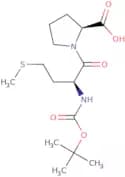

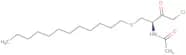
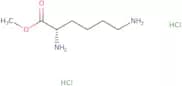
![1-[(3,3-Diphenylpropyl)methylamino]-2-methyl-2-propanol](/_next/image/?url=https%3A%2Fstatic.cymitquimica.com%2Fproducts%2F3D%2Fthumb-webp%2FFD22513.webp&w=3840&q=75)
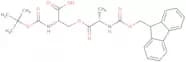
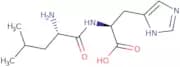
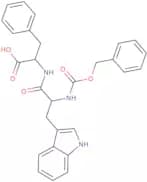
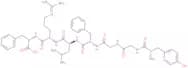
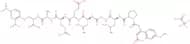

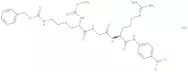
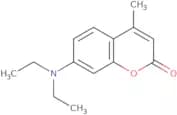
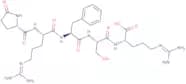
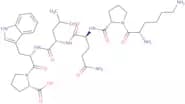


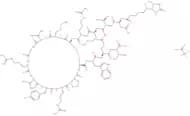
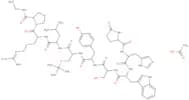

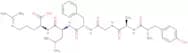
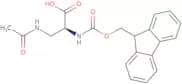
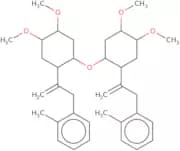
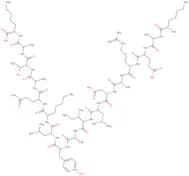
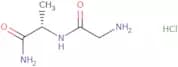


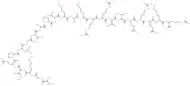

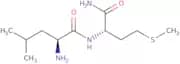

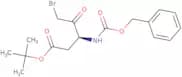

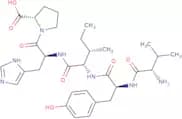
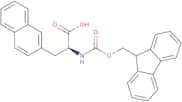


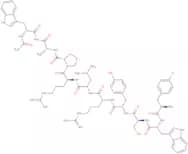
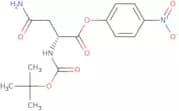


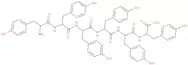
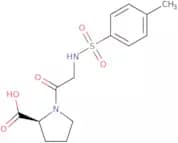

![6-(7-Nitro-benzo[2,1,3]oxadiazol-4-ylamino)-hexanoyl-Arg-Pro-Lys-Pro-Leu-Ala-Nva-Trp-Lys((7-dimeth…](/_next/image/?url=https%3A%2Fstatic.cymitquimica.com%2Fproducts%2F3D%2Fthumb-webp%2FFN110943.webp&w=3840&q=75)


![[5-(5,6-Dimethyl-1,3-benzoxazol-2-yl)-2-methylphenyl]amine](/_next/image/?url=https%3A%2Fstatic.cymitquimica.com%2Fproducts%2F3D%2Fthumb-webp%2FFD134975.webp&w=3840&q=75)

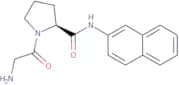
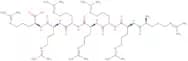


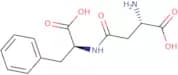
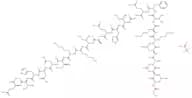


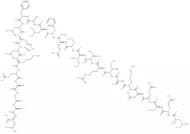
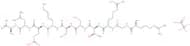
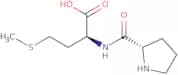
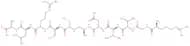

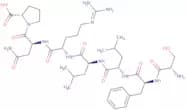
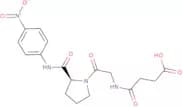
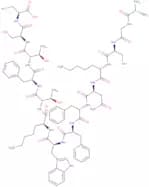
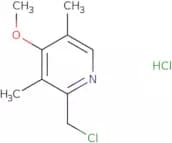


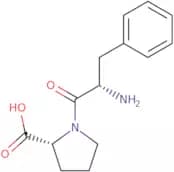

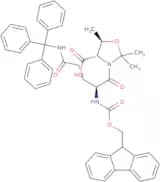
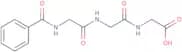
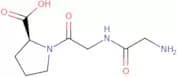



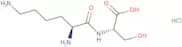
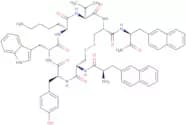
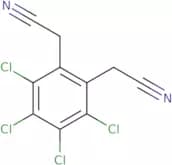

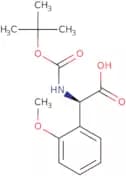
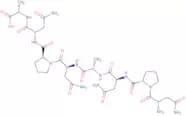

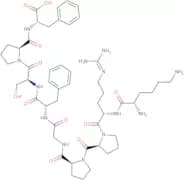
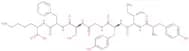
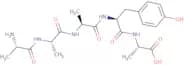
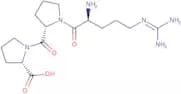

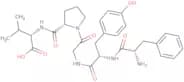
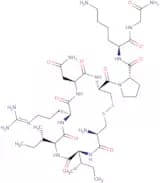
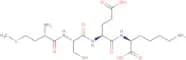
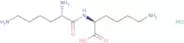


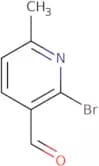
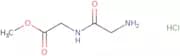


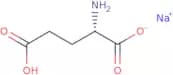

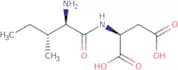
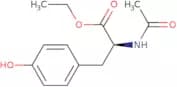


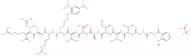
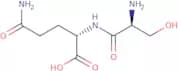
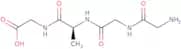

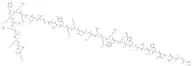

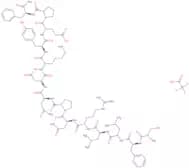


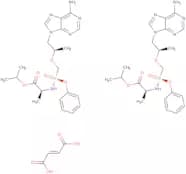
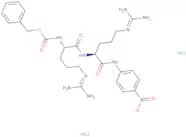
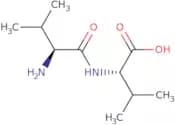
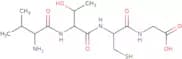
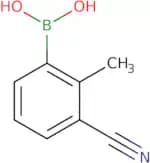
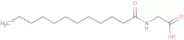


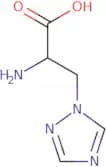
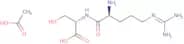
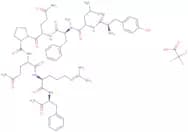
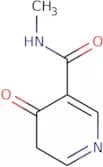
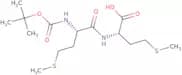
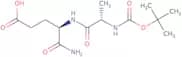
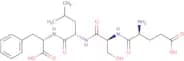
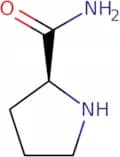
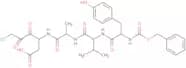
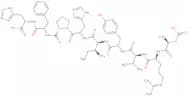

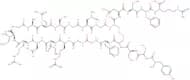
![4-Nitro-Z-Gly-Cys(7-nitro-benzo[2,1,3]oxadiazol-4-yl)-Gly-OH](/_next/image/?url=https%3A%2Fstatic.cymitquimica.com%2Fproducts%2F3D%2Fthumb-webp%2FFN110874.webp&w=3840&q=75)

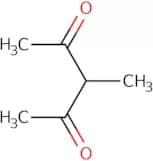
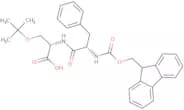
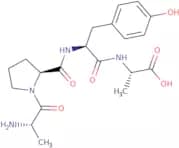
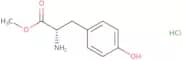
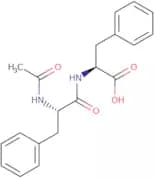
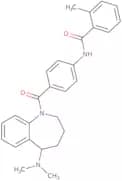
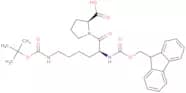
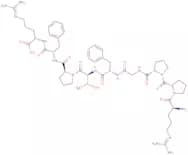

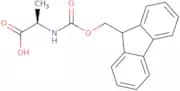
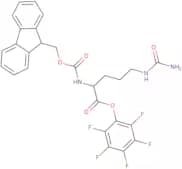
![N-Methyl-N-((3R,4R)-4-methylpiperidin-3-yl)-7H-pyrrolo[2,3-d]pyrimidin-4-amine](/_next/image/?url=https%3A%2Fstatic.cymitquimica.com%2Fproducts%2F3D%2Fthumb-webp%2FFM154245.webp&w=3840&q=75)