Amino Acids (AA)
Amino acids (AAs) are the fundamental building blocks of proteins, playing a crucial role in various biological processes. These organic compounds are essential for protein synthesis, metabolic pathways, and cell signaling. In this category, you will find a comprehensive range of amino acids, including essential, non-essential, and modified forms, which are vital for research in biochemistry, molecular biology, and nutritional sciences. At CymitQuimica, we provide high-quality amino acids to support your research and development needs, ensuring accuracy and reliability in your experimental outcomes.
Subcategories of "Amino Acids (AA)"
- Amino Acid Derivatives(3,969 products)
- Amino Acid and Amino Acid Related Compounds(3,474 products)
- Amino Acids with Oxygen or Sulphur(168 products)
- Boc- Amino Acids(351 products)
- Fmoc Amino Acids(1,710 products)
Found 38282 products of "Amino Acids (AA)"
Sort by
Purity (%)
0
100
|
0
|
50
|
90
|
95
|
100
(R)-(+)-Methylsuccinic acid
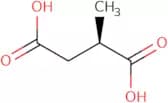
CAS:<p>(R)-(+)-Methylsuccinic acid is a catalysed, synthetic, asymmetric synthesis of the methylsuccinic acid skeleton. It is a liquid crystal compound that has been shown to be spontaneously racemic and have enantiopure versions of itself. The stereoisomers are an important part of its biological activity.<br>Methylsuccinic acid plays a role in the biosynthesis of butanol, which can be used as a biofuel or for industrial purposes.</p>Formula:C5H8O4Purity:Min. 95%Color and Shape:White PowderMolecular weight:132.11 g/molDisopyramid
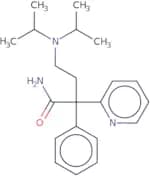
CAS:Controlled Product<p>a-[2-(Diisopropylamino)ethyl]-a-phenyl-2-pyridineacetamide is a hydrogen bond donor. It has been shown to have cytotoxicity in vitro, with parameters that can be used for accurate prediction of descriptors. These descriptors are informative and insightful, which can be used for regression analyses and linear regression methods. The pharmacokinetic properties of a-[2-(Diisopropylamino)ethyl]-a-phenyl-2-pyridineacetamide have been studied in humans and have shown linearity between dose and plasma concentration.</p>Formula:C21H29N3OColor and Shape:White PowderMolecular weight:339.47 g/molL-(+)-Glutamic acid HCl
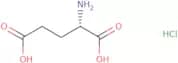
CAS:<p>L-(+)-Glutamic acid HCl is a monosodium salt that belongs to the group of water-soluble organic acids. It has been used as a food additive and in wastewater treatment, as well as for the production of polymers and pharmaceuticals. Glutamate can be converted to glutamic acid by hydrolysis with sodium hydroxide or other strong bases. Glutamic acid is an important biochemical precursor in the synthesis of proteins, peptides, and nucleic acids. It also functions as a neurotransmitter in the central nervous system. L-(+)-glutamic acid HCl has been shown to induce apoptosis in human HL-60 cells by increasing reactive oxygen species (ROS) levels and activating caspase-3 activity in these cells. The crystalline cellulose used in this study was obtained from cellulose powder (Avicel PH101).</p>Formula:C5H9NO4·HClPurity:Min. 95%Color and Shape:White PowderMolecular weight:183.59 g/molL-Tryptophan β-naphthylamide
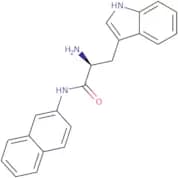
CAS:<p>L-Tryptophan beta-naphthylamide is a fine chemical that is useful for research purposes. It can be used as a versatile building block in the synthesis of other chemicals and can also be used as a reaction component. L-Tryptophan beta-naphthylamide has been used to synthesize complex compounds such as 5,6-dihydroindolizine, which has been shown to have anti-inflammatory properties. This compound can also be used as a reagent in organic synthesis.</p>Formula:C21H19N3OPurity:Min. 95%Color and Shape:PowderMolecular weight:329.4 g/molH-Val-Gly-Ser-Glu-OH
CAS:<p>H-Val-Gly-Ser-Glu-OH is a model system for the study of uptake and distribution of fluorescently labeled peptides. It is made up of four amino acids that are found in various proteins, and also have been shown to be potent inducers of inflammation. H-Val-Gly-Ser-Glu-OH has an acidic side chain and can be cleaved by proteases, which may account for its ability to enhance cell proliferation. H-Val-Gly-Ser-Glu-OH is localized to the epidermal growth factor receptor (EGFR) on the surface membrane of cells and shows chemotactic activity towards hl60 cells, which are human promyelocytic leukemia cells. This peptide also increases light emission from hl60 cells when cultured with monoclonal antibodies against EGFR.</p>Formula:C15H26N4O8Purity:Min. 95%Color and Shape:PowderMolecular weight:390.39 g/mol2,4-Dimethoxy-3-methylbenzoic acid
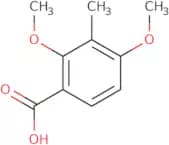
CAS:<p>2,4-Dimethoxy-3-methylbenzoic acid is a fine chemical that is used as a versatile building block in the synthesis of other organic compounds. 2,4-Dimethoxy-3-methylbenzoic acid has been used in research to generate novel compounds with desired properties. It is also used as a reaction component and speciality chemical. The compound can be reacted with sodium methoxide in methanol to form 2,4-dimethoxybenzaldehyde, which is an intermediate for the synthesis of other chemicals. It also reacts with nitric acid to form 2,4-dimethylbenzoic acid and oleum. These reactions are useful for the production of certain drugs or for the synthesis of polymers.</p>Formula:C10H12O4Purity:Min. 95%Molecular weight:196.2 g/molUlifloxacin
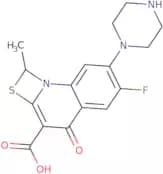
CAS:<p>Extensive research has been conducted on the antimicrobial activity of 6-fluoro-1-methyl-4-oxo-7-(1-piperazinyl)-4H-(1,3)thiazeto(3,2a)quinoline-3-carboxylic acid (FPMT). FPMT is a levorotatory compound that is rapidly metabolized by esterases to 6FMT, which is also active against bacteria. FPMT inhibits bacterial growth, but does not inhibit mammalian cell growth. The main mechanism of action for FPMT is probably through its ability to inhibit the synthesis of bacterial DNA and RNA. This drug has been shown to be effective against sinusitis caused by bacterial rhinosinusitis and urinary tract infections caused by Escherichia coli and Pseudomonas aeruginosa. FPMT can be used as an alternative to prulifloxacin for the treatment of these types of infections</p>Formula:C16H16FN3O3SPurity:Min. 98 Area-%Molecular weight:349.38 g/mol4-Methoxybenzoic anhydride
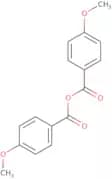
CAS:<p>4-Methoxybenzoic anhydride is a nonsteroidal anti-inflammatory drug (NSAID) that has a hydroxy group, which makes it susceptible to nucleophilic attack. The reaction mechanism of 4-methoxybenzoic anhydride involves hydroxyl group and phosphorus pentachloride. Kinetic data for the reaction was obtained from kinetic studies. The kinetic study found that the rate of the reaction increased with increasing concentration of amines and amides in the reaction mixture. 4-Methoxybenzoic anhydride has been shown to have antiinflammatory activity in various tests on animals, including rats, guinea pigs, and rabbits. The mechanism of this activity may be due to its ability to inhibit prostaglandin synthesis by blocking cyclooxygenase enzyme activity.</p>Formula:C16H14O5Purity:Min. 95%Color and Shape:PowderMolecular weight:286.28 g/molD-Methionine
CAS:<p>D-methionine is a form of the amino acid methionine that is synthesized in plants. It has been studied for its potential to help with various metabolic disorders, including osteoarthritis and primary sclerosing cholangitis. D-methionine provides methionine to the body, which is essential for the formation of collagen and elastin. In addition, it has been shown to have a protective effect against neuronal death in a model system. D-methionine may be beneficial for people with liver disease, but more research is needed.</p>Formula:C5H11NO2SPurity:Min. 95%Color and Shape:White Off-White PowderMolecular weight:149.21 g/mol3-Hydroxy-4-methylbenzoic acid
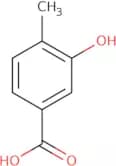
CAS:<p>3-Hydroxy-4-methylbenzoic acid is a cardiotonic glycoside that has been used in the treatment of cardiac arrhythmia. It has been shown to inhibit the enzyme persulfate, which is involved in the activation of hydrogen peroxide and may be responsible for the therapeutic effect of 3-hydroxy-4-methylbenzoic acid. The inhibition of persulfate by 3-hydroxy-4-methylbenzoic acid may be due to an intramolecular hydrogen bond that is formed between the sulfonate group on 3-hydroxy-4 methyl benzoic acid and the hydroxyl group on 4-tert butylbenzoic acid. Animal studies have shown that this drug inhibits sodium urate crystal formation and excretion in urine samples. This drug also inhibits renal ammoniagenesis, which is a metabolic pathway where ammonia is converted to urea, thereby lowering blood levels of ammonia. The metabolism of</p>Formula:C8H8O3Purity:Min. 95%Color and Shape:PowderMolecular weight:152.15 g/mol2-Bromo-4-methoxybenzyl alcohol
CAS:<p>2-Bromo-4-methoxybenzyl alcohol is a fine chemical that can be used as a versatile building block, intermediate, or reaction component in research. It is also a useful building block for the synthesis of complex compounds. 2-Bromo-4-methoxybenzyl alcohol has been shown to be a reagent with high quality and can be used as a speciality chemical. This compound has been shown to react with ammonia to form an amide bond, which has led to the development of several new drugs.</p>Formula:C8H9BrO2Purity:Min. 95%Color and Shape:PowderMolecular weight:217.06 g/mol2-(2,2-dimethylpropanoyl)-3-(3-phenoxyphenyl)prop-2-enenitrile
CAS:<p>Please enquire for more information about 2-(2,2-dimethylpropanoyl)-3-(3-phenoxyphenyl)prop-2-enenitrile including the price, delivery time and more detailed product information at the technical inquiry form on this page</p>Purity:Min. 95%Bis(2,2'-bipyridine)-4'-methyl-4-carboxybipyridine-ruthenium N-succinimidyl ester-bis(hexafluorophosphate)
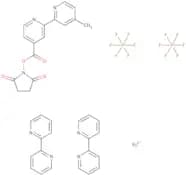
CAS:<p>Bis(2,2'-bipyridine)-4'-methyl-4-carboxybipyridine-ruthenium N-succinimidyl ester-bis(hexafluorophosphate) is a molecule that inhibits the activity of matrix metalloproteinases. It binds to the active site of the enzyme and blocks its activity. This drug has been shown to be effective in inhibiting the activity of MMPs in cells, but not in tissue culture because it does not cross cell membranes. Bis(2,2'-bipyridine)-4'-methyl-4-carboxybipyridine-ruthenium N-succinimidyl ester-bis(hexafluorophosphate) has also been shown to have a low detection limit and can detect low levels of matrix metalloproteinase activity in cells.</p>Formula:C36H29F12N7O4P2RuPurity:Min. 95%Color and Shape:PowderMolecular weight:1,014.66 g/mol7-Amino-2-(4-methoxyphenyl)[1,2,4]triazolo[1,5-a]pyrimidin-5(4H)-one
CAS:<p>7-Amino-2-(4-methoxyphenyl)[1,2,4]triazolo[1,5-a]pyrimidin-5(4H)-one is a fine chemical that belongs to the category of versatile building blocks. It can be used as a reagent for research purposes and as a speciality chemical for the production of complex compounds. This compound is also an important building block for the synthesis of compounds with high quality and useful scaffolds.</p>Formula:C12H11N5O2Purity:Min. 95%Color and Shape:PowderMolecular weight:257.25 g/mol2,3-Difluoro-4-methoxybenzoic acid
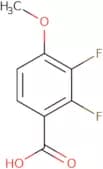
CAS:<p>2,3-Difluoro-4-methoxybenzoic acid is a versatile building block that can be used to make complex compounds. This compound is a high quality, useful intermediate and reaction component that can be used in the synthesis of pharmaceuticals and other chemical products. 2,3-Difluoro-4-methoxybenzoic acid is a reagent that can be used for research purposes or as a speciality chemical. It has been shown to have many uses as a scaffold for making new compounds with different structures.</p>Formula:C8H6F2O3Purity:Min. 95%Color and Shape:PowderMolecular weight:188.13 g/mol4-Ethoxy-3-methoxybenzyl alcohol
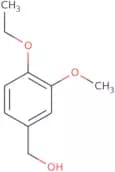
CAS:4-Ethoxy-3-methoxybenzyl alcohol is a metabolite of the drug benzocaine. It is formed by hydrolysis of the ester linkages in benzocaine and is then further metabolized to form 4-hydroxy-3-methoxybenzyl alcohol. 4-Ethoxy-3-methoxybenzyl alcohol has been shown to have antinociceptive effects in rats, which may be due to its ability to inhibit pain signals from the peripheral nerves.Formula:C10H14O3Purity:Min. 95%Color and Shape:PowderMolecular weight:182.22 g/molO-Benzyl-L-tyrosine benzyl ester 4-toluenesulfonate
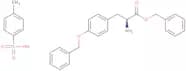
CAS:<p>O-Benzyl-L-tyrosine benzyl ester 4-toluenesulfonate salt is a fine chemical that belongs to the category of useful scaffolds and versatile building blocks. It is a high quality reagent that can be used as a reaction component in the preparation of complex compounds. This compound has shown to be useful in research on various types of drugs, including analgesics, antibiotics, antihistamines, antidepressants, antipsychotics and others.</p>Formula:C23H23NO3•C7H8O3SPurity:Min. 95%Color and Shape:White solid.Molecular weight:533.64 g/mol5-Bromo-2-fluoro-3-methylpyridine
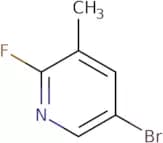
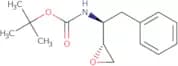
CAS:<p>5-Bromo-2-fluoro-3-methylpyridine is a fine chemical that is used as a scaffold for building more complex compounds. This chemical can be used in the synthesis of sulfonamides, thiocarbamates, and other organic compounds. 5-Bromo-2-fluoro-3-methylpyridine is also a versatile intermediate that can be used in the production of research chemicals and speciality chemicals. The purity of this compound is high and it has been shown to be a useful reagent in various reactions.</p>Formula:C6H5BrFNPurity:Min. 95%Molecular weight:190.02 g/mol(2R,3S)-3-(tert-Butoxycarbonyl)amino-1,2-epoxy-4-phenylbutane
CAS:<p>The compound (2R,3S)-3-(tert-Butoxycarbonyl)amino-1,2-epoxy-4-phenylbutane is an epoxide with a thionyl chloride mediated reaction. This compound has been shown to react with amines and nucleophiles to form epoxides. The time required for this reaction was found to be dependent on the concentration of the amine. The reaction was also found to be chiral as it produced a mixture of diastereomers. When irradiated, this compound undergoes a stereoselective reaction that leads to a new epoxide product.</p>Formula:C15H21NO3Purity:Min. 95%Color and Shape:Off-White PowderMolecular weight:263.34 g/mol2,4,5-Trihydroxy-DL-phenylalanine
CAS:<p>2,4,5-Trihydroxy-DL-phenylalanine (2,4,5-THP) is a natural amino acid that has been found to have neurotrophic effects. It has shown to increase the levels of prolactin in the blood and tissues of experimental animals. 2,4,5-THP binds with dopamine or amines and can be used as a cofactor for enzymes involved in oxidative injury. 2,4,5-THP has also been shown to have antidepressant properties and to protect against neuronal death caused by pharmacological agents or fatty acids. 2,4,5-THP is structurally similar to tricyclic antidepressants such as imipramine and chlorpromazine.</p>Formula:C9H11NO5Purity:Min. 95%Color and Shape:PowderMolecular weight:213.19 g/mol1-Boc-amino-3,6,9-trioxaundecanyl-11-ol
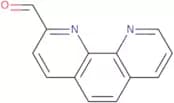
CAS:<p>1-Boc-amino-3,6,9-trioxaundecanyl-11-ol is a PEG polymer categorised as monofunctional (OH-PEG-X). Used as a linker, 1-boc-amino-3,6,9-trioxaundecanyl-11-ol is used to attached PEG to proteins, peptides, oligonucleotides, nanoparticles and small molecules via pegylation, a bioconjugation technique.</p>Formula:C13H27NO6Purity:Min. 95%Color and Shape:Clear LiquidMolecular weight:293.36 g/mol1,10-Phenanthroline-2-carbaldehyde
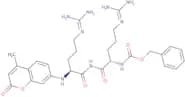
CAS:<p>1,10-Phenanthroline-2-carbaldehyde is a phenylhydrazone compound that has been shown to have anticancer activity. It is also a supramolecular complex, which means it can form hydrogen bonds and coordinate bonds with other molecules. The anticancer activity of 1,10-phenanthroline-2-carbaldehyde may be due to its ability to inhibit the growth of prostate carcinoma cells. This compound also inhibits the growth of human cervical carcinoma cells by binding to their DNA and inhibiting the synthesis of RNA and protein. 1,10-Phenanthroline-2-carbaldehyde is being studied for its potential as an inhibitor of tumor angiogenesis.<br>1,10-Phenanthroline-2-carbaldehyde has been shown to have antiplatelet aggregation effects in platelets from healthy humans as well as those with type 2 diabetes mellitus or chronic kidney disease.</p>Formula:C13H8N2OPurity:Min. 90 Area-%Color and Shape:Off-White PowderMolecular weight:208.22 g/molZ-Arg-Arg-AMC hydrochloride salt
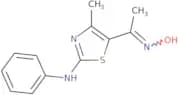
CAS:<p>Z-Arg-Arg-AMC hydrochloride salt is a versatile compound that acts as a catalyst and forms strong hydrogen bonds. It exhibits proteolytic activity and has been found to be effective in breaking down proteins. In addition, Z-Arg-Arg-AMC hydrochloride salt has been shown to possess neuroprotective properties, making it a potential candidate for the treatment of neurological disorders. It also demonstrates anthelmintic activity, which means it can be used to combat parasitic worm infections. Furthermore, this compound has antioxidant activity and can help reduce lipid peroxidation, protecting cells from oxidative damage. With its diverse range of characteristics, Z-Arg-Arg-AMC hydrochloride salt holds great promise in various research fields such as biochemistry and medicine.</p>Formula:C30H39N9O6·xHClPurity:Min. 95%Color and Shape:PowderMolecular weight:621.69 g/mol(3-((hydroxyimino)ethyl)-4-methyl(2,5-thiazolyl))phenylamine
CAS:<p>Please enquire for more information about (3-((hydroxyimino)ethyl)-4-methyl(2,5-thiazolyl))phenylamine including the price, delivery time and more detailed product information at the technical inquiry form on this page</p>Formula:C12H13N3OSPurity:Min. 95%Color and Shape:Clear LiquidMolecular weight:247.32 g/mol5-Fluoro-2-methylphenol
CAS:<p>The fluoroquinolone 5-Fluoro-2-methylphenol (5FM) is an inhibitor of angiotensin, an enzyme that is involved in the regulation of blood pressure and fluid balance. The structure of this compound was optimized to make it more potent and selective for angiotensin, while minimizing its adverse effects. This optimization was achieved using high throughput screening and x-ray crystallography. The fluorine atom in 5FM binds to aspartyl protease, which prevents the protease from breaking down proteins into smaller amino acid chains. This binding also inhibits the activity of other enzymes that are involved in protein synthesis, such as aspartyl proteases and salicylic acid esterases. 5FM has been shown to inhibit the growth of bacteria such as Staphylococcus aureus at concentrations that are not toxic to mammalian cells.</p>Formula:C7H7FOPurity:Min. 95%Color and Shape:Clear LiquidMolecular weight:126.13 g/molIndole-3-glyoxylamide
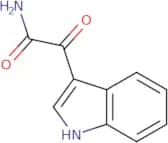
CAS:<p>Indole-3-glyoxylamide is a synthetic compound that was originally developed as a potential anti-cancer drug. It has been shown to inhibit glycogen synthase kinase 3 (GSK-3) and thereby reduce the production of proinflammatory cytokines in bowel disease. Indole-3-glyoxylamide also inhibits inflammatory bowel disease by inhibiting secretory phospholipase A2, which prevents the release of arachidonic acid from phospholipids. This synthesis is required for the production of prostaglandins and leukotrienes, which are involved in the inflammatory process. The compound has been shown to have immunomodulatory effects in chronic bronchitis, with an inhibitory effect on neutrophil chemotaxis, macrophage activity, and cytokine production. Indole-3-glyoxylamide has also been shown to be effective against cancer cells in vitro and in vivo animal models. It is metabolized through</p>Formula:C10H8N2O2Purity:Min. 95%Color and Shape:PowderMolecular weight:188.18 g/mol4-Iodo-2-methoxybenzoic acid methyl ester
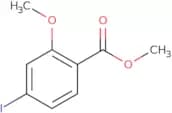
CAS:<p>4-Iodo-2-methoxybenzoic acid methyl ester is a high quality chemical that can be used as a versatile building block in chemical synthesis. It is a complex compound that has been shown to be an effective reagent for research, which can be used in the synthesis of new complex compounds. 4-Iodo-2-methoxybenzoic acid methyl ester is also useful as an intermediate or reaction component in organic syntheses. This chemical is available for purchase at a CAS number of 148490-97-5.</p>Formula:C9H9IO3Purity:Min. 95%Color and Shape:PowderMolecular weight:292.07 g/mol2-Fluoro-3-methylbenzaldehyde
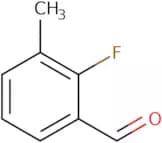
CAS:<p>2-Fluoro-3-methylbenzaldehyde is a chemical that can be used in the synthesis of other chemicals, such as pharmaceuticals. It is a versatile building block that can be used in the synthesis of complex compounds and scaffolds. The compound has been shown to react with amines to form ureas.</p>Formula:C8H7FOPurity:80%Molecular weight:138.14 g/mol2-Fluoro-4-methoxybenzonitrile
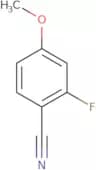
CAS:<p>2-Fluoro-4-methoxybenzonitrile is a tetracyclic molecule with two electron deficient rings. It has intramolecular coupling, yielding four stereoisomers that show different biological activities. 2-Fluoro-4-methoxybenzonitrile is an electron deficient compound that can be synthesized by reacting dioxane with amines. It also reacts with alcohols to form ethers. This heteroaromatic compound has electron withdrawing groups that make it less stable than other heteroaromatic compounds and more reactive. 2-Fluoro-4-methoxybenzonitrile can be used in the Buchwald reaction to produce aryl chlorides from alkyl halides and aryl bromides.</p>Purity:Min. 95%N-[2-(Fmoc-amino)-ethyl]glycine tert-butylester hydrochloride
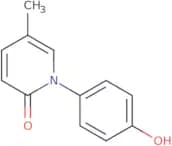
CAS:<p>Please enquire for more information about N-[2-(Fmoc-amino)-ethyl]glycine tert-butylester hydrochloride including the price, delivery time and more detailed product information at the technical inquiry form on this page</p>Formula:C23H28N2O4·HClPurity:Min. 95%Color and Shape:PowderMolecular weight:432.94 g/molN-(4-Hydroxyphenyl)-5-methyl-2-1H-pyridone
CAS:<p>N-(4-Hydroxyphenyl)-5-methyl-2-1H-pyridone is a molecule that is found in plasma samples and has been shown to inhibit the growth of cells. It is a potent inhibitor of tubulointerstitial injury, which is the most common type of kidney disease. The mechanism of this drug has been shown to involve the inhibition of primary amino acid uptake. This compound also inhibits urea synthesis and decreases plasma concentrations by increasing the rate of elimination. In addition, it has been shown to have an inhibitory effect on growth factors such as EGF, bFGF, IGF-1, and PDGF. N-(4-Hydroxyphenyl)-5-methyl-2-1H-pyridone can be synthesized by heating at high temperatures (thermally activated).</p>Formula:C12H11NO2Purity:Min. 95%Color and Shape:Off-White PowderMolecular weight:201.22 g/mol1-(1-(3-Methoxyphenyl)cyclohexyl)piperidine
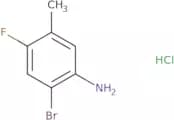
CAS:Controlled Product<p>1-(1-(3-Methoxyphenyl)cyclohexyl)piperidine is an analog of fentanyl that has been shown to be a potent analgesic. It binds to the μ-opioid receptor in the central nervous system and inhibits the reuptake of neurotransmitters, such as serotonin, norepinephrine, and dopamine. This drug has also been found to cause hypotension by inhibiting noradrenaline release from sympathetic nerve terminals. 1-(1-(3-Methoxyphenyl)cyclohexyl)piperidine may also have clinical relevance for treating drug addiction because it has a high affinity for binding ligands that are involved in this process. The sample preparation for 1-(1-(3-Methoxyphenyl)cyclohexyl)piperidine is not required because it can be measured directly in the urine.</p>Formula:C18H27NOPurity:Min. 95%Color and Shape:White To Off-White SolidMolecular weight:273.41 g/mol2-Bromo-4-fluoro-5-methylaniline hydrochloride
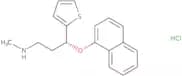
CAS:<p>2-Bromo-4-fluoro-5-methylaniline hydrochloride is a versatile building block that can be used in the synthesis of complex compounds. It has two bromine atoms, two chlorine atoms, and one fluorine atom and is classified as a research chemical. This compound is used as a reagent in organic chemistry and as a speciality chemical. 2-Bromo-4-fluoro-5-methylaniline hydrochloride is also an intermediate for the synthesis of other chemicals and has been shown to be useful for the synthesis of new scaffolds.</p>Formula:C7H7BrFN·HClPurity:Min. 95%Color and Shape:PowderMolecular weight:240.5 g/mol(R)-N-Methyl-3-(1-naphthoxy)-3-(2-thienyl)propylamine hydrochloride
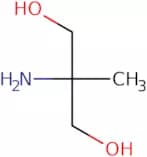
CAS:Controlled Product<p>(R)-N-Methyl-3-(1-naphthoxy)-3-(2-thienyl)propylamine hydrochloride is a nonsteroidal anti-inflammatory drug that has been shown to be effective for the treatment of osteoarthritis, rheumatoid arthritis, ankylosing spondylitis, and chronic low back pain. This drug can also be used for other inflammatory conditions such as psoriasis and Crohn's disease. The mechanism of action of (R)-N-Methyl-3-(1-naphthoxy)-3-(2-thienyl)propylamine hydrochloride is not fully understood. It may work by blocking the synthesis of prostaglandins in the body. This drug is metabolized in the liver to its active form, which binds to cyclooxygenase 1 and 2 enzymes to inhibit the production of prostaglandins. It also inhibits human serum x-ray</p>Formula:C18H19NOS•HClPurity:Min. 95%Color and Shape:White To Off-White SolidMolecular weight:333.88 g/molAMPD
CAS:<p>AMPD, also known as 2-Amino-2-methyl-1,3-propanediol, is a buffer solution with a pH range of 7.8-9.7 and a pKa of 8.8. This chemical buffer is used in molecular biology, protein studies, enzyme assays, and separation techniques such as isatachophoresis (ITP) and SDS-gradient gel electrophoresis.</p>Formula:C4H11NO2Purity:Min. 95%Color and Shape:PowderMolecular weight:105.14 g/mol(5-Methylpyridin-2-yl)methanamine
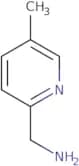
CAS:<p>5-Methylpyridin-2-yl)methanamine is a high quality reagent that is used as a building block in the synthesis of complex compounds. It can be used as an intermediate, useful for the preparation of fine chemicals and useful scaffolds. It can also be used as a speciality chemical and is often used as a reaction component in research chemicals.</p>Formula:C7H10N2Purity:Min. 98 Area-%Color and Shape:Clear LiquidMolecular weight:122.17 g/mol3-Bromo-5-methylphenol
CAS:<p>3-Bromo-5-methylphenol is an enolate that can be used to synthesize methicillin-resistant dibenzofurans. The synthesis of these compounds is a multistep process, which includes the formation of an enolate from 3-bromo-5-methylphenol and subsequent displacement with a variety of electrophiles. The use of 3-bromo-5-methylphenol as an enolate allows for high yields in the synthesis of dibenzofurans. Further, this compound has antibacterial properties and is effective against both gram positive and negative bacteria. 3-Bromo-5-methylphenol also has chloride and sulfonation properties, which have been used to make advances in the development of antibacterial agents.</p>Formula:C7H7BrOPurity:Min. 95%Color and Shape:PowderMolecular weight:187.03 g/molN-Methylbutylamine
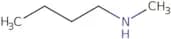
CAS:<p>N-Methylbutylamine is a pharmaceutical drug that belongs to the class of amines. It is used as a hydrogen bond donor in some organic reactions. N-Methylbutylamine has been shown to have cytotoxic effects on prostate cancer cells and has been used for the treatment of this type of cancer. This drug also has a fluorescent derivative, which can be used in the detection of water vapor. The amine group of N-Methylbutylamine is involved in catalysis by enzymes and organometallic compounds. The optimum pH for this molecule is 7, with an activation energy at 20 degrees Celsius of 42 kilojoules per mole.<br>N-Methylbutylamine has also been shown to inhibit kinesin, an important protein involved in cellular transport.</p>Formula:C5H13NPurity:Min. 95%Color and Shape:Clear LiquidMolecular weight:87.17 g/mol[3-(2-Methoxyethoxy)benzyl]amine
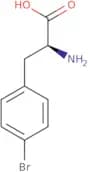
CAS:<p>[3-(2-Methoxyethoxy)benzyl]amine is a high-quality chemical that can be used as an intermediate in the synthesis of complex compounds. It is also a useful scaffold for the synthesis of other chemicals, such as pharmaceuticals and pesticides. This compound also has many uses in research, such as being a versatile building block and reaction component.</p>Formula:C10H15NO2Purity:Min. 95%Color and Shape:PowderMolecular weight:181.23 g/mol4-Bromo-L-phenylalanine
CAS:<p>4-Bromo-L-phenylalanine is a potent inhibitor of the enzyme dehydrogenase. It is used in the synthesis of β-amino acids, which are precursors for peptides and proteins. 4-Bromo-L-phenylalanine has been shown to be an acceptor for the enzyme diacetate and it inhibits tryptic activity at low concentrations. 4-Bromo-L-phenylalanine has also been shown to be a potent antagonist of acid dehydrogenase from endophytic fungus. This compound has also been found to inhibit biosynthesis of proteins in thermodynamic studies. In validation studies, this compound was found to have low energy barriers.</p>Formula:C9H10BrNO2Purity:Min. 95%Color and Shape:PowderMolecular weight:244.09 g/molL-Tryptophan
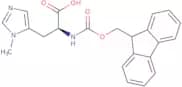
CAS:<p>Tryptophan is a non-essential amino acid that has been shown to have an effect on mood, appetite, and sleep. L-Tryptophan is an essential amino acid. It is involved in the synthesis of serotonin and melatonin. The body breaks down tryptophan into 5-hydroxytryptophan (5HTP) and then into serotonin. Serotonin can be converted into melatonin by the pineal gland. Tryptophan levels are often low in people with depression and anxiety disorders. Tryptophan also has an effect on human gastrointestinal function, as it can stimulate gut motility and secretion of gastric acid and pepsinogen from the stomach lining. Tryptophan may also play a role in the discovery process, as it was found to increase the number of spontaneous oxidations in rat urine samples, which may be indicative of a new chemical reaction or drug discovery process.</p>Formula:C11H12N2O2Purity:Min. 98 Area-%Color and Shape:White PowderMolecular weight:204.23 g/molFmoc-His(3-Me)-OH
CAS:<p>Fmoc-His(3-Me)-OH is a synthetic amino acid that is used in the synthesis of peptides. It is potent inhibitor of L-type calcium channels, which are involved in the regulation of muscle contraction and vasoconstriction. Fmoc-His(3-Me)-OH has been shown to be effective at inhibiting L-type calcium channels in rat skeletal muscle.</p>Formula:C22H21N3O4Purity:Min. 95%Color and Shape:PowderMolecular weight:391.42 g/mol7-Fluoro-5-Phenyl-1,3-Dihydro-1,4-Benzodiazepin-2-One
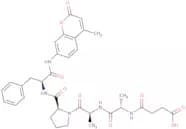
CAS:Controlled Product<p>7-Fluoro-5-phenyl-1,3-dihydro-1,4-benzodiazepin-2-one is a potential drug candidate that has been found to have high affinity for the benzodiazepine receptor. It was synthesized by reacting 7-fluoro-5-(chloromethyl)benzo[b]thiophene with 2,5-dimethoxybenzaldehyde in the presence of sodium hydroxide and acetic acid. The compound was characterized using techniques such as nuclear magnetic resonance (NMR), mass spectrometry (MS) and infrared spectroscopy (IR). The affinity of 7FDBZ was measured at 4 nM. The parameters used for predicting binding affinity were hydrophobicity and hydrogen bond acceptor properties. A predictive model was generated based on these parameters that shows good agreement with experimental data. The probe is hydrophobic in nature and may bind to the receptor due to</p>Formula:C15H11FN2OPurity:Min. 95%Molecular weight:254.26 g/molSuc-Ala-Ala-Pro-Phe-AMC
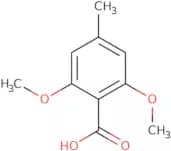
CAS:<p>Suc-Ala-Ala-Pro-Phe-AMC is a synthetic substrate for proteolytic enzymes. This substrate has been shown to be hydrolyzed by pancreatic trypsin and soybean trypsin with similar rates. Suc-Ala-Ala-Pro-Phe-AMC is also a substrate for erythrocyte eosinophil peroxidase, which has been shown to have an optimum pH of 5.0. The reaction mechanism of this substrate is not yet fully understood, but it may involve the formation of a Schiff base between the amino group on the proline residue and the carbonyl group on the AMC moiety. Suc-Ala-Ala-Pro-Phe-AMC also reacts with surface membranes and can be used as an indicator of protease activity.</p>Formula:C34H39N5O9Purity:Min. 98 Area-%Color and Shape:PowderMolecular weight:661.7 g/mol2,6-Dimethoxy-4-methylbenzoic acid
CAS:<p>2,6-Dimethoxy-4-methylbenzoic acid is a carboxylic acid that is used as an intermediate in the production of lithium.</p>Formula:C10H12O4Purity:Min. 95%Color and Shape:PowderMolecular weight:196.2 g/mol3-Methylbenzaldehyde
CAS:<p>3-Methylbenzaldehyde is a diphenolase that is found in a Chinese medicinal plant, Acalypha wilkesiana. 3-Methylbenzaldehyde has been shown to have anti-inflammatory properties and can be used as a complementary therapy for inflammatory diseases. The chemical ionization technique was used to measure the production rate of 3-methylbenzaldehyde from the acetate extract of A. wilkesiana. The linear regression analysis showed that there was an increase in the production rate with increased concentration of hydrogen bonding interactions with 3-methylbenzaldehyde. Hydrogen bonding interactions are due to the presence of hydroxyl groups on the benzene ring and methyl group on the side chain. This chemical reaction forms glyoxal, which is then metabolized through p450 isozymes in order to produce 3-methylbenzaldehyde or other metabolites.</p>Formula:C8H8OPurity:Min. 98 Area-%Color and Shape:Colorless Clear LiquidMolecular weight:120.15 g/mol1-(2-Methoxyphenyl)-2-nitroethane
CAS:1-(2-Methoxyphenyl)-2-nitroethane is a natural alkaloid that is found in the plant Piper methysticum. This compound has been shown to inhibit the transformation of nitroalkenes to nitropropene and nitrobenzene. The synthetic studies on this compound are mainly focused on its effects on other nitroalkenes. It has been shown that 1-(2-methoxyphenyl)-2-nitroethane can be used as an inhibitor of cyclization reactions, such as the synthesis of indole alkaloids, which are important in many pharmacological processes and biological systems.Formula:C9H9NO3Purity:Min. 95%Color and Shape:PowderMolecular weight:179.17 g/molN-(2-Indol-3-ylethyl)-3-phenylprop-2-enamide
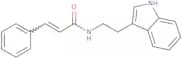
CAS:<p>N-(2-indol-3-ylethyl)-3-phenylprop-2-enamide is a serotonin analog that has been shown to inhibit the production of tryptophan decarboxylase in organisms. This compound has also been shown to be an inhibitor of the biosynthesis of p-coumaric acid, which is involved in the synthesis of lignin, phytoalexins, and other phenolic compounds. N-(2-indol-3-ylethyl)-3-phenylprop-2-enamide may be useful as a fungicide against pyricularia or as an antimicrobial against microbial infections.</p>Formula:C19H18N2OPurity:Min. 95%Color and Shape:PowderMolecular weight:290.36 g/molMethyl 4-methoxyphenylpropionate
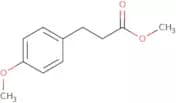
CAS:<p>Methyl 4-methoxyphenylpropionate is a pyridine derivative that is used as a solvent, reagent, and intermediate in organic synthesis. It has been shown to be a marker for aerosols in the environment and has been detected in the atmosphere of Beijing, China. The methyl ester can also be used to synthesize dienones and benzyl mesylates.</p>Formula:C11H14O3Purity:Min. 95%Color and Shape:PowderMolecular weight:194.23 g/mol2-Methoxy-4-nitrobenzoic acid
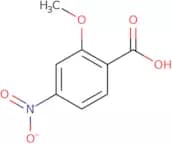
CAS:<p>Please enquire for more information about 2-Methoxy-4-nitrobenzoic acid including the price, delivery time and more detailed product information at the technical inquiry form on this page</p>Formula:C8H7NO5Purity:Min. 95%Molecular weight:197.14 g/mol





![7-Amino-2-(4-methoxyphenyl)[1,2,4]triazolo[1,5-a]pyrimidin-5(4H)-one](/_next/image/?url=https%3A%2Fstatic.cymitquimica.com%2Fproducts%2F3D%2Fthumb-webp%2FFA134729.webp&w=3840&q=75)



![N-[2-(Fmoc-amino)-ethyl]glycine tert-butylester hydrochloride](/_next/image/?url=https%3A%2Fstatic.cymitquimica.com%2Fproducts%2F3D%2Fthumb-webp%2FFF49771.webp&w=3840&q=75)


![[3-(2-Methoxyethoxy)benzyl]amine](/_next/image/?url=https%3A%2Fstatic.cymitquimica.com%2Fproducts%2F3D%2Fthumb-webp%2FFM134467.webp&w=3840&q=75)