Amino Acids (AA)
Subcategories of "Amino Acids (AA)"
- Amino Acid Derivatives(4,016 products)
- Amino Acid and Amino Acid Related Compounds(3,490 products)
- Amino Acids with Oxygen or Sulphur(168 products)
- Boc- Amino Acids(351 products)
- Fmoc Amino Acids(1,710 products)
Found 38369 products of "Amino Acids (AA)"
4-Hydroxy-3-methoxybenzylamine
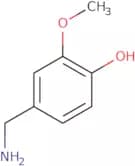
CAS:4-Hydroxy-3-methoxybenzylamine is a nonsteroidal anti-inflammatory drug (NSAID) that has been shown to inhibit the production of cytokines and prostaglandins. It is metabolized by cytochrome P450 enzymes in the liver to form an amide and anhydrous sodium methyl myristate, which are excreted in urine. The reaction solution was analyzed using kinetic energy spectroscopy, which showed that 4-hydroxy-3-methoxybenzylamine reacts with vanillylamine to create a polymerase chain reaction product. This compound also has specific binding affinity for toll-like receptor 2 with high affinity, suggesting that it may have immunomodulatory properties.
Formula:C8H11NO2Purity:Min. 95%Color and Shape:PowderMolecular weight:153.18 g/molMagnesium L-threonate monohydrate
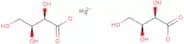
CAS:Magnesium L-threonate monohydrate is a complex chemical that is a versatile building block. The CAS No. for this compound is 500304-76-7. Magnesium L-threonate monohydrate can be used as a research chemical, reagent or speciality chemical in the laboratory. It is also useful as a building block for complex chemical reactions and as an intermediate for the synthesis of other compounds. Magnesium L-threonate monohydrate has been shown to be useful in the synthesis of pharmaceuticals, agrochemicals and materials science products.
Formula:C8H14MgO10·H2OPurity:Min. 95%Color and Shape:White PowderMolecular weight:312.51 g/mol3-Methyladenine
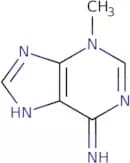
CAS:3-Methyladenine is a glycosylase that cleaves the glycosidic bond between the 3rd and 4th carbon of the ribose ring of the nucleotide 3-methyladenine. It also has synergistic effects with other agents that induce autophagy, such as rapamycin, and increases the expression of a response element in mouse monoclonal antibody. 3-Methyladenine inhibits growth factor-β1 and neuronal death by inducing apoptosis in cells overexpressing nuclear DNA polymerase. This drug is also used to study apoptosis by using a model system.
Formula:C6H7N5Purity:Min. 90 Area-%Color and Shape:PowderMolecular weight:149.15 g/mol2-Hydroxy-2-(3-phenoxyphenyl)acetonitrile
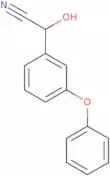
CAS:2-Hydroxy-2-(3-phenoxyphenyl)acetonitrile is an organic compound that is synthesized by the reaction of 3-phenoxybenzaldehyde with nitrous acid in aqueous solution. This compound can be racemized by the enzyme lipase and esterified to form an ester linkage. 2-Hydroxy-2-(3-phenoxyphenyl)acetonitrile has been shown to exhibit insecticidal activity against various strains of bacteria, including Bacillus subtilis, Staphylococcus aureus, and Escherichia coli. 2HPA is a pyrethroid insecticide that has been shown to inhibit lipid synthesis by binding to phospholipids in the bacterial cell membrane. This inhibits the production of fatty acids and glycerol phosphate, inhibiting the growth of the bacteria.Formula:C14H11NO2Purity:Min. 95%Color and Shape:Clear LiquidMolecular weight:225.24 g/molDL-5-Hydroxytryptophan
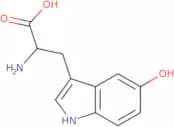
CAS:DL-5-Hydroxytryptophan (5-HTP) is a naturally occurring amino acid that is converted to serotonin in the brain. It is used to treat depression and anxiety, as well as other psychological disorders. 5-HTP has been shown to stimulate the production of serotonin, which may be due to its ability to activate 5-HT2 receptors. 5-HTP has also been shown to increase the activity of various enzymes, such as esterase and aminopeptidase, in human serum. 5-HTP has been shown to have no effects on carcinoid syndrome or 5-ht concentrations in blood plasma. However, it does have biochemical properties that are different from those of other amino acids and can be used as a fluorescent probe for biological research.Formula:C11H12N2O3Purity:Min. 95%Color and Shape:White PowderMolecular weight:220.22 g/mol(5-Bromo-4-methoxyphenyl)acetone
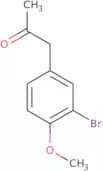
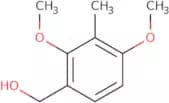
CAS:5-Bromo-4-methoxyphenyl)acetone (BMA) is a versatile building block that is used in the production of fine chemicals, research chemicals, and reagents. It has been shown to be a useful scaffold for the synthesis of complex compounds. BMA is also an intermediate for the production of other chemicals. This chemical has been shown to have high quality with a wide range of uses as a reaction component or useful scaffold.Formula:C10H11BrO2Purity:Min. 95%Molecular weight:243.1 g/mol2,4-Dimethoxy-3-methylbenzyl alcohol
CAS:2,4-Dimethoxy-3-methylbenzyl alcohol is a syntheses and deuterium analogue of orsellinic acid. It has been shown to inhibit bacterial growth in the presence of an oxygen atmosphere.
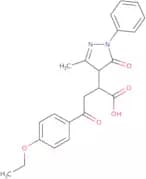
Formula:C10H14O3Purity:Min. 95%Molecular weight:182.22 g/mol4-(4-Ethoxyphenyl)-2-(3-methyl-5-oxo-1-phenyl(2-pyrazolin-4-yl))-4-oxobutanoic acid
CAS:Please enquire for more information about 4-(4-Ethoxyphenyl)-2-(3-methyl-5-oxo-1-phenyl(2-pyrazolin-4-yl))-4-oxobutanoic acid including the price, delivery time and more detailed product information at the technical inquiry form on this page
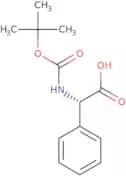
Purity:Min. 95%Boc-L-Phg-OH
CAS:Boc-L-Phg-OH is a synthetic molecule that binds to the receptor for spasticity and inhibits spasticity. It has been shown to have potent inhibition of t-cell leukemia and virus replication. Boc-L-Phg-OH is a fluorescent compound that can be used as a molecular probe for studies of protein dynamics in living cells. The pharmacokinetic properties of this compound have also been studied, suggesting that it could be an effective treatment for tuberculosis.Formula:C13H17NO4Purity:Min. 95%Color and Shape:White PowderMolecular weight:251.28 g/molS-(Carboxymethyl)-L-cysteine
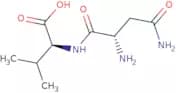
CAS:S-(Carboxymethyl)-L-cysteine (CMC) is a thiol containing compound that is used as a dietary supplement. It has been shown to have beneficial effects on chronic cough and asthma symptoms in two-way crossover studies with human subjects. CMC has also been shown to reduce the production of proinflammatory mediators by inhibiting toll-like receptor 4 (TLR4) activation, which is important for the development of respiratory problems. CMC has also been shown to inhibit mitochondrial functions in cells and produce side effects such as light sensitivity and stomach upset when taken at high doses.Formula:C5H9NO4SPurity:Min. 95%Color and Shape:PowderMolecular weight:179.2 g/molH-Asn-Val-OH
CAS:H-Asn-Val-OH is a dipeptide and a useful peptide building block
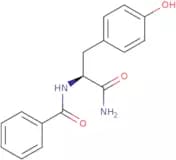
Formula:C9H17N3O4Purity:Min. 95%Molecular weight:231.25 g/molBenzoyl-L-tyrosine amide
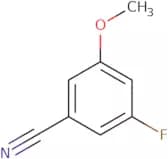
CAS:Benzoyl-L-tyrosine amide is a reaction intermediate that is a competitive inhibitor of serine proteases. It binds to the active site of the enzyme and inhibits the breakdown of proteins by blocking the access of other reactants. Benzoyl-L-tyrosine amide has been shown to inhibit proteolytic activity in subtilis, an enzyme isolated from Bacillus licheniformis. The amino acid composition and binding properties are similar to those found in natural substrates. Benzoyl-L-tyrosine amide has been synthesized and its binding affinity towards histidine residues has been determined by titration calorimetry and fluorophosphate assay.Formula:C16H16N2O3Purity:Min. 95%Color and Shape:PowderMolecular weight:284.31 g/mol3-Fluoro-5-methoxybenzonitrile
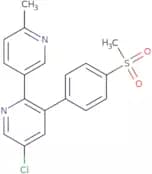
CAS:3-Fluoro-5-methoxybenzonitrile is a useful chemical intermediate that can be used in organic synthesis. It is a versatile building block with a high quality and it is easy to use in the synthesis of complex compounds. 3-Fluoro-5-methoxybenzonitrile has been shown to react as a nucleophile, and it has been used as a reagent for the production of other compounds. This compound also has potential applications in research, such as being an intermediate for the production of pharmaceuticals and agrochemicals. 3-Fluoro-5-methoxybenzonitrile is not classified as hazardous and does not pose any significant risk to human health or the environment.Formula:C8H6FNOPurity:Min. 95%Color and Shape:PowderMolecular weight:151.14 g/mol5-Chloro-2-(6-methylpyridin-3-yl)-3-(4-methylsulfonylphenyl)pyridine
CAS:Controlled ProductEtoricoxib is a cyclooxygenase-2 (COX-2) inhibitor, which is a type of nonsteroidal anti-inflammatory drug (NSAID). It works by blocking the enzyme COX-2 that is involved in the production of certain hormones called prostaglandins. These hormones are involved in the inflammation (swelling and heat) associated with conditions such as arthritis. By blocking the action of the COX-2 enzyme, etoricoxib reduces the production of prostaglandins and thus, reduces the inflammation and pain. It has been observed that Etoricoxib shows a higher selectivity for COX-2 over COX-1 in diverse studies, with a COX-1/COX-2 IC50 ratio of 344 for in vitro assays, and it is involved in the modulation of NF-ΚB/COX-2/PGE2 signaling.Formula:C18H15ClN2O2SPurity:Min. 95%Color and Shape:PowderMolecular weight:358.84 g/molFmoc-L-valine N-hydroxysuccinimide ester
CAS:Fmoc-L-valine N-hydroxysuccinimide ester is a pegylated, cytotoxic drug that is used in the treatment of cancer. It is delivered to cells by an organic solvent, which causes uptake into the cell and intracellular delivery. Fmoc-L-valine N-hydroxysuccinimide ester forms particles that are excreted from the body through the kidneys. This drug has been shown to be effective against a number of different types of cancer cells, including breast cancer, lung cancer, and colon cancer cells. Fmoc-L-valine N-hydroxysuccinimide ester has been shown to be cytotoxic in vivo and in vitro against tumor tissue and MFC-7 cells with no effect on normal tissue or healthy cells. Fmoc-L-valine N-hydroxysuccinimide ester can also be used as aFormula:C24H24N2O6Purity:Min. 98 Area-%Color and Shape:White PowderMolecular weight:436.46 g/molL-Alanine 4-nitroanilide hydrochloride
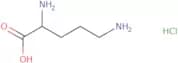
CAS:L-alanine 4-nitroanilide hydrochloride (H-Ala-pNAHCl) functions as a substrate for L-alanine aminopeptidase, an enzyme found in bacterial cell walls that catalyzes the cleavage of L-alanine from peptides. Notably, significant activity of L-alanine aminopeptidase is specific to gram-negative microbes. Thus, the utilization of H-Ala-pNAHCl can provide evidence for distinguishing between gram-positive and gram-negative organisms. When acted upon by L-alanine aminopeptide, it undergoes cleavage into L-alanine and 4-nitroanine, with the latter compound causing bacterial suspensions to exhibit a yellow coloration.Formula:C9H11N3O3•HClPurity:Min. 95%Color and Shape:PowderMolecular weight:245.66 g/molDL-Ornithine hydrochloride
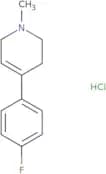
CAS:Ornithine hydrochloride (OHCl) is a food additive that functions as a cross-linking agent in polyvinyl chloride. OHCl is used to modify the properties of polyvinyl chloride, such as thermal expansion and viscosity. It also functions as an effective dose for preventing radiation and is often used in sample preparation of histidine. OHCl reacts with hydrochloric acid to form the solute ornithine hydrochloride, which can be used to study the optical properties of this compound. Ornithine hydrochloride has been shown to have anti-inflammatory effects when administered intravenously due to its ability to inhibit cyclooxygenase enzymes.Formula:C5H12N2O2•HClPurity:One SpotColor and Shape:PowderMolecular weight:168.62 g/mol4-(4-Fluorophenyl)-1,2,3,6-tetrahydro-1-methylpyridine hydrochloride (1:1)
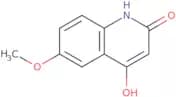
CAS:4-(4-Fluorophenyl)-1,2,3,6-tetrahydro-1-methylpyridine hydrochloride (1:1) is a neuroleptic drug that has analgesic and antihistaminic effects. It is an alkylthio compound that inhibits serotonin release from the pre-synaptic neuron. 4-(4-Fluorophenyl)-1,2,3,6-tetrahydro-1-methylpyridine hydrochloride (1:1) also blocks the uptake of dopamine by nerve cells in the brain and prevents its conversion to norepinephrine. This medicine acts as an antagonist for both alpha and beta receptors because it binds to the benzene ring of these neurotransmitters. The alpha receptor antagonist properties of this drug are due to its ability to prevent norepinephrine from binding with alpha receptors on muscle cells. The beta receptor antagonist properties are due to its abilityFormula:C12H14FN•HClPurity:Min. 95%Color and Shape:PowderMolecular weight:227.71 g/mol2,4-Dihydroxy-6-methoxyquinoline
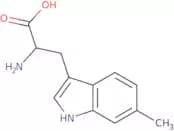
CAS:2,4-Dihydroxy-6-methoxyquinoline is a compound that exhibits antifungal properties. It has been shown to have activity against Aspergillus flavus, Aspergillus fumigatus, Candida albicans and other fungi. 2,4-Dihydroxy-6-methoxyquinoline also inhibits the growth of E. coli and A. aureus in vitro. Elemental analysis showed that this compound possesses antibacterial properties and can inhibit the growth of Staphylococcus aureus.Formula:C10H9NO3Purity:Min. 95%Color and Shape:PowderMolecular weight:191.18 g/mol6-Methyl-DL-tryptophan
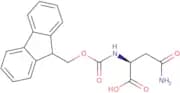
CAS:6-Methyl-DL-tryptophan is a naturally occurring amino acid that is used as a precursor in the synthesis of the neurotransmitter serotonin. 6-Methyl-DL-tryptophan is synthesized from the amino acid L-tryptophan by the enzyme tryptophan synthase. It is also found in dietary sources such as nuts and seeds, but not in significant quantities. 6-Methyl-DL-tryptophan has been shown to inhibit cancer cells in vitro and has been shown to be effective against prostate cancer cells. The inhibition mechanism for this drug has not yet been elucidated, but it may be due to frameshifting and/or inhibition of protein synthesis.Formula:C12H14N2O2Purity:Min. 95%Color and Shape:White PowderMolecular weight:218.25 g/molFmoc-L-Asn-OH
CAS:Fmoc-L-Asn-OH is an organic compound that belongs to the group of amides. It reacts with a reactive site in the molecule and is able to form an amide bond. Fmoc-L-Asn-OH has been shown to be effective in the treatment of Alzheimer's disease by inhibiting the formation of beta-amyloid plaques. This compound has also been shown to have a role in cancer prevention, as it can inhibit tumor growth and reduce tumor size. Fmoc-L-Asn-OH can be used as a potential antiinflammatory agent because its mechanism studies have revealed that it inhibits prostaglandin synthesis.Formula:C19H18N2O5Purity:Min. 95%Color and Shape:PowderMolecular weight:354.36 g/molD-Alanine amide hydrochloride
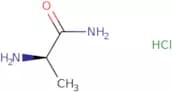
CAS:D-Alanine amide hydrochloride is a molecule that belongs to the class of organic solvents. It is a chiral compound with high specificity for d-alanine. D-Alanine amide hydrochloride has been shown to block bacterial strains such as Acinetobacter, Ochrobactrum and Stenotrophomonas maltophilia. This drug also inhibits the growth of bacteria by binding to the active site of enzymes, preventing them from catalyzing reactions. The stereoselectivity of this drug is due to its pharmacophore that mimics the three amino acids found in d-alanine: an amide, an aliphatic chain, and a hydroxyl group.Formula:C3H8N2O·HClColor and Shape:White Off-White PowderMolecular weight:124.57 g/molL-Leucine benzyl ester 4-toluenesulfonate salt
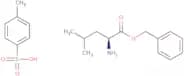
CAS:Ubenimex is a synthetic bile acid analog that inhibits the synthesis of bile acids by inhibiting the enzyme HMG-CoA reductase. Ubenimex has been shown to be effective against certain types of tumor cells and may have potential as an anticancer drug. It also has been shown to inhibit the growth of aziridines, which are intermediates in the synthesis of bile acid derivatives. Ubenimex may induce apoptosis by activating pro-apoptotic protein Bax, thus causing cell death. This compound also can form conjugates with glutathione, which may protect ubenimex from degradation by cytochrome P450 enzymes in the liver.Formula:C13H19NO2·C7H8O3SPurity:Min. 97 Area-%Color and Shape:PowderMolecular weight:393.5 g/molN-Methyl-2-pyrrolidone
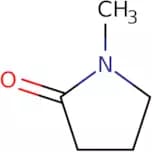
CAS:N-Methyl-2-pyrrolidone is a solvent that is used in the production of polymers, paints, and other products. It has been shown to be a potent inducer of cardiac arrhythmias in rats. N-Methyl-2-pyrrolidone also has been shown to have a linear calibration curve for electrochemical impedance spectroscopy (EIS) data from 0.1 M to 5 M. This property makes it useful for determining reaction mechanisms and surface methodology. NMP has been shown to have constant pressure experimental solubility data, which can be used for thermodynamic data and high resistance values. NMP is not toxic to humans or animals at concentrations up to 2000 mg/kg body weight, but it does cause congestive heart failure in rats at doses of 500 mg/kg body weight or higher.Formula:C5H9NOPurity:Min. 98 Area-%Color and Shape:Colorless Clear LiquidMolecular weight:99.13 g/mol2-Chloro-N-(3-chloro-4-methylphenyl)propanamide
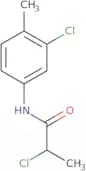
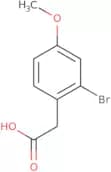
CAS:Please enquire for more information about 2-Chloro-N-(3-chloro-4-methylphenyl)propanamide including the price, delivery time and more detailed product information at the technical inquiry form on this pageFormula:C10H11Cl2NOPurity:Min. 95%Molecular weight:232.11 g/mol2-(2-Bromo-4-methoxyphenyl)acetic acid
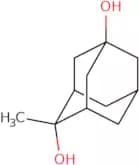
CAS:2-(2-Bromo-4-methoxyphenyl)acetic acid is a versatile building block that is used as a research chemical, reaction component, and reagent. It is also used as a speciality chemical and complex compound. This compound has the CAS number 66916-99-2.Formula:C9H9BrO3Color and Shape:SolidMolecular weight:245.07 g/mol5-Hydroxy-2-methyl-2-adamantanol
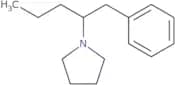
CAS:5-Hydroxy-2-methyl-2-adamantanol is a fine chemical that is used as a building block in research and development of various products. It can be used to make other substances, such as pharmaceuticals and cosmetics. 5-Hydroxy-2-methyl-2-adamantanol is also a versatile intermediate in the synthesis of complex molecules, such as peptides and polymers. This product is soluble in water and has a high quality standard. It is also an excellent reagent for many reactions, such as condensation, esterification, nitration, oxidation, reduction, and decarboxylation.Formula:C11H18O2Purity:Min. 95%Molecular weight:182.26 g/molProlintane
CAS:Controlled ProductProlintane is a pharmacological agent that is used for the treatment of bowel disease. It is a strong inhibitor of the enzyme histamine N-methyltransferase and has been shown to be effective in treating ulcerative colitis. Prolintane also inhibits the uptake of dopamine, which may be responsible for its depressant effect. This drug is used as an analytical reference standard to measure the activity of enzymes such as acetylcholinesterase and butyrylcholinesterase, which break down neurotransmitters such as acetylcholine and butyrylcholine respectively. Prolintane can be used in clinical trials to measure the effectiveness of drugs against symptoms associated with inflammatory bowel disease or diabetic neuropathy. The drug should be diluted with sodium citrate before use to avoid precipitation.Formula:C15H23NPurity:Min. 95%Color and Shape:Colorless PowderMolecular weight:217.35 g/molγ-L-Glutamyl-L-glutamic acid trifluoroacetate
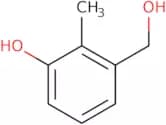
CAS:Please enquire for more information about γ-L-Glutamyl-L-glutamic acid trifluoroacetate including the price, delivery time and more detailed product information at the technical inquiry form on this pageFormula:C10H16N2O7•C2HF3O2Purity:Min. 95%Molecular weight:390.27 g/mol3-Hydroxy-2-methylbenzyl alcohol
CAS:3-Hydroxy-2-methylbenzyl alcohol is a solvent with a high molecular weight. It is insoluble in water and has good solvency power for organic solvents. 3-Hydroxy-2-methylbenzyl alcohol has anisotropy, which means it can rotate the plane of polarization of light passing through it. 3-Hydroxy-2-methylbenzyl alcohol is used as a reagent to measure the degree of birefringence, which is the property of crystalline materials that causes light passing through them to split into two rays with different polarizations. This property can be used to identify the type and size of chains in crystals. 3HMBAA has been shown to be soluble in organic solvents, but not in water or other nonpolar solvents. The theory behind this is that molecules are generally more soluble in liquids similar to themselves than they are in liquids that are dissimilar from themselves. HelFormula:C8H10O2Purity:Min. 95%Color and Shape:Off-White PowderMolecular weight:138.16 g/mol3'-Iodo-4'-methoxyacetophenone
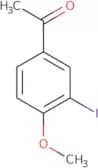
CAS:3'-Iodo-4'-methoxyacetophenone is a chemical compound that is used in the synthesis of other organic compounds. It is a byproduct of the reaction between acetophenone and iodomethane. 3'-Iodo-4'-methoxyacetophenone is soluble in most solvents, such as ethanol, ether, chloroform, and acetone. The compound has a CAS number of 79324-77-9.
Formula:C9H9IO2Purity:Min. 95%Color and Shape:PowderMolecular weight:276.07 g/molN-Acetyl-L-alanine 4-nitroanilide
CAS:N-Acetyl-L-alanine 4-nitroanilide is a drug that belongs to the class of drugs called anticholinergics. It is used to treat various symptoms, such as asthma and other respiratory disorders, chronic obstructive pulmonary disease, emphysema, bronchitis, and other lung diseases. N-Acetyl-L-alanine 4-nitroanilide has been shown to have clinical relevance in the treatment of autoimmune diseases such as rheumatoid arthritis and systemic lupus erythematosus. The drug can also be used to treat clinical studies involving intubation. Drug interactions are possible with cardiac medications and antihistamines. It should not be taken by people who have a body mass index over 30 or those who have a history of cardiac problems or heart disease. The drug also interacts with heparin and nitrates, which can lead to an increased risk of irregular heartbeat or chest pain.
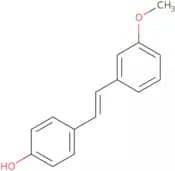
Formula:C11H13N3O4Purity:Min. 95%Color and Shape:Off-White PowderMolecular weight:251.24 g/mol4-Hydroxy-3'-methoxystilbene
CAS:4-Hydroxy-3'-methoxystilbene is a chemical that is used as a reaction component or reagent in the synthesis of other compounds. It can be used as a building block for the synthesis of complex molecules and fine chemicals. 4-Hydroxy-3'-methoxystilbene is an intermediate for the production of high quality research chemicals. It has been reported to be useful in the synthesis of pharmaceuticals, agrochemicals, and pesticides.Formula:C15H14O2Purity:Min. 95%Color and Shape:White PowderMolecular weight:226.27 g/molL-Leucine, USP
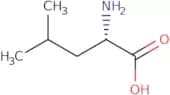
CAS:Amino acid
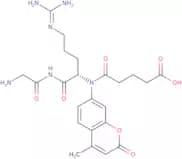
Formula:C6H13NO2Purity:98.5 To 101.5%Color and Shape:White PowderMolecular weight:131.17 g/molGlutaryl-Gly-Arg-AMC hydrochloride salt
CAS:Glutaryl-Gly-Arg-AMC hydrochloride salt is a high quality, fine chemical reagent that is useful as a building block, scaffold or intermediate. It has been used in the synthesis of other complex compounds and has been shown to have potential for use in drug discovery research. Glutaryl-Gly-Arg-AMC hydrochloride salt is a versatile building block that can be used in reactions that require the presence of an amine group, such as peptide coupling. This reagent can also be used to modify the functional groups on small molecules, such as aldehydes and carboxylic acids. Glutaryl-Gly-Arg-AMC hydrochloride salt is also useful as a reaction component in the synthesis of speciality chemicals, such as pharmaceuticals and agrochemicals.Formula:C23H30N6O7•HClPurity:Min. 95 Area-%Color and Shape:PowderMolecular weight:538.98 g/mol(13C2,15N)Glycine
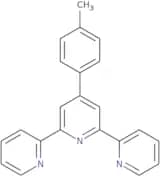
CAS:Glycine is an amino acid that is found in the human blood. It is a non-essential amino acid and has a high level of stability. Glycine can be used as an untreated control to measure the stability of other compounds; it has been shown to be stable for up to six months at room temperature and for more than one year when frozen. Glycine is not found in any food sources, but can be synthesized by the body from other amino acids. The following are sample product descriptions: Rifapentine Rifapentine is an anti-tuberculosis drug that belongs to the class of rifamycins. It is the most active of the rifamycins for the treatment of tuberculosis. Rifapentine inhibits bacterial growth by binding to DNA-dependent RNA polymerase, thereby preventing transcription and replication. The high frequency of human activity has been shown using a patch-clamp technique on humanPurity:Min. 95%Color and Shape:PowderMolecular weight:77.99 g/mol4'-(4-Methylphenyl)-2,2':6',2''-terpyridine
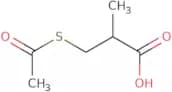
CAS:4'-(4-Methylphenyl)-2,2':6',2''-terpyridine (TPEN) is a chemical compound with anti-cancer properties that has been shown to induce apoptosis in cancer cells. TPEN also inhibits the growth of tumor cells by interacting with mitochondria and inducing mitochondrial dysfunction. TPEN synergistically induces death in neuronal cells when combined with other agents that are known to cause neuronal cell death. In vivo studies have shown that TPEN produces neuroprotective effects at normoxic temperatures, but can be toxic at hyperthermic temperatures.Formula:C22H17N3Purity:Min. 95%Color and Shape:PowderMolecular weight:323.39 g/mol3-Acetylthio-2-methylpropanoic acid
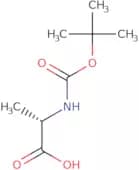
CAS:3-Acetylthio-2-methylpropanoic acid is a byproduct of the reaction between sodium sulfide and acetyl chloride. When 3-acetylthio-2-methylpropanoic acid is reacted with an enzyme, it inhibits the enzyme’s ability to catalyze a reaction. 3-Acetylthio-2-methylpropanoic acid is an enantiomer of 2,3,4,5,6-pentaacetylthiopropionic acid. 3-Acetylthio-2-methylpropanoic acid has been shown to inhibit the activity of the enzyme choline kinase from rat liver. The inhibition of this enzyme prevents the formation of phosphatidylcholine (PC) in fat cells. This product can also be used as a derivatizing agent for gas chromatography in order to identify compounds with similar structures.Formula:C6H10O3SPurity:Min. 95%Color and Shape:PowderMolecular weight:162.21 g/molBoc-L-alanine
CAS:Boc-L-alanine is an amino acid that is used as a building block in the synthesis of peptides and proteins. It has been shown to be stable at high temperatures and to form complexes with sephadex g-100. Boc-L-alanine has also been shown to have antimicrobial activity against Gram-positive bacteria, such as Staphylococcus aureus and Streptococcus pneumoniae, and Gram-negative bacteria, such as Pseudomonas aeruginosa. This compound can act as a hydrogen bond donor or acceptor depending on the other molecule it interacts with. Boc-L-alanine hydrochloride is an ester of boc-L-alanine and hydrochloric acid that has been activated by trifluoroacetic acid. The hydroxyl group on the molecule can react with hydrogen fluoride to form an ester hydrochloride.Formula:C8H15NO4Purity:Min. 98 Area-%Color and Shape:White Off-White PowderMolecular weight:189.21 g/molACTH(1-39) trifluoroacetate
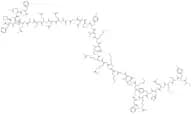
CAS:ACTH(1-39) trifluoroacetate is a synthetic form of ACTH that is used for the diagnosis of autoimmune diseases and bowel disease. It is also used to assess the function of the adrenal gland in cases of suspected Cushing's syndrome. The blood sampling procedure involves withdrawing a small amount of blood from the patient and adding ACTH(1-39) trifluoroacetate to it, which causes an increase in cortisol concentration. ACTH(1-39) trifluoroacetate binds to corticotropin receptors on cells in the body, causing them to release basic proteins that are responsible for inflammation. This drug may be a potential biomarker for metabolic disorders such as obesity. It has been shown to have anti-inflammatory properties and can be used as a nonsteroidal anti-inflammatory drug (NSAID).
Formula:C207H308N56O58SPurity:Min. 98 Area-%Color and Shape:PowderMolecular weight:4,541.07 g/molBoc-2-aminobenzoic acid
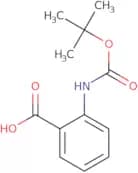
CAS:Boc-2-aminobenzoic acid is a synthetic amino acid that can be used for the synthesis of recombinant proteins. It contains lysine residues, which are often used in protein engineering. This product is hydrolyzed to form a chloride gas and a hydrochloride salt by the enzyme chloridase. The hydrolysis proceeds through an amine intermediate and proceeds with a rate that is first order in chloride gas and second order in Boc-2-aminobenzoic acid. The kinetic constants for this reaction have been determined using fluorescence resonance energy transfer (FRET) spectroscopy on the solid phase.
Formula:C12H15NO4Purity:Min. 95%Color and Shape:PowderMolecular weight:237.25 g/molDL-Tyrosine
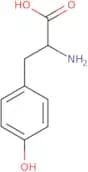
CAS:DL-Tyrosine is a non-essential amino acid that can be synthesized in the body from phenylalanine or obtained from food. DL-Tyrosine is a precursor of the neurotransmitter dopamine, which is involved in regulating mood, movement, and cognitive functions. DL-Tyrosine has been shown to inhibit the conversion of tyrosine to 3,4-dihydroxyphenylacetic acid (DOPAC) by dopamine β-hydroxylase. Tyrosine also prevents the formation of reactive oxygen species due to its chemical stability and ability to scavenge free radicals. DL-Tyrosine may have implications for treating Parkinson's disease, ADHD, depression, and chronic fatigue syndrome.
Formula:C9H11NO3Purity:Min. 95%Color and Shape:PowderMolecular weight:181.19 g/molFmoc-L-Trp-OH
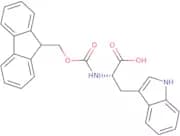
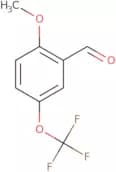
CAS:Fmoc-L-Trp-OH is an amide that contains a low bioavailability and inhibits the transfer of amino acids to ribosomes. It has been shown to inhibit the growth of cancer cells in cell culture and to have antimicrobial activity. Fmoc-L-Trp-OH is synthesized by reacting Naphthalene with glycine, followed by hydrolysis of the ester group under trifluoroacetic acid. The product is then conjugated with a polypeptide. This method of synthesis was developed as a way to produce peptides that are difficult to synthesize using solid-phase chemistry.Formula:C26H22N2O4Purity:Min. 95%Color and Shape:PowderMolecular weight:426.46 g/mol2-Methoxy-5-(trifluoromethoxy)benzaldehyde
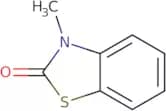
CAS:2-Methoxy-5-(trifluoromethoxy)benzaldehyde is a tachykinin antagonist that inhibits the binding of neurokinin to its receptor with high affinity. This compound has shown potential as a drug for the treatment of pain and other conditions such as asthma, allergies, and depression. The efficacy of 2-methoxy-5-(trifluoromethoxy)benzaldehyde has been demonstrated in high-throughput screening for the detection of nk1 receptor antagonists. Further studies have shown that modification of this molecule may increase its potency and reduce side effects.Formula:C9H7F3O3Purity:Min. 95%Color and Shape:Clear LiquidMolecular weight:220.15 g/mol3-Methyl-2(3H)-benzothiazolone
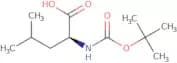
CAS:3-Methyl-2(3H)-benzothiazolone is a trifluoroacetic acid derivative that inhibits the activity of enzymes, such as propranolol hydrochloride, that are involved in the metabolism of coumarin derivatives. The inhibition of these enzymes leads to an increase in the serum concentration of coumarin. 3-Methyl-2(3H)-benzothiazolone is used in pharmaceutical preparations and has been shown to produce kinetic effects with methyl ethyl ketones.Formula:C8H7NOSPurity:Min. 95%Color and Shape:PowderMolecular weight:165.21 g/moltert-Butoxycarbonyl-L-leucine
CAS:Tert-Butoxycarbonyl-L-leucine (tBOC-LL) is a tetrapeptide that is used as a drug substance in the synthesis of buserelin, a synthetic peptide hormone. It has been shown to have high reactivity in organic solvents and can be used in cationic polymerization reactions. tBOC-LL has been used to synthesize helical structures with high purity and yield. As it is not an amino acid, tBOC-LL does not occur naturally and must be synthesized.
Tert-Butoxycarbonyl-L-leucine (tBOC-LL) is available from Sigma Aldrich Chemie GmbH & Co KG as:Formula:C11H21NO4Purity:Min. 98 Area-%Color and Shape:White PowderMolecular weight:231.29 g/molAc-Lys-AMC acetate salt
CAS:Ac-Lys-AMC acetate salt is a fine chemical that is used as a building block in biological research. It is a versatile building block that can be used in the synthesis of complex compounds, and as a reaction component for the production of useful intermediates. Ac-Lys-AMC acetate salt is also used as a reagent in the detection of nucleic acids.Formula:C18H23N3O4•C2H4O2Purity:Min. 98 Area-%Color and Shape:PowderMolecular weight:405.44 g/mol9-[[[4-[(2,5-Dioxo-1-pyrrolidinyl) oxy]-4-oxobutyl][(4-methylphenyl) sulfonyl]amino]carbonyl]-10- (3-sulfopropyl)-acridinium inner salt
CAS:9-[(4-Methylphenyl) sulfonyl]amino]carbonyl]-10-[3-sulfopropyl)-acridinium inner salt is a synthetic antigen that is conjugated to an acridinium moiety. The 9-[[[4-[(2,5-Dioxo-1-pyrrolidinyl) oxy]-4-oxobutyl][(4-methylphenyl) sulfonyl]amino]carbonyl]-10-(3-sulfopropyl)-acridinium inner salt antigen has been shown to be effective for the detection of antibodies to the human immunodeficiency virus type 1 (HIV-1). It has a high affinity for both CD4 and CD8 T cells, which are important in the immune response to HIV infection. The 9-[(4-methylphenyl) sulfonyl]amino]carbonyl]-10-[3Formula:C32H31N3O10S2Purity:Min. 95 Area-%Color and Shape:PowderMolecular weight:681.73 g/molN,N-Bis(2-hydroxyethyl)-p-phenylenediamine sulphate
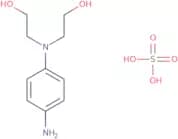
CAS:N,N-Bis(2-hydroxyethyl)-p-phenylenediamine sulphate is a chemical that is used in the production of textile dyes. It has been shown to have haematological and histological effects on rats, but it is not known whether these effects are also present in humans. The compound can cause irritation of the skin and eyes. In vivo studies have shown that exposure to N,N-bis(2-hydroxyethyl)-p-phenylenediamine sulphate can lead to DNA damages and histological changes in the liver and kidney. The use of this substance should be terminated if it shows any signs of being an irritant or damaging to tissues.Formula:C10H16N2O2·H2SO4Purity:Min. 95%Color and Shape:White PowderMolecular weight:294.33 g/molH-Glu(Val-OH)-OH
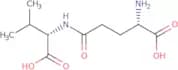
CAS:H-Glu(Val-OH)-OH is a synthetic form of l-glutamic acid. It increases the activity of glutamyl synthetase, which is an enzyme that regulates the synthesis of glutathione. H-Glu(Val-OH)-OH has been shown to have anticarcinogenic effects in animal studies. This compound also inhibits the synthesis of alpha-tocopherol, which is a molecule that protects against oxidative stress and is essential for maintaining cell membranes. H-Glu(Val-OH)-OH may be useful as a dietary supplement for individuals with low body mass index (BMI) or cancer patients undergoing chemotherapy. H-Glu(Val-OH)-OH may be used to treat obesity by increasing energy expenditure and decreasing appetite, although it does not affect glucose levels in mice. The mechanism by which this compound affects obesity is yet unknown, but it may be due to its ability to activate proinflammatory cytokines such as TNFα
Formula:C10H18N2O5Purity:Min. 98 Area-%Color and Shape:White Off-White PowderMolecular weight:246.26 g/mol







![9-[[[4-[(2,5-Dioxo-1-pyrrolidinyl) oxy]-4-oxobutyl][(4-methylphenyl) sulfonyl]amino]carbonyl]-10- …](/_next/image/?url=https%3A%2Fstatic.cymitquimica.com%2Fproducts%2F3D%2Fthumb-webp%2FFD106522.webp&w=3840&q=75)