Amino Acids (AA)
Subcategories of "Amino Acids (AA)"
- Amino Acid Derivatives(4,017 products)
- Amino Acid and Amino Acid Related Compounds(3,491 products)
- Amino Acids with Oxygen or Sulphur(168 products)
- Boc- Amino Acids(351 products)
- Fmoc Amino Acids(1,710 products)
Found 38388 products of "Amino Acids (AA)"
Biotinyl-pTH (1-34) (human) trifluoroacetate salt
CAS:Please enquire for more information about Biotinyl-pTH (1-34) (human) trifluoroacetate salt including the price, delivery time and more detailed product information at the technical inquiry form on this pageFormula:C191H305N57O53S3Purity:Min. 95%Molecular weight:4,344.02 g/mol(D-Arg1,D-Trp5·7·9,Leu11)-Substance P
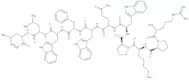
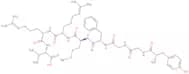
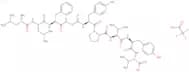
CAS:Substance P is a potent inhibitor of lung cancer cells, which may be due to its ability to signal through the cell membrane. It inhibits the growth of lung cancer cells by inhibiting signal transduction, leading to decreased cell proliferation and increased apoptosis. This product also has strong anti-inflammatory properties that can be used for the treatment of inflammatory diseases such as asthma.Formula:C81H110N20O12Purity:Min. 95%Molecular weight:1,555.87 g/molZ-NHNH2·HCl
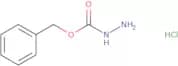
CAS:Z-NHNH2·HCl is an amide containing a tetrapeptide. It has been used as a diagnostic agent for the detection of caerulein, a peptide that is produced by the pancreas in response to the presence of cholecystokinin (CCK). The monomers were prepared by reacting azide with benzyl chloroacetanilides and then cyclizing the product with triethylene glycol. The soybean extract was hydrolyzed with HCl to produce Z-NHNH2·HCl.
Formula:C8H10N2O2·HClPurity:Min. 95%Molecular weight:202.64 g/molMyelin Basic Protein (85-99) Peptide Antagonist trifluoroacetate salt
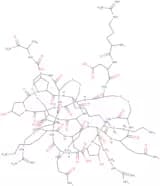
CAS:Please enquire for more information about Myelin Basic Protein (85-99) Peptide Antagonist trifluoroacetate salt including the price, delivery time and more detailed product information at the technical inquiry form on this pageFormula:C70H114N18O21Purity:Min. 95%Molecular weight:1,543.76 g/molµ-Conotoxin GIIIA
CAS:Controlled ProductConotoxins are peptides that can bind to specific receptors on the surface of cells. Their function is to regulate ion channels and thus affect cellular physiology. Conotoxin GIIIA is a disulfide-bonded peptide with a molecular weight of 5808 Da. It has been shown to inhibit Na+ channel activity in human serum, and may have diagnostic and therapeutic applications for diseases such as epilepsy. The amino acid sequence of conotoxin GIIIA is Arg-Asp-Cys-Cys-Thr-Hyp-Hyp-Lys-Lys-Cys-Lys-Asp-Arg-Gln-Cys (NH2)Formula:C100H170N38O32S6Purity:Min. 95%Molecular weight:2,609.05 g/molL-m-Tyrosine
CAS:L-m-Tyrosine is a nonessential amino acid that is synthesized from phenylalanine. It has been shown to have antioxidant properties and protects against oxidative injury by scavenging reactive oxygen species such as hydrogen fluoride. L-m-Tyrosine has also been shown to modulate dopamine levels in the brain and may be used in the treatment of Parkinson's disease. The biological effects of L-m-Tyrosine are mediated through the transcriptional regulation of genes encoding proteins involved in dopamine β-hydroxylase and hydrogen fluoride detoxification. L-m-Tyrosine is also an experimental model for studying drug resistance in bacteria, including methicillin resistant Staphylococcus aureus (MRSA).Formula:C9H11NO3Purity:Min. 98 Area-%Color and Shape:PowderMolecular weight:181.19 g/mol2-[(5-Bromo-2-methylphenyl)methyl]-5-(4-fluorophenyl)thiophe
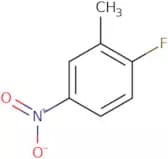
CAS:Intermediate in the synthesis of canagliflozinFormula:C18H14BrFSPurity:Min. 95%Molecular weight:361.27 g/mol4-Fluoro-3-methylnitrobenzene
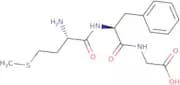
CAS:4-Fluoro-3-methylnitrobenzene is a carbazole that is used as a pesticide. It has been shown to be effective against typhimurium and other bacteria. The mechanism of action of this compound may involve nitrenium ion formation, which is an intermediate in the reaction of ammonium nitrate with calcium carbonate. 4-Fluoro-3-methylnitrobenzene has two isomers: 4-fluoro-3-methylnitrobenzoic acid and 4-fluoronitrobenzoic acid, but only the former reacts with ammonium nitrate. The reaction time for this compound to form carcinogenic nitrosamines can vary from about one day to several months. Chemical shift data for this compound reveal its radical mechanism, which explains its low efficiency. This compound also has optical properties that can cause fluorescence or phosphorescence when exposed to ultraviolet light or laser beams, respectively.Formula:C7H6FNO2Purity:Min. 95%Molecular weight:155.13 g/molH-Met-Phe-Gly-OH
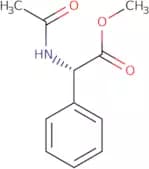
CAS:H-Met-Phe-Gly-OH is a hydrophobic amino acid. It has been shown to be present in human proteins, and it has been used as a marker for determining the sequence of amino acids in peptides. H-Met-Phe-Gly-OH is an acidic tripeptide that can be analysed using reversed phase high performance liquid chromatography (RPHPLC). This tripeptide is found in the peptide transporter, which transports amino acids across cellular membranes. The structural studies of H-Met-Phe-Gly-OH have revealed that this tripeptide has an alpha helix conformation, with two hydrogen bonds from the backbone amides to the backbone carbonyl groups.Formula:C16H23N3O4SPurity:Min. 95%Molecular weight:353.44 g/molAc-Phg-OMe
CAS:Please enquire for more information about Ac-Phg-OMe including the price, delivery time and more detailed product information at the technical inquiry form on this pageFormula:C11H13NO3Purity:Min. 95%Molecular weight:207.23 g/molC3d Peptide P16
CAS:C3d Peptide P16 H-Lys-Asn-Arg-Trp-Glu-Asp-Pro-Gly-Lys-Gln-Leu-Tyr-Asn-Val-Glu-Ala is a molecule that can be used as a diagnostic tool for cancer and other diseases. It is a hydroxylated analog of the amino acid Lysine, and has been shown to bind to tumor vasculature. C3d Peptide P16 H Lys Asn Arg Trp Glu Asp Pro Gly Lys Gln Leu Tyr Asn Val Glu Ala OH is a β amino acid with a carboxy terminal hydroxyl group. The reactive hydroxyl group reacts with other molecules in order to form conjugates, which are then attached to polymer surfaces for diagnostic purposes. C3d Peptide P16 H Lys Asn Arg Trp Glu Asp Pro Gly Lys GlFormula:C86H131N25O27Purity:Min. 95%Molecular weight:1,947.11 g/mol7-Methoxy-4-(trifluoromethyl)coumarin
CAS:7-Methoxy-4-(trifluoromethyl)coumarin is a potent and selective aromatase inhibitor. It inhibits the activity of the enzyme, which converts testosterone to estradiol. The inhibition of this enzyme may be beneficial in the treatment of breast cancer. This compound has also been shown to inhibit the activity of P450 enzymes and coumarin derivatives, which are involved in drug metabolism and detoxification.Formula:C11H7F3O3Purity:Min. 95%Molecular weight:244.17 g/molH-Met-Lys-OH formiate salt
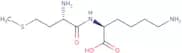
CAS:H-Met-Lys-OH formiate salt is an industrial chemical that can be used in the preparation of pharmaceutical preparations. It has been shown to have a potential to lower blood pressure and reduce the risk of cardiovascular diseases. H-Met-Lys-OH formiate salt is a lysine derivative that contains two amino acid residues, namely lysine and methionine. H-Met-Lys-OH formiate salt can be used as a therapeutic agent for prostate cancer by targeting tp53 mutations and radical prostatectomy. It can also be used as an antibacterial agent against gram-negative bacteria, such as Escherichia coli (E. coli).Formula:C11H23N3O3SPurity:Min. 95%Molecular weight:277.38 g/molBiotinyl-Pancreatic Polypeptide (human) trifluoroacetate salt
CAS:Please enquire for more information about Biotinyl-Pancreatic Polypeptide (human) trifluoroacetate salt including the price, delivery time and more detailed product information at the technical inquiry form on this page
Formula:C195H301N55O56S3Purity:Min. 95%Molecular weight:4,408.01 g/mol(Des-His1,Glu9)-Glucagon (1-29) amide (human, rat, porcine)
CAS:Please enquire for more information about (Des-His1,Glu9)-Glucagon (1-29) amide (human, rat, porcine) including the price, delivery time and more detailed product information at the technical inquiry form on this pageFormula:C148H221N41O47SPurity:Min. 95%Molecular weight:3,358.65 g/molKyotorphin acetate salt
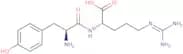
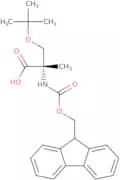
CAS:Please enquire for more information about Kyotorphin acetate salt including the price, delivery time and more detailed product information at the technical inquiry form on this pageFormula:C15H23N5O4Purity:Min. 95%Molecular weight:337.37 g/molFmoc-α-Me-Ser(tBu)-OH
CAS:Please enquire for more information about Fmoc-α-Me-Ser(tBu)-OH including the price, delivery time and more detailed product information at the technical inquiry form on this page
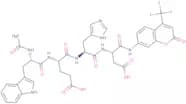
Formula:C23H27NO5Purity:Min. 95%Color and Shape:White PowderMolecular weight:397.46 g/molAc-Trp-Glu-His-Asp-AFC trifluoroacetate salt
CAS:Please enquire for more information about Ac-Trp-Glu-His-Asp-AFC trifluoroacetate salt including the price, delivery time and more detailed product information at the technical inquiry form on this page
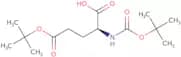
Formula:C38H37F3N8O11Purity:Min. 95%Molecular weight:838.74 g/molBoc-glu(OtBu)-OH
CAS:Boc-glu(OtBu)-OH is a synthetic substrate that is used in chemical diversity studies. It has been shown to be an important model system for the study of disaccharide uptake and metabolism. This substrate binds to lectins, which are proteins found on the surface of cells. Boc-glu(OtBu)-OH binds to oligosaccharides and human cervical carcinoma cells, as well as amide groups. Analytical methods have been developed to measure its uptake and metabolism.Formula:C14H25NO6Purity:Min. 98 Area-%Color and Shape:White Off-White PowderMolecular weight:303.35 g/molLeptin tifluoroacetic acid (150-167)
CAS:Leptin tifluoroacetic acid (150-167) is a diagnostic agent that can be used to measure leptin in vivo. Leptin tifluoroacetic acid (150-167) is an agonist for the leptin receptor, which has been shown to have effects on locomotor activity, body weight and body mass index in animals. Leptin tifluoroacetic acid (150-167) has also been shown to have anti-inflammatory properties and may be of use in the treatment of bowel diseases such as inflammatory bowel disease or bowel disease. Leptin tifluoroacetic acid (150-167) binds with high affinity to human fat cells, allowing it to be used as a marker for fat cell differentiation and energy metabolism. The main function of leptin is regulation of food intake and energy expenditure by acting on receptors in the brain, liver, muscle and other tissues.Formula:C87H138N22O28S2•(CF3CO2H)xPurity:Min. 95%Molecular weight:2,004.29 g/molFmoc-Gly-(Dmb)Gly-OH
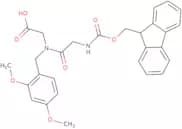
CAS:Fmoc-Gly-(Dmb)Gly-OH is a synthetic peptide that modulates cellular activity. It encompasses a wide range of activities, such as cancer cell growth and restenosis, fibroid tumors and bowel disease. Fmoc-Gly-(Dmb)Gly-OH has been shown to be an effective chemotherapeutic agent in the treatment of age-related macular degeneration and retinopathy. It also inhibits inflammatory bowel disease and infarction by restricting the production of inflammatory cytokines, such as TNFα, IL1β, and IL6. Fmoc-Gly-(Dmb)Gly-OH can be used to treat endometriosis by inhibiting angiogenesis in the uterus.
Formula:C28H28N2O7Purity:Min. 95%Molecular weight:504.53 g/molMetorphamide (free acid)
CAS:Please enquire for more information about Metorphamide (free acid) including the price, delivery time and more detailed product information at the technical inquiry form on this pageFormula:C44H68N14O10SPurity:Min. 95%Molecular weight:985.17 g/molFA-Arg-Leu-OH
CAS:Please enquire for more information about FA-Arg-Leu-OH including the price, delivery time and more detailed product information at the technical inquiry form on this page
Formula:C19H29N5O5Purity:Min. 95%Molecular weight:407.46 g/molH-Lys-Leu-OH·HBr
CAS:Please enquire for more information about H-Lys-Leu-OH·HBr including the price, delivery time and more detailed product information at the technical inquiry form on this page
Formula:C12H25N3O3·HBrPurity:Min. 95%Molecular weight:340.26 g/molH-Leu-Trp-Leu-OH
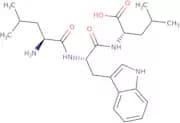
CAS:H-Leu-Trp-Leu-OH is a tryptophan protease that has been shown to have aminopeptidase activity. It can be used in the treatment of intestinal inflammation, as well as other conditions where it is desirable to reduce the concentration of amino acid precursors. The oxidation products of H-Leu-Trp-Leu-OH are antigenic and can be used for the detection of this enzyme in biological fluids. Hplc analysis can identify tripeptides formed by H-Leu-Trp-Leu-OH, which are then cleaved by other enzymes. This process creates a radioactive product that can be detected using radiation or microscopy. Immunoaffinity chromatography is also able to isolate H-Leu-Trp-Leu-OH from biological fluids. Monoclonal antibodies against this enzyme have been shown to inhibit ectoenzymes such as lipases and phospholipFormula:C23H34N4O4Purity:Min. 95%Molecular weight:430.54 g/molH-Phe-beta-Ala-OH
CAS:H-Phe-beta-Ala-OH is a dipeptide analog of dermorphin. It has been shown to be an antinociceptive agent in the tail-flick test, and also inhibits the effects of naloxone, an opioid antagonist. H-Phe-beta-Ala-OH may be an effective analgesic that could be used as a substitute for morphine.Formula:C12H16N2O3Purity:Min. 95%Molecular weight:236.27 g/molZ-Val-Phe-OMe
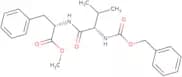
CAS:Z-Val-Phe-OMe is an efficient method for the synthesis of a benzyl ester, which is a precursor to the anti-leishmanial drug Z-Val-Phe. The reaction is carried out in chloroform in the presence of ethyl or benzyl esters and ammonium chloride. This methodology was developed to provide a systematic approach to synthesize this compound. The reaction proceeds through a serine protease catalyzed hydrolysis of the amide bond on the surface of leishmania. Kinetic data shows that Z-Val-Phe-OMe has an IC50 value of 0.87 μM for leishmania and is more active than Z-Val-Phe against L. major, L. mexicana, and L. braziliensis strains.
Formula:C23H28N2O5Purity:Min. 95%Molecular weight:412.48 g/mol3-(2,6-Dichlorophenyl)-5-methylisoxazole-4-carbonyl chloride
CAS:3-(2,6-Dichlorophenyl)-5-methylisoxazole-4-carbonyl chloride is a chlorinated, thermosetting emulsifier that is used in the production of pressure sensitive adhesives. This compound has a high viscosity and is used as a retardant and an emulsifier. It is also used as a trichloride to produce vinyl chloride monomer. 3-(2,6-Dichlorophenyl)-5-methylisoxazole-4-carbonyl chloride inhibits the growth of bacteria by acting as an antimicrobial agent. The mechanism of action for this compound is not fully understood but it has been shown to inhibit protein synthesis in bacteria.Formula:C11H6Cl3NO2Purity:Min. 95%Molecular weight:290.53 g/molH-Phe-2-chlorotrityl resin (200-400 mesh) (Low Substitution)
Please enquire for more information about H-Phe-2-chlorotrityl resin (200-400 mesh) (Low Substitution) including the price, delivery time and more detailed product information at the technical inquiry form on this pagePurity:Min. 95%H-Glu-Glu-Lys-Leu-Ile-Val-Val-Ala-Phe-OH trifluoroacetate salt
CAS:Please enquire for more information about H-Glu-Glu-Lys-Leu-Ile-Val-Val-Ala-Phe-OH trifluoroacetate salt including the price, delivery time and more detailed product information at the technical inquiry form on this pageFormula:C50H82N10O14Purity:Min. 95%Molecular weight:1,047.25 g/molFmoc-Ala-Wang resin (200-400 mesh)
Wang resins are the standard supports for the synthesis of peptide acids by solid phase synthesis (SPS) using the Fmoc strategy.Fmoc protected amino acids are linked to Polystyrene-PHB - which is Wang resin consisting of 1% crosslinked polystyrene functionalized with the TFA labile p-benzyloxybenzyl alcohol linker.
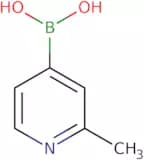
Purity:Min. 95%2-Methylpyridine-4-boronic acid
CAS:2-Methylpyridine-4-boronic acid is a reactive molecule that has been used in post-column derivatization and vivo studies. It has been shown to be reactive with mass spectrometric analysis, cancer assays, proteomics, and tumorigenic sample preparation. It also has been shown to have a molecular target of the cytochrome P450 reductase (CPR), which is involved in the metabolism of drugs and other xenobiotics. 2-Methylpyridine-4-boronic acid binds to CPR and inhibits its enzymatic activity, thereby affecting the metabolism of xenobiotics.
Formula:C6H8BNO2Purity:Min. 95%Color and Shape:White PowderMolecular weight:136.94 g/molH-Arg-Trp-NH2·2 HCl
CAS:Please enquire for more information about H-Arg-Trp-NH2·2 HCl including the price, delivery time and more detailed product information at the technical inquiry form on this pageFormula:C17H25N7O2·2HClPurity:Min. 95%Molecular weight:432.35 g/mol4-[(4-Methylpiperazin-1-yl)methyl]benzoic acid
CAS:4-[(4-Methylpiperazin-1-yl)methyl]benzoic acid is an organic compound. It is a white solid that is insoluble in water but soluble in organic solvents. The molecule has a molecular weight of 224.8 g/mol and contains a carbonyl group and amine functional groups. 4-[(4-Methylpiperazin-1-yl)methyl]benzoic acid can be prepared by the acylation of 4-(aminomethyl)-benzoic acid with imidazole hydrochloride in the presence of sodium carbonate as a base.Formula:C13H18N2O2Purity:Min. 95%Molecular weight:234.29 g/molH-Lys(Mtt)-2-chlorotrityl resin (200-400 mesh)
Please enquire for more information about H-Lys(Mtt)-2-chlorotrityl resin (200-400 mesh) including the price, delivery time and more detailed product information at the technical inquiry form on this pagePurity:Min. 95%H-Gly-Gly-Glu-Ala-OH
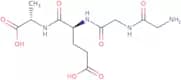
CAS:H-Gly-Gly-Glu-Ala-OH is a carboxylate. It has been shown to be an ionizable molecule with a proton that can exist in either the hydrated or dehydrated form. The proton of the carboxylate group can move between the two forms and the ionization state depends on pH and temperature. H-Gly-Gly-Glu-Ala-OH is a linear peptide, which means it has an amide group and a residue at each end of the chain. Each of these residues has specific conformations, which are impacted by intramolecular hydrogen bonds. These conformations play a role in determining its pharmacological properties, as well as its function in structural biology and magnetic resonance techniques. H-Gly-Gly-Glu-Ala-OH also has population distribution studies that have been used for diffraction analyses, as well as for titration experiments.
Formula:C12H20N4O7Purity:Min. 95%Molecular weight:332.31 g/molAc-Asp(Glu-OH)-OH
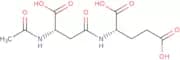
CAS:Ac-Asp(Glu-OH)-OH is a low potency, but potentiating compound that binds to the cell cytoplasm. It inhibits the uptake of glutamate into the synaptic cleft by binding to acidic granules. This compound may be neuroprotective and inhibit prostate carcinoma growth. Ac-Asp(Glu-OH)-OH has also been shown to inhibit postsynaptic potentials and decrease glutamate release in cerebellar granule cells.
Formula:C11H16N2O8Purity:Min. 95%Molecular weight:304.25 g/molOxyntomodulin (bovine, dog, porcine) trifluoroacetate salt
CAS:Please enquire for more information about Oxyntomodulin (bovine, dog, porcine) trifluoroacetate salt including the price, delivery time and more detailed product information at the technical inquiry form on this pageFormula:C192H295N59O60SPurity:Min. 95%Molecular weight:4,421.82 g/molBoc-D-Phe-Pro-Arg-OH
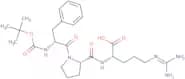
CAS:Boc-D-Phe-Pro-Arg-OH is a receptor binding molecule that belongs to the family of serine proteases. It has been shown to be reactive with multi-walled carbon nanotubes and fatty acids, making it useful for analytical chemistry, processing and amplification. The Boc-D-Phe-Pro-Arg-OH molecule binds to carbohydrate molecules in a way that mimics the action of an enzyme. This binding activates markers and triggers a reaction that produces hydrogen bonds between the target and the substrate. Boc-D-Phe-Pro-Arg-OH has been shown to have high affinity for serine protease receptors.
Formula:C25H38N6O6Purity:Min. 95%Molecular weight:518.61 g/molAc-Tyr-Val-Ala-Asp-aldehyde (pseudo acid)
CAS:Ac-Tyr-Val-Ala-Asp-aldehyde is a sesquiterpene lactone that has been shown to have anti-inflammatory properties. It inhibits the inflammatory response by inhibiting the production of pro-inflammatory cytokines and chemokines, such as IL1β, IL6, and TNFα. Ac-Tyr-Val-Ala-Asp-aldehyde also inhibits the activity of cyclooxygenase 2 (COX2) and lipoxygenase (LOX), which are enzymes that produce prostaglandins from arachidonic acid. Acetylsalicylic acid is an example of a drug with similar properties. Acetylsalicylic acid has been shown to inhibit the growth of cancer cells in tissue culture studies and in animal models. This compound may also be used to treat bowel disease, congestive heart failure, or other diseases that are characterized by increased apoptosis.Formula:C23H32N4O8Purity:Min. 95%Molecular weight:492.52 g/molL-Lysine acetate
CAS:Controlled ProductL-Lysine acetate is a precursor of L-lysine and is used in the treatment of cancers. It has been shown to promote the growth of pluripotent cells, which can differentiate into any tissue type. L-Lysine acetate promotes cellular transformation by increasing the expression of growth factor-β1 in cells. This compound also enhances cellular physiology, energy metabolism, and protein degradation. L-Lysine acetate inhibits the ubiquitin ligases that are involved in protein degradation, leading to an increase in cell proliferation. The use of L-Lysine acetate has shown promising results for the treatment of infectious diseases such as HIV/AIDS and tuberculosis. L-Lysine acetate blocks the replication of human immunodeficiency virus (HIV) by inhibiting reverse transcriptase activity and blocking its DNA chain elongation process.Formula:C8H18N2O4Purity:Min. 95%Color and Shape:PowderMolecular weight:206.24 g/molCecropin B (free acid) trifluoroacetate salt
CAS:Please enquire for more information about Cecropin B (free acid) trifluoroacetate salt including the price, delivery time and more detailed product information at the technical inquiry form on this pageFormula:C176H301N51O42SPurity:Min. 95%Molecular weight:3,835.66 g/molPyr-Gly-OH
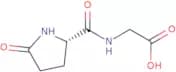
CAS:Pyr-Gly-OH is a metabolite of the amino acid glutamate. It has been shown that this metabolite is formed by a non-enzymatic dehydration of glutamate. This compound has been shown to be effective in treating bowel disease and cancer, as well as stimulating the production of fibrinogen in the blood. Pyr-Gly-OH has also been found to have anti-inflammatory effects and an increased effect on glutamic receptors.
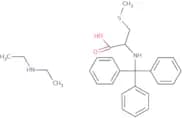
Formula:C7H10N2O4Purity:Min. 95%Molecular weight:186.17 g/molTrt-Met-OH·DEA
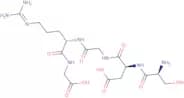
CAS:Please enquire for more information about Trt-Met-OH·DEA including the price, delivery time and more detailed product information at the technical inquiry form on this pageFormula:C24H25NO2S·C4H11NPurity:Min. 95%Molecular weight:464.66 g/molH-Ser-Met-OH
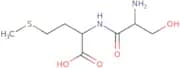
CAS:Glycyl-l-leucine is a muscle protein that belongs to the group of glycyl amino acids. It has been shown to have cortisone activity, which causes it to function as a suppressant. Glycyl-l-leucine binds to iron and prevents its oxidation, thereby preventing the formation of reactive oxygen species. Glycyl-l-leucine also has the ability to chelate iron, which can cause it to have antioxidant functions. The pH optimum for this compound is acidic and it is not active in neutral pH environments. This compound is found in fetal bovine serum and may be present in some food products such as chocolate milk or cheese. Glycyl-l-leucine may be used as an immobilizing agent for enzymes because it does not denature proteins at high concentrations.END>
Formula:C8H16N2O4SPurity:Min. 95%Molecular weight:236.29 g/molAc-Glu-Asp(EDANS)-Lys-Pro-Ile-Leu-Phe-Phe-Arg-Leu-Gly-Lys(DABCYL)-Glu-NH2 trifluoroacetate salt
CAS:Please enquire for more information about Ac-Glu-Asp(EDANS)-Lys-Pro-Ile-Leu-Phe-Phe-Arg-Leu-Gly-Lys(DABCYL)-Glu-NH2 trifluoroacetate salt including the price, delivery time and more detailed product information at the technical inquiry form on this pageFormula:C104H146N24O23SPurity:Min. 95%Molecular weight:2,132.49 g/molAdrenomedullin (16-31) (human, pig)
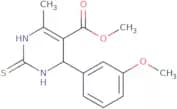
CAS:Please enquire for more information about Adrenomedullin (16-31) (human, pig) including the price, delivery time and more detailed product information at the technical inquiry form on this pageFormula:C82H129N25O21S2Purity:Min. 95%Molecular weight:1,865.19 g/molMethyl 4-(3-methoxyphenyl)-6-methyl-2-thioxo-1,2,3,4-tetrahydropyrimidine-5-carboxylate
CAS:Please enquire for more information about Methyl 4-(3-methoxyphenyl)-6-methyl-2-thioxo-1,2,3,4-tetrahydropyrimidine-5-carboxylate including the price, delivery time and more detailed product information at the technical inquiry form on this pageFormula:C14H16N2O3SPurity:85%MinMolecular weight:292.35 g/molH-Lys-Pro-Tyr-OH acetate salt
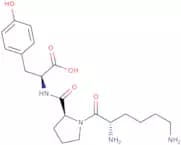
CAS:Please enquire for more information about H-Lys-Pro-Tyr-OH acetate salt including the price, delivery time and more detailed product information at the technical inquiry form on this pageFormula:C20H30N4O5Purity:Min. 95%Molecular weight:406.48 g/molFmoc-D-Leu-Wang resin (200-400 mesh)
Please enquire for more information about Fmoc-D-Leu-Wang resin (200-400 mesh) including the price, delivery time and more detailed product information at the technical inquiry form on this page
Purity:Min. 95%(Trp11,D-Phe15·16)-SDF-1 (7-16) (Dimer) (human, cat, mouse) trifluoroacetate salt
Please enquire for more information about (Trp11,D-Phe15·16)-SDF-1 (7-16) (Dimer) (human, cat, mouse) trifluoroacetate salt including the price, delivery time and more detailed product information at the technical inquiry form on this pageFormula:C134H180N34O26S2Purity:Min. 95%Molecular weight:2,747.21 g/molUrocortin III (mouse) trifluoroacetate salt
CAS:Trifluoroacetate saltFormula:C186H312N52O52S2Purity:Min. 95%Molecular weight:4,172.92 g/molCionin
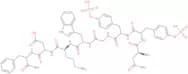
CAS:Cionin is a synthetic peptide that binds to the pancreatic enzyme receptor. It has been shown to inhibit the growth of ascidian and stimulates the secretion of growth factors in vitro. Cionin also has a physiological effect on inflammatory diseases, such as ovary. Cionin is composed of three amino acids: H-Asn-Tyr(SO3H)-Tyr(SO3H)-Gly-Trp-Met-Asp-Phe-NH2. The first two amino acids are sulfated tyrosine residues, which may be responsible for its biological activity.Formula:C53H63N11O19S3Purity:Min. 95%Molecular weight:1,254.33 g/molFmoc-Ala-Ala-Pro-OH
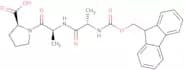
CAS:Fmoc-Ala-Ala-Pro-OH is a building block that is used in organic synthesis as a reaction component or reagent. It can be used to synthesize a wide range of complex compounds with speciality chemical and fine chemical applications. Fmoc-Ala-Ala-Pro-OH is also a versatile building block that can be used to synthesize various useful scaffolds, such as the Fmoc amino acid sequence, which has been shown to bind heparin. This compound has high purity and can be used in research and development.Formula:C26H29N3O6Purity:Min. 95%Color and Shape:PowderMolecular weight:479.53 g/molAc-Ala-Ala-Ala-Ala-OMe
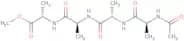
CAS:Ac-Ala-Ala-Ala-Ala-OMe is a peptidase that hydrolyzes the ester bonds of the hydrophobic amino acid residues, such as alanine, valine, leucine, and isoleucine. This enzyme deacylates and releases these amino acids from the side chain of their corresponding fatty acyl groups. Ac-Ala-Ala-Ala-Ala-OMe also acts on N terminal and C terminal residues. The presence of a scissile bond in the peptide substrate is required for this enzyme to function. Acetylation reactions are concurrent with acylation reactions, which produce an acetylated peptide product.
Formula:C15H26N4O6Purity:Min. 95%Molecular weight:358.39 g/molZ-Gly-Pro-Phe-Pro-Leu-OH
CAS:Please enquire for more information about Z-Gly-Pro-Phe-Pro-Leu-OH including the price, delivery time and more detailed product information at the technical inquiry form on this page
Formula:C35H45N5O8Purity:Min. 95%Molecular weight:663.76 g/mol5-Amino-2-methoxyisonicotinic acid
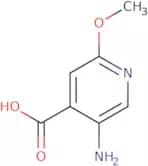
CAS:5-Amino-2-methoxyisonicotinic acid is a carboxylic acid that is used in the synthesis of aminopyridines. The compound can be synthesized from formamidine acetate and diethyl dicarbonate. This process involves lithiation, followed by addition of an amine and finally conversion to the desired product with formamidine acetate. 5-Amino-2-methoxyisonicotinic acid can also be synthesized from formamide and diethyl ether. 5-Amino-2-methoxyisonicotinic acid is an analog of 2,4,6-trimethylaniline and has been shown to have similar properties to this compound, including strong basicity.
Formula:C7H8N2O3Purity:Min. 95%Molecular weight:168.15 g/molFmoc-epsilon-aminocaproic acid-Wang resin (200-400 mesh)
Please enquire for more information about Fmoc-epsilon-aminocaproic acid-Wang resin (200-400 mesh) including the price, delivery time and more detailed product information at the technical inquiry form on this pagePurity:Min. 95%(Ser8)-GLP-1 (7-36) amide (human, bovine, guinea pig, mouse, rat) trifluoroacetate salt
CAS:Please enquire for more information about (Ser8)-GLP-1 (7-36) amide (human, bovine, guinea pig, mouse, rat) trifluoroacetate salt including the price, delivery time and more detailed product information at the technical inquiry form on this pageFormula:C149H226N40O46Purity:Min. 95%Molecular weight:3,313.63 g/molZ-Pro-Leu-Gly-OEt
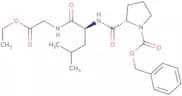
CAS:Z-Pro-Leu-Gly-OEt is a cyclic tripeptide that can be synthesized using ammonium sulfate as a catalyst. The reaction time required is between 4 and 12 hours, with the optimum at 8 hours. Resonances have been observed in the 1H NMR spectrum of Z-Pro-Leu-Gly-OEt. The most prominent resonance appears at δ 9.5 ppm. The cyclization of Z-Pro-Leu-Gly-OEt is catalysed by ammonium sulfate, which also produces a reaction yield of 100%. The effect of pH on the rate constant for the reaction has been studied and it was found that there was no significant difference in reactivity when the pH was varied between 7 and 11. Sulfoxide formation has also been monitored during synthesis, but concentrations are low enough to not affect the yield or reactivity of the product. The conformational structure of Z-Pro-Le
Formula:C23H33N3O6Purity:Min. 95%Molecular weight:447.52 g/molNeuropeptide Y (13-36) (human, rat) trifluoroacetate salt
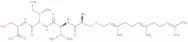
CAS:Trifluoroacetate saltFormula:C134H207N41O36SPurity:Min. 95%Molecular weight:3,000.4 g/molH-Cys(farnesyl)-Val-Ile-Ser-OH
CAS:Please enquire for more information about H-Cys(farnesyl)-Val-Ile-Ser-OH including the price, delivery time and more detailed product information at the technical inquiry form on this page
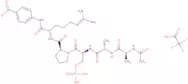
Formula:C32H56N4O6SPurity:Min. 95%Molecular weight:624.88 g/molAc-Ala-Ala-Ser(PO3H2)-Pro-Arg-pNA trifluoroacetate salt
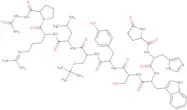
CAS:Please enquire for more information about Ac-Ala-Ala-Ser(PO3H2)-Pro-Arg-pNA trifluoroacetate salt including the price, delivery time and more detailed product information at the technical inquiry form on this pageFormula:C28H43N10O12PPurity:Min. 95%Molecular weight:742.67 g/molH-Pro-His-Pro-Phe-His-Leu-Phe-Val-Tyr-OH
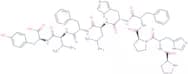
CAS:Please enquire for more information about H-Pro-His-Pro-Phe-His-Leu-Phe-Val-Tyr-OH including the price, delivery time and more detailed product information at the technical inquiry form on this page
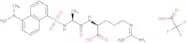
Formula:C60H77N13O11Purity:Min. 95%Molecular weight:1,156.33 g/molDansyl-Ala-Arg-OH trifluoroacetate salt
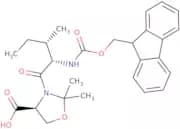
CAS:Please enquire for more information about Dansyl-Ala-Arg-OH trifluoroacetate salt including the price, delivery time and more detailed product information at the technical inquiry form on this pageFormula:C21H30N6O5SPurity:Min. 95%Molecular weight:478.57 g/molFmoc-Ile-Ser(Psi(Me ,Me)pro)-OH
CAS:Please enquire for more information about Fmoc-Ile-Ser(Psi(Me ,Me)pro)-OH including the price, delivery time and more detailed product information at the technical inquiry form on this pageFormula:C27H32N2O6Purity:Min. 95%Molecular weight:480.55 g/molpTH-Related Protein Splice Isoform 3 (140-173) (human) trifluoroacetate salt
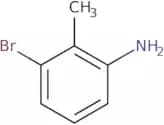
CAS:Please enquire for more information about pTH-Related Protein Splice Isoform 3 (140-173) (human) trifluoroacetate salt including the price, delivery time and more detailed product information at the technical inquiry form on this pageFormula:C186H313N53O44S2Purity:Min. 95%Molecular weight:4,059.94 g/mol3-Bromo-2-methylaniline
CAS:3-Bromo-2-methylaniline is a six membered, planar, planar conformation with a dihedral angle of 120°. The molecule has two dimers that are connected by hydrogen bonds. It has a crystal structure that is made up of molecules arranged in a hexagonal grid. The molecule is made up of three atoms: one carbon atom, one nitrogen atom, and one bromine atom. The three atoms are arranged in the following order: bromine, carbon, nitrogen.
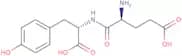
Formula:C7H8BrNPurity:Min. 95%Color and Shape:Clear Colourless To Yellow To Brown Or Red-BrownMolecular weight:186.05 g/molH-Glu-Tyr-OH
CAS:H-Glu-Tyr-OH is an amino acid derivative that has been shown to have anti-cancer properties. It inhibits the growth of cancer cells by binding to the surface of the tumor and inhibiting the production of angiogenic factors. This leads to a decrease in tumor size and an increase in light emission, which can be detected with light exposure. H-Glu-Tyr-OH also inhibits protein synthesis and cell proliferation, leading to death of tumor cells. The mechanism of action for H-Glu-Tyr-OH is through its ability to inhibit DNA topoisomerase I and II, which are enzymes that maintain the integrity of DNA. These enzymes are essential for DNA replication and transcription, so their inhibition results in cell death.Formula:C14H18N2O6Purity:Min. 95%Molecular weight:310.3 g/molN-Benzoyl-N-phenylhydroxylamine
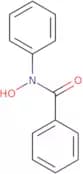
CAS:N-Benzoyl-N-phenylhydroxylamine is a compound that has been shown to be an optimum concentration for the production of molybdenum. It is a model system for the extraction and separation of molybdenum from other metals. The extraction process involves acidification with nitric acid, followed by precipitation with sodium benzoate. N-Benzoyl-N-phenylhydroxylamine is extracted using an electrode and then purified with a metal chelate. This compound has been shown to have synergistic effects when combined with vanadium, which may be due to their similar chemical properties.
Formula:C13H11NO2Purity:Min. 95%Molecular weight:213.23 g/molTIP-39 trifluoroacetate salt
CAS:Please enquire for more information about TIP-39 trifluoroacetate salt including the price, delivery time and more detailed product information at the technical inquiry form on this pageFormula:C202H325N61O54SPurity:Min. 95%Molecular weight:4,504.19 g/molHTLV-1 Tax (11-19) trifluoroacetate salt
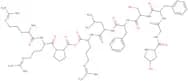
CAS:Please enquire for more information about HTLV-1 Tax (11-19) trifluoroacetate salt including the price, delivery time and more detailed product information at the technical inquiry form on this pageFormula:C56H79N9O12Purity:Min. 95%Molecular weight:1,070.28 g/mol(D-Arg0, Hyp 3,D-Phe7,Leu8)-Bradykinin
CAS:Please enquire for more information about (D-Arg0, Hyp 3,D-Phe7,Leu8)-Bradykinin including the price, delivery time and more detailed product information at the technical inquiry form on this pageFormula:C57H89N19O13Purity:Min. 95%Molecular weight:1,248.44 g/molH-Glu-Asn-Asp-Tyr(PO3H2)-Ile-Asn-Ala-Ser-Leu-OH
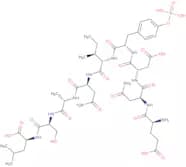
CAS:Please enquire for more information about H-Glu-Asn-Asp-Tyr(PO3H2)-Ile-Asn-Ala-Ser-Leu-OH including the price, delivery time and more detailed product information at the technical inquiry form on this pageFormula:C44H68N11O21PPurity:Min. 95%Molecular weight:1,118.05 g/molN2,N6-Bis-cbz-L-lysine
CAS:N2,N6-Bis-cbz-L-lysine is a synthetic acid transporter that is used to inhibit the transport of lysine across the cell membrane. It is an amide, which can be synthesized from lysine and benzoyl chloride. This compound has been shown to have an inhibitory effect on tumor growth in vitro and in vivo. N2,N6-Bis-cbz-L-lysine is active when targeting acidic environments such as tumors. The carbonyl group of this molecule reacts with the hydroxyl group at C4′ on the ribose ring of nucleosides to form a 1,2 diol moiety. This reaction leads to inhibition of DNA synthesis by preventing RNA polymerase from binding to DNA.
Formula:C22H26N2O6Purity:Min. 95%Color and Shape:PowderMolecular weight:414.45 g/molH-Ser-Asp-Gly-Arg-Gly-OH
CAS:H-Ser-Asp-Gly-Arg-Gly-OH is a peptide and model system for epidermal growth factor. It has been shown to stimulate epidermal growth and protein synthesis in the skin cells. The peptide has also been shown to inhibit fibrinogen production by monoclonal antibody, which is a biochemical marker of wound healing. H-Ser-Asp-Gly-Arg-Gly-OH analogs have been shown to inhibit the activation of epidermal growth factor receptor and have an inhibitory effect on cell growth.
Formula:C17H30N8O9Purity:Min. 95%Molecular weight:490.47 g/molNesfatin-1 (30-59) (mouse, rat) trifluoroacetate salt
Please enquire for more information about Nesfatin-1 (30-59) (mouse, rat) trifluoroacetate salt including the price, delivery time and more detailed product information at the technical inquiry form on this pageFormula:C167H260N40O54Purity:Min. 95%Molecular weight:3,692.09 g/molAnti-Inflammatory Peptide 2
CAS:Anti-inflammatory peptide 2 (AIP2) is a small peptide that has been shown to have anti-inflammatory activity. AIP2 inhibits the production of inflammatory mediators such as prostaglandins and leukotrienes. The synthesis of AIP2 is regulated by a hydroxyl group, which may be important for its therapeutic use. AIP2 does not have any side effects and can be used in the treatment of inflammation.
The active form of AIP2 is generated from the amino acid sequence H-His-Asp-Met-Asn-Lys-Val-Leu-Asp-Leu. It has been shown that this sequence also inhibits protein synthesis, leading to cell death by inhibiting the production of proteins vital for cell division.
The molecular weight of AIP2 is 706 Da and it has two disulfide bonds and two ester linkages. The metal chelate was found to bind withFormula:C46H77N13O15SPurity:Min. 95%Molecular weight:1,084.25 g/molOctreotide trifluoroacetate salt (Dimer, Parallel) (
Please enquire for more information about Octreotide trifluoroacetate salt (Dimer, Parallel) ( including the price, delivery time and more detailed product information at the technical inquiry form on this page
Formula:C98H132N20O20S4Purity:Min. 95%Molecular weight:2,038.48 g/molBoc-Arg(Tos)-PAM resin (200-400 mesh)
Please enquire for more information about Boc-Arg(Tos)-PAM resin (200-400 mesh) including the price, delivery time and more detailed product information at the technical inquiry form on this pagePurity:Min. 95%(D-Arg6,Asn10)-MCH (6-16) amide (human, mouse, rat) trifluoroacetate salt
CAS:Please enquire for more information about (D-Arg6,Asn10)-MCH (6-16) amide (human, mouse, rat) trifluoroacetate salt including the price, delivery time and more detailed product information at the technical inquiry form on this pageFormula:C60H100N22O14S3Purity:Min. 95%Molecular weight:1,449.77 g/molH-Pro-Glu-OH
CAS:H-Pro-Glu-OH is a homologous peptide that belongs to the group of proteins. It is synthesized in the cells by polymerase chain reaction and can be used for diagnosis of infectious diseases. It has been shown to induce antibody response in mice. H-Pro-Glu-OH is also active against Mycobacterium tuberculosis, which may be due to its ability to bind to the tyrosine kinase domain on protein genes. This peptide has been shown to have anti-inflammatory properties, inhibiting fatty acid production and leading to necrotic cell death.Formula:C10H16N2O5Purity:Min. 95%Molecular weight:244.24 g/molACTH (1-14) trifluoroacetate salt
CAS:Please enquire for more information about ACTH (1-14) trifluoroacetate salt including the price, delivery time and more detailed product information at the technical inquiry form on this pageFormula:C77H109N21O20SPurity:Min. 95%Molecular weight:1,680.88 g/molLys-Thymic Factor trifluoroacetate salt
CAS:Please enquire for more information about Lys-Thymic Factor trifluoroacetate salt including the price, delivery time and more detailed product information at the technical inquiry form on this pageFormula:C39H68N14O17Purity:Min. 95%Molecular weight:1,005.04 g/molSar-Ala-OH
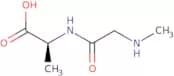
CAS:Please enquire for more information about Sar-Ala-OH including the price, delivery time and more detailed product information at the technical inquiry form on this pageFormula:C6H12N2O3Purity:Min. 95%Molecular weight:160.17 g/molFmoc-Leu-Gly-OH
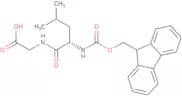
CAS:Fmoc-Leu-Gly-OH is a dipeptide that is reversibly soluble in water and organic solvents. It has been found to be stable at millimeter and nanometer scales, which makes it suitable for use as a hydrogel or fiber. Fmoc-Leu-Gly-OH has also been shown to form membranes of variable thickness (from micrometers to nanometers) that are sensitive to pH changes. This means that the membrane can be used for sensing pH levels in a variety of environments. Dipeptides are amphiphiles, meaning they have both hydrophilic and lipophilic properties. This makes them useful for forming self-assembled structures, such as hydrogels and membranes, that are capable of transporting water molecules through the structure.Formula:C23H26N2O5Purity:Min. 95%Color and Shape:PowderMolecular weight:410.46 g/mol3-Amino-2-methoxy-dibenzofuran
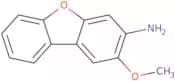
CAS:3-Amino-2-methoxy-dibenzofuran (3AMD) is a cytotoxic agent that is used in the treatment of bladder carcinoma. 3AMD inhibits DNA synthesis, leading to cell death by inhibiting the production of proteins vital for cell division. 3AMD has been shown to be a potent inhibitor of cyclen-dependent kinases and to induce DNA damage in human cells. 3AMD also has significant cytotoxicity against malignant cells and has been shown to inhibit the growth of tumours in mice. 3AMD may have carcinogenic potential due to its structural similarity with other carcinogens such as aniline and aminobiphenyl.
Purity:Min. 95%Molecular weight:213.23 g/mol1-O-Hexadecyl-sn-glycerol
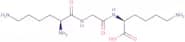
CAS:1-O-Hexadecyl-sn-glycerol is a glycol ether that is used as a surfactant and emulsifier in cosmetic products. It has been shown to have minimal toxicity, and to not be carcinogenic or teratogenic. 1-O-Hexadecyl-sn-glycerol has been shown to increase the stability of proteins in rat liver microsomes, and it also prevents the hydrolysis of carbohydrates. The surface glycoprotein adsorbed by 1-O-Hexadecyl-sn-glycerol may play an important role in the binding of monoclonal antibodies. This compound affects cellular calcium levels, with high concentrations resulting in increased cytosolic calcium concentrations. Zirconium oxide can replace calcium ions in 1-O-Hexadecyl-sn-glycerol for this purpose, although this substitution reduces enzyme activity.Formula:C19H40O3Purity:Min. 95%Molecular weight:316.52 g/molH-Lys-Gly-Lys-OH acetate salt
CAS:The solute-solvent interaction is the process in which solutes are dissolved in a solvent. The solute is the substance that is dissolved and the solvent is the liquid that holds the solute. There are two types of interactions between an ionic solute and a polar solvent: electrostatic and hydrophobic. Electrostatic interactions are due to charge differences, while hydrophobic interactions are due to differences in molecular size or shape. In simulations, molecular dynamics was used to study how ligands interact with receptors using a thermodynamic model system. A frequency shift was observed when ligand binding occurred, which indicates that binding can be detected by monitoring changes in frequency.Formula:C14H29N5O4Purity:Min. 95%Molecular weight:331.41 g/mol(D-Ser(tBu)6,D-Leu7,Azagly10)-LHRH
CAS:Please enquire for more information about (D-Ser(tBu)6,D-Leu7,Azagly10)-LHRH including the price, delivery time and more detailed product information at the technical inquiry form on this pageFormula:C59H84N18O14Purity:Min. 95%Molecular weight:1,269.41 g/molNeuromedin B trifluoroacetate salt
CAS:Neuromedin B is a peptide hormone that is produced by the hypothalamus and regulates many physiological processes such as energy metabolism, appetite, and sleep. Neuromedin B is a member of the family of guanine nucleotide-binding proteins (G proteins) that bind to G protein-coupled receptors on the surface of cells. It has been shown to stimulate calcium release from intracellular stores in response to an increase in cytosolic Ca2+. Neuromedin B has been shown to have anti-inflammatory effects on infectious diseases such as meningitis, sepsis, and tuberculosis, which may be due to its ability to inhibit neutrophil migration. Neuromedin B also stimulates hippocampal formation activity in rats during the rotarod test, which may be due to its effects on dopamine release.Formula:C52H73N15O12SPurity:Min. 95%Molecular weight:1,132.3 g/molH-Glu-Arg-OH acetate salt
CAS:Controlled ProductPlease enquire for more information about H-Glu-Arg-OH acetate salt including the price, delivery time and more detailed product information at the technical inquiry form on this pageFormula:C11H21N5O5Purity:Min. 95%Molecular weight:303.32 g/mol2-Methyl-N-phenyl-5,6-dihydro-1,4-oxathiine-3-carboxamide
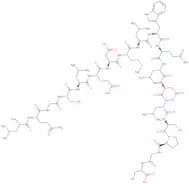
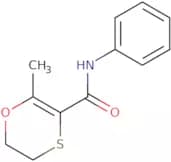
CAS:2-Methyl-N-phenyl-5,6-dihydro-1,4-oxathiine-3-carboxamide is a signal molecule that has antimicrobial activity. It inhibits the proliferation of cells and is used as an antifungal agent. 2,5,6-Trimethyloxathiinium ion has been shown to induce apoptosis in human leukemia cells and inhibit the growth of erythrocytes infected with Plasmodium falciparum. This compound also inhibits wild type strains of bacteria and fungi and can be used as a natural fungicide. 2,5,6-Trimethyloxathiinium ion has been found to be effective in treating autoimmune diseases such as diabetes mellitus type II, which may be due to its ability to regulate glucose metabolism and suppress inflammatory responses.Formula:C12H13NO2SPurity:Min. 95%Molecular weight:235.3 g/mol([13C6]Leu10)-CRF (human, rat) trifluoroacetate salt
Please enquire for more information about ([13C6]Leu10)-CRF (human, rat) trifluoroacetate salt including the price, delivery time and more detailed product information at the technical inquiry form on this pagePurity:Min. 95%H-Cys(Trt)-2-chlorotrityl resin (100-200 mesh)
Please enquire for more information about H-Cys(Trt)-2-chlorotrityl resin (100-200 mesh) including the price, delivery time and more detailed product information at the technical inquiry form on this pagePurity:Min. 95%H-Asp-Pro-Gln-Phe-Tyr-OH hydrochloride salt
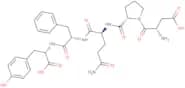
CAS:Please enquire for more information about H-Asp-Pro-Gln-Phe-Tyr-OH hydrochloride salt including the price, delivery time and more detailed product information at the technical inquiry form on this pageFormula:C32H40N6O10Purity:Min. 95%Molecular weight:668.69 g/molH-Gln(Trt)-2-chlorotrityl resin (200-400 mesh)
Please enquire for more information about H-Gln(Trt)-2-chlorotrityl resin (200-400 mesh) including the price, delivery time and more detailed product information at the technical inquiry form on this pagePurity:Min. 95%H-Arg-Glu-OH
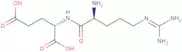
CAS:H-Arg-Glu-OH is a small molecule that is used as a pharmacological agent for the treatment of diabetes. It has been shown to have anti-inflammatory properties, which may be due to its ability to inhibit the production of inflammatory mediators such as prostaglandin E2 and nitric oxide. H-Arg-Glu-OH also induces apoptosis in human monocytes and macrophages by binding to toll-like receptor 4 (TLR4) on the cell surface. This binding activates NFκB and JNK pathways, leading to the induction of apoptosis. H-Arg-Glu-OH binds with high affinity to monoclonal antibodies against glutamic acid and glycine, which are not present in humans. The compound may be toxic at a neutral pH because it is highly reactive due to intramolecular hydrogen bonding between carbonyl oxygens and amide hydrogens.Formula:C11H21N5O5Purity:Min. 95%Molecular weight:303.32 g/molMeOSuc-Val-Val-Ile-Ala-pNA
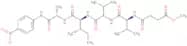
CAS:Please enquire for more information about MeOSuc-Val-Val-Ile-Ala-pNA including the price, delivery time and more detailed product information at the technical inquiry form on this pageFormula:C30H46N6O9Purity:Min. 95%Molecular weight:634.72 g/molBoc-cys(Npys)-oh
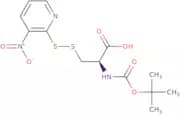
CAS:Boc-cys(Npys)-oh is an active substance that inhibits the growth of mouse tumors and has been shown to inhibit a number of different biological processes. It is a cross-linking agent for amino acids and has been shown to have an inhibitory effect on the synthesis of proteins by blocking the formation of disulfide bonds. This compound belongs to the class of chemicals known as sulfonamides, which are used in the treatment of bacterial infections. Boc-cys(Npys)-oh also specifically binds to antigen sites on cells, inhibiting their growth, and can be used as an antitumor agent. The molecule can be chemically linked with other molecules such as trifluoroacetic acid (TFA), resulting in a product with different properties than those found in Boc-cys(Npys)-oh. The chemical ligation process is used to produce subcutaneous tumors in mice that are then treated with hydrogen fluoride (Formula:C13H17N3O6S2Purity:Min. 95%Color and Shape:Off-White PowderMolecular weight:375.42 g/mol



![2-[(5-Bromo-2-methylphenyl)methyl]-5-(4-fluorophenyl)thiophe](/_next/image/?url=https%3A%2Fstatic.cymitquimica.com%2Fproducts%2F3D%2Fthumb-webp%2FFB97141.webp&w=3840&q=75)







![4-[(4-Methylpiperazin-1-yl)methyl]benzoic acid](/_next/image/?url=https%3A%2Fstatic.cymitquimica.com%2Fproducts%2F3D%2Fthumb-webp%2FFM136767.webp&w=3840&q=75)















![([13C6]Leu10)-CRF (human, rat) trifluoroacetate salt](/_next/image/?url=https%3A%2Fstatic.cymitquimica.com%2Fproducts%2F3D%2Fthumb-webp%2FFL110016.webp&w=3840&q=75)