Enzyme Substrates
Subcategories of "Enzyme Substrates"
Found 1526 products of "Enzyme Substrates"
4-Methylumbelliferyl-b-D-Glucuronide Trihydrate (MUG) extrapure, 99%
CAS:Formula:C16H22O12Purity:min.99%Color and Shape:White, Crystalline powderMolecular weight:406.345-Bromo-4-Chloro-3-Indolyl-ß-D-Glucuronide Sodium Anhydrous (X-Gluc Sodium) extrapure, 98%
CAS:Formula:C14H12BrClNNaO7Purity:min. 98%Color and Shape:White, PowderMolecular weight:444.59a-Ketoglutaric Acid Disodium Dihydrate extrapure, 98%
CAS:Formula:C5H4O5Na2·2H2OPurity:min.98%Color and Shape:White to off-white, Crystalline Powder, ClearMolecular weight:226.09L-Lysine 7-Amido-4-Methylcoumarin Acetate Salt extrapure, 98%
CAS:Formula:C18H25N3O5Molecular weight:363.46-Chloro-3-Indoxyl-a-D-Glucopyranoside (Salmon-a-D-Glc) extrapure, 98%
CAS:Formula:C14H16ClNO6Purity:min. 98.0%Color and Shape:White to off-white, Powder, Clear, Colourless to Pale yellowMolecular weight:329.746-Chloro-3-Indolyl-ß-D-Glucuronide Cyclohexylammonium Salt extrapure, 97%
CAS:Formula:C14H14ClNO7·C6H13NPurity:min. 97%Color and Shape:Off - white to pale yellow, Powder, Clear, Pale yellowMolecular weight:442.895-Fluoroorotic Acid Hydrate (5-FOA Hydrate) for molecular biology, 98%
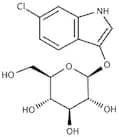
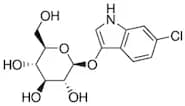
CAS:Formula:C5H3FN2O4·xH2OPurity:min. 98%Color and Shape:Off white to Pale yellow, PowderMolecular weight:174.09 (anhy)6-Chloro-3-Indolyl ß-D-Galactopyranoside (Salmon Gal) extrapure, 98%
CAS:Formula:C14H16ClNO6Purity:min. 98.0%Color and Shape:White to off-white, Crystalline powderMolecular weight:329.74D-Fructose-1,6-Diphosphate Octahydrate Trisodium Salt extrapure, 99%
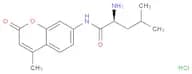
CAS:Formula:C6H11O12P2Na3·8H2OPurity:min. 99%Color and Shape:White, Crystalline powder, Clear, ColourlessMolecular weight:550.18L-Leucine 7-Amido-4-Methylcoumarin Hydrochloride Salt extrapure, 98%
CAS:Formula:C16H21ClN2O3Purity:min. 98%Color and Shape:White to off-white, PowderMolecular weight:324.8D-Luciferin Potassium Salt ex. Firefly, 99%
CAS:Formula:C11H7KN2O3S2Purity:min. 99%Color and Shape:Yellow, PowderMolecular weight:318.427-Amino-4-Methylcoumarin (7-AMC) extrapure, 99%
CAS:Formula:C10H9NO2Purity:min. 99%Color and Shape:Light Yellow, PowderMolecular weight:175.2IPTG, 1M aqueous solution
CAS:A non-metabolizable allolactose analogue, widely used in molecular biology for overexpression of recombinant proteins from inducible systems under the control of lac promoter. IPTG binds to the LacI repressor and causes its release from the lac operator, allowing gene expression to take place. Present in vectors of pGEX, pGEM-T, pET, pRSET, pMAL class and others.
Formula:C9H18O5SPurity:Min. 95%Color and Shape:Clear LiquidMolecular weight:238.3 g/mol5-Bromo-3-Indolyl-B-D-Galactopyranoside (Bluo-Gal) for molecular biology, 99%
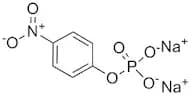
CAS:Formula:C14H16BrNO6Purity:min. 99%Color and Shape:White, PowderMolecular weight:374.18p-Nitrophenylphosphate Disodium Salt Hexahydrate (pNPP) for molecular biology, 99%
CAS:Formula:C6H4NO6PNa2·6H2OPurity:min. 99%Color and Shape:White to pale yellow, Crystalline powder, Clear, Pale yellowMolecular weight:371.151-Naphthyl Phosphate Disodium Salt extrapure
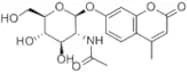
CAS:Formula:C10H7O4P·2NaPurity:min. 97%Color and Shape:Off white, PowderMolecular weight:268.114-Methylumbelliferyl-N-Acetyl-ß-D-Glucosaminide extrapure, 99%
CAS:Formula:C18H21NO8Purity:min. 99%Color and Shape:Almost white, PowderMolecular weight:379.40p-Nitrophenyl Acetate extrapure, 99%
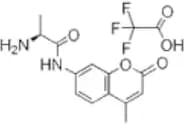
CAS:Formula:C8H7O4NPurity:min. 99%Color and Shape:Off-white, Crystalline powder, ClearMolecular weight:181.15L-Alanine-7-Amido-4-Methylcoumarin Trifluoroacetate Salt extrapure, 98%
CAS:Formula:C15H15F3N2O5Purity:min. 98%Color and Shape:White, Crystalline powderMolecular weight:360.35-Fluoroorotic Acid (5-FOA) for molecular biology, 98%
CAS:Formula:C5H3FN2O4Purity:min. 98%Color and Shape:White to off- white, PowderMolecular weight:174.09D-Glucose-1-Phosphate Disodium Salt Tetrahydrate (G1P.Na2 Tetrahydrate) extrapure, 98%
CAS:Formula:C6H11O9PNa2·4H2OPurity:min. 98%Color and Shape:White, Crystalline powder, Clear, ColourlessMolecular weight:376.16Indoxyl-ß-D-Galactopyranoside extrapure, 98%
CAS:Formula:C14H17NO6Purity:min. 98%Color and Shape:Off-white, Powder, Clear, ColourlessMolecular weight:295.295-Bromo-6-Chloro-3-Indolyl-ß-D-Glucuronide Cyclohexylammonium Salt extrapure, 98%
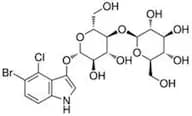
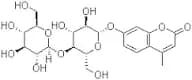
CAS:Formula:C14H13BrClNO7·C6H13NPurity:min. 99%Color and Shape:White, Crystalline powderMolecular weight:521.794-Methylumbelliferyl-ß-D-Cellobioside extrapure, 98%
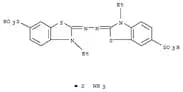
CAS:Formula:C22H28O13Purity:min. 98%Color and Shape:White to off-white, PowderMolecular weight:500.50ABTS extrapure (2,2-Azino-bis (3-ethylbenzothiazoline-6-sulfonic acid) Diammonium Salt), 98%
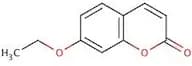
CAS:Formula:C18H24N6O6S4Purity:min. 98%Color and Shape:Pale green to green, Crystals or powderMolecular weight:548.687-Ethoxycoumarin extrapure, 98%
CAS:Formula:C11H10O3Purity:min. 98%Color and Shape:White to off-white, Crystalline powderMolecular weight:190.202-Chloro-4-Nitrophenyl 4-O-b-D-Galactopyranosylmaltoside (Gal-G2-a-CNP, Gal CNPG2) extrapure, 90%
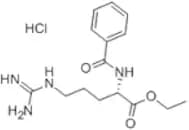
CAS:Formula:C24H34O18NClPurity:min. 90%Color and Shape:White to pale yellow, Amorphous powder, Clear, Colourless to pale yellowMolecular weight:659.98N-a-Benzoyl-L-Arginine Ethyl Ester Hydrochloride (BAEE) extrapure AR, 99%
CAS:Formula:C15H22N4O3·HClPurity:min. 99%Color and Shape:White, Hygroscopic crystalline powder, Clear, ColourlessMolecular weight:342.835-Bromo-4-Chloro-3-Indolyl-ß-D-Glucuronide Sodium Salt Trihydrate extrapure, 98%
CAS:Formula:C14H12BrClNNaO7·3H2OPurity:min.98%Color and Shape:White to off-white, Crystalline powderMolecular weight:498.64Z-Glycyl-Glycyl-L-Arginine 7-Amido-4-Methylcoumarin Hydrochloride Salt extrapure, 95%
CAS:Formula:C28H33N7O7·HClMolecular weight:616.075-Bromo-4-Chloro-3-Indolyl Acetate (X-3-Acetate, X-Acetate) extrapure, 98%
CAS:Purity:min. 98%Color and Shape:White to off-white, Crystalline powderCoelenterazine Native (CLZN) ex. Aequorea Sp., 95%
CAS:Formula:C26H21N3O3Purity:min 95% by TLCColor and Shape:Slightly brownish yellow to yellow orange, Crystalline powderMolecular weight:423.464-Methylumbelliferyl-a-L-Iduronide Free Acid extrapure, 97%
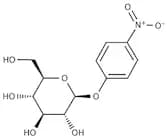
CAS:Formula:C16H16O9Molecular weight:352.3p-Nitrophenyl-ß-D-Glucopyranoside extrapure, 98%
CAS:Formula:C12H15NO8Purity:min. 98%Color and Shape:White to off-white, Crystalline powderMolecular weight:301.255-Bromo-6-Chloro-3-Indolyl b-D-Glucopyranoside (Magenta-Glc) for molecular biology, 98%
CAS:Formula:C14H15BrClNO6Molecular weight:408.64D-Luciferin Sodium Salt ex. Firefly, 99%
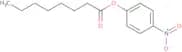
CAS:Formula:C11H7N2O3S2NaPurity:min. 99%Color and Shape:Pale yellow, PowderMolecular weight:302.304-Nitrophenyl caprylate
CAS:Chromogenic substrate targeting lipase, C8 esteraseFormula:C14H19NO4Purity:Min. 95 Area-%Color and Shape:Slightly Brown Yellow Clear LiquidMolecular weight:265.31 g/molCrimson-Gal
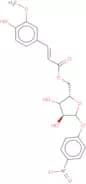
Crimson-Gal (Crimson-beta-D-galactopyranoside) is a chromogenic indicator for beta-galactosidase activity. The colorless product is cleaved by lactose-utilizing bacteria in liquid media or on agar plates and yields a crimson colored precipitate. Crimson-Gal can also be used as detecting agent for beta-galactosidase activity in reporter gene assays or for identification of positive transformants on agar plates when using the α-complementation approach. Read more in the Application Notes.Molecular weight:360.96 g/mol4-Nitrophenyl 5-O-trans-feruloyl-a-L-arabinofuranoside
CAS:4-Nitrophenyl 5-O-trans-feruloyl-alpha-L-arabinofuranoside is a chromogenic substrate for alpha-L-arabinofuranosidase. Upon hydrolysis, para-nitrophenol is released yielding a yellowish colour. 4-Nitrophenyl 5-O-trans-feruloyl-alpha-L-arabinofuranoside is used in different applications such as the Plant cell wall degradation assays, bacterial enzyme profiling
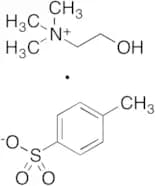
Formula:C21H21NO10Purity:Min. 95%Color and Shape:PowderMolecular weight:447.4 g/molCholine p-Toluenesulfonate Salt
CAS:Applications Choline p-Toluenesulfonate Salt is a useful intermediate as well as a choline acetyltransferase (CHAT) substrate.
References Brockerhoff, H., et al.: N.K.N., Lipids, 14, 88 (1979);Formula:C7H7O3S·C5H14NOColor and Shape:NeatMolecular weight:275.36Pseudopelletierine
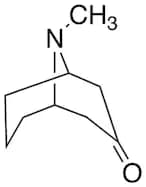
CAS:Controlled ProductApplications It was found in the root bark of Punica granatum L., Punicaceae. Used as a enzyme substrate.
References Hunt, R., et al.: J. Pharm. Pharmacol., 22, 29S (1970), Hashimoto, T., et al.: Plant Physiol., 100, 836 (1992), Boswell, H., et al.: Phytochemistry, 52, 855 (1999),Formula:C9H15NOColor and Shape:NeatMolecular weight:153.22Benzyl beta-D-Glucopyranosiduronic Acid
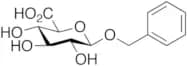
CAS:Controlled ProductStability Hygroscopic
Applications Protected Glucopyranosiduronic Acid.Formula:C13H16O7Color and Shape:NeatMolecular weight:284.265-Bromo-4-chloro-3-indolyl 2-Acetamido-2-deoxy-α-D-galactopyranoside
CAS:Controlled ProductApplications A histochemical substrate for a-N-acetyl-galactosaminidase.
References Zhu, et al.: Gene, 137, 309 (1994)Formula:C16H18BrClN2O6Color and Shape:NeatMolecular weight:449.681-Naphthyl a-D-glucopyranoside
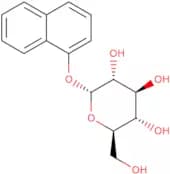
CAS:1-Naphthyl a-D-glucopyranoside is a chromogenic substrate used to detect the presence of enzymes that catalyze the hydrolysis of glycosidic bonds, such as alpha-glucosidase. When the substrate is cleaved by the enzyme, it produces a colored product that can be visualized and quantified.Purity:Min. 95%Molecular weight:306.31 g/molAldol® 518 myo-inositol-1-phosphate, Biosynth Patent: EP 2427431 and US 8940909
CAS:Aldol® 518 myo-inositol-1-phosphate is a chromogenic and fluorogenic enzyme substrate used for detection of phosphatidyl-inositol specific phospholipase C activity (PI-PLC, EC 4.6.1.13). The colorless enzyme substrate is cleaved by PI-PLC or PI-PLC-positive microorganisms grown in liquid or solid media, yielding an intense red coloration. In combination with Aldol® 355 fluorescence enhancer, red fluorescence can also obtained. Aldol® 518 myo-inositol-1-phosphate is suitable for use in liquid and solid media, under aerobic as well as anaerobic conditions.
Formula:C29H30ClN2O10PPurity:Min. 95.0 Area-%Molecular weight:632.98 g/mol4-Methylumbelliferyl 2-O-(2,3,4-tri-O-benzoyl-a-L-fucopyranosyl)-b-D-galactopyranoside
4-Methylumbelliferyl 2-O-(2,3,4-tri-O-benzoyl-a-L-fucopyranosyl)-b-D-galactopyranoside is a fluorescent substrate for β–galactosidase. It is used to detect the enzyme in biological samples and as a diagnostic agent. This substrate can be used to develop chemiluminescent, chromogenic, and fluorogenic substrates for use in diagnostics. 4MUF 2OBG can also be conjugated to various ligands for use in bioluminescence assays or as a marker in immunoassays.
Purity:Min. 95%Molecular weight:796.77 g/molLuc-B.cereus Na
Bacillus cereus is a rod-shaped β hemolytic bacterium commonly found in food and soil. Some strains can be associated with food intoxications, mainly from raw meat and poultry products. One example is the so called “fried rice syndrome”, that occurs when dishes containing cooked rice are left for several hours at room temperature. Typical symptoms of the infection include severe nausea, vomiting and diarrhea. Some strains of Bacillus cereus on the contrary are not harmful at all and they are used as probiotics food additives in animal farming to reduce the presence of other pathogens like Salmonella in the cecum end intestine. Bacillus cereus expresses phosphatidyl-choline specific phospholipase C (PC-PLC), encoded by the plc gene, which is regulated by PlcR. In addition, the expression of PlcR is dependent on the growth medium. Luc-B.cereus Na (L-8275) is a synthetic chemiluminescent substrate for the phosphatidyl-choline specific phospholipase C. The enzyme cleaves off phosphocholine from L-8275, leading to the release of D-Luc, and consequent strong light emission B. cereus culture exhibited strong luminescence, while RLU values were much lower for samples with B. thuringiensis.
Formula:C16H17N3NaO6PS2Purity:Min. 95 Area-%Molecular weight:465.41 g/mol4-Methylumbelliferyl 2-azido-2-deoxy-3-O-(tetra-O-acetyl-b-D-galactopyranosyl)-4,6-O-benzylidene-a-D-galactopyranoside
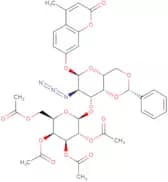
CAS:4-Methylumbelliferyl 2-azido-2-deoxy-3-O-(tetra-O-acetyl-b-D-galactopyranosyl)-4,6-O-benzylidene a D galactopyranoside is a chemiluminescent substrate for detecting ligands. It has been used to detect the presence of bacteria, fungi, and parasites in food samples and as an indicator for enzymatic activity. This product is an excellent fluorescent substrate for the detection of nucleic acids such as DNA. This product is a conjugate with high purity, which makes it suitable for use in various types of applications.Formula:C37H39N3O16Purity:Min. 95%Molecular weight:781.72 g/molBenzocaine fructoside
CAS:Benzocaine fructoside is a synthetic carbohydrate that is used as a local anesthetic. It is synthesized from benzocaine to produce a glycosylated form of the drug. This compound has been modified to include fluorine atoms, and it has been methylated with primary amines. The modification of this compound has produced a high-purity product that can be used for click chemistry.
Purity:Min. 95%4-Nitrophenyl 2-acetamido-2-deoxy-4,6-O-benzylidene-b-D-glucopyranoside
CAS:4-Nitrophenyl 2-acetamido-2-deoxy-4,6-O-benzylidene-b-D-glucopyranoside is a fluorescent substrate for beta amylase and other glycosidases. It has been used as a fluorogenic substrate for food testing and as a chromogenic substrate for environmental testing. 4NPB has also been used in diagnostic applications such as enzyme substrates, ligands, and chemiluminescent substrates. This product is of high purity and quality with a conjugate that can be used in biotechnology applications.
Purity:Min. 95%Molecular weight:430.41 g/mol5-Bromo-3-indolyl decanoate
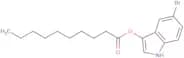
CAS:5-Bromo-3-indolyl decanoate (BID) is a chromogenic enzyme substrate often used for the detection of lipase activity. It is hydrolyzed by lipase to produce a blue-violet product, which can be detected visually or by spectrophotometry. BID is particularly useful for the detection of microbial lipases in food and environmental samples. It is commonly used in a wide range of biochemical, biological, and environmental testing applications that require precise lipase enzyme analysis.Formula:C18H24BrNO2Purity:Min. 95%Color and Shape:PowderMolecular weight:366.29 g/mol2,4-Dinitrophenyl b-L-arabinofuranoside
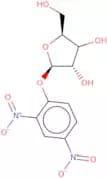
2,4-Dinitrophenyl b-L-arabinofuranoside is a high quality chromogenic substrate for dinitrophenylase. It is a ligand that reacts with an enzyme to form a product that can be detected by various methods, including colorimetry and fluorimetry. 2,4-Dinitrophenyl b-L-arabinofuranoside has shown to be useful for the detection of organic contaminants in water and air. 2,4-Dinitrophenyl b-L-arabinofuranoside is also used as a reagent for the preparation of conjugates for immunoassays.Purity:Min. 95%Molecular weight:628.54 g/mol4-Nitrophenyl 2-O-(2,3,4-tri-O-acetyl-b-L-fucopyranosyl)-6-O-benzoyl-a-D-galactopyranoside
CAS:4-Nitrophenyl 2-O-(2,3,4-tri-O-acetyl-b-L-fucopyranosyl)-6-O-benzoyl-a-D-galactopyranoside is a chemiluminescent substrate with a CAS number of 104341548. It is used as a fluorescent probe for the detection of alpha amylase, beta amylase and glucose oxidase. It can be used to detect bacteria in food. This substrate can be used in the diagnostic industry and is an important component for the production of various enzymes.Purity:Min. 95%Molecular weight:677.61 g/mol4-Nitrophenyl 2-acetamido-3,6-di-O-acetyl-2-deoxy-b-D-glucopyranoside
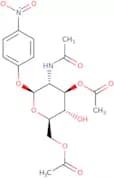
CAS:4-Nitrophenyl 2-acetamido-3,6-di-O-acetyl-2-deoxy-b-D-glucopyranoside is a versatile chromogenic pNP enzyme substrate designed to offer superior results for detecting enzyme activity in research and diagnostic applications. This substrate enables faster, more accurate, and reliable detection of hydrolase enzymes, making it ideal for various research and testing needs, such as studying enzyme kinetics, screening inhibitors, and profiling enzyme specificity.Purity:Min. 95%Molecular weight:426.37 g/mol4-Nitrophenyl 2-acetamido-3,4,6-tri-O-acetyl-2-deoxy-b-D-glucopyranoside
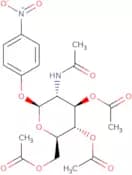
CAS:4-Nitrophenyl 2-acetamido-3,4,6-tri-O-acetyl-2-deoxy-b-D-glucopyranoside is an extracellular nucleic acid molecule that is produced by the bacterium Corynebacterium glutamicum. This compound has been shown to inhibit cancer cells by blocking the transport of glucose through the cell membrane and may be a potential drug target for cancer treatment. 4NPTAPG has also been shown to have diagnostic properties and can identify corynebacterium glutamicum strains. It is a fluorescent molecule that can be used to detect the presence of this bacterium in culture media.Purity:Min. 95%Molecular weight:468.41 g/mol4-Nitrophenyl 2-acetamido-2-deoxy-3,6-di-O-benzoyl-b-D-galactopyranoside
CAS:4-Nitrophenyl 2-acetamido-2-deoxy-3,6-di-O-benzoyl-b-D-galactopyranoside is an advanced pNP-based enzyme substrate designed for the detection and measurement of glycosidase activity in biological samples. This synthetic compound offers high specificity and sensitivity for b-galactosidase enzymes, enabling accurate determination of enzymatic hydrolysis rates in a variety of research applications, including diagnostics, drug development, and discovery of novel enzymes. Its chromogenic properties ensure easy analysis of the results and make it suitable for high-throughput screening.Purity:Min. 95%Molecular weight:550.51 g/mol4-Nitrophenyl 2,3,4-tri-O-acetyl-6-O-trityl-a-D-glucopyranoside
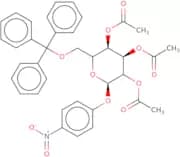
4-Nitrophenyl 2,3,4-tri-O-acetyl-6-O-trityl-a-D-glucopyranoside is a substrate for chemiluminescent assays. It is a high quality chemical that can be used in environmental testing, staining, ligand binding and bioluminescence. 4NP2T6AODG is used as a chromogenic substrate or fluorogenic substrate to detect the presence of enzymes in diagnostics and food testing. This product has CAS No. 67794-14-0 and can be purchased at high purity.Purity:Min. 95%Molecular weight:669.67 g/molLuciferin-myo-inositol-1-phosphate, sodium salt
Luciferin-myo-inositol-1-phosphate, sodium salt is a chromogenic substrate used in diagnostic assays and as a fluorogenic substrate for chemiluminescence. It can be used to determine the presence of certain enzymes or their activity. Luciferin-myo-inositol-1-phosphate, sodium salt is also used in the preparation of culture media for growing bacteria. This product is sold as a conjugate with other chemicals and can be found in food testing kits and environmental testing kits.Purity:Min. 95%4-Nitrophenyl O-(N-acetyl-a-neuraminosyl)-(2-3)-b-D-galactopyranosyl-(1-4)-b-D-glucopyranoside
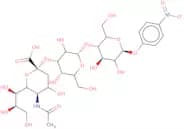
CAS:4-Nitrophenyl O-(N-acetyl-a-neuraminosyl)-(2-3)-b-D-galactopyranosyl-(1-4)-b-D-glucopyranoside is a fluorescent substrate that can be used for the detection of β-galactosidase. It fluoresces when cleaved by β-galactosidase, which is an enzyme that catalyzes the hydrolysis of terminal galactose residues in the glycosidic linkage of β-galactosides. This product is an excellent substrate for use in chemiluminescence and bioluminescence assays. 4NPBG has been used to detect β-galactosidase activity in diverse environments, such as food testing, staining, fluorogenic substrate, environmental testing, chromogenic substrate, and conjugate. It is also used in diagnostics, ligand binding assays,Purity:Min. 95%Molecular weight:754.64 g/molN-Acetyl-L-serine p-nitroanilide
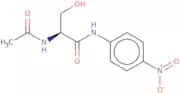
N-Acetyl-L-serine p-nitroanilide is a fluorescent probe used for the detection of glucose in urine. It has a high purity and is suitable for use as a substrate for many enzymes, including alkaline phosphatase, β-galactosidase, and peroxidase. N-Acetyl-L-serine p-nitroanilide has been shown to be an excellent indicator of bacterial growth in culture media.
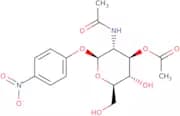
Formula:C11H12N2O6Purity:Min. 95%Color and Shape:White powder.Molecular weight:268.22 g/mol4-Nitrophenyl 2-acetamido-3-O-acetyl-2-deoxy-b-D-glucopyranoside
CAS:4-Nitrophenyl 2-acetamido-3-O-acetyl-2-deoxy-b-D-glucopyranoside is a fluorogenic substrate for the enzyme acetylcholinesterase. It can be used in food testing, environmental testing and diagnostics. 4NP2A2DGBG is a high purity, high quality product with a CAS number of 23262-57-9.Purity:Min. 95%Molecular weight:384.34 g/mol8-Hydroxyquinoline-β-D-galactopyranoside
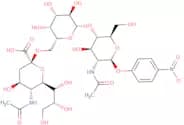
CAS:Chromogenic substrate for beta-D-galactosidase yielding a brown precipitate upon cleavage.Formula:C15H17NO6Molecular weight:307.30 g/mol4-Nitrophenyl O-(N-acetyl-a-neuraminosyl)-(2-6)-b-D-galactopyranosyl-(1-4)-2-acetamido-2-deoxy-b-D-glucopyranoside
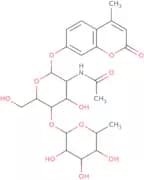
CAS:4-Nitrophenyl O-(N-acetyl-a-neuraminosyl)-(2-6)-b-D-galactopyranosyl-(1-4)-2-acetamido-2-deoxy-b-D-glucopyranoside is a fluorogenic substrate used in the detection of sialidase activity. It is also used as a chromogenic substrate in the determination of β -galactosidase activity.Purity:Min. 95%Color and Shape:White PowderMolecular weight:795.7 g/mol4-Methylumbelliferyl 2-acetamido-2-deoxy-4-O-(a-L-fucopyranosyl)-b-D-glucopyranoside
CAS:4-Methylumbelliferyl 2-acetamido-2-deoxy-4-O-(alpha-L-fucopyranosyl)-beta-D-glucopyranoside is a fluorogenic substrate for alpha-L-fucosidase. After enzymatic cleaveage, free 4-methylumbelliferone (also known as hymecromone) is released, exhibiting blue fluorescence upon excitation with UV light. The strongest fluorescence of 4-methylumbelliferone requires deprotonation of the hydroxyl group (thus requires alkaline pH), with a maximal fluorescence intensity obtained with excitation at 350 to 370 nm and emission at 440 to 470 nm. The use of 4-methylumbelliferyl 2-acetamido-2-deoxy-4-O-(alpha-L-fucopyranosyl)-beta-D-glucopyranosideas a substrate for measuring the alpha-L-fucosidase activity is used for fucosidosis diagnosis (deficiency of the enzyme alpha-L-fucosidase) and glycoprotein metabolism disorder detection.Formula:C24H31NO12Purity:Min. 95 Area-%Color and Shape:PowderMolecular weight:525.5 g/mol5-Bromo-6-chloro-3-indoxyl nonanoate
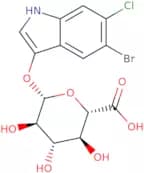
CAS:5-Bromo-6-chloro-3-indoxyl nonanoate is a chemical compound that is used in the detection of bioluminescence. It is a substrate for enzymes, such as luciferase, and can be used to measure the amount of light emitted during the reaction. The CAS number for this molecule is 682802-80-8.Purity:Min. 95%Molecular weight:386.71 g/mol5-Bromo-6-chloro-3-indolyl b-D-glucuronide
CAS:5-Bromo-6-chloro-3-indolyl b-D-glucuronide (5BCIG) is an antibiotic that inhibits bacterial growth by binding to the DNA gyrase and topoisomerase IV, which are enzymes that maintain the integrity of bacterial DNA. 5BCIG is detectable in tissues, and quantified in blood. It encodes a protein to the cell cytoplasm. The sensitivity of 5BCIG against clostridium perfringens was found to be 10 times higher than that of penicillin G or erythromycin. 5BCIG has optimal activity against clostridium perfringens when expressed functionally as a polypeptide.Formula:C14H13BrClNO7Purity:Min. 95%Molecular weight:422.61 g/molLuciferin-choline phosphate, sodium salt
Luciferin-choline phosphate, sodium salt is a fluorescent substrate for the enzyme luciferase that can be used in a variety of applications. It is a conjugate of luciferin and choline phosphate, which provides high purity and high quality. This substrate is typically used as a chemiluminescent or bioluminescent indicator in various diagnostic assays, such as food testing, staining, fluorogenic substrate, and environmental testing. The CAS number for this product is [CAS].Purity:Min. 95%4-Methylumbelliferyl 2-O-(a-L-fucopyranosyl)-b-D-galactopyranoside
CAS:4-Methylumbelliferyl 2-O-(a-L-fucopyranosyl)-b-D-galactopyranoside is an enzyme substrate used in chromogenic assays of alpha-fucosidases. It is also used for glycoprocessing enzymes in synthesis.Purity:Min. 95%Molecular weight:484.45 g/molNeu5Ac(a2-6)Gal(b1-3)GlcNAc-b-pNP
Neu5Ac(a2-6)Gal(b1-3)GlcNAc-b-pNP is a fluorogenic substrate that can be used for testing the presence of glycoproteins in food samples. It also has been used to detect the presence of enzymes in culture media. Neu5Ac(a2-6)Gal(b1-3)GlcNAc-b-pNP is a high purity product that has a CAS number and is available as a conjugate. This product can be purchased in bulk quantities, with a purity of >90%.Purity:Min. 95%Molecular weight:795.7 g/molResorufin oleate
Resorufin oleate is a fluorogenic lipase substrate.Purity:Min. 95%Color and Shape:PowderMolecular weight:477.64 g/mol4-Methylumbelliferyl 2,3,6-tri-O-benzoyl-b-D-galactopyranoside
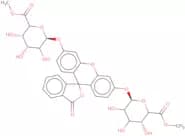
CAS:4-Methylumbelliferyl 2,3,6-tri-O-benzoyl-b-D-galactopyranoside is a fluorogenic substrate that can be used in food testing. This compound is also a chromogenic substrate that can be used for environmental testing. This product is a ligand and chemiluminescent reagent that can be used in diagnostics. It is also an enzyme substrate that has high purity and high quality.Purity:Min. 95%Molecular weight:650.63 g/molFluorescein di-b-D-glucuronide dimethyl ester
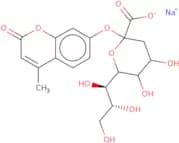
Fluorogenic substrate for beta-glucuronidasePurity:Min. 95%Color and Shape:PowderMolecular weight:712.61 g/mol4-Methylumbelliferyl 3-deoxy-D-glycero-a-D-galacto-2-nonulosonic acid sodium salt
CAS:4-Methylumbelliferyl 3-deoxy-D-glycero-a-D-galacto-2-nonulosonic acid sodium salt is a fluorogenic substrate that can be used to detect enzyme activity. It reacts with the enzyme β-galactosidase, which hydrolyzes lactose in the presence of oxygen and hydrogen peroxide. The product is 4methylumbelliferone, which emits light in the presence of luciferin and an oxidizing agent. This product is used for diagnostics, food testing, and environmental testing. CAS No. 123269-95-4Purity:Min. 95%Molecular weight:489.41 g/molBCIP disodium salt sesquihydrate
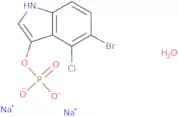
CAS:BCIP is a dye that can be used as a substrate in a fluorometric assay to detect the presence of effector proteins. It is also used in analytical chemistry to detect phosphate, and as a reagent in diagnostic tests for mucin gene expression. BCIP has been shown to have transcriptional regulatory effects on genes encoding for proteins involved in antibody production. BCIP has been shown to act as an effector protein, which influences the amount of mRNA produced by the gene encoding for tissue culture cells. BCIP can also be used as a model system to study the regulation of transcription in vitro.
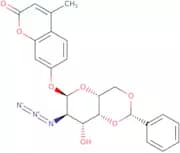
A hybridization technique using BCIP with DNA-dependent RNA polymerase II has been demonstrated and applied to analyze the mechanism of transcriptional control at the level of individual genes. The use of this technique allows for analysis at a single gene level and may allow for better understanding of transcriptional regulation.Purity:Min. 95%Molecular weight:388.45 g/mol4-Methylumbelliferyl 2-azido-2-deoxy-4,6-O-phenylmethylene-a-D-galactopyranoside
CAS:4-Methylumbelliferyl 2-azido-2-deoxy-4,6-O-phenylmethylene-a-D-galactopyranoside is a fluorogenic substrate that reacts with beta D galactosidase to produce light. This product is useful for diagnostics, conjugate production, and other applications. 4MUF 2 -Gal provides a convenient means of detecting beta D galactosidase activity in cell culture media and can be used as a chromogenic substrate for the detection of enzymes involved in glycosylation reactions. It is also used to detect staining by bioluminescence. The compound can be used in food testing and environmental testing to measure the presence of beta D galactosidase.Formula:C23H21N3O7Purity:Min. 95%Molecular weight:451.43 g/mol4-Nitrophenyl 2,3,4,6-tetra-O-acetyl-a-D-mannopyranoside
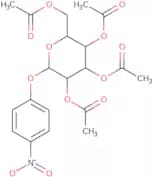
CAS:4-Nitrophenyl 2,3,4,6-tetra-O-acetyl-a-D-mannopyranoside is a highly sensitive and efficient chromogenic substrate designed for the detection and quantification of α-D-mannosidases. These enzymes play a crucial role in the degradation and metabolism of glycoproteins and glycolipids, thus having high importance in biotechnology and biochemical research. When acted upon by α-D-mannosidase, this substrate releases a bright yellow product, 4-nitrophenol, which is easily measured spectrophotometrically at 405 nm. This enables quick and accurate analysis in various applications such as enzyme kinetics, inhibitor screening, and activity assays.Purity:Min. 95%Molecular weight:469.4 g/mol4-Methylumbelliferyl 2-acetamido-3,4,6-tri-O-acetyl-2-deoxy-a-D-glucopyranoside
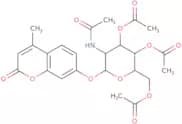
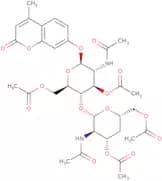
CAS:4-Methylumbelliferyl 2-acetamido-3,4,6-tri-O-acetyl-2-deoxy-a-D-glucopyranoside is a chromogenic substrate for enzymes that catalyze the hydrolysis of glycosidic bonds. It can be used in diagnostic tests to identify antibodies against certain bacteria and fungi. The fluorogenic form of 4-methylumbelliferyl 2-acetamido-3,4,6-triO acetyl -2 deoxy a D glucopyranoside can be used as a chemiluminescent substrate for detecting bacterial activity. 4 methylumbelliferyl 2 acetamido 3,4,6 triO acetyl -2 deoxy a D glucopyranoside is also useful in bioluminescent assays to detect ATP production in bacteria and other microorganisms. CAS No: 1174287–76–3
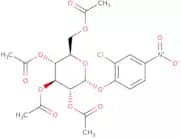
Purity:Min. 95%Molecular weight:505.48 g/mol2-Chloro-4-nitrophenyl 2,3,4,6-tetra-O-acetyl-a-D-glucopyranoside
CAS:2-Chloro-4-nitrophenyl 2,3,4,6-tetra-O-acetyl-a-D-glucopyranoside is a chromogenic substrate used to characterize enzymes in biochemical assays. The substrate is cleaved by enzymes, such as esterases and glycosidases, releasing the chromogenic group, which can be detected by its yellow color.Purity:Min. 95%Molecular weight:503.84 g/molTetrabutylphosphonium p-toluenesulfonate
CAS:Tetrabutylphosphonium p-toluenesulfonate is a fluorogenic substrate that is used in the diagnosis of cytochrome P450 enzymes. It is a ligand that binds to metal ions, such as copper and zinc. This compound is also used for the preparation of bioluminescent substrates for use in diagnostics and research.Formula:C16H36P•C7H7O3SPurity:Min. 95%Molecular weight:430.63 g/mol4-Chloro-2-nitrophenyl b-D-galactopyranoside
4-Chloro-2-nitrophenyl b-D-galactopyranoside is a fluorogenic substrate that is used in diagnostic testing, such as food and environmental testing. 4-Chloro-2-nitrophenyl b-D-galactopyranoside is an enzyme substrate that can be used to measure the activity of beta galactosidase. This substrate is also chromogenic, which means that it will change color when exposed to the enzyme. 4CNPGalA has been shown to be an excellent ligand for beta galactosidase and can be used in conjugation reactions with other molecules.Purity:Min. 95%Molecular weight:335.69 g/mol4-Nitrophenyl 2,3,4,6-tetra-O-acetyl-a-D-galactopyranoside
CAS:4-Nitrophenyl 2,3,4,6-tetra-O-acetyl-a-D-galactopyranoside is a chemiluminescent substrate that is used as a fluorescence indicator for the detection of β-galactosidase activities. This substrate has been shown to be useful for the detection of β-galactosidase in various types of samples such as culture media, environmental testing and food testing. 4NPTAG can also be used to detect β-galactosidase activity using fluorogenic substrates or chromogenic substrates. The enzyme activity can be detected by measuring the change in absorbance at 410 nm and the increase in luminescence at 460 nm.Formula:C20H23NO12Purity:Min. 95%Color and Shape:PowderMolecular weight:469.4 g/mol5-Acetamidofluorescein-di-(b-D-galactopyranoside)
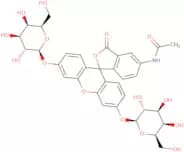
CAS:5-Acetamidofluorescein-di-(b-D-galactopyranoside), also known as C2FDG, is a fluorogenic substrate for beta-galactosidase that generates a green fluorescence after cleavage (Em ~520 nm). It is used in enzyme activity assays and in flow cytometry in animal, bacterial, and yeast cells.Formula:C34H35NO16Purity:Min. 95%Color and Shape:Yellow PowderMolecular weight:713.65 g/mol4-Nitrophenyl b-D-galactopyranosiduronic acid
CAS:4-Nitrophenyl b-D-galactopyranosiduronic acid is a chemiluminescent substrate for the detection of β-galactosidase. It is used for the determination of α-galactosidase activity in urine, feces, and blood. This product can be used as a chromogenic substrate for the detection of β-galactosidase in tissue culture medium. 4-Nitrophenyl b-D-galactopyranosiduronic acid is also a fluorogenic substrate which can be conjugated to an enzyme such as horseradish peroxidase or alkaline phosphatase.Purity:Min. 95%Molecular weight:315.23 g/molN-a-Boc-N-epsilon-cbz-L-lysine 4-nitroanilide
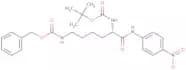
CAS:N-a-Boc-N-epsilon-cbz-L-lysine 4-nitroanilide is a compound that has been shown to regulate the production of angiotensin. It also acts as an inhibitor for the production of fibronectin, which is key in the regulation of inflammation and wound healing. N-a-Boc-N-epsilon-cbz-L-lysine 4 nitroanilide has been shown to be a trifunctional molecule and can yield three different products: oxychlorides, hydrated and solvates. This molecule also regulates phosphorus levels. There are many functions that this molecule performs, including binding with amino acids and regulating their function, which is why it is so important to study this molecule more closely.Purity:Min. 95%Molecular weight:500.54 g/mol1-Naphthyl 2-acetamido-2-deoxy-b-D-glucopyranoside
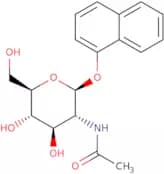
CAS:1-Naphthyl 2-acetamido-2-deoxy-b-D-glucopyranoside is a chromogenic substrate commonly used to assay the activity of enzymes that cleave N-acetyl-beta-D-glucosaminide, such as beta-N-acetylglucosaminidase. Upon cleavage by the enzyme of interest, the substrate releases a yellow-colored 1-naphthylamine, which can be measured spectrophotometrically. This substrate is widely used in biomedical research and drug discovery for studying lysosomal storage disorders, bacterial infections, and neurological diseases.
Purity:Min. 95%Molecular weight:347.36 g/mol2-Chloro-4-nitrophenyl b-D-cellobioside
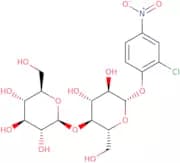
CAS:2-Chloro-4-nitrophenyl b-D-cellobioside (CNPG) is a chromogenic enzyme substrate that is commonly used to detect and measure the activity of β-glucosidases. CNPG is cleaved by the enzyme into the chromogenic product, which can be detected spectrophotometrically. β-glucosidases are important enzymes in the breakdown of cellulose, and CNPG is a widely used substrate for the detection and quantification of these enzymes in various research studies.Purity:Min. 95%Color and Shape:PowderMolecular weight:497.83 g/molAldol® 515 palmitate, Biosynth Patent: EP 2427431 and US 8940909
CAS:Aldol® 515 palmitate is a high quality, non-toxic and water soluble chromogenic substrate for enzymes. It is used to detect the presence of lipase activity due to yielding a red color.
Formula:C39H50N2O3Purity:Min. 95%Color and Shape:PowderMolecular weight:594.83 g/mol6-Chloro-1H-indol-3-yl b-D-mannopyranoside
CAS:6-Chloro-1H-indol-3-yl b-D-mannopyranoside is an enzyme substrate that is used in the fluorogenic and chromogenic assays for detecting indoleamines. This compound has a conjugate, which is a fluorescent molecule that can be attached to an antibody to target specific proteins or cells. 6-Chloro-1H-indol-3-yl b-D-mannopyranoside is used as a diagnostic agent in the detection of bacterial and fungal infections. It is also used as an indicator of cell growth in culture media.Purity:Min. 95%Molecular weight:329.73 g/mol4-Methylumbelliferyl 4-deoxy-b-D-chitobiose peracetate
CAS:4-Methylumbelliferyl 4-deoxy-b-D-chitobiose peracetate is a chromogenic substrate used for the detection of β-galactosidase activity. It is an analog of 4-methylumbelliferone that can be hydrolyzed by β-galactosidase to produce fluorescence. This product is supplied as a white crystalline solid and can be stored at room temperature. This substrate has been shown to work well in culture media, food testing, and environmental testing.
Purity:Min. 95%Color and Shape:Off-White PowderMolecular weight:734.7 g/mol5-Bromo-4-chloro-3-indolyl a-L-arabinopyranoside
This product is a fluorogenic substrate that reacts with the enzyme beta-galactosidase to produce a fluorescent product. It can be used in food testing, environmental testing, and diagnostics. The CAS number for this product is 609-33-2. This product is available in high purity and high quality.
Formula:C13H13BrClNO5Color and Shape:PowderMolecular weight:378.6 g/mol4-Nitrophenyl phosphate potassium salt
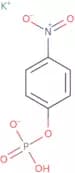
CAS:4-Nitrophenyl phosphate potassium salt is a high quality, non-radioactive chemiluminescence substrate that is used in the detection of oxidase activity. This product can be used to measure the activity of peroxidase and catalase enzymes, as well as the accumulation of hydrogen peroxide. It also has been shown to be a ligand for some sulfhydryl groups and an inhibitor of phosphatases. 4-Nitrophenyl phosphate potassium salt has been tested for its ability to inhibit bacterial growth and fluorescence by staining cells. This product has also been shown to have bioluminescent properties and can be used for diagnostics or culture media.Purity:Min. 95%Molecular weight:257.18 g/mol5-Bromo-3-indolyl β-D-glucuronide cyclohexylammonium
CAS:chromogenic substrate for beta-glucuronidaseFormula:C14H14BrNO7•C6H13NPurity:Min. 95%Color and Shape:PowderMolecular weight:487.34 g/molZ-Gly-Pro-Arg-pNA acetate
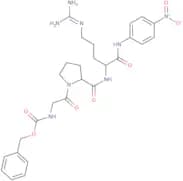
CAS:Z-Gly-Pro-Arg-pnaacetate is a substrate commonly used in enzyme research, particularly in the study of proteases. Proteases are enzymes responsible for catalyzing the hydrolysis of peptide bonds in proteins. In a study investigating the activation of protein C in blood plasma by a protease from Aspergillus ochraceus, the enzyme activity was qualitatively assessed using chromogenic peptide substrates, such as pGlu-Pro-Arg-pNA.Formula:C27H34N8O7Purity:Min. 95%Molecular weight:582.6 g/mol4-Nitrophenyl 4-O-(b-D-mannopyranosyl)-b-D-glucopyranoside
4-Nitrophenyl 4-O-(b-D-mannopyranosyl)-b-D-glucopyranoside is a fluorogenic substrate that can be used for the detection of β-glucosidase activity in biological samples. It is an excellent substrate for the enzyme β-glucosidase, which catalyzes the hydrolysis of ester bonds in glycosides with release of glucose and formation of a phenolic product. The 4-nitrophenol group reacts with oxygen to produce light, making it useful as a chemiluminescent or bioluminescent substrate. The conjugate may also be used to detect β-glucosidase activity in culture media by adding the substrate to the culture medium and measuring its fluorescence. 4NP4OBG has been shown to have high purity, with only trace amounts of impurities detected such as benzaldehyde and 2,6-dinitroPurity:Min. 95%Molecular weight:463.39 g/mol4-Nitrophenyl 2,3-di-O-(b-D-glucopyranosyl)-b-D-glucopyranoside
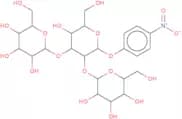
4-Nitrophenyl 2,3-di-O-(b-D-glucopyranosyl)-b-D-glucopyranoside is a chromogenic substrate that can be used to detect the presence of β-glucuronidase in human and animal tissue. The compound is also a fluoroquinolone substrate for the detection of β-lactamase activity. 4NPBG is used in diagnostics as well as food testing, due to its ability to detect bacteria in both food and water samples. 4NPBG is a chemiluminescent substrate that emits light upon hydrolysis by β-glucuronidase or β-lactamase. The compound has been shown to be an excellent ligand for binding to protein A or protein G and can be used for immunoassays such as ELISA or Western blotting.Purity:Min. 95%Molecular weight:625.53 g/mol3-Nitrophenyl 2-acetamido-2-deoxy-b-D-glucopyranoside
CAS:3-Nitrophenyl 2-acetamido-2-deoxy-b-D-glucopyranoside is a chemiluminescent substrate that is used for the detection of glycosidases. It has been shown to be a good ligand for the study of nucleic acid hybridization, and it can also be used in enzyme assays. 3NPPAG is available in high purity and high quality. This product has been tested for use in culture media, environmental testing, bioluminescence, staining, fluorogenic substrate, CAS No. 61894-63-1, diagnostics, chromogenic substrate, enzyme substrate, food testing and conjugate applications.Purity:Min. 95%Phosphoric acid, mono(4-nitrophenyl) ester
CAS:Phosphoric acid, mono(4-nitrophenyl) ester is an inhibitor that binds to the human serum albumin (HSA), thereby preventing it from binding to the transcriptional regulatory protein. This leads to a decrease in the activity of this protein and consequently less inhibition of gene expression. The structural analysis of this inhibitor has shown that it forms hydrogen bonding interactions with basic proteins, while its reactivity is mainly dependent on Michaelis–Menten kinetics. The inhibitor also inhibits enzyme activities by binding to their active sites, reducing the enzyme's ability to catalyze reactions.Formula:C6H6NO6PMolecular weight:219.09 g/molRef: 3D-P-6460
1kgTo inquire50gTo inquire100gTo inquire250gTo inquire500gTo inquire-Unit-kgkgTo inquire