Glicociência
A glicociência é o estudo dos carboidratos e seus derivados, bem como das interações e funções biológicas em que participam. Este campo de pesquisa é crucial para compreender uma ampla variedade de processos biológicos, incluindo o reconhecimento celular, a sinalização, a resposta imune e o desenvolvimento de doenças. A glicociência tem aplicações importantes na biotecnologia, na medicina e no desenvolvimento de novos medicamentos e terapias. Na CymitQuimica, oferecemos uma ampla seleção de produtos de alta qualidade e pureza para pesquisa em glicociência. Nosso catálogo inclui monossacarídeos, oligossacarídeos, polissacarídeos, glicoconjugados e reagentes específicos, projetados para apoiar os pesquisadores em seus estudos sobre a estrutura, função e aplicações dos carboidratos em sistemas biológicos. Esses recursos são destinados a facilitar descobertas científicas e aplicações práticas em diversas áreas das biociências e da medicina.
Subcategorias de "Glicociência"
- Amino açúcares(108 produtos)
- Anticorpos Glico-Relacionados(282 produtos)
- Glicolípidos(46 produtos)
- Glicosaminoglicanos (GAGs)(55 produtos)
- Glicosídeos(419 produtos)
- Monossacáridos(6.622 produtos)
- Oligossacarídeos(3.682 produtos)
- Polissacáridos(503 produtos)
Foram encontrados 11041 produtos de "Glicociência"
Ordenar por
Pureza (%)
0
100
|
0
|
50
|
90
|
95
|
100
Cytidine 5’-Monophosphate Methyl Ester Sodium Salt
CAS:<p>Applications Cytidine 5’-Phosphate Methyl Ester Sodium Salt is an byproduct formed in the synthesis of analogs of Cytidine 5’-Diphosphate with an important role in the metabolism of phospholipids.<br>References Trotter, P., et al.: J. Biol. Chem., 270, 6062 (1995), Janssen, M., et al.: Yeast, 16, 641 (2000), Henneberry, A., et al.: Mol. Biol. Cell, 12, 511 (2001), Boumann, H., et al.: Biochemistry, 42, 3054 (2003),<br></p>Fórmula:C10H15N3NaO8PCor e Forma:White To Off-WhitePeso molecular:359.22-Acetamido-2-deoxy-3-O-methyl-D-glucopyranose
CAS:Produto Controlado<p>Stability Hygroscopic<br>Applications Inhibitor of N-Acetylglucosamine kinase in the glucose metabolism pathway<br>References Gerwig, G., et al.: J. Biol. Chem., 264, 1027 (1989), Zeitler, R., et al.: Eur. J. Biochem., 204, 1165 (1992),<br></p>Fórmula:C9H17NO6Cor e Forma:Off-WhitePeso molecular:235.235-O-Decanoyl-D-xylose
CAS:<p>5-O-Decanoyl-D-xylose is a synthetic sugar that is used in the synthesis of oligosaccharides and polysaccharides. 5-O-Decanoyl-D-xylose is a modification of D-xylose that can be synthesized from D-xylose by adding a decanoic acid group to the C5 position. This modification increases the susceptibility of the sugar to reactions with other molecules, such as fluorination or methylation. Click modification reactions have been shown to be particularly useful for this purpose, since they are highly selective and can be carried out under mild conditions.</p>Fórmula:C15H28O6Pureza:Min. 95%Cor e Forma:PowderPeso molecular:304.38 g/mol2-Chloro-4-nitrophenyl 2-azido-2-deoxy-b-D-galactopyranoside
CAS:<p>2-Chloro-4-nitrophenyl 2-azido-2-deoxy-b-D-galactopyranoside is a synthetic compound. It has been shown to be an inhibitor of glycosylation by blocking the terminal step of glycosylation, which is the formation of a covalent bond between a sugar and an amino acid. The compound has been used in click chemistry to methylate saccharides.</p>Fórmula:C12H13ClN4O7Pureza:Min. 95%Peso molecular:360.71 g/mol1,3,4,6-Tetra-O-acetyl-2-deoxy-2-fluoro-D-glucopyranose
CAS:<p>1,3,4,6-Tetra-O-acetyl-2-deoxy-2-fluoro-D-glucopyranose is a sugar that can be used as a starting material for the synthesis of other sugars. It has been shown to crystallize in a number of different forms, including monoclinic and hexagonal crystals. Crystals are grown from solvents such as silver nitrate or chloride. The molecule has three stereoisomers, which are mirror images of each other. These isomers have different chemical properties and react differently with various substances. This property can be utilized to synthesize desired compounds with desired functionalities.</p>Fórmula:C14H19FO9Pureza:Min. 95 Area-%Cor e Forma:PowderPeso molecular:350.29 g/mol3,4,6-Tri-O-acetyl-2-deoxy-2-phthalimido-D-glucopyranose
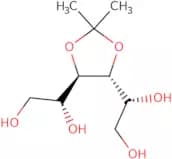
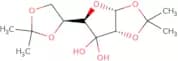
CAS:<p>3,4,6-Tri-O-acetyl-2-deoxy-2-phthalimido-D-glucopyranose is a modified sugar that belongs to the group of carbohydrates. It is a monosaccharide that has been synthesized by the modification of 2,3,4,6-tetraacetyl glucose with 3,4,6-trihydroxybenzaldehyde. The compound is an off white powder and can be used in glycosylation reactions. This product has been shown to have high purity and can be custom synthesized to meet your needs.</p>Fórmula:C20H21NO10Pureza:Min. 95%Peso molecular:435.38 g/mol3,4:5,6-Di-O-Isopropylidene-D- glycero- L- gulo- heptitol
<p>3,4:5,6-Di-O-Isopropylidene-D-glycero-L-guloheptitol is a synthetic glycosylate that is used as a molecular probe for glycosyltransferases. It can be fluorinated at the 3, 4, and 6 positions to produce 3,4:5,6-DiFluoro-D-glycero-L-guloheptitol. This product is made by reacting glycerol with glyceraldehyde in the presence of sodium borohydride in an acid medium. The resulting product is purified by crystallization.</p>Pureza:Min. 95%2'-Phospho-cyclic ADP-ribose
CAS:<p>2'-Phospho-cyclic ADP-ribose is a structural analog of the dinucleotide phosphate, ADP-ribose. It has been shown to inhibit the uptake of adp-ribose and to block the transfer reactions that are catalyzed by enzymes such as phosphodiesterases and nucleoside diphosphate kinase. 2'-Phospho-cyclic ADP-ribose can be used to inhibit skin cancer and other cancers. The compound has been shown to inhibit cell function in skin cells, which may be due to its ability to activate apoptosis.</p>Fórmula:C15H19N5O16P3Pureza:Min. 95%Peso molecular:618.26 g/mol2,3,2',3',4',6'-Hexa-O-acetyl-1,6-anhydro-b-D-cellobiose
CAS:<p>2,3,2',3',4',6'-Hexa-O-acetyl-1,6-anhydro-b-D-cellobiose is a synthetic monosaccharide. It can be modified with methylation, fluorination and click modification to produce 2,3,2',3',4',6'-hexamethylene-1,6-anhydro-b-D-cellobiose. This carbohydrate has been shown to have antiinflammatory activities in vitro and in vivo.</p>Fórmula:C24H32O16Pureza:Min. 95%Cor e Forma:PowderPeso molecular:576.5 g/mol2-Deoxy-3,4-O-benzylidene-2-methylidene-D-ribono-1,5-lactone
<p>2-Deoxy-3,4-O-benzylidene-2-methylidene-D-ribono-1,5-lactone is a synthetic sugar that has been modified at the 3 and 4 positions of the sugar ring. The 2 position on the sugar ring has been fluorinated. It is monosaccharide that has been methylated at the 2 position of the sugar ring. The saccharide is a glycosylate and it has been glycosylated at the 1 and 5 positions of the sugar ring. It is a carbohydrate that belongs to a complex carbohydrate class.</p>Pureza:Min. 95%2-Hydroxydesipramine glucuronide
CAS:<p>2-Hydroxydesipramine glucuronide is a metabolite of desipramine, which is a tricyclic antidepressant that inhibits the uptake of noradrenaline and 5-hydroxytryptamine. 2-Hydroxydesipramine glucuronide is formed by conjugation with glucuronic acid. It has been found in human urine and has been proposed as a biomarker for the clinical monitoring of patients taking desipramine. The pharmacological effects of 2-hydroxydesipramine glucuronide are similar to those of desipramine, but it is less potent and selective than its parent compound. This metabolite also has biliary excretion properties, which may be due to its small molecular size.</p>Fórmula:C24H30N2O7Pureza:Min. 95 Area-%Cor e Forma:PowderPeso molecular:458.51 g/molN-GlcNAc-Biotin
CAS:<p>N-GlcNAc-Biotin is a biotin analog that is used for the detection of cancer. It is used as an outpatient diagnostic tool to detect chest deformity, asymmetry, and other signs of lung or breast cancer. N-GlcNAc-Biotin binds to the receptor for biotin, which is expressed on many cancers cells. The molecule then emits radiation at a specific wavelength that can be detected by a waveguide device. A recrystallized form of this compound was developed to enhance its sensitivity and specificity for diagnosis.END></p>Fórmula:C18H30N4O7SCor e Forma:PowderPeso molecular:446.52 g/molN,N',N''-Triacetylchitotriose
CAS:<p>N,N',N''-Triacetylchitotriose is a chiral compound that is formed from the acetylation of chitin. It has been shown to be an antigen for monoclonal antibodies and a model system for exploring the enzymatic hydrolysis of chitin. N,N',N''-Triacetylchitotriose can be used to investigate the catalytic mechanism of chitinase enzymes, which are involved in breaking down the polysaccharide chitin. It has also been shown to have bioactive properties, such as inhibiting lectins and binding with mannose receptors.</p>Fórmula:C24H41N3O16Pureza:Min. 95 Area-%Cor e Forma:White PowderPeso molecular:627.59 g/molTrehalulose
CAS:<p>Trehalulose is a sugar that is found in plants, animals, and fungi. It is a reaction product of glucose with the enzyme trehalase, which cleaves off two molecules of water to form one molecule of glucose and one molecule of trehalulose. Trehalulose has been shown to be an inhibitor of phosphofructokinase, an enzyme involved in glycolysis. This inhibition can be reversed by the addition of ATP or pyruvate kinase. Trehalulose also has been shown to inhibit the growth of cells by interfering with protein synthesis. Trehalulose may have biological functions including dietary uses as a replacement for sucrose or lactose due to its low calorie content and high level of sweetness.br>br> Trehalulose is structurally similar to sucrose because it has both a glucose part and a fructose part and it will react with hydrogen fluoride (HF) in dry weight reactions, forming trehalo-s</p>Fórmula:C12H22O11Pureza:Min. 90 Area-%Cor e Forma:Clear Viscous LiquidPeso molecular:342.3 g/molD-Galactopyranosyl-(b1-3)-[N-acetylneuraminyl-(a2-6)]-D-N-acetylgalactosaminyl serine-biotin
<p>D-Galactopyranosyl-(b1-3)-[N-acetylneuraminyl-(a2-6)]-D-N-acetylgalactosaminyl serine-biotin is a Glycosylation, complex carbohydrate. It is a Methylation, Click modification, Polysaccharide. This product is Fluorinated.</p>Pureza:Min. 95%Zymosan A (from Saccharomyces cerevisiae)
CAS:<p>Zymosan is prepared from the cell walls of baker's yeast (Saccharomyces cerevisiae) and consists of polysaccharide chains of various molecular weights, containing approximately 73% polysaccharide, 15% protein, 7% lipid and other inorganic components. When injected into animals, it induces inflammation and has been used for many years in inflammation and immunology research. The conditions activated include components of the complement system, prostaglandins and leukotrienes, platelet aggregation factor, and lysosomal enzymes. Zymosan preparations are often insoluble but can be made soluble for separation on DE cellulose or Sepharose to produce more active fractions.</p>Benzyl 4-O-{4-O-[[2,4-di-O-acetyl-3-O-[2,4-di-O-(3,4,6-tri-O-acetyl-2-deoxy-2-phthalimido-b-D-glucopyranosyl)-3,6-di-O-benzyl-a-D-ma nnopyranosyl]-6-O-[3,4-di-O-acetyl-2,6-di-O-(3,4,6-tri-O-acetyl-2-deoxy-2-phthalimido-b-D-glucopyranosyl)-a-D-mannopyr
CAS:<p>The benzyl group is a type of organic group in which the hydrogen atom at the alpha position is replaced with a phenyl group. In this compound, the benzyl group is attached to a sugar molecule through an ether bond. The benzyl group can be modified to produce different compounds. For example, it can be fluorinated to produce fluoro-benzyl compounds that are used as anti-cancer agents.</p>Fórmula:C203H206N6O71SPureza:Min. 95%Peso molecular:3,897.87 g/mol2,3,4,6-Tetra-O-pivaloyl-b-D-galactopyranosyl amine
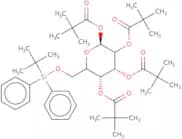
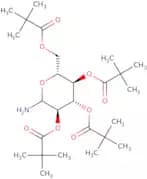
CAS:<p>2,3,4,6-Tetra-O-pivaloyl-b-D-galactopyranosyl amine is a glycosylated monosaccharide with four pivaloyl groups. It is an important component of the glycoconjugate family and has been used in research as a model for glycoprotein synthesis. This compound is synthesized from 2,3,4,6-tetra-O-pivaloylglucose through the use of Click chemistry and fluorination. The 2,3,4,6-Tetra-O-pivaloylglucose can be modified to produce a variety of sugar derivatives including methylated sugars and polysaccharides. This product is custom synthesized to meet customer specifications.<br>2,3,4,6-Tetra-O-pivaloylglucose can be obtained by reacting 2 equivalents of triacetin</p>Fórmula:C26H45NO9Pureza:Min. 95%Cor e Forma:PowderPeso molecular:515.64 g/mol2-Acetamido-1,3,4,6-tetra-O-benzyl-2-deoxy-a-D-glucopyranoside
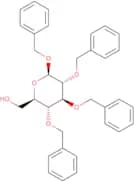
CAS:<p>2-Acetamido-1,3,4,6-tetra-O-benzyl-2-deoxy-a-D-glucopyranoside is a modification of the natural carbohydrate. It is an oligosaccharide synthesized with custom synthesis. The synthetic process involves the methylation and glycosylation of the monosaccharides. Fluorination and saccharide linkages are also used in the production of this compound. 2-Acetamido-1,3,4,6-tetra-O-benzyl-2-deoxyglucopyranoside can be used as a building block for complex carbohydrates or as a research reagent for glycobiology.</p>Fórmula:C36H39NO6Pureza:Min. 95 Area-%Cor e Forma:PowderPeso molecular:581.7 g/mol2-Acetamido-2,6-dideoxy-L-galactose
CAS:<p>2-Acetamido-2,6-dideoxy-L-galactose (ADG) is a sugar that belongs to the group of monosaccharides. It is produced by the enzyme synthase and is found in bacteria such as type strain S. mutans and P. aeruginosa. ADG has been shown to be an inhibitor of cell lysis and can be used for the treatment of staphylococcus infections. In addition, it has shown to have anti-inflammatory properties due to its ability to inhibit hydrogen fluoride induced inflammation in mice.</p>Fórmula:C8H15NO5Pureza:Min. 98 Area-%Cor e Forma:PowderPeso molecular:205.21 g/mol2-O-(2-Acetamido-2-deoxy-β-D-glucopyranosyl)-D-mannopyranose
CAS:<p>2-O-(2-Acetamido-2-deoxy-b-D-glucopyranosyl)-D-mannopyranose is a disaccharide that contains two acetamides. It has a glycosidic bond and is classified as a glycoside. This compound has the same sequence of residues as D-mannose, but one less carbon atom. The acetamides form an ester linkage to the 2’ and 3’ hydroxyl groups on the sugar moiety.</p>Fórmula:C14H25NO11Pureza:Min. 95%Cor e Forma:PowderPeso molecular:383.35 g/mol3-O-Acetyl-1,2-O-isopropylidene-α-D-glucofuranose
CAS:<p>3-O-Acetyl-1,2-O-isopropylidene-a-D-glucofuranose is a synthetic sugar that can be custom synthesized and modified. It has been shown to be an excellent substrate for glycosylation, where it can be used as a sugar donor or acceptor. This sugar can also be fluorinated and complexed with other sugars. 3-O-Acetyl-1,2-O-isopropylidene-a-D-glucofuranose is a high purity carbohydrate with CAS No. 24807-96-3.</p>Fórmula:C11H18O7Pureza:Min. 95%Cor e Forma:White To Off-White SolidPeso molecular:262.26 g/molPalatinose hydrate
CAS:<p>Palatinose hydrate is a polyol that is produced by the hydrolysis of inulin. It has been shown to have antibacterial activity against Lactococcus lactis, an important probiotic bacteria. Palatinose hydrate also has an amine group that can react with the carbonyl group of other compounds. This makes it effective against bacteria such as Echinocandin, which contains a reactive carbonyl group. Palatinose hydrate is used in food products and has been shown to have anti-viral properties. The viscosity of this compound can be increased by mixing with glycerol or sorbitol.</p>Fórmula:C12H22O11·xH2OPureza:Min. 95%Cor e Forma:PowderPeso molecular:342.3 g/mol1’,2’-Di-O-acetyl-5’-O-benzoyl-3’-deoxy-3’-fluoro-D-ribofuranose
<p>1’,2’-Di-O-acetyl-5’-O-benzoyl-3’-deoxy-3’-fluoro-D-ribofuranose is a glycosylated monosaccharide that is custom synthesized for use as a fluorinated probe in the detection of protein glycosylation. This compound has been shown to react with Methyl groups to form a complex carbohydrate. 1’,2’-Di-O-acetyl-5’-O-benzoyl-3’ -deoxy -3’ -fluoro D ribofuranose is soluble in water and organic solvents such as ethanol or methanol. The CAS number for this compound is 522611–41–0.</p>Pureza:Min. 95%Trifucosyl-p-lacto-N-hexaose
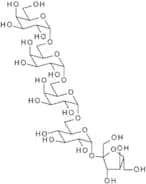
CAS:<p>Trifucosyl-p-lacto-N-hexaose is a complex carbohydrate that has been modified by methylation and glycosylation. It is a synthesized sugar that may be used as a pharmaceutical agent or as an additive in food products. Trifucosyl-p-lacto-N-hexaose has been modified using Click chemistry and fluorination, which have been shown to increase the purity of this compound. This product has a high degree of purity, as it is synthesized from pure materials.</p>Fórmula:C58H98N2O43Pureza:Min. 90 Area-%Cor e Forma:SolidPeso molecular:1,511.39 g/molUDP-D-glucuronide trisodium salt
CAS:<p>Substrate for glucuronosyltransferases</p>Fórmula:C15H19N2Na3O18P2Pureza:Min. 98 Area-%Cor e Forma:White Off-White PowderPeso molecular:646.24 g/mol2-Acetamido-3,4,6-tri-O-acetyl-2-deoxy-β-D-glucopyranosyl amine
CAS:<p>2-Acetamido-3,4,6-tri-O-acetyl-2-deoxy-b-D-glucopyranosyl amine is a high purity custom synthesis sugar. It can be modified with fluorination, glycosylation, and methylation. It has CAS No. 4515-24-6 and is a synthetic oligosaccharide monosaccharide saccharide carbohydrate complex carbohydrate.</p>Fórmula:C14H22N2O8Pureza:Min. 95%Cor e Forma:PowderPeso molecular:346.33 g/molPhenyl 4,6-O-benzylidene-a-D-thiomannopyranoside
CAS:<p>Phenyl 4,6-O-benzylidene-a-D-thiomannopyranoside is a custom synthesis that is modified with fluorination, methylation and click modification. It is a monosaccharide that is used in the preparation of polysaccharides and glycosylations. Phenyl 4,6-O-benzylidene-a-D-thiomannopyranoside also has saccharide and carbohydrate properties.</p>Fórmula:C19H20O5SPureza:Min. 95%Cor e Forma:White PowderPeso molecular:360.43 g/molD-[UL-13C6]Fructose 6-phosphate disodium salt hydrate
CAS:<p>D-[UL-13C6]Fructose 6-phosphate disodium salt hydrate is a compound that inhibits sperm motility by binding to the transmembrane proteins of the plasma membrane. This inhibition leads to an increase in spermatozoa's mitochondrial transmembrane potential, which is necessary for fertilization. D-[UL-13C6]Fructose 6-phosphate disodium salt hydrate also has been shown to significantly increase the fertility of cryopreserved semen samples and can be used as an extender for animal spermatozoa.</p>Fórmula:C6H11Na2O9P•(H2O)xPureza:Min. 95 Area-%Cor e Forma:PowderPeso molecular:310.1 g/mol5-Deoxy- 5- iodo- 2, 3- O- isopropylidene -D- ribonic acid γ-lactone
<p>5-Deoxy-5-iodo-2,3-O-isopropylidene-D-ribonic acid gamma-lactone is a sugar molecule that has been modified and synthesized. It is a glycosylation product of 5'-deoxy-5'-iodoarabinose with 3,4,6-trihydroxybenzoic acid. It can be used for the synthesis of oligosaccharides and saccharides. This compound has been shown to inhibit the growth of Mycobacterium tuberculosis in culture.</p>Pureza:Min. 95%2-Azido-2-deoxy-3,4:5,6-di-O-isopropylidene-L-gulonic acid methyl ester
<p>This product is a custom synthesized and modified monosaccharide. It is an oligosaccharide, which is made up of two or more sugars that are linked together by glycosidic bonds. The sugar in this product is a glycosylation, which is a type of sugar that has been modified by adding a new chemical group to it. This modification can be done by fluorination, methylation, or click modification. This product also contains a saccharide, which is a large carbohydrate molecule that consists of many sugar molecules. This type of carbohydrate can be either polysaccharides or complex carbohydrates. This product has high purity and CAS number (CAS No.).</p>Pureza:Min. 95%Raloxifene-6-D-glucuronide D4 lithium salt
Produto Controlado<p>This is a custom synthesis of an oligosaccharide with a 6-D-glucuronide D4 lithium salt. It is a complex carbohydrate that has been modified with methylation and glycosylation. This compound can be used as a synthetic intermediate for the production of other compounds or it can be used as a pharmaceutical agent.</p>Fórmula:C34H30NO10SD4·LiPureza:Min. 95%Peso molecular:659.66 g/molTetra- O- benzoyl- b- D- xylofuranose
CAS:<p>Tetra-O-benzoyl-b-D-xylofuranose is a custom synthesis. It is an oligosaccharide with a saccharide chain of four sugar units that are linked by glycosylation. The first and third sugars have a benzoyl group, while the second and fourth sugars are xylopyranosyl residues. The molecule has been modified with fluorination, methylation, and click chemistry. Tetra-O-benzoyl-b-D-xylofuranose is soluble in water, methanol, acetone, chloroform, ethanol, ethylene glycol ethers, and acetonitrile.<br>Tetra-O-benzoyl-b-D-xylofuranose has CAS number 18530–90–0.</p>Fórmula:C33H26O9Pureza:Min. 95%Peso molecular:566.55 g/molUDP-β-D-glucopyranoside
<p>UDP-beta-D-glucopyranoside is a novel, synthetic nucleotide analogue that has antiviral and anticancer activities. It is a nucleoside that inhibits DNA synthesis and may be useful as an antitumor agent. UDP-beta-D-glucopyranoside can also be used to synthesize DNA and RNA. In addition, it can be used in the synthesis of phosphoramidites, which are used to modify DNA or to synthesize oligonucleotides. UDP-beta-D-glucopyranoside is available in high purity with CAS No., which makes it a high quality product.</p>Fórmula:C15H24N2O17P2Pureza:(Nmr) Min. 95.0%Peso molecular:566.3 g/molXylan from beechwood
CAS:<p>Xylan is the most abundant noncellulosic polysaccharide present in both hardwoods and annual plants. Xylan is found mainly in the secondary cell wall as part of the hemicellulose complex and forms an interface between lignin and other polysaccharides. In their simplest forms, xylans are linear polysaccharides of β-1,4-xylose residues but can also form complex heterogenous and polydispersed glycans.</p>Pureza:(Pcr) Min. 98.0000000%4-Methoxyphenyl 4-O-{2-O-acetyl-3-O-[2,4-di-O-(3,4,6-tri-O-acetyl-2-deoxy-2-phthalimido-β-D-glucopyranosyl)-3,6-di-O-benzyl-β-D-mann opyranosyl]-6-O-tert-butyldimethylsilyl-β-D-mannopyranosyl}-3,6-di-O-benzyl-2-deoxy-2-phthalimido-β-D-glucopyranoside
<p>4-Methoxyphenyl 4-O-{2-O-acetyl-3-O-[2,4-di-O-(3,4,6-tri-O-acetyl-2,6 glycoside)-bDglucopyranosyl]-3,6 di -Obenzyl - bDmannopyranosyl} - 3,6 di -Obenzyl 2 deoxy 2 phthalimido bDglucopyranoside is a synthetic compound that belongs to the group of oligosaccharides. It is a modification of a monosaccharide with methylation and fluorination. The synthesis of this compound includes the use of Click chemistry for glycosylation. The CAS number is 766913–30–8.</p>Fórmula:C109H119N3O37SiPureza:Min. 95%Peso molecular:2,091.19 g/mol1,3,6-Tri-O-galloylglucose
CAS:<p>1,3,6-Tri-O-galloylglucose is an extract of the fruit of Terminalia catappa and Terminalia citrina. It has been shown to have antimicrobial activity against a variety of bacteria and fungi. The antimicrobial activity may be due to its ability to chelate metal ions or inhibit their activities. Punicalagin also has tannin content, which may contribute to its antimicrobial properties.</p>Fórmula:C27H24O18Pureza:Min. 95%Cor e Forma:PowderPeso molecular:636.47 g/mol6'-Galactosyllactose
CAS:<p>Galactosyllactose attenuated NF-κB inflammatory signaling in human intestinal epithelial cells and in human immature intestine. Thus, galactosyllactoses are strong anti-inflammatory agents in human colostrum and early milk, contributing to innate immune modulation. The potential clinical utility of galactosyllactose warrants investigation.</p>Fórmula:C18H32O16Pureza:Min. 95 Area-%Cor e Forma:White PowderPeso molecular:504.43 g/mol2,5-Di-O-benzyl-3-deoxy-3-fluoro-b-D-ribofuranose
CAS:<p>2,5-Di-O-benzyl-3-deoxy-3-fluoro-b-D-ribofuranose is a custom synthesized compound that has not been evaluated in humans. It is a methylated monosaccharide with a high purity and modification. The CAS number for this compound is 123369-31-3.</p>Pureza:Min. 95%2- C- Methyl- 3, 4- O- isopropylidene -L- arabinonic acid d- lactone
<p>2-C-Methyl-3,4-O-isopropylidene-L-arabinonic acid d-lactone is a synthetic chemical compound that has been shown to inhibit the growth of bacteria. This compound has been shown to inhibit the growth of bacteria by inhibiting ribulose bisphosphate carboxylase activity and causing cell death. It also inhibits glycosylation reactions in bacteria. 2-C-Methyl-3,4-O-isopropylidene -L-arabinonic acid d -lactone is an oligosaccharide with a complex carbohydrate structure. It contains saccharides and monosaccharides with a methylated C2’ position on the glucose moiety.<br>2CMOA has a molecular weight of 516.</p>Pureza:Min. 95%Benzyl 4-O-a-D-glucosaminyl-b-D-xylopyranoside
<p>Benzyl 4-O-a-D-glucosaminyl-b-D-xylopyranoside is a methylated saccharide. It is a product of the Click modification of an oligosaccharide with benzyl alcohol. Benzyl 4-O-a-D-glucosaminyl-b-D-xylopyranoside is produced by glycosylation of D-(+)-glucose with glucuronic acid and galactose. The product can be used as a synthetic building block for complex carbohydrate synthesis, fluorination, or click modification.</p>Pureza:Min. 95%4-Methoxyphenyl a-D-mannopyranoside
CAS:<p>4-Methoxyphenyl a-D-mannopyranoside is a fluorinated monosaccharide. It is synthesized by the reaction of 4-methoxyphenol with an aldose in the presence of sodium hydroxide and sulfuric acid. The product is purified by chromatography with silica gel and eluted with methanol. This compound is also used to produce polysaccharides, glycosyls, oligosaccharides, or complex carbohydrates through glycosylation or polysaccaride synthesis. 4-Methoxyphenyl a-D-mannopyranoside can be modified to produce methylated, acetalized, or deoxygenated derivatives for use in click chemistry reactions.</p>Fórmula:C13H18O7Pureza:Min. 95%Cor e Forma:White PowderPeso molecular:286.28 g/mol5-Fluorouridine 5'-Diphosphate Galactose
CAS:<p>5-Fluorouridine 5'-Diphosphate Galactose is a nucleotide that is used as an inhibitor of thymidylate synthase. It is a chemotherapeutic agent that inhibits the production of DNA and RNA, which leads to the death of tumor cells. 5-Fluorouridine 5'-Diphosphate Galactose binds to a specific site on the enzyme thymidylate synthase, preventing it from catalyzing the conversion of thymine to thymine monophosphate. This prevents DNA synthesis and also causes the death of tumor cells due to lack of DNA and RNA synthesis.<br>5-Fluorouridine 5'-Diphosphate Galactose is synthesized from uracil and galactose. It is converted into 5-fluorouridine 5'-diphosphate by pyrophosphatase, which then reacts with ATP or GTP to form 5-fluorouridine</p>Fórmula:C15H23FN2O17P2Pureza:Min. 95%Peso molecular:584.29 g/molHyaluronic acid sodium salt - Average MW 70,000-80,000
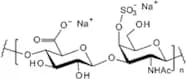
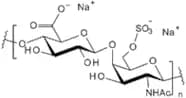
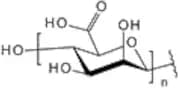
CAS:<p>Gycosaminoglycan in many organs; joint lubricant and shock absorber</p>Fórmula:(C14H20NO11Na)nPureza:Min. 90 Area-%Cor e Forma:Powder1,3,4,6-Tetra-O-acetyl-2-[(2-aminoacetyl)amino]-2-deoxy-b-D-glucopyranose
CAS:<p>1,3,4,6-Tetra-O-acetyl-2-[(2-aminoacetyl)amino]-2-deoxy-b-D-glucopyranose is a synthetic sugar. It has a molecular formula of C12H18O8 and a molecular weight of 352.29. It is synthesized by the click reaction with 2-(1,3-dithiolo[5,6-c]pyridinium)-1,4,5,8-tetraazacyclododecane as the initiator. 1,3,4,6-Tetra-O-acetyl-2-[(2-aminoacetyl)amino]-2-deoxy--b -D--glucopyranose has been shown to react with methylating agents to form methylated derivatives that are useful in glycosylation reactions.</p>Fórmula:C16H24N2O10Pureza:Min. 95%Peso molecular:404.37 g/molβ-D-Maltose octaacetate
CAS:<p>Starch breakdown product; sweetening agent; fermentable intermediate in brewing</p>Fórmula:C28H38O19Pureza:Min. 99 Area-%Peso molecular:678.60 g/mol1,3,5-Tri-O-benzoyl-2-O-(1H-imidazole-1-sulfonate) a-L-arabinofuranose
CAS:<p>1,3,5-Tri-O-benzoyl-2-O-(1H-imidazole-1-sulfonate) a-L-arabinofuranose is a methylated and modified arabinofuranose. It is one of the most common monosaccharides in nature. This compound is an important component of polysaccharides such as cellulose and starch. 1,3,5-Tri-O-benzoyl-2-O-(1H-imidazole-1-sulfonate) aL arabinofuranose is used to create saccharide derivatives that are widely used in the pharmaceutical industry.</p>Pureza:Min. 95%Cor e Forma:PowderMan-1-Fuc
CAS:<p>Man-1-Fuc is a fluorinated sugar with a mannose backbone. This compound can be custom synthesized and modified to meet your specific needs. It is used in research as an oligosaccharide, polysaccharide, saccharide, or carbohydrate. Man-1-Fuc has a high purity and is available at low cost. It can be used for complex carbohydrate synthesis or modification. The chemical name of this compound is methyl 1,6-diacetoxylidene-2,3-dihydroxypropane fucopentaose.</p>Fórmula:C28H48N2O20Pureza:Min. 95%Peso molecular:732.68 g/mol2,3,4,6-Tetra-O-benzoyl-b-D-glucopyranosyl trichloroacetimidate
CAS:<p>2,3,4,6-Tetra-O-benzoyl-b-D-glucopyranosyl trichloroacetimidate is a chemical compound that has been shown to be an effective anti-inflammatory agent. It is a pharmaceutical formulation that can be fabricated into tablets or capsules and is used for the treatment of acute phase response. 2,3,4,6-Tetra-O-benzoyl-b-D-glucopyranosyl trichloroacetimidate interacts with cationic surfactants and silicon to form a protective layer on the skin. The frequency shift of light in the optical system indicates that there are no acid molecules in this formulation. Acute phase response occurs when there is an inflammatory disease or infection where the body produces proteins such as fibrinogen and C reactive protein (CRP). These proteins are released by cells in order to stop bleeding and fight infection.</p>Fórmula:C36H28Cl3NO10Pureza:Min. 95%Peso molecular:740.97 g/mol(2S, 3S, 4S) -1-Butyl-4- (hydroxymethyl) - N- methyl- 3-hydroxy-2- azetidinecarboxamide
<p>(2S, 3S, 4S) -1-Butyl-4- (hydroxymethyl) - N- methyl- 3-hydroxy-2- azetidinecarboxamide is a modification of an oligosaccharide. It is synthesized by custom synthesis and high purity. This product is used for the modification of carbohydrates, such as glycosylation and polysaccharide. It has CAS No., and its molecular weight is 242.</p>Pureza:Min. 95%Benzyl D-glucopyranoside
CAS:<p>Benzyl D-glucopyranoside is a synthetic reagent that is used in the synthesis of carbohydrates. The benzyl group is an important part of this molecule, as it can be used to synthesize homologues by substituting the hydroxyl group with other groups. This chemical has been shown to inhibit bacterial disease and carbohydrate antigen production in cells. The stereoisomers are not active against bacteria, but the D-glucopyranoside form is more effective than the L-glucopyranoside form. Benzyl D-glucopyranoside also inhibits lipid peroxidation, which is an indication of its antioxidant activity.</p>Fórmula:C13H18O6Pureza:Min. 95%Cor e Forma:White To Off-White SolidPeso molecular:270.28 g/molD-Gluconic acid calcium salt
CAS:<p>D-Gluconic acid calcium salt is a chemical that inhibits the activity of enzymes in the pathway of methyl glycosides. It has been shown to inhibit cortisol production and reduce the concentration of this hormone in cell culture. D-Gluconic acid calcium salt also inhibits enzyme activities, such as cholesterol esterase and lipase, which are involved in lipid metabolism. This chemical has been shown to be an effective inhibitor of benzalkonium chloride (a disinfectant used for sterilization) and chinese herb (used as a traditional medicine). D-Gluconic acid calcium salt can also inhibit locomotor activity and lower cholesterol levels in mice.</p>Fórmula:C6H11O7CaPureza:Min. 95%Cor e Forma:White PowderPeso molecular:215.19 g/molb-D-glucan-from oat
CAS:<p>Oat β-glucans are water-soluble β-glucans derived from the endosperm of oat kernels, which contain β-1,3 and β-1,4 linkages. They are known for cholesterol lowering and hypoglycemic properties, as well as their use in various cosmetic applications. Recent research has shown their potential application in immunomodulation and wound healing.</p>Pureza:Min. 90%Cor e Forma:White Powder9-(b-D-Galactopyranose)-nonanoic acid
CAS:<p>9-(b-D-Galactopyranose)-nonanoic acid is a custom synthesis, modification and fluorination of a methylated monosaccharide in the form of an oligosaccharide. This synthetic compound is polysaccharide with a carbohydrate group at one end, which can be modified to be glycosylated or saccharified. It has been shown to have anti-inflammatory properties, which may be due to its ability to inhibit prostaglandin synthesis.</p>Fórmula:C15H28O8Pureza:Min. 95%Cor e Forma:SolidPeso molecular:336.38 g/molCiclopirox D-glucuronide sodium salt
CAS:<p>Ciclopirox D-glucuronide sodium salt is a synthetic chemical that belongs to the group of glycosylated and fluorinated ciclopirox. It has been modified to improve its activity and stability. Ciclopirox D-glucuronide sodium salt is a high purity product with a custom synthesis and modification process. This chemical is useful for the synthesis of carbohydrate-based drugs, polysaccharides, saccharides, and complex carbohydrates.</p>Fórmula:C18H24NO8·NaPureza:Min. 95 Area-%Cor e Forma:PowderPeso molecular:405.37 g/molAllyl 2-acetamido-2,6-dideoxy-6-fluoro-a-D-galactopyranoside
<p>Allyl 2-acetamido-2,6-dideoxy-6-fluoro-a-D-galactopyranoside is a synthetic carbohydrate that has been modified with fluorination. It is a saccharide, which is a type of sugar. Allyl 2-acetamido-2,6-dideoxy-6-fluoro-a-D-galactopyranoside is an oligosaccharide and it belongs to the group of complex carbohydrates. This product can be custom synthesized and has high purity. It has been methylated and glycosylated. Click modification has also been performed on this product.</p>Fórmula:C11H19FNO5Pureza:Min. 95%Cor e Forma:PowderPeso molecular:264.27 g/molD-Fructose-1,6-diphosphate dicalcium salt
CAS:<p>D-Fructose-1,6-diphosphate dicalcium salt is an inorganic compound that is used as a pharmaceutical ingredient. It is the calcium salt of D-fructose-1,6-diphosphate. D-Fructose-1,6-diphosphate dicalcium salt can be isolated from a variety of sources, including by reprecipitation from ethanol and isolation from impurities in monophosphates. This product is obtained through ion exchange with alkali and calcium. The purity of this compound is confirmed by its free acidity (pH less than 1) and the absence of contaminating phosphate ions.</p>Fórmula:C6H10Ca2O12P2Cor e Forma:PowderPeso molecular:416.24 g/molChenodeoxycholic acid 24-acyl-b-D-glucuronide
CAS:<p>Chenodeoxycholic acid 24-acyl-b-D-glucuronide (CDCA) is a drug that is used to treat gallstones and primary biliary cirrhosis. CDCA has been shown to be effective in treating gallstones by reducing the amount of cholesterol and other bile salts in the bile. It is also prescribed for patients with primary biliary cirrhosis, which is an autoimmune disease that causes inflammation of the small intestine. CDCA has been shown to decrease cholesterol levels and improve liver function in clinical studies. It also has a low toxicity profile, making it safe for long-term treatment. The major side effects are nausea, vomiting, headache, and diarrhea.<br>CDCA binds to fatty acids in the liver cells and prevents their uptake into the cells by blocking fatty acid transporters such as LPL or FATP4 receptors. This increases the amount of free fatty acids available for oxidation by increasing β-oxidation rates within the cell</p>Fórmula:C30H48O10Pureza:Min. 95%Cor e Forma:White Off-White PowderPeso molecular:568.7 g/molMethyl 3,5-di-O-(2,4-dichlorobenzyl)-2-C-methyl-α-D-ribofuranoside
CAS:<p>Building block for the synthesis of 2'-âC-âmethyl substituted nucleosides</p>Fórmula:C21H22Cl4O5Pureza:Min. 95%Cor e Forma:Yellow PowderPeso molecular:496.21 g/molPropyl b-D-glucuronide
CAS:<p>Propyl b-D-glucuronide is a synthetic compound that belongs to the family of carbohydrates. It has a fluorinated hydroxyl group at the C3 position and an esterified carboxylic acid at the C1 position. This compound can be used as a building block for oligosaccharides and polysaccharides, which are complex carbohydrates. Propyl b-D-glucuronide is soluble in water and has a molecular weight of 176.</p>Fórmula:C9H16O7Pureza:Min. 95%Cor e Forma:Tan To Brown SolidPeso molecular:236.22 g/molD-Arabinaric acid dipotassium salt
CAS:<p>D-Arabinaric acid dipotassium salt is a custom synthesis with complex carbohydrate, which can be modified by methylation, glycosylation, and carbonylation. It has CAS number 6703-05-5 and a high purity. This product is also fluorinated, which makes it an excellent synthetic reagent.</p>Fórmula:C5H6K2O7Pureza:Min. 95 Area-%Cor e Forma:White Off-White PowderPeso molecular:256.29 g/molSucralfate
CAS:<p>Sucralfate is a drug that is used to treat and prevent injury-related inflammation by forming a protective barrier on the lining of the stomach and duodenum. Sucralfate has been shown to be effective in the treatment of infectious diseases, such as viral or bacterial infections, and also for radiation enteritis and ulcerative colitis. Sucralfate may interfere with the absorption of other drugs, such as acyclic nucleoside phosphonates, which are used to treat HIV/AIDS. This drug has also been shown to have anti-inflammatory properties through inhibition of prostaglandin synthesis. Sucralfate has been shown to have anti-inflammatory properties through inhibition of prostaglandin synthesis.</p>Fórmula:C12H54Al16O75S8Cor e Forma:White Off-White PowderPeso molecular:2,086.74 g/molGQ1b-Ganglioside sodium
CAS:<p>GQ1b ganglioside (sodium salt) has a core tetrasaccharide structure (Galβ1,3GalNAcβ1,4Galβ1,4Glc) with two sialic acids (NeuAc) linked α2,3/α2,8 to the inner galactose residue, two sialic acids (NeuAc) linked α2,3/α2,8 to the terminal galactose residue and ceramide linked β to position 1 on the reducing terminal glucose residue (Ledeen, 2009). Anti-GQ1b ganglioside antibody is associated with Miller Fisher syndrome and is also found in patients with related conditions that may share the same pathogenic mechanism, such as, Bickerstaff brainstem encephalitis. Thus, the measurement of the anti-GQ1b antibody in suspected cases of Miller Fisher syndrome is a useful diagnostic marker (Paparounas, 2004). It has been found that GQ1b ganglioside contributes to synaptic transmission and synapse formation. Low concentrations of GQ1b ganglioside, evoked dopamine (DA) release from laboratory tissues (Chen, 2018).</p>Fórmula:C106H182N6O56·4NaPureza:Min. 95%Cor e Forma:White PowderPeso molecular:2,528.55 g/molCotinine-N-b-glucuronide-D3
Produto Controlado<p>Cotinine-N-b-glucuronide-D3 is a modification of the natural product cotinine, which is a methylated form of nicotine and can be synthesized from the plant Nicotiana tabacum. Cotinine-N-b-glucuronide-D3 is a complex carbohydrate that has been custom synthesized for the purpose of modifying an oligosaccharide. This modification will allow for the synthesis of high purity monosaccharides. Cotinine has been shown to have antiinflammatory properties, which may be due to its inhibition of prostaglandin synthesis.</p>Fórmula:C16H17N2O7D3Pureza:Min. 95%Peso molecular:355.36 g/molD-Glucose - anhydrous
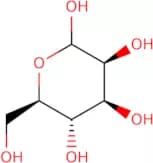
CAS:<p>D-Glucose is a monosaccharide that is used as an energy source. D-glucose is transported across the cell membrane by a sodium-dependent transporter. It has been shown to have antibacterial activity against Escherichia coli and staphylococcus in rat liver microsomes, as well as an inhibiting effect on the growth of squamous carcinoma cells in rats. D-glucose has also been shown to have hypoglycemic effects in diabetic rats, which may be due to its ability to stimulate insulin release from the pancreas.</p>Fórmula:C6H12O6Peso molecular:180.16 g/mol2,3,5-Tri-O-benzyl-β-D-arabinofuranose
CAS:<p>2,3,5-Tri-O-benzyl-b-D-arabinofuranose is a stereoselective analog that inhibits human maltase glucoamylase and acetylation. It is also a potent nucleophile that reacts with the hydroxyl group of dimethyl fumarate to form an acetal linkage. This compound is used in the stereoselective synthesis of oligosaccharides and carbohydrates.</p>Fórmula:C26H28O5Pureza:Min. 99 Area-%Cor e Forma:White PowderPeso molecular:420.5 g/mol6-O-Acetylglycitin
CAS:<p>6-O-Acetylglycitin is a bioactive compound that has been shown to have many physiological activities. It is the acetylated form of glycitin, which is a precursor in the synthesis of glycogen in the liver. 6-O-Acetylglycitin has been shown to promote the repair mechanism of hepatic steatosis and exhibits anti-cancer effects by inhibiting poly(ADP-ribose) polymerase chain reaction (PCR) and uvb-induced polymerase chain reaction (PCR). This compound also inhibits growth of cancer cells in vitro. 6-O-Acetylglycitin has been shown to have an analog with pharmaceutical preparations.</p>Fórmula:C24H24O11Pureza:Min. 98 Area-%Cor e Forma:PowderPeso molecular:488.44 g/molKojitetraose
CAS:<p>Kojitetraose is a nutrient that is synthesised in the human body and found in foods such as dairy products, meat, eggs, and vegetables. Kojitetraose is a phosphorylase substrate and can be used to study thermophilic phosphorylases. It has been shown that the stereoselectivity of phosphorylases can be determined by the configuration of the glycosidic bond in the reactant or product. Structural studies have also shown that Kojitetraose binds to teichoic acid and trehalose, which are components of bacterial cell walls. Kojitetraose has been shown to stimulate intestinal contractions in rats and increase salivary secretion.</p>Fórmula:C24H42O21Pureza:Min. 95%Peso molecular:666.58 g/molThiamet G
CAS:<p>Inhibits β-N-acetylglucosaminidase, also known as O-GlcNAcase (OGA), which cleaves the O-linked glycans from glycoproteins. Interferes with O-GlcNAc cycling and leads to the accumulation of O-GlcNAcylated proteins. Thiamet G elicits neuroprotective effects by modulating microglia/macrophages and inhibiting hyperphosphorylation of the microtubule-associated protein tau in models of stroke and Alzheimer’s disease. Thiamet G also has implications on diabetes and cardiovascular pathologies.</p>Fórmula:C9H16N2O4SPureza:Min. 95%Cor e Forma:PowderPeso molecular:248.3 g/mol2,3,5-Tri-O-benzyl-D-arabino-1,4-lactone
CAS:<p>2,3,5-Tri-O-benzyl-D-arabino-1,4-lactone is a carbonyl compound that has been used to synthesize carbonyl compounds. It has been shown to catalyze the formation of benzaldehyde from acetoacetic ester in the presence of hydrochloric acid. The melting point of 2,3,5-tri-O-benzyl-D-arabino-1,4--lactone is reported to be between 138° and 141°C.</p>Fórmula:C26H26O5Pureza:Min. 95%Cor e Forma:PowderPeso molecular:418.48 g/mol(1R) -1- [(2S, 3R) - 3- Hydroxy- 1- methyl - 2- azetidinyl] -1, 2- ethanediol
<p>(1R) -1- [(2S, 3R) - 3- Hydroxy- 1- methyl - 2- azetidinyl] -1, 2- ethanediol is a fluorinated sugar that is used in the synthesis of oligosaccharides and polysaccharides. This synthetic monosaccharide can be modified by glycosylation, methylation, and click chemistry. It has an CAS number and a high purity.</p>Pureza:Min. 95%Ginsenoside Ft1
<p>Ginsenoside Ft1 is a saponin and bioactive compound, which is derived from the roots of Panax notoginseng, a plant known for its traditional medicinal uses. The mode of action of Ginsenoside Ft1 involves multiple biochemical pathways, including the modulation of signaling pathways related to inflammation, apoptosis, and angiogenesis. Its ability to influence these pathways underpins its potential therapeutic applications.</p>Pureza:Min. 95%1,2,3,4-Tetra-O-acetyl-6-O-(tert-butyldiphenylsilyl)-a-D-mannopyranose
CAS:<p>1,2,3,4-Tetra-O-acetyl-6-O-(tert-butyldiphenylsilyl)-a-D-mannopyranose is a custom synthesis that is a complex carbohydrate. It is an Oligosaccharide that is Polysaccharide and can be modified with Methylation and Glycosylation. It has a saccharide with a CAS No. 815589-29-8 and has been fluorinated. This product has high purity and can be synthesized to order.</p>Fórmula:C30H38O10SiPureza:Min. 95%Peso molecular:586.72 g/molGlycyl-Oligosaccharidesmannose 5
<p>Glycyl-Oligosaccharidesmannose 5 is a high purity, custom synthesis sugar that is fluorinated and glycosylated. It is an oligosaccharide with a mannose backbone and a glycyl group attached to the first mannose. The methylation of the glycyl group on Glycyl-Oligosaccharidesmannose 5 can be modified to produce different derivatives. This carbohydrate has been synthesized and has CAS Number: 68149-46-1.</p>Fórmula:C48H82N4O36Pureza:Min. 95%Peso molecular:1,291.17 g/molMaltotriose - Technical
CAS:<p>Starch breakdown product</p>Fórmula:C18H32O16Pureza:Min. 90.0 Area-%Cor e Forma:PowderPeso molecular:504.44 g/mol3-Deoxy-D-fructose
CAS:<p>3-Deoxy-D-fructose is a neutral sugar that is found in the human liver and has been shown to be metabolized by cells in the target tissue. 3-Deoxy-D-fructose is used as a marker for diabetic patients, as it is present in high quantities in their blood plasma. 3-Deoxy-D-fructose can be detected with liquid chromatography coupled with mass spectrometry (LC/MS) methods. It has been shown to induce necrotic cell death, which may be due to its ability to produce reactive oxygen species. 3-Deoxy-D-fructose also inhibits protein synthesis by inhibiting the activity of polymerase chain reaction and hydroxylation reactions.</p>Fórmula:C6H12O5Pureza:Min. 95%Cor e Forma:Off-White Beige PowderPeso molecular:164.16 g/molPropargyl b-D-galactopyranoside
CAS:<p>Propargyl b-D-galactopyranoside is a custom synthesis that is a modified form of galactose. The modification was accomplished by adding fluorine to the sugar. Methylation of the sugar was also done, and it has been shown to have anti-tuberculosis properties. It also has been shown to inhibit the growth of bacteria in vitro and in vivo, including Mycobacterium tuberculosis.</p>Fórmula:C9H14O6Pureza:Min. 95%Cor e Forma:PowderPeso molecular:218.2 g/molEthyl 2,3,4,6-tetra-O-acetyl-b-D-thioglucopyranoside
CAS:<p>Polyimides are polymers that are used in a variety of industrial and consumer products. Ethyl 2,3,4,6-tetra-O-acetyl-b-D-thioglucopyranoside is a type of polyimide that has been shown to be photosynthetic. Polyimides are synthesized by condensing acetylene with formaldehyde in the presence of an acid catalyst. This compound has been investigated for use as an active component in photonic and optoelectronic devices such as solar cells and light emitting diodes (LEDs). The material is also being explored for use in the fabrication of microelectronic devices such as field effect transistors (FETs) and optical switches. It can be used to investigate organisms’ photosynthetic activity qualitatively or quantitatively by observing color changes or measuring oxygen production.</p>Fórmula:C16H24O9SPureza:Min. 95%Cor e Forma:White PowderPeso molecular:392.5 g/molPrednisolone succinate a-cyclodextrin conjugate
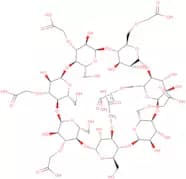
<p>The prednisolone succinate cyclodextrin alpha conjugate represents a specific class of cyclodextrin derivatives where the drug molecule (prednisolone succinate) is covalently bound to α-cyclodextrin. The conjugate is designed to combine the beneficial properties of cyclodextrins with the therapeutic effects of prednisolone. Prednisolone succinate cyclodextrin alpha conjugate aims to improve the solubility, stability, and bioavailability of prednisolone while potentially offering controlled release properties.</p>Pureza:Min. 95%b-D-Galactoheptose
CAS:<p>B-D-Galactoheptose is a short-chain carbohydrate that is found in Citrus. It can be used as a food additive, but it also serves as an intermediate in the synthesis of other sugars. The stereospecificity of this sugar is determined by the orientation of its hydroxyl group on carbon atom 2. This sugar has been shown to inhibit the growth of food-borne pathogens, such as Salmonella and Staphylococcus, and has been shown to have anti-inflammatory properties. The biosynthesis of b-D-galactoheptose begins with the conversion of glucose into erythrose 4 phosphate. This process requires ATP and pyruvate kinase and proceeds through two reactions: erythrose 4 phosphate dehydrogenase, which converts erythrose 4 phosphate into erythronate 4 phosphate; and aldolase, which converts erythronate 4 phosphate into b-D</p>Fórmula:C7H14O7Pureza:Min. 95%Cor e Forma:PowderPeso molecular:210.18 g/molMethyl 3,4-di-O-acetyl-D-glucuronal
CAS:<p>Methyl 3,4-di-O-acetyl-D-glucuronal is a sugar that has been synthesized in the laboratory. It is a functional sugar that can be used as a building block for other sugars. The conformation of this molecule was determined by conformational studies. This molecule has two benzyl groups that are oriented in different ways, which simplifies the parameters for this compound. Methyl 3,4-di-O-acetyl-D-glucuronal is an anomeric sugar and can be found in the pyranose ring. Methyl 3,4-di-O-acetyl-D-glucuronal also has a conformational theory that was developed to optimize its orientations and predict its geometries.</p>Fórmula:C11H14O7Pureza:Min. 95%Cor e Forma:White PowderPeso molecular:258.22 g/molTrehalose octaacetate
CAS:<p>Trehalose octaacetate is a carbohydrate that can be synthesized from trehalose and acetyl coenzyme A. It has been shown to act as an enzymatic substrate and a carbon source in the production of microparticles. Trehalose octaacetate is an antigenic molecule that can be used as a vaccine adjuvant to enhance the immune response to antigens. It also exhibits anti-inflammatory properties, which may be due to its ability to inhibit prostaglandin synthesis. Trehalose octaacetate is highly viscous, which makes it useful for the formulation of medications such as eye drops.</p>Fórmula:C28H38O19Pureza:Min. 95%Peso molecular:678.59 g/molNA3 Glycan, 2-AB labelled
<p>NA3 Glycan is a custom-synthesized Oligosaccharide that has been modified by the addition of 2AB labelled. This glycan contains an N-acetylglucosamine residue at its reducing end. The NA3 Glycan can be used for a wide range of applications, including glycosylation reactions, click reactions, and carbohydrate chemistry. It is also available in high purity and with fluorination on the sugar moiety.</p>Pureza:Min. 95%Cyanomethyl 2,3,4,6-tetra-O-acetyl-b-D-thiogalactopyranoside
CAS:<p>Cyanomethyl 2,3,4,6-tetra-O-acetyl-b-D-thiogalactopyranoside is an important reagent for the synthesis of glycosides and oligosaccharides. This substance has been used to synthesize a variety of modified saccharides, such as methylated sugars and fluorinated saccharides. It also has been applied to the synthesis of complex carbohydrates with the click modification.</p>Fórmula:C16H21NO9SPureza:Min. 98 Area-%Cor e Forma:White Off-White PowderPeso molecular:403.41 g/mol6-Deoxy-6-fluoro-D-glucose
CAS:<p>6-Deoxy-6-fluoro-D-glucose is a molecule that belongs to the group of glucose analogs. It has been shown that 6-deoxy-6-fluoro-D-glucose, or dF6G, induces apoptosis in MCF7 cells through inhibition of glut1, the rate limiting enzyme for glycolysis. The structural analysis of the compound showed that it contains a fluorine atom at C2 and an oxygen atom at C3. The kinetic studies revealed that dF6G reacts with H2O in a 1:1 stoichiometric ratio to form hydrogen fluoride and 6-deoxyhexoate. 6dF6G has been shown to have pharmacokinetic properties similar to glucose and it can be used as an alternative source of energy by many organisms including aerobacter aerogenes.</p>Fórmula:C6H11FO5Pureza:Min. 95%Cor e Forma:White PowderPeso molecular:182.15 g/mol2’-(N-Hexadecanoylamino)-4’-nitrophenyl-β-D-galactopyranoside
CAS:<p>2’-(N-Hexadecanoylamino)-4’-nitrophenyl-b-D-galactopyranoside is a synthetic substrate that is used to diagnose and monitor brain diseases. It can be used in the diagnosis of Alzheimer's disease by measuring the amount of amniotic fluid that leaks into the brain. The rate of hydrolysis of this substrate has been shown to be higher in patients with Alzheimer's disease than in healthy controls. This synthetic substrate is also useful for monitoring the activity of taurocholate galactohydrolase, which is an enzyme that breaks down bile salts and plays a role in cholesterol metabolism. The rate of hydrolysis has been found to be increased in patients with Parkinson's disease, but not in those with Alzheimer's disease or healthy controls. 2’-(N-Hexadecanoylamino)-4’-nitrophenyl-b-D-galactop</p>Fórmula:C28H46N2O9Pureza:Min. 95%Cor e Forma:PowderPeso molecular:554.67 g/molN-Acetylneuraminyl-(a2-3)-D-galactopyranosyl-(b1-3)-[N-acetylneuraminyl-(a2-6)]-D-N-acetylgalactosaminyl serine
<p>N-Acetylneuraminyl-(a2-3)-D-galactopyranosyl-(b1-3)-[N-acetylneuraminyl-(a2-6)]-D-N-acetylgalactosaminyl serine is a high purity oligosaccharide that is custom synthesized. It undergoes Click modification and fluorination to give it a specific structure.</p>Fórmula:C39H64N4O29Pureza:Min. 95%Peso molecular:1,052.94 g/molMethyl a-D-glucopyranoside
CAS:<p>Methyl α-D- glucopyranoside is a methylated sugar used as an inhibitor of lectin-conjugate binding. Methyl α-D- glucopyranoside is commonly used in protein purification for eluting glycoproteins and other glycoconjugates from affinity chromatography columns of agarose lectin. Methyl α-D- glucopyranoside is also known as Methyl alpha-D-glucoside or alpha-Methyl-glucoside.</p>Fórmula:C7H14O6Pureza:Min. 98 Area-%Cor e Forma:PowderPeso molecular:194.18 g/molN- [(3R, 4R, 5R) - 1- Butyl- 4- hydroxy- 5- (hydroxymethyl) - 3- pyrrolidinyl] -acetamide
<p>Glycosylation, methylation, and fluorination of natural and synthetic saccharides is the basis for a number of chemical modifications. The incorporation of these modifications into glycoproteins has been shown to be important in the modification and stabilization of protein-carbohydrate interactions. This process can be used to modify polysaccharides to form oligosaccharides for use as drugs or as substrates for industrial enzymes.</p>Pureza:Min. 95%D-(-)-Threose
CAS:<p>Popular resource for chiral-pool based organic syntheses<br>Sold as an aqueous solution and by weight of active material</p>Fórmula:C4H8O4Pureza:Min. 90 Area-%Cor e Forma:Colorless Clear LiquidPeso molecular:120.1 g/molGemfibrozil b-D-glucuronide
CAS:<p>Major metabolite of Gemfibrozil; irreversible inhibitor of CYP2C8</p>Fórmula:C21H30O9Pureza:Min. 95%Cor e Forma:White PowderPeso molecular:426.47 g/molBlood group A type 3/4 linear trisaccharide
<p>GalNAca1-3Galb1-3GalNAc</p>Fórmula:C22H38N2O16Pureza:Min. 95%Peso molecular:586.54 g/molGlycyl-monosialyllacto-N-neohexose I
<p>Glycyl-monosialyllacto-N-neohexose I is a monosaccharide that is used as a building block in the synthesis of complex carbohydrates. It is custom synthesized and purified to high purity. This product can be fluorinated and methylated, which allows for the attachment of glycosyl groups. Glycyl-monosialyllacto-N-neohexose I is also a sugar with a CAS number. It has an average molecular weight of 137.14 g/mol and is made up of three atoms: carbon, hydrogen, and oxygen.</p>Fórmula:C53H89N5O39Pureza:Min. 95%Peso molecular:1,420.28 g/molCochineal
CAS:<p>Cochineal is a natural dye that is extracted from the female cochineal insect. Cochineal is used in food and cosmetics, and as a red colorant in some pharmaceutical products. The carminic acid present in cochineal forms a stable complex with the anionic groups present in wool or silk, so it is not soluble in water. Cochineal has been shown to have genotoxic activity and can cause mutations at both the base-pairing level and at protein level. Cochineal has also been shown to be cytotoxic against human serum cells and disrupt mitochondrial membrane potential. Its optimum concentration for signal peptide detection by electrochemical impedance spectroscopy (EIS) was found to be 0.1 mM.</p>Fórmula:C22H20O13Pureza:Min. 95%Cor e Forma:Red PowderPeso molecular:492.393a,4b,3a-Galactotetraose
CAS:<p>The acetolysis of carrageenan produces a polymer homologous series of oligosaccharides, [Gal α1,3 Gal, Gal β1,4 Gal], [Gal α1,3 Gal β1,4 Gal, Gal β14, Gal α1,3 Gal], [Gal α1,3 Gal β1,4 Gal α1,3 Gal, Gal β1,4Gal α1,3Gal β1,4Gal] etc. (Lawson, 1968). This is significant as it provides an entry to the α-gal series or Galili antigens due to the fact that the disaccharide Galα1,3 Gal can be isolated in quantity. The distribution of the full α-gal epitope (Galα1-3Galβ1-4GlcNAc-R) is unique in mammals, being abundantly expressed on glycoconjugates of non-primate mammals, prosimians and New World monkeys. In contrast, the α-gal epitope is not expressed on glycoconjugates of Old World monkeys, apes and humans; instead, they produce the natural anti-Gal antibody that specifically binds the α-epitope. Anti-Gal mediates the rejection of pig xenograft organs in humans and monkeys by binding α-gal epitopes on the pig cells, inducing complement mediated destruction and antibody dependent cell mediated destruction. This barrier to xenotransplantation has been eliminated by producing α1,3 glycosyltransferase to knockout pigs. Since anti-Gal is ubiquitous in humans, the α-gal epitope has clinical potential in the production of vaccines expressing α-epitopes that can be targeted to antigen presenting cells (APC), thereby increasing the immunogenicity of viral and other microbial vaccines (Macher, 2008).</p>Fórmula:C24H42O21Pureza:Min. 95 Area-%Cor e Forma:White Off-White PowderPeso molecular:666.58 g/molGlycyl-Lewisa
CAS:<p>Glycyl-Lewisa is a synthetic, fluorinated monosaccharide that is produced by the modification of glycerol. Glycyl-Lewisa is a fluorescent compound that can be used as a biomarker for glycosylation, methylation, and other modifications. Glycyl-Lewisa is also a substrate for polysaccharide synthesis and has been shown to have antiviral effects against HIV. This product can be custom synthesized to meet specific customer needs.</p>Fórmula:C22H39N3O15Pureza:Min. 95%Peso molecular:585.56 g/mol2, 4- Anhydro- 6- deoxy- L- mannonic acid methyl ester
CAS:<p>2, 4-Anhydro-6-deoxy-L-mannonic acid methyl ester is a modified oligosaccharide that is synthesized from D-mannose. This compound can be used as a building block for the synthesis of complex carbohydrates and glycosides. It can also be used for the fluorination of saccharides and glucose derivatives. 2,4-Anhydro-6-deoxy-L-mannonic acid methyl ester is an important intermediate in the production of fluoroquinolones and other pharmaceuticals. It is also a precursor to antihistamines, antiarrhythmics, antibiotics, anticancer drugs, and antimalarial drugs.</p>Fórmula:C7H12O5Pureza:Min. 95%Peso molecular:176.17 g/mol3,4,6-Tri-O-acetyl-D-galactal
CAS:<p>3,4,6-Tri-O-acetyl-D-galactal is a versatile building block used for the synthesis of mono- and oligosaccharides. The galactal double bond affords a ready means through which to introduce new functionality or introduce deoxy positions at the C1 and C2 positions to afford functionalised monosaccharides and also allows galactals to be used as glycosylation donors.</p>Fórmula:C12H16O7Pureza:Min. 98 Area-%Cor e Forma:Slightly Yellow Clear LiquidPeso molecular:272.25 g/mol3,4-O-Isopropylidene-L-arabinono-1,5-lactone
<p>This compound is a lactone that has been synthesized by reacting the 2-deoxy-l-ribose with 3,4-O-isopropylidene-d-lactone. The resulting product has been shown to be an efficient x-ray crystal.</p>Pureza:Min. 95%a-D-Mannose-1-phosphate dipotassium salt
CAS:<p>a-D-Mannose-1-phosphate dipotassium salt (DMDK) is a synthetic oligosaccharide that was designed and synthesized for use as a potential drug in the treatment of cancer. DMDK has been shown to be an inhibitor of protein glycosylation, which may lead to the prevention of tumor formation. It also has anti-inflammatory properties and can inhibit the growth of bacteria by binding to bacterial 16S ribosomal RNA and inhibiting protein synthesis.</p>Fórmula:C6H11K2O9PPureza:Min. 95%Cor e Forma:PowderPeso molecular:336.32 g/mol4-Methoxyphenyl 2,3:4,6-di-O-benzylidene-α-D-mannopyranoside
CAS:<p>4-Methoxyphenyl 2,3:4,6-di-O-benzylidene-a-D-mannopyranoside is a water soluble polysaccharide that is a methylated derivative of mannose. It has been fluorinated at the 4 position and modified with benzyl groups at the 2, 3, and 6 positions. This compound is used in custom synthesis to synthesize oligosaccharides or polysaccharides.</p>Fórmula:C27H26O7Pureza:Min. 95%Peso molecular:462.49 g/molL-Gulose
CAS:<p>L-Gulose is a carbohydrate that is used in biochemical research. It can be found in plant sources such as sugar cane, sugar beet, and fruit, but it is not naturally present in mammals. L-Gulose has antioxidant properties and can act as an antiviral agent. It also has some structural similarities to vitamin C. L-Gulose can be synthesized from D-glucose by oxidation of the hydroxyl group with sodium hypochlorite or hydrogen peroxide. L-Gulose is a structural analog of D-mannitol, which has been shown to have transcriptional regulation activity. L-Gulose has been shown to inhibit the growth of tumor cells and induce apoptosis in vitro by increasing intracellular reactive oxygen species (ROS) levels.</p>Fórmula:C6H12O6Pureza:Min. 98 Area-%Cor e Forma:PowderPeso molecular:180.16 g/mol4-O-(2-Acetamido-2-deoxy-D-[UL-13C6]glucopyranosyl)-D-ribitol
<p>4-O-(2-Acetamido-2-deoxy-[UL-13C6]glucopyranosyl)-D-ribitol is a custom synthesis of an oligosaccharide, monosaccharide, and polysaccharide. It is a high purity and CAS No. custom synthesis with a high degree of modification. This product has been synthesized by methylation and glycosylation for use in the study of the structure and function of complex carbohydrates. The fluorination was done to the saccharide to give it the desired properties for use in various applications.</p>Fórmula:C713C6H25NO10Pureza:Min. 95%Peso molecular:361.29 g/molTrehalose-6-phosphate disodium salt
<p>Trehalose-6-phosphate disodium salt is a complex carbohydrate that can be modified to create a variety of products. Trehalose-6-phosphate disodium salt is made by the methylation of sugar, which creates an alpha-D-glucopyranosyl unit. This product can be used in the synthesis of oligosaccharides and polysaccharides, as well as other carbohydrates. Trehalose-6-phosphate disodium salt is also fluorinated to produce trehalose 6 phosphate fluoride, which has properties similar to those of trehalose 6 phosphate.</p>Fórmula:C12H21O14PNa2Pureza:Min. 95%Cor e Forma:White PowderPeso molecular:466.24 g/molLaminaribiose
CAS:<p>Disaccharide; substrate for glucanases and laminaribiose phosphorylase</p>Fórmula:C12H22O11Pureza:Min. 95%Cor e Forma:PowderPeso molecular:342.3 g/molDi-N-acetyl-D-lactosamine
<p>Di-N-acetyl-D-lactosamine (DNL) is a sugar that is found in the mammalian tissues and can be used as a lectin to specifically bind to glycoproteins. It has been shown to have specificities for enteritis, and can be used to detect or analyze the sequences of oligosaccharides. DNL has been immobilized on silica gel, which was then reacted with lectins, such as concanavalin A, wheat germ agglutinin, and soybean agglutinin. This process allows for the detection of high-mannose-type oligosaccharides.</p>Fórmula:C28H48N2O21Pureza:Min. 95%Cor e Forma:PowderPeso molecular:748.68 g/molMethyl α-L-acosamine
CAS:<p>Methyl a-L-acosamine is a glycosylation agent that can be used to modify complex carbohydrates. It can also be used in the methylation of saccharides, polysaccharides, and sugars. Methyl a-L-acosamine is made by reacting acetic anhydride with L-a-D-galactopyranosyl chloride. The CAS number for this product is 54623-23-3. This product can be custom synthesized to meet your specifications and has high purity.</p>Fórmula:C7H15NO3Pureza:Min. 95%Cor e Forma:White To Off-White SolidPeso molecular:161.2 g/molSialyl Lewis X ceramide
<p>Sialyl Lewis X ceramide is a monosaccharide that belongs to the pentasaccharide group. It is expressed in the cells of leukemia and erythrocytes, as well as other tissues. Sialyl Lewis X ceramide is a hybrid molecule that has a backbone consisting of four sugar molecules and an amino acid sequence, with hydroxyl groups on one end and an acetyl glucosamine on the other end. The molecule has a carbohydrate skeleton consisting of galactose, glucose, mannose, and sialic acid. Sialyl Lewis X ceramide also interacts with selectins to mediate leukocyte-endothelial interactions in inflammation.</p>Fórmula:C67H121N3O25Pureza:Min. 95%Peso molecular:1,368.68 g/mol6-Deoxy-L-tallose
CAS:<p>6-Deoxy-L-tallose is a heterocyclic compound that is an enol ether with a vicinal, β-unsaturated aldehyde and the correct stereochemistry. It can be synthesized from D-glucose by enolization of the hydroxyl group at C2, followed by oxidation to form an aldehyde. This reaction can also be accomplished using hydrogen peroxide in acetic acid. 6-Deoxy-L-tallose can also be synthesized from D-mannitol or D-sorbitol by reduction of the carbonyl group at C1, followed by oxidation to form an aldehyde. The synthesis of 6-deoxy L -tallose has been shown to be useful as a chiral synthon for the synthesis of other molecules.END></p>Fórmula:C6H12O5Pureza:Min. 95%Peso molecular:164.16 g/mol4-Azido-5,6,8-tri-O-benzyl-1,2,4-trideoxy-1-C-(trimethylsilyl)-D-gluco-oct-1-yn-3-ulopyranose
CAS:Fluorination is the introduction of a fluorine atom into a molecule. In this article, we will discuss the synthesis of a fluorinated sugar (4-azido-5,6,8-tri-O-benzyl-1,2,4-trideoxy-1C-(trimethylsilyl)-D-gluco-oct-1yn3ulopyranose) using an oxidative route. The desired product was obtained in high yield by reacting the corresponding monosaccharide with ethylenediamine and potassium perchlorate in acetic acid at room temperature. br>br> The Monosaccharides are a class of simple sugars that are used as building blocks for larger carbohydrates and polysaccharides. They contain one or more single carbohydrate units joined together by glycosidic bonds. These single units can be classified as alpha or beta based on their stereochemistry and reactivity withFórmula:C32H37N3O4SiPureza:Min. 95%Peso molecular:555.74 g/molTorachrysone 8-O-glucoside
CAS:<p>Torachrysone 8-O-glucoside is a natural product found in the rhizome of Chinese medicinal plant Rhubarb. It is an antiinflammatory that has been shown to be effective in vitro against inflammation induced by spleen, blood, and the stomach. Torachrysone 8-O-glucoside has also been shown to have protective effects on the kidney and bladder.</p>Fórmula:C20H24O9Pureza:Min. 95%Cor e Forma:White PowderPeso molecular:408.4 g/molEthyl 2,3-di-O-benzoyl-4,6-O-benzylidene-b-D-thioglucopyranoside
<p>Ethyl 2,3-di-O-benzoyl-4,6-O-benzylidene-b-D-thioglucopyranoside is a modified sugar that is used as an intermediate in the synthesis of saccharides and oligosaccharides. It is synthesized by a modification of the Knorr reaction. This product has been shown to be high purity and can be custom synthesized with a variety of functional groups, such as fluorination. Ethyl 2,3-di-O-benzoyl-4,6-O-benzylidene-b-D-thioglucopyranoside is also available in CAS No. 11764719.</p>Fórmula:C29H28O7SPureza:Min. 95%Cor e Forma:White To Off-White SolidPeso molecular:520.59 g/mol[2S- (2a, 3b, 4a, 5b) ] - 1-Benzyl - 2-methyl-3, 4, 5- piperidinetriol
<p>This product is a custom synthesis. It is a fluorinated, modified monosaccharide that has been synthesized by click chemistry and contains an O-glycosyl group. This product can be used in the synthesis of glycosylated polysaccharides and oligosaccharides, or as a building block for modification of complex carbohydrates to produce new compounds with novel properties, such as fluorescence.</p>Pureza:Min. 95%3-O-Benzyl-1,2-O-isoproylidene-4-C-(phenylmethoxy)methyl-β-L-lyxofuranose
CAS:<p>3-O-Benzyl-1,2-O-isoproylidene-4-C-(phenylmethoxy)methyl-b-L-lyxofuranose is a monosaccharide that belongs to the group of carbohydrates. It is used as a raw material in the synthesis of complex carbohydrates by click chemistry, glycosylation and methylation. 3-O-Benzyl--1,2--O--isoproylidene--4--C-(phenylmethoxy)methyl--b--L--lyxofuranose has been modified for use in fluoroformations and glycosylations. This compound can also be used as an intermediate for the synthesis of other saccharides.</p>Fórmula:C23H28O6Pureza:Min. 95%Cor e Forma:PowderPeso molecular:400.46 g/mol4-Aminophenyl β-D-galactopyranoside
CAS:<p>4-Aminophenyl-beta-D-galactopyranoside is a substrate for beta-galactosidase. 4-aminophenol is released upon cleavage by beta-galactosidase. 4-aminophenol can be assayed by electro-oxidation to 4-imino quinone while recording changes in potential or current of a galvanic system. 4-Aminophenyl-beta-D-galactopyranoside can be used in affinity chromatography for the isolation of galactose-binding lectins.</p>Fórmula:C12H17NO6Pureza:Min. 95%Cor e Forma:PowderPeso molecular:271.27 g/molMethylphenyl 2-O-benzyl-b-D-thiogalactopyranoside
<p>Methylphenyl 2-O-benzyl-b-D-thiogalactopyranoside (MPBGT) is a modification of the natural disaccharide, galactose. It is synthesized by the glycosylation and methylation of galactose with methyl phenyl b-D-thioglucopyranoside. MPBGT is typically used as a building block for oligosaccharides or polysaccharides. The MPBGT can be modified by fluorination or saccharide substitution to produce diverse products.</p>Fórmula:C20H24O5SPureza:Min. 95%Peso molecular:376.47 g/molVinyl a-D-lactose
<p>Vinyl a-D-lactose is a custom synthesis, fluorinated, modified monosaccharide that can be used to modify proteins and polysaccharides. It has been shown to react with proteins through the click chemistry reaction and methylation. Vinyl a-D-lactose can be used for glycosylation of saccharides and complex carbohydrates in order to synthesize oligosaccharides.</p>Pureza:Min. 95%1-Fmoc-amino-2,4-O-D-butane-2,3,4-triol
<p>1-Fmoc-amino-2,4-O-D-butane-2,3,4-triol is a custom synthesis of an oligosaccharide that is a sugar or carbohydrate. It is modified with fluorination, methylation and click chemistry. 1-Fmoc-amino-2,4-O-D-butane-2,3,4-triol has been shown to have antiangiogenic activity. This compound also has saccharide and glycosylation activity. 1Fmoc amino 2,4 O D butane 2 3 4 triol is a polysaccharide that is glycosylated with sugar and complex carbohydrates.</p>Pureza:Min. 95%Fucoidan, cladosiphon
CAS:<p>A fucan sulphate found in brown marine algae (Phaeophyta-typically Fucus vesiculotus, Ascophyllum nodosum, Alaria and Cladosiphon (illustrated) and has been shown to have anticoagulant activity. The main constituents are α-1,4 and α-1,2 linked L-fucose sulphates although galactose also occurs and there are many variations of the basic structure found in different species of Phaeophyta.<br>The fucose content of the fucan is approx. 51% and it also contains galactose (approx. 6.3%), uronic acid (approx. 15.5%) and sulfate (approx. 25%).<br>The image was kindly provided by Prof Mike Guiry from Cork who runs ‘The Seaweed Site’.</p>Pureza:(Fucoidan) Reported (%)Cor e Forma:White PowderEzetimibe b-D-glucuronide
CAS:<p>Ezetimibe b-D-glucuronide is a glucuronide conjugate of ezetimibe. It can be found in human serum, as well as in the liver and small intestine. Ezetimibe b-D-glucuronide has been shown to inhibit uptake of uridine into Caco2 cells, which may be due to its ability to inhibit the activity of drug transporters such as P-glycoprotein and organic anion transporting polypeptides. This drug also inhibits the production of creatine kinase in the liver and lowers cholesterol levels by inhibiting dietary cholesterol absorption. The drug interactions with statins are still unclear and require further investigation. Ezetimibe b-D-glucuronide is metabolized by glucuronidation in the liver and small intestine.</p>Fórmula:C30H29F2NO9Pureza:Min. 95%Cor e Forma:PowderPeso molecular:585.55 g/molPhloridzin dihydrate
CAS:<p>Phloridzin is a phenolic acid that is found in the cell walls of plants. It has been shown to be a potent antioxidant, with anti-inflammatory and anti-tumour properties. Phloridzin is also an inhibitor of the divalent metal ion-dependent diphenolase activity that causes oxidative DNA damage. The dihydrate form of phloridzin has been shown to inhibit cisplatin-induced nephrotoxicity in mice by reducing oxidative stress.</p>Fórmula:C21H24O10·2H2OPureza:Min. 95%Cor e Forma:Off-White PowderPeso molecular:472.44 g/molN-Acetylneuraminic acid-OVA
<p>N-Acetylneuraminic acid-OVA refers to ovalbumin that has been conjugated with N-acetylneuraminic acid (Neu5Ac), a type of sialic acid. Sialic acids are important components of glycan structures and play various roles in biological processes, such as cell-cell interactions, immune response, and pathogen recognition. Conjugation of ovalbumin with N-acetylneuraminic acid can be used as a tool to study sialic acid-mediated biological phenomena or as an immunogen to elicit a specific immune response.</p>Cor e Forma:PowderAgaropentaose
CAS:<p>Agarose is a polysaccharide found in red algae, typically Gelidium and Gracilaria. It is a strictly alternating polysaccharide of α-1,3 linked D-galactose and β-1,4 linked L-3,6 anhydrogalactose with occasional sulfation at position 6 of the anhydrogalactose residue. Agaro-oligosaccharides result from cleavage at galactose residues and neoagaro-oligosaccharides from cleavage at 3,6-anhydro residues. Reports have suggested that agaropentaose has neuroprotective properties.</p>Fórmula:C30H48O24Pureza:Min. 97 Area-%Cor e Forma:White PowderPeso molecular:792.69 g/mol2,3-Di-O-acetyl-a-cyclodextrin
<p>Alpha-cyclodextrin (α-CD) derivative with a hydrophilic exterior and lipophilic cavity (smaller than β-CDs and γ-CDs) to allocate certain guest molecules. This structural characteristic enables applications in molecular encapsulation, solubility enhancement, and stabilization across multiple industries. In pharmaceuticals, it serves as a drug delivery vehicle, enhancing the bioavailability and stability of active ingredients. The food industry utilizes it as a stabilizer for flavors, colors, and nutrients, as well as a functional ingredient for its effects on lipid metabolism. In cosmetics, it acts as a complex agent for fragrances and active components. Its applications extend to analytical chemistry for chiral separation and to materials science for developing smart materials and nanosystems.</p>Fórmula:C60H84O42Pureza:Min. 95%Peso molecular:1,477.28 g/mol3'-Sulfated Lewis X sodium salt
CAS:<p>3'-Sulfated Lewis X sodium salt is a synthetic carbohydrate with a sulfate group on the 3' position of the sugar. It is a selective blocker of E-selectin, a type of selectin that plays an important role in inflammation and tissue injury. The binding site for 3'-sulfated Lewis X sodium salt is the cavity at the end of the selectin molecule, which has a hydrophobic region. This cavity can be blocked by hydrophobic moieties such as sulfates, fatty acids, or steroids. 3'-Sulfated Lewis X sodium salt has been shown to be effective in treating inflammatory conditions such as asthma and arthritis.</p>Fórmula:C20H34NSO18NaPureza:Min. 95%Cor e Forma:White PowderPeso molecular:631.55 g/molGlycerone phosphate
CAS:<p>Glycerone phosphate is a cytosolic calcium (Ca2+) substrate molecule that is used to measure the activity of phospholipase A2, an enzyme that catalyzes the hydrolysis of membrane lipids. Glycerone phosphate has been shown to inhibit neuronal death and may be useful in treating neurodegenerative diseases such as Alzheimer's disease. Glycerone phosphate has also been shown to bind to monoclonal antibodies, which are proteins that bind specifically to antigens on the surface of cancer cells, thereby preventing them from binding to their corresponding receptors on healthy cells. This may limit the spread of tumor growth and increase their sensitivity to platinum-based chemotherapy.</p>Fórmula:C3H7O6PPureza:Min. 95%Peso molecular:170.06 g/molMonosialyllacto-N-hexaose
<p>Monosialyllacto-N-hexaose is a high purity, custom synthesis sugar that belongs to the group of oligosaccharides. This carbohydrate is modified with fluorination and glycosylation, which are Click modifications. Monosialyllacto-N-hexaose has a CAS number of 68638-04-3. This product is available for purchase in bulk quantities.</p>Fórmula:C51H85N3O39Pureza:Min. 95%Peso molecular:1,364.22 g/mol2-Deoxy-2-fluoro-D-galactose - non-animal origin
CAS:<p>2-Deoxy-2-fluoro-D-galactose, also called 3-fluoro-6-hydroxymethyl-tetrahydro-pyran-2,4,5-triol, can be added to the medium of primary cultured rat hepatocytes to inhibit N-glycosylation of proteins. Immunoglobulin G (IgG) is the most common antibody found in blood and 2-deoxy-2-fluoro-D-galactose modifies the galactosylation of the N-linked glycan in the IgG-Fc receptor. We also have the same product MD04718.</p>Fórmula:C6H11FO5Pureza:Min. 97 Area-%Cor e Forma:White Off-White PowderPeso molecular:182.15 g/molAgarose
CAS:<p>A sulphated galactan from the red seaweeds (Gelidium spp.). The major gel-forming component agarose consisting of a linear chain of sequences of (1,3) linked β -D-galactopyranosyl units and (1,4 ) linkages to 3,6-anhydro-α-D-galactopyranosyl units. Gelation is via the formation of double helices.<br>Both Gelidium latifolium and Gelidium amansii are sources of both Agar (mixture of agarose and agaropectin) and Agarose. The images were kindly provided by Prof Mike Guiry from Cork who runs ‘The Seaweed Site’.</p>Cor e Forma:White Off-White PowderBenzyl b-D-glucopyranoside
CAS:<p>Benzyl b-D-glucopyranoside is an organic solvent that can be used in chromatography. It is a disaccharide that consists of benzyl alcohol and glucose. Benzyl b-D-glucopyranoside has been shown to have inhibitory activities against glycosidation and β-amyrin synthesis, as well as other biochemical techniques. This compound has also been shown to have carbohydrate antigen activity, which may be due to its benzyl group.</p>Fórmula:C13H18O6Pureza:Min. 95%Cor e Forma:White Off-White PowderPeso molecular:270.28 g/mol2-Methyl-(3,6-di-O-acetyl-4-O-(2,3,4,6-tetra-O-acetyl-β-D-glucopyranosyl)-1,2-dideoxy-α-D-glucopyrano)-[2,1-d]-2-oxazoline
<p>A carbohydrate that is a modification of the saccharide, oligosaccharide, sugar, or fluorinated carbons. It is a complex carbohydrate that is synthesized from monosaccharides. This compound has an acetylated glucopyranosyl group and a methylated glucopyranosyl group that are attached by an acetal linkage. The compound can be modified with click chemistry to produce a desired product.</p>Fórmula:C26H35NO16Pureza:Min. 95%Peso molecular:617.55 g/molChitobiose dihydrochloride
CAS:<p>Chitobiose is a dimer formed by beta-1,4-linked glucosamine units.<br>It is also the repeated dimer of chitin, a polysaccharide.</p>Fórmula:C12H24N2O9·2HClPureza:Min. 98 Area-%Cor e Forma:White PowderPeso molecular:413.25 g/molMethyl (2,3-di-O-benzyl-4-O-methyl-α,β-D-glucopyranoside)uronate
CAS:<p>A protected glucuronide which is an anomeric mixture.</p>Fórmula:C22H26O7Pureza:Min. 95%Cor e Forma:PowderPeso molecular:402.44 g/molD-Glucosamine sulfate
CAS:<p>D-Glucosamine sulfate is a pharmacological agent that has been shown to have activity against oxidative injury in vitro and in vivo. It inhibits the production of reactive oxygen species and lipid peroxidation, which are believed to be responsible for the development of liver disease. D-Glucosamine sulfate has also been shown to have activity against infectious diseases, with a particular focus on the inhibition of Toll-like receptor 4 signaling. The polymerase chain reaction (PCR) technique was used to detect the expression of glucosamine synthetase and other genes encoding enzymes that synthesize glucosamine in Mycobacterium tuberculosis. This drug may also be useful for treatment of inflammatory diseases such as rheumatoid arthritis, as it has been shown to inhibit prostaglandin synthesis, which is involved in the inflammatory response.</p>Fórmula:C6H13NO5•H2SO4Pureza:Min. 95%Cor e Forma:White PowderPeso molecular:277.25 g/molIron sucrose
CAS:<p>Iron sucrose is a sucrose-iron complex that is administered intravenously for the treatment of bowel disease and iron deficiency. Iron sucrose has been shown to have potent inducers of oxidative injury, which may be due to the formation of reactive oxygen species. Iron sucrose has also been shown to increase cellular transformation and congestive heart failure in mice. Long-term toxicity studies have not been conducted.</p>Fórmula:C12H22O11FePureza:Min. 95%Cor e Forma:Brown PowderPeso molecular:398.14A2G1 Glycan, 2-AB labelled
<p>A2G1 Glycan, 2-AB labelled is a monosaccharide which is modified with fluorine. A2G1 Glycan, 2-AB labelled is used in the synthesis of complex carbohydrate structures. It has been shown to be useful for click modification, methylation and polysaccharide synthesis. This compound can also be custom synthesized to order. The purity of this product is high and it is available in a range of CAS numbers.</p>Pureza:Min. 95%1-Chloro-2-deoxy-3,5-di-O-acetyl-a-D-ribofuranose
CAS:<p>Synthetic building block for nucleic acid research</p>Fórmula:C9H13ClO5Pureza:Min. 95%Peso molecular:236.65 g/molN-Acetyl-2-O-methyl-a-D-neuraminic acid methyl ester
CAS:<p>N-Acetyl-2-O-methyl-a-D-neuraminic acid methyl ester is a modification of the natural sugar N-acetyl-2,3,4,5,6-penta-, hexa-, and hepta-(1→4)-D-glycero-D-[1→6]-N-acetylneuraminic acid. It can be used as an intermediate in the synthesis of complex carbohydrates. This compound has been shown to be soluble in water and is stable at acidic pH levels.</p>Fórmula:C13H23NO9Pureza:Min. 95%Peso molecular:337.32 g/molN-(2-Hydroxybenzyliden)imino-2,3,4,6-tetra-O-pivaloyl-b-D-glucopyranoside
<p>The 2-hydroxybenzylidenimino-2,3,4,6-tetra-O-pivaloyl-b-D-glucopyranoside is a modification of the carbohydrates. It is an oligosaccharide that has been synthesized and it is a complex carbohydrate. This compound has a CAS No. and it is a monosaccharide. It is methylated and glycosylated and it can be used as a sugar or as a polysaccharide. This compound also has fluorination and saccharide modifications.</p>Fórmula:C33H49NO10Pureza:Min. 95%Peso molecular:619.74 g/molUDP-2-acetamido - 2- deoxy- 5- thio- D- glucopyranose
<p>UDP-2-acetamido - 2- deoxy- 5- thio- D- glucopyranose is a monosaccharide that is used in glycosylation reactions to produce oligosaccharides or polysaccharides. It is synthesized by the addition of a sugar to UDP using an acetylating agent such as acetic anhydride. The resulting product can be methylated, fluorinated, and click modified. This product can also be used for complex carbohydrate synthesis.</p>Pureza:Min. 95%Daunorubicinol-D3
<p>Daunorubicinol-D3 is a synthetic drug that is a fluorinated analogue of daunorubicin. It has been designed to be more stable and resistant to degradation in the body, as well as being resistant to the drug's own metabolism. Daunorubicinol-D3 is used in the treatment of leukemia, lymphoma, and other cancers. This drug is a large molecule that contains many sugars or saccharides including an oligosaccharide and polysaccharide. The modification of this molecule includes methylation, click chemistry modifications, and fluorination. Daunorubicinol-D3 has high purity with a low level of impurities such as monosaccharides, sugars, or synthetic compounds.</p>Pureza:Min. 95%[1S- (1a, 2a, 8a, 8ab) ] -2, 3, 8, 8a-Tetrahydro- 1, 2, 8- trihydroxy-5(1H) - indolizinone
CAS:<p>Methylation of the C-2' and C-8a positions of a 2,3,8,8a tetrahydroindolizinone derivative affords a methylated saccharide. A fully fluorinated analogue is obtained by performing a click modification on the C-2' position. The methylated saccharide has been used in the synthesis of oligosaccharides and glycosylations. This product is high purity and custom synthesis.</p>Fórmula:C8H11NO4Pureza:Min. 95%Peso molecular:185.18 g/mol5-Azido-5-deoxy-2,3-O-isopropylidene-1-C-phenyl-L-lyxofuranose
<p>5-Azido-5-deoxy-2,3-O-isopropylidene-1-C-phenyl-L-lyxofuranose is a fluorinated monosaccharide that can be synthesized by the reaction of 5 azidoacetone with 5 deoxyribose in the presence of sodium hydroxide. This compound is used for glycosylation, polysaccharide modification, and click chemistry. It is also used as a sugar source in the preparation of oligosaccharides and complex carbohydrates. 5 Azido-5 deoxy -2,3 O isopropylidene -1 C phenyl L L lyxofuranose has CAS number 8068635-52-8.</p>Pureza:Min. 95%N- [(3R, 4S, 5R, 6S) - 4, 5- Dihydroxy- 6- (hydroxymethyl) - 3- piperidinyl] -acetamide
CAS:<p>N- [(3R, 4S, 5R, 6S) - 4, 5- Dihydroxy- 6- (hydroxymethyl) - 3- piperidinyl] -acetamide is a fluorinated N-acyl derivative of an aminomethyl oxazolidinone. It is synthesized by the reaction of acetamide with 5-(hydroxymethyl)-3-(piperidin-4-yloxy)oxazolidine and bromofluoride. The product was purified by column chromatography to yield a white solid. The purity of the final product was checked by HPLC and found to be 99%.</p>Pureza:Min. 95%N-[(4'-Methoxyphenyl)-1-propenyl]imino-2,3,4,6-tetra-O-pivaloyl-D-glucopyranoside
<p>4-Methoxybenzaldehyde (4-MB) is an organic compound that is a simple aromatic aldehyde. It can be used to synthesize a variety of biologically active molecules, including saccharides and other carbohydrates. The synthesis of 4-MB starts with the direct oxidation of benzyl alcohol using hydrogen peroxide in the presence of a persulfate catalyst. The resulting 4-hydroxybenzaldehyde is then converted into 4-methoxybenzaldehyde by reaction with sodium hydroxide in methanol. This process produces high purity 4-methoxybenzaldehyde and avoids the use of toxic chromium reagents, which are required for the classical method for its preparation.</p>Fórmula:C36H53NO10Pureza:Min. 95%Peso molecular:659.81 g/mol3-O-Benzyl-1,2-O-isopropylidene-b-L-lyxofuranose
CAS:<p>3-O-Benzyl-1,2-O-isopropylidene-b-L-lyxofuranose is an oligosaccharide that is a member of the class of carbohydrates. It has a saccharide sequence that is composed of three monosaccharides: b-D-glucopyranose, L-xylopyranose, and β-(3’,4’)-benzylidene erythritol. The carbohydrate is modified with fluorine atoms at the two hydroxyl positions on the glucose unit and a benzyl group at the C4 position on the xylopyranose unit. 3-O-Benzyl-1,2-O-isopropylidene -b -L -lyxofuranose is useful for click chemistry reactions due to its reactive benzyl group. This product has high purity and can be custom synthesized to</p>Fórmula:C15H20O5Pureza:Min. 95%Peso molecular:280.32 g/molN-Benzyl-3,5-dideoxy-3,5-imino-1,2-O-isopropylidene-b-L-lyxofuranose
<p>N-Benzyl-3,5-dideoxy-3,5-imino-1,2-O-isopropylidene-b-L-lyxofuranose is an oligosaccharide with a 3,5 dideoxy sugar. It is a modification of the natural carbohydrate L -lyxohexaose. This synthetic compound was custom synthesized and has high purity. The CAS No. for this compound is: 233878-37-6. N -Benzyl -3,5 -dideoxy -3,5 -imino -1,2--O--isopropylidene--b--L--lyxofuranose is not a monosaccharide or polysaccharide but rather a sugar that can be methylated or glycosylated. It has fluorination and saccharides that are modified with fluorine.</p>Pureza:Min. 95%3b,19a-dihydroxyurs-12-en-28-oic acid 28-b-D-glucopyranosyl ester
<p>3b,19a-dihydroxyurs-12-en-28-oic acid 28-b-D-glucopyranosyl ester is an Methylated saccharide. It is a white to off-white crystalline powder that is soluble in water and methanol. The CAS number for this product is 805829-15-6. This product can be custom synthesized with a modification of the glycosylation site, or glycosylation can be removed by Click chemistry.</p>Pureza:Min. 95%2,6-Anhydro-D-glycero-D-gluo-heptonic acid methylamide
<p>2,6-Anhydro-D-glycero-D-gluo-heptonic acid methylamide is a synthetic sugar that is used as a building block for the synthesis of oligosaccharides and monosaccharides. The glycosylation of 2,6-Anhydro-D-glycero-D-gluo-heptonic acid methylamide can be catalyzed by any of the glycosylators that use saccharides as substrates. This modification can also be achieved by methylation to produce methylated 2,6-Anhydro-D-glycero-D-gluo heptonic acid methylamide. It has been shown to exhibit antiviral activity against herpes simplex virus type 1.</p>Pureza:Min. 95%(2S, 3S, 4R) -3- [[[(2S, 3S, 4R) - 3- Azido- 4- [[[(1, 1- dimethylethyl) dimethylsilyl] oxy] methyl] - 1- (phenylmethyl) - 2- azetid inyl] carbonyl] amino] - 4- [[[(1, 1- dimethylethyl) dimethylsilyl] oxy] methyl] - 1- (phenylmethyl) -2- azetidinecarb
<p>The synthesis starts with a commercially available, methyl-protected, phenyl-protected 2-azetidinecarboxylic acid. The carbonyl group is then converted to an amide by reaction with ammonia in the presence of a base (such as triethylamine) and an appropriate coupling agent (such as HOBt). The amide is then deprotected by treatment with hydrochloric acid to give the desired product. This compound has not been characterized fully yet but it is expected to be a complex carbohydrate.</p>Pureza:Min. 95%4-O-(a-D-Galactopyranosyl)-D-galactopyranose
CAS:<p>Used as enzyme substrates, analytical standards and for in vitro diagnostics</p>Fórmula:C12H22O11Pureza:Min. 97 Area-%Cor e Forma:White PowderPeso molecular:342.3 g/molChitosan oligomer (Dp 3-7) hydrochloride - Molecular weight 1640
<p>Chitosan oligomer (Dp 3-7) hydrochloride is a carbohydrate with a molecular weight of 1640. It is used as a sugar and an adjuvant in vaccine development. Chitosan oligomer (Dp 3-7) hydrochloride is synthesized by the reaction of chitosan with phosphoryl chloride and has been shown to have antiviral, antibacterial, and anti-inflammatory effects.</p>Fórmula:(C6H13NO5•HCl)nPureza:Min. 95 Area-%Cor e Forma:PowderDiosmetin-3'-O-b-D-glucuronide
CAS:<p>Diosmetin-3'-O-b-D-glucuronide is a custom synthesis, complex carbohydrate, Oligosaccharide, Polysaccharide. It has been modified by Methylation and Glycosylation. This compound is a sugar (CAS No. 152503-50-9) that is a carbohydrate with a high purity and fluoroination. The modification of this compound includes Click chemistry.</p>Fórmula:C22H20O12Pureza:Min. 95%Cor e Forma:PowderPeso molecular:476.39 g/molD-Glucosamine-6-phosphate sodium salt
CAS:<p>D-Glucosamine-6-phosphate sodium salt is a custom synthesis of an oligosaccharide, polysaccharide, and carbohydrate. The chemical modification of this compound includes methylation, glycosylation, and carbamylation. This product has high purity with a fluorination level of 98%.</p>Fórmula:C6H14NO8P·NaPureza:Min. 95%Cor e Forma:White Yellow PowderPeso molecular:282.14 g/molChitosan oligomer - Molecular weight 5000 - 15000 Da
CAS:<p>Chitosan is the deacetylated form of chitin. The polysaccharide is deacetylated in order to render it soluble, which is then possible at pH values of less than 7 (normally in dilute acid). This then allows the material to be used in a number of industrial applications as a binder and film former.</p>Cor e Forma:PowderChondroitin sulfate A sodium salt - Average MW 10,000 - 30,000
CAS:<p>The disaccharide repeating unit of chondroitin sulphate consists of N-acetyl galactosamine sulphate linked β1,4 to glucuronic acid. Each monosaccharide may be left unsulphated, sulphated once, or sulphated twice. The most common pattern has the hydroxyl groups of the 4 and 6 positions of the N-acetyl-galactosamine sulphated, with some chains having the position 2 of the glucuronic acid sulphated.</p>Pureza:Min. 90%Cor e Forma:White Off-White PowderPeonidin-3-O-arabinoside chloride
CAS:<p>Peonidin-3-O-arabinoside chloride is a flavonol glycoside that is found in the plant peony and inhibits lipid absorption. It has inhibitory properties on fat absorption in vitro. Peonidin-3-O-arabinoside chloride also inhibits the activity of enzymes that break down dietary fats, such as pancreatic lipase, thereby preventing fat absorption. This compound has been shown to lower serum cholesterol levels and reduce blood pressure in vivo human trials. Peonidin-3-O-arabinoside chloride is extracted from the bark of the tree species Paeonia suffruticosa and is used as an ingredient in some weight loss supplements.</p>Fórmula:C21H21O10·ClPureza:Min. 95%Cor e Forma:White Off-White PowderPeso molecular:468.84 g/molD-Mannose
CAS:<p>Used to differentiate microorganisms based on their metabolic properties.</p>Fórmula:C6H12O6Pureza:Min. 99.5 Area-%Peso molecular:180.16 g/molRef: 3D-M-1000
1kgA consultar50gA consultar5kgA consultar500gA consultar2500gA consultar-Unit-kgkgA consultarVerbascose
CAS:<p>Immunomodulatory pentasaccharide; prebiotic</p>Fórmula:C30H52O26Pureza:Min. 95 Area-%Cor e Forma:White PowderPeso molecular:828.72 g/mol4,6-O-Isopropylidene-D-mannopyranose
<p>4,6-O-Isopropylidene-D-mannopyranose is a custom synthesis of a polysaccharide that has been modified with fluorination, methylation, and click modification. This product can be used in the synthesis of oligosaccharides or saccharides. It may also be used in glycosylation reactions to produce complex carbohydrates.</p>Pureza:Min. 95%6-Chloro-6-deoxy-b-cyclodextrin
<p>This beta-cyclodextrin (β-CD) derivative is a functionalized cyclic oligosaccharide composed of seven glucose units, characterized by a hydrophilic exterior and a lipophilic cavity (bigger than α-CD and smaller than γ-CDs), which allows it to encapsulate various guest molecules. This structural feature facilitates its use in multiple applications, including pharmaceuticals, food enhancement, and cosmetics. In the pharmaceutical industry, it enhances the solubility and stability of poorly water-soluble drugs, improving their bioavailability and efficacy while also masking unpleasant tastes. The food sector utilizes it as a stabilizer for flavors, colors, and nutrients, extending shelf life by protecting sensitive ingredients from degradation. In cosmetics, it serves as a complexing agent for fragrances and active components, ensuring their stability and controlled release. Its use expands to many other fields, including nanotechnology for drug delivery systems, environmental remediation for extracting organic pollutants, textiles for slow-release fragrances, and analytical chemistry for chiral separation.</p>Fórmula:C42H63Cl7O28Pureza:Min. 95%Peso molecular:1,264.1 g/molEmodin 1-glucoside
CAS:<p>Emodin 1-glucoside is a natural anthraquinone glycoside that is produced by plants and has been shown to have cytotoxic effects against human cells. Emodin 1-glucoside inhibits the function of enzymes, such as glycosidases, phosphatases, and proteases. This compound is activated by calcium ions and has been shown to disrupt mitochondrial membrane potential. Emodin 1-glucoside also inhibits sugar residues and has shown significant cytotoxicity against cultured human cells at higher concentrations. It may be used as a medicine for the treatment of inflammation or cancer.</p>Fórmula:C21H20O10Pureza:Min. 95%Cor e Forma:PowderPeso molecular:432.38 g/molMaltol glucoside
CAS:<p>Maltol is a polyhydric alcohol that is a natural product of plants. Maltol glucoside is an oligomer of maltol that is formed by the glycosylation of maltol with glucose. This compound has been used as a diagnostic agent to detect lymphocyte transformation and bound form in viruses. It has also been shown to inhibit cancer cell growth, which may be due to its ability to interact with complex enzyme systems. Maltol glucoside has been shown to have anti-inflammatory effects in humans, which may be due to its inhibition of inflammatory enzymes such as cyclooxygenase-2 (COX-2) and lipoxygenase (LOX).</p>Fórmula:C12H16O8Pureza:Min. 95%Cor e Forma:PowderPeso molecular:288.25 g/molMethyl 2-azido-2-deoxy-3-O-benzyl-6-O-benzoyl-a-D-glucopyranoside
CAS:<p>Methyl 2-azido-2-deoxy-3-O-benzyl-6-O-benzoyl-a-D-glucopyranoside is a synthetic carbohydrate that can be used as a fluorescent probe. It has been used to study the glycosylation of proteins and saccharides, and also as an intermediate in the synthesis of oligosaccharides. The chemical structure of Methyl 2-azido-2-deoxy-3 -O -benzyl -6 -O -benzoyl -a -D -glucopyranoside is shown below:</p>Fórmula:C21H22N3O6Pureza:Min. 95%Peso molecular:412.42 g/molneo-Inositol
CAS:<p>Neo-inositol is a type of inositol that is not found naturally in the body, but can be synthesized. It has been shown to inhibit the growth of cancer cells and have a physiological effect on ovarian cells. Neo-inositol has also been shown to inhibit certain types of cancer cells by interfering with their ability to produce energy. Neo-inositol was also shown to increase levels of cytosolic Ca2+ in a model system, which may contribute to its cytotoxic effects.</p>Fórmula:C6H12O6Pureza:Min. 95 Area-%Cor e Forma:White PowderPeso molecular:180.16 g/molCarboxymethyl-β-cyclodextrin
CAS:<p>This beta-cyclodextrin (β-CD) derivative is a functionalized cyclic oligosaccharide composed of seven glucose units, characterized by a hydrophilic exterior and a lipophilic cavity (bigger than α-CD and smaller than γ-CDs), which allows it to encapsulate various guest molecules. This structural feature facilitates its use in multiple applications, including pharmaceuticals, food enhancement, and cosmetics. In the pharmaceutical industry, it enhances the solubility and stability of poorly water-soluble drugs, improving their bioavailability and efficacy while also masking unpleasant tastes. The food sector utilizes it as a stabilizer for flavors, colors, and nutrients, extending shelf life by protecting sensitive ingredients from degradation. In cosmetics, it serves as a complexing agent for fragrances and active components, ensuring their stability and controlled release. Its use expands to many other fields, including nanotechnology for drug delivery systems, environmental remediation for extracting organic pollutants, textiles for slow-release fragrances, and analytical chemistry for chiral separation.</p>Fórmula:C56H84O49Pureza:Min. 95%Peso molecular:1,541.24 g/molLactosylsphingosine
CAS:<p>Intermediate degradation product of lyso-GM3</p>Fórmula:C30H57NO12Pureza:Min. 95%Cor e Forma:PowderPeso molecular:623.77 g/mol1-Amino-2,4-O-benzylidene-D-butane-2,3,4-triol
<p>1-Amino-2,4-O-benzylidene-D-butane-2,3,4-triol is a custom synthesis. This compound is an oligosaccharide that has been modified with methylation, glycosylation, and click modification. Carbohydrate molecules are saccharides that have a sugar as their backbone. Saccharides can be classified as monosaccharides (simple sugars) or polysaccharides (complex carbohydrates). This compound is a high purity synthetic that has been fluorinated and has undergone glycose chemistry to produce a desired product.</p>Pureza:Min. 95%2-O-Acetamido-1,6-di-O-acetyl-2-deoxy-4-O-(2-acetamido-3,4,6-tri-O-acetyl-2-deoxy-D-glucopyranosyl)muramic acid methyl ester
<p>The acetylation of the 2-O-acetamido-1,6-di-O-acetyl-2-deoxy-4-O-(2-acetamido-3,4,6-tri-O-acetyl)-2,3,4,5,6 tetra-, O-(2 acetamido 3,4,6 tri O acetyl) glucopyranoside in the presence of methyl iodide and potassium carbonate yields 2 O -Acetamido 1 6 di O acetyl 2 deoxy 4 0-(2 acetylamino 3 4 6 tri 0 acetyl) glucopyranoside methyl ester. The product is a modification of an oligosaccharide or complex carbohydrate.</p>Fórmula:C30H44O18N2Pureza:Min. 95%Cor e Forma:PowderPeso molecular:720.67 g/mol3,6-Di-O-acetyl-γ-cyclodextrin
<p>This gamma-cyclodextrin (γ-CD) derivative is a modified cyclic oligosaccharide composed of eight glucose units, featuring a larger cavity size than α- and β-cyclodextrins. This structural characteristic allows γ-CDs to form inclusion complexes with a wider range of guest molecules, making it particularly versatile in various industries. In the food sector, it is used as a carrier and stabilizer for flavors, fat-soluble vitamins, and polyunsaturated fatty acids, protecting volatile compounds from evaporation. In pharmaceuticals, it enhances the solubility and bioavailability of poorly water-soluble drugs and, thanks to its larger ring size, allows for the encapsulation of larger molecules or even entire drug molecules. γ-CDs and derivatives are also used for environmental remediation and, in analytical chemistry, for the extraction and concentration of target substances.</p>Fórmula:C80H112O56Pureza:Min. 95%Peso molecular:1,969.71 g/molD-Ribose-5-phosphate barium salt hexahydrate
CAS:<p>D-Ribose-5-phosphate barium salt hexahydrate is a Modification, Oligosaccharide, Carbohydrate, complex carbohydrate. It is a Custom synthesis, Synthetic, High purity, Monosaccharide, Methylation, Glycosylation and Polysaccharide. D-Ribose-5-phosphate barium salt hexahydrate has CAS No. 15673-79-7 and Fluorination. It is an saccharide sugar.</p>Fórmula:C5H9BaO8P·6H2OPureza:Min. 95%Cor e Forma:White PowderPeso molecular:473.51 g/molD-Glucose - anhydrous
CAS:<p>Glucose (Glu) is the most common carbohydrate on the planet, found in all living organisms and is the major source of metabolic energy for plants and animals. Glucose is a building block in numerous oligosaccharides and polysaccharides. It is present in blood and milk, in gangliosides and in N- and O-linked glycans (Collins, 2006). Glucose is wrongly called a simple sugar because in solution it exists in five forms: two six membered rings (α/β), two five membered rings (α/β) and a straight chain form, a system known as mutarotation (Robyt, 2012). The proportions of different glucose forms are dictated by temperature and pH. D-Glucose is optically active (dextrorotary) and L-Glucose is its enantiomer (Levorotary). Its hydroxyl groups are all equatorial, providing maximum stability, according to Hudsons rules (Hudson, 1948).</p>Fórmula:C6H12O6Pureza:Min. 96 Area-%Cor e Forma:White PowderPeso molecular:180.16 g/molCerebroside sulfate
CAS:<p>Myelin component; opioid receptor</p>Fórmula:C42H80NNaO11SPureza:Min. 95%Cor e Forma:White PowderPeso molecular:830.14 g/molMethyl 2,6-dideoxy-a-D-glucopyranoside
<p>Methyl 2,6-dideoxy-a-D-glucopyranoside is a custom synthesis of an oligosaccharide that is modified with fluorination. It is a saccharide, or carbohydrate, that has been methylated and glycosylated. The modification of this complex carbohydrate has been achieved through the use of the Click reaction. This product has been purified to high purity and is ready for use in research and development.</p>Fórmula:C7H14O4Pureza:Min. 95%Peso molecular:162.18 g/mol5-Deoxy-L-arabinose
CAS:<p>5-Deoxy-L-arabinose is a tetramethylurea derivative that has been synthesized for the treatment of hyperphenylalaninemia, an atypical form of phenylketonuria. It is an analog of 5-deoxy-l-ribose and can be used to generate molybdate from ammonium molybdate. This product also has antiviral activity and can be used to inhibit the growth of filamentous fungi, such as Verticillium dahliae. 5-Deoxy-L-arabinose can be used as a phase separator in chromatography. It is stereoselective and does not react with acid catalysts.</p>Fórmula:C5H10O4Pureza:Min. 95%Cor e Forma:Slightly Yellow Clear Viscous LiquidPeso molecular:134.13 g/molL-Xylonic acid-1,4-lactone
CAS:<p>L-Xylonic acid-1,4-lactone is an enzyme that functions as a glycolytic enzyme. It catalyzes the conversion of D-xylose to L-xylonic acid and L-xylonic acid-1,4-lactone. This enzyme is expressed in leukemia HL60 cells and is activated by acidic conditions. L-Xylonic acid-1,4-lactone has been shown to be catabolized by the enzyme xylanase. The kinetic properties of this reaction have been studied using mass spectrometric techniques and biochemical methods. The rate of the reaction was found to be dependent on the presence of divalent cations (Mg2+ or Ca2+) or monovalent ions (Na+ or K+). L-Xylonic acid 1,4 lactone also catabolizes glucose with a similar rate constant.</p>Fórmula:C5H8O5Pureza:Min. 95 Area-%Cor e Forma:White PowderPeso molecular:148.11 g/molMethyl 6-O-tert-butyldimethylsilyl-2,3-O-isopropylidene-α-D-lyxo-hexopyranosid-4-ulose
<p>Methyl 6-O-tert-butyldimethylsilyl-2,3-O-isopropylidene-alpha-D-lyxo-hexopyranosid-4-ulose is a fluorinated sugar that can be used for the synthesis of oligosaccharides and carbohydrates. This sugar has been custom synthesized and has been modified with methylation and click chemistry. The CAS number for this product is 93558-18-7.</p>Pureza:Min. 95%3,4-O-Isopropylidene-D-mannitol
CAS:<p>3,4-O-Isopropylidene-D-mannitol (IPM) is a d-mannitol that has been synthesized by an acid-catalyzed condensation reaction. It is a highly reactive compound with acidic properties and, as such, can be used as a buffer in acid environments. The product of this synthesis was also found to have anticancer activity in vitro, which may be due to its ability to induce apoptosis and inhibit cell proliferation. IPM possesses a hydroxyl group at the 3 position of the molecule and a hydrophilic nature. This makes it suitable for surface-enhanced Raman spectroscopy (SERS) studies and other detection methods.</p>Fórmula:C9H18O6Pureza:Min. 95%Cor e Forma:White Off-White PowderPeso molecular:222.24 g/mol1,2,3,4-Tetra-O-pivaloyl-6-O-(tert-butyldiphenylsilyl)-b-D-glucopyranose
<p>1,2,3,4-Tetra-O-pivaloyl-6-O-(tert-butyldiphenylsilyl)-b-D-glucopyranose is a custom synthesis of an oligosaccharide with a polysaccharide. The carbohydrate is modified with fluorination and methylation. This product has high purity and is synthesized using click chemistry. Monosaccharides are attached to the sugar backbone in order to form complex carbohydrates. This product can be used as a synthetic sugar or in the production of other oligosaccharides.</p>Fórmula:C42H62O10SiPureza:Min. 95%Peso molecular:755.04 g/molD-Arabinose-5-phosphate disodium salt
CAS:<p>D-Arabinose-5-phosphate disodium salt is an inorganic compound that is a substrate for the enzyme, sedoheptulose-7-phosphate (S7P) reductase. D-Arabinose-5-phosphate disodium salt is converted to sedoheptulose 7 phosphate by this enzyme, which participates in the pentose phosphate pathway. This reaction takes place at pH 5.6 and 30°C, with Mn2+ ions as cofactors and a constant of 0.001 M. The time it takes for the reaction to reach equilibrium is about 10 minutes, and the kinetic constant for this reaction is 0.0004 s−1 M−1. D-Arabinose-5-phosphate disodium salt can be prepared through a number of different techniques including ion exchange chromatography or extraction from corn starch using phosphoric acid and hydrochloric acid. It also requires various metal</p>Fórmula:C5H9Na2O8PPureza:Min. 95 Area-%Cor e Forma:PowderPeso molecular:274.07 g/molD-Allose
CAS:<p>Anti-proliferative in cancer cells</p>Fórmula:C6H12O6Pureza:Min. 95%Cor e Forma:White PowderPeso molecular:180.16 g/molBenzyl 2-acetamido-3,4-di-O-acetyl-2-deoxy-a-D-galactopyranoside
CAS:<p>Benzyl 2-acetamido-3,4-di-O-acetyl-2-deoxy-a-D-galactopyranoside is a glycosylation agent that is used in the synthesis of complex carbohydrate. It has the CAS No. 55652-76-1 and is custom synthesized to meet customers' requirements. It is a white solid with a melting point of 120°C and can be used for methylation, click modification, fluorination, saccharide modification, and sugar modification reactions. Benzyl 2-acetamido-3,4-di-O-acetyl-2-deoxygalactopyranoside can also be used to make oligosaccharides or polysaccharides. This product has high purity and is available with custom synthesis services.</p>Fórmula:C19H25NO8Pureza:Min. 95%Cor e Forma:White To Off-White SolidPeso molecular:395.4 g/mol1,2-Di-O-acetyl-3-azido-3-deoxy-5-O-toluoyl-D-ribofuranose
CAS:<p>1,2-Di-O-acetyl-3-azido-3-deoxy-5-O-toluoyl-D-ribofuranose is a synthetic sugar that can be modified to produce oligosaccharides or polysaccharides. It has a CAS number of 120143-22-8 and is composed of a sugar molecule with an acetyl group on the 2' position and toluene sulfonyl group on the 3' position. This modification can be used for glycosylation or methylation reactions. 1,2-Di-O-acetyl -3,4,6,-triaminopyrimidine is also known as fluorinated ribofuranose.</p>Fórmula:C17H19N3O7Pureza:Min. 95%Peso molecular:377.35 g/mol1-S-Phenyl-2-O-acetyl-3,4-di-O-benzyl-a-L-thiorhamnopyranose
CAS:<p>1-S-Phenyl-2-O-acetyl-3,4-di-O-benzyl-a-L-thiorhamnopyranose is a fluorinated monosaccharide. It is a custom synthesis that is an oligosaccharide with complex carbohydrate. The sugar has been modified by glycosylation and polysaccharide. It also has click modification and methylation. 1-S-Phenyl-2-O-acetyl -3,4 di O benzyl a L thiorhamnopyranose is the CAS No. 636559 71 2. This product is high purity, making it suitable for industrial applications such as pharmaceuticals, agrochemicals, and cosmetics.</p>Fórmula:C28H30O5SPureza:Min. 95%Peso molecular:478.6 g/mol3,5-O-Isopropylidene-L-lyxonic acid-1,4-lactone
<p>3,5-O-Isopropylidene-L-lyxonic acid-1,4-lactone is a fluorinated monosaccharide that can be synthesized in a custom synthesis. This chemical is an oligosaccharide with a complex carbohydrate structure and can be modified by glycosylation, methylation, or click modification. The chemical has been shown to have high purity and can be used in the production of polysaccharides. 3,5-O-Isopropylidene-L-lyxonic acid-1,4-lactone is a synthetic sugar with CAS number 7063-92-3.</p>Fórmula:C8H12O5Pureza:Min. 95%Peso molecular:188.18 g/molMyricitrin
CAS:<p>Myricitrin is a natural compound that is found in the bark of the Myrica tree. It has been shown to have antioxidant effects and pro-apoptotic activities. Myricitrin has been shown to induce apoptosis in HL-60 cells through activation of the caspase-3 pathway, which includes cleavage of poly (ADP-ribose) polymerase and activation of caspases. In addition, myricitrin induces apoptosis by binding to DNA and inhibiting transcription. The physiological effects of myricetin are similar to those of myricitrin due to their structural similarity. However, there is no data available on the anti-inflammatory properties or hypoglycemic effect of myricetin.</p>Fórmula:C21H20O12Pureza:Min. 95%Cor e Forma:White PowderPeso molecular:464.38 g/molMethyl b-D-thioglucopyranoside
CAS:<p>Methyl b-D-thioglucopyranoside is a mucolytic that is used to treat respiratory disorders such as chronic bronchitis, asthma, and emphysema. It can be used topically or orally, and is typically taken twice a day. Methyl b-D-thioglucopyranoside works by breaking down the mucus coating in the lungs, making it easier to cough up. This drug also has viscosity-lowering properties due to its ability to break down mucus.</p>Fórmula:C7H14O5SPureza:Min. 95%Peso molecular:210.25 g/mol1,6-Anhydro-β-D-glucopyranose
CAS:<p>Used for preparation of biologically active compounds</p>Fórmula:C6H10O5Pureza:Min. 98 Area-%Cor e Forma:White PowderPeso molecular:162.14 g/molMethyl 2,3-O-isopropylidene-α-L-rhamnopyranoside
CAS:<p>Methyl 2,3-O-isopropylidene-a-L-rhamnopyranoside is a custom synthesis that was developed to meet the specifications of our customer. It is a high purity, custom synthesis that has undergone click modification and glycosylation. This product is a monosaccharide with an Oligosaccharide modification.</p>Fórmula:C10H18O5Pureza:Min. 95%Cor e Forma:Clear LiquidPeso molecular:218.25 g/molMethyl glucoside dioleate
CAS:<p>Methyl glucoside dioleate is a fatty acid ester that is a cross-linking agent. It can be used as a neutralizer and surfactant in cosmetic products. Methyl glucoside dioleate has been shown to have synergistic effects with hyaluronic acid, which stimulates the production of collagen and elastin. It also has skin-softening properties due to its ability to form films on the skin surface and reduce water loss by forming a hydrophobic barrier. Methyl glucoside dioleate is not known to cause allergic reactions or other adverse effects when applied to humans, although there are no long-term studies on this topic.</p>Pureza:Min. 95%1-Deoxy-D- tagatofuranose
<p>1-Deoxy-D-tagatofuranose is a sugar that is found in many plants. It is a monosaccharide with a carbohydrate group at the reducing end of the molecule. 1-Deoxy-D-tagatofuranose has been synthesized by Click chemistry, which enables selective modification of its hydroxyl groups. This sugar is methylated, glycosylated, and fluorinated to make it more stable and resistant to chemical degradation. 1-Deoxy-D-tagatofuranose has various applications such as use as a food additive and as a pharmaceutical drug in the treatment of cancer.</p>Pureza:Min. 95%1,2:4,5-Di-O-isopropylidene-3-O-methacryloyl-b-D-fructopyranose
<p>1,2:4,5-Di-O-isopropylidene-3-O-methacryloyl-b-D-fructopyranose is a monosaccharide that has been modified with fluorination and methylation. The methylation of this molecule provides a high degree of purity. This synthetic product is a complex carbohydrate that is used as an additive in food and medicine.<br>1,2:4,5-Di-O-isopropylidene-3-O-methacryloyl <br>b -D -fructopyranose has the CAS number 64794-52-9.</p>Pureza:Min. 95%2,3,4,6-Tetra-O-pivaloyl-D-glucopyranosyl amine
CAS:<p>2,3,4,6-Tetra-O-pivaloyl-D-glucopyranosyl amine is a monosaccharide that is custom synthesized and modified with fluorination. It also has saccharide properties such as methylation and glycosylation. This product can be used in the synthesis of complex carbohydrates or polysaccharides. It is a high purity compound with CAS No. 888963-33-5.</p>Fórmula:C26H45NO9Pureza:Min. 95%Peso molecular:515.64 g/mol4-Methoxyphenyl 3-O-allyl-4,6-O-benzylidene-β-D-galactopyranoside
CAS:<p>4-Methoxyphenyl 3-O-allyl-4,6-O-benzylidene-b-D-galactopyranoside is a galactoside that is commonly found in plants. The biosynthesis of this molecule has been studied in the bacteria N. meningitidis and it has been shown that it can be synthesized from fatty acids. 4-Methoxyphenyl 3-O-allyl-4,6-O-benzylidene b -D -galactopyranoside can be used as a HIV drug, as it inhibits the growth of HIV cells by inhibiting protein synthesis and RNA transcription. This molecule is also able to inhibit cancer cell proliferation in vitro.</p>Fórmula:C23H26O7Pureza:Min. 95%Cor e Forma:White Off-White PowderPeso molecular:414.45 g/mol1,2,3,4-Tetra-O-benzyl-β-D-glucopyranoside
CAS:<p>1,2,3,4-Tetra-O-benzyl-β-D-glucopyranoside is a prodrug that becomes active after acetylation. It is an endogenous compound that has been shown to inhibit the synthesis of myelin and lipid peroxidation in rat brains. This drug has also been found to be effective in the treatment of amyotrophic lateral sclerosis (ALS). 1,2,3,4-Tetra-O-benzyl-β-D-glucopyranoside is unmodified and does not have any side effects on the nervous system. It can be used for the treatment of Parkinson's disease when combined with levodopa.</p>Fórmula:C34H36O6Pureza:Min. 95%Cor e Forma:White Off-White PowderPeso molecular:540.65 g/molChondroitin sulfate C sodium salt
CAS:<p>The disaccharide repeating unit of chondroitin sulphate consists of N-acetyl galactosamine sulphate linked β1,4 to glucuronic acid. Each monosaccharide may be left unsulphated, sulphated once, or sulphated twice. The most common pattern is that the hydroxyl groups of the 4 and 6 positions of the N-acetyl-galactosamine are sulphated, with some chains having the position 2 of the glucuronic acid sulphated. Average molecular weight of 23,000 to 41,000</p>Cor e Forma:White Powder2-Acetamido-3-O-(2-acetamido-2-deoxy-a-D-galactopyranosyl)-2-deoxy-D-galactopyranose
CAS:<p>2-Acetamido-3-O-(2-acetamido-2-deoxy-a-D-galactopyranosyl)-2-deoxy-D-galactopyranose is a glycan that is found in human serum and maternal blood. The wild type strain of 2,3,4,6,7,8<br>diacetylgalactosaminyltransferase (GnTIII) gene has been shown to be essential for the synthesis of this glycan. This glycan is also found in the carcinoma cell lines HT1080 and SW480. Structural analysis of the glycan has revealed that it contains a hydroxyl group on the C1 position and an acetamido group on the C2 position. Glycans are polymers that play roles in many biological functions such as cell recognition, immune responses, and carbohydrate metabolism. The structure of this glycan was studied using titration calorim</p>Fórmula:C16H28N2O11Pureza:Min. 95%Cor e Forma:PowderPeso molecular:424.40 g/mol1,2:5,6-Di-O-isopropylidene-a-D-ribo-hexofuranose-3-ulose monohydrate
CAS:<p>1,2:5,6-Di-O-isopropylidene-a-D-ribo-hexofuranose-3-ulose monohydrate is a fluorinated carbohydrate that has been synthesized in our lab. It is a complex carbohydrate and can be used as a building block for glycosylation. The synthesis of this compound is done through the use of click chemistry to modify the sugar. We have high purity levels for this compound and can provide custom synthesis services for your needs.</p>Fórmula:C12H20O7·H2OPureza:Min. 95%Cor e Forma:White PowderPeso molecular:294.3 g/molPolymannuronic acid sodium salt - Average MW > 5000 Da
CAS:<p>Sodium polymannuronate is produced from alginates by partial hydrolysis and chromatography of brown algae such as Laminaria digitata, Ascophyllum nodosum and Fucus spp.<br>The image was kindly provided by Prof Mike Guiry from Cork who runs ‘The Seaweed Site’.</p>Pureza:Min. 85%Cor e Forma:Powder
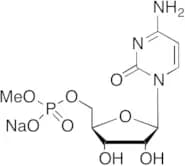

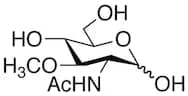




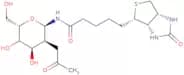

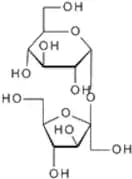
![D-Galactopyranosyl-(b1-3)-[N-acetylneuraminyl-(a2-6)]-D-N-acetylgalactosaminyl serine-biotin](/_next/image/?url=https%3A%2Fstatic.cymitquimica.com%2Fproducts%2F3D%2Fthumb-webp%2FOG15984.webp&w=3840&q=75)

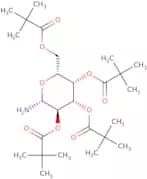
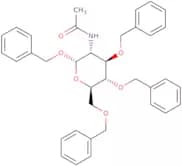
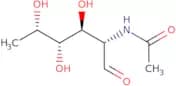

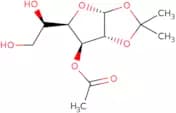
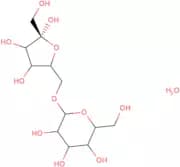
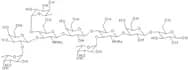

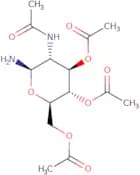
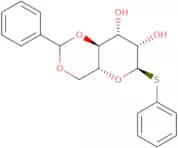
![D-[UL-13C6]Fructose 6-phosphate disodium salt hydrate](/_next/image/?url=https%3A%2Fstatic.cymitquimica.com%2Fproducts%2F3D%2Fthumb-webp%2FMF167754.webp&w=3840&q=75)
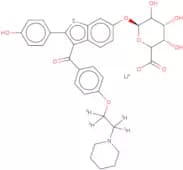


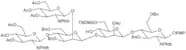
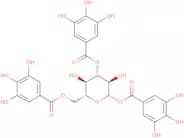
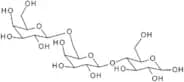
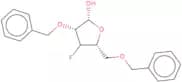
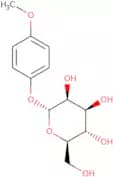
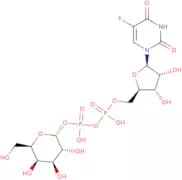

![1,3,4,6-Tetra-O-acetyl-2-[(2-aminoacetyl)amino]-2-deoxy-b-D-glucopyranose](/_next/image/?url=https%3A%2Fstatic.cymitquimica.com%2Fproducts%2F3D%2Fthumb-webp%2FMT145107.webp&w=3840&q=75)

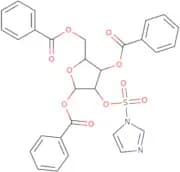
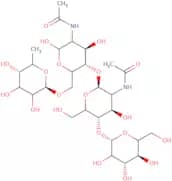
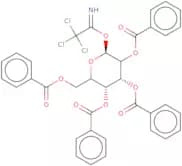
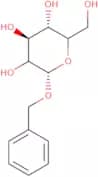

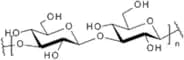
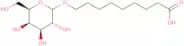
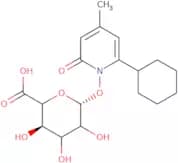

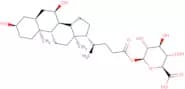
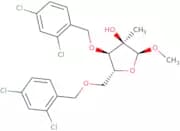




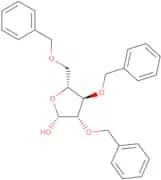
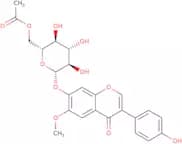
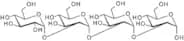
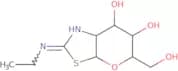
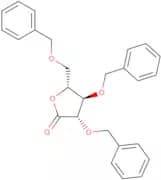
![(1R) -1- [(2S, 3R) - 3- Hydroxy- 1- methyl - 2- azetidinyl] -1, 2- ethanediol](/_next/image/?url=https%3A%2Fstatic.cymitquimica.com%2Fproducts%2F3D%2Fthumb-webp%2FMH163529.webp&w=3840&q=75)
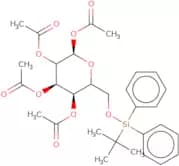


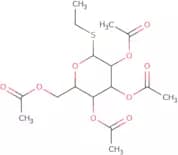
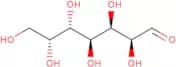
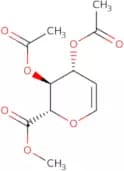

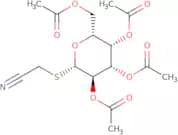
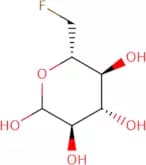
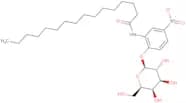
![N-Acetylneuraminyl-(a2-3)-D-galactopyranosyl-(b1-3)-[N-acetylneuraminyl-(a2-6)]-D-N-acetylgalactos…](/_next/image/?url=https%3A%2Fstatic.cymitquimica.com%2Fproducts%2F3D%2Fthumb-webp%2FOA15250.webp&w=3840&q=75)
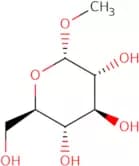
![N- [(3R, 4R, 5R) - 1- Butyl- 4- hydroxy- 5- (hydroxymethyl) - 3- pyrrolidinyl] -acetamide](/_next/image/?url=https%3A%2Fstatic.cymitquimica.com%2Fproducts%2F3D%2Fthumb-webp%2FMB163547.webp&w=3840&q=75)
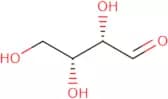


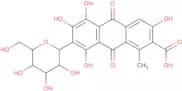
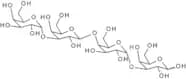
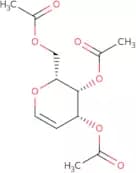
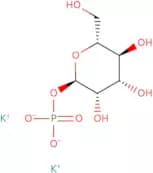
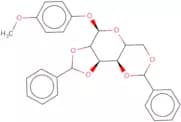
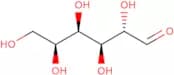
![4-O-(2-Acetamido-2-deoxy-D-[UL-13C6]glucopyranosyl)-D-ribitol](/_next/image/?url=https%3A%2Fstatic.cymitquimica.com%2Fproducts%2F3D%2Fthumb-webp%2FOA44753.webp&w=3840&q=75)
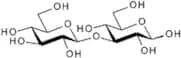
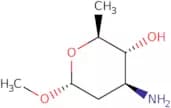
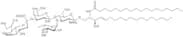

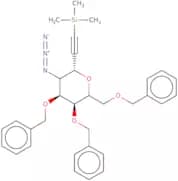
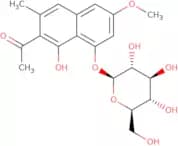
![[2S- (2a, 3b, 4a, 5b) ] - 1-Benzyl - 2-methyl-3, 4, 5- piperidinetriol](/_next/image/?url=https%3A%2Fstatic.cymitquimica.com%2Fproducts%2F3D%2Fthumb-webp%2FMB163330.webp&w=3840&q=75)
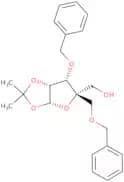
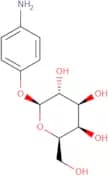

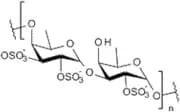
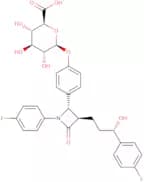


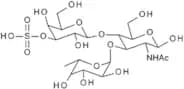
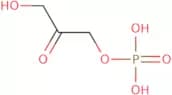
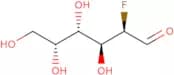
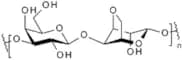
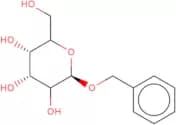
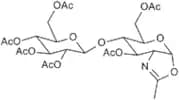
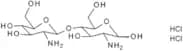
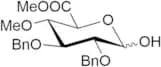
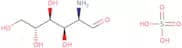
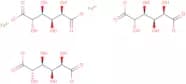

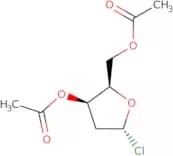

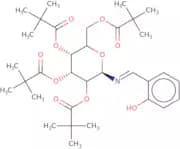

![[1S- (1a, 2a, 8a, 8ab) ] -2, 3, 8, 8a-Tetrahydro- 1, 2, 8- trihydroxy-5(1H) - indolizinone](/_next/image/?url=https%3A%2Fstatic.cymitquimica.com%2Fproducts%2F3D%2Fthumb-webp%2FMT163925.webp&w=3840&q=75)
![N- [(3R, 4S, 5R, 6S) - 4, 5- Dihydroxy- 6- (hydroxymethyl) - 3- piperidinyl] -acetamide](/_next/image/?url=https%3A%2Fstatic.cymitquimica.com%2Fproducts%2F3D%2Fthumb-webp%2FMD163561.webp&w=3840&q=75)
![N-[(4'-Methoxyphenyl)-1-propenyl]imino-2,3,4,6-tetra-O-pivaloyl-D-glucopyranoside](/_next/image/?url=https%3A%2Fstatic.cymitquimica.com%2Fproducts%2F3D%2Fthumb-webp%2FMM08498.webp&w=3840&q=75)

![(2S, 3S, 4R) -3- [[[(2S, 3S, 4R) - 3- Azido- 4- [[[(1, 1- dimethylethyl) dimethylsilyl] oxy] methy…](/_next/image/?url=https%3A%2Fstatic.cymitquimica.com%2Fproducts%2F3D%2Fthumb-webp%2FMA163462.webp&w=3840&q=75)