Apoptosis
Apoptosis inhibitors are compounds that prevent or delay the process of programmed cell death, known as apoptosis. These inhibitors are vital in studying cell survival mechanisms and are used to investigate diseases where apoptosis is dysregulated, such as cancer, neurodegenerative disorders, and autoimmune diseases. By modulating apoptosis, these inhibitors can help in the development of therapies aimed at controlling cell death. At CymitQuimica, we provide a comprehensive selection of high-quality apoptosis inhibitors to support your research in cell biology, oncology, and related fields.
Subcategories of "Apoptosis"
- ASK(9 products)
- BCL(1 products)
- Caspase(154 products)
- FOXO1(2 products)
- IAP(67 products)
- Mdm2(12 products)
- PD-1/PD-L1(127 products)
- PDK(9 products)
- PERK(23 products)
- Serine/threonin kinase(17 products)
- Survivin(14 products)
- TNF(90 products)
- c-RET(61 products)
- p53(63 products)
Show 6 more subcategories
Found 6170 products of "Apoptosis"
Sort by
Purity (%)
0
100
|
0
|
50
|
90
|
95
|
100
Rat CASP9(Caspase 9) ELISA Kit
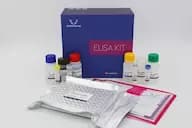
The test principle applied in this kit is Sandwich enzyme immunoassay. The microtiter plate provided in this kit has been pre-coated with an antibody specific to Rat CASP9. Standards or samples are added to the appropriate microtiter plate wells then with a biotin-conjugated antibody specific to Rat CASP9. Next, Avidin conjugated to Horseradish Peroxidase (HRP) is added to each microplate well and incubated. After TMB substrate solution is added, only those wells that contain Rat CASP9, biotin-conjugated antibody and enzyme-conjugated Avidin will exhibit a change in color. The enzyme-substrate reaction is terminated by the addition of sulphuric acid solution and the color change is measured spectrophotometrically at a wavelength of 450nm ± 10nm. The concentration of Rat CASP9 in the samples is then determined by comparing the OD of the samples to the standard curve.Color and Shape:Colourless TransparentliquidSemapimod tetrahydrochloride
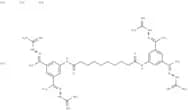
CAS:Semapimod tetrahydrochloride (CPSI-2364 tetrahydrochloride) is a mitogen-activated protein kinase blocker and pro-inflammatory cytokine production inhibitor.Formula:C34H56Cl4N18O2Purity:97.21% - 99.8%Color and Shape:SolidMolecular weight:890.74Dog TRAIL(Tumor Necrosis Factor Related Apoptosis Inducing Ligand) ELISA Kit
The test principle applied in this kit is Sandwich enzyme immunoassay. The microtiter plate provided in this kit has been pre-coated with an antibody specific to Dog TRAIL. Standards or samples are added to the appropriate microtiter plate wells then with a biotin-conjugated antibody specific to Dog TRAIL. Next, Avidin conjugated to Horseradish Peroxidase (HRP) is added to each microplate well and incubated. After TMB substrate solution is added, only those wells that contain Dog TRAIL, biotin-conjugated antibody and enzyme-conjugated Avidin will exhibit a change in color. The enzyme-substrate reaction is terminated by the addition of sulphuric acid solution and the color change is measured spectrophotometrically at a wavelength of 450nm ± 10nm. The concentration of Dog TRAIL in the samples is then determined by comparing the OD of the samples to the standard curve.Color and Shape:Colourless TransparentliquidSimian CD40L(Cluster Of Differentiation 40 Ligand) ELISA Kit
The test principle applied in this kit is Sandwich enzyme immunoassay. The microtiter plate provided in this kit has been pre-coated with an antibody specific to Simian CD40L. Standards or samples are added to the appropriate microtiter plate wells then with a biotin-conjugated antibody specific to Simian CD40L. Next, Avidin conjugated to Horseradish Peroxidase (HRP) is added to each microplate well and incubated. After TMB substrate solution is added, only those wells that contain Simian CD40L, biotin-conjugated antibody and enzyme-conjugated Avidin will exhibit a change in color. The enzyme-substrate reaction is terminated by the addition of sulphuric acid solution and the color change is measured spectrophotometrically at a wavelength of 450nm ± 10nm. The concentration of Simian CD40L in the samples is then determined by comparing the OD of the samples to the standard curve.Color and Shape:Colourless TransparentliquidHuman ANXA5(Annexin A5) ELISA Kit
The test principle applied in this kit is Sandwich enzyme immunoassay. The microtiter plate provided in this kit has been pre-coated with an antibody specific to Human ANXA5. Standards or samples are added to the appropriate microtiter plate wells then with a biotin-conjugated antibody specific to Human ANXA5. Next, Avidin conjugated to Horseradish Peroxidase (HRP) is added to each microplate well and incubated. After TMB substrate solution is added, only those wells that contain Human ANXA5, biotin-conjugated antibody and enzyme-conjugated Avidin will exhibit a change in color. The enzyme-substrate reaction is terminated by the addition of sulphuric acid solution and the color change is measured spectrophotometrically at a wavelength of 450nm ± 10nm. The concentration of Human ANXA5 in the samples is then determined by comparing the OD of the samples to the standard curve.Color and Shape:Colourless TransparentliquidHuman RANKL(Receptor Activator of Nuclear factor-kB Ligand) ELISA Kit
The test principle applied in this kit is Sandwich enzyme immunoassay. The microtiter plate provided in this kit has been pre-coated with an antibody specific to Human RANKL. Standards or samples are added to the appropriate microtiter plate wells then with a biotin-conjugated antibody specific to Human RANKL. Next, Avidin conjugated to Horseradish Peroxidase (HRP) is added to each microplate well and incubated. After TMB substrate solution is added, only those wells that contain Human RANKL, biotin-conjugated antibody and enzyme-conjugated Avidin will exhibit a change in color. The enzyme-substrate reaction is terminated by the addition of sulphuric acid solution and the color change is measured spectrophotometrically at a wavelength of 450nm ± 10nm. The concentration of Human RANKL in the samples is then determined by comparing the OD of the samples to the standard curve.Color and Shape:Colourless TransparentliquidSimian VEGFA(Vascular Endothelial Growth Factor A) ELISA Kit
The test principle applied in this kit is Sandwich enzyme immunoassay. The microtiter plate provided in this kit has been pre-coated with an antibody specific to Simian VEGFA. Standards or samples are added to the appropriate microtiter plate wells then with a biotin-conjugated antibody specific to Simian VEGFA. Next, Avidin conjugated to Horseradish Peroxidase (HRP) is added to each microplate well and incubated. After TMB substrate solution is added, only those wells that contain Simian VEGFA, biotin-conjugated antibody and enzyme-conjugated Avidin will exhibit a change in color. The enzyme-substrate reaction is terminated by the addition of sulphuric acid solution and the color change is measured spectrophotometrically at a wavelength of 450nm ± 10nm. The concentration of Simian VEGFA in the samples is then determined by comparing the OD of the samples to the standard curve.Color and Shape:Colourless TransparentliquidHuman TNFRSF7(Tumor Necrosis Factor Receptor Superfamily, Member 7) ELISA Kit
The test principle applied in this kit is Sandwich enzyme immunoassay. The microtiter plate provided in this kit has been pre-coated with an antibody specific to Human TNFRSF7. Standards or samples are added to the appropriate microtiter plate wells then with a biotin-conjugated antibody specific to Human TNFRSF7. Next, Avidin conjugated to Horseradish Peroxidase (HRP) is added to each microplate well and incubated. After TMB substrate solution is added, only those wells that contain Human TNFRSF7, biotin-conjugated antibody and enzyme-conjugated Avidin will exhibit a change in color. The enzyme-substrate reaction is terminated by the addition of sulphuric acid solution and the color change is measured spectrophotometrically at a wavelength of 450nm ± 10nm. The concentration of Human TNFRSF7 in the samples is then determined by comparing the OD of the samples to the standard curve.Color and Shape:Colourless TransparentliquidJQAD1
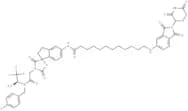
CAS:JQAD1, a potent EP300 degrader (DC50≤31.6 nM), induces apoptosis, suppresses tumor growth, and selectively downregulates CRC and MYCN without affecting CBP.Formula:C48H52F4N6O9Purity:99.75%Color and Shape:SolidMolecular weight:932.95Simian IL1a(Interleukin 1 α) ELISA Kit
The test principle applied in this kit is Sandwich enzyme immunoassay. The microtiter plate provided in this kit has been pre-coated with an antibody specific to Simian IL1a. Standards or samples are added to the appropriate microtiter plate wells then with a biotin-conjugated antibody specific to Simian IL1a. Next, Avidin conjugated to Horseradish Peroxidase (HRP) is added to each microplate well and incubated. After TMB substrate solution is added, only those wells that contain Simian IL1a, biotin-conjugated antibody and enzyme-conjugated Avidin will exhibit a change in color. The enzyme-substrate reaction is terminated by the addition of sulphuric acid solution and the color change is measured spectrophotometrically at a wavelength of 450nm ± 10nm. The concentration of Simian IL1a in the samples is then determined by comparing the OD of the samples to the standard curve.Color and Shape:Colourless TransparentliquidSimian TNFRSF8(Tumor Necrosis Factor Receptor Superfamily, Member 8) ELISA Kit
The test principle applied in this kit is Sandwich enzyme immunoassay. The microtiter plate provided in this kit has been pre-coated with an antibody specific to Simian TNFRSF8. Standards or samples are added to the appropriate microtiter plate wells then with a biotin-conjugated antibody specific to Simian TNFRSF8. Next, Avidin conjugated to Horseradish Peroxidase (HRP) is added to each microplate well and incubated. After TMB substrate solution is added, only those wells that contain Simian TNFRSF8, biotin-conjugated antibody and enzyme-conjugated Avidin will exhibit a change in color. The enzyme-substrate reaction is terminated by the addition of sulphuric acid solution and the color change is measured spectrophotometrically at a wavelength of 450nm ± 10nm. The concentration of Simian TNFRSF8 in the samples is then determined by comparing the OD of the samples to the standard curve.Color and Shape:Colourless TransparentliquidMD-224
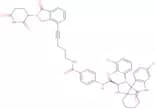
CAS:MD-224 is a highly potent and efficacious MDM2 degrader based on the proteolysistargeting chimera (PROTAC) concept,and as a new class of anticancer agent.Formula:C48H43Cl2FN6O6Purity:99.07% - >99.99%Color and Shape:SolidMolecular weight:889.8Ref: TM-T11980
1mg66.00€5mg144.00€1mL*10mM (DMSO)158.00€10mg224.00€25mg358.00€50mg512.00€100mg707.00€200mg982.00€Pheniramine maleate
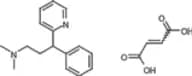
CAS:Pheniramine maleate (Trimetose), an alkylamine derivative with antihistaminic and vasodilatory properties, binds to histamine H1 receptors.Formula:C16H20N2·C4H4O4Purity:99.85%Color and Shape:Physical Description White Powder With A Faint Amine-Like Odor Melting Point 107°CMolecular weight:356.42Flumethasone
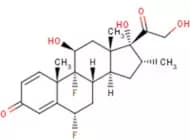
CAS:Flumethasone (RS-2177) is a glucocorticoid receptor agonist, with anti-inflammatory, antipruritic and vasoconstrictive properties.Formula:C22H28F2O5Purity:99.38% - 99.96%Color and Shape:White Crystalline PowderMolecular weight:410.45Mouse ANXA5(Annexin A5) ELISA Kit
The test principle applied in this kit is Sandwich enzyme immunoassay. The microtiter plate provided in this kit has been pre-coated with an antibody specific to Mouse ANXA5. Standards or samples are added to the appropriate microtiter plate wells then with a biotin-conjugated antibody specific to Mouse ANXA5. Next, Avidin conjugated to Horseradish Peroxidase (HRP) is added to each microplate well and incubated. After TMB substrate solution is added, only those wells that contain Mouse ANXA5, biotin-conjugated antibody and enzyme-conjugated Avidin will exhibit a change in color. The enzyme-substrate reaction is terminated by the addition of sulphuric acid solution and the color change is measured spectrophotometrically at a wavelength of 450nm ± 10nm. The concentration of Mouse ANXA5 in the samples is then determined by comparing the OD of the samples to the standard curve.Color and Shape:Colourless TransparentliquidMouse Bid(BH3 Interacting Domain Death Agonist) ELISA Kit
The test principle applied in this kit is Sandwich enzyme immunoassay. The microtiter plate provided in this kit has been pre-coated with an antibody specific to Mouse Bid. Standards or samples are added to the appropriate microtiter plate wells then with a biotin-conjugated antibody specific to Mouse Bid. Next, Avidin conjugated to Horseradish Peroxidase (HRP) is added to each microplate well and incubated. After TMB substrate solution is added, only those wells that contain Mouse Bid, biotin-conjugated antibody and enzyme-conjugated Avidin will exhibit a change in color. The enzyme-substrate reaction is terminated by the addition of sulphuric acid solution and the color change is measured spectrophotometrically at a wavelength of 450nm ± 10nm. The concentration of Mouse Bid in the samples is then determined by comparing the OD of the samples to the standard curve.Color and Shape:Colourless TransparentliquidHuman CASP14(Caspase 14) ELISA Kit
The test principle applied in this kit is Sandwich enzyme immunoassay. The microtiter plate provided in this kit has been pre-coated with an antibody specific to Human CASP14. Standards or samples are added to the appropriate microtiter plate wells then with a biotin-conjugated antibody specific to Human CASP14. Next, Avidin conjugated to Horseradish Peroxidase (HRP) is added to each microplate well and incubated. After TMB substrate solution is added, only those wells that contain Human CASP14, biotin-conjugated antibody and enzyme-conjugated Avidin will exhibit a change in color. The enzyme-substrate reaction is terminated by the addition of sulphuric acid solution and the color change is measured spectrophotometrically at a wavelength of 450nm ± 10nm. The concentration of Human CASP14 in the samples is then determined by comparing the OD of the samples to the standard curve.Color and Shape:Colourless TransparentliquidRat TNFRSF10A(Tumor Necrosis Factor Receptor Superfamily, Member 10A) ELISA Kit
The test principle applied in this kit is Sandwich enzyme immunoassay. The microtiter plate provided in this kit has been pre-coated with an antibody specific to Rat TNFRSF10A. Standards or samples are added to the appropriate microtiter plate wells then with a biotin-conjugated antibody specific to Rat TNFRSF10A. Next, Avidin conjugated to Horseradish Peroxidase (HRP) is added to each microplate well and incubated. After TMB substrate solution is added, only those wells that contain Rat TNFRSF10A, biotin-conjugated antibody and enzyme-conjugated Avidin will exhibit a change in color. The enzyme-substrate reaction is terminated by the addition of sulphuric acid solution and the color change is measured spectrophotometrically at a wavelength of 450nm ± 10nm. The concentration of Rat TNFRSF10A in the samples is then determined by comparing the OD of the samples to the standard curve.Color and Shape:Colourless TransparentliquidRabbit VEGFA(Vascular Endothelial Growth Factor A) ELISA Kit
The test principle applied in this kit is Sandwich enzyme immunoassay. The microtiter plate provided in this kit has been pre-coated with an antibody specific to Rabbit VEGFA. Standards or samples are added to the appropriate microtiter plate wells then with a biotin-conjugated antibody specific to Rabbit VEGFA. Next, Avidin conjugated to Horseradish Peroxidase (HRP) is added to each microplate well and incubated. After TMB substrate solution is added, only those wells that contain Rabbit VEGFA, biotin-conjugated antibody and enzyme-conjugated Avidin will exhibit a change in color. The enzyme-substrate reaction is terminated by the addition of sulphuric acid solution and the color change is measured spectrophotometrically at a wavelength of 450nm ± 10nm. The concentration of Rabbit VEGFA in the samples is then determined by comparing the OD of the samples to the standard curve.Color and Shape:Colourless TransparentliquidProadifen hydrochloride
CAS:Proadifen hydrochloride (RP-5171) is an inhibitor of drug metabolism and cytochrome P-450 enzyme system activity.Formula:C23H32ClNO2Purity:99.84% - >99.99%Color and Shape:SolidMolecular weight:389.96