Apoptosis
Apoptosis inhibitors are compounds that prevent or delay the process of programmed cell death, known as apoptosis. These inhibitors are vital in studying cell survival mechanisms and are used to investigate diseases where apoptosis is dysregulated, such as cancer, neurodegenerative disorders, and autoimmune diseases. By modulating apoptosis, these inhibitors can help in the development of therapies aimed at controlling cell death. At CymitQuimica, we provide a comprehensive selection of high-quality apoptosis inhibitors to support your research in cell biology, oncology, and related fields.
Subcategories of "Apoptosis"
- ASK(6 products)
- BCL(11 products)
- Caspase(127 products)
- FOXO1(3 products)
- IAP(65 products)
- Mdm2(12 products)
- PD-1/PD-L1(126 products)
- PDK(9 products)
- PERK(24 products)
- Serine/threonin kinase(15 products)
- Survivin(13 products)
- TNF(91 products)
- c-RET(51 products)
- p53(62 products)
Show 6 more subcategories
Found 5622 products of "Apoptosis"
Sort by
Purity (%)
0
100
|
0
|
50
|
90
|
95
|
100
ECDD-S16
ECDD-S16 is a potent inhibitor of pyroptosis. It effectively suppresses pyroptosis in Raw264.7 cells activated by surface and endosomal TLR ligands.Formula:C35H31FO12Molecular weight:662.17995MX106-4C
<p>MX106-4C is a survivin inhibitor that selectively targets ABCB1-positive colorectal cancer cells. It can work synergistically with Doxorubicin for enhanced anticancer effects or restore Doxorubicin sensitivity in drug-resistant ABCB1 cells.</p>Formula:C23H25BrN2O2Molecular weight:440.10994PROTAC GPX4 degrader-2
<p>PROTACGPX4 degrader-2 (compound 18a) is a proteolysis-targeting chimera (PROTAC) that targets the degradation of glutathione peroxidase 4 (GPX4), with a DC50, 48h value of 1.68 μM. It induces the accumulation of lipid peroxides and mitochondrial depolarization, subsequently triggering ferroptosis. Additionally, PROTACGPX4 degrader-2 exhibits antiproliferative activity.</p>Formula:C50H61ClN8O9Molecular weight:952.425WEE1-IN-7
<p>WEE1-IN-7 (compound 12h) is a potent, orally active WEE1 inhibitor with an IC50 value of 2.1 nM. This compound induces apoptosis and causes cell cycle arrest in the S phase, demonstrating antitumor activity.</p>155H1
155H1 (Compound 11) is a stapled peptide that covalently binds to hMcl1 (172-323) with an IC50 of 18 nM.Formula:C79H120FN19O23SMolecular weight:1753.85092S2/IAPinh
S2/IAPinh is a conjugate composed of an inhibitor of apoptosis proteins inhibitor (IAPinh) and a ligand of sigma 2 SW43. It demonstrates anti-proliferative and apoptosis-inducing activity by degrading inhibitor of apoptosis proteins (clAP-1).Formula:C52H75Cl2FN6O6SMolecular weight:1000.48299Apoptosis inducer 26
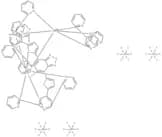
<p>Apoptosisinducer 26 (compound [AgCl(dap2SH)(PPh3)2]) is a mononuclear Ag(I) ligand-based autophagy inducer that exhibits antibacterial and anticancer activities against various bacterial strains and cancer cell lines. This compound facilitates the accumulation of Ag(I) ions in the periphery of bacteria, effectively inhibiting the growth of both Gram-positive (+) and Gram-negative (-) bacteria. Additionally, Apoptosisinducer 26 can intercalate between the base pairs of CT DNA, inducing apoptosis in A549 cells. It also possesses radical scavenging properties, which helps prevent oxidative stress.</p>Formula:C40H36AgClN4P2SColor and Shape:SolidMolecular weight:810.07RIPK1-IN-22
RIPK1-IN-13 (compound 28) is a selective inhibitor of receptor-interacting serine/threonine-protein kinase 1 (RIPK1), showing a pKi of 7.66 as measured by the ADP-Glo kinase assay. It exhibits inhibitory effects in human leukemia U937 cells with a pIC50 of 7.2.Formula:C22H22N4O3SMolecular weight:422.14126LS-106
<p>LS-106 is an orally active, effective epidermal growth factor receptor (EGFR) inhibitor displaying antitumor activity both in vitro and in vivo. It inhibits the kinase activities of EGFR19del/T790M/C797S and EGFRL858R/T790M/C797S, with IC50 values of 2.4 nmol/L and 3.1 nmol/L, respectively, demonstrating stronger inhibition than Osimertinib. LS-106 induces cell apoptosis (Apoptosis), suppresses the proliferation of tumor cells carrying EGFR19del/T790M/C797S, and results in significant tumor reduction in a C797S mutant xenograft model.</p>Formula:C24H28BrClN5OPColor and Shape:SolidMolecular weight:548.84ROS inducer 4
<p>Compound TE3, also known as ROS inducer 4, serves as a mitochondrial inhibitor. This compound induces a variety of mitochondria-related physiological alterations in tumors, including mitochondrial fragmentation, intense generation and accumulation of ROS, reduced mitochondrial membrane potential, and lower ATP content. Additionally, it activates ROS-mediated apoptotic signaling within mitochondria.</p>Formula:C49H62BrO4PColor and Shape:SolidMolecular weight:825.89Antimycobacterial agent-5
<p>Antimycobacterial agent-5 (compound 27) is an imidazopyridine amide compound that targets the Mycobacterium electron transport chain (ETC) respiratory CIII2CIV2 supercomplex. It acts on Mycobacterium smegmatis CIII2CIV2 with an IC50 of 441 nM.</p>Formula:C25H34ClN3OMolecular weight:427.23904HDAC-IN-77
HDAC-IN-77 (HL-5s), an HDAC inhibitor, has the capability to induce ferroptosis and suppress the Nrf2/HO-1 signaling pathway. This compound is utilized in cancer research.Formula:C22H26N4O2SColor and Shape:SolidMolecular weight:410.53NAE-IN-1
NAE-IN-1 (compound X-10) is a potent inhibitor of NAE1. It induces apoptosis and causes cell cycle arrest in the G2/M phase. Furthermore, NAE-IN-1 increases ROS levels and inhibits cell migration, demonstrating antiproliferative activity.Formula:C29H30N4O2SMolecular weight:498.20895CBI1
CBI1 is a covalent BAX inhibitor. It selectively derivatizes BAX at C126 and inhibits BAX activation by triggering a ligand or through point mutations. CBI1 prevents the lipidation and oligomerization of BAX by t-2-hex. It also inhibits BAX activation induced by BH3 ligands, F116A mutation, or t-2-hex.Formula:C15H19BrN4OS2Molecular weight:415.37iNOS/TopoI-IN-1
<p>Compound AuL9, also known as iNOS/TopoI-IN-1, is a multi-target hybrid molecule possessing anti-tumor, anti-inflammatory, and antioxidant properties. This compound effectively inhibits the growth of MCF-7 and MDA MB-231 breast cancer cells in vitro, exhibiting IC50 values of 3.5 μM and 6.3 μM respectively. It also prompts DNA damage and apoptosis in these cells by inhibiting human topoisomerase I (TopoI) with a K_i of 2.72 μM. Additionally, iNOS/TopoI-IN-1 reduces the expression of iNOS by suppressing the activation of NF-kB, with a K_i of 1.49 μM.</p>Formula:C34H40AuBrCl2N3OSColor and Shape:SolidMolecular weight:886.54Antitumor photosensitizer-6
CAS:Compound Ru2 (Antitumor photosensitizer-6) exhibits synergistic type I/II photosensitization and photocatalytic activities under illumination at 595 nm. It causes oxidative redox imbalance within cells, affecting biosynthesis and metabolic processes, leading to cell apoptosis (Apoptosis). Compound Ru2 is applicable in studies of photodynamic therapy (PDT).Formula:C74H46F26N14P4Ru2S3Color and Shape:SolidMolecular weight:2047.44EGFR kinase inhibitor 7
<p>EGFRkinase inhibitor 7 (compound 18i) is an EGFR inhibitor with an IC50 of 42.3 nM, exhibiting anticancer properties. This compound demonstrates significant in vitro cytotoxicity and capacity to induce apoptosis. Furthermore, EGFRkinase inhibitor 7 displays anti-proliferative activity against human colon cancer cell line HCT116 and human non-small cell lung cancer cell line A549, with IC50 values of 4.82 µM and 1.43 µM, respectively.</p>Formula:C28H26Cl2FN3O3SSeColor and Shape:SolidMolecular weight:653.45PI3K/AKT-IN-4
PI3K/AKT-IN-4 (compound 3), a diterpenoid extracted from the roots and rhizomes of Salvia castanea Dielsf., exhibits antitumor properties by inhibiting cell viability and proliferation (IC 50 =4.72 μM) and promoting apoptosis in Hep3B cells. This compound obstructs the G0/G1 phase of the cell cycle, triggers mitochondrial dysfunction, and induces oxidative stress. Moreover, PI3K/AKT-IN-4 combats hepatocellular carcinoma through the inhibition of the PI3K-Akt signaling pathway and by interacting with PARP1 and CDK2 targets.Formula:C19H26O2Color and Shape:SolidMolecular weight:286.41GPX4-IN-14
GPX4-IN-14 (compound 2c) acts as a GPX4 inhibitor, exhibiting both free radical scavenging activity (with a maximum scavenging rate of 72.52%) and anti-tumor proliferation activity in vitro. This compound targets GPX4 protein, elevating lipid peroxide and intracellular Reactive Oxygen Species (ROS) levels, which induces ferroptosis and contributes to its anti-tumor proliferation effects.Formula:C26H39NO8SeColor and Shape:SolidMolecular weight:572.55YX-02-030
CAS:<p>YX-02-030M is a PROTACMDM2 degrader. It inhibits the binding of MDM2 to p53 and VHL to HIF1α, with IC50 values of 63 nM and 1.35 μM, respectively. YX-02-030M binds to MDM2 and recruits the VHL E3 ubiquitin ligase to initiate MDM2 degradation, effectively killing p53 mutant or deficient triple-negative breast cancer (TNBC) cells.</p>Formula:C66H85Cl2N9O10SMolecular weight:1267.41